Crash of an Embraer EMB-500 Phenom 100 in Houston

Date & Time: Nov 21, 2014 at 1010 LT
Type of aircraft:
Operator:
Registration:
N584JS
Flight Type:
Survivors:
Yes
Schedule:
Houston - Houston
MSN:
500-00140
YOM:
2010
Flight number:
RSP526
Crew on board:
2
Crew fatalities:
Pax on board:
0
Pax fatalities:
Other fatalities:
Total fatalities:
0
Captain / Total flying hours:
6311
Captain / Total hours on type:
410.00
Copilot / Total flying hours:
4232
Copilot / Total hours on type:
814
Aircraft flight hours:
3854
Circumstances:
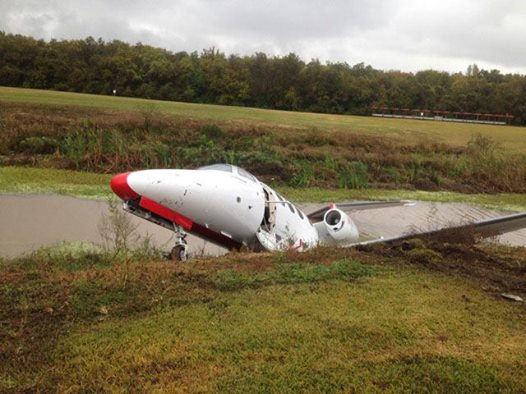
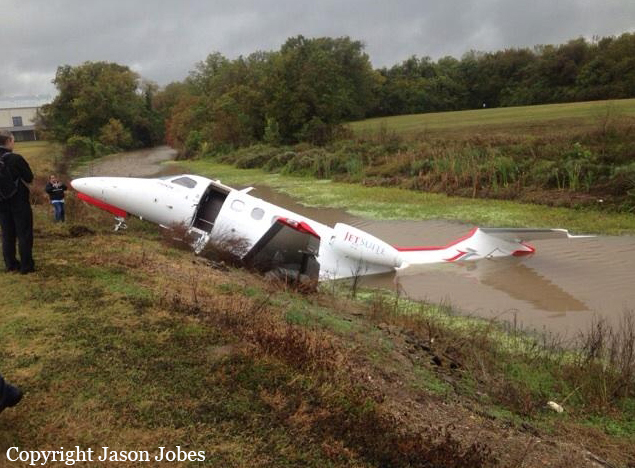
The pilots of the very light jet were conducting a positioning flight in instrument meteorological conditions. The flight was cleared by air traffic control for the instrument landing system (ILS) approach; upon being cleared for landing, the tower controller reported to the crew that there was no standing water on the runway. Review of the airplane's flight data recorder (FDR) data revealed that the airplane reached 50 ft above touchdown zone elevation (TDZE) at an indicated airspeed of 118 knots (KIAS). The airplane crossed the runway displaced threshold about 112 KIAS, and it touched down on the runway at 104 KIAS with about a 7-knot tailwind. FDR data revealed that, about 1.6 seconds after touchdown of the main landing gear, the nose landing gear touched down and the pilot's brake pedal input increased, with intermediate oscillations, over a period of 7.5 seconds before reaching full pedal deflection. During this time, the airplane achieved its maximum wheel braking friction coefficient and deceleration. The cockpit voice recorder recorded both pilots express concern the that the airplane was not slowing. About 4 seconds after the airplane reached maximum deceleration, the pilot applied the emergency parking brake (EPB). Upon application of the EPB, the wheel speed dropped to zero and the airplane began to skid, which resulted in reverted-rubber hydroplaning, further decreasing the airplane's stopping performance. The airplane continued past the end of the runway, crossed a service road, and came to rest in a drainage ditch. Postaccident examination of the brake system and data downloaded from the brake control unit indicated that it functioned as commanded during the landing. The airplane was not equipped with thrust reversers or spoilers to aid in deceleration. The operator's standard operating procedures required pilots to conduct a go-around if the airspeed at 50 ft above TDZE exceeded 111 kts. Further, the landing distances published in the airplane flight manual (AFM) are based on the airplane slowing to its reference speed (Vref) of 101 KIAS at 50 ft over the runway threshold. The airplane's speed at that time exceeded Vref, which resulted in an increased runway distance required to stop; however, landing distance calculations performed in accordance with the AFM showed that the airplane should still have been able to stop on the available runway. An airplane performance study also showed that the airplane had adequate distance available on which to stop had the pilot continued to apply maximum braking rather than engage the EPB. The application of the EPB resulted in skidding, which increased the stopping distance. Although the runway was not contaminated with standing water at the time of the accident, the performance study revealed that the maximum wheel braking friction coefficient was significantly less than the values derived from the unfactored wet runway landing distances published in the AFM, and was more consistent with the AFM-provided landing distances for runways contaminated with standing water. Federal Aviation Administration Safety Alert for Operators (SAFO) 15009 warns operators that, "the advisory data for wet runway landings may not provide a safe stopping margin under all conditions" and advised them to assume "a braking action of medium or fair when computing time-of-arrival landing performance or [increase] the factor applied to the wet runway time-of-arrival landing performance data." It is likely that, based on the landing data in the AFM, the crew expected a faster rate of deceleration upon application of maximum braking; when that rate of deceleration was not achieved, the pilot chose to engage the EPB, which only further degraded the airplane's braking performance.
Probable cause:
The pilot's engagement of the emergency parking brake during the landing roll, which decreased the airplane's braking performance and prevented it from stopping on the available runway. Contributing to the pilot's decision to engage the emergency parking brake was the expectation of a faster rate of deceleration and considerably shorter wet runway landing distance provided by the airplane flight manual than that experienced by the crew upon touchdown and an actual wet runway friction level lower than the assumed runway fiction level used in the calculation of the stopping distances published in the airplane flight manual.
Final Report:

Crash of a Cessna 208 Caravan I in the Laguna de Tres Palos

Date & Time: Oct 24, 2014 at 1600 LT
Type of aircraft:
Operator:
Registration:
XA-WET
Flight Phase:
Flight Type:
Survivors:
Yes
Schedule:
Laguna de Tres Palos - Acapulco
MSN:
208-0294
YOM:
1998
Country:
Crew on board:
2
Crew fatalities:
Pax on board:
0
Pax fatalities:
Other fatalities:
Total fatalities:
0
Captain / Total flying hours:
5240
Captain / Total hours on type:
201.00
Copilot / Total flying hours:
23837
Aircraft flight hours:
1760
Aircraft flight cycles:
1105
Circumstances:
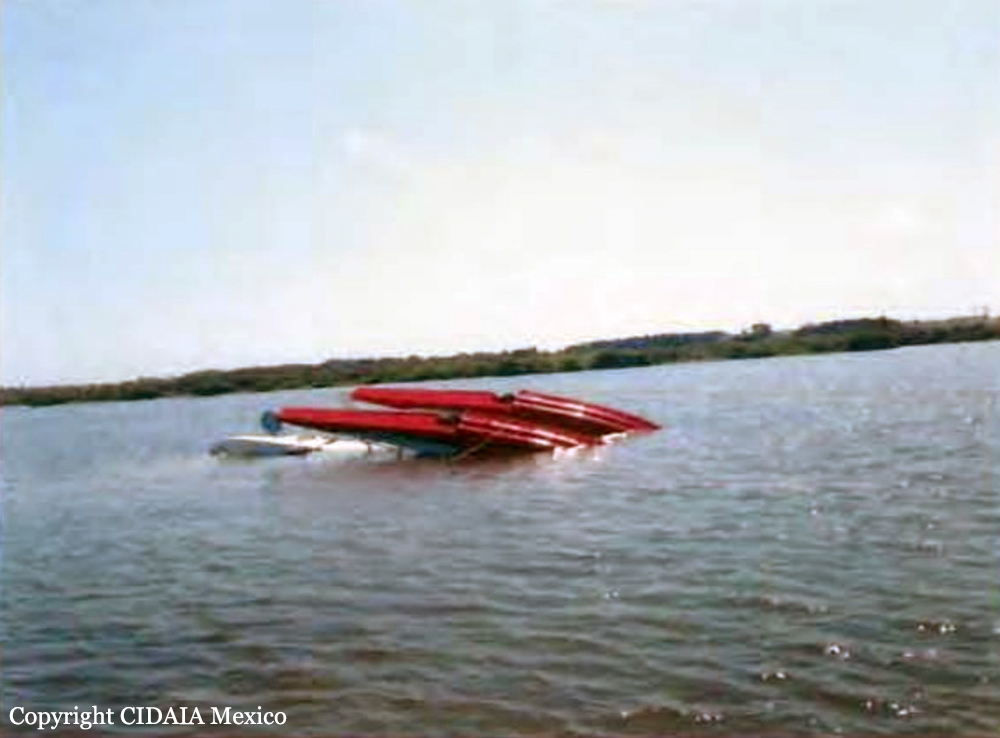
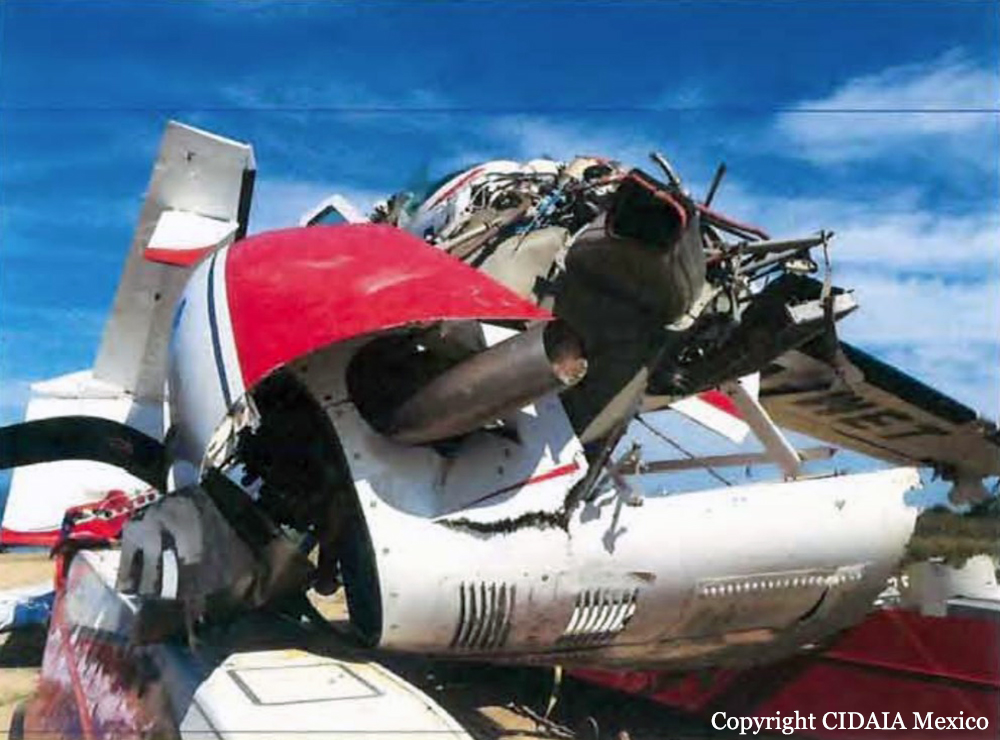
The crew departed Laguna de Tres Palos on a positioning flight to the Acapulco-General Juan N. Álvarez International Airport. During the takeoff procedure, the seaplane started to oscillate from left to right. At a speed of about 45 knots, the crew abandoned the takeoff procedure when the aircraft nosed down, plunged into water and came to rest, inverted and submerged. Both pilots evacuated safely while the aircraft was damaged beyond repair.
Probable cause:
Loss of control of the aircraft during a takeoff run from a watery surface due to cross winds.
Final Report:

Crash of a BAe 125-800B in Moscow

Date & Time: Jul 7, 2014
Type of aircraft:
Operator:
Registration:
RA-02806
Flight Type:
Survivors:
Yes
Schedule:
Moscow – Makhatchkala
MSN:
258106
YOM:
1987
Flight number:
CIG9661
Country:
Region:
Crew on board:
3
Crew fatalities:
Pax on board:
0
Pax fatalities:
Other fatalities:
Total fatalities:
0
Circumstances:
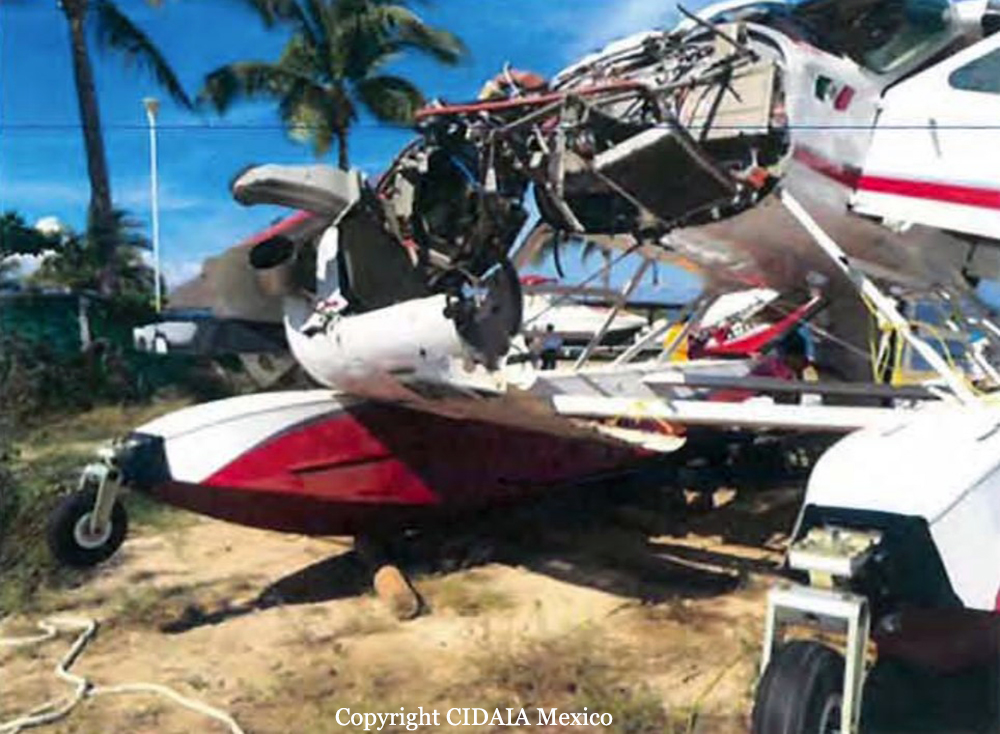
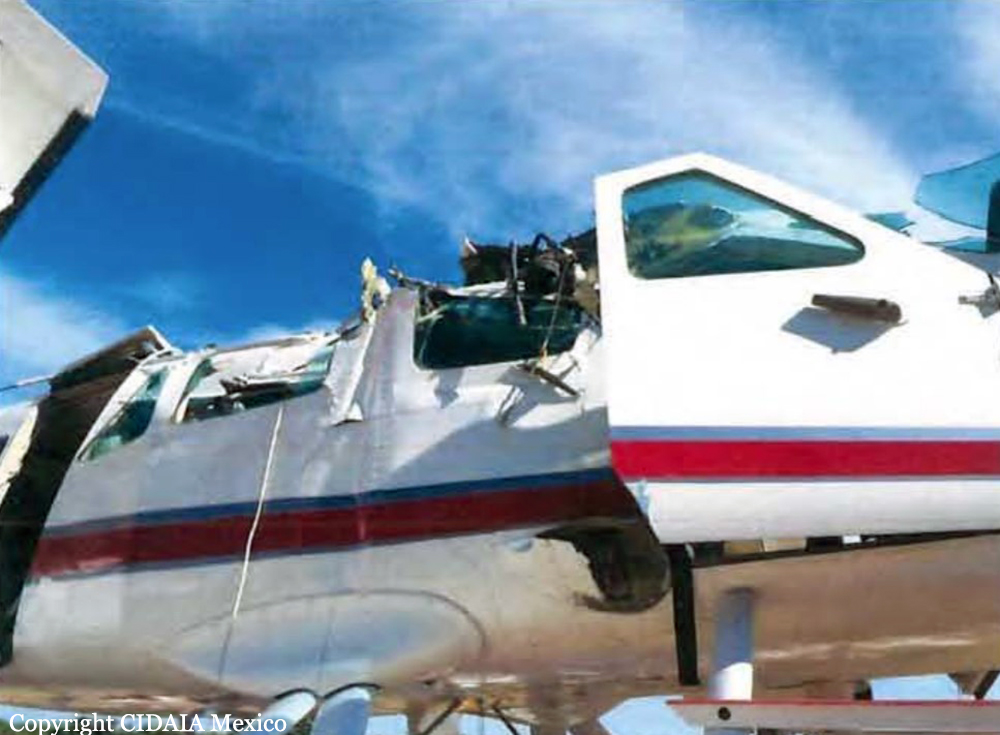
The twin engine aircraft departed Moscow-Vnukovo Airport on a positioning flight to Makhatchkala, carrying a crew of three. On approach to Makhatchkala Airport, the crew was unable to lower the gear that remained stuck in their wheel well. Despite several attempts, the crew was unable to lower the gear manually and eventually decided to return to Moscow-Vnukovo for an emergency landing. The aircraft belly landed on a foam covered runway and slid for few dozen metres before coming to rest. All three crew members escaped uninjured and the aircraft was damaged beyond repair.

Crash of a Britten Norman BN-2A Islander near Chirundu

Date & Time: Jul 6, 2014 at 1630 LT
Type of aircraft:
Registration:
9Q-CYA
Flight Phase:
Flight Type:
Survivors:
Yes
Schedule:
Lanseria – Lubumbashi
MSN:
617
YOM:
1970
Country:
Region:
Crew on board:
2
Crew fatalities:
Pax on board:
0
Pax fatalities:
Other fatalities:
Total fatalities:
0
Circumstances:
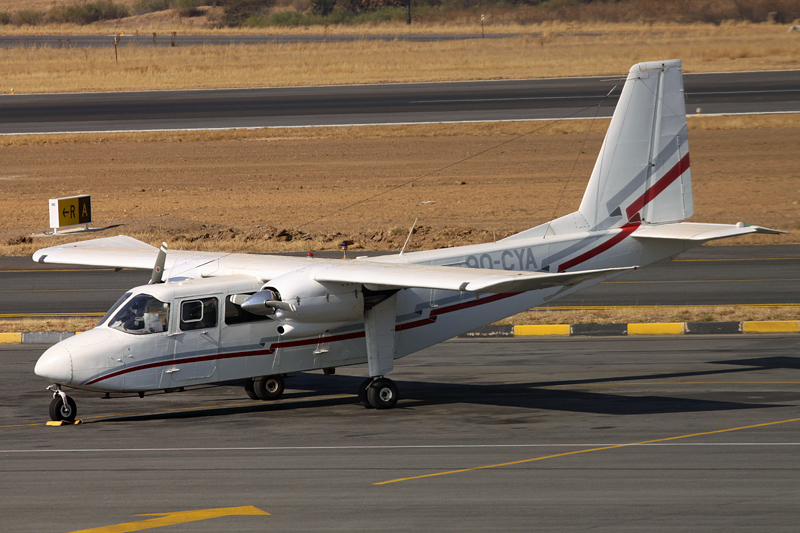
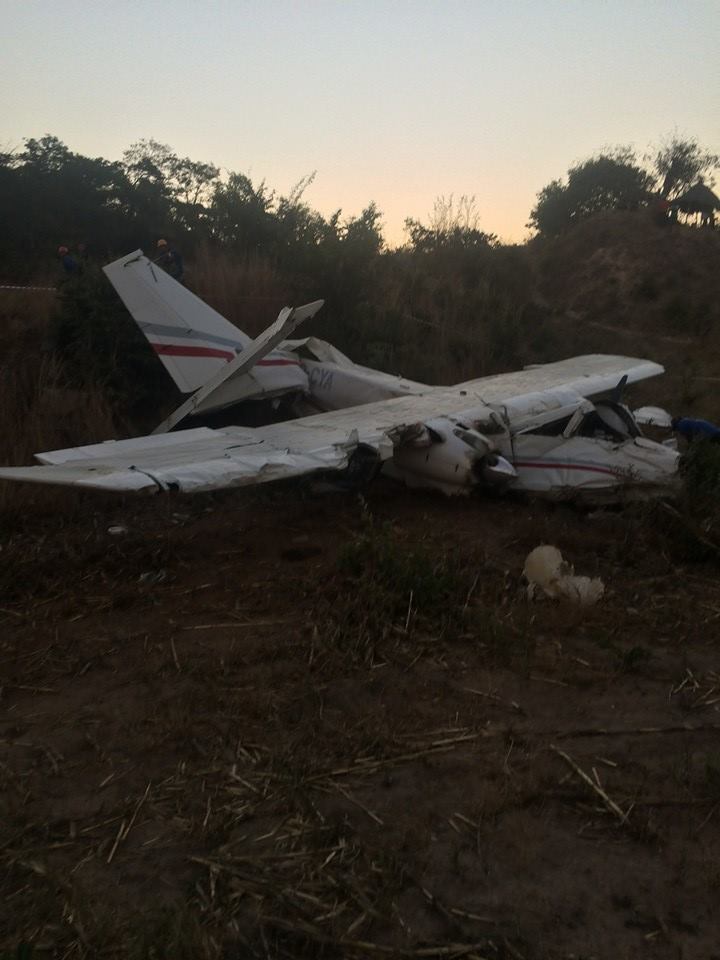
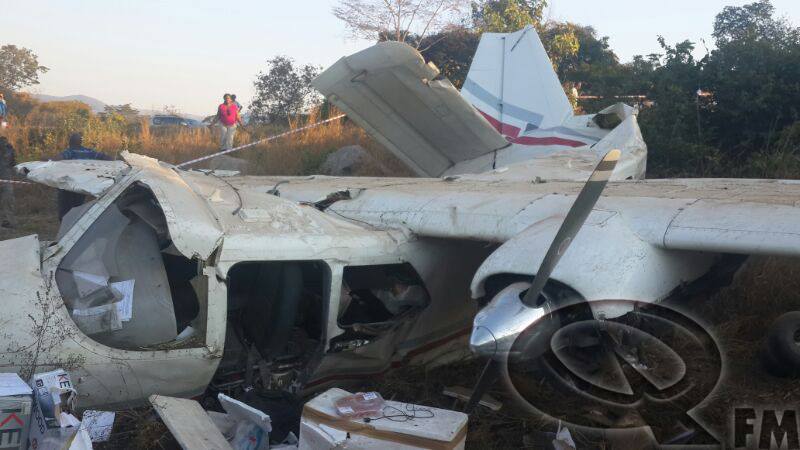
The crew departed Lanseria on a positioning flight to Lubumbashi where the aircraft was based. En route, the crew encountered engine problems and elected to make an emergency landing on the Lusaka - Chirundu Road. Eventually, the twin engine aircraft crashed in a cliff. Both occupants were injured and the aircraft was destroyed.

Crash of a Grumman G-21A Goose in Sula: 1 killed

Date & Time: Jun 17, 2014 at 1700 LT
Type of aircraft:
Operator:
Registration:
N888GG
Flight Phase:
Flight Type:
Survivors:
No
Schedule:
Salmon - Hamilton
MSN:
B-70
YOM:
1944
Location:
Crew on board:
1
Crew fatalities:
Pax on board:
0
Pax fatalities:
Other fatalities:
Total fatalities:
1
Captain / Total flying hours:
9800
Captain / Total hours on type:
50.00
Aircraft flight hours:
6394
Circumstances:
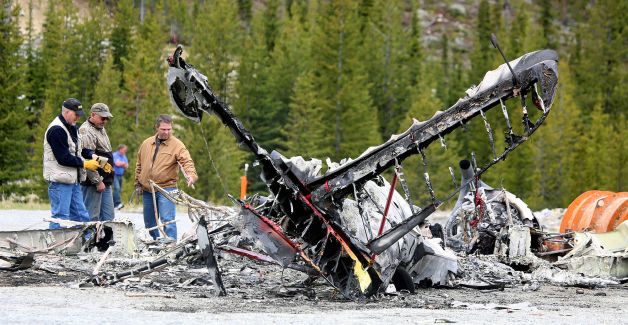
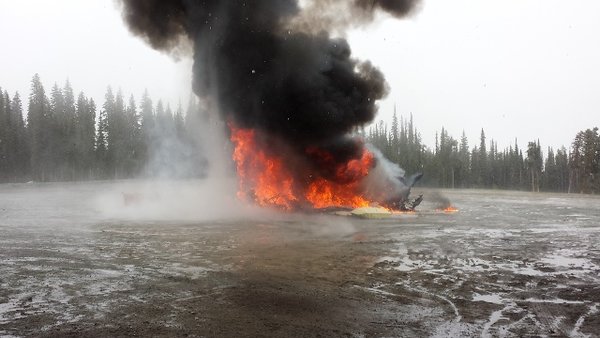
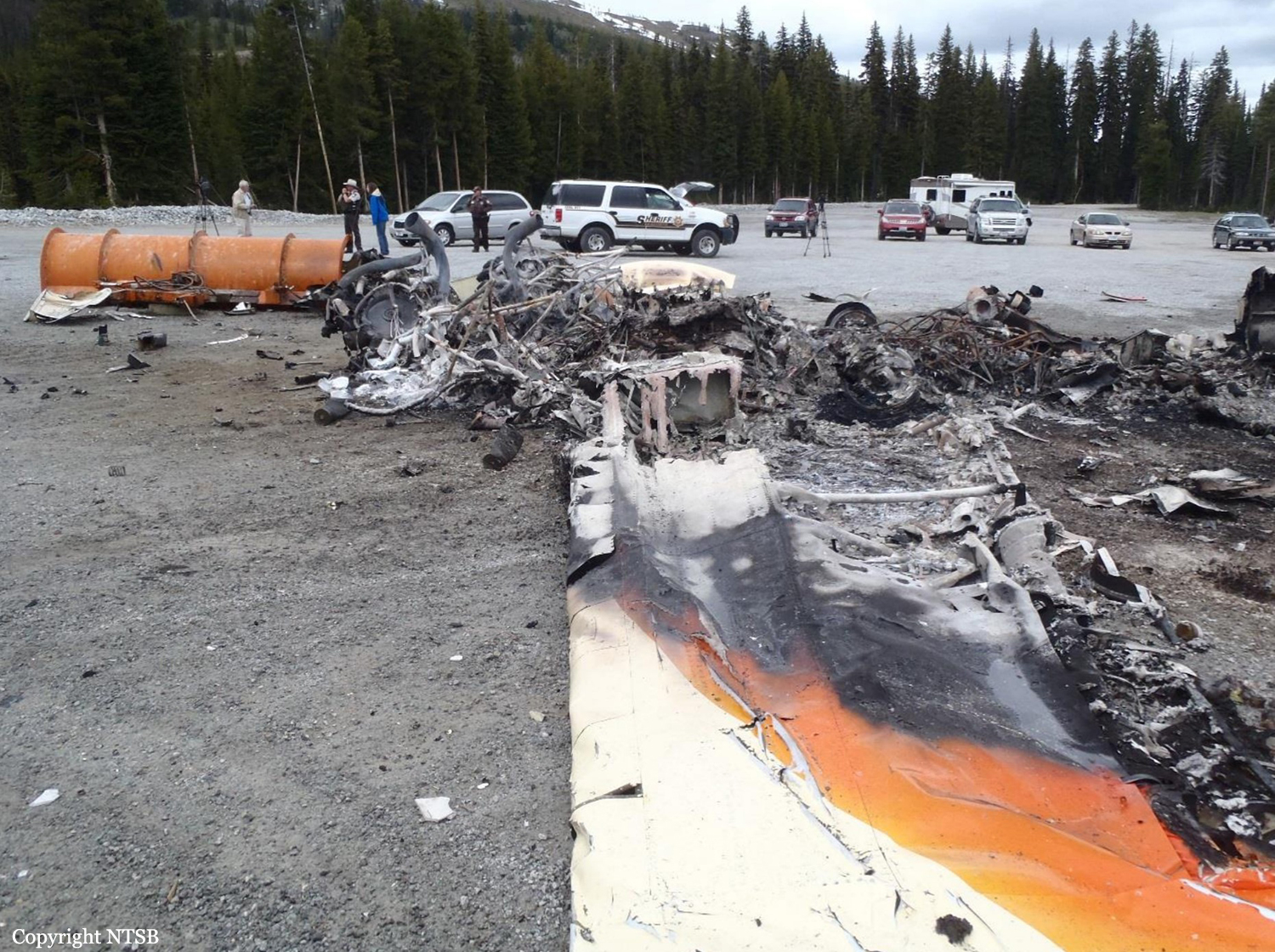
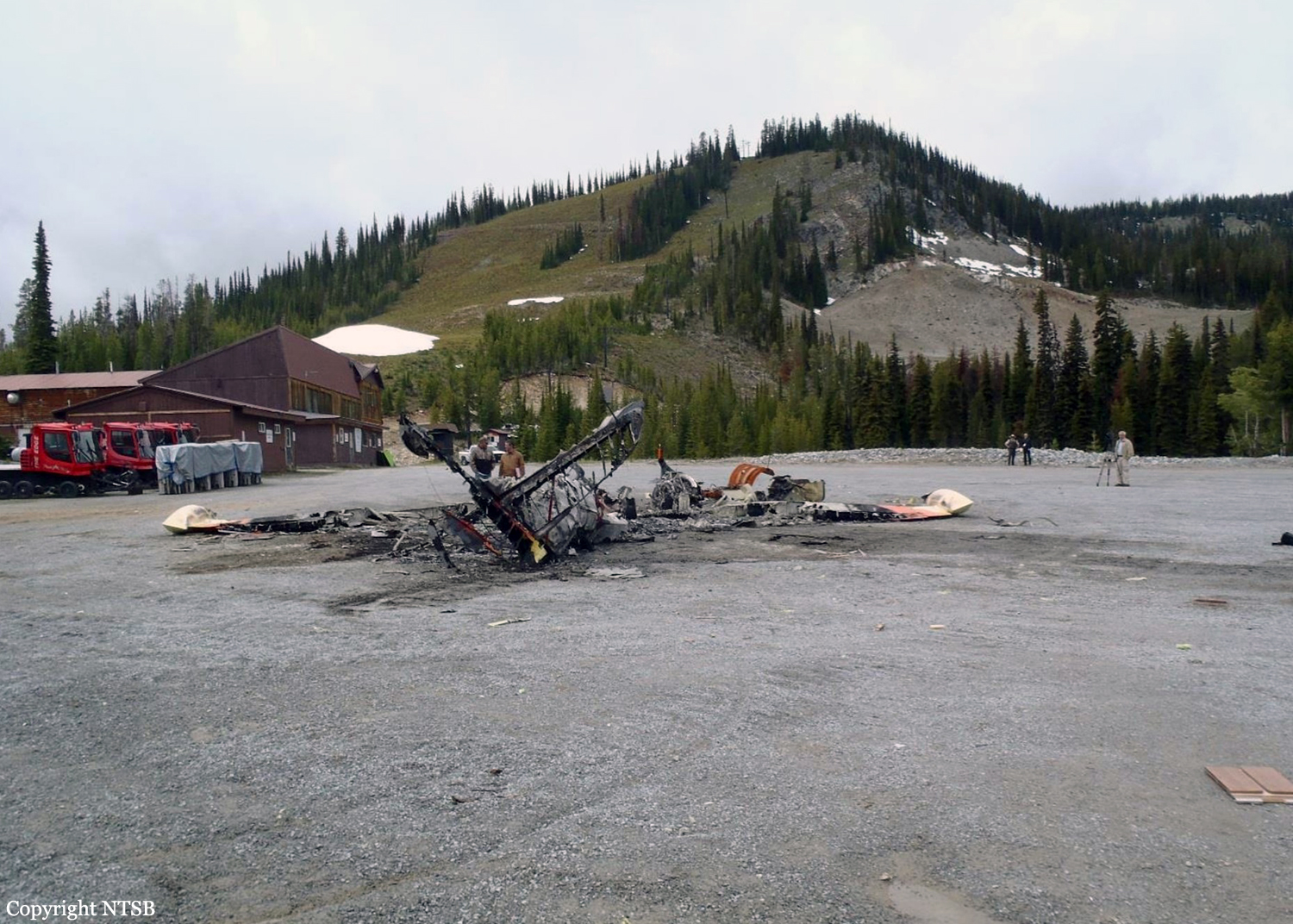
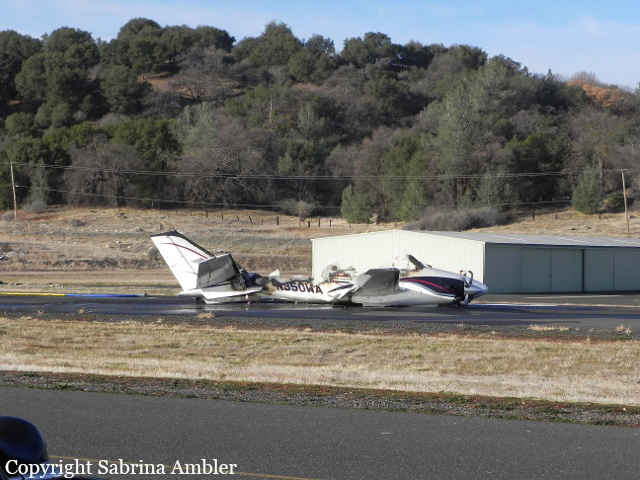
The airline transport pilot was repositioning the airplane to an airport near the owner's summer home. The airplane was not maintained for instrument flight, and the pilot had diverted the day before the accident due to weather. On the day of the accident, the pilot departed for the destination, but returned shortly after due to weather. After waiting for the weather conditions to improve, the pilot departed again that afternoon, and refueled the airplane at an intermediate airport before continuing toward the destination. The route of flight followed a highway that traversed a mountain pass. A witness located along the highway stated that he saw the accident airplane traveling northbound toward the mountain pass, below the overcast cloud layer. He also stated that the mountain pass was obscured, and he could see a thunderstorm developing toward the west, which was moving east toward the pass. A second witness, located near the accident site, saw the airplane descend vertically from the base of the clouds while spinning in a level attitude and impact the ground. The second witness reported that it was snowing and that the visibility was about ¼ mile at the time of the accident. The airplane impacted terrain in a level attitude, and was consumed by a postcrash fire. Examination of the flight controls, airframe, and engine revealed no mechanical malfunctions or anomalies that would have precluded normal operation. It is likely that the pilot experienced spatial disorientation and a subsequent loss of aircraft control upon encountering instrument meteorological conditions. The airplane exceeded its critical angle of attack and entered a flat spin at low altitude, resulting in an uncontrolled descent and impact with terrain.
Probable cause:
The pilot's decision to continue flight into deteriorating weather conditions in an airplane not maintained for instrument flight, which resulted in a loss of control due to spatial
disorientation.
Final Report:
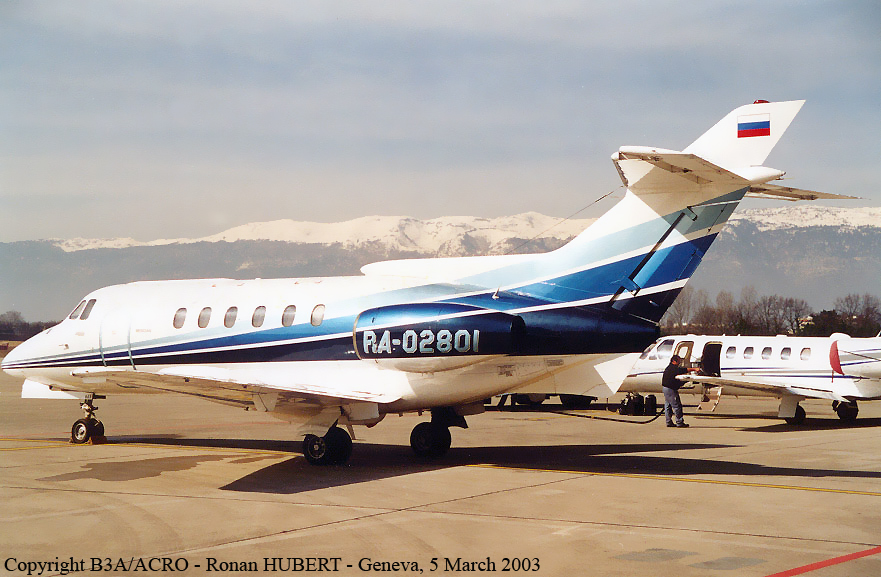
Crash of a BAe 125-700B in Moscow

Date & Time: Feb 12, 2014 at 1850 LT
Type of aircraft:
Operator:
Registration:
RA-02801
Flight Type:
Survivors:
Yes
Schedule:
Moscow - Moscow
MSN:
257097
YOM:
1980
Country:
Region:
Crew on board:
2
Crew fatalities:
Pax on board:
0
Pax fatalities:
Other fatalities:
Total fatalities:
0
Circumstances:
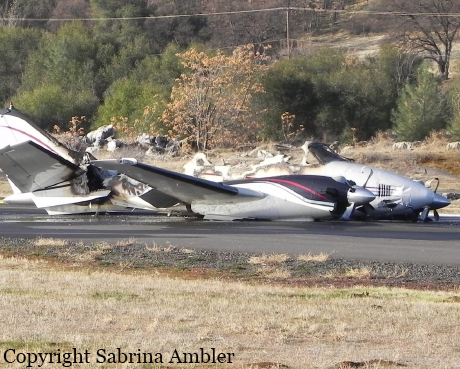
The crew departed Moscow-Sheremetyevo Airport on a positioning flight to Moscow-Vnukovo Airport. On approach by night, the crew configured the aircraft for landed when he realized that the right main gear remained stuck in its wheel well. The crew following a holding pattern and after the runway was covered with foam, he completed an emergency landing. After touchdown, the right wing contacted ground and the aircraft slid for few dozen metres before coming to rest. Both pilots escaped uninjured and the aircraft was damaged beyond repair.

Crash of a Beechcraft C90 King Air in Columbia

Date & Time: Jan 27, 2014 at 0530 LT
Type of aircraft:
Operator:
Registration:
N350WA
Flight Type:
Survivors:
Yes
Schedule:
Sacramento - Columbia
MSN:
LJ-762
YOM:
1978
Crew on board:
2
Crew fatalities:
Pax on board:
0
Pax fatalities:
Other fatalities:
Total fatalities:
0
Captain / Total flying hours:
2939
Captain / Total hours on type:
1784.00
Copilot / Total flying hours:
6658
Copilot / Total hours on type:
2237
Aircraft flight hours:
9501
Circumstances:
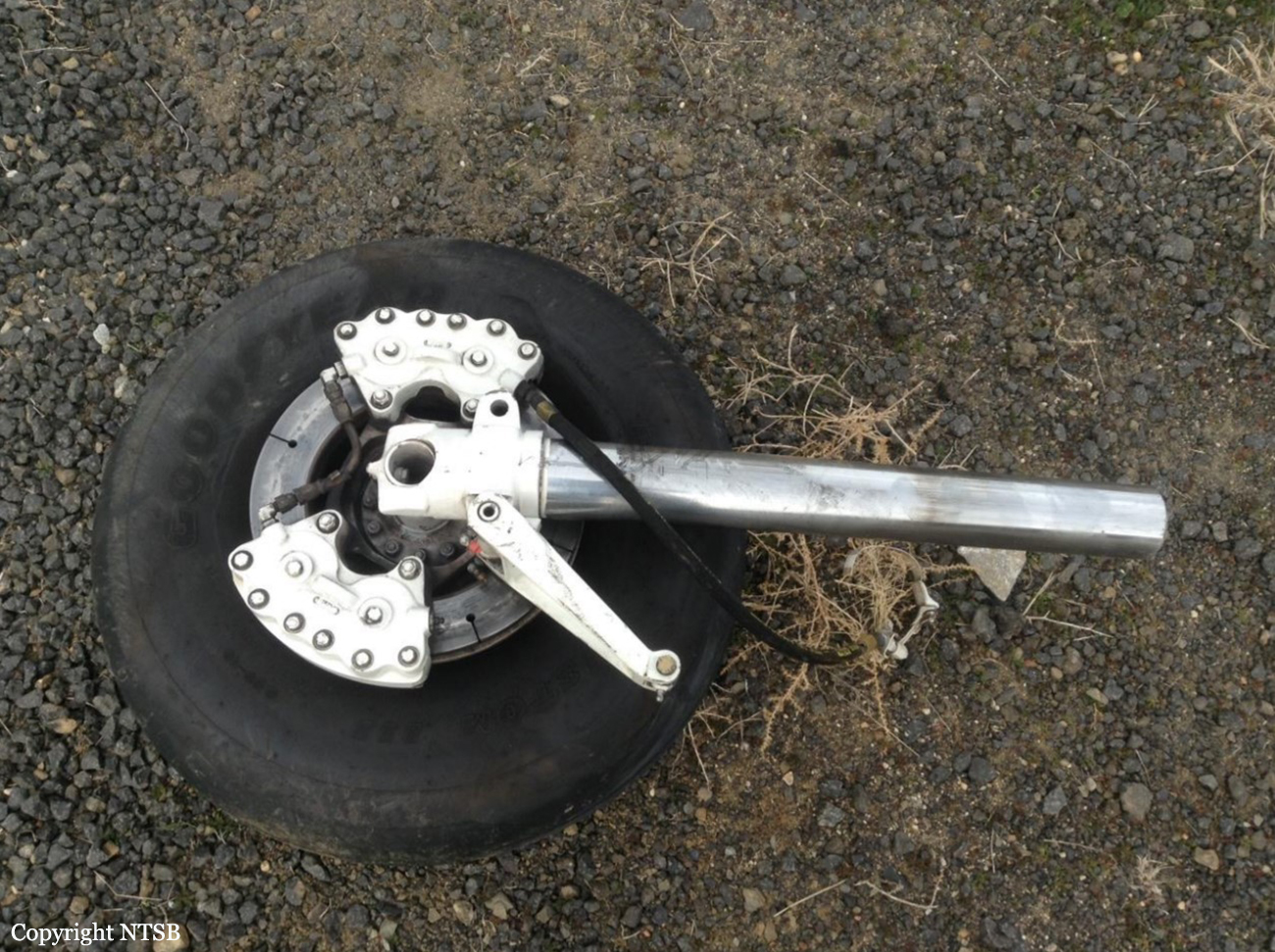
The commercial pilot, who was the pilot flying (PF), and the airplane transport pilot, who was the pilot not flying (PNF), were conducting an aeromedical positioning flight. The pilots reported that, during a night approach, they visually identified the airport, activated the runway lighting system, and then canceled the instrument flight plan for a visual approach. The PNF reported that, after turning onto the final approach, the flaps were fully lowered and that the airplane was in a “wings level, stabilized approach.” The PF reported that he was initially using the vertical approach slope indicator (VASI) for guidance but that the airplane drifted below the glidepath during the approach, and he did not correct back to the glidepath. On short final, the pilots verified that the landing gear were in the down-and-locked position by noting the illumination of the three green landing gear indicator lights, and the airspeed indicator indicated 110 knots. Both pilots reported that the landing was “firm” and that it was followed by a loud bang and the subsequent failure of all three landing gear. The airplane slid on its belly for about 825 ft down the runway before coming to rest. Both pilots evacuated the airplane, which was subsequently consumed by a postaccident fire. Both pilots reported that the airplane was operating normally with no discrepancies noted. Postaccident examination of the wreckage at the accident site revealed that the airplane impacted the runway about 100 ft short of its displaced threshold. Broken components of the landing gear were located along the debris field, which extended about 565 ft beyond the initial impact point. It is likely that the PF's failure to correct and maintain the VASI glidepath after allowing the airplane to descend below the glidepath and the touchdown at a high descent rate resulted in a hard landing and the subsequent failure of all three landing gear.
Probable cause:
The pilot’s unstabilized night visual approach, which resulted in a hard landing and the collapse of all three landing gear.
Final Report:
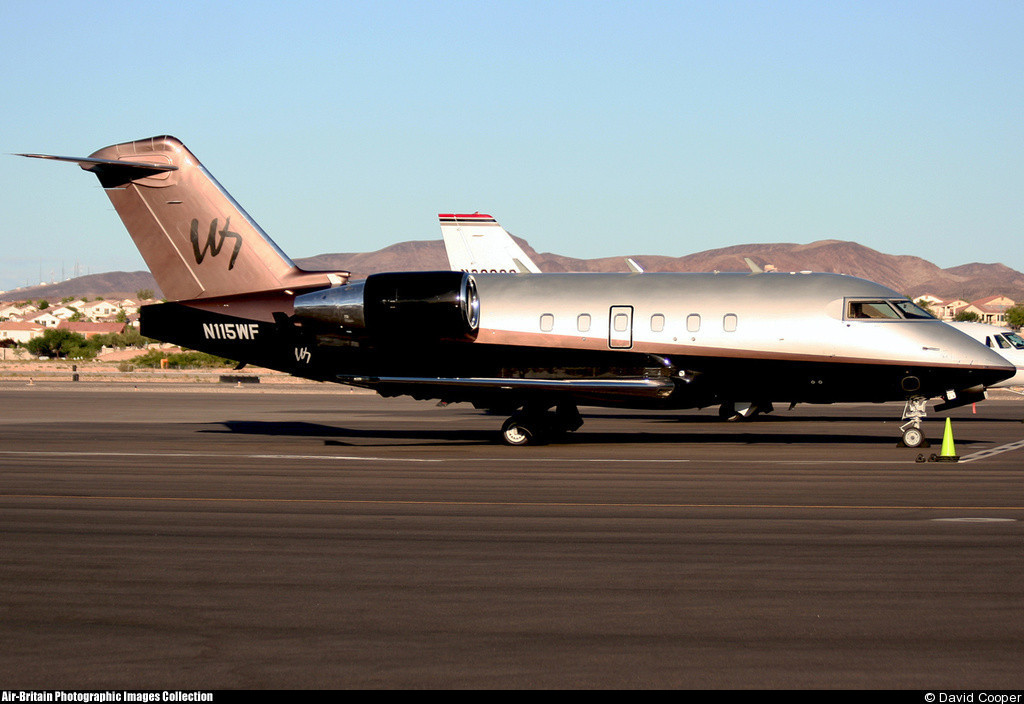
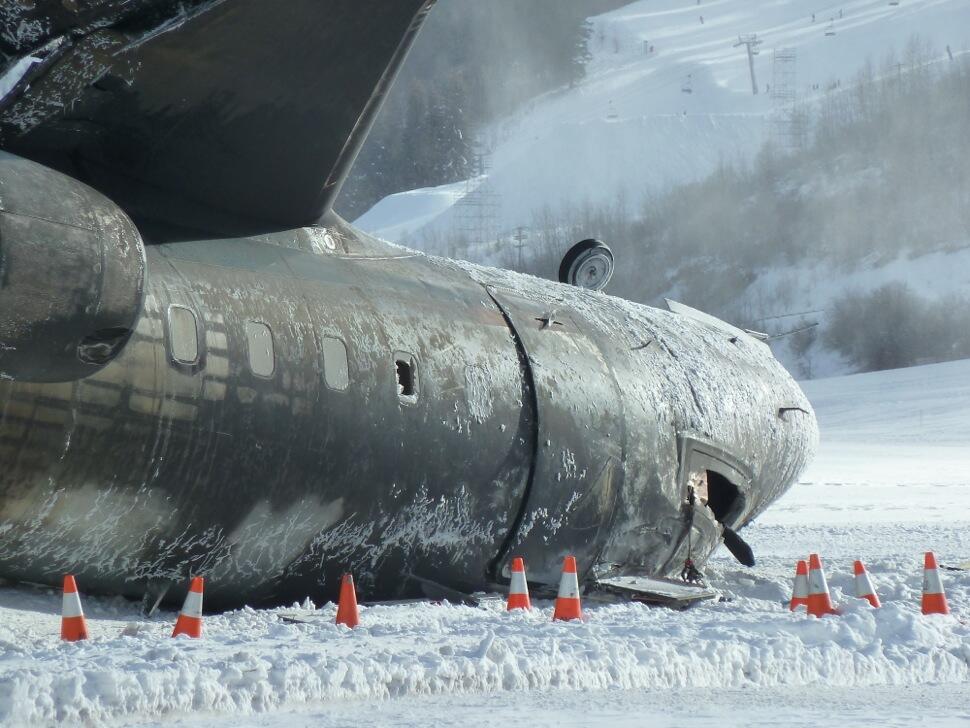
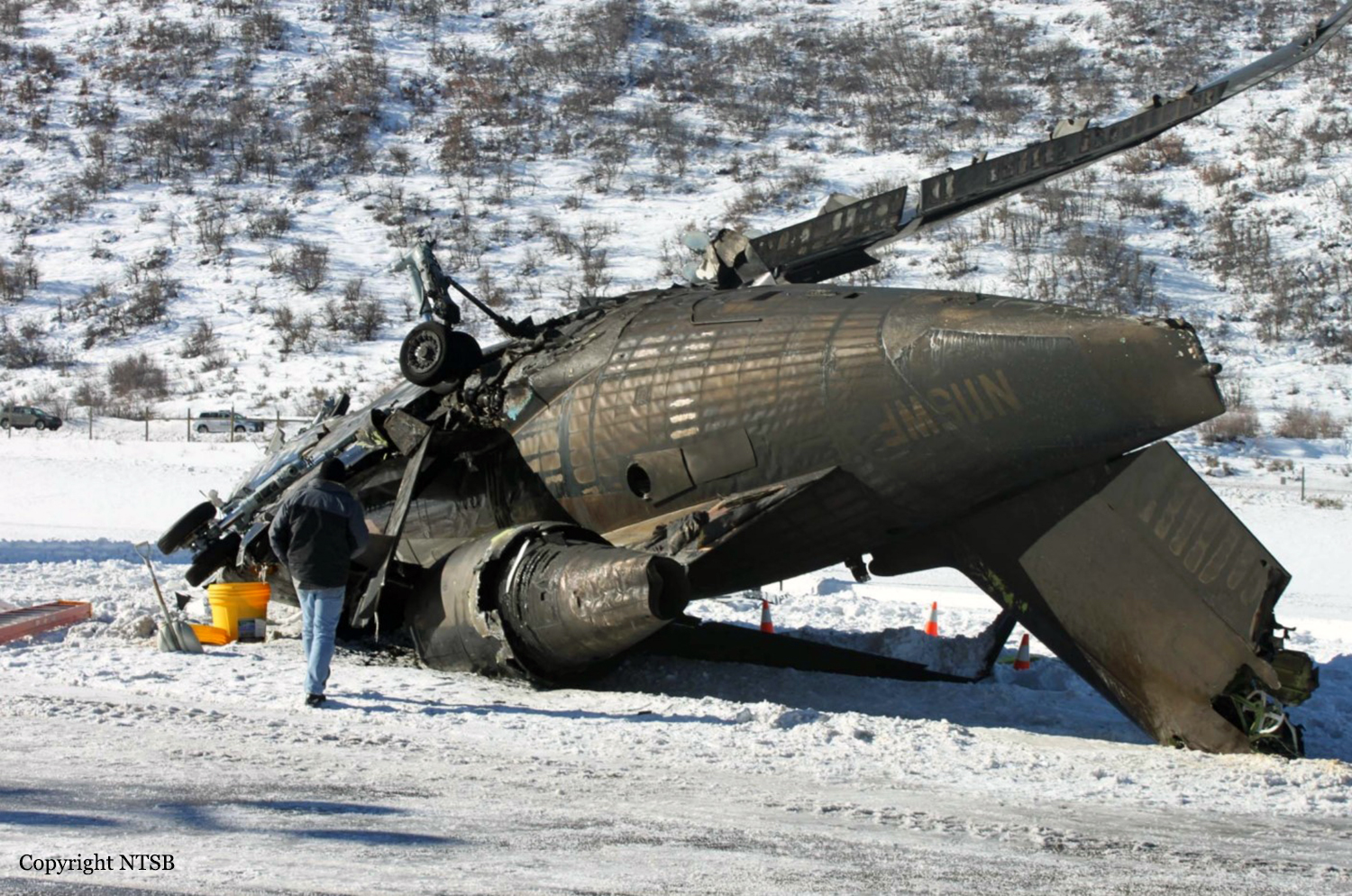
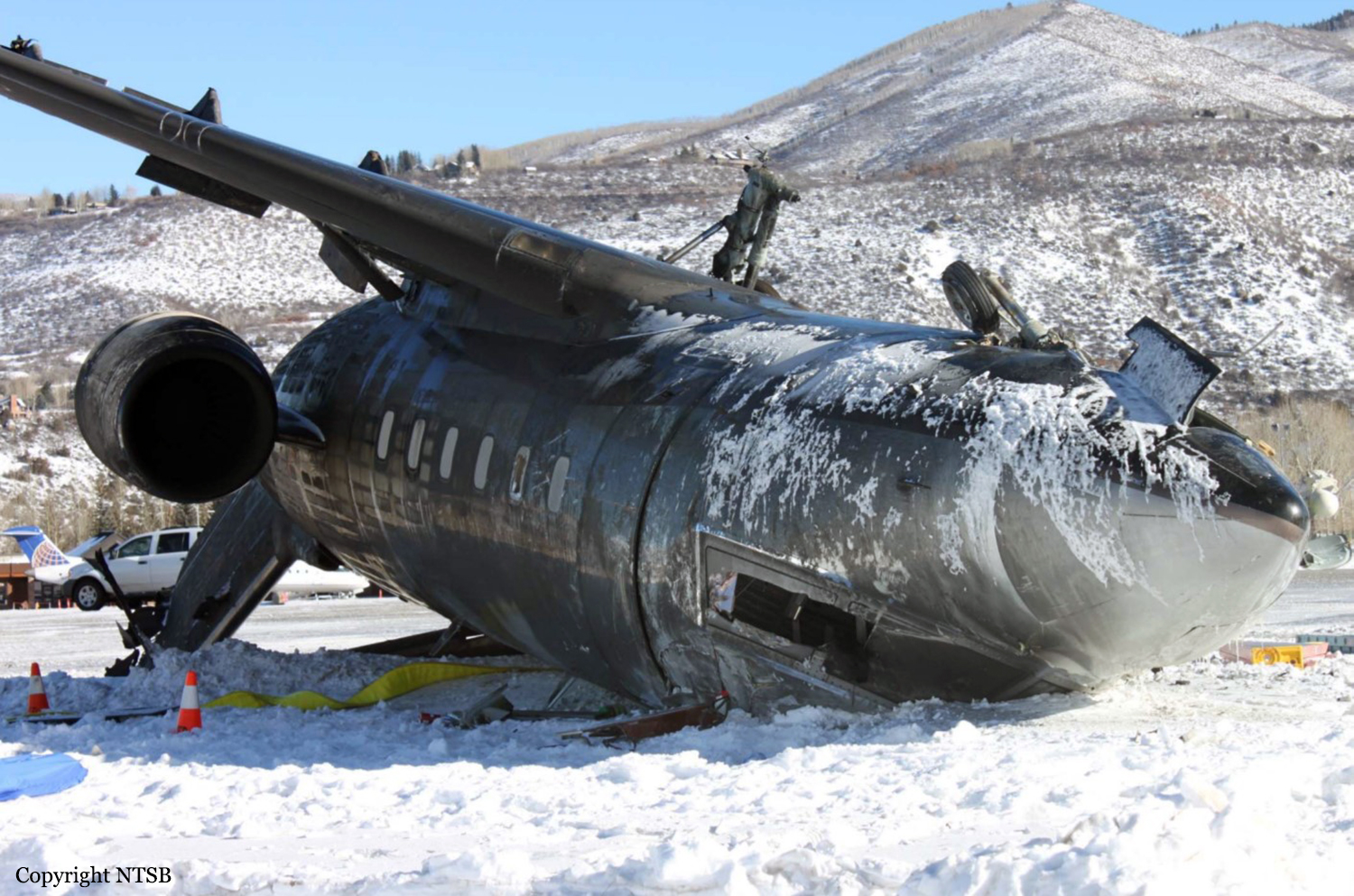
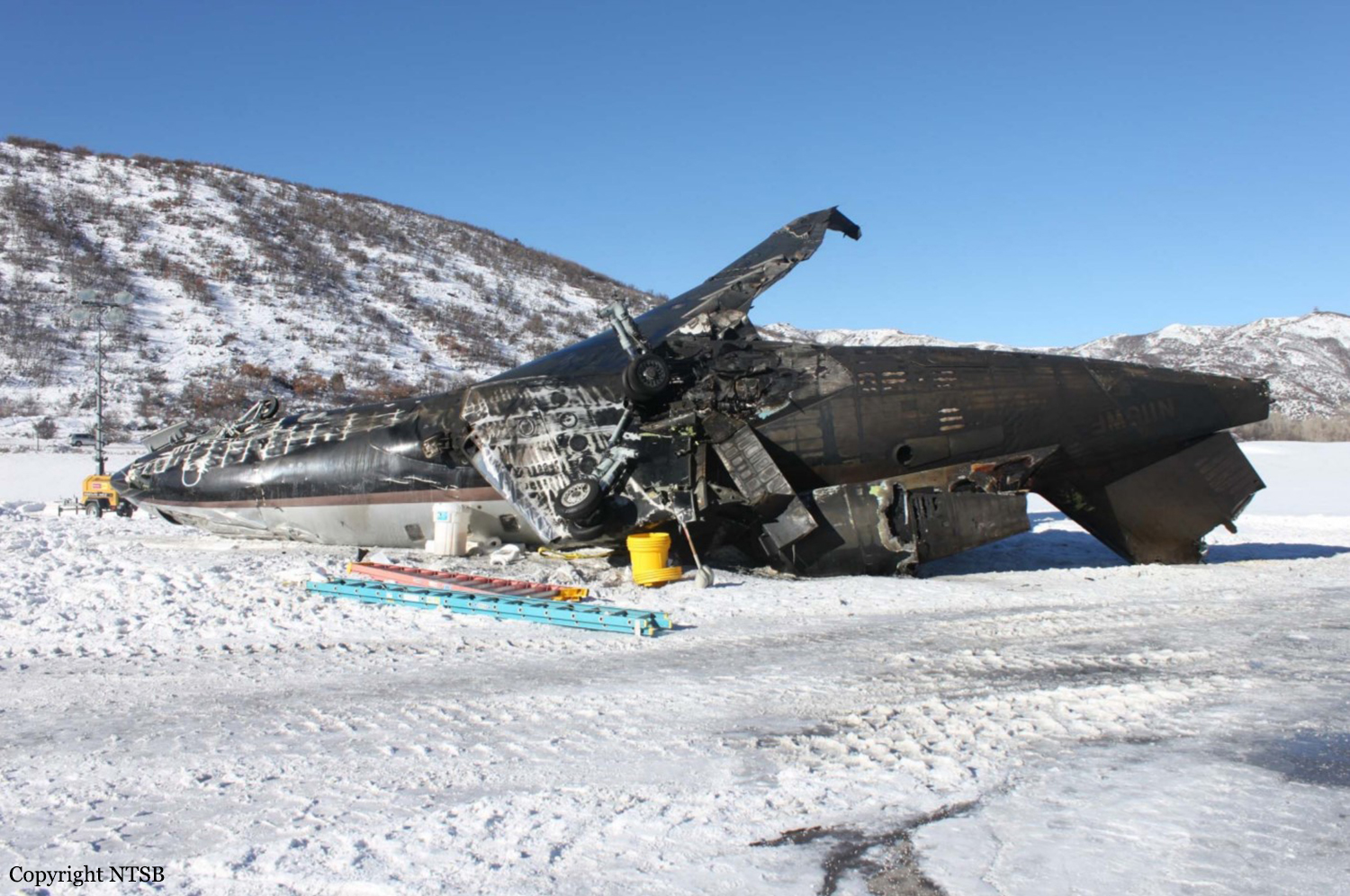
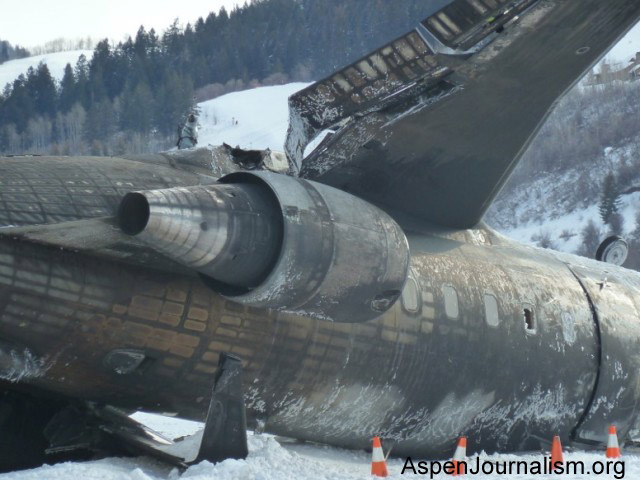
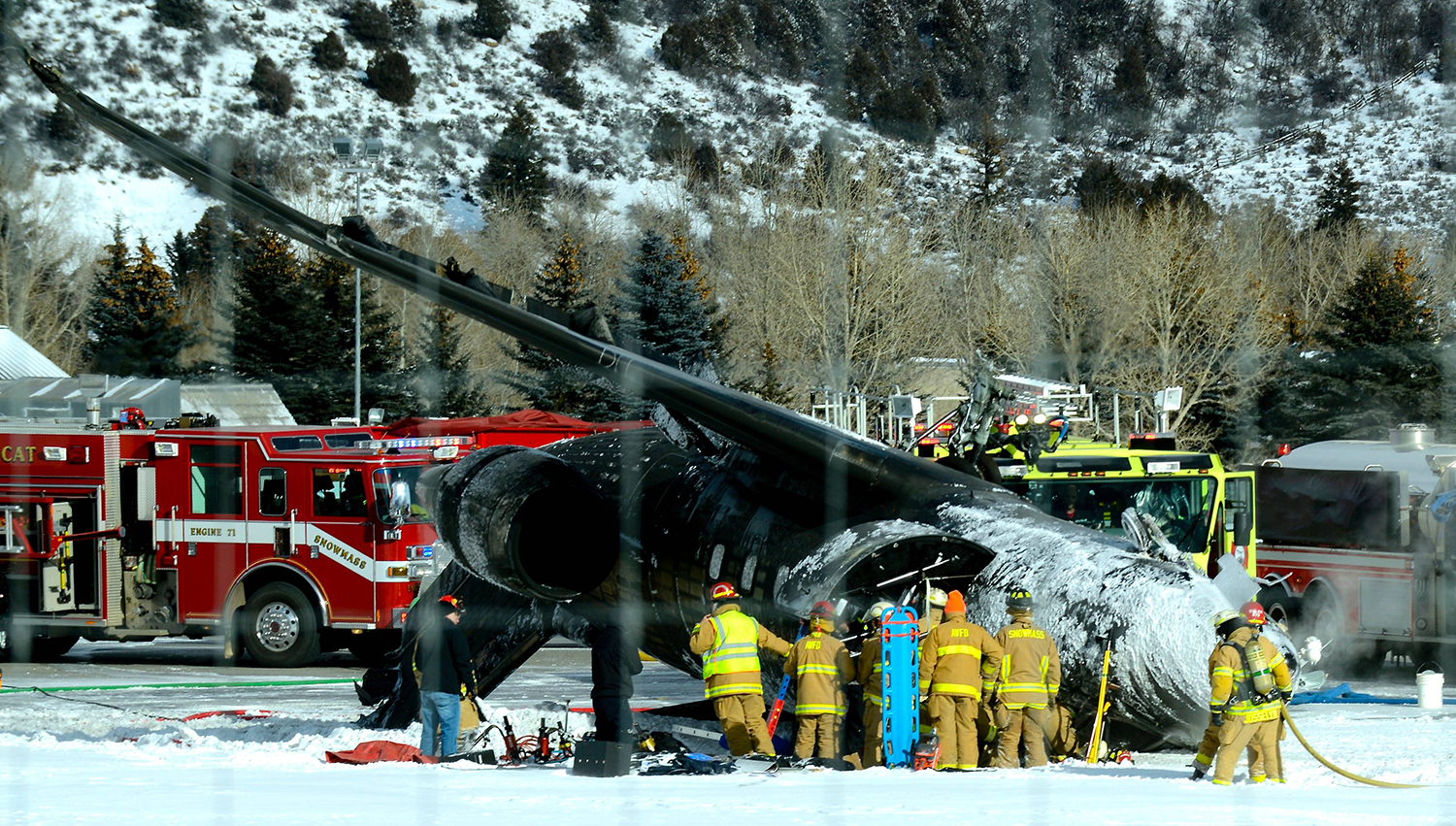
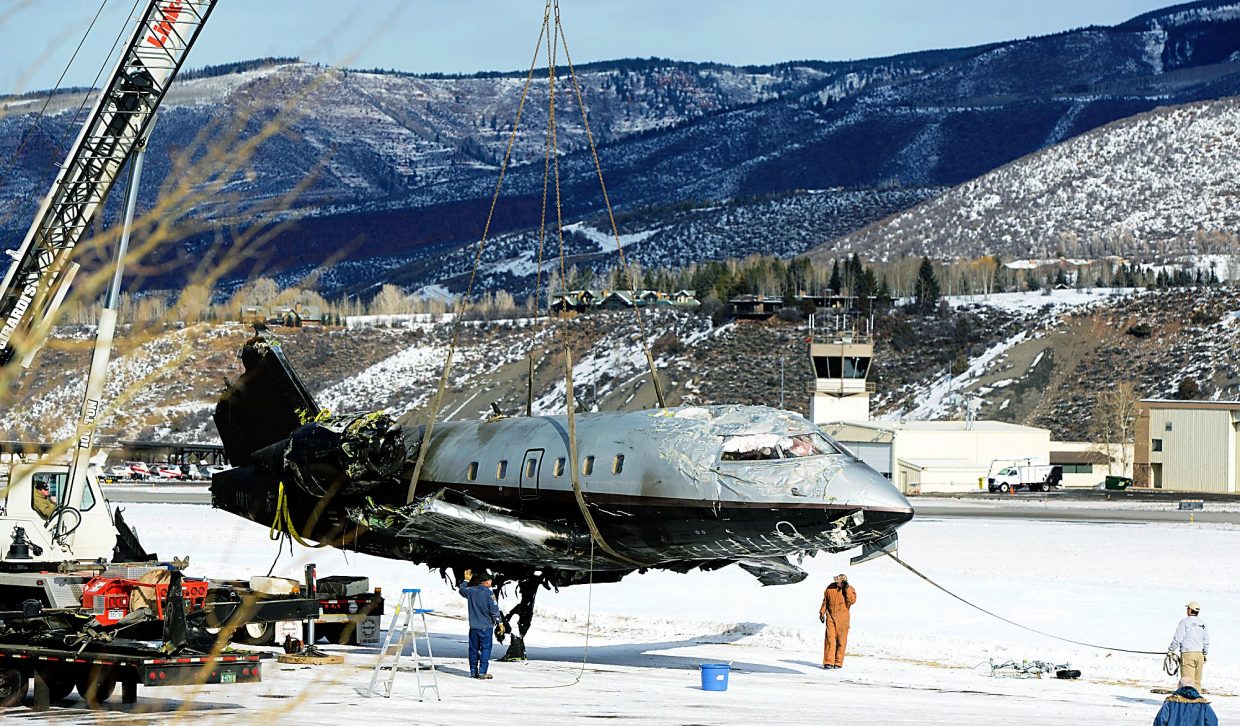
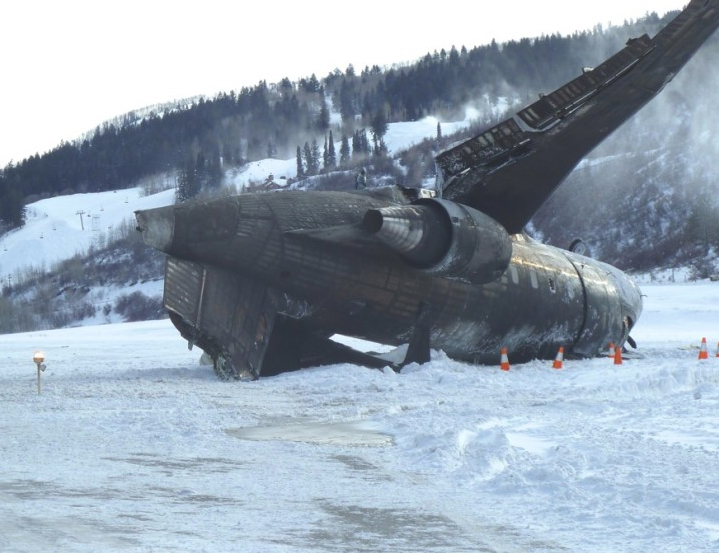
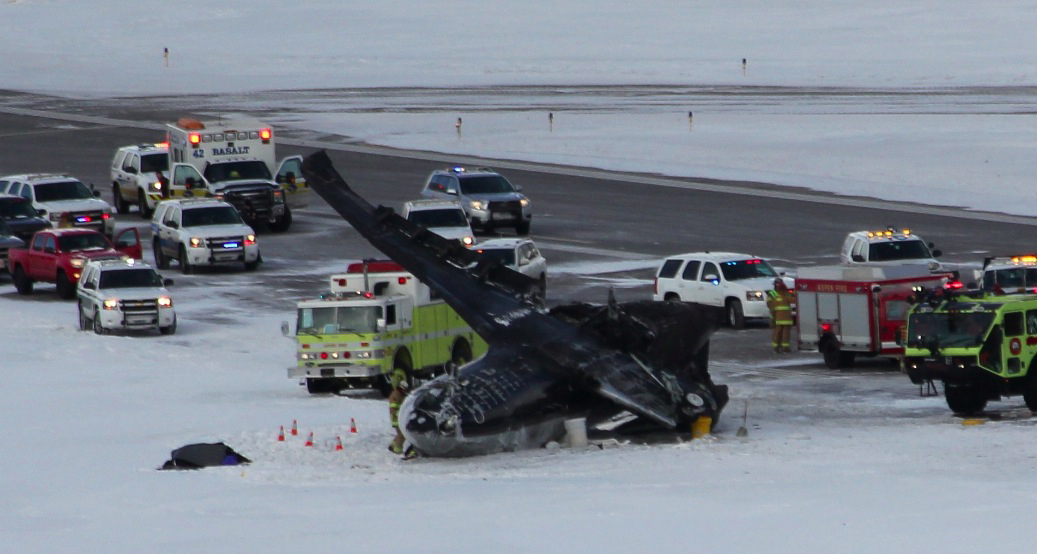
Crash of a Canadair CL-601-3R Challenger in Aspen: 1 killed

Date & Time: Jan 5, 2014 at 1222 LT
Type of aircraft:
Registration:
N115WF
Flight Type:
Survivors:
Yes
Schedule:
Tucson - Aspen
MSN:
5153
YOM:
1994
Crew on board:
3
Crew fatalities:
Pax on board:
0
Pax fatalities:
Other fatalities:
Total fatalities:
1
Captain / Total flying hours:
17250
Captain / Total hours on type:
14.00
Copilot / Total flying hours:
20355
Copilot / Total hours on type:
14
Aircraft flight hours:
6750
Circumstances:
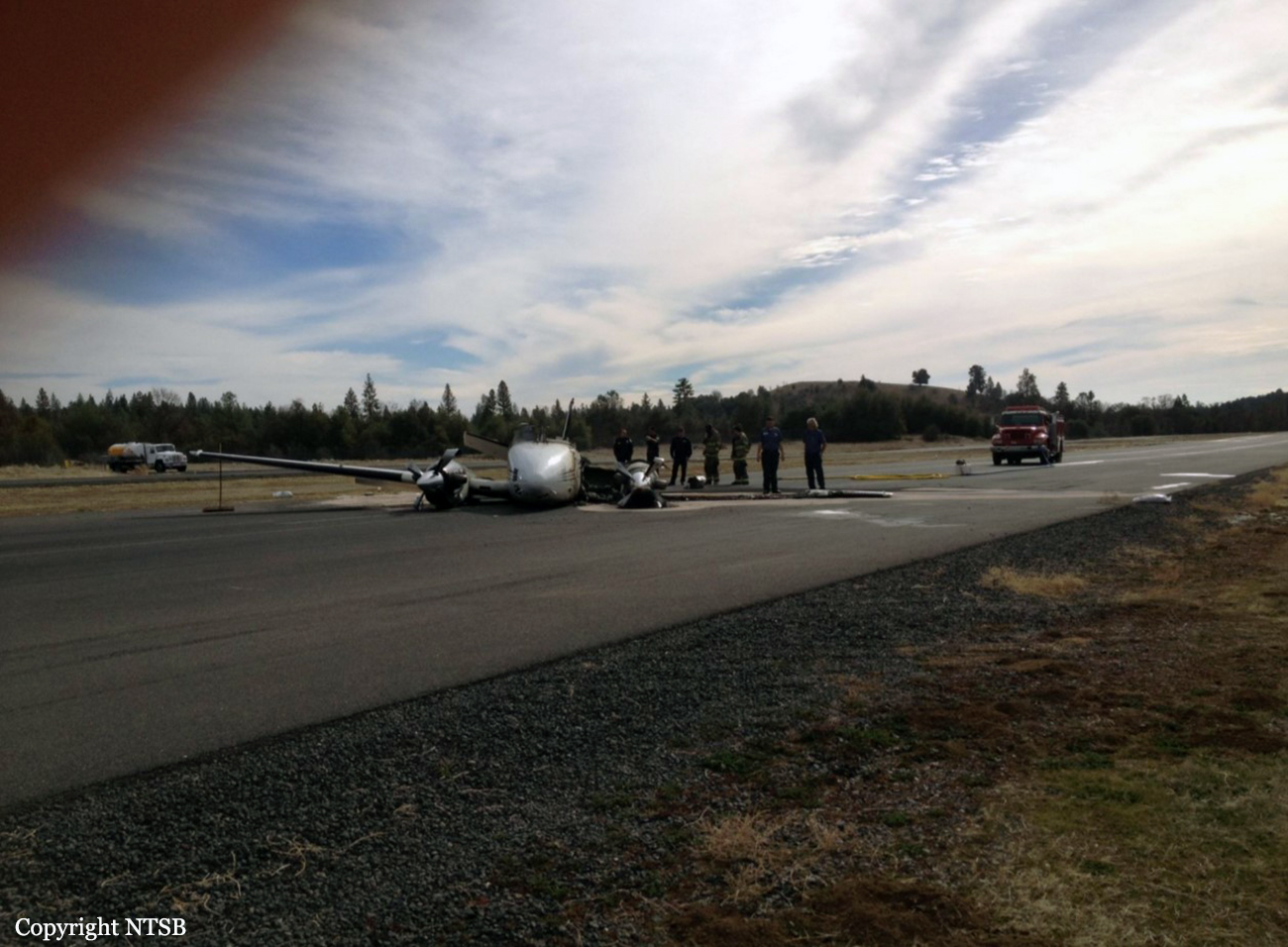
The airplane, with two flight crewmembers and a pilot-rated passenger on board, was on a cross-country flight. The departure and en route portions of the flight were uneventful. As the flight neared its destination, a high-altitude, terrain-limited airport, air traffic control (ATC) provided vectors to the localizer/distance measuring equipment (LOC/DME)-E approach to runway 15. About 1210, the local controller informed the flight crew that the wind was from 290º at 19 knots (kts) with gusts to 25 kts. About 1211, the flight crew reported that they were executing a missed approach and then requested vectors for a second approach. ATC vectored the airplane for a second LOC/DME-E approach to runway 15. About 1221, the local controller informed the flight crew that the wind was from 330° at 16 kts and the 1-minute average wind was from 320° at 14 kts gusting to 25 kts. The initial part of the airplane's second approach was as-expected for descent angle, flap setting, and spoilers. During the final minute of flight, the engines were advanced and retarded five times, and the airplane's airspeed varied between 135 kts and 150 kts. The final portion of the approach to the runway was not consistent with a stabilized approach. The airplane stayed nose down during its final descent and initial contact with the runway. The vertical acceleration and pitch parameters were consistent with the airplane pitch oscillating above the runway for a number of seconds before a hard runway contact, a gain in altitude, and a final impact into the runway at about 6 g. The weather at the time of the accident was near or in exceedance of the airplane's maximum tailwind and crosswind components for landing, as published in the airplane flight manual. Given the location of the airplane over the runway when the approach became unstabilized and terrain limitations of ASE, performance calculations were completed to determine if the airplane could successfully perform a go-around. Assuming the crew had control of the airplane, and that the engines were advanced to the appropriate climb setting, anti-ice was off, and tailwinds were less than a sustained 25 kts, the airplane had the capability to complete a go-around, clearing the local obstacles along that path.Both flight crewmembers had recently completed simulator training for a type rating in the CL600 airplane. The captain reported that he had a total of 12 to 14 hours of total flight time in the airplane type, including the time he trained in the simulator. The copilot would have had close to the same hours as the captain given that they attended flight training together. Neither flight crew member would have met the minimum flight time requirement of 25 hours to act as pilot-in-command under Part 135. The accident flight was conducted under Part 91, and therefore, the 25 hours requirement did not apply to this portion of their trip. Nevertheless, the additional flight time would have increased the crew's familiarity with the airplane and its limitation and likely improved their decision-making during the unstabilized approach. Further, the captain stated that he asked the passenger, an experienced CL-600-rated pilot. to accompany them on the trip to provide guidance during the approach to the destination airport. However, because the CL-600-rated pilot was in the jumpseat position and unable to reach the aircraft controls, he was unable to act as a qualified pilot-in-command.
Probable cause:
The flight crew's failure to maintain airplane control during landing following an unstabilized approach. Contributing to the accident were the flight crew's decision to land with a tailwind above the airplane's operating limitations and their failure not to conduct a go-around when the approach became unstabilized.
Final Report:
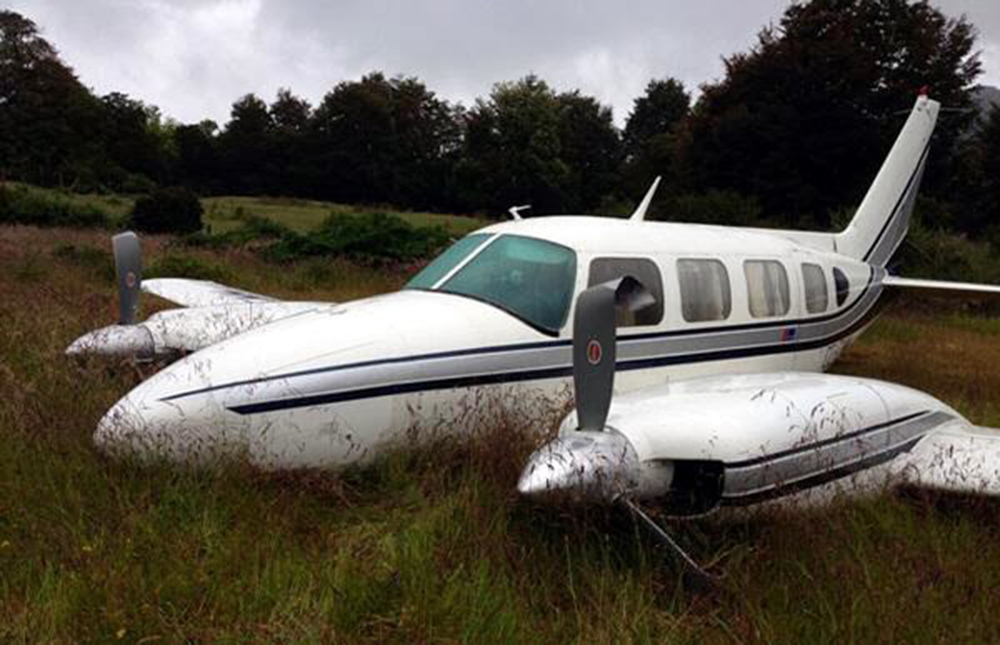
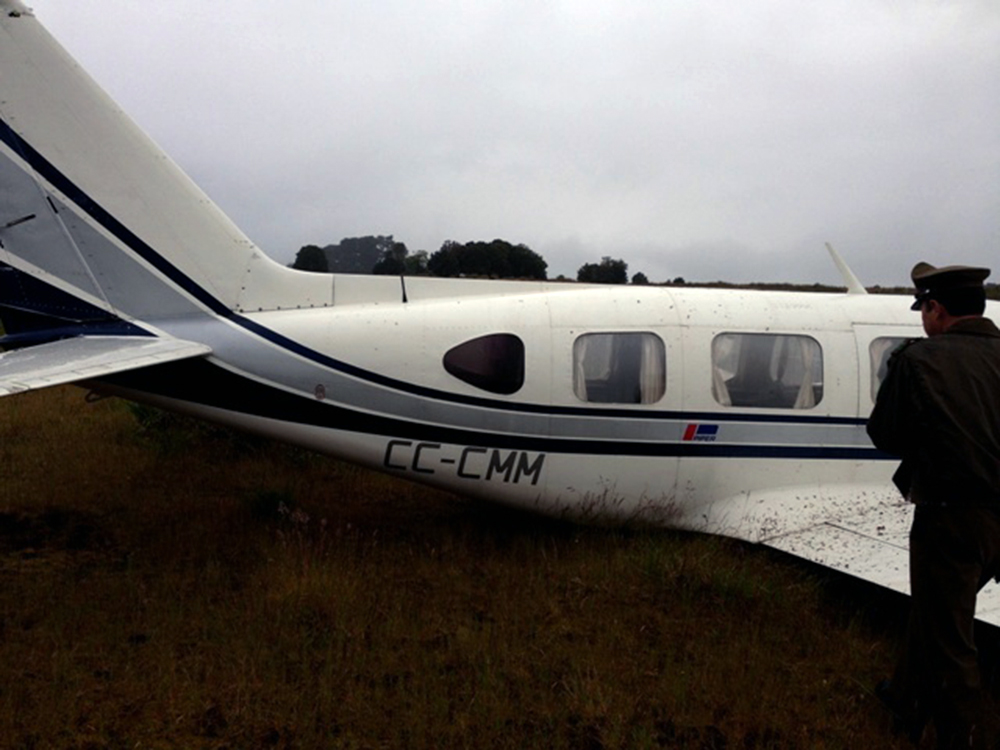
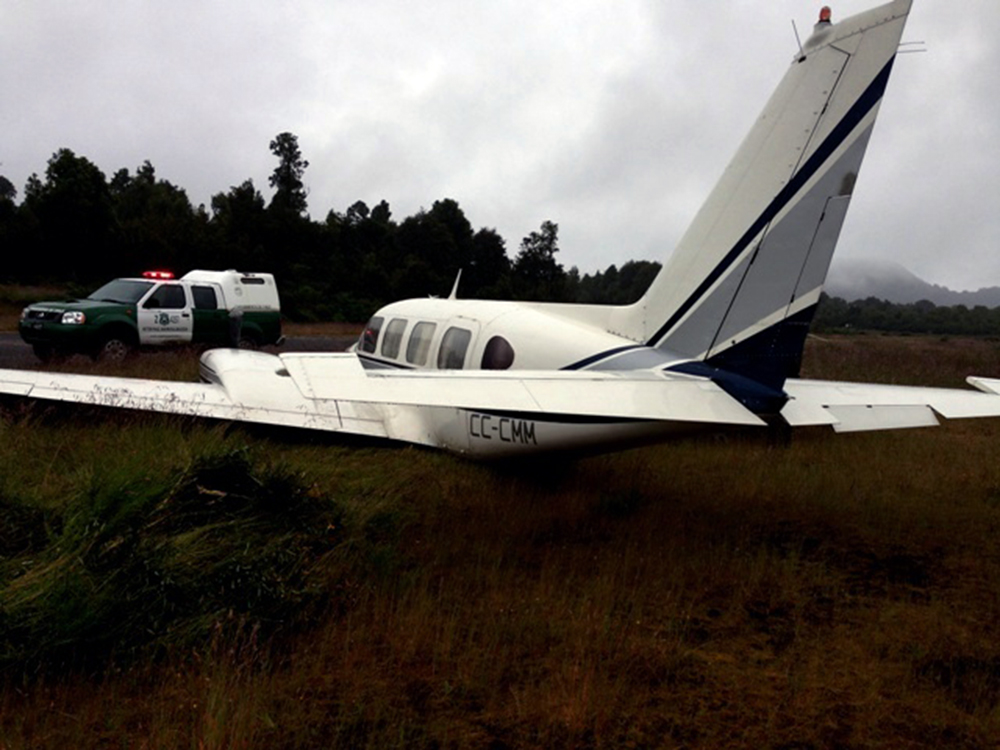
Crash of a Piper PA-31-310 Navajo in Port Raúl Marín Balmaceda

Date & Time: Dec 28, 2013 at 1000 LT
Type of aircraft:
Operator:
Registration:
CC-CMM
Flight Type:
Survivors:
Yes
Schedule:
Puerto Montt - Port Raúl Marín Balmaceda
MSN:
31-315
YOM:
1968
Country:
Crew on board:
1
Crew fatalities:
Pax on board:
0
Pax fatalities:
Other fatalities:
Total fatalities:
0
Captain / Total flying hours:
7480
Captain / Total hours on type:
3100.00
Circumstances:
The pilot departed Puerto Montt at 0900LT on a positioning flight to Port Raúl Marín Balmaceda to pick up five passengers. On approach, the pilot decided to complete a loss pass to evaluate the landing conditions and the wind component. Shortly later, the aircraft landed on its belly and slid for few dozen metres before coming to rest in a grassy area. The pilot was uninjured and the aircraft was damaged beyond repair.
Probable cause:
The pilot forgot to lower the landing gear prior to landing.
Final Report:
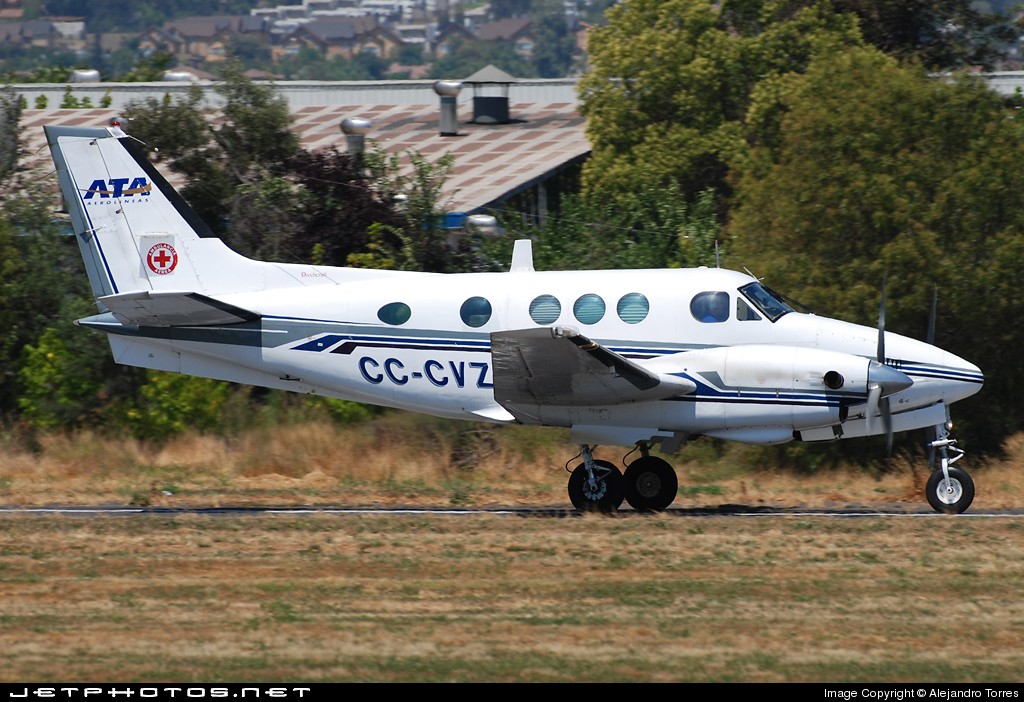
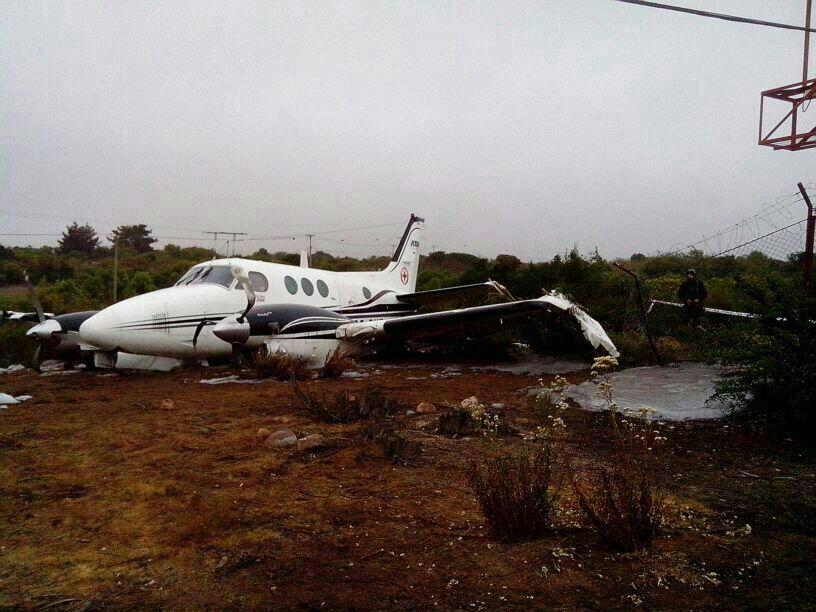
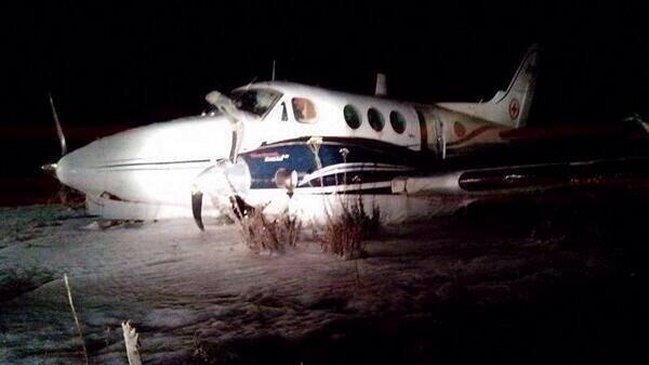
Crash of a Beechcraft B90 King Air in Viña del Mar

Date & Time: Dec 19, 2013 at 2100 LT
Type of aircraft:
Operator:
Registration:
CC-CVZ
Flight Type:
Survivors:
Yes
Schedule:
Viña del Mar - Santiago de Chile
MSN:
LJ-441
YOM:
1969
Country:
Crew on board:
2
Crew fatalities:
Pax on board:
0
Pax fatalities:
Other fatalities:
Total fatalities:
0
Captain / Total flying hours:
15844
Captain / Total hours on type:
4000.00
Copilot / Total flying hours:
10367
Copilot / Total hours on type:
17
Aircraft flight hours:
8870
Circumstances:
The crew departed Viña del Mar-Torquemada Airport on a positioning flight to Santiago de Chile. Shortly after takeoff, the crew encountered technical problems and elected to return. On approach, both engines failed and on short final by night, the aircraft stalled and crashed 450 metres short of runway 05. Both pilots escaped uninjured and the aircraft was damaged beyond repair.
Probable cause:
Both engines stopped during flight due to fuel exhaustion as the main fuel tanks were empty. It was not possible for the crew to transfer fuel from the auxiliary tanks (wing tips) due to the intermittent function of the fuel pump.
Final Report: