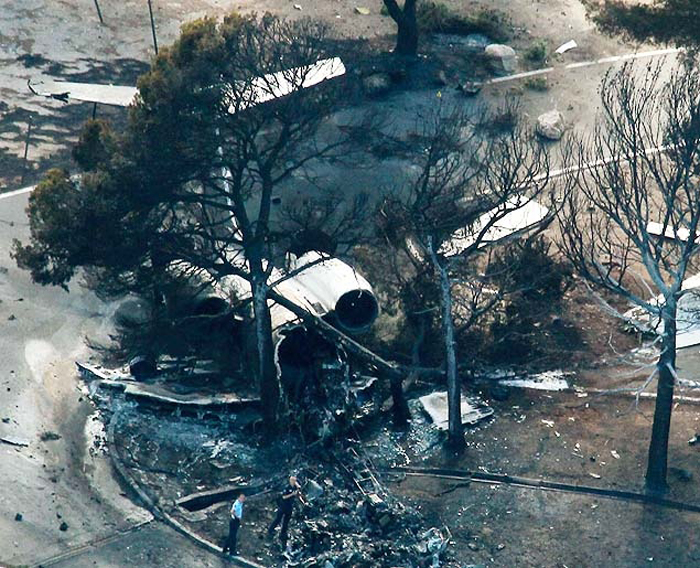
Crash of a Learjet 35A off Fort Lauderdale: 4 killed

Date & Time: Nov 19, 2013 at 1956 LT
Type of aircraft:
Operator:
Registration:
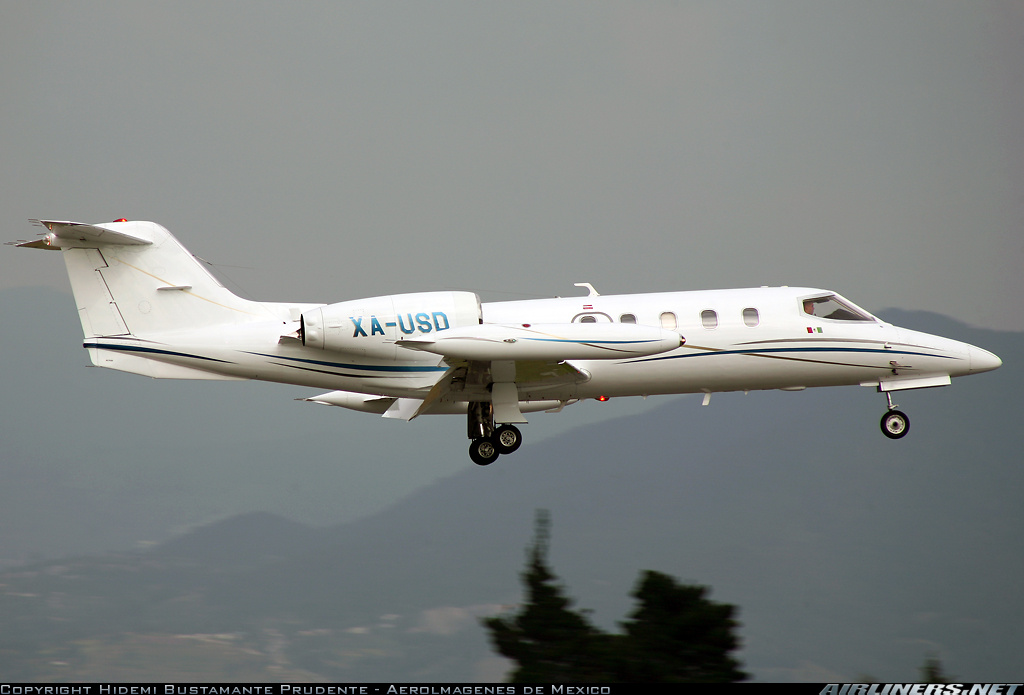
XA-USD
Flight Phase:
Flight Type:
Survivors:
No
Schedule:
Fort Lauderdale - Cozumel
MSN:
35A-255
YOM:
1979
Crew on board:
2
Crew fatalities:
Pax on board:
2
Pax fatalities:
Other fatalities:
Total fatalities:
4
Captain / Total flying hours:
10091
Captain / Total hours on type:
1400.00
Copilot / Total flying hours:
1235
Copilot / Total hours on type:
175
Aircraft flight hours:
6842
Circumstances:
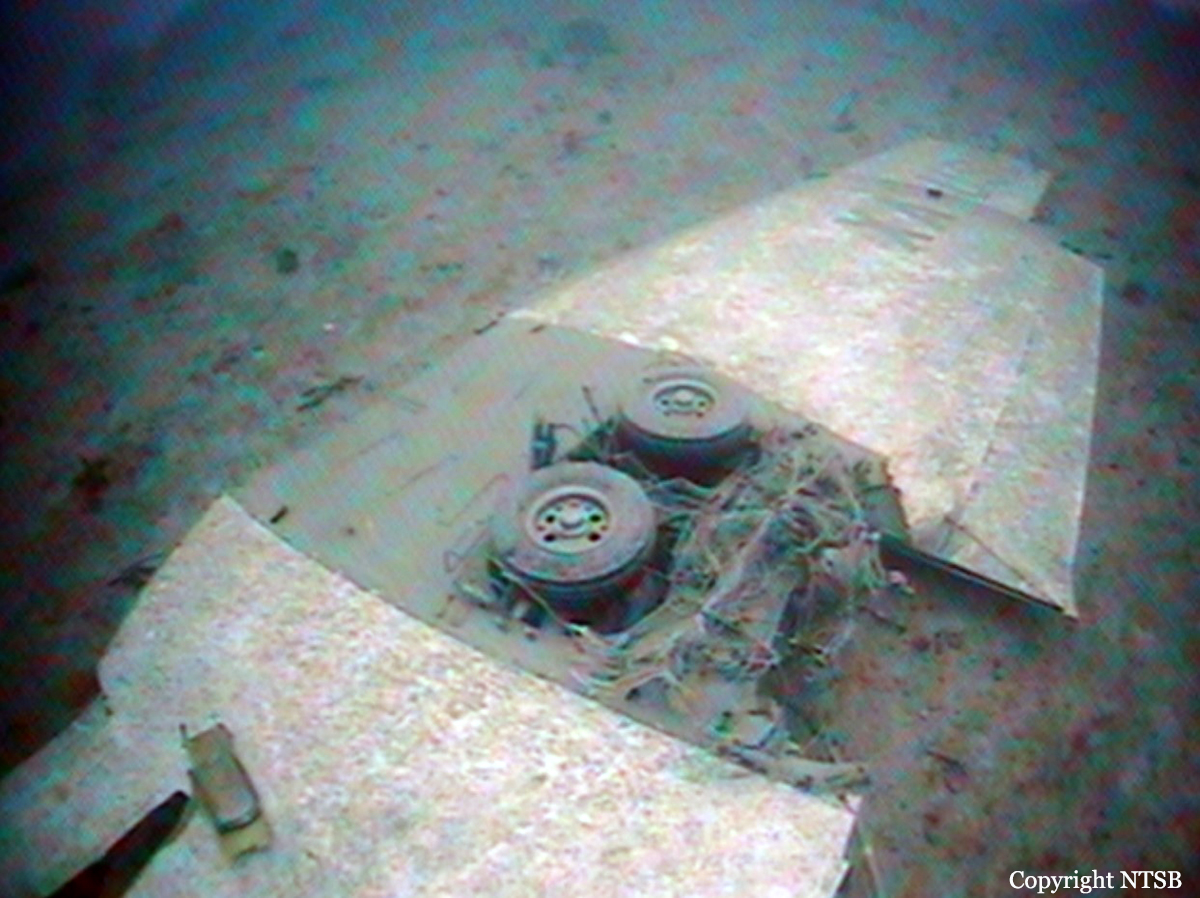
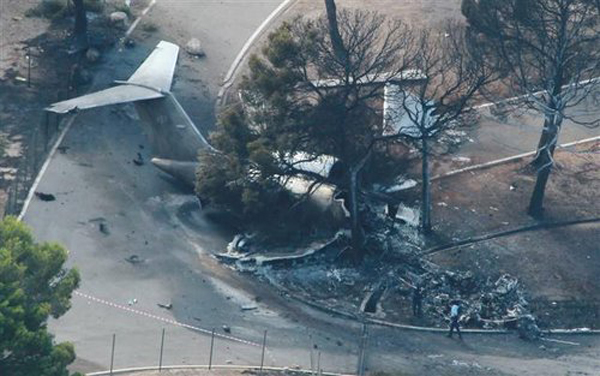
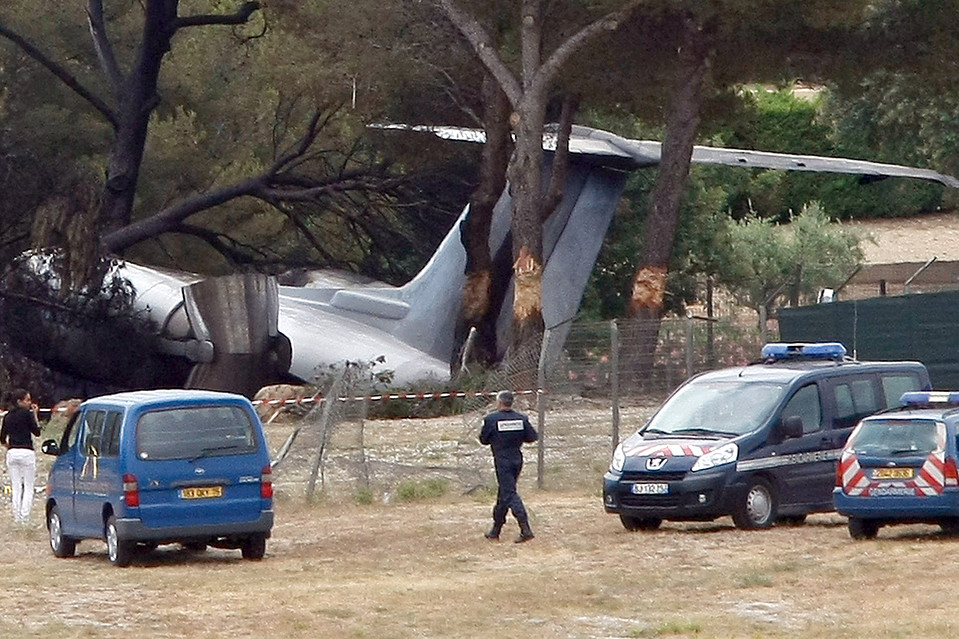
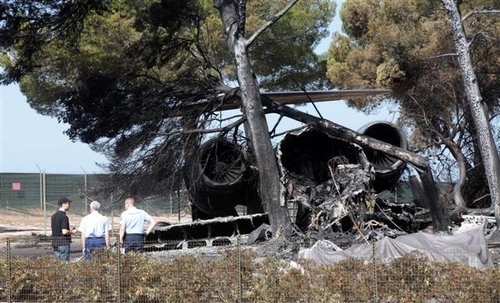
During takeoff to the east over the ocean, after the twin-engine jet climbed straight ahead to about 2,200 ft and 200 knots groundspeed, the copilot requested radar vectors back to the departure airport due to an "engine failure." The controller assigned an altitude and heading, and the copilot replied, "not possible," and requested a 180-degree turn back to the airport, which the controller acknowledged and approved. However, the airplane continued a gradual left turn to the north as it slowed and descended. The copilot subsequently declared a "mayday" and again requested vectors back to the departure airport. During the next 3 minutes, the copilot requested, received, and acknowledged multiple instructions from the controller to turn left to the southwest to return to the airport. However, the airplane continued its slow left turn and descent to the north. The airplane slowed to 140 knots and descended to 900 ft as it flew northbound, parallel to the shoreline, and away from the airport. Eventually, the airplane tracked in the direction of the airport, but it continued to descend and impacted the ocean about 1 mile offshore. According to conversations recorded on the airplane's cockpit voice recorder (CVR), no checklists were called for, offered, or used by either flight crewmember during normal operations (before or during engine start, taxi, and takeoff) or following the announced in-flight emergency. After the "engine failure" was declared to the air traffic controller, the pilot asked the copilot for unspecified "help" because he did not "know what's going on," and he could not identify the emergency or direct the copilot in any way with regard to managing or responding to the emergency. At no time did the copilot identify or verify a specific emergency or malfunction, and he did not provide any guidance or assistance to the pilot. Examination of the recovered wreckage revealed damage to the left engine's thrust reverser components, including separation of the lower blocker door, and the stretched filament of the left engine's thrust reverser "UNLOCK" status light, which indicated that the light bulb was illuminated at the time of the airplane's impact. Such evidence demonstrated that the left engine's thrust reverser became unlocked and deployed (at least partially and possibly fully) in flight. Impact damage precluded testing for electrical, pneumatic, and mechanical continuity of the thrust reverser system, and the reason the left thrust reverser deployed in flight could not be determined. No previous instances of the inflight deployment of a thrust reverser on this make and model airplane have been documented. The airplane's flight manual supplement for the thrust reverser system contained emergency procedures for responding to the inadvertent deployment of a thrust reverser during takeoff. For a deployment occurring above V1 (takeoff safety speed), the procedure included maintaining control of the airplane, placing the thrust reverser rocker switch in the "EMER STOW" position, performing an engine shutdown, and then performing a single-engine landing. Based on the wreckage evidence and data recovered from the left engine's digital electronic engine control (DEEC), the thrust reverser rocker switch was not placed in the "EMER STOW" position, and the left engine was not shut down. The DEEC data showed a reduction in N1 about 100 seconds after takeoff followed by a rise in N1 about 35 seconds later. The data were consistent with the thrust reverser deploying in flight (resulting in the reduction in N1) followed by the inflight separation of the lower blocker door (resulting in the rise in N1 as some direct exhaust flow was restored). Further, the DEEC data revealed full engine power application throughout the flight. Although neither flight crewmember recognized that the problem was an inflight deployment of the left thrust reverser, certification flight test data indicated that the airplane would have been controllable as it was configured on the accident flight. If the crew had applied the "engine failure" emergency procedure (the perceived problem that the copilot reported to the air traffic controller), the airplane would have been more easily controlled and could have been successfully landed. The airplane required two fully-qualified flight crewmembers; however, the copilot was not qualified to act as second-in-command on the airplane, and he provided no meaningful assistance to the pilot in handling the emergency. Further, although the pilot's records indicated considerable experience in similar model airplanes, the pilot's performance during the flight was highly deficient. Based on the CVR transcript, the pilot did not adhere to industry best practices involving the execution of checklists during normal operations, was unprepared to identify and handle the emergency, did not refer to the appropriate procedures checklists to properly configure and control the airplane once a problem was detected, and did not direct the copilot to the appropriate checklists.
Probable cause:
The pilot's failure to maintain control of the airplane following an inflight deployment of the left engine thrust reverser. Contributing to the accident was the flight crew's failure to perform the appropriate emergency procedures, the copilot's lack of qualification and capability to act as a required flight crewmember for the flight, and the inflight deployment of the left engine thrust reverser for reasons that could not be determined through postaccident investigation.
Final Report:
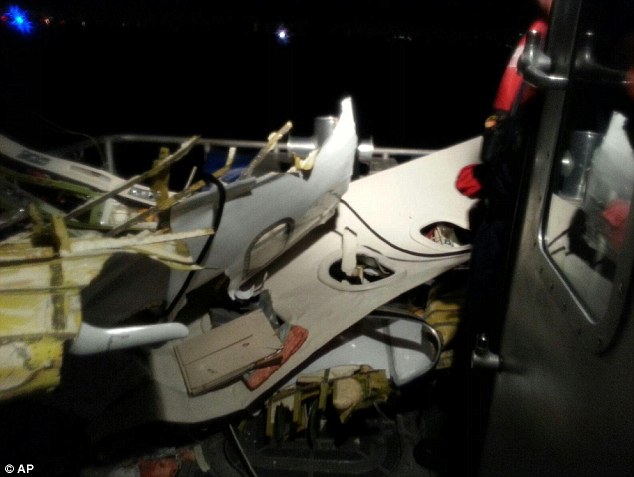
Crash of a Dornier DO228-202K in Viña del Mar: 2 killed

Date & Time: Sep 9, 2013 at 0950 LT
Type of aircraft:
Operator:
Registration:
CC-CNW
Flight Type:
Survivors:
No
Schedule:
Coquimbo - Viña del Mar
MSN:
8063
YOM:
1986
Country:
Crew on board:
2
Crew fatalities:
Pax on board:
0
Pax fatalities:
Other fatalities:
Total fatalities:
2
Captain / Total flying hours:
15537
Captain / Total hours on type:
12431.00
Copilot / Total flying hours:
10777
Aircraft flight hours:
25012
Circumstances:
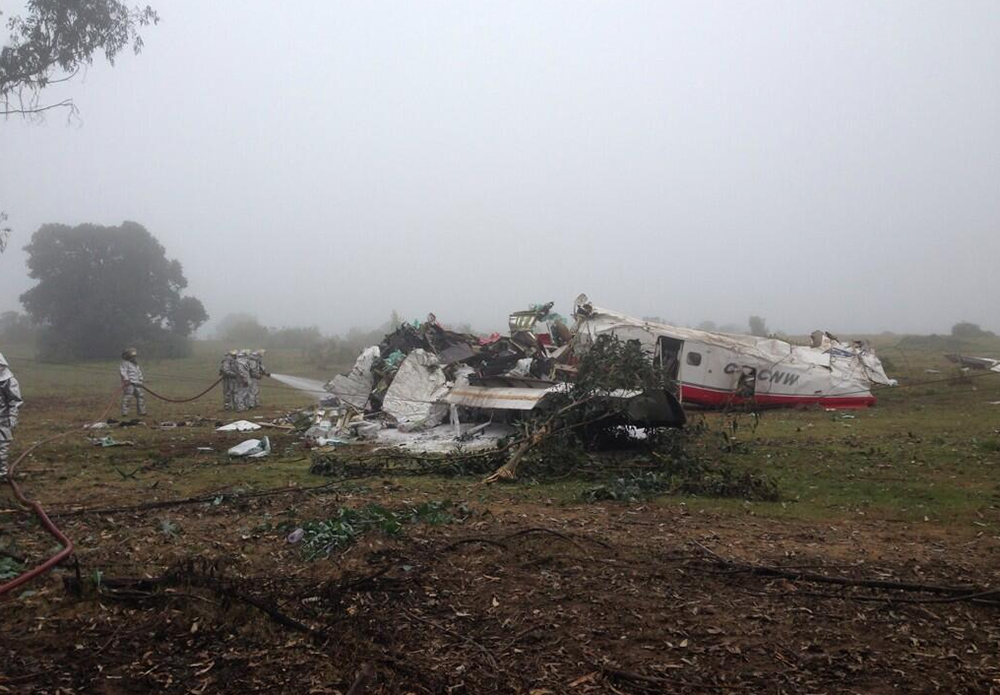
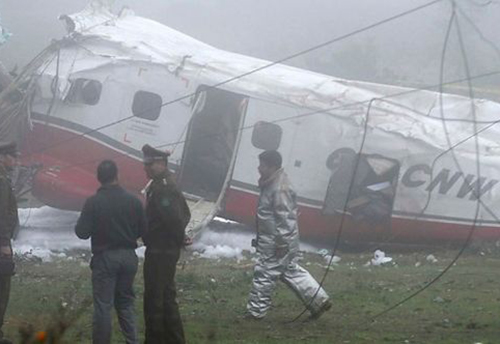
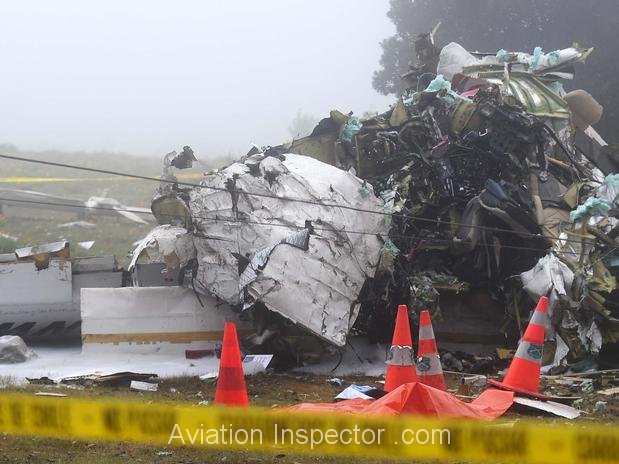
The crew departed Coquimbo on a positioning flight to Viña del Mar to pick up passengers who need to fly to a mining area located in Los Perlambres. As the ILS system was inoperative, the crew was forced to complete a non-precision approach to runway 05. The visibility was poor due to foggy conditions. On final approach, while the aircraft was unstable, the crew descended below the MDA until the aircraft collided with power cables and crashed in an open field located about 1,8 km short of runway. The aircraft was destroyed upon impact and both pilots were killed.
Probable cause:
Controlled flight into terrain following the decision of the crew to continue the approach below the MDA without visual contact with the runway until the aircraft impacted ground.
The following contributing factors were identified:
- Failure to apply the concepts of Crew Resource Management (CRM).
- Failure to use checklists.
- Failure to brief the maneuvers to be executed.
- Loss of situational awareness of the crew.
- Failure to keep a sterile cockpit during approach.
- Complacency and overconfidence of the pilots.
- Unstabilized instrument approach.
- Lack and/or non-use of equipment and systems to support the flight.
Final Report:

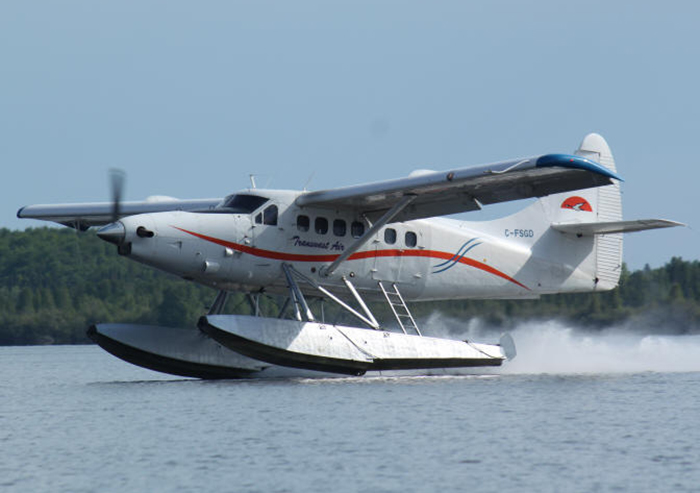
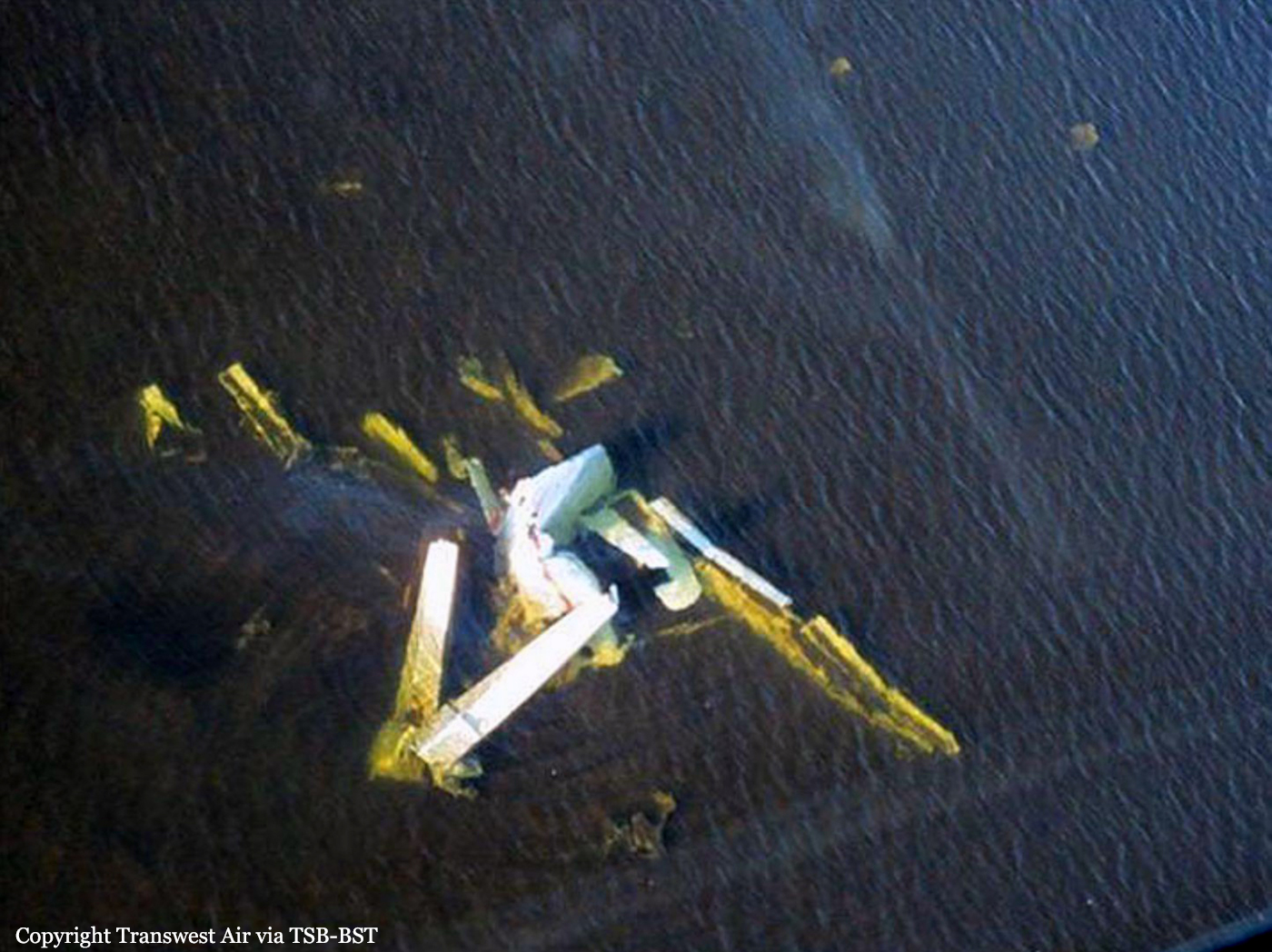
Crash of a De Havilland DHC-3 Otter near Ivanhoe Lake: 1 killed

Date & Time: Aug 22, 2013 at 1908 LT
Type of aircraft:
Operator:
Registration:
C-FSGD
Flight Phase:
Flight Type:
Survivors:
No
Schedule:
Scott Lake Lodge - Ivanhoe Lake
MSN:
316
YOM:
1959
Country:
Crew on board:
1
Crew fatalities:
Pax on board:
0
Pax fatalities:
Other fatalities:
Total fatalities:
1
Captain / Total flying hours:
1600
Captain / Total hours on type:
248.00
Circumstances:
The float-equipped Transwest Air Limited Partnership DHC-3 turbine Otter (registration C-FSGD, serial number 316) departed Scott Lake, Northwest Territories, at approximately 1850 Central Standard Time on a 33-nautical mile, day, visual flight rules flight to Ivanhoe Lake, Northwest Territories. The aircraft did not arrive at its destination, and was reported overdue at approximately 2100. The Joint Rescue Coordination Centre Trenton was notified by the company. There was no emergency locator transmitter signal. A search and rescue C-130 Hercules aircraft was dispatched; the aircraft wreckage was located on 23 August 2013, in an unnamed lake, 10 nautical miles north of the last reported position. The pilot, who was the sole occupant of the aircraft, sustained fatal injuries.
Probable cause:
Findings as to causes and contributing factors:
1. During approach to landing on the previous flight, the right-wing leading-edge and wing tip were damaged by impact with several trees.
2. The damage to the aircraft was not evaluated or inspected by qualified personnel prior to take-off.
3. Cumulative unmanaged stressors disrupted the pilot’s processing of safety-critical information, and likely contributed to an unsafe decision to depart with a damaged, uninspected aircraft.
4. The aircraft was operated in a damaged condition and departed controlled flight likely due to interference between parts of the failing wing tip, acting under air loads, and the right aileron.
Findings as to risk:
Not applicable.
Other findings:
1. The emergency locator transmitter did not activate, due to crash damage and submersion in water.
2. The aircraft was not fitted with FM radio equipment that is usually carried by aircraft servicing the lodge. Lodge personnel did not have a means to contact the pilot once the aircraft moved away from the dock.
Final Report:

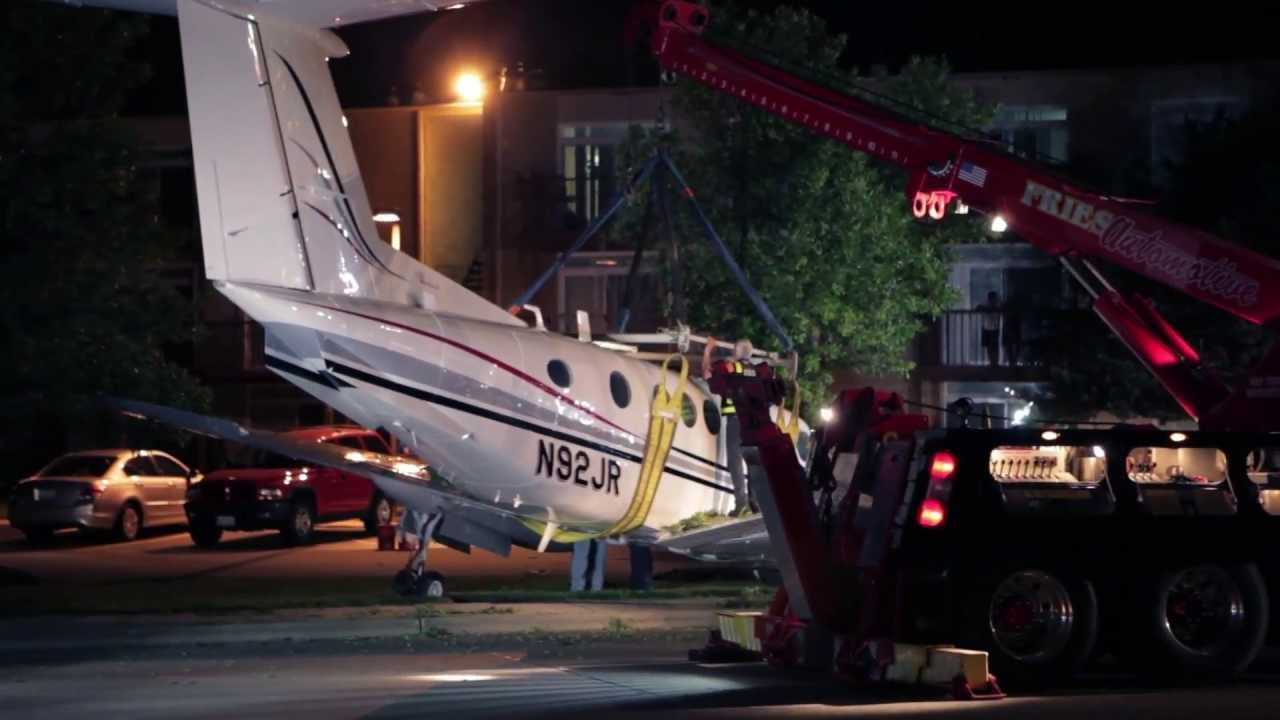
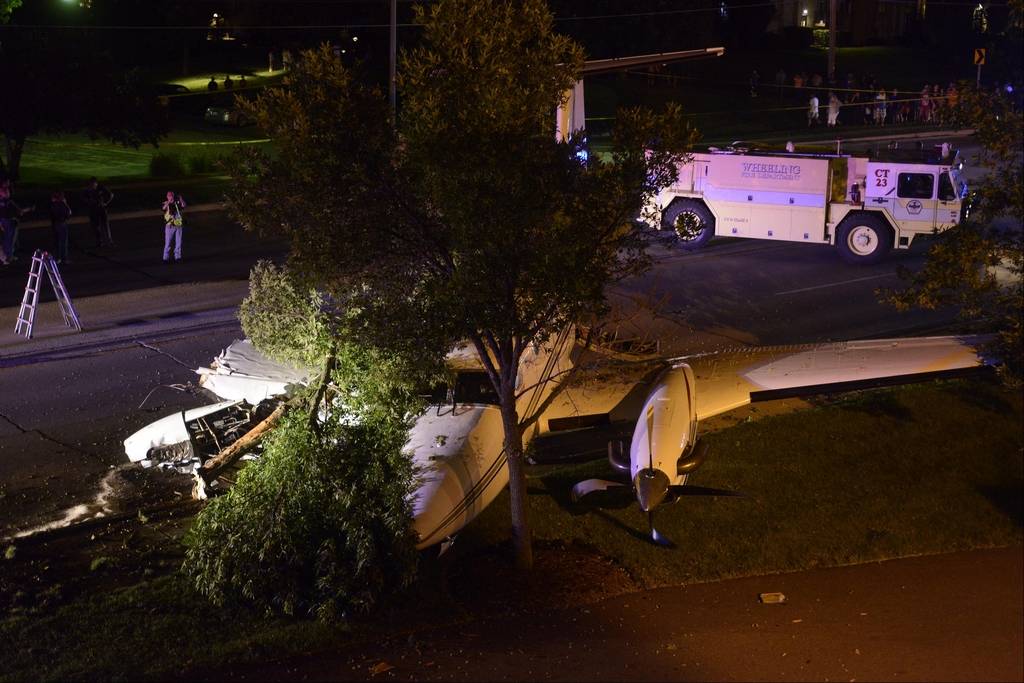
Crash of a Beechcraft 200 Super King Air in Palwaukee

Date & Time: Jun 25, 2013 at 2030 LT
Operator:
Registration:
N92JR
Flight Type:
Survivors:
Yes
Site:
Schedule:
Springfield - Palwaukee
MSN:
BB-751
YOM:
1981
Crew on board:
1
Crew fatalities:
Pax on board:
0
Pax fatalities:
Other fatalities:
Total fatalities:
0
Captain / Total flying hours:
7125
Captain / Total hours on type:
572.00
Aircraft flight hours:
6709
Circumstances:
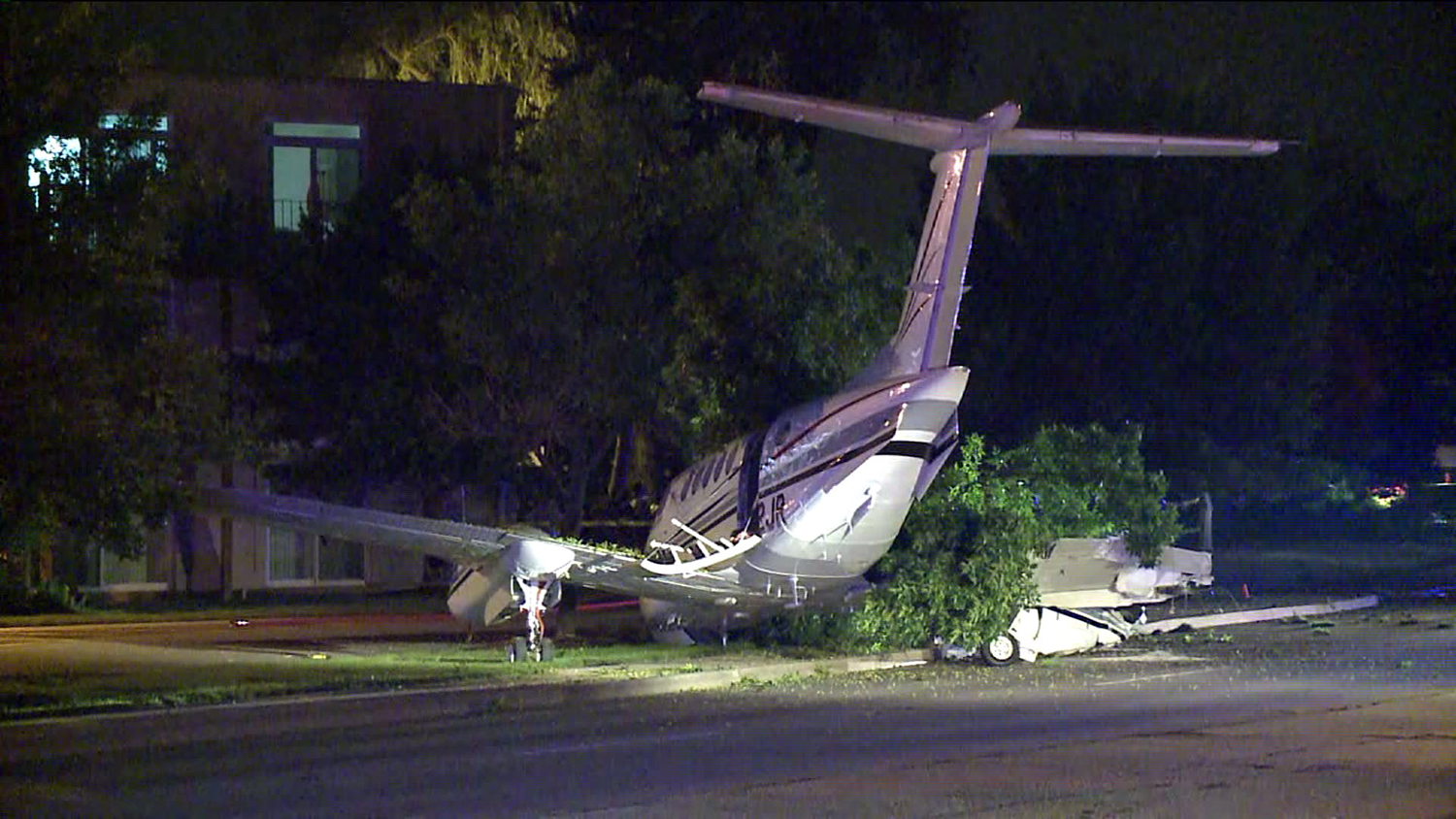
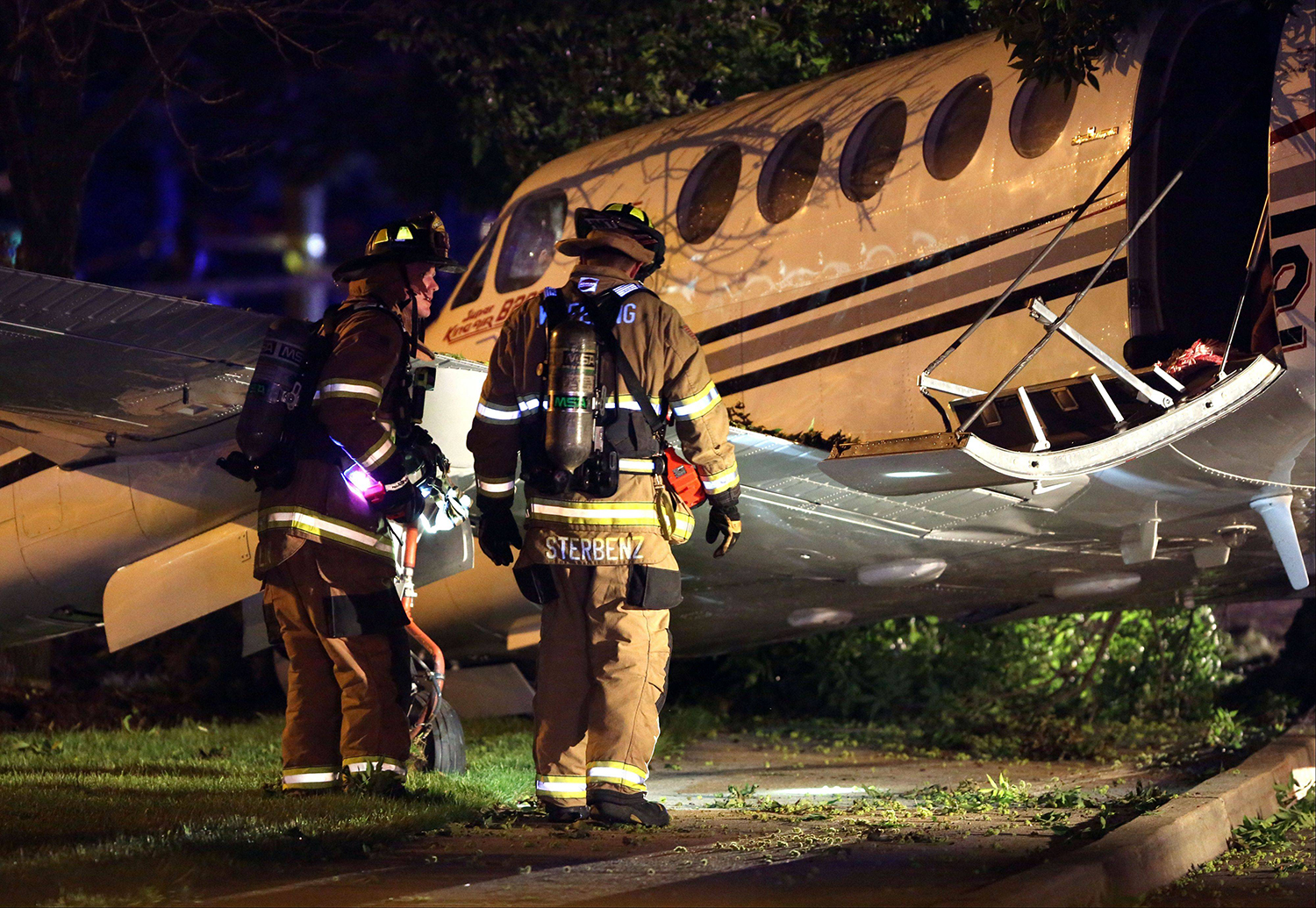
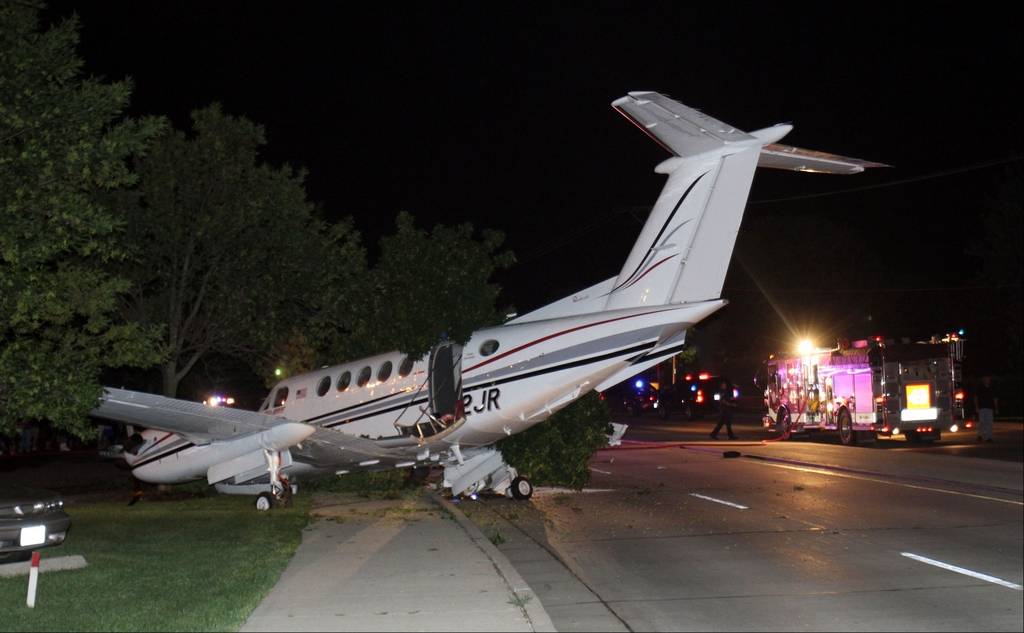
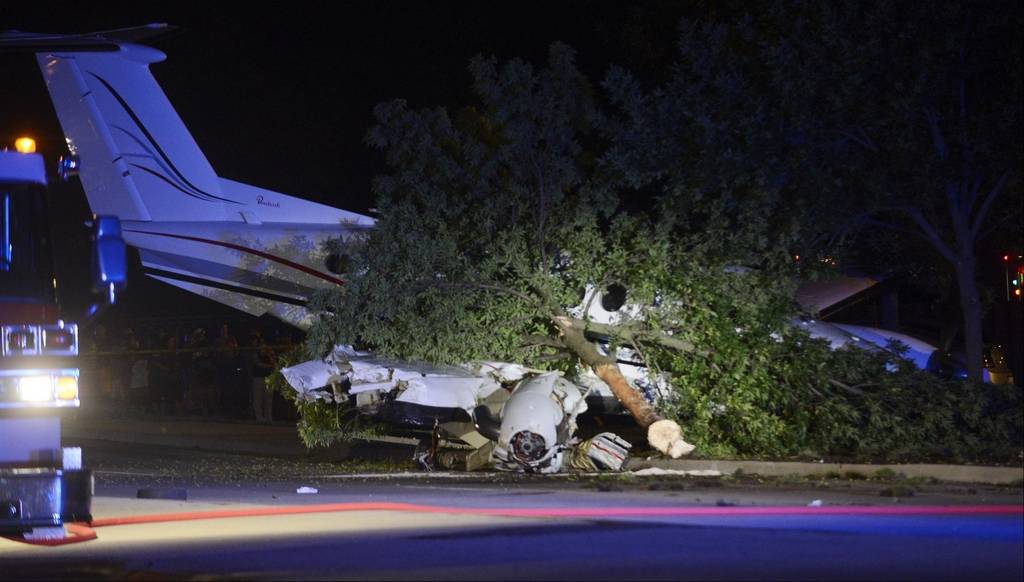
Before departure, the pilot performed fuel calculations and determined that he had enough fuel to fly to the intended destination. While enroute the pilot flew around thunderstorms. On arrival at his destination, the pilot executed the instrument landing system approach for runway 16. While on short final the right engine experienced a total loss of power. The pilot switched the fuel flow from the right tank to the left tank. The left engine then experienced a total loss of power and the pilot made an emergency landing on a road. The airplane received substantial damage to the wings and fuselage when it struck a tree. A postaccident examination revealed only a few gallons of unusable fuel in the left fuel tank. The right fuel tank was breached during the accident sequence but no fuel smell was noticed. The pilot performed another fuel calculation after the accident and determined that there were actually 170 gallons of fuel onboard, not 230 gallons like he originally figured. He reported no preaccident mechanical malfunctions that would have precluded normal operation and determined that he exhausted his entire fuel supply.
Probable cause:
The pilot's improper fuel planning and management, which resulted in a loss of engine power due to fuel exhaustion.
Final Report:
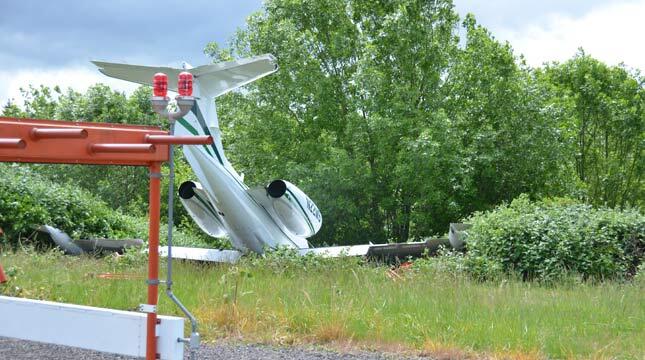
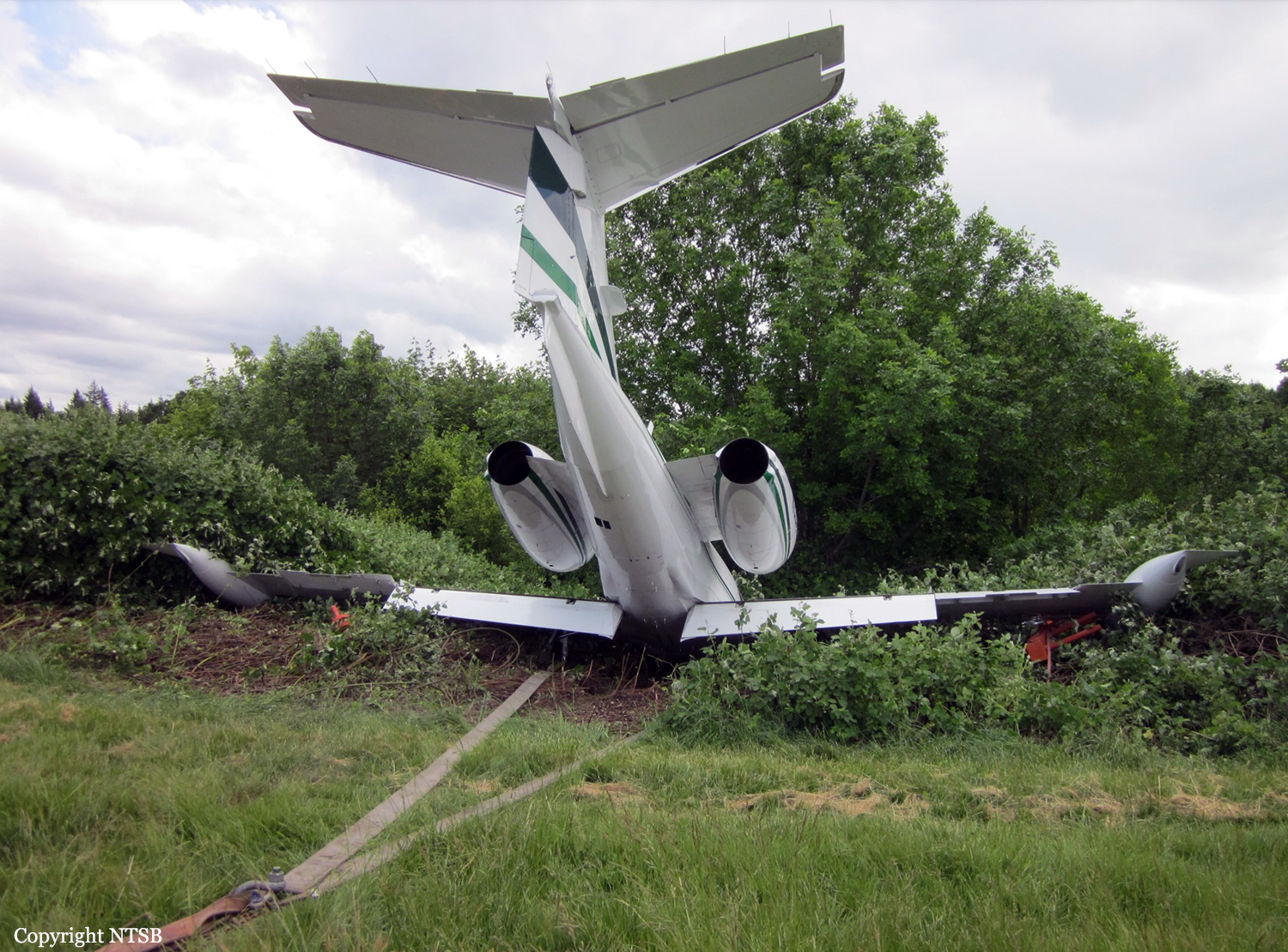
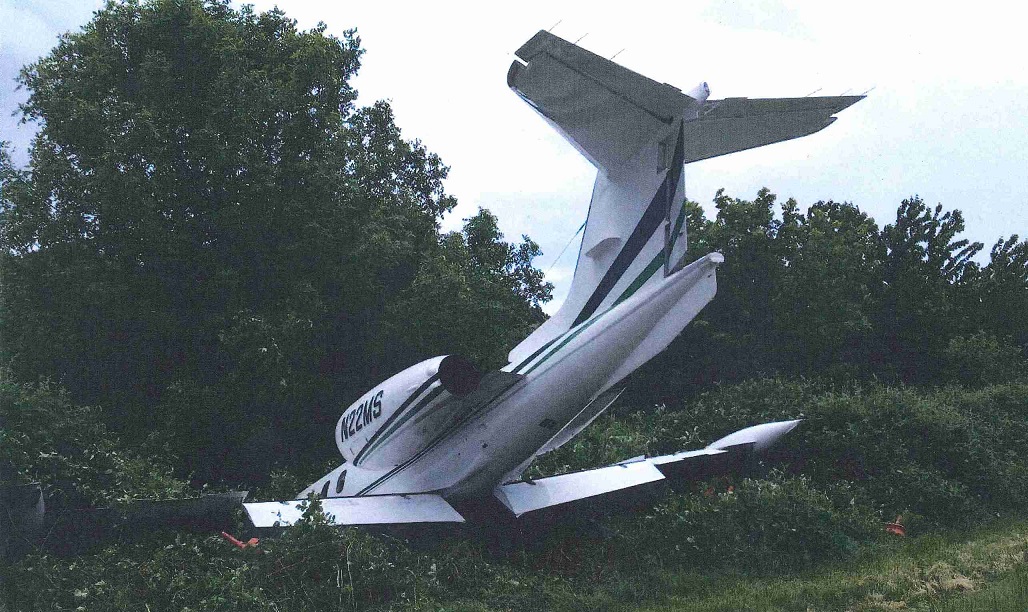
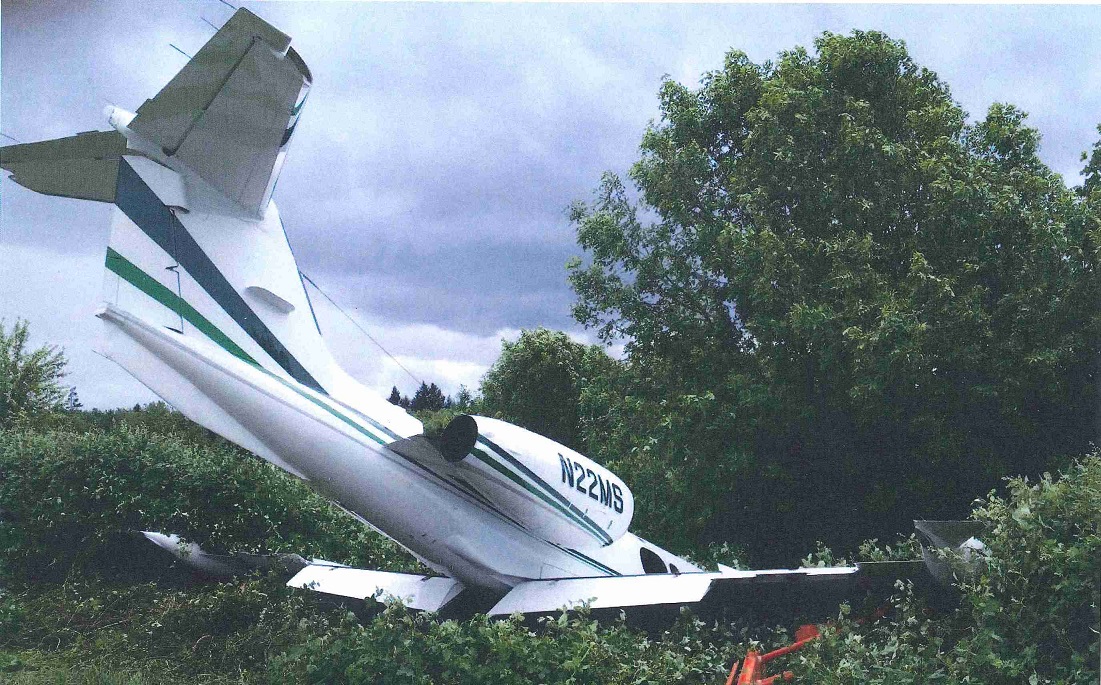
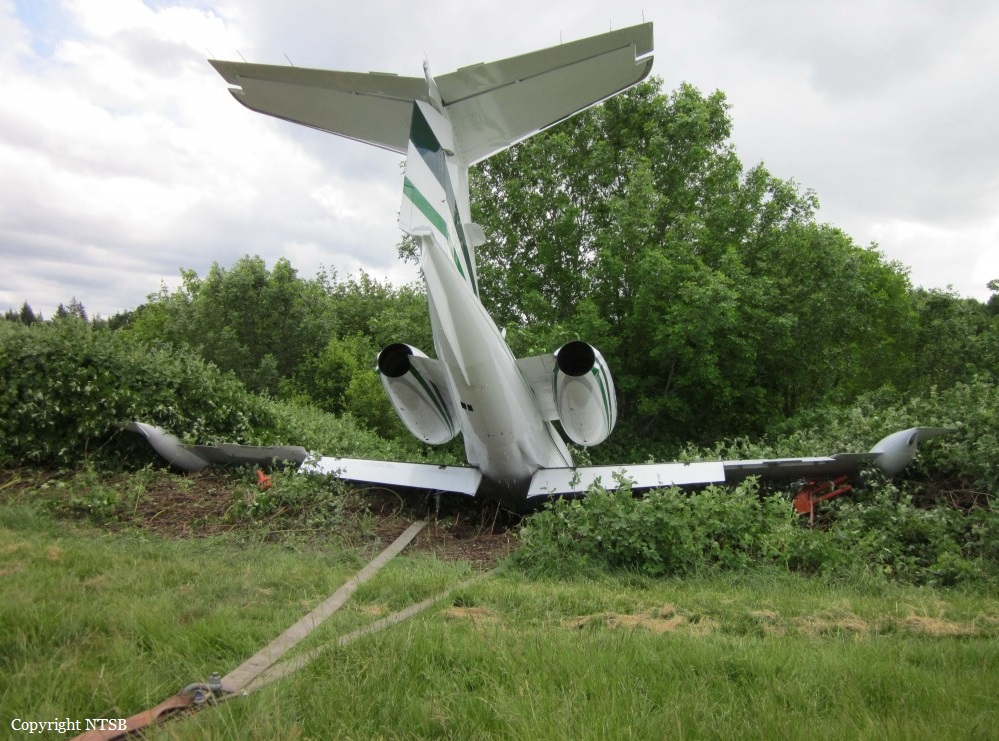
Crash of a Learjet 35A in McMinville

Date & Time: May 13, 2013 at 1245 LT
Type of aircraft:
Operator:
Registration:
N22MS
Flight Type:
Survivors:
Yes
Schedule:
Grand Junction - McMinville
MSN:
209
YOM:
1978
Crew on board:
2
Crew fatalities:
Pax on board:
1
Pax fatalities:
Other fatalities:
Total fatalities:
0
Captain / Total flying hours:
17563
Captain / Total hours on type:
996.00
Copilot / Total flying hours:
2553
Copilot / Total hours on type:
94
Aircraft flight hours:
15047
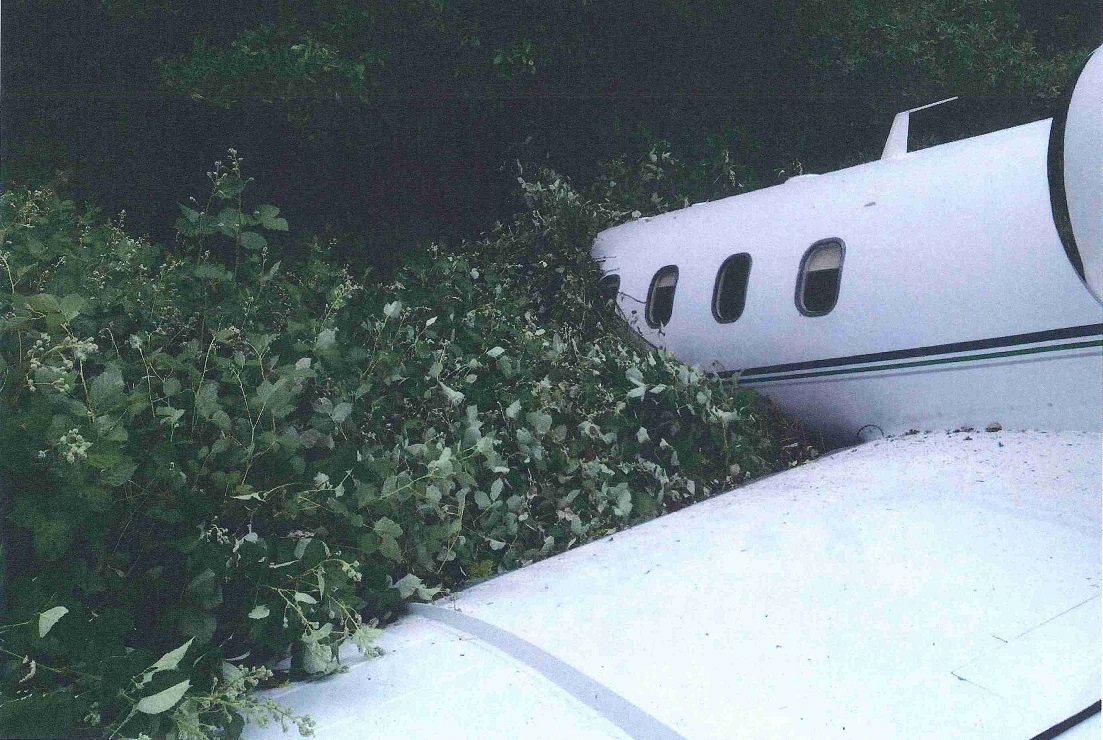
Circumstances:
The crew of the twinjet reported that the positioning flight after maintenance was uneventful. However, during the landing roll at their home base, the thrust reversers, steering, and braking systems did not respond. As the airplane approached the end of the runway, the pilot activated the emergency braking system; however, the airplane overran the end of the runway, coming to rest in a ditch. None of the three occupants were injured, but the airplane sustained substantial damage to both wings and the fuselage. Two squat switches provided redundancy within the airplane’s electrical system and were configured to prevent inadvertent activation of the thrust reversers and nosewheel steering during flight and to prevent the airplane from landing with the brakes already applied. Because postaccident examination revealed that the squat switch assemblies on the left and right landing gear struts were partially detached from their mounting pads such that both switches were deactivated, all of these systems were inoperative as the airplane landed. The switch assemblies were undamaged, and did not show evidence of being detached for a long period of time. The brakes and steering were working during taxi before departure, but this was most likely because either one or both of the switches were making partial contact at that time. Therefore, it was most likely that the squat switch assemblies were manipulated on purpose during maintenance in an effort to set the airplane’s systems to “air mode.” Examination of the maintenance records did not reveal any recent procedures that required setting the airplane to air mode, and all mechanics involved in the maintenance denied disabling the switches. Mechanics did, however, miss two opportunities to identify the anomaly, both during the return-to-service check and the predelivery aircraft and equipment status check. The anomaly was also missed by the airplane operator’s mechanic and flight crew who performed the preflight inspection. The airplane’s emergency braking system was independent of the squat switches and appeared to operate normally during a postaccident test. Prior to testing, it was noted that the emergency brake gauge indicated a full charge; therefore, although evidence suggests that the emergency brake handle was used, it was not activated with enough force by the pilot. The pilot later conceded this fact and further stated that he should have used the emergency braking system earlier during the landing roll. The airplane was equipped with a cockpit voice recorder (CVR), which captured the entire accident sequence. Analysis revealed that the airplane took just over 60 seconds to reach the runway end following touchdown, and, during that time, two attempts were made by the pilot to activate the thrust reversers. The pilot stated that as the airplane approached the runway end, the copilot made a third attempt to activate the thrust reversers, which increased the engine thrust, and thereby caused the airplane to accelerate. Audio captured on the CVR corroborated this statement.
Probable cause:
Failure of maintenance personnel to reattach the landing gear squat switches following maintenance, which rendered the airplane's steering, braking, and thrust reverser systems inoperative during landing. Contributing to the accident were the failure of both the maintenance facility mechanics and the airplane operator's mechanic and flight crew to identify the error during postmaintenance checks, a failure of the airplane's pilot to apply the emergency brakes in a timely manner, and the copilot's decision to attempt to engage the thrust reversers as the airplane approached the runway end despite multiple indications that they were inoperative and producing partial forward, rather than reverse, thrust.
Final Report:
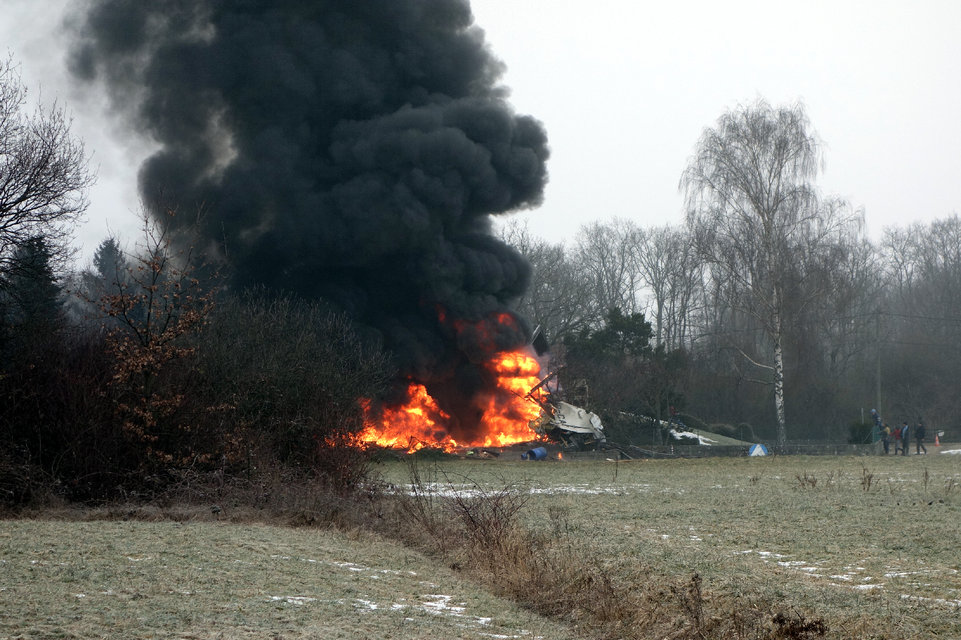
Crash of a Raytheon 390 Premier I in Annemasse: 2 killed

Date & Time: Mar 4, 2013 at 0839 LT
Type of aircraft:
Operator:
Registration:
VP-CAZ
Flight Phase:
Flight Type:
Survivors:
Yes
Schedule:
Annemasse - Geneva
MSN:
RB-202
YOM:
2007
Country:
Region:
Crew on board:
1
Crew fatalities:
Pax on board:
2
Pax fatalities:
Other fatalities:
Total fatalities:
2
Captain / Total flying hours:
7050
Captain / Total hours on type:
1386.00
Aircraft flight hours:
1388
Aircraft flight cycles:
1404
Circumstances:
On Monday 4 March 2013, the pilot and two passengers arrived at Annemasse aerodrome (France) at about 7 h 00. They planned to make a private flight of about five minutes to Geneva airport on board the Beechcraft Premier 1A, registered VP-CAZ. The temperature was -2°C and the humidity was 98% with low clouds. The aeroplane had been parked on the parking area of the aerodrome since the previous evening. At 7 h 28, the Geneva ATC service gave the departure clearance for an initial climb towards 6,000 ft with QNH 1018 hPa towards the Chambéry VOR (CBY). At about 7 h 30, when the CVR recording of the accident flight started, the engines had already been started up. At about 7 h 34, the pilot called out the following speeds that would be used during the takeoff roll:
- V1 : 101 kt
- VR : 107 kt
- V2 : 120 kt.
At about 7 h 35, the pilot performed the pre-taxiing check-list. During these checks, he called out “anti-ice ON”, correct operation of the flight controls, and the position of the flaps on 10°.
Taxiing towards runway 12 began at 7 h 36. At 7 h 37 min 43, the pilot called out the end of the takeoff briefing, then activation of the engine anti-icing system. At 7 h 38 min 03, the pilot called out the start of the takeoff roll. Fifteen seconds later, the engines reached takeoff thrust. The aeroplane lifted off at 7 h 38 min 37. Several witnesses stated that it adopted a high pitch-up attitude, with a low rate of climb. At 7 h 38 min 40, the first GPWS “Bank angle - Bank angle” warning was recorded on the CVR. It indicated excessive bank. A second and a half later, the pilot showed his surprise by an interjection. It was followed by the aural stall warning that lasted more than a second and a further GPWS “Bank angle - Bank angle” warning. At about 7 h 38 min 44, the aeroplane was detected by the Dole and Geneva radars at a height of about 80 ft above the ground. Other “Bank Angle” warnings and stall warnings were recorded on the CVR on several occasions. Several witnesses saw the aeroplane bank sharply to the right, then to the left. At 7 h 38 min 49 the aeroplane was detected by the radars at a height of about 150 ft above the ground. At 07 h 38 min 52, the main landing gear struck the roof of a first house. The aeroplane then collided with the ground. During the impact sequence, the three landing gears and the left wing separated from the rest of the aeroplane. The aeroplane slid along the ground for a distance of about 100 m before colliding with a garden shed, a wall and some trees in the garden of a second house. The aeroplane caught fire and came to a stop. The pilot and the passenger seated to his right were killed. The female passenger seated at the rear was seriously injured. According to the NTSB and BEA, the airplane was owned by Chakibel Associates Limited n Tortola and operated by Global Jet Luxembourg.
Probable cause:
The pilot’s insufficient appreciation of the risks associated with ground-ice led him to take off with contamination of the critical airframe surfaces. This contaminant deposit then caused the aerodynamic stall of the aeroplane and the loss of control shortly after lift-off.
Final Report:

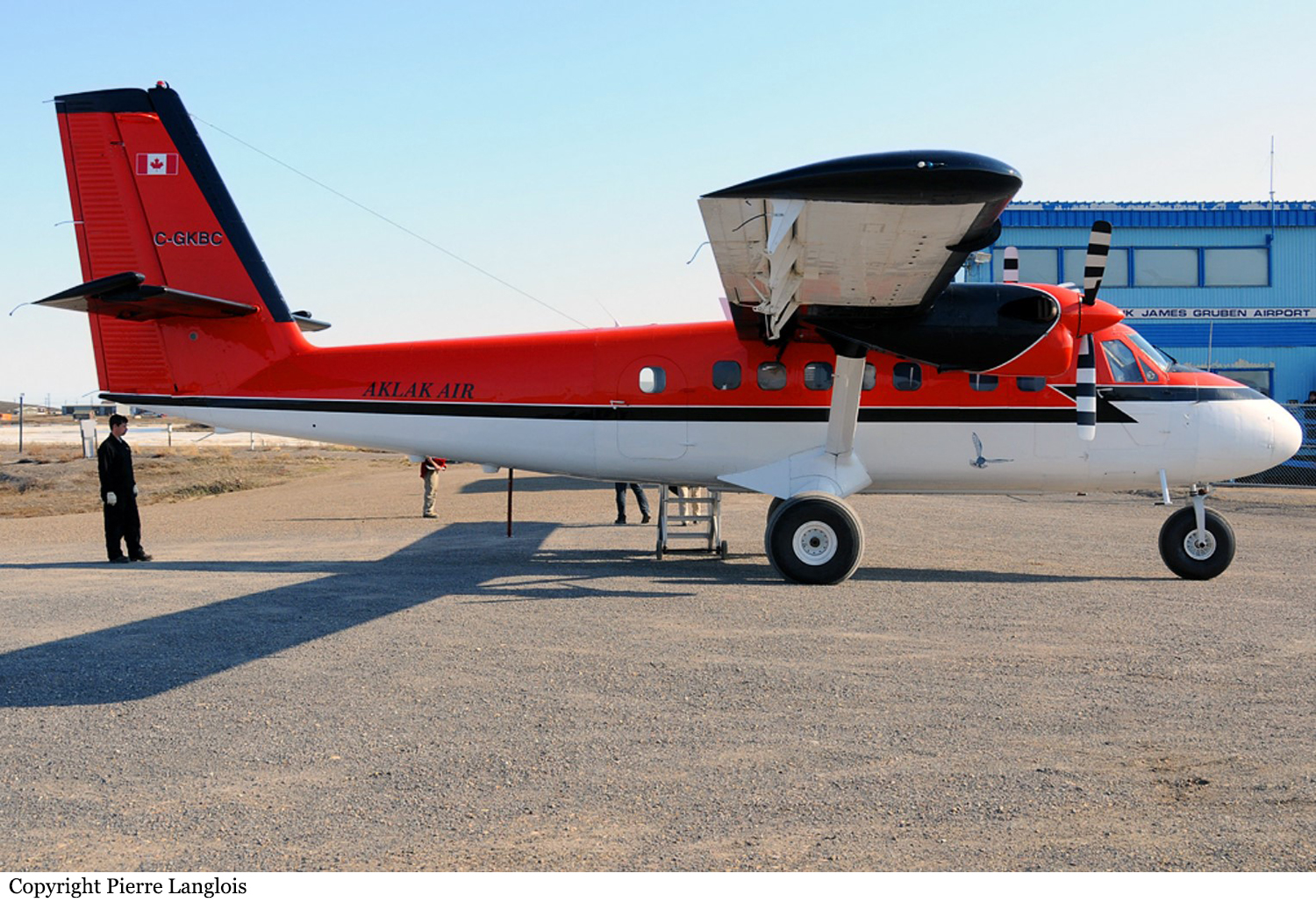
Crash of a De Havilland DHC-6 Twin Otter 300 on Mt Elizabeth: 3 killed

Date & Time: Jan 23, 2013 at 0827 LT
Operator:
Registration:
C-GKBC
Flight Phase:
Flight Type:
Survivors:
No
Site:
Schedule:
Amundsen-Scott Station - Terra Nova-Zucchelli Station
MSN:
650
YOM:
1979
Country:
Region:
Crew on board:
3
Crew fatalities:
Pax on board:
0
Pax fatalities:
Other fatalities:
Total fatalities:
3
Captain / Total flying hours:
22300
Captain / Total hours on type:
7770.00
Copilot / Total flying hours:
790
Copilot / Total hours on type:
450
Aircraft flight hours:
28200
Circumstances:
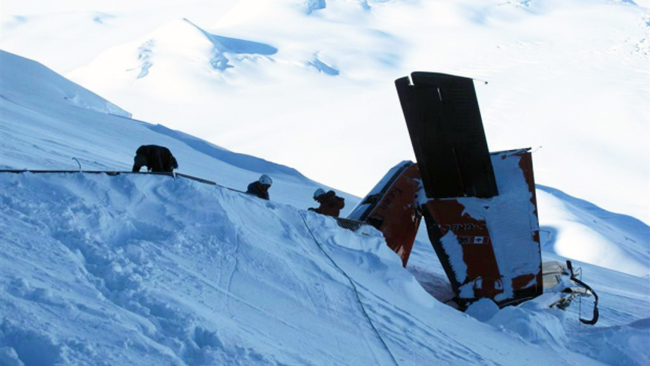
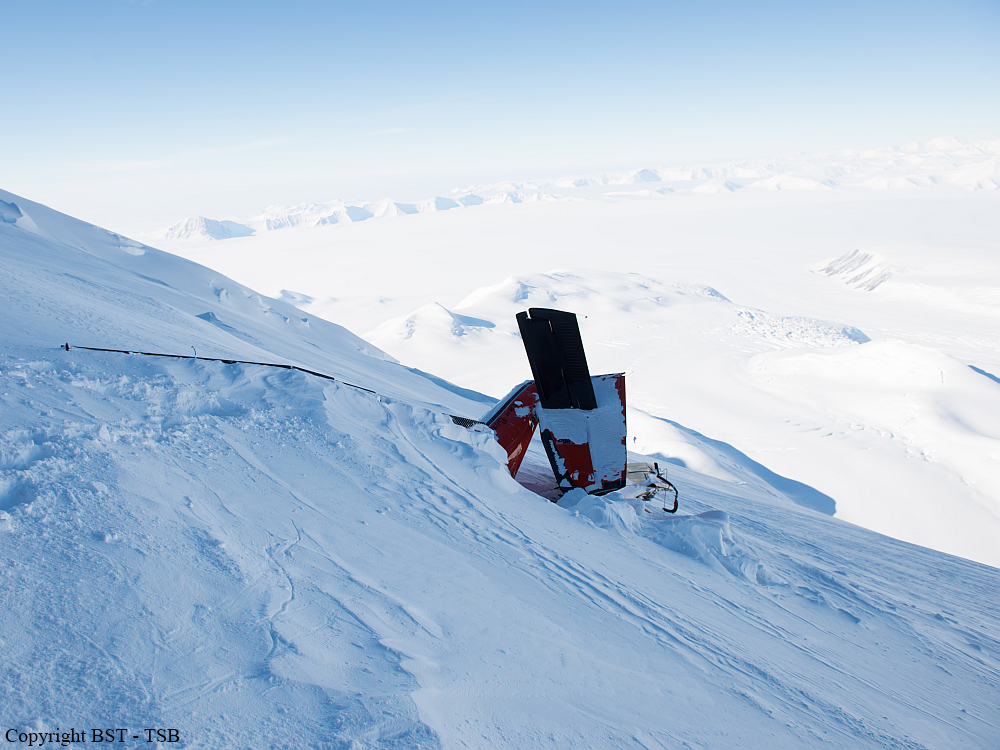
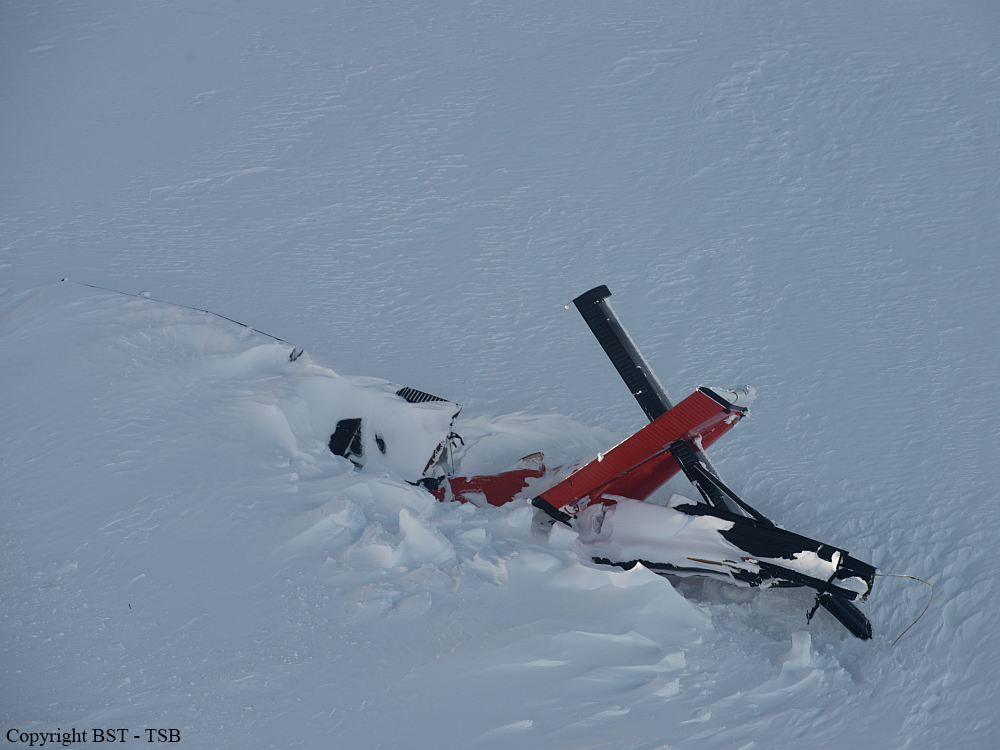
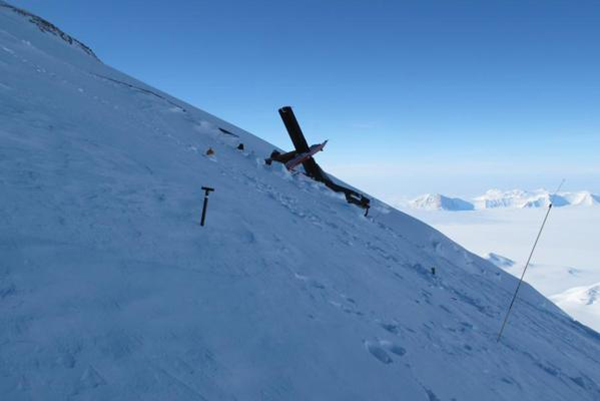
The aircraft departed South Pole Station, Antarctica, at 0523 Coordinated Universal Time on 23 January 2013 for a visual flight rules repositioning flight to Terra Nova Bay, Antarctica, with a crew of 3 on board. The aircraft failed to make its last radio check-in scheduled at 0827, and the flight was considered overdue. An emergency locator transmitter signal was detected in the vicinity of Mount Elizabeth, Antarctica, and a search and rescue effort was initiated. Extreme weather conditions hampered the search and rescue operation, preventing the search and rescue team from accessing the site for 2 days. Once on site, it was determined that the aircraft had impacted terrain and crew members of C-GKBC had not survived. Adverse weather, high altitude and the condition of the aircraft prevented the recovery of the crew and comprehensive examination of the aircraft. There were no indications of fire on the limited portions of the aircraft that were visible. The accident occurred during daylight hours.
Probable cause:
The accident was caused by a controlled flight into terrain (CFIT).
Findings:
The crew of C-GKBC made a turn prior to reaching the open region of the Ross Shelf. The aircraft might have entered an area covered by cloud that ultimately led to the aircraft contacting the rising terrain of Mount Elizabeth.
Other findings:
The cockpit voice recorder (CVR) was not serviceable at the time of the occurrence.
The company did not have a practice in place to verify the functionality of the CVR prior to flight.
The rate of climb recorded in the SkyTrac ISAT-100 tracking equipment prior to contacting terrain was consistent with the performance figures in the DHC-6 Twin Otter Series 300 Operating Data Manual 1-63-1, Revision 7.
Final Report:

Crash of a Piper PA-31-350 Navajo Chieftain in Grand Central

Date & Time: Nov 25, 2012 at 1027 LT
Registration:
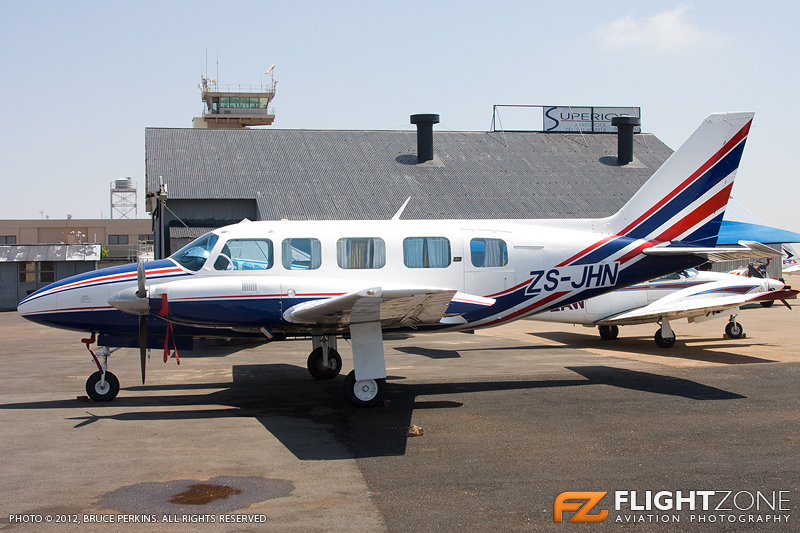
ZS-JHN
Flight Type:
Survivors:
Yes
Schedule:
Grand Central – Tzaneen
MSN:
31-7405496
YOM:
1974
Country:
Region:
Crew on board:
1
Crew fatalities:
Pax on board:
0
Pax fatalities:
Other fatalities:
Total fatalities:
0
Captain / Total flying hours:
1699
Captain / Total hours on type:
1.00
Aircraft flight hours:
8029
Circumstances:
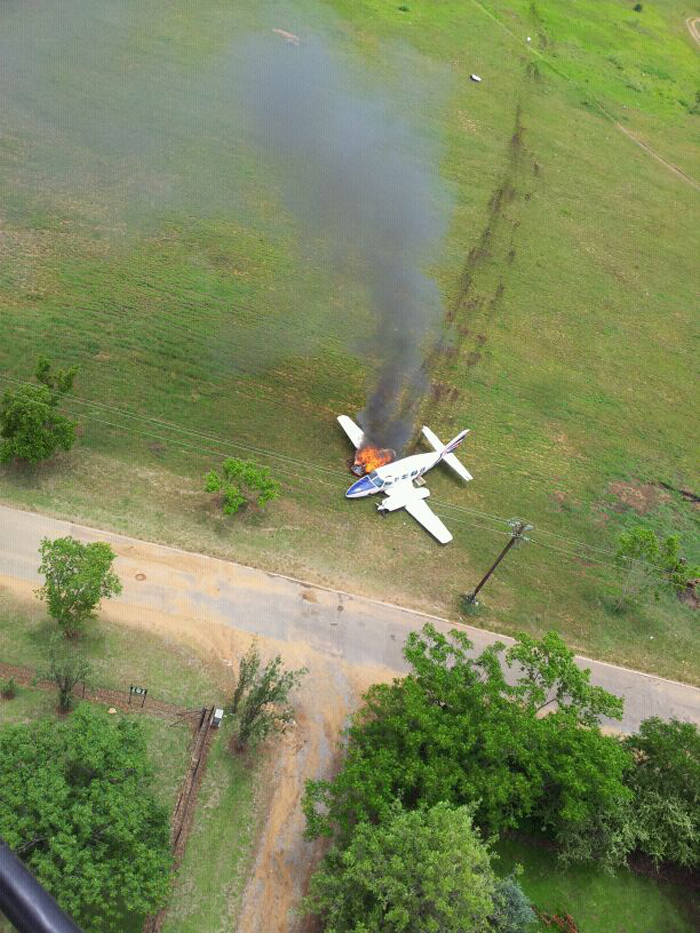
On the morning of 25 November 2012 at 0902Z the pilot, sole occupant on board the aircraft, took off from FAGC to FATZ. He filed an IFR flight plan to cruise at F110 in controlled airspace. The take-off roll and initial climb from RWY 17 was uneventful and passing FL075 FAGC Tower Controller transferred the aircraft to Johannesburg Approach Control (Approach) on 124.5 MHz. On contact with Approach the pilot was cleared to climb to FL110. On the climb approaching FL090 the aircraft lost power on the left engine, oil pressure dropped and the cylinder head temperature increased. He then advised Approach of the problem and requested to level out at FL090 to attempt to identify the problem. He requested radar vectors from Approach to route direct to FAGC and proceeded to shut down the left engine. The pilot continued routing FAGC using the right engine but was unable to maintain height. He noticed the oil pressure and manifold pressure on the right engine dropping. The pilot also reported seeing fire through the cooling vents of the right engine cowling. The pilot requested distance to FAGC from Approach and was told it is 2.5nm (nautical miles) and the aircraft continued loosing height. An update from Approach seconds later indicated that the aircraft was 1nm from FAGC. The pilot decided to do a wheels up forced landing on an open field when he realized that the aircraft was too low. He landed wheels up in a wings level attitude. The aircraft impacted and skidded across an uneven field and came to a stop 5m from Donovan Street. The pilot disembarked the aircraft and attempted to put out the fire which had started inflight on the right engine but without success. Eventually the right wing and the fuselage were engulfed by fire. Minutes later the FAGC fire department using two vehicles extinguished the fire. The pilot escaped with no injuries and the aircraft was destroyed by the ensuing fire.
Probable cause:
An inspection the left wings outboard tank was full and the main tank was empty. Both fuel selectors were also found on main tanks (left and right) position. Unsuccessful forced landing due to fuel starvation and the cause of the fire was undetermined. The left engine failed because of fuel exhaustion and the cause of fire could not be determined.
Final Report:
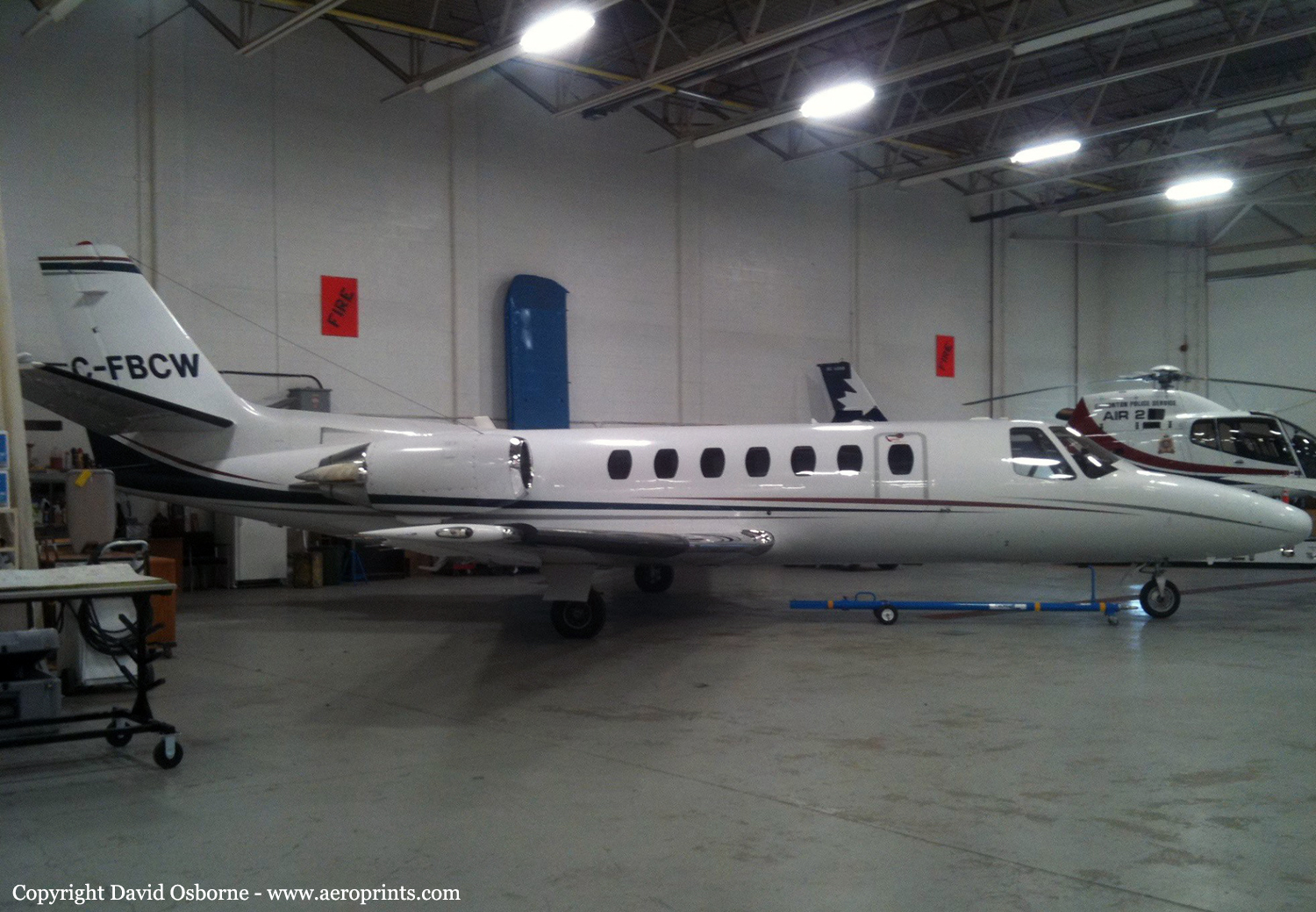
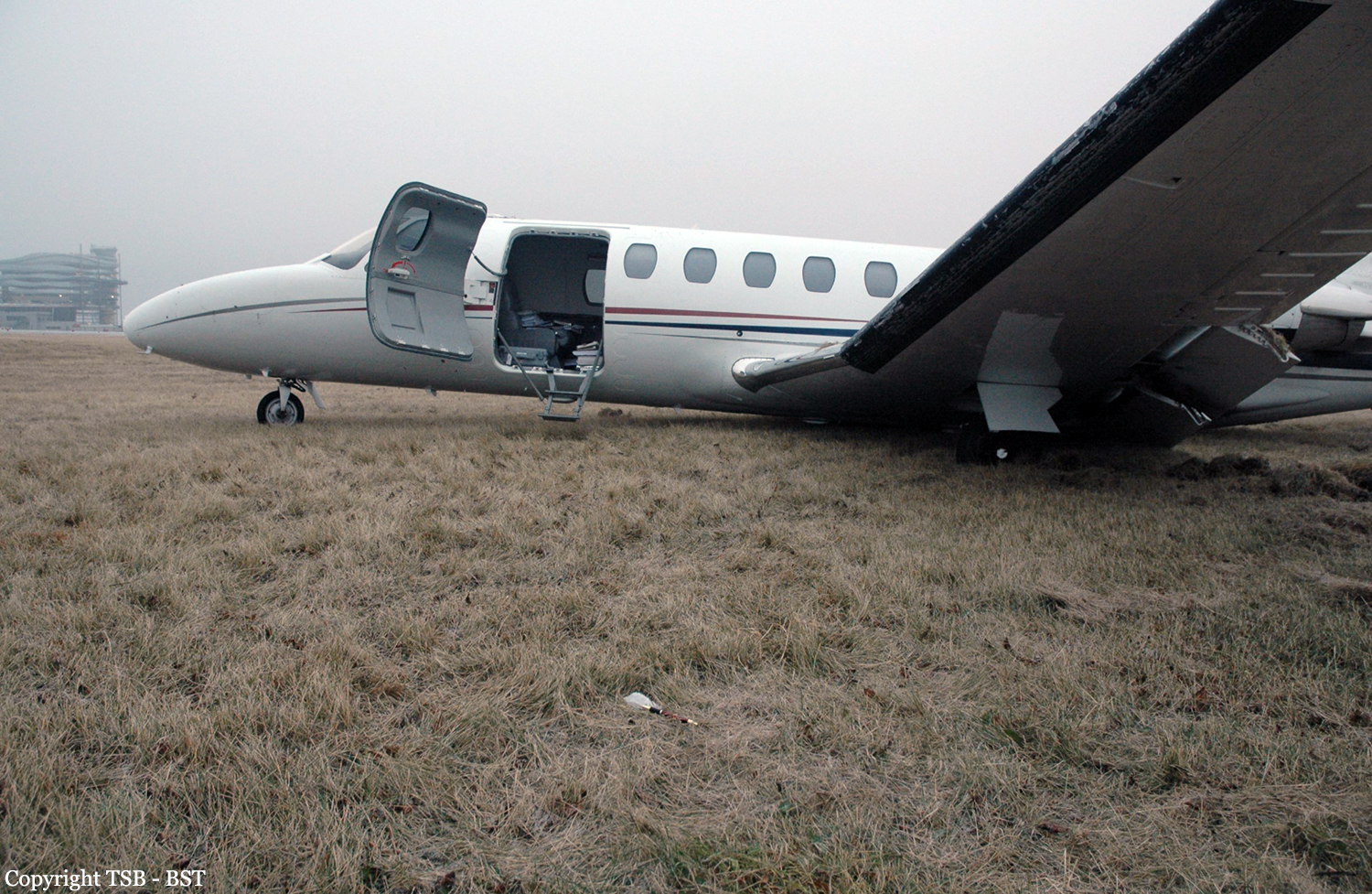
Crash of a Cessna 560 Citation V in Edmonton

Date & Time: Oct 30, 2012 at 0633 LT
Type of aircraft:
Operator:
Registration:
C-FBCW
Flight Type:
Survivors:
Yes
Schedule:
Edmonton - Edmonton
MSN:
560-0191
YOM:
1992
Country:
Crew on board:
2
Crew fatalities:
Pax on board:
0
Pax fatalities:
Other fatalities:
Total fatalities:
0
Circumstances:
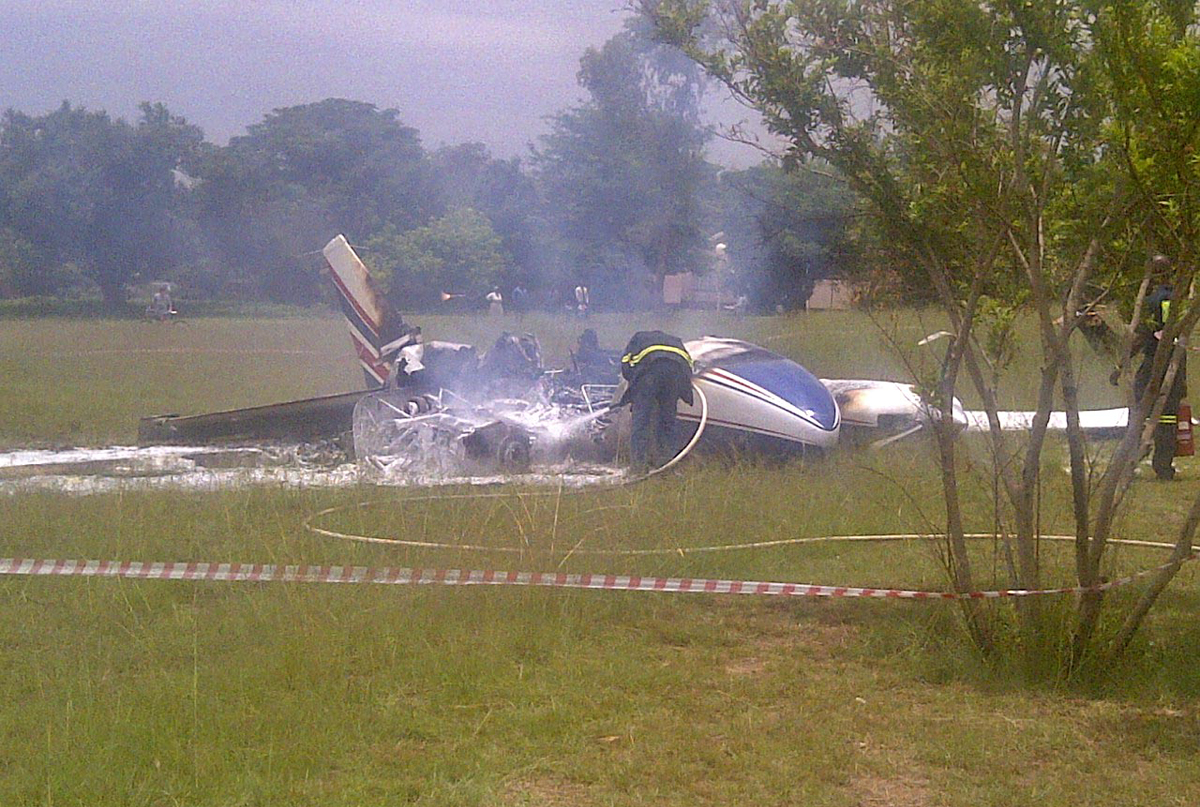
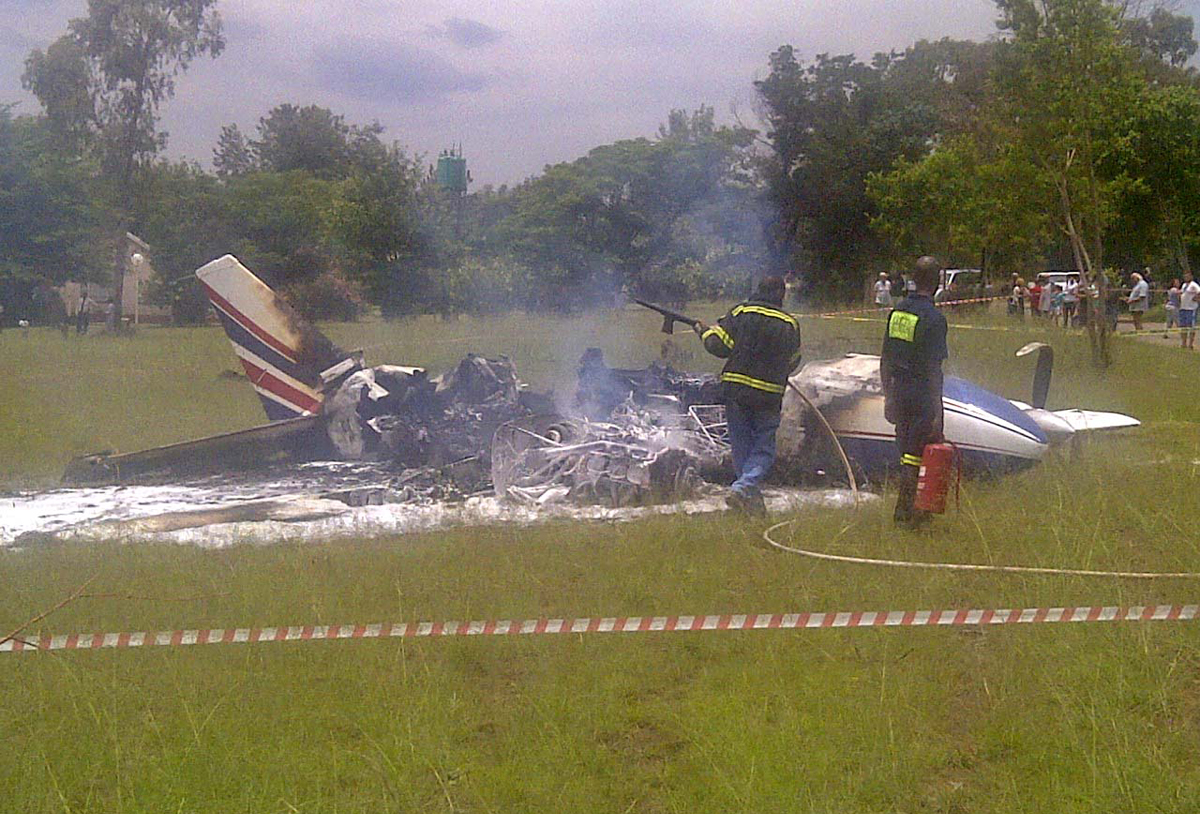
The aircraft departed Edmonton-City Centre Airport in the early morning on a positioning flight to Edmonton-Intl, carrying two pilots. En route, the crew encountered IMC conditions with moderate icing and the deicing systems were activated. For unknown reasons, the aircraft landed hard on runway 02, causing the right main gear to collapse. The aircraft veered off runway to the right and came to rest in a grassy area. Both pilots escaped with minor injuries and the aircraft was damaged beyond repair.

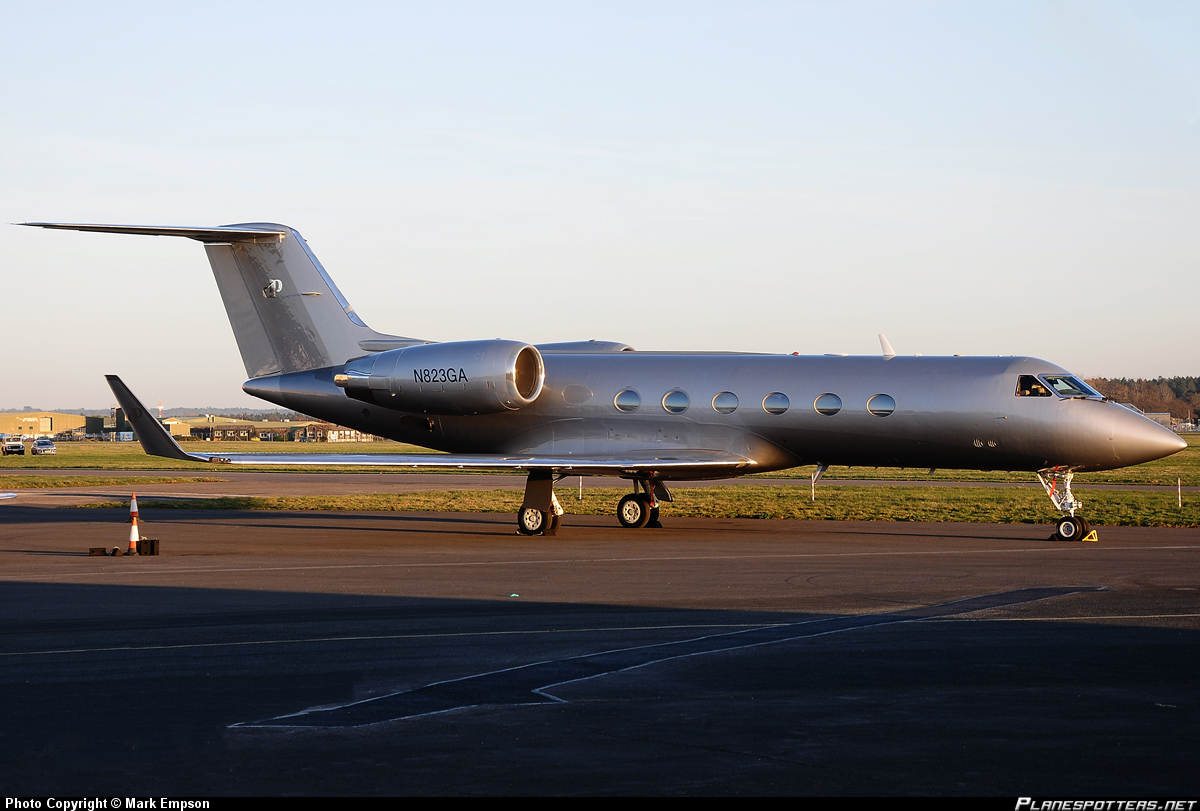
Crash of a Gulfstream GIV in Le Castellet: 3 killed

Date & Time: Jul 13, 2012 at 1518 LT
Type of aircraft:
Operator:
Registration:
N823GA
Flight Type:
Survivors:
No
Schedule:
Nice - Le Castellet
MSN:
1005
YOM:
1987
Flight number:
UJT823
Country:
Region:
Crew on board:
3
Crew fatalities:
Pax on board:
0
Pax fatalities:
Other fatalities:
Total fatalities:
3
Captain / Total flying hours:
22129
Captain / Total hours on type:
690.00
Copilot / Total flying hours:
1350
Copilot / Total hours on type:
556
Aircraft flight hours:
12210
Aircraft flight cycles:
5393
Circumstances:
The crew, consisting of a Captain and a co-pilot, took off at around 6 h 00 for a flight between Athens and Istanbul Sabiha Gokcen (Turkey). A cabin aid was also on board the aeroplane. The crew then made the journey between Istanbul and Nice (06) with three passengers. After dropping them off in Nice, the aeroplane took off at 12 h 56 for a flight to Le Castellet aerodrome in order to park the airplane for several days, the parking area at Nice being full. The Captain, in the left seat, was Pilot Monitoring (PM). The copilot, in the right seat, was Pilot Flying (PF). Flights were operated according to US regulation 14 CFR Part 135 (special rules applicable for the operation of flights on demand). The flight leg was short and the cruise, carried out at FL160, lasted about 5 minutes. At the destination, the crew was cleared to perform a visual approach to runway 13. The autopilot and the auto-throttle were disengaged, the gear was down and the flaps in the landing position. The GND SPOILER UNARM message, indicating nonarming of the ground spoilers, was displayed on the EICAS and the associated single chime aural warning was triggered. This message remained displayed on the EICAS until the end of the flight since the crew forgot to arm the ground spoilers during the approach. At a height of 25 ft, while the aircraft was flying over the runway threshold slightly below the theoretical descent path, a SINK RATE warning was triggered. The PF corrected the flight path and the touchdown of the main landing gear took place 15 metres after the touchdown zone - that’s to say 365 metres from the threshold - and slightly left of the centre line of runway 13(3). The ground spoilers, not armed, did not automatically deploy. The crew braked and actuated the deployment of the thrust reversers, which did not deploy completely(4). The hydraulic pressure available at brake level slightly increased. The deceleration of the aeroplane was slow. Four seconds after touchdown, a MASTER WARNING was triggered. A second MASTER WARNING(5) was generated five seconds later. The nose landing gear touched down for the first time 785 metres beyond the threshold before the aeroplane’s pitch attitude increased again, causing a loss of contact of the nose gear with the ground. The aircraft crossed the runway centre line to the right, the crew correcting this by a slight input on the rudder pedals to the left. They applied a strong nose-down input and the nose gear touched down on the runway a second time, 1,050 metres beyond the threshold. The speed brakes were then manually actuated by the crew with an input on the speed brake control, which then deployed the panels. Maximum thrust from the thrust reversers was reached one second later(6). The aircraft at this time was 655 metres from the runway end and its path began to curve to the left. In response to this deviation, the crew made a sharp input on the right rudder pedal, to the stop, and an input on the right brake, but failed to correct the trajectory. The aeroplane, skidding to the right(7), ran off the runway to the left 385 metres from the runway end at a ground speed of approximately 95 knots. It struck a runway edge light, the PAPI of runway 31, a metal fence then trees and caught fire instantly. An aerodrome firefighter responded quickly onsite but did not succeed in bringing the fire under control. The occupants were unable to evacuate the aircraft.
Probable cause:
Forgetting to arm the ground spoilers delayed the deployment of the thrust reversers despite their selection. Several MASTER WARNING alarms were triggered and the deceleration was low. The crew then responded by applying a strong nose-down input in order to make sure that the aeroplane stayed in contact with the ground, resulting in unusually high load for a brief moment on the nose gear. After that, the nose gear wheels deviated to the left as a result of a left input on the tiller or a failure in the steering system. It was not possible to establish a formal link between the high load on the nose gear and this possible failure. The crew was then unable to avoid the runway excursion at high speed and the collision with trees. The aerodrome fire-fighter, alone at the time of the intervention, was unable to bring the fire under control after the impact. Although located outside of the runway safety
area on either side of the runway centre line, as provided for by the regulations, the presence of rocks and trees near the runway contributed to the consequences of the accident.
The accident was caused by the combination of the following factors:
- The ground spoilers were not armed during the approach,
- A lack of a complete check of the items with the ‘‘before landing’’ checklist, and more generally the UJT crews’ failure to systematically perform the checklists as a challenge and response to ensure the safety of the flight,
- Procedures and ergonomics of the aeroplane that were not conducive to monitoring the extension of the ground spoilers during the landing,
- A possible left input on the tiller or a failure of the nose gear steering system having caused its orientation to the left to values greater than those that can be commanded using the rudder pedals, without generating any warning,
- A lack of crew training in the ‘‘Uncommanded Nose Wheel Steering’’ procedure, provided to face uncommanded orientations of the nose gear,
- An introduction of this new procedure that was not subject to a clear assessment by Gulfstream or the FAA,
- Failures in updating the documentation of the manufacturer and the operator,
- Monitoring by the FAA that failed to detect both the absence of any updates of this documentation and the operating procedure for carrying out checklists by the operator.
Final Report: