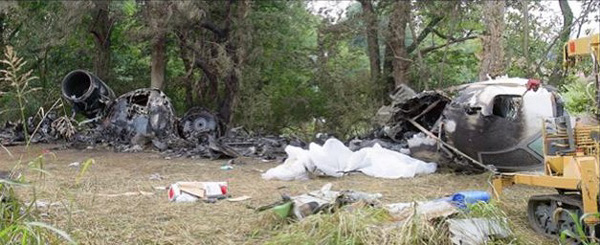
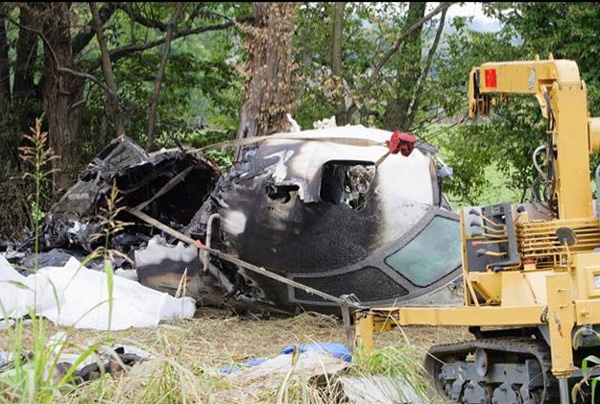
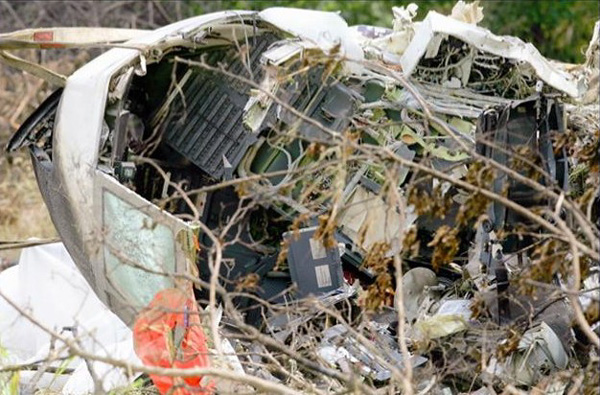
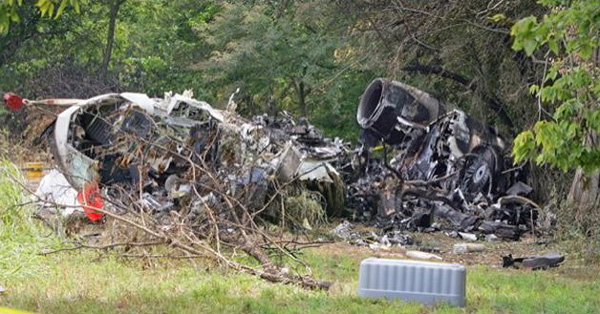
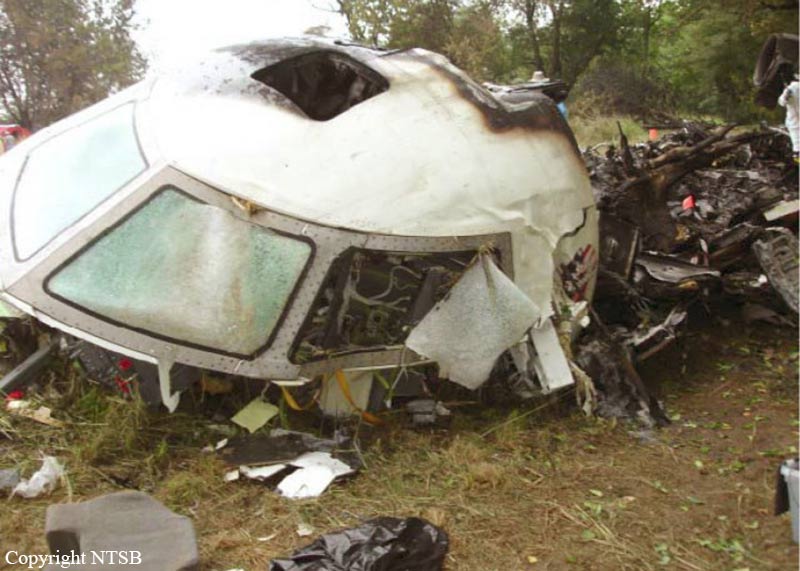
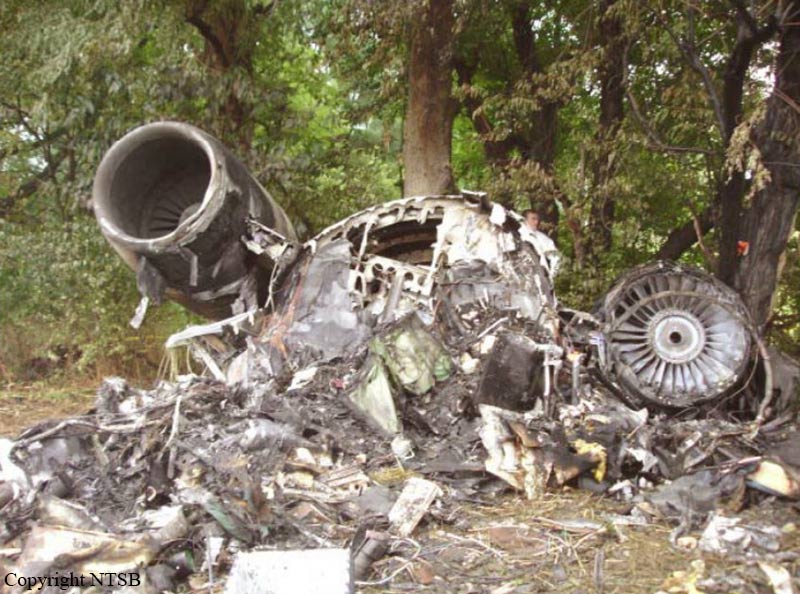
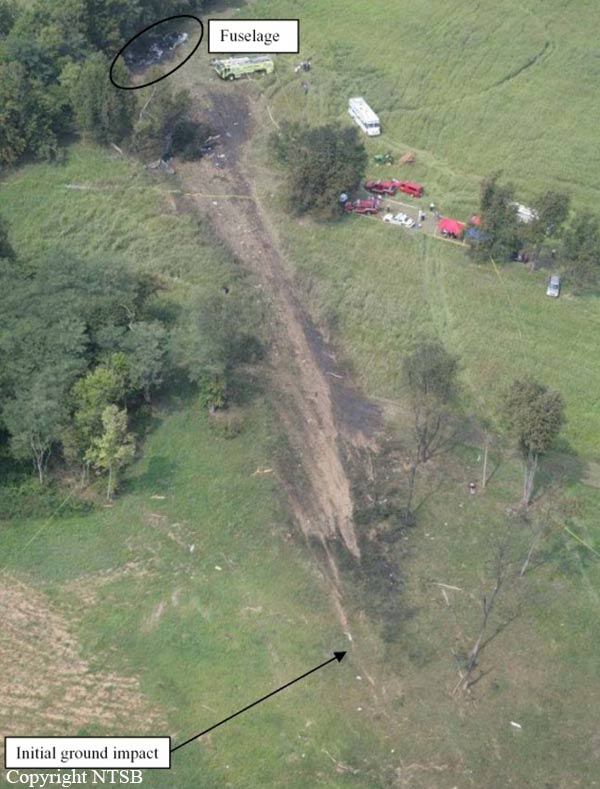
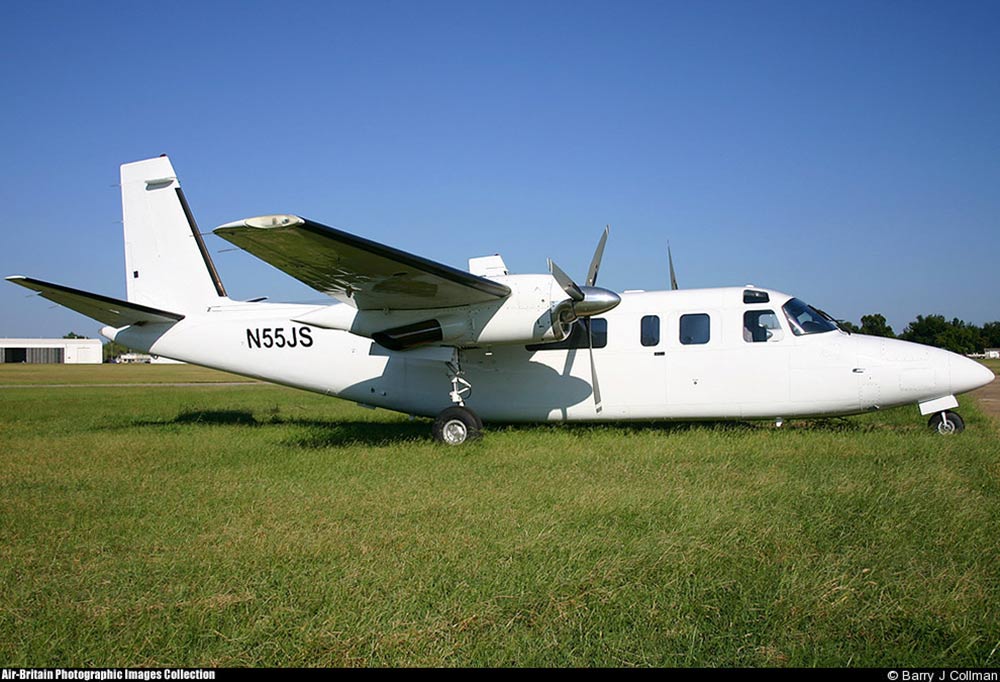
Crash of a Rockwell Grand Commander 690A near Antlers: 4 killed

Date & Time: Oct 15, 2006 at 1303 LT
Registration:
N55JS
Flight Phase:
Flight Type:
Survivors:
No
Schedule:
Oklahoma City - Orlando
MSN:
690-11195
YOM:
1974
Crew on board:
2
Crew fatalities:
Pax on board:
2
Pax fatalities:
Other fatalities:
Total fatalities:
4
Captain / Total flying hours:
6450
Captain / Total hours on type:
150.00
Copilot / Total flying hours:
6500
Aircraft flight hours:
7943
Circumstances:
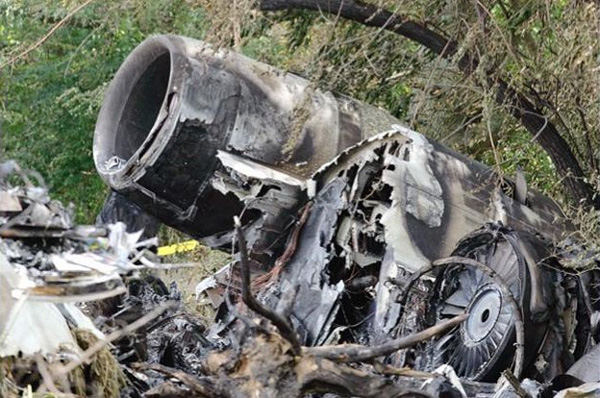
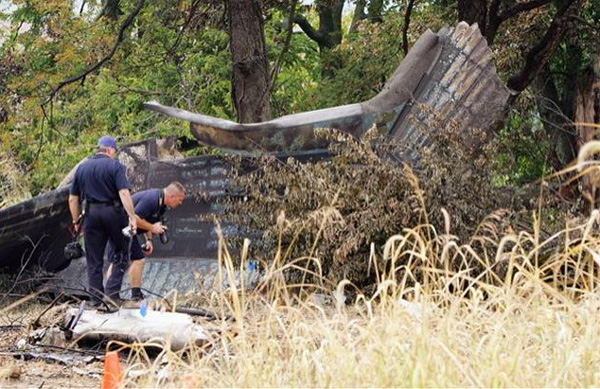
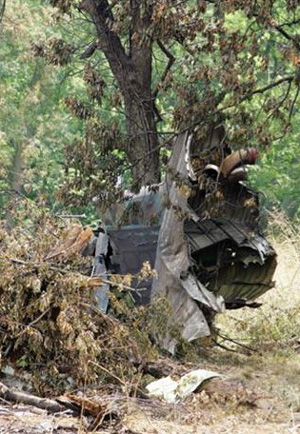
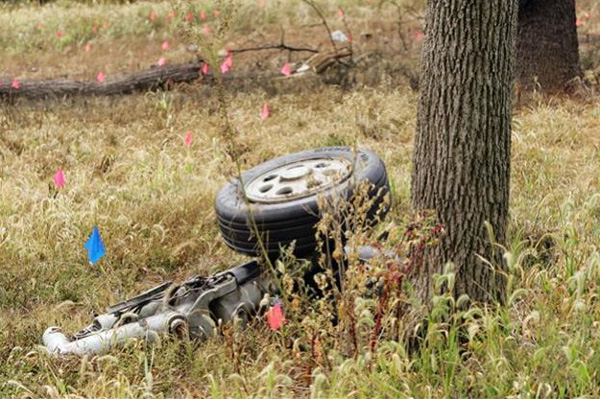
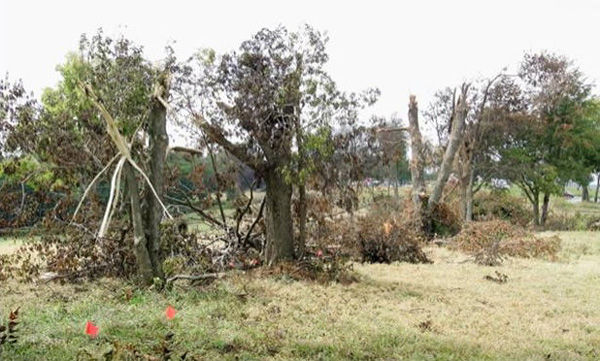
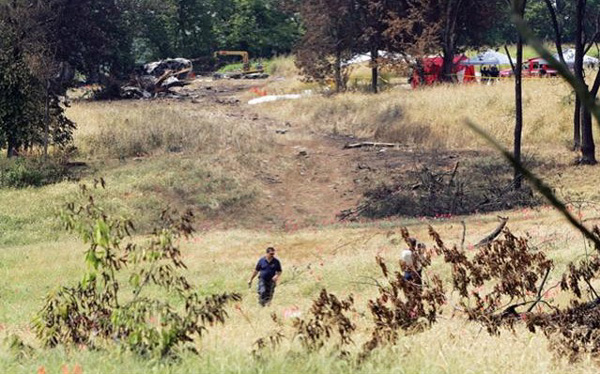
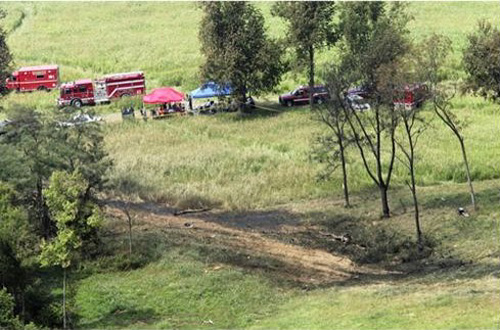
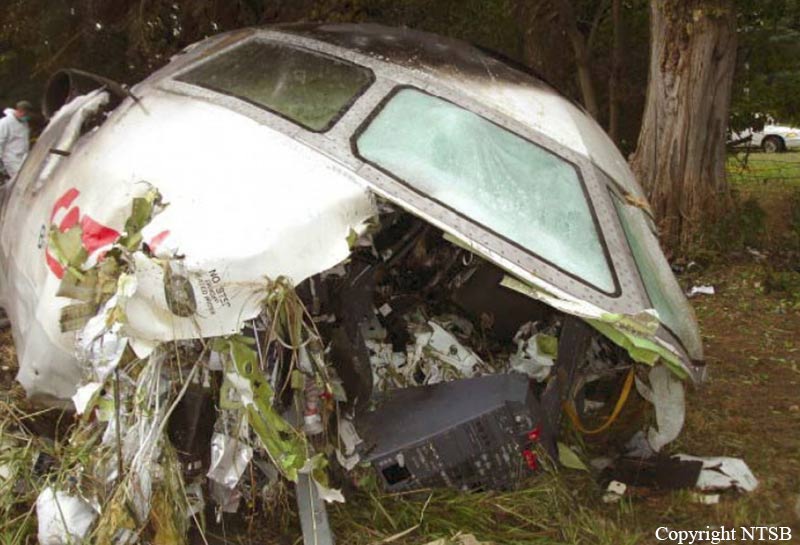
Approximately 37 minutes after departing on a 928-nautical mile cross-country flight under instrument flight rules, the twin-engine turboprop airplane experienced an in-flight break-up after encountering moderate turbulence while in cruise flight at the assigned altitude of FL230. In the moments preceding the break-up, the airplane had been flying approximately 15 to 20 knots above the placarded maximum airspeed for operations in moderate turbulence. The airplane was found to be approximately 1,038 pounds over the maximum takeoff weight listed in the airplane's type certificate data sheet (TCDS). The last radar returns indicated that the airplane performed a 180-degree left turn while descending at a rate of approximately 13,500 feet per minute. There were no reported eyewitnesses to the accident. The wreckage was located the next day in densely wooded terrain. The wreckage was scattered over an area approximately three miles long by one mile wide. An examination of the airframe revealed that the airplane's design limits had been exceeded, and that the examined fractures were due to overload failure.
Probable cause:
The pilot's failure to reduce airspeed while operating in an area of moderate turbulence, resulting in an in-flight break up. Contributing factors were the pilot's decision to exceed the maximum takeoff weight, and the prevailing turbulence.
Final Report:

Crash of a Cessna 207 Skywagon in Tuntutuliak

Date & Time: Oct 13, 2006 at 1512 LT
Operator:
Registration:
N7336U
Flight Type:
Survivors:
Yes
Schedule:
Bethel - Tuntutuliak
MSN:
207-0405
YOM:
1977
Crew on board:
1
Crew fatalities:
Pax on board:
0
Pax fatalities:
Other fatalities:
Total fatalities:
0
Captain / Total flying hours:
5700
Captain / Total hours on type:
1000.00
Aircraft flight hours:
21781
Circumstances:
The commercial certificated pilot was attempting to land on a remote runway during a Title 14, CFR Part 135, cargo flight. The approach end of the runway is located at the edge of a river. During the pilot's fourth attempt to land, the airplane collided with the river embankment, and sustained structural damage. The director of operations for the operator reported that he interviewed several witnesses to the accident. They told him that the weather conditions in the area had been good VFR, but as the pilot was attempting to land, rain and mist moved over the area, reducing the visibility to about 1/4 mile. Within 30 minutes of the accident, the weather conditions were once again VFR. The pilot told an FAA inspector that the weather conditions consisted of a 500 foot ceiling and 2 miles of visibility. The pilot reported that he made 3 passes over the runway before attempting to land. On the last landing approach, while maintaining 80 knots airspeed, the pilot said the nose of the airplane dropped, he applied full power and tried to raise the nose, but the airplane collided with the river bank.
Probable cause:
The pilot's misjudgment of distance/altitude during the landing approach, which resulted in an undershoot and in-flight collision with a river embankment. Factors contributing to the accident were reduced visibility due to rain and mist.
Final Report:
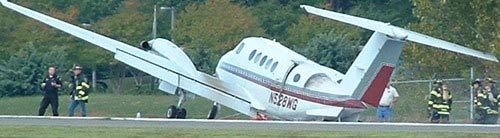
Crash of a Beechcraft 200 Super King Air in Leonardtown

Date & Time: Oct 12, 2006 at 1216 LT
Operator:
Registration:
N528WG
Flight Type:
Survivors:
Yes
Schedule:
Leonardtown - Leonardtown
MSN:
BB-151
YOM:
1979
Crew on board:
2
Crew fatalities:
Pax on board:
0
Pax fatalities:
Other fatalities:
Total fatalities:
0
Captain / Total flying hours:
7140
Captain / Total hours on type:
900.00
Copilot / Total flying hours:
1100
Copilot / Total hours on type:
59
Aircraft flight hours:
11077
Circumstances:
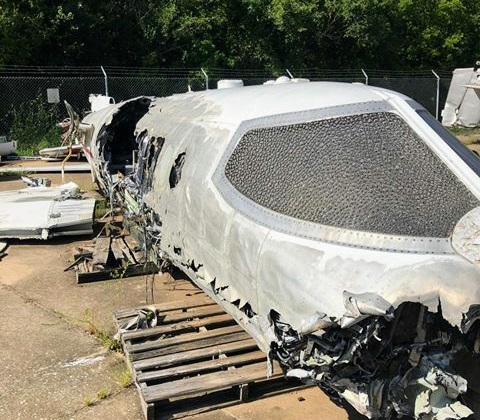
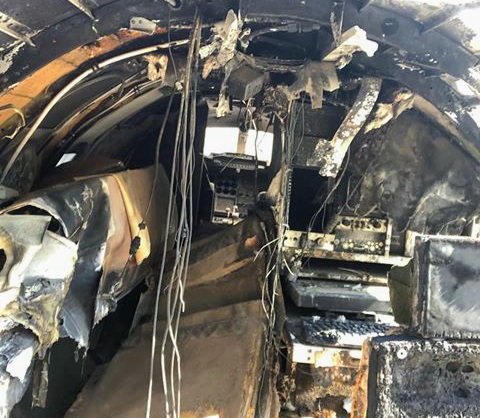
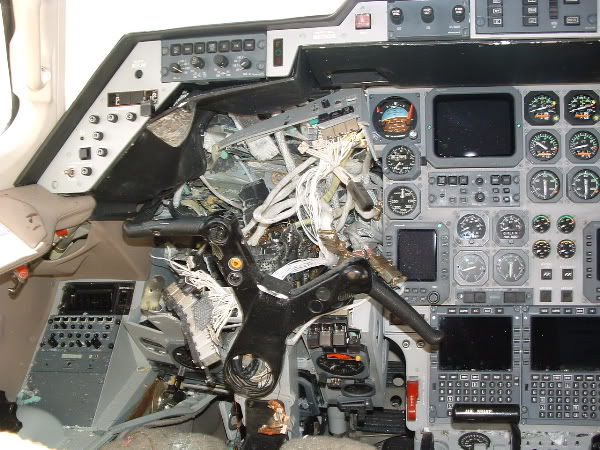
With all cockpit indications showing the landing gear was down and locked, the airplane touched down on the runway. Immediately after touchdown, the pilots heard the landing gear warning horn sound intermittently for several seconds, and then the right main landing gear collapsed. The airplane veered to the right, exited the runway, and came to rest. A post crash fire ensued, and the crew exited without injury. A postaccident examination of the airplane revealed that the collapsed right main landing gear had penetrated the right main fuel tank and the majority of the right side of the fuselage had been consumed by fire. Examination of the left and right main landing gear assemblies revealed, that both downlock plates had been installed backwards, providing only a fraction of the design contact area between the plate and throat of the downlock hook. Examination of the manufacturer's component maintenance manual, which was used for the assembly and installation of the left and right main landing gear, revealed no guidance regarding downlock plate orientation during installation.
Probable cause:
The airplane manufacturer's inadequate landing gear downlock plate maintenance orientation information, and the disengaged main landing gear.
Final Report:
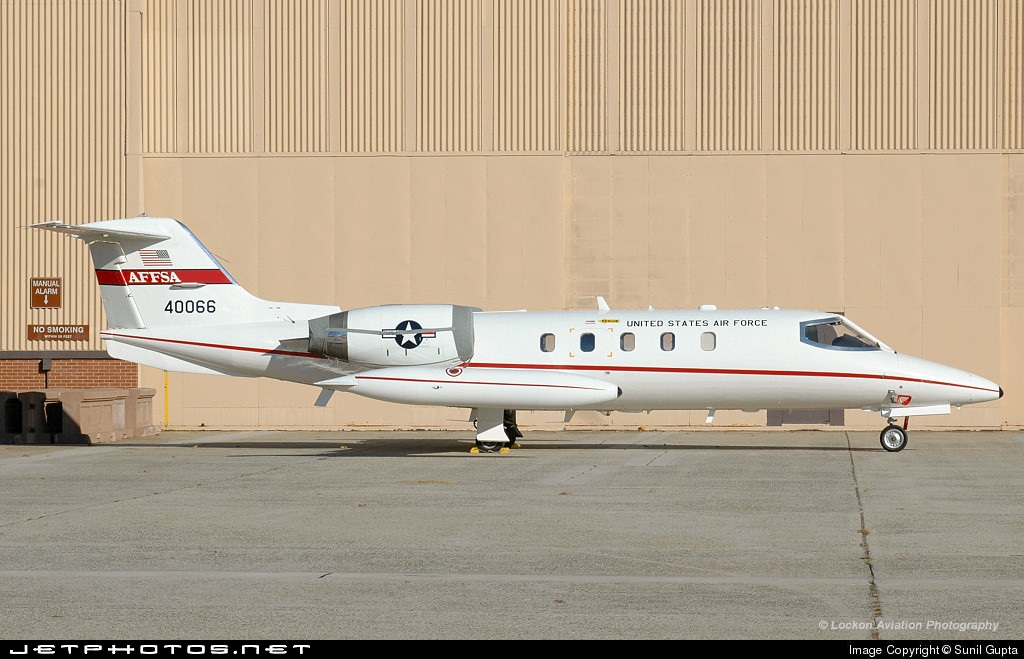
Crash of a Learjet C-21A in Decatur

Date & Time: Oct 2, 2006 at 1215 LT
Type of aircraft:
Operator:
Registration:
84-0066
Flight Type:
Survivors:
Yes
Schedule:
Decatur - Decatur
MSN:
35-512
YOM:
1984
Crew on board:
2
Crew fatalities:
Pax on board:
0
Pax fatalities:
Other fatalities:
Total fatalities:
0
Circumstances:
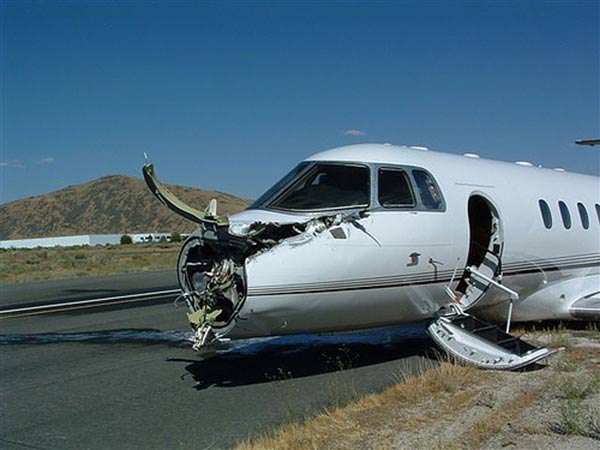
The crew was performing a local training flight at Decatur Airport, consisting of touch-and-go maneuvers. On final approach to runway 24, the instructor elected to simulate a failure of the right engine. Anticipating the touch-and-go procedure, the instructor deactivated the yaw damper system while the aircraft was about 10-20 feet above the runway. As the speed increased, the instructor called out 'speed' twice when the copilot reduced the power on the left engine. The aircraft rolled to the right, causing the right wingtip to struck the ground. The aircraft went out of control, veered off runway and came to rest, bursting into flames. Both pilots escaped with minor injuries while the aircraft was destroyed.
Probable cause:
The crew’s failure to take appropriate action after allowing the aircraft to get 15 knots [17 mph] slow over the runway threshold. Had either pilot taken proper action to go around upon seeing the airspeed bleeding away by advancing power on both engines, this mishap could have been avoided.

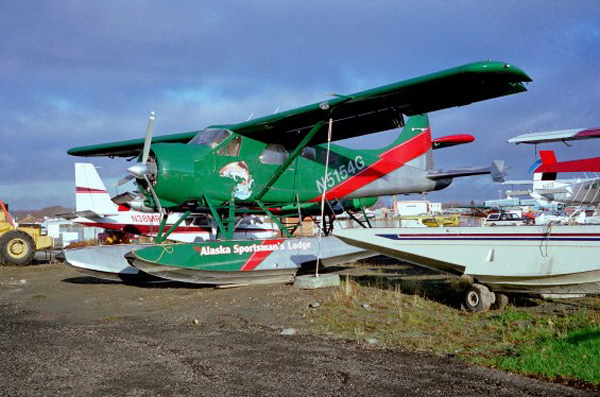
Crash of a De Havilland DHC-2 Beaver I in Swikshak: 1 killed

Date & Time: Sep 21, 2006 at 1315 LT
Type of aircraft:
Operator:
Registration:
N5154G
Survivors:
Yes
Schedule:
Kodiak - Igiugig
MSN:
405
YOM:
1952
Crew on board:
1
Crew fatalities:
Pax on board:
5
Pax fatalities:
Other fatalities:
Total fatalities:
1
Captain / Total flying hours:
4770
Captain / Total hours on type:
1860.00
Aircraft flight hours:
11613
Circumstances:
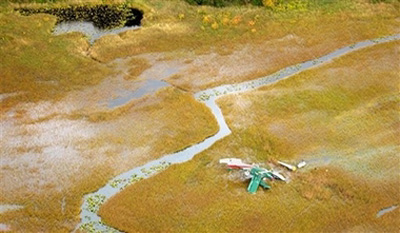
The airline transport pilot was departing to the north from a narrow stream in a float-equipped airplane with lodge guests aboard, on a Title 14, CFR Part 91 flight. Northerly winds between 25 and 35 knots, were reported at the time of the accident. The accident pilot reported that after departure, he turned left, and a strong downdraft "threw the airplane to the ground." The passengers said that the airplane started its takeoff run directly into the strong winds, but shortly after becoming airborne, the pilot made a steep turn to the left, about 150 feet above the ground. The passengers indicated that as the airplane continued to turn left, it began to shudder and buffet, then abruptly descended nose low into the marsh-covered terrain. During the impact, the right wing folded, and the airplane's fuselage came to rest on its right side. One of the occupants, seated next to the right main cabin door, was partially ejected during the impact sequence, and was pinned under the fuselage and covered by water. Rescue efforts by the pilot and passengers were unsuccessful. In the pilot's written statement to the NTSB, he reported that there were no pre accident mechanical anomalies with the airplane, and during the on-site examination of the wreckage by the NTSB investigator-in-charge, no pre accident mechanical anomalies were discovered.
Probable cause:
The pilot's failure to maintain adequate airspeed while maneuvering to reverse direction, which resulted in an inadvertent stall and an uncontrolled descent. Factors associated with the accident were the inadvertent stall and wind gusts.
Final Report:

Crash of a De Havilland DHC-2 Beaver in Skwentna: 2 killed

Date & Time: Sep 15, 2006 at 1620 LT
Type of aircraft:
Operator:
Registration:
N836KA
Flight Phase:
Flight Type:
Survivors:
No
Site:
Schedule:
Galena - Anchorage
MSN:
604
YOM:
1954
Location:
Crew on board:
1
Crew fatalities:
Pax on board:
1
Pax fatalities:
Other fatalities:
Total fatalities:
2
Captain / Total flying hours:
2700
Aircraft flight hours:
34896
Circumstances:
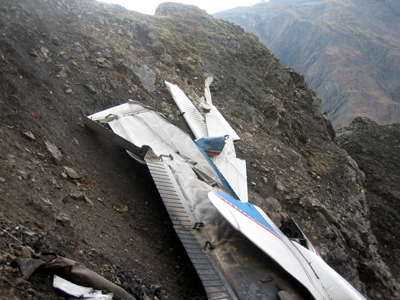
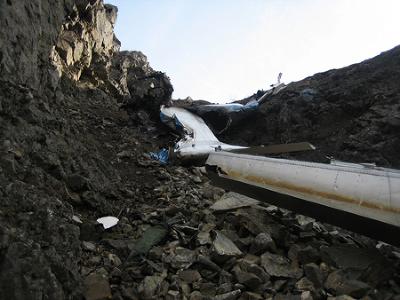
The private pilot and the sole passenger were in the first of two airplanes of a flight of two, operating as a personal flight under Title 14, CFR part 91. The pilot of the second airplane reported that both airplanes were in radio contact, and the accident airplane was about one mile ahead as they entered a mountain pass along the intended flight route. As the flight progressed, both airplanes descended due to deteriorating weather conditions as they neared the narrowest part of the pass. The second pilot said that visibility deteriorated to a point that it was difficult to discern topographical features, and he told the accident pilot that he was uncomfortable with the lack of visibility and was turning around. The second pilot stated that the accident pilot responded by saying, in part: "Turn around if you can... I am not able to." The second pilot indicated that the last time he saw the accident airplane was as it entered a cloudbank. During the accident pilot's final radio transmission, prompted by the second pilot's inquiry about how he was doing, he responded that he was just trying to get through the pass. No further radio communications were received from the accident airplane. There was no ELT signal, and the search for the airplane was unsuccessful until three days later. The wreckage was located at the 3,100-foot level of the mountain pass, in an area of steep terrain. Impact forces and a post crash fire had destroyed the airplane. During the IIC's on-site examination of the wreckage, no pre accident mechanical anomalies were discovered.
Probable cause:
The pilot's continued VFR flight into instrument meteorological conditions, which resulted in an in-flight collision with mountainous terrain. A factor associated with the accident was a low cloud ceiling.
Final Report:
Crash of a Mitsubishi MU-2B-35 Marquise in Argyle: 1 killed

Date & Time: Sep 1, 2006 at 1115 LT
Type of aircraft:
Registration:
N6569L
Flight Type:
Survivors:
No
Schedule:
Tulsa - Argyle
MSN:
645
YOM:
1974
Location:
Crew on board:
1
Crew fatalities:
Pax on board:
0
Pax fatalities:
Other fatalities:
Total fatalities:
1
Captain / Total flying hours:
30780
Captain / Total hours on type:
10000.00
Aircraft flight hours:
6642
Circumstances:
Prior to the accident flight, the pilot obtained a preflight weather briefing and filed an instrument flight rules flight plan. The briefer noted no adverse weather conditions along the route. The airplane departed the airport at 0853, and climbed to FL190. The first two hours of the flight was uneventful, and the aircraft was handed off to Jacksonville Air Route Traffic Control Center (ZJX ARTCC) at 1053. The pilot contacted ZJX Crestview sector at 1054:45 with the airplane level at FL190. At 1102, the Crestview controller broadcasted an alert for Significant Meteorological Information (SIGMET) 32E, which pertained to thunderstorms in portions of Florida southwest of the pilot's route. At 1103, the controller cleared to the airplane to descend to 11,000 feet and the pilot again acknowledged. At 1110:21, the pilot was instructed to contact Tyndall Approach. The pilot checked in with the Tyndall RAPCON North Approach controller at 1110:39. The pilot was told to expect a visual approach. Shortly thereafter, the pilot transmitted, "...we're at 11,000, like to get down lower so we can get underneath this stuff." The controller told the pilot to stand by and expect lower [altitude] in 3 miles. About 15 seconds later, the controller cleared to pilot to descend to 6,000 feet, and the pilot acknowledged. At 1112:27, the pilot was instructed to contact Tyndall Approach on another frequency. The airplane's position at that time was just northwest of REBBA intersection. The Panama sector controller cleared the pilot to descend to 3,000 feet at his discretion, and the pilot acknowledged. There was no further contact with the airplane. The controller attempted to advise the pilot that radar contact was lost, but repeated attempts to establish communications and locate the airplane were unsuccessful. A witness, located approximately 1 mile south of the accident site, reported he heard a "loud bang," looked up and observed the airplane in a nose down spiral. The witness reported there were parts separating from the airplane during the descent. The witness stated it was raining and there was lightning and thunder in the area. Local authorities reported that the weather "was raining real good with lightning and the thunderstorm materialized very quickly." The main wreckage came to rest near the edge of a swamp in tree covered and high grassy terrain. The left wing, left engine, and the left wing tip tank were located in a wooded area approximately 0.6 miles northwest of the main wreckage. The left wing separated from the airplane inboard of the left engine and nacelle. Examination of the fracture surfaces indicated that both the front and rear spars failed from "catastrophic static up-bending overstress..." The airplane flew through an intense to extreme weather radar echo containing a thunderstorm. Although the controllers denied that there was any weather displayed ahead of the airplane, recorded radar and display data indicated that moderate to extreme precipitation was depicted on and near the route of flight. During the flight, the pilot was given no real-time information on the weather ahead. The airplane was equipped with a weather radar system and the system provided continuous en route weather information relative to cloud formation, rainfall rate, thunderstorms, icing conditions, and storm detection up to a distance of 240 miles. No anomalies were noted with the airframe and engines.
Probable cause:
The pilot's inadvertent flight into thunderstorm activity that resulted in the loss of control, design limits of the airplane being exceeded and subsequent in-flight breakup. A contributing factor was the failure of air traffic control to use available radar information to warn the pilot he was about to encounter moderate, heavy, and extreme precipitation along his route of flight.
Final Report:
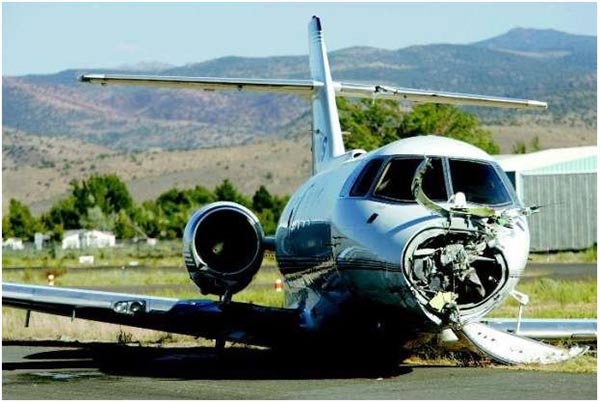
Crash of a Hawker 800XP in Carson City

Date & Time: Aug 28, 2006 at 1506 LT
Type of aircraft:
Operator:
Registration:
N879QS
Survivors:
Yes
Schedule:
Carlsbad – Reno
MSN:
258379
YOM:
1998
Crew on board:
2
Crew fatalities:
Pax on board:
3
Pax fatalities:
Other fatalities:
Total fatalities:
0
Captain / Total flying hours:
6134
Captain / Total hours on type:
1564.00
Copilot / Total flying hours:
3848
Copilot / Total hours on type:
548
Aircraft flight hours:
6727
Circumstances:
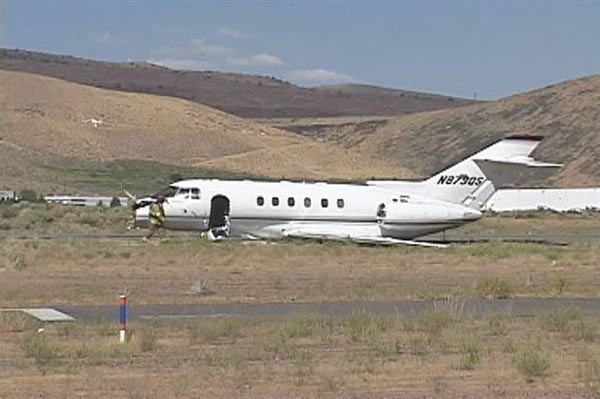
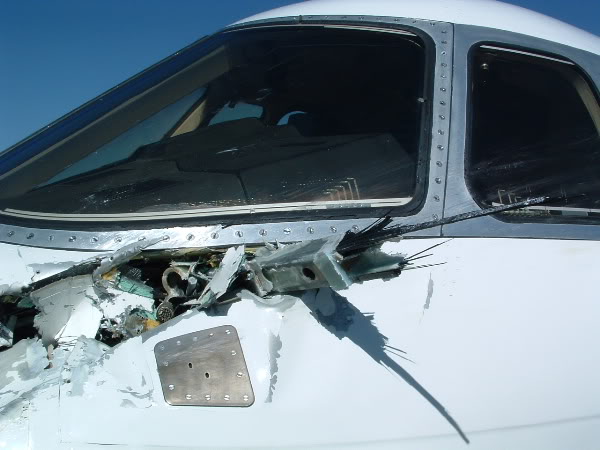
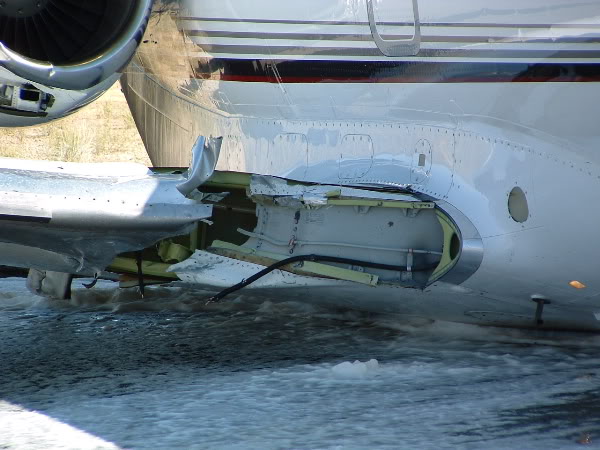
The Hawker and the glider collided in flight at an altitude of about 16,000 feet above mean sea level about 42 nautical miles south-southeast of the Reno/Tahoe International Airport (RNO), Reno, Nevada, which was the Hawker's destination. The collision occurred in visual meteorological conditions in an area that is frequently traversed by air carrier and other turbojet airplanes inbound to RNO and that is also popular for glider operations because of the thermal and mountain wave gliding opportunities there. Before the collision, the Hawker had been descending toward RNO on a stable northwest heading for several miles, and the glider was in a 30-degree, left-banked, spiraling climb. According to statements from the Hawker's captain and the glider pilot, they each saw the other aircraft only about 1 second or less before the collision and were unable to maneuver to avoid the collision in time. Damage sustained by the Hawker disabled one engine and other systems; however, the flight crew was able to land the airplane. The damaged glider was uncontrollable, and the glider pilot bailed out and parachuted to the ground. Because of the lack of radar data for the glider's flight, it was not possible to determine at which points each aircraft may have been within the other's available field of view. Although Federal Aviation Regulations (FARs) require all pilots to maintain vigilance to see and avoid other aircraft (this includes pilots of flights operated under instrument flight rules, when visibility permits), a number of factors that can diminish the effectiveness of the see-and-avoid principle were evident in this accident. For example, the high closure rate of the Hawker as it approached the glider would have given the glider pilot only limited time to see and avoid the jet. Likewise, the closure rate would have limited the time that the Hawker crew had to detect the glider, and the slim design of the glider would have made it difficult for the Hawker crew to see it. Although the demands of cockpit tasks, such as preparing for an approach, have been shown to adversely affect scan vigilance, both the Hawker captain, who was the flying pilot, and the first officer reported that they were looking out the window before the collision. However, the captain saw the glider only a moment before it filled the windshield, and the first officer never saw it at all.
Probable cause:
The failure of the glider pilot to utilize his transponder and the high closure rate of the two aircraft, which limited each pilot's opportunity to see and avoid the other aircraft.
Final Report:
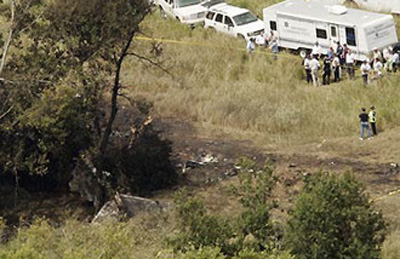
Crash of a Cessna 401A in Jackson: 7 killed

Date & Time: Aug 28, 2006 at 1440 LT
Type of aircraft:
Registration:
N408JC
Flight Type:
Survivors:
No
Schedule:
Wichita Falls - Hazard - Middleburg
MSN:
401-0075
YOM:
1969
Location:
Crew on board:
1
Crew fatalities:
Pax on board:
6
Pax fatalities:
Other fatalities:
Total fatalities:
7
Captain / Total flying hours:
107
Aircraft flight hours:
6387
Circumstances:
The airplane departed on a long cross country flight, with thunderstorms and rain squalls along the general route. Approaching the destination airport, the airplane entered a rain squall, stalled, and impacted the ground in an almost vertical descent. Other than the onboard weather radar being previously removed for maintenance, there were no mechanical anomalies noted with the airplane. The pilot, whose logbook was not recovered, was not instrument qualified. Although he was recently observed flying four to five times weekly, when the pilot applied for a multi-engine rating about 3 1/2 months earlier, he indicated 107 hours of total flight experience.
Probable cause:
The non-instrument-rated pilot's continued flight into instrument meteorological conditions, and his subsequent failure to maintain airspeed which resulted in an inadvertent stall. Contributing was the instrument meteorological conditions.
Final Report:
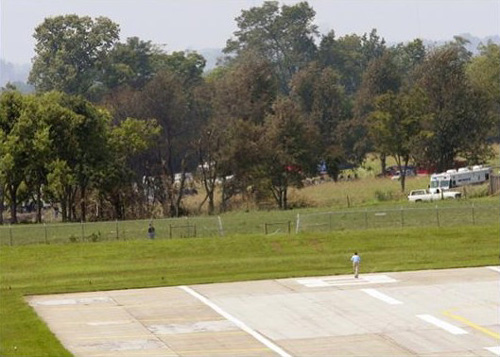
Crash of a Canadair RegionalJet CRJ-200 in Lexington: 49 killed
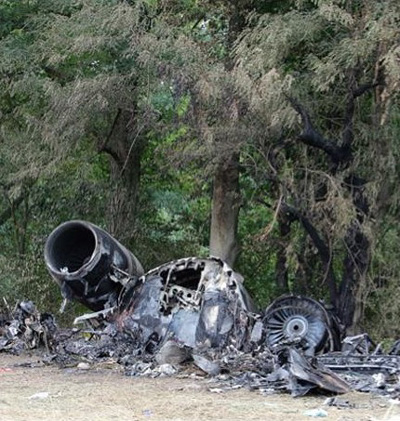
Date & Time: Aug 27, 2006 at 0607 LT
Operator:
Registration:
N431CA
Flight Phase:
Survivors:
Yes
Schedule:
Lexington - Atlanta
MSN:
7472
YOM:
2001
Flight number:
DL5191
Crew on board:
3
Crew fatalities:
Pax on board:
47
Pax fatalities:
Other fatalities:
Total fatalities:
49
Captain / Total flying hours:
4710
Captain / Total hours on type:
3082.00
Copilot / Total flying hours:
6564
Copilot / Total hours on type:
940
Aircraft flight hours:
12048
Aircraft flight cycles:
14536
Circumstances:
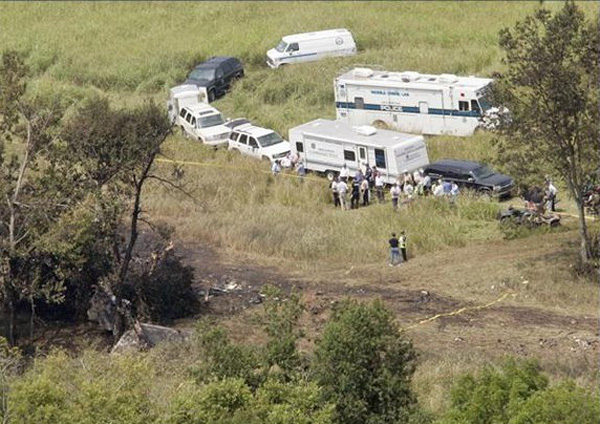
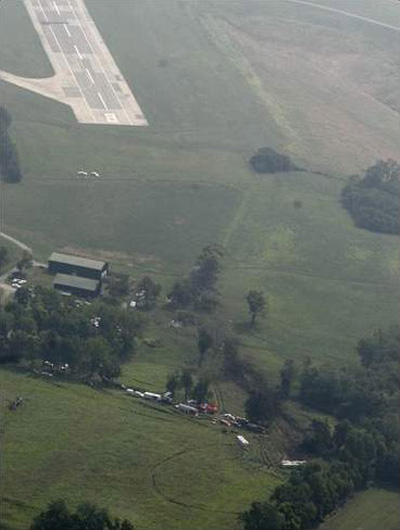
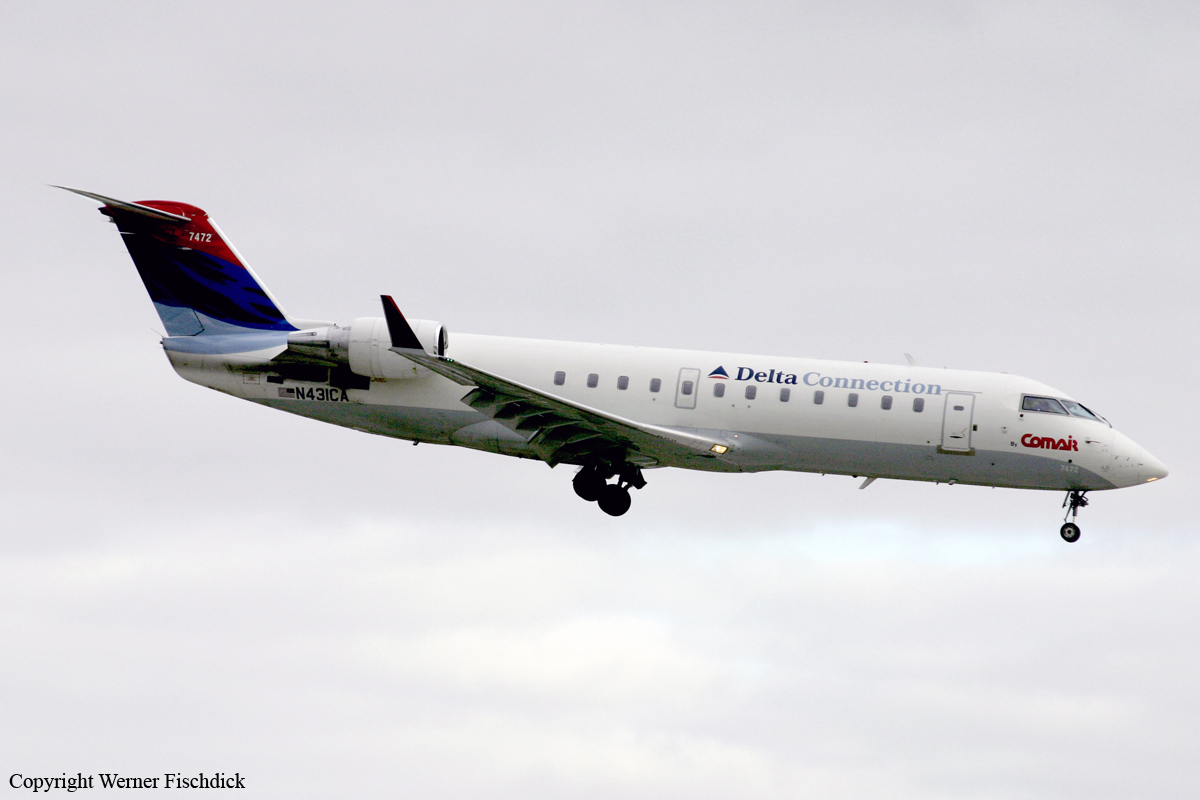
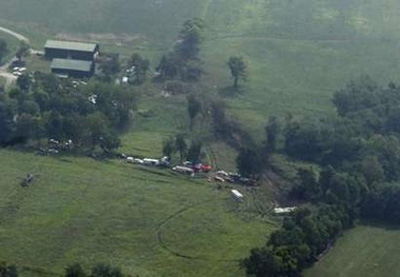
The aircraft crashed during takeoff from Blue Grass Airport, Lexington, Kentucky. The flight crew was instructed to take off from runway 22 but instead lined up the airplane on runway 26 and began the takeoff roll. The airplane ran off the end of the runway and impacted the airport perimeter fence, trees, and terrain. The captain, flight attendant, and 47 passengers were killed, and the first officer received serious injuries. The airplane was destroyed by impact forces and post crash fire. The flight was operating under the provisions of 14 Code of Federal Regulations Part 121 and was en route to Hartsfield-Jackson Atlanta International Airport, Atlanta, Georgia. Night visual meteorological conditions prevailed at the time of the accident.
Probable cause:
The flight crew members' failure to use available cues and aids to identify the airplane's location on the airport surface during taxi and their failure to cross-check and verify that the airplane was on the correct runway before takeoff. Contributing to the accident were the flight crew's non pertinent conversation during taxi, which resulted in a loss of positional awareness, and the Federal Aviation Administration's failure to require that all runway crossings be authorized only by specific air traffic control clearances.
Final Report: