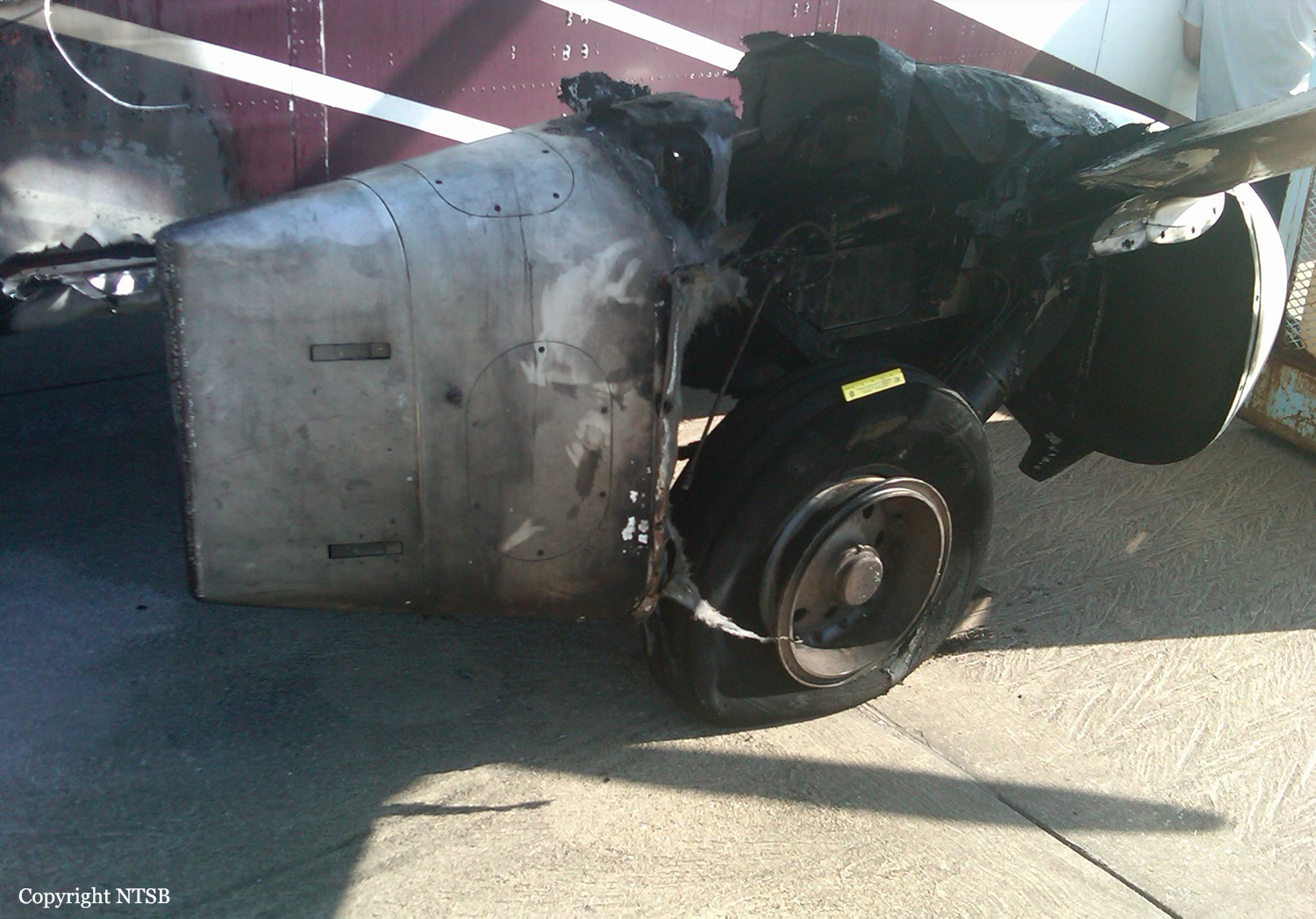
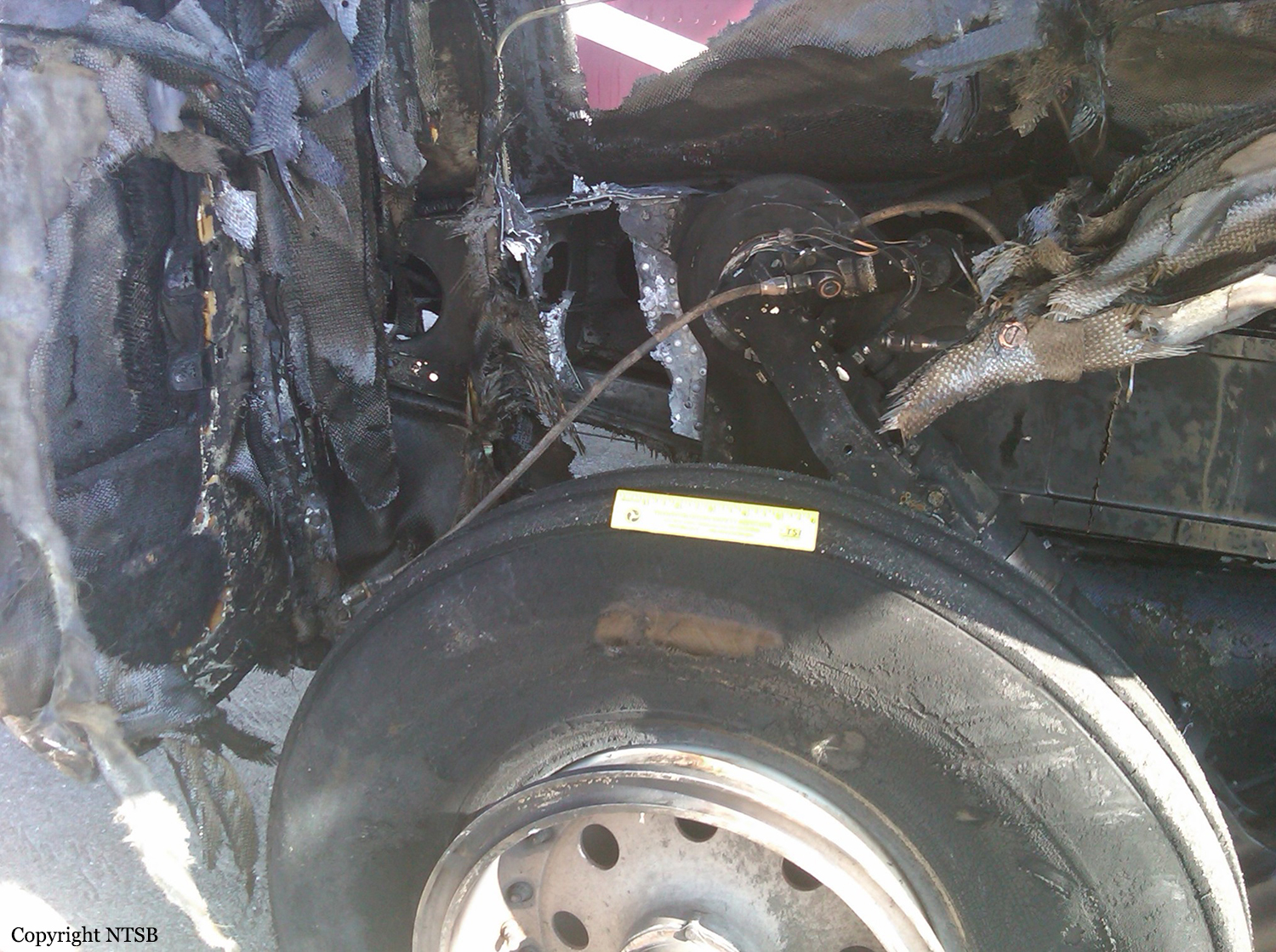
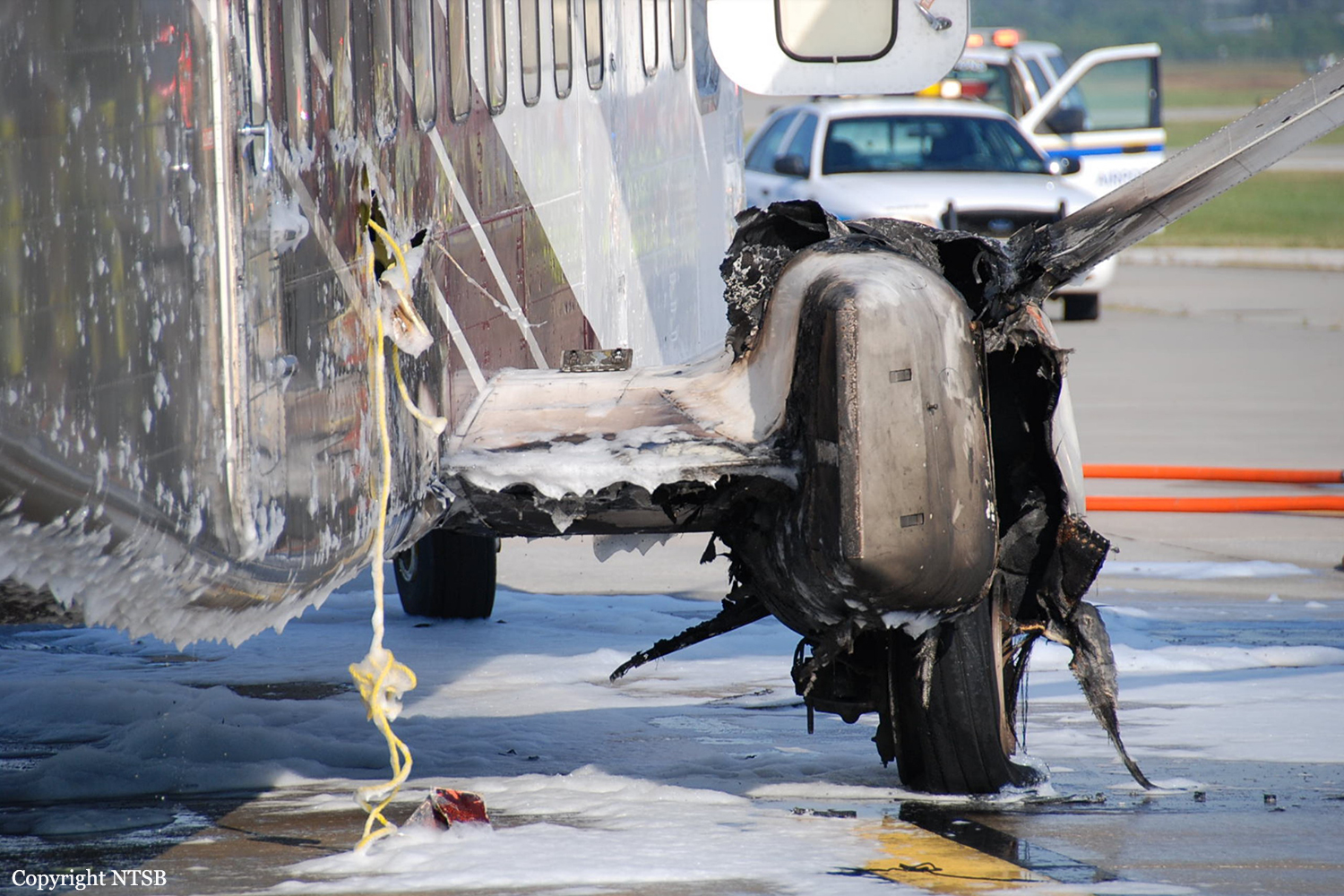
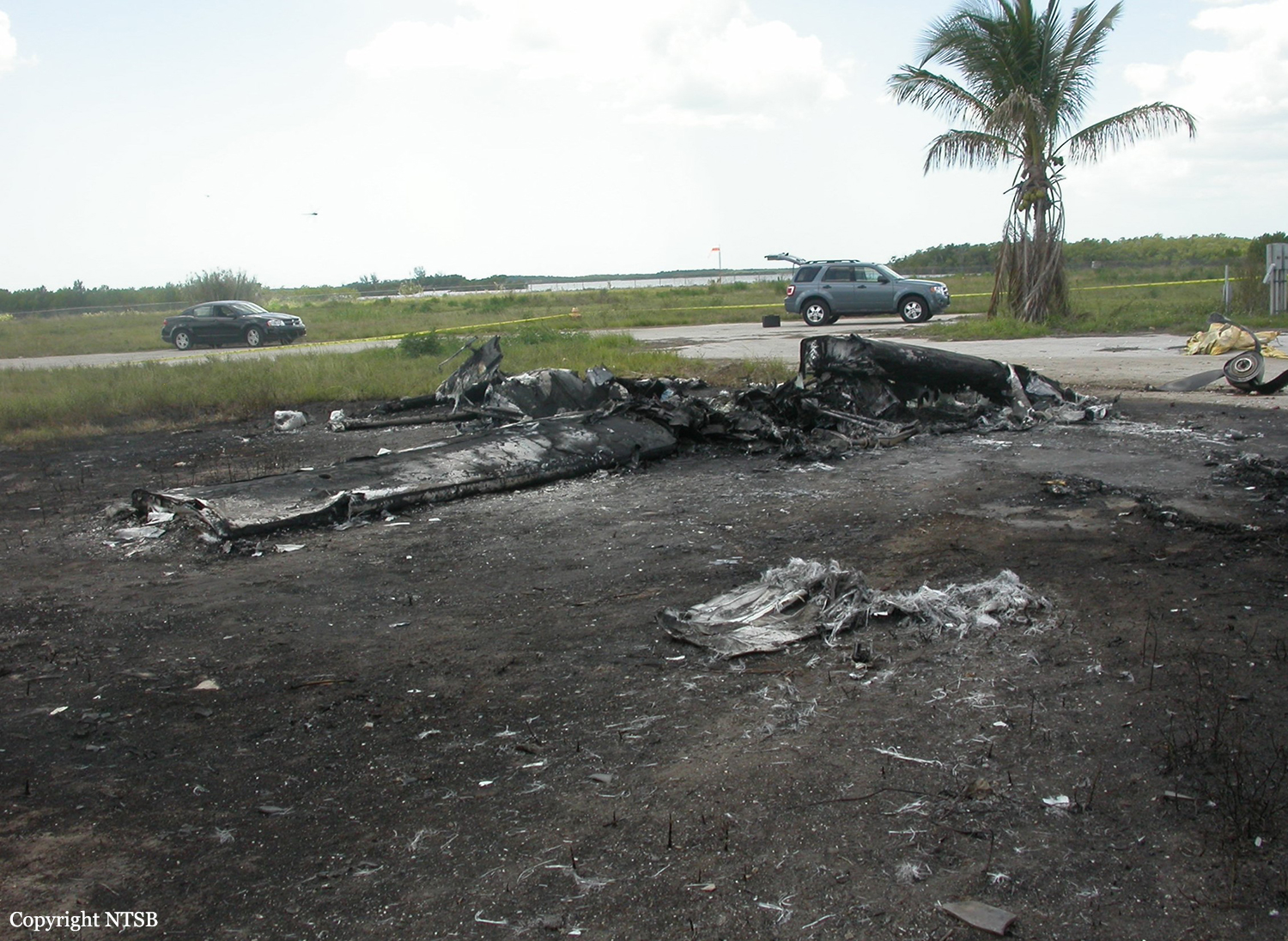
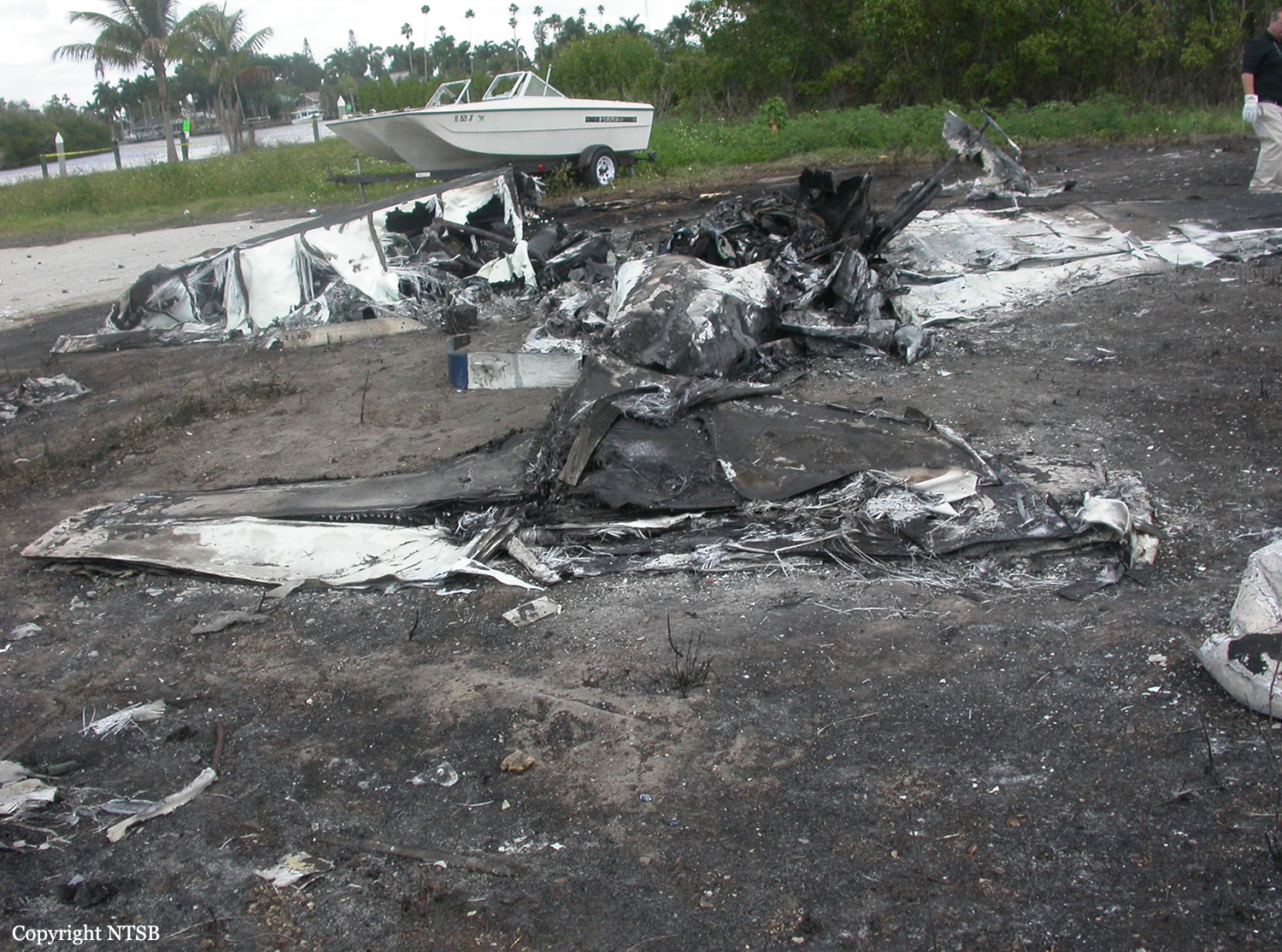
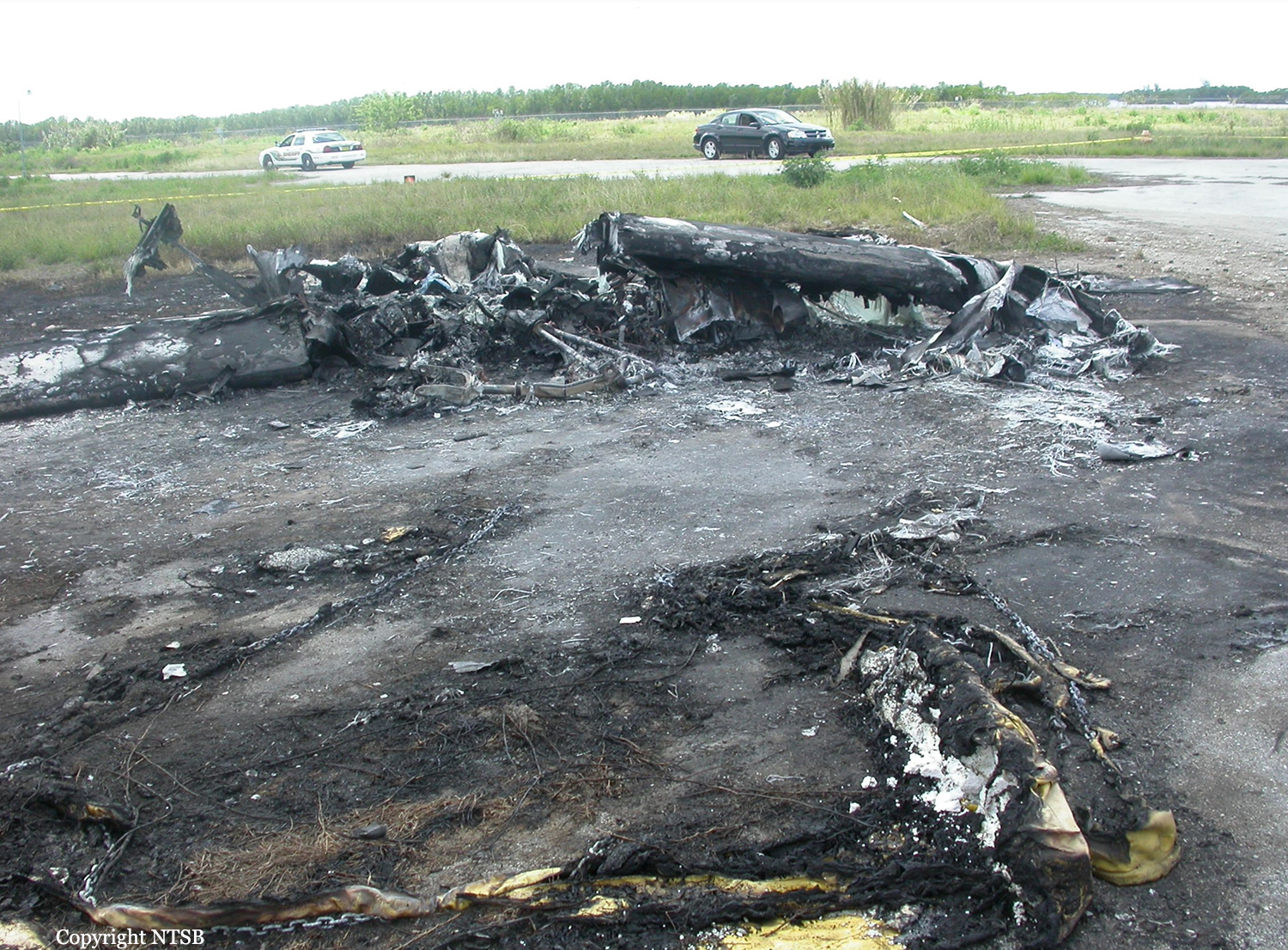
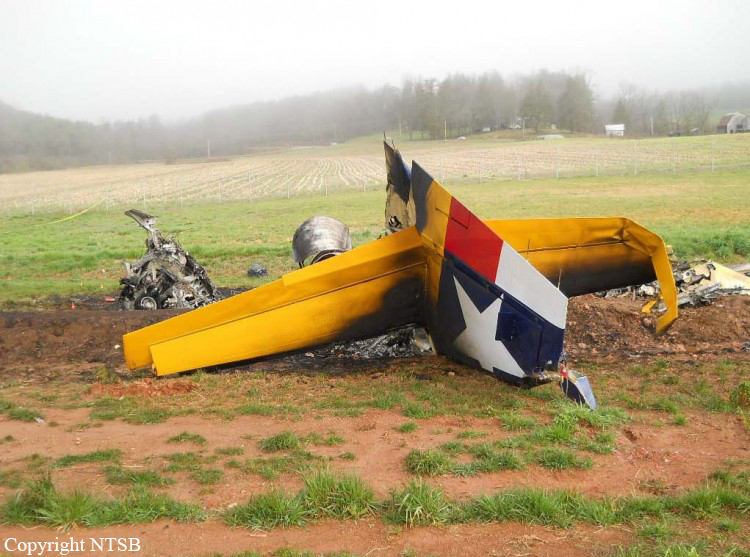
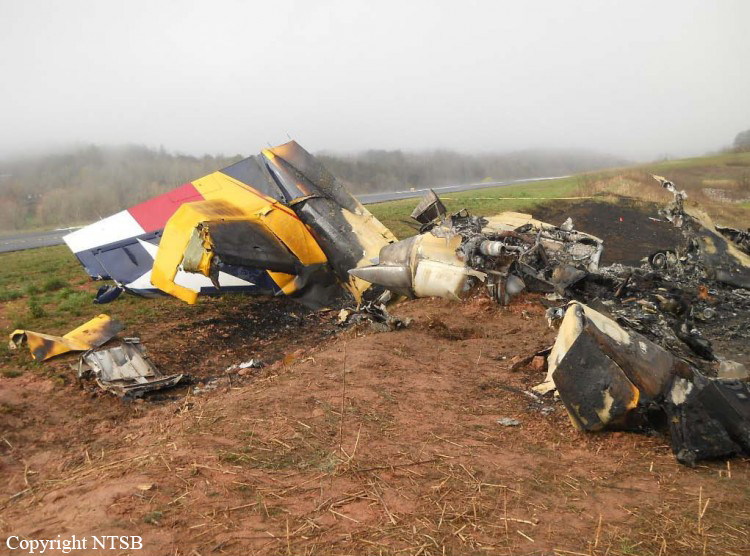
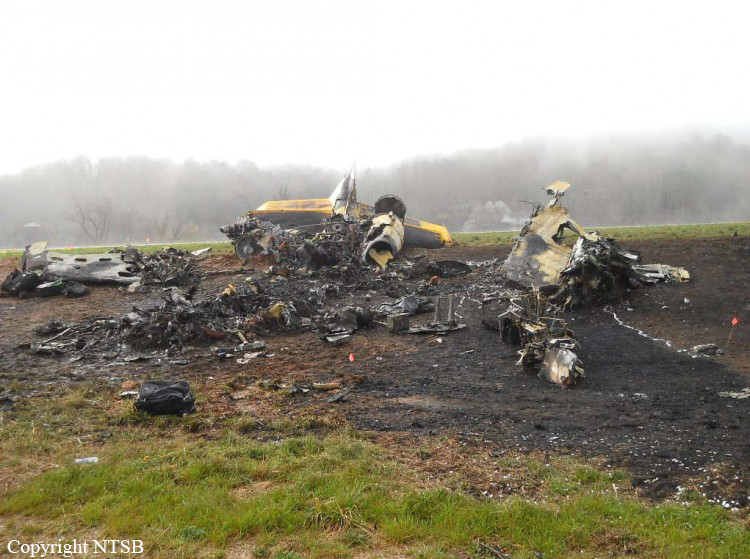
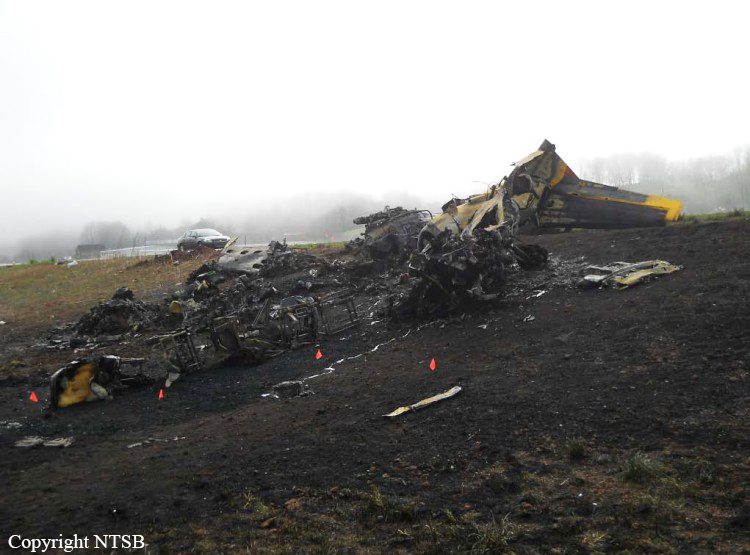
Ground fire of a Short 360-100 in Houston

Date & Time: May 17, 2012 at 0715 LT
Type of aircraft:
Operator:
Registration:
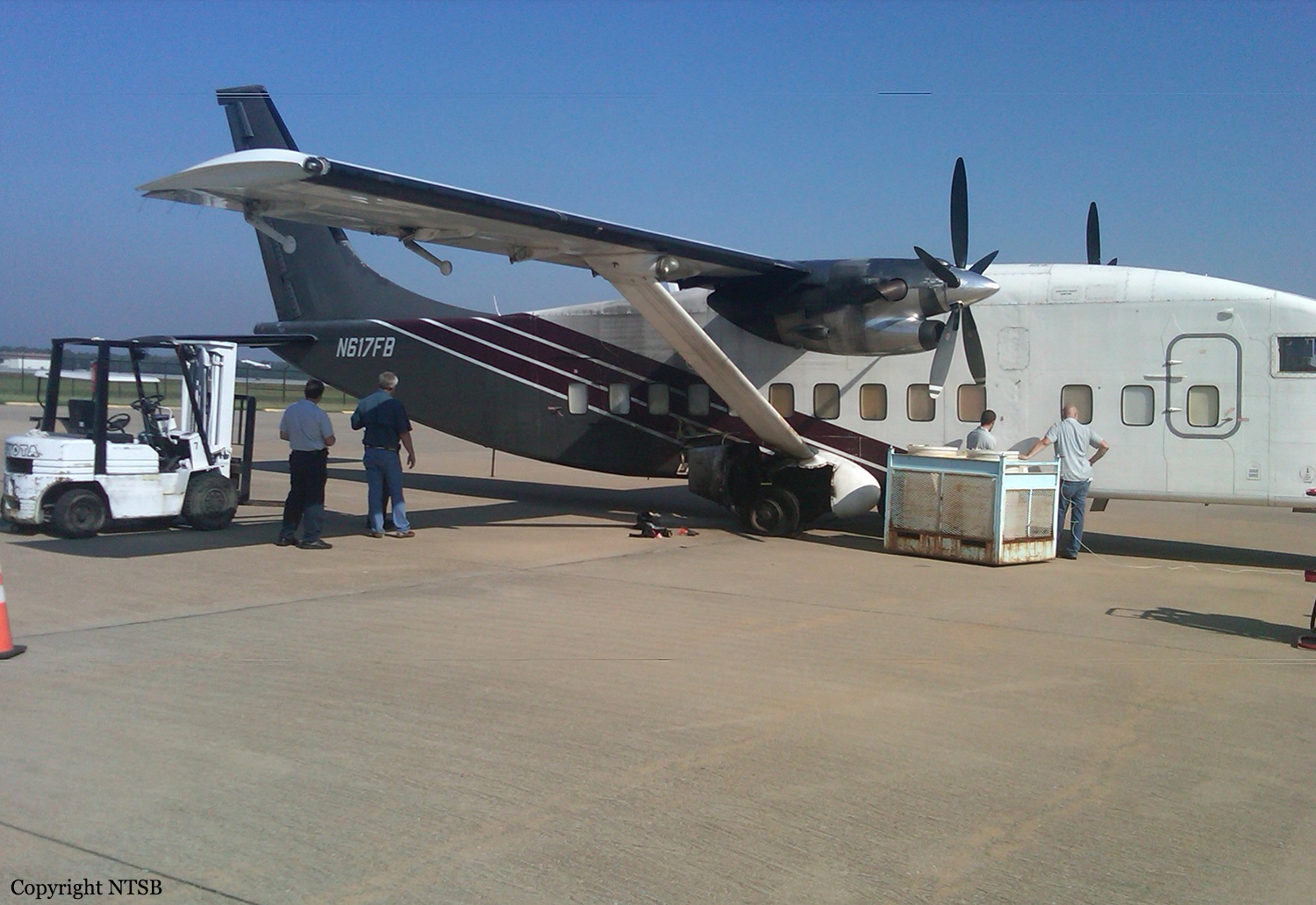
N617FB
Flight Phase:
Flight Type:
Survivors:
Yes
Schedule:
Houston – Austin
MSN:
3617
YOM:
1983
Crew on board:
2
Crew fatalities:
Pax on board:
0
Pax fatalities:
Other fatalities:
Total fatalities:
0
Captain / Total flying hours:
5348
Captain / Total hours on type:
2305.00
Copilot / Total flying hours:
832
Copilot / Total hours on type:
171
Aircraft flight hours:
27504
Circumstances:
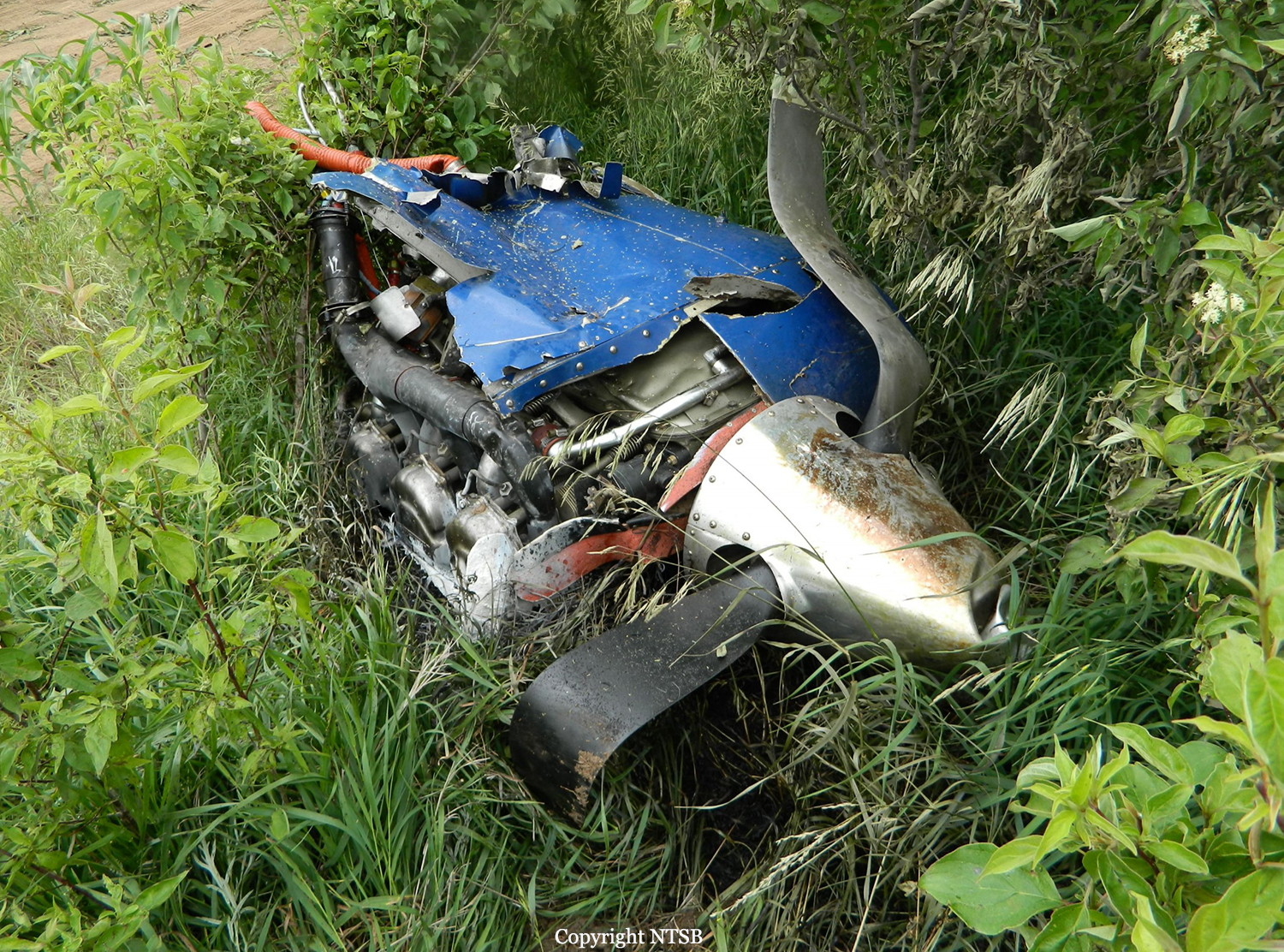
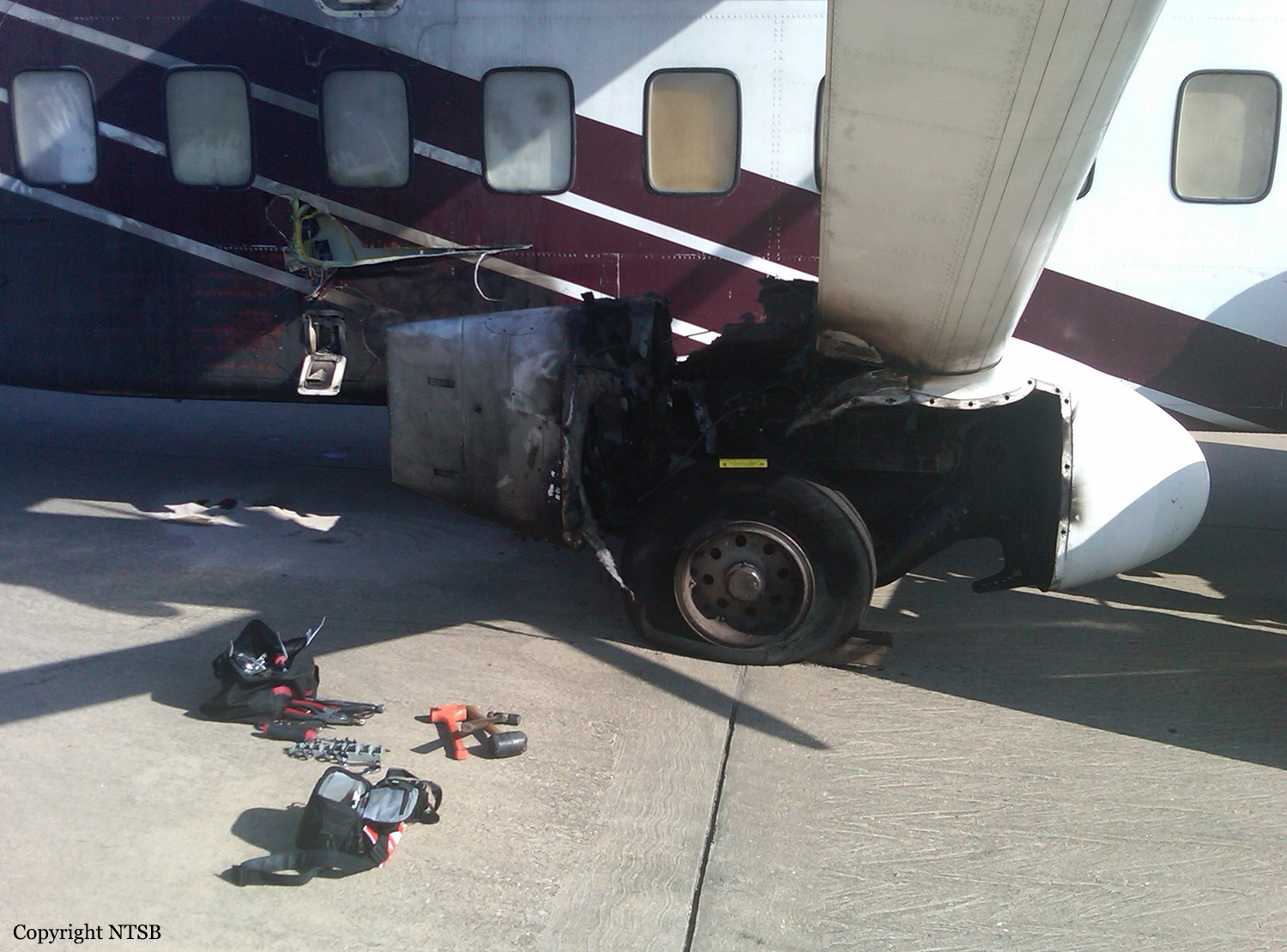
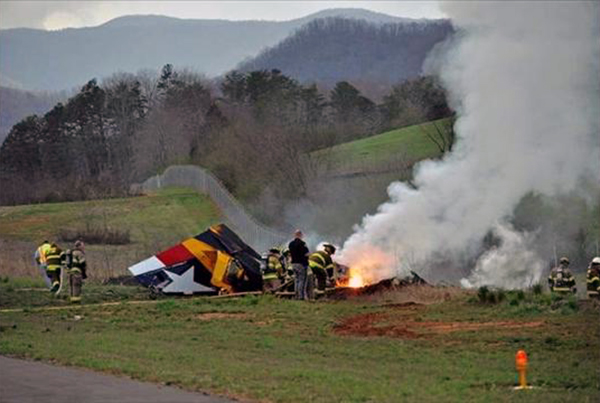
The pilots reported that the cargo airplane was about 60 pounds over its maximum takeoff weight. Because their taxi to the assigned runway was long, they decided to reduce weight by using higher-than-normal engine power settings to burn fuel before takeoff while using the wheel brakes to control the airplane’s speed while taxiing. During the taxi, a fire ignited in the right wheel housing. The pilots brought the airplane to a stop on the taxiway, evacuated, and attempted to extinguish the fire with two handheld fire extinguishers. Airport firefighting personnel arrived on scene and extinguished the fire using foam suppressant. Although the fire damage was extensive, postaccident examination of the airplane did not show evidence of mechanical malfunctions or failures with the wheel and brake system that could have caused the fire. The right and left main landing gear tires deflated when the fusible plugs in the wheels blew due to overheating. The fusible plugs are designed to “fail” if the wheels overheat, and those plugs functioned as designed. The pilots stated that they had been trained to not ride the brakes while taxiing. However, the captain stated that he did not realize that he was in danger of blowing the tires much less causing a fire, otherwise he would not have attempted to bum off excess fuel while taxiing.
Probable cause:
The pilots’ improper decision to burn fuel during the taxi by operating the engines at a higher-than-normal power setting and using the wheel brakes to control taxi speed, which resulted in a wheel fire.
Final Report:
Crash of a Cessna 401 near Chanute: 4 killed

Date & Time: May 11, 2012 at 1630 LT
Type of aircraft:
Operator:
Registration:
N9DM
Flight Phase:
Flight Type:
Survivors:
Yes
Schedule:
Tulsa - Council Bluffs
MSN:
401-0123
YOM:
1991
Location:
Crew on board:
1
Crew fatalities:
Pax on board:
4
Pax fatalities:
Other fatalities:
Total fatalities:
4
Captain / Total flying hours:
613
Captain / Total hours on type:
13.00
Aircraft flight hours:
2455
Circumstances:
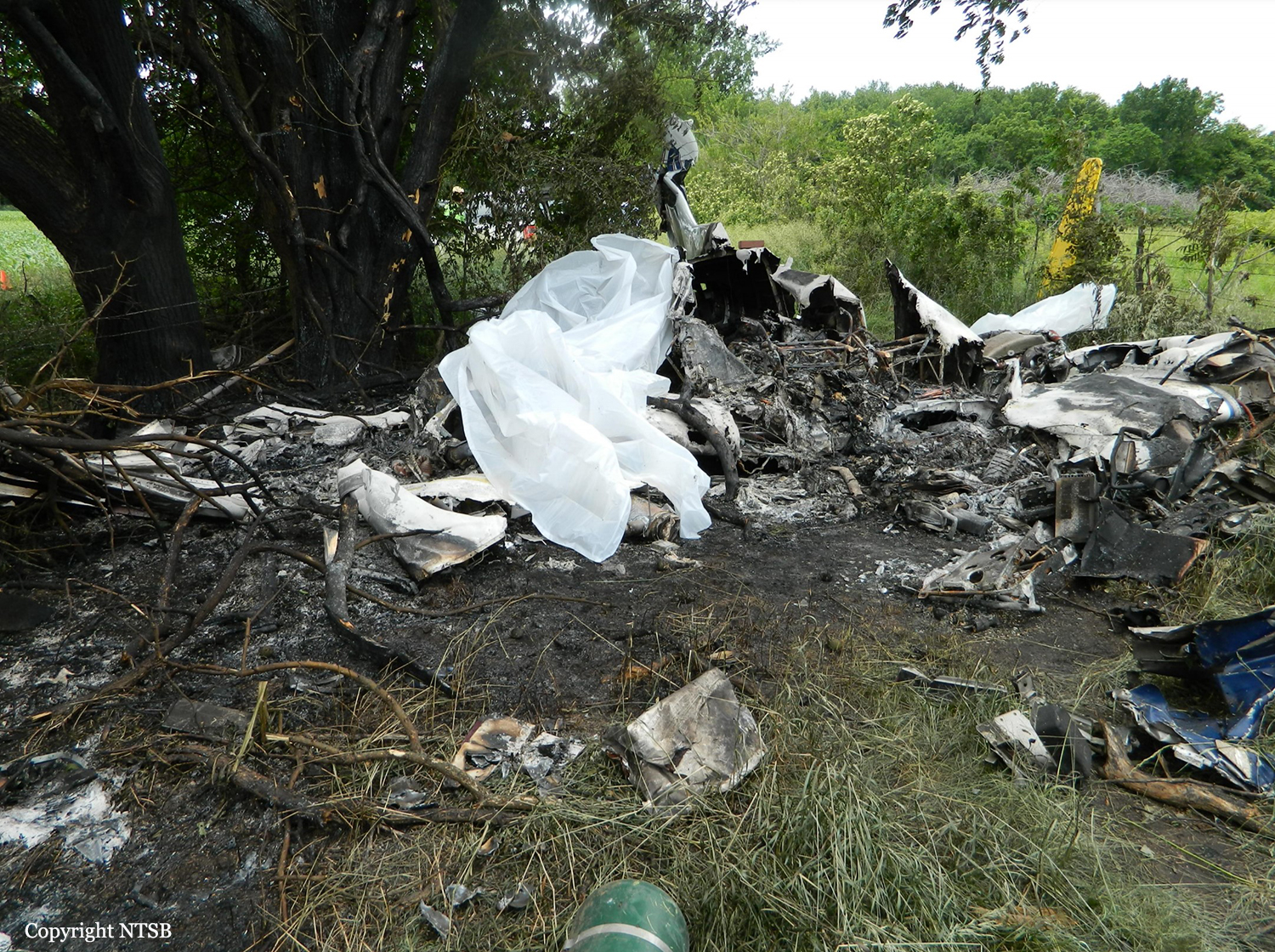
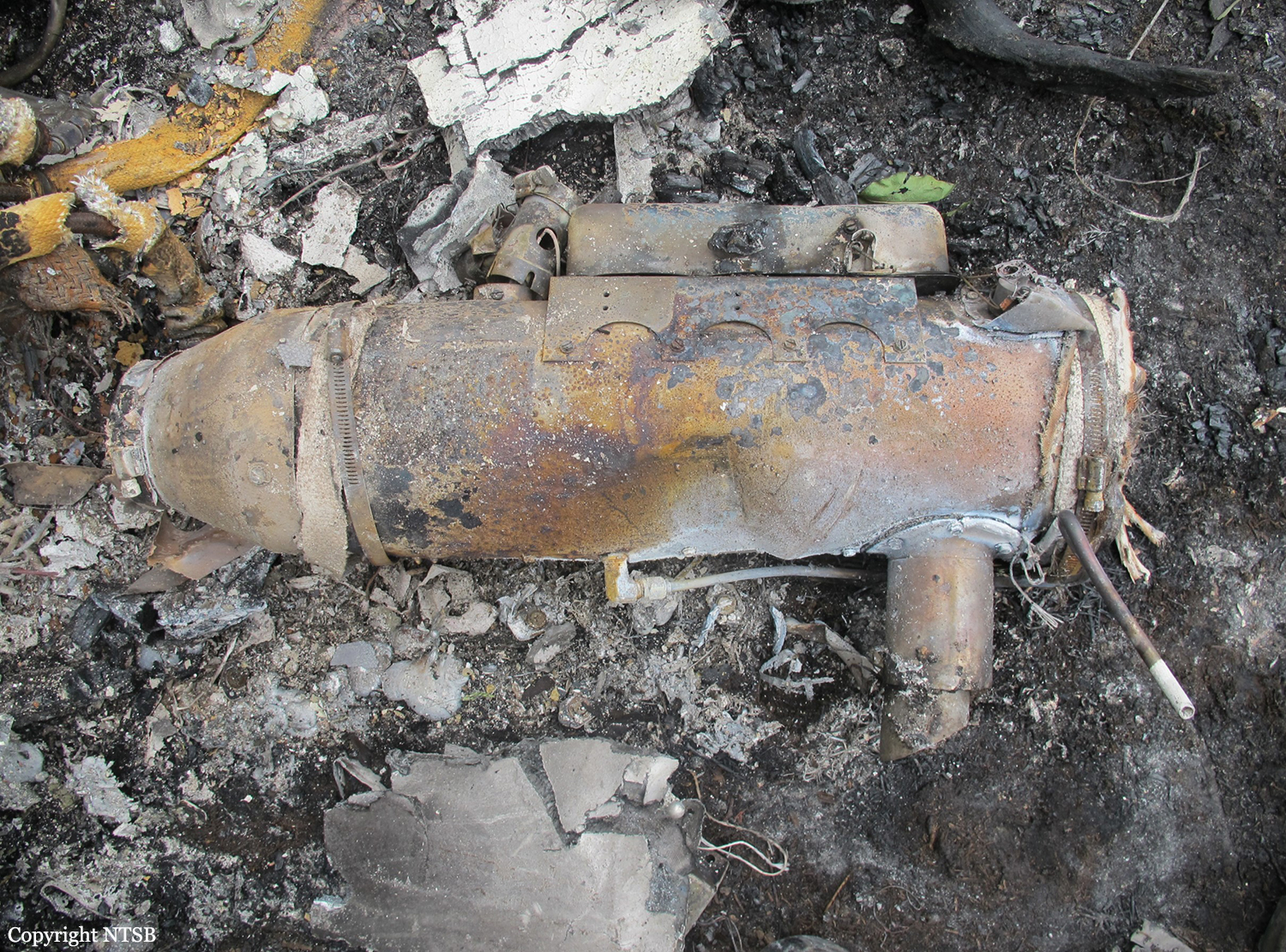
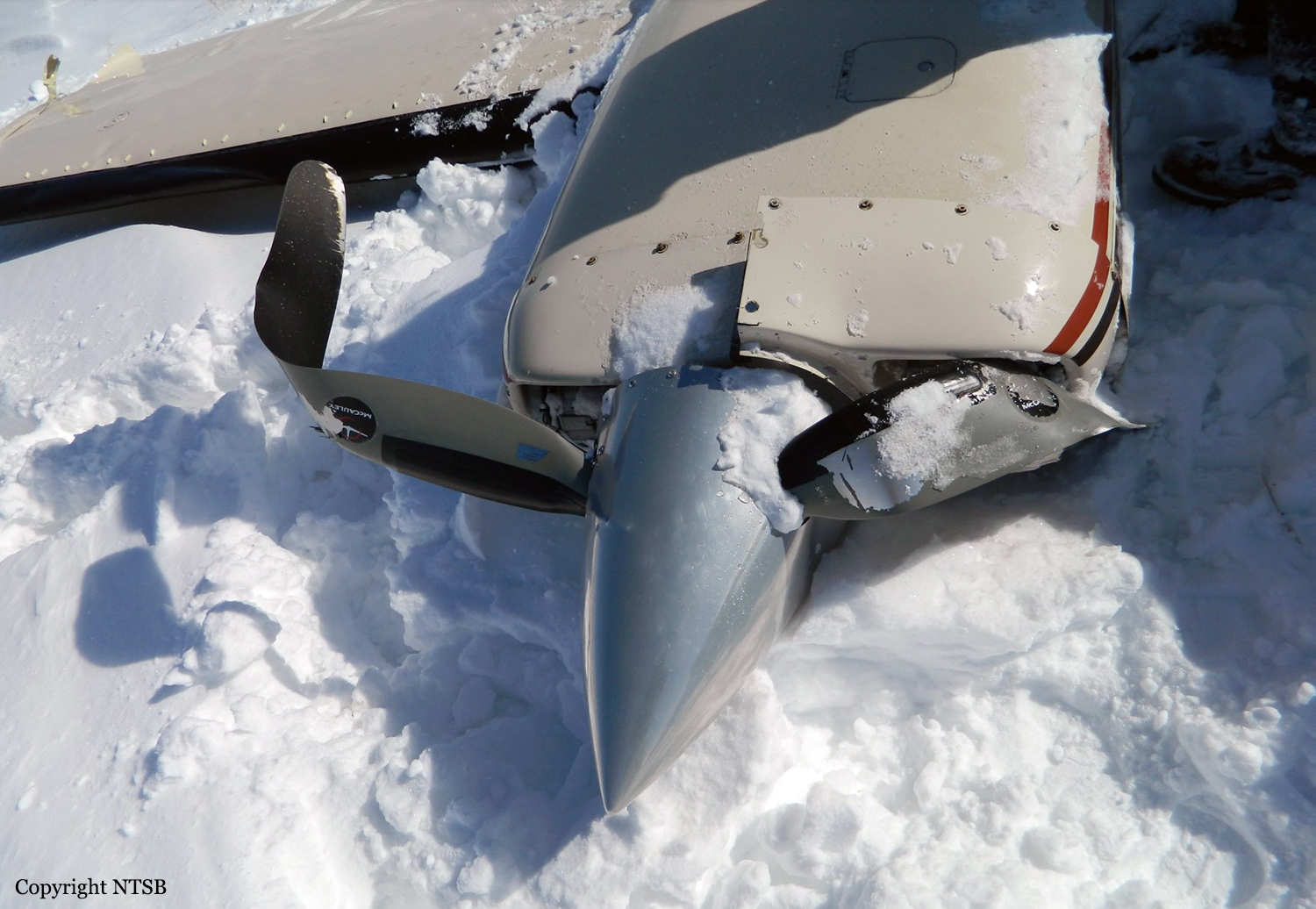
While en route to the destination airport, the pilot turned on the cabin heater and, afterward, an unusual smell was detected by the occupants and the ambient air temperature increased. When the pilot turned the heater off, dark smoke entered the cabin and obscured the occupants' vision. The smoke likely interfered with the pilot’s ability to identify a safe landing site. During the subsequent emergency landing attempt to a field, the airplane’s wing contacted the ground and the airplane cartwheeled. Examination of the airplane found several leaks around weld points on the combustion chamber of the heater unit. A review of logbook entries revealed that the heater was documented as inoperative during the most recent annual inspection. Although a work order indicated that maintenance work was completed at a later date, there was no logbook entry that returned the heater to service. There were no entries in the maintenance logbooks that documented any testing of the heater or tracking of the heater's hours of operation. A flight instructor who flew with the pilot previously stated that the pilot used the heater on the accident airplane at least once before the accident flight. The heater’s overheat warning light activated during that flight, and the heater shut down without incident. The flight instructor showed the pilot how to reset the overheat circuit breaker but did not follow up on its status during their instruction. There is no evidence that a mechanic examined the airplane before the accident flight. Regarding the overheat warning light, the airplane flight manual states that the heater “should be thoroughly checked to determine the reason for the malfunction” before the overheat switch is reset. The pilot’s use of the heater on the accident flight suggests that he did not understand its status and risk of its continued use without verifying that it had been thoroughly checked as outlined in the airplane flight manual. A review of applicable airworthiness directives found that, in comparison with similar combustion heater units, there is no calendar time limit that would require periodic inspection of the accident unit. In addition, there is no guidance or instruction to disable the heater such that it could no longer be activated in the airplane if the heater was not airworthy.
Probable cause:
The malfunction of the cabin heater, which resulted in an inflight fire and smoke in the airplane. Contributing to the accident was the pilot’s lack of understanding concerning the status of the airplane's heater system following and earlier overheat event and risk of its continued use. Also contributing were the inadequate inspection criteria for the cabin heater.
Final Report:

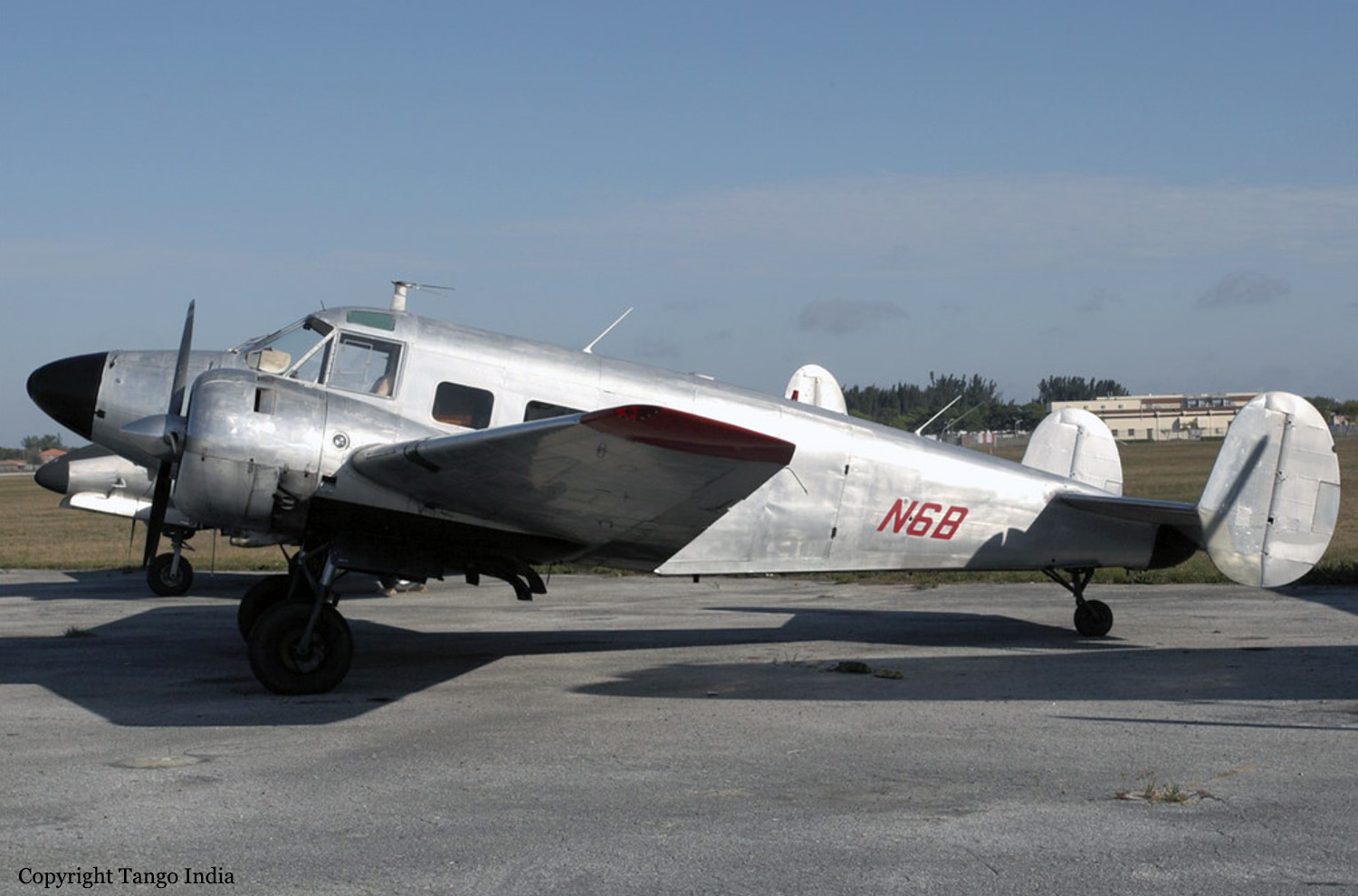
Crash of a Beechcraft G18S in Cornelia

Date & Time: Apr 21, 2012
Type of aircraft:
Registration:
N6B
Flight Type:
Survivors:
Yes
Schedule:
Miami - Dickson
MSN:
BA-573
YOM:
1961
Crew on board:
1
Crew fatalities:
Pax on board:
0
Pax fatalities:
Other fatalities:
Total fatalities:
0
Circumstances:
The twin engine aircraft departed Miami on a flight to Dickson, Tennessee. By night, the pilot decided to land at Cornelia Fort Airpak which is closed to traffic at this time. In unclear circumstances, the aircraft belly landed in a grassy area along the left side of runway 22 and came to rest. The pilot escaped uninjured and the aircraft was damaged beyond repair.
Probable cause:
No investigations were completed by the NTSB.

Crash of a Comp Air CA-8 in Everglades City: 1 killed

Date & Time: Apr 6, 2012 at 1645 LT
Type of aircraft:
Operator:
Registration:
N548SF
Flight Phase:
Flight Type:
Survivors:
No
Schedule:
Everglades City - Merritt Island
MSN:
0585552921
YOM:
2006
Crew on board:
1
Crew fatalities:
Pax on board:
0
Pax fatalities:
Other fatalities:
Total fatalities:
1
Captain / Total flying hours:
1208
Circumstances:
Witnesses observed the airplane depart the airport to the north and make an abrupt right turn at an altitude of about 150 feet. One witness, who was also a pilot, described the wings as “shimmying,” appearing as if the airplane stalled before it banked to the right in a nose-down attitude. The airplane crashed and was nearly consumed during the postcrash fire. A postaccident examination was conducted with no preimpact mechanical anomalies noted. Records indicate that the pilot built the airplane from a kit about 6 years before the accident. The pilot and airplane logbooks were not located during the investigation; therefore, the maintenance history for the airplane, and the pilot’s recent (and total) flight experience could not be determined. Postaccident toxicological testing revealed metabolites of the drug diazepam (Valium) in the pilot’s blood and urine. Valium is a prescription benzodiazepine classed as a central nervous system depressant and tranquilizer, used as a sleep aid and to inhibit anxiety. The amount noted in the pilot’s blood suggested he took the drug 12 to 24 hours before the accident, and, as a result, it would not have affected his performance.
Probable cause:
The pilot’s failure to maintain sufficient airspeed during the initial climb after takeoff, which resulted in an aerodynamic stall and loss of airplane control.
Final Report:

Crash of a Cessna 441 Conquest II in Battle Creek

Date & Time: Mar 27, 2012 at 0730 LT
Type of aircraft:
Operator:
Registration:
N1212C
Survivors:
Yes
Schedule:
Muskegon - Aurora
MSN:
441-0346
YOM:
1984
Crew on board:
1
Crew fatalities:
Pax on board:
2
Pax fatalities:
Other fatalities:
Total fatalities:
0
Captain / Total flying hours:
20154
Captain / Total hours on type:
13000.00
Aircraft flight hours:
12499
Circumstances:
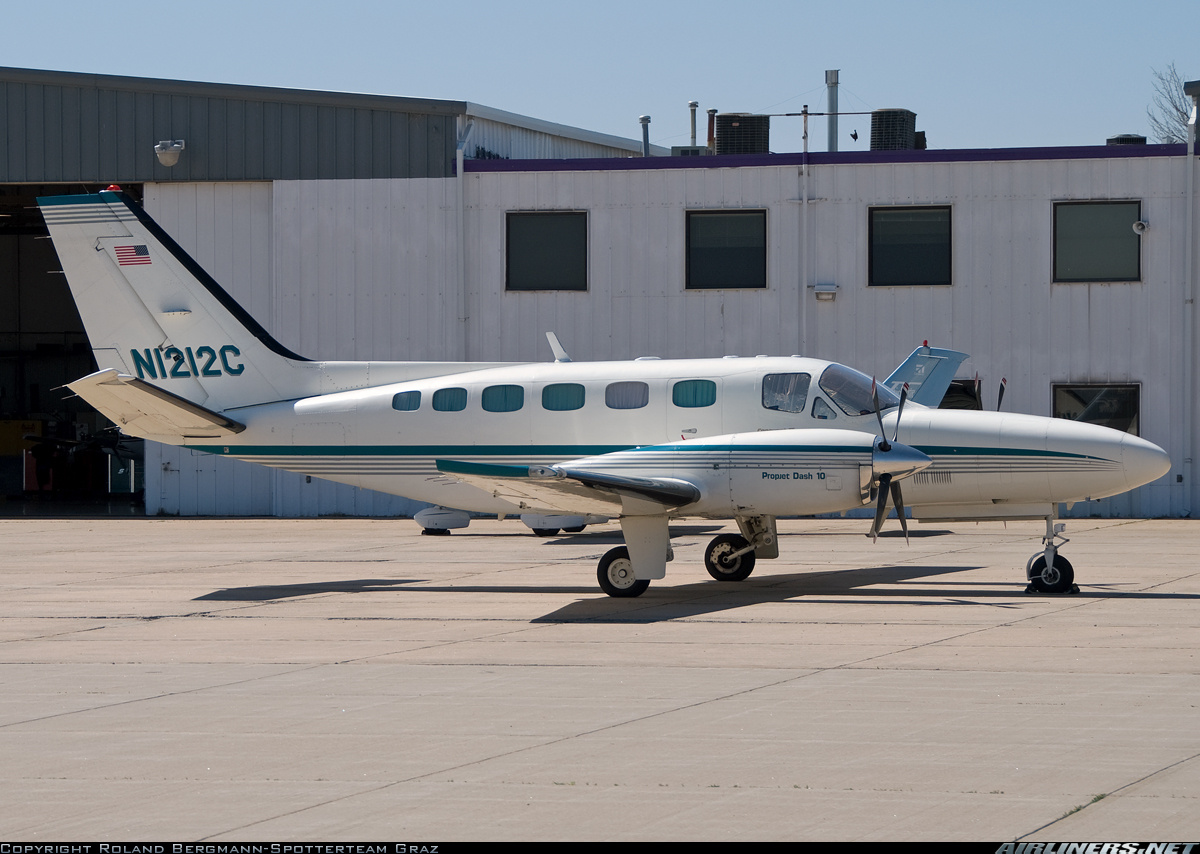
After the pilot finished the preflight inspection in the hangar, the maintenance technician pulled the airplane out of the hangar and connected the auxiliary power cart to the airplane. Shortly thereafter, the pilot boarded the airplane and proceeded with the normal checklist. The pilot signaled to the maintenance technician to disconnect the power cart. The maintenance technician subsequently signaled that the pilot was clear to start the engines. After departure, the pilot noted a problem with the landing gear, and, after establishing that the tow bar was, most likely, still attached to the nosewheel, he diverted to a nearby airport for a precautionary landing. During the landing, the nose landing gear collapsed and the primary structure in the nose of the airplane was substantially damaged.
Probable cause:
The maintenance technician did not remove the tow bar prior to the flight.
Final Report:

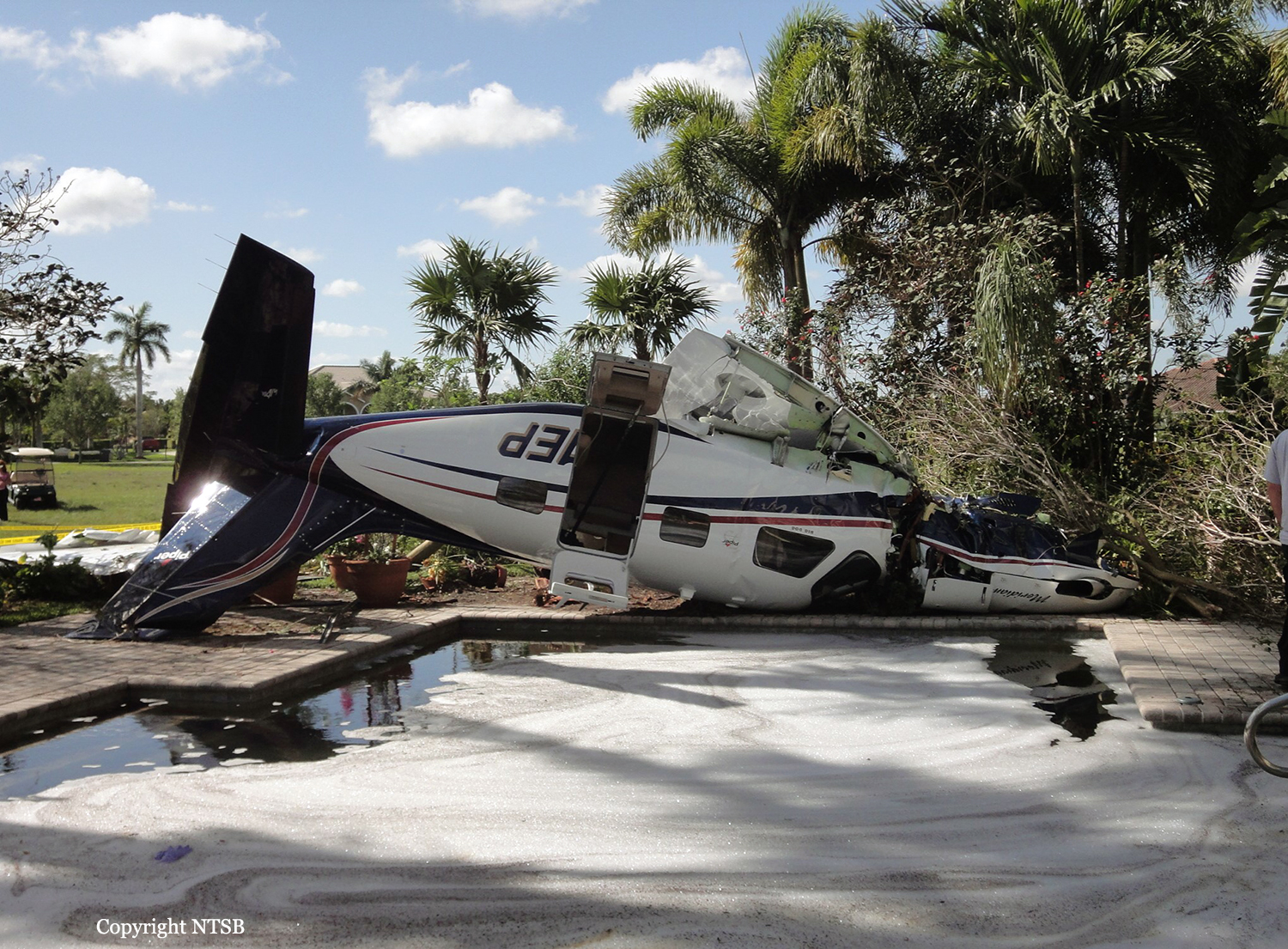
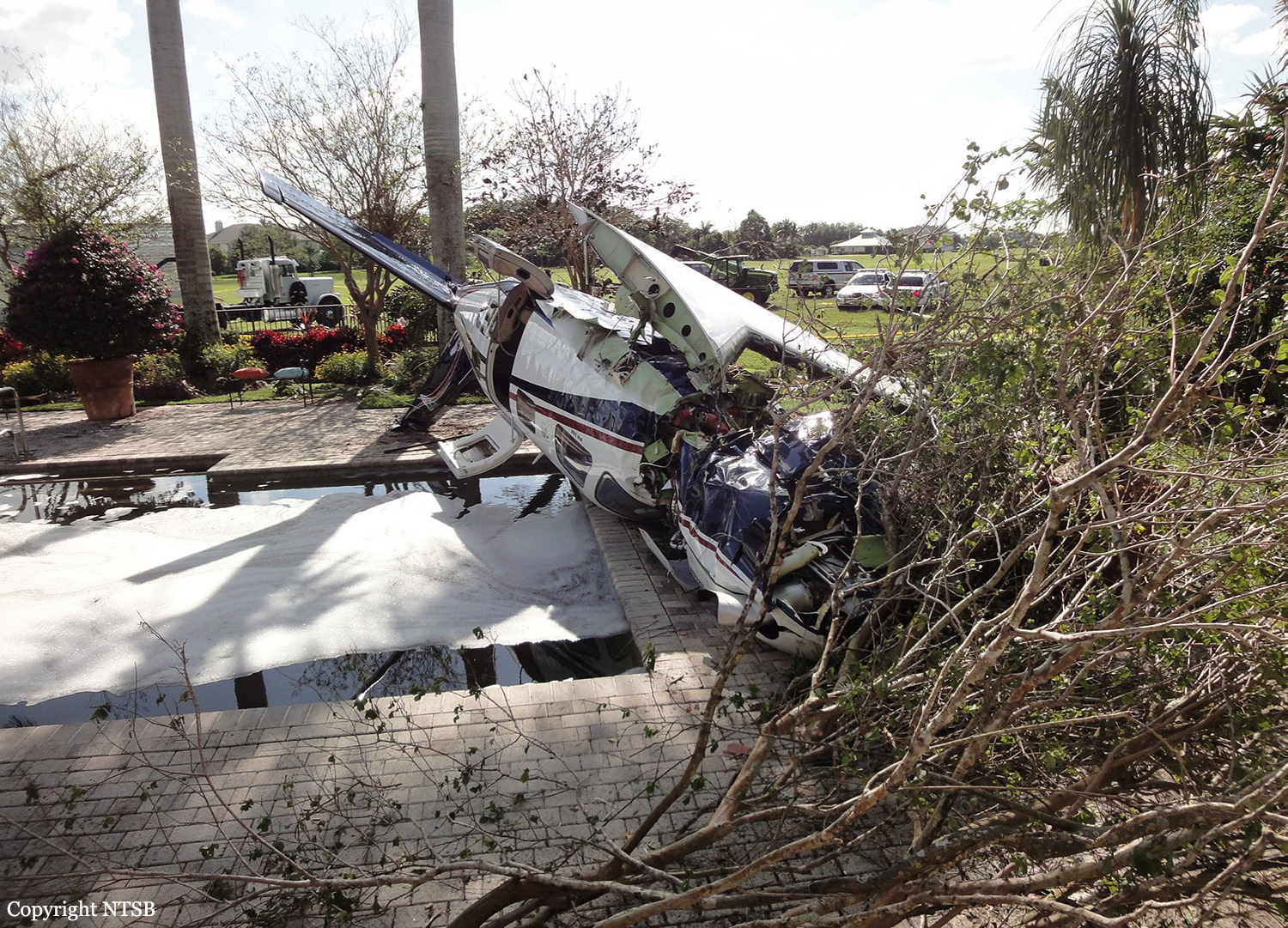
Crash of a Piper PA-46-500TP Malibu Meridian in Wellington

Date & Time: Mar 23, 2012 at 1745 LT
Operator:
Registration:
N21EP
Flight Phase:
Flight Type:
Survivors:
Yes
Schedule:
Wellington – Vero Beach
MSN:
46-97479
YOM:
2012
Crew on board:
1
Crew fatalities:
Pax on board:
0
Pax fatalities:
Other fatalities:
Total fatalities:
0
Captain / Total flying hours:
10651
Aircraft flight hours:
40
Circumstances:
A witness reported that the airplane veered left during the takeoff roll and headed toward a large ditch that surrounded the runway. It appeared that the pilot did not attempt to stop the airplane or abort the takeoff. The airplane continued toward the ditch, and, upon reaching the ditch's edge, the airplane rotated and reached an altitude of about 50 feet. The airplane's left wing collided with trees. The airplane rolled left and then right before stalling and crashing. The pilot stated that the airplane seemed to pull left on takeoff, possibly due to a right quartering tailwind, and that he did not realize where he was positioned on the runway. Examination of the airplane and engine did not reveal any preimpact anomalies that would have precluded normal operation.
Probable cause:
The pilot's failure to maintain directional control of the airplane during the takeoff roll, which resulted in a collision with a tree.
Final Report:
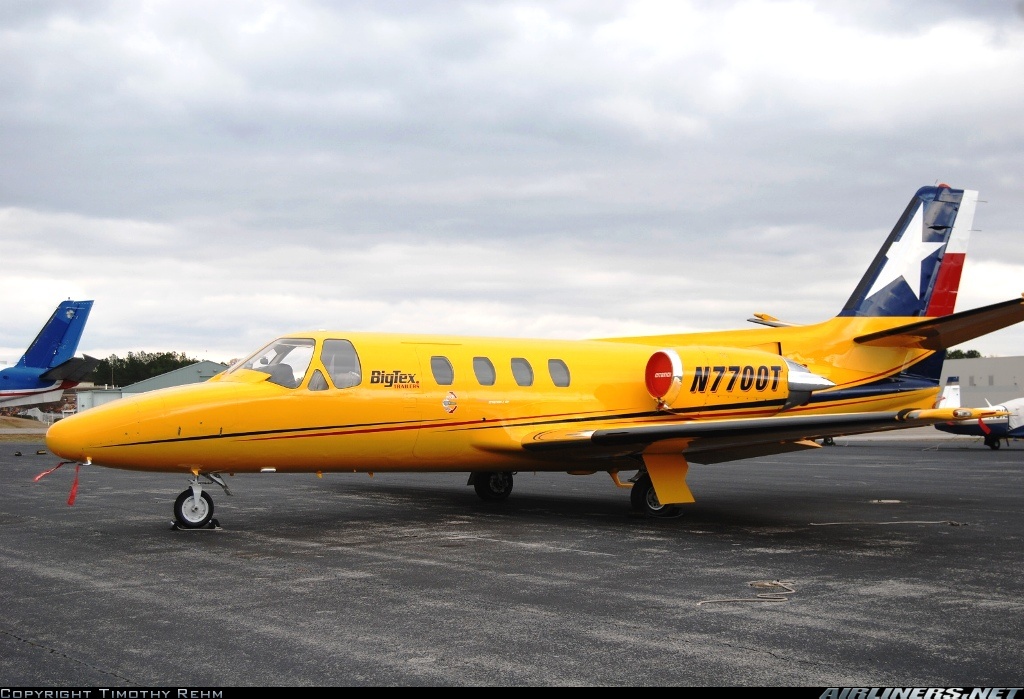
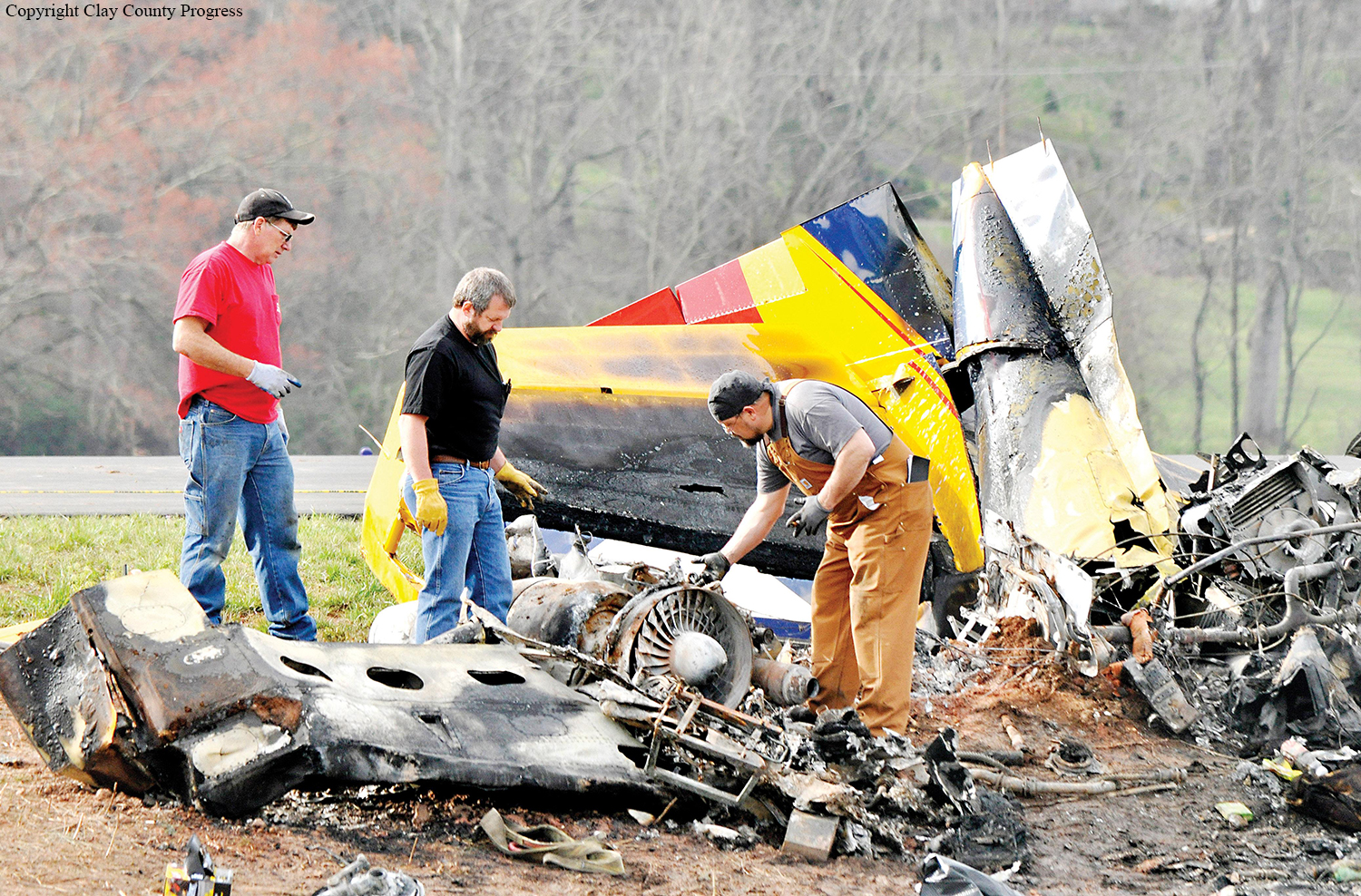
Crash of a Cessna 501 Citation I/SP in Franklin: 5 killed

Date & Time: Mar 15, 2012 at 1350 LT
Type of aircraft:
Operator:
Registration:
N7700T
Flight Type:
Survivors:
No
Schedule:
Venice - Franklin
MSN:
501-0248
YOM:
1982
Crew on board:
1
Crew fatalities:
Pax on board:
4
Pax fatalities:
Other fatalities:
Total fatalities:
5
Captain / Total flying hours:
1159
Captain / Total hours on type:
185.00
Aircraft flight hours:
4825
Circumstances:
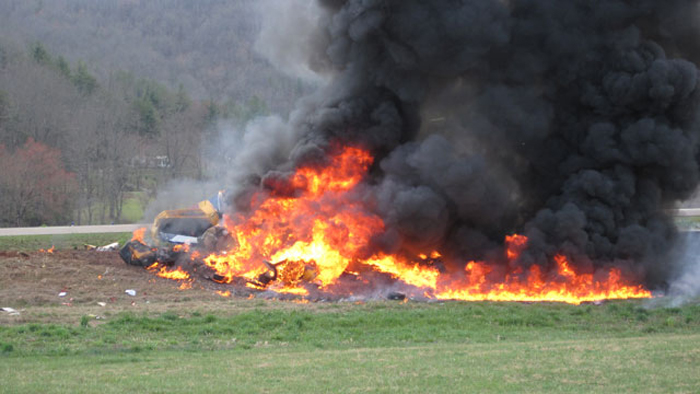
The pilot was not familiar with the mountain airport. The airplane was high during the first visual approach to the runway. The pilot performed a go-around and the airplane was again high for the second approach. During the second approach, the approach angle steepened, and the airplane pitched nose-down toward the runway. The nosegear touched down about halfway down the runway followed by main gear touchdown. The airplane then bounced and the sound of engine noise increased as the airplane banked right and the right wing contacted the ground. The airplane subsequently flipped over and off the right side of the runway, and a postcrash fire ensued. Examination of the airframe and engines did not reveal any preimpact mechanical malfunctions. The examination also revealed that the right engine thrust reverser was deployed during the impact sequence, and the left engine thrust reverser was stowed. Although manufacturer data revealed single-engine reversing has been demonstrated during normal landings and is easily controllable, the airplane had already porpoised and bounced during the landing. The pilot’s subsequent activation of only the right engine’s thrust reverser would have created an asymmetrical thrust and most likely exacerbated an already uncontrolled touchdown. Had the touchdown been controlled, the airplane could have stopped on the remaining runway or the pilot could have performed a go-around uneventfully.
Probable cause:
The pilot's failure to achieve a stabilized approach, resulting in a nose-first, bounced landing. Contributing to the accident was the pilot's activation of only one thrust reverser, resulting in asymmetrical thrust.
Final Report:
Crash of a De Havilland DHC-2 Beaver near Niblack

Date & Time: Mar 13, 2012 at 1040 LT
Type of aircraft:
Operator:
Registration:
N82SF
Flight Phase:
Survivors:
Yes
Schedule:
Niblack - Ketchikan
MSN:
839
YOM:
1955
Location:
Crew on board:
1
Crew fatalities:
Pax on board:
1
Pax fatalities:
Other fatalities:
Total fatalities:
0
Captain / Total flying hours:
23000
Captain / Total hours on type:
12000.00
Aircraft flight hours:
17574
Circumstances:
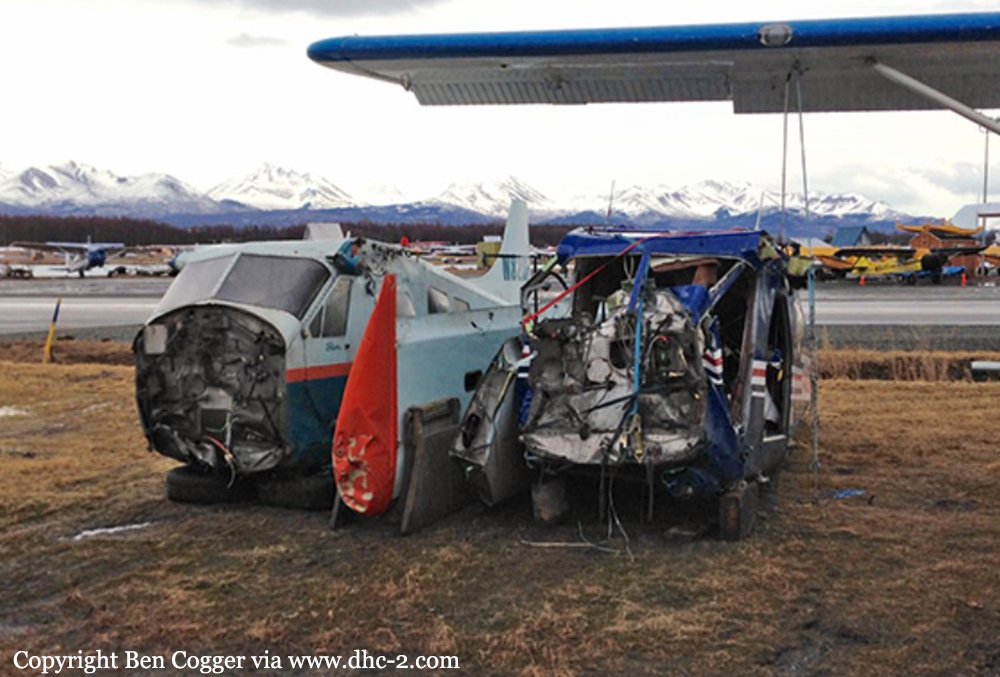
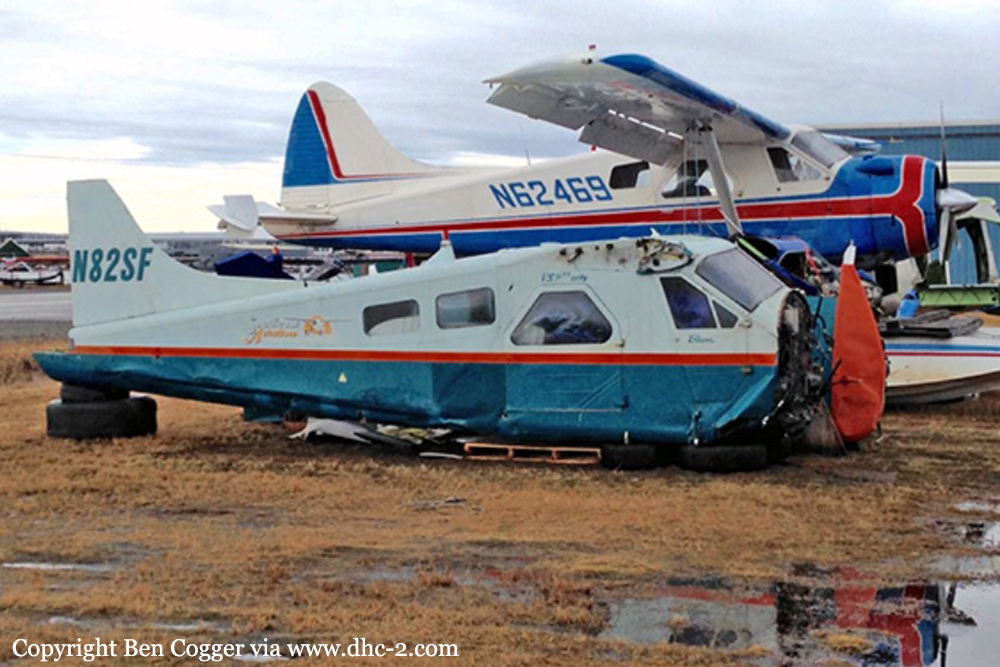
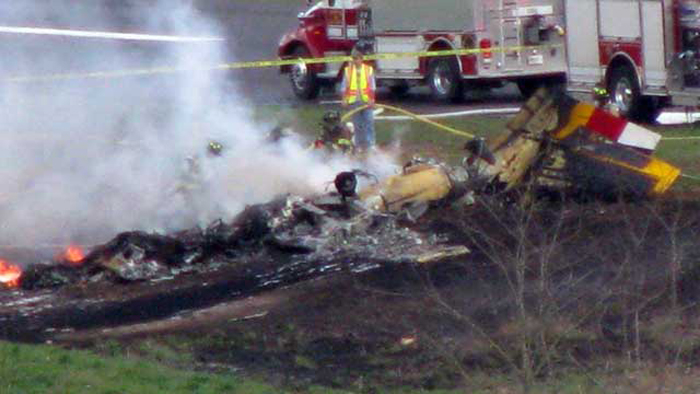
The pilot departed from an off-airport site in marginal visual flight rules conditions. Shortly after departure, the weather worsened, and flight visibility dropped to near zero in heavy snow. He attempted to follow the shoreline at a low altitude but was unable to maintain visual contact with the ground. He stated that he saw trees immediately in front of the airplane and attempted a right turn toward what he thought was an open bay. During the turn, the right float contacted a rock outcrop, and the airplane impacted the water. The pilot did not report any mechanical anomalies that would have precluded normal operation.
Probable cause:
The pilot's decision to depart in marginal visual meteorological conditions, and his continued visual flight into instrument meteorological conditions.
Final Report:
Crash of a Cessna 414A Chancellor in Hayden: 2 killed

Date & Time: Feb 19, 2012 at 1525 LT
Type of aircraft:
Registration:
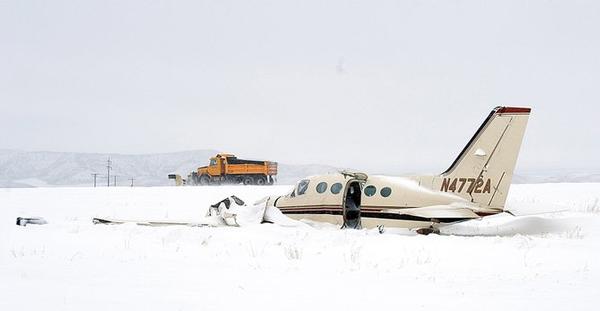
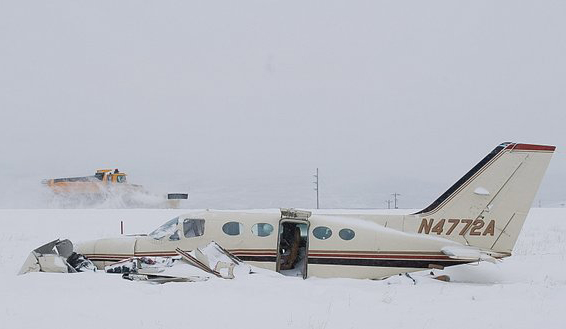
N4772A
Flight Type:
Survivors:
Yes
Schedule:
Dalhart - Hayden
MSN:
414-0095
YOM:
1978
Crew on board:
1
Crew fatalities:
Pax on board:
5
Pax fatalities:
Other fatalities:
Total fatalities:
2
Circumstances:
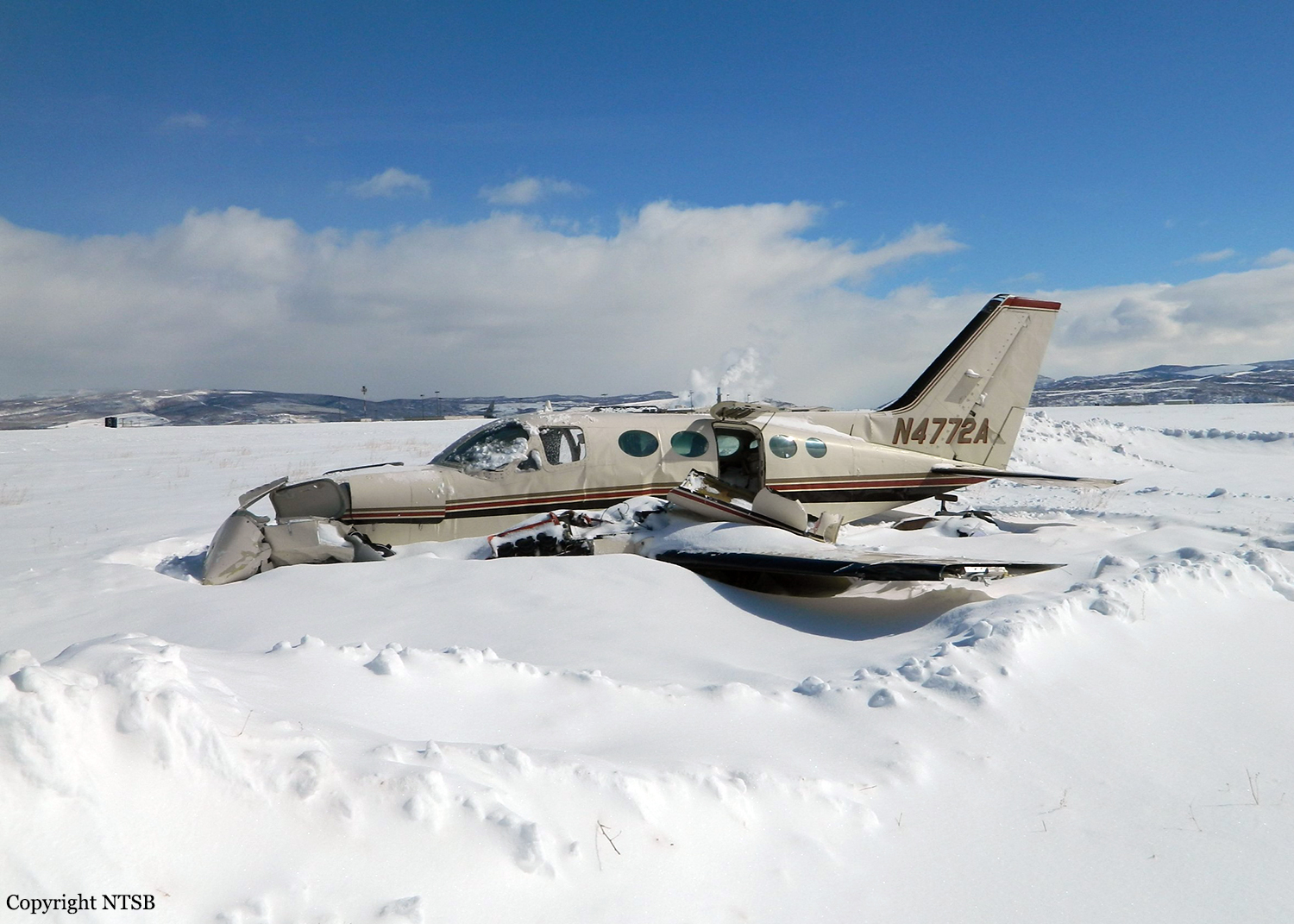
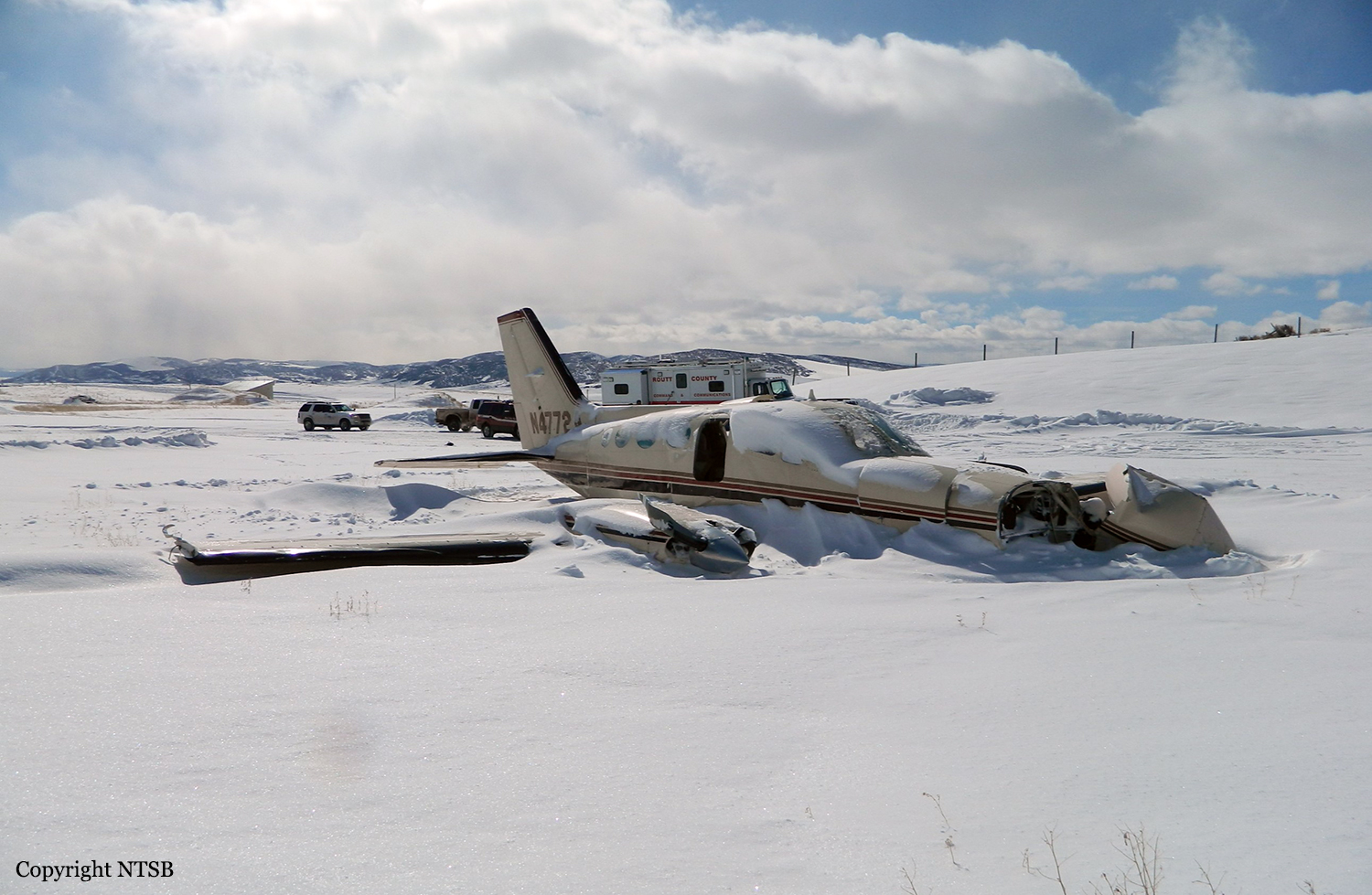
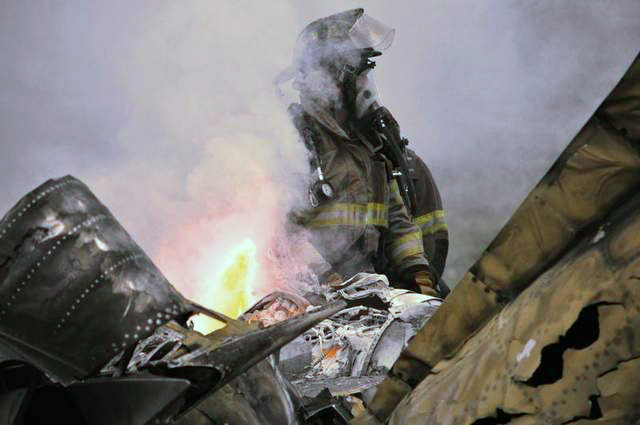
The pilot performed an instrument approach to the runway with an approaching winter storm. A review of on-board global positioning system (GPS) data indicated that the airplane flew through the approach course several times during the approach and was consistently below the glideslope path. The airplane continued below the published decision height altitude and drifted to the right of the runway’s extended centerline. The GPS recorded the pilot’s attempt to perform a missed approach, a rapid decrease in ground speed, and then the airplane descend to the ground, consistent with an aerodynamic stall. Further, the airplane owner, who was also a passenger on the flight, stated that, after the pilot made the two “left turning circles” and had begun a third circle, he perceived that the airplane “just stalled.” An examination of the airframe and engine did not detect any preimpact anomalies that would have precluded normal operation. The airplane’s anti-ice and propeller anti-ice switches were found in the “off” position. A review of weather information revealed that the airplane was operating in an area with the potential for moderate icing and snow. Based on the GPS data and weather information, it is likely that the airframe collected ice during the descent and approach, which affected the airplane’s performance and led to an aerodynamic stall during the climb.
Probable cause:
The pilot’s inadvertent stall during a missed approach. Contributing to the accident was the pilot’s operation of the airplane in forecasted icing conditions without using all of its anti-ice systems.
Final Report:
Crash of a Learjet 55 Longhorn in Brooksville

Date & Time: Feb 13, 2012 at 2200 LT
Type of aircraft:
Operator:
Registration:
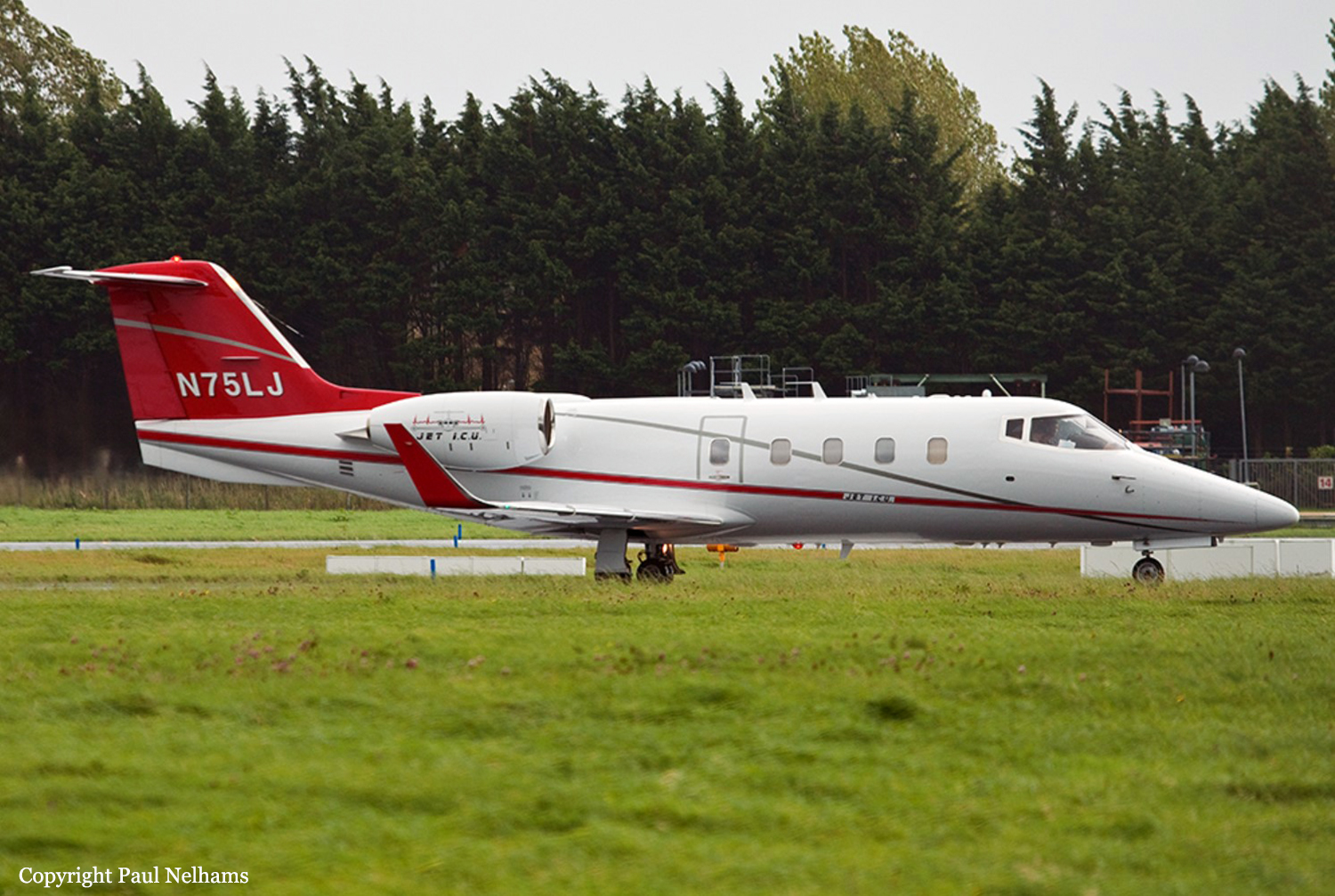
N75LJ
Flight Phase:
Flight Type:
Survivors:
Yes
Schedule:
Brooksville - Houston
MSN:
55-065
YOM:
1982
Crew on board:
3
Crew fatalities:
Pax on board:
0
Pax fatalities:
Other fatalities:
Total fatalities:
0
Circumstances:
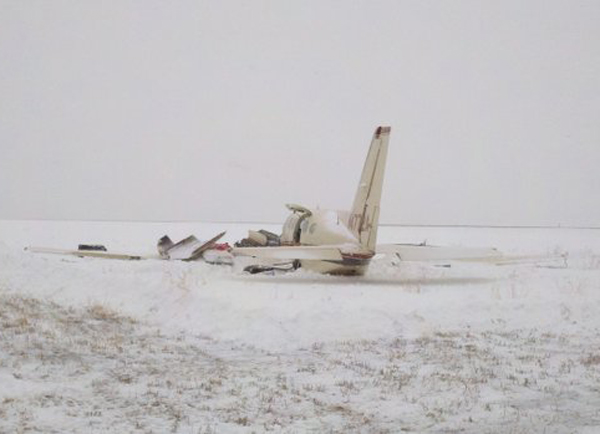
During the takeoff roll from runway 27 at Brooksville-Hernando County Airport, control was lost. The aircraft veered off runway and came to rest. All three crew members escaped uninjured while the aircraft was damaged beyond repair.
Probable cause:
NTSB did not proceed to any investigation regarding this incident.