Crash of a Douglas DC-9-32 in Denpasar

Date & Time: Jun 21, 1993 at 1125 LT
Type of aircraft:
Operator:
Registration:
PK-GNT
Survivors:
Yes
Schedule:
Yogyakarta - Denpasar
MSN:
47790/907
YOM:
1979
Flight number:
GA630
Country:
Region:
Crew on board:
7
Crew fatalities:
Pax on board:
72
Pax fatalities:
Other fatalities:
Total fatalities:
0
Circumstances:
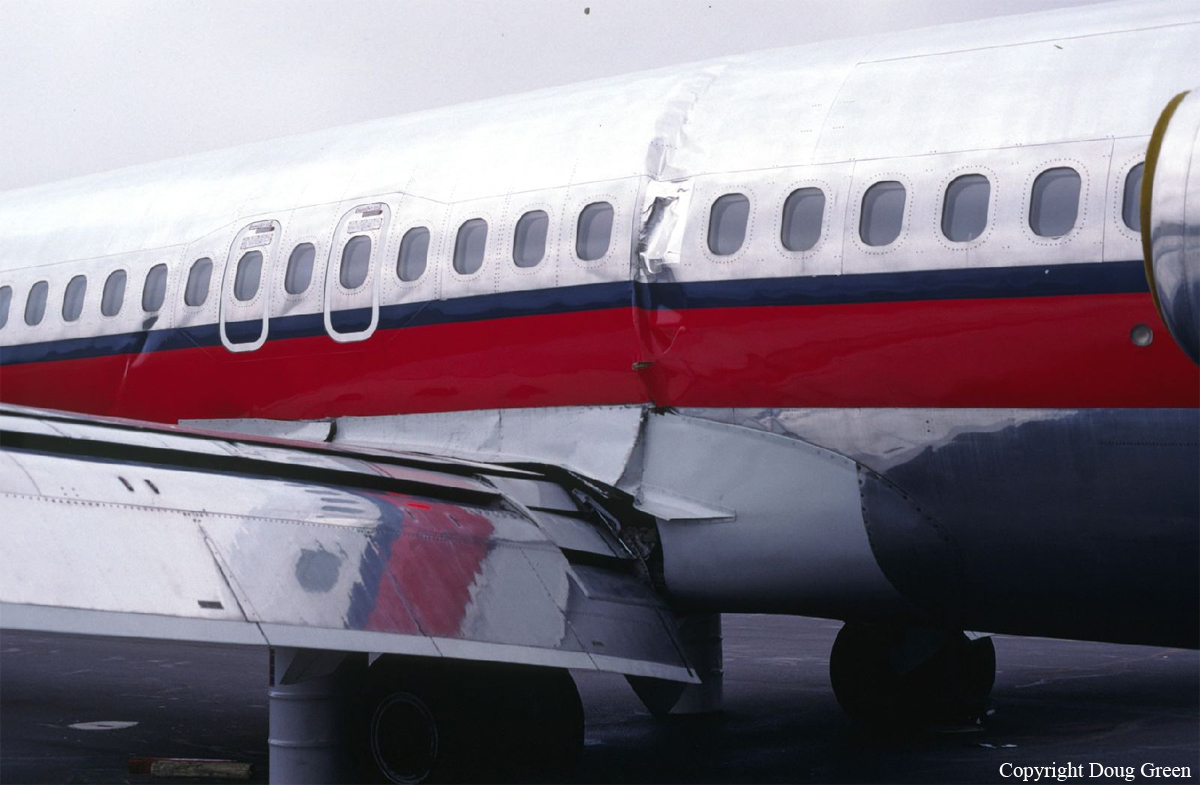
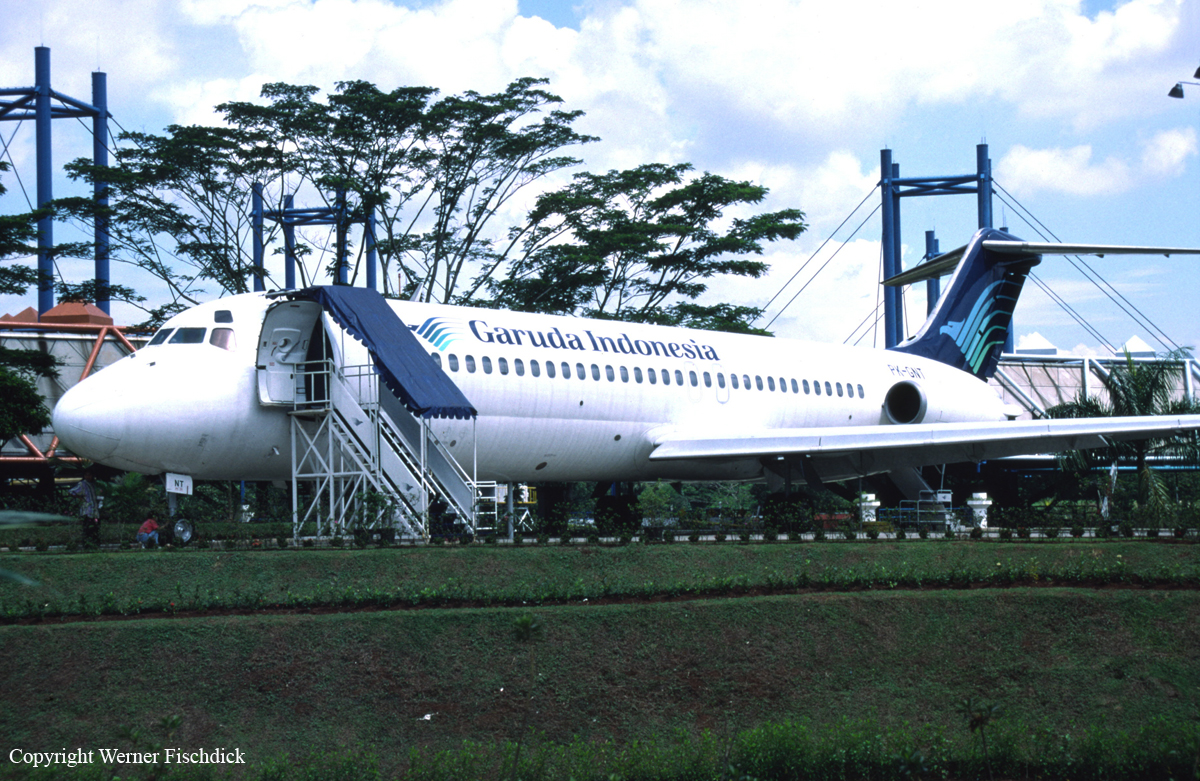
On approach to Denpasar-I Gusti Ngurah Rai Airport, Bali, the aircraft was too high on the glide. The captain made an overcorrection, causing the aircraft to approach the runway with a high rate of descent. In a nose-up attitude, the aircraft struck the runway surface with a positive acceleration of 5 g. After landing, the crew completed the deceleration and braking procedure, vacated the runway and rolled to the gate where all occupants disembarked safely. A complete inspection of the aircraft by technicians revealed that it suffered major fuselage damages and was later declared as damaged beyond repair.
Probable cause:
Wrong approach configuration on part of the flying crew.

Crash of a Douglas DC-9-41 in Hanamaki

Date & Time: Apr 18, 1993 at 1244 LT
Type of aircraft:
Operator:
Registration:
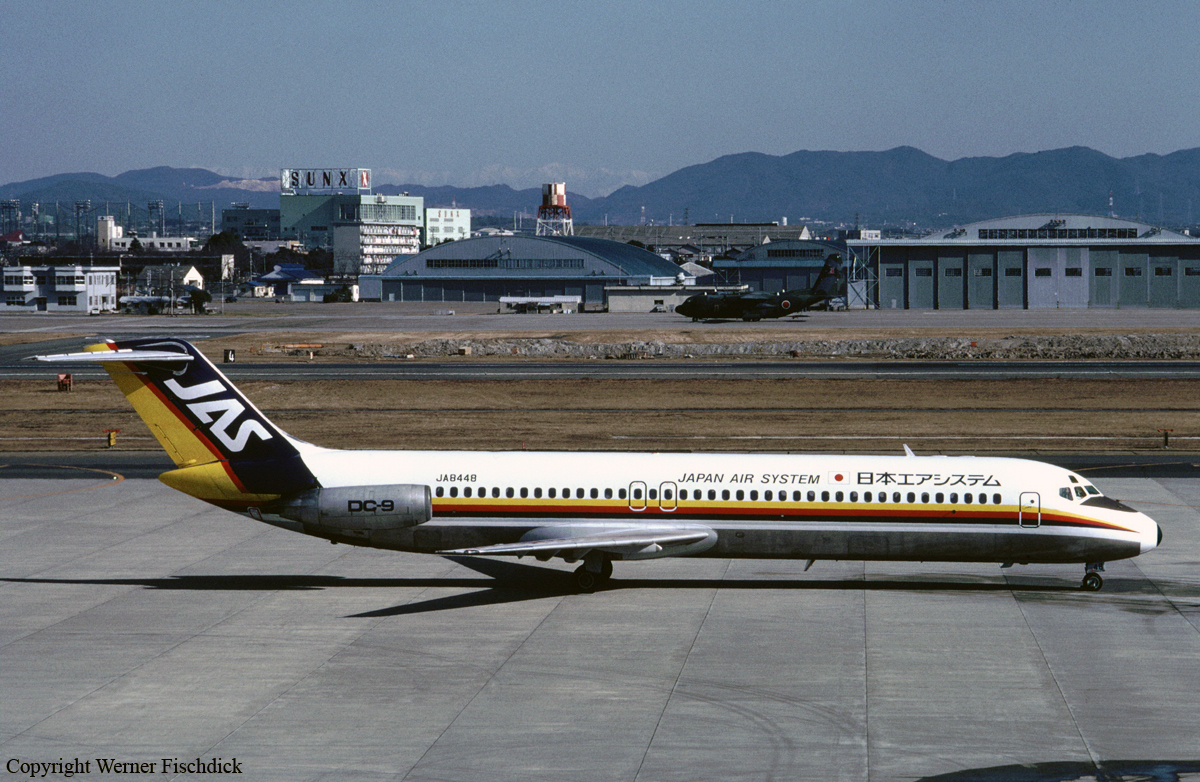
JA8448
Survivors:
Yes
Schedule:
Nagoya - Hanamaki
MSN:
47767
YOM:
1978
Flight number:
JD451
Country:
Region:
Crew on board:
4
Crew fatalities:
Pax on board:
72
Pax fatalities:
Other fatalities:
Total fatalities:
0
Captain / Total flying hours:
16106
Captain / Total hours on type:
8468.00
Copilot / Total flying hours:
615
Copilot / Total hours on type:
380
Aircraft flight hours:
47767
Aircraft flight cycles:
53314
Circumstances:
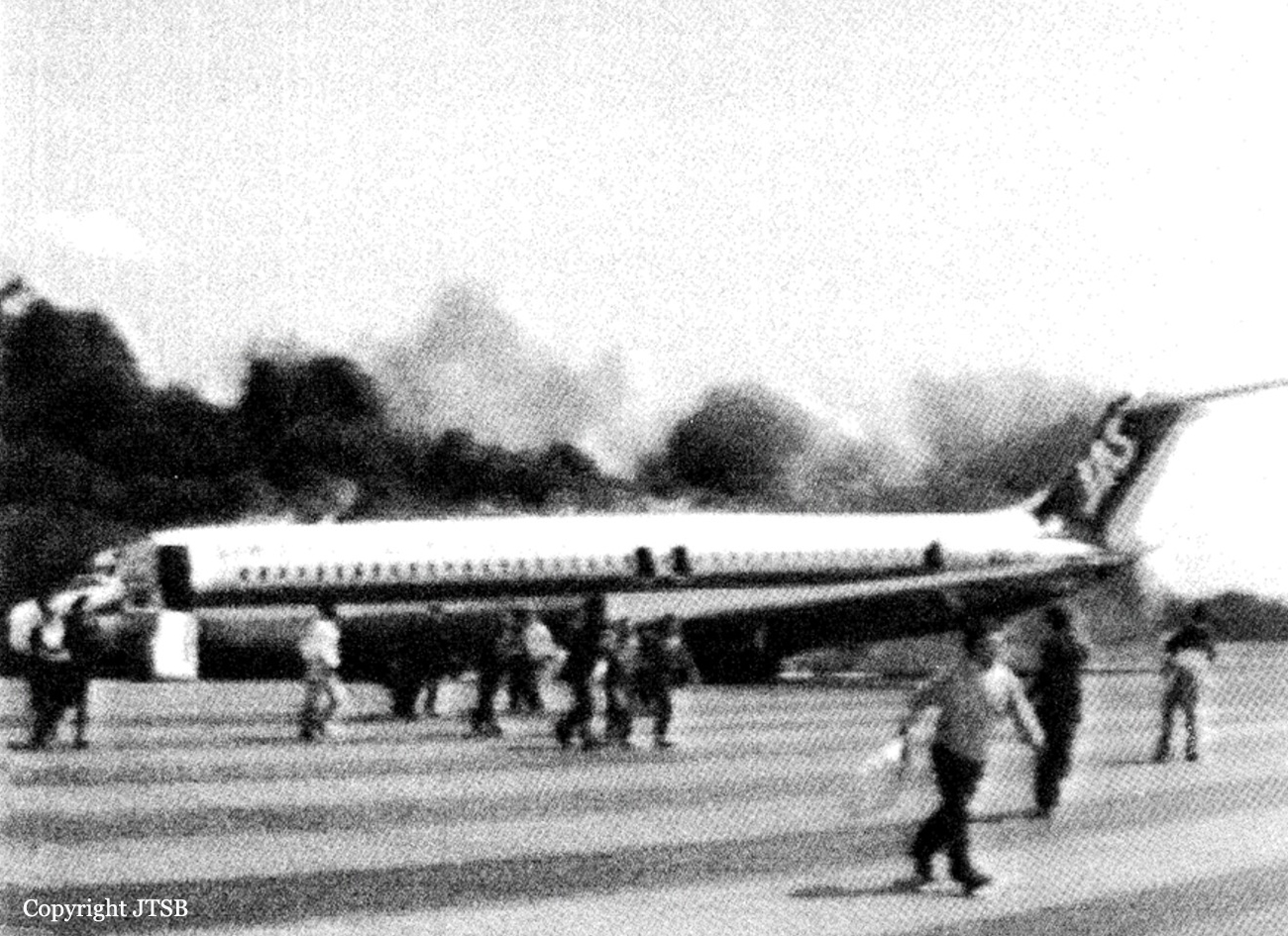
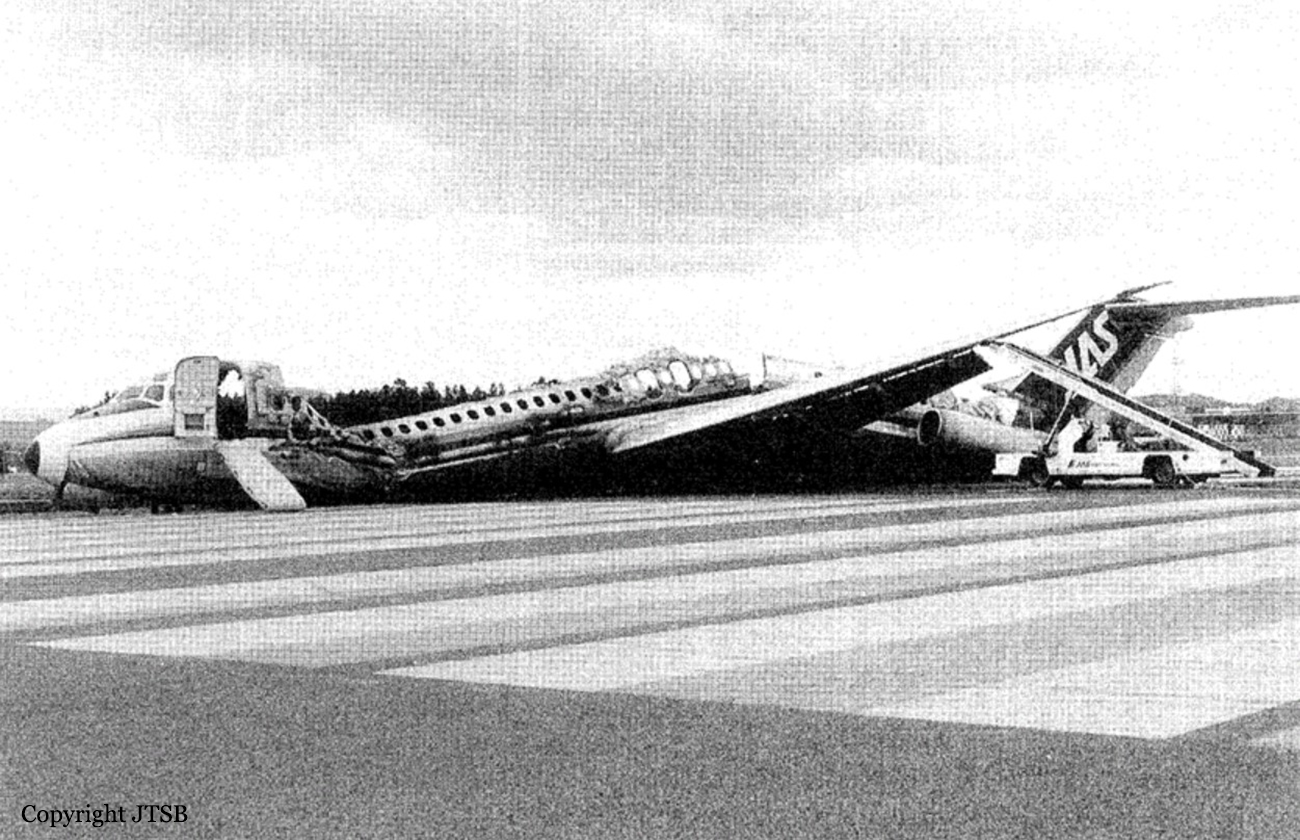
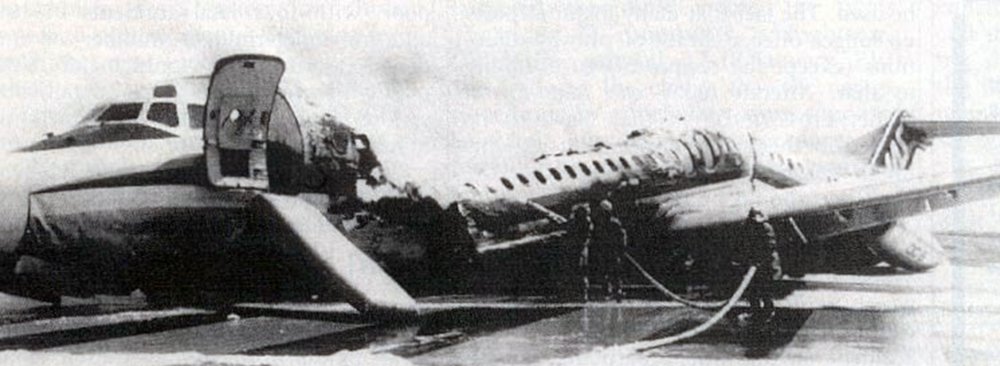
The approach to Hanamaki Airport was completed by the copilot. On short final, eight seconds prior to landing on runway 02, the aircraft was caught by downdrafts and windshear. Three seconds prior to touchdown, the captain regained control but this was too late. The aircraft landed hard, right main gear first. It rolled for about 1,860 metres before coming to rest on the runway, bursting into flames. All 76 occupants were rescued, among them 20 were injured. A fire erupted under the right wing following a tank rupture.
Probable cause:
It was determined that the aircraft encountered windshear on short final with wind from 240° to 320° gusting 26 to 47 knots. The copilot who was at controls at this time was not sufficiently experienced according to the operator operational procedures. Poor supervision on part of the captain and a too late recovery were considered as contributing factors.
Final Report:

Crash of a Douglas DC-9-15 off Margarita Island: 11 killed

Date & Time: Apr 2, 1993
Type of aircraft:
Operator:
Registration:
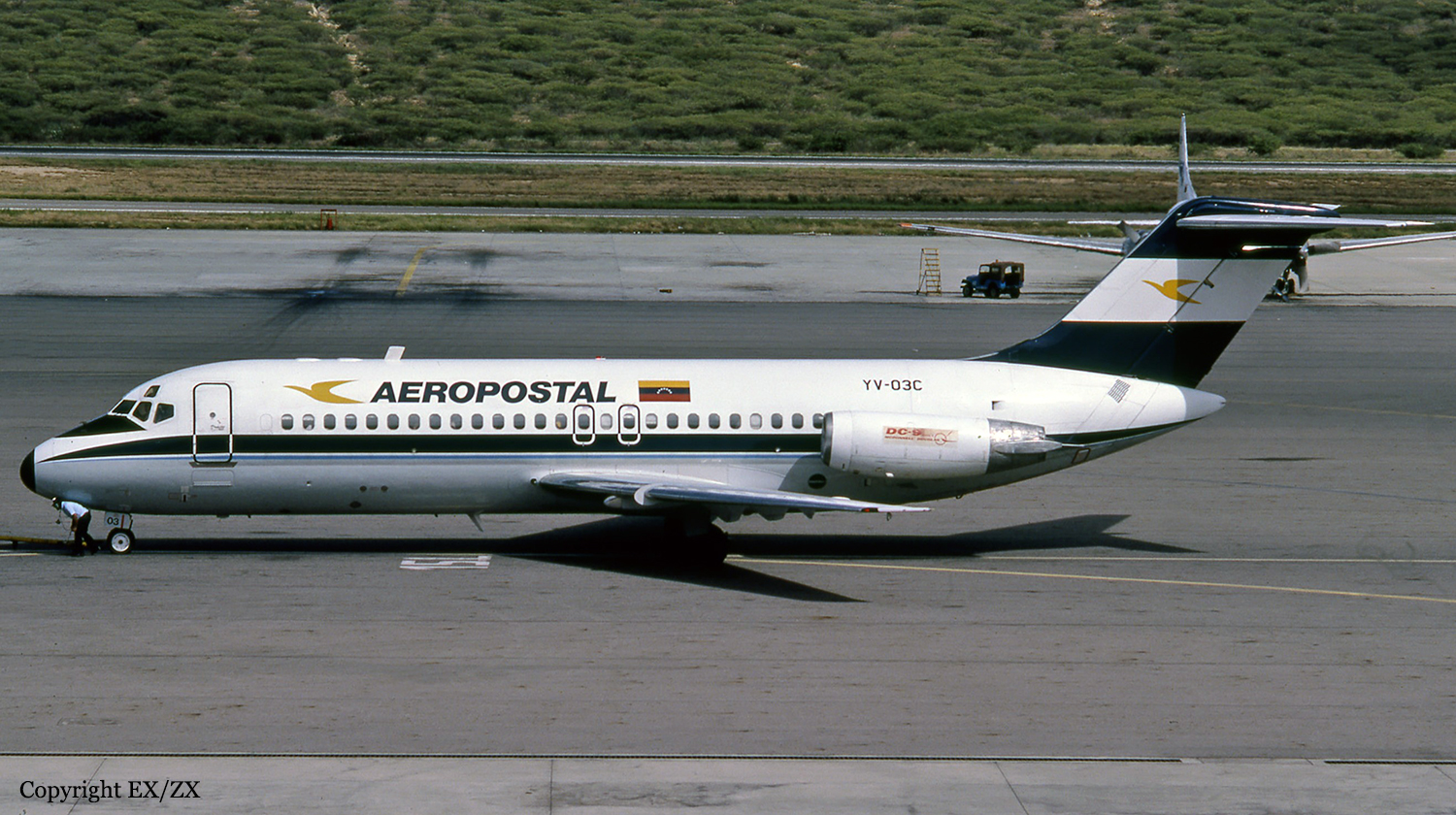
YV-03C
Flight Phase:
Flight Type:
Survivors:
No
Schedule:
Caracas - Caracas
MSN:
47000
YOM:
1967
Country:
Crew on board:
3
Crew fatalities:
Pax on board:
8
Pax fatalities:
Other fatalities:
Total fatalities:
11
Circumstances:
The aircraft departed Caracas-Maiquetía-Simon Bolivar on a post maintenance test flight, carrying eight engineers and technicians and three crew members. Twenty-eight minutes into the flight, the crew started the test program when nine minutes later, the pilot was able to send a brief mayday message but its content remains unclear. The aircraft entered an uncontrolled descent and crashed in the sea 16 km off Margarita Island. The aircraft disintegrated on impact and few debris were found floating on water while the majority of the aircraft sank to a significant depth and was not recovered.
Probable cause:
Due to lack of evidences, the exact cause of the accident could not be determined with certainty.

Crash of a Douglas DC-9-32 in Grenada

Date & Time: Mar 30, 1992 at 2020 LT
Type of aircraft:
Operator:
Registration:
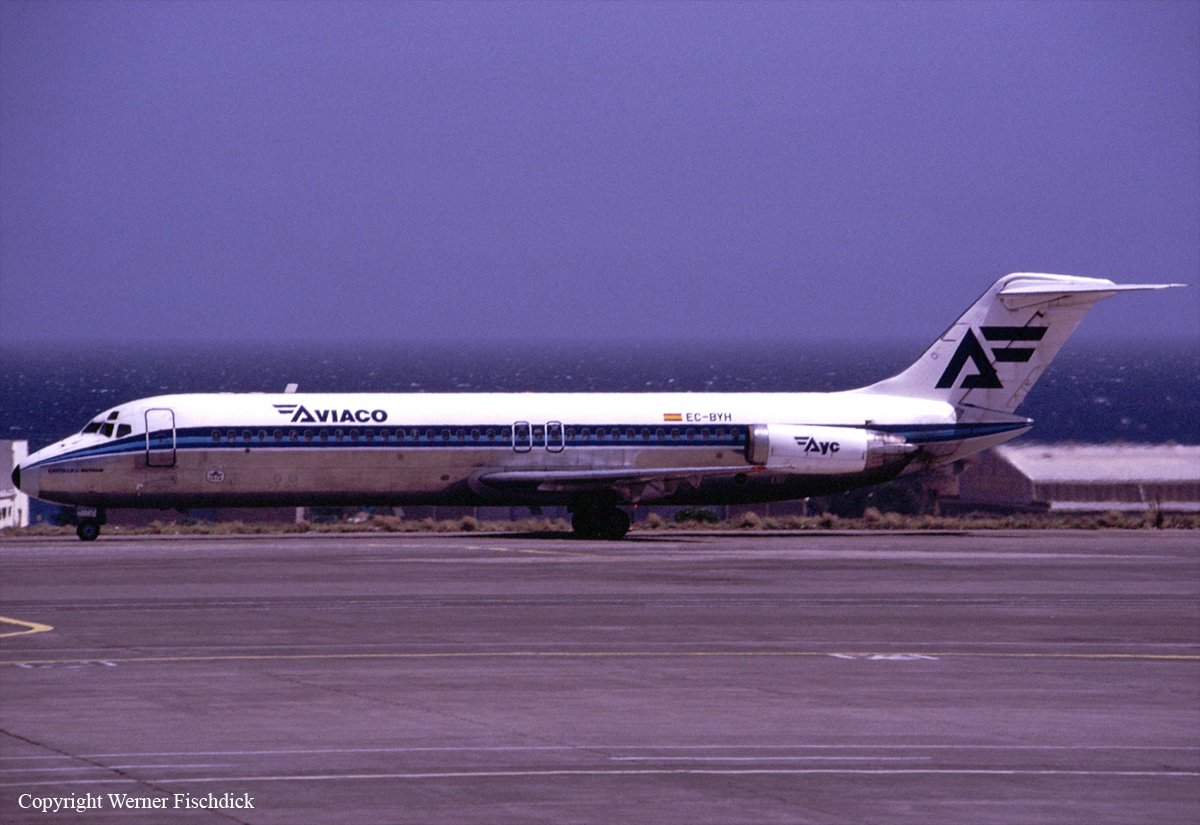
EC-BYH
Survivors:
Yes
Schedule:
Madrid - Granada
MSN:
47556
YOM:
1972
Flight number:
AO231
Country:
Region:
Crew on board:
5
Crew fatalities:
Pax on board:
94
Pax fatalities:
Other fatalities:
Total fatalities:
0
Circumstances:
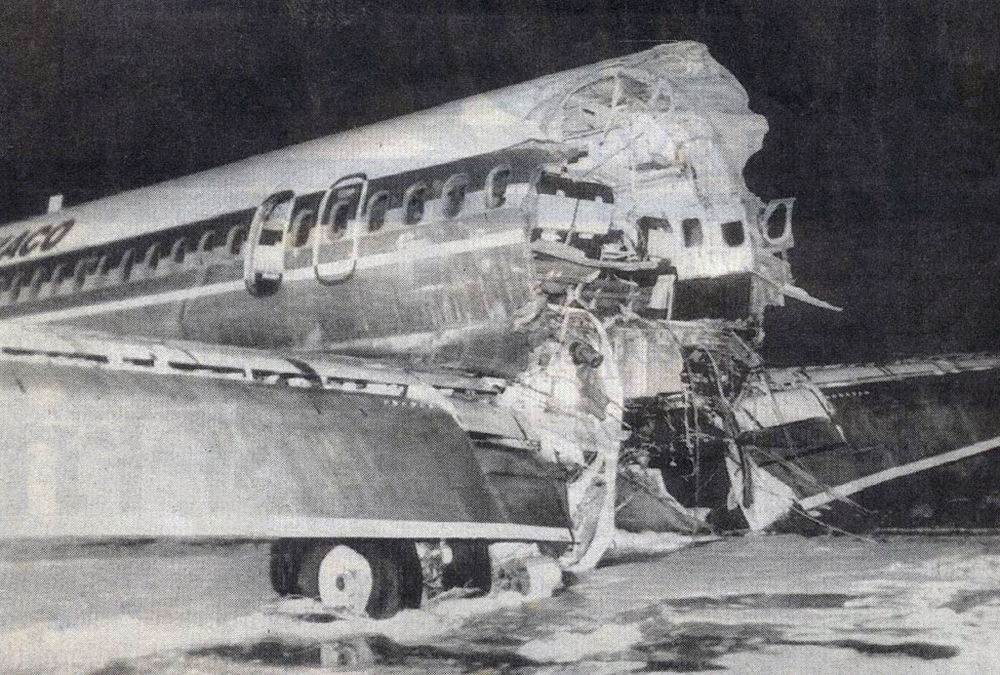
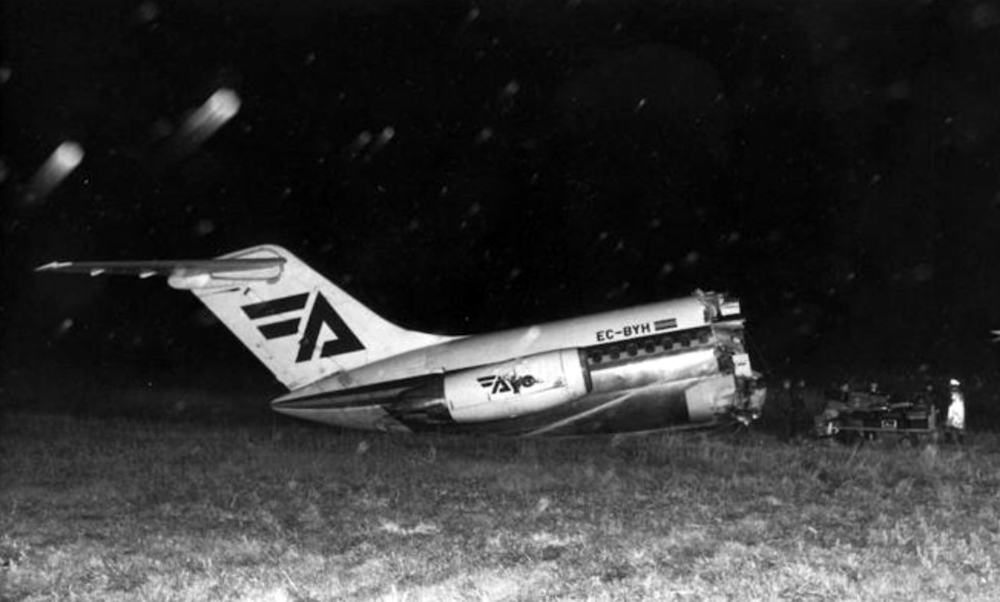
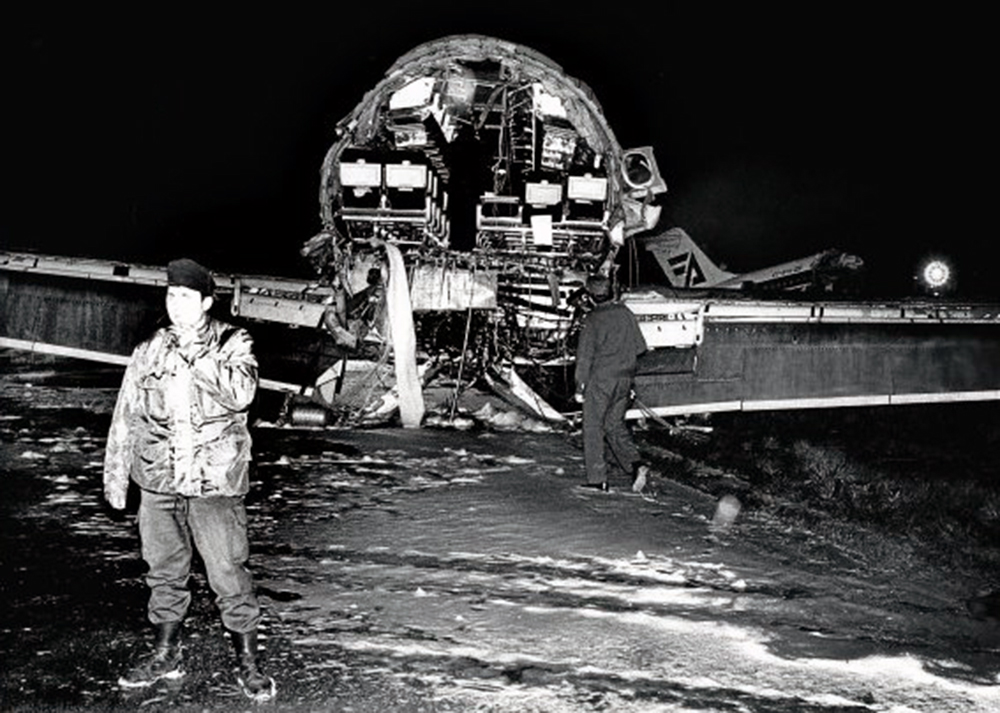
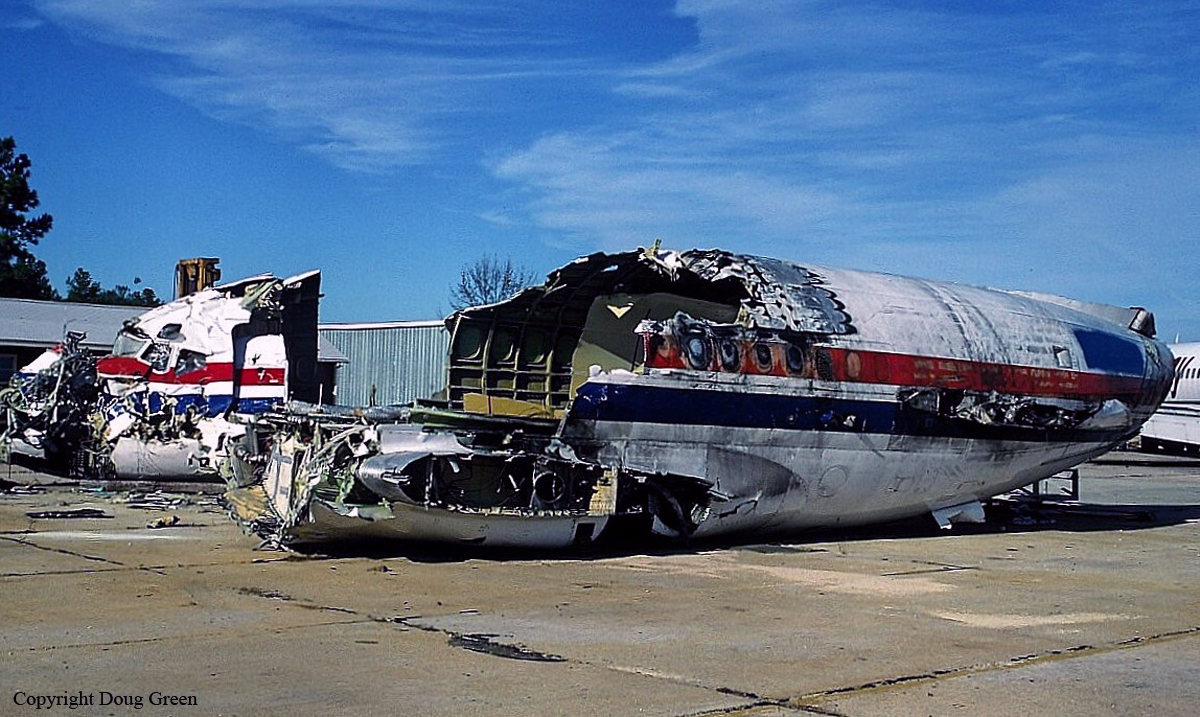
The crew completed the approach to runway 09 with a tailwind component of 11 knots. The aircraft landed hard 50 metres past the runway threshold, bounced and landed hard a second time 360 metres further. All tires burst and the fuselage broke in two between sections 756 and 760. The aircraft came to rest and all 99 occupants were evacuated, among them 26 were injured, four seriously. A positive acceleration of 4,49 g was recorded on the first impact and 4,79 g on the second impact.

Crash of a Douglas DC-9-15 in Tumaco

Date & Time: Mar 26, 1992
Type of aircraft:
Operator:
Registration:
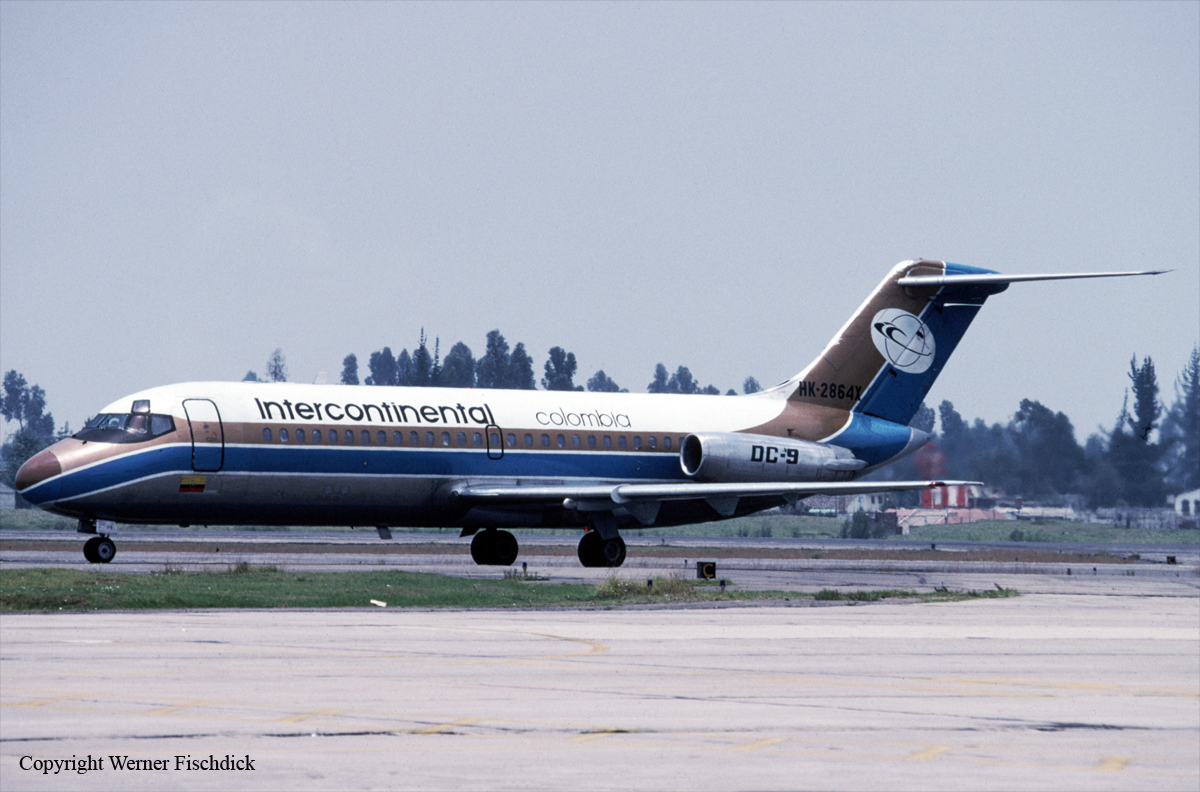
HK-2864X
Survivors:
Yes
Schedule:
Bogotá – Cali – Tumaco – Pasto
MSN:
45721
YOM:
1966
Flight number:
RS201
Country:
Crew on board:
4
Crew fatalities:
Pax on board:
88
Pax fatalities:
Other fatalities:
Total fatalities:
0
Circumstances:
On approach to Tumaco-La Florida Airport, at a height of about 100 feet, the aircraft entered an uncontrolled descent and struck the runway surface. The crew was able to complete the braking procedure, vacated the runway and stopped the aircraft on the apron. All 92 occupants evacuated when the right wing partially failed. Few passengers were injured and the aircraft was later considered as damaged beyond repair.
Probable cause:
It was determined that on short final, during the last segment, the copilot inadvertently extended the spoilers, causing the aircraft to enter a rapid descent until it impacted the runway surface with a positive acceleration that exceeded its certification. Presence of corrosion in the wing's root was reported as a contributing factor. Lack of crew coordination and poor planned approach also contributed to the mishap.

Crash of a Douglas DC-9-31 in Elmira

Date & Time: Jan 18, 1992 at 1028 LT
Type of aircraft:
Operator:
Registration:
N964VJ
Survivors:
Yes
Schedule:
Ithaca - Elmira
MSN:
47373
YOM:
1969
Flight number:
US305
Crew on board:
5
Crew fatalities:
Pax on board:
36
Pax fatalities:
Other fatalities:
Total fatalities:
0
Captain / Total flying hours:
19000
Captain / Total hours on type:
9500.00
Aircraft flight hours:
59251
Circumstances:
At the time of the accident, gusty winds were forecast for the surface to higher altitudes. The copilot was flying and configured the airplane about four miles out for landing on runway 24. The flightcrew received progressive wind information during the approach; the last report was wind at 310° and 25 knots. The approach speed was v ref + 10. According to the flightcrew, during the landing flare a wind gust occurred, and the airplane lifted in a nose down attitude. The gust stopped and then the airplane descended to the runway and landed hard. The examination of the airplane revealed the fuselage cracked near where the wings were attached and the aft fuselage was bent down about 7°. Two passengers were seriously injured.
Probable cause:
The aircraft encountered a sudden wind gust during landing flare, which resulted in a hard landing.
Final Report:

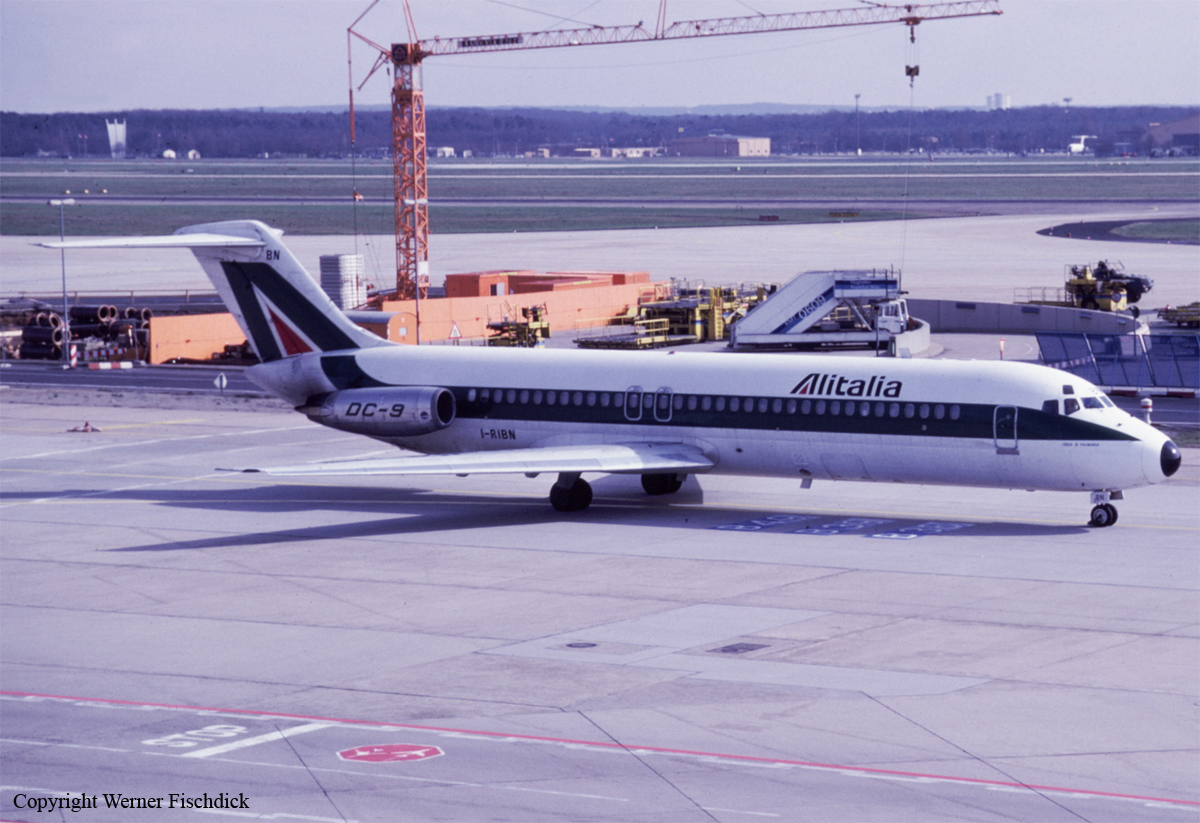
Crash of a Douglas DC-9-32 in Warsaw

Date & Time: Dec 17, 1991 at 1749 LT
Type of aircraft:
Operator:
Registration:
I-RIBN
Survivors:
Yes
Schedule:
Rome - Warsaw
MSN:
47339
YOM:
1969
Flight number:
AZ552
Country:
Region:
Crew on board:
6
Crew fatalities:
Pax on board:
90
Pax fatalities:
Other fatalities:
Total fatalities:
0
Circumstances:
While descending to Warsaw-Okecie Airport, the crew encountered poor weather conditions with thunderstorm activity. On final approach, the copilot suggested the captain to abandon the landing procedure and to initiate a go-around maneuver. The captain dismissed the copilot's suggestion, disengaged the autopilot system and continued the approach when visual contact with the ground was established at an altitude of 400 feet. In a nose-down attitude and at an excessive speed of 155 knots (about 25-30 knots above the recommended speed), the aircraft struck the runway 33 surface nose gear first. The aircraft bounced then veered off runway to the left, rolled on soft ground for about 860 metres and lost its nose gear before coming to rest. All 96 occupants were evacuated, among them three passengers were slightly injured. The aircraft was damaged beyond repair.
Probable cause:
Wrong approach configuration on part of the flying crew who decided to continue the descent while the aircraft was unstable and misaligned with the runway. The following contributing factors were reported:
- Failure of the crew to initiate a go-around procedure,
- Unstabilized approach,
- Excessive approach speed,
- Touchdown completed in a nose-down attitude,
- Poor crew coordination,
- Poor weather conditions with thunderstorm activity.

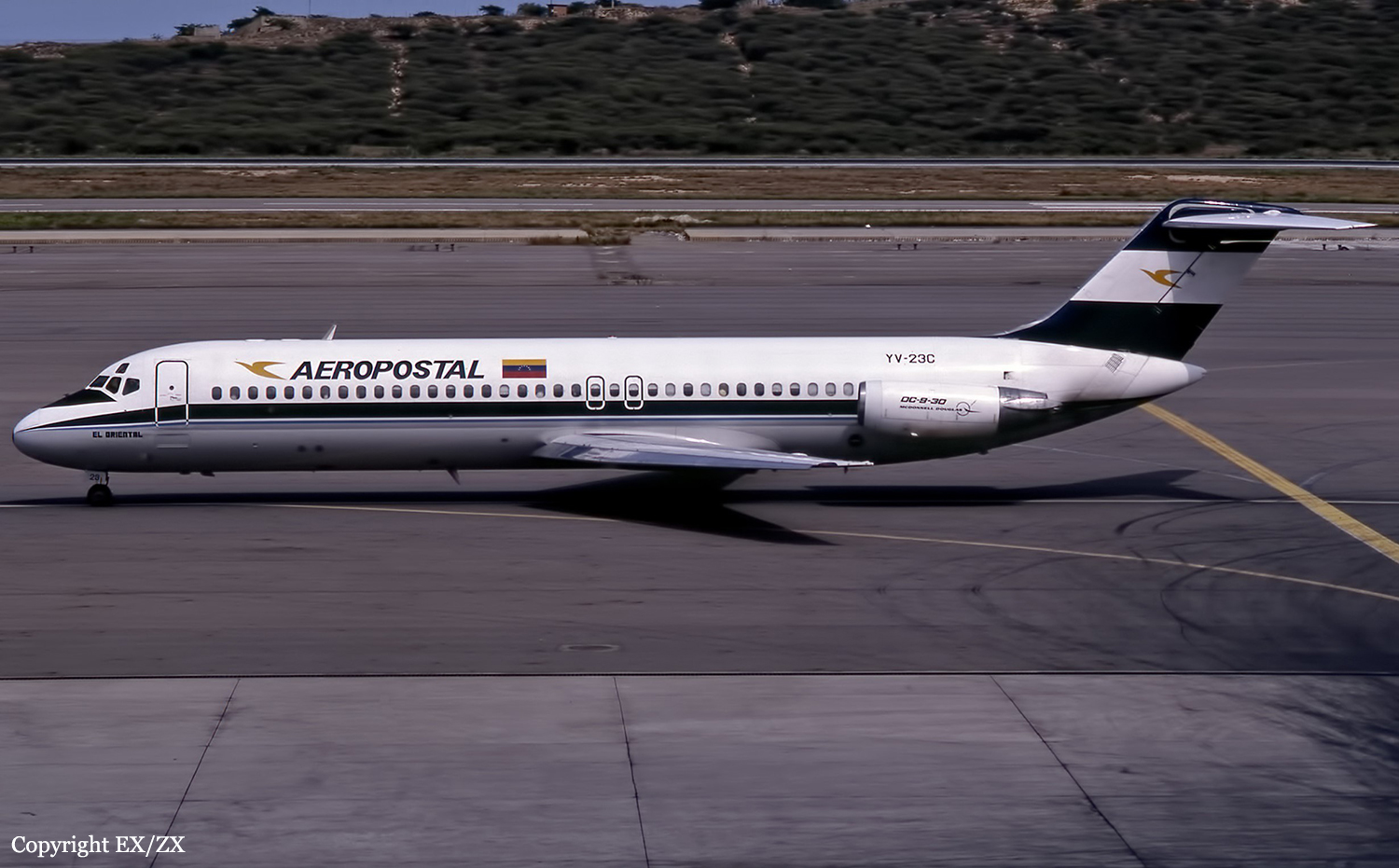
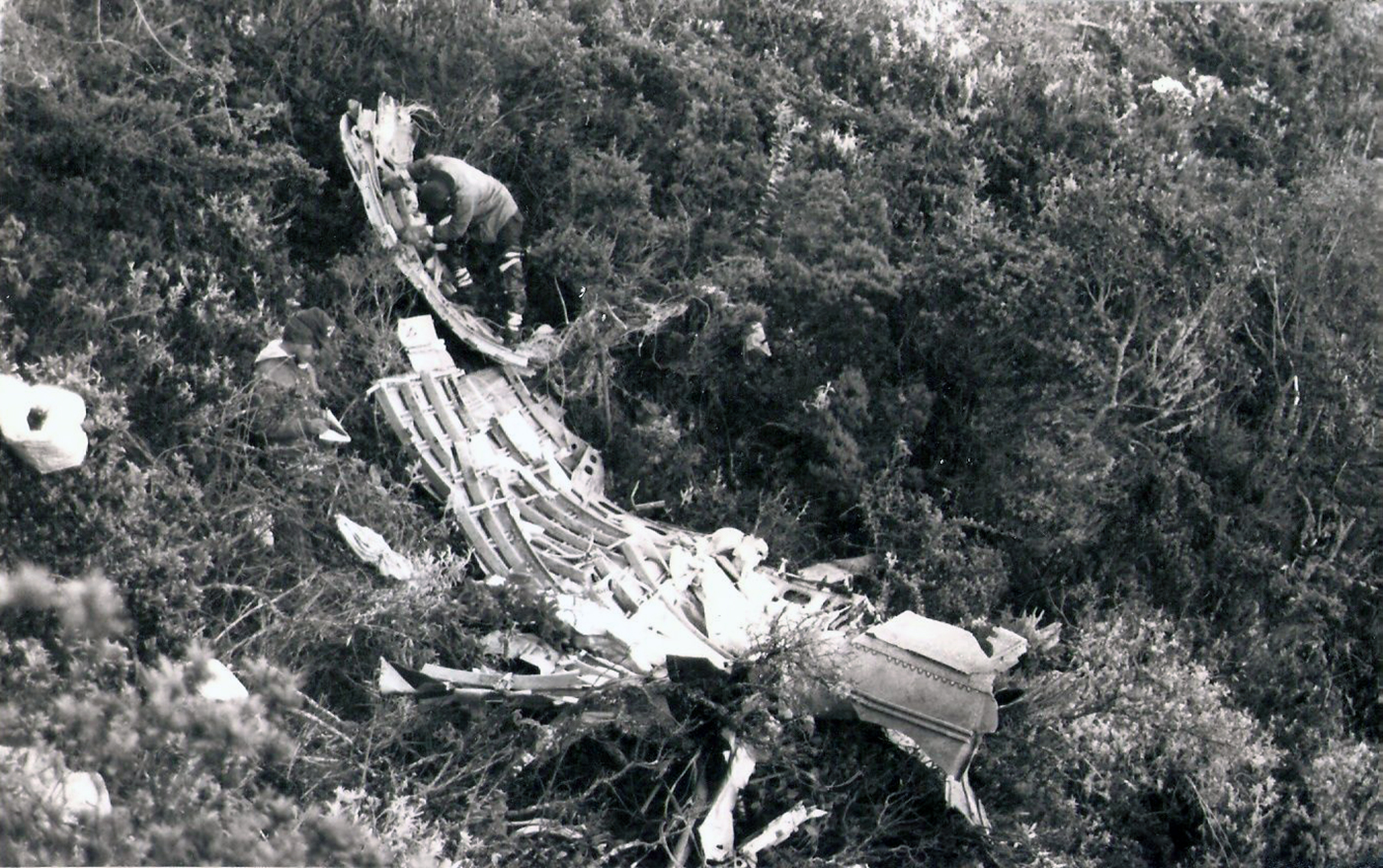
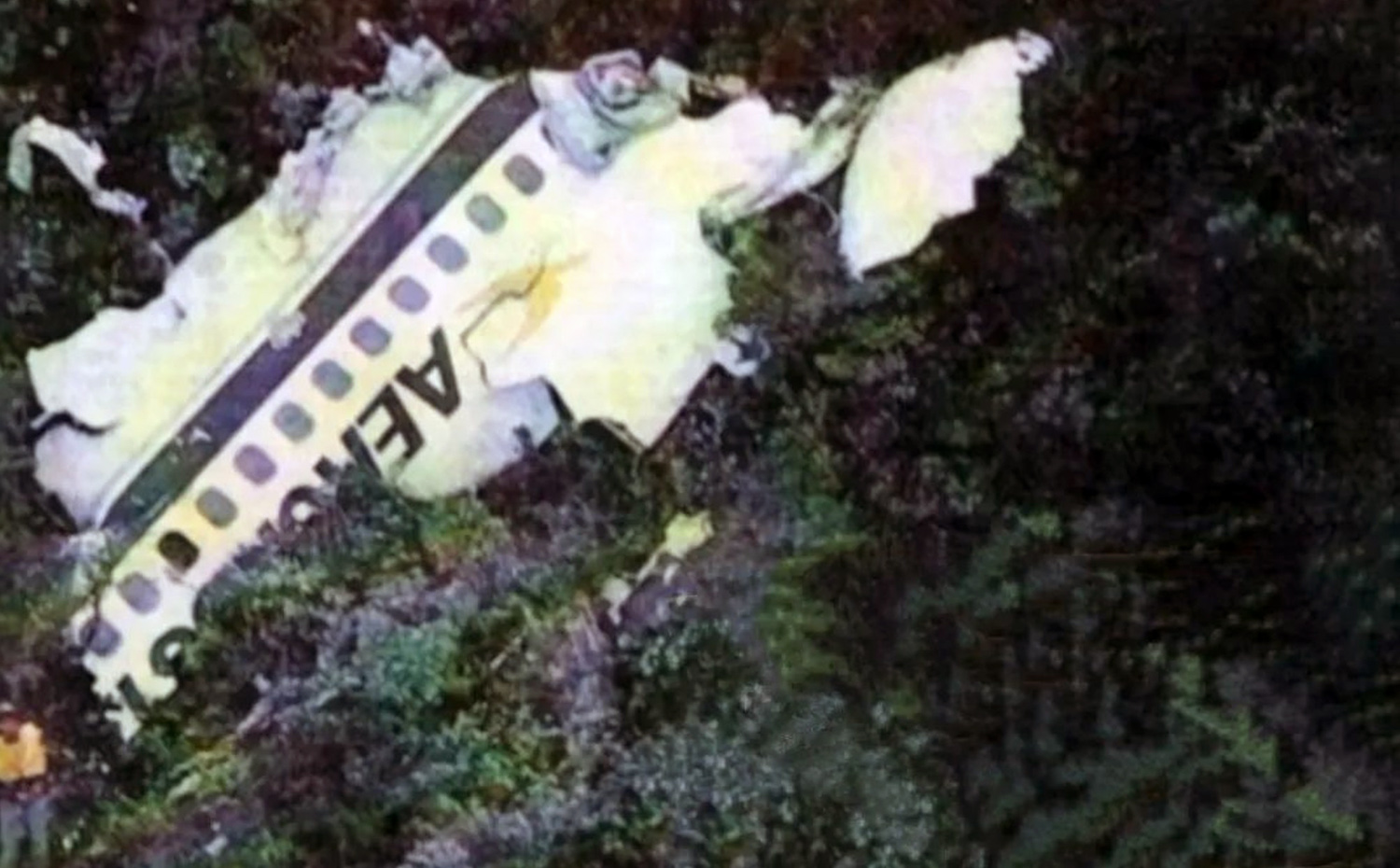
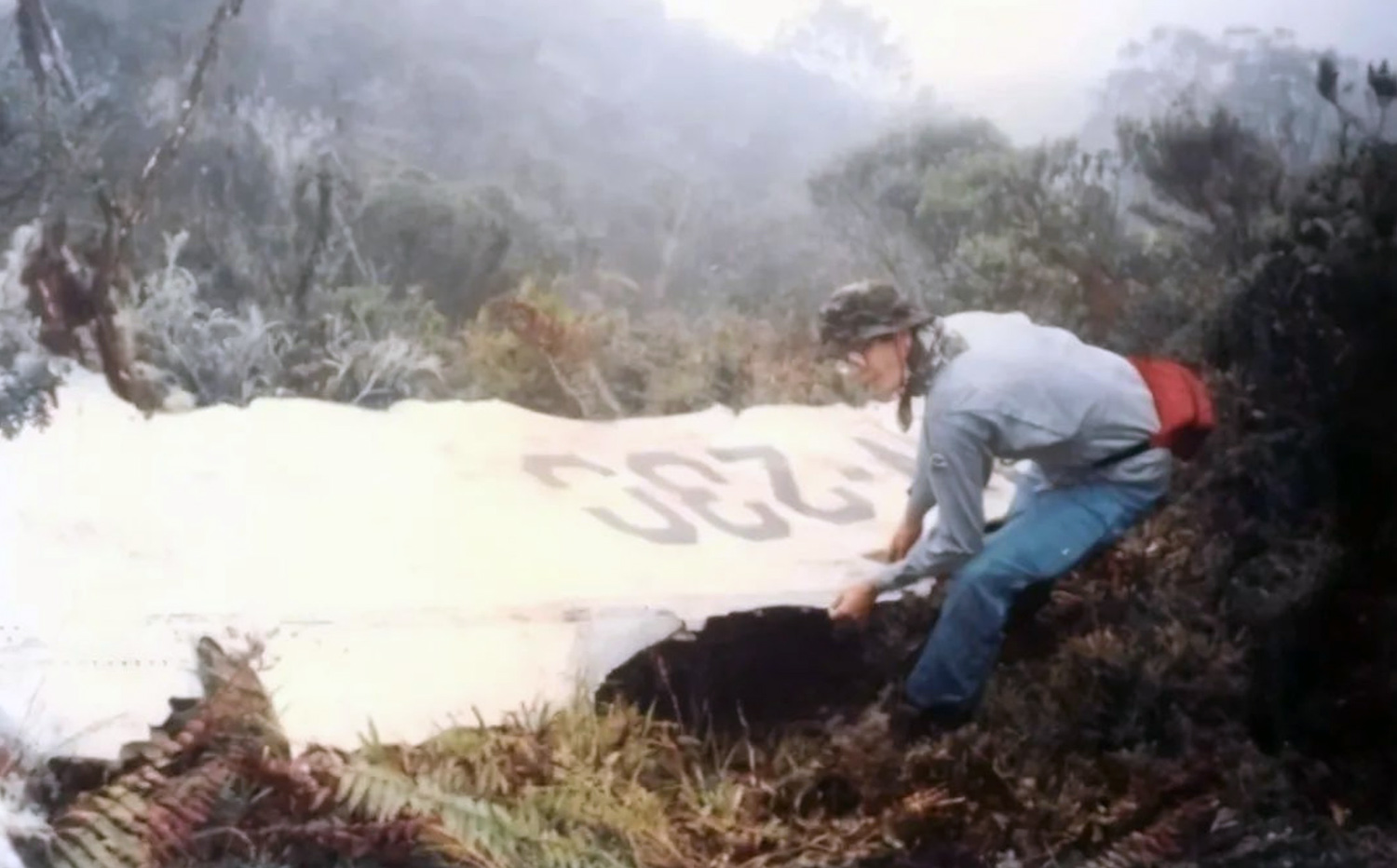
Crash of a Douglas DC-9-32 on Mt La Aguada: 45 killed

Date & Time: Mar 5, 1991 at 1617 LT
Type of aircraft:
Operator:
Registration:
YV-23C
Flight Phase:
Survivors:
No
Site:
Schedule:
Maracaibo – Santa Bárbara de Zulia
MSN:
47720
YOM:
1976
Flight number:
LV108
Country:
Crew on board:
5
Crew fatalities:
Pax on board:
40
Pax fatalities:
Other fatalities:
Total fatalities:
45
Aircraft flight hours:
32452
Aircraft flight cycles:
50298
Circumstances:
After departure from Maracaibo-La Chinita Airport, the crew followed a wrong heading to Santa Bárbara de Zulia (153° instead of 193°), which caused the aircraft to fly to the southeast over the lake of Maracaibo. While cruising at an altitude of 16,500 feet, the crew was cleared by ATC to descend to 5,500 feet. The crew reported to ATC that the VOR seemed to be inoperative but this was denied by the air traffic controller. At an altitude of 9,900 feet, the captain realized something was wrong about the heading selection, stopped the descent and initiated a right turn to gain height when the GPWS alarm sounded. Shortly later, the aircraft struck the slope of Mt La Aguada (3,320 meters high) located about 27 km northeast of Valera, some 170 km northeast of Santa Bárbara de Zulia. The aircraft disintegrated on impact and all 45 occupants were killed.
Probable cause:
The accident was the consequence of the combination of the following factors:
- The crew failed to prepare the flight according to published procedures and failed to follow various checklists,
- The crew failed to realize he was following a wrong heading after takeoff and failed to proceed to the en-route checks as required,
- The crew was distracted by conversations with a third person who was seating on the jumpseat all flight,
- The crew failed to supervise the flight according to standard operations,
- Poor crew coordination,
- Lack of discipline,
- At the time of impact, the aircraft was flying under VFR mode in IMC conditions,
- Poor visibility due to low clouds surroundings the mountains struck by the airplane.

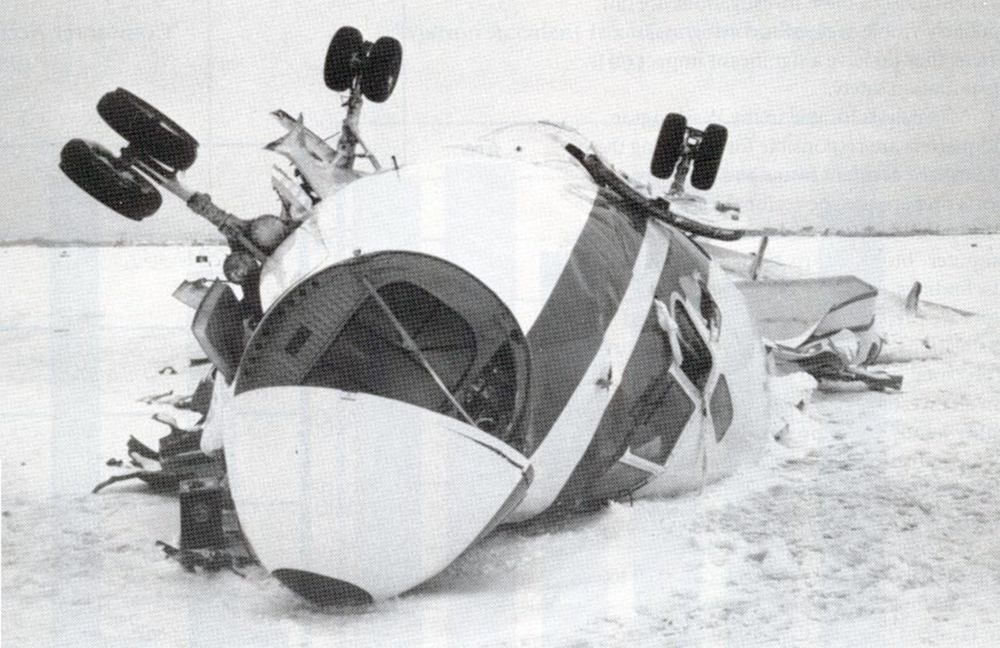
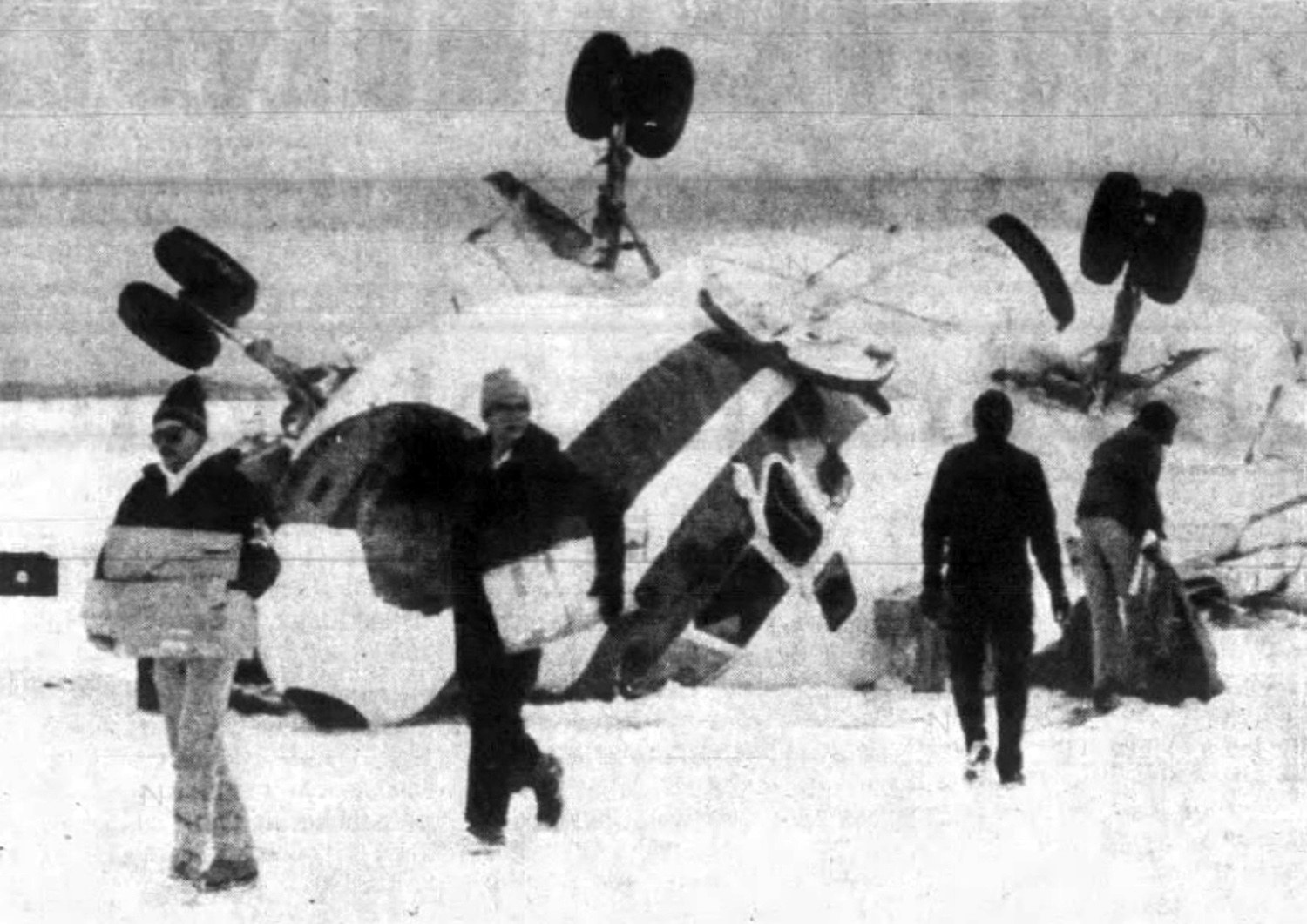
Crash of a Douglas DC-9-15RC in Cleveland: 2 killed

Date & Time: Feb 17, 1991 at 0019 LT
Type of aircraft:
Operator:
Registration:
N565PC
Flight Phase:
Flight Type:
Survivors:
No
Schedule:
Buffalo - Cleveland - Indianapolis
MSN:
47240
YOM:
1968
Flight number:
RYN590
Crew on board:
2
Crew fatalities:
Pax on board:
0
Pax fatalities:
Other fatalities:
Total fatalities:
2
Captain / Total flying hours:
10505
Captain / Total hours on type:
505.00
Copilot / Total flying hours:
3820
Copilot / Total hours on type:
510
Aircraft flight hours:
47574
Circumstances:
The flight had flown through weather conducive to airframe ice about 40 minutes prior to the accident during descent into Cleveland. During the 35-minute turnaround at Cleveland the crew did not exit the airplane to conduct an exterior preflight inspection to verify that the wings were free of ice contamination. It was snowing while they were on the ground. The airplane stalled and rolled into the ground immediately after takeoff. There was no operator requirement for the preflight. The flight had not been given training regarding the effects of wing contamination on the airplane. The FAA and the manufacturer have been aware for several years of the propensity of the DC-9 series 10 to the loss of control caused by wing contamination, but neither of them took positive action to include related information in the approved airplane flight manual. Both pilots were killed.
Probable cause:
The failure of the flightcrew to detect and remove ice contamination on the airplane's wings, which was largely a result of a lack of appropriate response by the federal aviation administration, Douglas aircraft company, and ryan international airlines to the known critical effect that a minute amount of contamination has on the stall characteristics of the DC-9 series 10 airplane. The ice contamination led to wing stall and loss of control during the attempted takeoff.
Final Report:

Crash of a Douglas DC-9-14 in Detroit: 8 killed

Date & Time: Dec 3, 1990 at 1345 LT
Type of aircraft:
Operator:
Registration:
N3313L
Flight Phase:
Survivors:
Yes
Schedule:
Detroit - Pittsburgh
MSN:
45708
YOM:
1966
Flight number:
NW1482
Crew on board:
4
Crew fatalities:
Pax on board:
40
Pax fatalities:
Other fatalities:
Total fatalities:
8
Captain / Total flying hours:
23000
Captain / Total hours on type:
4000.00
Copilot / Total flying hours:
4500
Aircraft flight hours:
62253
Circumstances:
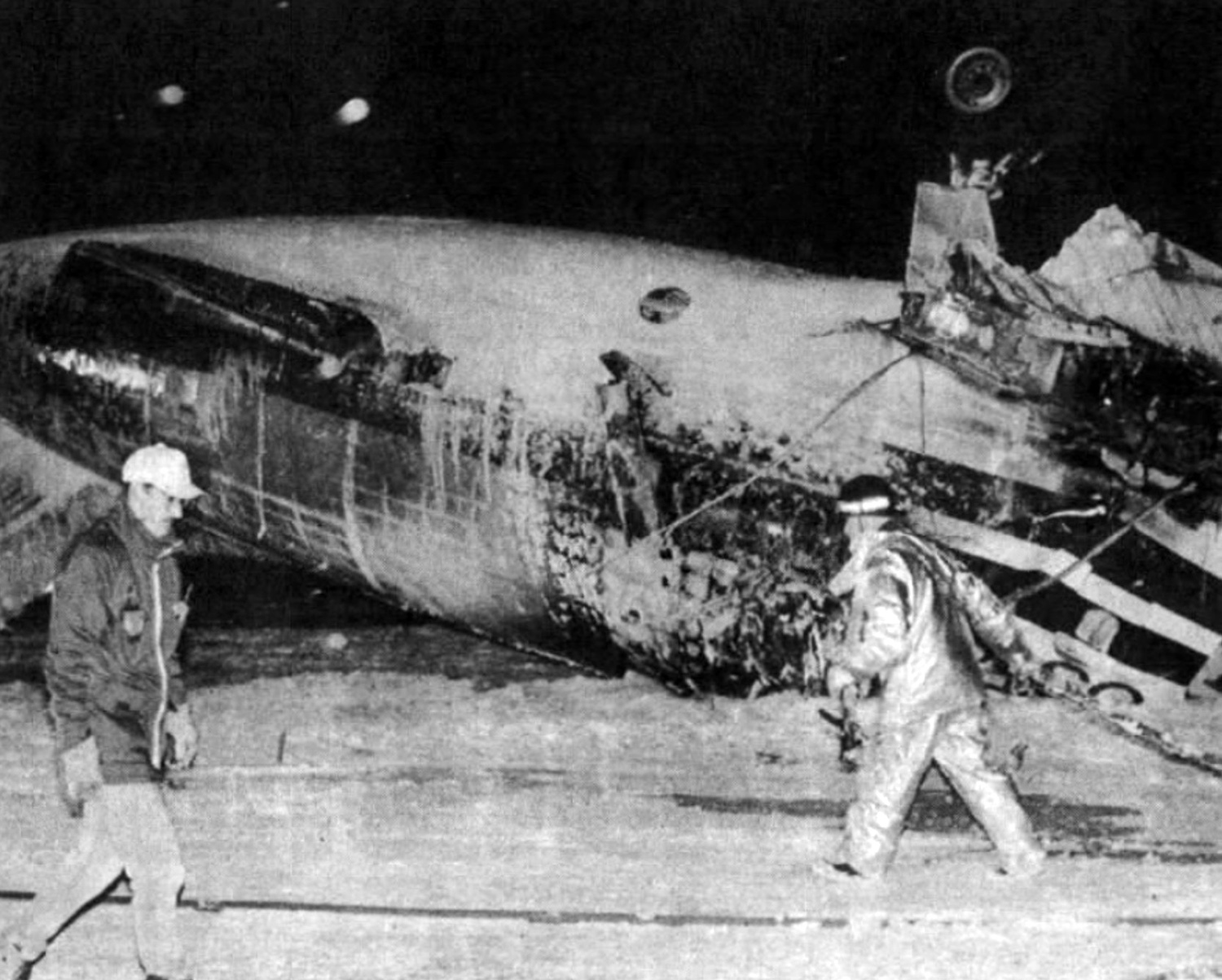
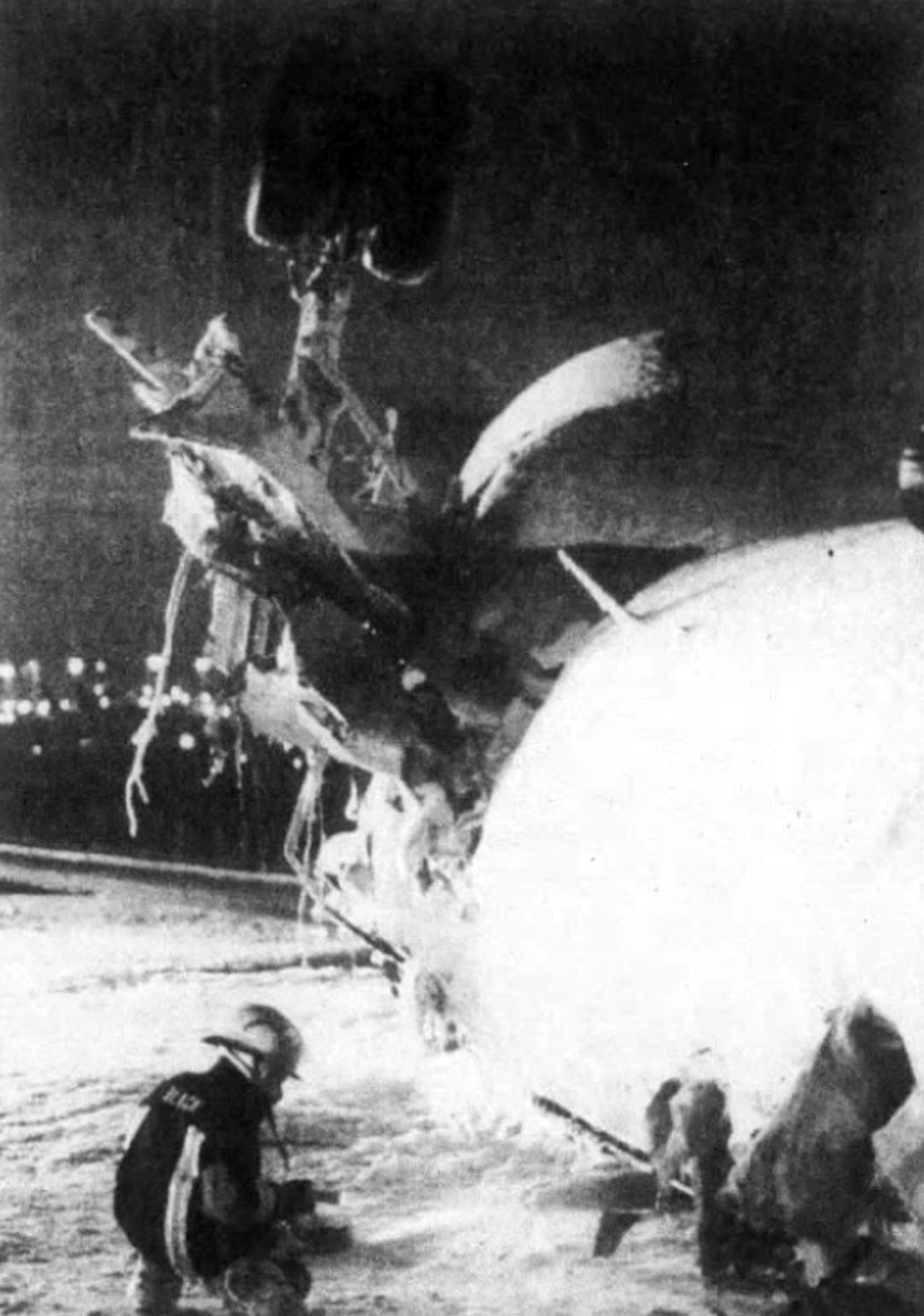
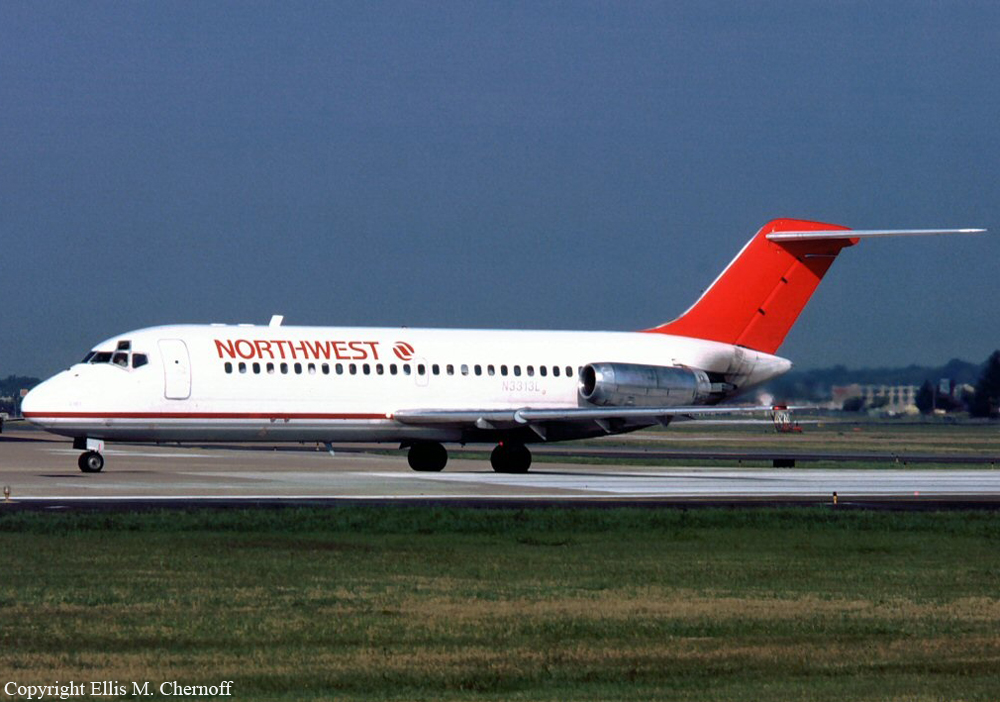
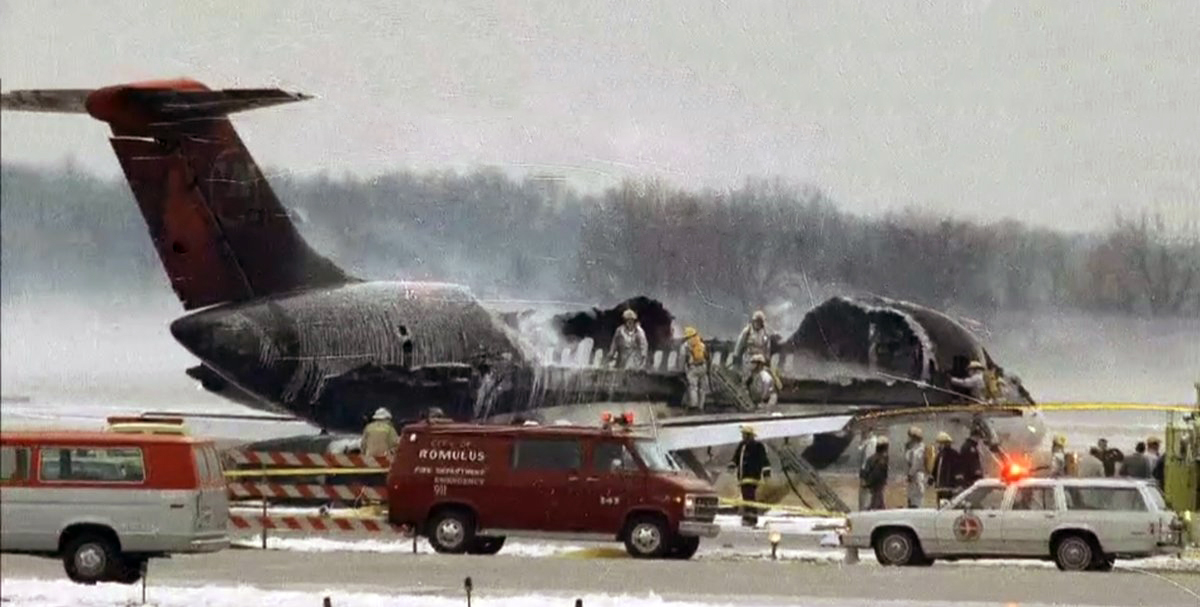
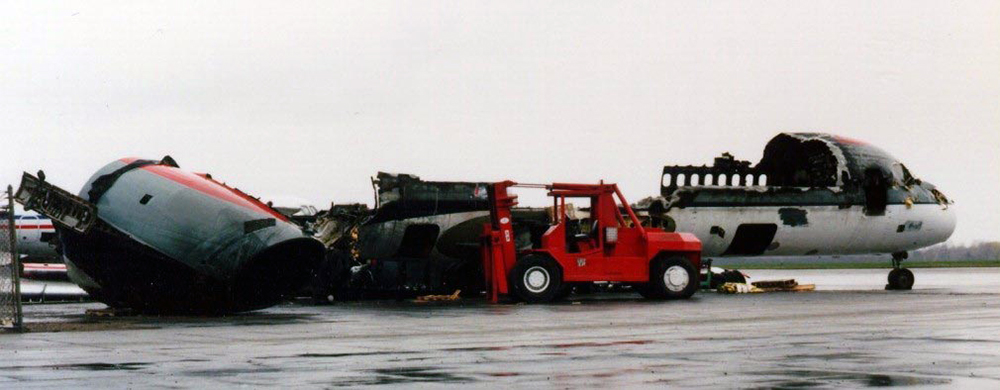
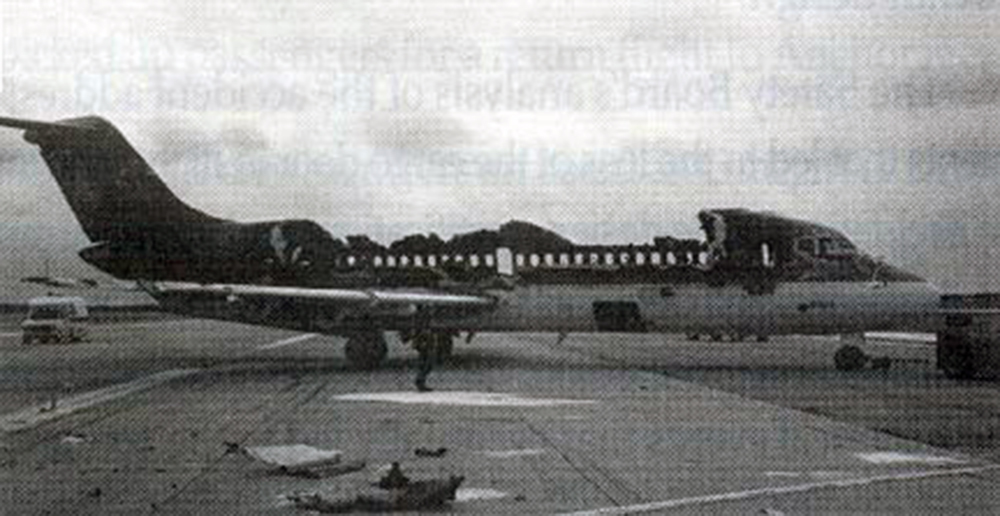
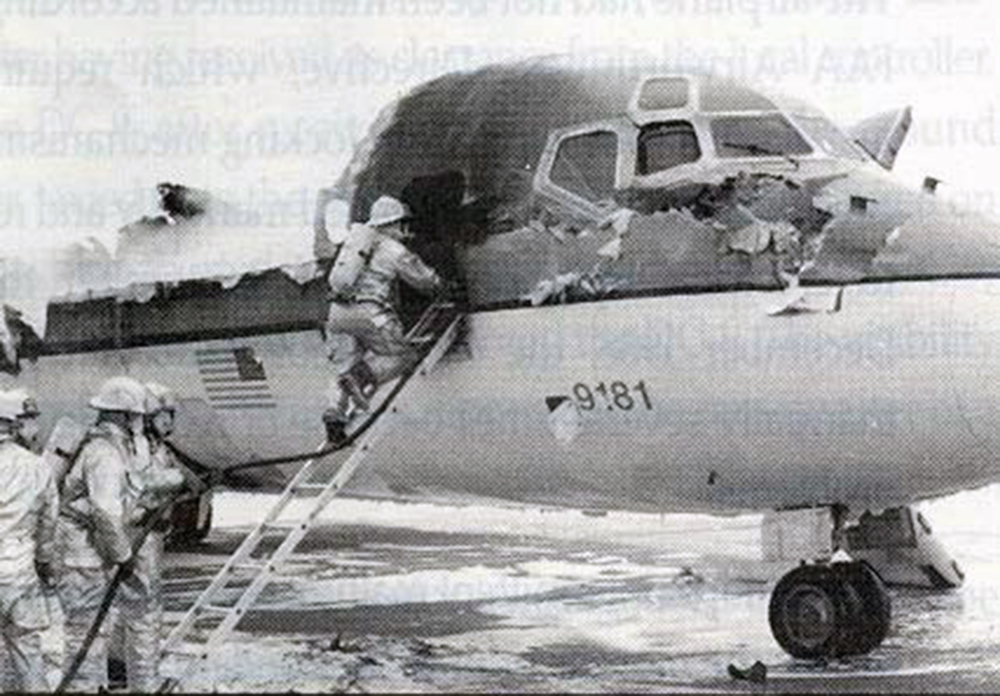
On December 3, 1990, at 1345 est, Northwest flight 1482, a DC-9 (N3313L), and Northwest flight 299, a Boeing 727 (N278US), collided near the intersection of runway 09/27 and 03C/21C in dense fog at Detriot-Metropolitan-Wayne County Airport, MI. At the time of the collision, the B-727 was on its takeoff roll, and the DC-9 had just taxied onto the active runway. The B-727 was substantially damaged, and the DC-9 was destroyed. Seven of the 40 passengers and 1 crew member aboard the DC-9 received fatal injuries. None of the 146 passengers and 8 crewmembers aboard the B-727 were injured.
Probable cause:
Lack of proper crew coordination, including virtual reversal of roles by the DC-9 pilots, which led to their failure to stop taxiing and alert ground controller of their positional uncertainty in a timely manner before and after intruding onto the active runway. Contributing to cause of accident were:
- Deficiencies in ATC services provided by Detroit tower, including failure of ground control to take timely action to alert local controller to possible runway incursion, inadequate visibility observation, failure to use progressive taxi instructions low-visibility conditions, and issuance of inappropriate and confusing taxi instructions compounded by inadequate backup supervision for level of experience of staff on duty;
- Deficiencies in surface markings, signage and lighting at airport and failure of FAA surveillance to detect or correct any of these deficiencies;
- Failure of Northwest Airlines to provide adequate cockpit resource management training to line aircrews. Contributing to fatalities was inoperability of DC-9 internal tailcone release mechanism. Contributing to number and severity of injuries was failure of crew of DC-9 to properly execute the passenger evacuation.
Final Report: