Crash of a BAe 3102 Jetstream 31 in Doncaster

Date & Time: Aug 15, 2014 at 1936 LT
Type of aircraft:
Operator:
Registration:
G-GAVA
Survivors:
Yes
Schedule:
Belfast – Doncaster
MSN:
785
YOM:
1987
Flight number:
LNQ207
Region:
Crew on board:
2
Crew fatalities:
Pax on board:
1
Pax fatalities:
Other fatalities:
Total fatalities:
0
Captain / Total flying hours:
8740
Captain / Total hours on type:
3263.00
Circumstances:
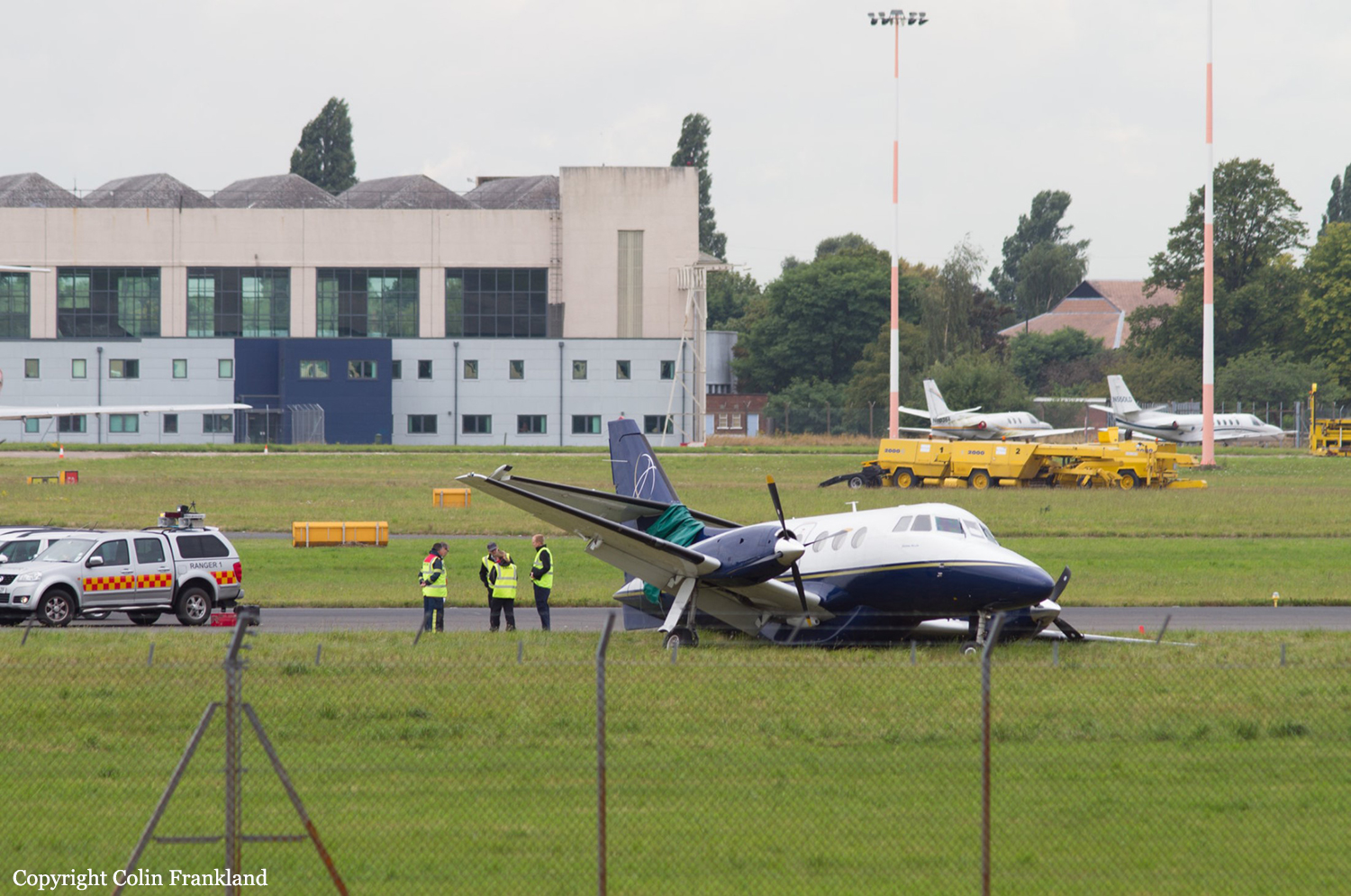
G-GAVA took off from Belfast City Airport at 1745 hrs operating a scheduled air service to Doncaster Sheffield Airport with one passenger and a crew of two pilots on board. The commander was the Pilot Flying (PF) and the co-pilot was the Pilot Monitoring (PM). The departure, cruise and approach to Doncaster Sheffield were uneventful. The 1820 hrs ATIS for the airport stated that the wind was from 260° at 5 kt, varying between 220° and 280°. Visibility was greater than 10 km, there were few clouds at 3,000 ft aal, the temperature was 17°C and the QNH was 1,019 hPa. Although Runway 02 was the active runway, the crew requested radar vectors for a visual final approach to Runway 20, a request which was approved by ATC. The load sheet recorded that the aircraft’s mass at landing was expected to be 5,059 kg which required a target threshold indicated airspeed (IAS) of 101 kt. The aircraft touched down at 1836 hrs with an IAS of 102 kt and a peak normal acceleration of 1.3 g, and the commander moved the power levers aft to ground idle and then to reverse. As the aircraft decelerated, the commander moved the power levers forward to ground idle and asked the co-pilot to move the RPM levers to taxi. At an IAS of 65 kt, eight seconds after touchdown, the left wing dropped suddenly, the aircraft began to yaw to the left and the commander was unable to maintain directional control with either the rudder or the nosewheel steering tiller. The aircraft ran off the left side of the runway and stopped on the grass having turned through approximately 90°. The left landing gear had collapsed and the aircraft had come to a halt resting on its baggage pannier, right landing gear and left wing. The commander pulled both feather levers, to ensure that both engines were shut down, and switched the Electrics Master switch to emergency off. The co-pilot transmitted “tower……[callsign]” and the controller replied “[callsign] copied, emergency services on their way”. The commander instructed the co-pilot to evacuate the aircraft. The co-pilot moved into the main cabin where he found that the passenger appeared to be uninjured. He considered evacuating the aircraft through the emergency exit on the right side but judged that the main exit on the left side at the rear of the cabin would be the best option. The left side cabin door released normally but would not open completely because the sill of the doorway was at ground level (Figure 1) but, all occupants were able to evacuate the aircraft. The Aerodrome Controller in the ATC tower activated the Crash Alarm at 1836 hrs while the aircraft was still on the paved surface of the runway. Two Rescue and Fire Fighting Service vehicles arrived on scene at 1838 hrs by which time the occupants were clear of the aircraft.
Probable cause:
The aircraft’s left main landing gear failed as a result of stress corrosion cracking in the forward pintle housing, at the top of the left landing gear cylinder. The landing gear material is known to be susceptible to stress corrosion cracking. The investigation determined that a design solution implemented by the aircraft manufacturer following the 2012 accident, which was intended to prevent stress corrosion cracking, had not met its original design intent.
Final Report:


Crash of a Cessna 414 Chancellor in Bowie: 2 killed

Date & Time: Aug 15, 2014 at 1535 LT
Type of aircraft:
Registration:
N127BC
Flight Type:
Survivors:
No
Schedule:
La Porte - Bowie
MSN:
414-0519
YOM:
1974
Location:
Crew on board:
1
Crew fatalities:
Pax on board:
1
Pax fatalities:
Other fatalities:
Total fatalities:
2
Captain / Total flying hours:
1200
Captain / Total hours on type:
15.00
Aircraft flight hours:
4256
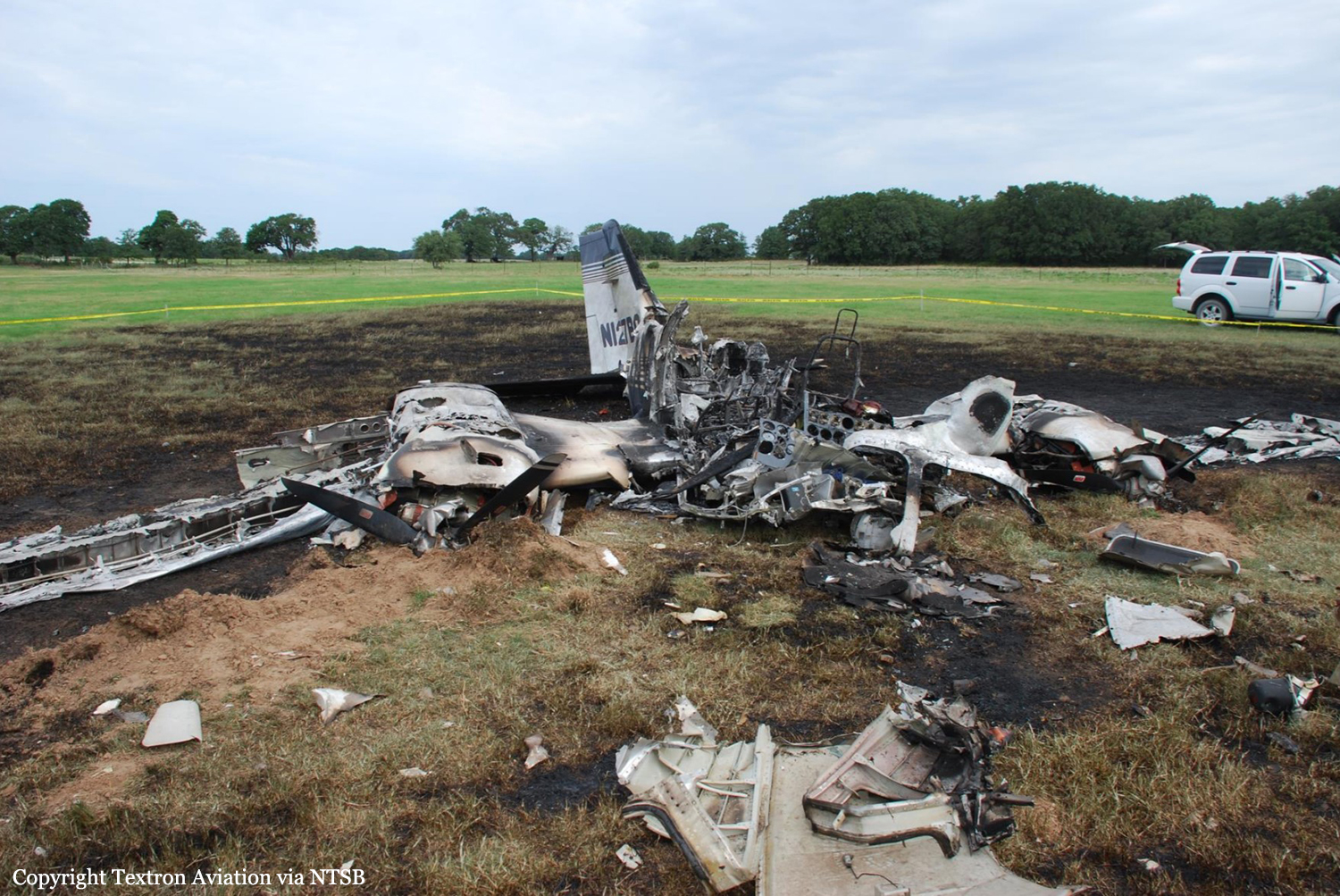
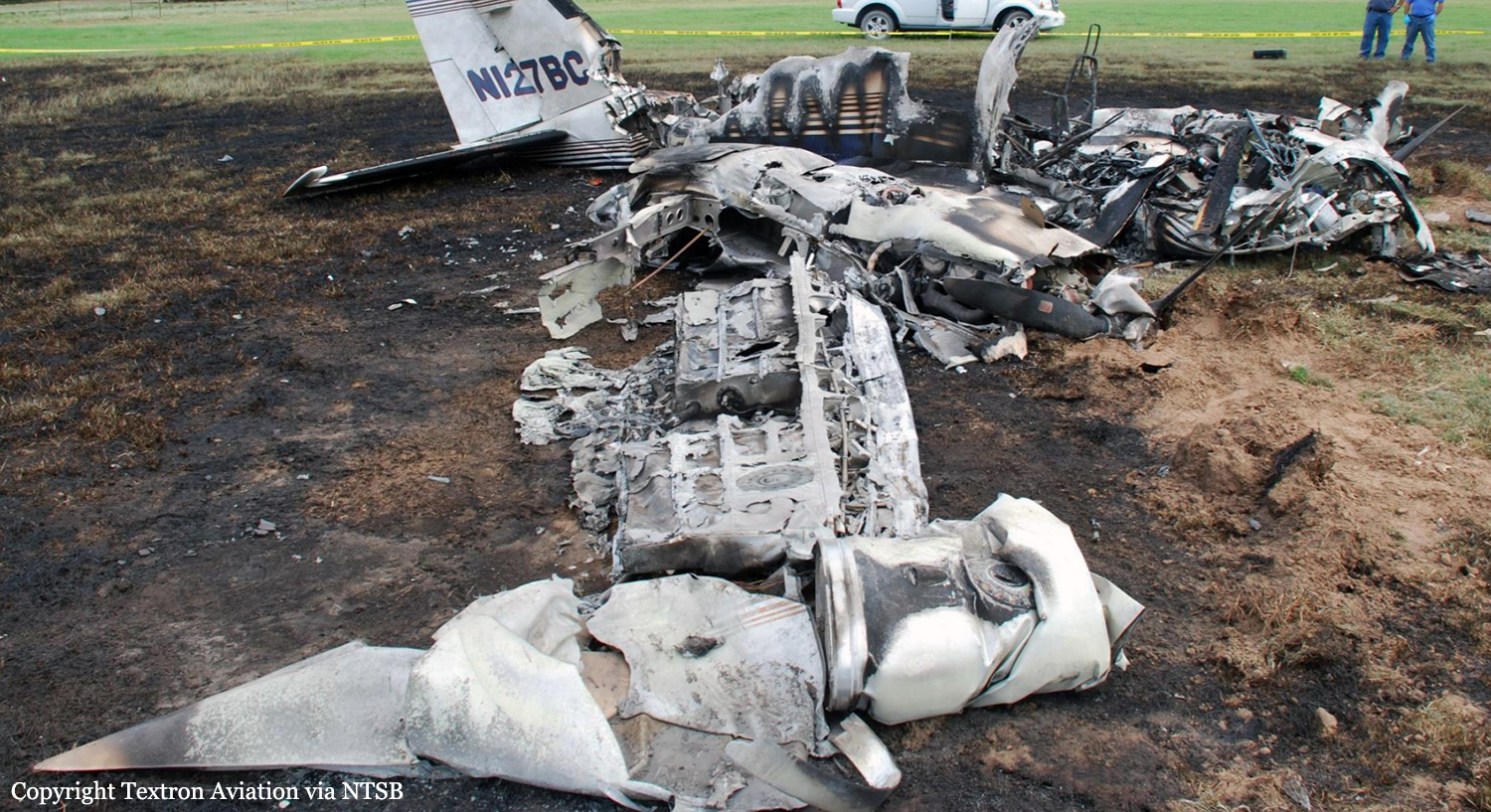
Circumstances:
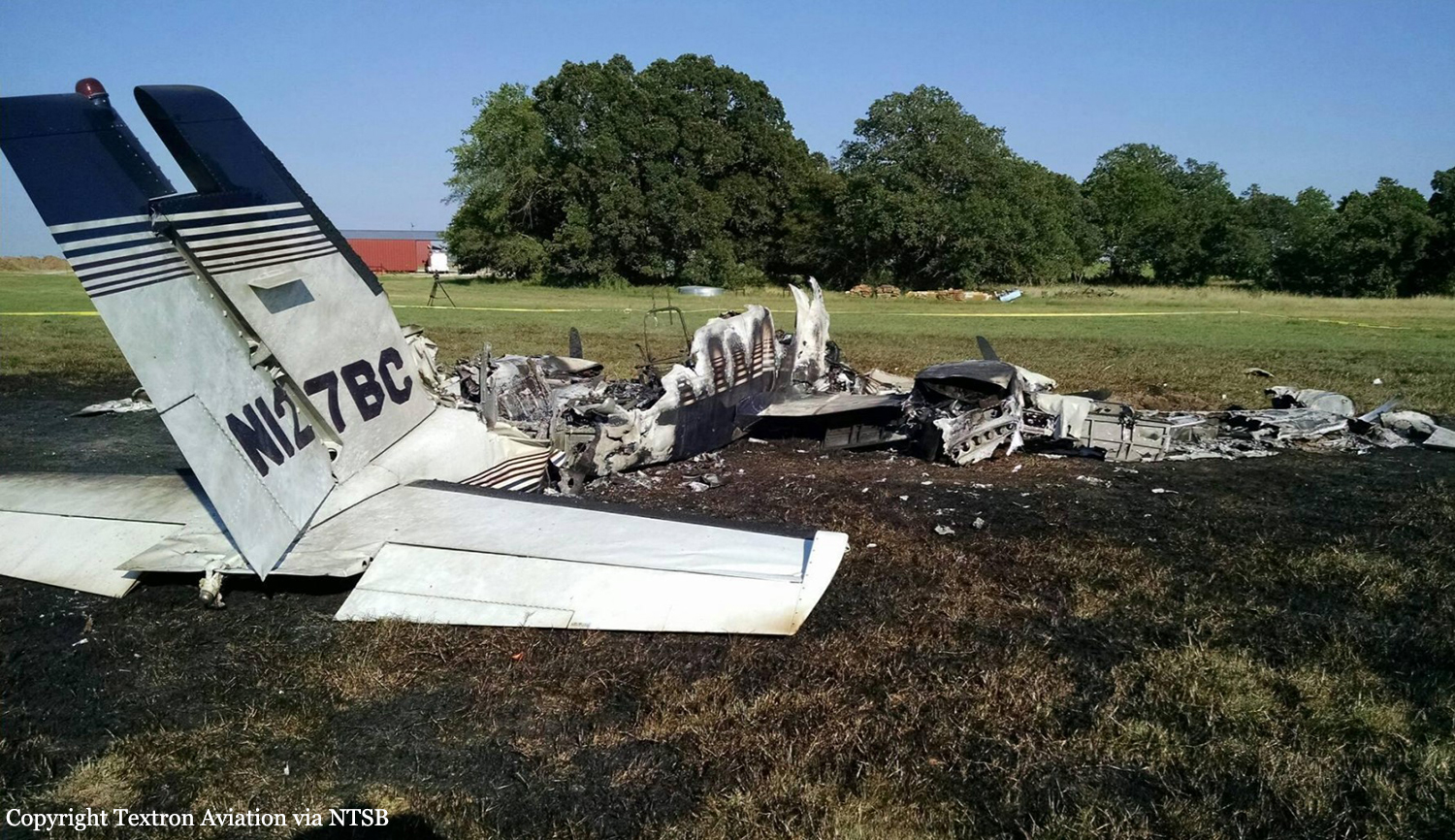
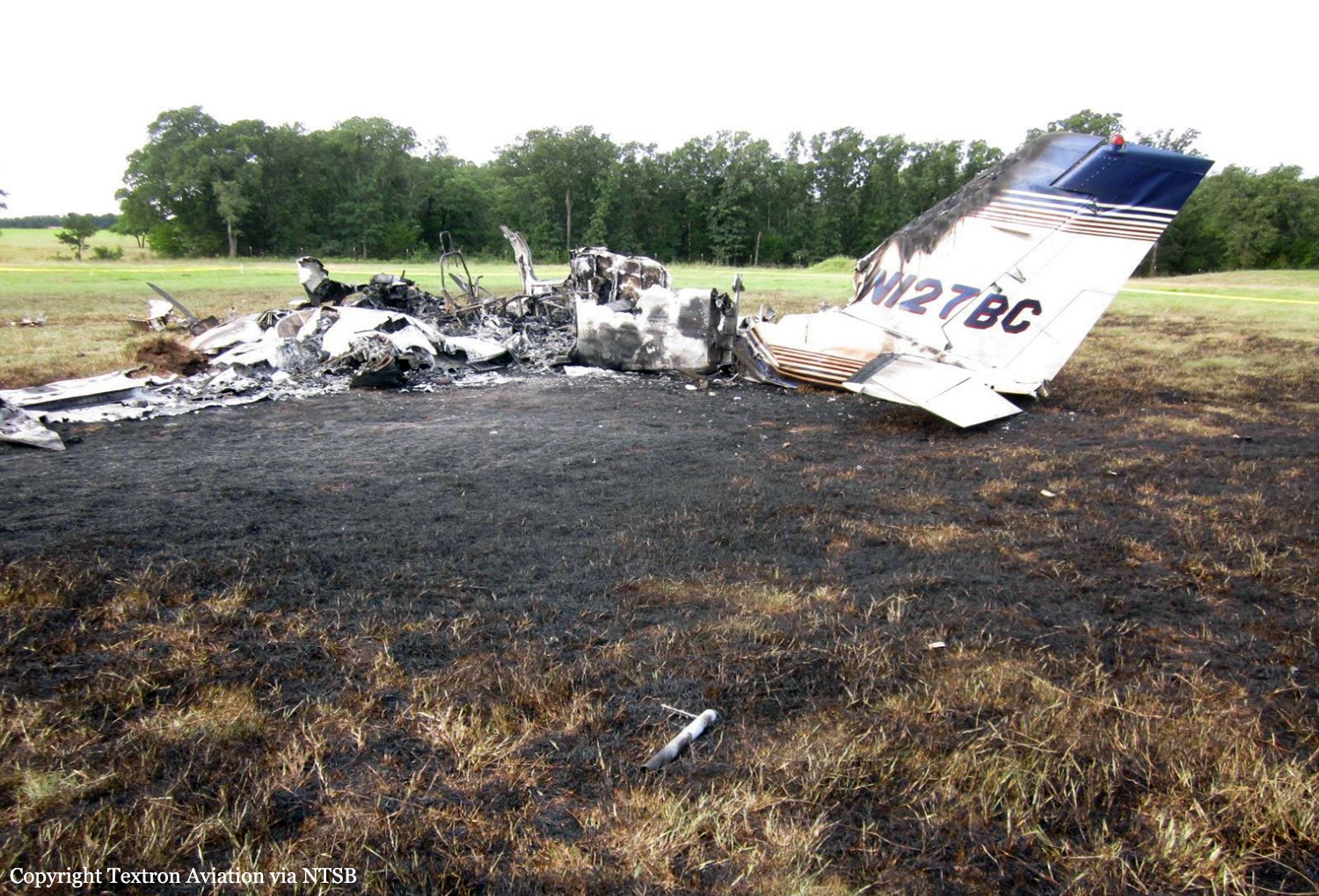
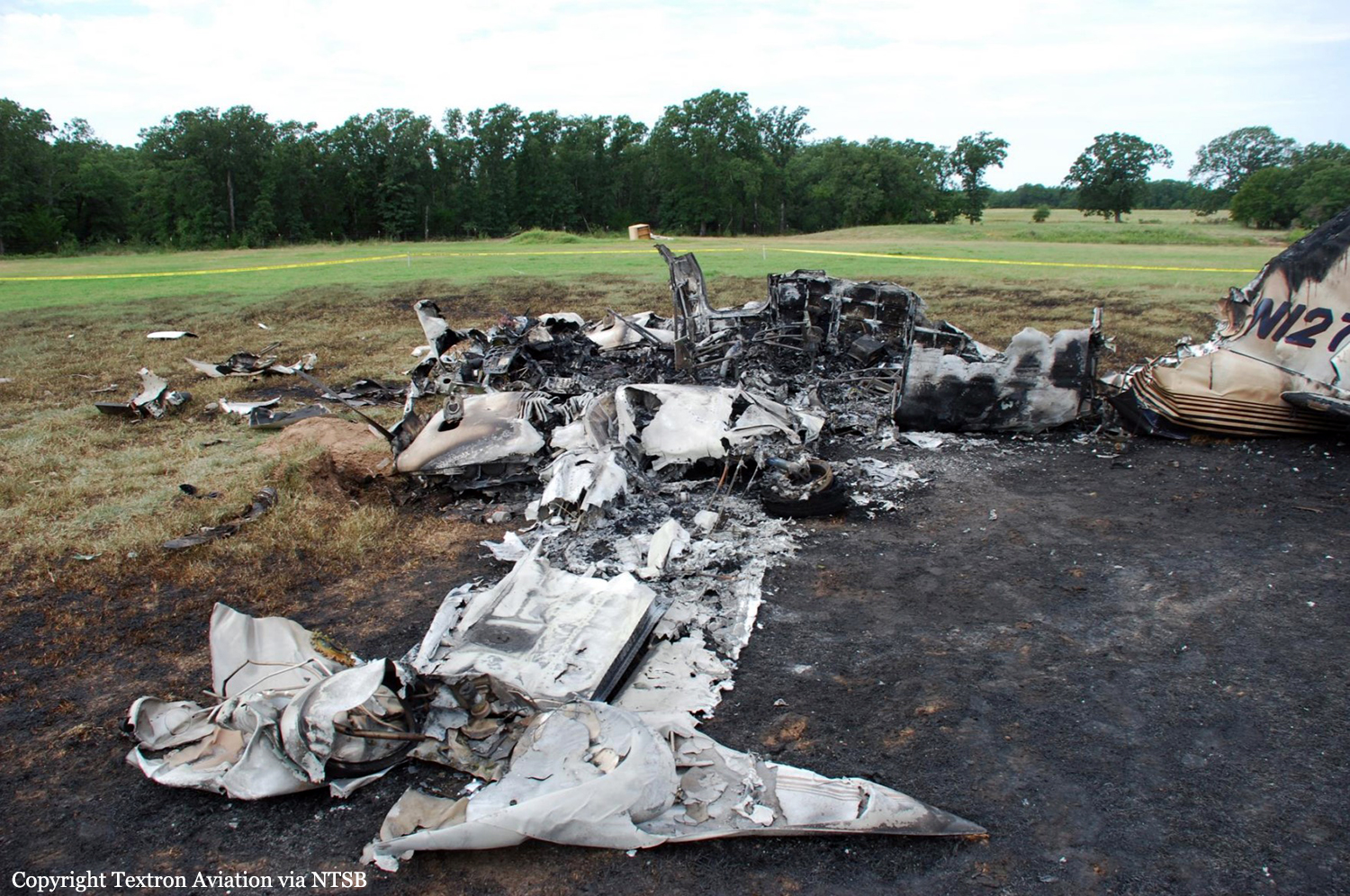
The twin engine aircraft, owned by Lawrence R. Liptack, crashed in flames in an open field located northeast of Bowie, Texas. The pilot and owner, aged 51, was killed with his son aged 10. The multi-engine airplane was about 500 ft above ground level (agl) and on a left base landing approach when a witness saw the airplane suddenly point straight down, begin spinning, and make three complete rotations before impacting terrain in a partially nose-down attitude. The airplane came to rest upright, and was mostly consumed by an immediate post impact fire. A post accident examination of the wreckage revealed no evidence of preimpact mechanical malfunctions or failures that would have precluded normal operation. A pilot operating another pipeline patrol airplane in the vicinity reported frequent severe-to-extreme turbulence about 1,000-2,000 ft above ground level. Data from an on-board GPS unit indicated that, while on the base leg of the airport traffic pattern for landing, the accident airplane's airspeed decayed 10 knots below the manufacturer's recommended approach speed for turbulent conditions. An autopsy performed on the pilot found significant existing atherosclerotic disease (60 to 80 percent) and described evidence of an acute, premortem, nonocclusive thrombosis of the left anterior descending coronary artery. The medical examiner's conclusion stated it "appears the decedent likely suffered an acute cardiac event while piloting his aircraft" and "died primarily due to hypertensive and atherosclerotic cardiovascular disease and that his multiple blunt force injuries likely contributed to his death." It is likely that the pilot was incapacitated due to the acute cardiac event and lost control of the airplane during the approach to land.
Probable cause:
The pilot's incapacitation in flight as the result of a an acute cardiac event, which resulted in a loss of control and collision with terrain.
Final Report:

Crash of a HESA IrAn-140-100 in Tehran: 40 killed

Date & Time: Aug 10, 2014 at 0921 LT
Type of aircraft:
Operator:
Registration:
EP-GPA
Flight Phase:
Survivors:
No
Schedule:
Tehran – Tabas
MSN:
90-05
YOM:
2008
Flight number:
SPN5915
Country:
Region:
Crew on board:
6
Crew fatalities:
Pax on board:
42
Pax fatalities:
Other fatalities:
Total fatalities:
40
Captain / Total flying hours:
9478
Captain / Total hours on type:
2000.00
Copilot / Total flying hours:
572
Copilot / Total hours on type:
400
Aircraft flight hours:
1405
Aircraft flight cycles:
1058
Circumstances:
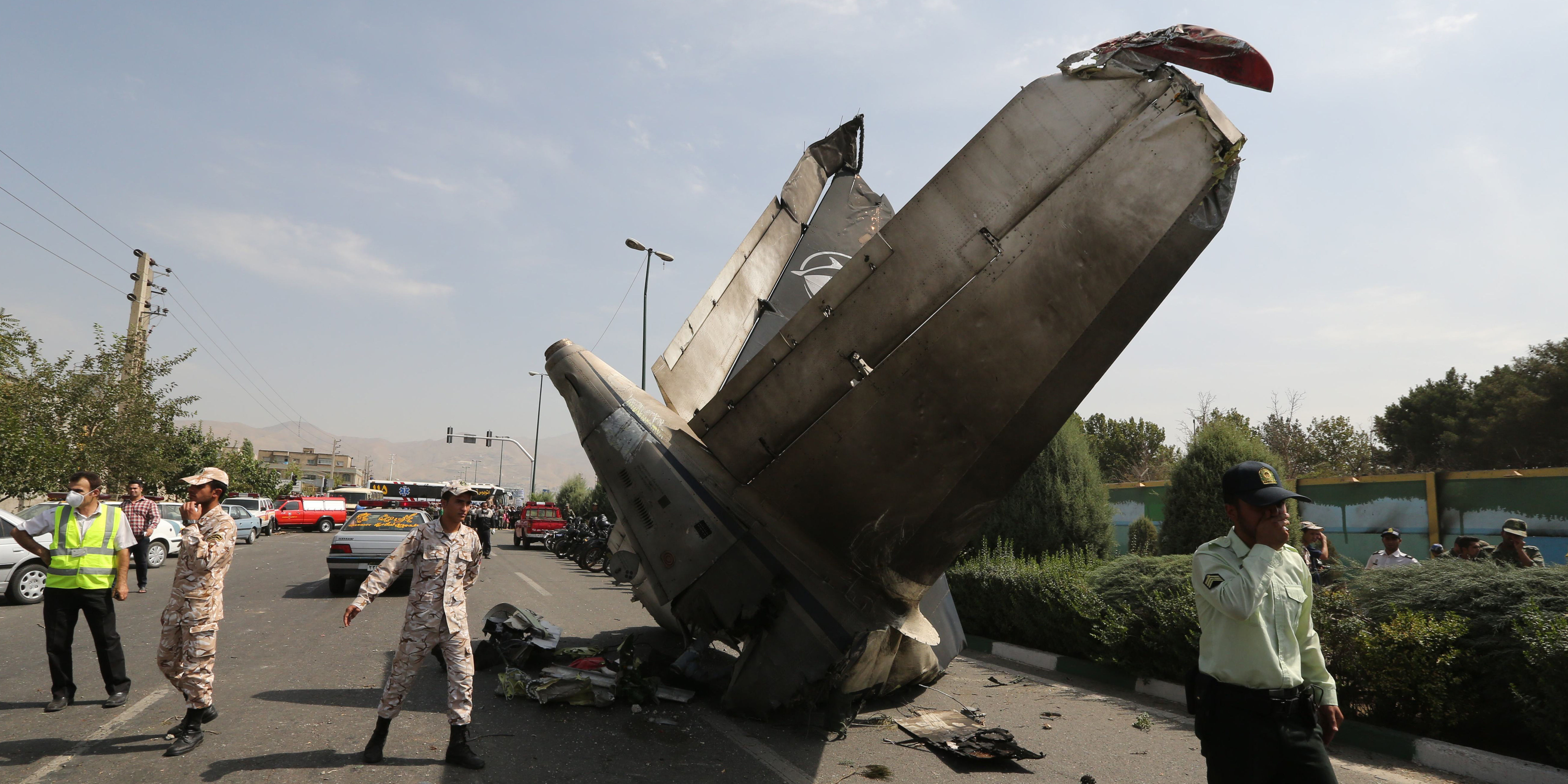
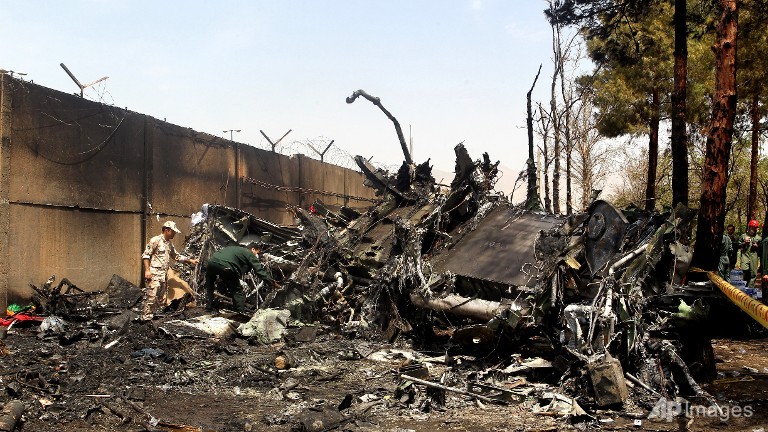
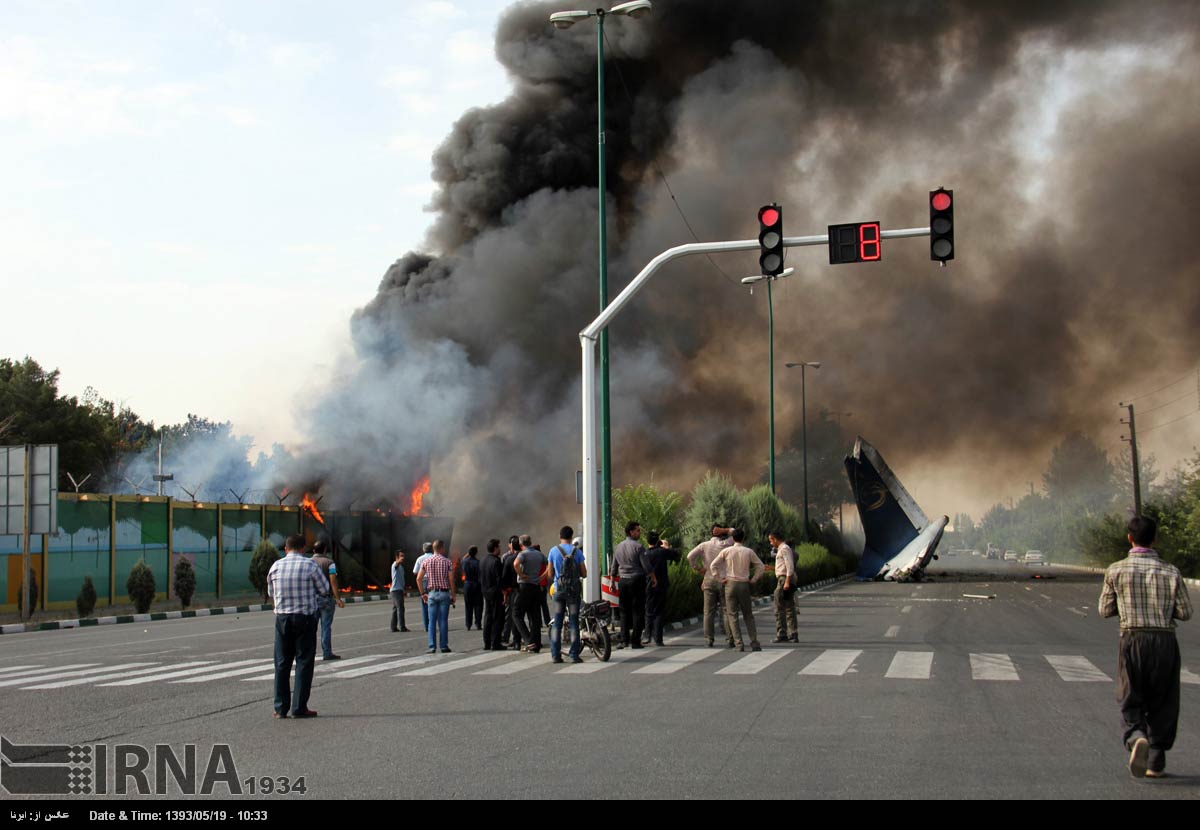
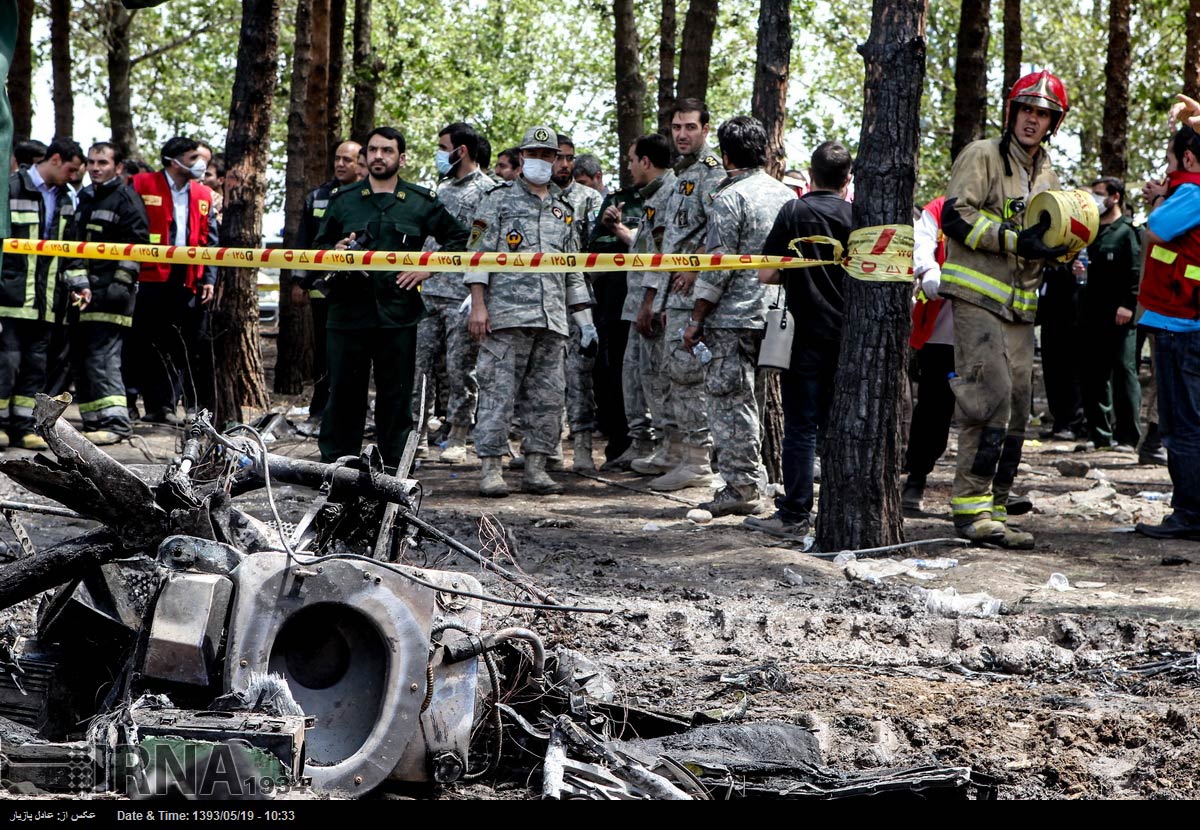
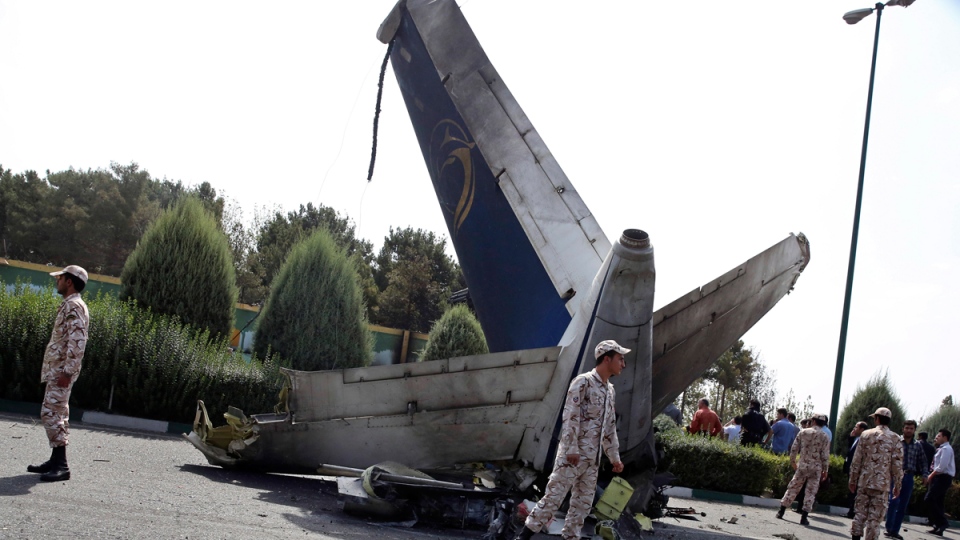
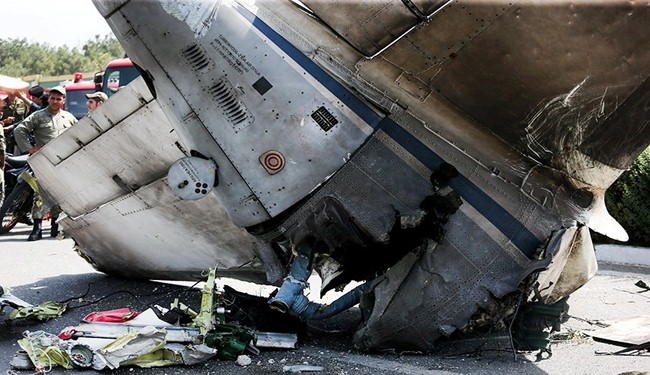
On August 10,2014, at 04:52 UTC daylight time, an AN-140-100 aircraft , Iranian registration EP-GPA ( MSN 90-05), operated by Sepahan Airlines flight # 5915, experienced engine number 2 shutdown just about 2 seconds before lift-off and crashed shortly after take-off nearby Mehrabad International Airport (THR), TEHRAN; IR. Of IRAN; the aircraft was on lift off from runway 29L. The airplane was completely destroyed by impact forces and post-crash fire. Fatality incorporates 34 of the 40 passengers; 4 of the 4 flight attendants, and 2 of the 2 flight crewmembers. The 11 passengers received serious injuries, which finally as a result of that accident there are 40 fatalities and 8 passengers recovered from injury. Sepahan Airline was operating under the provisions of CAO.IRI operational requirement for commercial air transport. Before the accident flight the airplane dispatch from Isfahan and arrived at Tehran about 03:30. The dispatcher and PIC perform the load calculation using the aircraft FM performance charts. Because of load limitation for 15° flap position, load sheet change and re-write with 10° flap position and re-calculated MTOM. The aircraft was enrouted to Airport Tabbas Visual meteorological conditions (VMC) prevailed, and an instrument flight rules (IFR) flight plan was filed. Figure 1 below is a map showing the location of the accident and the aircraft flight path. Figure 2 shows THR runway 29L SID and figure 3 show timeline of event in the flight path. According to overview of flight crew performance, it is indicated that the crewmembers were provided with the flight release paperwork, which included weather information, notices to airmen (NOTAM), and the flight plan.
Probable cause:
The accident investigation team determined that the main cause of this accident was combination of:
1. Electronic engine control (SAY-2000) failure simultaneously with engine No: 2 shutdown, just about 2 seconds before aircraft lift-off.
2. AFM Confusing performance chart resulted the pilots relying on performance calculation that, significantly over-estimate the aircraft MTOM.
Contributing Factors to the accident were:
1. Aircraft flight manual unclear procedure, including the procedure for calculating maximum allowable take-off weight, VR and V2 and ambiguity in the climb segment definition and applications.
2. Crew performance, including:
- PIC rotated the aircraft at the speed of about 219 km/h (whereas 224 km/h is the speed recommended by the AFM table 4.2.3),
- The crew failed to perform the manual propeller feathering procedure for the failed engine,
- The PIC's decision to fly with the aircraft, notwithstanding, had about 190 kgf overweight,
- Aircraft fuel was about 500 kg more than required fuel for the accident flight.
3. The appearance of negative thrust from the unfeathered propeller blades at takeoff were not considered during the aircraft certification tests, as it was considered improbable. However, in
the accident flight the negative thrust did appear and affected the flight performance.
Final Report:
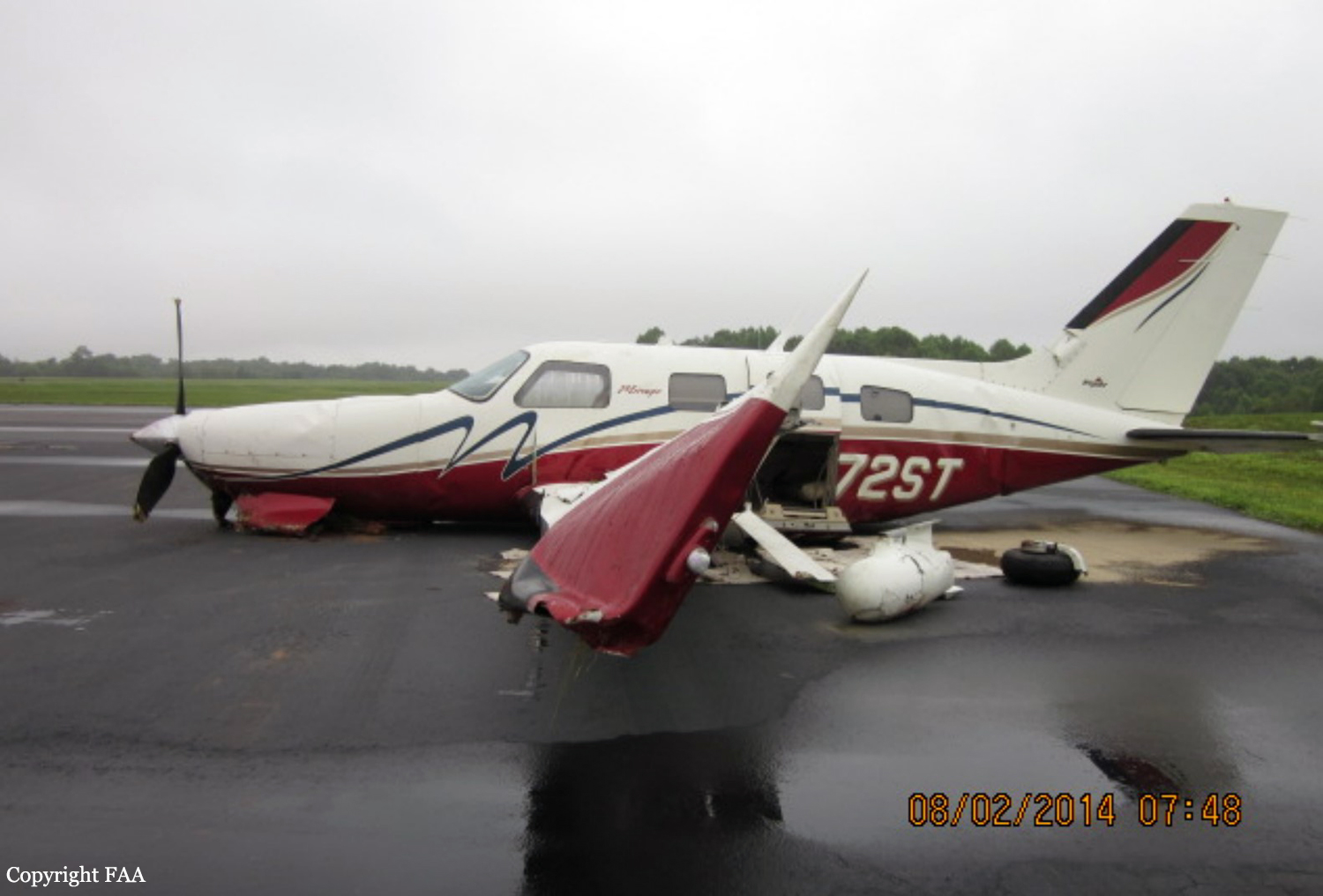
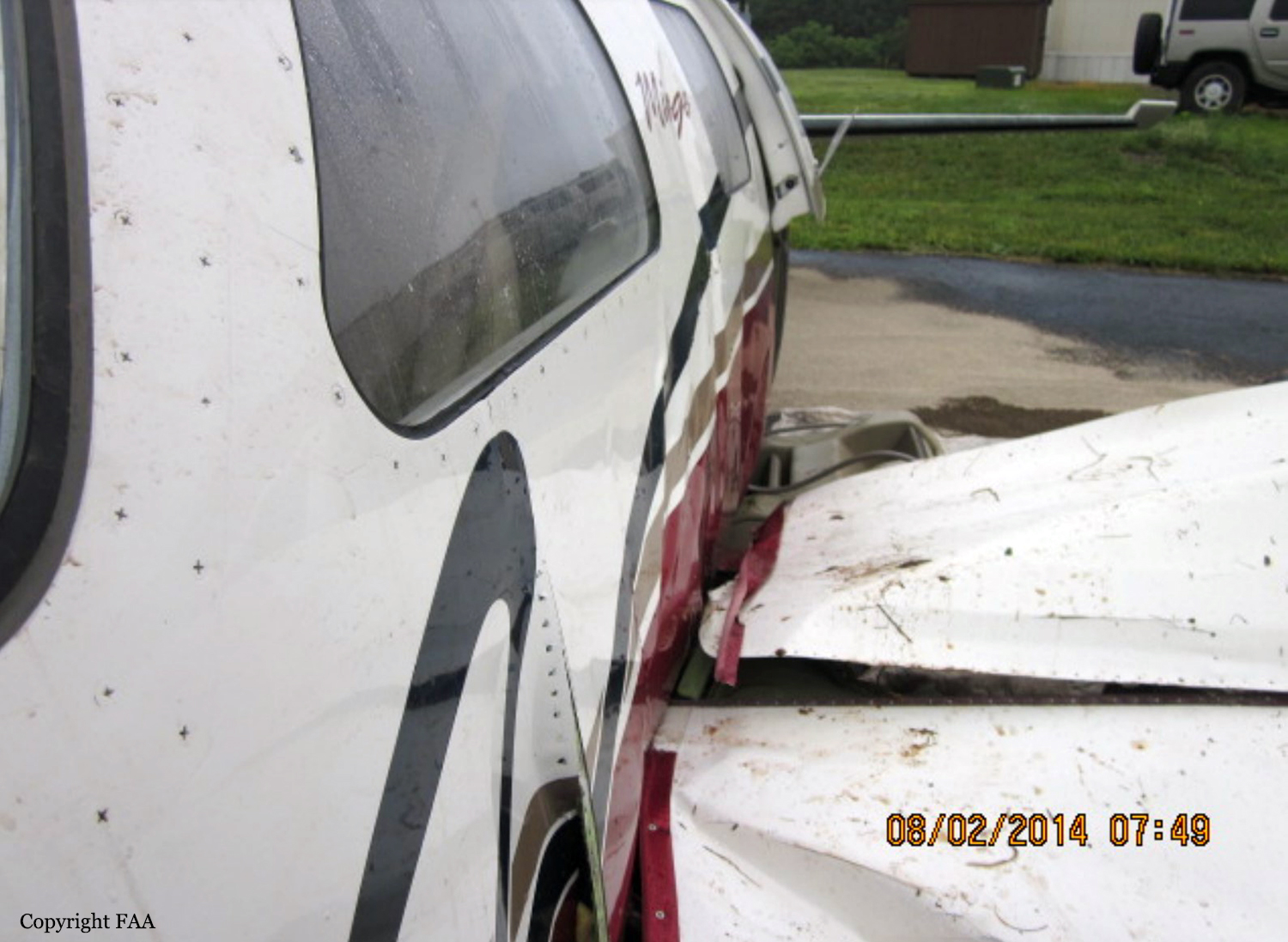
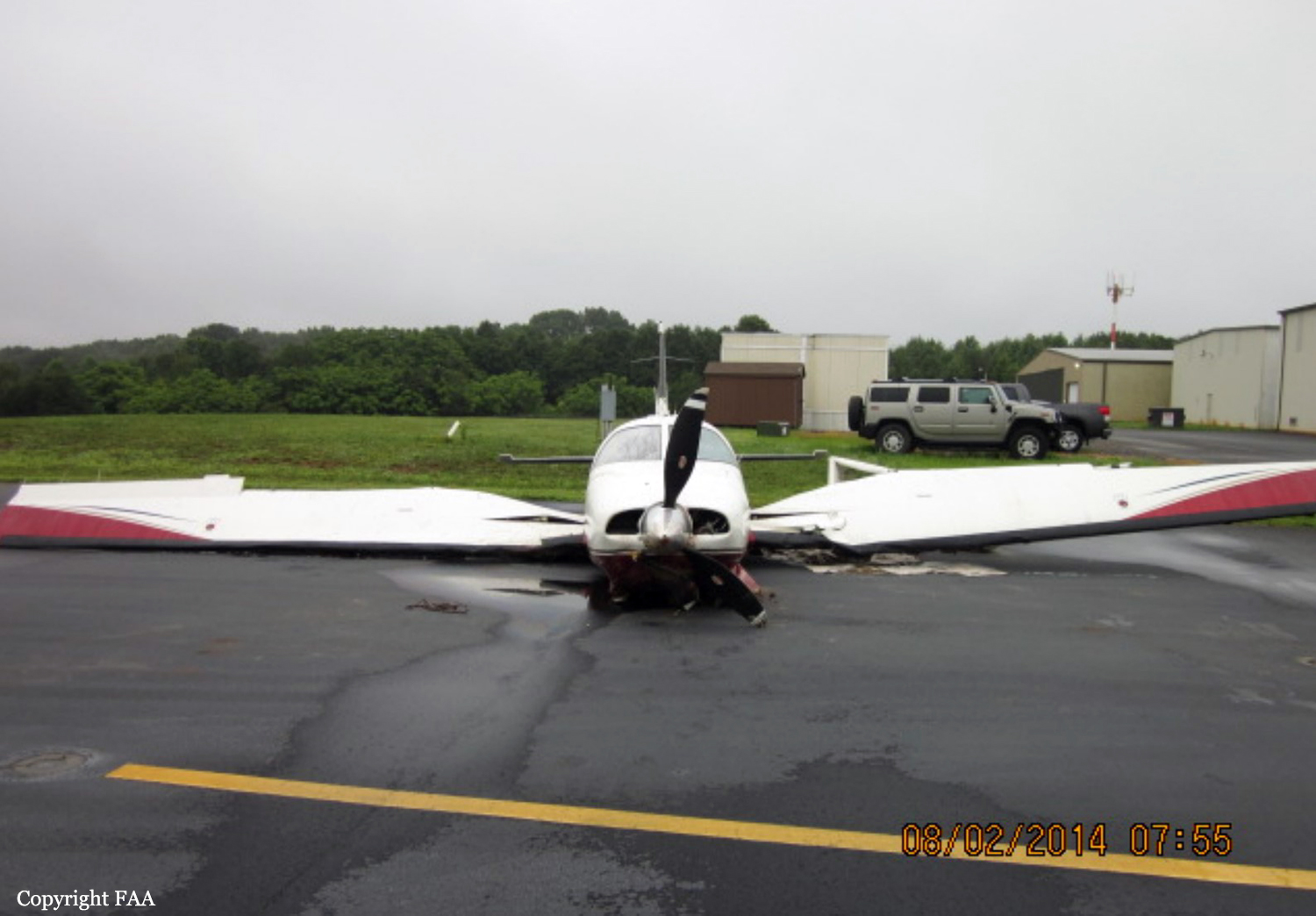
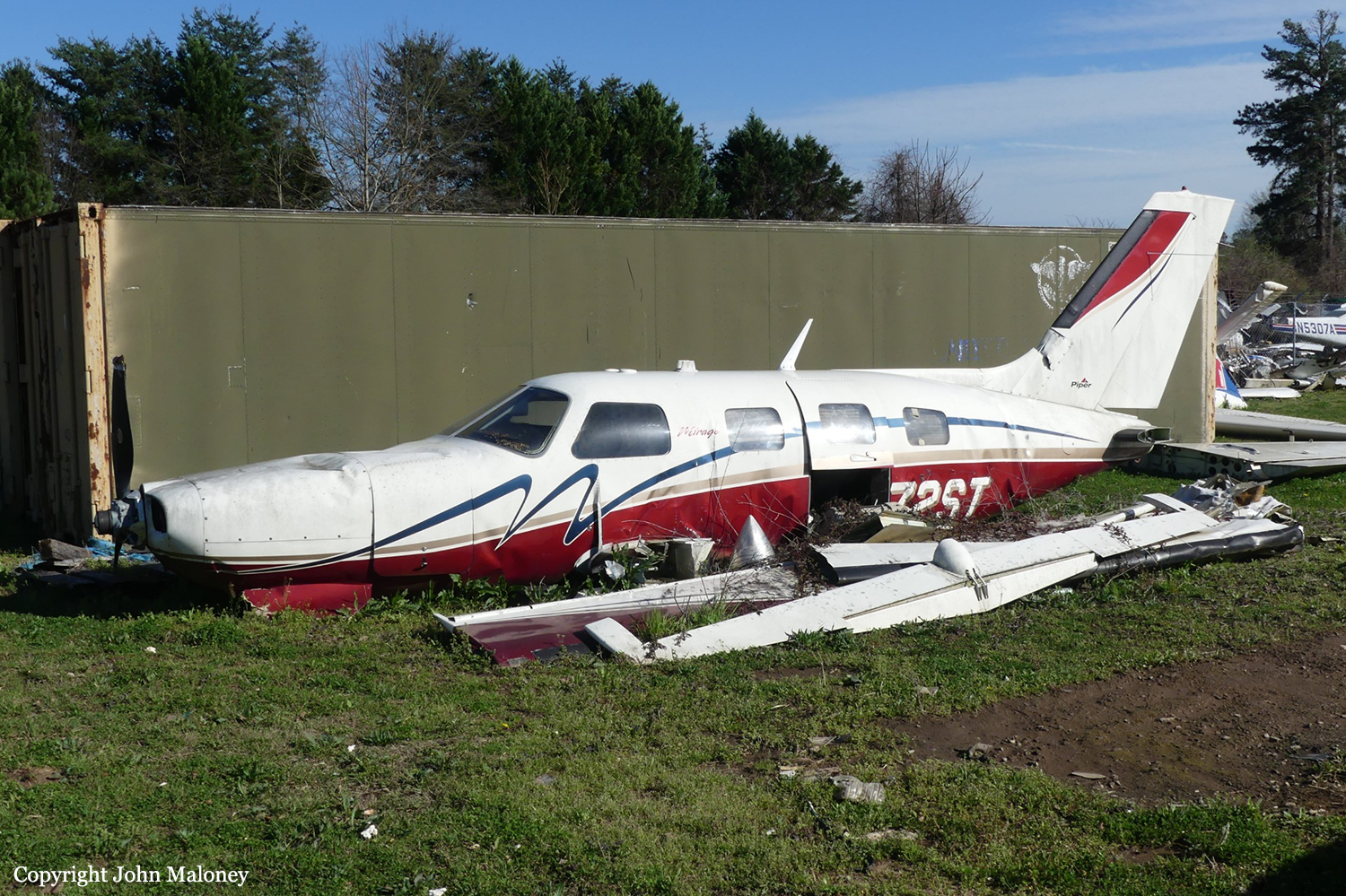
Crash of a Piper PA-46-350P Malibu Mirage in Statesville

Date & Time: Aug 1, 2014 at 2100 LT
Operator:
Registration:
N472ST
Flight Type:
Survivors:
Yes
Schedule:
Manassas – Statesville
MSN:
46-36472
YOM:
2010
Crew on board:
1
Crew fatalities:
Pax on board:
3
Pax fatalities:
Other fatalities:
Total fatalities:
0
Captain / Total flying hours:
2556
Captain / Total hours on type:
1200.00
Aircraft flight hours:
1656
Circumstances:
According to the pilot, she was flying an instrument landing system approach when she noted that the glide slope was out of service. She transitioned to a localizer-only approach and continued. Night, instrument meteorological conditions prevailed with a 400-foot ceiling. She noticed that the airplane was "high and fast" on final approach, so she used speed brakes and flaps to slow the airplane and descend to the minimum descent altitude. As the airplane descended below the ceiling, she observed runway lights and attempted to land on the runway. The airplane landed long, departed the runway at the departure end, and struck an embankment before coming to rest. An inspector from the Federal Aviation Administration examined the airplane and confirmed substantial damage to the fuselage, wings, and empennage. The pilot reported no pre-impact mechanical malfunctions or failures with the airplane that would have precluded normal operation.
Probable cause:
The pilot's failure to maintain a proper glide path and airspeed on final approach, which resulted in a long landing and runway excursion.
Final Report:
Crash of an Embraer EMB-110P1 Bandeirante in Foz do Iguaçu

Date & Time: Jul 28, 2014 at 1500 LT
Operator:
Registration:
PT-TAW
Flight Phase:
Survivors:
Yes
Schedule:
Foz do Iguaçu - Curitiba
MSN:
110-258
YOM:
1980
Country:
Crew on board:
2
Crew fatalities:
Pax on board:
2
Pax fatalities:
Other fatalities:
Total fatalities:
0
Circumstances:
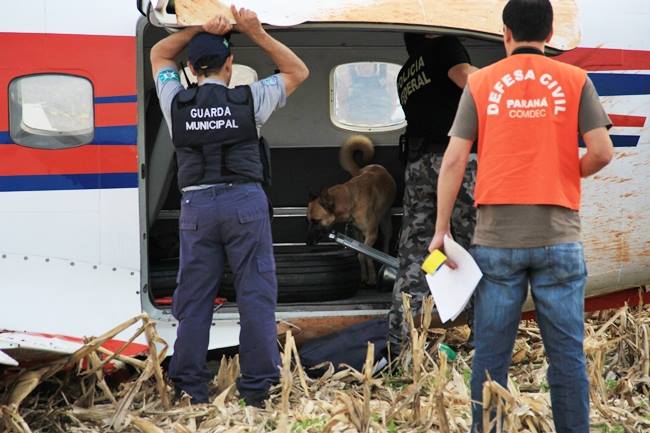
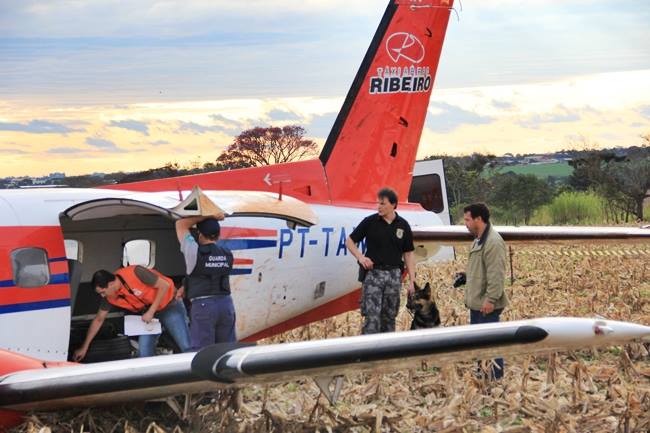
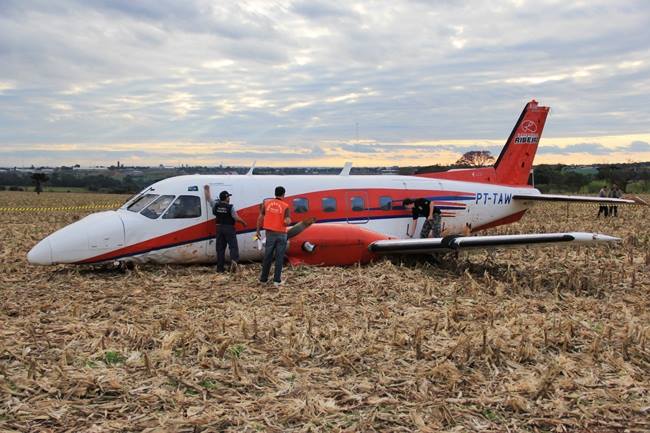
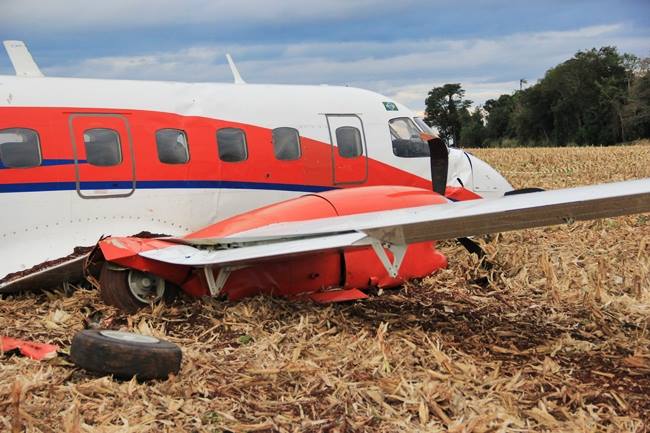
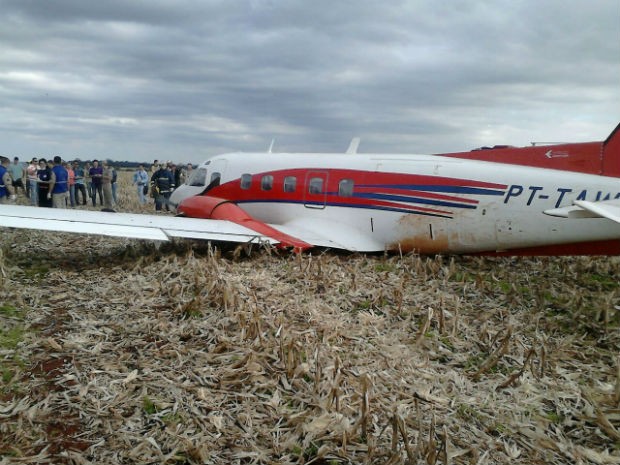
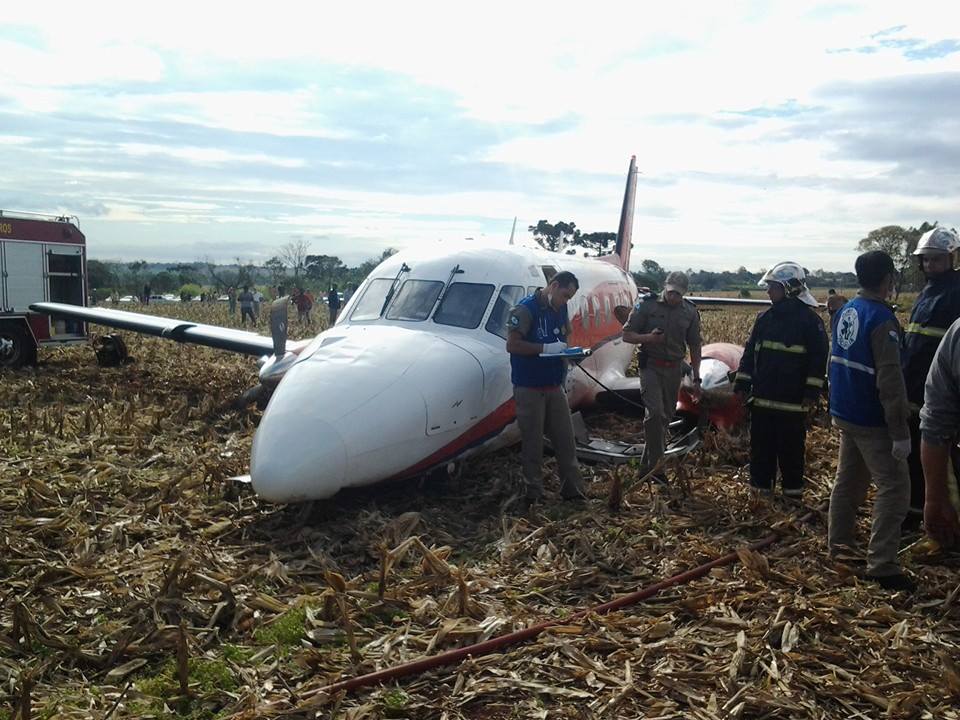
Shortly after takeoff from Foz do Iguaçu-Cataratas Airport, while climbing, the crew reported technical problems and elected to return. The crew realized he could not make it so he attempted an emergency landing in a corn field. Upon landing, the aircraft lost its undercarriage and slid for few dozen metres before coming to rest. Among the four occupants, one passenger was slightly injured and the aircraft was damaged beyond repair.

Crash of a Piper PA-46-310P Malibu in Clayton: 1 killed

Date & Time: Jul 26, 2014 at 0850 LT
Operator:
Registration:
N248SP
Flight Phase:
Flight Type:
Survivors:
No
Schedule:
Clayton - Aurora
MSN:
46-8608024
YOM:
1986
Location:
Crew on board:
1
Crew fatalities:
Pax on board:
0
Pax fatalities:
Other fatalities:
Total fatalities:
1
Captain / Total flying hours:
4200
Aircraft flight hours:
3593
Circumstances:
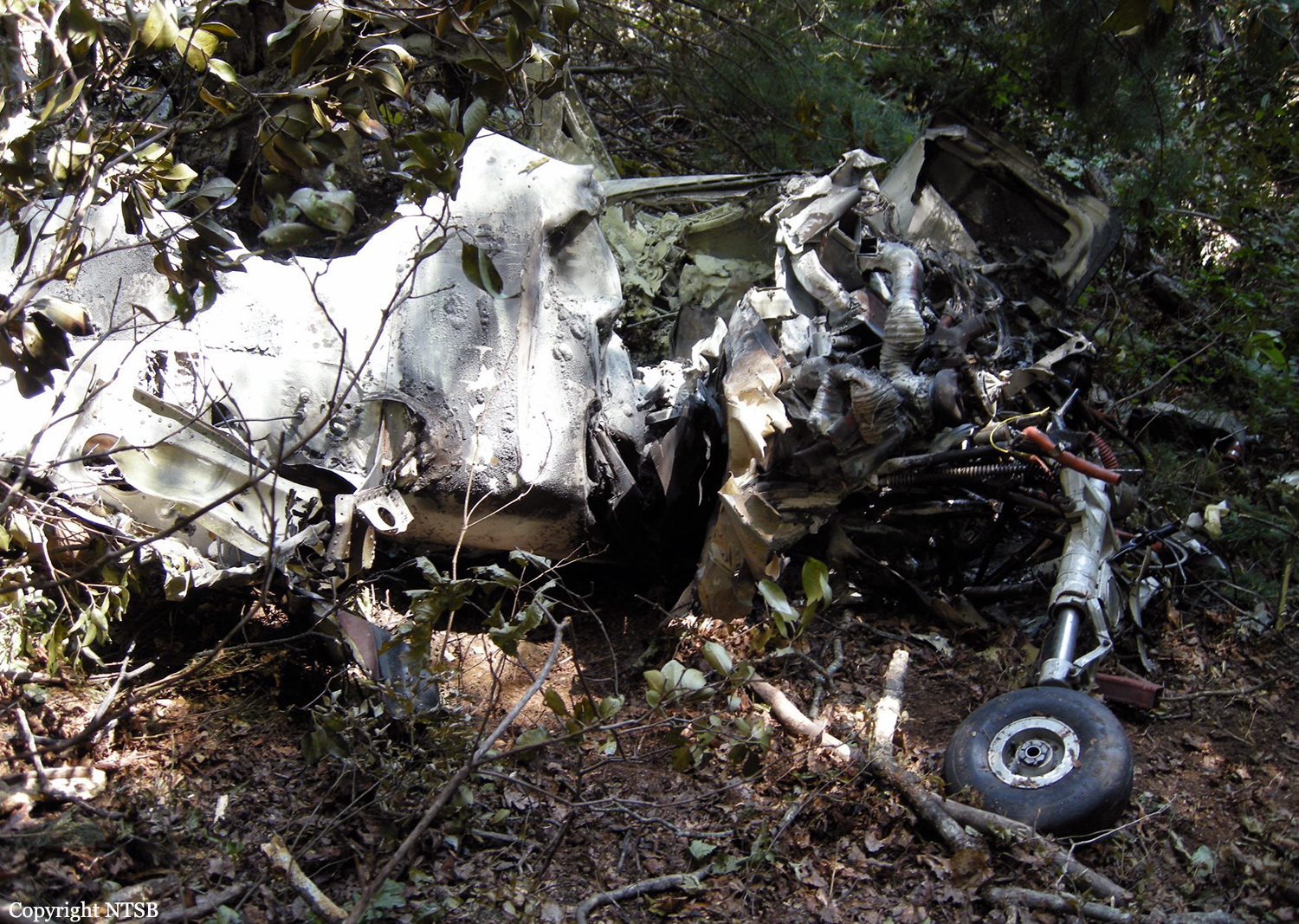
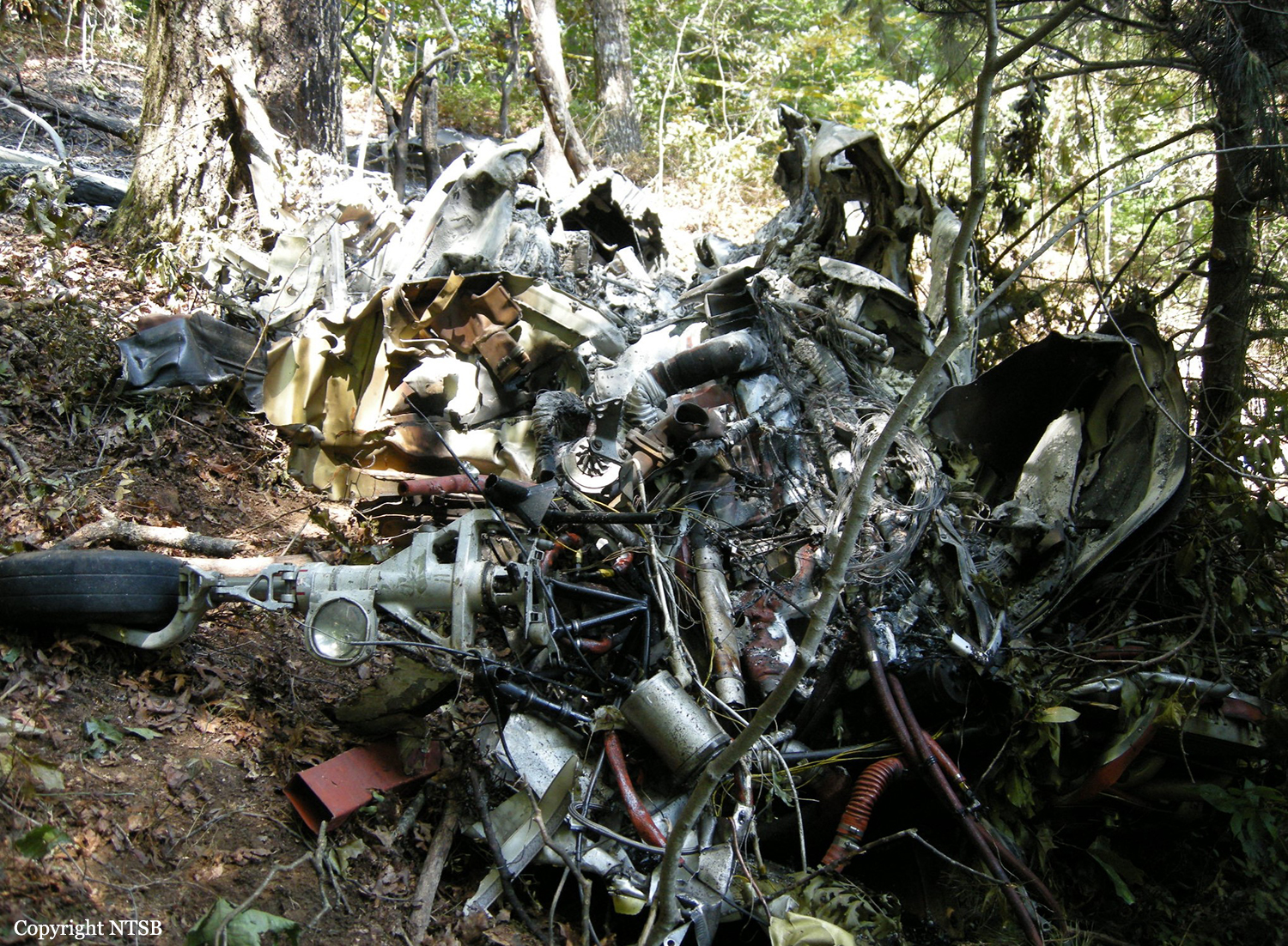
The pilot was departing the private, fly-in community airport on a personal flight. He was familiar with the airport/fly-in community and was instrumental in its development. Fog was present at the time, and, according to witnesses, it was "rolling up the valley," which was a frequent event at the airport. The witnesses observed the airplane lift off the runway, drift to the left, and disappear into the fog with the landing gear extended. They heard the engine running normally, with no change in sound, until the crash. They heard two distinct "booms" about 4 to 6 seconds apart. They ran down to the departure end of the runway to look for a crash site and could not see the wreckage or any smoke or fire due to the fog. The wreckage was located on elevated terrain in a heavily wooded area, about 1,500 feet north of the departure end of the runway. The elevation at the crash site was about 250 feet higher than the elevation at the departure end of runway. A swath through the treetops leading to the main wreckage was indicative of a near-level flight path at impact. An examination of the airframe and engine did not reveal any evidence of a preexisting mechanical malfunction or failure. A review of the weather by a NTSB meteorologist revealed that the departure airport was at the edge of an area of low-topped clouds. Airport remarks included "Mountainous terrain all quadrants."
Probable cause:
The pilot's decision to begin a flight with fog and low clouds present at the airport, which resulted in an encounter with instrument meteorological conditions immediately after takeoff and a controlled flight into terrain.
Final Report:
Crash of a Lockheed C-130J Hercules in Herat

Date & Time: Jul 22, 2014
Type of aircraft:
Operator:
Registration:
MM62190
Flight Type:
Survivors:
Yes
Schedule:
Abu Dhabi - Herat
MSN:
5530
YOM:
2003
Location:
Country:
Region:
Crew on board:
4
Crew fatalities:
Pax on board:
0
Pax fatalities:
Other fatalities:
Total fatalities:
0
Circumstances:
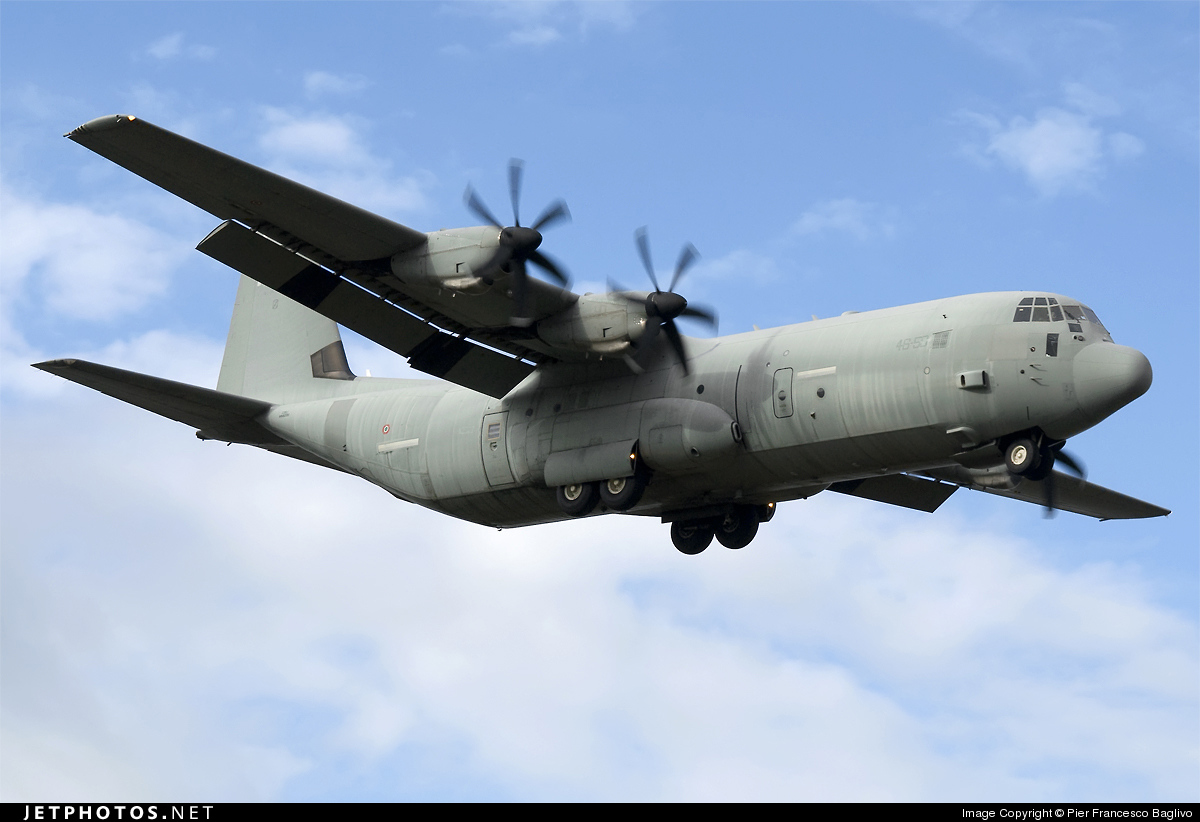
The crew was conducting a daily supply mission to Herat for the troops stationed in the area. For undetermined reason, the four engine aircraft landed hard and the right main gear sank on touchdown and went through the wheels bay. The airplane went out of control and veered off runway to the right before coming to rest. All four occupants were uninjured while the aircraft was damaged beyond repair. The exact cause of the heavy landing remains unknown.

Crash of an ATR72-212 in Cox's Bazar

Date & Time: Jul 20, 2014 at 1745 LT
Type of aircraft:
Operator:
Registration:
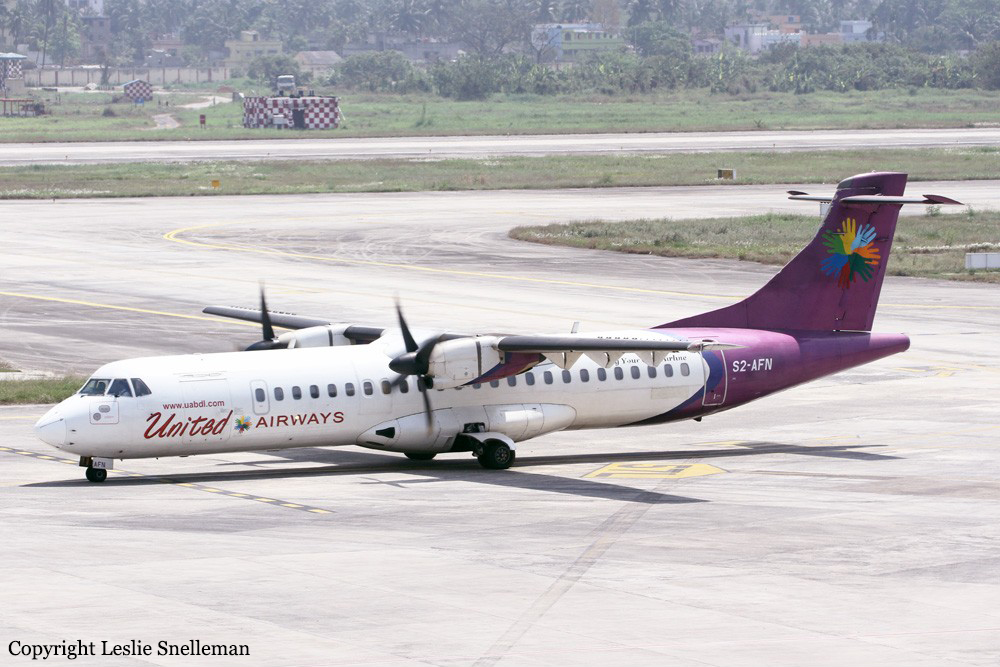
S2-AFN
Survivors:
Yes
Schedule:
Dhaka - Cox's Bazar
MSN:
379
YOM:
1993
Flight number:
4H501
Country:
Region:
Crew on board:
5
Crew fatalities:
Pax on board:
43
Pax fatalities:
Other fatalities:
Total fatalities:
0
Circumstances:
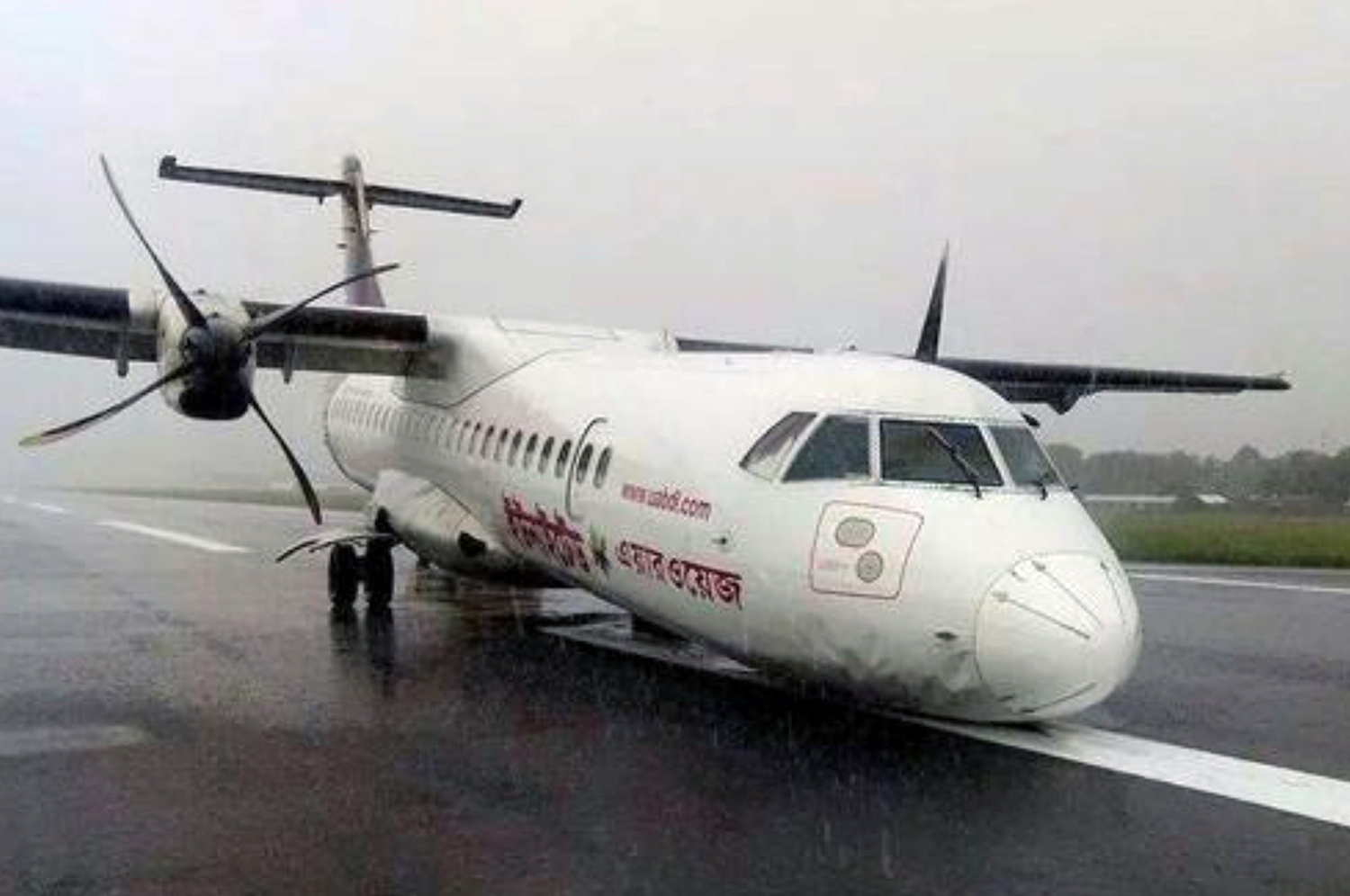
Following an uneventful flight from Dhaka, the crew initiated the approach to Cox's Bazar in poor weather conditions due to heavy rain falls. After touchdown, the nose gear collapsed. The airplane slid on its nose for few dozen metres before coming to rest in the middle of the runway that was blocked for almost 22 hours. All 48 occupants evacuated safely while the aircraft was damaged beyond repair.

Crash of a PAC-750XTOL in Golgubip

Date & Time: Jul 19, 2014 at 1143 LT
Operator:
Registration:
P2-RNB
Survivors:
Yes
Schedule:
Kiunga – Golgubip
MSN:
190
YOM:
2013
Region:
Crew on board:
1
Crew fatalities:
Pax on board:
6
Pax fatalities:
Other fatalities:
Total fatalities:
0
Captain / Total flying hours:
2930
Captain / Total hours on type:
1900.00
Aircraft flight hours:
143
Circumstances:
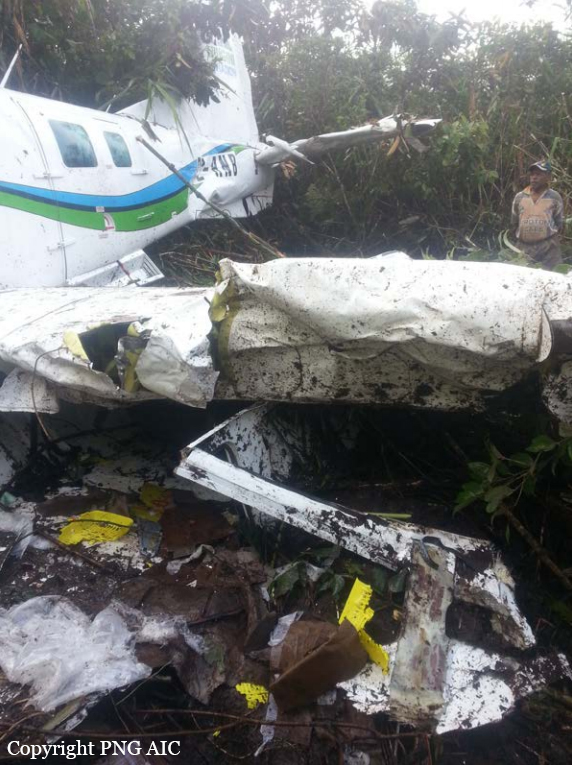
A Pacific Aerospace PAC P-750 XTOL single engine aircraft was chartered to transport store goods and six passengers from Kiunga to Golgubip. Although Golgubip is in mountainous terrain and the weather in the area is often poor, the pilot was tasked to fly there without ever having been to Golgubip before. The terrain to the north north east of Golgubip rises gradually behind the airstrip. Visual illusions which may affect the pilot’s perception of height and distance can be associated with airstrips situated in terrain of this kind. On arrival at Golgubip, the pilot orbited and positioned the aircraft for landing. During the final approach he decided to discontinue the approach and to initiate a go-around procedure. The aircraft impacted terrain approximately 500 metres northwest of the airstrip and was substantially damaged. The six passengers were unhurt while the pilot sustained serious injuries. The pilot was treated in Golgubip following the accident, and was airlifted the next day to Tabubil, where he was admitted to hospital. It was later reported that the GPWS alarm sounded on approach until the final impact.
Probable cause:
Loss of control on final approach, maybe following visual illusions.
Final Report:
Crash of a BAe 125-800B in Moscow

Date & Time: Jul 7, 2014
Type of aircraft:
Operator:
Registration:
RA-02806
Flight Type:
Survivors:
Yes
Schedule:
Moscow – Makhatchkala
MSN:
258106
YOM:
1987
Flight number:
CIG9661
Country:
Region:
Crew on board:
3
Crew fatalities:
Pax on board:
0
Pax fatalities:
Other fatalities:
Total fatalities:
0
Circumstances:
The twin engine aircraft departed Moscow-Vnukovo Airport on a positioning flight to Makhatchkala, carrying a crew of three. On approach to Makhatchkala Airport, the crew was unable to lower the gear that remained stuck in their wheel well. Despite several attempts, the crew was unable to lower the gear manually and eventually decided to return to Moscow-Vnukovo for an emergency landing. The aircraft belly landed on a foam covered runway and slid for few dozen metres before coming to rest. All three crew members escaped uninjured and the aircraft was damaged beyond repair.