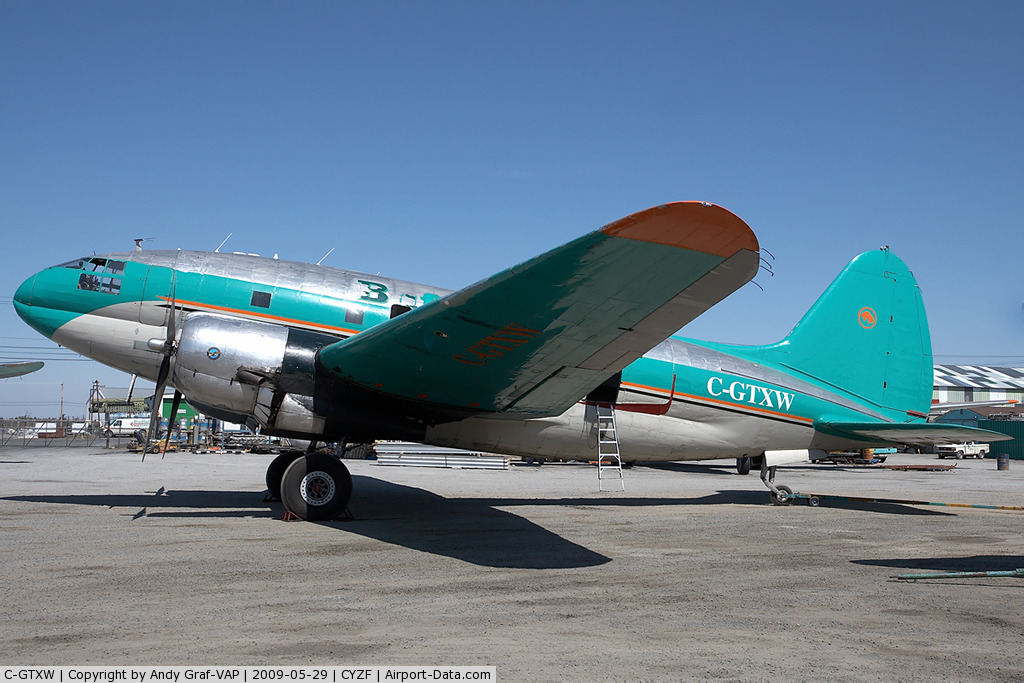
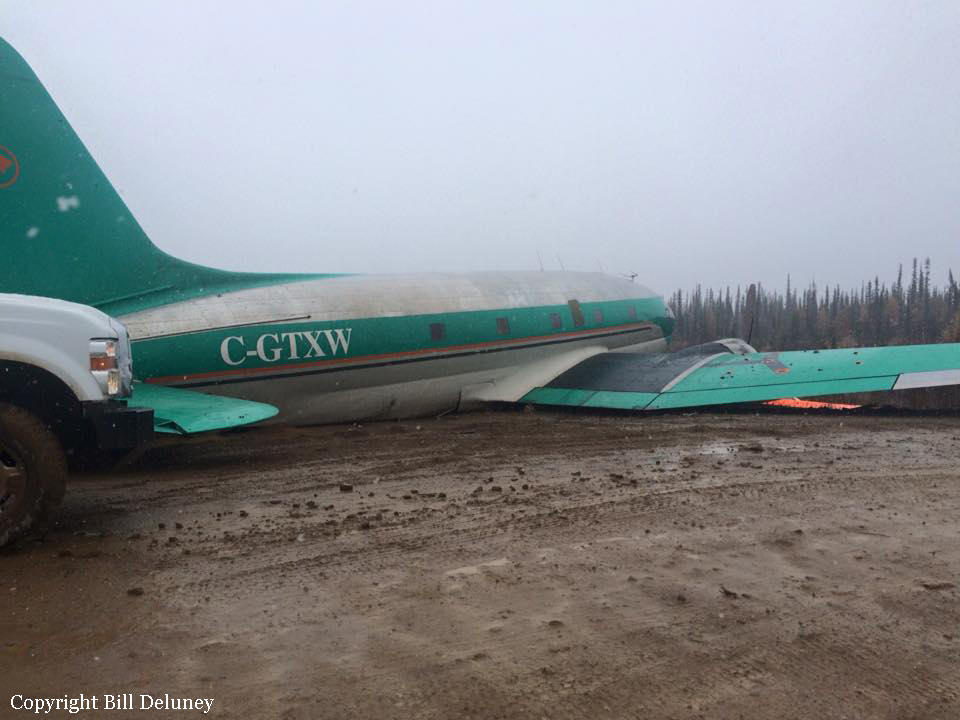
Crash of a Curtiss C-46A-45-CU Commando in Déline

Date & Time: Sep 25, 2015 at 1203 LT
Type of aircraft:
Operator:
Registration:
C-GTXW
Flight Type:
Survivors:
Yes
Schedule:
Yellowknife – Norman Wells
MSN:
30386
YOM:
1944
Flight number:
BFL525
Country:
Crew on board:
4
Crew fatalities:
Pax on board:
0
Pax fatalities:
Other fatalities:
Total fatalities:
0
Circumstances:
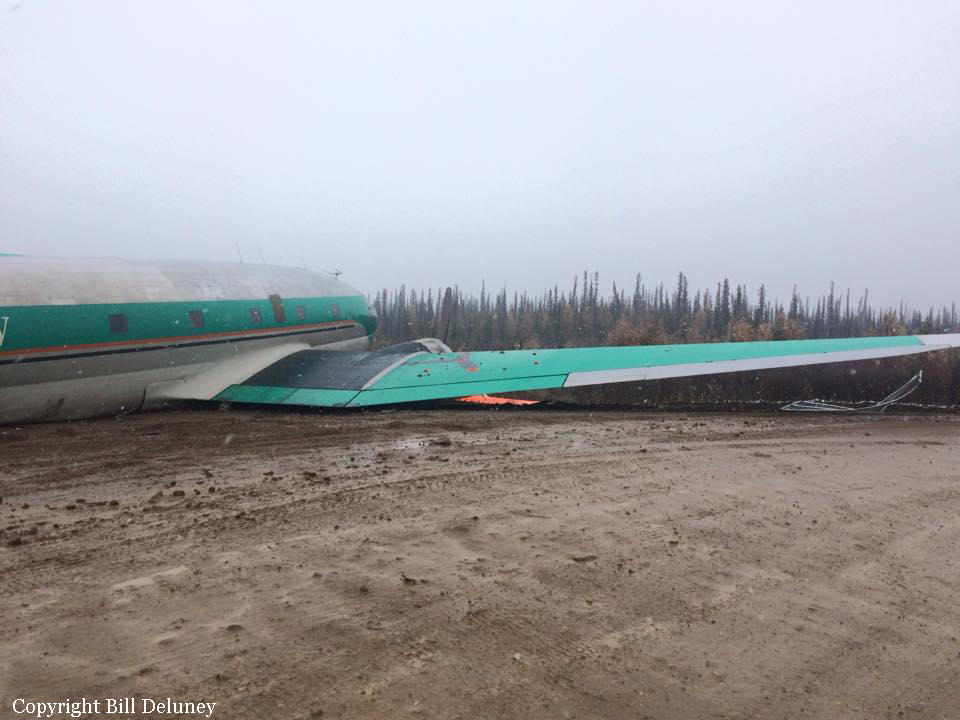
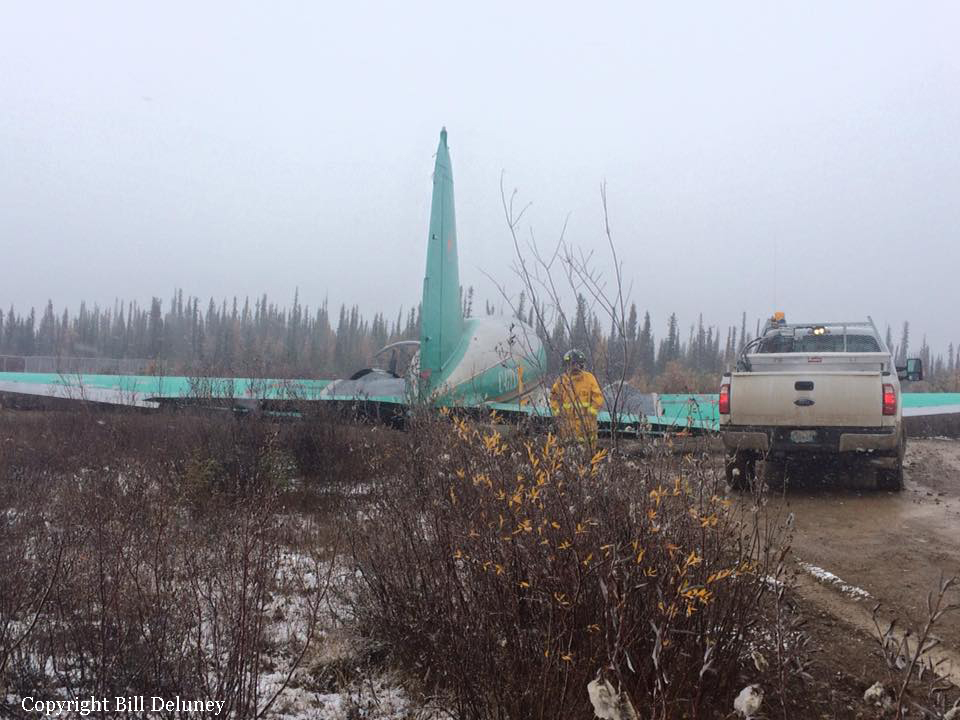
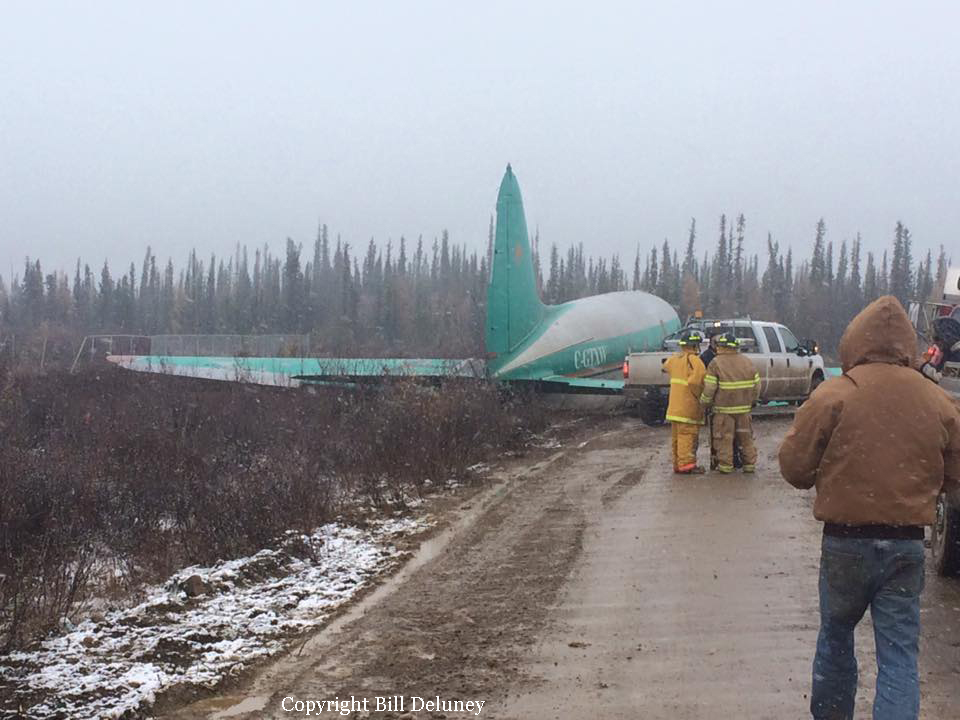
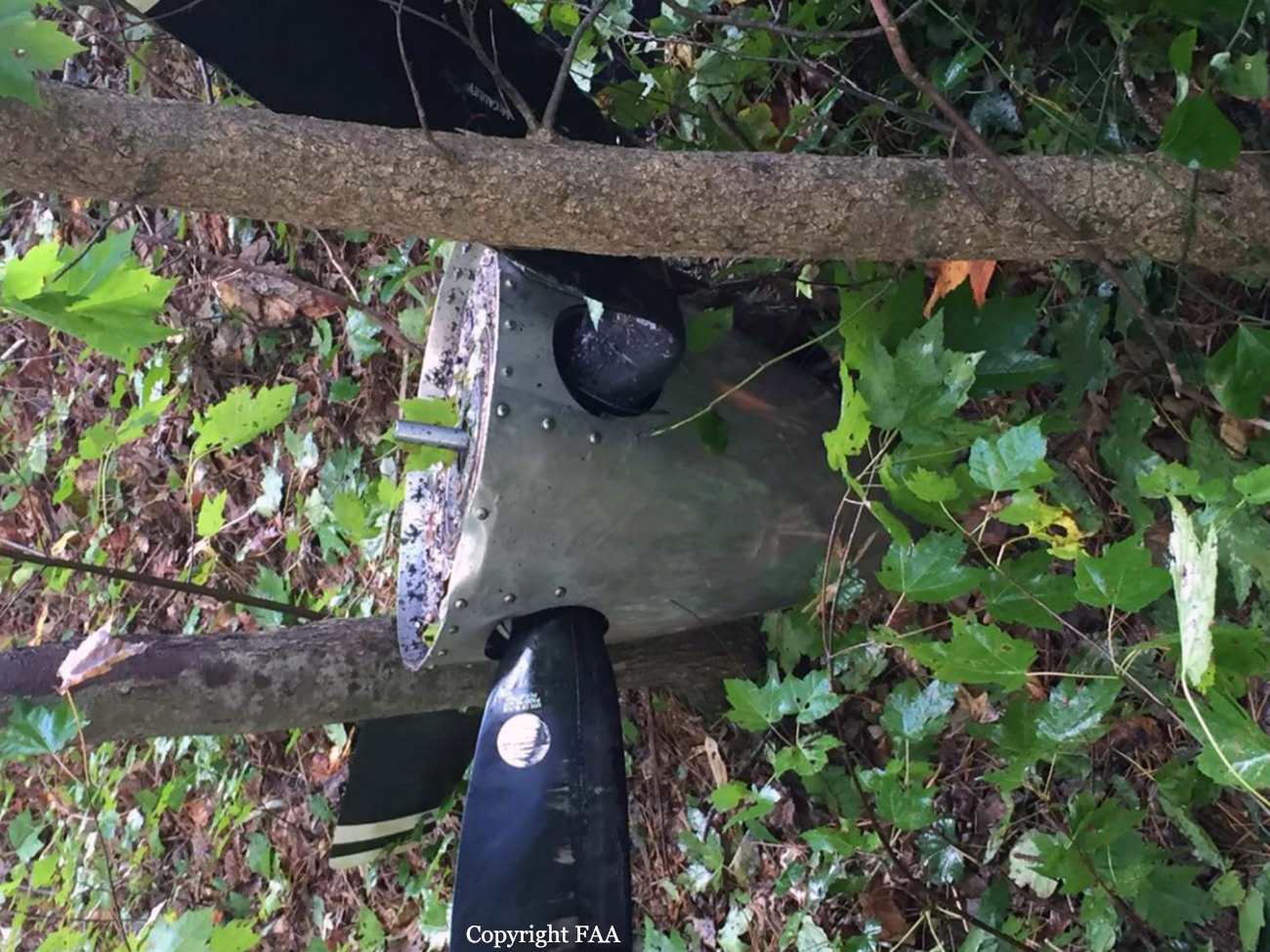
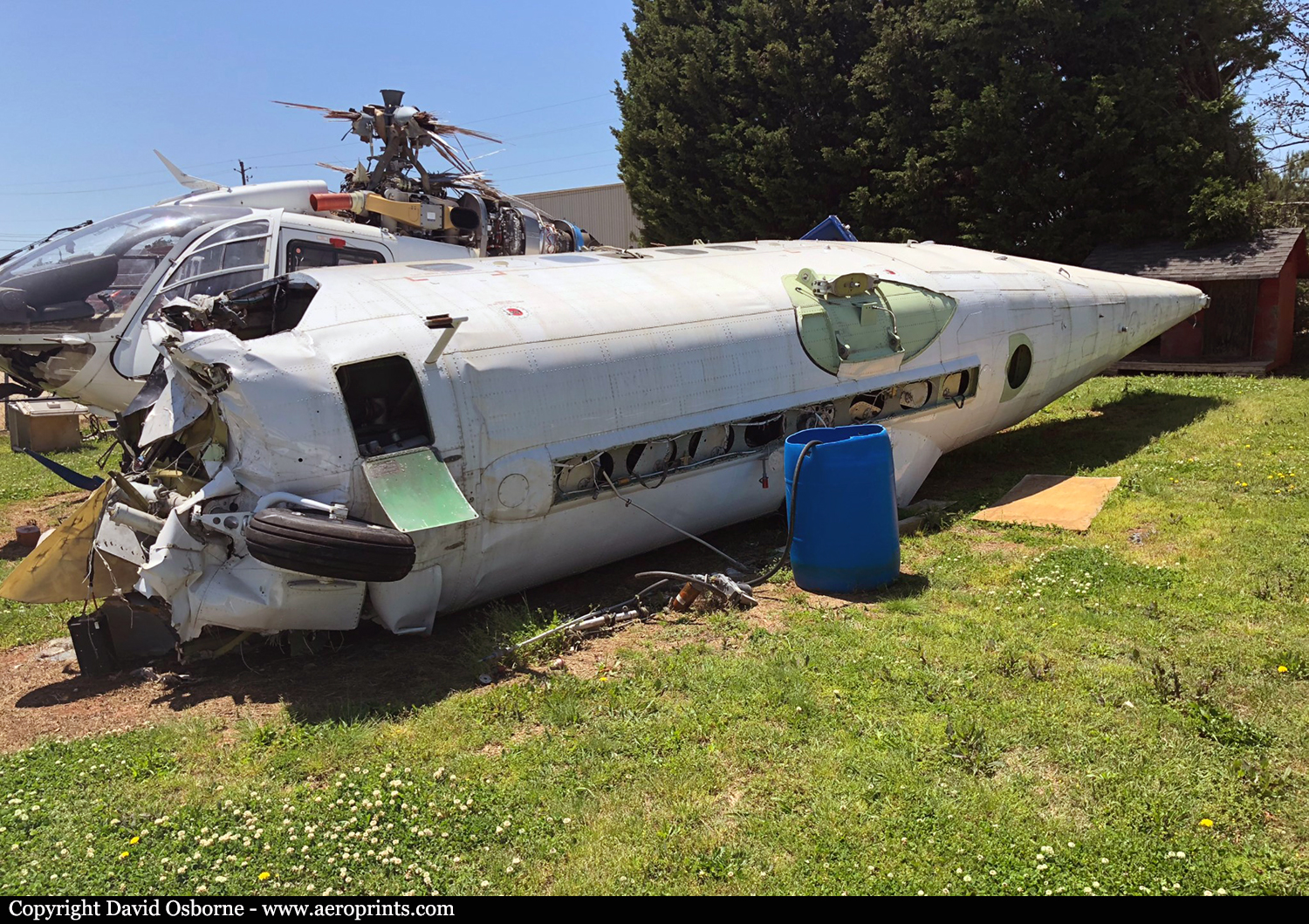
The Buffalo Airways Curtiss C-46A (C-GTXW) was operating as flight 525 from Yellowknife, NT (YZF) to Norman Wells, NT (YVQ). While en route, approximately 140 nautical miles southeast of Norman Wells at 6500 feet above sea level, the crew noticed a drop in the right engine oil quantity indicator in conjunction with a propeller overspeed. The propeller pitch was adjusted to control the overspeed however, oil quantity indication continued to drop rapidly. A visual confirmation of the right engine nacelle confirmed that oil was escaping via the engine breather vent at an abnormally high rate. The right propeller speed became uncontrollable and the crew completed the "Prop overspeed drill". However, the propeller did not feather as selected. Several additional attempts were made to feather the propeller before it eventually feathered. The engine was secured and the shutdown checklist completed. The crew elected to divert to Tulita, NT (ZFN), but quickly determined that the descent rate would not permit that as an option. The only other option for diversion was Déline, NT (YWJ) where weather was reported at half a mile visibility and 300 feet ceiling. An emergency was declared with Déline radio. BFL525 was able to land at Déline however, the landing gear was not selected down to prevent further loss of airspeed resulting in a belly landing approximately midpoint of runway 08. The aircraft continued off the end of the runway coming to a stop approximately 700 feet beyond the threshold. The crew evacuated the aircraft sustaining no injuries however, the aircraft was destroyed.
Probable cause:
Buffalo Airways’ initial investigation revealed the engine oil scavenge pump had failed. No TSB-BST investigation was conducted on the event.
Crash of a Rockwell Grand Commander 680E in Boise

Date & Time: Sep 21, 2015 at 1620 LT
Registration:
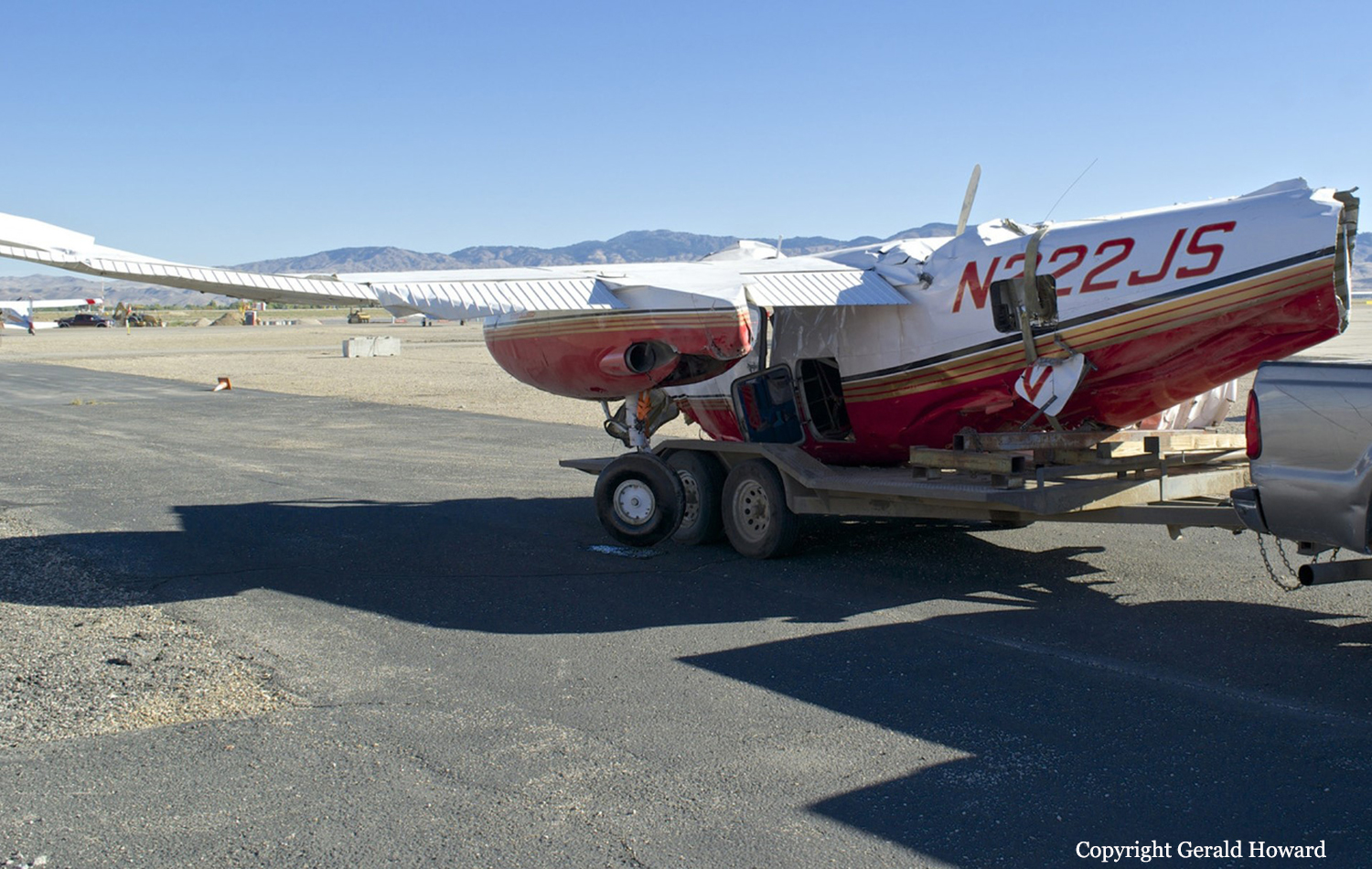
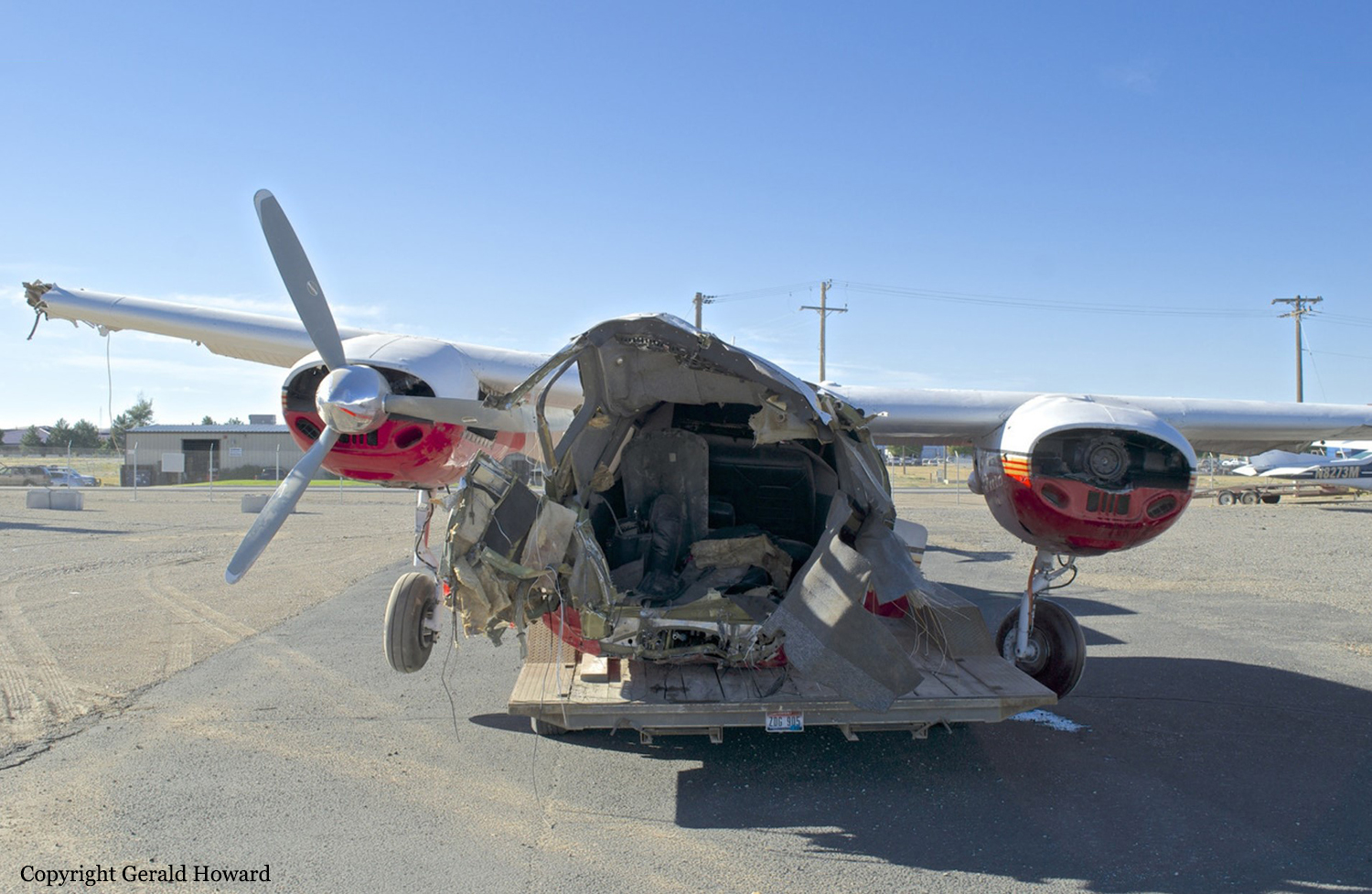
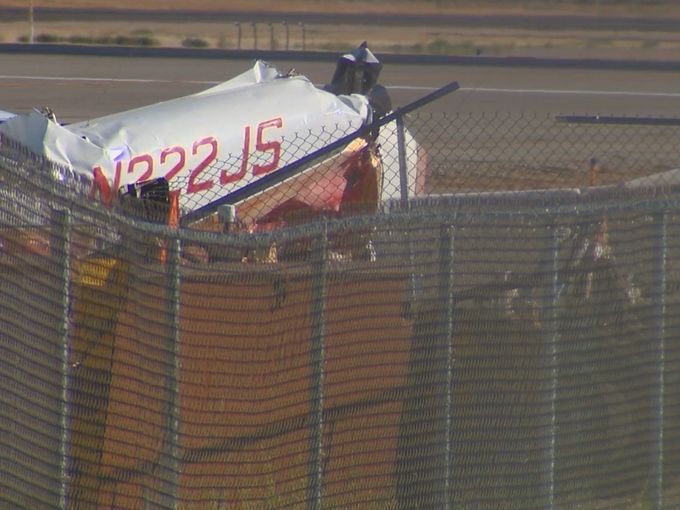
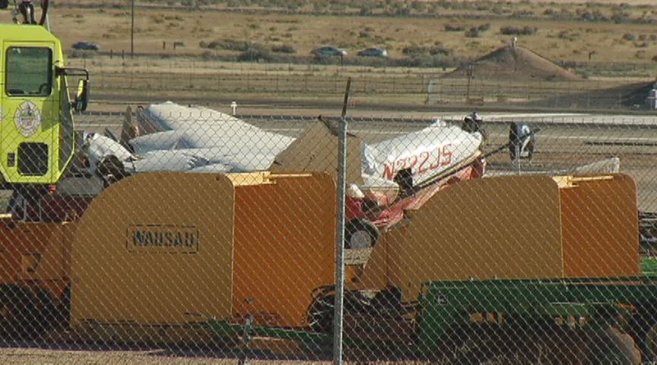
N222JS
Flight Type:
Survivors:
Yes
Schedule:
Weiser - Boise
MSN:
680E-721-28
YOM:
1959
Location:
Crew on board:
1
Crew fatalities:
Pax on board:
0
Pax fatalities:
Other fatalities:
Total fatalities:
0
Captain / Total flying hours:
18000
Captain / Total hours on type:
2500.00
Aircraft flight hours:
7500
Circumstances:
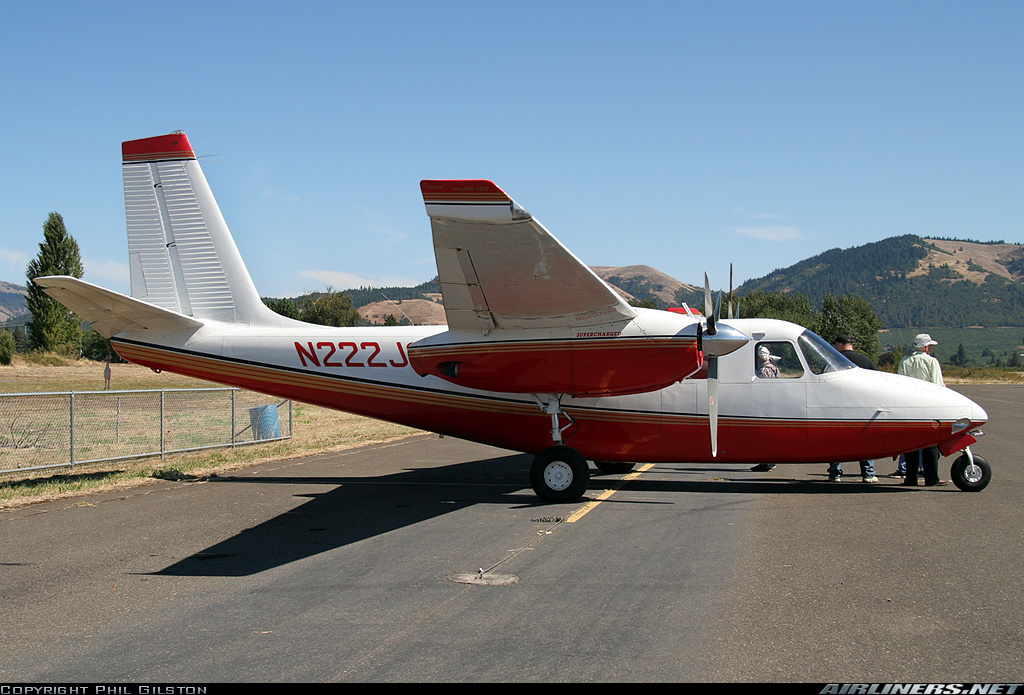
The commercial pilot was conducting a personal flight. He reported that he did not recall what happened the day of the accident. One witness, who was former pilot, reported that he saw the airplane fly over his house and that the engines sounded as if they were "out of sync." A second witness, who lived about 5 miles away from the airport, reported that she saw the airplane flying unusually low. She added that the engines sounded terrible and that they were "popping and banging." A third witness, who was holding short of the runway waiting to take off, reported that he saw the airplane approaching the runway about 75 ft above ground level (agl). He then saw the airplane descend to about 50 ft agl and then climb back to about 75 ft agl, at which point the airplane made a hard, right turn and then impacted terrain. Although a postaccident examination of both engines revealed no evidence of a mechanical failure or malfunction that would have precluded normal operation, the witnesses' described what appeared to be an engine problem. It is likely that one or both of the engines was experiencing some kind of problem and that the pilot subsequently lost airplane control. The pilot reported in a written statement several months after the accident that, when he moved the left rudder pedal back and forth multiple times after the accident, neither the torque tubes nor the rudder would move, that he found several of the rivets sheared from the left pedal, and that he believed the rudder had failed. However, postaccident examination of the fractured rivets showed that they exhibited deformation patterns consistent with overstress shearing that occurred during the accident sequence. No preimpact anomalies with the rudder were found.

Probable cause:
The pilot's failure to maintain airplane control following an engine problem for reasons that could not be determined because postaccident examination of both engines and the rudder revealed no malfunctions or anomalies that would have precluded normal operation.
Final Report:

Crash of a Piper PA-31-350 Navajo Chieftain in Thompson

Date & Time: Sep 15, 2015 at 1821 LT
Operator:
Registration:
C-FXLO
Flight Phase:
Survivors:
Yes
Schedule:
Thompson – Winnipeg
MSN:
31-8052022
YOM:
1980
Flight number:
KEE208
Country:
Crew on board:
2
Crew fatalities:
Pax on board:
6
Pax fatalities:
Other fatalities:
Total fatalities:
0
Captain / Total flying hours:
2000
Captain / Total hours on type:
1000.00
Copilot / Total flying hours:
446
Copilot / Total hours on type:
120
Circumstances:
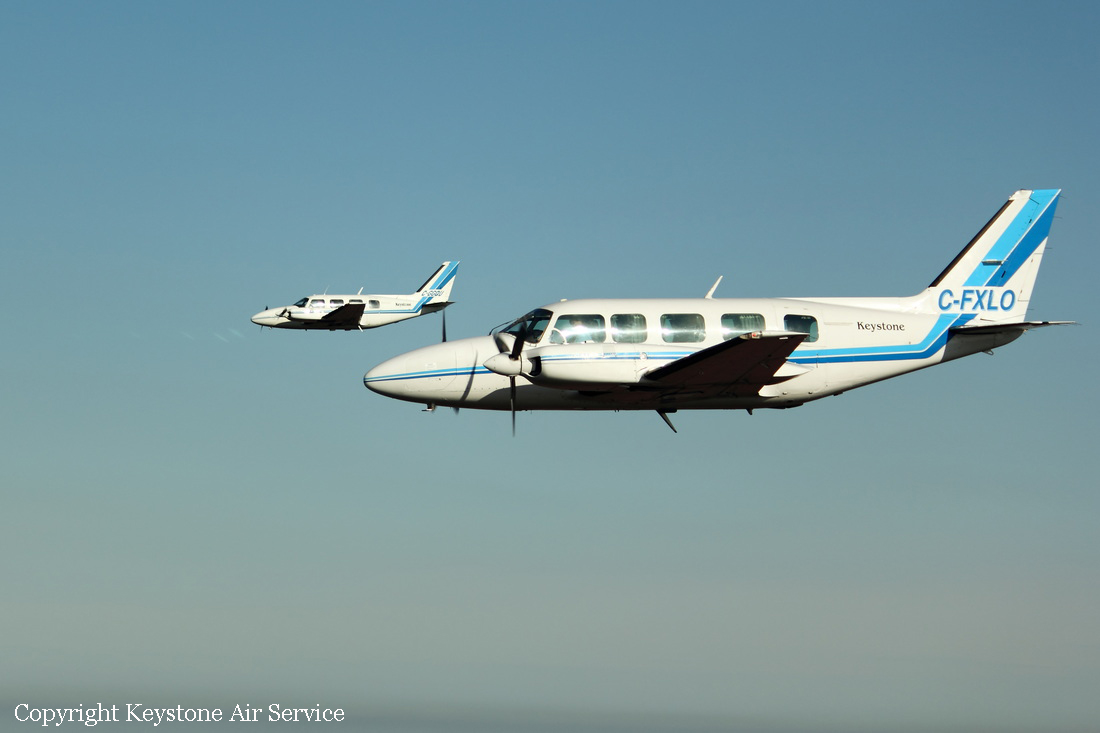
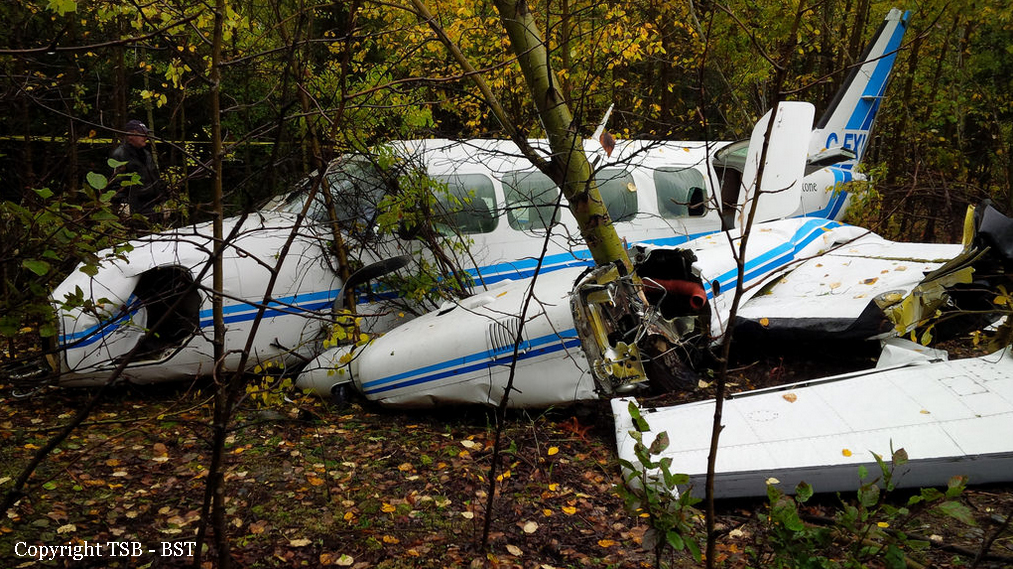
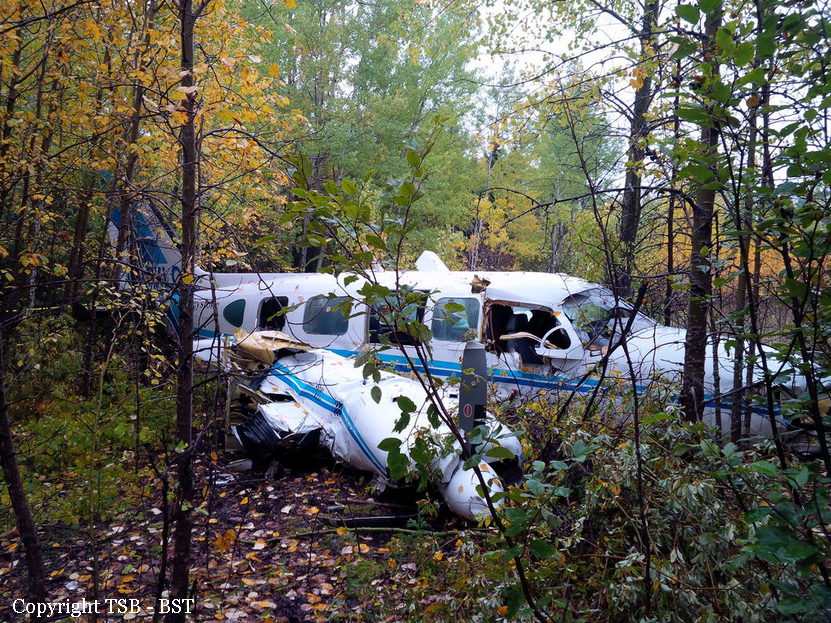
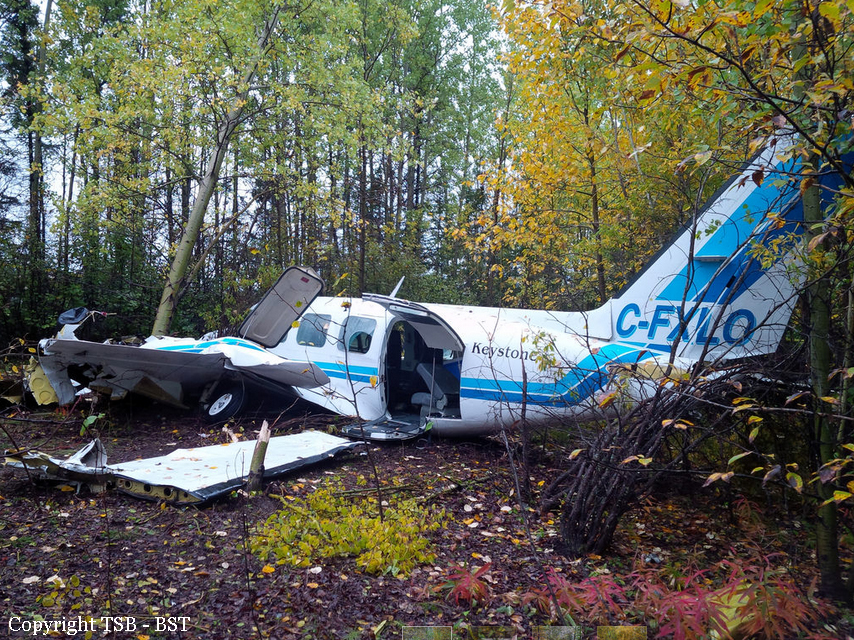
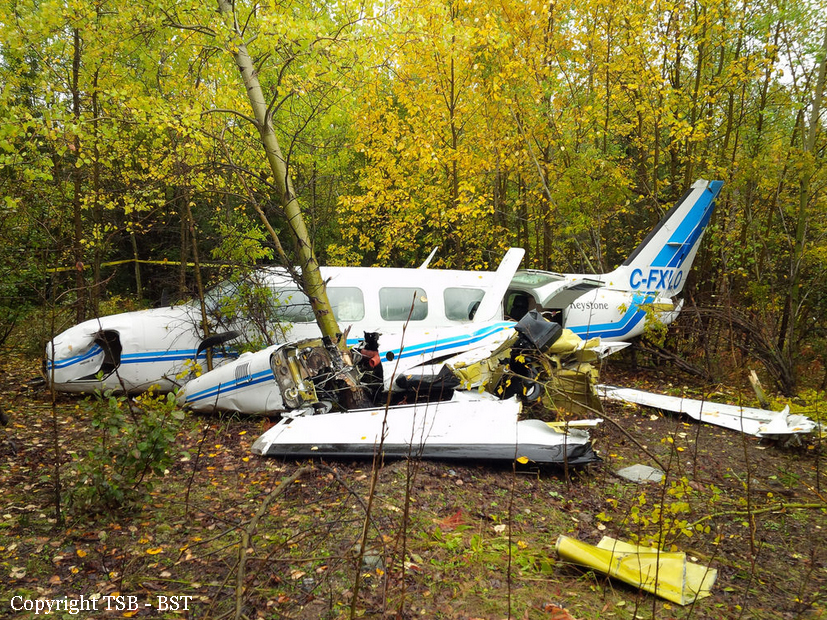
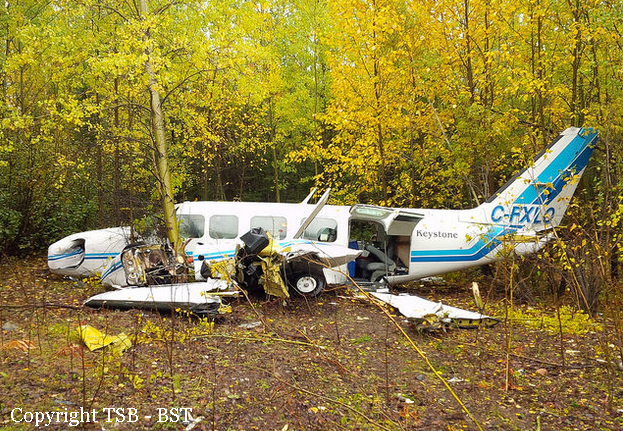
At 1817 Central Daylight Time, the Keystone Air Service Ltd. Piper PA-31-350 (registration C-FXLO, serial number 31-8052022) departed Runway 06 at Thompson Airport, Manitoba, on an instrument flight rules flight to Winnipeg/James Armstrong Richardson International Airport, Manitoba, with 2 pilots and 6 passengers on board. Shortly after rotation, both engines began to lose power. The crew attempted to return to the airport, but the aircraft was unable to maintain altitude. The landing gear was extended in preparation for a forced landing on a highway southwest of the airport. Due to oncoming traffic, the forced landing was conducted in a forested area adjacent to the highway, approximately 700 metres south of the threshold of Runway 06. The occupants sustained varying serious injuries but were able to assist each other and exit the aircraft. The emergency locator transmitter activated, and there was no fire. Emergency services were activated by a 911 call and by the Thompson flight service station. Initial assistance was provided by sheriffs of the Manitoba Department of Justice after a crew member flagged down their vehicle on the highway.
Probable cause:
Findings as to causes and contributing factors:
1. Delivery of the incorrect type of aircraft fuel caused loss of power from both engines, necessitating a forced landing.
2. The fueling operation was not adequately supervised by the flight crew.
3. A reduced-diameter spout was installed that enabled the delivery of Jet-A1 fuel into the AVGAS fuel filler openings.
4. The fuel slip indicating that Jet-A1 fuel had been delivered was not available for scrutiny by the crew.

Findings as to risk:
1. If administrative and physical defences against errors in aviation fuel operations are circumvented or disabled, there is a risk that the incorrect type of fuel will be delivered.
2. If a reduced-diameter spout is available to accommodate non-standard fuel filler openings, there is an increased risk that Jet-A1 fuel can be dispensed into an aircraft that requires AVGAS.

Other findings:
1. Aircraft that were manufactured prior to the current airworthiness standards, or that have been modified by the installation of turbine engines, may have fuel filler openings that do not meet the dimension requirements.
2. The airworthiness standards for rotorcraft do not specify the size of fuel filler openings.
3. The use of all of the available restraint systems in the aircraft contributed to the survival of the occupants.
4. There was no post-crash fire, likely due to the separation of the battery from the aircraft and to the rain-saturated crash site.
5. The absence of a post-impact fire contributed to the survival of all of the aircraft's occupants.
Final Report:

Crash of a De Havilland DHC-6 Twin Otter 200 in Louisburg

Date & Time: Sep 6, 2015 at 1540 LT
Operator:
Registration:
N181CS
Survivors:
Yes
Schedule:
Washington - Louisburg
MSN:
181
YOM:
1968
Crew on board:
2
Crew fatalities:
Pax on board:
1
Pax fatalities:
Other fatalities:
Total fatalities:
0
Captain / Total flying hours:
7337
Captain / Total hours on type:
1058.00
Copilot / Total flying hours:
3187
Copilot / Total hours on type:
1180
Aircraft flight hours:
26915
Circumstances:
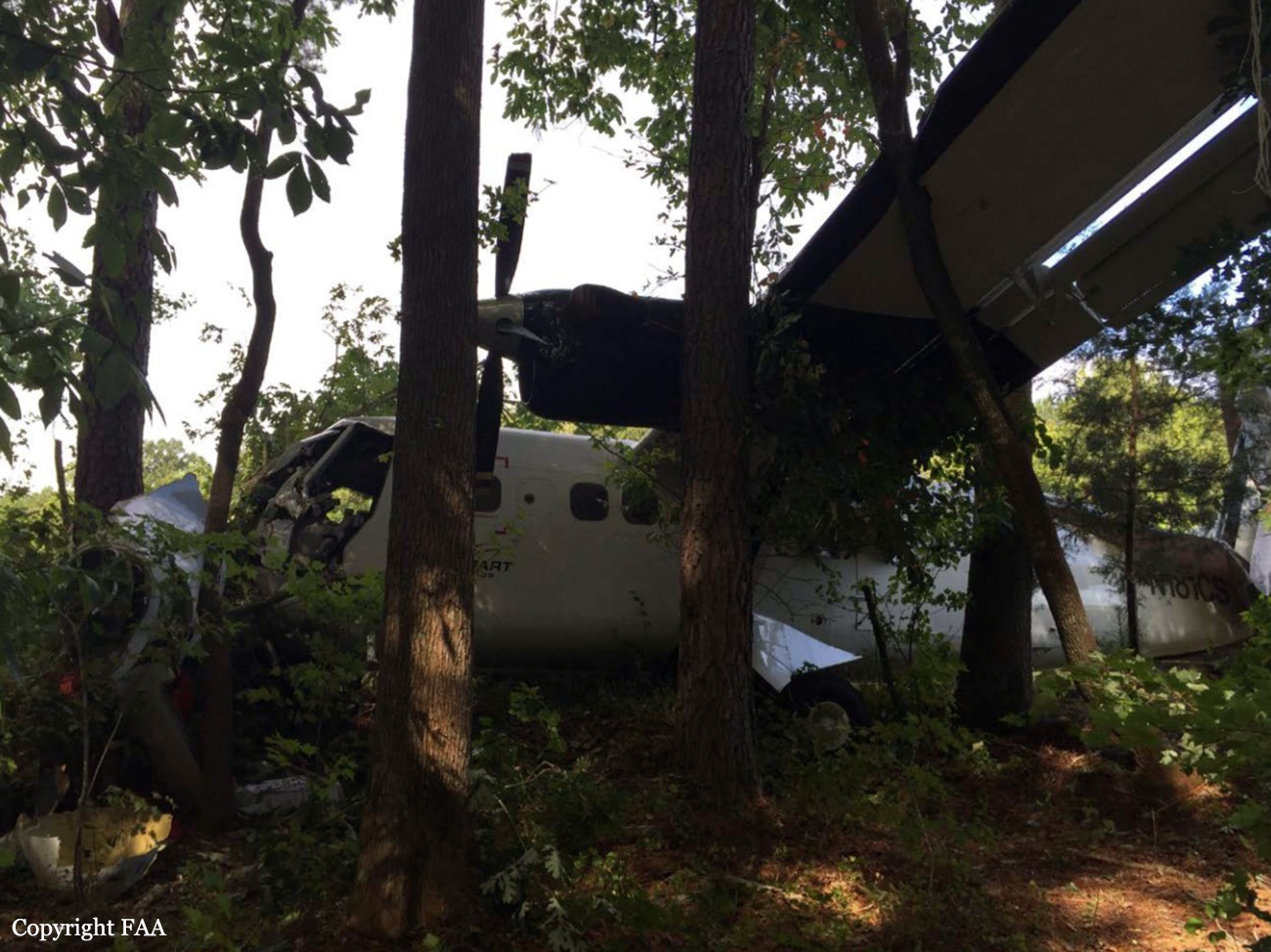
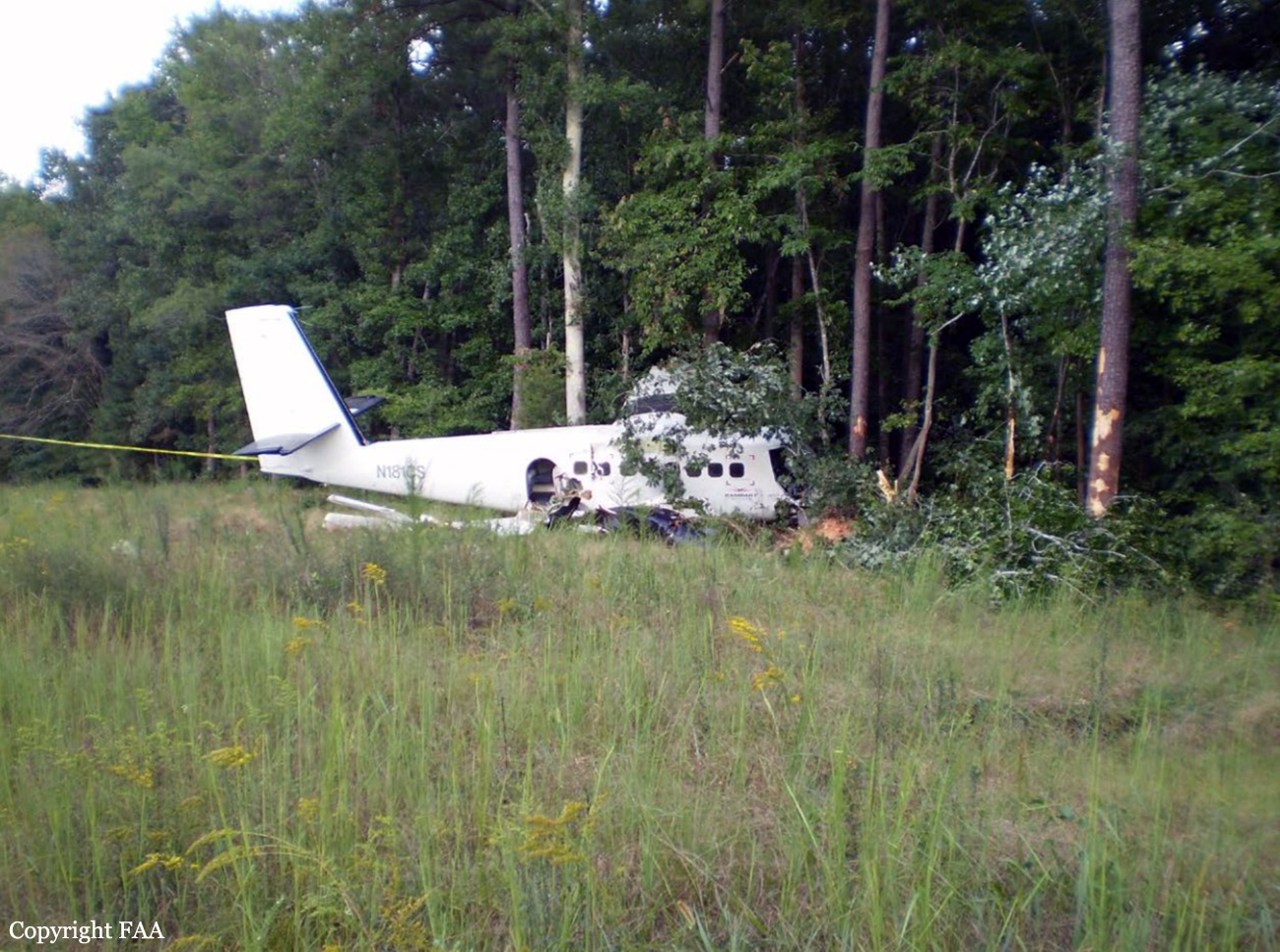
The airline transport pilot was conducting a cross-country aerial observation flight in the multiengine airplane. The pilot reported that the airplane was on the final leg of the traffic pattern when he reduced the power levers for landing and noticed that the right engine sounded like the propeller was moving toward the beta position. The pilot increased the engine power, and the sound stopped. As the airplane got closer to the runway, he decreased the engine power, and the sound returned. In addition, the airplane began to yaw right. The pilot applied left aileron and rudder inputs to remain above the runway centerline without success. While over the runway, the pilot reduced the engine power to idle, and the airplane continued to yaw right. The pilot applied full power in an attempt to perform a go-around; however, the airplane yawed about 30 degrees off the runway centerline, touched down in the grass, and impacted trees before coming to rest. The right wing, right engine, and right propeller assembly were impact-separated. The right engine propeller came to rest about 50 ft forward of the main wreckage, and it was found in the feathered position. A review of maintenance records revealed that the right propeller had been overhauled and reinstalled on the airplane 2 days before the accident and had operated 9 hours since that time. Subsequent testing of the right propeller governor revealed that it functioned without anomaly; however, the speed settings were improperly configured. Further, the testing revealed that the beta valve travel from the neutral position was out of tolerance. Although this could have let oil pressure port to one side of the spool or the other and, thus, changed the propeller blade angle, it could not be determined whether this occurred during the accident landing. Impact damage precluded examination of the right propeller governor control linkage; therefore, it could not be determined if it was inadequately installed or rigged, which could have resulted in the propeller moving into the beta position. The investigation could not determine why the right propeller moved toward the beta position as engine power was reduced, as reported the pilot.
Probable cause:
The propeller’s movement to the beta position during landing for reasons that could not be determined during postaccident examination and testing, which resulted in an attempted goaround and subsequent loss of airplane control.
Final Report:

Crash of a Cessna 550 Citation Bravo in Vienna

Date & Time: Sep 3, 2015 at 1227 LT
Type of aircraft:
Operator:
Registration:
OE-GLG
Survivors:
Yes
Schedule:
Salzburg - Vienna
MSN:
550-0977
YOM:
2001
Country:
Region:
Crew on board:
2
Crew fatalities:
Pax on board:
3
Pax fatalities:
Other fatalities:
Total fatalities:
0
Captain / Total flying hours:
5000
Captain / Total hours on type:
1800.00
Copilot / Total flying hours:
1200
Copilot / Total hours on type:
350
Aircraft flight hours:
7525
Aircraft flight cycles:
5807
Circumstances:
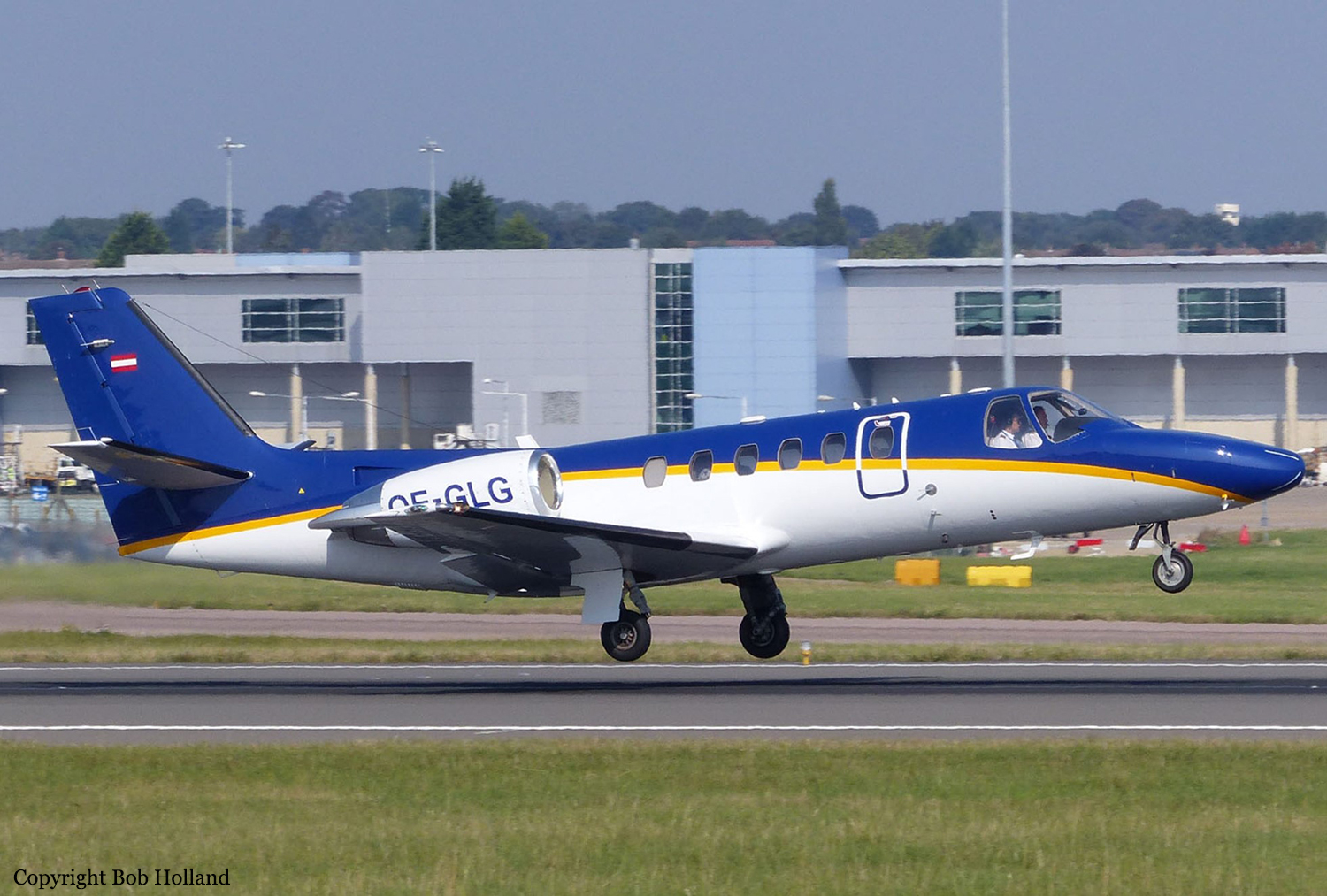
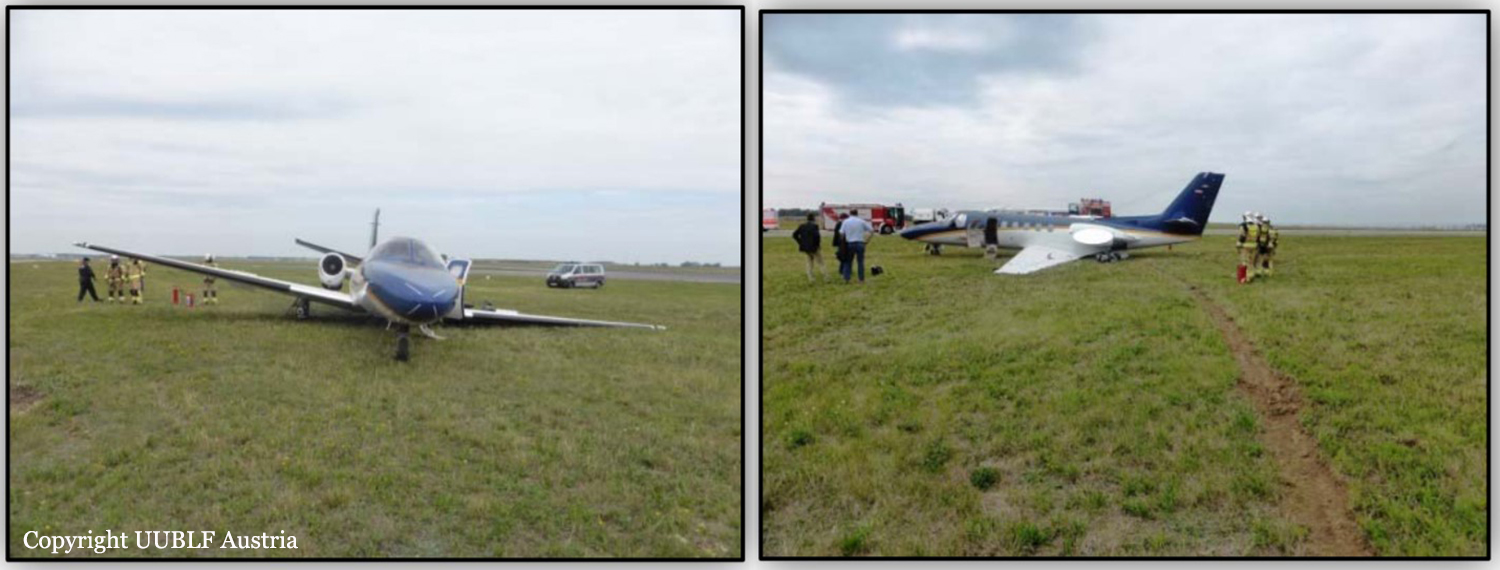
Following an uneventful flight from Salzburg, the crew was cleared to descent to Vienna-Schwechat Airport. On approach to runway 34, the crew completed the checklist and lowered the landing gear when he realized the the left main gear remained stuck in its wheel well and that the green light failed to come on on the cockpit panel. The crew agreed to continue. After touchdown on runway 34, the aircraft deviated to the left, veered off runway and came to rest in a grassy area located near taxiway D and taxiway B5 and B6. All five occupants evacuated safely and the aircraft was damaged beyond repair.
Probable cause:
The accident was caused by a metallic foreign body between valve seat and ball of the spring loaded ball check valve in the undercarriage servo valve of the left main landing gear caused the check valve not to close as intended and hydraulic fluid was directed directly to the landing gear cylinder without moving the piston rod. Due to the fact that the piston rod of the undercarriage servo valve did not move as intended, the mechanical unlocking hook of the left undercarriage was also not controlled - the landing gear was therefore not deployed.
Contributing factors:
- The possibility to abort the approach, to Go Around and fly a holding to carry out troubleshooting, as described in the operations manual of the aviation company as well as in the "Emergency / Abnormal Procedures" manual of the aircraft manufacturer, was not used.
- The emergency extension system of the landing gear was not used.
Final Report:

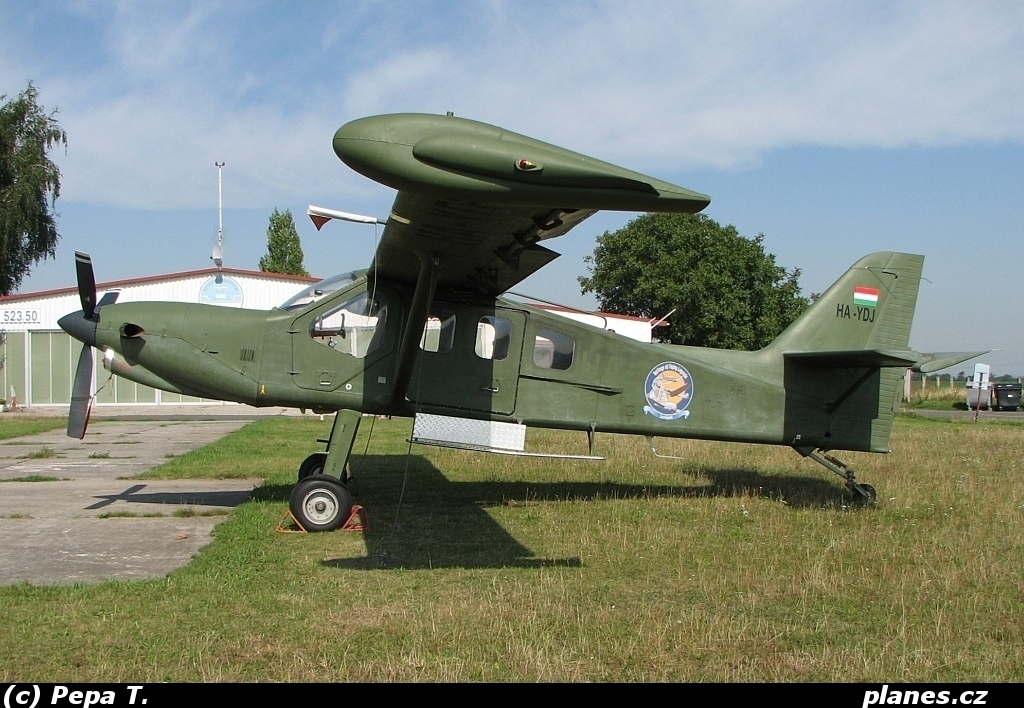
Crash of a Technoavia SMG-92 Turbo Finist in Casale Monferrato

Date & Time: Aug 29, 2015 at 1430 LT
Operator:
Registration:
HA-YDJ
Flight Phase:
Survivors:
Yes
Schedule:
Casale Monferrato - Casale Monferrato
MSN:
02-001
YOM:
1993
Country:
Region:
Crew on board:
1
Crew fatalities:
Pax on board:
10
Pax fatalities:
Other fatalities:
Total fatalities:
0
Captain / Total flying hours:
600
Captain / Total hours on type:
35.00
Aircraft flight hours:
800
Circumstances:
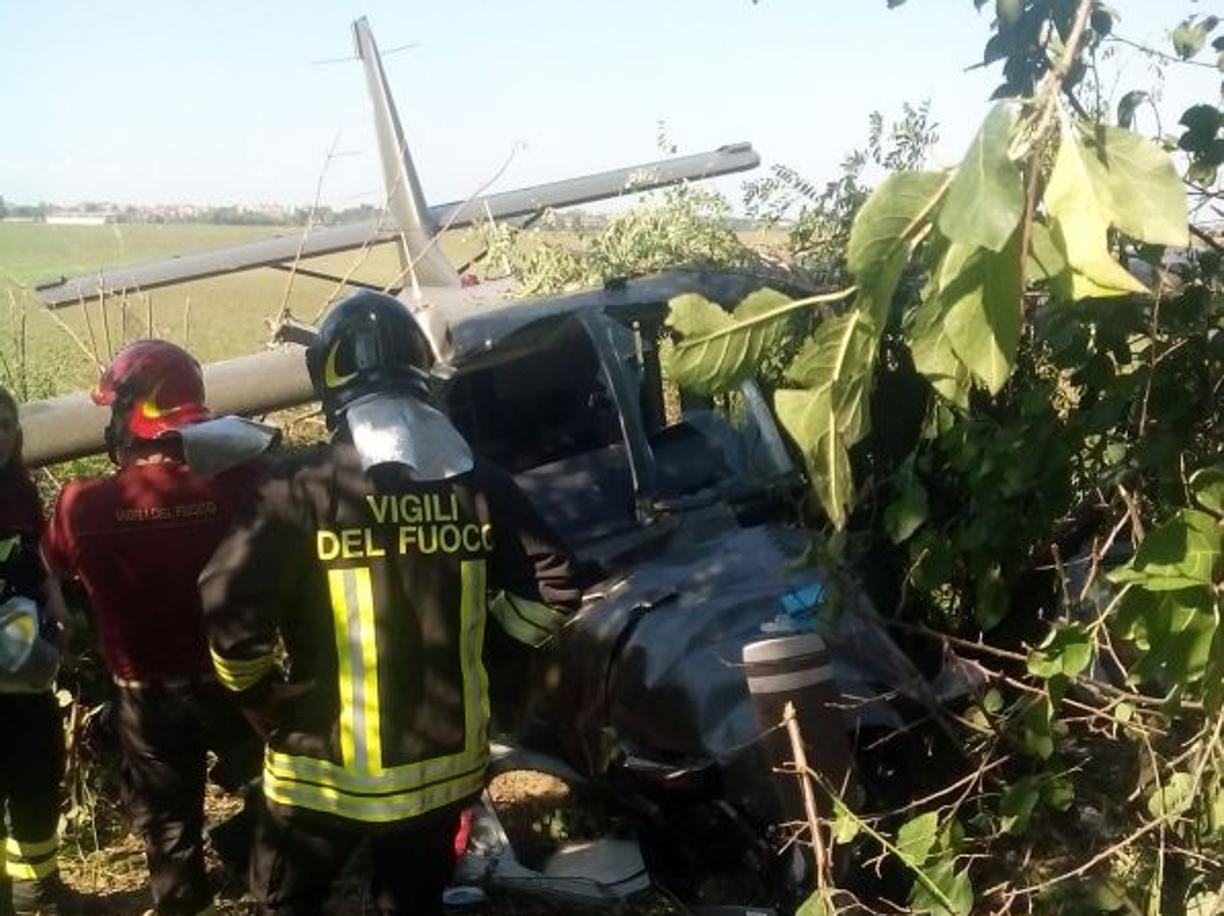
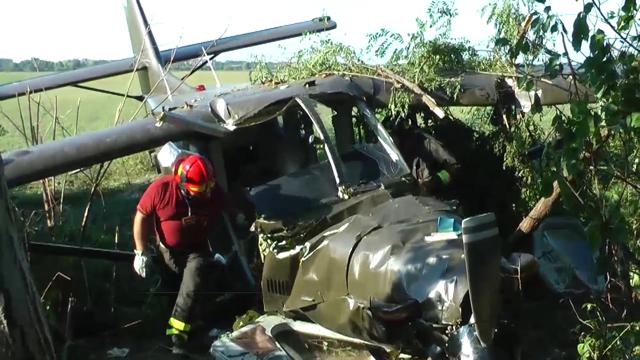
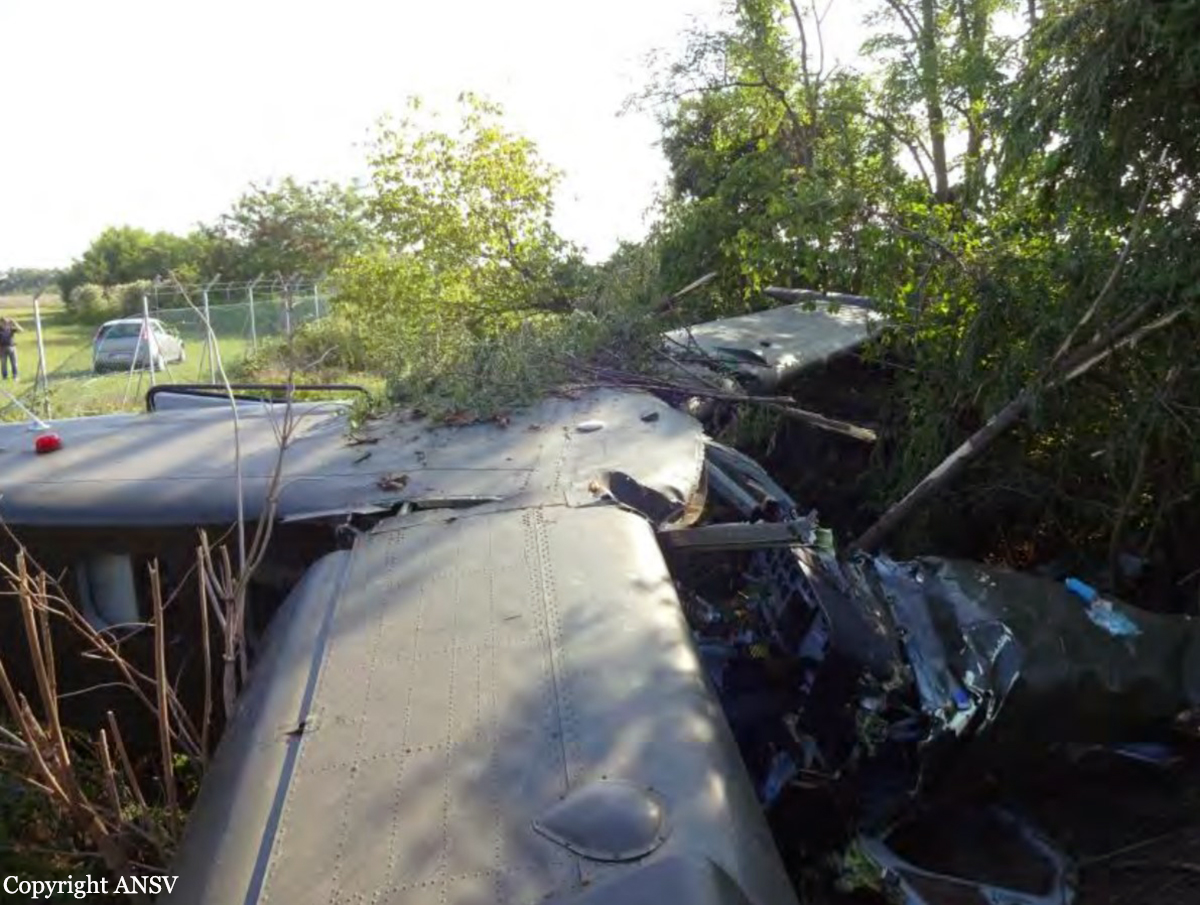
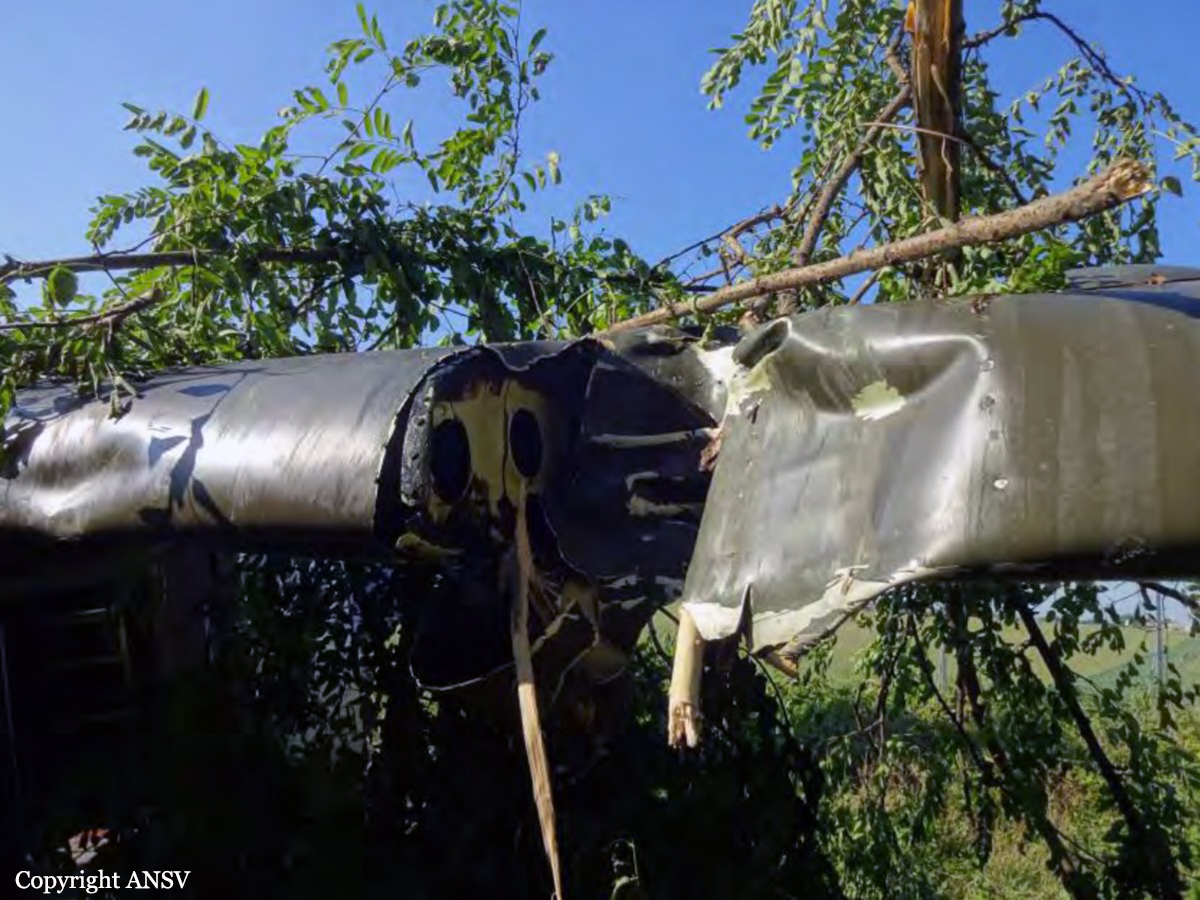
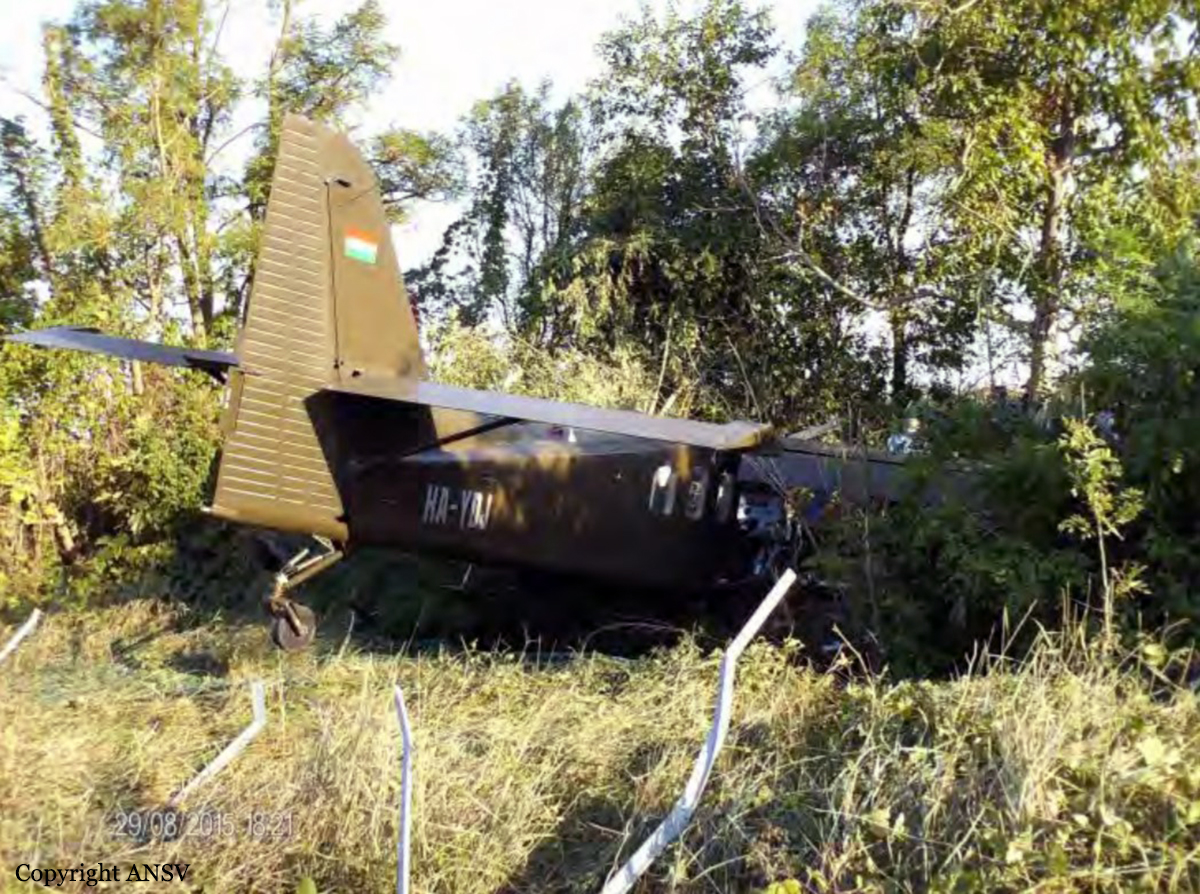
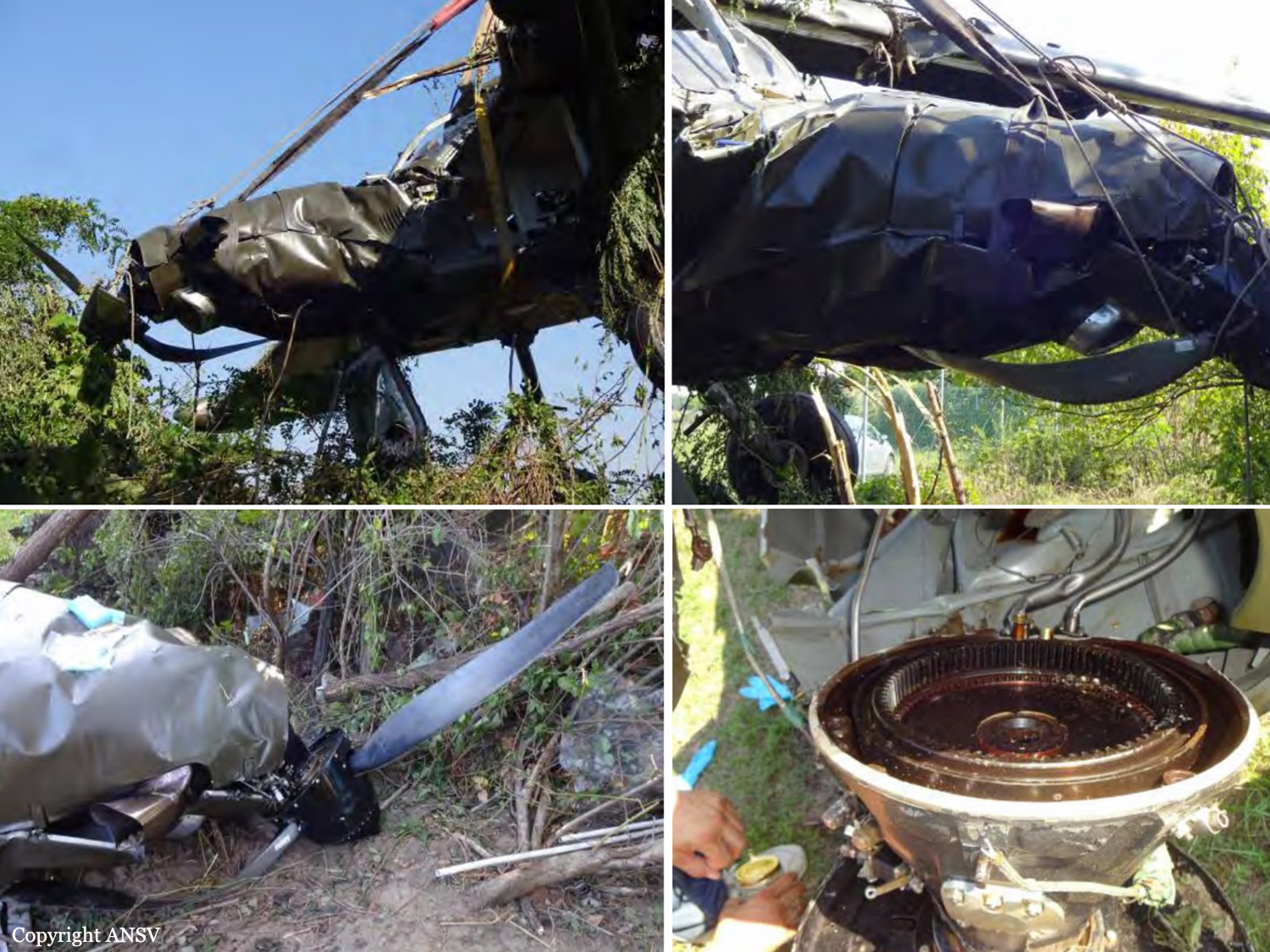
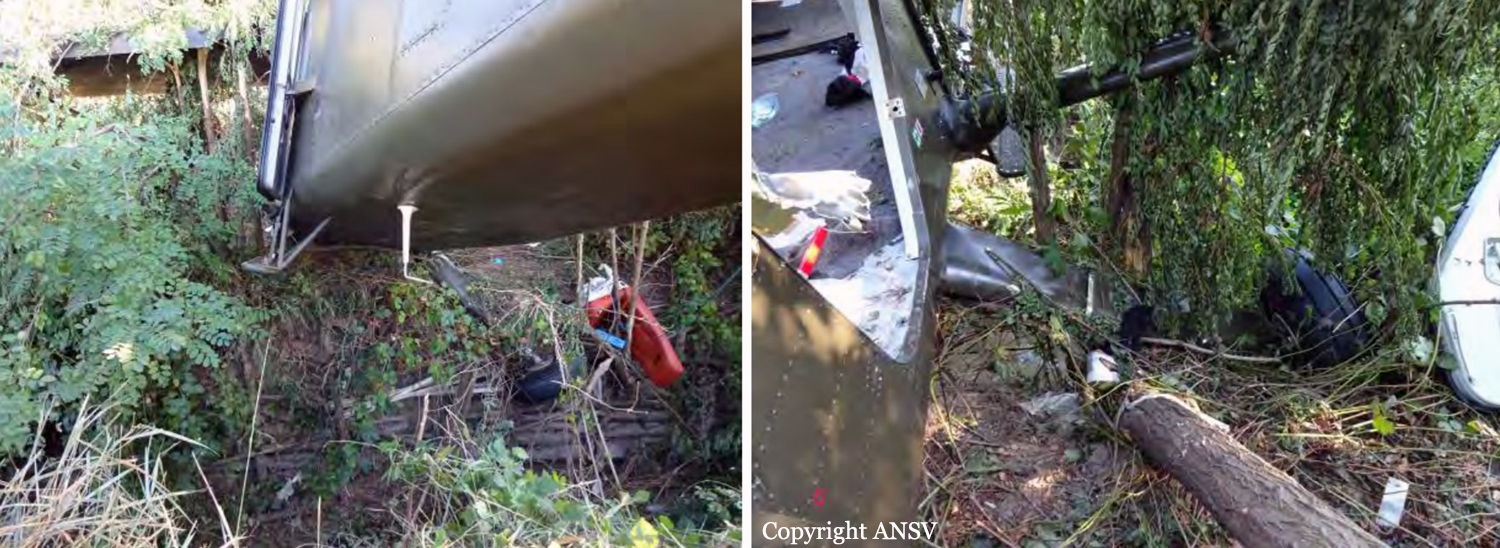
The single engine aircraft departed Casale Monferrato-Francesco Cappa Airfield on a local skydiving mission, the 13th sortie of the day, carrying seven skydivers, three tourists and one pilot). Shortly after rotation from a grassy runway, the pilot encountered engine problems. The aircraft continued in a flat attitude, collided with a hedge and few trees before coming to rest in a wooded area located 300 metres past the runway end. All 11 occupants were injured, some of them seriously. The aircraft was damaged beyond repair.
Probable cause:
The accident is the consequence of an engine failure caused by the loss of connection in the power module between the quill shaft and the PT shaft.
The following contributing factors were identified:
- A control system of the aircraft as part of 'aircraft operator CAMO not sufficiently thorough,
- The inaccurate, non-timely and incorrect reporting by the user of the aircraft of critical parameters for monitoring engine life,
- A national regulation, in force at the time of the accident, relating to the flight activity for launching paratroopers, which did not provide, in fact, adequate surveillance technique by the aeronautical authority on the aircraft used in this activity,
- The absence of adequate retention and safety devices for paratroopers on board the aircraft.
Final Report:

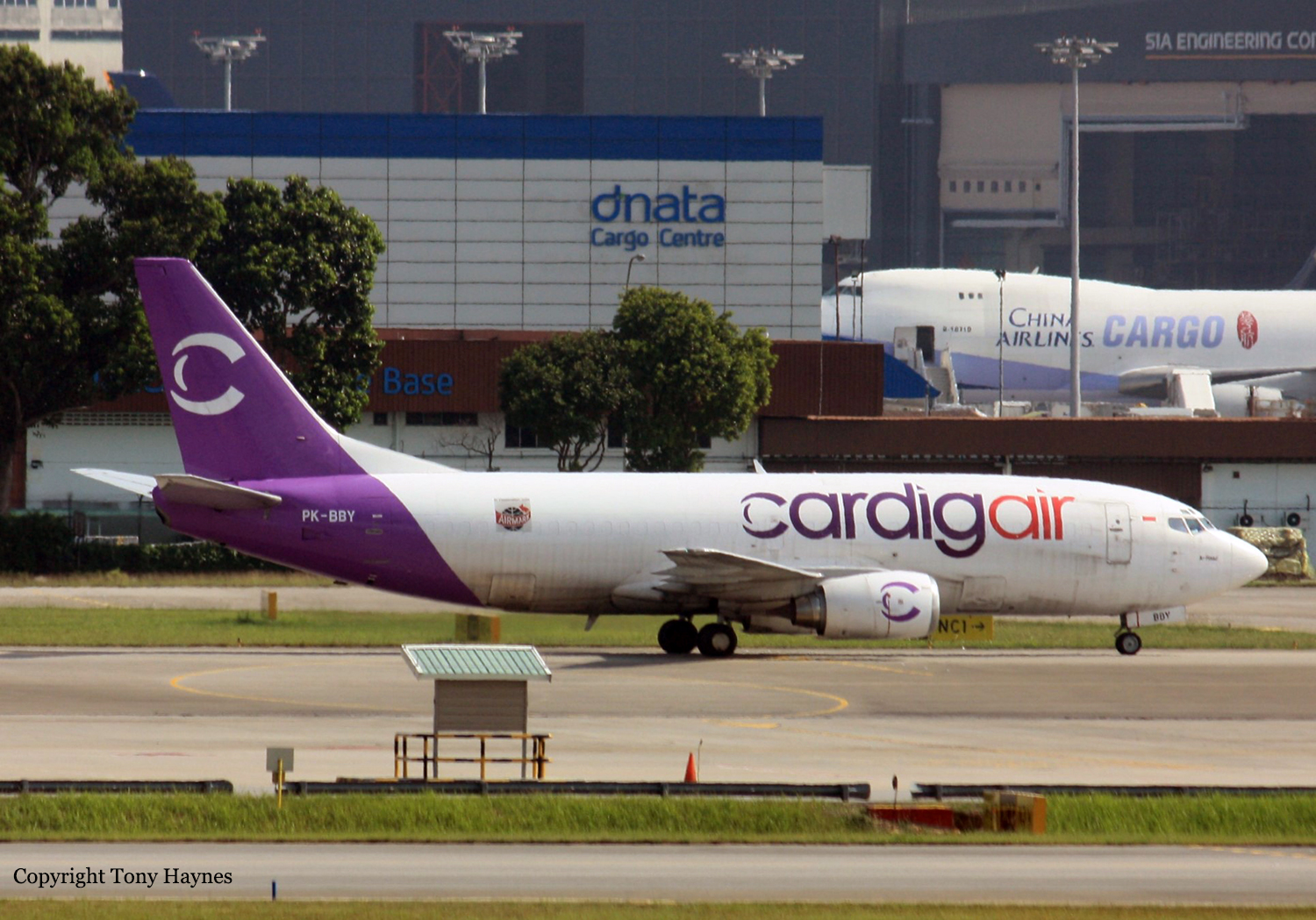
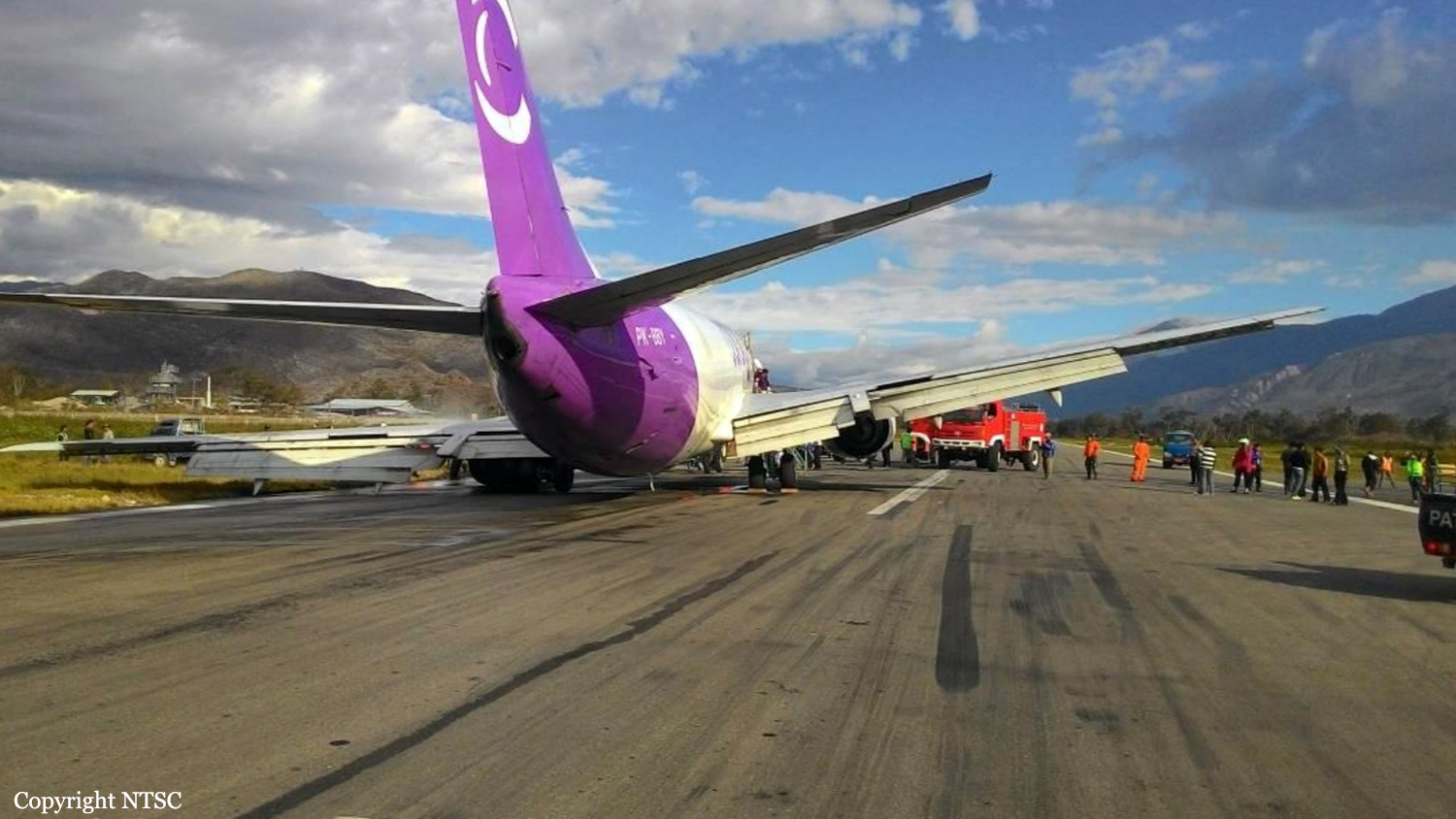
Crash of a Boeing 737-3Q8 in Wamena

Date & Time: Aug 28, 2015 at 1547 LT
Type of aircraft:
Operator:
Registration:
PK-BBY
Flight Type:
Survivors:
Yes
Schedule:
Jayapura – Wamena
MSN:
23535/1301
YOM:
1986
Flight number:
8F189
Country:
Region:
Crew on board:
2
Crew fatalities:
Pax on board:
0
Pax fatalities:
Other fatalities:
Total fatalities:
0
Captain / Total flying hours:
13880
Captain / Total hours on type:
4877.00
Copilot / Total flying hours:
608
Copilot / Total hours on type:
342
Aircraft flight hours:
54254
Aircraft flight cycles:
38422
Circumstances:
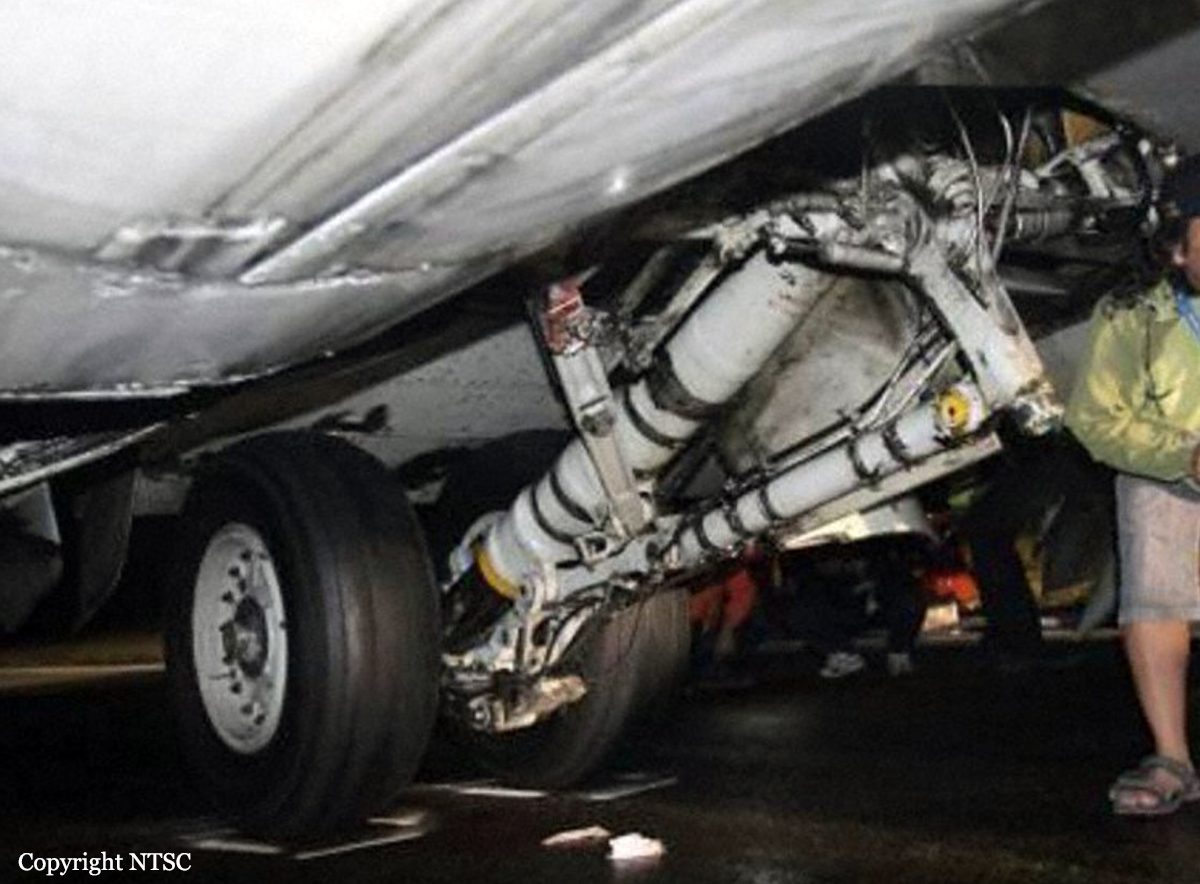
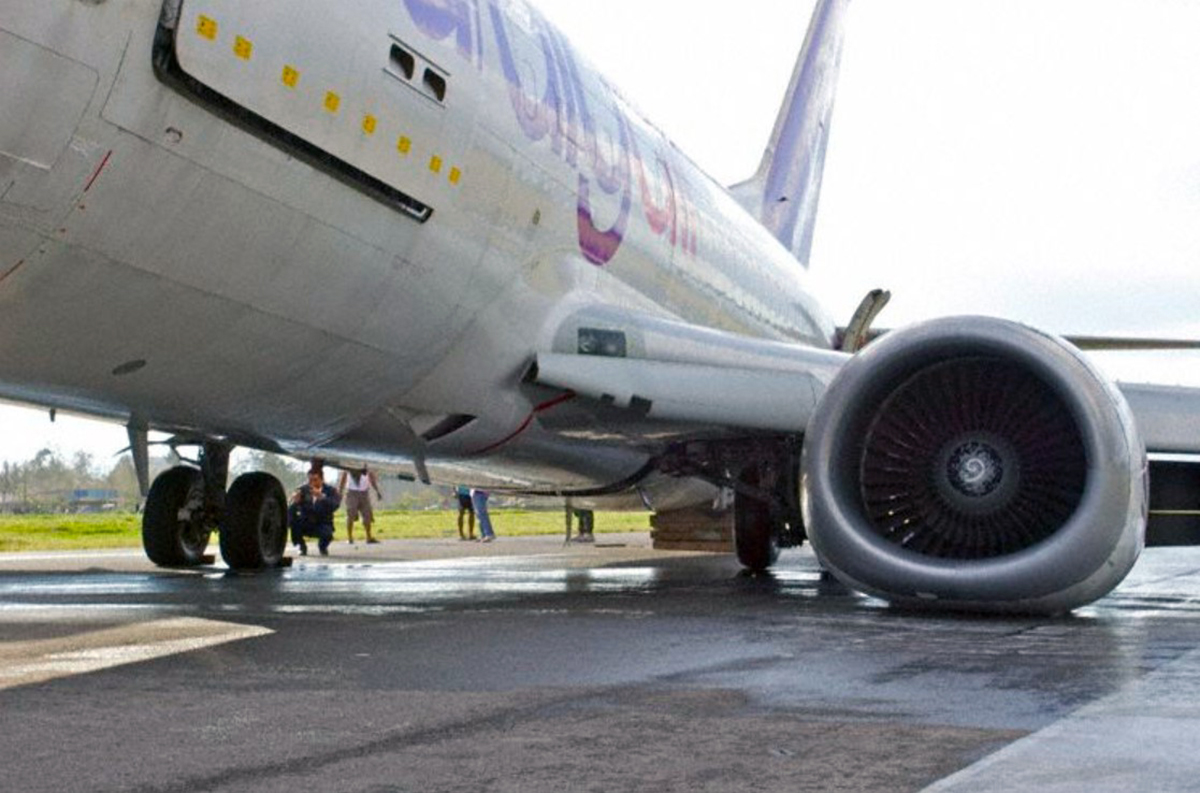
On 28 August 2015 a Boeing 737-300 Freighter, registered PK-BBY was being operated by PT. Cardig Air on a scheduled cargo flight from Sentani Airport (WAJJ) Jayapura to Wamena Airport (WAVV) Papua, Indonesia. At 1234 LT (0334 UTC), the aircraft departed to Wamena and on board the aircraft were two pilots, and 14,610 kg of cargo. The Pilot in Command (PIC) acted as Pilot Flying (PF) while the Second in Command (SIC) who was under line training acted as Pilot Monitoring (PM). There was no reported or recorded aircraft system abnormality during the flight until the time of occurrence. At 0637 UTC, when the aircraft approaching PASS VALLEY, the Wamena Tower controller provided information that the runway in use was runway 15 and the wind was 150°/18 knots, QNH was 1,003 mbs and temperature was 23 °C. At 0639 UTC, the pilot reported position over PASS VALLEY, descended passing FL135. The Wamena Tower controller instructed the pilot to report position over JIWIKA. At 0645 UTC, the pilot reported position over JIWIKA and continued to final runway 15. At 0646 UTC, the pilot reported position on final runway 15 and Wamena Tower controller provided landing clearance with additional information of wind 150°/15 knots and QNH 1,003 mbs. At 0647 UTC, the aircraft touched down about 35 meter before the beginning runway 15 with vertical acceleration of 3.68 G. The left main landing gear collapsed and the left engine contacted to the runway surface. The aircraft stopped at about 1,500 meters from runway threshold. No one was injured on this occurrence.
Probable cause:
According to factual information during the investigation, the Komite Nasional Keselamatan Transportasi determines the findings of the investigation are listed as follows:
1. The pilots held valid licenses and medical certificates.
2. The aircraft had a valid Certificate of Airworthiness (C of A) and Certificate of Registration (C of R), and was operated within the weight and balance envelope.
3. There were no reports of aircraft system abnormalities during the flight.
4. After passed JIWIKA on altitude 10,000 feet, the FDR recorded the engines were on idle, the average rate of descend was approximately 2,000 feet per minute.
5. At altitude approximately 8,000 feet, the flap selected to 40 position and moved to 39.9° one minute 25 seconds later.
6. The BMKG weather report was wind 150°/14-19 knots and the Wamena Tower controller reported to the pilot that the wind was 150°/15 knots. The information of gust wind, which indicated the possibility of windshear, was not reported to the pilot.
7. The EGPWS “CAUTION WINDSHEAR” active on altitude of 5,520 feet.
8. 06:45:43 UTC, the engine power increased when the aircraft altitude was on 5,920 feet prior the EGPWS altitude call “ONE HUNDRED” heard.
9. Started from 06:45:45 UTC, the FDR recorded the CAS increased from 148 knots to 154 knots followed by N1 decreased gradually from 73% to 38%. Three seconds before touched down, the rate of descend was constant on value 1,320 feet per minute followed by EGPWS warning “SINK RATE”.
10. The aircraft touched down at about 35 meters before the beginning runway 15 with the vertical acceleration recorded of 3.68 G.
11. The trunnion link of the left Main Landing Gear (MLG) assembly was found broken and the left main landing gear collapsed.
12. The FDR data contained of 107 flight hours consisted of 170 flight sectors which recorded five times of the vertical acceleration more than 2 G during landing at Wamena. The accumulation of such value of vertical acceleration might lead to landing gear strength degradation.
13. The Visual Approach Slope Indicator (VASI) of runway 15 was not operated after the runway extension.
14. The investigation found several touchdown marks on the pavement before the runway 15.
15. Excessive rubber deposit was found on the surface of runway 15 at about 600 meter started from the runway threshold.
16. The absence of speed correction following the information of headwind of 15 knots and pilot crew briefing after activation of EGPWS caution windshear indicated that the pilot did not aware of the existing windshear, that might be contributed by the absence of gust wind information.
17. The large thrust reduction was not in accordance with the FCOM for windshear precaution and resulted in rapid descend.
18. The accident flight collapsed the landing gear, the FDR recorded the vertical acceleration was 3.683 G which was within the landing gear design limit. This indicated the degradation of landing gear strength.

Contributing Factor:
The large thrust reduction during the windshear resulted in rapid descend and the aircraft touched down with 3.683 G then collapsed the landing gear that had strength degradation.
Final Report:

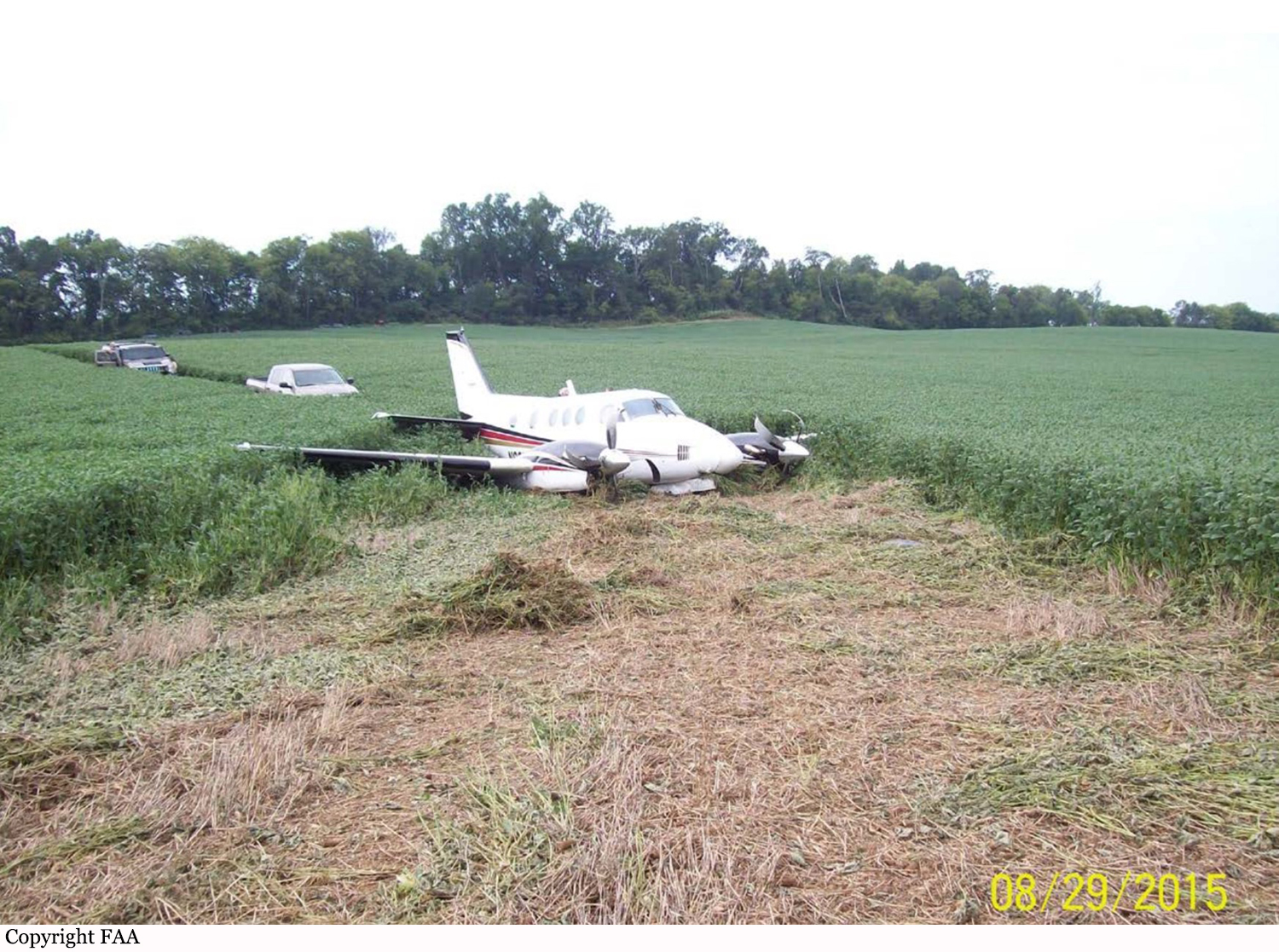
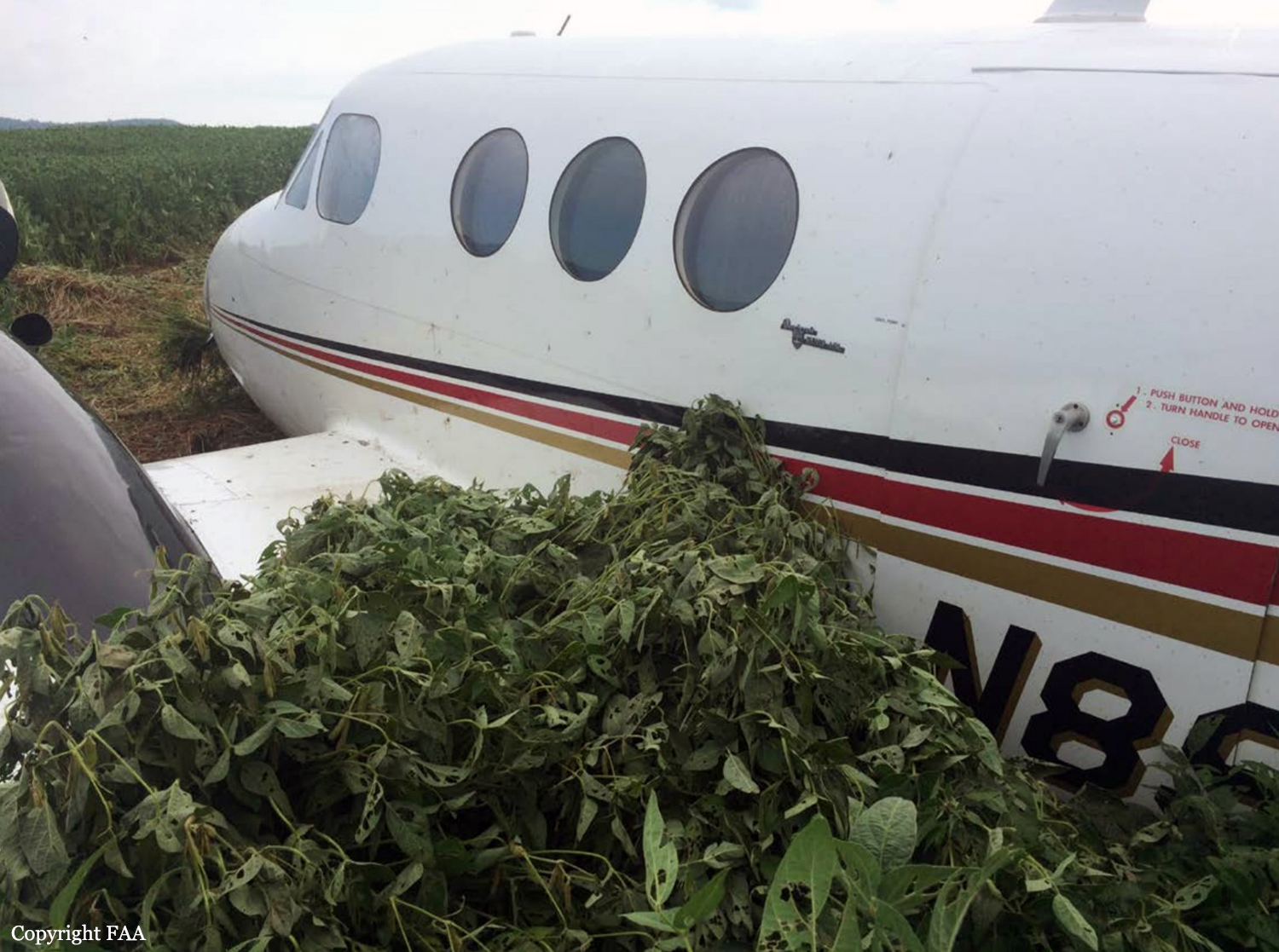
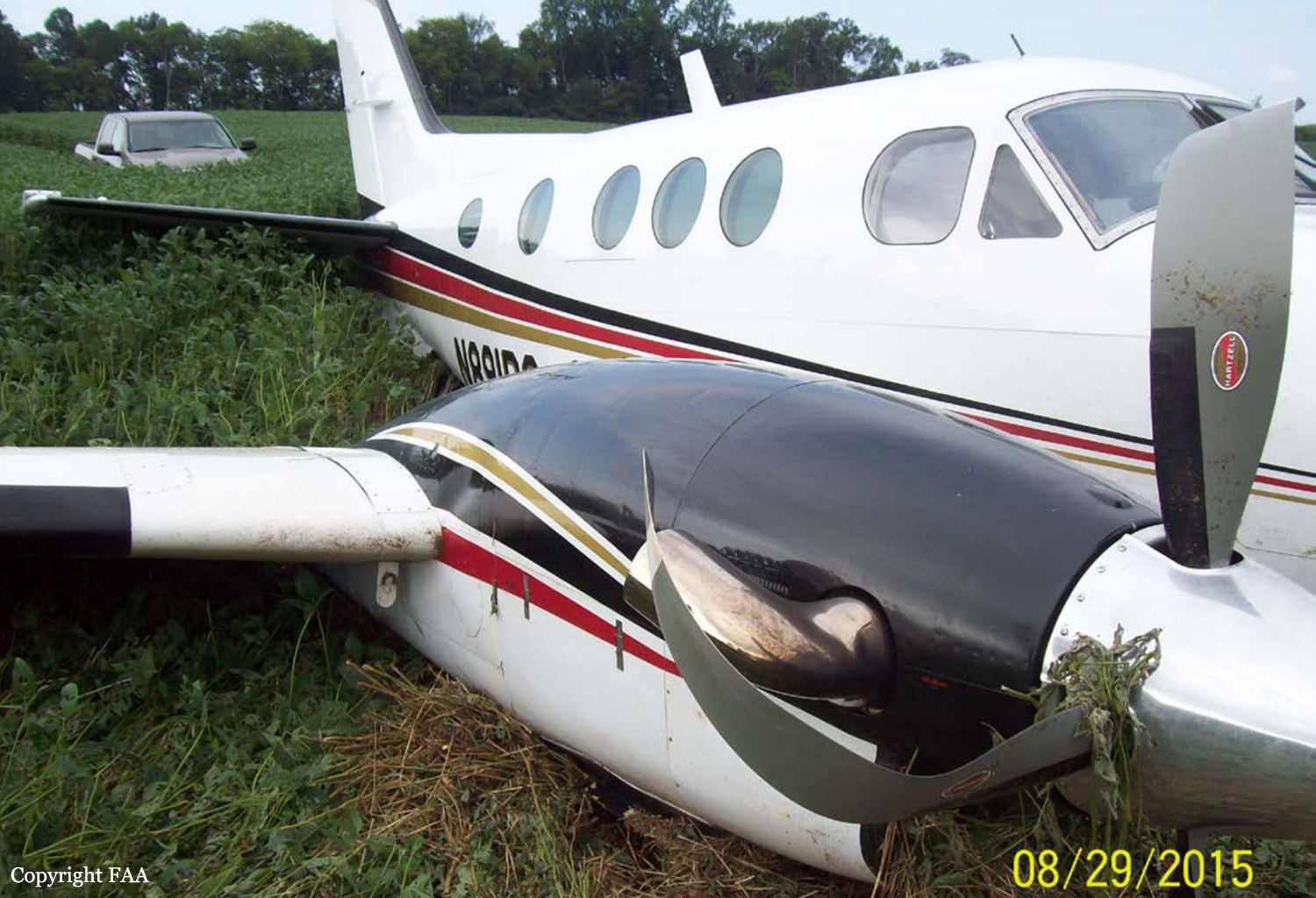
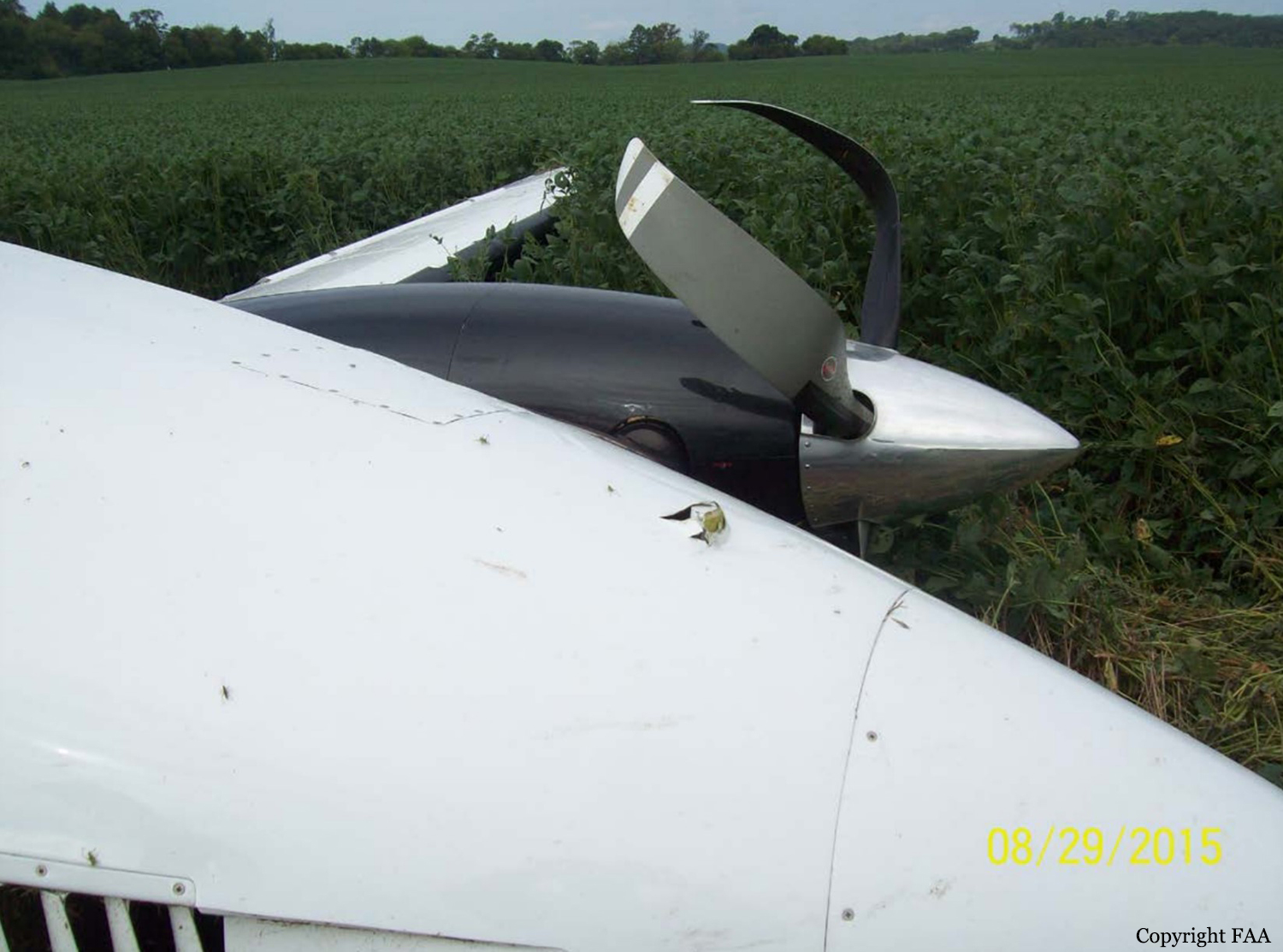
Crash of a Beechcraft E90 King Air in Fayetteville

Date & Time: Aug 28, 2015 at 1400 LT
Type of aircraft:
Operator:
Registration:
N891PC
Flight Type:
Survivors:
Yes
Schedule:
Shelbyville – Huntsville
MSN:
LW-40
YOM:
1973
Crew on board:
1
Crew fatalities:
Pax on board:
0
Pax fatalities:
Other fatalities:
Total fatalities:
0
Captain / Total flying hours:
1882
Captain / Total hours on type:
230.00
Aircraft flight hours:
11283
Circumstances:
Shortly after takeoff in day visual meteorological conditions, when the airplane was climbing through 3,000 ft mean sea level, a complete electrical failure occurred that affected electrical instrumentation and additional airplane equipment, including the landing gear. The pilot reported that he performed the electrical failure checklists and could not restore power. After additional troubleshooting with no success, he chose to divert to and land at another airport. While in the traffic pattern at his diversion airport, he attempted to lower the landing gear using the emergency landing gear extension procedures but could not confirm the landing gear were down and locked. Without any capability to communicate or confirmation that the landing gear were down, he decided to leave the airport traffic pattern and land on a nearby field to avoid airport traffic; the airplane sustained substantial damage to the fuselage, landing gear doors, engines, and propellers during the off-airport landing. The reason for the loss of electrical power could not be determined. Examination of the cockpit revealed that the landing gear's emergency engage handle, also known as the "J" handle, was not pulled up and turned, which was one of the steps listed in the airplane flight manual for the manual landing gear extension procedure. The "J" handle engages the clutch and allows for the handle to operate the landing gear chain. Without engaging the "J" handle, the landing gear handle pumping action would not have worked, which resulted in the gear-up landing.
Probable cause:
A total loss of electrical power for reasons that could not be determined and the pilot's subsequent failure to properly follow the manual landing gear extension procedures, which resulted in the landing gear not extending.
Final Report:

Crash of a Cessna 750 Citation X in Toluca

Date & Time: Aug 27, 2015 at 0015 LT
Type of aircraft:
Operator:
Registration:
XA-KYE
Flight Type:
Survivors:
Yes
MSN:
750-0204
YOM:
2002
Location:
Country:
Crew on board:
2
Crew fatalities:
Pax on board:
0
Pax fatalities:
Other fatalities:
Total fatalities:
0
Circumstances:
The crew was apparently completing a positioning flight to Toluca Airport. Following a night landing on runway 15, the crew started the braking procedure when the aircraft deviated to the left. The crew applied full brake but the aircraft veered off runway. While contacting soft ground, the nose gear collapsed and the aircraft came to rest about 2,700 metres from the runway threshold. Both pilots escaped uninjured and the aircraft was damaged beyond repair.

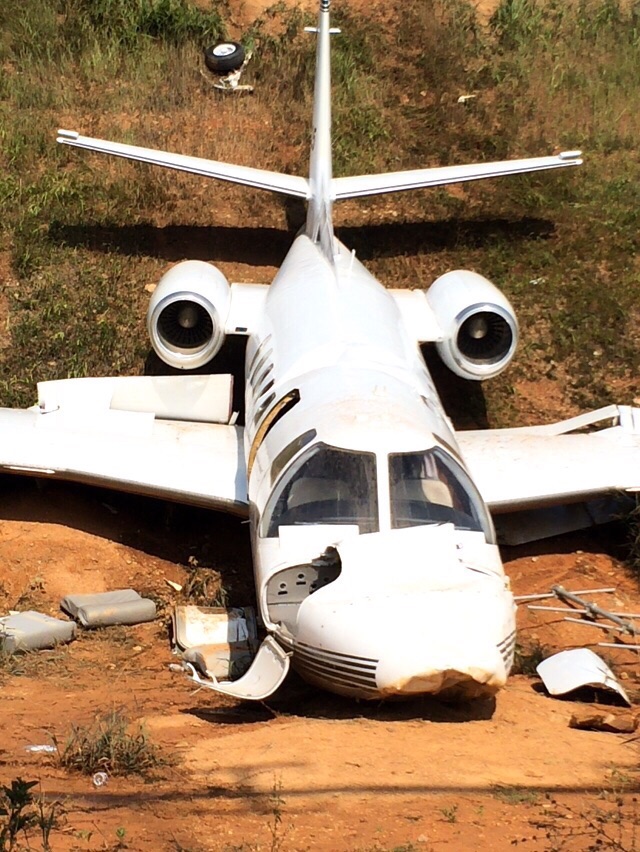
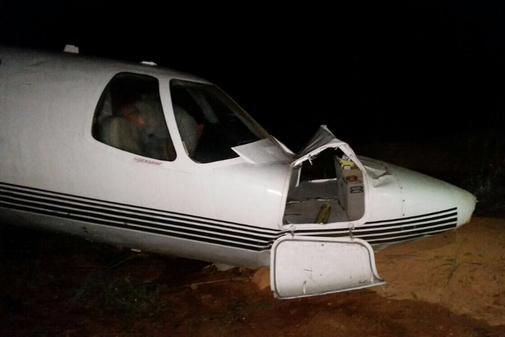
Crash of a Cessna S550 Citation II in Charallave

Date & Time: Aug 26, 2015 at 2230 LT
Type of aircraft:
Operator:
Registration:
YV3125
Survivors:
Yes
Schedule:
Oranjestad – Barcelona – Charallave
MSN:
S550-0085
YOM:
1986
Country:
Crew on board:
2
Crew fatalities:
Pax on board:
6
Pax fatalities:
Other fatalities:
Total fatalities:
0
Circumstances:
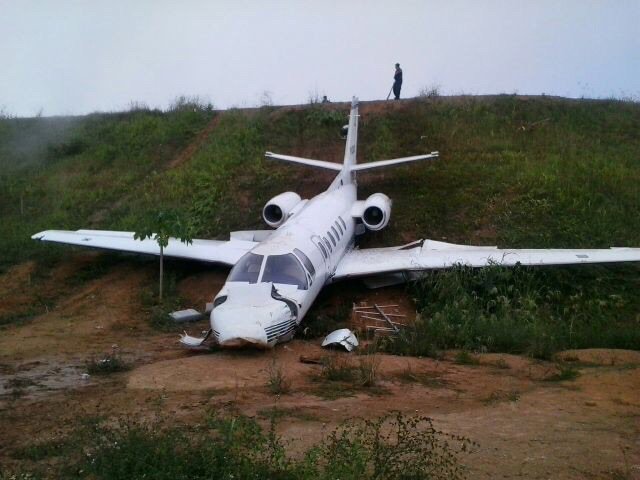
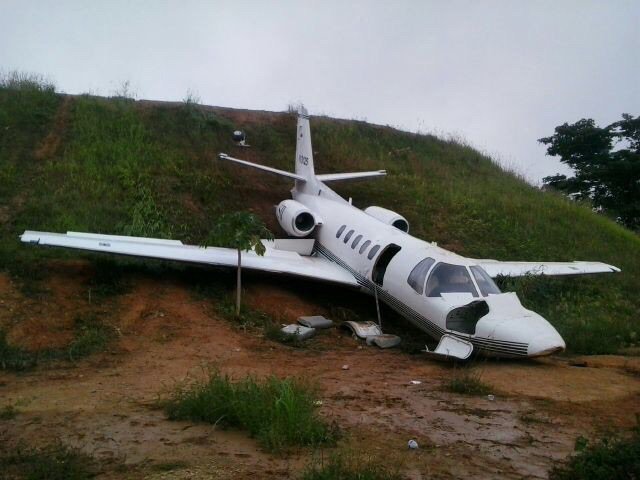
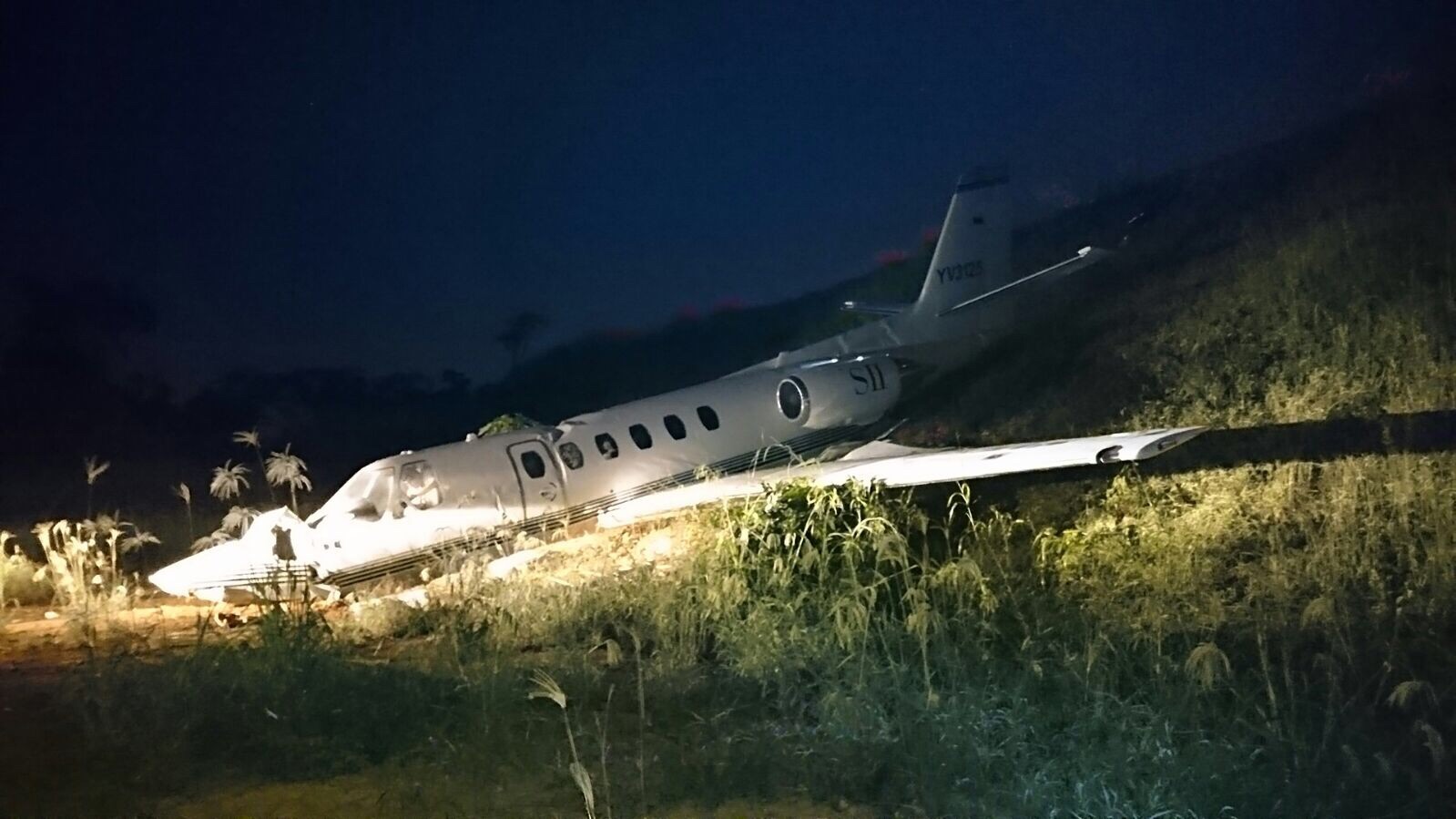
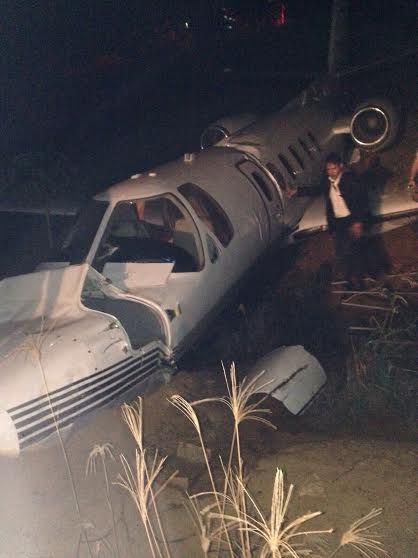
The crew was performing a charter flight from Oranjestad (Aruba) to Charallave with an intermediate stop in Barcelona. While on a night approach to runway 10, the captain initiated a go-around procedure for unknown reasons. During the second attempt to land, the aircraft landed long and the touchdown point appeared to be half way down the runway 10 which is 2,000 meters long. Unable to stop within the remaining distance, the aircraft overran, went down an embankment and came to rest. All eight occupants evacuated safely while the aircraft was damaged beyond repair. The passengers were members of the pop band 'Los Cadillac's' accompanied by the Venezuelan singer and actor Arán de las Casas.