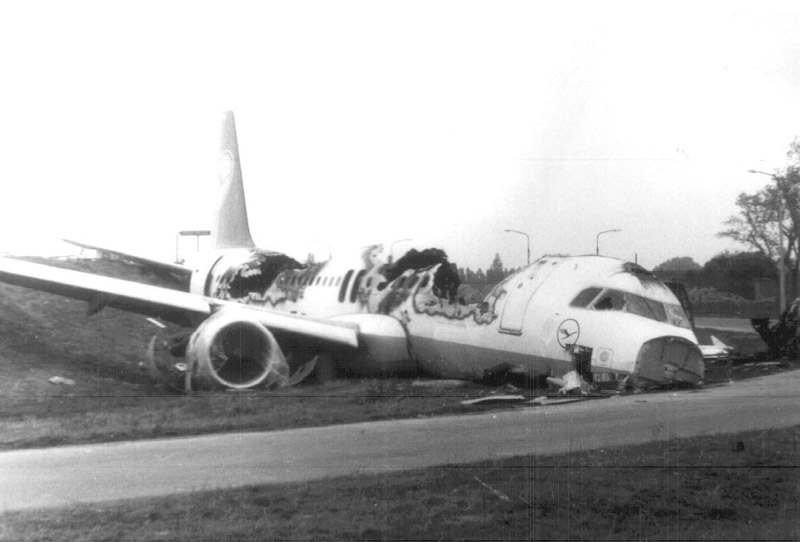
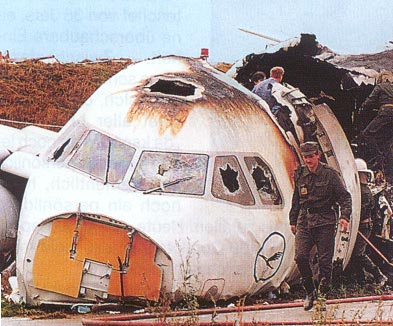
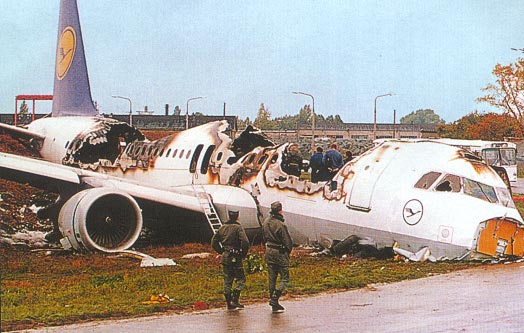
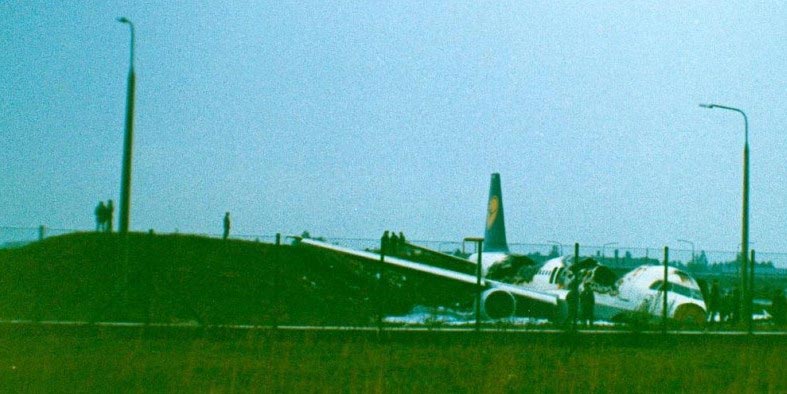
Ground explosion of a Tupolev TU-134A in Sukhumi: 1 killed

Date & Time: Sep 23, 1993
Type of aircraft:
Operator:
Registration:
4L-65001
Flight Phase:
Survivors:
Yes
Schedule:
Sukhumi - Tbilisi
MSN:
42235
YOM:
1976
Country:
Region:
Crew on board:
6
Crew fatalities:
Pax on board:
24
Pax fatalities:
Other fatalities:
Total fatalities:
1
Circumstances:
While parked at Sukhumi-Babushara Airport, the aircraft was struck by a mortar shell, caught fire and exploded. The captain was killed and 29 other occupants were injured. The aircraft was destroyed.
Probable cause:
Destroyed by a mortar shell.

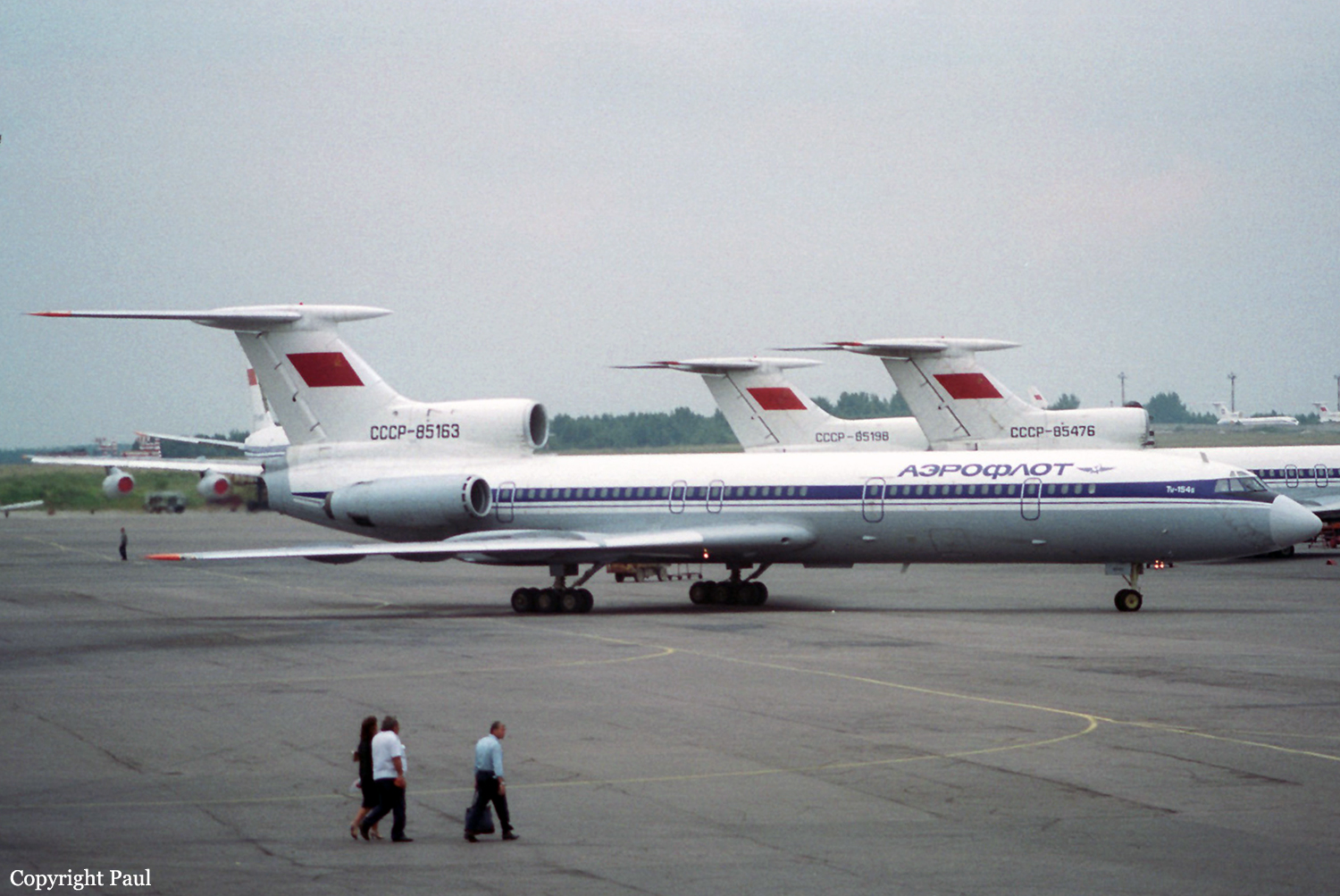
Crash of a Tupolev TU-154B in Sukhumi: 108 killed

Date & Time: Sep 22, 1993 at 1830 LT
Type of aircraft:
Operator:
Registration:
4L-85163
Survivors:
Yes
Schedule:
Tbilisi - Sukhumi
MSN:
76A163
YOM:
1976
Country:
Region:
Crew on board:
12
Crew fatalities:
Pax on board:
120
Pax fatalities:
Other fatalities:
Total fatalities:
108
Circumstances:
On final approach to Sukhumi-Babushara Airport, the aircraft was shot down by a surface-to-air missile and crashed near the runway threshold, bursting into flames. 24 people survived while 108 others were killed. All passengers were Georgian soldiers and policeman dispatched to Sukhumi.
Probable cause:
Shot down by a surface-to-air missile fired by Abkhazi separatists.

Crash of a Swearingen SA227AC Metro III in Troyes

Date & Time: Sep 19, 1993 at 1240 LT
Type of aircraft:
Operator:
Registration:
F-GILN
Flight Phase:
Survivors:
Yes
Schedule:
Troyes - Biggin Hill
MSN:
AC-458
YOM:
1981
Location:
Country:
Region:
Crew on board:
2
Crew fatalities:
Pax on board:
17
Pax fatalities:
Other fatalities:
Total fatalities:
0
Captain / Total flying hours:
2400
Captain / Total hours on type:
200.00
Copilot / Total flying hours:
640
Copilot / Total hours on type:
220
Aircraft flight hours:
13436
Circumstances:
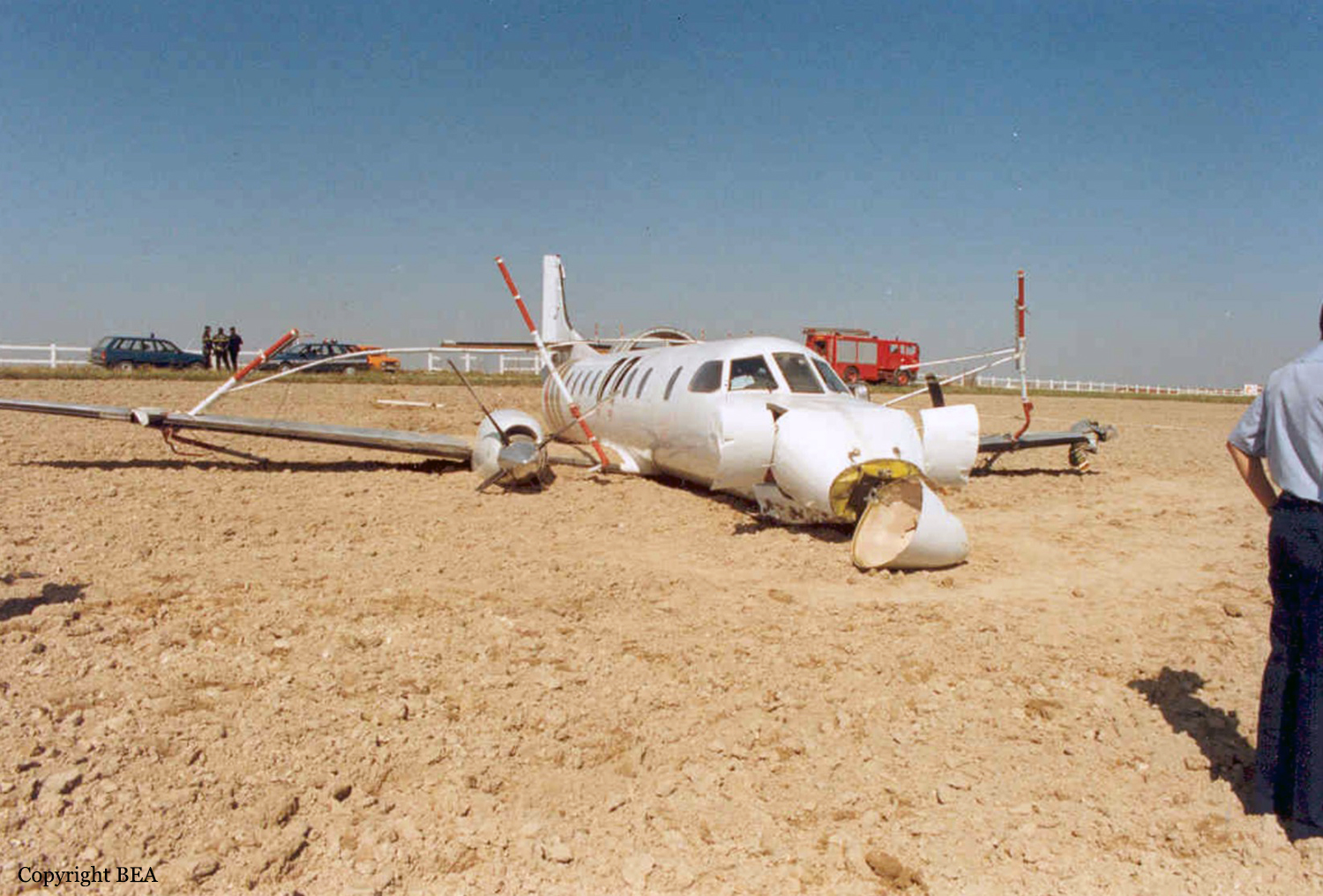
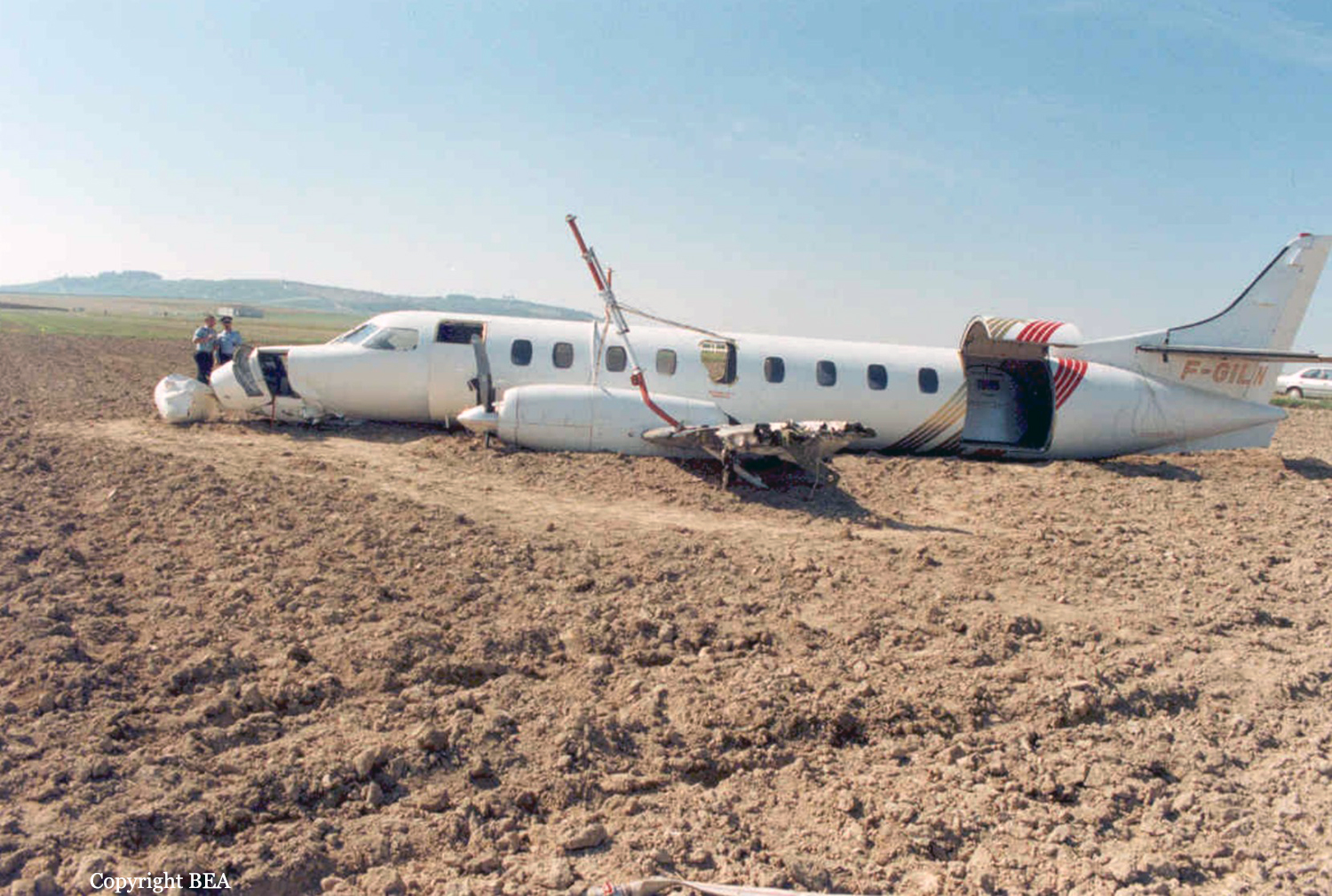
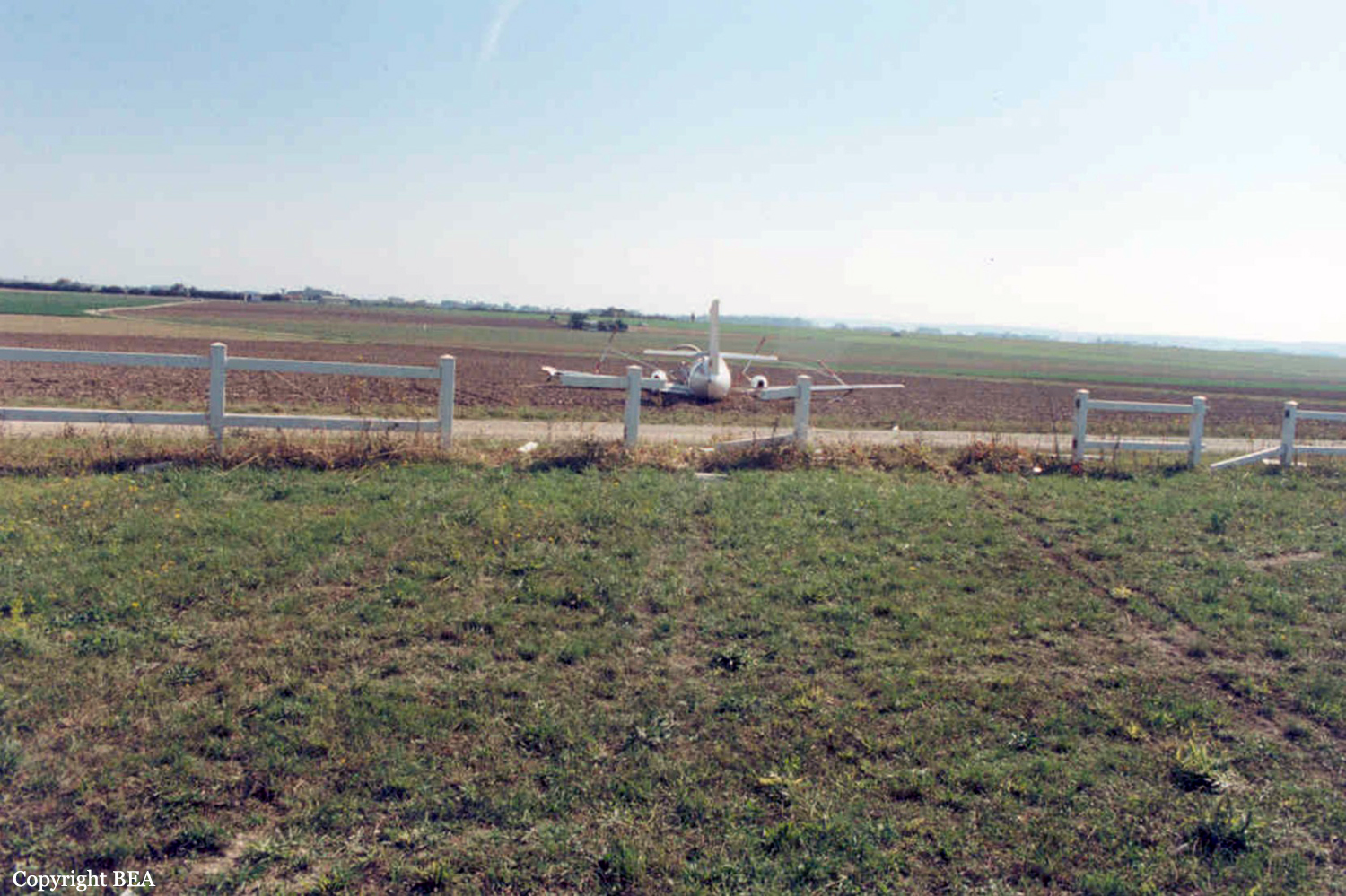
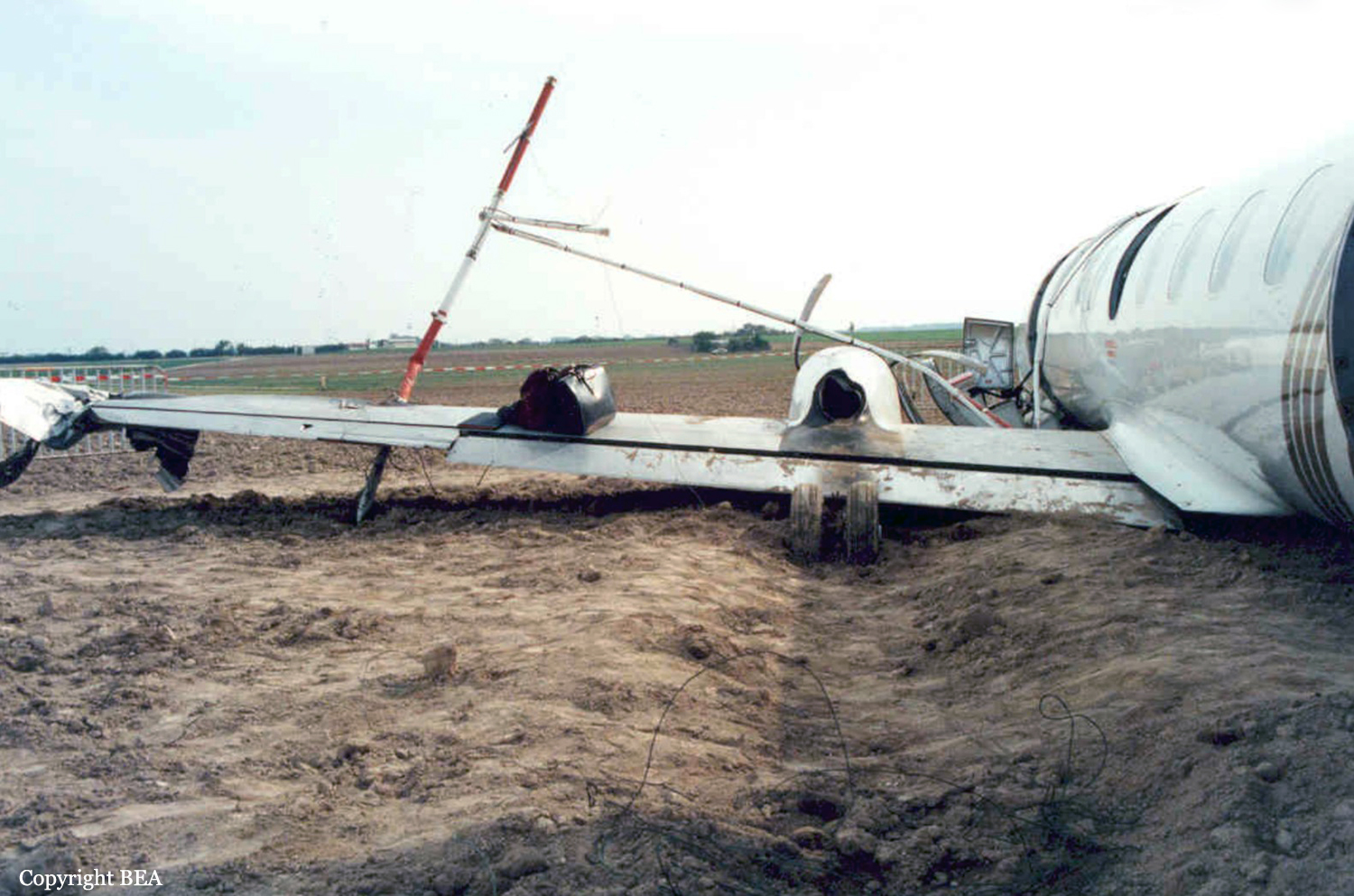
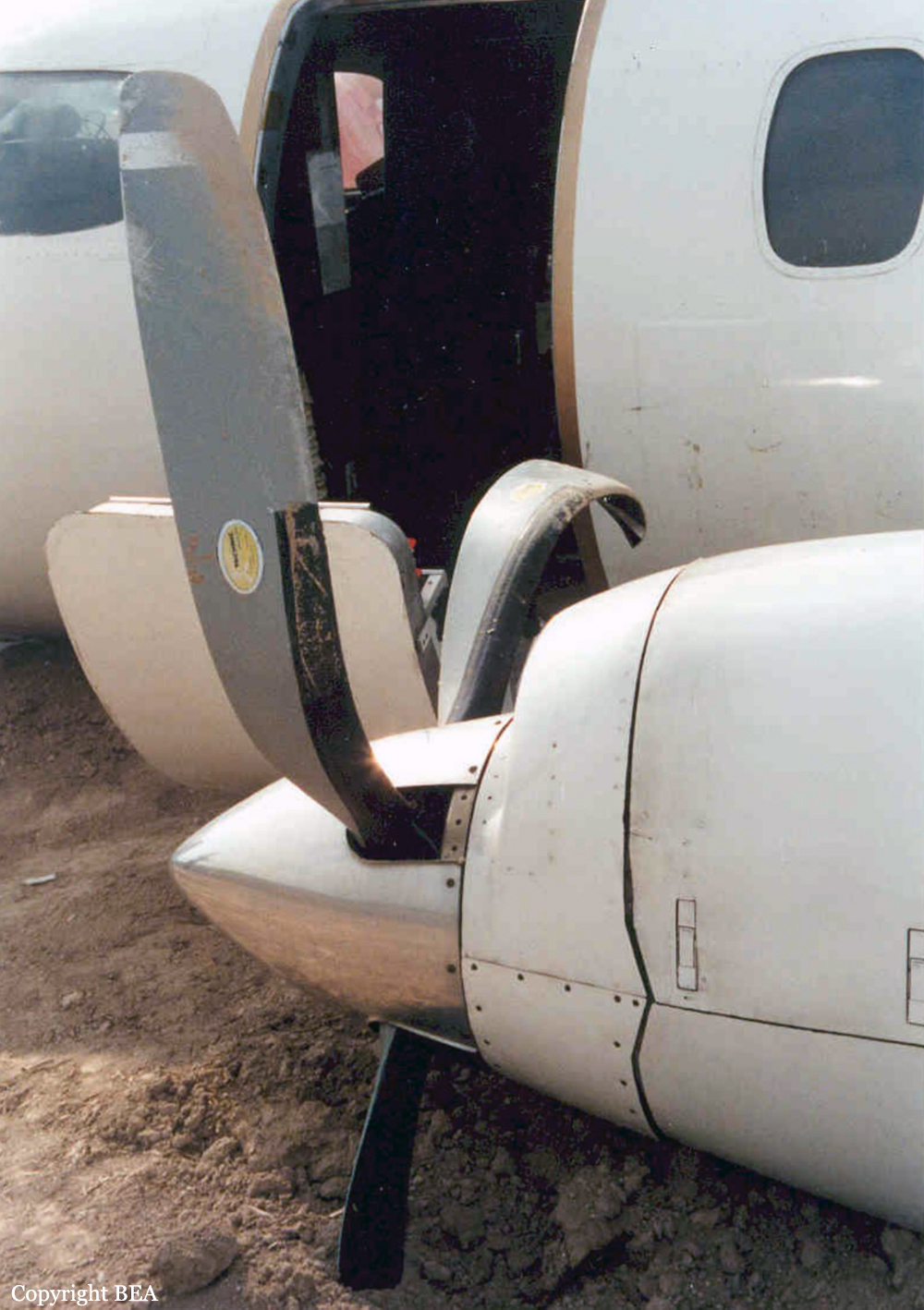
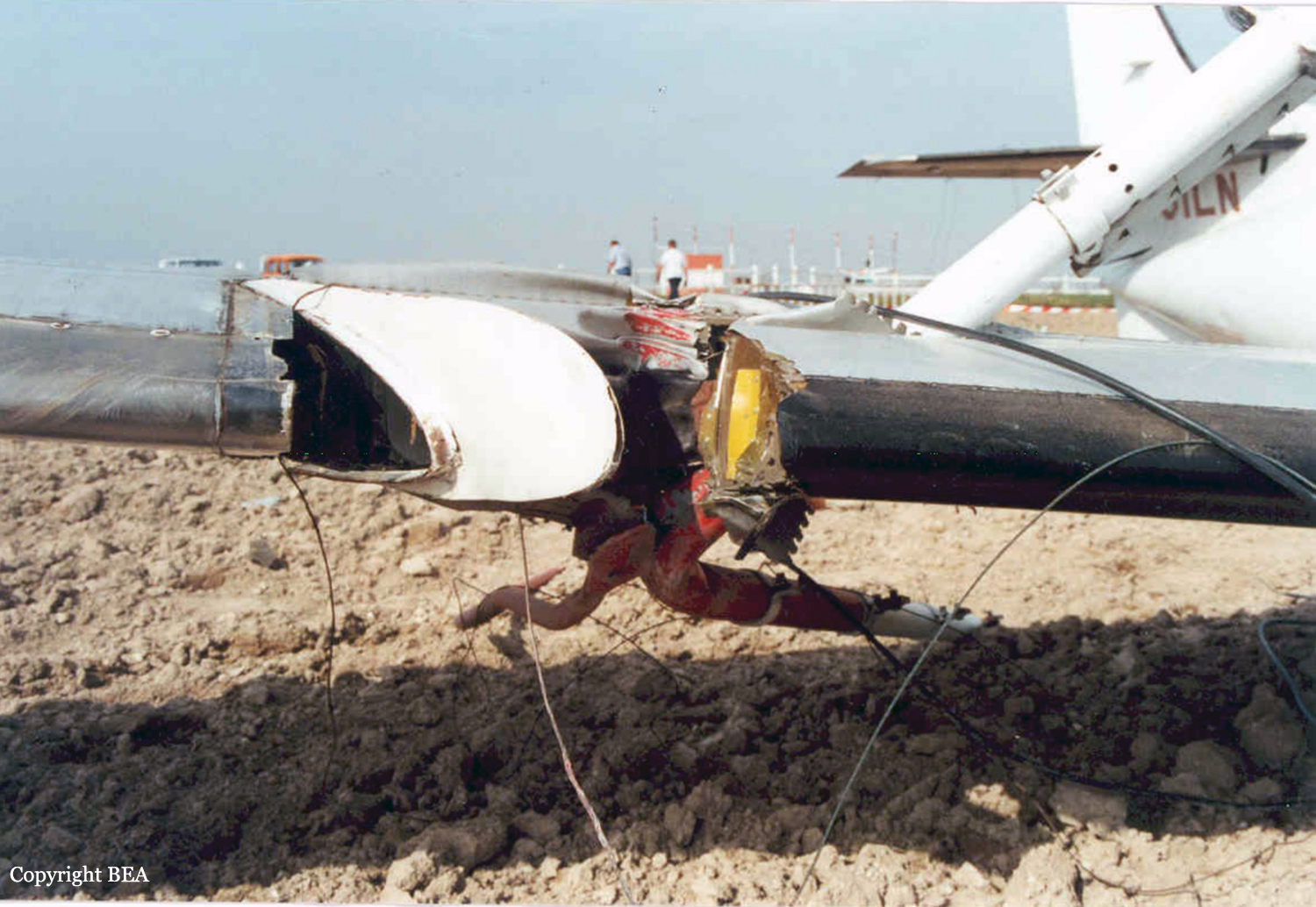
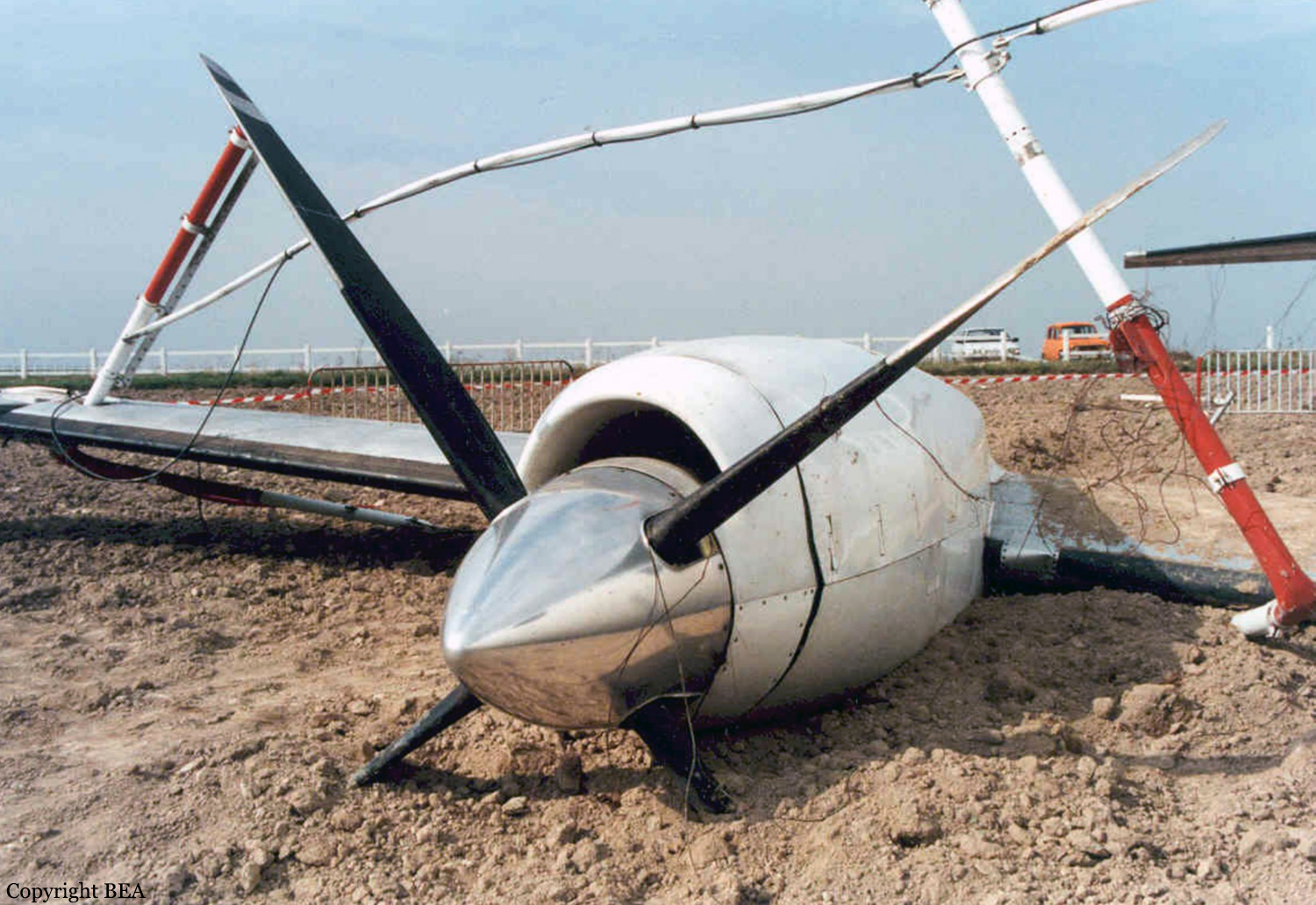
The aircraft has been chartered to transfer to Biggin Hill, UK, 17 people who suffered a bus accident two days ago. During the takeoff roll from Troyes-Barberey Airport, after a course of 1,100 metres, at a speed of about 100 knots, the right engine power dropped from 93% to 40%. In the meantime, the temperature of the right engine increased. As the aircraft was veered to the right, the captain decided to abort and started an emergency braking procedure. Unable to stop within the remaining distance, the aircraft overran, rolled for about 150 metres, went through a fence and eventually collided with the localizer antenna. All 19 occupants escaped uninjured while the aircraft was written off.
Probable cause:
The accident appears to be due to a combination of a positioning error of the Speed Levers at the time of take-off, leading to the overheating of both engines, which forced the take-off to stop, and to the preparation and insufficient management of the take-off, leading to an underestimation of the acceleration-stop distance and a late decision to reject the take-off.
The following contributing factors were reported:
- The fouling of the brakes, which reduced their performance,
- The failure to update the aircraft's base weight in the operations manual,
- The crew's very limited experience on type of aircraft,
- The aircraft total weight was 300 kg above MTOW.
Final Report:

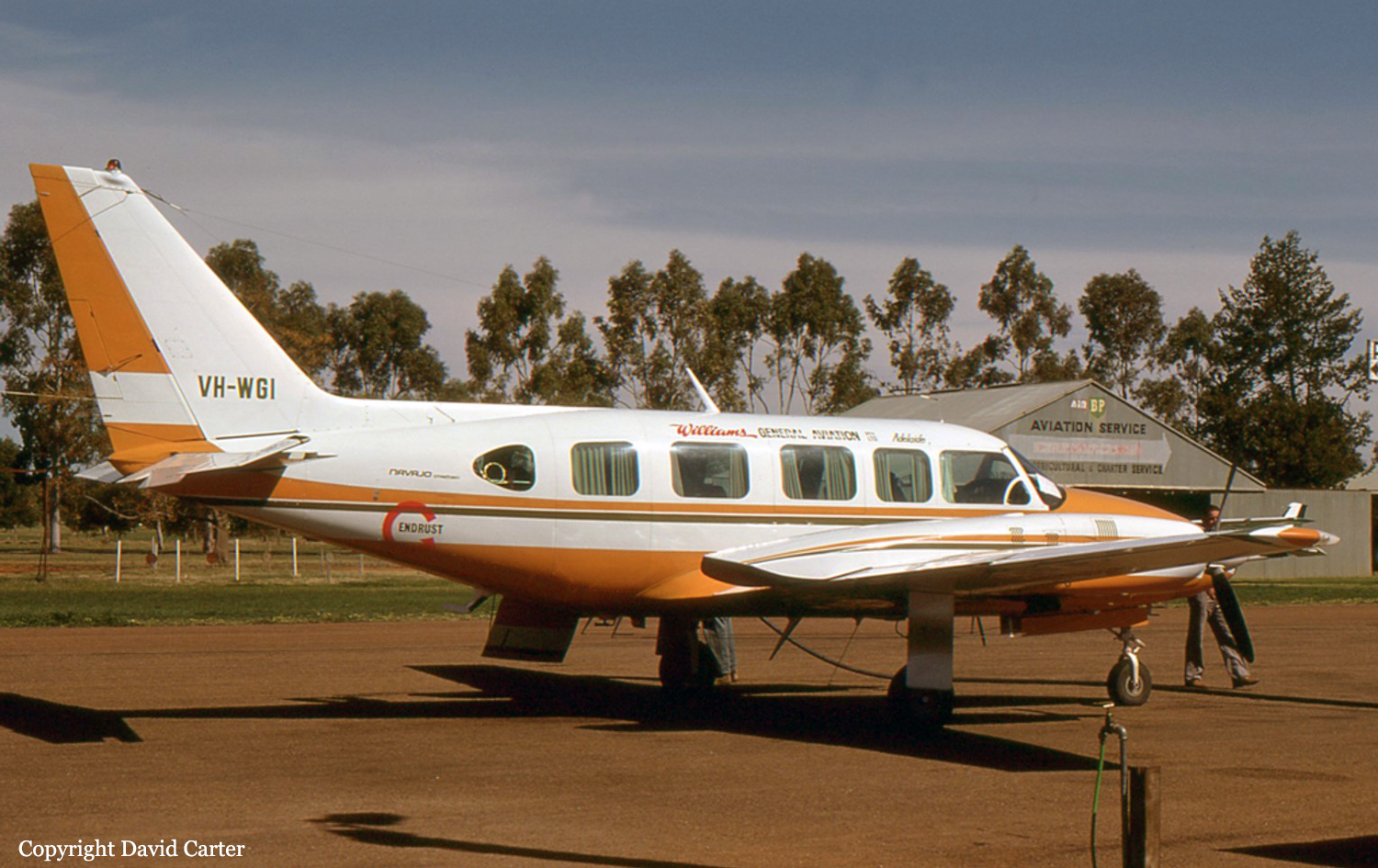
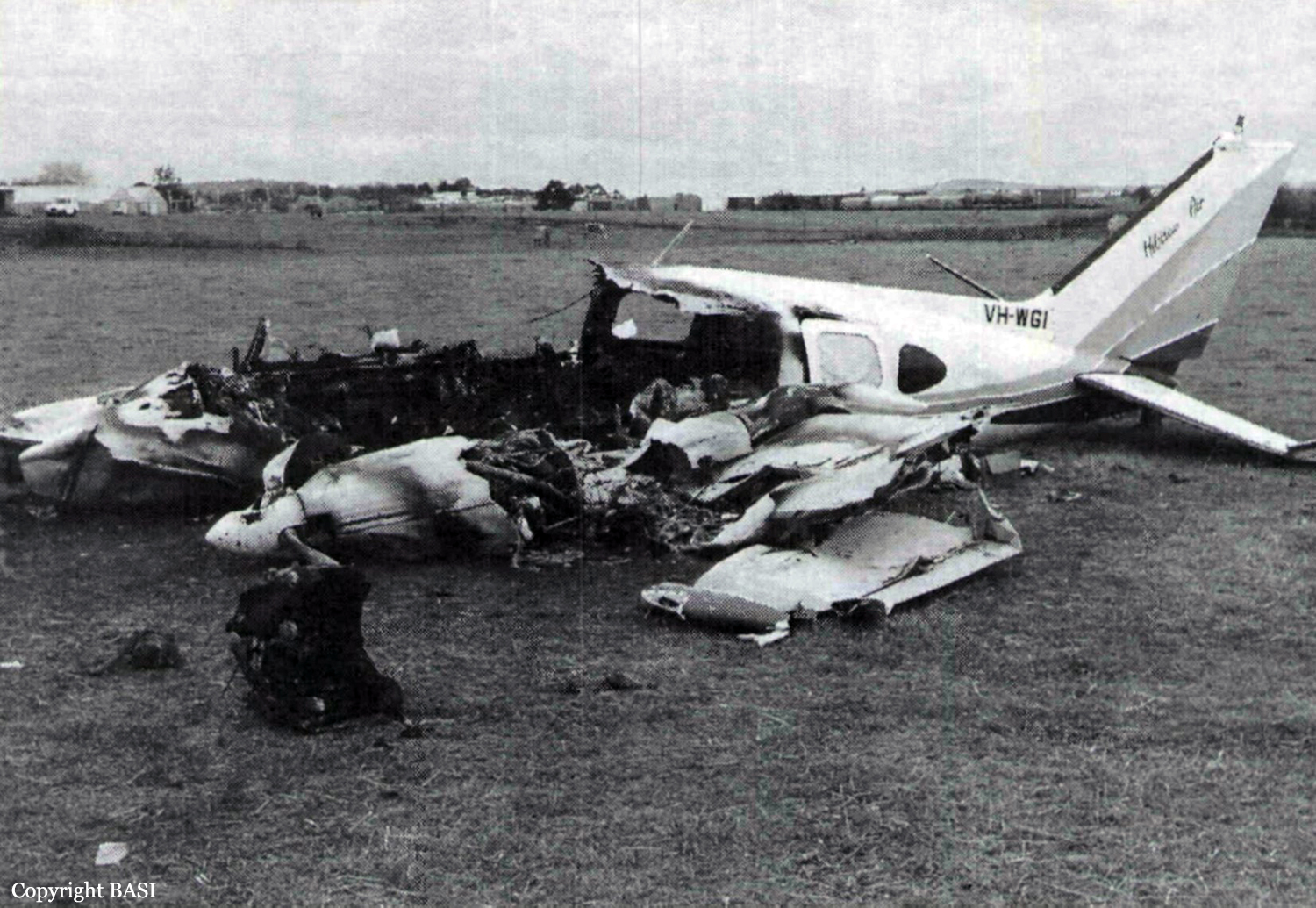
Crash of a Piper PA-31-350 Navajo Chieftain in Launceston: 6 killed

Date & Time: Sep 17, 1993 at 1943 LT
Operator:
Registration:
VH-WGI
Survivors:
Yes
Schedule:
Melbourne - Launceston
MSN:
31-7305075
YOM:
1973
Country:
Region:
Crew on board:
1
Crew fatalities:
Pax on board:
9
Pax fatalities:
Other fatalities:
Total fatalities:
6
Captain / Total flying hours:
701
Captain / Total hours on type:
3.00
Aircraft flight hours:
8712
Circumstances:
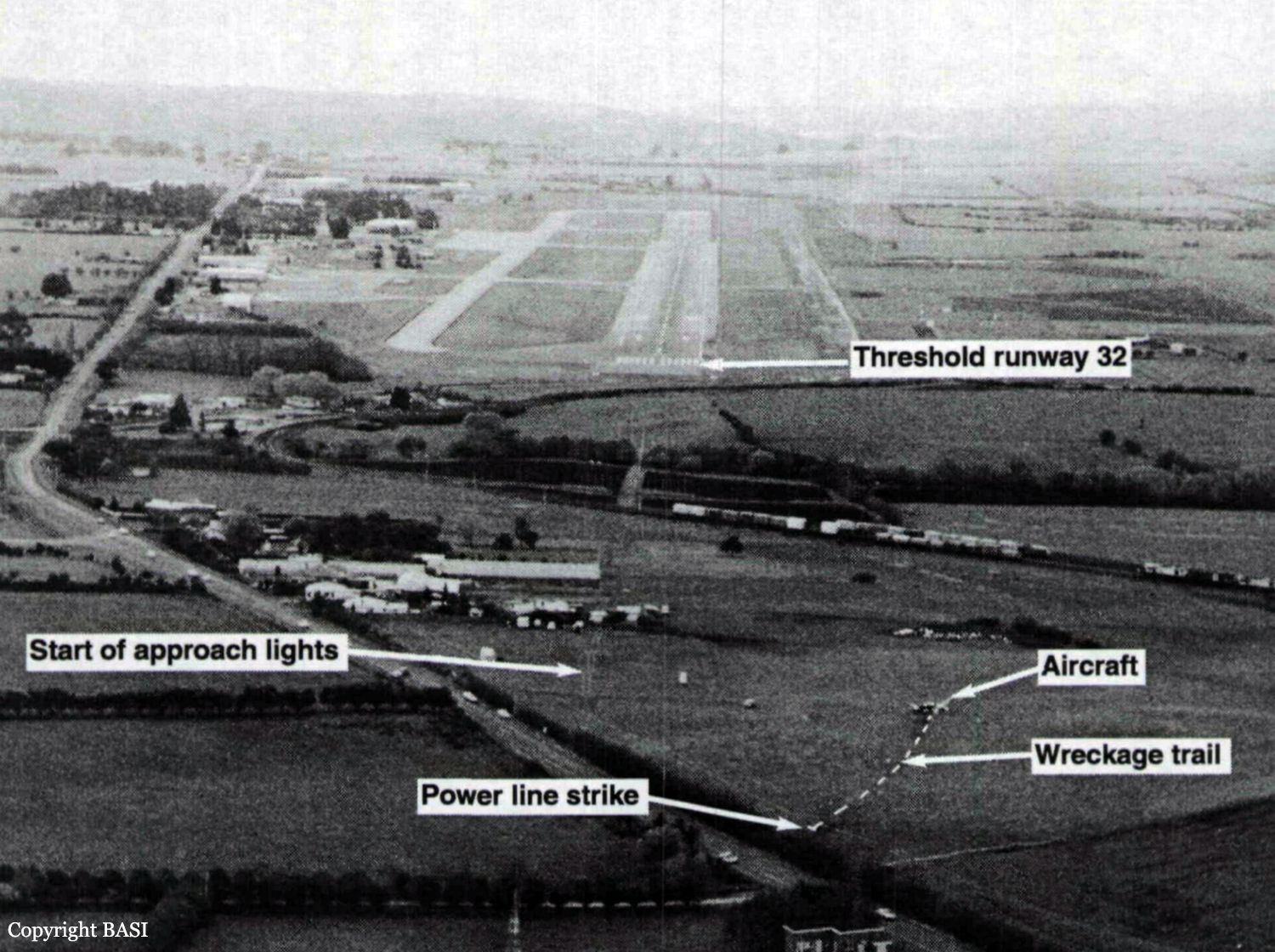
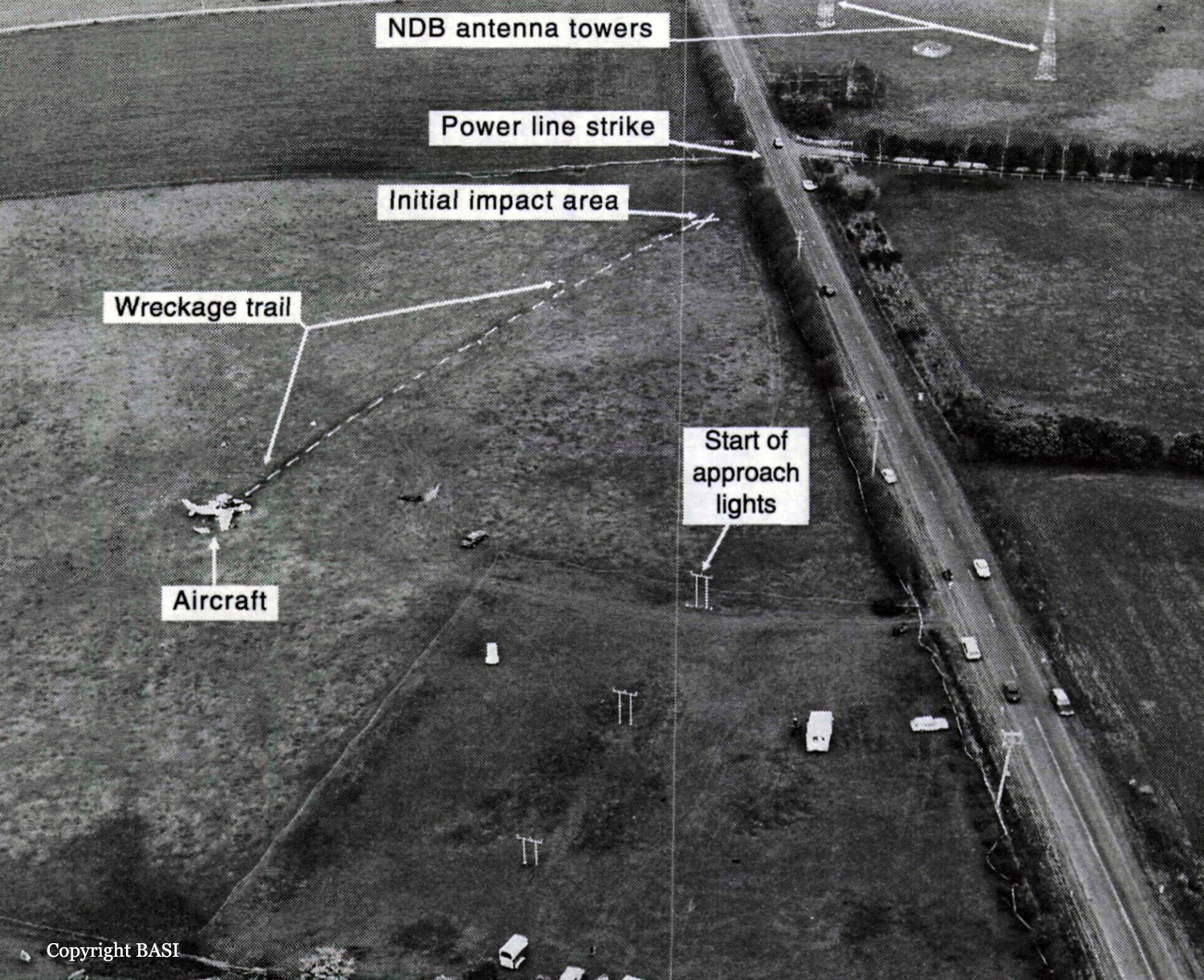
Members of a football club had planned to visit Launceston, travelling by light aircraft. Three aircraft were needed to carry the group, with all passengers and pilots contributing to the cost of the aircraft hire. One of the club members, who was a pilot, organised the required aircraft and additional pilots for departure from Moorabbin Airport on the afternoon of 17 September 1993. The operator from whom the aircraft were hired, who also employed the organising pilot as an instructor, arranged for one Piper PA-23 (VH-PAC), a Piper PA-31-310 (VH-NOS) and a Piper PA-31-350 (VH-WGI) to be available for the trip, with the organising pilot to fly VH-WGI. On the day of the flight the pilot of VH-WGI carried out pre-flight inspections, obtained the weather forecasts and submitted flight plans for all three aircraft. The flight plans for the two PA-31 aircraft were for flights operated in accordance with IFR procedures. The PA-23 was to operate in accordance with VFR procedures. The TAF for Launceston predicted 2 octas of stratocumulus cloud, base 2,000 ft and 3 octas of stratocumulus cloud, base 3,500 ft. The flight plan for VH-WGI (see fig. 2) indicated that the aircraft would track Moorabbin Wonthaggi-Bass-Launceston and cruise at an altitude of 9,000 ft. A cruise TAS of 160 kts, total plan flight time of 90 minutes, endurance 155 minutes and Type of Operation 'G' (private category flight) were specified. No alternate aerodrome was nominated and none was required. The estimated time of departure was 1730. The flight plan was submitted to the CAA by facsimile at 1529. Last light at Launceston was 1919. VH-WGI departed Moorabbin at 1817 and climbed to an en-route cruise altitude of 9,000 ft. The pilot was required to report at Wonthaggi but passed this position at 1832 without reporting. Melbourne ATC tried unsuccessfully to contact the pilot because of this missed report. Later, the Melbourne radar controller noticed the aircraft deviating left of track but was unable to make contact. Communications were re-established at 1858 when the pilot called Melbourne FS saying he had experienced a radio problem. By this time the aircraft heading had been corrected to regain track. At 1927 the pilot called Launceston Tower and was cleared for a DME arrival along the inbound track of the Launceston VOR 325 radial. The Launceston ATIS indicated 2 octas of cloud at 800 ft, QNH 1,012 hPa, wind 320° at 5-10 kts, temperature +10° and runway 32 in use. At 1930 the ADC advised the pilot that the 2 octas of cloud were clear of the inbound track, but that there was some lower cloud forming just north of the field, possibly on track. He informed the pilot that there was a chance he might not be visual by the VOR, in which case he would need to perform an ILS approach via the Nile locator beacon. The ADC contacted the airport meteorological observer at 1933, inquiring as to what the 1930 searchlight check of cloud height had revealed. He was told the observation indicated 7 octas of cloud at about 800 ft. At 1935.52 (time in hours, minutes and seconds) the ADC asked the pilot for his DME (distance) and level. The pilot responded that he was at 12 DME and 3,300 ft. The ADC told the pilot that conditions were deteriorating with probably 4 octas at 800 ft at the field. He then told the pilot he would hopefully get a break in the cloud, but then restated that if he was not visual by the VOR to make a missed approach, track to Nile and climb to 3,000 ft. At 1939.45 the pilot was again asked for his DME and level. He indicated that he was at 1,450 ft and 2-3 DME. He then also confirmed that he was still in IMC. There were three other aircraft inbound for Launceston and the ADC made an all-stations broadcast that conditions were deteriorating at Launceston, with 4 octas at 800 ft, and to expect an ILS approach. At 1940.56 the pilot stated that he was overhead the field, but did not have it sighted and was going around. At 1941.07 the pilot reported that he had the airfield in sight and at 1941.16 that he was positioned above the final approach for runway 32. Fifteen seconds later the pilot reported that he was opposite the tower and was advised by the ADC that he was cleared for a visual approach, or a missed approach to Nile as preferred. The pilot indicated he would take the visual approach and was then told to manoeuvre as preferred for runway 32. This was acknowledged at 1941.48. No further communications were received from the pilot. The ADC made a broadcast to two other inbound aircraft at 1942.32, advising that VH-WGI was in the circuit ahead of them, that it had become visual about half a mile south of the VOR, that it was manoeuvring for a visual approach and was just in and out of the base of the cloud. After the pilot of VH-WGI reported over the field, and the aircraft first appeared out of cloud, witnesses observed it track to about the south-east end of the aerodrome at a height of about 500-800 ft. It then turned left to track north-west on the north-east side of the main runway and approximately over the grass runway. The aircraft was seen to be travelling at high speed, and passing through small areas of cloud. North of the main terminal building a left turn was initiated onto a close downwind leg for runway 32. The aircraft appeared to descend while on this leg. As the base turn was started, at a height estimated as 300-500 ft, the aircraft briefly went through cloud. Some of the witnesses reported that the engine noise from the aircraft during the approach was fairly loud, suggestive of a high power setting. Late on a left base leg the aircraft was observed to be in a steep left bank, probably in the order of 60°, at a height of about 200 ft. It then descended rapidly and struck a powerline with the right wing, approximately 28 ft AGL, resulting in an airport electrical power failure at 1943.02. Almost simultaneously the left wing struck bushes. A short distance beyond the powerlines the aircraft struck the ground and slid to a stop. A fierce fire broke out immediately. Airport fire services responded to the accident and the fire was quickly extinguished. Six of the occupants received fatal injuries and the others, including the pilot, were seriously injured.
Probable cause:
The following findings were reported:
1. The actual weather at Launceston at the time of arrival of VH-WGI was significantly worse than forecast.
2. The pilot did not have the required recent experience to conduct either an IFR flight or an ILS approach. The operator's procedures did not detect this deficiency.
3. The pilot's inexperience and limited endorsement training did not adequately prepare him for IFR flight in the conditions encountered.
4. The CAA did not specify adequate endorsement training or minimum endorsement time requirements for aircraft of the class of the PA-31-350, particularly in regard to the endorsement of inexperienced pilots.
5. An absence of significant decision-making training requirements contributed to the poor decision-making action by the pilot who decided to continue with a visual circling approach at Launceston in conditions that were unsuitable for such an approach.
6. As a consequence of continuing the approach, the pilot subjected himself to an overwhelming workload. This was due to a combination of adverse weather conditions, his lack of training and experience in IFR approach procedures on the type, and a misinterpretation of (or non-compliance with) the AIP/DAP-IAL instructions, a combination which appears to have influenced the pilot to fly a close-in, descending circuit at low altitude. The carriage of alcohol-affected passengers may have also added to the level of difficulty.
7. Because of workload, and possibly also due to distractions, the pilot inadvertently allowed the aircraft to enter a rapid descent at a critical stage of the approach, at an altitude from which recovery could not be effected.
Final Report:

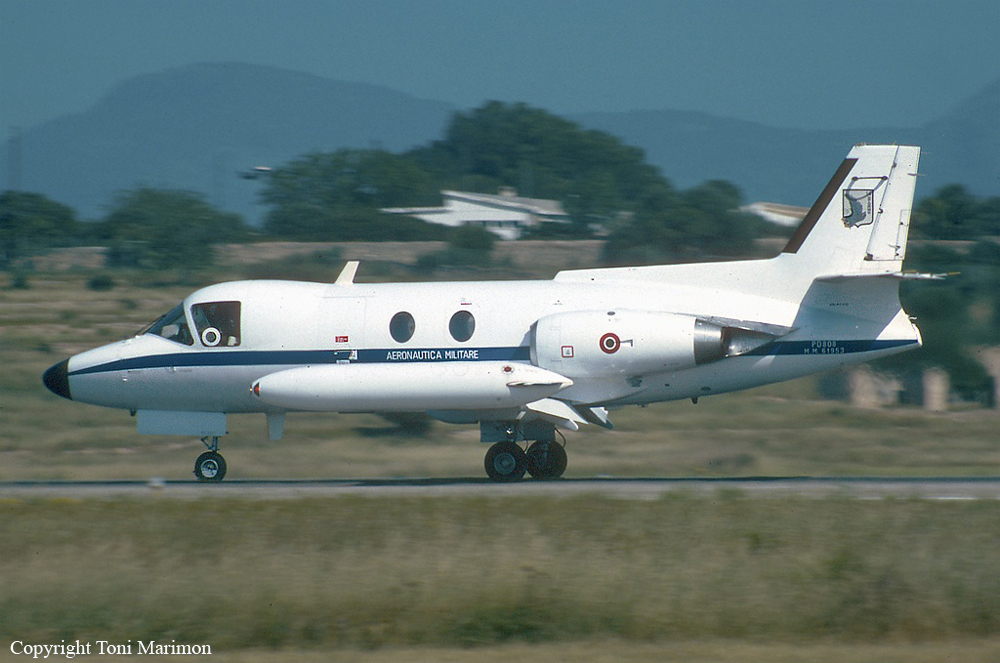
Crash of a Piaggio PD-808TP in Venice: 3 killed

Date & Time: Sep 15, 1993
Type of aircraft:
Operator:
Registration:
MM61953
Flight Type:
Survivors:
No
Schedule:
Treviso - Rome
MSN:
511
YOM:
1972
Country:
Region:
Crew on board:
3
Crew fatalities:
Pax on board:
0
Pax fatalities:
Other fatalities:
Total fatalities:
3
Circumstances:
After takeoff from Treviso-Istrana Airbase, the crew informed ATC about technical problems and was cleared to divert to Venice-Tessera Airport for an emergency landing. On final, the aircraft went out of control and crashed few hundred metres short of runway. All three crew members were killed.

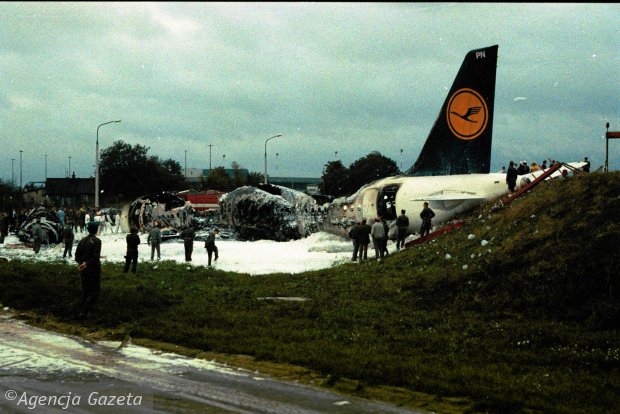
Crash of an Airbus A320-211 in Warsaw: 2 killed

Date & Time: Sep 14, 1993 at 1643 LT
Type of aircraft:
Operator:
Registration:
D-AIPN
Survivors:
Yes
Schedule:
Frankfurt - Warsaw
MSN:
105
YOM:
1990
Flight number:
LH2904
Country:
Region:
Crew on board:
6
Crew fatalities:
Pax on board:
64
Pax fatalities:
Other fatalities:
Total fatalities:
2
Captain / Total flying hours:
12778
Captain / Total hours on type:
1440.00
Copilot / Total flying hours:
11361
Copilot / Total hours on type:
1595
Aircraft flight hours:
7546
Aircraft flight cycles:
6721
Circumstances:
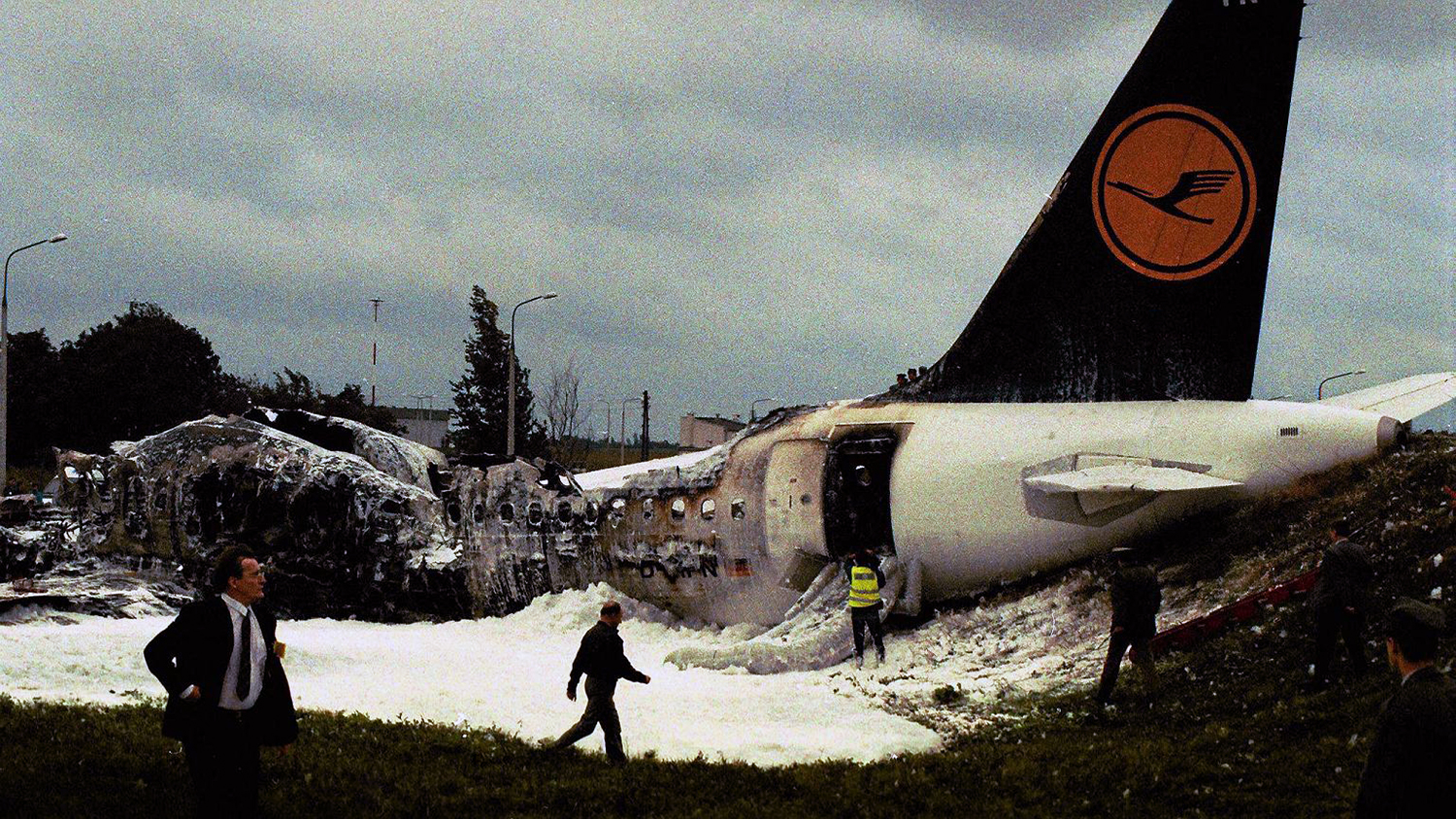
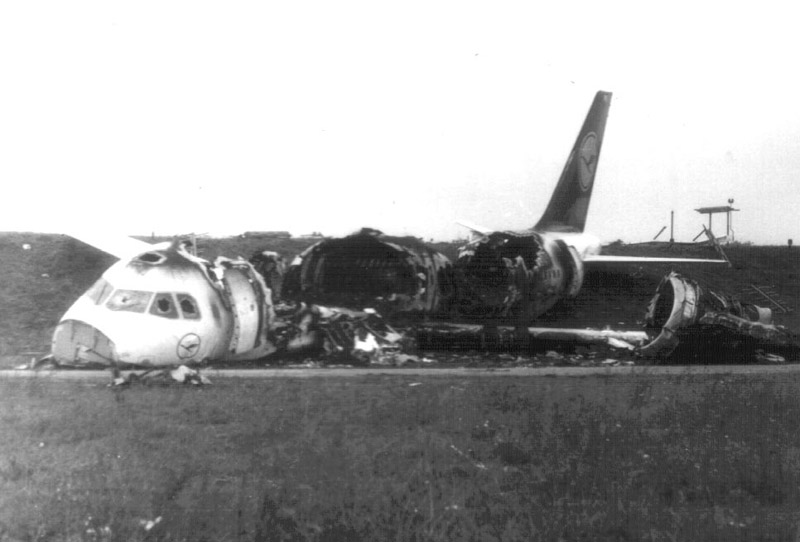
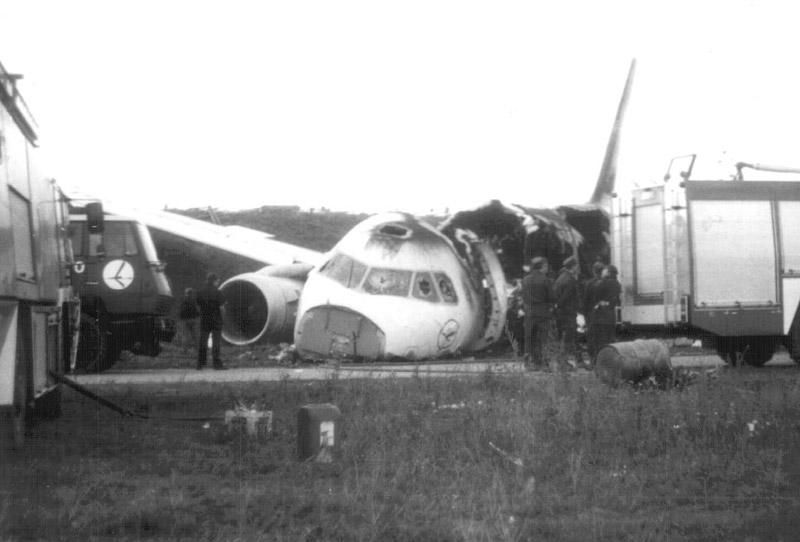
Following an uneventful flight from Frankfurt, the crew started the descent to Warsaw-Okecie Airport in poor weather conditions with thunderstorm activity, wind shear, rain falls and CB's. After being cleared to land on runway 11, the wind component changed during the last seconds. The right main gear touched down 770 metres past the runway threshold (aircraft's speed was 170 knots). The left main gear touched down 9 seconds later, 1,525 metres past the runway threshold. On a wet runway, the crew started the braking procedure and activated the thrust reversers and spoilers but the remaining distance was insufficient. At a speed of 72 knots, the aircraft overran, went down an embankment, lost its left engine and came to rest 90 metres further, bursting into flames. A female passenger and the captain were killed while all other occupants were rescued, among them 51 were seriously injured. The aircraft was destroyed by a post crash fire.
Probable cause:
Cause of the accident were incorrect decisions and actions of the flight crew taken in situation when the information about windshear at the approach to the runway was received. Wind shear was produced by the front just passing the aerodrome; the front was accompanied by intensive variation of wind parameters as well as by heavy rain on the aerodrome itself. Actions of the flight crew were also affected by design features of the aircraft which limited the feasibility of applying available braking systems as well as by insufficient information in the aircraft operations manual (AOM) relating to the increase of the landing distance.
Final Report:

Crash of a Curtiss C-46A-40-CU Commando in San Borja

Date & Time: Sep 13, 1993
Type of aircraft:
Operator:
Registration:
CP-1848
Flight Phase:
Flight Type:
Survivors:
Yes
Schedule:
San Borja - Josuiani
MSN:
26999
YOM:
1944
Country:
Crew on board:
3
Crew fatalities:
Pax on board:
0
Pax fatalities:
Other fatalities:
Total fatalities:
0
Circumstances:
Shortly after takeoff from San Borja-Capitán Germán Quiroga Guardia Airport, while in initial climb, the left engine caught fire. The crew shut down the engine and feathered its propeller but was unable to extinguish the fire. Unable to return, the crew attempted an emergency landing in a field located near Aurora. The aircraft came to rest, bursting into flames. All three crew members escaped uninjured.
Probable cause:
Engine fire for unknown reasons.

Crash of a Cessna 402B in Sandy Point

Date & Time: Sep 12, 1993 at 1545 LT
Type of aircraft:
Registration:
N444KA
Flight Phase:
Survivors:
Yes
Schedule:
Sandy Point - Freeport
MSN:
402B-1085
YOM:
1976
Country:
Crew on board:
1
Crew fatalities:
Pax on board:
7
Pax fatalities:
Other fatalities:
Total fatalities:
0
Circumstances:
After takeoff from Sandy Point Airport, the twin engine airplane encountered difficulties to gain height. It collided with trees, stalled and crashed in a wooded area, bursting into flames. All eight occupants were seriously injured and the aircraft was destroyed by a post crash fire.

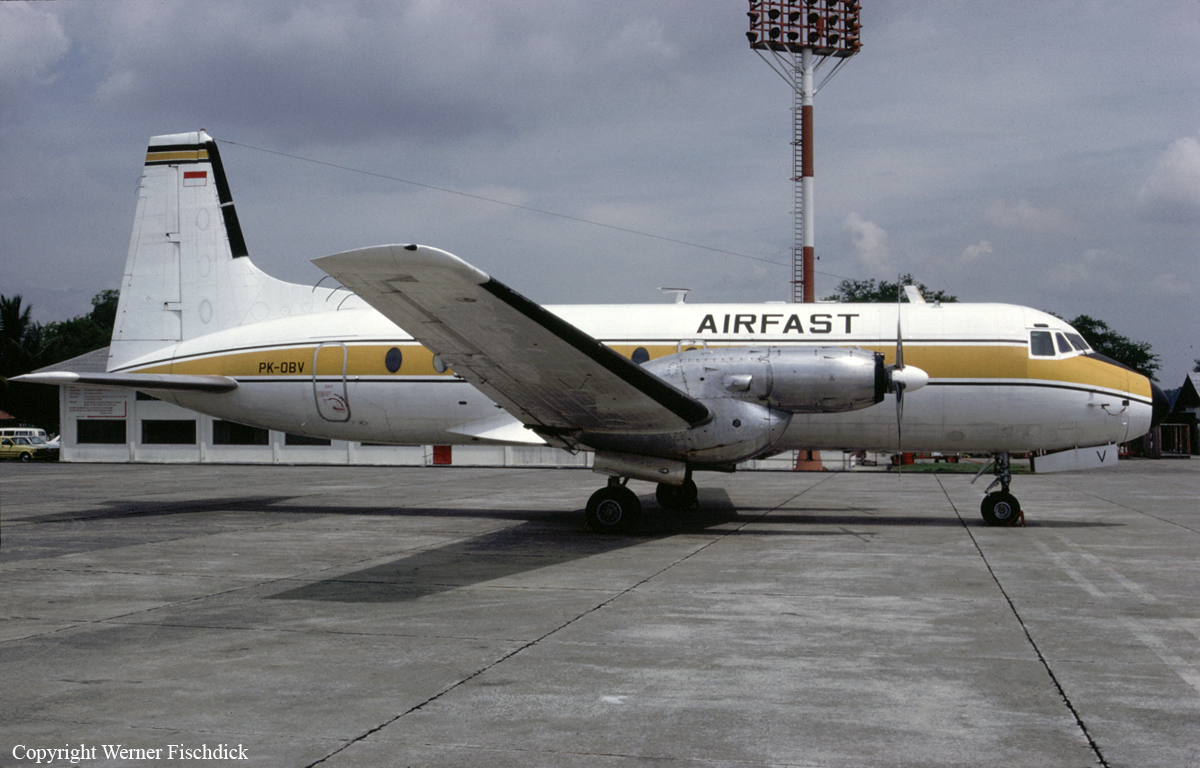
Crash of an Avro 748-222-2A in Tanahmerah

Date & Time: Sep 7, 1993
Type of aircraft:
Operator:
Registration:
PK-OBV
Survivors:
Yes
MSN:
1585
YOM:
1965
Country:
Region:
Crew on board:
2
Crew fatalities:
Pax on board:
4
Pax fatalities:
Other fatalities:
Total fatalities:
0
Circumstances:
On approach, the aircraft was too low and struck the ground short of runway. Upon impact, the undercarriage were torn off and the aircraft came to rest on its belly. All six occupants escaped uninjured and the aircraft was written off.

Crash of a Piper PA-46-350P Malibu Mirage in Block Island

Date & Time: Sep 5, 1993 at 1108 LT
Operator:
Registration:
N46DK
Flight Type:
Survivors:
Yes
Schedule:
Manchester - Block Island
MSN:
46-22010
YOM:
1989
Crew on board:
1
Crew fatalities:
Pax on board:
3
Pax fatalities:
Other fatalities:
Total fatalities:
0
Captain / Total flying hours:
4100
Captain / Total hours on type:
700.00
Aircraft flight hours:
998
Circumstances:
During an approach to land, the pilot made S-turns to allow for proper spacing from a preceding airplane. On short final, he decided to go around because the runway was still not clear. However, he reported there was a lack of response concerning the power, so he decided to land as originally planned. The pilot tried to align the airplane with the runway centerline, but its right wing and landing gear struck the ground, and the right landing gear collapsed. The airplane skidded off the right side of the runway. During the accident sequence, the outward portion of the right wing was torn away from the airplane and a fuel line was ruptured. A ground fire erupted and burned through the right side of the airplane's structure and right wing. No preimpact part failure or malfunction was reported.
Probable cause:
Improper in-flight planning/decision by the pilot, and his failure to attain proper runway alignment.
Final Report: