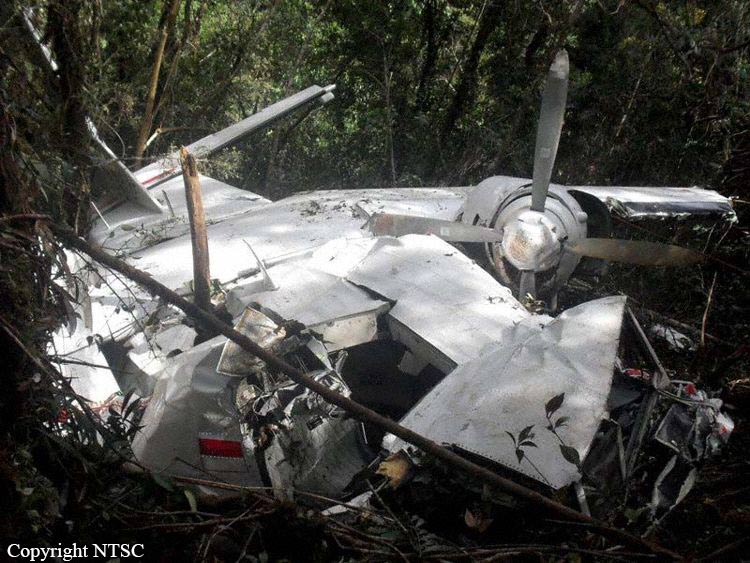
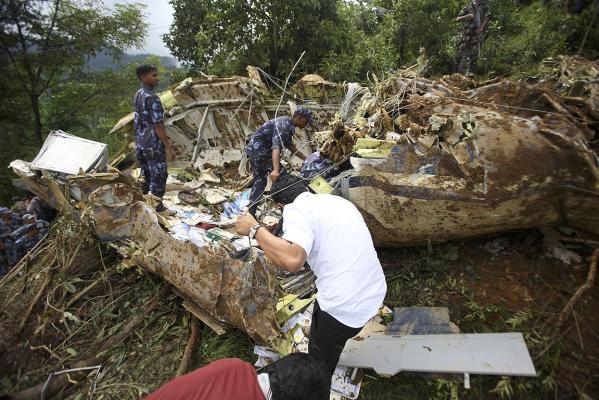
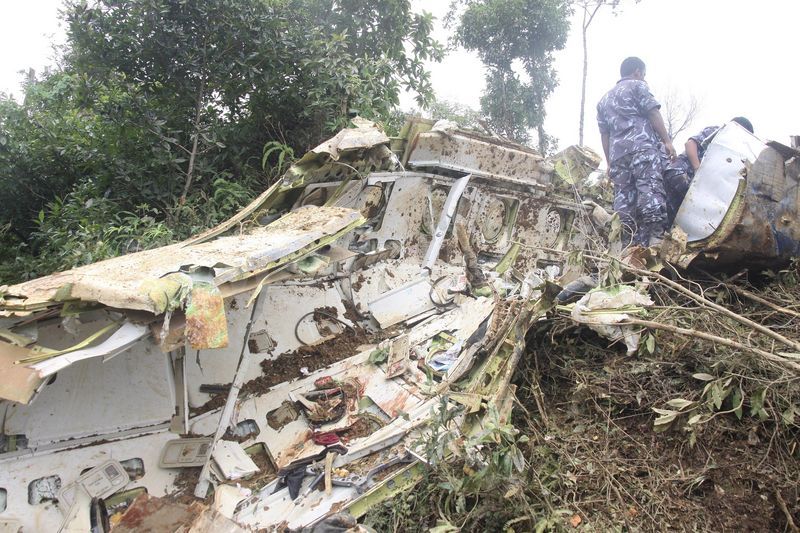
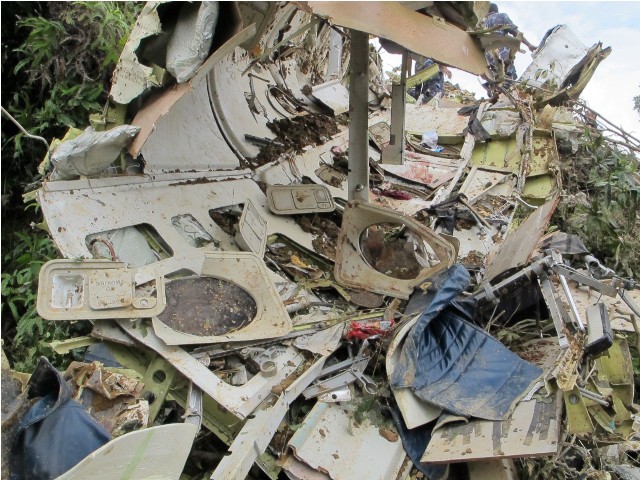
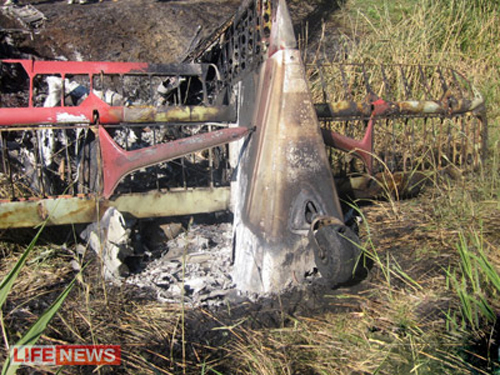
Crash of a Britten-Norman BN-2T Islander in Dhorpatan: 6 killed

Date & Time: Oct 18, 2011 at 1906 LT
Type of aircraft:
Operator:
Registration:
RAN-49
Flight Phase:
Flight Type:
Survivors:
No
Site:
Schedule:
Nepalgunj – Kathmandou
MSN:
2191
YOM:
1988
Country:
Region:
Crew on board:
1
Crew fatalities:
Pax on board:
5
Pax fatalities:
Other fatalities:
Total fatalities:
6
Circumstances:
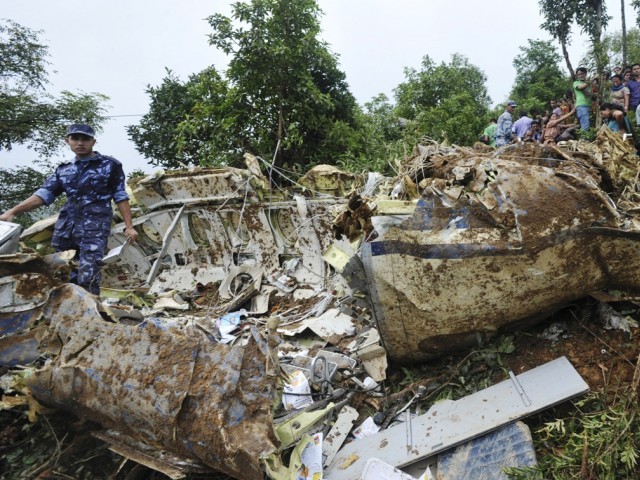
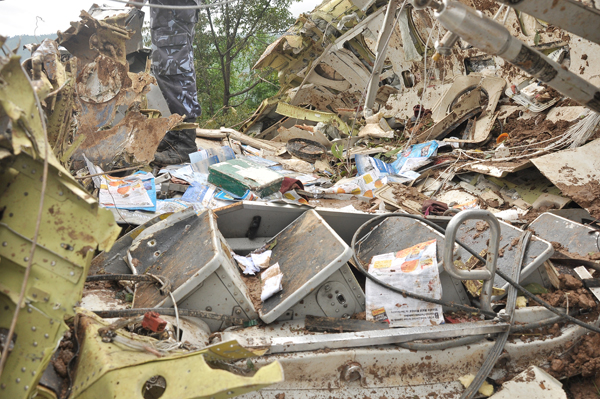
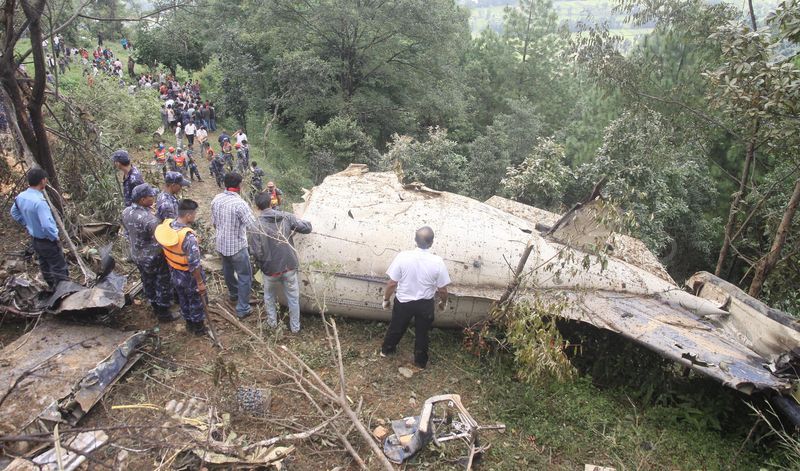
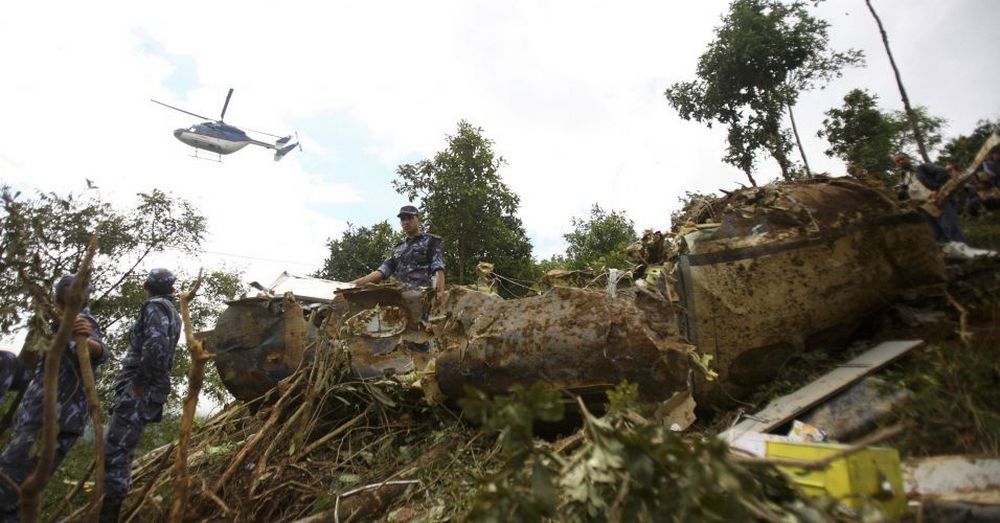
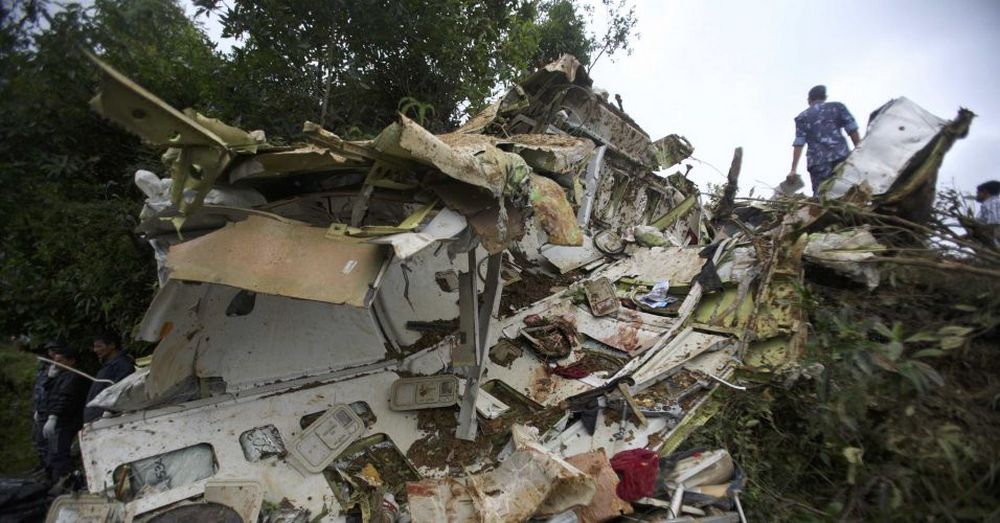
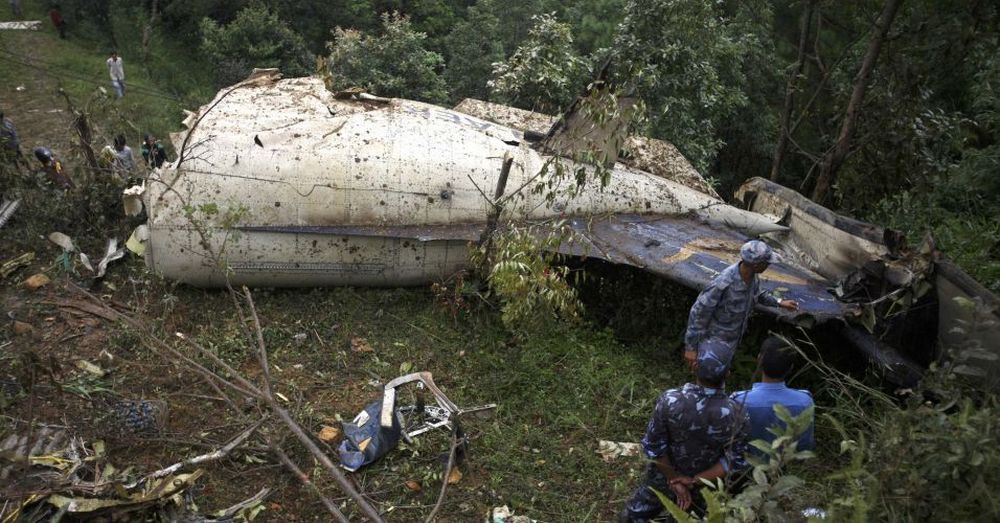
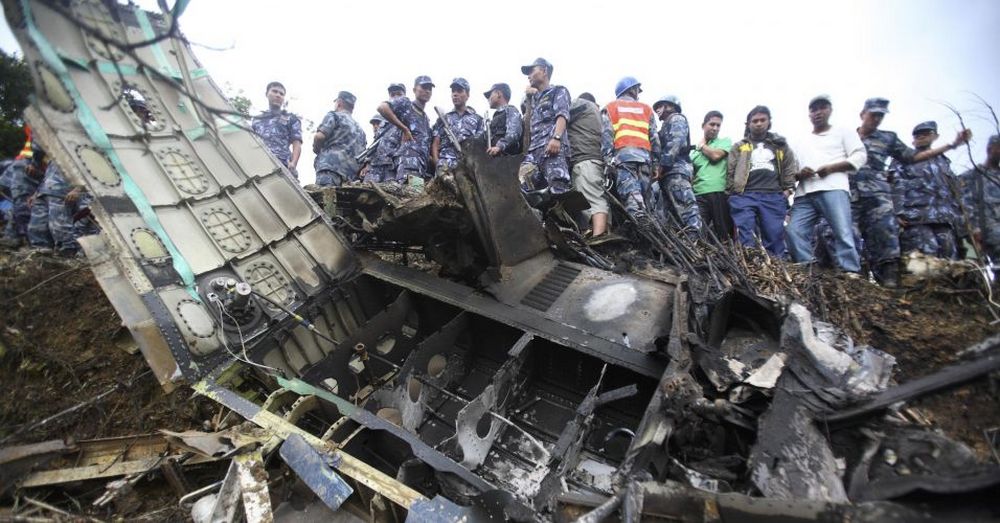
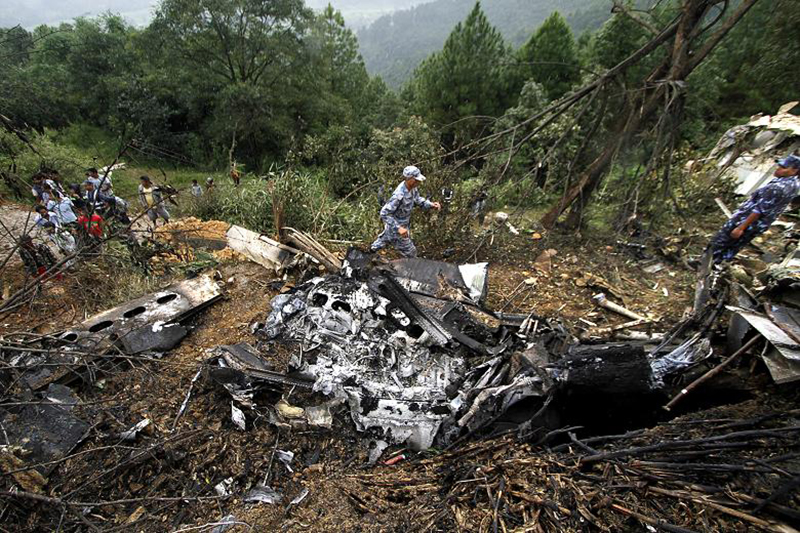
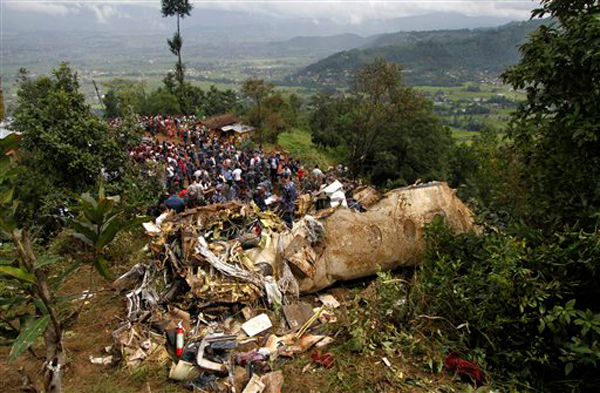
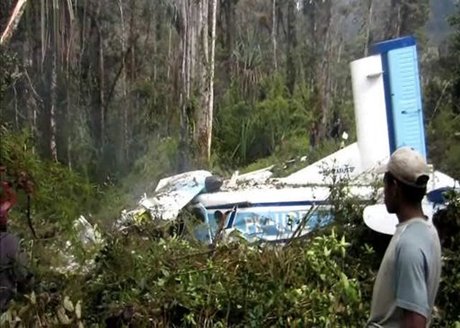
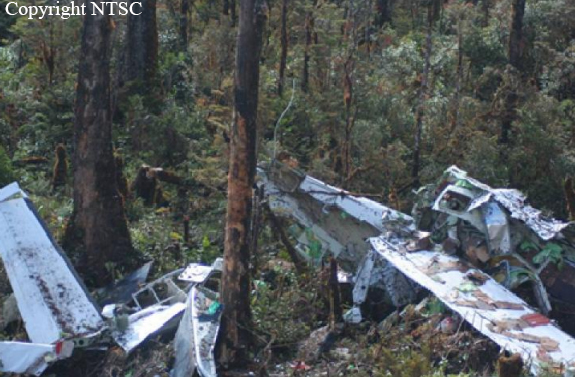
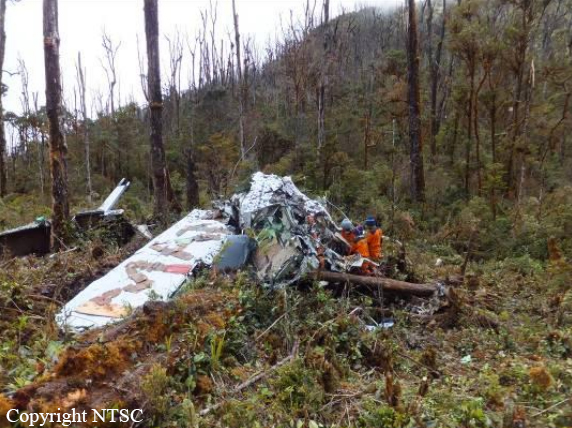
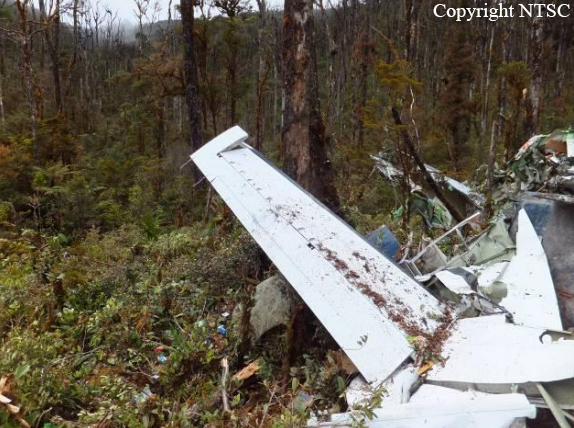
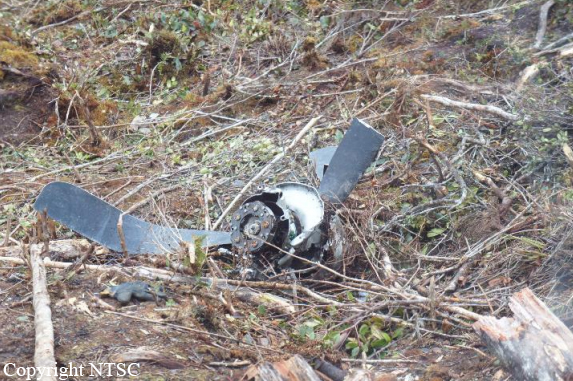
The single engine aircraft was performing an ambulance flight from Nepalgunj to the capital city Kathmandu with a patient, one accompanist, two doctors, a nurse and a pilot on board. It crashed in unknown circumstances in a hilly and wooded terrain near Dhorpatan, killing all six occupants.

Crash of a Boeing 737-4Q8 in Antalya

Date & Time: Oct 10, 2011 at 1315 LT
Type of aircraft:
Operator:
Registration:
TC-SKF
Survivors:
Yes
Schedule:
Karlsruhe-Baden-Baden – Antalya
MSN:
26291/2513
YOM:
1993
Flight number:
SHY8756
Country:
Region:
Crew on board:
6
Crew fatalities:
Pax on board:
156
Pax fatalities:
Other fatalities:
Total fatalities:
0
Circumstances:
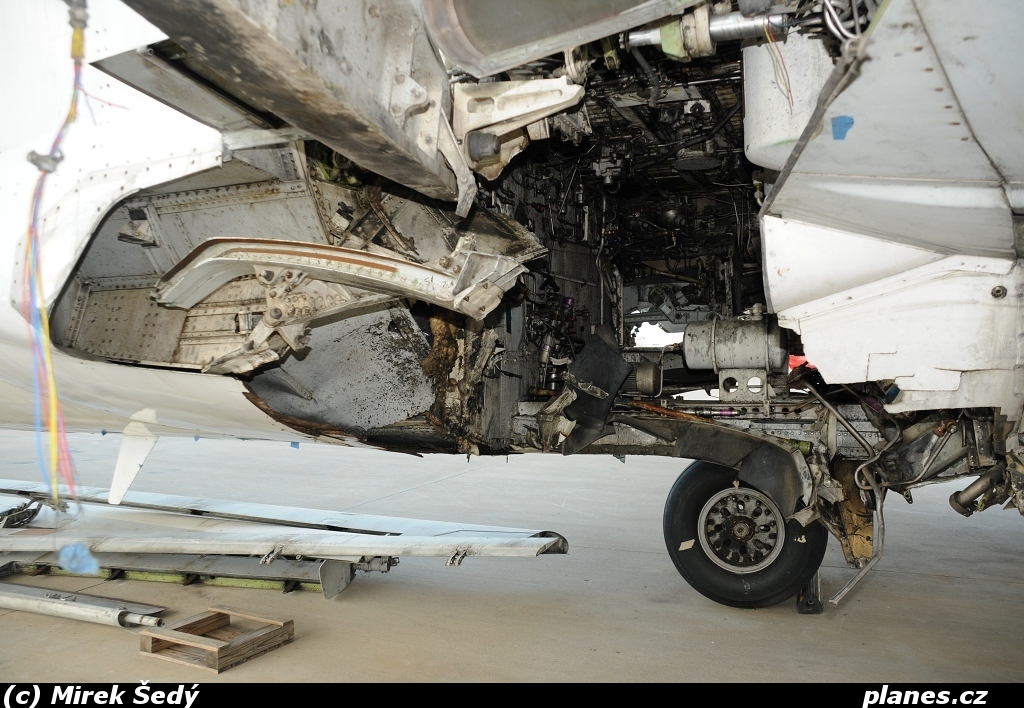
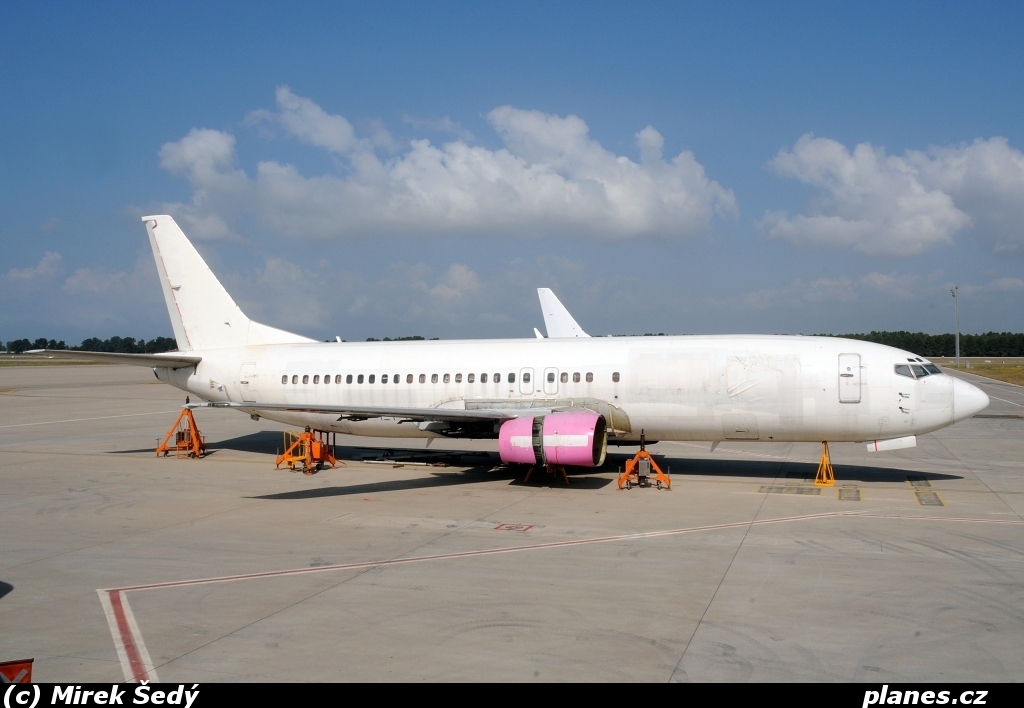
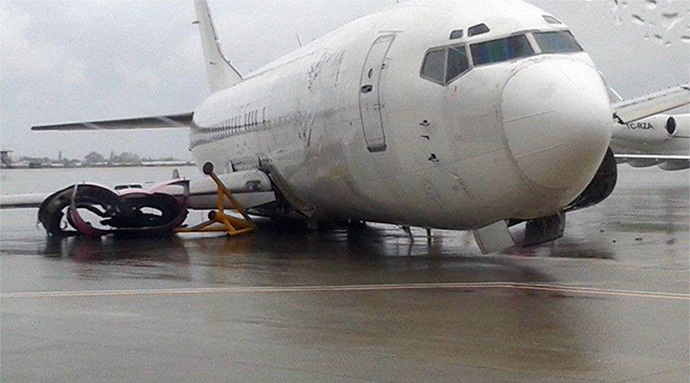
Following an uneventful flight from Karlsruhe-Baden-Baden, the crew started the descent to Antalya Airport runway 18C and completed the landing checklist. After touchdown, the aircraft started to vibrate and deviated to the right. Suddenly, the right main gear collapsed , causing the right engine nacelle to struck the ground. Metal rub the ground and a fire erupted in the right main wheel well. The aircraft eventually came to a complete stop, slightly to the right of the centerline. All 162 occupants evacuated safely while the aircraft was damaged beyond repair.
Probable cause:
It seems that a tyre on the right main gear burst after touchdown, causing the gear to collapse. A fire erupted, caused by the rubbing of the engine nacelle on ground.

Crash of a PZL-Mielec AN-2R in Zasovskaya

Date & Time: Oct 9, 2011 at 1128 LT
Type of aircraft:
Operator:
Registration:
RA-81514
Flight Phase:
Survivors:
Yes
Schedule:
Zasovskaya - Zasovskaya
MSN:
1G208-14
YOM:
1984
Country:
Region:
Crew on board:
1
Crew fatalities:
Pax on board:
0
Pax fatalities:
Other fatalities:
Total fatalities:
0
Captain / Total flying hours:
13000
Aircraft flight hours:
6449
Aircraft flight cycles:
30385
Circumstances:
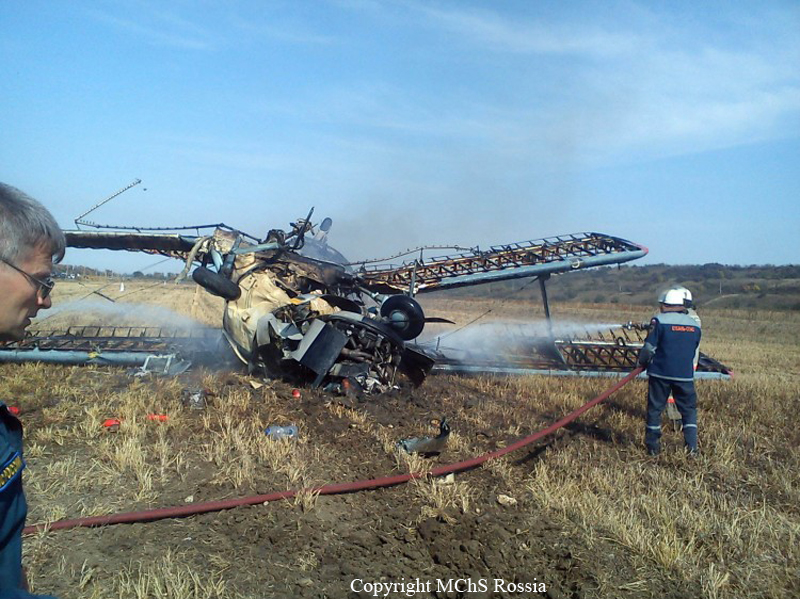
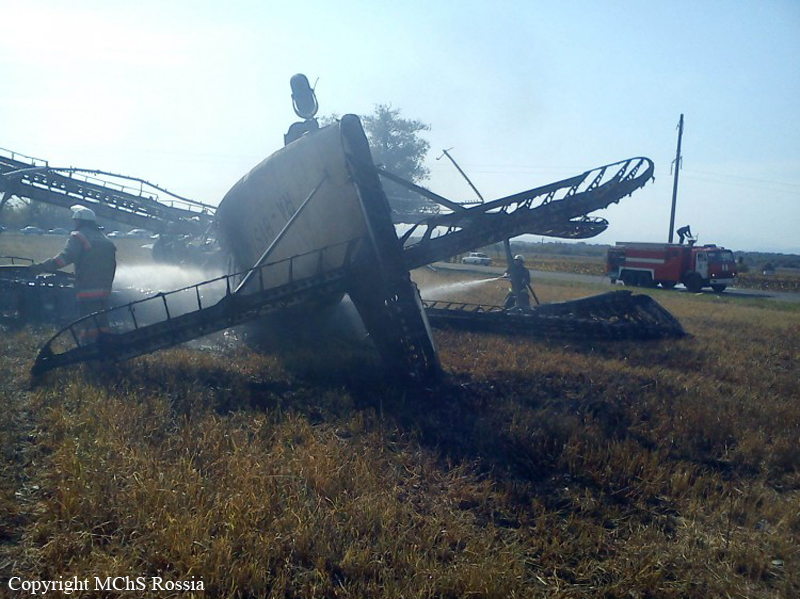
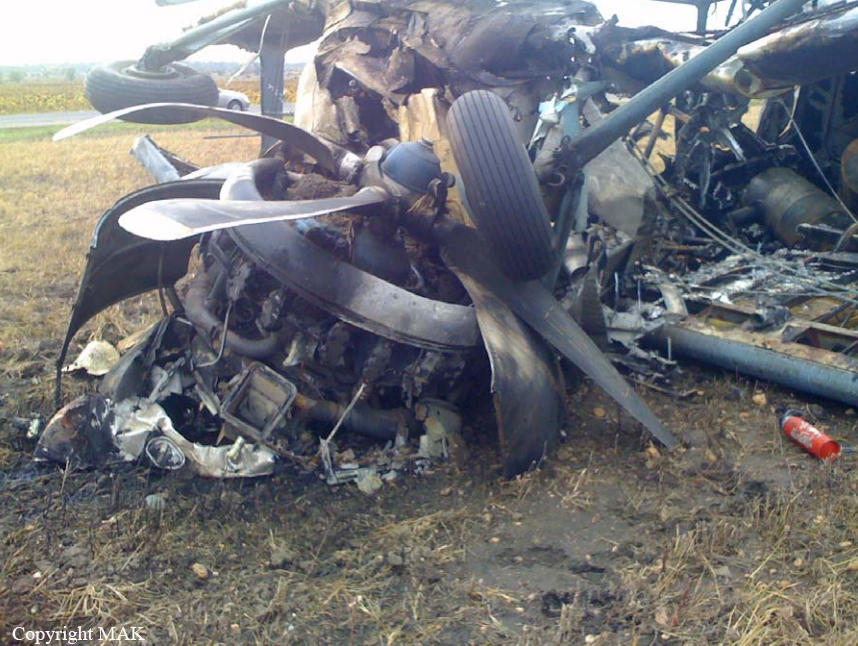
The pilot, sole on board, was completing a spraying mission on sunflower plantations in Zasovskaya. While flying at a height of about 20 metres, preparing for a new low pass, the single engine aircraft collided with power cables, stalled and crashed upside down in an open field, bursting into flames. The aircraft was destroyed and the pilot was seriously injured.
Probable cause:
The cause of the accident without casualties to the plane An-2 RA-81514 was a violation of the established safe obstacle clearance in the performance of aviation-chemical works, which led to a collision with the lightning protection wire transmission line and the ground. A contributing factor was the performance of an incomplete flight crew. According to the An-2 Flight Manual the minimum crew for aerial chemical works is the commander of the aircraft and a copilot.
Final Report:

Crash of a Casa 212 Aviocar 200 near Bohorok: 18 killed

Date & Time: Sep 29, 2011 at 0750 LT
Type of aircraft:
Operator:
Registration:
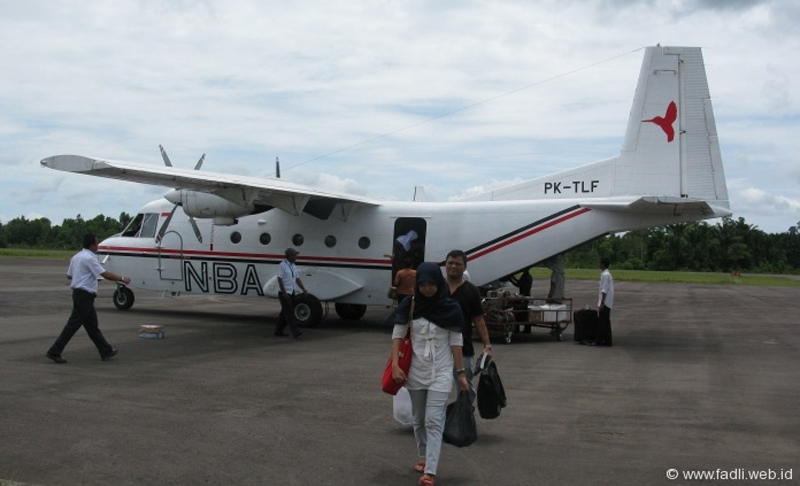
PK-TLF
Flight Phase:
Survivors:
No
Site:
Schedule:
Medan - Kuta Cane
MSN:
88N/283
YOM:
1989
Flight number:
NBA823
Country:
Region:
Crew on board:
2
Crew fatalities:
Pax on board:
16
Pax fatalities:
Other fatalities:
Total fatalities:
18
Captain / Total flying hours:
5935
Captain / Total hours on type:
3730.00
Copilot / Total flying hours:
2500
Copilot / Total hours on type:
1100
Aircraft flight hours:
11329
Aircraft flight cycles:
13626
Circumstances:
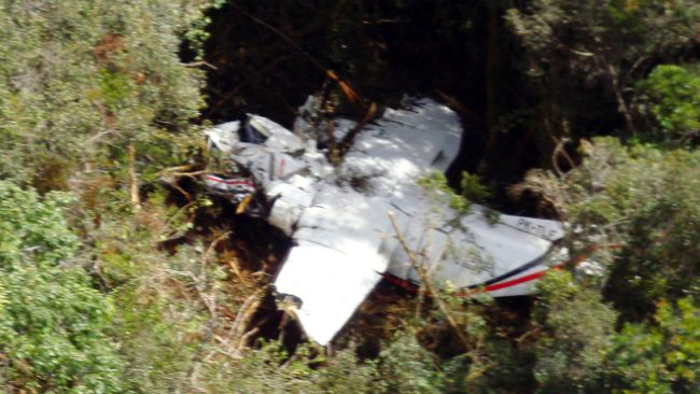
On 29 September 2011, a CASA 212-200 aircraft registered PK-TLF was being operated by Nusantara Buana Air as a non-scheduled passenger flight from Polonia International Airport (MES/WIMM), Medan - North Sumatera1 to Alas Leuser Airstrip Kuta Cane, South East Aceh. The flight was conducted under Visual Flight Rules (VFR) The aircraft departed from Medan at 0728 LT (0028 UTC) and scheduled to be arrived at Kuta Cane at 0058 UTC. There were 18 person on board consisted of two pilots and 16 passengers including two children and two infants. The aircraft radar target was last observed on the radar screen at about 0050 UTC, while at position on radial 262˚ and 35 NM from MDN VOR. The aircraft was found impacted to a of 70º slope terrain at 5,055 feet altitude in the Leuser Mountain National Park, direction of 109 and 16 Nm from Kuta Cane on coordinate N 030 24’ 00” E 0980 01’ 00”. All 18 occupants were fatally injured and the aircraft was severely damage.
Probable cause:
Factors:
1. The flight was in VFR however both pilots agreed to fly into the cloud, consequently, the flight crew had lack of situation awareness due to lost of visual references to the ground and no or late recovery action prior to impact due to low visibility.
2. There was lack of good crew coordination due to steep cockpit transition gradient.
3. There was no checklist reading and crew briefing.
Final Report:

Crash of a Beechcraft 1900D in Kathmandu: 19 killed

Date & Time: Sep 25, 2011 at 0731 LT
Type of aircraft:
Operator:
Registration:
9N-AEK
Survivors:
No
Schedule:
Kathmandu - Kathmandu
MSN:
UE-295
YOM:
1997
Flight number:
BHA103
Country:
Region:
Crew on board:
3
Crew fatalities:
Pax on board:
16
Pax fatalities:
Other fatalities:
Total fatalities:
19
Copilot / Total hours on type:
18
Circumstances:
The aircraft was performing a special flight with tourists above the Himalayan mountains and especially a tour of the Everest in the early morning. While returning to Kathmandu-Tribhuvan Airport, the copilot (PIC) was cleared to descend to 6,000 feet for a landing on runway 02. In marginal weather conditions, he passed below 6,000 feet until the aircraft contacted trees and crashed in hilly and wooded terrain located near the village of Bishanku Narayan, some 6,7 km southeast of the airport. The aircraft was destroyed by impact forces and a post crash fire. A passenger was seriously injured while 18 other occupants were killed. Few hours later, the only survivor died from his injuries. The 16 tourists were respectively 10 Indians, 2 Americans, 1 Japanese and 3 Nepalese.
Probable cause:
The Accident Investigation Commission assigned by Nepal's Ministry of Tourism and Civil Aviation have submitted their report to the Ministry. The investigators said in a media briefing, that human factors, mainly fatigue by the captain of the flight, led to the crash. The aircraft was flown by the first officer and was on approach to Kathmandu at 5,000 feet MSL instead of 6,000 feet MSL as required, when it entered a cloud. While inside the cloud in low visibility the aircraft descended, hit tree tops and broke up. The captain had flown another aircraft the previous day and had been assigned to the accident flight on short notice in the morning of the accident day, but did not have sufficient rest. The commission analyzed that due to the resulting fatigue the captain assigned pilot flying duties to the first officer although she wasn't yet ready to cope with the task in demanding conditions. The newly assigned first officer had only 18 hours experience on the aircraft type. The mountain view round trip had to turn back about midway due to weather conditions. While on a visual approach to Kathmandu at 5,000 instead of 6,000 feet MSL the aircraft entered a cloud and started to descend until impact with tree tops. The crew did not follow standard operating procedures, that amongst other details required the aircraft to fly at or above 6,000 feet MSL in the accident area, the interaction between the crew members did not follow standard operating procedures, for example the captain distracted the first officer with frequent advice instead of explaining the/adhering to procedures. The commission said as result of the investigation they released a safety recommendation requiring all operators to install Terrain Awareness and Warning Systems (TAWS) in addition to eight other safety recommendations regarding pilot training, installation of visual aids, safety audit and fleet policies.

Crash of a Pilatus PC-6/B2-H4 Turbo Porter near Yahatma: 3 killed

Date & Time: Sep 22, 2011 at 1313 LT
Operator:
Registration:
PK-UCE
Flight Phase:
Survivors:
No
Site:
Schedule:
Pagai - Wamena
MSN:
943
YOM:
2004
Country:
Region:
Crew on board:
1
Crew fatalities:
Pax on board:
2
Pax fatalities:
Other fatalities:
Total fatalities:
3
Captain / Total flying hours:
11312
Captain / Total hours on type:
2647.00
Aircraft flight hours:
5774
Aircraft flight cycles:
6662
Circumstances:
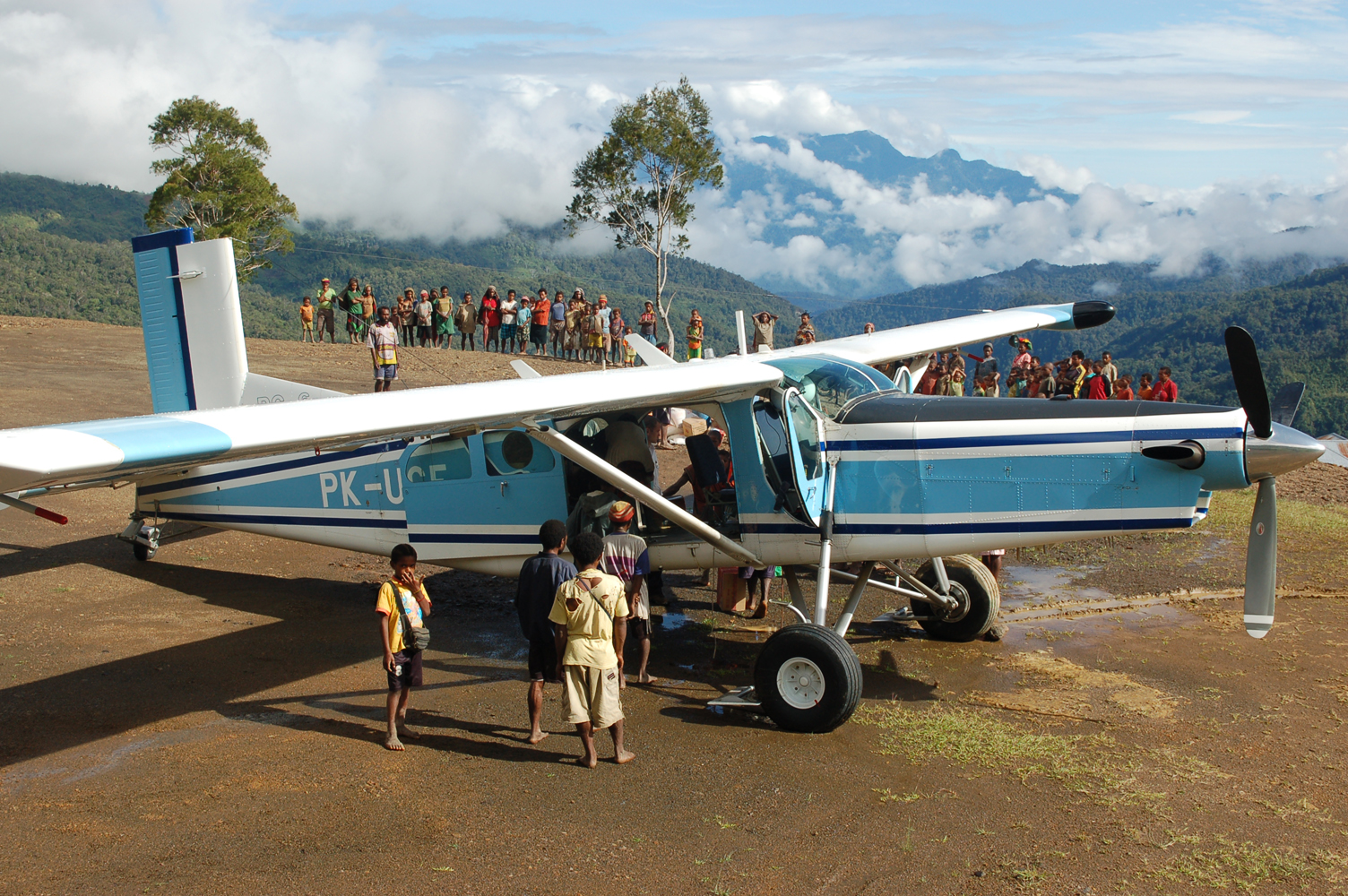
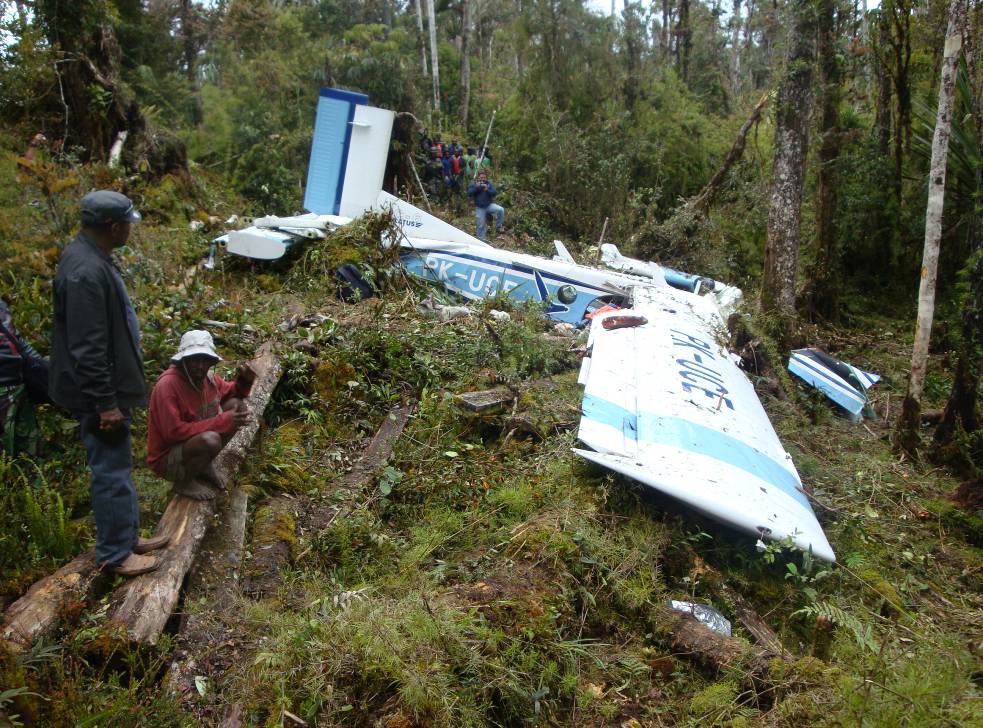
On 22 September 2011, a PC 6 Pilatus Porter aircraft, registration PK-UCE was being operated by Yayasan Jasa Aviasi Indonesia (YAJASI) departed from Pagai to Wamena. The aircraft departed at 0403 UTC1 (1303 LT) and estimated to arrive at Wamena was at 0436 UTC. Aircraft cruise at altitude of 10,000 feet and conducted under Visual Flight Rules (VFR) and followed the visual route via North Gap corridor, which one of visual route to Wamena. Prior to enter the North Gap corridor at time 0413 UTC, the pilot sent a message via a system they called AFFIS to the company Flight Following Officer at Sentani Airport, which was the operation base. The pilot also sent a blind transmission message through Wamena Tower radio frequency. This was local procedure, to submit the message consists of position, altitude and destination to make the other aircraft pilots aware each other. As in the intern YAJASI flight following procedure, pilot should send message when the flying passes the North Gap corridor. In this flight, until the normal elapsed time, the pilot did not send any message to their Flight Following Officer at Sentani that the flight has passed the North Gap corridor. Since there was no message nor radio contact from the pilot until the ETA in Wamena, the Flight Following Officer at Sentani informed to the other personnel at the operation base, and alarmed to the other YAJASI aircraft which were flying in that area to start search the PK-UCE. Some other aircrafts which were flying in the vicinity also contacted to search the PKUCE. PK-UCE was found in mountain location adjacent to Pass Valley airstrip. The accident site was at coordinate S 030 54’ 54.4’’, E 1390 02’ 24.3”, the aircraft was hit the trees and the ground where the elevation was about 7500 feet , the propeller blades was not on feather and bent rearward, the left wing was broken and the aircraft stopped on heading about 85°.
Probable cause:
The pilot decided to descend from the cruise altitude 10000 feet to penetrate the area of marginal weather was most likely not as what his perceive. The pilot avoided the cloud to the left of the VFR route guidance and most likely that the space available was less than the requirement stated for the Weather Minimum class F.
Final Report:

Crash of a Cessna 208B Grand Caravan near Notnare: 2 killed

Date & Time: Sep 9, 2011 at 1230 LT
Type of aircraft:
Operator:
Registration:
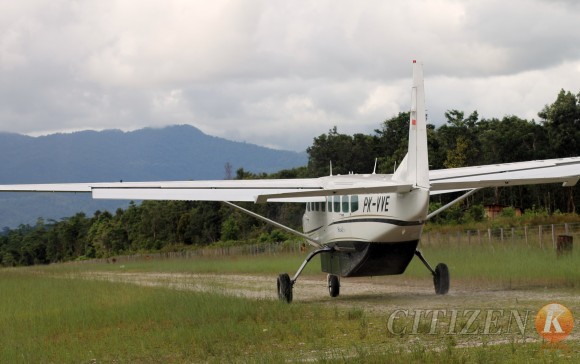
PK-VVE
Flight Phase:
Flight Type:
Survivors:
No
Site:
Schedule:
Wamena - Kenyam
MSN:
208B-1287
YOM:
2007
Country:
Region:
Crew on board:
2
Crew fatalities:
Pax on board:
0
Pax fatalities:
Other fatalities:
Total fatalities:
2
Captain / Total flying hours:
1546
Captain / Total hours on type:
1315.00
Copilot / Total flying hours:
927
Copilot / Total hours on type:
147
Aircraft flight hours:
3926
Aircraft flight cycles:
5267
Circumstances:
A Cessna 208B Grand Caravan I was destroyed when it crashed in the Yahukimo District, Indonesia. Both crew members were killed. The airplane was being operated on a non-scheduled cargo flight from Wamena Airport to Kenyam Aerodrome in Papua, Indonesia. The flight was being conducted under visual flight rules (VFR) and the pilot reported to ATC that the planned altitude was 9,500 feet. On board the aircraft were two pilots, a manifested load of diesel drums and grocery items, and a non-manifested load of 25 bags of rice weighing 827 lb (375 kg). The takeoff weight, based on the manifested cargo and the additional load of rice was estimated by the investigation to be 9,681 lb (4,391 Kg) which was 619 lb (281 Kg) above the certificated maximum takeoff weight. Also, the aircraft Centre of Gravity (C of G) was outside the certificated C of G envelope. The aircraft took off from Wamena runway 15 at 12:17 local time. The aircraft was then flown along a track toward Kenyam which was consistent with the route used by other company pilots and previously flown by the pilot in command. The additional loading contributed to a reduced rate of climb during the flight which resulted in the aircraft being below 10,000 ft as it approached the high terrain. This altitude was 1,500 ft lower than the altitude specified in the operator's route guide for operations between Wamena and Kenyam, and lower than the altitude flown by other company pilots when operating in the area, including three other flights on the day of the accident which overflew the high terrain between 11,200 and 12,500 ft. At 12:29:43, as the aircraft approached the high terrain at an altitude of 9,538 ft, the airspeed commenced decreasing which was accompanied by the average rate of climb increasing to about 390 fpm. It is probable that the pilots recognized the proximity of the terrain and attempted to improve the aircraft's angle of climb by decelerating towards the best angle of climb speed of 72 kts. The recorded data showed that 31 seconds after the airspeed started to decrease, the engine power varied with a maximum engine torque of 1,675 ft/lb being recorded at 12:30:30 with changes in the other engine parameters being consistent with a selection of a higher power setting. This is likely to have been associated with the pilot's attempts to improve terrain clearance. The recorded data then showed the aircraft in a descending right turn for about 6 seconds. The altitude reduced over a period of 4 seconds from 9,865 ft to 9,728 ft at an average rate of descent of about 2,000 fpm. This turn was likely to have been initiated to either avoid cloud or improve terrain clearance. The aircraft subsequently commenced to roll to the left at 12:30:35 with the left roll continuing for the following 14 seconds. It was likely that the left turn was initiated to avoid either cloud or terrain. During the left turn, the angle of bank reached a maximum value of 46° and the aircraft descended from 9,728 ft to 9,045 ft at a high rate of descent. The airspeed also increased from 92 kts to 122 kts during the descent. The engine power was reduced to idle soon after the aircraft commenced descending which was most likely due to the handling pilot attempting to recover from the high descent rate and increasing airspeed. The recorded data indicated that three EGPWS alerts activated during the descent. The aircraft had stopped descending at 12:30:50 and had commenced climbing with a reducing left angle of bank when the airplane impacted terrain at an elevation of 9,100 feet.
Probable cause:
Factors that contributed to the accident are as follows:
a. The aircraft was loaded to a weight in excess of the maximum certificated takeoff weight.
b. The aircraft climb performance was adversely affected by the aircraft being operated above the certificated maximum takeoff weight.
c. The aircraft approached high terrain along the proposed route at an altitude which was below that specified in the operator's route guide.
d. The aircraft entered a high rate of descent during a terrain avoidance maneuver.
e. Recovery from the abnormal flight path was not achieved before the aircraft collided with terrain.
Final Report:

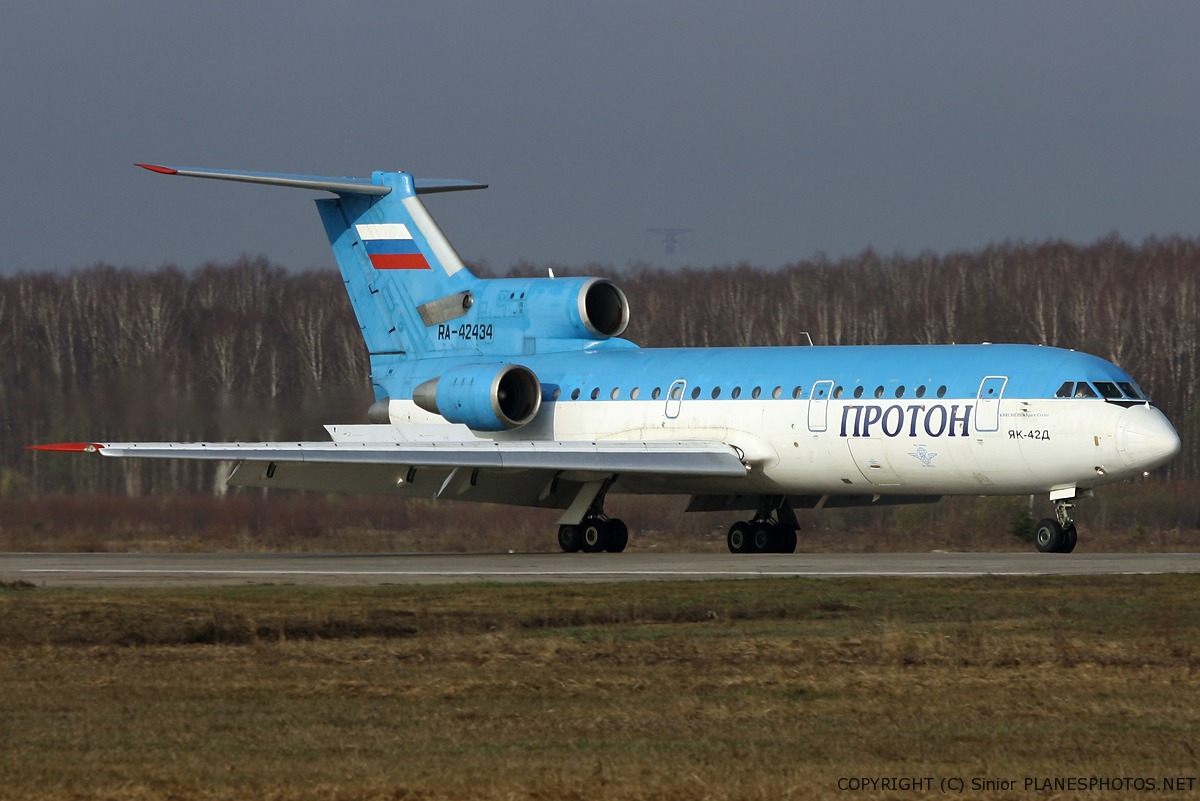
Crash of a Yakovlev Yak-42D in Yaroslavl: 44 killed

Date & Time: Sep 7, 2011 at 1600 LT
Type of aircraft:
Operator:
Registration:
RA-42434
Flight Phase:
Survivors:
Yes
Schedule:
Yaroslavl - Minsk
MSN:
4520424305017
YOM:
1993
Flight number:
AEK9633
Country:
Region:
Crew on board:
8
Crew fatalities:
Pax on board:
37
Pax fatalities:
Other fatalities:
Total fatalities:
44
Captain / Total flying hours:
6954
Captain / Total hours on type:
1525.00
Copilot / Total flying hours:
13492
Copilot / Total hours on type:
613
Aircraft flight hours:
6490
Aircraft flight cycles:
3112
Circumstances:
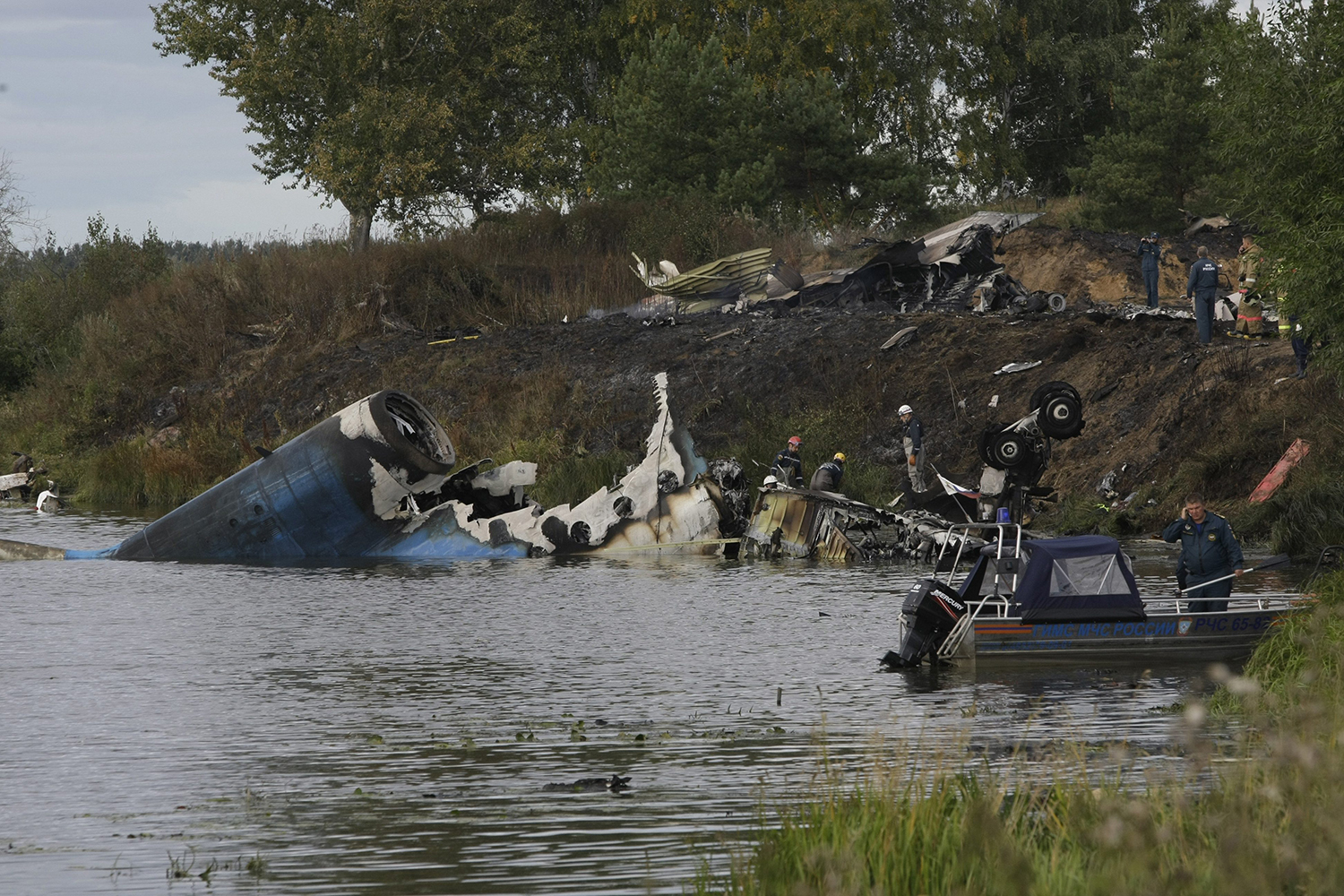
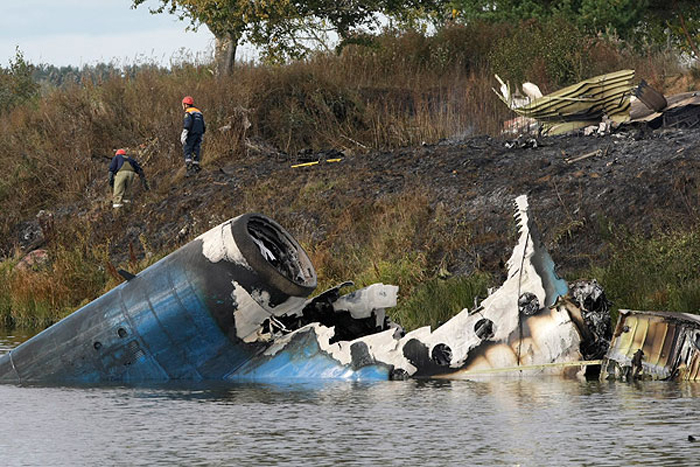
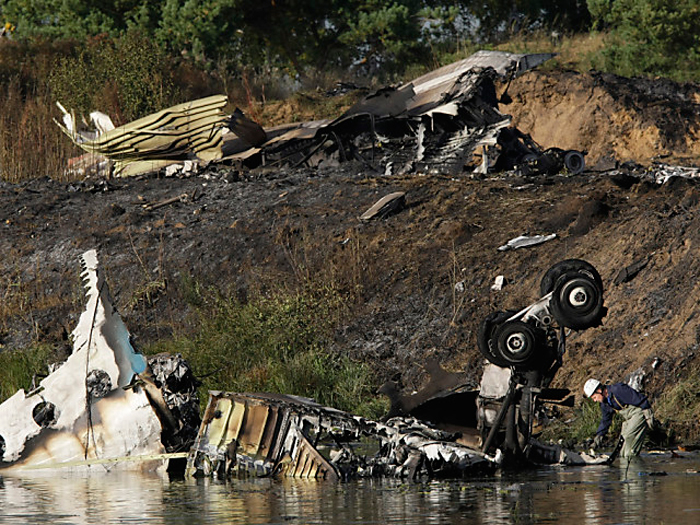
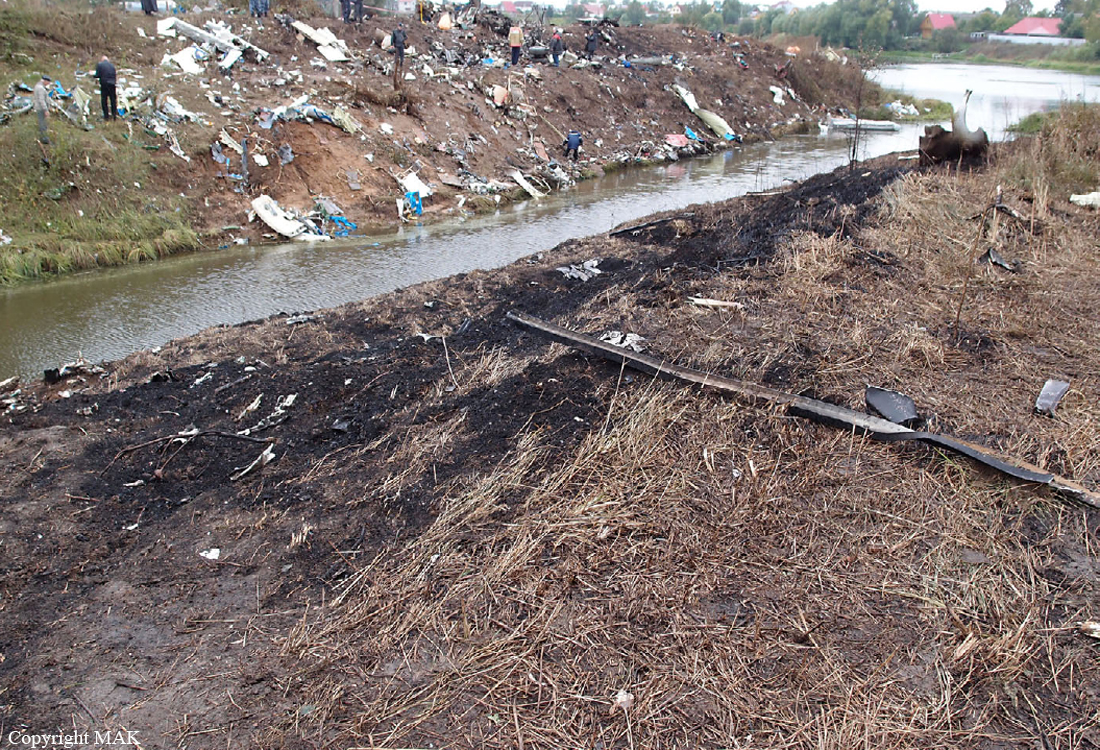
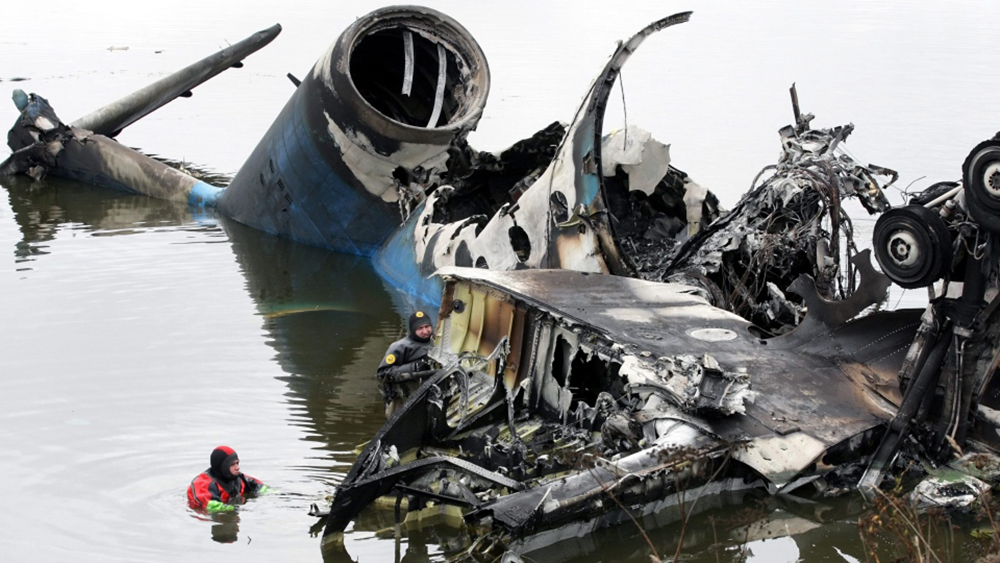
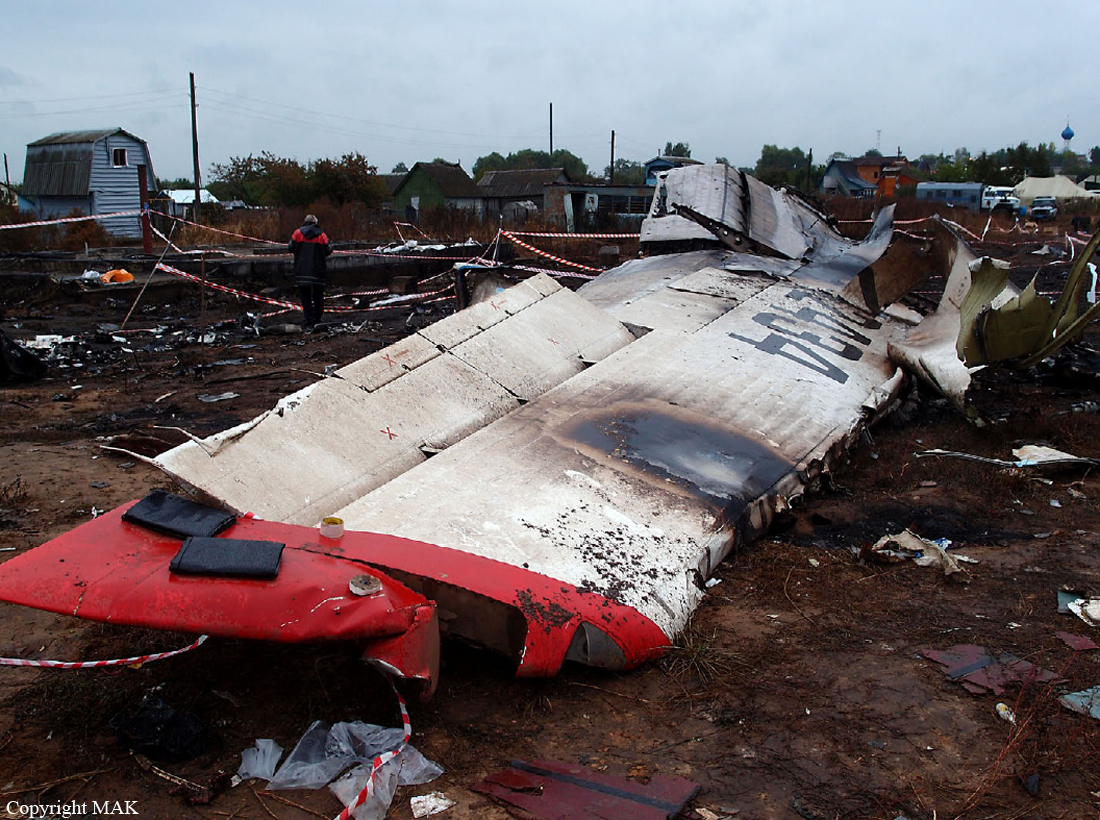
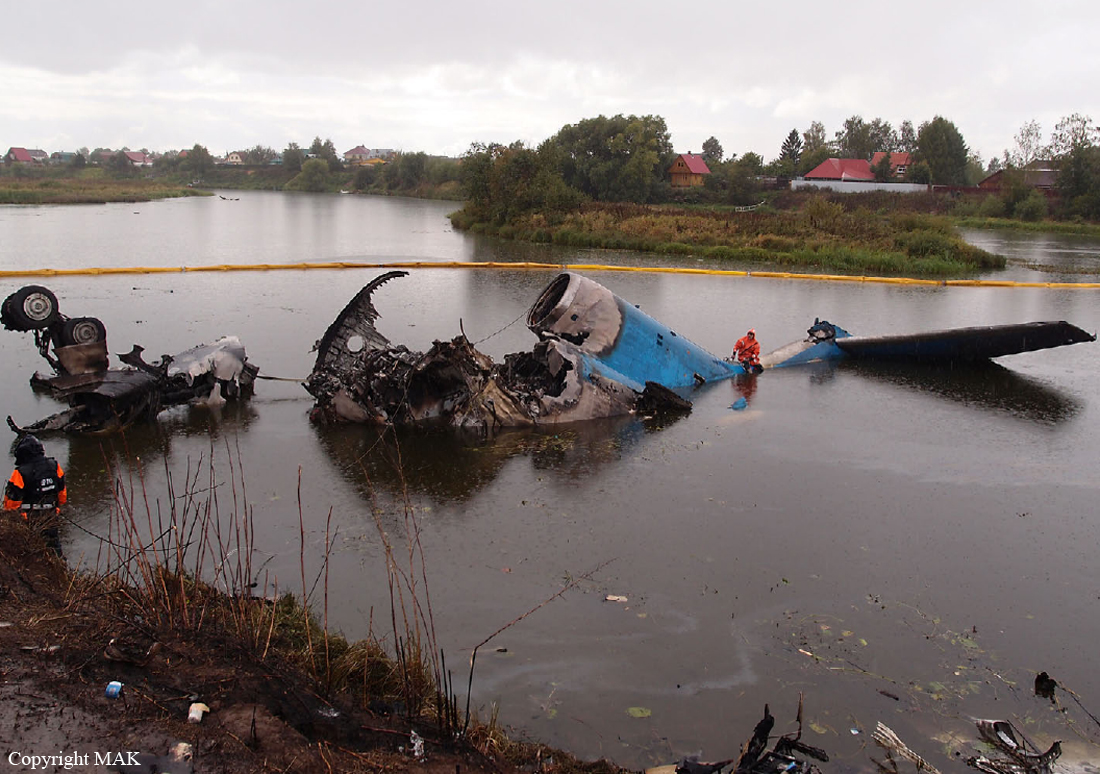
The aircraft was chartered by the Lokomotiv Yaroslavl ice hockey team to carry his staff to Minsk to take part to the first game of the Russian 2011-2012 championship. During the takeoff roll from runway 23 at Yaroslavl-Tunoshna Airport, the crew selected flaps down at 20° and the stabilizer in a nose-up position of 8,7°. The aircraft slowly accelerated to 165 km/h due to a residual pressure on the brake pedal. At a speed of 185 km/h and at a distance of 1,350 metres from the runway end, the nose gear lifted off. But the aircraft continued, passed the runway end and rolled for about 400 metres before it took off. Then it collided with various approach lights and the localizer antenna, lost height and eventually crashed on the shore of the Volga River, bursting into flames, 2 minutes after the takeoff roll was initiated. A passenger and the flight engineer were seriously injured while 43 other occupants were killed. Almost a week later, the passenger died from his injuries. Among the passengers were 26 players from the Lokomotiv Yaroslavl ice hockey team, Russian citizens and also Canadian, Czech, Ukrainian, German and Slovak. The Canadian coach Brad McCrimmon, his both assistants, the cameraman, three masseurs, one admin and two doctors were among the victims.
Probable cause:
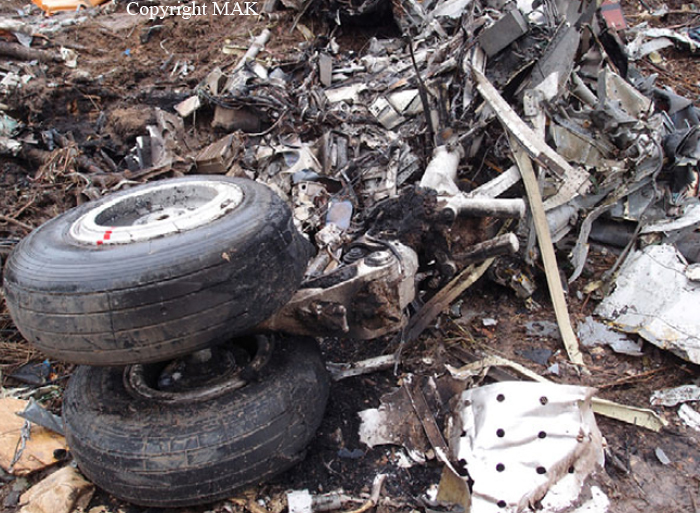
Erroneous actions on part of the crew, especially by applying brake pedal pressure just before rotation as result of a wrong foot position on the pedal during the takeoff run. This led to braking forces on the main gear requiring additional time for acceleration, a nose down moment preventing the crew to establish a proper rotation and preventing the aircraft to reach a proper pitch angle for becoming airborne, overrun of the runway at high speed with the elevator fully deflected for nose up rotation (producing more than double the elevator forces required to achieve normal takeoff rotation). The aircraft finally achieved a high rate of nose up rotation, became airborne 450 meters past the runway end and rotated up to a supercritical angle of attack still at a large rate of pitch up causing the aircraft to stall at low altitude, to impact obstacles and ground, break up and catch fire killing all but one occupants.

Contributing factors were:
- serious shortcomings in the re-training of the crew members with regards to the Yak-42, which did not take place in full, was spread out over a long period of time and took place while the crew remained in full operation on another aircraft type (Yak-40), which led to a negative transfer of skills, especially a wrong position of the foot on the brake pedal on the Yak-42,
- Lack of supervision of the re-training,
- errors and missed procedures by the crew in preparation and execution of the takeoff,
- inconsistent, uncoordinated actions by the crew in the final stages of the takeoff.
Final Report:

Crash of a PZL-Mielec AN-2R in Baranikovskiy: 1 killed

Date & Time: Aug 28, 2011 at 0854 LT
Type of aircraft:
Operator:
Registration:
RA-01105
Flight Phase:
Survivors:
Yes
Schedule:
Baranikovskiy - Baranikovskiy
MSN:
1G239-50
YOM:
1991
Country:
Region:
Crew on board:
1
Crew fatalities:
Pax on board:
1
Pax fatalities:
Other fatalities:
Total fatalities:
1
Aircraft flight hours:
1208
Aircraft flight cycles:
4247
Circumstances:
The single engine aircraft was dispatched in Baranikovskiy to perform a crop spraying mission on rice paddy field. Before flight, the tank was refueled with 250 litres of E95 fuel. The technician told the pilot the fuel was abnormally yellow but the pilot decided to proceed with the flight. Prior to take off, he asked the copilot to stay on ground and replaced him by the owner of the zone to be treated which is against the published procedures. During the takeoff roll, the aircraft did not accelerate as expected but the pilot continued. After liftoff, at a height of about 30 metres, the pilot initiated a 90° left turn when the engine lost power. He started to drop the load of chemicals then attempted an emergency landing when the aircraft impacted ground. It continued for about 134 metres then struck an irrigation drain, nosed over and came to rest, bursting into flames. The pilot was killed and the passenger was seriously injured.
Probable cause:
The accident was caused by a loss of engine power because the aircraft has been refueled with fuel dedicated to automobile.
The following contributing factors were identified:
- The pilot's lack of knowledge about the flight area and the layout of cultivated fields,
- The pilot failed to brake properly during the emergency landing,
- The absence of a copilot on board,
- The Operator certificat was revoked 3 days prior to the accident.

Crash of an Antonov AN-2 near Choigan-Khole Lake: 1 killed

Date & Time: Aug 22, 2011
Type of aircraft:
Operator:
Flight Phase:
Flight Type:
Survivors:
Yes
Schedule:
Petropavlovka - Toora-Khem
Country:
Region:
Crew on board:
1
Crew fatalities:
Pax on board:
7
Pax fatalities:
Other fatalities:
Total fatalities:
1
Circumstances:
The single engine aircraft was performing an on-demand flight from Petropavlovka to Toora-Khem with seven fishermen and a pilot who want to go to a remote fish camp located in the natural reserve of Azas. While flying at low altitude, the aircraft went out of control and crashed on the shore of the Choigan-Khole Lake, near the Sorug River. While all seven passengers escaped with minor injuries, the pilot was killed. It appears that the aircraft was not registered and did not have any certificate of airworthiness. Therefore, the flight was considered as illegal and no flight plan was filed.