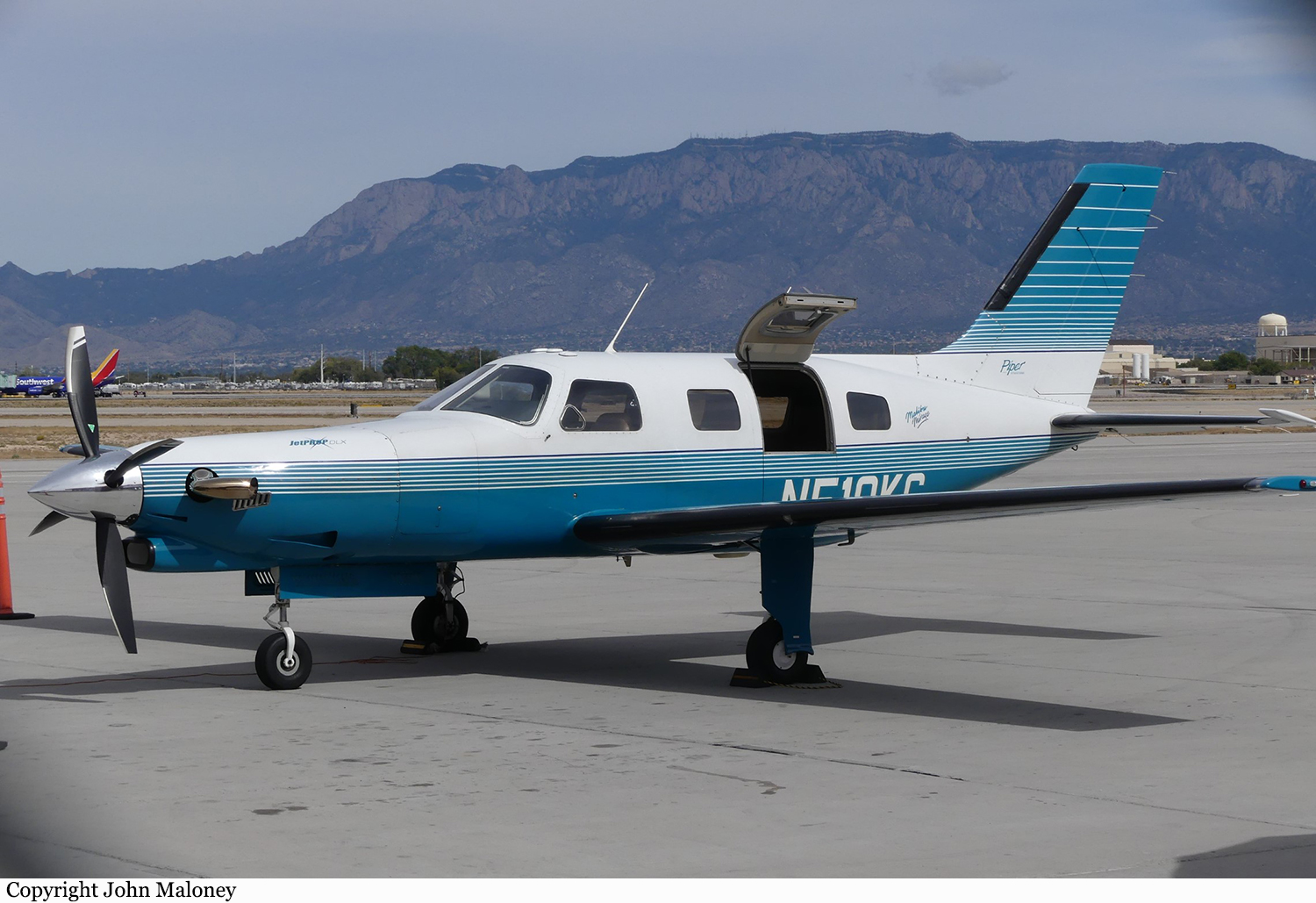
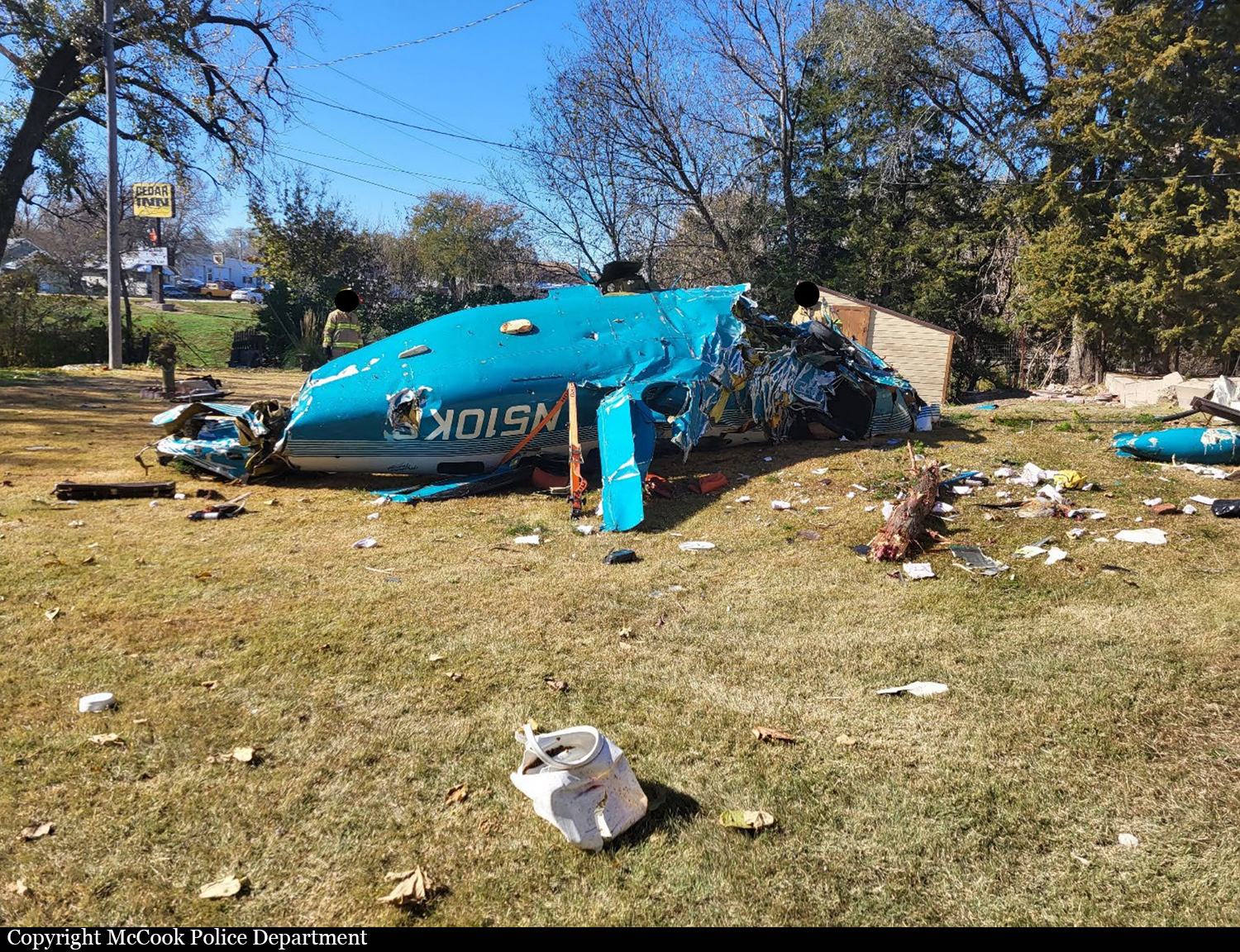
Crash of a Piper PA-46-350P Malibu Mirage in McCook: 1 killed
Date & Time:
Oct 30, 2023 at 1201 LT
Registration:
N510KC
Survivors:
Yes
Schedule:
McCook – Shreveport
MSN:
46-22151
YOM:
1993
Crew on board:
1
Crew fatalities:
Pax on board:
1
Pax fatalities:
Other fatalities:
Total fatalities:
1
Captain / Total hours on type:
676.00
Aircraft flight hours:
4951
Circumstances:
The airplane had just departed for a cross-country flight when witnesses observed it flying nose-high but descending. The airplane’s nose pitched downward before the airplane rolled sharply left, consistent with an aerodynamic stall, and collided with trees. Examination of the airframe and engine found no preimpact anomalies. Flight data from the airplane’s onboard engine monitoring system showed that several engine parameters advanced normally for the takeoff portion but then gradually reduced during the takeoff roll and continued to decrease as the airplane began to climb away from the runway. The data stopped seconds before the accident. Estimated weight and balance calculations for the accident flight showed that the airplane was being operated about 550 pounds over its maximum gross weight and 0.5 inches outside of its aft center of gravity (cg) limit. The airplane’s throttle quadrant friction lock was found in the full aft position (disengaged) after the accident. The throttle and condition levers appeared full forward and the propeller level was near mid-travel. Pilot-rated friends who had flown with the pilot reported that he would “ease into the power and not go to full torque.” Accordingly, although the recorded gradual reduction in power was consistent with the engine controls moving during takeoff and rotation, which commanded a reduction in engine power, the reason for the airplane’s reduction in power could not be determined. Toxicology results indicated that the pilot had used the sedating medication zolpidem and may have been experiencing some associated impairing effects at the time of the accident. However, the timing and dosage of the pilot’s last zolpidem use, whether he may have been impaired by it, or whether he may have been experiencing impairing effects from an underlying sleep disturbance that was being treated with zolpidem could not be determined. The pilot’s decision to take off with the airplane loaded about 550 lbs over its maximum gross weight, and outside of its aft cg limit, combined with the gradual reduction in engine power, would have significantly degraded the airplane’s controllability. The pilot subsequently exceeded the airplane’s critical angle of attack during the initial climb, resulting in an aerodynamic stall from which he could not recover.
Probable cause:
The pilot exceeded the airplane’s critical angle of attack during the initial climb, resulting in an aerodynamic stall from which he could not recover. Contributing to the accident was the pilot’s decision to take off with the airplane well above its maximum gross weight and outside of its aft center of gravity limit, as well as a gradual reduction in engine power for undetermined reasons.
Final Report: