Country
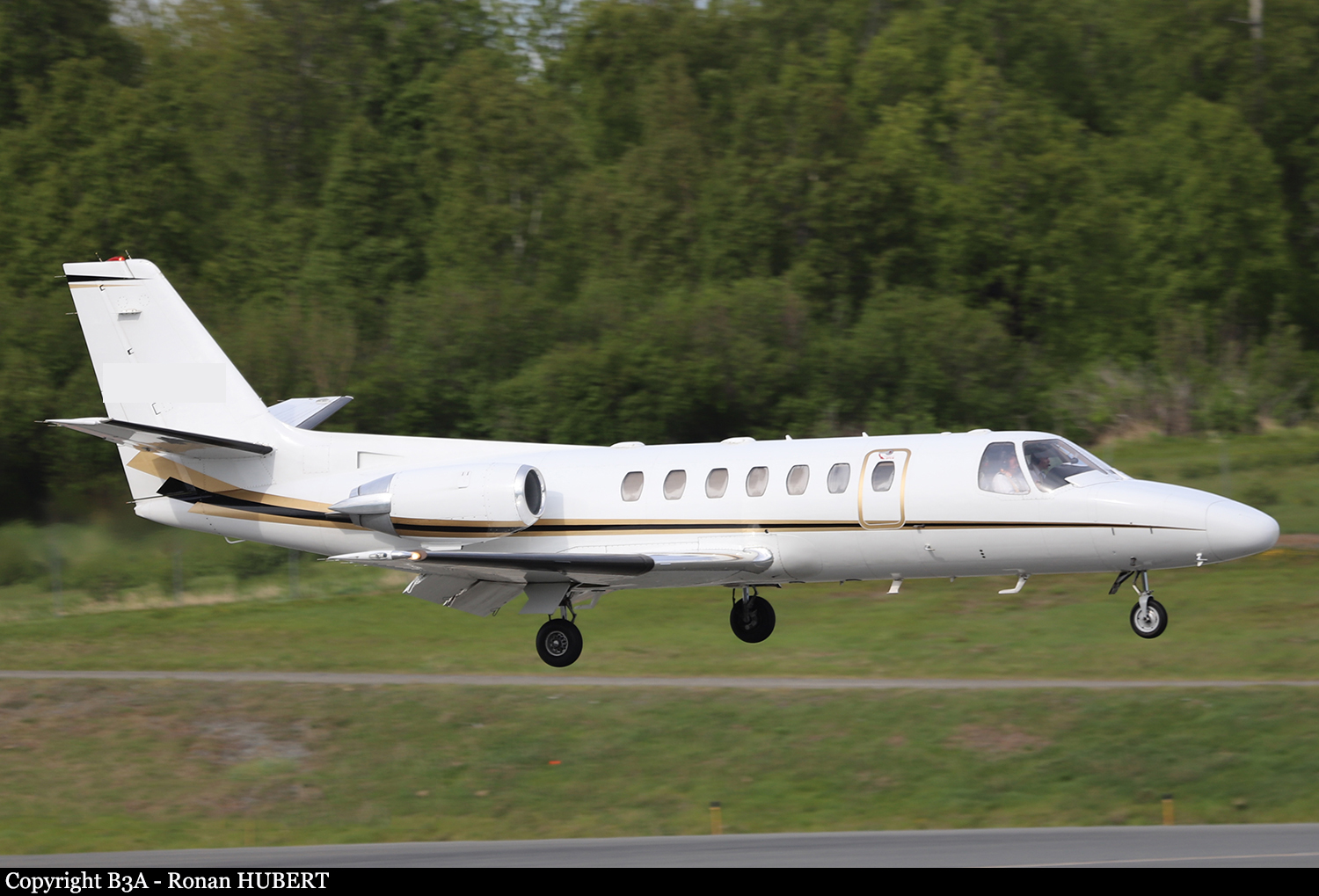
Crash of a Cessna 560 Citation V near Staunton: 4 killed
Date & Time:
Jun 4, 2023 at 1523 LT
Operator:

Registration:
N611VG
Survivors:
No
Schedule:
Elizabethton - Ronkonkoma
MSN:
560-0091
YOM:
1990
Crew on board:
1
Crew fatalities:
Pax on board:
3
Pax fatalities:
Other fatalities:
Total fatalities:
4
Captain / Total hours on type:
850.00
Circumstances:
The pilot and three passengers departed on a cross-country flight. Shortly after the airplane climbed through 26,600 ft, the pilot stopped responding to air traffic control instructions. According to ADS-B data, the airplane continued climbing to 34,000 ft, then flew at that altitude along its flight plan waypoints, turning southwest to overfly the intended destination about 1 hour later. The airplane continued flying for about another hour along a relatively constant track and altitude before entering a spiraling descent and impacting terrain. United States Air Force (USAF) pilots intercepted the airplane about 2 minutes before it began the spiraling descent. They observed no breaches of the airplane structure or doors, no smoke in the cockpit or passenger cabin, and no oxygen masks deployed in the cabin. One occupant was observed slumped over in the pilot seat and no movement or other occupants were observed in the cabin. Based on the lack of response to air traffic control communications, ADS-B data showing the airplane following its flight plan waypoints at the altitude last assigned by air traffic control, and the USAF pilot observations, it is likely that the pilot of the accident airplane became incapacitated during the climb to cruise altitude. It is also likely the airplane trajectory was then directed by the autopilot until a point at which it was no longer able to maintain control. The pilot had medical conditions, including high blood pressure and high cholesterol, that represented some increased risk of an impairing or incapacitating cardiovascular event. In addition, the pilot had prior prescriptions for medications that could be impairing if used too recently before flight. However, there was no evidence of the pilot being at exceptionally high incapacitation risk, or of using medications inappropriately. Based on the accident circumstances, it is likely that all the airplane occupants were incapacitated due to a common environmental condition, such as loss of cabin pressurization. Maintenance records indicated that, at the time of the accident flight, five items were overdue for inspection, including the co-pilot oxygen mask. About 4 weeks before the accident flight, maintenance personnel noted 26 discrepancies that the owner declined to address, including several related to the pressurization and environmental control system. Furthermore, 2 days before the accident flight, maintenance personnel noted that the pilot-side oxygen mask was not installed, and the supplementary oxygen was at its minimum serviceable level. At that level, oxygen would not have been available to the airplane occupants and passenger oxygen masks would not have deployed in the event of a loss of pressurization. No evidence was found to indicate that the oxygen system was serviced or that the pilot-side oxygen mask was reinstalled before the accident flight. Altitude-related hypoxia, although not verifiable from forensic medical evidence, likely explains the incapacitation of the airplane occupants. According to the FAA Pilot’s Handbook of Aeronautical Knowledge, impairing effects from hypoxia are often vague and are experienced differently by different individuals; they include confusion, disorientation, diminished judgment and reactions, worsened motor coordination, difficulty communicating and performing simple tasks, a false sense of well-being, diminished consciousness, and, if conditions aren’t remedied or mitigated, death. Between 30,000 and 35,000 ft, the time of useful consciousness for a pilot to take protective action against hypoxia, including donning an oxygen mask and descending, is about 1/2 to 2 minutes. These times depend on multiple variables, including medical factors, with substantial variation among individuals. The times are decreased by about half when depressurization is rapid. However, gradual depressurization can be as dangerous or more dangerous than rapid depressurization because of its potential to insidiously impair a pilot’s ability to recognize and respond to the developing emergency until the pilot is no longer effectively able to do so. Cognitive impairment from hypoxia makes it harder for affected individuals to recognize their own impairment. Based on the available information, it is likely that the airplane occupants became hypoxic due to a lack of oxygen during the flight and became incapacitated. However, the reason for the loss of pressurization, and whether it was rapid or progressed over time, could not be determined.
Probable cause:
Pilot incapacitation due to loss of cabin pressure for undetermined reasons. Contributing to the accident was the pilot’s and owner/operator’s decision to operate the airplane without supplemental oxygen.
Final Report:


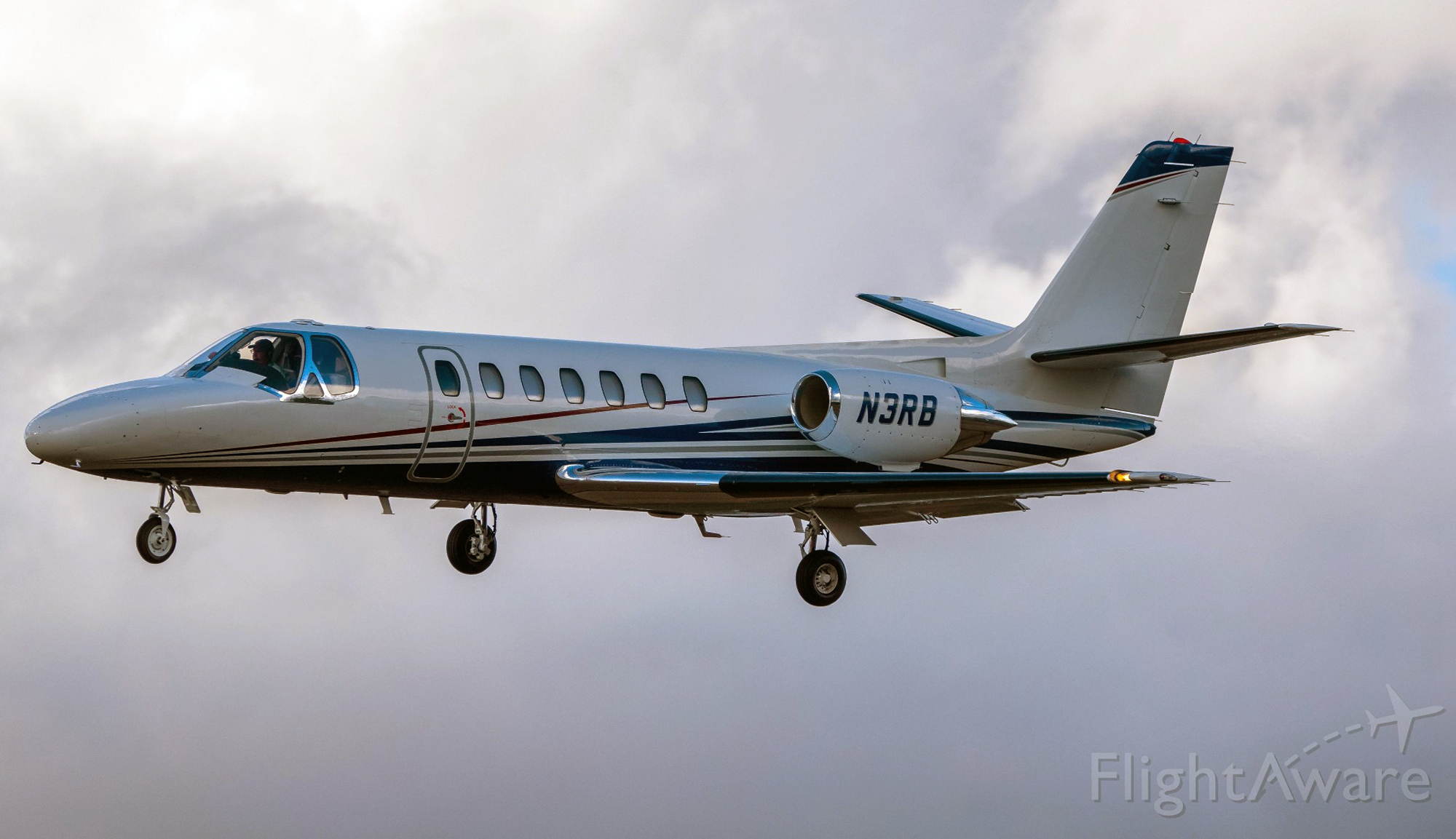
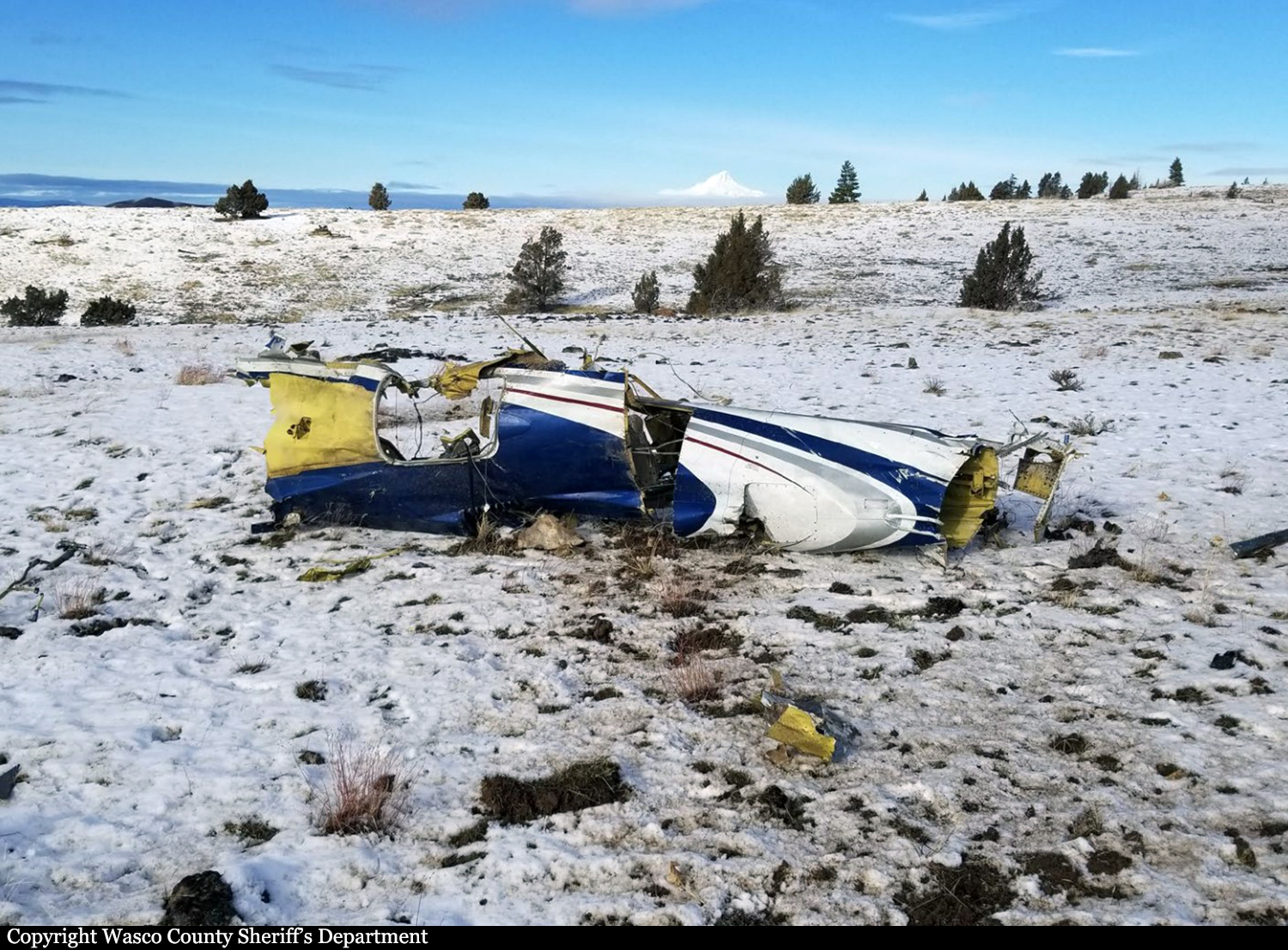
Crash of a Cessna 560 Citation V near Warm Springs: 1 killed
Date & Time:
Jan 9, 2021 at 1337 LT
Registration:
N3RB
Survivors:
No
Schedule:
Troutdale – Boise
MSN:
560-0035
YOM:
1989
Crew on board:
1
Crew fatalities:
Pax on board:
0
Pax fatalities:
Other fatalities:
Total fatalities:
1
Captain / Total hours on type:
15.00
Aircraft flight hours:
13727
Circumstances:
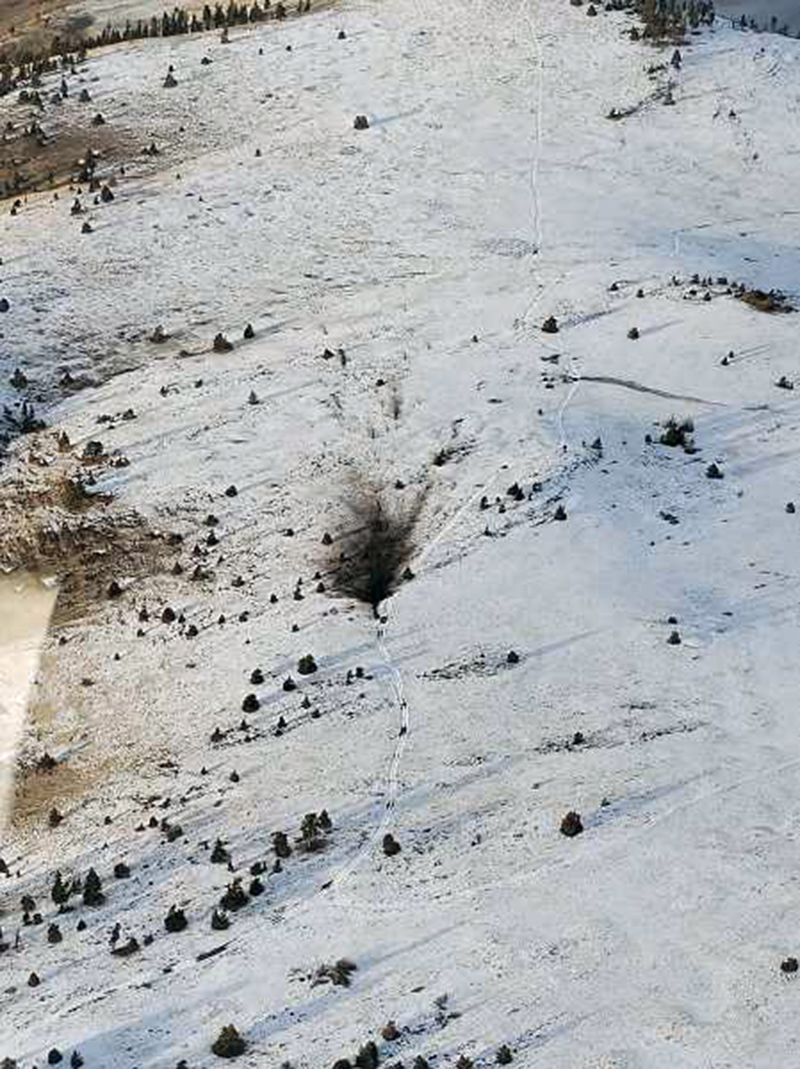
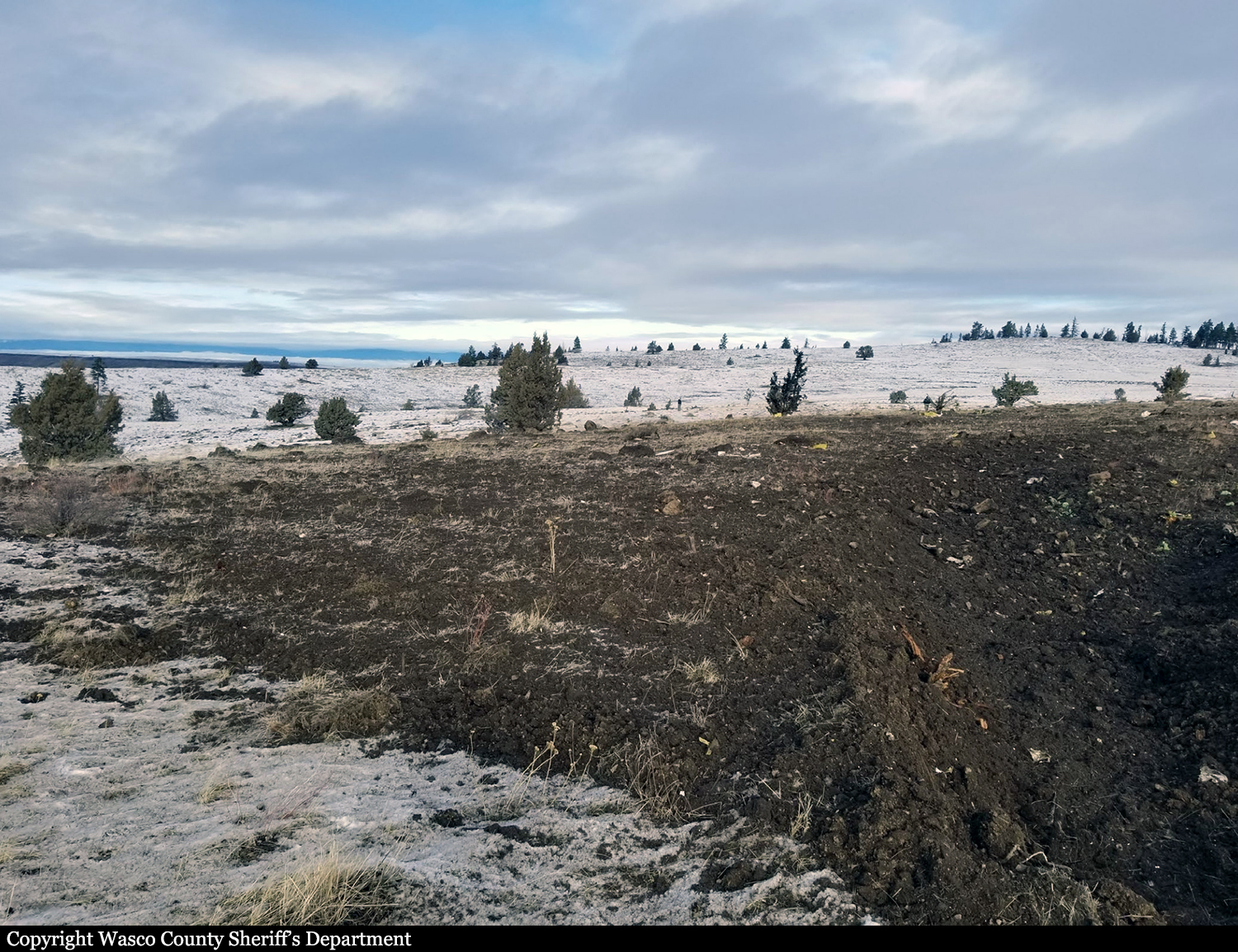
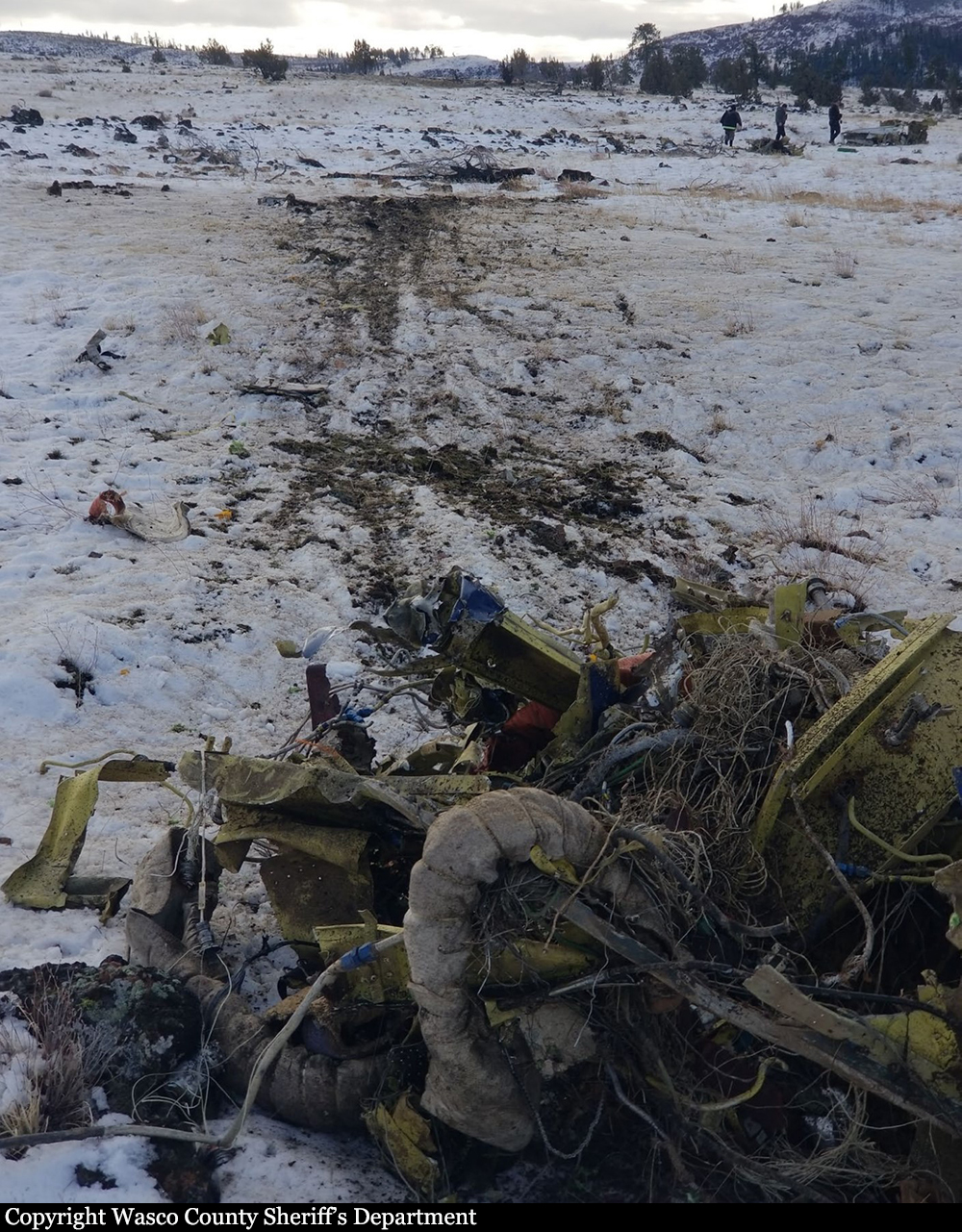
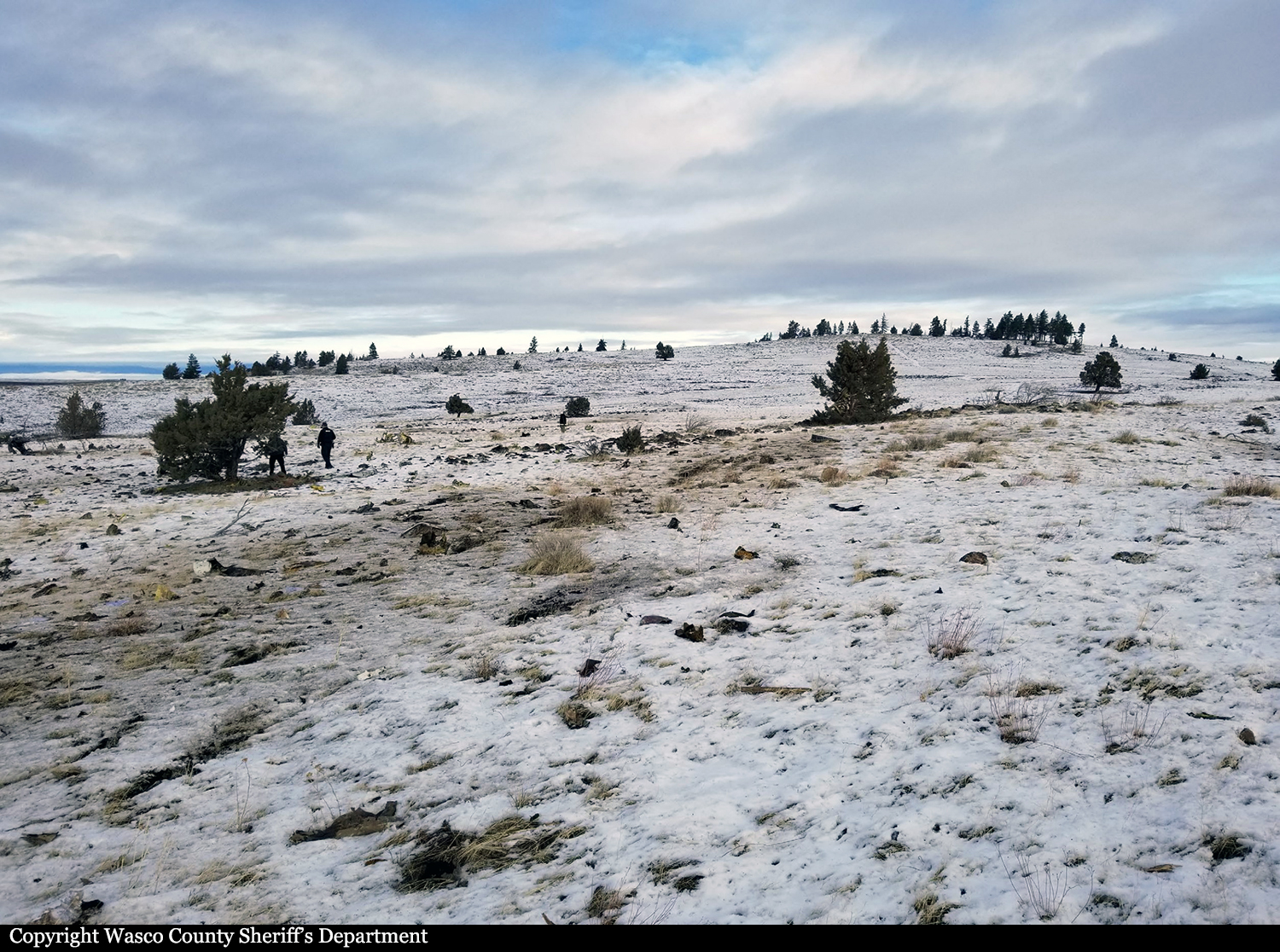
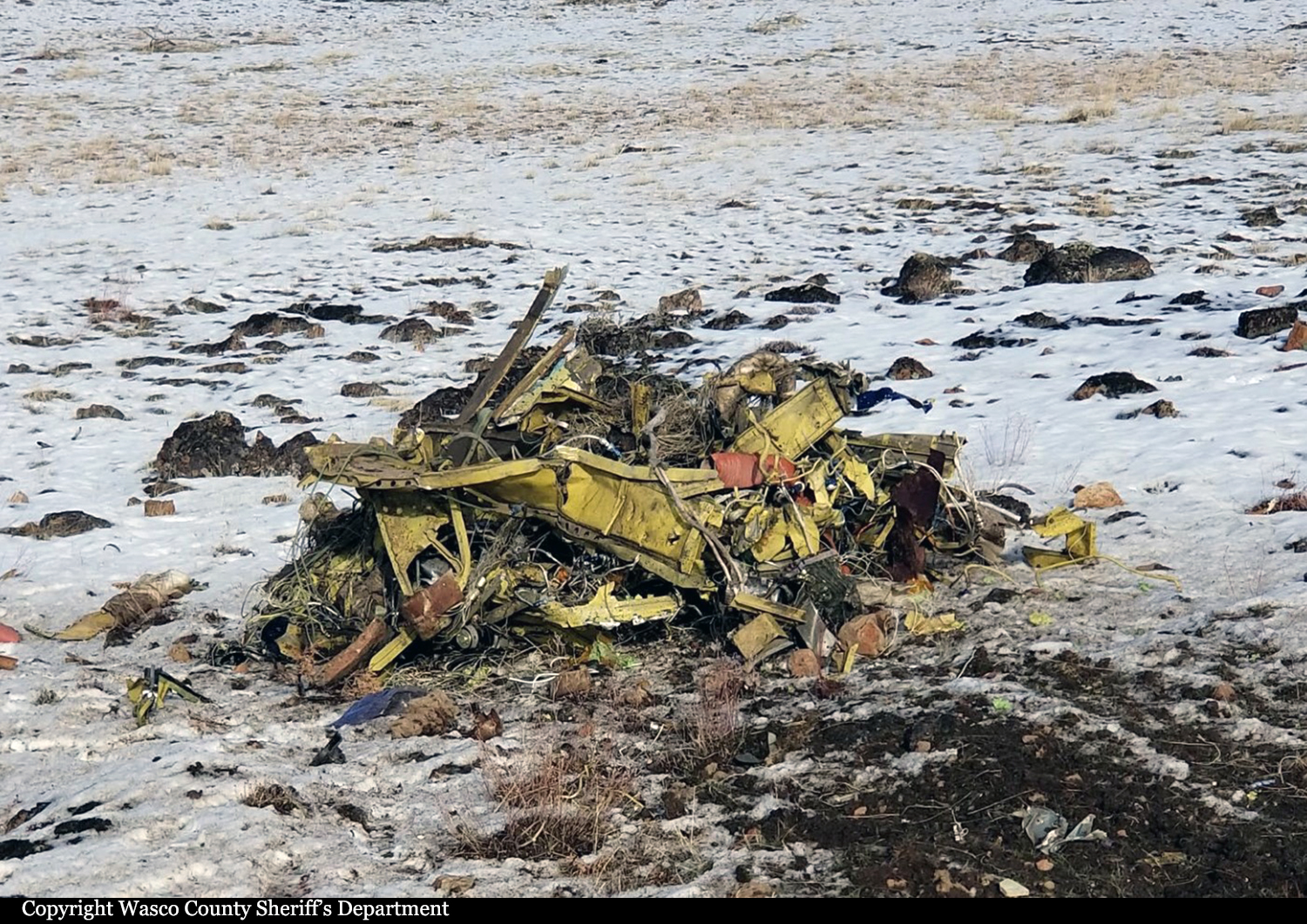
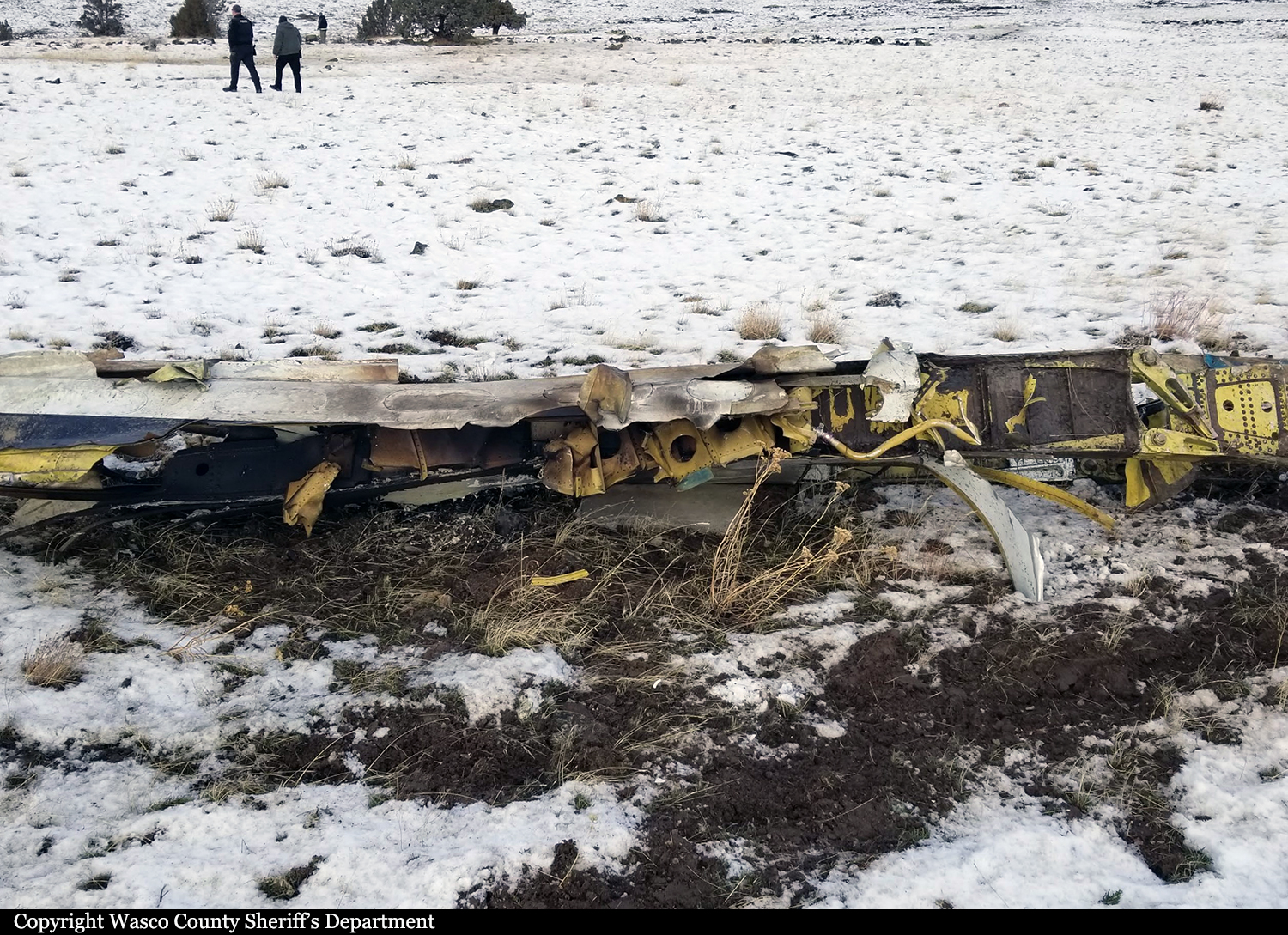
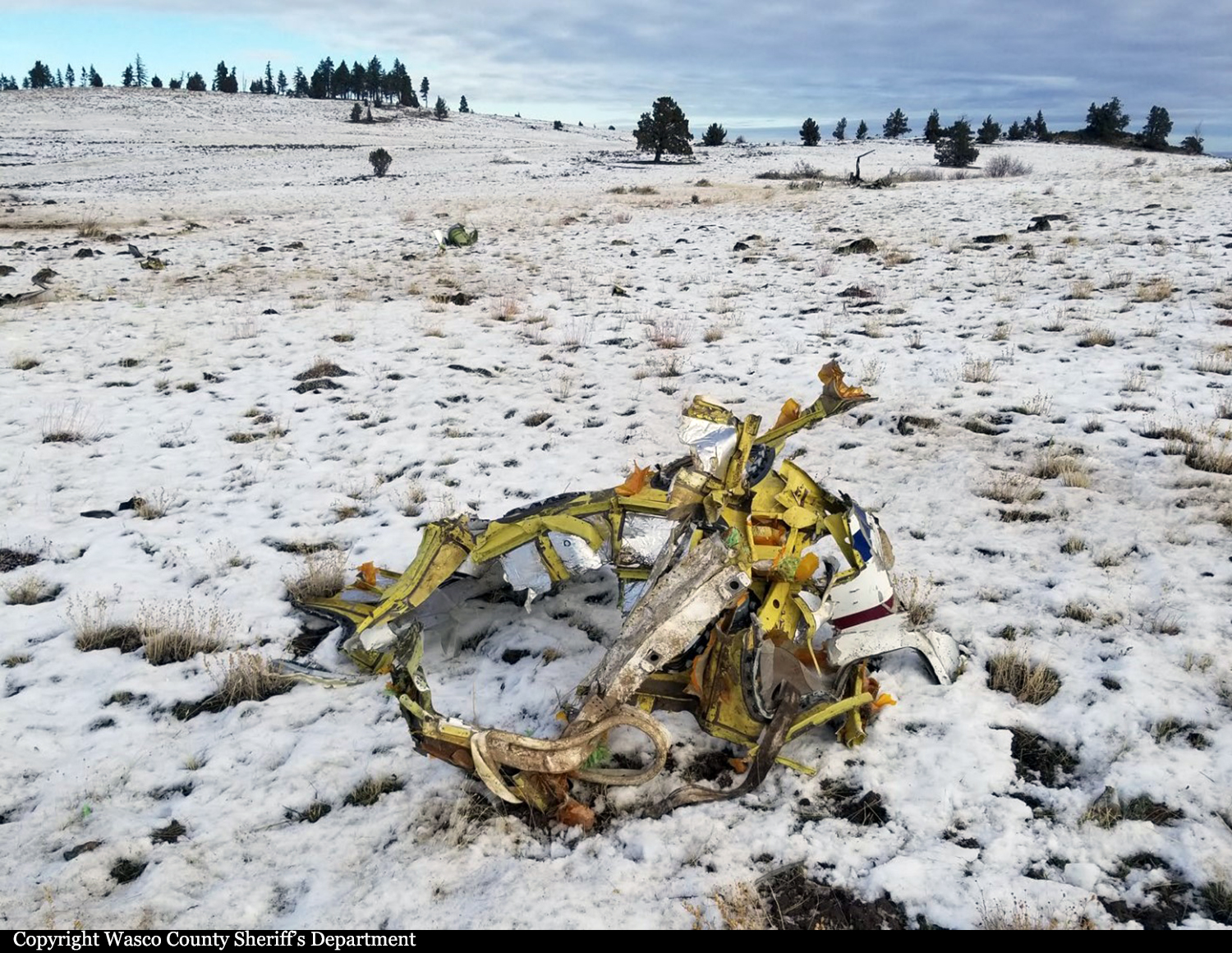
During the first 15 minutes of the flight, the pilot of the complex, high performance, jet airplane appeared to have difficulty maintaining the headings and altitudes assigned by air traffic controllers, and throughout the flight, responded intermittently to controller instructions. After reaching an altitude of 27,000 ft, the airplane began to deviate about 30° right of course while continuing to climb. The controller alerted the pilot, who did not respond, and the airplane continued to climb. Two minutes later, the airplane entered a tight, spiraling descent that lasted 8 minutes until the airplane impacted the ground at high speed in a rightwing-low attitude. The airplane was highly fragmented on impact; however, examination did not reveal any evidence of structural failure, in-flight fire, a bird strike, or a cabin depressurization event, and both engines appeared to be producing power at impact. Although the 72-year-old private pilot had extensive flight experience in multiple types of aircraft, including jets, he did not hold a type rating in the accident airplane, and the accident flight was likely the first time he had flown it solo. He had received training in the airplane about two months before the accident but was not issued a type rating and left before the training was complete. During the training, he struggled significantly in high workload environments and had difficulty operating the airplane’s avionics suite, which had recently been installed. He revealed to a fellow pilot that he preferred to “hand fly” the airplane rather than use the autopilot. The airplane’s heading and flight path before the spiraling descent were consistent with the pilot not using the autopilot; however, review of the flight path during the spiraling descent indicated that the speed variations appeared to closely match the airplane’s open loop phugoid response as documented during manufacturer flight tests; therefore, it is likely that the pilot was not manipulating the controls during that time.
Probable cause:
A loss of airplane control due to pilot incapacitation for reasons that could not be determined.
Final Report:

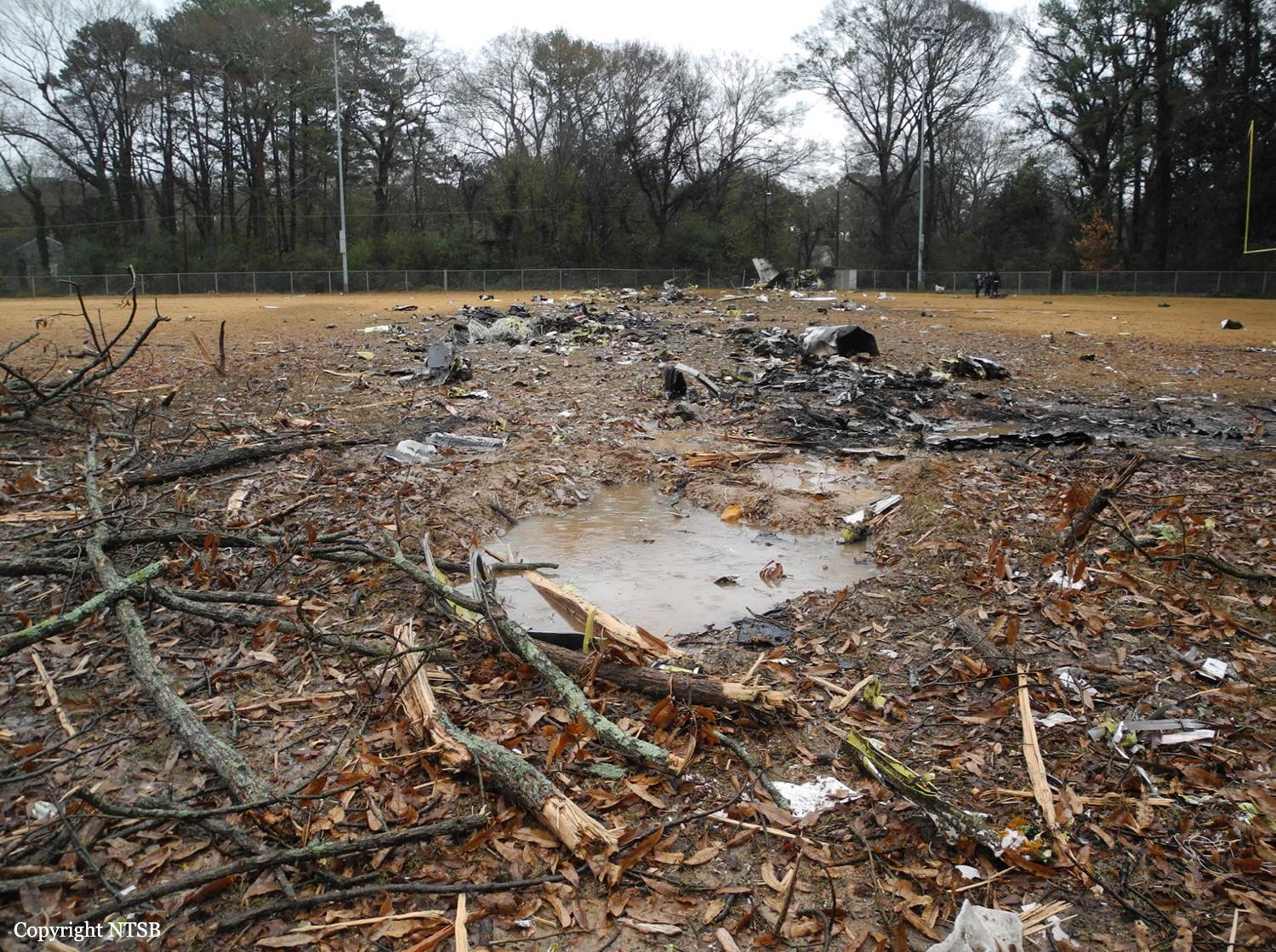
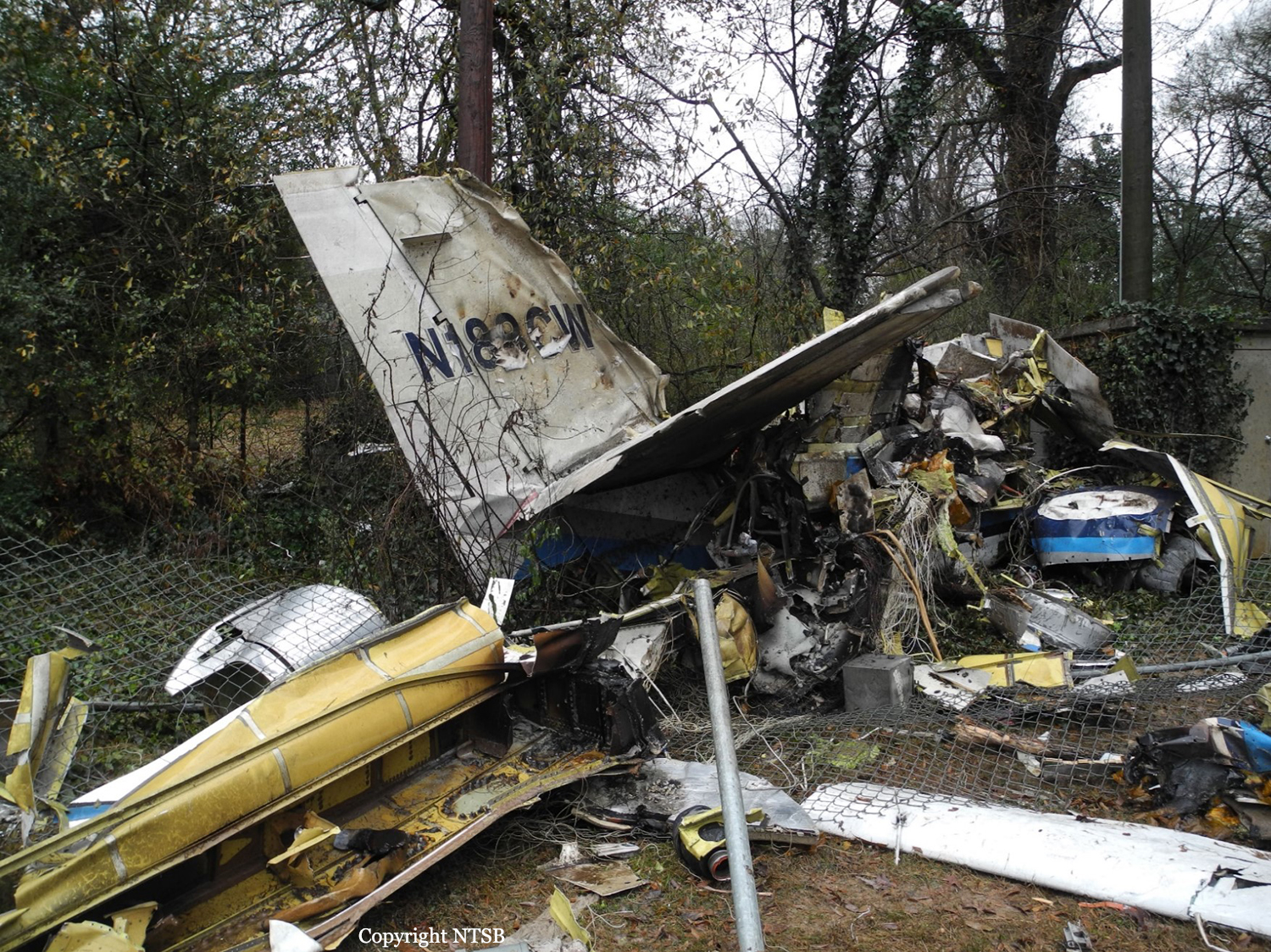
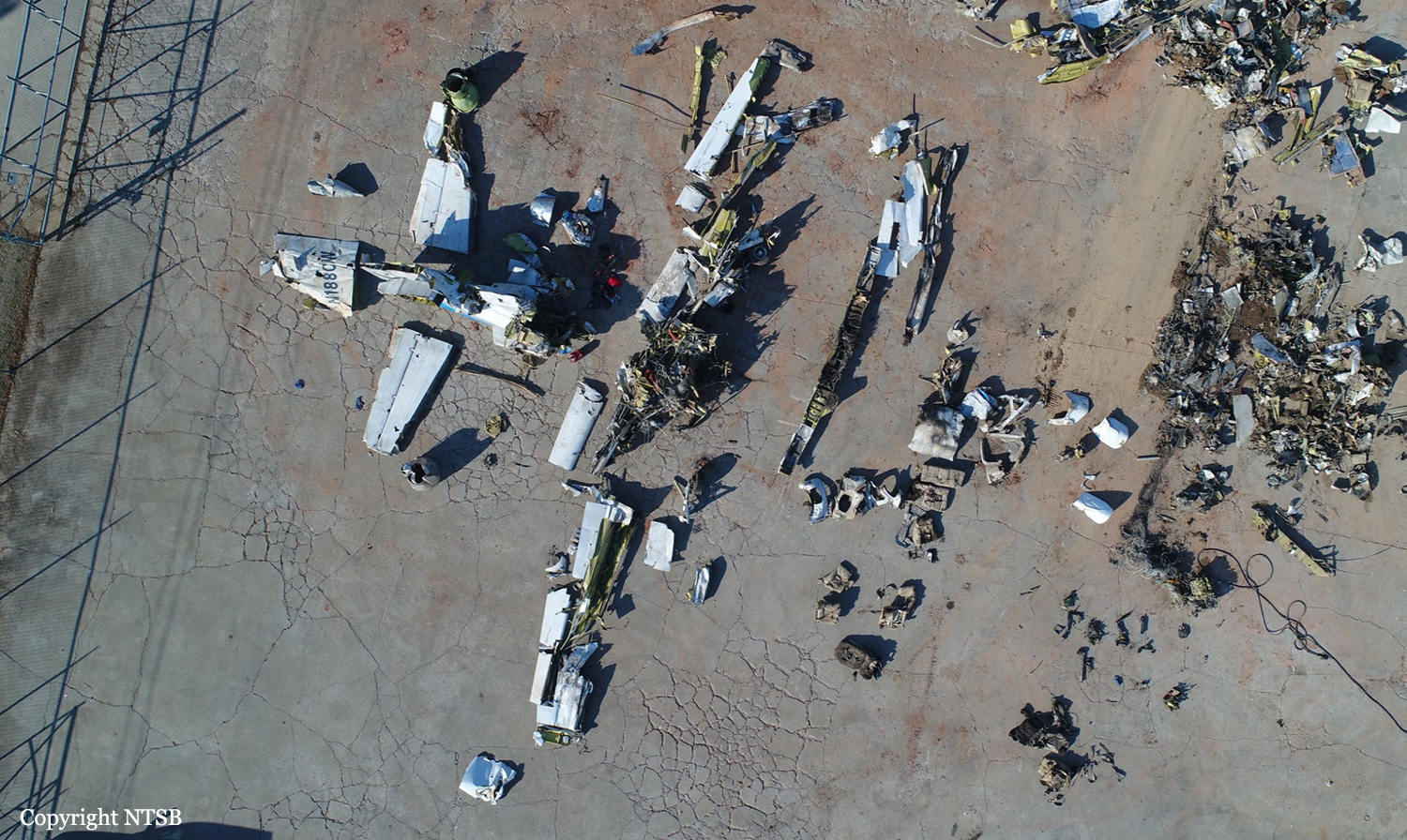
Crash of a Cessna 560 Citation V in Atlanta: 4 killed
Date & Time:
Dec 20, 2018 at 1210 LT
Registration:
N188CW
Survivors:
No
Schedule:
Atlanta - Millington
MSN:
560-0148
YOM:
1991
Crew on board:
1
Crew fatalities:
Pax on board:
3
Pax fatalities:
Other fatalities:
Total fatalities:
4
Captain / Total hours on type:
110.00
Aircraft flight hours:
6854
Circumstances:
The pilot departed on an instrument flight rules flight into instrument meteorological conditions (IMC). Radar data indicated that the airplane entered a left turn after takeoff, consistent with the pilot's instrument clearance. As the airplane climbed to an altitude about 2,410 ft above ground level, its rate of climb increased from about 3,500 ft per minute to 9,600 ft per minute, the stick shaker activated, and the airplane decelerated to about 75 knots. The airplane then entered a descending right turn and rolled inverted before impacting terrain about 1 mile from the airport. All major components of the airplane were located at the accident site, and examination of the wreckage revealed no anomalies with the airplane that would have precluded normal operation. The weather conditions about the time of the accident included an overcast cloud ceiling about 600 ft above ground level. It is likely that the pilot became spatially disoriented after entering the cloud layer, which resulted in the airplane's high rate of climb, rapid loss of airspeed, and a likely aerodynamic stall. The steep descending right turn, the airplane's roll to an inverted attitude, and the high-energy impact are also consistent with a loss of control due to spatial disorientation.
Probable cause:
The pilot's loss of airplane control due to spatial disorientation during initial climb in instrument meteorological conditions.
Final Report: