Crash of a Cessna 208B Grand Caravan on Lizard Island

Date & Time: Jan 8, 2024 at 0700 LT
Type of aircraft:
Operator:
Registration:
VH-NWJ
Survivors:
Yes
Schedule:
Lizard Island - Cairns
MSN:
208B-2161
YOM:
2010
Country:
Region:
Crew on board:
1
Crew fatalities:
Pax on board:
9
Pax fatalities:
Other fatalities:
Total fatalities:
0
Captain / Total flying hours:
3706
Captain / Total hours on type:
2431.00
Aircraft flight hours:
8765
Circumstances:
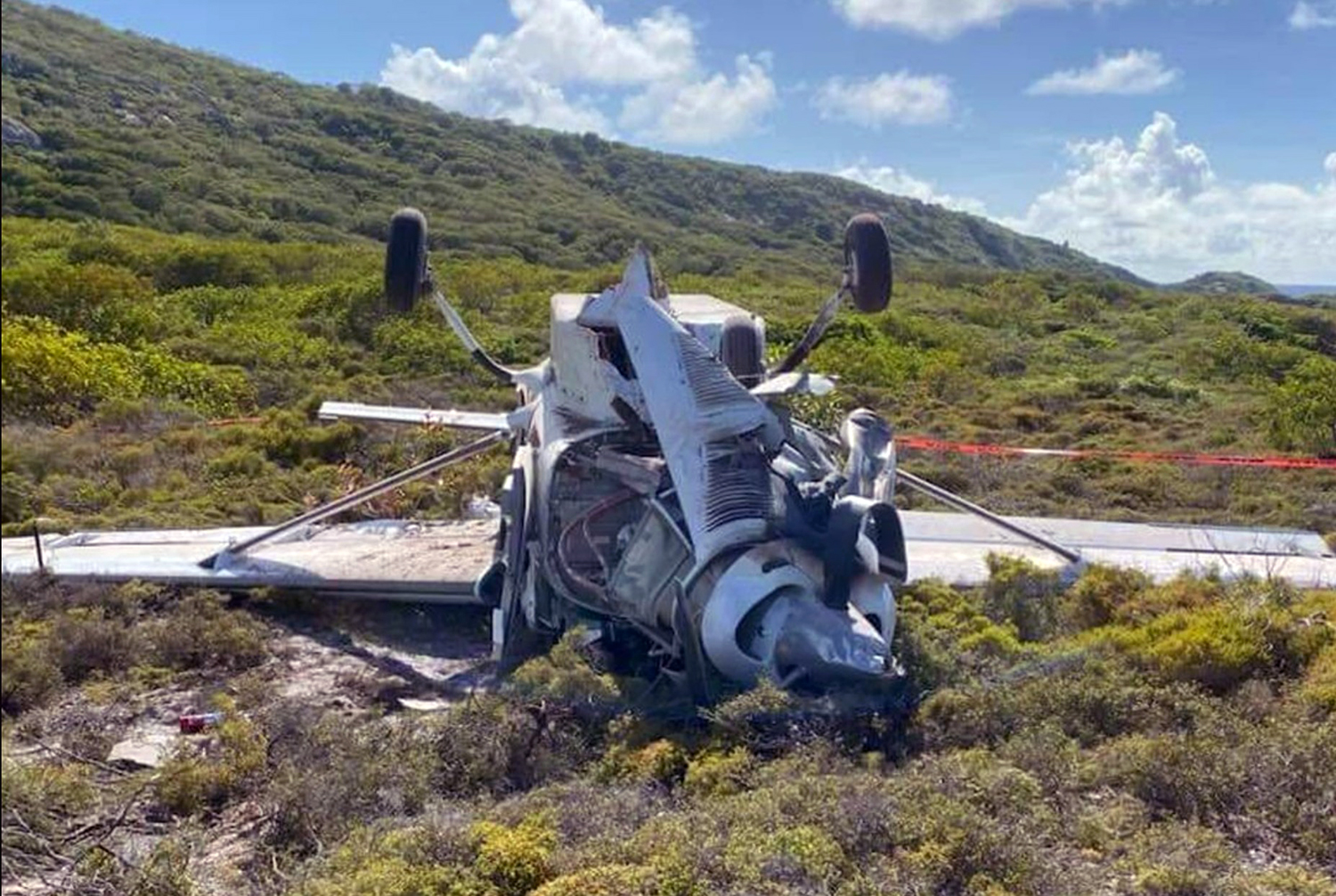
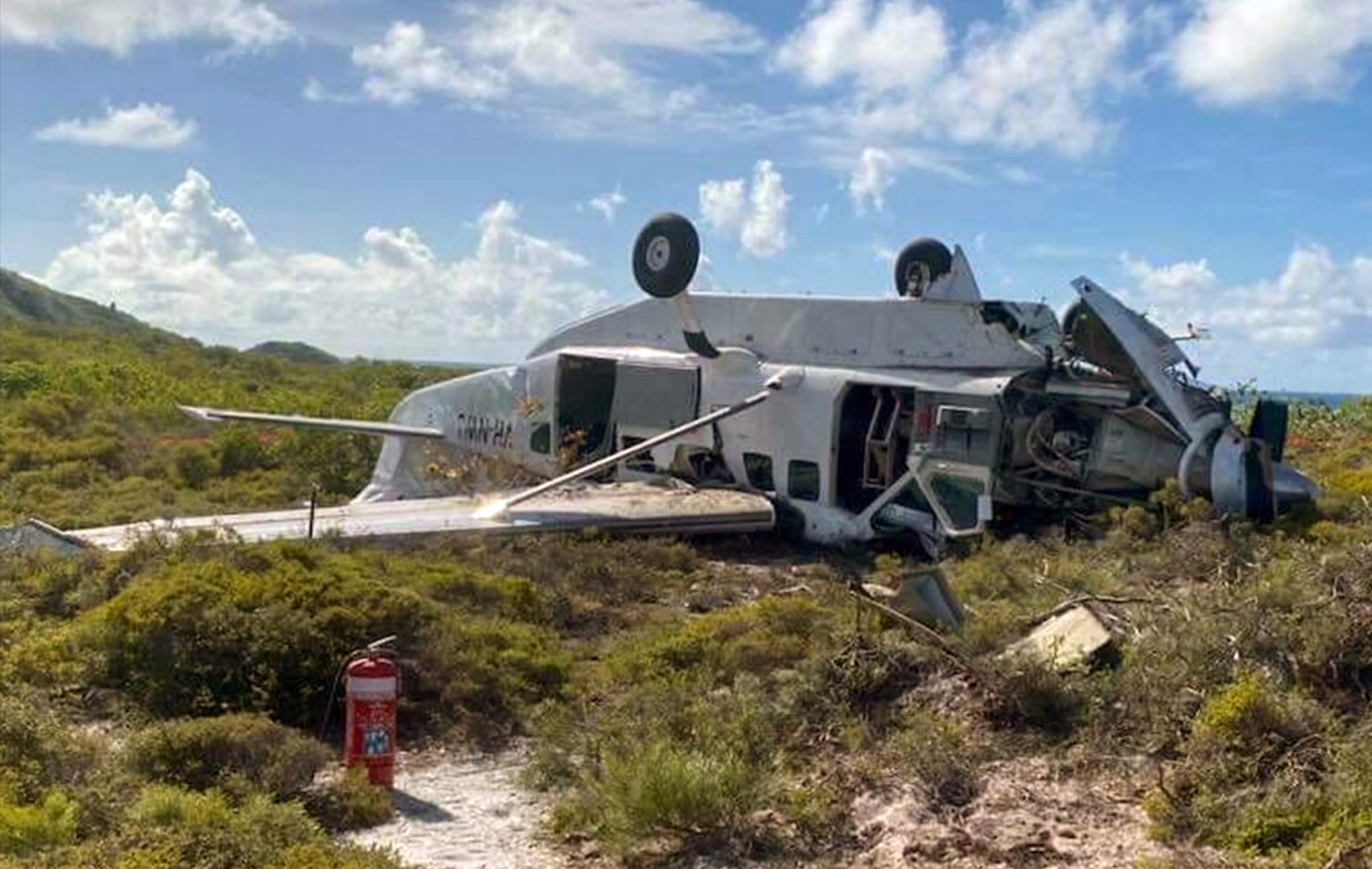
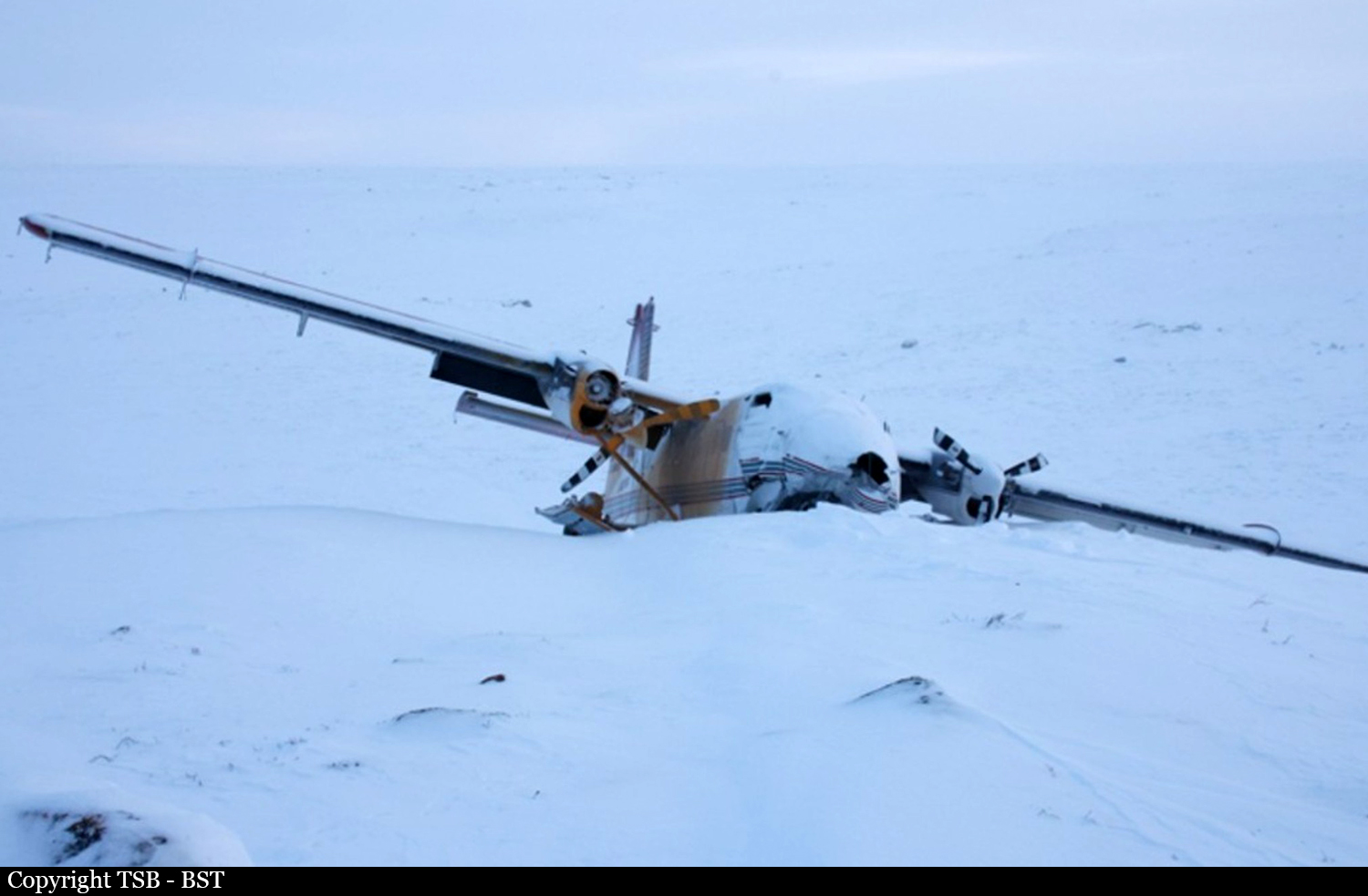
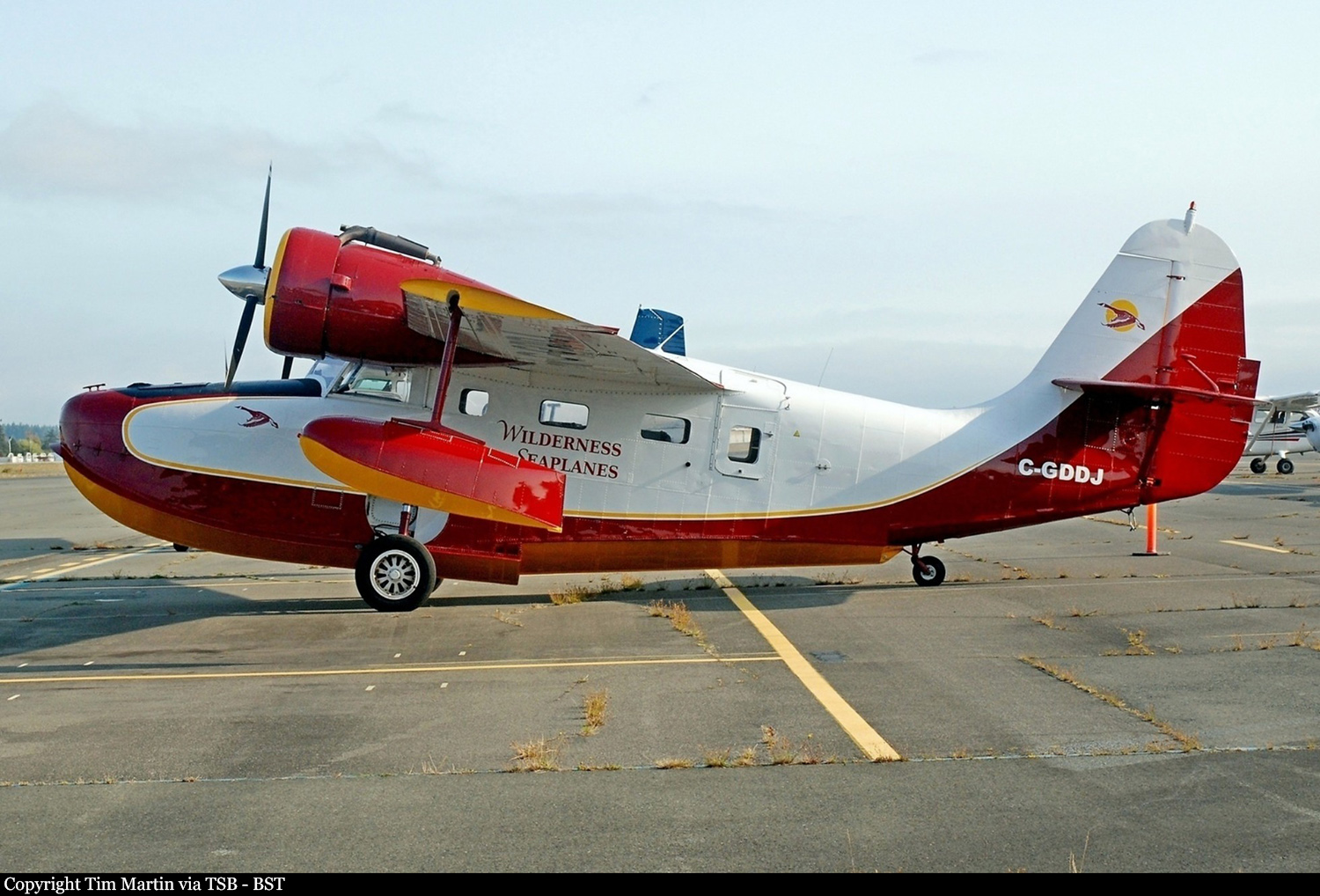
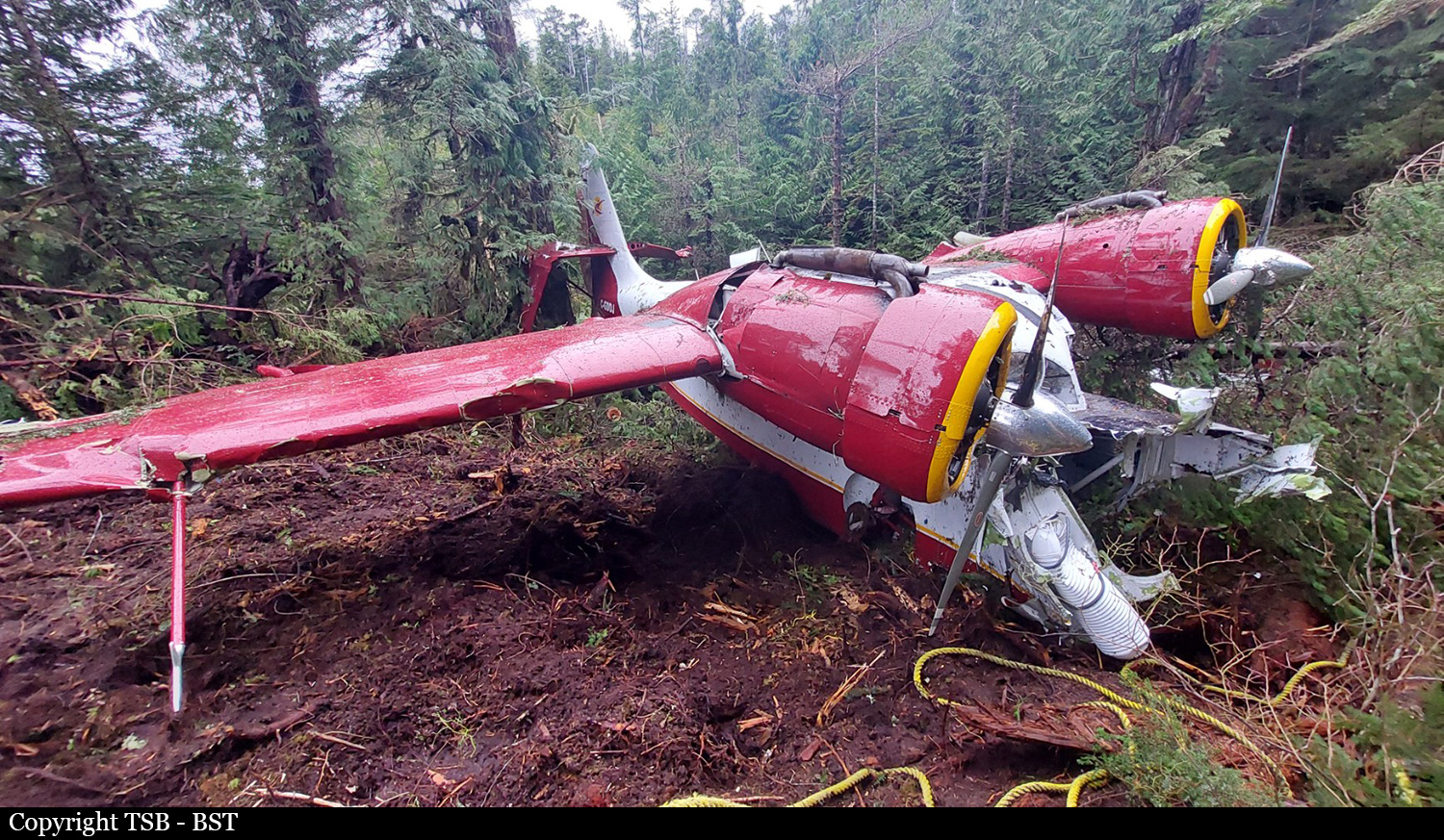
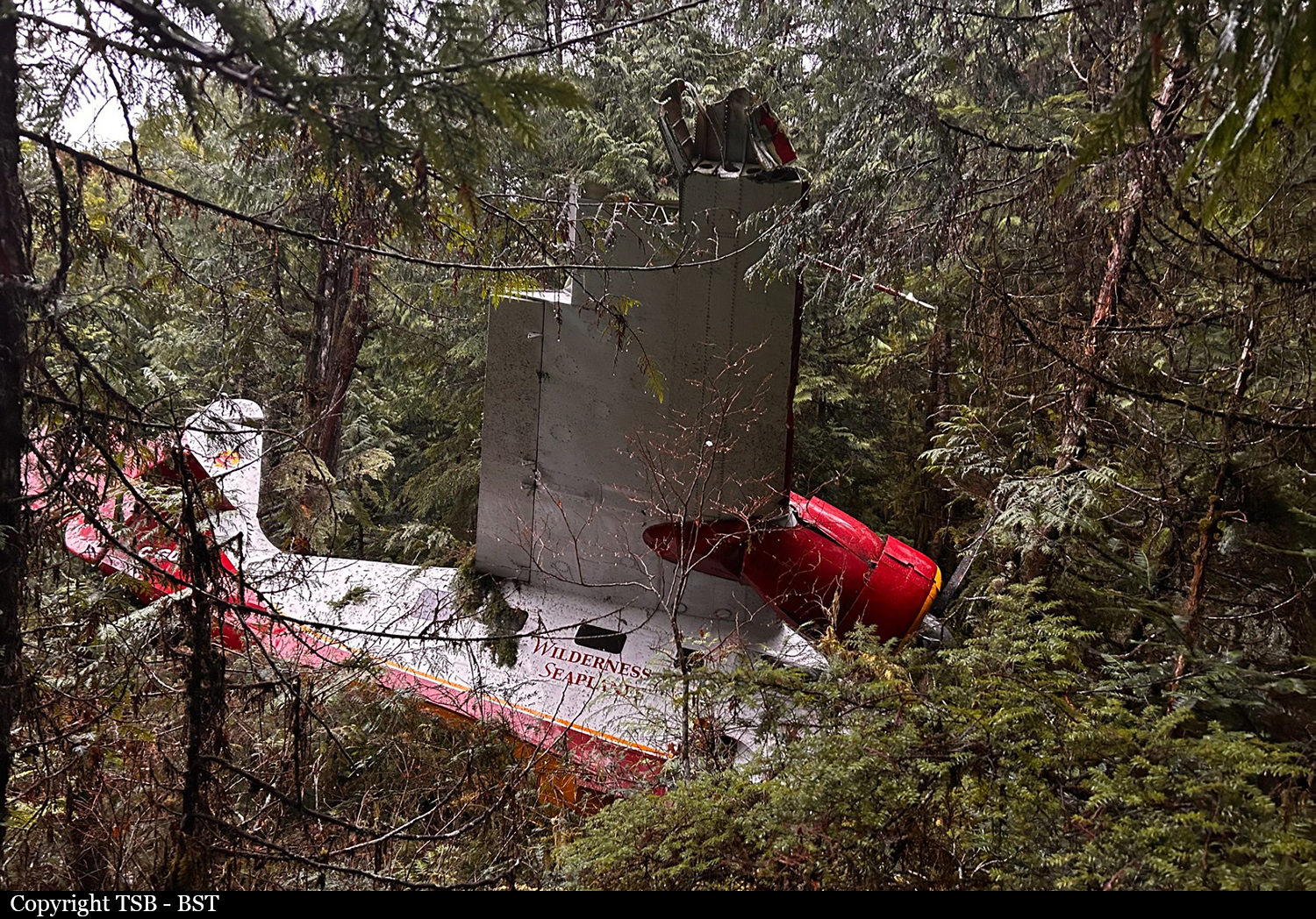
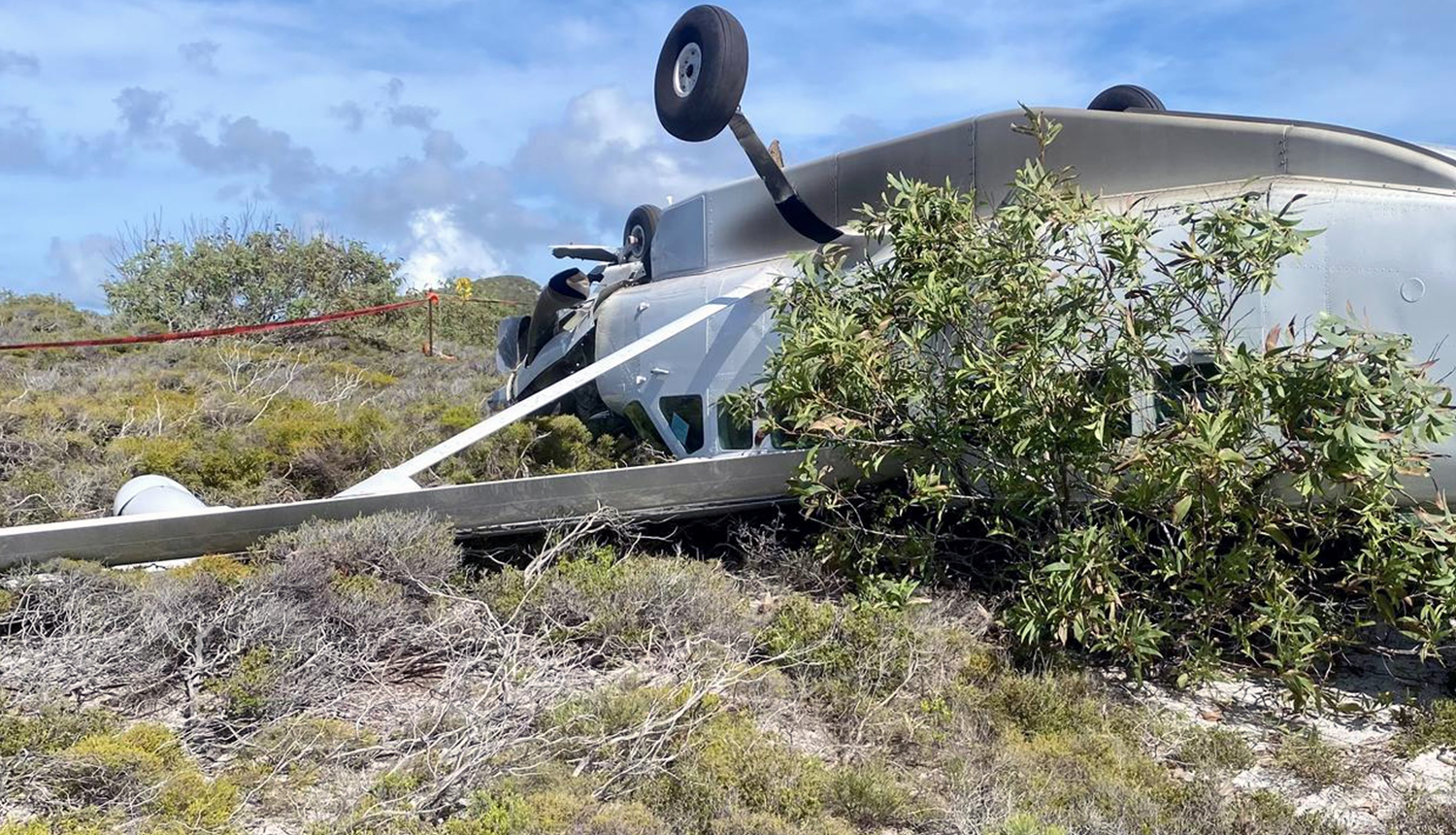
At 0646LT, the single engine airplane departed Lizard Island Airport on a non-scheduled passenger service to Cairns. On board were the pilot and 9 passengers. After takeoff from runway 12, the pilot turned right, tracked south-southwest and made a departure call to Brisbane Centre air traffic control (ATC). At 1,750 feet above mean sea level, the pilot turned left onto the departure track in a cruise climb and engaged the autopilot. At 0652LT, passing 3,400 feet at an indicated airspeed of 102 kt, the pilot noted a change to the engine sound and that the aircraft was accelerating. The pilot checked the engine gauges on the Garmin G1000 multifunction flight display. They noted the values indicated on both the engine torque and interstage turbine temperature gauges were above the redline and the gas generator speed and fuel flow were not indicating, being marked with a diagonal red cross through the gauge locations. The propeller revolutions per minute was high but within the green operating range. Within 10 seconds, the pilot initiated a left turn with the purpose of returning to Lizard Island and broadcast a PAN PAN call on the area frequency advising their intentions. Despite trying to arrest it, the aircraft continued to climb and accelerate over the next 2 minutes reaching 4,000 feet and 166 kt. The pilot started troubleshooting the issue by moving the power, propeller control and emergency power levers with the only response coming from the propeller control lever. The pilot also partially moved the fuel condition lever through the gate from low idle to cut-off and noted the engine power cutting in and out and returned the condition lever to low idle. At the same time, the pilot conducted a large orbit around the island attempting a shallow descent while the engine continued to produce excessive power. Further manipulation of the propeller control lever somewhat reduced the engine thrust. The pilot updated ATC on their situation and progressively deployed the flaps to create drag in an attempt to slow the aircraft. After one orbit of the island, the pilot felt they were low enough to attempt a landing with a 2 NM (4 km) final approach to runway 12 and notified ATC of their intentions. The pilot reported they were concerned with the populated resort accommodation and maintenance buildings on the approach end of the runway and the possibility of injury to those on board and on the ground if the aircraft did not have the energy to make the runway. To ensure they cleared potential obstacles, the pilot elected to perform a powered-on approach. The pilot continued to adjust the propeller lever in an attempt to reduce the engine thrust. The final approach was started at 147 kt (the pilot operating handbook stated the normal approach speed with full flaps was 75–85 kt). The pilot was able to reduce the airspeed to 123 kt by the runway threshold and reported attempting to shut down the engine. The aircraft floated along the down-sloping runway, bouncing and touching down at around 100 kt, an estimated two-thirds of the way along the runway. The pilot applied maximum braking, but the aircraft exited the end of the runway at 92 kt. The aircraft continued across undulating sandy soil and low vegetation before the left wingtip struck the ground, which spun and flipped the aircraft, coming to rest inverted, 127 metres from the end of the runway. All 10 occupants escaped with minor injuries and the airplane was damaged beyond repair.
Probable cause:
The accident was the consequence of the following:
- Shortly after departure, the fuel control unit very likely malfunctioned resulting in an uncommanded engine acceleration event beyond limits, necessitating a return to the airport.
- The engine power was unable to be reduced and the engine was not successfully shut down on final approach. As a result, the aircraft could not be slowed sufficiently to prevent a runway overrun.
The following contributing factor was identified:
- While uncommanded engine acceleration or inability to reduce power events occur at a higher rate than any other type of fuel control unit malfunction in Pratt & Whitney Canada PT6A single-engine aircraft, there were no flight manual procedures addressing this type of occurrence. Consequently, there was limited awareness by pilots and operators on how to identify and safely respond to an uncommanded engine acceleration event.
Final Report:
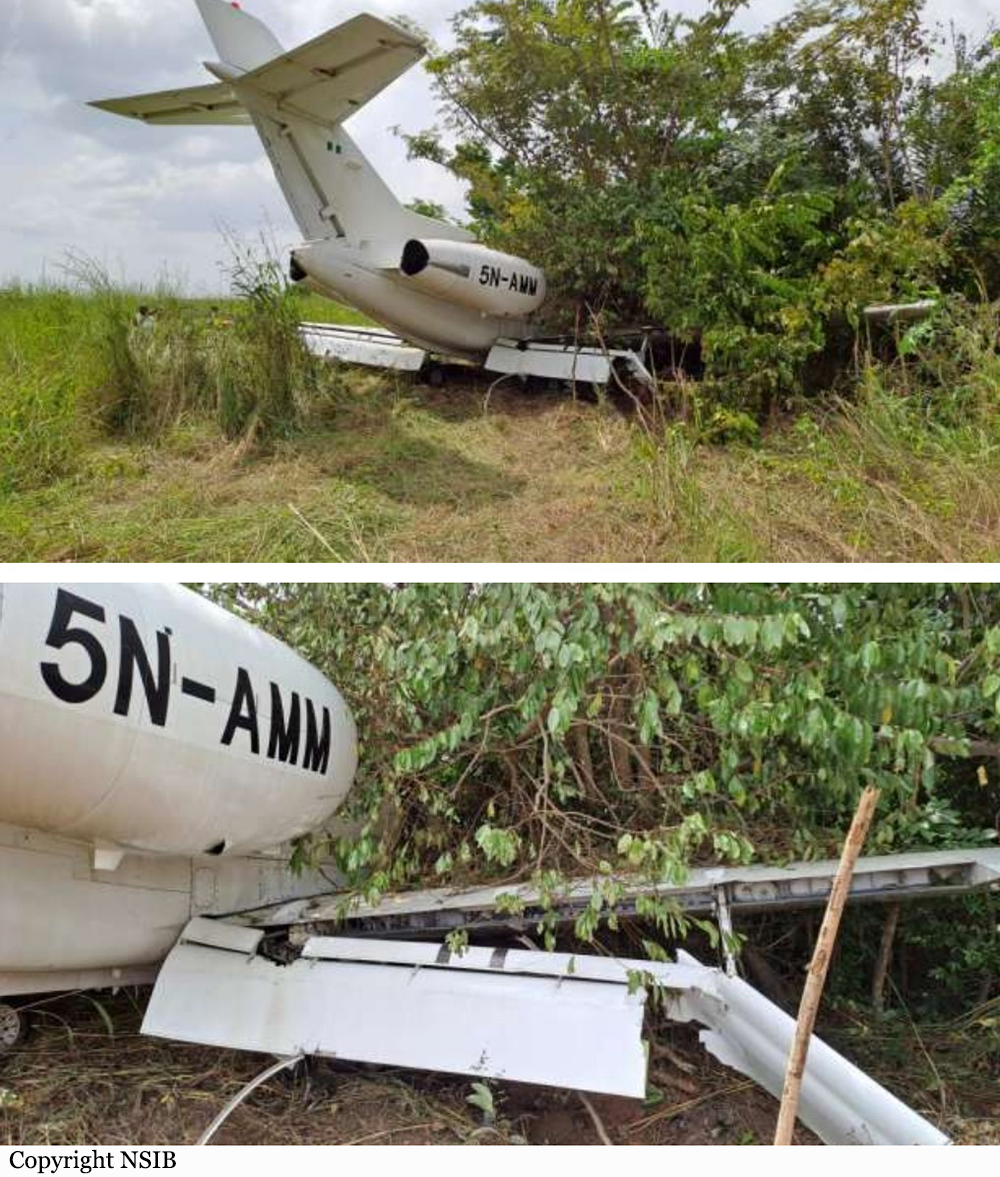
Crash of a Hawker 800XP in Ibadan

Date & Time: Nov 3, 2023 at 2018 LT
Type of aircraft:
Operator:
Registration:
5N-AMM
Survivors:
Yes
Schedule:
Abuja - Ibadan
MSN:
258286
YOM:
1995
Flight number:
IB500
Location:
Country:
Region:
Crew on board:
3
Crew fatalities:
Pax on board:
7
Pax fatalities:
Other fatalities:
Total fatalities:
0
Captain / Total flying hours:
3864
Captain / Total hours on type:
335.00
Copilot / Total flying hours:
2030
Copilot / Total hours on type:
1730
Aircraft flight hours:
10492
Aircraft flight cycles:
7195
Circumstances:
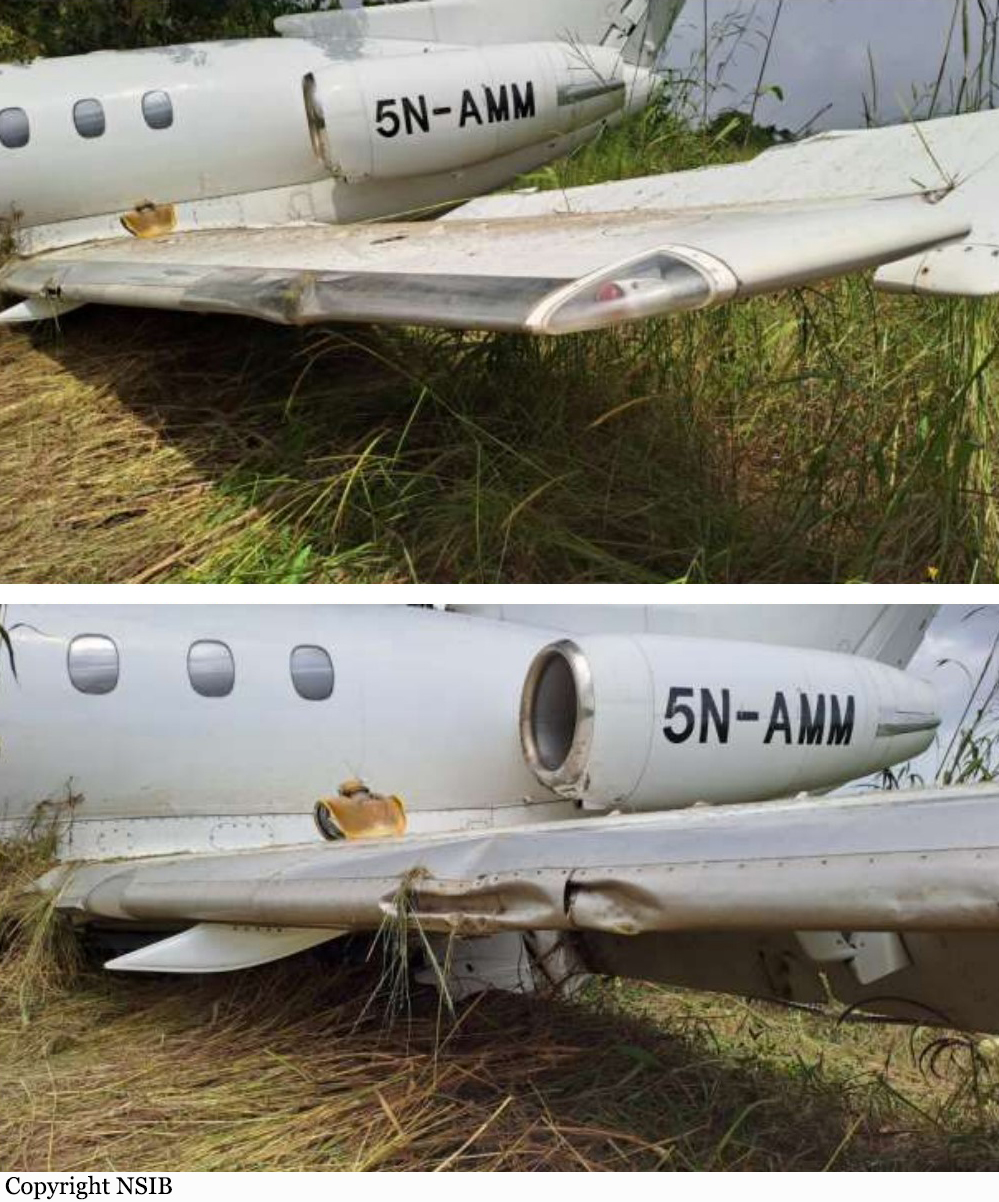
The airplane departed Abuja-Nnamdi Azikiwe Airport at 1941LT on a charter flight (IB500) to Ibadan, carrying seven passengers and three crew members. At 2013LT, the crew was cleared to land on runway 22 and continued the approach. On short final, the airplane impacted the first row of approach lights on the approach path, then touched down first with the right main landing gear, about 220 metres short of the threshold of the runway, and in the grass verge, followed shortly by the left main and nose landing gears respectively. The aircraft continued towards the paved area of the runway, impacting several other rows of approach lights along its path. A total of six impact points were observed. Subsequently, the aircraft entered the paved area and veered right of the centerline, runway 22. At about 156 metres from the threshold, the aircraft crossed the right runway shoulder and continued into the grass verge for a distance of about 184 metres before coming to a stop, partially impeded by vegetation. Number one tyre was found deflated and the nose landing gear collapsed. All 10 occupants disembarked safely.
The below preliminary report was quickly published by NSIB.
Final Report:

Crash of a Cessna 208B Grand Caravan in Rio Branco: 12 killed

Date & Time: Oct 29, 2023 at 0721 LT
Type of aircraft:
Operator:
Registration:
PT-MEE
Flight Phase:
Survivors:
No
Schedule:
Rio Branco – Envira
MSN:
208B-0344
YOM:
1993
Country:
Crew on board:
2
Crew fatalities:
Pax on board:
10
Pax fatalities:
Other fatalities:
Total fatalities:
12
Circumstances:
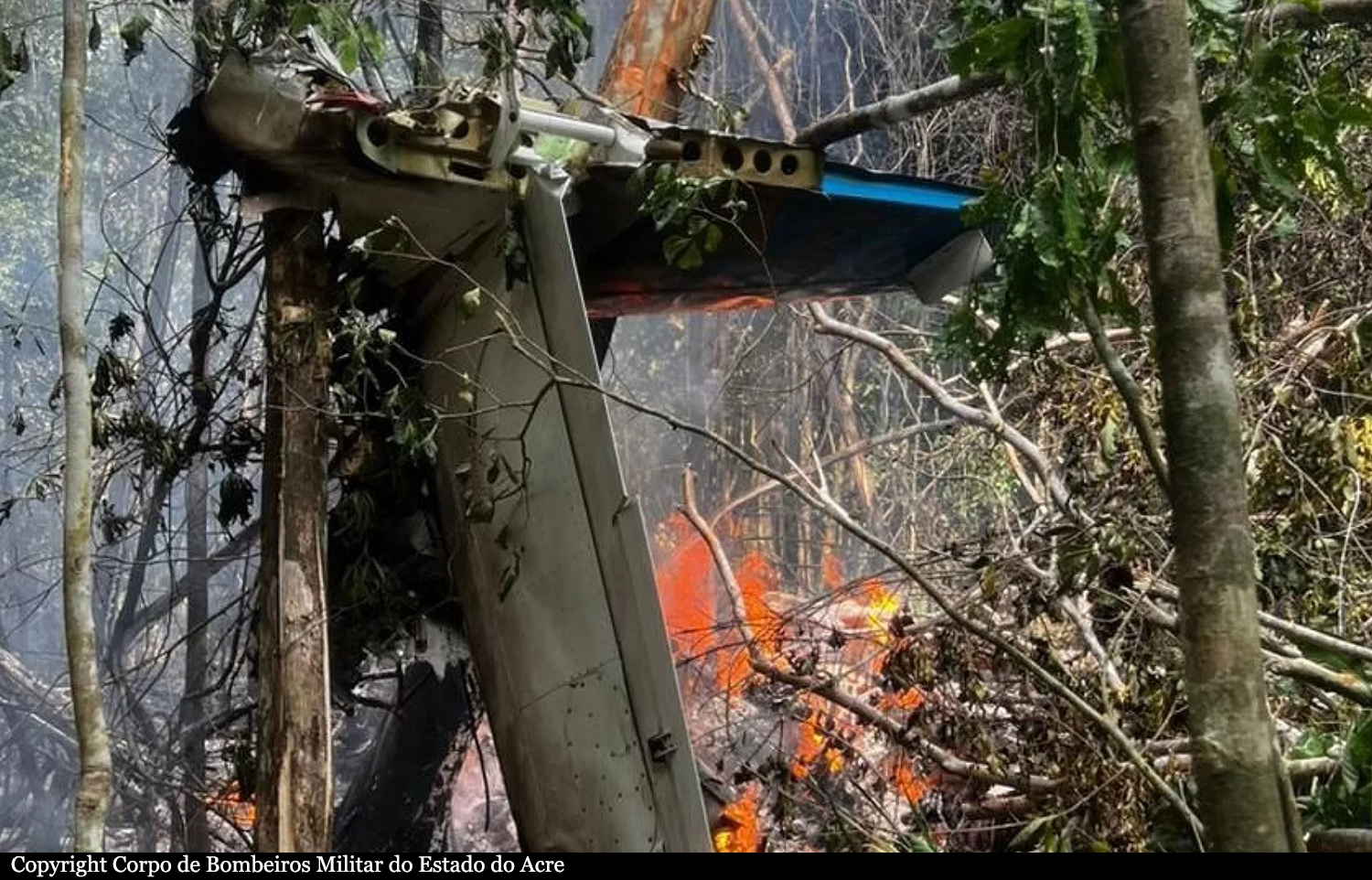
The airplane was on its way from Rio Branco to Envira, carrying two pilots and 10 passengers, among them three women and two children. Shortly after takeoff from Rio Branco-Plácido de Castro Airport, the single engine airplane went out of control and crashed in a dense wooded area, bursting into flames. It was totally destroyed by impact forces and a post crash fire and all 12 occupants were killed.

Crash of a Learjet 45 in Xalapa

Date & Time: Oct 4, 2023 at 1133 LT
Type of aircraft:
Operator:
Registration:
XA-JAO
Survivors:
Yes
Schedule:
Tuxtla Gutiérrez – Xalapa
MSN:
45-042
YOM:
1999
Country:
Crew on board:
2
Crew fatalities:
Pax on board:
5
Pax fatalities:
Other fatalities:
Total fatalities:
0
Circumstances:
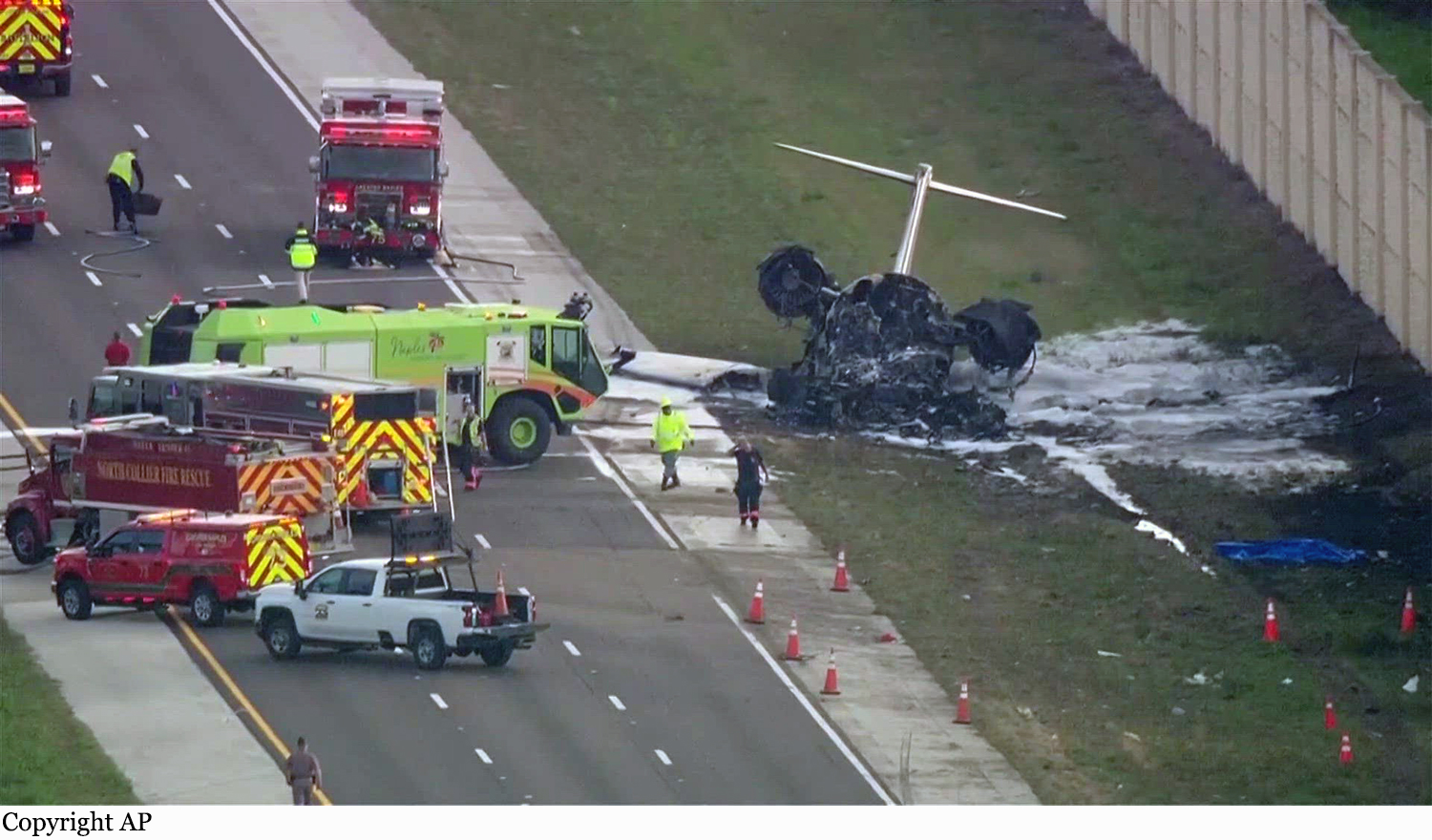
After landing on runway 26 at Xalapa-El Lencero Airport, the airplane went out of control, veered off runway and came to rest in a bushy and grassy area. All seven occupants were rescued and the airplane was damaged beyond repair.

Crash of an Embraer EMB-545 Praetor 500 in Brunswick

Date & Time: Sep 21, 2023 at 1436 LT
Operator:
Registration:
N434FX
Survivors:
Yes
Schedule:
White Plains – Brunswick
MSN:
550-10073
YOM:
2020
Crew on board:
2
Crew fatalities:
Pax on board:
6
Pax fatalities:
Other fatalities:
Total fatalities:
0
Captain / Total flying hours:
10900
Captain / Total hours on type:
1872.00
Copilot / Total flying hours:
16686
Copilot / Total hours on type:
306
Aircraft flight hours:
2863
Circumstances:
On September 21, 2023, about 1436 eastern daylight time, an Embraer SA EMB-525, N434FX, operated by Flexjet LLC, was substantially damaged when it was involved in an accident near St. Simons Island, Georgia. The pilot, copilot and six passengers were not injured. The airplane was operated as a Title 14 Code of Federal Regulations Part 91K fractional flight. The flight departed Westchester County Airport (HPN), White Plains, New York at 1239, destined for St. Simons Island Airport (SSI), St. Simons Island, Georgia. According to the pilot, the departure and en route phases of the flight were uneventful. During the arrival phase into SSI they elected to fly the RNAV (GPS) Runway 4 approach to allow them to be better aligned and setup for the landing. Checklists and callouts were conducted, and the approach was stable. After the 500 ft stable callout was made the airplane crossed over a small section of trees and rose slightly. The airplane then began to porpoise slightly when it was about 100 to 150 ft above mean sea level. The pilot tried to make corrections, but the airplane was not responding to his control inputs. The airplane then landed hard and slid along the runway, coming to rest in the grass off of runway 4. After the airplane came to rest, they evacuated the passengers safely and powered down the airplane. According to the copilot, the flight from HPN to SSI was uneventful until the final few seconds. When they were cleared for the approach, the pilot configured the airplane, slowed appropriately, and selected “Flaps 3” for the landing. The checklists were completed, and they had the runway in sight when they were 10 miles from the airport. No other traffic was identified as being in the airport traffic pattern and they prepared to land. The copilot made the “500’, Stabilized, 20 knot of headwind” callout at approximately 500 ft’. As the airplane crossed above the airport property, it began to pitch rapidly up and down. The copilot then looked over at the pilot’s hand on the control side sick and he could see him moving it back and forth excessively. He then said something along the lines of “Take it easy there,” and the pilot replied that the airplane was not responding. At that point the airplane was “maybe 50 ft” above the runway. The airplane touched down hard, prior to the runway threshold, on centerline, bounced and then touched down again. The airplane was listing to the right and skidding on the runway while slowly drifting to the right. The airplane slid off the runway and onto the grass where it hit a concrete sign base before it came to rest on the grass. Prior to opening the main cabin door, the copilot realized that both engines were still running. He then asked the pilot to shut down engines so that he could open the door to deplane the passengers. The copilot observed fuel gushing from the belly of the airplane when he exited. Examination of the accident site and airplane revealed that the airplane was substantially damaged. Both main landing gear were damaged, and the struts had punctured the top of the wings. During the impact sequence the airplane skidded down runway 4 for approximately 2,531 ft, then departed the right side of the runway, shearing off eight runway lights, one taxiway light, and destroying the taxiway A4 directional sign. The right main landing gear separated from the airplane and the leading edge of the right wing was damaged consistent with the impact with the taxiway sign. The airplane then went across taxiway A4, coming to rest between runway 4, taxiway A, and taxiway A4. The total distance from the airplane’s touchdown to where the airplane came to rest was approximately 3,083 ft. The reported wind at SSI about the time of the accident was from 050° at 13 knots, gusting to 23 knots. According to Federal Aviation Administration (FAA) and pilot records, the pilot held an airline transport pilot certificate, with a rating for airplane multi engine land, and commercial privileges for airplane single engine land and single engine sea. He also held type ratings on the BE-300, BE-400, CE-560XL, CE-650, CL-600, EMB-550, HS-125, and MU-300. His most recent FAA firstclass medical certificate was issued on June 13, 2023. He reported that he had accrued approximately 10,900 total flight hours, with 1,872 hours in the airplane make and model. According to FAA and pilot records, the copilot held an airline transport pilot certificate with a rating for airplane multi engine land, and commercial privileges for airplane single engine land. He also held type ratings on the A-310, A-320, B-757, B-767, DC-9, DC-10, EMB-550, and LR-JET. His most recent FAA first-class medical certificate was issued on June 13, 2023. He reported that he had accrued approximately 16,686 total flight hours, with 306 hours in the airplane make and model. According to FAA and maintenance records, the airplane was manufactured in 2020. The airplane’s most recent continuous airworthiness inspection was completed on April 11, 2023, at 2,863 total hours of operation.

Crash of an Embraer EMB-110P1 Bandeirante in Barcelos: 14 killed

Date & Time: Sep 16, 2023 at 1500 LT
Operator:
Registration:
PT-SOG
Survivors:
No
Schedule:
Manaus – Barcelos
MSN:
110-490
YOM:
1990
Country:
Crew on board:
2
Crew fatalities:
Pax on board:
12
Pax fatalities:
Other fatalities:
Total fatalities:
14
Circumstances:
On final approach to Barcelos Airport, the crew encountered poor weather conditions with reduced visibility due to heavy rain falls. On short final, the crew decided to initiate a go around procedure when the airplane apparently stalled and crashed on an embankment located near runway 09/27. The airplane was destroyed and all 14 occupants were killed. All 12 passengers were Brazilian tourists flying to Barcelos to practice sport fishing on the Río Negro. The airplane departed Manaus-Eduardo Gomes Airport on this charter flight approximately two hours prior to the accident.

Crash of a Partenavia P.68C Victor in Besakoa: 1 killed

Date & Time: Aug 24, 2023 at 1510 LT
Type of aircraft:
Operator:
Registration:
5R-MKB
Flight Phase:
Survivors:
Yes
Schedule:
Besakoa - Moramba
Country:
Region:
Crew on board:
1
Crew fatalities:
Pax on board:
4
Pax fatalities:
Other fatalities:
Total fatalities:
2
Circumstances:
Shortly after takeoff from Besakoa Airfield, the twin engine airplane crashed, bursting into flames. A passenger was killed and four other occupants were injured and evacuated to Antananarivo. The airplane was en route to Moramba.

Crash of a Raytheon 390 Premier I in Kuala Lumpur: 10 killed

Date & Time: Aug 17, 2023 at 1449 LT
Type of aircraft:
Operator:
Registration:
N28JV
Survivors:
No
Schedule:
Langkawi - Kuala Lumpur
MSN:
RB-97
YOM:
2004
Country:
Region:
Crew on board:
2
Crew fatalities:
Pax on board:
6
Pax fatalities:
Other fatalities:
Total fatalities:
10
Captain / Total flying hours:
6275
Captain / Total hours on type:
36.00
Copilot / Total flying hours:
9298
Copilot / Total hours on type:
3
Aircraft flight hours:
3142
Circumstances:
N28JV departed WMKL with eight persons on board at approximately 1408 LT, heading to WMSA. At around 1446 LT, N28JV contacted the WMSA air traffic tower controller to report it was established on the NBD Runway 15 approach and requested landing clearance. At 1448:36 LT, N28JV was cleared to land on Runway 15. The flight acknowledged the clearance at 1448:41 LT. No further radio transmissions were heard from the flight. Automatic Dependent Surveillance–Broadcast (ADS-B) data indicated that at 1447:24 LT, at an altitude of 2,600 feet, the aircraft began a speed reduction and descent. At approximately 1449:06 LT, at an altitude of 1,025 feet, the aircraft initiated a right turn, continuing until about 1449:14 LT, when it was at an indicated height of 550 feet. This was the last recorded data transmission from the accident flight, which was near the accident location. The ground speed during the right turn ranged between 146 and 154 knots. The aircraft crashed at Persiaran Elmina, Elmina, Shah Alam. The airplane was destroyed following the ground impact and subsequent fire. All eight occupants and two ground bystanders were fatally injured.
Probable cause:
The accident was primarily caused by the inadvertent extension of the lift dump spoilers by the flight crew while performing the Before Landing checklist.
The following contributing factors were identified:
- Inadvertent Extension of Lift Dump Spoilers: The primary cause of the accident was the inadvertent extension of the lift dump spoilers, most likely by the Second-in-Command, during the Before Landing checks. This action led to a sudden loss of lift, resulting in catastrophic loss of control and the subsequent crash.
- Deviation from Seating Protocols: The seating arrangement of the crew deviated from established protocols, with the Pilot-in-Command occupying the right hand seat and the Second-in-Command in the left-hand seat, contrary to the Airplane Flight Manual. This deviation likely contributed to ineffective crew resource management and communication.
- Inadequate Crew Training and Awareness: Insufficient crew training and awareness regarding the operation of the lift dump system were contributing factors to the accident. The Second-in-Command's unfamiliarity with the specific risks associated with the lift dump system led to the inadvertent extension of the spoilers.
- Regulatory Grey Areas and Oversight Gaps: Regulatory grey areas and organisational practices compromised safety oversight and compliance. The aircraft operator's failure to obtain necessary approvals for non-scheduled air services and comply with Malaysian regulations highlighted gaps in operational oversight.
- Communication and Decision-Making: Ineffective communication and decision-making processes were evident during critical phases of the flight. The absence of specific briefings or warnings about the lift dump system operation and the decision to deviate from standard seating protocols underscored deficiencies in communication and decision-making.
Final Report:

Crash of an Antonov AN-26 in Port Sudan: 9 killed

Date & Time: Jul 23, 2023
Type of aircraft:
Operator:

Flight Phase:
Survivors:
Yes
Country:
Region:
Crew on board:
4
Crew fatalities:
Pax on board:
6
Pax fatalities:
Other fatalities:
Total fatalities:
9
Circumstances:
The airplane crashed shortly after takeoff from Port Sudan and was destroyed by fire. A child was rescued while nine other occupants were killed.

Crash of a GippsAero GA8 Airvan in Ghanzi: 2 killed

Date & Time: Jun 29, 2023
Type of aircraft:
Operator:
Registration:
A2-MBE
Flight Phase:
Survivors:
Yes
MSN:
GA8-12-179
YOM:
2012
Country:
Region:
Crew on board:
2
Crew fatalities:
Pax on board:
2
Pax fatalities:
Other fatalities:
Total fatalities:
2
Circumstances:
Shortly after takeoff, the single engine airplane went out of control and crashed, bursting into flames. Both pilots were seriously injured and both passengers, an American couple, were killed.