Crash of a Grumman G-21A Goose near Anaktuvuk Pass: 3 killed

Date & Time: Aug 25, 1958
Type of aircraft:
Operator:
Registration:
N720
Flight Phase:
Survivors:
No
Site:
MSN:
B144
YOM:
1945
Crew on board:
2
Crew fatalities:
Pax on board:
1
Pax fatalities:
Other fatalities:
Total fatalities:
3
Circumstances:
Enroute, the seaplane struck the slope of a mountain located in the Brooks Range, in the region of Anaktuvuk Pass. All three occupants were killed.


Crash of a Grumman G-21A Goose off Eldred Rock: 1 killed

Date & Time: Aug 20, 1958 at 1525 LT
Type of aircraft:
Operator:
Registration:
N4774C
Flight Phase:
Survivors:
Yes
Schedule:
Juneau – Haines – Bridget Cove – Juneau
Flight number:
ACA038
Crew on board:
1
Crew fatalities:
Pax on board:
8
Pax fatalities:
Other fatalities:
Total fatalities:
1
Captain / Total flying hours:
7500
Captain / Total hours on type:
5000.00
Circumstances:
The aircraft flew into the water of Lynn Canal near Eldred Rock, 65 miles north-northwest of Juneau, Alaska, at approximately 1525LT. Six of the eight passengers and the pilot were seriously injured. One passenger died four days later. The aircraft, an amphibian, descended into the glassy water in cruising configuration from an established cruise altitude of approximately 200 feet. The aircraft received major damage from impact, sank, and was not recovered.
Probable cause:
The Board determines the probable cause of this accident was the failure of the pilot to maintain control of his aircraft at a safe altitude during marginal visual flight conditions. A contributing factor was a glassy surface which caused the pilot to misjudge the height above the water.
Final Report:

Crash of a Convair CV-240-2 in Nantucket: 25 killed

Date & Time: Aug 15, 1958 at 2334 LT
Type of aircraft:
Operator:
Registration:
N90670
Survivors:
Yes
Schedule:
LaGuardia – Nantucket
MSN:
90
YOM:
1948
Flight number:
NE258
Crew on board:
3
Crew fatalities:
Pax on board:
31
Pax fatalities:
Other fatalities:
Total fatalities:
25
Captain / Total flying hours:
5603
Captain / Total hours on type:
1416.00
Copilot / Total flying hours:
614
Copilot / Total hours on type:
132
Aircraft flight hours:
18019
Circumstances:
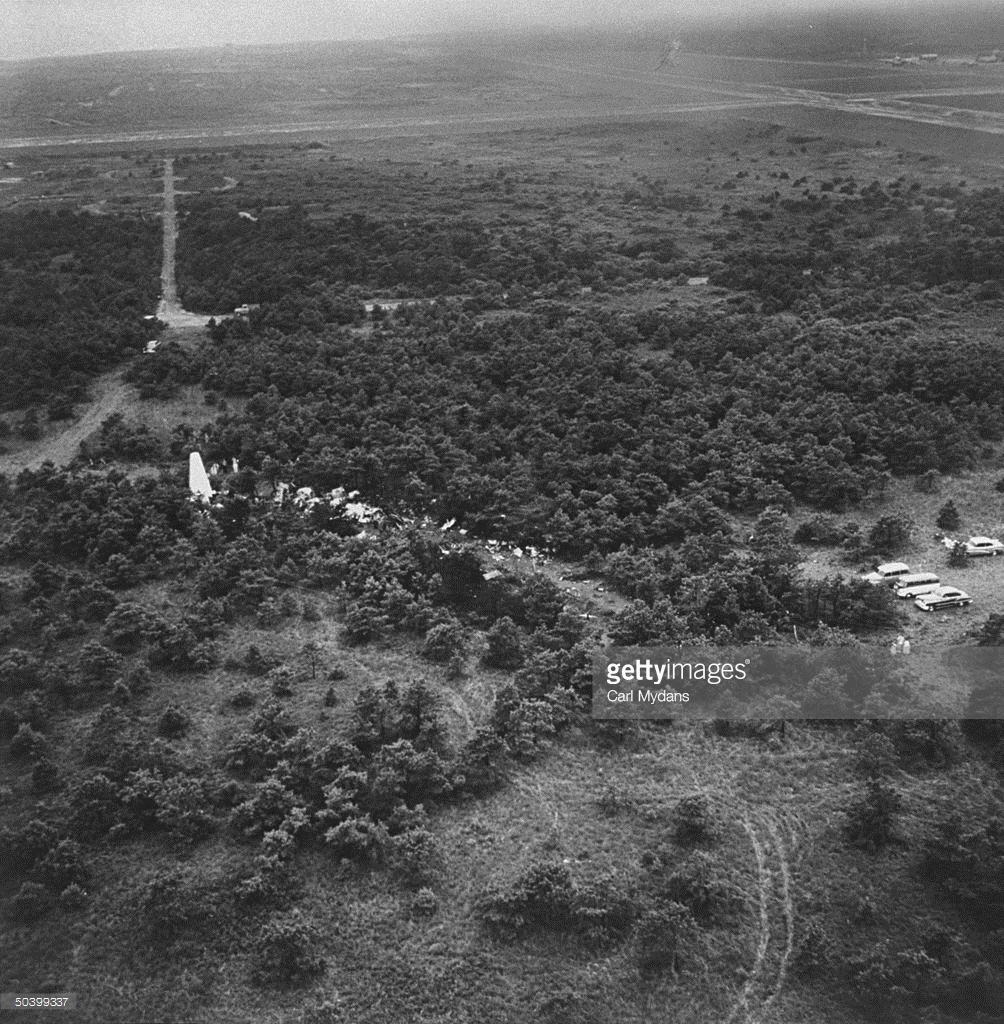
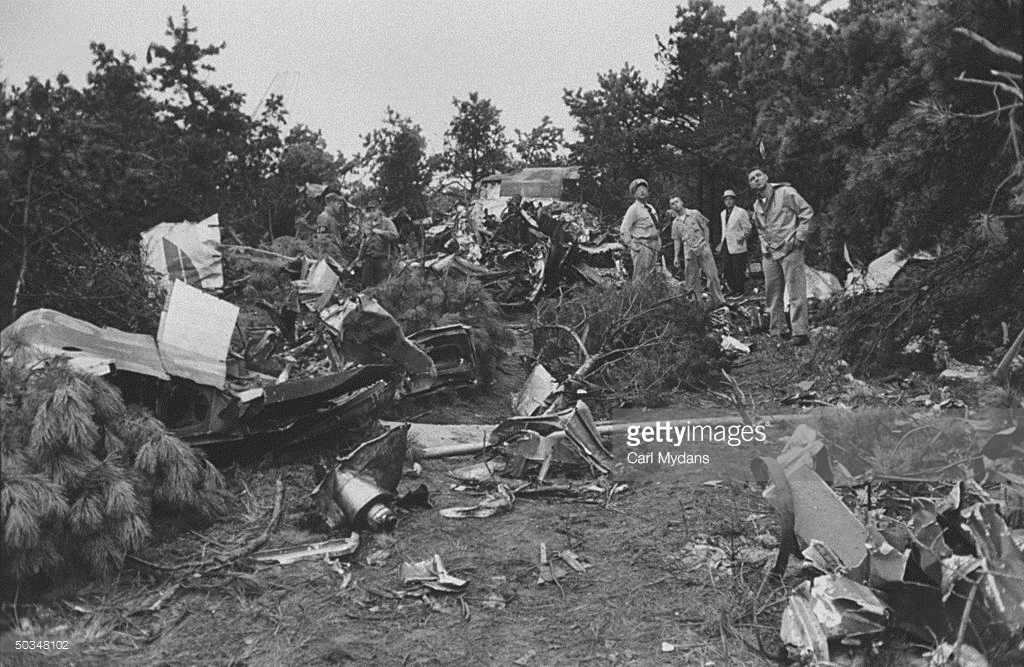
During a night approach to Nantucket, the aircraft went through an area of fog. The crew decided to continue the approach when the airplane struck the ground, crashed and burned about 1,450 feet short of runway 24. All three crew members and 22 passengers were killed while nine others were injured, some of them seriously.
Probable cause:
The Board determines that the probable cause of this accident was the deficient judgment and technique of the pilot during an instrument approach in adverse weather conditions in failing to abandon the approach when a visibility of one-eights mile was reported, and descending to a dangerously low altitude while still a considerable distance from the runway.
Final Report:

Crash of a Lockheed P2V-7LP Neptune in Ontario

Date & Time: Aug 11, 1958
Type of aircraft:
Operator:
Registration:
140434
Flight Phase:
Flight Type:
Survivors:
Yes
MSN:
726-7093
Crew on board:
0
Crew fatalities:
Pax on board:
0
Pax fatalities:
Other fatalities:
Total fatalities:
0
Circumstances:
Lost in a crash landing with VX-6 at Ontario. While taking off for an acceptance check flight at Ontario, a landing gear ski jammed and the aircraft was destroyed while attempting an emergency landing a few minutes later. There were no injuries but the aircraft was destroyed.

Crash of a Lockheed PV-2T Harpoon in Fort Yukon: 1 killed

Date & Time: Aug 9, 1958
Type of aircraft:
Registration:
N7457C
Flight Phase:
Flight Type:
Survivors:
Yes
Schedule:
Aklavik – Fairbanks
MSN:
15-1594
YOM:
1945
Crew on board:
2
Crew fatalities:
Pax on board:
0
Pax fatalities:
Other fatalities:
Total fatalities:
1
Circumstances:
The twin engine aircraft crashed in unknown circumstances in Fort Yukon. The copilot was killed while the captain was injured.

Crash of a Boeing B-52D-60-BO Stratofortress at Loring AFB: 1 killed

Date & Time: Jul 29, 1958
Type of aircraft:
Operator:
Registration:
55-0093
Flight Type:
Survivors:
Yes
Schedule:
Loring - Loring
MSN:
17209
YOM:
1955
Crew on board:
9
Crew fatalities:
Pax on board:
0
Pax fatalities:
Other fatalities:
Total fatalities:
1
Circumstances:
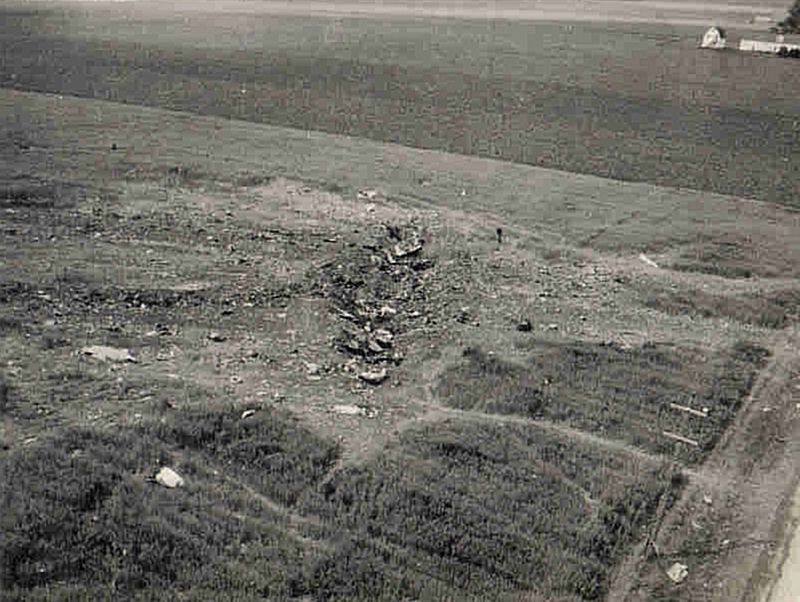
The crew was completing a local training mission at Loring AFB. After several touch-and-go maneuvers, the pilots started a new approach. In poor visibility due to bad weather conditions, the airplane was too low on final and crashed in a prairie located about three miles south of the airbase. The aircraft was destroyed, eight crew members were killed while a ninth occupant was killed.
Crew:
Maj Kirkwood G, Myers, pilot,
Lt Lane L. Kittle, copilot,
Lt Leonard M. Corcaro,
Sgt Oran C. Reily,
Lt Robert F. Testerman,
Lt Leslie N. Martin Jr.,
Lt James F. Thompson,
Maj Milo C. Johnson, instructor navigator, †
Maj Moody E. Denton, pilot instructor.

Crash of a Boeing KC-135A-BN Stratotanker at Westover AFB: 15 killed

Date & Time: Jun 27, 1958 at 0030 LT
Type of aircraft:
Operator:
Registration:
56-3599
Flight Phase:
Flight Type:
Survivors:
No
Schedule:
Westover – Brize Norton
MSN:
17348
YOM:
1958
Crew on board:
7
Crew fatalities:
Pax on board:
8
Pax fatalities:
Other fatalities:
Total fatalities:
15
Circumstances:
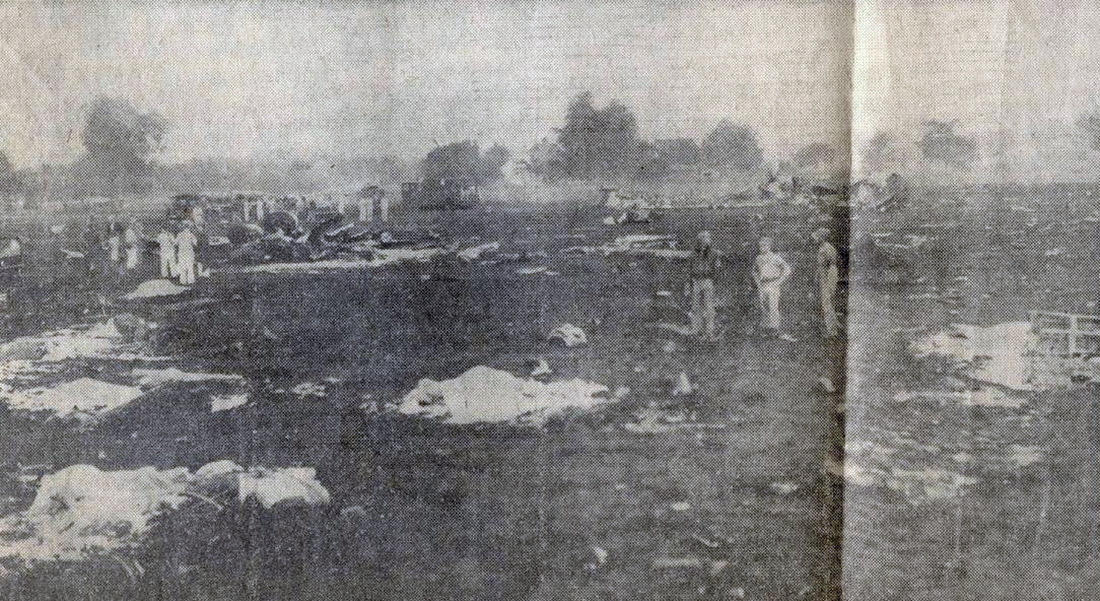
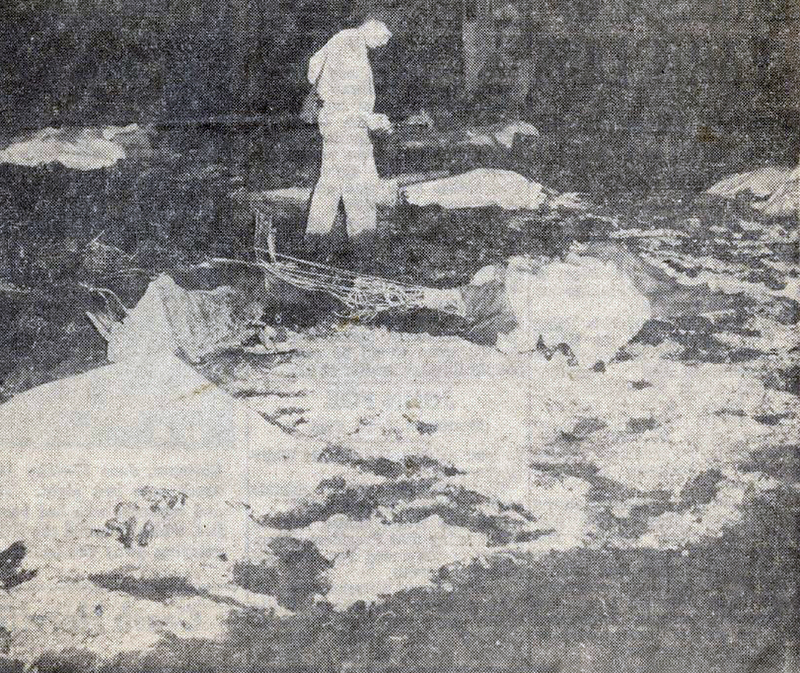
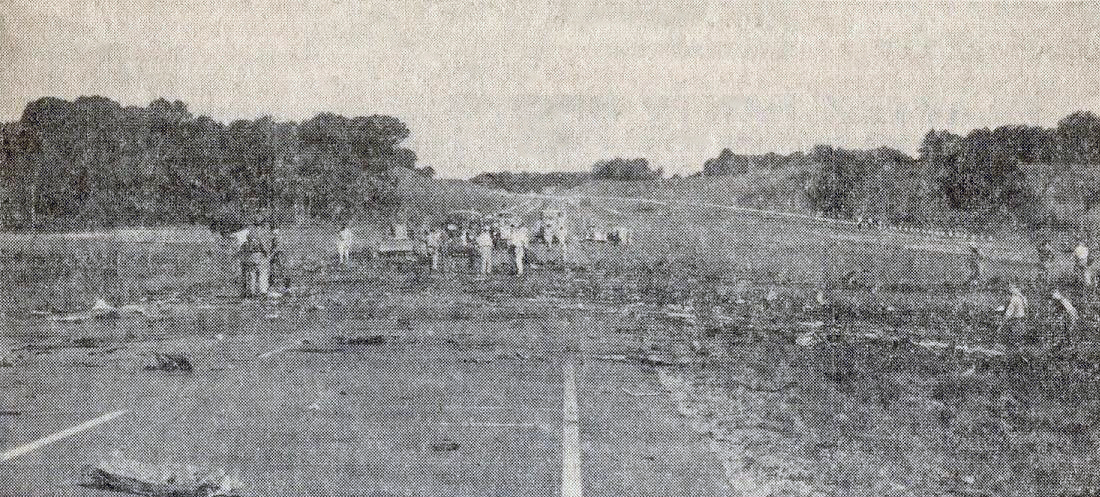
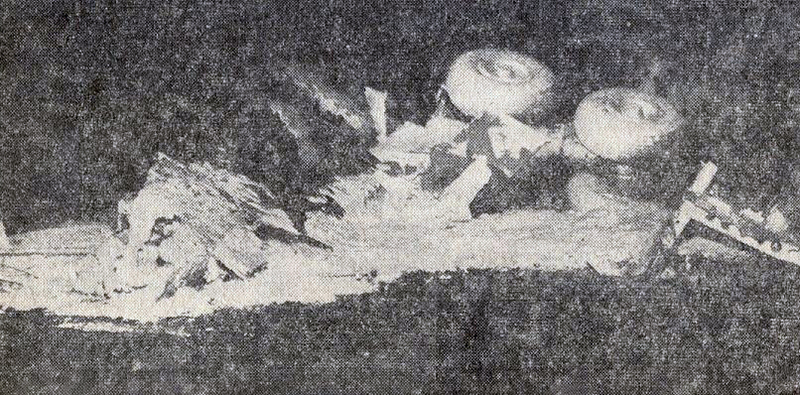
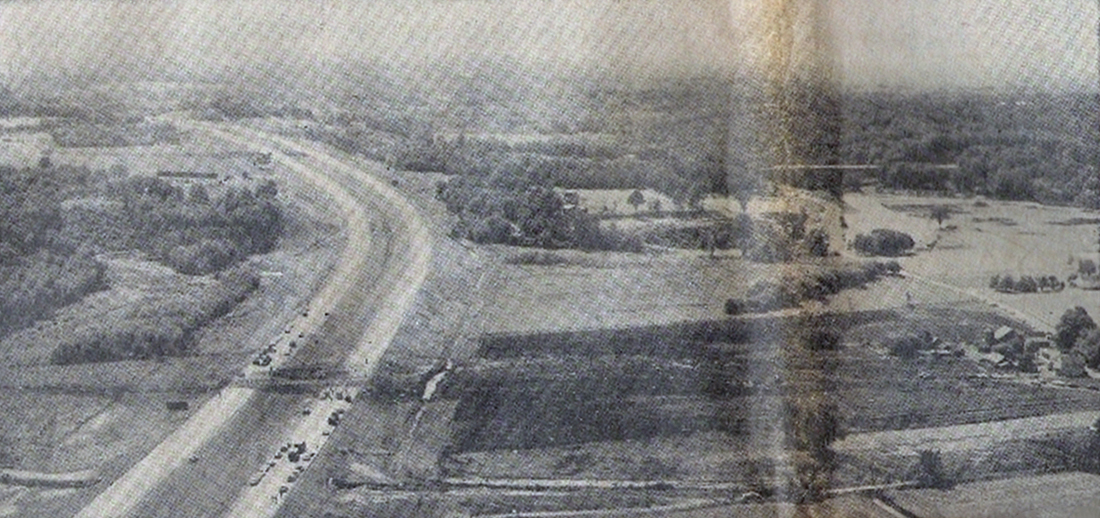
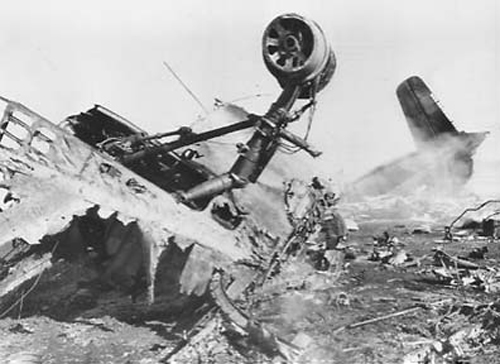
The aircraft was conducting a special flight from Westover AFB to RAF Brize Norton, near London, carrying a crew of seven and eight american journalists who covered the first transatlantic flight on a KC-135 airplane. Two other similar aircraft left the airbase earlier and 56-3599 was the third of a series of four. At liftoff from runway 23, the airplane encountered serious difficulties to gain height and struck trees with its right wing. It then struck power cables and crashed in a huge explosion on the Massachusetts highway about 1,000 yards past the runway end. The aircraft disintegrated on impact and all 15 occupants have been killed.
Probable cause:
It was determined that the flaps were deployed at a wrong angle of 40° at takeoff. The combination of a wrong flaps setting with an heavily loaded aircraft and relative high temperature reduced the aircraft performances. At the time of the accident, the visibility was estimated to 2,5 km due to the night and low ceiling. No mechanical failure of any means and no in-flight fire occurred prior to final impact.

Crash of a Beechcraft C18 Expeditor in the Okanogan National Forest: 4 killed

Date & Time: Jun 23, 1958
Type of aircraft:
Operator:
Registration:
N164Z
Flight Phase:
Survivors:
No
Site:
MSN:
7231
YOM:
1944
Crew on board:
2
Crew fatalities:
Pax on board:
2
Pax fatalities:
Other fatalities:
Total fatalities:
4
Circumstances:
The aircraft was carrying a crew of two and two firefighters who should be dropped in the Okanogan National Forest. While flying at low height to drop both passengers, the aircraft was caught by downdrafts and crashed in flames. All four occupants were killed.
Probable cause:
Loss of control due to downdrafts.

Crash of a Douglas C-53B in Martinsburg: 1 killed

Date & Time: Jun 4, 1958 at 1358 LT
Operator:
Registration:
N49553
Flight Type:
Survivors:
Yes
Schedule:
Washington DC – Martinsburg
MSN:
4820
YOM:
1941
Flight number:
CA003
Crew on board:
3
Crew fatalities:
Pax on board:
0
Pax fatalities:
Other fatalities:
Total fatalities:
1
Captain / Total flying hours:
5625
Captain / Total hours on type:
1600.00
Copilot / Total flying hours:
3333
Copilot / Total hours on type:
787
Aircraft flight hours:
32396
Circumstances:
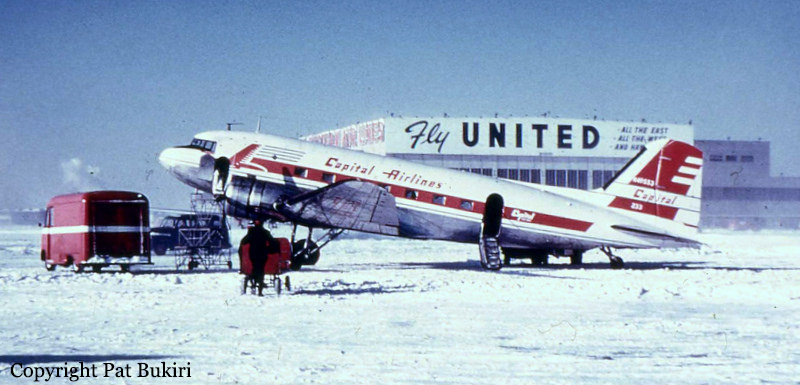
A Capital Airlines DC-3 crashed and burned near Martinsburg Airport, Martinsburg, West Virginia, at 1358 on June 4, 1958, injuring the three occupants-an instructor and two pilot-trainees. One trainee, who was flying the aircraft at the time of the accident, died the following day of severe burns. The aircraft was on a training flight from Washington National Airport and was practising takeoffs and landings at Martinsburg Airport. During the pilot's attempt to climb out after abandoning a single-engine approach to runway 8, the aircraft stalled and crashed in a wooded area. A crew member was killed while two other occupants were injured.
Probable cause:
The Board determines that the probable cause of this accident was that, following the trainee-pilot's failure to maintain minimum-control speed during an attempted go-arounds the instructor-pilot failed to take control of the aircraft in sufficient time to prevent a critical loss of altitude. A contributing factor was the malfunction of the landing gear latch which delayed retraction of the landing gear and caused the distraction of the instructor-pilot for several seconds during a critical period of the go-around.
Final Report:

Crash of a Douglas C-124A-DL Globemaster II at Travis AFB: 6 killed

Date & Time: Jun 3, 1958
Operator:
Registration:
51-0114
Flight Phase:
Flight Type:
Survivors:
Yes
Schedule:
Travis – Hickam – Tachikawa
MSN:
43448
YOM:
1951
Crew on board:
8
Crew fatalities:
Pax on board:
0
Pax fatalities:
Other fatalities:
Total fatalities:
6
Circumstances:
Shortly after takeoff from Travis AFB, while climbing to a height of 3,000 feet, the aircraft banked left, dove into the ground and crashed in a huge explosion. Six crew members were killed while two others were seriously injured. The airplane was returning to Tachikawa, Japan, after a major overhaul at the Douglas Aircraft plant in Long Beach.
Crew:
Maj Henderson Cagle, †
Cpt Robert E. Rogers, †
1st Lt Curtis A. Guild, †
2nd Lt Robert Distefano, †
T/Sgt Carroll D. Coziah, †
S/Sgt Raymond L. Hart, †
S/Sgt Ivan J. Wiebold,
A2c Charles R. Vance.