Crash of a De Havilland DHC-6 Twin Otter 300 near Nome: 4 killed

Date & Time: Dec 3, 1979
Operator:
Registration:
N8061V
Flight Phase:
Survivors:
No
Site:
Schedule:
Nome - Shishmaref
MSN:
294
YOM:
1970
Location:
Crew on board:
2
Crew fatalities:
Pax on board:
2
Pax fatalities:
Other fatalities:
Total fatalities:
4
Captain / Total flying hours:
3453
Captain / Total hours on type:
731.00
Circumstances:
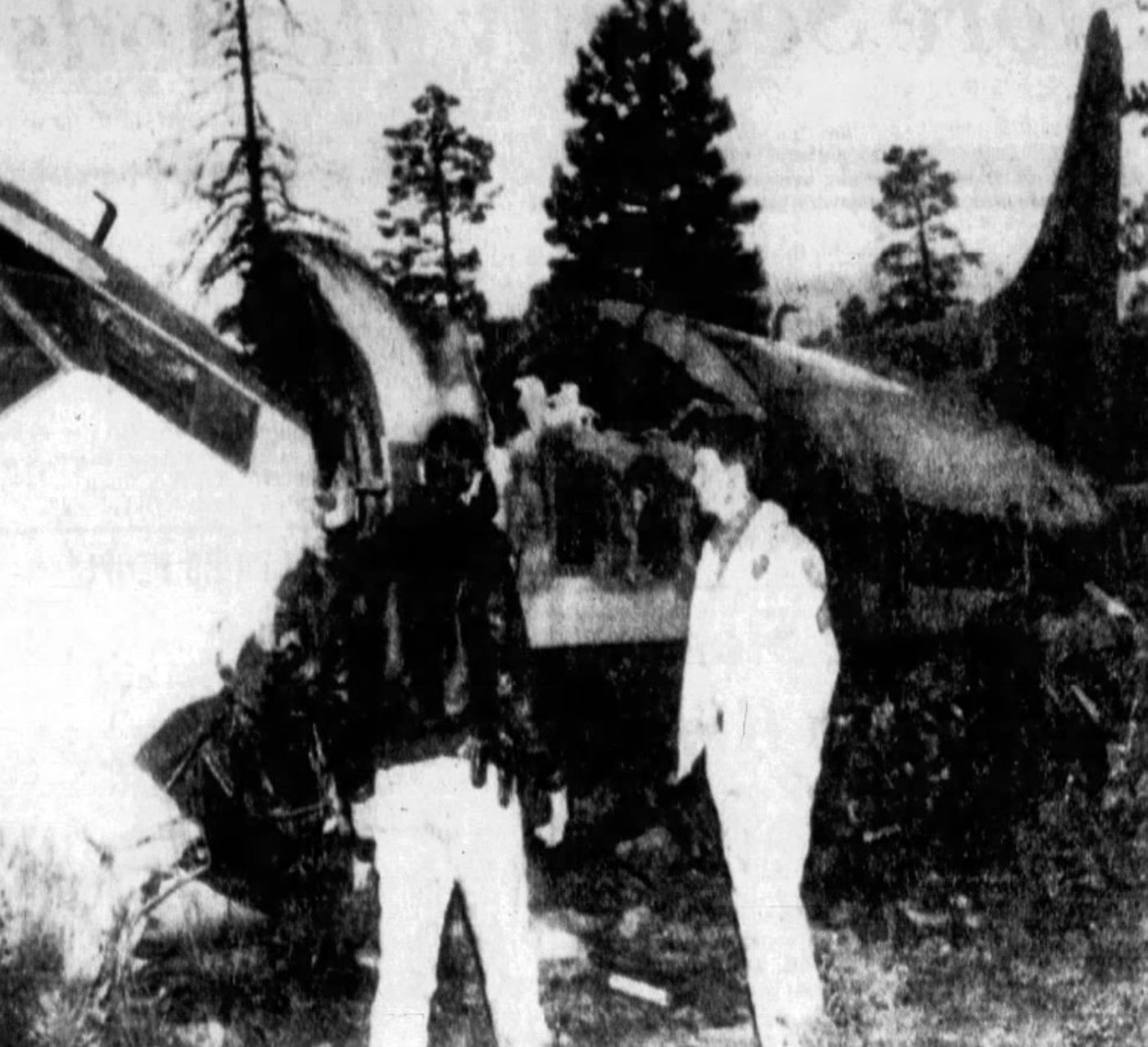
The airplane departed Nome on a VFR flight to Shishmaref, about 122 miles to the north. Few minutes after takeoff, the crew encountered poor weather conditions with snow falls, limited visibility (night) and icing conditions. The airplane struck the slope of a mountain located to the north of Nome. As the airplane failed to arrive at destination, SAR operations were initiated but eventually suspended few days later as no trace of the aircraft nor the four occupants was found. The wreckage was localized on February 10, 1980. The aircraft was destroyed upon impact and all four occupants have been found dead.
Probable cause:
Controlled flight into terrain during normal cruise after the crew continued VFR flight into adverse weather conditions. The following contributing factors were reported:
- Snow covered terrain,
- High obstructions,
- Low ceiling,
- Snow,
- Visibility half a mile or less,
- Fog,
- Special VFR flight.
Final Report:

Crash of a Piper PA-31T Cheyenne II in San Angelo

Date & Time: Dec 2, 1979 at 1835 LT
Type of aircraft:
Operator:
Registration:
N444JW
Survivors:
Yes
Schedule:
Dallas - San Angelo
MSN:
31-7720015
YOM:
1977
Crew on board:
1
Crew fatalities:
Pax on board:
3
Pax fatalities:
Other fatalities:
Total fatalities:
0
Captain / Total flying hours:
5680
Captain / Total hours on type:
670.00
Circumstances:
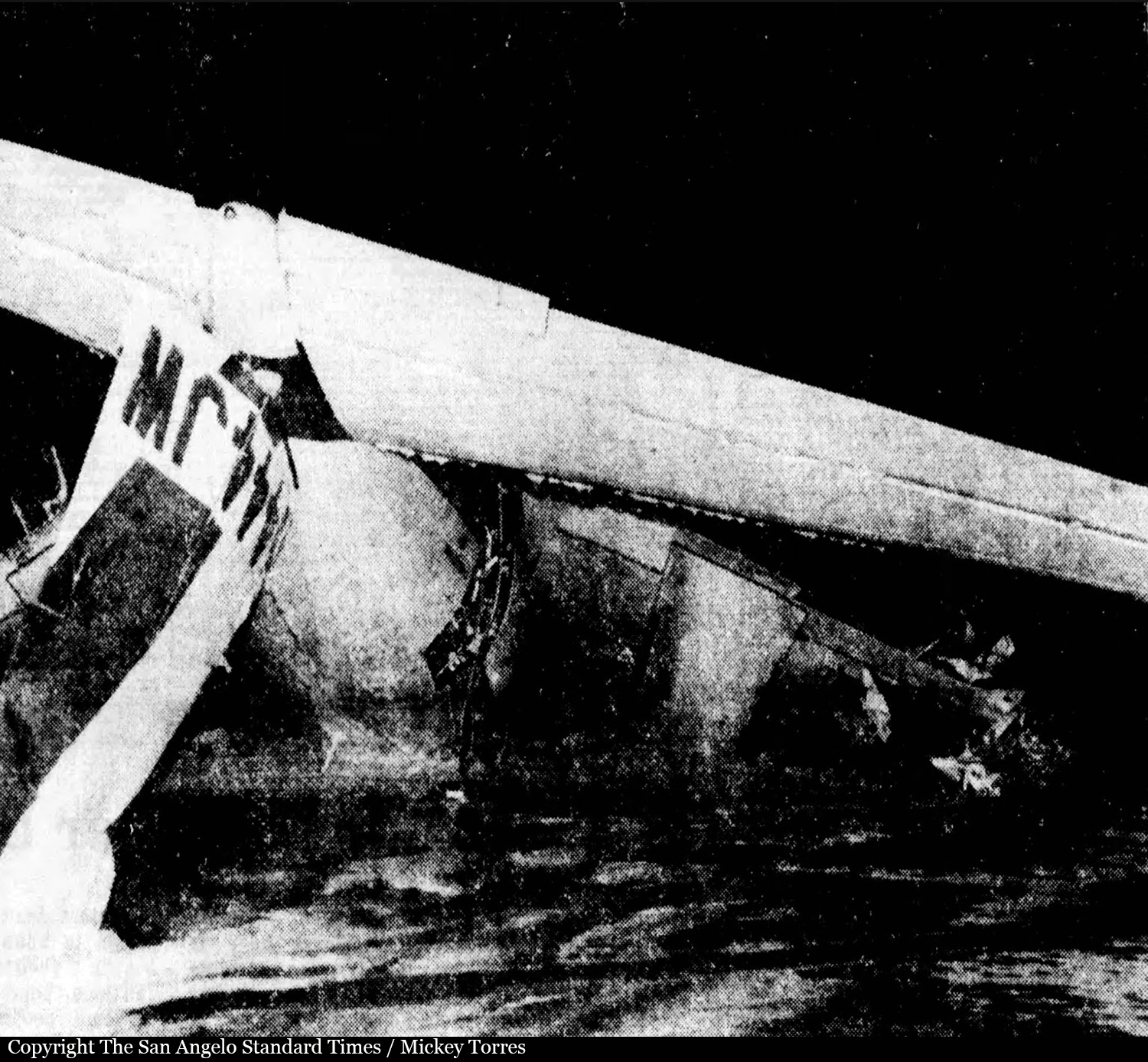
Upon touchdown at San Angelo-Mathis Field Airport, the twin engine airplane swerved then nosed over and came to rest in flames. All four occupants escaped with minor injuries while the aircraft was destroyed.
Probable cause:
Swerved on landing due to improper operation of brakes and/or flight controls on part of the pilot-in-command who delayed in initiating a go-around.
Final Report:

Crash of a Learjet 24D in Dutch Harbor

Date & Time: Dec 2, 1979 at 1621 LT
Type of aircraft:
Operator:
Registration:
N300JA
Flight Phase:
Survivors:
Yes
Schedule:
Dutch Harbor - Anchorage
MSN:
24-282
YOM:
1974
Crew on board:
2
Crew fatalities:
Pax on board:
4
Pax fatalities:
Other fatalities:
Total fatalities:
0
Captain / Total flying hours:
15756
Captain / Total hours on type:
5000.00
Circumstances:
During the takeoff roll at Dutch Harbor Airport, the airplane swerved then collided with rocks and the right side of the runway. The crew aborted the takeoff procedure but the airplane went out of control and crashed in flames. All six occupants were injured, three of them seriously. The aircraft was destroyed by fire.
Probable cause:
Swerve on takeoff run and subsequent collision with objects after the crew selected an unsuitable terrain. The following contributing factors were reported:
- The crew delayed action in aborting takeoff,
- Inadequate snow removal from runway on part of the airport supervisory personnel,
- Wet runway,
- Ice/slush on runway,
- Poorly maintained runway surface,
- Soft runway.
Final Report:

Crash of a Mitsubishi MU-2B-25 Marquise near Post Oak: 1 killed

Date & Time: Nov 26, 1979 at 0555 LT
Type of aircraft:
Registration:
N234MA
Flight Phase:
Survivors:
No
Schedule:
Jackson - Ardmore
MSN:
252
YOM:
1973
Location:
Crew on board:
1
Crew fatalities:
Pax on board:
0
Pax fatalities:
Other fatalities:
Total fatalities:
1
Captain / Total flying hours:
11274
Captain / Total hours on type:
1045.00
Circumstances:
While in cruising altitude on a flight from Jackson, Mississippi, to Ardmore, Oklahoma, the twin engine airplane lost height then entered a dive and crashed near Post Oak. The pilot, sole on board, was killed.
Probable cause:
Uncontrolled descent and subsequent uncontrolled collision with ground due to pilot physical impairment. The following contributing factors were reported:
- Alcoholic impairment of efficiency and judgment,
- Pilot fatigue,
- Blood alcohol level 1,7‰,
- The pilot did not sleep for 48 hours,
- Autopilot on,
- Hyperactive dog aboard.
Final Report:

Crash of a Piper PA-31-310 Navajo in Jacksonville

Date & Time: Nov 25, 1979 at 1903 LT
Type of aircraft:
Registration:
N20KA
Flight Type:
Survivors:
Yes
Schedule:
Fort Lauderdale - Jacksonville
MSN:
31-61
YOM:
1968
Crew on board:
1
Crew fatalities:
Pax on board:
7
Pax fatalities:
Other fatalities:
Total fatalities:
0
Captain / Total flying hours:
2579
Captain / Total hours on type:
460.00
Circumstances:
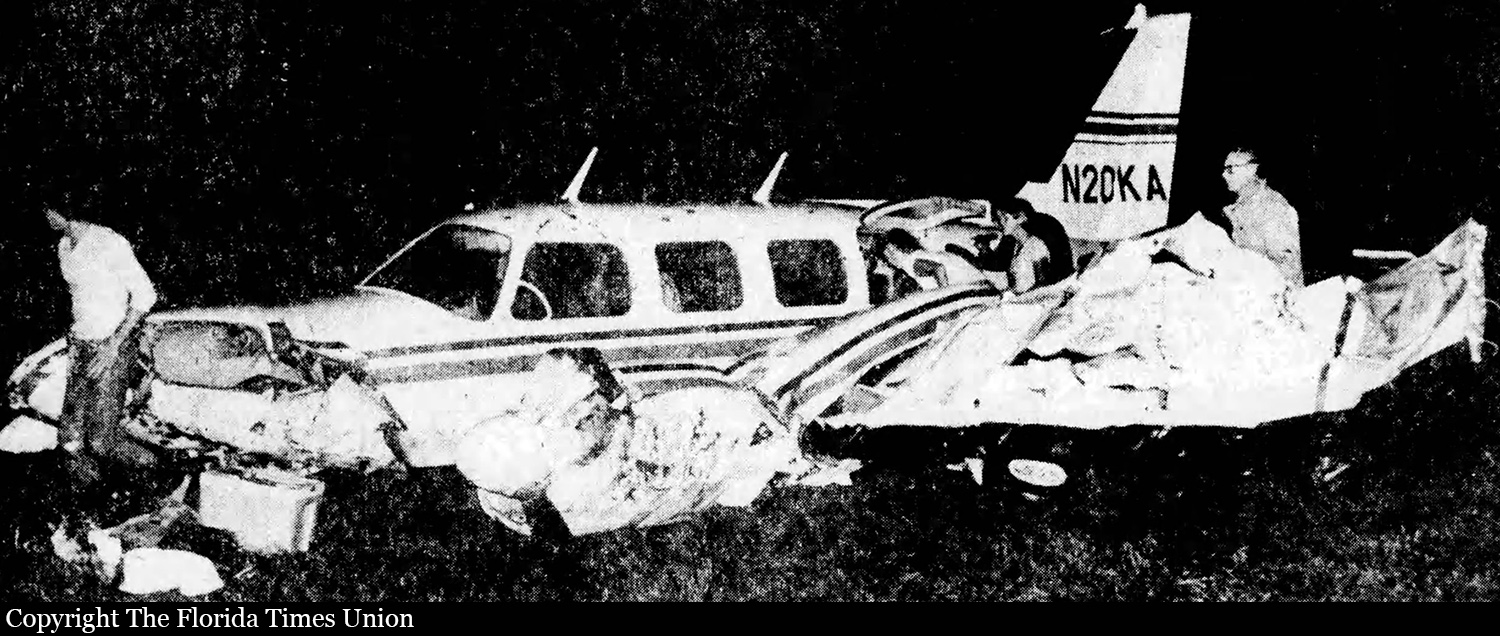
On approach to Jacksonville-Craig Airport, the pilot encountered limited visibility due to night, fog and rain falls. On final, the pilot delayed in initiating a go-around maneuver when the airplane struck the ground and crashed. All eight occupants were slightly injured and the aircraft was damaged beyond repair.
Probable cause:
Controlled collision with ground due to improper IFR operation on part of the pilot. The following contributing factors were reported:
- Rain,
- Fog,
- Visibility 2 miles or less.
Final Report:

Crash of a Cessna 500 Citation I in Castle Rock: 2 killed

Date & Time: Nov 19, 1979 at 2015 LT
Type of aircraft:
Registration:
N555AJ
Flight Type:
Survivors:
Yes
Schedule:
Albuquerque - Castle Rock
MSN:
500-0007
YOM:
1971
Crew on board:
2
Crew fatalities:
Pax on board:
1
Pax fatalities:
Other fatalities:
Total fatalities:
2
Captain / Total flying hours:
1751
Captain / Total hours on type:
61.00
Circumstances:
The crew was completing a cargo flight from Albuquerque to Castle Rock. On final approach, he encountered poor weather conditions with icing, low ceiling and snow falls, reducing the visibility to one mile in blowing snow. On approach, the airplane crashed in flames few miles short of runway threshold. A pilot was seriously injured while two other occupants were killed.
Probable cause:
Controlled collision with ground during initial approach due to improper IFR operation. The following contributing factors were reported:
- Low ceiling,
- Snow,
- Icing conditions,
- Visibility one mile or less,
- The pilot was upgraded to left seat six days prior to the accident,
- The copilot was certified on type two days prior to the accident,
- Crew inexperience.
Final Report:

Crash of a Douglas RC-54V Skymaster in McCormick: 2 killed

Date & Time: Nov 19, 1979 at 0610 LT
Type of aircraft:
Registration:
N8060C
Flight Type:
Survivors:
No
MSN:
10563
YOM:
1945
Crew on board:
2
Crew fatalities:
Pax on board:
0
Pax fatalities:
Other fatalities:
Total fatalities:
2
Captain / Total flying hours:
24200
Circumstances:
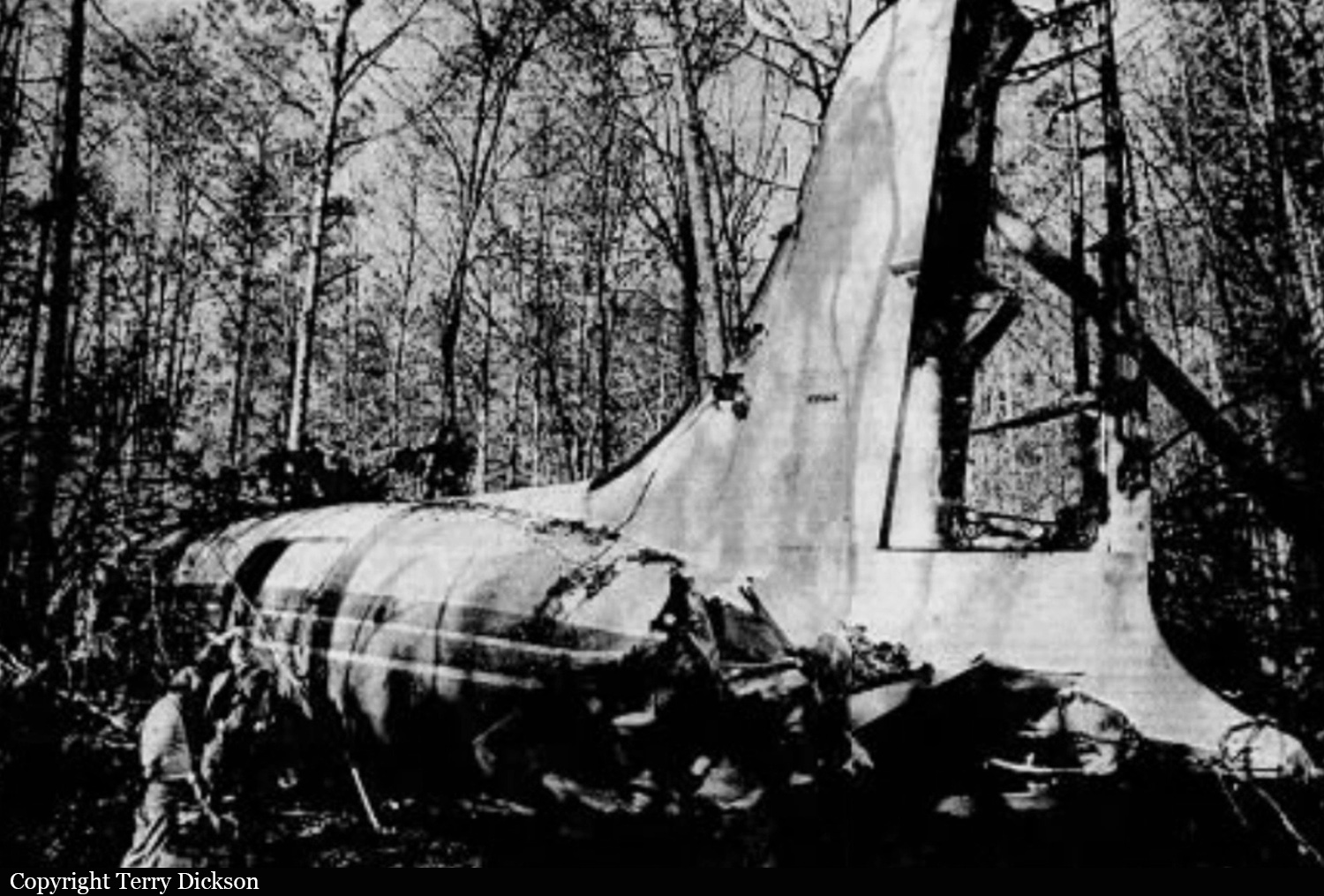
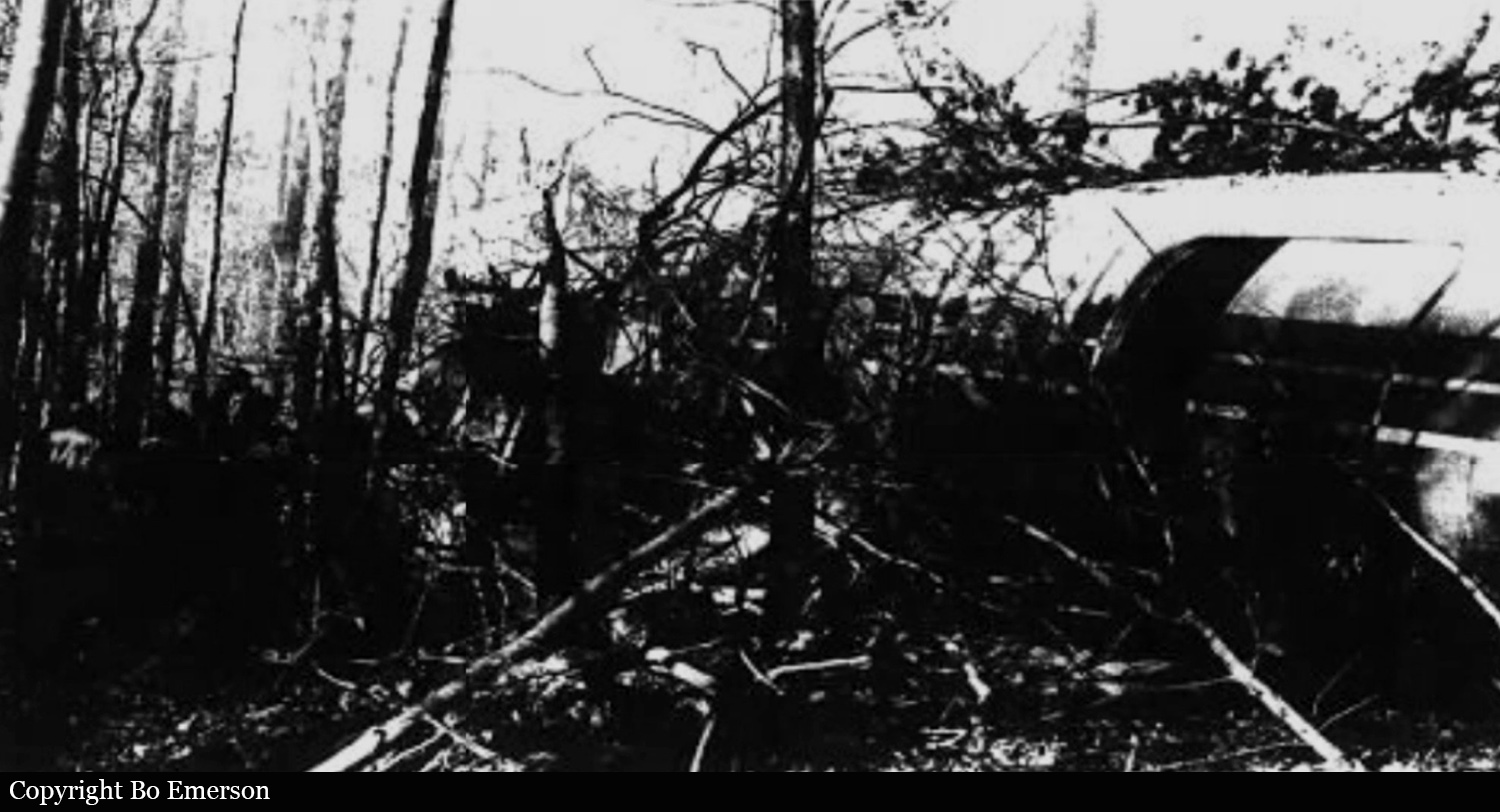
By night, the crew was flying at low altitude in the region of McCormick to find a suitable area to land while completing an illegal smuggling flight. In limited visibility due to fog, the airplane struck trees and crashed in flames in a prairie. The aircraft was destroyed and both occupants were killed. The aircraft was carrying a load of 15,000 lbs of marijuana.
Probable cause:
Collision with trees and subsequent crash while in traffic pattern-circling after the crew misjudged distance, speed, altitude and clearance. The following contributing factors were reported:
- Fog,
- Ground fog,
- Visibility below minimums,
- Collided with trees on rising terrain near sod strip at daybreak.
Final Report:

Crash of a Lockheed L-188CF Electra in Salt Lake City: 3 killed

Date & Time: Nov 18, 1979 at 0456 LT
Type of aircraft:
Operator:
Registration:
N859U
Flight Phase:
Flight Type:
Survivors:
No
Schedule:
Ogden-Hill - Nellis
MSN:
2016
YOM:
1960
Flight number:
3N18
Crew on board:
3
Crew fatalities:
Pax on board:
0
Pax fatalities:
Other fatalities:
Total fatalities:
3
Captain / Total flying hours:
20000
Captain / Total hours on type:
3140.00
Copilot / Total flying hours:
3140
Copilot / Total hours on type:
2715
Aircraft flight hours:
41764
Circumstances:
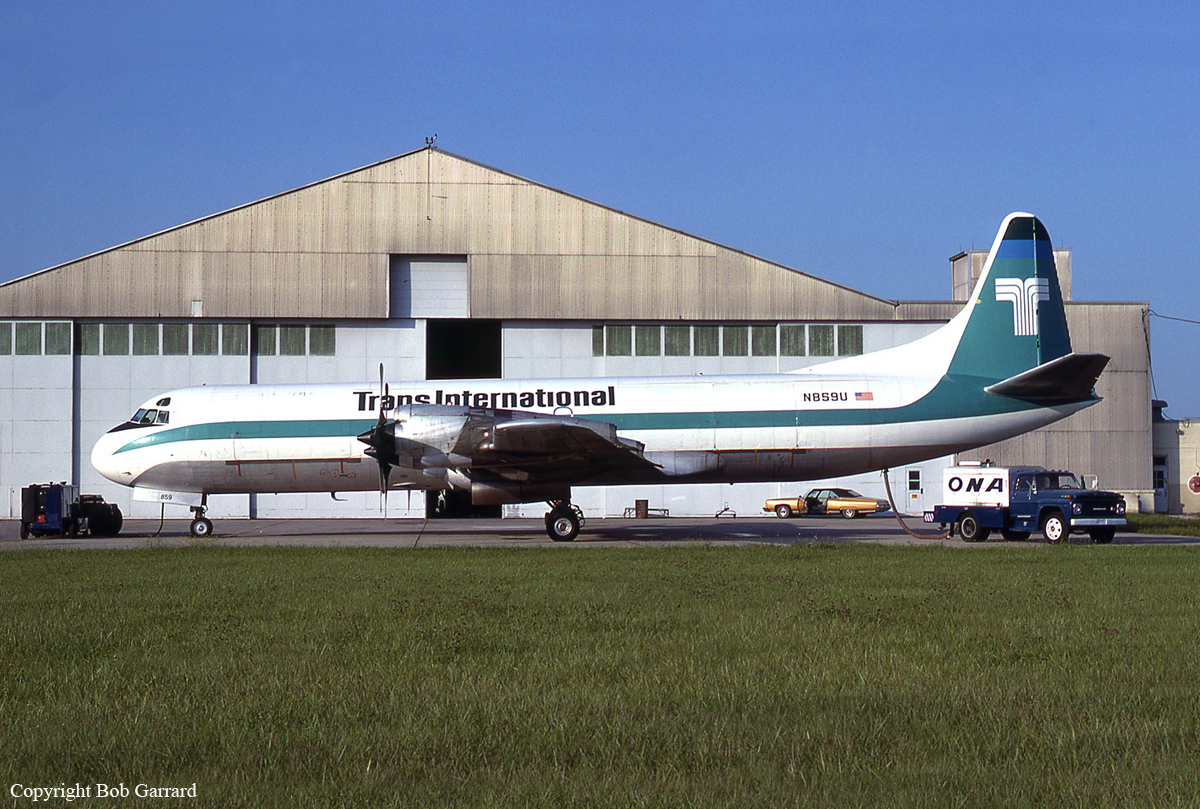
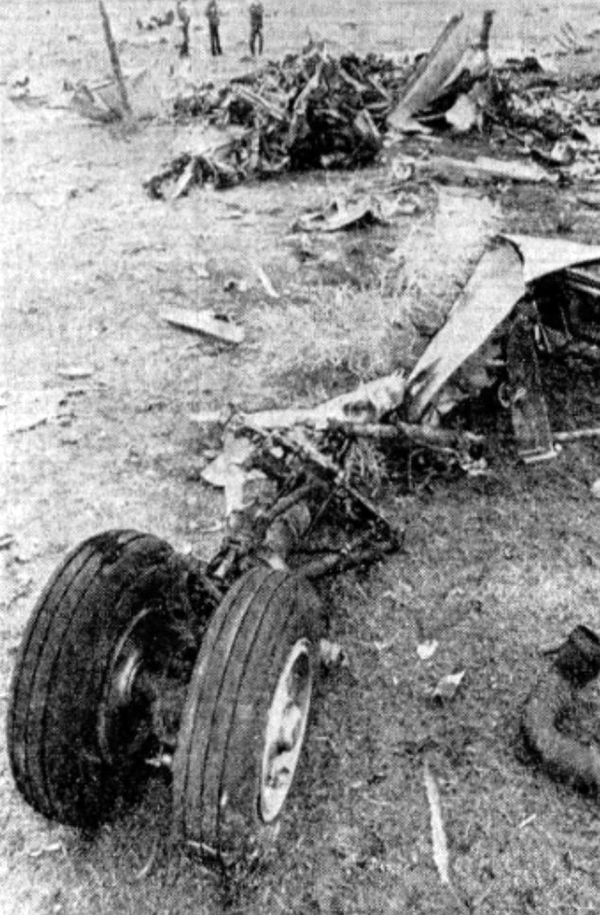
The four engine airplane departed Ogden-Hill AFB at 0445LT on a cargo flight to Nellis AFB on behalf of the USAF, carrying three crew members and 27,552 lbs of cargo. While climbing from 12,000 to 13,000 feet, the flight indicated to Salt Lake departure control that they had lost all electrical power, the flight requested no-gyro vectors to visual flight conditions and clearance for an immediate descent to a lower altitude. During the descent, the aircraft attained a high airspeed and high rate of descent and disintegrated in flight. The three crewmembers were killed and the aircraft was destroyed. The wreckage was dispersed along a path about 1 1/2 miles long on an abandoned airport located about 4 nmi south of the Salt Lake City International Airport.
Probable cause:
The National Transportation Safety Board determines that the probable cause of this accident was a progressive failure in the aircraft's electrical system leading to the disabling or erratic performance of some critical flight instruments and flight instrument lighting while the flight was operating in night instrument meteorological conditions. As a result of these conditions, the flightcrew could not resolve the instrumentation anomalies to determine proper aircraft attitude reference, and became disoriented and lost control of the aircraft. The crew's efforts to regain control of the aircraft imDOSed aerodynamic loads which exceeded design limits of the ahraft and caused it to break up in flight.
Final Report:

Crash of a Martin 404 in Grand Canyon

Date & Time: Nov 16, 1979 at 1452 LT
Type of aircraft:
Operator:
Registration:
N40438
Flight Phase:
Survivors:
Yes
Schedule:
Grand Canyon - Las Vegas
MSN:
14173
YOM:
1952
Flight number:
KS2504
Crew on board:
3
Crew fatalities:
Pax on board:
41
Pax fatalities:
Other fatalities:
Total fatalities:
0
Captain / Total flying hours:
13000
Captain / Total hours on type:
1500.00
Copilot / Total flying hours:
9600
Copilot / Total hours on type:
100
Aircraft flight hours:
30451
Circumstances:
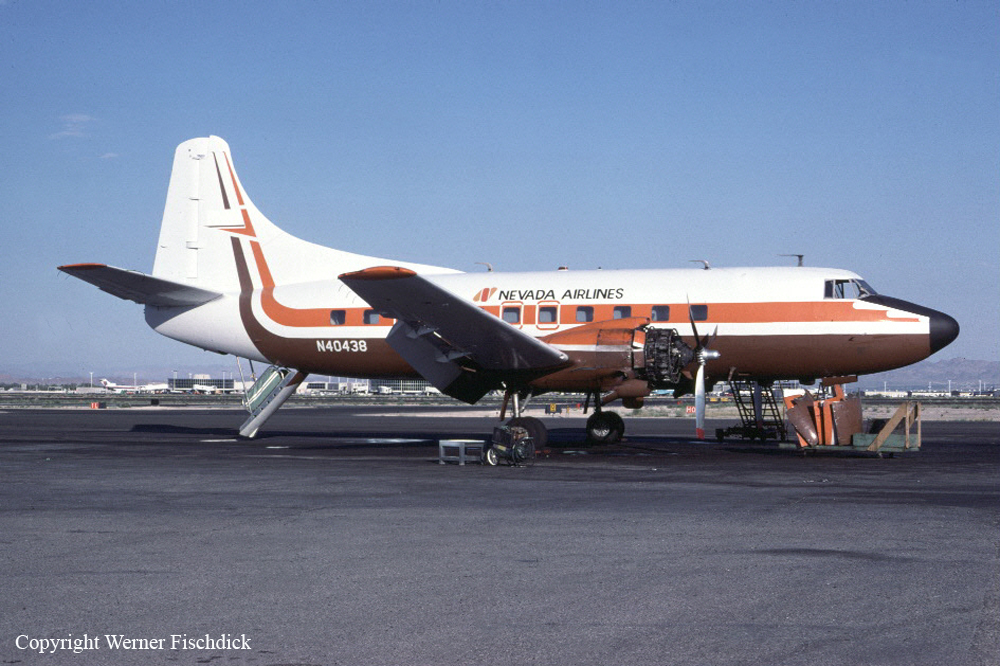
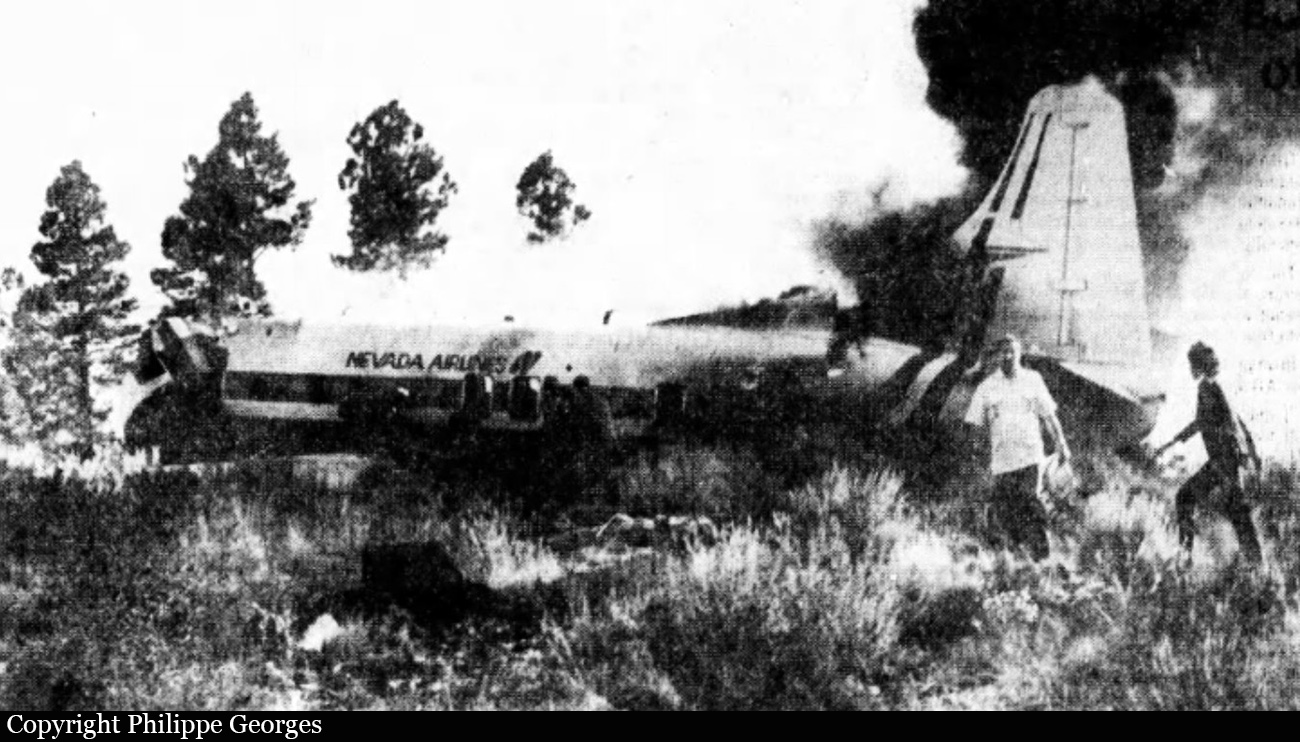
On November 16, 1979, Nevada Airlines, Inc., Flight 2504, a Martin 404 (N40438), was a chartered flight from Las Vegas, Nevada, to Grand Canyon National Park Airport, Tusayan, Arizona, and return. About 0935 / Flight 2504 departed Las Vegas to carry a French tour group to the Grand Canyon for a sightseeing tour. There were 41 passengers and a crew of 3 aboard for the roundtrip. The crew and passengers reported that the trip from Las Vegas to Tusayan was routine. After a scenic flight over the Grand Canyon, a landing was made at Tusayan after about 1 hr 10 min of flight time. No fuel, oil, or antidetonate (ADI) fluid was taken on, and no baggage was placed aboard at Tusayan. Takeoff for the return flight was started at 1450 from runway 3. The copilot was to make the takeoff from the right seat. The weather was clear, visibility unlimited, and winds were from 040° at 15 kns. The crew stated that all pretakeoff checklist items were completed and that the takeoff roll was normal. The captain said that he checked the engine instruments at V speed, takeoff safety speed, as the aircraft was rotated for takeoff and "everything was normal." He said he raised the landing gear and, almost immediately thereafter, sensed a loss of power from the left engine. He said he took control of the aircraft from the copilot and noticed that the left engine autofeather light was illuminated and the feather button depressed. About 1451:20, the tower local controller stated, '...do you want to come back?" The captain-said he told the copilot to advise the tower that the flight had lost an engine and was returning to the airport. At 1451:50, the copilot told the tower, '... we're (sic) lost an engine and we want to come back around." The local controller cleared the aircraft as requested. There was no reply from Flight 2504. The captain stated that he noticed a 200-fpm rate of climb when the aircraft reached the departure end of the runway. He said that after passing the runway the aircraft encountered a downdraft and turbulence which overcame the single engine climb performance of the aircraft. He said that, as the engine failure emergency checklist was being accomplished, he made a slight left turn to avoid a radio tower along the flightpath. The copilot stated that the aircraft passed to the left of and below the top of the tower; the top of the tower is 6,739 feet, about 100 feet above the ground. Even though she was aware of an engine problem, the flight attendant stated that she was not aware that an engine had failed. She said she was not warned by the cockpit crew about the impending crash. The passengers recalled hearing no unusual noises during the takeoff; however, several of them saw the left propeller stop shortly after the aircraft left the ground. Several passengers stated that, once the aircraft was airborne and after the left engine had failed, they experienced a "rocking" movement of the aircraft. One passenger, a pilot who was seated at the front of the cabin, said he was aware that the left propeller had been feathered and that, immediately thereafter, the aircraft began to descend. None of the passengers interviewed, were aware that the aircraft was going to crash until they heard the noise of a tree strike. They said there was no warning given by the crew. Several witnesses on the ground stated that they saw the aircraft flying low with the left propeller stationary. Some reported that the landing gear was up. No witnesses reported smoke, fire, or any other problems with the aircraft before impact. The airport tower personnel stated that they saw the left propeller stop when the aircraft was abeam of their position in the tower and slightly below the top of the tower. The tower is located about 6,000 ft from the beginning of Flight 2504's takeoff roll. Tower personnel stated that the aircraft never climbed over 100 ft above the ground level. They said the aircraft banked slightly to the left and descended into the trees. They activated the crash notification circuit when they realized an accident was inevitable. The captain stated that he "was making it except for the downdrafts," and he noticed that the airspeed had decreased to 105 knots; V2 was about 101,5 knots. He said that when he saw that the temperature of the right engine cylinder head was rising rapidly toward the maximum limit, he reduced the manifold pressure about 2 inHg to avoid engine failure. However, he said the inability of the aircraft to climb and the proximity of the terrain required that he return the right engine to full power and select a forced-landing area. The captain stated that, since terrain surrounding the airport was heavily wooded, he headed for the clear area north of the field. He said that when he realized that he would not clear two tall trees before reaching the clear area, he lowered the nose slightly and "flew through the trees." The cockpit struck one of the trees, shattering the captain's windshield. The captain said the aircraft lost about 20 kns of airspeed when it struck the trees and the aircraft began to roll to the left; minimum control speed with the left engine inoperative was about 91 kns. He further reduced the power on the right engine, rolled the wings level, and rotated the aircraft so that it would strike the ground in a nose-high altitude. Both pilots said they hit the ground three times, with each impact becoming progressively more severe. The aircraft came to rest about 850 ft beyond the point where the first trees were struck. The crashpath was oriented on a heading of 355°, and the fuselage came to rest on a heading of 070°. A fire broke out on the right side of the aircraft as it slid to a stop. The fire originated near the cockpit, which had twisted to the left about 120°. Three crew members and seven passengers were seriously injured while 34 other occupants escaped with minor injuries. The aircraft was written off.
Probable cause:
The unwanted autofeather of the left propeller just after take-off and an encounter with turbulence and downdrafts, a combination which exceeded the aircraft's single-engine climb capability which had been degraded by the high density altitude and a turn to avoid an obstacle in the flight path. Also, the available climb margin was reduced by the rising terrain along the flight path. The cause(s) for the unwanted autofeather of the left propeller could not be determined.
Final Report:

Crash of a Piper PA-61P Aerostar in Teterboro: 3 killed

Date & Time: Nov 16, 1979 at 1215 LT
Operator:
Registration:
N8099J
Flight Phase:
Survivors:
No
Schedule:
Teterboro - State College
MSN:
61P-05917963261
YOM:
1979
Crew on board:
1
Crew fatalities:
Pax on board:
2
Pax fatalities:
Other fatalities:
Total fatalities:
3
Captain / Total flying hours:
8300
Circumstances:
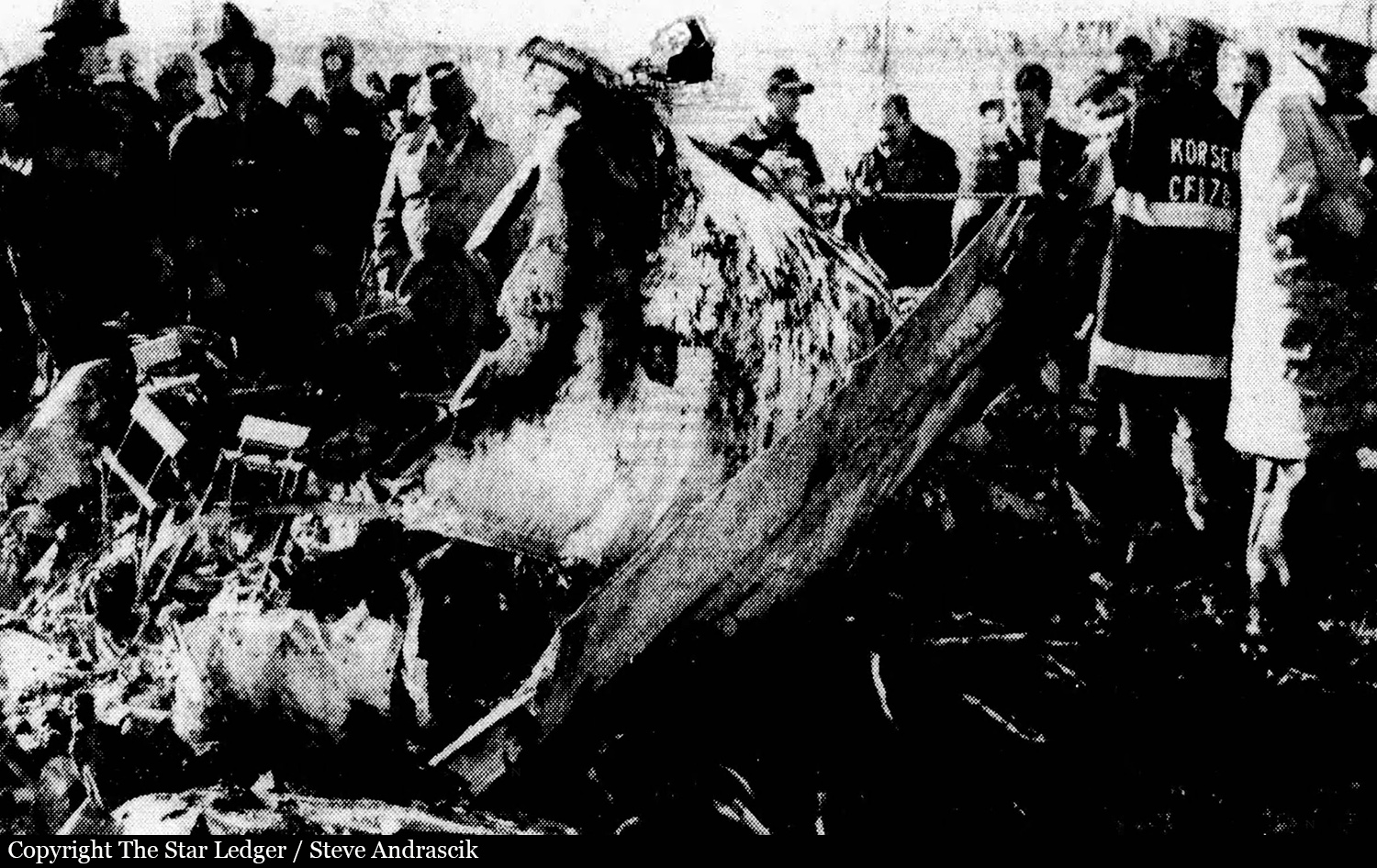
Shortly after takeoff from runway 24 at Teterboro Airport, while climbing, one of the engine caught fire after the exhaust pipe separated. The pilot lost control of the airplane that crashed in flames in Carlstadt, less than 1,2 mile from the runway end. The aircraft was destroyed and all three occupants were killed.
Probable cause:
Engine fire or explosion during initial climb after the pilot attempted operation with known deficiencies in equipment. The following contributing factors were reported:
- Exhaust system: stacks,
- Fatigue fracture,
- Fire in engine,
- Separation in flight,
- Exhaust pipe assembly part n° 32006-511 failed at flange weld.
Final Report: