Crash of a BAe 3101 Jetstream 32 in Prestwick: 2 killed

Date & Time: Oct 6, 1992 at 1522 LT
Type of aircraft:
Operator:
Registration:
G-SUPR
Flight Phase:
Flight Type:
Survivors:
No
Schedule:
Prestwick - East Midlands
MSN:
956
YOM:
1991
Region:
Crew on board:
2
Crew fatalities:
Pax on board:
0
Pax fatalities:
Other fatalities:
Total fatalities:
2
Circumstances:
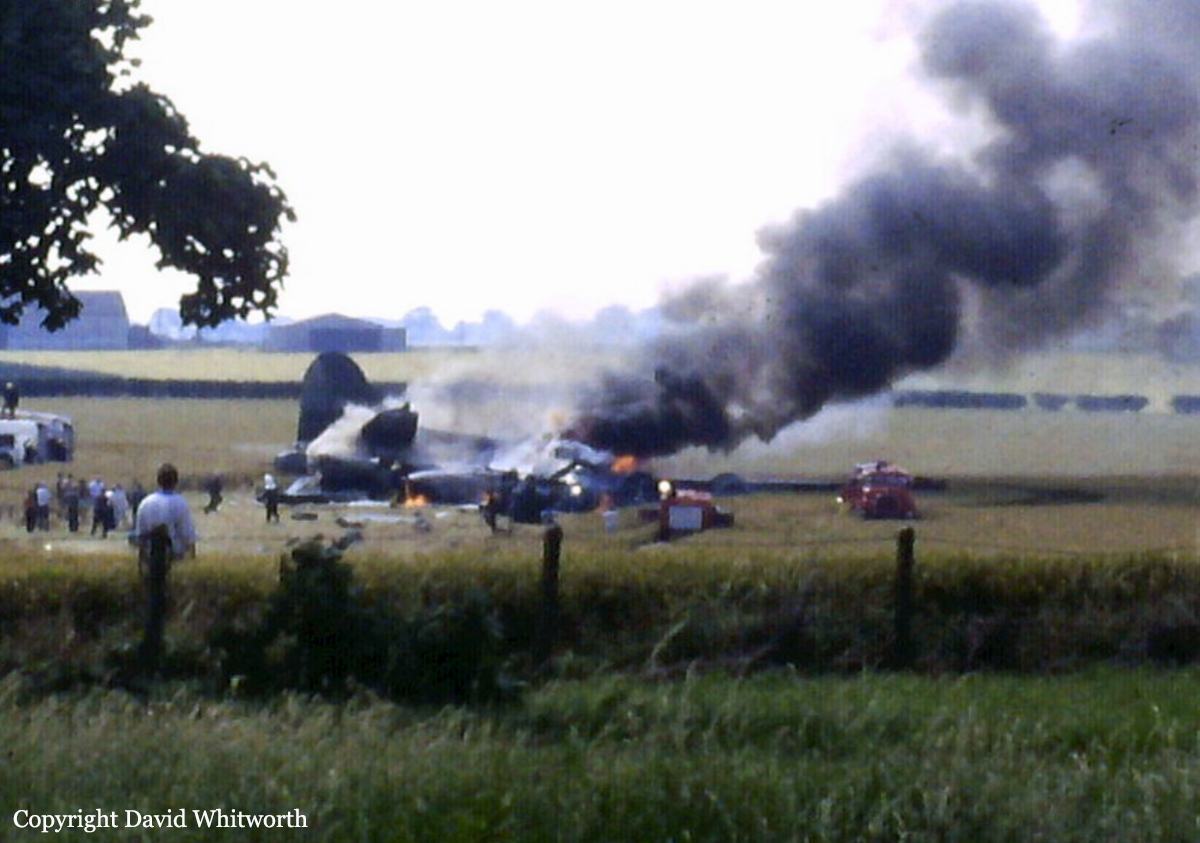
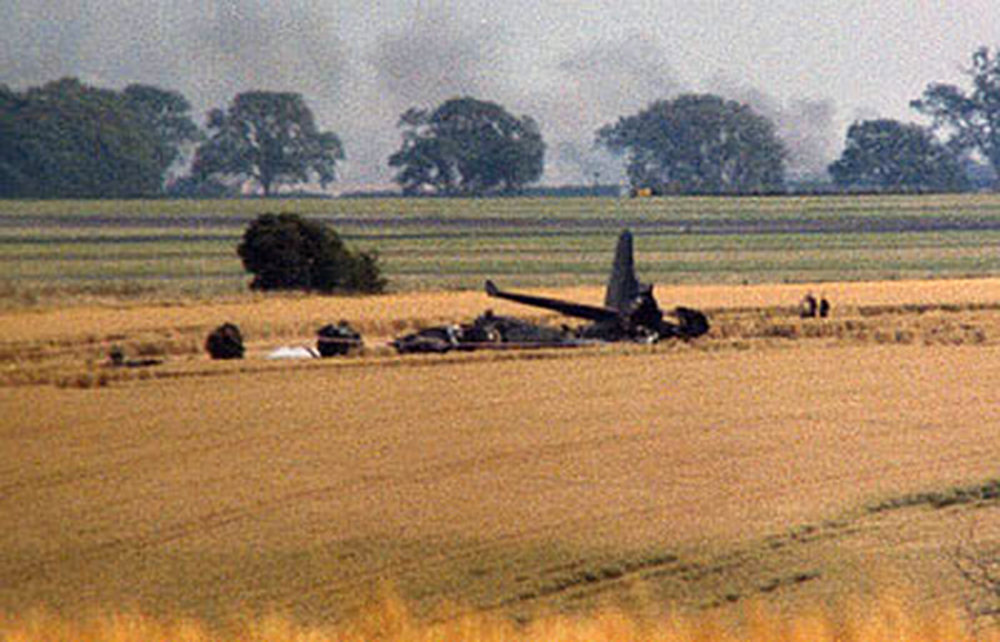
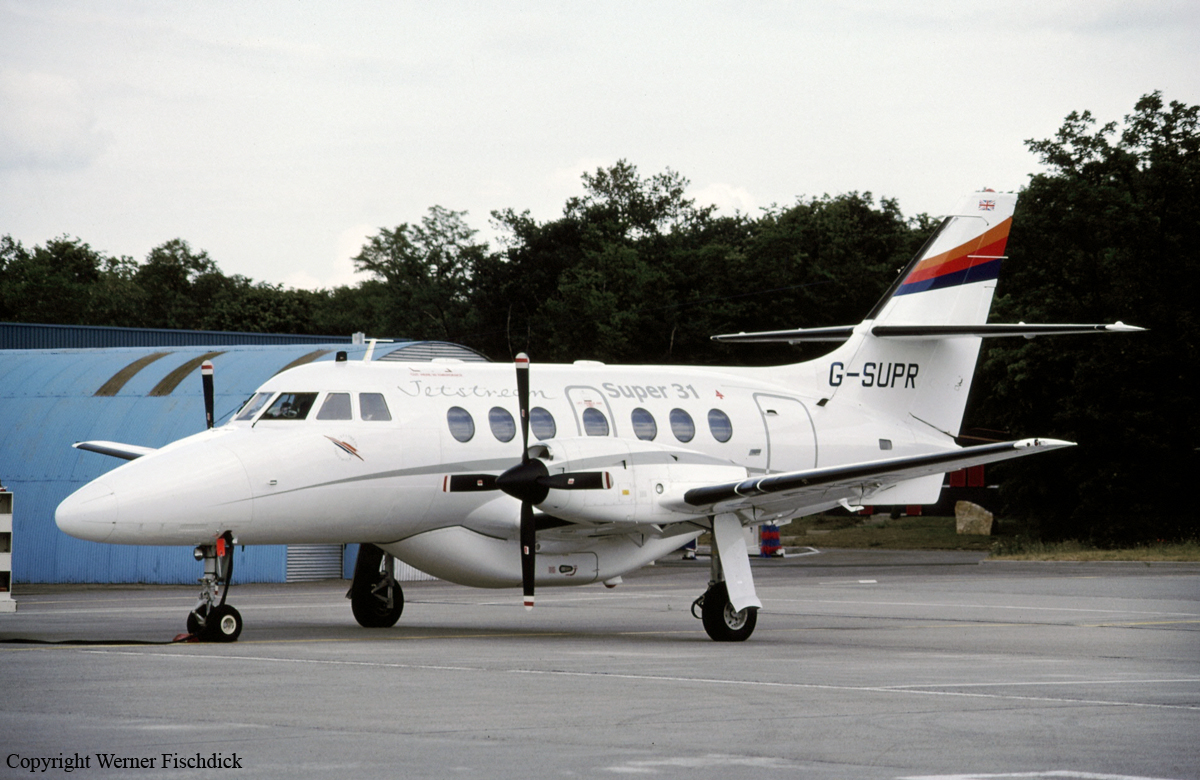
The crew departed Prestwick Airport on a training flight to East Midlands Airport. Shortly after takeoff, while in initial climb, the crew simulated an engine failure. The aircraft nosed up and adopted a high angle of attack with the gear still down. Ten seconds after liftoff, the copilot was still attempting to determine which engine failed and the pilot/instructor reminded him that the gear were still down. When the stall warning sounded, the pilot took over control within 2 seconds and increased engine power but the aircraft rolled to the right and crashed inverted. Both occupants were killed.
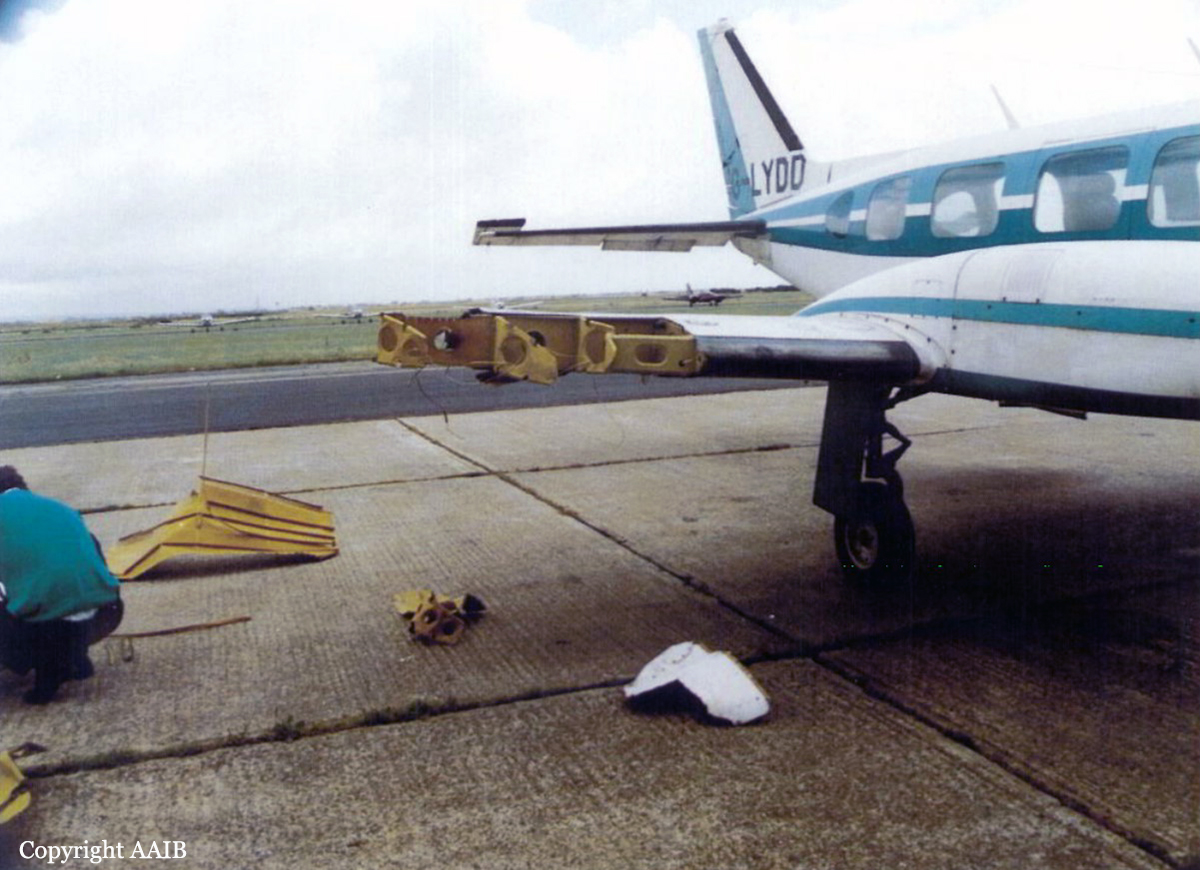
Crash of a Piper PA-31-310 Navajo in Lydd

Date & Time: Jul 17, 1991 at 0930 LT
Type of aircraft:
Operator:
Registration:
G-LYDD
Flight Phase:
Flight Type:
Survivors:
Yes
Schedule:
Lydd - Blackpool
MSN:
31-537
YOM:
1969
Location:
Region:
Crew on board:
2
Crew fatalities:
Pax on board:
0
Pax fatalities:
Other fatalities:
Total fatalities:
0
Captain / Total flying hours:
3035
Captain / Total hours on type:
1.00
Circumstances:
The aircraft, which had not flown for over 2 years, had been worked-on during the past days and had to be ferried to Blackpool with two pilots on board. During the takeoff roll on runway 22, at a speed of about 60 knots, a loud report was heard and the outboard section of the right wing disintegrated. The crew abandoned the takeoff procedure and was able to stop the aircraft on the runway. They exited the cabin and were uninjured while the aircraft was damaged beyond repair.
Probable cause:
The exact cause of the double explosion in the right wing could not be determined with certainty. A possibility was that the non-wetted areas of the tanks had become slightly porous during the time that the aircraft had not been in use and consequently may have allowed small leakages of fuel through the porous areas when the tanks had been filled to capacity. The resultant vapour could then have migrated outboard around the edges of the ribs at the end of the tank bay.
Final Report:

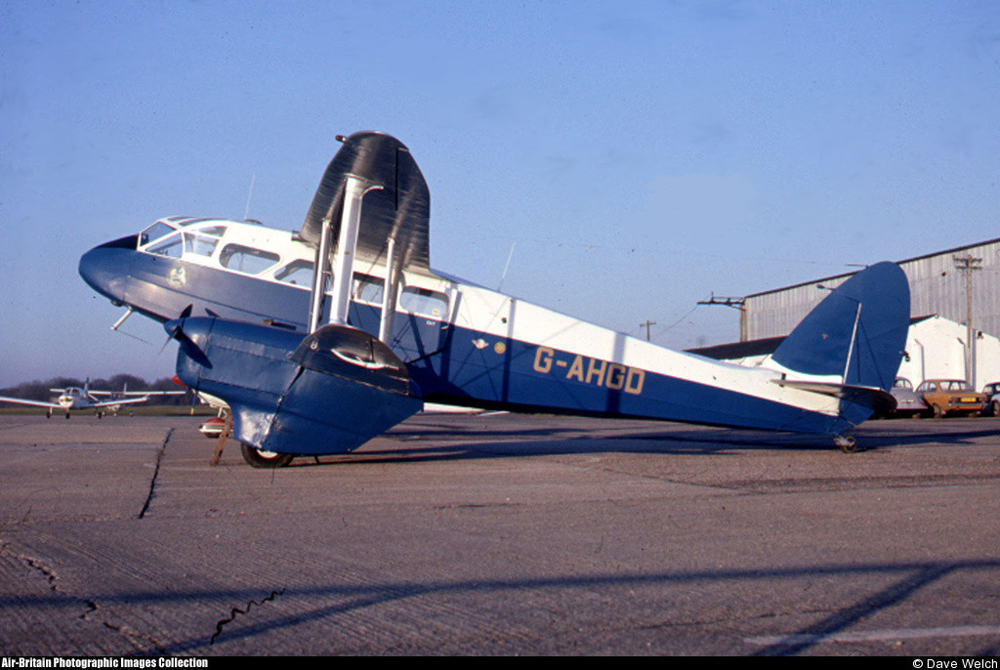
Crash of a De Havilland DH.89 Dragon Rapide in Audley End: 1 killed

Date & Time: Jun 30, 1991 at 1326 LT
Registration:
G-AHGD
Flight Phase:
Flight Type:
Survivors:
No
Schedule:
Biggleswade - Audley End
MSN:
6862
YOM:
1946
Region:
Crew on board:
1
Crew fatalities:
Pax on board:
0
Pax fatalities:
Other fatalities:
Total fatalities:
1
Captain / Total flying hours:
15840
Captain / Total hours on type:
15.00
Circumstances:
The pilot, sole on board, departed Biggleswade bound for Audley End to take part to an airshow. On completion of the fourth turn, which was wider than previous turns, the aircraft rolled out on a westerly heading and rpm on both fixed-pitch propellers was reduced to around idle. The aircraft decelerated in straight and level flight with the flaps lowered and in a progressively more nose-up attitude. At low airspeed, mid-way along the display axis, the aircraft rolled to starboard and entered a spin to the right from a height of between 400 and 500 feet. It crashed approximately 300 metres north of the display axis and behind a line of trees which obscured spectator's view of the impact. The pilot was killed.
Probable cause:
Loss of control at low height after a buckle on the seat belt became entangled with the flying controls.
Final Report:

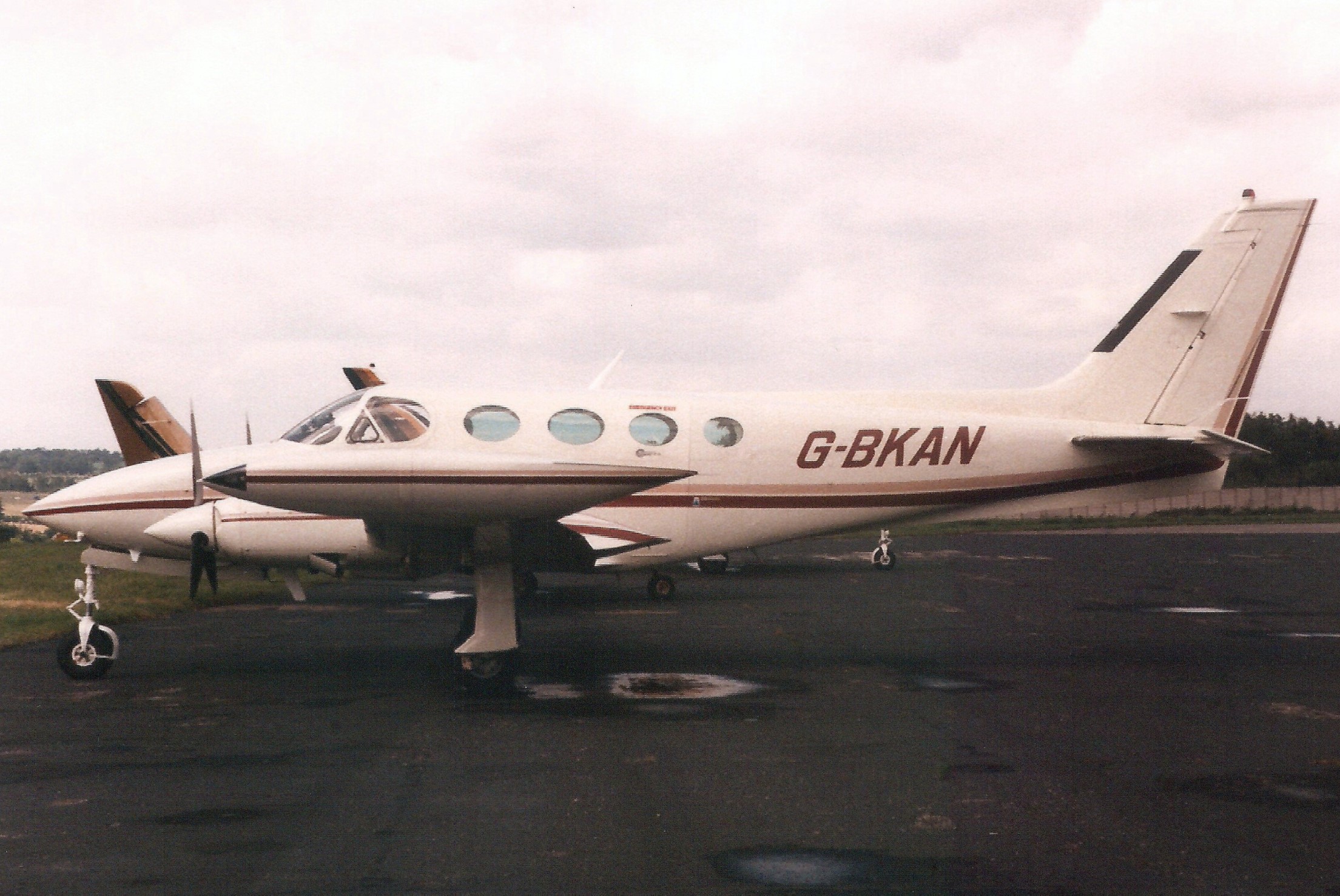
Crash of a Cessna 340A in Longleat House

Date & Time: Jun 8, 1991 at 1830 LT
Type of aircraft:
Registration:
G-BKAN
Flight Type:
Survivors:
Yes
MSN:
340A-1528
YOM:
1982
Region:
Crew on board:
2
Crew fatalities:
Pax on board:
3
Pax fatalities:
Other fatalities:
Total fatalities:
0
Captain / Total flying hours:
2130
Captain / Total hours on type:
321.00
Circumstances:
On arrival at Longleat, the aircraft made a circuit of the landing area, which was a section of private road closed to the public. During this circuit, the pilot commented to his passengers that the road might be too narrow for the aircraft, which had a mainwheel track width of 3,93 meters. The road is 5,4 meters wide and, on this occasion, was bounded on both sides with wet grass. The wind was southerly and the landing direction was 155° (M). Landing Distance Available was 973 meters. On short final approach to land after a second circuit of the intended landing place, the aircraft encountered windshear at 200 feet agl, and touched down on the grass 1,6 metre to the left of the landing strip, striking the left propeller and the tail skid on the ground. The aircraft then struck a 'No Parking' sign and, 48 metres further on, as the landing gear started to sink into the soft ground, the right propeller also contacted the ground. The aircraft came to rest in another 64 metres. There was no fire, but one of the passenger seat back collapsed at some stage of the landing or the roll-out, resulting in a minor back injury to one of the passengers. He was taken to the local hospital but was released the same evening.
Final Report:

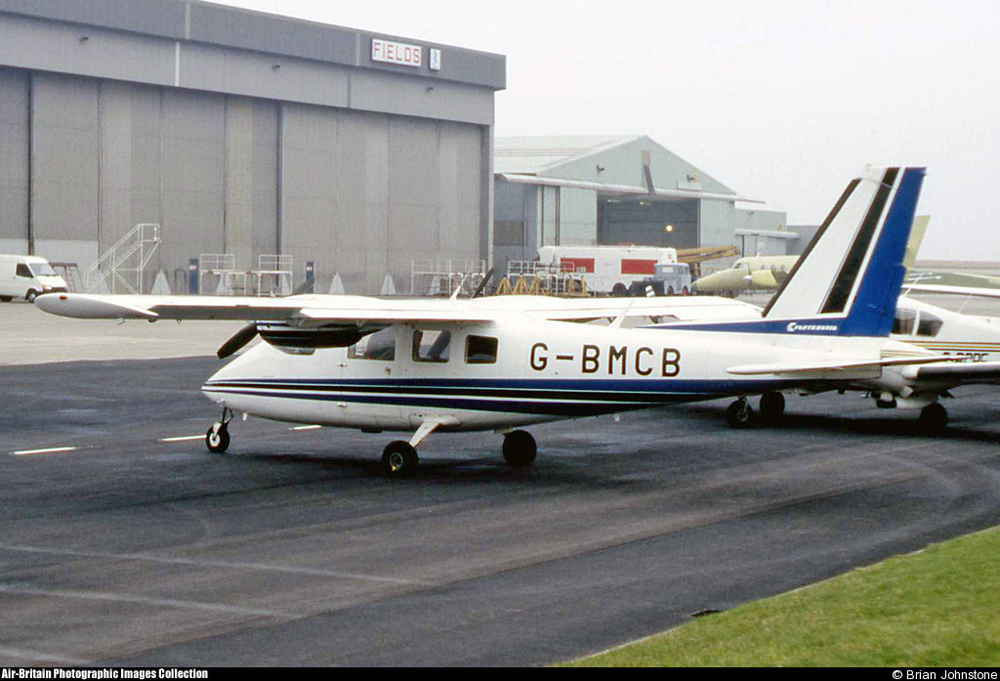
Crash of a Partenavia P.68B in East Midlands: 1 killed

Date & Time: Oct 20, 1990 at 0332 LT
Type of aircraft:
Operator:
Registration:
G-BMCB
Flight Phase:
Flight Type:
Survivors:
No
Schedule:
East Midlands – Manchester
MSN:
156
YOM:
1985
Region:
Crew on board:
1
Crew fatalities:
Pax on board:
0
Pax fatalities:
Other fatalities:
Total fatalities:
1
Captain / Total flying hours:
926
Circumstances:
The twin engine aircraft departed East Midlands runways 27 on a ferry flight to Manchester. During initial climb by night, the aircraft entered an uncontrolled descent and crashed at a speed of 160 knots and disintegrated in a field near the airport. The pilot, sole on board, was killed.
Probable cause:
Loss of control during initial climb by night after the pilot suffered a spatial disorientation due to the combination of a poor visibility (night and low clouds) and the possible malfunction of the horizontal stabilizer due to water in the vacuum system.
Final Report:

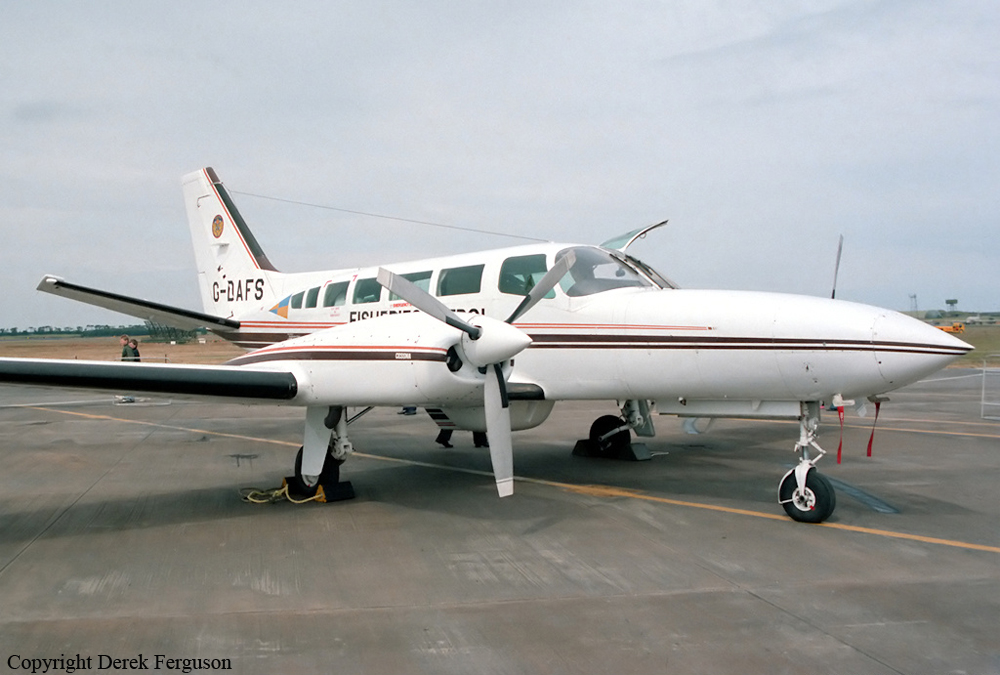
Crash of a Cessna 404 Titan II off Colonsay Island

Date & Time: May 31, 1990 at 0918 LT
Type of aircraft:
Registration:
G-DAFS
Flight Phase:
Survivors:
Yes
Schedule:
Edinburgh - Stornoway
MSN:
404-0872
YOM:
1984
Region:
Crew on board:
2
Crew fatalities:
Pax on board:
1
Pax fatalities:
Other fatalities:
Total fatalities:
0
Captain / Total flying hours:
8000
Captain / Total hours on type:
1800.00
Circumstances:
The twin engine aircraft departed Edinburgh at 0832LT on a flight to Stornoway. At 0859LT, the crew was cleared to reach the operational zone and three minutes later, reached the altitude of 3,500 feet under VFR mode. While cruising at the altitude of 200 feet and at a speed of 130 knots, the right engine lost power. The crew cancelled the sortie and decided to divert to Port Ellen Airport. After the right propeller had been feathered, the aircraft lost speed and the crew was unable to maintain a safe altitude so he decided to ditch the aircraft 5 nm east of Colonsay Island. All three occupants took refuge on the left wing but the aircraft sank after few minutes and the wreckage was not recovered. All three occupants were rescued 40 minutes later and suffered hypothermia as the water temperature was 11° C.
Probable cause:
Failure of the right engine for undetermined reasons. The right engine had been changed (brand new) last May 22 and achieved 40 hours since.
Final Report:

Crash of an Avro 696 Shackleton near Tarbert: 10 killed

Date & Time: Apr 30, 1990 at 1137 LT
Type of aircraft:
Operator:
Registration:
WR965
Flight Phase:
Flight Type:
Survivors:
No
Site:
Schedule:
Lossiemouth - Benbecula
YOM:
1954
Region:
Crew on board:
10
Crew fatalities:
Pax on board:
0
Pax fatalities:
Other fatalities:
Total fatalities:
10
Circumstances:
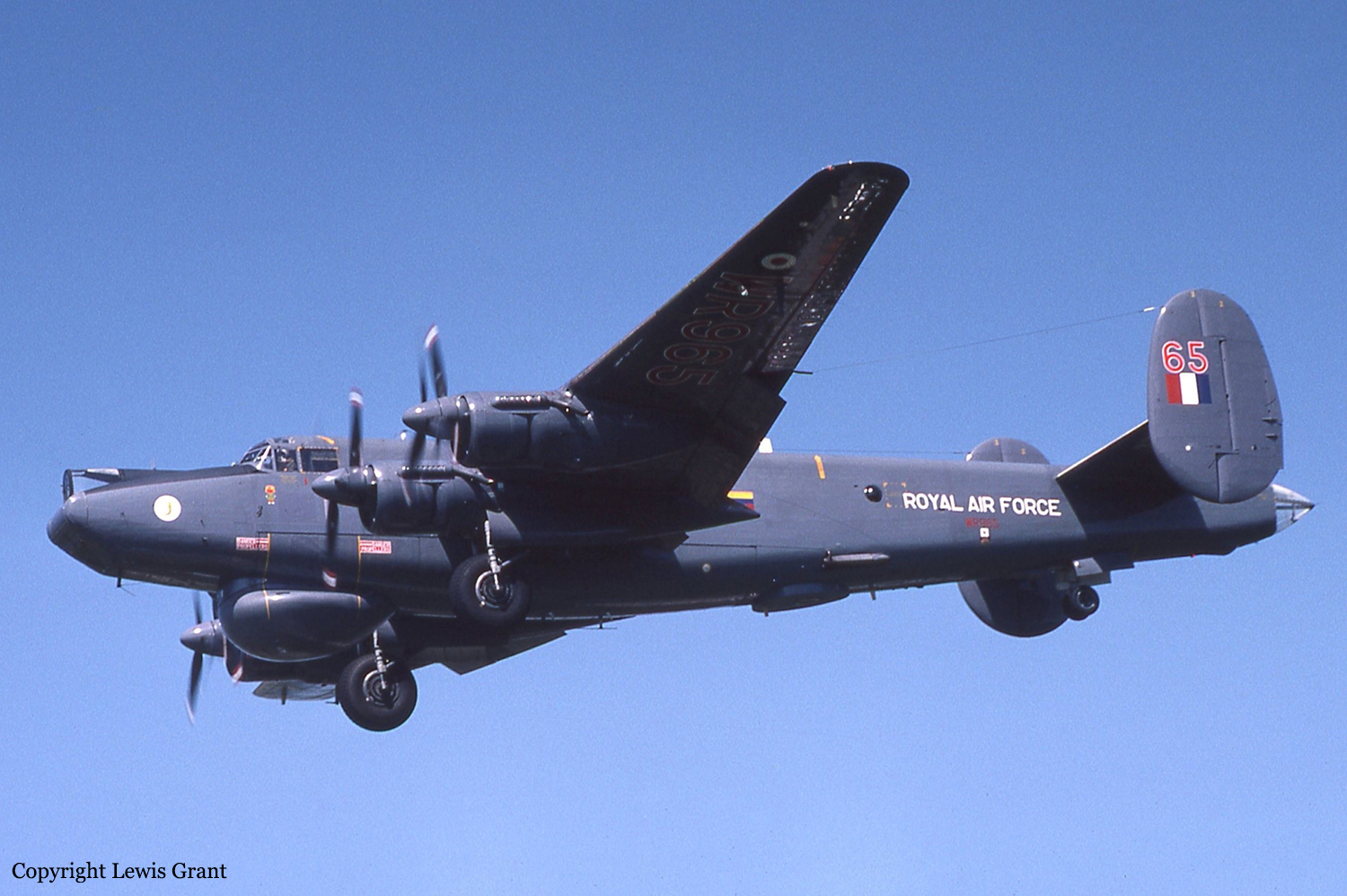
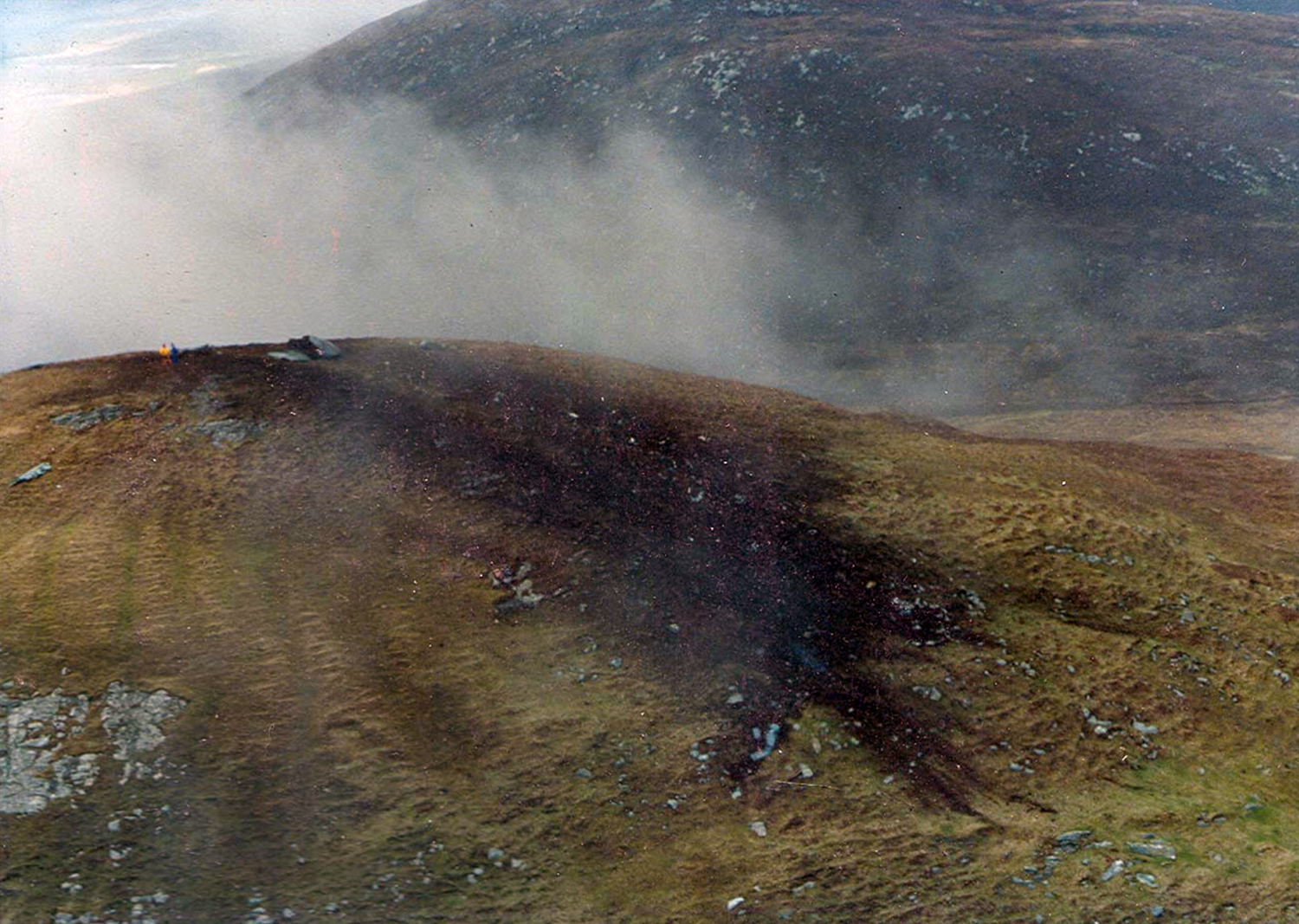
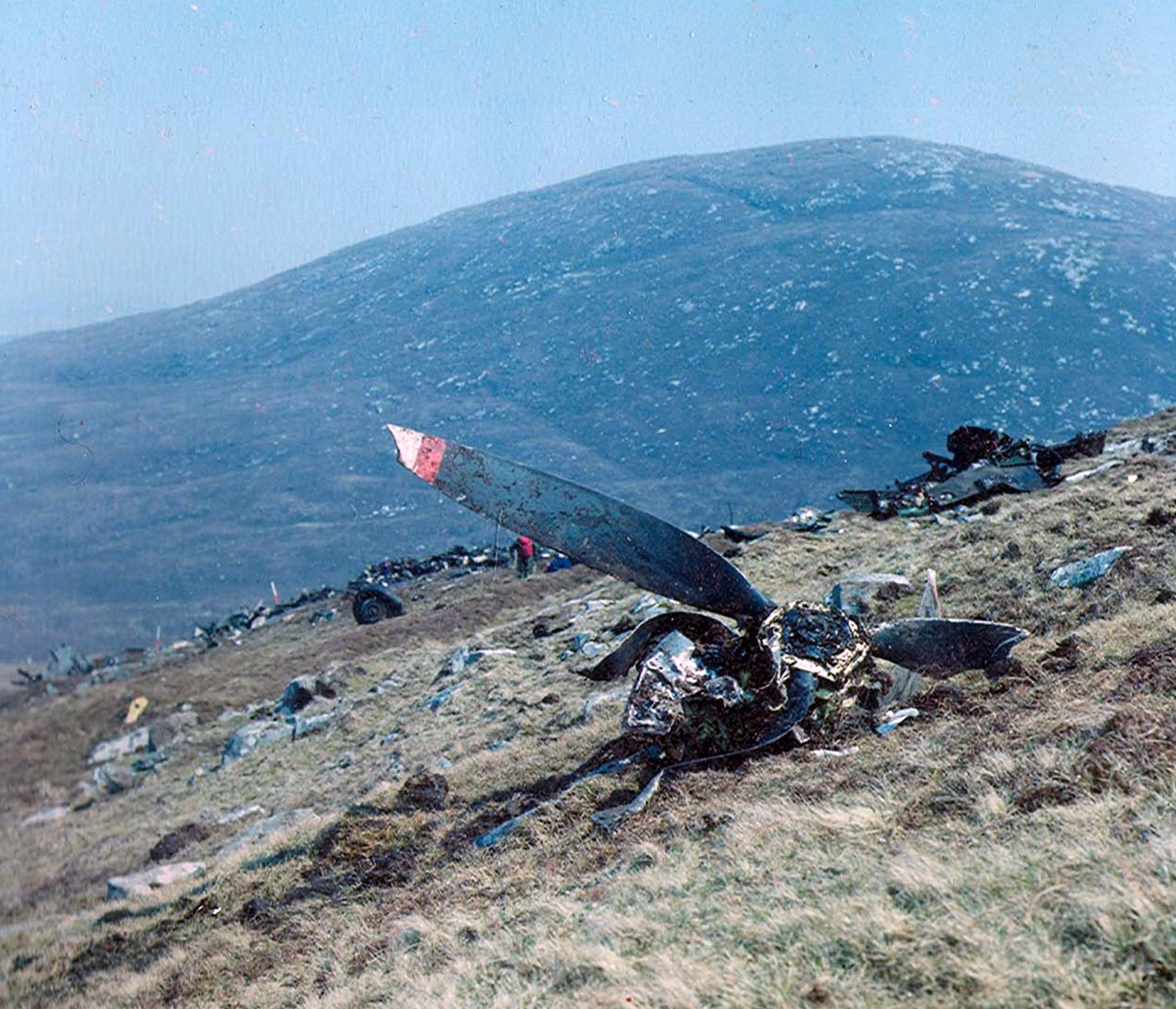
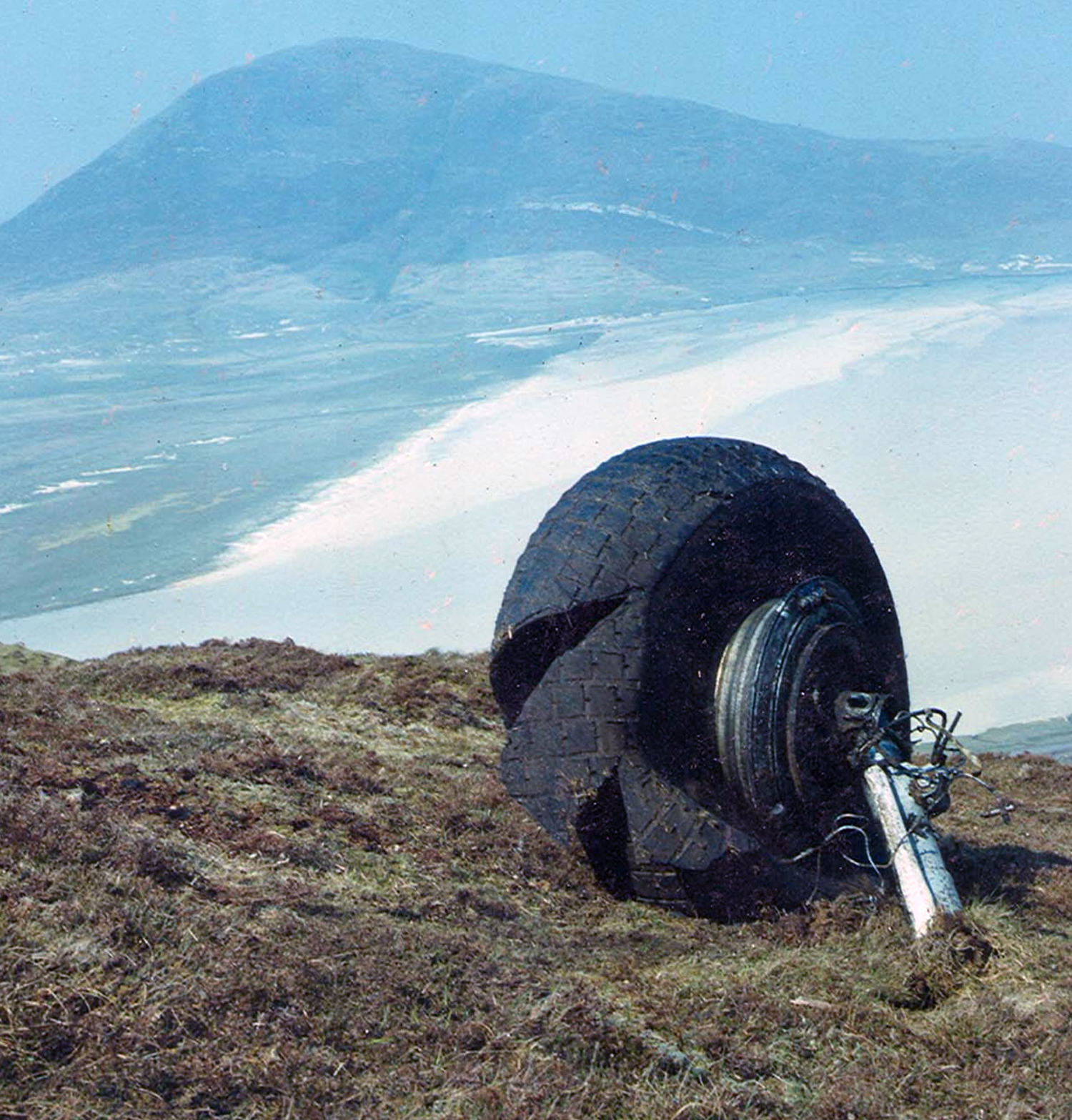
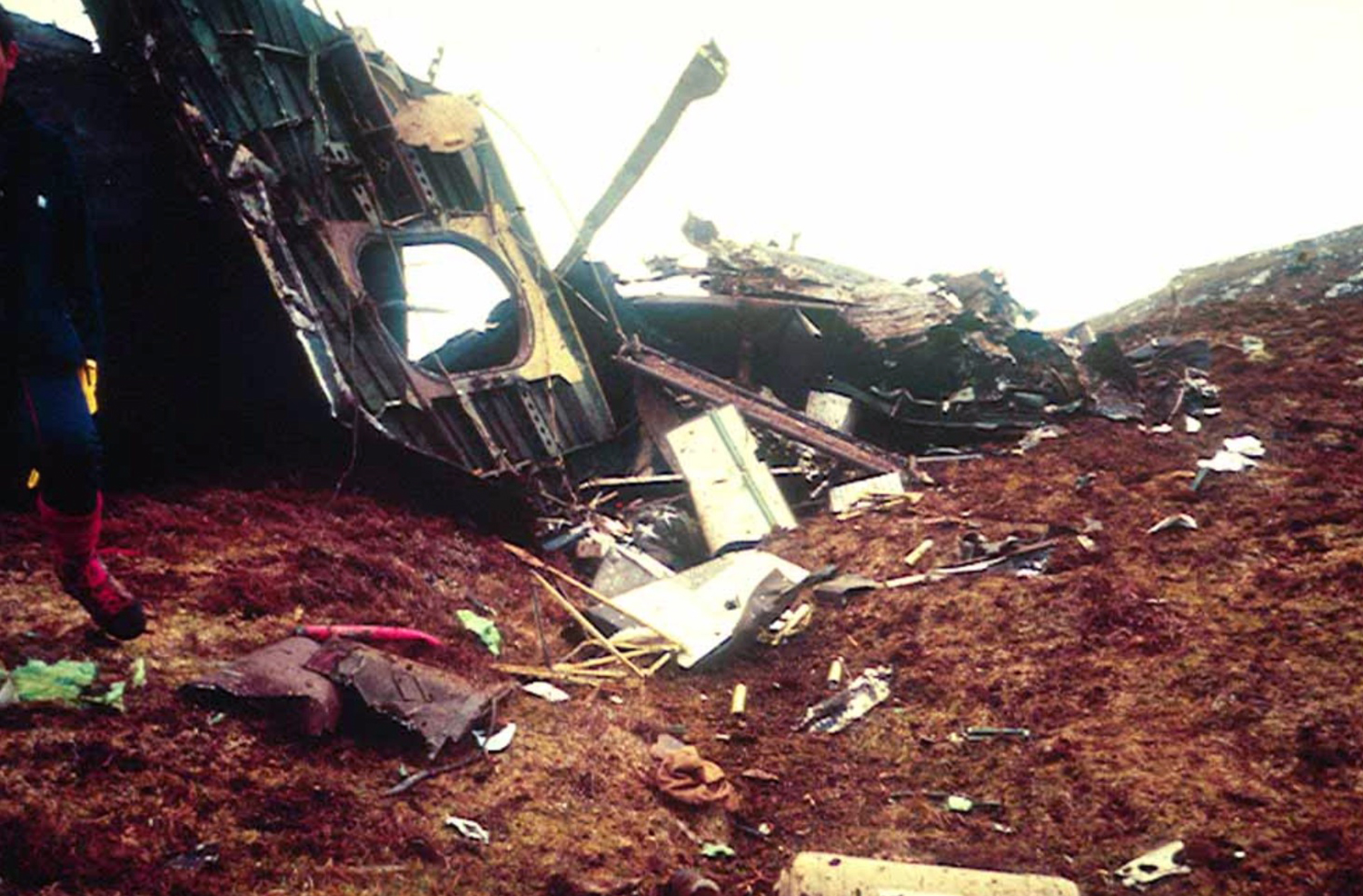
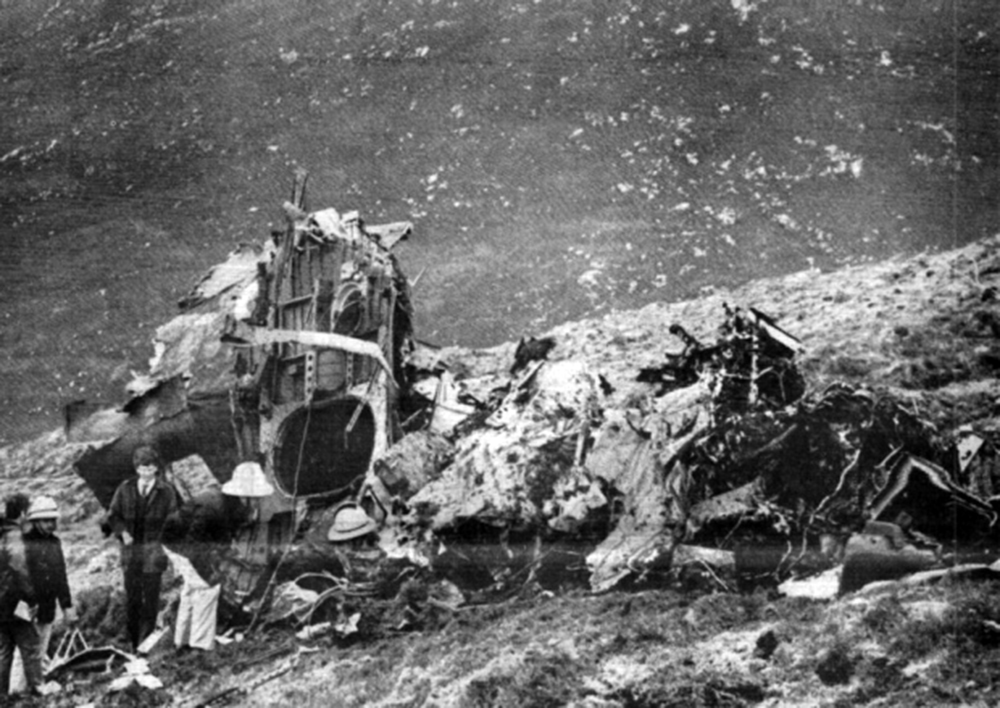
On the morning of 30 April 1990, the crew of Shackleton AEW2 WR965 took off from RAF Lossiemouth to participate in a maritime exercise in the Benbecula area to the west of mainland Scotland. The exercise was to be in two parts with a time interval between. To make most economical use of the Shackleton's flying time it was intended to utilise the time interval to undertake some continuation training for which the crew had appropriate authorisation. Although the weather was forecast to be generally clear in the aircraft's operating area there were areas of low cloud and poor visibility over Scottish coastal areas. The first part of the sortie was completed without incident and at 09:45 UTC the crew took the opportunity to participate with a Tornado F3 in mutual training which required the Shackleton's radar to be set to standby/off. After completing this training, the crew commenced their own continuation training which was to include a visual approach to Benbecula airfield. The crew contacted Benbecula Air Traffic Control (ATC) at 10:25 UTC requesting permission for an approach, stating that they were about 20 miles west of the airfield; permission was given and Benbecula ATC passed their actual weather to the crew. Subsequent investigation determined, however, that the aircraft was actually 15 miles north of the position which it had reported at this time. At 10:30 two RAF personnel saw the Shackleton orbiting an island some 12 miles to the north of Benbecula airfield, and at 10:34 the Shackleton crew called Benbecula ATC stating that the weather was not sufficiently good for an approach and that they were turning right and climbing. At around 10:37 it struck the ground about 30 ft below the summit of an 823 ft hill on the Isle of Harris. Reliable evidence indicates that at that time and in that vicinity the cloudbase was 200 ft above mean sea level, with cloud tops at 3000 ft. At impact, the aircraft was in controlled flight with all four engines developing cruise power.
Crew (28th Squadron):
W/Cdr Stephen Roncoroni,
W/Cdr Chas Wrighton,
F/O Colin Burns,
S/L Jerry Lane,
F/Lt Al Campbell,
F/Lt Keith Forbes,
M/O Roger Scutt,
F/Sgt Rick Ricketts,
Sgt Graham Miller,
Cpl Stuart Bolton.
Probable cause:
The Board of Inquiry concluded that the accident was caused because the aircraft was flown below a safe altitude in unsuitable weather conditions; the Board were unable to determine the reason for this.

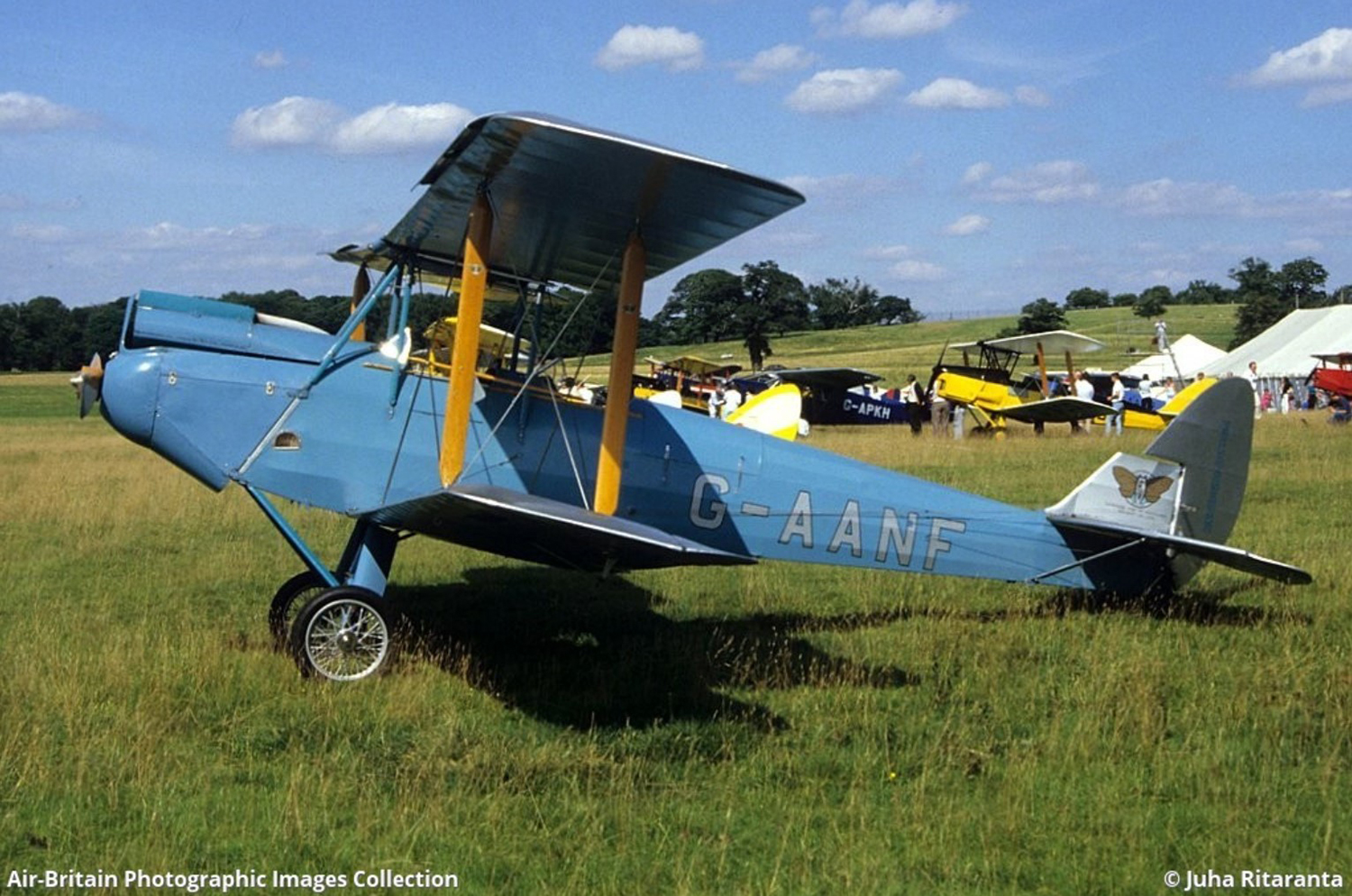
Crash of a De Havilland DH.60G Moth in East Stratton

Date & Time: Aug 8, 1989 at 1100 LT
Type of aircraft:
Operator:
Registration:
G-AANF
Flight Phase:
Flight Type:
Survivors:
Yes
Schedule:
Liss - Popham
MSN:
49
YOM:
1929
Region:
Crew on board:
1
Crew fatalities:
Pax on board:
0
Pax fatalities:
Other fatalities:
Total fatalities:
0
Captain / Total flying hours:
1300
Captain / Total hours on type:
70.00
Circumstances:
The aircraft was on a flight from Liss to Popham and was being accompanied by a PA 18 which was in contact with Farnborough Radar. Overhead East Stratton, the Gypsy Moth experienced a loss of power and the pilot elected to carry out a precautionary landing. The landing was satisfactory. The pilot had shut down the engine and climbed out of the cockpit before he became aware of burning straw under the tail. Attempts to remove the straw and extinguish the fire were unsuccessful, and the aircraft was rapidly engulfed in flames. The fuel tank exploded, resulting in a substantial fire and some damage to trees and bushes surrounding the field.
Probable cause:
Loss of engine power in flight for undetermined reasons.
Final Report:

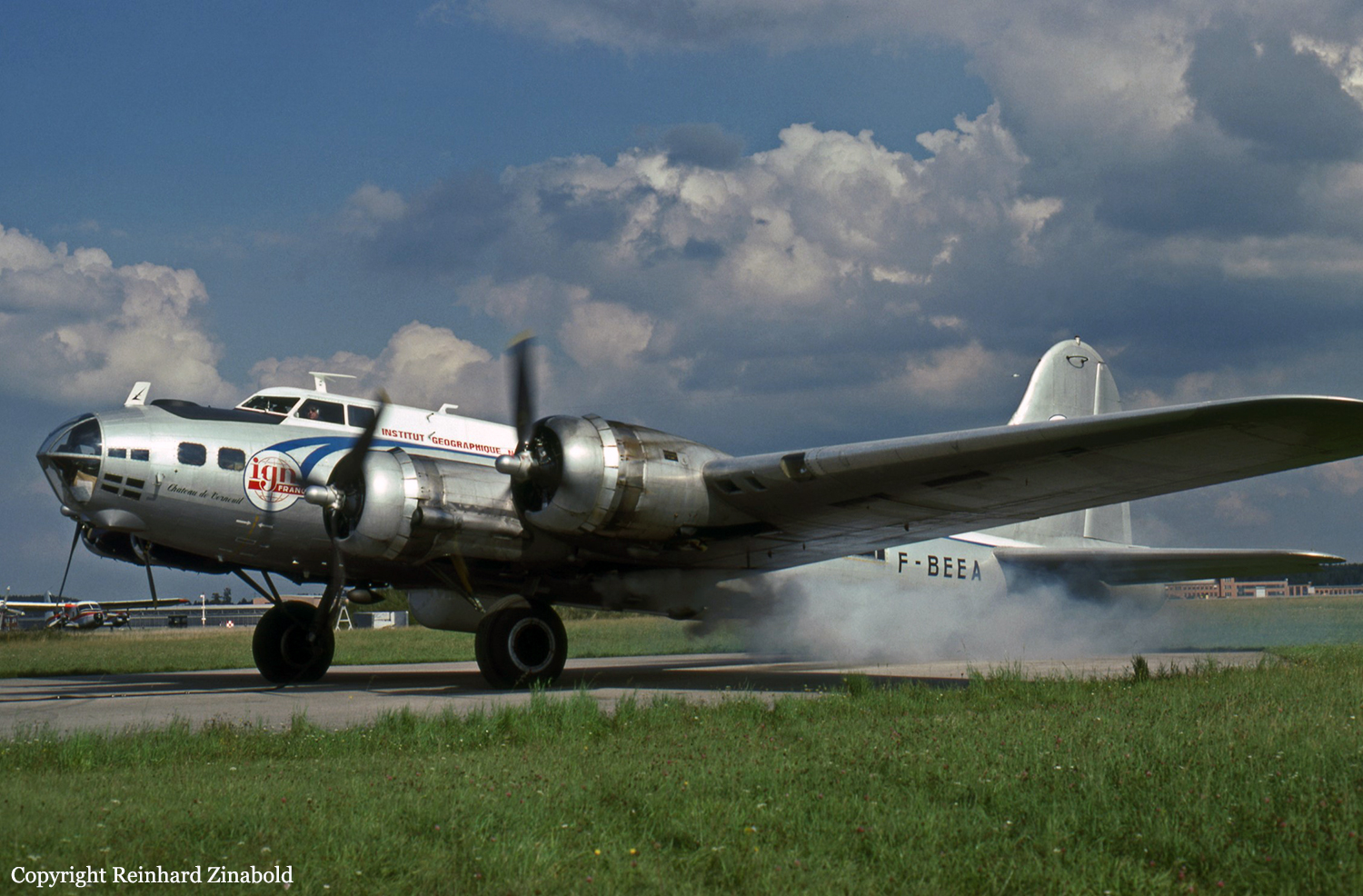
Crash of a Boeing B-17G-VE Flying Fortress at RAF Binbrook

Date & Time: Jul 25, 1989 at 1330 LT
Operator:
Registration:
F-BEEA
Flight Phase:
Flight Type:
Survivors:
Yes
Schedule:
Binbrook - Binbrook
MSN:
8552
YOM:
1944
Region:
Crew on board:
10
Crew fatalities:
Pax on board:
0
Pax fatalities:
Other fatalities:
Total fatalities:
0
Captain / Total flying hours:
11179
Captain / Total hours on type:
2131.00
Circumstances:
During the takeoff roll, after about 100 yards, a slight swing to the left developed, which the commander (who was the handling pilot) corrected by partially retarding the power on engines n°3 and 4, and by the use of rudder. Full power was then re-applied on all engines, but the aircraft started to swing to the right. The pilot throttled back engine n°1 and 2, together with the application of rudder, but these actions were not immediately effective. The aircraft did not resume a straight course until it was on the grass to the right of the runway. Knowing that the B17 had been operated from grass runways, the commander elected to continue with the take-off. However, after some 400-500 yards the aircraft swung further to the right, by which time the speed was 90-95 mph. The commander then became aware that the aircraft's path was obstructed by a tree and a pile of gravel. The left wing tip struck the tree and the n°4 propeller struck the gravel. The aircraft yawed to the right, crossed a hollow in the ground and landed in a cornfield beyond. The fuselage broke in two and a fire erupted. All 10 occupants were rescued, among them five were injured, two seriously. The aircraft was totally destroyed by fire.
Probable cause:
The commander was subsequently unable to provide any explanation for the accident, although he suggested that the n°1 engine turbo-compressor may have been 'cutting in and out'. He also considered that the right wheel brake may not have been completely free. One eye witness, an engineer who was familiar with B17 aircraft, saw smoke emanating from the area of the n°3 engine at the start of the take-off. This led him to venture the opinion that this engine may have over-boosted and then suffered a power loss, thus causing the sequential left and right swings.
Final Report:

Crash of a Handley Page HP.137 Jetstream T.2 off Portland: 2 killed

Date & Time: May 8, 1989
Operator:
Registration:
XX489
Flight Phase:
Flight Type:
Survivors:
No
MSN:
279
YOM:
1975
Region:
Crew on board:
2
Crew fatalities:
Pax on board:
0
Pax fatalities:
Other fatalities:
Total fatalities:
2
Circumstances:
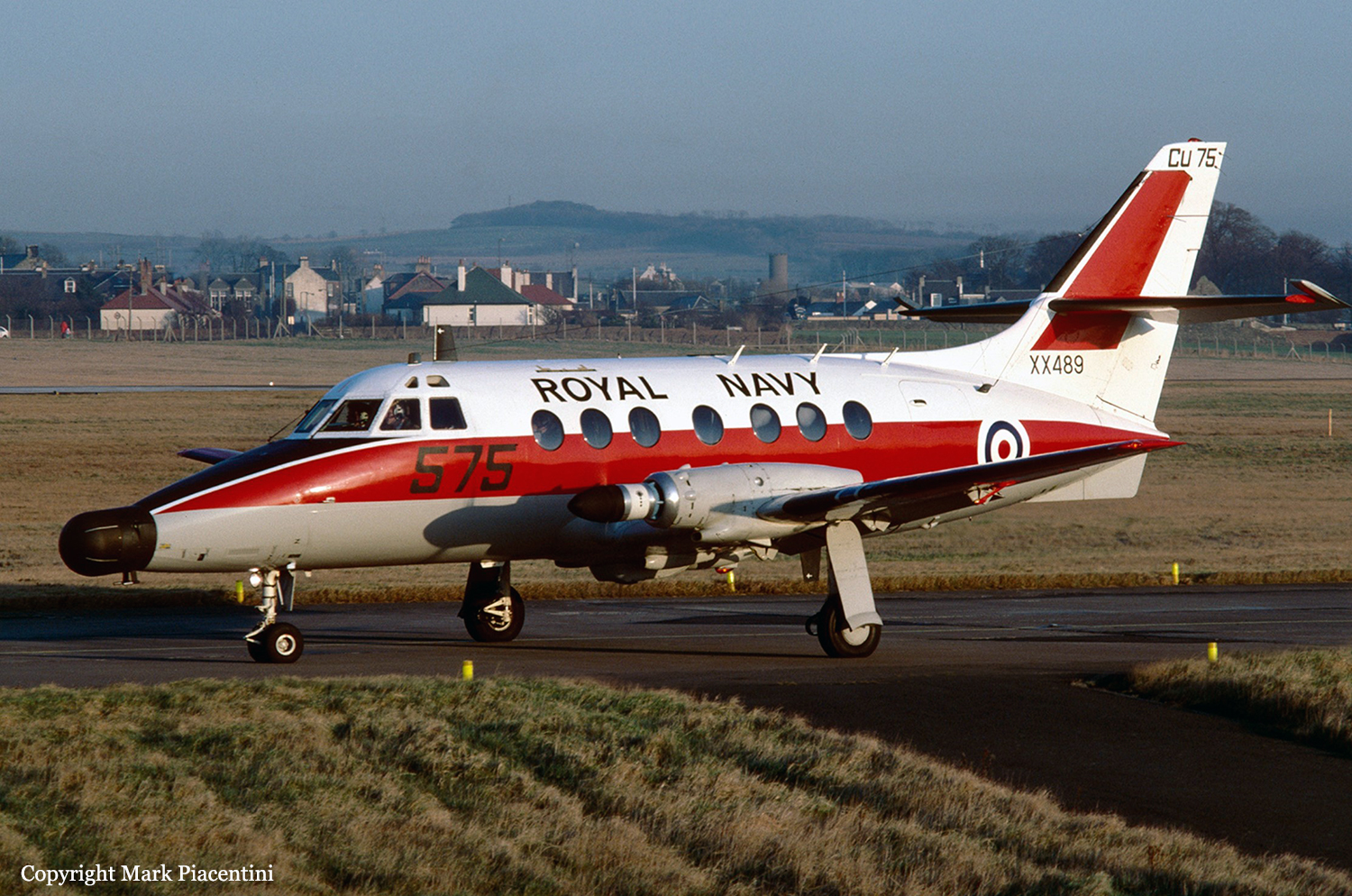
The crew was taking part to the 'Sea Cadet Open Day' in Portland and was completing a low pass when control was lost. The aircraft crashed in the sea few hundred yards offshore. Both pilots were killed.
Probable cause:
It is believed that the pilot had omitted to re-advance the pitch control levers.