Crash of a Piper PA-31-310 Navajo in Campo de Marte: 7 killed

Date & Time: Jan 17, 1984 at 1030 LT
Type of aircraft:
Registration:
PT-IMF
Flight Phase:
Survivors:
Yes
Site:
Schedule:
Campo de Marte – São José do Rio Preto – Porto Velho
Country:
Crew on board:
2
Crew fatalities:
Pax on board:
8
Pax fatalities:
Other fatalities:
Total fatalities:
7
Circumstances:
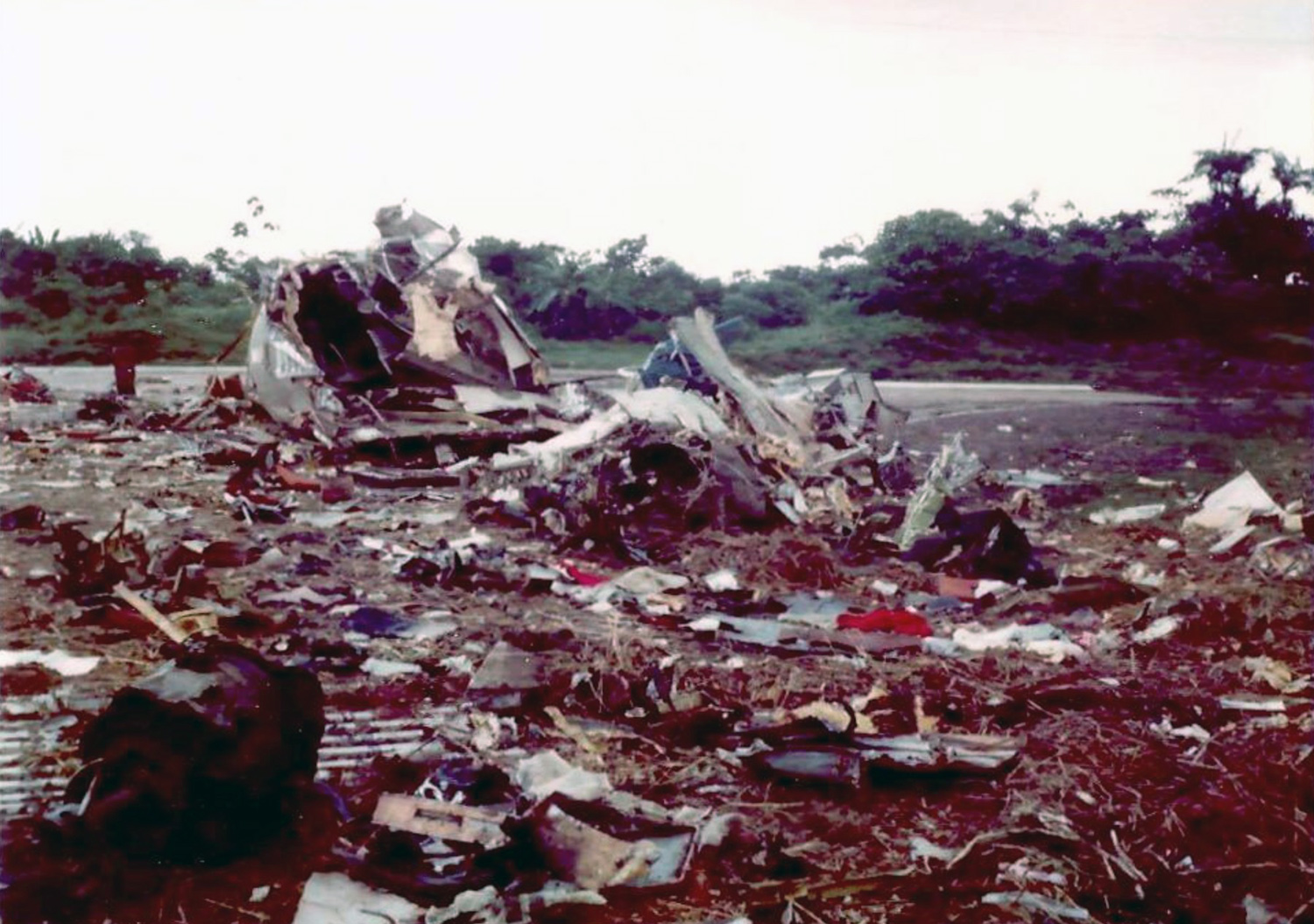
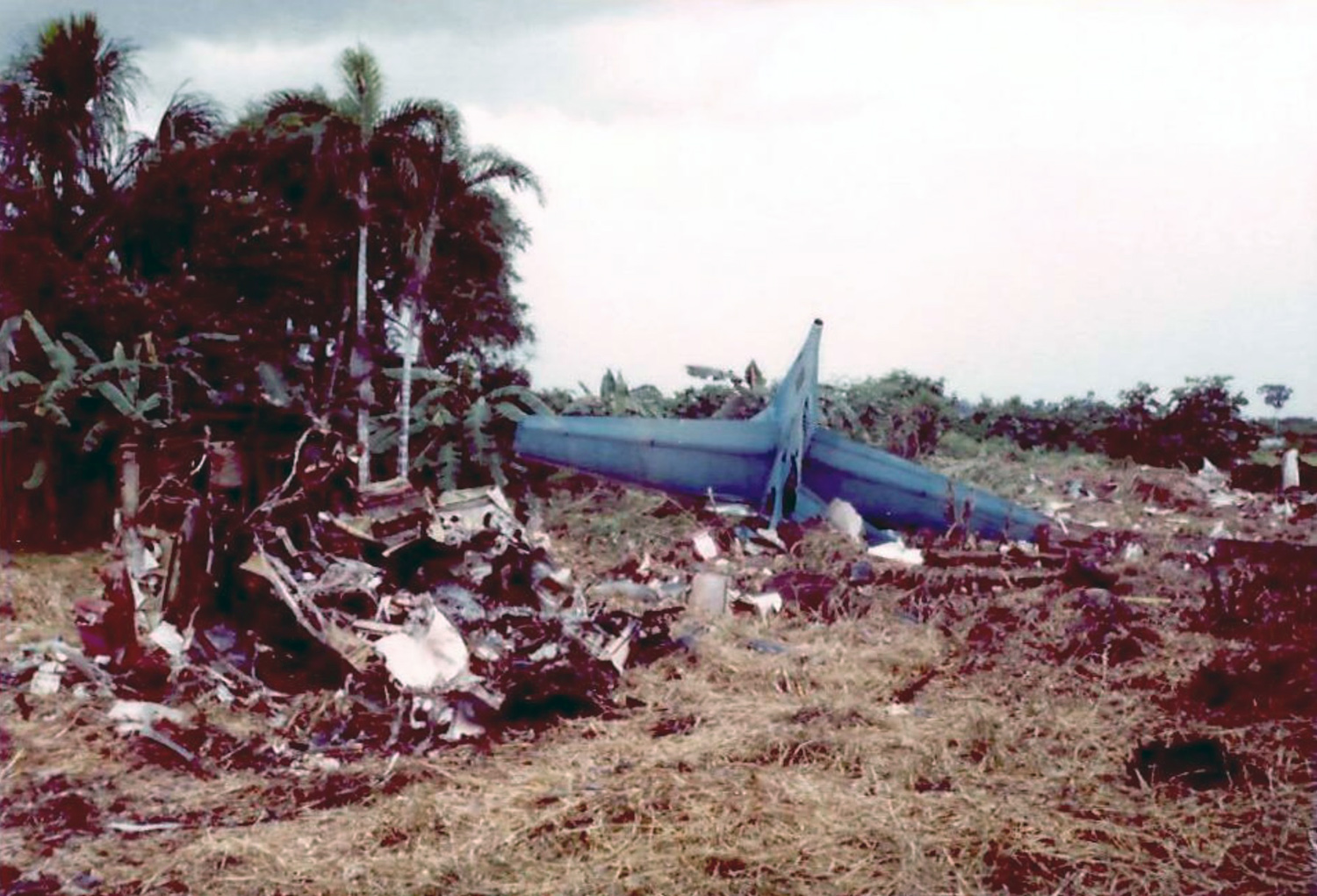
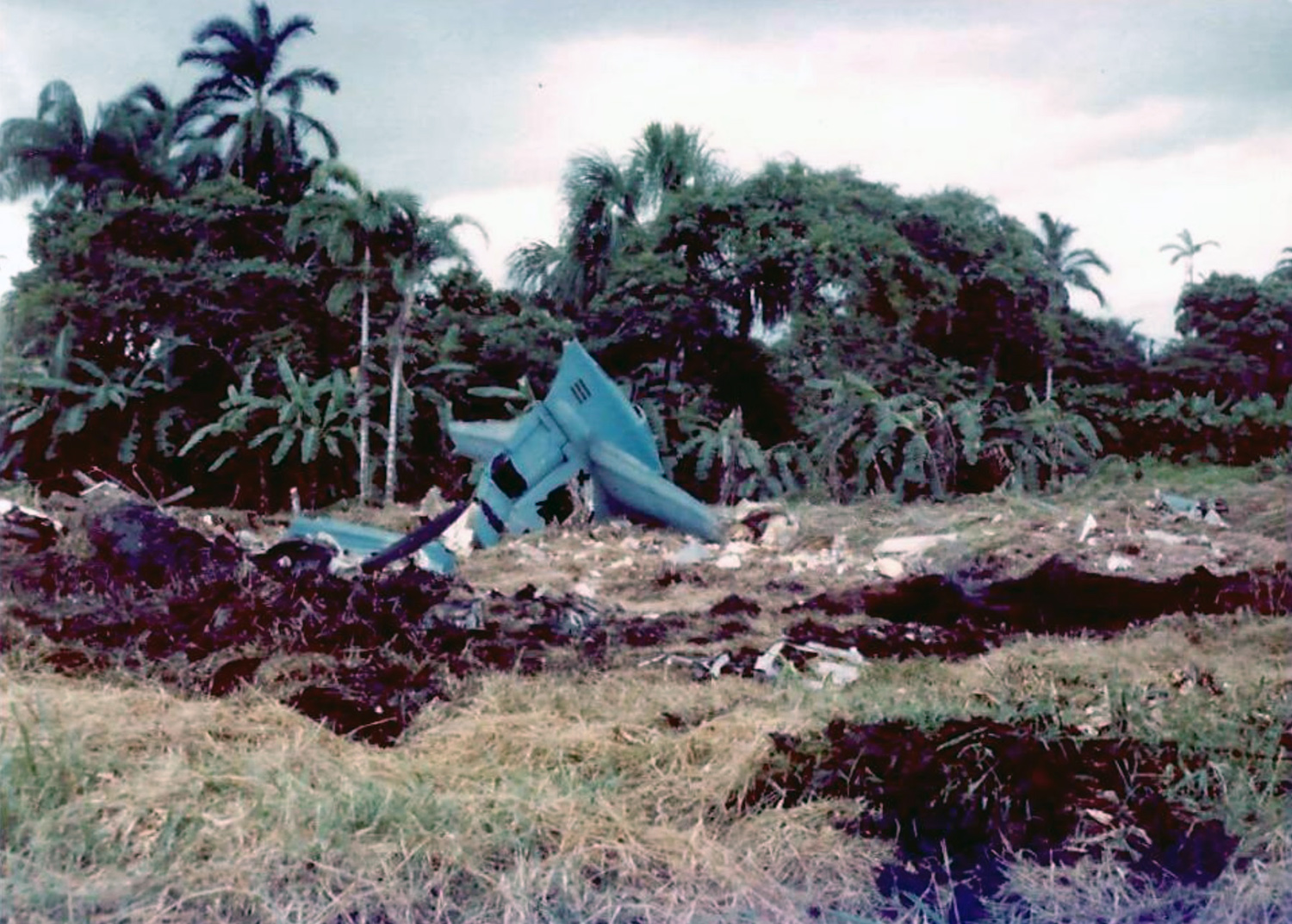
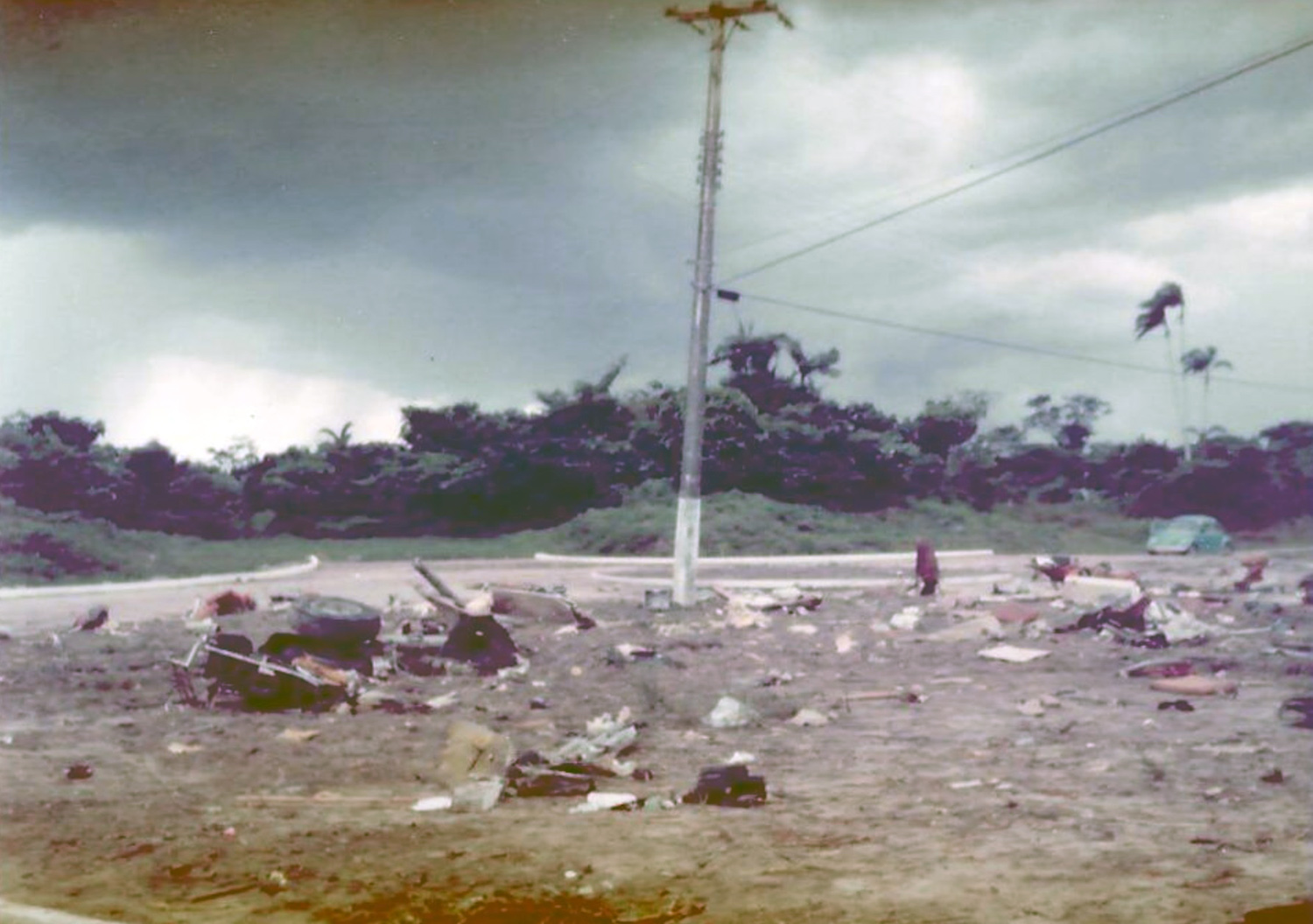
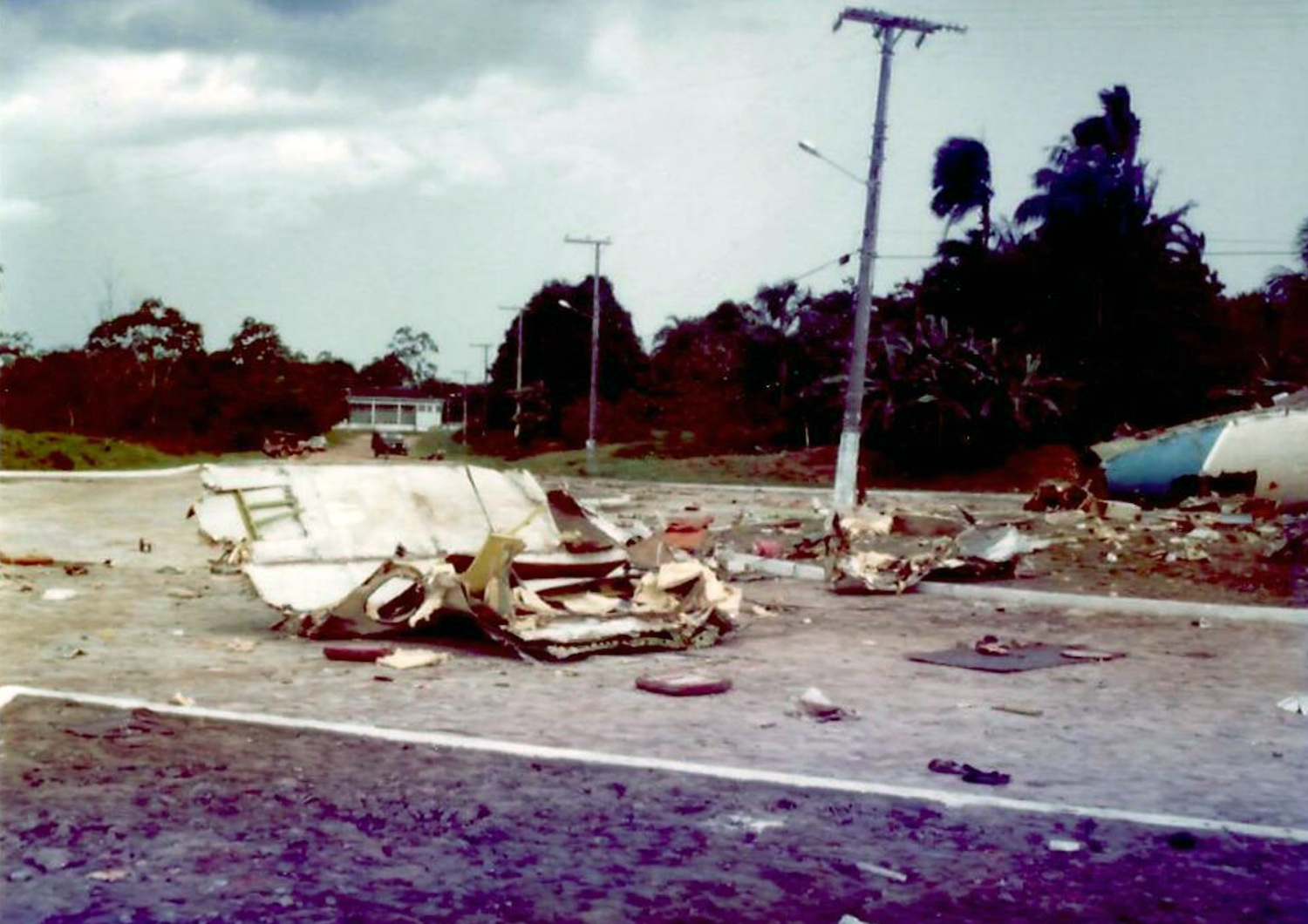
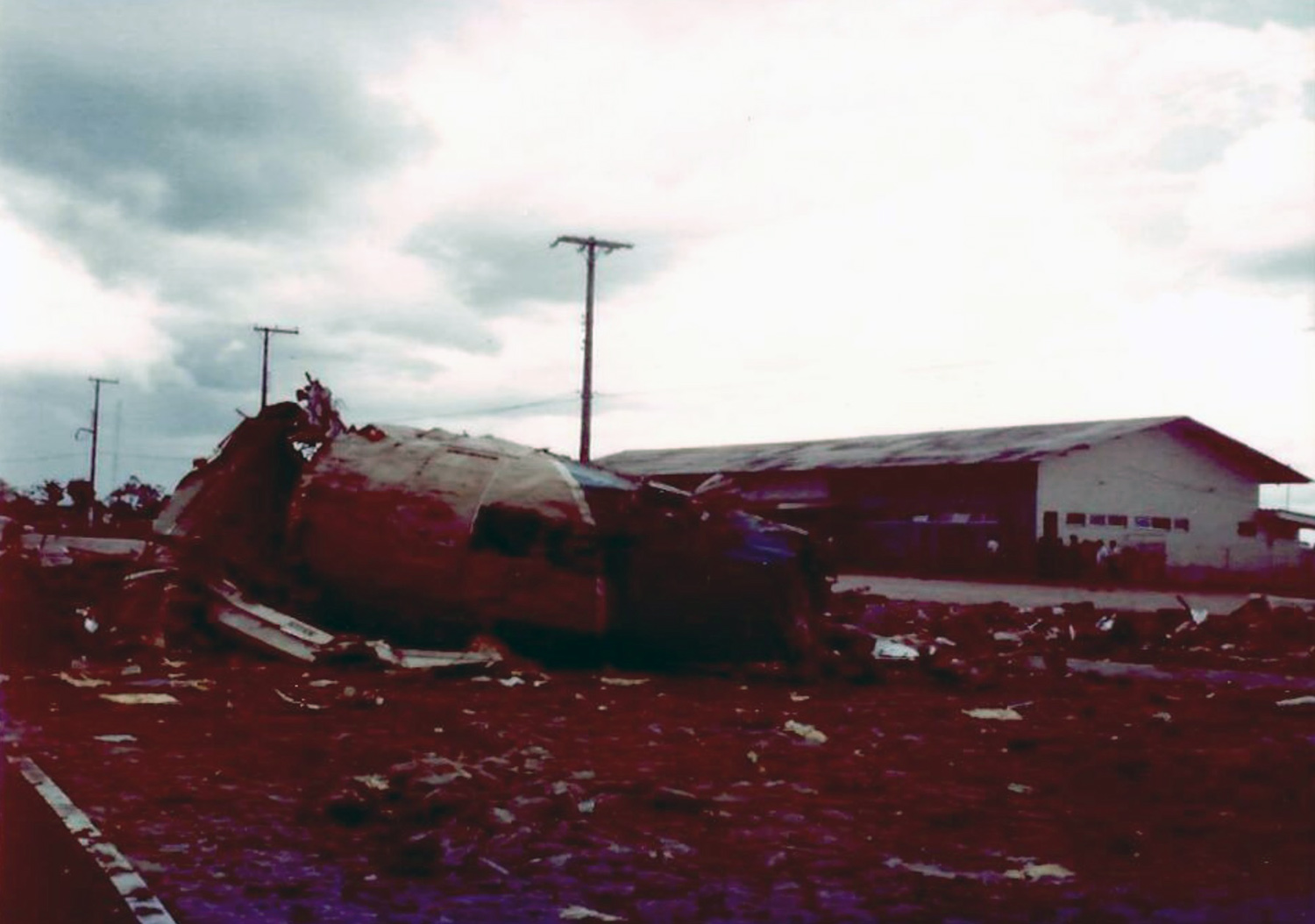
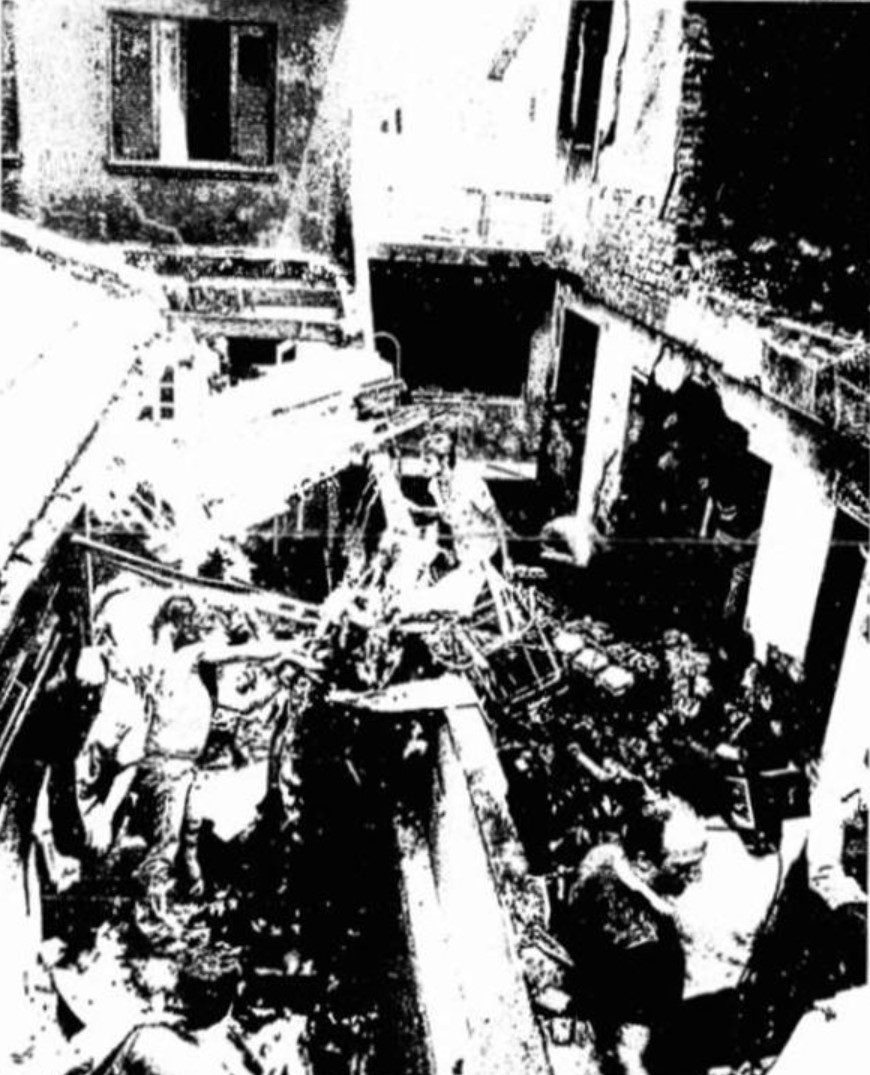
The twin engine airplane was engaged in a charter flight from Campo de Marte to Porto Velho with an intermediate stop in São José do Rio Preto, carrying six passengers and a crew of two. After takeoff from runway 12, while in initial climb, the aircraft banked left, nosed down and crashed into several houses located in the district of Carandiru, bursting into flames. Both pilots, four passengers and one people in the ground were killed while four other passengers were seriously injured.
Probable cause:
It is believed that the loss of control was caused by the failure of a blade on the left engine.

Crash of an Embraer EMB-110C Bandeirante in Araçatuba: 7 killed

Date & Time: Oct 7, 1983 at 1730 LT
Operator:
Registration:
PP-SBH
Survivors:
Yes
Schedule:
Campo Grande - Araçatuba
MSN:
110-026
YOM:
1974
Country:
Crew on board:
2
Crew fatalities:
Pax on board:
13
Pax fatalities:
Other fatalities:
Total fatalities:
7
Captain / Total flying hours:
2882
Captain / Total hours on type:
1246.00
Copilot / Total flying hours:
2339
Copilot / Total hours on type:
1745
Circumstances:
On approach to Araçatuba Airport runway 22, the crew encountered poor weather conditions with heavy rain falls. After the approach was abandoned twice, the crew initiated a go around and attempted to land on runway 04. Completing a last turn to the left at very low altitude under VFR mode in IMC conditions, the airplane struck the ground with its left wingtip and crashed few hundred metres short of runway. Both pilots and five passengers were killed while eight other occupants were injured.
Probable cause:
The review of all data reveals that upon arrival at destination, the pilots encountered adverse weather conditions. A pilot from the airline, who was near the radio station, informed them that the airport was operating under Instrument Flight Rules (IFR) and that the runway was very wet. Given the intensity of the rainfall, some witnesses believe the airfield should have been closed. The absence of a meteorologist allowed information to be relayed to the crews, who then made unsuccessful approach attempts when they should have diverted to the alternate airport. According to the statement of the captain of the other aircraft flying over the airfield, at the critical moment of the procedure, he had no visual contact with the ground. During the go around procedure, while flying over the airport, he spotted the second half of runway 22, which led him to attempt a visual approach to runway 04. During this attempt, which essentially consisted of a 180° turn, the pilot again sought to establish visual contact in difficult landing conditions (aircraft altitude and immediate proximity of the runway) and aborted the landing. Based on the evidence gathered, it has been concluded that the crew involved in the accident attempted a similar procedure, abandoned the approach and elected to establish a visual contact with the ground. During the final turn completed at low altitude in a steep left bank, despite the crew not having established visual contact, the aircraft struck the ground with its left wingtip and crashed. From the perspective of human error, it should be noted that the pilots had been away from home for five days and that after landing at this airport, they were to complete their mission and be flown back to São Paulo by the second aircraft that was also attempting to land. This situation must have caused them some anxiety about their desire to land, leading them to accept the risks of a perilous operation. The fact that the captain was seated on the right may have contributed to hindering his piloting, allowing the copilot to attempt a visual approach when such a procedure was impossible.
Final Report:

Crash of a Boeing 737-2A1C in Manaus: 2 killed

Date & Time: Feb 22, 1983
Type of aircraft:
Operator:
Registration:
PP-SNC
Flight Phase:
Flight Type:
Survivors:
No
Schedule:
Manaus - Manaus
MSN:
21187
YOM:
1975
Country:
Crew on board:
2
Crew fatalities:
Pax on board:
0
Pax fatalities:
Other fatalities:
Total fatalities:
2
Circumstances:
The crew (one pilot and one instructor) was engaged in a local training flight at Manaus-Eduardo Gomes Airport. After a simulated asymmetrical power takeoff, the airplane encountered difficulties to gain sufficient height. The crew increased engine power but the airplane stalled and crashed in a wooded area located few km from the airfield, bursting into flames. Both pilots were killed. It is believed that the aircraft was on its way to São Paulo Airport, carrying a load of televisions.
Probable cause:
The accident was the consequence of the combination of the following findings:
- Poor flight preparation,
- Lack of crew coordination,
- Failure to follow pre-takeoff procedures,
- Inadequate supervision on part of the instructor.

Crash of a Boeing 707-323B in Brasília

Date & Time: Dec 4, 1982
Type of aircraft:
Registration:
N8434
Survivors:
Yes
Schedule:
Brasília – Miami – New York
MSN:
20173
YOM:
1969
Country:
Crew on board:
8
Crew fatalities:
Pax on board:
52
Pax fatalities:
Other fatalities:
Total fatalities:
0
Circumstances:
The four engine aircraft was returning to the US with eight crew members and 52 passengers, all of them were journalists covering the official visit of the US President Ronald Reagan in Brazil. After takeoff, during initial climb, the left main gear struck the ILS antenna. The captain informed ATC about the situation and was cleared to return for an emergency. On approach, both main gears remained jammed in their wheel well and only the nose gear was down and locked. The airplane landed on its belly and slid for few dozen meters before coming to rest. All 60 occupants escaped uninjured while the aircraft was damaged beyond repair.

Crash of an Embraer C-95 Bandeirante in Rio de Janeiro: 3 killed

Date & Time: Nov 16, 1982 at 1310 LT
Type of aircraft:
Operator:
Registration:
2182
Flight Phase:
Flight Type:
Survivors:
No
Site:
Schedule:
Rio de Janeiro – São Paulo
MSN:
110-109
YOM:
1976
Country:
Crew on board:
2
Crew fatalities:
Pax on board:
1
Pax fatalities:
Other fatalities:
Total fatalities:
3
Circumstances:
Less than two minutes after takeoff from Rio de Janeiro-Santos Dumont Airport runway 20R, while in initial climb, the twin engine airplane hit the Sugarloaf Mountain located about 3,8 km south of the airport. All three occupants were killed.

Crash of a Learjet 25B in Rio Branco: 10 killed

Date & Time: Sep 4, 1982
Type of aircraft:
Operator:
Registration:
PT-JBQ
Survivors:
No
Schedule:
Porto Velho – Rio Branco
MSN:
25-119
YOM:
1973
Country:
Crew on board:
2
Crew fatalities:
Pax on board:
8
Pax fatalities:
Other fatalities:
Total fatalities:
10
Circumstances:
The approach to Rio Branco-Presidente Médici Airport was initiated in poor weather conditions. On final approach in rain falls, the crew was unable to locate the unlighted runway and decided to initiate a go-around. A second approach was abandoned few minutes later for the same reasons. During a third attempt to land, the airplane stalled and crashed 5 km from the airport. It was destroyed on impact and all 10 occupants were killed.
Probable cause:
Failure of both engines on final approach due to fuel exhaustion following three unsuccessful approaches. The following contributing factors were reported:
- Poor weather conditions,
- Poor visibility,
- Poor flight planning,
- Lack of Company assistance,
- Operational deficiencies,
- Infrastructures deficiencies.

Crash of a Fairchild-Hiller FH-227B in Tabatinga: 44 killed

Date & Time: Jun 12, 1982 at 0605 LT
Type of aircraft:
Operator:
Registration:
PT-LBV
Survivors:
No
Schedule:
Eirunepé - Tabatinga
MSN:
536
YOM:
1967
Country:
Crew on board:
4
Crew fatalities:
Pax on board:
40
Pax fatalities:
Other fatalities:
Total fatalities:
44
Circumstances:
The approach to Tabatinga Airport was initiated by night and poor weather conditions. On final, the aircraft was too low and struck a pole. It lost height and crashed, bursting into flames. The aircraft was destroyed and all 44 occupants were killed.
Probable cause:
It was determined that at the time of the accident, the visibility was low due poor weather conditions. Due to a general electrical failure, the approach lights and runway lights were not functioning and the airport was not equipped with an emergency generator. Due to pressure caused by bad weather and the fact that the aircraft was short of fuel, the crew decided to attempt a visual approach in such conditions instead of diverting to the nearest airport of Leticia.
Final Report:

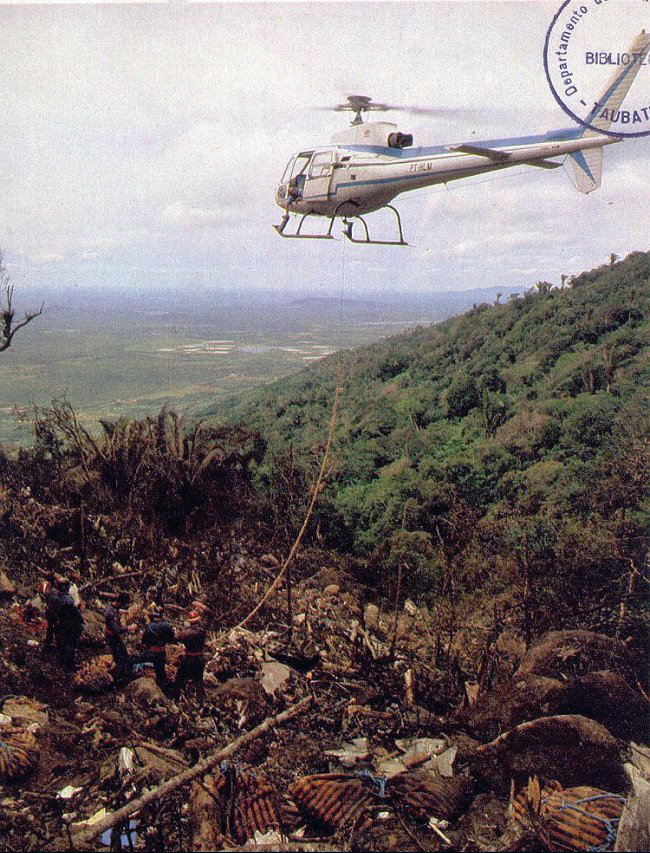
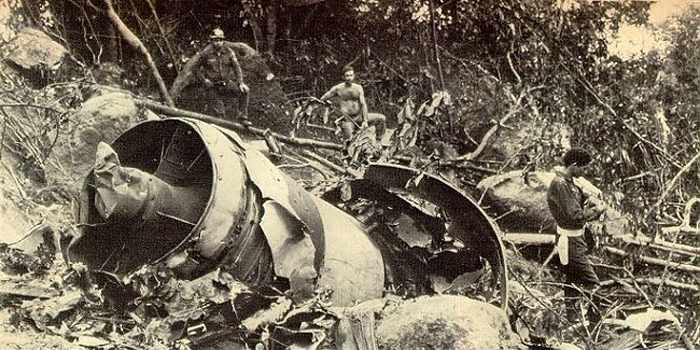
Crash of a Boeing 727-212 near Fortaleza: 137 killed

Date & Time: Jun 8, 1982 at 0225 LT
Type of aircraft:
Operator:
Registration:
PP-SRK
Survivors:
No
Site:
Schedule:
São Paulo – Rio de Janeiro – Fortaleza
MSN:
21347
YOM:
1977
Flight number:
VP168
Country:
Crew on board:
9
Crew fatalities:
Pax on board:
128
Pax fatalities:
Other fatalities:
Total fatalities:
137
Circumstances:
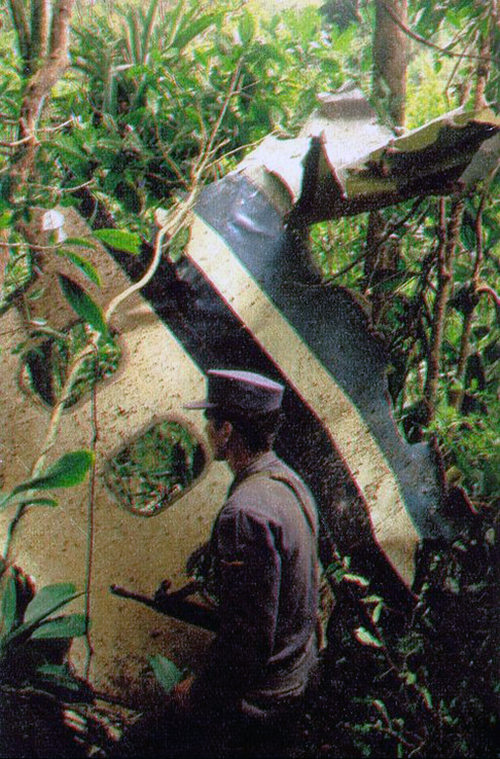
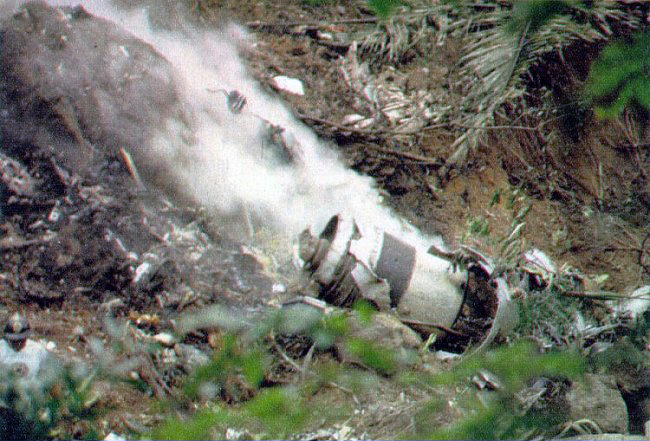
Following an uneventful flight from Rio de Janeiro-Galeão Airport, the crew initiated a night descent to Fortaleza-Pinto Martins Airport, Ceará. ATC cleared the flight to descent to 5,000 feet and while facing the city lights, the captain descended below the prescribed altitude of 5,000 feet. Despite two altitude alert system warnings and the copilot's warning about mountains ahead, the captain continued to descend until the aircraft struck a wooded mountain located in the Aratanha Mountain Range, some 26 km southwest of the airport. The aircraft disintegrated on impact and all 137 occupants were killed.
Probable cause:
For unknown reasons, the captain continued the descent below 5,000 feet as instructed by ATC and ignored GPWS and pilot warnings.

Crash of a Boeing 737-2A1 in Brasília: 2 killed

Date & Time: May 24, 1982
Type of aircraft:
Operator:
Registration:
PP-SMY
Survivors:
Yes
Schedule:
São Paulo – Brasília
MSN:
20970
YOM:
1974
Flight number:
VP234
Country:
Crew on board:
6
Crew fatalities:
Pax on board:
112
Pax fatalities:
Other fatalities:
Total fatalities:
2
Circumstances:
The approach to Brasília was initiated in poor visibility due to rain falls. On short final, the crew failed to realize that the aircraft attitude was wrong. In a nose-down attitude, the aircraft landed hard, causing the nose gear to collapse. The airplane went out of control, veered of runway and came to rest, broken in two. Two passengers were killed, 20 occupants were injured and 96 others escaped uninjured.
Probable cause:
It is believed that the crew suffered an optical illusion on short final.

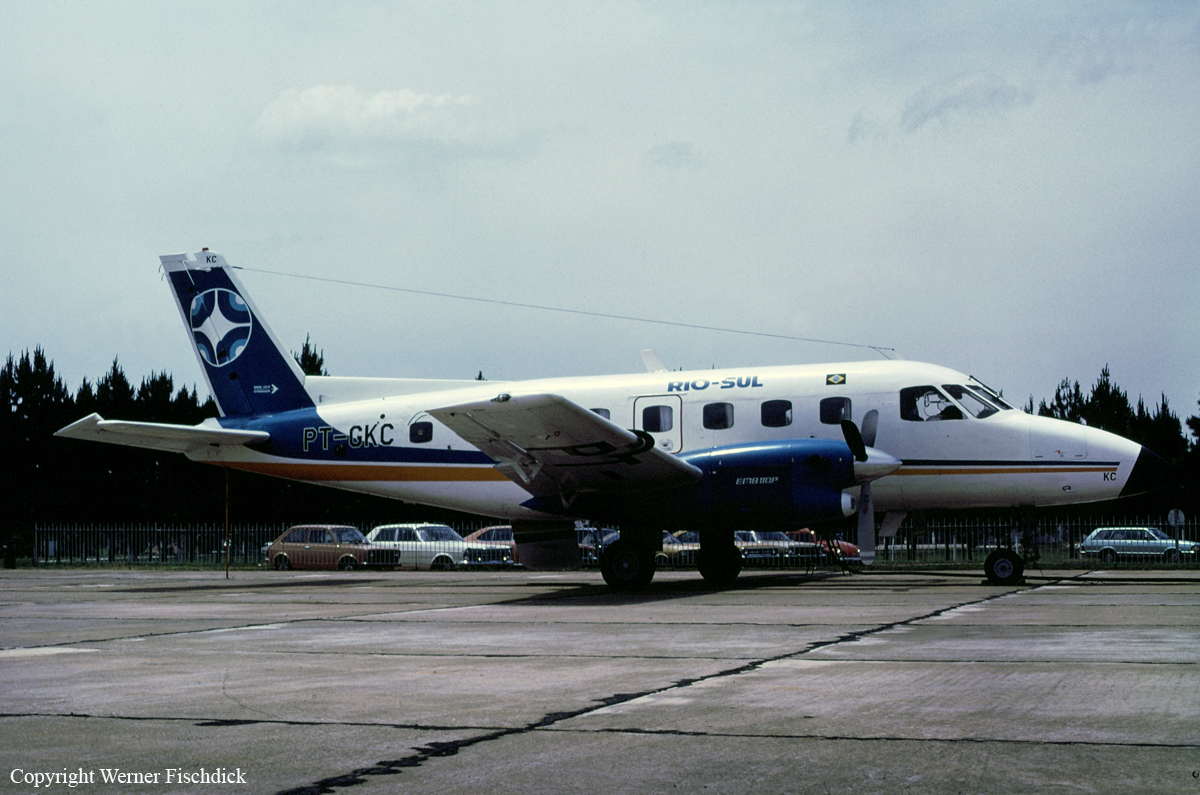
Crash of an Embraer EMB-110P Bandeirante in Florianópolis

Date & Time: May 22, 1982 at 1200 LT
Operator:
Registration:
PT-GKC
Survivors:
Yes
Schedule:
Chapecó – Florianópolis
MSN:
110-092
YOM:
1976
Country:
Crew on board:
2
Crew fatalities:
Pax on board:
2
Pax fatalities:
Other fatalities:
Total fatalities:
0
Circumstances:
On final approach to Florianópolis-Hercilio Luz Airport, the crew encountered poor visibility when the airplane crashed in a swampy area located 1,500 meters short of runway threshold. All four occupants were injured and the aircraft was destroyed.