Zone

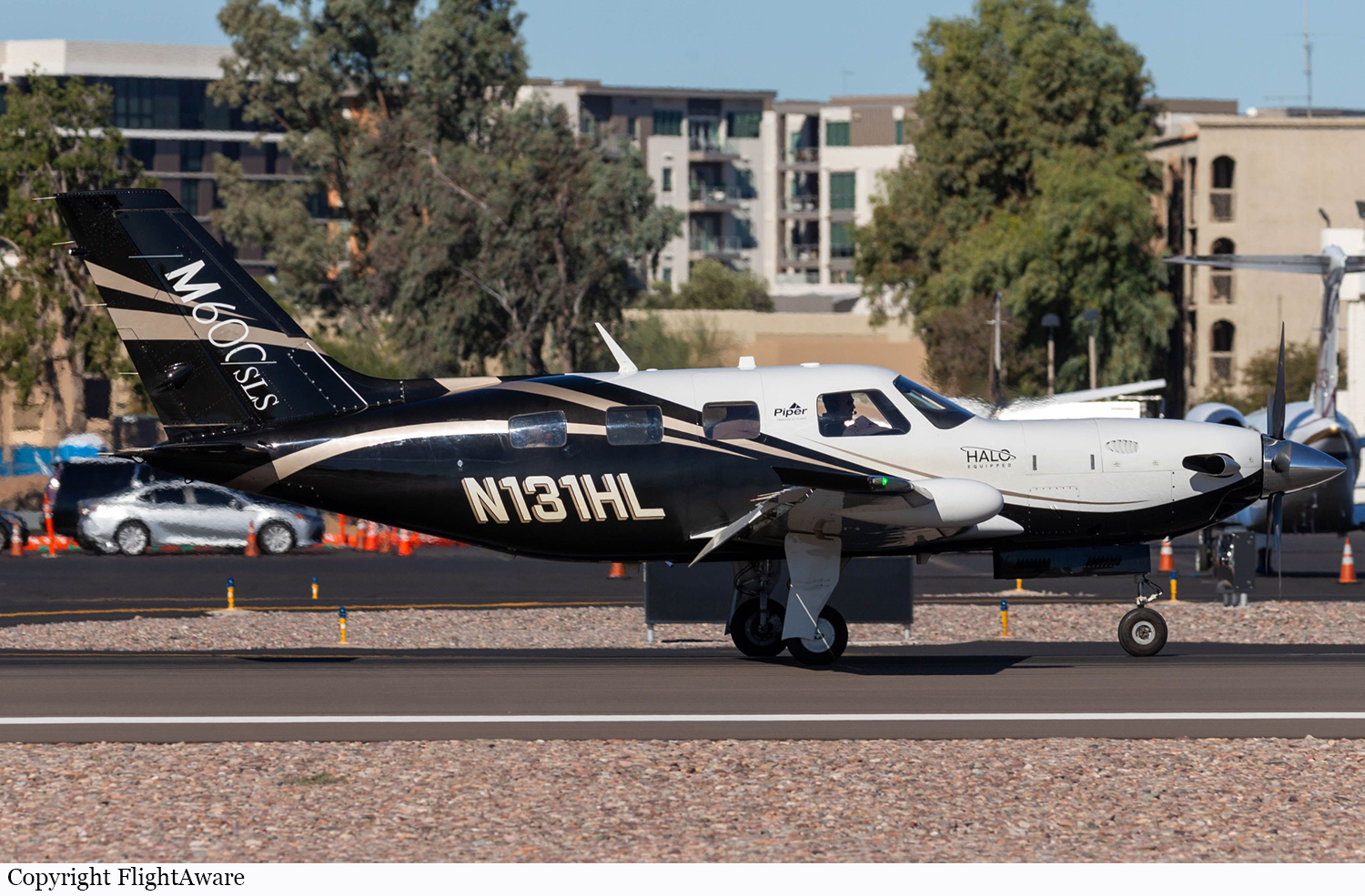
Crash of a Piper PA-46-600TP M600 in Thedford

Date & Time: Mar 4, 2023 at 1437 LT
Registration:
N131HL
Flight Type:
Survivors:
Yes
Schedule:
Waukesha – Thedford
MSN:
46-98131
YOM:
2020
Crew on board:
1
Crew fatalities:
Pax on board:
1
Pax fatalities:
Other fatalities:
Total fatalities:
0
Circumstances:
The airplane sustained substantial damage when it was involved in an accident near Thedford, Nebraska. The pilot and passenger were uninjured. The airplane was being operated as a Title 14 Code of Federal Regulations Part 91 personal flight. The pilot reported that during landing, when the nose wheel made contact with the runway, the airplane began to veer right. He attempted to use left rudder and brake to keep the airplane on the runway, but as the airspeed decreased, directional control became harder to maintain and the airplane subsequently departed the right side of the runway. During the runway excursion, the airplane impacted a runway light, spun left and the landing gear collapsed. During a post accident examination, it was determined that the airplane sustained substantial damage to the left wing.

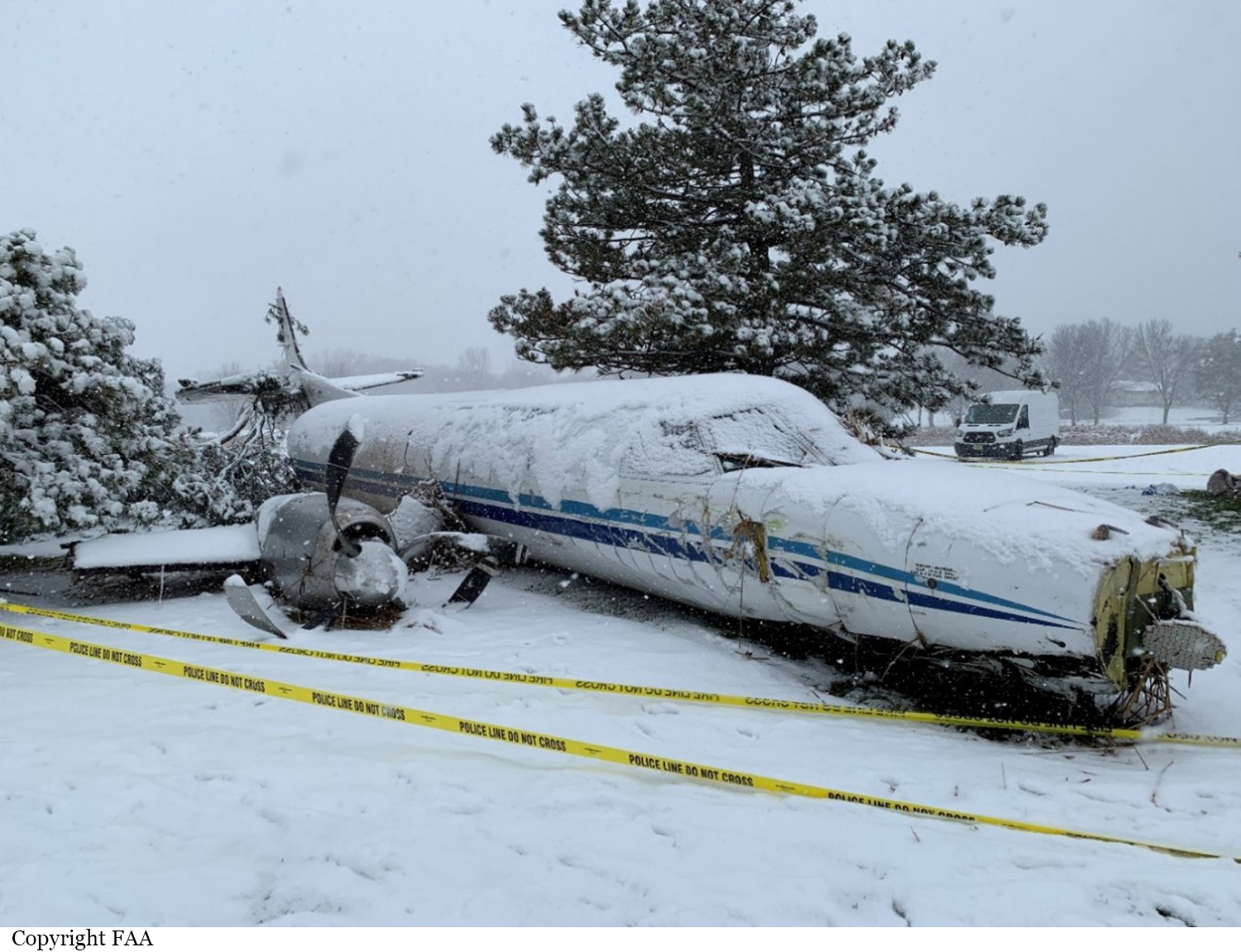
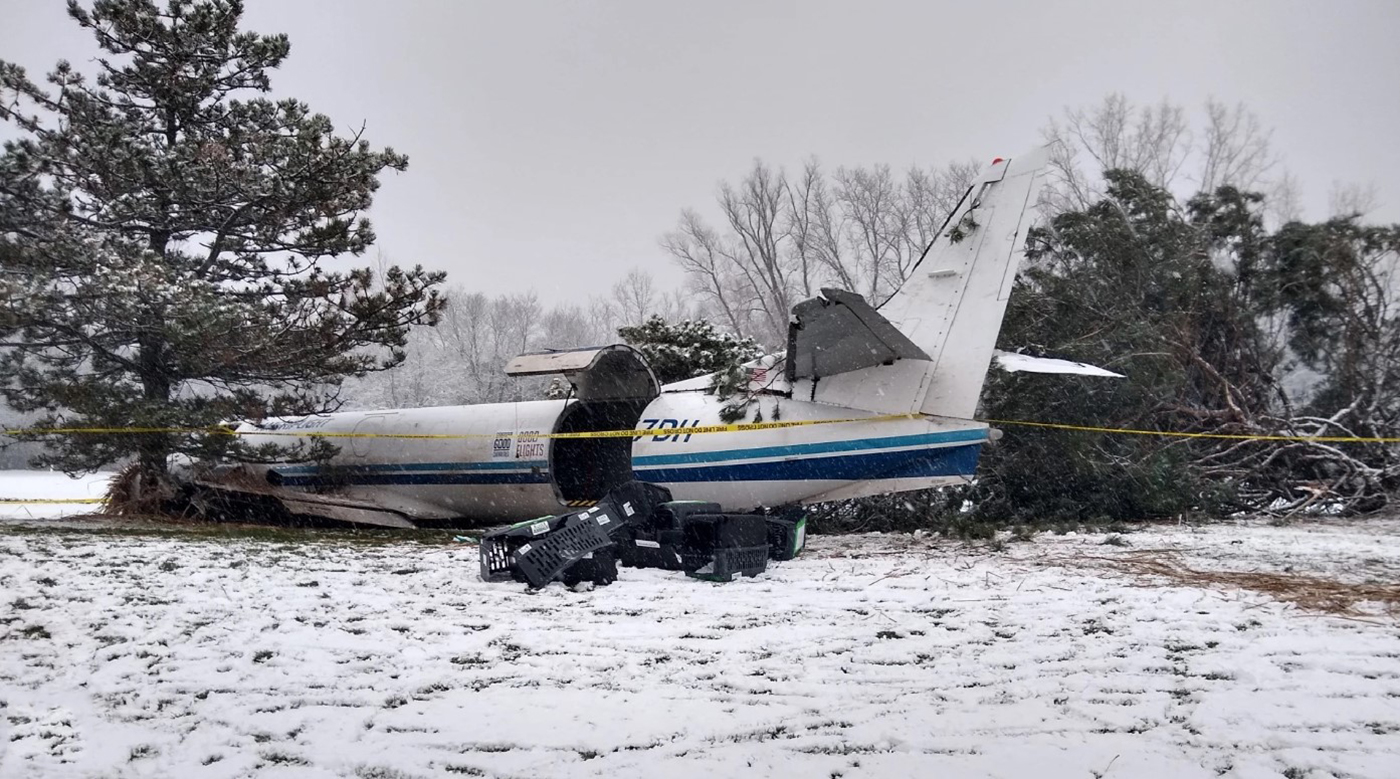
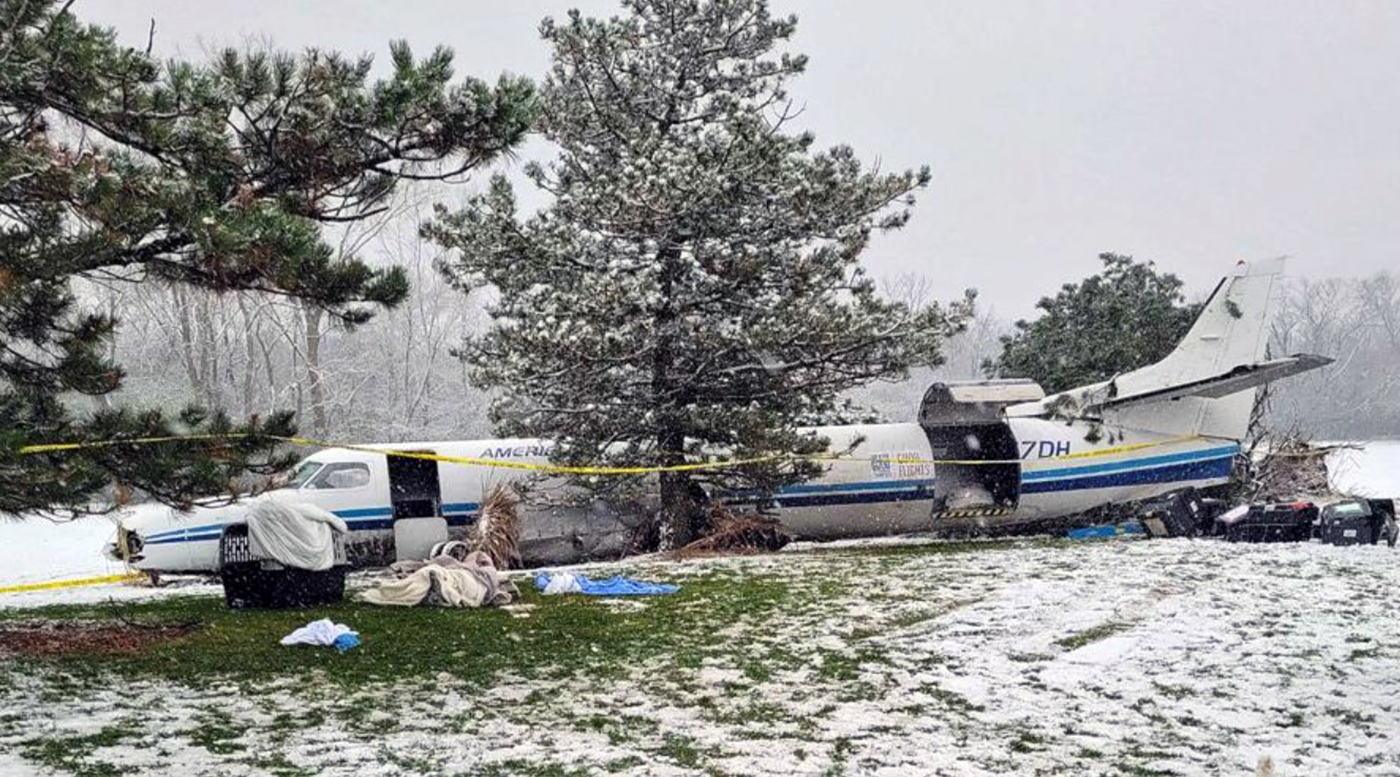
Crash of a Swearingen SA227AT Expediter in Waukesha

Date & Time: Nov 15, 2022 at 1500 LT
Operator:
Registration:
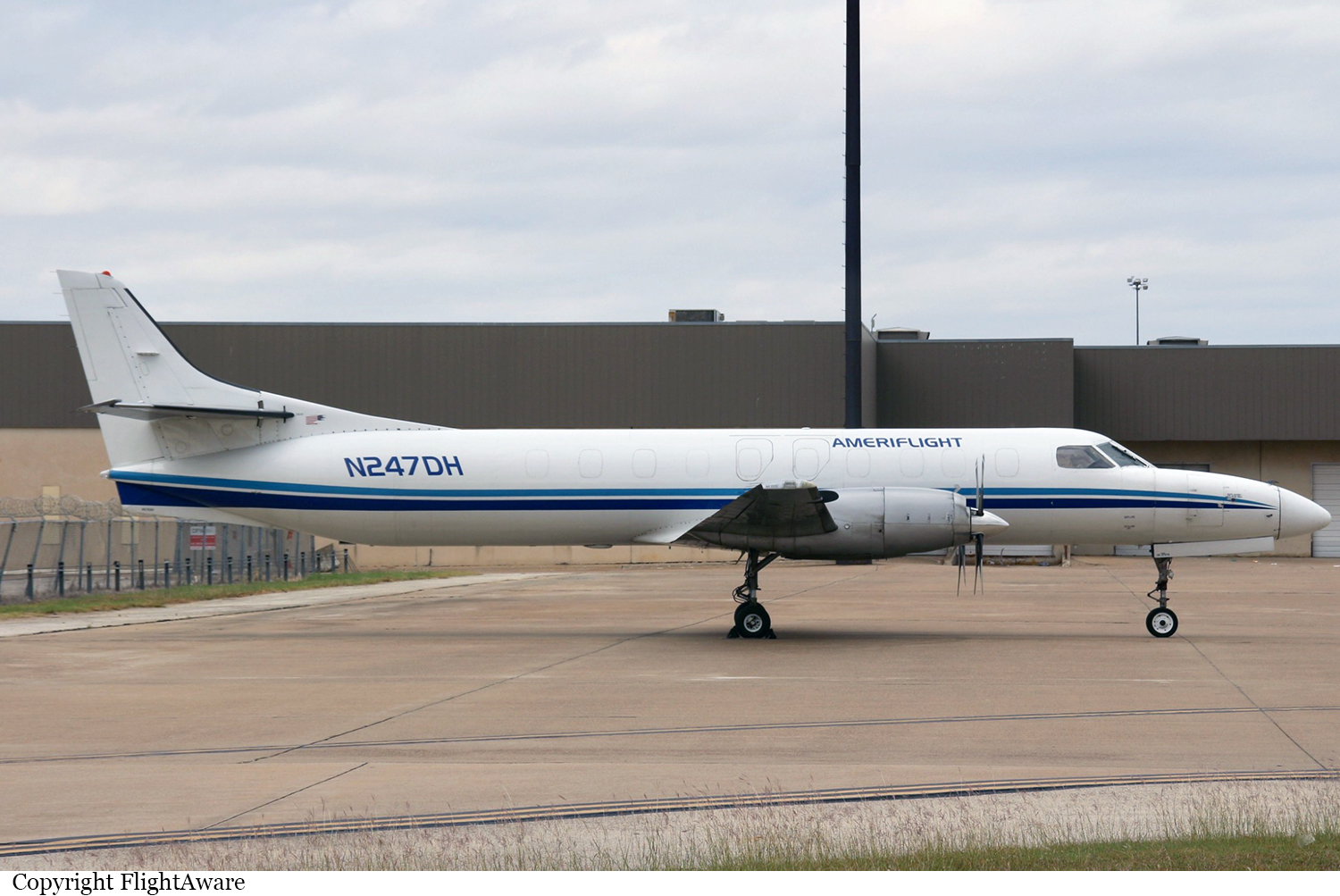
N247DH
Flight Type:
Survivors:
Yes
Schedule:
New Orleans – Waukesha
MSN:
AT-626B
YOM:
1985
Flight number:
AMF7141
Crew on board:
3
Crew fatalities:
Pax on board:
0
Pax fatalities:
Other fatalities:
Total fatalities:
0
Captain / Total flying hours:
2848
Captain / Total hours on type:
1316.00
Copilot / Total flying hours:
1320
Copilot / Total hours on type:
537
Aircraft flight hours:
29256
Circumstances:
The flight crew reported that while on an instrument landing system (ILS) approach with the autopilot system engaged in approach mode, they noticed that the airplane flight director indicated a climbing right turn but the airplane was still tracking the localizer and glideslope. The airplane’s ice protection was on, and no visible ice had accumulated. They reported that they disconnected the autopilot, and the airplane suddenly rolled to the right. They attempted to regain control by increasing engine power and applying counteractive control inputs, but the airplane impacted the ground in a near-wings-level attitude. Examination of the airplane’s primary flight control system and engines after the accident did not reveal any defects. The rudder trim was neutral, and the pitch trim was airplane nose up. Aileron trim could not be determined. Examination of the airplane’s autopilot components revealed deficiencies in the yaw damper system that rendered it inoperative; however, on the accident airplane the yaw damper system was an optional component and was not necessary for airplane operation. Testing of the remaining autopilot components revealed some deficiencies that could have degraded performance but would not have resulted in a complete failure of the automatic flight control system. A performance study based on ADS-B data showed that the airplane intercepted the localizer and glideslope for the ILS approach and was descending in a level attitude. While maintaining the ILS approach guidance, the airplane slowed below the 130 knots (kts) airspeed that the crew stated was the desired approach speed. The airspeed continued to slow to about 102 kts when the ADS-B data indicated that the airplane rolled slightly to the right, likely corresponding to the flight crew’s description of events after they disconnected the autopilot. The airplane continued to slow below 100 kts and the airplane was at a bank angle of 27° right wing down. Subsequently, the descent rate increased to over 4,000 ft/min and airspeed increased while ground speed remained between 80 and 90 kts. The airplane rolled sharply to the left. The sudden roll and loss of altitude after reaching a low airspeed was consistent with an aerodynamic stall. Based on the available evidence, the airplane entered an inadvertent aerodynamic stall due to exceedance of the critical angle of attack after the flight crew allowed the airspeed to decay during the instrument approach. Although an unknown anomaly in the flight director system could have resulted in the crew becoming fixated on an errant flight director indication at the expense of airspeed control, the postaccident component examination was not able to explain the errant flight director indication that the flight crew described.
Probable cause:
The flight crew’s failure to maintain adequate airspeed and their exceedance of the airplane’s critical angle of attack during the instrument approach, which resulted in an aerodynamic stall. Contributing to the accident was an undetermined anomaly in the airplane flight director system which resulted in the flight crew likely becoming fixated on the anomaly at the expense of airspeed control.
Final Report:

Crash of a Beechcraft F90 King Air in Nashville: 4 killed

Date & Time: Jan 24, 2001 at 1510 LT
Type of aircraft:
Registration:
N17AE
Flight Phase:
Survivors:
No
Schedule:
Nashville – Waukesha
MSN:
LA-80
YOM:
1980
Crew on board:
1
Crew fatalities:
Pax on board:
3
Pax fatalities:
Other fatalities:
Total fatalities:
4
Captain / Total flying hours:
1100
Aircraft flight hours:
5480
Circumstances:
Shortly after takeoff at less than 200 feet above ground level the pilot reported an engine failure, and requested to return to the airport. The controller saw the airplane in a right turn, descending, and observed the airplane level its wings just prior to impact with the tips of trees. The airplane collided with terrain approximately 2,000 feet east of the approach end of runway 20L. A post crash fire ensued and consumed a majority of the airplane. Examination of both engines displayed contact signatures to their internal components characteristic of the engines being powered, with the propellers out of feather at the time of impact, and a low power range. Examination of the propellers found the left propeller blades showed more damage then the blades from the right propeller. Both propellers were rotating with considerable rotational energy. However, examination showed that the left propeller had more power then the right.
Probable cause:
The pilot's failure to follow loss of engine power emergency procedures by not feathering the propeller following the loss of engine power for undetermined reasons, resulting in a descent and collision with trees and the ground.
Final Report:

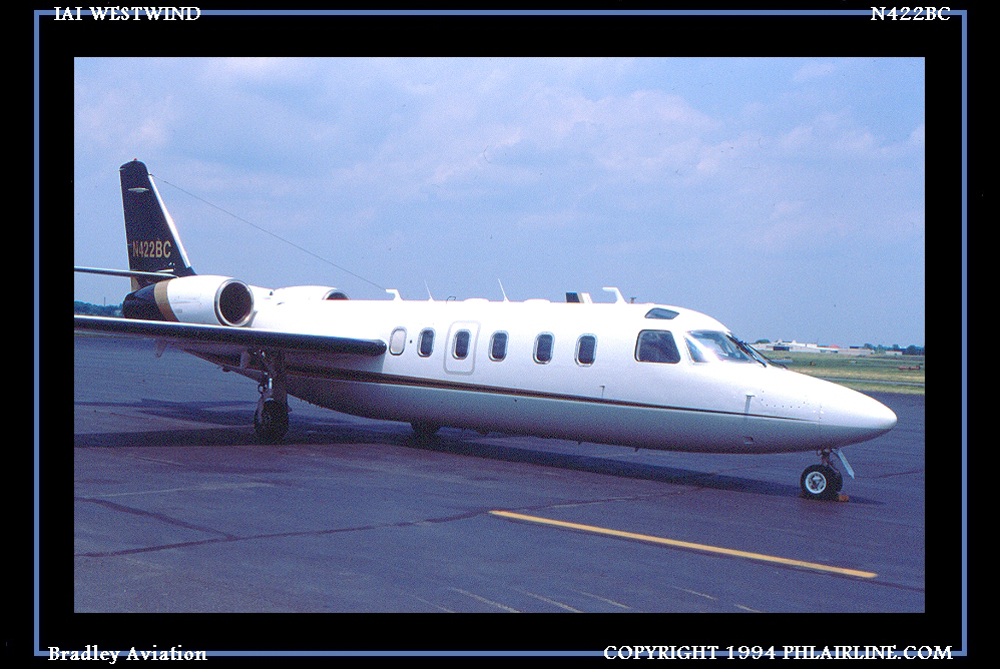
Ground fire of an IAI-1124A Westwind II in Milwaukee

Date & Time: Dec 26, 1999 at 0715 LT
Type of aircraft:
Registration:
N422BC
Flight Phase:
Survivors:
Yes
Schedule:
Milwaukee - Waukesha
MSN:
302
YOM:
1980
Crew on board:
2
Crew fatalities:
Pax on board:
4
Pax fatalities:
Other fatalities:
Total fatalities:
0
Captain / Total flying hours:
14363
Captain / Total hours on type:
2024.00
Aircraft flight hours:
7975
Circumstances:
During the activation of the crew oxygen system a fire erupted which consumed the entire pressure vessel. Representatives from the National Aeronautics and Space Administration's (NASA) Johnson Space Center (JSC), White Sands Testing Facility (WSTF), Las Cruces, New Mexico, examined the retained oxygen system components. Examination of these components revealed that the fire's initiation location was the first stage pressure reducer located in the oxygen regulator assembly.
Probable cause:
The failure of the first stage pressure reducer in the oxygen regulator assembly.
Final Report:

Crash of a Cessna 421B Golden Eagle II off Muskegon: 5 killed

Date & Time: Dec 29, 1980 at 1426 LT
Registration:
N9394A
Flight Phase:
Survivors:
No
Schedule:
Waukesha - New Haven
MSN:
421B-0531
YOM:
1973
Crew on board:
1
Crew fatalities:
Pax on board:
4
Pax fatalities:
Other fatalities:
Total fatalities:
5
Captain / Total flying hours:
2400
Circumstances:
While in normal cruise over Lake Michigan, the pilot reported engine problems. He lost control of the airplane that entered an uncontrolled descent and crashed into Lake Michigan off Muskegon. The wreckage and all five occupants were not recovered.
Probable cause:
Powerplant failure for undetermined reasons. The following findings were reported:
- Uncontrolled descent,
- Aircraft came to rest in water,
- Complete failure of one engine.
Final Report:

Crash of a Cessna 402 in Waukesha: 1 killed

Date & Time: Dec 19, 1970 at 1420 LT
Type of aircraft:
Operator:
Registration:
N4045Q
Survivors:
No
Schedule:
Milwaukee – Waukesha
MSN:
402-0145
YOM:
1967
Crew on board:
1
Crew fatalities:
Pax on board:
0
Pax fatalities:
Other fatalities:
Total fatalities:
1
Captain / Total flying hours:
2647
Captain / Total hours on type:
89.00
Circumstances:
While descending into the traffic pattern to Waukesha Airport, at an altitude of 800 feet, the Cessna 402 collided with a Cessna 150 registered N6175G with two people on board. Following the collision, both aircraft dove into the ground and crashed in flames in a field. All three occupants were killed.
Probable cause:
Both pilot failed to see and avoid each other while descending to Waukesha, an uncontrolled airport. Both aircraft were not under radar contact at the time of the collision that occurred in a 45° horizontal angle.
Final Report: