Crash of a Piper PA-61 Aerostar (Ted Smith 601) in Merion: 3 killed

Date & Time: Apr 4, 1991 at 1210 LT
Registration:
N3645D
Survivors:
No
Site:
Schedule:
Williamsport – Philadelphia
MSN:
61-0844-8162153
YOM:
1981
Crew on board:
1
Crew fatalities:
Pax on board:
2
Pax fatalities:
Other fatalities:
Total fatalities:
3
Captain / Total flying hours:
1876
Aircraft flight hours:
2739
Circumstances:
Piper Aerostar 601, N3645D, was arriving as Bell 412 (helicopter), N78S, was departing. N3645D reported the aircraft's nose gear indicator light did not illuminate to verify the nose gear was down and locked. Crew of N78S heard the communication and saw N3645D as they crossed beneath N3645D's approach path. They reported N3546D's nose gear appeared to be extended. N3645D flew past the tower and tower personnel also reported the nose gear appeared to be extended. As N3645D was cleared to turn downwind, N78S offered to join for a closer look. Captain of N3645D accepted the offer. During joinup, N78S converged from left rear, then reported they would pass around the right side and look at everything as they went by. They reported that everything looked ok. Moments later, the two aircrafts collided and crashed to the ground. No mechanical reason was found that would have resulted in the accident. None of the pilots had training for flight in close proximity to another aircraft. There were indications the captain of N3645D lacked training in aircraft systems and that his employer (the operator) lacked surveillance by the FAA. The emergency procedure section of the Aerostar flight manual lacked info on emergency gear extension. All three occupants were killed as well as both pilots on board the helicopter. Four other people on the ground were injured, one seriously.
Probable cause:
The poor judgement by the captain of the airplane to permit the inflight inspection after he had determined to the best of his ability that the nose landing gear was fully extended, the poor judgment of the captain of the helicopter to conduct the inspection, and the failure of the flightcrew of the helicopter to maintain safe separation. Contributing to the accident was the incomplete training and checking that the flightcrew of N3645D received from lycoming air service and the faa principal operations inspector assigned to the operator.
Final Report:
Crash of a Swearingen SA26T Merlin IIB in Monongahela

Date & Time: Oct 12, 1990 at 1545 LT
Type of aircraft:
Registration:
N690X
Flight Type:
Survivors:
Yes
Schedule:
Monongahela – Pittsburgh – Teterboro – Pittsburgh – Monongahela
MSN:
T26-141
YOM:
1969
Crew on board:
1
Crew fatalities:
Pax on board:
0
Pax fatalities:
Other fatalities:
Total fatalities:
0
Captain / Total flying hours:
7525
Captain / Total hours on type:
21.00
Circumstances:
The flight was from Monongahela to Pittsburgh to Teterboro, NJ, then return to Pittsburgh and back to Monongahela. The flight departed Monongahela with 100 gallons of fuel; 160 gallons were added at Pittsburgh; and 80 gallons were added at Teterboro. The pilot wanted to add more fuel at Teterboro but the owner did not due to the higher cost of fuel and the fuel gage indications. During the return trip no fuel was added at Pittsburgh because the pilot did not have a credit card provided by the owner or money to buy fuel. The flight experienced a two-engine power loss due to fuel exhaustion while approaching the Monongahela Airport. Subsequent examination of the cockpit fuel gages showed a total of 125 gallons in the left tank and 90 gallons in the right tank; the reading remained the same with or without power.
Probable cause:
The pilot's inadequate monitoring of the fuel burn which resulted in total fuel exhaustion. Factors which contributed to the accident were: the pilot's limited experience in the make and model of airplane, an erroneous fuel quantity indication, and the pilot's failure to refuel the airplane due to pressure from the owner to not add fuel.
Final Report:

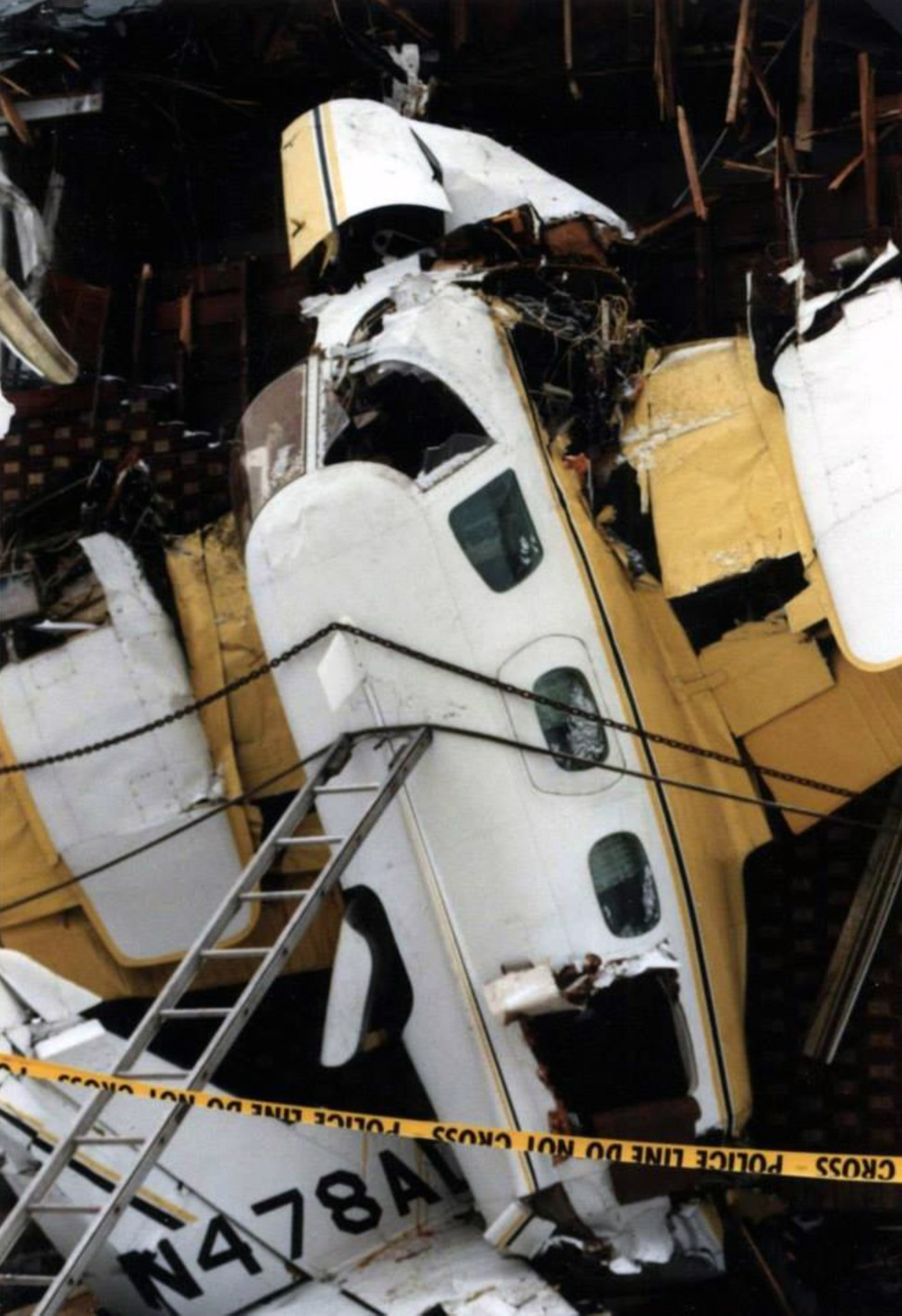
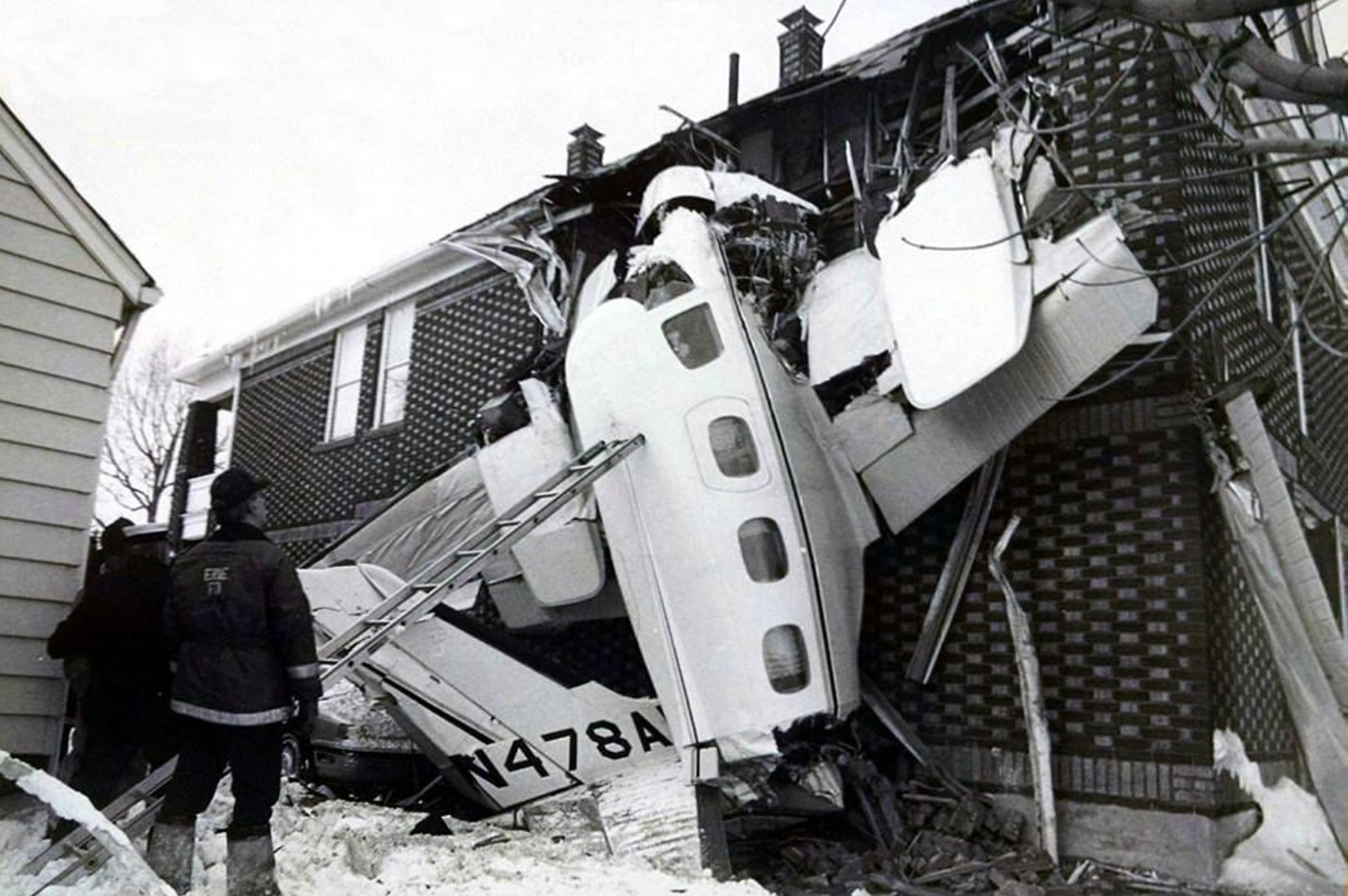
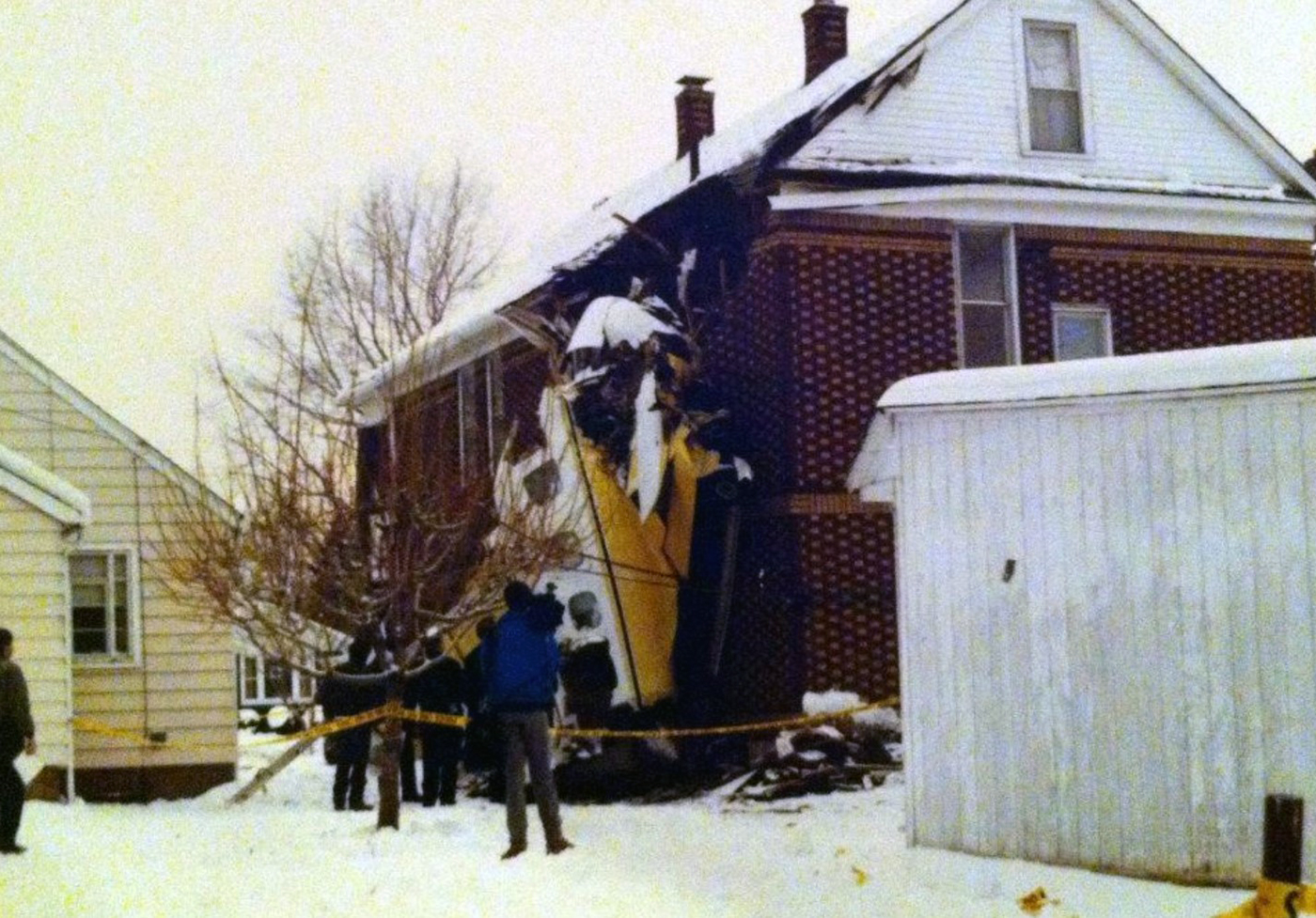
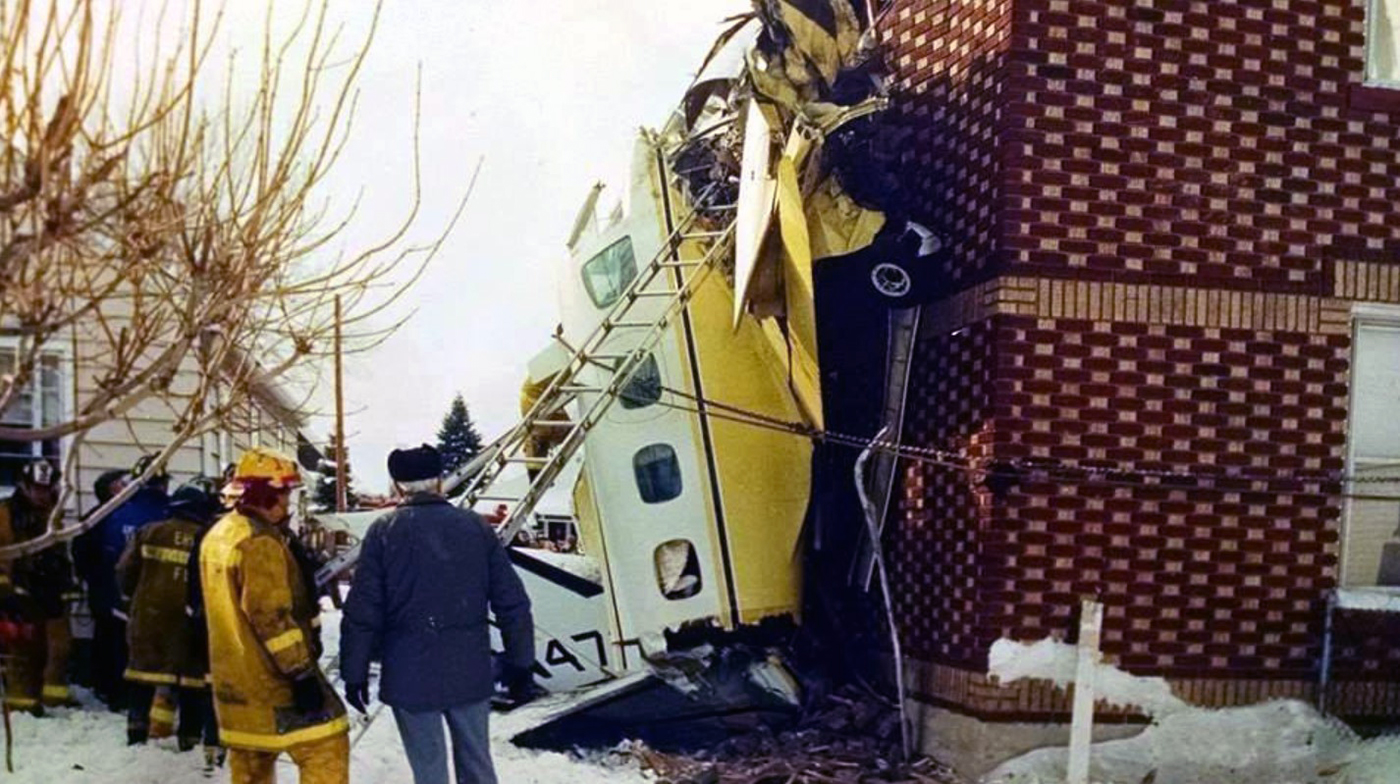
Crash of a Beechcraft 60 Duke in Erie: 2 killed

Date & Time: Dec 28, 1989 at 1201 LT
Type of aircraft:
Registration:
N478AD
Flight Type:
Survivors:
No
Site:
Schedule:
Erie - Erie
MSN:
P-59
YOM:
1969
Crew on board:
1
Crew fatalities:
Pax on board:
1
Pax fatalities:
Other fatalities:
Total fatalities:
2
Captain / Total flying hours:
3100
Captain / Total hours on type:
2100.00
Circumstances:
The pilot departed on a local VFR flight at 1117. At 1154 he contacted Erie tower for landing. He then advised the tower at 1159 that he had feathered the right engine. One minute later he reported that the left engine was '...kicking out.' The aircraft stalled into a house 6 miles from the airport, and just short of the shoreline of Lake Erie. No fuel was found in the right wing. 7 gallons were drained from the left wing; no fuel was found in the left engine. Right fuel quantity c/b secured in out position by wire tie; several burned components found on back of right fuel quantity gage pc board. Most recent record of fuel purchase which could be found was for May 25, 1989. A pocket diary was found in the wreckage which contained entries of flight times and fuel quantity notations. The accident occurred at 155 Euclide Avenue, Erie, about six miles east of runway 24 threshold. Both occupants were killed.
Pilot:
Floyd E. Smith.
Passenger:
Elwood Graham.
Probable cause:
The pilot's failure to assure that the aircraft had an adequate supply of fuel on board for the intended flight. Contributing factors to the accident were an inoperative right fuel quantity gage which resulted in inaccurate fuel consumption calculations, and an inadvertent stall as the pilot attempted to reach a lake shore for an emergency landing.
Final Report:

Crash of a Beechcraft B60 Duke in Moorhead

Date & Time: Jun 1, 1989 at 1139 LT
Type of aircraft:
Operator:
Registration:
N5AN
Flight Type:
Survivors:
Yes
MSN:
P-542
YOM:
1980
Crew on board:
1
Crew fatalities:
Pax on board:
2
Pax fatalities:
Total fatalities:
0
Captain / Total flying hours:
650
Circumstances:
The aircraft made a hard landing, ran off the right side of the runway and collided with the terrain. Subsequently, the plane erupted in flames and was destroyed, but the pilot and passengers were not injured.
Probable cause:
Improper flare by the pilot during the landing, and his failure to maintain directional control of the aircraft.
Final Report:

Crash of a Cessna 414 Chancellor in Erie: 2 killed

Date & Time: Dec 22, 1988 at 0838 LT
Type of aircraft:
Operator:
Registration:
N244RM
Flight Phase:
Flight Type:
Survivors:
No
Schedule:
Erie - Erie
MSN:
414-0823
YOM:
1975
Crew on board:
2
Crew fatalities:
Pax on board:
0
Pax fatalities:
Other fatalities:
Total fatalities:
2
Captain / Total flying hours:
1712
Captain / Total hours on type:
154.00
Aircraft flight hours:
4521
Circumstances:
Before takeoff, the crew indicated the flight would be for 'check rides' and that they planned to 'shoot approaches' and proceed to the practice area to do some airwork. ATC advised the pilots that the cloud bases were at 3,500 feet msl. Elevation of the terrain (where the aircraft subsequently crashed) was 1,225 feet. Prior to the accident, witnesses saw the aircraft circling in a steep turn at low altitude. One witness reported it was circling as if to land. Subsequently, it impacted in a steep nose down, slight left wing low, attitude. Several witnesses reported that one or both engines sputtered before the aircraft crashed; however, an exam of the engines revealed no indication of a preimpact malfunction or failure. An exam of the airframe revealed the landing gear was in the extended position when the aircraft crashed. Exam of the props indicated that both engines were producing an equal amount of power. The airwork to be completed included steep turns, stalls, and flight at minimum control airspeed. Both occupants were killed.
Probable cause:
Occurrence #1: loss of control - in flight
Phase of operation: maneuvering
Findings
1. Weather condition - clouds
2. (c) maneuver - improper - pilot in command
3. (f) altitude - inadequate - pilot in command
4. (f) supervision - inadequate - check pilot
----------
Occurrence #2: in flight collision with terrain/water
Phase of operation: maneuvering
Final Report:

Crash of a Cessna 207 Skywagon near Monoghan: 1 killed

Date & Time: Nov 5, 1988 at 2110 LT
Registration:
N91036
Flight Phase:
Flight Type:
Survivors:
No
Site:
Schedule:
Endicott - Thomasville
MSN:
207-0026
YOM:
1969
Crew on board:
1
Crew fatalities:
Pax on board:
0
Pax fatalities:
Other fatalities:
Total fatalities:
1
Captain / Total flying hours:
16000
Aircraft flight hours:
6100
Circumstances:
Evidence indicates that the airplane flew straight into the side of a 1,320 feet mountain at the 1,280 feet level. The recommended minimum flight altitude for this designated mountainous area, at night, is 3,500 feet. There was no evidence of any mechanical problems. The pilot, sole on board, was killed.
Probable cause:
Occurrence #1: in flight collision with terrain/water
Phase of operation: cruise
Findings
1. (f) terrain condition - mountainous/hilly
2. (c) in-flight planning/decision - poor - pilot in command
3. (f) light condition - dark night
4. (c) altitude - inadequate - pilot in command
Final Report:

Crash of a Rockwell 1121 Jet Commander near Latrobe: 3 killed

Date & Time: Nov 2, 1988 at 1013 LT
Operator:
Registration:
N44
Flight Type:
Survivors:
No
Schedule:
Pittsburgh - Latrobe
MSN:
1121-130
YOM:
1969
Crew on board:
3
Crew fatalities:
Pax on board:
0
Pax fatalities:
Other fatalities:
Total fatalities:
3
Captain / Total flying hours:
16957
Captain / Total hours on type:
4428.00
Aircraft flight hours:
10519
Circumstances:
Aircraft entered an area of forecast moderate icing. Ice detection system had been intermittently inoperative. The aircraft entered holding in icing conditions while checking flight inspection equipment. Evidence indicated crew noted ice accretion, activated surface de-ice system, ice broke loose and entered engine intakes. Both engines flamed out. During emergency descent crew initially re-starts, but neither engine would sustain power. Crew requested vectors to more distant airport. Both pilots were seen drinking previous night. Copilot had recently lost drivers license for dui. Captain had decided to retire that day. Copilot had worked in flight ops 3 days in 8 weeks and had limited training in flight inspection. Both pilots had personal stresses which may have influenced performance. Captain's contaminated thoracic blood revealed 0.057% alcohol. Putrefaction would accentuated for part of alcohol level. Copilot had trace alcohol in urine only. Both engines showed compressor fod consistent with ice ingestion. No other aircraft system or engine malfunction found.
Probable cause:
Failure of the pilot in command to observe the rapid accretion of ice on the airplane due to his attention being diverted.
Occurrence #1: in flight encounter with weather
Phase of operation: maneuvering - holding (ifr)
Findings
1. (f) weather condition - icing conditions
2. (c) ice/frost removal from aircraft - delayed - pilot in command
3. (f) inattentive - pilot in command
4. (f) psychological condition - pilot in command
5. (f) psychological condition - copilot/second pilot
6. (f) inadequate initial training - copilot/second pilot
7. Inadequate surveillance, insufficient staff - faa (organization)
----------
Occurrence #2: loss of engine power (total) - nonmechanical
Phase of operation: maneuvering - holding (ifr)
Findings
8. (f) fuselage - ice
9. Ice/frost removal from aircraft - performed
10. (c) compressor assembly, blade - foreign object damage
----------
Occurrence #3: in flight collision with terrain/water
Phase of operation: descent - emergency
Findings
11. Object - tree(s)
Final Report:

Crash of a Learjet 35A in Pittsburgh: 2 killed

Date & Time: May 12, 1987 at 1057 LT
Type of aircraft:
Operator:
Registration:
N100EP
Flight Phase:
Flight Type:
Survivors:
No
Schedule:
Pittsburgh - Teterboro
MSN:
35-150
YOM:
1978
Crew on board:
2
Crew fatalities:
Pax on board:
0
Pax fatalities:
Other fatalities:
Total fatalities:
2
Captain / Total flying hours:
10211
Captain / Total hours on type:
3838.00
Aircraft flight hours:
4203
Circumstances:
The copilot (dual student) was to get a prof check on the 1st leg of the flight with a simulated single engine power loss on takeoff. According to witnesses, the takeoff was normal until lift off approximately 3,200 feet down the runway; but after lift-off, the aircraft climbed only about 50 feet and didn't seem to accelerate. They reported the nose pitched up and the aircraft went in a steep bank attitude near the departure end of the runway. Subsequently, it descended and crashed in wooded terrain in a right wing down, nose high attitude. A bystander tried to get in the aircraft to rescue the pilots, but the door was jammed and he was unable to break the cabin windows. A fire erupted and engulfed the aircraft. Due to rough terrain, there was a delay in getting fire fighting equipment to the accident site. No preimpact mechanical failures were found. The gear, flaps and spoilers were found in the retracted position. For takeoff, the flaps should have been extended to the 8° or 20° position. The stall speeds for 20°, 8° and no flaps were 104.5, 109.0 and 119.5 knots, respectively. The captain was an FAA designated flight examiner and a certified flight instructor (cfi).
Probable cause:
Occurrence #1: loss of control - in flight
Phase of operation: takeoff - initial climb
Findings
1. Emergency procedure - simulated - pilot in command (cfi)
2. (c) raising of flaps - premature - copilot/second pilot
3. (c) airspeed - inadequate
4. (c) stall - inadvertent
5. (c) supervision - inadequate - pilot in command (cfi)
----------
Occurrence #2: in flight collision with terrain/water
Phase of operation: takeoff
Final Report:

Crash of a Cessna 441 Conquest in Erie

Date & Time: Nov 30, 1986 at 1345 LT
Type of aircraft:
Registration:
N117EA
Flight Phase:
Flight Type:
Survivors:
Yes
MSN:
441-0191
YOM:
1981
Crew on board:
1
Crew fatalities:
Pax on board:
1
Pax fatalities:
Other fatalities:
Total fatalities:
0
Captain / Total flying hours:
1600
Captain / Total hours on type:
31.00
Aircraft flight hours:
2200
Circumstances:
Reason for the Cessna to veer in a semi-circle and collide with another aircraft is undetermined. Examination of the start lock assemblies could not be completed due to the extensive impact and fire damage. The aircraft was being prepared for a flight. During a manual speed governor check on the left engine the aircraft veered in a semi-circle. An attempt to examine the aircraft start locks was negated by the fire damage from the collision. Both occupants escaped uninjured.
Probable cause:
Occurrence #1: miscellaneous/other
Phase of operation: standing - engine(s) operating
Findings
1. (c) reason for occurrence undetermined
----------
Occurrence #2: on ground/water collision with object
Phase of operation: taxi
Findings
2. (f) brakes (normal) - delayed - pilot in command
3. Object - aircraft parked/standing
----------
Occurrence #3: fire
Phase of operation: taxi
Final Report:

Ground fire of a BAe Jetstream 31 in Erie

Date & Time: Nov 30, 1986 at 1345 LT
Type of aircraft:
Operator:
Registration:
N830JS
Flight Phase:
Survivors:
Yes
MSN:
714
YOM:
1986
Crew on board:
0
Crew fatalities:
Pax on board:
0
Pax fatalities:
Other fatalities:
Total fatalities:
0
Circumstances:
While parked at Erie Airport, the BAe Jetstream 31 was hit by a private Cessna 441 registered N117EA. Both aircraft caught fire and were destroyed. There were no casualties.
Probable cause:
No investigation report was published for N830JS. Only for N117EA. So please refer to the N117EA file.