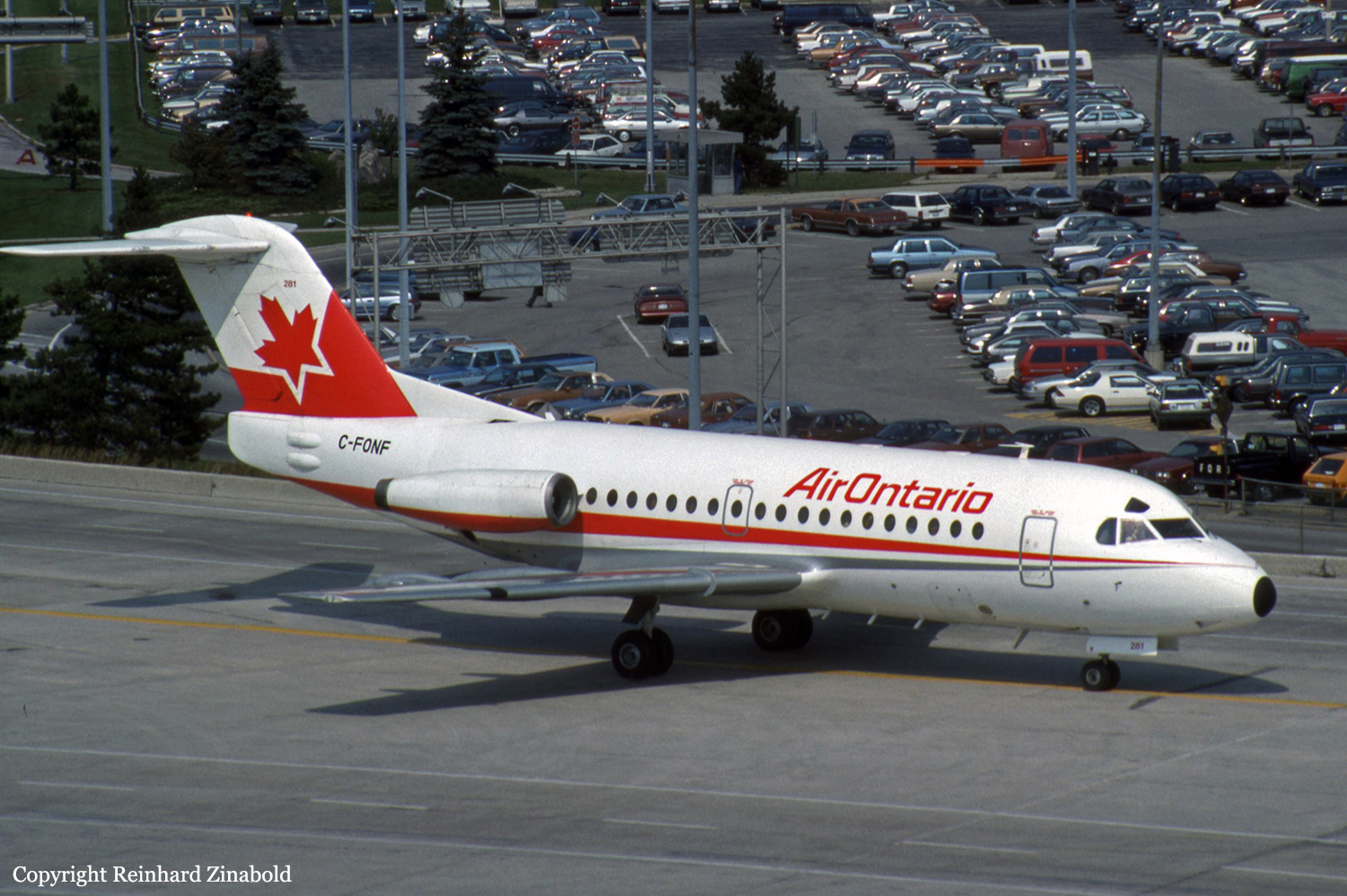
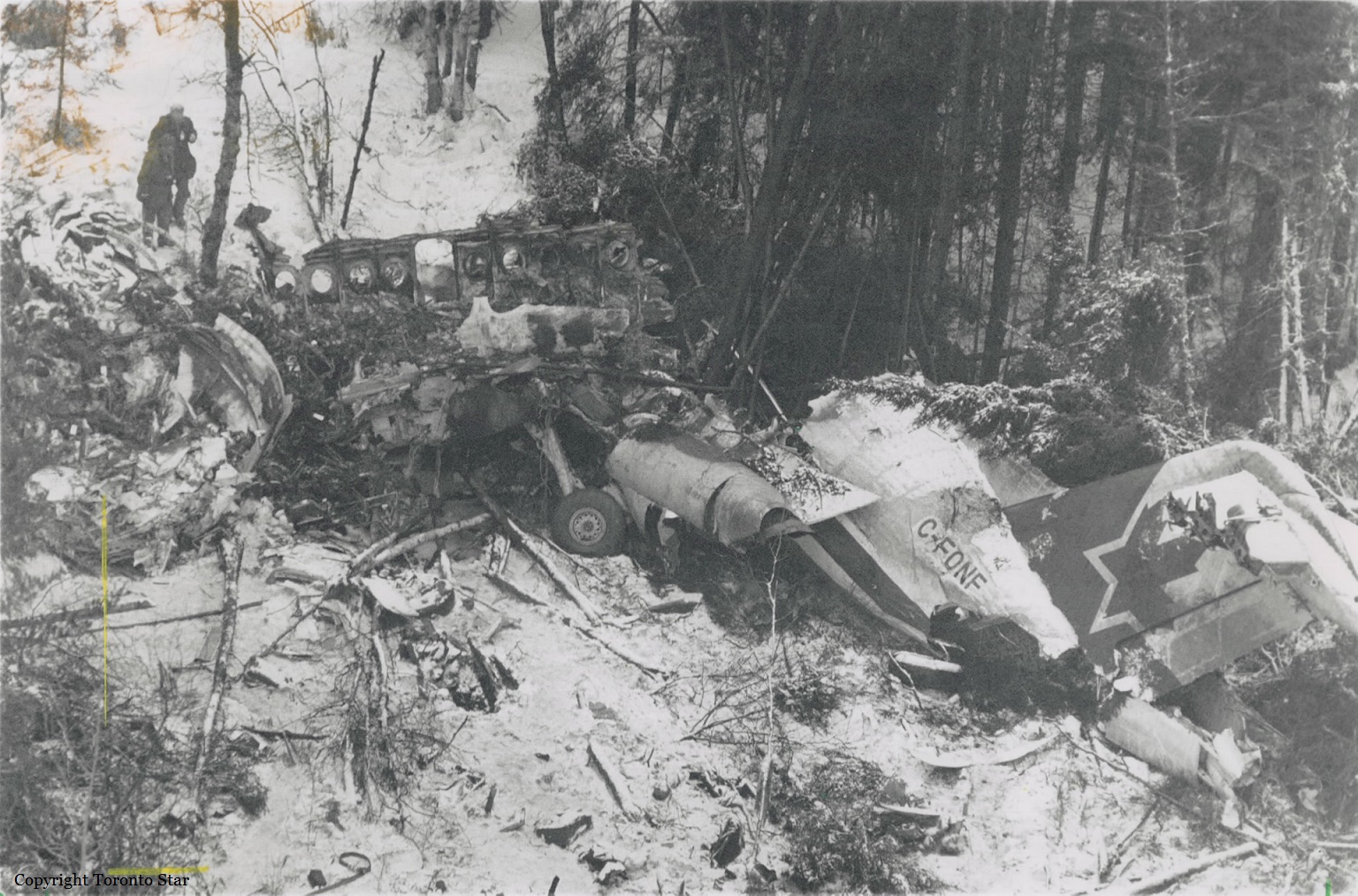
Crash of a Fokker F28 Fellowship 1000 in Dryden: 24 killed

Date & Time: Mar 10, 1989 at 1209 LT
Type of aircraft:
Operator:
Registration:
C-FONF
Flight Phase:
Survivors:
Yes
Schedule:
Thunder Bay - Dryden - Winnipeg
MSN:
11060
YOM:
1972
Flight number:
GX1363
Location:
Country:
Crew on board:
4
Crew fatalities:
Pax on board:
65
Pax fatalities:
Other fatalities:
Total fatalities:
24
Captain / Total flying hours:
24100
Captain / Total hours on type:
82.00
Copilot / Total hours on type:
65
Aircraft flight hours:
20852
Aircraft flight cycles:
23773
Circumstances:
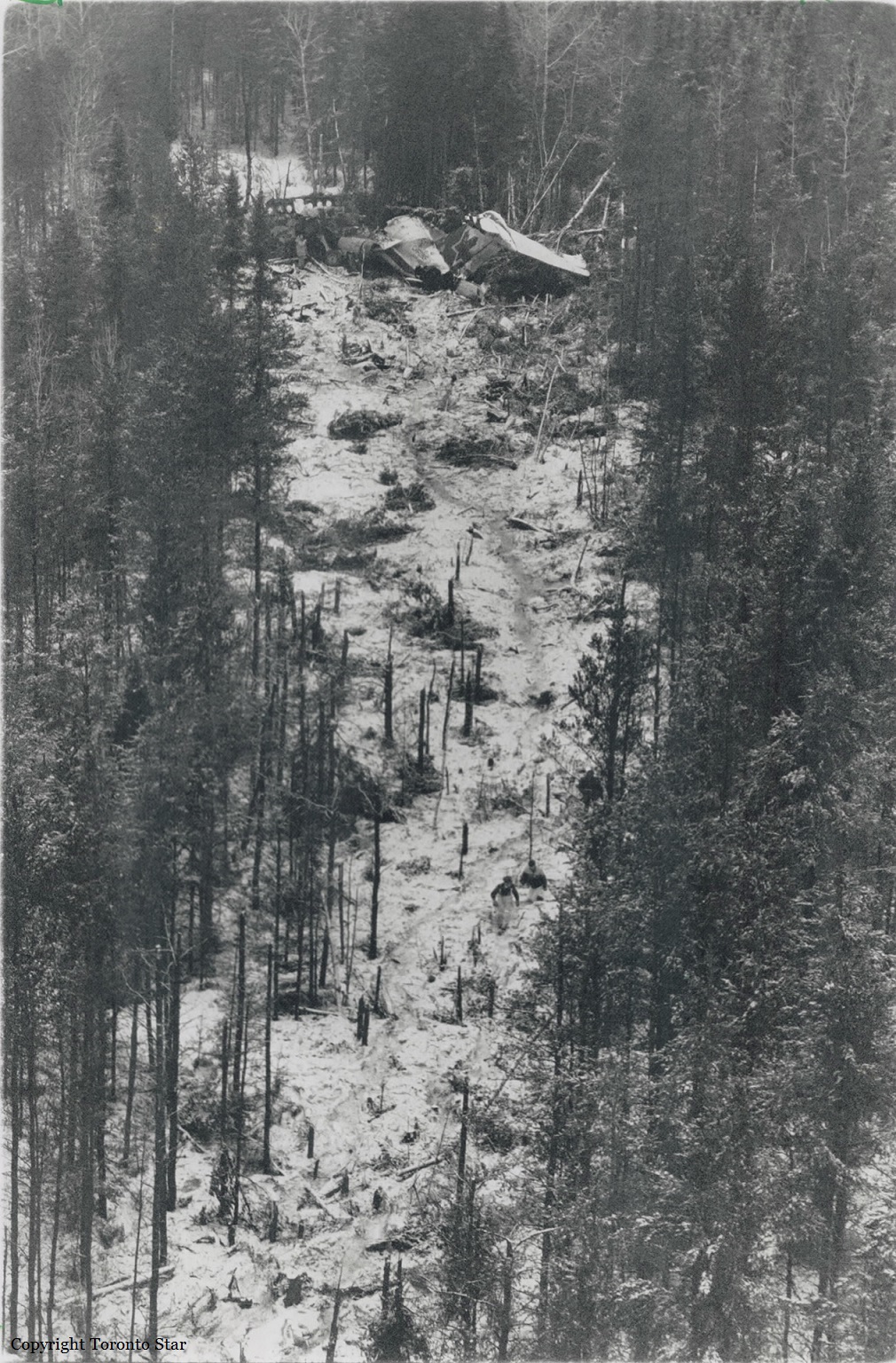
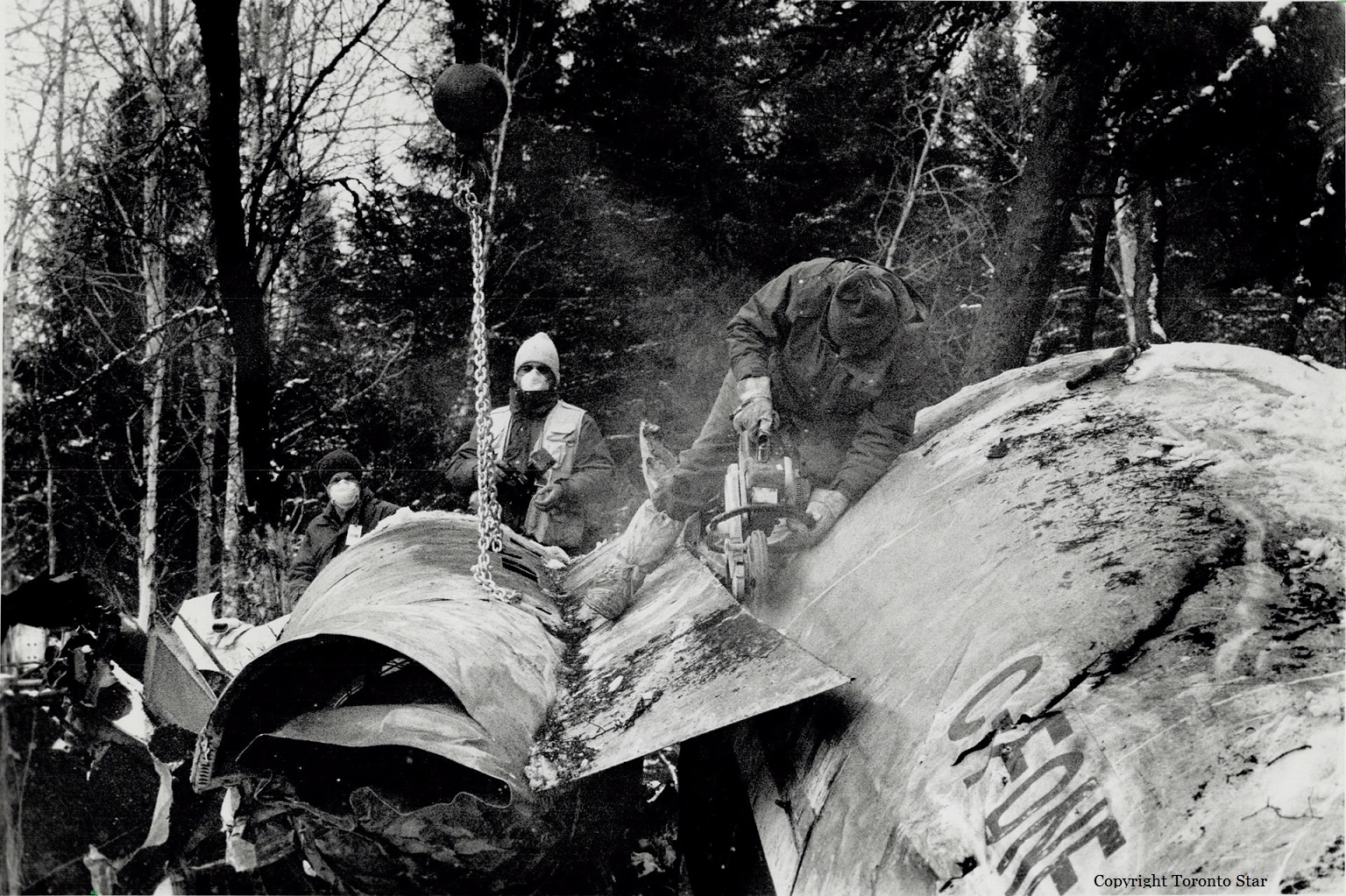
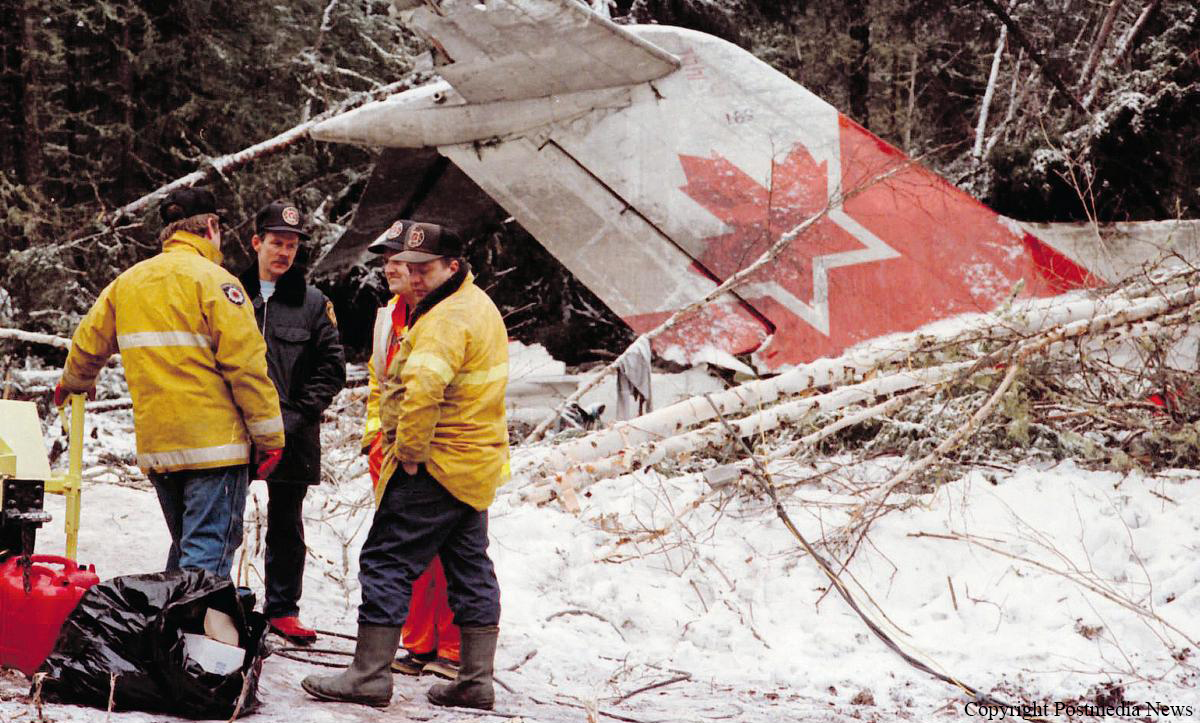
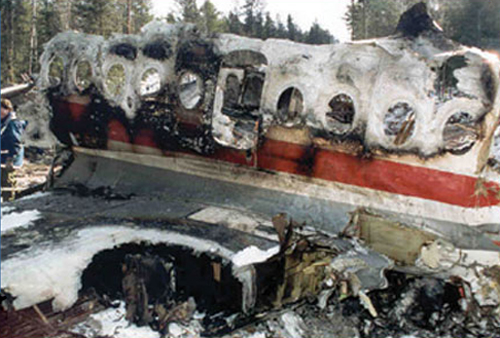
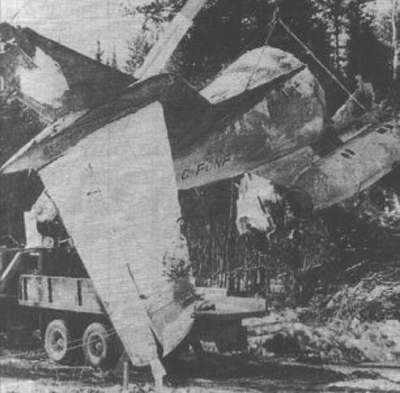
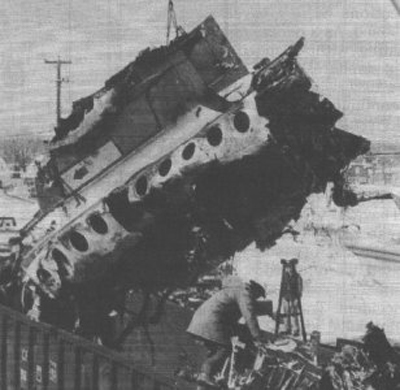
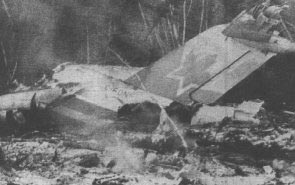
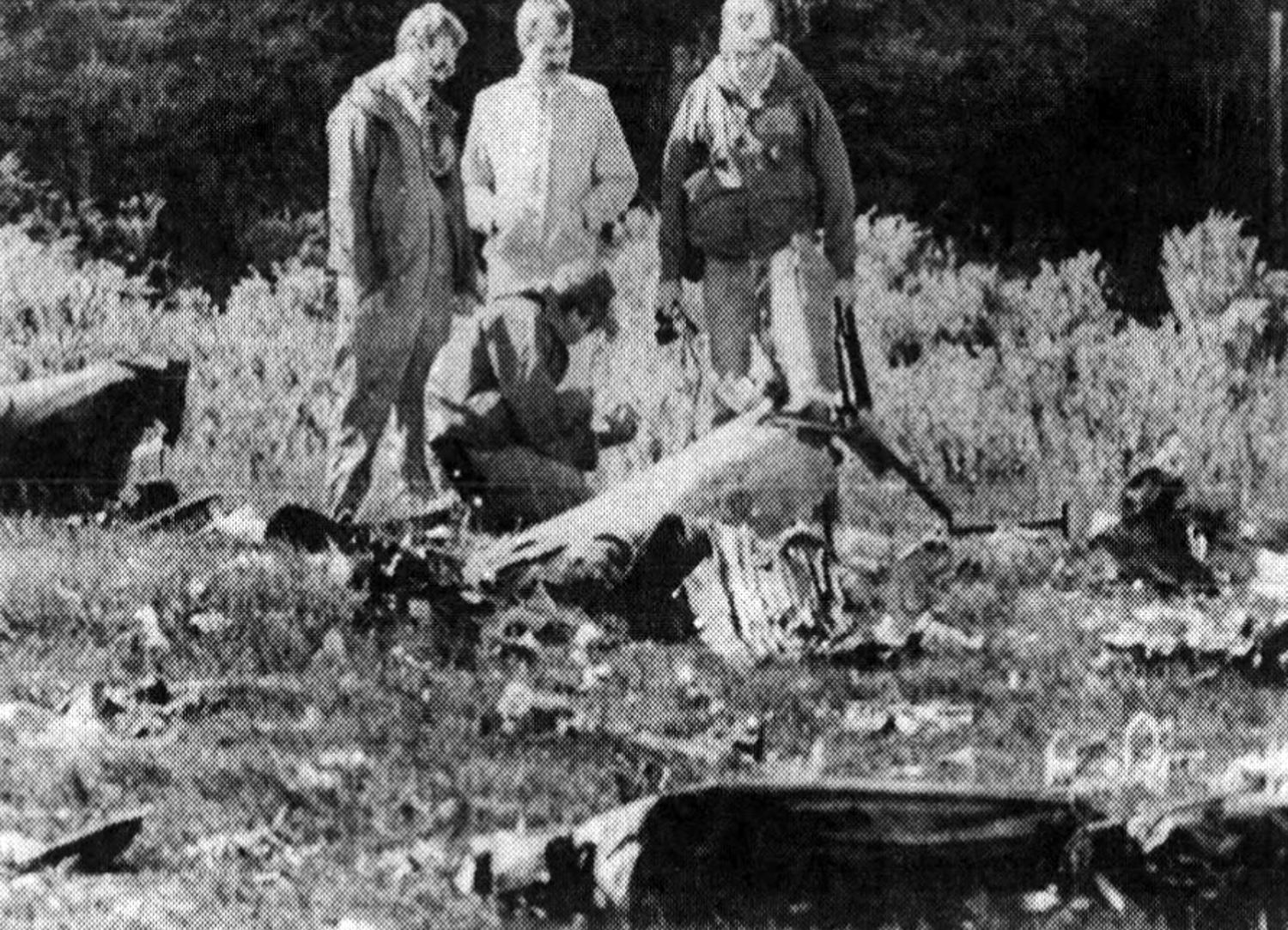
Air Ontario Flight 1363, a Fokker F-28 jet, crashed during takeoff from Dryden Municipal Airport, Ontario, Canada. Of the 69 persons on board, 24 suffered fatal injuries. The aircraft in question, registration C-FONF, had suffered from a malfunctioning auxiliary power unit (APU) for the five days preceding the accident. Throughout the week preceding March 10, Air Ontario maintenance attempted, with limited success, to cure the APU problems. On March 9 it was decided to defer the repair of the APU until the aircraft returned to Toronto on the night of March 10. This meant that the aircraft was dispatched with the APU inoperable. On the morning of March 10, C-FONF departed Winnipeg on a round trip flight to Dryden, Thunder Bay and back as flight 1362/3. Since no external power unit was available at Dryden, the engines couldn't be restarted in case of engine shutdown on the ground. The flight to Thunder Bay was uneventful apart from a slight delay due to poor weather at Thunder Bay. As the aircraft was prepared for the return flight, it appeared that the aircraft was overweight as a result of ten additional passengers having transferred to the flight due to an earlier cancellation. The Air Ontario duty manager decided to off-load fuel and to arrange refuelling at Dryden. This caused an additional delay of 35 minutes. The Fokker F-28 departed Thunder Bay at 11:55 hours EST, about one hour behind schedule. The aircraft landed at Dryden at 11:39 hours CST. It began to snow lightly when the aircraft landed. Between 11:40 and 12:01, Air Ontario 1363 was refuelled with the right engine operating and with the passengers remaining on board the aircraft. This so called 'hot refuelling' procedure was followed because the APU was unserviceable. Eight passengers deplaned in Dryden and seven passengers boarded the aircraft. Meanwhile, snow was accumulating on the wings, forming a layer of 1/8-1/4 inch. No de-icing was done because de-icing with either engine running was prohibited by both Fokker and Air Ontario. The aircraft then taxied to runway 29 for departure, but was instructed to hold as there was a Cessna 150 on approach. The snow was continuing to fall heavily, becoming increasingly thick on the wings. At 12:09 the aircraft started it's takeoff roll on the slush-covered runway 29. There was an accumulation of at least one-half inch of wet, layered snow on the wings of the F-28 as it began its takeoff roll. After a longer than normal takeoff roll, the aircraft was rotated near taxiway Alpha, at approximately the 3500 foot mark. The aircraft lifted off slightly, began to shudder, and then settled back down onto the runway. The takeoff roll then continued and the aircraft was rotated a second time, finally lifting off at approximately the 5700 mark of the 6000 foot runway. It flew over the end of the runway approximately 15 feet above the ground. It thereafter failed to gain altitude and mushed through the air in a nose-high attitude, before commencing to strike trees. The aircraft crashed and came to rest in a wooded area, 3156 feet past the runway end and caught fire.
Probable cause:
The captain, as the pilot-in-command, must bear responsibility for the decision to land and take off in Dryden on the day in question. However, it is equally clear that the air transportation system failed him by allowing him to be placed in a situation where he did not have all the necessary tools that should have supported him in making the proper decision.
Final Report:
Crash of a Beechcraft A100 King Air in Chapleau: 4 killed

Date & Time: Nov 29, 1988 at 2301 LT
Type of aircraft:
Operator:
Registration:
C-GJUL
Flight Type:
Survivors:
No
Schedule:
Timmins - Chapleau
MSN:
B-218
YOM:
1975
Flight number:
VC796
Country:
Crew on board:
2
Crew fatalities:
Pax on board:
2
Pax fatalities:
Other fatalities:
Total fatalities:
4
Aircraft flight hours:
9420
Circumstances:
The twin engine aircraft was dispatched from Timmins to Chapleau on an ambulance flight, carrying two medical staffs and two pilots. A patient should be boarded in Chapleau and transferred to Sault Sainte Marie. Following an uneventful flight at FL120, the crew started a night descent to Chapleau. On a final NDB approach, the aircraft struck the ground and crashed 2,5 km southwest of the airport. The aircraft was destroyed and all four occupants were killed.
Probable cause:
The flight crew descended below the minimum applicable IFR altitude while approaching the Chapleau NDB. It could not be determined why the crew allowed the aircraft to descend, in controlled flight, into the ground.

Crash of a Douglas C-47A-25-DK in Pikangikum: 2 killed

Date & Time: Nov 1, 1988 at 1302 LT
Operator:
Registration:
C-FBJE
Flight Type:
Survivors:
Yes
Schedule:
Red Lake - Pikangikum
MSN:
13453
YOM:
1944
Flight number:
GX937
Country:
Crew on board:
2
Crew fatalities:
Pax on board:
0
Pax fatalities:
Other fatalities:
Total fatalities:
2
Aircraft flight hours:
22884
Circumstances:
A Douglas DC-3C was destroyed when it crashed in Pikangikum Lake, ON, Canada. Both the pilot and the co-pilot were fatally injured in the accident. The airplane departed Red Lake Airport, ON (YRL) as Air Ontario flight 937 on a flight to Pikangikum Airport, ON (YPM). The main cargo load being carried consisted of a rubberized bladder tank containing 2,068 litres of fuel oil. Weather at the Pikangikum Airport was poor with drizzle, low clouds, and fog, with a visibility of one and one-half to two miles. The airplane was heard overflying the airport and turning over the Pikangikum Lake in preparation for a final approach and landing on runway 27. While over the water the airplane stalled and struck the ice-covered lake 180 feet south of a tree-covered island. It descended through the ice and struck the lake bottom at a depth of 8 to 12 feet. The ice thickness at the area of impact varied from one inch to three inches. Both pilots were killed.
Probable cause:
It is probable that the aircraft stalled at an altitude and in flight conditions from which recovery was not possible.

Crash of an Avro 748-2B-FAA in Cheney: 2 killed

Date & Time: Sep 15, 1988 at 1019 LT
Type of aircraft:
Operator:
Registration:
C-GFFA
Flight Type:
Survivors:
No
Schedule:
Montreal - Ottawa
MSN:
1789
YOM:
1981
Location:
Country:
Crew on board:
2
Crew fatalities:
Pax on board:
0
Pax fatalities:
Other fatalities:
Total fatalities:
2
Circumstances:
A BAe-748 cargo plane was destroyed when it crashed while on approach to Ottawa International Airport, ON (YOW), Canada. Both pilots were killed. The airplane had arrived at Montreal-Dorval International Airport, QC (YUL) following a cargo flight from Dayton, OH, USA. All the cargo was unloaded in Montreal and the aircraft departed at 09:58 for Ottawa on an instrument flight rules (IFR) flight plan. The en route phase of the flight were uneventful. At about 10:19, while the aircraft was in level cruise flight at 3000 feet at approximately 200 knots indicated airspeed (KIAS), the flight data recorder (FDR) recorded a full-up deflection of the left aileron and a full-down deflection of the right aileron, and the aircraft began a roll to the left at a high rate. The right aileron remained at the fully-deflected position for a period of three seconds, and then, over the next seven seconds, the deflection gradually decreased by about five degrees. During the same 10-second period, the left aileron remained nearly fully deflected for the first eight seconds, then the deflection decreased by about five degrees during the next two seconds. By this time, the aircraft had rolled through approximately 460 degrees, and the aircraft nose had dropped 20 to 30 degrees below the horizon. At this point, the ailerons suddenly returned to about the neutral position and remained there for the last three seconds of the flight. The aircraft bank angle remained at approximately 90 degrees of left bank with a maximum vertical g of 4.7 recorded. The aircraft struck the ground at an airspeed of approximately 290 KIAS after a heading change of about 75 degrees left of the cruise heading. At impact, the aircraft bank angle was nearly 90 degrees left and the pitch angle was 41 degrees down. The time from the initial aileron deflection to ground impact was approximately 18 seconds.
Probable cause:
The Board determined that the aileron control system was asymmetrically rigged, making it susceptible to aerodynamic overbalance. The operator did not conduct the required post-maintenance flight tests of the aileron control response. When the ailerons were held at full deflection by aerodynamic forces, following a large control-wheel input by the pilot, the subsequent control reaction by the pilot was inappropriate. Contributing to the accident were the design of the aileron system; ambiguous and incomplete maintenance instructions; a lack of published information for flight crew concerning aileron system performance and possible emergencies; and the presence of factors which may have led to the development of flight crew fatigue.

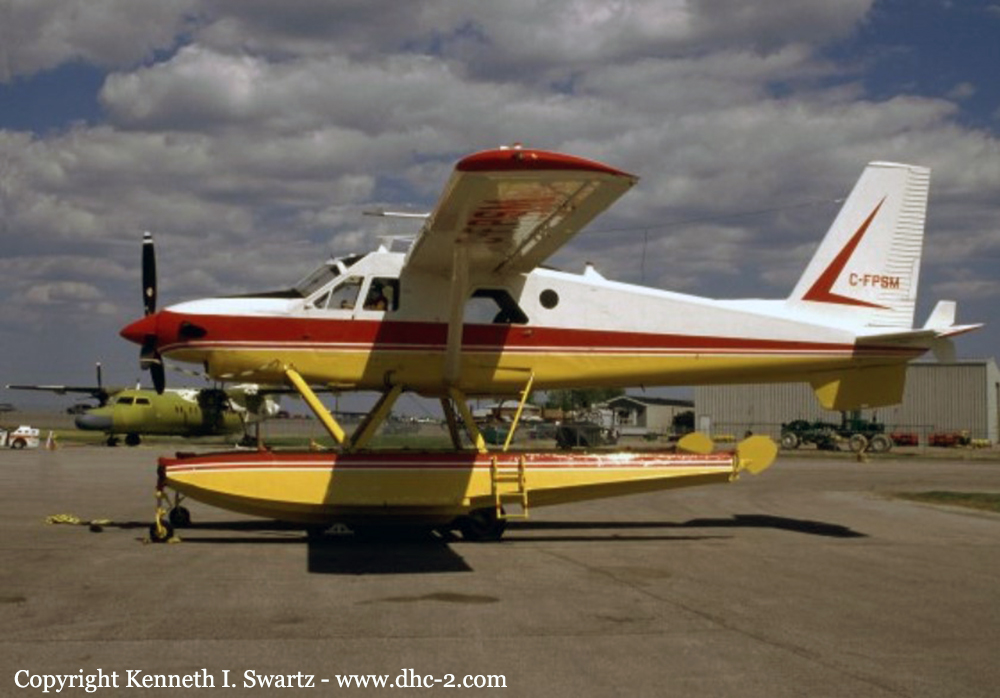
Crash of a De Havilland DHC-2 Beaver in Ahmic Lake

Date & Time: Jul 3, 1988
Type of aircraft:
Operator:
Registration:
C-FPSM
Flight Type:
Survivors:
Yes
MSN:
1525TB1
YOM:
1963
Country:
Crew on board:
1
Crew fatalities:
Pax on board:
0
Pax fatalities:
Other fatalities:
Total fatalities:
0
Captain / Total hours on type:
6.00
Circumstances:
The pilot had successfully completed 10 or 12 landings in other parts of the large lake. He flew the aircraft to the southeast end of the lake and carried out a successful touch-and-go landing and initiated another circuit and approach to land in the same area. Following touchdown, the right outer wing struck the water, and the aircraft nosed over and began to sink. The pilot was able to escape from the aircraft before it submerged. The pilot held a valid Airline Transport Pilot Licence and was acquiring solo time in order to obtain a float endorsement. He had completed 6.1 hours of time on the aircraft, 3.1 of this solo time. The pilot had not reported any difficulty with the previous landings; prior to this touchdown, he had to adjust his approach slightly to the right of his intended landing path to avoid water traffic. The pilot reported that the wind was blowing from about 330° at 5 to 10 knots which would have resulted in a 20° crosswind from the right of his landing path. Weather observations taken at Muskoka Airport and North Bay Airport at about the time of the occurrence reported the wind direction and speed to be 280° true at 10 gusting to 15 knots and 240° at nine knots respectively. Ahmic Lake is equidistant from these two airports, that is about 35 miles from each. Using these reported winds, this would result in a crosswind component of between 30 and 70° from the left. Damage to the aircraft's right wing and float suggested that, on touchdown, the aircraft may have been drifting to the right, resulting in the right float ploughing into the water, followed by the right wing striking the surface of the lake. Careful examination of the damaged right float confirmed that there was no evidence of collision with a floating or submerged object. The float bow had been driven upwards and inwards, resulting in overload failures in the float structure ahead of the spreader strut attachments. This damage pattern is consistent with that which would result from hydrodynamic forces acting on the float structure at touchdown with the aircraft in in a slightly nose-down attitude and drifting to the right. Damage to the right wing was also due to water impact. All float attach brackets and struts had failed under overload conditions when the aircraft nosed over. The pilot had limited experience on float-equipped aircraft and may not have recognized drift or wind direction prior to touchdown. The lake was large enough for an into wind landing. No faults were found in the aircraft's control systems or float structure which would have contributed to the accident. The damage pattern indicated that the aircraft touched down in a slightly nose-down attitude, drifting to the right. Hydrodynamic forces acting on the right float following touchdown resulted in the right outer wing striking the water. The aircraft, as a result, nosed over and sank.
Source: www.dhc-2.com

Crash of a Swearingen SA226AC Metro II off Hamilton: 2 killed

Date & Time: Feb 11, 1988 at 0332 LT
Type of aircraft:
Operator:
Registration:
C-GJDX
Flight Type:
Survivors:
No
Schedule:
Toronto - Hamilton
MSN:
TC-211EE
YOM:
1974
Country:
Crew on board:
2
Crew fatalities:
Pax on board:
0
Pax fatalities:
Other fatalities:
Total fatalities:
2
Circumstances:
The crew departed Toronto-Lester Bowles Pearson Airport on a short night cargo flight to Hamilton. While descending in good weather conditions, the airplane went out of control and crashed into Lake Ontario, few km off Hamilton. Both pilots were killed.

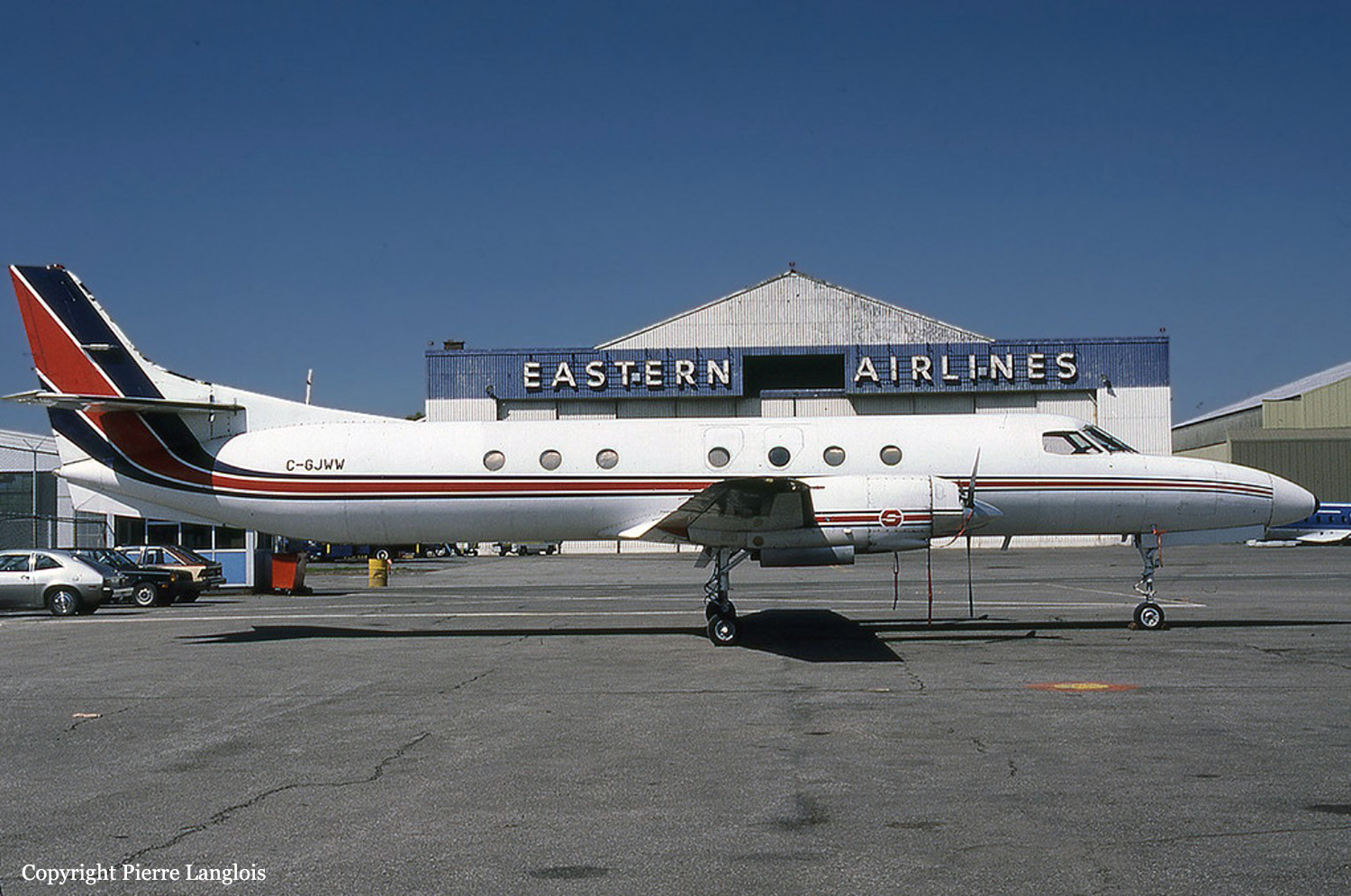
Crash of a Swearingen SA226AT Merlin IV in Hamilton

Date & Time: Jan 12, 1988
Operator:
Registration:
C-GJWW
Survivors:
Yes
MSN:
AT-013
YOM:
1973
Country:
Crew on board:
2
Crew fatalities:
Pax on board:
1
Pax fatalities:
Other fatalities:
Total fatalities:
0
Circumstances:
For unknown reasons, the aircraft completed a gear up landing at Hamilton-Civic Airport. All three occupants escaped uninjured while the aircraft was damaged beyond repair.

Crash of a De Havilland DHC-2 Beaver in Powell Lake: 2 killed

Date & Time: Jul 25, 1987
Type of aircraft:
Registration:
C-GMPE
Survivors:
No
MSN:
620
YOM:
1954
Country:
Crew on board:
1
Crew fatalities:
Pax on board:
1
Pax fatalities:
Other fatalities:
Total fatalities:
2
Circumstances:
On approach to Powell Lake, the single engine airplane struck tree tops and crashed. Company owner and pilot Bryan Wylie and Operations Manager David Roban were killed in the accident.

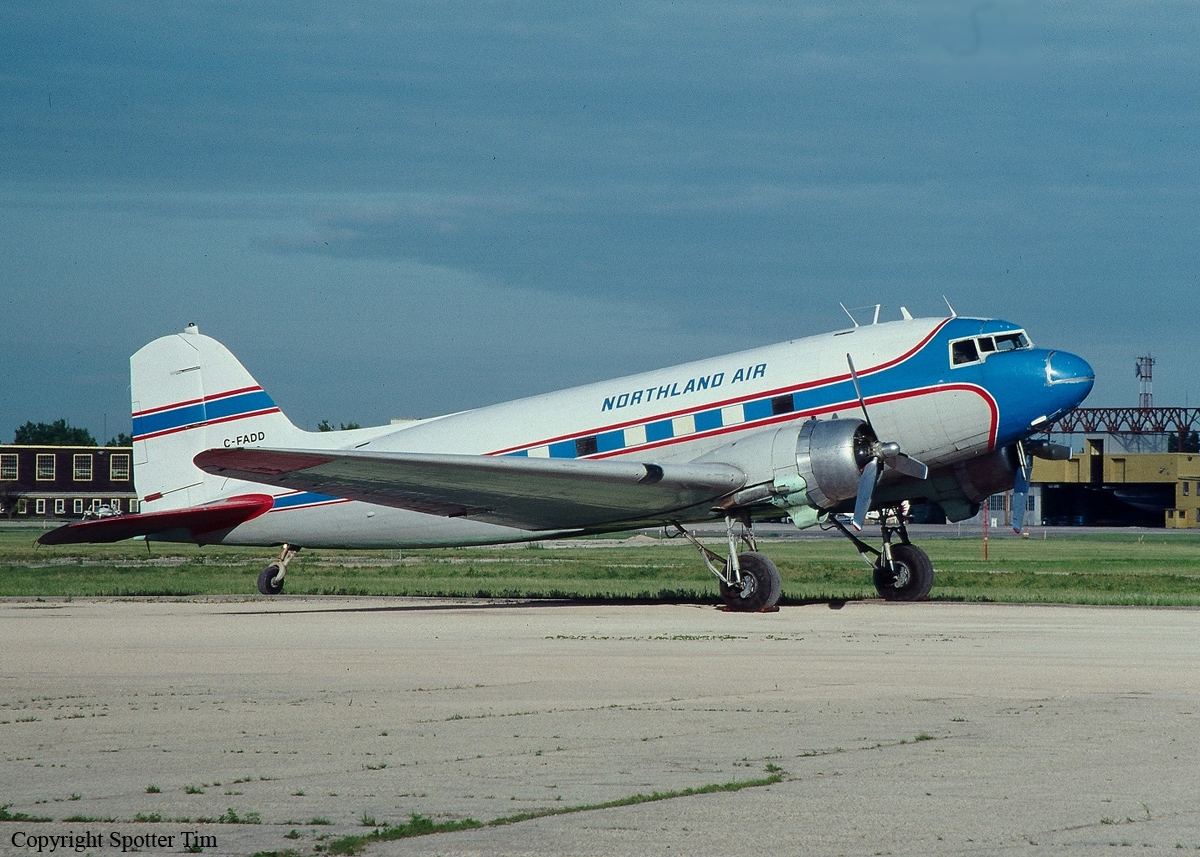
Crash of a Douglas C-47B-DK in Pickle Lake: 2 killed

Date & Time: May 11, 1987 at 1800 LT
Operator:
Registration:
C-FADD
Flight Type:
Survivors:
No
Schedule:
Big Trout Lake - Pickle Lake
MSN:
14879/26324
YOM:
1944
Country:
Crew on board:
2
Crew fatalities:
Pax on board:
0
Pax fatalities:
Other fatalities:
Total fatalities:
2
Aircraft flight hours:
20284
Circumstances:
Douglas DC-3C C-FADD was returning to Pickle Lake from Big Trout Lake following delivery of a cargo of fuel. This was the third similar and last operation of the day. As the aircraft approached Pickle Lake, the pilot informed the company dispatch office that, prior to landing, he intended to carry out some local training for the benefit of the co-pilot who was scheduled to be upgraded to captain status the following month. The captain, a company training pilot, occupied the right seat. The aircraft entered a west to east holding pattern at the airport's NDB, descending in stages from 8,500 feet asl to 2,700 feet asl, the appropriate altitude for an instrument approach. The pilot transmitted that they would execute an NDB approach and subsequently reported during the procedure turn inbound to the airfield. About three minutes later, two other pilots flying in the vicinity observed the aircraft in a descent with the left wing folded upwards. The aircraft continued descending in an inverted attitude until it struck the ground.
Probable cause:
It was determined that the left wing failed under normal flight loads as a result of a fatigue crack in the centre section lower wing skin. Anomalies in the radiographs taken during mandatory non-destructive testing inspections were not correctly interpreted.

Crash of a Britten-Norman BN-2A-20 Islander off Toronto City: 1 killed

Date & Time: Jan 12, 1987 at 1110 LT
Type of aircraft:
Operator:
Registration:
C-GIRH
Survivors:
Yes
Schedule:
Saint Catharines – Toronto City
MSN:
404
YOM:
1974
Country:
Crew on board:
1
Crew fatalities:
Pax on board:
1
Pax fatalities:
Other fatalities:
Total fatalities:
1
Circumstances:
While approaching Toronto City-Billy Bishop, the pilote declared an emergency following an engine failure. While trying to reach the airfield, he lost control of the airplane that crashed in Lake Ontario about 5,6 km southwest of the airport. Both occupants were seriously injured but the pilot died of hypothermia few hours later.
Probable cause:
Engine failure for unknown reasons.