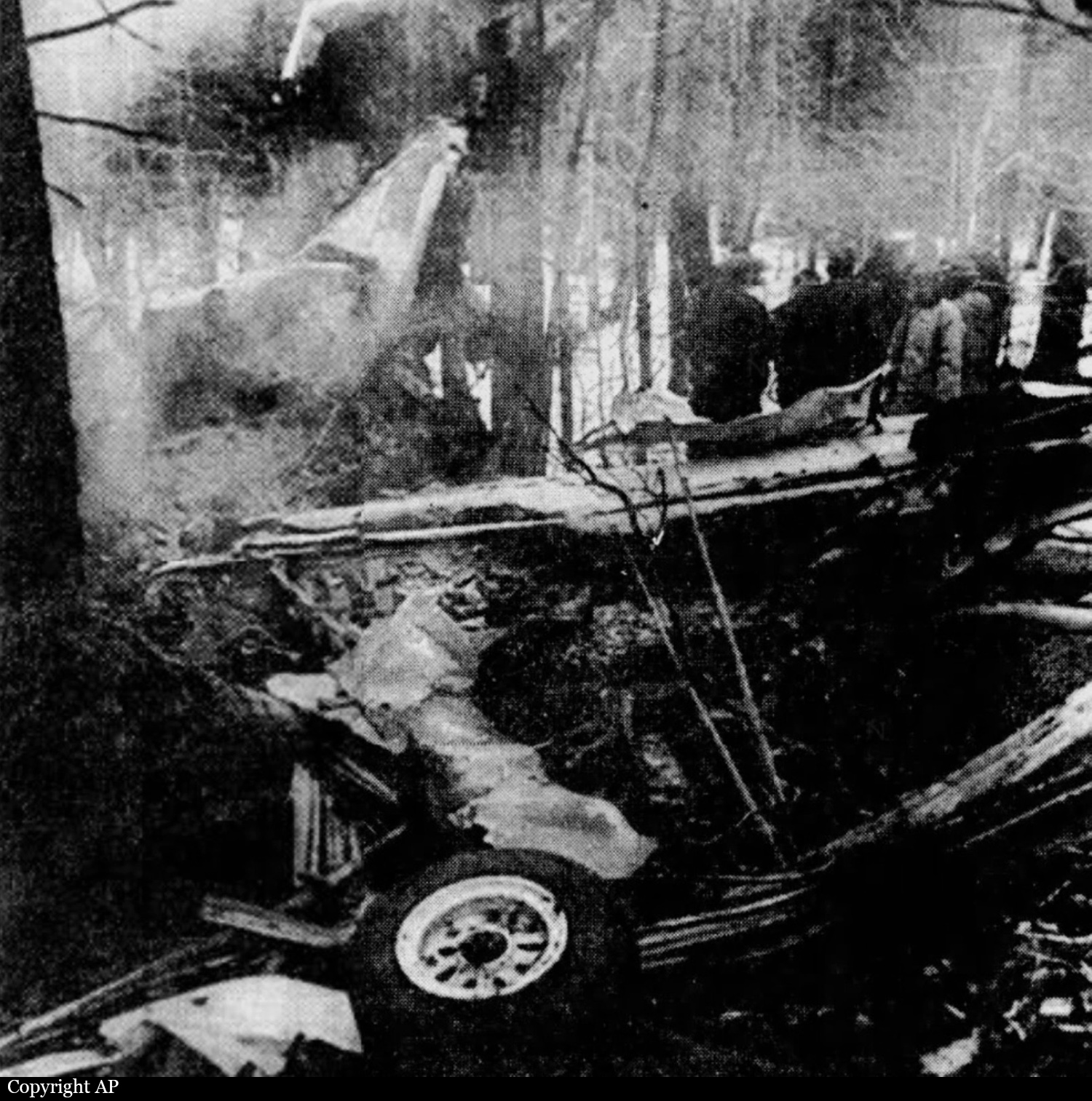
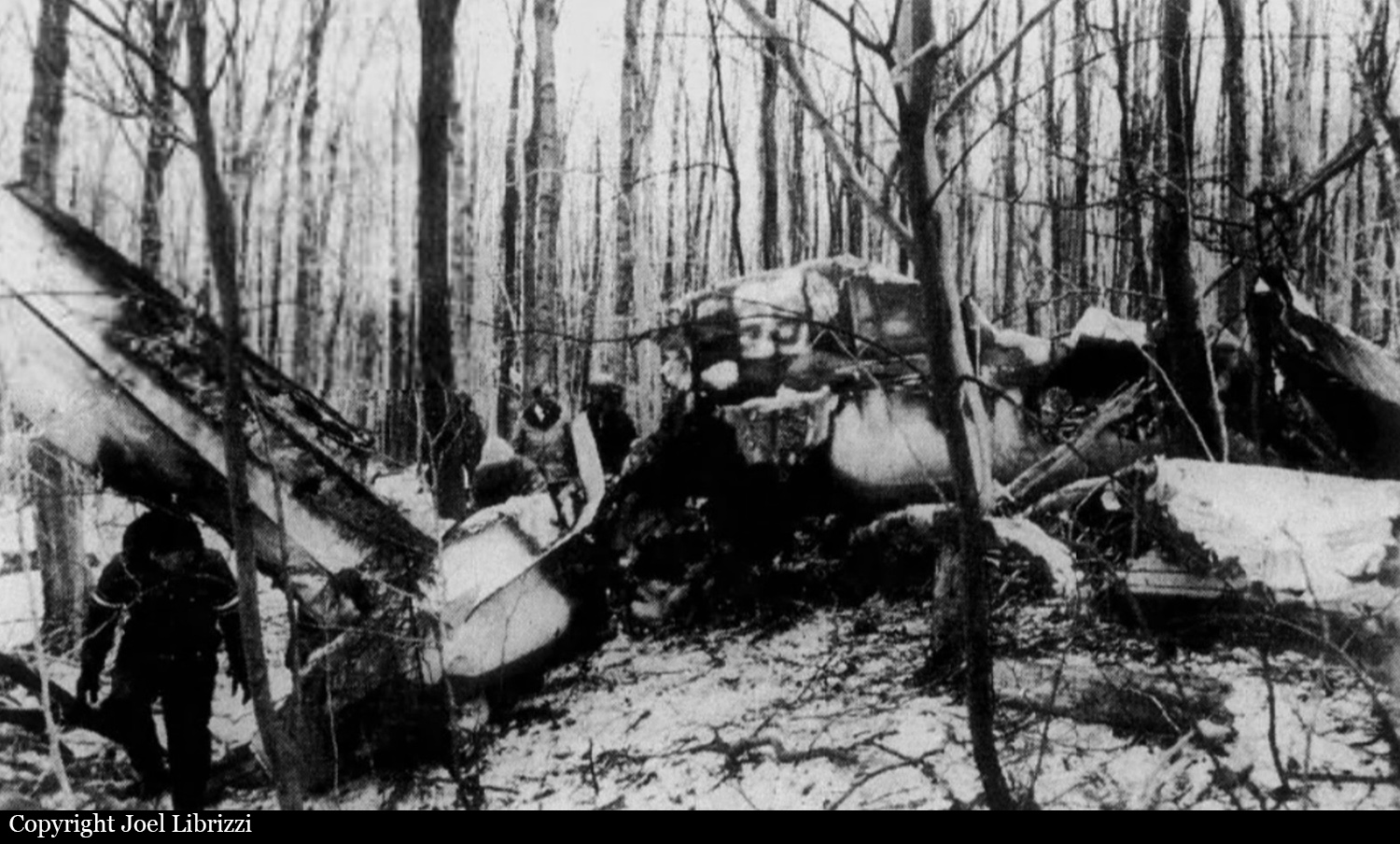
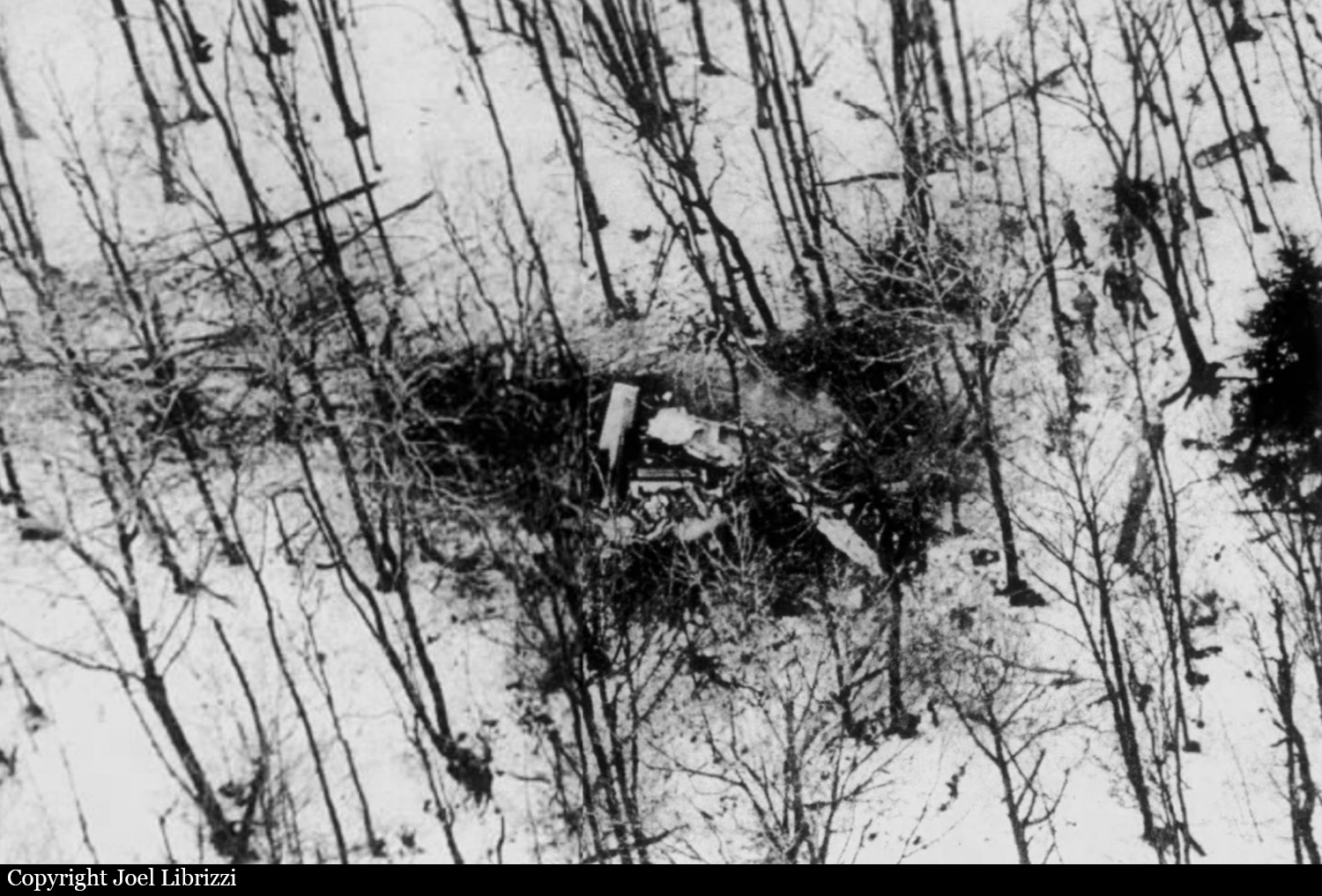
Crash of a Beechcraft A100 King Air in North Adams: 1 killed

Date & Time: Aug 4, 1994 at 1605 LT
Type of aircraft:
Registration:
N7GA
Flight Phase:
Flight Type:
Survivors:
No
Schedule:
North Adams – White Plains
MSN:
B-119
YOM:
1972
Crew on board:
1
Crew fatalities:
Pax on board:
0
Pax fatalities:
Other fatalities:
Total fatalities:
1
Captain / Total flying hours:
10200
Captain / Total hours on type:
106.00
Aircraft flight hours:
10426
Circumstances:
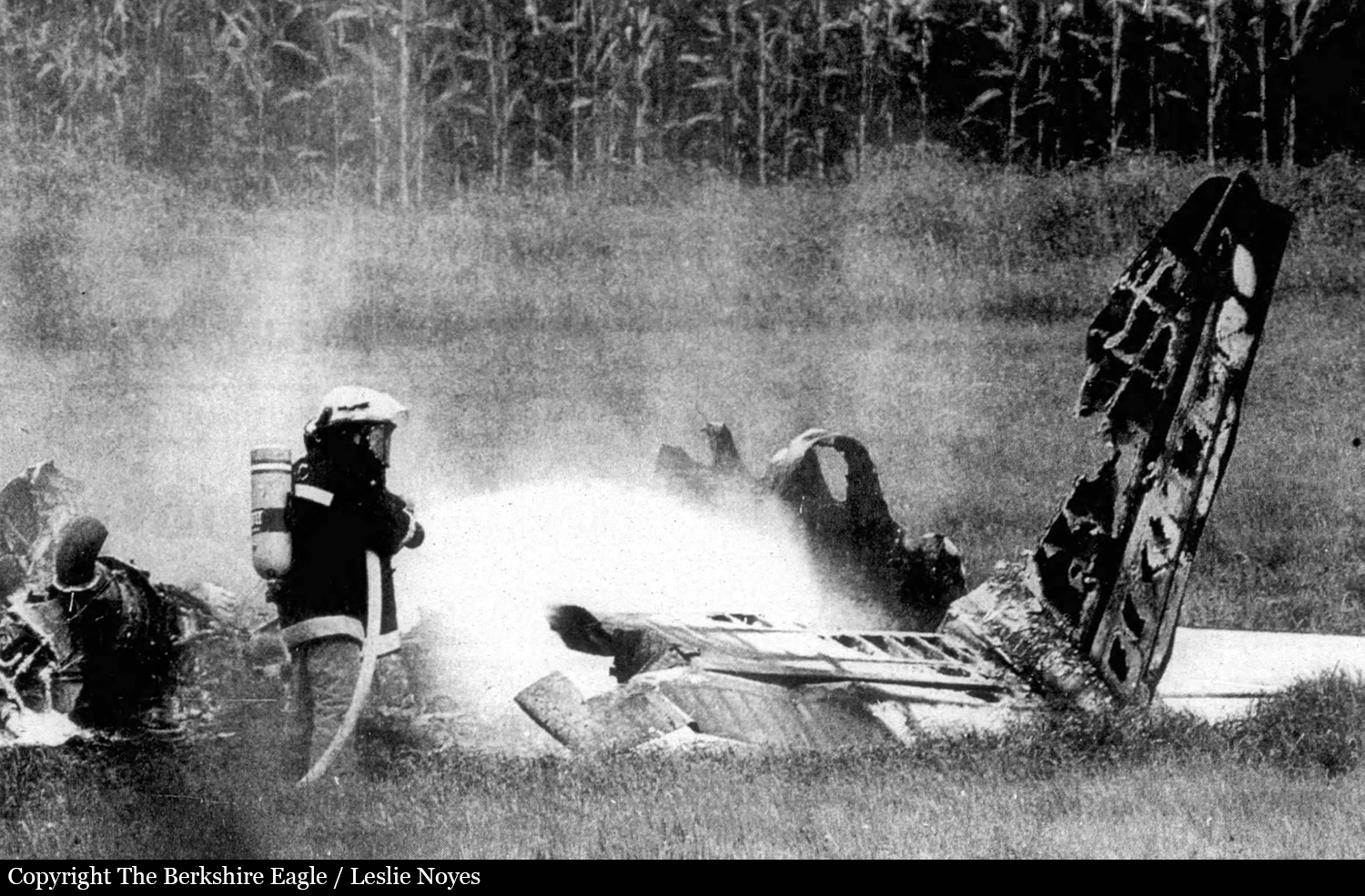
The airplane had undergone routine maintenance for slow acceleration on the right engine. Maintenance records revealed the fuel controls were changed from the right engine to the left engine. The airplane was released back to the pilot for service, and he departed for his home station. Several witnesses saw the airplane after takeoff at a low altitude, and at a slow speed. The airplane turned left, and the left wing struck the ground. Two witnesses saw the airplane pass by them at a low altitude, and wrote, '...at this point we could see the left (port) engine propeller was turning very slowly. You could actually see the individual blades of the propeller turning.' A complete disassembly of both engines, revealed no discrepancies other than impact, and post impact fire damage. Disassembly of the left propeller indicated that the propeller blades were at or near feather at impact. The pilot had a total of 106 flight hours in Beech A100 aircraft, all in the 90 days prior to the accident, and 56 hours in the 30 days prior to the accident.
Probable cause:
The pilot's failure to maintain minimum control speed after an undetermined loss of engine power, which resulted in an inadvertent stall at too low of an altitude to allow recovery.
Final Report:
Crash of a Piper PA-31T Cheyenne II in Norwood

Date & Time: Feb 21, 1994 at 1750 LT
Type of aircraft:
Registration:
N777JM
Survivors:
Yes
Schedule:
Bangor - Norwood
MSN:
31-7820064
YOM:
1978
Crew on board:
2
Crew fatalities:
Pax on board:
3
Pax fatalities:
Other fatalities:
Total fatalities:
0
Captain / Total flying hours:
14800
Captain / Total hours on type:
2000.00
Aircraft flight hours:
5466
Circumstances:
The flight crew was advised prior to initiating the approach that visibility at the airport had decreased to 1/8 mile with light rain, fog and obscuration. Published landing visibility minimums for the approach was 1 mile. The 150 feet wide runway had been plowed 100 feet wide, and there were snowbanks up to 3 feet high on both sides. The airplane touched down on the unplowed portion of the runway onto a snowbank, collapsing the landing gear. The flightcrew stated that the approach lights and runway were in sight during the entire approach, and that the second pilot told the pic that he was too far left and needed to correct to the right as the airplane was about to touchdown. The tower controller stated that he lost sight of the airplane as it landed due to fog.
Probable cause:
The pilot's failure to attain alignment with the centerline of the runway, and his failure to execute a missed approach. Factors which contributed to the accident were: the dark night, the pilot's improper decision to initiate the approach in below-minimum weather conditions, the adverse weather, and the snow covered runway.
Final Report:

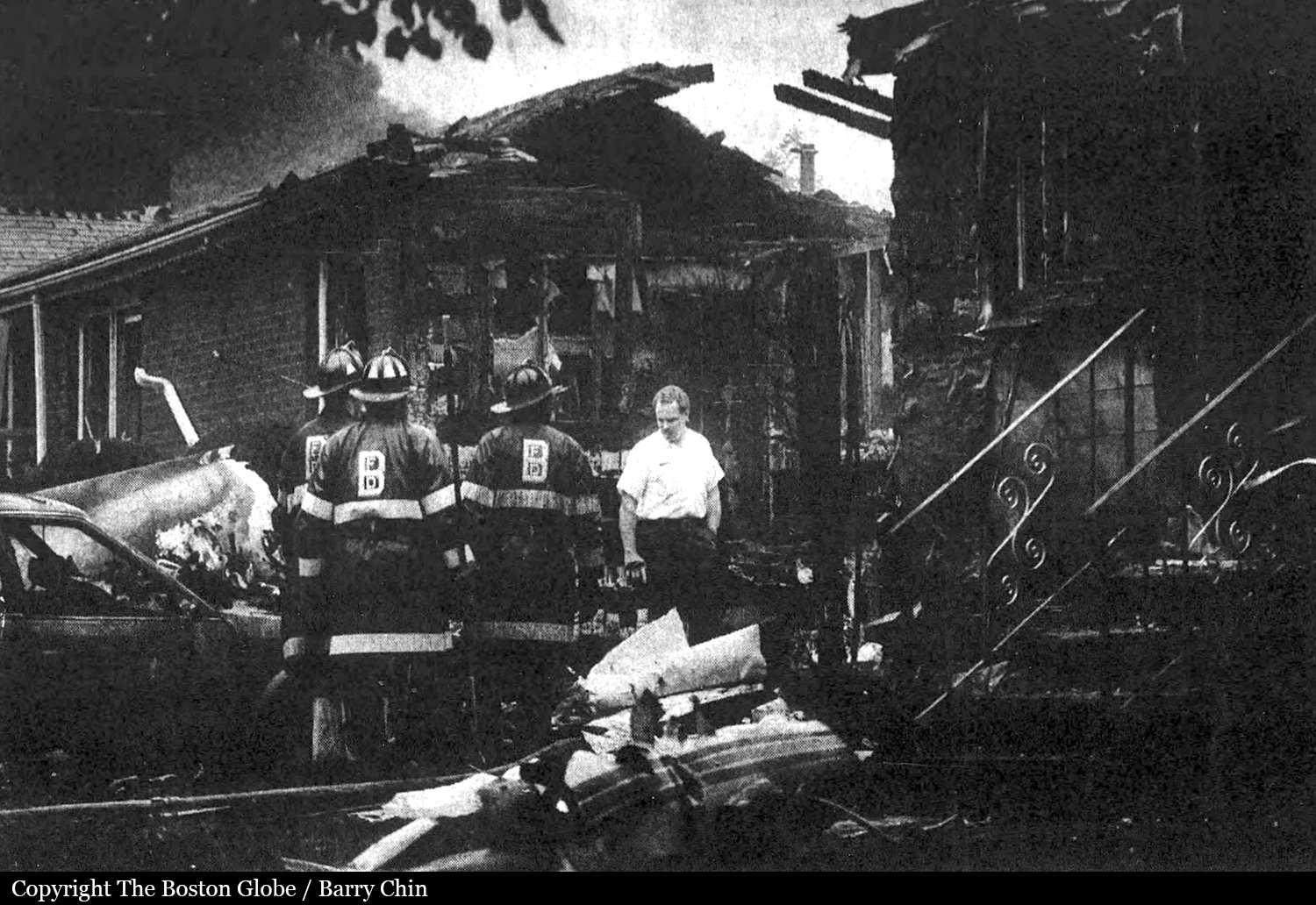
Crash of a Piper PA-31T Cheyenne II in Mattapan: 3 killed

Date & Time: Aug 24, 1990 at 0633 LT
Type of aircraft:
Registration:
N85HB
Flight Type:
Survivors:
No
Site:
Schedule:
Chatham – Boston
MSN:
31-8120021
YOM:
1981
Crew on board:
1
Crew fatalities:
Pax on board:
2
Pax fatalities:
Other fatalities:
Total fatalities:
3
Captain / Total flying hours:
2926
Captain / Total hours on type:
536.00
Circumstances:
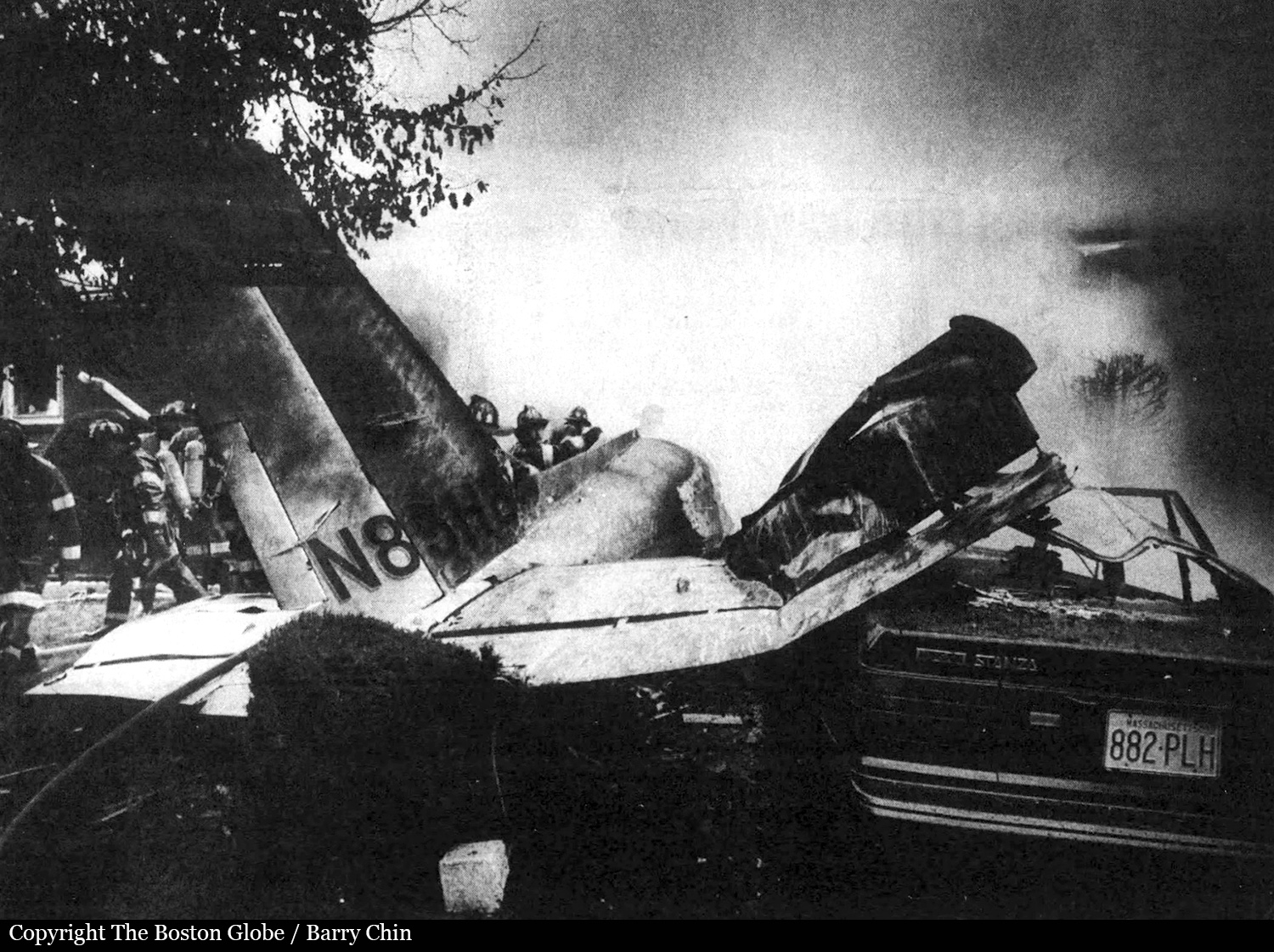
The pilot noted an over torque condition in the left engine as the aircraft was on an ILS approach. He made a go-around and initiated another approach with the engine shut down. He was unable to maintain altitude and the aircraft began a decent that was not arrested. Subsequently, it crashed into 2 homes, approximately 6 miles from the airport. An exam of the left engine revealed the drive shaft from the fuel pump to the fuel control was sheared at the plastic coupling. Further exam revealed the twin bearings that supported the driveshaft had failed. Also, there was evidence the drive shaft had shifted and subsequently an overtorque condition resulted. All three occupants were killed.
Probable cause:
The pilot's improper in-flight planning/decision, which resulted in his failure to maintain control of the aircraft. Factors related to the accident were: failure of the left fuel control unit, and the adverse weather conditions.
Final Report:

Crash of a Beechcraft 60 Duke in Norwood

Date & Time: Oct 26, 1988 at 1200 LT
Type of aircraft:
Registration:
N8PX
Flight Phase:
Flight Type:
Survivors:
Yes
Schedule:
Norwood – West Bow
MSN:
P-436
YOM:
1977
Crew on board:
1
Crew fatalities:
Pax on board:
0
Pax fatalities:
Other fatalities:
Total fatalities:
0
Captain / Total flying hours:
4800
Captain / Total hours on type:
120.00
Aircraft flight hours:
1400
Circumstances:
The pilot had just climbed to 2,500 feet when the right engine started to sputter. When he placed the fuel selector in crossfeed, both engines quit. The pilot elected to land in a field leading to substantial damage to the nose, wings, and tail section of the aircraft. A post crash inspection of fuel system revealed no fuel in the tanks or the fuel metering units for either engine. The pilot stated after the accident that the last time he refueled the aircraft was several weeks before and that it had been flown several times since its last refueling.
Probable cause:
Occurrence #1: loss of engine power (total) - nonmechanical
Phase of operation: climb
Findings
1. All engines
2. (c) fluid, fuel - exhaustion
3. (c) aircraft preflight - inadequate - pilot in command
4. (c) refueling - not performed - pilot in command
----------
Occurrence #2: forced landing
Phase of operation: descent - emergency
----------
Occurrence #3: in flight collision with terrain/water
Phase of operation: landing - flare/touchdown
Findings
5. Object - tree(s)
6. Wheels up landing - performed - pilot in command
Final Report:

Crash of a Cessna 421C Golden Eagle III in Taunton: 1 killed

Date & Time: Jul 14, 1988 at 1929 LT
Registration:
N825DW
Flight Type:
Survivors:
No
Schedule:
Beverly - Taunton
MSN:
421C-0079
YOM:
1976
Crew on board:
1
Crew fatalities:
Pax on board:
0
Pax fatalities:
Other fatalities:
Total fatalities:
1
Captain / Total flying hours:
780
Circumstances:
Before reaching his descent, the pilot advised approach control that his right engine was 'blowing some smoke' and losing oil pressure. Vectors were provided for a visual approach, but there were low clouds in the area and visibility was restricted due to haze. After reaching the vicinity of the airport, the pilot said it was in sight and he was entering a downwind for runway 30. Witnesses saw the aircraft on a left downwind, but said the aircraft overshot the 1st turn to final approach. Subsequently, while maneuvering to land, the aircraft crashed approximately 2,500 feet northeast of the runway in a wooded area. Witnesses agreed the aircraft was slow and in a steep right turn with the gear extended before it crashed in a steep descent and burned. An examination revealed evidence the starter on the right engine had backed off; 3 starter bolts had fractured thru the threaded area with signs of fatigue cracking; wear marks on the starter gear and engine gear ring indicated the starter motor had shifted aprx 3/4' rearward. Also, there was evidence the torsional damper was loose on its shaft before the accident and that both props were operating at low pitch during initial impact.
Probable cause:
Occurrence #1: loss of engine power (partial) - mech failure/malf
Phase of operation: cruise
Findings
1. 1 engine
2. (f) engine accessories - fatigue
3. (f) engine accessories, engine starter - loose
4. (f) lubricating system, oil seal - loss, partial
5. (f) fluid, oil - leak
----------
Occurrence #2: loss of control - in flight
Phase of operation: maneuvering
Findings
6. (f) propeller feathering - not performed - pilot in command
7. (f) planned approach - improper - pilot in command
8. (c) airspeed (vmc) - not maintained - pilot in command
9. (c) aircraft control - not maintained - pilot in command
----------
Occurrence #3: in flight collision with terrain/water
Phase of operation: descent - uncontrolled
Final Report:

Crash of a Cessna 402C in Hyannis

Date & Time: Apr 12, 1987 at 1115 LT
Type of aircraft:
Operator:
Registration:
N87PB
Survivors:
Yes
Schedule:
Hyannis - Nantucket
MSN:
402C-0639
YOM:
1982
Crew on board:
1
Crew fatalities:
Pax on board:
8
Pax fatalities:
Other fatalities:
Total fatalities:
0
Captain / Total flying hours:
2629
Captain / Total hours on type:
550.00
Aircraft flight hours:
6032
Circumstances:
Shortly after the initial power reduction during takeoff, the pilot noted a partial loss of power in the right engine. He said he 'went to full power on both engines' and noted an 'extremely high' fuel flow indication to the right engine. He said, 'thinking that the engine was flooding, I placed the boost pump switch from high to off to possibly eliminate the problem with no result. I then placed the pump back to high and tried to decrease the fuel flow by leaning the mixture. This also did not seem to eliminate the problem.' While troubleshooting the problem, he turned to a downwind and stayed in the traffic pattern, but could not maint altitude. Subsequently, a wheels-up landing was made in an area of small trees approximately 1/2 mile before reaching runway 24. An examination of the right engine revealed the spark plugs were wet with fuel and black with soot. Also, its #5 fuel nozzle had been cross-threaded and was knocked out of its hole during impact. During an initial test, the right fuel pressure sensing switch did not sense operating pressure (over 6 psi); this would have resulted in a high boost/fuel flow condition. Later, the switch was tested ok. All nine occupants escaped uninjured.
Probable cause:
Occurrence #1: loss of engine power (partial) - mech failure/malf
Phase of operation: takeoff - initial climb
Findings
1. (f) fuel system - pressure excessive
2. (f) powerplant controls - improper use of - pilot in command
----------
Occurrence #2: forced landing
Phase of operation: descent - emergency
Findings
3. (c) emergency procedure - improper - pilot in command
----------
Occurrence #3: in flight collision with terrain/water
Phase of operation: landing - flare/touchdown
Findings
4. (f) terrain condition - high vegetation
Final Report:

Crash of a Piper PA-31T Cheyenne II in Lawrence

Date & Time: Mar 20, 1987 at 2300 LT
Type of aircraft:
Operator:
Registration:
N200FD
Flight Type:
Survivors:
Yes
Schedule:
Providence - Lawrence
MSN:
31-7520040
YOM:
1975
Crew on board:
2
Crew fatalities:
Pax on board:
0
Pax fatalities:
Other fatalities:
Total fatalities:
0
Captain / Total flying hours:
9530
Captain / Total hours on type:
789.00
Aircraft flight hours:
3707
Circumstances:
The crew of the PA-31T Cheyenne had made one missed approach and the copilot was calling out the altitudes to the pilot. The pilot's reply to the copilot that he was just going to descend to 400 feet. The approach minimums were published for an MDA of 660 feet plus 80 feet when the control zone is not in effect. The aircraft flew into rising terrain. The copilot suffered minor injuries, the aircraft was destroyed due to impact and fire.
Probable cause:
Occurrence #1: in flight collision with terrain/water
Phase of operation: approach - faf/outer marker to threshold (ifr)
Findings
1. (f) weather condition - obscuration
2. (f) weather condition - snow
3. (f) light condition - dark night
4. (c) ifr procedure - not followed - pilot in command
5. (c) minimum descent altitude - not maintained - pilot in command
6. Overconfidence in personal ability - pilot in command
Final Report:

Crash of a Beechcraft A100 King Air in Pittsfield: 6 killed

Date & Time: Dec 10, 1986 at 0945 LT
Type of aircraft:
Operator:
Registration:
N65TD
Survivors:
No
Schedule:
Elyria - Pittsfield
MSN:
B-50
YOM:
1970
Crew on board:
2
Crew fatalities:
Pax on board:
4
Pax fatalities:
Other fatalities:
Total fatalities:
6
Captain / Total flying hours:
7520
Captain / Total hours on type:
1500.00
Aircraft flight hours:
7710
Circumstances:
During arrival for a LOC runway 26 approach, the pilot was advised the abyss fan marker was notamed out-of-service. With abyss inoperative, the minimum descent altitude (MDA) was 2200 feet. After N65TD was cleared for the approach, radar service was terminated and the flight was cleared to advisory frequency. The crew contacted unicom and obtained airport and weather advisory. The Unicom operator advised winds light and variable, estimated 800 feet overcast, visibility 5 miles, slush and ice reported on runway 1/2 hr earlier. After the crew reported 'procedure turn inbound,' no further transmissions were received from the aircraft. Subsequently, it hit trees on rising terrain at an elevation of approx 2200 feet, approx 7 miles before reaching the final approach fix (FAF, DALTON NDB). Minimum altitude for the approach in that area was 3000 feet. No preimpact part problems were found during the investigation. Airport elevation was 1194 feet. Radio transcripts indicated the crew were getting a weak signal from the DALTON NDB. Although not a required navaid, CHESTER VORTAC was depicted on the approach chart as an additional source to id the FAF, but was notamed as out-of-svc. The pilot did not obtain notams before flight.
Probable cause:
Occurrence #1: in flight collision with object
Phase of operation: approach - iaf to faf/outer marker (ifr)
Findings
1. (f) preflight planning/preparation - inadequate - pilot in command
2. (f) weather condition - low ceiling
3. (f) weather condition - fog
4. (c) ifr procedure - improper - pilot in command
5. (f) terrain condition - rising
6. (f) object - tree(s)
7. (c) proper altitude - not maintained - pilot in command
----------
Occurrence #2: in flight collision with terrain/water
Phase of operation: descent - uncontrolled
Findings
8. (f) terrain condition - mountainous/hilly
Final Report:

Crash of a Cessna 402 in New Bedford

Date & Time: Jan 31, 1986 at 1544 LT
Type of aircraft:
Registration:
N4033Q
Flight Type:
Survivors:
Yes
Schedule:
Newport - New Bedford
MSN:
402-0133
YOM:
1967
Crew on board:
1
Crew fatalities:
Pax on board:
1
Pax fatalities:
Other fatalities:
Total fatalities:
0
Captain / Total flying hours:
1249
Captain / Total hours on type:
242.00
Aircraft flight hours:
4052
Circumstances:
The pilot experienced inadequate left engine manifold pressure during a takeoff attempt at Newport. The takeoff was aborted and afterwards the pilot decided to ferry the aircraft to New Bedford for inspection. The engine were restarted and operation was good. The flight to New Bedford was without incident until the aircraft was on a two miles final to runway 05 at this time the left engine stopped while the pilot attempted to feather the engine, both the engine and part of the left wing caught on fire. The pilot continued to the airport with the flaps and gear down and a speed at 125 mph. The pilot stated he was in a good position to land when he heard a loud bang which he described sounded like a cable. The aircraft entered a 25° left bank. He leveled the wings by reducing right engine power. Collision with trees to the left of the runway occurred afterwards. Examination of the aircraft disclosed that the left engine exhaust manifold header assembly, which is connected to the turbocharger, was cracked along a weld seam. Also revealed was that the aileron cables that are routed behind the left engine were burned to separation. Both occupants were injured.
Probable cause:
Occurrence #1: loss of engine power
Phase of operation: approach - vfr pattern - final approach
Findings
1. (c) exhaust system, manifold/pipe - cracked
2. (c) exhaust system, turbocharger - disabled
----------
Occurrence #2: fire
Phase of operation: approach - vfr pattern - final approach
Findings
3. (c) exhaust system - fire
----------
Occurrence #3: loss of control - in flight
Phase of operation: approach - vfr pattern - final approach
Findings
4. (c) flt control syst, aileron control - burned
5. (c) flight control, aileron - disabled
6. (f) aileron - not possible - pilot in command
----------
Occurrence #4: in flight collision with object
Phase of operation: approach - vfr pattern - final approach
Findings
7. Object - tree(s)
Final Report:

Crash of a Cessna 340A in Peru: 1 killed

Date & Time: Dec 8, 1985 at 1815 LT
Type of aircraft:
Registration:
N36888
Flight Phase:
Flight Type:
Survivors:
No
Schedule:
Portland – Teterboro
MSN:
340A-0950
YOM:
1980
Crew on board:
1
Crew fatalities:
Pax on board:
0
Pax fatalities:
Other fatalities:
Total fatalities:
1
Captain / Total flying hours:
2500
Captain / Total hours on type:
32.00
Aircraft flight hours:
2545
Circumstances:
During IFR flight at 12,000 feet both aircraft vacuum pumps failed. Aircraft descended in right turn off radar. Witnesses observed aircraft at low altitude above trees, circle, make steep left turn, climb and descend to ground. The pilot, sole on board, was killed.
Probable cause:
Occurrence #1: loss of control - in flight
Phase of operation: cruise
Findings
1. (c) vacuum system - failure, total
2. (c) ifr procedure - improper - pilot in command
3. (c) flight/nav instruments, attitude gyro - inoperative
4. (c) stall - inadvertent - pilot in command
5. (f) spatial disorientation - pilot in command
----------
Occurrence #2: in flight collision with terrain/water
Phase of operation: descent - uncontrolled
Final Report: