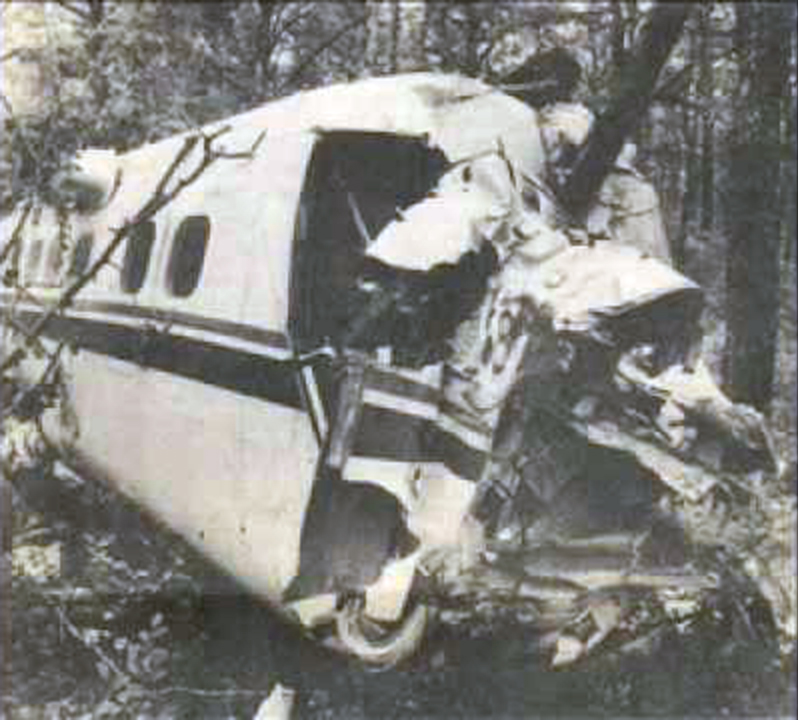
Crash of a Mitsubishi MU-2B-26 Marquise in Southbridge

Date & Time: Jul 11, 1985 at 1700 LT
Type of aircraft:
Operator:
Registration:
N727MA
Survivors:
Yes
Schedule:
Manchester - Southbridge
MSN:
342
YOM:
1976
Crew on board:
2
Crew fatalities:
Pax on board:
1
Pax fatalities:
Other fatalities:
Total fatalities:
0
Captain / Total flying hours:
6615
Captain / Total hours on type:
1006.00
Aircraft flight hours:
26958
Circumstances:
During landing the aircraft impacted hard and skidded down the runway before it went off the left side of the runway. The left main wheel separated and the nose gear collapsed. Both pilots stated the landing approach was normal until the aircraft was approximately 15 feet above the runway at which time the aircraft abruptly descended and impacted hard with the runway. Prior to the impact, the aircraft was configured with 20° of flaps and landing gear was down and locked. The airspeed was 105 knots. Examination of the aircraft disclosed that the aft main gear doors were open and the nose down lock limit switch was defective. The switch is required to close the aft main gear door. The flight test by the mfg determined that opened aft main gear door has none to unnoticeable effect on stall speed. Aircraft speed at touchdown based on computations from prop slash marks was 86 knots. The stall speed of aircraft at prevailing weight and flaps configuration is below this speed, the aircraft weight was approximately 9,000 lbs.
Probable cause:
Occurrence #1: loss of control - in flight
Phase of operation: landing
Findings
1. (c) reason for occurrence undetermined
2. (c) proper descent rate - exceeded
----------
Occurrence #2: hard landing
Phase of operation: landing - flare/touchdown
Findings
3. (c) level off - not possible - pilot in command
----------
Occurrence #3: gear collapsed
Phase of operation: landing - flare/touchdown
Findings
4. Landing gear, main gear - overload
5. Landing gear, nose gear - overload
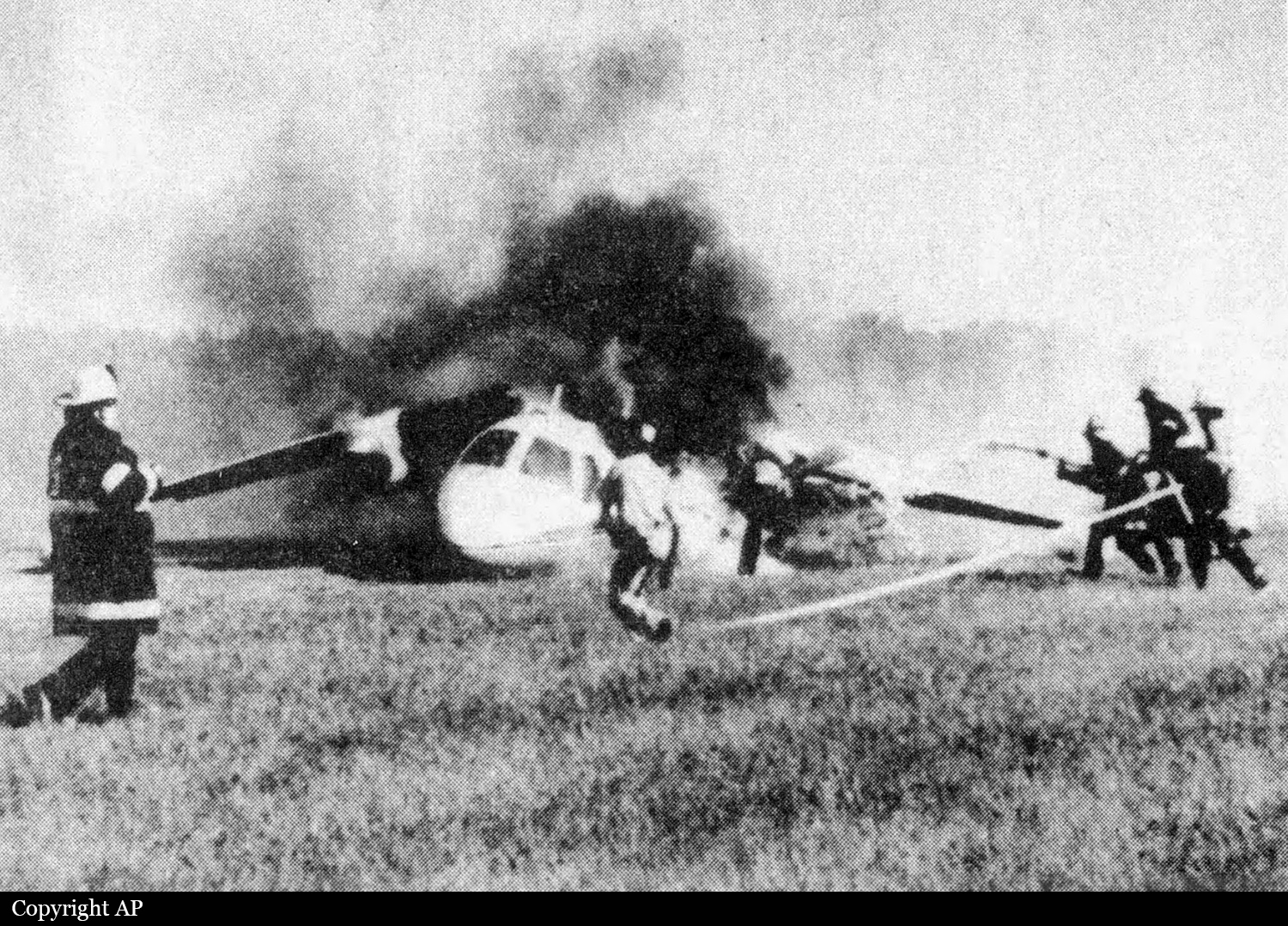
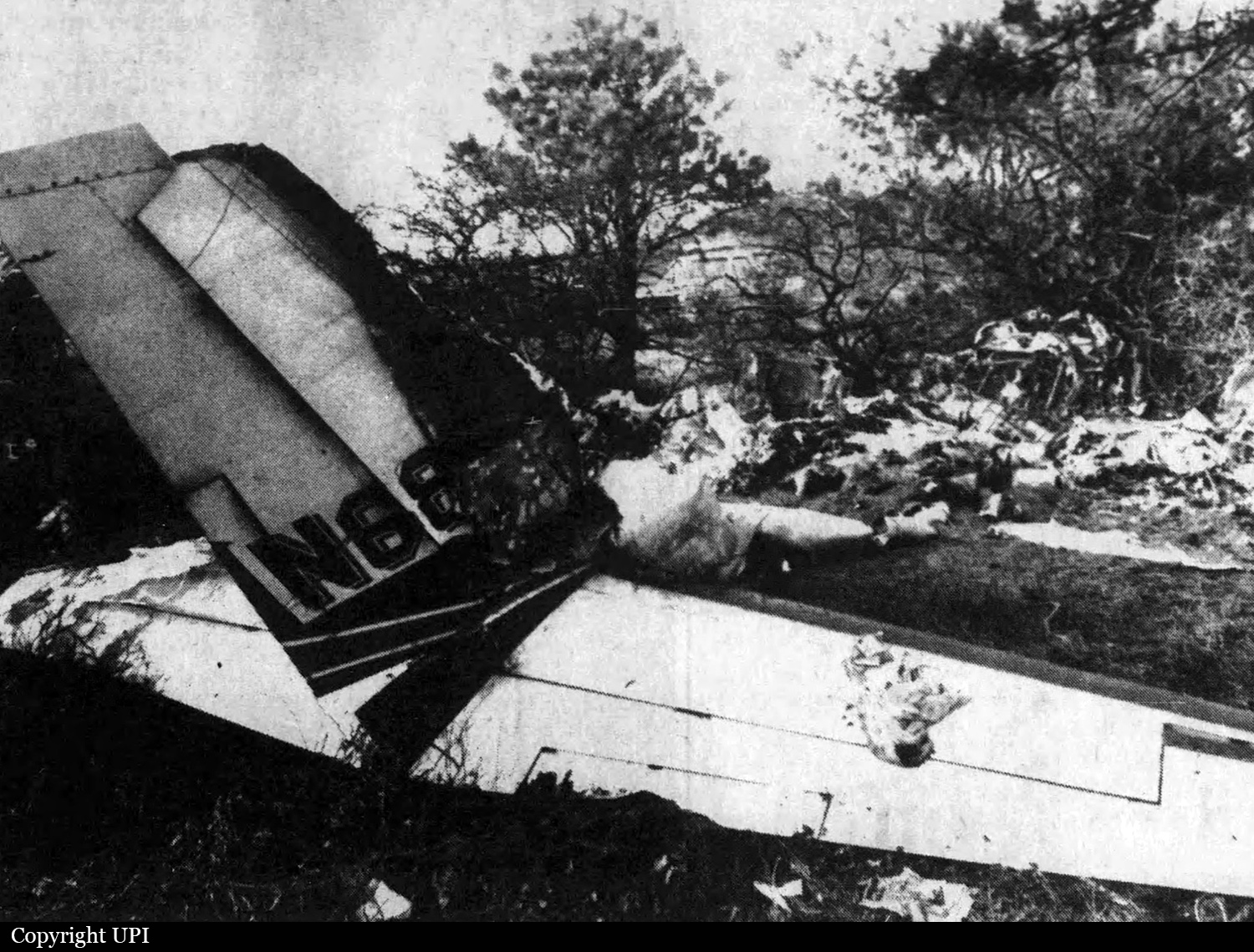
Crash of a Piper PA-31-310 Navajo in Nantucket

Date & Time: Apr 6, 1985 at 1815 LT
Type of aircraft:
Operator:
Registration:
N68DD
Survivors:
Yes
Schedule:
Hyannis - Nantucket
MSN:
31-532
YOM:
1969
Flight number:
938
Crew on board:
1
Crew fatalities:
Pax on board:
7
Pax fatalities:
Other fatalities:
Total fatalities:
0
Captain / Total flying hours:
5800
Captain / Total hours on type:
370.00
Aircraft flight hours:
6878
Circumstances:
Aircraft collided with trees during final approach to runway 24. No evidence of pre-impact failure or malfunction of the aircraft was found. Reported weather at crash site indefinite 100 feet sky obscured. RVR 2,400 feet. Aircraft should have encountered a decreasing headwind and probably moderate turbulence on the final descent. The aircraft was destroyed and all eight occupants were injured, three seriously.
Probable cause:
Occurrence #1: in flight encounter with weather
Phase of operation: approach - iaf to faf/outer marker (ifr)
----------
Occurrence #2: in flight collision with terrain/water
Phase of operation: approach - faf/outer marker to threshold (ifr)
Findings
1. (c) minimum descent altitude - below - pilot in command
2. (f) anxiety/apprehension - pilot in command
3. (c) descent - not corrected - pilot in command
4. (f) missed approach - not performed - pilot in command
Final Report:

Crash of a Cessna 402C off Boston: 1 killed

Date & Time: Jun 30, 1984 at 0820 LT
Type of aircraft:
Operator:
Registration:
N120PB
Flight Type:
Survivors:
Yes
Schedule:
Provincetown - Boston
MSN:
402C-0473
YOM:
1981
Crew on board:
2
Crew fatalities:
Pax on board:
0
Pax fatalities:
Other fatalities:
Total fatalities:
1
Captain / Total flying hours:
3336
Circumstances:
During arrival, the flight was cleared for an ILS/DME approach to runway 27. While on the approach, the aircraft crashed in the ocean about 2.7 miles east of the runway threshold. The pilot reported that he was making the approach, using instruments, and landed short for unknown reasons. He received a serious head injury, but was rescued by fishermen who heard the aircraft crash and went to where they heard the voices of the victims in the fog. The 0835 weather at Boston was in part: partial obscuration, 25,000 feet overcast, 4 miles visibility with fog and haze, wind from 140° at 7 knots. Other pilots reported low ceilings and a fog bank in the vicinity of the crash site. The captain survived while the copilot died.
Probable cause:
Occurrence #1: in flight collision with terrain/water
Phase of operation: approach - faf/outer marker to threshold (IFR)
Findings
1. (f) weather condition - low ceiling
2. (f) weather condition - fog
3. (f) weather condition - haze/smoke
4. (c) IFR procedure - improper - pilot in command
5. (c) decision height - not identified - pilot in command
Final Report:

Crash of a Mitsubishi MU-2B-60 Marquise in North Adams: 2 killed

Date & Time: Mar 18, 1983 at 1155 LT
Type of aircraft:
Registration:
N473MA
Survivors:
No
Schedule:
Teterboro - North Adams
MSN:
1547
YOM:
1982
Crew on board:
2
Crew fatalities:
Pax on board:
0
Pax fatalities:
Other fatalities:
Total fatalities:
2
Captain / Total flying hours:
11450
Circumstances:
At 1145 the pilot reported VFR conditions and requested radar vectors to the airport. He was issued a cruise clearance of 5,000 feet and given a heading. 18 miles from the airport he reported visual contact with the ground. At 1151 he was asked if he was familiar with the area to which he responded negative. He was then advised of rising terrain in all quadrants, including a mountain '...to almost 3,700 feet, three miles south of the airport.' At 1154 the pilot was advised that the airport was less than a mile at 12 o'clock. The aircraft impacted a mountain two miles south of the airport at about 2,700 feet msl. A witness described the sky conditions as a low ceiling with clouds obscuring the mountain peaks. The airport is uncontrolled and has no published instrument approach procedure. Both occupants were killed.
Probable cause:
Occurrence #1: in flight encounter with weather
Phase of operation: maneuvering
Findings
1. (f) preflight planning/preparation - inadequate - pilot in command
2. (f) preflight briefing service - not obtained - pilot in command
3. (f) weather condition - low ceiling
4. (c) VFR flight into IMC - attempted - pilot in command
----------
Occurrence #2: in flight collision with terrain/water
Phase of operation: maneuvering
Findings
5. (f) terrain condition - mountainous/hilly
6. (f) lack of familiarity with geographic area - pilot in command
Final Report:

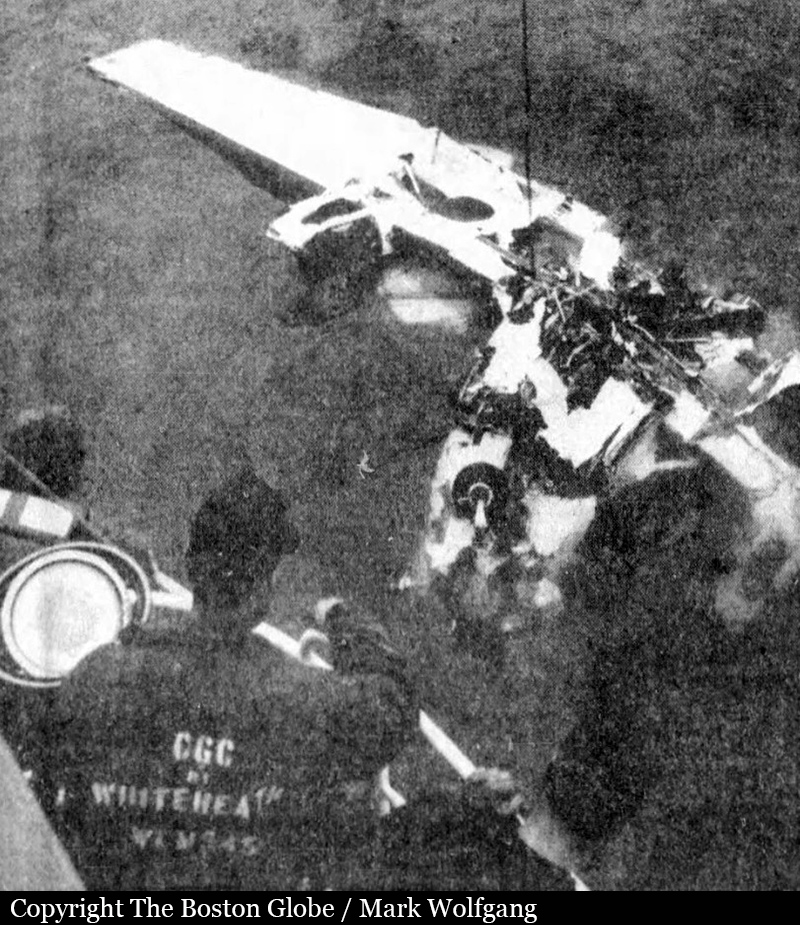
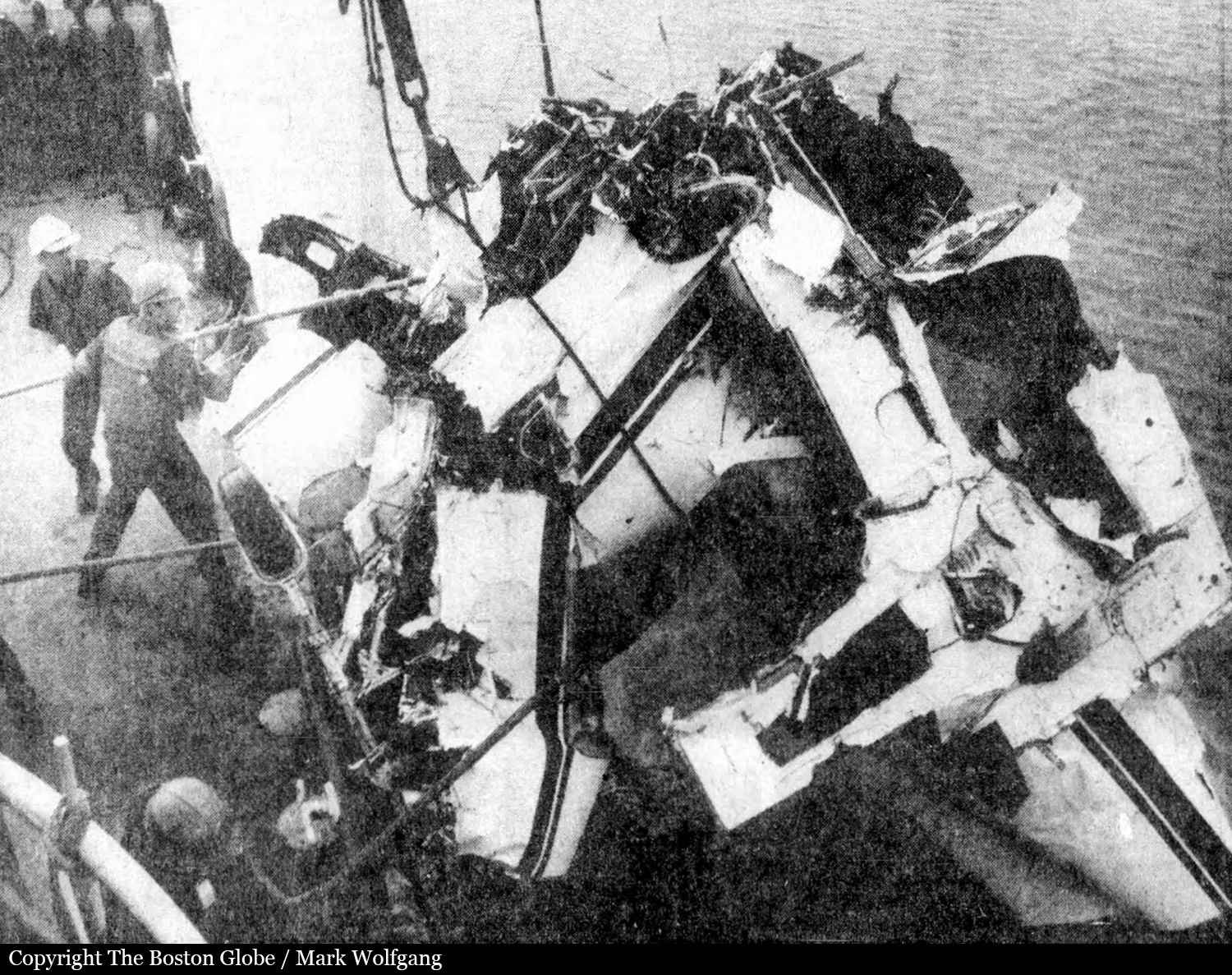
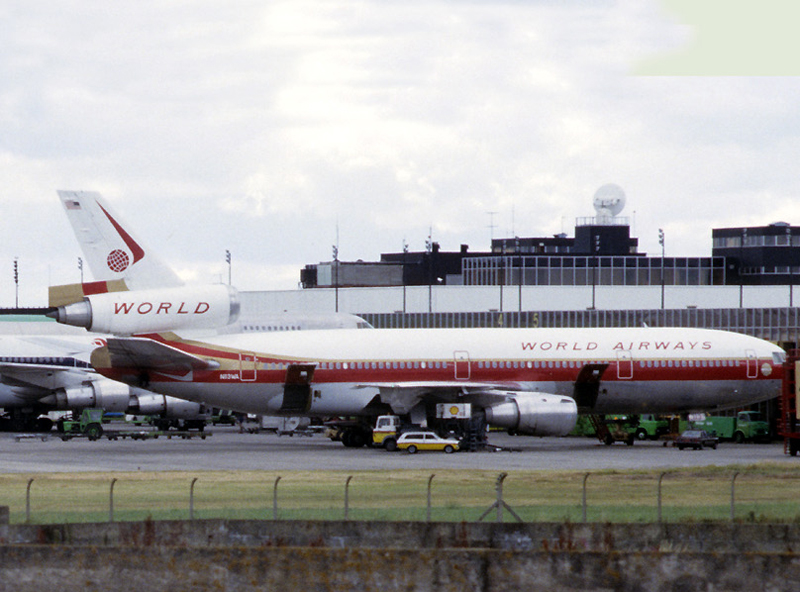
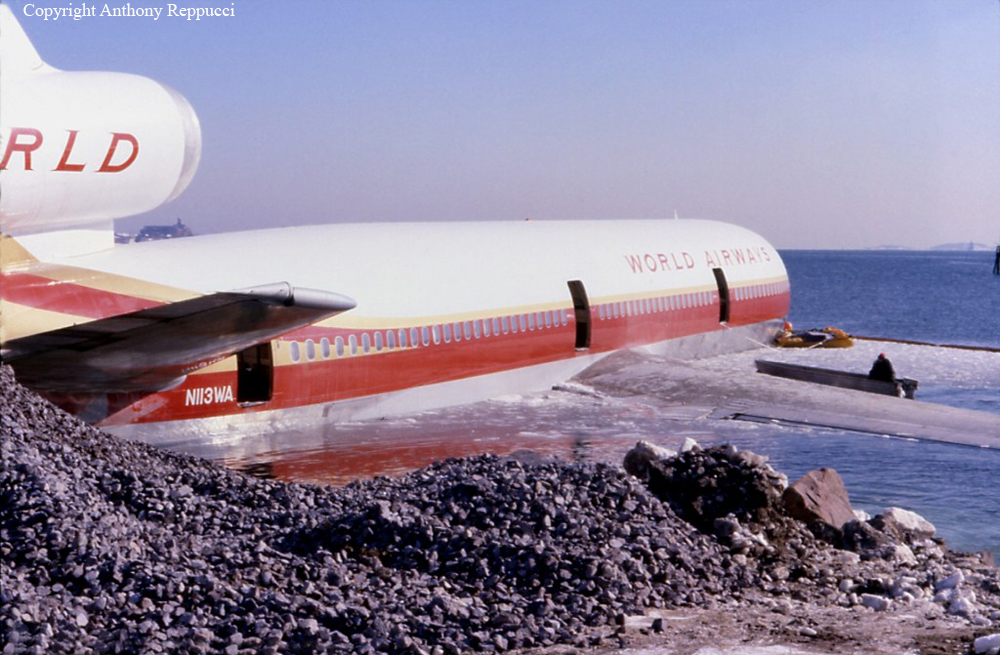
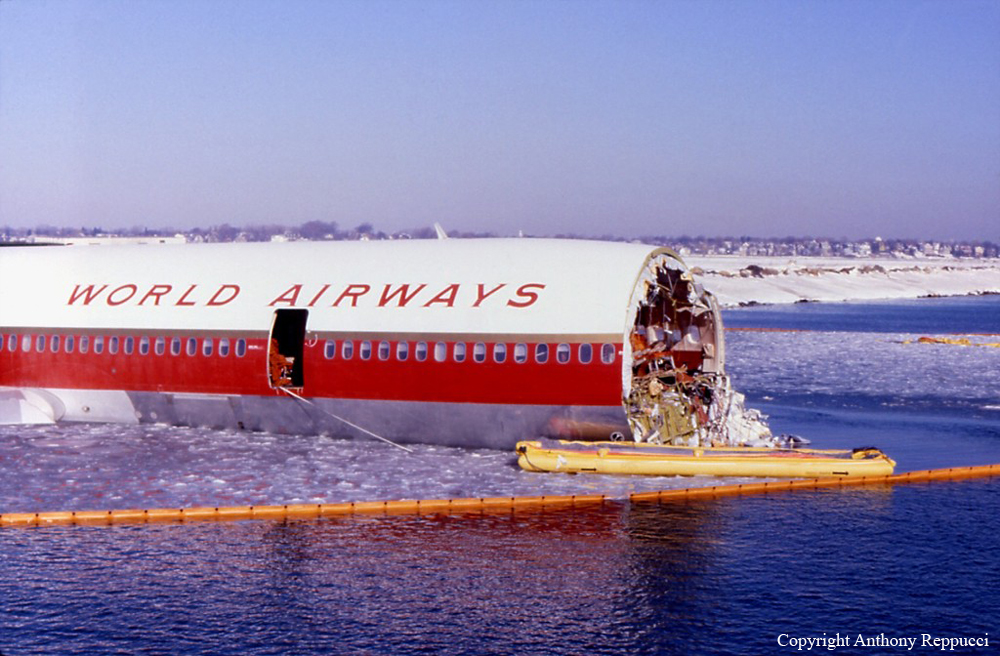
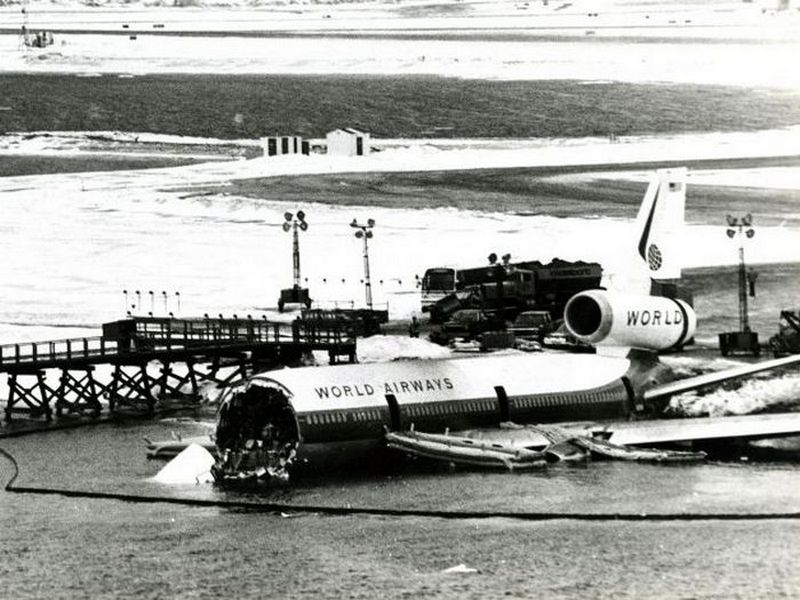
Crash of a Douglas DC-10-30CF in Boston: 2 killed

Date & Time: Jan 23, 1982 at 1936 LT
Type of aircraft:
Operator:
Registration:
N113WA
Survivors:
Yes
Schedule:
Oakland - Newark - Boston
MSN:
47821/320
YOM:
1980
Flight number:
WO30H
Crew on board:
12
Crew fatalities:
Pax on board:
200
Pax fatalities:
Other fatalities:
Total fatalities:
2
Captain / Total flying hours:
18091
Captain / Total hours on type:
1969.00
Copilot / Total flying hours:
8600
Aircraft flight hours:
6327
Circumstances:
Following a non-precision instrument approach to runway 15R at Boston-Logan International Airport, the airplane touched down about 2,800 feet beyond the displaced threshold of the 9,191-foot usable part of the runway. About 1936:40, the airplane veered to avoid the approach light pier at the departure end of the runway and slid into the shallow water of Boston Harbor. The nose section separated from the fuselage in the impact after the airplane dropped from the shore embankment. Of the 212 persons on board, 2 persons are missing and presumed dead. The other persons onboard evacuated the airplane safely, some with injuries.
Probable cause:
The minimal braking effectiveness on the ice-covered runway; the failure of the Boston-Logan International Airport management to exercise maximum efforts to assess the condition of the runway to assure continued safety of landing operations; the failure of air traffic control to transmit the most recent pilot reports of braking action to the pilot of Flight 30H; and the captain's decision to accept and maintain an excessive airspeed derived from the auto throttle speed control system during the landing approach which caused the aircraft to land about 2,800 feet beyond the runway's displaced threshold. Contributing to the accident were the inadequacy of the present system of reports to convey reliable braking effectiveness information and the absence of provisions in the Federal Aviation Regulations to require:
- Airport management to measure the slipperiness of the runways using standardized procedures and to use standardized criteria in evaluating and reporting braking effectiveness and in making decisions to close runways.
- Operators to provide flight crews and other personnel with information necessary to correlate braking effectiveness on contaminated runways with aircraft stopping distances, and
- Extended minimum runway lengths for landing on runways which adequately take into consideration the reduction of braking effectiveness due to ice and snow.
Final Report:

Crash of a Beechcraft G18S in Hyannis: 2 killed

Date & Time: May 23, 1981 at 0555 LT
Type of aircraft:
Operator:
Registration:
N75LA
Flight Phase:
Flight Type:
Survivors:
No
Schedule:
Hyannis - Nantucket
MSN:
BA-527
YOM:
1960
Crew on board:
2
Crew fatalities:
Pax on board:
0
Pax fatalities:
Other fatalities:
Total fatalities:
2
Captain / Total flying hours:
3500
Captain / Total hours on type:
171.00
Circumstances:
Shortly after takeoff from Hyannis-Barnstable Airport, while on a cargo flight to Nantucket, the twin engine airplane entered an uncontrolled descent and crashed. Both occupants were killed.
Probable cause:
Uncontrolled collision with ground during initial climb due to inadequate preflight preparation on part of the pilot-in-command. The following contributing factors were reported:
- Improperly loaded aircraft,
- Approximately 1,551 lbs over max gross weight,
- CofG 31,25 inches behind aft CG limit.
Final Report:

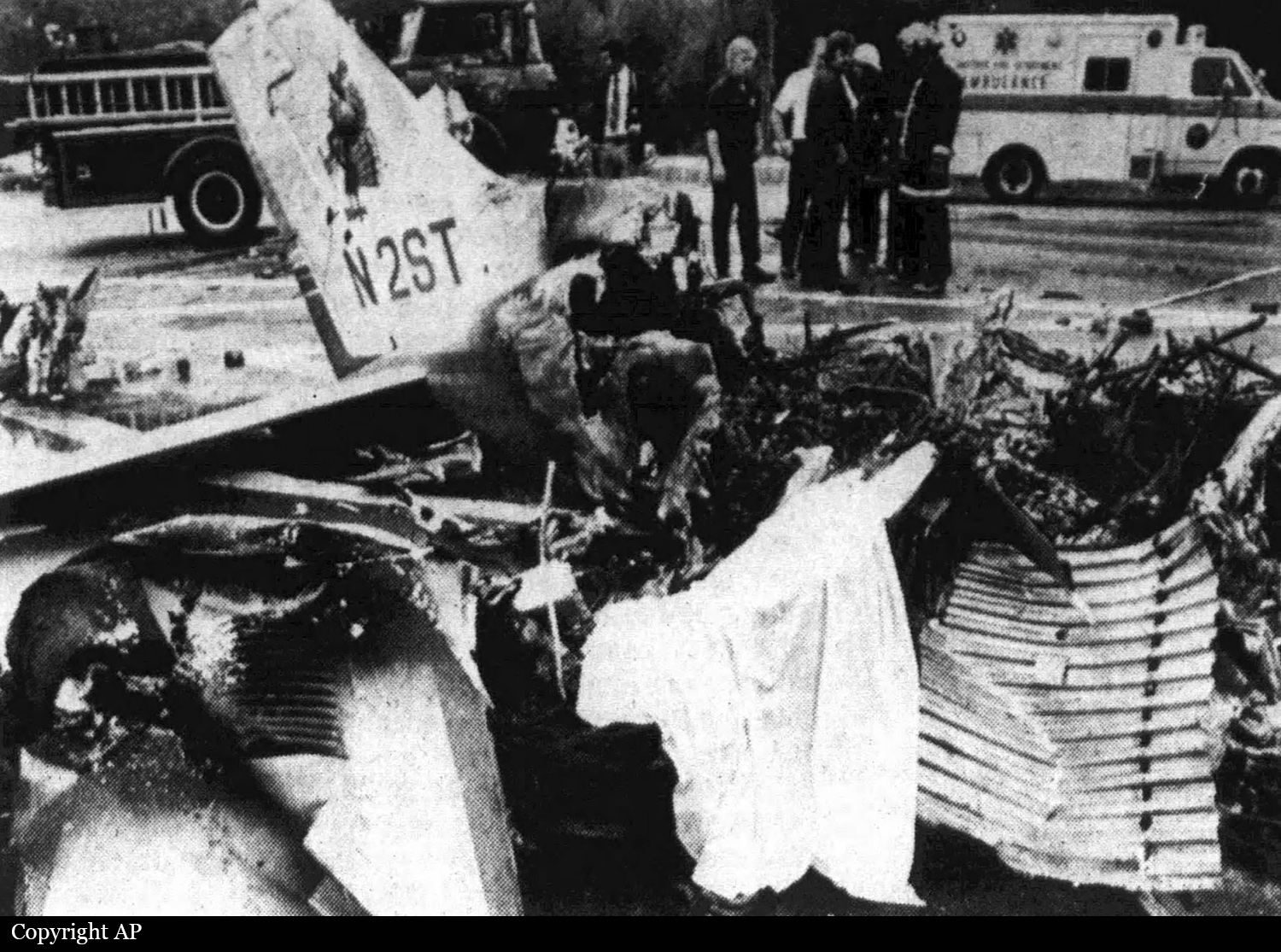
Crash of a Cessna 401B in Tewksbury: 2 killed

Date & Time: Aug 12, 1980 at 0937 LT
Type of aircraft:
Registration:
N2ST
Survivors:
No
Schedule:
Meriden - Tewksbury
MSN:
401B-0008
YOM:
1969
Crew on board:
1
Crew fatalities:
Pax on board:
1
Pax fatalities:
Other fatalities:
Total fatalities:
2
Captain / Total flying hours:
1650
Captain / Total hours on type:
59.00
Circumstances:
On approach to Tewksbury-Tew Mac Airport, the pilot encountered poor weather conditions with limited visibility. While inbound from local VOR, the pilot was supposed to follow 224° heading to Tew Mac Airfield but mistakenly followed the 244° heading. In limited visibility due to low ceiling, rain and fog, the twin engine airplane struck a radio tower and crashed, bursting into flames. Both occupants were killed.
Probable cause:
Collision with electronic tower on final approach due to improper IFR operation on part of the pilot-in-command. The following contributing factors were reported:
- Inadequate preflight preparation,
- Low ceiling,
- Rain,
- Fog,
- Visibility 3/4 mile or less,
- Weather conditions below minimums,
- Wrong approach heading.
Final Report:

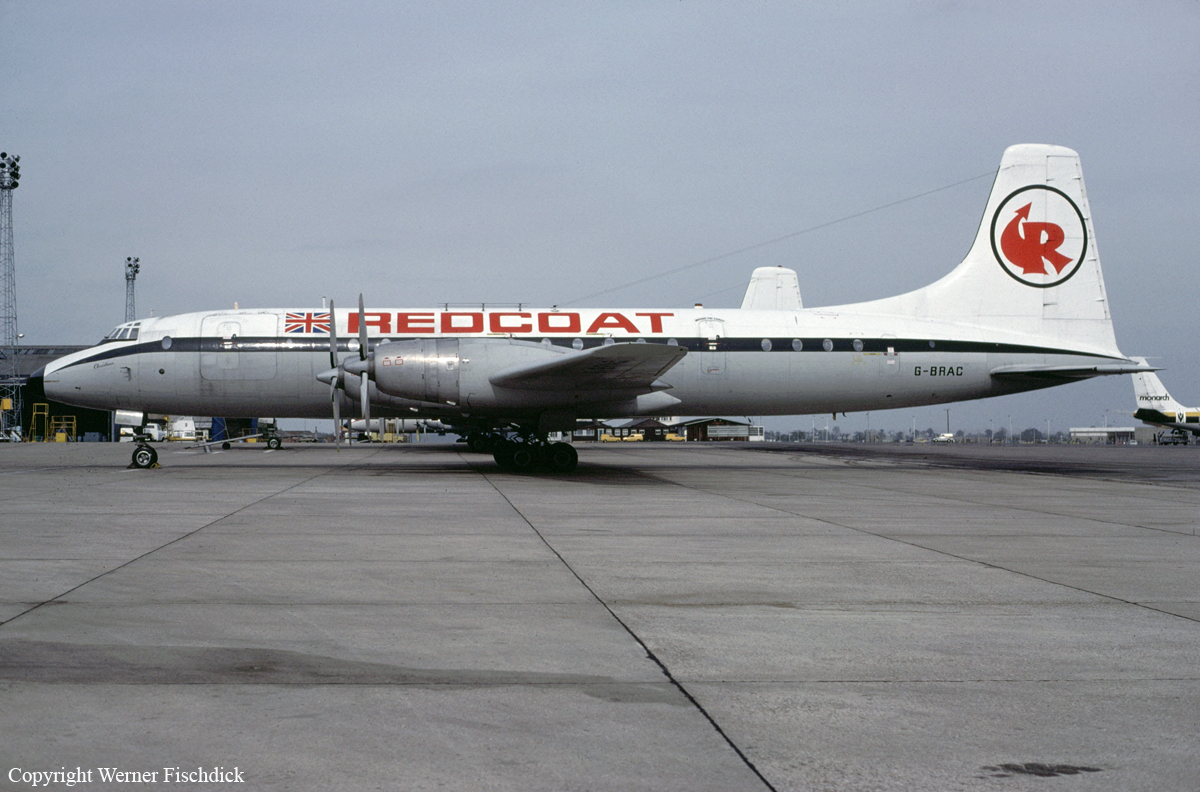
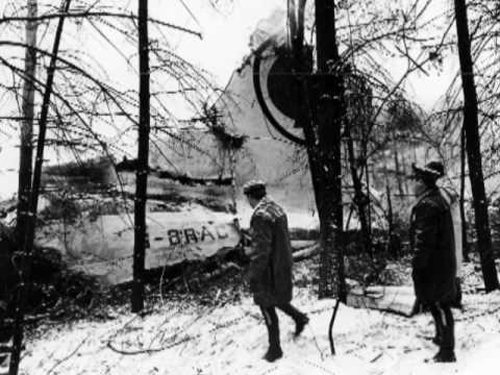
Crash of a Bristol 175 Britannia 253F in Billerica: 7 killed

Date & Time: Feb 16, 1980 at 1416 LT
Type of aircraft:
Operator:
Registration:
G-BRAC
Flight Phase:
Flight Type:
Survivors:
Yes
Schedule:
Boston - Shannon - Luton
MSN:
13448
YOM:
1959
Flight number:
RY103
Crew on board:
5
Crew fatalities:
Pax on board:
3
Pax fatalities:
Other fatalities:
Total fatalities:
7
Captain / Total flying hours:
11600
Captain / Total hours on type:
7400.00
Copilot / Total flying hours:
7600
Copilot / Total hours on type:
4760
Aircraft flight hours:
21963
Aircraft flight cycles:
8310
Circumstances:
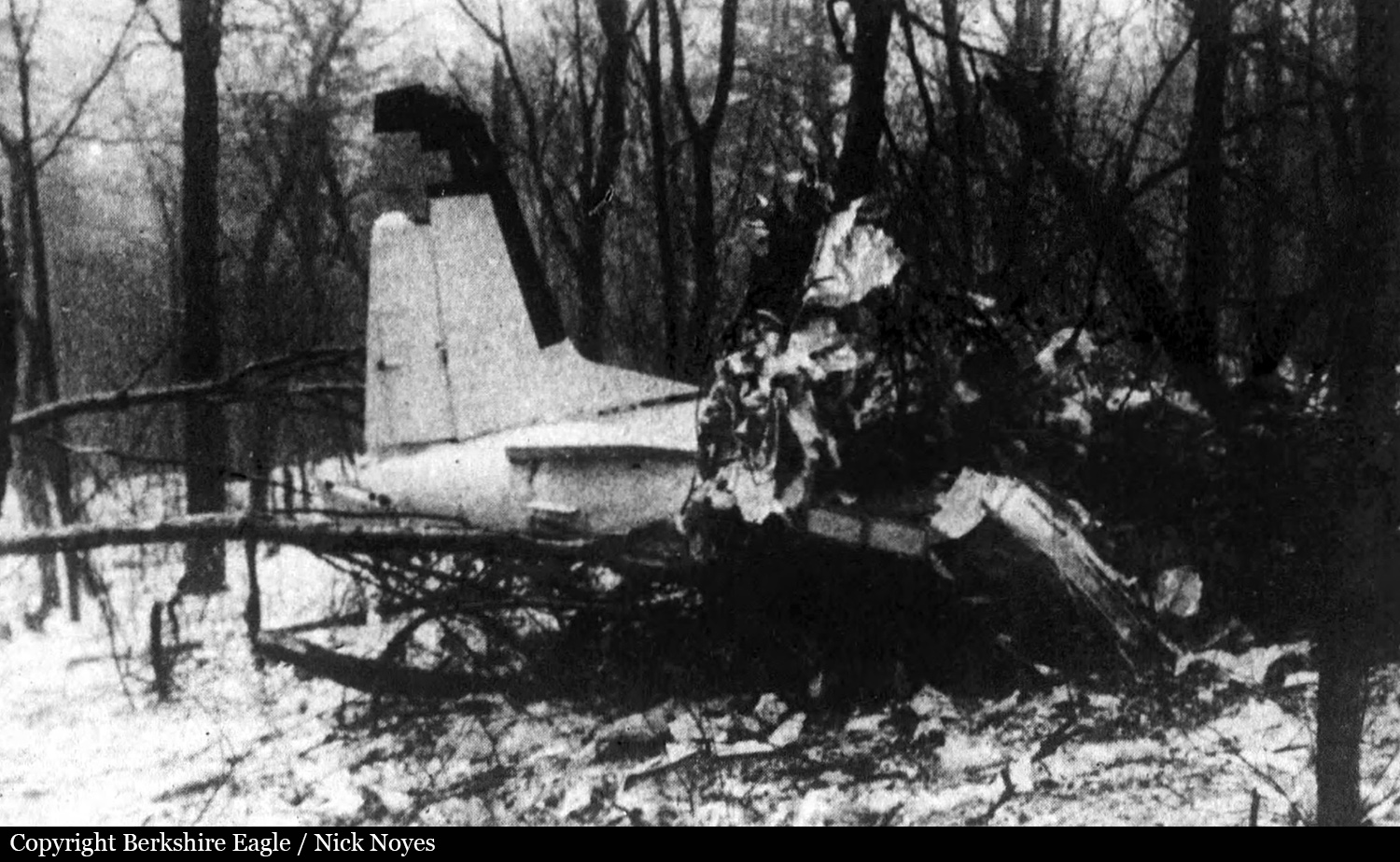
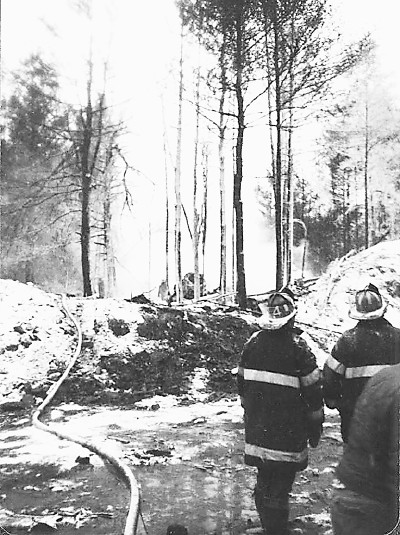
The four engine airplane departed Boston-Logan Airport runway 33L at 1408LT on a cargo flight to Luton via Shannon, carrying eight occupants and a load of computers. Initial climb was completed in poor weather conditions with a visibility reduced to 800 meters due to snow showers, fog and also severe icing conditions. At an altitude of 1,700 feet, the airplane started an uncontrolled descent then contacted trees and crashed in a wooded area located in Billerica, about 17 miles northwest of Boston-Logan Airport. A crew member was seriously injured while seven other occupants were killed.
Probable cause:
Degraded aerodynamic performance beyond the flight capabilities of the aircraft resulting from an accumulation of ice and snow on the airframe before take-off and a further accumulation of ice when the aircraft was flown into moderate to severe icing conditions following take-off. Contributing were encounters with windshear, downdraughts and turbulence during the climb. The failure of the flight crew to obtain an adequate preflight weather briefing and the failure of the National Weather Service to advise the crew of a SIGMET for severe icing conditions were also contributing factors.
Final Report:

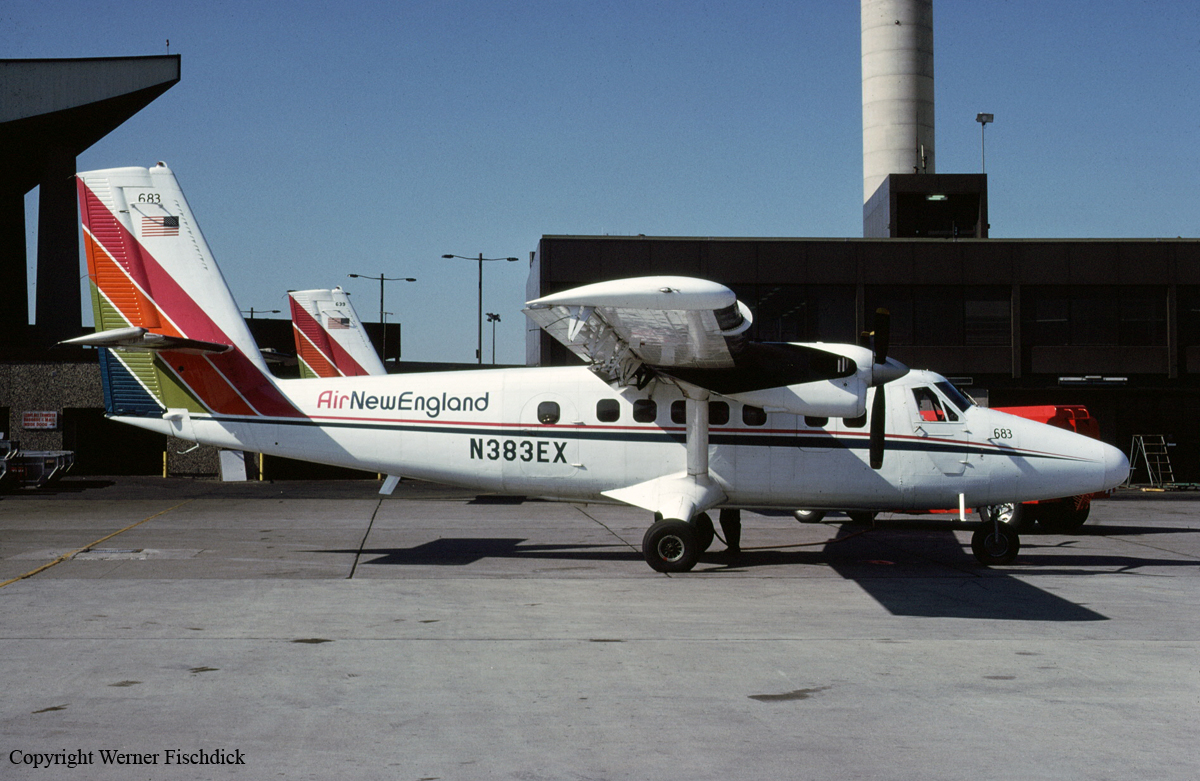
Crash of a De Havilland DHC-6 Twin Otter 300 in Hyannis: 1 killed

Date & Time: Jun 17, 1979 at 2248 LT
Operator:
Registration:
N383EX
Survivors:
Yes
Schedule:
New York-LaGuardia – New Bedford – Hyannis
MSN:
245
YOM:
1969
Flight number:
NE248
Crew on board:
2
Crew fatalities:
Pax on board:
8
Pax fatalities:
Other fatalities:
Total fatalities:
1
Captain / Total flying hours:
25101
Captain / Total hours on type:
951.00
Copilot / Total flying hours:
4362
Copilot / Total hours on type:
102
Aircraft flight hours:
17058
Circumstances:
Before loading the aircraft for takeoff from LaGuardia, the flight crew checked the enroute weather for the return flight to Hyannis and learned that a landing at the en route stop at New Bedford might not be possible. When they were advised of the weather situation, the passengers destined for New Bedford decided to remain in LaGuardia. At 2132, flight 248 departed LaGuardia for Hyannis on the last leg of the day. There were eight passengers and two flight crew members aboard. According to the first officer's and a passenger's testimony at the public hearing during the investigation of the accident, flight 248 was normal until the approach for landing at Hyannis. At 2234:08, flight 248 contacted Otis Approach Control and reported level at 5,000 feet. At 2239:05, the flight was given the current Hyannis weather which included an indefinite ceiling of 200 feet, sky obscured, visibility 3/4 mile in fog, wind 210° at 10 knots. It also included a visibility of 1 1/8 in light drizzle on runway 24. At 2244:36, flight 248 was 4 nmi north-northeast of the outer marker when Otis Approach Control gave the flight a vector of 210° to intercept the localizer at 1,700 feet for an ILS approach to runway 24 at the Barnstable Airport. At 2245:34, flight 248 was instructed to contact the Barnstable Airport tower. About 2247, the flight complied with this request and reported crossing the outer marker. The flight was cleared to land, however, no further transmissions were heard form the aircraft. The Boston Air Route Traffic Control Center (Boston Center) was able to track flight 248 to within 2.8 nmi of the intended touchdown point on runway 24. Boston Center's computer printout showed the flight's position at 2246:51 about 0.35 nmi northeast of the ILS outer marker at 1,700 feet. It also showed the flight about 0.15 nmi southwest of the outer marker at 1,500 feet at 2247:03. The last radar position shown for the flight was about 1.1 nmi southwest of the outer marker at 2247:27 at 1,100 feet. The first officer stated that the captain was flying the aircraft during the approach to Hyannis. He said that he made the following callouts: localizer alive, outer marker, 500 feet above, 200 feet above, 100 feet above, minimums, and 100 feet below. He said that the captain did not acknowledge any of these calls. The first officer said that when he called 'minimums', the aircraft was one dot below the ILS glidepath. The first officer said that it appeared that the aircraft was in a continual descent without any excessive sink rates or descent angles from 5,000 feet until impact, with the airspeed near 130 knots for the entire approach. He stated that, as he called '100 feet below', he looked outside the cockpit because he believed that the captain had the approach lights in sight. The first officer said that he did not see the ground before the aircraft crashed about 2248 into a heavily wooded area located 1.5 nmi from the approach end of runway 24, on the runway centerline extended. The accident occurred during the hours of darkness. The captain was killed while all other occupants were injured, some of them seriously.
Probable cause:
The National Transportation Safety Board determines that the probable cause of the accident was the failure of the flightcrew to recognize and react in a timely manner to the gross deviation from acceptable approach parameters, resulting in a continuation of the descent well below decision height during a precision approach without visual contact with the runway environment. Although the Board was unable to determine conclusively the reason for the failure to recognize and react to the gross deviation, it is believed that the degraded physiological condition of the captain seriously impaired his performance. Also, the lack of adequate crew coordination practices and procedures contributed to the first officer's failure to detect and react to the situation in a timely manner.
Final Report:

Crash of a Piper PA-60 Aerostar (Ted Smith Aerostar 600) in Templeton: 2 killed

Date & Time: Jan 11, 1979 at 1110 LT
Registration:
N8022J
Flight Phase:
Survivors:
No
Schedule:
Boston - Syracuse
MSN:
60-0526-170
YOM:
1978
Crew on board:
1
Crew fatalities:
Pax on board:
1
Pax fatalities:
Other fatalities:
Total fatalities:
2
Captain / Total flying hours:
1600
Circumstances:
While in cruising altitude in good weather conditions, en route from Boston to Syracuse, the twin engine airplane collided with a Piper PA-31-350 Navajo Chieftain owned by the Tamposi-Nash Real Estate Group and registered N33TN. En route from Concord to White Plains, it was carrying two passengers and one pilot. Following the collision, both aircraft entered a dive and crashed near Templeton. Both aircraft were destroyed and all five occupants were killed.
Probable cause:
In-flight collision with another aircraft after the pilot failed to see and avoid other traffic while cruising in an uncontrolled area.
Final Report: