Crash of a Learjet 35A in Aspen: 3 killed

Date & Time: Feb 13, 1991 at 1741 LT
Type of aircraft:
Operator:
Registration:
N535PC
Survivors:
No
Schedule:
Las Vegas - Aspen
MSN:
35-291
YOM:
1980
Crew on board:
2
Crew fatalities:
Pax on board:
1
Pax fatalities:
Other fatalities:
Total fatalities:
3
Captain / Total flying hours:
10530
Captain / Total hours on type:
3700.00
Circumstances:
The flight crew reported to the tower controller that they were over the airport and requested a right downwind circling approach to runway 15. The tower controller and other witnesses observed the airplane in a steep right bank on base leg. The airplane overshot the extended runway centerline. The tower controller observed the airplane entering a steeper right bank to correct back to the runway centerline. The controller stated that he observed the airplane "flutter" and then crash right-wing first, about one mile north of the runway threshold. Other witnesses reported a variety of indications consistent with a loss of control. The last recorded transmission was "Oh no you're (stall…)." The ( ) indicates that the word was questionable text. Both engines were producing about 1,700 pounds of thrust (2,561 pounds available). A snow squall had just passed over the airport and was obscuring mountains to the east. The terrain was snow covered. The accident occurred about eight minutes before official sunset. The approach procedure is not authorized at night or for category D airplanes. Minimums for the approach were three miles visibility with an MDA of 10,840 feet. Airport elevation is 7,815 feet. Both pilots were rated in the airplane. It could not be determined which pilot was at the controls at the time of the accident.
Probable cause:
The flight crew's failure to maintain airspeed and control of the airplane while maneuvering to land. Contributing factors were the flight crew's execution of an unstabilized approach and the surrounding snow-covered mountainous terrain.
Final Report:


Crash of a Partenavia P.68C-TC Victor in Munich: 2 killed

Date & Time: Feb 10, 1991
Type of aircraft:
Operator:
Registration:
D-GANS
Flight Type:
Survivors:
No
MSN:
342-30-TC
YOM:
1984
Location:
Country:
Region:
Crew on board:
1
Crew fatalities:
Pax on board:
1
Pax fatalities:
Other fatalities:
Total fatalities:
2
Circumstances:
On approach to Munich Airport, the pilot encountered strong crosswinds when the twin engine aircraft went out of control and crashed few hundred meters short of runway. Both occupants were killed.

Crash of a Beechcraft 200 Super King Air in Epinal: 2 killed

Date & Time: Feb 8, 1991
Registration:
F-GHBE
Flight Type:
Survivors:
No
MSN:
BB-500
YOM:
1979
Country:
Region:
Crew on board:
2
Crew fatalities:
Pax on board:
0
Pax fatalities:
Other fatalities:
Total fatalities:
2
Circumstances:
While on a positioning flight, the twin engine aircraft crashed on approach to Epinal-Mirecourt Airport. The wreckage was found in a field 4 km short of runway threshold. Both pilots were killed.
Probable cause:
It was determined that the accident was the consequence of a wrong altimeter setting after the crew though he was completing the approach under QNH while the aircraft was set on QFE.

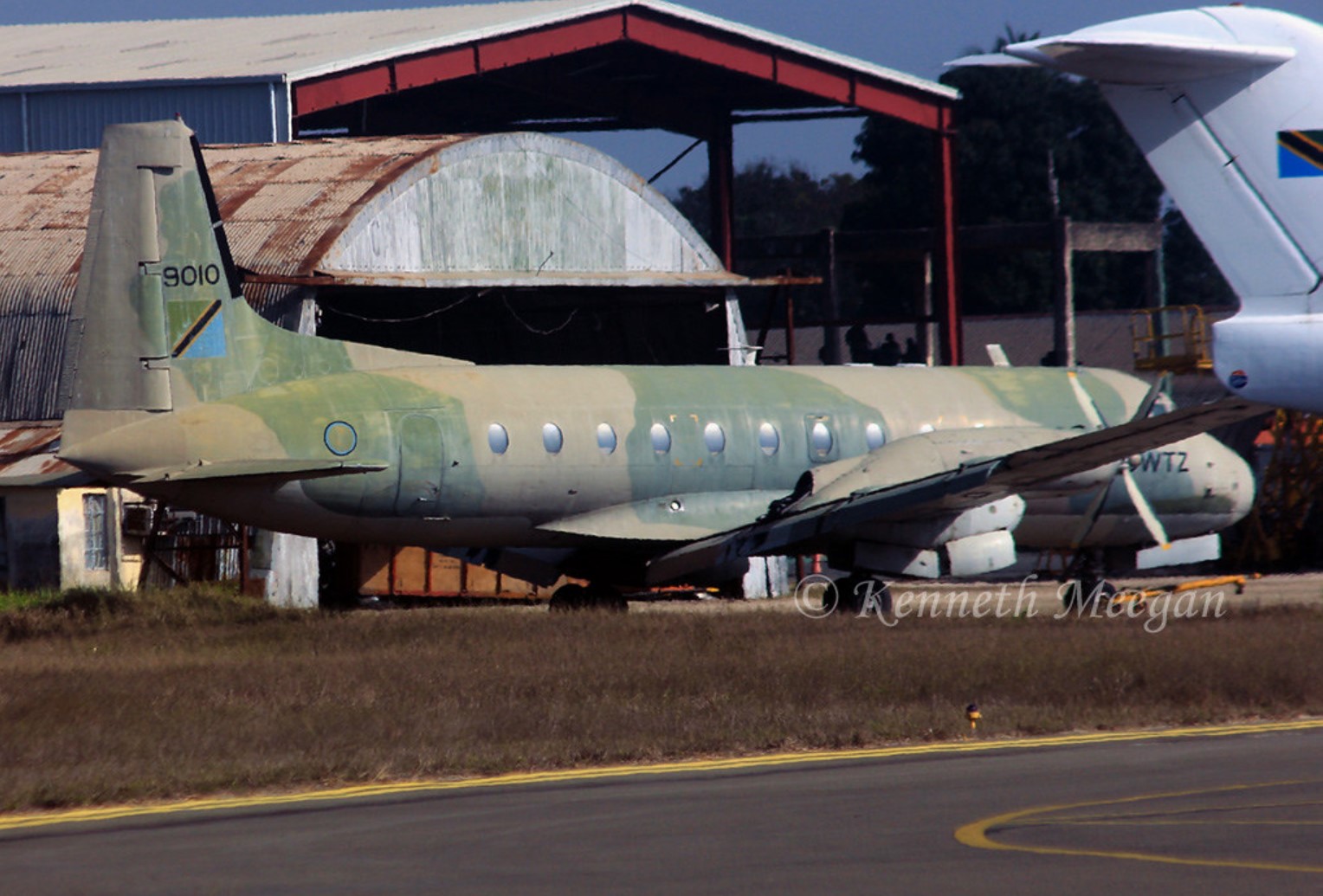
Crash of an Avro 748-314-2A in Dar es Salaam

Date & Time: Feb 7, 1991
Type of aircraft:
Operator:
Registration:
JW9010
Flight Type:
Survivors:
Yes
Schedule:
Dar es-Salaam - Dar es-Salaam
MSN:
1753
YOM:
1977
Country:
Region:
Crew on board:
2
Crew fatalities:
Pax on board:
0
Pax fatalities:
Other fatalities:
Total fatalities:
0
Circumstances:
The crew departed Dar es Salaam Airport on a local training flight. En route, he encountered technical problems and was unable to raise the landing gear. The crew returned to the airport where repairs were completed. After takeoff, the crew reported he was unable to lower the landing gear and was then forced to attempt a belly landing. The aircraft came to rest on the runway and both pilots escaped uninjured.
Probable cause:
It was reported that the gear door latch were blocked for undetermined reasons.

Crash of a Pilatus PC-6/B2-H2 Turbo Porter in Doi Suthep

Date & Time: Feb 6, 1991
Operator:
Registration:
1315
Flight Phase:
Survivors:
Yes
MSN:
782
YOM:
1977
Country:
Region:
Crew on board:
2
Crew fatalities:
Pax on board:
0
Pax fatalities:
Other fatalities:
Total fatalities:
0
Circumstances:
Crashed in unknown circumstances, injuring both pilots.

Crash of an Antonov AN-12 in Monrovia

Date & Time: Feb 5, 1991
Type of aircraft:
Operator:
Survivors:
Yes
Schedule:
Conakry - Monrovia
Country:
Region:
Crew on board:
7
Crew fatalities:
Pax on board:
65
Pax fatalities:
Other fatalities:
Total fatalities:
0
Circumstances:
Crashed on approach to Monrovia-Roberts Airport for unknown reasons. All 72 occupants were rescued and the aircraft was damaged beyond repair.

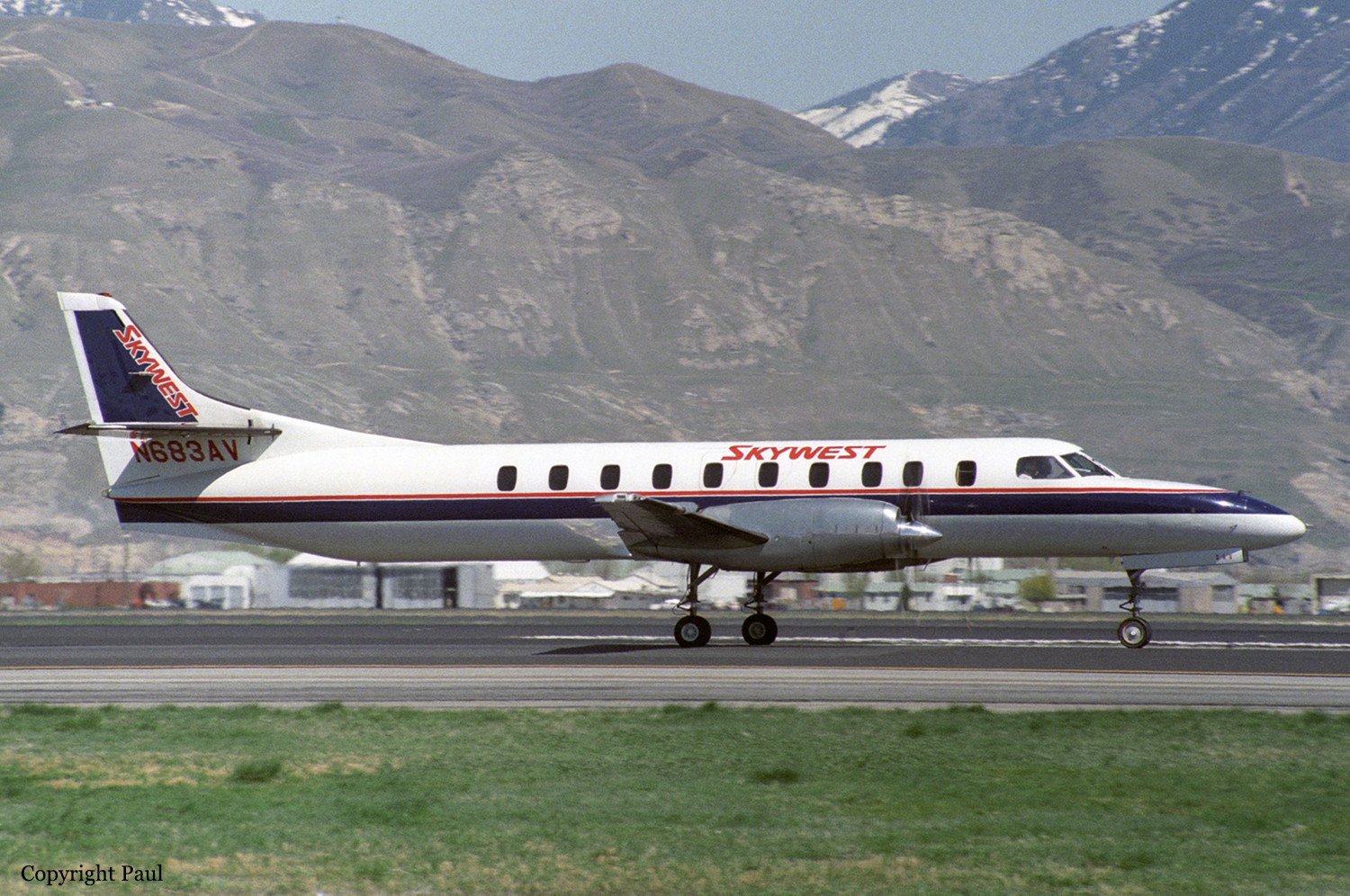
Crash of a Swearingen SA227AC Metro III in Los Angeles: 12 killed

Date & Time: Feb 1, 1991 at 1807 LT
Type of aircraft:
Operator:
Registration:
N683AV
Flight Phase:
Survivors:
No
Schedule:
Los Angeles - Palmdale
MSN:
AC-683
YOM:
1987
Flight number:
OO5569
Crew on board:
2
Crew fatalities:
Pax on board:
10
Pax fatalities:
Other fatalities:
Total fatalities:
12
Captain / Total flying hours:
8808
Captain / Total hours on type:
2107.00
Copilot / Total flying hours:
8000
Copilot / Total hours on type:
1363
Circumstances:
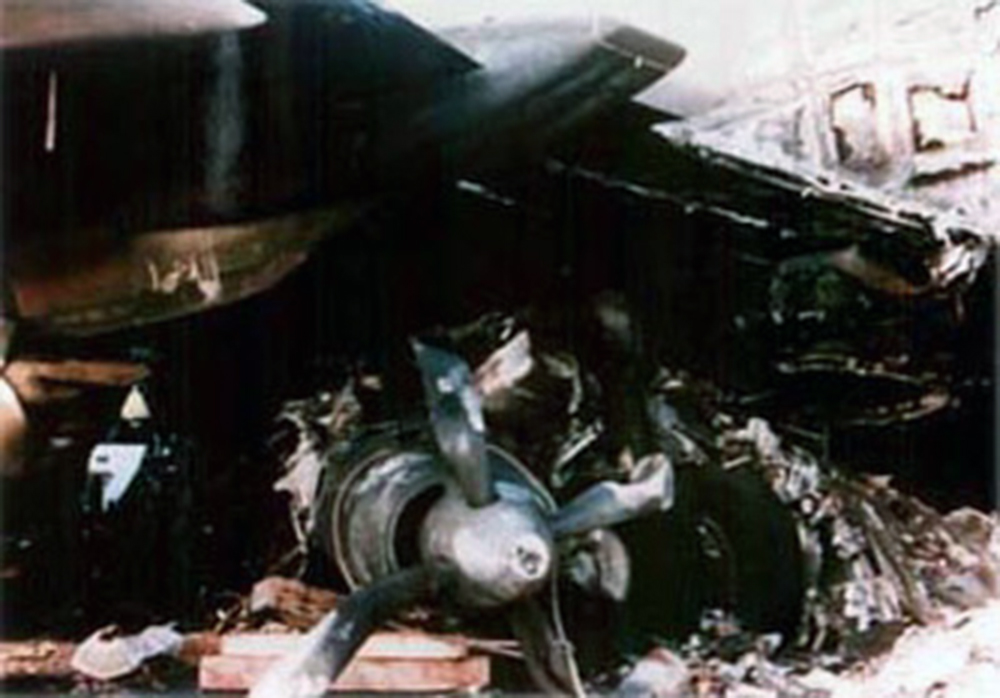
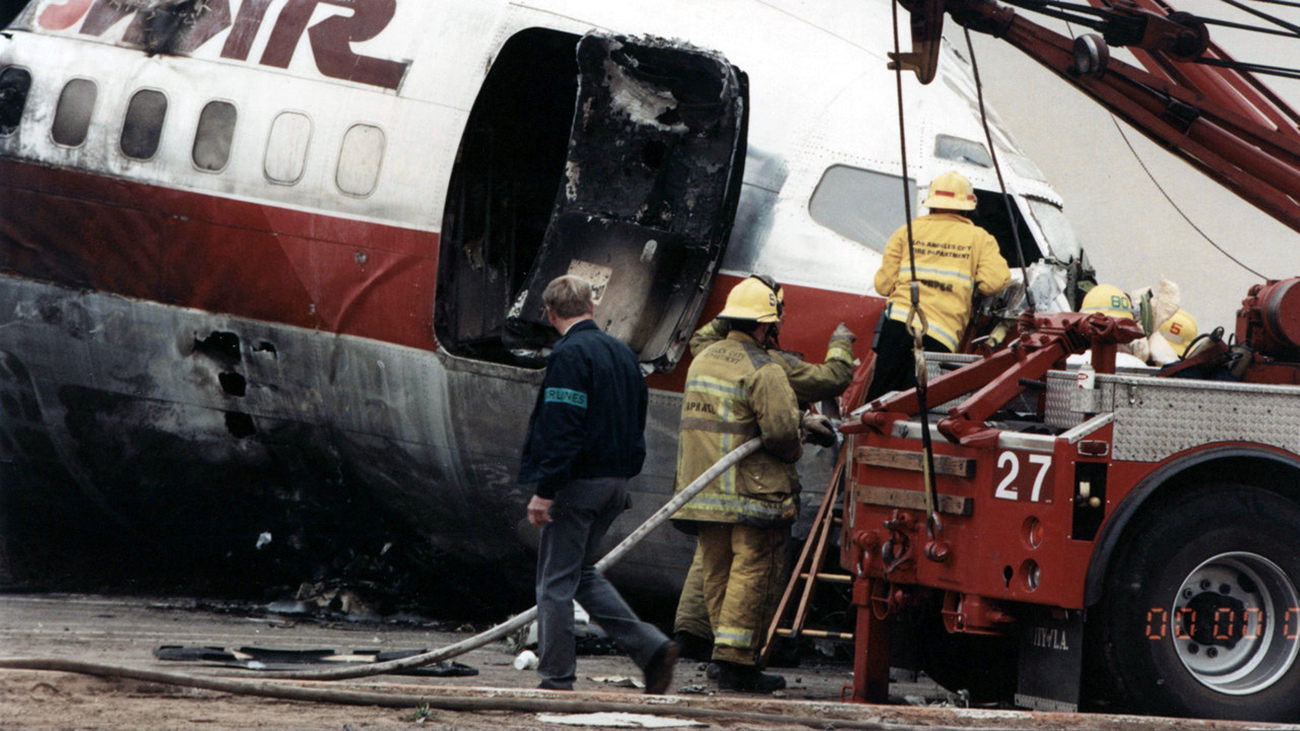
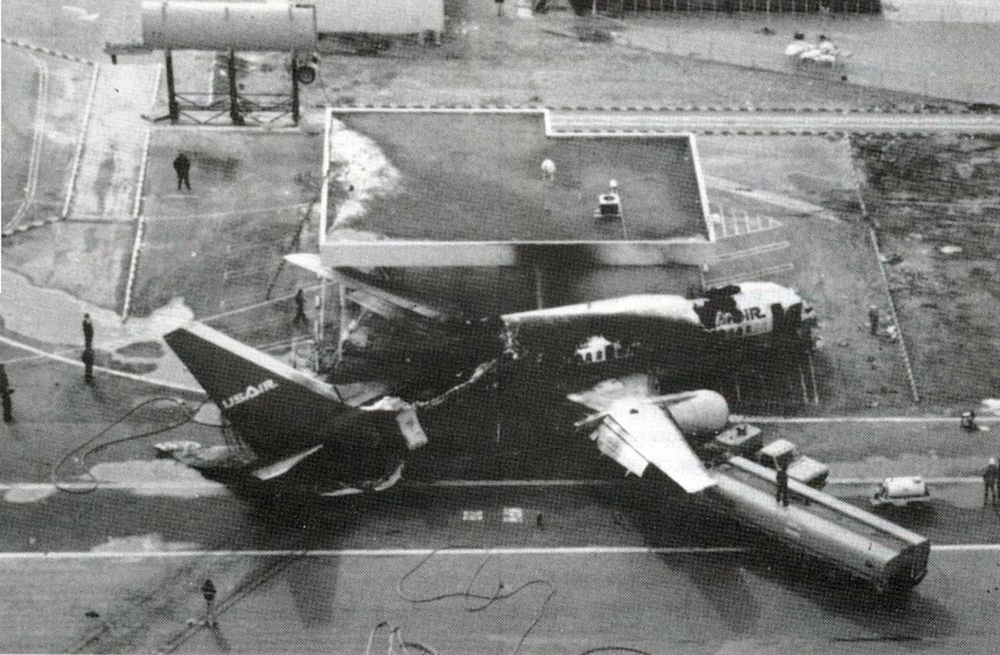
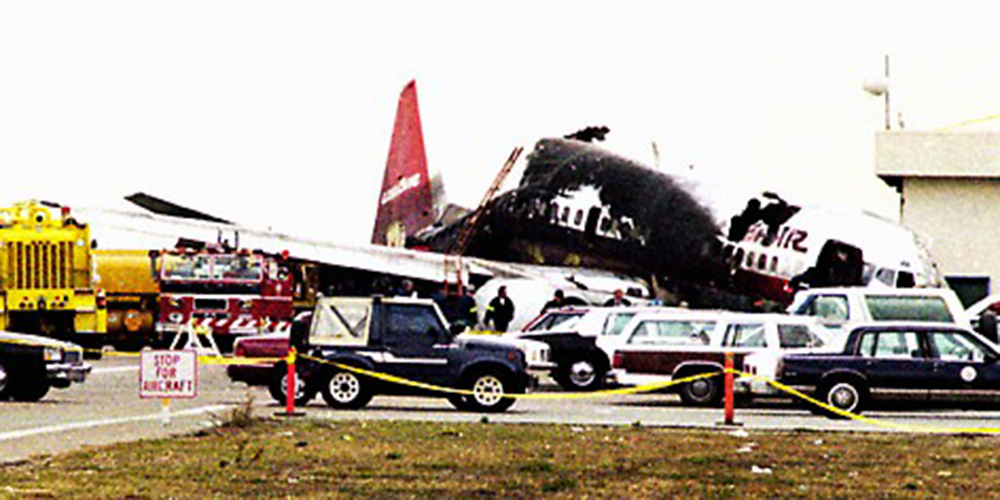
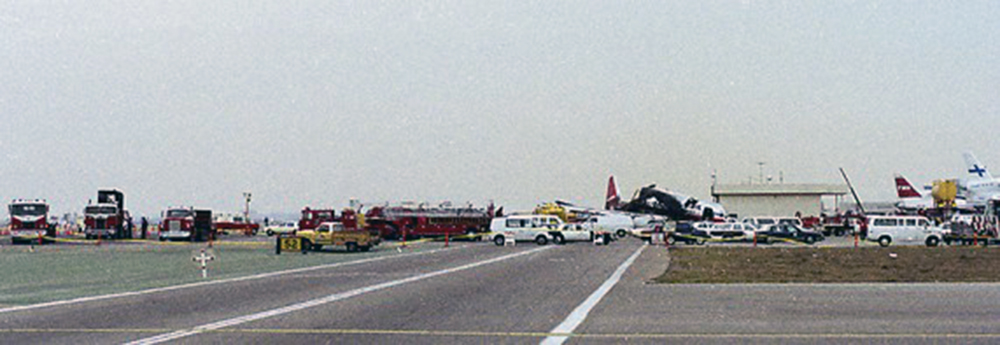
SKW5569, N683AV, had been cleared to runway 24L, at intersection 45, to position and hold. The local controller, because of her preoccupation with another airplane, forgot she had placed SKW5569 on the runway and subsequently cleared US1493, N388US, for landing. After the collision, the two airplanes slid off the runway into an unoccupied fire station. The tower operating procedures did not require flight progress strips to be processed through the local ground control position. Because this strip was not present, the local controller misidentified an airplane and issued a landing clearance. The technical appraisal program for air traffic controllers is not being fully utilized because of a lack of understanding by supervisors and the unavailability of appraisal histories.
Probable cause:
The failure of the los angeles air traffic facility management to implement procedures that provided redundancy comparable to the requirements contained in the national operational position standards and the failure of the faa air traffic service to provide adequate policy direction and oversight to its air traffic control facility managers. These failures created an environment in the Los Angeles air traffic control tower that ultimately led to the failure of the local controller 2 (lc2) to maintain an awareness of the traffic situation, culminating in the inappropriate clearances and the subsequent collision of the usair and skywest aircraft. Contributing to the cause of the accident was the failure of the faa to provide effective quality assurance of the atc system.
Final Report:

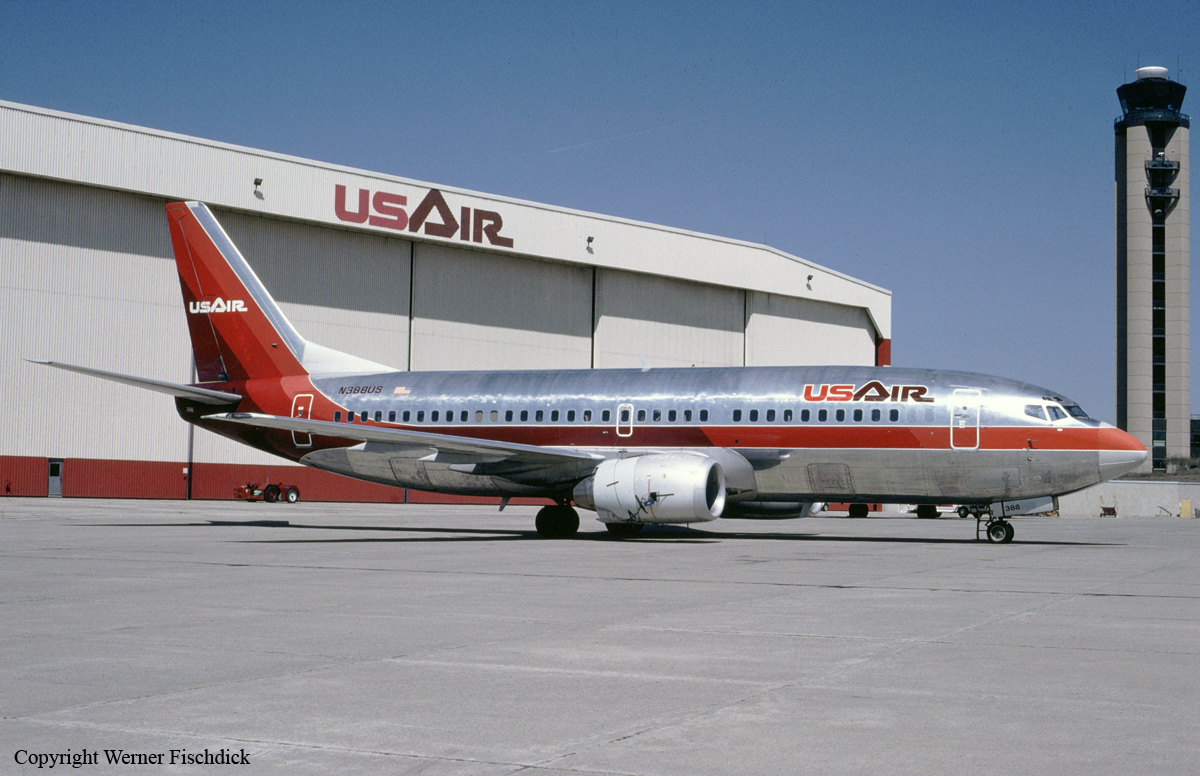
Crash of a Boeing 737-3B7 in Los Angeles: 22 killed

Date & Time: Feb 1, 1991 at 1807 LT
Type of aircraft:
Operator:
Registration:
N388US
Survivors:
Yes
Schedule:
Columbus - Los Angeles
MSN:
23310
YOM:
1985
Flight number:
US1493
Crew on board:
6
Crew fatalities:
Pax on board:
83
Pax fatalities:
Other fatalities:
Total fatalities:
22
Captain / Total flying hours:
16300
Captain / Total hours on type:
4300.00
Copilot / Total flying hours:
4316
Copilot / Total hours on type:
982
Circumstances:
SKW5569, N683AV, had been cleared to runway 24L, at intersection 45, to position and hold. The local controller, because of her preoccupation with another airplane, forgot she had placed SKW5569 on the runway and subsequently cleared US1493, N388US, for landing. After the collision, the two airplanes slid off the runway into an unoccupied fire station. The tower operating procedures did not require flight progress strips to be processed through the local ground control position. Because this strip was not present, the local controller misidentified an airplane and issued a landing clearance. The technical appraisal program for air traffic controllers is not being fully utilized because of a lack of understanding by supervisors and the unavailability of appraisal histories.
Probable cause:
The failure of the los angeles air traffic facility management to implement procedures that provided redundancy comparable to the requirements contained in the national operational position standards and the failure of the faa air traffic service to provide adequate policy direction and oversight to its air traffic control facility managers. These failures created an environment in the Los Angeles air traffic control tower that ultimately led to the failure of the local controller 2 (lc2) to maintain an awareness of the traffic situation, culminating in the inappropriate clearances and the subsequent collision of the usair and skywest aircraft. Contributing to the cause of the accident was the failure of the faa to provide effective quality assurance of the atc system.
Final Report:

Crash of a Beechcraft B90 King Air in Uchiza

Date & Time: Jan 31, 1991
Type of aircraft:
Operator:
Registration:
OB-1361
Flight Phase:
Survivors:
Yes
MSN:
LJ-451
YOM:
1970
Location:
Country:
Crew on board:
1
Crew fatalities:
Pax on board:
4
Pax fatalities:
Other fatalities:
Total fatalities:
0
Circumstances:
During the takeoff roll, as he was approaching V1, the pilot saw a vehicle on the runway. He attempted to avoid the collision when the aircraft veered off runway and collided with trees. All five occupants escaped uninjured.

Crash of a BAe 3101 Jetstream 31 in Beckley

Date & Time: Jan 30, 1991 at 2355 LT
Type of aircraft:
Operator:
Registration:
N167PC
Survivors:
Yes
Schedule:
Charlotte - Beckley
MSN:
710
YOM:
1986
Crew on board:
2
Crew fatalities:
Pax on board:
17
Pax fatalities:
Other fatalities:
Total fatalities:
0
Captain / Total flying hours:
5000
Captain / Total hours on type:
3400.00
Aircraft flight hours:
8841
Circumstances:
Aircraft was dispatched with inoperative airframe deice system, tho an operational deice system was required for flight in known icing conditions. During descent to land, aircraft encountered light icing conditions. Capt believed aircraft could 'handle it' and continued descent. As he began ILS final approach, he noted significant increase of ice accumulation and used higher than normal approach speed. As full (50°) flaps were set, aircraft began buffet and pitched nose down. Capt corrected with full back pressure on control column, but aircraft landed hard, gear collapsed and aircraft slid about 3,600 feet to a stop. No preimpact mechanical anomaly was found, except for inoperative deice system. Investigation revealed pilots had received printout of weather from company computer system with surface observation and terminal forecast, but no area forecast (FA). Pilots and ground personnel were not aware that FA was available at company weather terminal. FA forecasted light and occasional moderate rime and mixed icing in clouds and precipitation above freezing level. Weather deteriorated, but pilots did not require inflight weather info or pireps. Flight mnl noted tailplane ice may cause nose down trim change with flap extension. There was evidence of tail plane stall, lack of company training in cold weather operations, deficiencies in use of deicing systems, and lack of FAA surveillance.
Probable cause:
Flight into known adverse weather conditions by the pilot, which resulted in ice accumulation on the aircraft and subsequent loss of aircraft control (tail plane stall) as the flaps were fully extended. Factors related to the accident were: the pilot's inadequate use of the preflight briefing service, inadequate training provided to the pilots by company/management personnel, inadequate surveillance by the faa, and icing conditions.
Final Report: