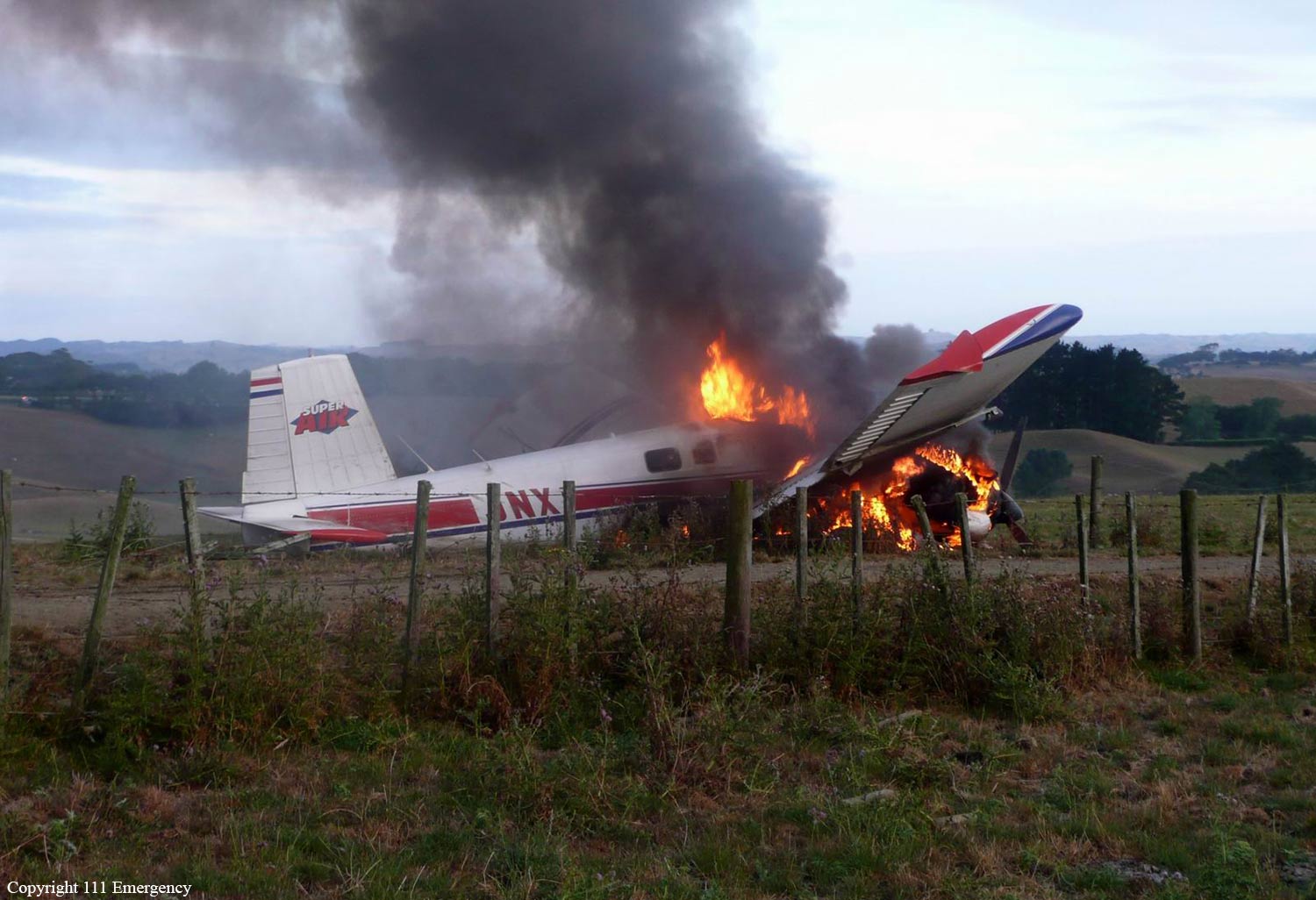
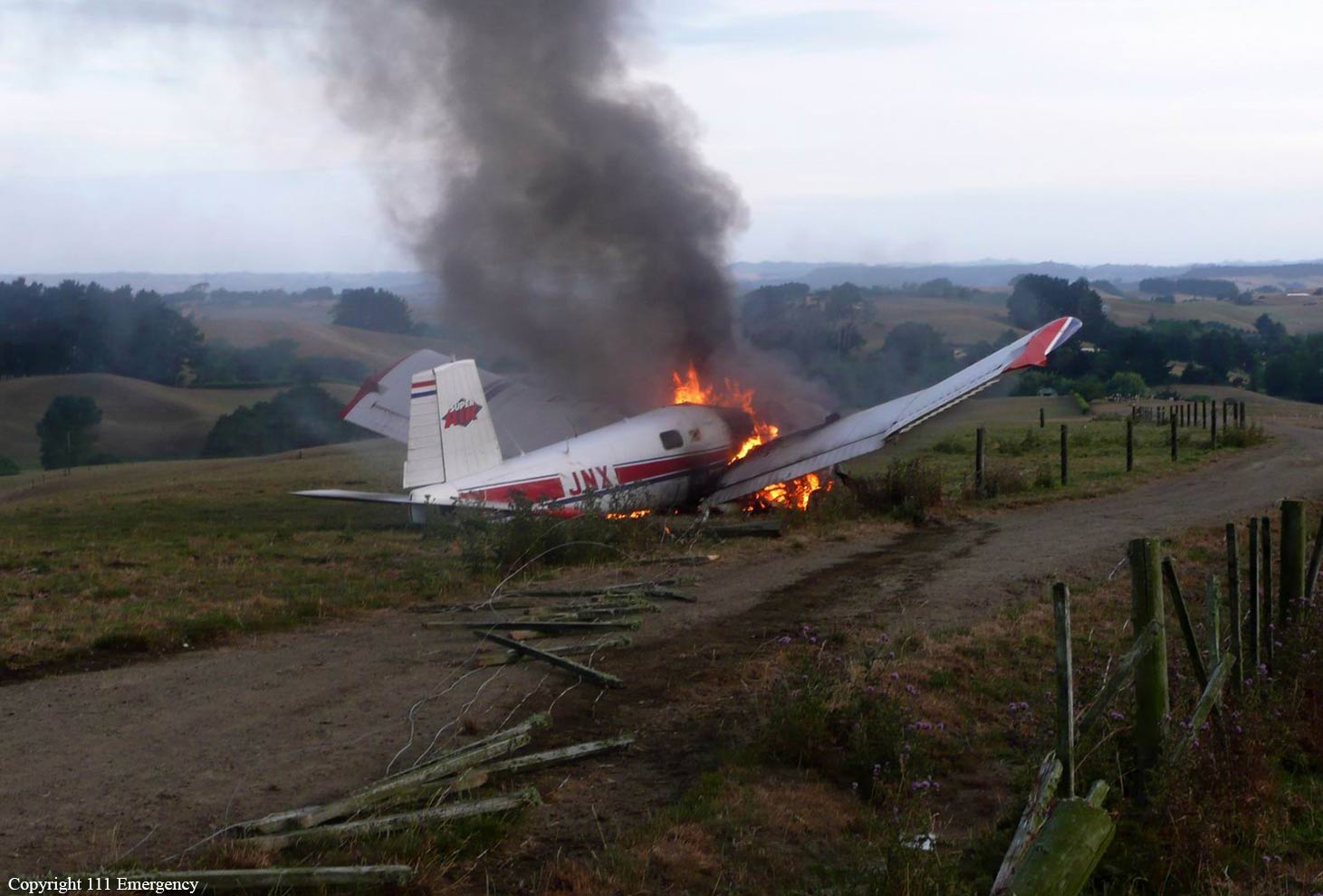
Crash of a PAC Cresco 08-600 in Tarata: 1 killed

Date & Time: Dec 14, 2008 at 1155 LT
Type of aircraft:
Operator:
Registration:
ZK-LTC
Flight Phase:
Survivors:
No
Schedule:
Tarata - Tarata
MSN:
20
YOM:
1997
Country:
Region:
Crew on board:
1
Crew fatalities:
Pax on board:
0
Pax fatalities:
Other fatalities:
Total fatalities:
1
Captain / Total flying hours:
12100
Aircraft flight hours:
3272
Aircraft flight cycles:
33147
Circumstances:
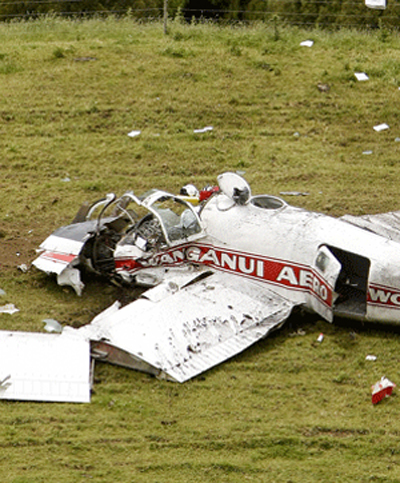
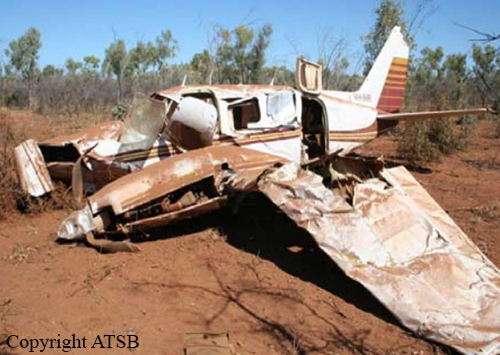
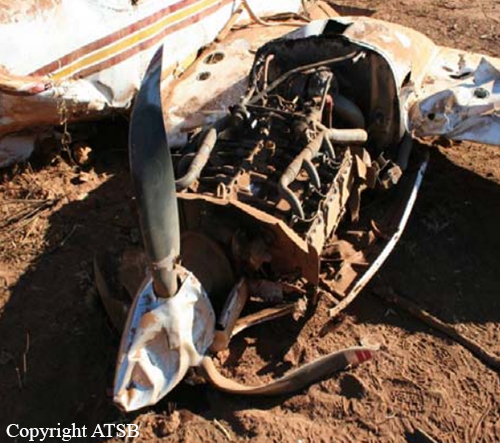
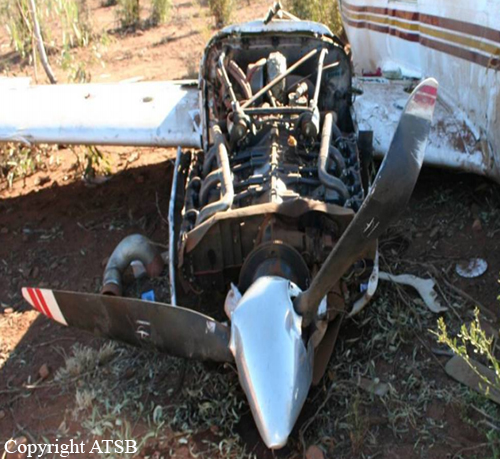
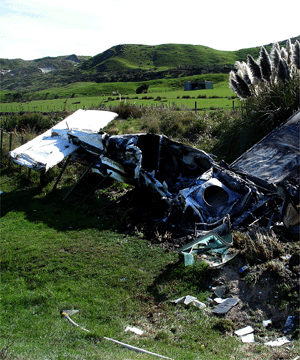
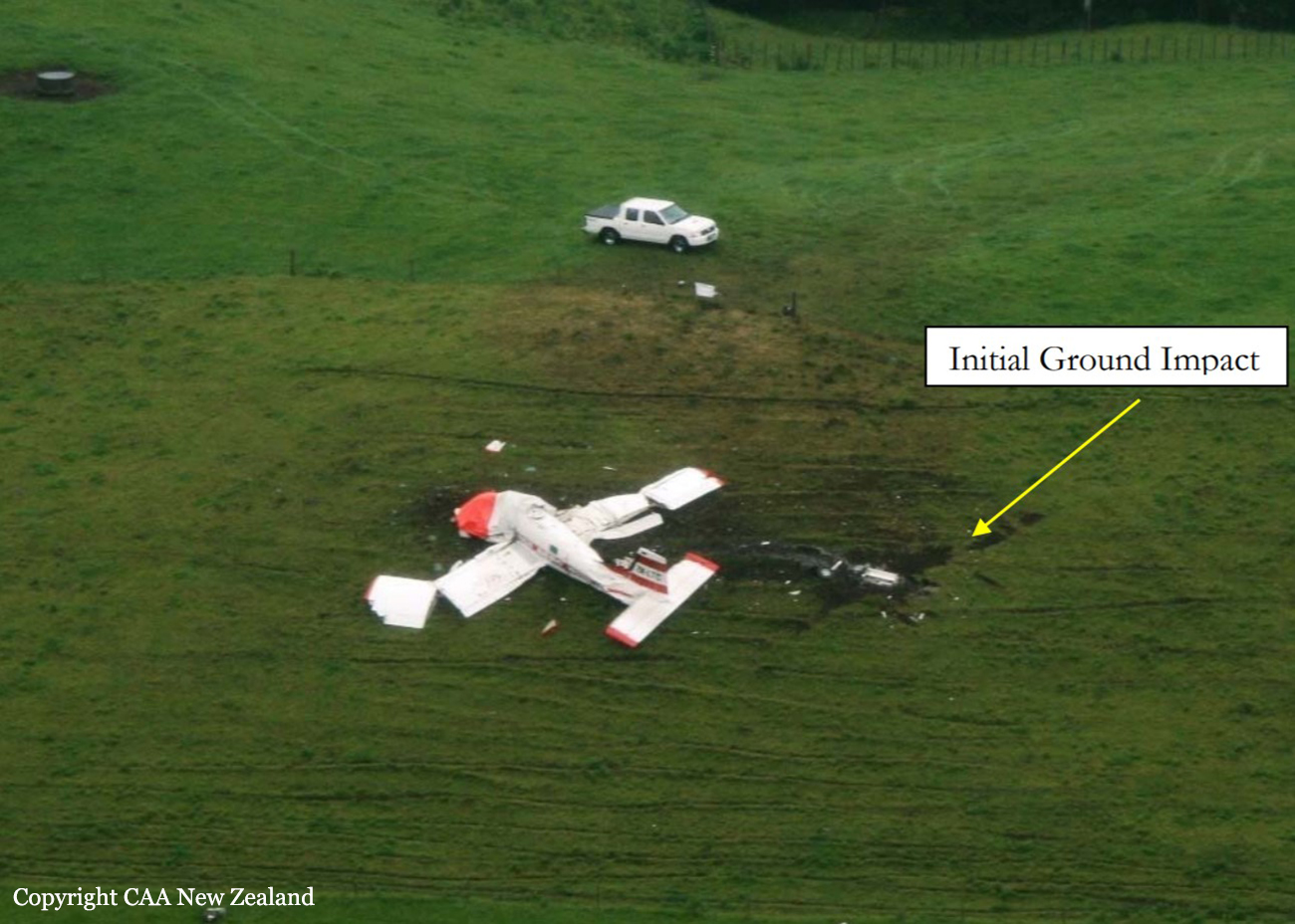
On Sunday 14 December 2008, the aircraft departed from Stratford Aerodrome at 0630 hours for a transit flight to a farm airstrip near Tarata. Shortly after becoming airborne the pilot noticed the engine chip detector warning light on the instrument panel was illuminated. He diverted to the company maintenance base at Wanganui aerodrome for the defect to be rectified. The aircraft engineer found a light metallic fuzz on the engine magnetic (mag) plug. The fuzz was cleaned off and the mag plug refitted. The aircraft was released to service with a condition that a further inspection of the mag plug was to be performed after 10 hours flight time. The topdressing job, which involved the spreading of 450 tonnes of lime, had commenced on Thursday 11 December 2008 and continued on Friday 12 December 2008. No flying took place on Saturday 13 December 2008 due to a local horse-riding event being held on the farm property. The aircraft arrived at the farm airstrip at 0940 hours on the Sunday morning, and shortly thereafter commenced operations to complete the spreading of the lime. At the time of the accident, 423 tonnes of lime had been spread. The pilot flew a series of topdressing flights before needing to stop for the first refuel. When interviewed, the loader driver stated that the pilot informed him that he was having some difficulty with the lime product not flowing consistently from the aircraft hopper during the sowing runs. At approximately 1145 hours the pilot stopped again to refuel. On completion of the refuel, this gave the aircraft an estimated fuel load of 300 litres. The pilot completed a further two flights. On the third flight, the aircraft became airborne at the end of the airstrip and then descended 55 feet below the level of the airstrip where the aft fuselage struck a fence line. A concentration of lime along the aircraft’s take-off path indicated that the pilot had initiated an attempt to jettison his load at the end of the airstrip. Following the collision with the fence, the aircraft remained airborne for a further 450 metres before it impacted the side of a small hill in a slight nose down attitude. The aircraft then came to rest 12 metres to the left of the initial impact point. The accident occurred in daylight, at approximately 1155 hours NZDT, at Tarata, at an elevation of 410 feet amsl. Latitude: S39° 08.169', longitude: E174° 21.710'.
Probable cause:
Conclusions:
- The pilot was appropriately licensed, held the appropriate Medical Certificate, was experienced and fit to carry out aerial topdressing operations.
- The aircraft had been operating normally from the airstrip up to the time of the accident.
- The aircraft descended after take-off and struck a fence. The collision with the fence damaged the elevator control cable system which jammed the elevator control surface. This resulted in the pilot being unable to adequately control the aircraft in pitch, and the aircraft subsequently struck the ground.
- The aircraft was loaded with 1900 kg of lime product on the accident flight, this was in excess of the 1860 kg maximum structural hopper load. No variation above the maximum structural hopper load is allowed for in CAR Part 137. The aircraft’s all-up weight at the time of the accident was under the maximum allowed under the overload provisions of CAR Part 137 by 145 kg.
- The Aircraft Flight Manual does not provide take-off performance data for operation over the maximum certificated take-off weight and up to the maximum agricultural weight as allowed by CAR Part 137.
- A change in wind direction had occurred in the late morning which may have presented the pilot with a slight tail-wind or possible low level turbulence, including down draught conditions, during and after take-off.
- The windsock was not in the most suitable position to indicate the wind conditions to the pilot.
- Partial or full load jettisons had taken place on previous flights, indicating that the pilot was having difficulty achieving the required aircraft performance during or after take-off.
- On the accident flight, the aircraft was probably overloaded for the prevailing environmental conditions.
- The reported poor flowing qualities of the lime product being spread may have hampered the pilot’s efforts to jettison the load after take-off. The effectiveness of the jettison may have also been reduced by the downward flight path of the aircraft on leaving the end of the airstrip. It is unlikely that the pilot could comply with the CAR Part 137.103 requirement to jettison 80% of the load within five seconds.
- The possibility of a pre-existing airframe or engine defect that could have contributed to the accident was eliminated as far as practicable by the investigation.
- The ELT fitted to the aircraft was no longer an approved type, therefore the aircraft was not airworthy in accordance with CARs. The ELT was incapable of being detected by satellite and therefore would not automatically alert rescue services, however, this did not hamper rescue efforts in this accident.
- The accident was not survivable.
Final Report:
Crash of a Piper PA-31-350 Navajo Chieftain in Bathurst: 4 killed

Date & Time: Nov 7, 2008 at 2024 LT
Registration:
VH-OPC
Flight Phase:
Flight Type:
Survivors:
No
Schedule:
Melbourne – Bathurst – Port Macquarie
MSN:
31-7952082
YOM:
1979
Country:
Region:
Crew on board:
1
Crew fatalities:
Pax on board:
3
Pax fatalities:
Other fatalities:
Total fatalities:
4
Captain / Total flying hours:
2061
Aircraft flight hours:
11000
Circumstances:
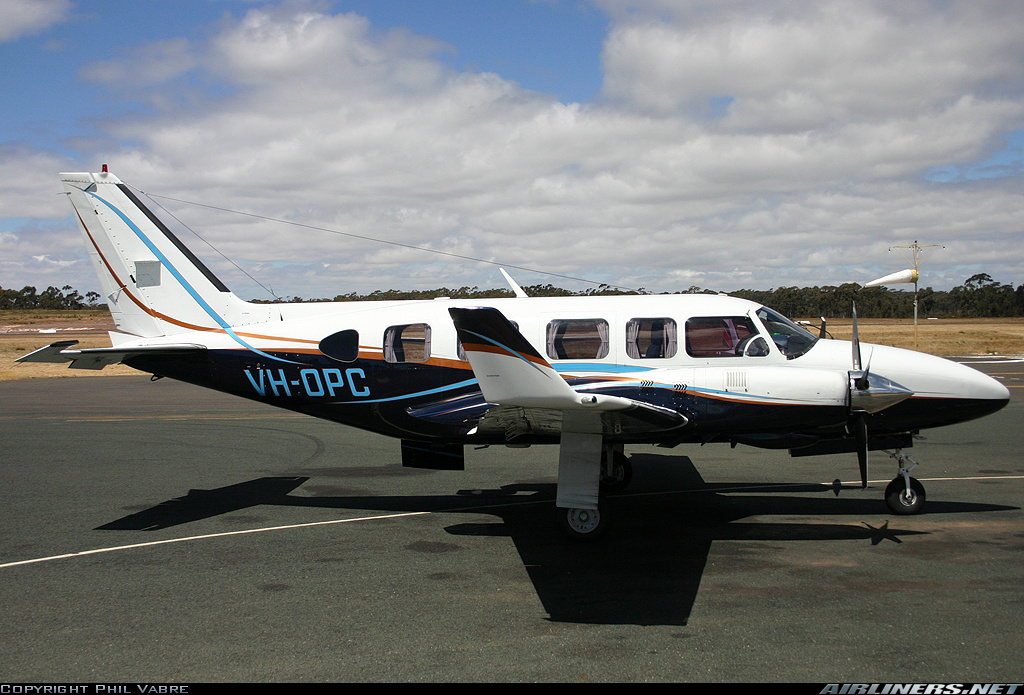
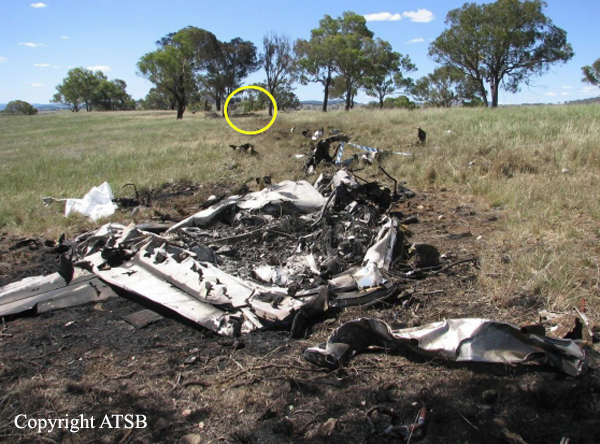
On 7 November 2008, a Piper Aircraft Corp. PA-31-350 Chieftain, registered VH-OPC, was being operated on a private flight under the instrument flight rules (IFR) from Moorabbin Airport, Vic. to Port Macquarie via Bathurst, NSW. On board the aircraft were the owner-pilot and three passengers. The aircraft departed Moorabbin Airport at about 1725 Eastern Daylight-saving Time and arrived at Bathurst Airport at about 1930. The pilot added 355 L of aviation gasoline (Avgas) to the aircraft from a self-service bowser and spent some time with the passengers in the airport terminal. Recorded information at Bathurst Airport indicated that, at about 2012 (12 minutes after civil twilight), the engines were started and at 2016 the aircraft was taxied for the holding point of runway 35. The aircraft was at the holding point for about 3 minutes, reportedly at high engine power. At 2020, the pilot broadcast that he was entering and backtracking runway 35 and at 2022:08 the pilot broadcast on the common traffic advisory frequency that he was departing (airborne) runway 35. At 2023:30, the pilot transmitted to air traffic control that he was airborne at Bathurst and to standby for departure details. There was no record or reports of any further radio transmissions from the pilot. At about 2024, a number of residents of Forest Grove, a settlement to the north of Bathurst Airport, heard a sudden loud noise from an aircraft at a relatively low height overhead, followed shortly after by the sound of an explosion and the glow of a fire. A witness located about 550 m to the south-west of the accident site, reported seeing two bright lights that were shining in a constant direction and ‘wobbling’. There was engine noise that was described by one witness as getting very loud and ‘rattling’ or ‘grinding’ abnormally before the aircraft crashed. At 2024:51, the first 000 telephone call was received from witnesses and shortly after, emergency services were notified. The aircraft was seriously damaged by impact forces and fire, and the four occupants were fatally injured.
Probable cause:
From the evidence available, the following findings are made with respect to the collision with terrain involving Piper Aircraft Corp. PA-31-35 Chieftain, registered VH-OPC, 3 km north of Bathurst Airport on 7 November 2008 and should not be read as apportioning blame or liability to any particular organisation or individual.
Contributing safety factors:
• The aircraft descended at a steep angle before impacting the ground at high speed, consistent with uncontrolled flight into terrain.
Other key findings:
• Based on analysis of the available information, an airworthiness issue was considered unlikely to be a contributing factor to this accident.
• The investigation was unable to establish why the aircraft collided with terrain; however, pilot spatial disorientation or pilot incapacitation could not be discounted.
Final Report:
Crash of a Gippsland GA8 Airvan in the Buckingham Bay: 1 killed

Date & Time: Oct 16, 2008 at 0945 LT
Type of aircraft:
Registration:
VH-WRT
Flight Phase:
Flight Type:
Survivors:
No
Schedule:
Elcho Island – Mata Mata – Muthamul –Nyinyikay – Rurruwuy – Elcho Island
MSN:
GA8-01-005
YOM:
2001
Country:
Region:
Crew on board:
1
Crew fatalities:
Pax on board:
0
Pax fatalities:
Other fatalities:
Total fatalities:
1
Captain / Total flying hours:
1300
Captain / Total hours on type:
300.00
Aircraft flight hours:
4750
Circumstances:
On the morning of 16 October 2008, a Gippsland Aeronautics GA8 Airvan, registered VH-WRT, was being operated on a freight charter flight from Elcho Island and return, Northern Territory. At about 1230, it was realised that the aircraft was missing. A witness reported seeing the aircraft during the early stages of the flight and, shortly afterwards, a column of dark black smoke rising from the eastern side of the Napier Peninsula. On 17 October 2008, items of wreckage from the aircraft were found in the south-western part of Buckingham Bay. The pilot, who was the sole occupant of the aircraft, and the main wreckage of the aircraft have not been found. After consideration of the available evidence, the investigation was unable to identify any factor that contributed to the accident.
Probable cause:
Following a review of the available evidence covering:
• Witness information,
• The pilot's fatigue and health,
• The airworthiness of the aircraft,
• Aircraft fuel,
• The weather affecting the flight, and
• The aircraft’s loading and weight and balance,
The investigation was unable to identify any factors that may have contributed to the accident. From the evidence available, the following findings are made with respect to the missing aircraft at Buckingham Bay, Northern Territory on 16 October 2008 involving Gippsland Aeronautics GA8 Airvan aircraft, registered VH-WRT. They should not be read as apportioning blame or liability to any organisation or individual. No contributing safety factors were identified.
Other safety factors:
• The main vertical net and the throwover net were not used to restrain the cargo.
• The full jerry cans were not secured in the aircraft cabin.
• At the time of departure, the aircraft’s centre of gravity (c.g) was probably to the rear of the permitted c.g limit that was published in the Aircraft Flight Manual.
• There was no record that the pilot lodged a flight notification for the flight with Airservices Australia.
Final Report:
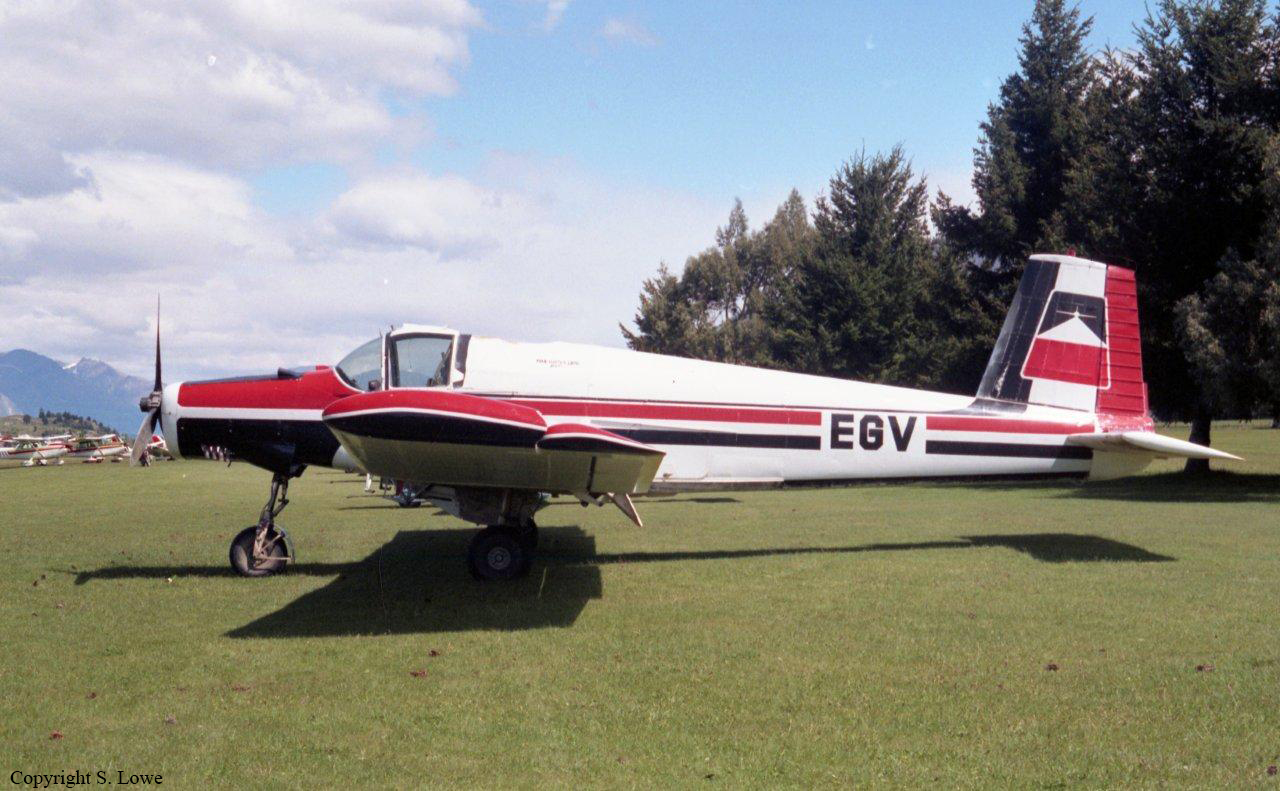
Crash of a Gippsland GA8 Airvan in Cooinda

Date & Time: Sep 9, 2008 at 1500 LT
Type of aircraft:
Operator:
Registration:
VH-KNE
Flight Phase:
Flight Type:
Survivors:
Yes
Schedule:
Cooinda - Cooinda
MSN:
GA8-08-128
YOM:
2008
Country:
Region:
Crew on board:
1
Crew fatalities:
Pax on board:
0
Pax fatalities:
Other fatalities:
Total fatalities:
0
Circumstances:
The pilot was completing a local post maintenance test flight at Cooinda Airport. Shortly after takeoff, while in initial climb, the engine failed. The pilot attempted an emergency landing in the bush but the aircraft collided with a telephone pole and came to rest. The pilot escaped with minor injuries and the aircraft was damaged beyond repair.
Probable cause:
Engine failure for unknown reasons.

Crash of a De Havilland DHC-4A Caribou in Efogi

Date & Time: Sep 5, 2008
Type of aircraft:
Operator:
Registration:
A4-285
Flight Type:
Survivors:
Yes
MSN:
285
YOM:
1969
Location:
Region:
Crew on board:
0
Crew fatalities:
Pax on board:
0
Pax fatalities:
Other fatalities:
Total fatalities:
0
Circumstances:
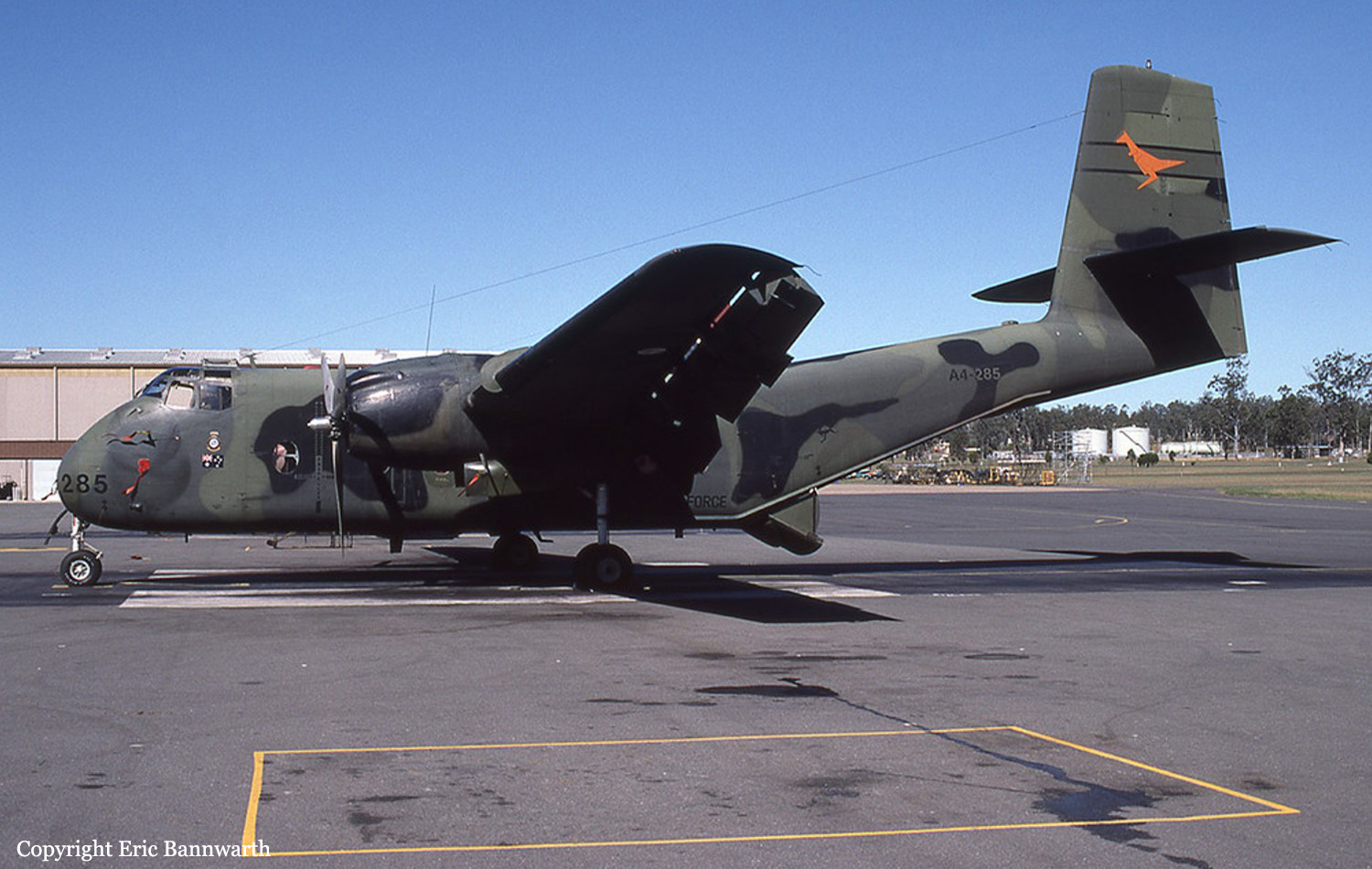
Damaged beyond repair following structural failure due to fatigue upon landing at Efogi, PNG. There were no injuries but the aircraft was damaged beyond repair and dismantled.

Crash of a Piper PA-31-310 Navajo Chieftain in Mount Isa

Date & Time: Jul 17, 2008 at 0915 LT
Type of aircraft:
Operator:
Registration:
VH-IHR
Flight Type:
Survivors:
Yes
Schedule:
Century Mine - Mount Isa
MSN:
31-8012077
YOM:
1980
Country:
Region:
Crew on board:
1
Crew fatalities:
Pax on board:
0
Pax fatalities:
Other fatalities:
Total fatalities:
0
Captain / Total flying hours:
469
Captain / Total hours on type:
30.00
Circumstances:
On 17 July 2008, at approximately 0915 Eastern Standard Time1, the pilot of a Piper Navajo PA-31 aircraft, registered VH-IHR, was en route from Century Mine, Qld to Mt Isa, Qld when the left engine lost power. The pilot transmitted an urgency broadcast (PAN) to air traffic control (ATC). A short time later, the right engine also lost power. The pilot then transmitted a distress signal (MAYDAY) to ATC stating his intention to carry out an off-field emergency landing. The aircraft impacted terrain 22 km north of Mt Isa, about 4 km from the Barkly Highway, in relatively flat, sparsely wooded bushland (Figure 1). The pilot, who was the sole occupant, sustained serious injuries.
Probable cause:
From the evidence available, the following findings are made with respect to the fuel starvation event and should not be read as apportioning blame or liability to any particular organisation or individual.
- The pilot did not monitor outboard fuel tank quantity during the flight.
- The pilot incorrectly diagnosed the engine power losses.
- The aircraft was not in the correct configuration for the forced landing.
Final Report:
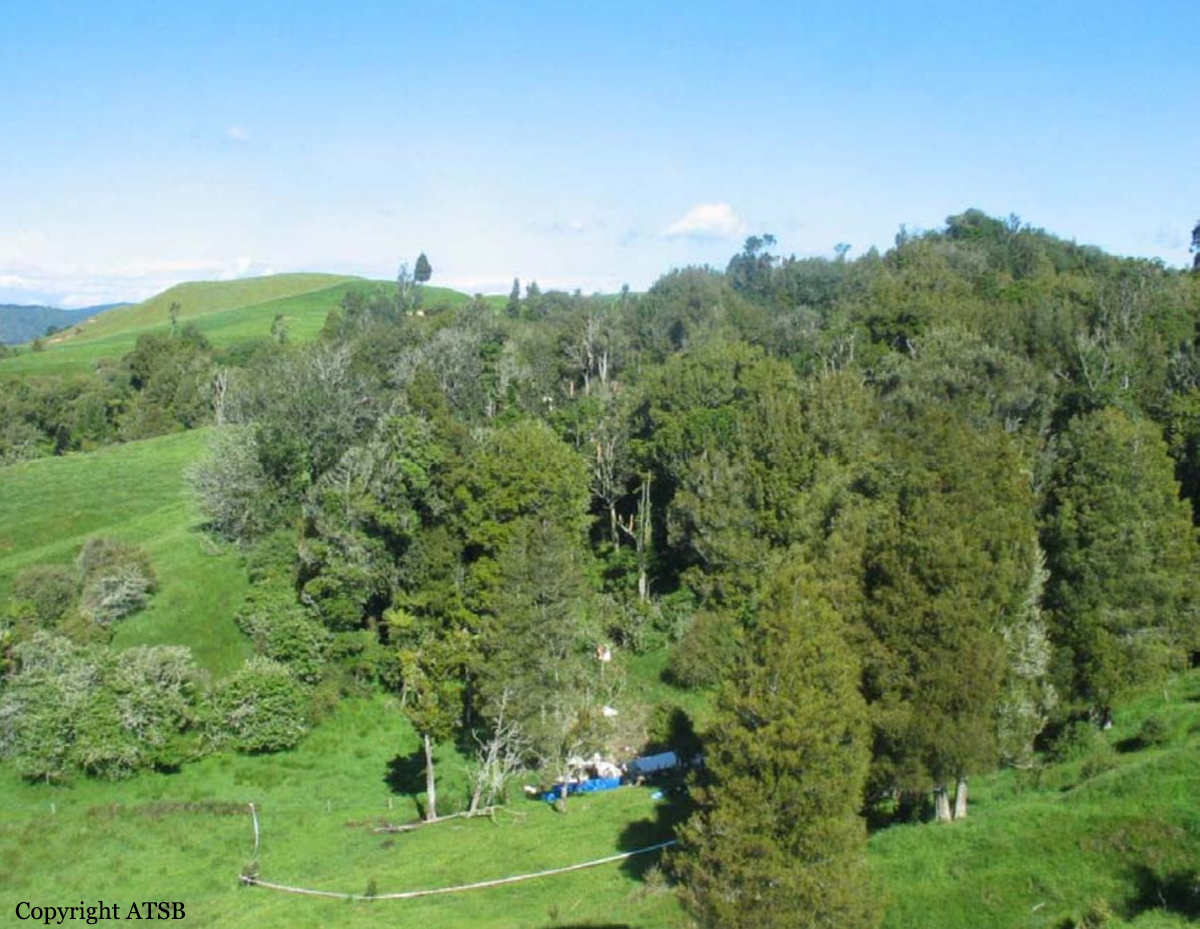
Crash of a Fletcher FU-24-950 in Kaihoka

Date & Time: Apr 26, 2008 at 1115 LT
Type of aircraft:
Operator:
Registration:
ZK-DZC
Flight Phase:
Survivors:
Yes
MSN:
205
YOM:
1975
Country:
Region:
Crew on board:
1
Crew fatalities:
Pax on board:
0
Pax fatalities:
Other fatalities:
Total fatalities:
0
Captain / Total flying hours:
3500
Captain / Total hours on type:
1928.00
Circumstances:
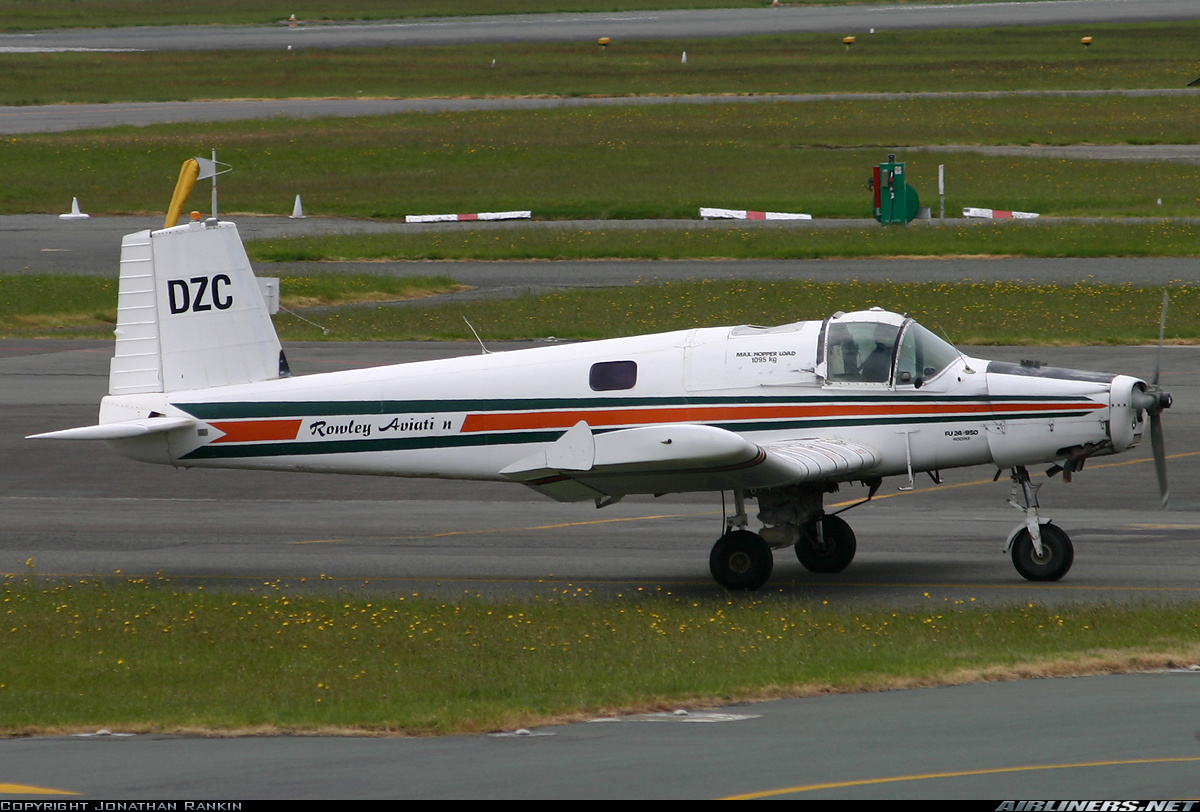
During takeoff the topdressing aircraft collided with a low hill. The pilot lost control soon after the collision. During the ensuing crash he was seriously injured and the aircraft was destroyed.
Probable cause:
Cause factors reported by pilot were a possible tailwind component, and the aircraft may have been overloaded for the conditions.

Crash of a Swearingen SA227AC Metro III off Sydney: 1 killed

Date & Time: Apr 9, 2008 at 2327 LT
Type of aircraft:
Operator:
Registration:
VH-OZA
Flight Phase:
Flight Type:
Survivors:
No
Schedule:
Sydney – Brisbane
MSN:
AC-600
YOM:
1984
Country:
Region:
Crew on board:
1
Crew fatalities:
Pax on board:
0
Pax fatalities:
Other fatalities:
Total fatalities:
1
Captain / Total flying hours:
4873
Captain / Total hours on type:
175.00
Aircraft flight hours:
32339
Aircraft flight cycles:
46710
Circumstances:
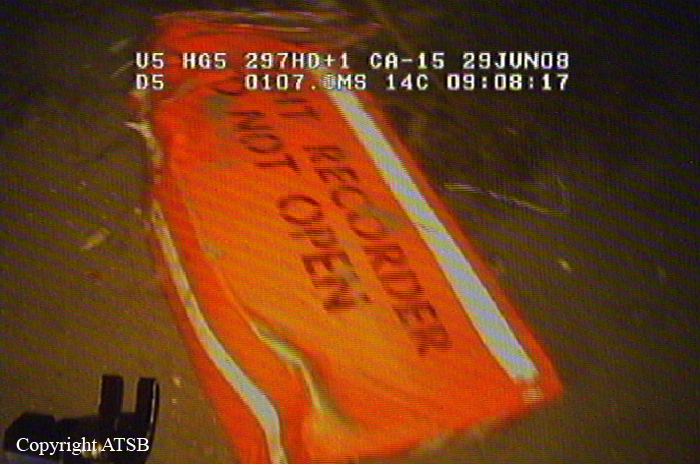
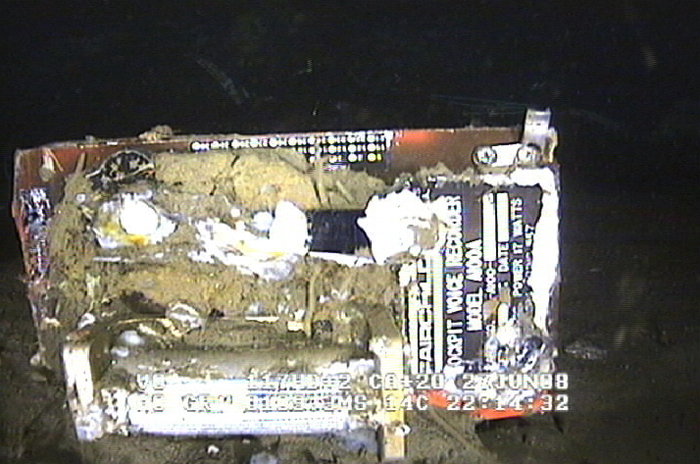
On 9 April 2008, at 2325 Eastern Standard Time, a Fairchild Industries Inc. SA227-AC (Metro III) aircraft, registered VH-OZA, departed Sydney Airport, New South Wales on a freight charter flight to Brisbane, Queensland with one pilot on board. The aircraft was subsequently observed on radar to be turning right, contrary to air traffic control instructions to turn left to an easterly heading. The pilot reported that he had a ‘slight technical fault’ and no other transmissions were heard from the pilot. Recorded radar data showed the aircraft turning right and then left, followed by a descent and climb, a second right turn and a second descent before radar returns were lost when the aircraft was at an altitude of 3,740 ft above mean sea level and descending at over 10,000 ft/min. Air traffic control initiated search actions and search vessels later recovered a small amount of aircraft wreckage floating in the ocean, south of the last recorded radar position. The pilot was presumed to be fatally injured and the aircraft was destroyed. Both of the aircraft’s on-board flight recorders were subsequently recovered from the ocean floor. They contained data from a number of previous flights, but not for the accident flight. There was no evidence of a midair breakup of the aircraft.
Probable cause:
Contributing Safety Factors:
- It was very likely that the aircraft’s alternating current electrical power system was not energised at any time during the flight.
- It was very likely that the aircraft became airborne without a functioning primary attitude reference or autopilot that, combined with the added workload of managing the ‘slight technical fault’, led to pilot spatial disorientation and subsequent loss of control.
Other Safety Factors:
- The pilot’s Metro III endorsement training was not conducted in accordance with the operator’s approved training and checking manual, with the result that the pilot’s competence and ultimately, safety of the operation could not be assured. [Significant safety issue].
- The chief pilot was performing the duties and responsibilities of several key positions in the operator’s organisational structure, increasing the risk of omissions in the operator’s training and checking requirements.
- The conduct of the flight single-pilot increased the risk of errors of omission, such as not turning on or noticing the failure of aircraft items and systems, or complying with directions.
Final Report:
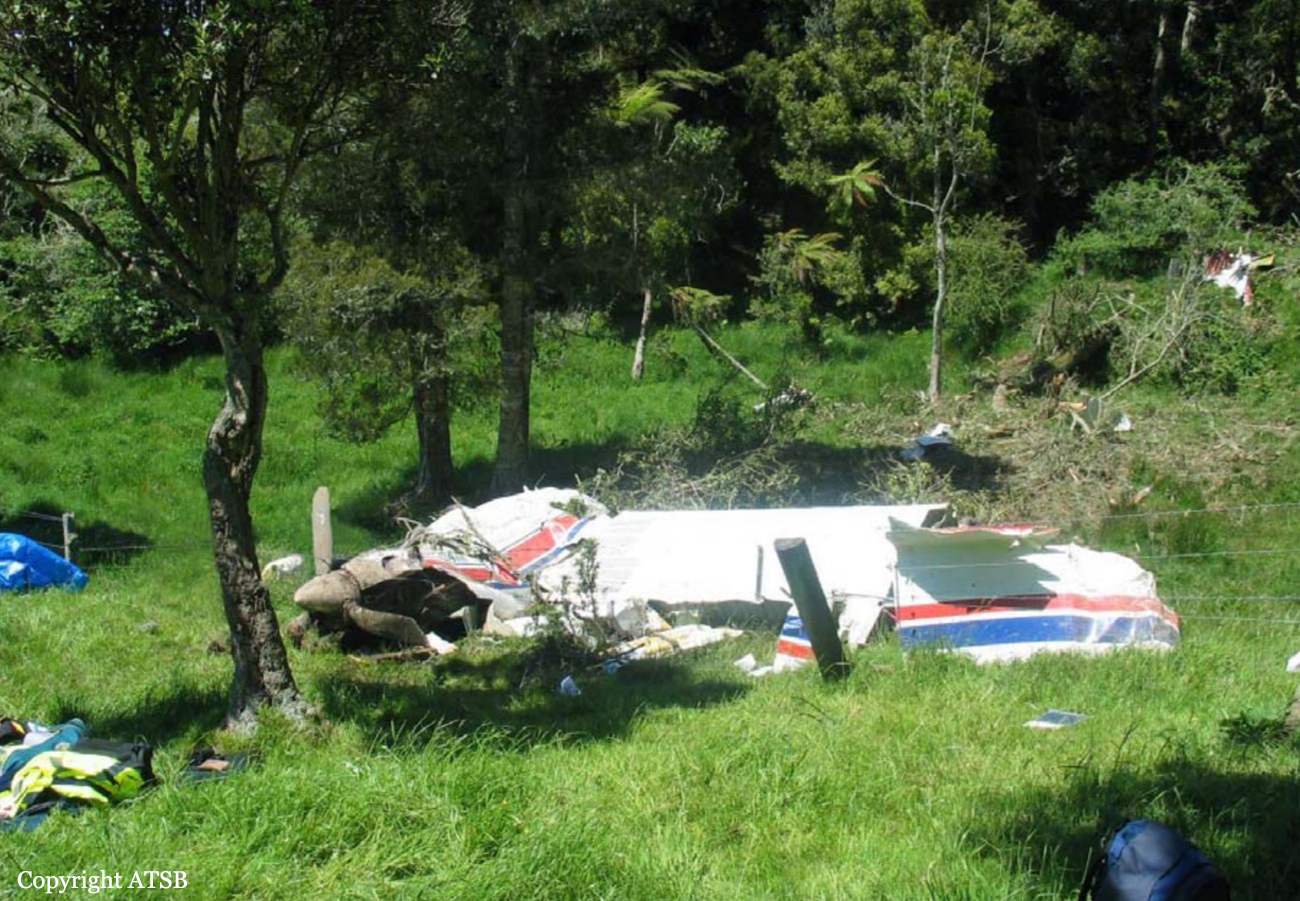
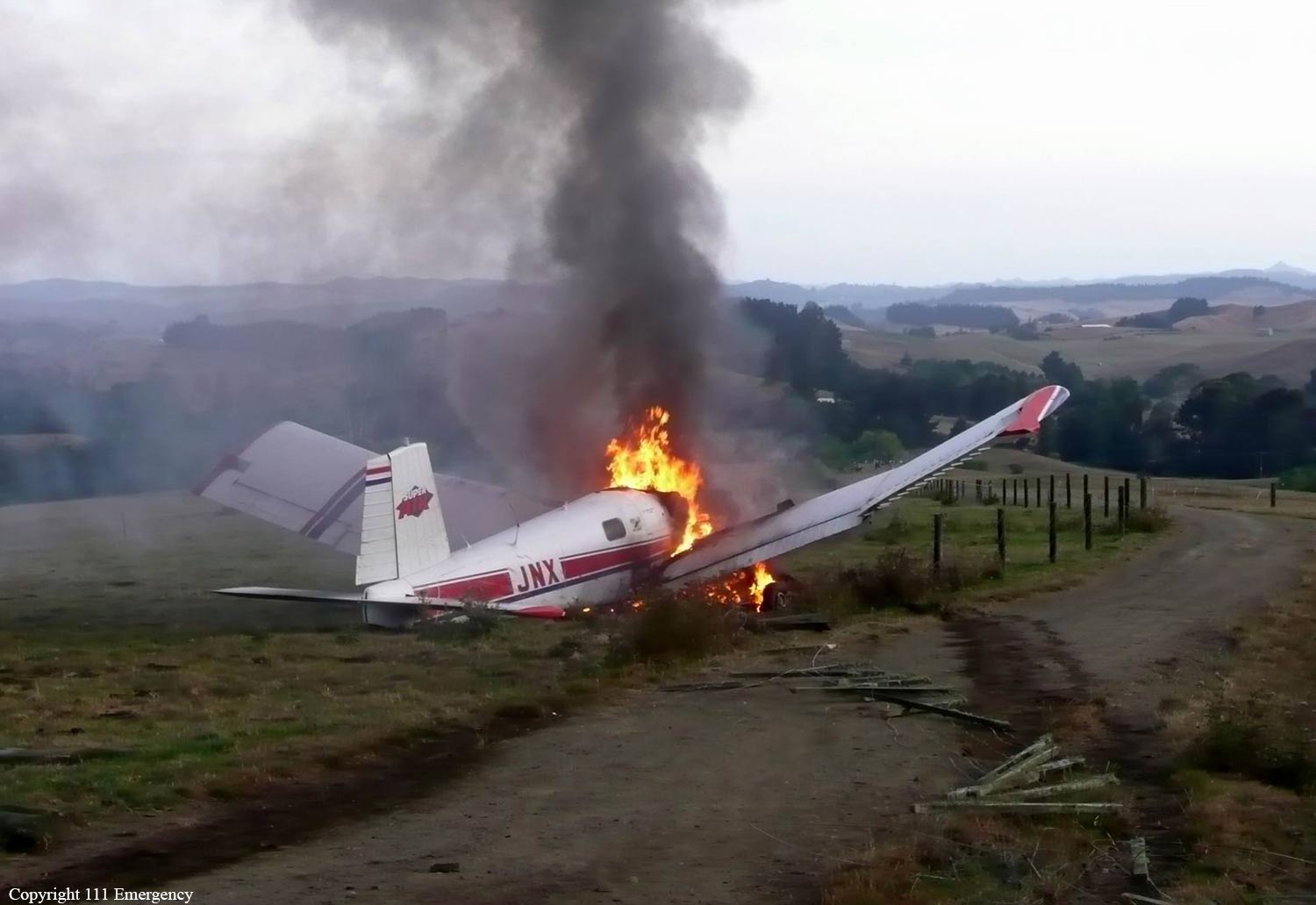
Crash of a Fletcher FU-24-954 in Raglan

Date & Time: Jan 31, 2008 at 0630 LT
Type of aircraft:
Operator:
Registration:
ZK-JNX
Flight Phase:
Survivors:
Yes
MSN:
275
YOM:
1980
Country:
Region:
Crew on board:
1
Crew fatalities:
Pax on board:
0
Pax fatalities:
Other fatalities:
Total fatalities:
0
Circumstances:
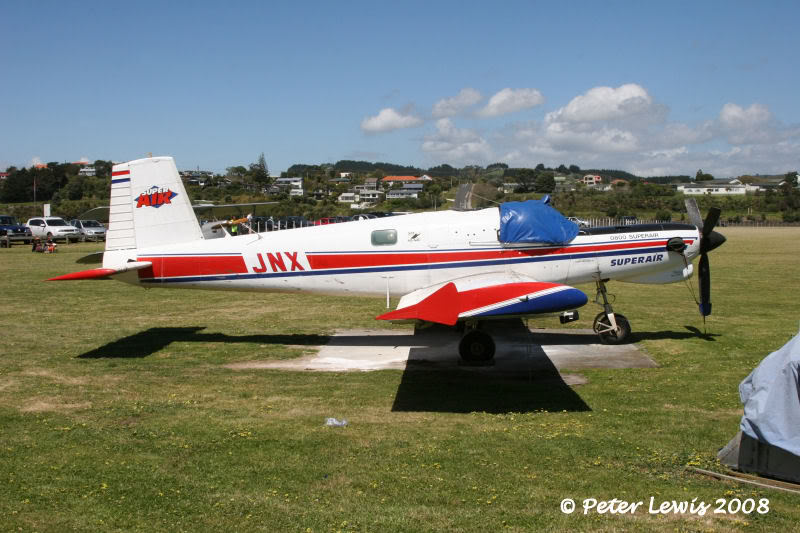
Shortly after takeoff from a remote terrain located in Te Uku, near Raglan, the pilot lost control of the aircraft that collided with a fence and crashed, bursting into flames. The pilot escaped uninjured while the aircraft was destroyed by fire.

Crash of a Fletcher FU-24-950EX in Opotiki: 1 killed

Date & Time: Nov 10, 2007 at 1320 LT
Type of aircraft:
Operator:
Registration:
ZK-EGV
Flight Phase:
Survivors:
No
Site:
MSN:
244
YOM:
1977
Country:
Region:
Crew on board:
1
Crew fatalities:
Pax on board:
0
Pax fatalities:
Other fatalities:
Total fatalities:
1
Captain / Total flying hours:
5243
Captain / Total hours on type:
4889.00
Circumstances:
On the afternoon of Friday 9 November 2007, the pilot of ZK-EGV, a specialised agricultural aeroplane powered by a turbine engine, began a task to sow 80 tonnes of superphosphate over a farm situated in low hills 5 km south of Opotiki township and 4 km from the Opotiki aerodrome. The pilot was familiar with the farm’s airstrip where he loaded the product, and with the farm. After 6 or 7 loads, the wind was too strong for top-dressing, so the pilot and loader-driver flew back to their base at the Whakatane aerodrome, about 40 km away. At Whakatane, the aeroplane’s fuel tanks were filled. Later that day, the pilot replaced the display for the aeroplane’s precision sowing guidance system, which had a software fault. The next morning, 10 November 2007, the pilot bicycled about 6 km from his house to the Whakatane aerodrome. The loader-driver said that the pilot looked “pretty tired” from the effort when he arrived at the aerodrome at about 0545. After the aeroplane had been started using its internal batteries, the pilot and loader-driver flew to complete a task at a farm west of Whakatane. The pilot’s notebook recorded that he began the task at 0610 and took 45 loads to spread the remaining 68 tonnes of product, an average load of 1511 kilograms (kg). The loader-driver said that the pilot had determined about 2 months earlier that the scales on the loader used at that airstrip were “weighing light” by about 200 kg, so the loader-driver allowed for that difference. After that task, the pilot and loader-driver flew back to the farm south of Opotiki where they had been the previous afternoon. A different loader at that airstrip had accurate scales, and the loader-driver said that he loaded 1500 kg each time, as requested by the pilot. The fertiliser that remained in the farm airstrip storage bin after the accident was found to be dry and free flowing. The sowing task at this farm began at 1010 and the pilot stopped after every hour to uplift 180 litres (L) of fuel, which weighed 144 kg. During the last refuel stop, between 1226 and 1245, he had a snack and a drink. Sowing recommenced at 1245 with about 3 minutes between each load, the last load being put on at about 1316. The loader-driver said the wind at the airstrip was light and the pilot did not report any problem with the aeroplane. After the last refuel, the top-dressing had been mostly out of sight of the loader-driver. When the aeroplane did not return when expected for the next load, the loader driver tried 3 or 4 times to call the cellphone installed in the aeroplane. This was unsuccessful, so at 1338 he followed the operator’s emergency procedure and called 111 to report that the aeroplane was overdue. Telephone records showed that on 10 November 2007 the aeroplane cellphone had been connected for a total of more than 90 minutes on 14 voice calls, and had been used to send or receive 10 text messages. Correlation of the call times with the job details recorded by the pilot suggested he sent most of his messages while the aeroplane was on the ground. Nearly all of the calls and messages involved a female work colleague who was a friend. The pilot initiated most calls by sending a message, but each time that the signal was lost during a call, the friend would stop the call and immediately re-dial the aeroplane phone; so, in some cases, consecutive connections were parts of one long conversation. The longest session exceeded 35 minutes. The nature of the calls could not be determined, but the friend claimed the content of the last phone call was not acrimonious or likely to have agitated the pilot. The friend advised that the pilot had said he often made the phone calls to help himself stay alert. At 1153, in a phone call to his home, the pilot indicated that the job was going well and he might be home by about 1400. In one call to the friend, the pilot said that he was a bit tired and that he hoped the wind would increase enough that afternoon to force him to cancel the next job. At 1308:45, the friend called the aeroplane phone and talked with the pilot until the call was disconnected at 1320:14. The friend said that while the pilot had been talking, the volume of his voice decreased slightly then there was a “static” sound. Apart from the reduced volume, the pilot’s voice had sounded normal and he had not suggested anything untoward regarding the job or the aeroplane. The friend immediately called back, but got the answerphone message from the aeroplane phone. Two further attempts to contact the pilot were unsuccessful, but the friend did not consider that anything untoward might have happened. An orchardist who was working approximately 3 km from the farm being top-dressed had heard an aeroplane flying nearby for some hours before he heard a loud sound that led him to fear that there had been an accident. He noted that the time was 1320 and immediately began to search the surrounding area. After the loader-driver’s emergency call, the Police organised an aerial search, which found the wreckage of the aeroplane at 1435 on the edge of a grove of native trees, approximately 600 metres (m) northwest of the area being top-dressed. The pilot had been killed. His body was not removed until 26 hours after the accident, because of a Police concern not to disturb the wreckage until aviation accident investigators were present. The CAA began an investigation that day into the accident and the Commission sent an investigator to help determine whether there were any similarities with another Fletcher accident that the Commission was then investigating. On 19 November 2007, because of potential issues that concerned regulatory oversight, the Commission started its own inquiry.
Probable cause:
Findings are listed in order of development and not in order of priority.
- The reason for the aeroplane colliding with trees was not conclusively determined. However, the pilot was affected by a number of fatigue-inducing factors, none of which should have been significant on its own. The combination of these factors and the added distractions of a prolonged cell phone call and a minor equipment failure were considered likely to have diverted the pilot’s attention from his primary task of monitoring the aeroplane’s flight path.
- Although pilot incapacitation could not be ruled out entirely, it was considered that the pilot’s state of health had not directly contributed to the accident.
- The potential distraction of cellphones during critical phases of flight under VFR was not specifically addressed by CARs.
- Apart from the probable failure of the GPS sowing guidance equipment, no evidence was found to suggest that the aeroplane was unserviceable at the time of the accident, but its airworthiness certificate was invalid because there was no record that the mandatory post-flight checks of the vertical tail fin had been completed in the previous 3 days.
- The installation of a powerful turbine engine without an effective means of de-rating the power created the potential for excessive power demands and possible structural overload, but this was not considered to have contributed to the accident.
- The pilot was an experienced agricultural pilot in current practice. Although he had met the operator’s continued competency requirements, the operator’s method of conducting his last 2 competency checks was likely to have made them invalid in terms of the CAR requirements.
- Although the aeroplane was grossly overloaded and the hopper load exceeded the structural limit on the take-off prior to the accident, neither exceedance contributed to the accident, and the aeroplane was not overloaded at the time of the accident.
- The emergency locator transmitter did not radiate a useful signal because of damage to the antenna socket on the unit. The installation was also not in accordance with the manufacturer’s instructions or the recommended practice.
Final Report: