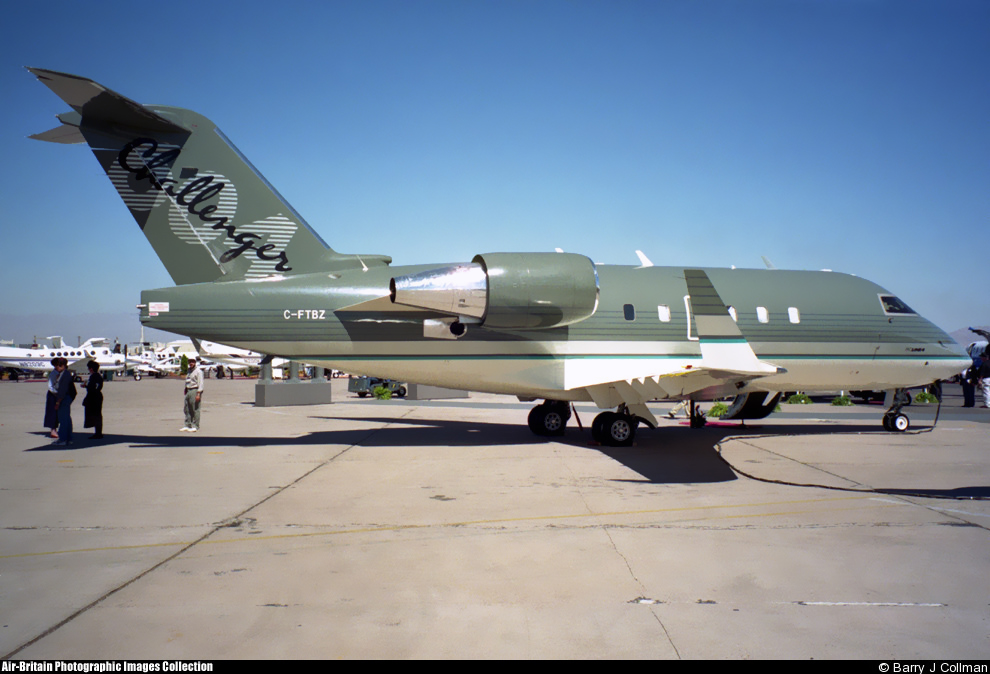
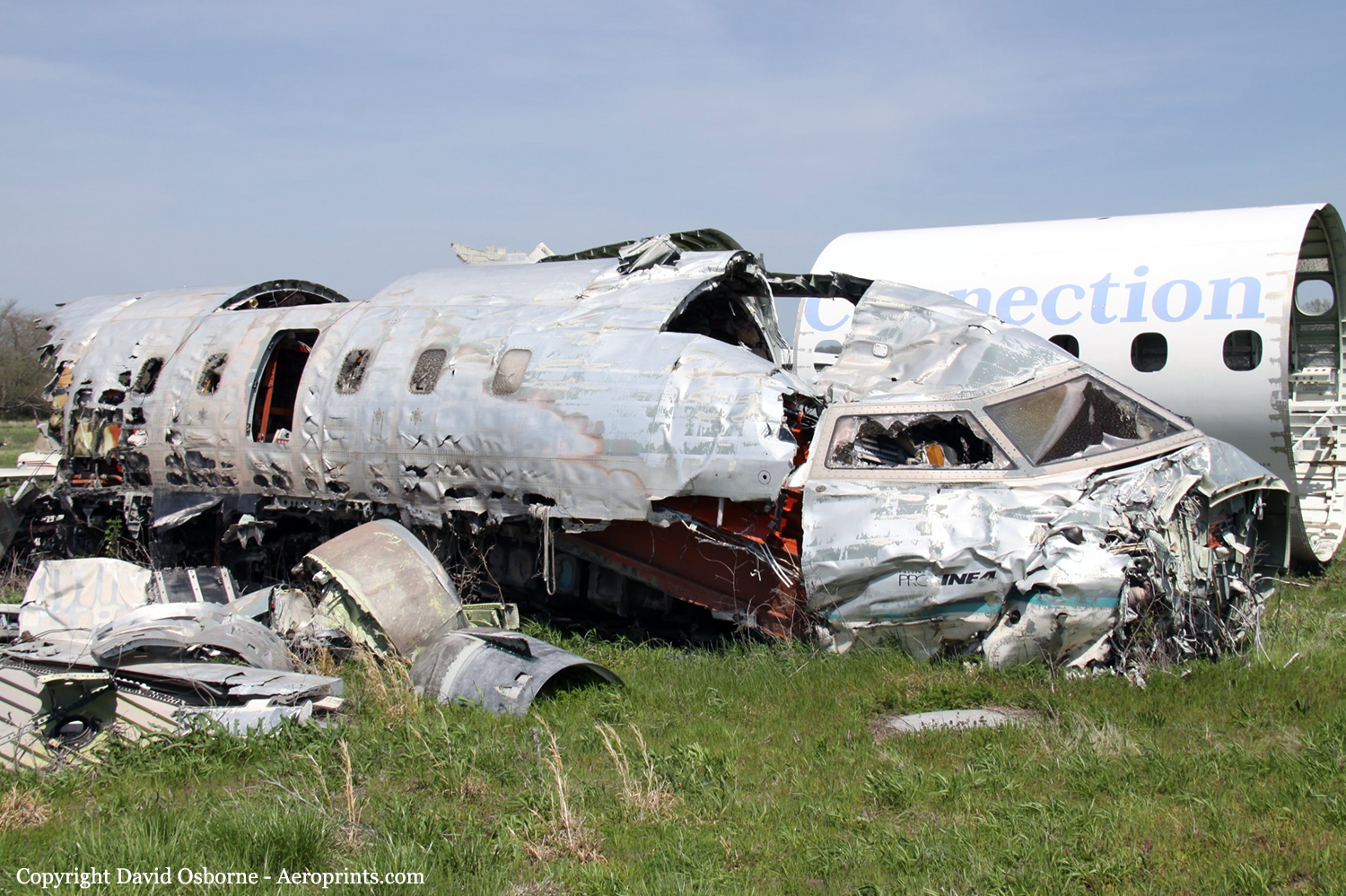
Crash of a Canadair CL-604-2B16 Challenger in Wichita: 3 killed

Date & Time: Oct 10, 2000 at 1452 LT
Type of aircraft:
Operator:
Registration:
C-FTBZ
Flight Phase:
Flight Type:
Survivors:
No
Schedule:
Wichita - Wichita
MSN:
5991
YOM:
1994
Crew on board:
3
Crew fatalities:
Pax on board:
0
Pax fatalities:
Other fatalities:
Total fatalities:
3
Captain / Total flying hours:
6159
Captain / Total hours on type:
189.00
Copilot / Total flying hours:
6540
Copilot / Total hours on type:
1
Aircraft flight hours:
1226
Circumstances:
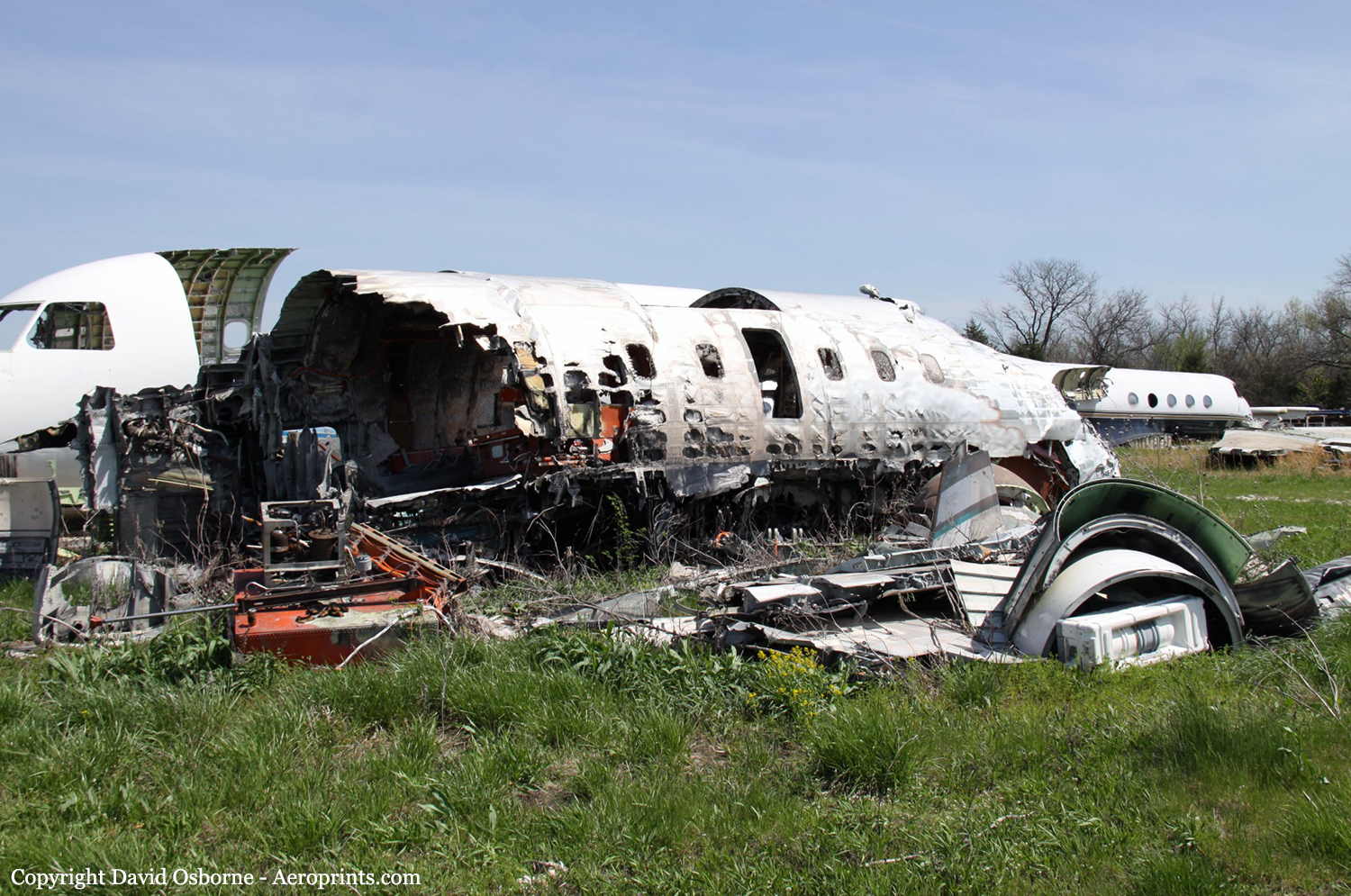
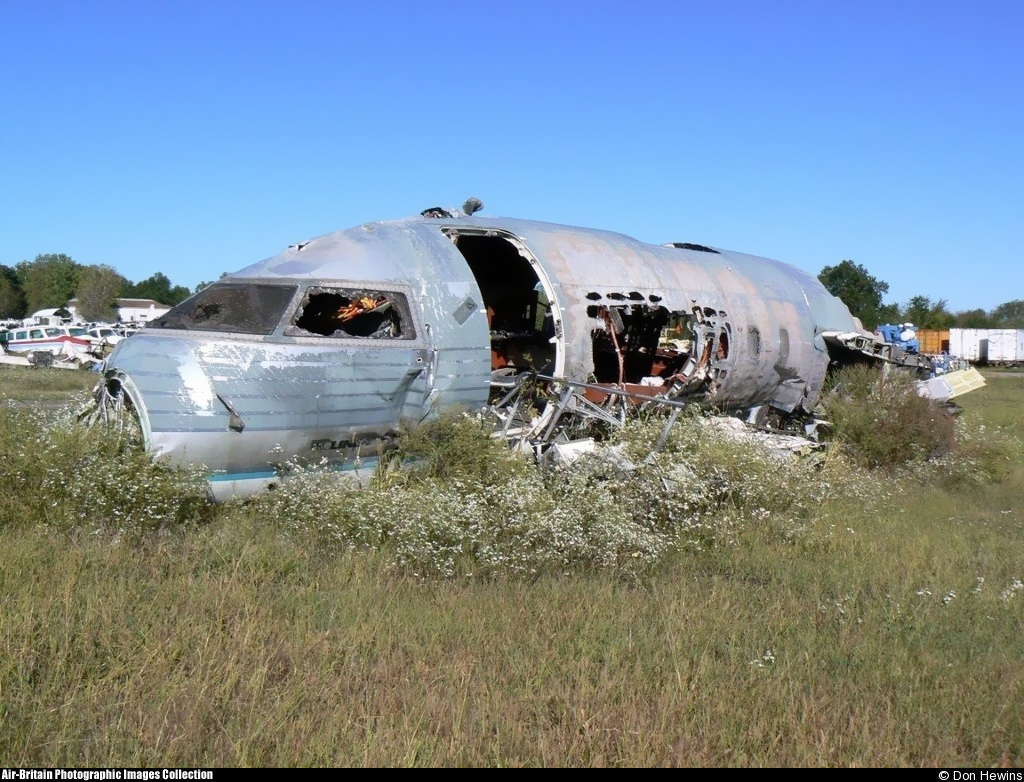
On October 10, 2000, at 1452 central daylight time, a Canadair Challenger CL-600-2B16 (CL604) (Canadian registration C-FTBZ and operated by Bombardier Incorporated) was destroyed on impact with terrain and postimpact fire during initial climb from runway 19R at Wichita Mid-Continent Airport (ICT), Wichita, Kansas. The flight was operating under the provisions of 14 Code of Federal Regulations (CFR) Part 91 as an experimental test flight. The pilot and flight test engineer were killed. The copilot was seriously injured and died 36 days later.
Probable cause:
The pilot’s excessive takeoff rotation, during an aft center of gravity (c.g.) takeoff, a rearward migration of fuel during acceleration and takeoff and consequent shift in the airplane’s aft c.g. to aft of the aft c.g. limit, which caused the airplane to stall at an altitude too low for recovery. Contributing to the accident were Bombardier’s inadequate flight planning procedures for the Challenger flight test program and the lack of direct, on-site operational oversight by Transport Canada and the Federal Aviation Administration.
Final Report:
Crash of a Beechcraft E18S in Washington Court House: 1 killed

Date & Time: Oct 10, 2000 at 0145 LT
Type of aircraft:
Operator:
Registration:
N2067C
Flight Phase:
Flight Type:
Survivors:
No
Schedule:
Washington Court House – Wilmington
MSN:
BA-424
YOM:
1959
Crew on board:
1
Crew fatalities:
Pax on board:
0
Pax fatalities:
Other fatalities:
Total fatalities:
1
Captain / Total flying hours:
22500
Captain / Total hours on type:
17000.00
Circumstances:
The airplane was observed to depart normally for a positioning flight conducted during night visual meteorological conditions. In addition, the landing gear was observed to retract after takeoff. A witness who lived near the accident site heard a "loud" engine noise and observed the airplane just above the trees. The airplane then pitched down, impacted the ground, and exploded. The airplane impacted in a soybean field about a 1/2 mile from the departure end of the runway. Two pairs of ground scars were observed at the beginning of the debris path. The initial pair of ground scars were about 2 to 3 feet in length and were located about 380 feet south of the main wreckage. A pair of 10 to 12 foot long ground scars were located about 10 feet forward of the initial ground scars and they contained portions of the left and right engines; respectively. There was no impact damage observed to the portion of the soy bean field located in-between the second ground scar and the main wreckage. Prior to the flight, maintenance personnel replaced a frayed elevator trim cable. The work was supervised and checked by the accident pilot. Examination of the airplane did not reveal any evidence of a preimpact failure; however, a significant portion of the airplane was consumed in a post crash fire. Examination of the propellers revealed damage consistent with engine operation at the time of impact. The pilot reported 22,500 hours of total flight experience, with over 17,00 flight hours in make and model.
Probable cause:
An undetermined event, which resulted in an off airport landing. A factor in this accident was the night light condition.
Final Report:

Crash of a Cessna 207 Skywagon in 47 Mile Creek: 1 killed

Date & Time: Sep 20, 2000 at 0615 LT
Operator:
Registration:
N42472
Flight Phase:
Flight Type:
Survivors:
No
Schedule:
47 Mile Creek – Aniak
MSN:
207-0148
YOM:
1970
Crew on board:
1
Crew fatalities:
Pax on board:
0
Pax fatalities:
Other fatalities:
Total fatalities:
1
Captain / Total flying hours:
1788
Captain / Total hours on type:
900.00
Circumstances:
The air taxi pilot had flown to a remote airstrip and lodge in a company airplane to go hunting. He was scheduled the next morning for a flight from his company's base of operations, his original departure airport. According to a hunting guide at the lodge, the pilot departed the lodge's airstrip about 0608, with a load of revenue cargo. A few minutes later, the guide heard the sound of an airplane, and then a loud impact. The guide could not see the wreckage because it was too dark outside. He departed in his own airplane, but entered clouds shortly after takeoff, and had to return. The guide commented he thought the accident pilot was trying to return to the lodge airstrip because of the poor weather and darkness. The wreckage was located on a nearby mountain in daylight hours after the cloud cover had dissipated. Post accident inspection disclosed no evidence of any preimpact mechanical anomalies with the airplane. Official sunrise was 0813; official civil twilight was 0730. The time of the accident was approximately 0615.
Probable cause:
The pilot's decision to initiate visual flight into dark night instrument meteorological conditions. Factors associated with the accident are a low ceiling, a dark night, the pilot's failure to follow regulatory procedures and directives, and his self-induced pressure to return to base to take another flight.
Final Report:

Crash of a PZL-Mielec AN-28 in Tigil

Date & Time: Sep 19, 2000
Type of aircraft:
Operator:
Registration:
RA-28950
Flight Phase:
Survivors:
Yes
Schedule:
Tigil – Petropavlovsk-Kamchatsky
MSN:
1AJ009-16
YOM:
1991
Country:
Region:
Crew on board:
2
Crew fatalities:
Pax on board:
9
Pax fatalities:
Other fatalities:
Total fatalities:
0
Circumstances:
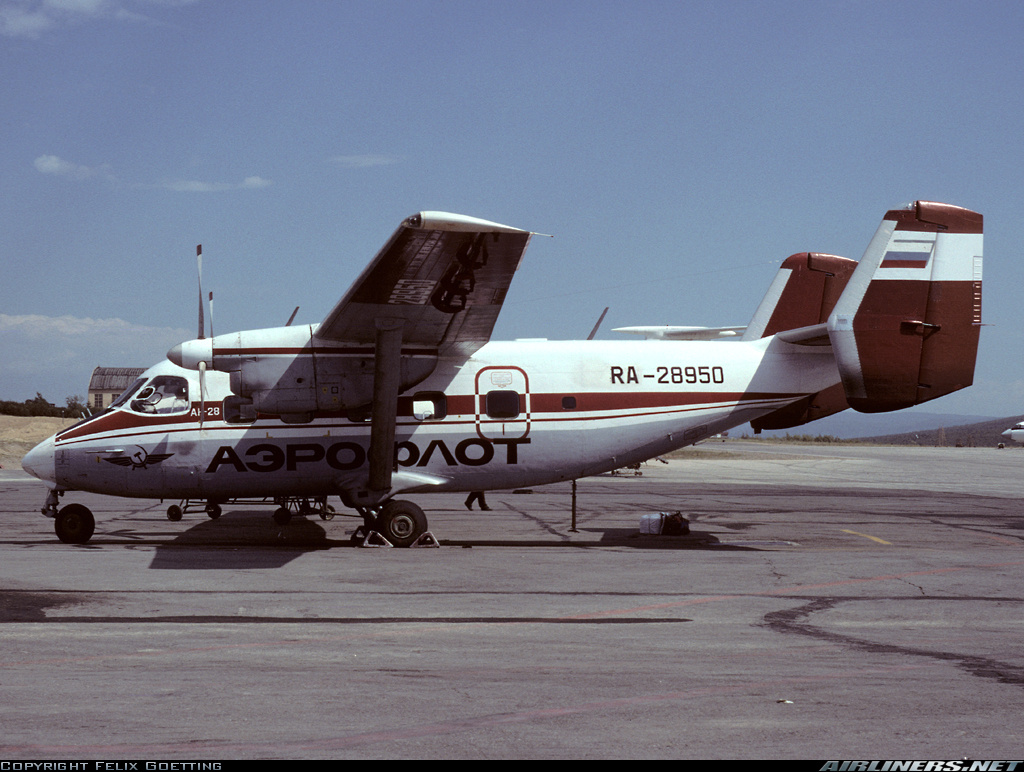
While taking off from a waterlogged and unpaved runway in Tigil, the crew decided to abort as the aircraft was unable to reach a sufficient speed. Despite the situation, the crew attempted a second takeoff manoeuvre during which control was lost. The aircraft deviated to the left, veered off runway and struck an embankment before coming to rest in a ditch. All 11 occupants escaped uninjured while the aircraft was damaged beyond repair.

Crash of a Piper PA-31T Cheyenne in Montpellier: 1 killed

Date & Time: Sep 9, 2000
Type of aircraft:
Operator:
Flight Phase:
Flight Type:
Survivors:
No
Country:
Region:
Crew on board:
1
Crew fatalities:
Pax on board:
0
Pax fatalities:
Other fatalities:
Total fatalities:
1
Circumstances:
Shortly after takeoff from Montpellier-Candillargues Airport, while in initial climb, the aircraft stalled and crashed near the runway end. The pilot, sole on board, was killed.
Probable cause:
It is believed that the pilot lost control of the airplane following a double engine failure caused by a fuel exhaustion.

Crash of a Piper PA-61P Aerostar (Ted Smith 601) in Northampton

Date & Time: Sep 7, 2000 at 0755 LT
Registration:
N601WK
Flight Phase:
Flight Type:
Survivors:
Yes
Schedule:
Northampton – Poughkeepsie
MSN:
61-0792-8063404
YOM:
1980
Crew on board:
1
Crew fatalities:
Pax on board:
1
Pax fatalities:
Other fatalities:
Total fatalities:
0
Captain / Total flying hours:
4280
Captain / Total hours on type:
2641.00
Aircraft flight hours:
3595
Circumstances:
The airport consisted of a single runway oriented on a heading of 140/320 degrees. A taxiway oriented on a 120 degree heading intersected the runway at its midpoint. The pilot reported that the visibility was 500-1,000 feet with fog at the time of departure. Before he took off, the pilot asked his passenger to walk the length of the runway to observe any obstructions, due to the reduced visibility. The pilot then taxied to the run-up pad, set the heading of his HSI to 120 degrees, and initiated the takeoff. When the airspeed reached 80 knots, the pilot realized he had initiated the takeoff on the taxiway instead of the runway. He aborted the takeoff and attempted to maneuver the airplane to the runway. The airplane crossed the runway, impacted a tree, and came to rest upright in a cornfield. The weather reported at the time of the accident at an airport 9 miles away was: wind from 320 degrees at 2 knots; visibility 1/16 mile with fog; sky partially obscured; ceiling 200 feet overcast.
Probable cause:
The pilot's improper preflight planning which resulted in an attempted takeoff from a taxiway. A factor in the accident was the fog.
Final Report:

Crash of a Piper PA-46-310P Malibu in South Lake Tahoe: 4 killed

Date & Time: Sep 1, 2000 at 1550 LT
Registration:
N88AM
Flight Phase:
Flight Type:
Survivors:
No
Schedule:
South Lake Tahoe – San Diego
MSN:
46-8508056
YOM:
1985
Crew on board:
1
Crew fatalities:
Pax on board:
3
Pax fatalities:
Other fatalities:
Total fatalities:
4
Captain / Total flying hours:
2500
Aircraft flight hours:
2845
Circumstances:
The airplane took off from the airport on a left downwind departure and after reaching an altitude of approximately 300 feet, banked steeply and dove into the ground. Witness statements indicated that the takeoff ground roll extended to midfield of the runway, a distance of 4,850 feet before the airplane lifted off. According to the Airplane Flight Manual performance charts, the normal ground roll should have been about 2,100 feet. While turning crosswind, the airplane steepened its bank and continued toward the downwind. As the angle of bank approached 90 degrees, the nose dropped and the airplane descended to impact with trees and the ground. Several trees were struck before the airplane came to rest on the underlying terrain in the backyard of a residence. The airplane was thermally destroyed in the impact sequence and post crash fire. Calculations of the airplane weight and balance data put it at least 251 pounds over maximum allowable gross takeoff weight. Remaining wreckage not consumed in the ground fire was examined and the engine was sent to the manufacturer for inspection. No discrepancies were found. Cockpit instrumentation and all autopilot components were thermally destroyed. Flaps and landing gear were found in the retracted position and the elevator trim surface was slightly nose up from the takeoff setting. The autopilot had a reported history of malfunction and the electric elevator trim system was scheduled for repair a week before the accident, but the owner took the airplane prior to the work being performed. The airplane had been modified with the addition of several Supplemental Type Certificates, one of which was a wing spoiler system. The controls and
many of the actuating linkages for the spoiler system were destroyed in the fire.
Probable cause:
The pilot's in-flight loss of control in the takeoff initial climb for undetermined reasons.
Final Report:

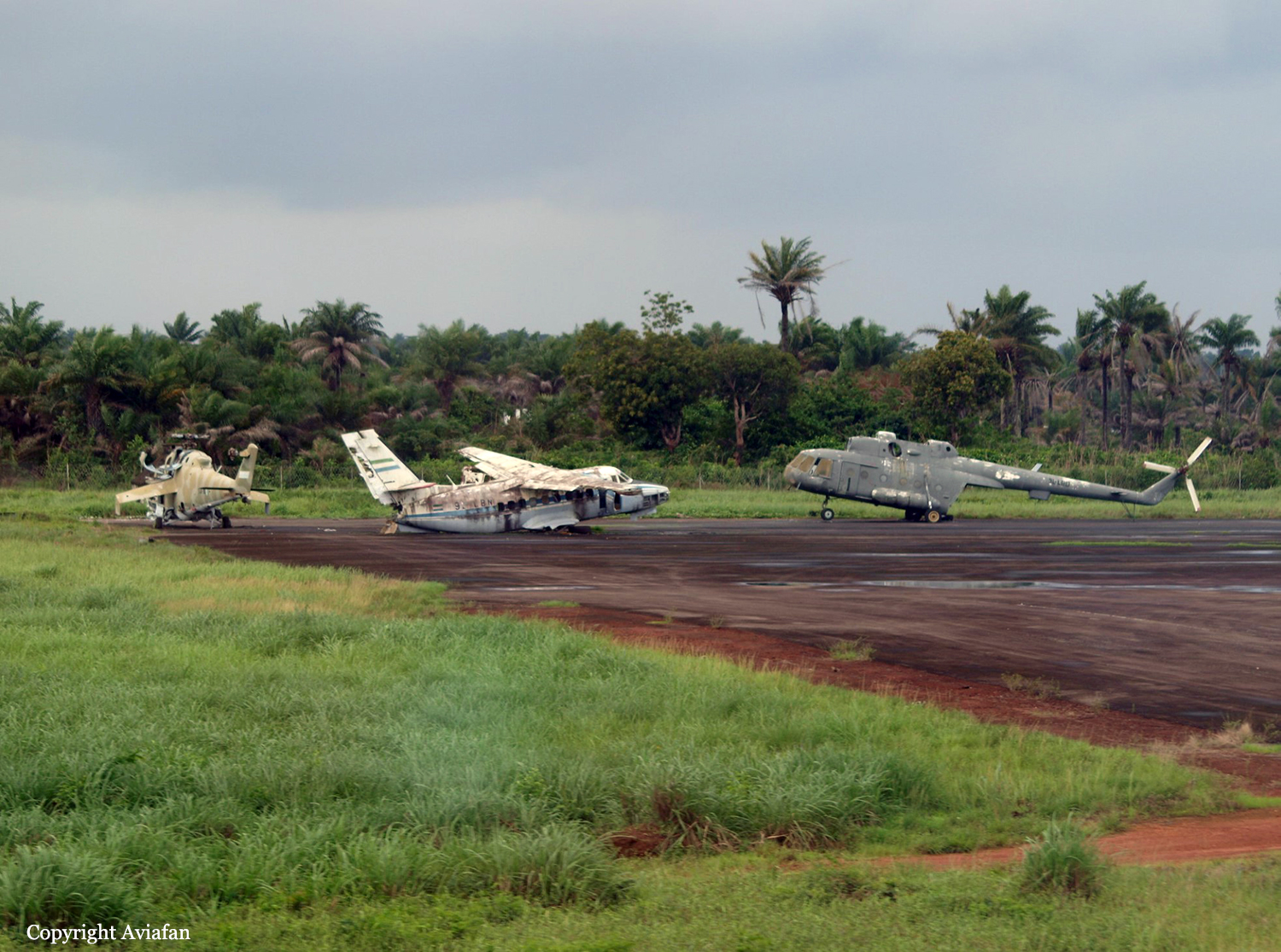
Crash of a Let L-410UVP in Freetown

Date & Time: Aug 24, 2000 at 1406 LT
Type of aircraft:
Registration:
9L-LBN
Flight Phase:
Flight Type:
Survivors:
Yes
Schedule:
Freetown - Freetown
MSN:
851334
YOM:
1985
Country:
Region:
Crew on board:
2
Crew fatalities:
Pax on board:
0
Pax fatalities:
Other fatalities:
Total fatalities:
0
Circumstances:
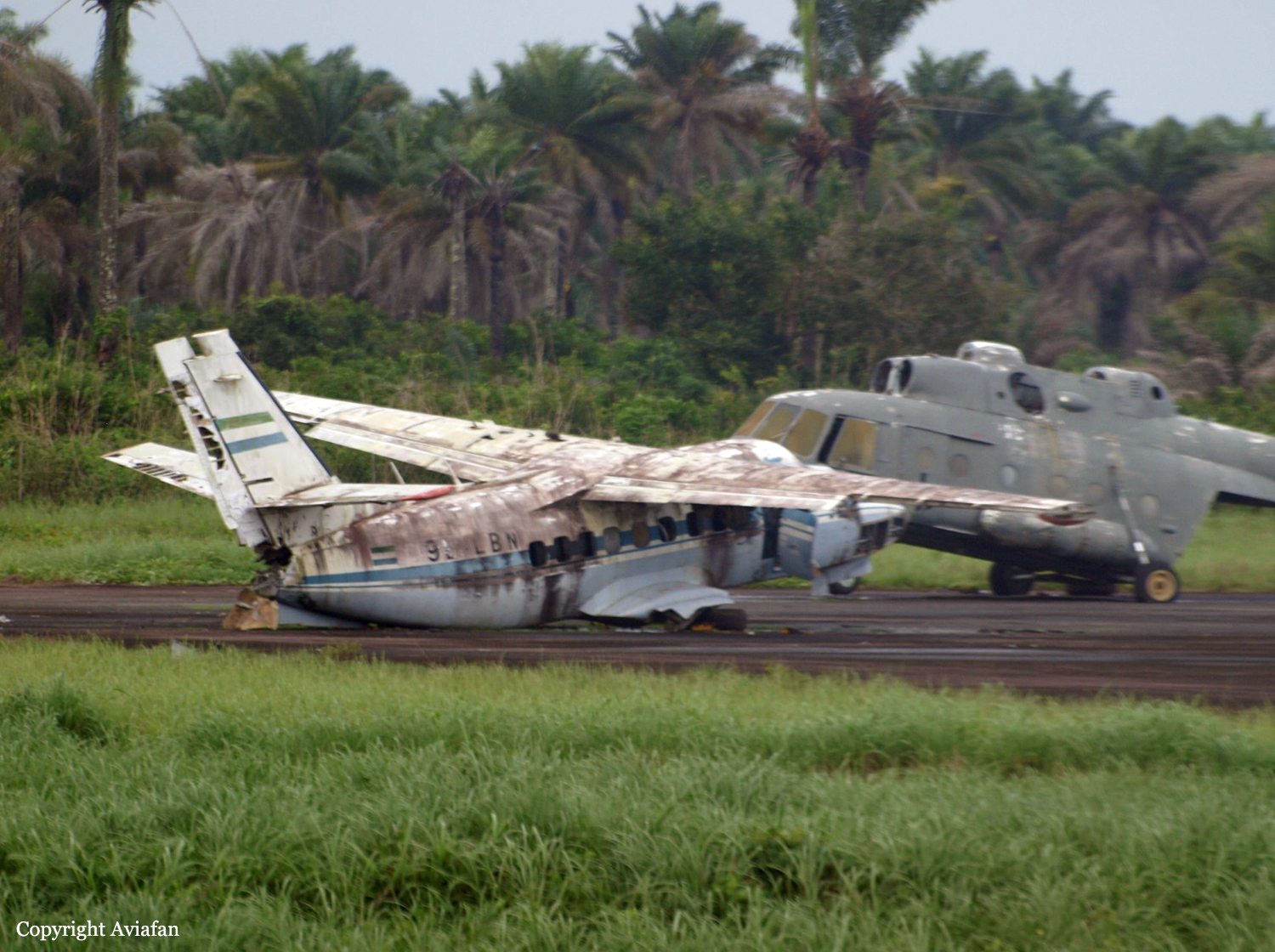
The crew departed Freetown-Lungi Intl Airport on a short positioning flight to Freetown-Hastings Airport. After takeoff, during initial climb, the twin engine aircraft entered clouds at an altitude of about 500 feet. While exiting the clouds, the crew noticed a Mil Mi-8 helicopter flying nearby. His crew was completing a local flight on behalf of the UNO. The crew of the Let attempted an evasive manoeuvre but the rotor of the helicopter struck the base of the aircraft's tail. The crew managed to return for an emergency landing but the undercarriage partially failed upon landing. Both pilots escaped uninjured while the aircraft was damaged beyond repair. The crew of the helicopter was able to land safely.
Probable cause:
It was established that the crew of the Mi-8T helicopter did not pay attention to the radio communication between the controller and the crew of the L-410 aircraft. The crew of the Mi-8T helicopter was distracted because they were talking about the barge that sank on the coast. This barge was located on the left side of the helicopter, while Lungi Airport and the Let L-410 were on the right side.

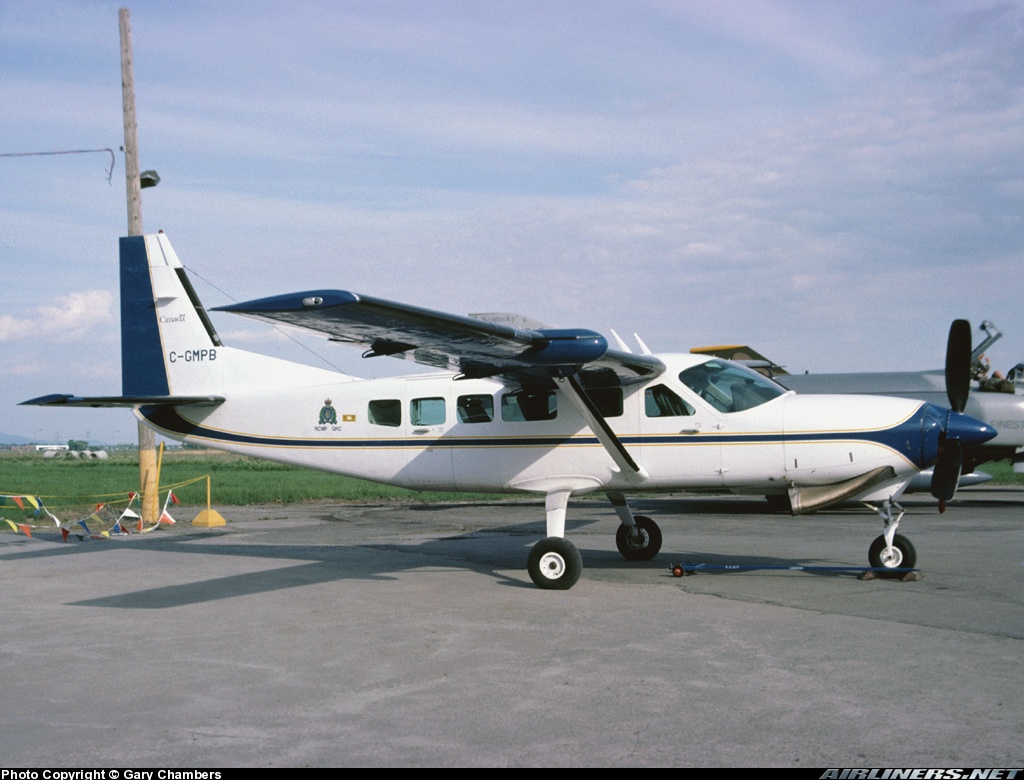
Crash of a Cessna 208 Caravan I in Lake Teslin: 2 killed

Date & Time: Aug 14, 2000 at 2357 LT
Type of aircraft:
Operator:
Registration:
C-GMPB
Flight Phase:
Flight Type:
Survivors:
No
Schedule:
Prince Rupert – Teslin Lake – Dease Lake
MSN:
208-0082
YOM:
1986
Country:
Crew on board:
2
Crew fatalities:
Pax on board:
0
Pax fatalities:
Other fatalities:
Total fatalities:
2
Captain / Total flying hours:
3768
Captain / Total hours on type:
282.00
Circumstances:
A Cessna 208 Caravan I on amphibious floats, C-GMPB, serial number 20800082, was ferrying members of the Royal Canadian Mounted Police (RCMP) Emergency Response Team from Teslin, Yukon, to a site on the south end of Teslin Lake, British Columbia. At about 1645 Pacific daylight time, three team members, two dogs, and gear were unloaded on a gravel bar across from the mouth of the Jennings River. The aircraft departed for the Teslin airport at about 2355 with the pilot and one RCMP engineer on board. Shortly after take-off, the aircraft was seen to pitch up into a steep climb, stall, then descend at a steep angle into the water. The aircraft was destroyed, and the pilot and the passenger were fatally injured.
Probable cause:
Findings as to Causes and Contributing Factors:
1. The pilot's decision to depart from the unlit location was likely the result of the many psychological and physiological stressors encountered during the day.
2. The pilot most likely experienced spatial disorientation-precipitated by local geographic and environmental conditions-and lost control of the aircraft.
Findings as to Risk:
1. Without a safety management program that routinely disseminates safety information, RCMP pilots may be inadequately sensitized to the limitations of decision making and judgement.
2. The RCMP had no current, concise standard operating procedures (SOPs) for its non-604 operations. Without useable SOPs, the pilots in some instances operate without clearly established limits and outside of acceptable tolerances.
Final Report:

Crash of a Piper PA-31-350 Navajo Chieftain in Burlington: 9 killed

Date & Time: Aug 9, 2000 at 0752 LT
Registration:
N27944
Flight Phase:
Survivors:
No
Site:
Schedule:
Lakehurst - Patuxent
MSN:
31-7952056
YOM:
1979
Crew on board:
2
Crew fatalities:
Pax on board:
7
Pax fatalities:
Other fatalities:
Total fatalities:
9
Captain / Total flying hours:
3968
Captain / Total hours on type:
1418.00
Circumstances:
A Piper PA-31-350 Navajo Chieftain, N27944, operated by Patuxent Airways, Inc., Hollywood, Maryland, and a Piper PA-44-180 Seminole, N2225G, operated by Hortman Aviation Services, Inc., Philadelphia, Pennsylvania, were destroyed when they collided in flight over Burlington Township, New Jersey. The airline transport pilot, commercial pilot, and seven passengers aboard the Navajo Chieftain were killed, as were the flight instructor and the private pilot aboard the Seminole. Day visual meteorological conditions existed at the time of the accident, and both airplanes were operating under visual flight rules when the collision occurred. The flight crews of both airplanes were properly certificated and qualified in accordance with applicable Federal regulations. None of these individuals was experiencing any personal problems or rest anomalies that would have affected their performance. The airplanes had undergone the required inspections. Examination of their maintenance documents revealed that both airplanes complied with all appropriate airworthiness directives. Evidence gathered from the wreckage indicated that neither airplane had experienced an in-flight fire, bird strike, or structural or mechanical failure. Tissue samples revealed that the pilot of the Seminole had taken doxylamine sometime before the accident. (Doxylamine is a sedating antihistamine that has substantial adverse effects on performance.) However, the amount of blood available for analysis was insufficient for determining exactly when the pilot may have ingested the medication or whether his performance was impaired by the effects of doxylamine. A partial cockpit visibility study revealed that the Seminole would have been visible to the pilots in the Chieftain for at least the 60 seconds before the collision. No stereo photographs from a Seminole cockpit were available to determine precise obstruction angles. However, because of the relative viewing angle, the Chieftain would have been visible to the pilots in the Seminole for most of the last 60 seconds. The study further revealed that about 4 seconds before impact, or about .11 nm separation, the angular width of each airplane in each pilot's field of vision would have been approximately 0.5 to 0.6 degrees or about 1/4 inch apparent size at the windscreen.
Probable cause:
The failure of the pilots of the two airplanes to see and avoid each other and maintain proper airspace separation during visual flight rules flight.
Final Report: