Crash of a Douglas AC-47D Spooky near Pleiku: 3 killed

Date & Time: May 5, 1968
Operator:

Registration:
44-76207
Flight Phase:
Flight Type:
Survivors:
Yes
Schedule:
Phù Cát - Phù Cát
MSN:
15791/32539
YOM:
1945
Country:
Region:
Crew on board:
9
Crew fatalities:
Pax on board:
0
Pax fatalities:
Other fatalities:
Total fatalities:
3
Circumstances:
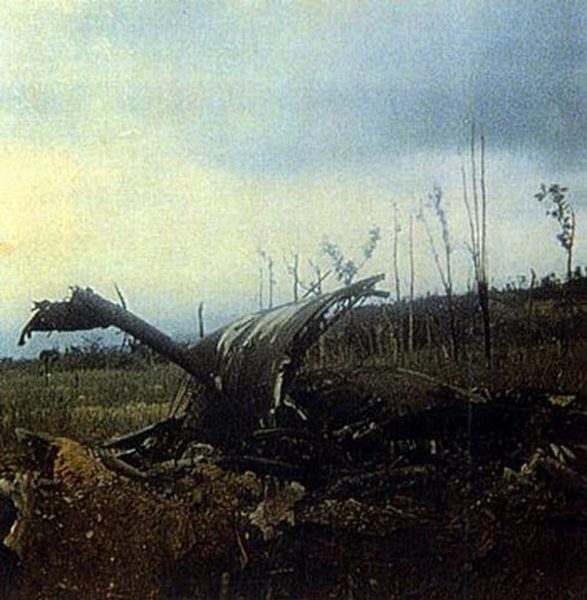
The gunship was engaged in an aerial attack from Phù Cát when it was shot down by enemy fire in the region of Pleiku. Six crew members survived while three others were killed. Those killed were Cpt Donald Lewis Merry, Maj Richard William +1. Wackerfuss.
Probable cause:
Shot down by enemy fire.

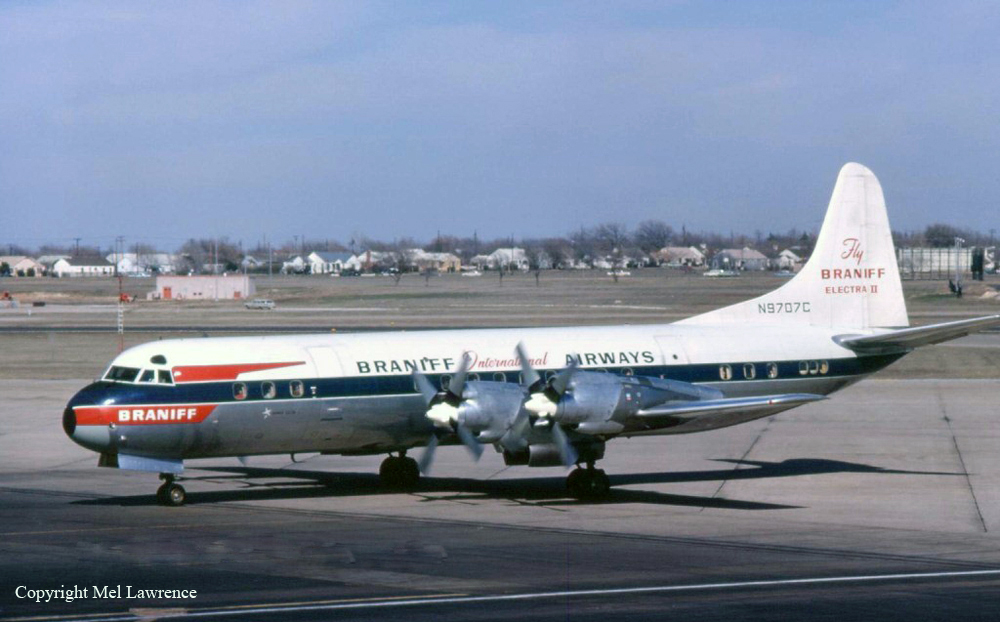
Crash of a Lockheed L-188A Electra in Dawson: 85 killed

Date & Time: May 3, 1968 at 1548 LT
Type of aircraft:
Operator:
Registration:
N9707C
Flight Phase:
Survivors:
No
Schedule:
Houston - Dallas - Memphis
MSN:
1099
YOM:
1959
Flight number:
BN352
Location:
Crew on board:
5
Crew fatalities:
Pax on board:
80
Pax fatalities:
Other fatalities:
Total fatalities:
85
Captain / Total flying hours:
10890
Captain / Total hours on type:
1380.00
Copilot / Total flying hours:
2568
Copilot / Total hours on type:
1820
Aircraft flight hours:
20958
Circumstances:
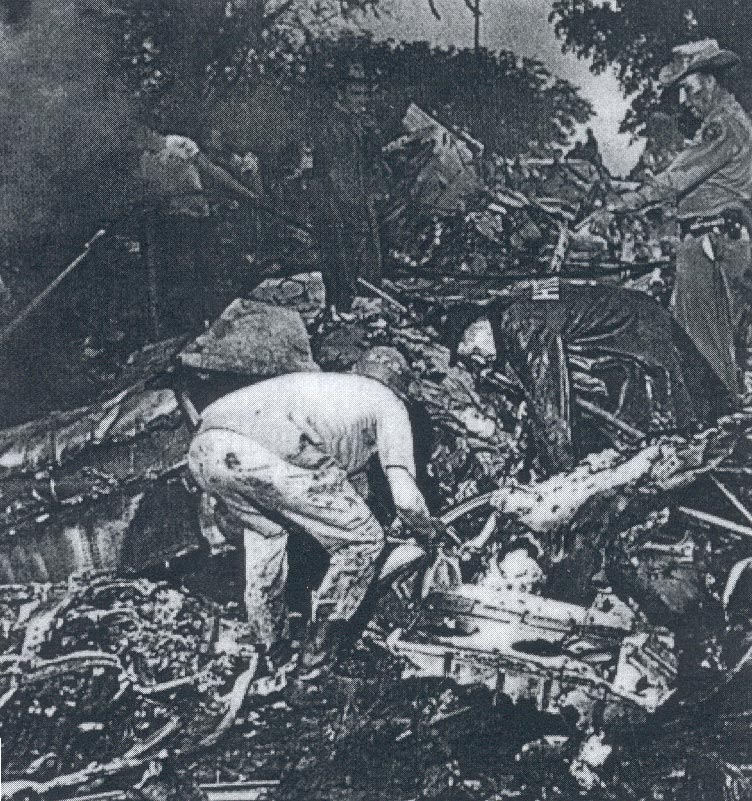
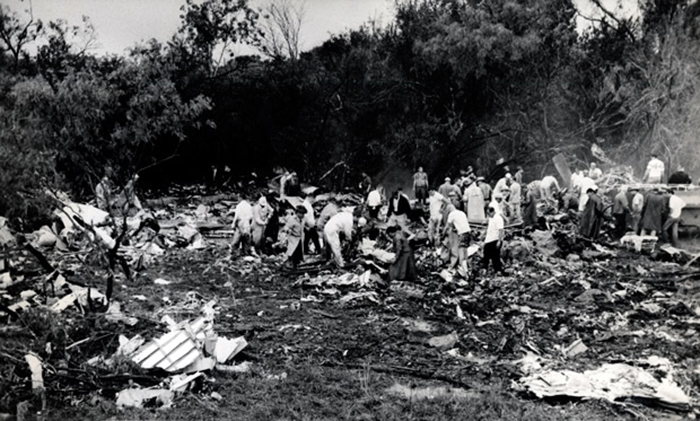
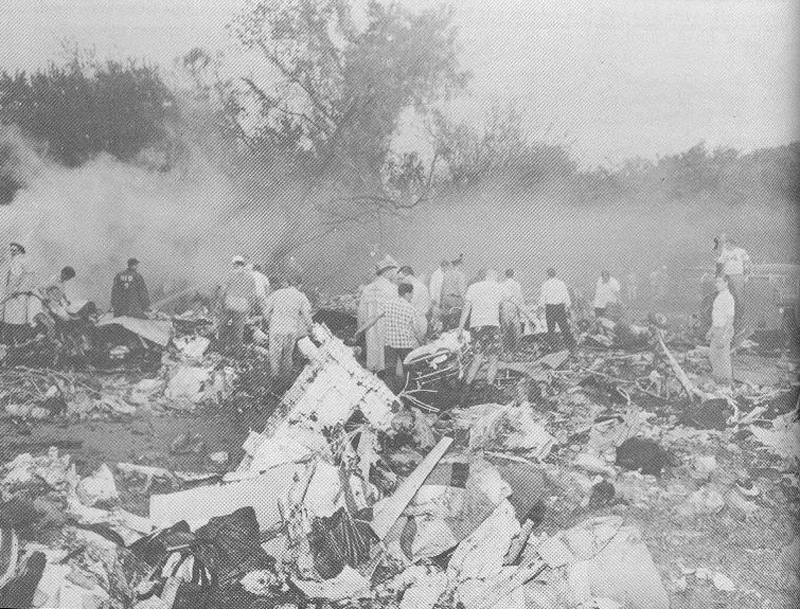
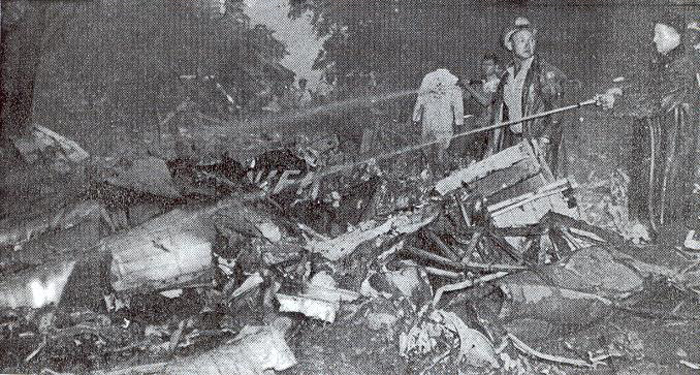
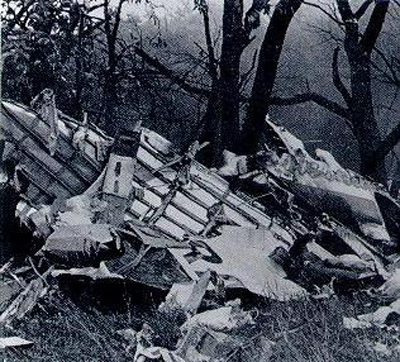
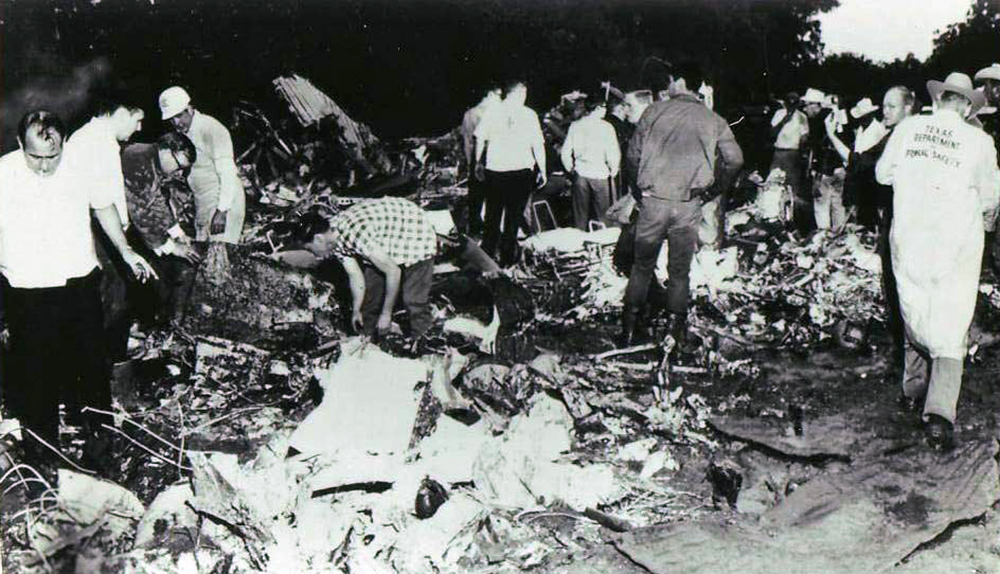
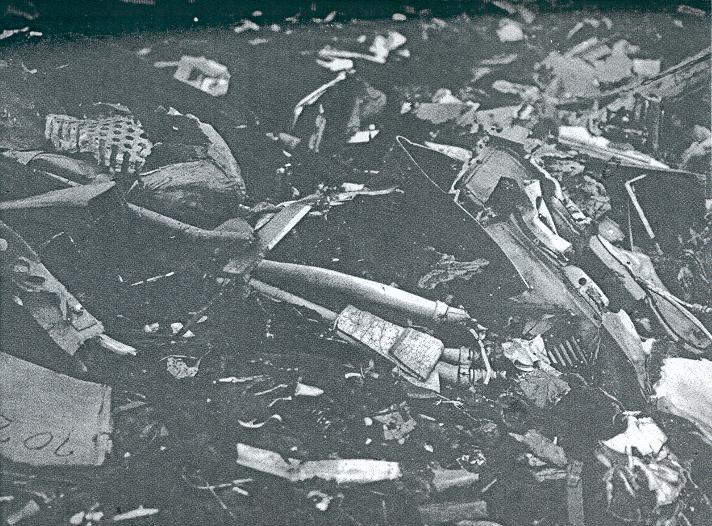
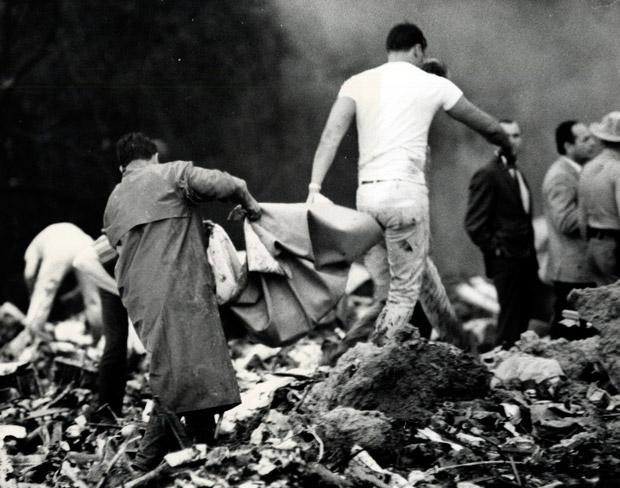
Braniff Flight 352 departed Houston (HOU) at 16:11 for a flight to Dallas (DAL) and climbed to FL200. Some 25 minutes into the flight, the L-188A Electra was approaching an area of severe thunderstorm activity. The crew requested a descent to FL150 and a deviation to the west. ARTCC then advised the crew that other aircraft were deviating to the east. The Electra crew still thought it looked all right on the west and were cleared to descend to FL140 and deviate to the west. At 16:44 the flight was further cleared to descend to 5000 feet. At 16:47 the aircraft had apparently encountered an area of bad weather, including hail, and requested (and were cleared for) a 180° turn. Subsequent to the initiation of a right turn, the aircraft was upset. During the upset, N9707C rolled to the right to a bank angle in excess of 90° and pitched nose-down to approximately 40 degrees. A roll recovery maneuver was initiated and the aircraft experienced forces of 4,35 g. Part of the right wing failed and the aircraft broke up at an altitude of 6750 feet and crashed in flames a little later. There was no survivor among the 85 occupants.
Probable cause:
The stressing of the aircraft structure beyond its ultimate strength during an attempted recovery from an unusual attitude induced by turbulence associated with a thunderstorm. The operation in the turbulence resulted from a decision to penetrate an area of known severe weather.
Final Report:

Crash of a Lockheed L-382B-4C Hercules near Chaklala AFB: 22 killed

Date & Time: Apr 30, 1968
Type of aircraft:
Operator:
Registration:
64145
Flight Phase:
Flight Type:
Survivors:
No
MSN:
4145
YOM:
1966
Country:
Region:
Crew on board:
4
Crew fatalities:
Pax on board:
18
Pax fatalities:
Other fatalities:
Total fatalities:
22
Circumstances:
While cruising in clouds, the airplane went out of control, dove into the ground and crashed in a huge explosion near the Chaklala Airbase. All 22 occupants were killed, most of them civilians.
Probable cause:
It is believed the loss of control was caused by severe turbulences encountered while cruising in poor weather conditions.

Crash of a Lockheed C-130B Hercules in Shau Valley: 8 killed

Date & Time: Apr 26, 1968
Type of aircraft:
Operator:
Registration:
60-0298
Flight Phase:
Flight Type:
Survivors:
No
Schedule:
Saigon - Saigon
MSN:
3602
YOM:
1961
Country:
Region:
Crew on board:
8
Crew fatalities:
Pax on board:
0
Pax fatalities:
Other fatalities:
Total fatalities:
8
Circumstances:
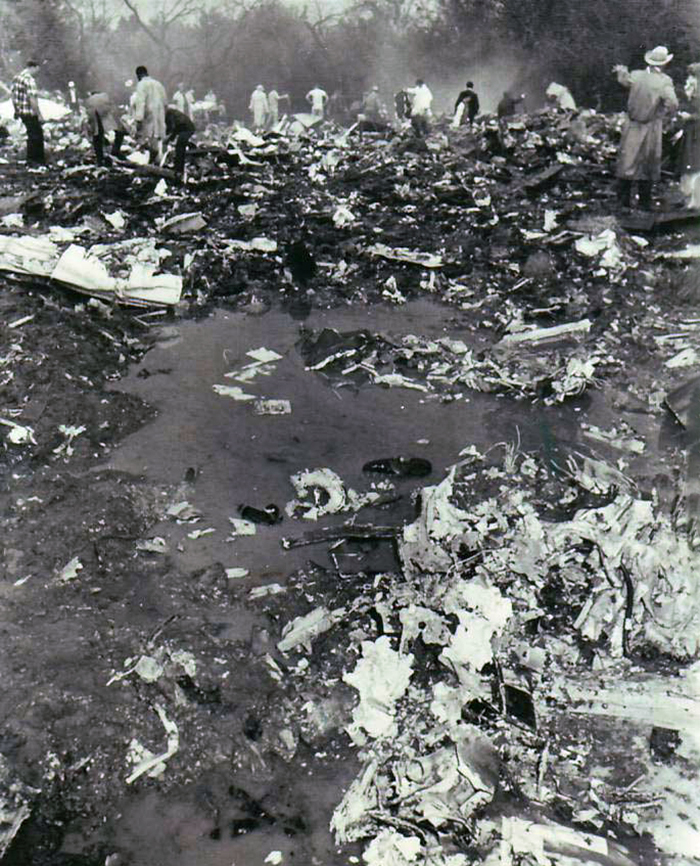
Several C-130 Hercules transport planes were used to fly supply runs to an airstrip at A Loui. The aircraft approached under low clouds, airdropping the supplies from the rear ramp. Several aircraft were hit by enemy ground fire. The 21st supply aircraft was hit by .50 calibre and 37 mm ground fire. A fire erupted in the cargo hold and the crew attempted to jettison the burning load while the pilot attempted a forced landing on the airstrip. The airplane struck trees, crashed and burst into flames. All eight occupants were killed, among them two photographs.
Probable cause:
Shot down by enemy fire.
Crash of a De Havilland L-20A Beaver in Garderen: 2 killed

Date & Time: Apr 23, 1968
Type of aircraft:
Operator:
Registration:
S-2
Flight Phase:
Survivors:
Yes
MSN:
952
YOM:
1956
Country:
Region:
Crew on board:
1
Crew fatalities:
Pax on board:
3
Pax fatalities:
Other fatalities:
Total fatalities:
2
Circumstances:
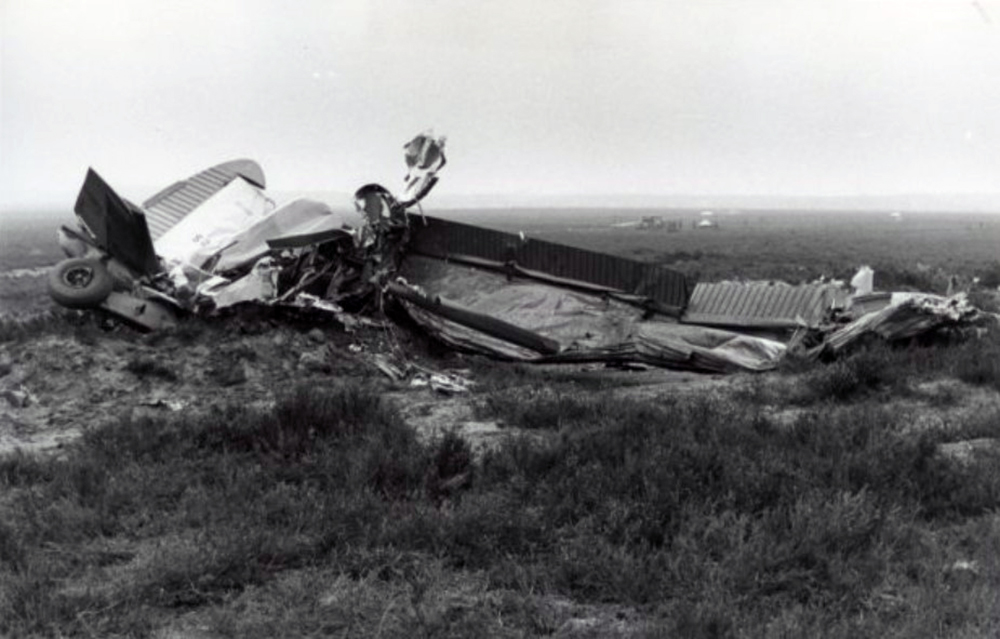
The single engine was engaged in a local skydiving exercice, carrying one pilot and three soldiers/skydivers. While in cruising altitude, the pilot stabilised the aircraft and the first skydiver jump out of the cabin when he apparently struck the stabiliser. The pilot lost control of the airplane that crashed in an open field located between the villages of Garderen and Elspeet. The pilot and a second parachutist were injured while the first skydiver and a second parachutist were killed.

Crash of a Rockwell Aero Commander 680E off San Juan: 1 killed

Date & Time: Apr 20, 1968 at 2000 LT
Registration:
N408EE
Flight Phase:
Flight Type:
Survivors:
No
MSN:
680-665-8
YOM:
1958
Country:
Crew on board:
1
Crew fatalities:
Pax on board:
0
Pax fatalities:
Other fatalities:
Total fatalities:
1
Captain / Total flying hours:
3602
Captain / Total hours on type:
369.00
Circumstances:
The pilot was completing a positioning flight when control was lost. The airplane crashed into the sea off San Juan. Some debris were found a day later but no trace of the pilot who was presumed dead.
Probable cause:
Due to lack of evidences, the cause of the accident could not be determined.
Final Report:

Crash of an Avro 696 Shackleton MR.2 in Mull of Kintyre: 11 killed

Date & Time: Apr 19, 1968 at 1030 LT
Type of aircraft:
Operator:
Registration:
WB833
Flight Phase:
Flight Type:
Survivors:
No
Schedule:
Ballykelly - Ballykelly
YOM:
1952
Region:
Crew on board:
11
Crew fatalities:
Pax on board:
0
Pax fatalities:
Other fatalities:
Total fatalities:
11
Circumstances:
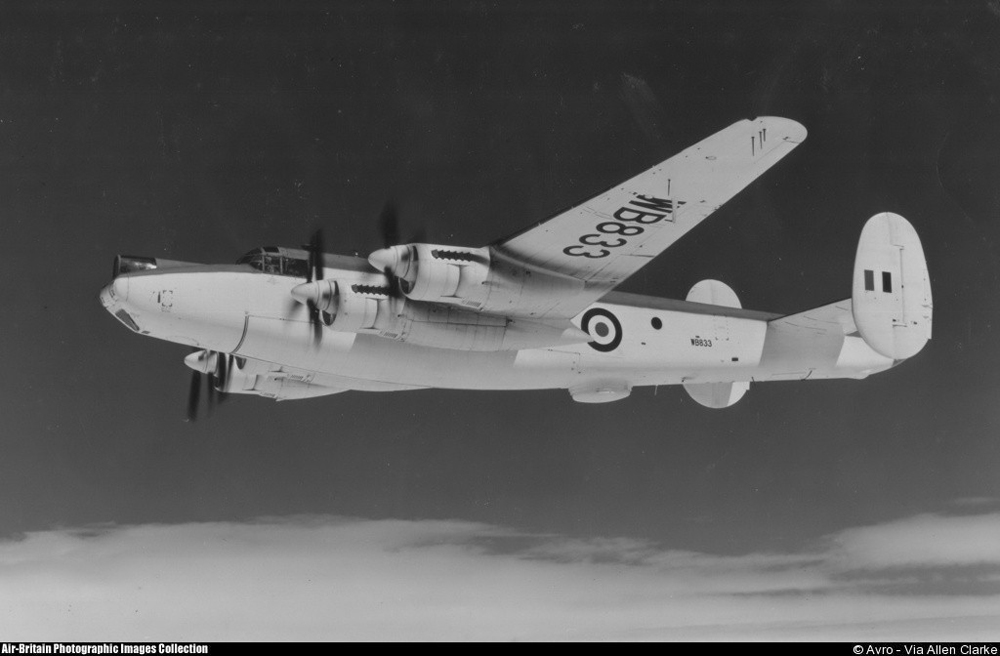
The aircraft had taken off from Ballykelly in Northern Ireland on an anti-submarine exercise early on the morning of the 19th April 1968, it is reported to have been tasked with located a Royal Navy submarine that was in the area. The area that day was shrouded in thick sea mist and at about 10:30 the aircraft was heard in the area south of the Mull of the Kintyre shortly after as it climbed up through the mist the aircraft struck rising ground near Garvalt cottage killing all 11 crew members instantly.
Crew:
S/Ldr Robert Clive Leonard Haggett, pilot,
F/O David Robert Burton, pilot,
F/O Michael Creedon, pilot,
F/Lt Roger John Duncan Denny, navigator,
F/Lt George Craigie Fisken, navigator,
Sgt John Richard Frank Creamer, flight engineer,
F/Lt Rodney Hellens, air electronic officer,
F/Sgt Thomas Frederick Anglin Buttimore, air electronic officer,
Sgt Bruce Robert Dixon, air electronic officer,
M/Sig Ronald Cecil Stratton, air signaller,
Sgt Nathaniel Michael Duffy, air signaller.
Source: www.peakdistrictaircrashes.co.uk

Crash of a Cessna 411 in Corinth: 2 killed

Date & Time: Apr 18, 1968 at 1910 LT
Type of aircraft:
Operator:
Registration:
N4952T
Flight Phase:
Flight Type:
Survivors:
Yes
Schedule:
London - Athens
Country:
Region:
Crew on board:
1
Crew fatalities:
Pax on board:
3
Pax fatalities:
Other fatalities:
Total fatalities:
2
Circumstances:
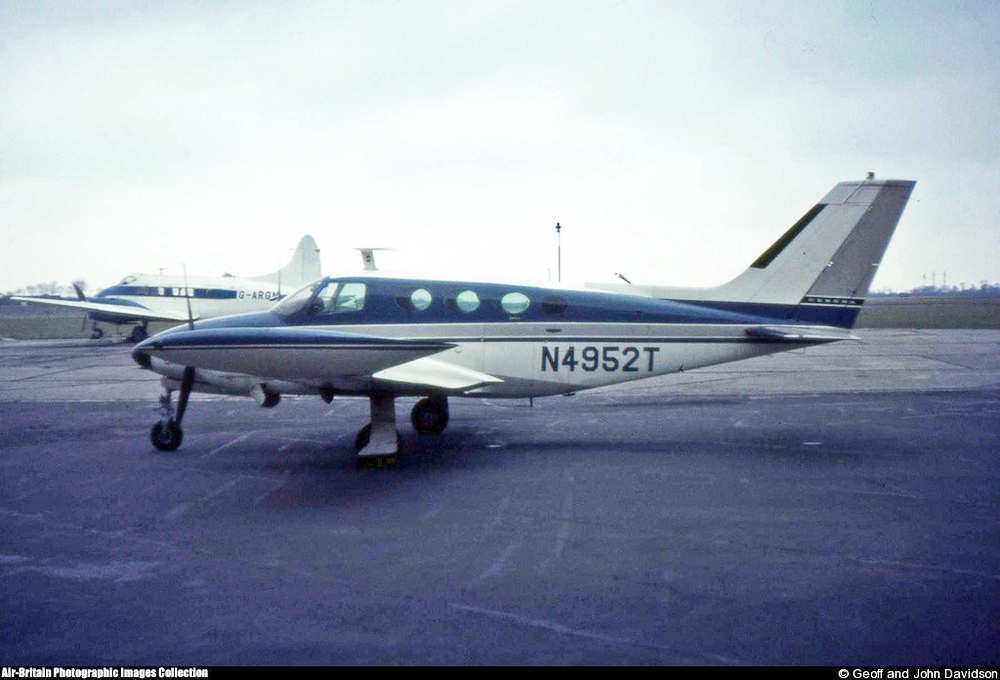
A failure of the electrical system in flight forced the pilot to reduce his altitude and to attempt an emergency landing. While cruising in the vicinity of Corinth, the pilot attempt to land in an open field when the airplane struck trees and crashed in flames. The pilot and a passenger were killed while two other occupants were injured. The aircraft was destroyed.
Probable cause:
Failure of the electric system for unknown reason.
Final Report:

Crash of a Fairchild C-123K Provider near Bruce: 4 killed

Date & Time: Apr 16, 1968 at 0900 LT
Type of aircraft:
Operator:
Registration:
54-0602
Flight Phase:
Flight Type:
Survivors:
No
Schedule:
Hurlburt Field - Hurlburt Field
MSN:
20051
YOM:
1954
Flight number:
Moose 09
Location:
Crew on board:
4
Crew fatalities:
Pax on board:
0
Pax fatalities:
Other fatalities:
Total fatalities:
4
Circumstances:
The airplane departed Hultburt Field AFB at 0800LT on a training mission under call sign Moose 09. The assigned mission was a routine SEA serial spray training flight. The formation proceeded to a point 25 nm northwest of Panama City, Florida (the designated spray training area), arriving there at 08:35 CST. At this time a series of simulated defoliation runs were conducted over an open field. At approximately 08:50 CST Aircraft 54-0602 assumed the number three position in a right echelon formation for practice defoliation runs along a series of roads. At the completion of the first run the lead aircraft gave a command to place the aircraft in a "piggy back" formation, then climbed from 150 feet AGL to approximately 300 feet AGL and executed a 270 degree turn to the right. While in this turn the Number Three aircraft contacted the ground in a left wing low position, cartwheeled, immediately caught fire and was destroyed. The instructor pilot, two student pilots, and the flight engineer sustained fatal injuries.

Crash of a De Havilland DH.104 Dove 1 in Egypt: 9 killed

Date & Time: Apr 11, 1968
Type of aircraft:
Operator:
Registration:
900
Flight Phase:
Flight Type:
Survivors:
No
Site:
Schedule:
Al-Bahariya - Cairo
MSN:
04090
YOM:
1947
Location:
Country:
Region:
Crew on board:
2
Crew fatalities:
Pax on board:
7
Pax fatalities:
Other fatalities:
Total fatalities:
9
Circumstances:
The twin engine airplane departed the oasis of Al-Bahariya on a flight to Cairo, carrying a crew of two and seven passengers, among them one child. En route, weather conditions worsened and the pilot apparently lost his orientation. In such conditions, the crew decided to reduce his altitude and attempted an emergency landing. The airplane belly landed in a desert area located approximately 100 km northeast of Al-Bahariya. The aircraft was damaged beyond repair while all nine occupants survived the accident. Rescue teams were unable to localize the airplane and all nine occupants died of thirst few days later. The wreckage was eventually found by camels more than three years later, on June 1st 1978.
Probable cause:
It is believed the crew lost his orientation following the in-flight failure of several instruments.