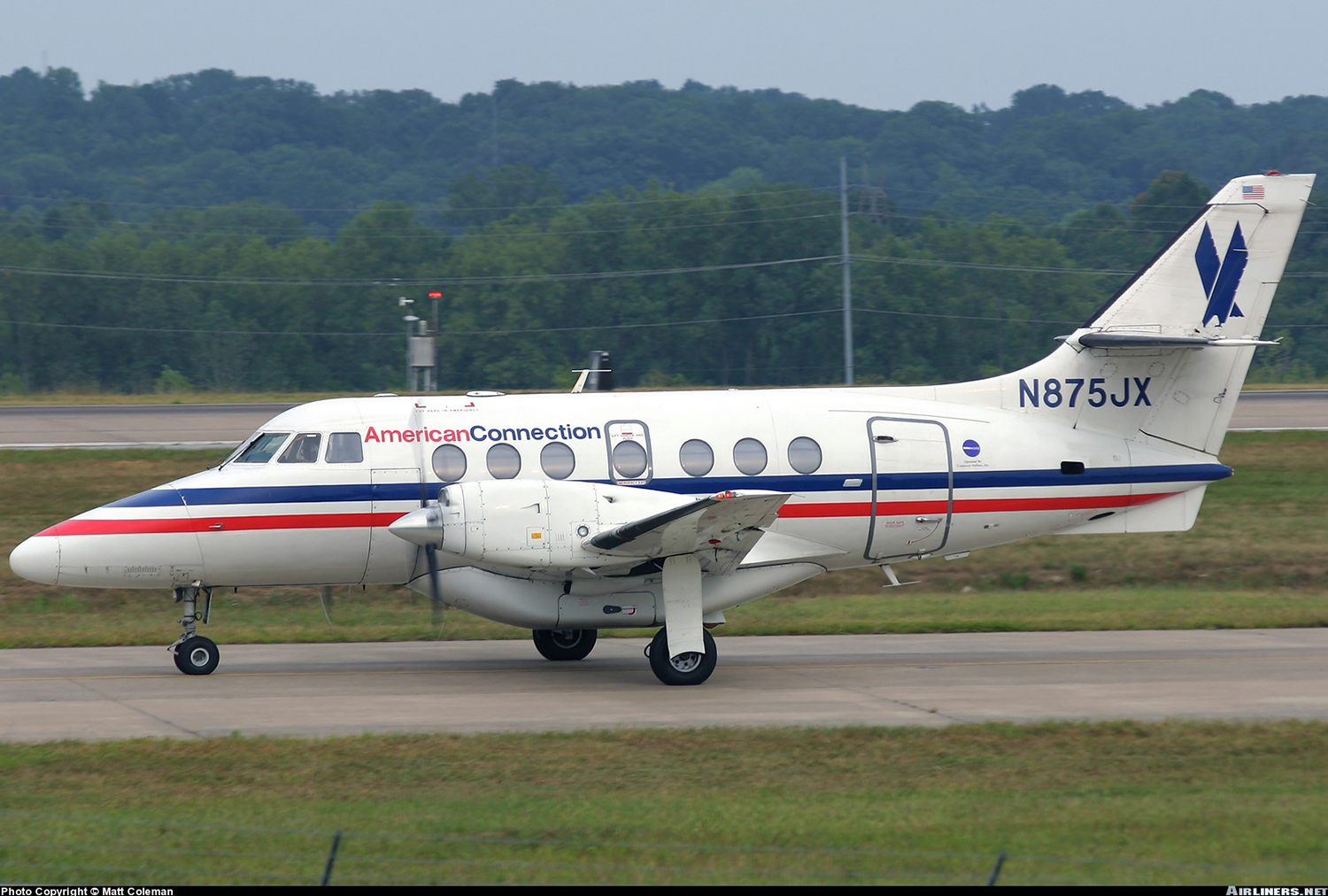
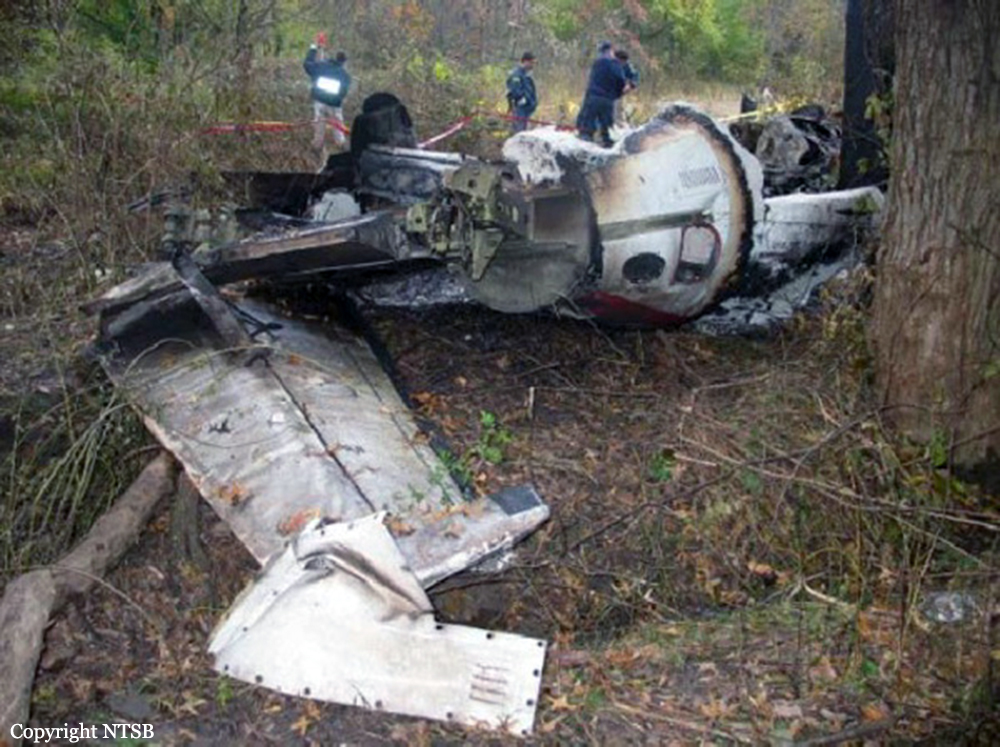
Crash of a BAe 3201 Jetstream 32EP in Kirksville: 13 killed

Date & Time: Oct 19, 2004 at 1937 LT
Type of aircraft:
Operator:
Registration:
N875JX
Survivors:
Yes
Schedule:
Saint Louis – Kirksville
MSN:
875
YOM:
1990
Flight number:
AA5966
Crew on board:
2
Crew fatalities:
Pax on board:
13
Pax fatalities:
Other fatalities:
Total fatalities:
13
Captain / Total flying hours:
4234
Captain / Total hours on type:
2510.00
Copilot / Total flying hours:
2856
Copilot / Total hours on type:
107
Aircraft flight hours:
21979
Aircraft flight cycles:
28973
Circumstances:
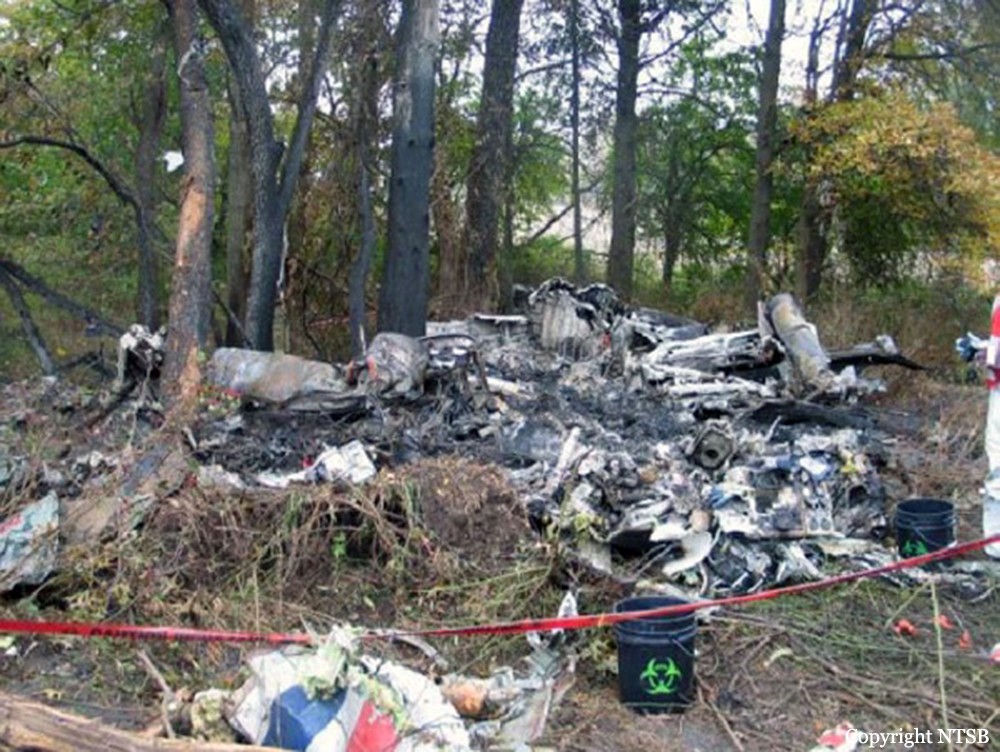
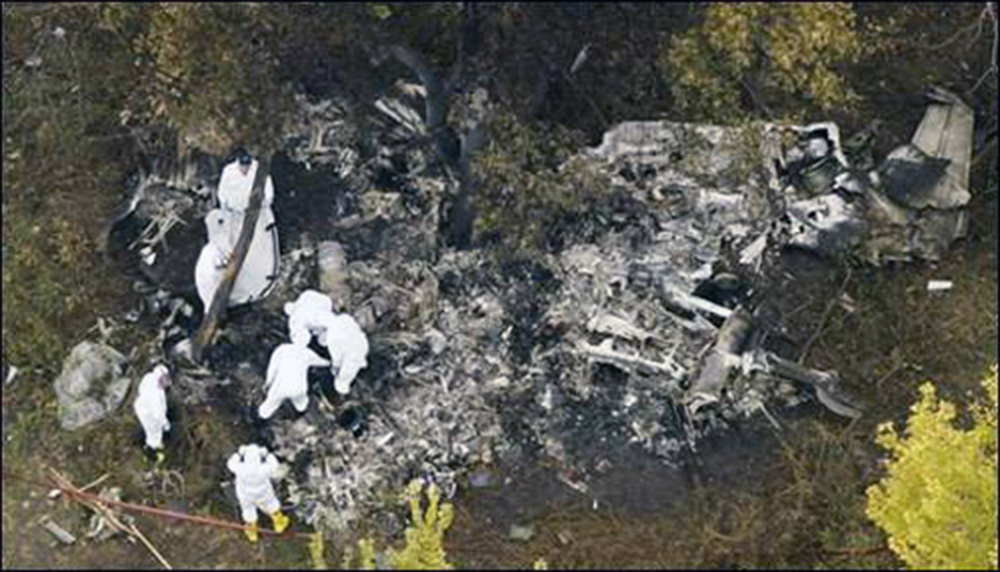
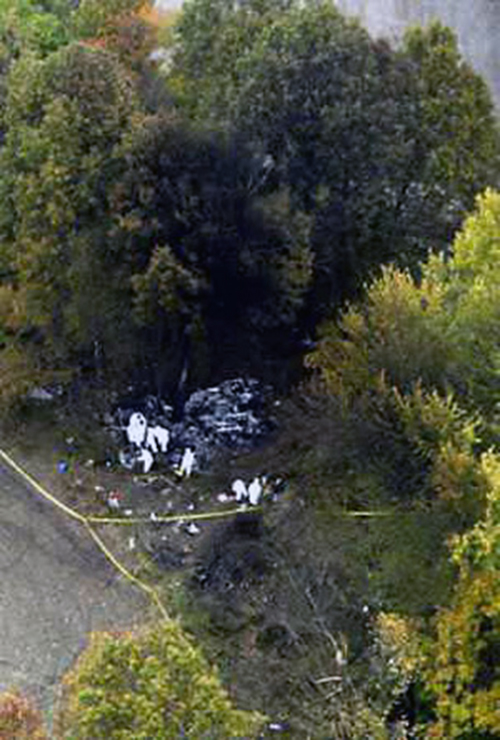
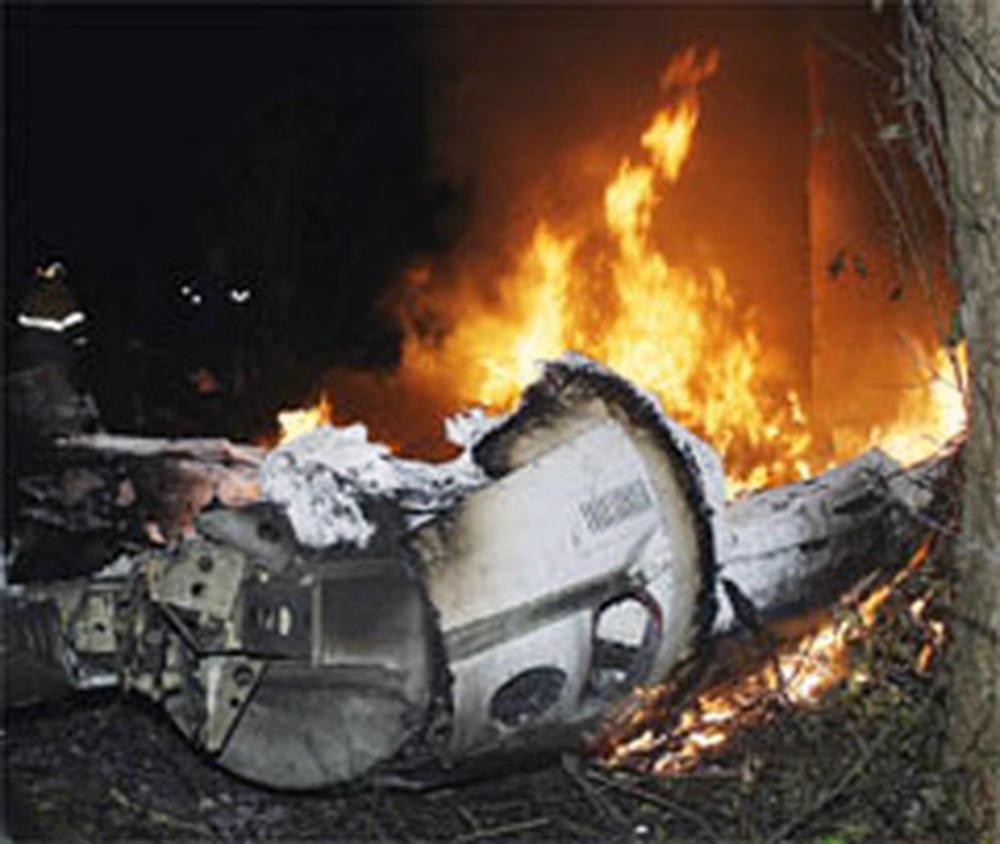
On October 19, 2004, about 1937 central daylight time, Corporate Airlines (doing business as American Connection) flight 5966, a BAE Systems BAE-J3201, N875JX, struck trees on final approach and crashed short of runway 36 at Kirksville Regional Airport (IRK), Kirksville, Missouri. The flight was operating under the provisions of 14 Code of Federal Regulations Part 121 as a scheduled passenger flight from Lambert-St. Louis International Airport, in St. Louis, Missouri, to IRK. The captain, first officer, and 11 of the 13 passengers were fatally injured, and 2 passengers received serious injuries. The airplane was destroyed by impact and a post impact fire. Night instrument meteorological conditions (IMC) prevailed at the time of the accident, and the flight operated on an instrument flight rules flight plan.
Probable cause:
the pilots' failure to follow established procedures and properly conduct a non precision instrument approach at night in IMC, including their descent below the minimum descent altitude (MDA) before required visual cues were available (which continued unmoderated until the airplane struck the trees) and their failure to adhere to the established division of duties between the flying and non flying (monitoring) pilot.
Contributing to the accident was the pilots' failure to make standard callouts and the current Federal Aviation Regulations that allow pilots to descend below the MDA into a region in which safe obstacle clearance is not assured based upon seeing only the airport approach lights. The pilots' unprofessional behavior during the flight and their fatigue likely contributed to their degraded performance.
Final Report:
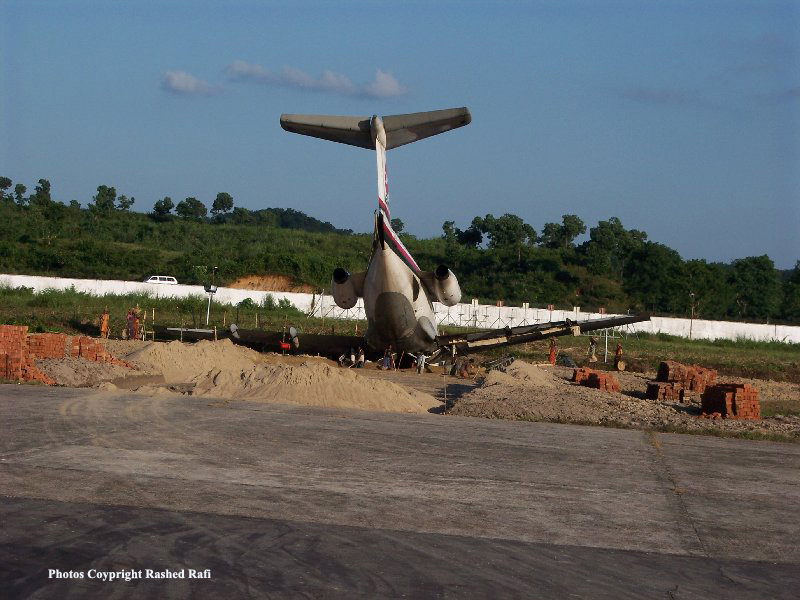
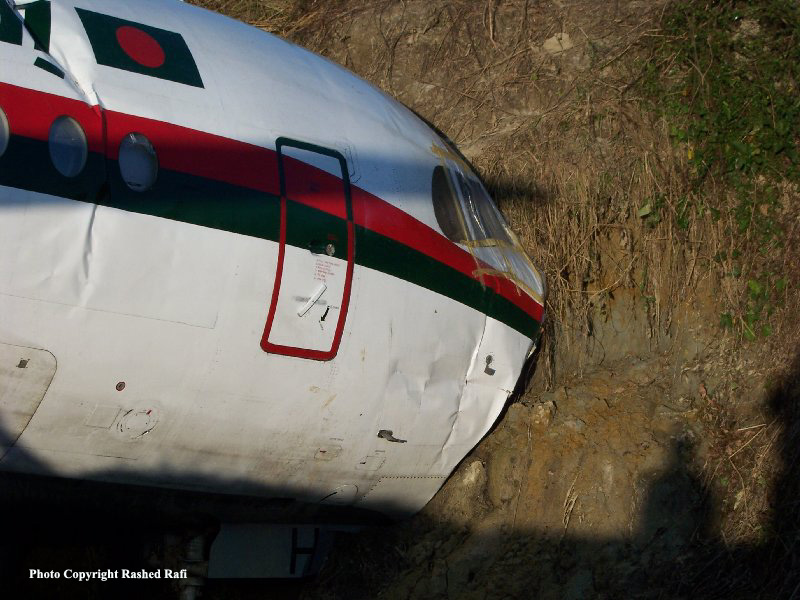
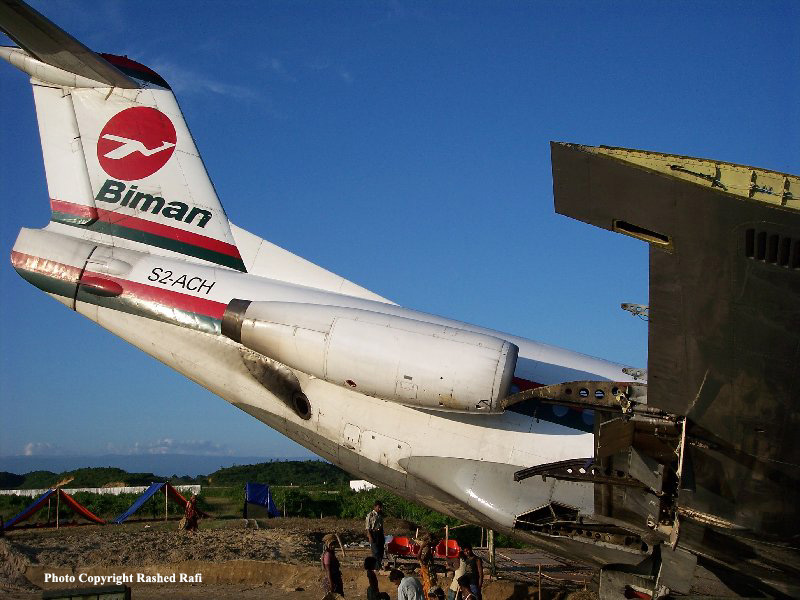
Crash of a Fokker F28 Fellowship 4000 in Sylhet

Date & Time: Oct 8, 2004 at 0915 LT
Type of aircraft:
Operator:
Registration:
S2-ACH
Survivors:
Yes
Schedule:
Dhaka - Sylhet
MSN:
11172
YOM:
1981
Flight number:
BG601
Location:
Country:
Region:
Crew on board:
5
Crew fatalities:
Pax on board:
79
Pax fatalities:
Other fatalities:
Total fatalities:
0
Circumstances:
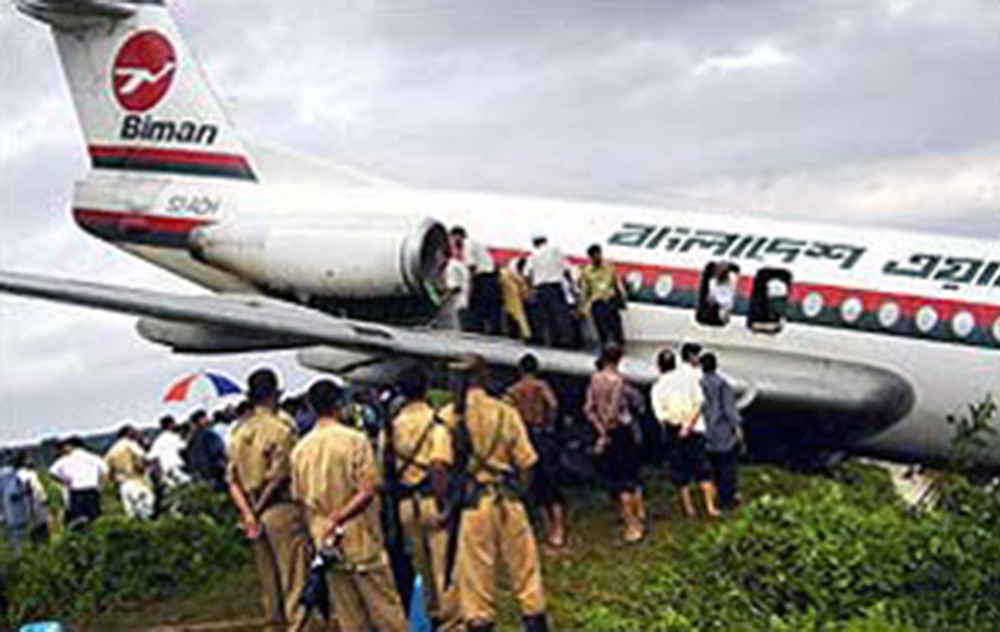
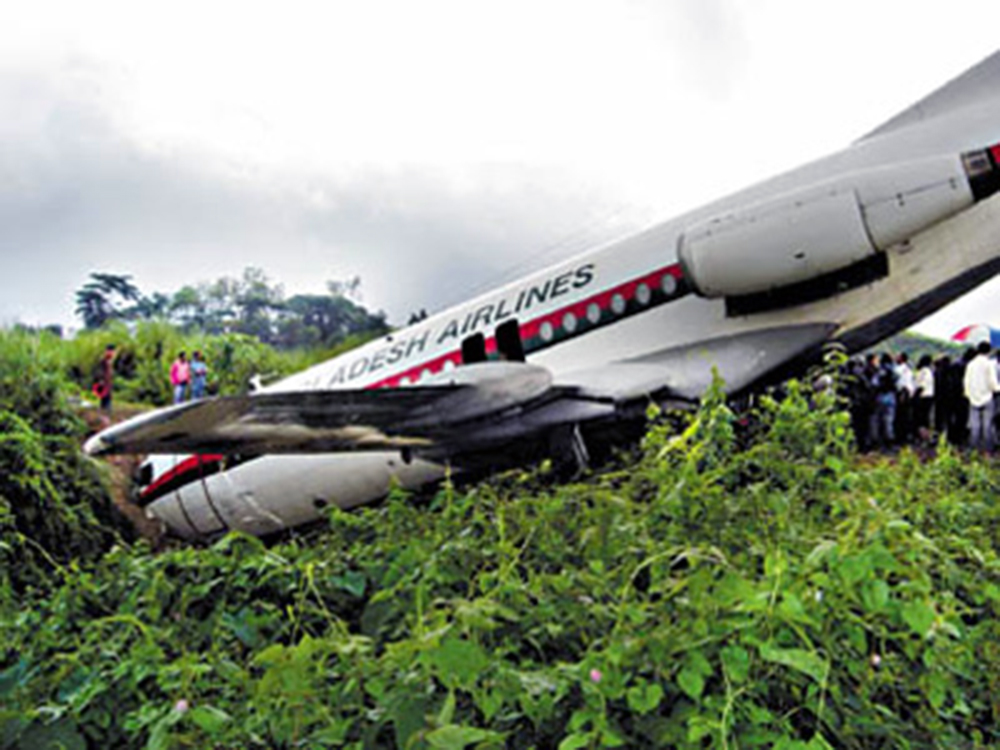
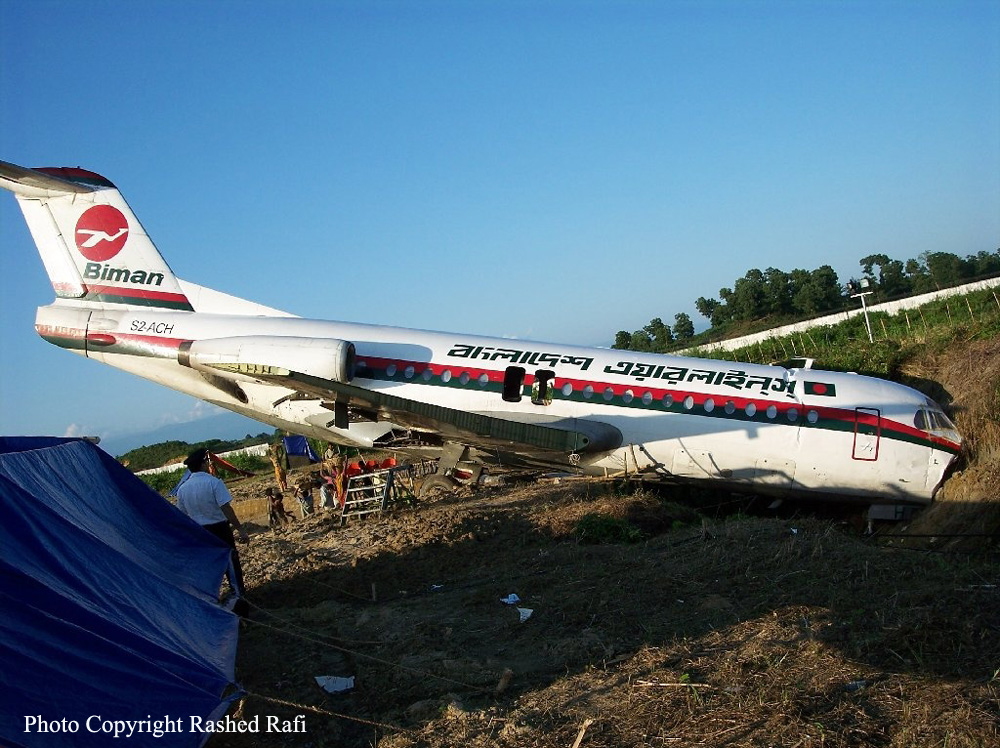
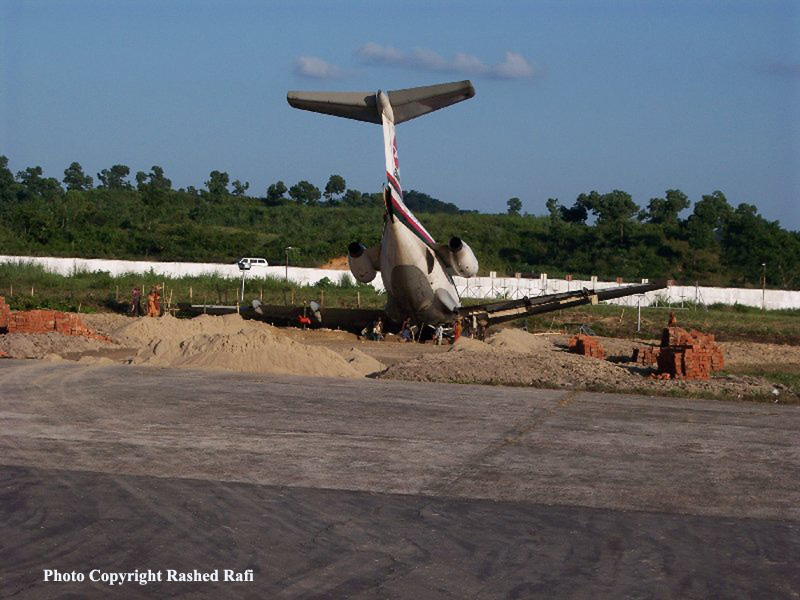
The flight from Dhaka to Sylhet was delayed for few hours due to poor weather conditions at destination with limited visibility, heavy rain falls, low ceiling and strong winds. Following an uneventful flight, the aircraft landed too far down a wet runway. Unable to stop within the remaining distance, it overran and came to rest in a drainage ditch. 30 passengers were slightly injured while all other occupants escaped unhurt. Both pilots were seriously injured as the cockpit was trapped against an earth wall.
Probable cause:
It was determined that the crew failed to refer to the PAPI's and following a wrong approach configuration, the aircraft landed too far down the runway, reducing the landing distance available. The following contributing factors were reported:
- The ILS system was not properly calibrated, causing the aircraft to land about 900 feet past the runway threshold,
- The aircraft was too high on approach,
- The aircraft' speed at touchdown was 20 knots above the reference speed,
- The braking action was considered as low because the runway surface was wet,
- Aquaplaning,
- The crew failed to initiate a go-around procedure.

Crash of a Swearingen SA227AC Metro III in La Ronge

Date & Time: Sep 21, 2004 at 1410 LT
Type of aircraft:
Operator:
Registration:
C-FIPW
Survivors:
Yes
Schedule:
Stony Rapids - La Ronge
MSN:
AC-524
YOM:
1982
Flight number:
KA1501
Country:
Crew on board:
2
Crew fatalities:
Pax on board:
9
Pax fatalities:
Other fatalities:
Total fatalities:
0
Circumstances:
A Northern Dene Airways Ltd. Metro III (registration C-FIPW, serial number AC524), operating as Norcanair Flight KA1051, departed Stony Rapids, Saskatchewan, with two crew members and nine passengers on a day, visual flight rules flight to La Ronge, Saskatchewan. On arrival in La Ronge, at approximately 1410 central standard time, the crew completed the approach and landing checklists and confirmed the gear-down indication. The aircraft was landed in a crosswind on Runway 18 and touched down firmly, approximately 1000 feet from the threshold. On touchdown, the left wing dropped and the propeller made contact with the runway. The aircraft veered to the left side of the runway, despite full rudder and aileron deflection. The crew applied maximum right braking and shut down both engines. The aircraft departed the runway and travelled approximately 200 feet through the infield before the nose and right main gear were torn rearwards; the left gear collapsed into the wheel well. The aircraft slid on its belly before coming to rest approximately 300 feet off the side of the runway. Three of the passengers suffered minor injuries from the sudden stop associated with the final collapsing of the landing gear; the other passengers and the pilots were not injured.
Probable cause:
Findings as to Causes and Contributing Factors:
1. An incorrect roller of a smaller diameter and type was installed on the left main landing gear outboard bellcrank assembly, contrary to company and industry practice.
2. The smaller diameter roller reduced the required rigging tolerances for the bellcrank-to-cam assembly in the down-and-locked position and allowed the roller to eventually move beyond the cam cutout position, resulting in the collapse of the left landing gear.
3. A rigging check was not carried out after the replacement of the bellcrank roller. Such a check should have revealed that neither the inboard nor outboard bellcrank assembly met the minimum rigging requirements for proper engagement with the positioning cam.
Final Report:
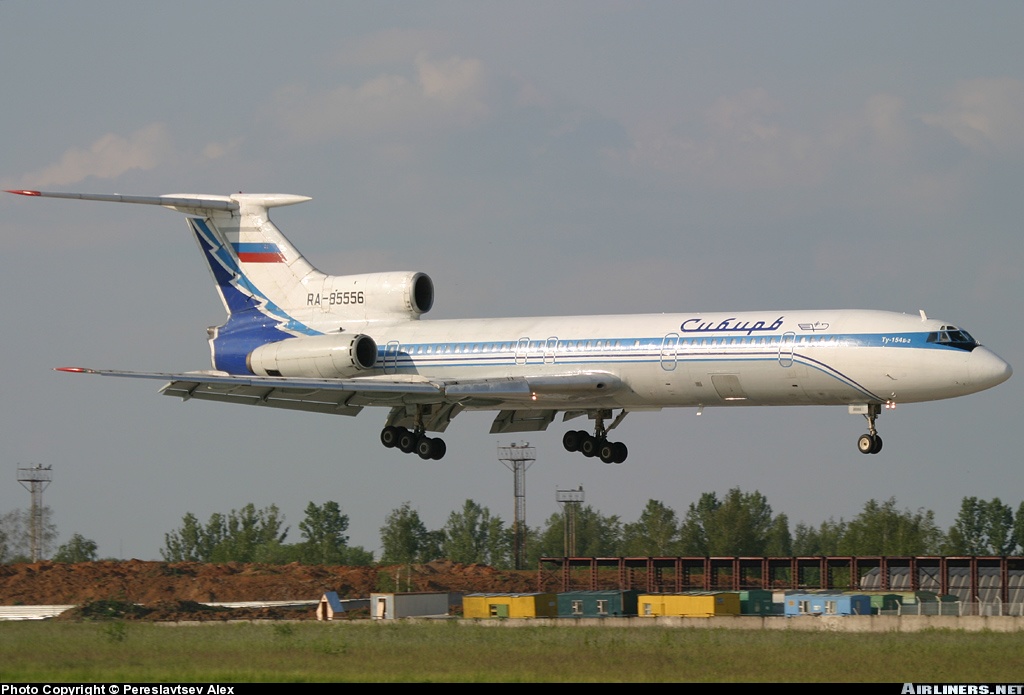
Crash of a Tupolev TU-154B-2 near Gluboki: 46 killed

Date & Time: Aug 24, 2004 at 2253 LT
Type of aircraft:
Operator:
Registration:
RA-85556
Flight Phase:
Survivors:
No
Schedule:
Moscow - Sochi
MSN:
82A556
YOM:
1982
Flight number:
SBI1047
Country:
Region:
Crew on board:
8
Crew fatalities:
Pax on board:
38
Pax fatalities:
Other fatalities:
Total fatalities:
46
Aircraft flight hours:
30751
Circumstances:
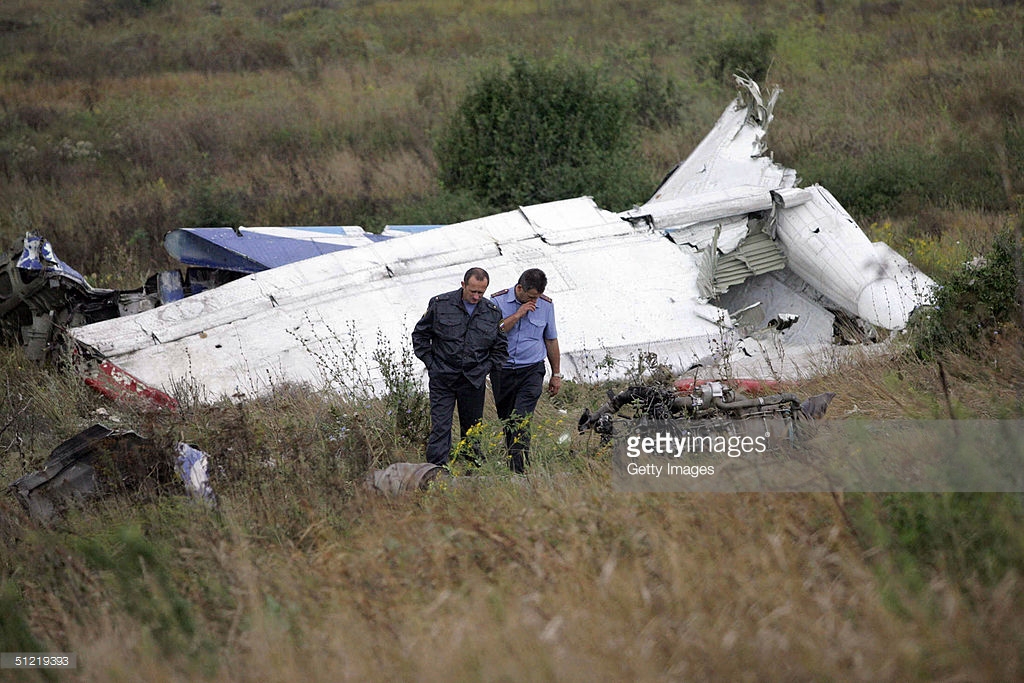
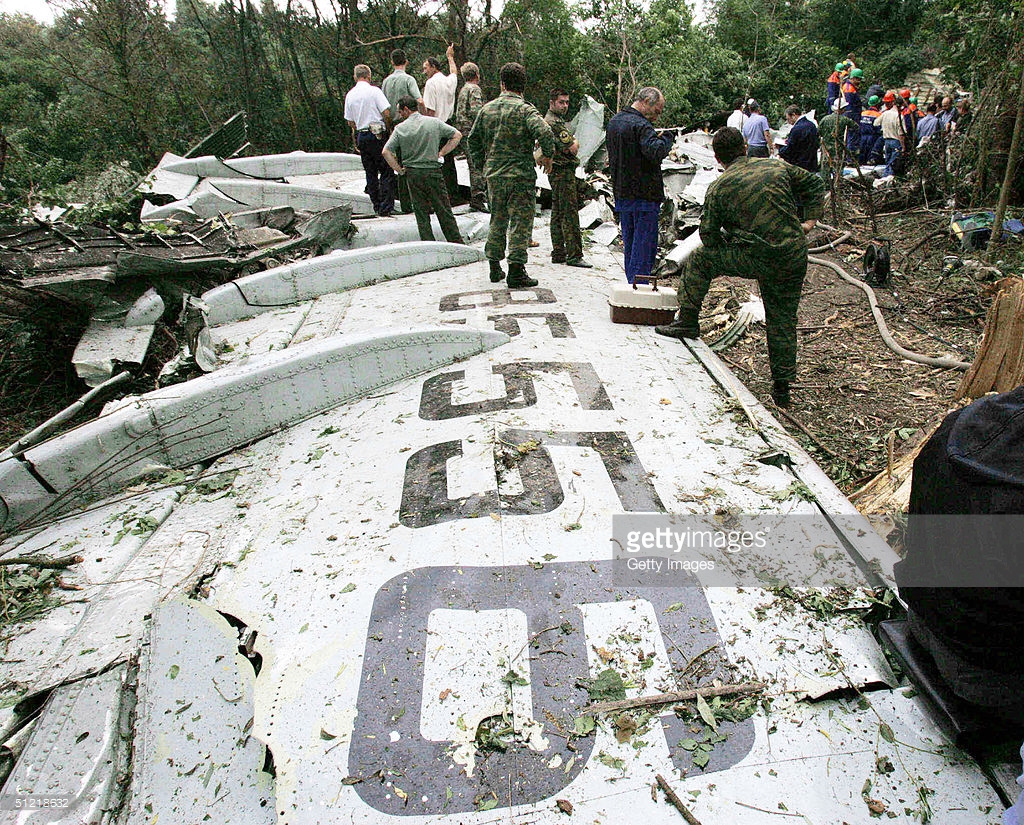
The aircraft departed Moscow-Domodedovo Airport at 2140LT on a schedule service to Sochi-Adler Airport. At 2253LT, while cruising at an altitude of 12,100 metres, the aircraft suffered an in-flight explosion, entered an uncontrolled descent and crashed in a field located near Gluboki. First rescuers arrived on the scene about 8 hours later. The aircraft was totally destroyed and all 46 occupants were killed.
Probable cause:
The Federal Safety Board (FSB) reported 3 days later that the accident was the consequence of the explosion of a bomb. Two women flying from Makhatshala landed in Moscow at 1945LT and were able to embark with the explosive device following security deficiencies. Traces of hexogene were found on debris.

Crash of a Tupolev TU-134A-3 in Buchalki: 44 killed

Date & Time: Aug 24, 2004 at 2253 LT
Type of aircraft:
Operator:
Registration:
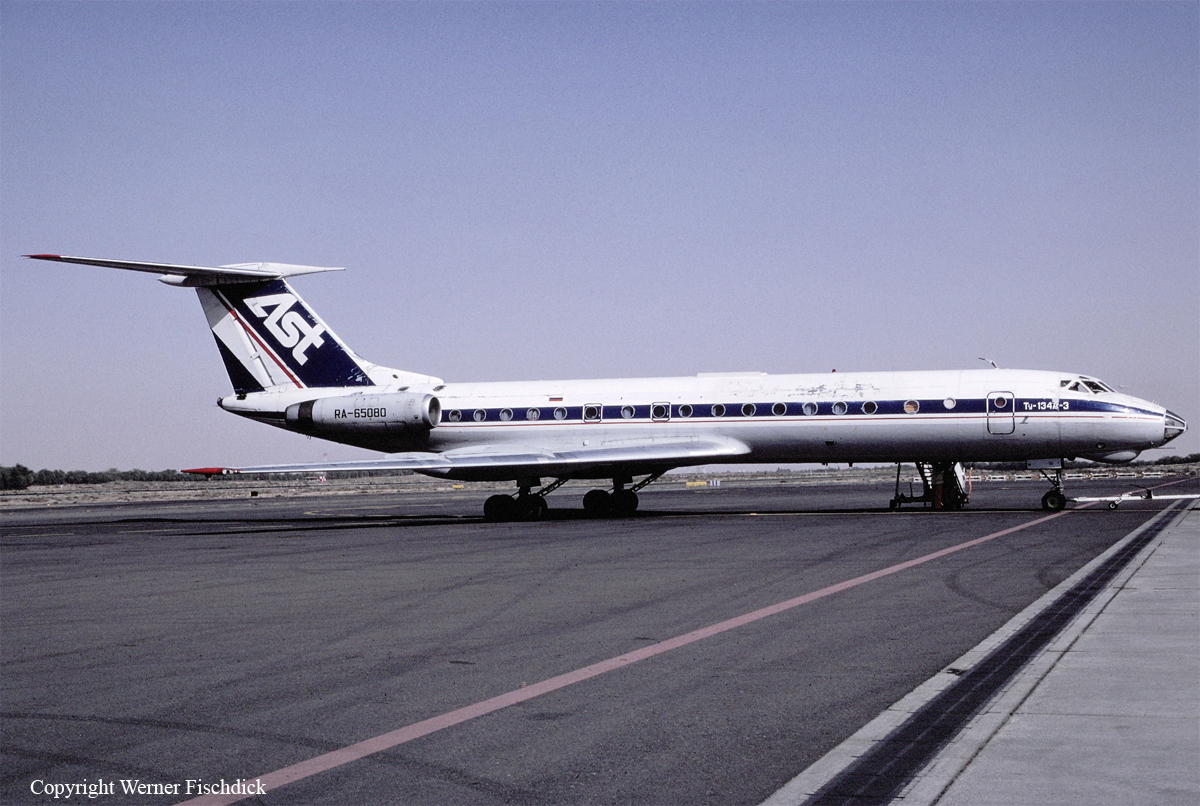
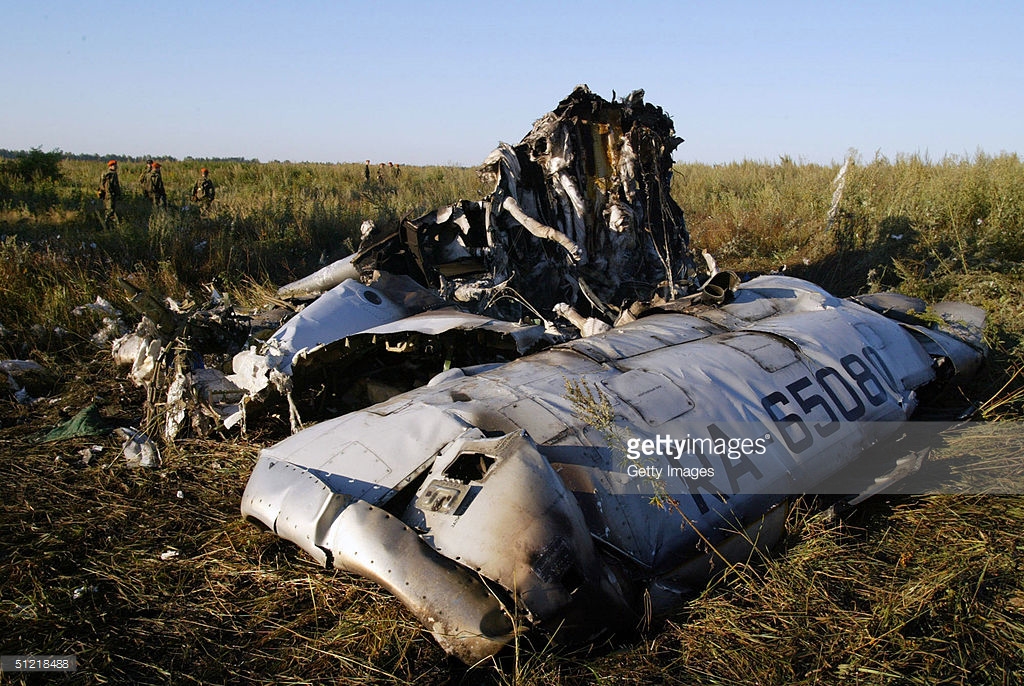
RA-65080
Flight Phase:
Survivors:
No
Schedule:
Moscow - Volgograd
MSN:
60065
YOM:
1977
Flight number:
WLG1303
Country:
Region:
Crew on board:
9
Crew fatalities:
Pax on board:
35
Pax fatalities:
Other fatalities:
Total fatalities:
44
Aircraft flight hours:
30751
Circumstances:
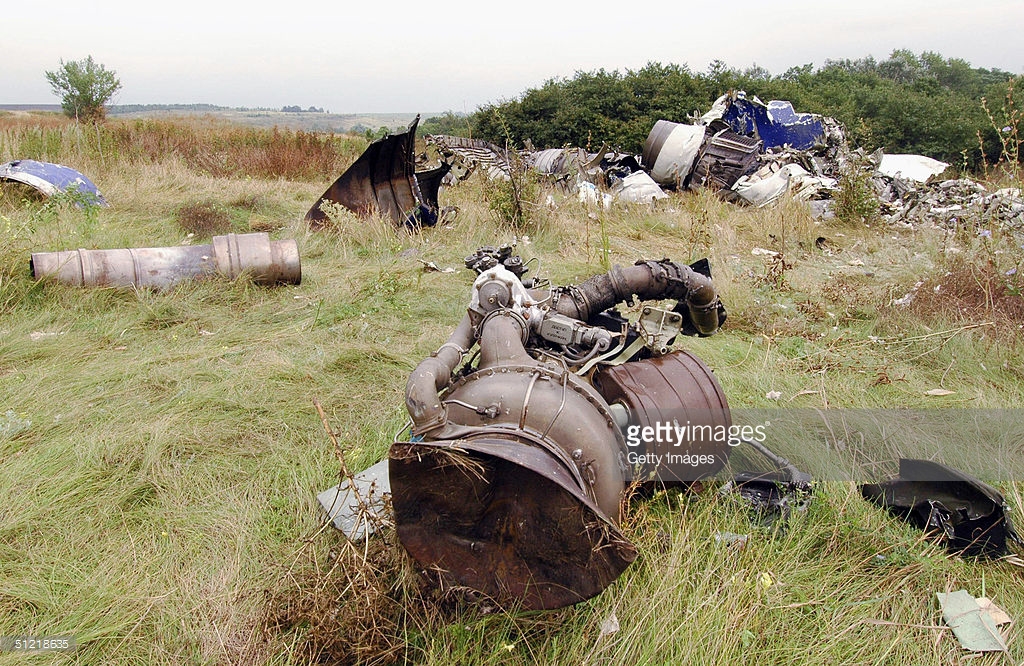
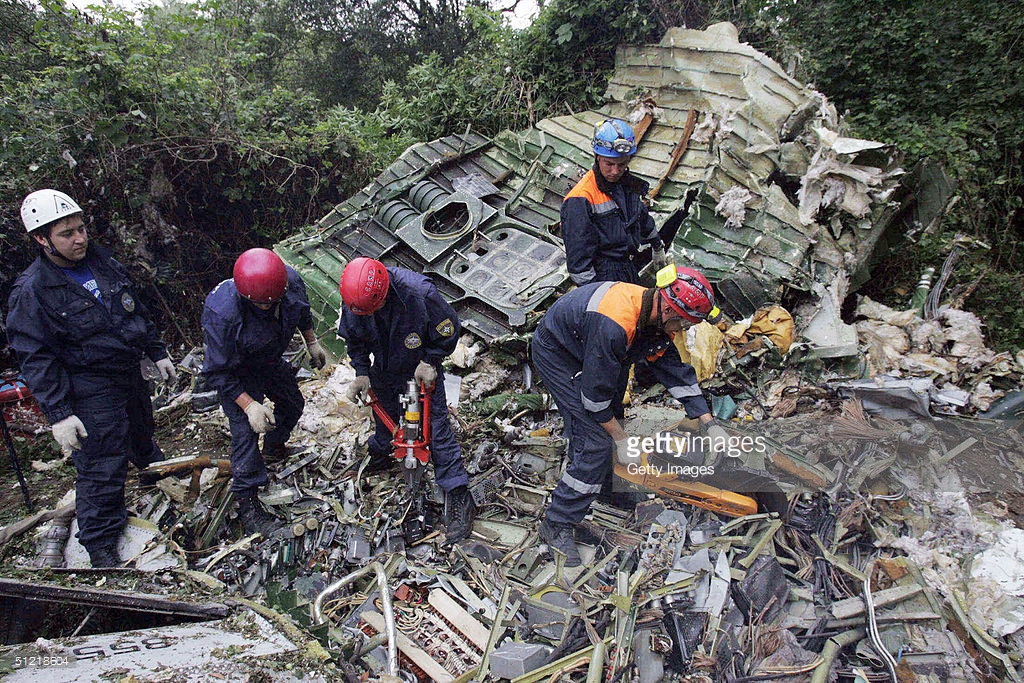
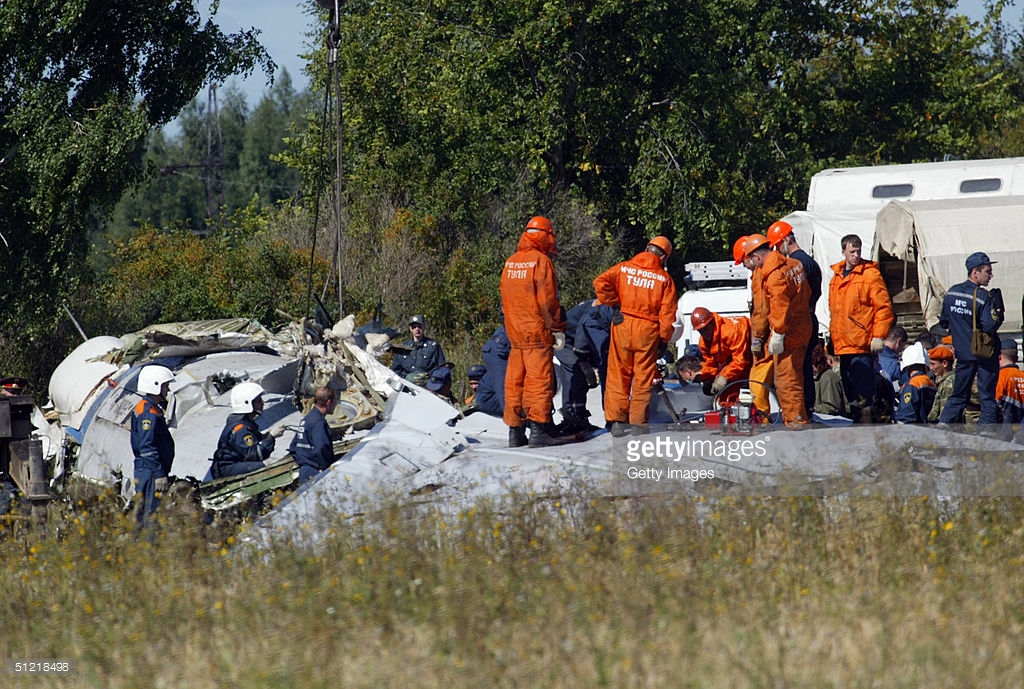
The aircraft departed Moscow-Domodedovo Airport at 2230LT on a regular service to Volgograd with 35 passengers and a crew of nine on board. Some 23 minutes later, while cruising at an altitude of 8,100 metres, the aircraft suffered an in-flight explosion, entered an uncontrolled descent and crashed in a field located near Buchalki. The wreckage was found in the middle of the night and all 44 occupants were killed. The accident occurred at the same time of a Tupolev TU-154 operated by Sibir Airlines.
Probable cause:
The Federal Safety Board (FSB) reported 3 days later that the accident was the consequence of the explosion of a bomb. Two women flying from Makhatshala landed in Moscow at 1945LT and were able to embark with the explosive device following security deficiencies.

Crash of a Cessna 208B Grand Caravan in Vacamonte

Date & Time: Aug 16, 2004 at 0835 LT
Type of aircraft:
Operator:
Registration:
HP-1397APP
Flight Phase:
Survivors:
Yes
Schedule:
Panama City – Chitré
MSN:
208B-0613
YOM:
1997
Flight number:
WL460
Country:
Crew on board:
2
Crew fatalities:
Pax on board:
5
Pax fatalities:
Other fatalities:
Total fatalities:
0
Captain / Total flying hours:
13810
Captain / Total hours on type:
736.00
Copilot / Total flying hours:
900
Copilot / Total hours on type:
722
Aircraft flight hours:
9112
Aircraft flight cycles:
17518
Circumstances:
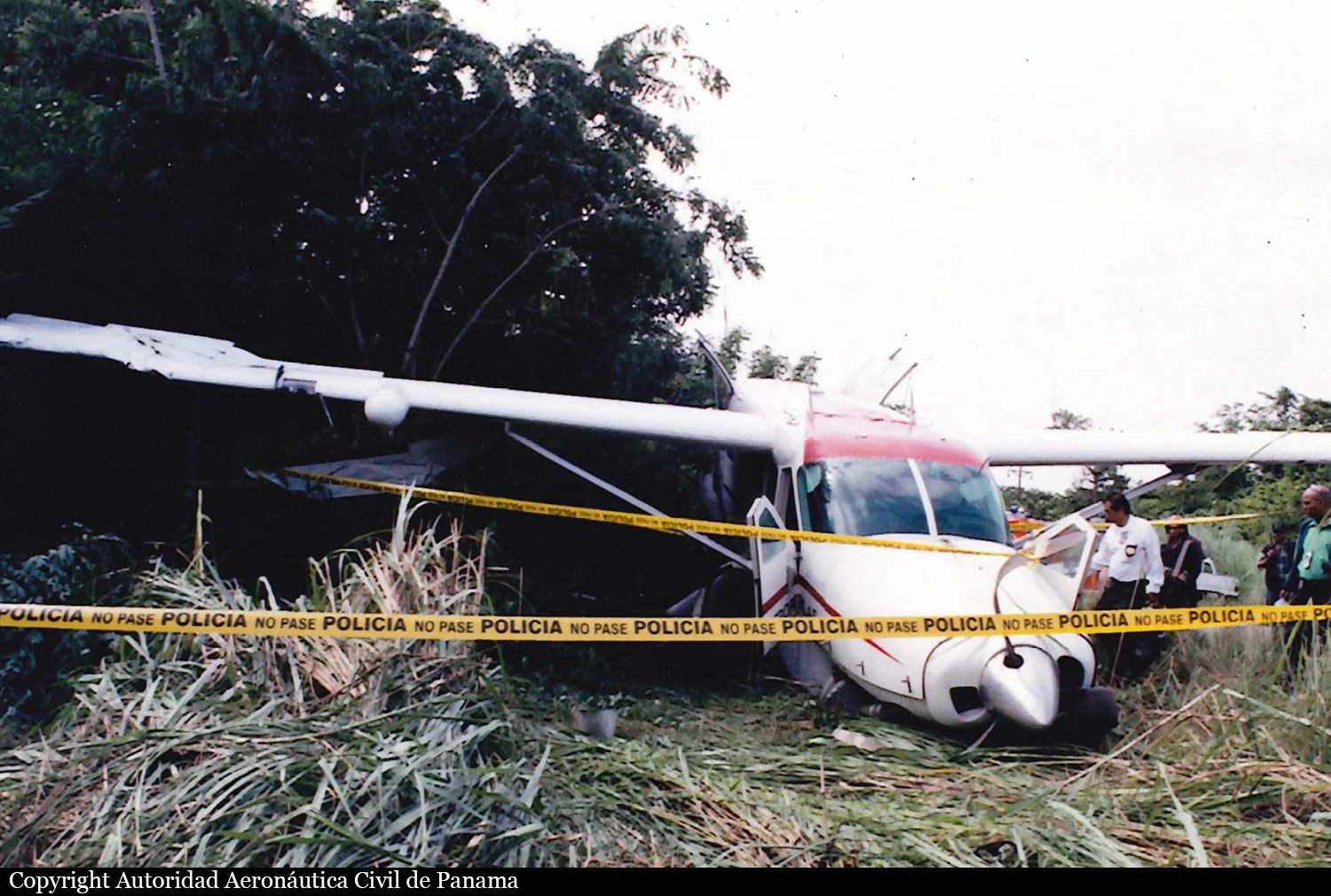
After takeoff from Panama City-Marcos A. Gelabert Airport Runway 36, the crew was cleared to climb to 6,000 feet. Once this altitude was reached, the crew heard a loud noise come from the engine that stopped. The propeller was feathered and the crew declared an emergency. The pilot reduced his altitude and attempted an emergency landing on a road located in Vacamonte when the airplane struck trees and crashed on the shoulder of the road. All seven occupants escaped uninjured while the airplane was damaged beyond repair.
Crew:
Luis Alberto Chavez Ortega, pilot,
Luis Suira Vega, copilot.
Probable cause:
The cause of the accident was the sudden stoppage of the engine due to the detachment of a blade from the compressor turbine disc which broke several blades and internal parts of the engine.
The following factors were considered as contributing:
- The sudden stoppage of the engine.
- The lack of a nearby runway relative to the flight altitude.
- The time lost in making the decision to land the aircraft, due to the uncertainty at the moment regarding altitude loss and the aircraft's gliding.
- The area chosen for the forced landing due to the circumstances, as there were obstacles that were difficult to avoid in order to make contact with the pavement such as automobiles, a tractor, trees, and the narrowness of the pavement necessary to keep the airplane aligned on the landing path and manage to stop it on the two-lane road.
Final Report:

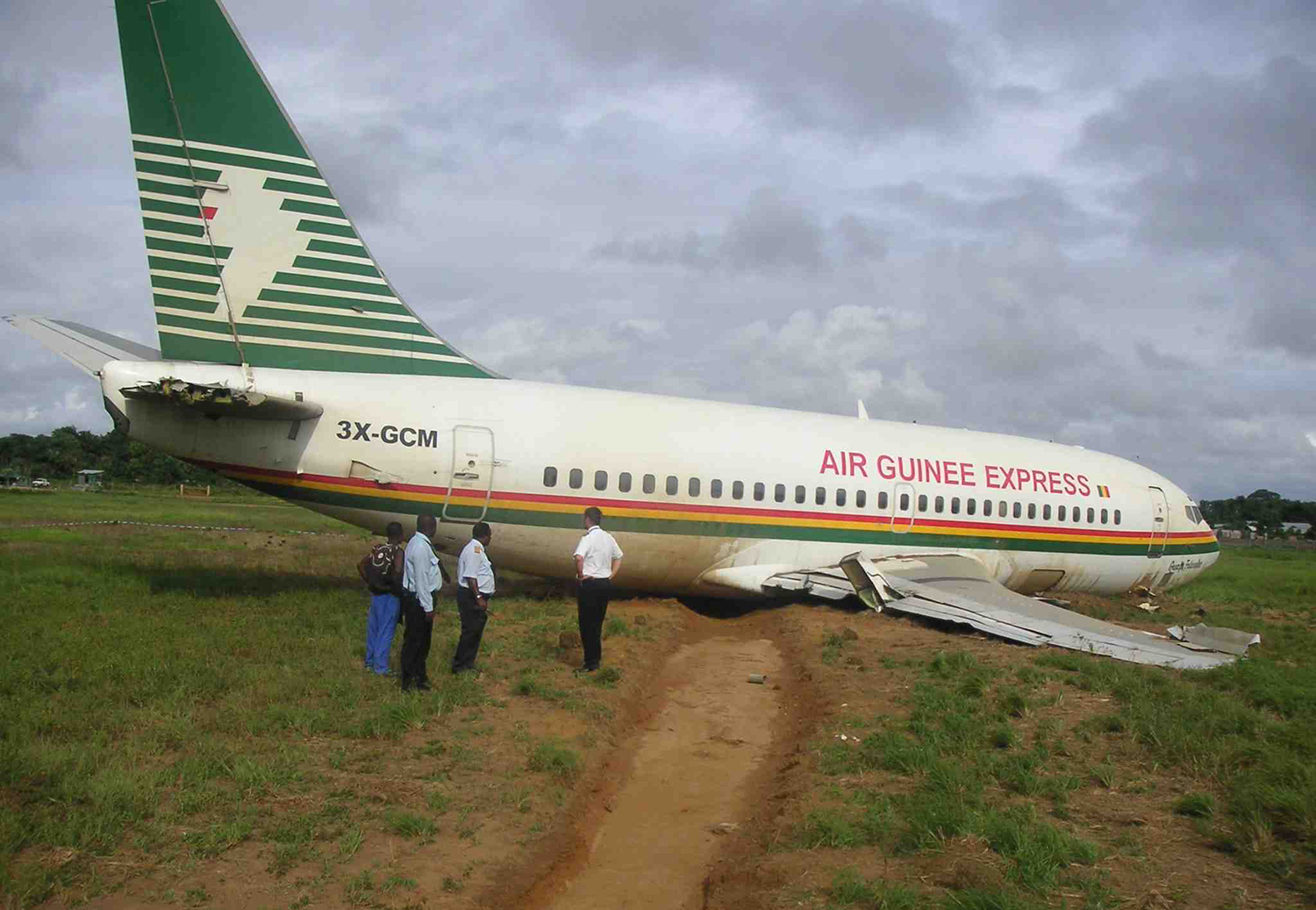
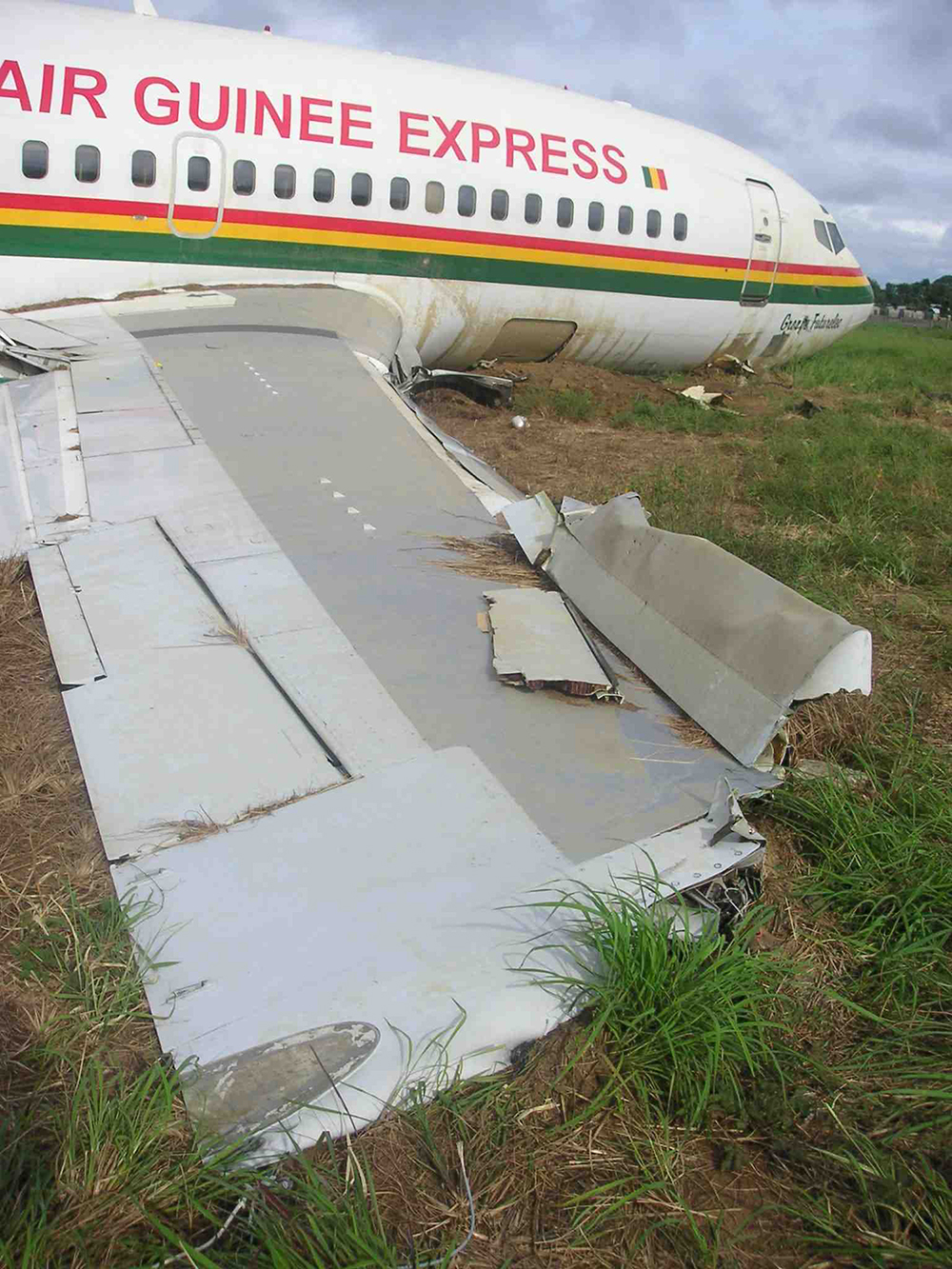
Crash of a Boeing 737-205 in Freetown

Date & Time: Aug 11, 2004 at 1423 LT
Type of aircraft:
Operator:

Registration:
3X-GCM
Flight Phase:
Survivors:
Yes
Schedule:
Freetown - Conakry - Banjul
MSN:
23469
YOM:
1986
Country:
Region:
Crew on board:
8
Crew fatalities:
Pax on board:
119
Pax fatalities:
Other fatalities:
Total fatalities:
0
Circumstances:
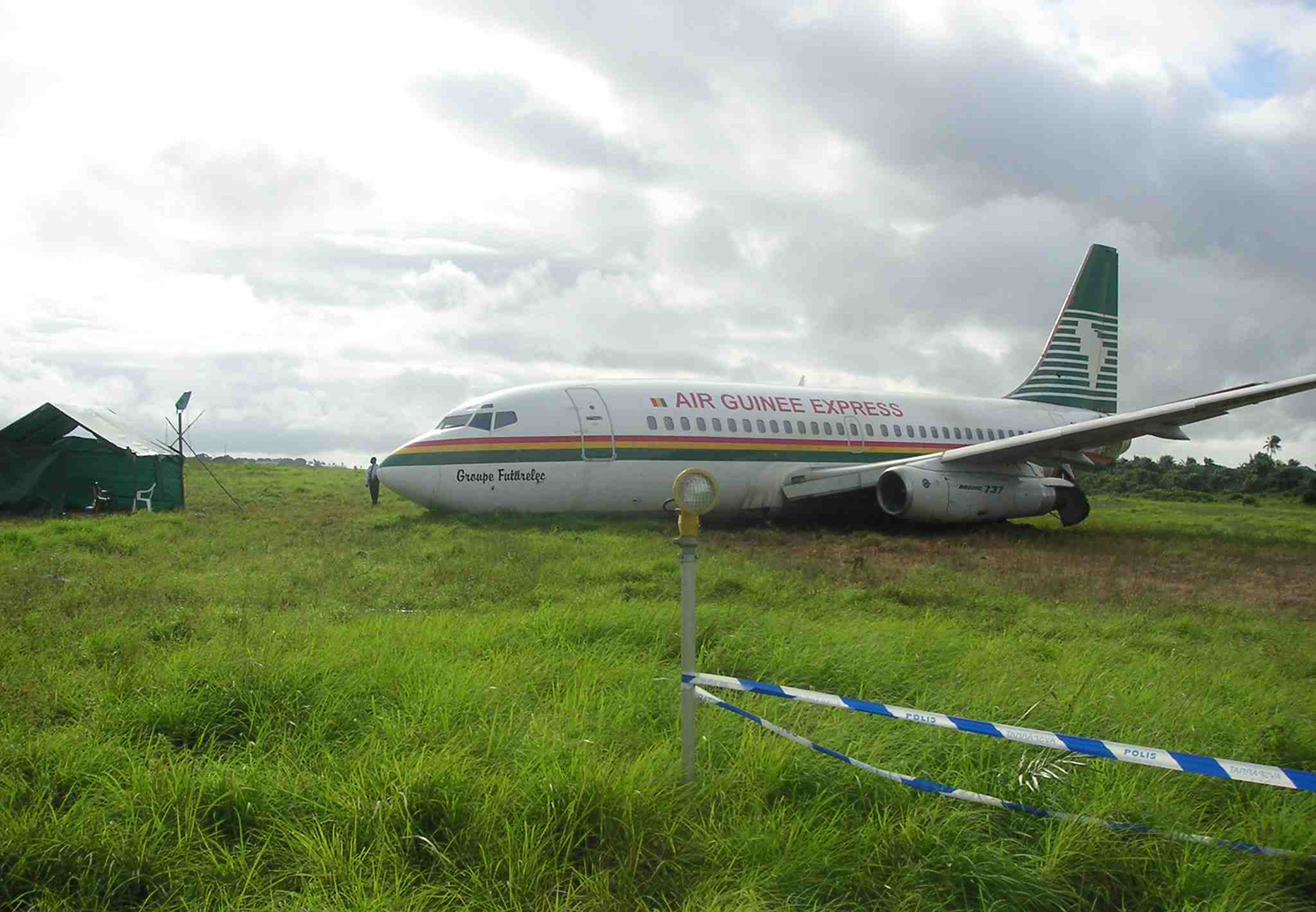
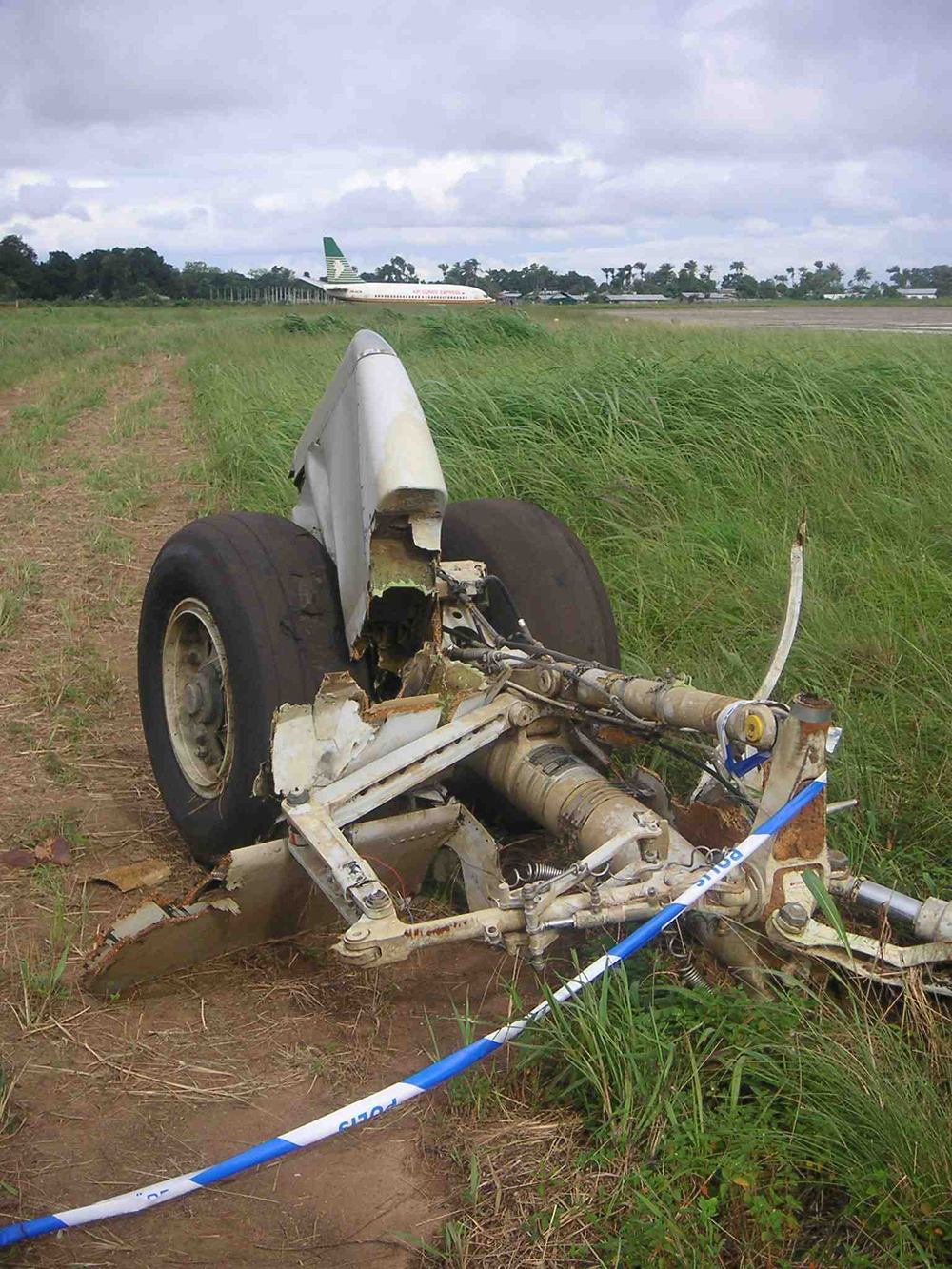
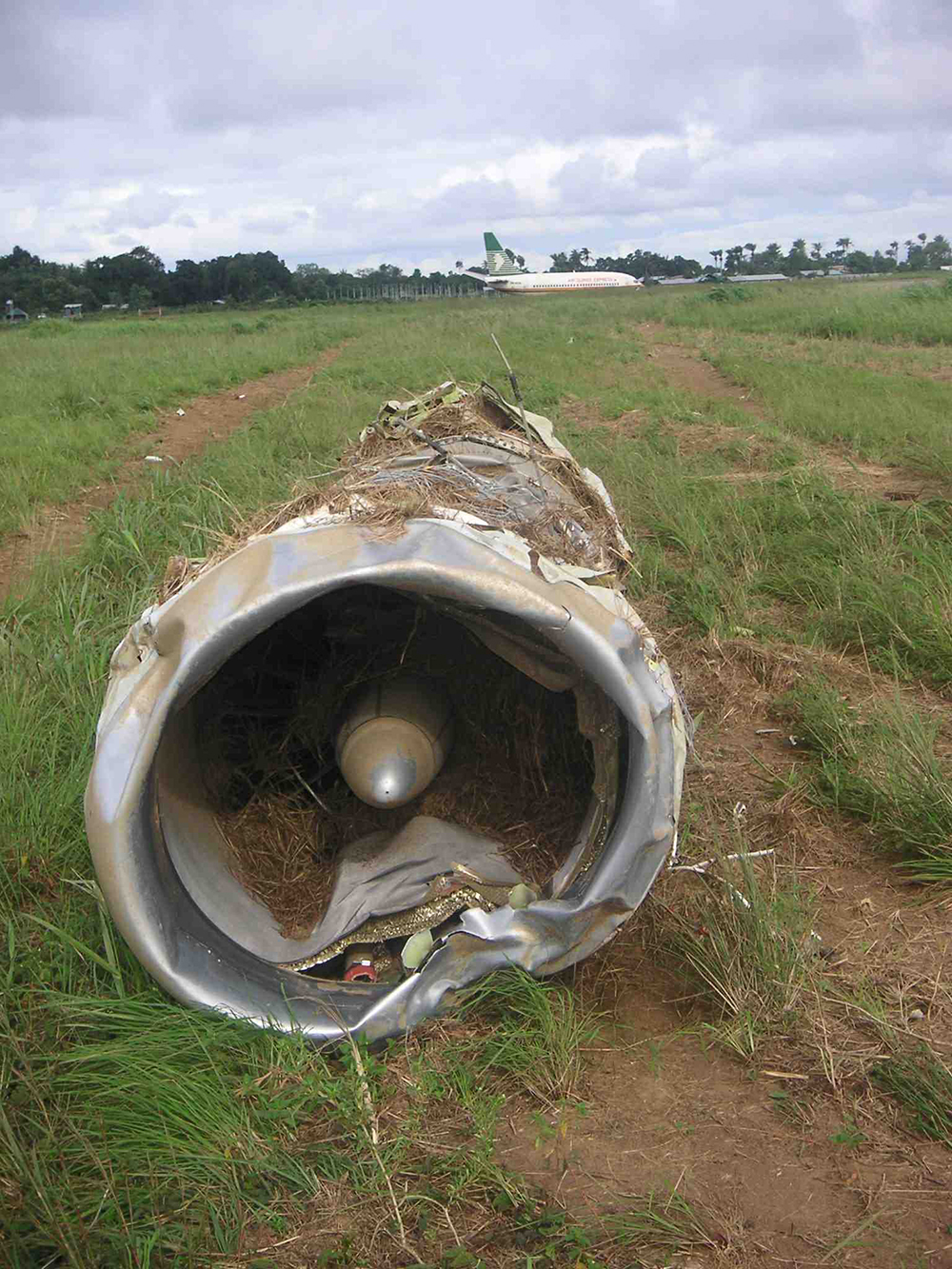
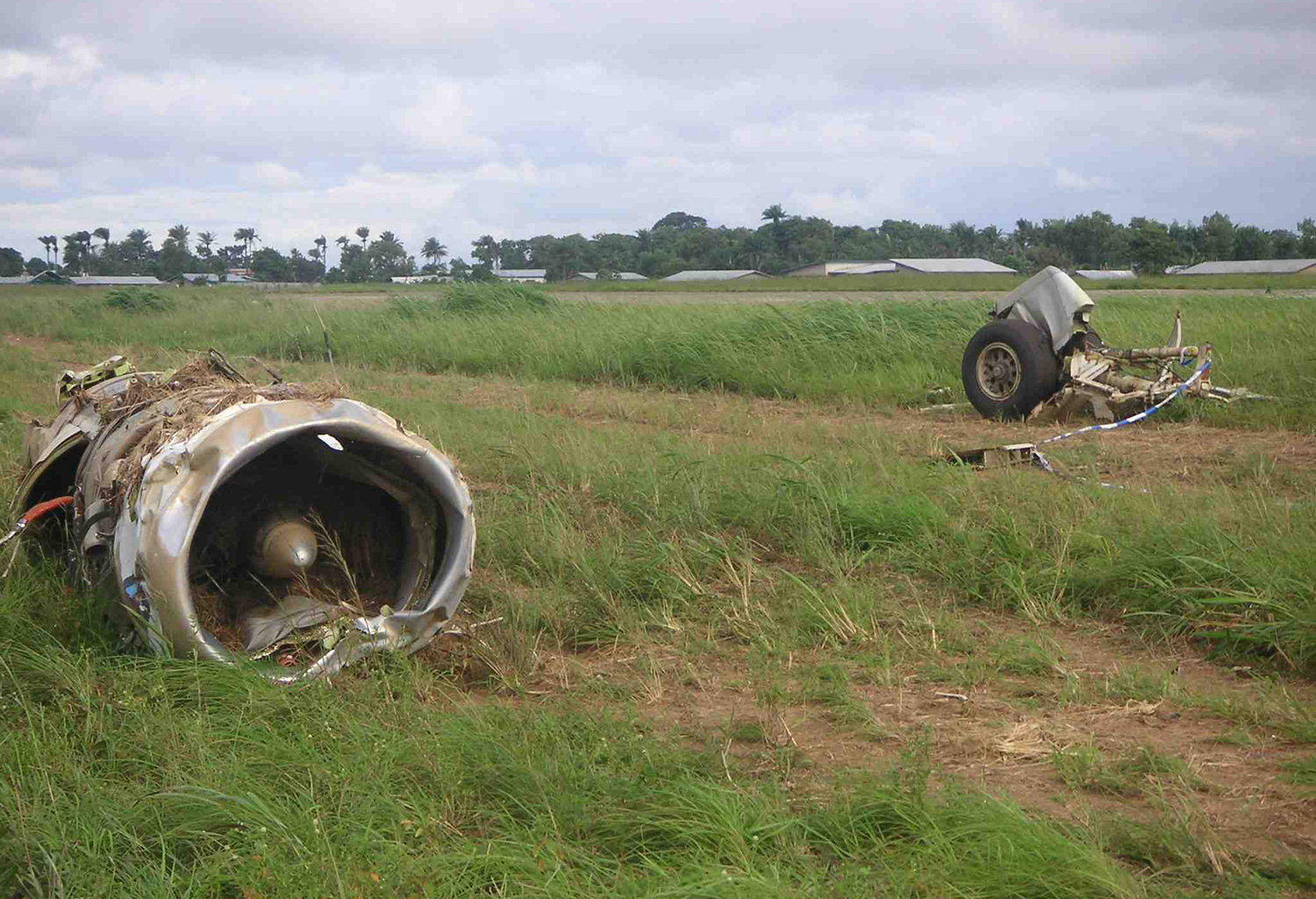
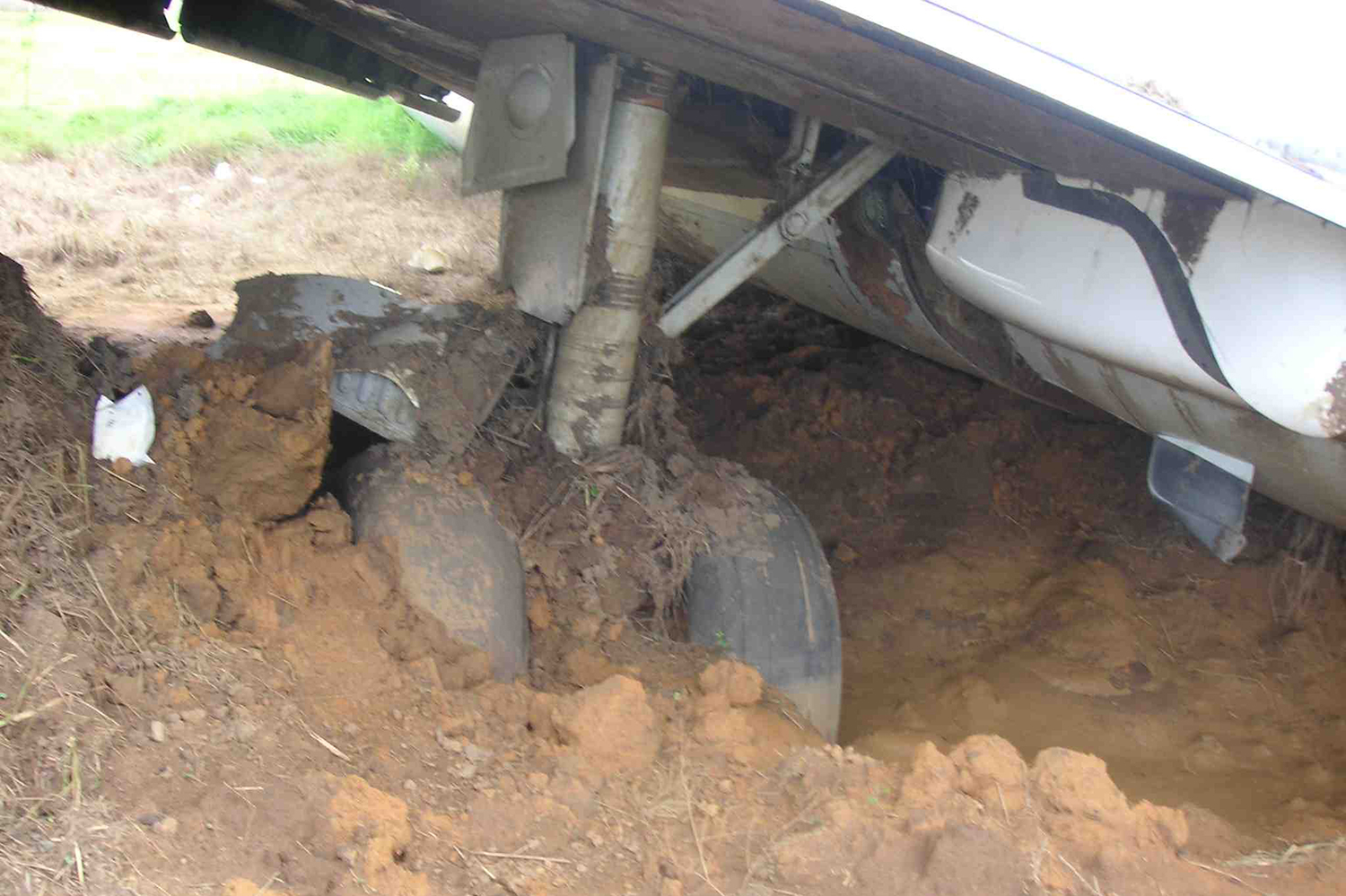
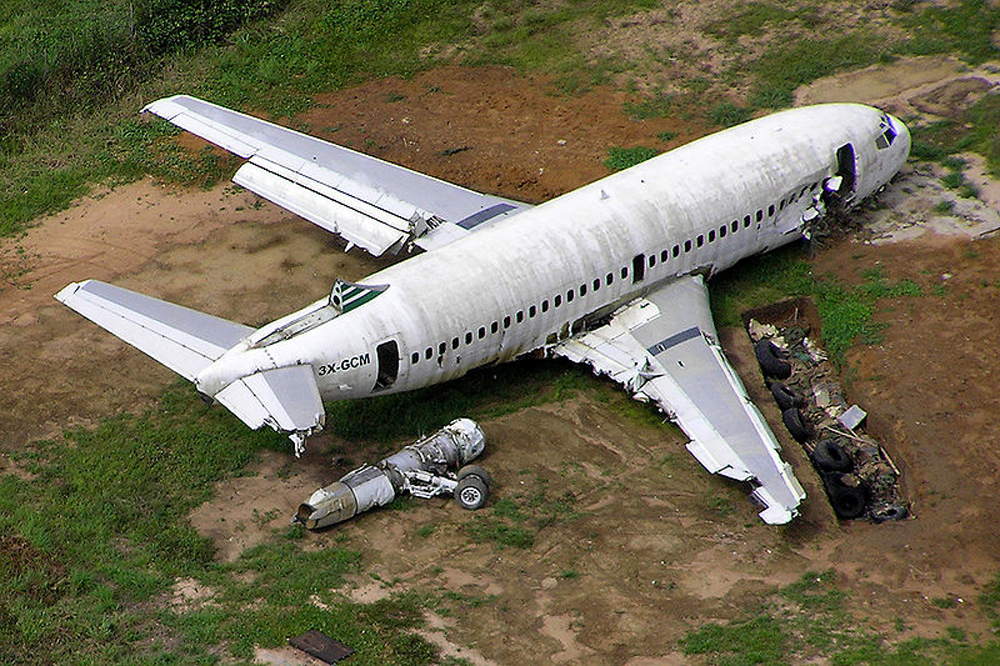
Due to poor weather conditions in Freetown, the flight was delayed for hours. Finally, the crew was cleared for takeoff from runway 12/30 which is 3,200 metres long. During the takeoff roll, the captain decided to abort for unknown reasons. Unable to stop within the remaining distance, the aircraft overran, lost its right main gear and right engine before coming to rest in a grassy area located 100 metres past the runway end. All 127 occupants were rescued, among them 50 passengers were injured. The aircraft was damaged beyond repair.
Probable cause:
The accident was the consequence of the non-application by the crew of the checklist prior to takeoff and the lack of coordination between the copilot, who was the pilot flying, and the captain.

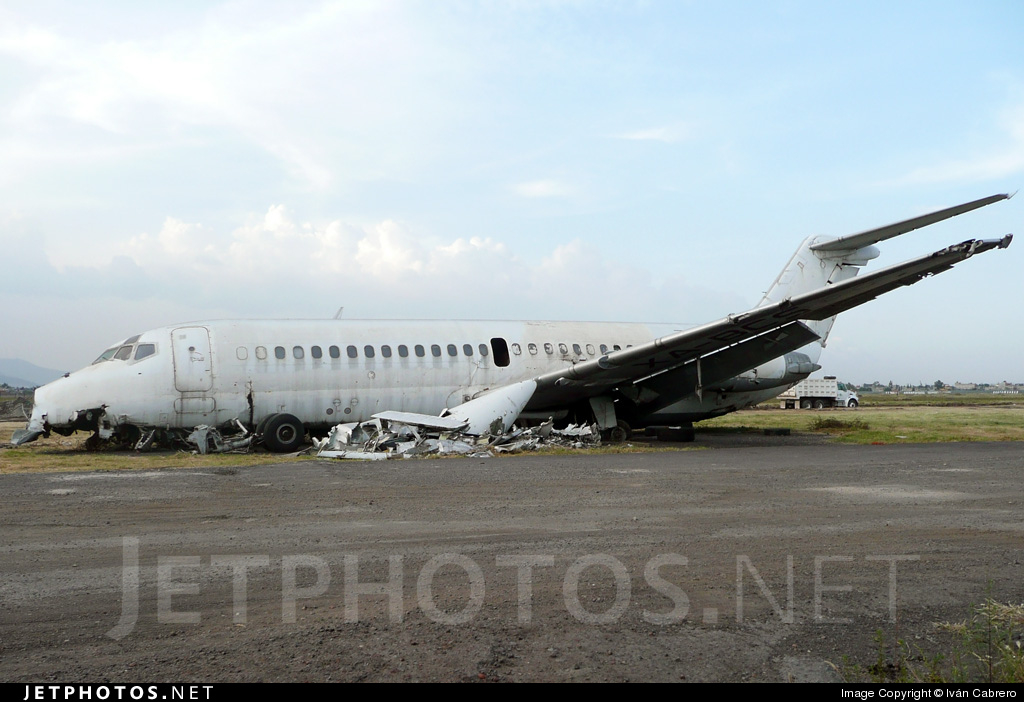
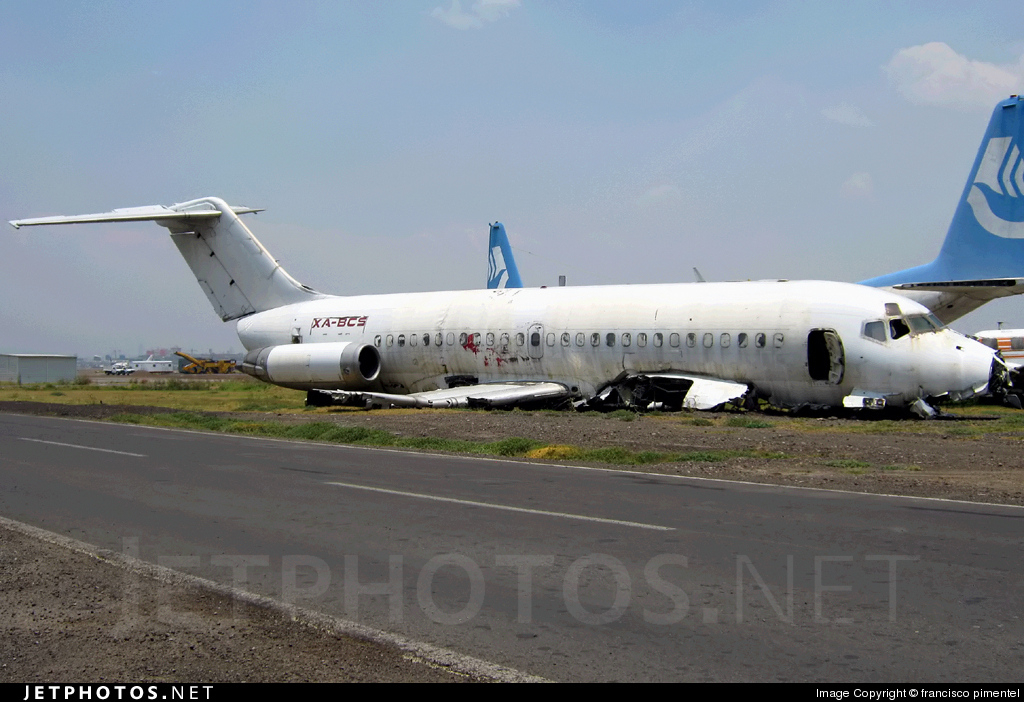
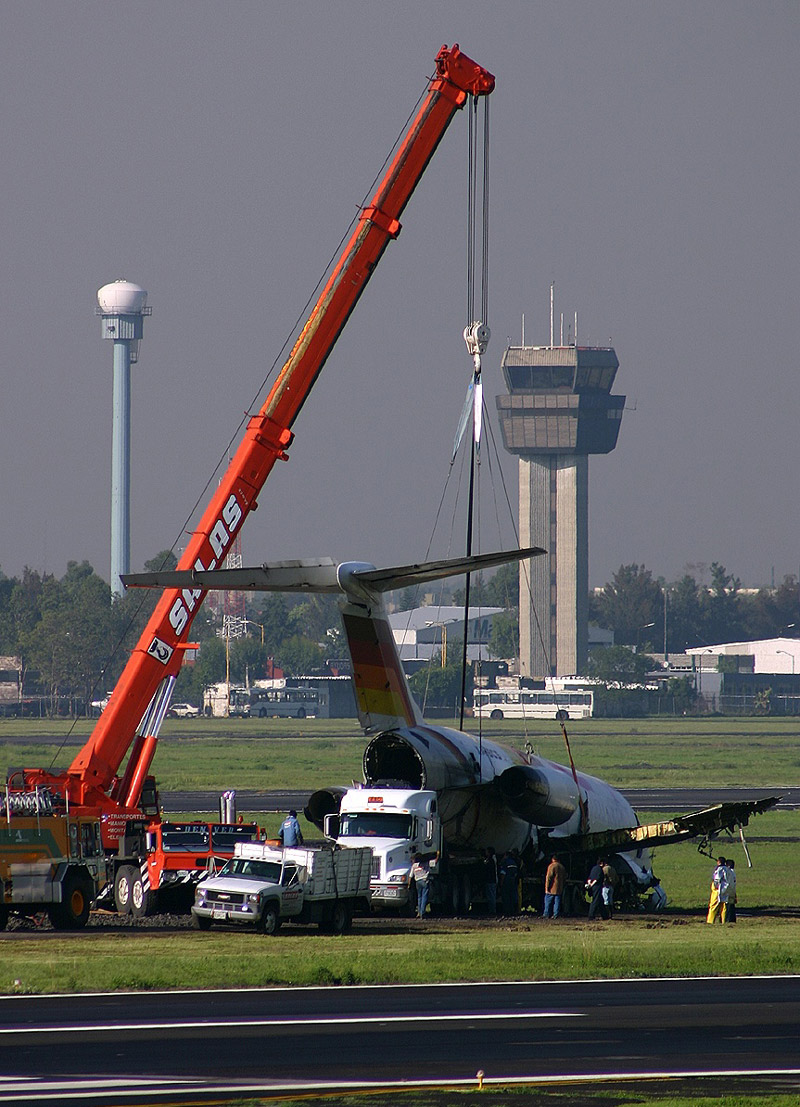
Crash of a Douglas DC-9-14 in Mexico City

Date & Time: Jul 21, 2004 at 1933 LT
Type of aircraft:
Operator:
Registration:
XA-BCS
Flight Phase:
Survivors:
Yes
Schedule:
Mexico City – Durango – Torreón
MSN:
47043
YOM:
1967
Flight number:
JR706
Country:
Crew on board:
4
Crew fatalities:
Pax on board:
52
Pax fatalities:
Other fatalities:
Total fatalities:
0
Aircraft flight hours:
96300
Aircraft flight cycles:
102000
Circumstances:
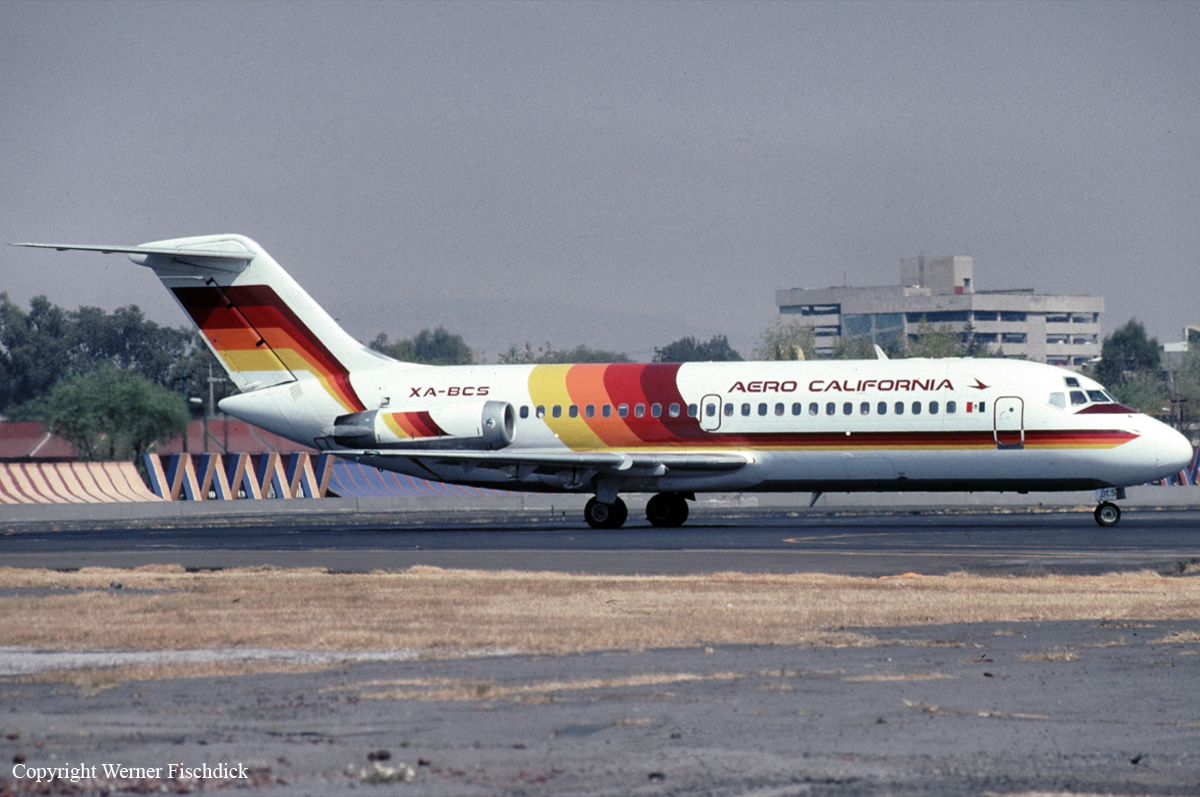
Shortly after takeoff from runway 05L at Mexico City-Benito Juarez Airport, while in initial climb, the aircraft encountered windshear. It lost height and crash landed on the runway. Upon impact, the landing gear were torn off. Out of control, the aircraft veered off runway, lost its right wing and came to rest. All 56 occupants evacuated safely and the aircraft was destroyed.
Probable cause:
Loss of control upon takeoff due to windshear.

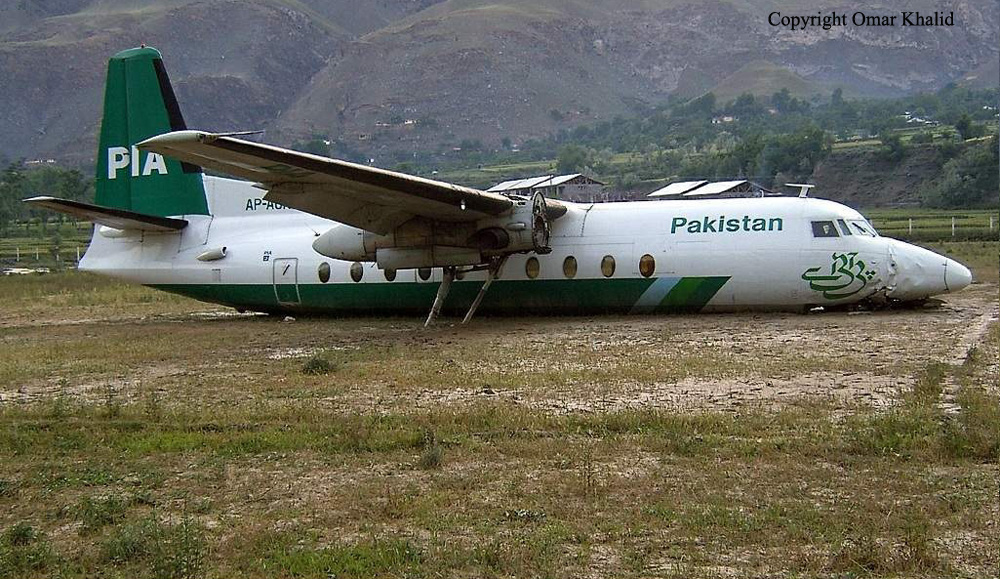
Crash of a Fokker F27 Friendship 200 in Chitral

Date & Time: Jun 16, 2004
Type of aircraft:
Operator:
Registration:
AP-AUR
Survivors:
Yes
Schedule:
Peshawar - Chitral
MSN:
10307
YOM:
1966
Flight number:
PK660
Country:
Region:
Crew on board:
4
Crew fatalities:
Pax on board:
36
Pax fatalities:
Other fatalities:
Total fatalities:
0
Circumstances:
After landing on runway 02 at Chitral Airport, the aircraft was unable to stop within the remaining distance. It overran, lost its undercarriage and came to rest in a grassy and sandy area. All 40 occupants evacuated safely and the aircraft was damaged beyond repair.

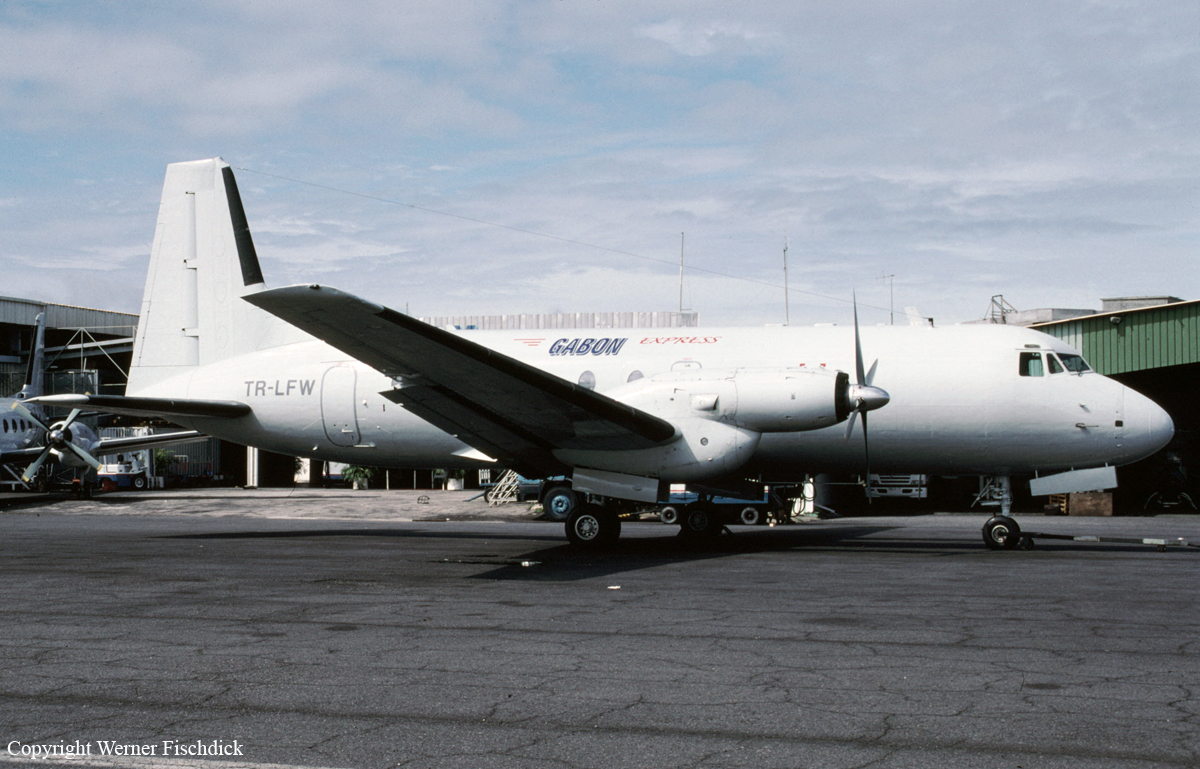
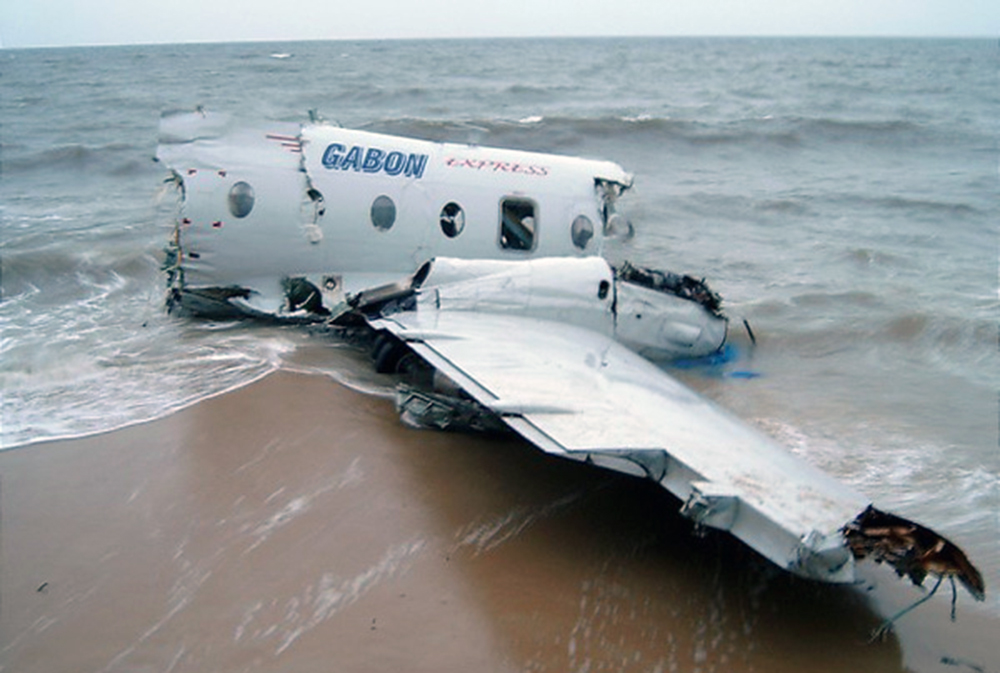
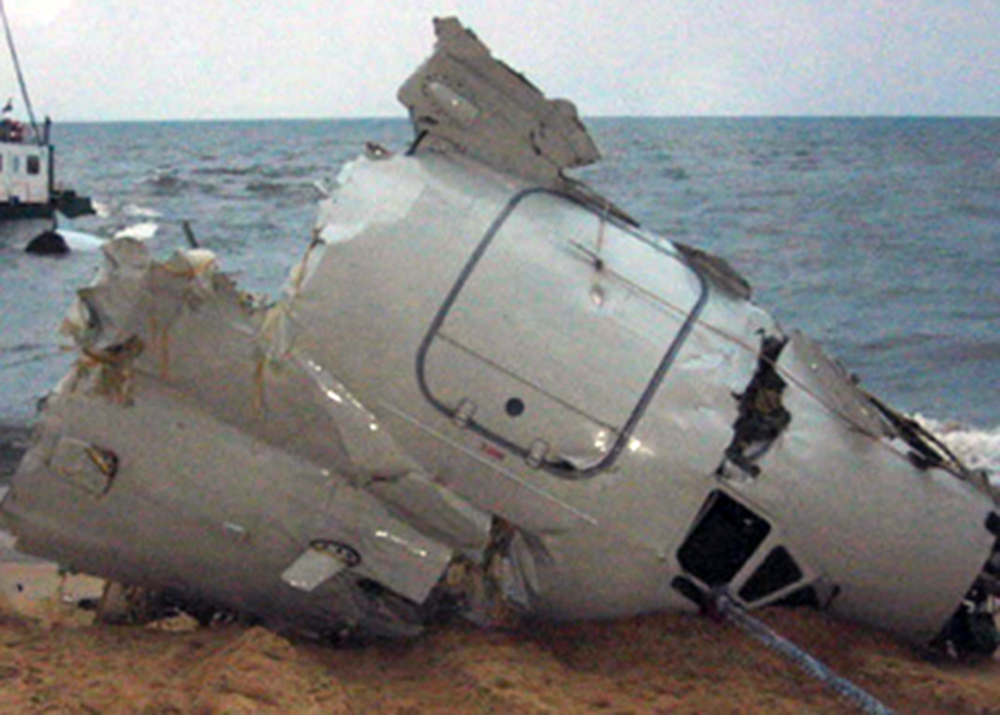
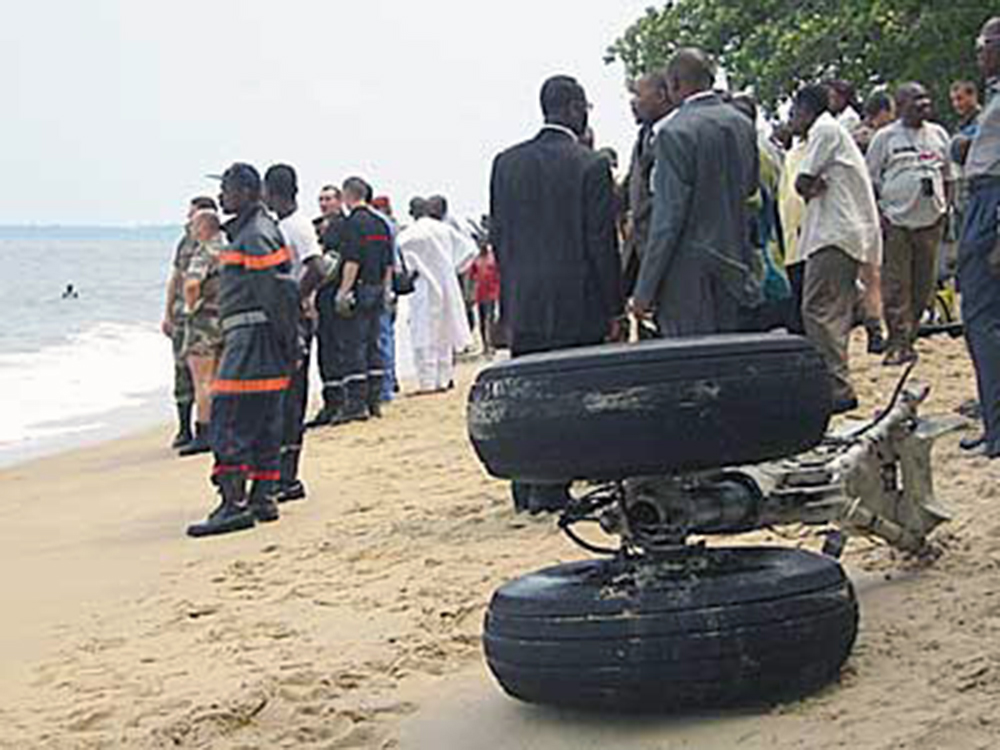
Crash of an Avro 748-232-2A off Libreville: 19 killed

Date & Time: Jun 8, 2004 at 0938 LT
Type of aircraft:
Operator:
Registration:
TR-LFW
Survivors:
Yes
Schedule:
Libreville – Port Gentil – Franceville
MSN:
1611
YOM:
1967
Flight number:
GBE221
Country:
Region:
Crew on board:
4
Crew fatalities:
Pax on board:
26
Pax fatalities:
Other fatalities:
Total fatalities:
19
Circumstances:
The aircraft departed Libreville-Léon Mba Airport at 0911LT on a flight to Franceville with an intermediate stop in Port Gentil with 26 passengers and four crew members on board. Few minutes after takeoff, the crew informed ATC about technical problem and was cleared to return to Libreville. In excellent weather conditions, the aircraft overflew the runway then crashed in the sea about 100 metres offshore. Eleven occupants were rescued while 19 others were killed, among them one crew member.
Probable cause:
Loss of hydraulic pressure on the right engine forced the crew to shut down this engine and to feather its propeller. On approach, the crew was unable to lower the gears because of the loss of hydraulic pressure.