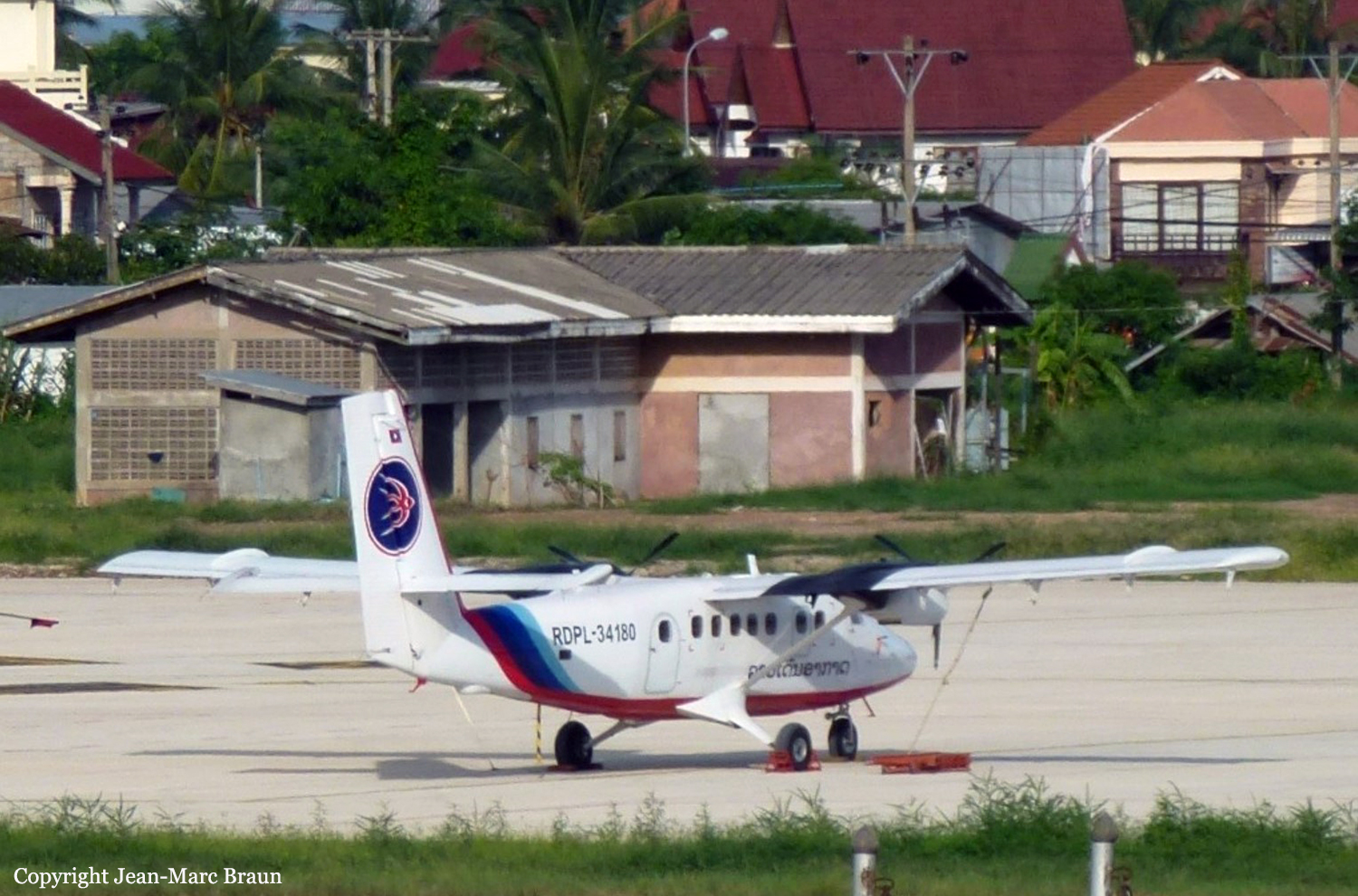
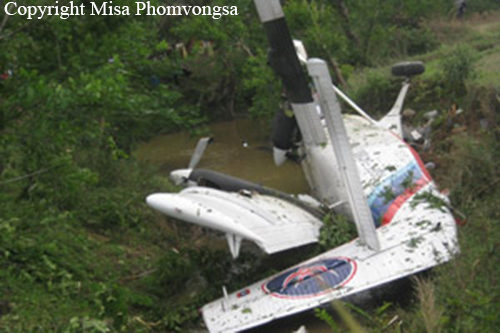
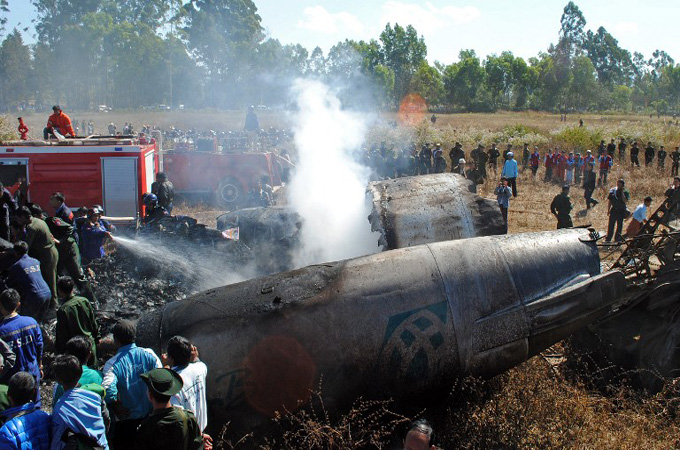
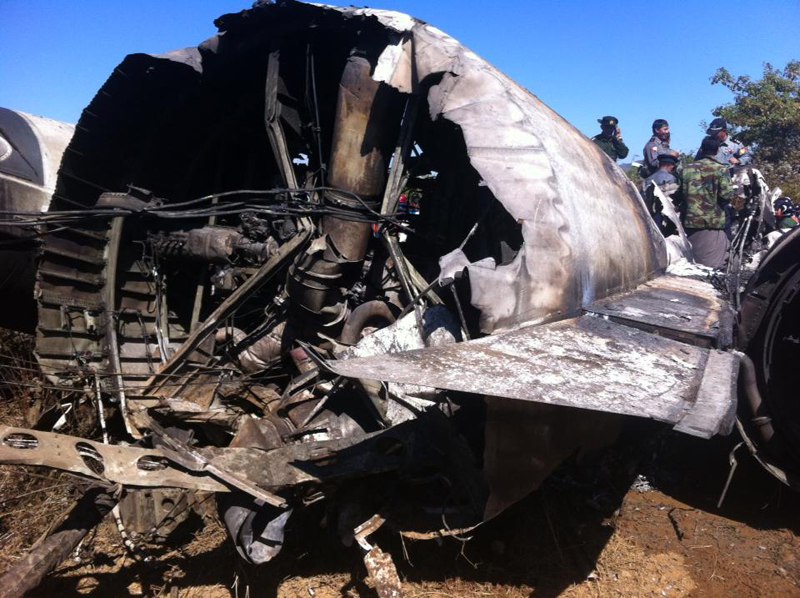
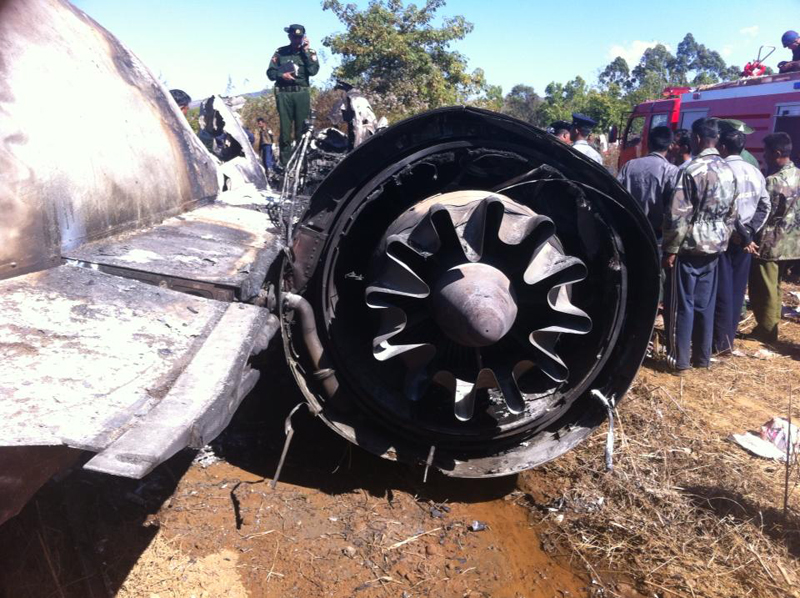
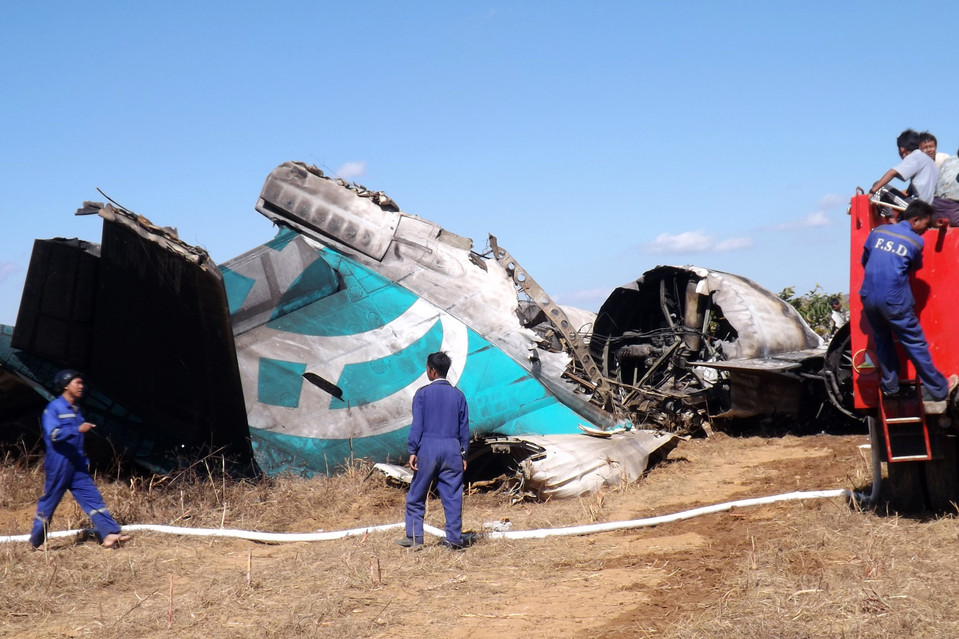
Crash of a De Havilland DHC-6 Twin Otter 300 in Sam Neua

Date & Time: Apr 17, 2013 at 1435 LT
Operator:
Registration:
RDPL-34180
Flight Phase:
Survivors:
Yes
Schedule:
Sam Neua – Vientiane
MSN:
231
YOM:
1969
Flight number:
LOA201
Country:
Region:
Crew on board:
2
Crew fatalities:
Pax on board:
16
Pax fatalities:
Other fatalities:
Total fatalities:
0
Circumstances:
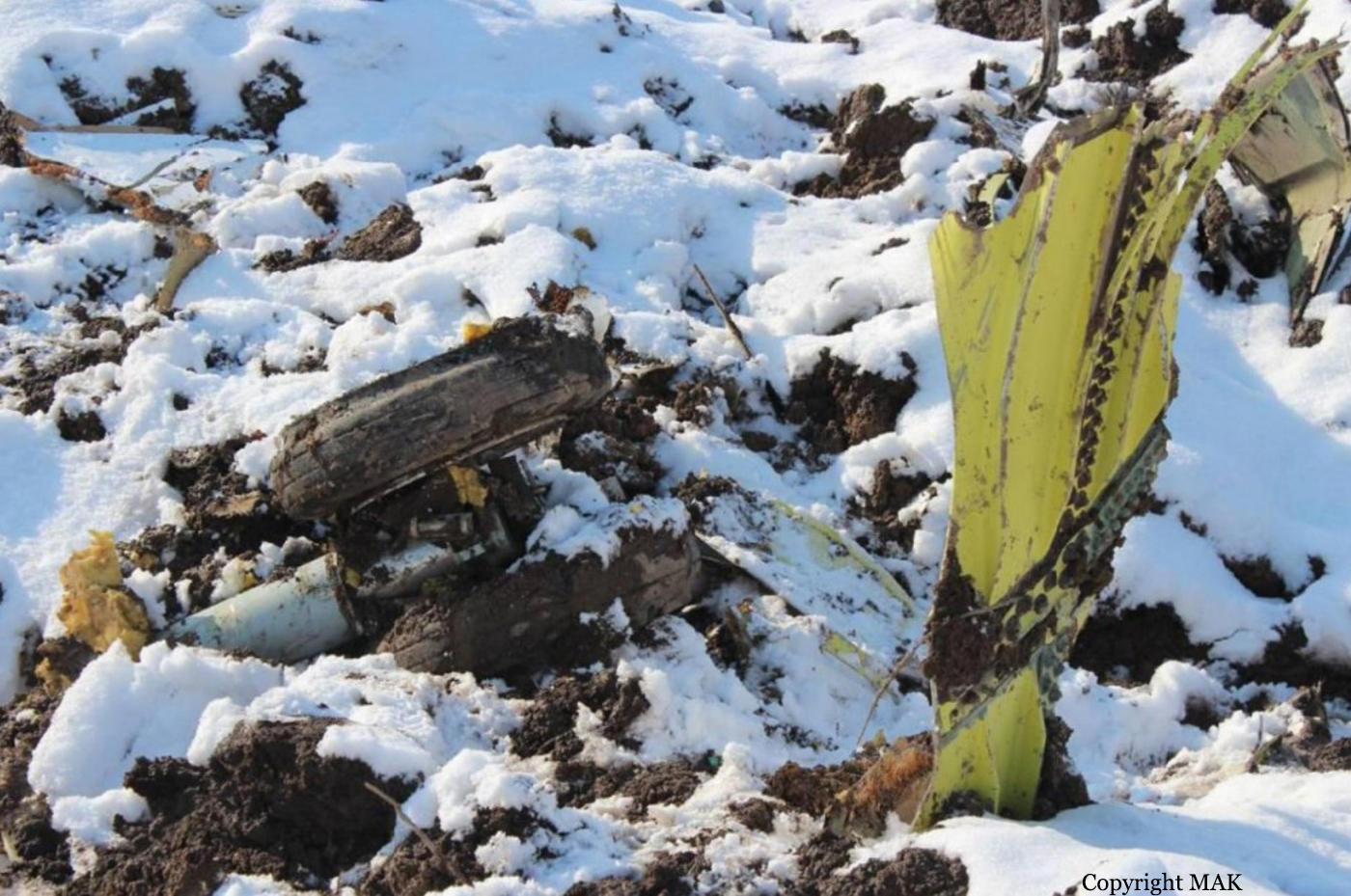
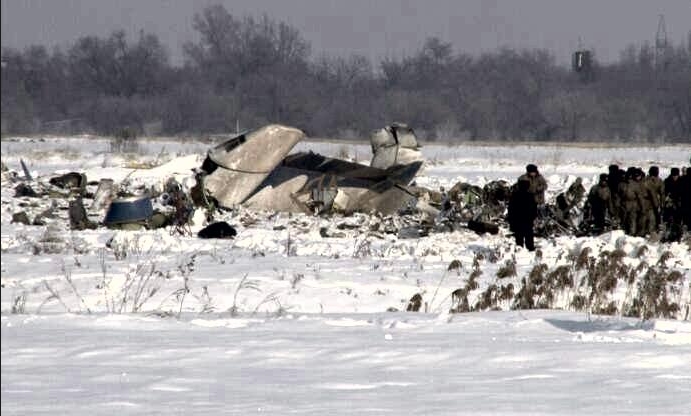
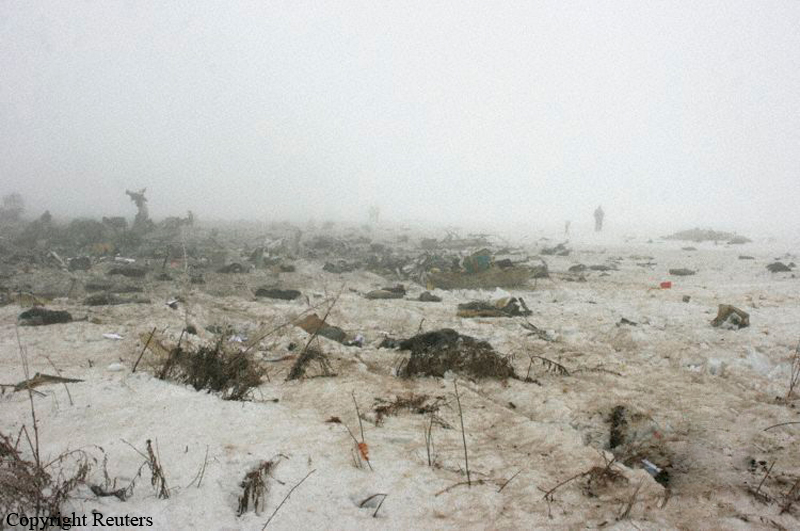
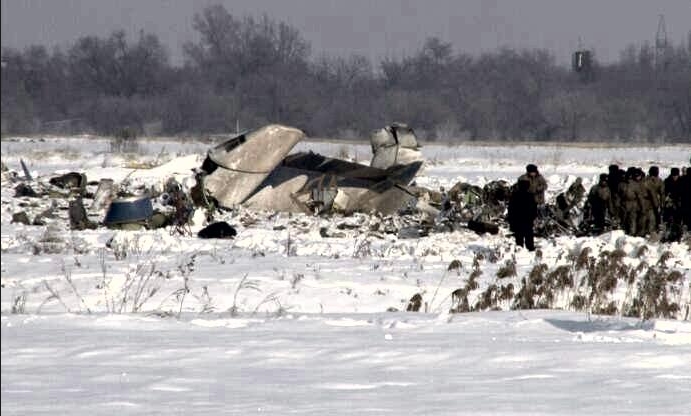
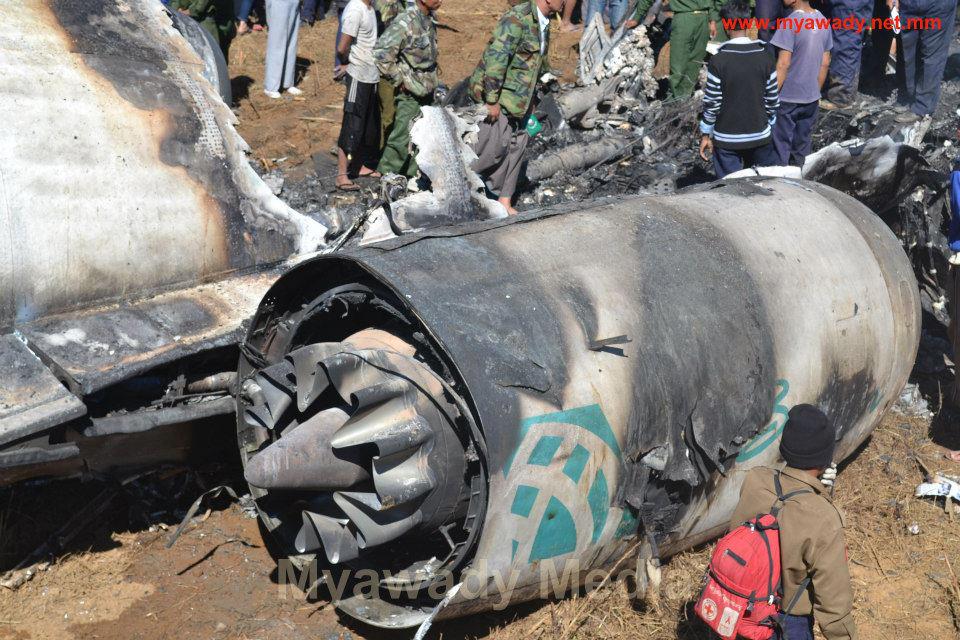
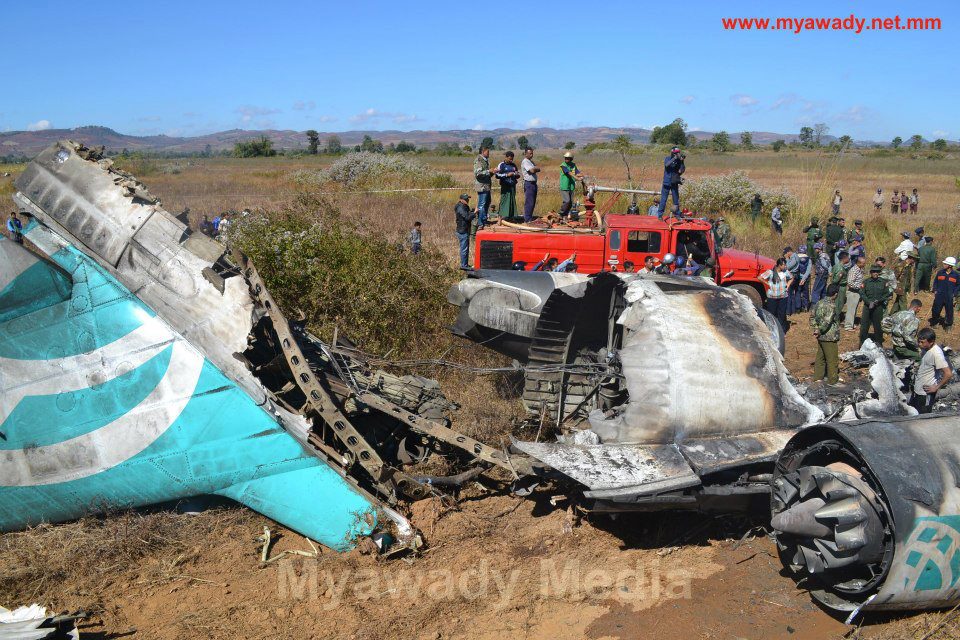
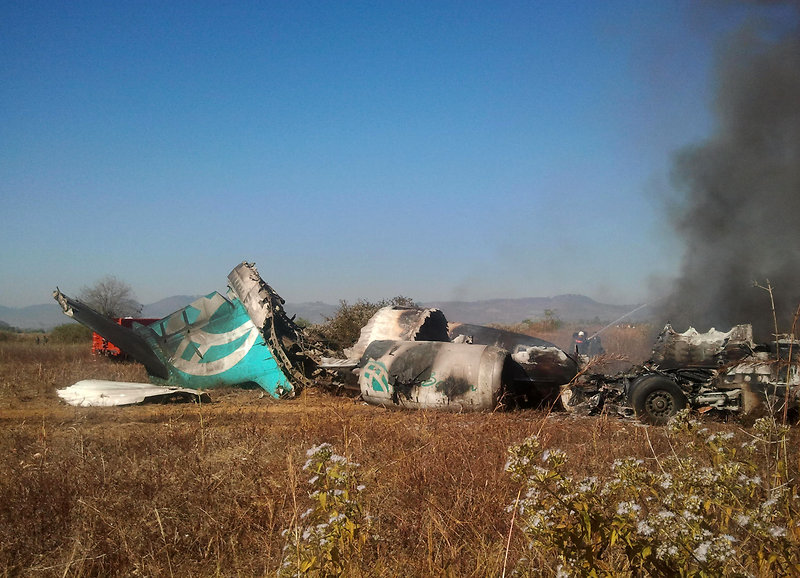
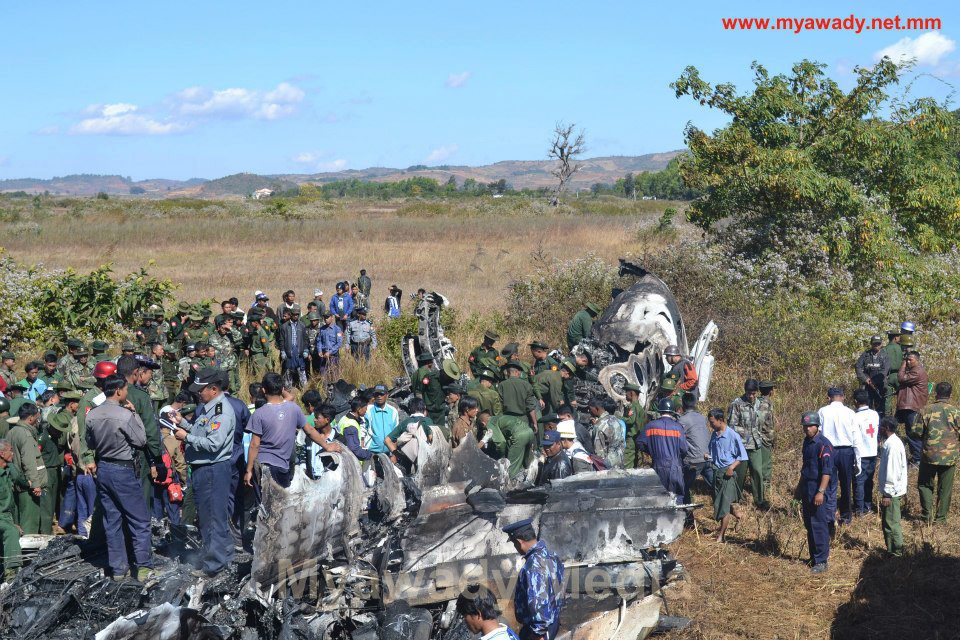
Shortly after takeoff from Sam Neua-Nathong Airport, while in initial climb, the twin engine aircraft collided with trees, lots height and crashed in a small river located 200 metres past the runway end. All 18 occupants were injured, five seriously. The aircraft was damaged beyond repair.

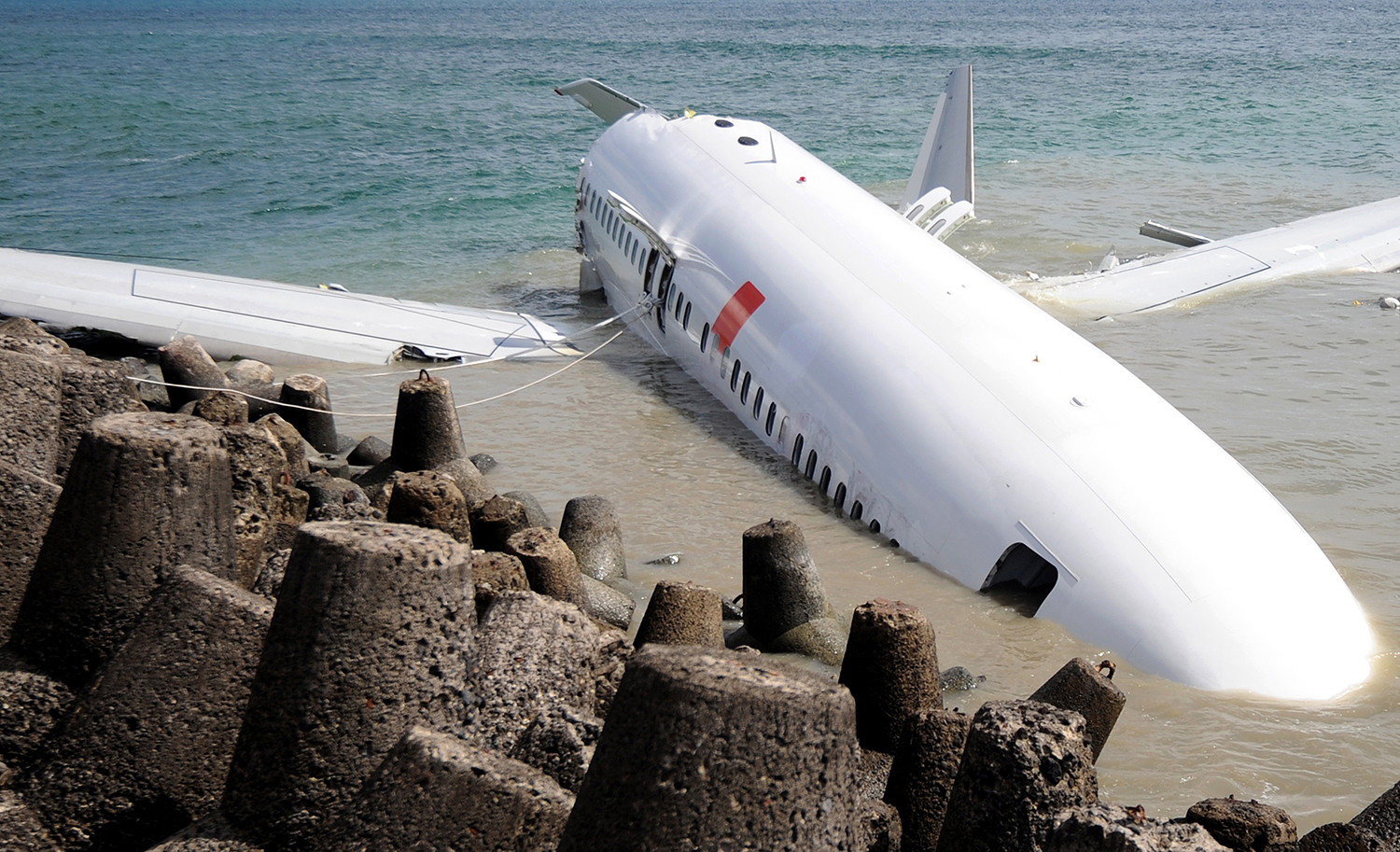
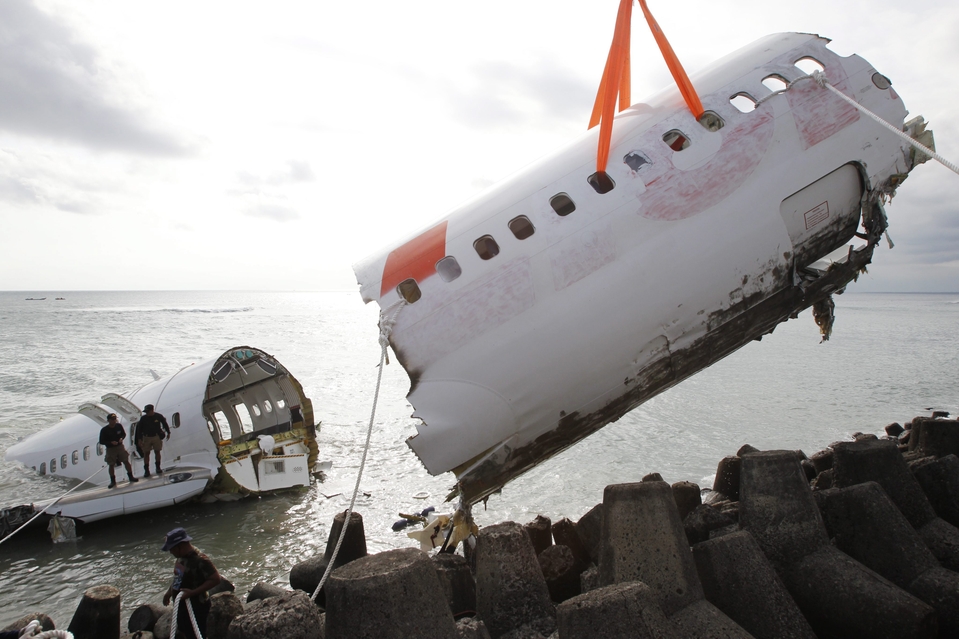
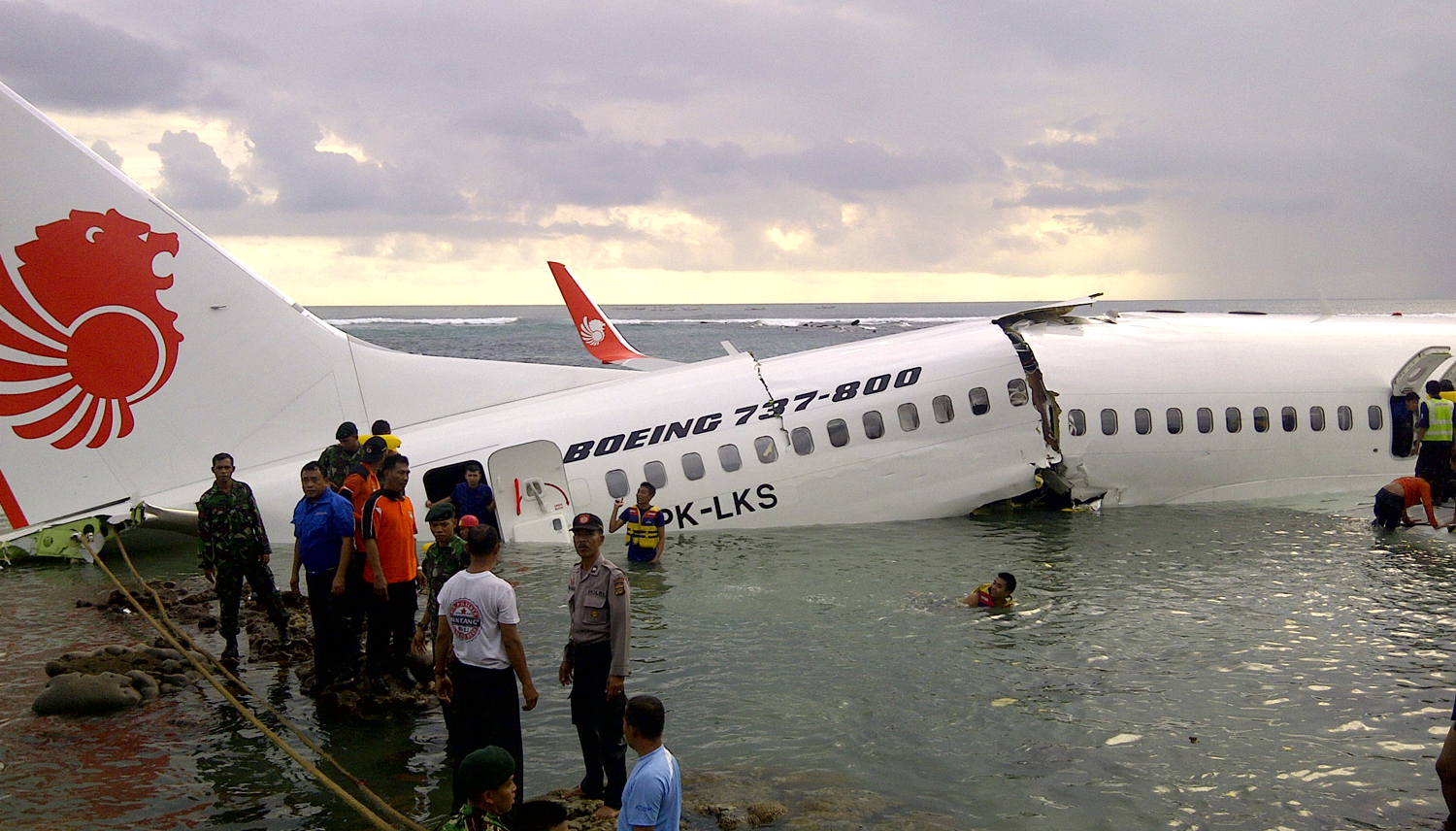
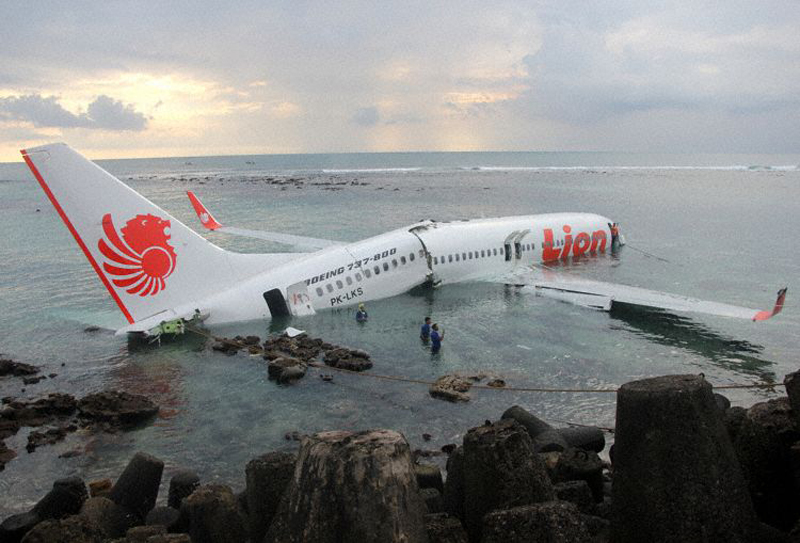
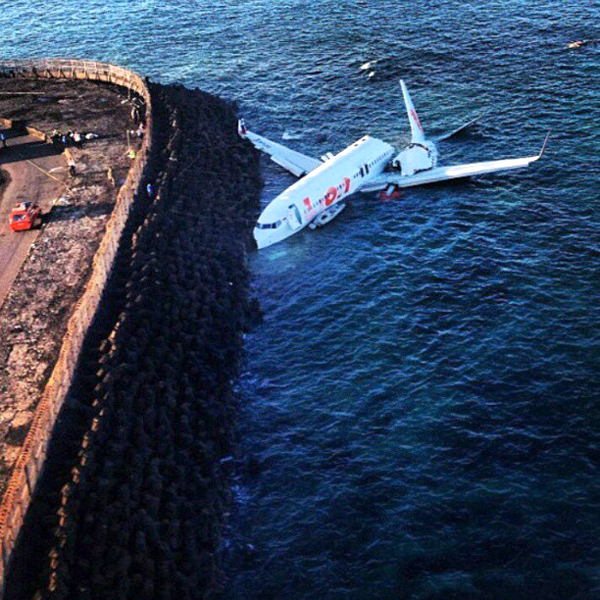
Crash of a Boeing 737-8GP off Denpasar

Date & Time: Apr 13, 2013 at 1510 LT
Type of aircraft:
Operator:
Registration:
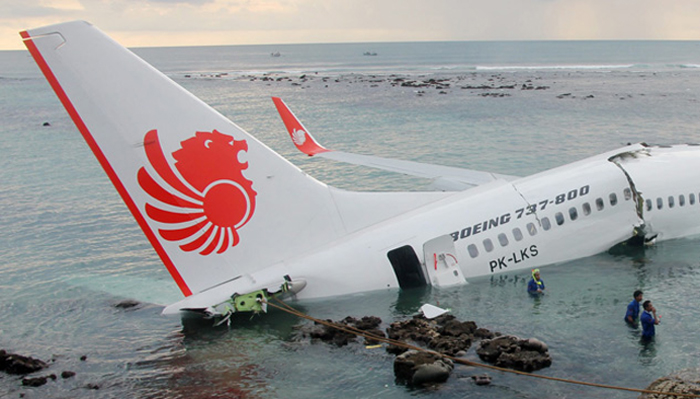
PK-LKS
Survivors:
Yes
Schedule:
Bandung - Denpasar
MSN:
38728/4350
YOM:
2013
Flight number:
LNI904
Country:
Region:
Crew on board:
7
Crew fatalities:
Pax on board:
101
Pax fatalities:
Other fatalities:
Total fatalities:
0
Captain / Total flying hours:
15000
Captain / Total hours on type:
6173.00
Copilot / Total flying hours:
1200
Copilot / Total hours on type:
923
Aircraft flight hours:
142
Aircraft flight cycles:
104
Circumstances:
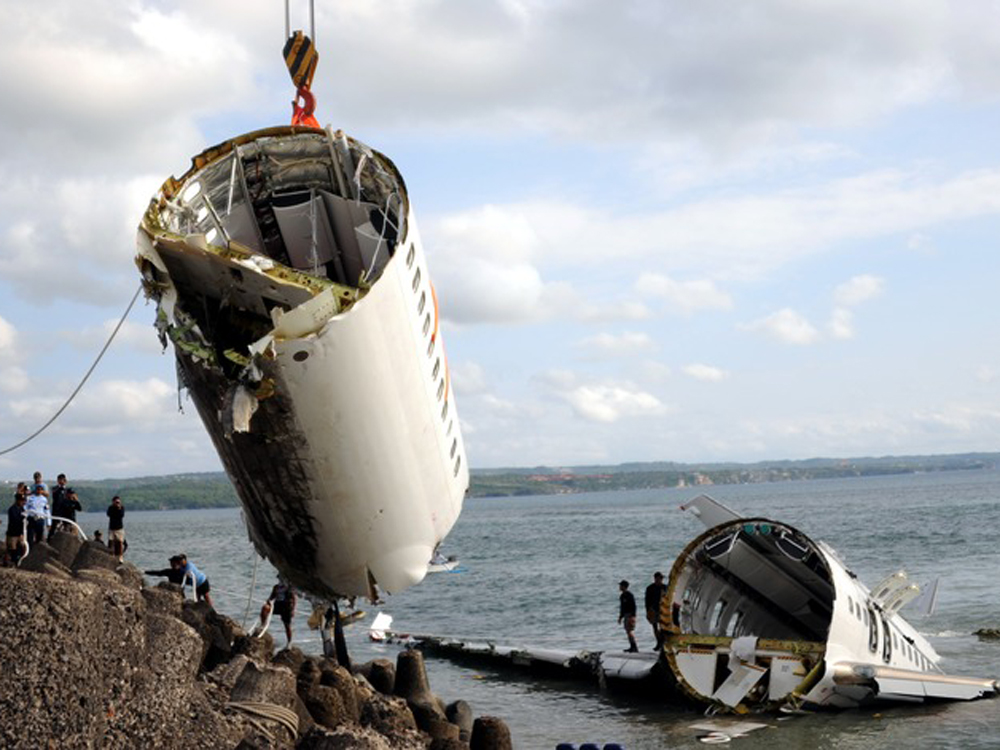
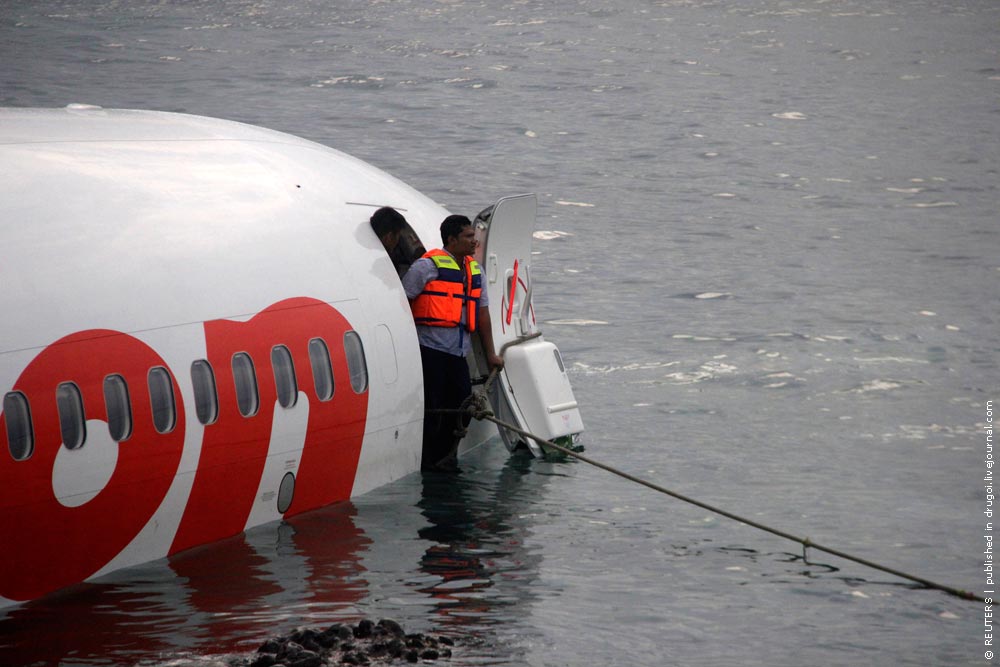
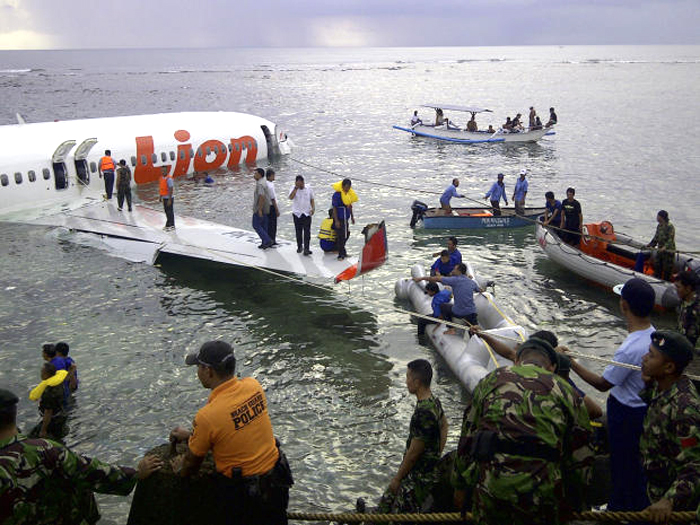
On 13 April 2013, a Boeing 737-800 aircraft, registered PK-LKS, was being operated by PT. Lion Mentari Airlines (Lion Air) on a scheduled passenger flight as LNI 904. The aircraft departed from Husein Sastranegara International Airport (WICC) Bandung at 0545 UTC to Ngurah Rai International Airport (WADD), Bali, Indonesia. The flight was the last sector of four legs scheduled for the crew on that day which were Palu (WAML) - Balikpapan (WALL) - Banjarmasin (WAOO) - Bandung (WICC) - Bali (WADD). The aircraft flew at FL 390, while the Second in Command (SIC) was the Pilot Flying (PF) and the Pilot in Command (PIC) was the Pilot Monitoring (PM). There were 2 pilots, 5 flight attendants and 101 passengers comprising 95 adults, 5 children and 1 infant making a total of 108 persons on board. The flight from the departure until start of the approach into Bali was uneventful. At 0648 UTC, the pilot made first communications with the Bali Approach controller (Bali Director) when the aircraft was located 80 Nm from BLI VOR. The pilot received clearance to proceed direct to the TALOT IFR waypoint and descend to 17,000 feet. At 0652 UTC, the Bali Director issued a further clearance for the pilot direct to KUTA point and descent to 8,000 feet. At 0659 UTC, the aircraft was vectored for a VOR DME approach for runway 09 and descent to 3,000 feet. At 0703 UTC, while the aircraft was over KUTA point, the Bali Director transferred communications with the aircraft to Bali Control Tower (Ngurah Tower). At 0704 UTC, the pilot contacted Ngurah Tower controller and advised that the aircraft was leaving KUTA point. The Ngurah Tower controller instructed the pilot to continue the approach and to reduce the aircraft speed to provide sufficient separation distance with another aircraft. At 0707 UTC, the Ngurah Tower issued take-off clearance for a departing aircraft on runway 09. At 0708 UTC, with LKS at approximately 1,600 feet AGL, the Ngurah Tower controller saw the aircraft on final approach and gave a landing clearance with additional information that the wind was from 120° at 05 knots. At 0708:47 UTC, the aircraft Enhance Ground Proximity Warning System (EGPWS) aural alert called “ONE THOUSAND”, the SIC said one thousand, stabilized, continue, prepare for go-around missed approach three thousand. The FDR showed that the pilot flown using LNAV (Lateral Navigation) and VNAV (Vertical Navigation) during the approach until disengagement of the Auto Pilot. The sequence of events during the final approach is based on the recorded CVR and FDR data, and information from crew interviews as follows: At 0708:56 UTC, while the aircraft altitude was approximately 900 feet AGL, the SIC commented that the runway was not in sight, whereas the PIC commented “OK. Approach light in sight, continue”. At 0709:33 UTC, after the EGPWS aural alert “MINIMUM” sounded at an aircraft altitude of approximately 550 feet AGL, the SIC disengaged the autopilot and the auto-throttle and then continued the approach. At 0709:43 UTC, the EGPWS called “THREE HUNDRED”. At 0709:47 UTC, the CVR recorded a sound similar to rain hitting the windshield. At 0709:49 UTC, the EGPWS called “TWO HUNDRED”. At 0709:53 UTC, while the aircraft altitude was approximately 150 feet AGL, the PIC took over control of the aircraft. The SIC handed control to the PIC and stated that he could not see the runway. At 0710:01 UTC, after the EGPWS called “TWENTY”, the PIC commanded for go-around. At 0710:02 UTC, the aircraft impacted the water, short of the runway. The aircraft stopped facing to the north at about 20 meters from the shore or approximately 300 meters south-west of the beginning of runway 09. Between 0724 UTC to 0745 UTC, three other aircraft took-off and six aircraft landed using runway 09. At 0750 UTC, the airport was closed until 0850 UTC. At 0755 UTC, all occupants were completely evacuated, the injured passengers were taken to the nearest hospitals and uninjured occupants to the airport crisis centre.
Probable cause:
The National Transportation Safety Committee initial findings on the accident flight are as follows:
- The aircraft was airworthy prior to impact and has an item on the DMI (deferred maintenance item) category C (right engine oil filter).
- All crew has valid licenses and medical certificates.
- The Second in Command (SIC) acted as Pilot Flying (PF).
- The flight performed a VOR DME approach runway 09, and the published Minimum Descent Altitude (MDA) was 465 ft AGL.
- The approach configuration used was flap 40.
- At 900 ft AGL the PF did not have the runway in sight.
- Upon reaching the MDA the flight profile indicated a constant path.
- The PIC took over control of the aircraft at about 150 ft radio altitude.
- The SIC handed over control to the PIC at about 150 ft and stated that he could not see the runway.
- The final approach phase of the flight profile was outside the envelope of the EGPWS warning, therefore no EGPWS warning was recorded on the CVR.
The NTSC concluded in its final report that the accident was caused by the following factors:
- The aircraft flight path became unstable below minimum descends altitude (MDA) with the rate of descend exceeding 1000 feet per minute and this situation was recognized by both pilots.
- The flight crew loss of situational awareness in regards of visual references once the aircraft entered a rain cloud during the final approach below minimum descends altitude (MDA).
- The PIC decision and execution to go-around was conducted at an altitude which was insufficient for the go-around to be executed successfully.
- The pilots of accident aircraft was not provided with timely and accurate weather condition despite the weather around the airport and particularly on final approach to the airport was changing rapidly.
Final Report:

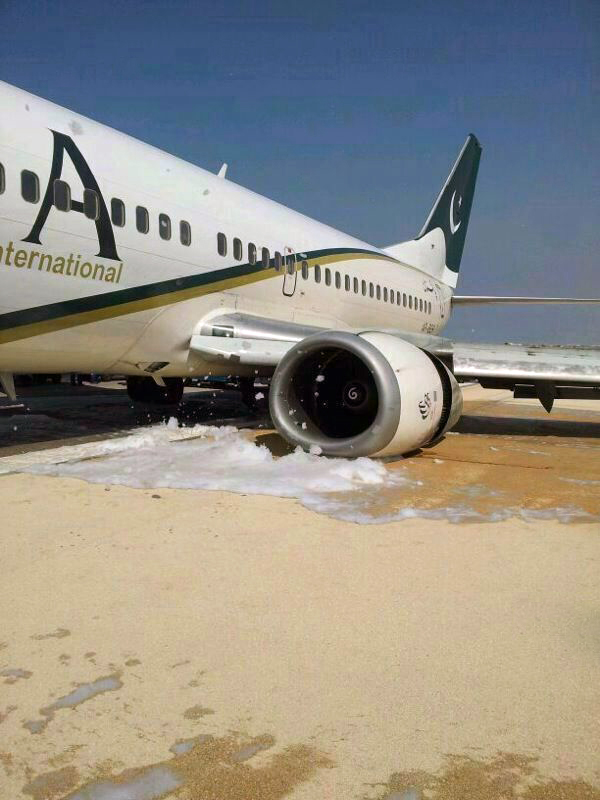
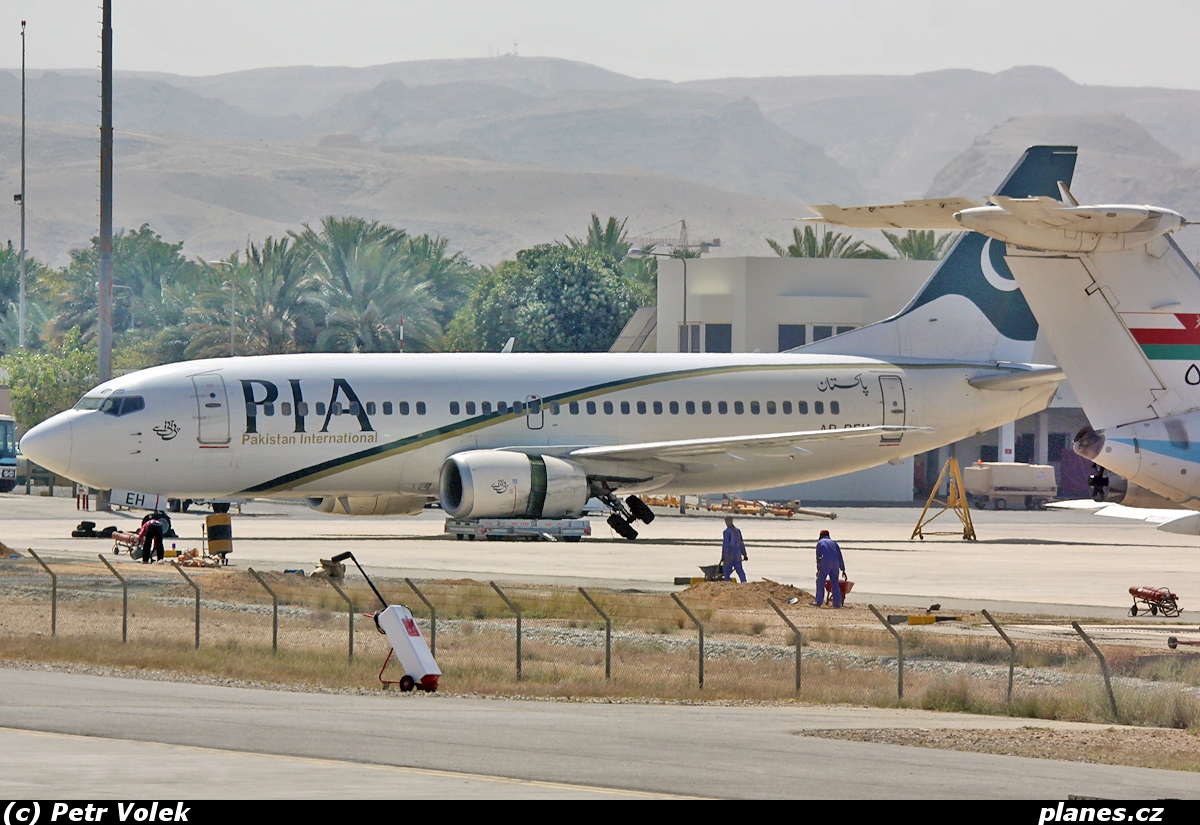
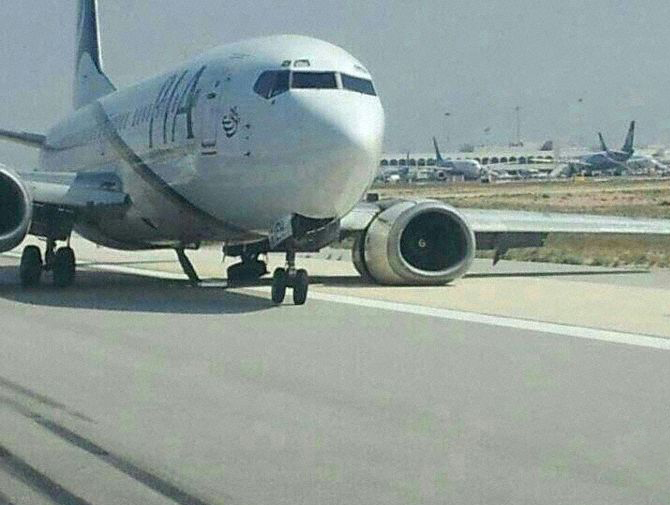
Crash of a Boeing 737-33A in Muscat

Date & Time: Feb 11, 2013 at 1325 LT
Type of aircraft:
Operator:
Registration:
AP-BEH
Survivors:
Yes
Schedule:
Sialkot - Muscat
MSN:
25504/2341
YOM:
1992
Flight number:
PK259
Country:
Region:
Crew on board:
7
Crew fatalities:
Pax on board:
107
Pax fatalities:
Other fatalities:
Total fatalities:
0
Circumstances:
Following an uneventful flight from Sialkot, the crew completed the approach to Muscat-Seeb Runway 26L. After touchdown, while decelerating, the left main gear collapsed, causing the left engine to struck the ground. The aircraft slid for few dozen metres before coming to rest on the left edge of the runway. All 114 occupants evacuated uninjured while the aircraft was damaged beyond repair.

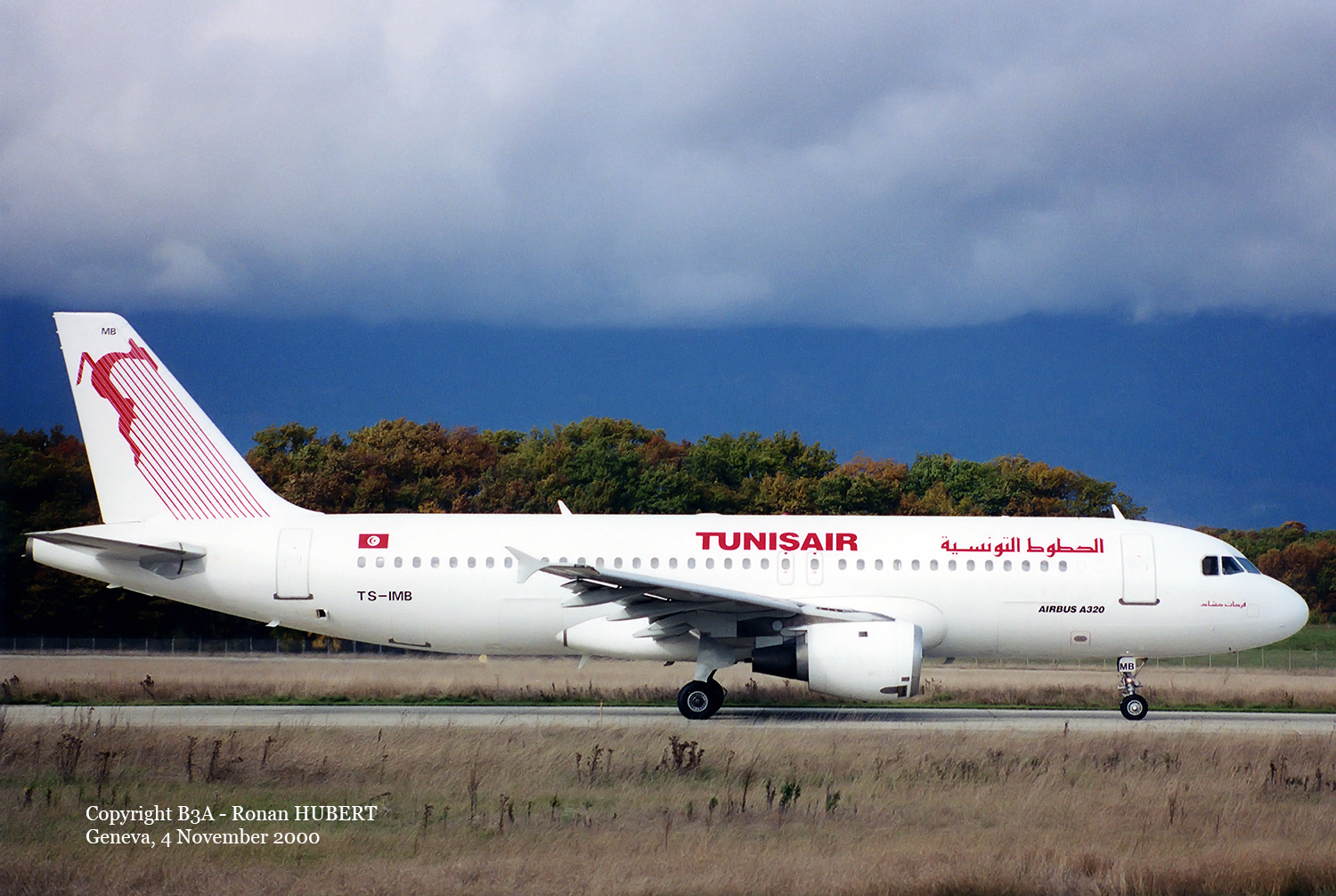
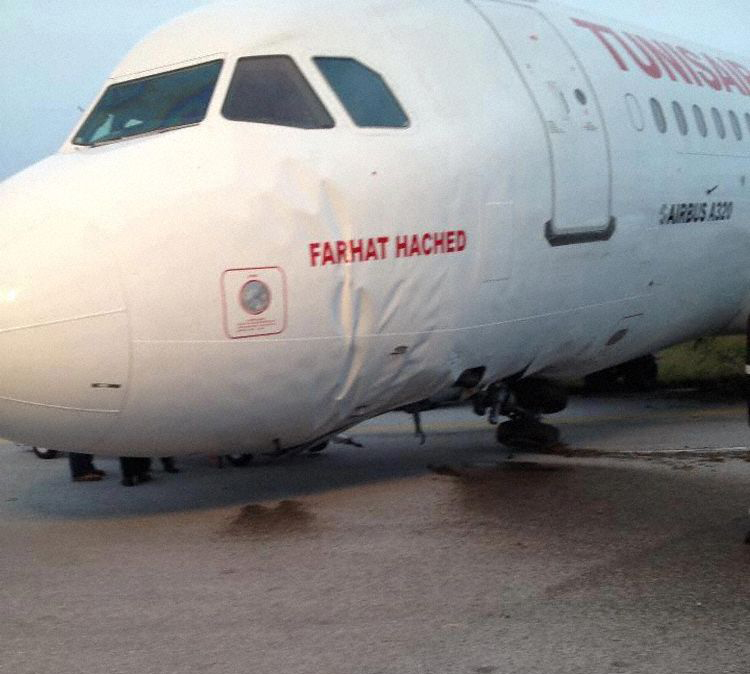
Crash of an Airbus A320-211 in Tunis

Date & Time: Feb 6, 2013 at 1423 LT
Type of aircraft:
Operator:
Registration:
TS-IMB
Survivors:
Yes
Schedule:
Casablanca - Tunis
MSN:
119
YOM:
1990
Flight number:
TU712
Country:
Region:
Crew on board:
8
Crew fatalities:
Pax on board:
75
Pax fatalities:
Other fatalities:
Total fatalities:
0
Circumstances:
Following an uneventful flight from Casablanca-Mohamed V Airport, the crew started the approach to Tunis-Carthage International Airport Runway 19 and encountered marginal weather conditions. After touchdown, the aircraft rolled for a distance of 1,600 metres then deviated to the right. The aircraft veered off runway, rolled in a grassy area for 114 metres when the nose gear impacted the concrete perpendicularly runway 11/29. On impact, the nose gear was torn off and the aircraft rolled for another 130 metres before coming to rest. All 83 occupants evacuated safely while the aircraft was damaged beyond repair. At the time of the accident, strong crosswinds and heavy rain falls passed over the airport.

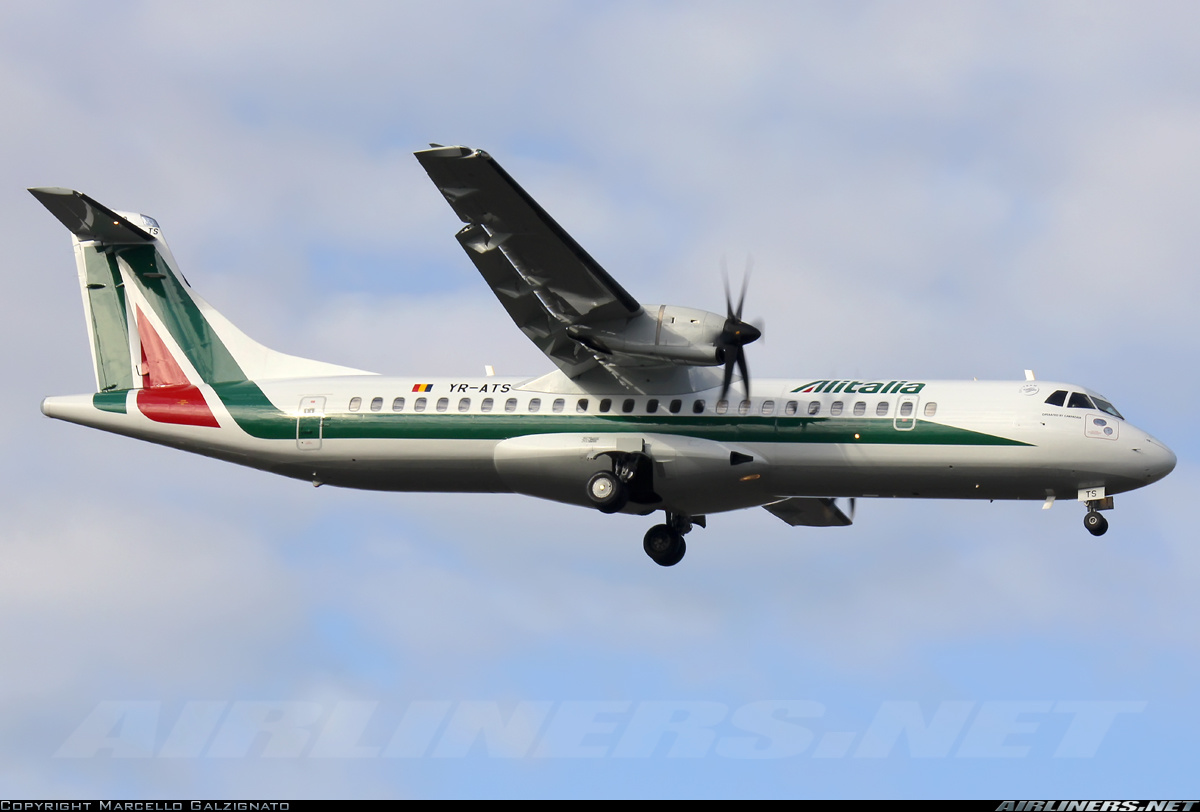
Crash of an ATR72-500 in Rome

Date & Time: Feb 2, 2013 at 2032 LT
Type of aircraft:
Operator:
Registration:
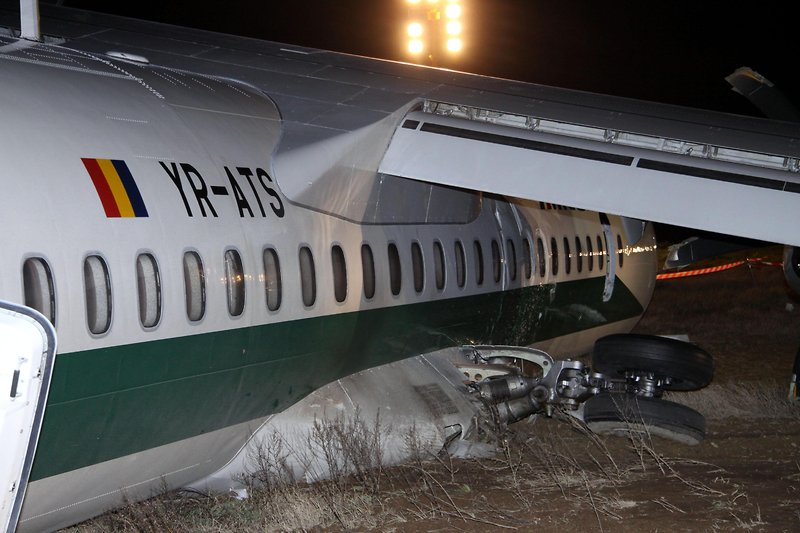
YR-ATS
Survivors:
Yes
Schedule:
Pisa - Rome
MSN:
533
YOM:
1997
Flight number:
AZ1670
Country:
Region:
Crew on board:
4
Crew fatalities:
Pax on board:
46
Pax fatalities:
Other fatalities:
Total fatalities:
0
Captain / Total flying hours:
18552
Captain / Total hours on type:
3351.00
Copilot / Total flying hours:
624
Copilot / Total hours on type:
14
Aircraft flight hours:
24088
Circumstances:
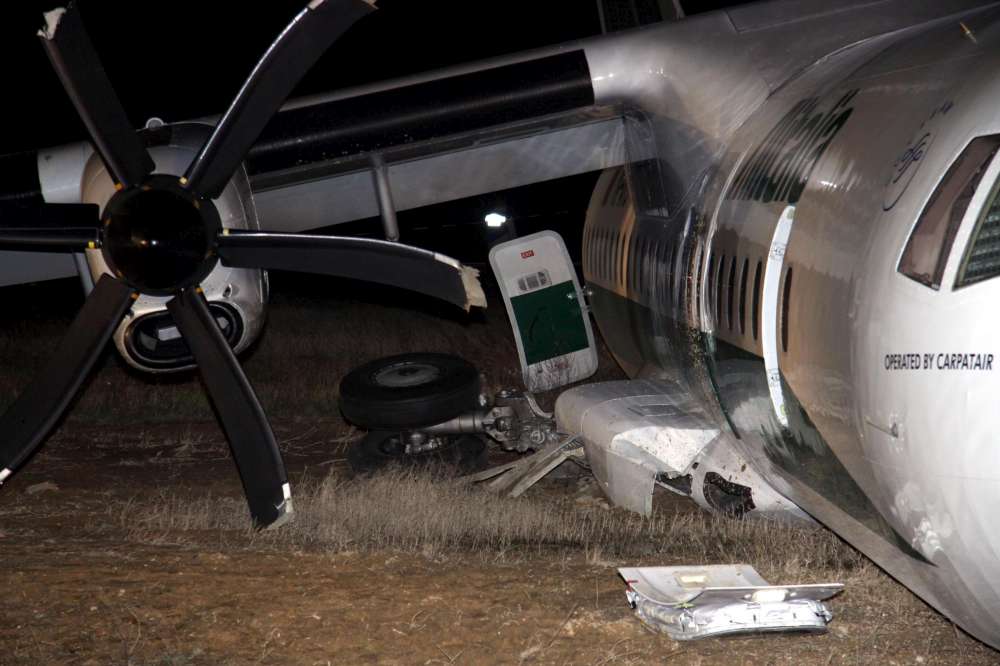
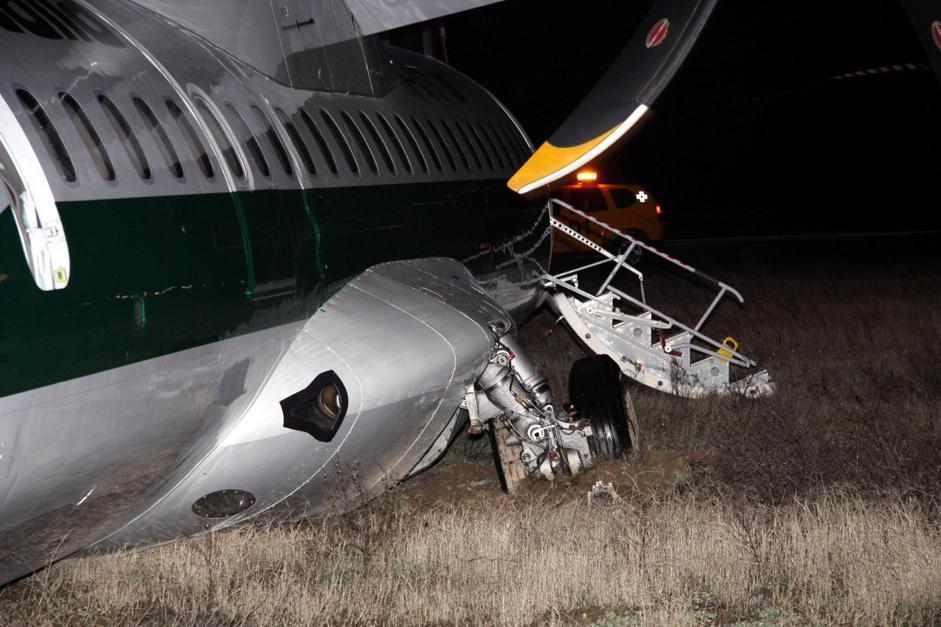
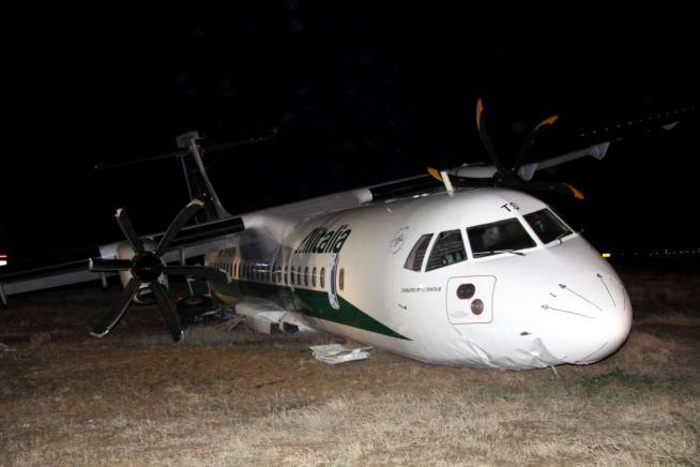
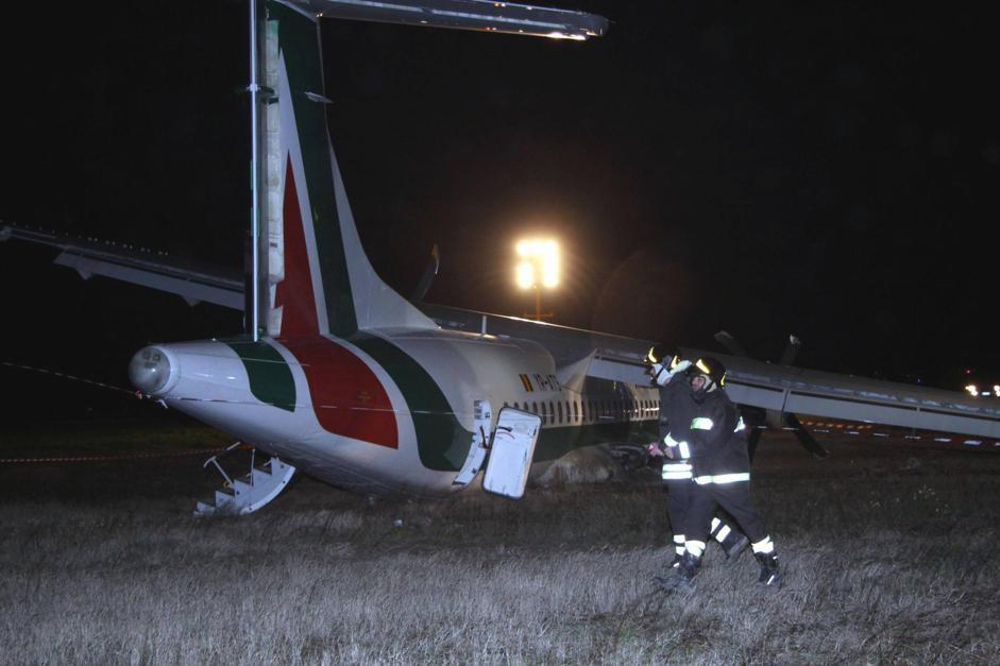
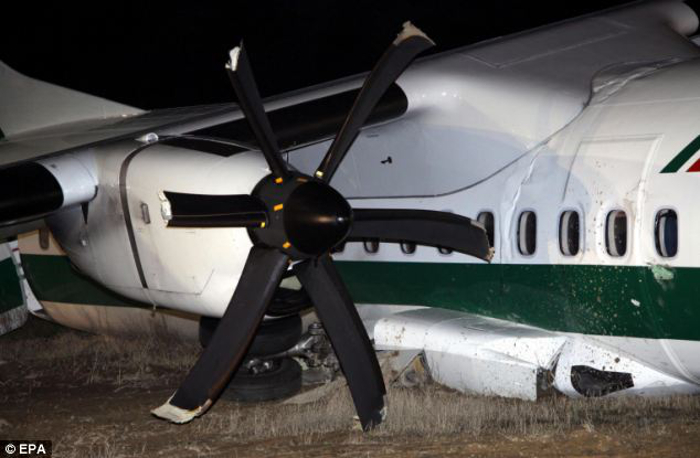
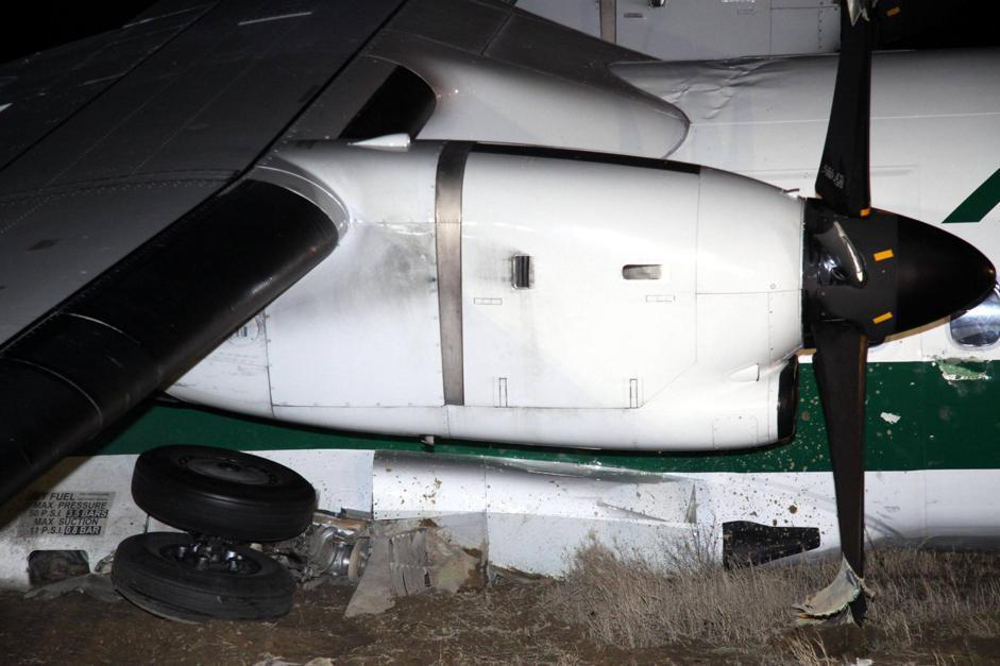
The Rome-Fiumicino Airport Runway 25 was closed to trafic due to work in progress so the crew was vectored and cleared for a landing on runway 16L. The approach was completed in good visibility with strong crosswinds from 250° at 28 knots gusting to 41 knots and windshear. On the last segment, the aircraft lost height and impacted ground 567 metres short of runway 16L threshold. The aircraft bounced three times, lost its right main gear, slid for few dozen metres and came to rest in a grassy area some 1,780 metres past the runway threshold. All 50 occupants were rescued, among them seven were slightly injured. The aircraft was damaged beyond repair.
Probable cause:
The accident is due to the human factor. In particular, it was caused by an improper conduct of the aircraft by the PF (commander) during landing, not consistent with the provisions of the operator's manuals, in an environmental context characterized by the presence of significant criticality (presence of crosswind with values at the limit/excess those allowed for the ATR 72) and in the absence of an effective CRM.
The following factors may have contributed to the event:
- The failure to carry out the landing briefing, which, in addition to being required by company regulations, would have been an important moment of pooling and acceptance of information fundamental to the safety of operations.
- The maintenance of a V APP significantly higher than expected.
- The conviction of the commander (PF), deriving from his considerable general and specific experience on the aircraft in question, to be able to conduct a safe landing in spite of the presence of critical wind conditions for the type of aircraft.
- The considerable difference in experience between the commander and the first officer, which has reasonably prevented the latter from showing his critical capacity, thus rendering CRM techniques ineffective.
Final Report:

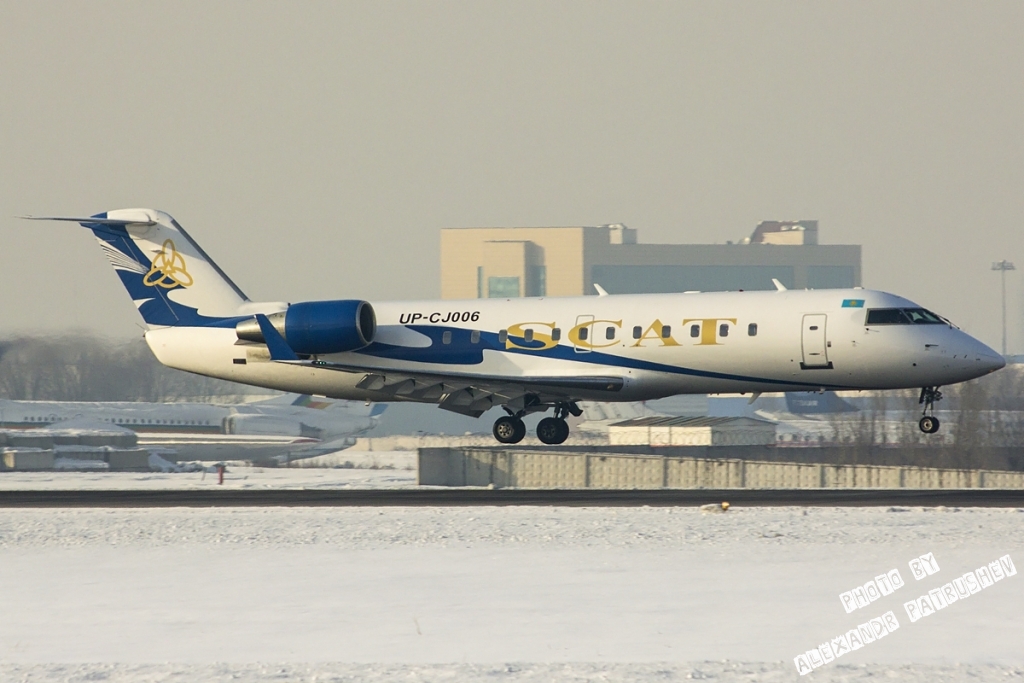
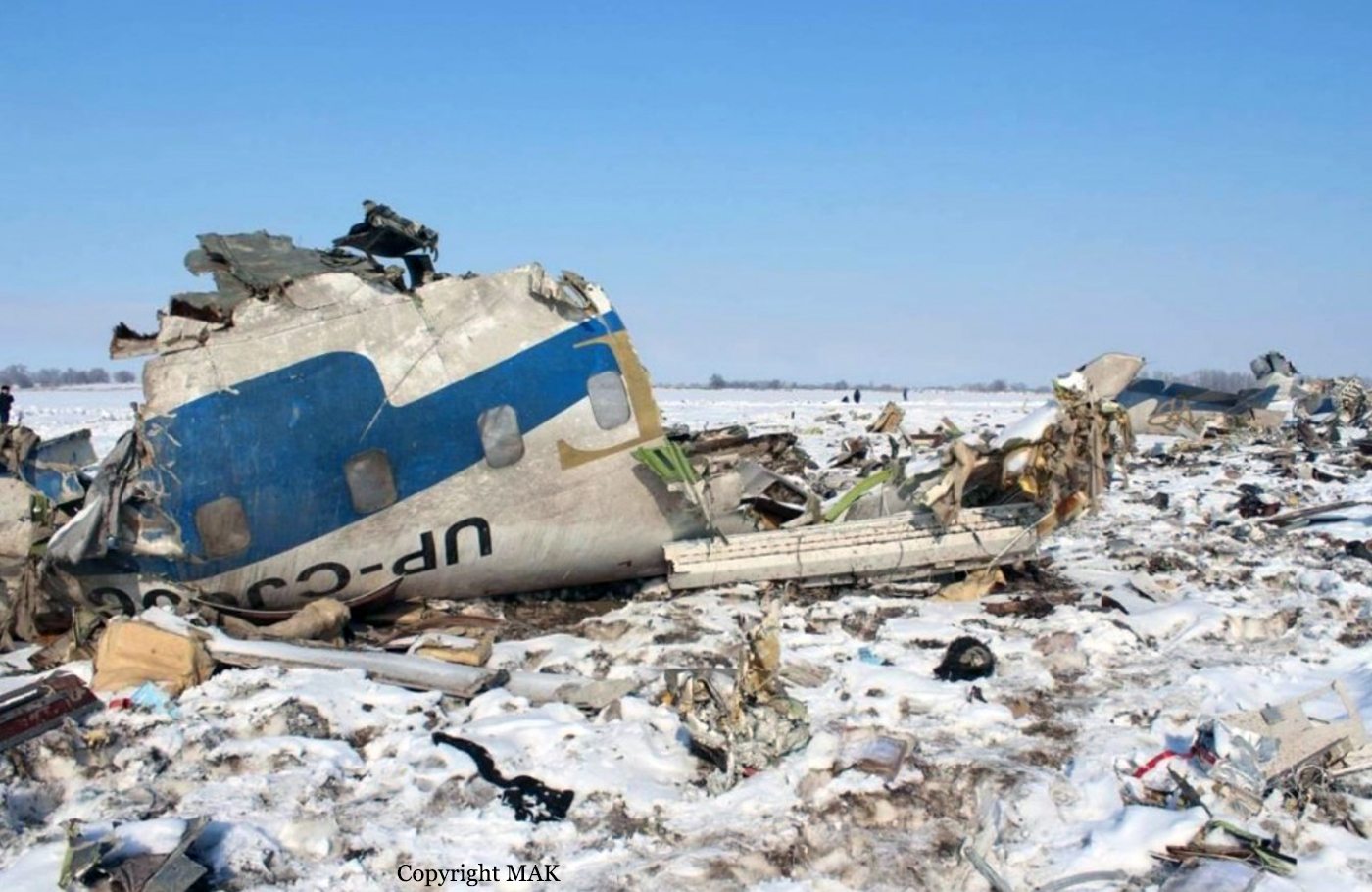
Crash of a Canadair RegionalJet CRJ-200ER in Almaty: 21 killed

Date & Time: Jan 29, 2013 at 1310 LT
Operator:
Registration:
UP-CJ006
Survivors:
No
Schedule:
Kokshetau - Almaty
MSN:
7413
YOM:
2000
Flight number:
VSV760
Country:
Region:
Crew on board:
5
Crew fatalities:
Pax on board:
16
Pax fatalities:
Other fatalities:
Total fatalities:
21
Captain / Total flying hours:
18194
Captain / Total hours on type:
1010.00
Copilot / Total flying hours:
3507
Copilot / Total hours on type:
132
Aircraft flight hours:
25707
Aircraft flight cycles:
22975
Circumstances:
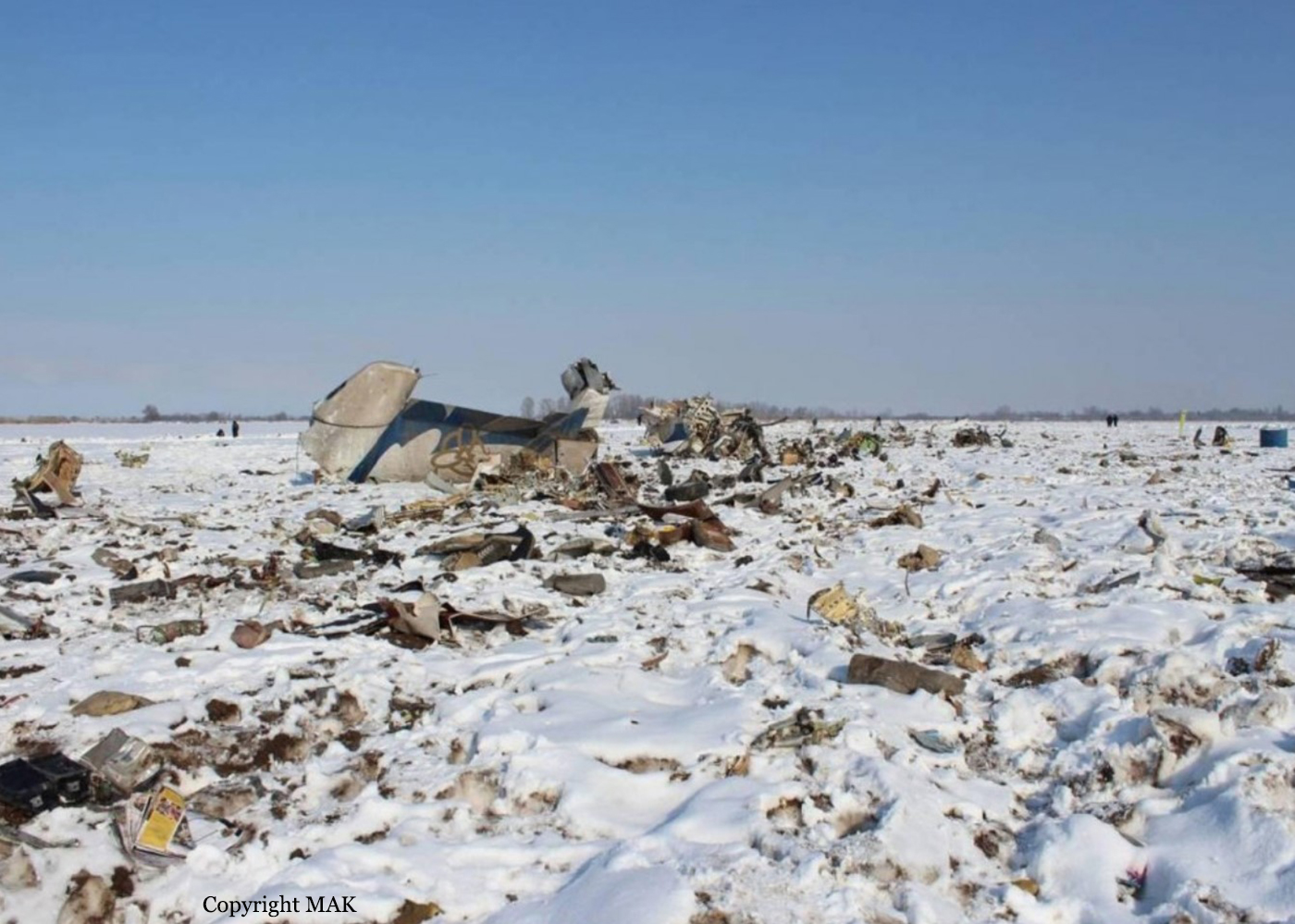
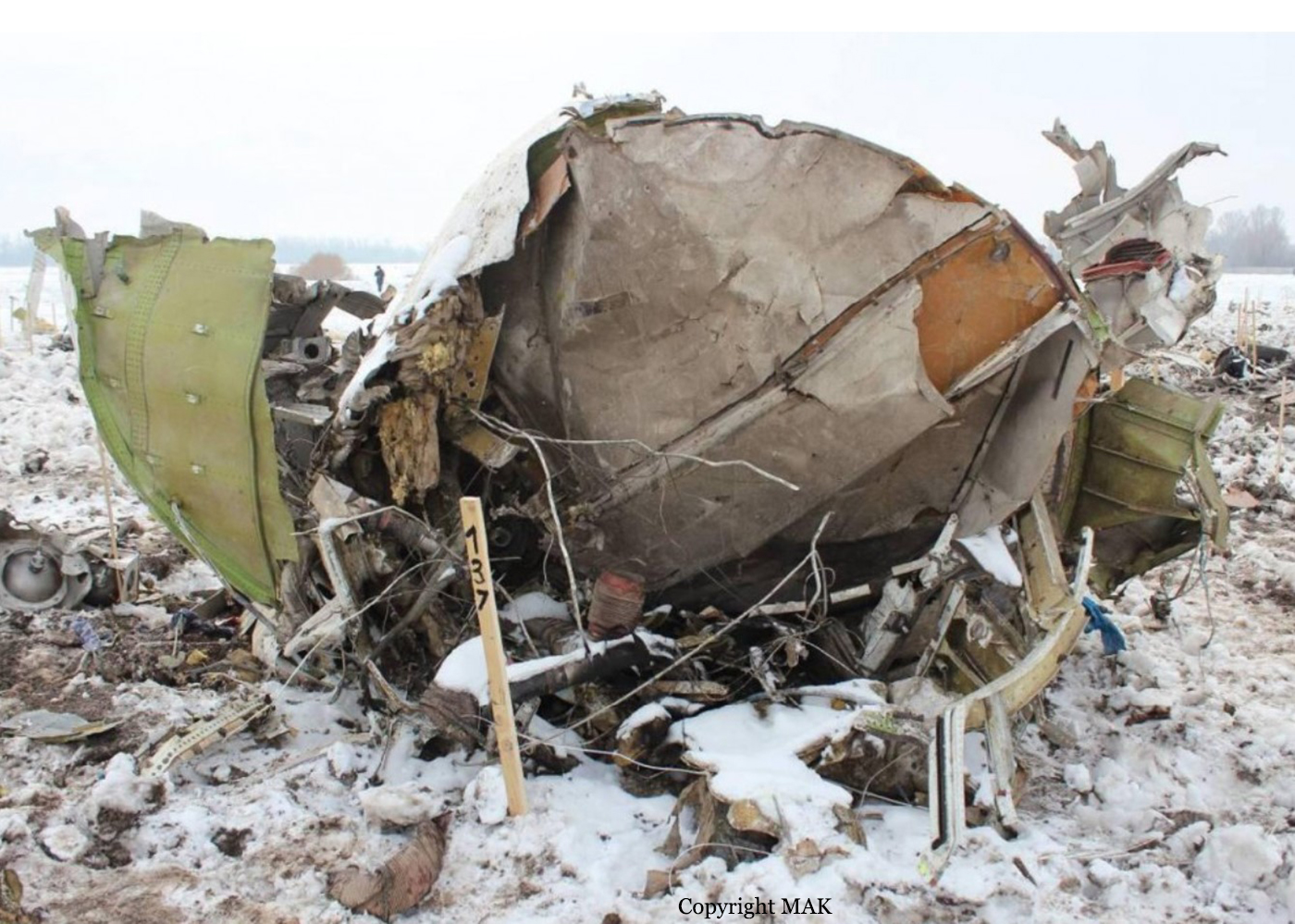
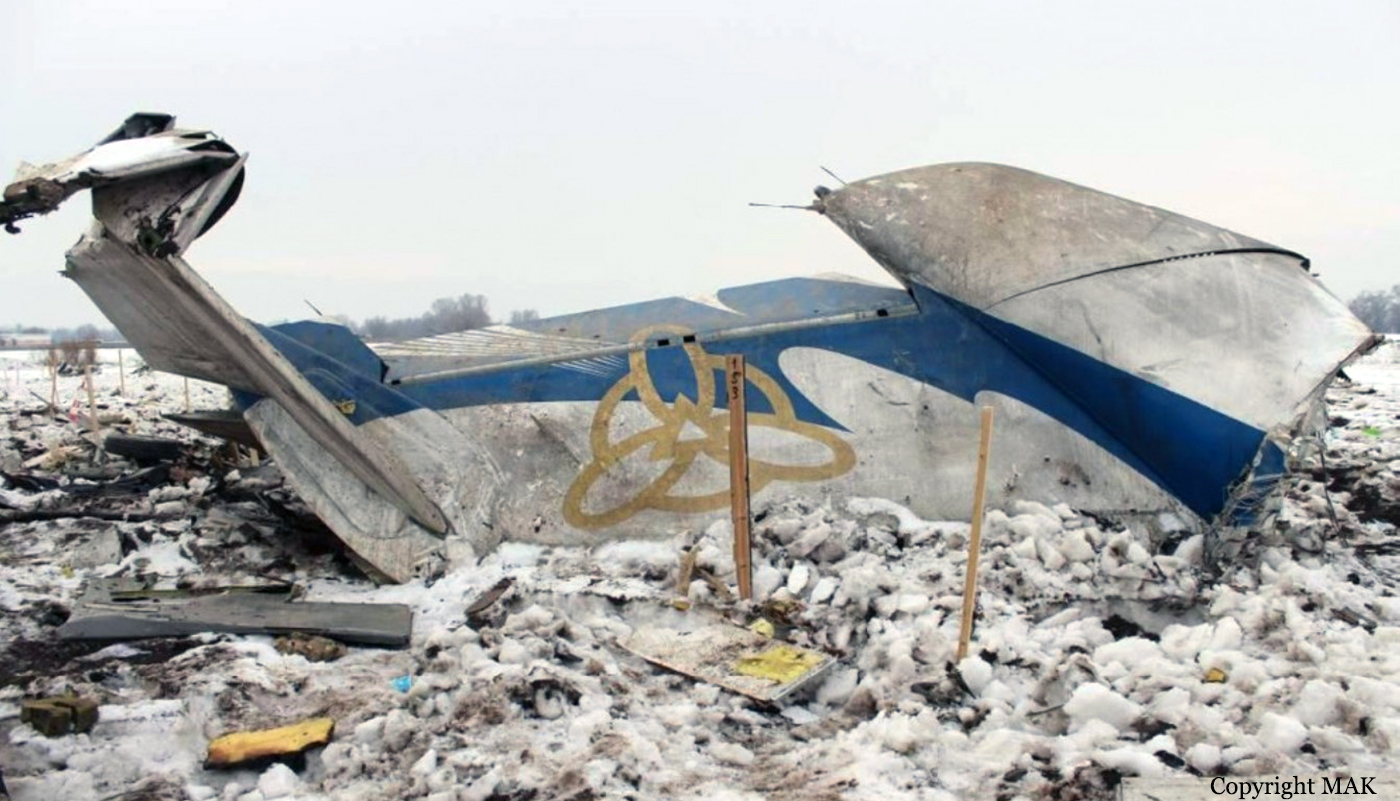
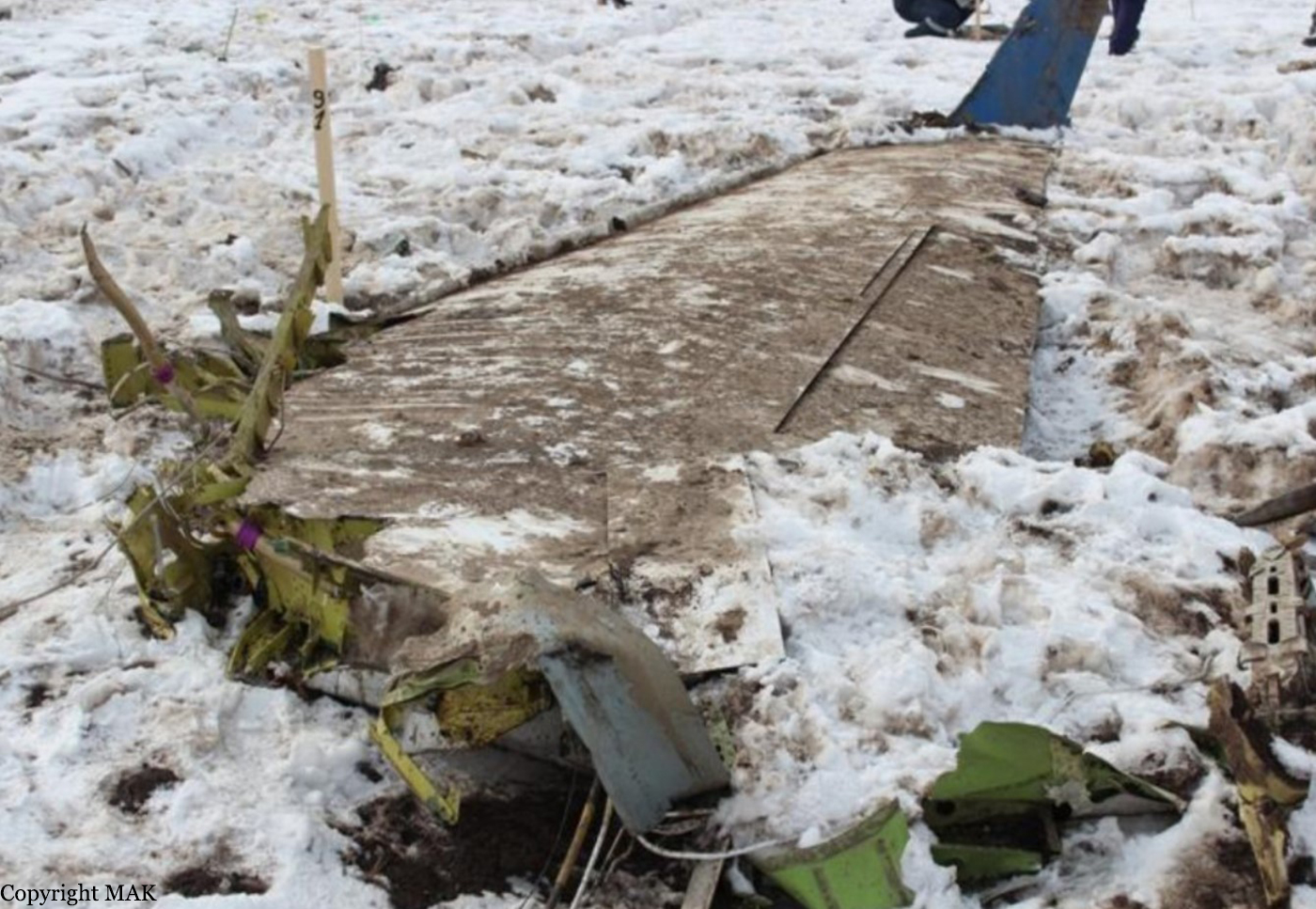
Following an uneventful flight from Kokshetau, the crew started the descent to Almaty Airport and was cleared for an ILS approach (Cat IIIb approach) to runway 23R. At this time, the horizontal visibility was 200 metres, the vertical visibility 40 metres and the RVR for runway 23R was 275-250-225 metres respectively. Due to this poor weather conditions at destination, the captain got stressed, creating a strong emotional reaction. On short final, at an altitude of 180 metres, the captain decided to abandon the landing procedure and initiated a go-around manoeuvre. The automatic pilot system was deactivated and the TO/GA mode was activated. Four seconds later, the captain pushed the control column forward, causing the aircraft to descend. The EGPWS alarm sounded in the cockpit but there was no response from the flying crew. In a pitch angle of -16° and with a descent rate of about 20-30 metres per second, the aircraft impacted ground and disintegrated in a snow covered field. The wreckage was found some 1,400 metres short of runway. All 21 occupants were killed. Due to the actual weather conditions, the crew should perform a Cat IIIc approach.

Probable cause:
The accident with aircraft CRJ-200 UP-CJ006 occurred during the execution of a go-around, in instrument meteorological conditions, without the possibility of visual contact with ground reference points (vertical visibility in the fog did not exceed 40 m), the necessity of which was caused by the mismatch between the actual weather conditions and the minimum conditions for which the crew was certified to land. As a result, the deflection of the elevator towards a dive of the aircraft caused a descent and collision with the ground. It was not possible to uniquely identify the causes of the aircraft's transfer to a dive from the available data. The Commission did not find evidence of failures of aviation equipment, as well as external to the aircraft (icing, wind shear, wake turbulence) when trying to perform a go-around.
The most likely factors that led to the accident, were:
- Partial loss performance of the pilot in command, which at the time of aircraft impact with the ground was not in a working position;
- The lack of CRM levels in the crew, and violation of the Fly-Navigate-Communicate principle, which manifested itself in diverting attention by the co-pilot to conduct external radio communication and lack of control of the flight instrument parameters;
- The lack of response to the EGPWS and the actions required;
- The impact somatogravic illusions of perception of the pitch angle (a nose-up illusion);
- Increased emotional stress by the crew members associated with the unjustified expectations of improved weather conditions at the time of landing;
- Failure to comply with the requirements for health examination of flight personnel, which led to the pilot in command flying without the rehabilitation period and without assessment of his health status after undergoing surgery.
Final Report:

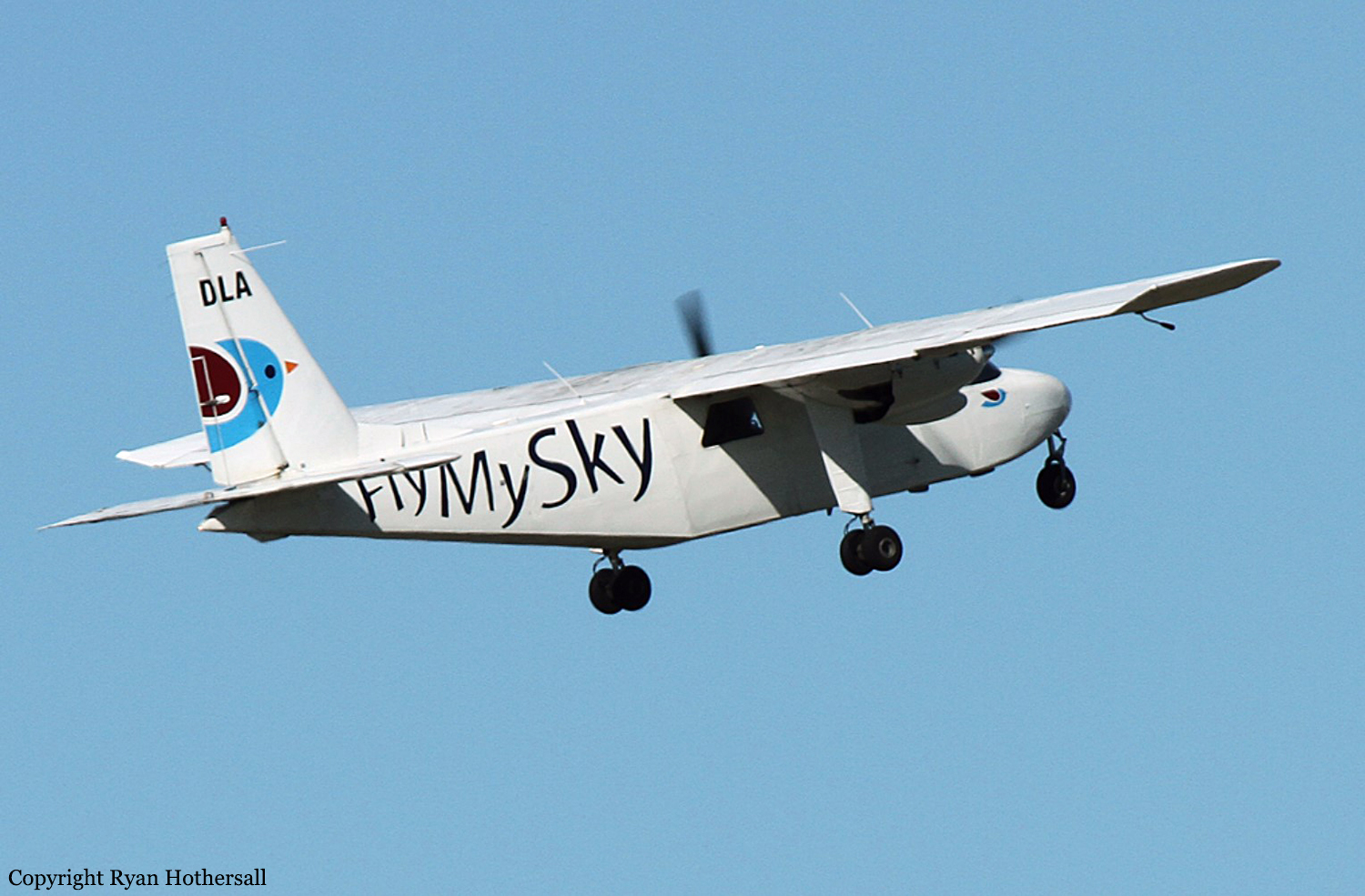
Crash of a Britten Norman BN-2B-26 Islander at Okiwi Station

Date & Time: Jan 25, 2013 at 0827 LT
Type of aircraft:
Operator:
Registration:
ZK-DLA
Survivors:
Yes
Schedule:
Auckland – Okiwi Station
MSN:
2131
YOM:
1984
Country:
Region:
Crew on board:
1
Crew fatalities:
Pax on board:
8
Pax fatalities:
Other fatalities:
Total fatalities:
0
Captain / Total flying hours:
3170
Captain / Total hours on type:
296.00
Circumstances:
On approach to runway 18 at Okiwi, New Zealand, the aircraft encountered windshear on short final as the pilot reduced power to land. The pilot was unable to arrest the descent rate and the aircraft landed heavily. Damage was caused to both landing gear oleos and one brake unit, with rippling found on the upper and lower skin of each wing. One passenger sustained a back injury, which was later identified as a fractured vertebra. The pilot was aware of fluctuating wind conditions at Okiwi and had increased the approach speed to 70 knots as per company standard operating procedures. The pilot reported that despite this, the airspeed reduced rapidly and significantly at 10 to 15 feet agl, leaving little time to react to the situation.
Probable cause:
Loss of height and hard landing due to windshear on short final.

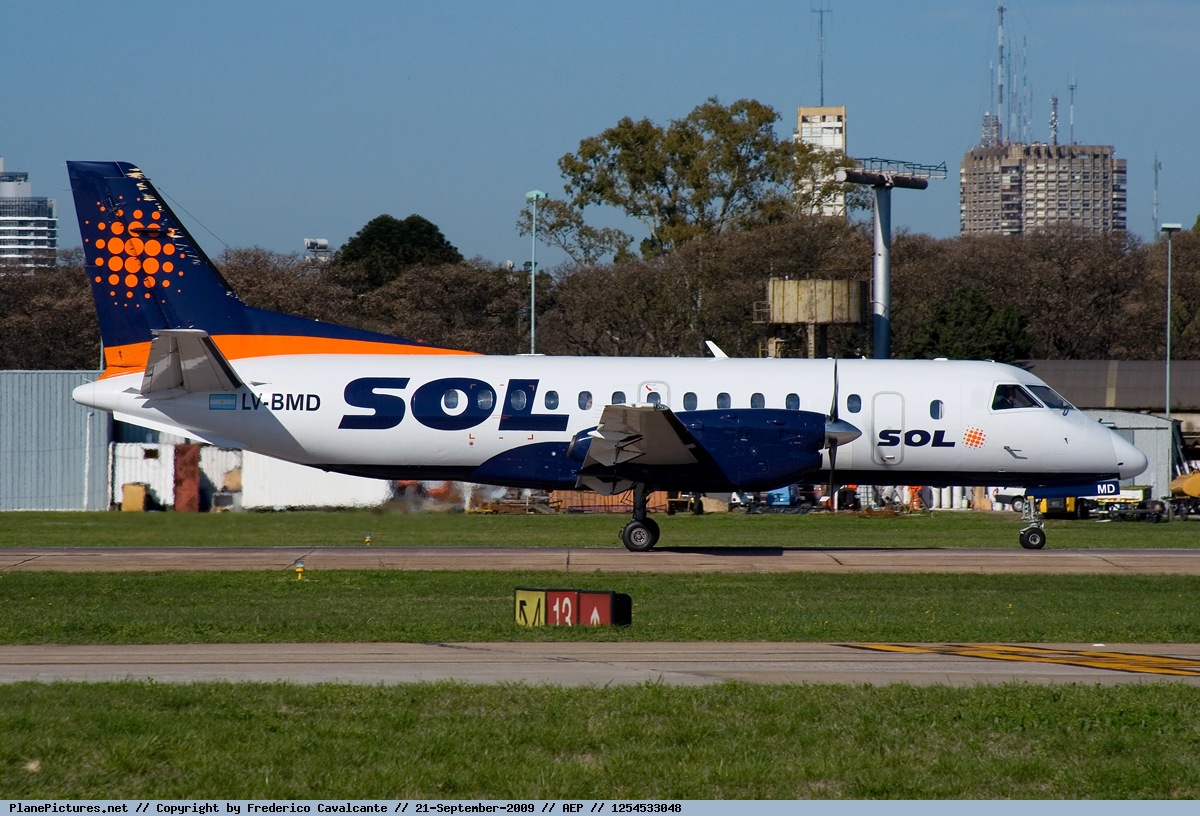
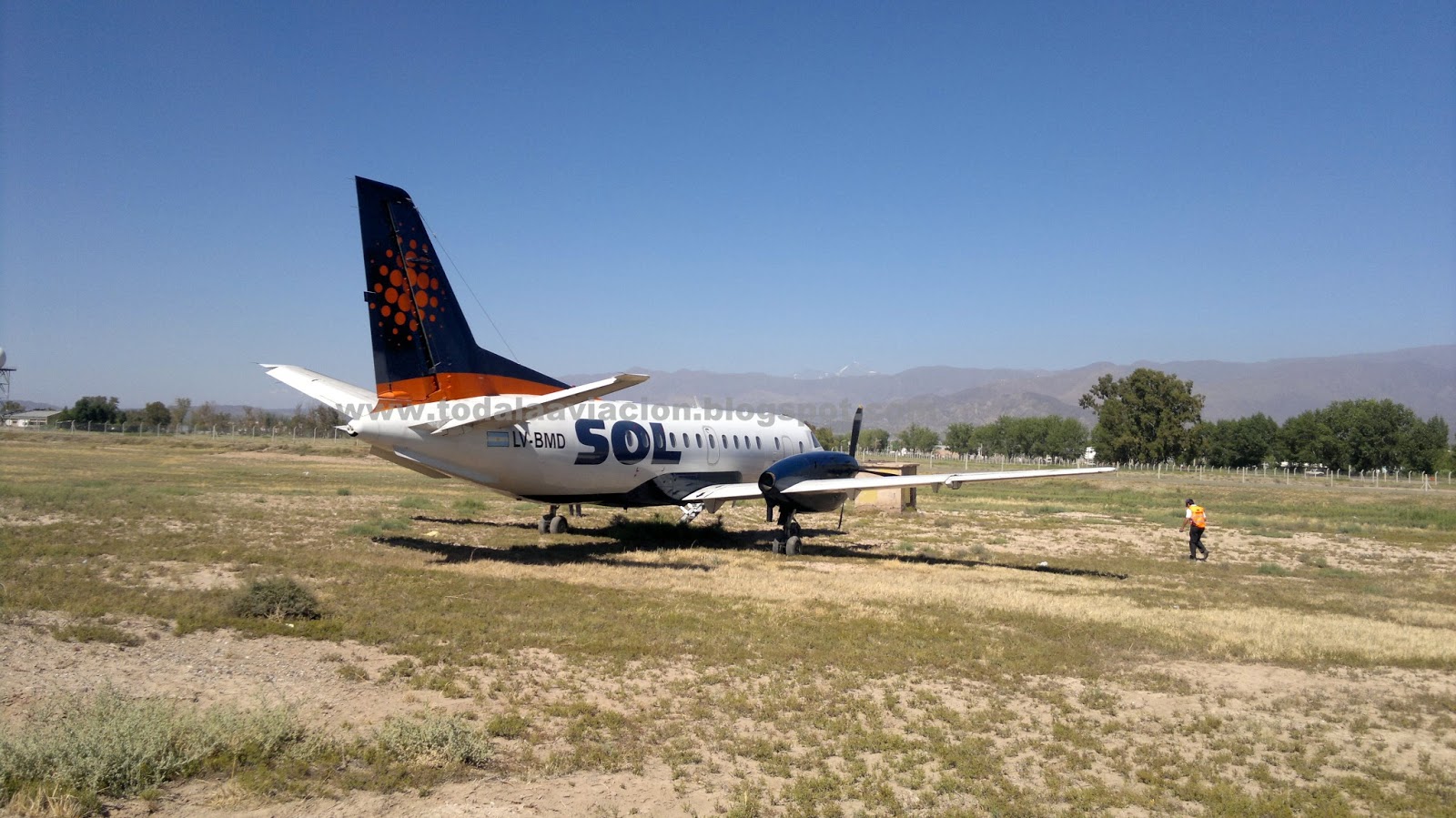
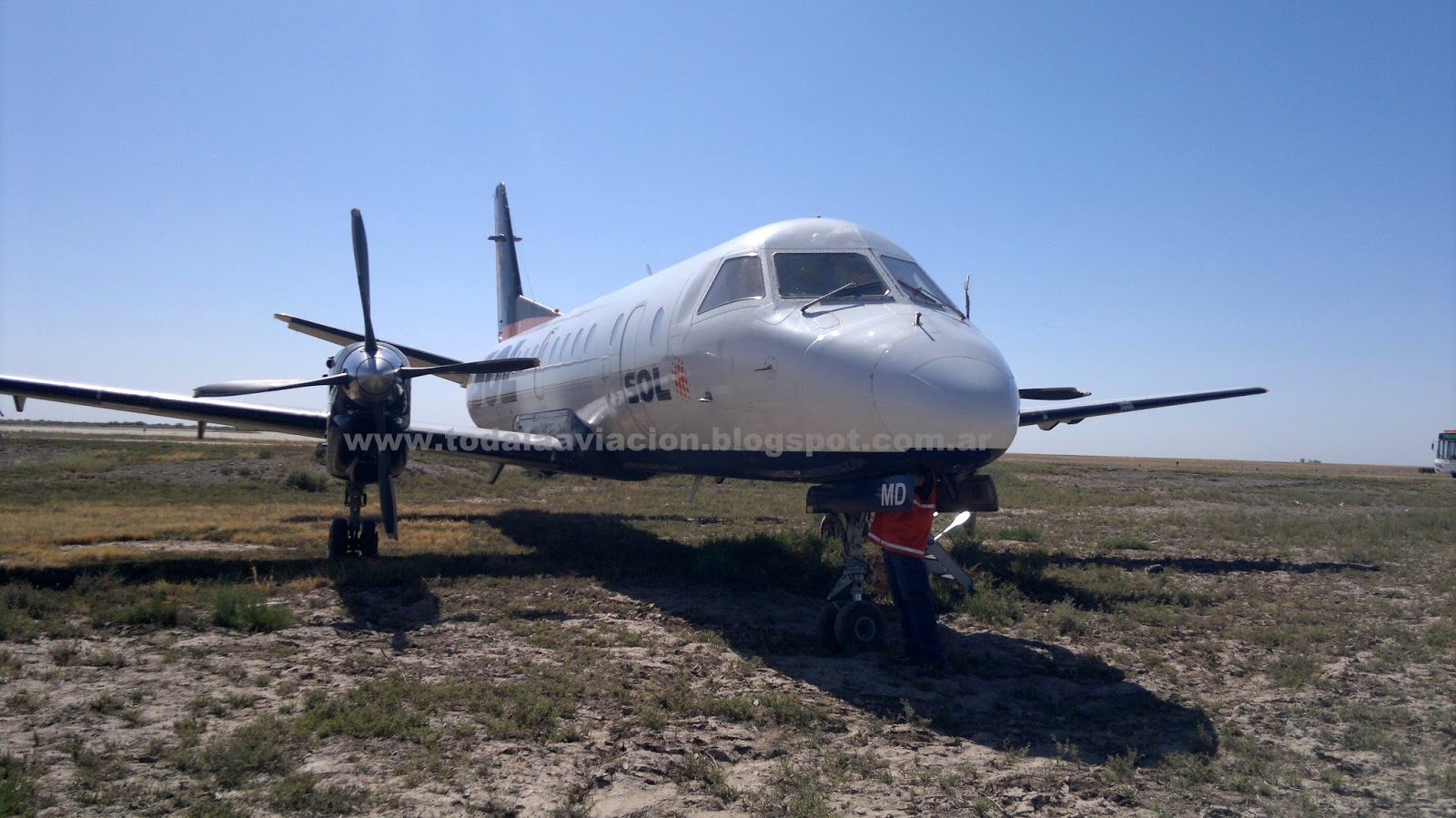
Ground accident of a Saab 340A in Mendoza

Date & Time: Jan 2, 2013 at 1011 LT
Type of aircraft:
Operator:
Registration:
LV-BMD
Flight Phase:
Survivors:
Yes
Schedule:
Mendoza - Neuquén
MSN:
123
YOM:
1988
Flight number:
OLS5420
Country:
Crew on board:
3
Crew fatalities:
Pax on board:
30
Pax fatalities:
Other fatalities:
Total fatalities:
0
Captain / Total flying hours:
7000
Captain / Total hours on type:
600.00
Copilot / Total flying hours:
1818
Copilot / Total hours on type:
110
Aircraft flight hours:
47798
Circumstances:
While taxiing to runway 18 for a departure to Neuquén, the twin engine aircraft went out of control, veered off taxiway to the left and rolled onto a soft ground four about 40 metres before coming to rest. The nose gear sank in soft ground, causing both propeller blades to struck the ground and to be partially torn off. The fuselage was hit by debris. All 33 occupants evacuated safely and the aircraft was damaged beyond repair.
Probable cause:
The loss of control during taxiing was the consequence of the combination of the following factors:
- The electric pump which controls fluid pressure in the hydraulic system was not operational, generating a deficit of fluid pressure in the hydraulic system.
- The low fluid pressure warning in the hydraulic system was not recognized by the crew.
- The crew could not control the path of the aircraft due to the unavailability of nose wheel steering.
- The persistence of an informal practice among the crews of the operator on the operation of the hydraulic system, contrary to the concept of operation of the hydraulic system established by the manufacturer.
- The lack of detection of the informal practice on the operation of the hydraulic system by the operator's safety monitoring mechanisms.
Final Report:

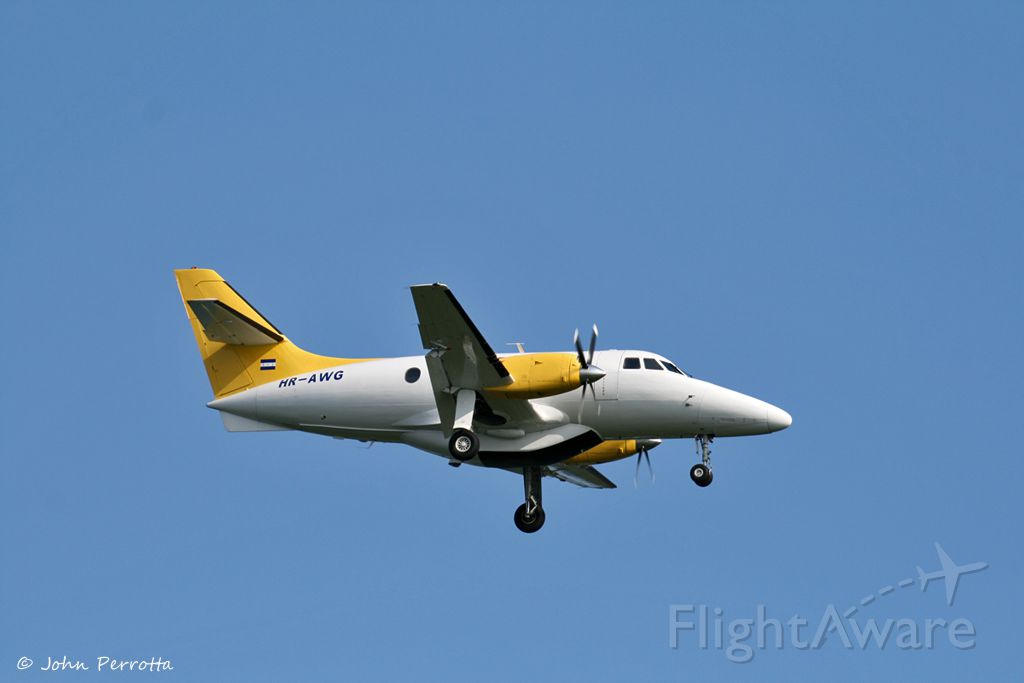
Crash of a BAe 3101 Jetstream 31 in San Pedro Sula

Date & Time: Dec 31, 2012 at 1014 LT
Type of aircraft:
Operator:
Registration:
HR-AWG
Survivors:
Yes
Schedule:
Roatán - San Pedro Sula
MSN:
764
YOM:
1987
Flight number:
EKY734
Country:
Crew on board:
2
Crew fatalities:
Pax on board:
17
Pax fatalities:
Other fatalities:
Total fatalities:
0
Circumstances:
Following an uneventful flight from Roatán, the crew started the approach to San Pedro Sula Airport Runway 04. After touchdown, the pilot applied brake when the aircraft encountered controllability problems. It veered off runway to the left, went through a grassy area, lost its undercarriage and came to rest with its nose in a drainage ditch located 40 metres to the left of the runway. All 19 occupants escaped uninjured and the aircraft was damaged beyond repair.

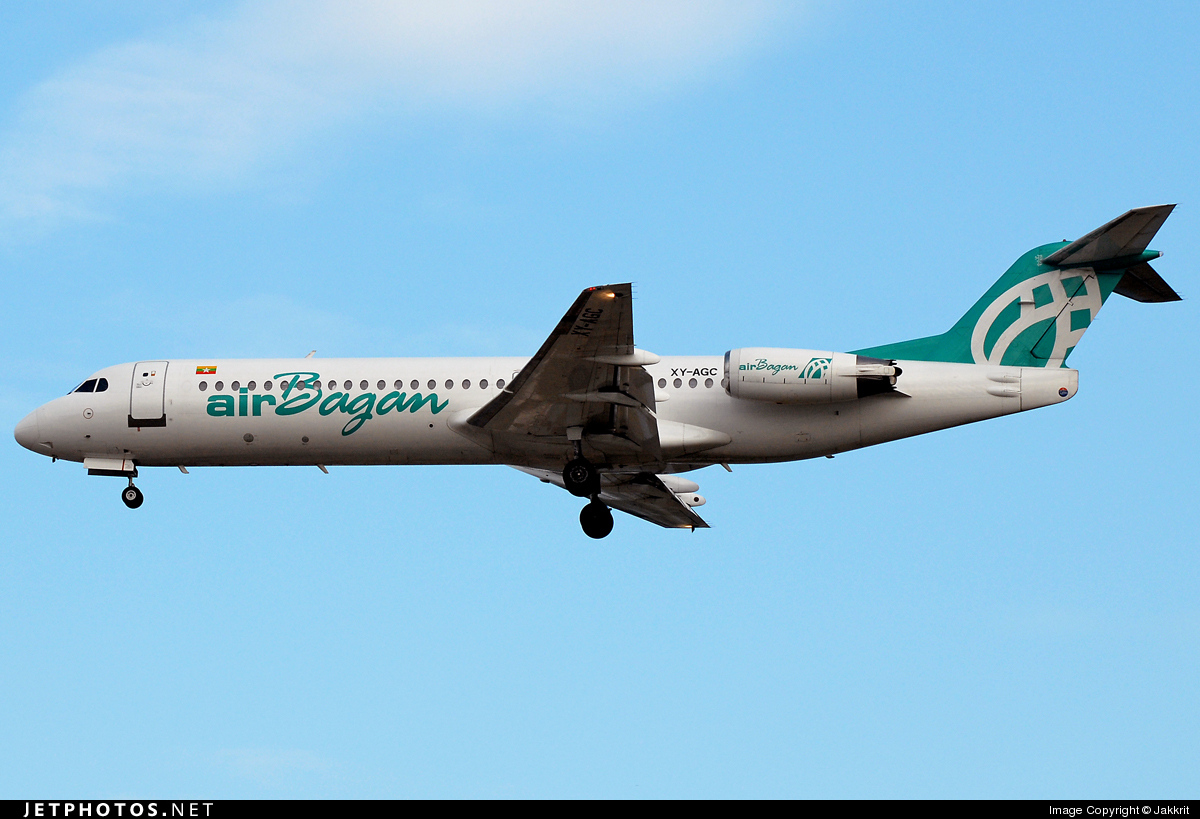
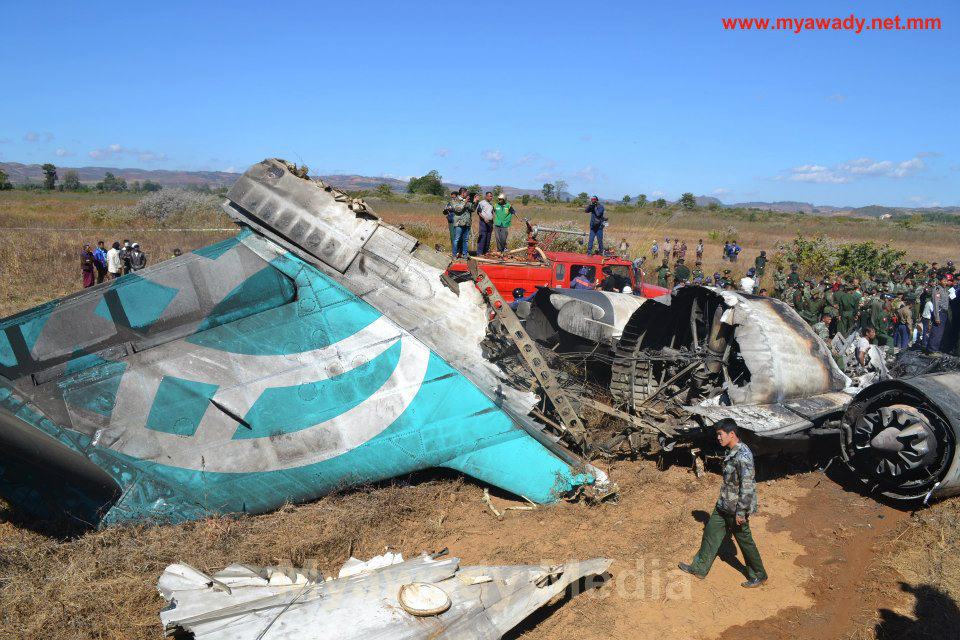
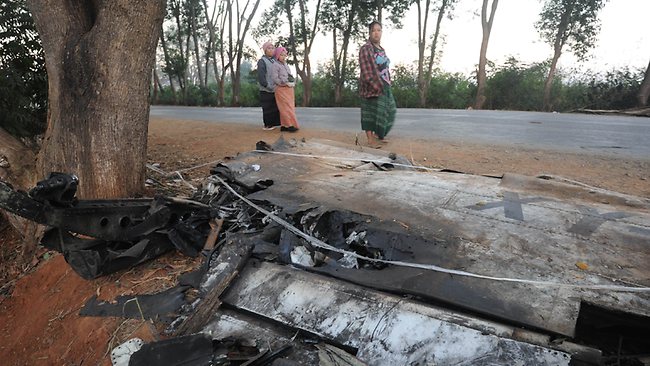
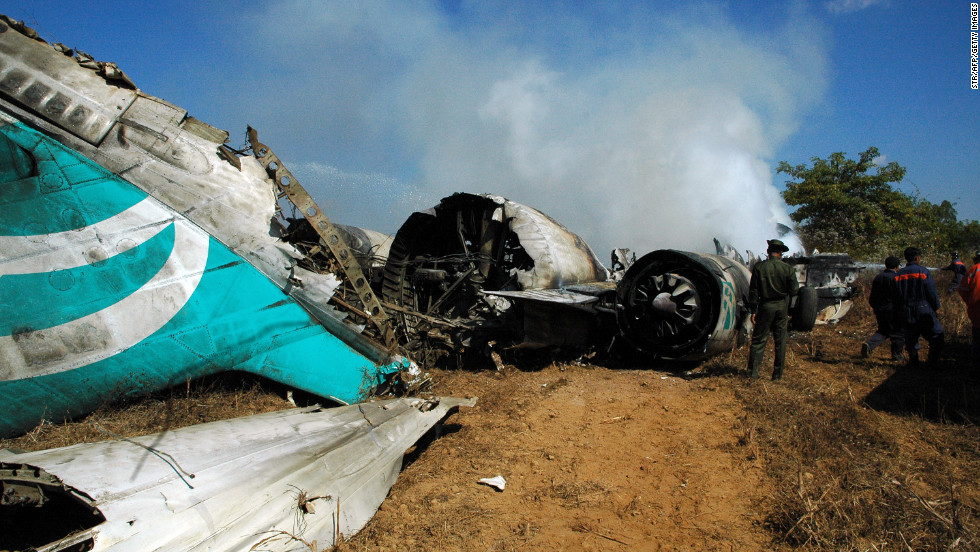
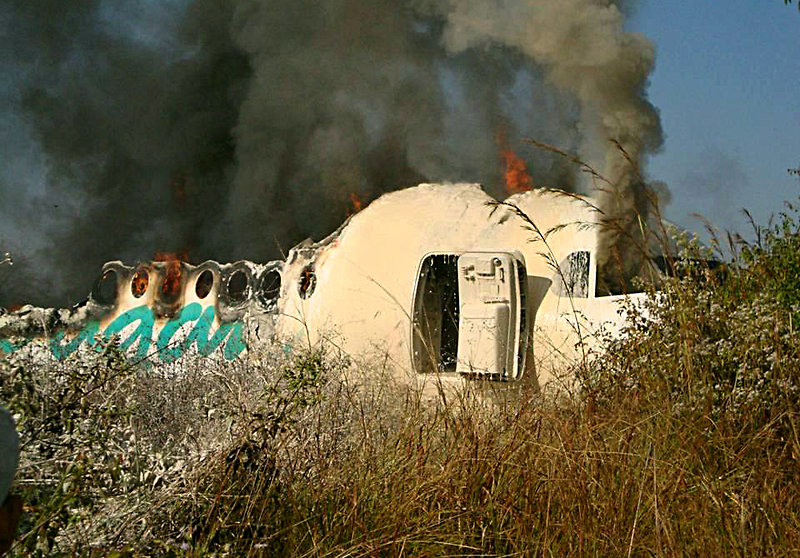
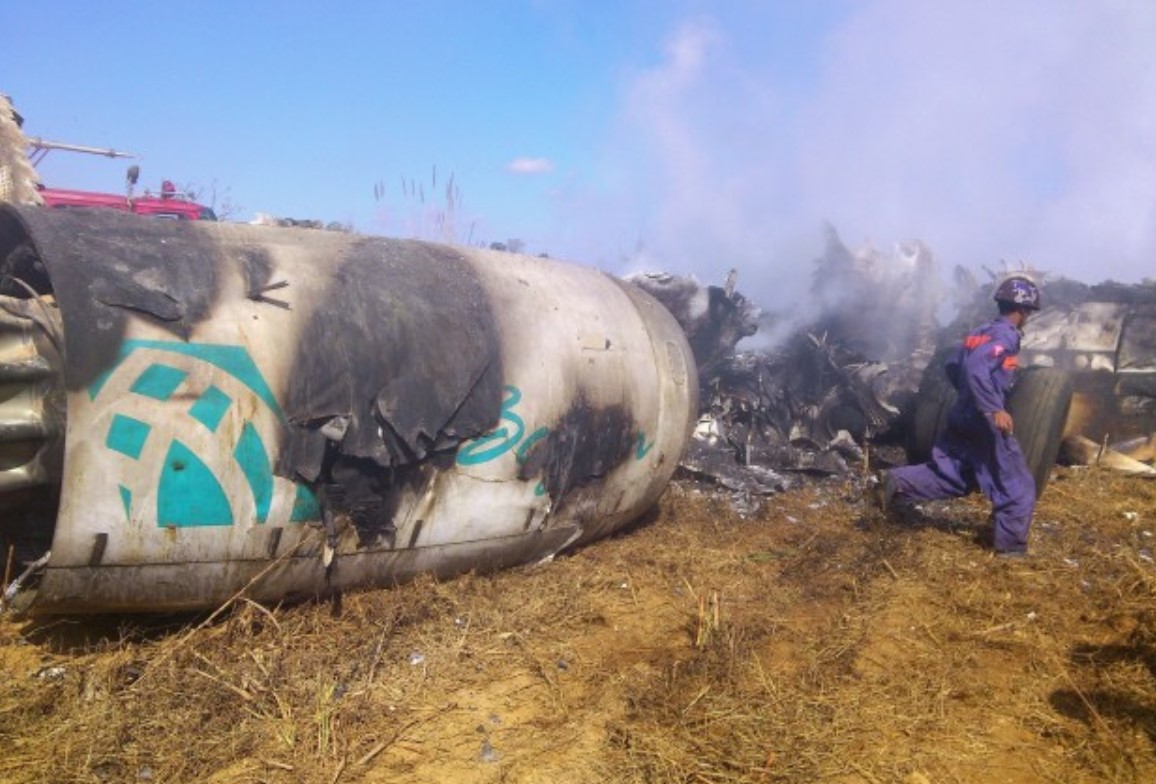
Crash of a Fokker 100 in Heho: 2 killed

Date & Time: Dec 25, 2012 at 0853 LT
Type of aircraft:
Operator:
Registration:
XY-AGC
Survivors:
Yes
Schedule:
Mandalay - Heho
MSN:
11327
YOM:
1991
Flight number:
JAB011
Location:
Country:
Region:
Crew on board:
6
Crew fatalities:
Pax on board:
65
Pax fatalities:
Other fatalities:
Total fatalities:
2
Captain / Total flying hours:
5937
Captain / Total hours on type:
2547.00
Copilot / Total flying hours:
849
Copilot / Total hours on type:
486
Aircraft flight hours:
27378
Aircraft flight cycles:
32584
Circumstances:
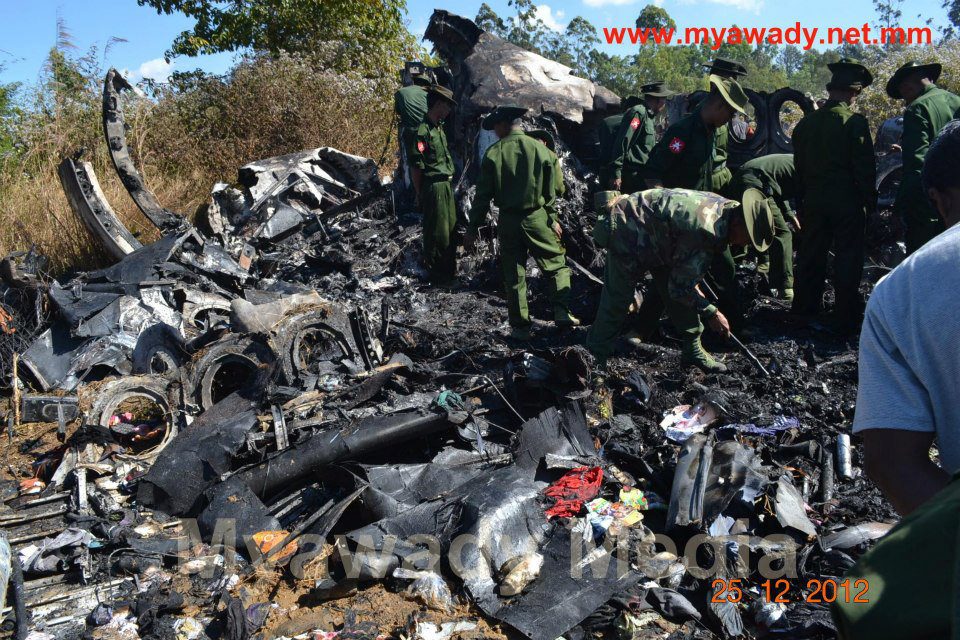
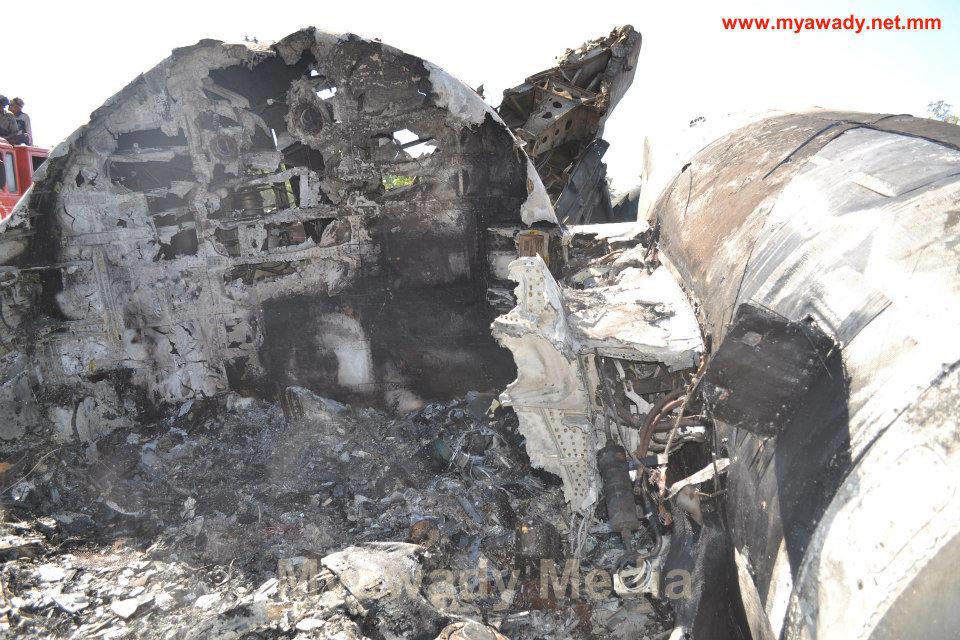
On 25 December 2012 at 0603 local Time, an Air Bagan Ltd Fokker 100 aircraft registered XY-AGC (MSN-11327) departed Yangon International Airport (VYYY) on a scheduled passenger flight to Mandalay International Airport (VYMD) with the Pilot in command (PIC) as pilot flying. The aircraft was refueled after 60 passengers disembarked and 46 passengers boarded. The PIC made briefing and completed the aircraft checks. At 0826 local time, departed Mandalay International Airport (VYMD) to Heho Airport (VYHH). On Board the pilot in command (PIC), first officer (FO), 4 cabin crews and 65 passengers (Total 71 POB) and the First Officer was designated as the Pilot Flying for the flight. The aircraft climbed to FL. 130 and cruised with an indicated airspeed of 250 Kts. The Pilot in command contacted Heho ATC at flight level 130 and 50 NM to Heho. Heho ATC provided the present weather condition (wind calm, visibility 3000M, Distinct fog, Temperature 17. C, QNH 1018 mb, RW 36). At about 0836 local time, the first officer started crew briefing and called out "Radio Altimeter" alive . The aircraft started descend to 9000ft and continued overhead Heho NDB. At about 0847 local time, while heading 220 degrees and descending to 6000ft and commenced a non-precision Non Directional Beacon (NDB) approach to runway 36. During the final inbound track at about 2.5 NM to the runway at 08:52:349, the EGPWS aural warning called out "500". The Pilot in command initiated "Alt hold" at about 0853, just before the EGPWS alert "100" "50" 40" "30" and the aircraft struck 66 KV power lines, trees, telephone cables, fence and collided with terrain short of the runway, coming to rest approximately 0.7 NM from the threshold. During the ground collision, both wings separated and a fire commenced almost immediately. An emergency evacuation was initiated by the cabin crews. One aircraft occupant and one motorcyclist on the ground were fatally injured, 70 of the occupants and one motorcyclist survived and the aircraft was destroyed by fire.
Probable cause:
Primary Cause:
- During the final approach, the aircraft descended below the MDA and the crew did not follow the operator SOP's.
- The pilots had no corrective action against to change VMC to IMC during bad weather condition and insufficient time for effective respond to last moment.
Secondary Cause:
- Captain of the aircraft had insufficient assessment on the risk that assigned the FO as PF.
- There may be under pressure by the following aircrafts as the first plane on that day to Heho.
Final Report: