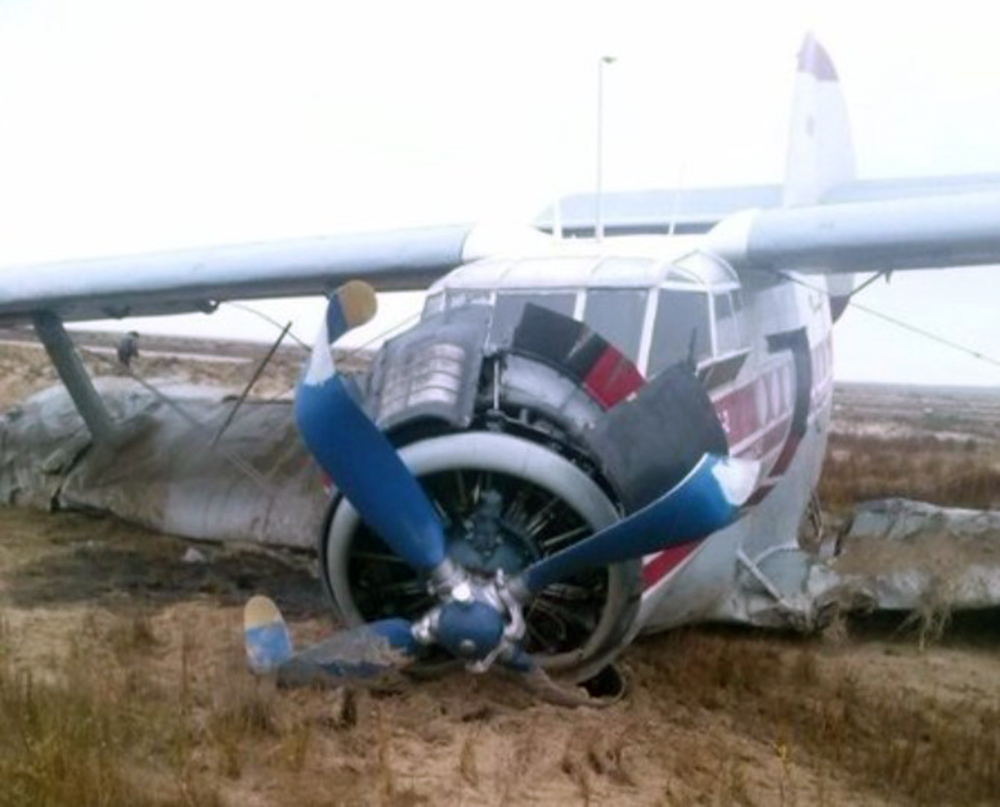
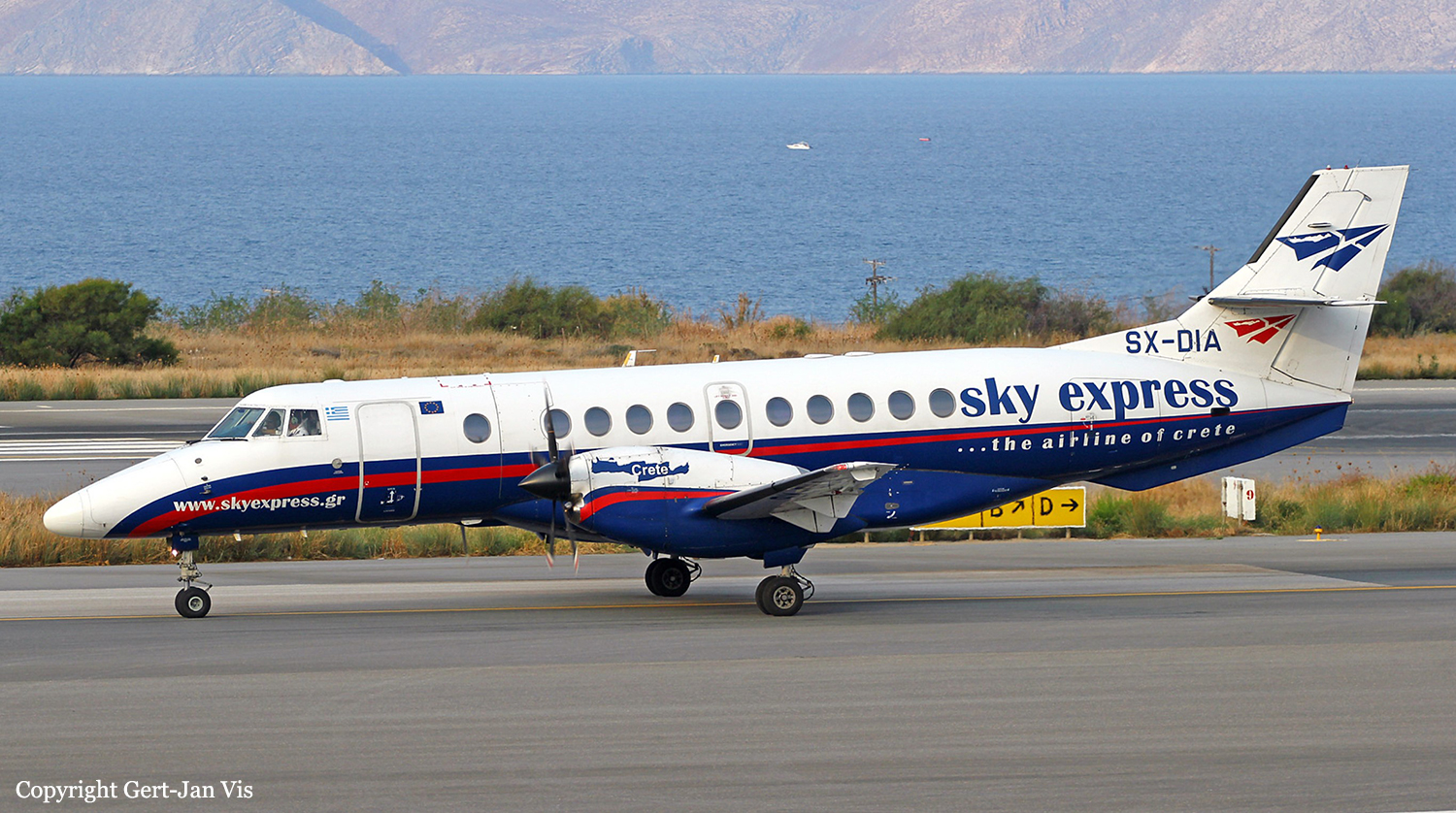
Crash of a BAe 4100 Jetstream 41 in Rhodes

Date & Time: Feb 2, 2015 at 0736 LT
Type of aircraft:
Operator:
Registration:
SX-DIA
Survivors:
Yes
Schedule:
Heraklion – Rhodes
MSN:
41075
YOM:
1995
Flight number:
SEH100
Country:
Region:
Crew on board:
3
Crew fatalities:
Pax on board:
16
Pax fatalities:
Other fatalities:
Total fatalities:
0
Captain / Total flying hours:
11117
Captain / Total hours on type:
3574.00
Copilot / Total flying hours:
3834
Copilot / Total hours on type:
1334
Aircraft flight hours:
28327
Circumstances:
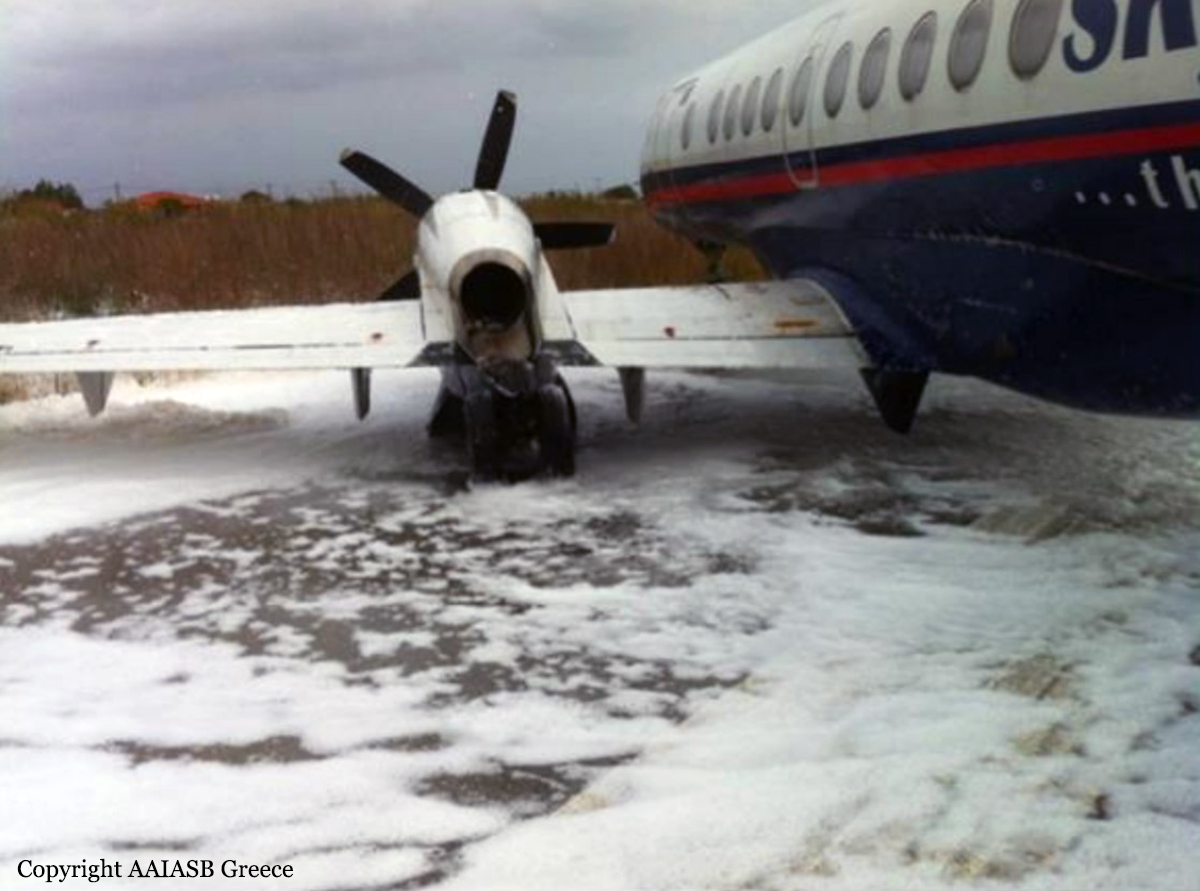
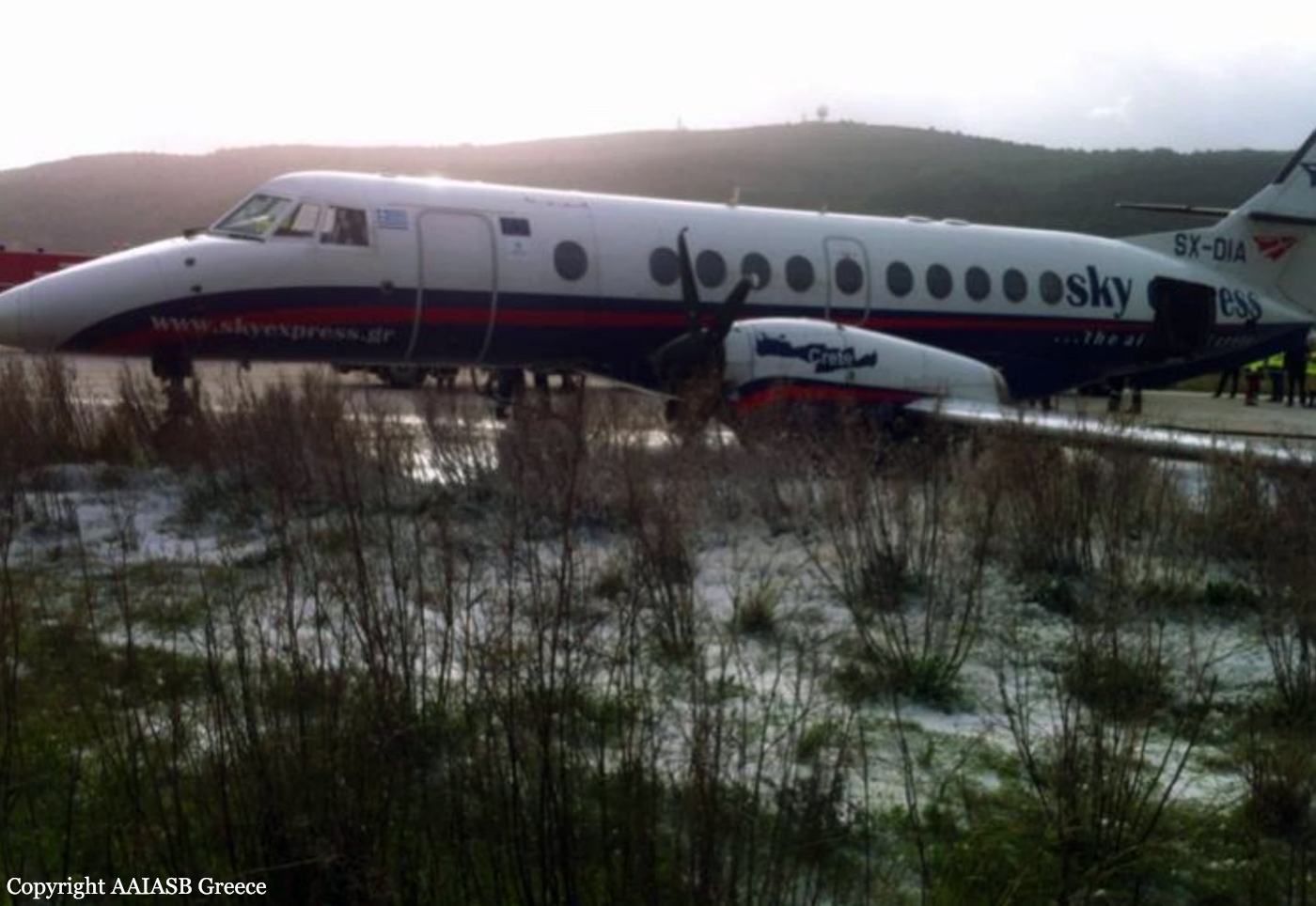
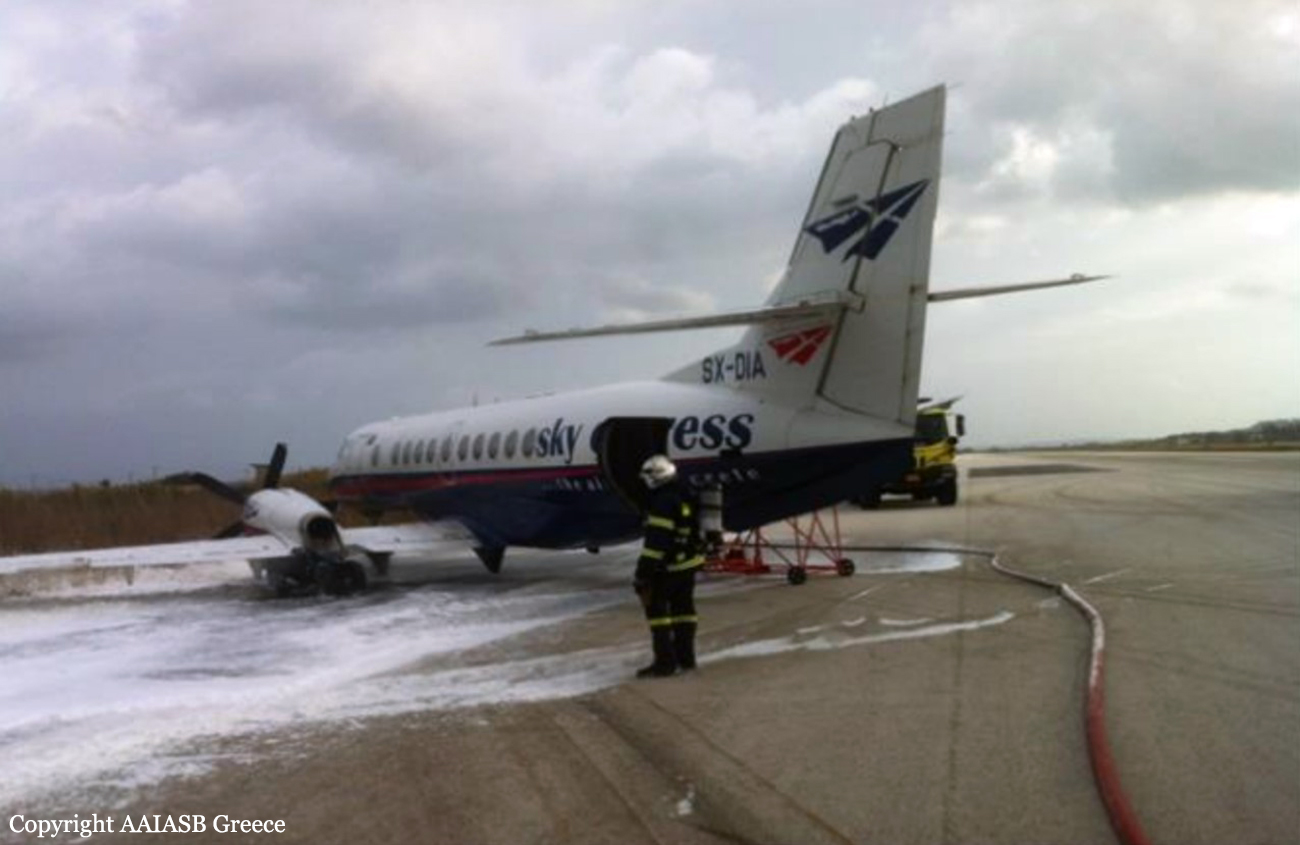
The Jetstream 41 aircraft, with registration number SX-DIA, operated by “SKY EXPRESS”, took off on 2nd February 2015 at 07:00 hrs. local time from the Airport of Heraklion ‘N. Kazantzakis’, performing the scheduled flight No. ‘SEH100’, the first in the day, destined for the Airport of Rhodes ‘Diagoras’. Pre-flight checks were completed with no findings and in this flight the Captain was designated as the Pilot Flying. A 3-member crew and 16 passengers were onboard. The flight crew reported for duty one hour prior to the time of flight and proceeded with all actions as laid down in the Company manual. The flight crew was also briefed that in the area of the Airport of Rhodes the winds were S-SE at 17 kt with Wind Gust 36 kt. At 07:23:54 hrs., approximately 12 min prior to landing, in the first contact of the flight crew with the Control Tower of the Airport of Rhodes, the flight crew was briefed by the Air Traffic Controller (ATC) with respect to the weather conditions at the area of the airport, variable winds prevailing with a direction from 20° to 160°, average wind direction from 110°, wind velocity 20 kt gusting 38 kt. As laid down in the airport procedures, ATC, given the weather conditions, alerted the fire service vehicles to be stationed in readiness at their designated positions on the taxiways. At 07:24:43 hrs. Rhodes ATC contacted the flight crew wishing to remind that as a result of the strong wind shear and turbulence, landing at the airport is not recommended under the circumstances. At 07:29:34 hrs. Rhodes ATC contacted again the flight crew informing that the wind is shifting from 40° to 260°, average wind direction from 120°, mean wind velocity 20 kt and wind gust 32 kt. At 07:32:36 hrs., at about 8nm to the airport, the ATC contacting again the flight crew informed that wind in the last ten minutes is shifting in all directions, with mean wind velocity 16 kt and wind gust 37 kt; ATC also reminded that under these conditions landing is not recommended. At 07:34:04 hrs., at about 4 nm to the airport, Rhodes ATC contacted again the flight crew informing that wind is shifting from 60° to 200°, mean wind velocity 15 kt, wind gust 32 kt and that runway 07 is free for landing. At 07:35:08 hrs. ATC again reports wind direction from 110°, 17kt. Communication between ATC and the flight crew was smooth without any problem, with the flight crew each time acknowledging the information provided by ATC. Given the prevailing winds, landing with 9° flaps and an airspeed of about 129 kt was selected. With the flight crew having performed all pre-landing checks prescribed in the manual and with the indicator lights for the ‘Down and Lock’ landing system being illuminated green, at about 07:36 hrs. the aircraft landed, with the right main landing gear touching down first. During deceleration immediately after touchdown, with the flight crew having performed all checks specified in the a/c manual and after ATC directed the aircraft to vacate the runway via taxiway ‘C’, the aircraft veered to the left and came to rest at the left edge of the runway without exiting the runway, with an eastward direction. With the fire service vehicle approaching the aircraft, the flight crew contacted the Control Tower of the airport stating that everything is ok, and then reporting inability to taxi when asked whether the aircraft is able to taxi; when asked whether a tire was burst, the flight crew confirmed that this is the case. At 07:37:49 hrs. the Fire Service advises the Control Tower of the airport that the fire truck sprays foam due to fuel leakage. At 07:41:08 hrs. the Control Tower, when so asked by the ‘follow me’ vehicle, inquired of the flight crew whether passengers could be disembarked and the answer was that getting off from the passenger door (forward left) would not be feasible given the presence of the fire-fighting foam on the runway, and that the rear right door (Emergency Exit) would be used instead. As reported by the Air Traffic Controller passengers were disembarked 15 minutes after the incident, and the process lasted approximately 10 minutes. Upon a first visual inspection at the accident site and before the left wing of the aircraft was raised on jacks, it appeared that the left main landing gear folded back resulting in the aircraft’s left side dragging the runway (the left main landing gear and its housing into contact with the runway) and stopping at the left edge of the runway facing to the east.
Probable cause:
- The decision to perform a landing following a non-stabilized approach.
- Landing with a strong and variable wind, the speed and the crosswind component of which were in excess of the values specified by the standard operating procedures, the aircraft manufacturer and the recommendations for the said aerodrome in AIP GREECE.
- The failure to adhere to CRM principles.
Final Report:
Crash of a Britten Norman BN-2A-8 Islander in Los Roques

Date & Time: Jan 16, 2015
Type of aircraft:
Operator:
Registration:
YV2238
Survivors:
Yes
Schedule:
Higuerote - Los Roques
MSN:
296
YOM:
1971
Country:
Crew on board:
1
Crew fatalities:
Pax on board:
9
Pax fatalities:
Other fatalities:
Total fatalities:
0
Circumstances:
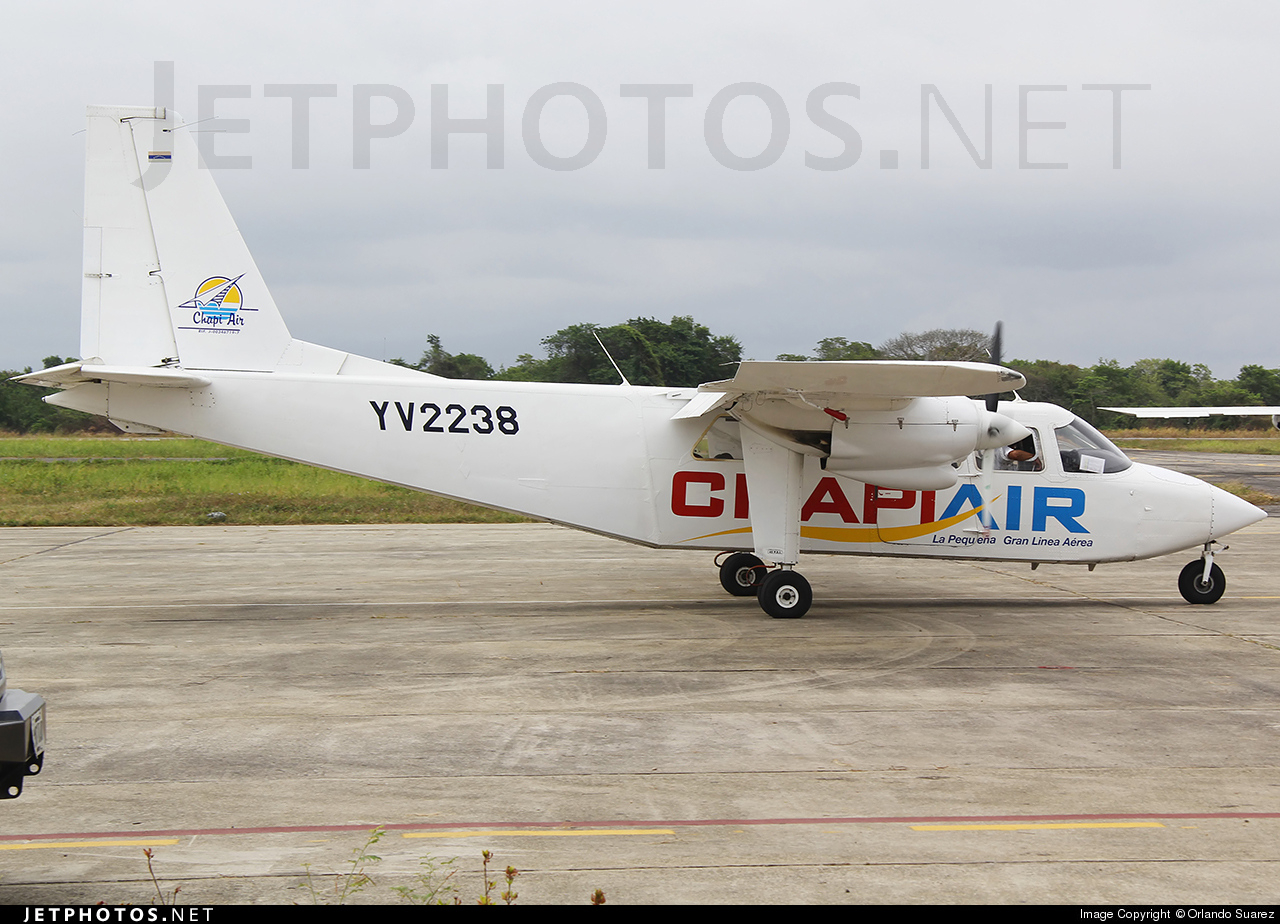
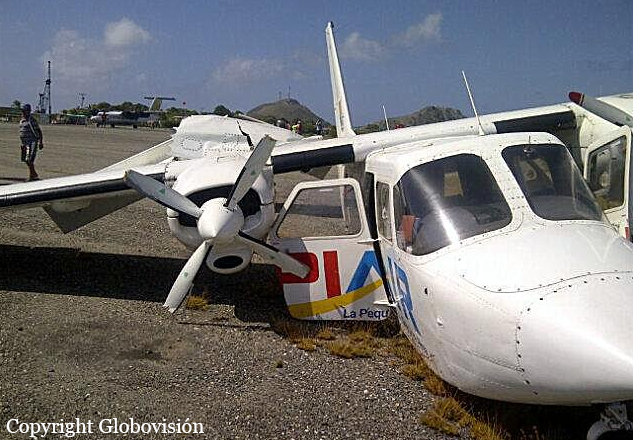
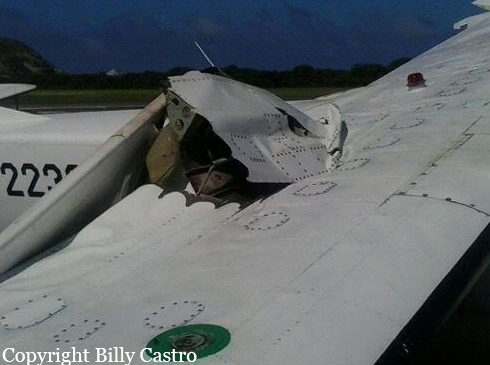
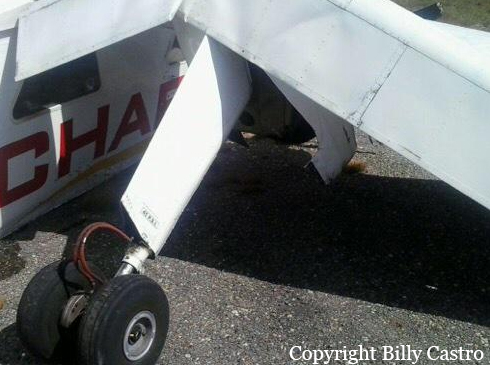
For unknown reasons, the aircraft landed hard on runway 07 at Los Roques Airport. Upon impact, the right main gear collapsed and punctured the right wing. Out of control, the twin engine aircraft cartwheeled and came to rest near the runway shoulder. All 10 occupants escaped uninjured and the aircraft was damaged beyond repair.

Crash of a Saab 340B in Stornoway

Date & Time: Jan 2, 2015 at 0833 LT
Type of aircraft:
Operator:
Registration:
G-LGNL
Flight Phase:
Survivors:
Yes
Schedule:
Stornoway – Glasgow
MSN:
246
YOM:
23
Flight number:
BE6821
Region:
Crew on board:
3
Crew fatalities:
Pax on board:
26
Pax fatalities:
Other fatalities:
Total fatalities:
0
Captain / Total flying hours:
3880
Captain / Total hours on type:
3599.00
Circumstances:
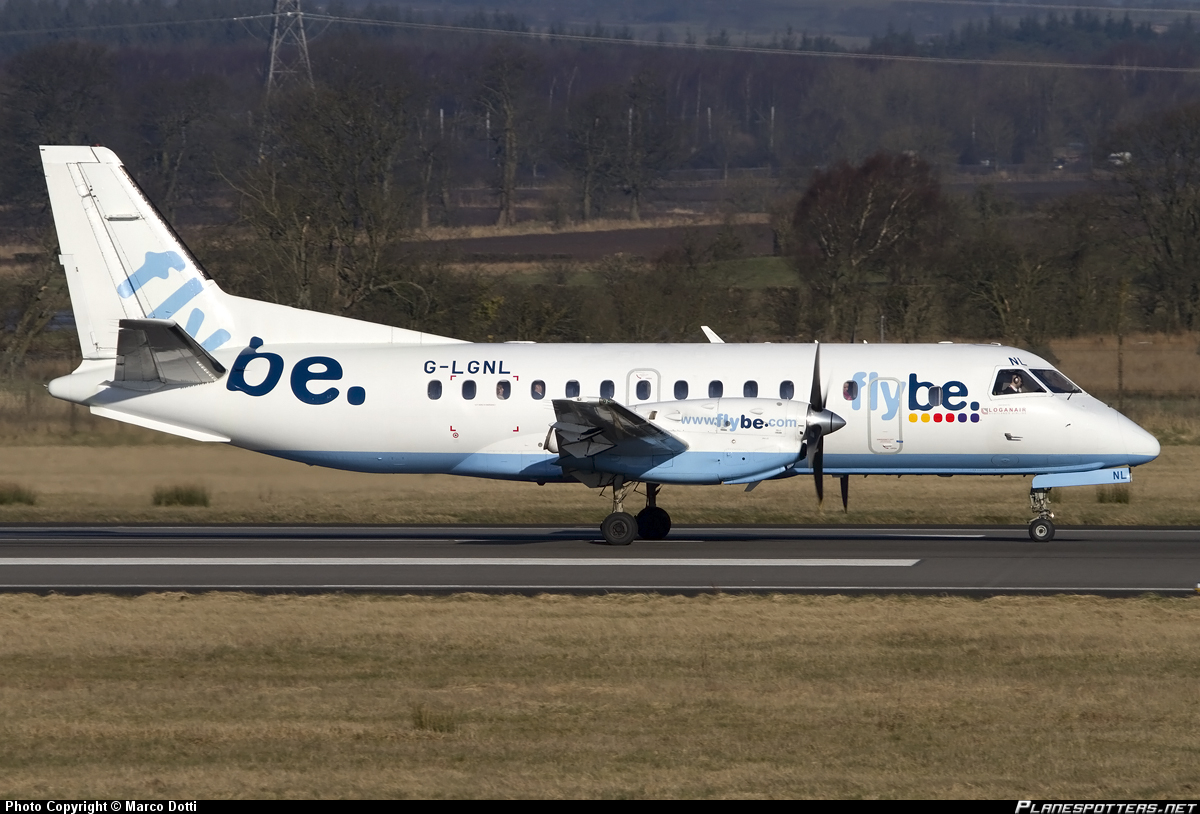
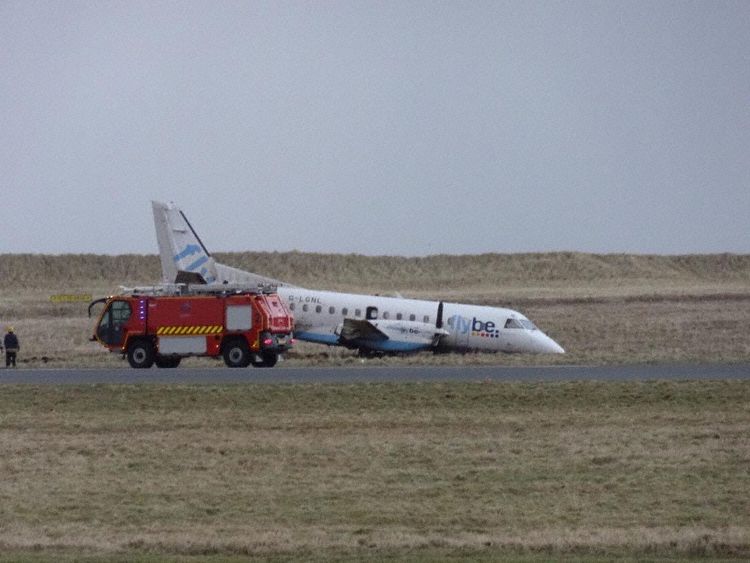
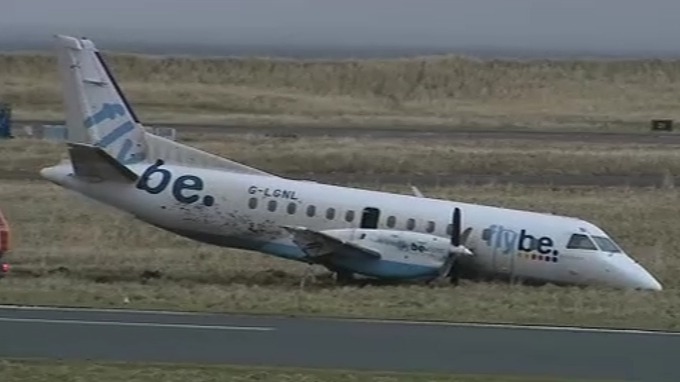
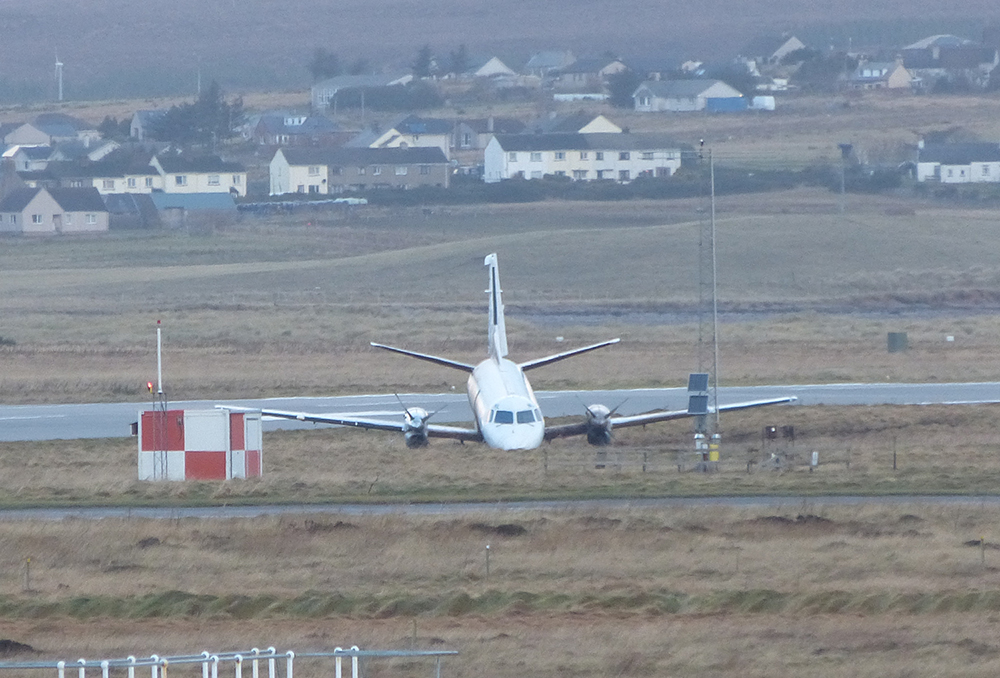
The aircraft had been prepared for a Commercial Air Transport flight from Stornoway Airport to Glasgow Airport with 26 passengers and three crew on board; the commander was the Pilot Flying (PF) and the co-pilot was the Pilot Monitoring (PM). At 0825 hrs the aircraft was taxied towards Holding Point A1 for a departure from Runway 18. At 0832 hrs G-LGNL was cleared to enter the runway from Holding Point A1 and take off, and the ATC controller transmitted that the surface wind was from 270° at 27 kt. The commander commented to the co-pilot that the wind was across the runway and that there was no tailwind. As the aircraft taxied onto the runway, the co-pilot applied almost full right aileron input consistent with a cross-wind from the right, and the commander said to the co-pilot “charlie1, one hundred, strong wind from the right”. The commander advanced the power levers, the co-pilot said “autocoarsen high” and the engine torques increased symmetrically. The commander instructed the co-pilot to “set takeoff power” to which the co-pilot replied “apr armed”. Approximately one second after this call, the engine torques began to increase symmetrically, reaching 100% as the aircraft accelerated through 70 kt. During the early stages of the takeoff, left rudder was applied and the aircraft maintained an approximately constant heading. As the aircraft continued accelerating, the rudder was centralised, after which there was a small heading change to the left, then to the right, then a rapid heading change to the left causing the aircraft to deviate to the left of the runway centreline. The pilot applied right rudder but although the aircraft changed heading to the right in response, it did not alter the aircraft’s track significantly and the aircraft skidded to the left, departing the runway surface onto the grass at an IAS of 80 kt. The power levers remained at full power as the aircraft crossed a disused runway and back onto grass. During this period the nose landing gear collapsed before the aircraft came to a halt approximately 38 m left of the edge of the runway and 250 m from where it first left the paved surface. After the aircraft came to a halt, the captain saw that the propellers were still turning and so called into the cabin for the passengers to remain seated. One of the passengers shouted for someone to open the emergency exit but the cabin crew member instructed the passengers not to do so because the propellers were still turning. The co-pilot observed that the right propeller was still turning so operated the engine fire extinguishers to shut down both engines. When the passenger seated in the emergency exit row on the right of the aircraft saw that the right propeller had stopped, he decided to open the exit. He climbed out onto the wing and helped the remaining passengers leave the aircraft through the same exit, instructing them to slide off the rear of the wing onto the ground. The left propeller was still turning at the time the right over-wing exit was opened and the passenger seated in the left-side emergency exit row decided not to open the left exit. The crash alarm was activated by ATC at 0833 hrs. An aircraft accident was declared and the aerodrome emergency plan was put into action. When the Rescue and Fire Fighting Services (RFFS) arrived at the scene, passengers were still exiting the aircraft and the left propeller was still turning. After leaving the aircraft, the cabin crew member confirmed to the RFFS that all passengers had exited the cabin and had been accounted for outside. The passengers were taken to the fire station and then on to the passenger terminal. There were no injuries.
Probable cause:
During the attempted takeoff, the rudder was central from 40 kt and remained so until approximately 65 kt. Between approximately 52 and 65 kt, the aircraft turned right slightly before it turned left sharply at approximately 65 kt. Given that the rudder was central, this change of direction might have been caused by one, or a combination of the following factors:
a. Differential braking
b. Asymmetric thrust
c. A change in wind speed and direction
d. A nose wheel steering input
Data from the FDR showed that thrust was applied symmetrically throughout the takeoff run, and the manufacturer did not consider that the data for longitudinal acceleration and indicated airspeed supported the use of differential braking.
Final Report:
Crash of a Boeing 737-4H6 in Lahore

Date & Time: Dec 30, 2014 at 1522 LT
Type of aircraft:
Operator:
Registration:
AP-BJN
Survivors:
Yes
Schedule:
Karachi – Lahore
MSN:
26460/2533
YOM:
1993
Flight number:
NL148
Country:
Region:
Crew on board:
6
Crew fatalities:
Pax on board:
166
Pax fatalities:
Other fatalities:
Total fatalities:
0
Circumstances:
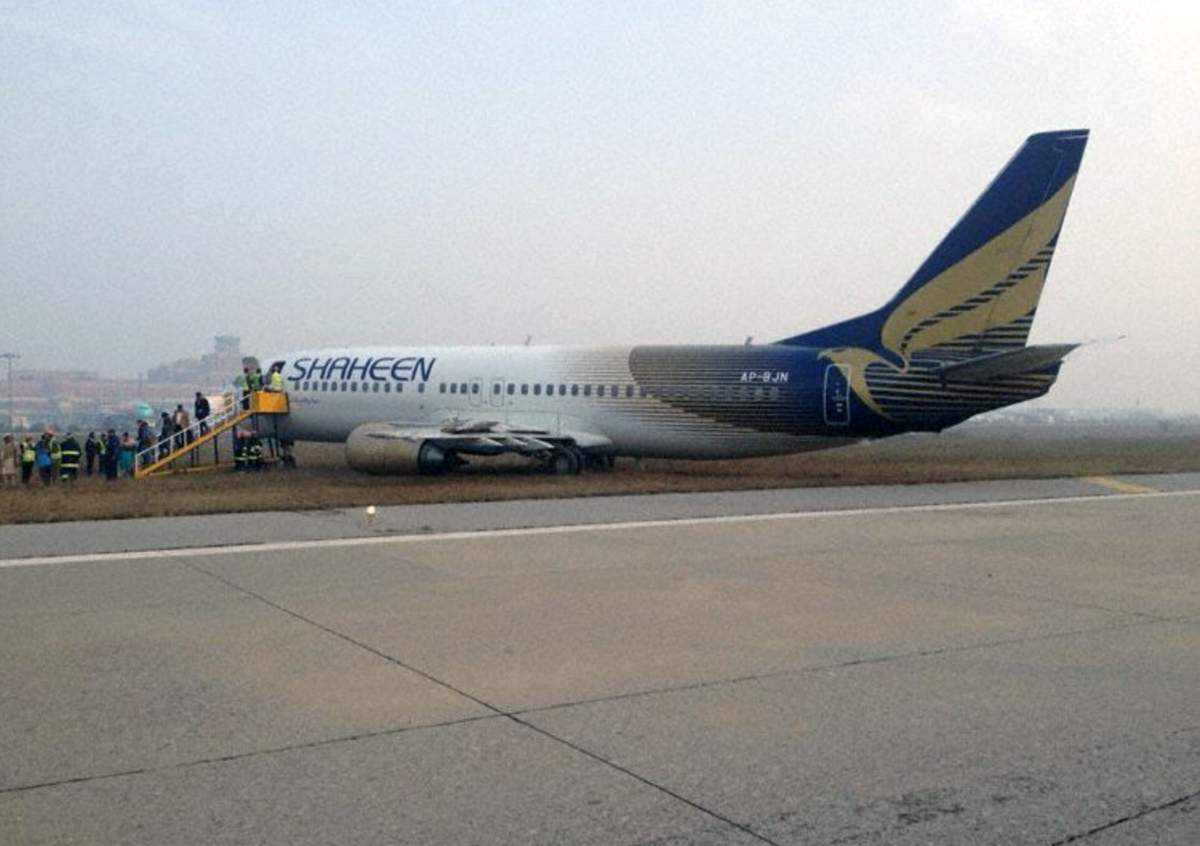
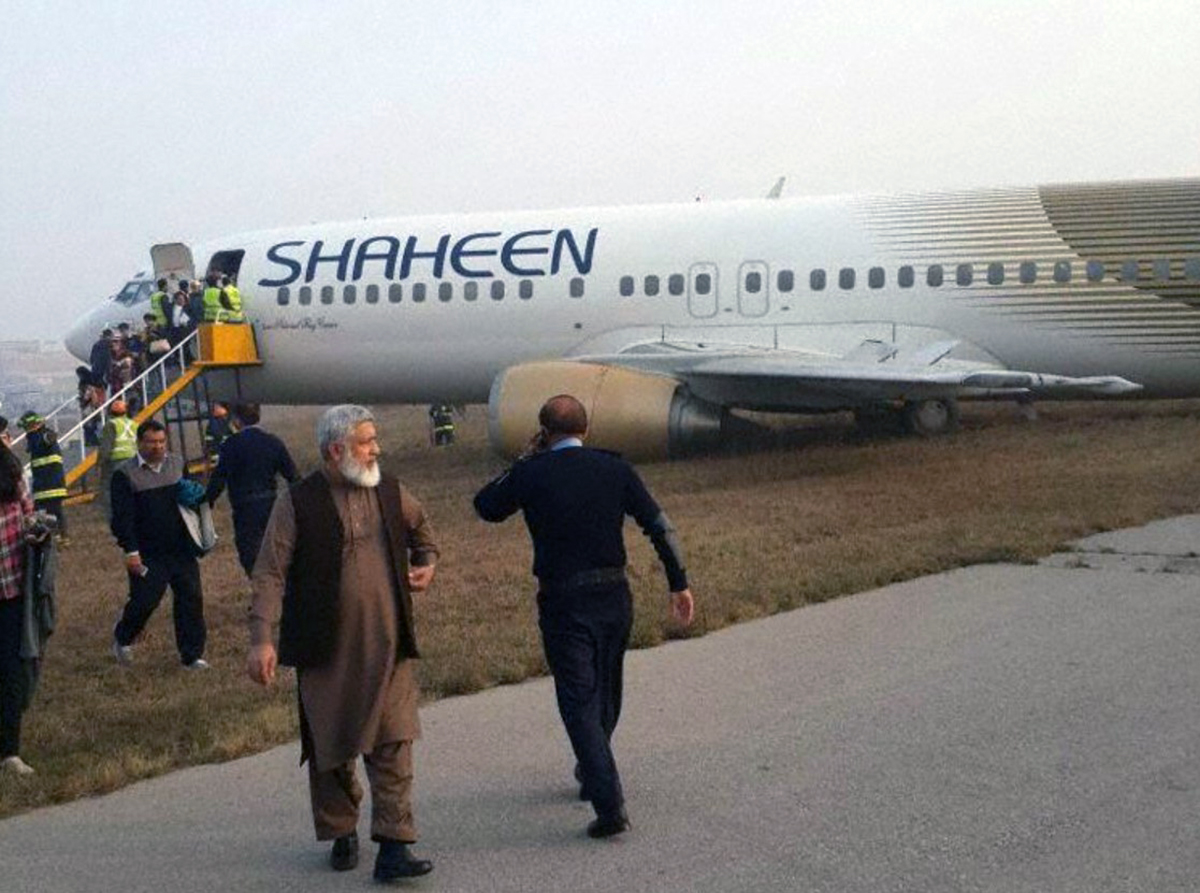
Following an uneventful flight from Karachi, the crew completed the approach and landing on runway 36L at Lahore-Allama Muhammad Iqbal Airport. After touchdown, the crew initiated the braking procedure when the left main gear partially collapsed. Control was lost and the aircraft veered to the right before coming to rest in a grassy area. All 172 occupants evacuated safely and the aircraft was damaged beyond repair.
Probable cause:
It was determined that the left main gear partially collapsed after it suffered a bird strike (rapacious) on approach.

Crash of an Airbus A320-216 into the Java Sea: 162 killed

Date & Time: Dec 28, 2014 at 0618 LT
Type of aircraft:
Operator:
Registration:
PK-AXC
Flight Phase:
Survivors:
No
Schedule:
Surabaya – Singapore
MSN:
3648
YOM:
2008
Flight number:
QZ8501
Country:
Region:
Crew on board:
6
Crew fatalities:
Pax on board:
156
Pax fatalities:
Other fatalities:
Total fatalities:
162
Captain / Total flying hours:
20537
Captain / Total hours on type:
4687.00
Copilot / Total flying hours:
2247
Copilot / Total hours on type:
1367
Aircraft flight hours:
23039
Aircraft flight cycles:
13610
Circumstances:
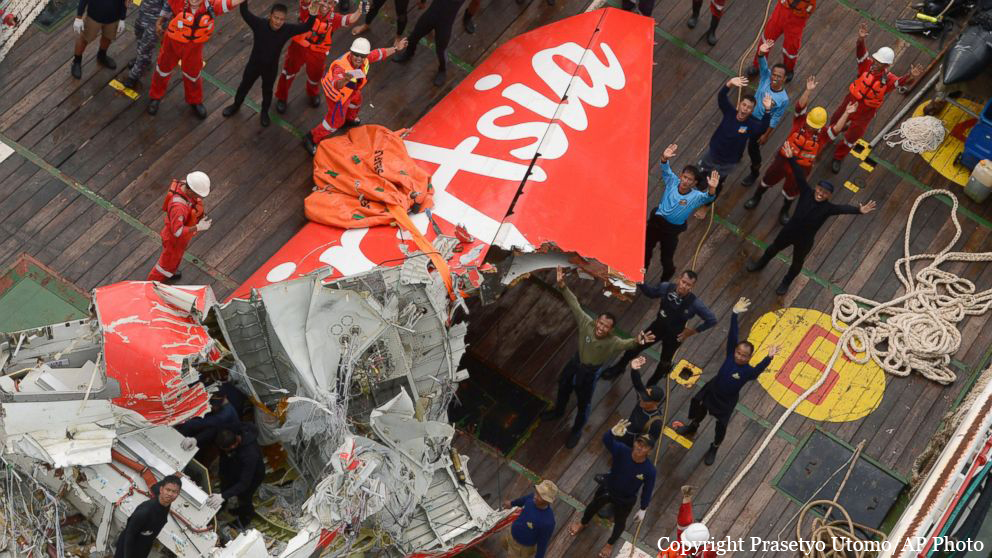
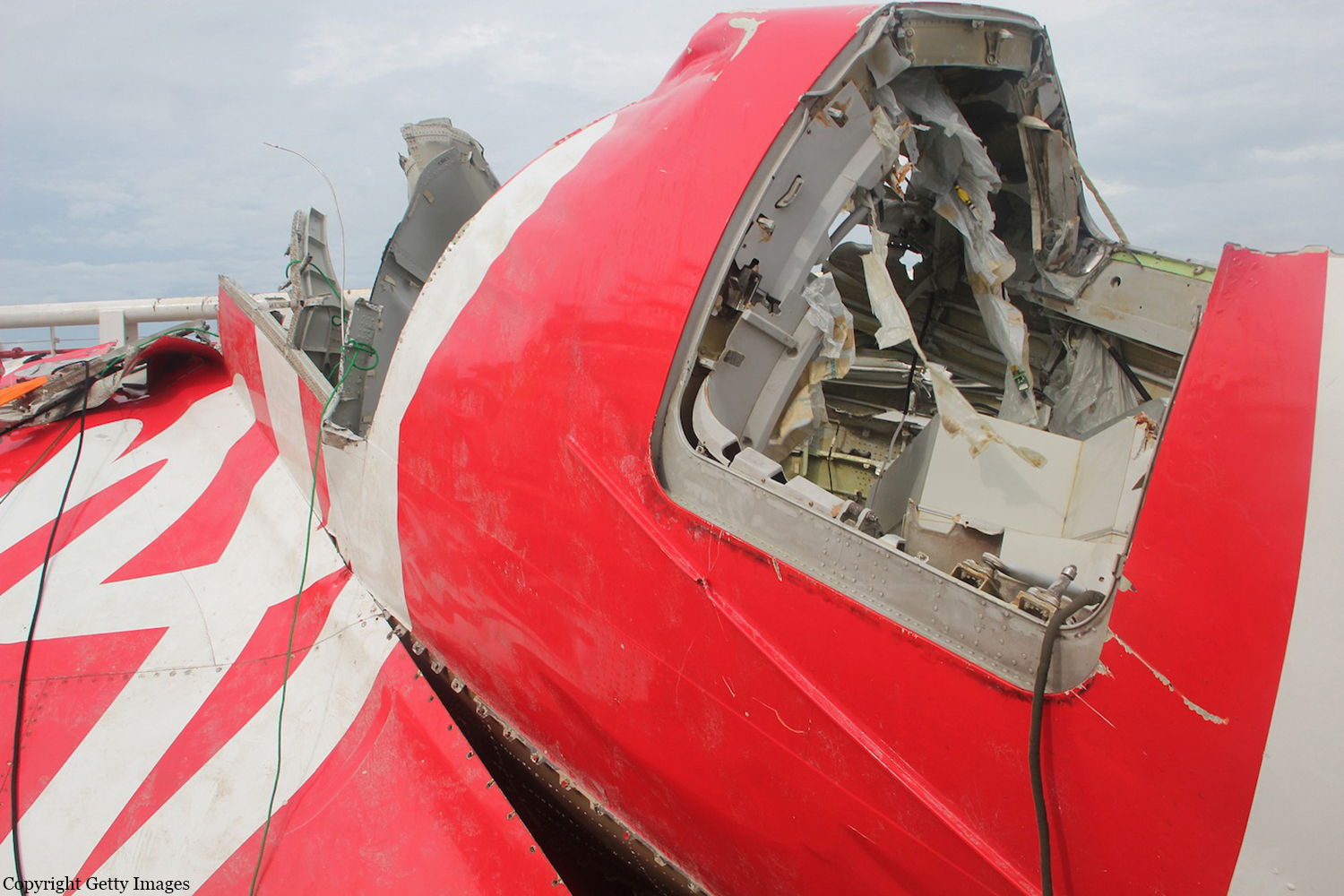
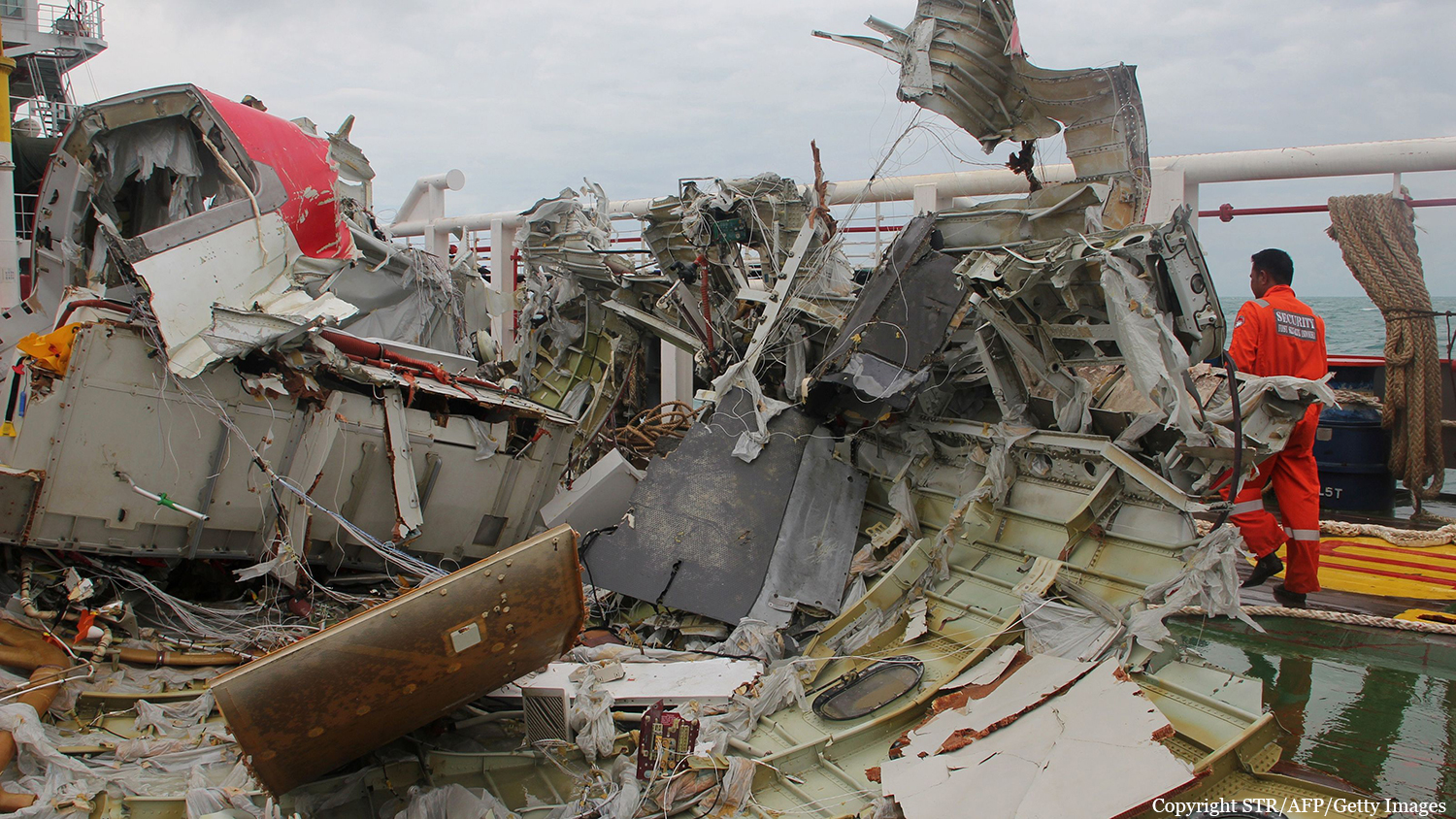
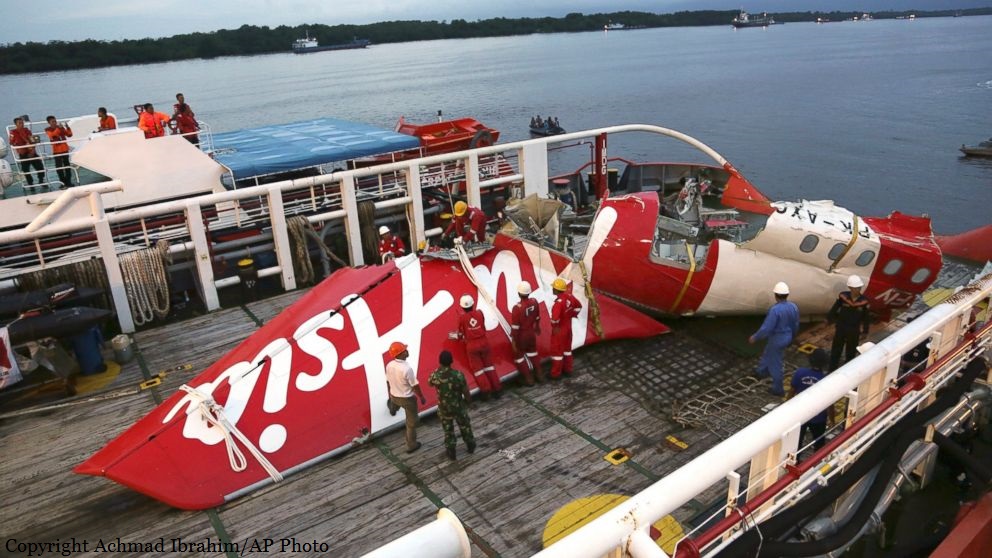
The aircraft left Surabaya-Juanda Airport at 0535LT and climbed to its assigned altitude of FL320 that he reached 19 minutes later. The crew contacted ATC to obtain the authorization to climb to FL380 and to divert to 310° due to bad weather conditions. At 0617, the radio contact was lost with the crew and a minute later, the transponder stopped when the aircraft disappeared from the radar screen. At this time, the aircraft was flying at the altitude of 36,300 feet and its speed was decreasing to 353 knots. It is believed the aircraft crashed some 80 nautical miles southeast off the Pulau Belitung Island, some 200 km from the Singapore Control Area. The Indonesian Company confirmed there were 156 Indonesian Citizens on board, three South Korean, one Malaysian, one Singapore and one French (the copilot) as well. At the time of the accident, the weather conditions were marginal with storm activity, rain falls and turbulence in the area between Pulau Belitung and Kalimantan. First debris were spotted by the Indonesian Navy some 48 hours later, about 150 NM east-south-east off the Pulau Belitung Island. About forty dead bodies were found up to December 30. The tail was recovered on January 10, 2015 and the black boxes were localized a day later. On January 12 and 13 respectively, the DFDR and the CVR were out of water and sent to Jakarta for analysis and investigations.
Probable cause:
The cracking of a solder joint of both channel A and B resulted in loss of electrical continuity and led to RTLU (rudder travel limiter unit) failure.
The existing maintenance data analysis led to unresolved repetitive faults occurring with shorter intervals. The same fault occurred 4 times during the flight.
The flight crew action to the first 3 faults in accordance with the ECAM messages. Following the fourth fault, the FDR recorded different signatures that were similar to the FAC CB‟s being reset resulting in electrical interruption to the FAC‟s.
The electrical interruption to the FAC caused the autopilot to disengage and the flight control logic to change from Normal Law to Alternate Law, the rudder deflecting 2° to the left resulting the aircraft rolling up to 54° angle of bank.
Subsequent flight crew action leading to inability to control the aircraft in the Alternate Law resulted in the aircraft departing from the normal flight envelope and entering prolonged stall condition that was beyond the capability of the flight crew to recover.
Final Report:
Crash of a Cessna 208B Grand Caravan off Belize City

Date & Time: Dec 4, 2014 at 1420 LT
Type of aircraft:
Operator:
Registration:
V3-HHU
Survivors:
Yes
Schedule:
San Pedro – Belize City
MSN:
208B-2025
YOM:
2008
Flight number:
9N281
Country:
Crew on board:
1
Crew fatalities:
Pax on board:
5
Pax fatalities:
Other fatalities:
Total fatalities:
0
Circumstances:
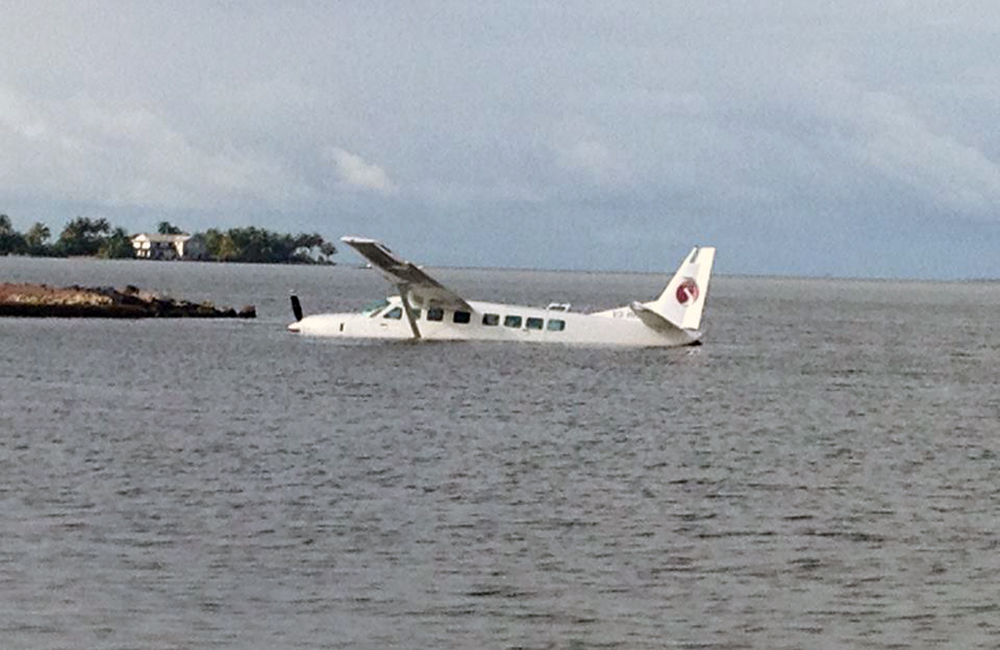
After landing at Belize City-Sir Barry Bowen Municipal Airport in marginal weather conditions, the single engine aircraft was unable to stop within the remaining distance. It overran, lost its right main gear, plunged into the sea and came to rest in shallow water. All six occupants were rescued and the aircraft was damaged beyond repair.

Crash of a Cessna 208B Grand Caravan in Great Slave Lake

Date & Time: Nov 20, 2014 at 0721 LT
Type of aircraft:
Operator:
Registration:
C-FKAY
Flight Phase:
Survivors:
Yes
Schedule:
Yellowknife – Fort Simpson
MSN:
208B-0470
YOM:
1995
Flight number:
8T223
Country:
Crew on board:
1
Crew fatalities:
Pax on board:
5
Pax fatalities:
Other fatalities:
Total fatalities:
0
Captain / Total flying hours:
3500
Captain / Total hours on type:
1800.00
Aircraft flight hours:
25637
Circumstances:
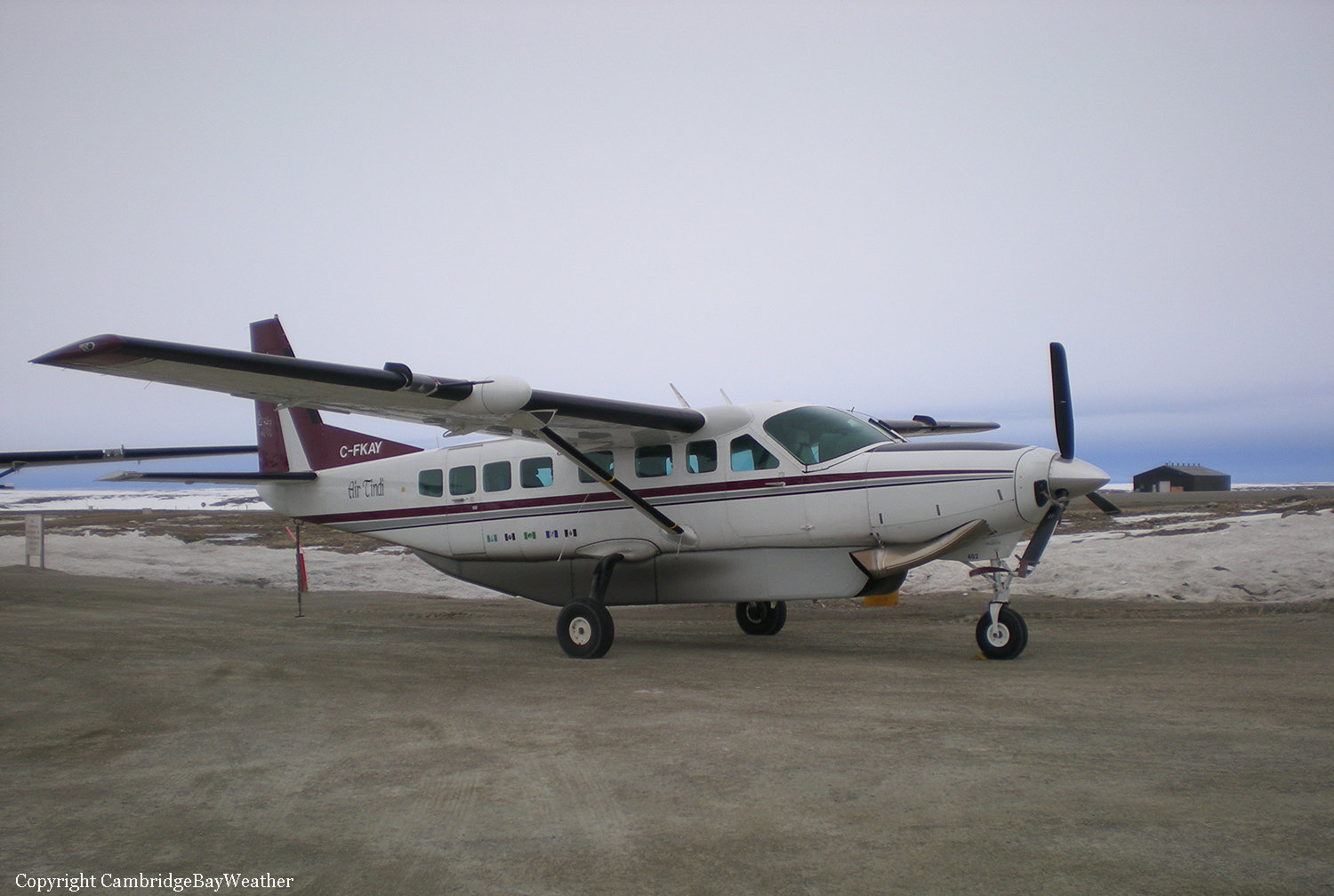
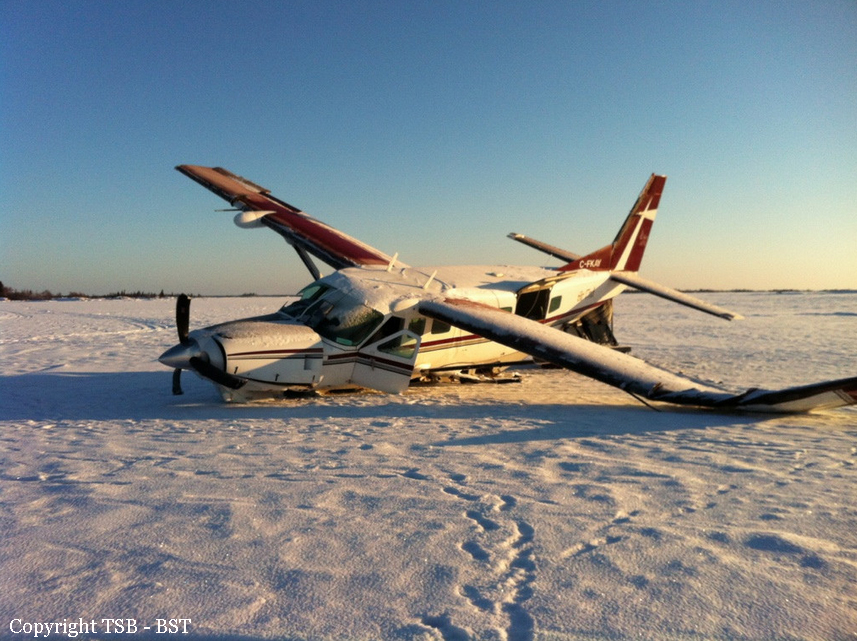
The Air Tindi Ltd. Cessna 208B Caravan departed Yellowknife Airport, Northwest Territories, on 20 November 2014 at 0642 Mountain Standard Time under instrument flight rules as Discovery Air flight DA223 to Fort Simpson, Northwest Territories. The flight had been rescheduled from the previous night because of freezing drizzle at Fort Simpson. During the climb to 8000 feet above sea level, DA223 encountered icing conditions that necessitated a return to Yellowknife. On the return to Yellowknife, DA223 was unable to maintain altitude. At 0721, flying in darkness approximately 18 nautical miles west of Yellowknife, it contacted the frozen surface of the North Arm of Great Slave Lake. The aircraft sustained substantial damage when it struck a rock outcropping, but there were no injuries to the pilot or to the 5 passengers. The pilot established communication with Air Tindi via satellite phone, and the pilot and passengers were recovered approximately 4 hours after the landing. The emergency locator transmitter did not activate during the landing, but was activated manually by the pilot.
Probable cause:
Findings as to causes and contributing factors:
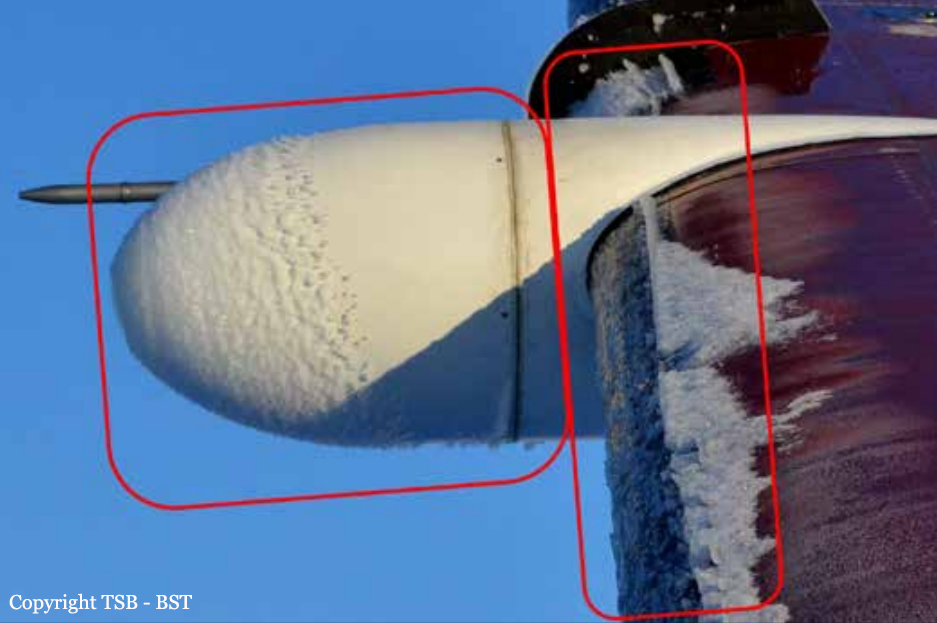
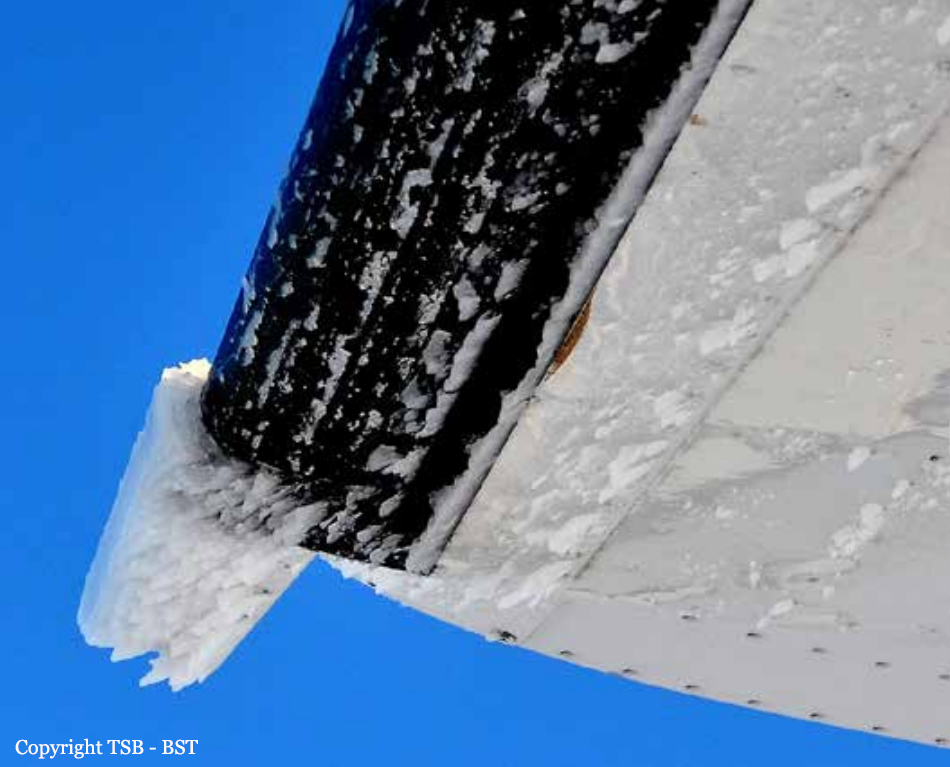
1. Not using all enroute information led the pilot to underestimate the severity and duration of the icing conditions that would be encountered.
2. Inadequate awareness of aircraft limitations in icing conditions and incomplete weight-and-balance calculations led to the aircraft being dispatched in an overweight state for the forecast icing conditions. The aircraft centre of gravity was not within limits, and this led to a condition that increased stall speed and reduced aircraft climb performance.
3. The pilot’s expectation that the flight was being undertaken at altitudes where it should have been possible to avoid icing or to move quickly to an altitude without icing conditions led to his decision to continue operation of the aircraft in icing conditions that exceeded the aircraft’s performance capabilities.
4. The severity of the icing conditions encountered and the duration of the exposure resulted in reductions in aerodynamic performance, making it impossible to prevent descent of the aircraft.
5. The inability to arrest descent of the aircraft resulted in the forced landing on the surface of Great Slave Lake and the collision with terrain.
6. The Type C pilot self-dispatch system employed by Air Tindi did not have quality assurance oversight or adequate support systems. This contributed to the aircraft being dispatched in conditions not suitable for safe flight.
Findings as to risk:
1. If passenger briefings on cabin door operations are ineffective, there is a risk of passenger egress in an accident being compromised, affecting survivability.
2. If survival equipment is stowed in a location that may be inaccessible following an accident, such as the belly pod, there is a risk of survival being compromised if search and rescue is delayed.
Other findings:
1. The aircraft was under control and in a level attitude when it contacted the ice. This minimized structural damage and increased survivability for the aircraft’s occupants.
2. The survival skills of the crew and passengers were indispensable in a situation in which access to the survival equipment on the aircraft was limited.
Final Report:

Crash of a Boeing 737-4Y0 in Kabul

Date & Time: Nov 7, 2014 at 1500 LT
Type of aircraft:
Operator:
Registration:
YA-PIE
Survivors:
Yes
Schedule:
Herat - Kabul
MSN:
26086/2475
YOM:
1993
Location:
Country:
Region:
Crew on board:
0
Crew fatalities:
Pax on board:
0
Pax fatalities:
Other fatalities:
Total fatalities:
0
Circumstances:
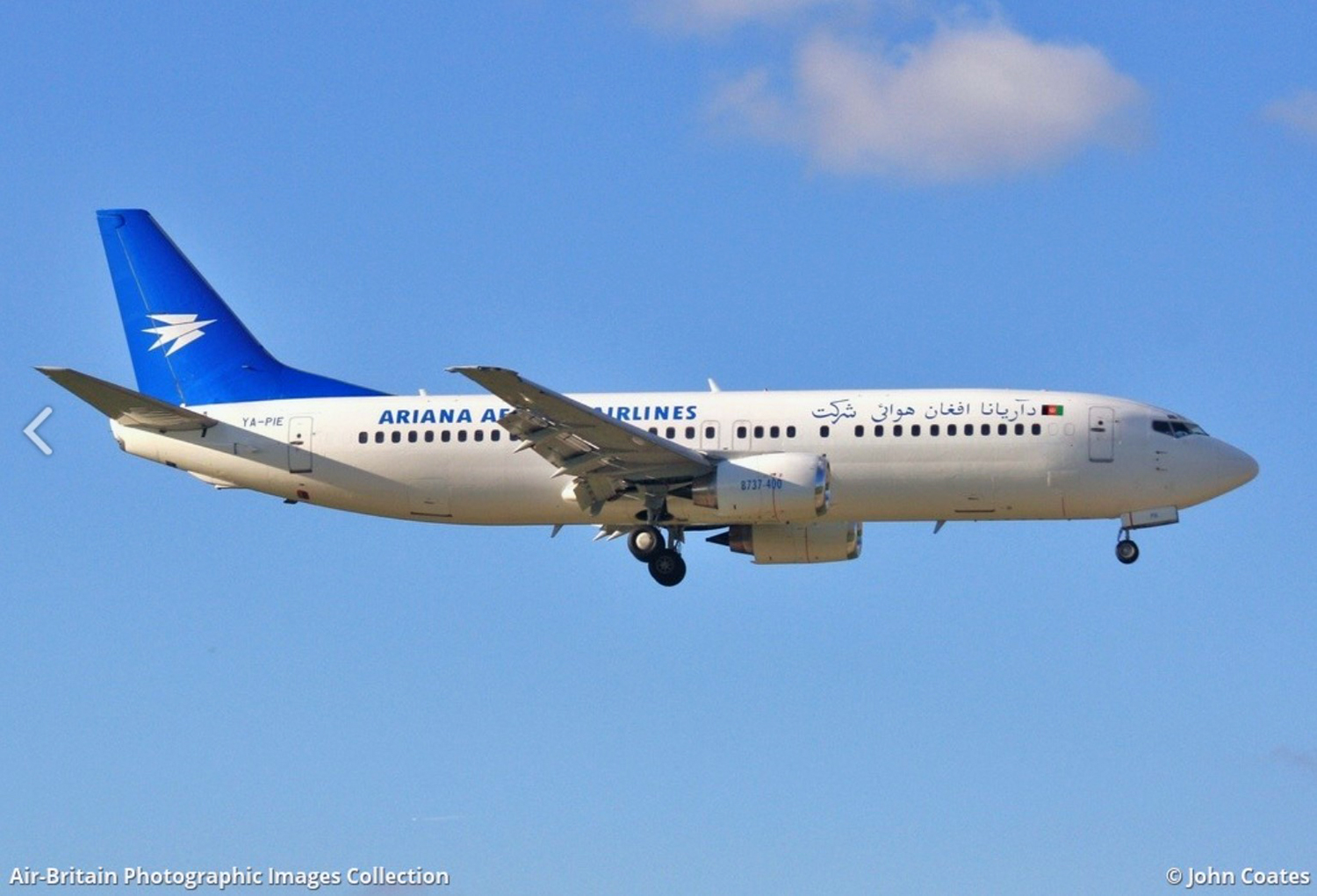
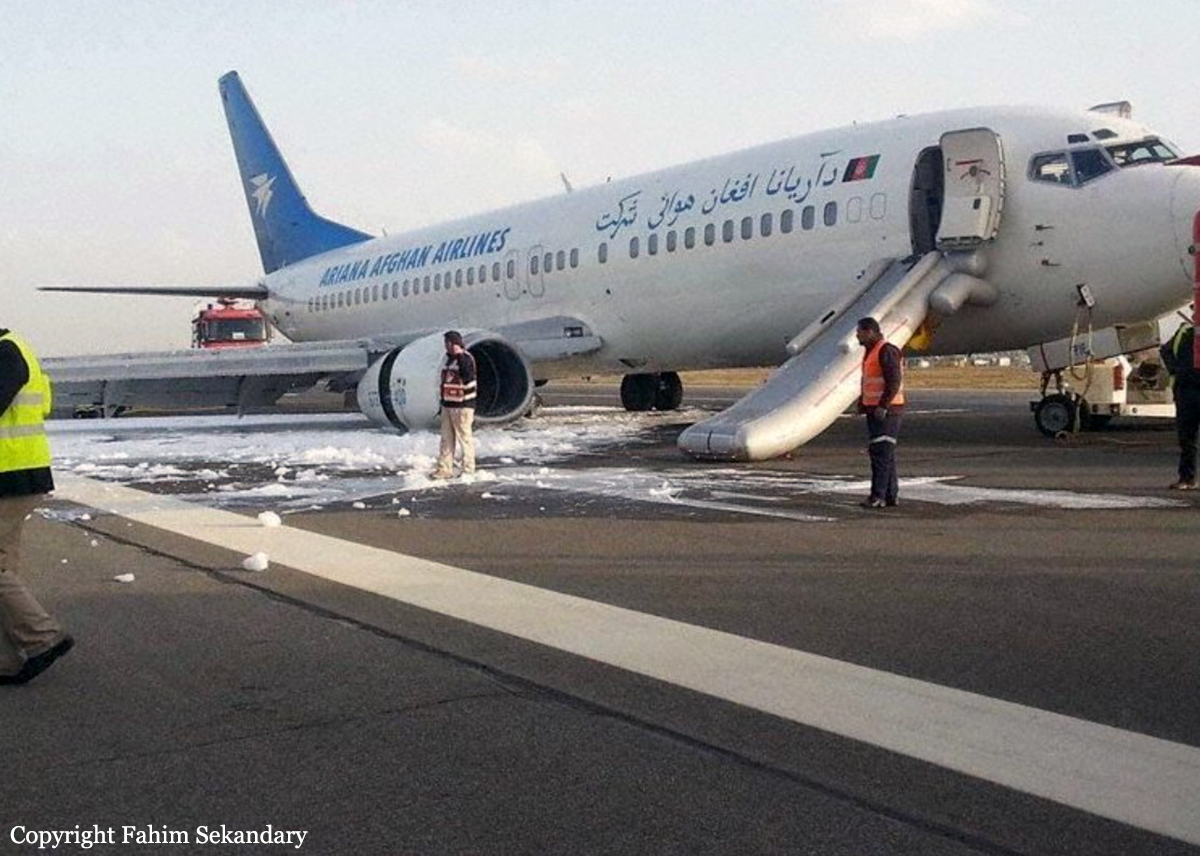
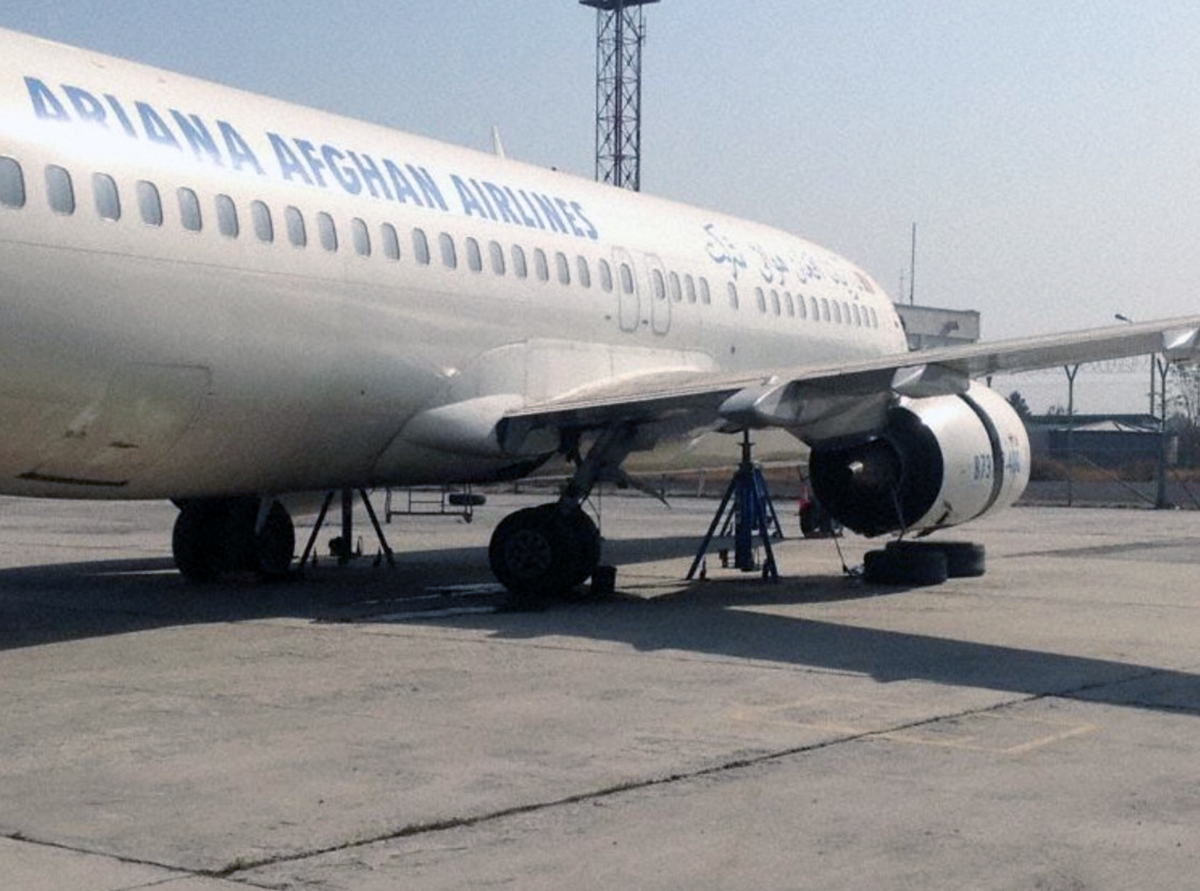
Upon touchdown at Kabul Airport runway 29, the right main gear collapsed, causing the right engine nacelle to struck the runway surface. The aircraft slid for few dozen metres before coming to rest. All occupants evacuated safely and the aircraft was damaged beyond repair.

Crash of a Beechcraft A100 King Air in Timmins

Date & Time: Sep 26, 2014 at 1740 LT
Type of aircraft:
Operator:
Registration:
C-FEYT
Survivors:
Yes
Schedule:
Moosonee – Timmins
MSN:
B-210
YOM:
1975
Flight number:
CRQ140
Location:
Country:
Crew on board:
2
Crew fatalities:
Pax on board:
7
Pax fatalities:
Other fatalities:
Total fatalities:
0
Captain / Total flying hours:
2400
Captain / Total hours on type:
1000.00
Copilot / Total flying hours:
580
Copilot / Total hours on type:
300
Aircraft flight hours:
14985
Aircraft flight cycles:
15570
Circumstances:
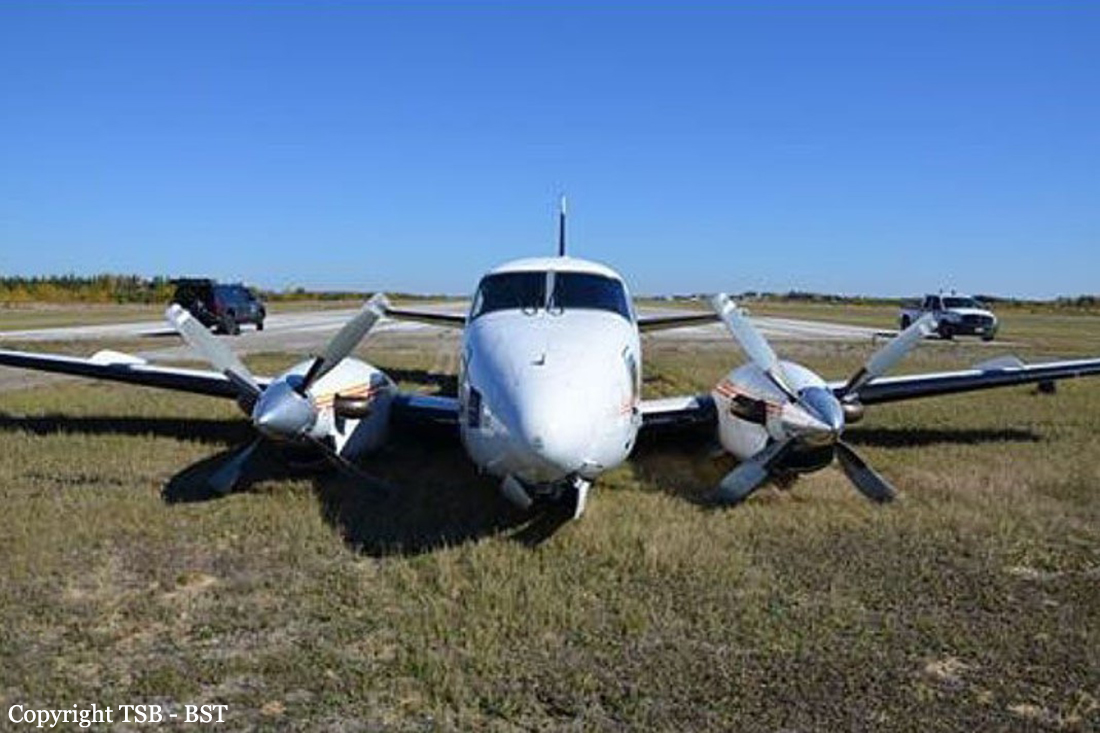
The aircraft was operating as Air Creebec flight 140 on a scheduled flight from Moosonee, Ontario, to Timmins, Ontario, with 2 crew members and 7 passengers on board. While on approach to Timmins, the crew selected “landing gear down,” but did not get an indication in the handle that the landing gear was down and locked. A fly-by at the airport provided visual confirmation that the landing gear was not fully extended. The crew followed the Quick Reference Handbook procedures and selected the alternate landing-gear extension system, but they were unable to lower the landing gear manually. An emergency was declared, and the aircraft landed with only the nose gear partially extended. The aircraft came to rest beyond the end of Runway 28. All occupants evacuated the aircraft through the main entrance door. No fire occurred, and there were no injuries to the occupants. Emergency services were on scene for the evacuation. The accident occurred during daylight hours, at 1740 Eastern Daylight Time.
Probable cause:
Findings as to causes and contributing factors:
1. During the extension of the landing gear, a wire bundle became entangled around the landing-gear rotating torque shaft, preventing full extension of the landing gear.
2. The entanglement by the wire bundle also prevented the alternate landing-gear extension system from working. The crew was required to conduct a landing with only the nose gear partially extended.
Other findings:
1. The wire bundle consisted of wiring for the generator control circuits, and when damaged, disabled both generators. The battery became the only source of electrical power until the aircraft landed.
Final Report:

Crash of a PZL-Mielec AN-2 in Shoyna

Date & Time: Sep 24, 2014 at 1225 LT
Type of aircraft:
Operator:

Registration:
RA-02322
Flight Phase:
Survivors:
Yes
Schedule:
Shoyna – Arkhangelsk
MSN:
1G239-26
YOM:
1990
Flight number:
OAO718
Country:
Region:
Crew on board:
2
Crew fatalities:
Pax on board:
8
Pax fatalities:
Other fatalities:
Total fatalities:
0
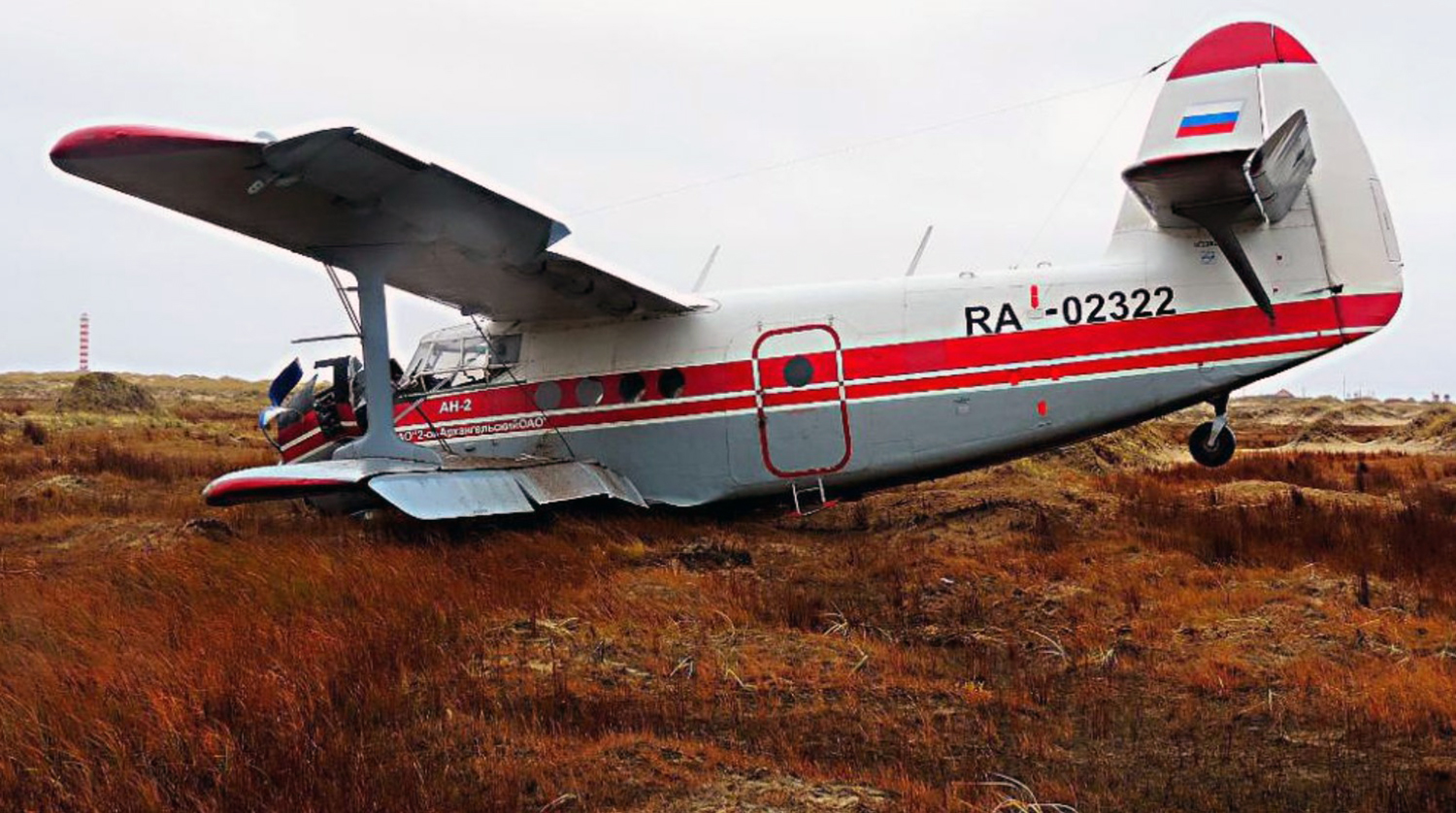
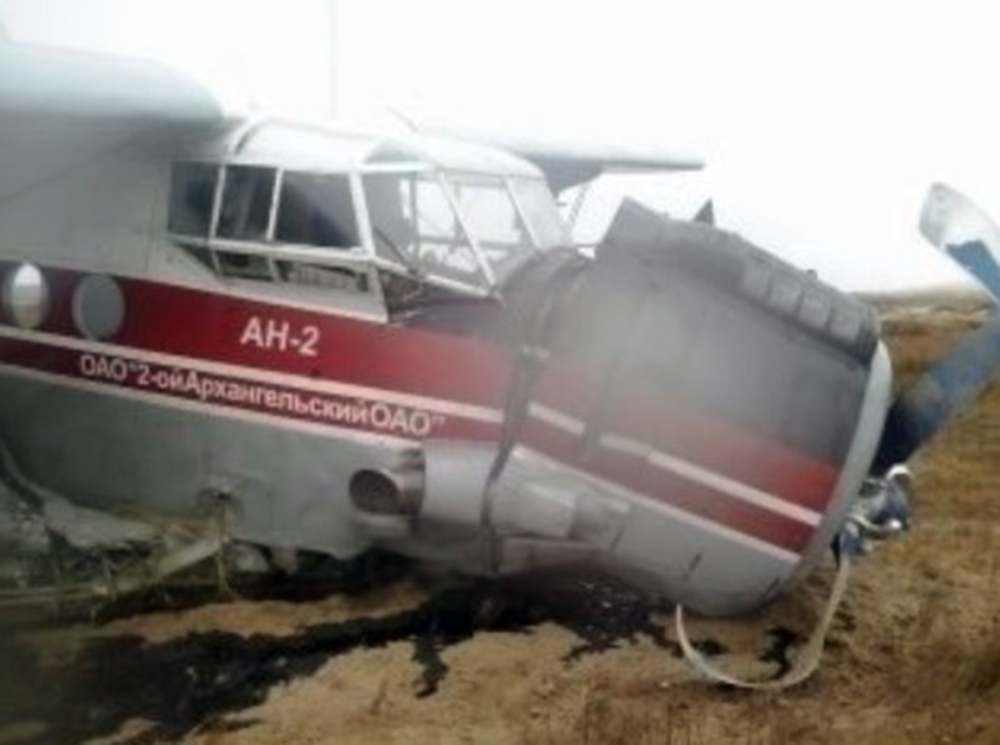
Circumstances:
The single engine aircraft departed Shoyna Airport on a regular schedule service to Arkhangelsk-Vaskovo Airport, carrying eight passengers and two pilots. At liftoff, the aircraft banked right, causing the right lower wing to struck the ground. The right main gear was torn off upon impact. Out of control, the aircraft veered off runway and came to rest in a grassy area. All 10 occupants were rescued, among them three were slightly injured. The aircraft was damaged beyond repair. It is believed that the crew encountered strong cross winds upon takeoff.