Crash of a Curtiss C-46A-55-CK Commando at Ellington AFB

Date & Time: May 10, 1973 at 1509 LT
Type of aircraft:
Operator:
Registration:
N446M
Flight Phase:
Flight Type:
Survivors:
Yes
Schedule:
Ellington - Miami
MSN:
133
YOM:
1944
Crew on board:
2
Crew fatalities:
Pax on board:
0
Pax fatalities:
Other fatalities:
Total fatalities:
0
Circumstances:
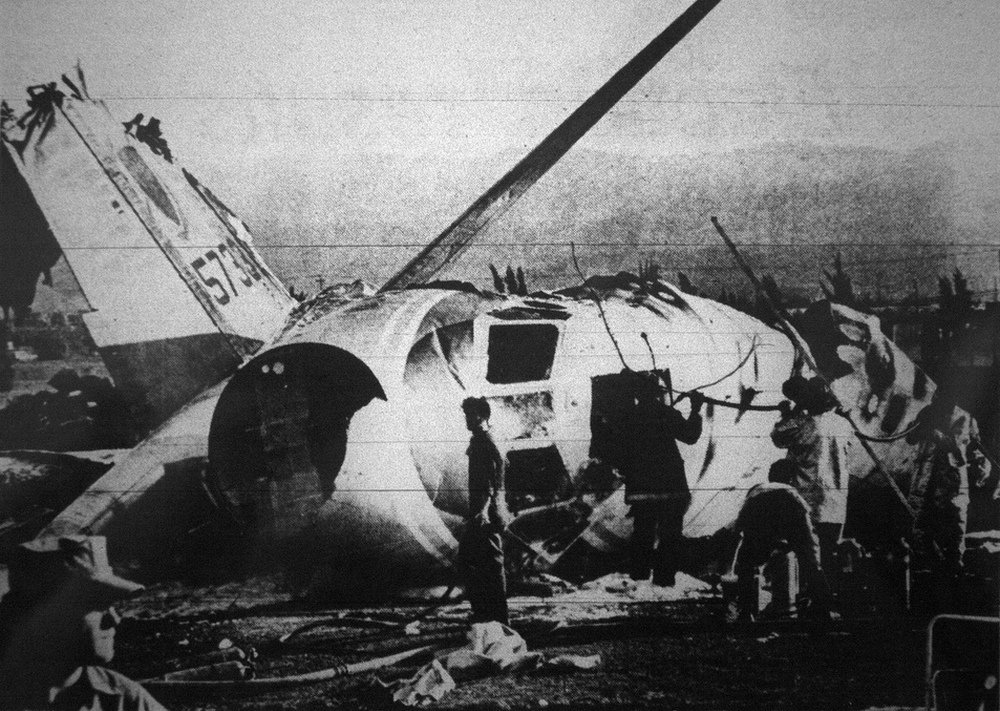
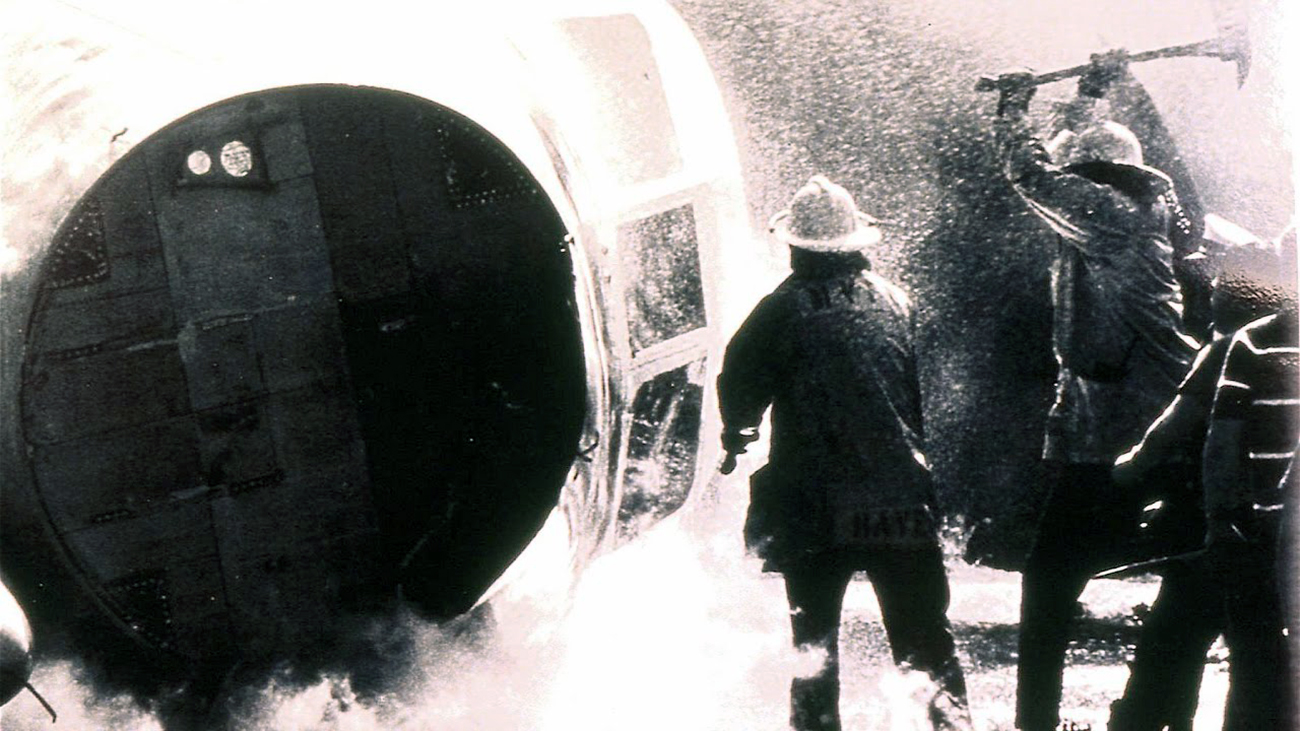
After takeoff from Ellington AFB, while climbing, the crew informed ATC about technical problems with the right engine and elected to return for an emergency landing. The captain realized this was not possible and attempted an emergency landing along the I-45 highway. The airplane belly landed and slid for several yards before coming to rest. While both pilots escaped uninjured, the aircraft was damaged beyond repair.
Probable cause:
The right propeller oversped, forcing the crew to attempt an emergency landing. The following factors were reported:
- Powerplant propeller and accessories,
- Foreign materials affecting normal operations,
- Inadequate maintenance and inspection,
- Failed to follow approved procedures,
- Inadequate preflight preparation,
- Improperly loaded aircraft,
- Improper emergency procedures,
- Intentional wheels-up landing,
- Suspected or known aircraft damage,
- Right propeller oversped, metal chips, feathered,
- Overweight by 1,129 pounds,
- Unlower gear normal system,
- Hit wires.
Final Report:

Crash of a Beechcraft E90 King Air in Pratt: 4 killed

Date & Time: May 10, 1973 at 1415 LT
Type of aircraft:
Operator:
Registration:
YV-T-ADJ
Flight Phase:
Flight Type:
Survivors:
No
Schedule:
Wichita - Wichita
MSN:
LW-53
YOM:
1973
Location:
Crew on board:
4
Crew fatalities:
Pax on board:
0
Pax fatalities:
Other fatalities:
Total fatalities:
4
Captain / Total flying hours:
3305
Captain / Total hours on type:
93.00
Circumstances:
The crew was completing a local training flight out from Wichita prior to deliver the aircraft in Venezuela. While cruising at low height, the pilot-in-command lost control of the airplane that stalled and crashed in an open field located near Pratt. The airplane was destroyed and all four occupants were killed.
Probable cause:
Loss of control after the pilot-in-command failed to maintain flying speed. The following factors were reported:
- Customer pilot training flight,
- Pilot-in-command non instrument rated,
- Gear down, flaps in approach position,
- Pilot-in-command in right seat.
Final Report:

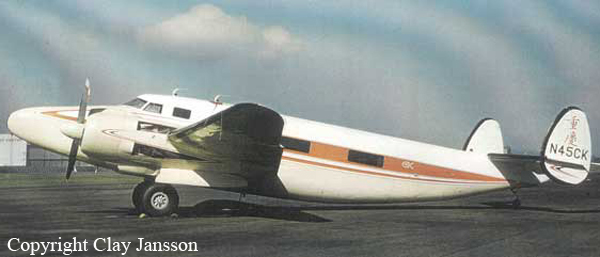
Crash of a Lockheed PV-1 Ventura near Union Springs: 2 killed

Date & Time: May 4, 1973 at 0800 LT
Type of aircraft:
Registration:
N45CK
Flight Phase:
Survivors:
No
Schedule:
Montgomery - Montgomery
MSN:
5333
YOM:
1943
Crew on board:
2
Crew fatalities:
Pax on board:
0
Pax fatalities:
Other fatalities:
Total fatalities:
2
Captain / Total flying hours:
5100
Captain / Total hours on type:
67.00
Circumstances:
The crew was engaged in a crop spraying mission in the region of Union Springs and departed Montgomery-Franklin Airport in the early morning. While flying at low height above a wooded area, the airplane struck tree tops and crashed in flames. The aircraft was destroyed and both crew members were killed.
Probable cause:
Collision with trees after the pilot-in-command misjudged speed and altitude. The following factors were reported:
- Diverted attention from operation of aircraft,
- Jettisoned load,
- Aircraft descended and hit ground in near level flight attitude.
Final Report:

Crash of a Beechcraft C18S in Cleveland

Date & Time: Apr 28, 1973 at 1730 LT
Type of aircraft:
Operator:
Registration:
N6417C
Survivors:
Yes
Schedule:
Cleveland - Cleveland
MSN:
5549
YOM:
1943
Location:
Crew on board:
1
Crew fatalities:
Pax on board:
0
Pax fatalities:
Other fatalities:
Total fatalities:
0
Captain / Total flying hours:
1676
Captain / Total hours on type:
103.00
Circumstances:
Following a local skydiving mission, the pilot was returning to Cleveland Airport. On final approach, both engines failed due to fuel exhaustion. The airplane lost height and while avoiding power cables, the pilot lost control of the airplane that stalled and crashed in an open field. The airplane was destroyed and the pilot was injured.
Probable cause:
Failure of both engines due to fuel exhaustion. The following factors were reported:
- Inadequate preflight preparation,
- Mismanagement of fuel,
- Fuel exhaustion,
- Failed to maintain flying speed,
- Evasive manoeuvre to avoid collision,
- High obstructions,
- Complete engine failure on both engines,
- Pilot had to maneuver to avoid power lines on final approach.
Final Report:

Crash of a Beechcraft E18S in Davenport: 6 killed

Date & Time: Apr 19, 1973 at 1704 LT
Type of aircraft:
Operator:
Registration:
N310WA
Survivors:
No
Schedule:
Muscatine - Davenport - Chicago
MSN:
BA-12
YOM:
1954
Location:
Crew on board:
1
Crew fatalities:
Pax on board:
5
Pax fatalities:
Other fatalities:
Total fatalities:
6
Captain / Total flying hours:
6000
Captain / Total hours on type:
2000.00
Circumstances:
On approach to Davenport Airport, the right wing detached. The twin engine airplane went out of control and crashed in an open field located few miles from the airfield. The aircraft was totally destroyed and all six occupants were killed.
Probable cause:
Structural failure of the right wing on descent due to fatigue cracks. The following factors were reported:
- Airframe, wings spars,
- Fatigue fracture,
- Inadequate inspection of aircraft on part of the maintenance personnel,
- Preexisting crack on lower spar cap WS-81 that was discernible but not detected over a 6-year period,
- Right wing folded upward.
Final Report:

Crash of a Beechcraft 65-A80 Queen Air in Brick Township: 6 killed

Date & Time: Apr 16, 1973 at 0424 LT
Type of aircraft:
Operator:
Registration:
N456WM
Flight Phase:
Flight Type:
Survivors:
No
Schedule:
Monmouth - Monmouth
MSN:
LD-225
YOM:
1965
Crew on board:
1
Crew fatalities:
Pax on board:
5
Pax fatalities:
Other fatalities:
Total fatalities:
6
Circumstances:
While cruising at a relative low altitude, the twin engine airplane entered a series of hazardous manoeuvres when control was lost. The airplane crashed near Brick Township and was totally destroyed. All six occupants were killed.
Probable cause:
The pilot exceeded the designed stress limits of the aircraft. The following factors were reported:
- Pilot's physical impairment,
- Alcoholic impairment of efficiency and judgment,
- Separation in flight,
- Overload failure,
- Pilot alcohol level 1,05‰ tissue fluid,
- In-flight separation of wings and tail after a series of steep dives and pull-ups.
Final Report:

Crash of a Cessna 402A in Greensboro: 6 killed

Date & Time: Apr 13, 1973 at 2212 LT
Type of aircraft:
Operator:
Registration:
N4599Q
Flight Phase:
Flight Type:
Survivors:
No
Schedule:
Greensboro - Greensboro
MSN:
402A-099
YOM:
1969
Crew on board:
1
Crew fatalities:
Pax on board:
5
Pax fatalities:
Other fatalities:
Total fatalities:
6
Captain / Total flying hours:
10500
Captain / Total hours on type:
2000.00
Circumstances:
Shortly after takeoff from Greensboro, while engaged in a local demo flight, the twin engine airplane went out of control and crashed in flames. All six occupants were killed.
Probable cause:
Uncontrolled descent following a failure of the elevator tab control system. The following factors were reported:
- Flight control system disconnected,
- Bolt connecting aft elevator bellcrank and elevator pushrod came loose,
- 100 h ours inspection completed 66 hours prior to the accident.
Final Report:

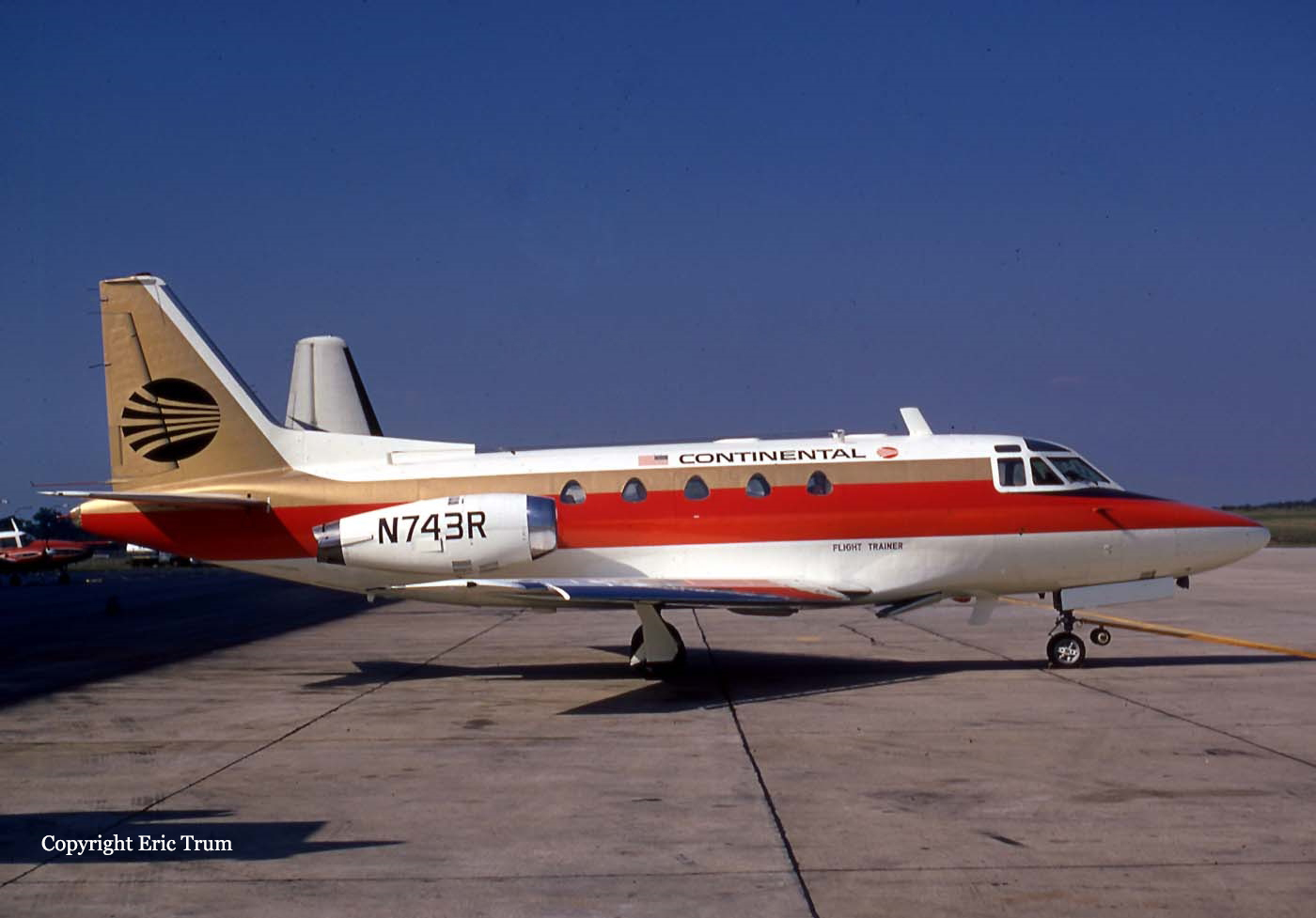
Crash of a Rockwell Sabreliner 60 in Montrose: 2 killed

Date & Time: Apr 13, 1973 at 1635 LT
Type of aircraft:
Operator:
Registration:
N743R
Flight Phase:
Flight Type:
Survivors:
No
Schedule:
Los Angeles - Montrose - Denver
MSN:
306-11
YOM:
1968
Crew on board:
2
Crew fatalities:
Pax on board:
0
Pax fatalities:
Other fatalities:
Total fatalities:
2
Captain / Total flying hours:
10000
Captain / Total hours on type:
84.00
Aircraft flight hours:
2372
Circumstances:
After takeoff from Montrose Airport, while climbing to an altitude of 1,000 feet, the airplane banked left to an angle of 55° then stalled and crashed in a huge explosion. The aircraft was destroyed by impact forces and a post crash fire and both pilots were killed.
Probable cause:
Loss of control during initial climb after the left engine thrust reverser deployed. The following factors were reported:
- Improper operations of powerplant,
- The pilot-in-command failed to follow the approved procedures,
- Improper emergency procedures,
- Unwanted thrust reversal,
- Continued operations of left engine at climb power after unwanted in-flight deployment of the left engine thrust reverser.
Final Report:

Crash of a Lockheed P-3C-125-LO Orion at Moffett AFB: 5 killed

Date & Time: Apr 12, 1973 at 1450 LT
Type of aircraft:
Operator:
Registration:
157332
Flight Type:
Survivors:
Yes
Schedule:
Moffett - Moffett
MSN:
185-5547
YOM:
1970
Crew on board:
6
Crew fatalities:
Pax on board:
0
Pax fatalities:
Other fatalities:
Total fatalities:
5
Circumstances:
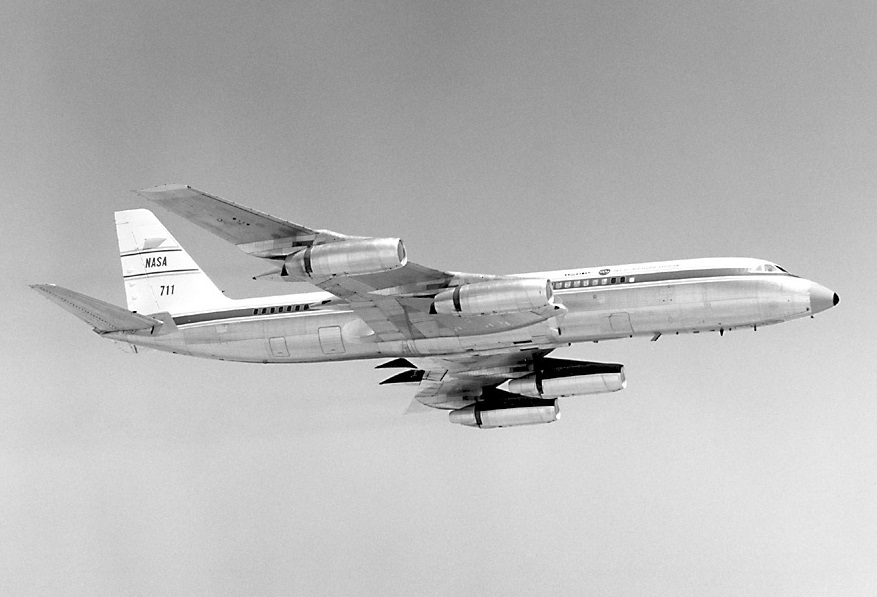
The aircraft was engaged in a local training flight with a crew of six on board. At a same time was approaching to Moffett AFB a NASA Convair CV-990-30A-5 registered N711NA that was returning to Moffett following a test flight over the Monterey Bay with eight scientists and a crew of three on board. Following an uneventful mission, the crew of the Convair started the approach and was cleared to land on runway 32R while seven miles out. After been cleared, the Orion's crew informed ATC he was joining the runway 32L approach path when the controller cleared the crew of the Convair to land at runway 32L. Shortly later, at an altitude of about 300 feet, the nose gear of the Convair struck the top of the Orion's tail. Both airplanes went out of control and crashed in flames on the Sunnyvale golf course located about 0,3 mile short of runway threshold. A crew member from the Orion was seriously injured while all 16 other occupants on both aircraft were killed.
Probable cause:
It was determined that the collision was the consequence of several errors on part of the approach controller. He firstly cleared the Convair's crew to land on runway 32R and the Orion's crew to land on runway 32L. But during the approach, after the Orion's crew confirmed he was joining the runway 32L approach path, the controller cleared the crew of the Convair to land on the same runway 32L. For reasons undetermined, the Convair's crew did not ask any question about this runway change. Also, none of the crew was able to see and avoid each other.

Crash of a Convair CV-990-30A-5 at Moffett AFB: 11 killed

Date & Time: Apr 12, 1973 at 1450 LT
Type of aircraft:
Operator:
Registration:
N711NA
Flight Type:
Survivors:
No
Schedule:
Moffett - Moffett
MSN:
30-10-1
YOM:
1961
Crew on board:
3
Crew fatalities:
Pax on board:
8
Pax fatalities:
Other fatalities:
Total fatalities:
11
Circumstances:
The aircraft was engaged in a local test flight at Moffett Airbase, carrying three crew members and eight NASA scientists in charge to test a survey equipment over the Monterey Bay. Following an uneventful mission, the crew started the approach and was cleared to land on runway 32R while seven miles out. In the region was also operated a US Navy Lockheed P-3C-125-LO Orion registered 157332 and that was completing a local training flight with a crew of six on board. After been cleared, the Orion's crew informed ATC he was joining the runway 32L approach path when the controller cleared the crew of the Convair to land at runway 32L. Shortly later, at an altitude of about 300 feet, the nose gear of the Convair struck the top of the Orion's tail. Both airplanes went out of control and crashed in flames on the Sunnyvale golf course located about 0,3 mile short of runway threshold. A crew member from the Orion was seriously injured while all 16 other occupants on both aircraft were killed.
Probable cause:
It was determined that the collision was the consequence of several errors on part of the approach controller. He firstly cleared the Convair's crew to land on runway 32R and the Orion's crew to land on runway 32L. But during the approach, after the Orion's crew confirmed he was joining the runway 32L approach path, the controller cleared the crew of the Convair to land on the same runway 32L. For reasons undetermined, the Convair's crew did not ask any question about this runway change. Also, none of the crew was able to sea and avoid each other.