Crash of a Learjet 23 in Lisbon

Date & Time: Jan 30, 1989
Type of aircraft:
Registration:
F-GDAV
Flight Type:
Survivors:
Yes
Schedule:
Paris - Lisbon
MSN:
23-017
YOM:
1965
Country:
Region:
Crew on board:
2
Crew fatalities:
Pax on board:
0
Pax fatalities:
Other fatalities:
Total fatalities:
0
Circumstances:
For unknown reasons, the twin engine aircraft belly landed at Lisbon-Portela de Sacavém Airport and slid for few dozen meters before coming to rest. Both pilots were uninjured while the aircraft was damaged beyond repair.

Crash of a Lockheed C-130E Hercules in Lajes

Date & Time: Apr 15, 1984
Type of aircraft:
Operator:
Registration:
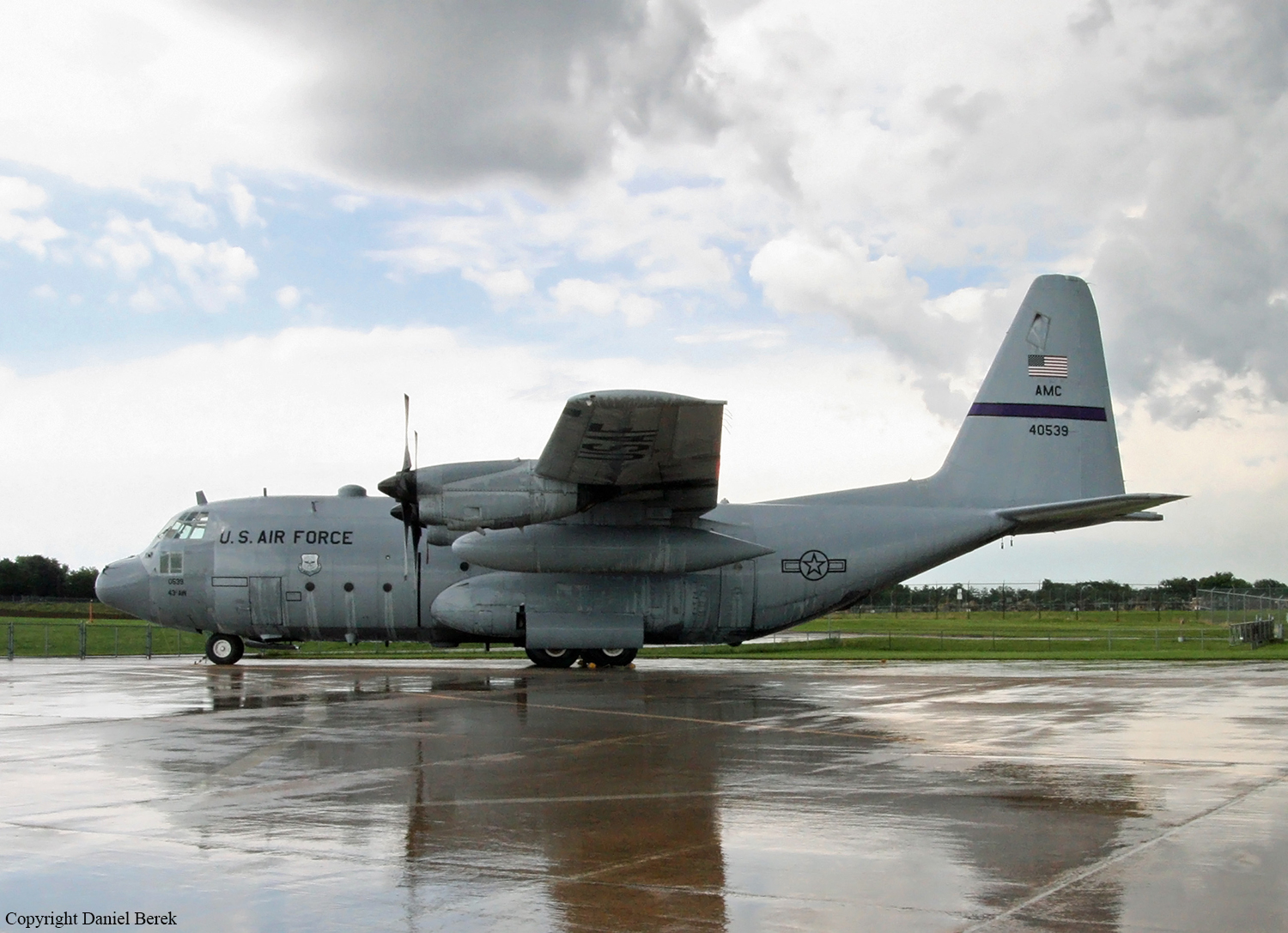
64-0539
Flight Type:
Survivors:
Yes
Schedule:
Lajes - Lajes
MSN:
4029
YOM:
1965
Country:
Region:
Crew on board:
6
Crew fatalities:
Pax on board:
0
Pax fatalities:
Other fatalities:
Total fatalities:
0
Circumstances:
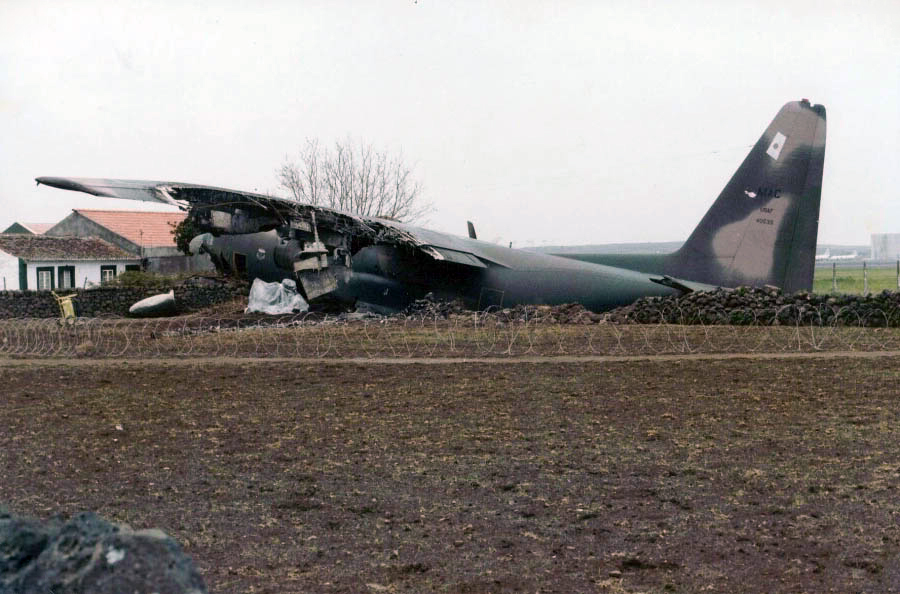
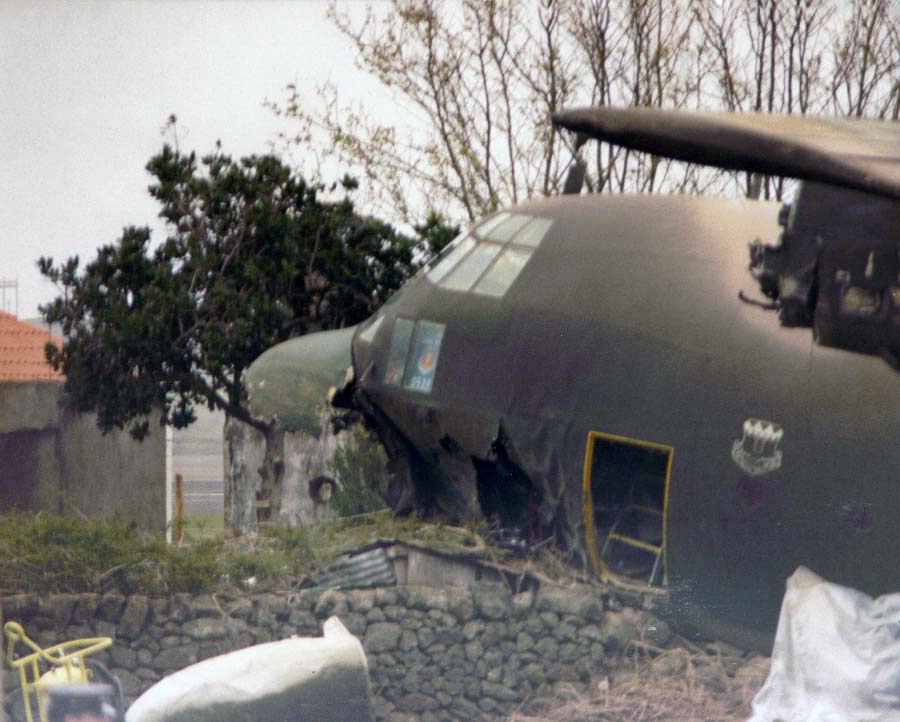
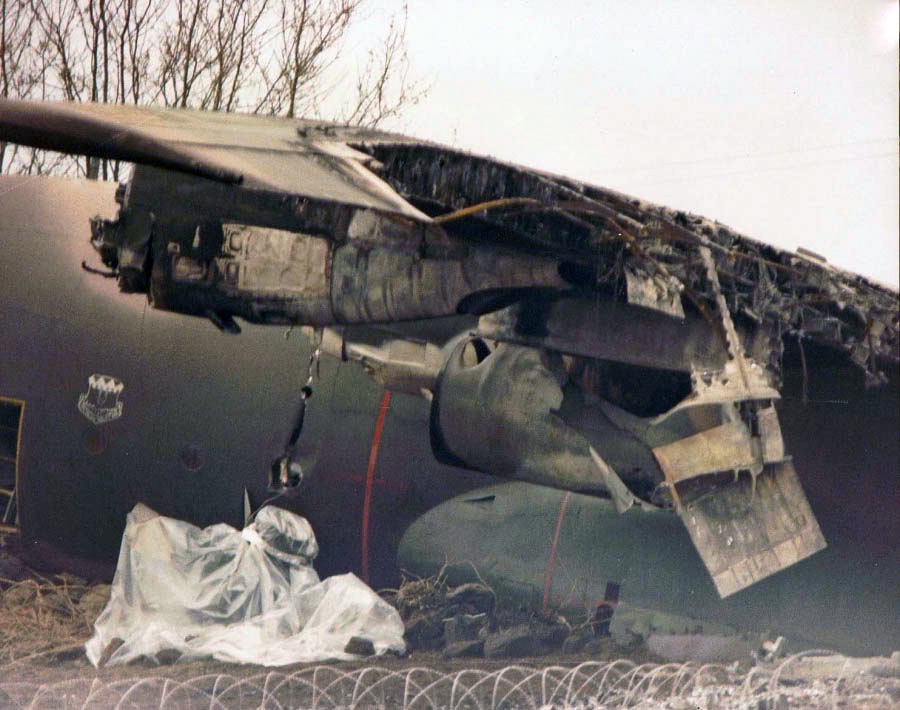
Crash on landing in Lajes in the following circumstances, according to the following testimony:
I was the Maintenance Job Controller on duty when the day this occurred. The incident aircraft had declared an inflight emergency (IFE) for (if I recall correctly) #3 engine shutdown. In any case it was right wing engine that was out of service. Fire trucks were standing by as this was SOP for IFEs. The aircraft came in from south to north. On landing roll the crew reversed all three operating engines instead of only the running symmetrical engines of each wing. Having twice the reverse thrust action exerted on the left wing caused the aircraft to yaw left and depart the runway. After going through the perimeter fence off to the left of the runway, it rode up some rock walls and nearly impacted two dwellings on the other side before coming to rest. The left wing caught on fire. In pictures that are available you can see where one of the propellers that departed on impact sliced a hole in the fuselage just in front of the red prop plane of rotation line on the left hand side. Fortunately, because the fire trucks were already lined up on the runway, the fire was extinguished quickly. The only injury to the aircrew was a broken finger. Some side notes. The aircraft was carrying the produce flown in weekly for the commissary on base, No big deal in the scope of things but fruits and veggies were in short supply unless you went local. Also, in one of those oddities of life that made it all the more surreal, the Line Chief had said over the maintenance radio just before it landed, “I hope he remembers to reverse only one and four when he lands.” The next words I heard from him were, “We have a 130 in the dirt!” “We have a 130 on fire!” You just can’t make that stuff up. It was almost prescient. The aircraft was eventually mated with the cockpit section of C-130 that was written off due to a hard landing in Germany. They flew that in on a C-5 with replacement wings etc. Robbins Depot Maintenance came in and bolted it all together. It eventually flew out on a onetime flight to the depot in Italy.
Thanks to Bill Hewett, maintenance controller on duty when it occurred.

Crash of a Britten-Norman BN-2A Islander in Serra de Monchique

Date & Time: Nov 6, 1982
Type of aircraft:
Operator:
Registration:
CS-AJO
Flight Phase:
Survivors:
Yes
Site:
Schedule:
Cascais – Portimão
MSN:
125
YOM:
1970
Country:
Region:
Crew on board:
1
Crew fatalities:
Pax on board:
3
Pax fatalities:
Other fatalities:
Total fatalities:
0
Circumstances:
En route from Cascais to Portimão, the pilot encountered poor weather conditions when the airplane lost height and crashed on a hill located in Serra de Monchique. All four occupants were rescued.

Crash of a Beechcraft C90 King Air off Azores Islands

Date & Time: Mar 10, 1982
Type of aircraft:
Registration:
N6272C
Flight Phase:
Flight Type:
Survivors:
Yes
MSN:
LJ-1025
YOM:
1982
Country:
Region:
Crew on board:
1
Crew fatalities:
Pax on board:
0
Pax fatalities:
Other fatalities:
Total fatalities:
0
Circumstances:
The pilot, sole on board, was forced to ditch the aircraft off the Azores Islands following in-flight technical problems. The pilot was rescued while the airplane sank and was lost.

Crash of a Cessna 421A Golden Eagle I in Lisbon: 7 killed

Date & Time: Dec 4, 1980 at 2016 LT
Type of aircraft:
Operator:
Registration:
YV-314P
Flight Phase:
Flight Type:
Survivors:
No
Site:
Schedule:
Lisbon - Porto
MSN:
421A-0040
YOM:
1969
Country:
Region:
Crew on board:
2
Crew fatalities:
Pax on board:
5
Pax fatalities:
Other fatalities:
Total fatalities:
7
Captain / Total flying hours:
1613
Captain / Total hours on type:
42.00
Copilot / Total flying hours:
744
Aircraft flight hours:
1500
Circumstances:
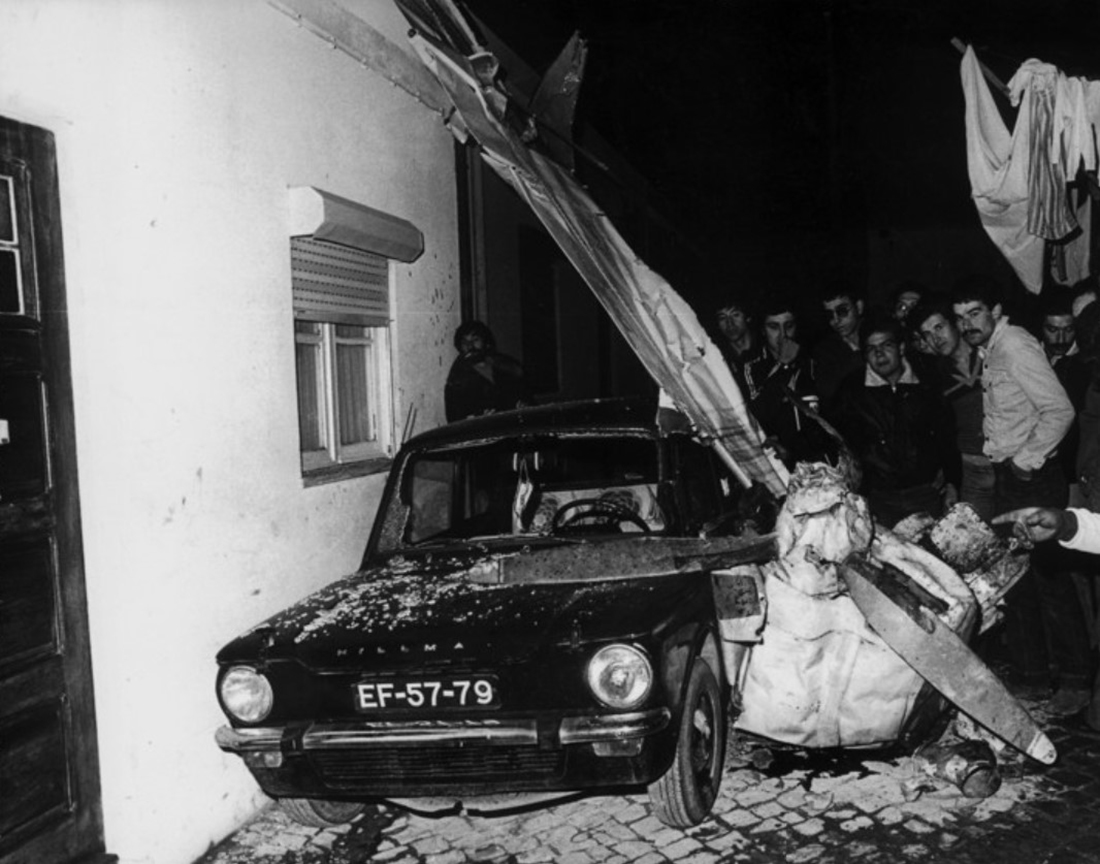
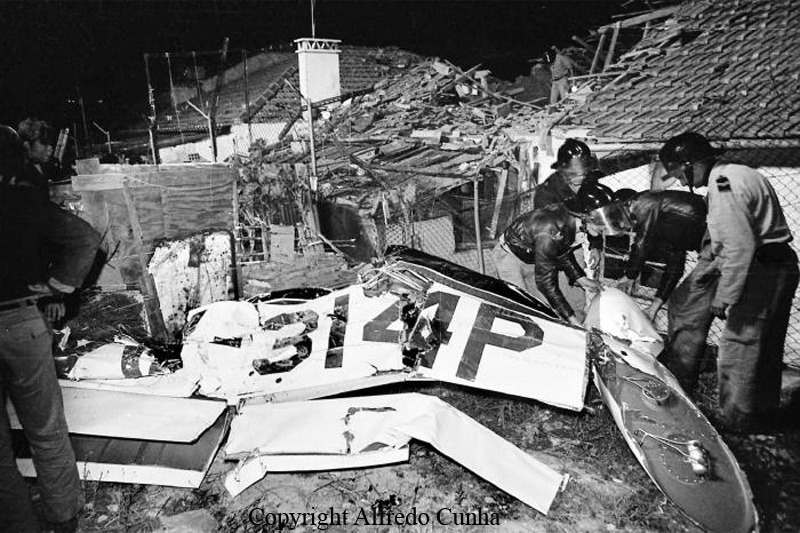
The twin engine airplane, chartered by the Portuguese Government, was engaged in a special flight from Lisbon to Porto, carrying various members of the Portuguese Government. Shortly after takeoff from Lisbon-Portela de Sacavém Airport, while climbing by night, the twin engine airplane lost height and crashed onto several houses located in the district of Camarate. The aircraft was totally destroyed and all seven occupants were killed. There were no casualties on ground.
Occupants:
Mr. Francisco Sa Carneiro, Prime Minister,
Mrs. Francisco Sa Carneiro,
Mr. Amaro da Costa, Minister of Defence,
Mrs. Amaro da Costa,
One Chief of Cabinet and two pilots.
Probable cause:
The loss of control during initial climb was the consequence of the combination of the following factors:
- Poor flight preparation on part of the crew,
- Inadvertent shutdown of the left engine during initial climb for unknown reasons,
- The left propeller was not feathered, causing high drag,
- The flaps were not deployed in the correct position for takeoff,
- The CofG was off limits,
- Negligences of those responsible for planning and safety in the air transport of important figures of State, in an aircraft of foreign registration whose maintenance status was not previously maintained rated,
- Crew fatigue,
- Crew psychic stress accumulation.
Final Report:

Crash of a Consolidated PBY-6A Catalina off Alverca: 1 killed

Date & Time: Jun 28, 1979
Type of aircraft:
Registration:
N101CS
Survivors:
Yes
MSN:
2141
YOM:
1944
Country:
Region:
Crew on board:
2
Crew fatalities:
Pax on board:
6
Pax fatalities:
Other fatalities:
Total fatalities:
1
Circumstances:
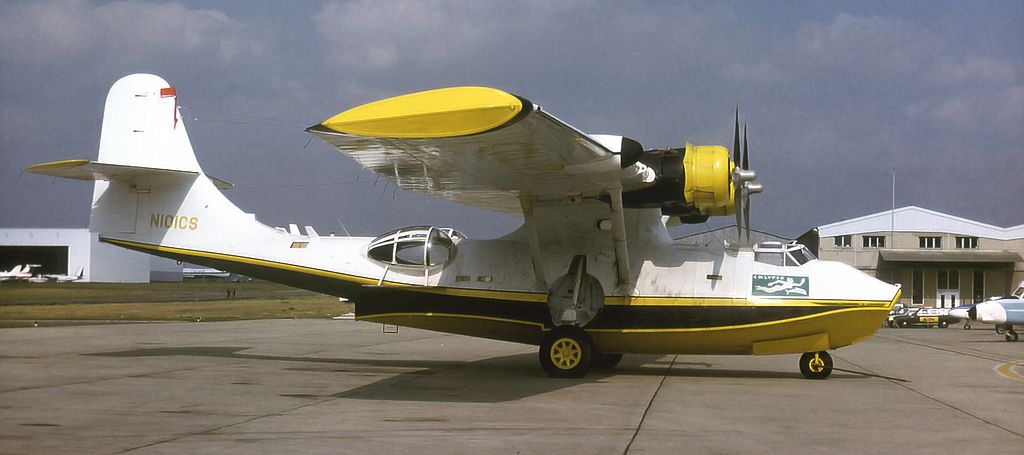
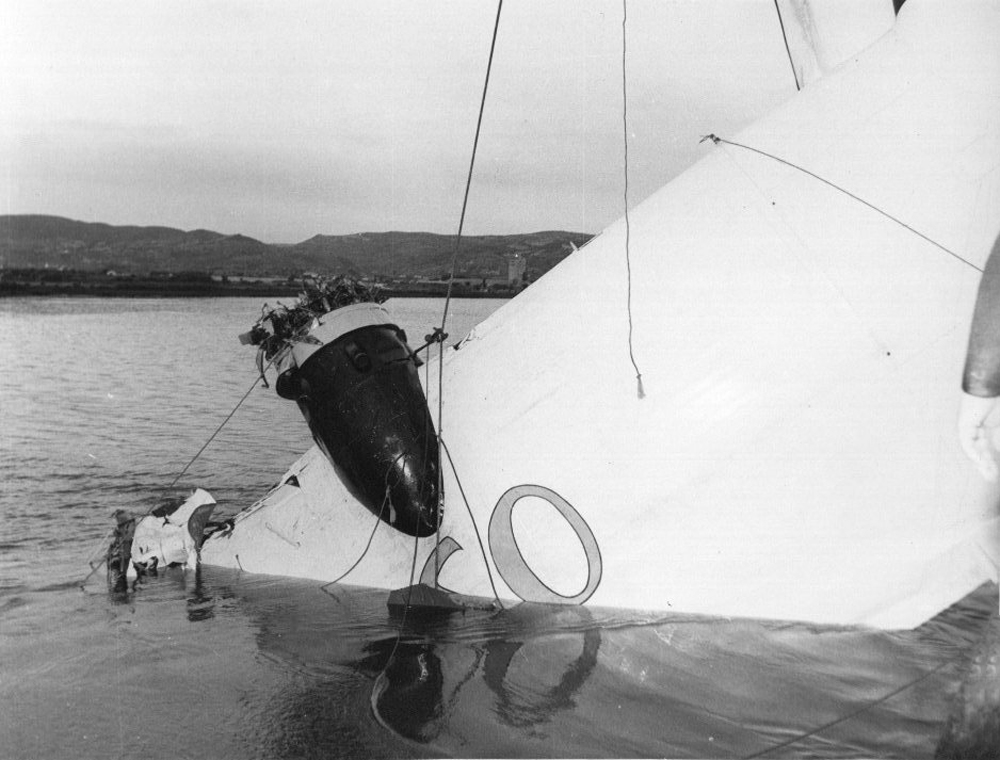
The seaplane christened 'La Calypso volante' was returning to Lisbon following a scientific mission. Off Alverca, the seaplane landed hard on the Tagus, causing the left wing to separate and the left engine to struck the cockpit. The pilot Philippe Cousteau, son of the French explorer Jacques-Yves Cousteau, was killed. Seven other occupants were injured.
Probable cause:
The exact cause of the accident could not be determined. However, it is believed that the speed upon landing was slightly too high.

Crash of a Casa 212 Aviocar 100 on Terceira Island: 3 killed

Date & Time: Jul 5, 1978
Type of aircraft:
Operator:
Registration:
6518
Flight Phase:
Flight Type:
Survivors:
No
Site:
Schedule:
Lajes - Lajes
MSN:
50
YOM:
1976
Country:
Region:
Crew on board:
3
Crew fatalities:
Pax on board:
0
Pax fatalities:
Other fatalities:
Total fatalities:
3
Circumstances:
While flying in marginal weather conditions, the airplane struck the slope of a mountain located in the Serra de Santa Bárbara National Forest, on the west side of Terceira Island. All three crew members were killed.

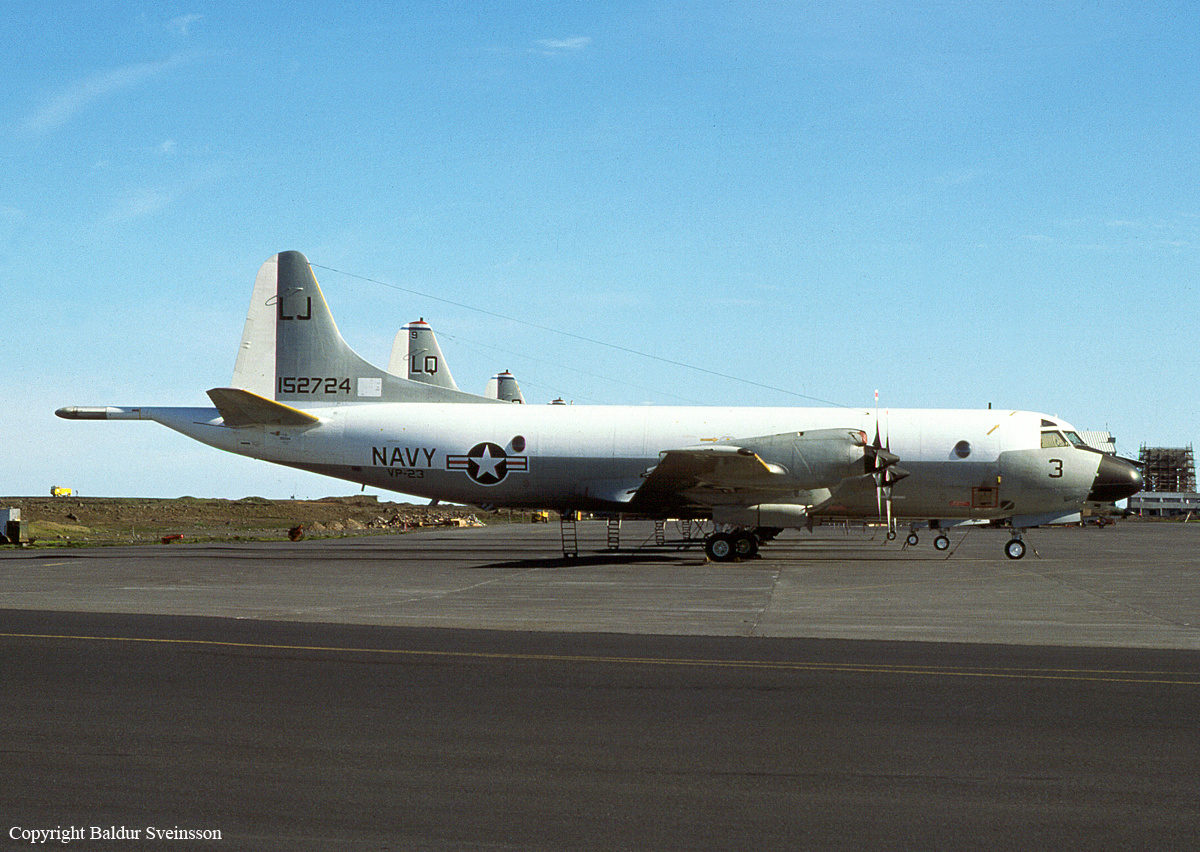
Crash of a Lockheed P-3B-65-LO Orion off Lajes: 7 killed

Date & Time: Apr 26, 1978
Type of aircraft:
Operator:
Registration:
152724
Flight Phase:
Flight Type:
Survivors:
No
Schedule:
Lajes - Lajes
MSN:
185-5164
YOM:
1965
Country:
Region:
Crew on board:
7
Crew fatalities:
Pax on board:
0
Pax fatalities:
Other fatalities:
Total fatalities:
7
Circumstances:
The four engine airplane was completing a training mission out from Lajes when it crashed under unknown circumstances into the Atlantic Ocean, about 32 km northeast of Lajes. Few debris were found floating on water and all seven crew members were killed.
Crew:
Lt David G. Schwerstein,
Lt Michael E. Hayes,
Ltjg Michael Dziubak,
Ad1 Robert L. Hasselbacher,
Ad1 Randolph L. Affield,
Ao3 Robert J. Elmore,
At3 Weslie Donald Putnam.
Probable cause:
The exact cause of the accident remains unknown.

Crash of a Sud-Aviation SE-210 Caravelle 10R off Funchal: 36 killed

Date & Time: Dec 18, 1977 at 2014 LT
Operator:

Registration:
HB-ICK
Survivors:
Yes
Schedule:
Zurich – Geneva – Funchal
MSN:
200
YOM:
1965
Flight number:
VS730
Location:
Country:
Region:
Crew on board:
5
Crew fatalities:
Pax on board:
52
Pax fatalities:
Other fatalities:
Total fatalities:
36
Captain / Total flying hours:
8088
Captain / Total hours on type:
4968.00
Copilot / Total flying hours:
3735
Copilot / Total hours on type:
3100
Aircraft flight hours:
21134
Aircraft flight cycles:
12767
Circumstances:
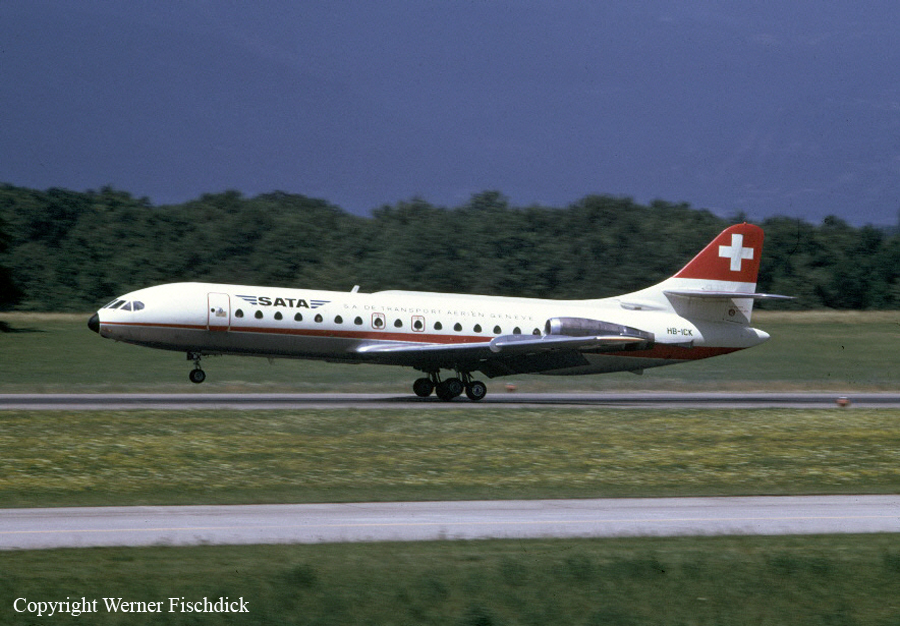
Flight VS730 was an international charter service from Zurich to Funchal with an intermediate stop at Geneva-Cointrin Airport, Switzerland. The flight crew consisted of two captain. A new captain was in the left-hand seat and was piloting the aircraft. The second captain who was seating in the right-hand seat was acting as pilot-in-command, pilot responsible for the initiation to Funchal, route check pilot and co-pilot. Initiation of the new captain was necessary because of the difficult approach and landing at Funchal. However, this initiation ought to have been made by day. The aircraft departed Geneva at 1626LT bound for Madeira Island. At 1938 the crew contacted Madeira control, reporting Rose Point at FL330; the aircraft was cleared to leave this flight level at 1941. The crew then asked for descent instructions and received clearance to descend to FL50; it was requested to contact control again when this level was reached or when overflying the Porto Santo (PST) NDB. At 1955 the crew reported being overhead the PST at FL85. The aircraft was instructed to continue its descent to FL50, then to contact Funchal approach control. At 1957 the crew contacted Funchal approach control, which stated that runway 06 was in service and cleared the aircraft to descend to 3,500 ft, the QNH being 1014.0 mb. After being cleared for the approach the crew descended below the 720 feet permitted during circling, even though they had lost sight of the runway. The pilots, had lost sight of the runway lights at the end of the downwind leg and at the beginning of the base leg, when the aircraft was already flying below 200 feet. The radio altimeter had probably been preset to 200 feet, but the pilots did not check its indications. The aircraft touched the water surface relatively smoothly in a flat attitude, bounced then touched the water surface two additional times and came to rest 4 km short of runway 06 threshold. The center of the fuselage fractured, causing water to enter the cabin. Few passengers were able to jump into water and the airplane sank by a depth of 600 metres two minutes after final impact. 17 bodies were never recovered as well as both CVR and VFR recording systems.
Probable cause:
The accident was caused by an involuntary ditching during the approach. The fact that the aircraft was flying below the descent plan may have been due to a lack of coordination between the pilots and a sensorial illusion on the part of the crew, when it was preoccupied with the search for visual runway references. The following findings were reported:
- The captain in the left seat did not have sufficient experience to land by night at Funchal Airport (this was his first flight to Funchal),
- Through good weather conditions, the crew continued the approach by attempting to establish a visual contact with the runway but without success,
- This caused the aircraft to pass the descent height and to continue the approach below the minimum prescribed altitude until it impacted water,
- A light signal activated on the cockpit panel but the crew failed to see it as he was trying to locate the runway,
- Lack of crew coordination,
- Sensorial illusion,
- A crew composed by two captains was dispatched on the flight. Experience shown that such crew composition was not the best as the captain who was seating in the right seat has too little experience as copilot and was flying as an acting captain instead of copilot,
- A possible malfunction of the altimeter was ruled out,
- All instruments were functioning properly at the time of the accident.
Final Report:
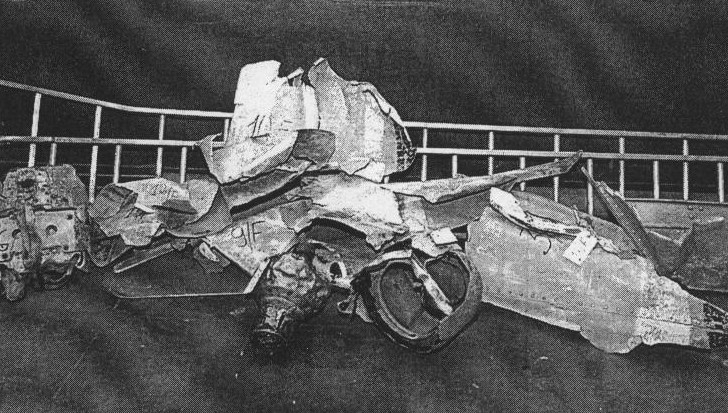
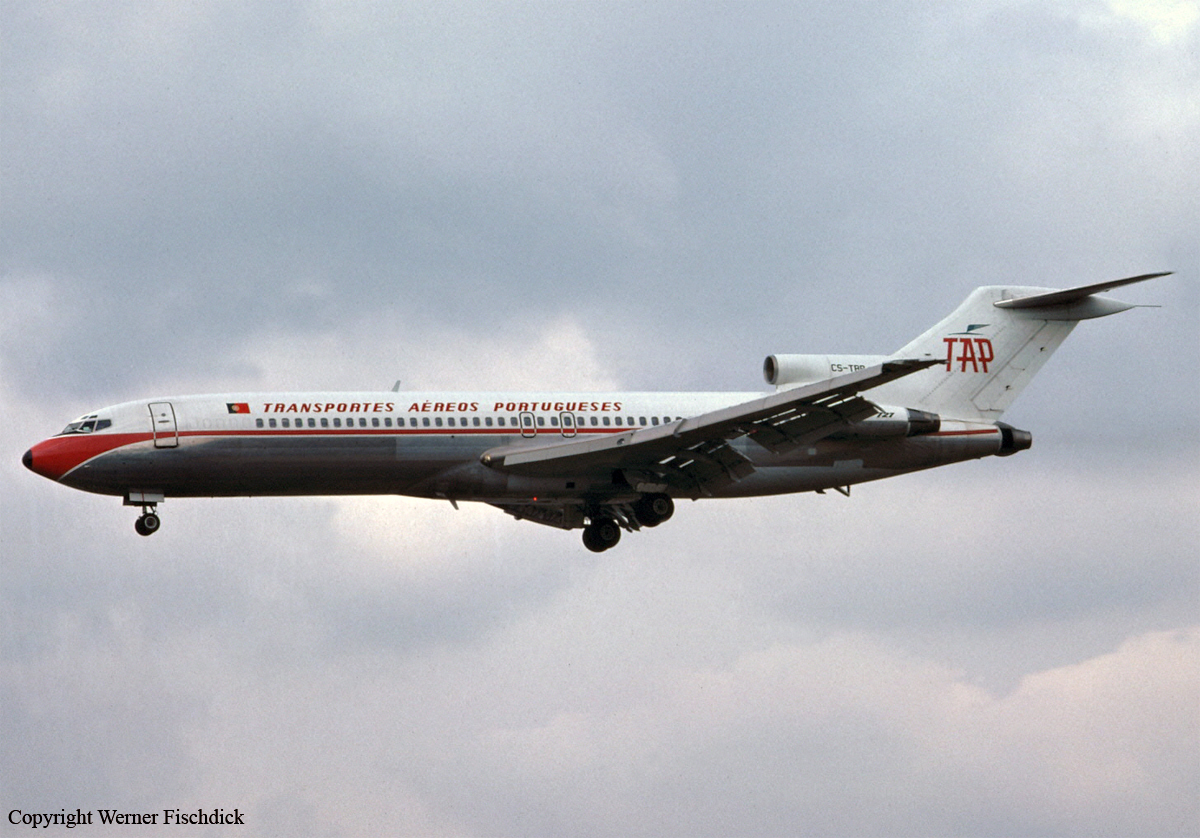
Crash of a Boeing 727-282 in Funchal: 131 killed

Date & Time: Nov 19, 1977 at 2148 LT
Type of aircraft:
Operator:
Registration:
CS-TBR
Survivors:
Yes
Schedule:
Brussels - Lisbon - Funchal
MSN:
20972
YOM:
1975
Flight number:
TP425
Location:
Country:
Region:
Crew on board:
8
Crew fatalities:
Pax on board:
156
Pax fatalities:
Other fatalities:
Total fatalities:
131
Aircraft flight hours:
6154
Aircraft flight cycles:
5204
Circumstances:
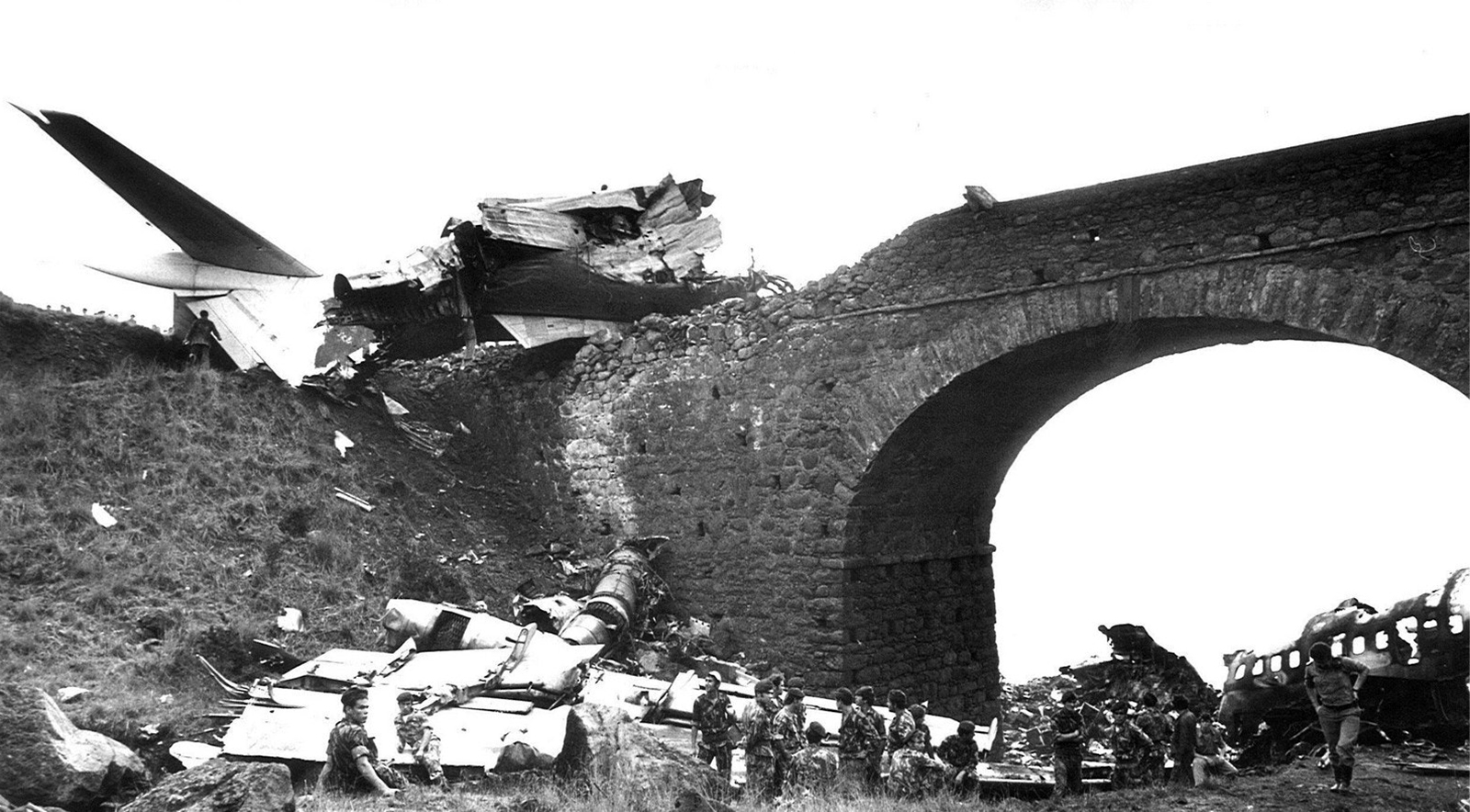
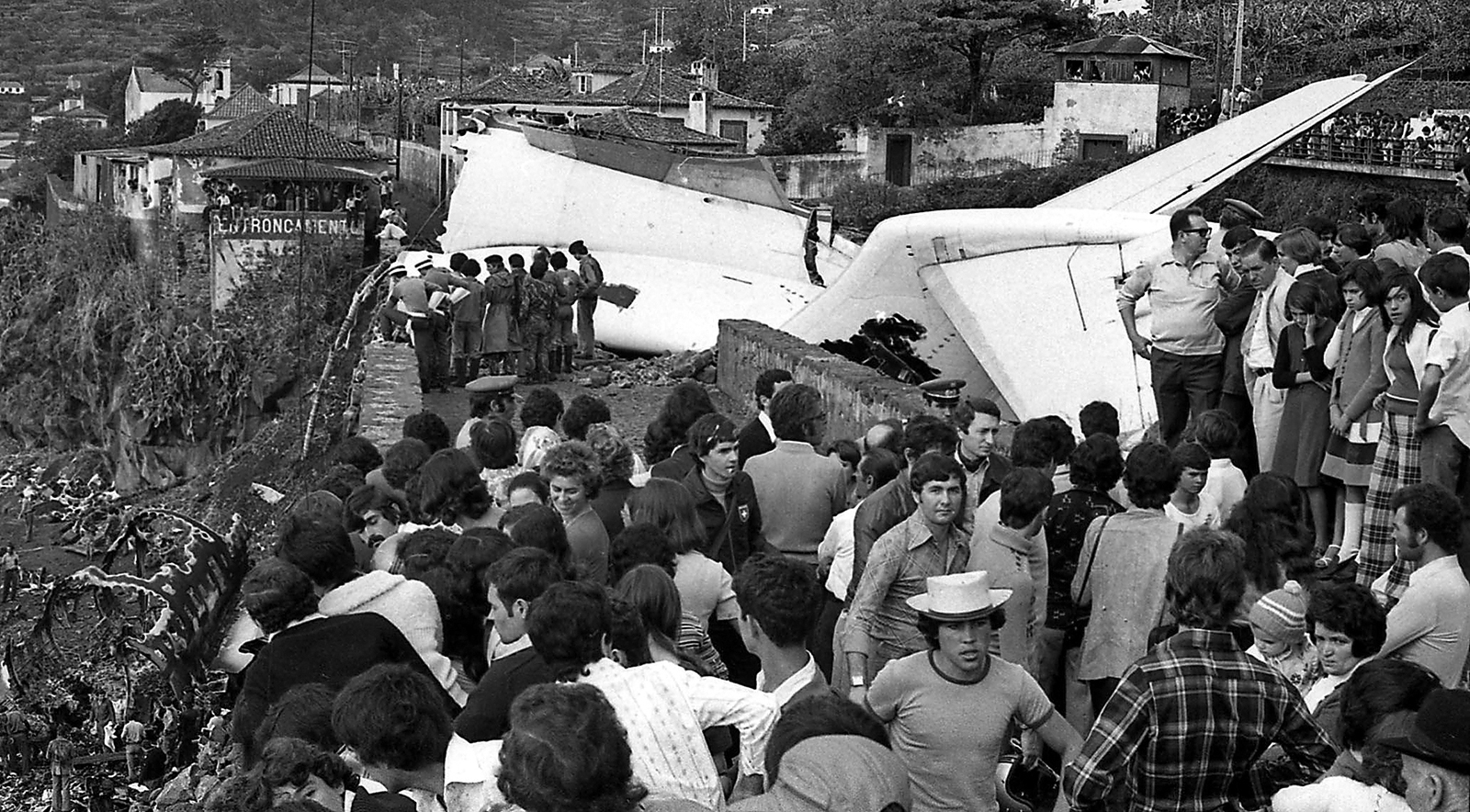
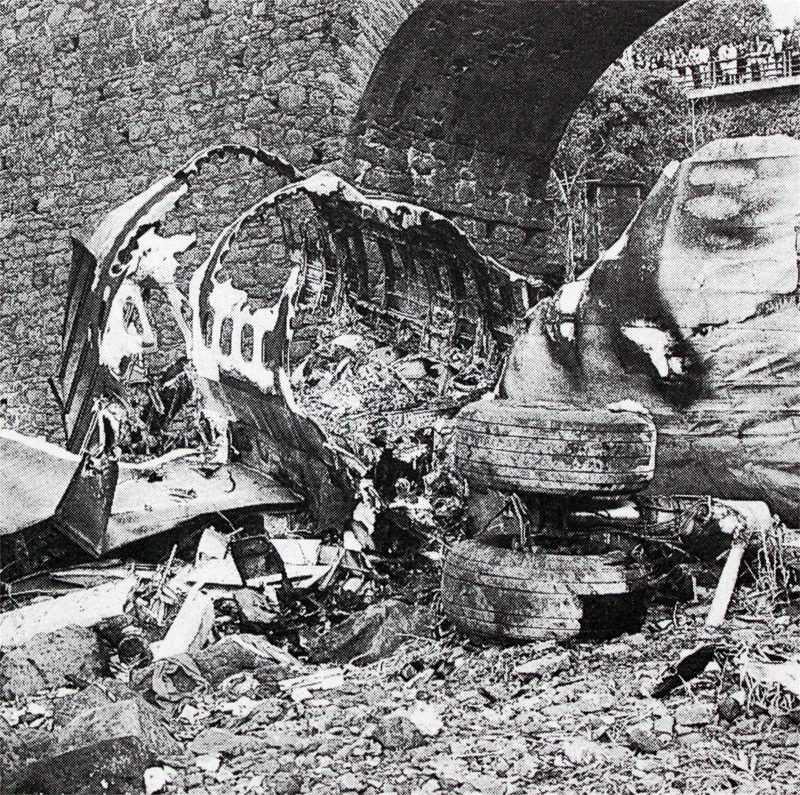
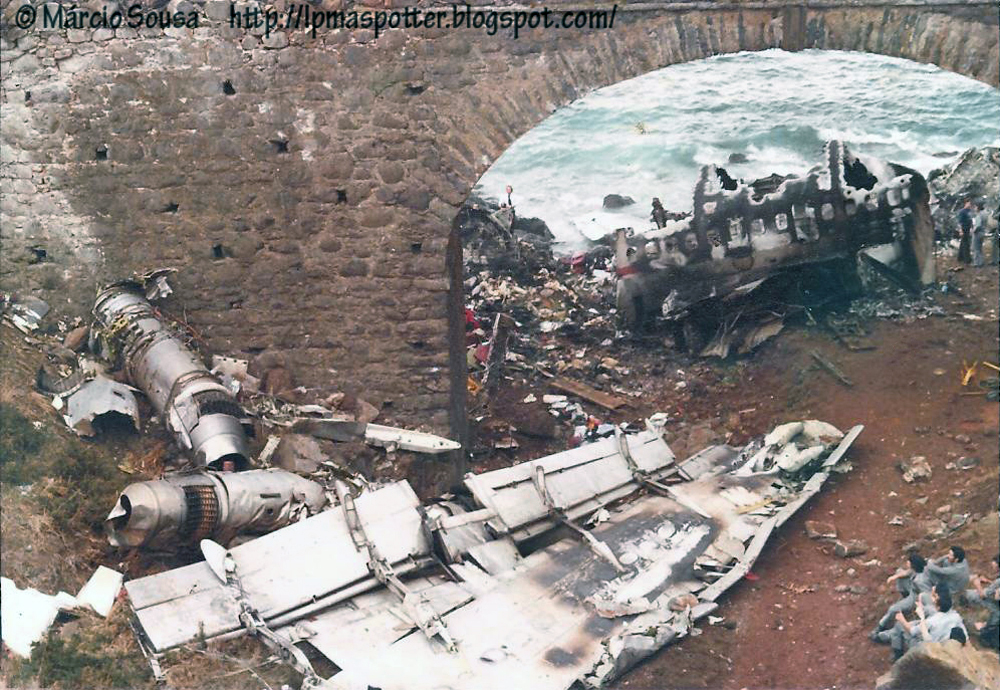
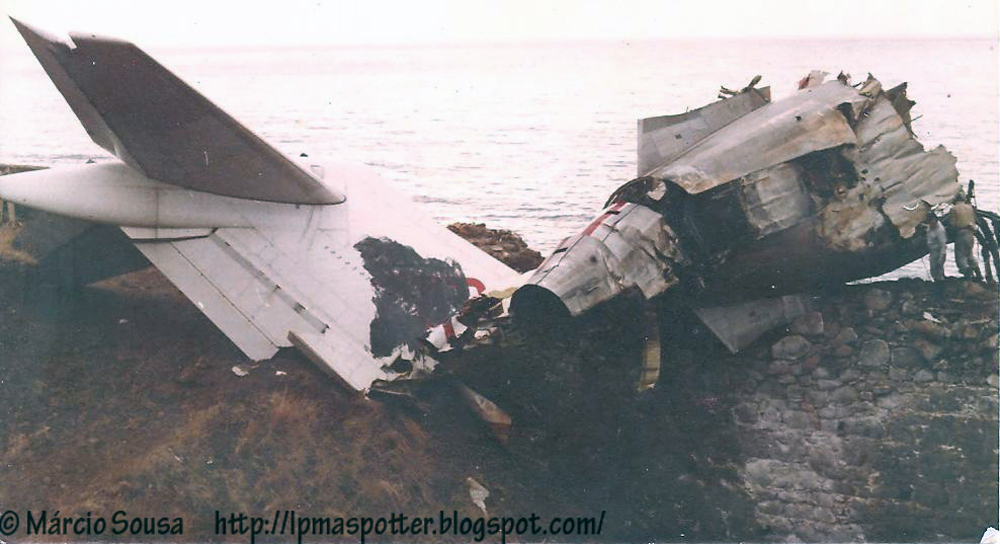
While descending to runway 24 on an NBD approach, the crew encountered poor weather conditions with limited visibility to 3 km, clouds down to 1,500 feet and rain falls. Unable to establish a visual contact with the runway, the pilot-in-command initiated a go-around. Few minutes later, while on a second attempt to land, the crew landed too far down, about 2,060 feet past the runway threshold (runway 24 is 5,000 feet long) at a speed of 148 knots. Immediately after touchdown, the crew activated the thrust reversers and deployed the spoilers but unable to stop on a wet runway, the airplane overran. It went down a steep embankment, collided with a stone bridge, broke into several pieces and eventually came to rest in flames on a beach located about 40 meters below airfield elevation. The aircraft was totally destroyed by impact forces and a post crash fire. Six crew members and 125 passengers were killed while 33 other occupants were seriously injured.
Probable cause:
The accident was the consequence of the combination of the following contributing factors:
- Very unfavorable weather conditions at the time of landing,
- Possible existence of conditions for hydroplaning,
- Landing at a speed of Vref + 19 knots,
- Landing long with a too long flare,
- Sudden directional correction after touchdown on the runway.
Final Report: