Region
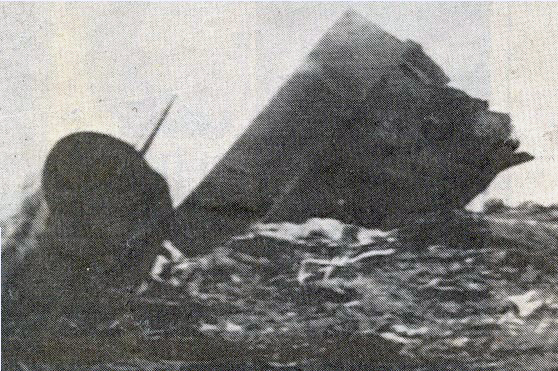
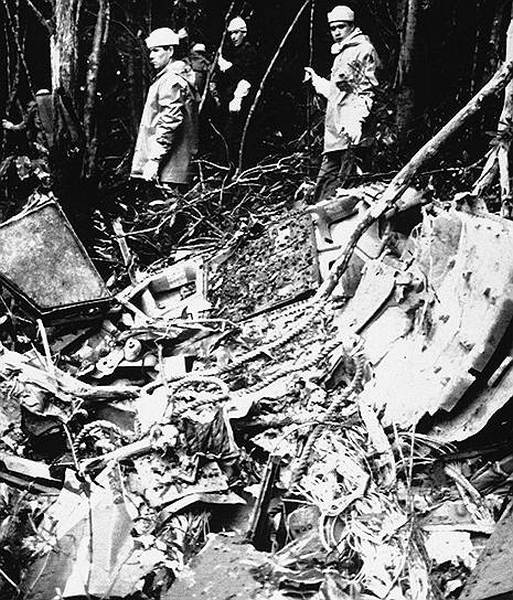
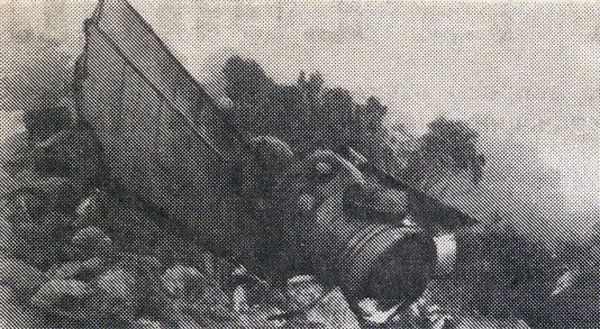
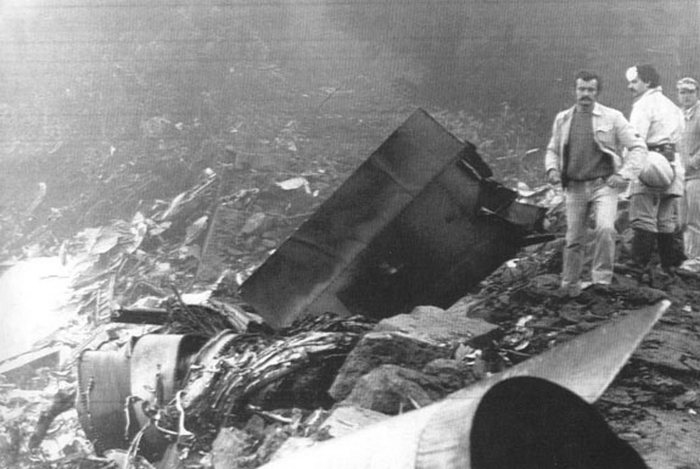
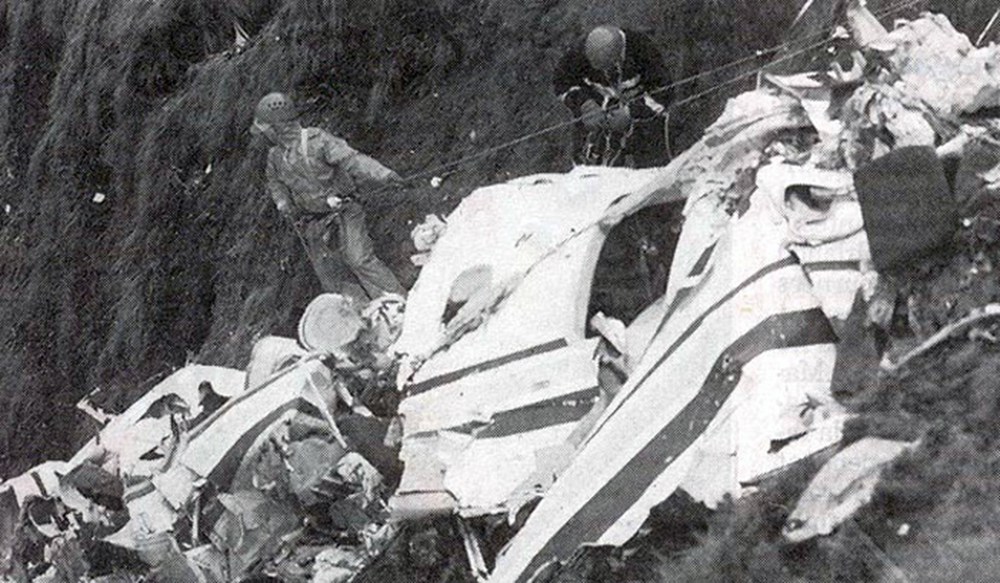
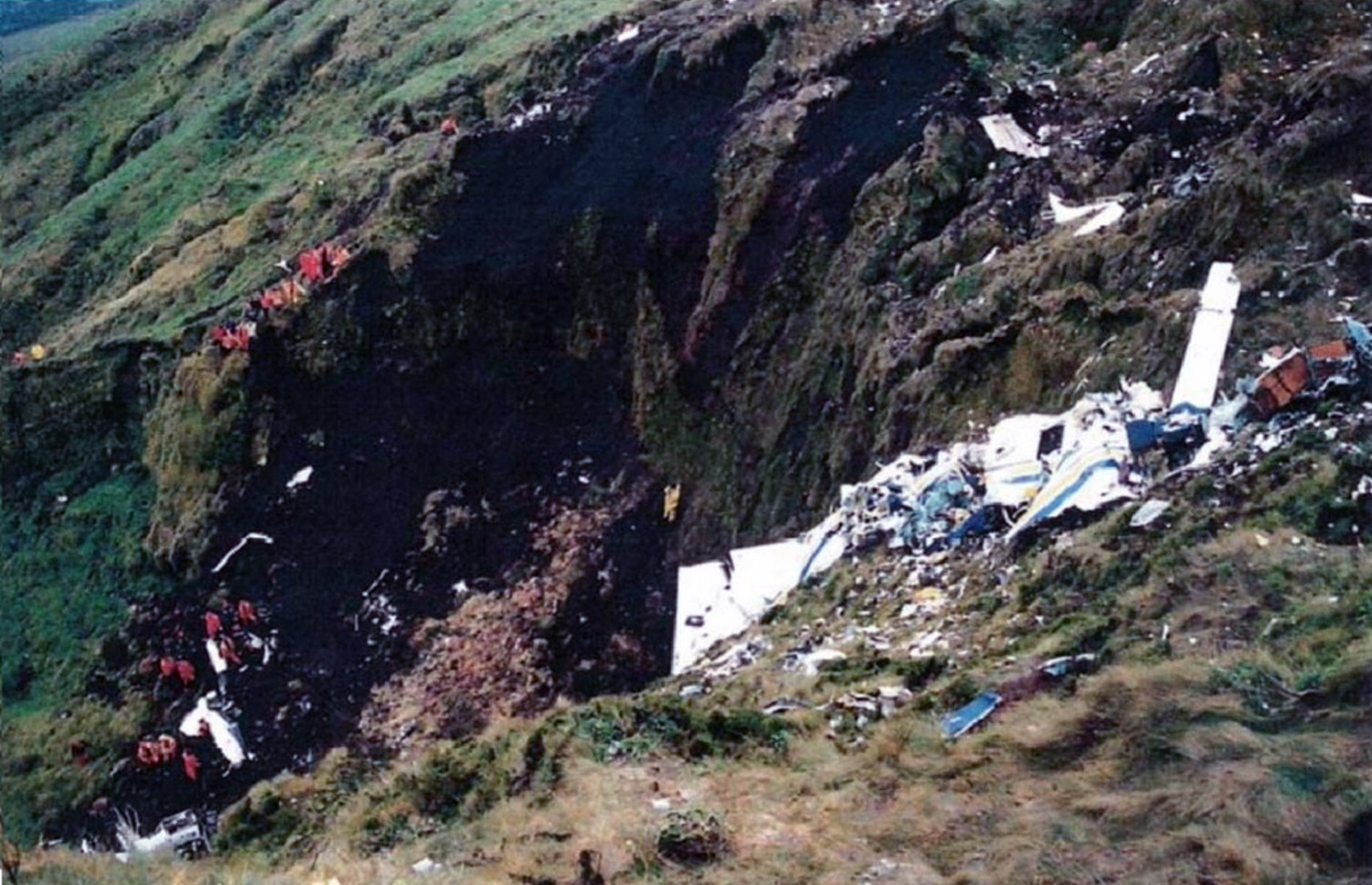
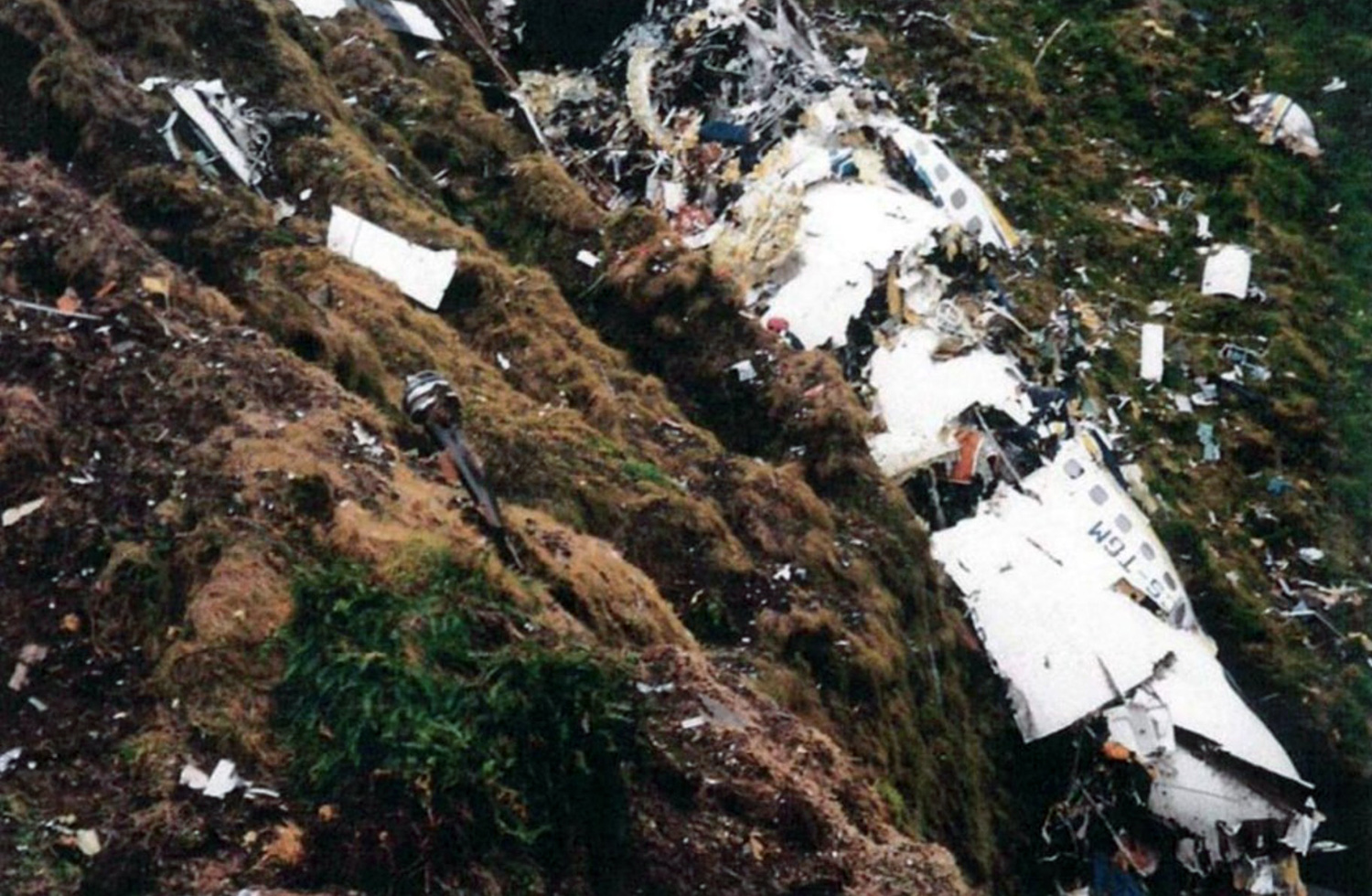
Crash of a BAe ATP on São Jorge Island: 35 killed
Date & Time:
Dec 10, 1999 at 1018 LT
Operator:

Registration:
CS-TGM
Survivors:
No
Schedule:
Ponta Delgada - Horta
MSN:
2030
YOM:
1990
Flight number:
SP530
Crew on board:
4
Crew fatalities:
Pax on board:
31
Pax fatalities:
Other fatalities:
Total fatalities:
35
Captain / Total hours on type:
2652.00
Copilot / Total hours on type:
514
Aircraft flight hours:
11305
Aircraft flight cycles:
23584
Circumstances:
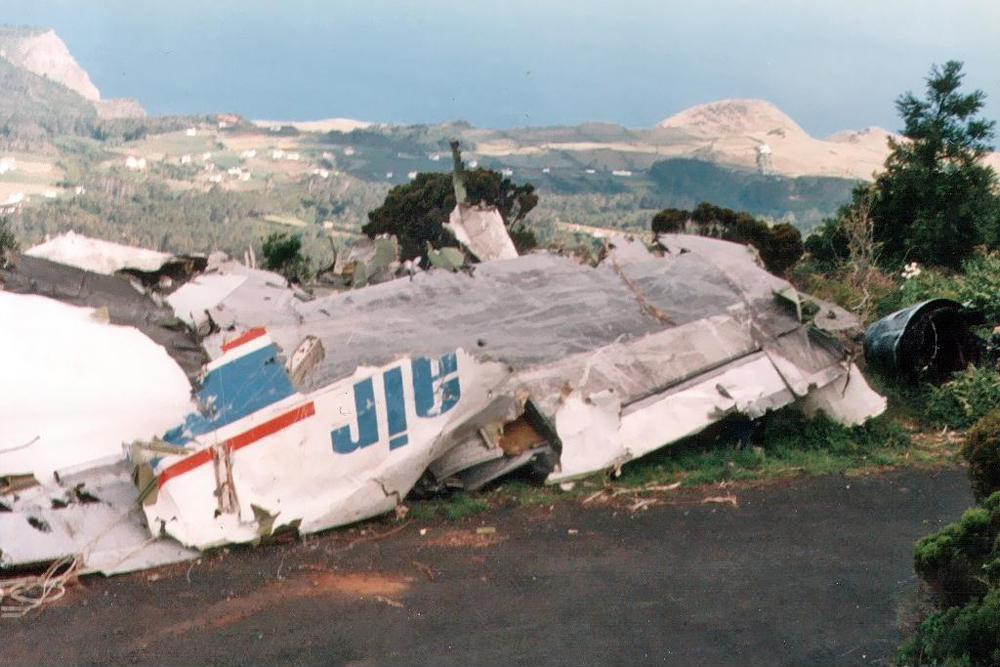
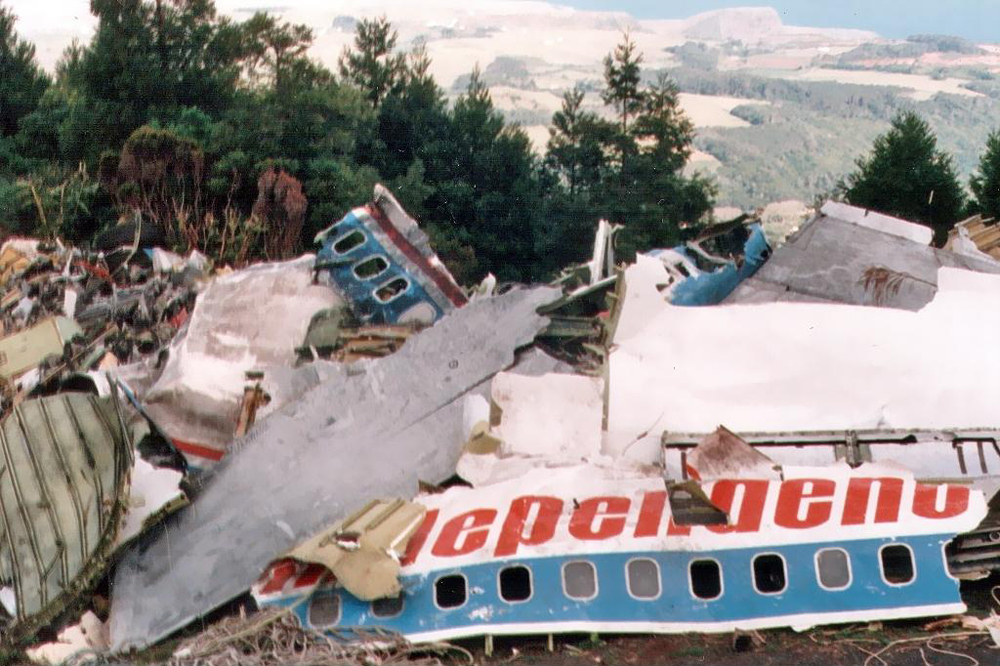
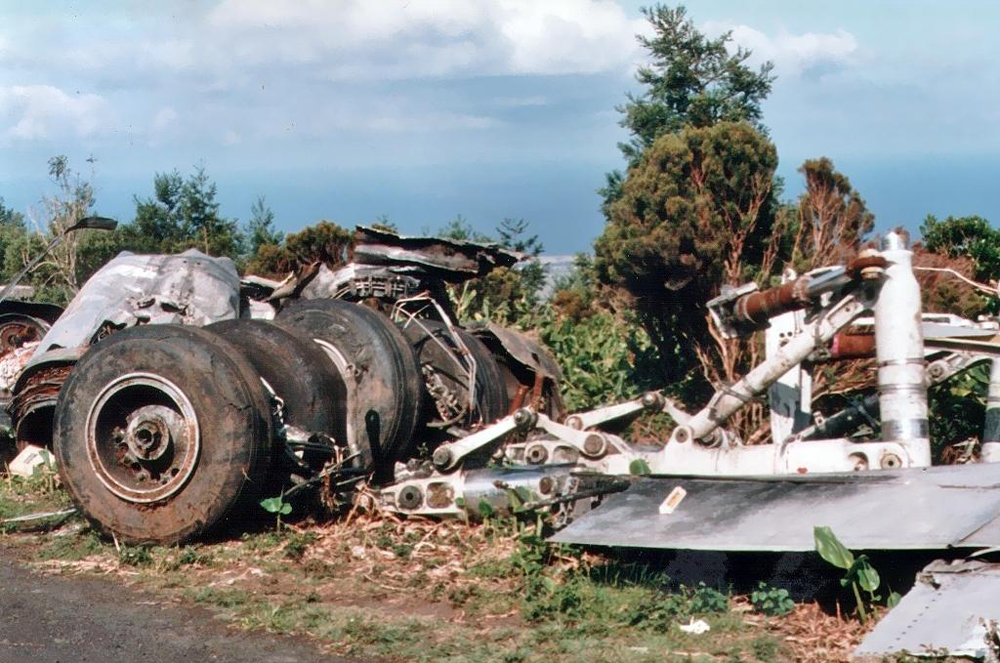
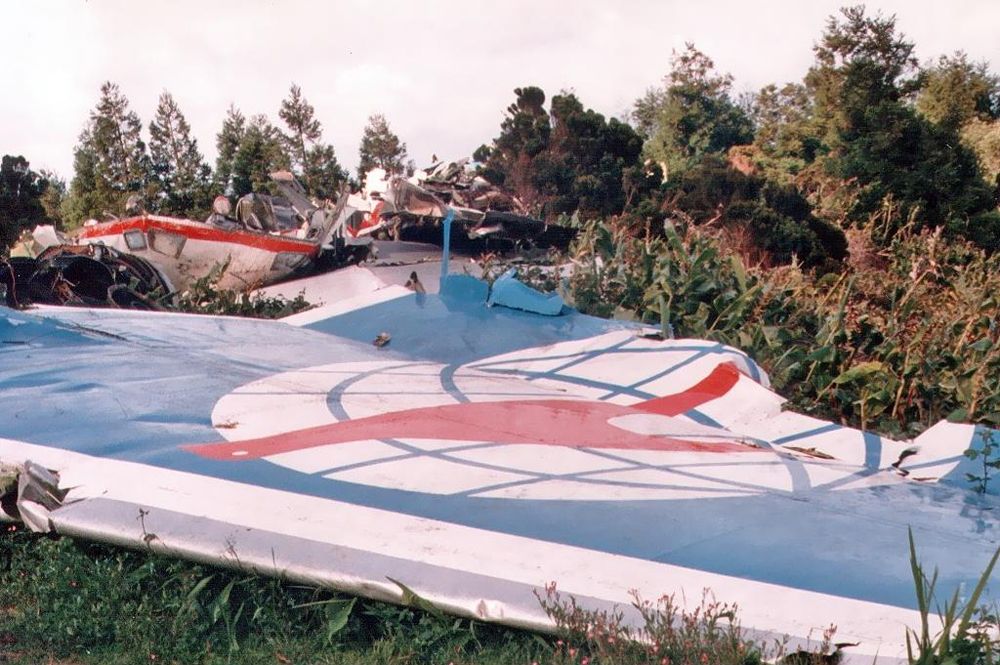
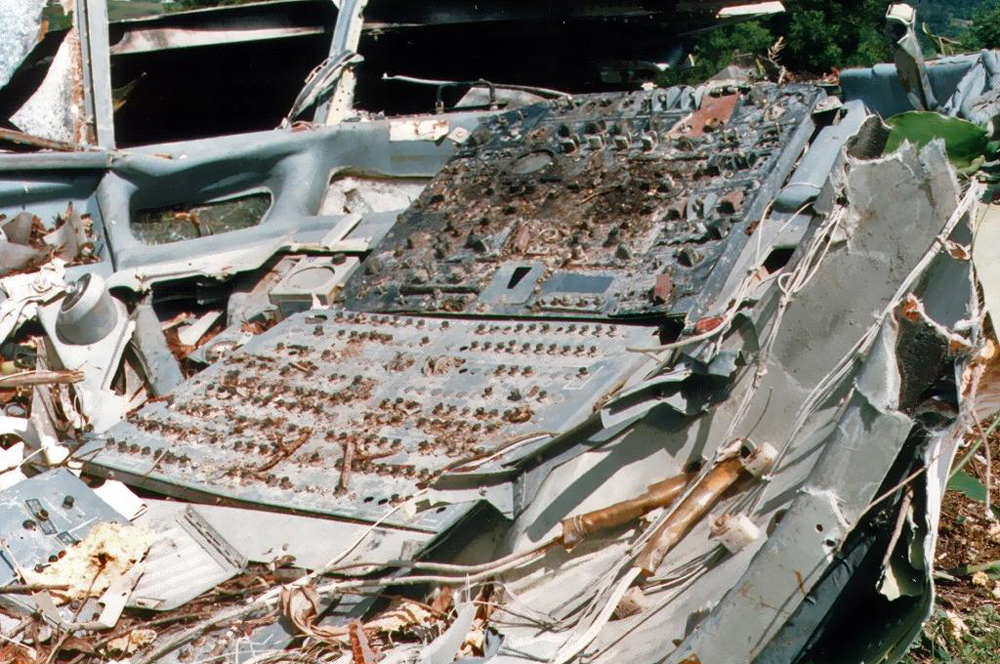
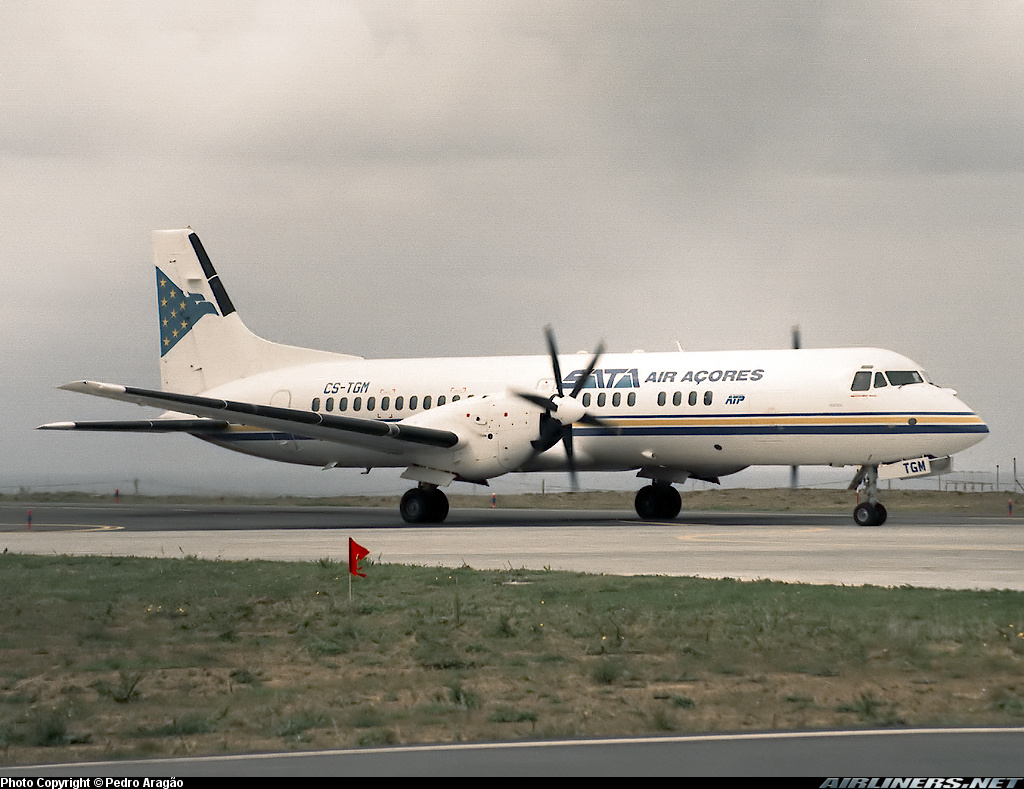
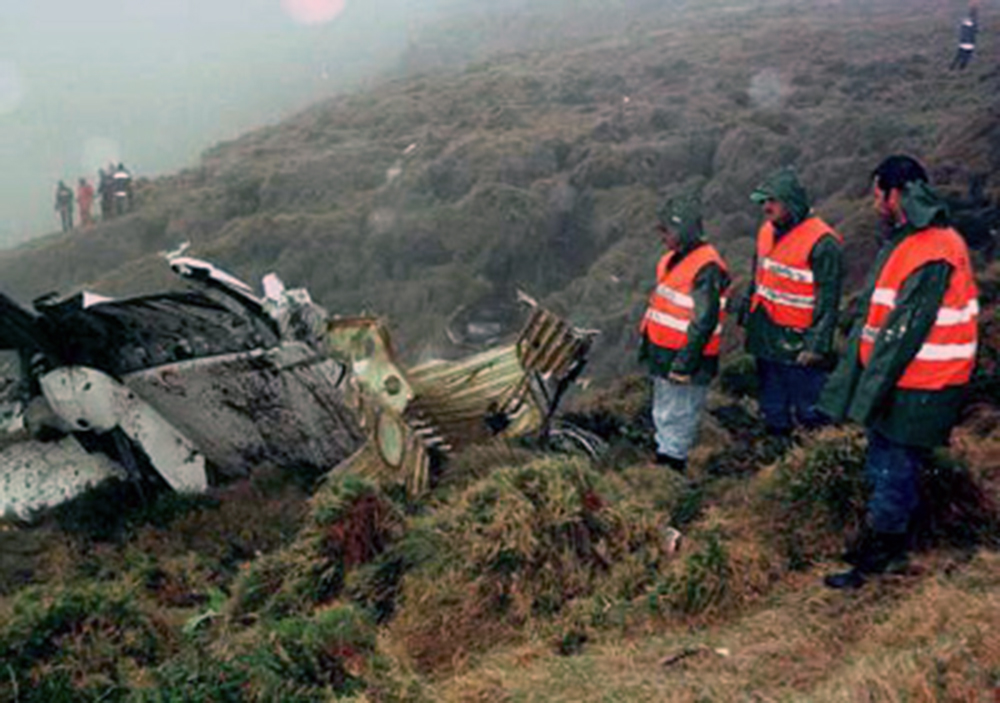
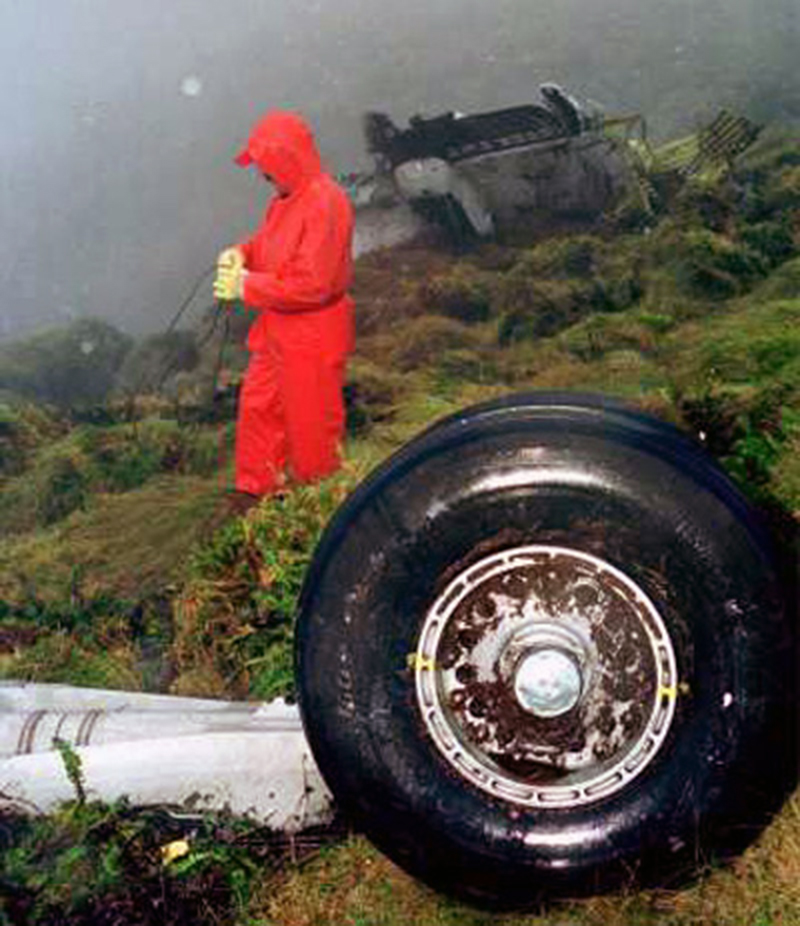
The aircraft departed Ponta Delgada Airport at 0930LT on a schedule flight to Horta, carrying 31 passengers and a crew of four. The weather en route was affected by a frontal system with scattered cumulonimbus, heavy showers, turbulence and strong winds from the southwest. The crew decided to alter their flight plan, opting for a route that included approach descent over the channel between Pico and São Jorge islands to intercept the 250 degree VOR/VFL Horta radial. Horta tower initially cleared the flight to FL100. The crew then requested and were cleared to descent to 5,000 feet with the instruction of maintaining visual contact with Pico Island. During the descent heavy rain and turbulence were encountered. Seven minutes after initiating the descent, while in IMC conditions, the airplane impacted the northern hillside of Pico da Esperança (1067 metres high) located on São Jorge Island. It was later reported that the GPWS alarm sounded 17 seconds before impact. The aircraft disintegrated on impact and all 35 occupants were killed.
Probable cause:
Controlled flight into terrain after the crew failed to maintain the proper altitude. The following factors were identified:
- Inaccurate navigation configuration on part of the crew,
- The crew failed to properly use the weather radar,
- The crew failed to pay sufficient attention to the radio altimeter settings,
- The aircraft was not equipped with a modern and autonomous navigation system which may allow the crew to know their position with more precision,
- Lack of visibility due to poor weather conditions.
- Inaccurate navigation configuration on part of the crew,
- The crew failed to properly use the weather radar,
- The crew failed to pay sufficient attention to the radio altimeter settings,
- The aircraft was not equipped with a modern and autonomous navigation system which may allow the crew to know their position with more precision,
- Lack of visibility due to poor weather conditions.
Final Report:

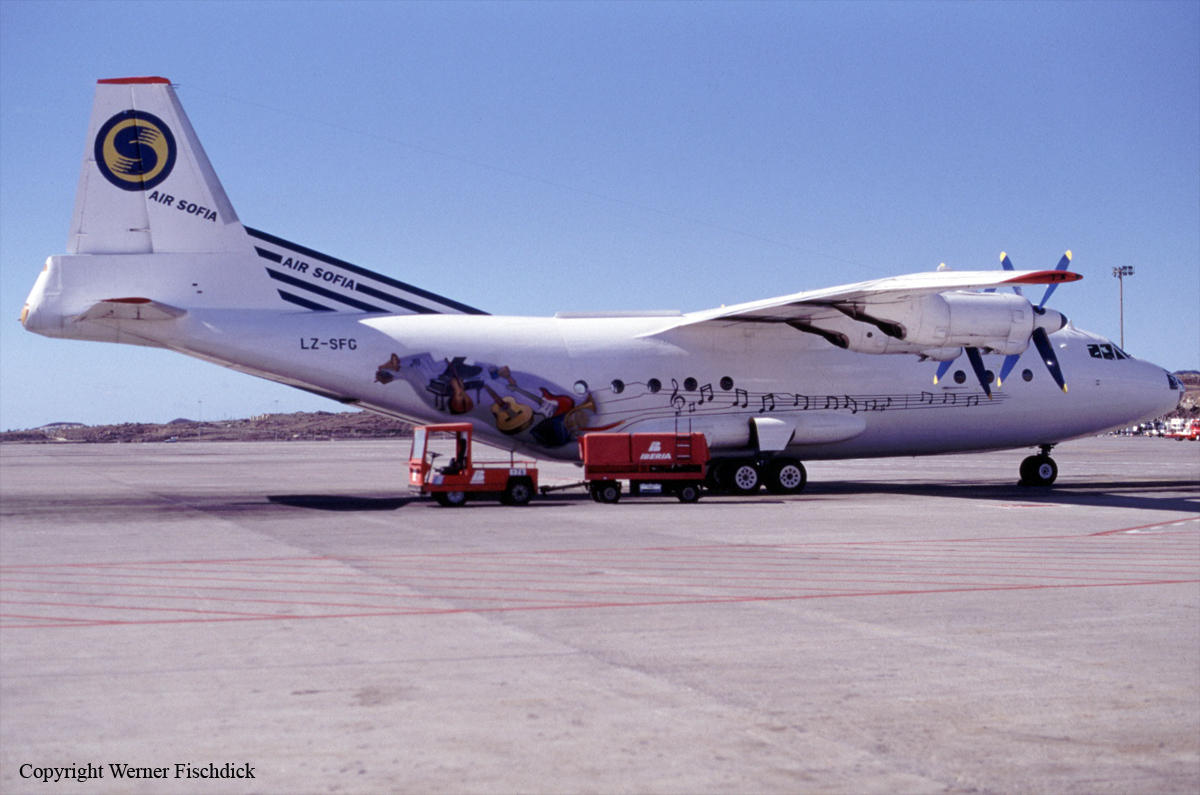
Crash of an Antonov AN-12BP in Lajes: 7 killed
Date & Time:
Feb 4, 1998 at 2217 LT
Operator:

Registration:
LZ-SFG
Survivors:
No
Schedule:
Lisbon – Ponta Delgada – Lajes – Lisbon
MSN:
3 3 416 05
YOM:
1963
Flight number:
LXR513
Crew on board:
7
Crew fatalities:
Pax on board:
0
Pax fatalities:
Other fatalities:
Total fatalities:
7
Captain / Total hours on type:
3104.00
Copilot / Total hours on type:
1772
Aircraft flight hours:
12492
Aircraft flight cycles:
7005
Circumstances:
The four engine aircraft was completing a mail flight from Lisbon to Ponta Delgada and Lajes and back to Lisbon. On the last leg from Lajes to Lisbon, the cargo consisted of 1,693,5 kg of cargo and mail. Shortly after takeoff from runway 33, while in initial climb, the engine n°3 failed and its propeller autofeathered. Six seconds later, the engine n°4 failed as well. The aircraft went out of control and crashed in hilly terrain not far from the airport. The aircraft was destroyed and all seven occupants were killed.
Probable cause:
The following factors were identified:
- Engines n°3 and 4 stoppage at takeoff due to incorrect selection of the Fuel System,
- Interruption of the checklist sequence in the attempt to transfer fuel from the lower tanks to the wings, which may have contributed to the incorrect selection of the Fuel System,
- The cargo was not secured may have contributed to the deterioration of the stability and controllability of the aircraft,
- The impossibility to retract the landing gear, in time, which contributed to the decrease of the aircraft performance.
- Engines n°3 and 4 stoppage at takeoff due to incorrect selection of the Fuel System,
- Interruption of the checklist sequence in the attempt to transfer fuel from the lower tanks to the wings, which may have contributed to the incorrect selection of the Fuel System,
- The cargo was not secured may have contributed to the deterioration of the stability and controllability of the aircraft,
- The impossibility to retract the landing gear, in time, which contributed to the decrease of the aircraft performance.
Final Report:

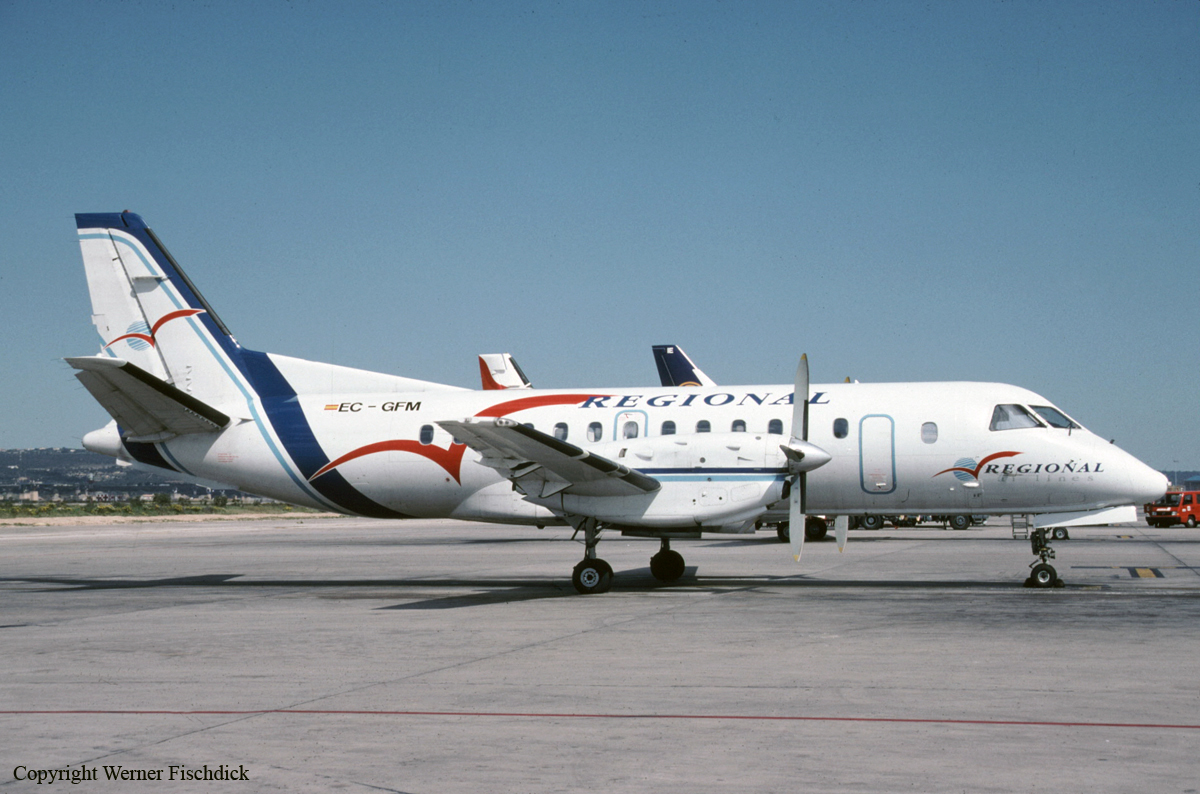
Crash of a Saab 340B in Porto
Date & Time:
May 14, 1997 at 1628 LT
Registration:
EC-GFM
Survivors:
Yes
Schedule:
Madrid - Porto
MSN:
315
YOM:
1992
Flight number:
RGN1335
Crew on board:
3
Crew fatalities:
Pax on board:
34
Pax fatalities:
Other fatalities:
Total fatalities:
0
Captain / Total hours on type:
1292.00
Copilot / Total hours on type:
904
Aircraft flight hours:
7226
Aircraft flight cycles:
7216
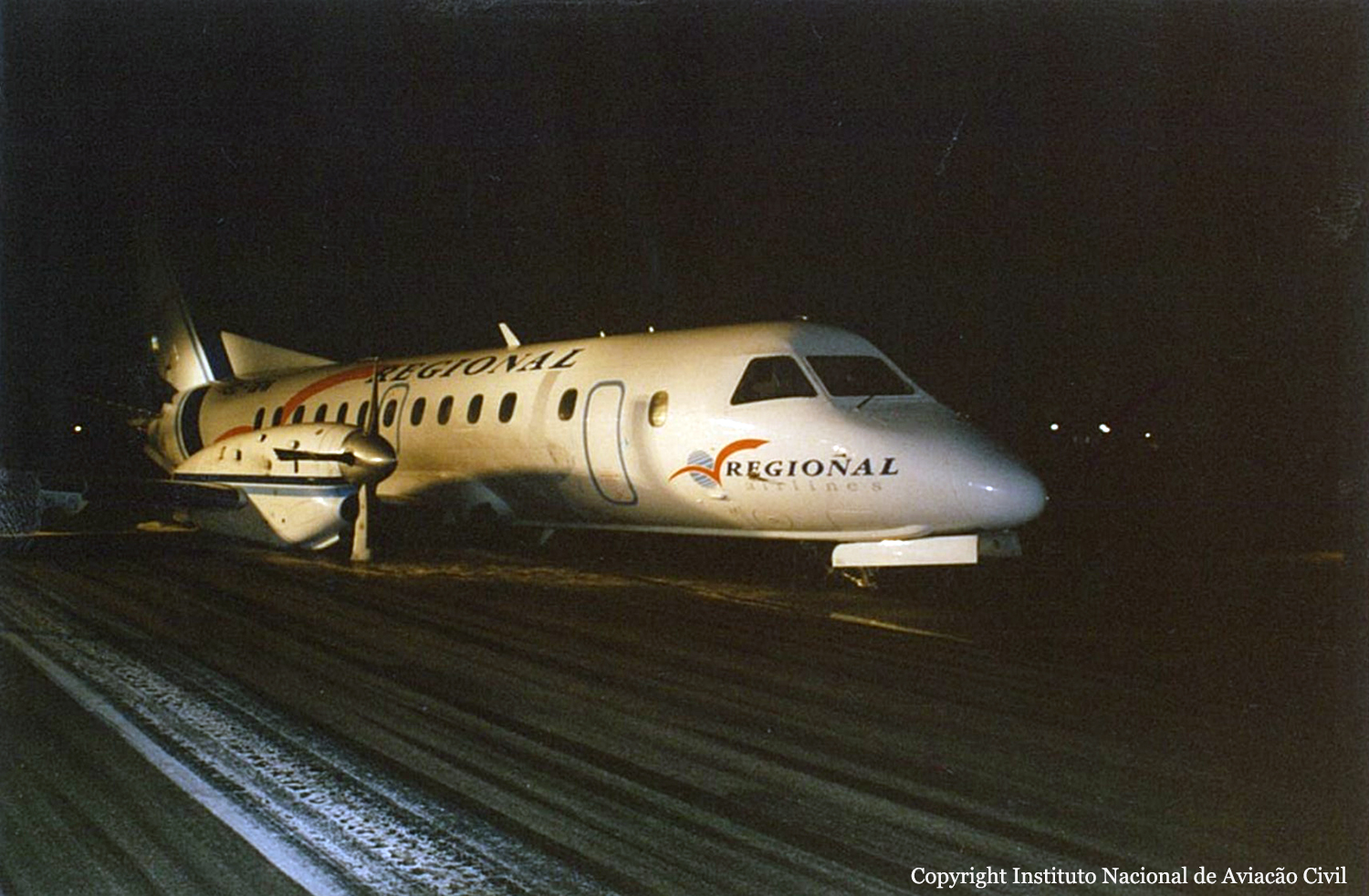
Circumstances:
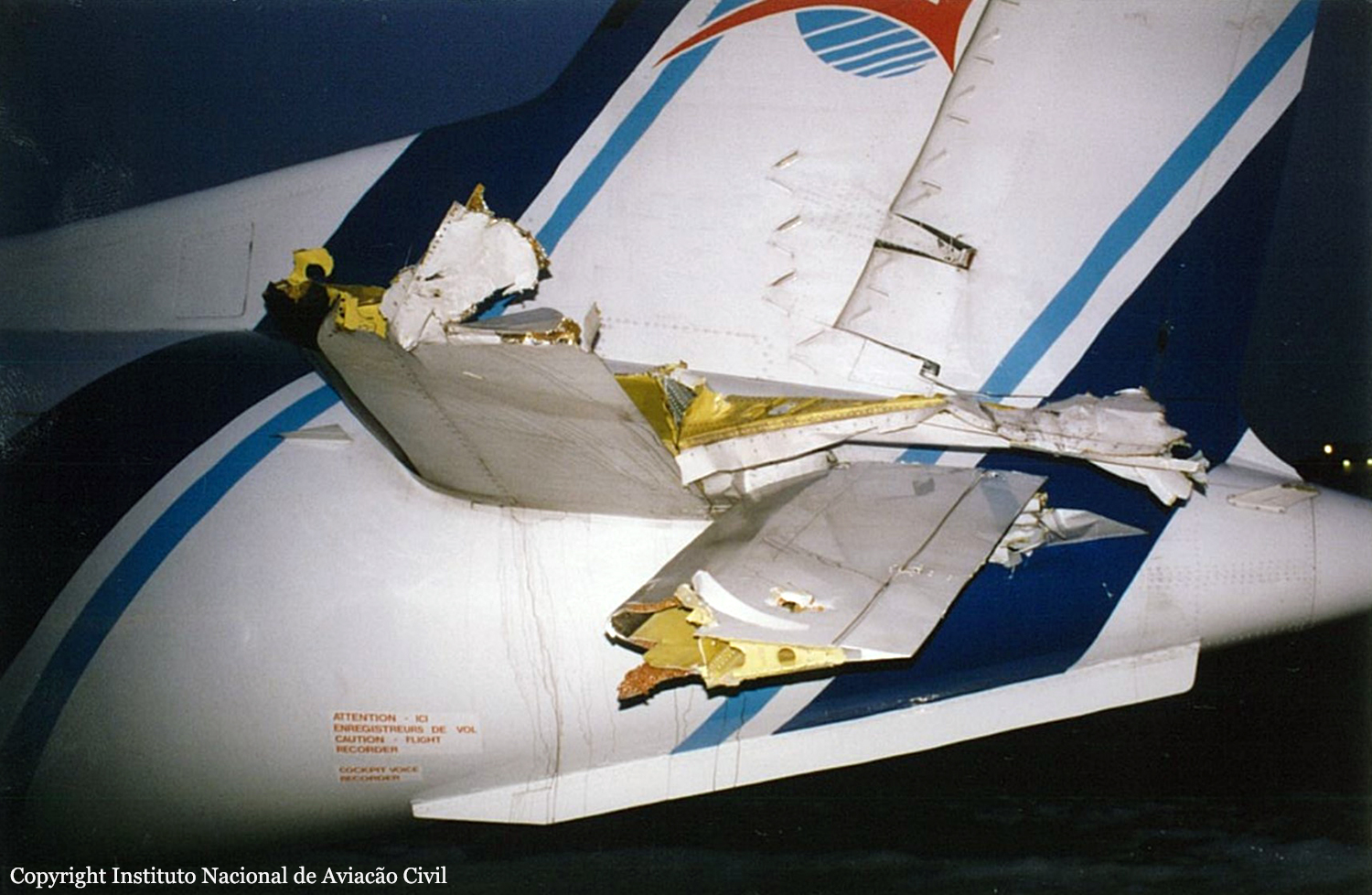
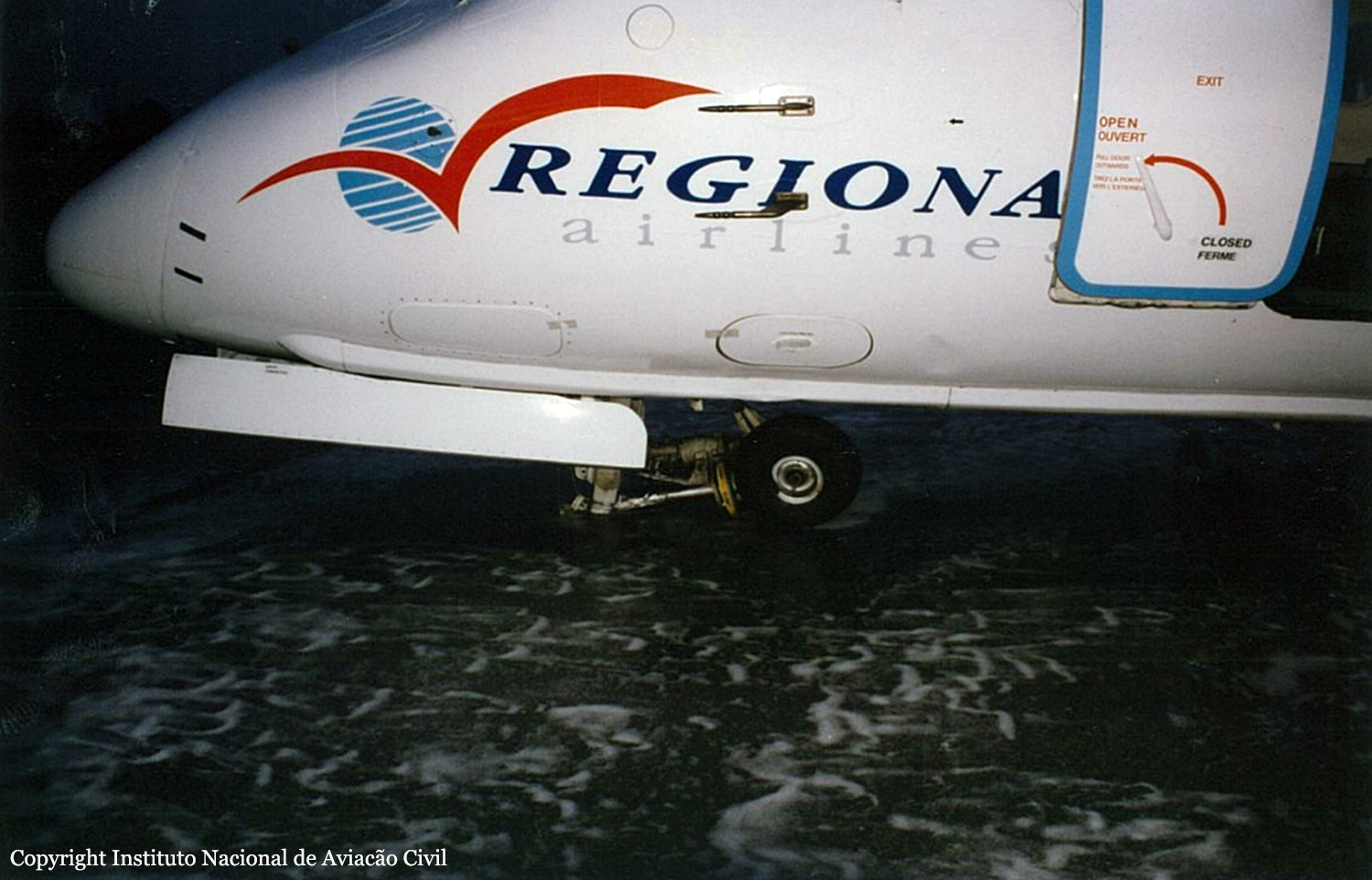
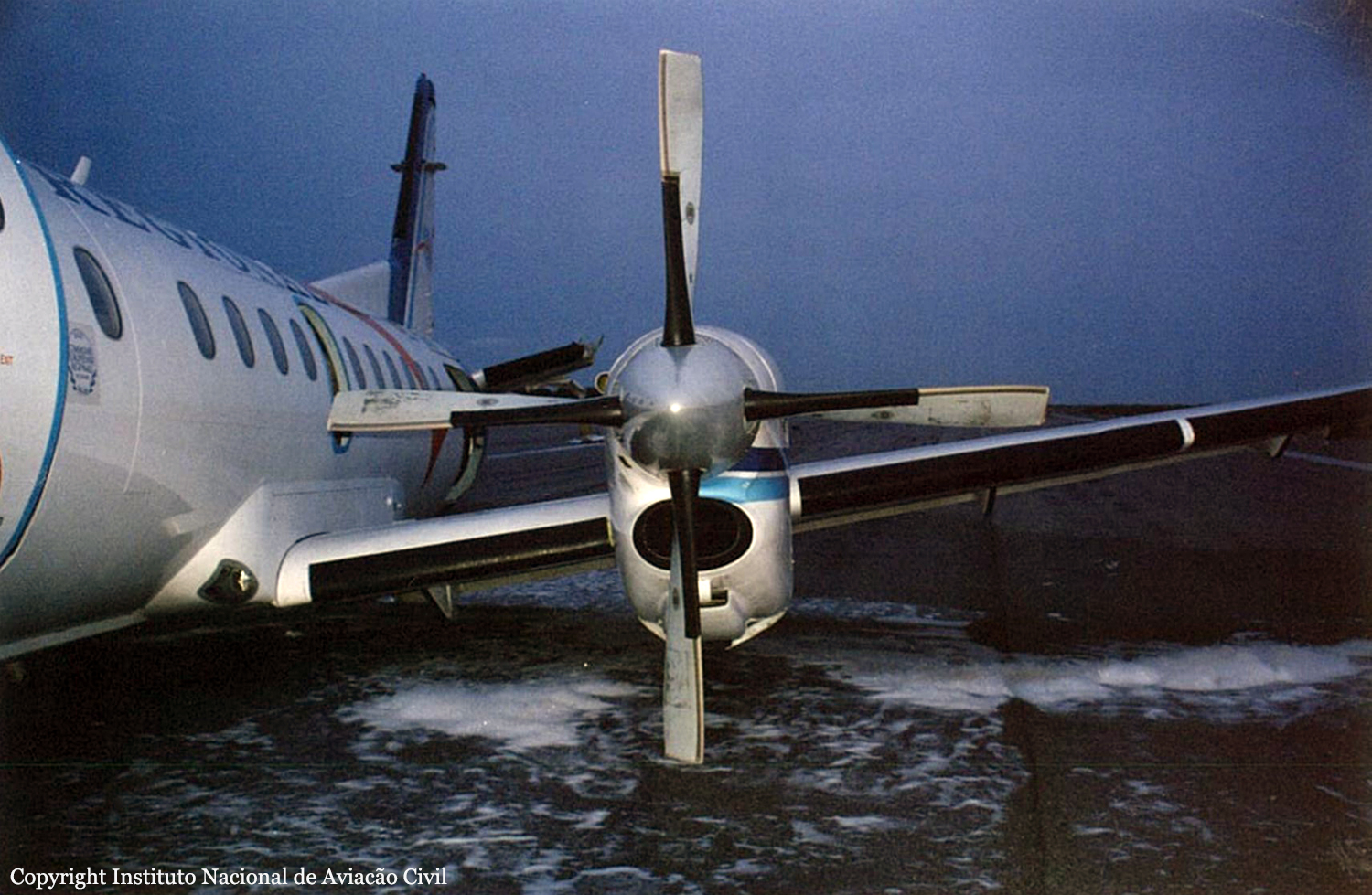
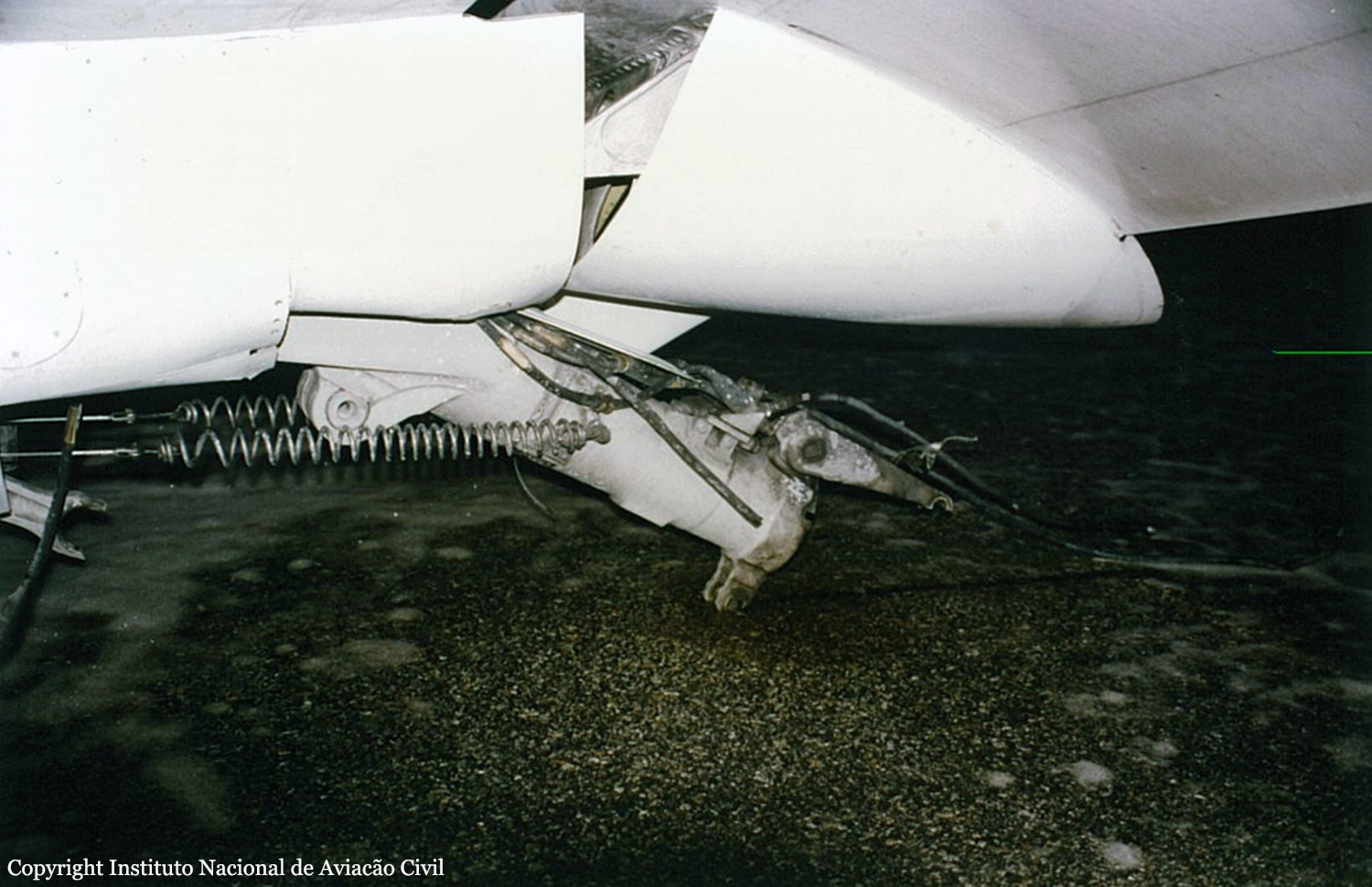
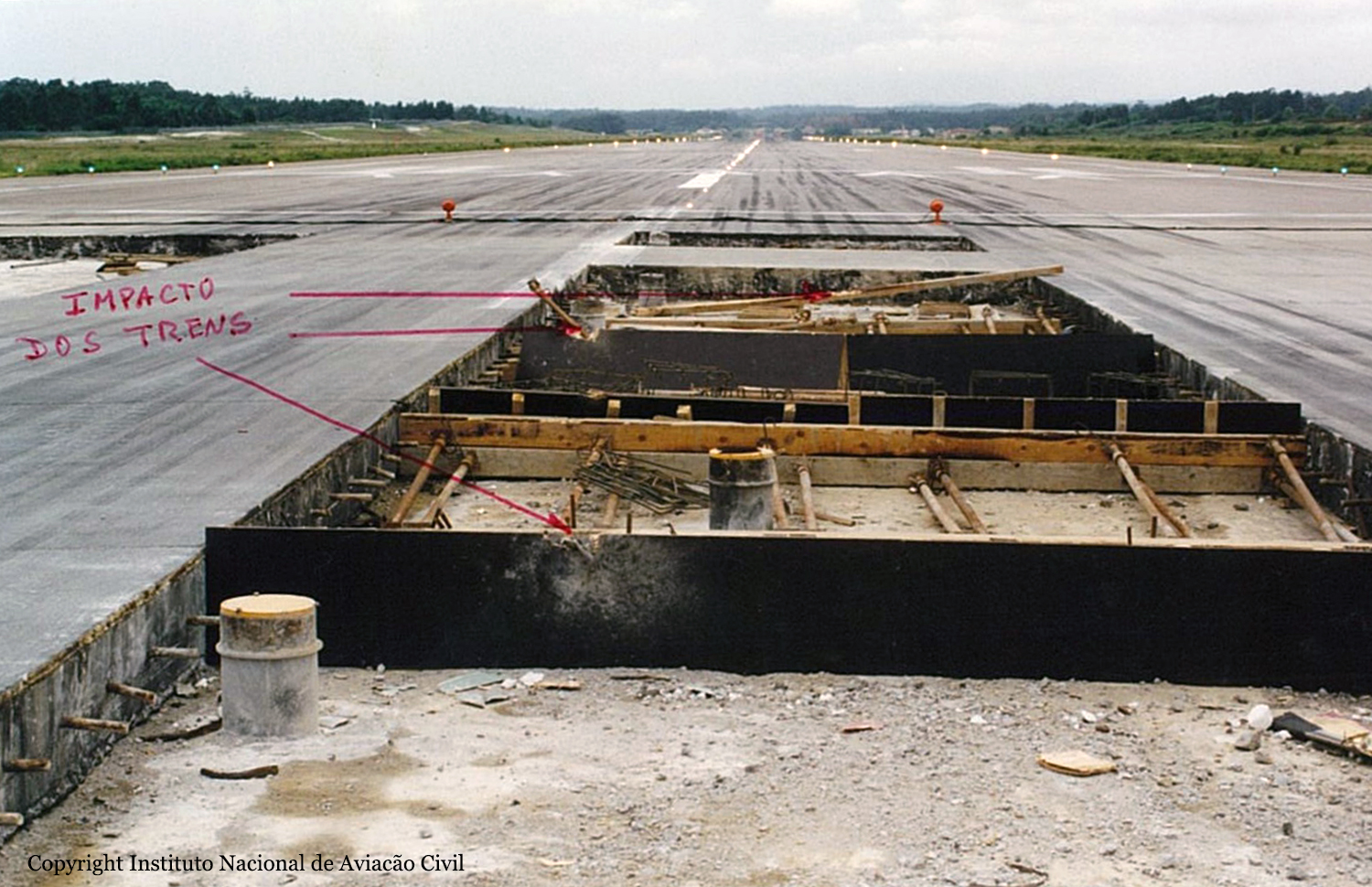
Because of construction works on runway 35, the threshold at Porto was displaced by 760 metres. This was published in a Notam but during the flight preparation at Madrid-Barajas Airport, the crew was not informed about this notice. Following an uneventful flight, the crew was cleared to descent and received instructions for a landing on runway 35 but no information about the displaced threshold. On final approach, the controller realized that the aircraft was approaching too low and instructed the crew to 'overshoot please'. The crew did not react to this instruction and continued the approach when the aircraft undershot the displaced threshold and landed in the construction area. It struck several trenches which caused the undercarriage to be torn off and slid for few dozen metres before coming to rest on the runway. All 37 occupants were evacuated safely and the aircraft was damaged beyond repair.
Probable cause:
The following factors were identified:
- While preparing the flight in Madrid, the crew have not been informed about the Notam published by the Porto Airport Authority reporting that the runway 35 threshold has been temporary displaced of 760 metres due to construction works,
- The existence of two markings on the runway 35 threshold, which may have confused the crew,
- Lack of concentration of the crew during the flight,
- The controller did not effectively alert the crew about work in progress,
- The controller, trying to alert the crew, did not use a correct phraseology.
- While preparing the flight in Madrid, the crew have not been informed about the Notam published by the Porto Airport Authority reporting that the runway 35 threshold has been temporary displaced of 760 metres due to construction works,
- The existence of two markings on the runway 35 threshold, which may have confused the crew,
- Lack of concentration of the crew during the flight,
- The controller did not effectively alert the crew about work in progress,
- The controller, trying to alert the crew, did not use a correct phraseology.
Final Report:
Crash of a Transall C-160D off Ponta Delgada: 7 killed
Date & Time:
Oct 22, 1995
Operator:

Registration:
50+43
Survivors:
No
Schedule:
Ponta Delgada - Saint John's
MSN:
D65
YOM:
1969
Crew on board:
7
Crew fatalities:
Pax on board:
0
Pax fatalities:
Other fatalities:
Total fatalities:
7
Circumstances:
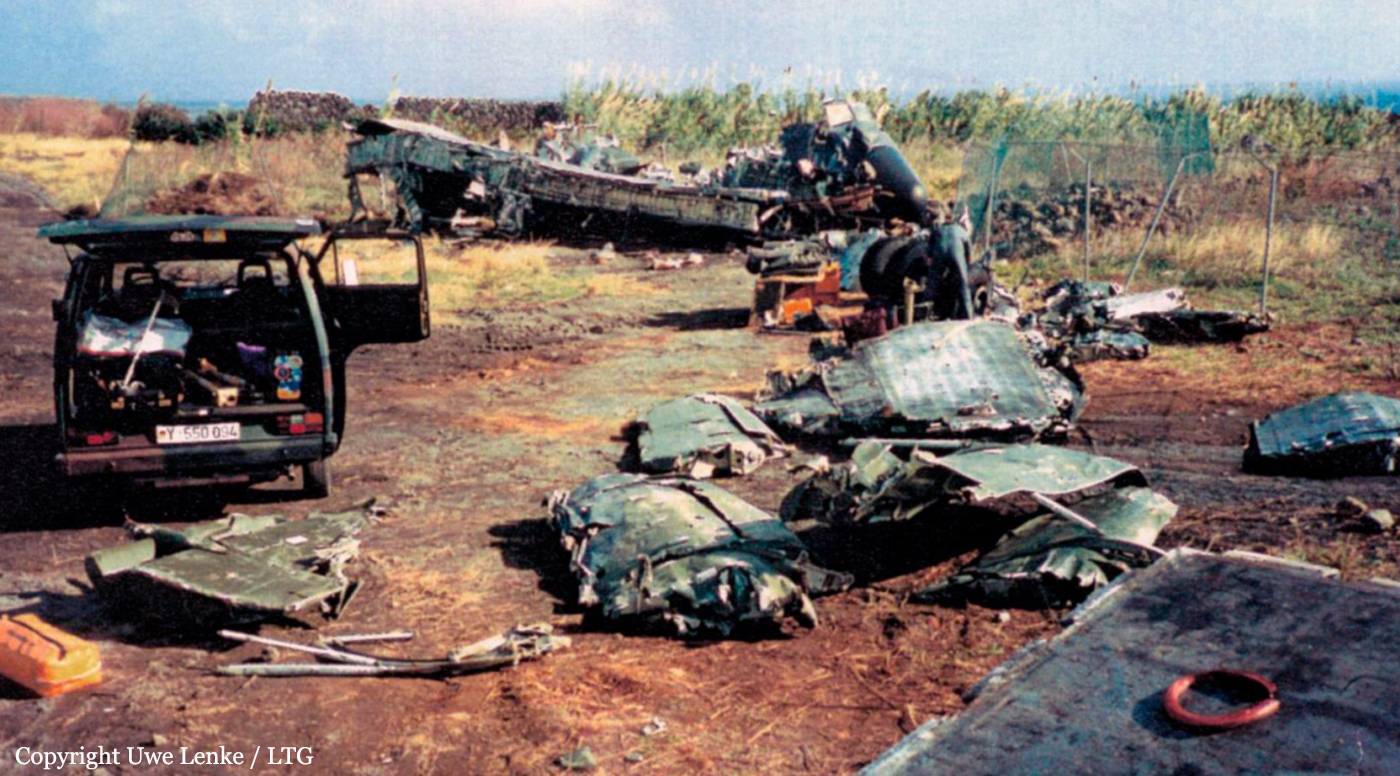
After takeoff from Ponta Delgada-Nordela Airport, the aircraft encountered difficulties to gain height. It collided with power lines, stalled and crashed in the sea few dozen metres offshore. All seven crew members were killed.
Probable cause:
It was reported that one of the engine failed after Vr but before rotation. It was apparently too late for the crew to abort the takeoff procedure. Due to insufficient power, the aircraft was unable to gain height.
Crash of a Britten-Norman BN-2A-8 Islander in Bragança
Date & Time:
May 8, 1994 at 1200 LT
Operator:

Registration:
CS-DAF
Survivors:
Yes
Schedule:
Lisbon - Bragança
MSN:
691
YOM:
1973
Crew on board:
2
Crew fatalities:
Pax on board:
2
Pax fatalities:
Other fatalities:
Total fatalities:
0
Circumstances:
En route from Lisbon to Bragança, while cruising at an altitude of 8,000 feet over clouds, the right engine suffered vibration. Few minutes later, the crew decided to shut it down and its propeller was feathered. As the crew was unable to maintain a safe altitude on one engine, he decided to descend and to attempt an emergency landing on a road. On final, the aircraft struck trees and crashed. All four occupants were slightly injured.
Crash of a Douglas DC-10-30CF in Faro: 56 killed
Date & Time:
Dec 21, 1992 at 0833 LT
Operator:

Registration:
PH-MBN
Survivors:
Yes
Schedule:
Amsterdam - Faro
MSN:
46924
YOM:
1975
Flight number:
MP495
Crew on board:
13
Crew fatalities:
Pax on board:
327
Pax fatalities:
Other fatalities:
Total fatalities:
56
Captain / Total hours on type:
1497.00
Copilot / Total hours on type:
1787
Aircraft flight hours:
61543
Aircraft flight cycles:
14615
Circumstances:
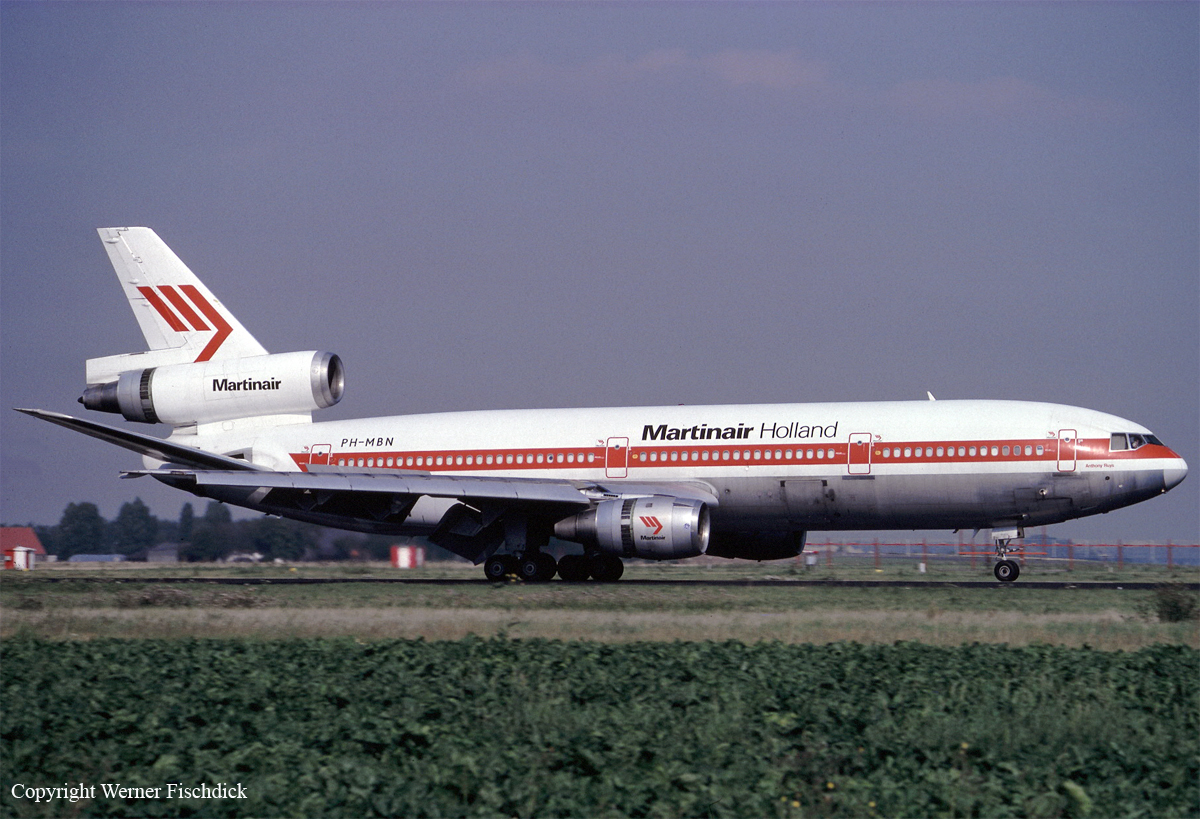
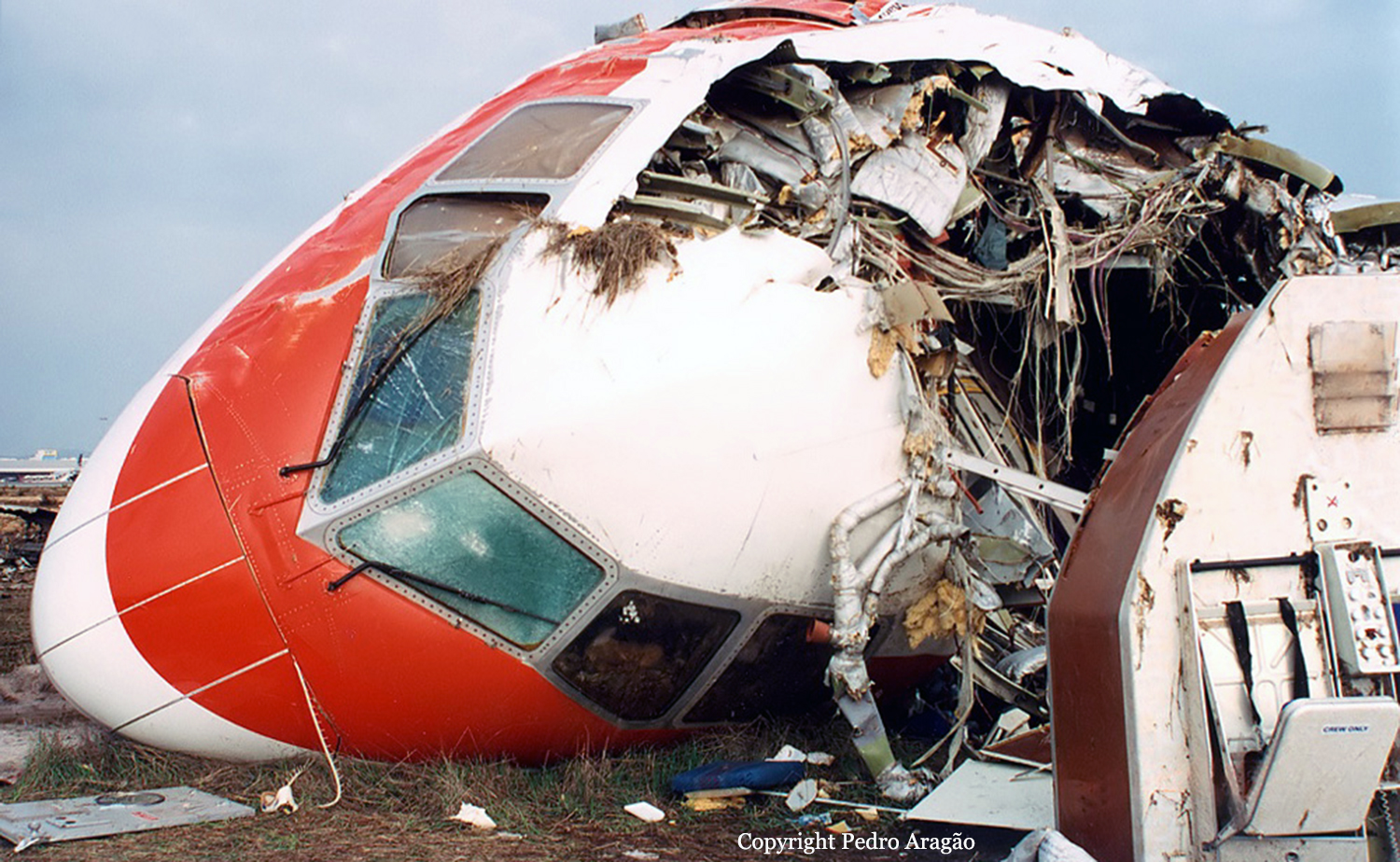
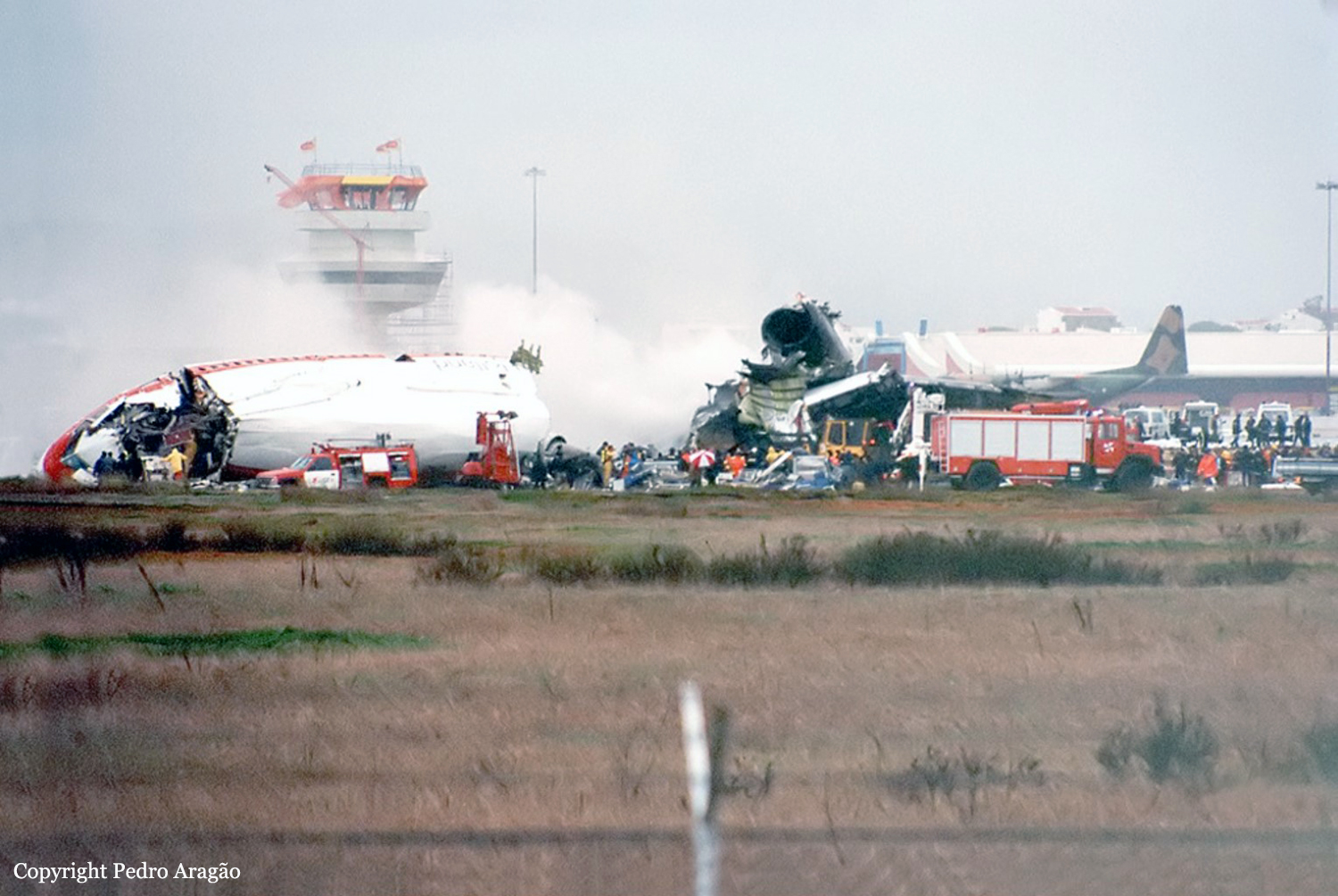
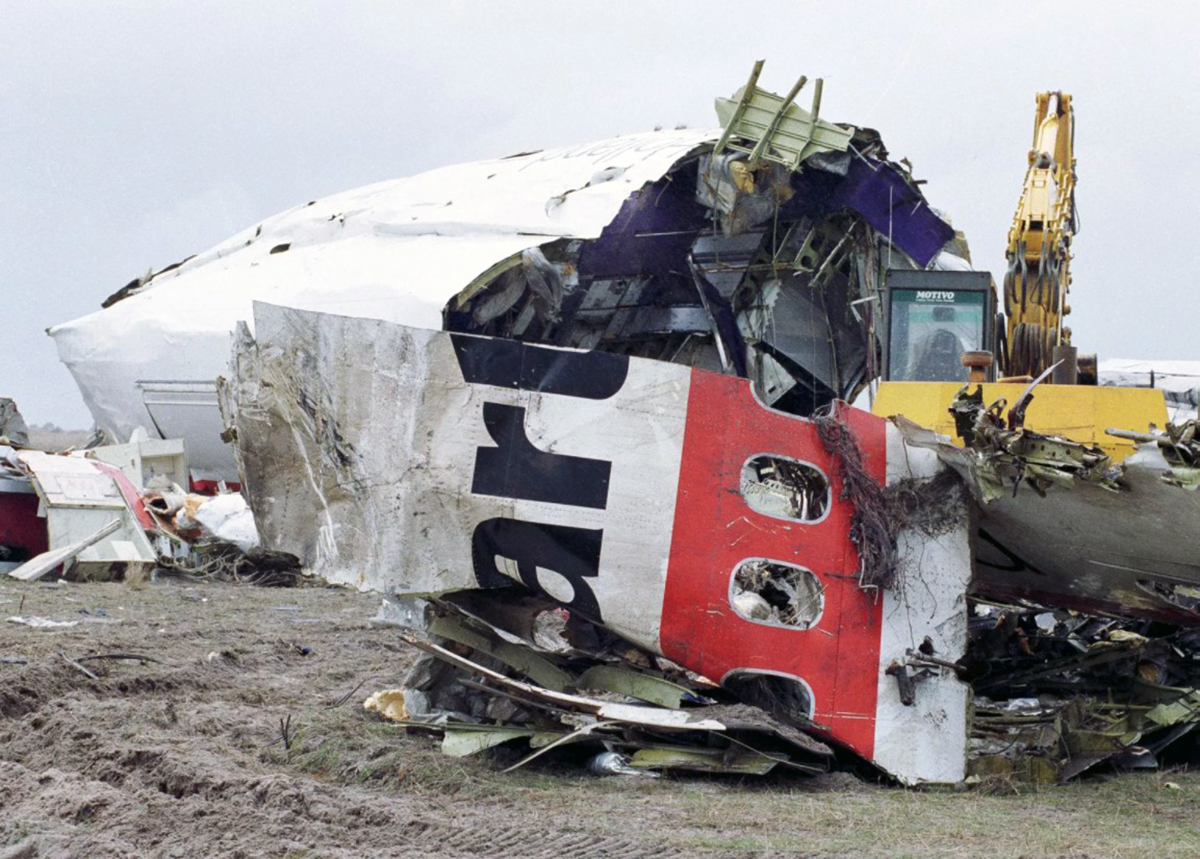
At 0552LT, the aircraft departed Amsterdam-Schiphol Airport on a charter flight to Faro. The flight had been delayed for 40 minutes due to n°2 engine reverser problems. After a flight of 2 hours and 17 minutes, the crew was cleared to descend to FL070. Shortly afterwards Faro Approach Control provided the crew with the following weather: wind 15°/18 knots; 2,500 metres visibility, thunderstorms with 3/8 clouds at 500 feet, 7/8 clouds at 2,300 feet and 1/8 cumulonimbus at 2,500 feet, OAT 16° C. Clearance to descend to 1,220 metres was given at 0820LT, followed by a clearance to 915 metres and 650 metres 4, respectively 6 minutes later. At 0829LT the crew were informed that the runway was flooded. At an altitude of 303 metres and at a speed of 140 knots, the aircraft became unstable and at 177 metres the first officer switched the autopilot from CMD (command mode) to CWS (control-wheel steering). One minute later it was switched from CWS to manual and the airspeed began falling below approach reference speed. About 3-4 seconds short of touchdown, elevator was pulled to pitch up and engine power was increased. When the n°3 and 5 spoilers extended, the aircraft banked to the right to an angle of 25°. The right main gear struck the the runway surface with a rate of descent of 900 feet per minute and at a speed of 126 knots. With a nose up attitude of 8,79° and a roll angle of 5,62°, the aircraft touched down with a positive acceleration of 1,95 g. Upon impact, the right wing separated while the aircraft slid down the runway and came to rest 1,100 metres from the runway 11 threshold and 100 metres to the right of the centreline, bursting into flames. Two crew members and 54 passengers were killed while 284 other occupants were evacuated, among them 106 were seriously injured.
Probable cause:
The high rate of descent in the final phase of the approach and the landing made on the right landing gear, which exceeded the structural limitations of the aircraft.; The crosswind, which exceeded the aircrafts limits and which occurred in the final phase of the approach and during landing. The combination of both factors determined stresses which exceeded the structural limitations of the aircraft. Contributing factors were: The instability of the approach; the premature power reduction, and the sustaining of this condition, probably due to crew action; the incorrect wind information delivered by Approach Control; the absence of an approach light system; the incorrect evaluation by the crew of the runway conditions; CWS mode being switched off at approx. 80ft RA, causing the aircraft to be in manual control in a critical phase of the landing; the delayed action of the crew in increasing power; the degradation of the lift coefficient due to heavy showers. The Netherlands Aviation Safety Board commented that the probable cause should read: "a sudden and unexpected wind variation in direction and speed (windshear) in the final stage of the approach. Subsequently a high rate of descent and an extreme lateral displacement developed, causing a hard landing on the right-hand main gear, which in combination with a considerable crab angle exceeded the aircraft structural limitations. Contributing factors: From the forecast and the prevailing weather the crew of MP495 did not expect the existence of windshear phenomena.; The premature large power reduction and sustained flight idle thrust, most probable due to crew action.; CWS mode being disengaged at approx. 80ft RA, causing the aircraft to be in manual control at a critical stage in the landing phase.
Final Report:
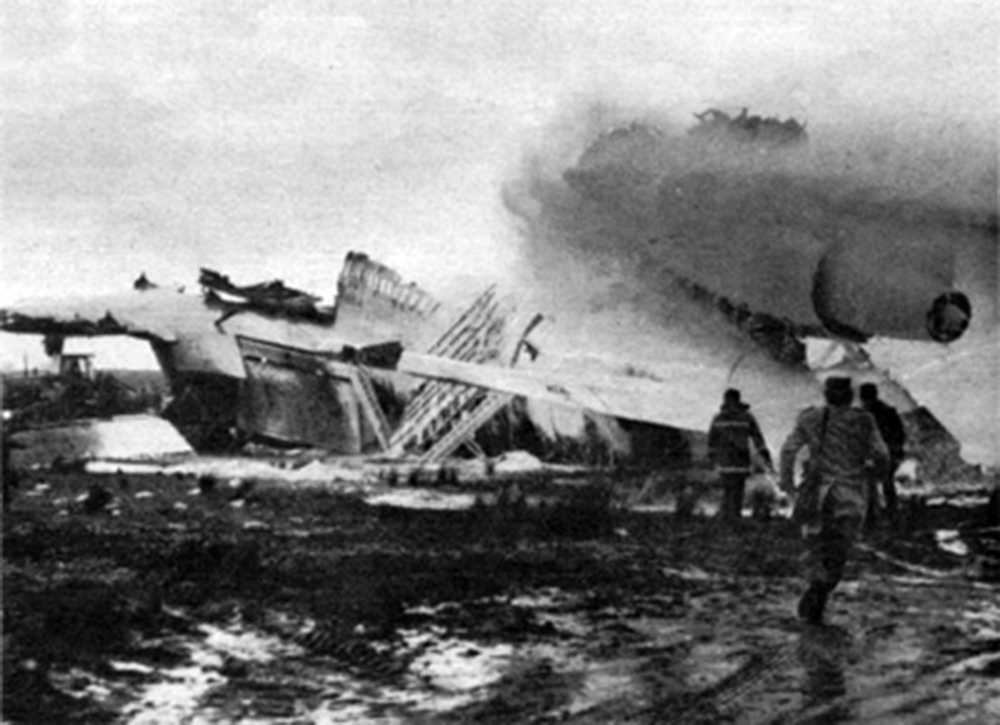
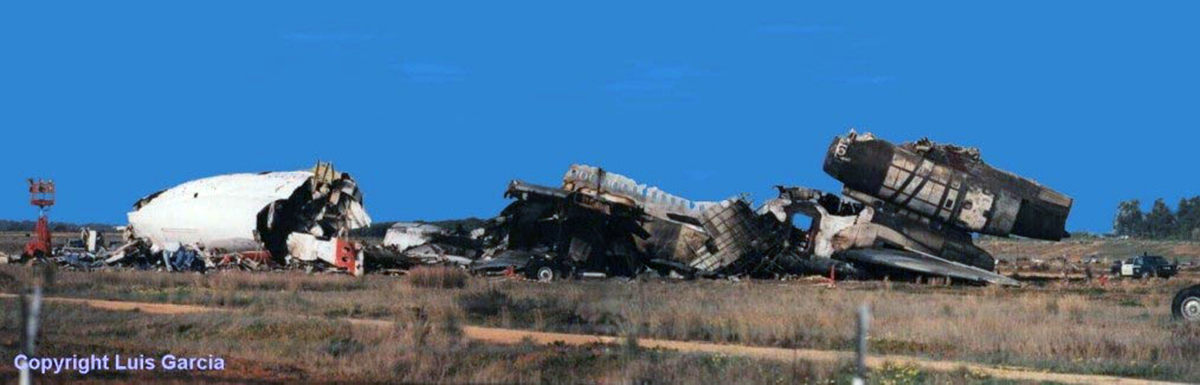
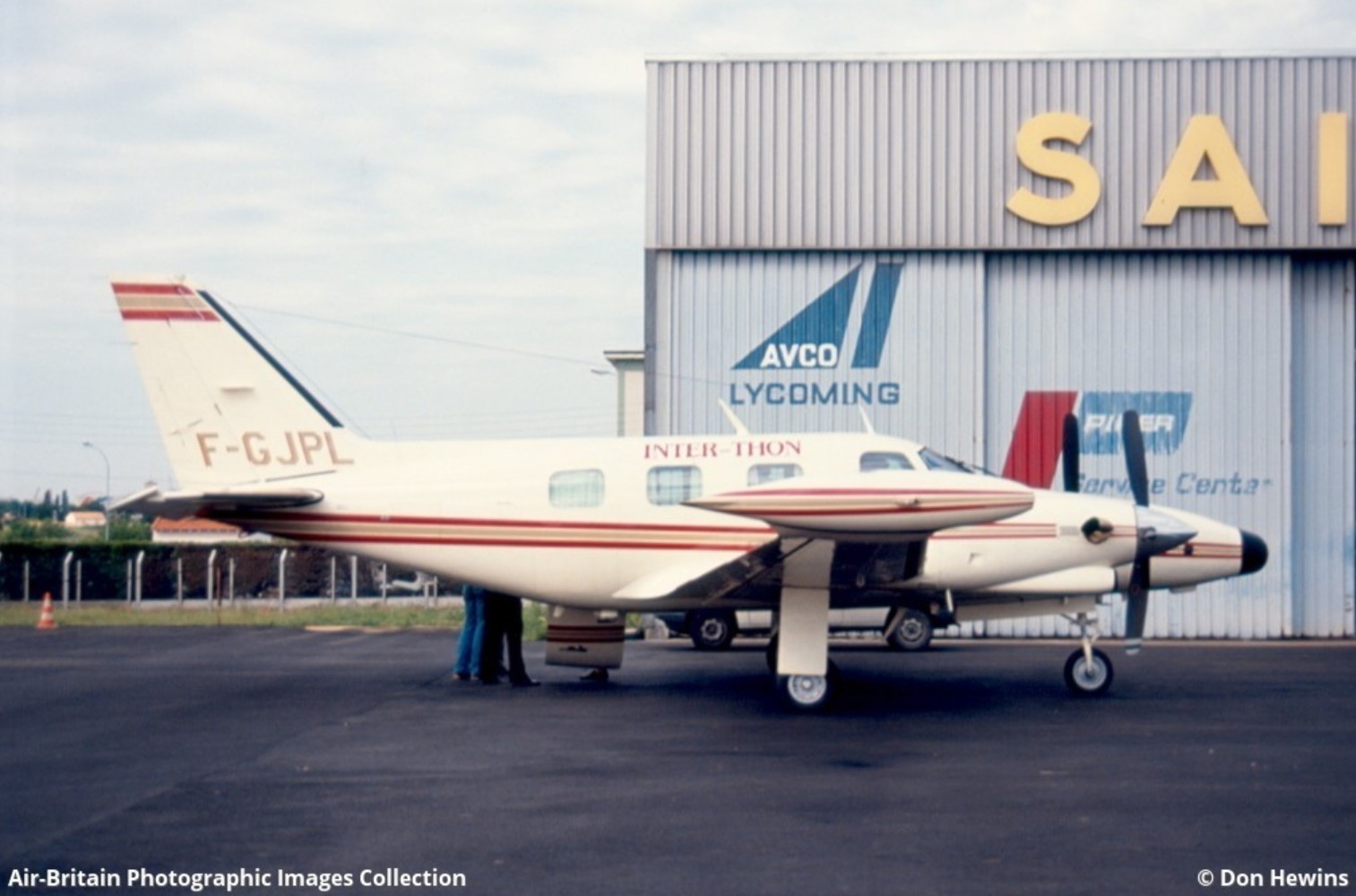
Crash of a Piper PA-31T Cheyenne II in Horta: 4 killed
Date & Time:
Jun 5, 1990 at 1802 LT
Registration:
F-GJPL
Survivors:
No
Schedule:
Ponta Delgada - Horta
MSN:
31-8120029
YOM:
1981
Crew on board:
1
Crew fatalities:
Pax on board:
3
Pax fatalities:
Other fatalities:
Total fatalities:
4
Aircraft flight hours:
1663
Circumstances:
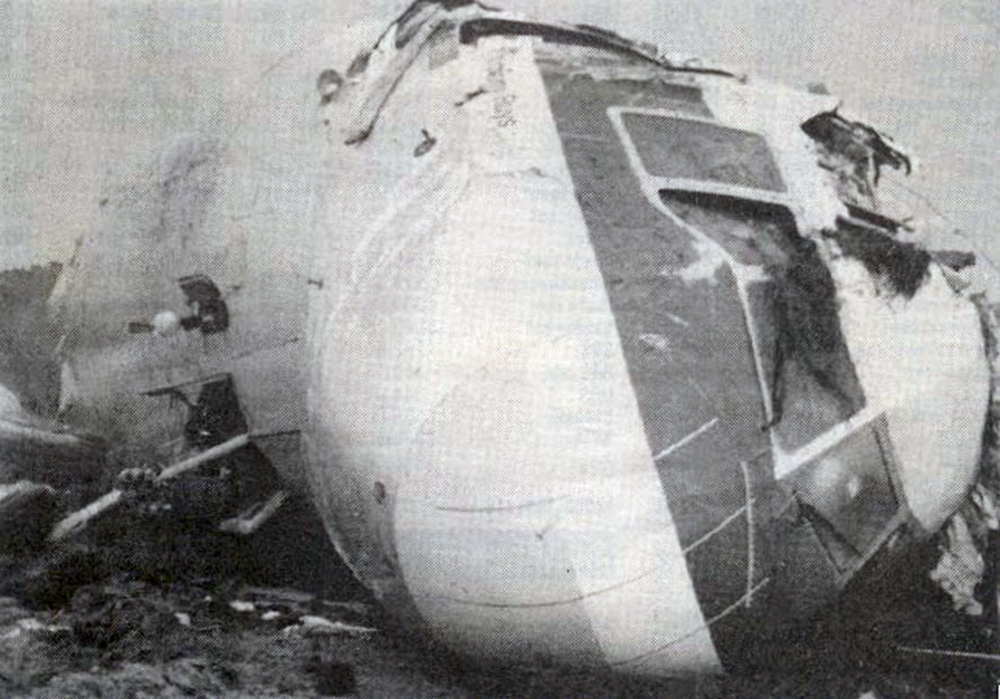
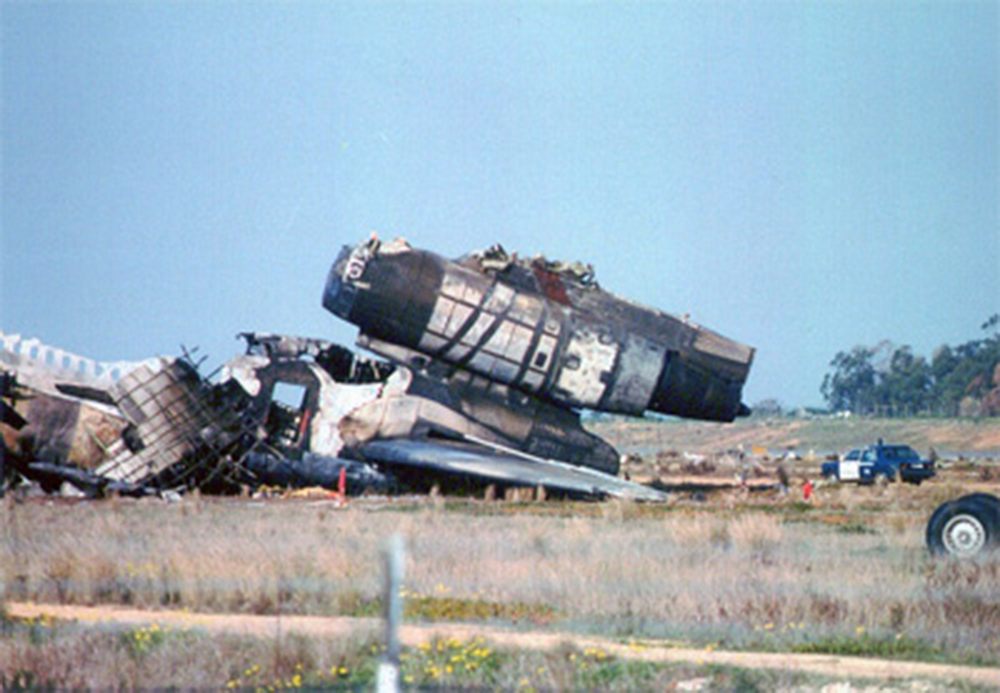
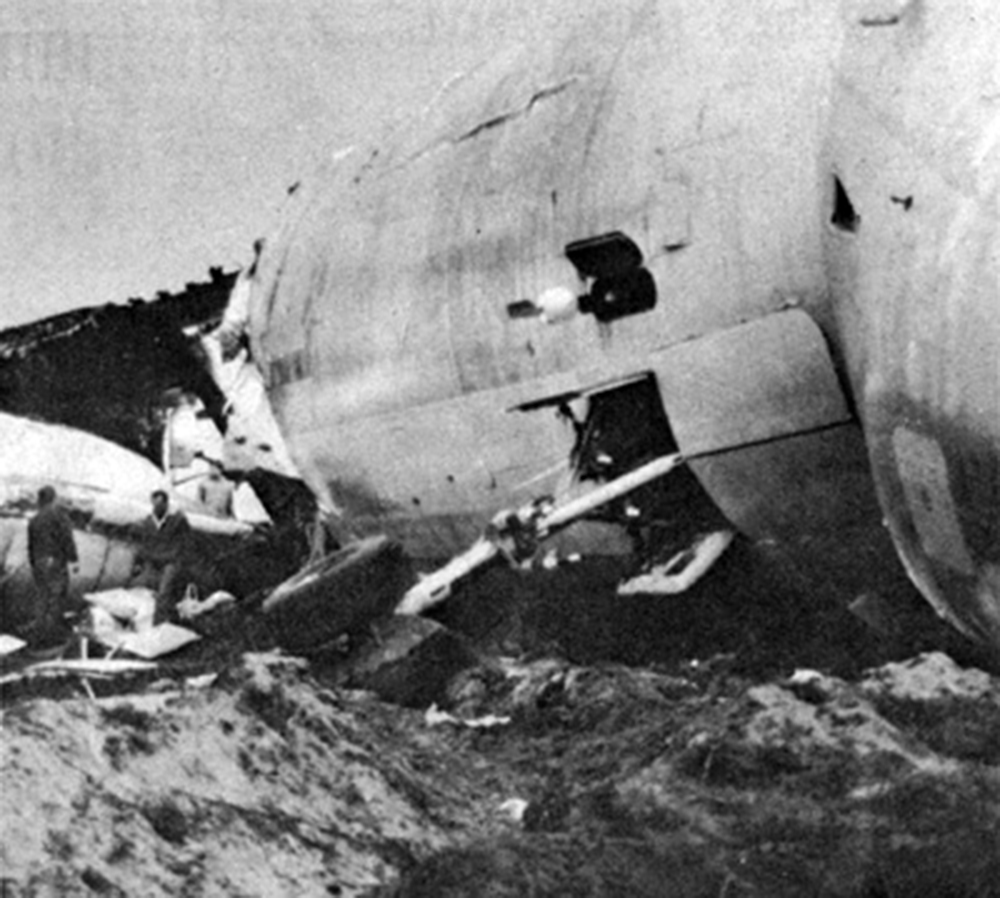
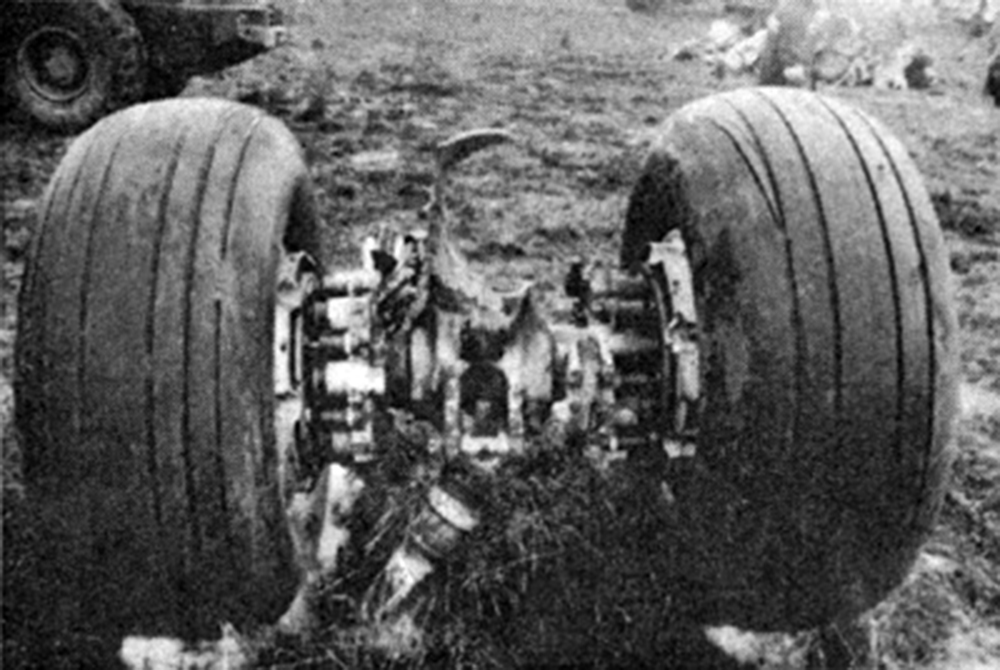
The twin engine airplane departed Ponta Delgada Airport at 1449LT on a survey flight over the Atlantic ocean to trace shoals of tuna, carrying two passengers, one observer and one pilot. At 1751LT, the mission was over and the pilot was cleared to descend to Horta Airport. On final approach to runway 29, after being cleared to land, the aircraft entered a right turn then lost height and crashed 600 meters to the right of the runway 29 extended centerline. The aircraft was totally destroyed and all four occupants were killed.
Probable cause:
It is believed that the loss of control following an unexpected right turn on short final was the consequence of a temporary disability of the pilot who probably suffered an aortic rupture. Nevertheless, the following hypothesis were not ruled out: asphyxia to carbon monoxide, convulsion or a heart attack.
Final Report:
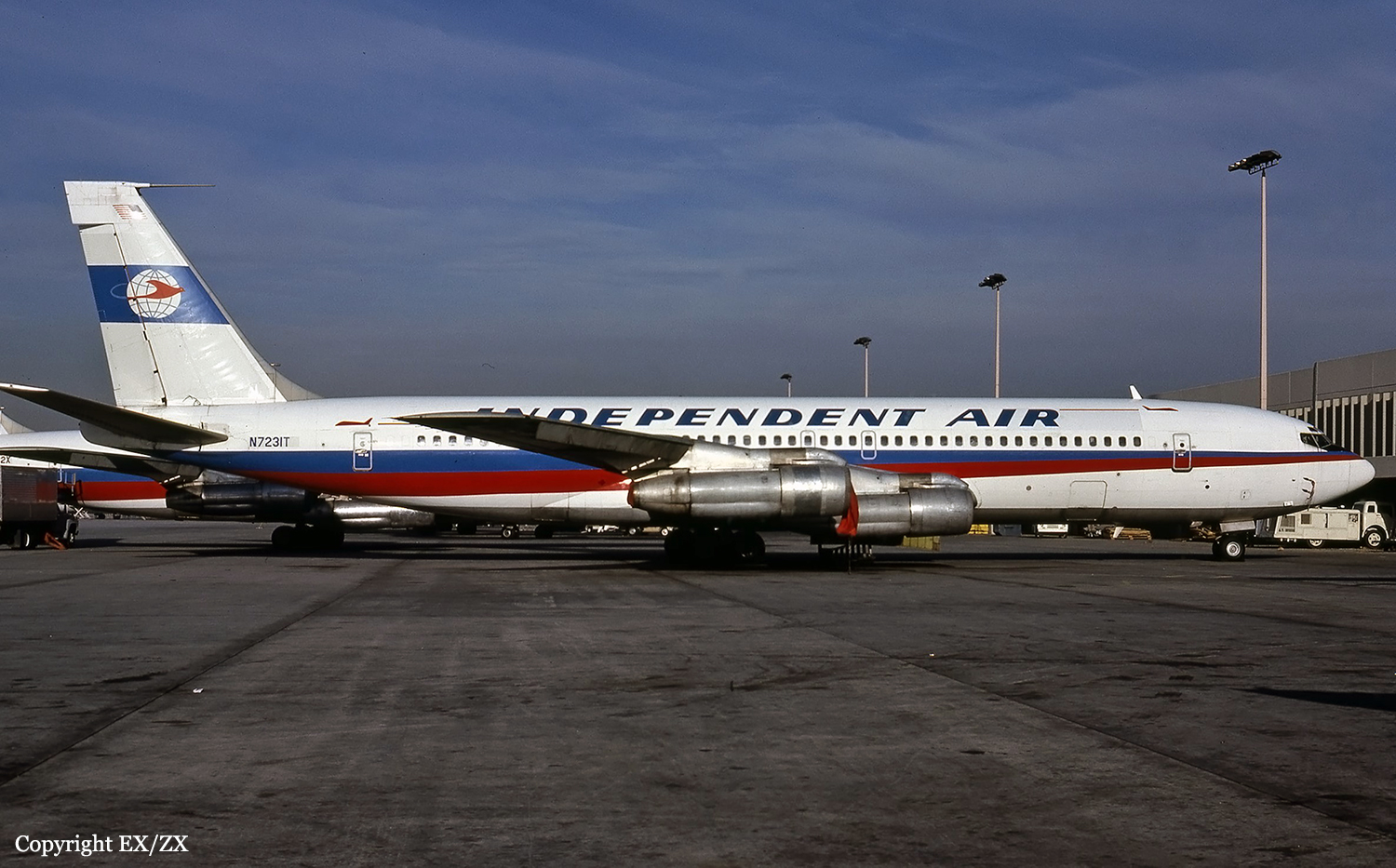
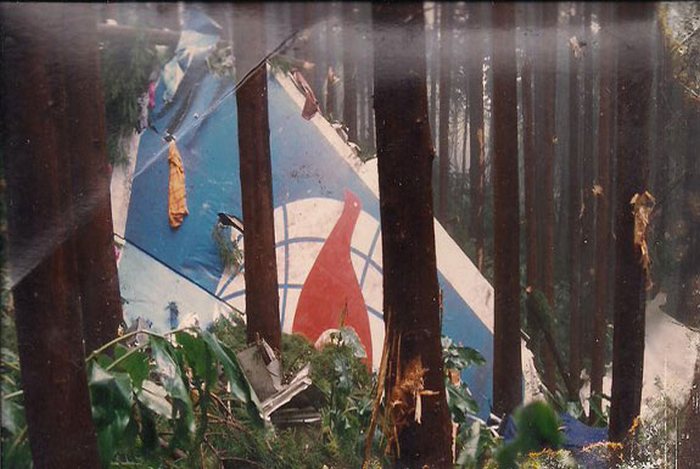
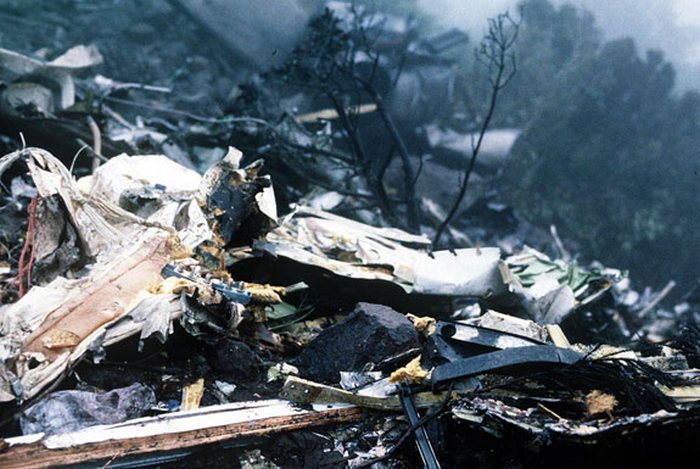
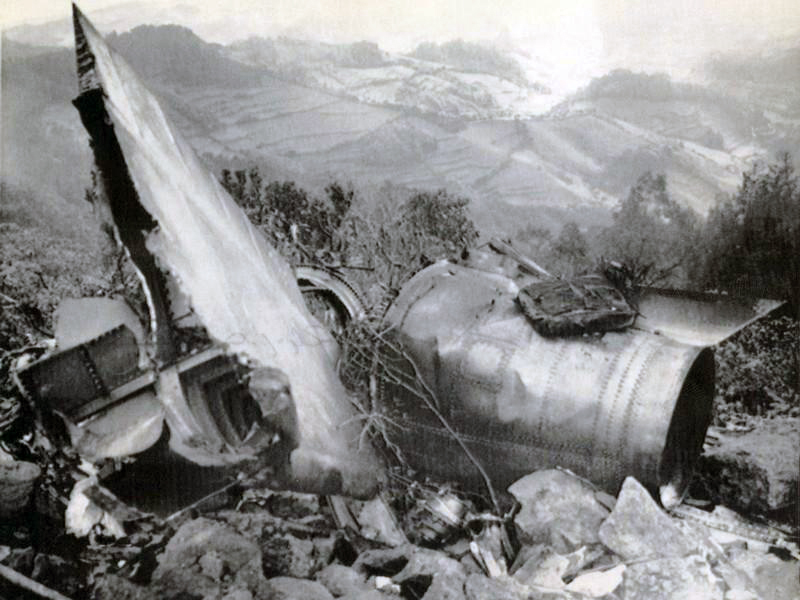
Crash of a Boeing 707-331B in Santa Maria: 144 killed
Date & Time:
Feb 8, 1989 at 1408 LT
Operator:

Registration:
N7231T
Survivors:
No
Schedule:
Bergame - Santa Maria - Punta Cana
MSN:
19572
YOM:
1968
Flight number:
IDN1851
Crew on board:
7
Crew fatalities:
Pax on board:
137
Pax fatalities:
Other fatalities:
Total fatalities:
144
Aircraft flight hours:
44755
Aircraft flight cycles:
12589
Circumstances:
Independent Air flight IDN1851, a Boeing 707, departed Bergamo, Italy (BGY) at 10:04 UTC for a flight to Punta Cana, Dominican Republic (PUJ) via Santa Maria, Azores (SMA). At 13:56:47 Santa Maria Tower cleared the flight to descend to 3000 feet for a runway 19 ILS approach: "Independent Air one eight five one roger reclear to three thousand feet on QNH one zero two seven and runway will be one niner." In that transmission, the trainee controller had transmitted an incorrect QNH that was 9 hPa too high. The actual QNH was 1018.7 hPa. After a brief pause the message resumed at 13:56:59: "expect ILS approach runway one niner report reaching three thousand." This transmission was not recorded on the voice recorder of Flight 1851, probably because the first officer keyed his mike and read back: "We’re recleared to 2,000 feet and ah ... ." The first officer paused from 13:57:02 to 13:57:04, then unkeyed the mike momentarily. This transmission was not recorded on the ATS tapes. In the cockpit, the first officer questioned aloud the QNH value, but the captain agreed that the first officer had correctly understood the controller. After being cleared for the ILS approach the crew failed to accomplish an approach briefing, which would have included a review of the approach plate and minimum safe altitude. If the approach plate had been properly studied, they would have noticed that the minimum safe altitude was 3,000 feet and not 2,000 feet, as it had been understood, and they would have noticed the existence and elevation of Pico Alto. At 14:06, the flight was 7.5 nm from the point of impact, and beginning to level at 2,000 feet (610 meters) in light turbulence at 250 KIAS. At 14:07, the flight was over Santa Barbara and entering clouds at approximately 700 feet (213 meters) AGL in heavy turbulence at 223 KIAS. At 14:07:52, the captain said, "Can’t keep this SOB thing straight up and down". At approximately 14:08, the radio altimeter began to whine, followed by the GPWS alarm as the aircraft began to climb because of turbulence, but there was no reaction on the part of the flight crew. At 14:08:12, the aircraft was level when it impacted a mountain ridge of Pico Alto. It collided with a rock wall on the side of a road at the mountain top at an altitude of approximately 1,795 feet (547 meters) AMSL.
Probable cause:
The Board of Inquiry understands that the accident was due to the non-observance by the crew of established operating procedures, which led to the deliberate descent of the aircraft to 2000ft in violation the minimum sector altitude of 3,000 feet, published in the appropriate aeronautical charts and cleared by the Santa Maria Aerodrome Control Tower.
Other factors:
1) Transmission by the Santa Maria Aerodrome Control Tower of a QNH value 9 hPa higher than the actual value, which put the aircraft at an actual altitude 240 feet below that indicated on board,
2) Deficient communications technique on the part of the co-pilot, who started reading back the Tower's clearance to descend to 3000ft before the Tower completed its transmission, causing a communications overlap,
3) Violation by the Aerodrome Control Tower of established procedures by not requiring a complete read back of the descent clearance,
4) Non-adherence by the crew to the operating procedures published in the appropriate company manuals, namely with respect to cockpit discipline, approach briefing , repeating aloud descent clearances, and informal conversations in the cockpit below 10,000 feet,
5) General crew apathy in dealing with the mistakes they made relating to the minimum sector altitude, which was known by at least one of the crew members, and to the ground proximity alarms,
6) Non-adherence to standard phraseology both by the crew and by Air Traffic Control in some of the air-ground communications,
7) Limited experience of the crew, especially the co-pilot, in international flights,
8) Deficient crew training, namely concerning the GPWS as it did not include emergency manoeuvres to avoid collision into terrain,
9) Use of a route which was not authorized in the AIP Portugal,
10) The operational flight plan, whose final destination was not the SMA beacon, was not developed in accordance with the AIP Portugal.
Other factors:
1) Transmission by the Santa Maria Aerodrome Control Tower of a QNH value 9 hPa higher than the actual value, which put the aircraft at an actual altitude 240 feet below that indicated on board,
2) Deficient communications technique on the part of the co-pilot, who started reading back the Tower's clearance to descend to 3000ft before the Tower completed its transmission, causing a communications overlap,
3) Violation by the Aerodrome Control Tower of established procedures by not requiring a complete read back of the descent clearance,
4) Non-adherence by the crew to the operating procedures published in the appropriate company manuals, namely with respect to cockpit discipline, approach briefing , repeating aloud descent clearances, and informal conversations in the cockpit below 10,000 feet,
5) General crew apathy in dealing with the mistakes they made relating to the minimum sector altitude, which was known by at least one of the crew members, and to the ground proximity alarms,
6) Non-adherence to standard phraseology both by the crew and by Air Traffic Control in some of the air-ground communications,
7) Limited experience of the crew, especially the co-pilot, in international flights,
8) Deficient crew training, namely concerning the GPWS as it did not include emergency manoeuvres to avoid collision into terrain,
9) Use of a route which was not authorized in the AIP Portugal,
10) The operational flight plan, whose final destination was not the SMA beacon, was not developed in accordance with the AIP Portugal.