Date & Time:
May 2, 2025 at 1100 LT
Operator:

Schedule:
Saint-Mathias-sur-Richelieu - Saint-Mathias-sur-Richelieu
Crew fatalities:
Pax fatalities:
Other fatalities:
Captain / Total flying hours:
11000
Circumstances:
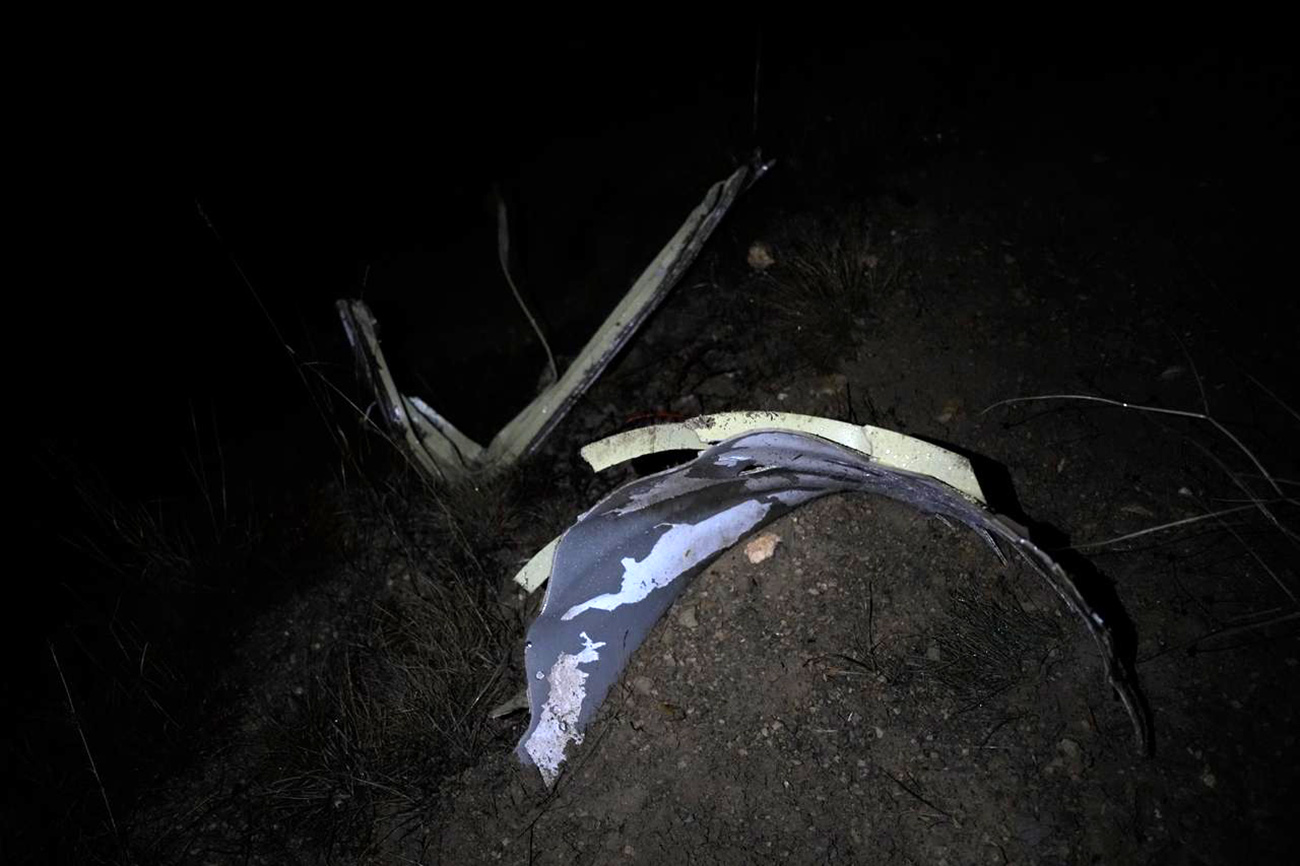
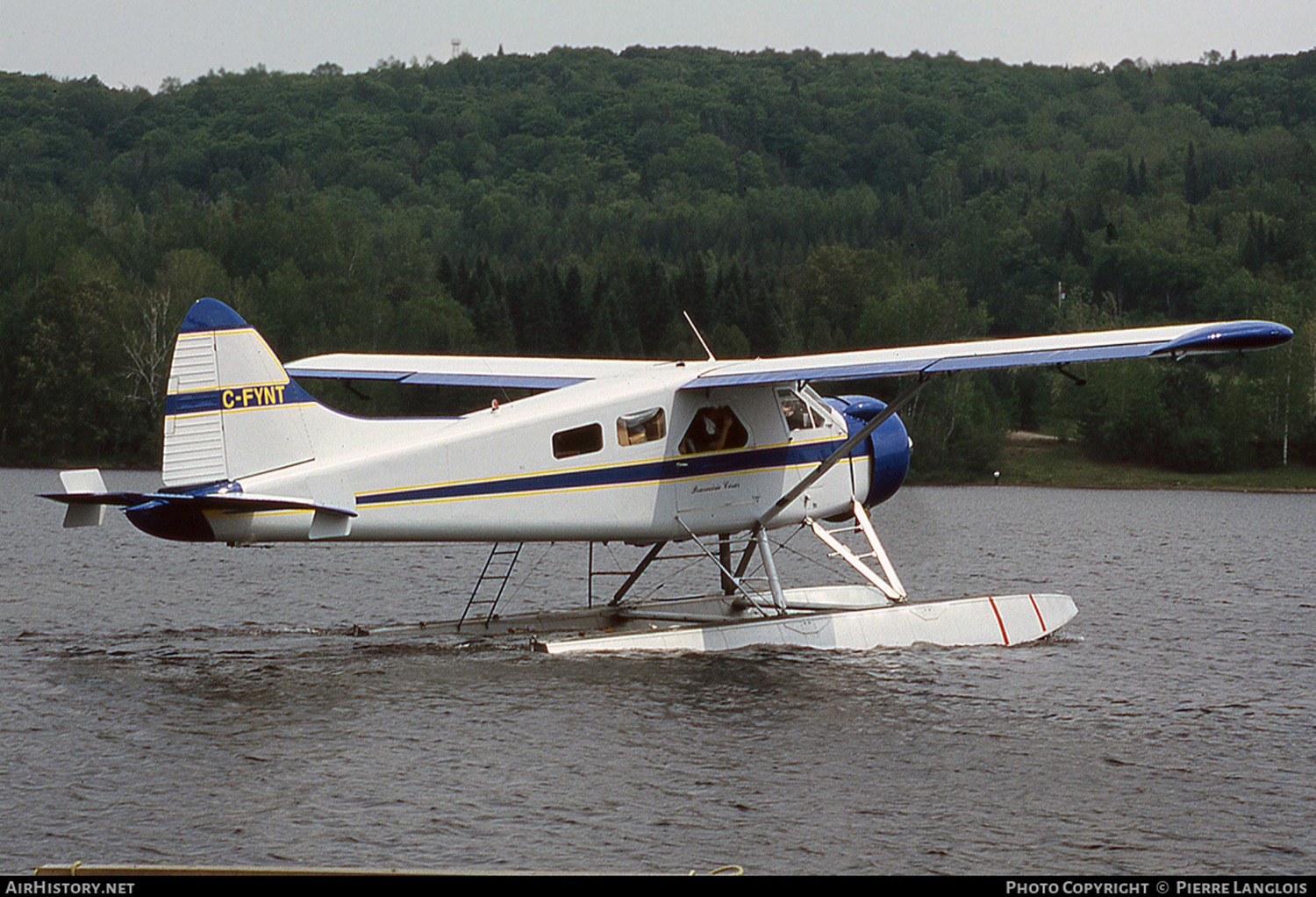
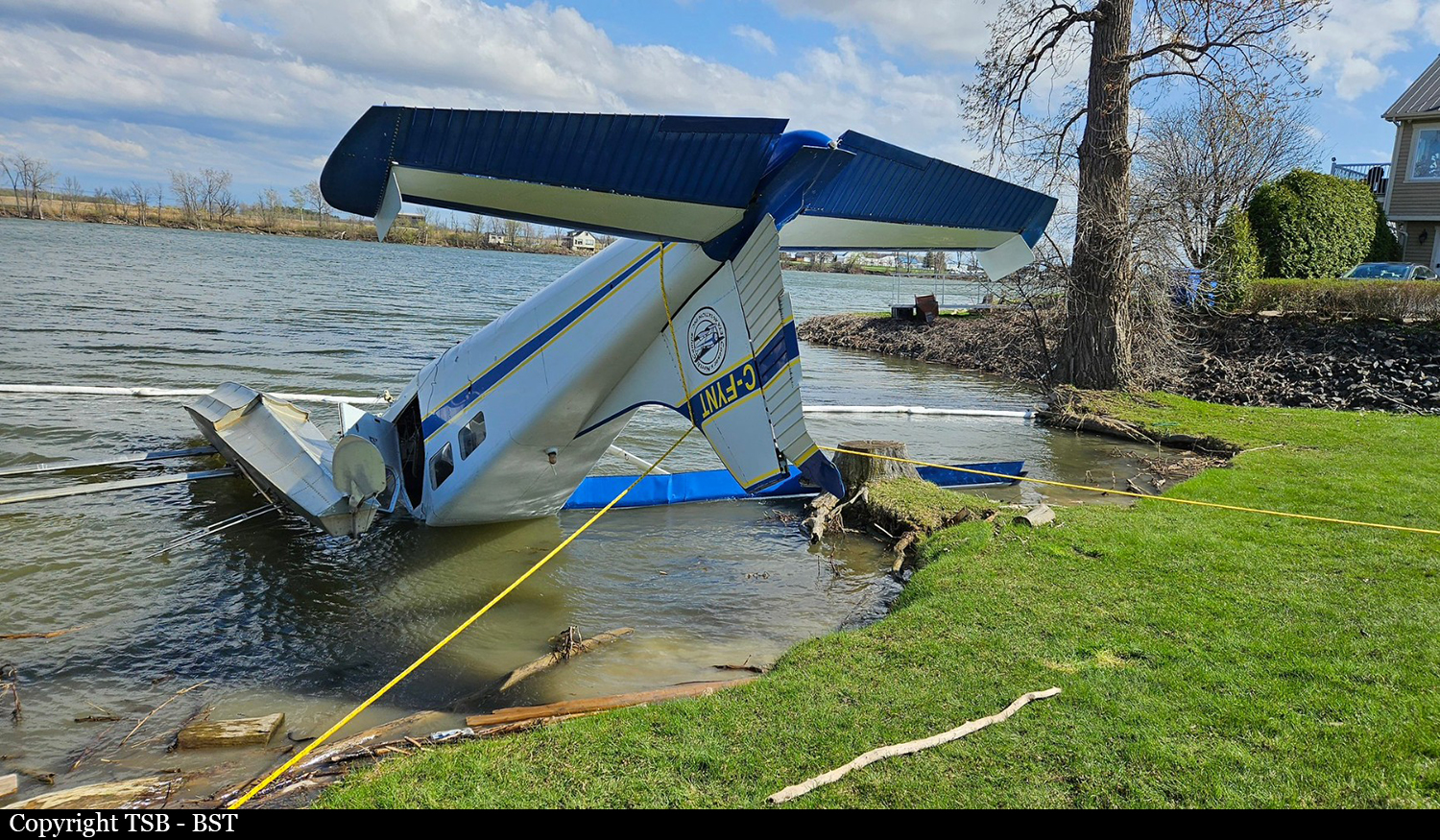
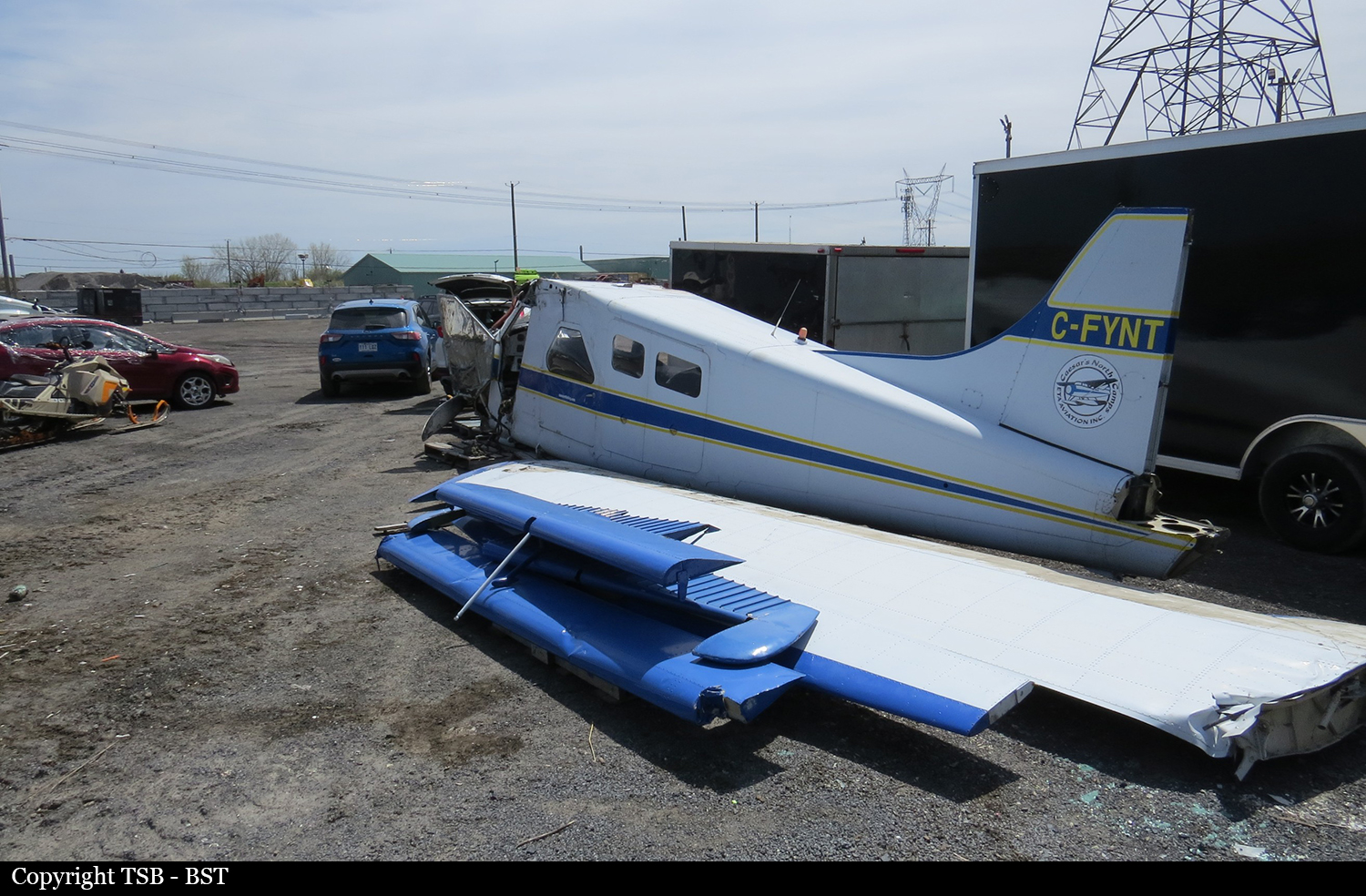
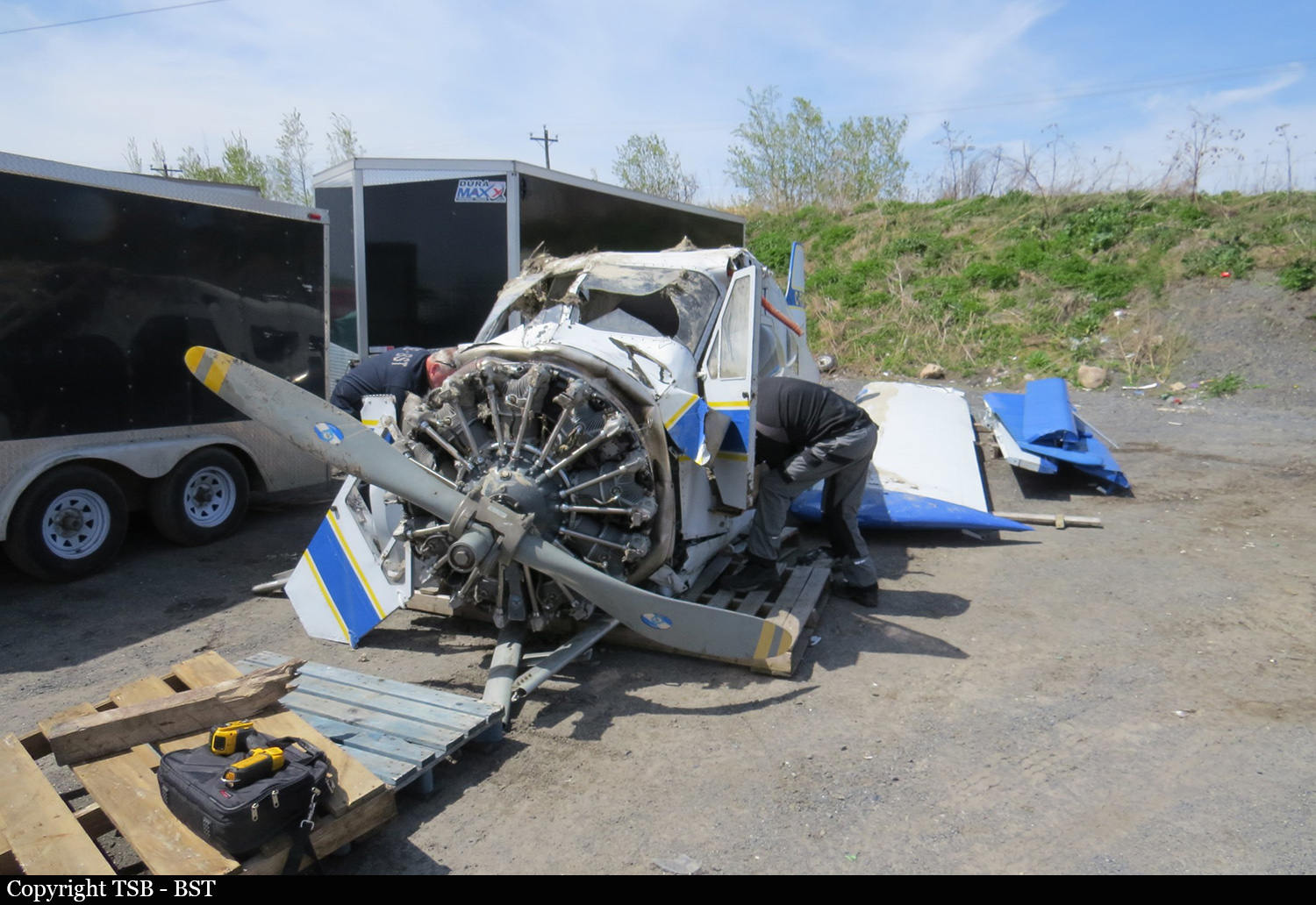
On the morning of 02 May 2025, the pilot of the float-equipped De Havilland Aircraft of Canada Limited DHC-2 Mk. I aircraft (registration C-FYNT, serial number 1054) operated by ETA Aviation & César Camp du Nord Inc. arrived at the facilities of the approved maintenance organization Aviation B.L. Inc. at the St‑Mathias Water Aerodrome (CSV9), Quebec. The pilot and the person responsible for maintenance (PRM) discussed the maintenance work that had been done on the 3 aircraft operated by ETA Aviation & César Camp du Nord Inc., which had been stored at Aviation B.L. Inc. over the winter. The weather conditions forecast for that day were suitable for conducting a flight. The aircraft was refueled so that there were approximately 79 imperial gallons of fuel on board. The occurrence aircraft was placed in the water by the pilot, with the help of a passenger (who was also a pilot), and the pilot conducted a preflight inspection. The pilot and the passenger boarded the aircraft and taxied down the river in a northeasterly direction, buckling their safety belts and performing pre-takeoff checks, including the run-up. At approximately 1100, the aircraft began its take-off run in a southwesterly direction to conduct a local private flight under visual flight rules. The pilot attempted to raise the right wing by rotating the control wheel to the left. The left wing began to lift, contrary to the pilot’s expectations. The pilot reacted by rotating the control wheel completely to the left, which only accentuated the lifting of the left wing. The aircraft then rolled to the right, the right wing touched the surface of the water, and the aircraft overturned. The passenger unbuckled his safety belt and tried, in vain, to open the door on his side. He then managed to open the window and was able to egress through it. He received serious injuries to his right arm. After catching his breath at the surface, the passenger went back under the water to try to help the pilot, but the water was very opaque and he had difficulty swimming due to his injury and wet clothing. Eyewitnesses called 911. Emergency services went to the west shore. Given that no boats were immediately available, emergency services tried throwing ropes to the passenger to help him reach the shore. The passenger ultimately had to swim to the west shore on his own, where emergency services assessed him and drove him to the hospital for treatment of his injuries. The pilot was found dead in the aircraft, with his safety belt unbuckled, when the aircraft was brought to shore later that day.
Probable cause:
On 20 October 2024, the occurrence aircraft was brought to the approved maintenance organization’s facilities. The aircraft was then stored for the winter, during which time the annual and 300-hour routine inspections were to be performed. The maintenance work began in February 2025, and while the work was being carried out, a crack that needed to be repaired was noticed in the control column. To perform the repair, the chain linking the control wheel to the aileron system cables had to be removed. After the repair was completed, the chain was reinstalled in mid-March 2025 by the apprentice who had worked on the aircraft and had removed the chain before performing the repair. When the chain was reinstalled, the ends did not match the aileron system cables, so the apprentice asked for assistance from another apprentice to fix the problem. The manufacturer’s procedures were not consulted for reinstalling the chain, and the work was not directly supervised by an aircraft maintenance engineer (AME). After the control column and chain were reinstalled, the apprentice did not check the directional movement of the ailerons. When maintenance work is completed on a flight control system, in addition to AME certification, an independent inspection must also be completed by another qualified person. The certification process and independent inspection both include verifying the assembly and its locking mechanism, as well as verifying the directional movement of the ailerons. In this case, the work was not certified before the independent inspection. Knowing that an independent inspection had to be conducted, the apprentice who performed the maintenance work asked an AME to conduct this independent inspection. During the independent inspection, the AME was reportedly interrupted, and directional movement of the ailerons was not verified. When the PRM certified all the work on 01 and 02 May 2025, the AME who had conducted the independent inspection signed the independent inspection of the flight control system with the same dates.
Final Report: