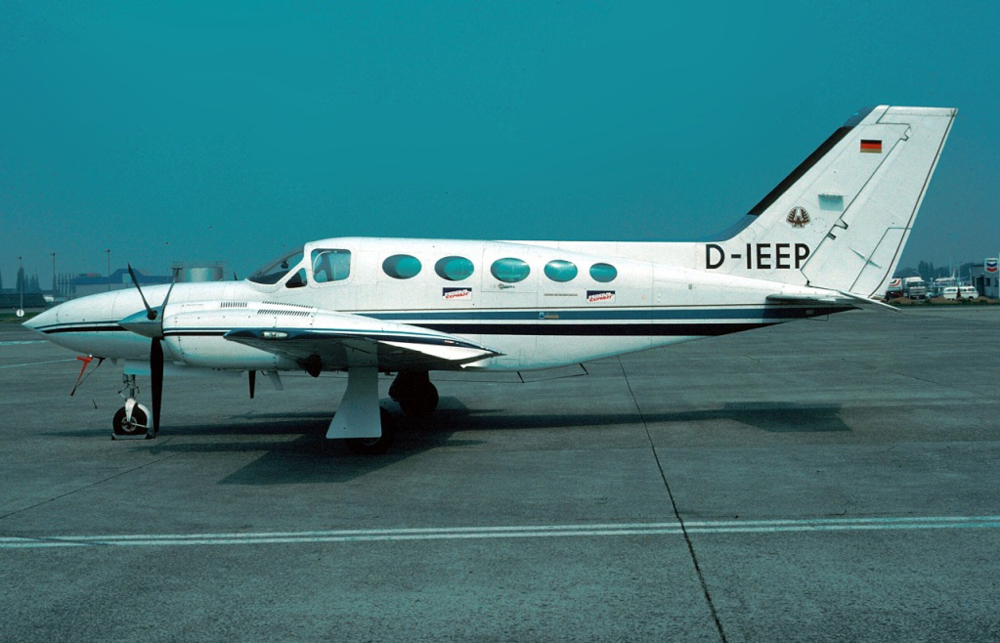
Crash of a Beechcraft F90 King Air in Düsseldorf: 4 killed

Date & Time: Dec 6, 1987
Type of aircraft:
Operator:
Registration:
D-IMWH
Flight Type:
Survivors:
No
Schedule:
Munich - Marl
MSN:
LA-114
YOM:
1981
Country:
Region:
Crew on board:
1
Crew fatalities:
Pax on board:
3
Pax fatalities:
Other fatalities:
Total fatalities:
4
Circumstances:
While approaching Marl Airport, the pilot encountered poor weather conditions and decided to divert to Düsseldorf-Lohausen Airport. For unknown reason, the pilot was unable to locate the airport, and while initiating a go-around procedure, he lost control of the aircraft that crashed near the airport. All four occupants were killed.
Crash of a Cessna 404 Titan in Grosser Feldberg: 1 killed

Date & Time: Aug 29, 1987
Type of aircraft:
Registration:
D-ILEP
Flight Phase:
Flight Type:
Survivors:
No
Site:
MSN:
404-0688
YOM:
1980
Country:
Region:
Crew on board:
1
Crew fatalities:
Pax on board:
0
Pax fatalities:
Other fatalities:
Total fatalities:
1
Circumstances:
While cruising in poor visibility due to heavy fog, the pilot failed to realize his altitude was insufficient when the twin engine aircraft struck an observation tower located on the Grosser Feldberg (881 meters high) located in the Taunus Mountain Range, about 22 km north of Frankfurt-Main Airport. The aircraft was destroyed and the pilot, sole on board, was killed.

Crash of a Piper PA-31T-620 Cheyenne II in Munich: 9 killed

Date & Time: Aug 11, 1987 at 1528 LT
Type of aircraft:
Registration:
D-ILRA
Flight Type:
Survivors:
No
Site:
Schedule:
Landsberg - Munich
MSN:
31-8020009
YOM:
1980
Location:
Country:
Region:
Crew on board:
2
Crew fatalities:
Pax on board:
1
Pax fatalities:
Other fatalities:
Total fatalities:
9
Circumstances:
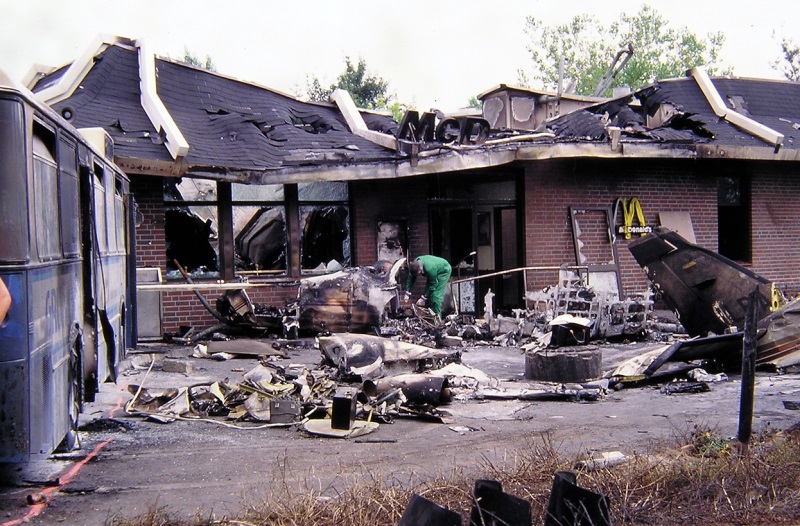
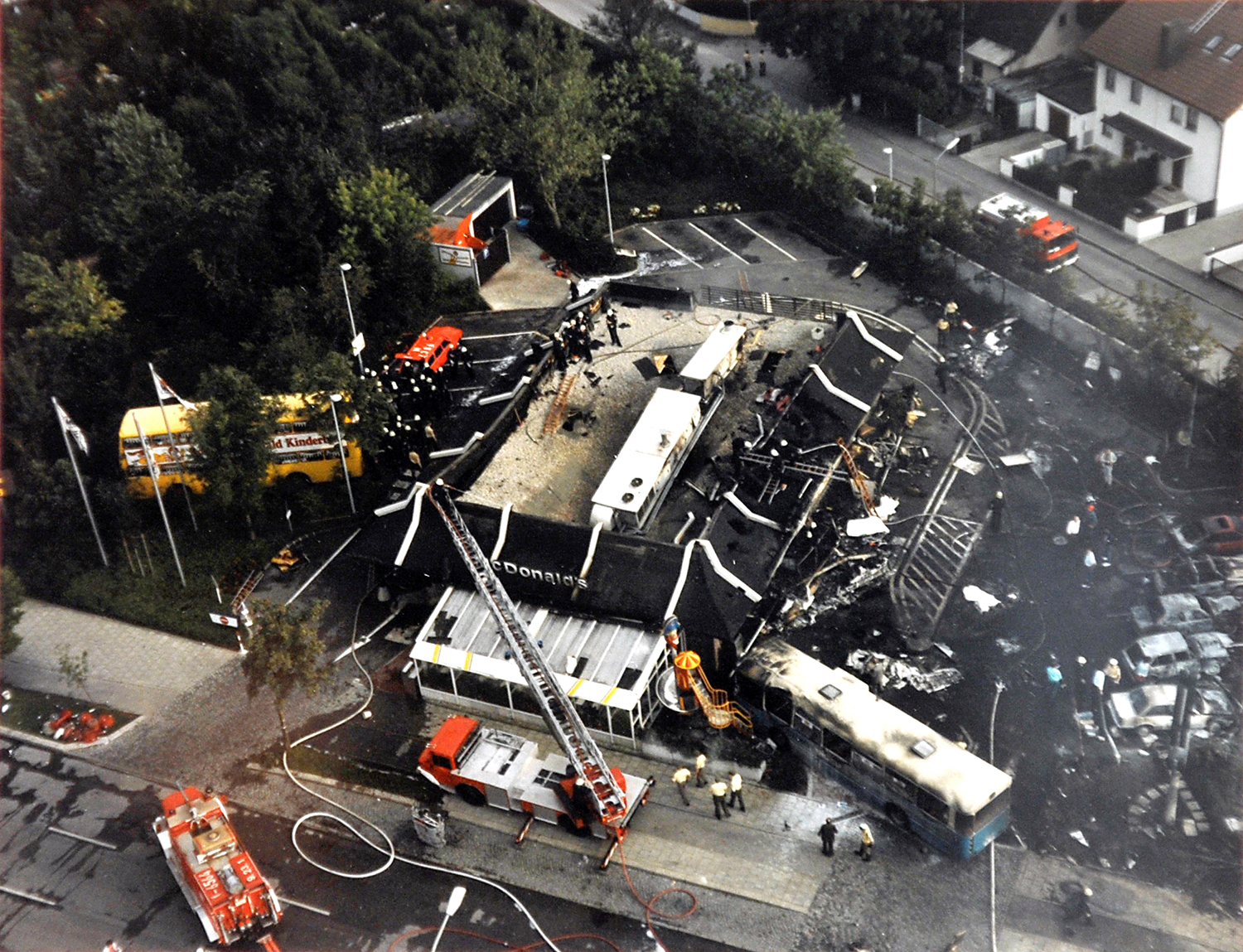
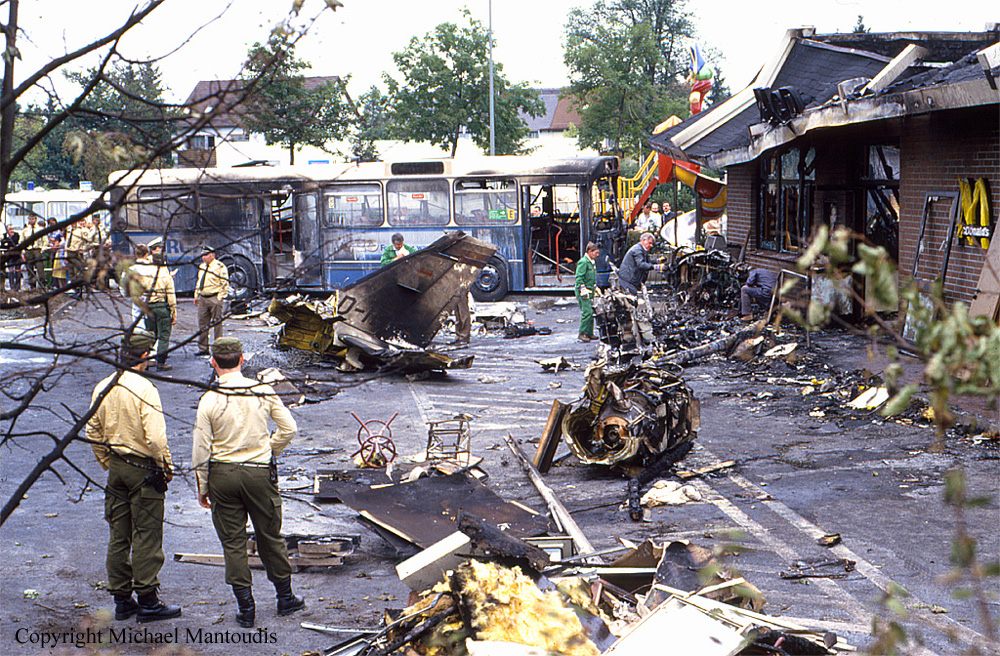
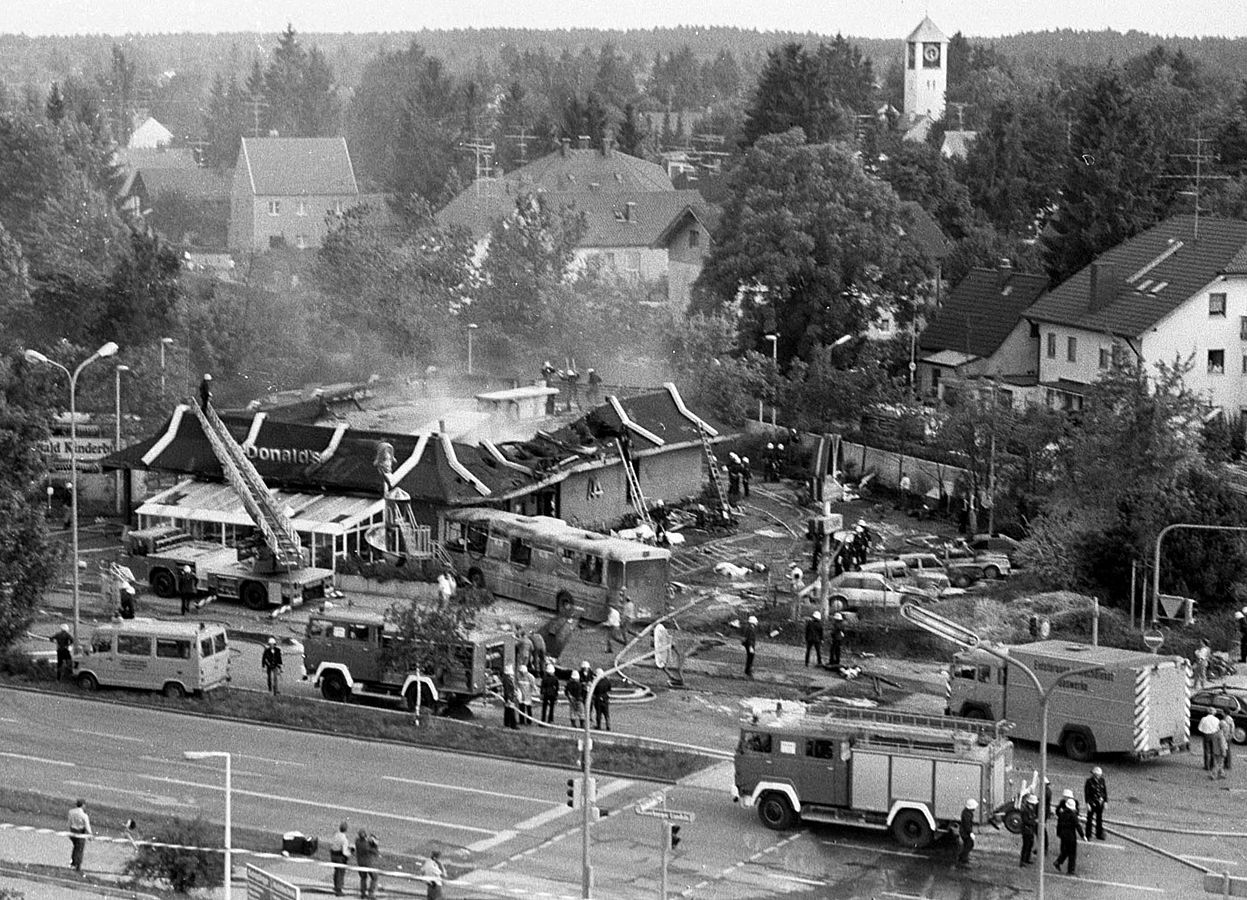
The twin engine aircraft departed Landsberg-Penzing Airport on a training flight to Munich, carrying one passenger (a secretary of the Southern Bavarian Air Office), one instructor and one pilot. On final approach to Munich-Riem Airport runway 07, at an altitude of 200 feet, the instructor decided to reduce the power on the right engine while the pilot was expecting to initiate a go-around procedure according to the training program. He elected to add power on the left engine but the aircraft lost height, struck the roof of a McDonald's restaurant located in the district of Trudering and eventually crashed in flames on a bus. The aircraft, the restaurant, the bus and several other vehicles were destroyed and seven people were killed, all three occupants in the aircraft and four passengers in the bus. Few days later, two other victims died from their injuries. 30 other people were injured, some of them seriously.
Probable cause:
It was determined that the instructor's decision to reduce power was taken at a critical stage of flight because the aircraft was approaching at a too low altitude of 200 feet and flying vertical to a populated area. Also, the pilot was expecting to initiate a go-around according to the training program.

Crash of a Cessna 501 Citation I in Lübeck: 3 killed

Date & Time: May 30, 1987
Type of aircraft:
Registration:
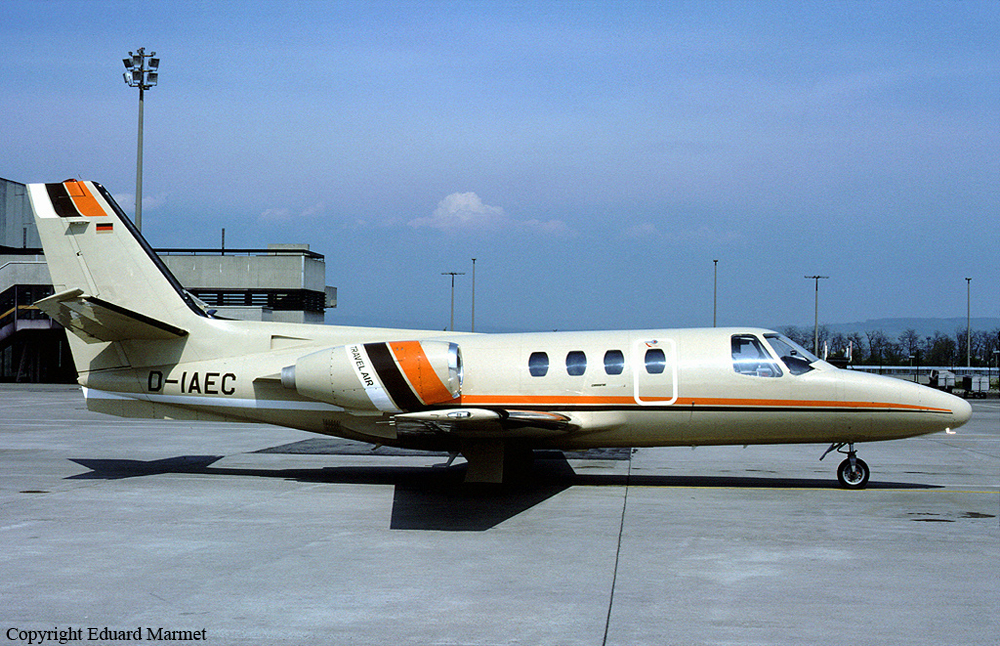
D-IAEC
Survivors:
Yes
Schedule:
Cologne - Lübeck
MSN:
501-0203
YOM:
1981
Country:
Region:
Crew on board:
2
Crew fatalities:
Pax on board:
2
Pax fatalities:
Other fatalities:
Total fatalities:
3
Circumstances:
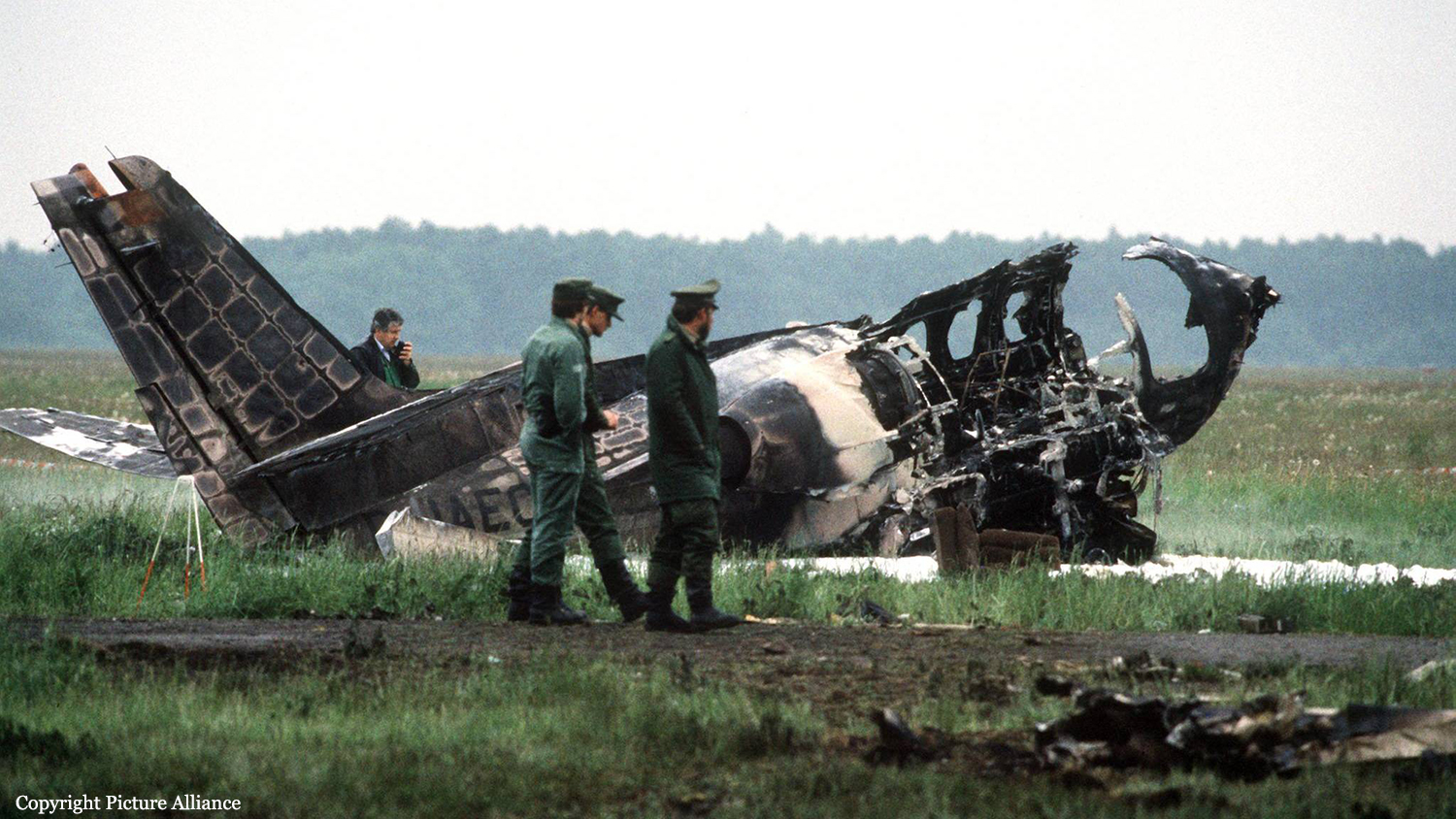
The aircraft departed Cologne-Bonn Airport on a charter taxi flight to Lübeck-Blankensee, carrying two passengers, among them the Vice-President of the Land of Schleswig-Holstein Uwe Barschel and a crew of two. The approach to Lübeck-Blankensee Airport was initiated in marginal weather conditions with limited visibility to 1,500 meters and a ceiling down to 150 meters. ILS approach was not possible so the crew attempted to land under VFR mode. On final, the aircraft struck the NDB antenna (15 meters high) located 480 meters short of runway threshold. The aircraft rolled to the left to an angle of 90°, causing the left wing to struck the ground. Out of control, the aircraft crashed then slid for few dozen meters and came to rest, bursting into flames. Uwe Barschel was the only survivor. The copilot, Elizabeth Friske, was at command when the Pan International BAc 111 crashed in Hamburg on September 6, 1971.

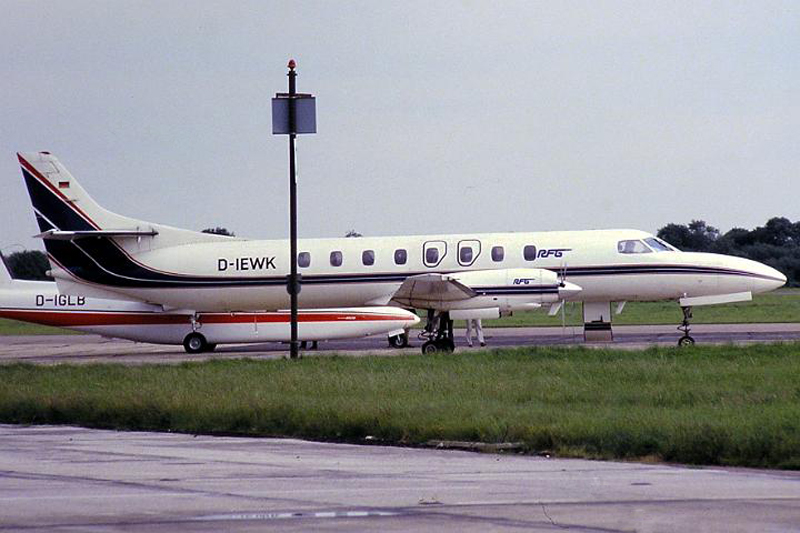
Crash of a Swearingen SA226AT Merlin IVA in Munich

Date & Time: Feb 5, 1987 at 0824 LT
Operator:
Registration:
D-IEWK
Survivors:
Yes
Schedule:
Dortmund - Munich
MSN:
AT-042
YOM:
1975
Country:
Region:
Crew on board:
2
Crew fatalities:
Pax on board:
12
Pax fatalities:
Other fatalities:
Total fatalities:
0
Captain / Total flying hours:
5606
Captain / Total hours on type:
880.00
Copilot / Total flying hours:
2580
Copilot / Total hours on type:
200
Aircraft flight hours:
6282
Circumstances:
On approach to Munich-Riem Airport, the crew encountered poor weather conditions and limited visibility due to low clouds and fog. On final approach, the crew descended below the MDA until the aircraft struck the runway surface. Upon impact, the undercarriage were torn off and the aircraft slid on its belly for about 300 meters before coming to rest. All 14 occupants escapes with minor injuries and the aircraft was damaged beyond repair.
Probable cause:
Wrong approach configuration on part of the crew who failed to adhere to published procedures and failed to follow the approach checklist. The crew decided to continue the approach after passing the MDA without establishing visual contact with the runway. The following findings were reported:
- Poor flight preparation,
- Poor approach planning,
- The crew was not properly certified to fly in such conditions,
- Poor visibility (below minimums),
- The crew failed to initiate a go-around maneuver.

Crash of a Tupolev TU-134A in Berlin: 72 killed

Date & Time: Dec 12, 1986 at 1800 LT
Type of aircraft:
Operator:
Registration:
CCCP-65795
Survivors:
Yes
Schedule:
Minsk - Prague - Berlin
MSN:
63145
YOM:
1980
Flight number:
SU892
Country:
Region:
Crew on board:
9
Crew fatalities:
Pax on board:
73
Pax fatalities:
Other fatalities:
Total fatalities:
72
Aircraft flight hours:
12658
Aircraft flight cycles:
8482
Circumstances:
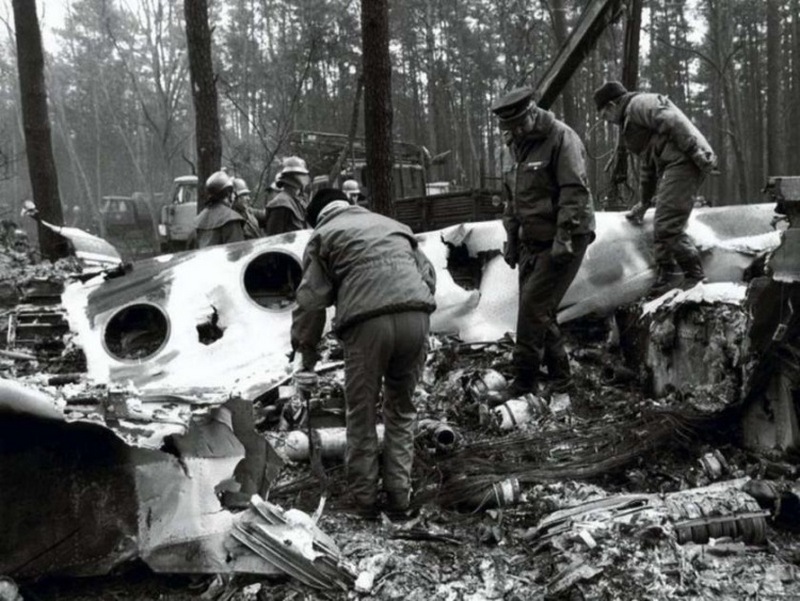
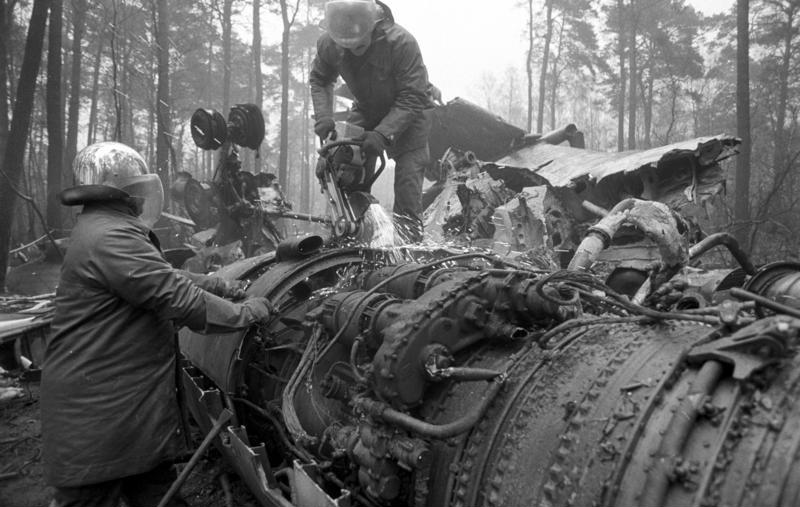
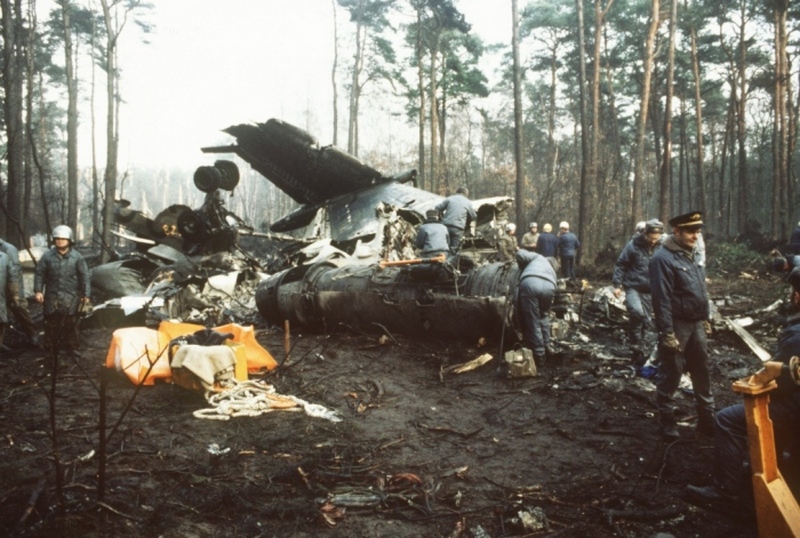
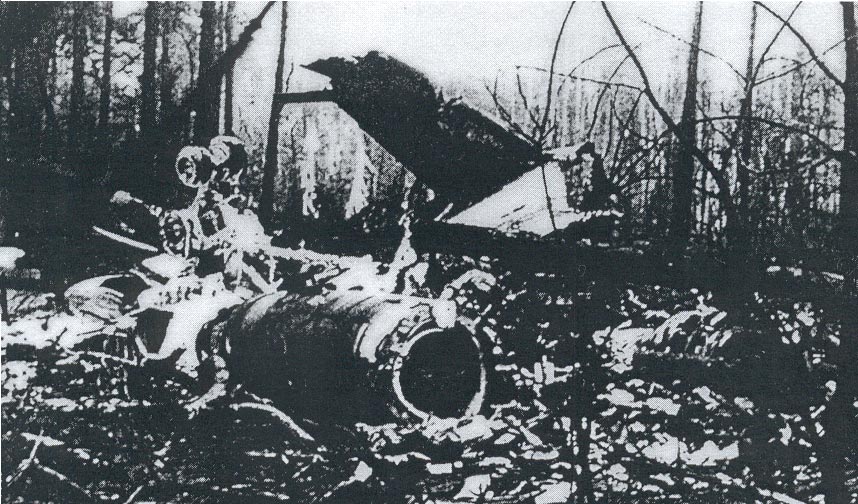
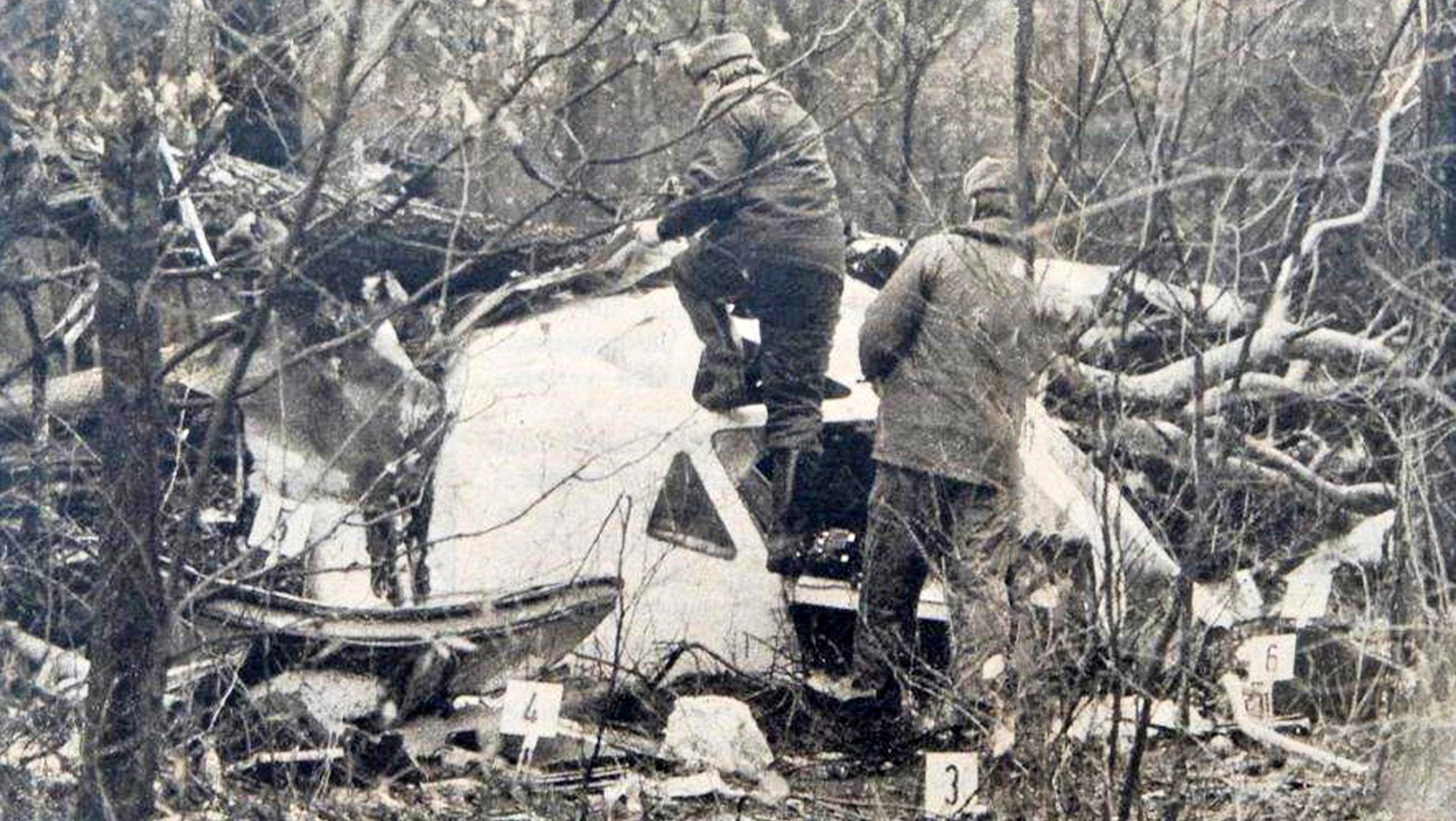
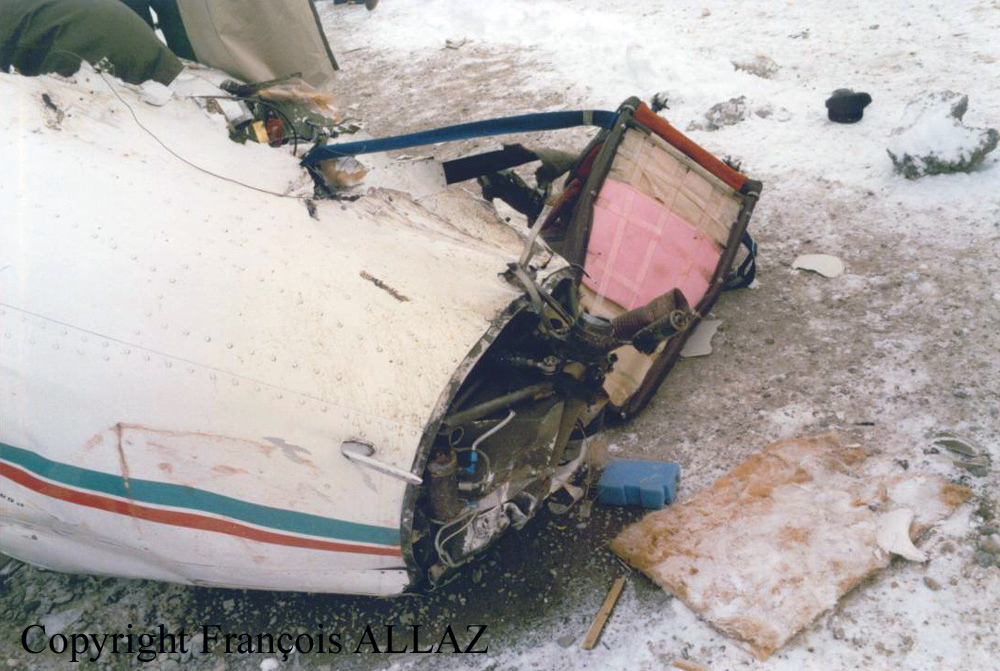
Originally, flight SU892 was a direct service from Minsk to Berlin but due to poor weather at Berlin, the flight was diverted to the alternate Airport of Prague-Ruzyne. Following an uneventful flight from Prague, the crew started the descent to Berlin-Schönefeld Airport. At that time, weather conditions were marginal with limited visibility to 900 meters and a ceiling down to 60 meters. After the crew was cleared for an ILS approach to runway 25L, ATC turned on the runway 25R lighting system while informing all crews that runway 25R was closed to traffic due to work in progress. These transmissions being done in english, a misinterpretation of the situation conducted the crew to continue the approach to runway 25R. On short final, ATC realized the wrong position of the aircraft and instructed the crew to make a left turn to reach the runway 25L approach path. With flaps down at 38° and at a speed of 263 km/h, the captain initiated a left turn and descended below the glide. With a rate of descent of 7 meters per second, the aircraft struck tree tops then stalled and crashed in a wooded area located 3 km short of runway threshold, bursting into flames. Twelve passengers were seriously injured while 70 other people were killed. Two weeks later, two of the survivors died from their injuries.
Probable cause:
It was determined that the instructions transmitted by ATC on short final were unexpected by the flight crew who took wrong decisions. Because another aircraft of the Hungarian national carrier Malev was also approaching Berlin Airport, ATC messages were transmitted in english on the frequency, and certain elements of the different messages were misinterpreted by the different members of the Soviet crew. On this point, the following contributing factors were reported:
- Lack of crew coordination,
- Absence of cross checks and mutual controls in the various actions,
- Difficulties to understand the english phraseology,
- Lack of knowledge and experience in applying the rules related to radio transmission during international flights.
Considering the situation, the captain should have taken the decision to initiate a go-around procedure, all safety conditions being clearly not met.

Crash of a Pilatus PC-6/B2-H4 Turbo Porter in Haun: 1 killed

Date & Time: May 9, 1986 at 0948 LT
Operator:
Registration:
HB-FKC
Flight Phase:
Survivors:
Yes
Schedule:
Ampfing - Ampfing
MSN:
844
YOM:
1986
Country:
Region:
Crew on board:
1
Crew fatalities:
Pax on board:
9
Pax fatalities:
Other fatalities:
Total fatalities:
1
Captain / Total flying hours:
1625
Captain / Total hours on type:
1000.00
Circumstances:
The single engine aircraft departed Ampfing-Waldkraiburg Airfield for a local skydiving flight, carrying one pilot and nine skydivers. While the altitude of 3,500 meters was reached, the aircraft was over the target when a group of four skydivers bailed out. Few seconds later, while the second group was preparing to jump, the emergency parachute of a skydiver mistakenly opened while he was bailing out. The skydiver struck the right stabilizer that was torn off. The aircraft went out of control and the pilot was able to send a distress call before bailing out with the rest of the group. The aircraft crash landed in a field near Haun and was damaged beyond repair. All skydivers were found uninjured while the pilot was killed as his parachute failed to open.
Probable cause:
The exact cause of the accident could not be determined with certainty. However, it was reported that one of the skydiver struck the right stab after he bailed out and control was lost after the stab was torn off.
Final Report:

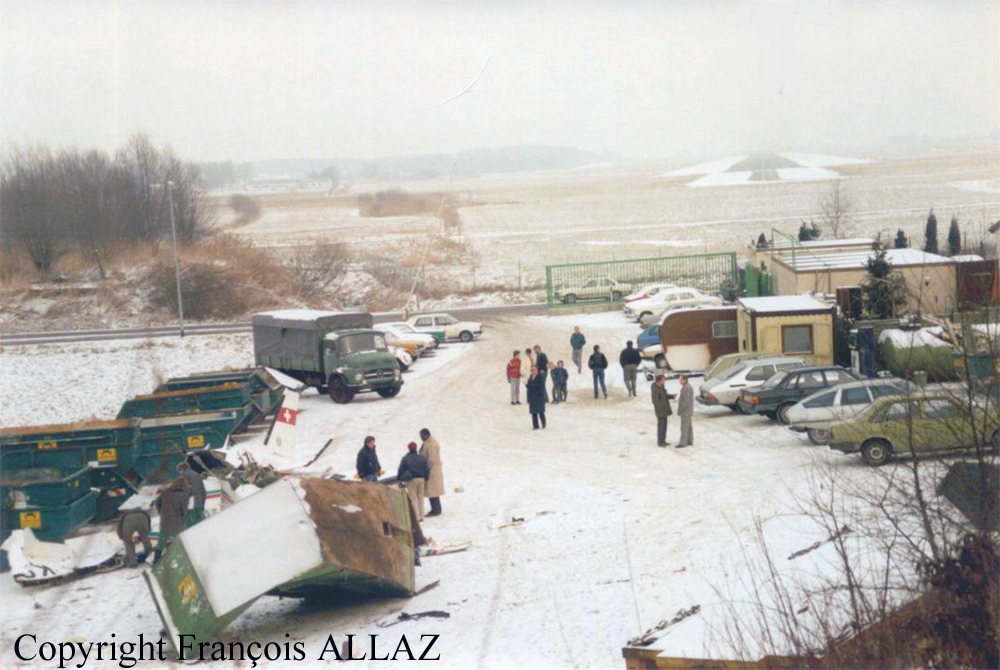
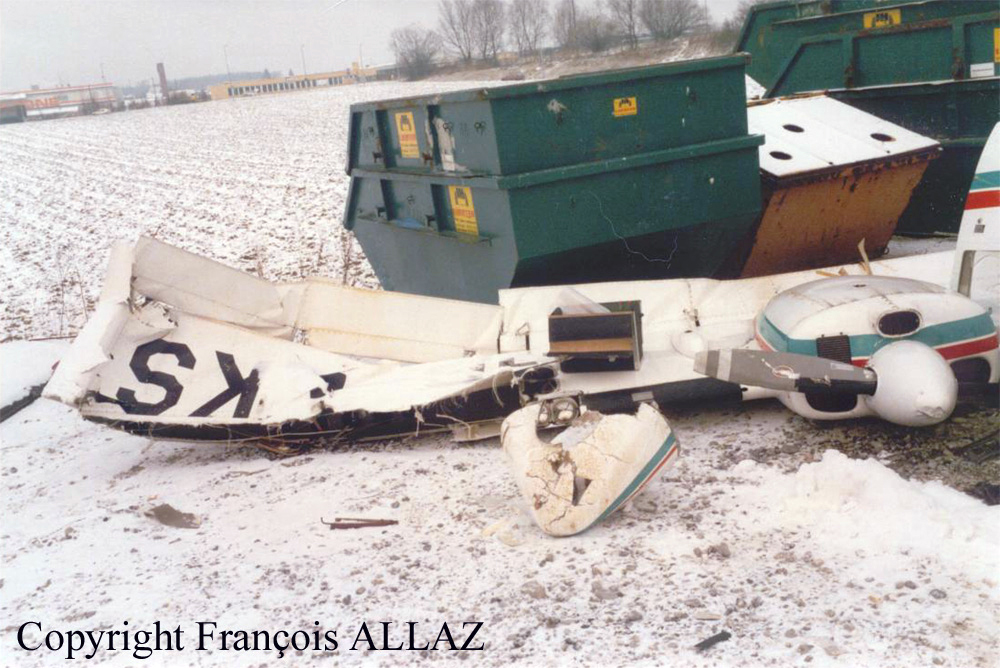
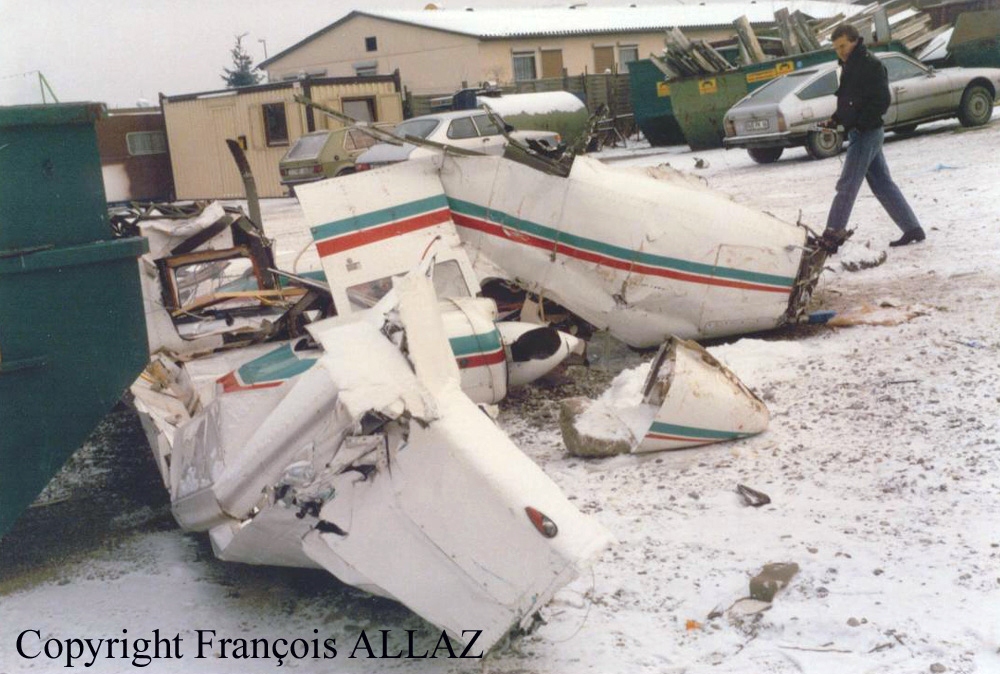
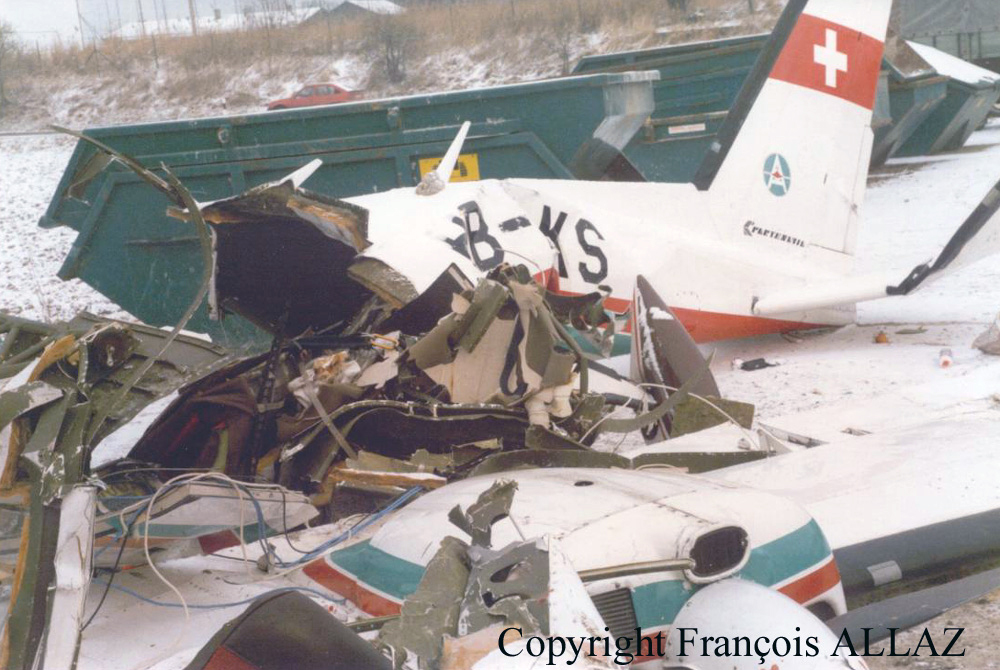
Crash of a Partenavia P.68B Victor in Friedrichshafen

Date & Time: Feb 9, 1986
Type of aircraft:
Registration:
HB-LKS
Survivors:
Yes
Schedule:
Munich - Geneva
MSN:
176
YOM:
1978
Country:
Region:
Crew on board:
2
Crew fatalities:
Pax on board:
2
Pax fatalities:
Other fatalities:
Total fatalities:
0
Circumstances:
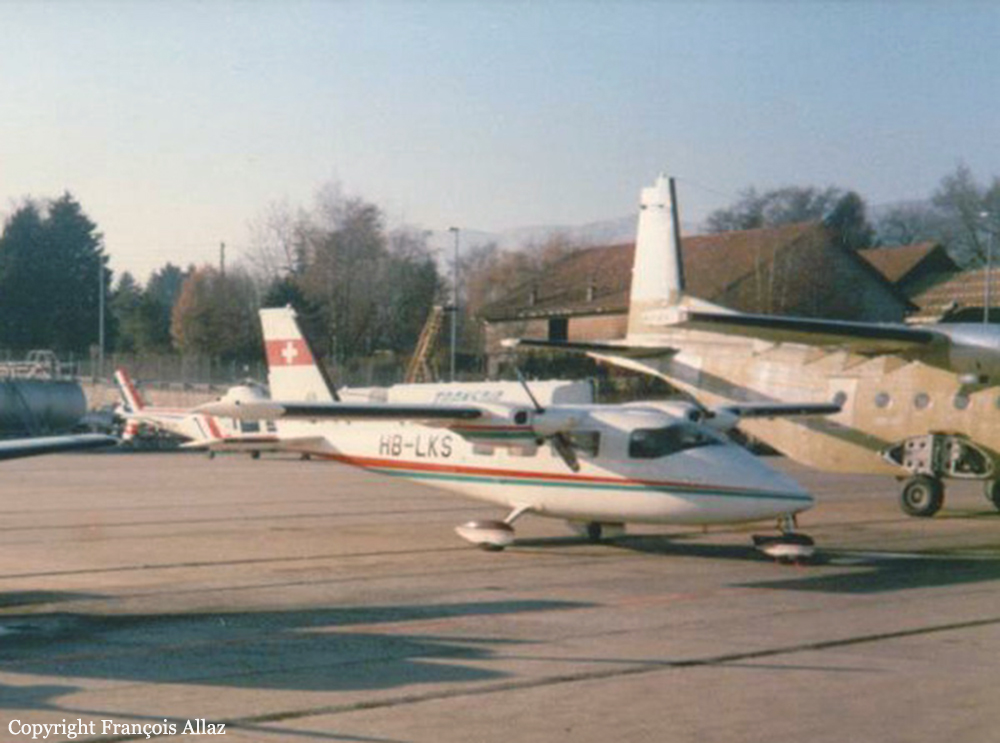
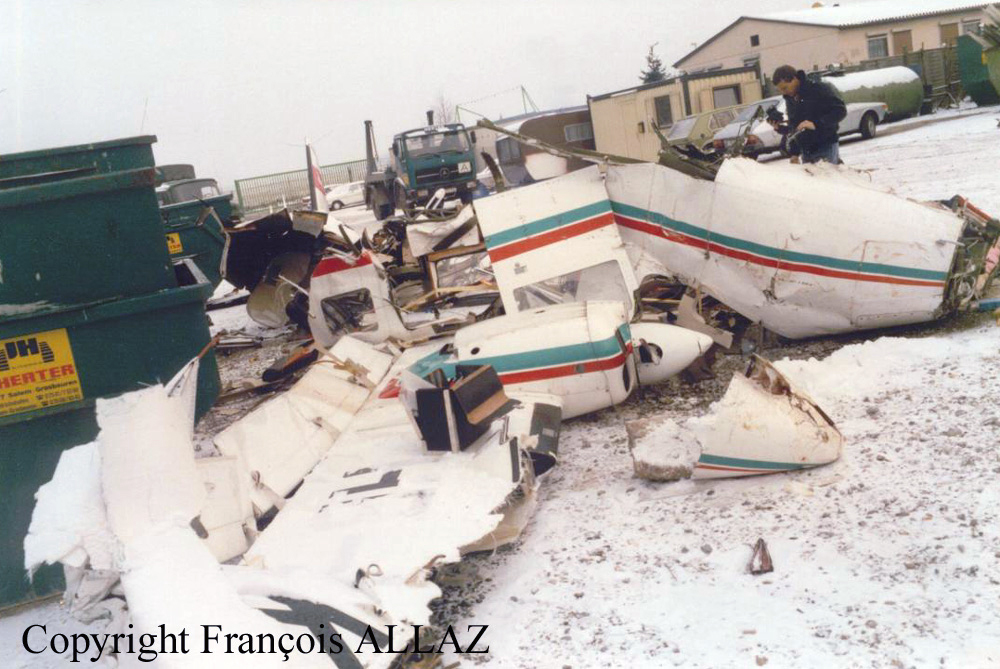
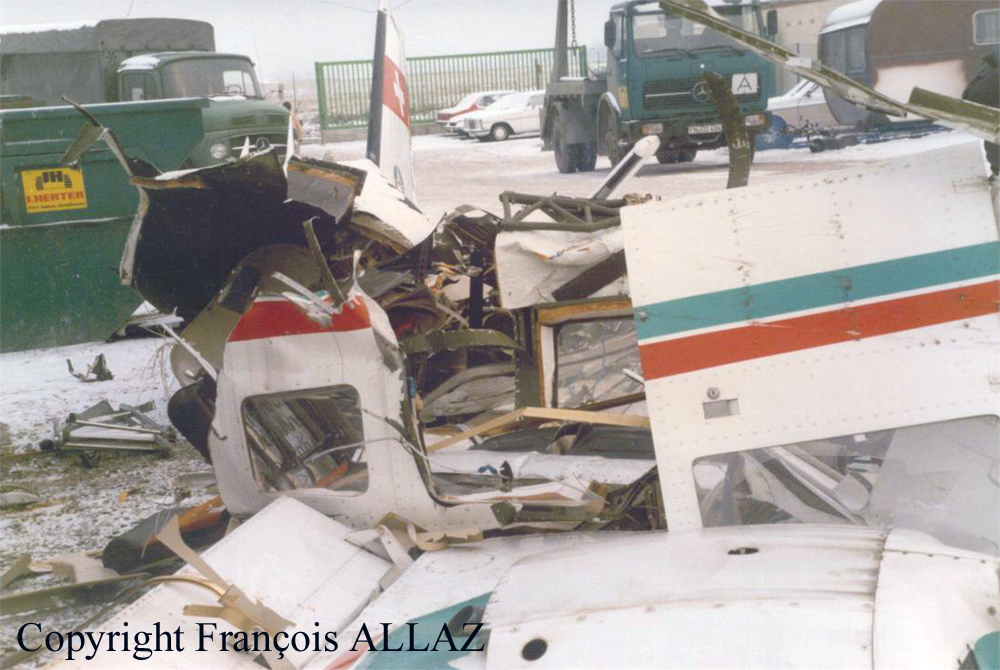
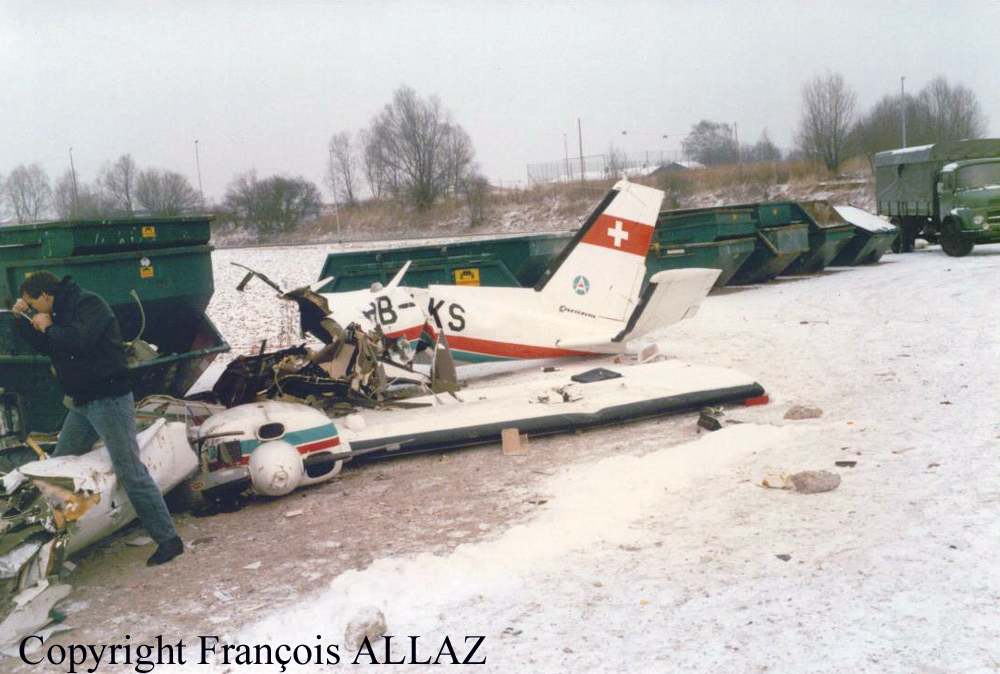
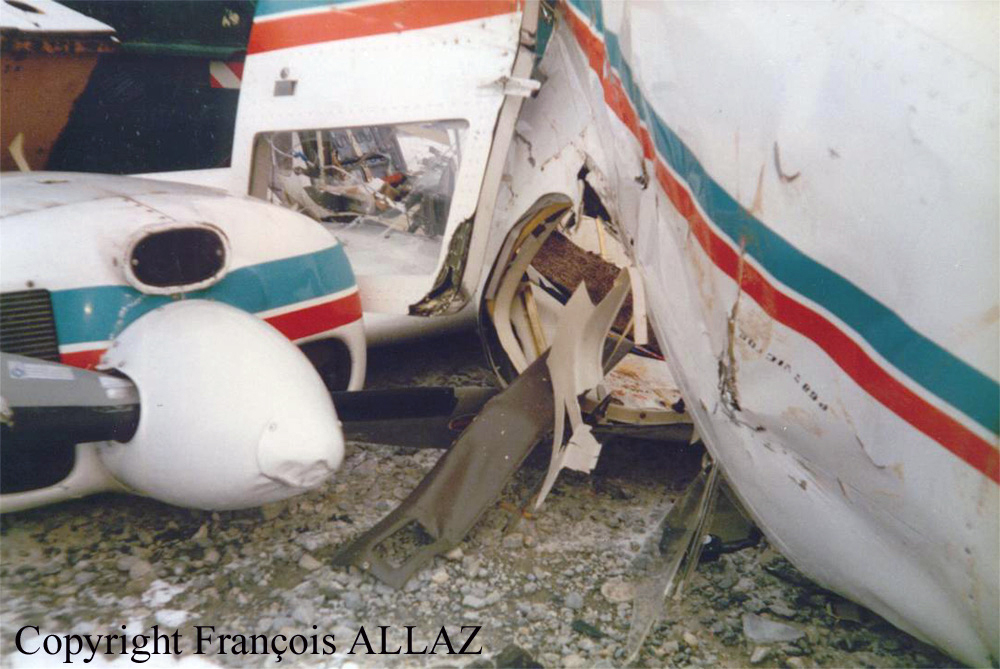
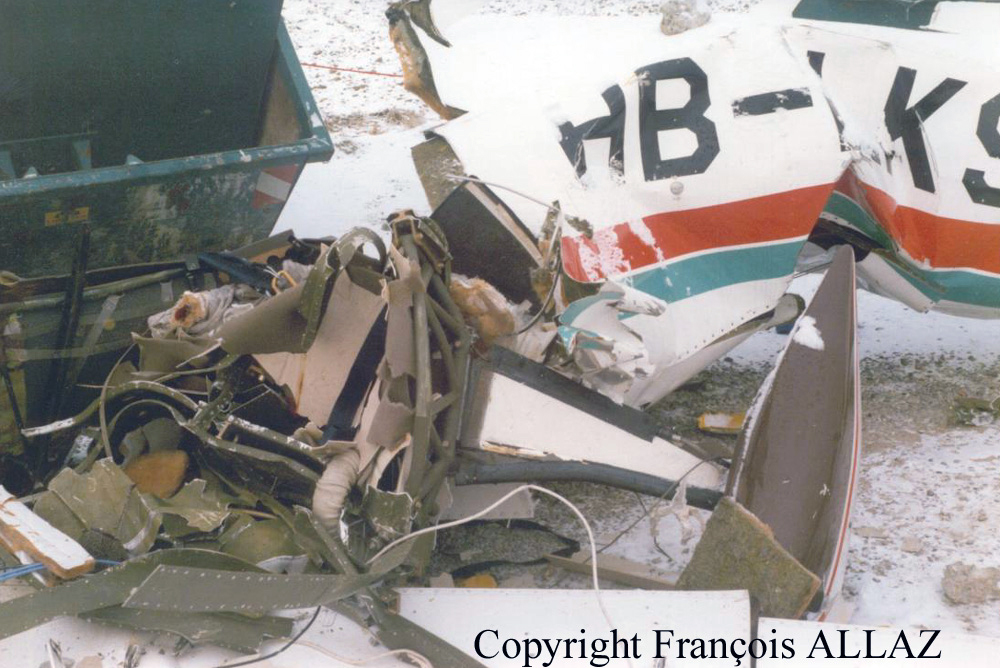
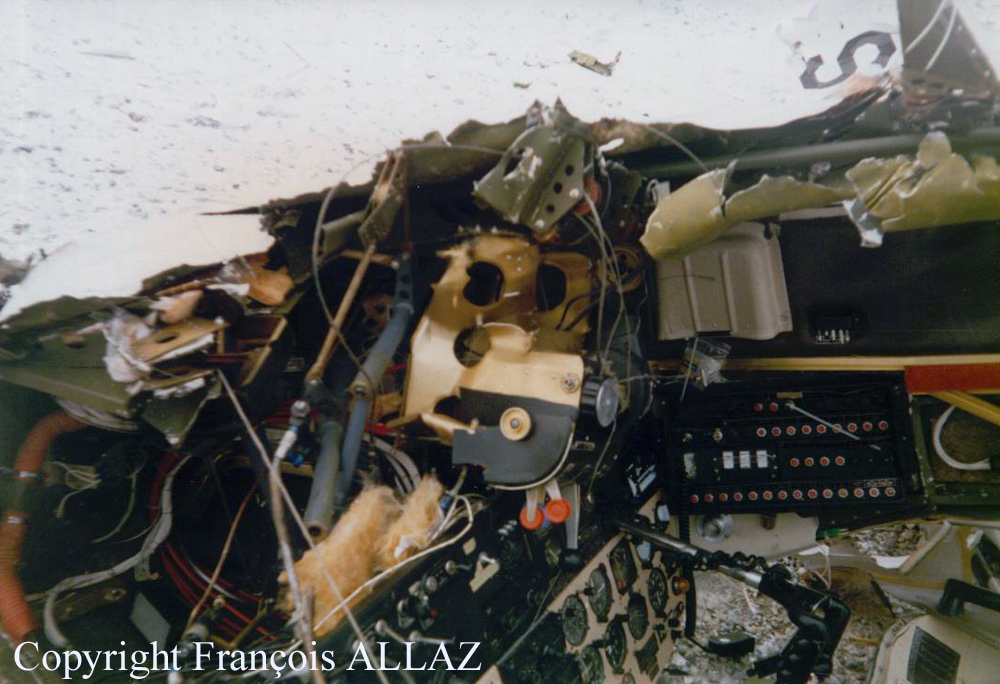
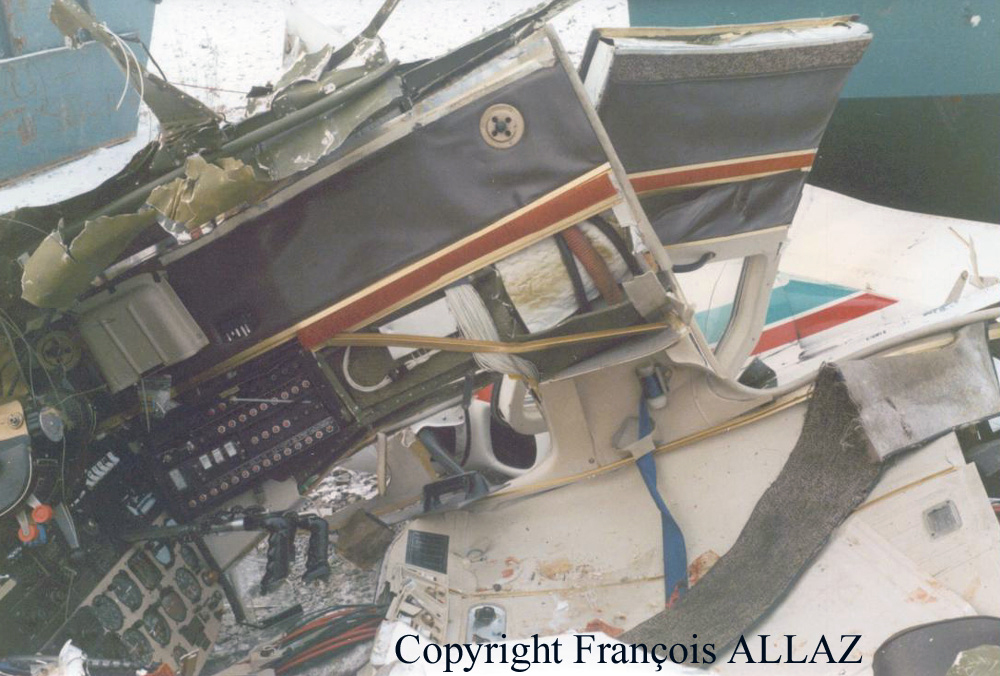
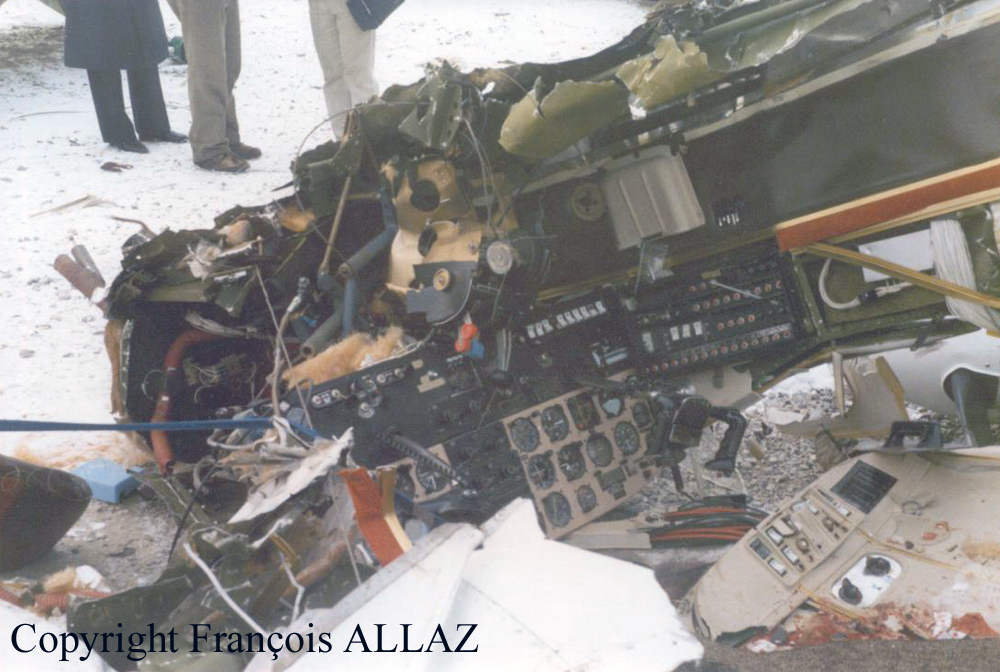
En route from Munich to Geneva, while in cruising altitude, the left engine suddenly failed. Few seconds later, the right engine lost power then failed as well. The crew declared an emergency and was cleared to divert to Friedrichshafen Airport. On short final, due to low airspeed, the aircraft stalled and crashed in a parking lot located about 200 meters short of runway 06. The aircraft was destroyed upon impact and all four occupants were injured. Both passengers were seriously wounded, the copilot broke a foot and the captain escaped uninjured.
Probable cause:
It was determined that the engine failure was the consequence of carburetor icing.

Crash of a Cessna 421C Golden Eagle III in Hamburg: 2 killed

Date & Time: Jan 29, 1986 at 2200 LT
Operator:
Registration:
D-IEEP
Flight Phase:
Flight Type:
Survivors:
No
Schedule:
Hamburg - Brussels
MSN:
421C-1060
YOM:
1981
Country:
Region:
Crew on board:
2
Crew fatalities:
Pax on board:
0
Pax fatalities:
Other fatalities:
Total fatalities:
2
Circumstances:
Shortly after takeoff from runway 15, while climbing to a height of about 800 feet, the twin engine entered an uncontrolled descent and crashed in a grassy area located past the runway end. The aircraft was destroyed and both occupants were killed.