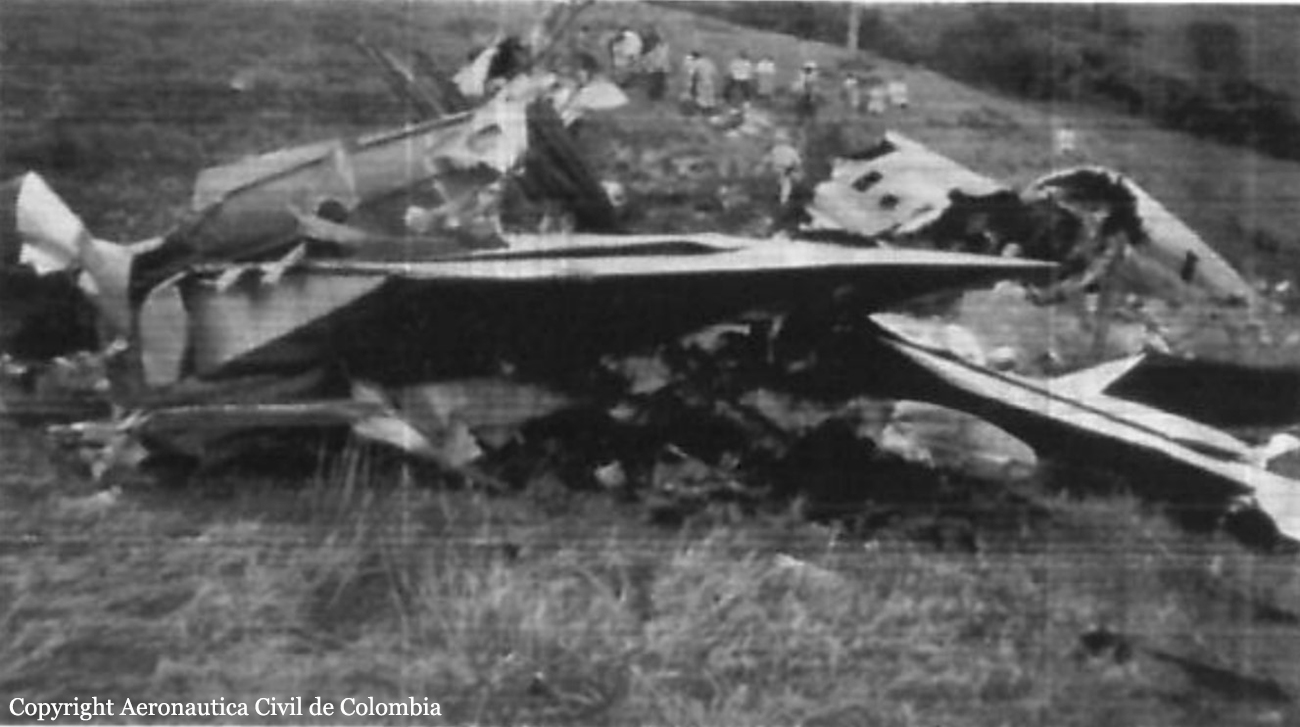
Crash of a Dornier DO.28D-2 Skyservant in San Vicente de Chucurí

Date & Time: Jul 2, 1996 at 1230 LT
Type of aircraft:
Registration:
HK-4044
Survivors:
Yes
Schedule:
Bucaramanga – San Vicente de Chucurí
MSN:
4154
YOM:
1972
Country:
Crew on board:
2
Crew fatalities:
Pax on board:
7
Pax fatalities:
Other fatalities:
Total fatalities:
0
Copilot / Total flying hours:
1123
Aircraft flight hours:
3922
Circumstances:
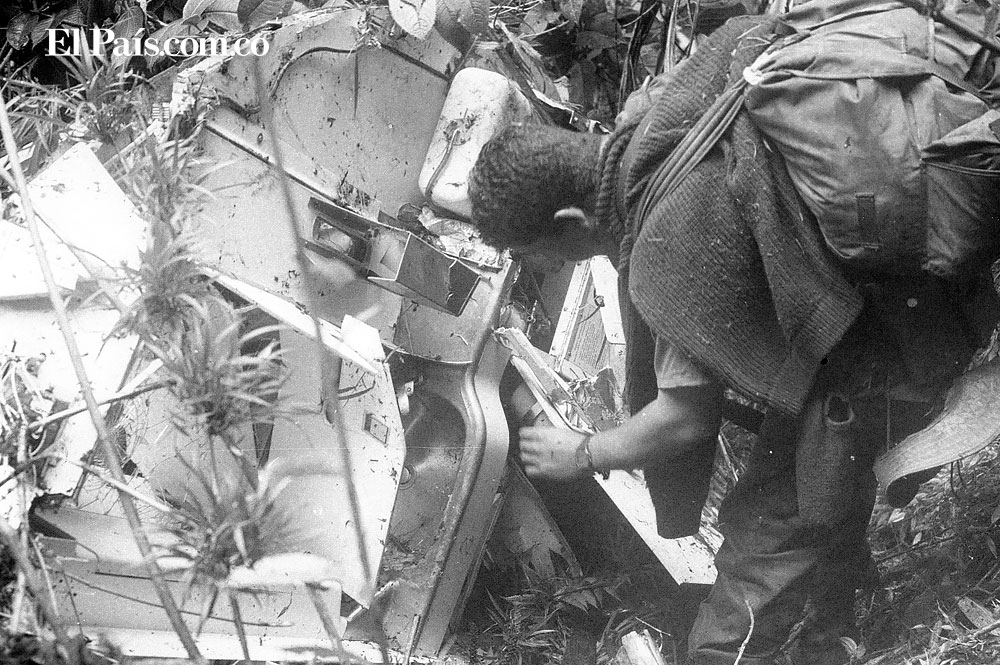
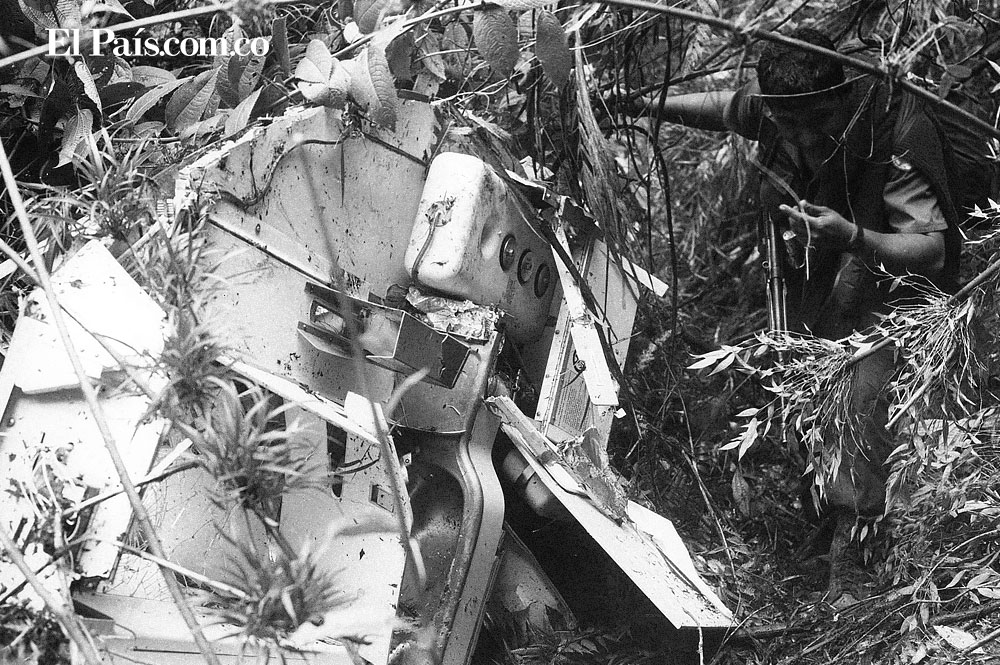
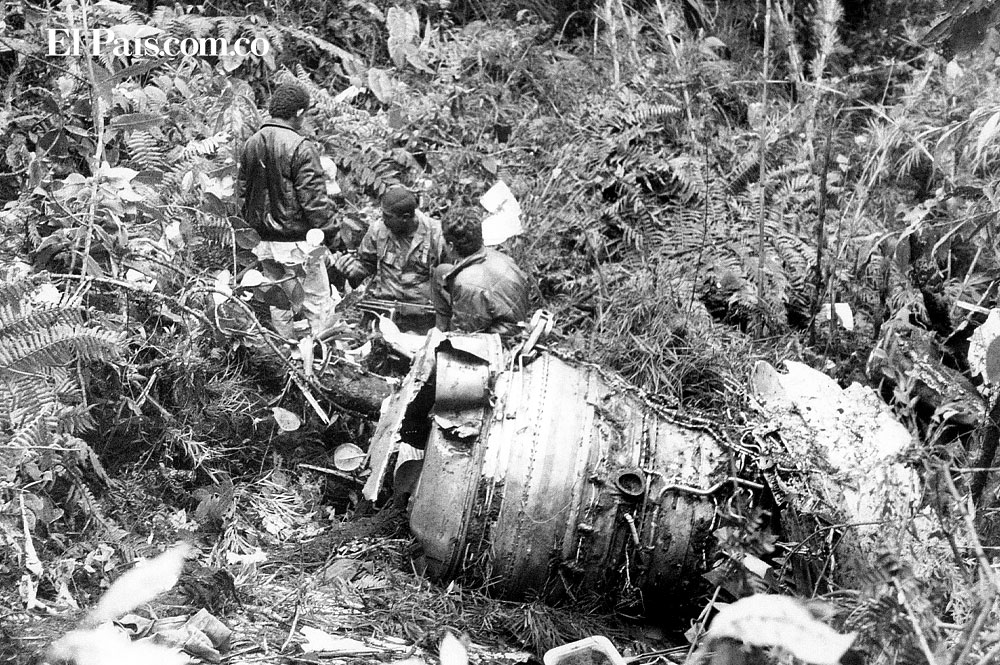
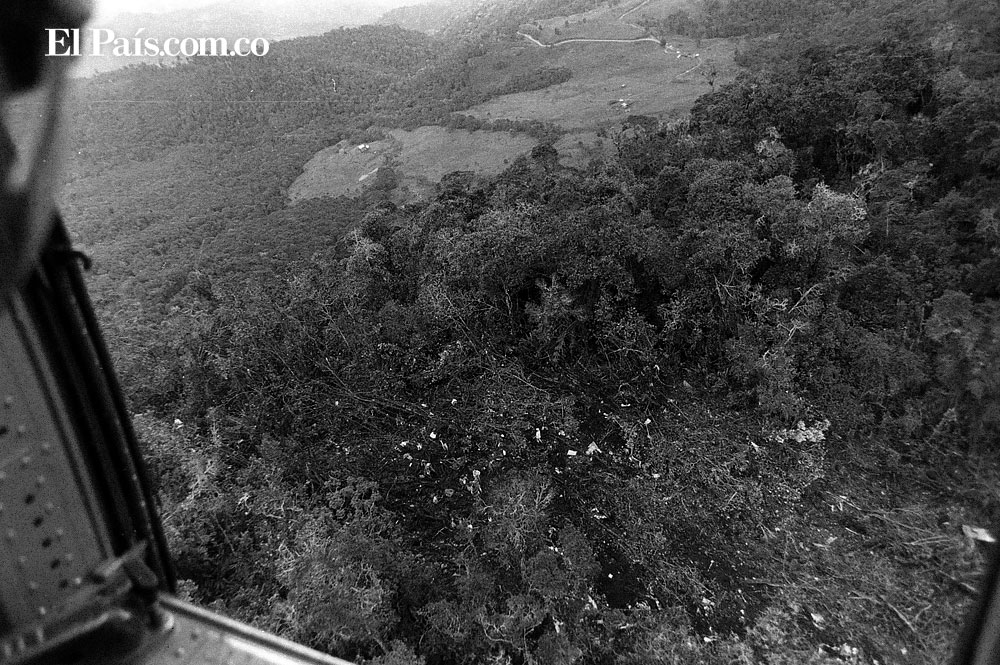
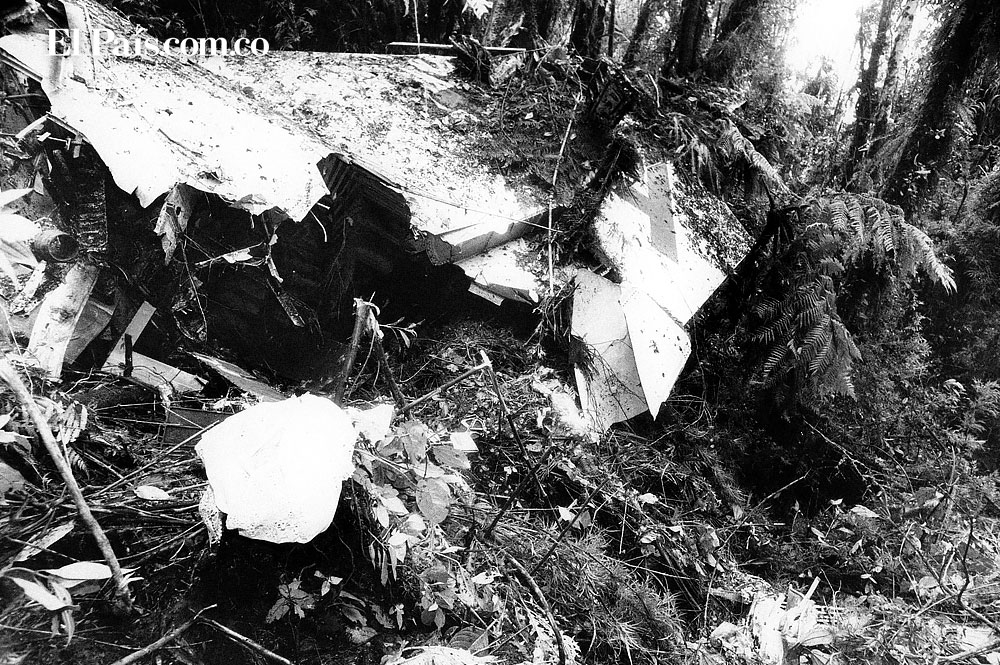
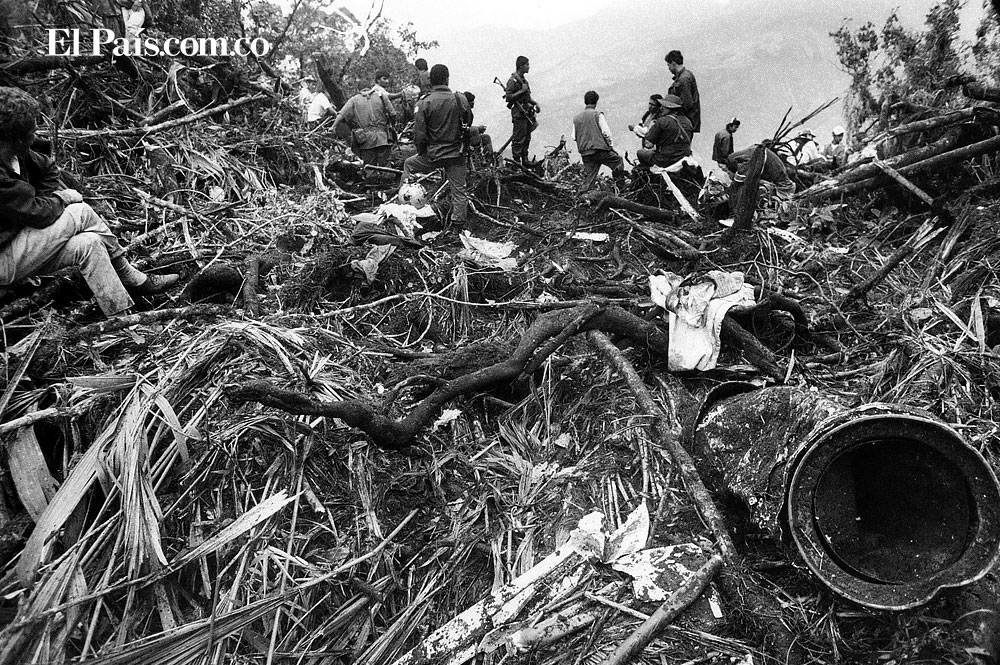
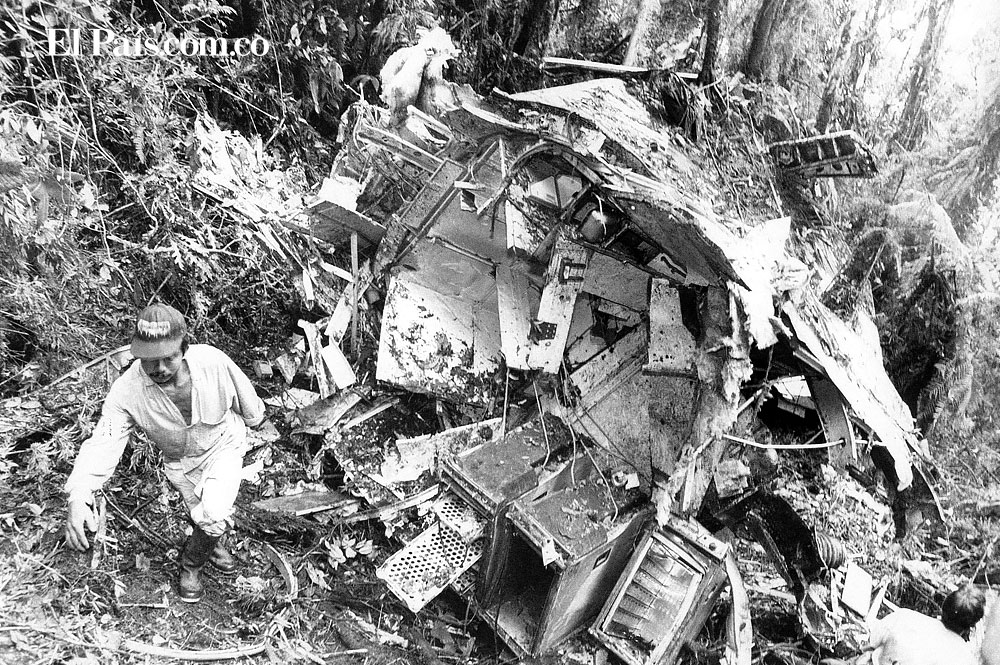
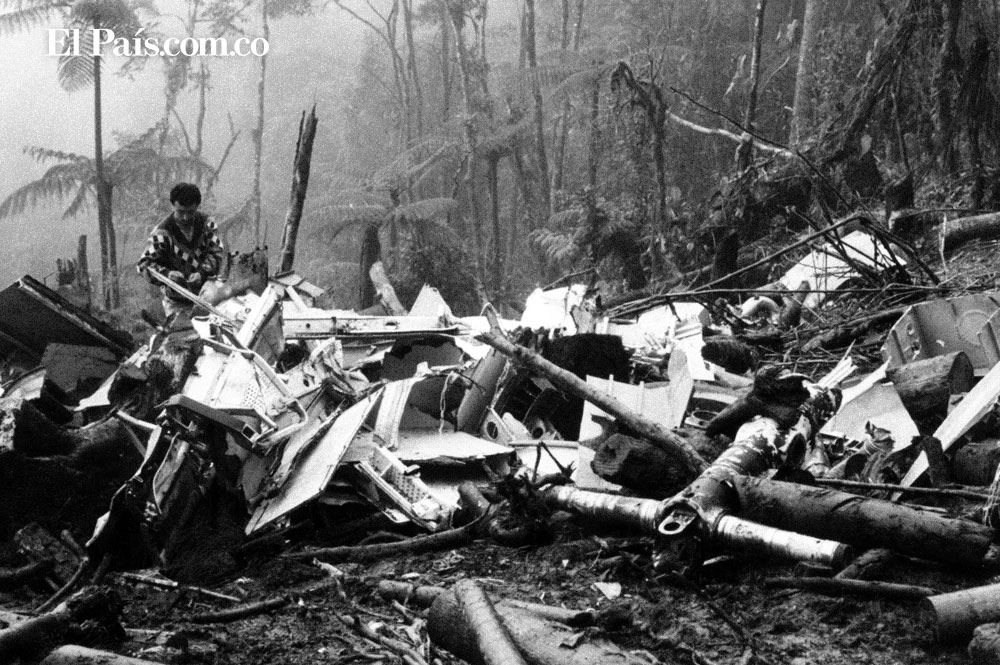
On final approach to San Vicente de Chucurí Airport, the twin engine aircraft struck an earth mound located few metres short of runway threshold. The aircraft went out of control and crashed in trees. All nine occupants escaped uninjured and the aircraft was damaged beyond repair.
Probable cause:
Investigations were unable to determine the exact cause of the accident.
Final Report:
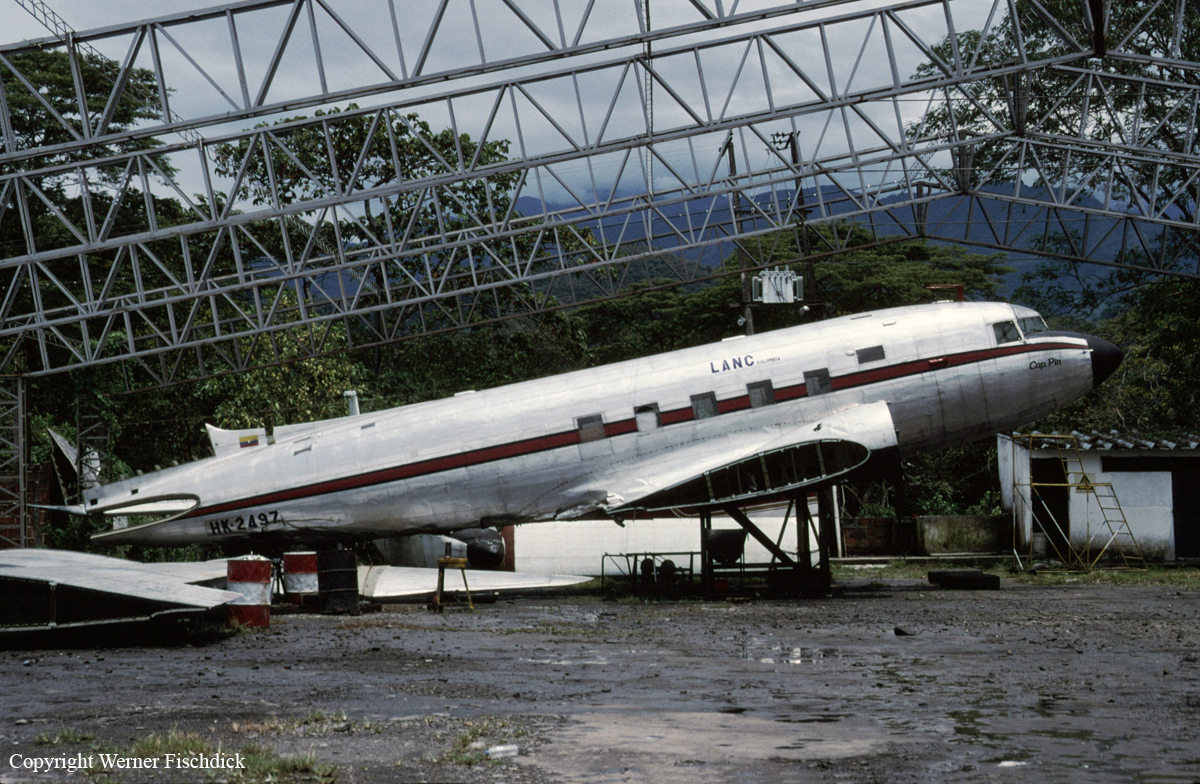

Crash of a Douglas C-47B-20-DK in Villavicencio

Date & Time: Mar 30, 1996 at 0835 LT
Registration:
HK-2497
Survivors:
Yes
Schedule:
Villavicencio - La Macarena
MSN:
15634/27079
YOM:
1945
Country:
Crew on board:
2
Crew fatalities:
Pax on board:
18
Pax fatalities:
Other fatalities:
Total fatalities:
0
Copilot / Total flying hours:
2107
Copilot / Total hours on type:
353
Aircraft flight hours:
20486
Circumstances:
After takeoff from Villavicencio-La Vanguardia Airport, while climbing to an altitude of 1,900 feet, the captain reported severe vibrations with the left engine and was cleared to return. The crew shut down the left engine and started the approach to runway 22. But on final, he realized he could reach the airport so he completed a belly landing one km short of runway threshold. The aircraft came to rest in a field and was damaged beyond repair. All 20 occupants escaped uninjured.
Probable cause:
It was determined that the vibrations and the subsequent failure of the left engine was the consequence of a bad adjustment of the intake valves on cylinders n°8 and 9, which remained stuck in open position, causing high temperature and a loss of power.
Final Report:

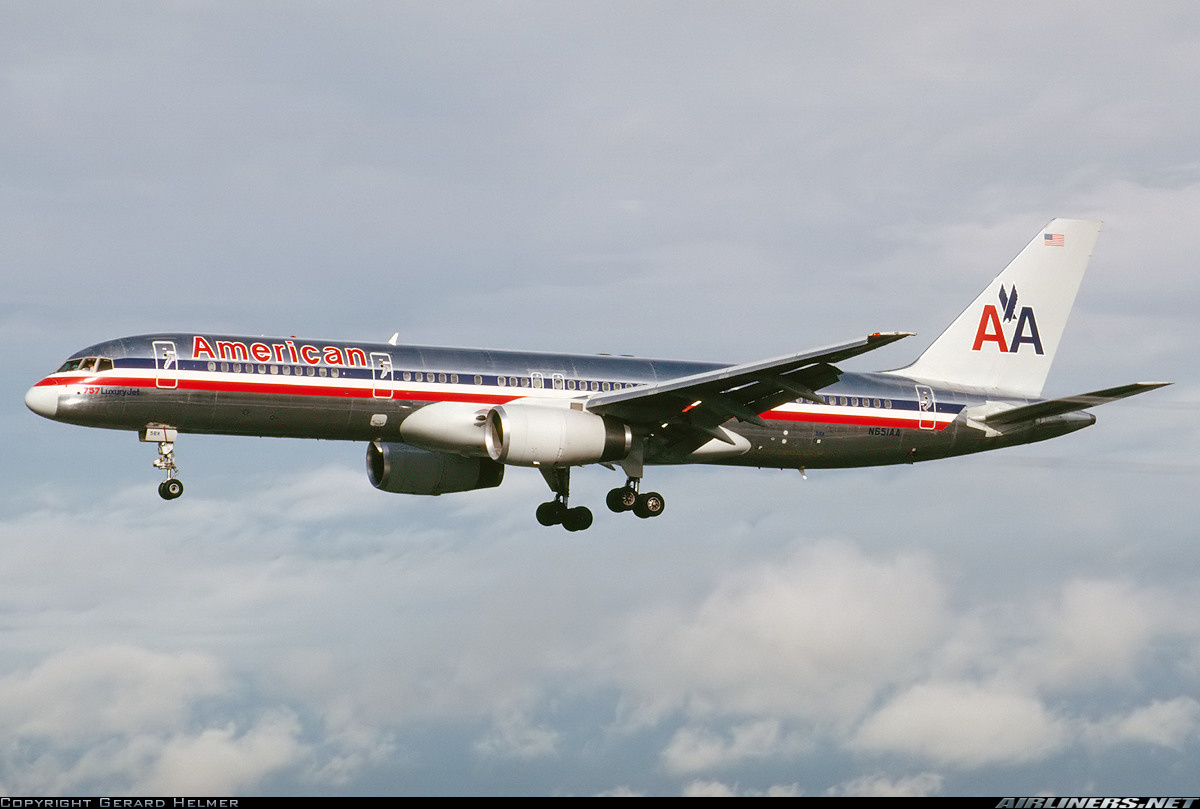
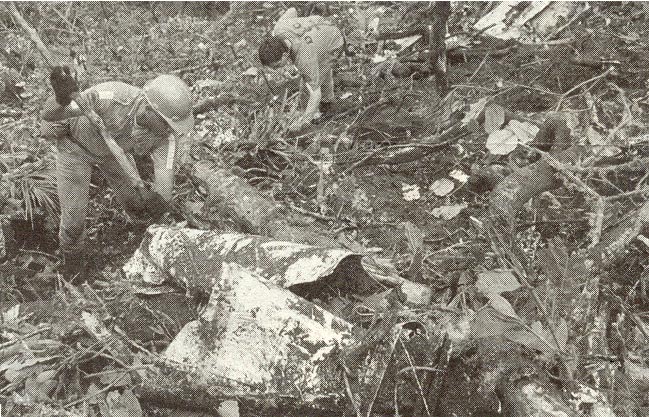
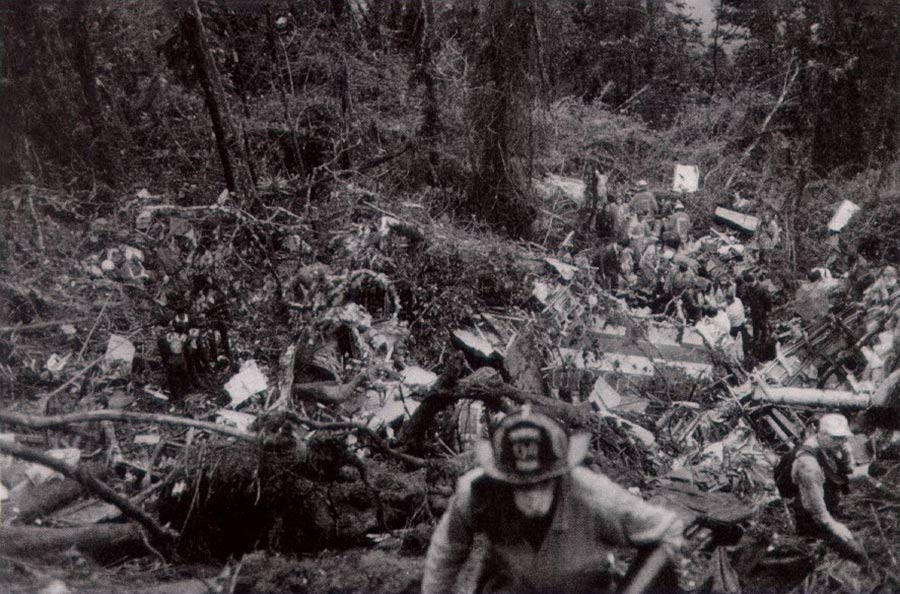
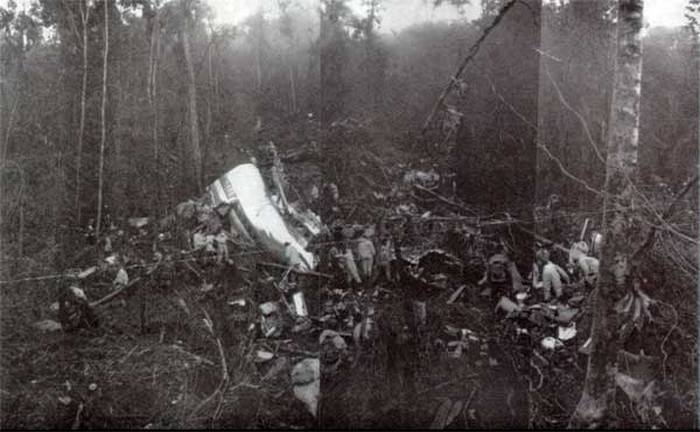
Crash of a Boeing 757-223 near Buga: 159 killed

Date & Time: Dec 20, 1995 at 2138 LT
Type of aircraft:
Operator:
Registration:
N651AA
Flight Phase:
Survivors:
Yes
Site:
Schedule:
Miami - Cali
MSN:
24609
YOM:
1991
Flight number:
AA965
Country:
Crew on board:
8
Crew fatalities:
Pax on board:
155
Pax fatalities:
Other fatalities:
Total fatalities:
159
Captain / Total flying hours:
13000
Captain / Total hours on type:
2260.00
Copilot / Total flying hours:
5800
Copilot / Total hours on type:
2286
Aircraft flight hours:
13782
Aircraft flight cycles:
4922
Circumstances:
At about 18:34 EST, American Airlines Flight 965 took off from Miami for a flight to Cali. At 21:34, while descending to FL200, the crew contacted Cali Approach. The aircraft was 63 nm out of Cali VOR (which is 8nm South of the airport) at the time. Cali cleared the flight for a direct Cali VOR approach and report at Tulua VOR. Followed one minute later by a clearance for a straight in VOR DME approach to runway 19 (the Rozo 1 arrival). The crew then tried to select the Rozo NDB (Non Directional Beacon) on the Flight Management Computer (FMC). Because their Jeppesen approach plates showed 'R' as the code for Rozo, the crew selected this option. But 'R' in the FMC database meant Romeo. Romeo is a navaid 150nm from Rozo, but has the same frequency. The aircraft had just passed Tulua VOR when it started a turn to the left (towards Romeo). This turn caused some confusion in the cockpit since Rozo 1 was to be a straight in approach. 87 Seconds after commencing the turn, the crew activated Heading Select (HDG SEL), which disengaged LNAV and started a right turn. The left turn brought the B757 over mountainous terrain, so a Ground Proximity (GPWS) warning sounded. With increased engine power and nose-up the crew tried to climb. The spoilers were still activated however. The stick shaker then activated and the aircraft crashed into a mountain at about 8900 feet (Cali field elevation being 3153 feet).
Probable cause:
The accident was the consequence of the combination of the following factors:
1. The flightcrew's failure to adequately plan and execute the approach to runway 19 at SKCL and their inadequate use of automation.
2. Failure of the flightcrew to discontinue the approach into Cali, despite numerous cues alerting them of the inadvisability of continuing the approach.
3. The lack of situational awareness of the flightcrew regarding vertical navigation, proximity to terrain, and the relative location of critical radio aids.
4. Failure of the flightcrew to revert to basic radio navigation at the time when the FMS-assisted navigation became confusing and demanded an excessive workload in a critical phase of the flight.
Final Report:

Crash of a Rockwell Grand Commander 680F in Bogotá: 5 killed

Date & Time: Oct 24, 1995 at 0645 LT
Registration:
HK-913-P
Flight Phase:
Flight Type:
Survivors:
No
Schedule:
Bogotá-El Dorado – Bogotá-Guaymaral
MSN:
680-1234-120
YOM:
1963
Country:
Crew on board:
2
Crew fatalities:
Pax on board:
3
Pax fatalities:
Other fatalities:
Total fatalities:
5
Captain / Total flying hours:
612
Circumstances:
The twin engine aircraft departed Bogotá-El Dorado Airport at 0638LT. While climbing, the crew reported technical problems with the right engine and was cleared to return for an emergency landing. While completing a left turn, the crew lost control of the airplane that crashed near Empresa Triturados del Tolima, about 5 km north of the airport, some 7 minutes after takeoff. The aircraft was destroyed and all five occupants were killed.
Probable cause:
Loss of control while completing a turn to return to the airport because the crew failed to recognize the aircraft's limits. Lack of crew training and experience was a contributing factor.
Final Report:
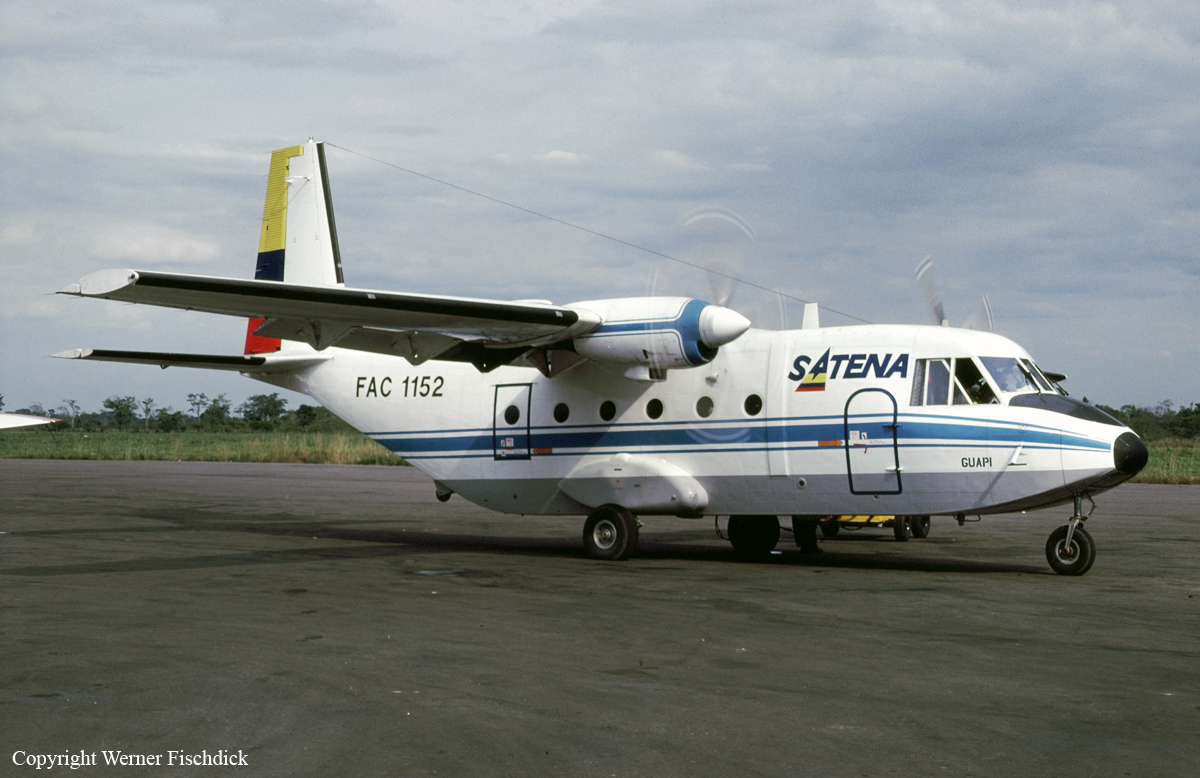
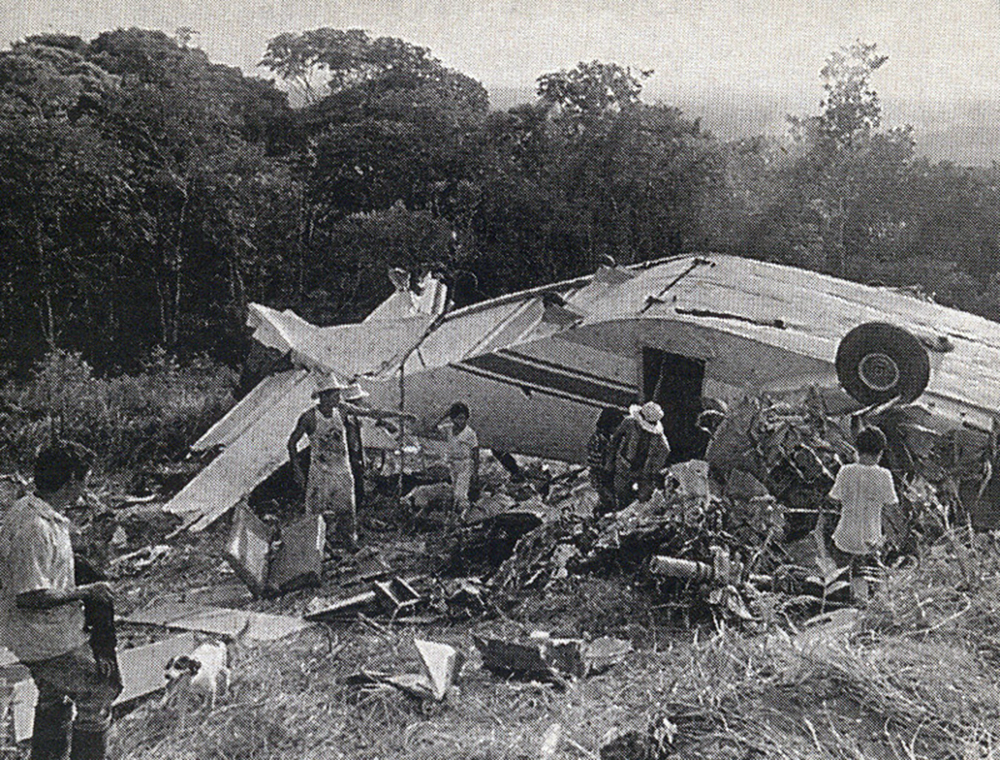
Crash of a Casa 212 Aviocar 200 in La Macarena: 22 killed

Date & Time: Sep 9, 1995 at 0715 LT
Type of aircraft:
Operator:
Registration:
FAC-1152
Survivors:
No
Schedule:
Villavicencio - La Macarena
MSN:
306
YOM:
1983
Country:
Crew on board:
4
Crew fatalities:
Pax on board:
18
Pax fatalities:
Other fatalities:
Total fatalities:
22
Circumstances:
While approaching La Macarena Airport, the crew encountered poor weather conditions and limited visibility due to rain falls and fog. Unable to establish a visual contact with the airport, the crew initiated a go-around procedure. Few minutes later, a second attempt to land was also abandoned. During a third attempt, the crew failed to realize his altitude was insufficient when the aircraft collided with a hill located about 8 km from the airport and came to rest upside down. A passenger was seriously injured while 21 other occupants were killed. Few days later, the only survivor died from his injuries.

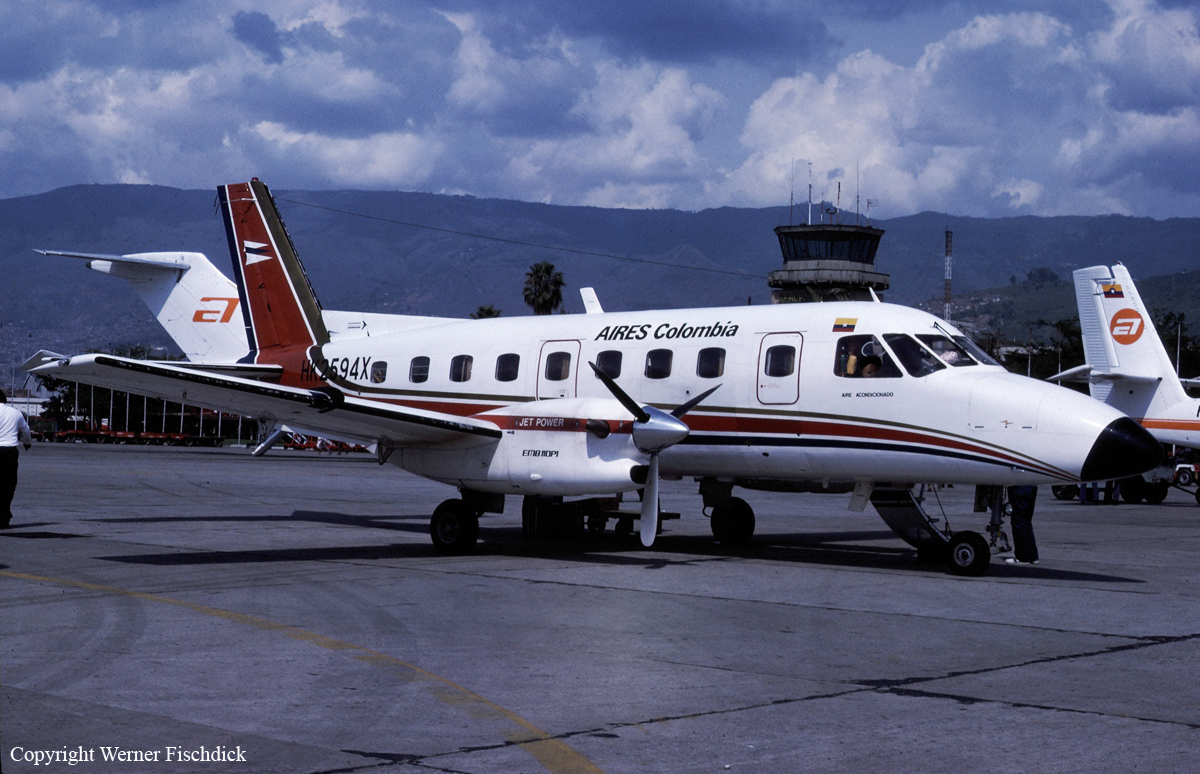
Crash of an Embraer EMB-110P1 Bandeirante on Mt Nevado del Huila: 8 killed

Date & Time: Aug 14, 1995 at 0943 LT
Operator:
Registration:
HK-2594
Flight Phase:
Survivors:
No
Site:
Schedule:
Neiva - Cali
MSN:
110-310
YOM:
1980
Flight number:
ARE413
Country:
Crew on board:
2
Crew fatalities:
Pax on board:
6
Pax fatalities:
Other fatalities:
Total fatalities:
8
Captain / Total flying hours:
5892
Captain / Total hours on type:
91.00
Copilot / Total flying hours:
451
Copilot / Total hours on type:
187
Aircraft flight hours:
29923
Circumstances:
The twin engine aircraft departed Neiva-Benito Salas Airport at 0922LT on a regular schedule flight to Cali, carrying six passengers and two pilots. After departure, the crew was cleared to climb under VFR to the altitude of 14,500 feet. The last radio communication was recorded at 0940LT and three minutes later, while cruising in clouds at the altitude of 14,271 feet, the aircraft struck the slope of Mt Nevado del Huila (5,750 metres high). SAR operations were initiated but the wreckage was found 10 days later only, at an altitude of 4,350 metres. The aircraft was destroyed and all eight occupants were killed.
Probable cause:
Investigations were unable to determine the exact cause of the accident due to lack of evidences. CVR, FDR, ATC communication and debris analysis failed to determine a possible cause to the accident. The following factors were reported:
- The crew deviated from the planned route,
- Reporting of inaccurate positions on the points that had projected in the Flight Plan,
- Using a route on a flight level that requires the use of oxygen both for individuals and crews.
Final Report:
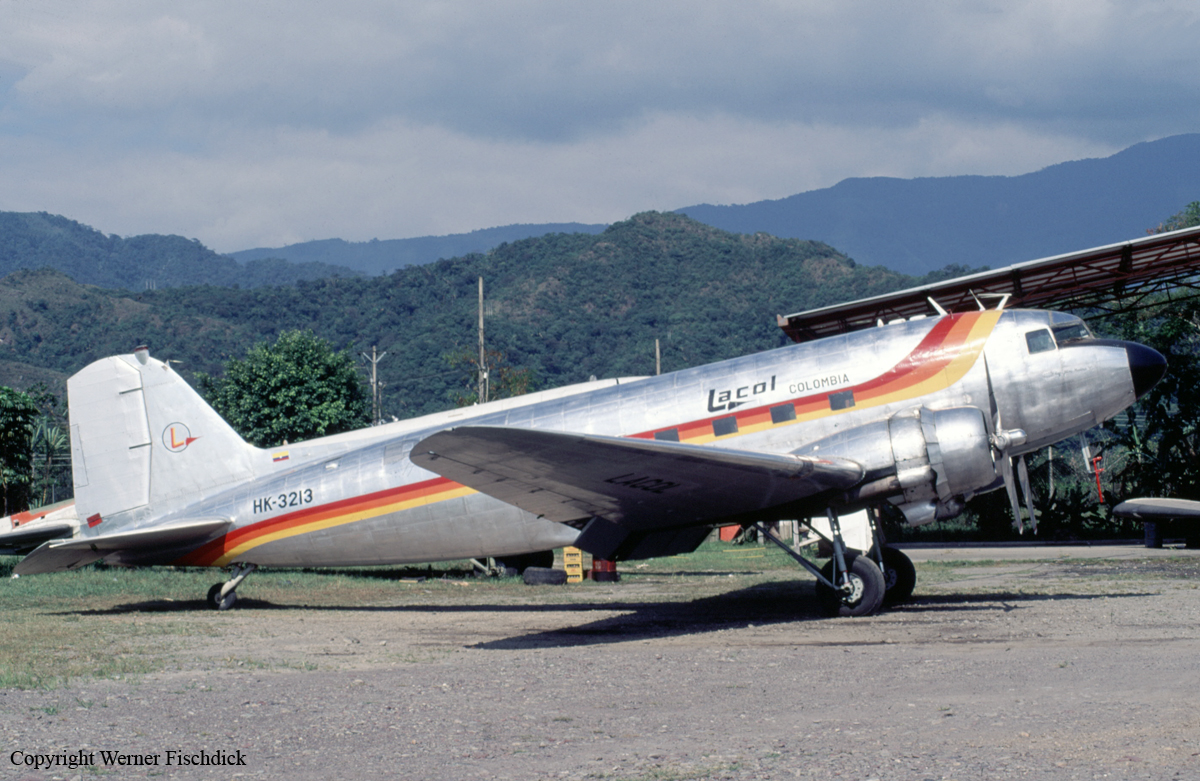
Crash of a Douglas DC-3C in Miraflores: 5 killed

Date & Time: May 25, 1995 at 1515 LT
Type of aircraft:
Operator:
Registration:
HK-3213
Flight Type:
Survivors:
Yes
Schedule:
Villavicencio - Miraflores
MSN:
14214/25659
YOM:
1944
Country:
Crew on board:
4
Crew fatalities:
Pax on board:
9
Pax fatalities:
Other fatalities:
Total fatalities:
5
Aircraft flight hours:
15000
Circumstances:
The aircraft was completing a cargo flight from Villavicencio, carrying livestock, nine passengers and four crew members. The approach to Miraflores Airport was completed in poor weather conditions. On short final, the left engine failed. The aircraft lost height, collided with trees and crashed in a wooded area. Three passengers and both pilots were killed while eight other occupants were injured.
Probable cause:
The probable cause of this accident is the loss of lift, induced by explosions and fire in the left engine, problems that the pilot was unable to overcome because he was flying under VFR mode in IMC conditions.
Final Report:

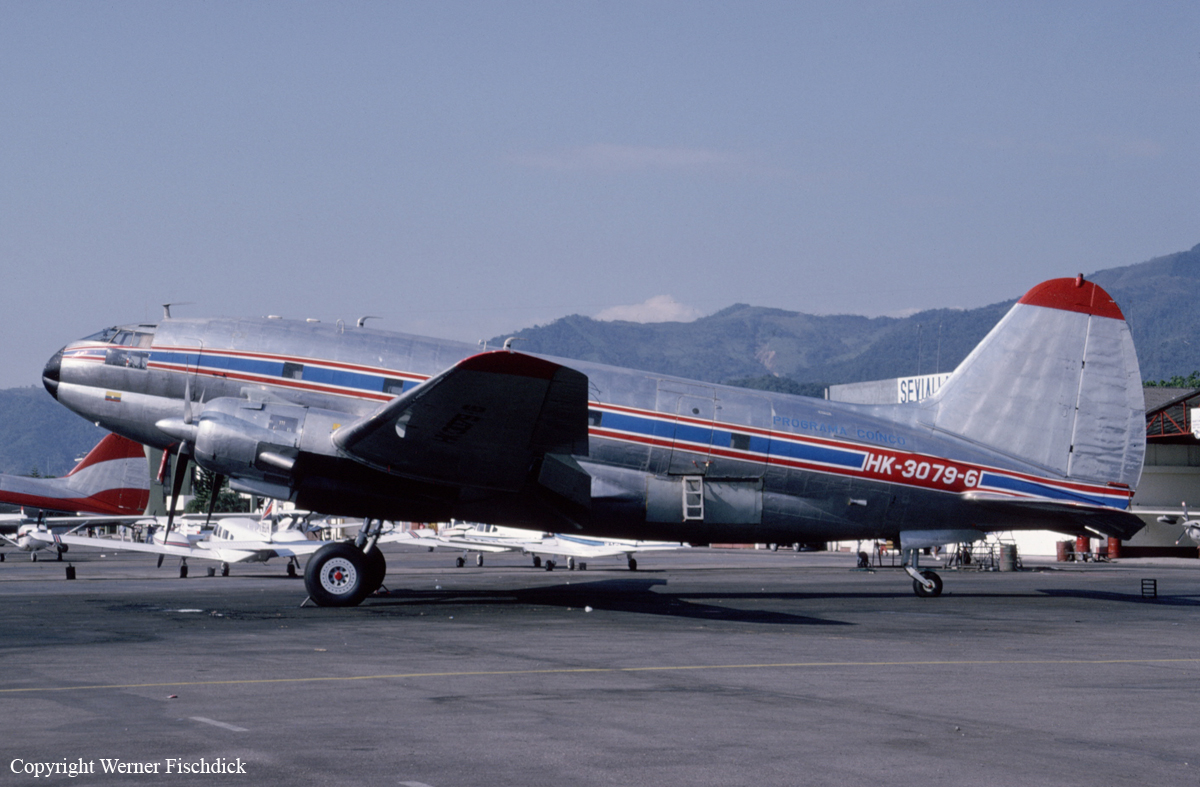
Crash of a Curtiss C-46F-1-CU Commando in Villavicencio: 9 killed

Date & Time: May 9, 1995 at 1635 LT
Type of aircraft:
Registration:
HK-3079-G
Flight Type:
Survivors:
No
Schedule:
Mitú – Villavicencio
MSN:
22538
YOM:
1945
Country:
Crew on board:
2
Crew fatalities:
Pax on board:
7
Pax fatalities:
Other fatalities:
Total fatalities:
9
Captain / Total flying hours:
5902
Captain / Total hours on type:
2015.00
Copilot / Total flying hours:
1085
Copilot / Total hours on type:
96
Aircraft flight hours:
21406
Circumstances:
On approach to Villavicencio-La Vanguardia Airport runway 04, the crew encountered poor weather conditions (heavy rain falls) and a visibility limited to 1,000 metres. After passing the missed approach point, the crew was unable to establish a visual contact with the runway and initiated a go-around procedure. Shortly later, the aircraft struck the slope of a mountain located in the San Jeronimo Mountain Range, about 5 km north of runway 22 threshold. The aircraft disintegrated on impact and all 9 occupants were killed.
Probable cause:
Loss of situational awareness on part of the crew after he deviated from the standard approach procedures. The lack of visibility was considered as a contributing factor.
Final Report:

Crash of a Convair CV-580 in Espinal

Date & Time: Apr 8, 1995 at 1630 LT
Type of aircraft:
Registration:
HK-3675
Flight Phase:
Flight Type:
Survivors:
Yes
Schedule:
Espinal - Bogotá
MSN:
214
YOM:
1954
Location:
Country:
Crew on board:
4
Crew fatalities:
Pax on board:
0
Pax fatalities:
Other fatalities:
Total fatalities:
0
Captain / Total flying hours:
242
Captain / Total hours on type:
50.00
Copilot / Total flying hours:
208
Copilot / Total hours on type:
8
Aircraft flight hours:
28843
Aircraft flight cycles:
8030
Circumstances:
The aircraft had been stolen in December 1992 and was later found abandoned at Espinal Airfield. SEC Colombia bought it and completed an in-site C1 check before transferring it to Bogotá-El Dorado Airport. While taking off from runway 26 ( gravel strip of 1,010 metres long), the aircraft deviated to the left and failed to lift off. It overran, crossed a road and came to rest 275 metres further, bursting into flames. All four crew members were able to escape and were uninjured while the aircraft was destroyed by fire.
Probable cause:
It was determined that the gravel runway 26 at Espinal Airfield was inappropriate for such type of aircraft. The runway was certified for agricultural aircraft with a maximum takeoff weight of 4,400 pounds while the Convair's takeoff weight was 38,888 pounds. The probable cause of this accident was the decision of the crew to take off from a runway unfit for this flight, finding a lack of performance on the soft surface, which prevented it to reach the VMCA, V1, VR, V2 speeds. The authorization by the company SEC to carry out a takeoff from a runway unfit for the flight was considered as a contributing factor.

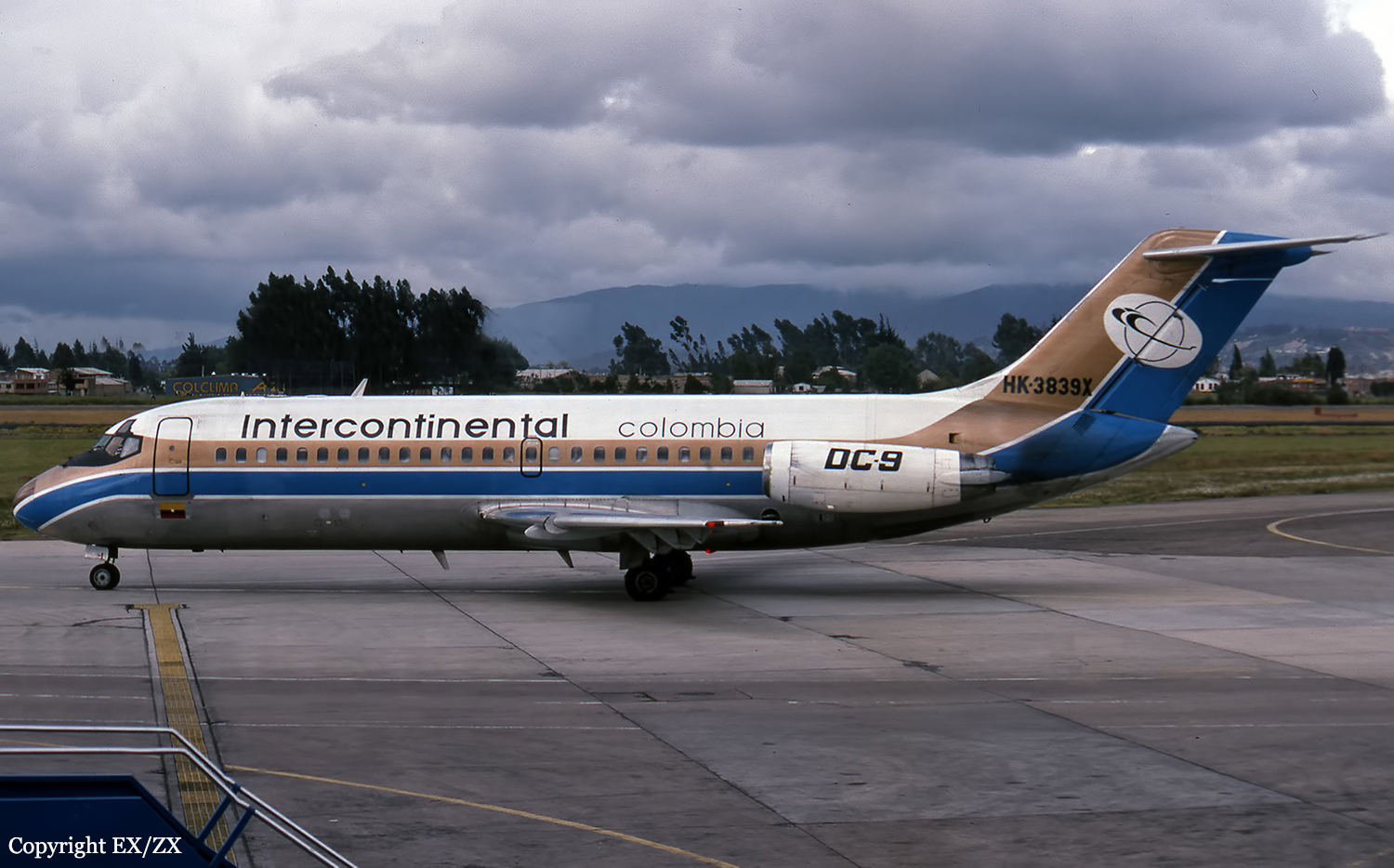
Crash of a Douglas DC-9-14 in María La Baja: 51 killed

Date & Time: Jan 11, 1995 at 1938 LT
Type of aircraft:
Operator:
Registration:
HK-3839X
Flight Phase:
Survivors:
Yes
Schedule:
Bogotá – Cartagena – San Andres – Panama City – Cali – Bogotá
MSN:
45742/26
YOM:
1966
Flight number:
RS256
Country:
Crew on board:
5
Crew fatalities:
Pax on board:
47
Pax fatalities:
Other fatalities:
Total fatalities:
51
Captain / Total flying hours:
10924
Captain / Total hours on type:
4605.00
Copilot / Total flying hours:
4229
Copilot / Total hours on type:
3952
Aircraft flight hours:
65084
Aircraft flight cycles:
69716
Circumstances:
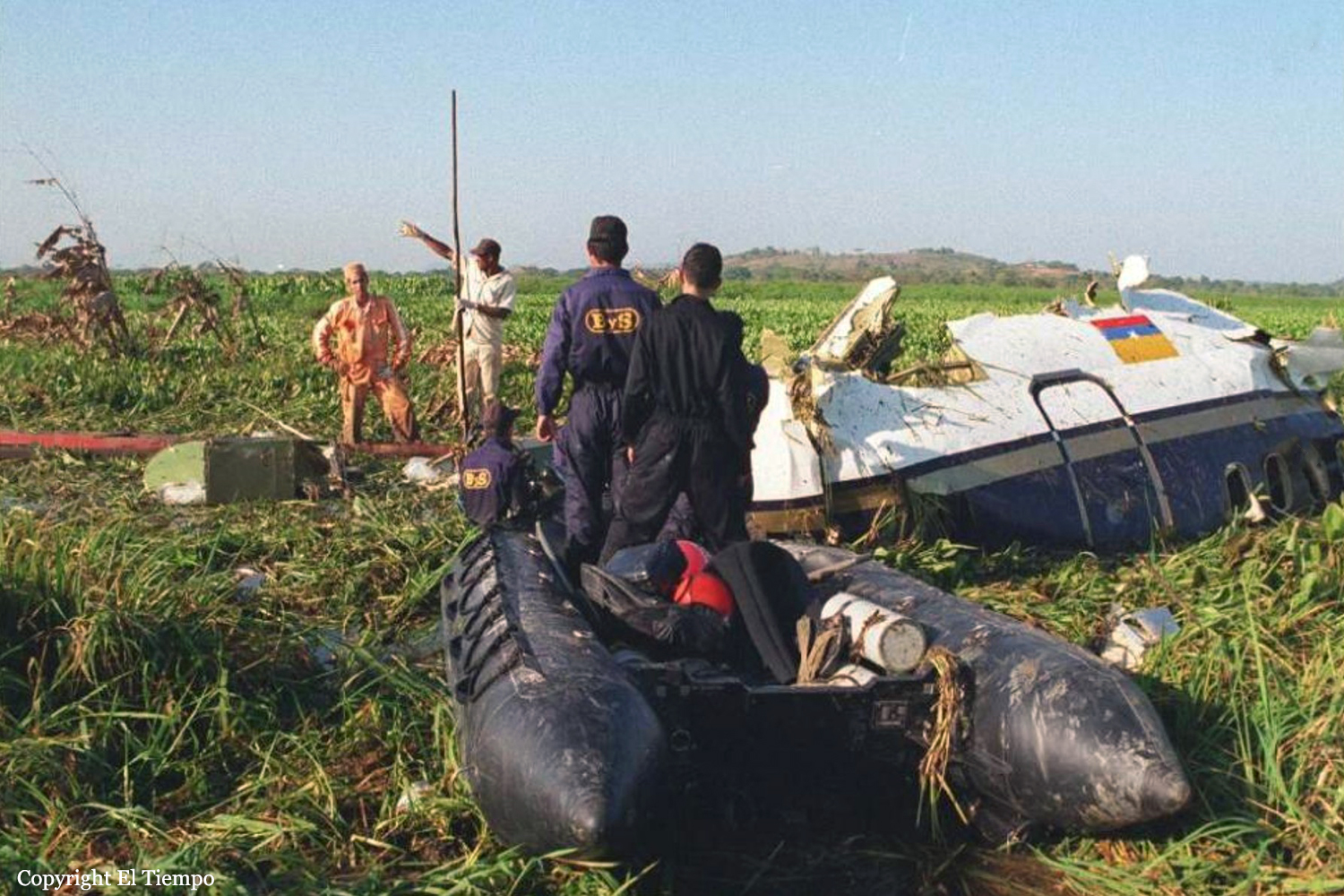
The aircraft departed Bogotá-El Dorado Airport at 1843LT with a delay of six hours because of technical problems with the electrical systems. At 1934LT, after being cleared to start the descent to Cartagena-Rafael Núñez Airport, the crew descended from FL190 to FL080 when radar contact was lost. Four minutes later, the pilot of a Cessna 208 operated by Aerocorales informed ARTCC about a plane descending vertically and crashing in a marshy field located near María La Baja. The wreckage was found about 40 km southeast of Cartagena Airport. The aircraft disintegrated on impact and among the debris, a nine year old girl was found alive, all 51 other occupants have been killed.
Probable cause:
It was determined that the loss of control occurred after the pilot-in-command suffered a loss of situational awareness. Contributing to the loss of Vertical Situational Awareness, was the failure of the altimeter Number one during the descent, the lack of light in the altimeter Number two, the ineffectiveness of the Altitude Alert due to the failure of the altimeter Number one, the lack of radar service in the area, the complacency of the command crew because of good weather conditions, flight training that may not have been authorized by the company, the failure of the ground proximity warning system (GPWS), or lack of crew reaction time to respond to this alarm.
Final Report: