Crash of a PZL-Mielec AN-2R in Bereke: 1 killed

Date & Time: Jun 26, 2016
Type of aircraft:
Operator:
Registration:
UP-A0273
Flight Phase:
Survivors:
Yes
Schedule:
Bereke - Bereke
MSN:
1G184-11
YOM:
1979
Country:
Region:
Crew on board:
1
Crew fatalities:
Pax on board:
1
Pax fatalities:
Other fatalities:
Total fatalities:
1
Circumstances:
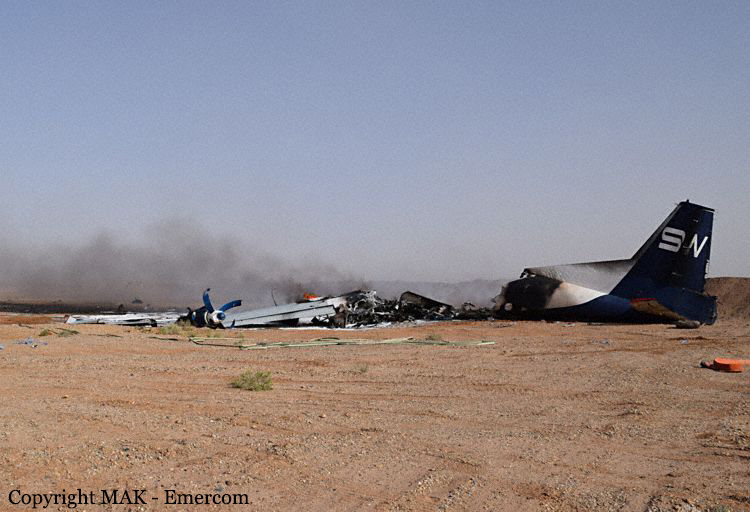
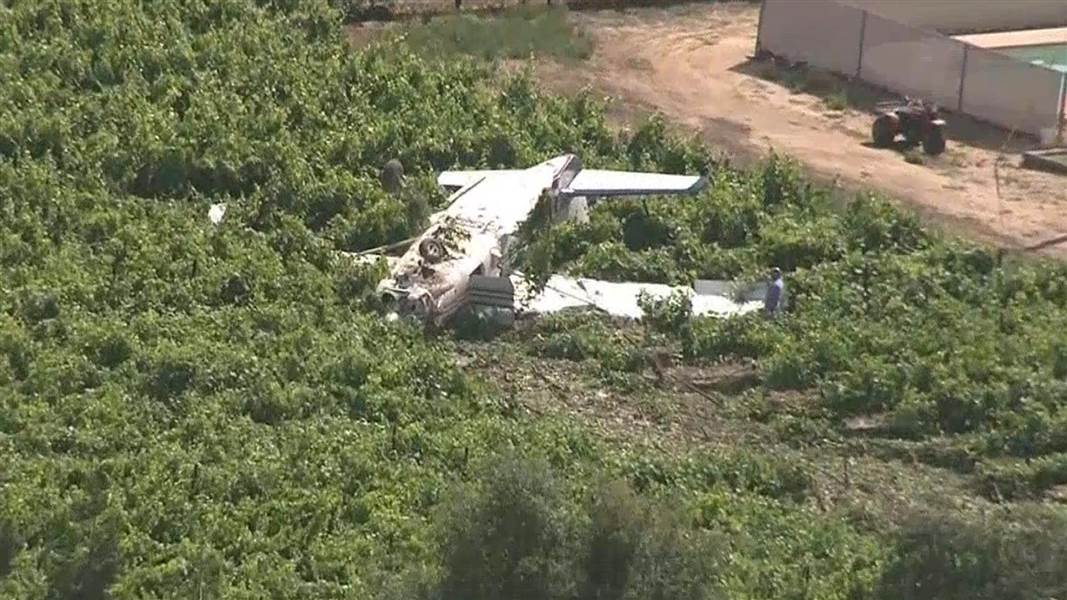
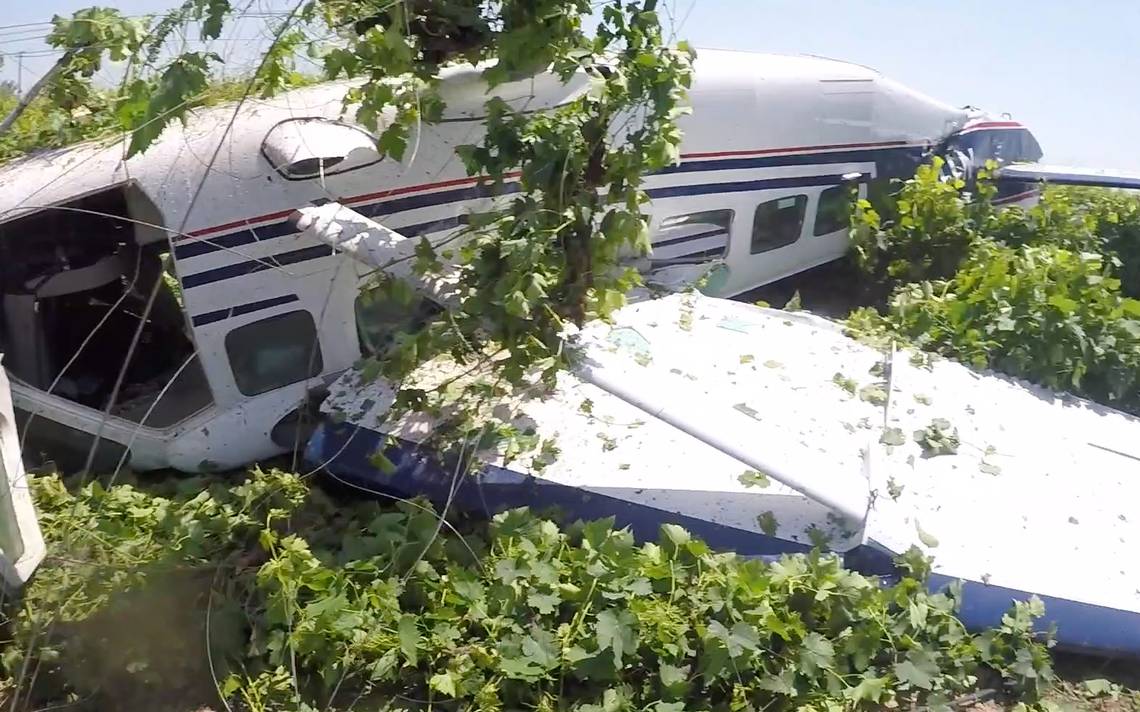
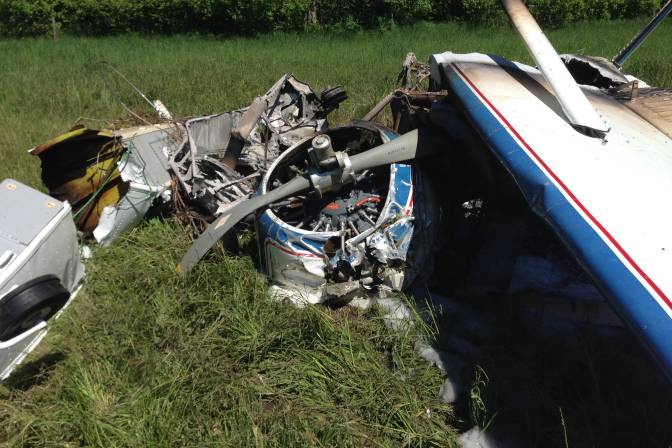
The aircraft was engaged in a crop spraying mission in Bereke, northwest of Almaty, carrying one pilot and one passenger, a mechanic. While flying at low height, the engine started to vibrate and lost power. The pilot attempted an emergency landing when the airplane hit the ground and crashed, bursting into flames. The pilot was killed and the mechanic was seriously injured. The aircraft was destroyed by a post crash fire.

Crash of a Pilatus PC-6/B2-H4 Turbo Porter in Ferreira do Alentejo: 1 killed

Date & Time: Jun 19, 2016 at 1750 LT
Operator:
Registration:
D-FSCB
Flight Phase:
Survivors:
Yes
Schedule:
Figueira dos Cavaleiros - Figueira dos Cavaleiros
MSN:
634
YOM:
1967
Country:
Region:
Crew on board:
1
Crew fatalities:
Pax on board:
7
Pax fatalities:
Other fatalities:
Total fatalities:
1
Captain / Total flying hours:
1400
Captain / Total hours on type:
900.00
Aircraft flight hours:
6556
Circumstances:
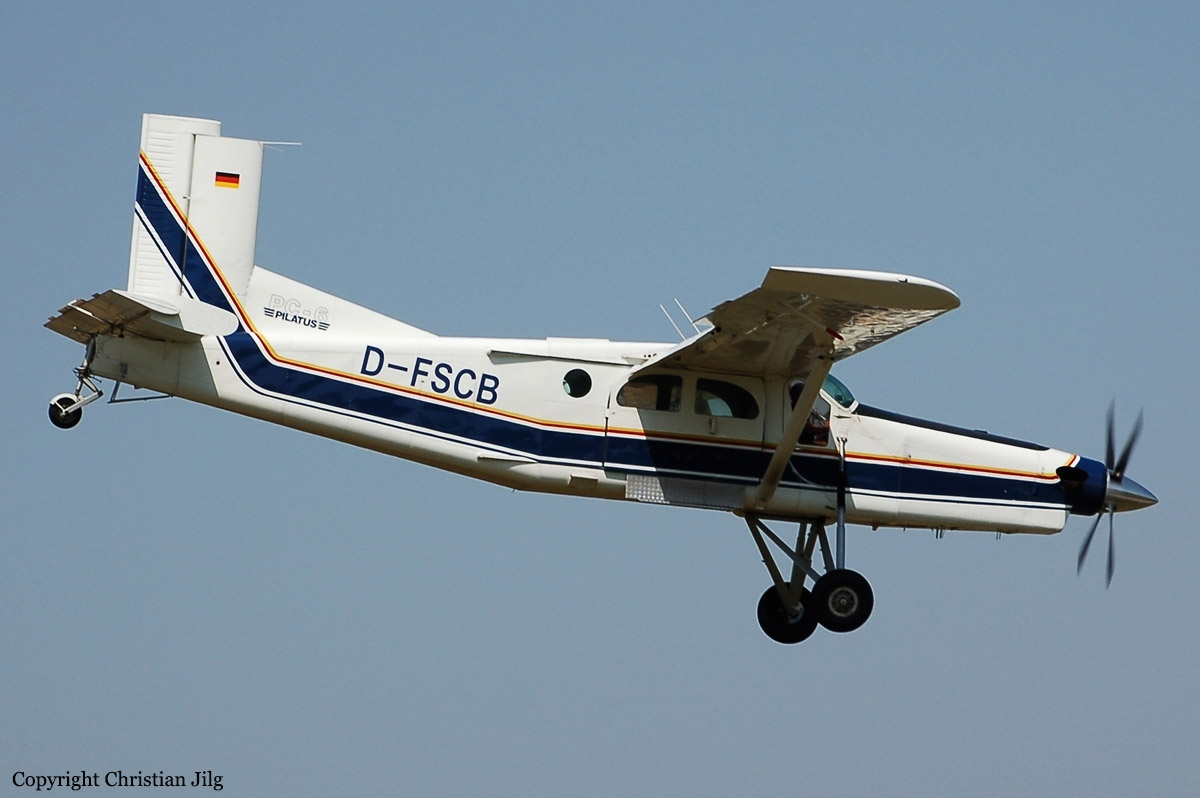
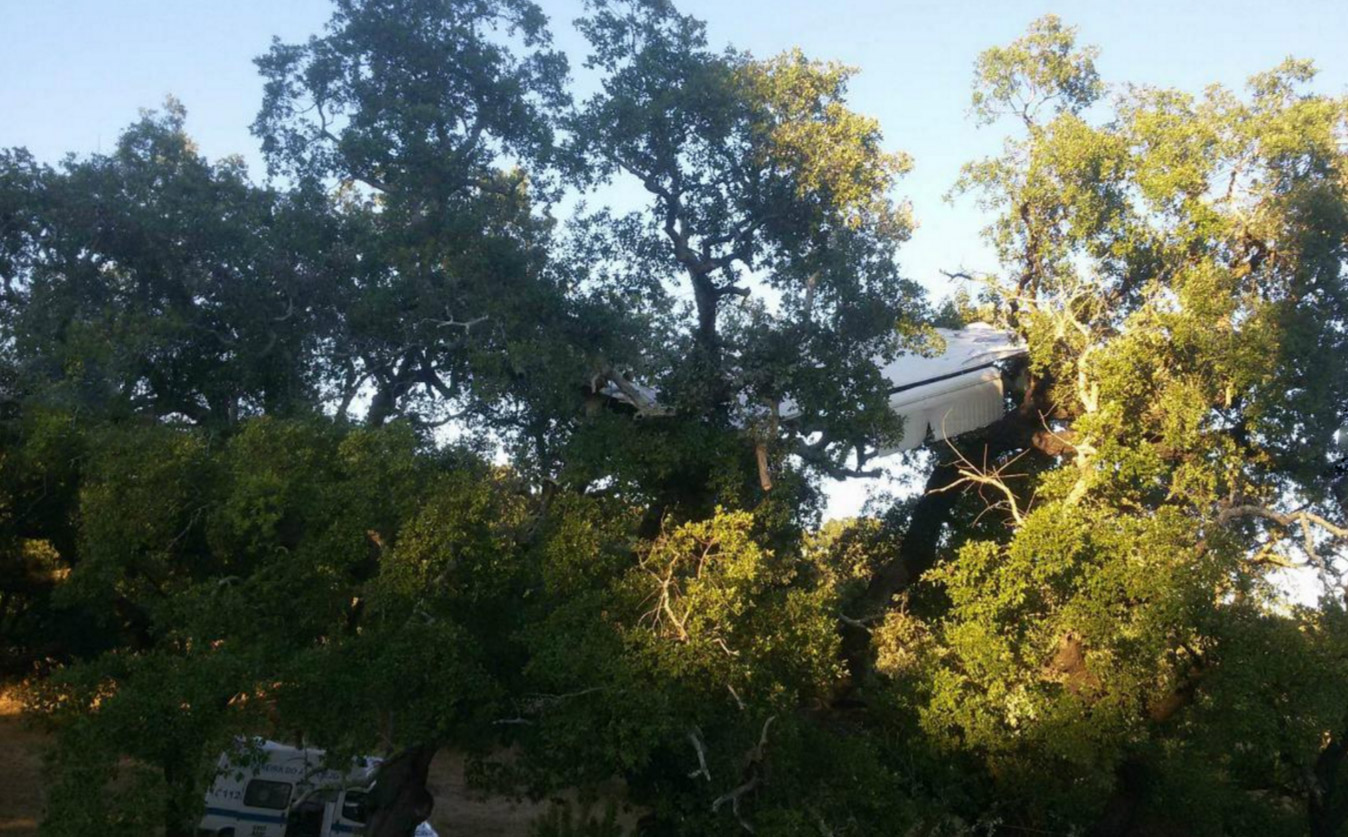
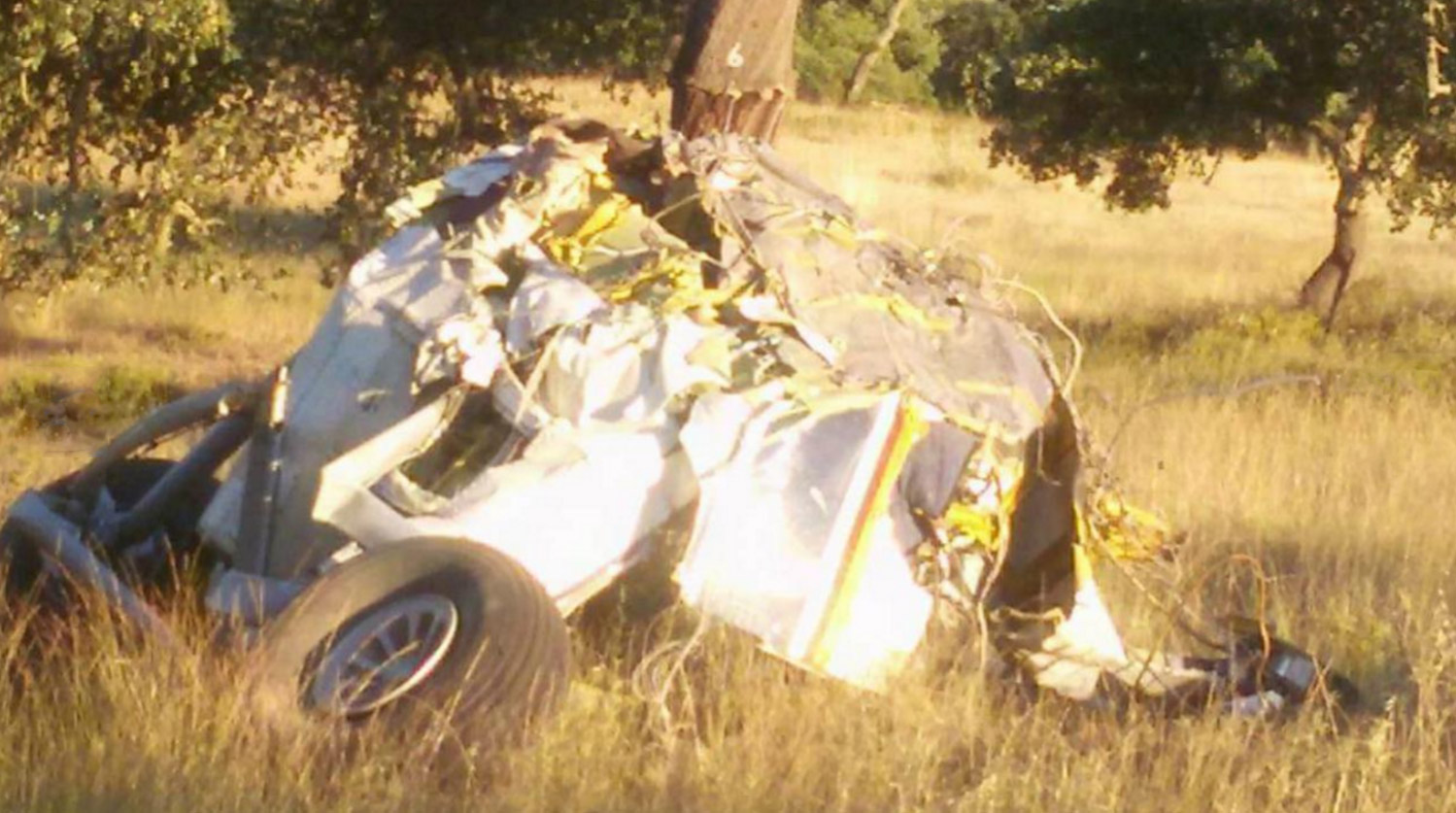
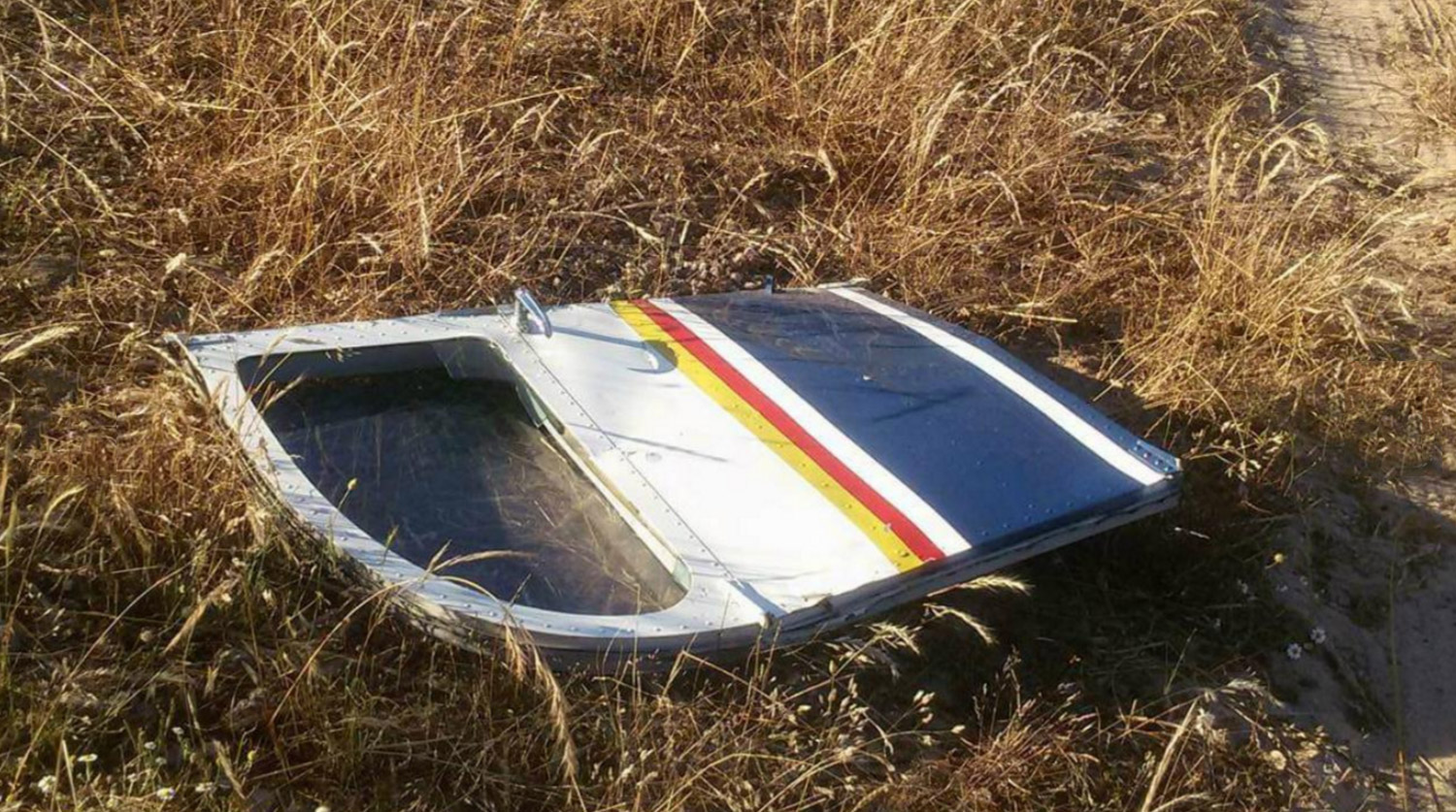
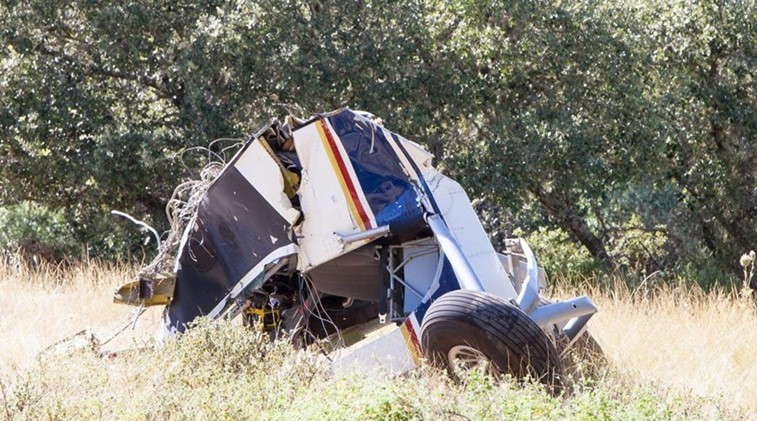
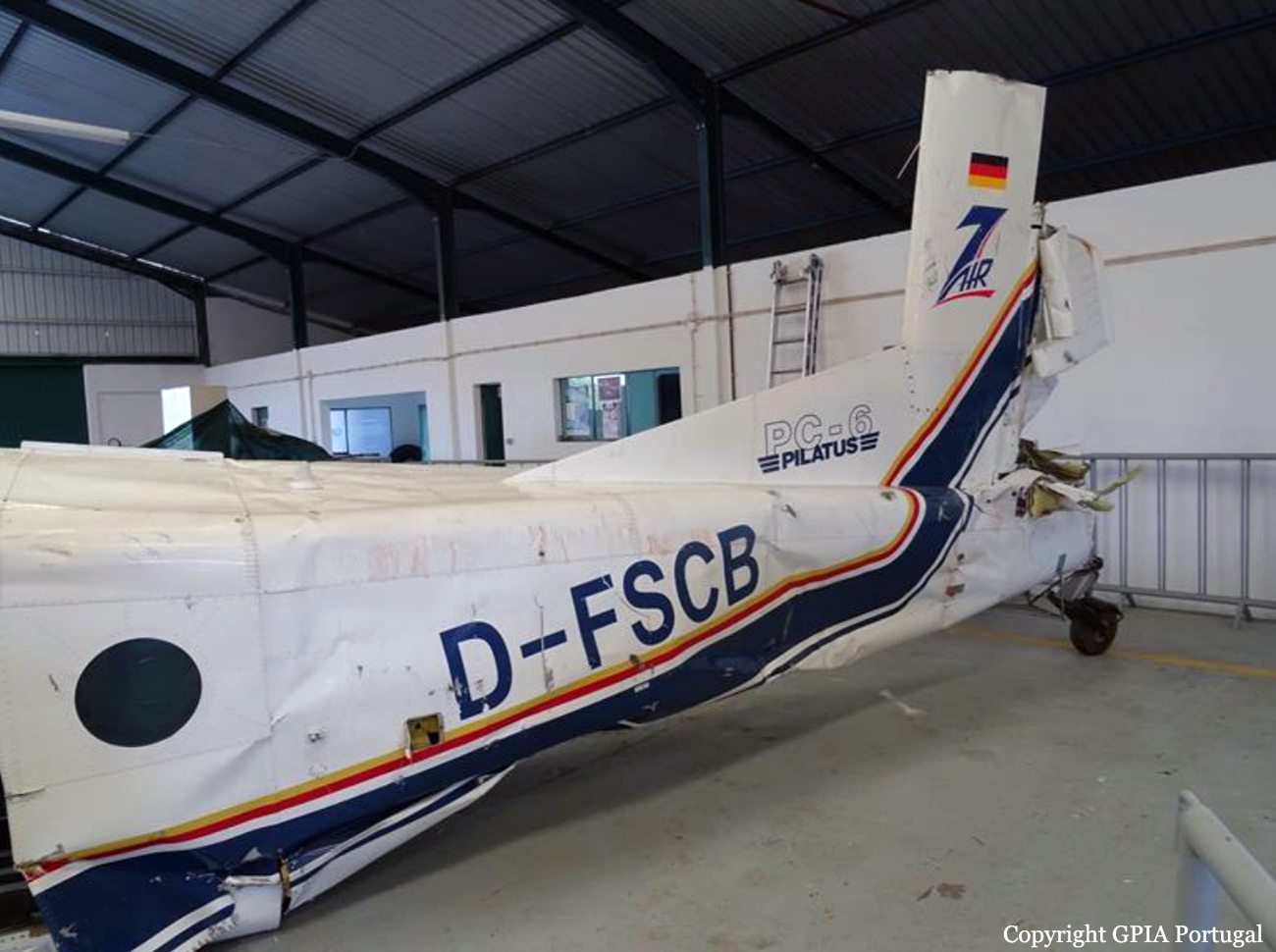
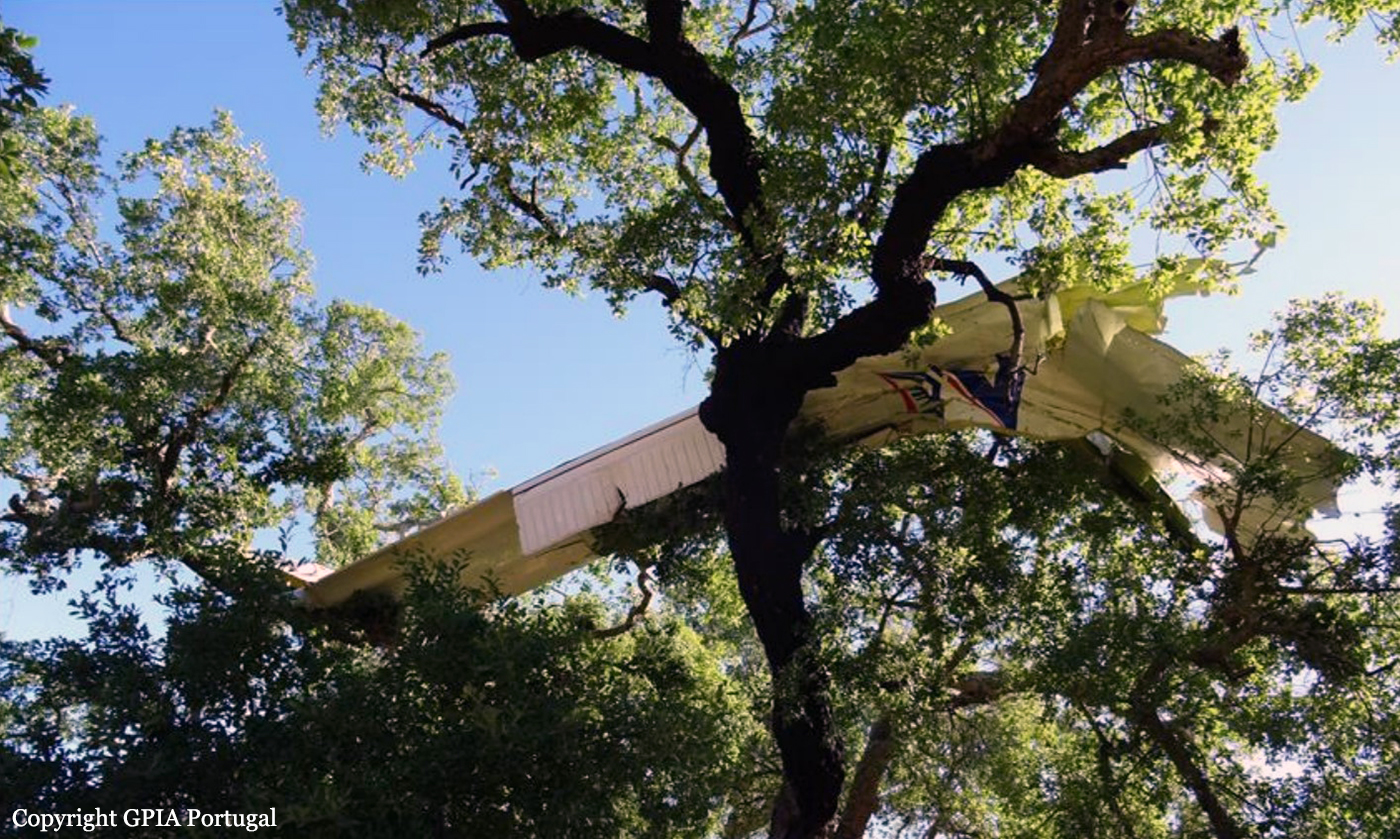
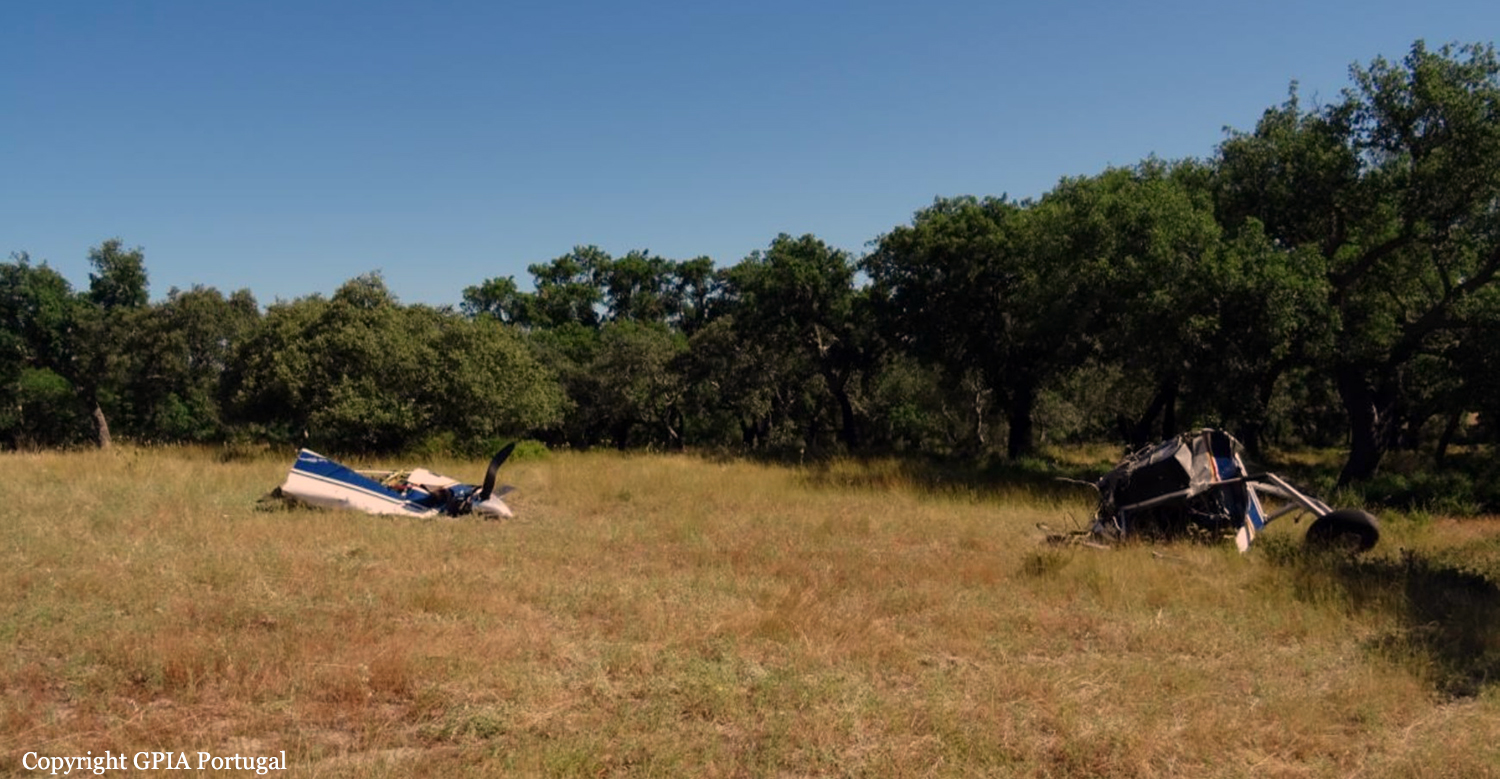
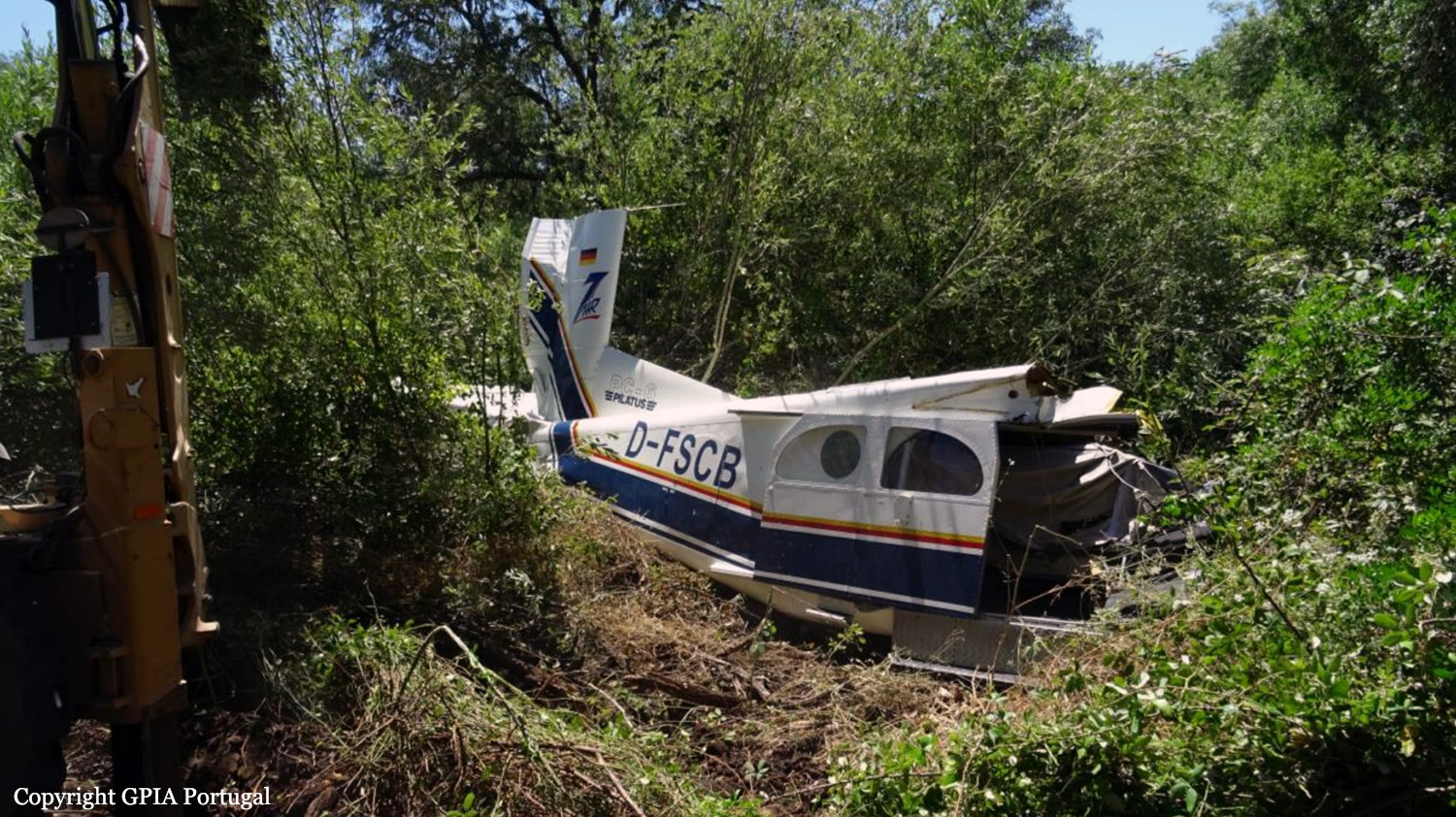
On the afternoon of the 19th of June 2016 a Pilatus PC-6 aircraft, German registration DFSCB, took off from the airfield of Figueira dos Cavaleiros (LPFC) for its 17th launch of skydivers that day. On this flight there were 8 persons on board: 1 pilot, 5 skydivers and 2 passengers that were jumping in tandem with two of the skydivers. The meteorology featured a day with clear sky, the wind blew from 040° with 10 kt and the air temperature was around 32° C. The Pilatus took off for a local skydiving training flight and started a climb to an altitude of 14.500 ft. During the initial climb at a rate of 1.000 feet per minute, when crossing 7.000 feet above mean sea level, according to some of the skydivers in the group, a sound similar to the cracking/ripping of a metal structure was heard, and simultaneously the aircraft pitched up to a high nose-up attitude while yawing to the right, causing a severe flight instability. Suddenly, the entire rear fuselage structure disintegrated. According to the reports, some occupants were pushed against the structure of the aircraft before they were thrown outside. During the following seconds the skydivers who did not suffer serious injuries, managed to jump out of the plane and triggered their parachutes. Two of them were seriously injured before leaving the aircraft, their emergency parachutes being automatically deployed by the barometric opening mechanism. As a result, the disintegration of the remaining aircraft parts continued until the impact with the ground. Fragments of the aircraft parts were found over a length of approximately 1.500 meters and a width of about 500 meters and were widely dispersed, with an alignment with the direction of flight from west to east. The pilot was thrown out of the remains of the cockpit and hit the ground at about 400 meters from the impact site of the cabin. He did not trigger his parachute and it was not, nor is it a procedure to be equipped with an emergency parachute with an automatic barometric opening mechanism.
Probable cause:
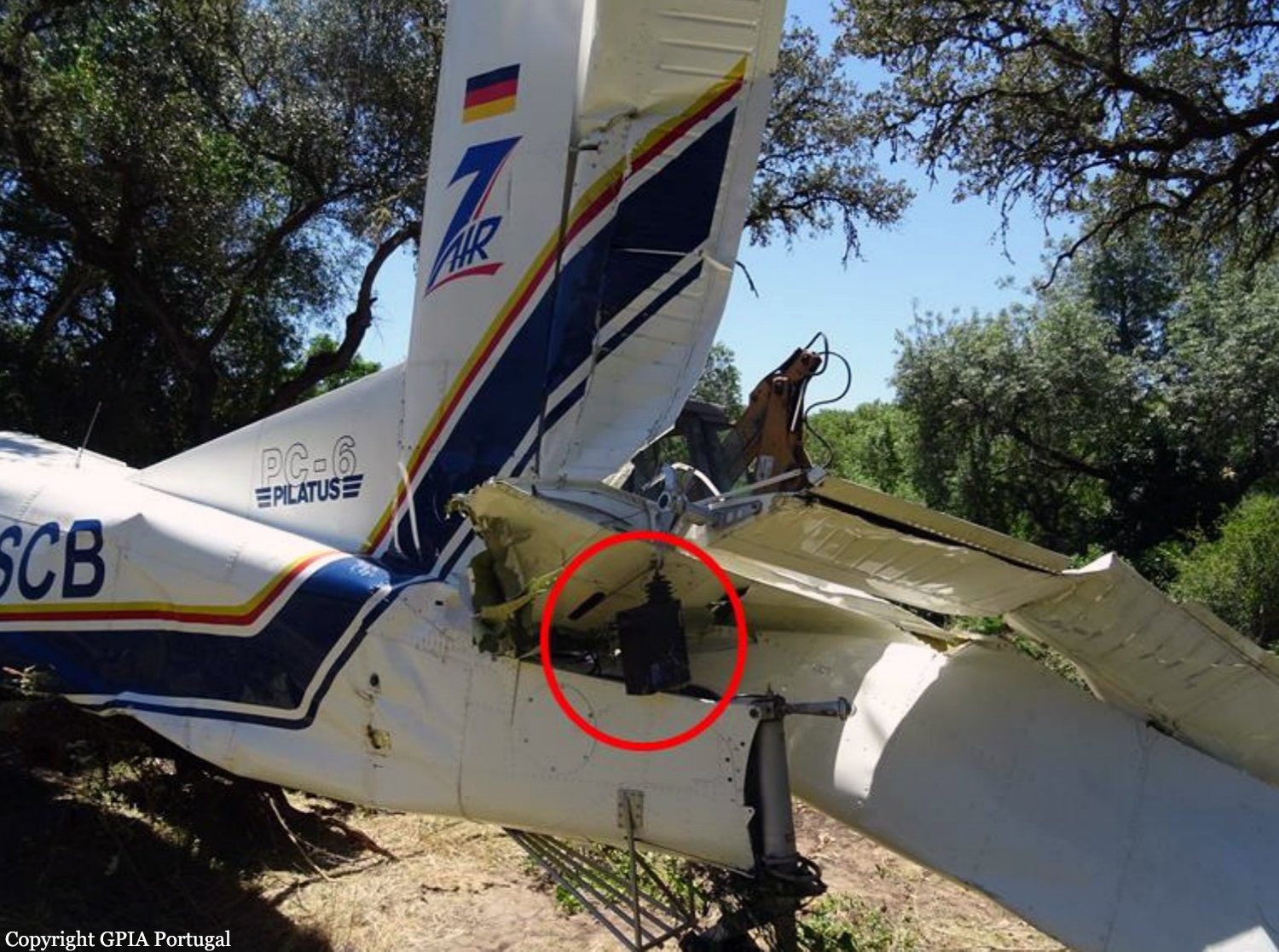
The investigation considers that, after the fracture of the HT-trim attachment accessory, the horizontal stabilizer was loose, uncontrolled and vibrated, causing the fracture of the left side of the horizontal stabilizer.
Contributing factors:
- Failure on the inspection method by part 145 organization to the critical parts identified on SB 53-001 R1.
- The weakness of regulator (ANAC) oversight to the aircraft operator.
Final Report:

Crash of a McDonnell Douglas MD-11F in Seoul

Date & Time: Jun 6, 2016 at 2243 LT
Type of aircraft:
Operator:
Registration:
N277UP
Flight Phase:
Flight Type:
Survivors:
Yes
Schedule:
Seoul - Anchorage
MSN:
48578/588
YOM:
1995
Flight number:
UPS061
Country:
Region:
Crew on board:
4
Crew fatalities:
Pax on board:
0
Pax fatalities:
Other fatalities:
Total fatalities:
0
Captain / Total flying hours:
7769
Captain / Total hours on type:
6152.00
Copilot / Total flying hours:
4236
Copilot / Total hours on type:
3491
Aircraft flight hours:
63195
Aircraft flight cycles:
11344
Circumstances:
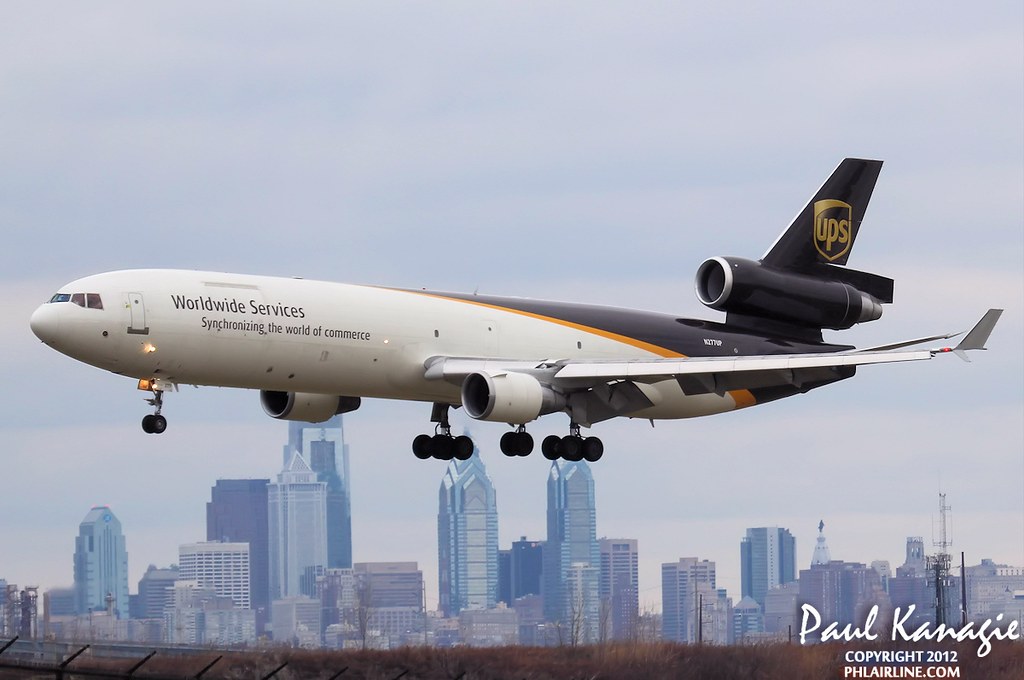
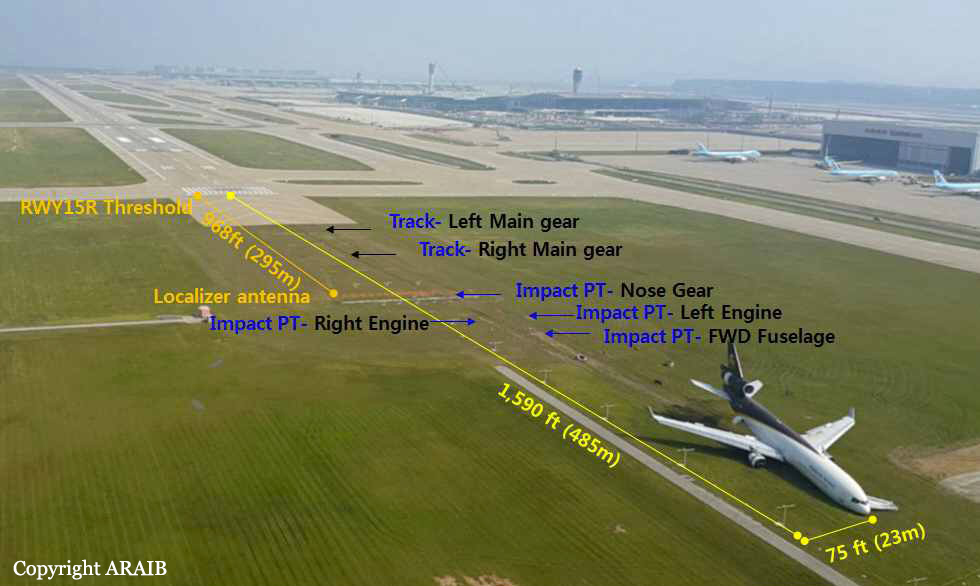
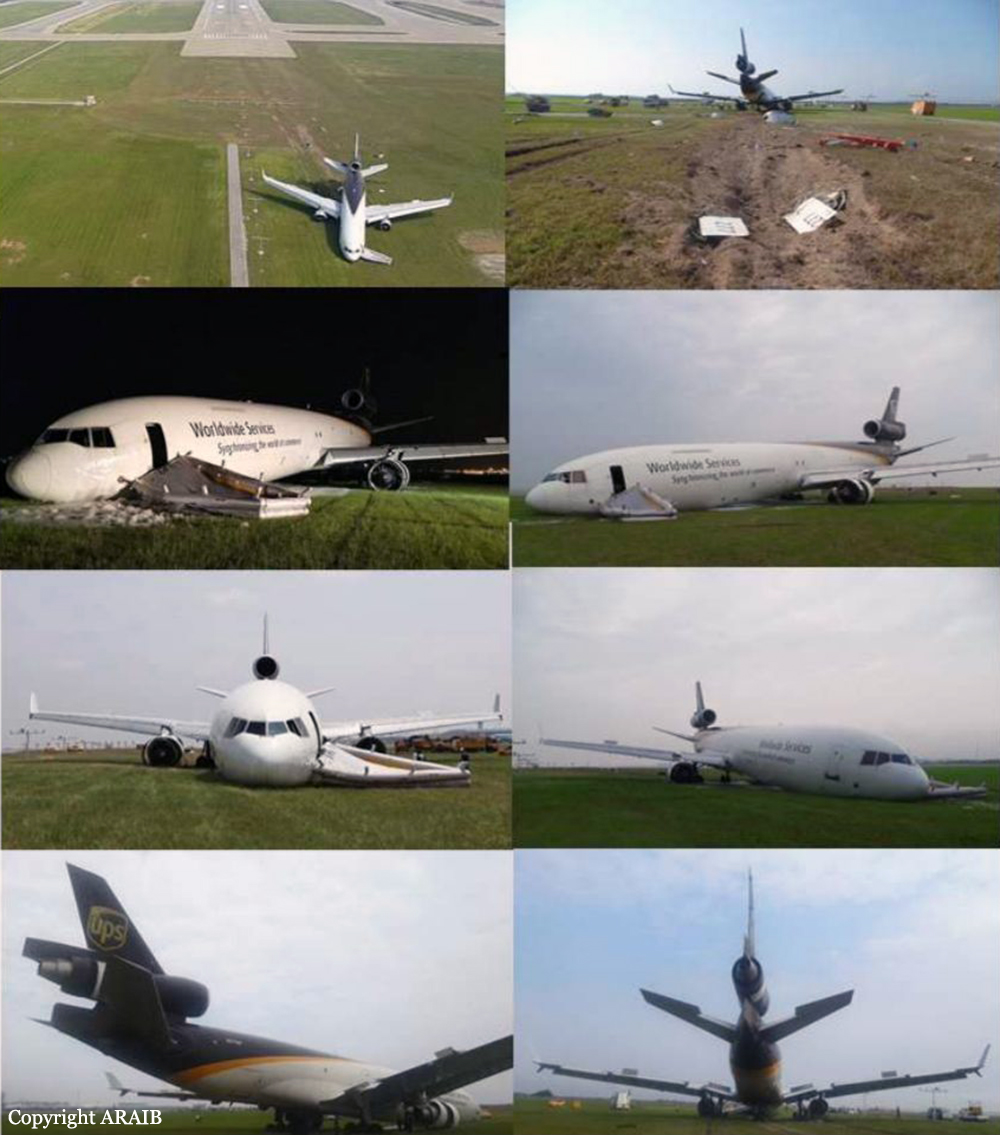
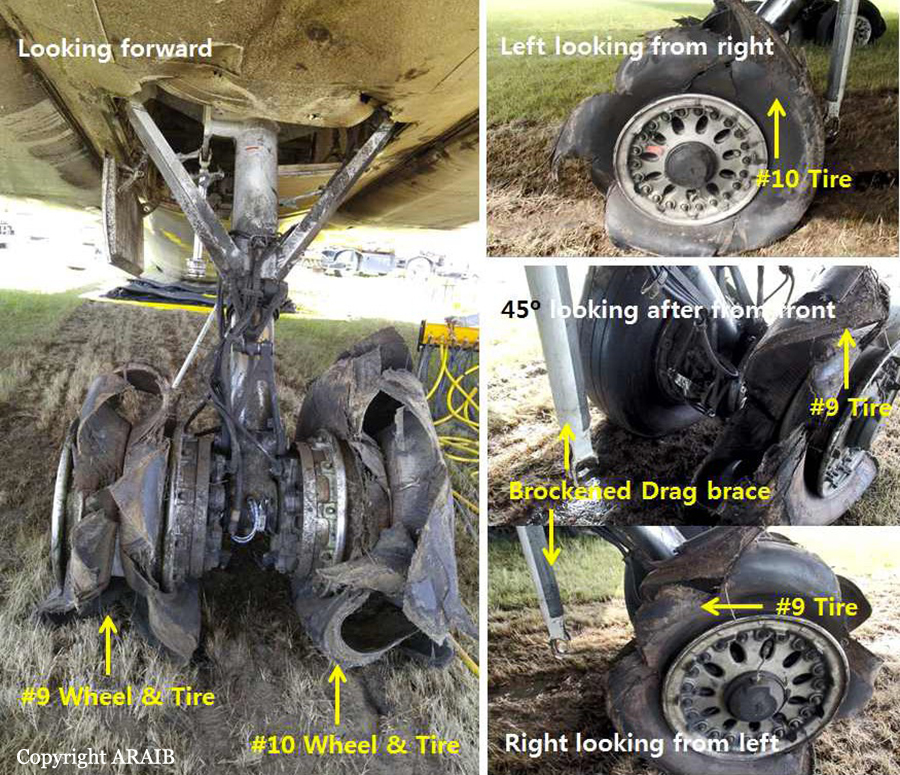
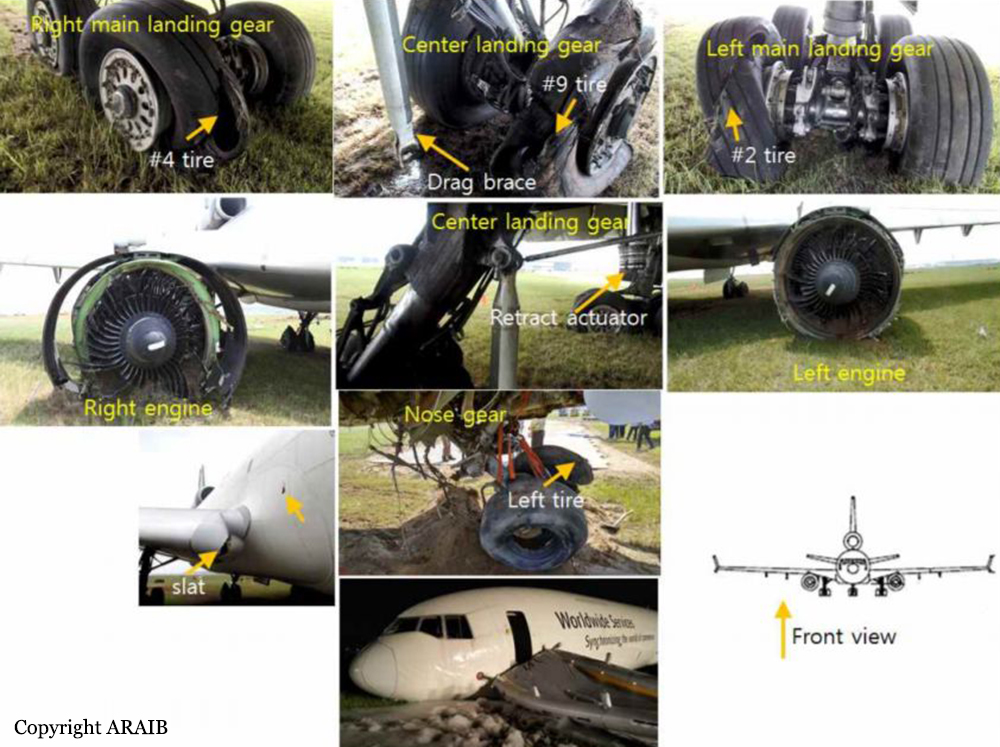
The crew started the takeoff procedure from runway 33L at Seoul-Incheon Airport and reached V1 speed after a course of 6,413 feet. At a speed of 182 knots, the crew heard a noise corresponding to the failure of both tires n°9 and 10 located on the central landing gear. The captain decided to abandon the takeoff procedure and initiated an emergency braking maneuver. Unable to stop within the remaining distance of 4,635 feet (in relation with the total weight of 629,600 lbs), the airplane overran. While contacting a grassy area, the nose gear collapsed then the airplane struck various equipment of the localizer antenna and came to rest 485 meters past the runway end. All four crew members escaped uninjured while the aircraft was damaged beyond repair.
Probable cause:
The decision of the crew to abandon the takeoff procedure at a speed slightly above V1 due to the failure of both tyres n°9 & 10 located on the central landing gear. The aircraft then overran due to the combination of the following factors:
- Limited time and information available to the crew to evaluate the situation,
- Dynamic instability of the central landing gear caused by both tyres' failure,
- Decrease of 48% of the braking performances due to the rupture of a hydraulic pipe located on the primary braking system.
Final Report:

Crash of a Rockwell Aero Commander 700 in Beaverdell

Date & Time: May 31, 2016 at 2125 LT
Operator:
Registration:
C-GBCM
Flight Phase:
Survivors:
Yes
Schedule:
Boise – Kelowna
MSN:
700-27
YOM:
1980
Country:
Crew on board:
1
Crew fatalities:
Pax on board:
5
Pax fatalities:
Other fatalities:
Total fatalities:
0
Circumstances:
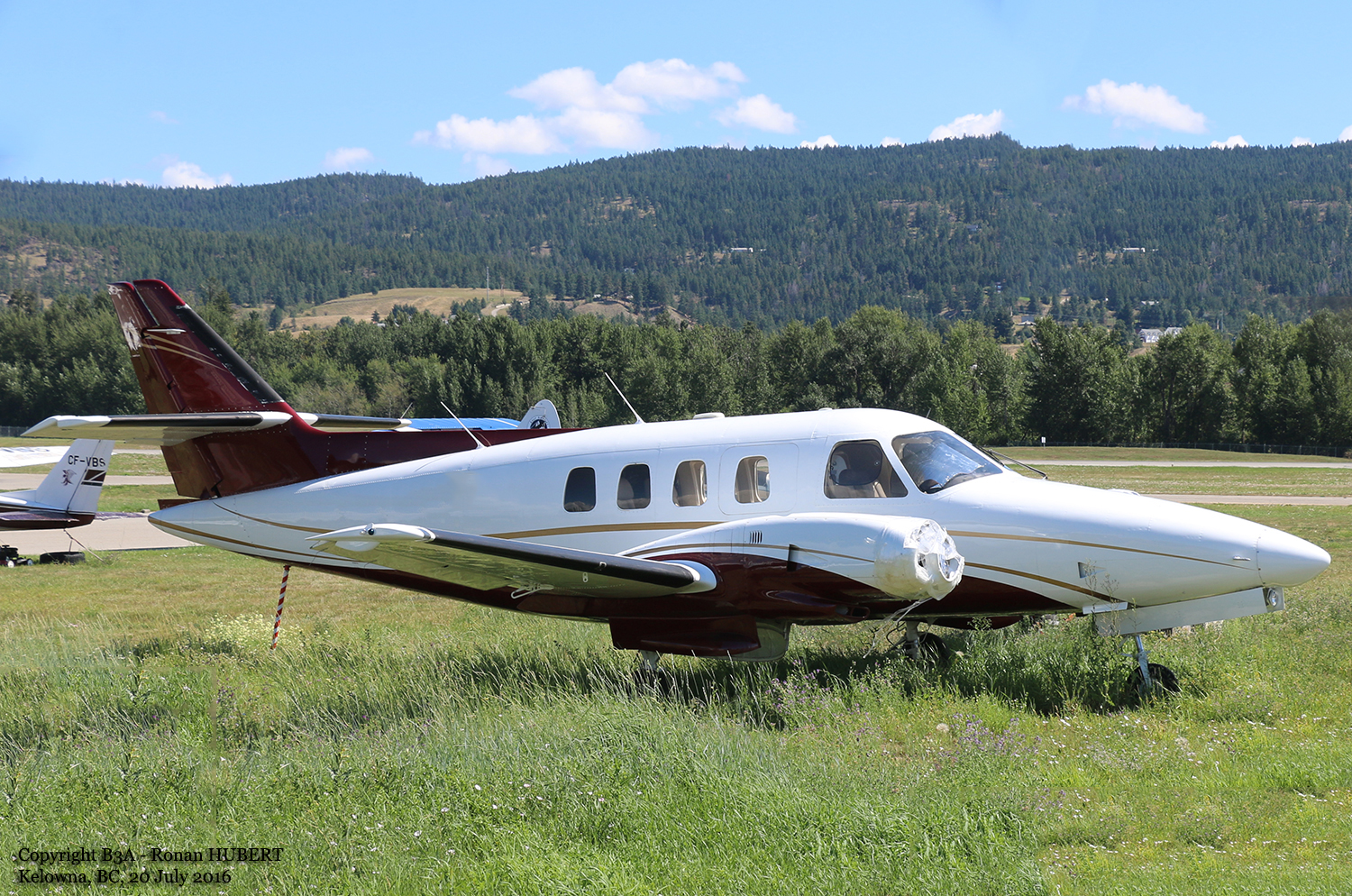
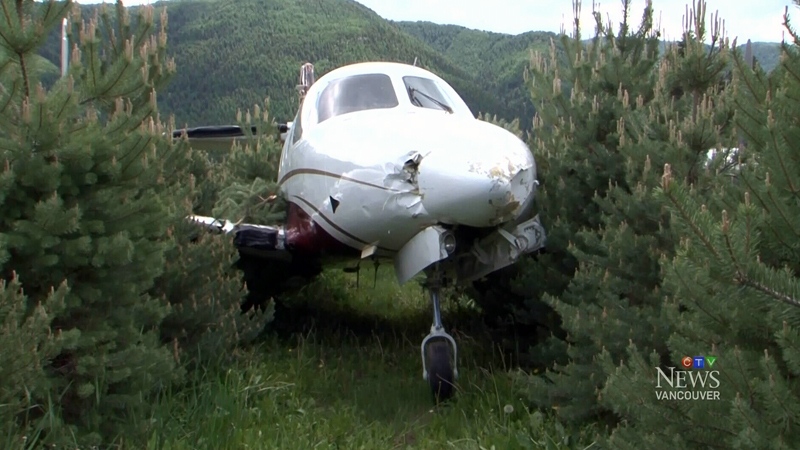
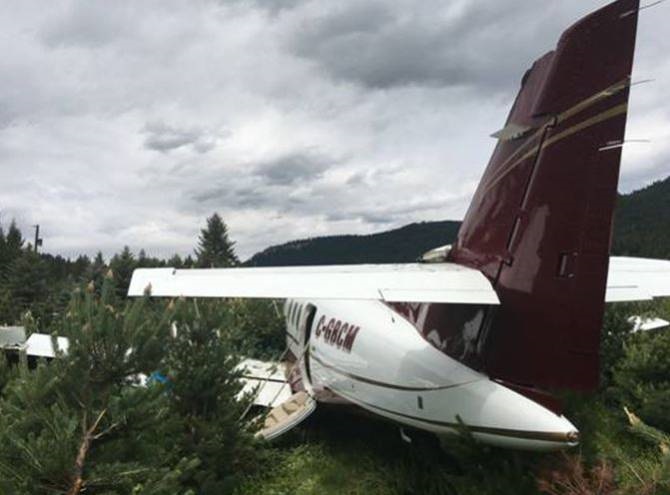
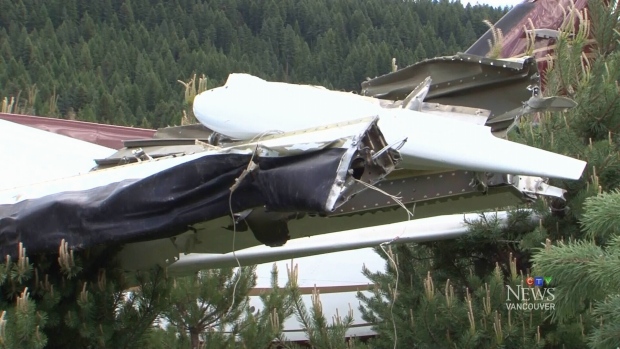
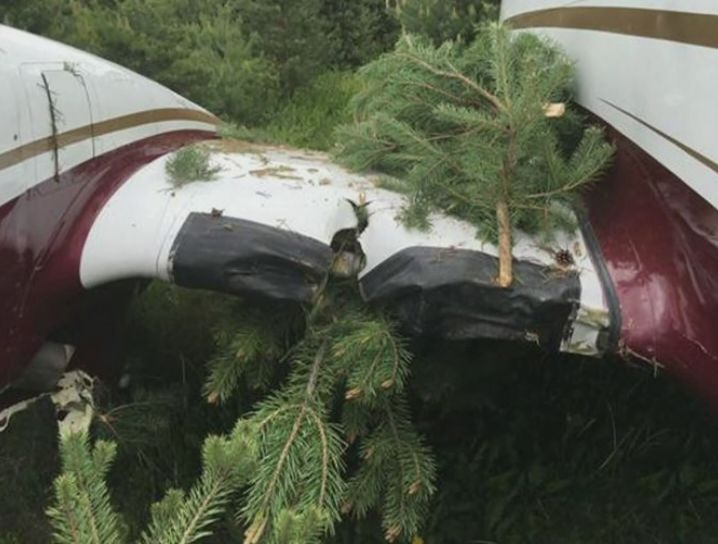
The twin engine aircraft performed a technical stop in Boise, Idaho, enroute from Arizona to Kelowna. While flying at an altitude of 8,500 feet, both engines failed simultaneously. The pilot reduced his altitude and attempted an emergency landing in a flat area located near Beaverdell, about 37 miles south of Kelowna. By night, the airplane crash landed in a Christmas tree plantation, hit several trees and a fence and eventually came to rest. All six occupants evacuated safely while the aircraft was damaged beyond repair. According to preliminary information, there was still enough fuel in the tanks, and investigations will have to determine the cause of the double engine failure.

Crash of a Piaggio P1.HH HammerHead off Levanzo Island

Date & Time: May 31, 2016 at 1140 LT
Type of aircraft:
Operator:
Registration:
CPX621
Flight Phase:
Flight Type:
Schedule:
Trapani - Trapani
Location:
Country:
Region:
Crew on board:
0
Crew fatalities:
Pax on board:
0
Pax fatalities:
Other fatalities:
Total fatalities:
0
Circumstances:
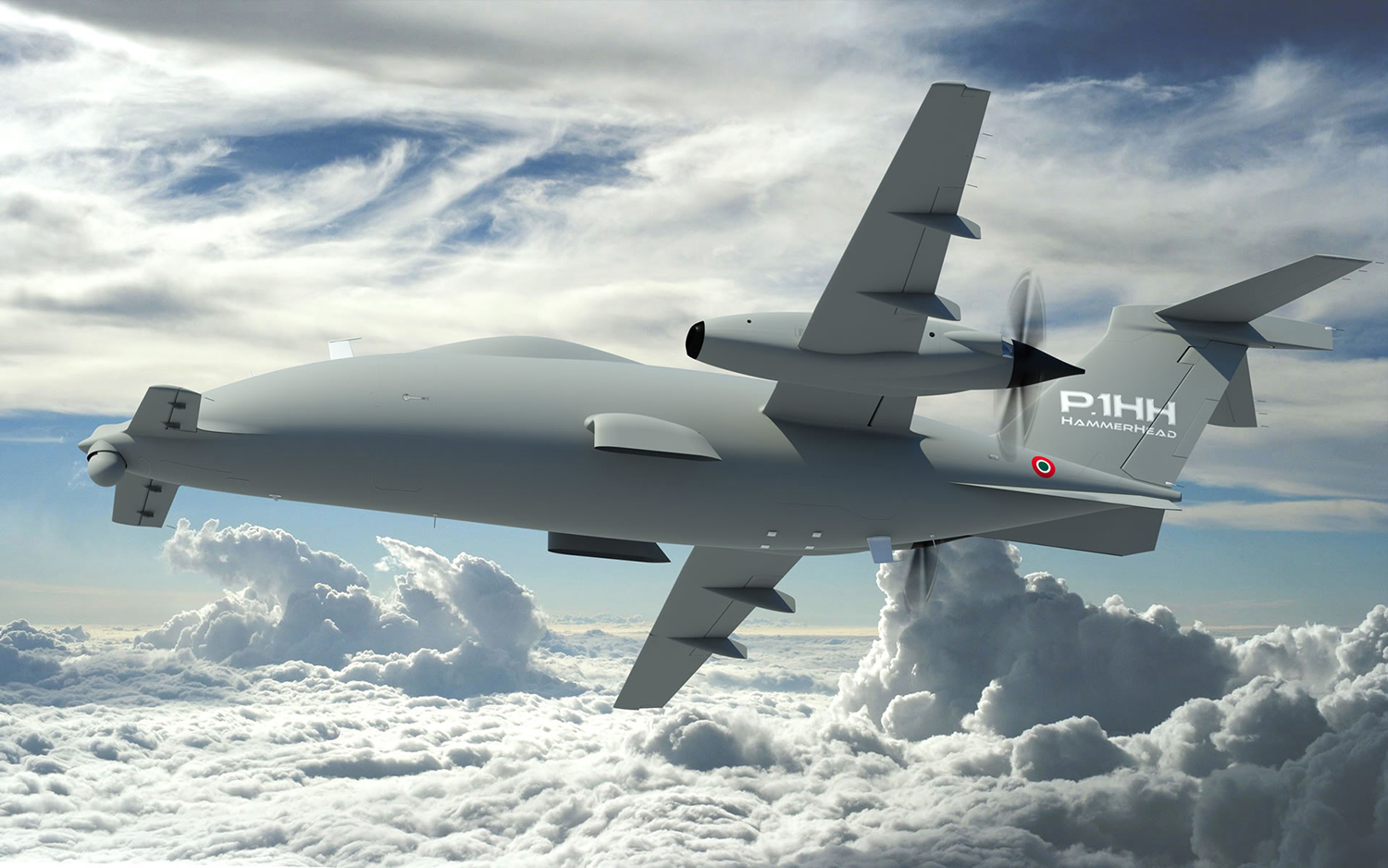
Based on a Piaggio P.180 Avanti, the Piaggio P.1HH HammerHead is a drone prototype. Engaged in a series of test as part of the certification program, the twin engine aircraft left Trapani-Vincenzo Florio Airport at 1120LT for a local test flight. About 20 minutes later, the contact was lost with the ground station and the aircraft crashed into the sea about 8 km north of the Levanzo Island. The aircraft was lost.

Crash of an Antonov AN-12B in Camp Dwyer: 7 killed

Date & Time: May 18, 2016 at 1407 LT
Type of aircraft:
Operator:
Registration:
4K-AZ25
Flight Phase:
Flight Type:
Survivors:
Yes
Schedule:
Camp Dwyer – Mary – Baku
MSN:
3 3 412 09
YOM:
1963
Country:
Region:
Crew on board:
9
Crew fatalities:
Pax on board:
0
Pax fatalities:
Other fatalities:
Total fatalities:
7
Captain / Total flying hours:
22628
Captain / Total hours on type:
3953.00
Copilot / Total flying hours:
4625
Copilot / Total hours on type:
836
Aircraft flight hours:
19828
Aircraft flight cycles:
9107
Circumstances:
On May 18, 2016 the crew of An-12B 4K-AZ25 aircraft operated by Silk Way Airlines including the Captain, First Officer, navigator, flight mechanic, flight radio operator and loadmaster was planned to fly via route Baku (Azerbaijan) - Bagram (Afghanistan) - Dwyer (Afghanistan) - Mary (Turkmenistan) - Baku. There were also two maintenance mechanics and an engineer on board the a/c. The preliminary training of the crew was conducted on 29.12.2015 by the Chief Navigator of Silk Way Airlines. The pre-flight briefing was conducted on 18.05.2016 by a captain-instructor and a navigator-instructor. The following has been determined so far. According to the information available at the moment the flight to Dwyer aerodrome was conducted in an acceptable way. At 09:11:27 the crew started up the engines at Dwyer aerodrome, Engine #2 was the last to be started up at 09:47:37. Before the takeoff the Captain distributed the duties within the crew, nominating the FO as the PF, and himself as PM. After the engine startup the crew initiated taxiing to perform takeoff with heading 229°. The concrete RWY of Dwyer aerodrome is measured 2439 m by 37 m. The a/c TOW and CG were within the AFM limitations. In the course of the takeoff, at 09:57:56 the flight mechanic reported an increase in MGT of Engine #3 above the acceptable level: "Engine #3, look, engine temperature over six hundred, over seven hundred", which was confirmed by the FO: "Yes, it's getting temperature" while the Captain asked to be more attentive. According to the crew reports the takeoff was performed with Flaps 15. As the checklist was being read, the Captain ordered to lock the propellers. After the Captain's order to lock the propellers a slight increase in torque-measuring device values was recorded on Engine #1 and #4, and in 17 seconds also Engine #2, which indirectly implies that propellers #1, #2 and #4 were at stops. There is no evidence that propeller of Engine #3 was locked. At 09:59:42 the crew initiated the takeoff. Before the takeoff the ATC advised the crew on the wind direction and speed on the RWY: 280° 14 knots (7 m/sec) gusting 26 knots (13 m/sec). Thus it was quartering headwind and the headwind component might have been 5 to 9 m/sec. While performing takeoff the crew first increased thrust on Engines #1 and #4 and then on Engine #2 after 10 seconds. The thrust of the three engines was about 50 kg/sq.cm as per torque indicator (lower than takeoff mode). The third engine was still operating in the ground idle mode, though the CVR did not record any crew callouts concerning Engine #3 operation parameters. Based on the CCTV system of Dwyer aerodrome the takeoff roll was initiated almost from the RWY threshold and was conducted to the left of the RWY centerline. No significant deviations from the takeoff course during the takeoff roll were recorded. During the takeoff roll the rudder was deflected left close to extreme. Probably the pilots were also applying differential control on Engine #2 to decrease the right torque moment. At 10:00:14 at approximately 120 km/h IAS the "Engine #3 negative thrust" signal was started to be recorded and was recorded on up to the end of the record. At that time the a/c was about 430 m away from the start of the takeoff roll. At 10:00:42 Engines #1 and #4 thrust was increased up to 63 kg/sq.cm as per torque indicator (consistent with takeoff mode for the actual flight conditions). At that time the IAS was about 150 km/h Engine #2 thrust was increased up to the same value only 23 seconds later at about 200 km/h IAS. At that time the a/c was about 840 m away from the RWY end. Engine #3 was still operating in ground idle mode. Approximately 260 m before the RWY end at a speed of 220 km/h IAS (maximum speed reached) the FDR recorded the start of nose up input on the control column. The a/c did not lift off After rolling all along the RWY the a/c overran the RWY onto the ground at a speed of 220 km/h While moving on the ground the aircraft sustained significant damage, which led to post-crash fire that destroyed most of the aircraft structures. Out of the nine persons on board seven were killed and two were seriously injured and taken to hospital.
Final Report:

Crash of a Cessna 208B Grand Caravan in Lodi

Date & Time: May 12, 2016 at 1413 LT
Type of aircraft:
Registration:
N1114A
Flight Phase:
Survivors:
Yes
Schedule:
Lodi - Lodi
MSN:
208B-0309
YOM:
1992
Location:
Crew on board:
1
Crew fatalities:
Pax on board:
17
Pax fatalities:
Other fatalities:
Total fatalities:
0
Captain / Total flying hours:
7050
Captain / Total hours on type:
253.00
Aircraft flight hours:
12848
Circumstances:
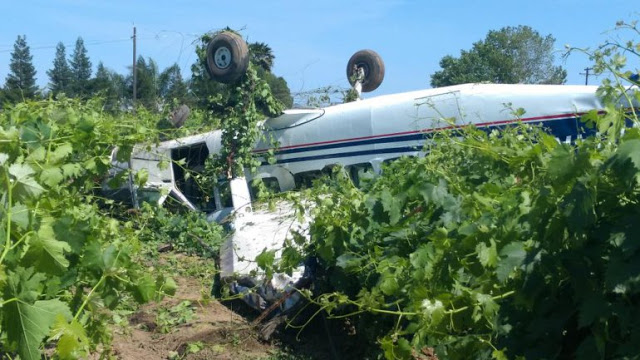
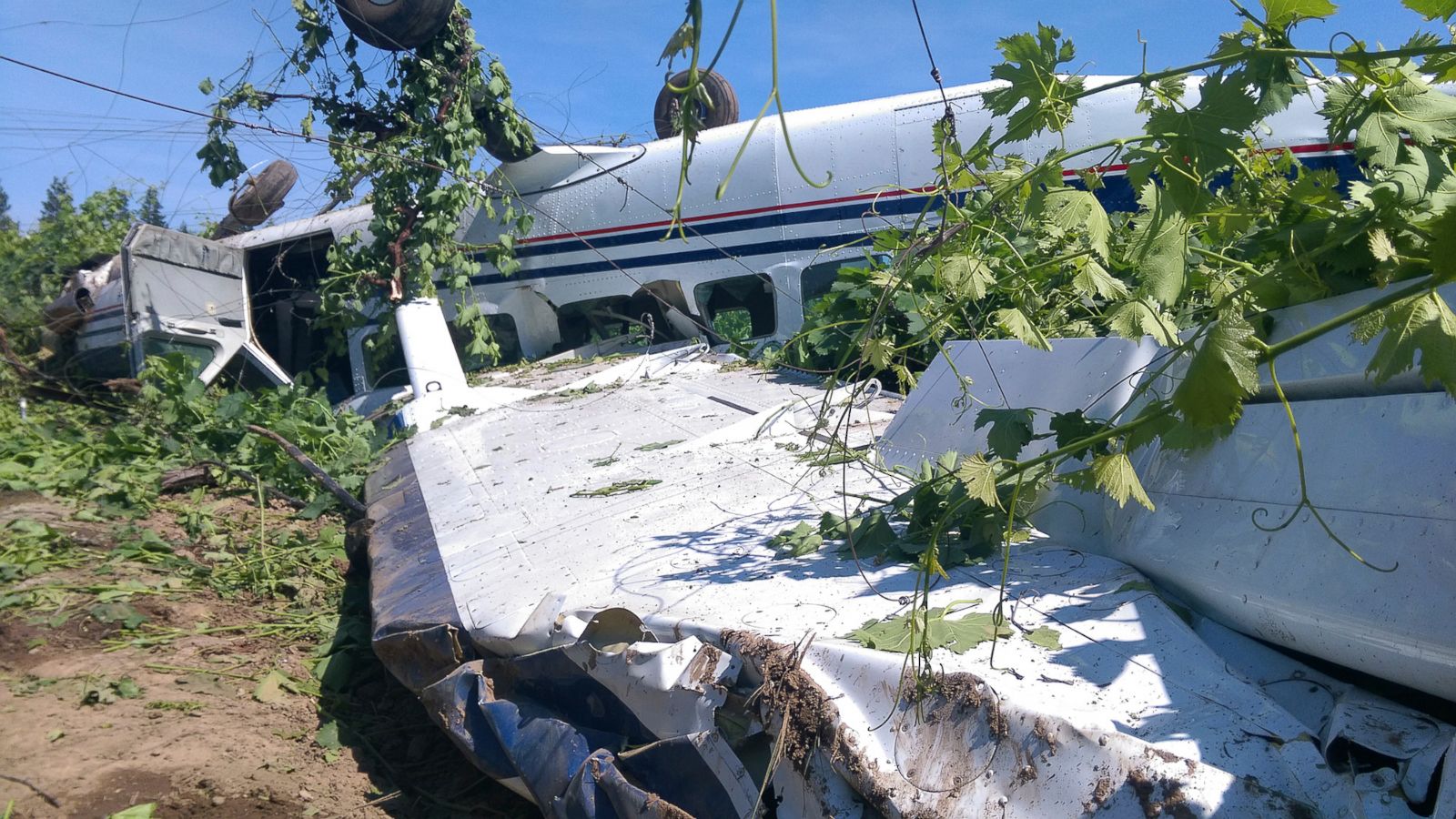
The commercial pilot reported that, after takeoff on the local skydiving flight, the engine experienced a total loss of power. He initiated a turn toward the airport, but realized the airplane would not reach the runway and chose to perform a forced landing to an open field. During the landing roll, the airplane exited the field, crossed a road, impacted a truck, and continued into a vineyard, where it nosed over. Postaccident examination of the engine revealed that the fuel pressure line that connects the fuel control unit to the airframe fuel pressure transducer was fractured below the fuel control unit fitting's swaged seat. In addition, a supporting clamp for the fuel pressure fuel line was fractured and separated. The operator reported that the fractured fuel line had been replaced the night before the accident and had accumulated about 4 hours of operational time. The previously-installed line had also fractured. Metallurgical examination of the two fractured fuel lines revealed that both fuel lines fractured due to reverse bending fatigue through the tube wall where a ferrule was brazed to the outside of the tube. There were no apparent anomalies or defects at the crack initiation sites. Examination of the supporting clamp determined that it fractured due to unidirectional bending fatigue where one of the clamp's tabs met the clamp loop, with the crack initiating along the inward-facing side of the clamp. The orientation of the reverse bending fatigue cracks and the spacing of the fatigue striations on the tube fracture surfaces were consistent with high-cycle bending fatigue due to a vibration of the tube. The cushioned support clamp is designed to prevent such vibrations from occurring. However, if the clamp tab is fractured, it cannot properly clamp the tube and will be unable to prevent the vibration. The presence of the fractured clamp combined with the fact that the two pressure tubes failed in similar modes in short succession indicated that the clamp most likely failed first, resulting in the subsequent failure of the tubes. Since the clamp was likely fractured when the first fractured fuel pressure line was replaced, the clamp was either not inspected or inadequately inspected at the time of the maintenance.
Probable cause:
A total loss of engine power due to a fatigue fracture of the fuel pressure line that connected the fuel control unit and the fuel flow transducer due to vibration as the result of a fatigue fracture of an associated support clamp. Contributing to the accident was the mechanic's inadequate inspection of the fuel line support clamp during the previous replacement of the fuel line.
Final Report:

Crash of a De Havilland DHC-2 Beaver I in Lumby

Date & Time: May 10, 2016 at 1030 LT
Type of aircraft:
Operator:
Registration:
C-FMPV
Flight Phase:
Flight Type:
Survivors:
Yes
MSN:
1304
YOM:
1959
Country:
Crew on board:
1
Crew fatalities:
Pax on board:
2
Pax fatalities:
Other fatalities:
Total fatalities:
0
Circumstances:
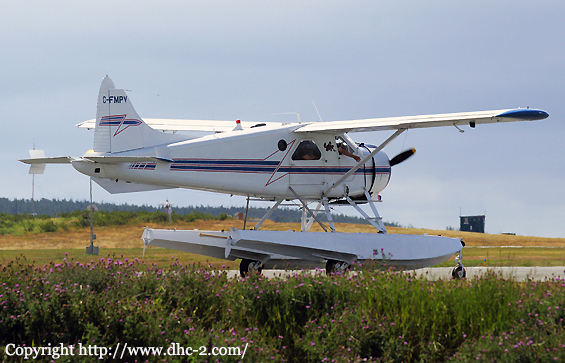
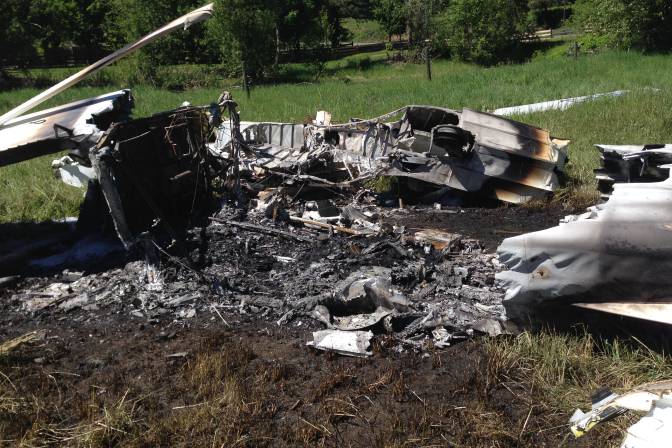
Shortly after takeoff from a private airstrip in Lumby, the airplane suffered engine problems. The pilot elected to make an emergency landing when the aircraft crashed in a prairie located 300 feet from a house, bursting into flames. All three occupants evacuated with minor injuries and the aircraft was destroyed by a post crash fire. The pilot and both passengers were en route to the south of the province when the accident occurred.

Crash of a PZL-Mielec AN-2R in San Bernardino

Date & Time: May 6, 2016 at 1200 LT
Type of aircraft:
Operator:
Registration:
N2AN
Flight Type:
Survivors:
Yes
Schedule:
Upland - San Bernardino
MSN:
1G210-55
YOM:
1985
Crew on board:
1
Crew fatalities:
Pax on board:
1
Pax fatalities:
Other fatalities:
Total fatalities:
0
Captain / Total flying hours:
3350
Captain / Total hours on type:
58.00
Aircraft flight hours:
2924
Circumstances:
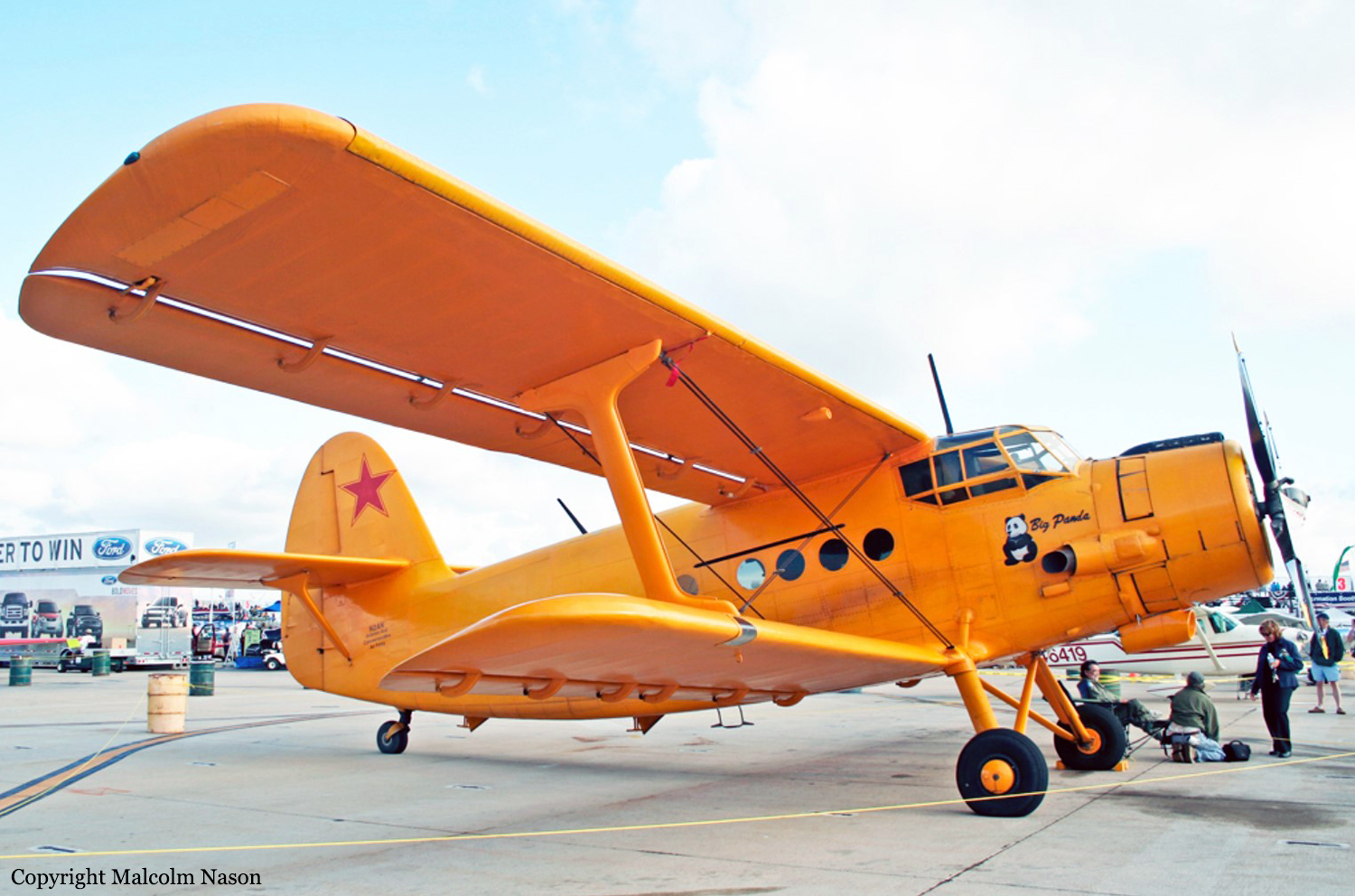
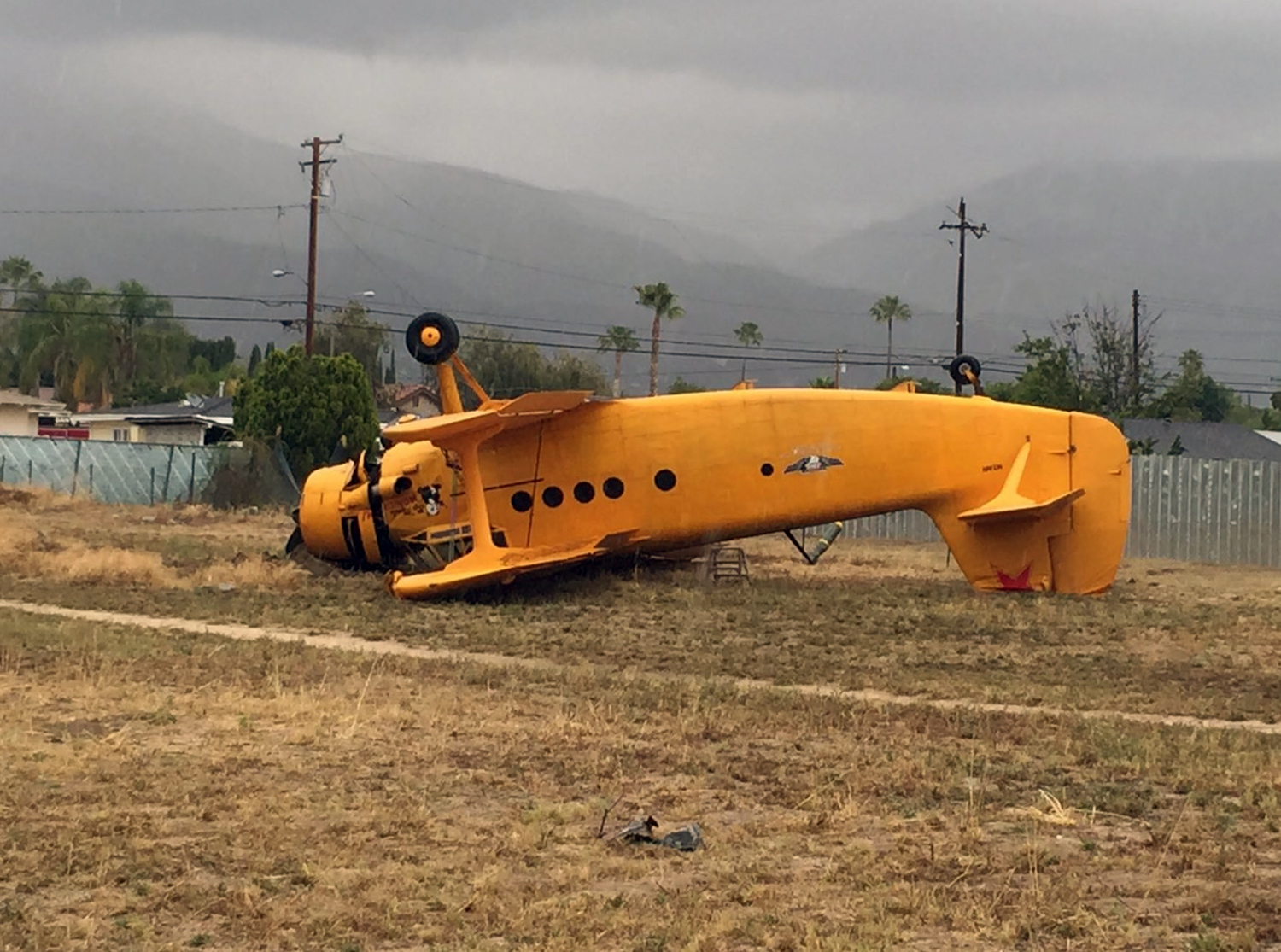
The commercial pilot was entering the airport traffic pattern for landing during a familiarization flight. He reported that he turned on the carburetor heat, switched the fuel tank selector to the right fuel tank, and shortly thereafter, the engine experienced a total loss of power. The pilot attempted numerous times to restart the engine but was unsuccessful. After realizing that he would not be able to reach the runway, he decided to make a forced landing to a small field. During the landing approach, the airplane contacted a power line, nosed over, and came to rest inverted, resulting in substantial damage to the wings and fuselage. During the postaccident examination of the airplane, about 16 ounces of water were removed from the fuel system. Water was present in the lower gascolator, the fine fuel filter (upper gascolator), and subsequent fuel line to the carburetor inlet. A brass screen at the carburetor inlet and 2 carburetor fuel bowl thumb screens also contained corrosion, water, and rust. The approved aircraft inspection checklist called for washing the carburetor and main fuel filter every 50 hours and cleaning and/or replacing the fine fuel filter every 100 hours. The fine fuel filter is not easily accessible and not able to be drained during a preflight inspection. The mechanic who completed the most recent inspection stated that he did not drain or check the fine fuel filter. The last logbook entry that specifically stated the fuel filters were cleaned was about 4 years before the accident.
Probable cause:
The mechanic's failure to inspect the fine fuel filter gascolator as required during the most recent inspection, which resulted in a total loss of engine power due to fuel contamination.
Final Report:

Crash of a Fokker 50 in Catania

Date & Time: Apr 30, 2016 at 1135 LT
Type of aircraft:
Operator:
Registration:
SE-LEZ
Survivors:
Yes
Schedule:
Rimini – Catania
MSN:
20128
YOM:
1988
Flight number:
RVL233
Location:
Country:
Region:
Crew on board:
3
Crew fatalities:
Pax on board:
18
Pax fatalities:
Other fatalities:
Total fatalities:
0
Captain / Total flying hours:
6850
Captain / Total hours on type:
781.00
Copilot / Total flying hours:
2680
Copilot / Total hours on type:
10
Circumstances:
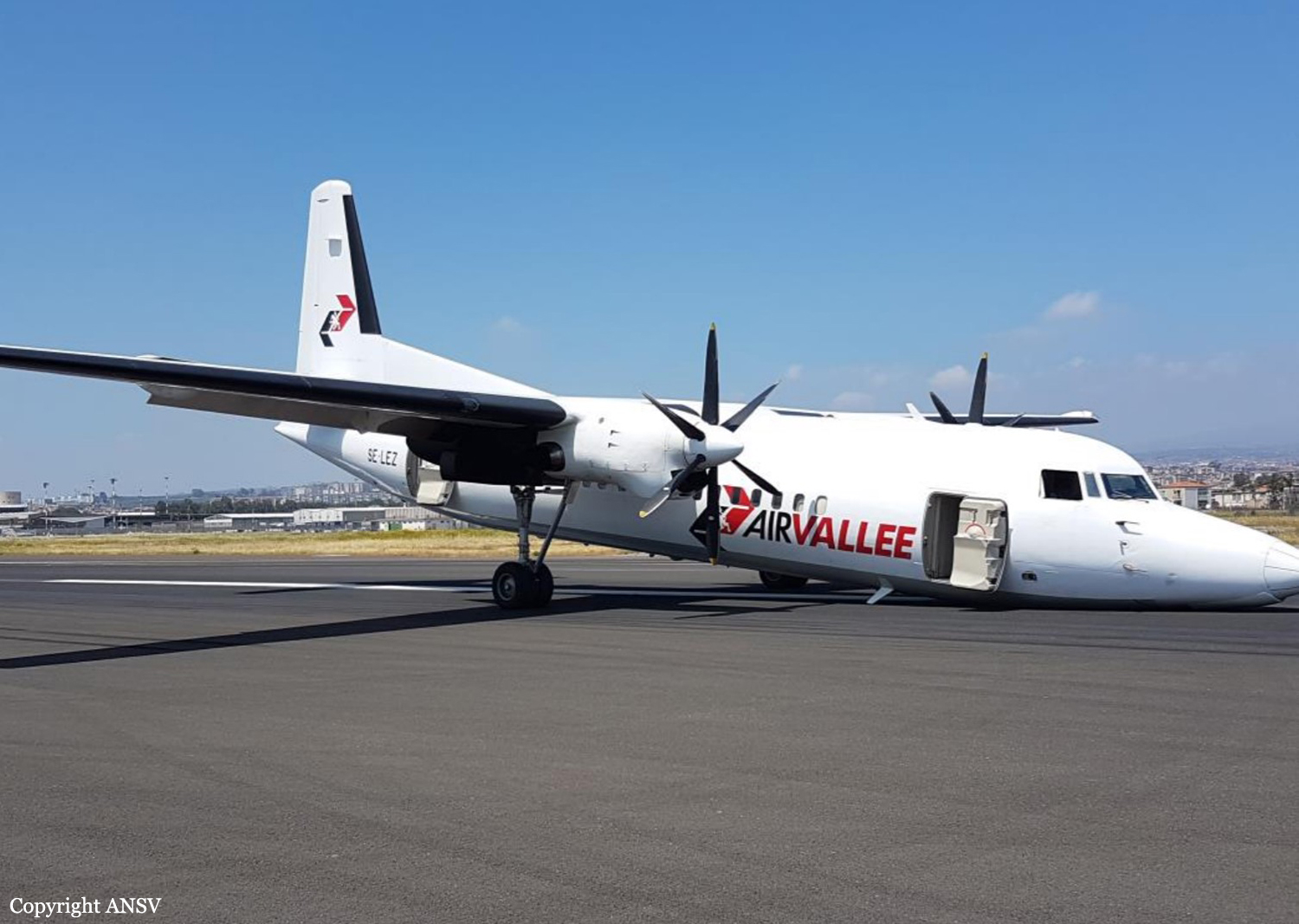
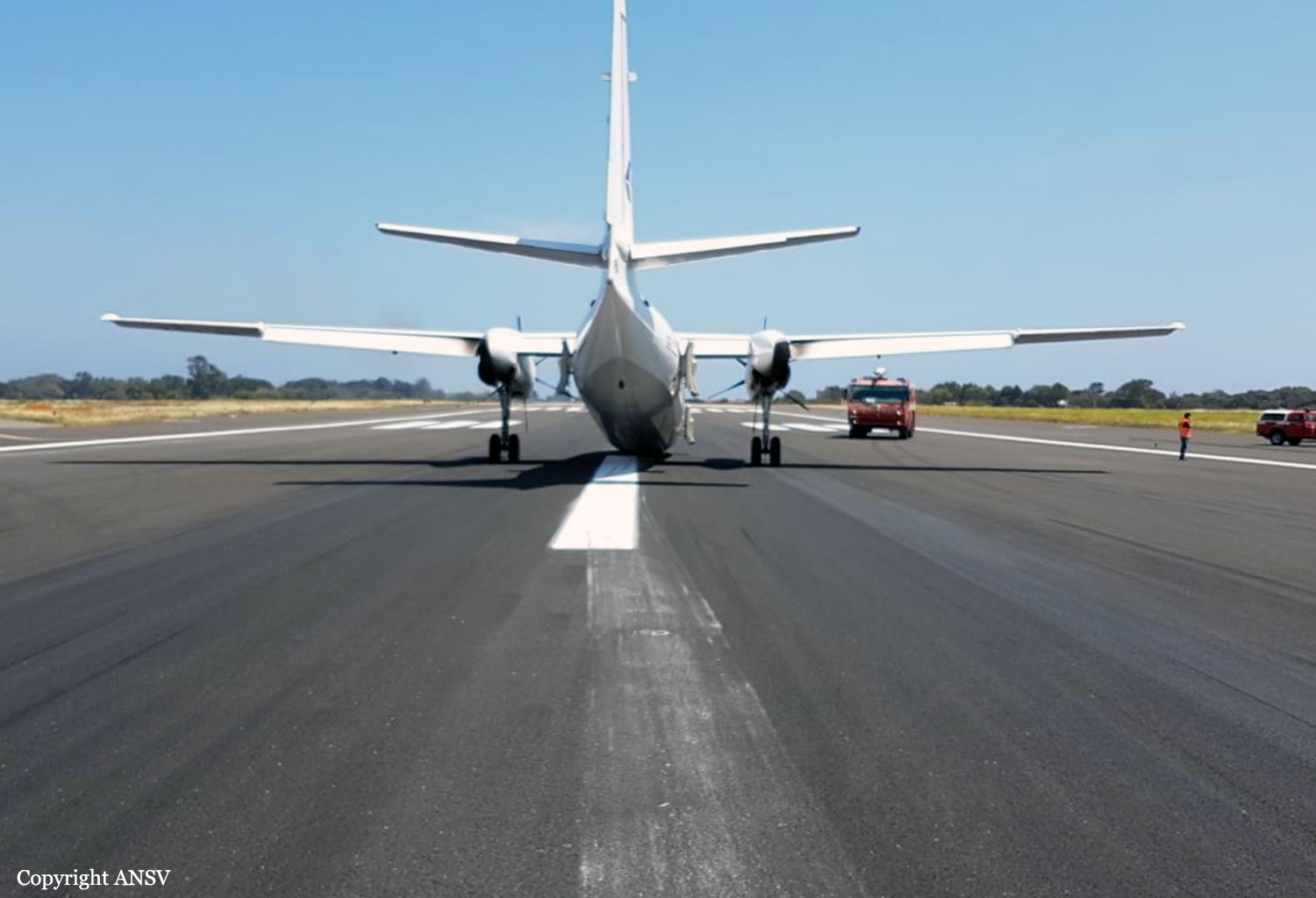
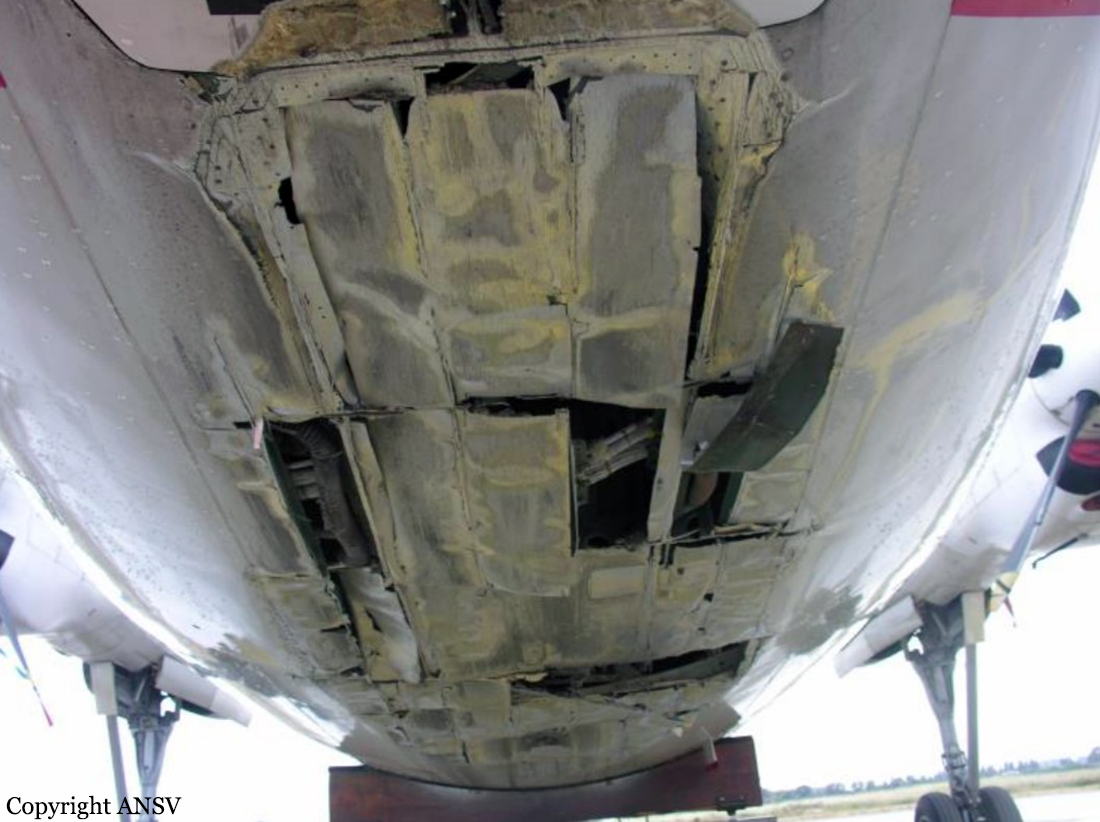
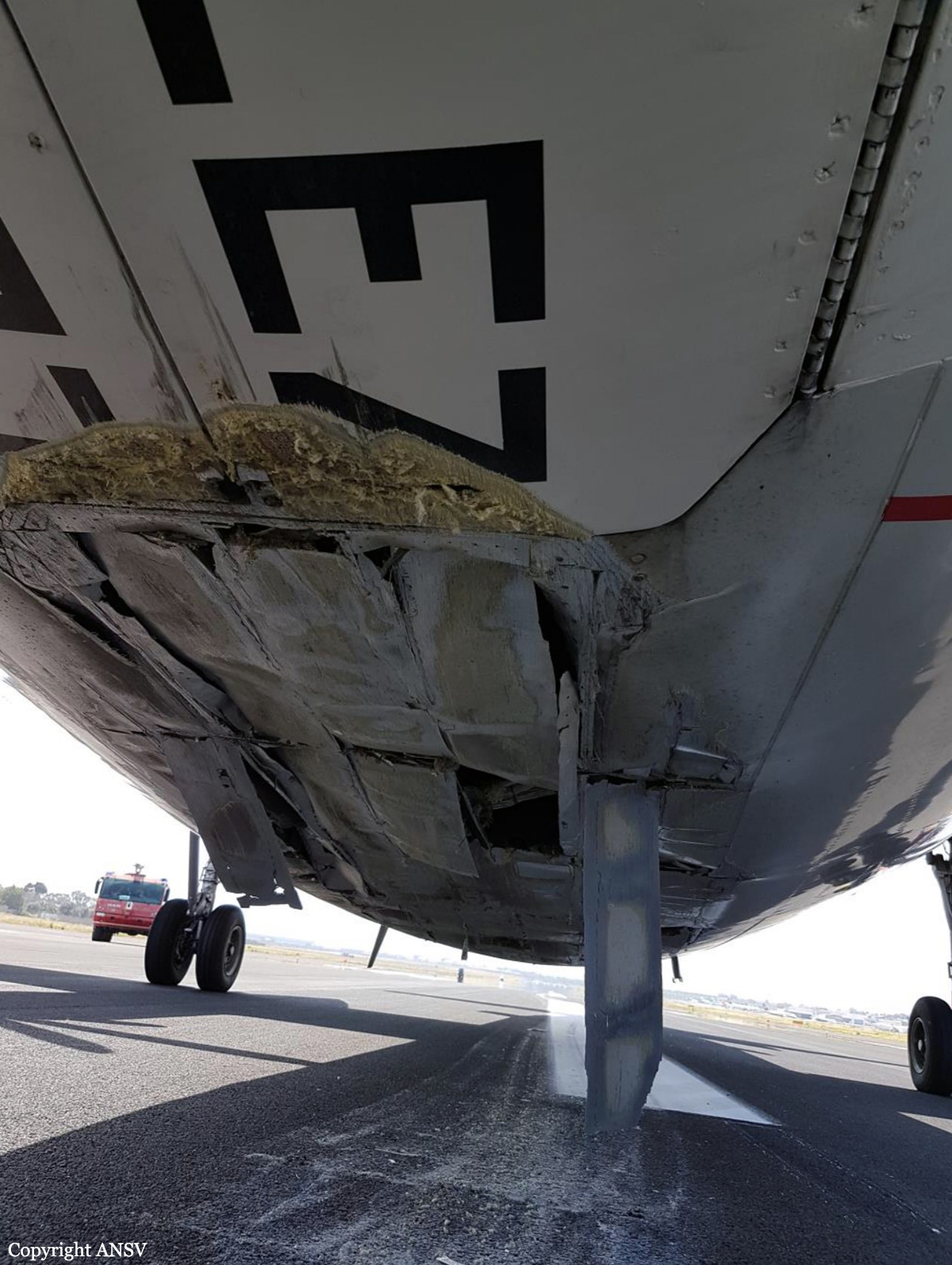
On April 30, 2016, the aircraft Fokker F27 MK50 registration marks SE-LEZ, operating Air Vallee flight number RVL233, took off from Rimini airport at 06.48 hrs with 18 passengers and 3 crew on board. During the final approach to Catania airport, with the aircraft stabilized on ILS Z RWY 08, the crew noticed that the right and left main landing gear lights were green but the nose landing gear light was amber. The crew informed the ATS (Catania APP) that they were in contact with the problem and informed them of their intention to continue the approach to perform a low pass on the runway followed by a standard missed approach procedure, in order to request a visual verification from the control tower of the actual extension of the nose gear. During the low passage, the control tower informed the crew that the nose gear was not extended despite the opening of the nose gear compartment. After the passage, all lights, including the amber light of the nose landing gear, went off. The aircraft proceeded to the INDAX point to perform a holding at an altitude of 3000 feet as agreed with ATS during which the crew applied the abnormal procedures for nose gear unsafe down after selection and alternate down procedures. Both procedures were unsuccessful and the crew declared an "emergency" informing ATS of their intention to perform a final maneuver (leveled 2G turn). The captain of the flight, who had been PNF up to that moment, took the controls as PF and executed the turn: also in this case without any positive outcome. The crew informed ATS of the situation, stating the number of passengers, the amount of fuel on board and the absence of dangerous goods. The crew decided to follow a VOR procedure for RWY26 followed by a visual approach in order to make a last low passage to check the condition of the nose gear. After this second missed approach, the aircraft was instructed to perform an ILS procedure for RWY 08. Landing took place at 09:34 hrs with the main gear properly extracted and locked, the nose gear in "up" position and the doors open. The following is a sequence of pictures taken from a video of the accident, acquired by ANSV through the Catania airport operator, in which the aircraft is seen landing with the nose landing gear not extended and touching the ground only when it reached the speed necessary to sustain it in the absence of nose landing gear support. After completion of the landing run, with the aircraft remaining in the middle of the runway, the engines were shut down and passengers and crew disembarked without further incident. Some of the passengers were transferred to the airport emergency room and subsequently some of them were sent to hospital for further examination; no passenger was reported to have sustained injuries as a result of the event.
Probable cause:
The accident was caused by the failure of the nose landing gear (nose gear up) due to over-extension of the shock absorber which caused interference between the tires and the NLG compartment and locked the NLG in a retracted position. The over-extension was caused by the incorrect installation of some internal components of the shock absorber during the replacement of the internal seals the day before the accident.
The following factors contributed significantly to the improper activity conducted at maintenance:
- the insufficient experience of technical personnel in carrying out the maintenance tasks conducted on the NLG;
- the lack of controls on the operations carried out, deemed unnecessary by the CAMO engineering department;
- the lack of definition of roles and tasks during the planning phase of the maintenance work;
- the operational pressure on maintenance personnel, arising from the need to conclude maintenance operations quickly in order not to penalize the management of the aircraft;
- the insufficient clarity and lack of sensitive information in the maintenance tasks and related figures contained in the AMM, regarding the replacement of internal shock absorber seals, subsequently made clearer by the manufacturer;
- the reported black and white printing of the applied AMM procedures, which could have made the warnings in the manual barely legible.
Final Report: