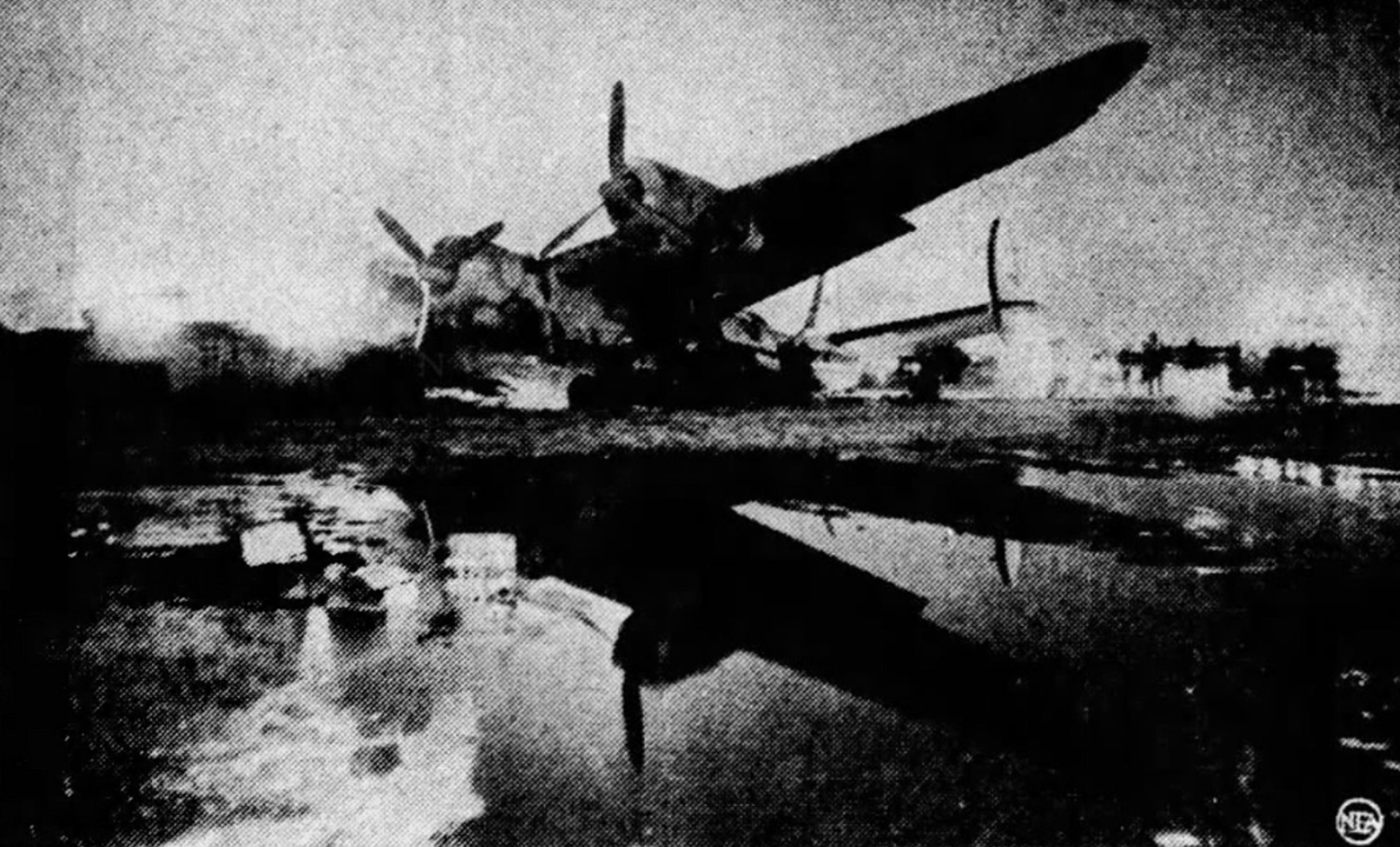
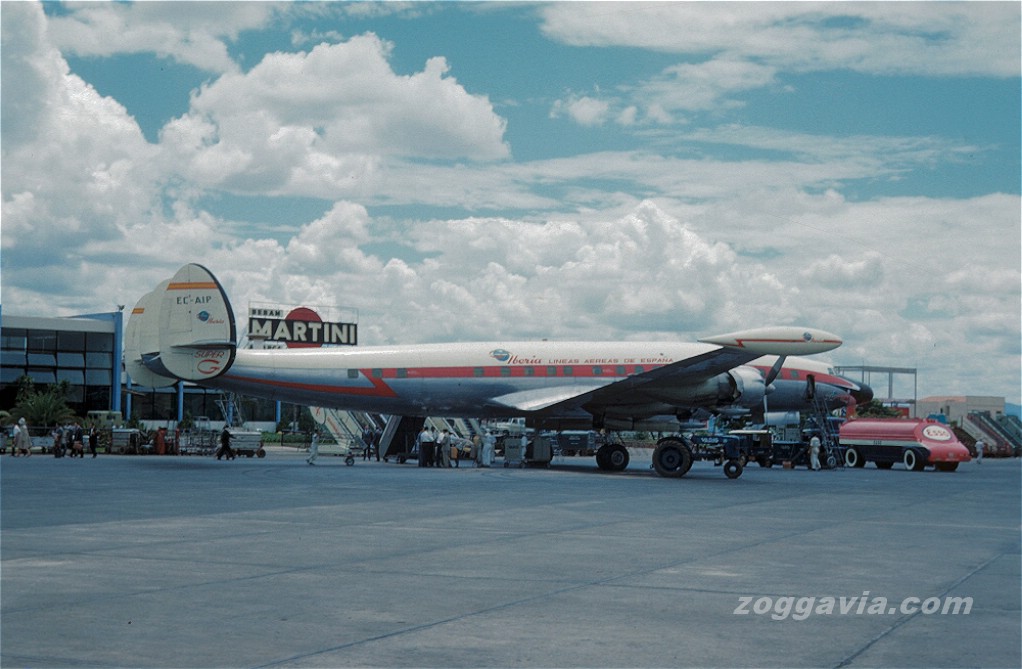
Crash of a Lockheed L-1049H Super Constellation in San Francisco: 4 killed

Date & Time: Feb 3, 1963 at 1207 LT
Operator:

Registration:
N9740Z
Flight Type:
Survivors:
Yes
Schedule:
Norfolk – Dallas – China Lake
MSN:
4851
YOM:
1958
Flight number:
SL40Z
Crew on board:
3
Crew fatalities:
Pax on board:
5
Pax fatalities:
Other fatalities:
Total fatalities:
4
Captain / Total flying hours:
18000
Captain / Total hours on type:
882.00
Copilot / Total flying hours:
18600
Copilot / Total hours on type:
232
Aircraft flight hours:
4257
Circumstances:
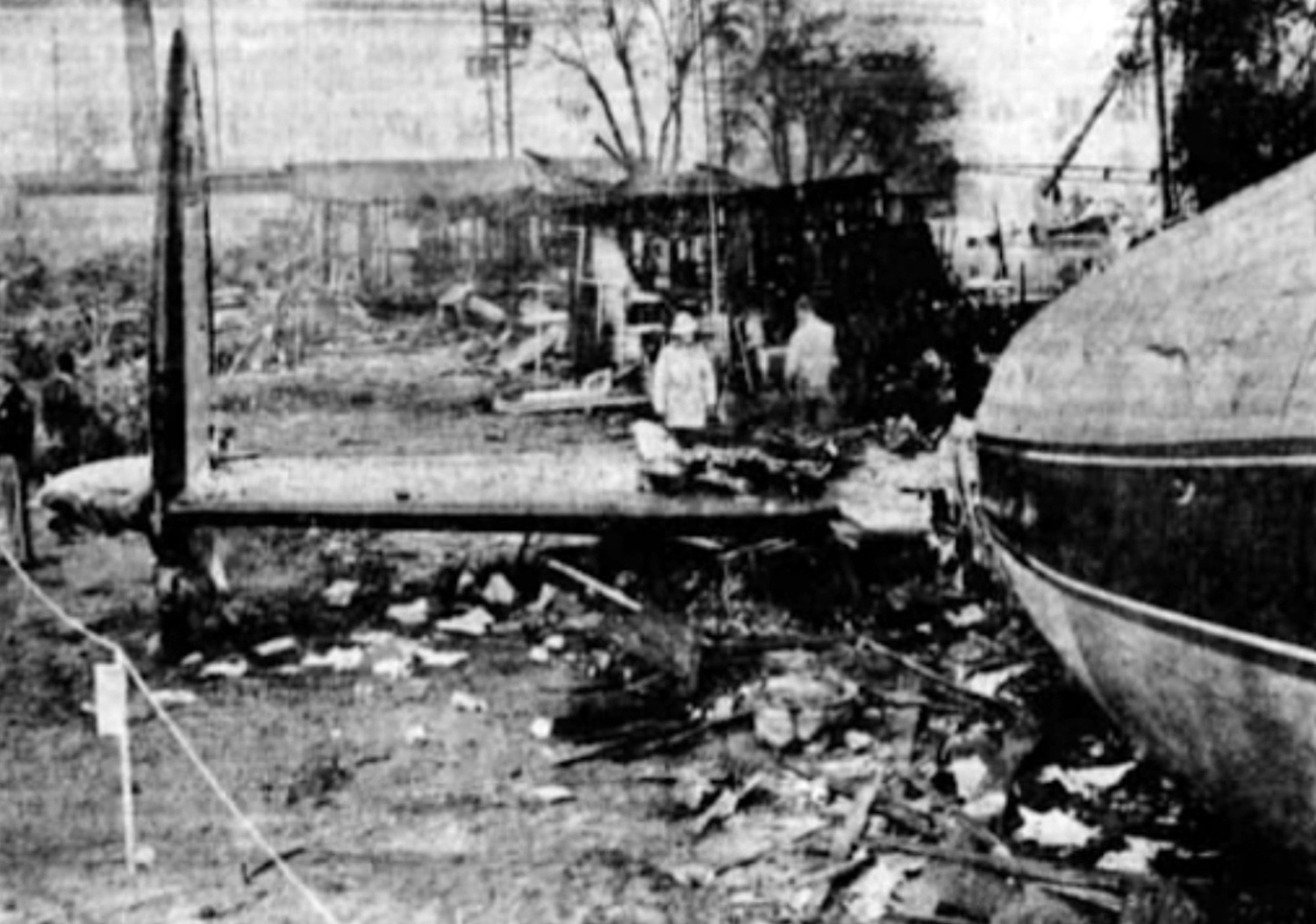
A Slick Airways Lockheed 1049H, N9740Z, crashed and burned during an ILS approach to runway 28R at the San Francisco International Airport at approximately 1207 P.s.t., February 3, 1963. Due to an inoperative glide slope receiver, the crew was listening radar advisories on the localizer receiver for altitude information. The aircraft struck approach lights 1,170 feet from the runway threshold, climbed to about 200 feet and then crashed approximately 1,900 feet beyond the threshold and on the left edge of runway 28L. Of the three crew members and five passengers aboard, the captain, first officer, and two passengers received fatal injuries. The remaining persons aboard received serious injuries. The aircraft was destroyed by subsequent fire.
Probable cause:
The Board determines the probable cause of this accident was the continuation of an instrument approach after adequate visual reference was lost below authorized minimums. Inadequate monitoring of the instrument approach by the PAR controller was a contributing factor.
Final Report:
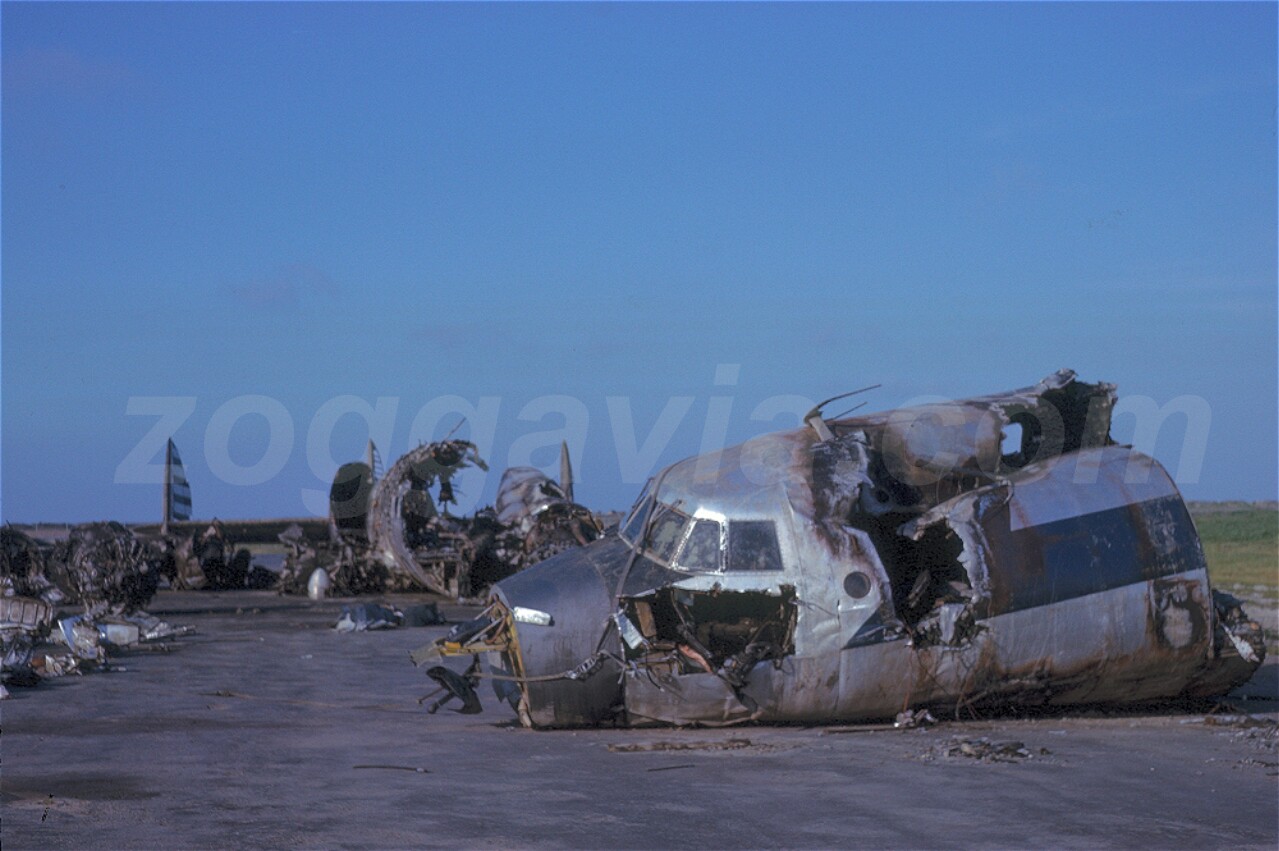

Crash of a Lockheed L-1049H Super Constellation in Burbank: 8 killed

Date & Time: Dec 14, 1962 at 2212 LT
Operator:
Registration:
N6913C
Flight Type:
Survivors:
No
Schedule:
Boston – Windsor Locks – Chicago – Burbank
MSN:
4810
YOM:
1957
Flight number:
FT183
Crew on board:
3
Crew fatalities:
Pax on board:
2
Pax fatalities:
Other fatalities:
Total fatalities:
8
Captain / Total flying hours:
14164
Captain / Total hours on type:
5100.00
Copilot / Total flying hours:
560
Copilot / Total hours on type:
560
Aircraft flight hours:
20269
Circumstances:
On December 14, 1962, at 2212 P.s.t., a Flying Tiger Line Inc., Super Constellation, N6913C, crashed about 1-1/4 miles west of the Lockheed Air Terminal, Burbank California, during an ILS approach to runway 7. All five persons on board the aircraft and three persons on the ground sustained fatal injuries. The last radio communication with N6913C was the flight's acknowledgement of its radar-observed position two miles from the end of the runway on the localizer course. Twenty seconds later the aircraft crashed Into a fog-shrouded residential/industrial area.
Probable cause:
The incapacitation of the pilot-in-command, at a critical point in the approach resulting in a loss of control of the aircraft from which the co-pilot was unable to recover.
Final Report:

Crash of a Lockheed L-1049H-82 Super Constellation into the Atlantic Ocean: 28 killed

Date & Time: Sep 23, 1962 at 2200 LT
Operator:
Registration:
N6923C
Flight Phase:
Survivors:
Yes
Schedule:
McGuire – Gander – Francfort
MSN:
4827
YOM:
1958
Flight number:
FT923
Country:
Region:
Crew on board:
8
Crew fatalities:
Pax on board:
68
Pax fatalities:
Other fatalities:
Total fatalities:
28
Captain / Total flying hours:
17500
Captain / Total hours on type:
4300.00
Copilot / Total flying hours:
2430
Copilot / Total hours on type:
350
Aircraft flight hours:
15800
Circumstances:
he Super Constellation departed Gander at 17:09 GMT for a military (MATS) charter flight to Frankfurt. Three hours later, at FL210 a fire developed in the no. 3 engine, which was shut down and the propeller feathered. The no. 1 engine oversped 5 minutes later when the flight engineer closed the no. 1 engine firewall shut-off valve in error. The crew were not able to restart the engine, and wanted to divert to Shannon with METO power on the no. 4 engine and reduced power on engine no. 2. The no. 2 engine lost power and finally failed, forcing the crew to carry out a ditching. The left wing broke off, but the fuselage remained intact. The cabin filled with water fast and the aircraft sank nose first in about 10 minutes. The Swiss merchant ship christened 'Celerina' was the first to be on site and its crew was able to evacuate 48 wounded people while 28 others, among them five crew members, were killed. The aircraft sank and was lost.
Probable cause:
The failure of two of the aircraft's four engines, and improper action of the flight engineer which disabled a third engine thereby necessitating a ditching at sea.
Final Report:

Crash of a Lockheed WV-2 Super Constellation at Patuxent River NAS: 5 killed

Date & Time: Aug 9, 1962
Operator:
Registration:
141324
Flight Type:
Survivors:
Yes
Schedule:
Corpus Christi - Patuxent
MSN:
4448
YOM:
1956
Crew on board:
4
Crew fatalities:
Pax on board:
15
Pax fatalities:
Other fatalities:
Total fatalities:
5
Circumstances:
On approach to Patuxent River NAS, the crew encountered poor weather conditions with heavy rain falls. In low visibility, the aircraft was too low and struck the ground before coming to rest in flames few hundred yards short of runway threshold. Five occupants were killed while 14 others were injured. The aircraft was destroyed.

Crash of a Lockheed WV-2Q Super Constellation in Markt Schwaben: 26 killed

Date & Time: May 22, 1962 at 1140 LT
Operator:
Registration:
131390
Flight Type:
Survivors:
No
MSN:
4310
YOM:
1954
Country:
Region:
Crew on board:
4
Crew fatalities:
Pax on board:
22
Pax fatalities:
Other fatalities:
Total fatalities:
26
Circumstances:
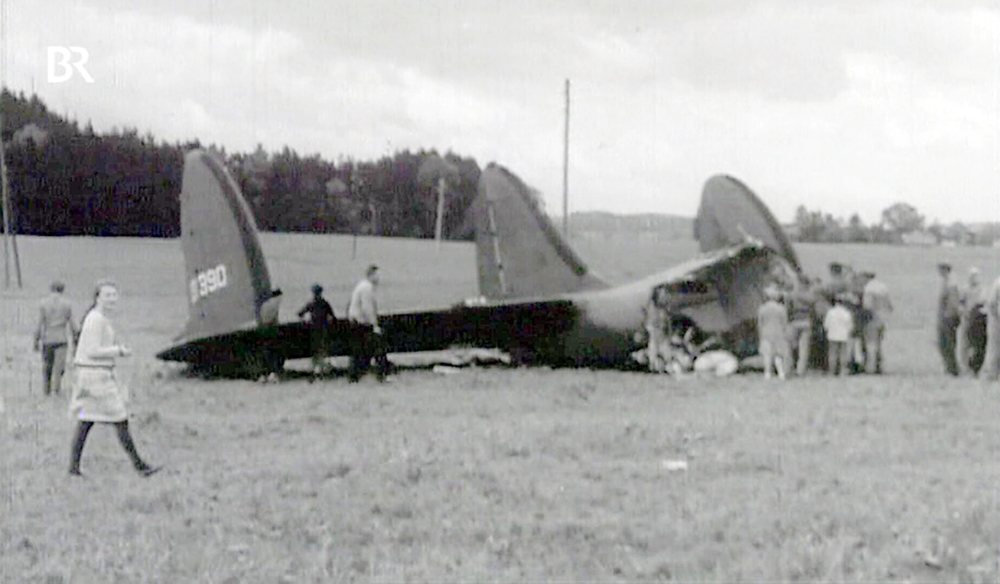
The aircraft departed Frankfurt-Main on a special flight, carrying a crew of four, 22 passengers and thousands of confidential documents of the US Army. While cruising at an altitude of 18,000 feet, the crew contacted ATC twice, declared an emergency and elected to divert to Munich-Riem Airport. Shortly later, the aircraft exploded and crashed in a field located in Markt Schwaben, 17 km south of Munich Airport. The aircraft was totally destroyed and all 26 occupants were killed. Debris and documents were scattered on an area over 65 km2.
Probable cause:
It is believed the airplane suffered a major structural failure in flight, maybe due to fatigue cracks that were not detected during the last maintenance check. The assumption that a fire erupted in the cargo compartment was not ruled out.

Crash of a Lockheed L-1049H Super Constellation into the Philippines Sea: 107 killed

Date & Time: Mar 16, 1962 at 0022 LT
Operator:
Registration:
N6921C
Flight Phase:
Survivors:
No
Schedule:
Travis – Honolulu – Wake Island – Agana – Clark – Saigon
MSN:
4817
YOM:
1957
Flight number:
FT739
Country:
Region:
Crew on board:
11
Crew fatalities:
Pax on board:
96
Pax fatalities:
Other fatalities:
Total fatalities:
107
Captain / Total flying hours:
19500
Captain / Total hours on type:
3562.00
Copilot / Total flying hours:
17500
Copilot / Total hours on type:
3374
Aircraft flight hours:
17224
Circumstances:
On March 15, 1962, sometime after its last position report at 1422 G.m.t. (22 minutes past midnight, local time), a Flying Tiger Line Inc., Lockheed 1049H, N6921C, operated as Military Air Transport Service Flight 739/14, disappeared west of the position 13 degrees 14' North Latitude and 140 degrees 00' East Longitude en route from Agana Naval Air Station, Guam, to Clark Air Force Base, Philippine Islands. A widespread and intensive search was initiated after the aircraft failed to arrive at Clark Air Force Base at 1916 G.m.t., its estimated time of arrival. The flight was officially declared missing at 2227 G.m.t. which was the estimated fuel exhaustion time for the aircraft. All occupants, 96 military passengers and a crew of 11, are missing and presumed dead. Crew members of a surface vessel witnessed what appeared to have been a midair explosion at 1530 G.m.t., near the position and at the time estimated by the pilot of N6921C for his next scheduled position report. No wreckage or debris which could be definitely associated with the aircraft has been found.
Probable cause:
The Board is unable to determine the probable cause of this accident from the evidence now available.
Final Report:

Crash of a Lockheed L-1049H Super Constellation in Adak: 1 killed

Date & Time: Mar 15, 1962 at 0114 LT
Operator:
Registration:
N6911C
Flight Type:
Survivors:
Yes
Schedule:
Travis – Cold Bay – Adak – Misawa – Kadena
MSN:
4804
YOM:
1957
Flight number:
FT7816
Location:
Crew on board:
7
Crew fatalities:
Pax on board:
0
Pax fatalities:
Other fatalities:
Total fatalities:
1
Captain / Total flying hours:
13000
Captain / Total hours on type:
3055.00
Copilot / Total flying hours:
19000
Copilot / Total hours on type:
1211
Aircraft flight hours:
16038
Circumstances:
A Lockheed Constellation, model L-1049H, N 6911C, owned by The Flying Tiger Line Inc., and being operated under contract with the Military Air Transport Service, crashed during the hours of darkness at Adak, Alaska, March 15, 1962, at 1214 G.m.t. Impact and subsequent fire destroyed the aircraft. There were seven occupants, all crew members. Six received minor injuries and one, the duty flight engineer, was trapped in the cockpit and died in the fire. This was a scheduled cargo flight, designated by the carrier as Flight No. FTL 7816/14. It originated at Travis Air Force Base, California, for Kadena Air Force Base, Okinawa, with stops planned at Cold Bay, Alaska, Adak, Alaska, and Misawa, Japan. Shortly after departure from Travis Air Force Base, buffeting developed and the aircraft was landed back at Travis. Inspection disclosed an open hydraulic reservoir access door. This was closed and secured and the flight proceeded uneventfully to Cold Bay, Alaska. The flight from Cold Bay to the vicinity of Adak was also uneventful, with the copilot flying the aircraft from the left seat and the captain acting as copilot in the right seat. Instrument weather prevailed at Adak and a ground controlled approach (GCA) was started. The flight was advised several times that it was below the glide slope and then was advised to execute a missed approach. The aircraft’s captain replied that the field was in sight. The approach continued, visually. At a point 328 feet short of the runway threshold and four feet below its level the landing gear struck rocks. The main landing gear was torn off and the aircraft slid about 2,000 feet on the runway coining to rest just off its edge. A severe fire developed.
Probable cause:
The Board determines that the probable cause of this accident was the pilot’s misjudgment of distance and altitude during the final approach for landing.
Final Report:

Crash of a Lockheed L-1049C Super Constellation in New York

Date & Time: Aug 3, 1961
Operator:
Registration:
N6220C
Flight Phase:
Flight Type:
Survivors:
Yes
Schedule:
New York – San Juan
MSN:
4528
YOM:
1953
Crew on board:
3
Crew fatalities:
Pax on board:
0
Pax fatalities:
Other fatalities:
Total fatalities:
0
Circumstances:
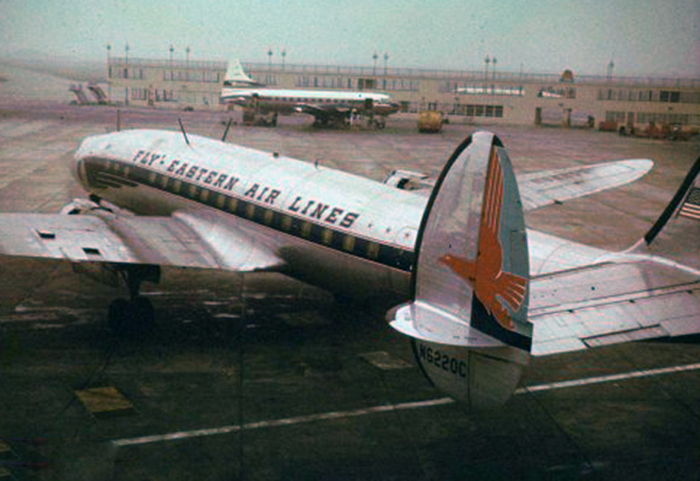
While taxiing at Idlewild Airport, preparing for a cargo flight to San Juan, one of the main gear collapsed. The aircraft sank on its belly and came to rest in flames. All three crew members were uninjured while the aircraft was destroyed by fire.
Probable cause:
Undercarriage failure during taxi.

Crash of a Lockheed L-1049G Super Constellation in São Paulo

Date & Time: Mar 6, 1961 at 1337 LT
Operator:
Registration:
EC-AIP
Survivors:
Yes
Schedule:
Madrid – Tenerife – Sal – Natal – São Paulo – Montevideo – Buenos Aires – Santiago
MSN:
4552
YOM:
1954
Flight number:
IB991
Country:
Crew on board:
10
Crew fatalities:
Pax on board:
36
Pax fatalities:
Other fatalities:
Total fatalities:
0
Circumstances:
On final approach to São Paulo-Congonhas Airport, the four engine aircraft stalled and crashed short of runway 16 threshold. All 46 occupants were evacuated while the aircraft was destroyed.
Probable cause:
It was determined the approach was completed in heavy winds and turbulences and that the aircraft was caught by downdrafts during the last segment. However, it is reported the crew failed to adapt the approach speed to the wind conditions, causing the aircraft to lose height.

Crash of a Lockheed WV-2 on Midway Island: 9 killed

Date & Time: Jan 22, 1961 at 0304 LT
Operator:
Registration:
143193
Survivors:
Yes
Schedule:
Midway - Midway
MSN:
4467
YOM:
1957
Crew on board:
4
Crew fatalities:
Pax on board:
18
Pax fatalities:
Other fatalities:
Total fatalities:
9
Circumstances:
While conducting a maritime patrol flight over the Pacific Ocean, the crew encountered an unexpected situation and the captain decided to return to Midway Island NAS for a safe landing. During the final approach completed by night, the four engine aircraft was too low, causing the main landing gears to struck a seawall located short of runway threshold. On impact, the undercarriage were sheared off. The airplane went out control and crashed in flames onto a fire truck parked by the runway. Six passengers were killed as well as all three firemen sitting in the truck and awaiting the aircraft according to procedures.