Crash of a Fokker F27 Friendship 200 near Hopong: 45 killed

Date & Time: Jun 21, 1987
Type of aircraft:
Operator:
Registration:
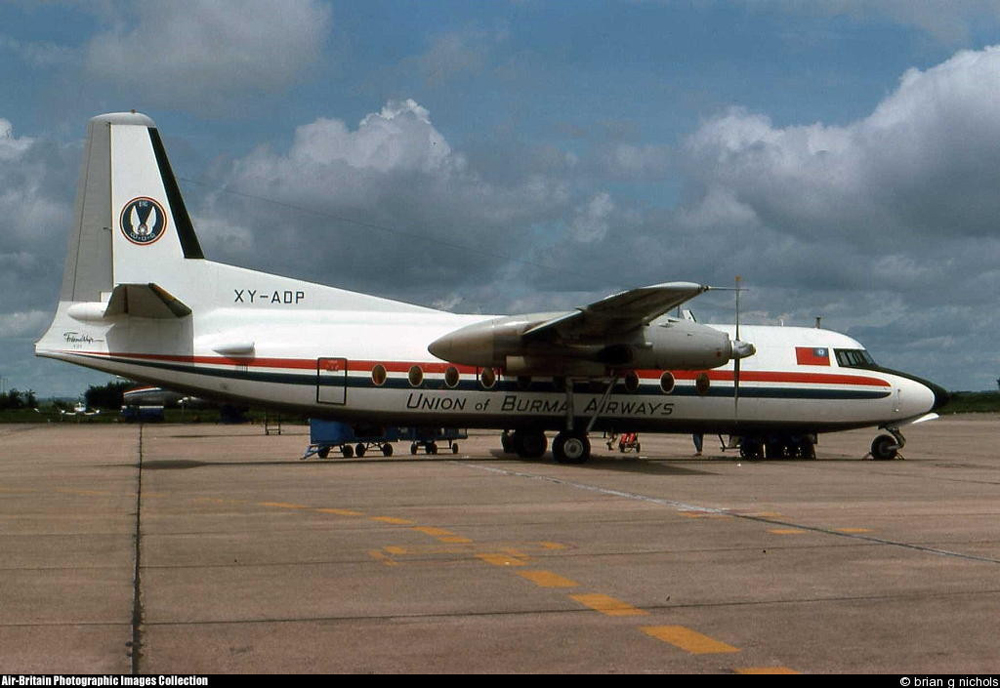
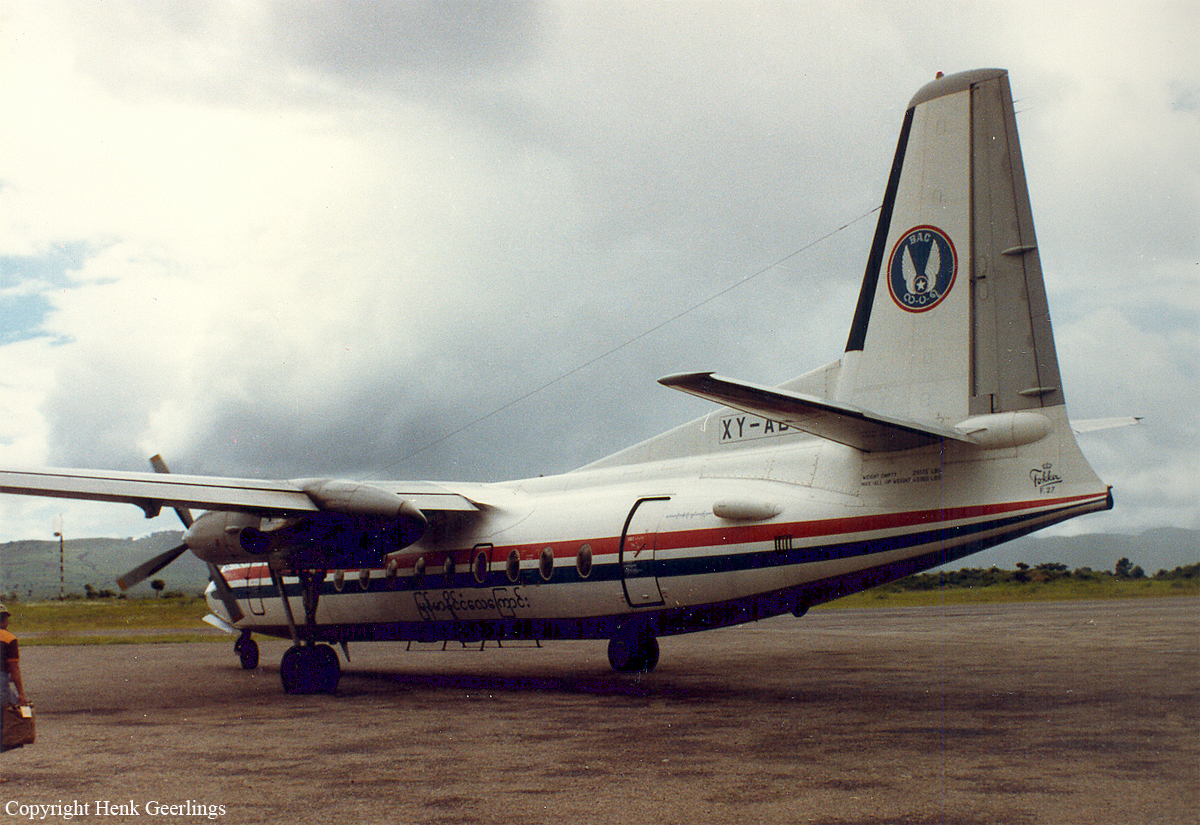
XY-ADP
Flight Phase:
Survivors:
No
Site:
Schedule:
Heho - Mong Hsat
MSN:
10357
YOM:
1968
Country:
Region:
Crew on board:
4
Crew fatalities:
Pax on board:
41
Pax fatalities:
Other fatalities:
Total fatalities:
45
Aircraft flight hours:
37133
Aircraft flight cycles:
35592
Circumstances:
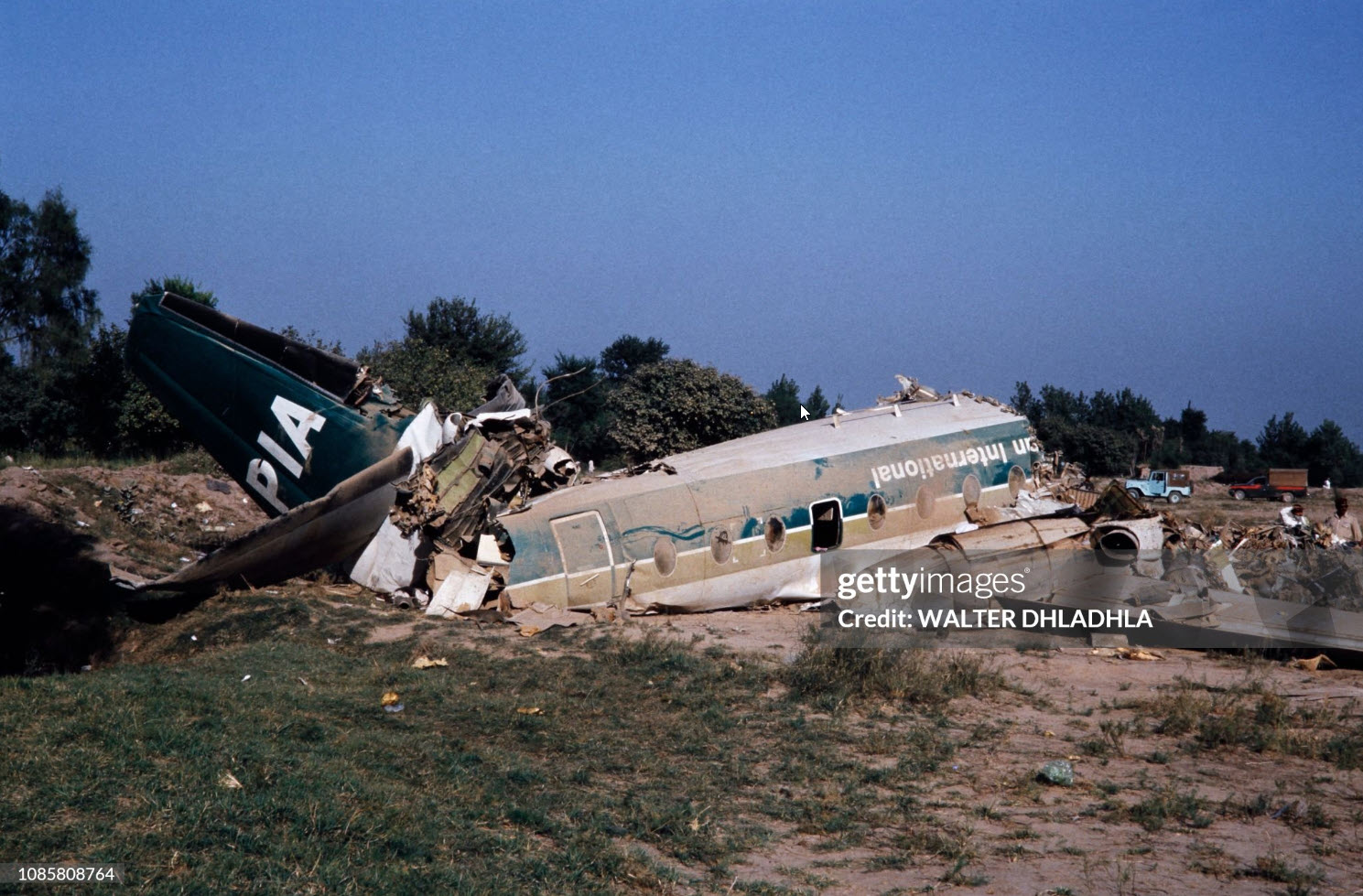
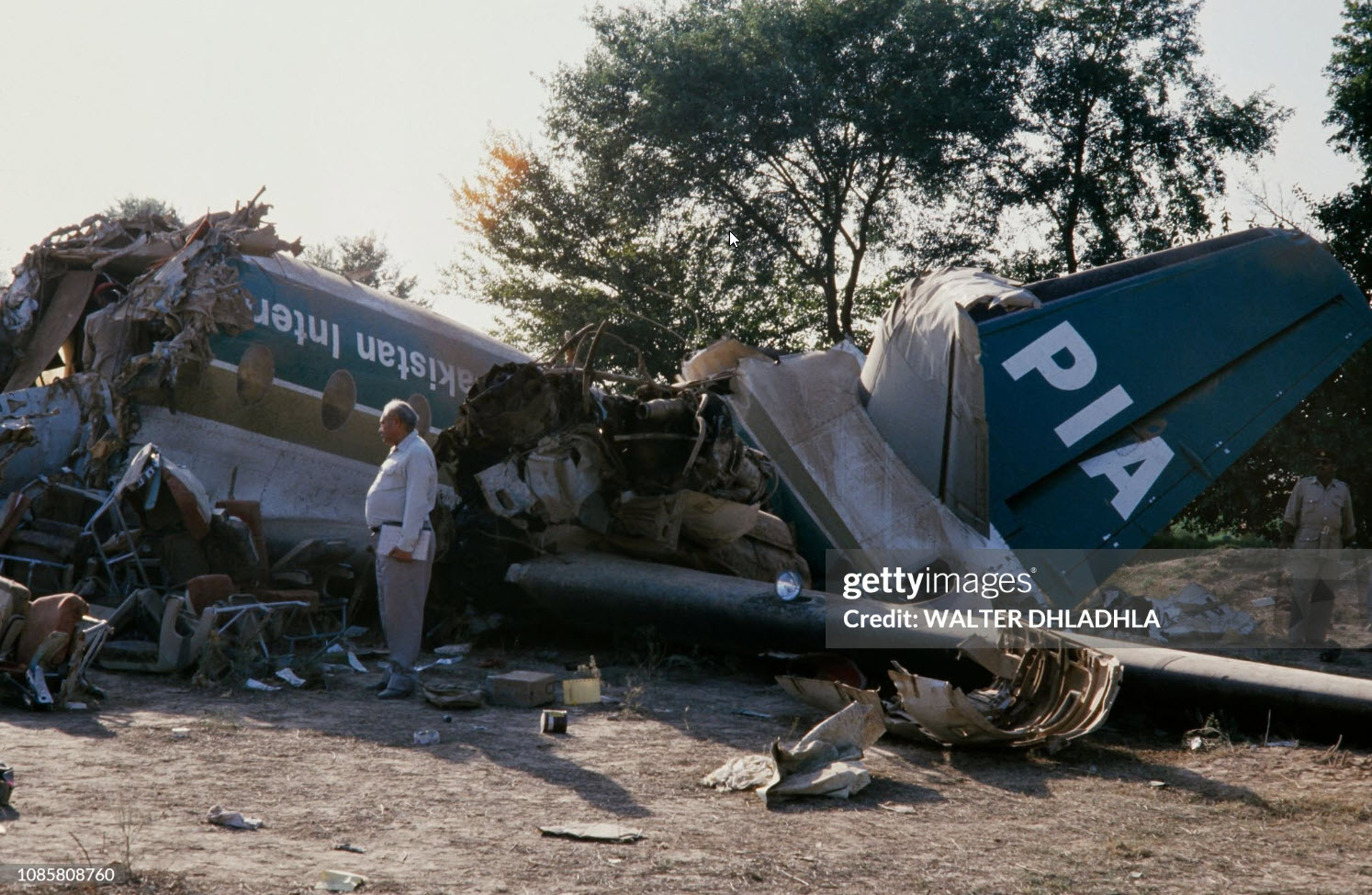
Fifteen minutes after takeoff from Heho, while cruising at an altitude of 8,200 feet, the aircraft struck the slope of a mountain located 24 km southeast of Hopong. All 45 occupants were killed.
Probable cause:
Controlled flight into terrain.

Crash of a Fokker F27 Friendship 200 in Varginha

Date & Time: Jan 27, 1987
Type of aircraft:
Registration:
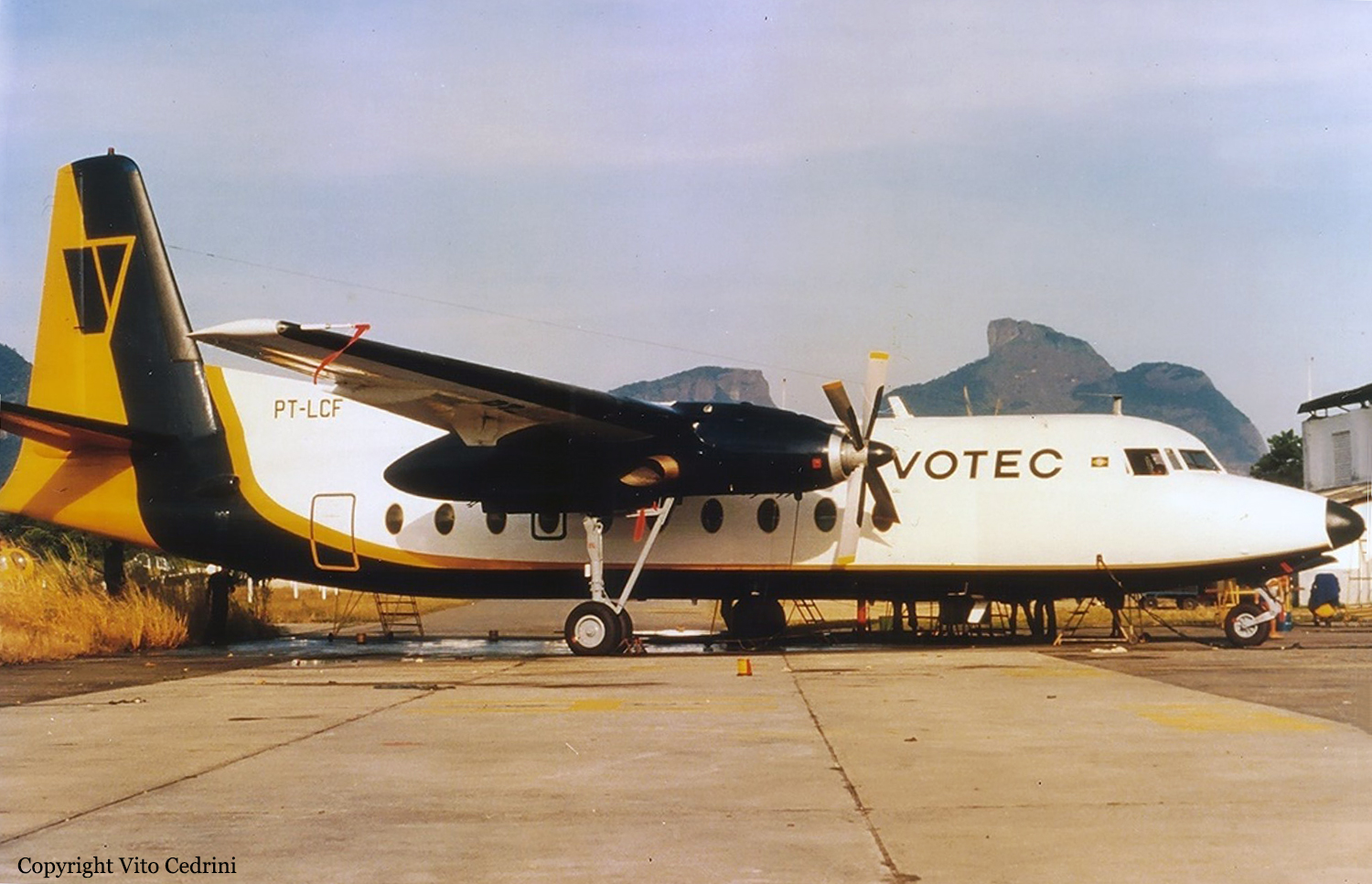
PT-LCF
Flight Type:
Survivors:
Yes
MSN:
10204
YOM:
1962
Country:
Crew on board:
2
Crew fatalities:
Pax on board:
0
Pax fatalities:
Other fatalities:
Total fatalities:
0
Circumstances:
After landing at Varginha-Major-Brigadeiro Trompowsky Airport, the aircraft deviated from the centerline to the right. The crew attempted to correct the deviation but the right main gear struck runway lights and was torn off on impact. Out of control, the aircraft made a 90° right turn then veered off runway and came to rest. Both pilots escaped uninjured.

Crash of a Fokker F27 Friendship 200 in East Midlands

Date & Time: Jan 18, 1987 at 1415 LT
Type of aircraft:
Operator:
Registration:
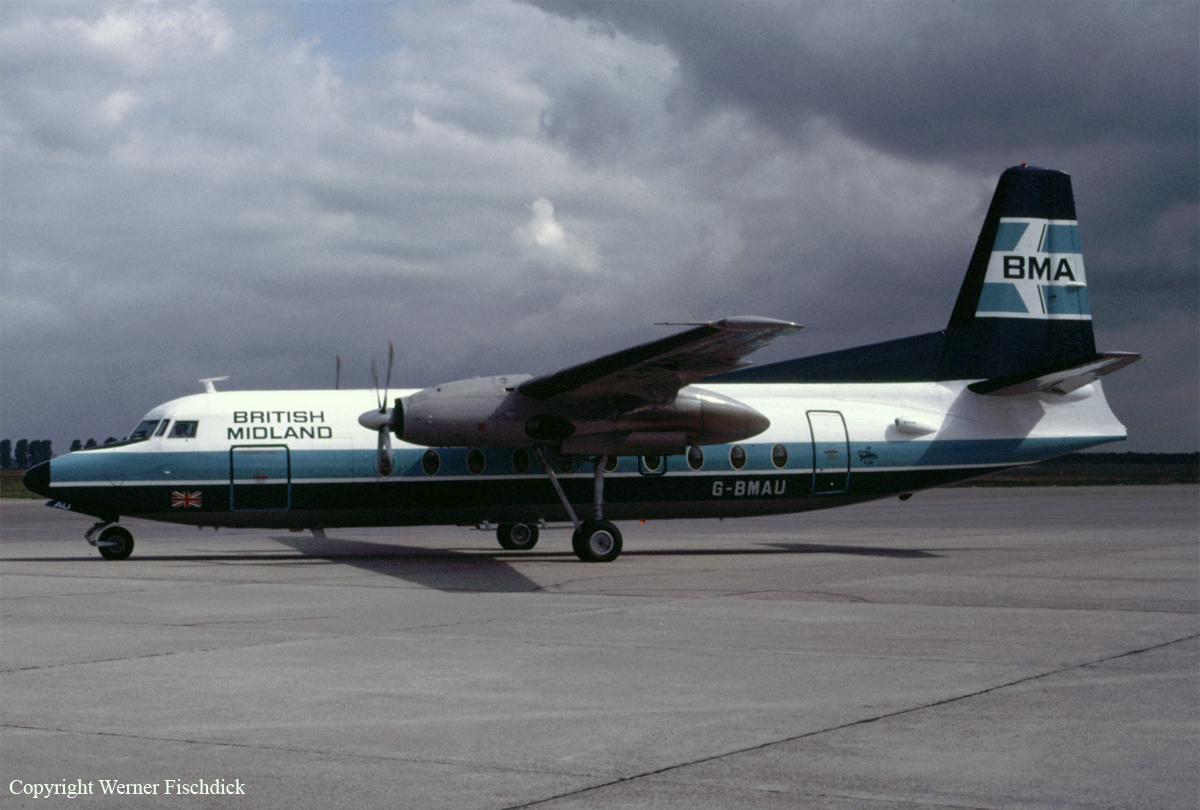
G-BMAU
Flight Type:
Survivors:
Yes
Schedule:
East Midlands - East Midlands
MSN:
10241
YOM:
1963
Region:
Crew on board:
3
Crew fatalities:
Pax on board:
0
Pax fatalities:
Other fatalities:
Total fatalities:
0
Captain / Total flying hours:
8345
Captain / Total hours on type:
2983.00
Copilot / Total flying hours:
5220
Copilot / Total hours on type:
572
Aircraft flight hours:
38487
Aircraft flight cycles:
44761
Circumstances:
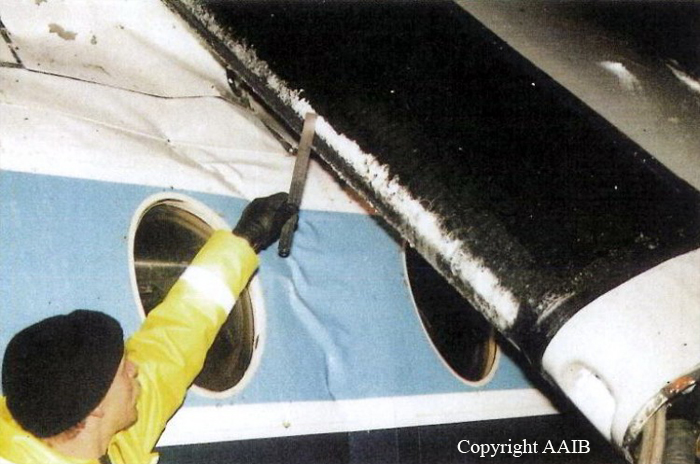
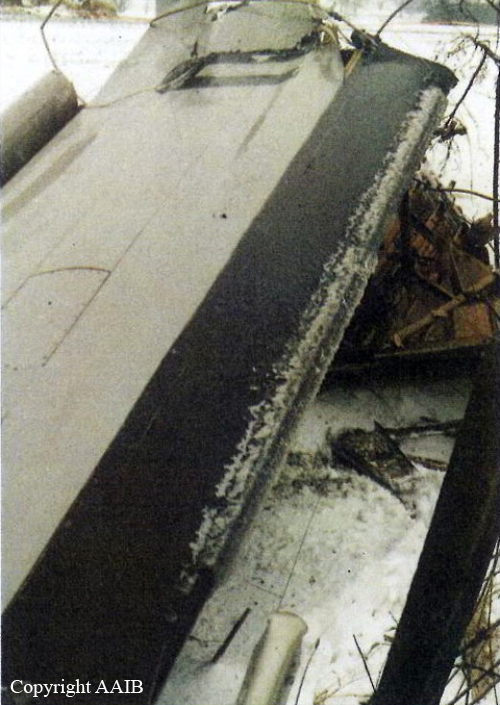
The BMA Fokker F-27 aircraft was engaged on crew training at East Midlands Airport (EMA). The commander, who was an experienced training captain, occupied the right pilot's seat and a first officer undergoing training for conversion to captaincy occupied the left seat as handling pilot. Another captain refreshing on type sat on the jump seat behind the pilots' seats, the intention being that he should move into the left seat after the first officer's training period. The weather was: wind 150 degrees at 7 kts, visibility 4 km and cloud 7 oktas stratus, base 1000 feet. The surface temperature was 2 °C and the QNH 1030. The training session began with a practice abandoned takeoff after which the aircraft took off at 13:08 and flew three practice ILS approaches followed by touch-and-go landings on runway 09, climbing to 2000 feet above mean sea level (amsl) after each takeoff. The runway in use was then changed and the aircraft flew a simulated asymmetric ILS approach to runway 27 followed by a missed approach (go-around) with the left engine throttled back. The runway was then changed again and an ILS approach to runway 09 was flown with the left engine still throttled back. This approach was followed by a touch-and-go landing during which both engines were brought up to full power. Very soon after becoming airborne the training captain again simulated failure of the left engine and the aircraft was climbed to 2000 feet amsl. Soon after the aircraft levelled off, the handling pilot commented on the large amount of rudder required to counteract the simulated failure of the left engine after takeoff. The training captain then said that he was deliberately putting more drag on the left side than would have been the case if the propeller had auto-feathered so that the climb performance corresponded better with that of an aircraft with passengers on board. He went on to say that if the handling pilot could cope with that extra drag, he could expect to control the aircraft if the failed engine auto-feathered because the rudder pedal force would then not be quite so great. The crew then began a procedural NDB approach to runway 09, for which instrument screens were fitted in front of the handling pilot. It was intended that the aircraft should be landed after the NDB approach for the pilot in the jump seat to take over as handling pilot. Decision altitude for the approach was 740 feet and touchdown altitude was 305 feet. It was company practice for beacon passage to be identified by the movement of the radio compass needle and, as the aircraft passed about one third of a mile north of the marker beacon inbound, descending through approximately 1300 feet amsl, the handling pilot said "Over the beacon now". No audio signal from the marker beacon was heard on the cockpit voice recorder. The landing checklist was completed during the following 20 seconds, including confirmation that the undercarriage was down, fuel heaters were off, two blue propeller lights were illuminated and fuel was trimmed up. 48 seconds after passing the beacon the aircraft reached decision altitude, and the training captain asked the handling pilot "How long and where is it?", to which the handling pilot replied "Got about a minute and ten seconds to go - should be straight in front". 22 seconds later and some 36 seconds before impact the training captain said "Why are we at 650 feet?" and pointed out that the handling pilot had allowed the aircraft to descend below decision altitude when he was, for training purposes, still in IMC. The handling pilot responded by saying "Intend going around then", or words to that effect. The training captain then said "Yes, well I'll let you see it now. There it is". As the training captain was saying this, the sound of an engine power increase was heard on the CVR, and, about 25 seconds before impact, the rpm of one engine was increased to 14,800 rpm, a setting 200 rpm below maximum continuous power. 10 seconds later the training captain was heard to say "Hang on, that's the - that's the field there. See it?" The handling pilot then said "Hold tight", at which point, some 13 seconds before impact, the CVR recorded the sound of another engine increasing power to 14,800 rpm. A moment later the handling pilot said "Haven't got it", and the training captain said "I've got it". The F-27 yawed to the left before banking steeply to the right. The aircraft struck the ground on the northern side of the Castle Donington motor racing circuit in a nose-down attitude, banked to the left and with considerable left sideslip. After the accident an accumulation of mixed rime and glaze ice was found on the leading edges of the wings and tail surfaces which had formed rough-surfaced horns one inch high above and below the airflow stagnation point. No ice was found on the flaps or landing gear.
Probable cause:
The probable cause of the accident was that the aircraft became uncontrollable at an airspeed well above both its stalling speed and minimum control speed because its flying and handling characteristics were degraded by an accumulation of ice. The decision by the training captain not to operate the airframe de-icing system was an underlying cause but he could not have been expected to foresee this at the time. A contributory factor was that the operating crew allowed the airspeed to fall below the normal approach speed during the latter stages of the approach.
Final Report:

Crash of a Fokker F27 Friendship 600 in Peshawar: 13 killed

Date & Time: Oct 23, 1986 at 2049 LT
Type of aircraft:
Operator:
Registration:
AP-AUX
Survivors:
Yes
Schedule:
Lahore - Peshawar
MSN:
10335
YOM:
1967
Country:
Region:
Crew on board:
5
Crew fatalities:
Pax on board:
49
Pax fatalities:
Other fatalities:
Total fatalities:
13
Aircraft flight hours:
39732
Aircraft flight cycles:
45472
Circumstances:
The descent to Peshawar Airport was completed in limited visibility caused by night. The copilot was in command when on final approach to runway 35, he descended below the MDA until the aircraft struck a dyke and crashed upside down about 10 km short of runway. 13 occupants were killed and 41 other were injured. The aircraft was destroyed.
Probable cause:
It was determined that the copilot was under a route check at the time of the accident and failed to initiate a go around procedure as he continued the approach below MDA. On his side, the captain was distracted from monitoring the altitude and failed to correctly supervise the copilot actions.

Crash of a Fokker F27 Friendship 400M in Malakal: 60 killed

Date & Time: Aug 16, 1986 at 1030 LT
Type of aircraft:
Operator:
Registration:
ST-ADY
Flight Phase:
Survivors:
No
Schedule:
Malakal - Khartoum
MSN:
10277
YOM:
1965
Country:
Region:
Crew on board:
5
Crew fatalities:
Pax on board:
55
Pax fatalities:
Other fatalities:
Total fatalities:
60
Aircraft flight hours:
25702
Aircraft flight cycles:
19290
Circumstances:
After takeoff from Malakal Airport, while climbing, the aircraft was shot down by a SAM-7 surface-to-air missile and crashed. The aircraft was totally destroyed and all 60 occupants were killed.
Probable cause:
The aircraft was shot down by soldiers of the Sudan People Liberation Army (SPLA) directed by John Garang.

Crash of a Fokker F27 Troopship 400MPA in Garut: 8 killed

Date & Time: Aug 14, 1986
Type of aircraft:
Operator:
Registration:
T-2702
Flight Phase:
Flight Type:
Survivors:
No
Schedule:
Garut - Garut
MSN:
10537
YOM:
1976
Location:
Country:
Region:
Crew on board:
8
Crew fatalities:
Pax on board:
0
Pax fatalities:
Other fatalities:
Total fatalities:
8
Aircraft flight hours:
5107
Aircraft flight cycles:
4540
Circumstances:
Crashed in unknown circumstances shortly after takeoff from Garut Airport while engaged in a local training mission. All eight occupants were killed.

Crash of a Fokker F27 Friendship 60 in Tabou

Date & Time: Jul 25, 1986
Type of aircraft:
Operator:
Registration:
TU-TIF
Flight Phase:
Survivors:
Yes
Schedule:
Tabou - Abidjan
MSN:
10573
YOM:
1978
Country:
Region:
Crew on board:
3
Crew fatalities:
Pax on board:
26
Pax fatalities:
Other fatalities:
Total fatalities:
0
Aircraft flight hours:
7399
Aircraft flight cycles:
9442
Circumstances:
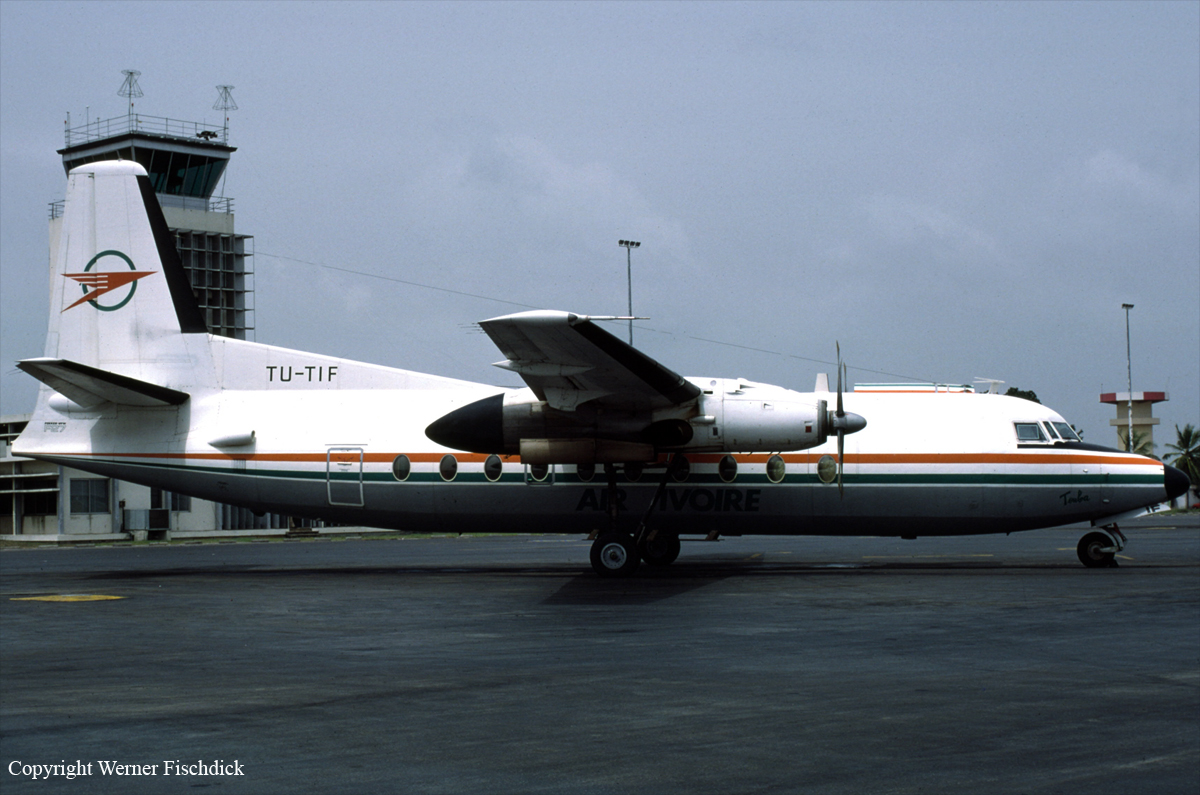
During the takeoff roll at Tabou Airport, one of the nose gear tyre burst. The crew decided to abandon the takeoff procedure and initiated an emergency braking maneuver. Unable to stop within the remaining distance, the aircraft overran and came to rest few dozen meters further. All 29 occupants escaped uninjured while the aircraft was damaged beyond repair.
Probable cause:
Takeoff was rejected following a tyre failure.

Crash of a Fokker F27 Friendship 500 in Cairo: 23 killed

Date & Time: Jun 10, 1986 at 1900 LT
Type of aircraft:
Operator:
Registration:
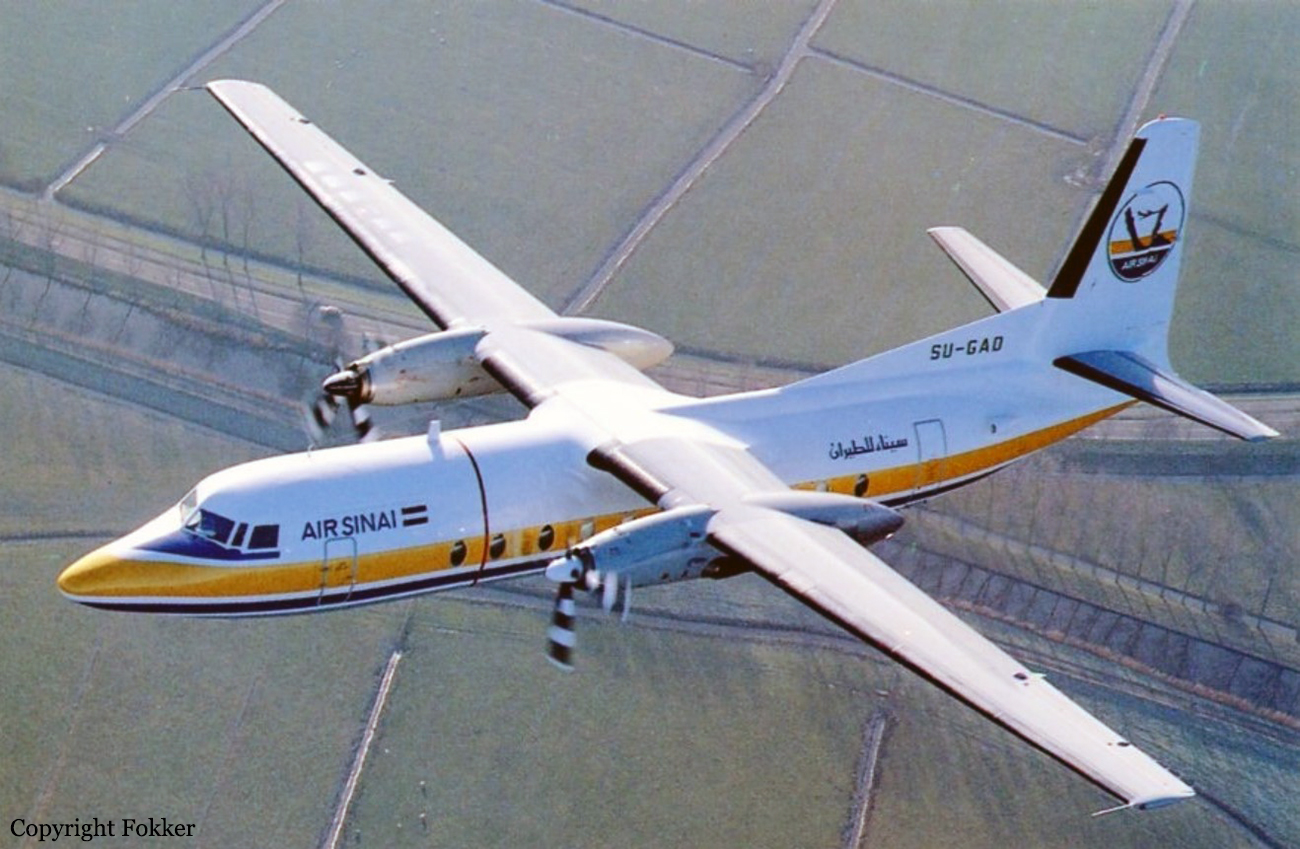
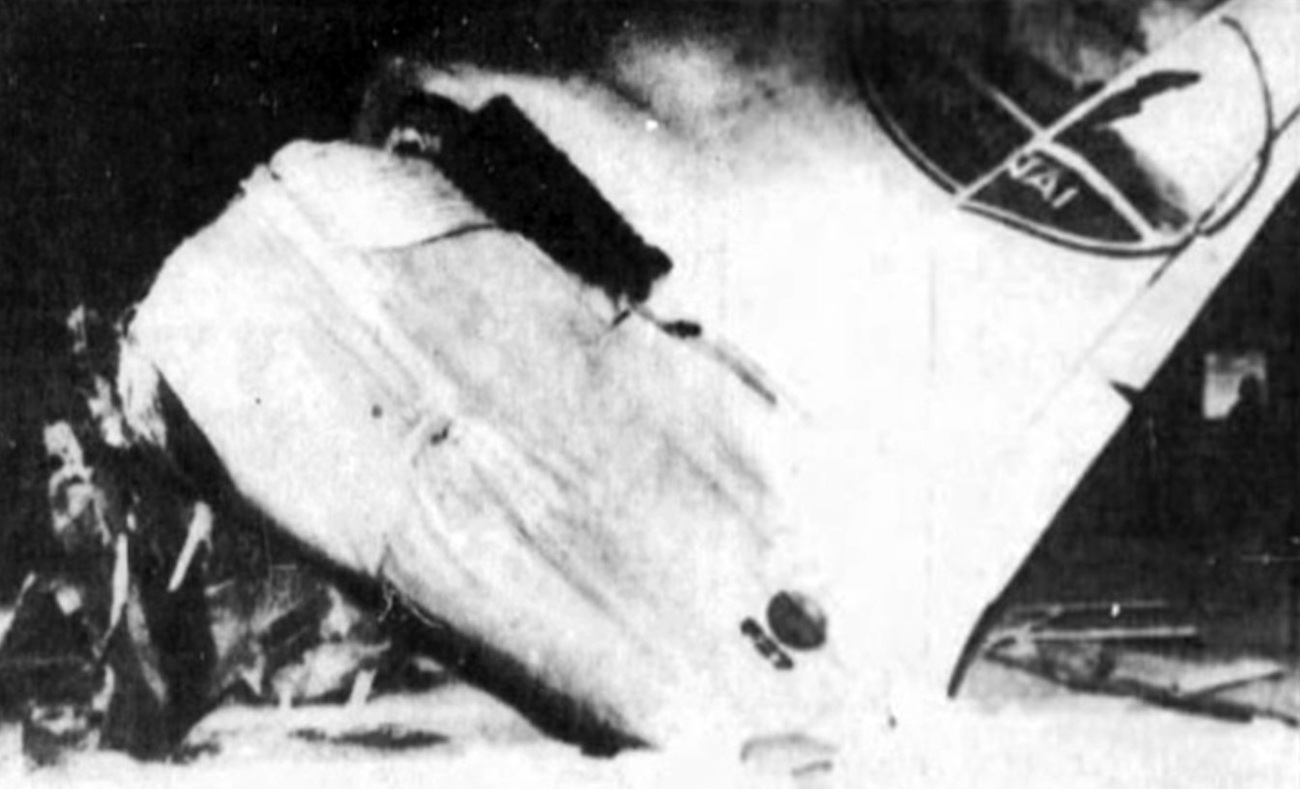
SU-GAD
Survivors:
Yes
Schedule:
Sharm el-Sheikh - Cairo
MSN:
10659
YOM:
1983
Country:
Region:
Crew on board:
5
Crew fatalities:
Pax on board:
21
Pax fatalities:
Other fatalities:
Total fatalities:
23
Aircraft flight hours:
2063
Aircraft flight cycles:
2378
Circumstances:
On approach to Cairo-Intl Airport, the crew encountered poor weather conditions due to sandstorm. On final, the aircraft descended below the glide when it struck the roof of a building and crashed in an industrial estate located short of runway. Three passengers were seriously injured while 23 other occupants were killed.
Probable cause:
The crew descended below the minimum descent altitude in low visibility.

Crash of a Fokker F27 Troopship 400M off Los Salinas de Huacho: 7 killed

Date & Time: Apr 29, 1986
Type of aircraft:
Operator:
Registration:
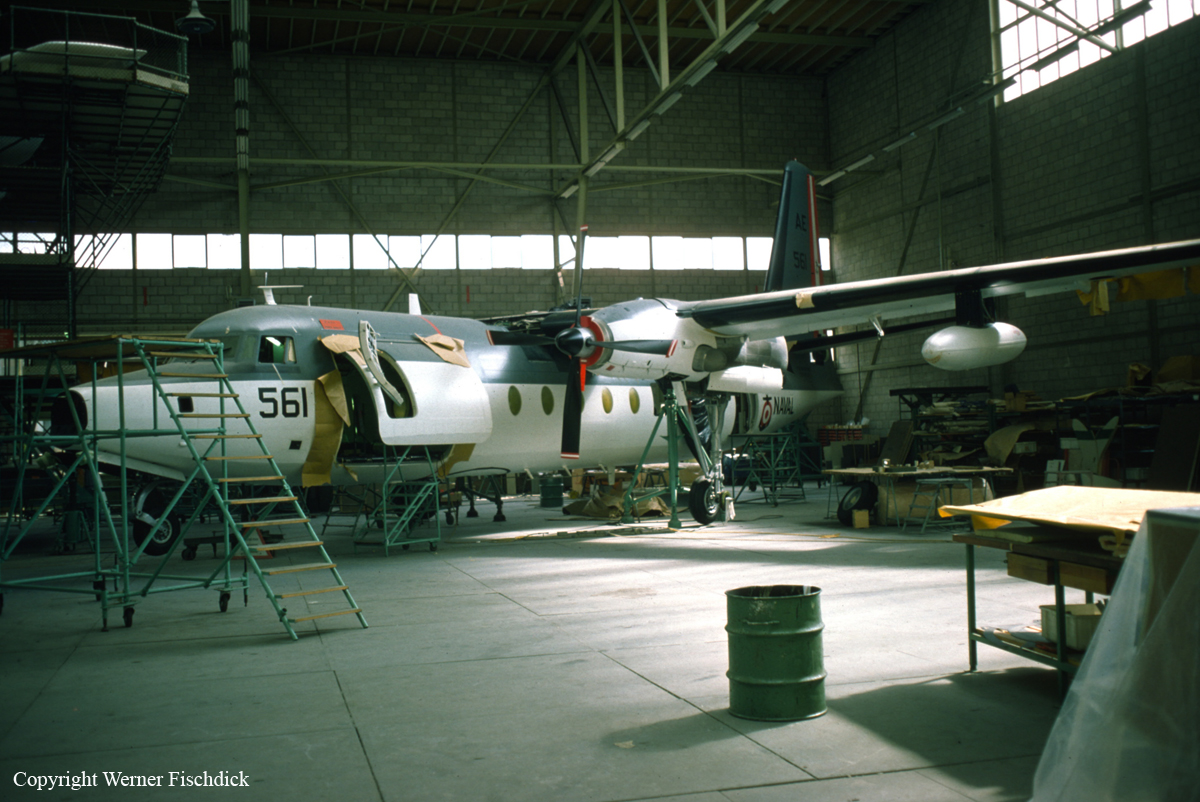
AE-561
Flight Phase:
Flight Type:
Survivors:
No
MSN:
10549
YOM:
1977
Country:
Crew on board:
7
Crew fatalities:
Pax on board:
0
Pax fatalities:
Other fatalities:
Total fatalities:
7
Aircraft flight hours:
5624
Aircraft flight cycles:
3926
Circumstances:
Crashed in unknown circumstances in the sea off Los Salinas de Huacho, about 100 km northwest of Lima. All seven crew members were killed.

Crash of a Fokker F27 Friendship 600 in Putao: 4 killed

Date & Time: Oct 12, 1985
Type of aircraft:
Operator:
Registration:
XY-ADS
Flight Type:
Survivors:
No
MSN:
10501
YOM:
1974
Country:
Region:
Crew on board:
2
Crew fatalities:
Pax on board:
2
Pax fatalities:
Other fatalities:
Total fatalities:
4
Aircraft flight hours:
25348
Aircraft flight cycles:
23691
Circumstances:
For unknown reasons, the crew did not land at Putao Airport but made a low pass over the runway when the aircraft banked right and crashed 1,5 km past the runway end. All four occupants were killed.