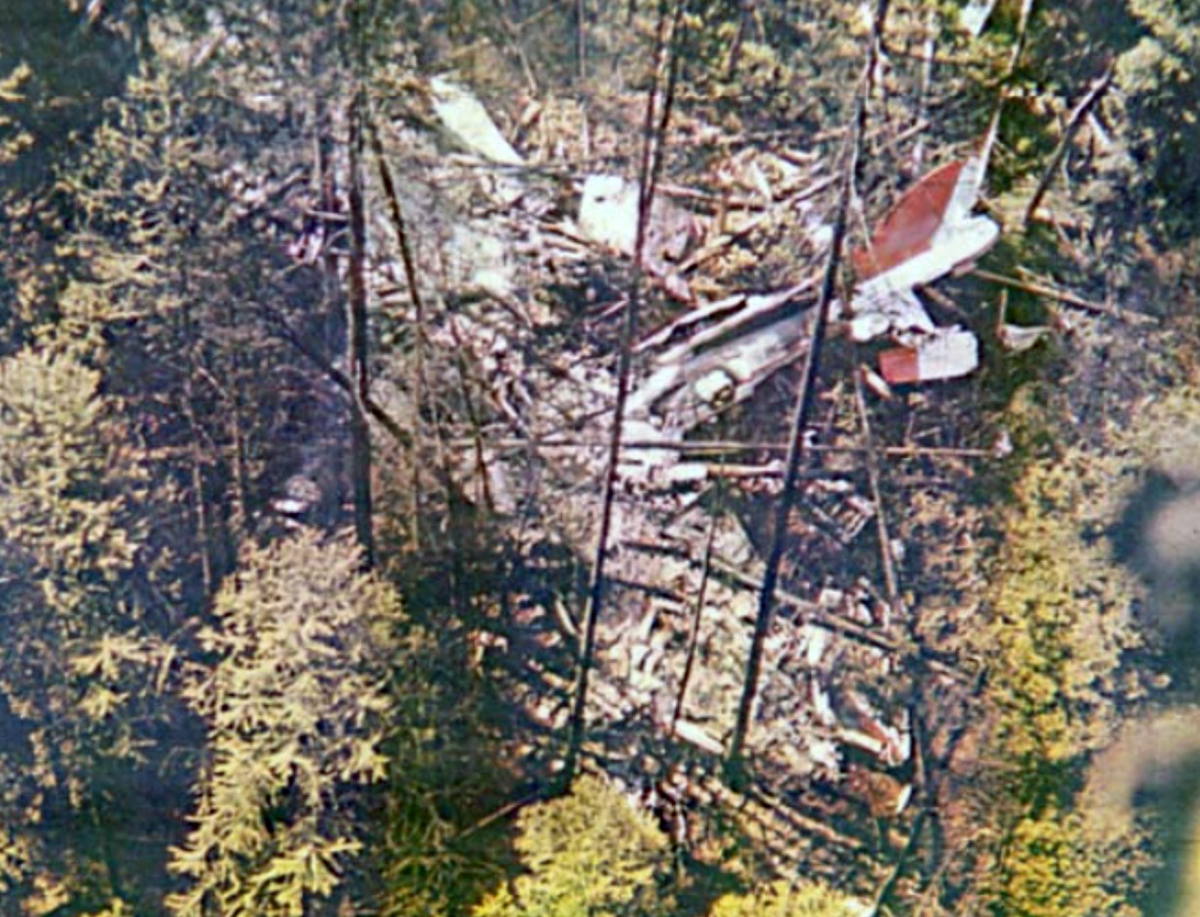
Crash of a Boeing TB-17G Flying Fortress near Superior: 2 killed

Date & Time: Jul 21, 1979 at 1810 LT
Registration:
N66573
Flight Phase:
Flight Type:
Survivors:
No
Site:
MSN:
8217
YOM:
1943
Flight number:
Tanker 10
Crew on board:
2
Crew fatalities:
Pax on board:
0
Pax fatalities:
Other fatalities:
Total fatalities:
2
Circumstances:
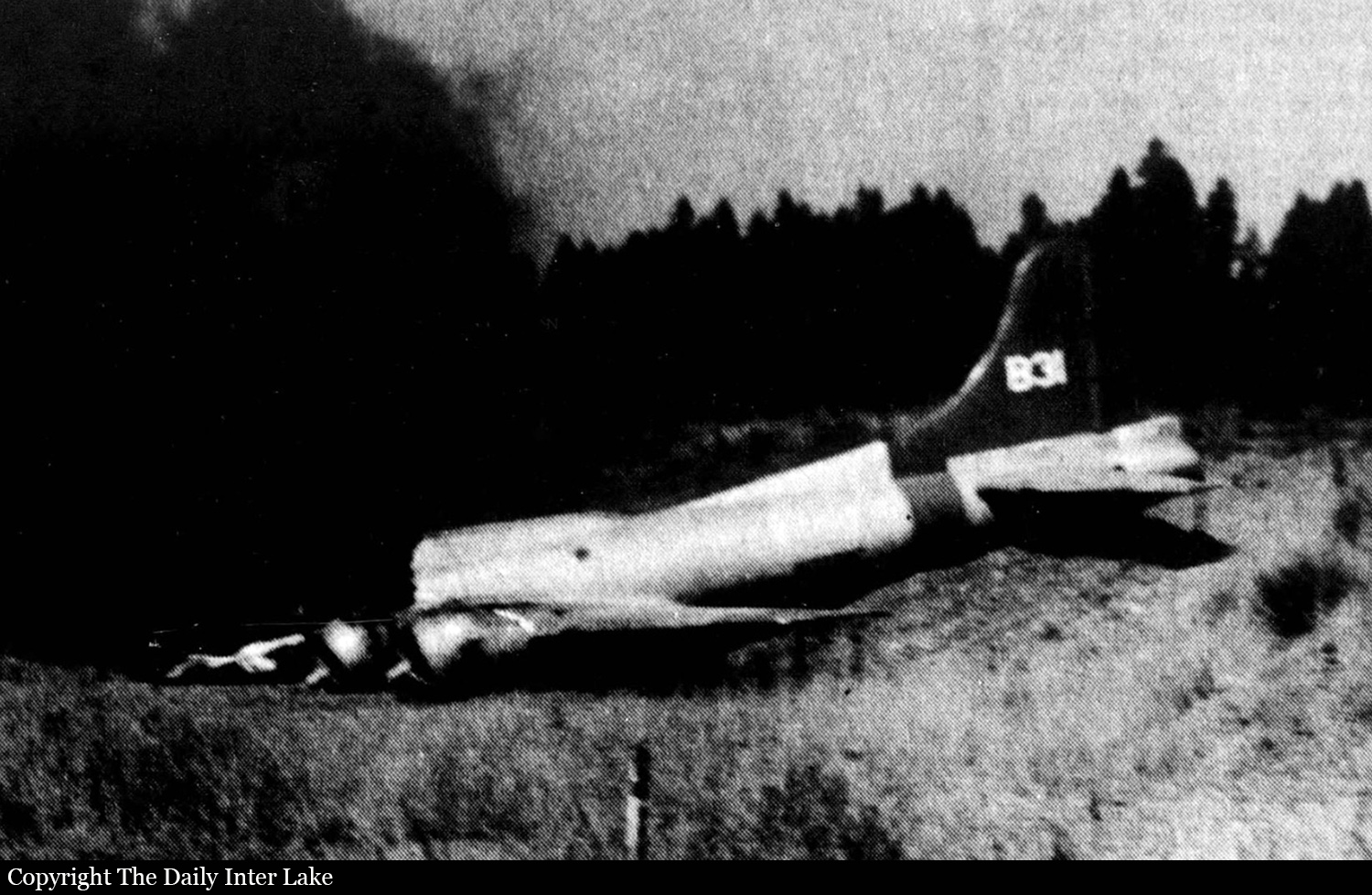
The airplane departed from its base airfield at 1748LT on a fire fighting mission (Tanker 10) in the Lolo National Forest, carrying two pilots and a load consisting of 1,800 gallons of retardant. The crew made a high pass over the fire area followed by a second approach. The fire was located near the top of a mountainous ridge on an even slope that provided an easy target for a retardant drop. Once the pass had been made, no retardant had been dropped. Immediately after the airtanker passed over the drop target, it made a steep left turn and impacted a densely timbered hillside. Ground impact occurred in an estimated 5 to 10° nose low attitude and approximately a 40° left bank. The airplane crashed into trees and was destroyed. Both crew members were killed.
Probable cause:
The investigation team determined that during the sequence of events, the airtanker's flight path during the left turn was taking it too close to the mountainside. This required more bank angle and gravity forces to increase the rate of turn and hold altitude in order to clear the mountainside. Unfortunately, as bank angles and load factors increased, induced drag, which predominates at low speeds, also increased dramatically. These factors would have required significant increases in power to maintain flight and preclude stalling. The airtanker's situation, already critical because of its low airspeed, low altitude, and the turning space restriction, was compounded by the additional bank angle and increased load factor. The fringe of a stall was entered and aggravated by the addition of aileron and elevator input to increase the rate of turn. Power was insufficient to maintain flight and a few seconds later the airtanker completely stalled when performance demands could not be maintained. Close proximity to the ground precluded the use of normal stall recovery techniques, and the airtanker descended into the trees.
Source: United States Department of Agriculture Forest Service Fatal Aviation Accident History / Compiled By: Candy S. Rock Fitzpatrick

Crash of a Rockwell Aero Commander 500B in Great Falls: 1 killed

Date & Time: Sep 6, 1978 at 0251 LT
Operator:
Registration:
N6112X
Flight Type:
Survivors:
No
Schedule:
Helena - Great Falls
MSN:
500-963-18
YOM:
1960
Crew on board:
1
Crew fatalities:
Pax on board:
0
Pax fatalities:
Other fatalities:
Total fatalities:
1
Captain / Total flying hours:
3166
Captain / Total hours on type:
650.00
Circumstances:
The pilot, sole on board, was completing a night cargo flight from Helena to Great Falls. On approach, he encountered poor weather conditions when the airplane struck the ground and crashed few miles short of runway threshold. The aircraft was destroyed and the pilot was killed. At the time of the accident, weather conditions were below minimums.
Probable cause:
Controlled collision with ground on final approach due to improper IFR operation. The following contributing factors were reported:
- Fog,
- Visibility half a mile or less,
- Failed to establish on approach certification specification,
- Excessive approach speed,
- Excessive descent rate,
- Descended below minimums.
Final Report:

Crash of a Rockwell Aero Commander 500B in Miles City: 1 killed

Date & Time: Jan 5, 1978 at 0205 LT
Operator:
Registration:
N6308U
Flight Phase:
Flight Type:
Survivors:
No
Schedule:
Billings – Miles City – Wolf Point
MSN:
500-1309-121
YOM:
1963
Crew on board:
1
Crew fatalities:
Pax on board:
0
Pax fatalities:
Other fatalities:
Total fatalities:
1
Captain / Total flying hours:
3414
Captain / Total hours on type:
416.00
Circumstances:
After his departure from Miles City Airport, while climbing by night over an unlighted area, the pilot was cleared to climb to 6,000 feet. At a relative low altitude and high speed, the left wing outboard section failed and detached. Out of control, the airplane dove into the ground and crashed in a field. The pilot, sole on board, was killed.
Probable cause:
Airframe failure in flight and uncontrolled descent after the pilot diverted attention from operation of aircraft. The following contributing factors were reported:
- Exceeded designed stress limits of aircraft,
- Airframe - wings: other,
- Separation in flight,
- Overload failure,
- Fire after impact.
Final Report:

Crash of a Cessna 402B near Utica: 8 killed

Date & Time: Sep 29, 1973 at 1910 LT
Type of aircraft:
Registration:
N69307
Flight Phase:
Flight Type:
Survivors:
No
Schedule:
Stanford - Stanford
MSN:
402-0425
YOM:
1973
Location:
Crew on board:
1
Crew fatalities:
Pax on board:
7
Pax fatalities:
Other fatalities:
Total fatalities:
8
Captain / Total flying hours:
1112
Captain / Total hours on type:
81.00
Circumstances:
The twin engine airplane departed Stanford Airport in the evening on a local pleasure flight. While flying at a relative low altitude, the pilot lost control of the airplane that crashed in flames in a prairie located in Utica, about 14 miles southeast of Stanford. The aircraft was totally destroyed and all eight occupants were killed.
Probable cause:
It was determined that the aircraft stalled due to an insufficient speed. The following factors were reported:
- The pilot failed to maintain flying speed,
- Unwarranted low flying,
- Physical impairment,
- Alcoholic impairment of efficiency and judgment,
- Buzzed tavern twice,
- Pilot blood alcohol level 0,9‰.
Final Report:

Crash of a Cessna 421B Golden Eagle II in Kalispell

Date & Time: Oct 7, 1972 at 1830 LT
Registration:
N424WP
Flight Phase:
Flight Type:
Survivors:
Yes
Schedule:
Kalispell - Boulder
MSN:
421B-0143
YOM:
1971
Crew on board:
2
Crew fatalities:
Pax on board:
0
Pax fatalities:
Other fatalities:
Total fatalities:
0
Captain / Total flying hours:
3860
Captain / Total hours on type:
278.00
Circumstances:
Following a long takeoff roll, the pilot-in-command decided to abort. Unable to stop within the remaining distance, the twin engine airplane overran and came to rest. While the aircraft was damaged beyond repair, both occupants were uninjured.
Probable cause:
Powerplant for undetermined reason. The following factors were reported:
- The pilot-in-command exercised poor judgment,
- The pilot-in-command failed to abort takeoff,
- Inadequate preflight preparation,
- Partial loss of power on one engine,
- Used all of runway before liftoff,
- No engine malfunction found while pilot stated left engine failed.
Final Report:

Crash of a Rockwell Aero Commander 500 near Noxon: 2 killed

Date & Time: Apr 8, 1972 at 1315 LT
Registration:
N2776
Flight Phase:
Flight Type:
Survivors:
No
Site:
Schedule:
Walla Walla - Libby
MSN:
500-693
YOM:
1958
Location:
Crew on board:
2
Crew fatalities:
Pax on board:
0
Pax fatalities:
Other fatalities:
Total fatalities:
2
Captain / Total flying hours:
5131
Captain / Total hours on type:
57.00
Circumstances:
The crew was engaged in a mapping/photo mission from Walla Walla (Washington) to Libby, Montana. While cruising in poor weather conditions, the crew lost control of the airplane that dove into the ground and crashed in the region of Noxon. The wreckage was found June 16, 1972. The aircraft was totally destroyed and both pilots were killed.
Probable cause:
Uncontrolled descent caused by improper in-flight decisions or planning on part of the crew. The following factors were reported:
- Conditions conducive to carburetor/induction system icing,
- Ice-carburetor,
- Icing conditions including sleet and freezing rain,
- Airframe ice,
- Complete failure of both engines,
- Flew into icing conditions beyond capability of aircraft deicing systems.
Final Report:

Crash of a Learjet 24D in Butte: 4 killed

Date & Time: Apr 17, 1971 at 1615 LT
Type of aircraft:
Operator:
Registration:
N123CB
Flight Type:
Survivors:
No
Site:
Schedule:
Polson - Butte
MSN:
24-232
YOM:
1970
Location:
Crew on board:
2
Crew fatalities:
Pax on board:
2
Pax fatalities:
Other fatalities:
Total fatalities:
4
Captain / Total flying hours:
768
Captain / Total hours on type:
147.00
Circumstances:
The descent to Butte Airport was started in poor weather conditions a zero visibility due to fog. While descending to an altitude of 6,060 feet, the airplane struck trees and crashed on the slope of a mountain located few miles from the airfield. The wreckage was found two days later and all four occupants have been killed. At the time of the accident, the airplane was flying at an insufficient altitude of 6,060 feet while the minimum safe altitude was about 8,000 feet.
Probable cause:
Improper IFR operation on part of the flying crew. The following factors were reported:
- No record of weather briefing received,
- Weather forecast unknown or not reported,
- Hit mountain at 6,060 feet approximately 1,6 NM from VOR,
- Published altitude about 8,000 feet,
- Mountains obscured by fog,
- Airport below minimums.
Final Report:

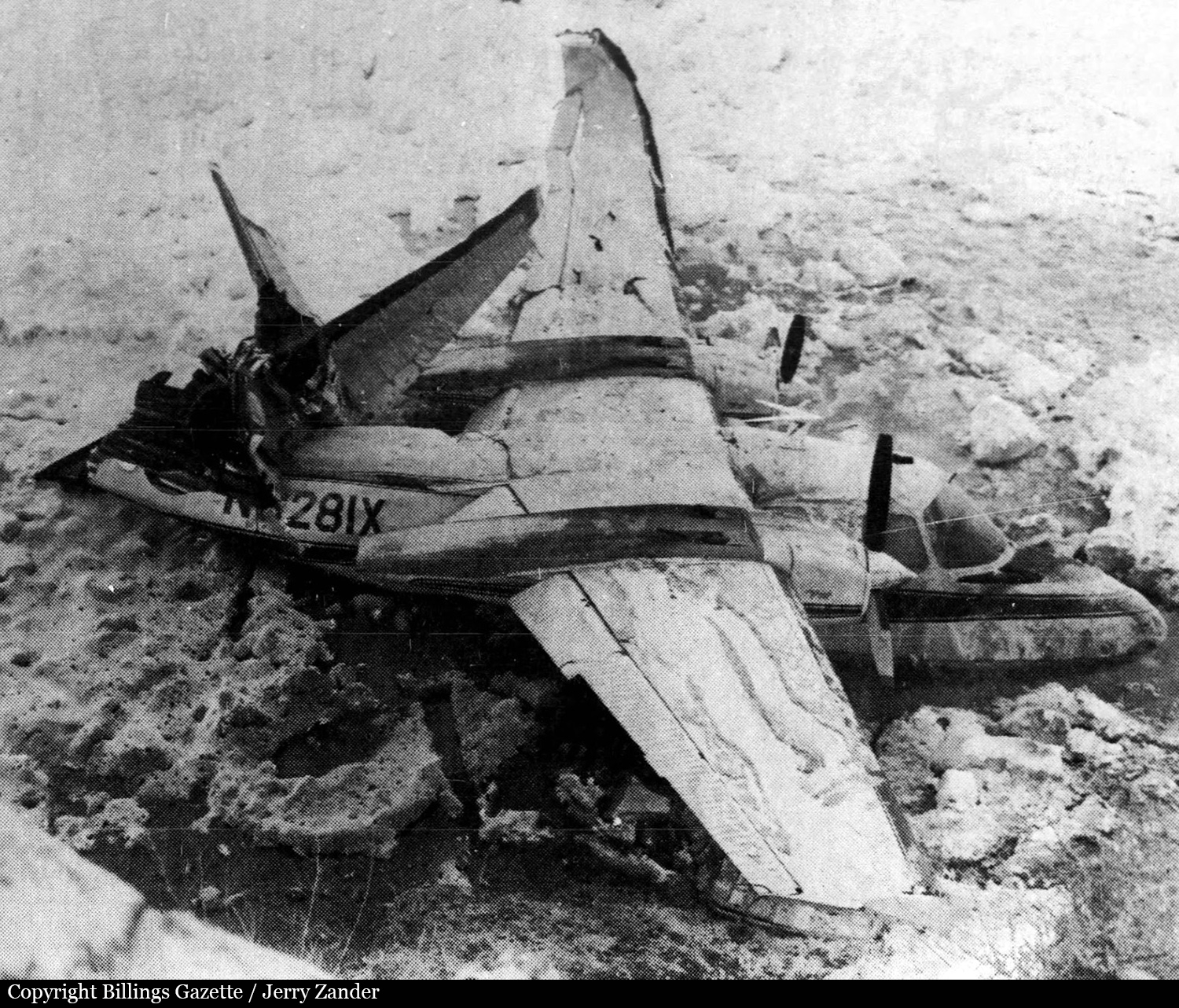
Crash of a Rockwell Aero Commander 500 in Glendive: 1 killed

Date & Time: Dec 18, 1968 at 0718 LT
Operator:
Registration:
N6281X
Flight Phase:
Survivors:
Yes
Schedule:
Glendive – Hilger
MSN:
500-1150-82
YOM:
1962
Crew on board:
1
Crew fatalities:
Pax on board:
6
Pax fatalities:
Other fatalities:
Total fatalities:
1
Captain / Total flying hours:
3379
Captain / Total hours on type:
302.00
Circumstances:
During the takeoff roll at Glendive-Dawson County Airport, the pilot encountered engine trouble and decided to abandon the takeoff procedure and attempted an emergency braking manoeuvre. On a runway covered with two inches of snow, the aircraft was unable to stop within the remaining distance, overran and came to rest down a bank. Six occupants were injured and a passenger was killed.
Probable cause:
The probable cause of the accident was the combination of the following factors:
- Engine failure caused by the malfunction of the ignition system which was improperly secured,
- Engine structure, valve assemblies,
- Improper alignment/adjustment,
- Inadequate maintenance and inspection,
- Runway covered by two inches of snow,
- The pilot knew that the left magneto was inoperative and attempted operation with known deficiencies in equipment,
- Number 4 cylinder exhaust valve failed during takeoff.
Final Report:

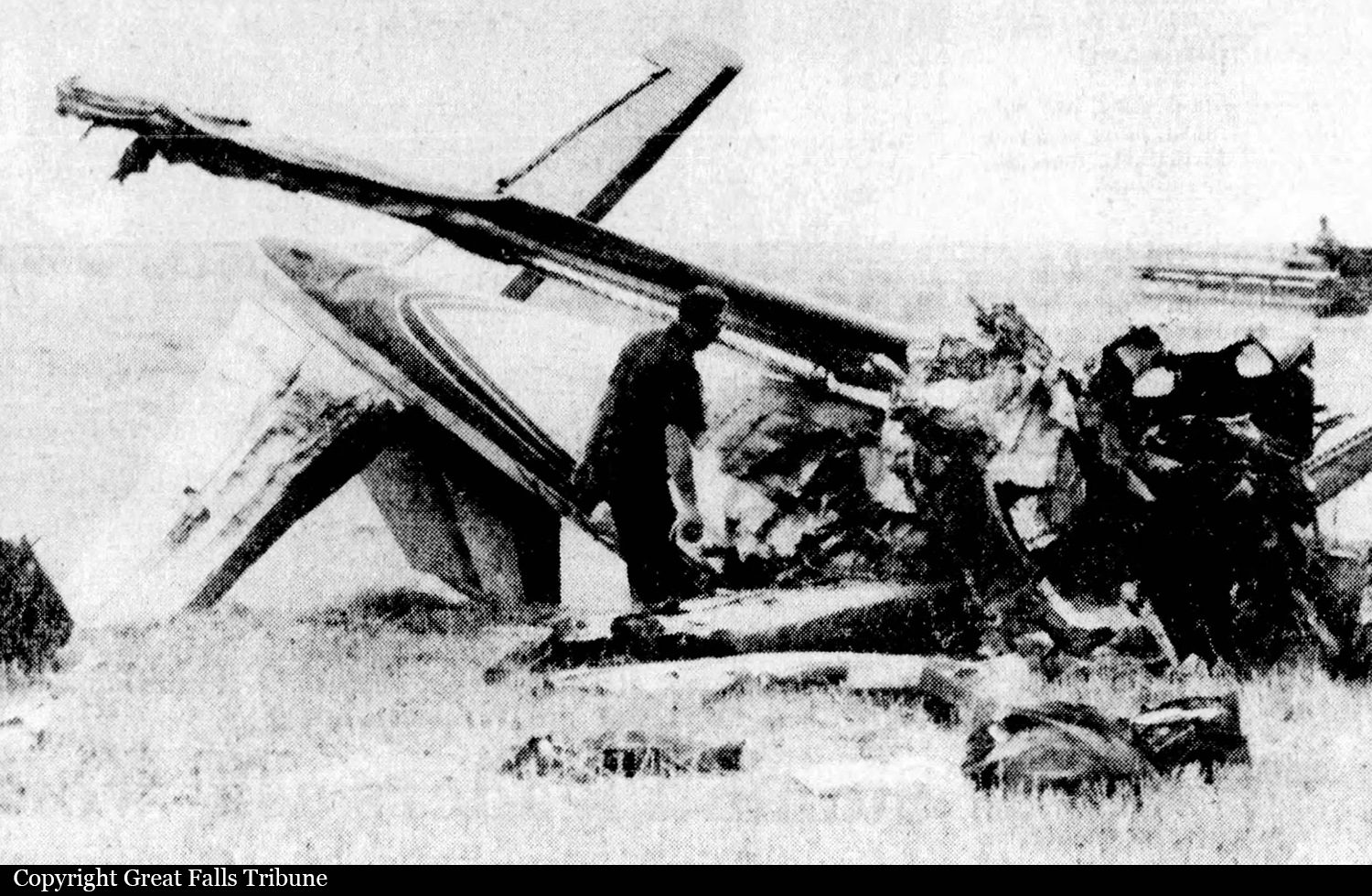
Crash of a Rockwell Aero Commander 560F near Wolf Creek: 3 killed

Date & Time: Dec 8, 1968 at 1055 LT
Registration:
N6257X
Flight Phase:
Survivors:
No
Schedule:
Great Falls - Missoula
MSN:
560-1115-33
YOM:
1961
Crew on board:
1
Crew fatalities:
Pax on board:
2
Pax fatalities:
Other fatalities:
Total fatalities:
3
Captain / Total flying hours:
7157
Captain / Total hours on type:
107.00
Circumstances:
While in cruising altitude, the pilot encountered poor weather conditions with thunderstorm activity, turbulences, high winds and freezing rain. Under VFR mode, he lost control of the airplane that dove into the ground and crashed. All three occupants were killed.
Probable cause:
The accident was probably caused by the combination of the following factors:
- The pilot continued under VFR mode into adverse weather conditions,
- Loss of control for undetermined reason,
- Icing conditions including sleet and freezing rain,
- Turbulences associated with clouds and thunderstorms,
- Flew into known turbulences.
Final Report:

Crash of a Boeing B-17G-PB-1W Flying Fortress in Kalispell

Date & Time: Aug 29, 1967 at 0927 LT
Operator:
Registration:
N7228C
Flight Phase:
Flight Type:
Survivors:
Yes
Schedule:
Kalispell - Kalispell
MSN:
32498
YOM:
1945
Crew on board:
2
Crew fatalities:
Pax on board:
0
Pax fatalities:
Other fatalities:
Total fatalities:
0
Captain / Total flying hours:
2600
Captain / Total hours on type:
210.00
Circumstances:
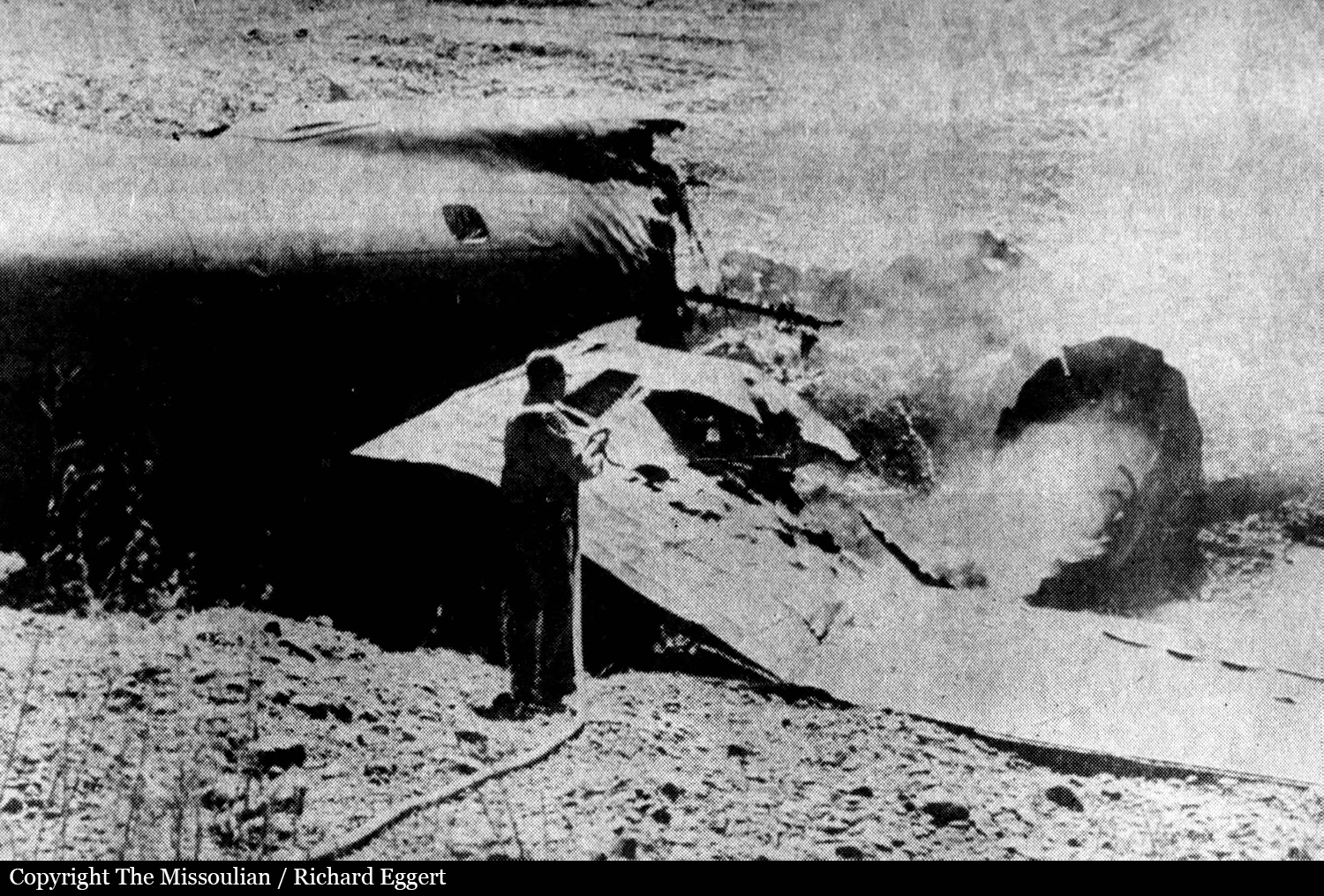
Shortly after takeoff from Kalispell Airport while on a firefighting mission, the copilot informed ground that the engine number three caught fire and elected to return for an emergency landing. Fire spread quickly to the right wing and the crew realized he could not make it so the captain attempted an emergency landing in an open field located near the airport. The airplane crash landed and came to rest in flames. While both crew members were uninjured, the aircraft was destroyed.
Probable cause:
Fire on engine number three after takeoff for undetermined reason.
Final Report: