Crash of a BAe ATP-F in Wamena

Date & Time: Mar 4, 2015 at 1515 LT
Type of aircraft:
Operator:
Registration:
PK-DGB
Flight Type:
Survivors:
Yes
Schedule:
Jayapura – Wamena
MSN:
2029
YOM:
1990
Country:
Region:
Crew on board:
2
Crew fatalities:
Pax on board:
0
Pax fatalities:
Other fatalities:
Total fatalities:
0
Captain / Total flying hours:
3912
Captain / Total hours on type:
833.00
Copilot / Total flying hours:
415
Copilot / Total hours on type:
45
Aircraft flight hours:
200845
Aircraft flight cycles:
27921
Circumstances:
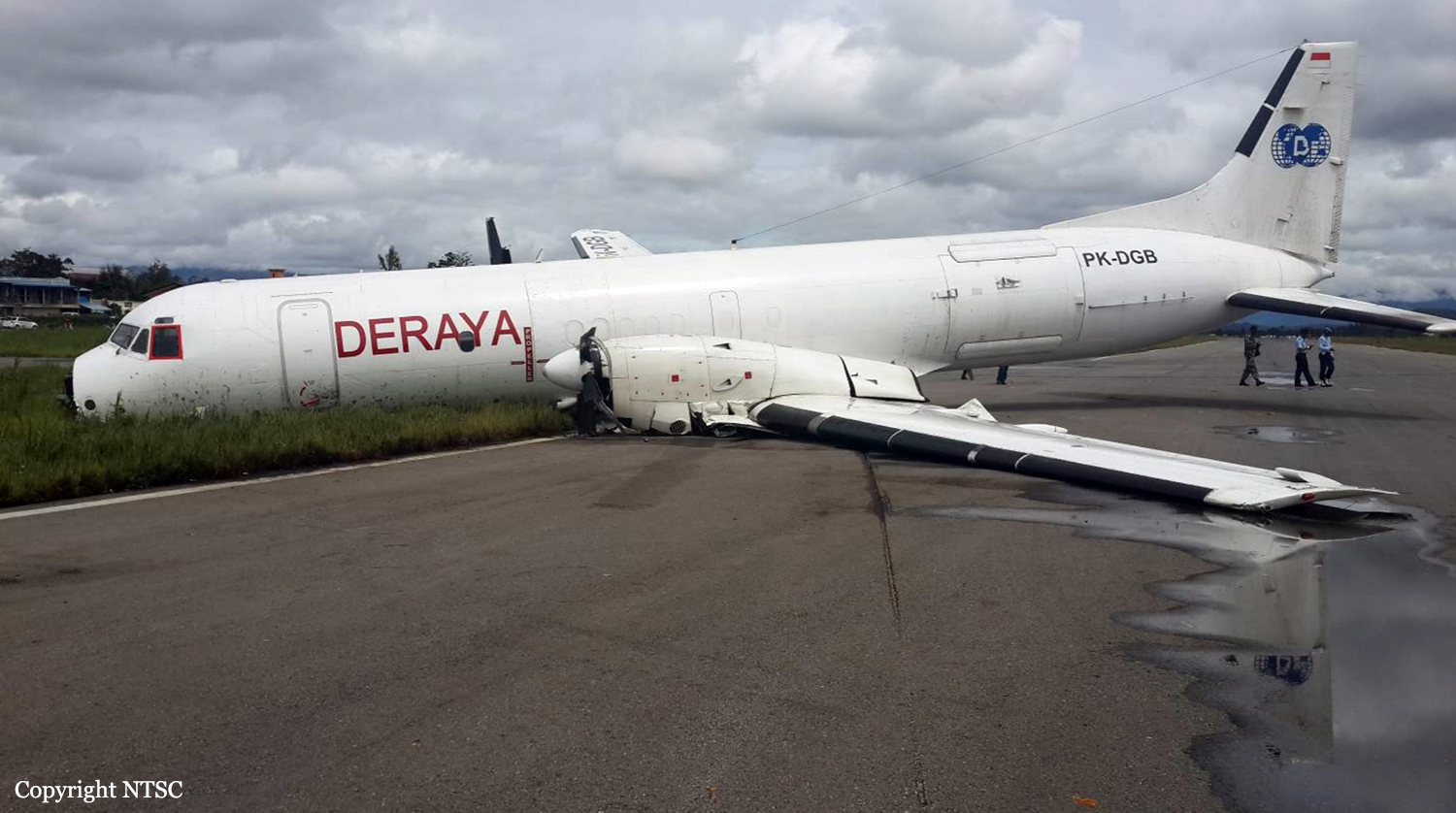
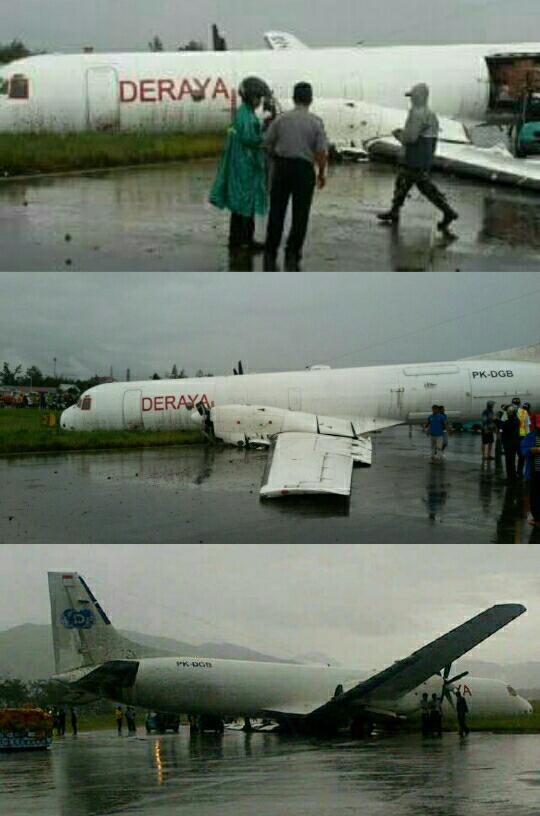
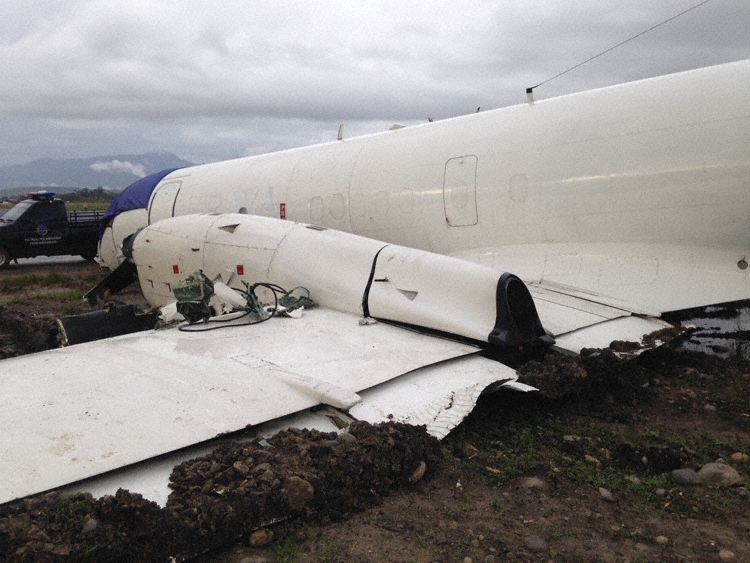
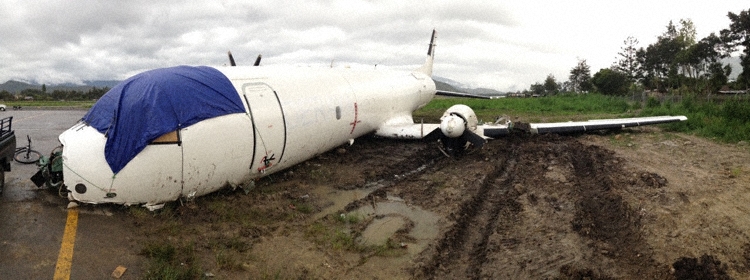
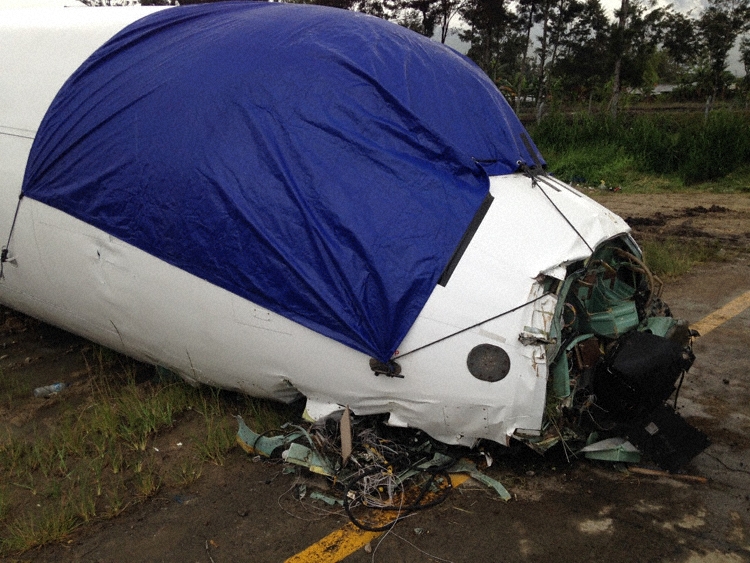
On 4 March 2015 a BAe-ATP registration PK-DGB operated by PT. Deraya Air as scheduled cargo flight from Sentani to Wamena Airport. On board of this flight was two pilots while the Pilot in Command (PIC) acted as pilot flying and First Officer (FO) acted as pilot monitoring. The aircraft departed Sentani at 0524 UTC to Wamena airport. The pilot contacted Wamena Tower controller while position on Jiwika way point at altitude 10,000 feet. Wamena Tower controller instructed to use runway 33 and to proceed to left runway 33. At 0602 UTC the pilot requested to proceed to Pyramid waypoint and to descend to 8,000 feet and made holding due to weather. At 0613, a C-130 pilot that was on approach reported making go around runway 33 and ATC instructed to C-130 pilot to proceed to Pyramid waypoint and hold. At 0619 UTC, Wamena Tower controller informed that the weather reported continuous heavy rain, visibility was reported 2 up to 3 km and wind was from 060° with velocity of 6 knots. The PK-DGB aircraft left Pyramid waypoint for approach runway 33. The aircraft proceed to left downwind and descent to 6,500 feet. During turning base leg, the pilot observed runway insight and continued the approach. At 0620 UTC, the aircraft touched down, thereafter veered off to the right of the runway and skid. The aircraft re-entered the runway at approximately 400 meters from beginning runway 33 and stopped near taxiway Delta at approximately 800 meters from beginning runway 33.

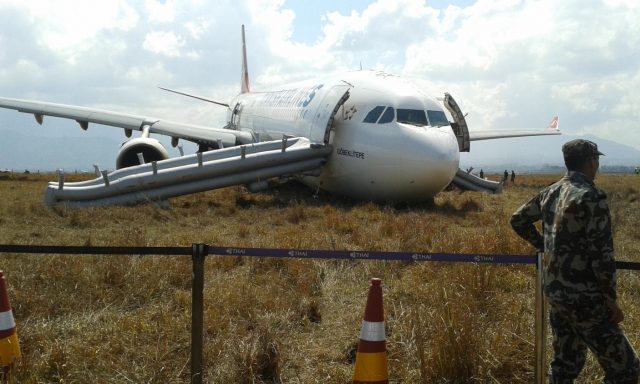
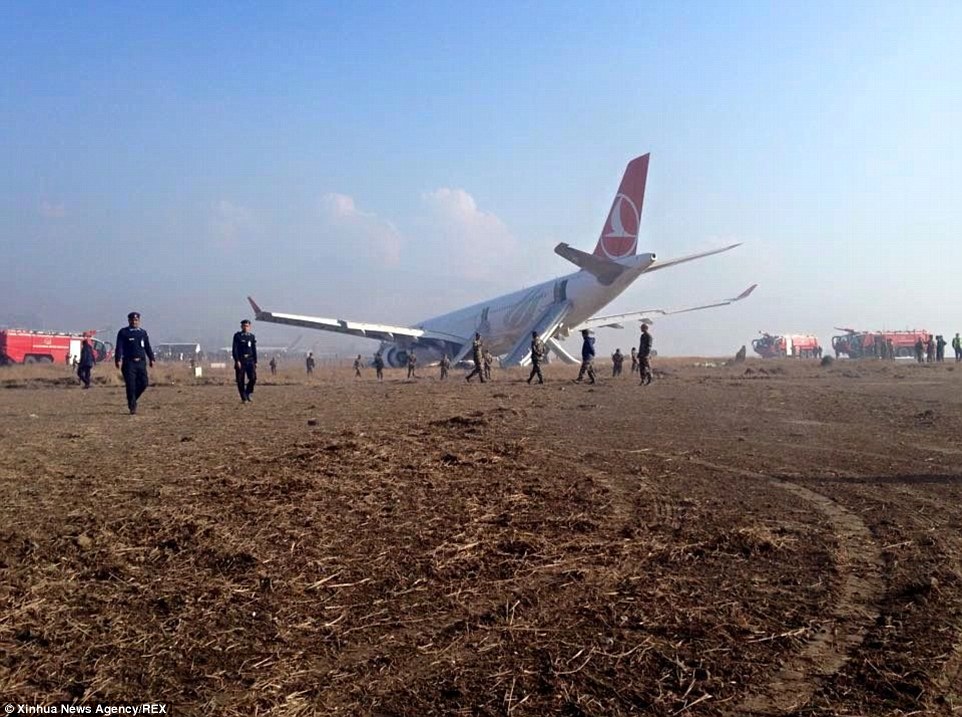
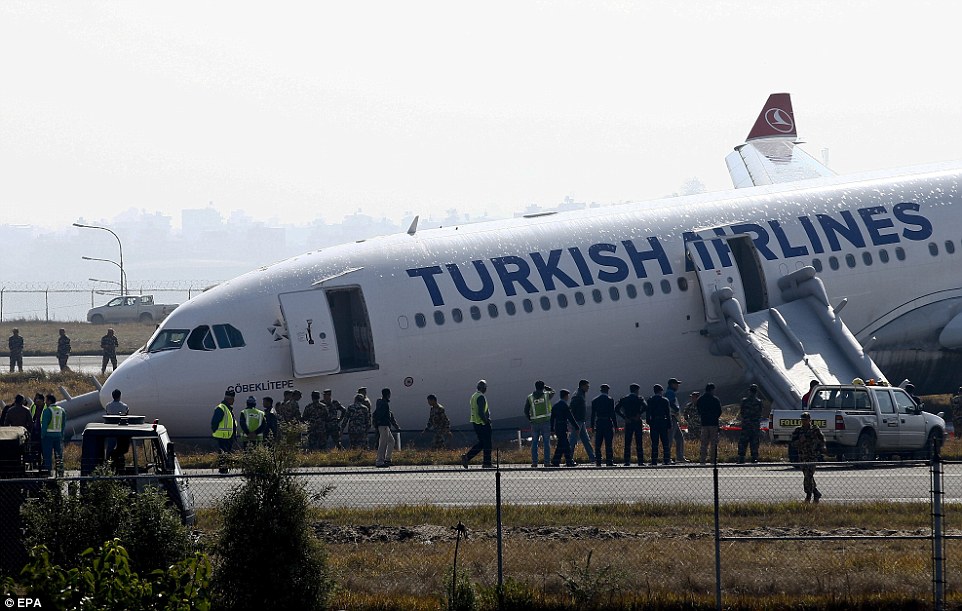
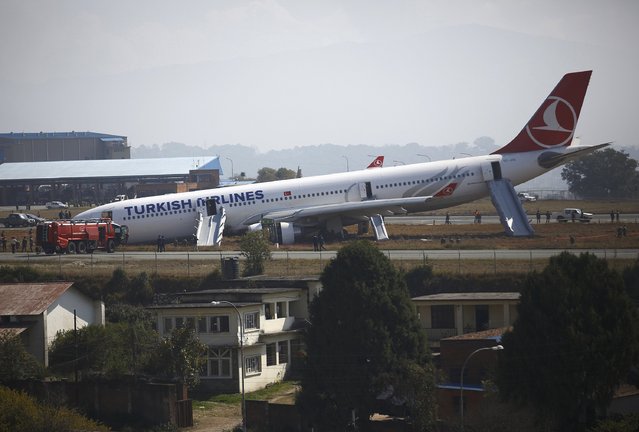
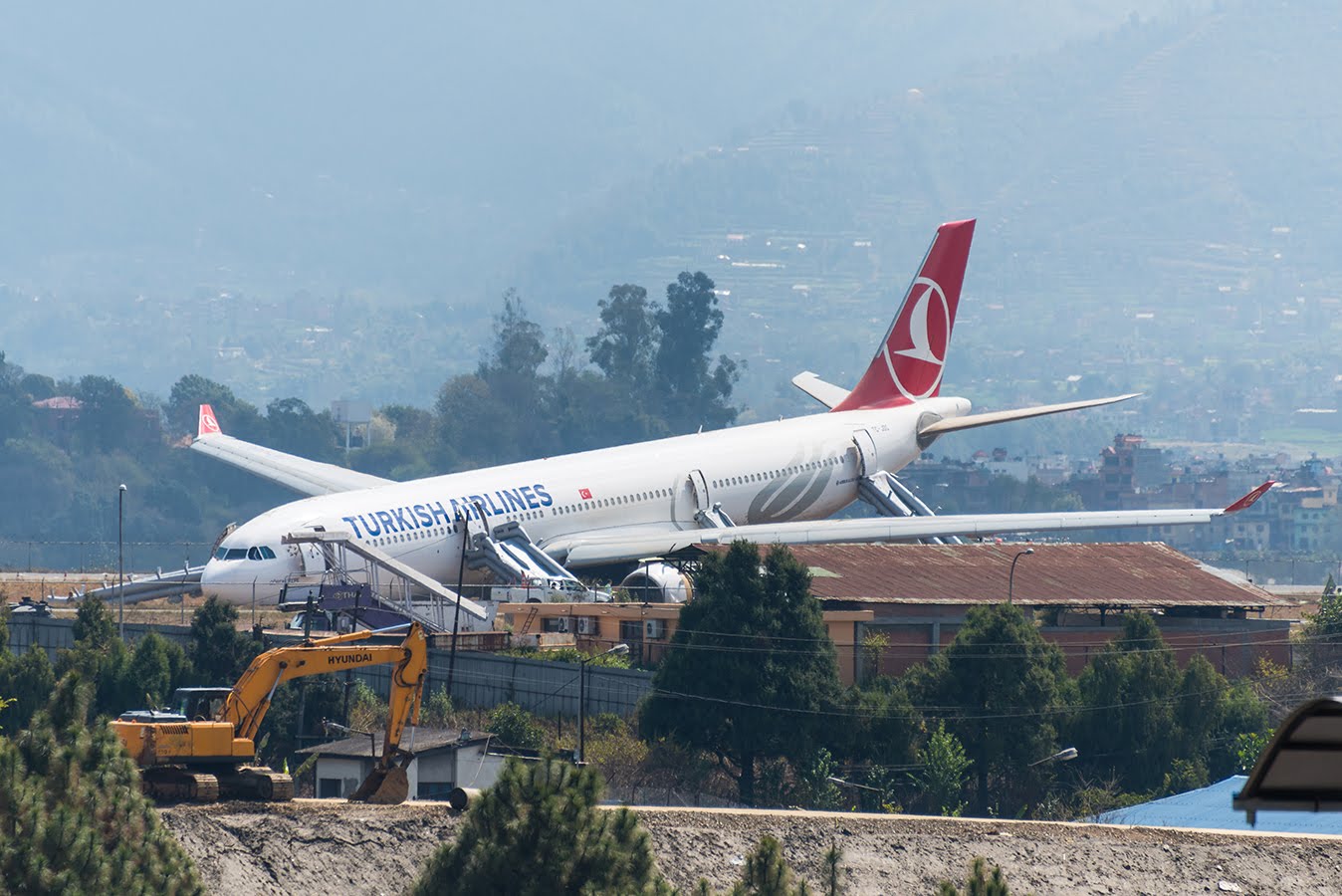
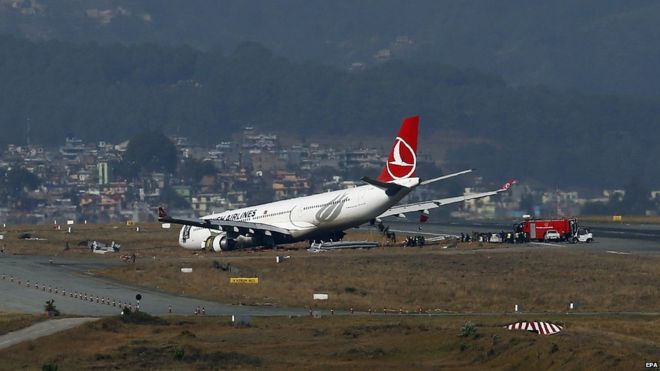
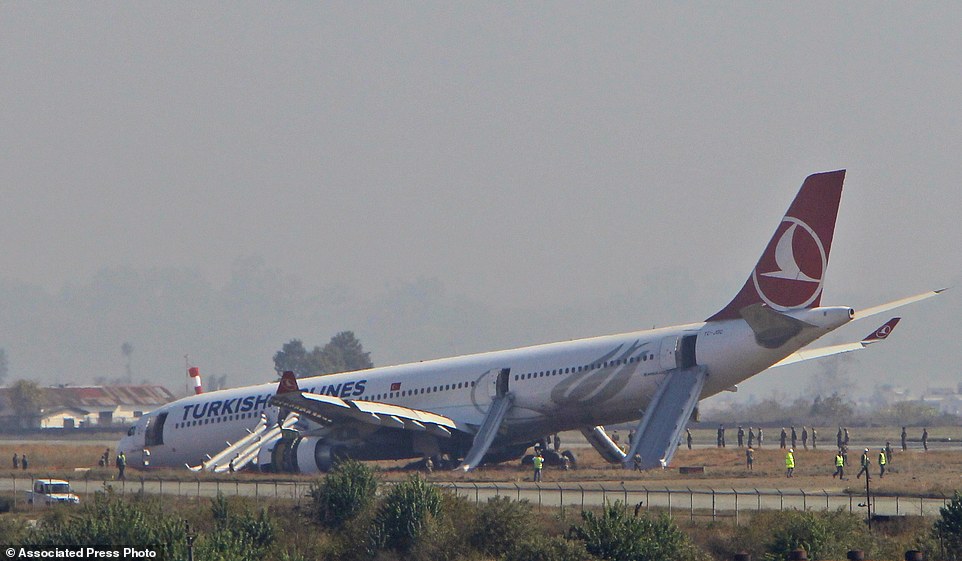
Crash of an Airbus A330-303 in Kathmandu

Date & Time: Mar 4, 2015 at 0744 LT
Type of aircraft:
Operator:
Registration:
TC-JOC
Survivors:
Yes
Schedule:
Istanbul – Kathmandu
MSN:
1522
YOM:
2014
Flight number:
TK726
Country:
Region:
Crew on board:
11
Crew fatalities:
Pax on board:
224
Pax fatalities:
Other fatalities:
Total fatalities:
0
Captain / Total flying hours:
14942
Captain / Total hours on type:
1456.00
Copilot / Total flying hours:
7659
Copilot / Total hours on type:
1269
Aircraft flight hours:
4139
Aircraft flight cycles:
732
Circumstances:
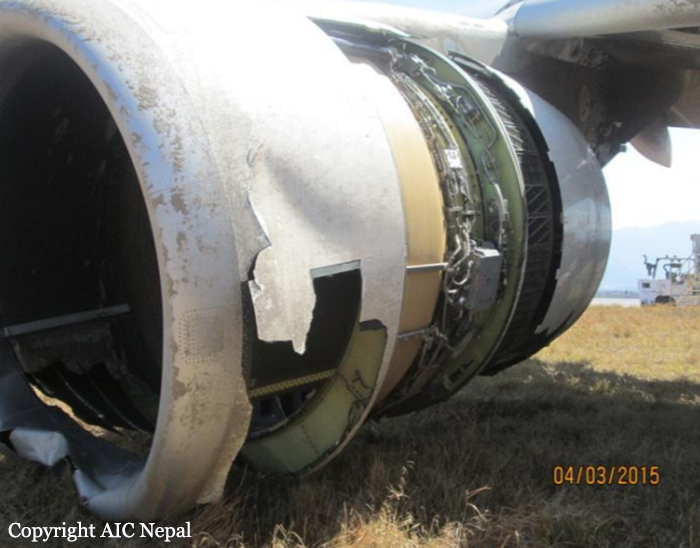
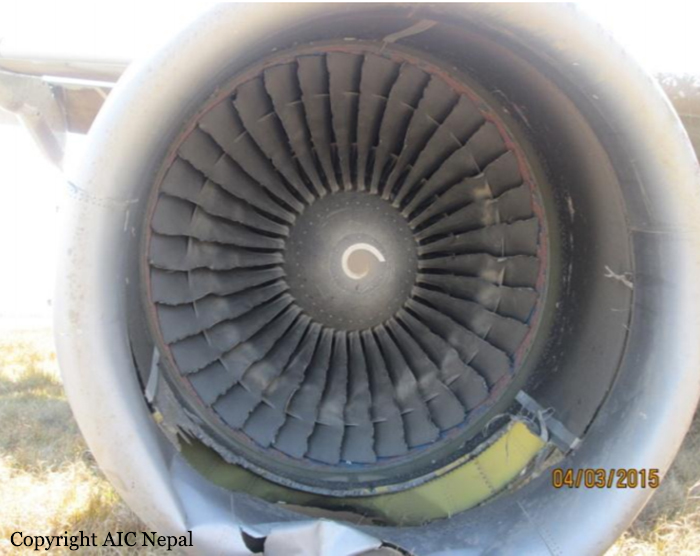
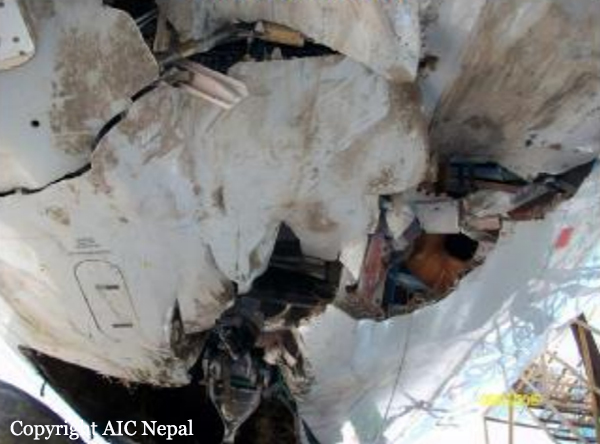
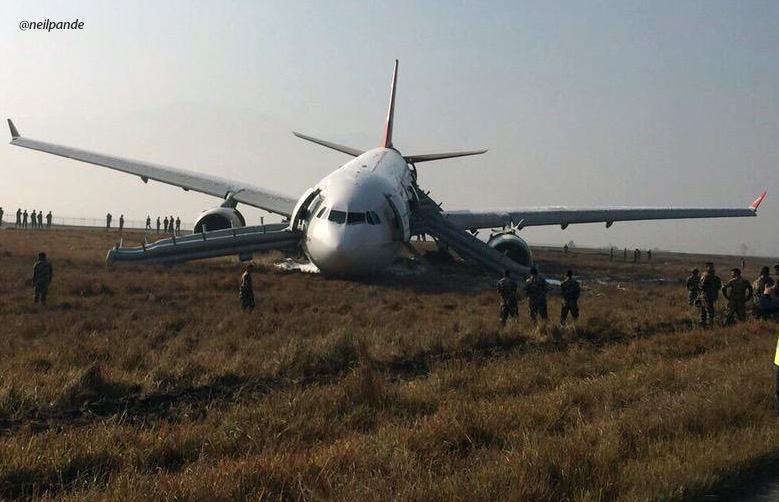
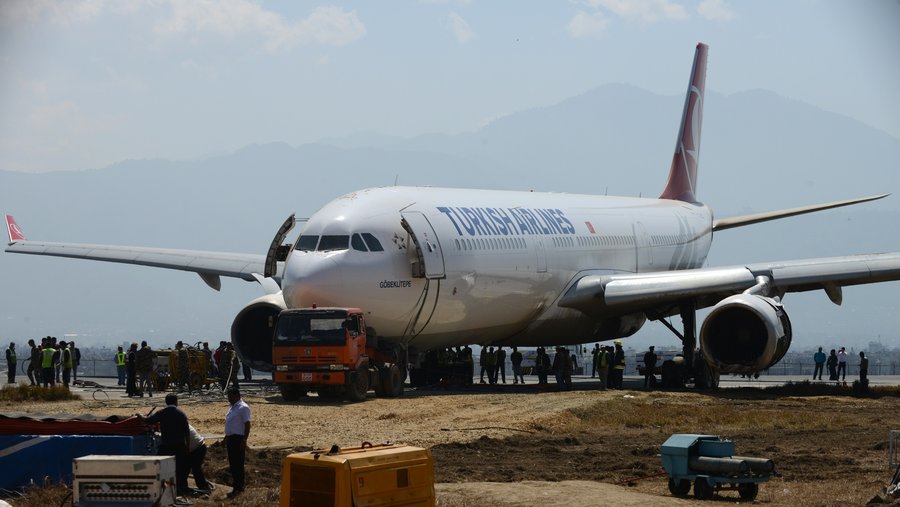
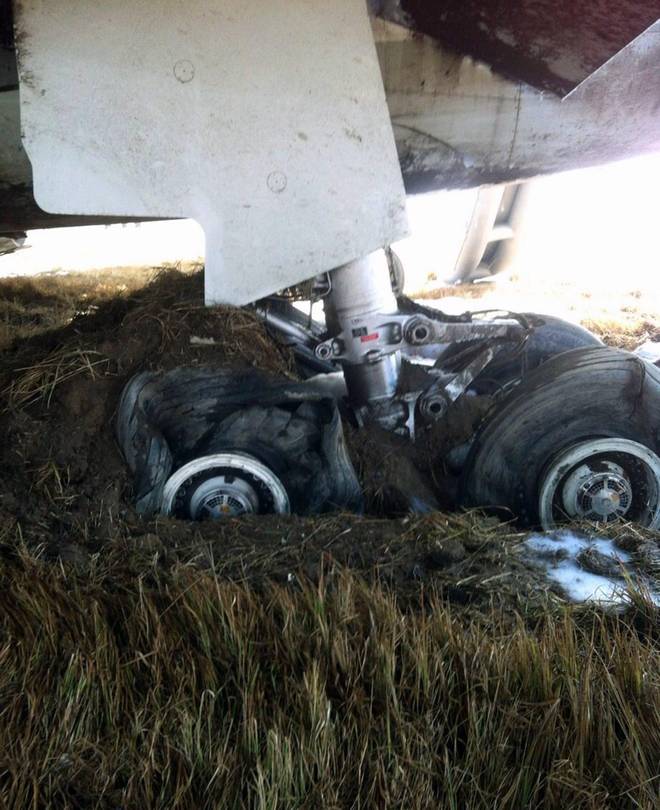
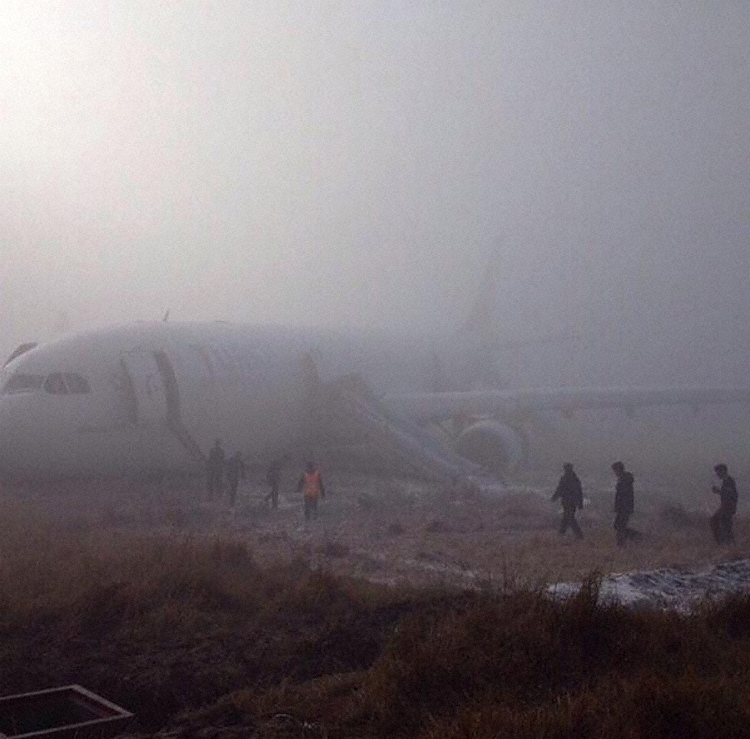
The aircraft departed Istanbul at 1818LT on March 3 on a scheduled flight to Tribhuvan International Airport (TIA), Kathmandu with 11 crew members and 224 passengers .The aircraft started contacting Kathmandu Control from 00:02 hrs to 00:11hrs while the aircraft was under control of Varanasi and descending to FL 250 but there was no response because Kathmandu Control was not yet in operation. The airport opened at its scheduled time of 00:15hrs. The aircraft established its first contact with Kathmandu Approach at 00:17 hrs and reported holding over Parsa at FL 270. Kathmandu Approach reported visibility 100 meters and airport status as closed. At 00:22 hrs the aircraft requested to proceed to Simara due to moderate turbulence. The Kathmandu Approach instructed the aircraft to descend to FL 210 and proceed to Simara and hold. At 01:05 hrs when Kathmandu Approach provided an updated visibility of 1000 meters and asked the flight crew of their intentions, the flight crew reported ready for RNAV (RNP) APCH for runway 02. The aircraft was given clearance to make an RNP AR APCH. At 01:23 hrs when the aircraft reported Dovan, Kathmandu Approach instructed the flight crew to contact Kathmandu Tower. Kathmandu Tower issued a landing clearance at 01:24 hrs and provided wind information of 100° at 03 knots. At 01:27 hrs the aircraft carried out a missed approach due to lack of visual reference. The aircraft was given clearance to proceed to RATAN hold via MANRI climbing to 10500 feet as per the missed approach procedure. During the missed approach the aircraft was instructed to contact Kathmandu Approach. At 01:43 hrs the aircraft requested the latest visibility to which Kathmandu Approach provided visibility 3000 m and Kathmandu Tower observation of 1000 meters towards the south east and few clouds at 1000 ft, SCT 2000 ft and BKN 10,000 feet. When the flight crew reported their intention to continue approach at 01:44 hrs, Kathmandu Approach cleared the aircraft for RNAV RNP APCH runway 02 and instructed to report RATAN. The aircraft reported crossing 6700 ft at 01:55 hrs to Kathmandu Tower. Kathmandu Tower cleared the aircraft to land and provided wind information of 160° at 04 kts. At 01:57 hrs Kathmandu Tower asked the aircraft if the runway was insight. The aircraft responded that they were not able to see the runway but were continuing the approach. The aircraft was at 880 ft AGL at that time. At 783 ft AGL the aircraft asked Kathmandu Tower if the approach lights were on. Kathmandu Tower informed the aircraft that the approach lights were on at full intensity. The auto-pilots remained coupled to the aircraft until 14 ft AGL, when it was disconnected, a flare was attempted. The maximum vertical acceleration recorded on the flight data recorder was approximately 2.7 G. The aircraft pitch at touchdown was 1.8 degree nose up up which is lower than a normal flare attitude for other landings. From physical evidence recorded on the runway and the GPS latitude and longitude coordinate data the aircraft touched down to the left of the runway centerline with the left hand main gear off the paved runway surface. The aircraft crossed taxiways E and D and came to a stop on the grass area between taxiway D and C with the heading of the aircraft on rest position being 345 degrees (North North West) and the position of the aircraft on rest position was at N 27° 41' 46", E 85° 21'29" At 02:00 hrs Kathmandu Tower asked if the aircraft had landed. The aircraft requested medical and fire assistance reporting its position at the end of the runway. At 02:03 hrs the aircraft requested for bridge and stairs to open the door and vacate passengers instead of evacuation. The fire and rescue team opened the left cabin door and requested the cabin attendant as well as to pilot through Kathmandu Tower to deploy the evacuation slides. At 02:10 hrs evacuation signal was given to disembark the passengers. All passengers were evacuated safely and later, the aircraft was declared as damaged beyond repair.
Probable cause:
The probable cause of this accident is the decision of the flight crew to continue approach and landing below the minima with inadequate visual reference and not to perform a missed approach in accordance to the published approach procedure. Other contributing factors of the accident are probable fixation of the flight crew to land at Kathmandu, and the deterioration of weather conditions that resulted in fog over the airport reducing the visibility below the required minima. The following findings were reported:
- On March 2, 2015 i.e. two days before the accident, the crews of the flight to Kathmandu reported through RNP AR MONITORING FORM that all the NAV. accuracy and deviation parameter were perfectly correct at MINIMUM but the real aircraft position was high (PAPI 4 whites) and left offset,
- The airlines as well as crews were unaware of the fact that wrong threshold coordinates were uploaded on FMGS NAV data base of the aircraft,
- The flight crew was unable to get ATIS information on the published frequency because ATIS was not operating. ATIS status was also not included in the Daily Facilities Status check list reporting form of TIA Kathmandu,
- Turkish Airlines Safety Department advised to change the scheduled arrival time at Kathmandu Airport,
- It was the first flight of the Captain to Kathmandu airport and third flight but first RNAV (RNP) approach of the Copilot,
- Both approaches were flown with the auto-pilots coupled,
- Crew comments on the CVR during approach could be an indication that they (crews) were tempted to continue to descend below the decision height despite lack of adequate visual reference condition contrary to State published Standard Instrument Arrival and company Standard Operating procedures with the expectation of getting visual contact with the ground,
- The flight crew were not visual with the runway or approach light at MDA,
- The MET Office did not disseminate SPECI representing deterioration in visibility according to Annex 3,
- The Approach Control and the Kathmandu Tower did not update the aircraft with its observation representing a sudden deterioration in visibility condition due to moving fog,
- The Air Traffic Control Officers are not provided with refresher training at regular interval,
- CAAN did not take into account for the AIRAC cycle 04-2015 from 05 Feb 2015 to 04 March 2015 while cancelling AIP supplement,
- The auto-pilots remained coupled to the aircraft until 14ft AGL when it was disconnected and a flare was attempted,
- The crews were not fully following the standard procedure of KTM RNAV (RNP) Approach and company Standard Operating procedures.
Final Report:

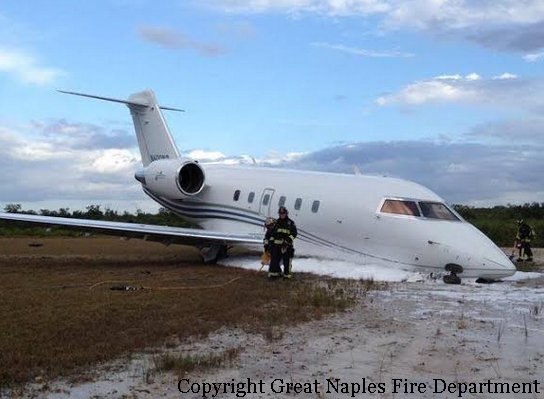
Crash of a Canadair CL-601-3A Challenger in Marco Island

Date & Time: Mar 1, 2015 at 1615 LT
Type of aircraft:
Operator:
Registration:
N600NP
Survivors:
Yes
Schedule:
Marathon – Marco Island
MSN:
3002
YOM:
1983
Crew on board:
3
Crew fatalities:
Pax on board:
6
Pax fatalities:
Other fatalities:
Total fatalities:
0
Captain / Total flying hours:
8988
Captain / Total hours on type:
844.00
Copilot / Total flying hours:
18500
Copilot / Total hours on type:
1500
Aircraft flight hours:
15771
Circumstances:
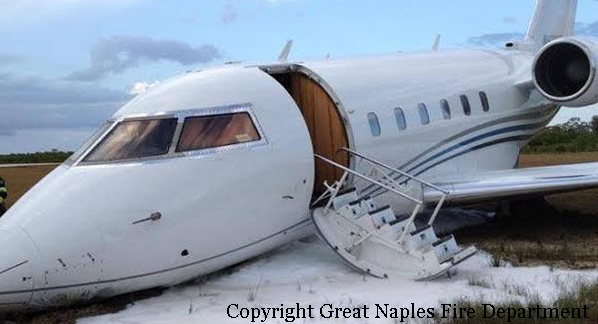
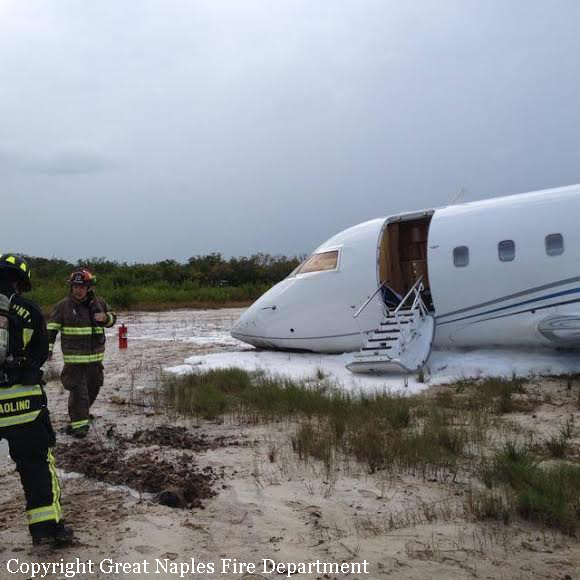
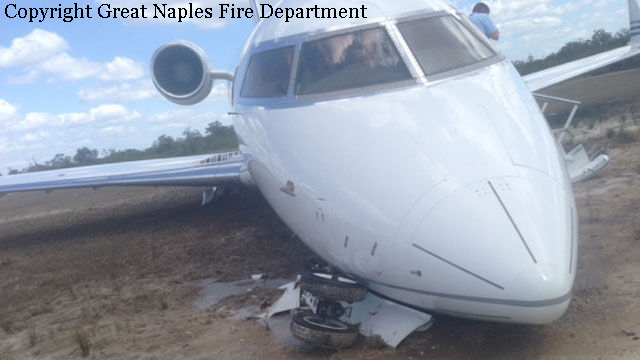
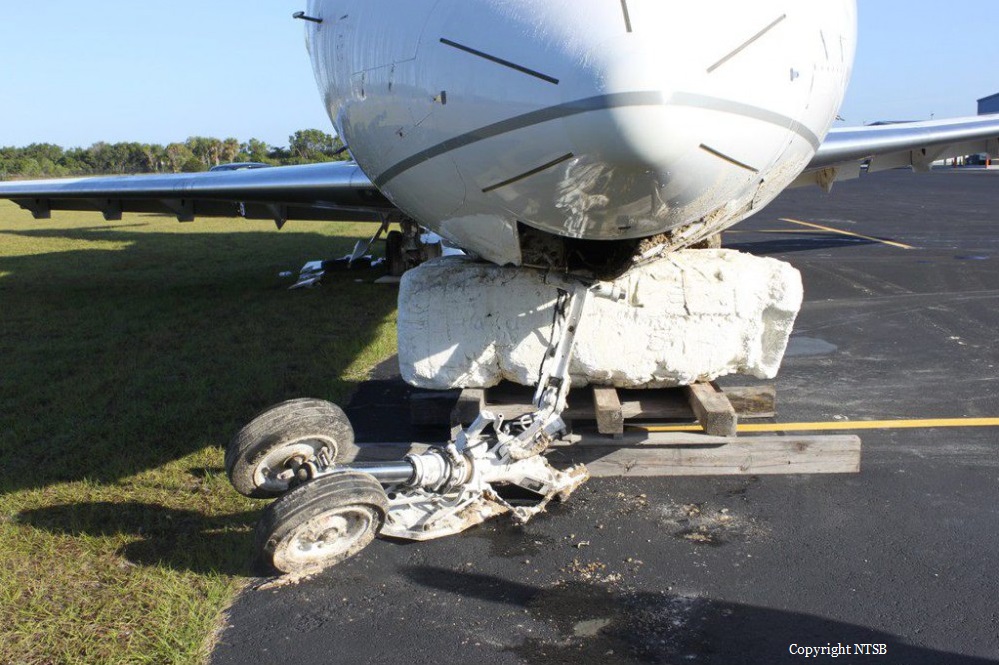
Earlier on the day of the accident, the pilot-in-command (PIC) and second-in-command (SIC) had landed the airplane on a 5,008-ft-long, asphalt-grooved runway. After touchdown with the flaps fully extended, the ground spoilers and thrust reversers were deployed, and normal braking occurred. The PIC, who was the flying pilot, and the SIC subsequently departed on an executive/corporate flight with a flight attendant, the airplane owner, and five passengers onboard. The PIC reported that he flew a visual approach to the dry, 5,000-ft-long runway while maintaining a normal glidepath at Vref plus 4 or 5 knots at the runway threshold with the flaps fully extended. He added that the touchdown was "firm" and between about 300 to 500 ft beyond the aiming point marking. After touchdown, the PIC tried unsuccessfully to deploy the ground spoilers. He applied "moderate" brake pressure when the nose landing gear (NLG) contacted the runway, but felt no deceleration. He also attempted to deploy the thrust reversers without success. The PIC then informed the SIC that there was no braking energy, released the brakes, and turned off the antiskid system. He then reapplied heavy braking but did not feel any deceleration, and he again tried to deploy the thrust reversers without success. He maintained directional control using the nosewheel steering and manually modulated the brakes. However, the airplane did not slow as expected. While approaching the runway end and realizing that he was not going to be able to stop the airplane on the runway, the PIC intentionally veered the airplane right to avoid water ahead. However, the airplane exited the runway end into sand, and the NLG collapsed. The airplane then came to rest about 250 ft past the departure end of the runway. The passengers exited the airplane, and shortly after, airport personnel arrived and rendered assistance. The airplane owner, who was a passenger in the cabin, stated that he left his seat and moved toward the cabin door when he realized that the airplane would not stop on the runway, and he sustained serious injuries. Examination of the airplane revealed that there was minimal pressure at the No. 2 (left inboard) brake due to failure of a spring in the upper brake control valve (BCV), and the coupling subassembly of the No. 1 wheel speed sensor (WSS) was fractured. A representative from the airplane manufacturer reported that, during certification of the brake system, the failure of the BCV spring was considered acceptably low and would be evident to flight crewmembers within five landings of the failure. Because the airplane did not pull while braking during the previous landing earlier that day to a similar length runway, the spring likely failed during the accident landing. Although the PIC was unable to manually deploy the ground spoilers and thrust reversers during the landing roll, they functioned normally during the landing earlier that day and during postaccident operational testing and examination, with no systems failures or malfunctions noted. Additionally, there were no malfunctions or failures with the weight-onwheels system found during postaccident examinations that would have precluded normal operation. Therefore, the PIC's unsuccessful attempts to deploy the ground spoilers and thrust reversers were likely due to errors made while multitasking when presented with an unexpected situation (inadequate deceleration) with little runway remaining. Airplane stopping distance calculations based on the airplane's reported weight, weather conditions, calculated and PIC-reported Vref speed, flap extension, and estimated touchdown point (300 to 500 ft beyond the aiming point marking as reported by the PIC and SIC and corroborated by security camera footage) and assuming the nonuse of the ground spoilers and thrust reversers, operational antiskid and steering systems, and the loss of one brake per side (symmetric half braking) showed that the airplane would have required 690 ft of additional runway; under the same conditions but with thrust reversers used, the airplane still would have required 27 ft of additional runway. Even though there were no antiskid failure annunciations, the PIC switched off the antiskid system, which led to the rupture of the Nos. 1, 3, and 4 tires and likely fractured the No. 1 WSS's coupling subassembly, both of which would have further contributed to the loss of braking action. Therefore, the combination of the failure of a spring in the No. 2 brake's upper BCV and the fracture of the coupling subassembly of the No. 1 WSS, the pilot's failure to attain the proper touchdown point, the slightly excess speed, and the subsequent failure of three of the tires resulted in there being insufficient runway remaining to avoid a runway overrun. Although the BCV manufacturer reported that there was 1 previous case involving a failed BCV spring and 43 instances of units with relaxed springs within the BCVs, none of these failed or relaxed springs would have been detected by maintenance personnel because a focused inspection of the BCV was not required.
Probable cause:
The failure of a spring inside the No. 2 brake's upper brake control valve and the fracture of the coupling subassembly of the No. 1 wheel speed sensor during landing, which resulted in the loss of braking action, and the pilot-in-command's (PIC) deactivation of the antiskid system even though there were no antiskid failure annunciations, which resulted in the rupture of the Nos. 1, 3, and 4 tires, further loss of braking action, and subsequent landing overrun. Contributing to accident were the PIC's improper landing flare, which resulted in landing several hundred feet beyond the aiming point marking, and his unsuccessful attempts to deploy the thrust reversers for reasons that could not be determined because postaccident operational testing did not reveal any anomalies that would have precluded normal operation. Contributing to the passenger's injury was his leaving his seat intentionally while the airplane was in motion.
Final Report:

Crash of an Antonov AN-32 in Malanje

Date & Time: Feb 14, 2015 at 2058 LT
Type of aircraft:
Operator:
Registration:
T-256
Flight Type:
Survivors:
Yes
Schedule:
Saurimo - Luanda
MSN:
21 08
YOM:
1989
Location:
Country:
Region:
Crew on board:
3
Crew fatalities:
Pax on board:
47
Pax fatalities:
Other fatalities:
Total fatalities:
0
Circumstances:
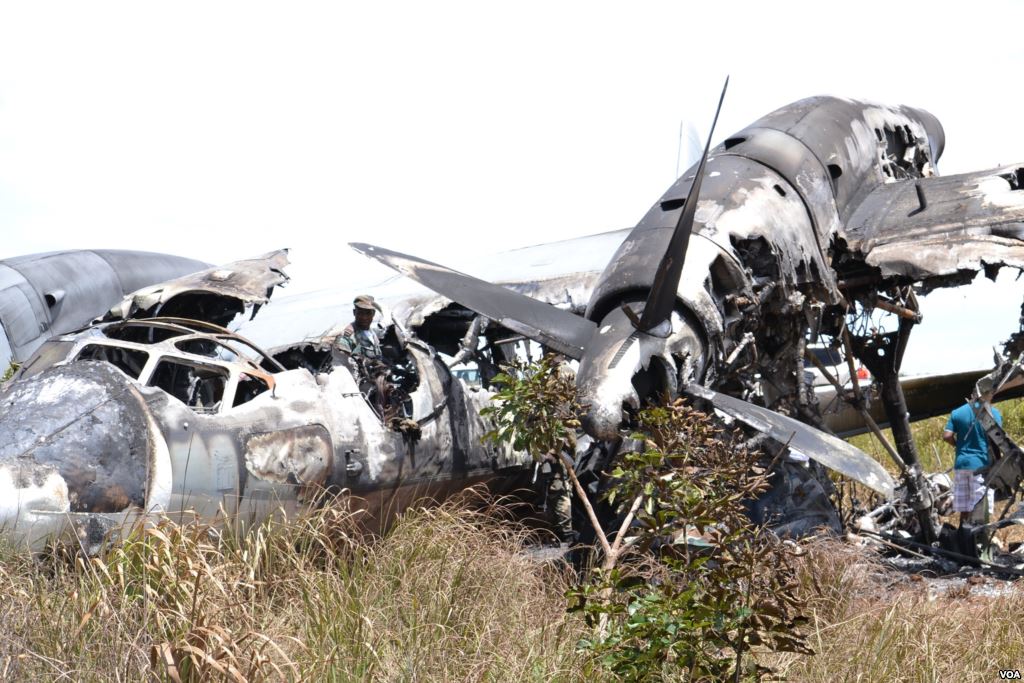
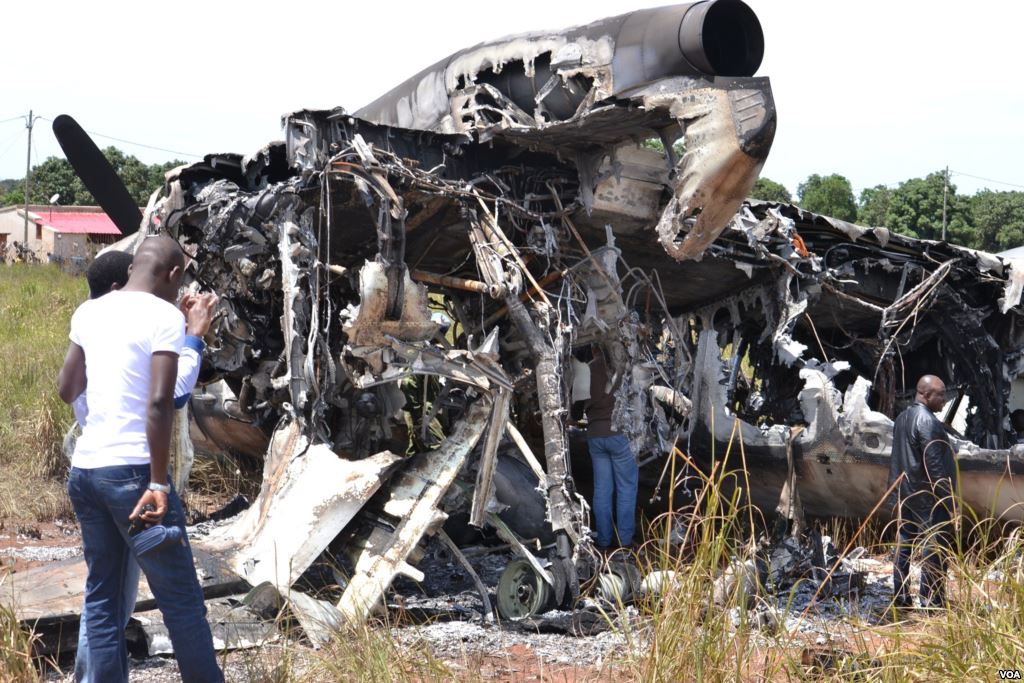
En route from Saurimo to Luanda, the crew encountered technical problems and was cleared to divert to Malanje Airport for an emergency landing. Upon landing on an unlit runway, the aircraft veered off runway and came to rest, bursting into flames. All 50 occupants escaped uninjured and the aircraft was totally destroyed by a post crash fire. The exact cause of the technical failure remains unknown.

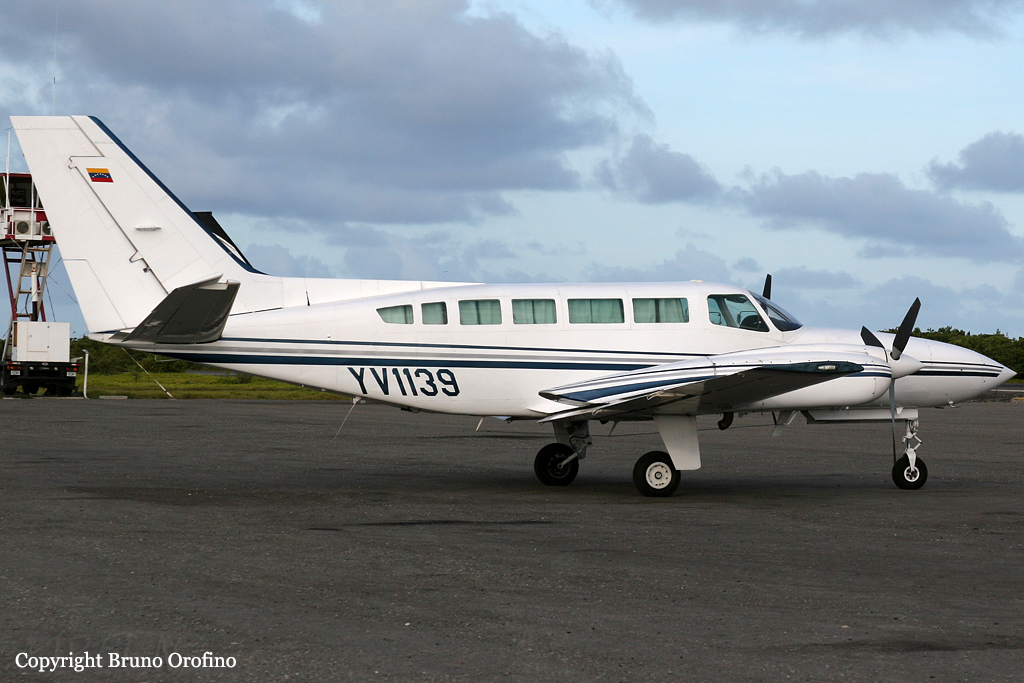
Crash of a Cessna 404 Titan II on Roseau

Date & Time: Feb 8, 2015
Type of aircraft:
Operator:
Registration:
YV1139
Flight Type:
Survivors:
Yes
MSN:
404-628
YOM:
1980
Country:
Crew on board:
1
Crew fatalities:
Pax on board:
6
Pax fatalities:
Other fatalities:
Total fatalities:
0
Circumstances:
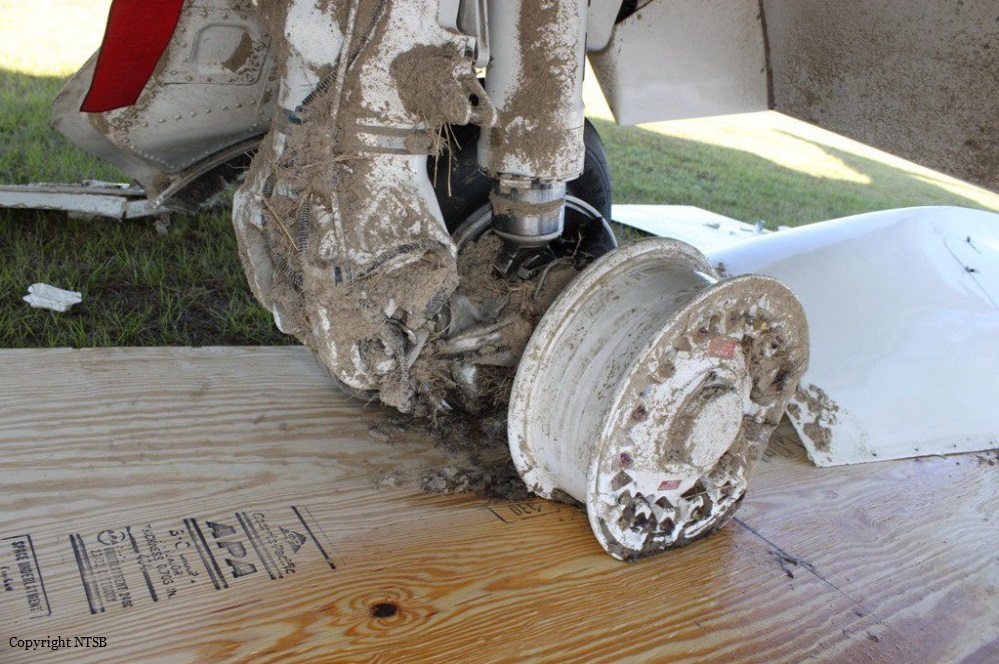
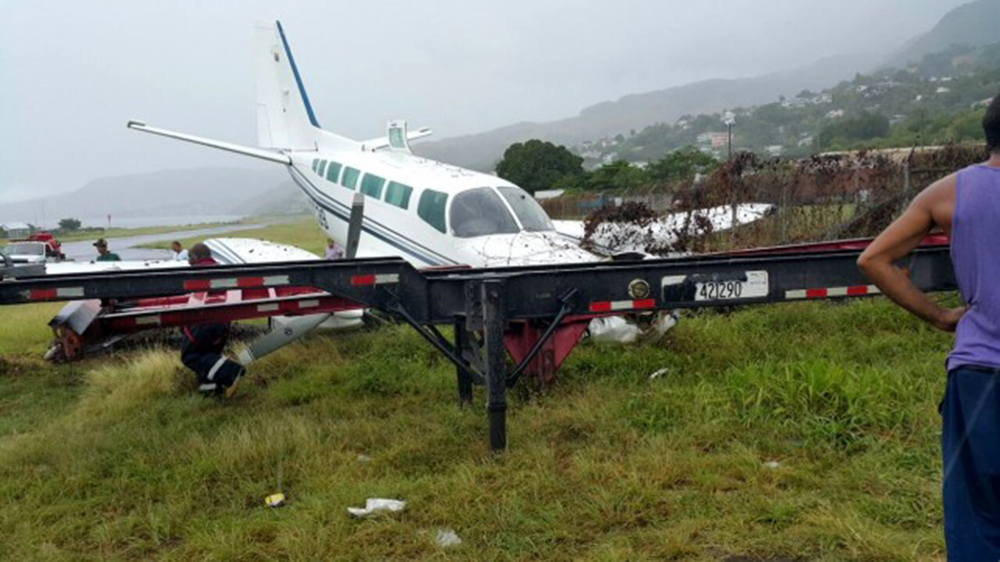
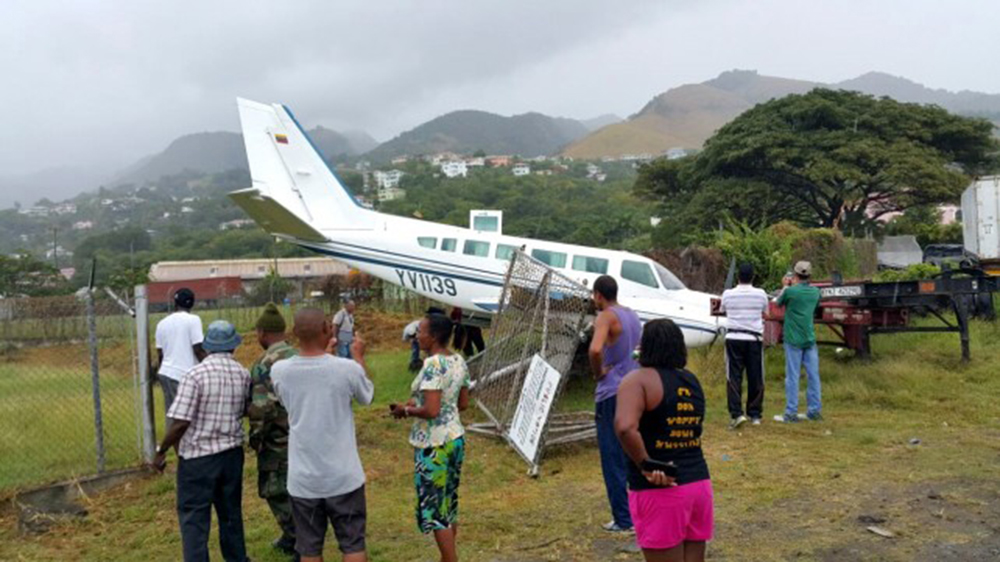
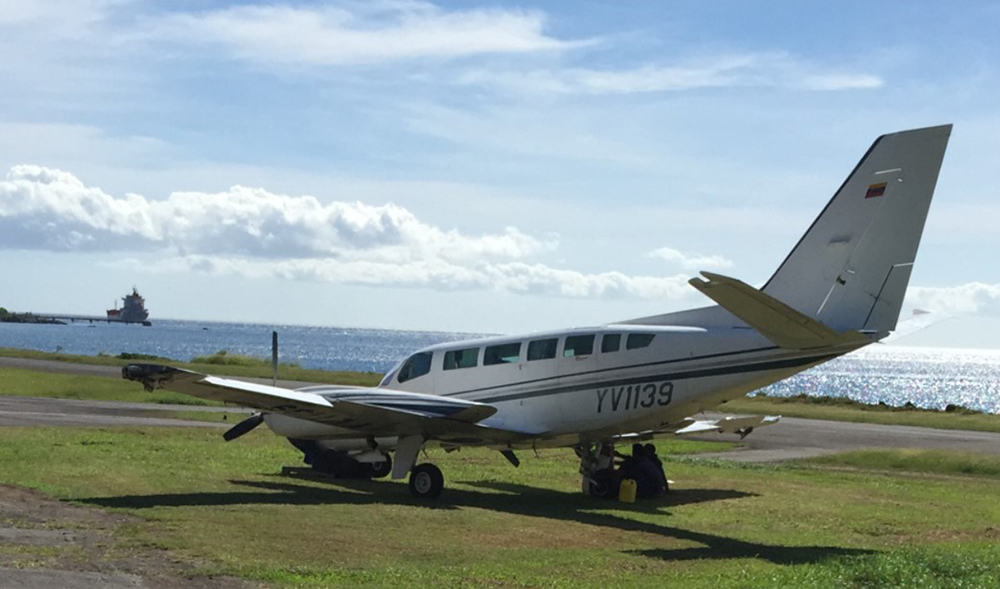
After landing at Roseau-Canefield, the pilot encountered difficulties to stop the aircraft that overran. It collided with a fence and came to rest against various obstacles. All seven occupants evacuated safely and the aircraft was damaged beyond repair.

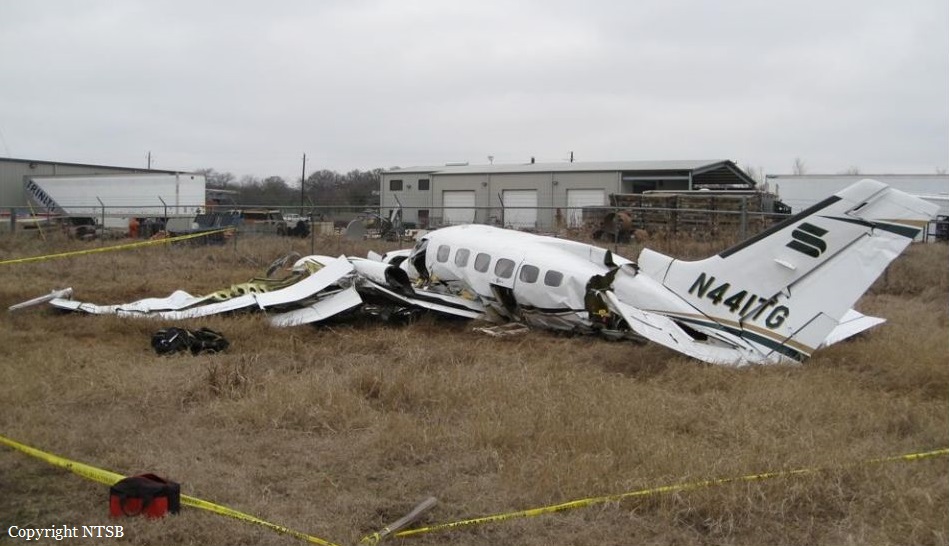
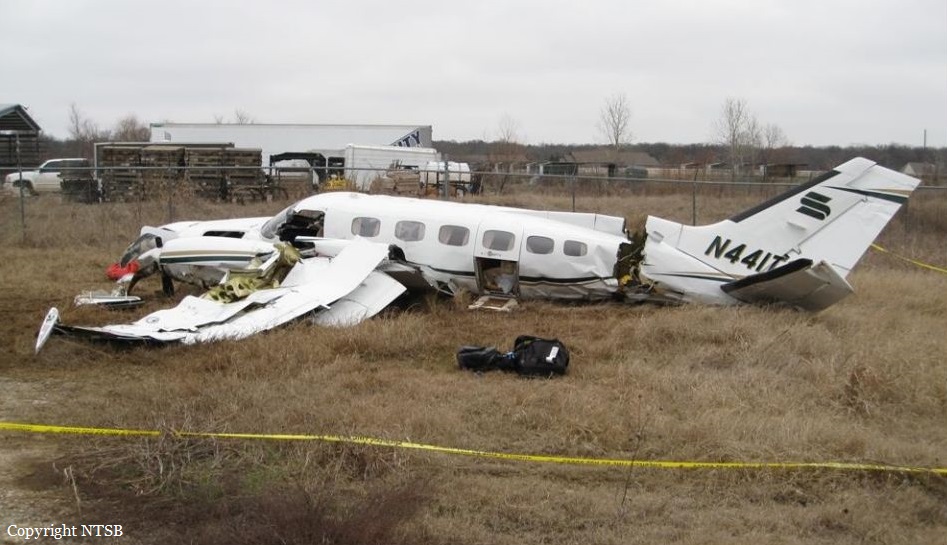
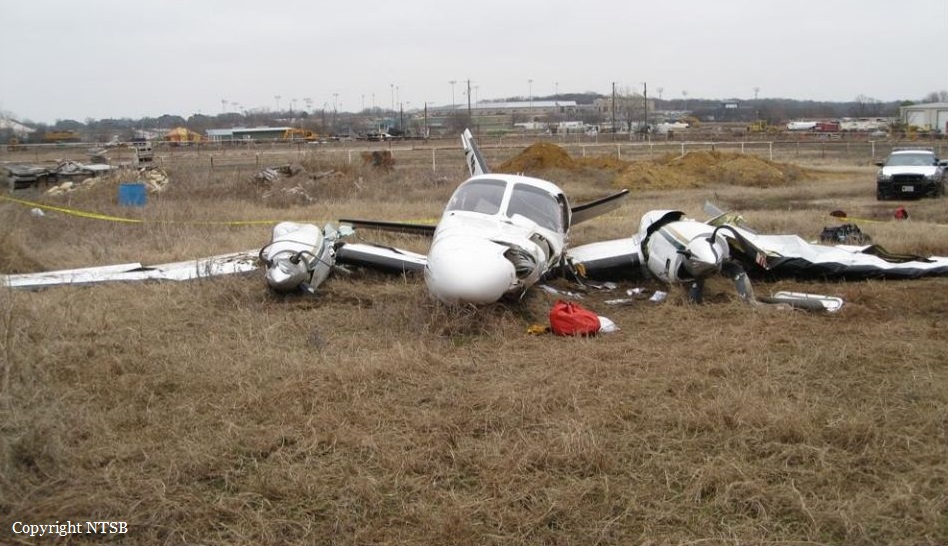
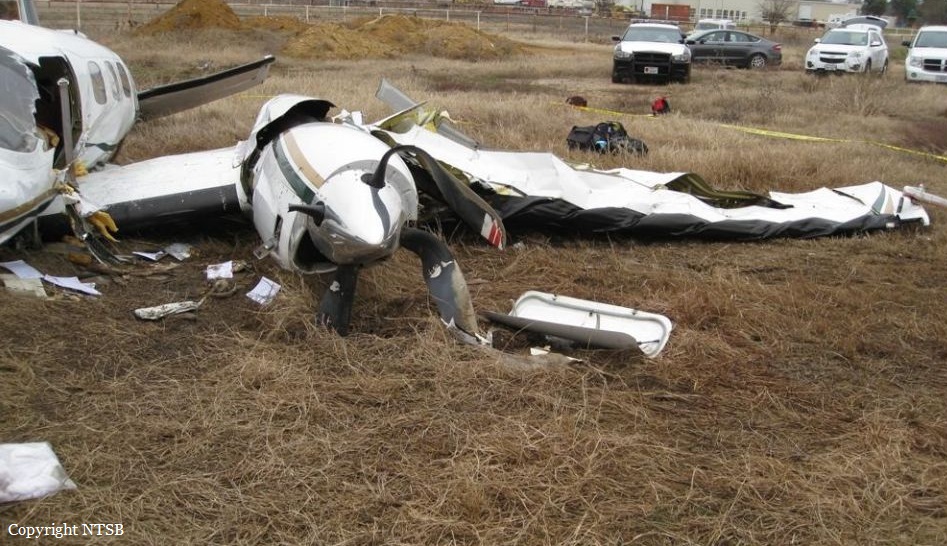
Crash of a Cessna 441 Conquest II in Denton: 1 killed

Date & Time: Feb 4, 2015 at 2109 LT
Type of aircraft:
Registration:
N441TG
Flight Type:
Survivors:
No
Schedule:
Willmar - Denton
MSN:
441-200
YOM:
1981
Location:
Crew on board:
1
Crew fatalities:
Pax on board:
0
Pax fatalities:
Other fatalities:
Total fatalities:
1
Captain / Total flying hours:
4935
Aircraft flight hours:
3830
Circumstances:
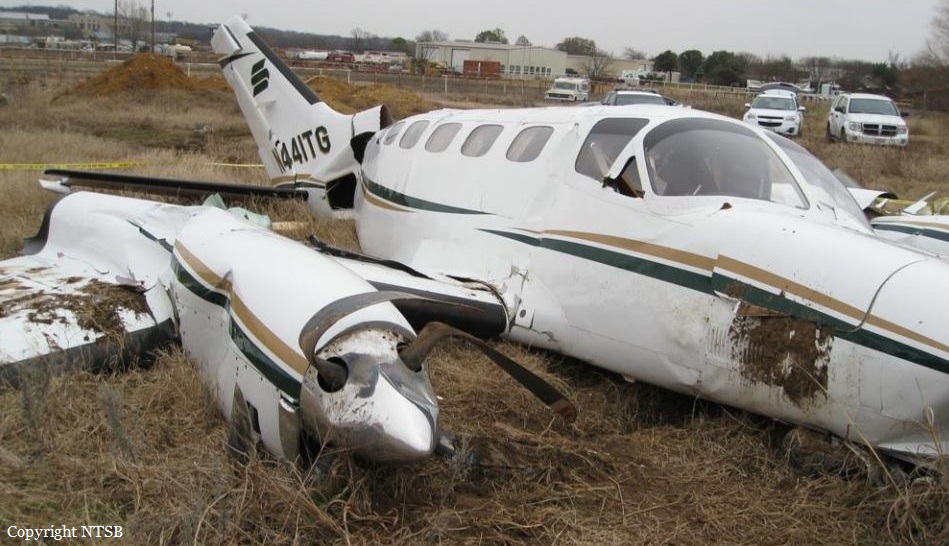
The instrument-rated commercial pilot was approaching the destination airport after a cross country flight in night instrument meteorological conditions. According to radar track data and air traffic control communications, while receiving radar vectors to the final approach course, the pilot did not always immediately comply with assigned headings and, on several occasions, allowed the airplane to descend below assigned altitudes. According to airplane performance calculations based on radar track and GPS data, the pilot made an engine power reduction about 2.5 minutes before the accident as he maneuvered toward the final approach fix. Following the engine power reduction, the airplane's airspeed decreased from 162 to 75 knots calibrated airspeed, and the angle of attack increased from 2.7° to 14°. About 4 miles from the final approach fix, the airplane descended below the specified minimum altitude for that segment of the instrument approach. The tower controller subsequently alerted the pilot of the airplane's low altitude, and the pilot replied that he would climb. At the time of the altitude alert, the airplane was 500 ft below the specified minimum altitude of 2,000 ft mean sea level. According to airplane performance calculations, 5 seconds after the tower controller told the pilot to check his altitude, the pilot made an abrupt elevator-up input that further decreased airspeed, and the airplane entered an aerodynamic stall. A witness saw the airplane abruptly transition from a straight-and-level flight attitude to a nose-down, steep left bank, vertical descent toward the ground, consistent with the stall. Additionally, a review of security camera footage established that the airplane had transitioned from a wings-level descent to a near vertical spiraling descent. A post accident examination of the airplane did not reveal any anomalies that would have precluded normal operation during the accident flight. Although the pilot had monocular vision following a childhood injury that resulted in very limited vision in his left eye, he had passed a medical flight test and received a Statement of Demonstrated Ability. The pilot had flown for several decades with monocular vision and, as such, his lack of binocular depth perception likely did not impede his ability to monitor the cockpit instrumentation during the accident flight. The pilot had recently purchased the airplane, and records indicated that he had obtained make and model specific training about 1 month before the accident and had flown the airplane about 10 hours before the accident flight. The pilot's instrument proficiency and night currency could not be determined from the available records; therefore, it could not be determined whether a lack of recent instrument or night experience contributed to the pilot's difficulty in maintaining control of the airplane.
Probable cause:
The pilot's failure to maintain adequate airspeed during the instrument approach in night instrument meteorological conditions, which resulted in the airplane exceeding its critical angle of attack and an aerodynamic stall/spin at a low altitude.
Final Report:

Crash of a Piper PA-46-500TP Malibu Meridian in Lubbock: 1 killed

Date & Time: Feb 4, 2015 at 1930 LT
Operator:
Registration:
N301D
Flight Type:
Survivors:
No
Schedule:
Carlsbad – Lubbock
MSN:
46-97043
YOM:
2001
Location:
Crew on board:
1
Crew fatalities:
Pax on board:
0
Pax fatalities:
Other fatalities:
Total fatalities:
1
Captain / Total flying hours:
1073
Aircraft flight hours:
1378
Circumstances:
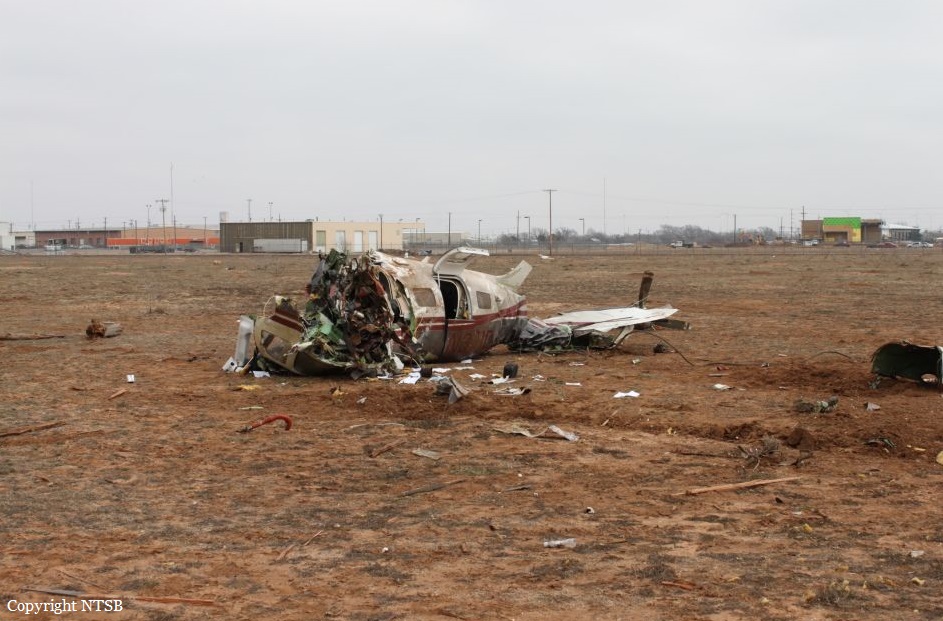
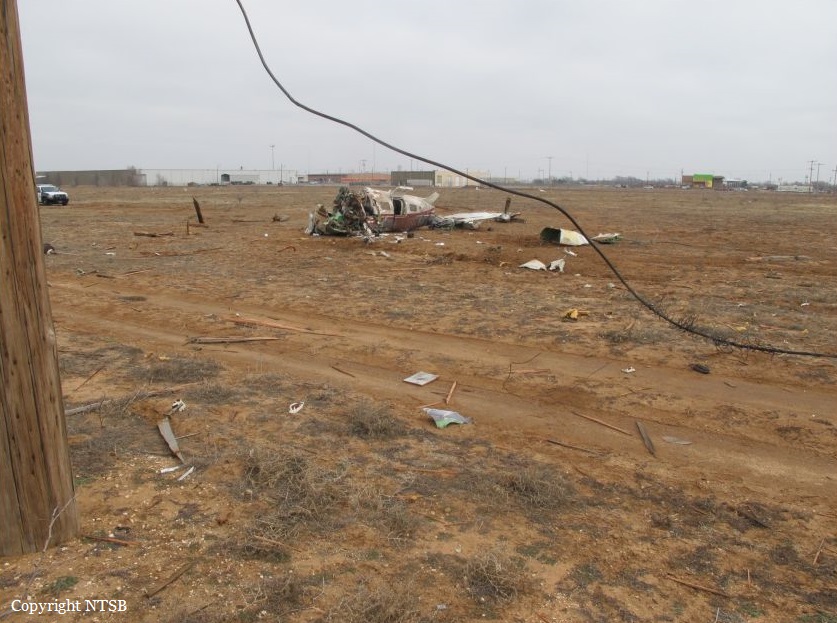
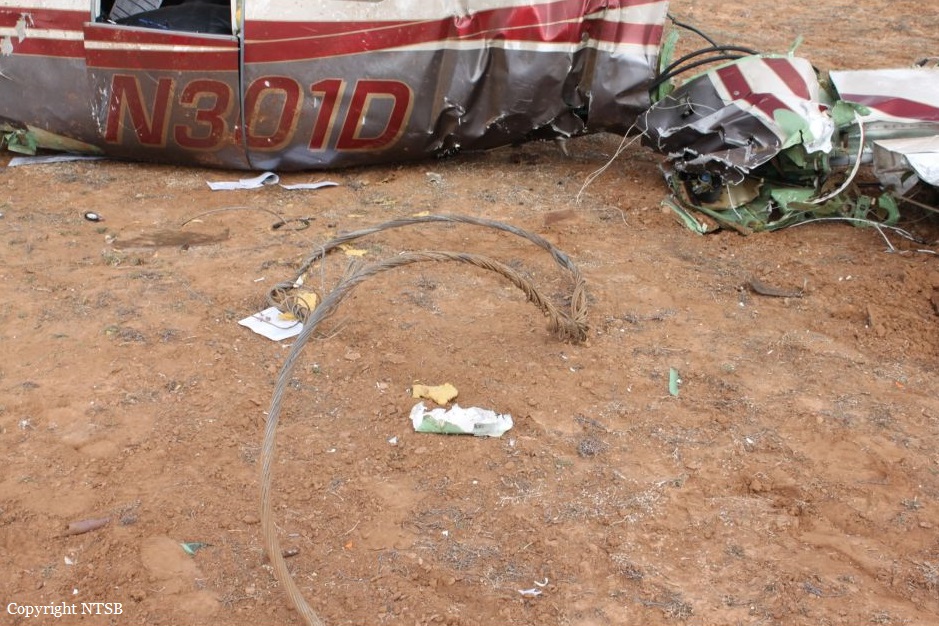
The instrument-rated private pilot was conducting a personal cross-country flight in the airplane. A review of the air traffic control transcripts and radar data revealed that the pilot was executing the RNAV GPS Y instrument approach to the runway. The air traffic controller then canceled the pilot's approach clearance and issued a heading change off of the approach course to provide spacing between a preceding aircraft. The pilot acknowledged the heading assignment. Radar data indicated that, after the controller cancelled the approach, the airplane began a left climbing turn from 5,600 to 5,800 ft, continued the left turn through the assigned 270 heading, and then descended rapidly. At that point, the airplane was no longer visible on the controller's radar display, and contact with the pilot was lost. The final recorded radar return showed the airplane at 5,100 ft. The airplane impacted a television tower guy wire, several power lines, and terrain, and then came to rest in an open field about 800 ft from the tower. A postaccident examination of the airplane and engine revealed no anomalies that would have precluded normal operation. A postaccident examination of the engine revealed rotational signatures on the first stage compressor blades and light rotational signatures in the compressor and power turbines, and debris was found in the engine's gas path, all of which are consistent with engine rotation at impact. A witness in the parking lot next to the television tower stated that he heard the accident airplane overhead, saw a large flash of light that filled his field of view, and then observed the television tower collapse on top of itself. Surveillance videos located 1.5 miles north-northeast and 0.3 mile north-northwest of the accident site showed the airplane in a left descending turn near the television tower. After it passed the television tower, multiple bright flashes of light were observed, which were consistent with the airplane impacting the television tower guy wire and then the power lines. Further, the radar track and accident wreckage were consistent with a rapid, descending left turn to impact. Weather conditions were conducive to the accumulation of ice at the destination airport about the time that the pilot initiated the left turn. It is likely that the airplane accumulated at least light structural icing during the descent and that this affected the airplane's controllability. Also, the airplane likely encountered wind gusting up to 31 knots as it was turning; this also could have affected the airplane's controllability. The night, instrument meteorological conditions at the time of the accident were conducive to the development of spatial disorientation, and the airplane's rapid, descending left turn to impact is consistent with the pilot's loss of airplane control due to spatial disorientation. Therefore, based on the available evidence, it is likely that, while initiating the climbing left turn, the pilot became spatially disoriented, which resulted in his loss of airplane control and his failure to see and avoid the tower guy wire, and that light ice accumulation on the airplane and the gusting wind negatively affected the airplane's controllability.
Probable cause:
The pilot's loss of airplane control due to spatial disorientation and light ice accumulation while operating in night, instrument meteorological conditions with gusting wind.
Final Report:

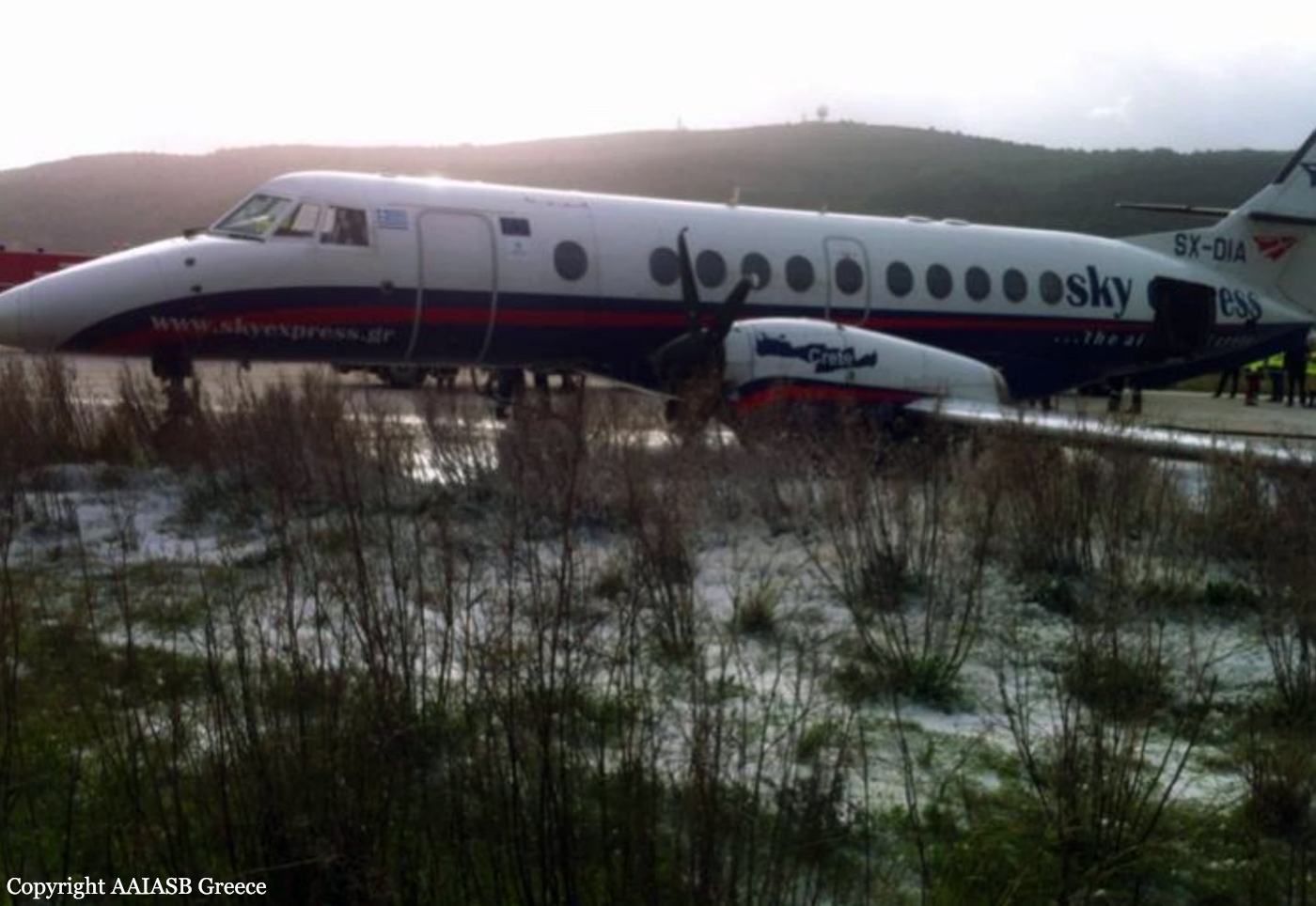
Crash of a BAe 4100 Jetstream 41 in Rhodes

Date & Time: Feb 2, 2015 at 0736 LT
Type of aircraft:
Operator:
Registration:
SX-DIA
Survivors:
Yes
Schedule:
Heraklion – Rhodes
MSN:
41075
YOM:
1995
Flight number:
SEH100
Country:
Region:
Crew on board:
3
Crew fatalities:
Pax on board:
16
Pax fatalities:
Other fatalities:
Total fatalities:
0
Captain / Total flying hours:
11117
Captain / Total hours on type:
3574.00
Copilot / Total flying hours:
3834
Copilot / Total hours on type:
1334
Aircraft flight hours:
28327
Circumstances:
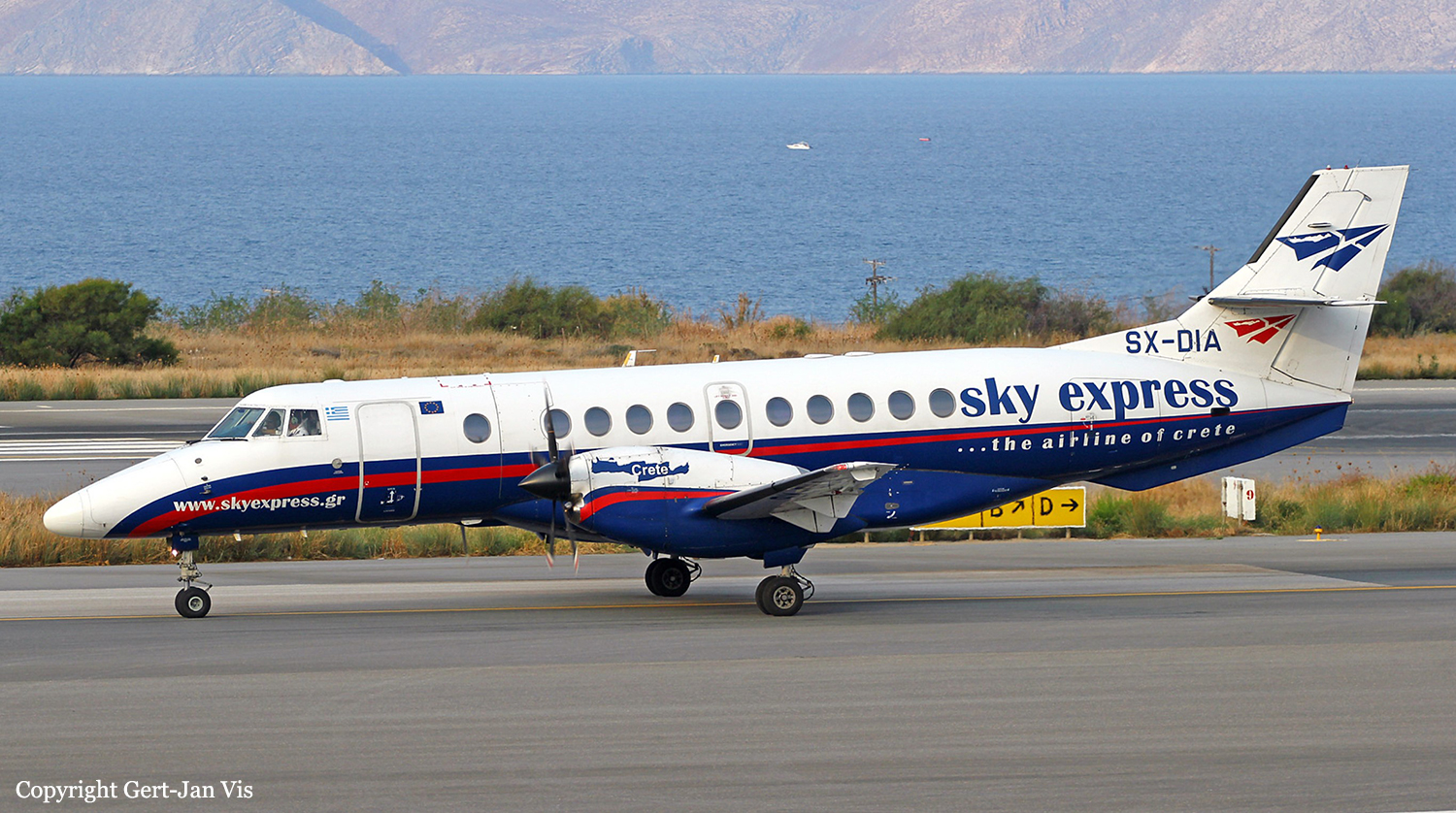
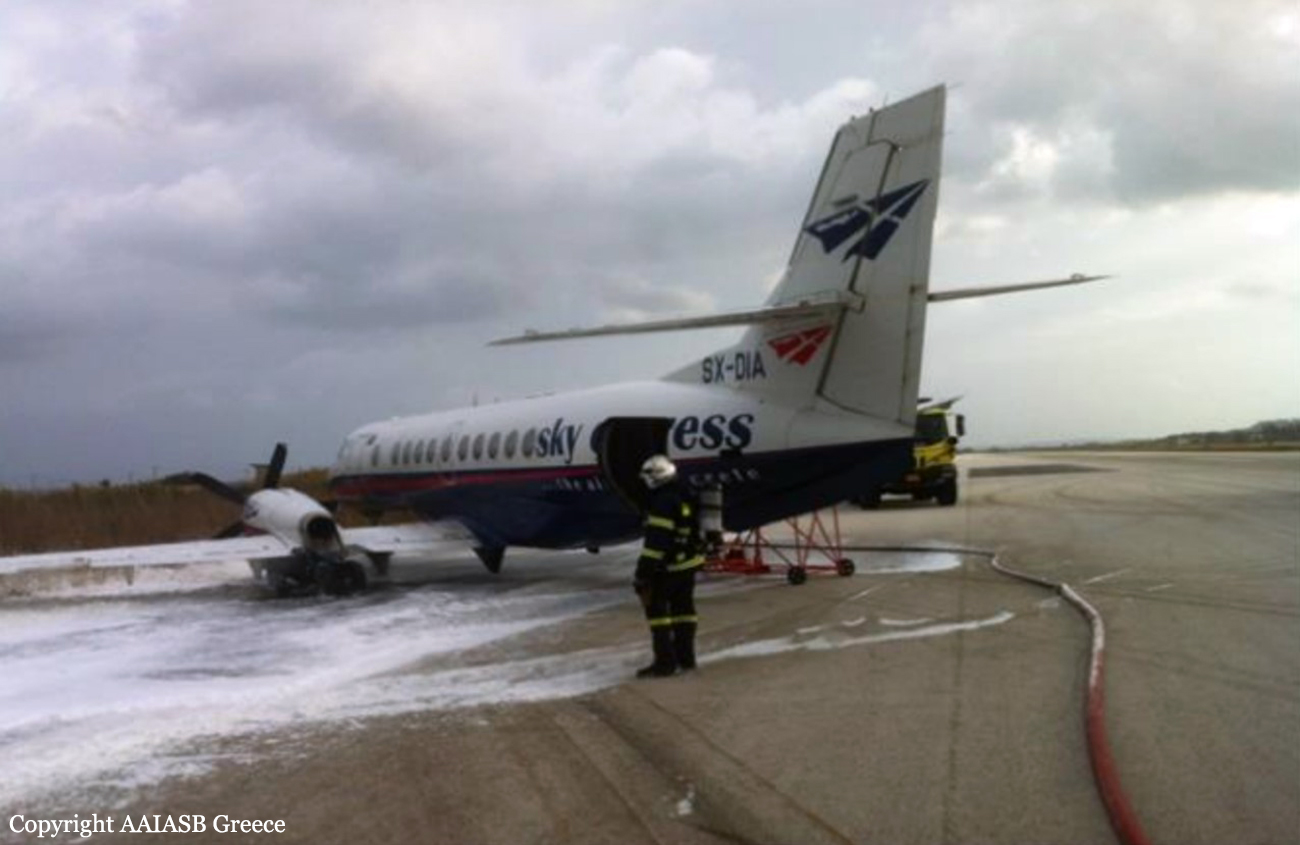
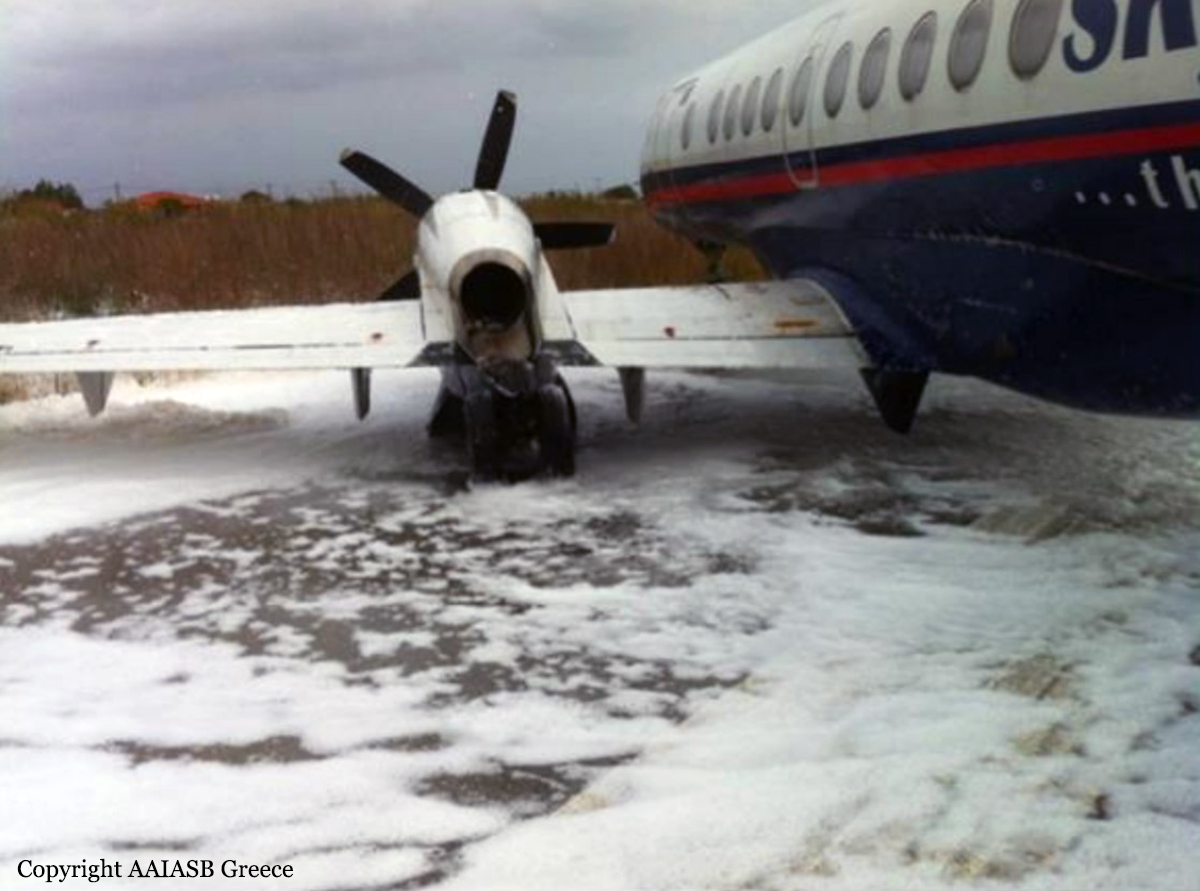
The Jetstream 41 aircraft, with registration number SX-DIA, operated by “SKY EXPRESS”, took off on 2nd February 2015 at 07:00 hrs. local time from the Airport of Heraklion ‘N. Kazantzakis’, performing the scheduled flight No. ‘SEH100’, the first in the day, destined for the Airport of Rhodes ‘Diagoras’. Pre-flight checks were completed with no findings and in this flight the Captain was designated as the Pilot Flying. A 3-member crew and 16 passengers were onboard. The flight crew reported for duty one hour prior to the time of flight and proceeded with all actions as laid down in the Company manual. The flight crew was also briefed that in the area of the Airport of Rhodes the winds were S-SE at 17 kt with Wind Gust 36 kt. At 07:23:54 hrs., approximately 12 min prior to landing, in the first contact of the flight crew with the Control Tower of the Airport of Rhodes, the flight crew was briefed by the Air Traffic Controller (ATC) with respect to the weather conditions at the area of the airport, variable winds prevailing with a direction from 20° to 160°, average wind direction from 110°, wind velocity 20 kt gusting 38 kt. As laid down in the airport procedures, ATC, given the weather conditions, alerted the fire service vehicles to be stationed in readiness at their designated positions on the taxiways. At 07:24:43 hrs. Rhodes ATC contacted the flight crew wishing to remind that as a result of the strong wind shear and turbulence, landing at the airport is not recommended under the circumstances. At 07:29:34 hrs. Rhodes ATC contacted again the flight crew informing that the wind is shifting from 40° to 260°, average wind direction from 120°, mean wind velocity 20 kt and wind gust 32 kt. At 07:32:36 hrs., at about 8nm to the airport, the ATC contacting again the flight crew informed that wind in the last ten minutes is shifting in all directions, with mean wind velocity 16 kt and wind gust 37 kt; ATC also reminded that under these conditions landing is not recommended. At 07:34:04 hrs., at about 4 nm to the airport, Rhodes ATC contacted again the flight crew informing that wind is shifting from 60° to 200°, mean wind velocity 15 kt, wind gust 32 kt and that runway 07 is free for landing. At 07:35:08 hrs. ATC again reports wind direction from 110°, 17kt. Communication between ATC and the flight crew was smooth without any problem, with the flight crew each time acknowledging the information provided by ATC. Given the prevailing winds, landing with 9° flaps and an airspeed of about 129 kt was selected. With the flight crew having performed all pre-landing checks prescribed in the manual and with the indicator lights for the ‘Down and Lock’ landing system being illuminated green, at about 07:36 hrs. the aircraft landed, with the right main landing gear touching down first. During deceleration immediately after touchdown, with the flight crew having performed all checks specified in the a/c manual and after ATC directed the aircraft to vacate the runway via taxiway ‘C’, the aircraft veered to the left and came to rest at the left edge of the runway without exiting the runway, with an eastward direction. With the fire service vehicle approaching the aircraft, the flight crew contacted the Control Tower of the airport stating that everything is ok, and then reporting inability to taxi when asked whether the aircraft is able to taxi; when asked whether a tire was burst, the flight crew confirmed that this is the case. At 07:37:49 hrs. the Fire Service advises the Control Tower of the airport that the fire truck sprays foam due to fuel leakage. At 07:41:08 hrs. the Control Tower, when so asked by the ‘follow me’ vehicle, inquired of the flight crew whether passengers could be disembarked and the answer was that getting off from the passenger door (forward left) would not be feasible given the presence of the fire-fighting foam on the runway, and that the rear right door (Emergency Exit) would be used instead. As reported by the Air Traffic Controller passengers were disembarked 15 minutes after the incident, and the process lasted approximately 10 minutes. Upon a first visual inspection at the accident site and before the left wing of the aircraft was raised on jacks, it appeared that the left main landing gear folded back resulting in the aircraft’s left side dragging the runway (the left main landing gear and its housing into contact with the runway) and stopping at the left edge of the runway facing to the east.
Probable cause:
- The decision to perform a landing following a non-stabilized approach.
- Landing with a strong and variable wind, the speed and the crosswind component of which were in excess of the values specified by the standard operating procedures, the aircraft manufacturer and the recommendations for the said aerodrome in AIP GREECE.
- The failure to adhere to CRM principles.
Final Report:

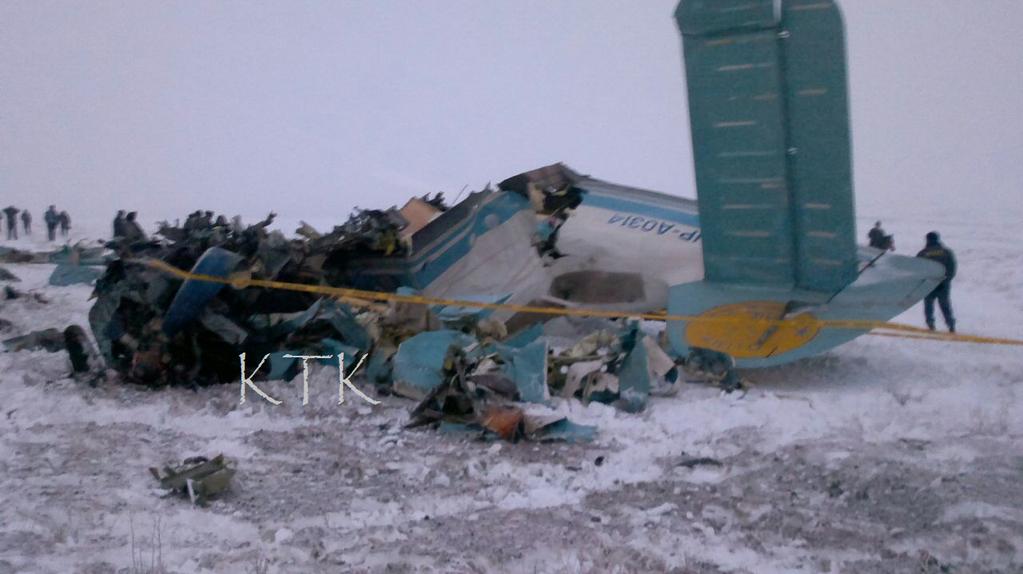
Crash of a PZL-Mielec AN-2P in Shatyrkul: 6 killed

Date & Time: Jan 20, 2015 at 1540 LT
Type of aircraft:
Operator:
Registration:
UP-A0314
Survivors:
Yes
Schedule:
Karaganda – Balkhach – Shatyrkul
MSN:
1G149-70
YOM:
1973
Country:
Region:
Crew on board:
3
Crew fatalities:
Pax on board:
4
Pax fatalities:
Other fatalities:
Total fatalities:
6
Aircraft flight hours:
13227
Circumstances:
The single engine aircraft was approaching Shatyrkul in foggy conditions when it crashed in a snow covered field located 1,2 km south of the landing zone area, some 20 km north of Shatyrkul. SAR arrived on scene at 1701LT. A female passenger was seriously injured and was evacuated to a local hospital while six other occupants were killed. The four passengers were employees of the Kazakhmys Mining Company. At the time of the accident, the visibility was poor due to fog.
Probable cause:
The crew descended without visual contact to the ground and without having fed the air pressure of the airstrip into the barometric altimeter, causing the aircraft to impact the ground on final approach.

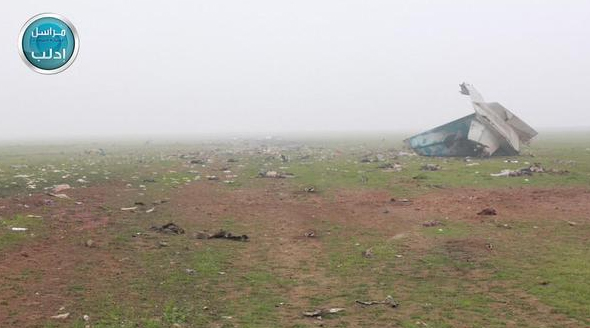
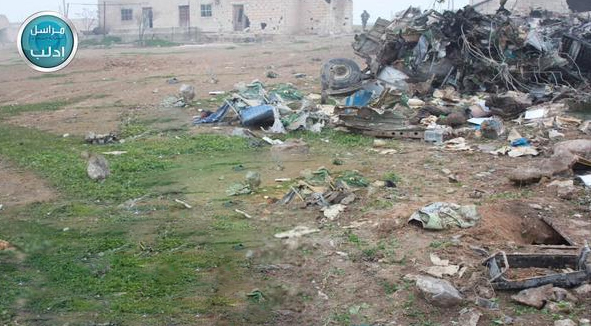
Crash of an Antonov AN-26 in Abu Adh Dhuhur: 30 killed

Date & Time: Jan 18, 2015
Type of aircraft:
Operator:
Registration:
YK-AND
Flight Type:
Survivors:
No
Schedule:
Damascus - Abu Adh Dhuhur
MSN:
30 08
YOM:
1975
Country:
Region:
Crew on board:
6
Crew fatalities:
Pax on board:
24
Pax fatalities:
Other fatalities:
Total fatalities:
30
Circumstances:
The aircraft was performing a military cargo flight from Damascus, carrying food, potable water and ammunition for the Syrian soldiers fighting against the Islamic State. On final approach to Abu Adh Dhuhur AFB by night and foggy conditions, the aircraft descended too low and collided with high tension cables. It stalled and crashed in an open field located near the airport. All 24 passengers and six crew members were killed and the aircraft was totally destroyed by impact forces.