Crash of a Tupolev TU-154M in Mashhad

Date & Time: Jan 24, 2010 at 0720 LT
Type of aircraft:
Operator:
Registration:
RA-85787
Survivors:
Yes
Schedule:
Abadan - Machhad
MSN:
93A971
YOM:
1993
Flight number:
TBM6437
Country:
Region:
Crew on board:
13
Crew fatalities:
Pax on board:
157
Pax fatalities:
Other fatalities:
Total fatalities:
0
Circumstances:
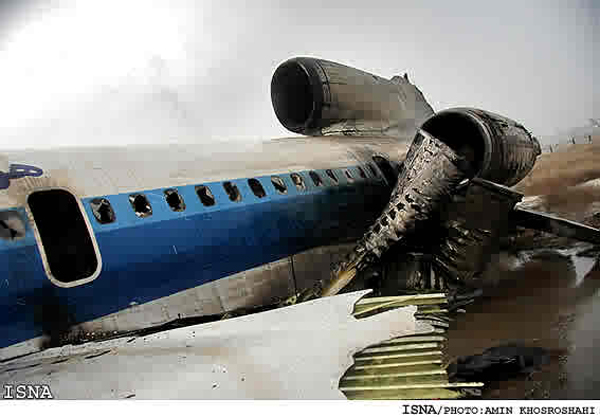
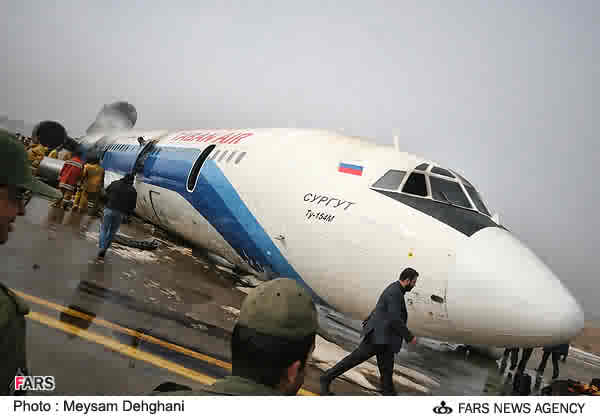
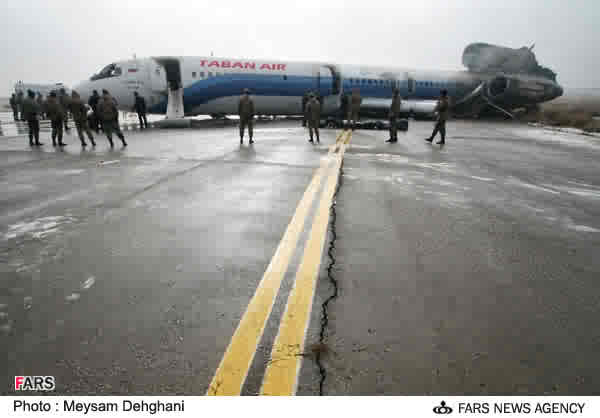
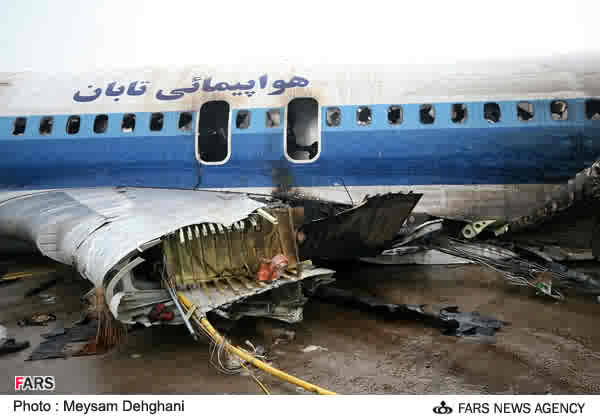
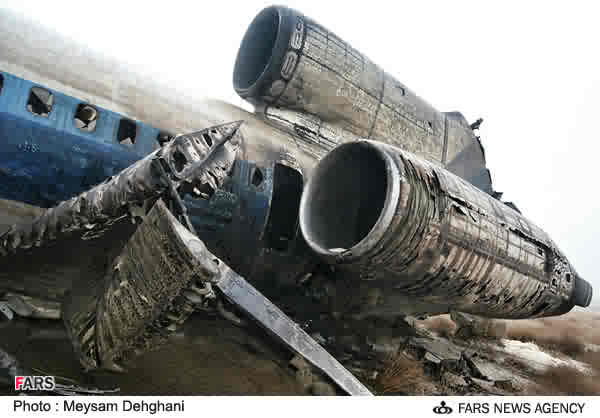
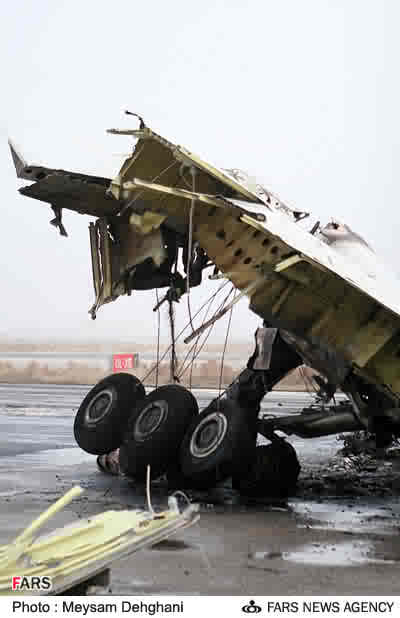
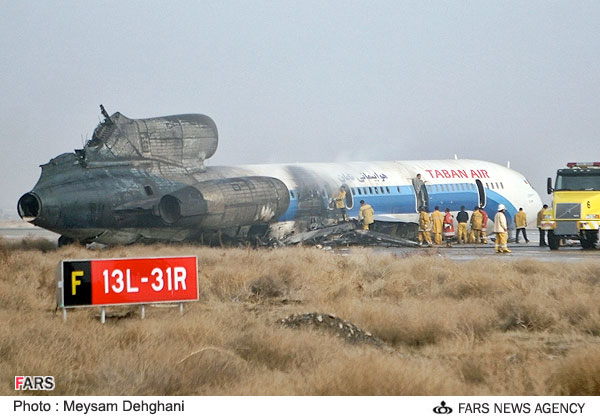
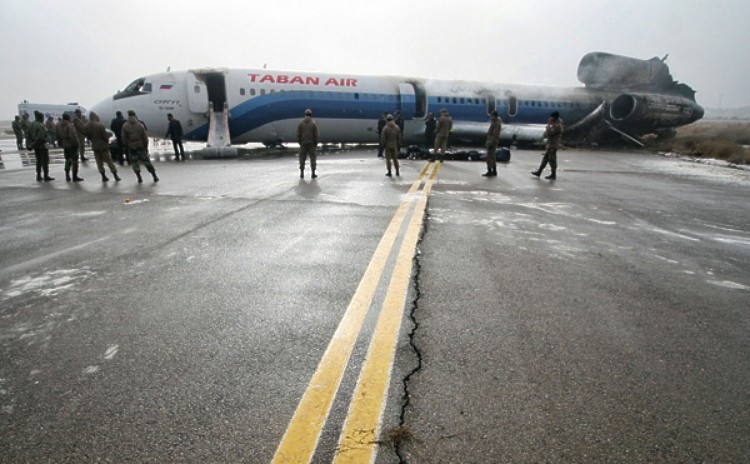
The three engine aircraft departed Abadan for a night flight to Mashhad. Due to poor weather conditions at destination, the crew diverted to Isfahan Airport. The aircraft departed Isfahan Airport at 0535LT bound to Mashhad. While on an ILS approach in thick fog, the aircraft was in a nose high attitude when the base of the empennage struck the runway surface and separated. On impact, the undercarriage were torn off. Out of control, the aircraft slid for few dozen metres, veered off runway and came to rest with both wings partially torn off, bursting into flames. At least 46 occupants were injured while the aircraft was partially destroyed by fire. Vertical visibility was 200 feet at the time of the accident due to fog.
Probable cause:
The following findings were reported:
- The visibility was below minimums,
- The crew continued the approach despite the aircraft attitude was incorrect,
- The crew failed to initiate a go-around procedure.

Crash of a Beechcraft 65-A90 King Air in Jacmel

Date & Time: Jan 23, 2010
Type of aircraft:
Operator:
Registration:
N316AF
Flight Type:
Survivors:
Yes
MSN:
LJ-214
YOM:
1967
Country:
Crew on board:
2
Crew fatalities:
Pax on board:
0
Pax fatalities:
Other fatalities:
Total fatalities:
0
Circumstances:
The crew was apparently completing a cargo flight from Florida. Upon landing at Jacmel Airport, the undercarriage collapsed. The twin engine aircraft went out of control, veered off runway and came to rest against trees. Both occupants escaped uninjured while the aircraft was damaged beyond repair.

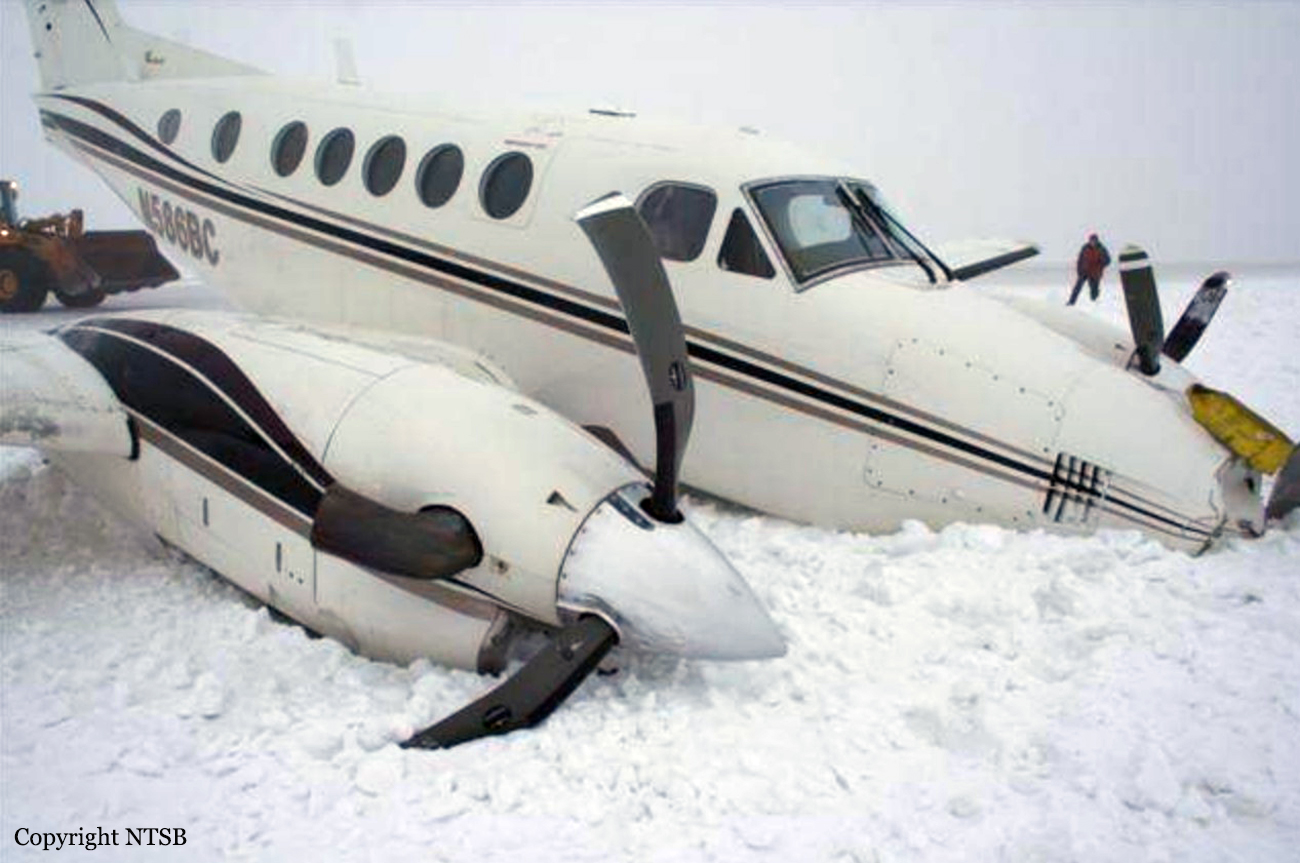
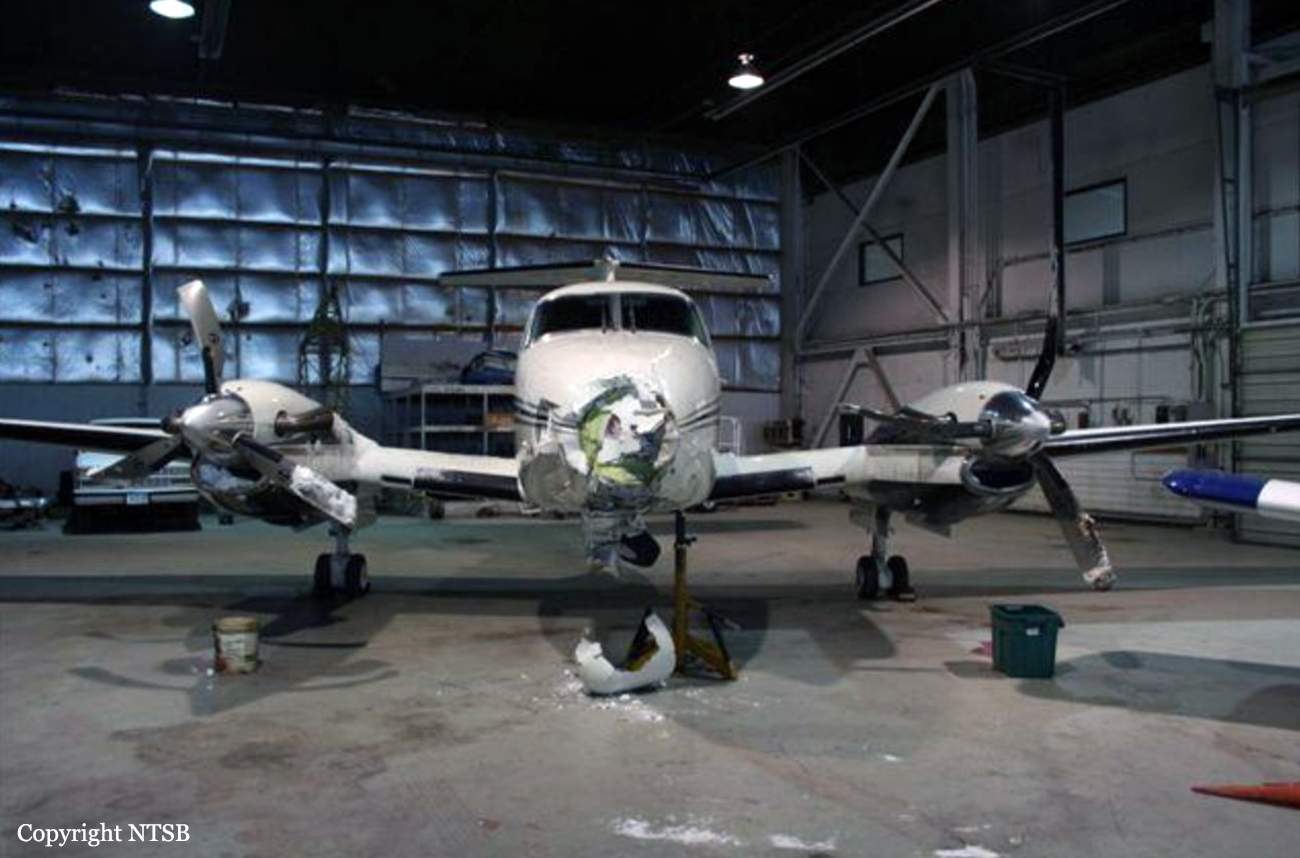
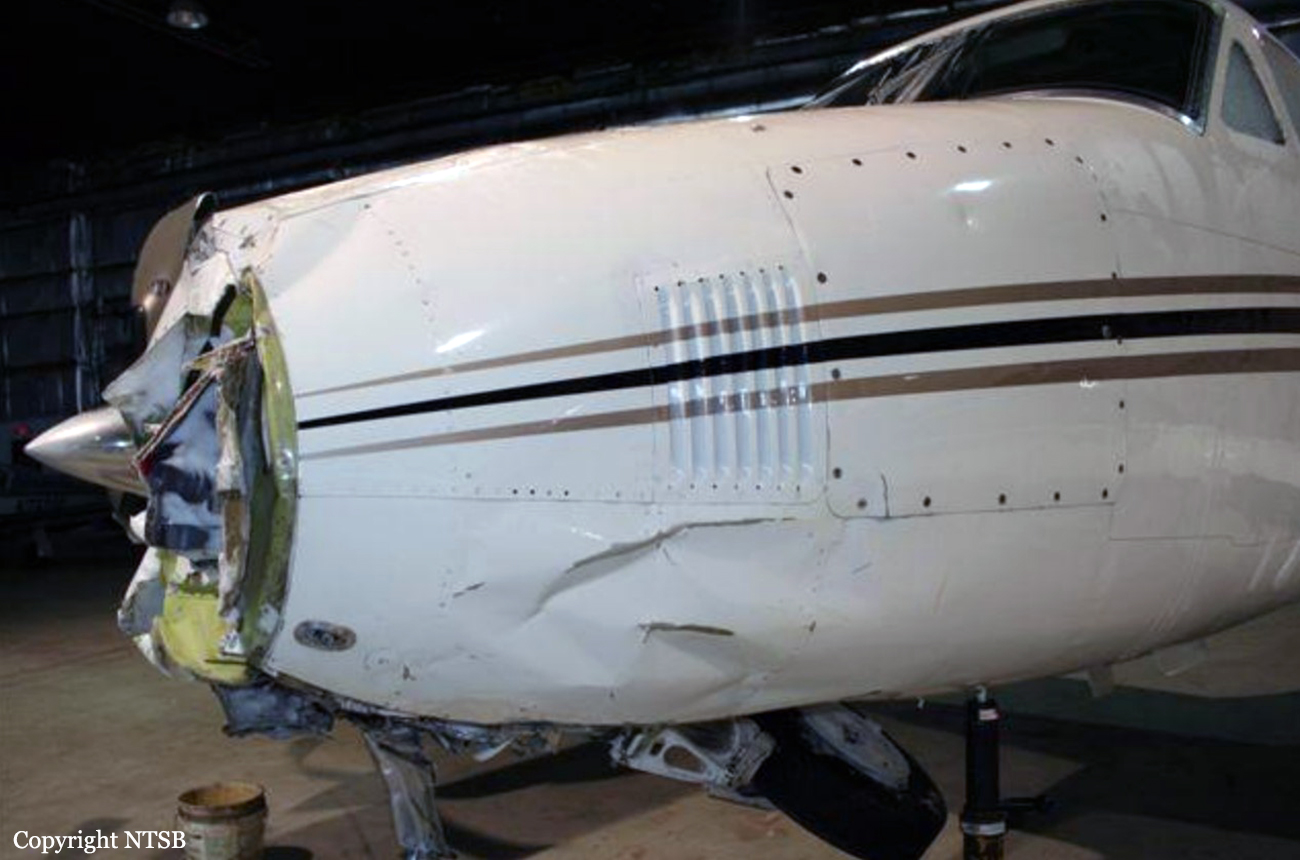
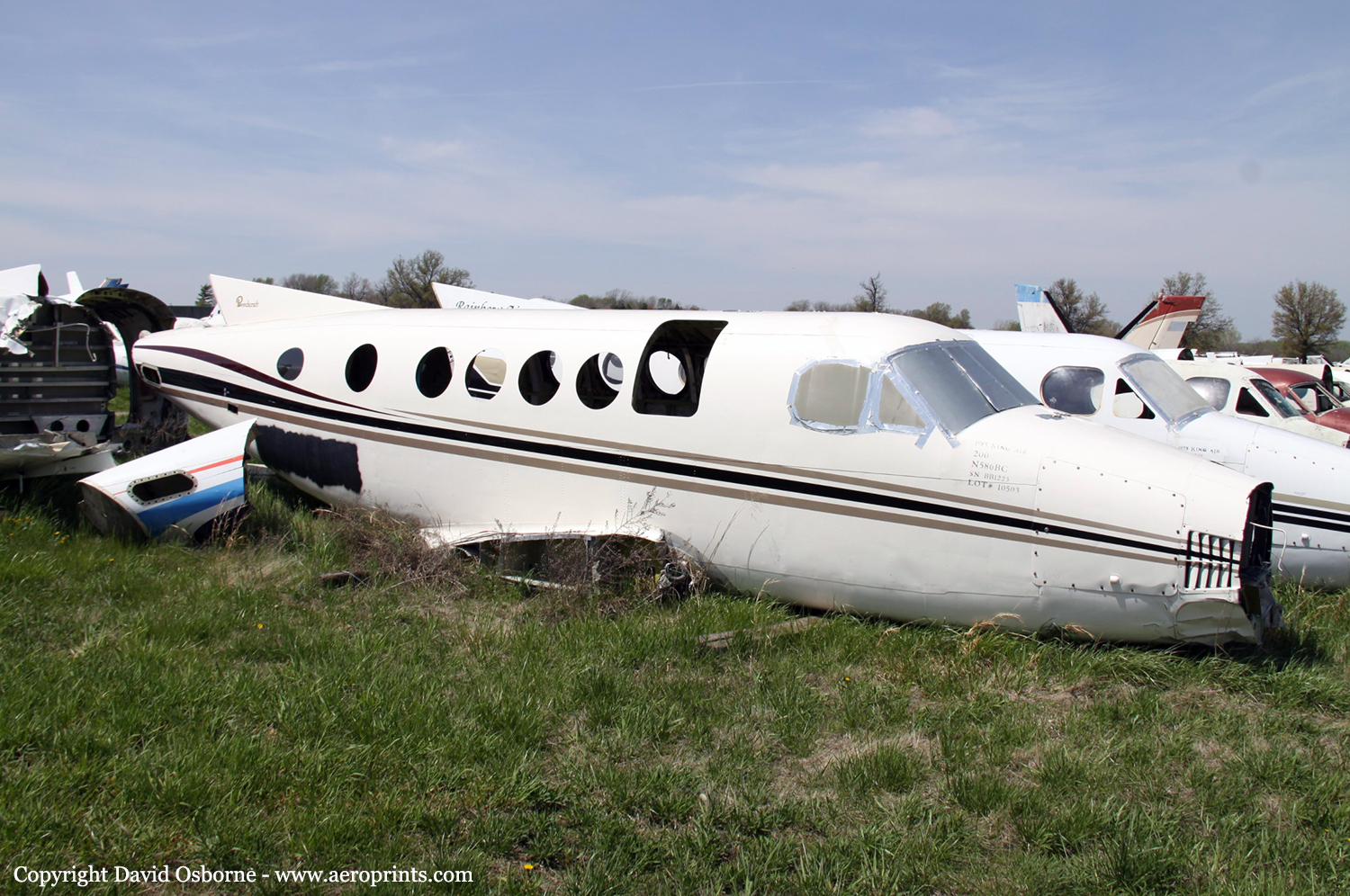
Crash of a Beechcraft B200 Super King Air in Sioux City

Date & Time: Jan 19, 2010 at 0715 LT
Operator:
Registration:
N586BC
Flight Type:
Survivors:
Yes
Schedule:
Des Moines – Sioux City
MSN:
BB-1223
YOM:
1985
Crew on board:
2
Crew fatalities:
Pax on board:
2
Pax fatalities:
Other fatalities:
Total fatalities:
0
Captain / Total flying hours:
6018
Captain / Total hours on type:
1831.00
Copilot / Total flying hours:
6892
Copilot / Total hours on type:
2186
Aircraft flight hours:
10304
Circumstances:
The pilot of the Part 91 business flight filed an instrument-flight-rules (IFR) flight plan with the destination and alternate airports, both of which were below weather minimums. The pilot and
copilot departed from the departure airport in weather minimums that were below the approach minimums for the departure airport. While en route, the destination airport's automated observing system continued to report weather below approach minimums, but the flight crew continued the flight. The flight crew then requested and were cleared for the instrument landing system (ILS) 31 approach and while on that approach were issued visibilities of 1,800 feet runway visual range after changing to tower frequency. During landing, the copilot told the pilot that he was not lined up with the runway. The pilot reportedly said, "those are edge lights," and then realized that he was not properly lined up with the runway. The airplane then touched down beyond a normal touchdown point, about 2,800 feet down the runway, and off the left side of the runway surface. The airplane veered to the left, collapsing the nose landing gear. Both flight crewmembers had previous experience in Part 135 operations, which have more stringent weather requirements than operations conducted under Part 91. Under Part 135, IFR flights to an airport cannot be conducted and an approach cannot begin unless weather minimums are above approach minimums. The accident flight's departure in weather below approach minimums would have precluded a return to the airport had an emergency been encountered by the flight crew, leaving few options and little time to reach a takeoff alternate airport. The company's flight procedures allow for a takeoff to be performed as long as there is a takeoff alternate airport within one hour at normal cruise speed and a minimum takeoff visibility that was based upon the pilot being able to maintain runway alignment during takeoff. The company's procedures did not allow flight crew to depart to an airport that was below minimums but did allow for the flight crew, at their discretion, to
perform a "look-see" approach to approach minimums if the weather was below minimums. The allowance of a "look see" approach essentially negates the procedural risk mitigation afforded by requiring approaches to be conducted only when weather was above approach minimums.
Probable cause:
The flight crew's decision to attempt a flight that was below takeoff, landing, and alternate airport weather minimums, which led to a touchdown off the runway surface by the pilot-in-command.
Final Report:

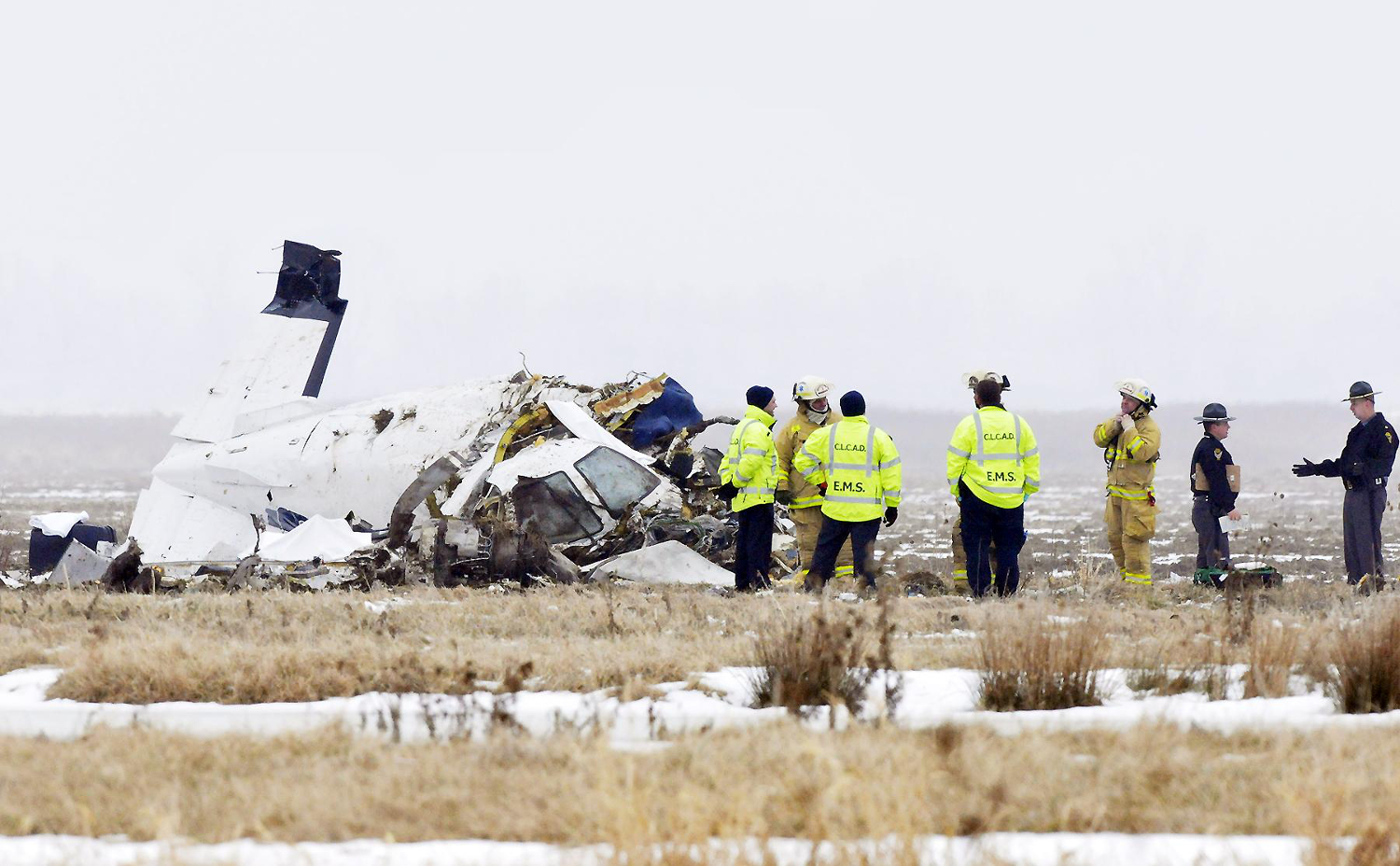
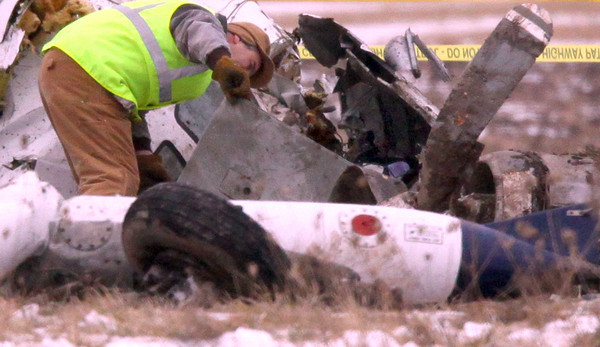
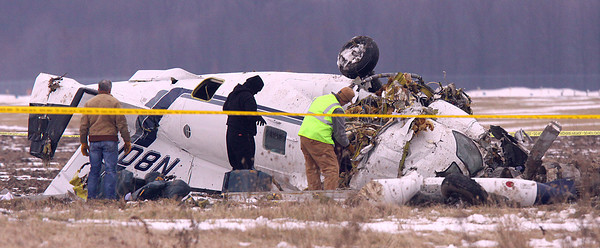
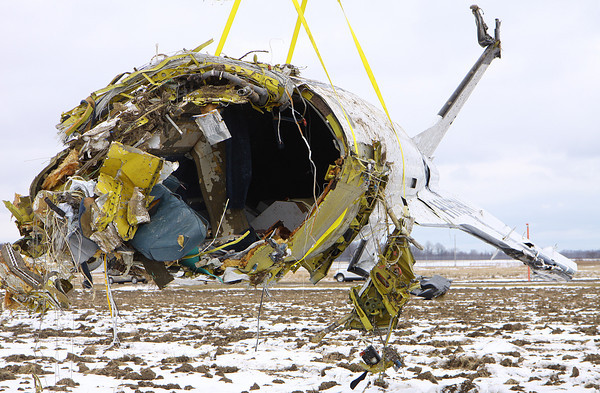
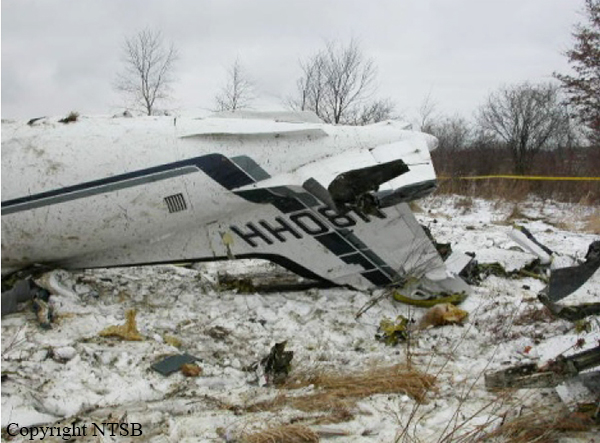
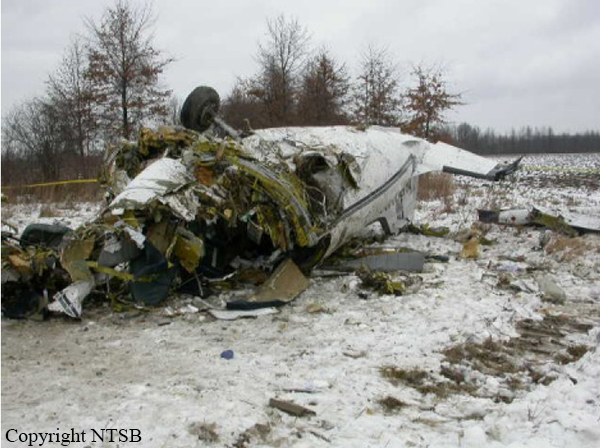
Crash of a Mitsubishi MU-2B-60 Marquise in Elyria: 4 killed

Date & Time: Jan 18, 2010 at 1405 LT
Type of aircraft:
Registration:
N80HH
Flight Type:
Survivors:
No
Schedule:
Gainesville - Elyria
MSN:
732
YOM:
1978
Crew on board:
2
Crew fatalities:
Pax on board:
2
Pax fatalities:
Other fatalities:
Total fatalities:
4
Captain / Total flying hours:
2010
Captain / Total hours on type:
1250.00
Copilot / Total flying hours:
190
Aircraft flight hours:
6799
Circumstances:
On his first Instrument Landing System (ILS) approach, the pilot initially flew through the localizer course. The pilot then reestablished the airplane on the final approach course, but the airplane’s altitude at the decision height was about 500 feet too high. He executed a missed approach and received radar vectors for another approach. The airplane was flying inbound on the second ILS approach when a witness reported that he saw the airplane about 150 feet above the ground in about a 60-degree nose-low attitude with about an 80-degree right bank angle. The initial ground impact point was about 2,150 feet west of the runway threshold and about 720 feet north (left) of the extended centerline. The cloud tops were about 3,000 feet with light rime or mixed icing. The flap jack screws and flap indicator were found in the 5-degree flap position. The inspection of the airplane revealed no preimpact anomalies to the airframe, engines, or propellers. A radar study performed on the flight indicated that the calibrated airspeed was about 130 knots on the final approach, but subsequently decreased to about 95–100 knots during the 20-second period prior to loss of radar contact. According to the airplane’s flight manual, the wings-level power-off stall speed at the accident aircraft’s weight is about 91 knots. The ILS approach flight profile indicates that 20 degrees of flaps should be used at the glide slope intercept while maintaining 120 knots minimum airspeed. At least 20 degrees of flaps should be maintained until touchdown. The “No Flap” or “5 Degrees Flap Landing” flight profile indicates that the NO FLAP Vref airspeed is 115 knots calibrated airspeed minimum.
Probable cause:
The pilot's failure to maintain adequate airspeed during the instrument approach, which resulted in an aerodynamic stall and impact with terrain.
Final Report:

Crash of a Beechcraft B60 Duke in Huntsville: 2 killed

Date & Time: Jan 18, 2010 at 1345 LT
Type of aircraft:
Operator:
Registration:
N810JA
Flight Type:
Survivors:
No
Schedule:
Huntsville – Nashville
MSN:
P-591
YOM:
1982
Crew on board:
1
Crew fatalities:
Pax on board:
1
Pax fatalities:
Other fatalities:
Total fatalities:
2
Captain / Total flying hours:
1600
Aircraft flight hours:
3383
Circumstances:
The multiengine airplane was at an altitude of 6,000 feet when it experienced a catastrophic right engine failure, approximately 15 minutes after takeoff. The pilot elected to return to his departure airport, which was 30 miles away, instead of diverting to a suitable airport that was located about 10 miles away. The pilot reported that he was not able to maintain altitude and the airplane descended until it struck trees and impacted the ground, approximately 3 miles from the departure airport. The majority of the wreckage was consumed by fire. A 5 1/2 by 6-inch hole was observed in the top right portion of the crankcase. Examination of the right engine revealed that the No. 2 cylinder separated from the crankcase in flight. Two No. 2 cylinder studs were found to have fatigue fractures consistent with insufficient preload on their respective bolts. In addition, a fatigue fracture was observed on a portion of the right side of the crankcase, mostly perpendicular to the threaded bore of the cylinder stud. The rear top 3/8-inch and the front top 1/2-inch cylinder hold-down studs for the No. 2 cylinder exceeded the manufacturer's specified length from the case deck by .085 and .111 inches, respectively. The airplane had been operated for about 50 hours since its most recent annual inspection, which was performed about 8 months prior the accident. The right engine had been operated for about 1,425 hours since it was overhauled, and about 455 hours since the No. 2 cylinder was removed for the replacement of six cylinder studs. It was not clear why the pilot was unable to maintain altitude after the right engine failure; however, the airplane was easily capable of reaching an alternate airport had the pilot elected not to return to his departure airport.


Probable cause:
The pilot's failure to divert to the nearest suitable airport following a total loss of power in the right engine during cruise flight. Contributing to the accident was the total loss of power in the right engine due to separation of its No. 2 cylinder as a result of fatigue cracks.
Final Report:

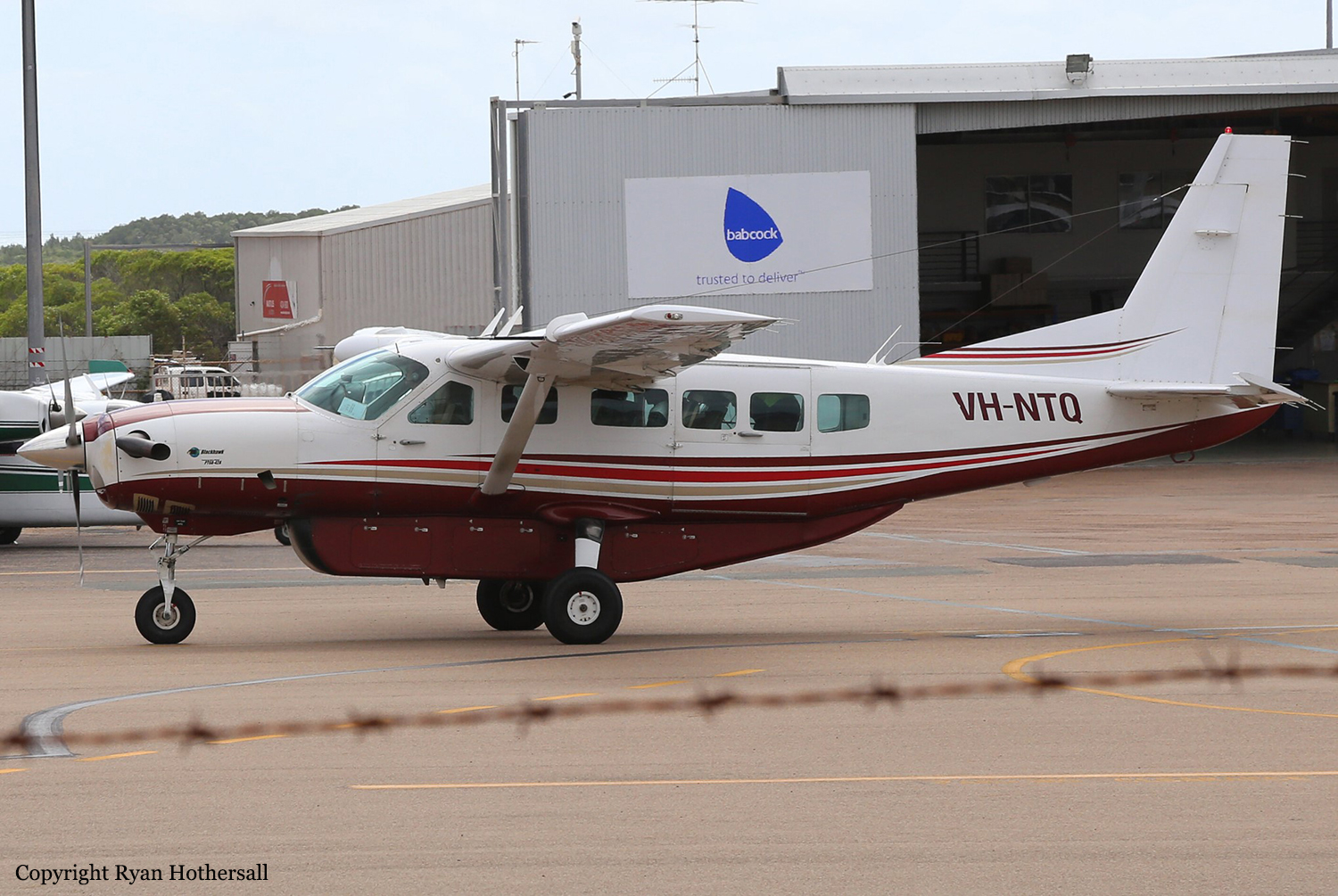
Crash of a Cessna 208B Grand Caravan in Beagle Bay

Date & Time: Jan 14, 2010 at 0645 LT
Type of aircraft:
Operator:
Registration:
VH-NTQ
Flight Type:
Survivors:
Yes
Schedule:
Broome - Koolan Island
MSN:
208B-0635
YOM:
1997
Country:
Region:
Crew on board:
1
Crew fatalities:
Pax on board:
0
Pax fatalities:
Other fatalities:
Total fatalities:
0
Circumstances:
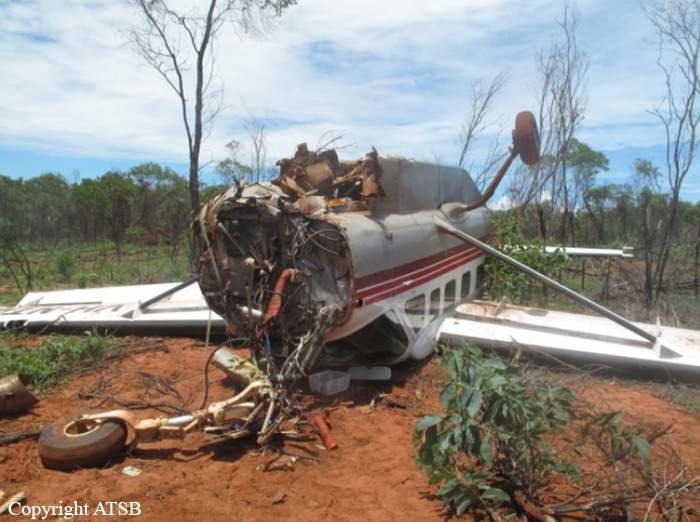
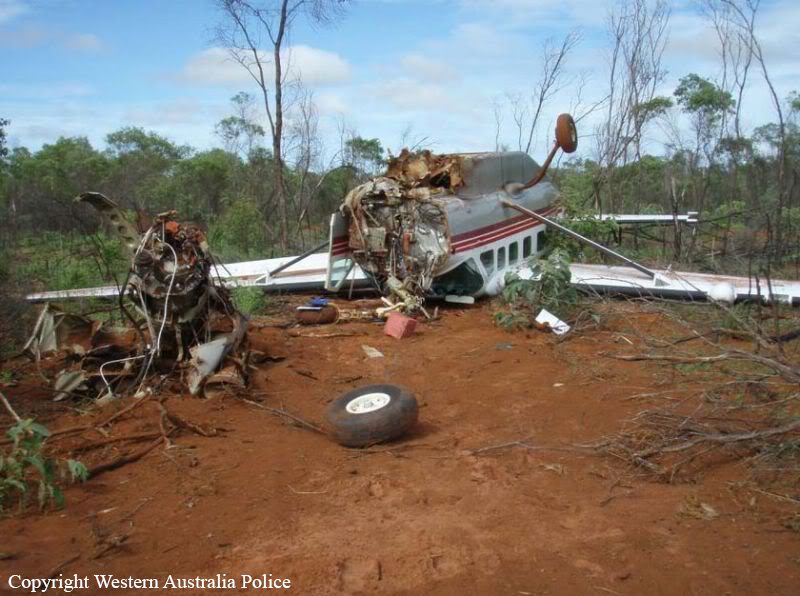
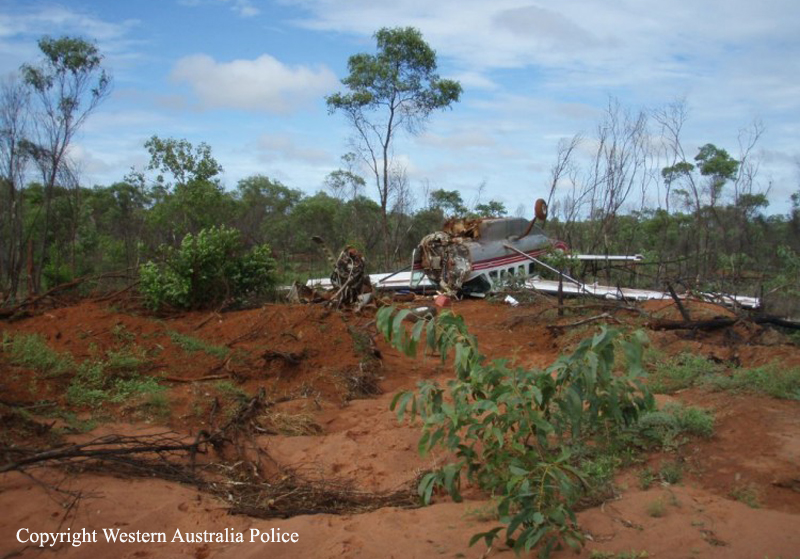
The aircraft departed Broome on a charter flight to Koolan Island, WA. At about 0645 Western Standard Time1, when the aircraft was at an altitude of about 9,500 feet, the pilot noticed a drop in the engine torque indication with a corresponding drop in the engine oil pressure indication. The pilot increased the power lever setting but the engine torque and oil indications continued to reduce, all other engine indications were normal. During an interview with the Australian Transport Safety Bureau (ATSB) the pilot stated that he felt a power loss associated with the drop in indicated engine torque. The pilot diverted to the nearest airstrip, which was Beagle Bay, WA. He stated that the low oil pressure warning light illuminated so he shut the engine down and prepared for an emergency landing. The pilot reported that on the final approach to the airstrip he realized that the aircraft was too high and its airspeed was too fast. The aircraft touched down about mid way along the runway and overran the end of the runway by about 200 metres. The aircraft impacted a mound of dirt, coming to rest upside down. The pilot, who was the only occupant sustained minor injuries. Examination of the aircraft by a third party and inspection of the photographs taken of the accident site, revealed that the engine, left main gear and nose gear had separated from the airframe during the accident sequence. There was a significant amount of oil present on the underside of the aircraft, indicating that the oil had leaked from the engine during operation. The
engine was removed from the accident site as an assembly by a third party. The propeller was removed and the engine was shipped to an engine overhaul facility where a disassembly and
examination was conducted under the supervision of the ATSB.
Probable cause:
From the evidence available it was evident that the engine had a substantial in-flight oil leak, which necessitated the in-flight shut down of the engine and a diversion to the nearest available airstrip. The accident damage to the engine in the area of the apparent oil leak precluded a conclusive finding as to the source of the leak. Although the detailed examination of the oil tube attachment lug fracture surfaces was inconclusive, the oil tube remained the most likely source of the oil leak. Evidence from other oil tube failures indicated that significant vibratory loading can cause the oil tube attachment lugs to fracture in the manner observed in the oil tube fitted to VH-NTQ. There was no evidence that the transfer tube was subjected to vibration from a compressor turbine or power turbine blade failure or of an incorrectly fitted engine mount. There was also no evidence of a pre-accident defect that would have caused a reduction in actual engine torque.
Final Report:

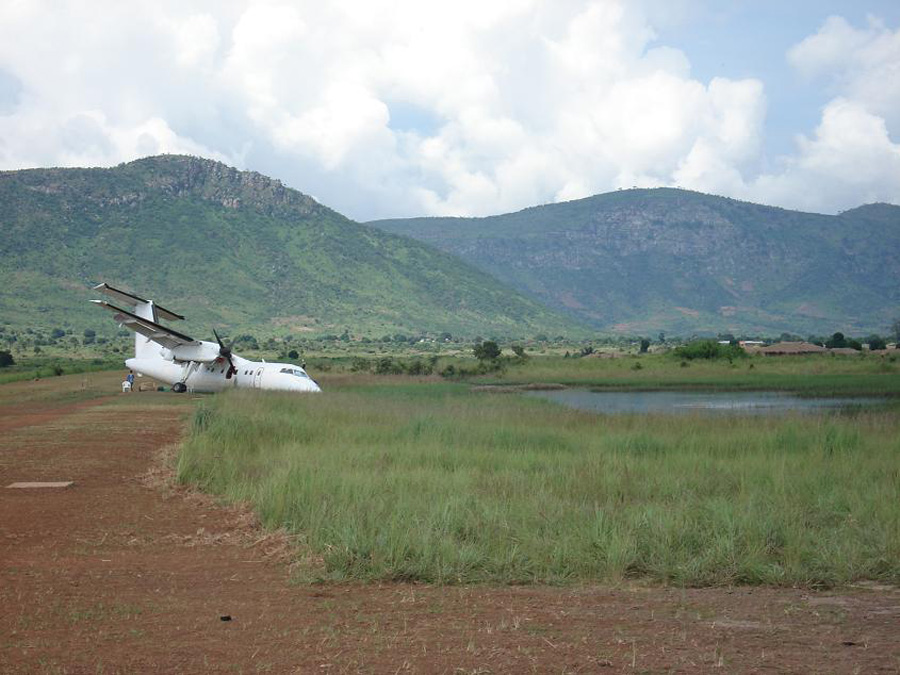
Crash of a De Havilland DHC-8-102 in Moba

Date & Time: Jan 13, 2010
Operator:
Registration:
5Y-EMD
Flight Type:
Survivors:
Yes
Schedule:
Nairobi - Moba
MSN:
110
YOM:
1988
Location:
Region:
Crew on board:
4
Crew fatalities:
Pax on board:
18
Pax fatalities:
Other fatalities:
Total fatalities:
0
Circumstances:
The aircraft departed Nairobi on a humanitarian mission to Moba, carrying 18 passengers and 4 crew members on behalf of the United Nations Organization. After touchdown, the left main gear collapsed. The aircraft veered off runway to the left and came to rest in a marsh field. All 22 occupants escaped uninjured and the aircraft was damaged beyond repair. It appears that the pilot-in-command was distracted during the last segment by pedestrians at the runway threshold and the aircraft landed hard.

Crash of a Learjet 35A in Chicago: 2 killed

Date & Time: Jan 5, 2010 at 1327 LT
Type of aircraft:
Operator:
Registration:
N720RA
Flight Type:
Survivors:
No
Schedule:
Pontiac - Chicago
MSN:
156
YOM:
1977
Flight number:
RAX988
Crew on board:
2
Crew fatalities:
Pax on board:
0
Pax fatalities:
Other fatalities:
Total fatalities:
2
Captain / Total flying hours:
7000
Captain / Total hours on type:
3500.00
Copilot / Total flying hours:
6500
Copilot / Total hours on type:
2400
Aircraft flight hours:
15734
Circumstances:
The flight was scheduled to pick up cargo at the destination airport and then deliver it to another location. During the descent and 14 minutes before the accident, the airplane encountered a layer of moderate rime ice. The captain, who was the pilot flying, and the first officer, who was the monitoring pilot, made multiple statements which were consistent with their awareness and presence of airframe icing. After obtaining visual flight rules conditions, the flight crew canceled the instrument flight rules clearance and continued with a right, circling approach to the runway. While turning into the base leg of the traffic pattern, and 45 seconds prior to the accident, the captain called for full flaps and the engine power levers were adjusted several times between 50 and 95 percent. In addition, the captain inquired about the autopilot and fuel balance. In response, the first officer stated that he did not think that the spoilerons were working. Shortly thereafter, the first officer gave the command to add full engine power and the airplane impacted terrain. There was no evidence of flight crew impairment or fatigue in the final 30 minutes of the flight. The cockpit voice recorder showed multiple instances during the flight in which the airplane was below 10,000 feet mean sea level that the crew was engaged in discussions that were not consistent with a sterile cockpit environment, for example a lengthy discussion about Class B airspeeds, which may have led to a relaxed and casual cockpit atmosphere. In addition, the flight crew appears to have conducted checklists in a generally informal manner. As the flight was conducted by a Part 135 operator, it would be expected that both pilots were versed with the importance of sterile cockpit rules and the importance of adhering to procedures, including demonstrating checklist discipline. For approximately the last 24 seconds of flight, both pilots were likely focusing their attention on activities to identify and understand the reason for the airplane's roll handling difficulties, as noted by the captain's comment related to the fuel balance. These events, culminating in the first officer's urgent command to add full power, suggested that neither pilot detected the airplane's decaying energy state before it reached a critical level for the conditions it encountered. Light bulb filament examination revealed that aileron augmentation system and stall warning lights illuminated in the cockpit. No mechanical anomalies were found to substantiate a failure in the aileron augmentation system. No additional mechanical or system anomalies were noted with the airplane. A performance study, limited by available data, could not confirm the airplane's movements relative to an aileron augmentation system or spoileron problem. The level of airframe icing and its possible effect on the airplane at the time of the accident could not be determined.
Probable cause:
A loss of control for undetermined reasons.
Final Report:

Crash of an Antonov AN-12B in Heglig

Date & Time: Jan 4, 2010 at 0910 LT
Type of aircraft:
Operator:
Registration:
ST-AQQ
Flight Type:
Survivors:
Yes
Schedule:
Khartoum – Heglig
MSN:
9 3 465 04
YOM:
1969
Flight number:
MGG100
Country:
Region:
Crew on board:
4
Crew fatalities:
Pax on board:
0
Pax fatalities:
Other fatalities:
Total fatalities:
0
Captain / Total flying hours:
7050
Captain / Total hours on type:
6000.00
Copilot / Total flying hours:
10038
Copilot / Total hours on type:
7050
Aircraft flight hours:
36190
Circumstances:
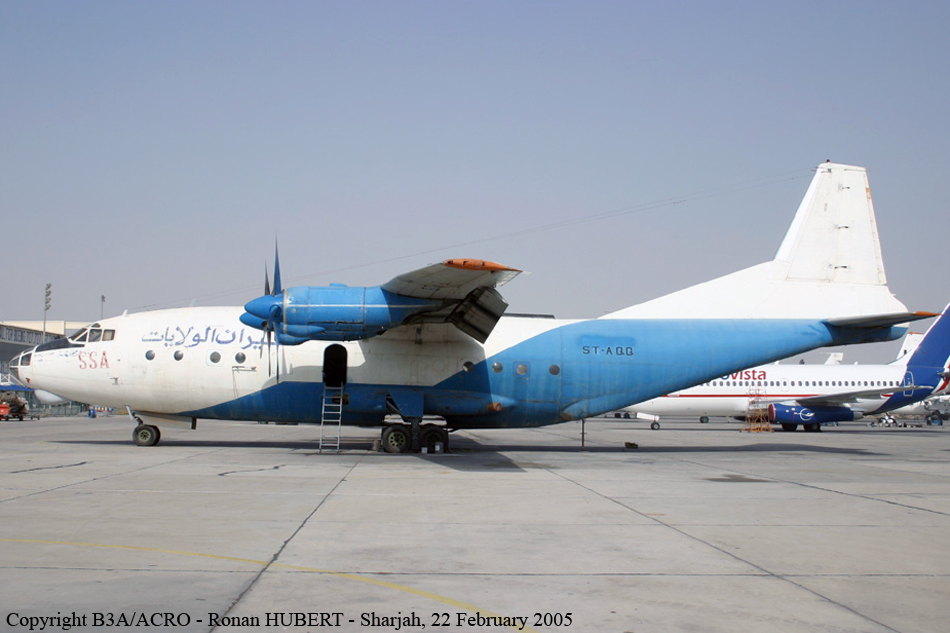
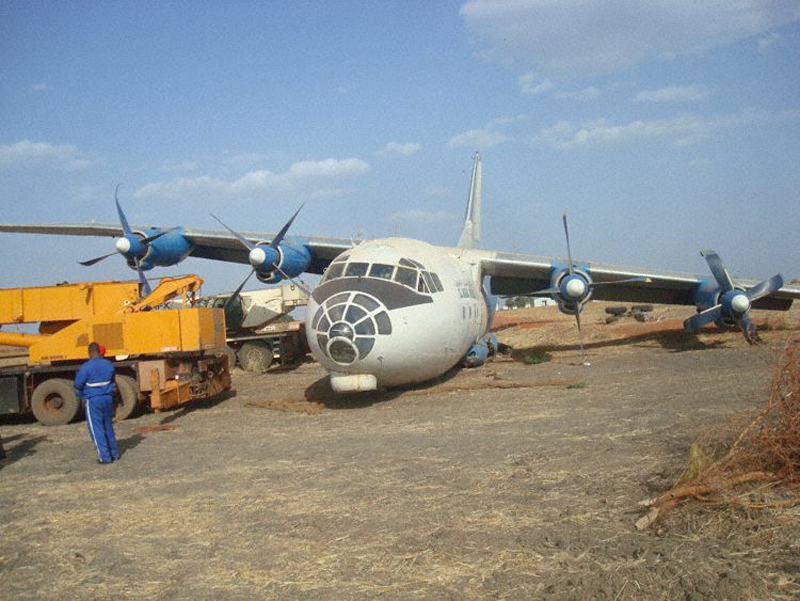
The four engine aircraft departed Khartoum Airport at 0738LT on a cargo flight to Heglig, carrying four crew members and a load consisting of 13 tons of various goods. On final approach to Heglig Airport, the aircraft was too low. It collided with obstacles and a concrete block located 16 metres short of runway threshold and housing an element of the approach light system. The aircraft bounced, nosed down and landed nose first 52 metres further. After a course of 183 metres, a tyre on the right main gear burst. The captain instructed the flight engineer to activate the reverse thrust systems but the flight engineer did not check the power levers. The aircraft veered off runway to the left, lost its left main gear and came to rest. All four occupants escaped uninjured while the aircraft was damaged beyond repair.
Probable cause:
Wrong approach configuration, causing the aircraft to land short of runway.
The following factors were identified:
- The flight engineer unlocked props I, II, III at throttle position < 20 degrees UPRT and No IV engine at 40 degrees UPRT,
- Unrectification of nose wheel and main landing gear crack as recommended by the manufacturer.

Crash of a Boeing 727-231F in Kinshasa

Date & Time: Jan 2, 2010
Type of aircraft:
Operator:
Registration:
9Q-CAA
Flight Type:
Survivors:
Yes
MSN:
21986/1580
YOM:
1980
Region:
Crew on board:
4
Crew fatalities:
Pax on board:
0
Pax fatalities:
Other fatalities:
Total fatalities:
0
Circumstances:
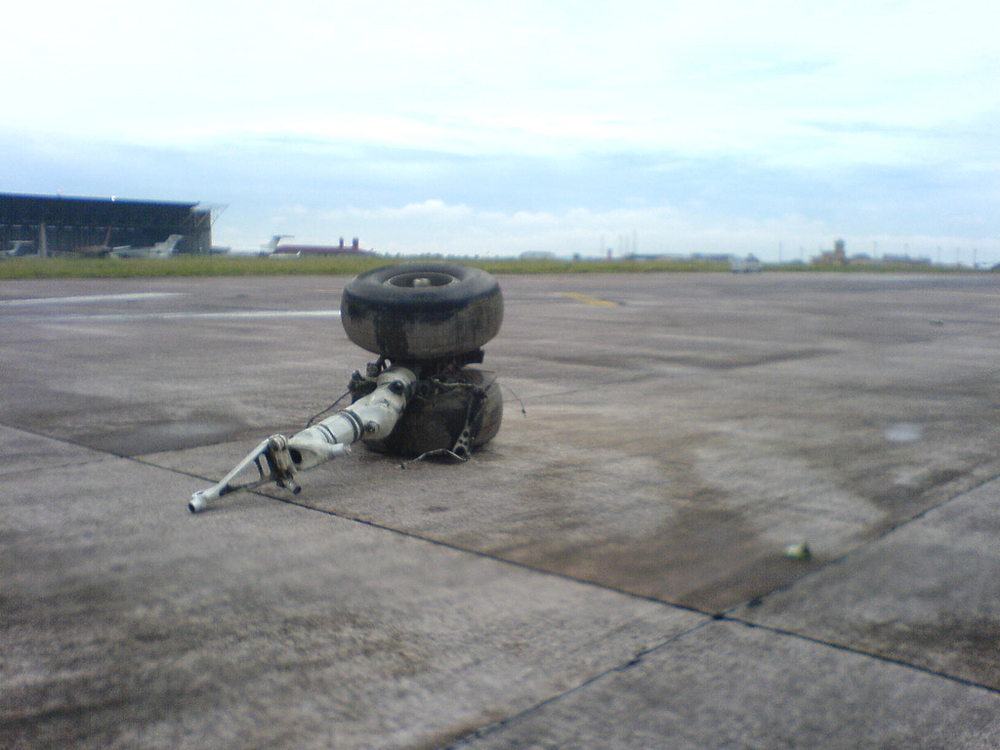
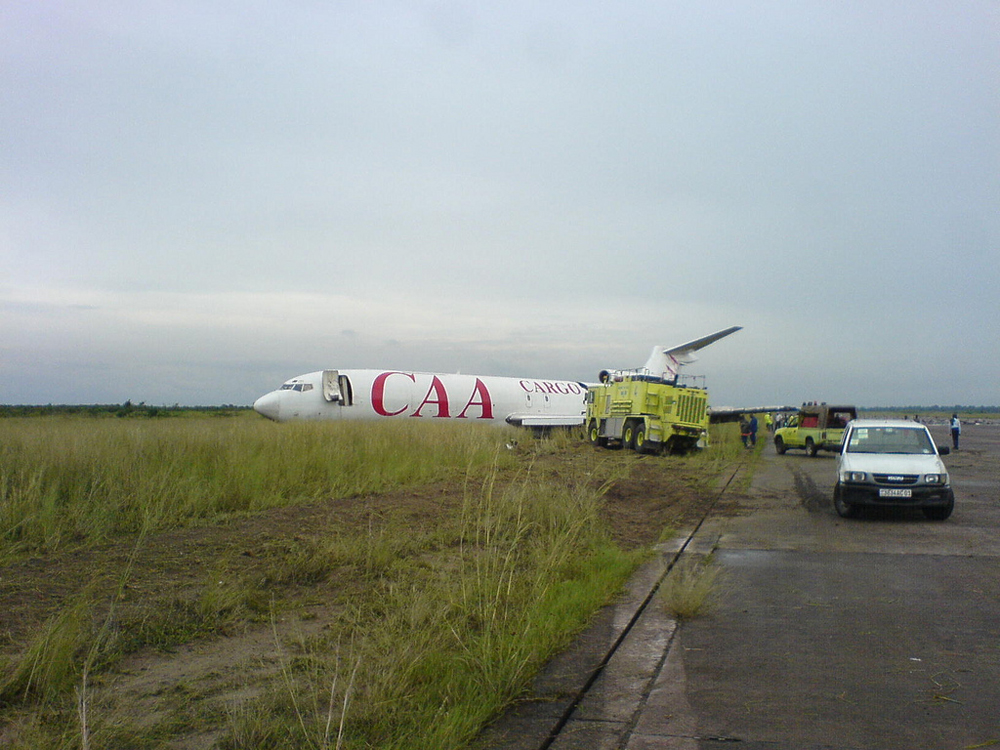
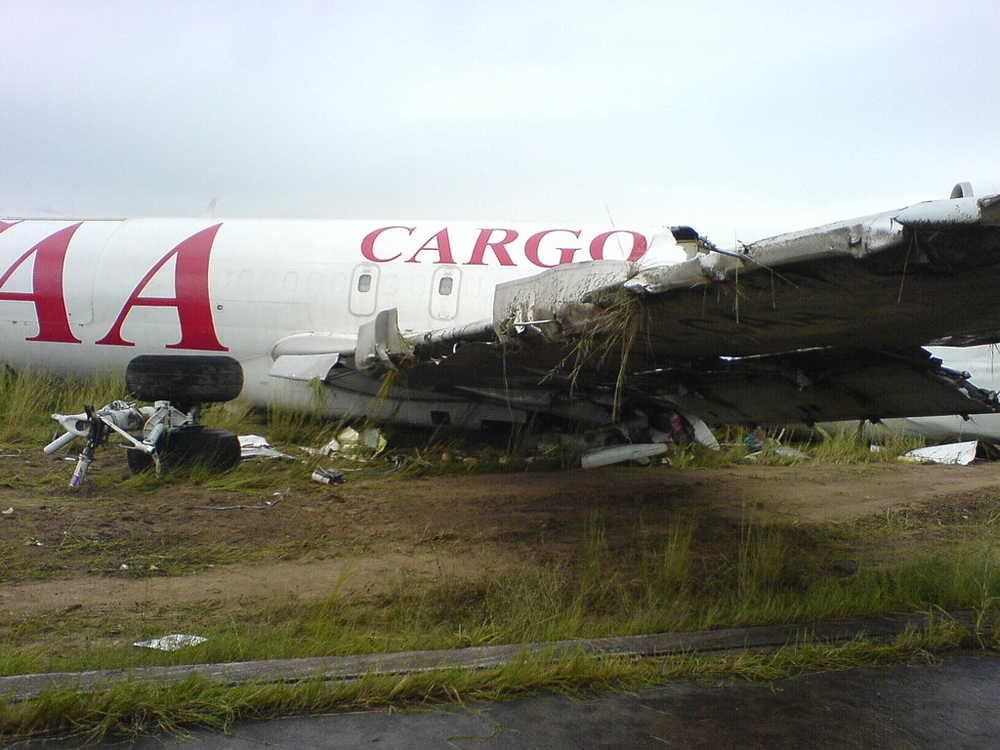
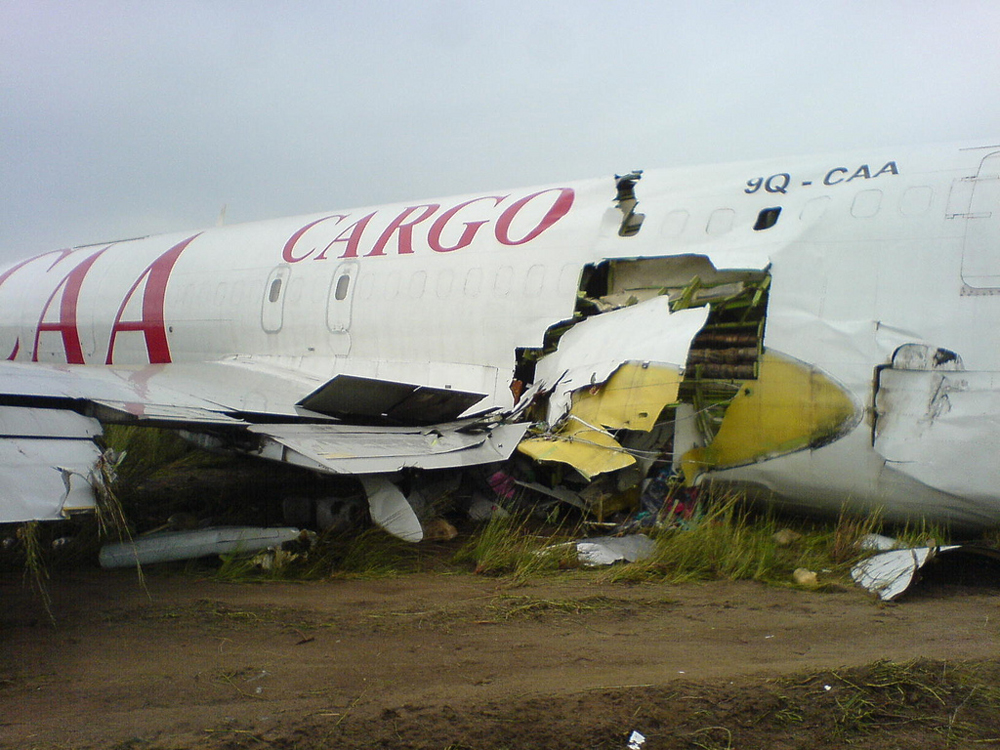
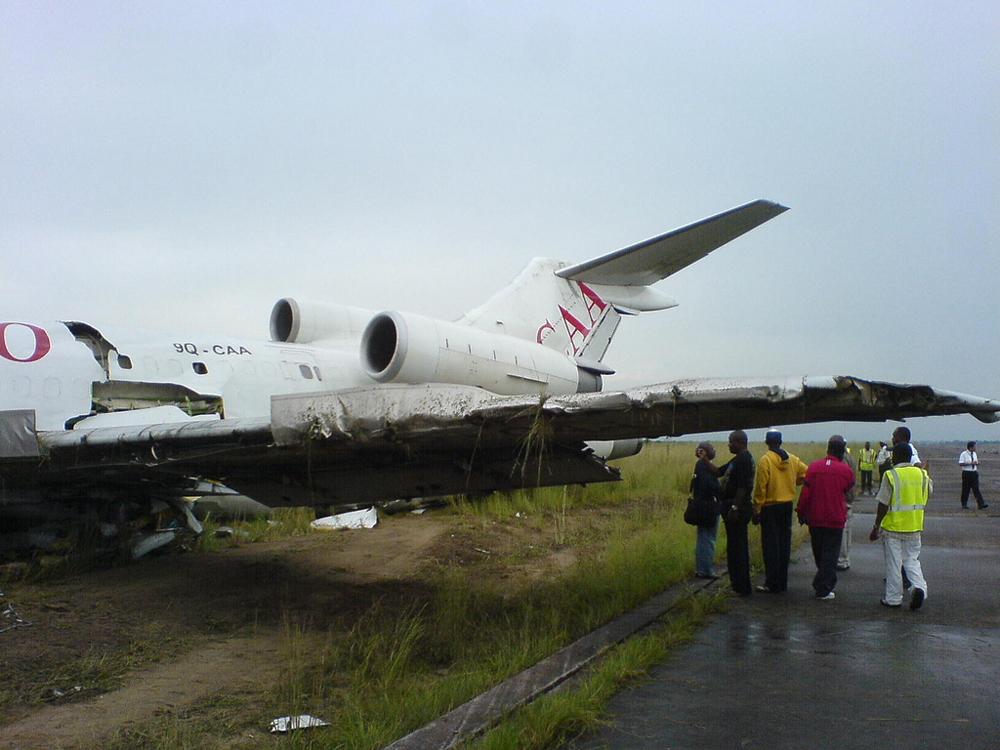
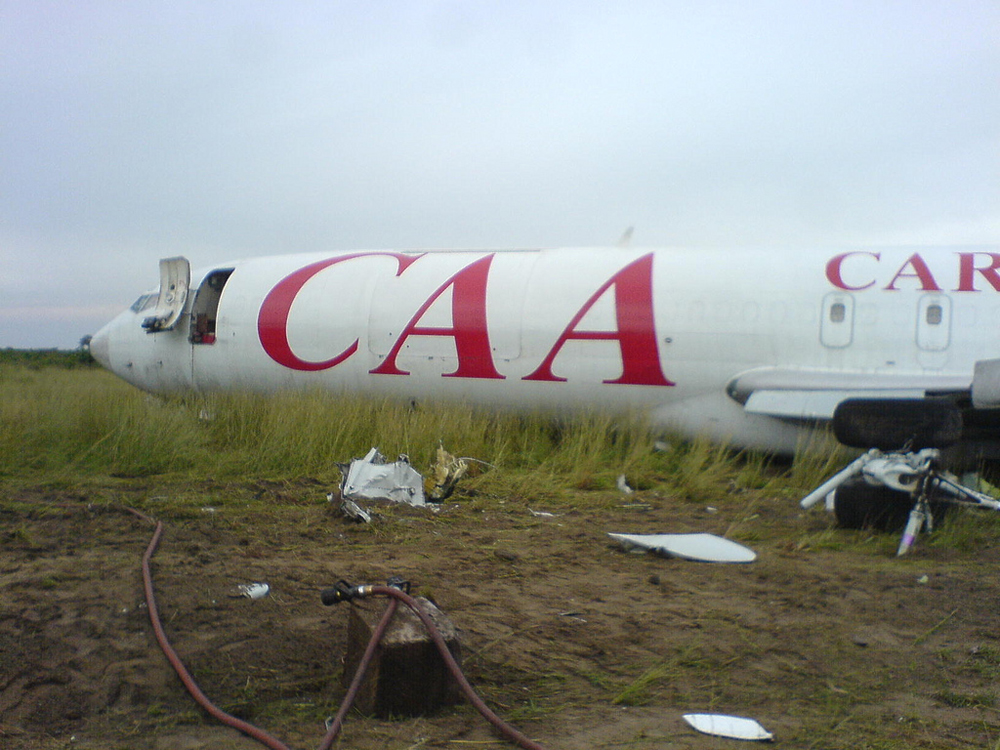
On final approach to Kinshasa-N'Djili Airport, the crew encountered poor weather conditions with limited visibility due to heavy rain falls. After touchdown on runway 06, the aircraft passed through standing water when control was lost. It veered off runway to the right, lost its undercarriage and came to rest in a grassy area. All four occupants escaped uninjured while the aircraft was damaged beyond repair.