Crash of a Cessna 550 Citation II in Odessa: 2 killed

Date & Time: Aug 20, 2024 at 0700 LT
Type of aircraft:
Operator:
Registration:
N689VP
Flight Phase:
Flight Type:
Survivors:
No
Site:
Schedule:
Odessa - Ellington
MSN:
550-0689
YOM:
1991
Crew on board:
2
Crew fatalities:
Pax on board:
0
Pax fatalities:
Other fatalities:
Total fatalities:
2
Circumstances:
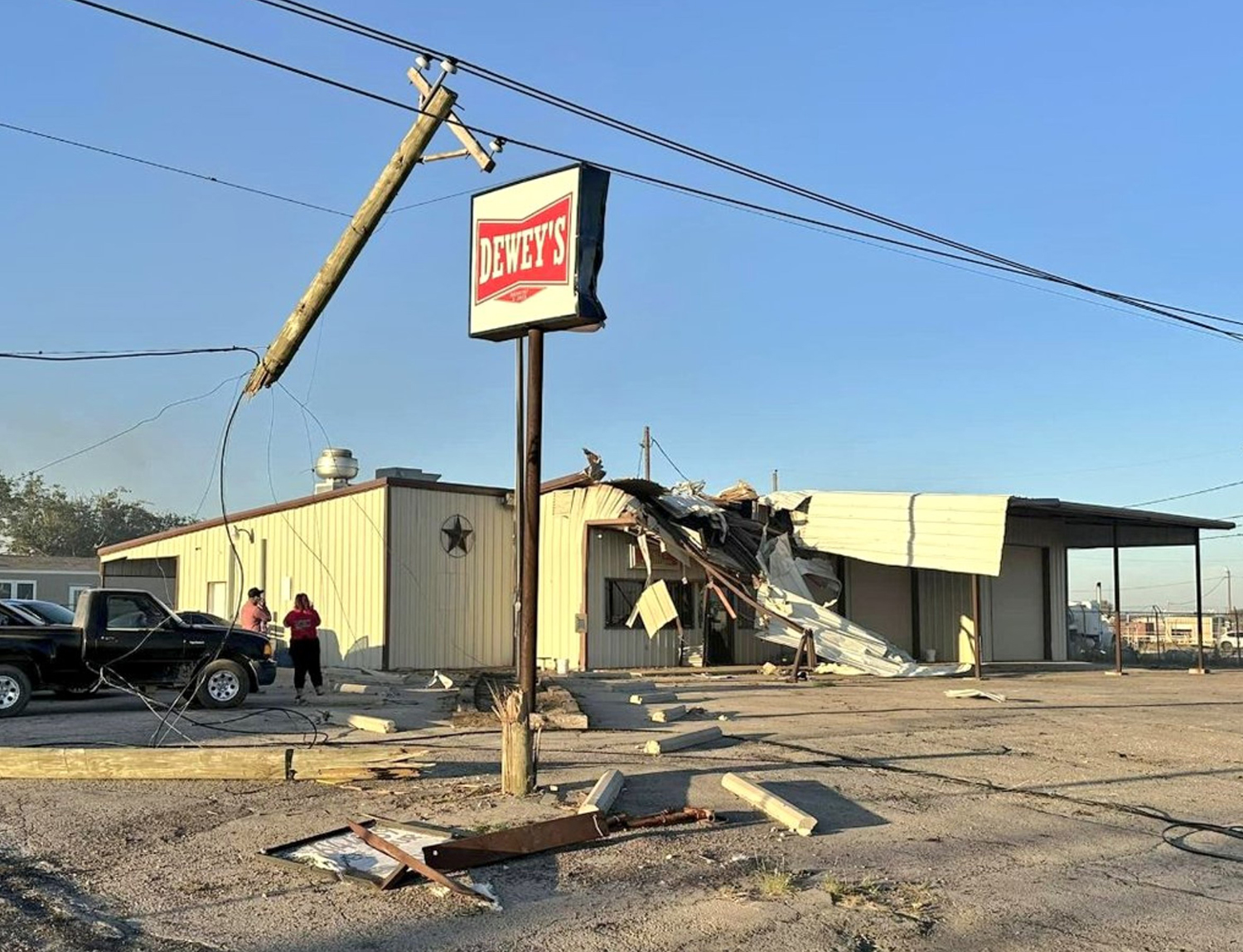
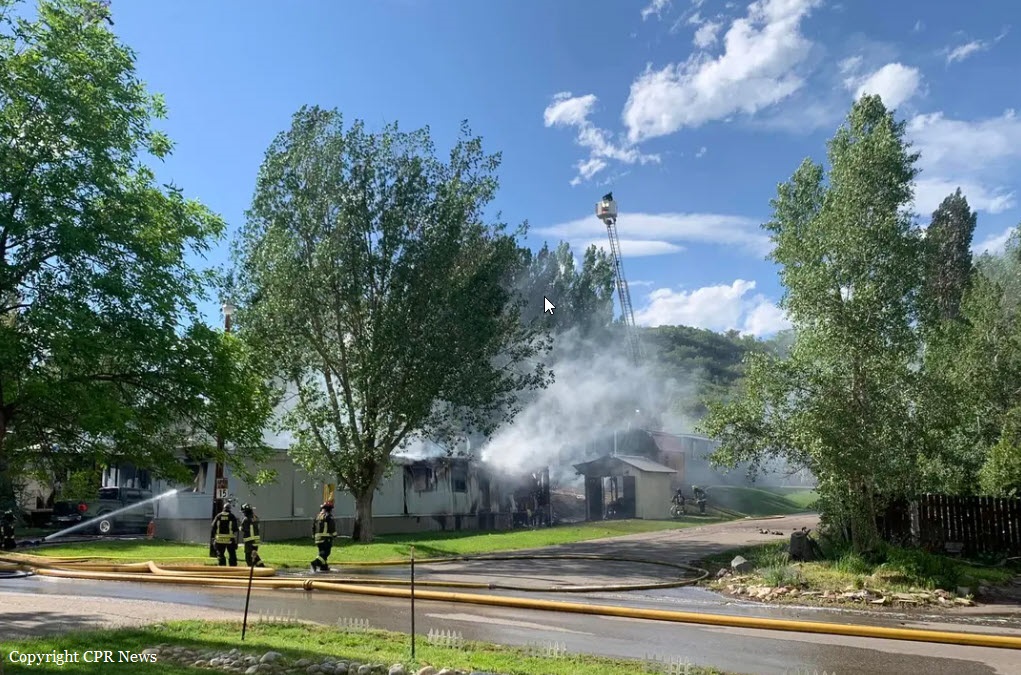
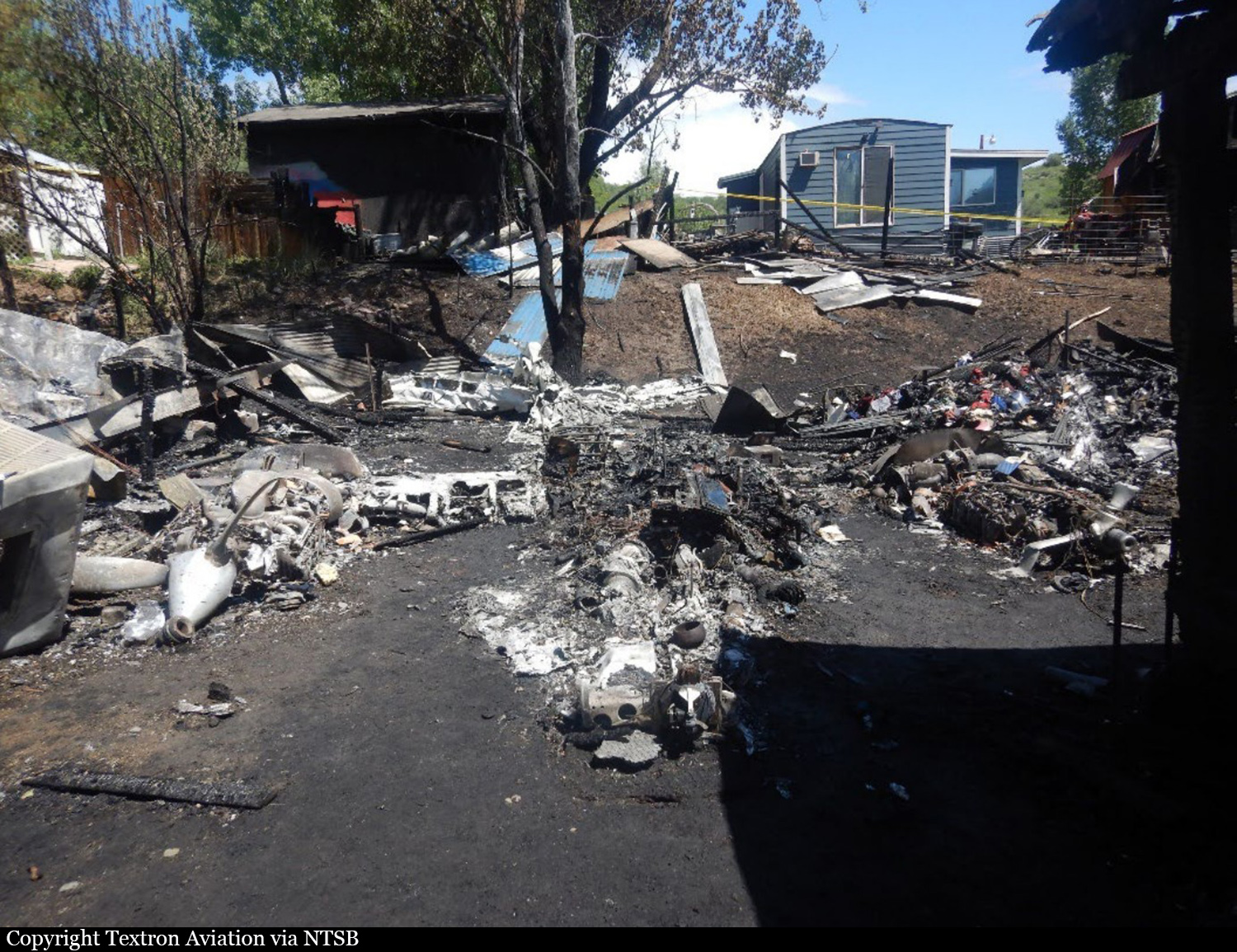
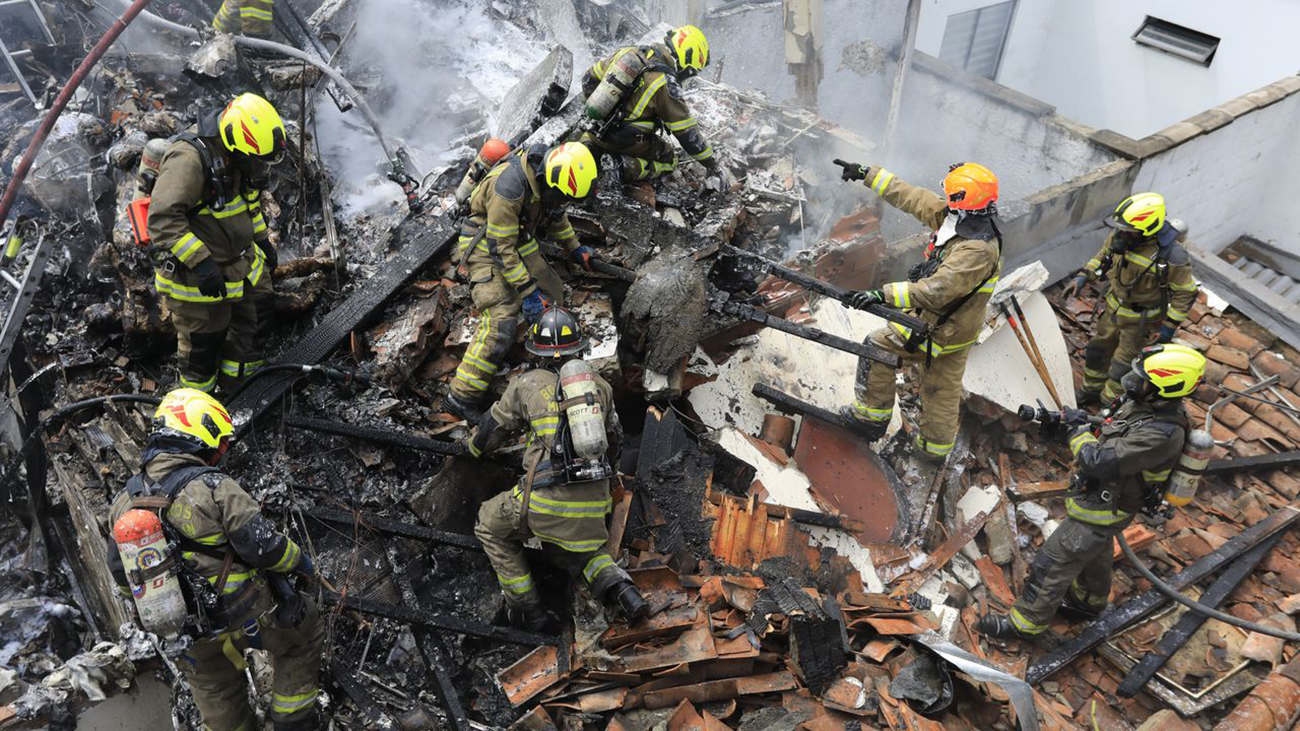
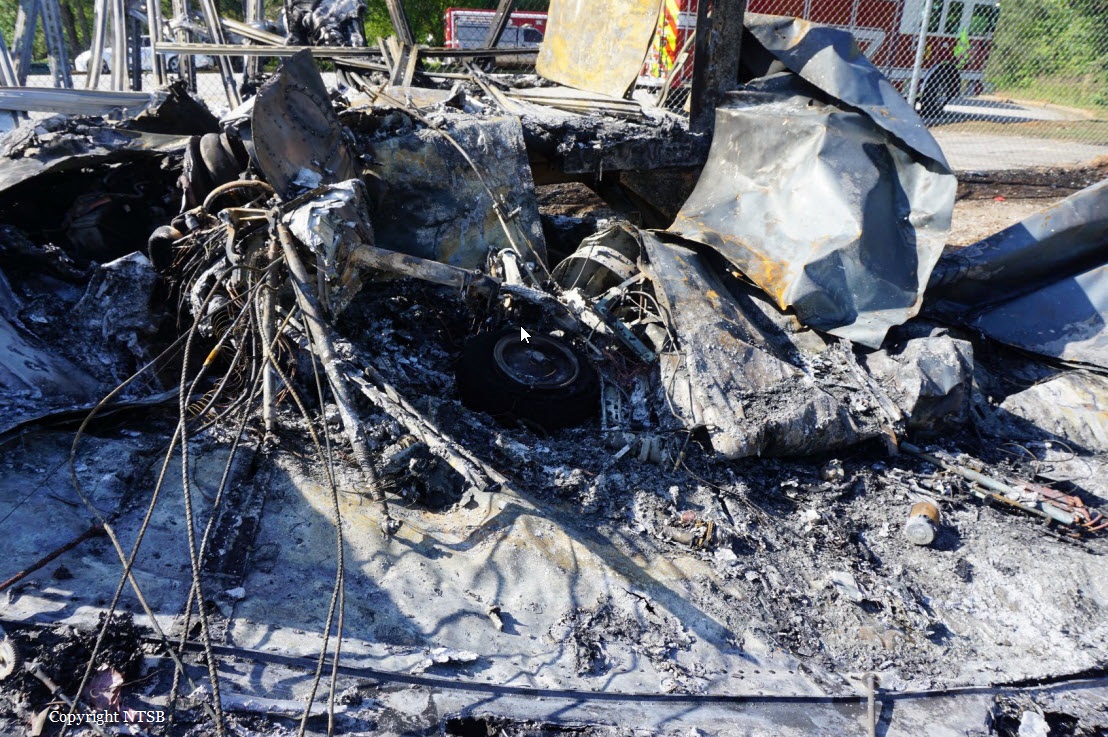
The crew was completing a flight from Odessa to Ellington Field, near Houston. After takeoff from runway 16, while in initial climb, the twin engine airplane collided with a poweline located about 270 metres past the runway end. The airplane descended to the right and crashed onto a garage located 150 metres further, bursting into flames. The airplane was totally destroyed and both occupants were killed.

Crash of an ATR72-500 in Capela: 62 killed

Date & Time: Aug 9, 2024 at 1322 LT
Type of aircraft:
Operator:
Registration:
PS-VPB
Flight Phase:
Survivors:
No
Site:
Schedule:
Cascavel – São Paulo
MSN:
908
YOM:
2010
Flight number:
PTB2283
Country:
Crew on board:
4
Crew fatalities:
Pax on board:
58
Pax fatalities:
Total fatalities:
62
Circumstances:
The airplane departed Cascavel Airport at 1158LT on a schedule service (flight PTB2283) to São Paulo-Guarulhos Airport, carrying 58 passengers and a crew of four. While flying at FL170, the airplane entered an uncontrolled descent and crashed in a relative flat attitude in a private garden, nearby a villa located in the city of Capela, west of Vinhedo, some 69 km northwest of Guarulhos Airport. A fire erupted after the crash. All 62 occupants have been killed. Significant variations were noted with the aircraft' speed during the entire flight, while the altitude remained stable until the loss of control. Severe icing conditions were reported between FL120 and FL210.

Crash of a Cessna 402B in Aguadilla: 1 killed

Date & Time: Jul 11, 2024 at 0923 LT
Type of aircraft:
Registration:
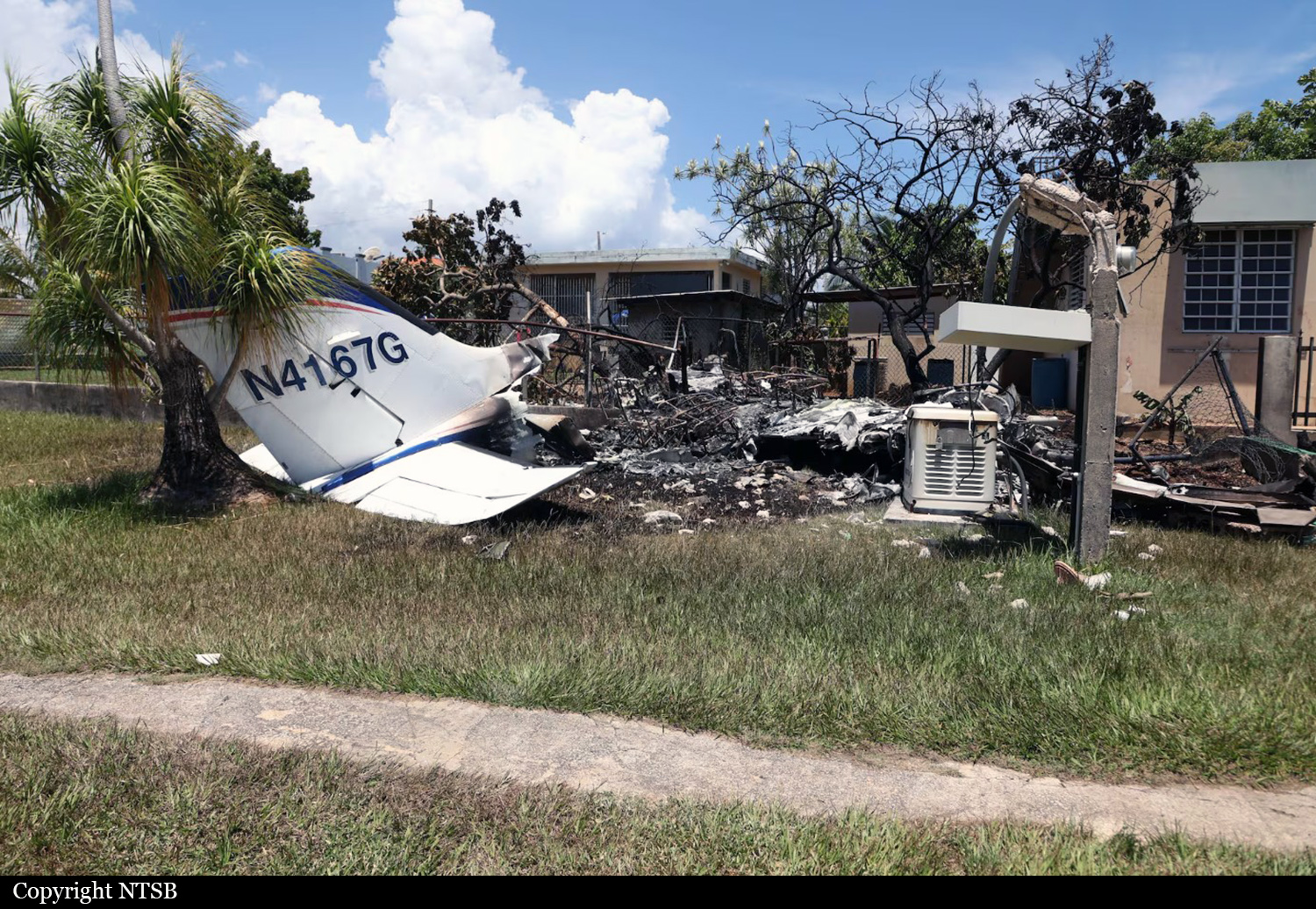
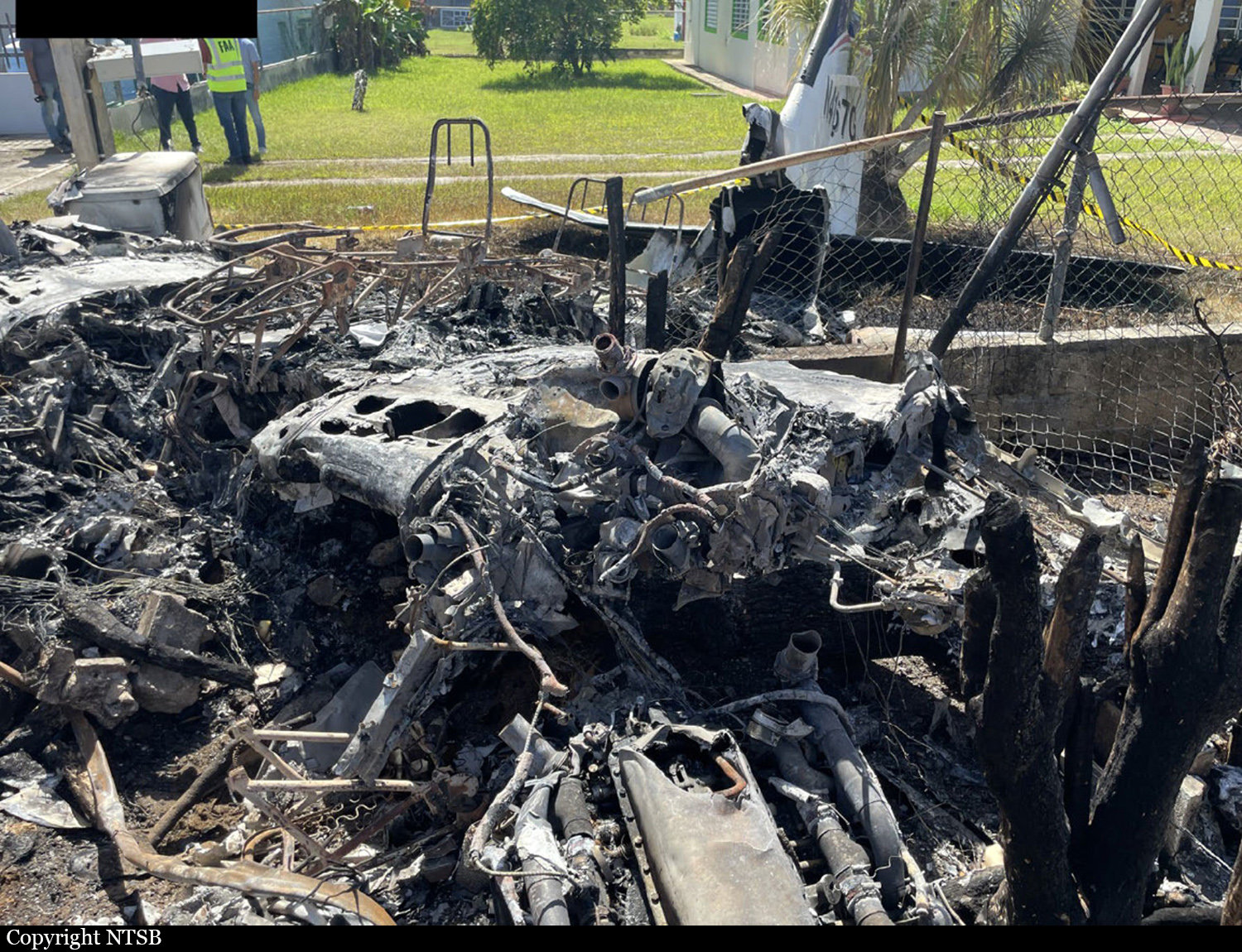
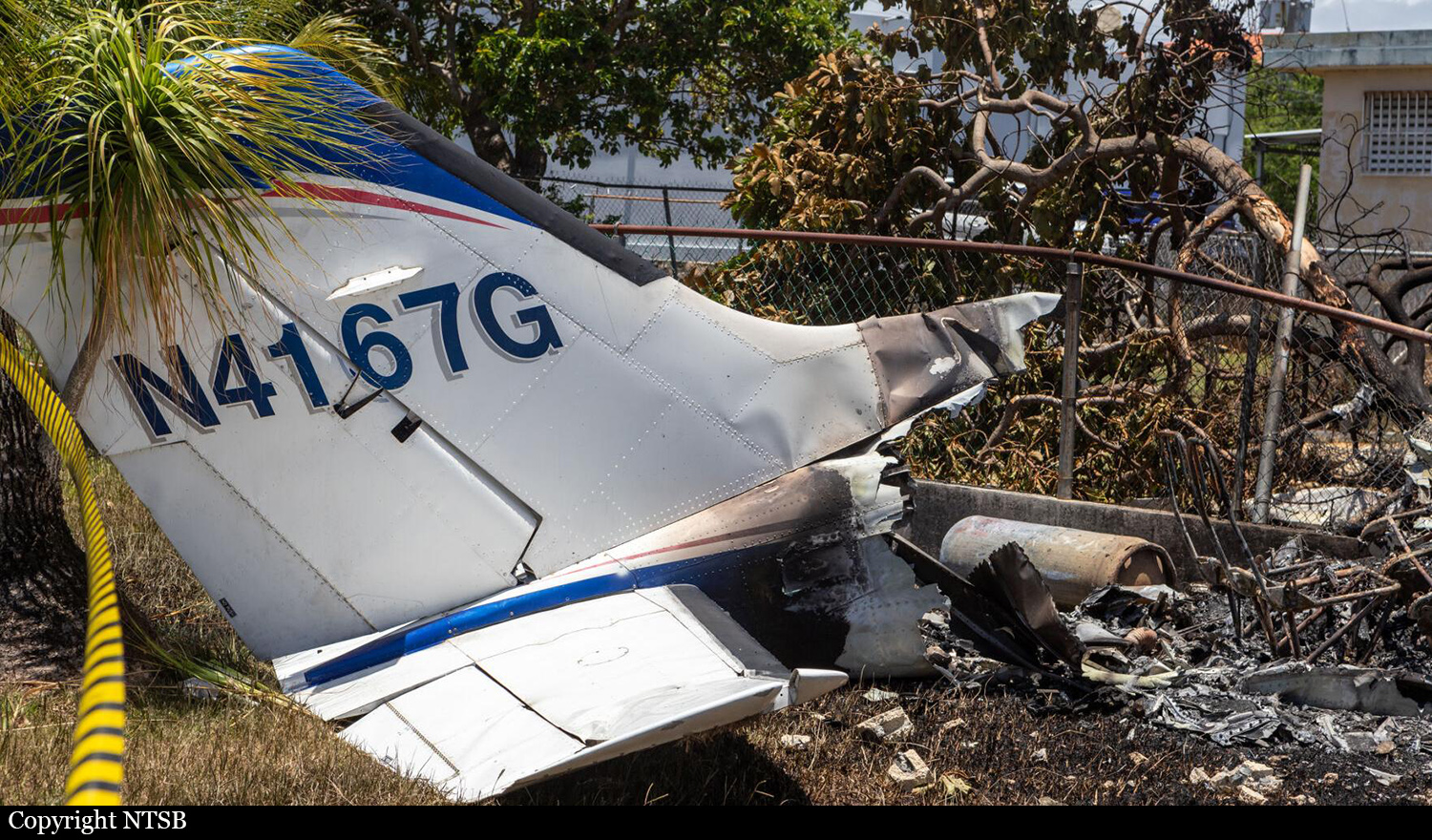
N4167G
Flight Phase:
Flight Type:
Survivors:
No
Site:
Schedule:
Aguadilla - San Juan
MSN:
402B-1214
YOM:
1976
Country:
Crew on board:
1
Crew fatalities:
Pax on board:
0
Pax fatalities:
Other fatalities:
Total fatalities:
1
Captain / Total flying hours:
1200
Aircraft flight hours:
12175
Circumstances:
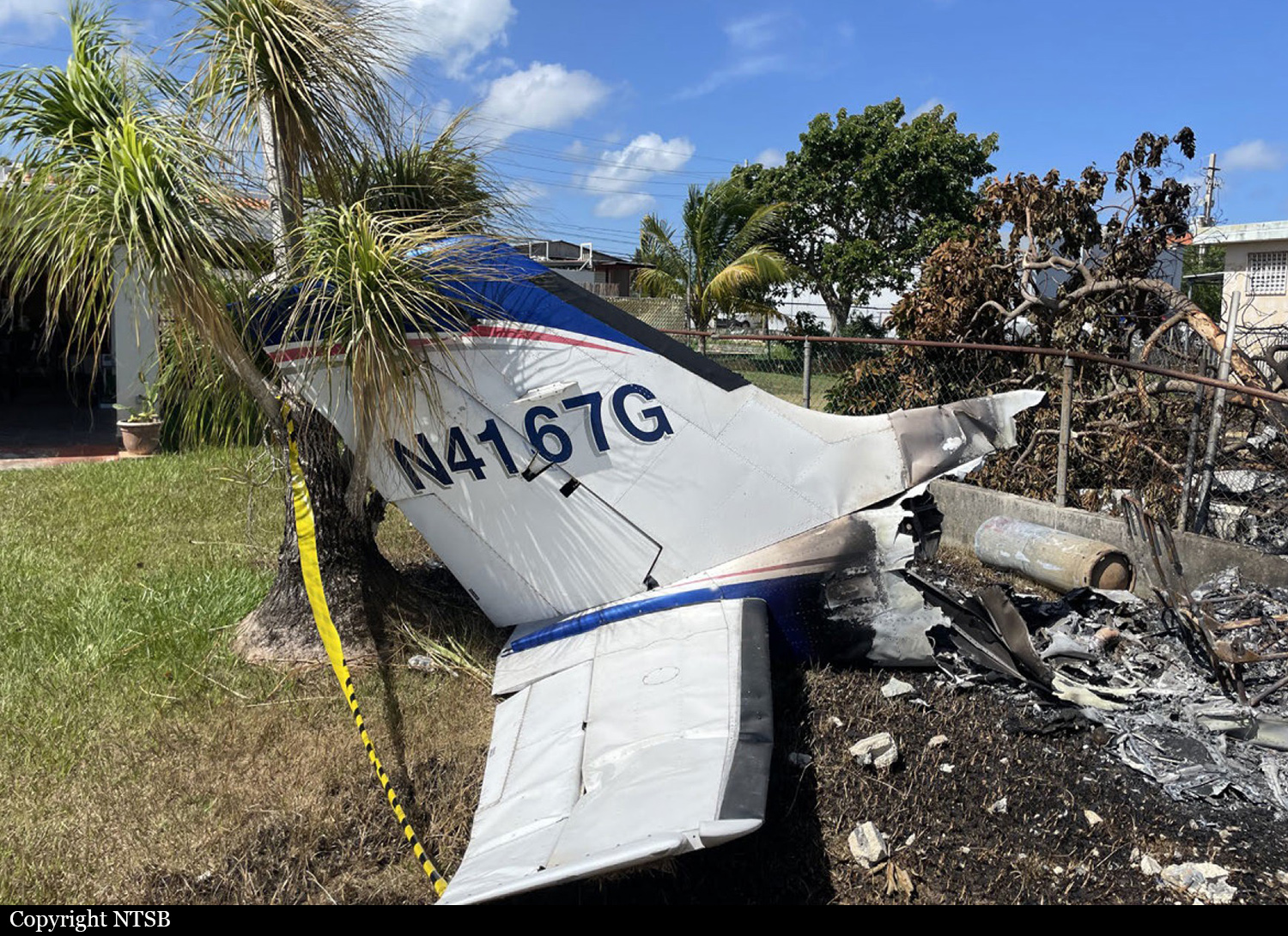
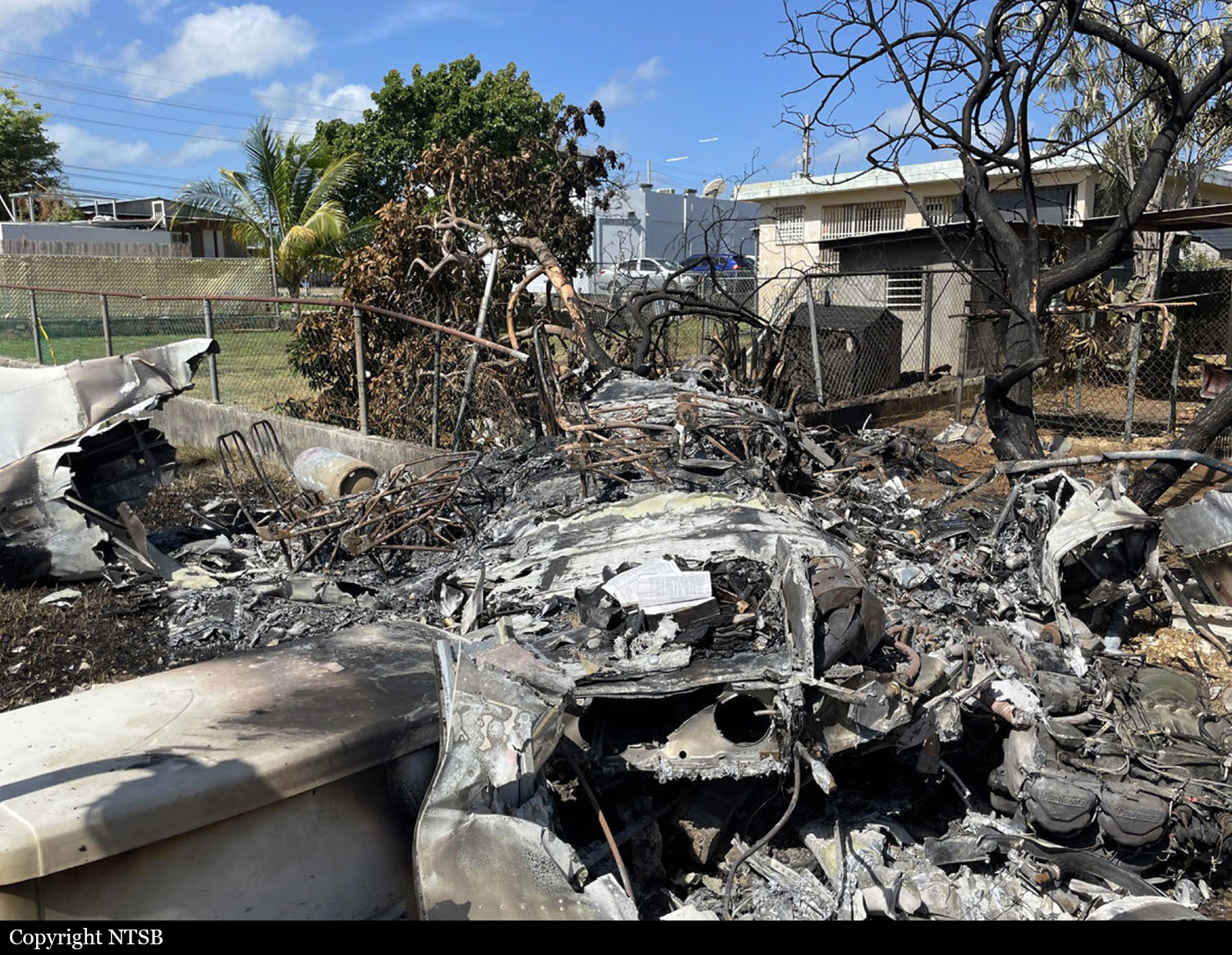
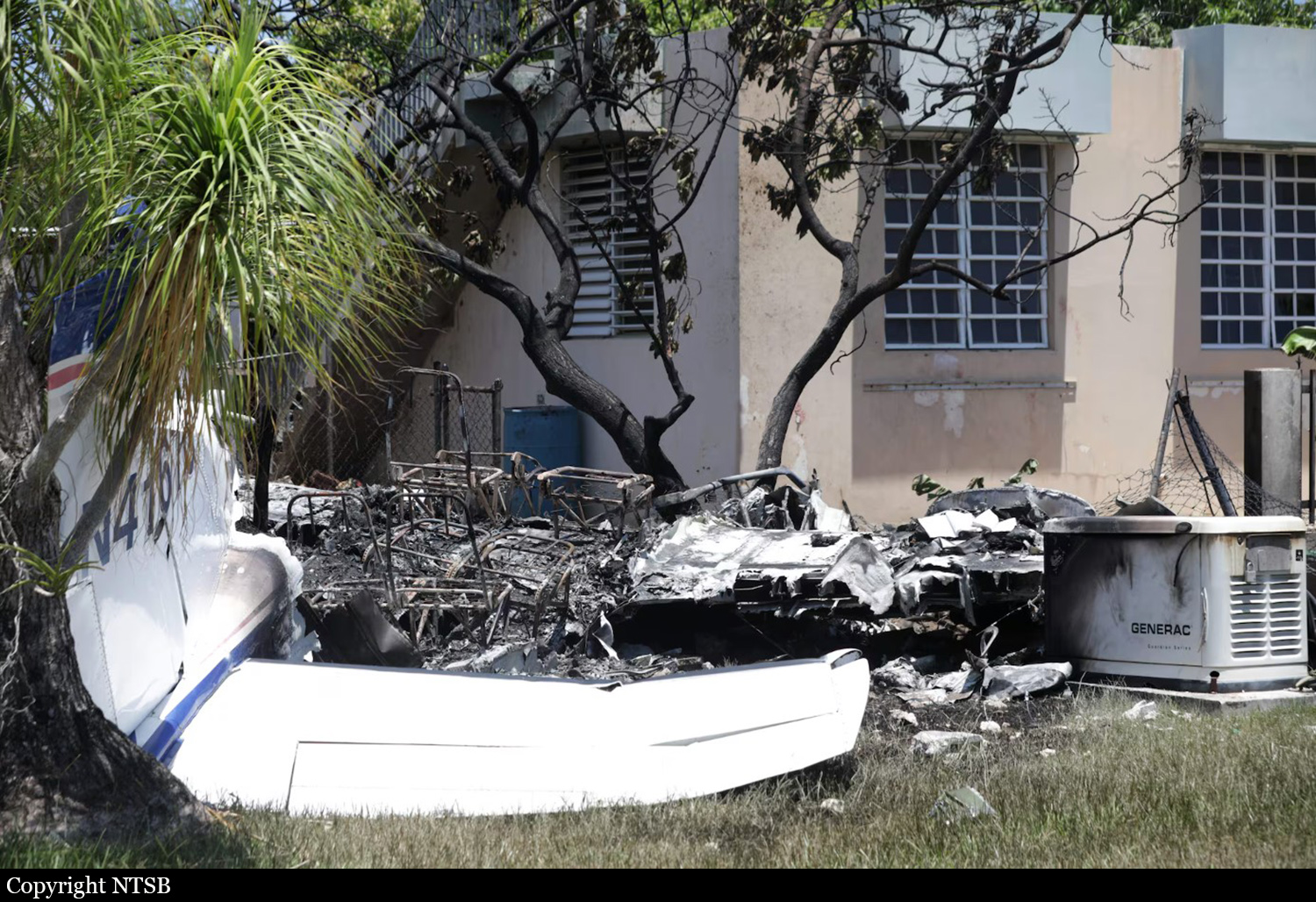
About 3 months before the accident, the twin-engine airplane underwent an annual maintenance inspection during which the mechanic identified numerous discrepancies with both engines and the airframe. The airplane was not subsequently approved for flight and the owner was provided a list of the discrepancies. The purpose of the accident flight was to relocate the airplane to another airport where the pilot planned to have the discrepancies addressed. The mechanic reported that he had advised the pilot that he needed to apply for a ferry permit from the FAA in order to complete the accident flight, but there was no evidence that the pilot had obtained one. On the day of the accident flight, air traffic control data showed that the pilot departed and climbed the airplane to about 1,500 ft mean sea level (msl). About 2 miles from the departure airport the pilot advised air traffic control of his intent to return to the departure runway due to a vibration of the right engine. The controller immediately cleared the pilot to enter the left downwind for the departure runway. The airplane then turned to the left and began a descent toward the left downwind leg of the traffic pattern. When the airplane was about a mile from the airport, the pilot reported that the airplane had an “engine failure” and that he intended to land on the departure runway, but in the opposite direction. Recorded flight track data showed that the airplane then turned directly toward the approach end of that runway and that during the final 30 seconds of track data, the airplane’s altitude and groundspeed decreased rapidly. Surveillance video captured the final few seconds of flight, and showed the airplane in a steep vertical descent and a right roll. The airplane impacted a residential area into trees, powerlines, and propane fuel tanks. After the impact, the airplane sustained significant postimpact fire damage. The airplane was destroyed and the pilot was killed. One person on the ground was slightly injured.
Probable cause:
The pilot’s decision to operate the airplane with known maintenance discrepancies, which resulted in a total loss of right engine power. Contributing to the outcome was the pilot’s failure to maintain airspeed while returning to the airport with a single operating engine, which resulted in a loss of airplane control.
Final Report:

Crash of a Cessna 421C Golden Eagle III in Steamboat Springs: 2 killed

Date & Time: Jun 17, 2024 at 1623 LT
Registration:
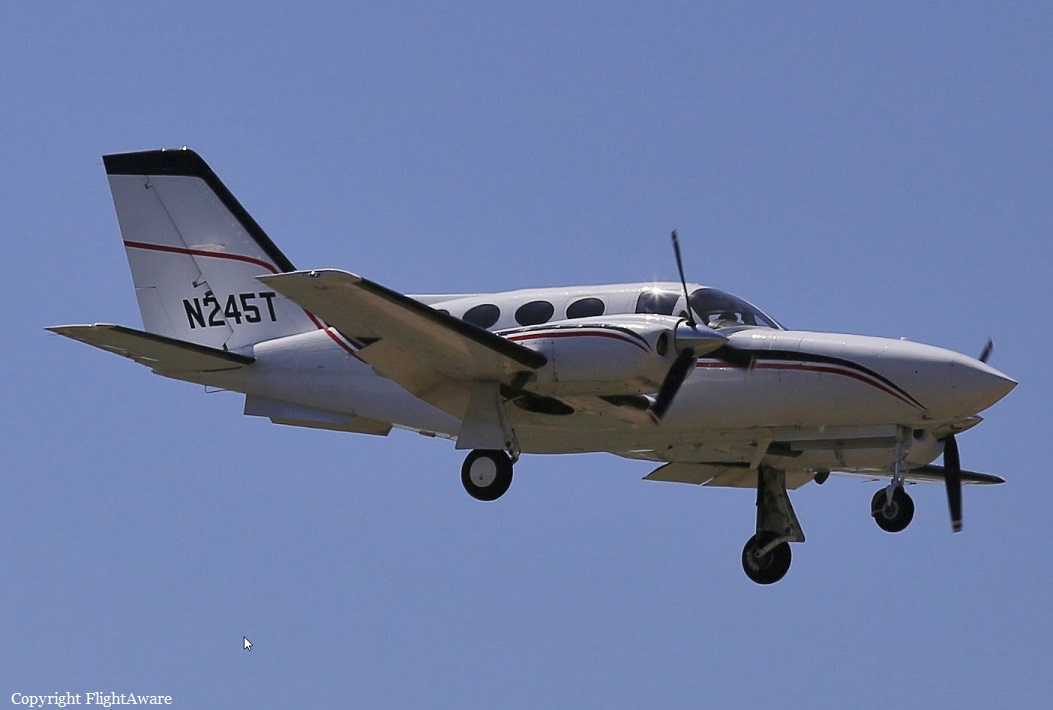
N245T
Flight Type:
Survivors:
No
Site:
Schedule:
Longmont - Ogden
MSN:
421C-1104
YOM:
1981
Crew on board:
1
Crew fatalities:
Pax on board:
1
Pax fatalities:
Other fatalities:
Total fatalities:
2
Captain / Total flying hours:
600
Captain / Total hours on type:
59.00
Aircraft flight hours:
3139
Circumstances:
While enroute to the destination airport, the pilot reported a “cylinder temperature issue” to air traffic control (ATC) and the pilot diverted to another airport for a visual approach. The pilot overflew the airport and requested vectors for another visual approach. He then requested vectors to divert to an airport to the east before he informed air traffic control that the left engine lost power, and he received vectors back to the airport for a visual approach. The pilot maneuvered the airplane to land on runway 14, but for an unknown reason he decided to land on runway 32 instead. A pilot-rated witness reported that he observed the airplane while it was on the base to final turn for runway 32. He reported that the airplane’s wings leveled momentarily before it made a 60° left-bank turn and then entered a stall/spin in a counterclockwise rotation. The airplane impacted a trailer park about 0.38 miles from the approach end of runway 32. A postimpact fire ensued and destroyed the airplane. Examination of the airframe, flight controls, and the right engine did not detect any preimpact anomalies that would have precluded normal operation. Examination of the left engine found that the starter adapter spline was worn, with broken teeth on its crankshaft gear. The crankshaft gear remained properly timed with the crankshaft cluster gear, the investigation could not determine if the idler gear, which drives the magnetos, slipped timing. Mistiming of the magnetos could result in abnormal cylinder head temperature(s). In addition, there was improper hardware securing the cylinder No. 6 intake valve, which might have altered performance of that valve. Due to thermal damage, testing of the ignition and fuel systems could not be accomplished. Evidence of detonation was observed on the left engine’s piston heads. The installed engine data monitor was destroyed by the postimpact fire and did not provide further details as to the operational condition of the engine before the accident. Inspection of the starter adapter assembly is required annually by airworthiness directive and was accomplished on the most recent annual inspection. The airplane had flown about 5.5 hours since the inspection.
Probable cause:
The pilot’s failure to maintain sufficient airspeed following a loss of engine power, which resulted in an inadvertent aerodynamic stall/spin at low altitude.
Final Report:

Crash of a Piper PA-31-310 Navajo in Albany: 1 killed

Date & Time: Jun 17, 2024 at 0815 LT
Type of aircraft:
Operator:
Registration:
C-GKSI
Flight Phase:
Flight Type:
Survivors:
No
Site:
Schedule:
Albany - Montreal
MSN:
31-7912008
YOM:
1979
Location:
Crew on board:
1
Crew fatalities:
Pax on board:
0
Pax fatalities:
Other fatalities:
Total fatalities:
1
Circumstances:
The pilot departed runway 19 at Albany International Airport on a ferry flight to Montreal. After takeoff, while climbing, the pilot informed ATC about engine trouble and was able to climb to an altitude of about 800 feet when the airplane entered a left descending turn. It later gained a little altitude then entered an uncontrolled descent and crashed in a residential area, bursting into flames. The airplane was destroyed and the pilot, sole on board, was killed. The airplane was en route to Montreal-Pierre Elliott Trudeau International Airport.

Crash of a Cessna 406 Caravan II in Windhoek: 3 killed

Date & Time: May 3, 2024 at 1708 LT
Type of aircraft:
Operator:
Registration:
V5-ASB
Flight Type:
Survivors:
No
Site:
Schedule:
Windhoek - Windhoek
MSN:
406-0031
YOM:
1989
Country:
Region:
Crew on board:
2
Crew fatalities:
Pax on board:
1
Pax fatalities:
Other fatalities:
Total fatalities:
3
Circumstances:
The twin engine airplane departed Windhoek-Eros Airport on a local post maintenance test flight, carrying two pilots and one technician. After takeoff, the crew encountered an unexpected situation and elected to return for an emergency landing. On final approach to runway 19, the airplane went out of control and crashed in a street located in the suburb of Pioneerspark, bursting into flames. All three occupants were killed.

Crash of a Canadair CL-600-2B16 Challenger 604 in Naples: 2 killed

Date & Time: Feb 9, 2024 at 1511 LT
Type of aircraft:
Operator:
Registration:
N823KD
Survivors:
Yes
Site:
Schedule:
Columbus - Naples
MSN:
5584
YOM:
2004
Flight number:
HPJ823
Location:
Crew on board:
3
Crew fatalities:
Pax on board:
2
Pax fatalities:
Other fatalities:
Total fatalities:
2
Captain / Total flying hours:
10380
Captain / Total hours on type:
2695.00
Copilot / Total flying hours:
24581
Copilot / Total hours on type:
116
Aircraft flight hours:
9763
Circumstances:
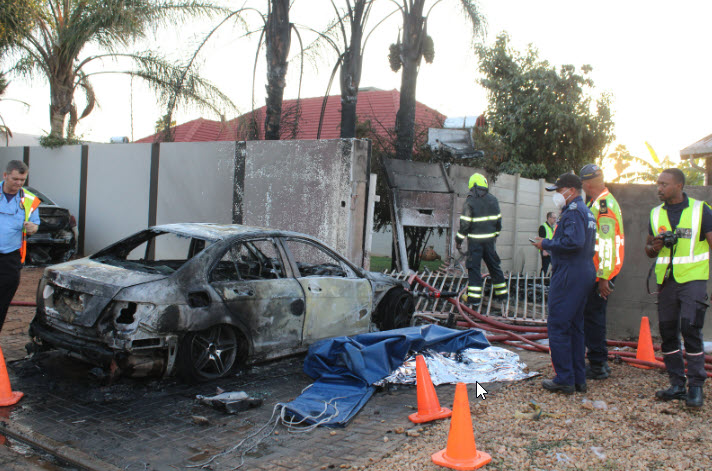
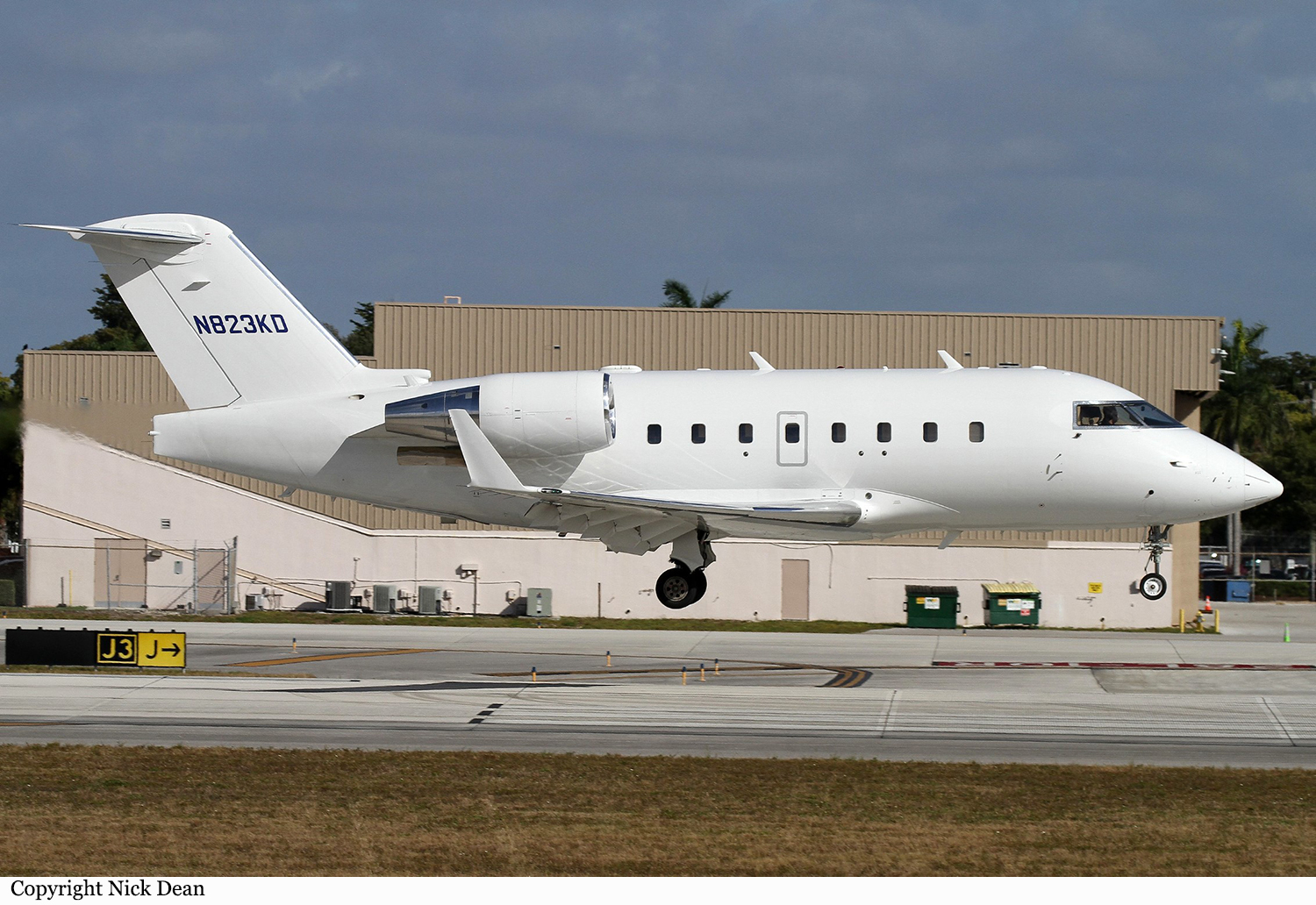
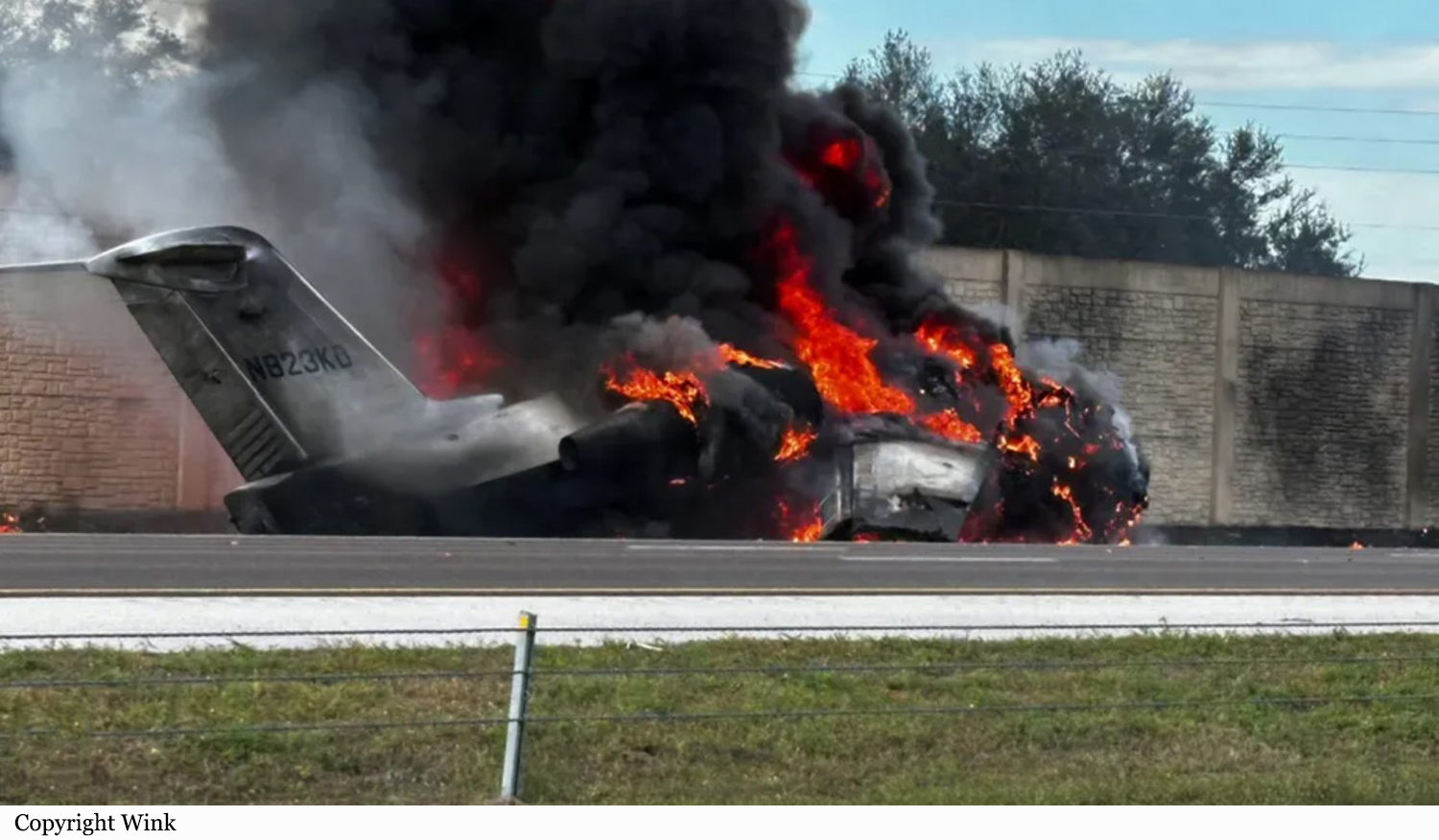
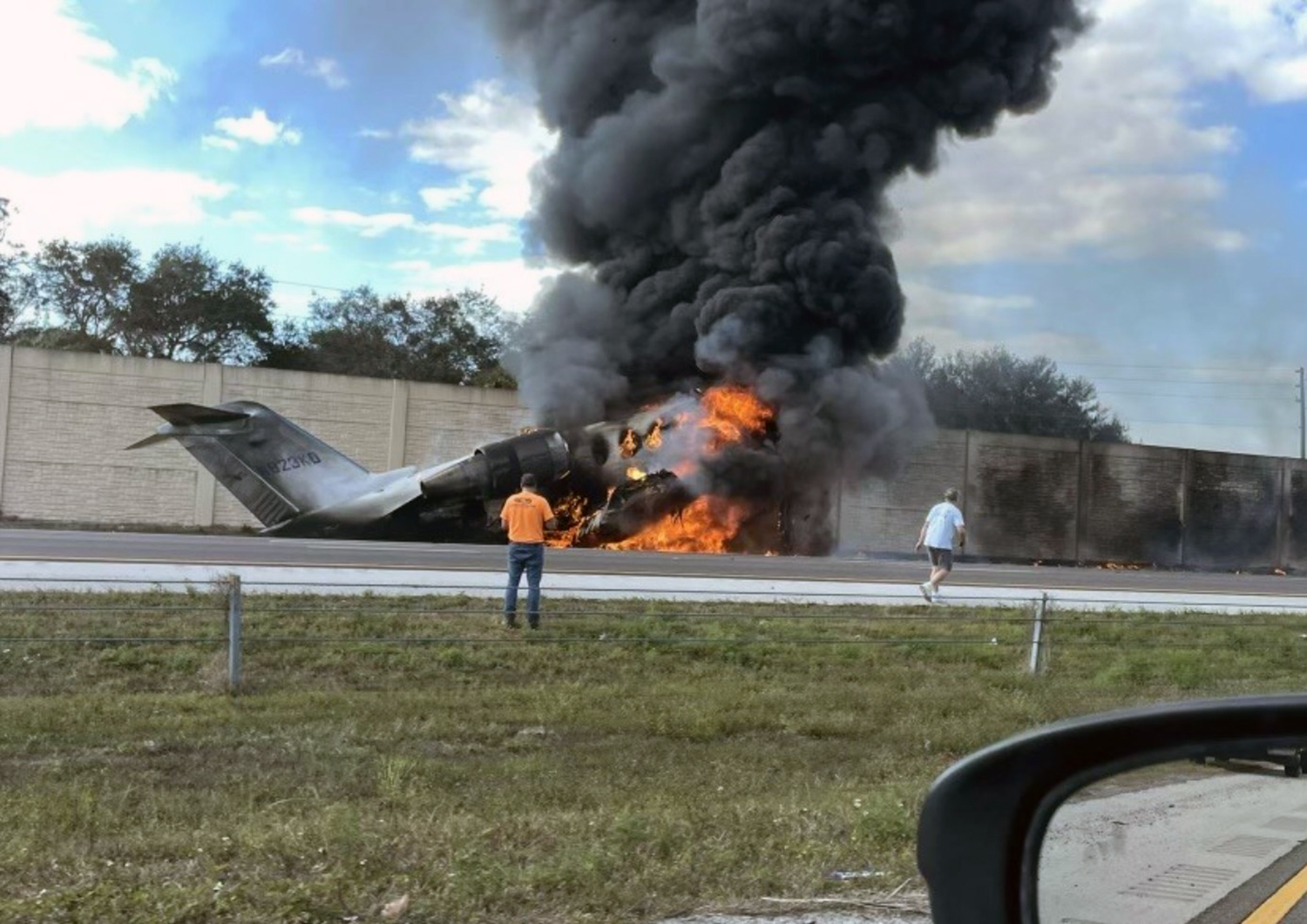
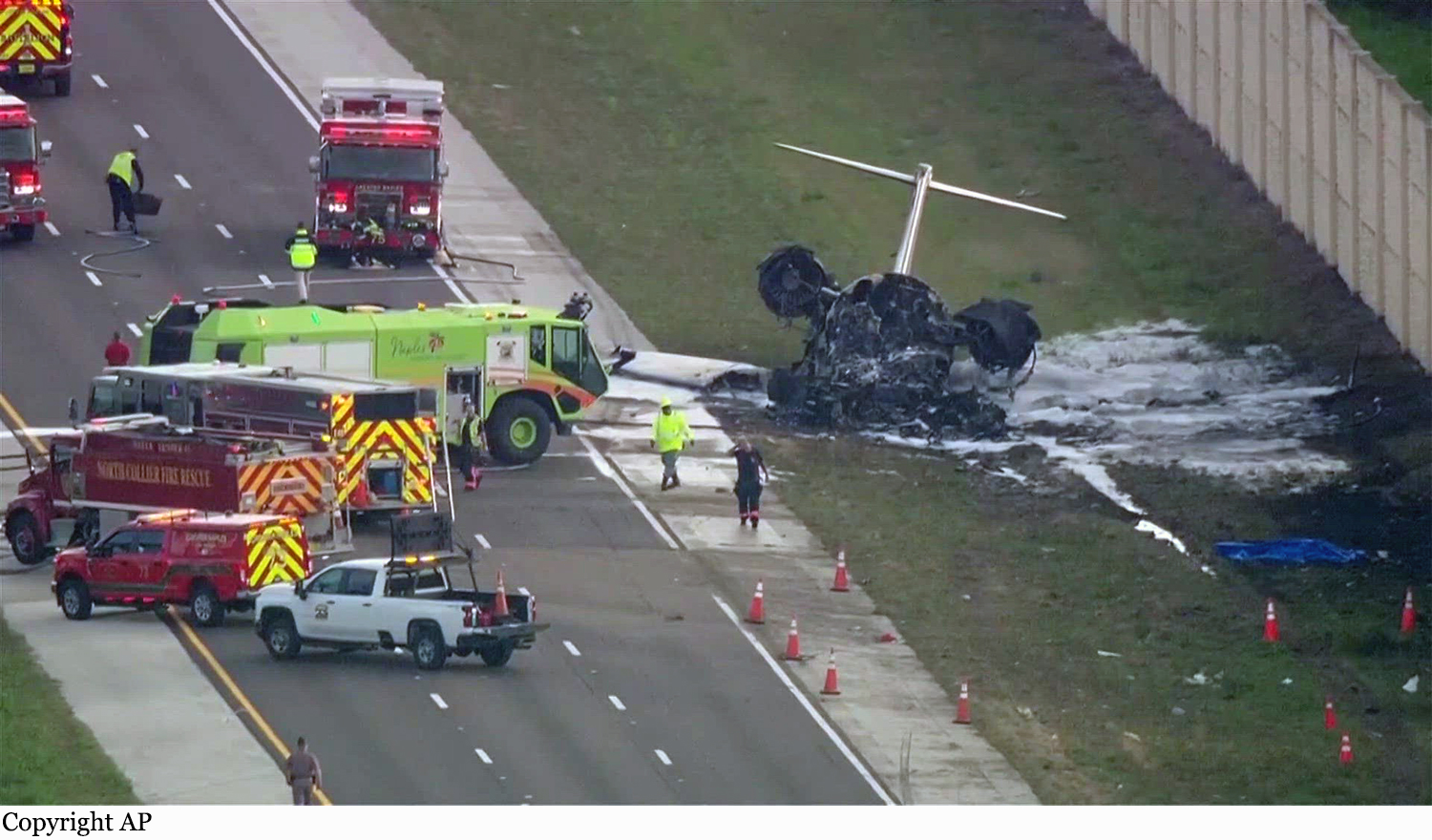
On February 9, 2024, about 1517 eastern standard time, a Bombardier Inc CL-600-2B16, N823KD, was destroyed when it was involved in an accident near Naples, Florida. The two airline transport pilots were fatally injured. The cabin attendant and the two passengers sustained minor injuries, and one person on the ground suffered minor injury. The airplane was operated by Ace Aviation Services (doing business as Hop-A-Jet) as a Title 14 Code of Federal Regulations Part 135 on-demand passenger flight. The airplane was returning to Naples Municipal Airport (APF), Naples, Florida, from Ohio State University Airport (OSU), Columbus, Ohio, where it had flown earlier in the day. The airplane was serviced with 350 gallons of fuel before departure from OSU. Preliminary Automatic Dependent Surveillance – Broadcast (ADS-B) flight track and air traffic control (ATC) data revealed that the flight crew contacted the ATC tower at APF while on a right downwind leg of the approach to the airport and maneuvering for a 5-mile final approach to runway 23. At 1508, the tower controller cleared the flight to land. The airplane was about 6.5 miles north of APF, about 2,000 ft geometric altitude (GEO) and 166 knots ground speed, as it turned for the base leg of the traffic pattern. A preliminary review of the data recovered from the airplane’s flight data recorder revealed that the first of three Master Warnings was recorded at 1509:33 (L ENGINE OIL PRESSURE), the second immediately following at 1509:34 (R ENGINE OIL PRESSURE), and at 1509:40 (ENGINE). The system alerted pilots with illumination of a “Master Warning” light on the glareshield, a corresponding red message on the crew alerting system page and a triple chime voice advisory (“Engine oil”). Twenty seconds later, at 1510:05, about 1,000 ft msl and 122 kts, on a shallow intercept angle for the final approach course, the crew announced, “…lost both engines… emergency… making an emergency landing” (see figure 1). The tower controller acknowledged the call and cleared the airplane to land. At 1510:12, about 900 ft and 115 knots, the crew replied, “We are cleared to land but we are not going to make the runway… ah… we have lost both engines.” There were no further transmissions from the flight crew and the ADS-B track data ended at 1510:47, directly over Interstate 75 in Naples, Florida. Dashcam video submitted to the National Transportation Safety Board captured the final seconds of the flight. The airplane descended into the camera’s view in a shallow left turn and then leveled its wings before it touched down aligned with traffic travelling the southbound lanes of Interstate 75. The left main landing gear touched down first in the center of the three lanes, and then the right main landing gear touched down in the right lane. The airplane continued through the break-down lane and into the grass shoulder area before impacting a concrete sound barrier. The airplane was obscured by dust, fire, smoke, and debris until the video ended. This information is preliminary and subject to change. After the airplane came to rest, the cabin attendant stated that she identified that the cabin and emergency exits were blocked by fire and coordinated the successful egress of her passengers and herself through the baggage compartment door in the tail section of the airplane.
Probable cause:
Corrosion of both engines’ variable geometry (VG) system components, which led to their operation in an off-schedule position and resulted in near-simultaneous sub-idle rotating compressor stalls on approach, subsequent loss of thrust in both engines, and an off-airport landing. Contributing to the accident was inadequate fault isolation guidance from the engine manufacturer, which prevented the identification of corrosion buildup in VG system components during troubleshooting of hung start events of both engines about 1 month before the accident.
Final Report:

Crash of a Piper PA-31-350 Navajo Chieftain in Medellín: 8 killed

Date & Time: Nov 21, 2022 at 1014 LT
Operator:
Registration:
HK-5121
Flight Phase:
Survivors:
No
Site:
Schedule:
Medellín – Pizarro
MSN:
31-7652004
YOM:
1976
Country:
Crew on board:
2
Crew fatalities:
Pax on board:
6
Pax fatalities:
Other fatalities:
Total fatalities:
8
Captain / Total flying hours:
3194
Captain / Total hours on type:
407.00
Copilot / Total flying hours:
535
Copilot / Total hours on type:
402
Aircraft flight hours:
19790
Circumstances:
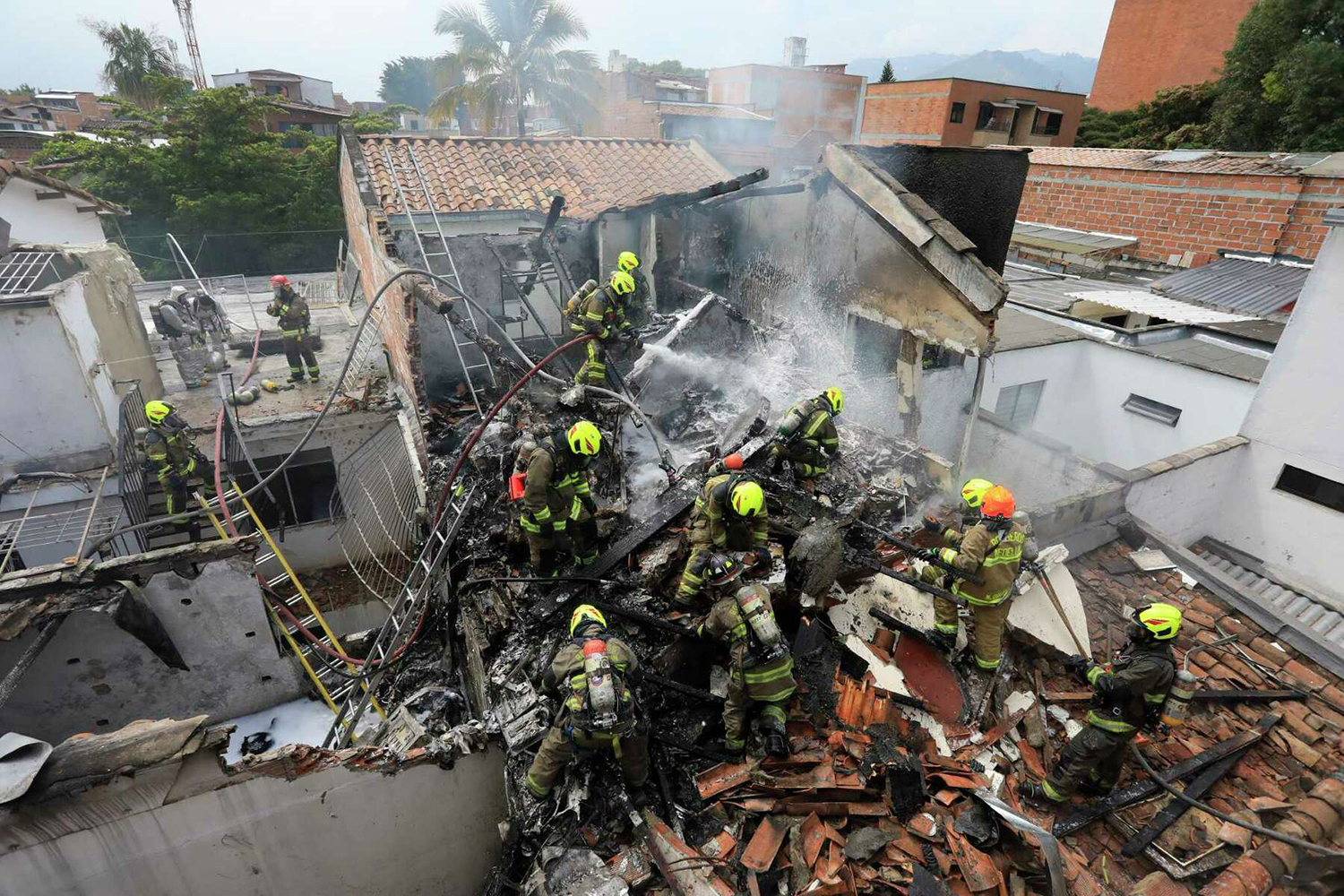
The twin engine airplane was chartered by the Grupo San Germán Express to carry a team of six people from Medellín to Pizarro, Chocó. Shortly after takeoff from Medellín-Enrique Olaya Herrera Airport Runway 02, while in initial climb, the crew declared an emergency and informed ATC about an engine failure. The airplane entered a left turn then lost altitude and crashed onto a house located in the district of Belén Rosales, 523 metres west or runway 20 threshold and 2,325 metres from the departure point, bursting into flames. The house and the aircraft were destroyed and all 8 occupants were killed.
Crew:
Julián Aladino, pilot,
Sergio Guevara Delgado, copilot.
Passengers:
Jorge Cantillo Martínez,
Dubán Ovalle Quintero,
Anthony Mosquera Blanquiceth,
Pedro Pablo Serna,
Melissa Pérez Cuadros,
Nicolás Jiménez.
Probable cause:
The accident was the consequence of the combination of the following factors:
- A loss of control in flight as a result of a decrease in minimum control speed and drag, caused by a loss of power on the left engine (n°1);
- A failure of the propeller feathering system on engine n°1, caused by an excessive amount of grease accumulated in the blade coupling section, which prevented the propeller from being feathered quickly (or feathering at all) when the crew attempted to do so. The uncontrolled rotation of the propeller (spinning) created significant drag and made it more difficult to control the aircraft.
- The confirmed loss of power on the left engine, of undetermined origin, was probably caused by a turbocharger malfunction;
- An excess aircraft weight (approximately 770 lb or 349 kg above the MTOW), contributed to the aircraft's inability to accelerate and climb.
The following contributing factors were identified:
- Deficient operator processes in the preventive maintenance of the propellers, failing to detect and allowing the accumulation of grease in the blade coupling section, a circumstance that delayed or prevented the propeller from feathering in a critical phase of flight.
- Failure by the operator to comply with the requirements established by Supplement Type STC SA00192SE in order to operate aircraft HK-5121 with an increased MTOW of 7,352 lb, consisting of:
• Incorporating an FMS (flight manual supplement) into the operation to ensure that no more than four vortex-generating flaps (or blades) were missing.
• Not extending the length of the aircraft's wings or installing winglets.
- Failure by the Operator to comply with the procedures for preparing the Weight and Balance form, by not recording the exact weight of each of the occupants and, instead, using average weights that led to a Takeoff Weight (TOW) lower than the actual weight.
- The operator's lack of knowledge of the impact on the aircraft's MTOW, the altitude of the aerodrome, and the ambient temperature, which at Olaya Herrera aerodrome is lower than the operating MTOW of 7,000 lb corresponding to operation in standard atmosphere.
- The operator did not have a risk analysis for each of the company's operating aerodromes, establishing weight limits for takeoff, taking into account the aircraft's performance charts, the specific operating conditions, and the possible failure of an engine during takeoff or initial climb.
Final Report:

Crash of a Cessna 340 in Covington: 2 killed

Date & Time: Apr 21, 2022 at 1844 LT
Type of aircraft:
Operator:
Registration:
N84GR
Flight Phase:
Flight Type:
Survivors:
No
Site:
Schedule:
Covington - Covington
MSN:
340-0178
YOM:
1973
Crew on board:
2
Crew fatalities:
Pax on board:
0
Pax fatalities:
Other fatalities:
Total fatalities:
2
Captain / Total flying hours:
0
Captain / Total hours on type:
0.00
Copilot / Total flying hours:
3148
Copilot / Total hours on type:
0
Aircraft flight hours:
7581
Circumstances:
The student pilot, who was the new owner of the multi-engine airplane, and a private pilot flew commercially to Lubbock, Texas, utilized a ride-hailing service to drive to Portales, New Mexico; they met with the former owner of the airplane to finalize the purchase of the airplane and flew it back to Georgia the same day. The next day, the student pilot commenced flight training with the private pilot who offered to provide flight instruction to the student pilot in the student pilot’s newly acquired multi-engine airplane, even though he did not possess a flight instructor’s rating or a multi-engine airplane rating. Radar data showed that the track of the accident airplane's route consisted of their departure airport, a midway stop, and the third leg of the flight, where it crashed during the approach to their destination airport. Witnesses observed a sharp right turn before the airplane’s spiraling descent and impact with terrain and unoccupied semi-trailers. Surveillance footage from a parking lot security camera captured the airplane in a right spiral turn just before the accident. The airplane was destroyed by impact forces and the postimpact fire. The postaccident examination of the airframe, engines, and propellers revealed no anomalies that would preclude normal engine and airplane performance. Additionally, a review of the maintenance logbook revealed that the airplane was overdue for its annual maintenance inspection; no special flight permit (ferry permit) was obtained from the Federal Aviation Administration (FAA) for its return flight to Georgia. Toxicological testing of the student pilot revealed the presence amphetamine, a prescription Schedule II controlled substance that may result in cognitive deficits that pose a risk to aviation safety; however, its effect, if any on the accident flight could not be determined. It is likely that the private pilot’s failure to maintain aircraft control was exacerbated by his lack of a multi-engine airplane rating, his lack of a flight instructor rating, and his poor decision making.

Probable cause:
The private pilot’s loss of control in flight, which resulted in a collision with terrain. Contributing to the accident was the student pilot’s decision to obtain flight instruction from the private pilot and the private pilot's insufficient qualifications to fly or to provide flight instruction in a multi-engine airplane.
Final Report:

Crash of a Cessna 207 Skywagon in Carrefour: 6 killed

Date & Time: Apr 20, 2022 at 1600 LT
Registration:
HH-FAH
Flight Phase:
Flight Type:
Survivors:
No
Site:
Schedule:
Port-au-Prince – Jacmel
MSN:
207-0352
YOM:
1976
Location:
Country:
Crew on board:
1
Crew fatalities:
Pax on board:
4
Pax fatalities:
Other fatalities:
Total fatalities:
6
Circumstances:
The single engine airplane departed Port-au-Prince-Toussaint Louverture Airport on a private flight to Jacmel, some 45 km southwest of the capital city. On board were four passengers and one pilot. During climbout, the pilot encountered problems and the airplane lost height until it collided with a truck and crashed on a road located in Carrefour, some 12 km southwest of Port-au-Prince Airport. A passenger was seriously injured while four other occupants as well as the truck driver were killed. The aircraft was destroyed. The only survivor died from his injuries few hours later.