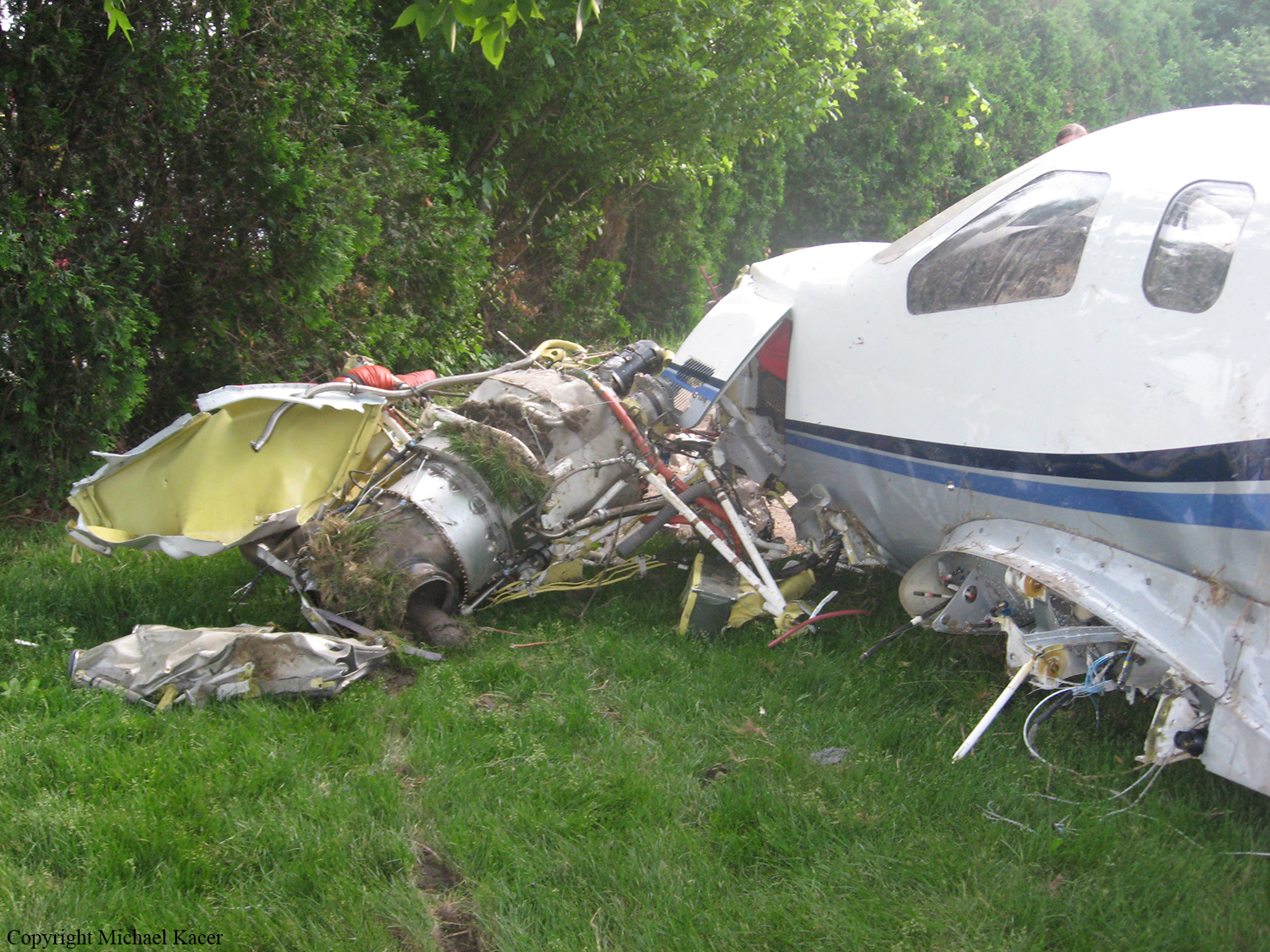
Crash of a Socata TBM700 in Kennesaw: 1 killed

Date & Time: Jul 15, 2008 at 1457 LT
Type of aircraft:
Operator:
Registration:
N484RJ
Flight Type:
Survivors:
No
Schedule:
Albany - Kennesaw
MSN:
333
YOM:
2005
Crew on board:
1
Crew fatalities:
Pax on board:
0
Pax fatalities:
Other fatalities:
Total fatalities:
1
Captain / Total flying hours:
975
Captain / Total hours on type:
44.00
Aircraft flight hours:
398
Circumstances:
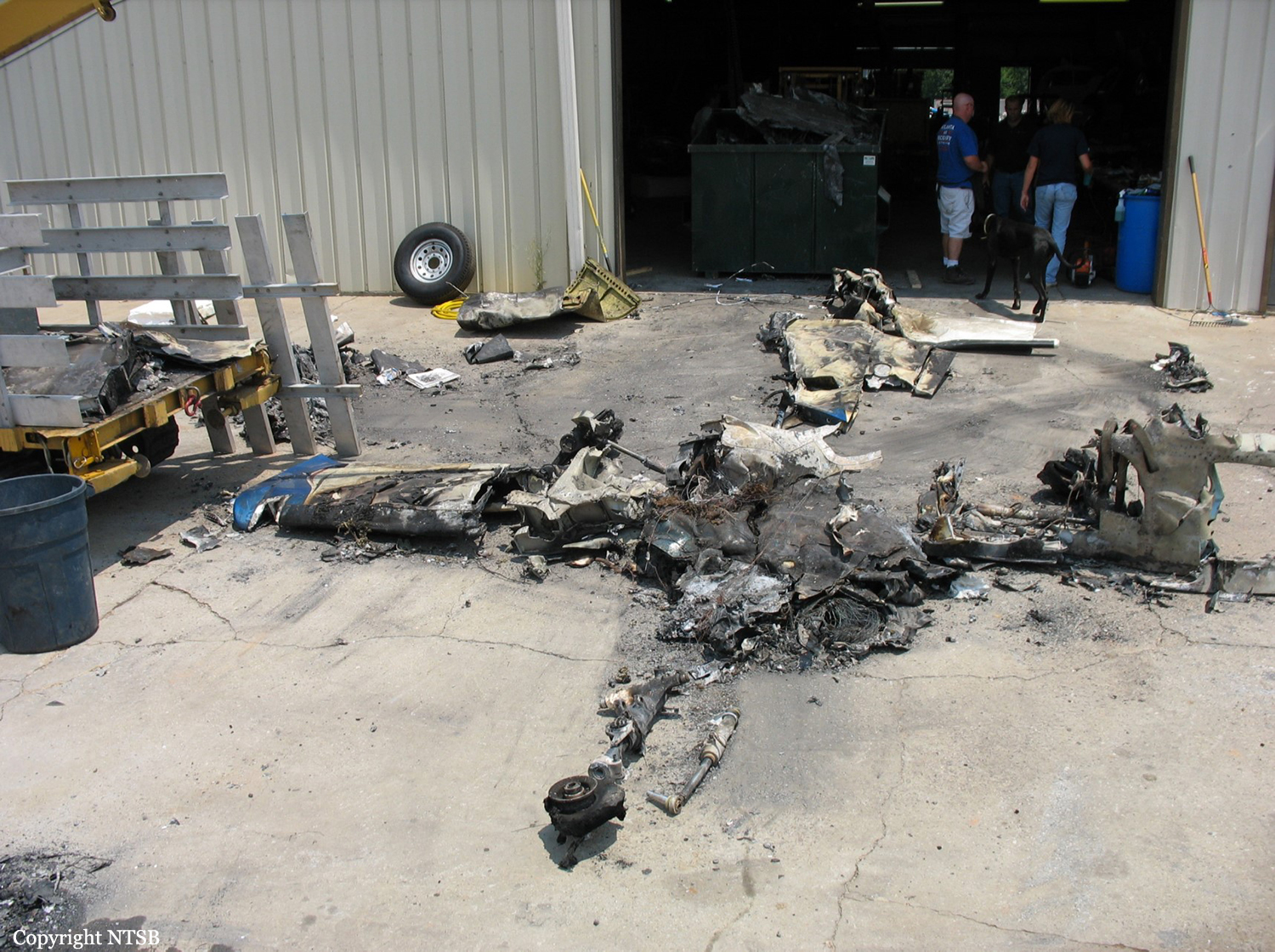
During approach to runway 9, the tower controller instructed the pilot to perform an “S” turn 3 miles from the runway. The pilot initiated the “S” turn to the left, and after turning back to the right towards the runway to complete the other half of the turn, the controller advised the pilot that he did not need to finish the maneuver, and could turn onto final approach. The last recorded ground speed was 89 knots when the pilot banked the airplane sharply to the left at this time, witnesses stated that the airplane seemed to do a wing over onto its back and go straight down. Flight simulation tests revealed that while making a steep turn and not adding power, as the bank angle increased the airspeed would decrease and the airplane would enter an aerodynamic stall. Toxicology testing indicated that the pilot had been using tramadol, a prescription painkiller with potentially impairing effects. The pilot had not reported its use on his most recent application for airman medical certificate approximately 20 months prior to the accident. It is unclear what role, if any, the medication or the condition for which it might have been used played in the accident.
Probable cause:
The pilot’s failure to maintain airspeed during final approach resulting in an aerodynamic stall.
Final Report:

Ground fire of a Boeing 767-281SF in San Francisco

Date & Time: Jun 28, 2008 at 2218 LT
Type of aircraft:
Operator:
Registration:
N799AX
Flight Phase:
Flight Type:
Survivors:
Yes
Schedule:
San Francisco – Wilmington
MSN:
23432/145
YOM:
1986
Flight number:
ABX1611
Crew on board:
2
Crew fatalities:
Pax on board:
0
Pax fatalities:
Other fatalities:
Total fatalities:
0
Circumstances:
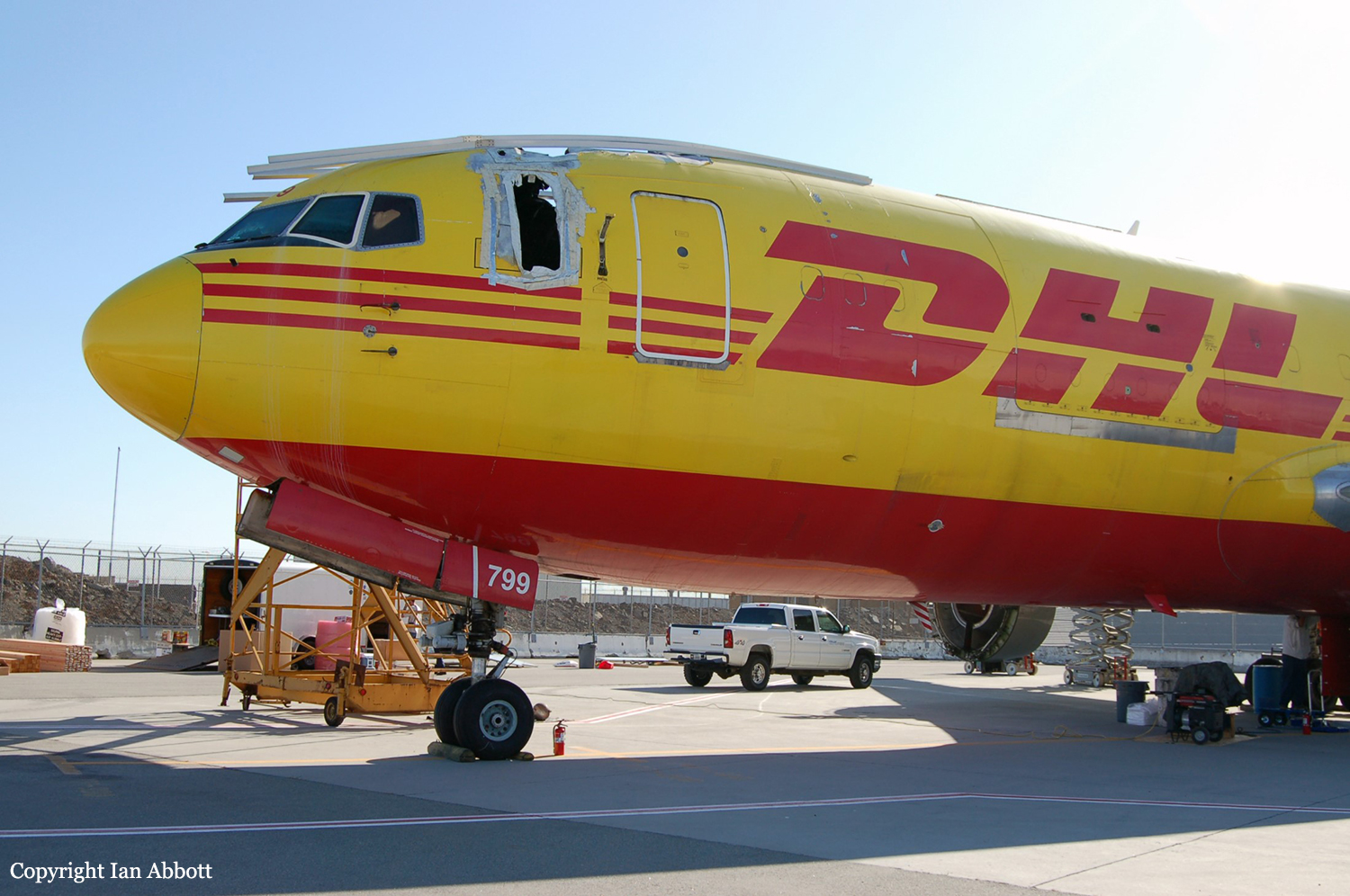
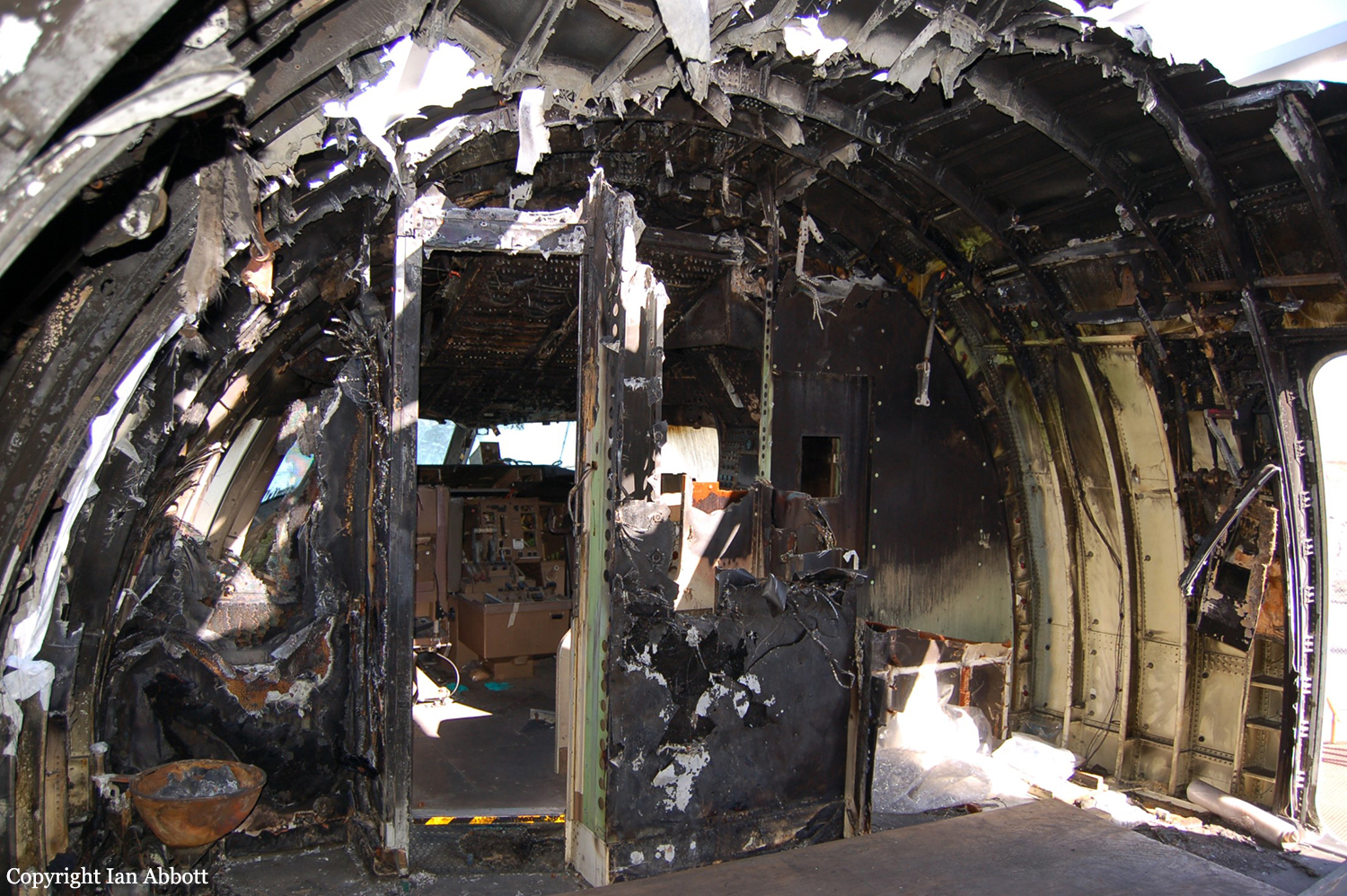
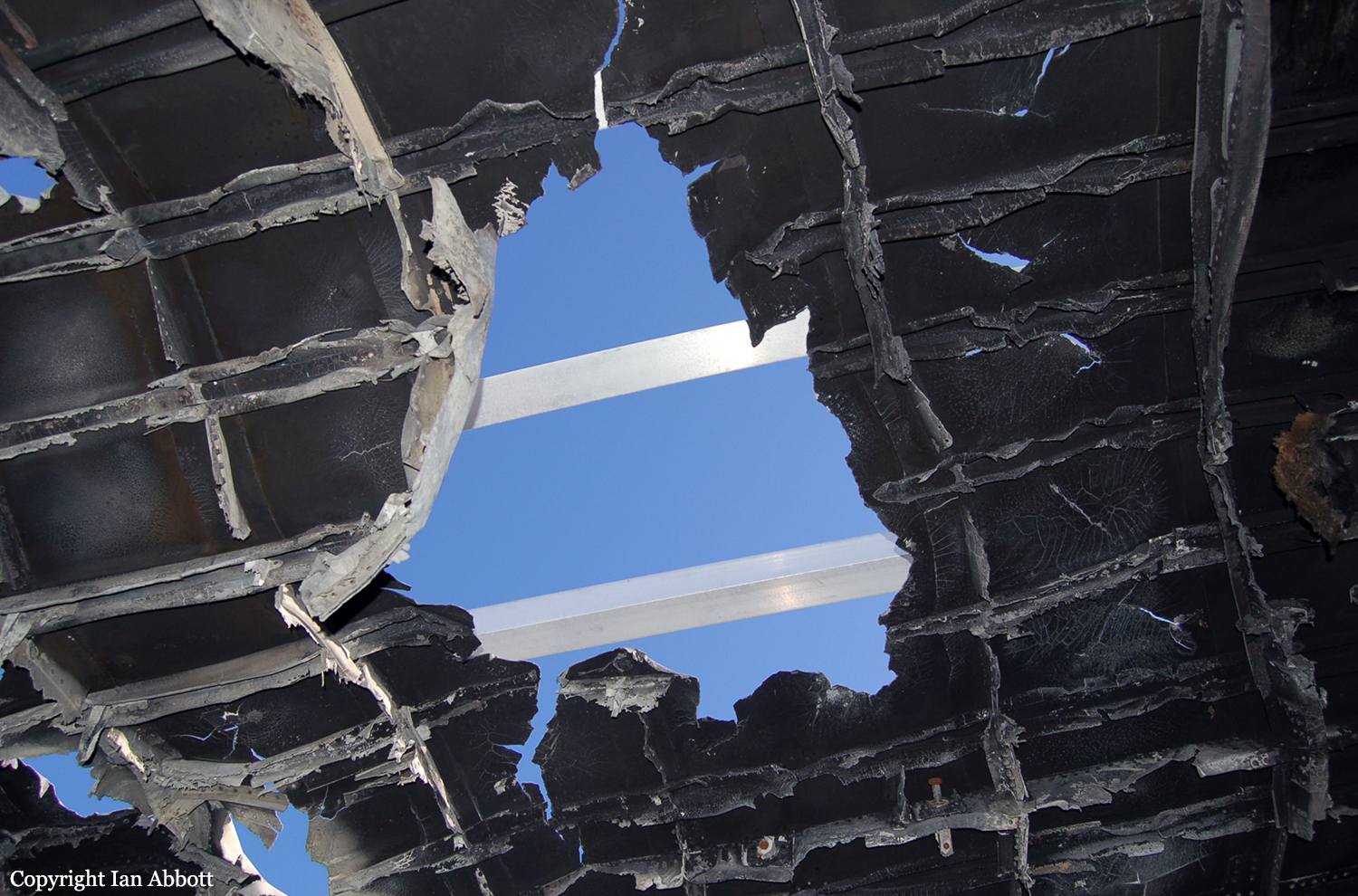
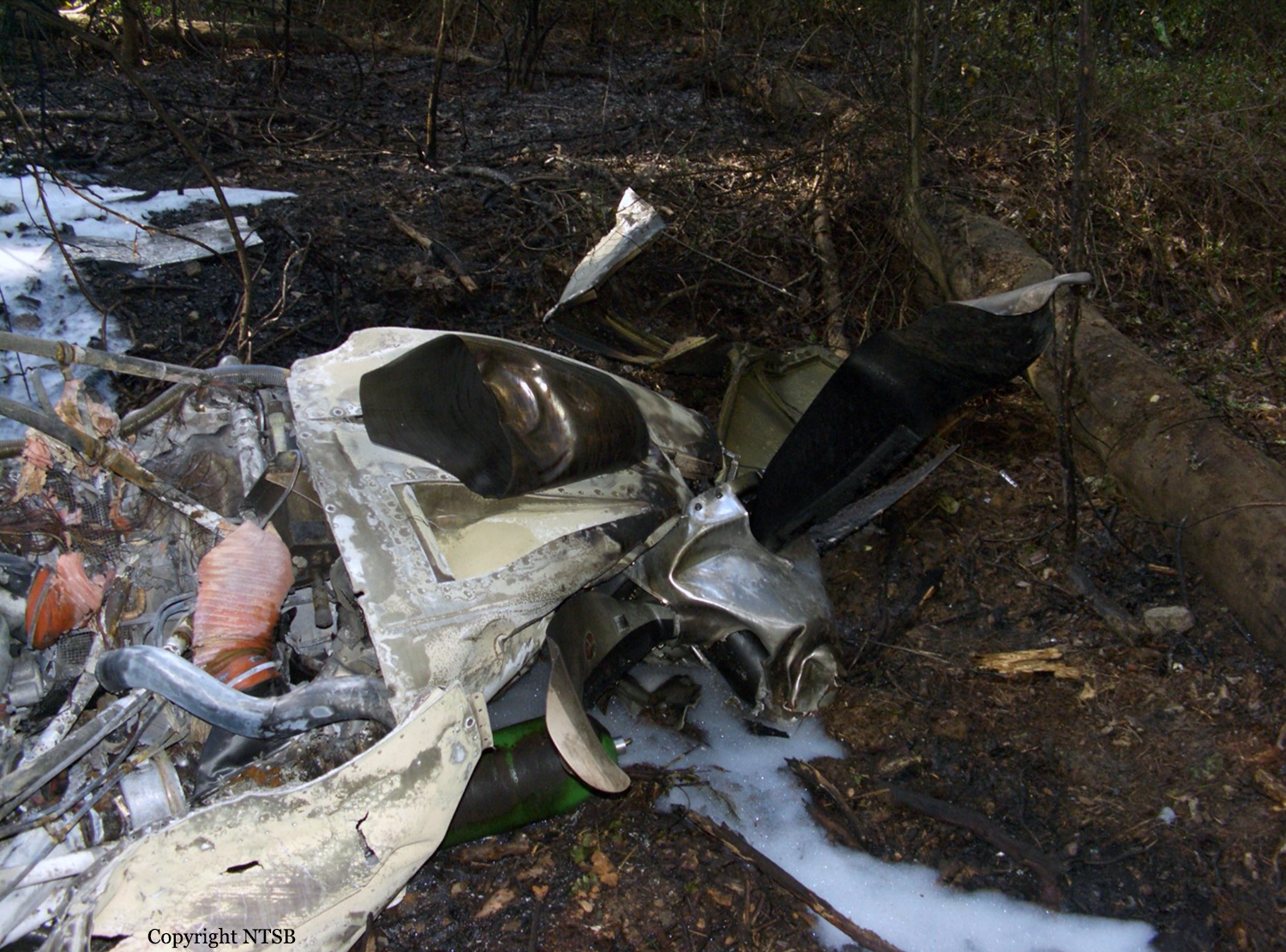
On June 28, 2008, about 2215 Pacific daylight time, an ABX Air Boeing 767-200, N799AX, operating as flight 1611 from San Francisco International Airport, San Francisco, California, experienced a ground fire before engine startup. The captain and the first officer evacuated the airplane through the cockpit windows and were not injured, and the airplane was substantially damaged. The cargo flight was operating under the provisions of 14 Code of Federal Regulations Part 121. At the time of the fire, the airplane was parked near a loading facility, all of the cargo to be transported on the flight had been loaded, and the doors had been shut.
Probable cause:
The National Transportation Safety Board determines that the probable cause of this accident was the design of the supplemental oxygen system hoses and the lack of positive separation between electrical wiring and electrically conductive oxygen system components. The lack of positive separation allowed a short circuit to breach a combustible oxygen hose, release oxygen, and initiate a fire in the supernumerary compartment that rapidly spread to other areas. Contributing to this accident was the Federal Aviation Administration’s (FAA) failure to require the installation of nonconductive oxygen hoses after the safety issue concerning conductive hoses was initially identified by Boeing.
Final Report:
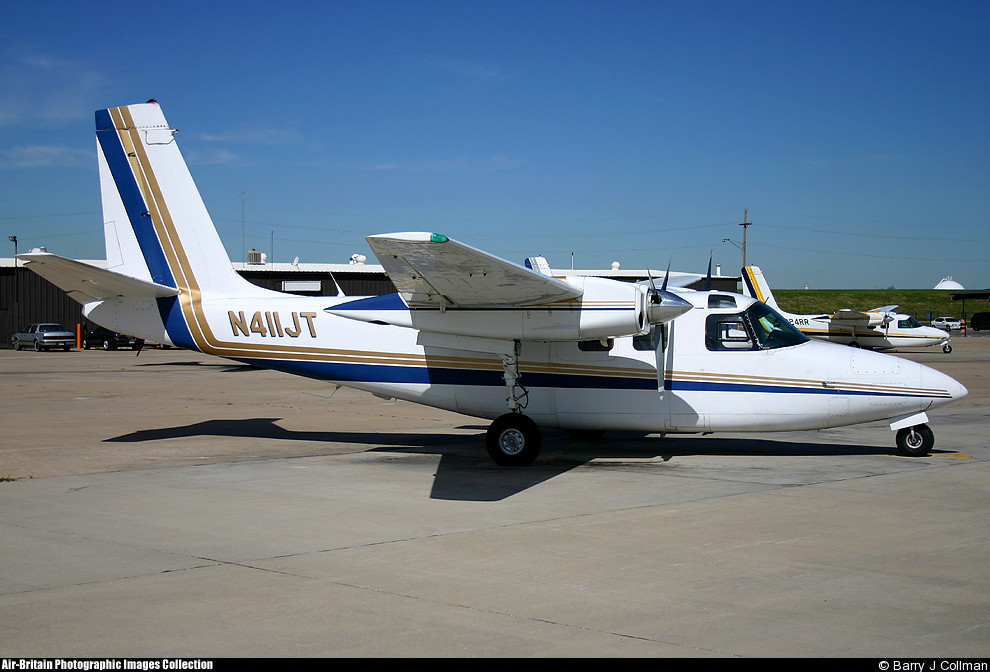
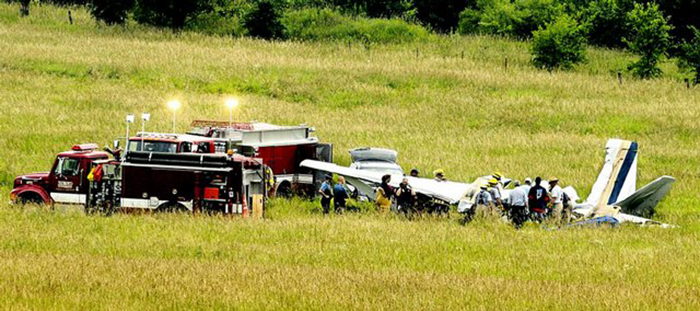
Crash of a Rockwell Shrike Commander 500S near Tonganoxie: 2 killed

Date & Time: Jun 24, 2008 at 1020 LT
Operator:
Registration:
N411JT
Flight Phase:
Flight Type:
Survivors:
No
Schedule:
Kansas City - Lawrence
MSN:
500-3097
YOM:
1971
Crew on board:
2
Crew fatalities:
Pax on board:
0
Pax fatalities:
Other fatalities:
Total fatalities:
2
Captain / Total flying hours:
10500
Captain / Total hours on type:
7550.00
Aircraft flight hours:
12427
Circumstances:
The airline's chief pilot was giving a newly-hired pilot a required competency/proficiency check. Memory data from the airplane's global positioning system showed the airplane made
steep 360-degree turns to the left and right before continuing towards a practice area at gradually decreasing airspeed and altitude. A low cloud ceiling prevailed. Witnesses said they
heard both engines "sputter, then quit," and saw the airplane clear a grove of trees, stall, and strike the ground. The landing gear was down and the flaps were in the approach setting. Both propellers were in the low pitch/high rpm setting, and bore little rotational signatures. Both engine fuel supply lines contained only residual fuel. Those familiar with the chief pilot's flying practices stated that he always followed a certain routine when giving a check ride. The routine consisted of the following: After performing steep 360-degree turns, he would ask the trainee to configure the airplane for landing and demonstrate minimum control maneuvers. Prior to executing steep turns, he would turn the boost pumps on. At the completion of the maneuver, the pumps would be turned off. The investigation revealed that there are unguarded fuel shutoff switches next to the boost pumps, and the circumstances of the accident are consistent with the these fuel shutoff switches being inadvertently placed in the off position, instead of the fuel boost pumps.
Probable cause:
The pilot-in-training inadvertently shutting off both engine fuel control valves causing a loss of power in both engines, and the pilot's failure to maintain control of the airplane resulting in a stall. Contributing to the accident was the chief pilot's inadequate supervision of the pilot-in-training.
Final Report:
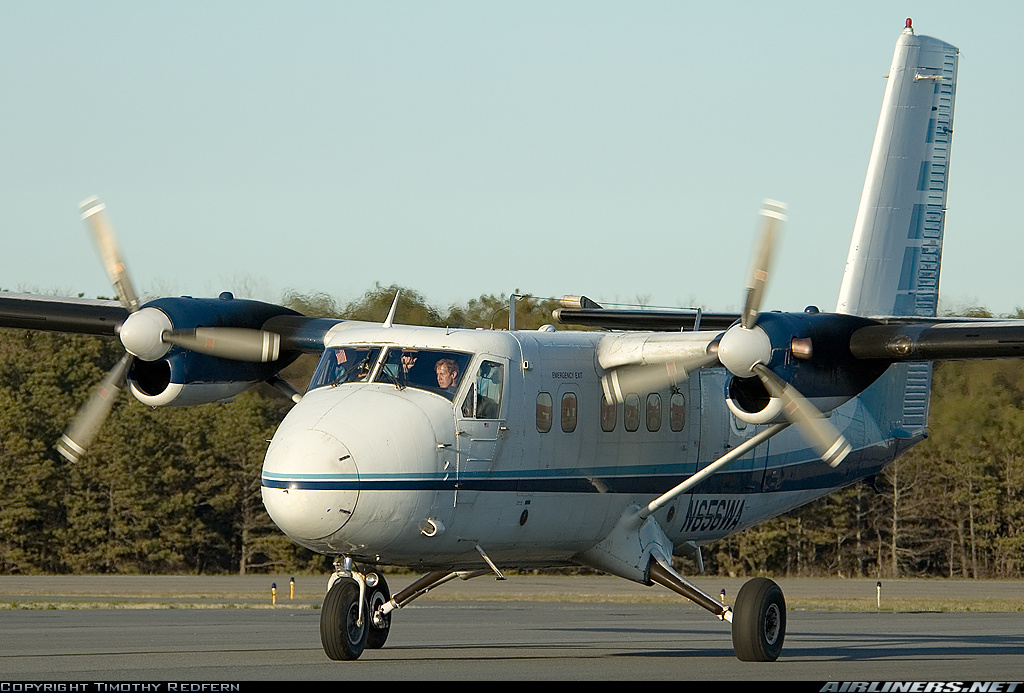
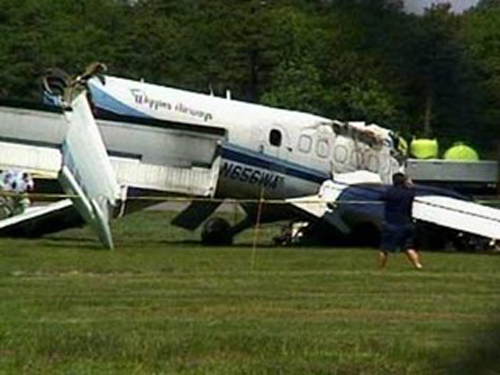
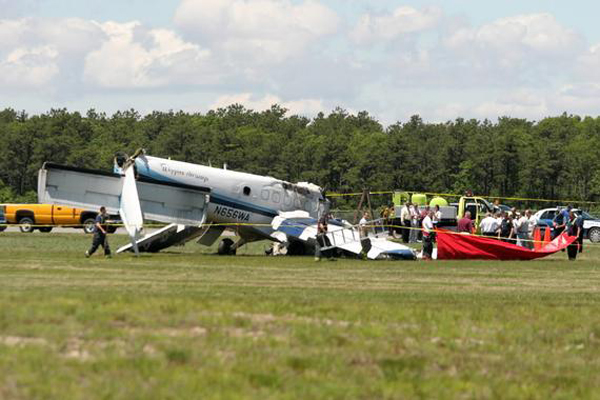
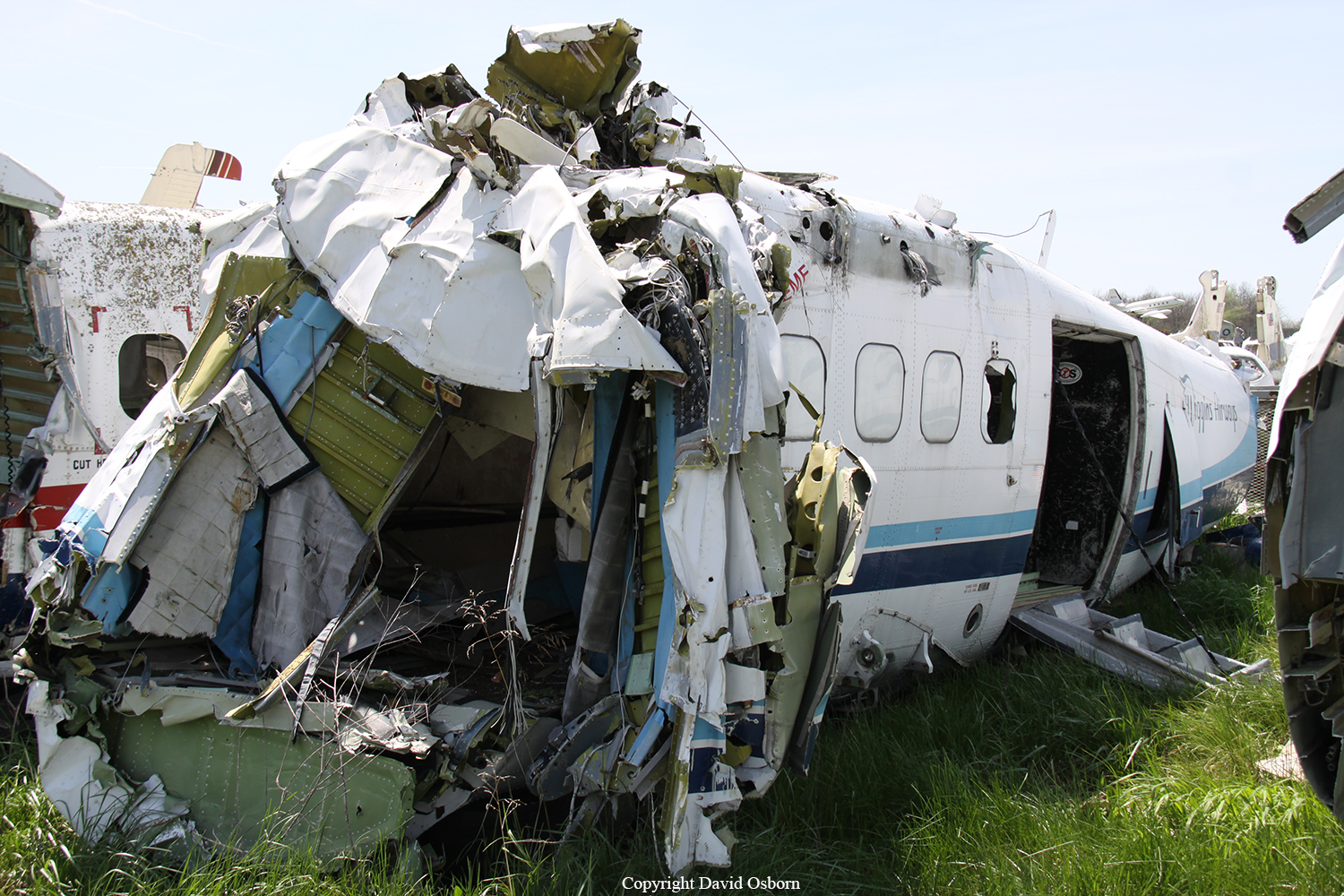
Crash of a De Havilland DHC-6 Twin Otter 100 in Hyannis: 1 killed

Date & Time: Jun 18, 2008 at 1001 LT
Operator:
Registration:
N656WA
Flight Phase:
Flight Type:
Survivors:
No
Schedule:
Hyannis - Nantucket
MSN:
47
YOM:
1967
Flight number:
WIG6601
Crew on board:
1
Crew fatalities:
Pax on board:
0
Pax fatalities:
Other fatalities:
Total fatalities:
1
Captain / Total flying hours:
3607
Captain / Total hours on type:
99.00
Aircraft flight hours:
38185
Circumstances:
The pilot contacted air traffic control and requested clearance to taxi for departure approximately an hour after the scheduled departure time. About 4 minutes later, the flight
was cleared for takeoff. A witness observed the airplane as it taxied, and found it strange that the airplane did not stop and "rev up" its engines before takeoff. Instead, the airplane taxied into the runway and proceeded with the takeoff without stopping. The airplane took off quickly, within 100 yards of beginning the takeoff roll, became airborne, and entered a steep left bank. The bank steepened, and the airplane descended and impacted the ground. Post accident examination of the wreckage revealed that the pilot's four-point restraint was not fastened and that at least a portion of the cockpit flight control lock remained installed on the control column. One of the pre-takeoff checklist items was, "Flight controls - Unlocked - Full travel." The airplane was not equipped with a control lock design, which, according to the airframe manufacturer's previously issued service bulletins, would "minimize the possibility of the aircraft becoming airborne when take off is attempted with flight control locks inadvertently installed." In 1990, Transport Canada issued an airworthiness directive to ensure mandatory compliance with the service bulletins; however, the Federal Aviation Administration did not follow with a similar airworthiness directive until after the accident.
Probable cause:
The pilot's failure to remove the flight control lock prior to takeoff. Contributing to the accident was the Federal Aviation Administration's failure to issue an airworthiness directive making the manufacturer's previously-issued flight control lock service bulletins mandatory.
Final Report:
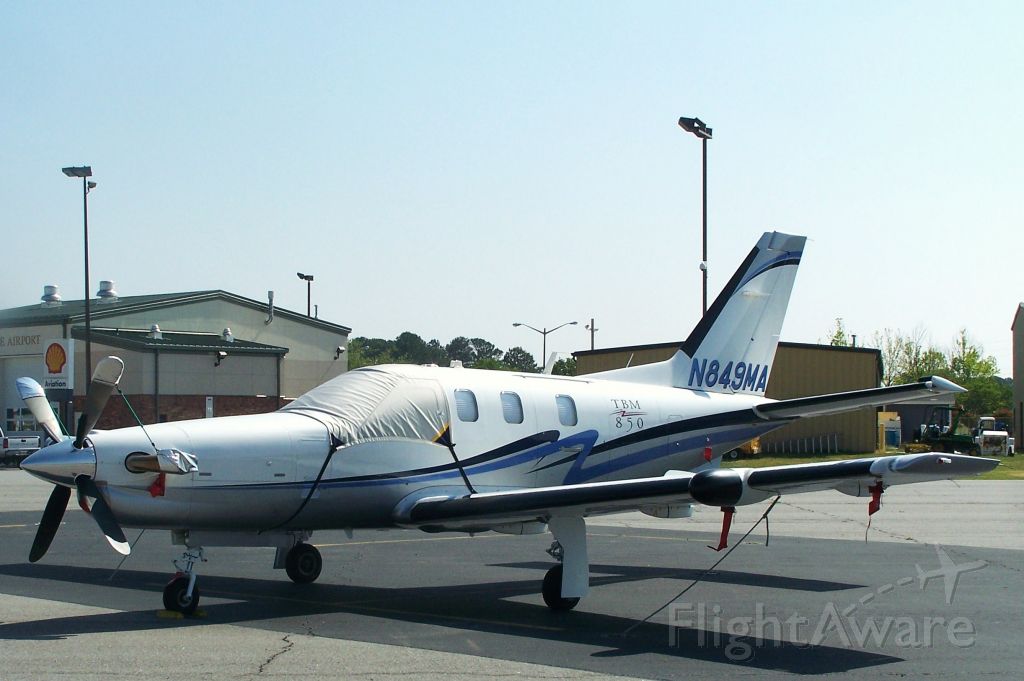
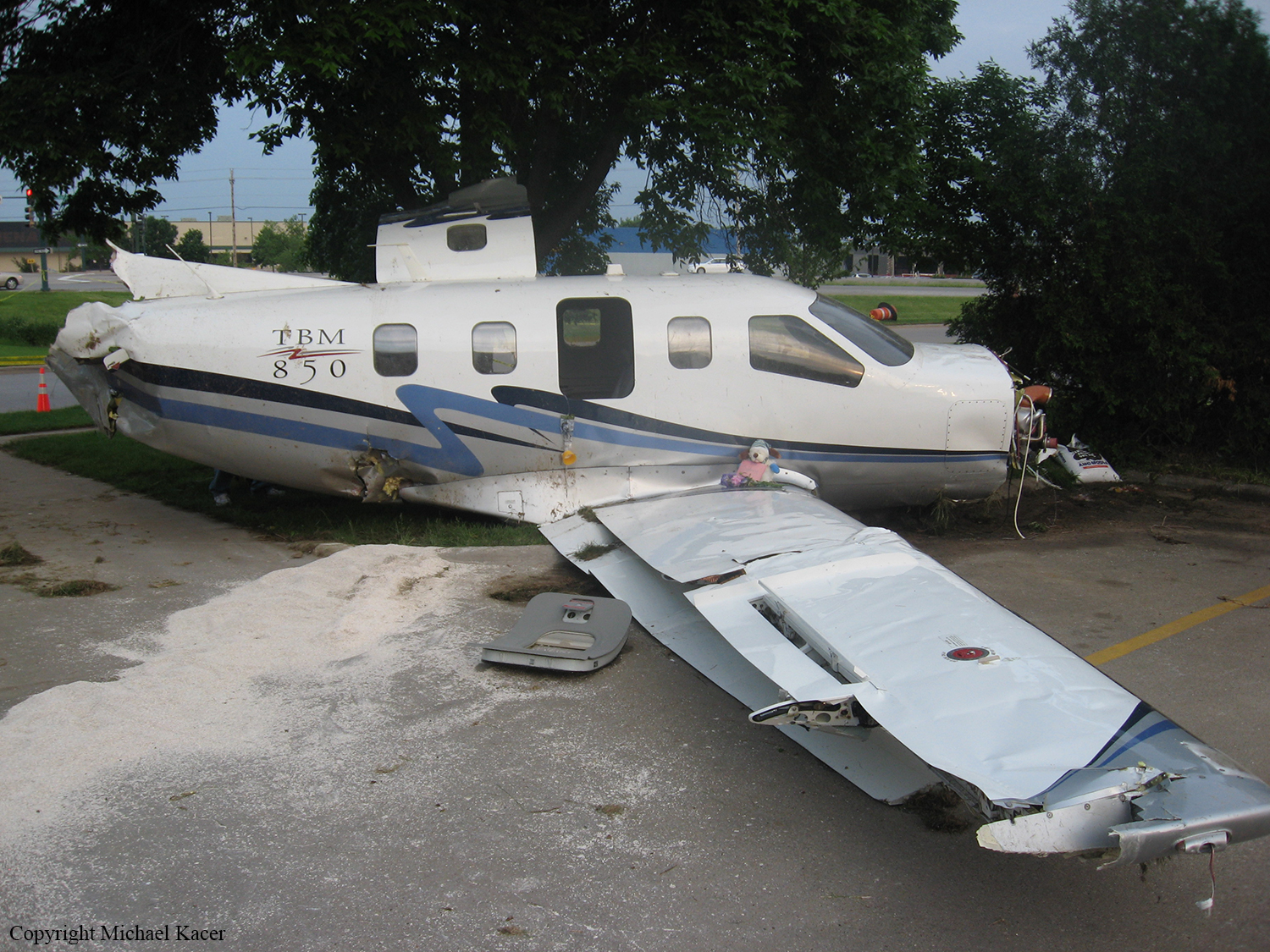
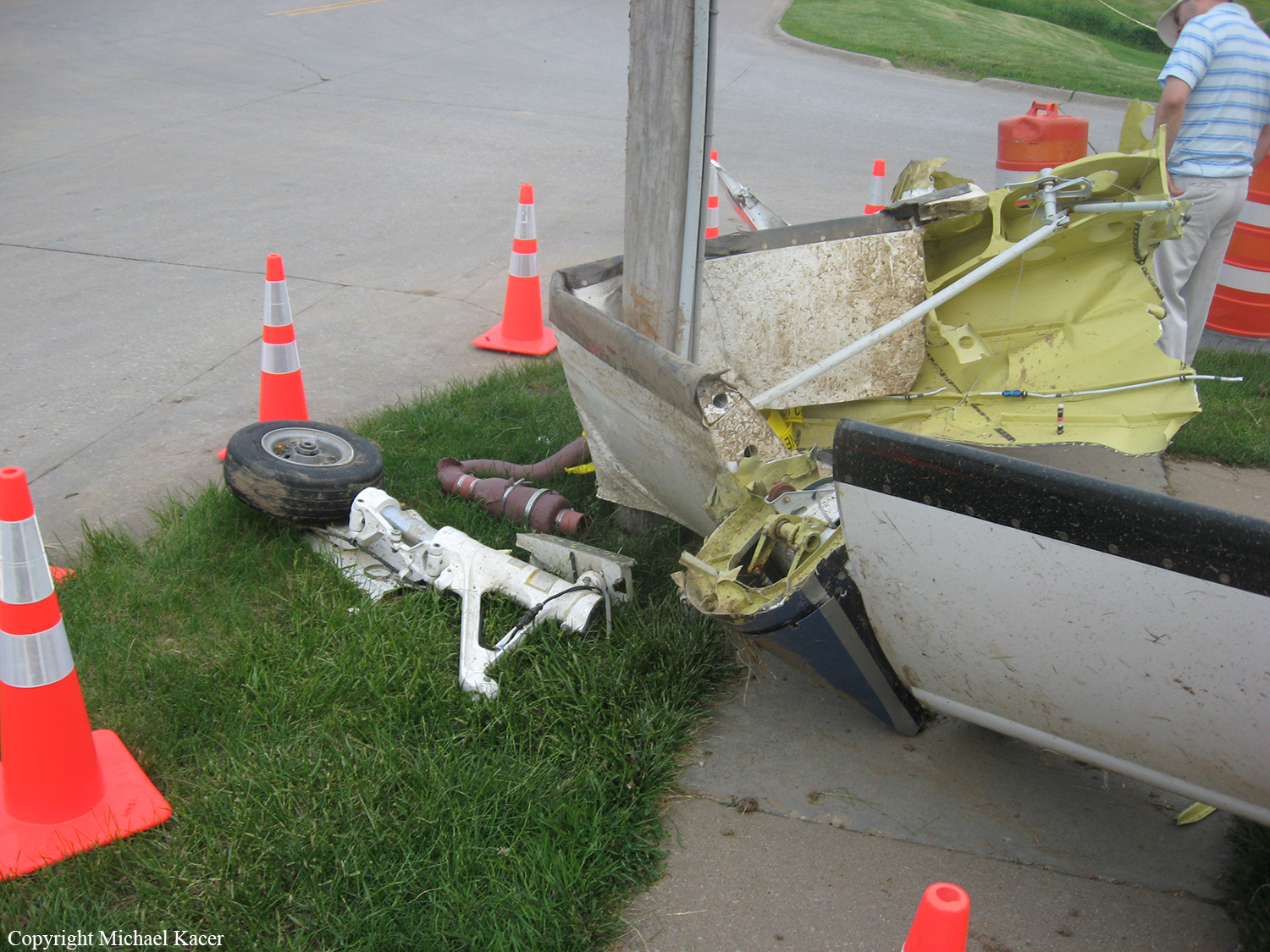
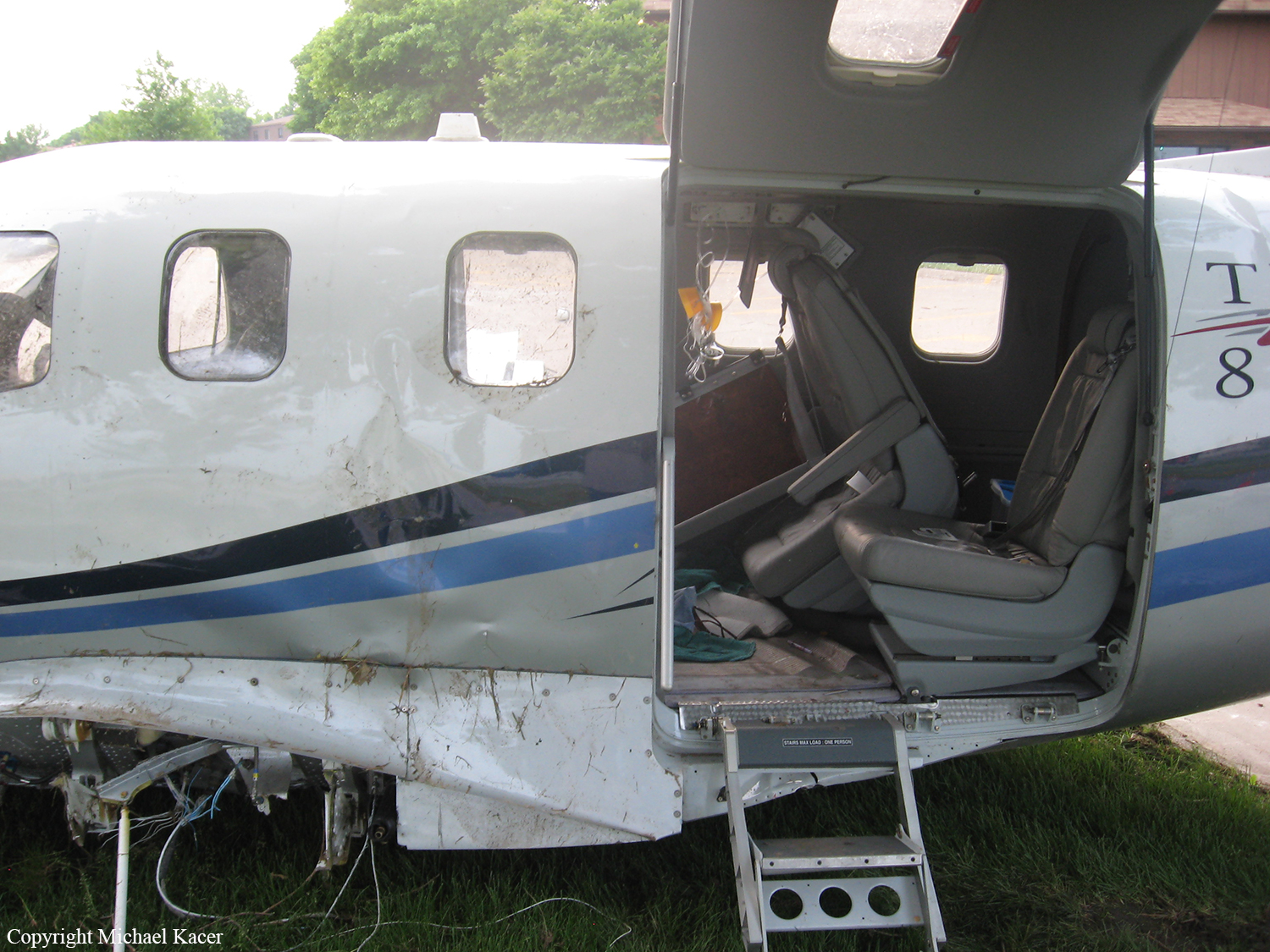
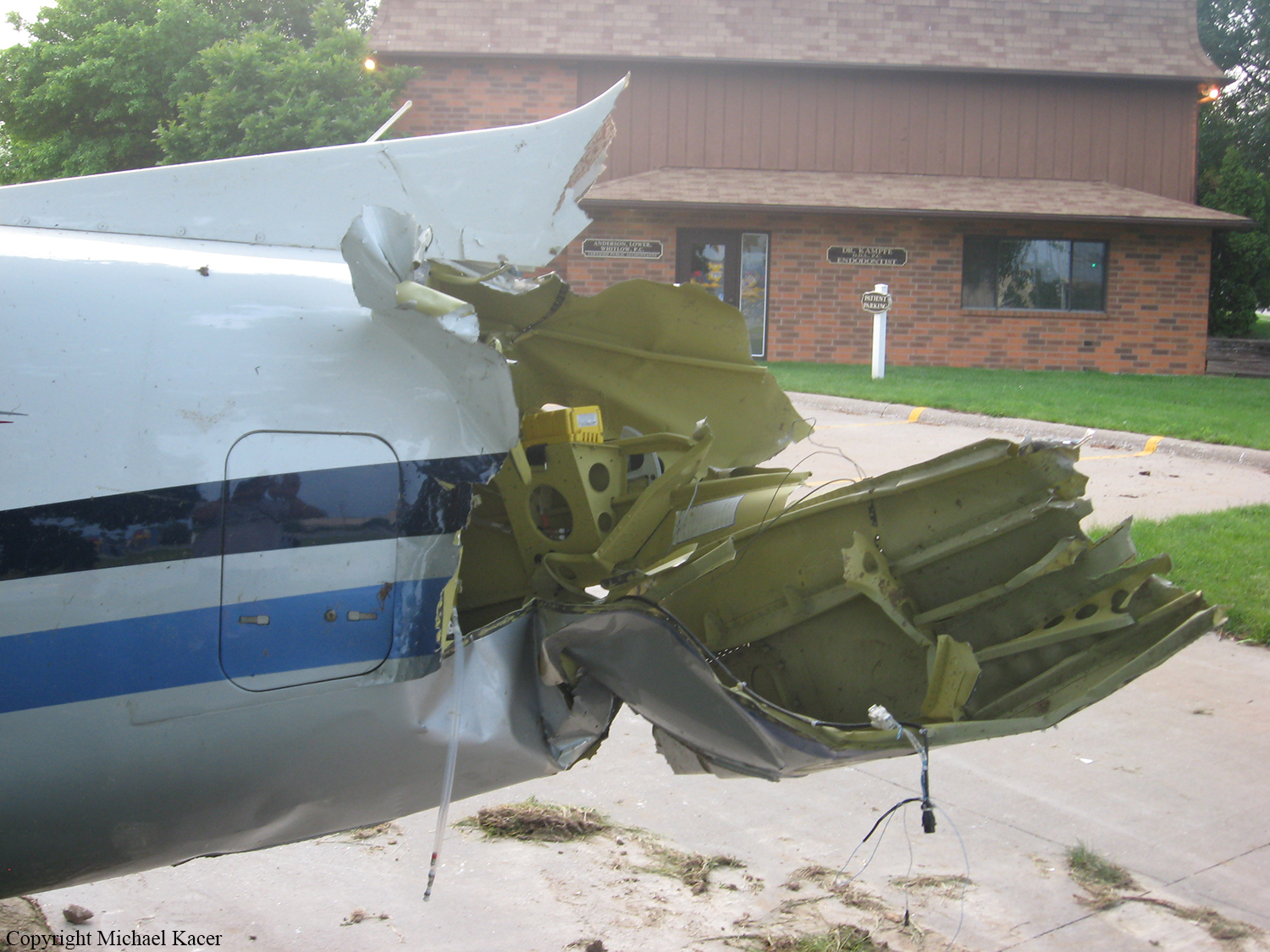
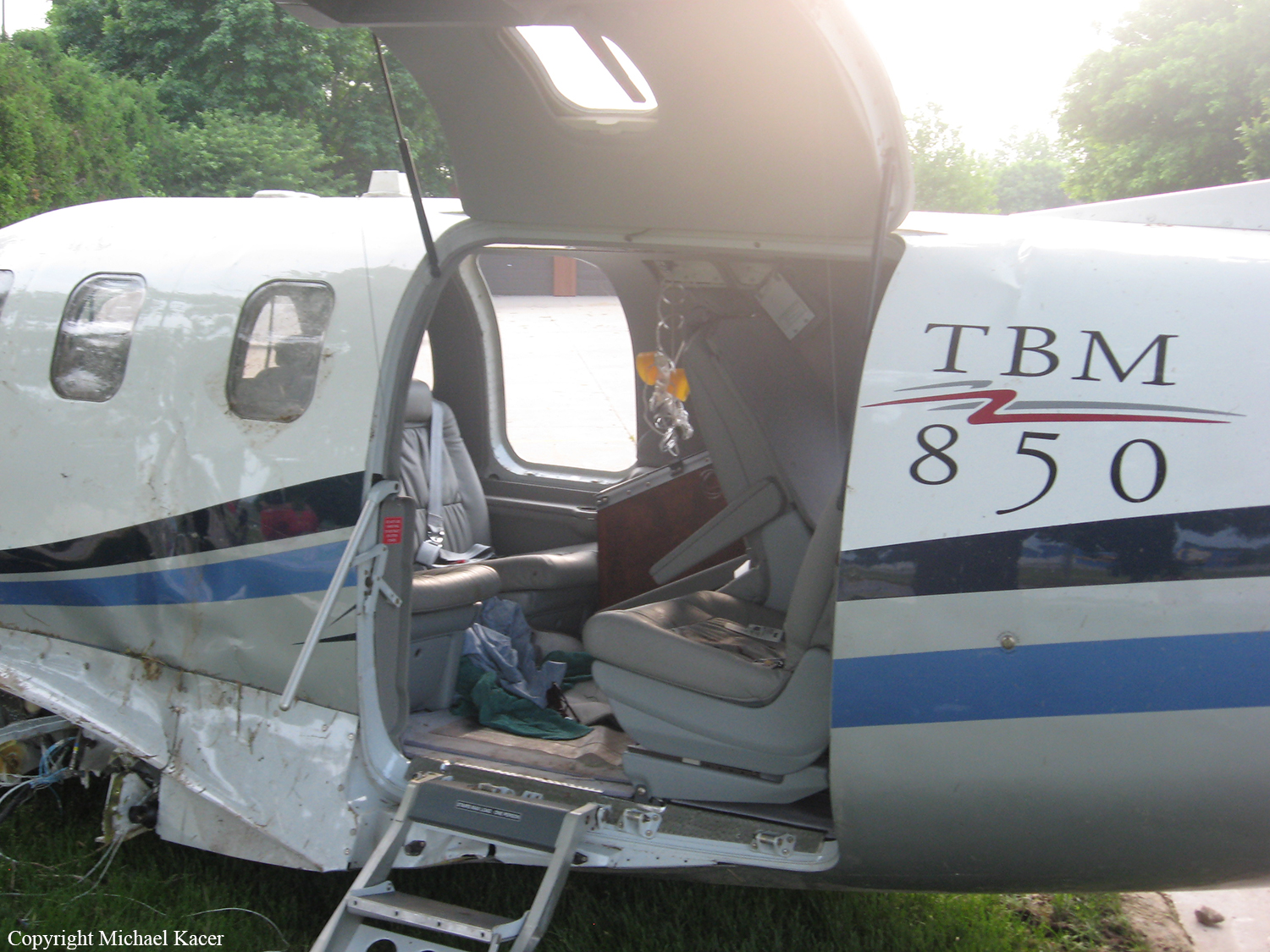
Crash of a Socata TBM-850 in Iowa City: 1 killed

Date & Time: Jun 3, 2008 at 1007 LT
Type of aircraft:
Registration:
N849MA
Flight Phase:
Flight Type:
Survivors:
Yes
Schedule:
Iowa City - Decatur
MSN:
412
YOM:
2007
Location:
Crew on board:
1
Crew fatalities:
Pax on board:
2
Pax fatalities:
Other fatalities:
Total fatalities:
1
Captain / Total flying hours:
5688
Captain / Total hours on type:
4138.00
Aircraft flight hours:
420
Circumstances:
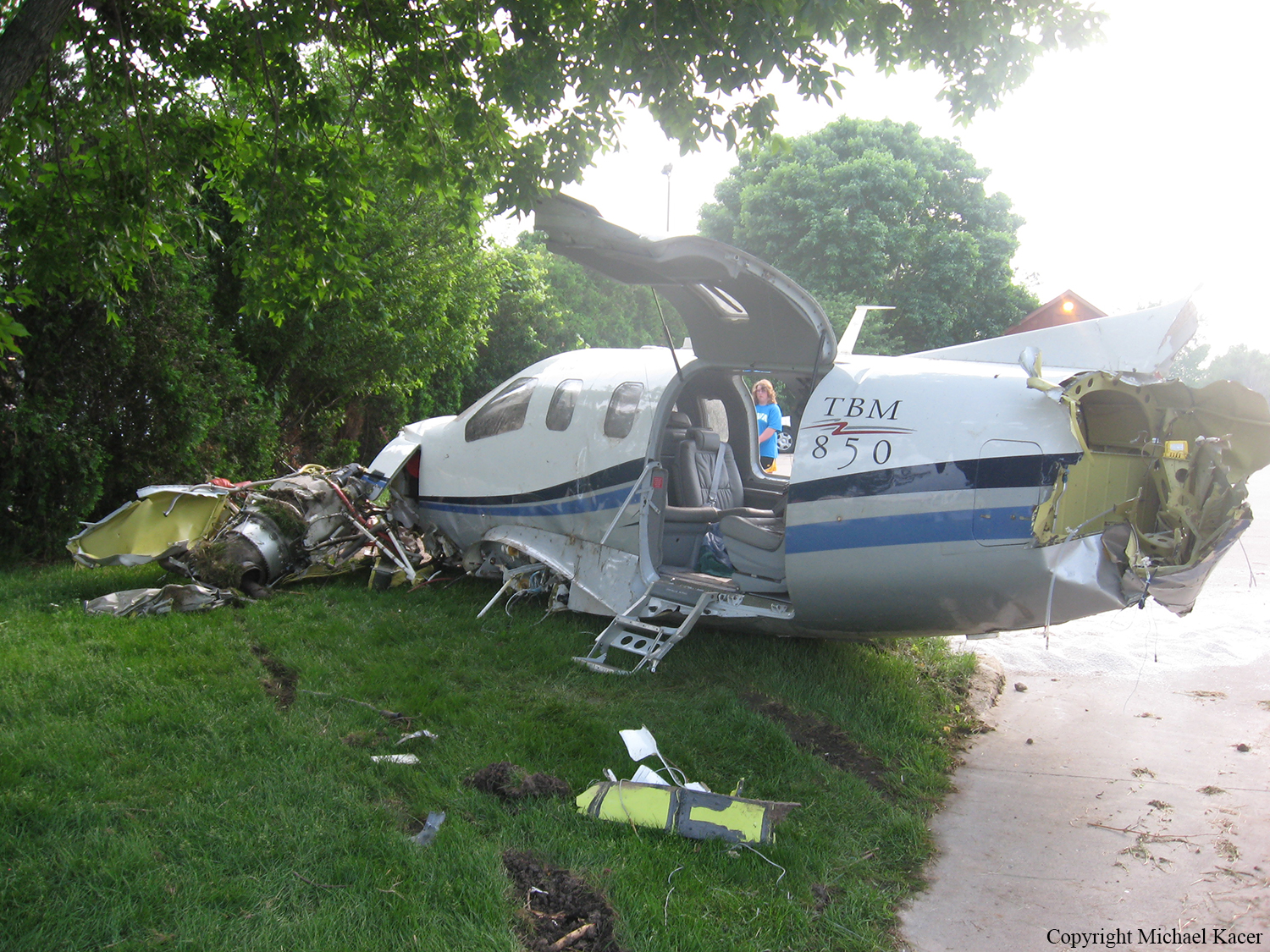
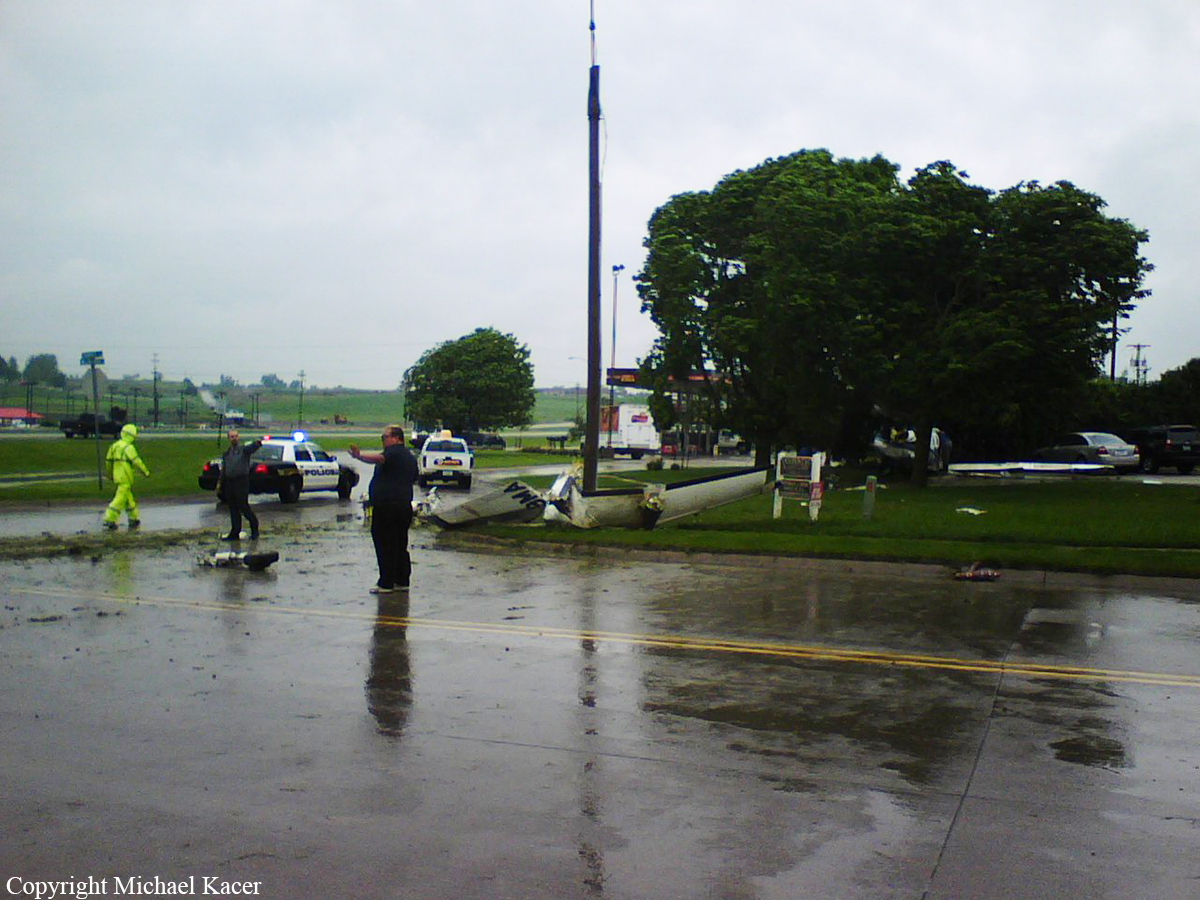
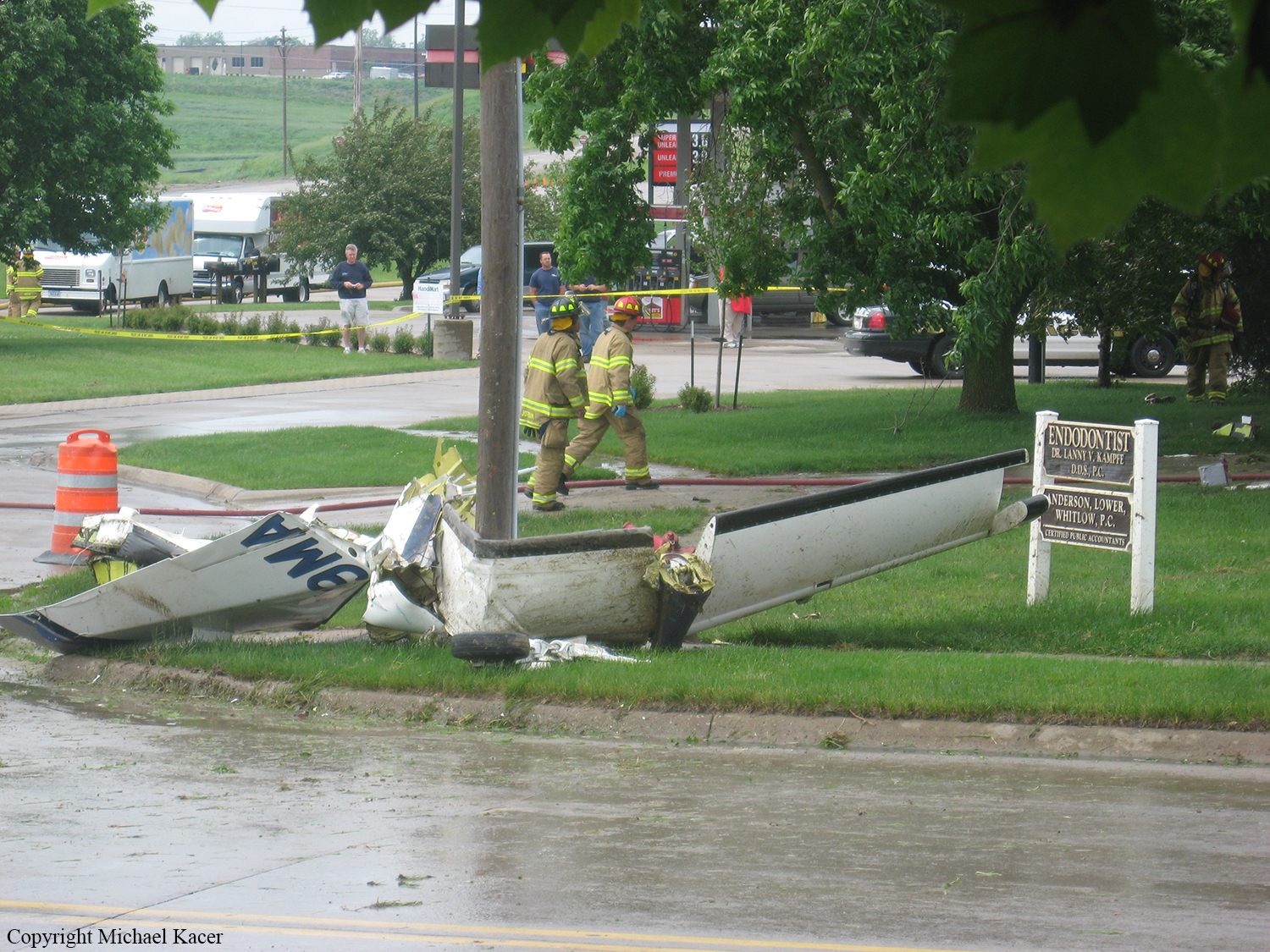
The private pilot arrived at the accident airport as part of an Angel Flight volunteer program to provide transportation of a passenger who had undergone medical treatment at a local hospital. About 0937, the airplane landed on runway 30 (3,900 feet by 150 feet) with winds from 073-080 degrees and 5-6 knots, which continued to increase due to an atmospheric pressure gradient. The pilot met the passengers and departed the terminal about 1003, with winds at 101-103 degrees and 23-36 knots. About 1005 the airplane was near the approach end of runway 30 with wind from 089-096 degrees and 21-31 knots. The pilot stated that he began rotating the airplane about 3,000 feet down the runway. About 1006, the airplane was approximately 3,553 feet down the runway while flying about 30 feet above the runway. The airplane experienced an aerodynamic stall, and the left wing dropped before it impacted the ground. No mechanical anomalies that would have precluded normal operation of the airplane were noted during the investigation. The fatally injured passenger, who had received medical treatment, was 2 years and 10 months of age at the time of the accident. She was held by her mother during the flight, as she had been on previous Angel Flights, but was otherwise unrestrained. According to 14 CFR 91.107(3), each person on board a U.S.-registered civil aircraft must occupy an approved seat with a safety belt properly secured during takeoff, and only unrestrained children who are under the age of 2 may be held by a restrained adult. Although the accident was survivable (both the pilot and the adult passenger survived with non-life-threatening injuries), an autopsy performed on the child revealed that the cause of death was blunt force trauma of the head.
Probable cause:
The pilot's improper decision to depart with a preexisting tailwind and failure to abort takeoff. Contributing to the severity of the injuries was the failure to properly restrain (FAA-required) the child passenger.
Final Report:

Crash of a Beechcraft 1900C in Billings: 1 killed

Date & Time: May 23, 2008 at 0124 LT
Type of aircraft:
Operator:
Registration:
N195GA
Flight Phase:
Flight Type:
Survivors:
No
Schedule:
Billings - Great Falls
MSN:
UB-65
YOM:
1986
Flight number:
AIP5008
Crew on board:
1
Crew fatalities:
Pax on board:
0
Pax fatalities:
Other fatalities:
Total fatalities:
1
Captain / Total flying hours:
4770
Captain / Total hours on type:
362.00
Aircraft flight hours:
34651
Circumstances:
About one minute after takeoff on a night Instrument Flight Rules (IFR) contract cargo flight, the tower controller advised the pilot that he was squawking the wrong transponder code. Although the pilot reset the transponder to the correct code, he was advised that he was still squawking the wrong code. He then realized that he had selected the wrong transponder, and then switched to the correct one. During the time the pilot was dealing with this issue, the airplane drifted about 30 degrees right of the assigned heading, but the pilot returned to the correct heading as he was contacting the departure controller. The departure controller cleared him to continue his climb and instructed him to turn left about 120 degrees, which he did. About 40 seconds after initiating his left turn of about 120 degrees, while climbing straight ahead through an altitude about 4,700 feet above ground level (AGL), the pilot was instructed to turn 20 degrees further left. Almost immediately thereafter, the airplane began turning to the right, and then suddenly entered a rapidly descending right turn. The airplane ultimately impacted the terrain in a nearly wings-level nose-down attitude of greater than 45 degrees. At the moment of impact the airplane was on a heading about 220 degrees to the right of the its last stabilized course. The investigation did not find any indication of an airframe, control system, or engine mechanical failure or malfunction that would have precluded normal flight, and no autopsy or toxicological information could be acquired due to the high amount of energy that was released when the airplane impacted the terrain. The determination of the initiating event that led to the uncontrolled descent into the terrain was not able to be determined.
Probable cause:
The pilot's failure to maintain aircraft control during the initial climb for undetermined reasons.
Final Report:
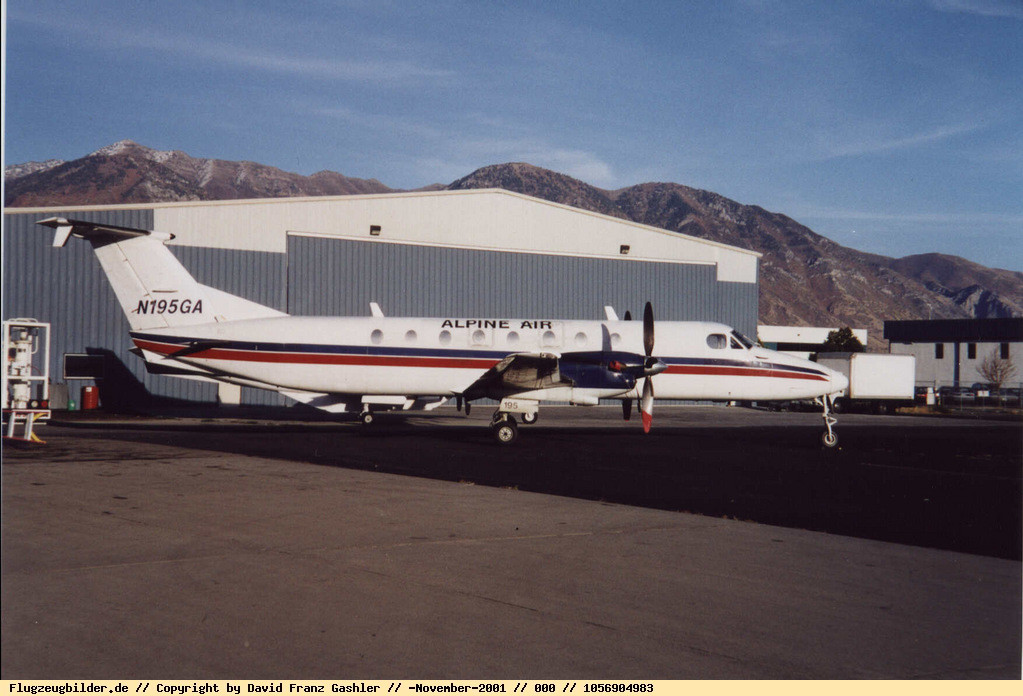
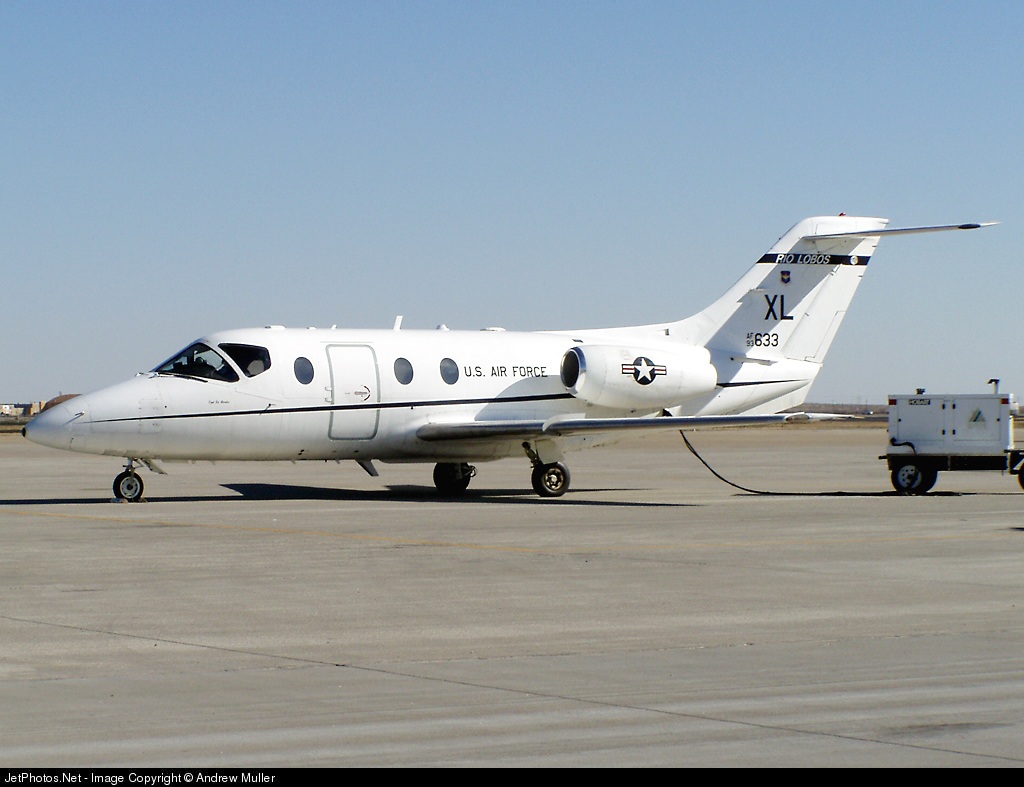
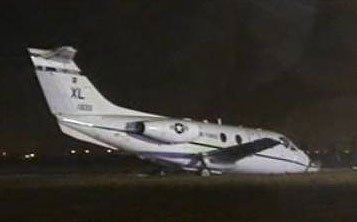
Crash of Beechcraft T-1A Jayhawk in Lubbock

Date & Time: May 21, 2008 at 2144 LT
Type of aircraft:
Operator:
Registration:
93-0633
Flight Type:
Survivors:
Yes
Schedule:
Lubbock - Lubbock
MSN:
TT-90
YOM:
1993
Location:
Crew on board:
2
Crew fatalities:
Pax on board:
0
Pax fatalities:
Other fatalities:
Total fatalities:
0
Circumstances:
The crew was completing a night training flight on behalf of the U.S. Air Force 86th Flying Training Squadron, 47th Flying Training Wing, Laughlin Air Force Base, Texas. After several manoeuvres in the vicinity of the Lubbock-Preston Smith Airport, the crew started an non precision approach to runway 17R. At that time, weather conditions were not so good with rain showers and winds up to 40 knots. On final approach, the aircraft seems to sink and pitched down. The captain increased both engines power but the aircraft hit the ground 1,1 mile short of runway 17R threshold. On impact, the nose gear was sheared off and the aircraft came to rest in a field. Both pilots were slightly injured while the aircraft was damaged beyond repair.
Probable cause:
Conjunction of poor weather conditions and crew errors. The aircraft encountered windshear with downburst on descent and the crew ignored warnings. The combination of the following human factors placed the aircraft in a dangerous weather environment: poor mission planning, inattention, complacency, lack of procedural knowledge and restricted vision.

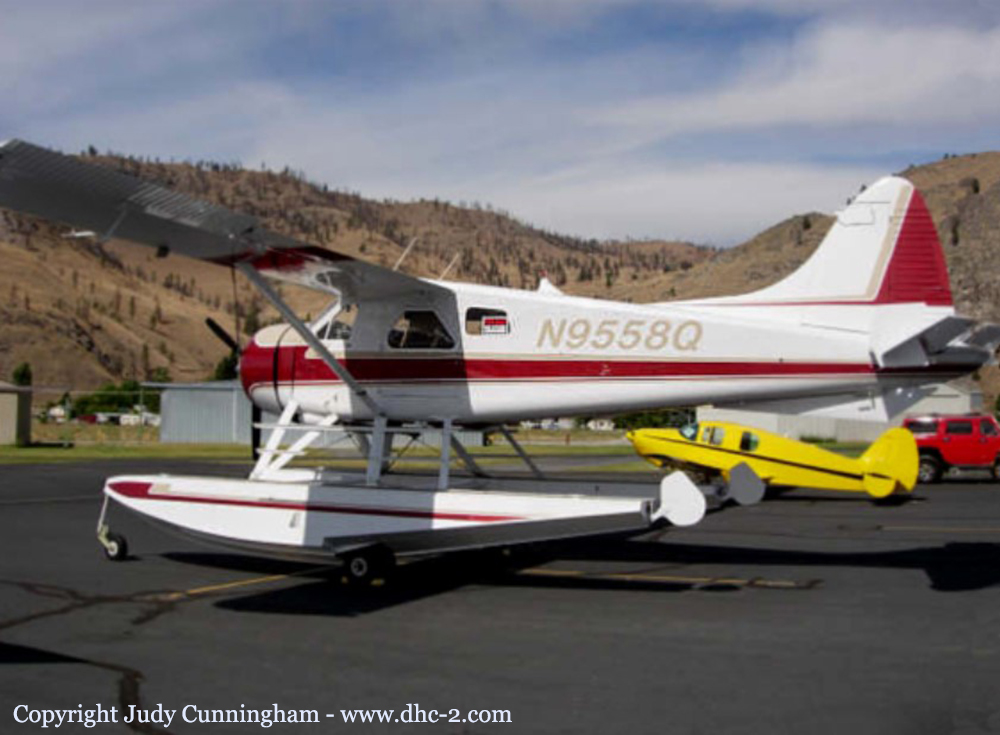
Crash of a De Havilland DHC-2 Beaver in Stehekin: 2 killed

Date & Time: May 17, 2008 at 1645 LT
Type of aircraft:
Operator:
Registration:
N9558Q
Survivors:
Yes
Schedule:
Chelan - Stehekin
MSN:
1151
YOM:
1958
Crew on board:
1
Crew fatalities:
Pax on board:
4
Pax fatalities:
Other fatalities:
Total fatalities:
2
Captain / Total flying hours:
5747
Captain / Total hours on type:
637.00
Aircraft flight hours:
12070
Circumstances:
The amphibious-float-equipped airplane departed from a paved runway for the 40-nautical mile flight to its destination, where a water landing on a lake was to be made. The pilot did not raise the landing gear after takeoff. During the flight, the air was bumpy and turbulent, and this resulted in the gear advisory system activating numerous times. The purpose of the system is to alert the pilot of the landing gear position--up for a water landing or down for a runway landing--when the airspeed decreased below a set threshold value. The pilot disabled the system by pulling its circuit breaker because the alerts were becoming a nuisance; he intended to reset the breaker during descent, but did not do so. Upon reaching the destination, the pilot set up a 150- to 200-feet-per-minute rate of descent for a glassy water landing on the lake. With the landing gear in the down position, the airplane contacted the water and abruptly nosed over. The airplane came to rest floating inverted, suspended by the floats. The pilot reported that the day of the accident was his nineteenth consecutive duty day, including office duty and flight duty. He stated that he feels the lack of days off during the previous 19 days was a contributing factor to this accident. When asked what would have prevented the accident, the pilot suggested consistency in using the checklist. On two flights earlier in the day he had used a written checklist; on the accident flight he did not.
Probable cause:
The pilot's failure to retract the landing gear wheels prior to performing a water landing. Contributing to the accident were the pilot's disabling of the landing gear warning/advisory system and possible fatigue due to his work schedule.
Final Report:
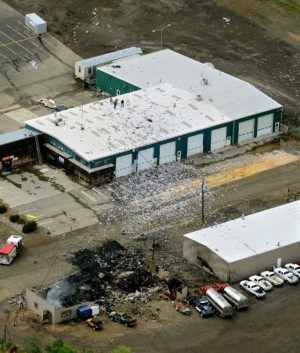
Crash of a Cessna 208B Super Cargomaster in Ada

Date & Time: May 9, 2008 at 2045 LT
Type of aircraft:
Operator:
Registration:
N893FE
Flight Type:
Survivors:
Yes
Schedule:
Traverse City - Grand Rapids
MSN:
208B-0223
YOM:
1990
Flight number:
FDX7343
Location:
Crew on board:
1
Crew fatalities:
Pax on board:
0
Pax fatalities:
Other fatalities:
Total fatalities:
0
Captain / Total flying hours:
5600
Captain / Total hours on type:
3450.00
Aircraft flight hours:
8625
Circumstances:
The airplane was on a visual approach to an airport when the engine stopped producing power. The pilot subsequently landed the airplane in a field, but struck trees at the edge of the field during the forced landing. Examination of the engine, engine fuel controls, and Power Analyzer and Recorder (PAR), provided evidence that the engine shut down during the flight. Further examination of engine and fuel system components from the accident airplane failed to reveal a definitive reason for the uncommanded engine shut-down.
Probable cause:
A loss of engine power for undetermined reasons.
Final Report:

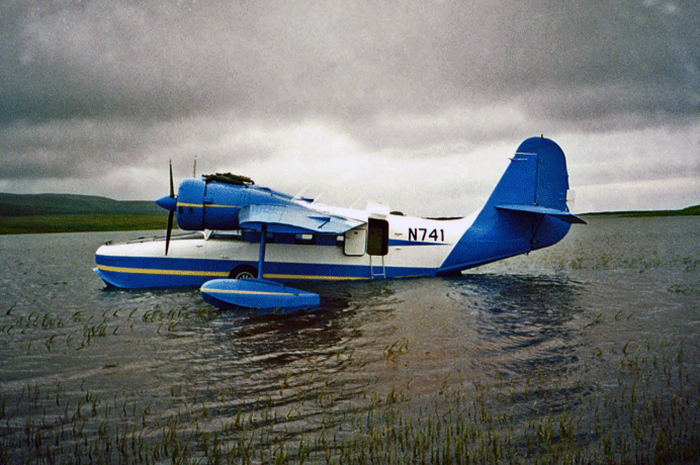
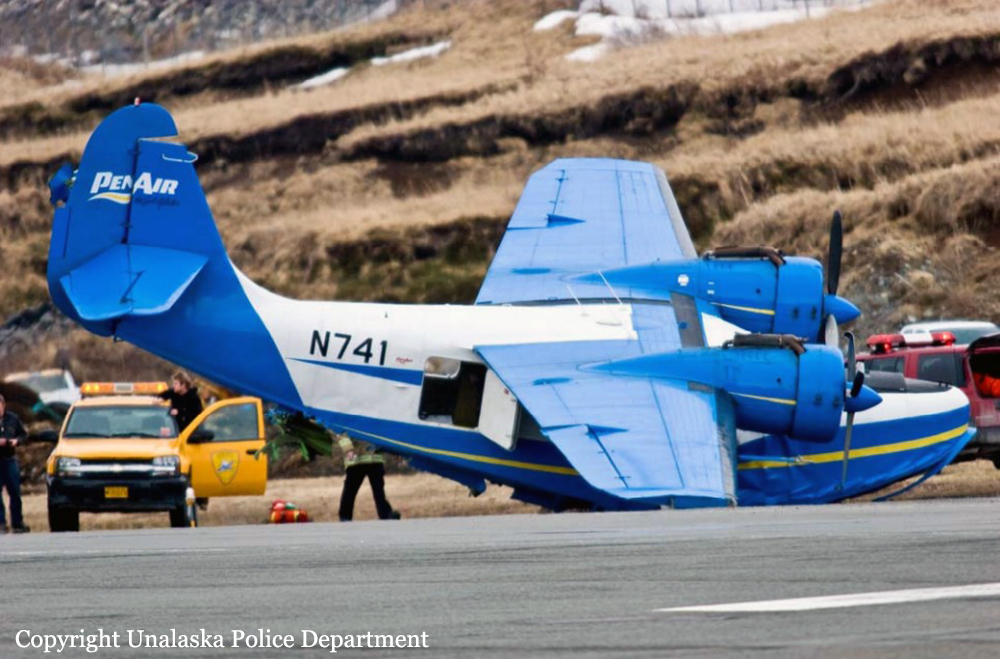
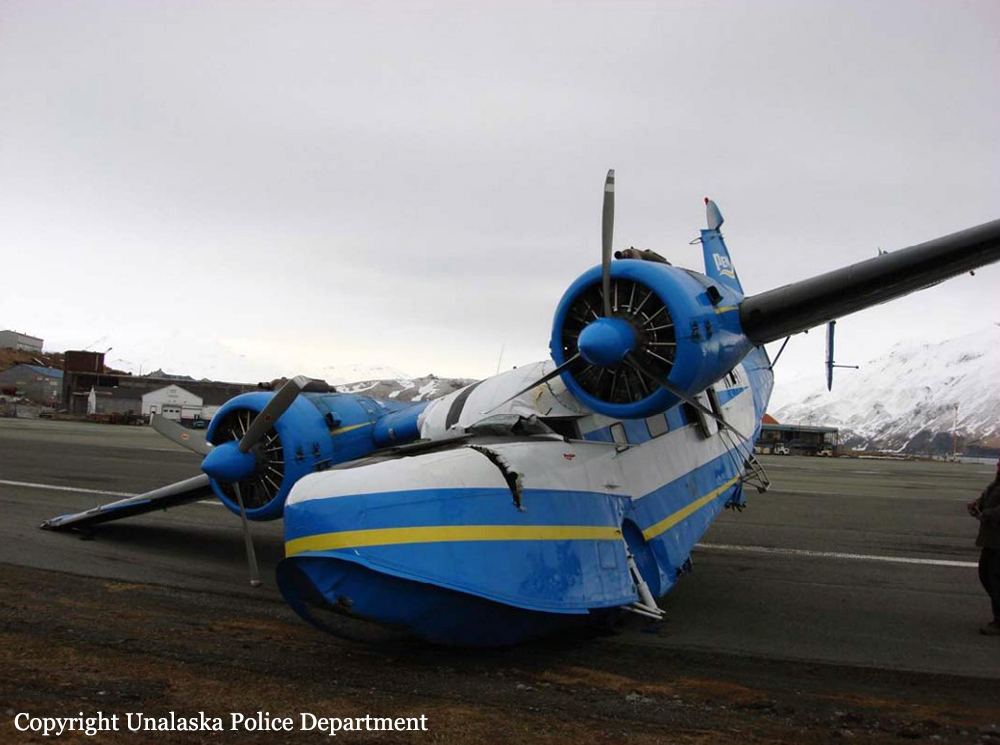
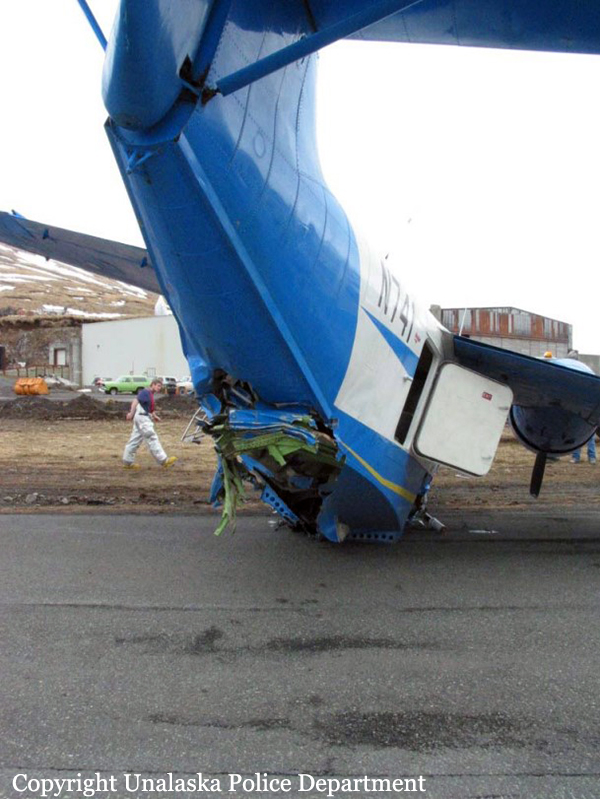
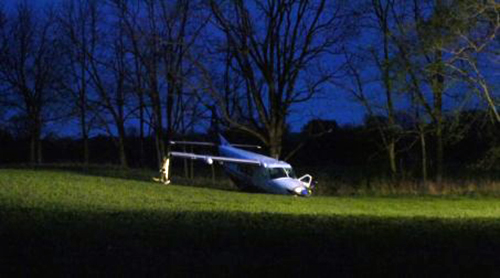
Crash of a Grumman G-21A Goose in Unalaska

Date & Time: Apr 9, 2008 at 1630 LT
Type of aircraft:
Operator:

Registration:
N741
Survivors:
Yes
Schedule:
Akutan - Unalaska
MSN:
B097
YOM:
1944
Crew on board:
1
Crew fatalities:
Pax on board:
8
Pax fatalities:
Other fatalities:
Total fatalities:
0
Captain / Total flying hours:
7040
Captain / Total hours on type:
320.00
Aircraft flight hours:
12228
Circumstances:
The airline transport pilot was on an approach to land on Runway 30 at the conclusion of a visual flight rules (VFR)scheduled commuter flight. Through a series of radio microphone clicks, he activated threshold warning lights for vehicle traffic on a roadway that passes in front of the threshold of Runway 30. Gates that were supposed to work in concert with the lights and block the runway from vehicle traffic were not operative. On final approach, the pilot, who was aware that the gates were not working, noticed a large truck and trailer stopped adjacent to the landing threshold. As he neared the runway, he realized that the truck was moving in front of the threshold area. The pilot attempted to go around, but the airplane's belly struck the top of the trailer and the airplane descended out of control to the runway, sustaining structural damage. The truck driver reported that, as he approached the runway threshold, he saw the flashing red warning lights, but that the gates were not closed. He waited for about 45 seconds and looked for any landing traffic and, seeing none, drove onto the road in front of the threshold. As he did so, he felt the airplane impact the trailer, and saw it hit the runway. The accident truck's trailer is about 45 feet long and 13 feet tall. The Federal Aviation Administration (FAA) Facility Directory/Alaska Supplement recommends that pilots maintain a 25-foot minimum threshold crossing height. The NTSB's investigation revealed that the gate system had been out of service for more than a year due to budgetary constraints, and that there was no Notice to Airman (NOTAM) issued concerning the inoperative gate system. The FAA certificated airport is owned and operated by the State of Alaska. According to the Airport Certification Manual, the airport manager is responsible to inspect, maintain, and repair airport facilities to ensure safe operations. Additionally, the airport manager is responsible for publishing NOTAM's concerning hazardous conditions. A 10-year review of annual FAA certification and compliance inspection forms revealed no discrepancy listed for the inoperative gates until 16 days after the accident.
Probable cause:
The pilot's failure to maintain clearance from a truck while landing, and the vehicle operator's decision to ignore runway warning signals. Contributing to the accident was an inoperative vehicle gate system and the failure of airport management to adequately maintain the gate system and issue a NOTAM.
Final Report: