Country

Crash of a De Havilland DHC-2 Beaver near Makepeace Lake: 4 killed

Date & Time: Sep 13, 2025 at 1845 LT
Type of aircraft:
Operator:
Registration:
C-FDPW
Survivors:
Yes
Schedule:
Saint Theresa Point - Makepeace Lake
MSN:
1339
YOM:
1959
Country:
Crew on board:
1
Crew fatalities:
Pax on board:
4
Pax fatalities:
Other fatalities:
Total fatalities:
4
Circumstances:
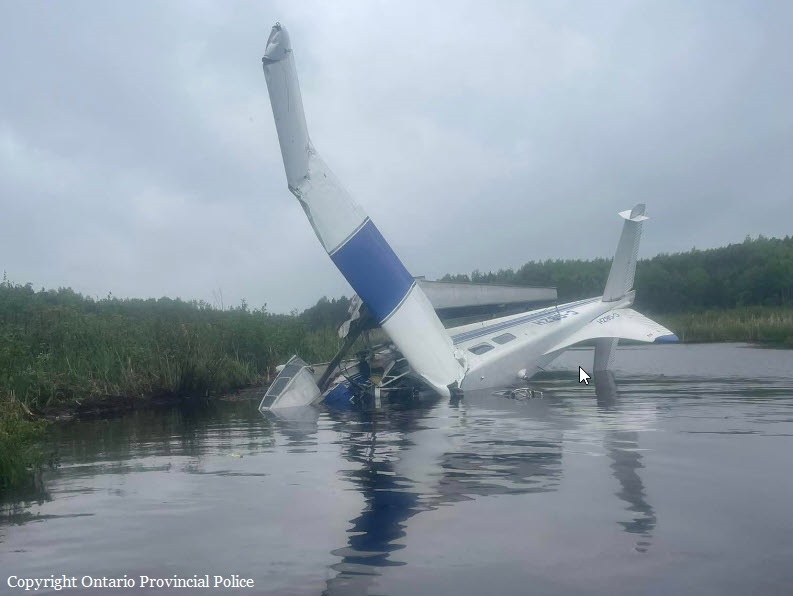
The single engine airplane was approaching Makepeace Lake when it crashed in unknown circumstances near the north shore and was destroyed. The pilot was injured while all four passengers, natives from Saint Theresa Point First Nation were killed.

Crash of a De Havilland DHC-2 Beaver off Saint-Mathias-sur-Richelieu: 1 killed

Date & Time: May 2, 2025 at 1100 LT
Type of aircraft:
Operator:
Registration:
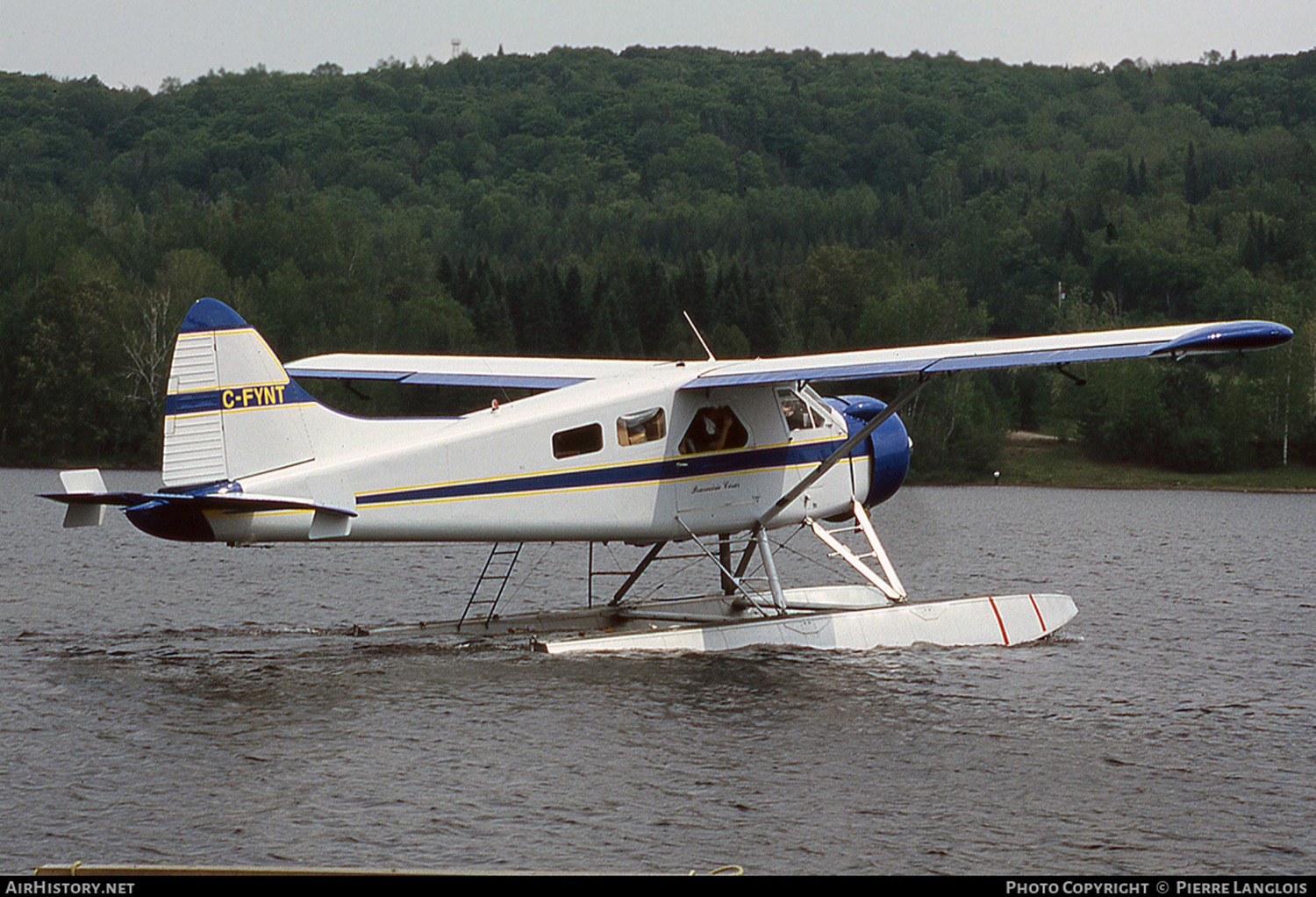
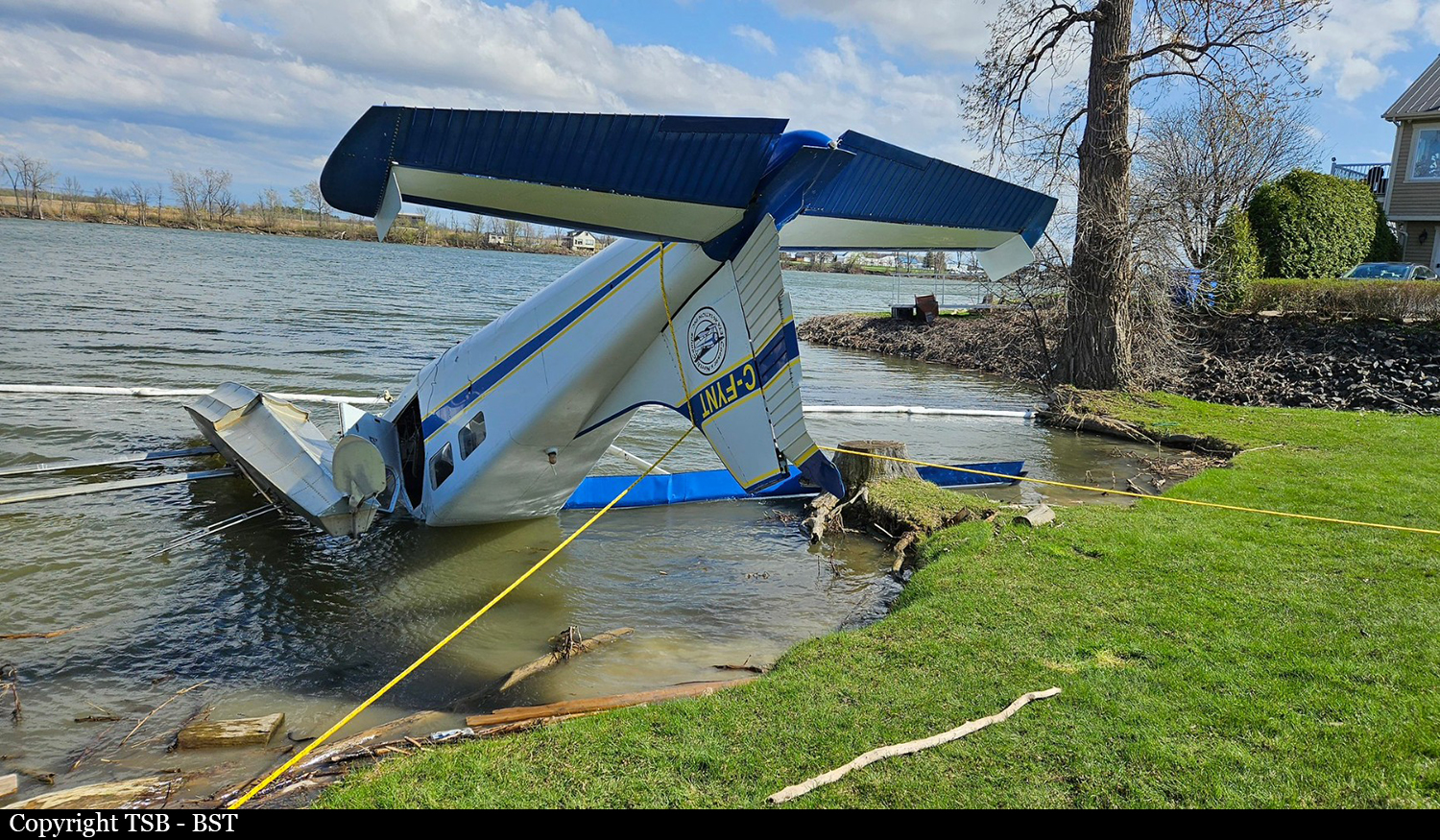
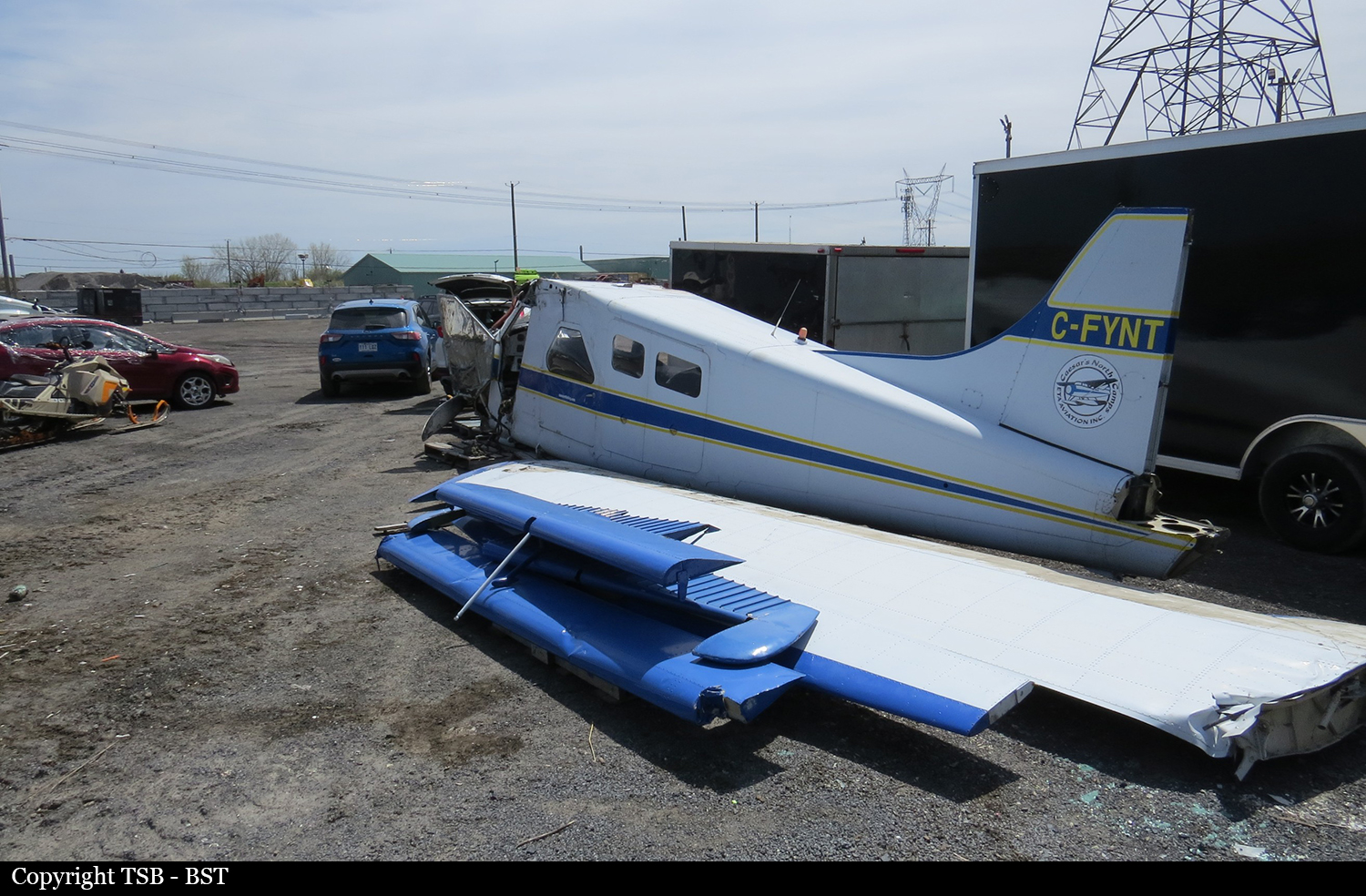
C-FYNT
Flight Phase:
Survivors:
Yes
Schedule:
Saint-Mathias-sur-Richelieu - Saint-Mathias-sur-Richelieu
MSN:
1054
YOM:
1956
Country:
Crew on board:
1
Crew fatalities:
Pax on board:
1
Pax fatalities:
Other fatalities:
Total fatalities:
1
Captain / Total flying hours:
11000
Circumstances:
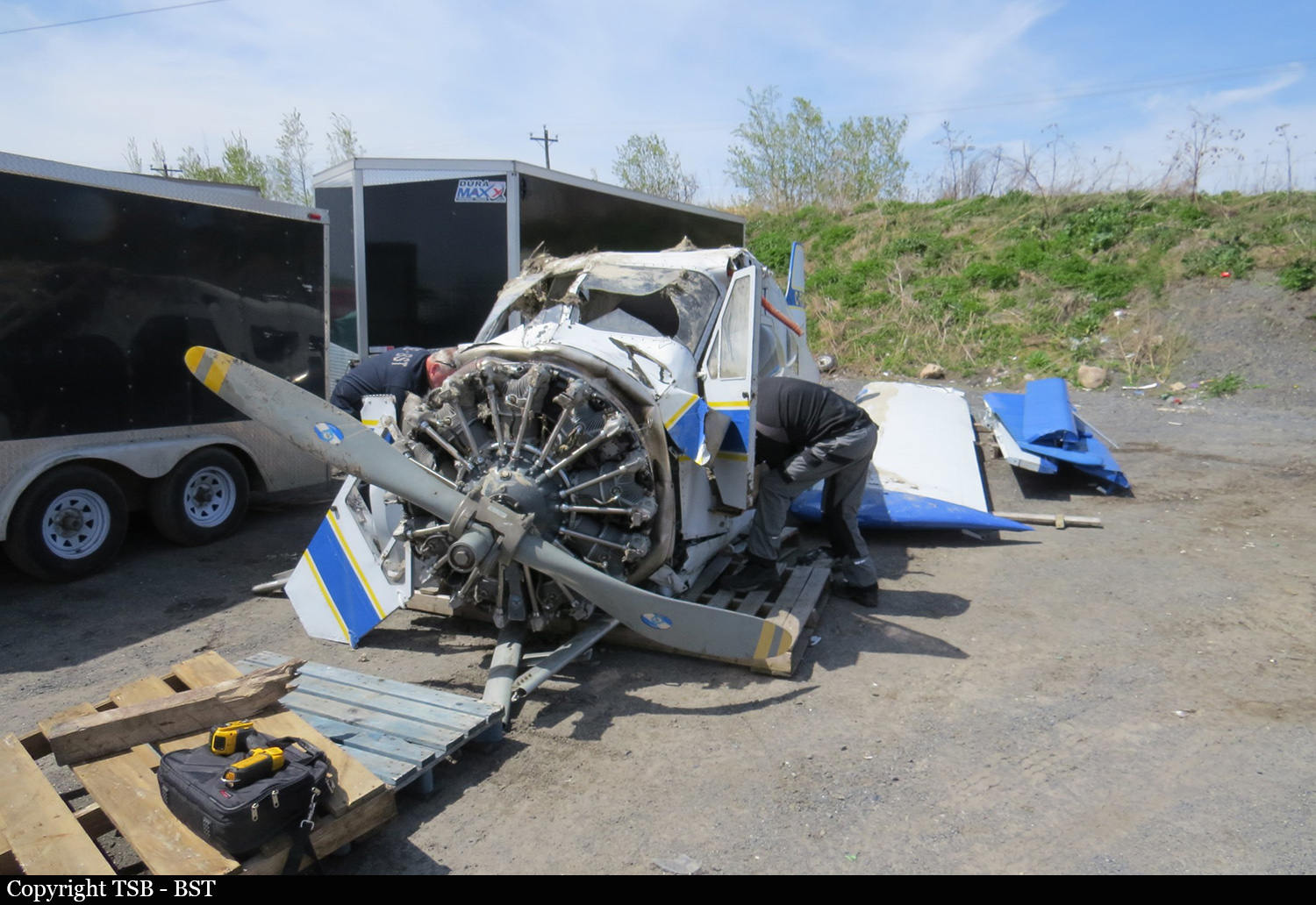
On the morning of 02 May 2025, the pilot of the float-equipped De Havilland Aircraft of Canada Limited DHC-2 Mk. I aircraft (registration C-FYNT, serial number 1054) operated by ETA Aviation & César Camp du Nord Inc. arrived at the facilities of the approved maintenance organization Aviation B.L. Inc. at the St‑Mathias Water Aerodrome (CSV9), Quebec. The pilot and the person responsible for maintenance (PRM) discussed the maintenance work that had been done on the 3 aircraft operated by ETA Aviation & César Camp du Nord Inc., which had been stored at Aviation B.L. Inc. over the winter. The weather conditions forecast for that day were suitable for conducting a flight. The aircraft was refueled so that there were approximately 79 imperial gallons of fuel on board. The occurrence aircraft was placed in the water by the pilot, with the help of a passenger (who was also a pilot), and the pilot conducted a preflight inspection. The pilot and the passenger boarded the aircraft and taxied down the river in a northeasterly direction, buckling their safety belts and performing pre-takeoff checks, including the run-up. At approximately 1100, the aircraft began its take-off run in a southwesterly direction to conduct a local private flight under visual flight rules. The pilot attempted to raise the right wing by rotating the control wheel to the left. The left wing began to lift, contrary to the pilot’s expectations. The pilot reacted by rotating the control wheel completely to the left, which only accentuated the lifting of the left wing. The aircraft then rolled to the right, the right wing touched the surface of the water, and the aircraft overturned. The passenger unbuckled his safety belt and tried, in vain, to open the door on his side. He then managed to open the window and was able to egress through it. He received serious injuries to his right arm. After catching his breath at the surface, the passenger went back under the water to try to help the pilot, but the water was very opaque and he had difficulty swimming due to his injury and wet clothing. Eyewitnesses called 911. Emergency services went to the west shore. Given that no boats were immediately available, emergency services tried throwing ropes to the passenger to help him reach the shore. The passenger ultimately had to swim to the west shore on his own, where emergency services assessed him and drove him to the hospital for treatment of his injuries. The pilot was found dead in the aircraft, with his safety belt unbuckled, when the aircraft was brought to shore later that day.
Probable cause:
On 20 October 2024, the occurrence aircraft was brought to the approved maintenance organization’s facilities. The aircraft was then stored for the winter, during which time the annual and 300-hour routine inspections were to be performed. The maintenance work began in February 2025, and while the work was being carried out, a crack that needed to be repaired was noticed in the control column. To perform the repair, the chain linking the control wheel to the aileron system cables had to be removed. After the repair was completed, the chain was reinstalled in mid-March 2025 by the apprentice who had worked on the aircraft and had removed the chain before performing the repair. When the chain was reinstalled, the ends did not match the aileron system cables, so the apprentice asked for assistance from another apprentice to fix the problem. The manufacturer’s procedures were not consulted for reinstalling the chain, and the work was not directly supervised by an aircraft maintenance engineer (AME). After the control column and chain were reinstalled, the apprentice did not check the directional movement of the ailerons. When maintenance work is completed on a flight control system, in addition to AME certification, an independent inspection must also be completed by another qualified person. The certification process and independent inspection both include verifying the assembly and its locking mechanism, as well as verifying the directional movement of the ailerons. In this case, the work was not certified before the independent inspection. Knowing that an independent inspection had to be conducted, the apprentice who performed the maintenance work asked an AME to conduct this independent inspection. During the independent inspection, the AME was reportedly interrupted, and directional movement of the ailerons was not verified. When the PRM certified all the work on 01 and 02 May 2025, the AME who had conducted the independent inspection signed the independent inspection of the flight control system with the same dates.
Final Report:

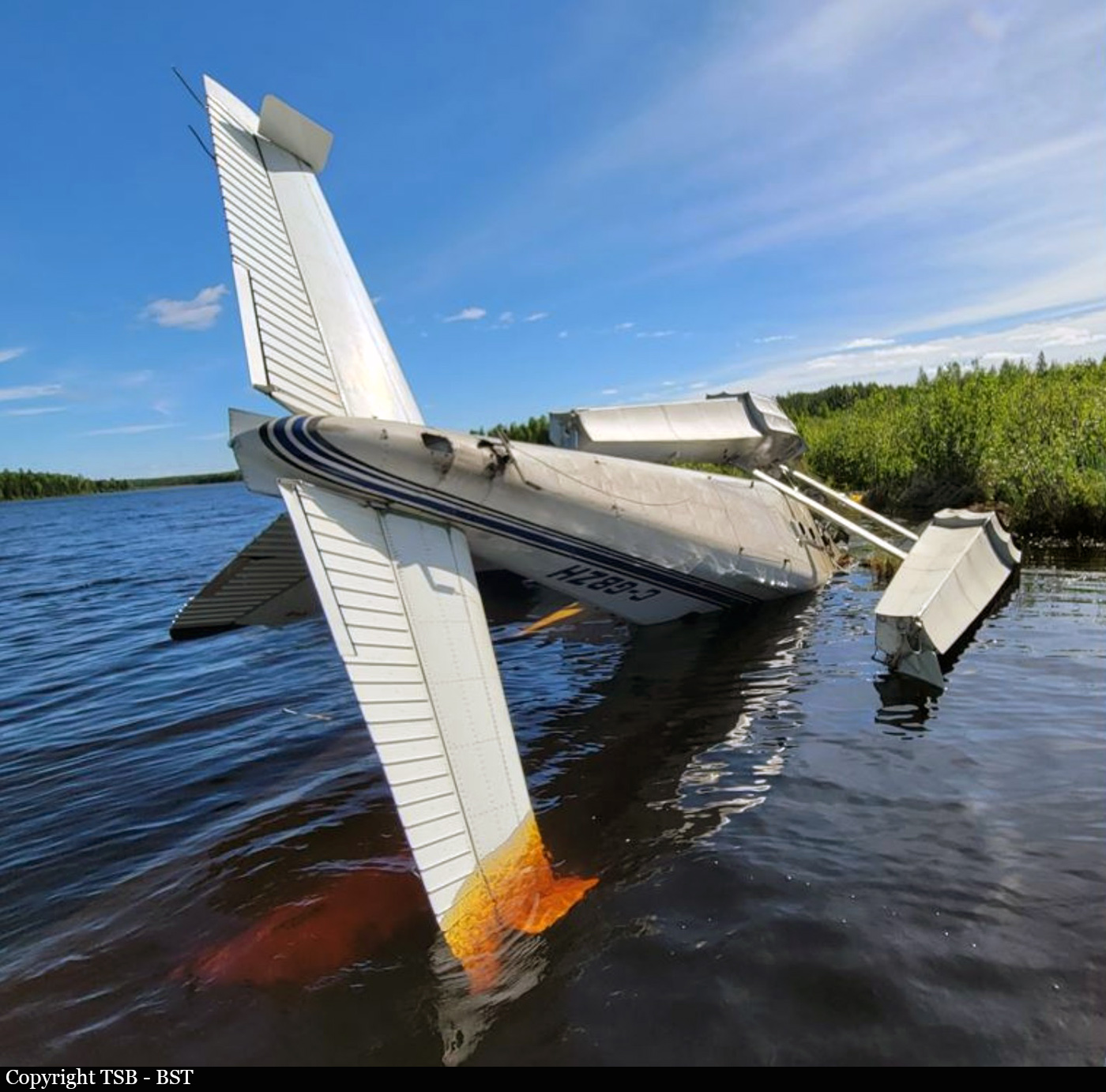
Crash of a De Havilland DHC-2 Beaver near Red Lake: 1 killed

Date & Time: Jun 16, 2024 at 0655 LT
Type of aircraft:
Operator:
Registration:
C-GBZH
Flight Phase:
Survivors:
Yes
Schedule:
Chukuni River - Thicketwood Lake
MSN:
1518
YOM:
1963
Country:
Crew on board:
1
Crew fatalities:
Pax on board:
4
Pax fatalities:
Other fatalities:
Total fatalities:
1
Captain / Total flying hours:
1773
Captain / Total hours on type:
816.00
Aircraft flight hours:
13590
Circumstances:
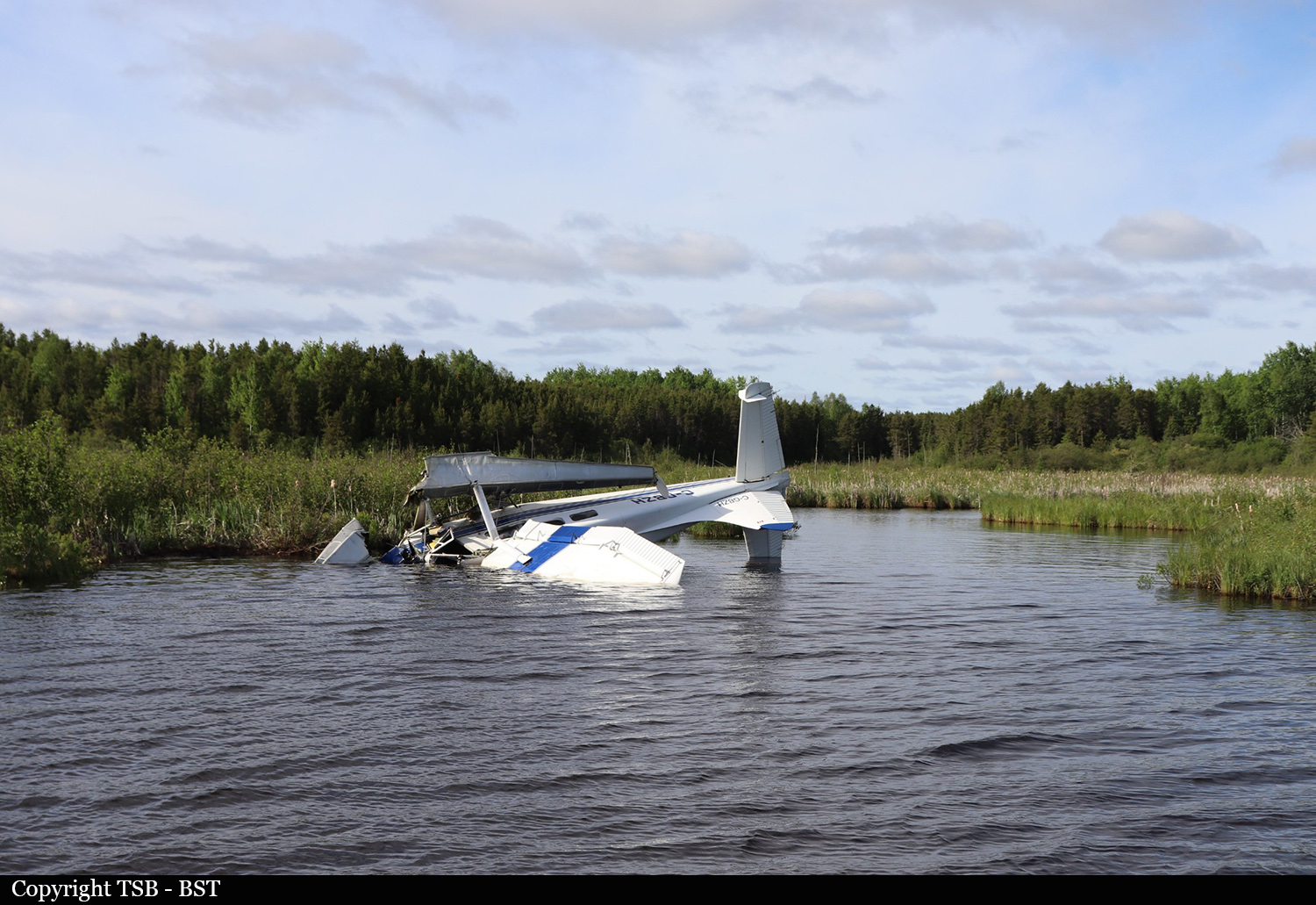
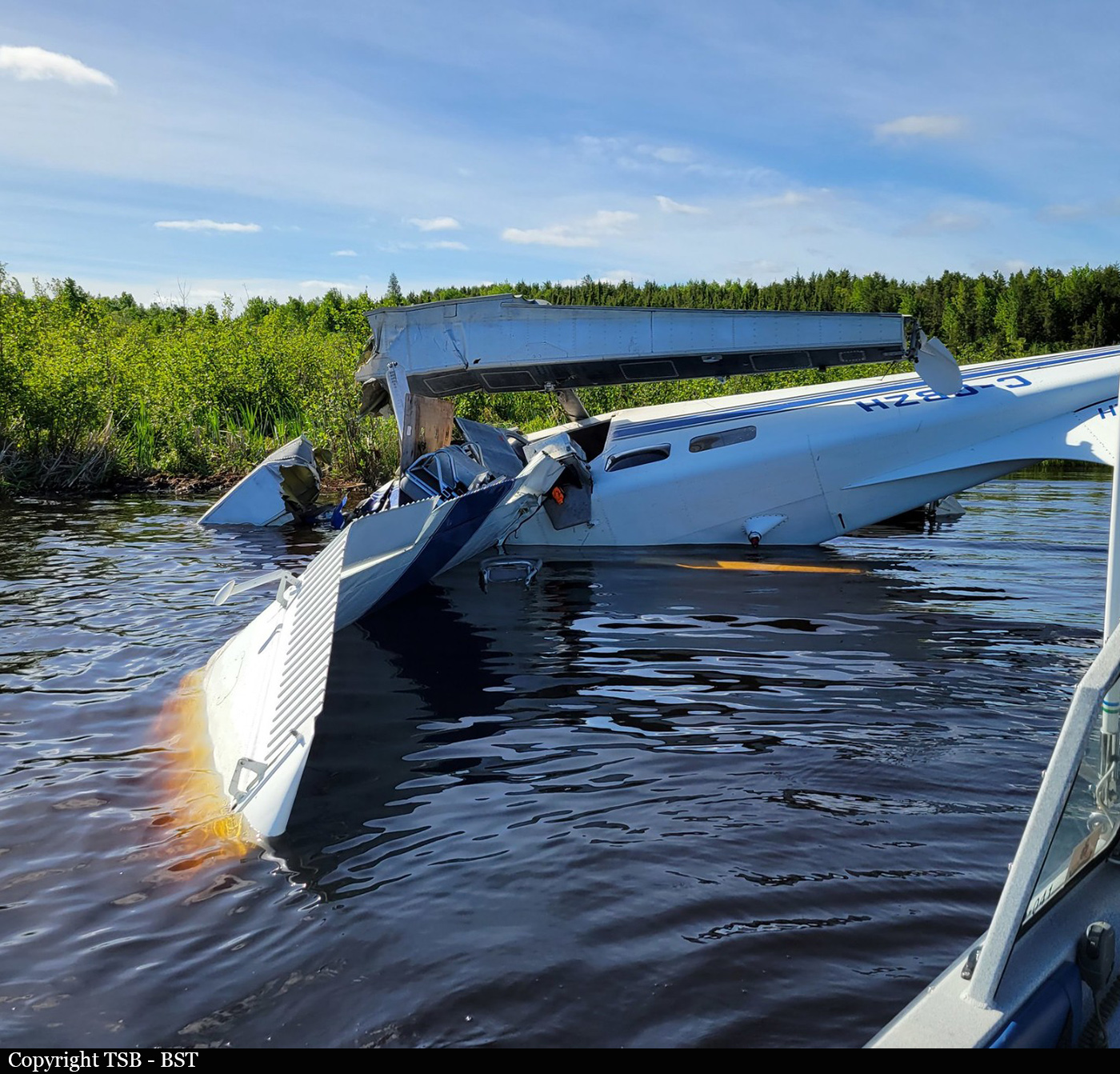
The float-equipped aircraft operated by Canadian Fly-in Fishing was preparing to depart from the Chukuni River, approximately 2.2 nautical miles (NM) southeast of the Red Lake (Howey Bay) Water Aerodrome (CKS4), on a visual flight rules flight to Thicketwood Lake. At approximately 0653LT the aircraft departed with the pilot, 4 passengers, and cargo on board. Winds were observed by the pilot to be from the south. A normal takeoff was conducted with the flaps in the TAKEOFF setting, and with the heading approximately 120° magnetic. The aircraft accelerated and lifted off as planned about halfway down the waterway (approximately 2,500 feet downriver). As the aircraft gained airspeed to 80 mph, the pilot initiated a climb. Once the climb was established at approximately 100 feet above water, the pilot reduced the engine power to 30 inches of manifold pressure at 2,000 rpm. Along with this power change, the wing flaps were raised from the TAKEOFF position to the CLIMB position. Shortly thereafter, the pilot noticed the aircraft descending, accompanied by a decrease in airspeed to 60 mph. The pilot pushed forward on the control wheel and simultaneously added full power in an attempt to regain airspeed. The aircraft’s airspeed did not increase, and the pilot made a turn to the right, into the wind. At a height of approximately 80 feet above the water, the aircraft entered an aerodynamic stall, with a roll to the right. Aircraft control was lost and, at 0655LT, the aircraft collided with the shoreline in a nose-down, banked attitude. The aircraft was substantially damaged. There was no post-impact fire. The emergency locator transmitter activated. The aircraft occupants were all partially submerged in water when the aircraft came to rest. The pilot egressed through the right-side door and assisted the front-seat passenger out of the aircraft while the other 3 passengers were assisted from the aircraft by local residents. Two of the passengers, who had been seated in the left and right back seats, were seriously injured and were airlifted to hospital in Thunder Bay. One of these passengers subsequently died while in hospital. The pilot and the 2 other passengers were medically evaluated at a local hospital and released.
Probable cause:
Based on the aircraft’s configuration and the most accurate weight information available to the investigation, it was determined that, at the time of takeoff, the estimated weight of the aircraft was 334 pounds over the maximum gross take-off weight of 5,090 pounds, but within the correct centre of gravity range. The operator’s take-off weight calculation prior to the flight was 5,359 pounds as the passenger weights were averaged from a group weigh-in as per the company operations manual approved by TC. The eight passengers weighed a total of 1,812 pounds. The group was then split between two aircraft, four passengers in each. One of the passengers weighed significantly more than the average for the group and was positioned in the occurrence aircraft, resulting in a gross weight increase that was not accounted for.
Final Report:

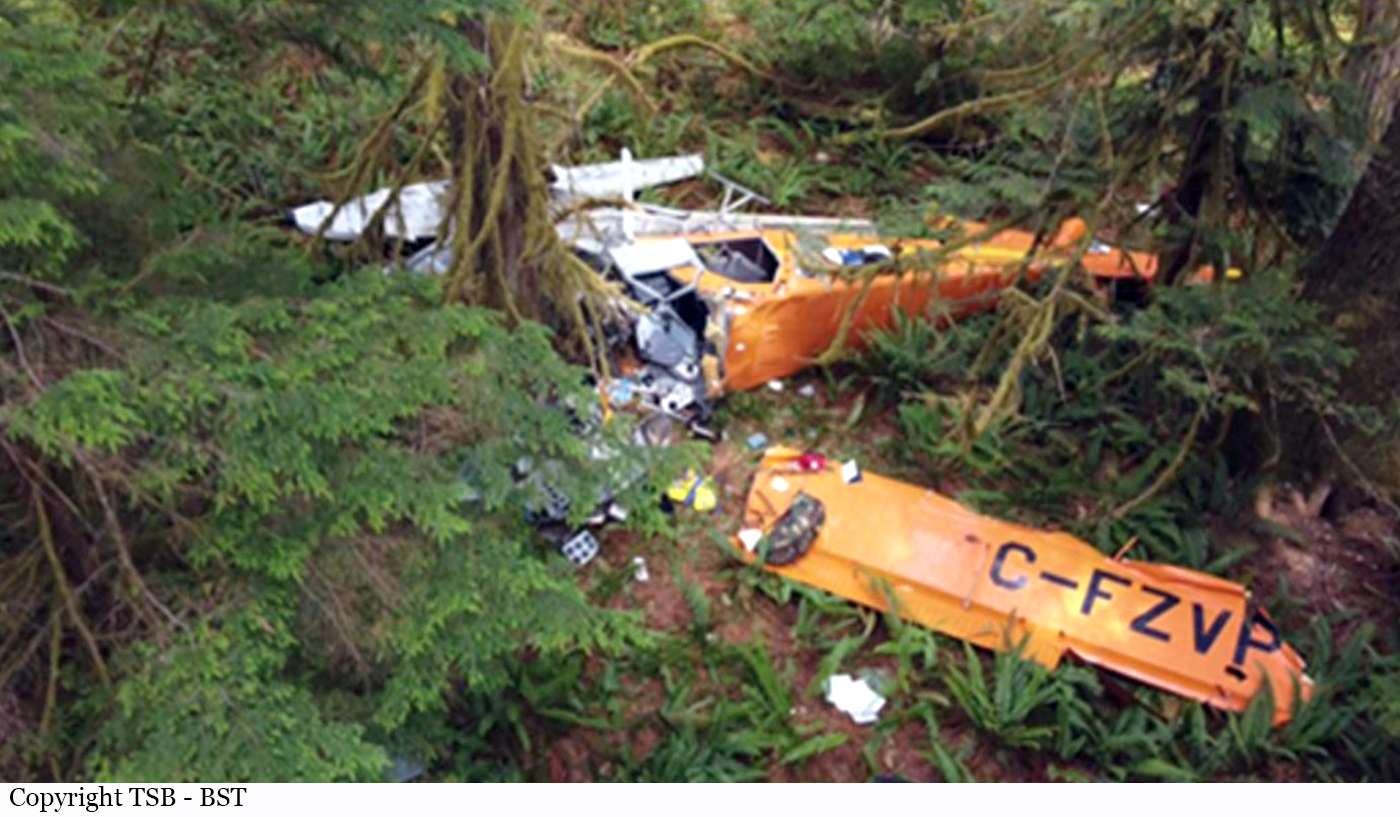
Crash of a De Havilland DHC-2 Beaver in Gold River

Date & Time: Jul 28, 2023 at 1720 LT
Type of aircraft:
Operator:
Registration:
C-FZVP
Flight Type:
Survivors:
Yes
Schedule:
Louie Bay - Gold River
MSN:
1033
YOM:
1957
Country:
Crew on board:
1
Crew fatalities:
Pax on board:
0
Pax fatalities:
Other fatalities:
Total fatalities:
0
Captain / Total flying hours:
10000
Circumstances:
The single engine airplane was conducting a visual flight rules repositioning flight from Louie Bay on Nootka Island, British Columbia (BC), to Gold River Water Aerodrome (CAU6), BC, with only the pilot on board. On arrival at CAU6, the pilot noted a rough sea state in the company’s primary landing area and elected to land in the secondary area, a tree-lined river to the east of the base. The aircraft was observed overflying the company dock to the north and then turning right, aligning with the southwest direction of the river. When descending on the alignment turn to final approach, the aircraft experienced an uncommanded yaw and roll. It
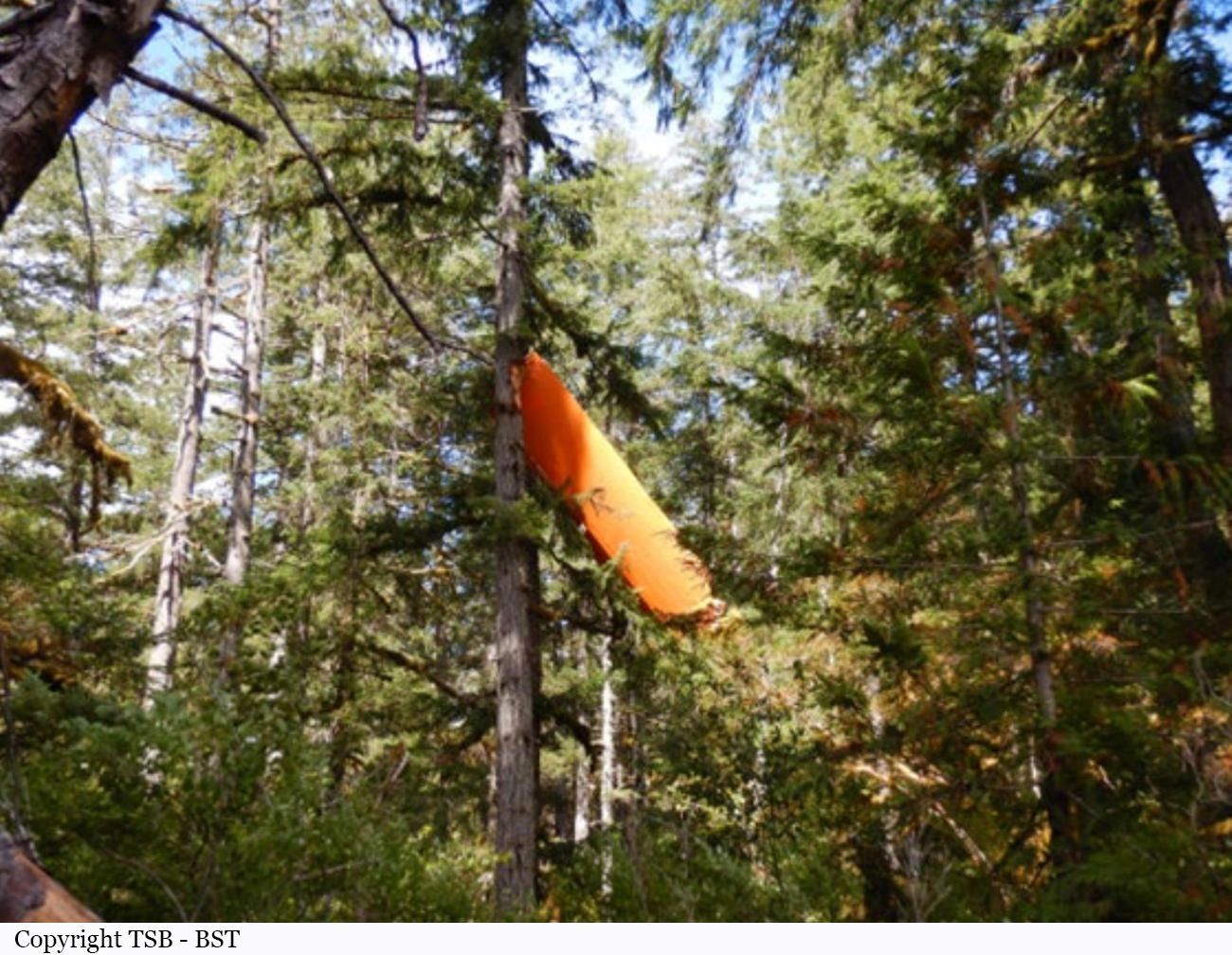
abruptly turned further right, heading west, and continued to descend toward the trees. It was reported that opposite aileron input, to try and arrest the uncommanded yaw and roll, increased the roll rate. At approximately 1720, the aircraft struck the forested area on the west side of the river, coming to rest approximately 75 feet from the river. There was no post-impact fire. The pilot received serious injuries, was extracted by local firefighting personnel, and attended to by local paramedics. He was then airlifted to hospital by a search and rescue helicopter.
Probable cause:
While on the right turn to final, the aircraft experienced an uncommanded yaw and roll. The application of aileron in the opposite direction made the condition worse. This is consistent with an aerodynamic stall.
Final Report:

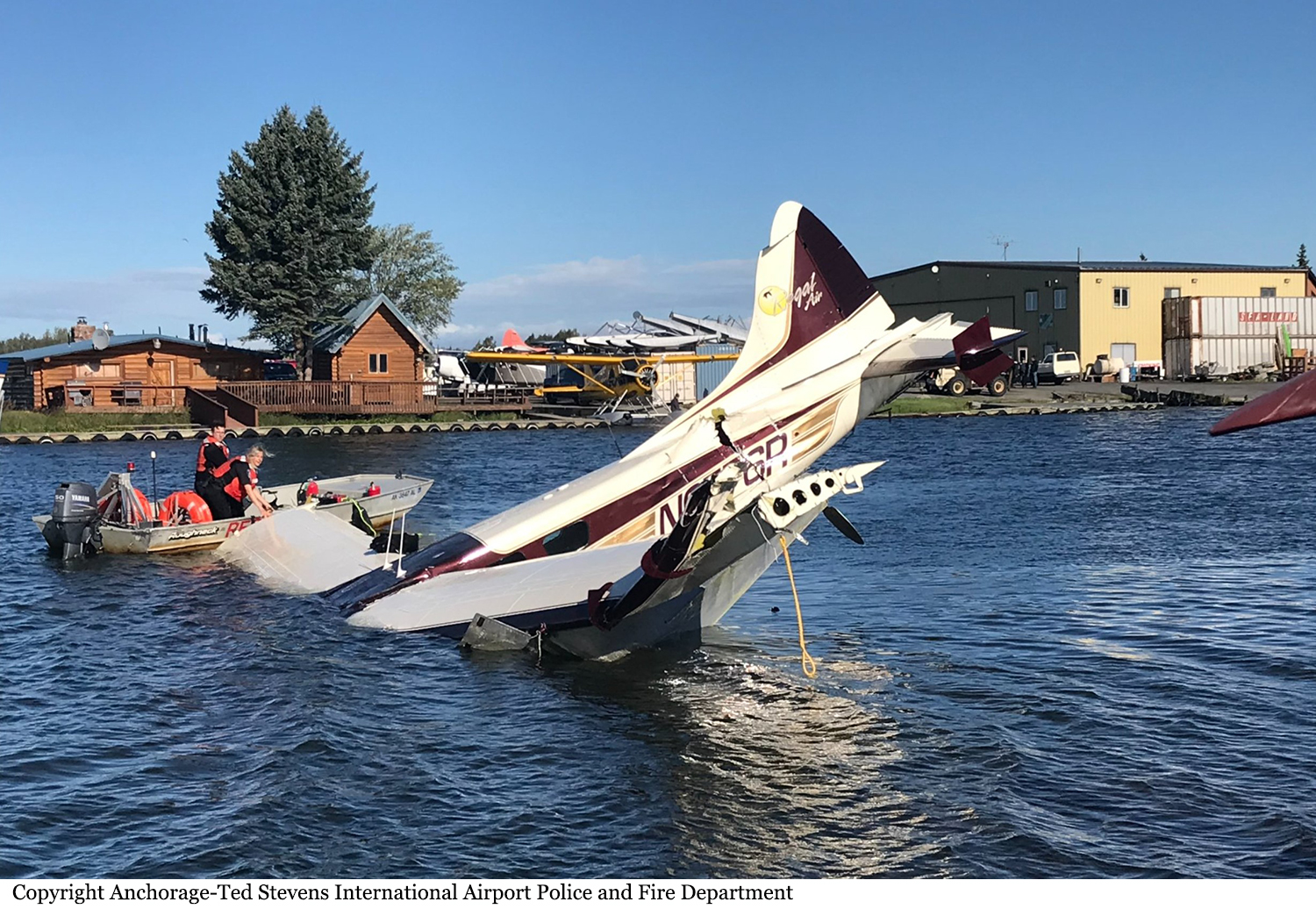
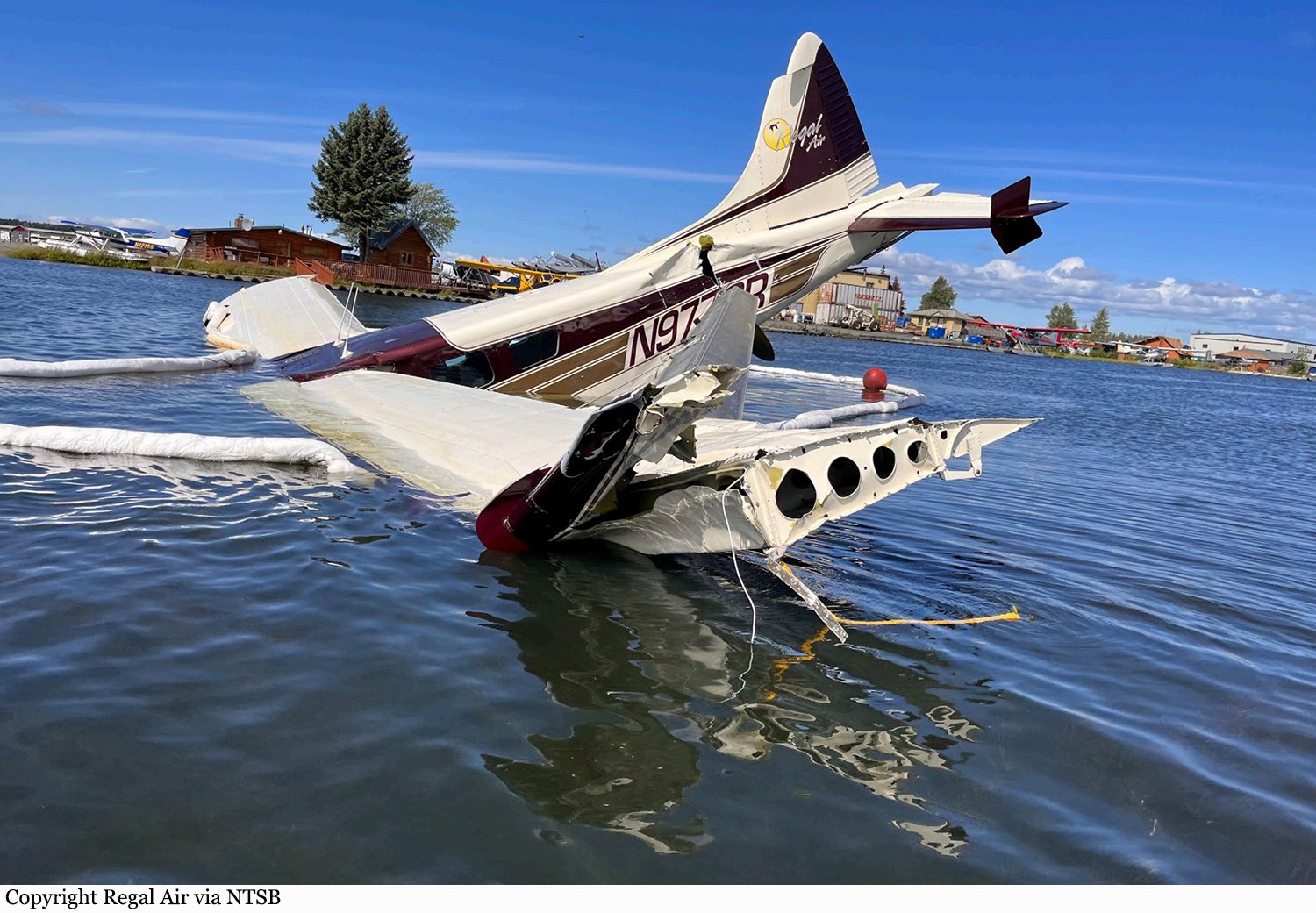
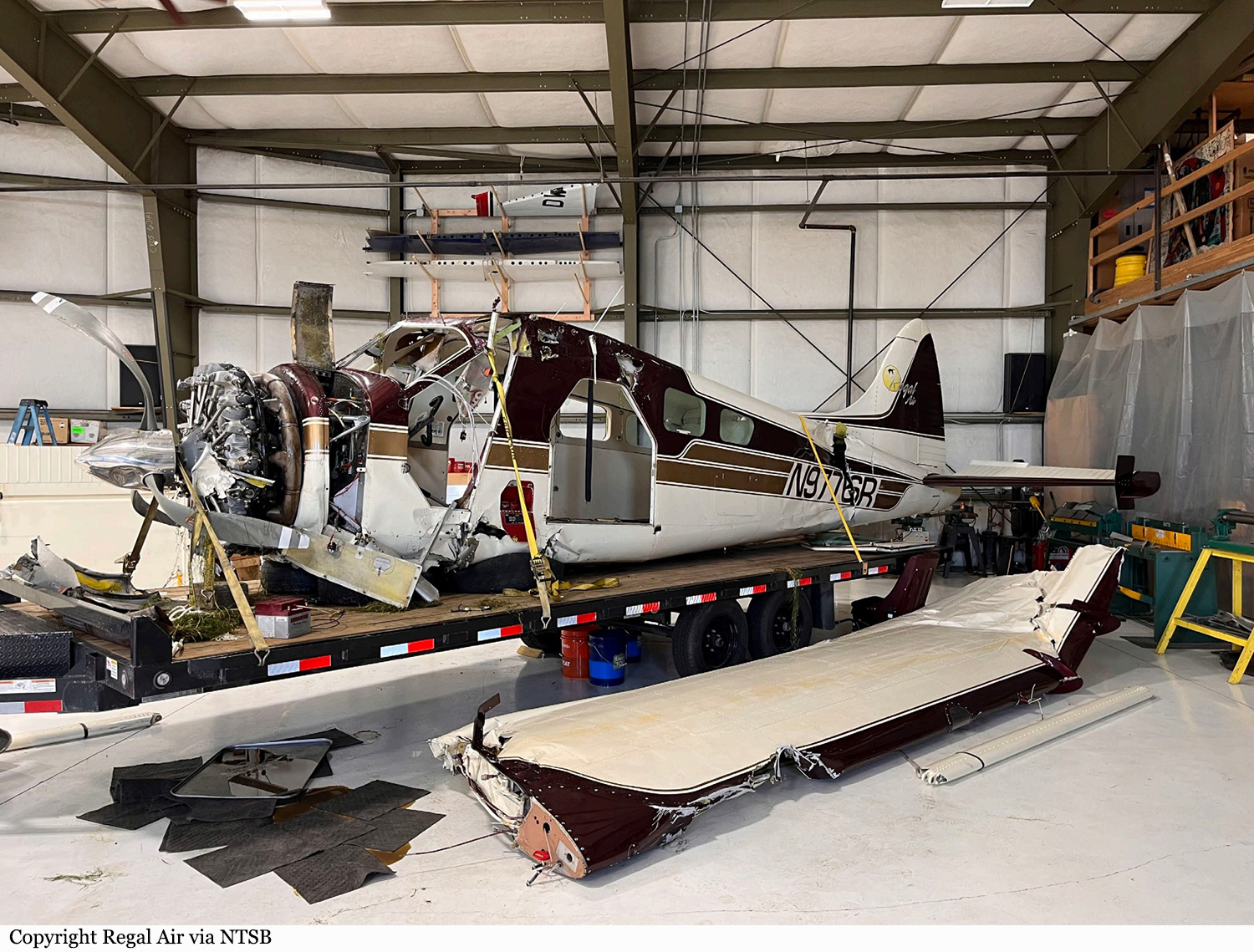
Crash of a De Havilland DHC-2 Beaver I in Anchorage

Date & Time: Jul 26, 2022 at 0915 LT
Type of aircraft:
Operator:
Registration:
N9776R
Flight Phase:
Survivors:
Yes
Schedule:
Anchorage - King Salmon
MSN:
1126
YOM:
1957
Crew on board:
1
Crew fatalities:
Pax on board:
6
Pax fatalities:
Other fatalities:
Total fatalities:
0
Captain / Total flying hours:
1709
Captain / Total hours on type:
142.00
Aircraft flight hours:
16072
Circumstances:
The pilot reported that, he was departing in the float-equipped airplane in strong gusty wind conditions. After accelerating on the water for about 3 seconds, the airplane suddenly became airborne and crabbed into the wind about 60° to 90° from the intended takeoff path and started to climb as it continued to track away from the intended flight path. As the climb continued, the airplane stalled and impacted the water in a nose low attitude which resulted in substantial damage to the wings and fuselage. The pilot reported that there were no preaccident mechanical malfunctions or anomalies that would have precluded normal operation.
Probable cause:
The pilot’s failure to maintain directional control during takeoff in gusting wind conditions which resulted in the wing exceeding its critical angle of attack, a loss of control and impact with the water.
Final Report:

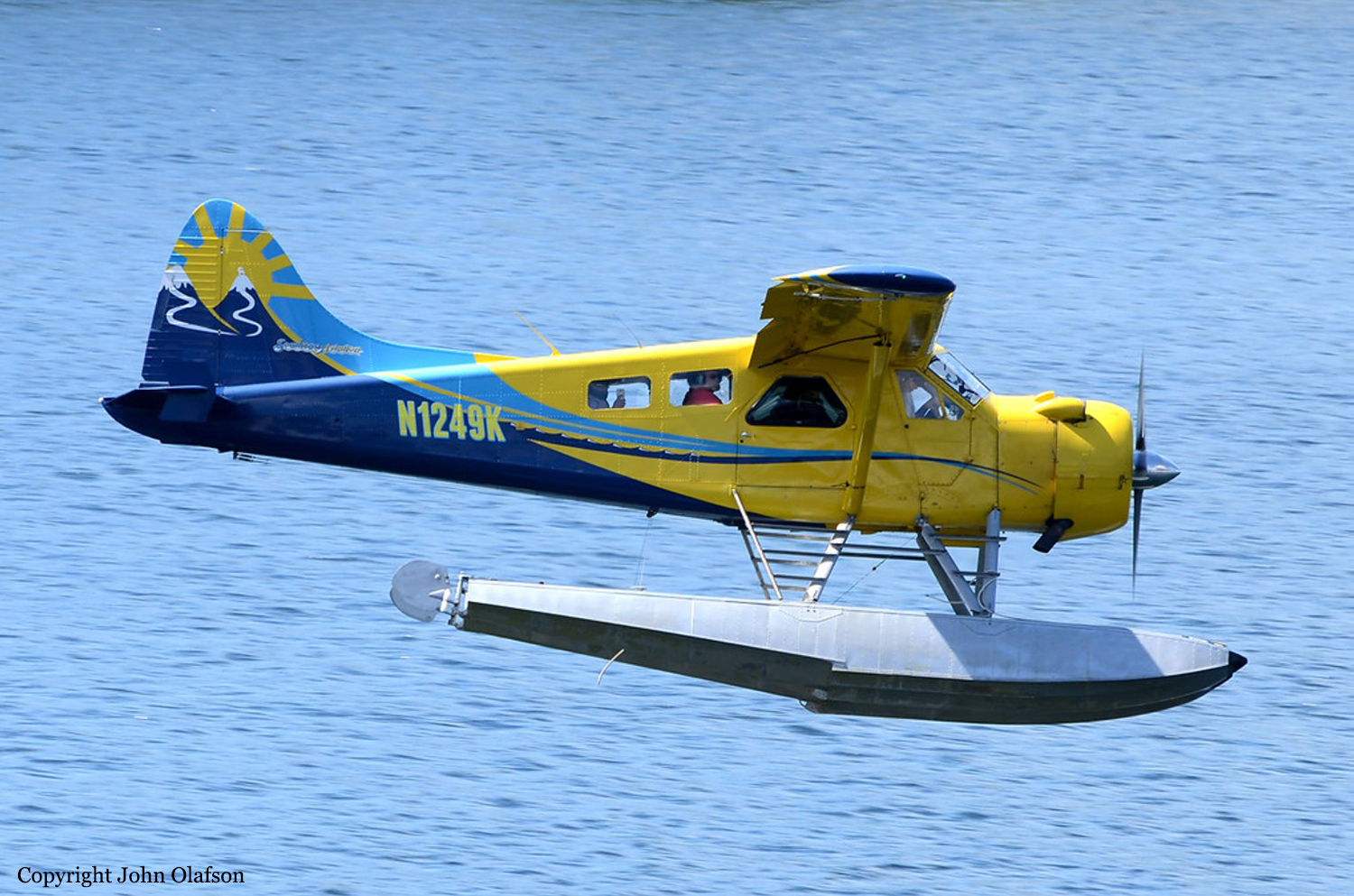
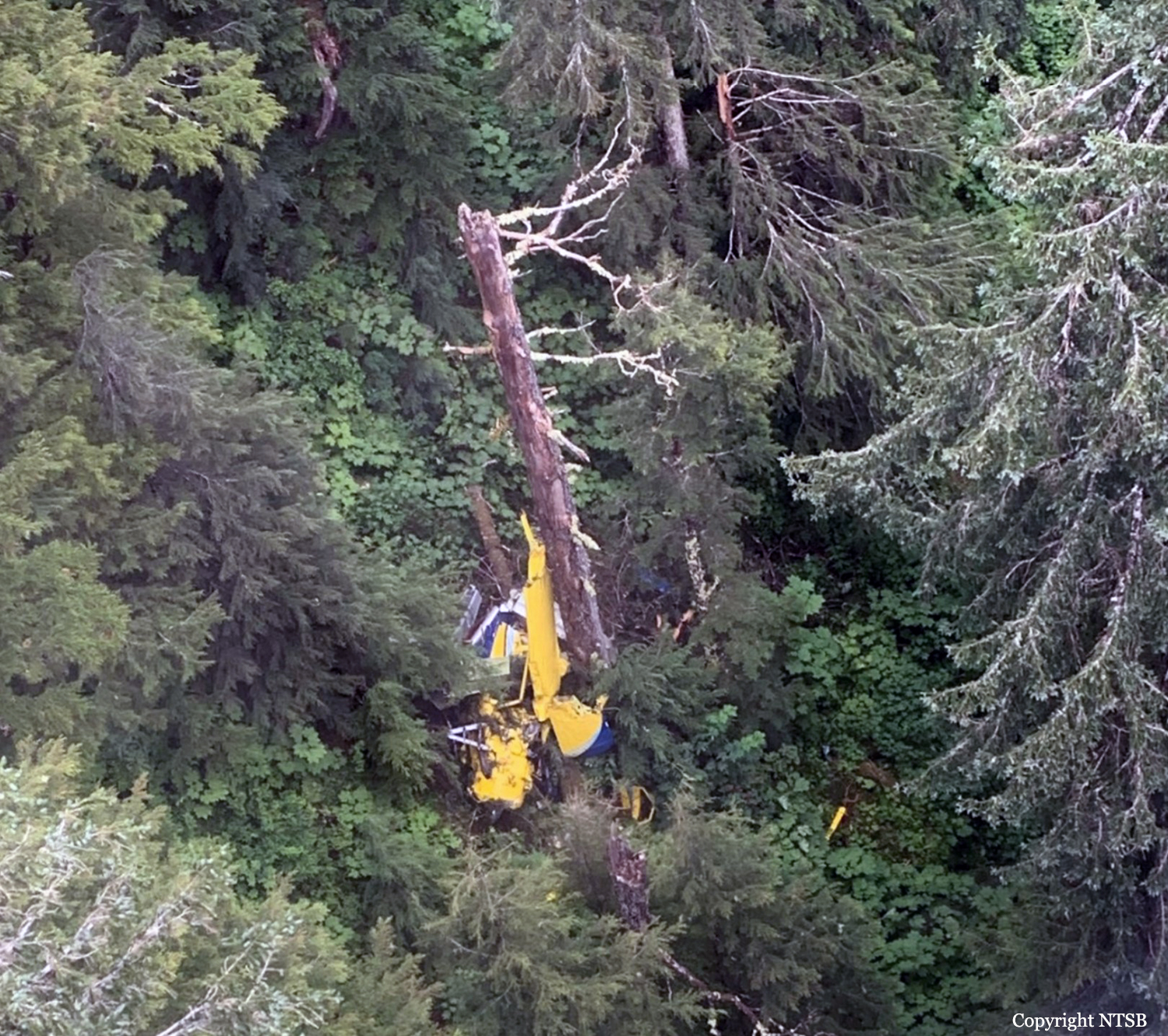
Crash of a De Havilland DHC-2 Beaver near Ketchikan: 6 killed

Date & Time: Aug 5, 2021 at 1050 LT
Type of aircraft:
Operator:
Registration:
N1249K
Flight Phase:
Survivors:
No
Site:
Schedule:
Ketchikan - Ketchikan
MSN:
1594
YOM:
1965
Crew on board:
1
Crew fatalities:
Pax on board:
5
Pax fatalities:
Other fatalities:
Total fatalities:
6
Captain / Total flying hours:
15552
Captain / Total hours on type:
8000.00
Aircraft flight hours:
15028
Circumstances:
The accident flight was the pilot’s second passenger sightseeing flight of the day that overflew remote inland fjords, coastal waterways, and mountainous, tree-covered terrain in the Misty Fjords National Monument. Limited information was available about the airplane’s flight track due to radar limitations, and the flight tracking information from the airplane only provided data in 1-minute intervals. The data indicated that the airplane was on the return leg of the flight and in the final minutes of flight, the pilot was flying on the right side of a valley. The airplane impacted mountainous terrain at 1,750 ft mean sea level (msl), about 250 ft below the summit. Examination of the wreckage revealed no evidence of pre accident failures or malfunctions that would have precluded normal operation. Damage to the propeller indicated that it was rotating and under power at the time of the accident. The orientation and distribution of the wreckage indicated that the airplane impacted a tree in a left-wing-low attitude, likely as the pilot was attempting to maneuver away from terrain. Review of weather information for the day of the accident revealed a conditionally unstable environment below 6,000 ft msl, which led to rain organizing in bands of shower activity. Satellite imagery depicted that one of these bands was moving northeastward across the accident site at the accident time. Federal Aviation Administration (FAA) weather cameras and local weather observations also indicated that lower visibility and mountain obscuration conditions were progressing northward across the accident area with time. Based on photographs recovered from passenger cell phones along with FAA weather camera imagery, the accident flight encountered mountain obscuration conditions, rain shower activity, and reduced visibilities and cloud ceilings, resulting in instrument meteorological conditions (IMC) before the impact with terrain. The pilot reviewed weather conditions before the first flight of the day; however, there was no indication that he obtained updated weather conditions or additional weather information before departing on the accident flight. Based on interviews, the accident pilot landed following the first flight of the day in lowering visibility, ceiling, and precipitation, and departed on the accident flight in precipitation, based on passenger photos. Therefore, the pilot had knowledge of the weather conditions that he could have encountered along the route of flight before departure. The operator had adequate policies and procedures in place for pilots regarding inadvertent encounters with IMC; however, the pilot’s training records indicated that he was signed off for cue-based training that did not occur. Cue-based training is intended to help calibrate pilots’ weather assessment and foster an ability to accurately assess and respond appropriately to cues associated with deteriorating weather. Had the pilot completed the training, it might have helped improve his decision-making skills to either cancel the flight before departure or turn around earlier in the flight. The operator’s lack of safety management protocols resulted in the pilot not receiving the required cue-based training, allowed him to continue operating air tours with minimal remedial training following a previous accident, and allowed the accident airplane to operate without a valid FAA registration. The operator was signatory to a voluntary local air tour operator’s group letter of agreement that was developed to improve the overall safety of flight operations in the area of the Misty Fjords National Monument. Participation was voluntary and not regulated by the FAA, and the investigation noted multiple instances in which the LOA policies were ignored, including on the accident flight. For example, the accident flight did not follow the standard Misty Fjords route outlined in the LOA nor did it comply with the recommended altitudes for flights into and out of the Misty Fjords. FAA inspectors providing oversight for the area reported that, when they addressed operators about disregarding the LOA, the operators would respond that the LOA was voluntary and that they did not need to follow the guidance. The FAA’s reliance on voluntary compliance initiatives in the local air tour industry failed to produce compliance with safety initiatives or to reduce accidents in the Ketchikan region.
Probable cause:
The pilot’s decision to continue visual flight rules (VFR) flight into instrument meteorological conditions (IMC), which resulted in controlled flight into terrain. Contributing to the accident was the FAA’s reliance on voluntary compliance with the Ketchikan Operator’s Letter of Agreement.
Final Report:

Crash of a De Havilland DHC-2 Beaver near Naivasha: 1 killed

Date & Time: Jul 12, 2021 at 1245 LT
Type of aircraft:
Operator:
Registration:
5Y-BCL
Flight Phase:
Survivors:
Yes
Schedule:
Nairobi - Lodwar
MSN:
1552
YOM:
1964
Country:
Region:
Crew on board:
1
Crew fatalities:
Pax on board:
2
Pax fatalities:
Other fatalities:
Total fatalities:
1
Captain / Total flying hours:
534
Captain / Total hours on type:
217.00
Aircraft flight hours:
9034
Circumstances:
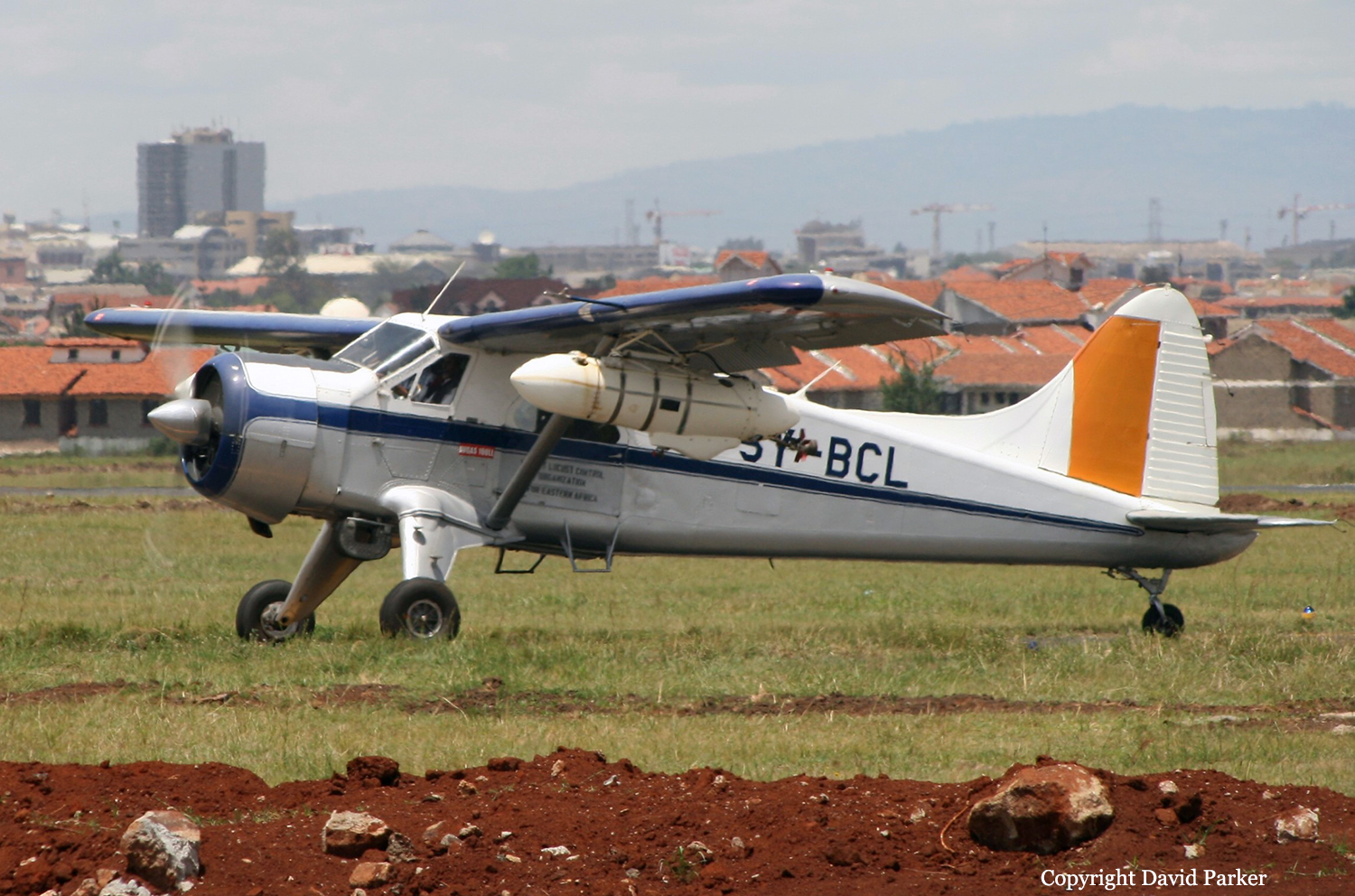
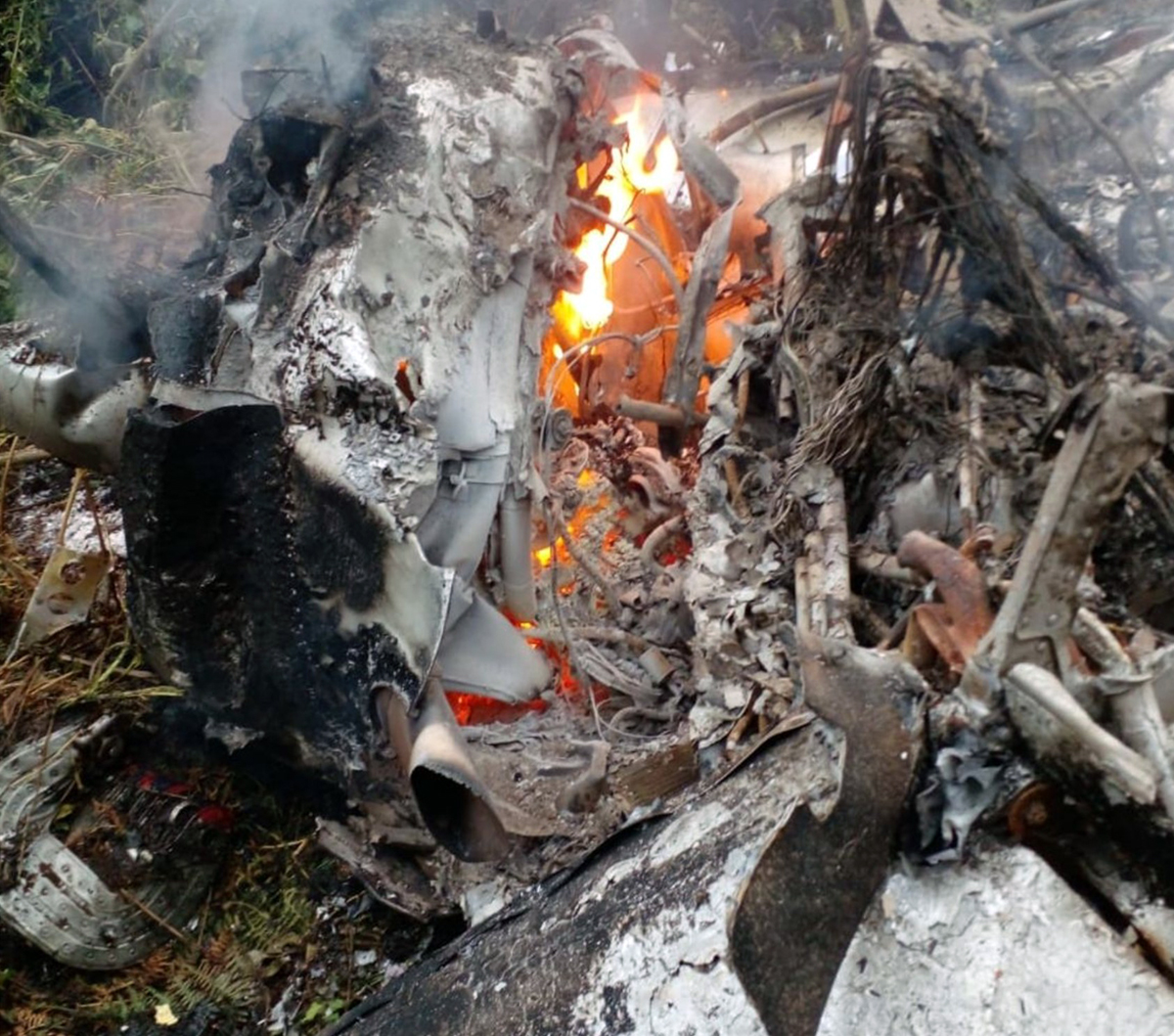
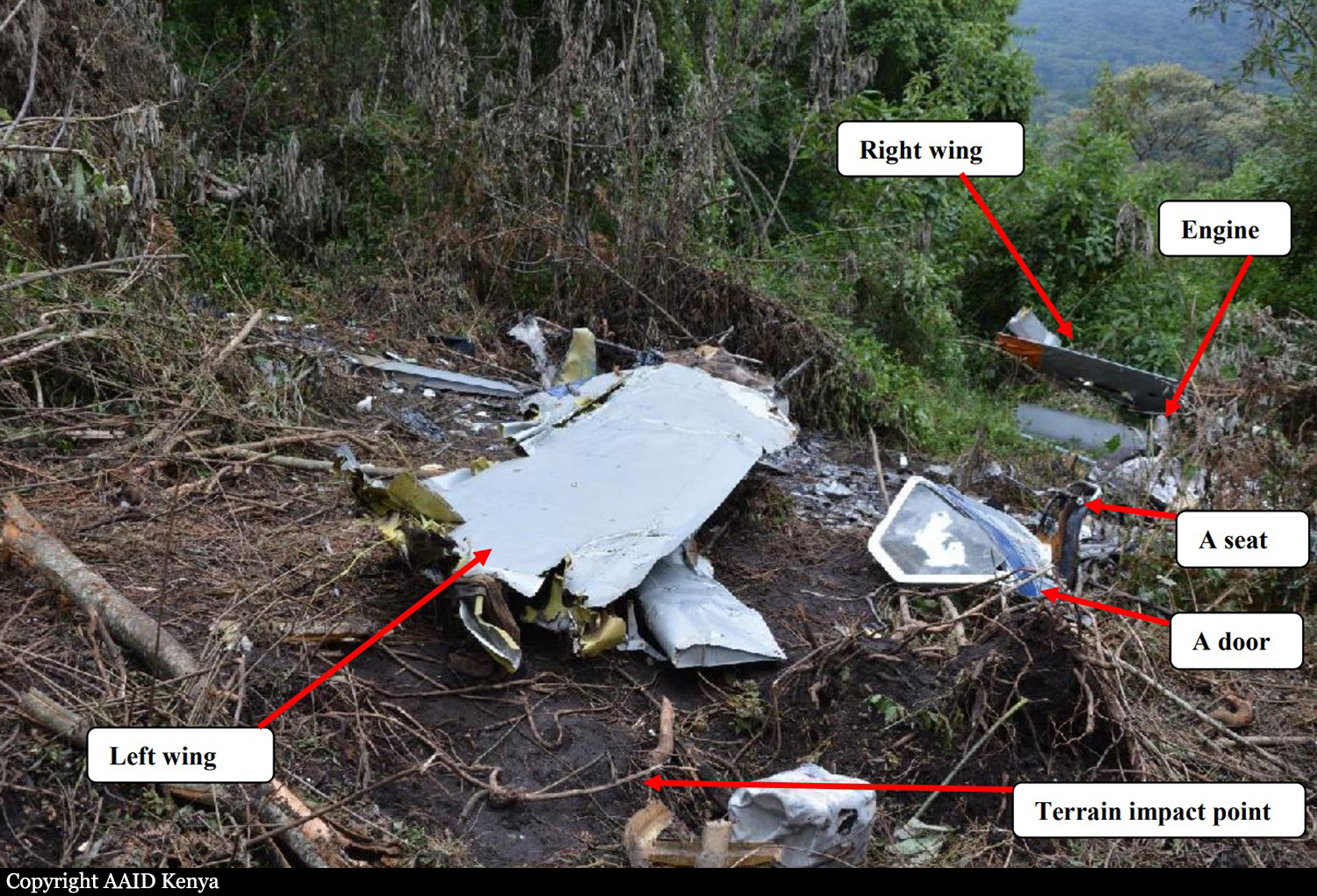
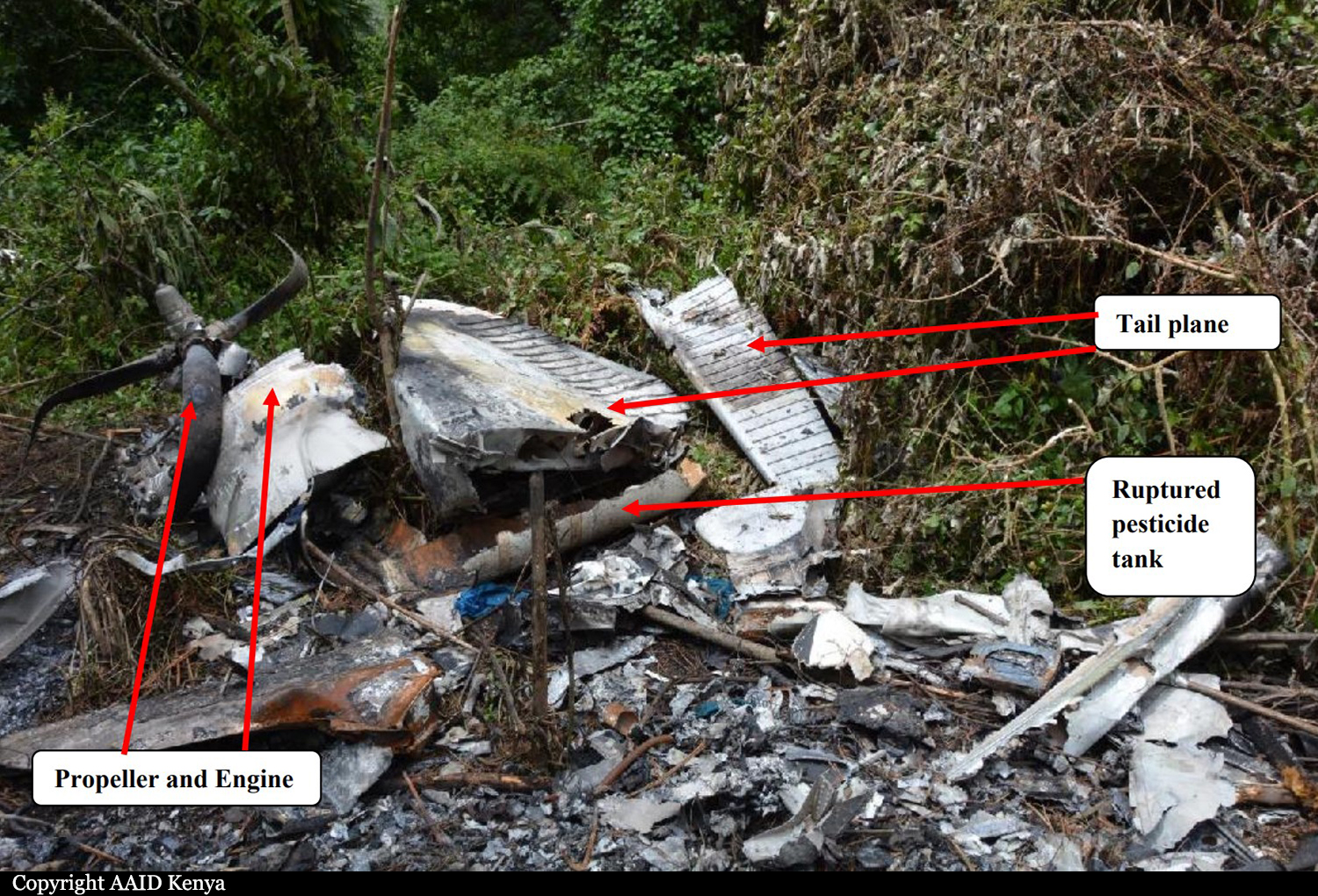
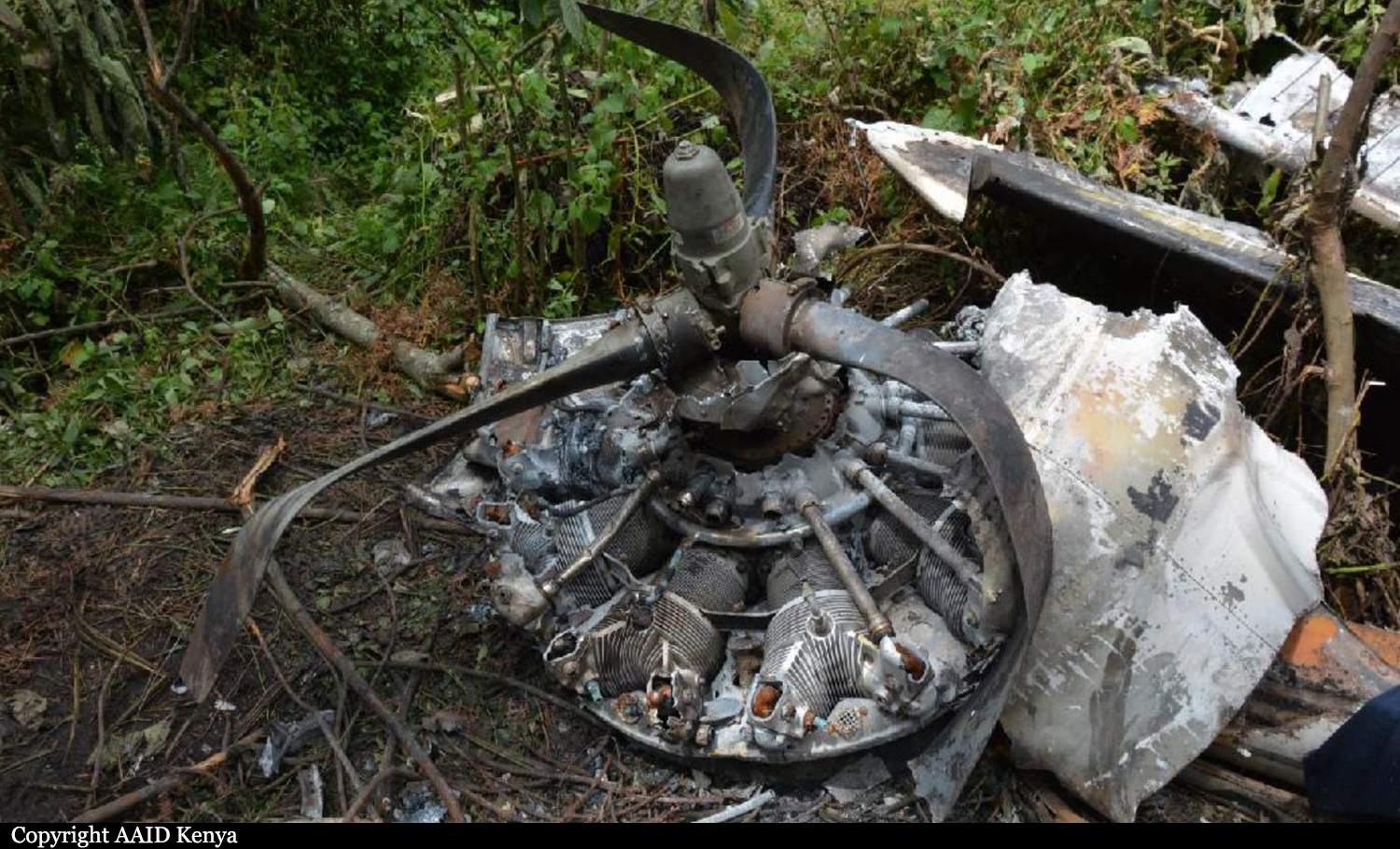
On 12 July 2021 at about 1245 (1545) a Viking Air Ltd DHC-2 Beaver MK1A aircraft registration 5Y-BCL operated by the Desert Locust Control Organization of Eastern Africa (DLCO-EA) with three on board crashed at Kosovo area of Ndabibi in Naivasha, Nakuru County. The accident site is located near the edge of the hilly eastern side of Eburru forest manned by the Kenya Forest Service (KFS). The flight originated from Wilson airport, Nairobi County and was enroute to Lodwar airport, Turkana County. The aircraft was destroyed by impact forces and largely consumed by the ensuing fire. A passenger suffered fatal injuries while the pilot and the other passenger suffered serious injuries requiring more than 48 hours of hospitalization. At the time of the accident the area in the vicinity of the accident site had near overcast cloudy conditions.

Crash of a De Havilland DHC-2 Beaver in Örebro: 9 killed

Date & Time: Jul 8, 2021 at 1921 LT
Type of aircraft:
Registration:
SE-KKD
Flight Phase:
Survivors:
No
Schedule:
Örebro - Örebro
MSN:
1629RB17
YOM:
1966
Location:
Country:
Region:
Crew on board:
1
Crew fatalities:
Pax on board:
8
Pax fatalities:
Other fatalities:
Total fatalities:
9
Captain / Total flying hours:
1049
Captain / Total hours on type:
556.00
Aircraft flight hours:
14538
Aircraft flight cycles:
25605
Circumstances:
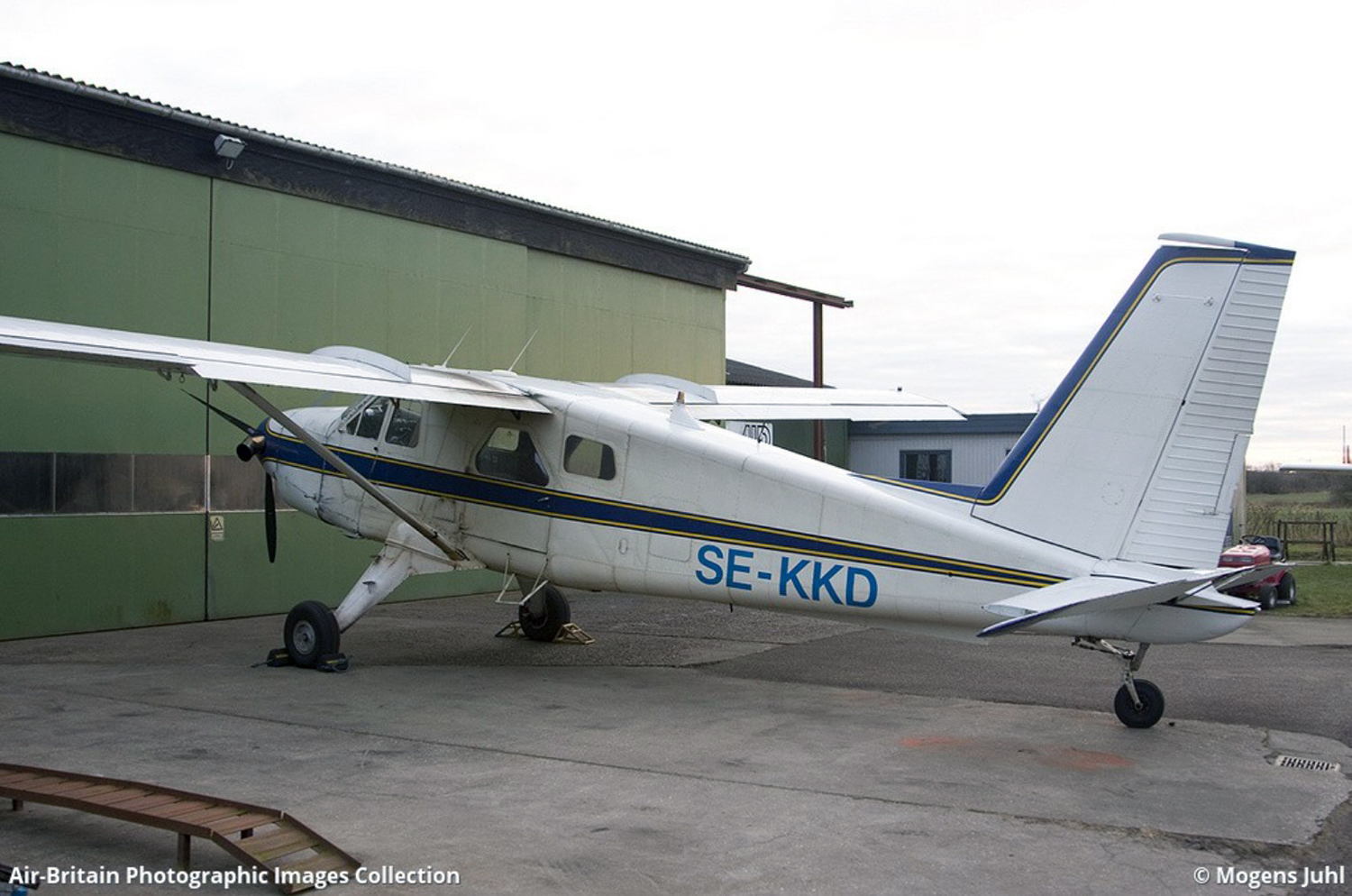
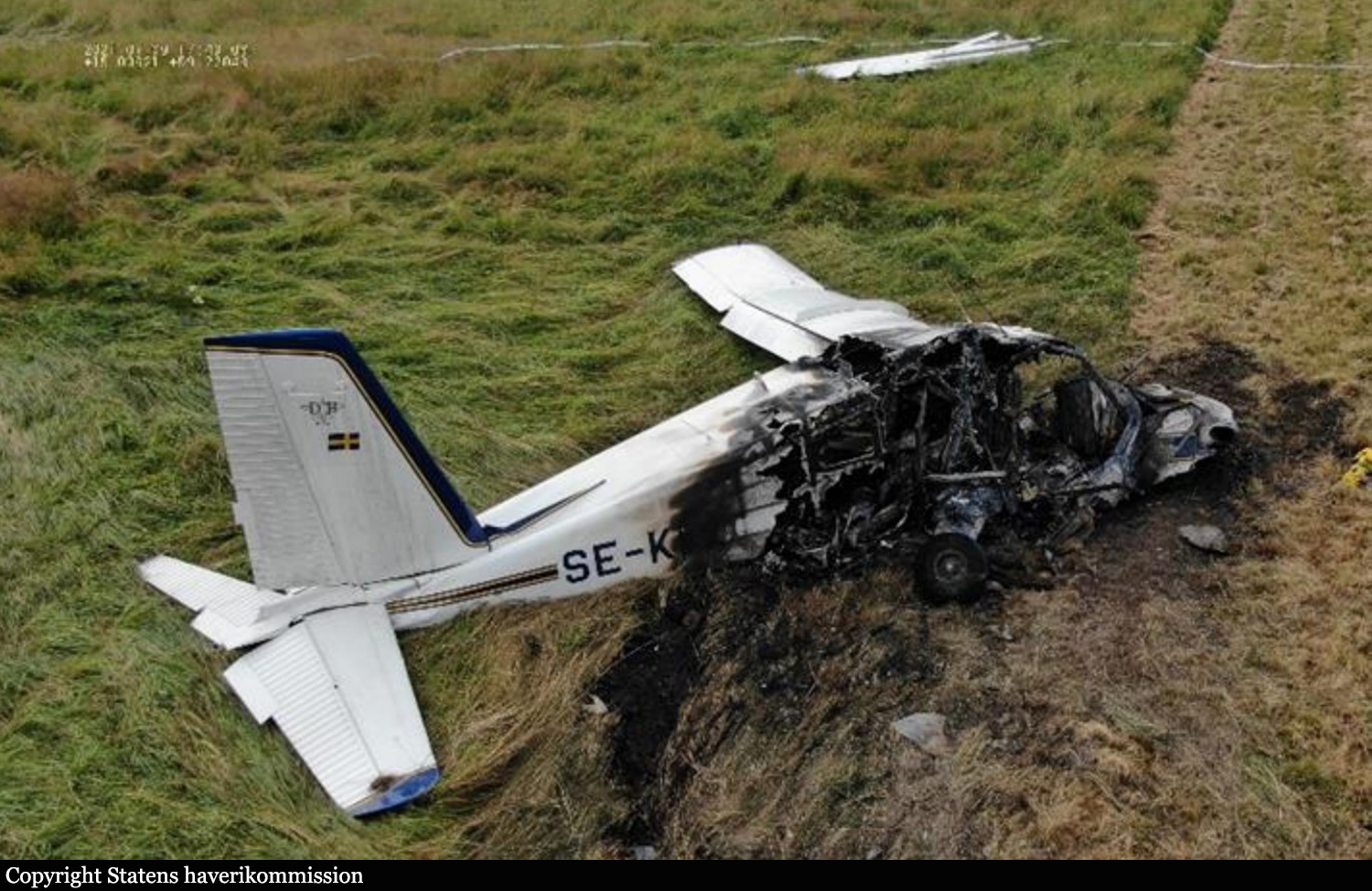
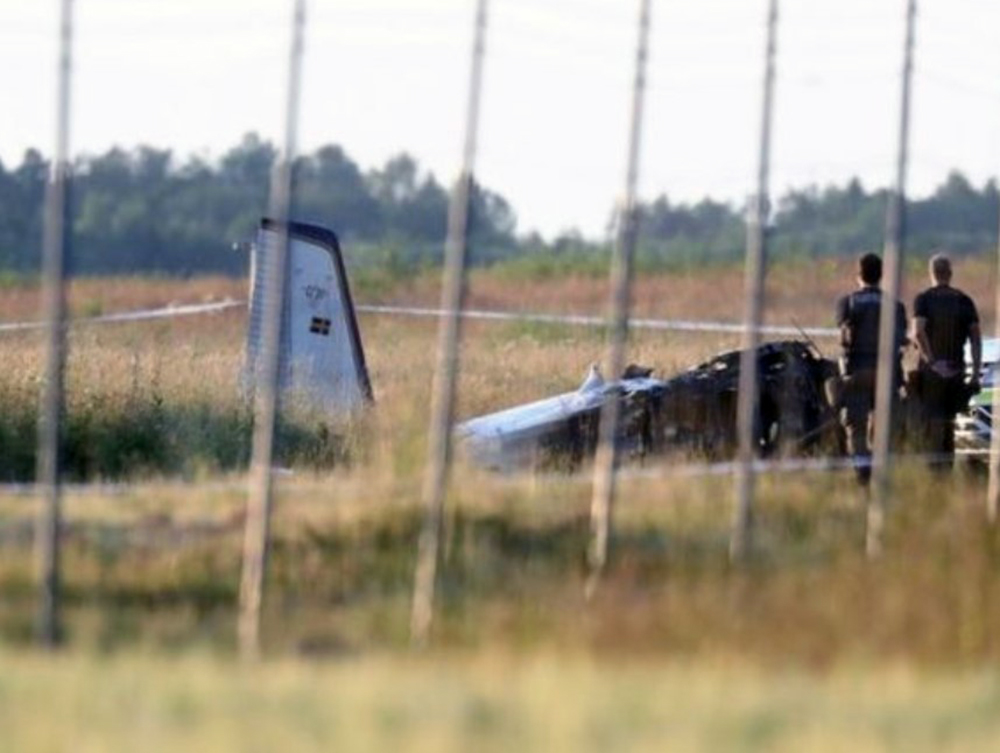
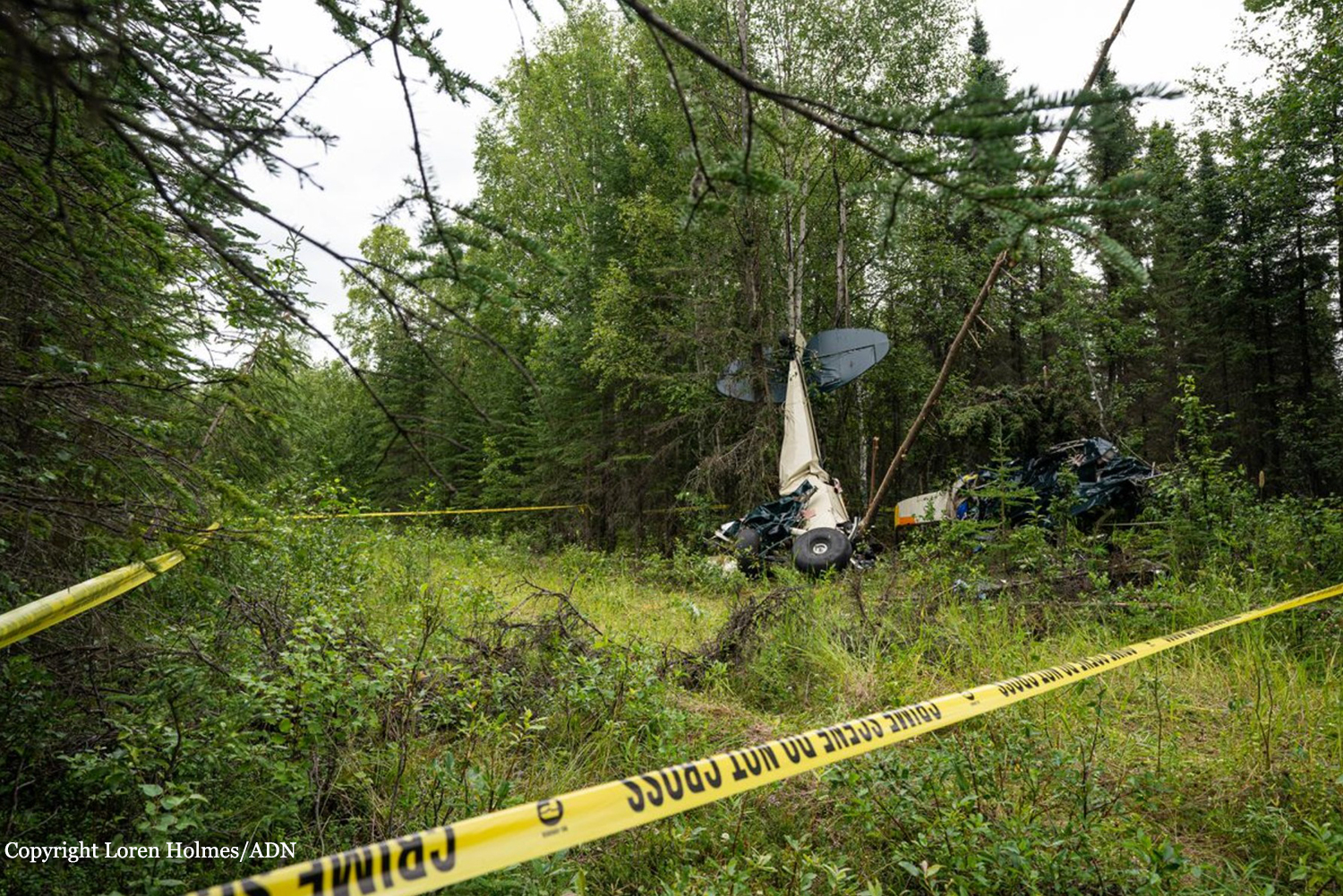
The intention of the flight was to drop eight parachutists from an altitude of 1,500 metres. It was the twelfth and planned to be the last flight of the day. The weather conditions were good. The parachutist bench to the right of the pilot had been replaced with a pilot's seat to distance the parachutists from the pilot as a Covid-19 precautionary measure. The pilot had no ability to perform a mass and balance calculation with the available information. After take-off, the aircraft climbed to an altitude of 400 to 500 feet above ground before changing course 180 degrees to the left. The aircraft turned around quickly in a descending turn with a high bank angle. During the final phase, the aircraft dived steeply and then slightly levelled off before impact. Upon impact, the landing gear was teared off, after which the aircraft skidded on its belly 48 metres straight ahead and caught fire. All nine persons on board sustained fatal injuries.
Probable cause:
Control of the aircraft was likely lost in connection with the wing flaps being retracted in a situation where the stick forces were high due to an abnormal elevator trim position, while the aircraft was unstable due to being tail-heavy and abnormally trimmed. The low altitude was not sufficient to regain control of the aircraft. The cause of the accident was that several safety slips occurred in the operation, which resulted in that the safety margin was too small for a safe flight.
Final Report:

Crash of a De Havilland DHC-2 Beaver in Soldotna: 6 killed

Date & Time: Jul 31, 2020 at 0827 LT
Type of aircraft:
Operator:
Registration:
N4982U
Flight Phase:
Survivors:
No
MSN:
904
YOM:
1956
Location:
Crew on board:
1
Crew fatalities:
Pax on board:
5
Pax fatalities:
Other fatalities:
Total fatalities:
6
Captain / Total flying hours:
19530
Captain / Total hours on type:
13480.00
Aircraft flight hours:
23595
Circumstances:
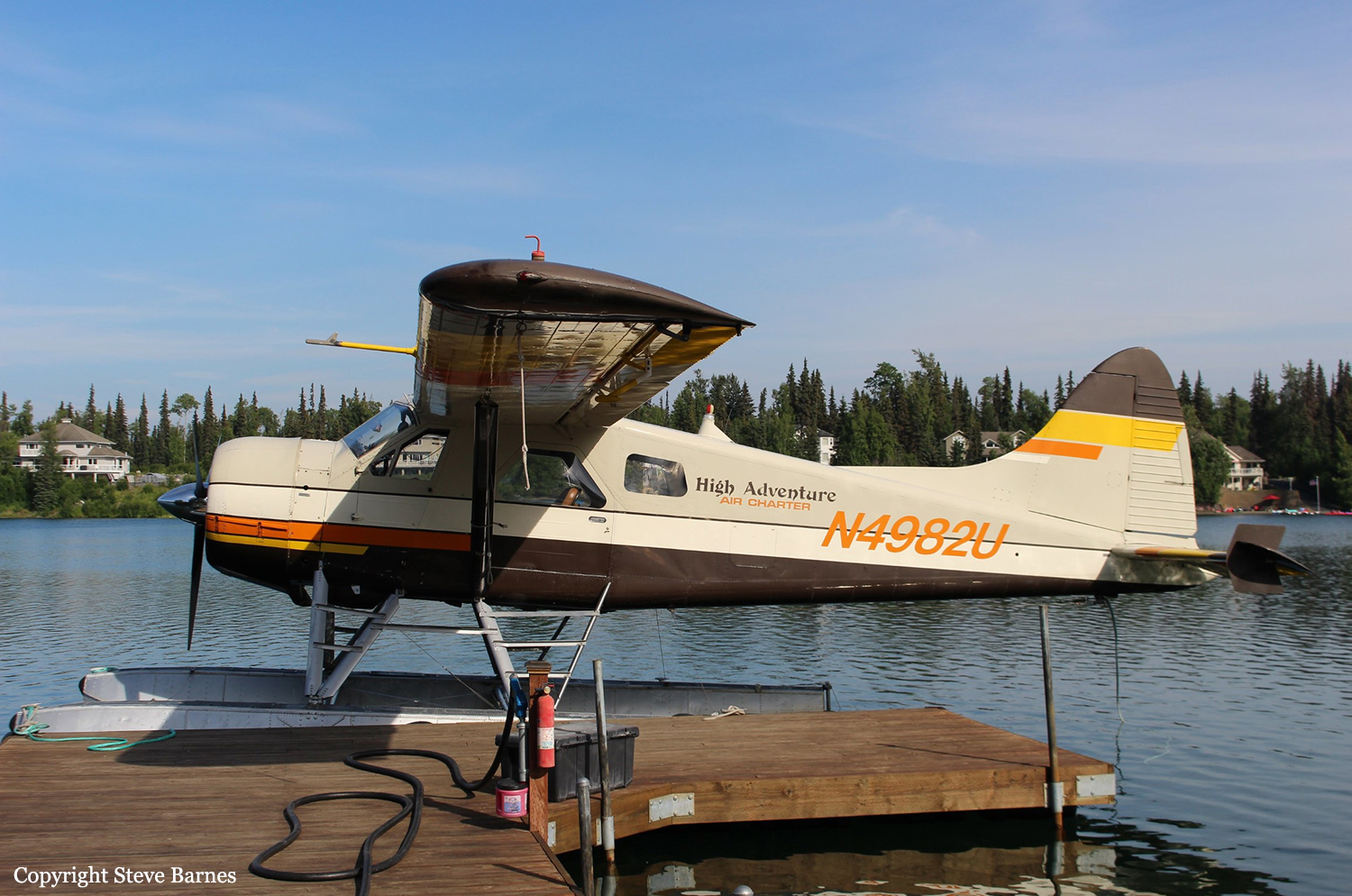
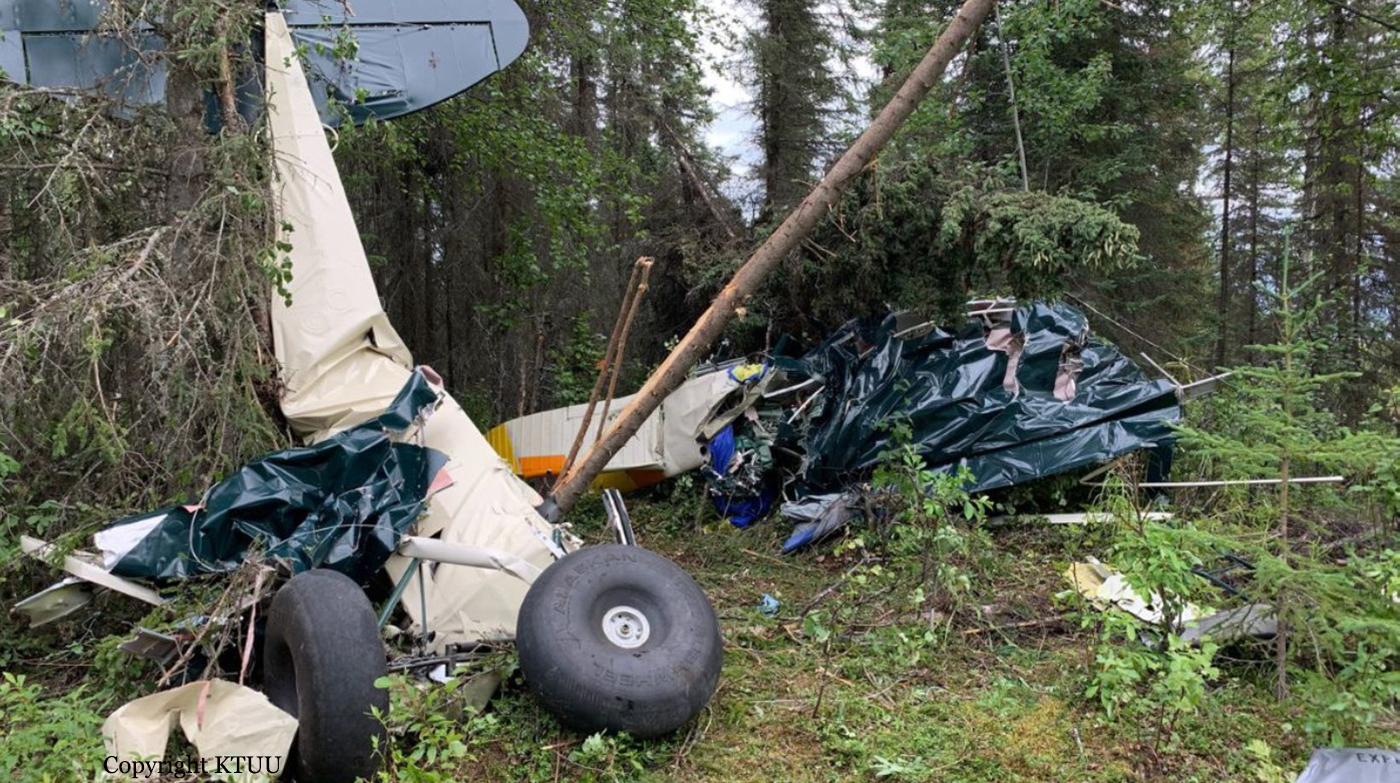
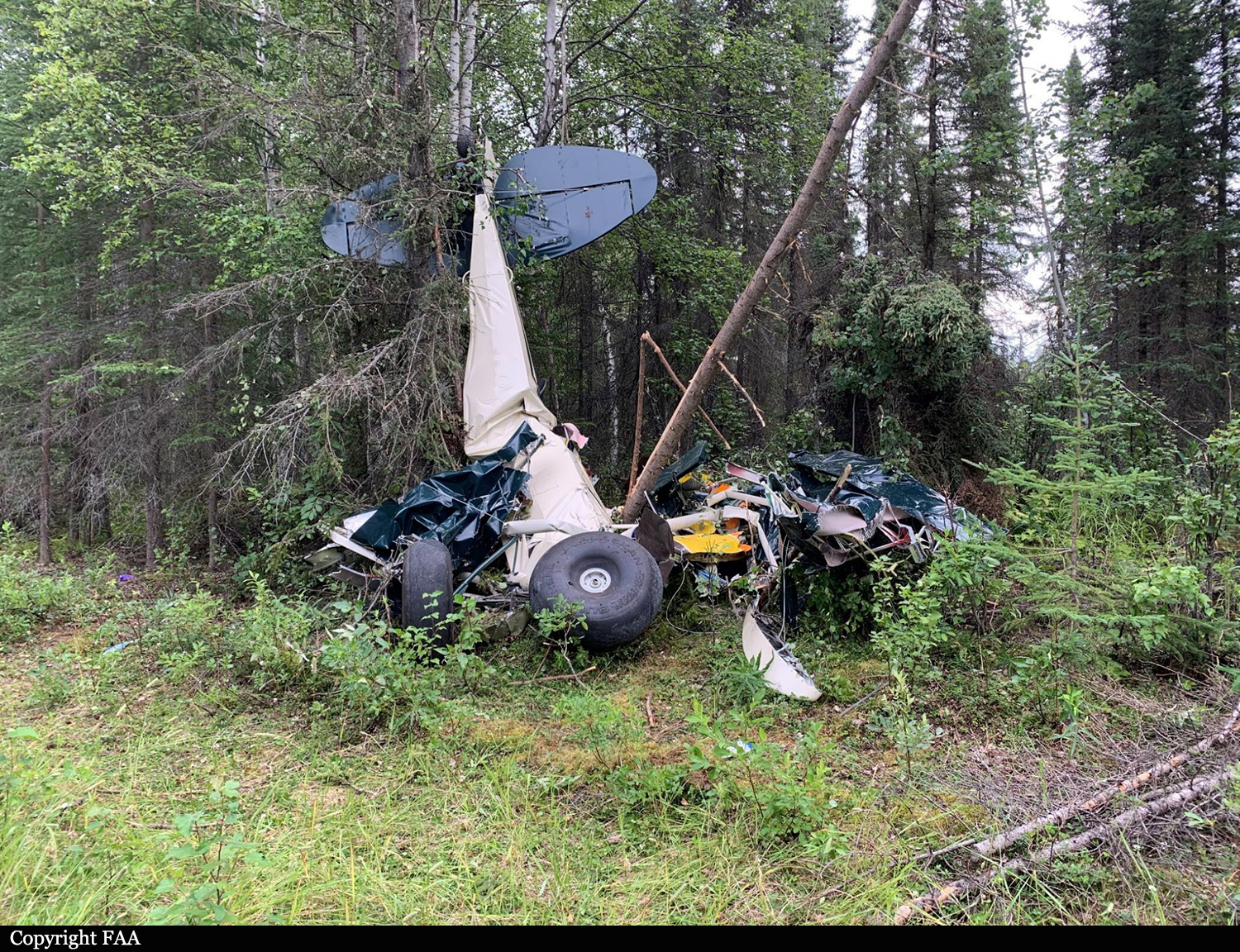
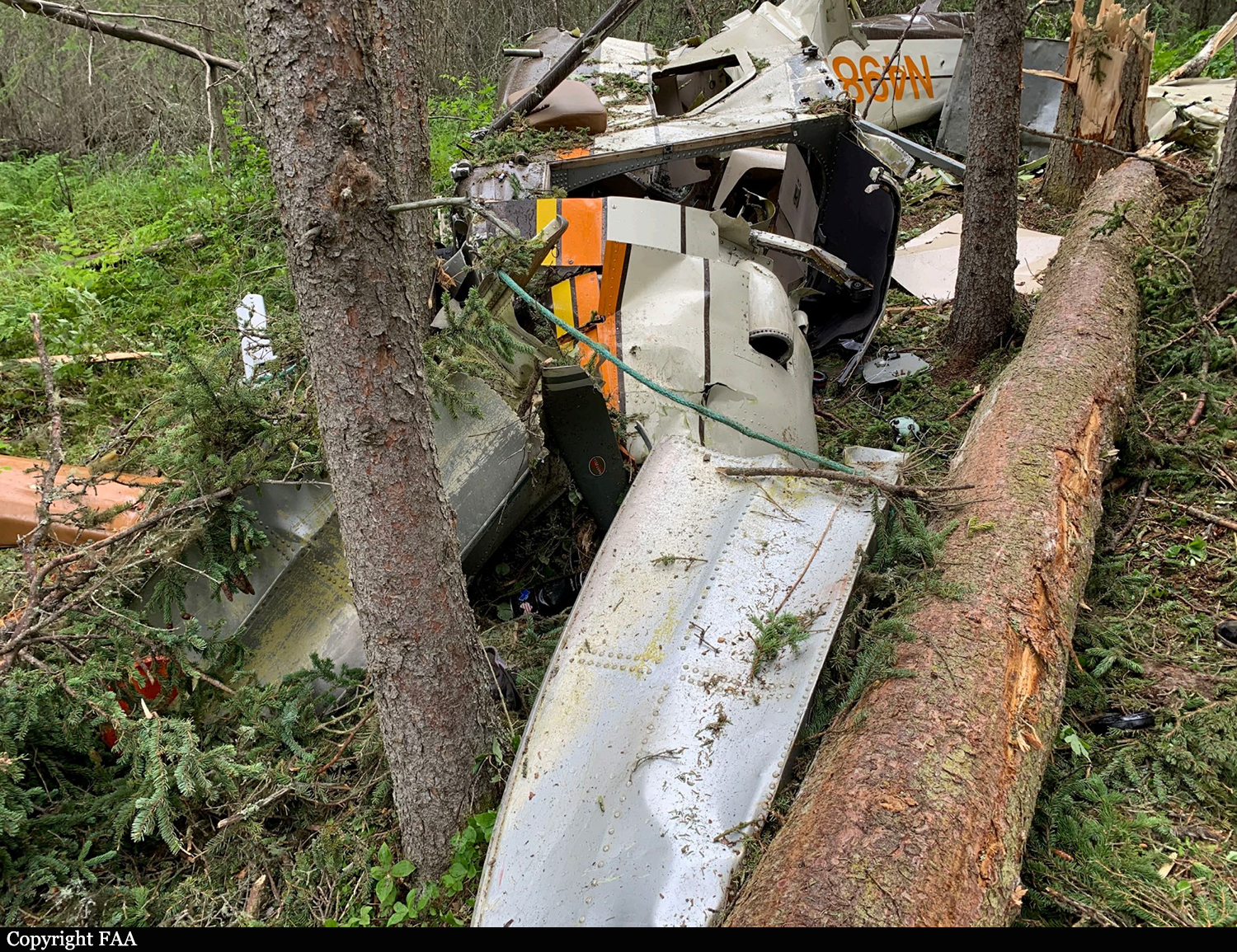
On July 31, 2020, about 0827 Alaska daylight time, a de Havilland DHC-2 (Beaver) airplane, N4982U, and a Piper PA-12 airplane, N2587M, sustained substantial damage when they were involved in an accident near Soldotna, Alaska. The pilot of the PA-12 and the pilot and the five passengers on the DHC-2 were fatally injured. The DHC-2 was operated as a Title 14 Code of Federal Regulations (CFR) Part 135 on-demand charter flight. The PA-12 was operated as a Title 14 CFR Part 91 personal flight. The float-equipped DHC-2, operated by High Adventure Charter, departed Longmere Lake, near Soldotna, about 0824 bound for a remote lake on the west side of Cook Inlet. The purpose of the flight was to transport the passengers to a remote fishing location. The PA-12, operated by a private individual, departed Soldotna Airport, Soldotna, Alaska, (PASX) about 0824 bound for Fairbanks, Alaska. Flight track data revealed that the DHC-2 was traveling northwest about 78 knots (kts) groundspeed and gradually climbing through about 1,175 ft mean sea level (msl) when it crossed the Sterling Highway. The PA-12 was traveling northeast about 1,175 ft msl and about 71 kts north of, and parallel to, the Sterling Highway. The airplanes collided about 2.5 miles northeast of the Soldotna airport at an altitude of about 1,175 ft msl. A witness located near the accident site observed the DHC-2 traveling in a westerly direction and the PA-12 traveling in a northerly direction. He stated that the PA-12 impacted the DHC-2 on the left side of the fuselage toward the back of the airplane. After the collision, he observed what he believed to be the DHC-2's left wing separate, and the airplane entered an uncontrolled, descending counterclockwise spiral before it disappeared from view. He did not observe the PA-12 following the collision.
Probable cause:
The failure of both pilots to see and avoid the other airplane.
Contributing to the accident were:
1) the PA-12 pilot’s decision to fly with a known severe vision deficiency that had resulted in denial of his most recent application for medical certification and
2) the Federal Aviation Administration’s absence of a requirement for airborne traffic advisory systems with aural alerting among operators who carry passengers for hire.
Final Report:

Crash of a De Havilland DHC-2 Beaver in Lake Coeur d'Alene: 6 killed

Date & Time: Jul 5, 2020 at 1422 LT
Type of aircraft:
Operator:
Registration:
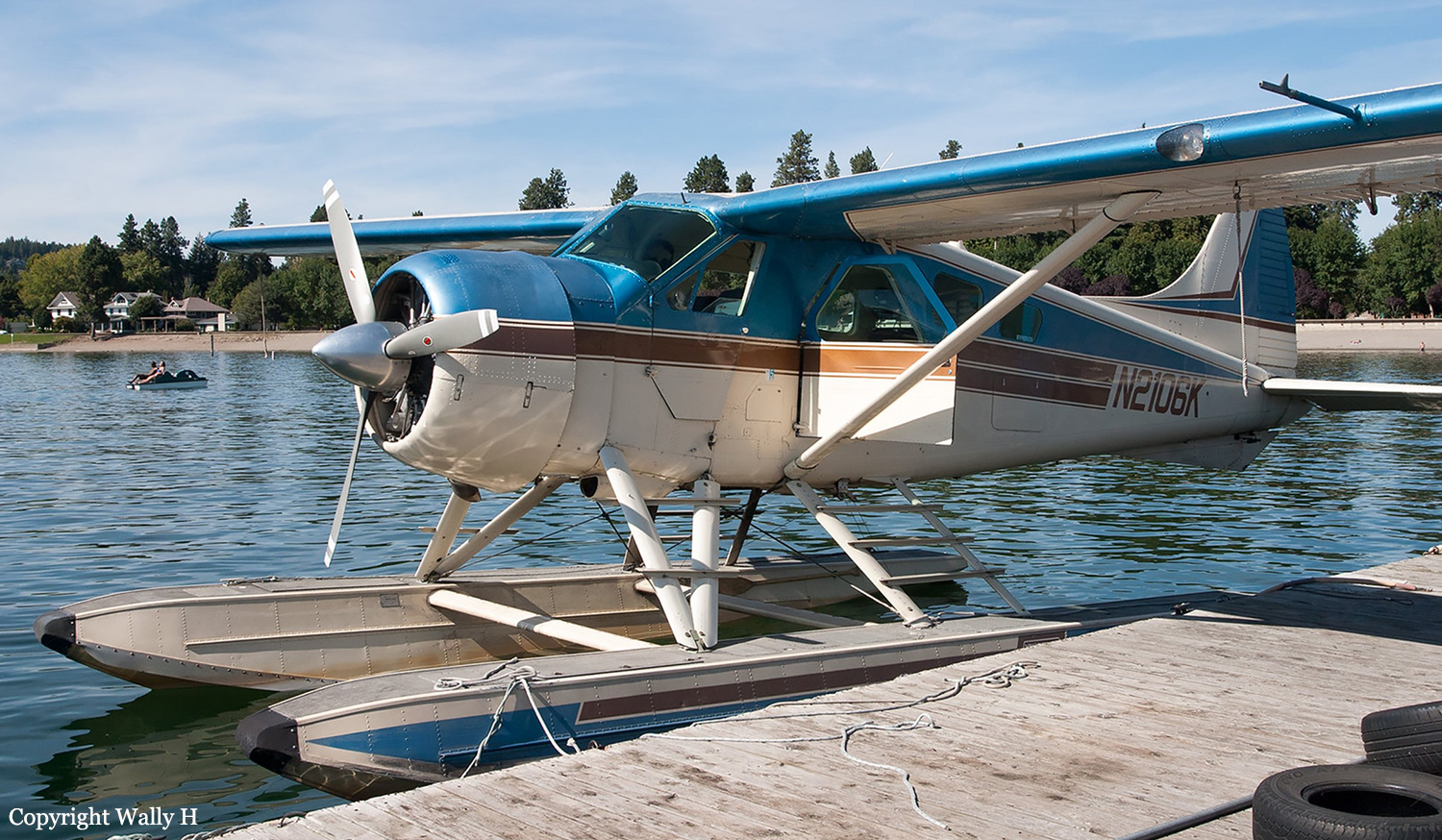
N2106K
Flight Phase:
Survivors:
No
Schedule:
Coeur d'Alene - Coeur d'Alene
MSN:
1131
YOM:
1957
Crew on board:
1
Crew fatalities:
Pax on board:
5
Pax fatalities:
Other fatalities:
Total fatalities:
6
Captain / Total flying hours:
21173
Captain / Total hours on type:
217.00
Aircraft flight hours:
6171
Circumstances:
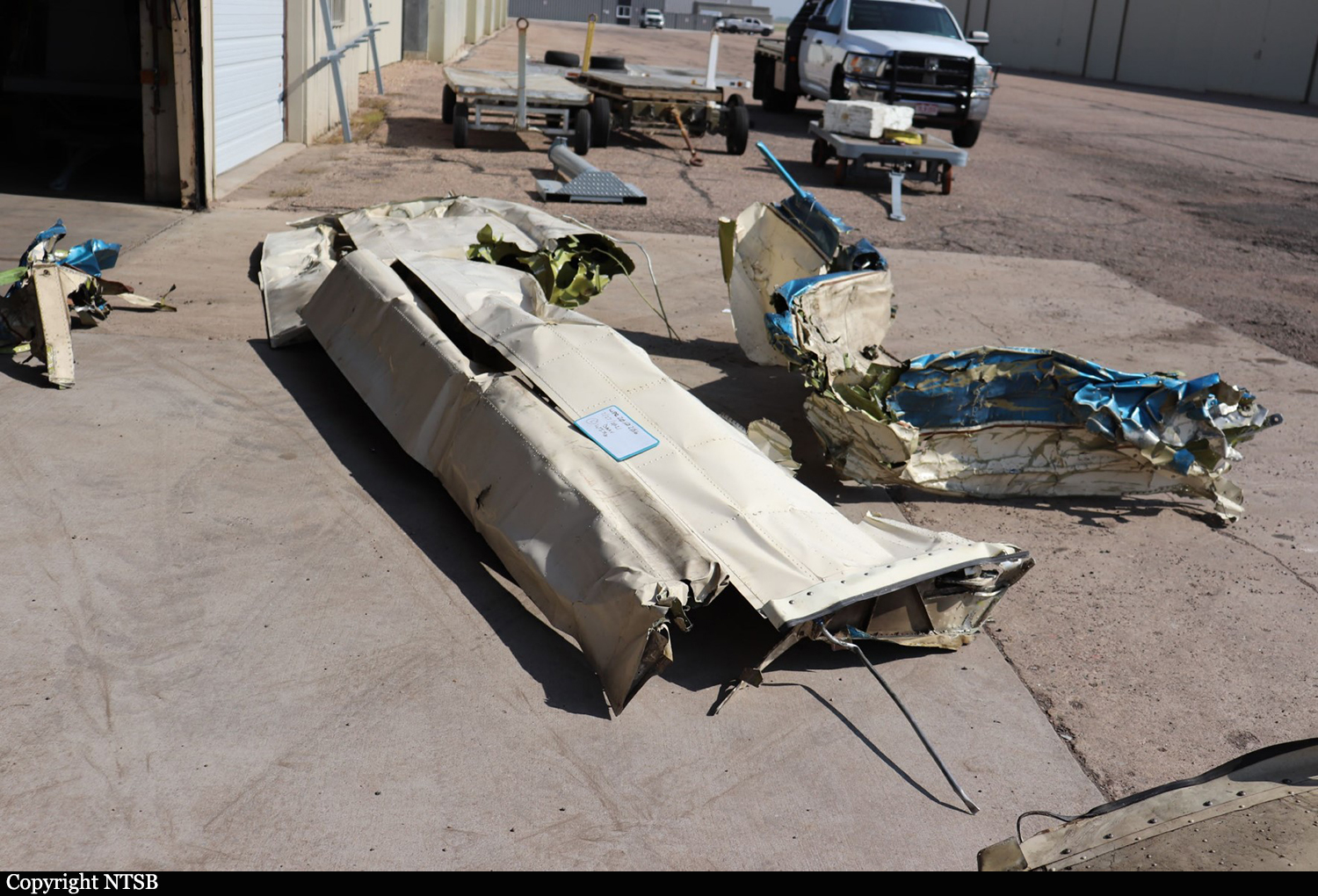
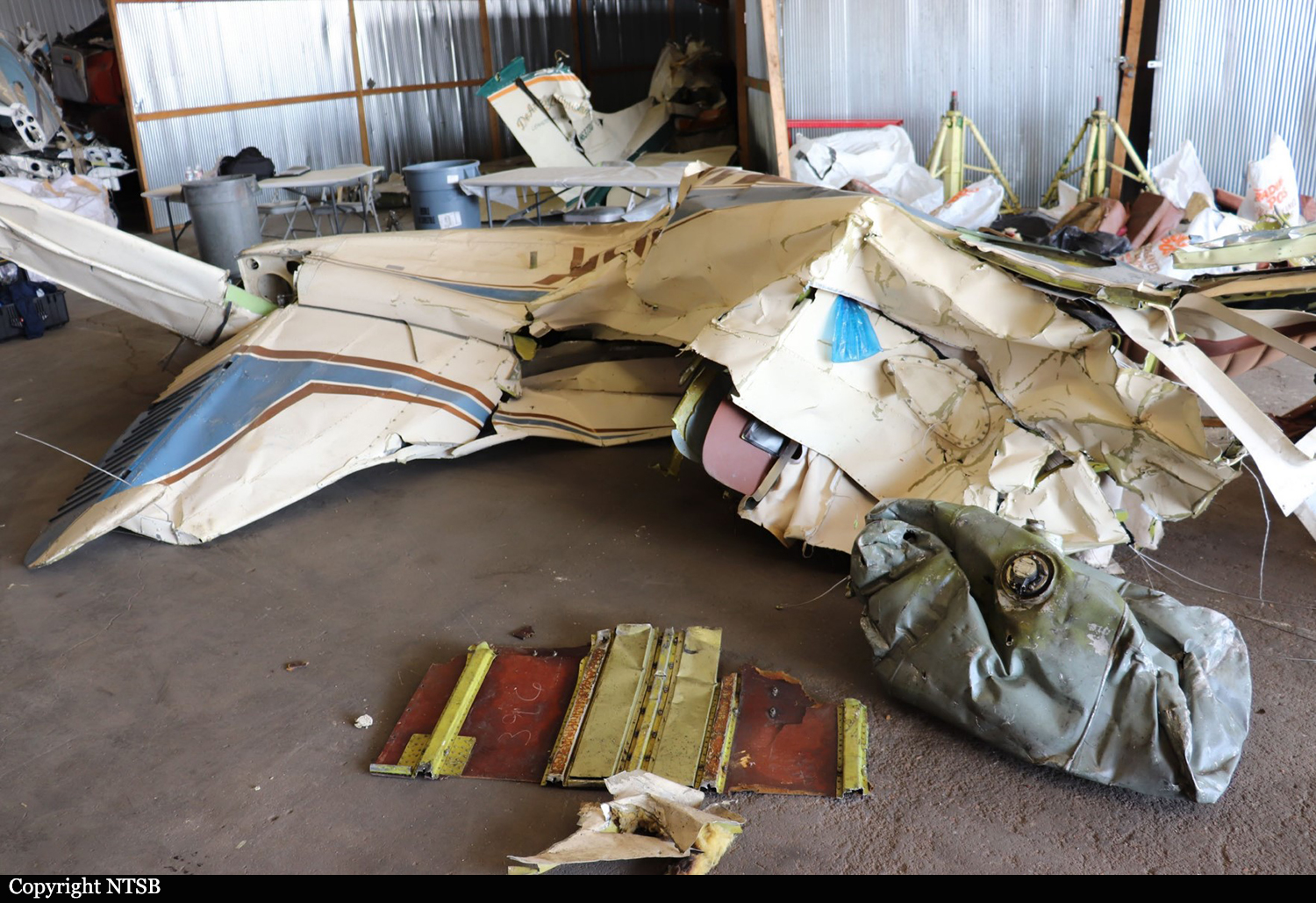
The float-equipped De Havilland DHC-2 was on a tour flight, and the Cessna 206 was on a personal flight. The airplanes collided in midair over a lake during day visual meteorological conditions. No radar or automatic dependent surveillance-broadcast data were available for either airplane. Witnesses reported that the airplanes were flying directly toward each other before they collided about 700 to 800 ft above the water. Other witnesses reported that the Cessna was at a lower altitude and had initiated a climb before the collision. Review of 2 seconds of video captured as part of a witness’ “live” photo showed that both airplanes appeared to be in level flight before the collision. No evidence of any preexisting mechanical malfunction was observed with either airplane. Recovered wreckage and impact signatures were consistent with the upper fuselage of the Cessna colliding with the floats and the lower fuselage of the De Havilland. The impact angle could not be determined due to the lack of available evidence, including unrecovered wreckage. The available evidence was consistent with both pilots’ failure to see and avoid the other airplane.
Probable cause:
The failure of the pilots of both airplanes to see and avoid the other airplane.
Final Report: