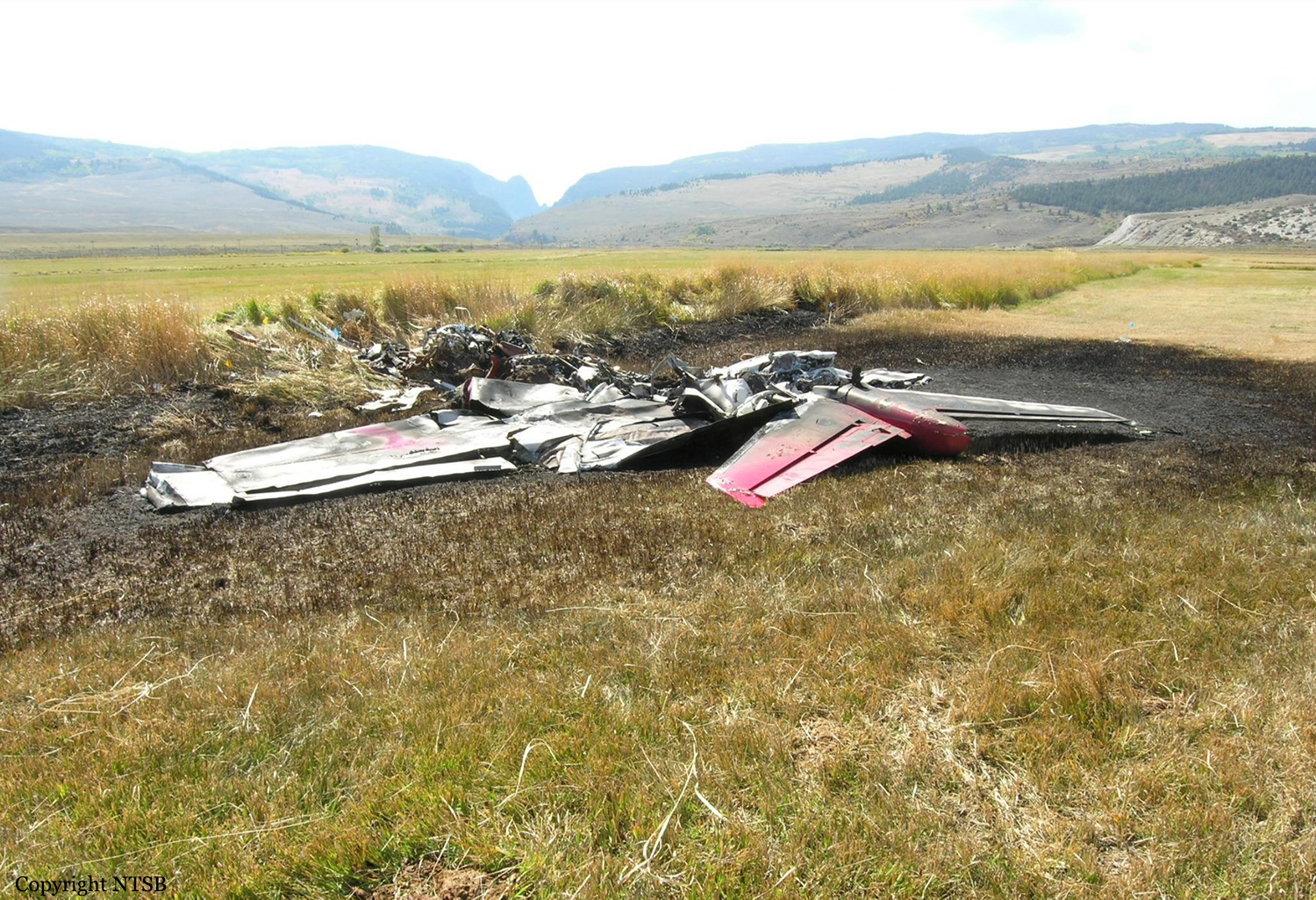
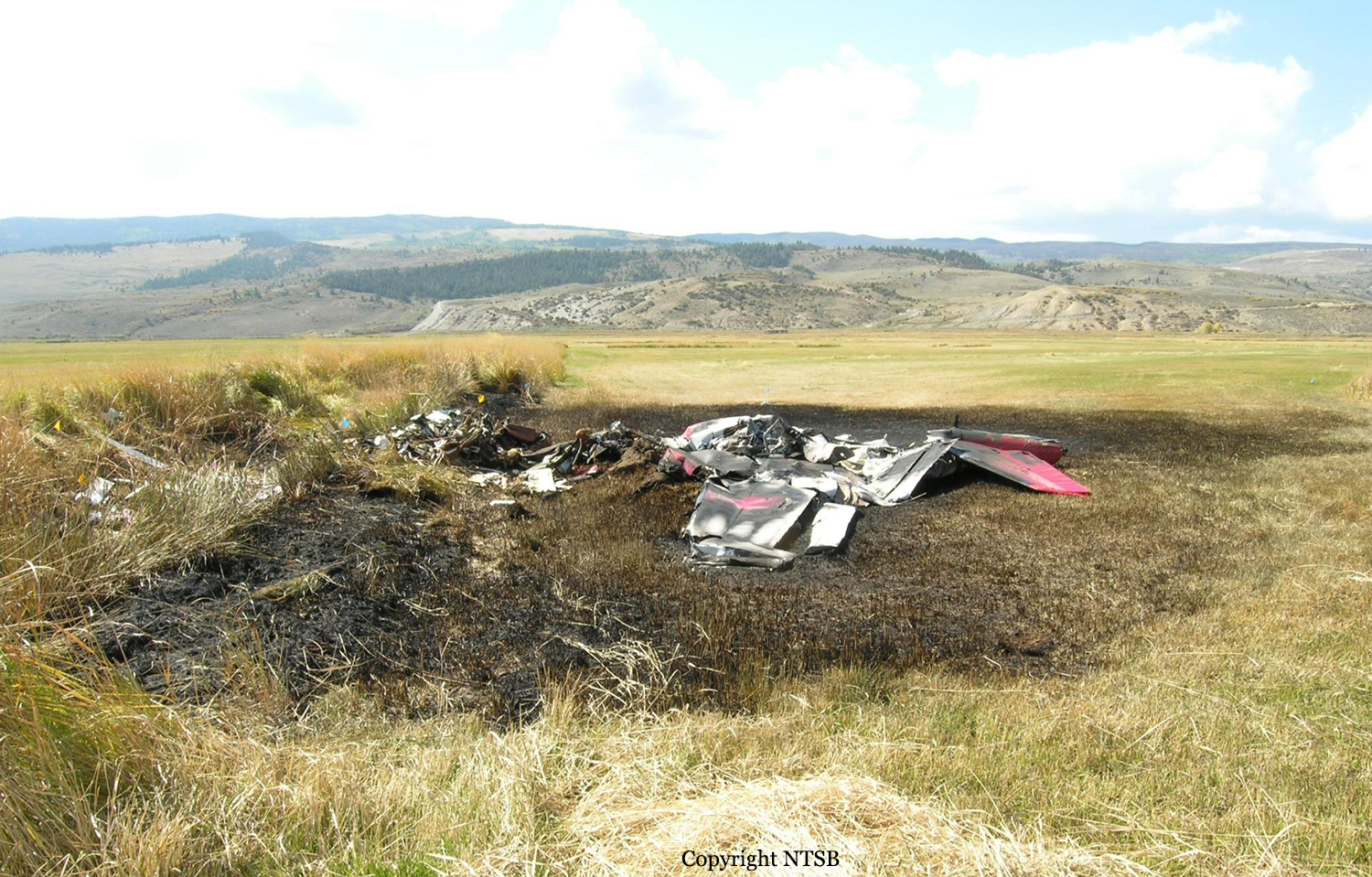
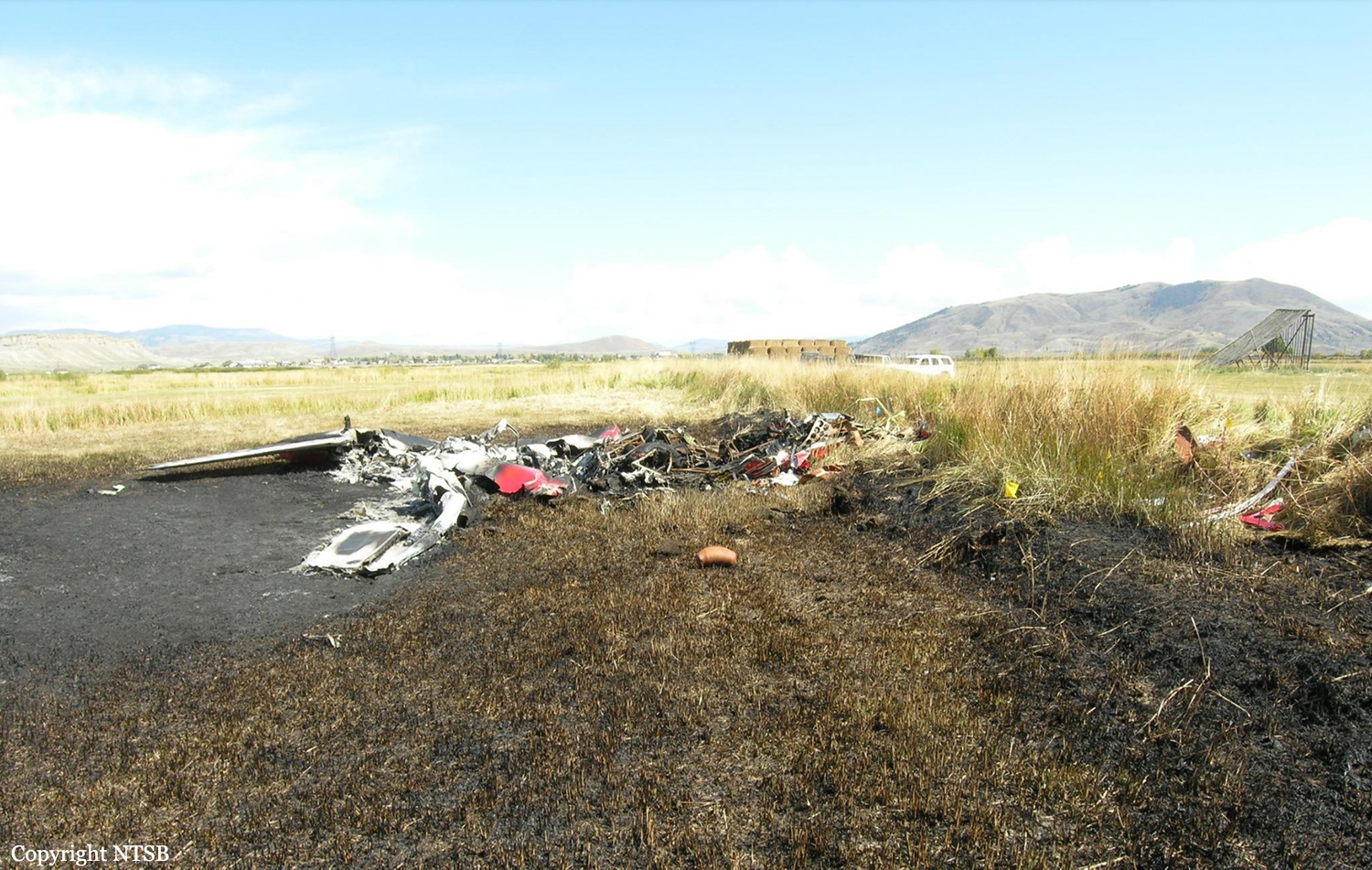
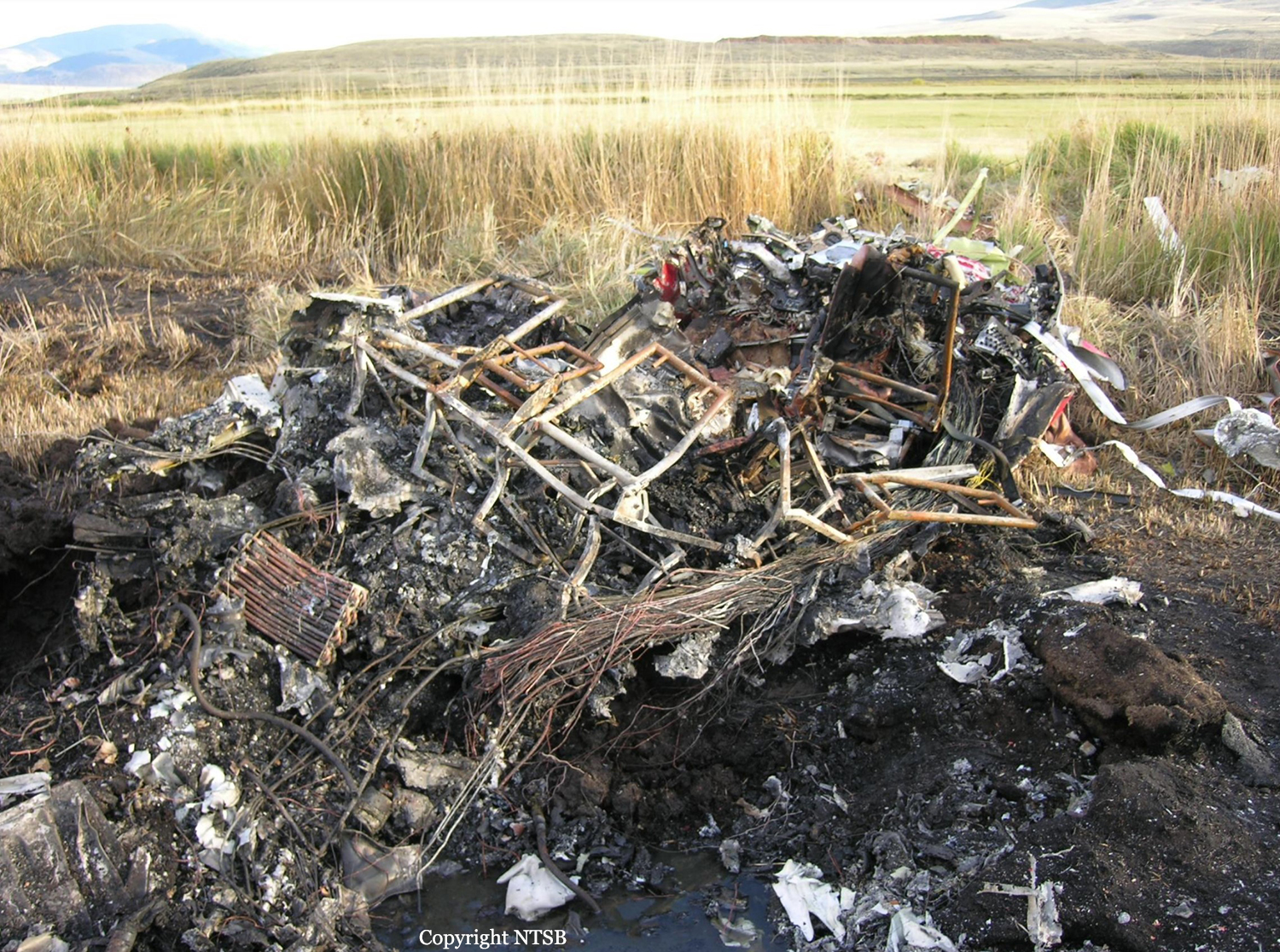
Crash of a Piper PA-60 Aerostar (Ted Smith 602P) in Kremmling: 2 killed

Date & Time: Sep 18, 2008 at 2024 LT
Registration:
N97TS
Flight Type:
Survivors:
No
Schedule:
North Las Vegas – Kremmling
MSN:
60-8265-036
YOM:
1982
Crew on board:
1
Crew fatalities:
Pax on board:
1
Pax fatalities:
Other fatalities:
Total fatalities:
2
Captain / Total flying hours:
500
Aircraft flight hours:
2786
Circumstances:
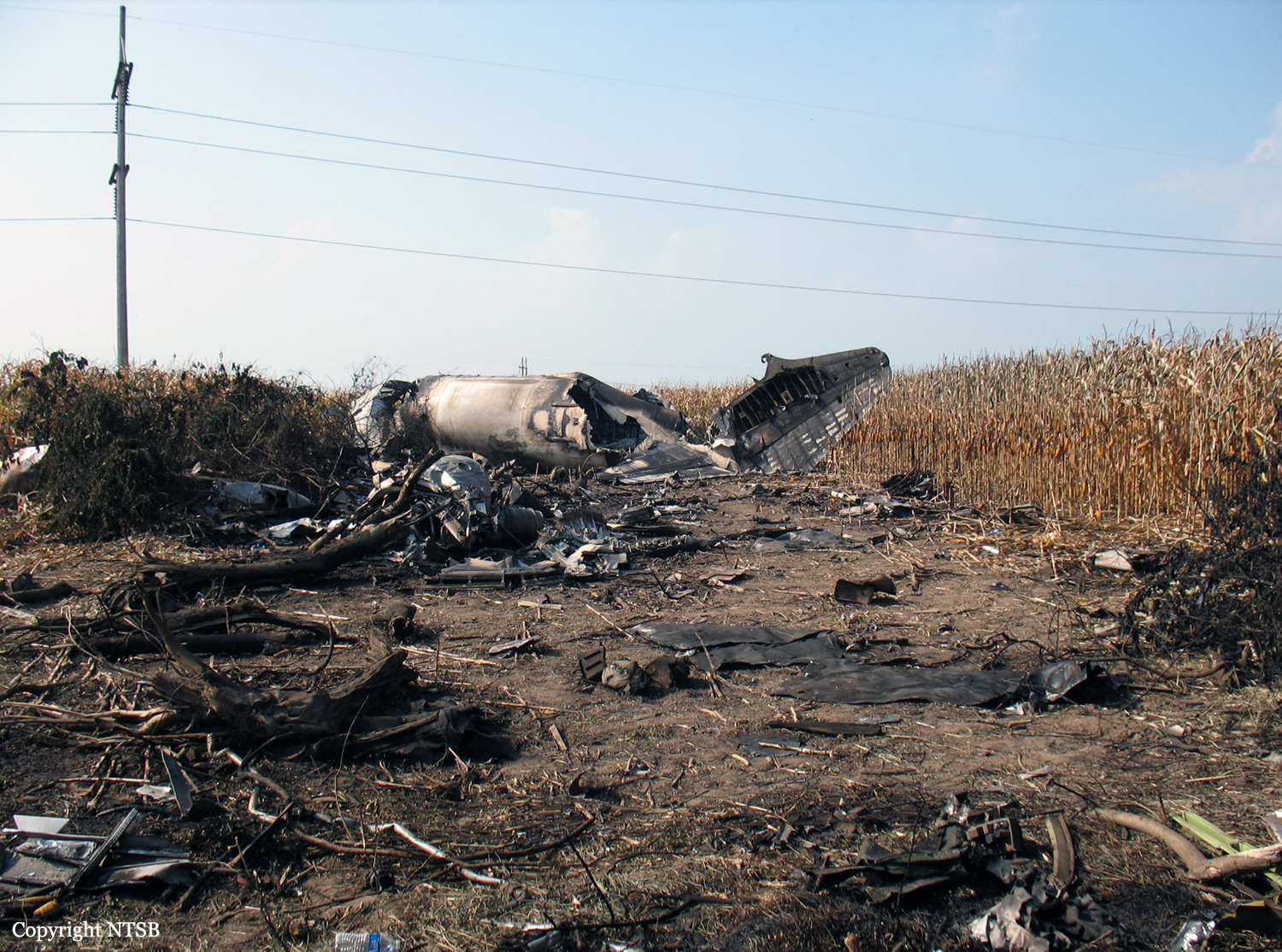
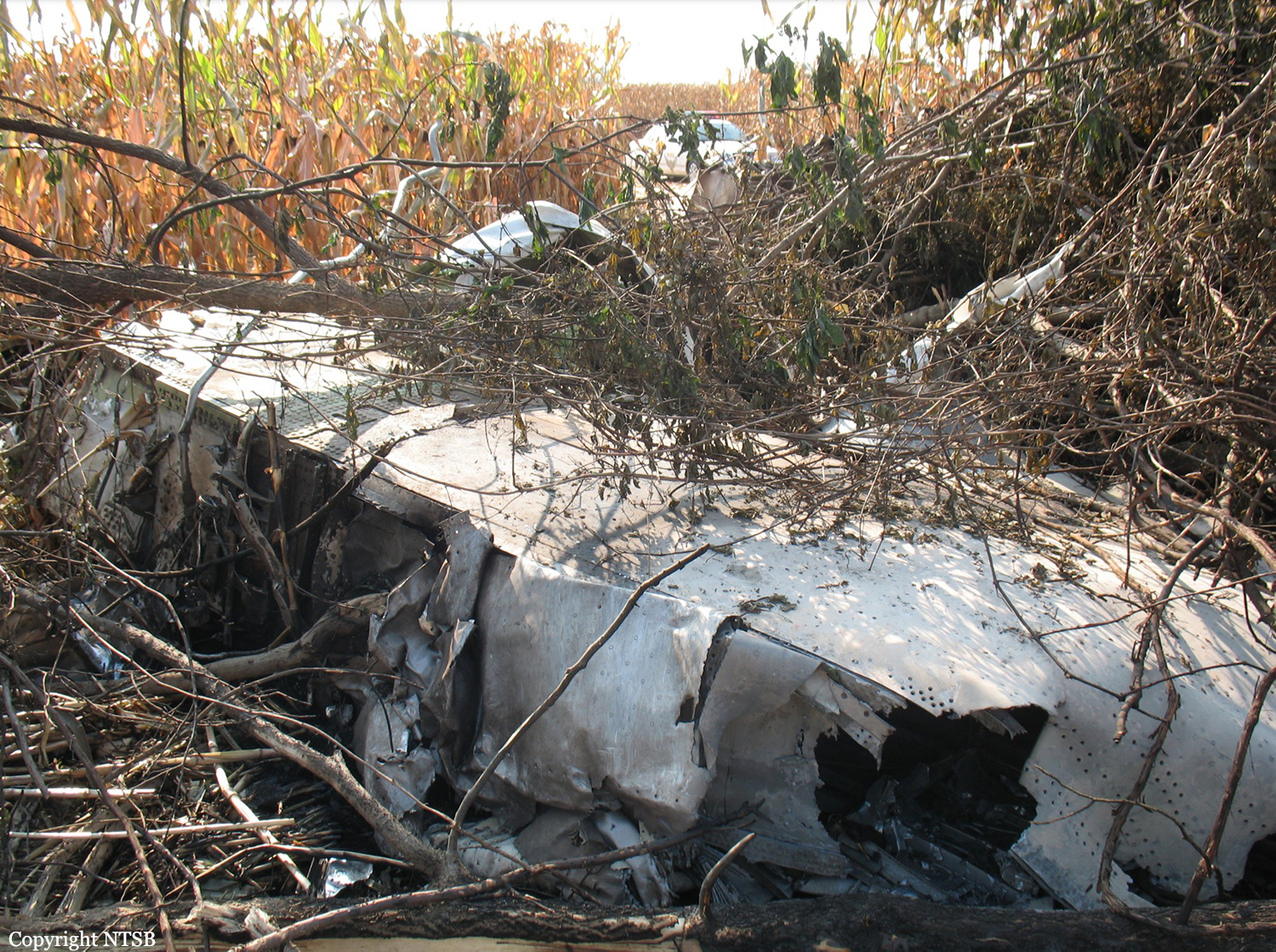
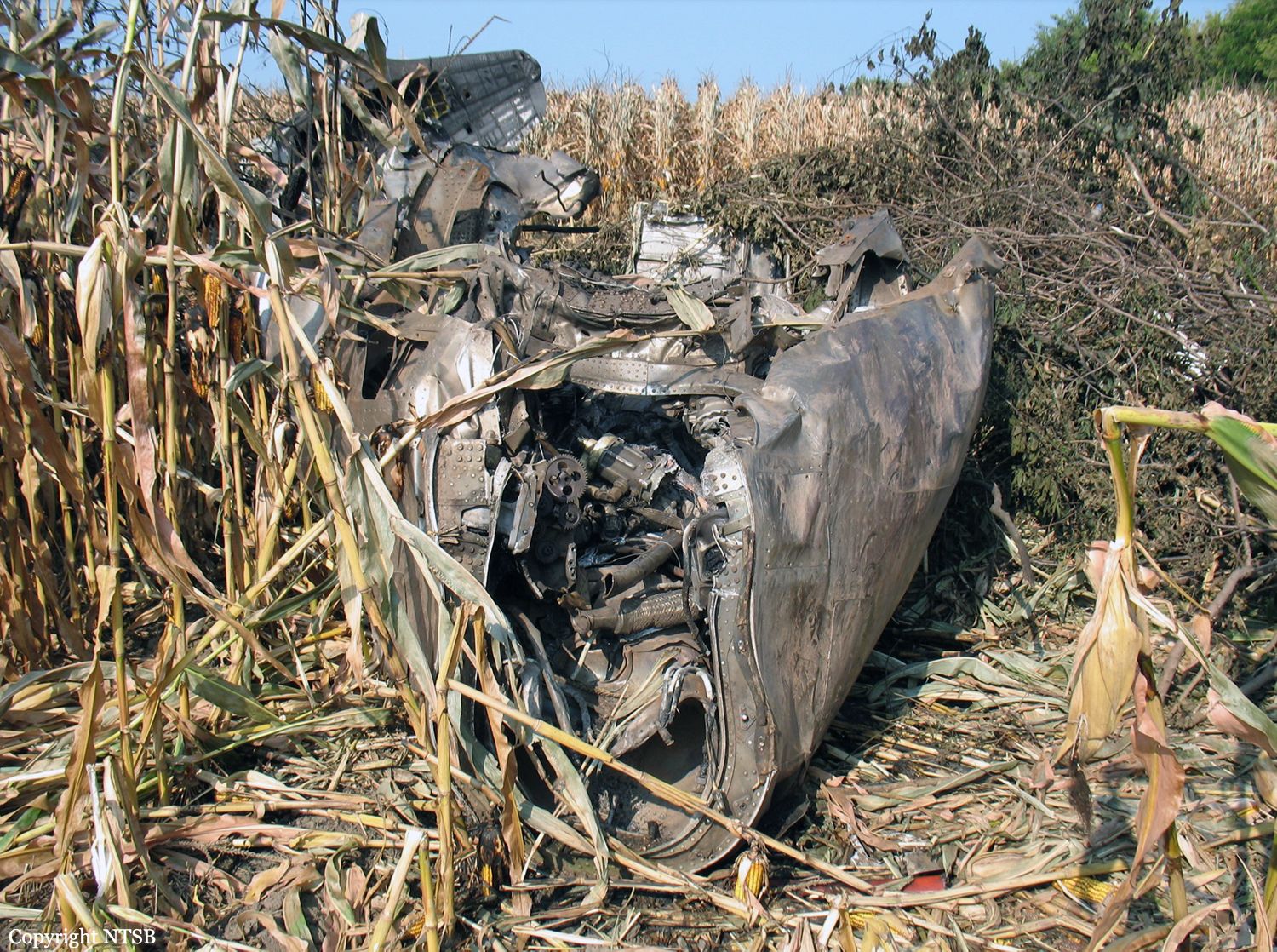
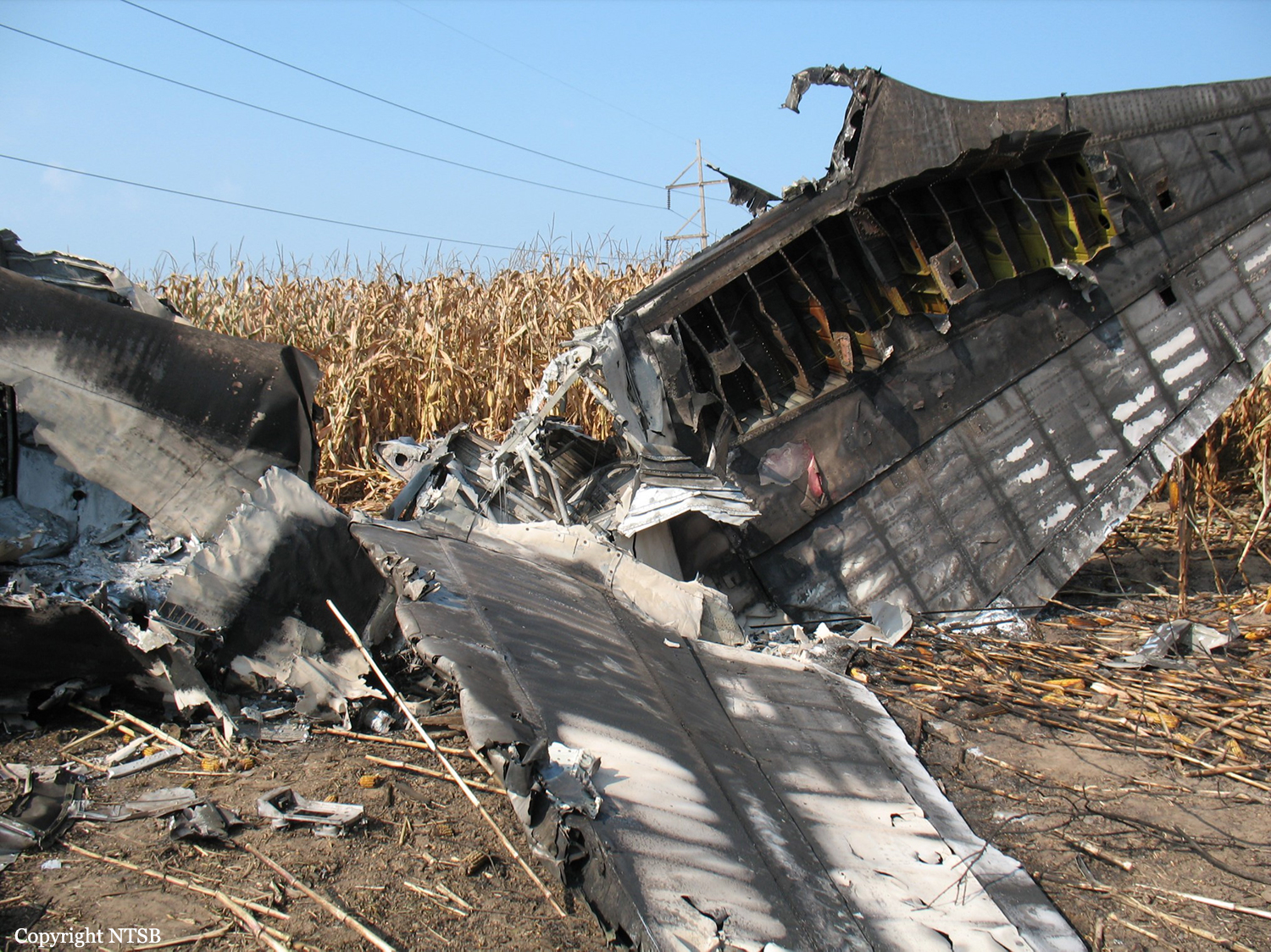
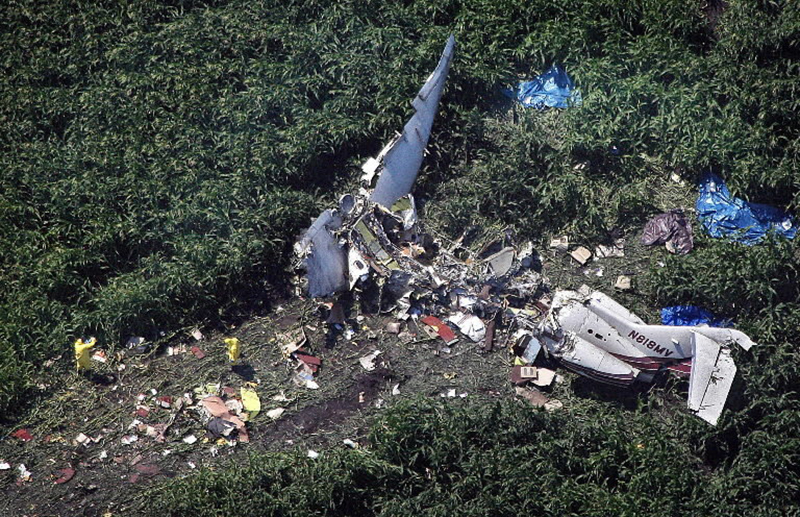
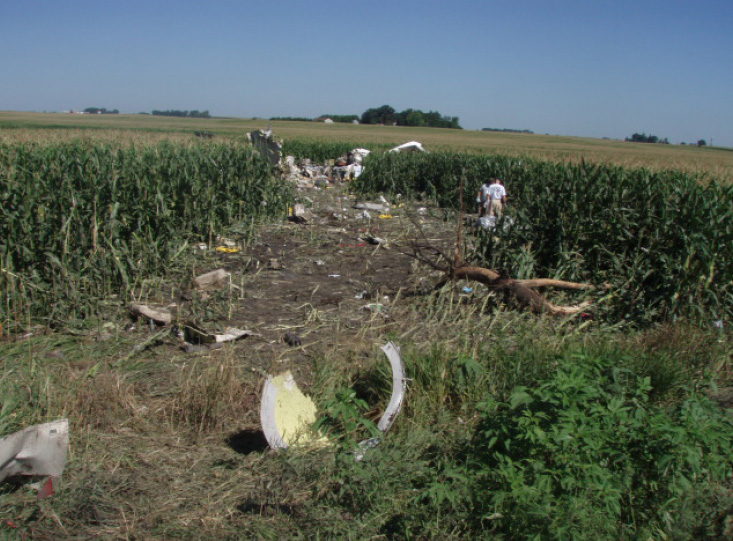
According to radar and Global Positioning System data, the pilot overflew the airport from the southwest and turned to the west to maneuver into position for landing on runway 9. Several witnesses observed the airplane to the west of the airport at a low altitude, appearing to enter a turn that was followed by a "rapid descent" and impact with the ground. The ground scars and
damage to the airplane were consistent with a near-vertical descent and impact. An examination of the airplane and its systems revealed no preaccident anomalies. The moon was obscured by an overcast sky and dark night conditions were prevalent.
Probable cause:
The pilot’s failure to maintain aircraft control, resulting in an aerodynamic stall and spin.
Final Report:

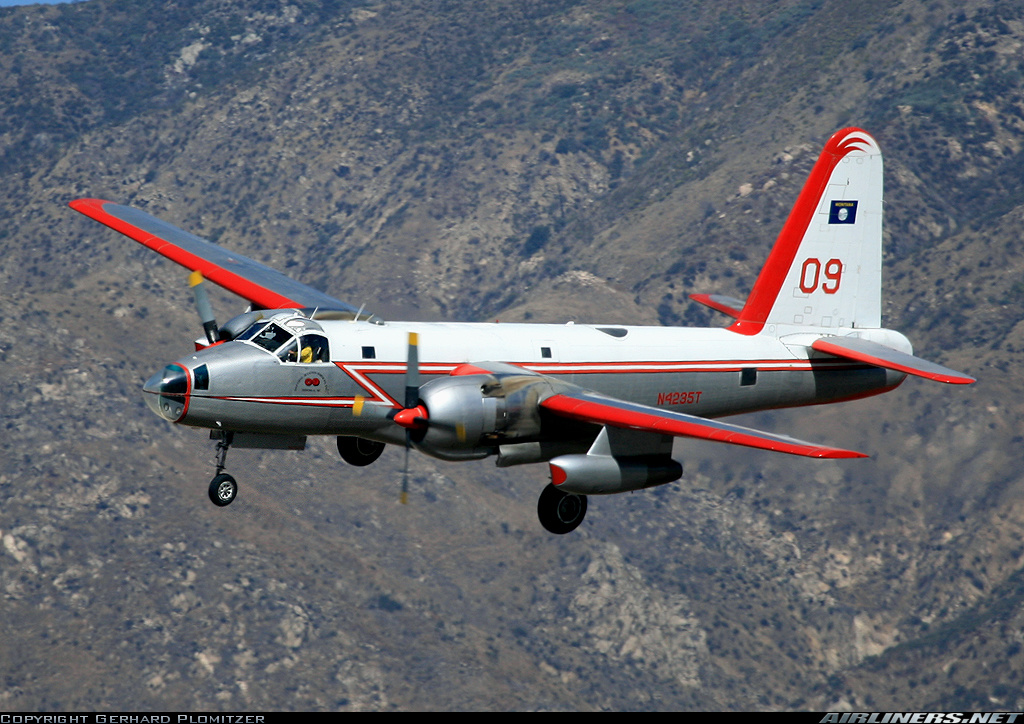
Crash of a Lockheed P2V-7 Neptune in Reno: 3 killed

Date & Time: Sep 1, 2008 at 1810 LT
Type of aircraft:
Operator:
Registration:
N4235T
Flight Phase:
Flight Type:
Survivors:
No
Schedule:
Reno - Reno
MSN:
726-7285
YOM:
1958
Flight number:
Tanker 09
Crew on board:
3
Crew fatalities:
Pax on board:
0
Pax fatalities:
Other fatalities:
Total fatalities:
3
Captain / Total flying hours:
9520
Copilot / Total flying hours:
2812
Aircraft flight hours:
10217
Circumstances:
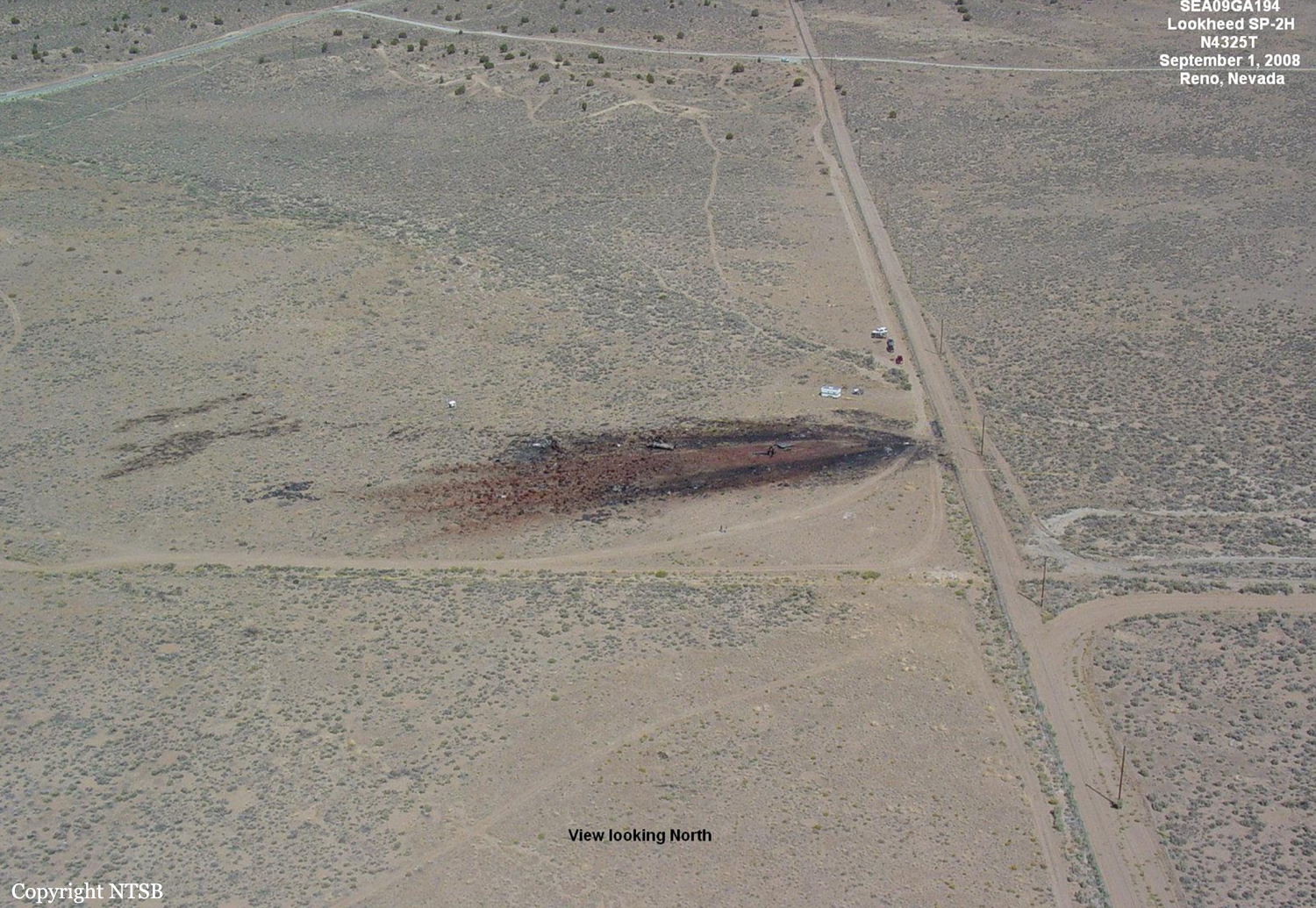
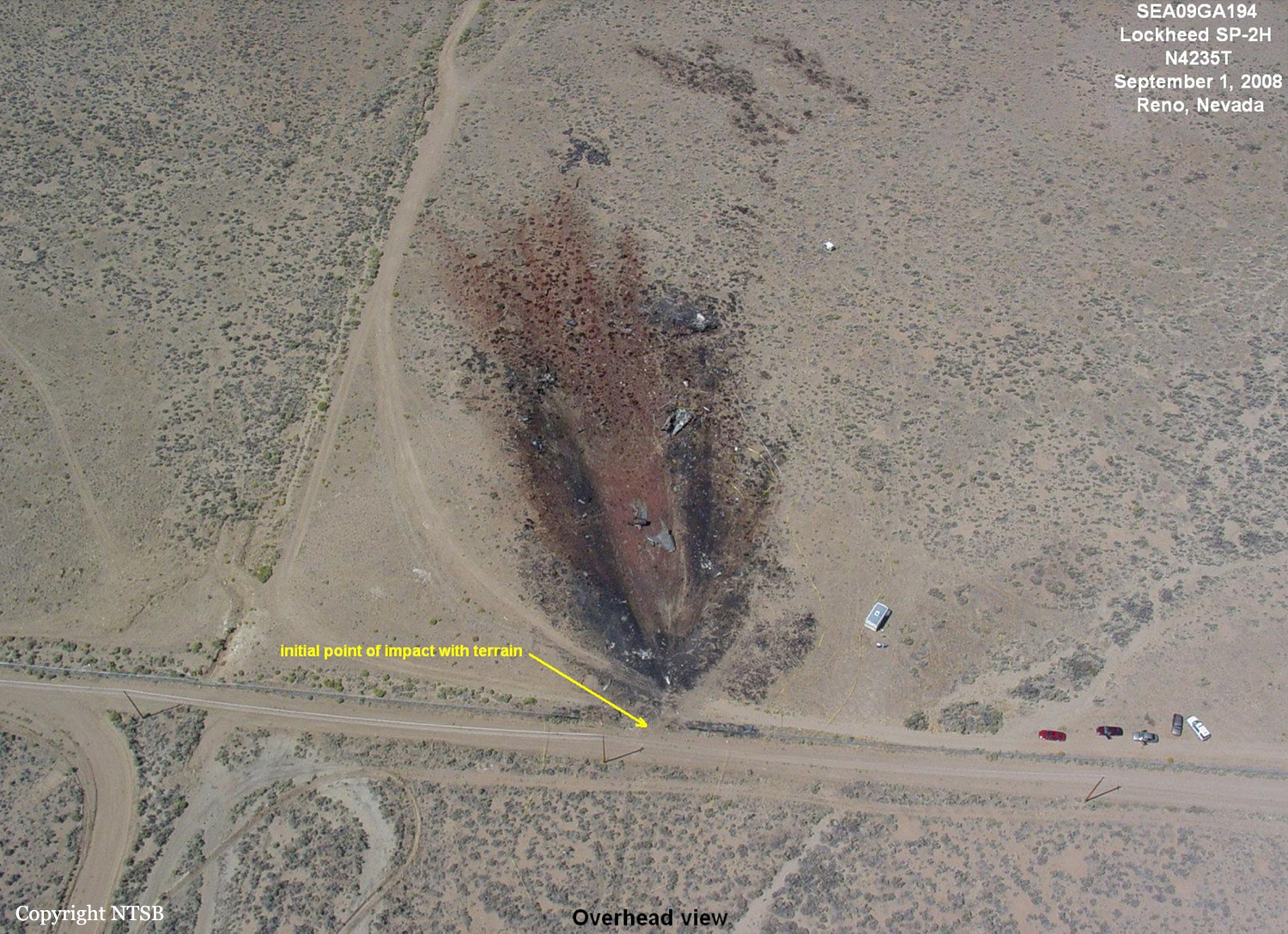
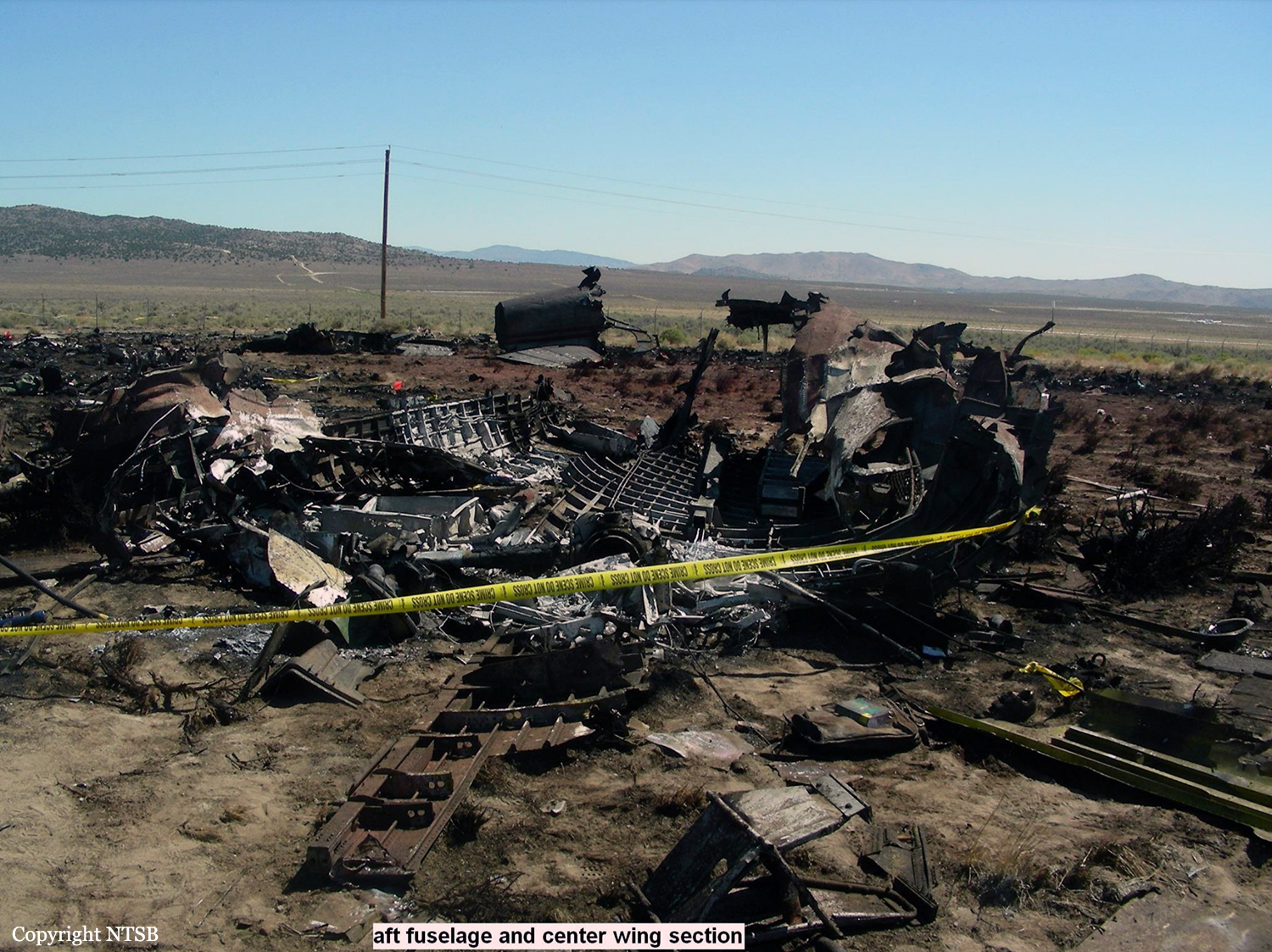
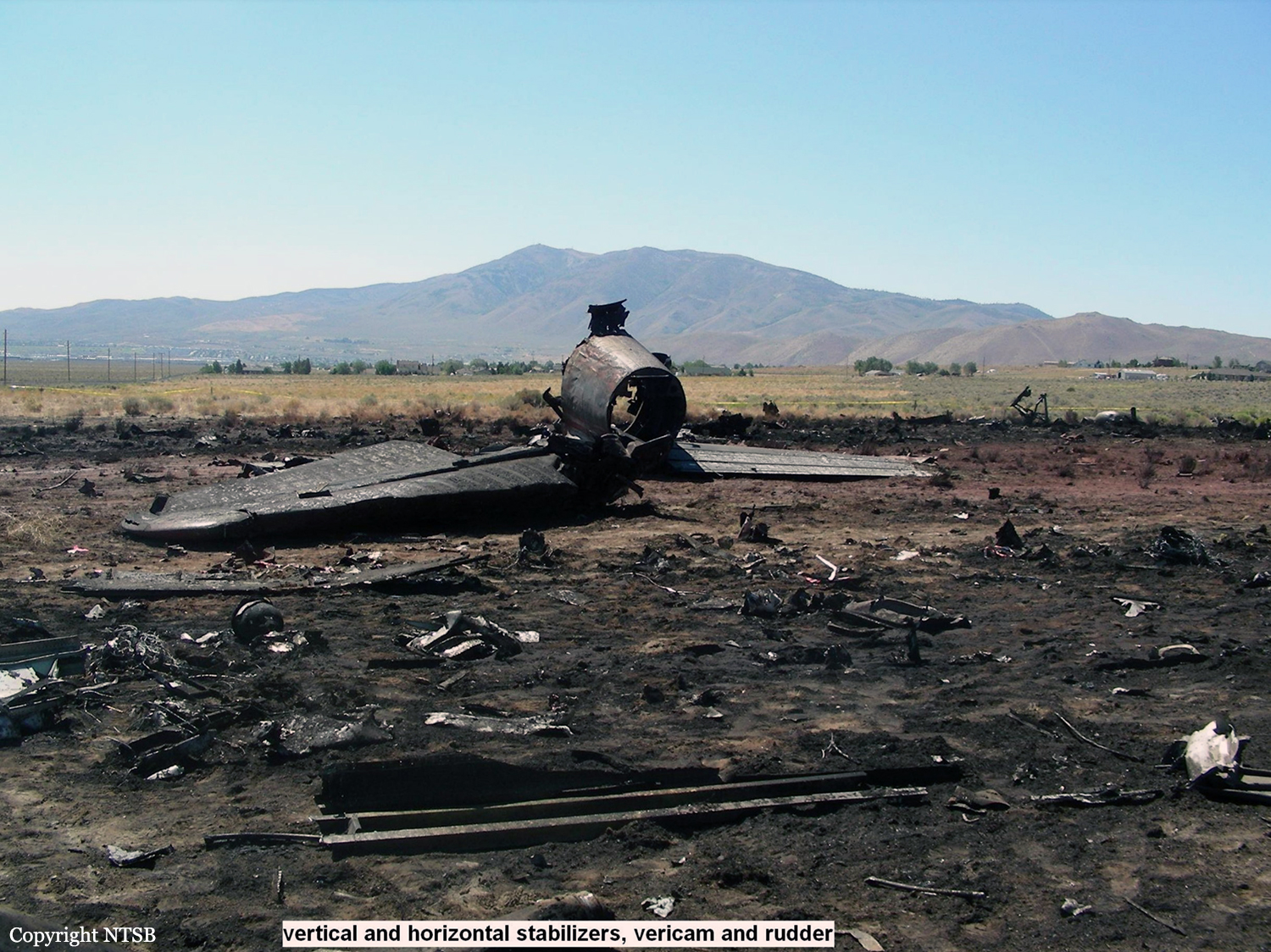
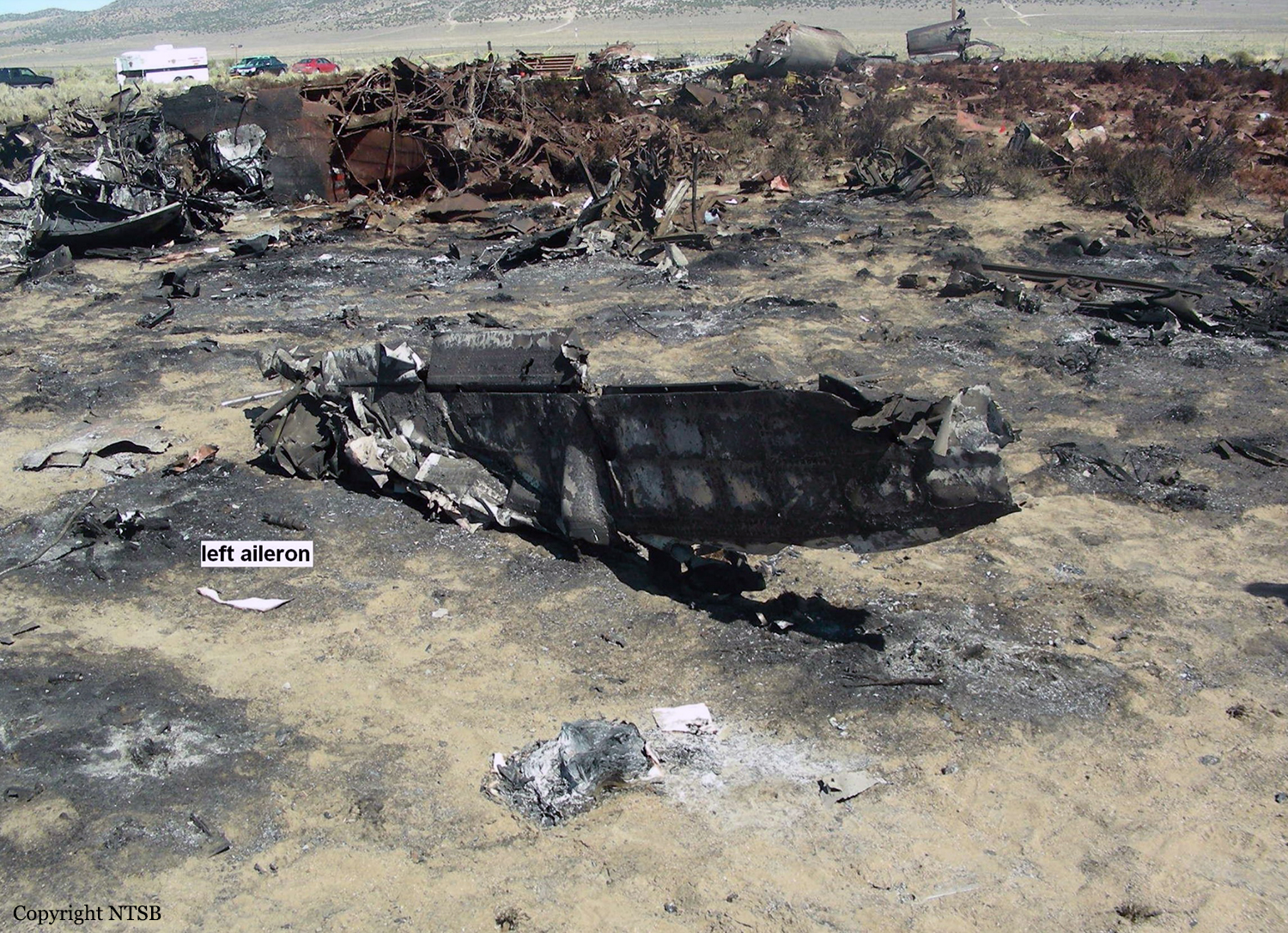
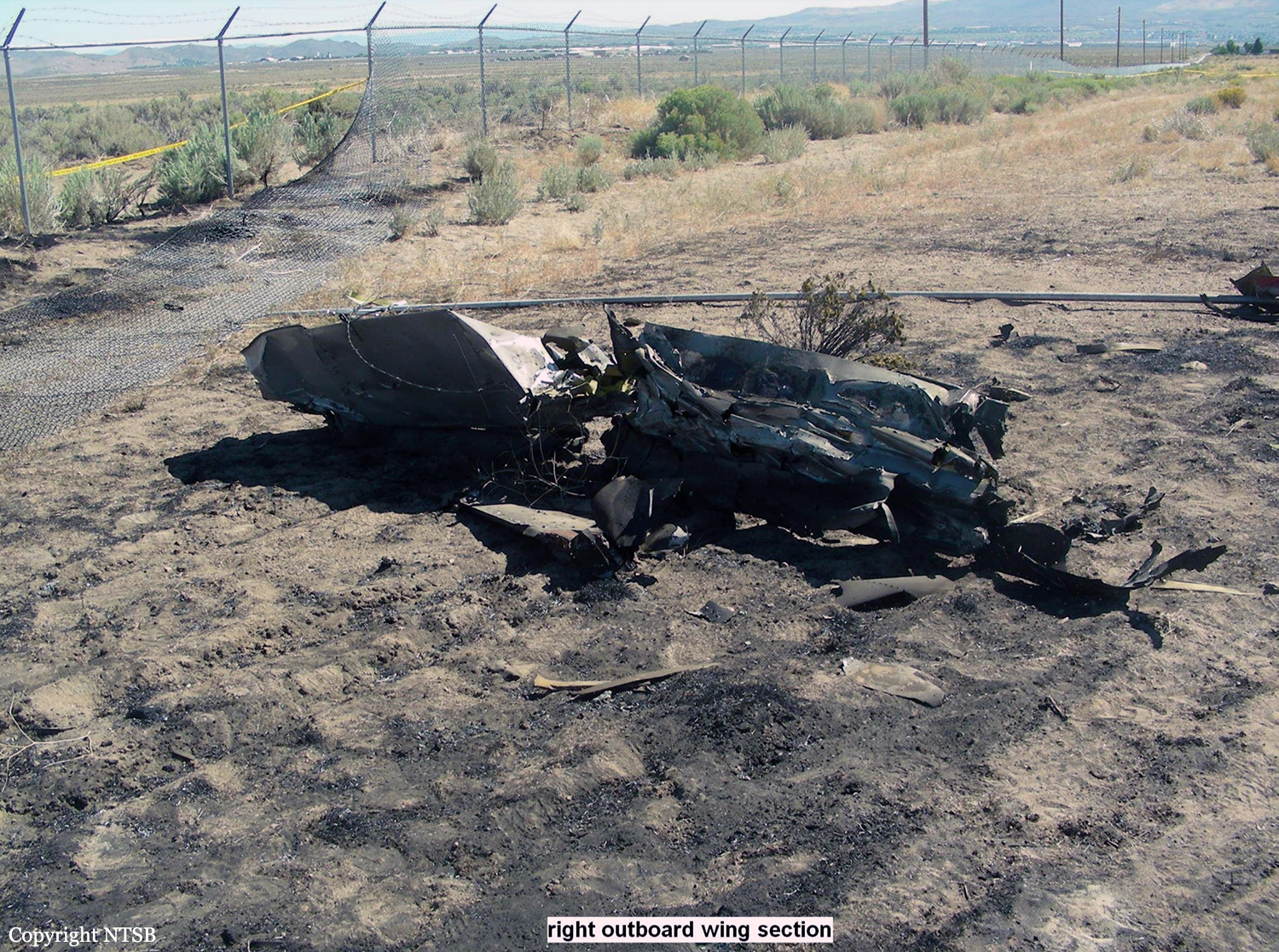
Just after the airplane's landing gear was retracted during takeoff for a retardant drop mission, a ball of fire was observed coming out of the left jet engine before the airplane rolled steeply to the left and descended into the terrain. Prior to takeoff, the captain said he would make the takeoff and provided a takeoff briefing concerning the runway to be used and his intentions should an emergency develop. Shortly thereafter, the captain informed the co-pilot that this would actually be his (the co-pilot's) takeoff. On the cockpit voice recorder, the co-pilot stated "Same briefing (sound of laughter)". The co-pilot did not give an additional takeoff briefing beyond the one given by the captain and the captain did not ask the co-pilot to give one. During the initial climb, the captain said he detected a fire on the left side of the airplane and the copilot responded that he was holding full right aileron. At no point did either pilot call for the jettisoning of the retardant load as required by company standard operating procedures, or verbally enunciate the jet engine fire emergency checklist. Recorded data showed that the airplane's airspeed then decayed below the minimum air control speed, which resulted in an increased roll rate to the left and impact with terrain. The 11th stage compressor disc of the left jet engine failed in fatigue, which caused a catastrophic failure of the compressor section and the initiation of the engine fire. Metallurgical examination of the fracture identified several origin points at scratches in the surface finish of the disk. The scratches were too small to have been observed with the approved inspection procedures used by the company. A review of the FAA sanctioned Approved Aircraft Inspection Program, revealed no shortcomings or anomalies in the performance or documentation of the program. A post-accident examination of the airframe and three remaining engines revealed no anomalies that would have precluded normal operations.
Probable cause:
The failure of the flight crew to maintain airspeed above in-flight minimum control speed (Vmca) after losing power in the left jet engine during initial climb after takeoff. Contributing to the accident was the crew's inadequate cockpit resource management procedures, the failure of the captain to assume command of the airplane during the emergency, the flight crew's failure to carry out the jet engine fire emergency procedure, and the failure of the crew to jettison the retardant load.
Final Report:

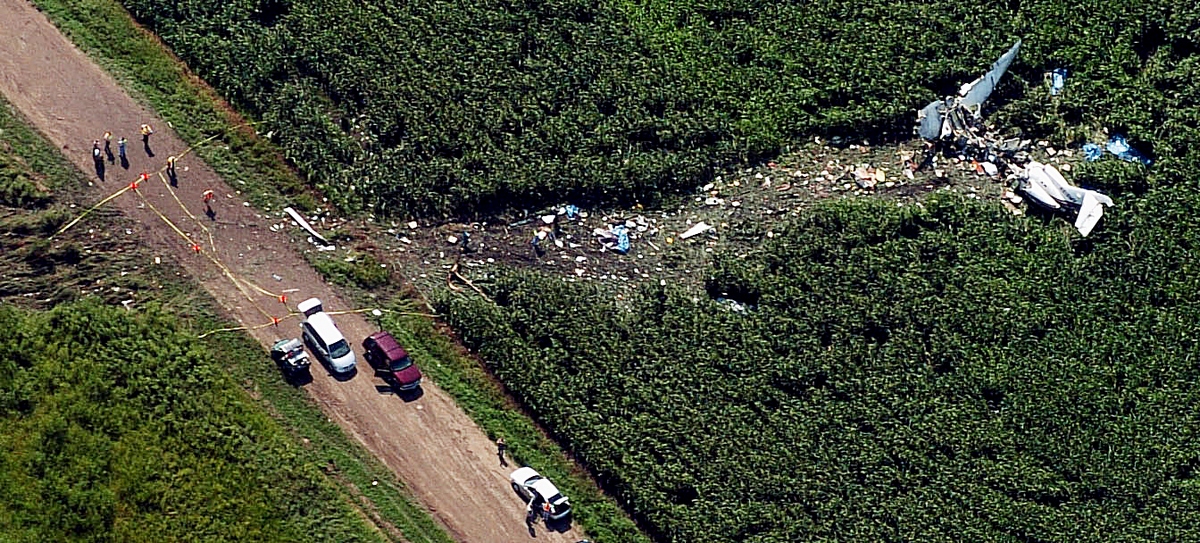
Crash of a Convair CV-580 in Columbus: 3 killed

Date & Time: Sep 1, 2008 at 1206 LT
Type of aircraft:
Operator:
Registration:
N587X
Flight Phase:
Flight Type:
Survivors:
No
Schedule:
Columbus - Mansfield
MSN:
361
YOM:
1956
Flight number:
HMA587
Crew on board:
3
Crew fatalities:
Pax on board:
0
Pax fatalities:
Other fatalities:
Total fatalities:
3
Captain / Total flying hours:
16087
Copilot / Total flying hours:
19285
Aircraft flight hours:
71965
Circumstances:
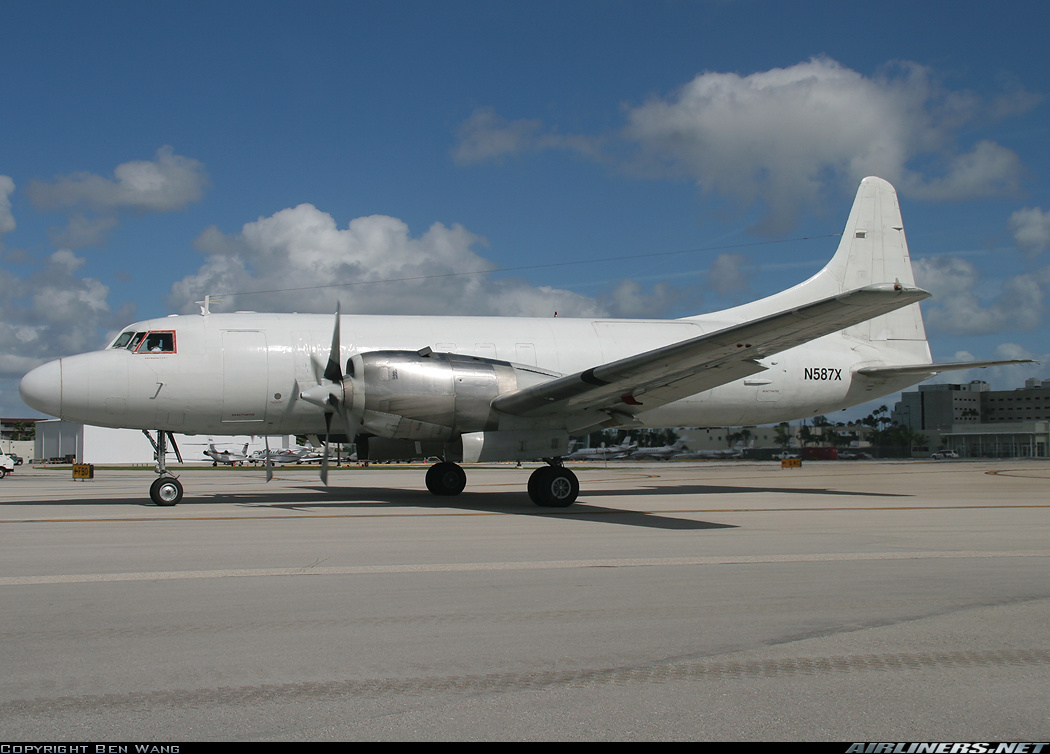
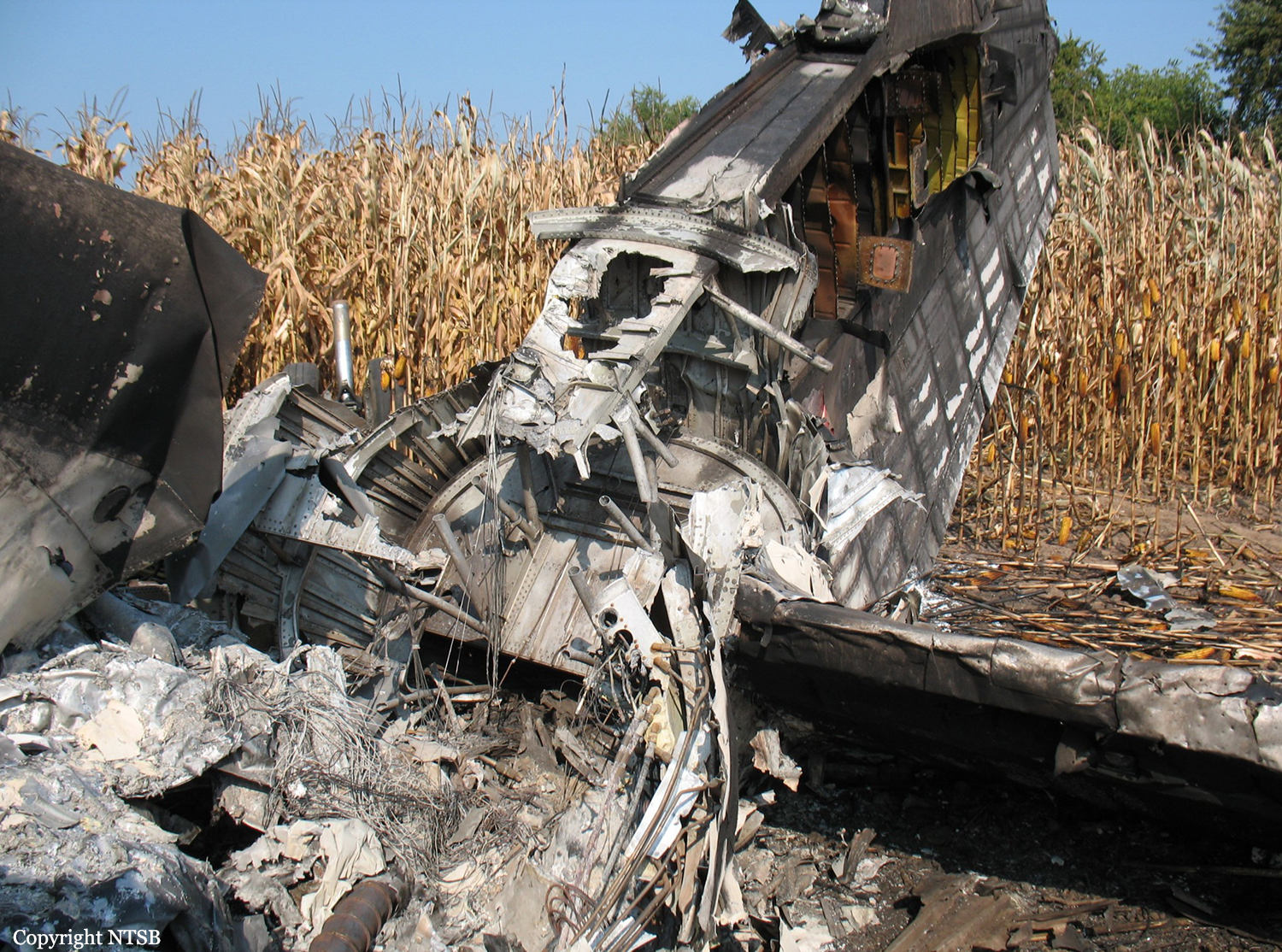
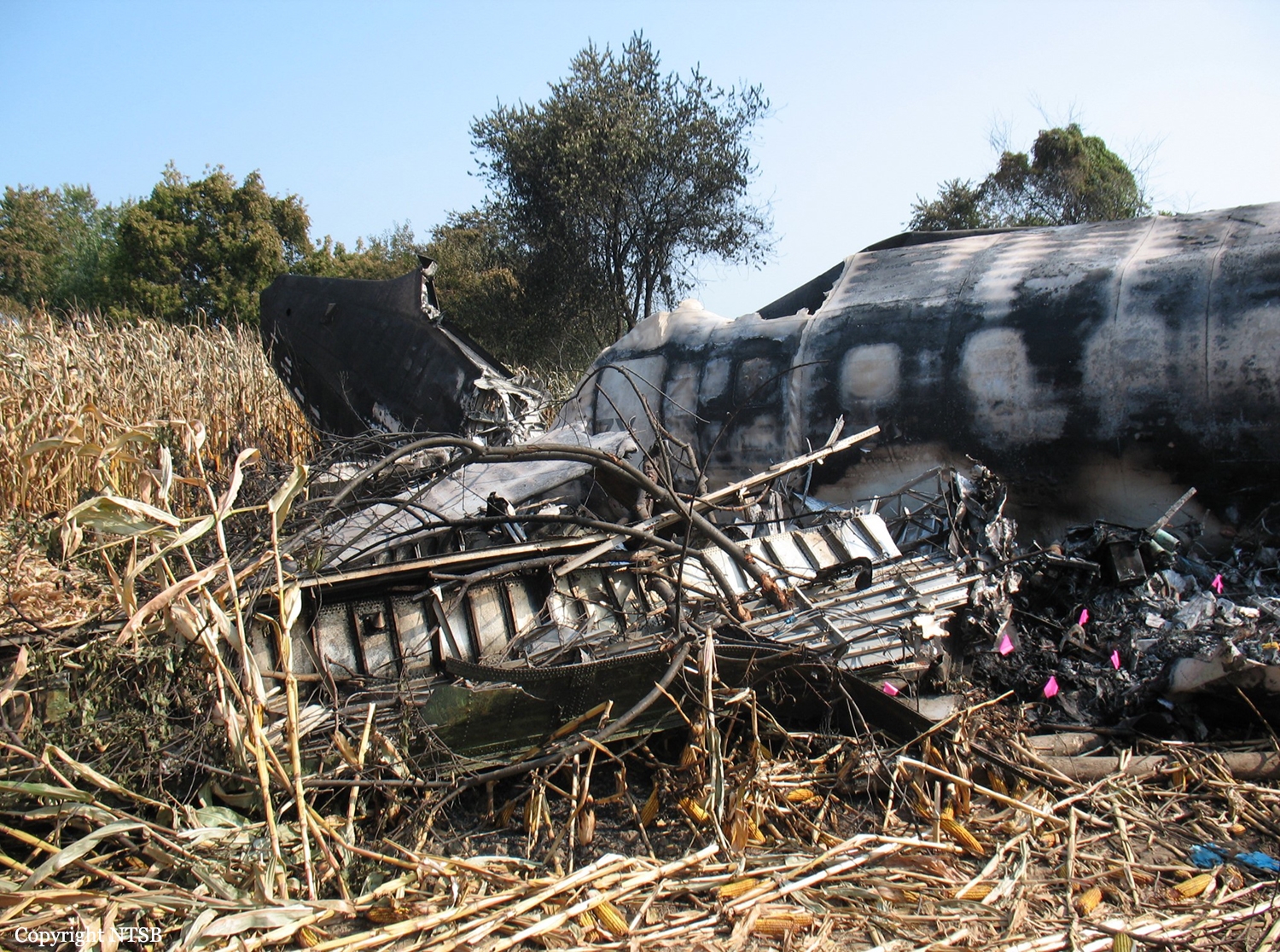
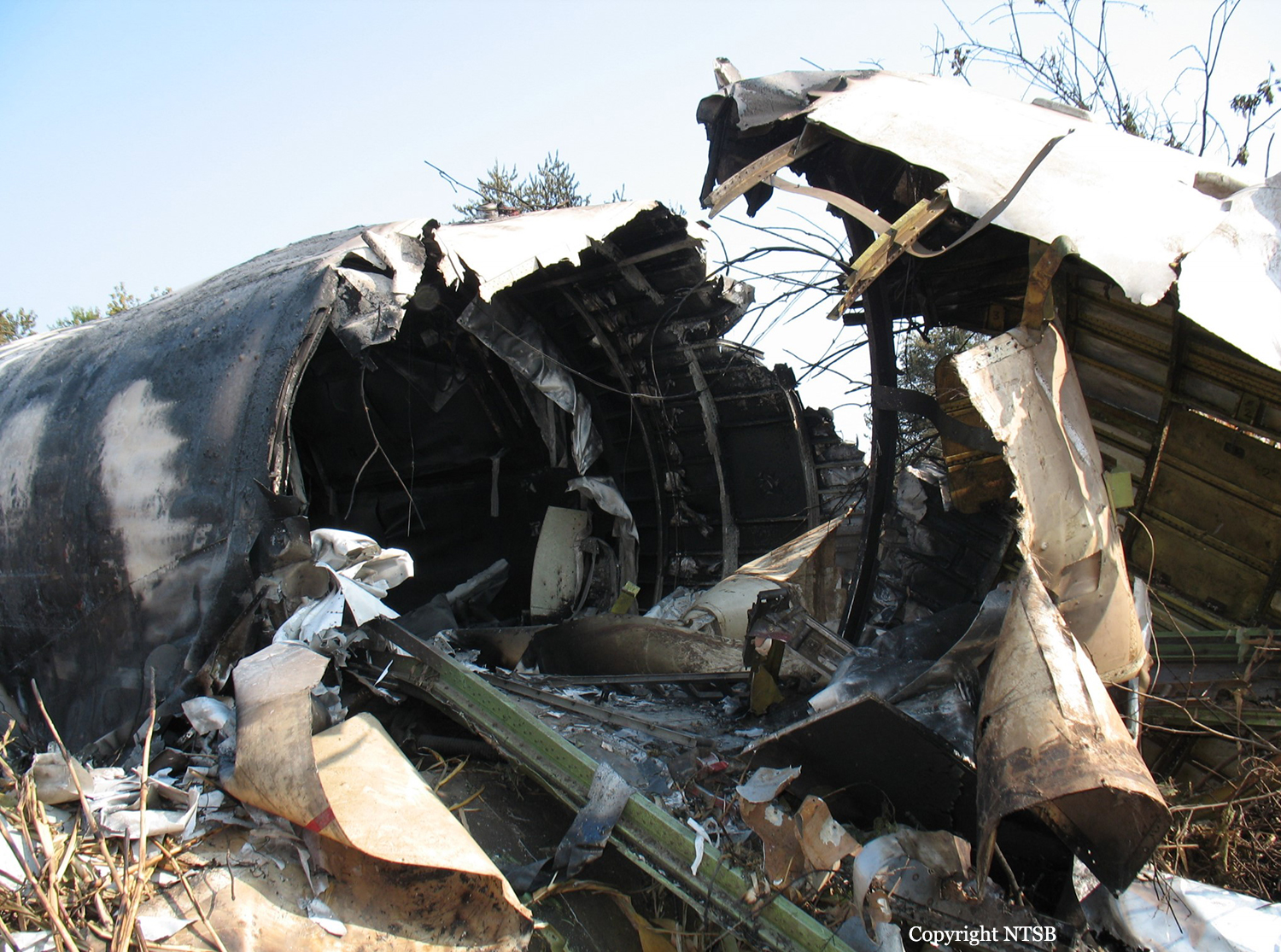
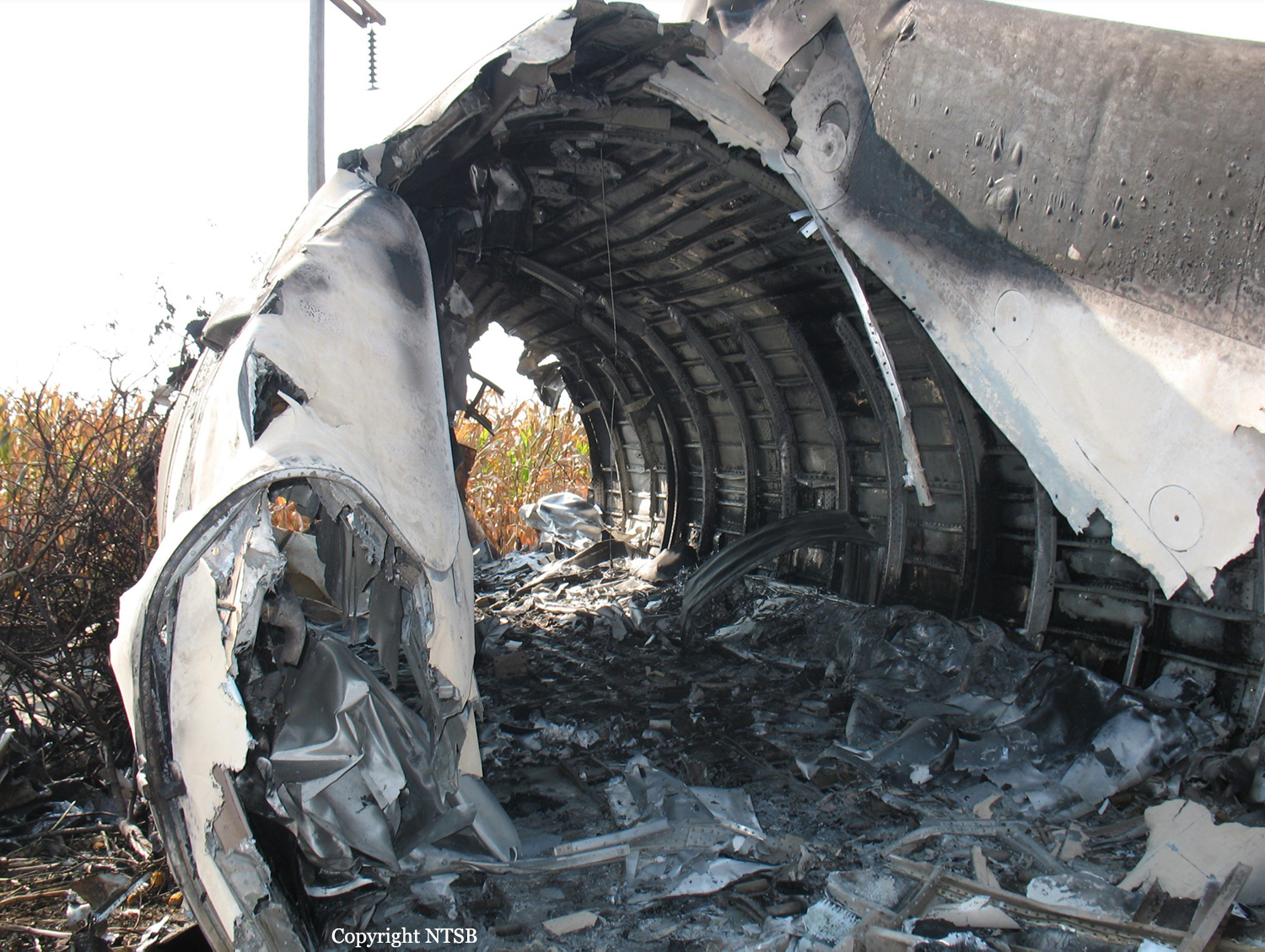
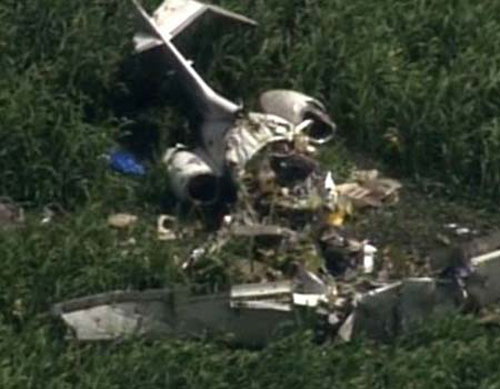
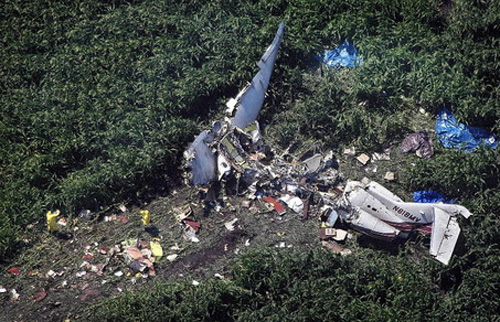
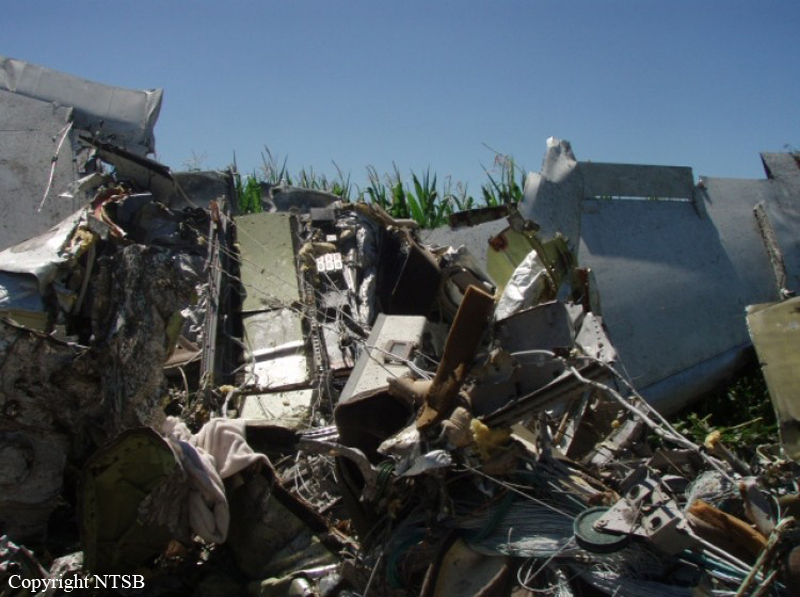
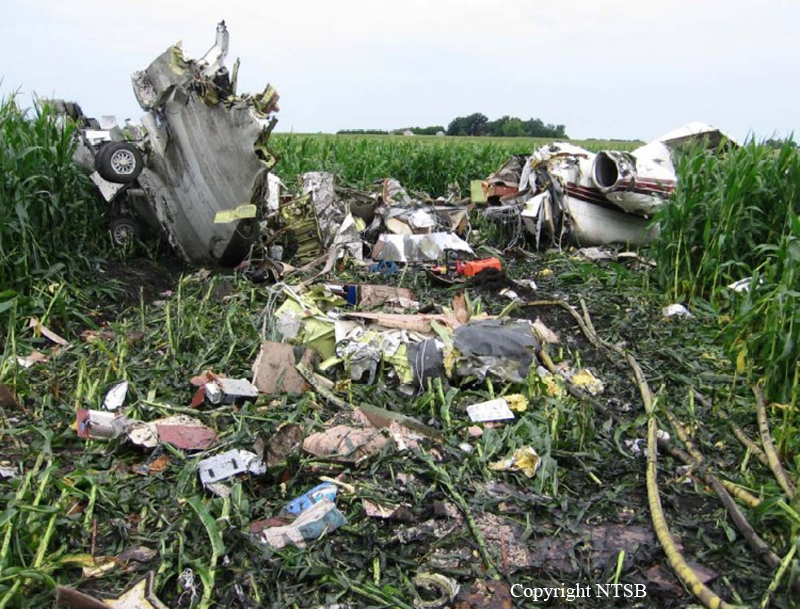
The accident flight was the first flight following maintenance that included flight control cable rigging. The flight was also intended to provide cockpit familiarization for the first officer and the pilot observer, and as a training flight for the first officer. About one minute after takeoff, the first officer contacted the tower and stated that they needed to return to land. The airplane impacted a cornfield about one mile southwest of the approach end of the runway, and 2 minutes 40 seconds after the initiation of the takeoff roll. The cockpit voice recorder (CVR) indicated that, during the flight, neither the captain nor the first officer called for the landing gear to be raised, the flaps to be retracted, or the power levers to be reduced from full power. From the time the first officer called "rotate" until the impact, the captain repeated the word "pull" about 27 times. When the observer pilot asked, "Come back on the trim?" the captain responded, "There's nothing anymore on the trim." The inspection of the airplane revealed that the elevator trim cables were rigged improperly, which resulted in the trim cables being reversed. As a result, when the pilot applied nose-up trim, the elevator trim system actually applied nose-down trim. The flight crew was briefed on the maintenance work that had been performed on the airplane; therefore, when the captain’s nose-up trim inputs were affecting his ability to control the airplane, at a minimum, he should have stopped making additional inputs and returned the airplane to the configuration it was in before the problem worsened. An examination of the maintenance instruction cards used to conduct the last inspection revealed that the inspector's block on numerous checks were not signed off by the Required Inspection Item (RII) inspector. The RII inspector did not sign the item that stated: "Connect elevator servo trim tab cables and rig in accordance with Allison Convair [maintenance manual]...” The item had been signed off by the mechanic, but not by the RII inspector. The card also contained a NOTE, which stated in bold type, "A complete inspection of all elevator controls must be accomplished and signed off by an RII qualified inspector and a logbook entry made to this effect." The RII inspector block was not signed off.
Probable cause:
The improper (reverse) rigging of the elevator trim cables by company maintenance personnel, and their subsequent failure to discover the misrigging during required post-maintenance checks. Contributing to the accident was the captain’s inadequate post-maintenance preflight check and the flight crew’s improper response to the trim problem.
Final Report:

Crash of a Cessna 340A in Angel Fire

Date & Time: Aug 31, 2008 at 2045 LT
Type of aircraft:
Registration:
N397RA
Flight Type:
Survivors:
Yes
Schedule:
Tomball – Angel Fire
MSN:
340A-0009
YOM:
1975
Crew on board:
1
Crew fatalities:
Pax on board:
0
Pax fatalities:
Other fatalities:
Total fatalities:
0
Captain / Total flying hours:
4725
Captain / Total hours on type:
625.00
Aircraft flight hours:
6507
Circumstances:
The pilot reported that he was cleared for a GPS approach and broke out of the clouds at 1,800 feet. He entered a left hand traffic pattern and his last recollection was turning base. He woke up in the crashed airplane which was on fire. The airplane was destroyed. An examination of airplane systems revealed no anomalies.
Probable cause:
Controlled flight into terrain for unknown reasons.
Final Report:

Crash of a Piper PA-31-350 Navajo Chieftain in North Las Vegas: 1 killed

Date & Time: Aug 28, 2008 at 1238 LT
Operator:
Registration:
N212HB
Flight Phase:
Flight Type:
Survivors:
No
Site:
Schedule:
North Las Vegas - Palo Alto
MSN:
31-8152072
YOM:
1981
Crew on board:
1
Crew fatalities:
Pax on board:
0
Pax fatalities:
Other fatalities:
Total fatalities:
1
Captain / Total flying hours:
3195
Captain / Total hours on type:
100.00
Aircraft flight hours:
6373
Circumstances:
During climb a few minutes after takeoff, a fire erupted in the airplane's right engine compartment. About 7 miles from the departure airport, the pilot reversed course and notified the air traffic controller that he was declaring an emergency. As the pilot was proceeding back toward the departure airport witnesses observed fire beneath, and smoke trailing from, the right engine and heard boom sounds or explosions as the airplane descended. Although the pilot feathered the right engine's propeller, the airplane's descent continued. The 12-minute flight ended about 1.25 miles from the runway when the airplane impacted trees and power lines before coming to rest upside down adjacent to a private residence. A fuel-fed fire consumed the airframe and damaged nearby private residences. The airplane was owned and operated by an airplane broker that intended to have it ferried to Korea. In preparation for the overseas ferry flight, the airplane's engines were overhauled. Maintenance was also performed on various components including the engine-driven fuel pumps, turbochargers, and propellers. Nacelle fuel tanks were installed and the airplane received an annual inspection. Thereafter, the broker had a ferry pilot fly the airplane from the maintenance facility in Ohio to the pilot's Nevada-based facility, where the ferry pilot had additional maintenance performed related to the air conditioner, gear door, vacuum pump, and idle adjustment. Upon completion of this maintenance, the right engine was test run for at least 20 minutes and the airplane was returned to the ferry pilot. During the following month, the ferry pilot modified the airplane's fuel system by installing four custom-made ferry fuel tanks in the fuselage, and associated plumbing in the wings, to supplement the existing six certificated fuel tanks. The ferry pilot held an airframe and powerplant mechanic certificate with inspection authorization. He reinspected the airplane, purportedly in accordance with the Piper Aircraft Company's annual inspection protocol, signed the maintenance logbook, and requested Federal Aviation Administration (FAA) approval for his ferry flight. The FAA reported that it did not process the first ferry pilot's ferry permit application because of issues related to the applicant's forms and the FAA inspector's workload. The airplane broker discharged the pilot and contracted with a new ferry pilot (the accident pilot) to immediately pick up the airplane in Nevada and fly it to California, the second ferry pilot's base. The contract specified that the airplane be airworthy. In California, the accident pilot planned to complete any necessary modifications, acquire FAA approval, and then ferry the airplane overseas. The discharged ferry pilot stated to the National Transportation Safety Board (NTSB) investigator that none of his airplane modifications had involved maintenance in the right engine compartment. He also stated that when he presented the airplane to the replacement ferry pilot (at most 3 hours before takeoff) he told him that fuel lines and fittings in the wings related to the ferry tanks needed to be disconnected prior to flight. During the Safety Board's examination of the airplane, physical evidence was found indicating that the custom-made ferry tank plumbing in the wings had not been disconnected. The airplane wreckage was examined by the NTSB investigation team while on scene and following its recovery. Regarding both engines, no evidence was found of any internal engine component malfunction. Notably, the localized area surrounding and including the right engine-driven fuel pump and its outlet port had sustained significantly greater fire damage than was observed elsewhere. According to the Lycoming engine participant, the damage was consistent with a fuel-fed fire originating in this vicinity, which may have resulted from the engine's fuel supply line "B" nut being loose, a failed fuel line, or an engine-driven fuel pumprelated leak. The fuel supply line and its connecting components were not located. The engine-driven fuel pump was subsequently examined by staff from the NTSB's Materials Laboratory. Noted evidence consisted of globules of resolidified metal and areas of missing material consistent with the pump having been engulfed in fire. The staff also examined the airplane. Evidence was found indicating that the fire's area of origin was not within the wings or fuselage, but rather emanated from a localized area within the right engine compartment, where the engine-driven fuel pump and its fuel supply line and fittings were located. However, due to the extensive pre- and post-impact fires, the point of origin and the initiating event that precipitated the fuel leak could not be ascertained. The airplane's "Pilot Operator's Handbook" (POH), provides the procedures for responding to an in-flight fire and securing an engine. It also provides single-engine climb performance data. The POH indicates that the pilot should move the firewall fuel shutoff valve of the affected engine to the "off" position, feather the propeller, close the engine's cowl flaps to reduce drag, turn off the magneto switches, turn off the emergency fuel pump switch and the fuel selector, and pull out the fuel boost pump circuit breaker. It further notes that unless the boost pump's circuit breaker is pulled, the pump will continuously operate. During the wreckage examination, the Safety Board investigators found evidence indicating that the right engine's propeller was feathered. However, contrary to the POH's guidance, the right engine's firewall fuel shutoff valve was not in the "off" position, the cowl flaps were open, the magneto switches were on, the emergency fuel pump switches and the fuel selector were on, and the landing gear was down. Due to fire damage, the position of the fuel boost pump circuit breaker could not be ascertained. Calculations based upon POH data indicate that an undamaged and appropriately configured airplane flying on one engine should have had the capability to climb between 100 and 200 feet per minute and, at a minimum, maintain altitude. Recorded Mode C altitude data indicates that during the last 5 minutes of flight, the airplane descended while slowing about 16 knots below the speed required to maintain altitude.
Probable cause:
A loss of power in the right engine due to an in-flight fuel-fed fire in the right engine compartment that, while the exact origin could not be determined, was likely related to the right engine-driven fuel pump, its fuel supply line, or fitting. Contributing to the accident was the pilot's failure to adhere to the POH's procedures for responding to the fire and configuring the airplane to reduce aerodynamic drag.
Final Report:

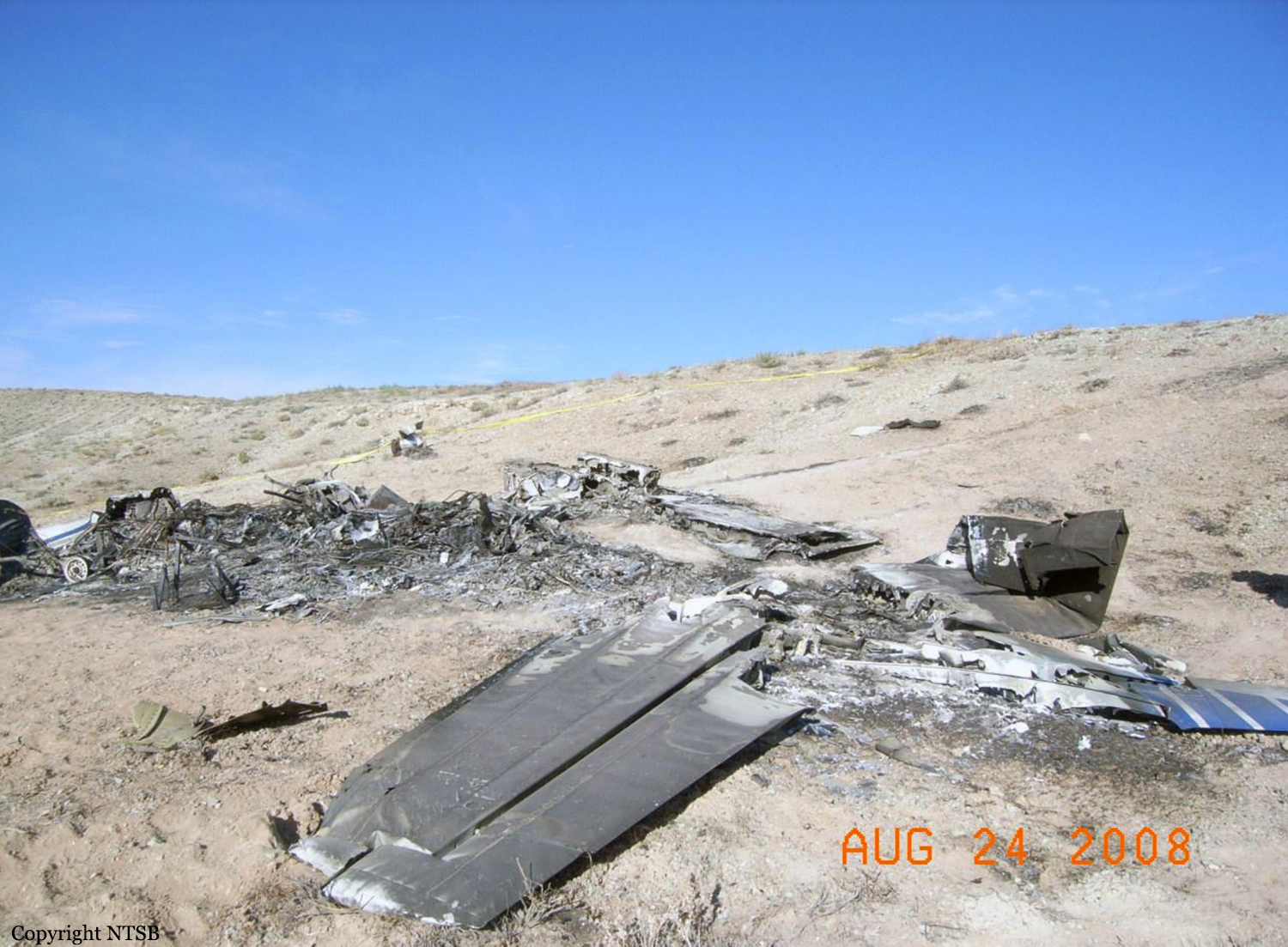
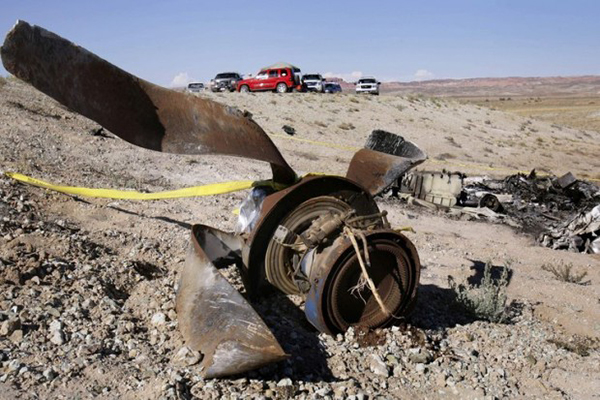
Crash of a Beechcraft A100 King Air in Moab: 10 killed

Date & Time: Aug 22, 2008 at 1750 LT
Type of aircraft:
Registration:
N601PC
Flight Phase:
Survivors:
No
Schedule:
Moab - Cedar City
MSN:
B-225
YOM:
1975
Location:
Crew on board:
1
Crew fatalities:
Pax on board:
9
Pax fatalities:
Other fatalities:
Total fatalities:
10
Captain / Total flying hours:
1818
Captain / Total hours on type:
698.00
Aircraft flight hours:
9263
Circumstances:
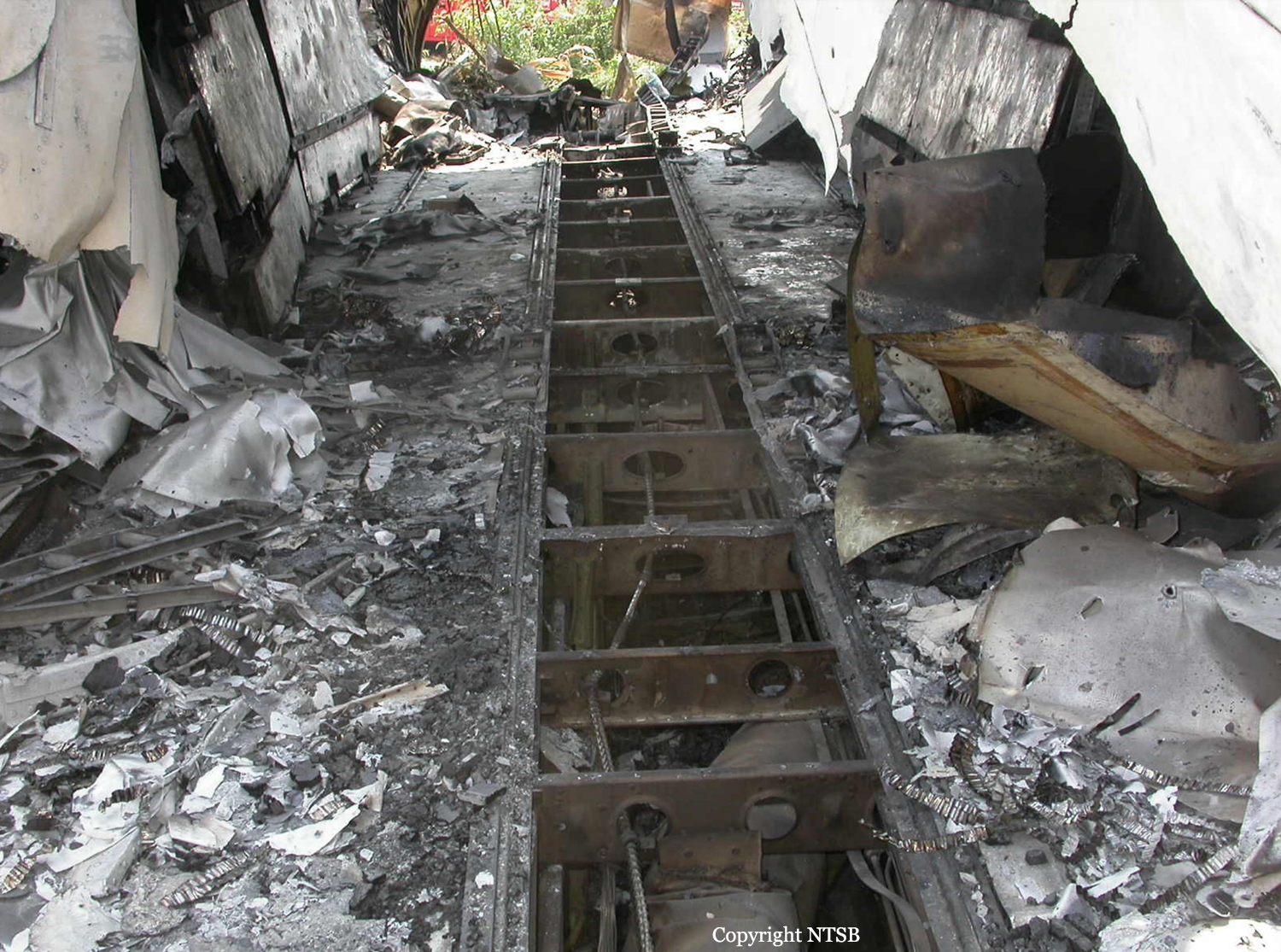
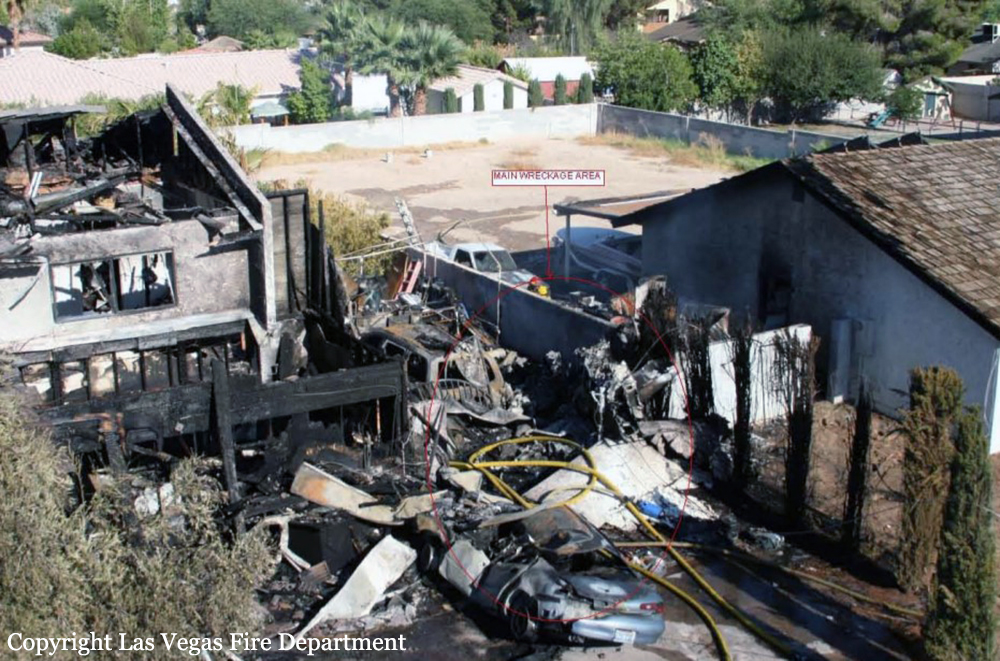
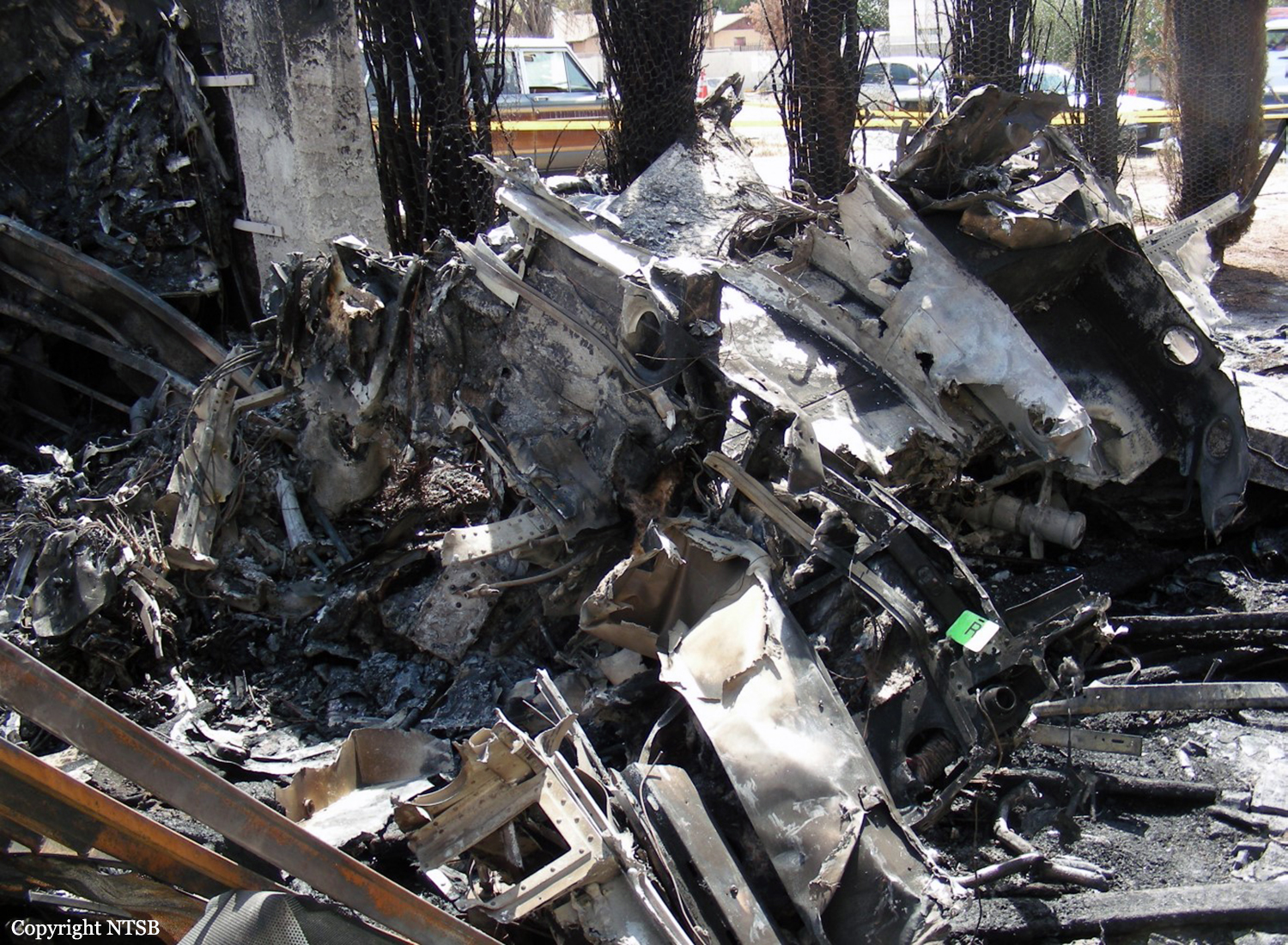
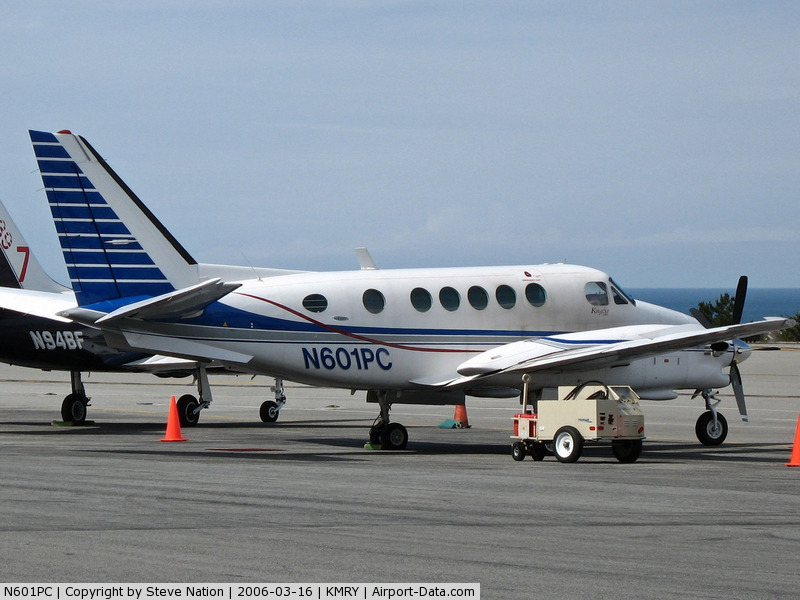
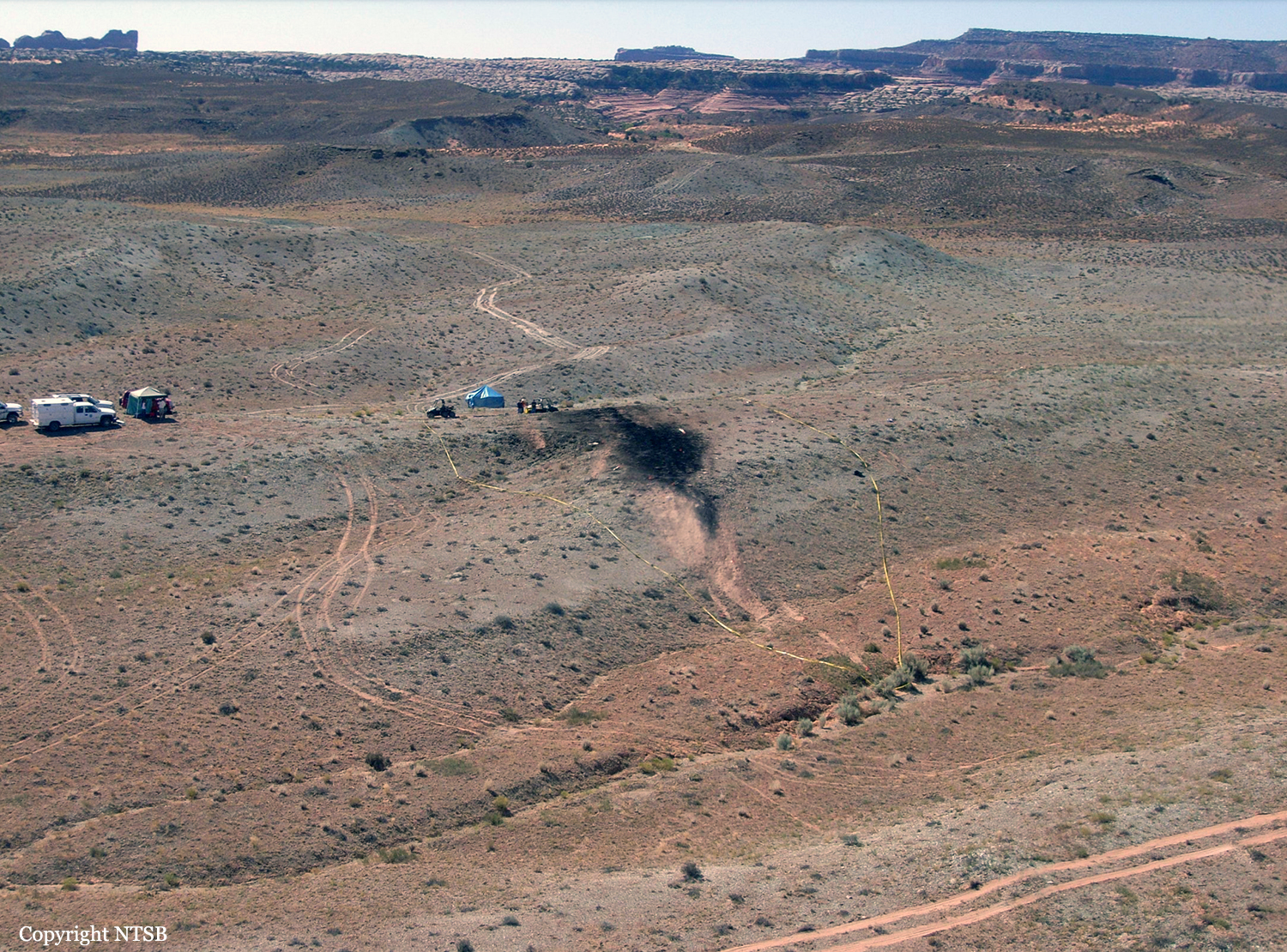
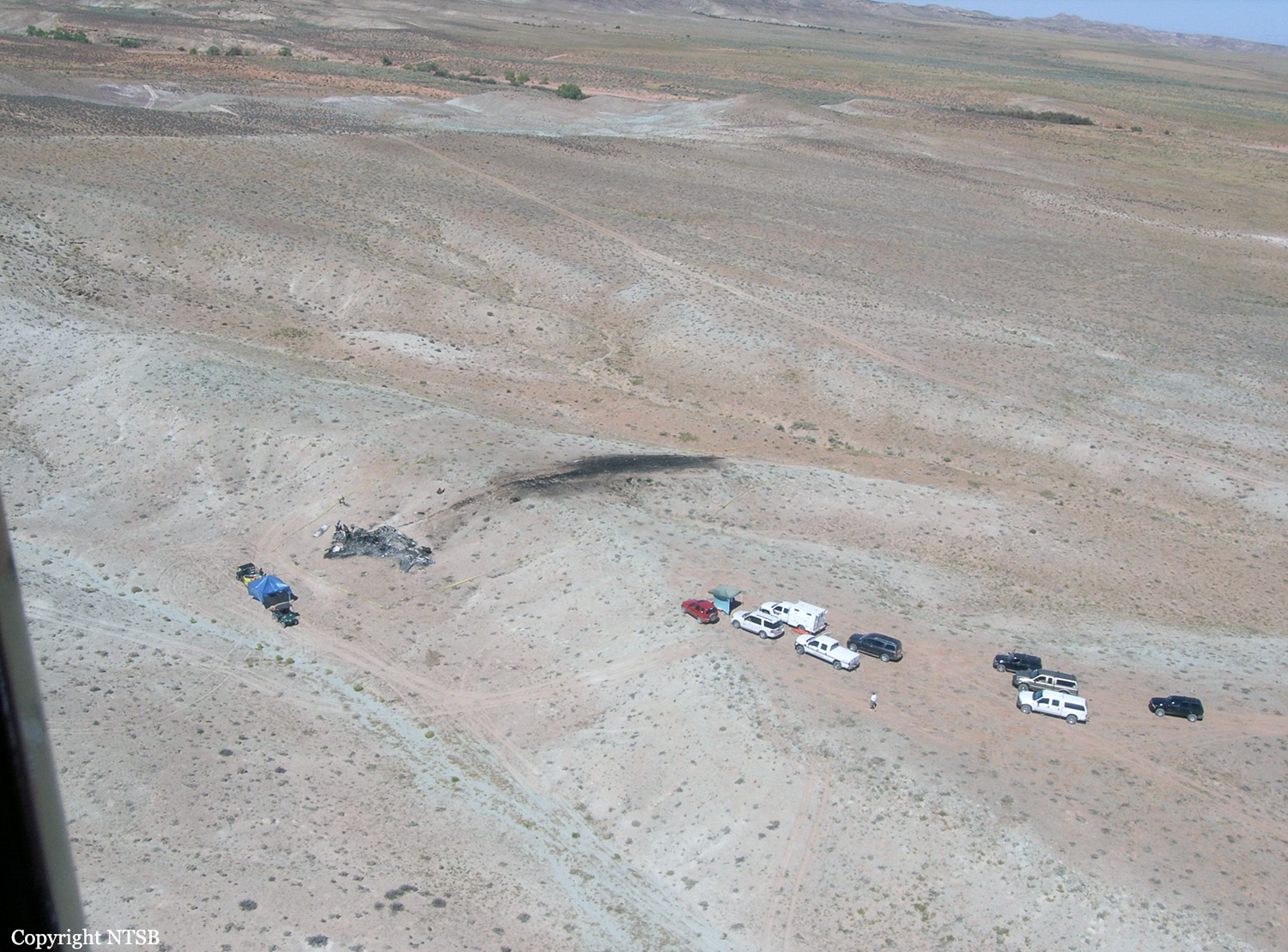
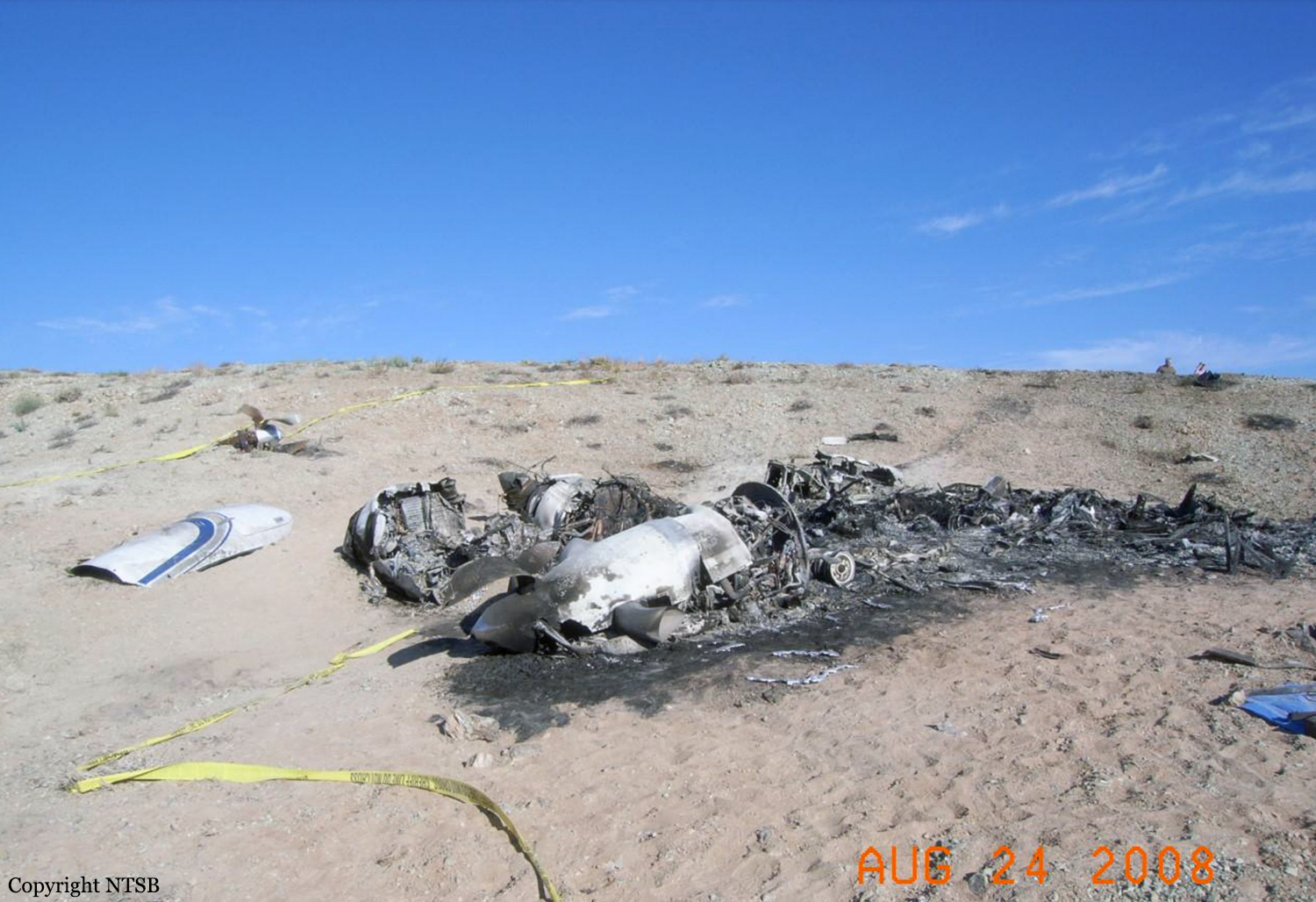
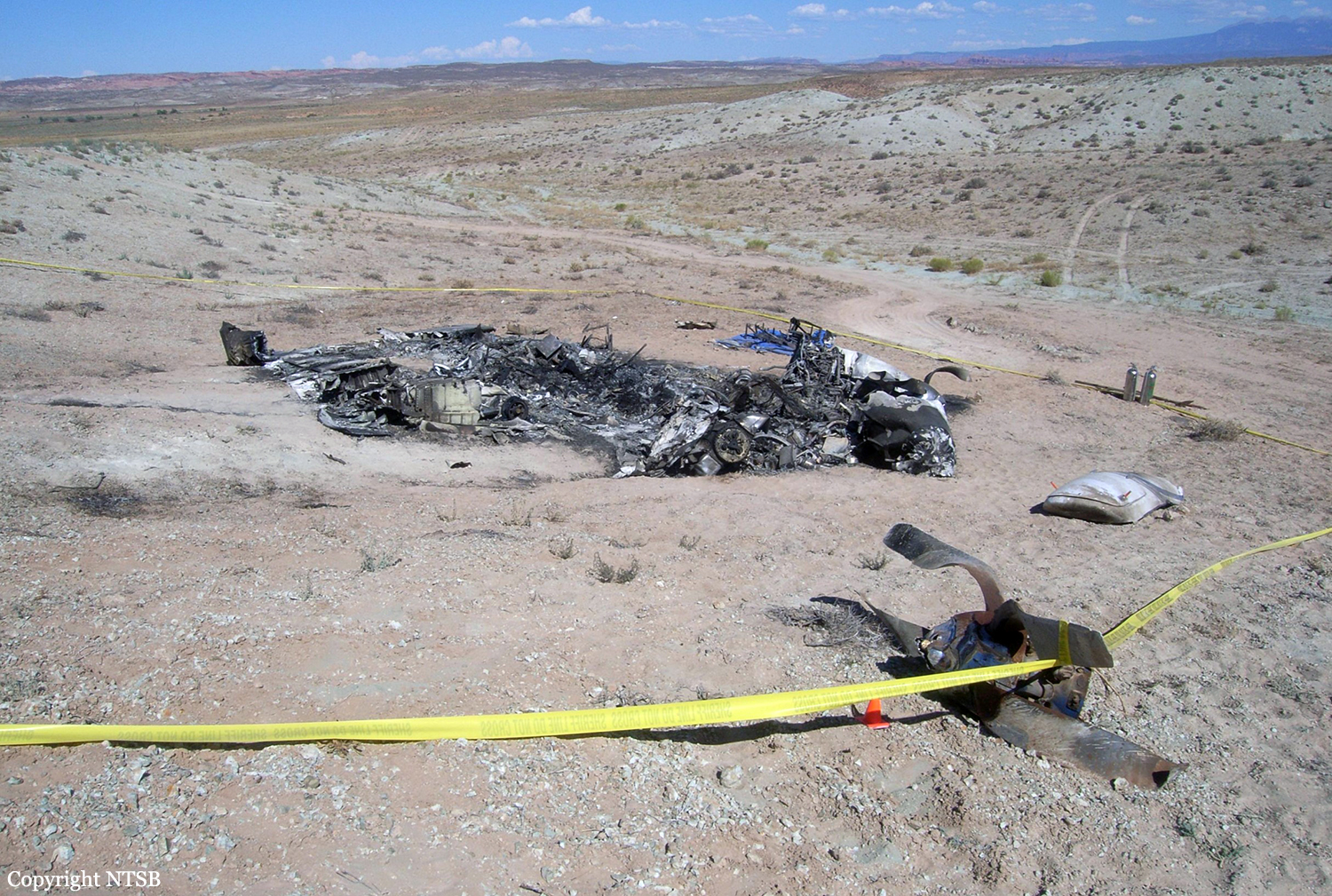
The twin engine aircraft, owned by the Red Canyon Aesthetics & Medical Spa, a dermatology clinic headquartered in Cedar City, was returning to its base when shortly after take off, the pilot elected to make an emergency landing due to technical problem. The aircraft hit the ground, skidded for 300 meters and came to rest in flames in the desert, near the Arches National Park. All 10 occupants, among them some cancer specialist who had traveled to Moab early that day to provide cancer screening, cancer treatment, and other medical services to citizens in Moab, were killed.
Probable cause:
The pilot’s failure to maintain terrain clearance during takeoff for undetermined reasons.
Final Report:

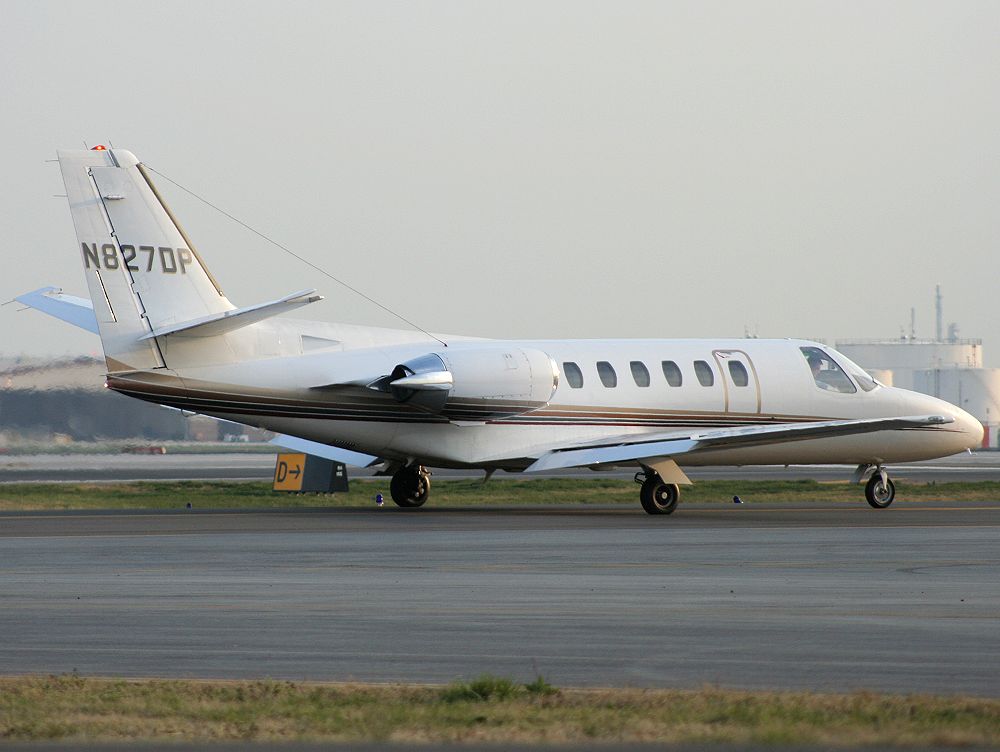
Crash of a Cessna 550 Citation II in Reading

Date & Time: Aug 3, 2008 at 1519 LT
Type of aircraft:
Operator:
Registration:
N827DP
Flight Type:
Survivors:
Yes
Schedule:
Pottstown - Reading
MSN:
550-0660
YOM:
1990
Crew on board:
2
Crew fatalities:
Pax on board:
0
Pax fatalities:
Other fatalities:
Total fatalities:
0
Captain / Total flying hours:
12100
Captain / Total hours on type:
2690.00
Copilot / Total flying hours:
1779
Copilot / Total hours on type:
65
Aircraft flight hours:
5008
Circumstances:
The air traffic controller, with both ground and local (tower) responsibilities, cleared the accident airplane to land when it was about 8 miles from the runway. Another airplane landed in front of the accident flight, and the controller cleared that pilot to taxi to the hangar. The controller subsequently cleared a tractor with retractable (bat wing) mowers, one on each side, and both in the “up” position, to proceed from the terminal ramp and across the 6,350-foot active runway at an intersection about 2,600 feet from the threshold. The controller then shifted his attention back to the airplane taxiing to its hangar, and did not see the accident airplane land. During the landing rollout, the airplane’s left wing collided with the right side of the tractor when the tractor was “slightly” left of runway centerline. Calculations estimated that the airplane was about 1,000 feet from the collision point when the tractor emerged from the taxiway, and skid marks confirmed that the airplane had been steered to the right to avoid impact. Prior to the crossing attempt, the tractor operator did not scan the runway, and was concentrating on the left side bat wing. Federal Aviation Administration publications do not adequately address the need for ground vehicle operators to visually confirm that active runways/approaches are clear, prior to crossing with air traffic control authorization, thus overlooking an additional means to avoid a collision.

Probable cause:
The air traffic controller’s failure to properly monitor the runway environment. Contributing to the accident was the tractor operator’s failure to scan the active runway prior to crossing, and the Federal Aviation Administration’s inadequate emphasis on vehicle operator visual vigilance when crossing active runways with air traffic control clearance.
Final Report:

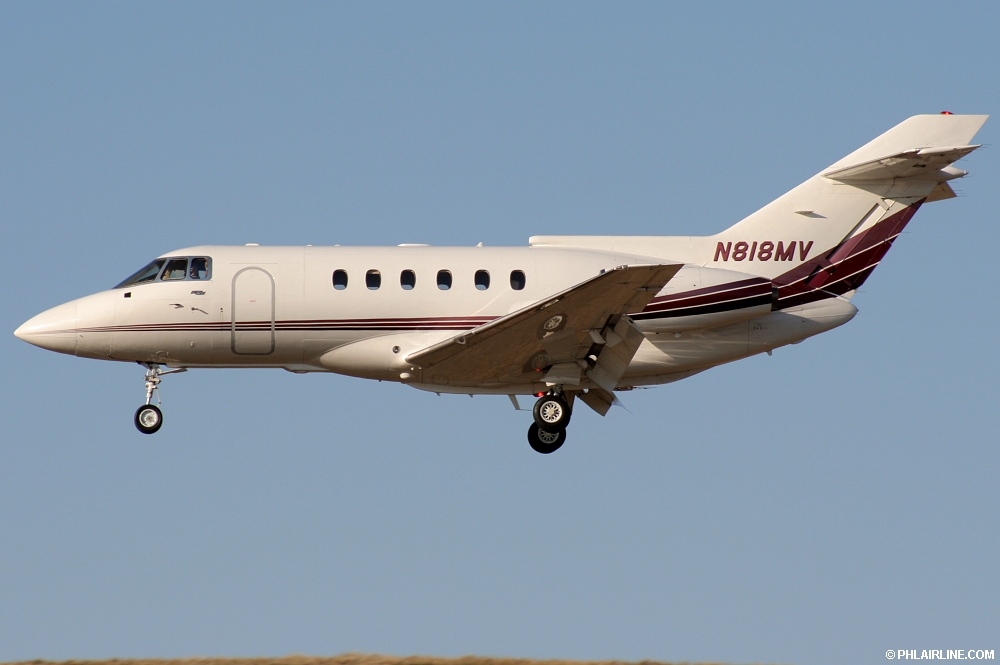
Crash of a BAe 125-800A in Owatonna: 8 killed

Date & Time: Jul 31, 2008 at 0945 LT
Type of aircraft:
Operator:
Registration:
N818MV
Survivors:
No
Schedule:
Atlantic City - Owatonna
MSN:
258186
YOM:
1990
Flight number:
ECJ81
Crew on board:
2
Crew fatalities:
Pax on board:
6
Pax fatalities:
Other fatalities:
Total fatalities:
8
Captain / Total flying hours:
3596
Captain / Total hours on type:
1188.00
Copilot / Total flying hours:
1454
Copilot / Total hours on type:
295
Aircraft flight hours:
6570
Aircraft flight cycles:
5164
Circumstances:
On July 31, 2008, about 0945 central daylight time, East Coast Jets flight 81, a BAe 125-800A airplane, registered N818MV, crashed while attempting to go around after landing on runway 30 at Owatonna Degner Regional Airport, Owatonna, Minnesota. The two pilots and six passengers were killed, and the airplane was destroyed by impact forces. The nonscheduled, domestic passenger flight was operating under the provisions of 14 Code of Federal Regulations Part 135. An instrument flight rules flight plan had been filed and activated; however, it was canceled before the landing. Visual meteorological conditions prevailed at the time of the accident.
Probable cause:
The captain’s decision to attempt a go-around late in the landing roll with insufficient runway remaining. Contributing to the accident were:
- The pilots’ poor crew coordination and lack of cockpit discipline,
- Fatigue, which likely impaired both pilots’ performance, and
- The failure of the Federal Aviation Administration to require crew resource management training and standard operating procedures for Part 135 operators.
Final Report:

Crash of an Eclipse EA500 in West Chester

Date & Time: Jul 30, 2008 at 1830 LT
Type of aircraft:
Operator:
Registration:
N333MY
Flight Type:
Survivors:
Yes
Schedule:
Philadelphia - West Chester
MSN:
113
YOM:
2007
Crew on board:
1
Crew fatalities:
Pax on board:
1
Pax fatalities:
Other fatalities:
Total fatalities:
0
Captain / Total flying hours:
6300
Captain / Total hours on type:
93.00
Aircraft flight hours:
98
Circumstances:
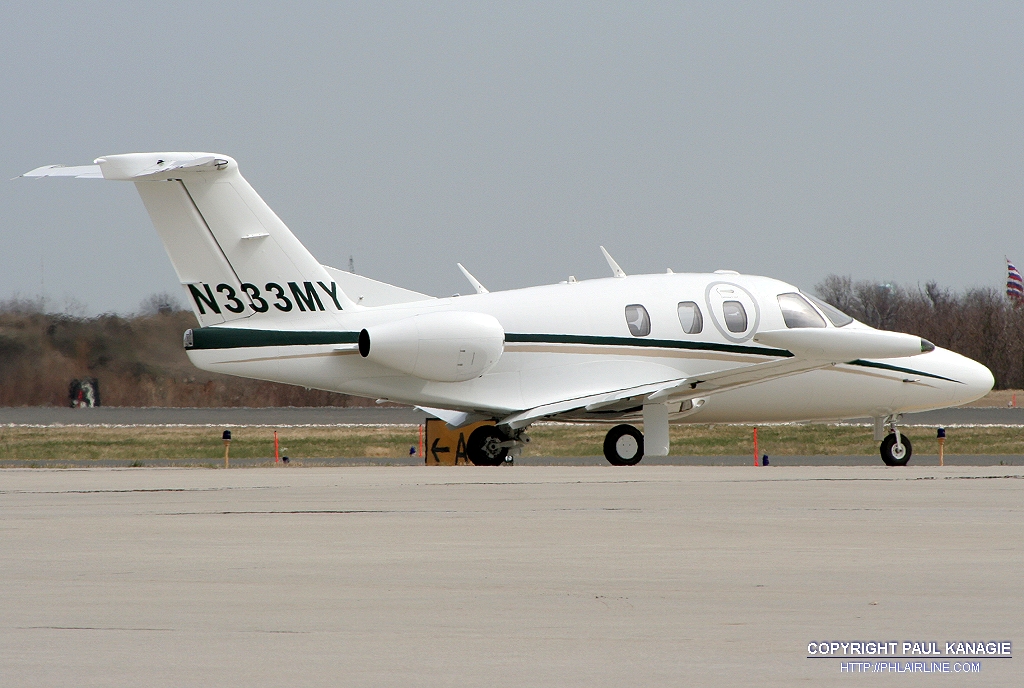
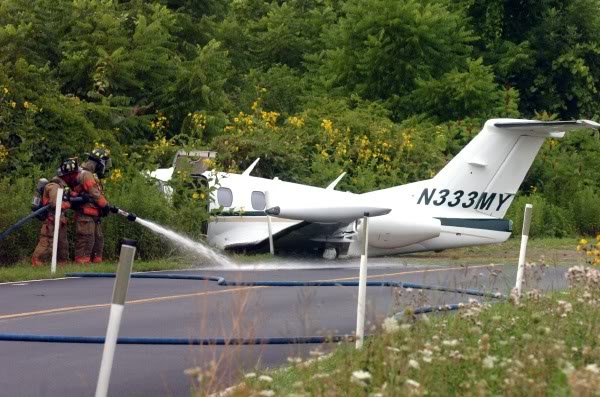
During landing at its home airport, the airplane overran the runway and traveled down a 40-foot embankment before coming to rest against trees and sustaining substantial damage. According to the pilot, his speed on approach was a little fast but he thought it was manageable. Recorded data from the accident airplane revealed that 20 seconds before touchdown, when the pilot selected flaps 30 (landing flaps) the airspeed was approximately 27 knots above the maximum flap extension speed, and as the airplane touched down its airspeed was approximately 14 knots higher than specified for landing. The runway had a displaced threshold with 3,097 feet of runway length available. Skid marks from the accident airplane began approximately 868 feet beyond the displaced threshold, and continued for about 2,229 feet until they left the paved portion of the runway.
Probable cause:
The pilot's failure to obtain the proper touchdown point, and his excessive airspeed on approach.
Final Report:

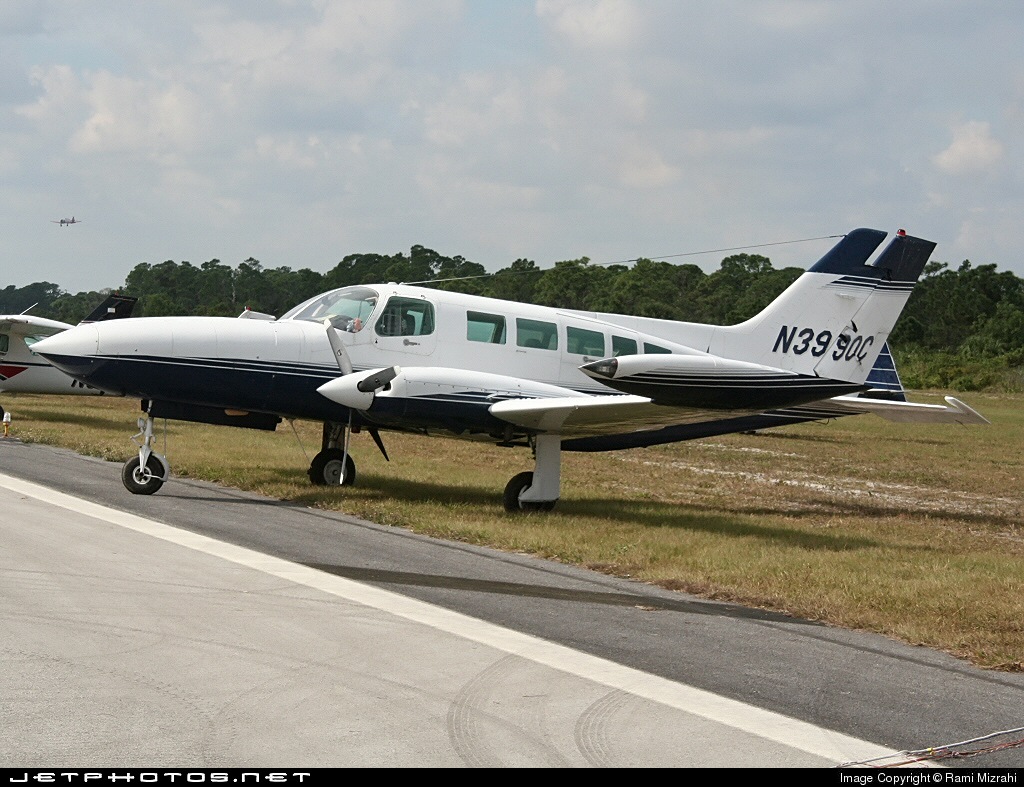
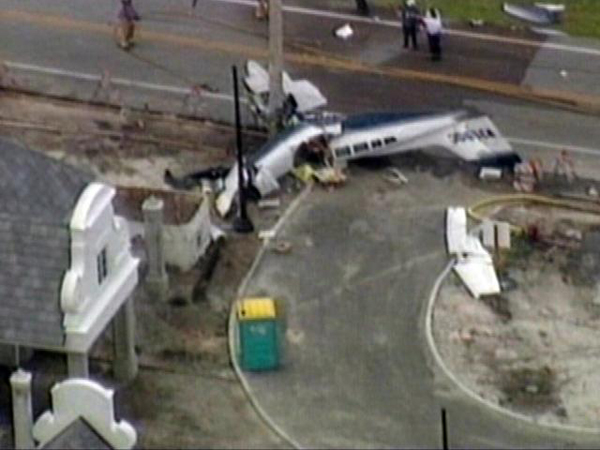
Crash of a Cessna 402B in Ocean Ridge

Date & Time: Jul 22, 2008 at 1350 LT
Type of aircraft:
Registration:
N3990C
Flight Phase:
Flight Type:
Survivors:
Yes
Site:
Schedule:
Lantana - Pompano Beach
MSN:
402B-0857
YOM:
1975
Crew on board:
1
Crew fatalities:
Pax on board:
0
Pax fatalities:
Other fatalities:
Total fatalities:
0
Captain / Total flying hours:
1565
Aircraft flight hours:
7222
Circumstances:
The commercial pilot, who was also the former owner of the twin-engine airplane, stated that the purpose of the flight was to reposition the airplane to an airport approximately 22 miles south of the departure airport. Just prior to the flight, he purchased 10 gallons of fuel for each of the two main tanks. The pilot reported that about 5 minutes after takeoff, at an altitude of approximately 1,000 feet, he experienced a "loss of engine power." However, his three separate accounts of the event were inconsistent with respect to which engine had a problem, or the specific nature of the problem. The pilot reported that the airplane started to lose altitude "rapidly," and that he attempted to "wag the wings" in order to "get all the fuel to be useable." The airplane struck a building and terrain approximately 8 miles south of the departure airport. The pilot sustained serious injuries, but there was no fire. Damage to the left engine and propeller was consistent with the engine running at impact, and precluded an attempt to run the left engine in a test cell. Damage to the right engine and propeller was consistent with low or no power at impact. The right engine was subsequently successfully run in a test cell. No evidence of any pre-accident anomalies that could have contributed to the accident was noted with the airframe, engines, or propellers. The fuel selector valve placards did not accurately depict the fuel system configuration. The fuel quantity and its distribution in the tanks, either at the beginning of the flight or at the time of the accident, could not be determined.
Probable cause:
A partial loss of engine power due to fuel starvation. Contributing to the accident was the pilot’s decision to add only a limited amount of fuel prior to the flight, and the fuel selector valve placards' inaccurate depiction of the airplane fuel tank configuration.
Final Report: