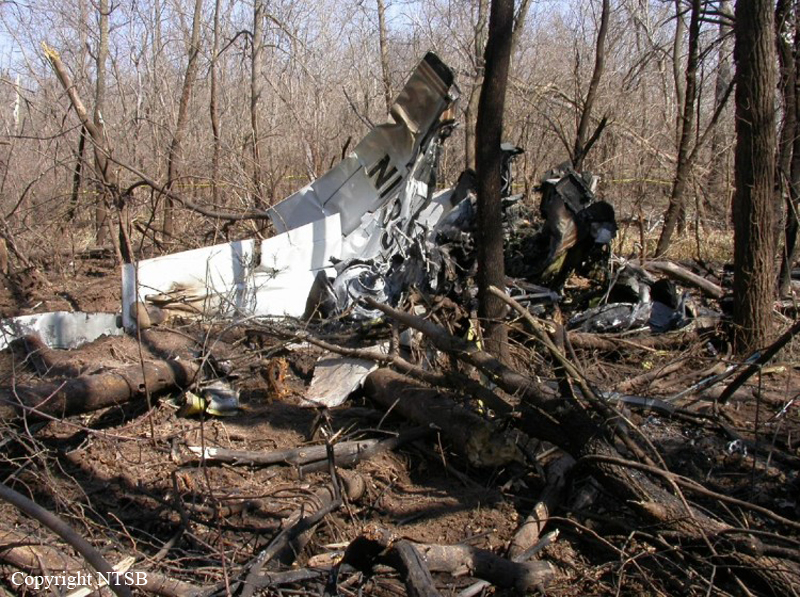
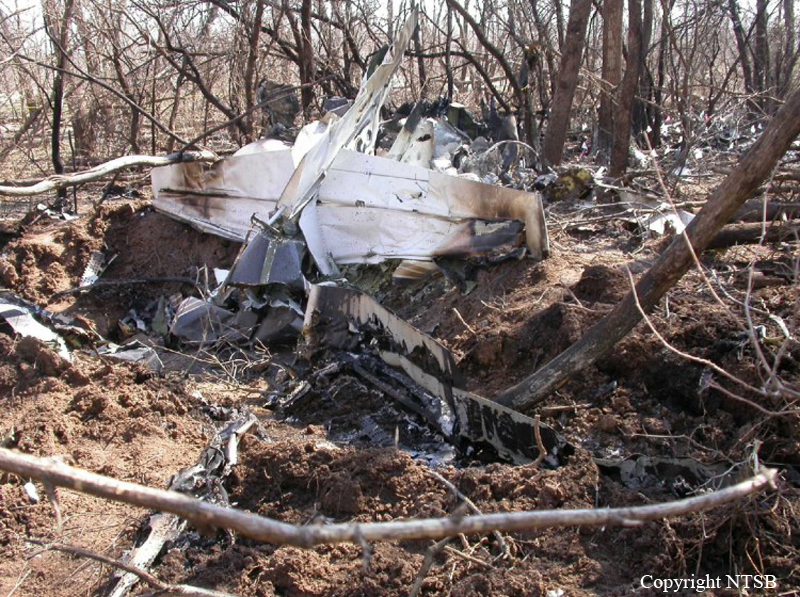
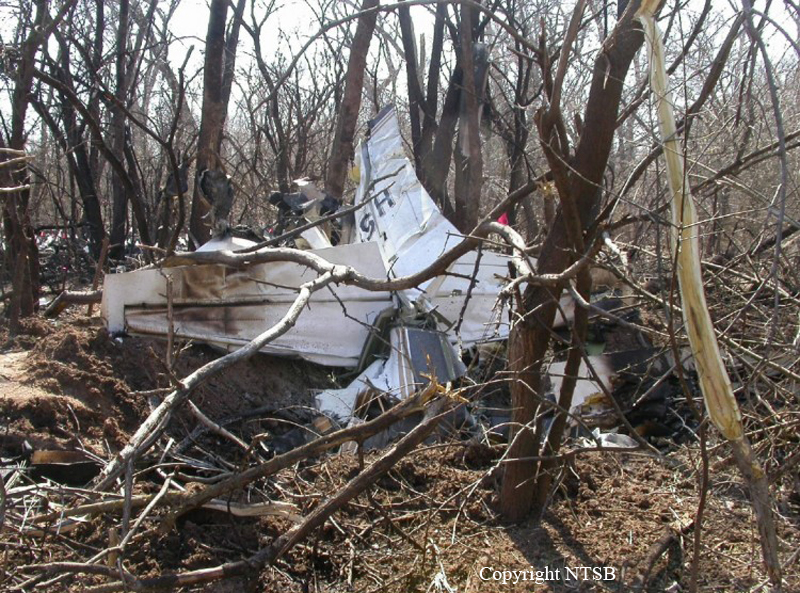
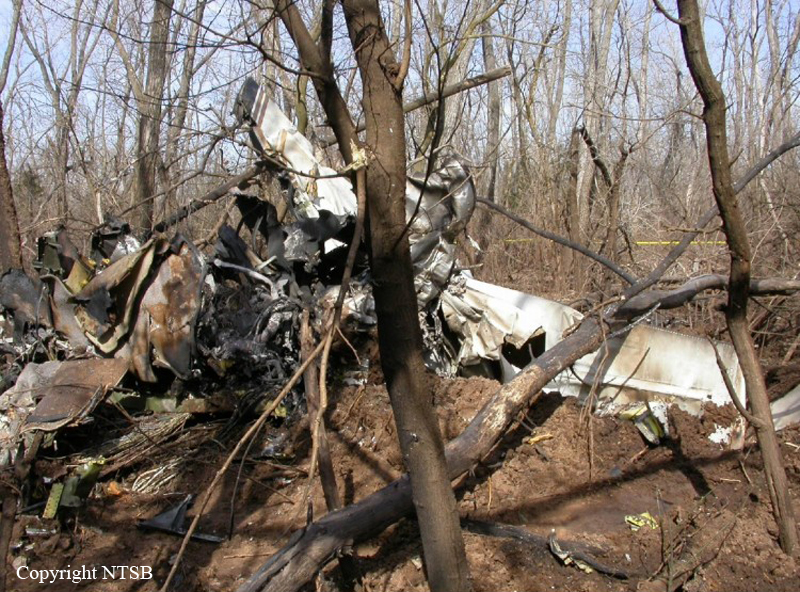
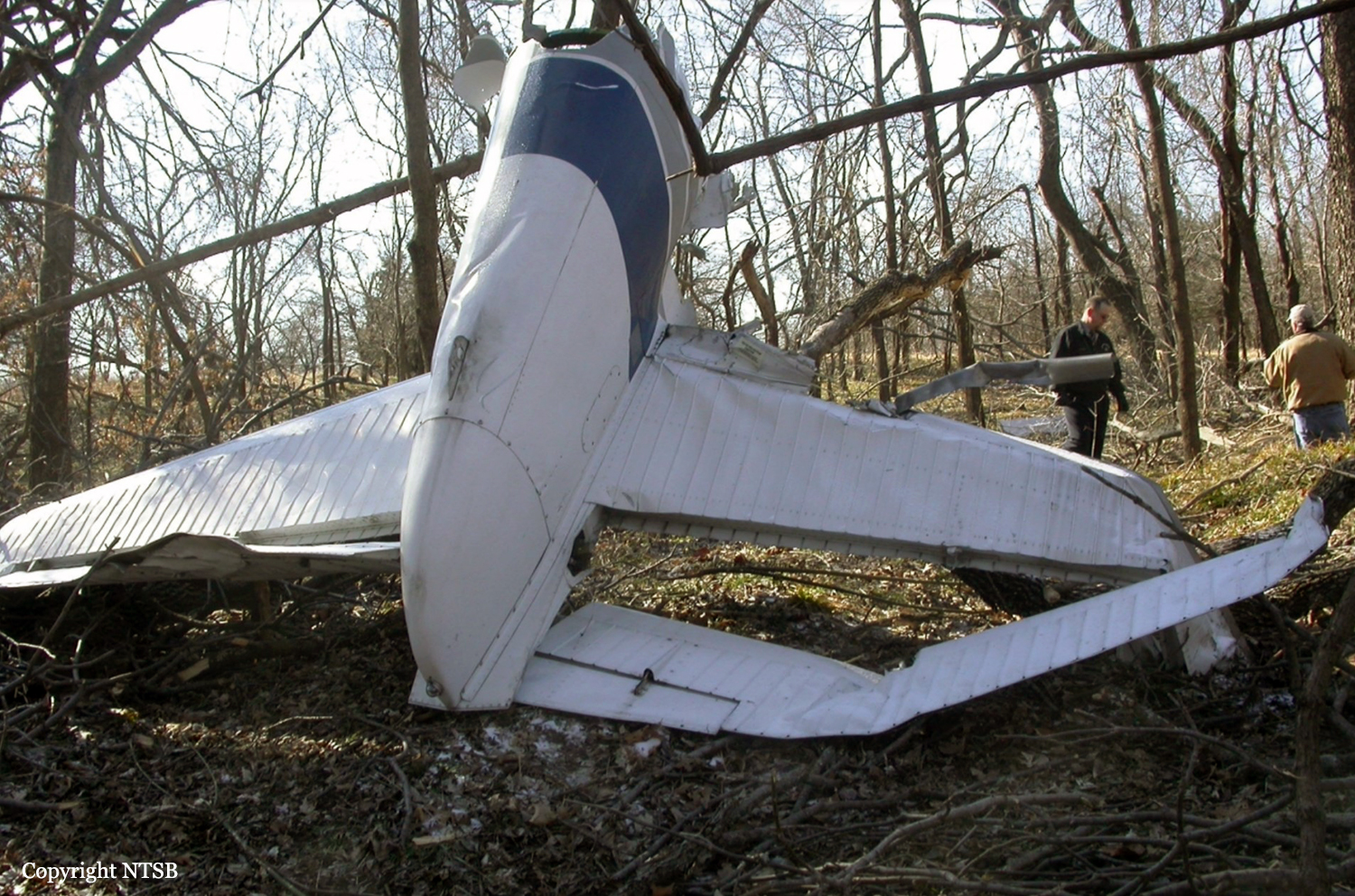
Crash of a Cessna 500 Citation I in Oklahoma City: 5 killed

Date & Time: Mar 4, 2008 at 1515 LT
Type of aircraft:
Operator:
Registration:
N113SH
Flight Phase:
Survivors:
No
Schedule:
Oklahoma City - Mankato
MSN:
500-0285
YOM:
1975
Crew on board:
2
Crew fatalities:
Pax on board:
3
Pax fatalities:
Other fatalities:
Total fatalities:
5
Captain / Total flying hours:
6100
Copilot / Total flying hours:
1378
Copilot / Total hours on type:
2
Aircraft flight hours:
6487
Circumstances:
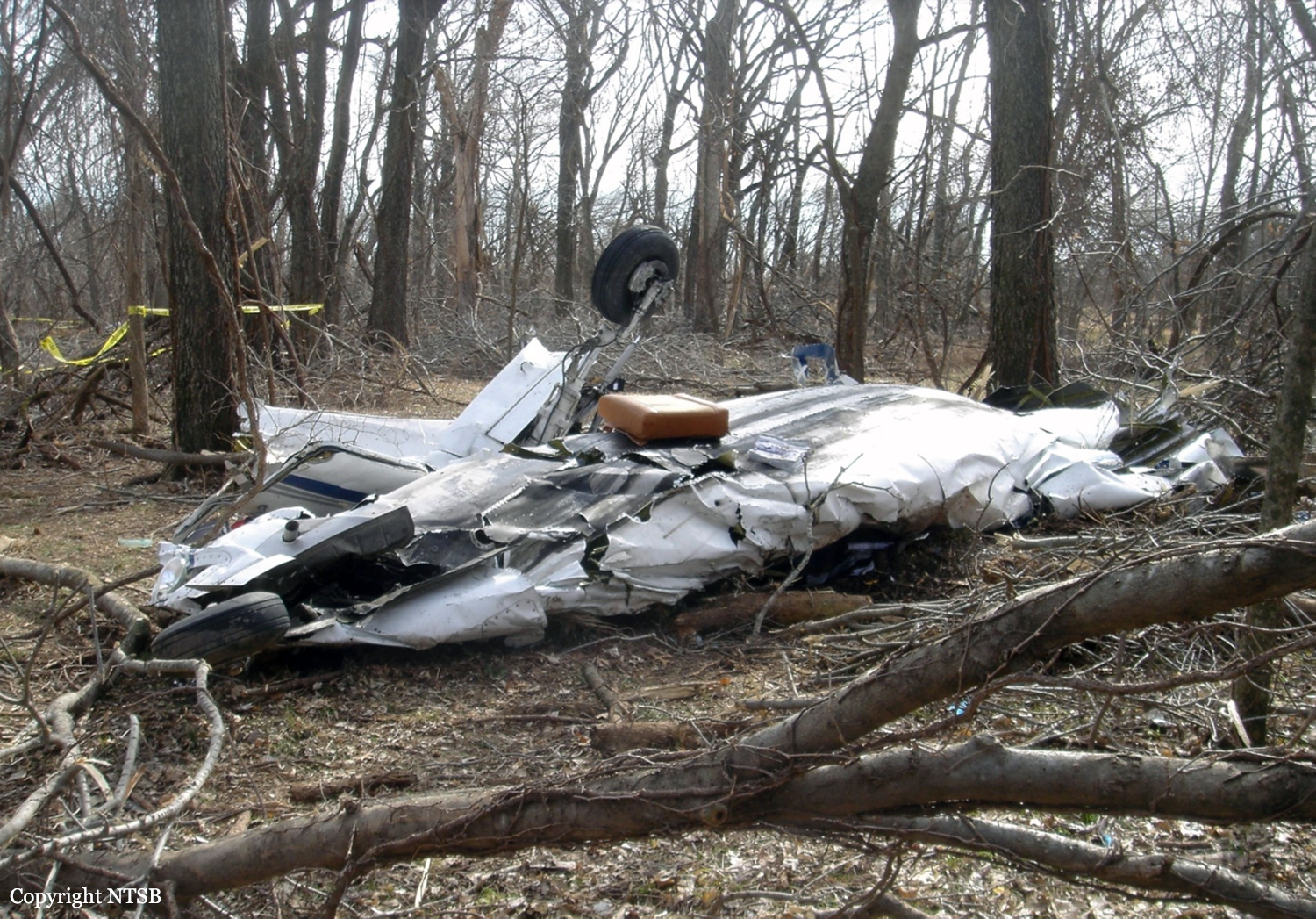
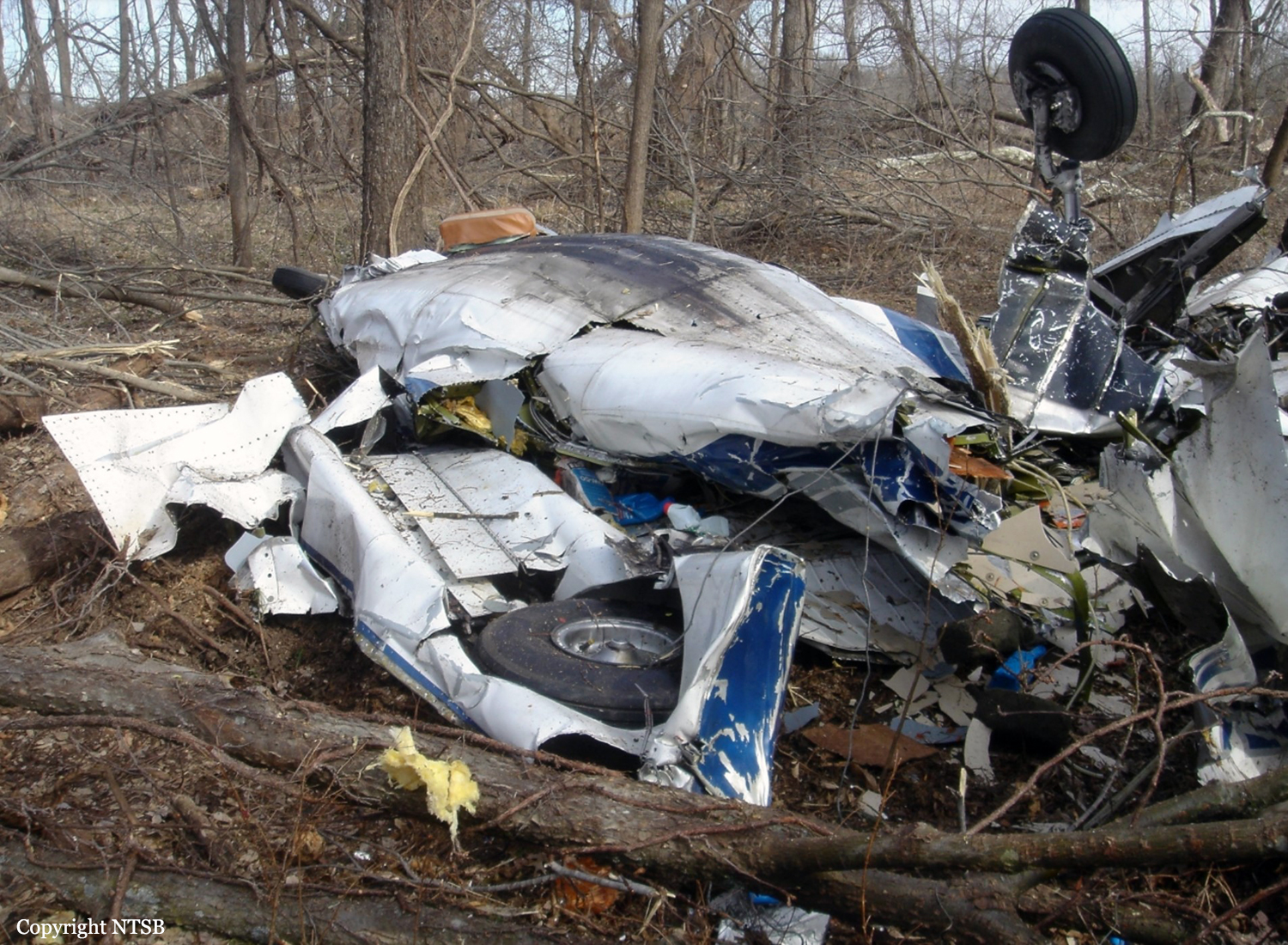
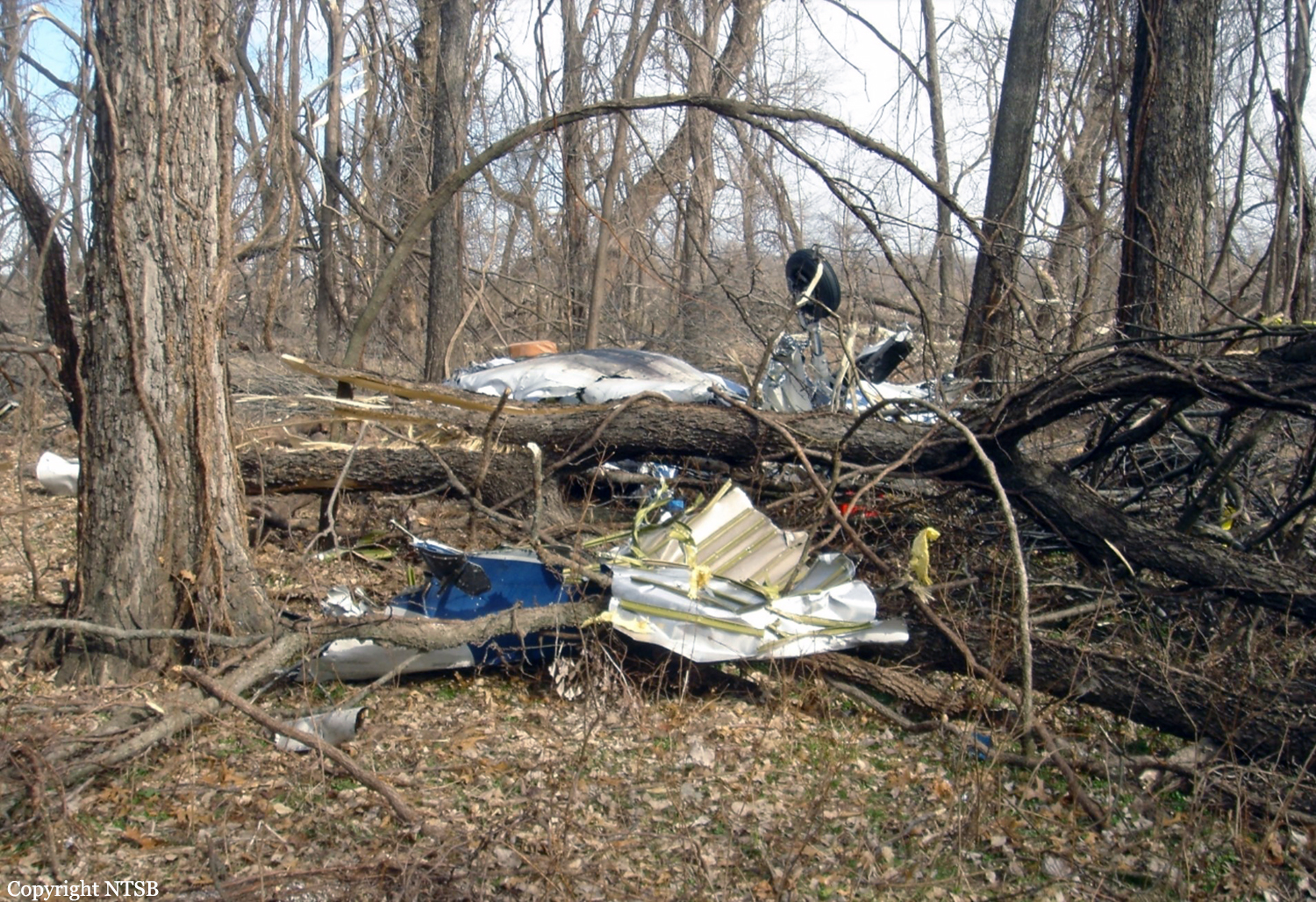
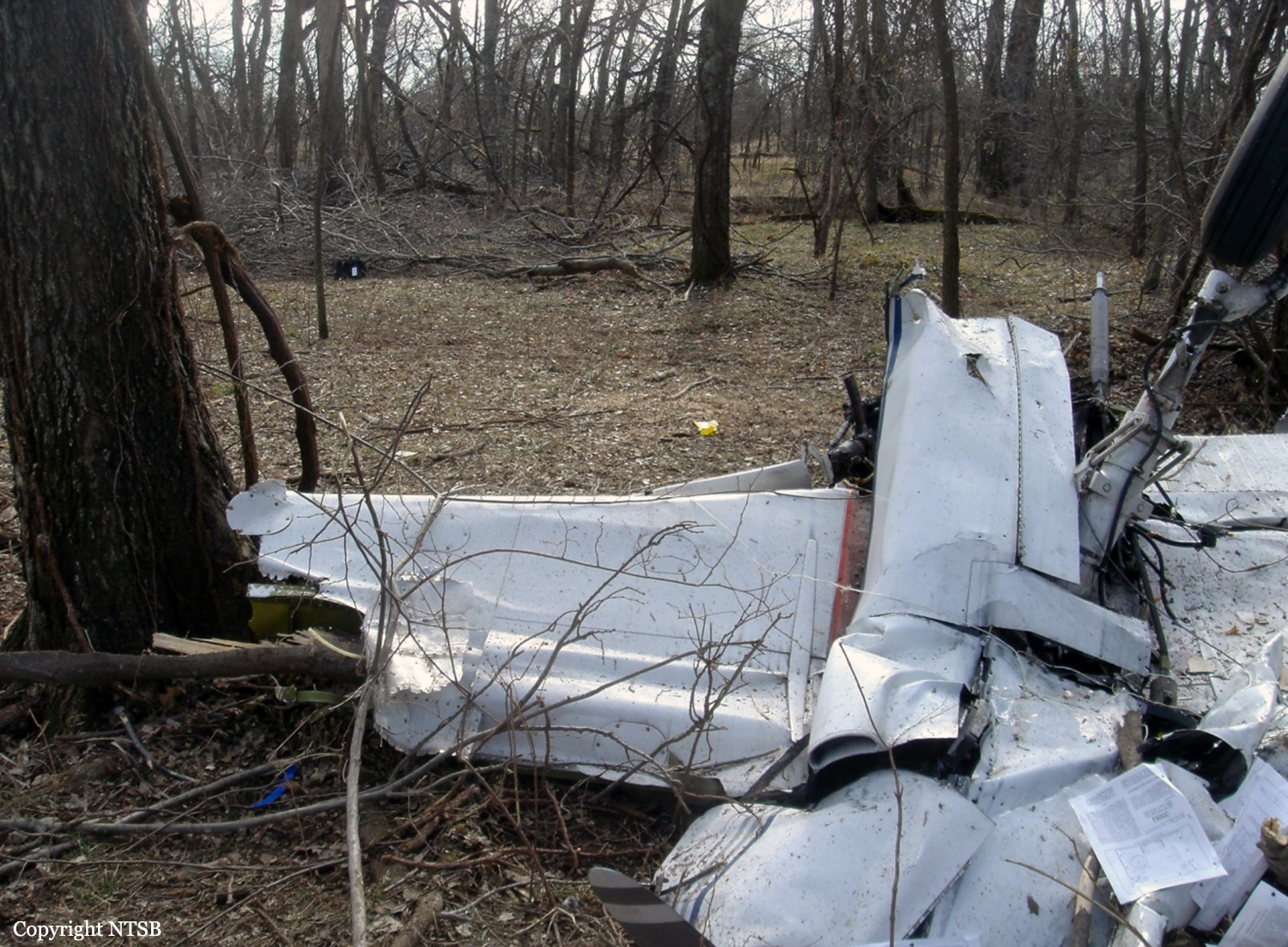
On March 4, 2008, about 1515 central standard time, a Cessna 500, N113SH, registered to Southwest Orthopedic & Sports Medicine Clinic PC of Oklahoma City, Oklahoma, entered a steep descent and crashed about 2 minutes after takeoff from Wiley Post Airport (PWA) in Oklahoma City. None of the entities associated with the flight claimed to be its operator. The pilot, the second pilot, and the three passengers were killed, and the airplane was destroyed by impact forces and post crash fire. The flight was operated under 14 Code of Federal Regulations (CFR) Part 91 with an instrument flight rules flight plan filed. Visual meteorological conditions prevailed. The flight originated from the ramp of Interstate Helicopters (a 14 CFR Part 135 on demand helicopter operator at PWA) and was en route to Mankato Regional Airport, Mankato, Minnesota, carrying company executives who worked for United Engines and United Holdings, LLC.
Probable cause:
Airplane wing-structure damage sustained during impact with one or more large birds (American white pelicans), which resulted in a loss of control of the airplane.
Final Report:

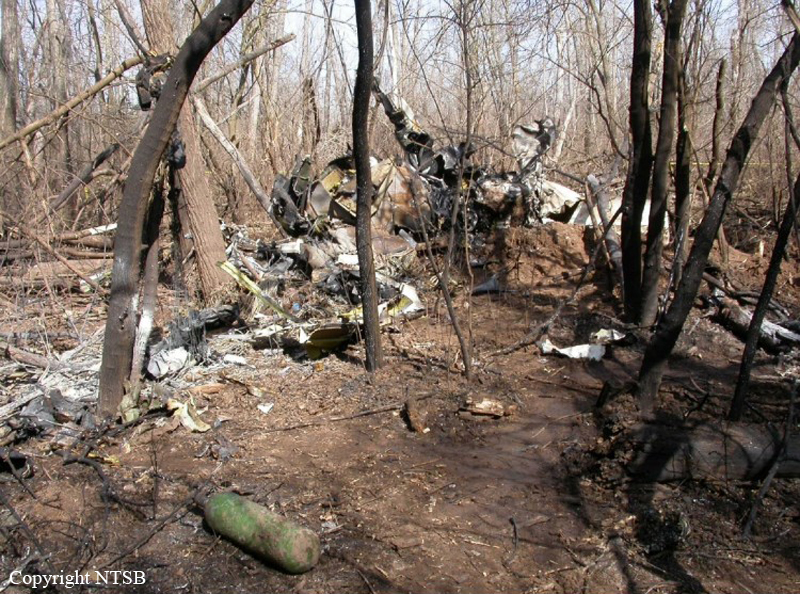
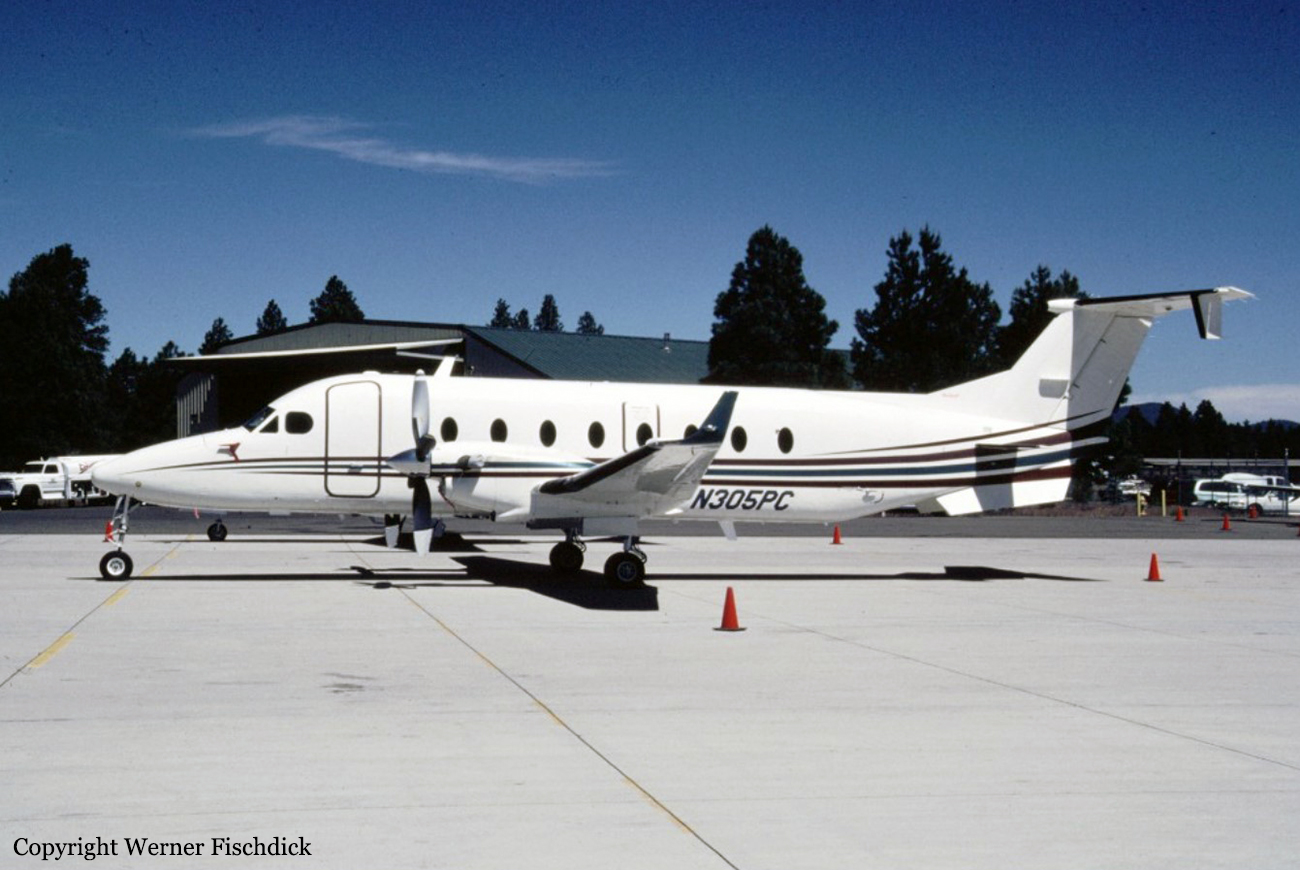
Crash of a Beechcraft 1900D in Kayenta

Date & Time: Feb 22, 2008 at 0745 LT
Type of aircraft:
Operator:
Registration:
N305PC
Survivors:
Yes
Schedule:
Flagstaff – Kayenta
MSN:
UE-299
YOM:
1997
Crew on board:
2
Crew fatalities:
Pax on board:
18
Pax fatalities:
Other fatalities:
Total fatalities:
0
Captain / Total flying hours:
5080
Captain / Total hours on type:
2700.00
Copilot / Total flying hours:
5524
Copilot / Total hours on type:
4207
Aircraft flight hours:
6497
Circumstances:
The captain initially flew the GPS (global positioning system) runway 2 approach down to minimums and executed a missed approach. The approach chart listed the minimum visibility for the straight-in approach as 1 mile, the minimum descent altitude (MDA) as 6,860 feet mean sea level (329 feet above ground level), and the missed approach point as the runway threshold. The audio information extracted from the CVR indicated the flight crew listened to the automated weather station at the airport twice during the second approach; both times the report stated, in part, "visibility one half [mile] light snow sky conditions ceiling two hundred broken one thousand overcast." At 0744:09, the first officer said, "there's MDA," and at 0744:27, "there's the runway right below ya." The CVR recorded the ground proximity warning system (GPWS) audio alert "sink rate, sink rate, sink rate, sink rate" at 0744:37, the sound of touchdown at 0744:52, and the sound of impact at 0745:00. According to both pilots, the airplane touched down even with the midfield windsock. The captain applied brakes and full reverse on both propellers; however, the airplane did not slow down and continued off the end of the runway, impacted and knocked down a chain link fence, and continued into downsloping rough terrain. The landing gear collapsed and the airplane slid to a stop. The operator reported that there was 2 to 3 inches of slush on the runway. The runway was equipped with pilot activated medium intensity runway lights, runway end identifier lights, and a visual approach slope indicator. The first officer said that on both approaches, he attempted to turn on the lights, but the lights did not activate. The Federal Aviation Regulation that specifies the instrument flight rules for takeoff and landing states, in part, that no pilot may operate an aircraft below the authorized MDA unless (1) the aircraft is continuously in a position from which a descent to a landing on the intended runway can be made at a normal rate of descent using normal maneuvers, and (2) the flight visibility is not less than the visibility prescribed in the standard instrument approach being used. The regulation further states that if these conditions are not met when the aircraft is being operated below the MDA or upon arrival at the missed approach point, the pilot shall immediately execute an appropriate missed approach procedure. In this case, the minimum required visibility was 1 mile versus the 1/2- mile visibility reported by the automated weather station. Additionally, the activation of the GPWS "sink rate" audio alert indicates a normal rate of descent was exceeded during the landing. Both of these conditions should have prompted the flight crew to execute a missed approach, which would have prevented the accident.
Probable cause:
The flight crew's failure to execute a missed approach, which resulted in a runway excursion after landing. Contributing to the accident were the inoperative lights, weather conditions below published approach minimums, and the slush contaminated runway.
Final Report:

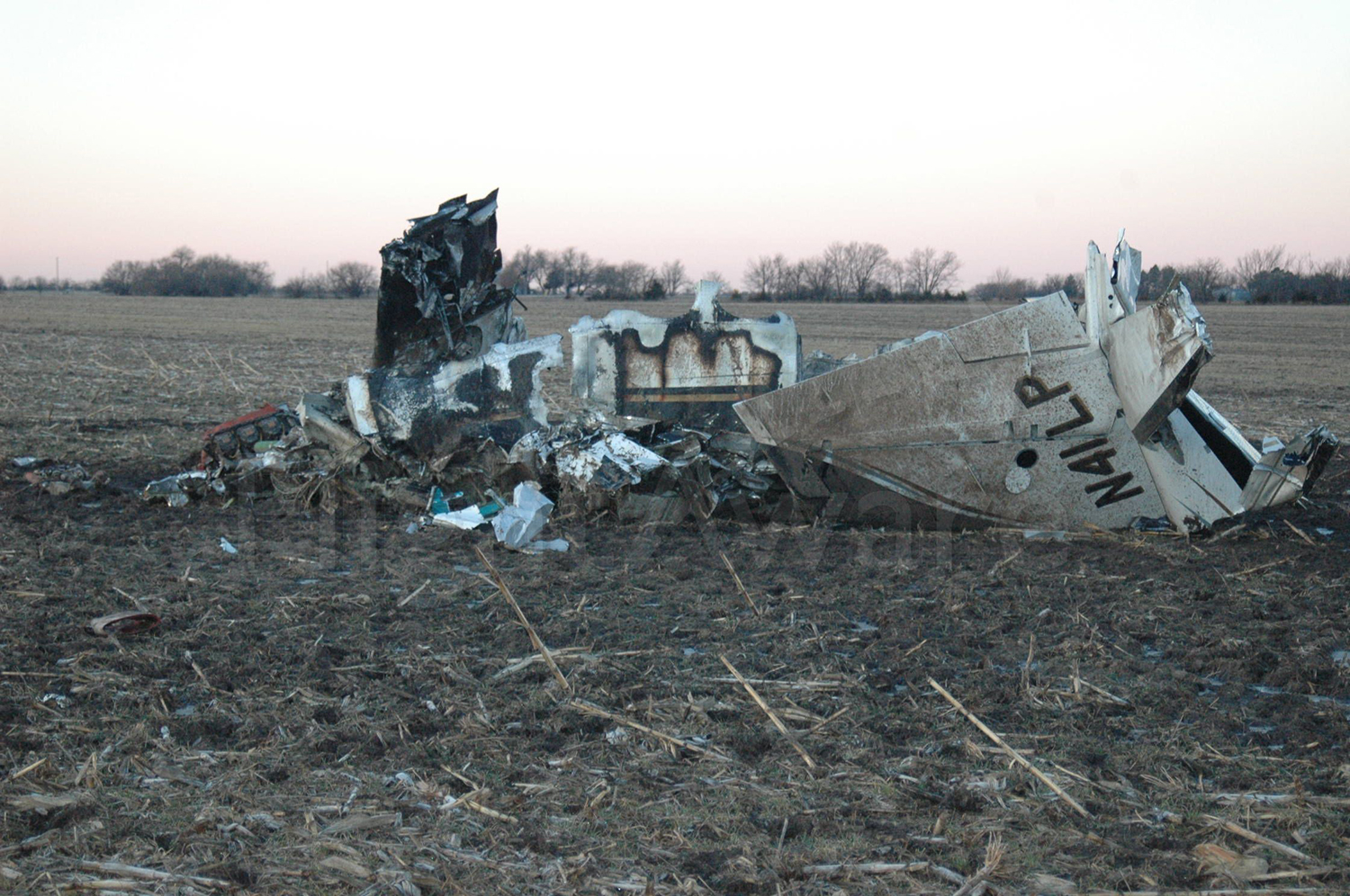
Crash of a Cessna 414 Chancellor in Benton: 2 killed

Date & Time: Feb 16, 2008 at 1845 LT
Type of aircraft:
Operator:
Registration:
N41LP
Flight Phase:
Flight Type:
Survivors:
No
Schedule:
Benton - Wichita
MSN:
414-0491
YOM:
1980
Location:
Crew on board:
1
Crew fatalities:
Pax on board:
1
Pax fatalities:
Other fatalities:
Total fatalities:
2
Captain / Total flying hours:
565
Captain / Total hours on type:
52.00
Aircraft flight hours:
6656
Circumstances:
According to witnesses, the airplane departed runway 35 and was observed flying in and out of the clouds. Several of the witnesses observed the airplane initiate a turn to the west. One witnesses commented that it was dark but he could still see the silhouette of the airplane. He observed the airplane descend below the trees. All of the witnesses reported flames and "fireballs." On scene evidence was consistent with the airplane impacting trees in a left turn. The airplane was destroyed. An examination of the airplane, flight controls, engines, and remaining systems revealed no anomalies. Weather observations and radar data depicted low clouds, and restricted visibility due to rain and mist, in the vicinity of the airport. Toxicological examination revealed cetirizine, an antihistamine, consistent with use within the previous 12 hours. Most studies have not found any significant impairment from the medication, though it is reported to cause substantial sedation in some individuals.
Probable cause:
The pilot's failure to maintain clearance from the trees. Contributing to the accident was the pilot's flight into known adverse weather conditions and the low clouds and visibility.
Final Report:

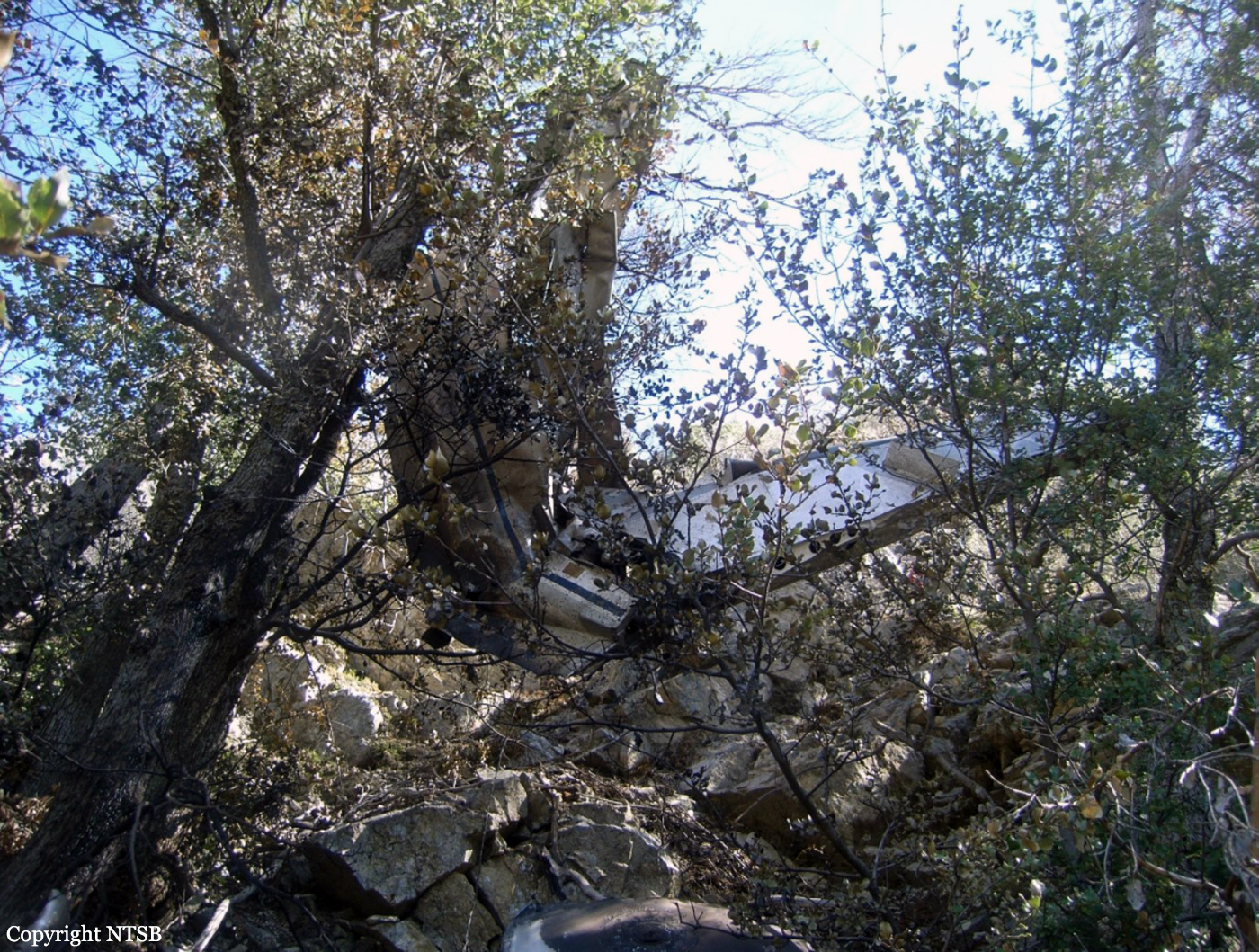
Crash of a Cessna 340A near Cabazon: 4 killed

Date & Time: Feb 2, 2008 at 1340 LT
Type of aircraft:
Registration:
N354TJ
Flight Phase:
Flight Type:
Survivors:
No
Site:
Schedule:
Palm Springs – Chino
MSN:
340A-0042
YOM:
1976
Crew on board:
1
Crew fatalities:
Pax on board:
3
Pax fatalities:
Other fatalities:
Total fatalities:
4
Captain / Total flying hours:
5972
Circumstances:
The airplane departed under daytime visual meteorological conditions on a cross-country flight from an airport on the east side of a mountain range to a destination on the west side of the mountains. The airplane, which had been receiving flight following, then collided with upsloping mountainous terrain in a mountain pass while in controlled flight after encountering instrument meteorological conditions. The controller terminated radar services due to anticipation of losing radar coverage within the mountainous pass area, and notified the pilot to contact the next sector once through the pass while staying northwest of an interstate highway due to opposing traffic on the south side of the highway. The pilot later contacted the controller asking if he still needed to remain on a northwesterly heading. The controller replied that he never assigned a northwesterly heading. No further radio communications were received from the accident airplane. Radar data revealed that while proceeding on a northeasterly course, the airplane climbed to an altitude of 6,400 feet mean sea level (msl). A few minutes later, the radar data showed the airplane turning to an easterly heading and initiating a climb to an altitude of 6,900 feet msl. The airplane then started descending in a right turn from 6,900 feet to 5,800 feet msl prior to it being lost from radar contact about 0.65 miles southeast of the accident site. A weather observation station located at the departure airport reported a scattered cloud layer at 10,000 feet above ground level (agl). A weather observation system located about 29 miles southwest of the accident site reported a broken cloud layer at 4,000 feet agl. A pilot, who was flying west bound at 8,500 feet through the same pass around the time of the accident, reported overcast cloud coverage in the area of the accident site that extended west of the mountains. The pilot stated that the ceiling was around 4,000 feet msl and the tops of the clouds were 7,000 feet msl or higher throughout the area. Postaccident examination of the airframe and both engines revealed no anomalies that would have precluded normal operation.
Probable cause:
The pilot's continued visual flight into instrument meteorological conditions and failure to maintain terrain clearance while en route. Contributing to the accident were clouds and mountainous terrain.
Final Report:

Crash of a Cessna 525A CitationJet CJ1 in West Gardiner: 2 killed

Date & Time: Feb 1, 2008 at 1748 LT
Type of aircraft:
Registration:
N102PT
Flight Phase:
Flight Type:
Survivors:
No
Schedule:
Augusta - Lincoln
MSN:
525-0433
YOM:
2001
Crew on board:
1
Crew fatalities:
Pax on board:
1
Pax fatalities:
Other fatalities:
Total fatalities:
2
Captain / Total flying hours:
3522
Aircraft flight hours:
1650
Aircraft flight cycles:
1700
Circumstances:
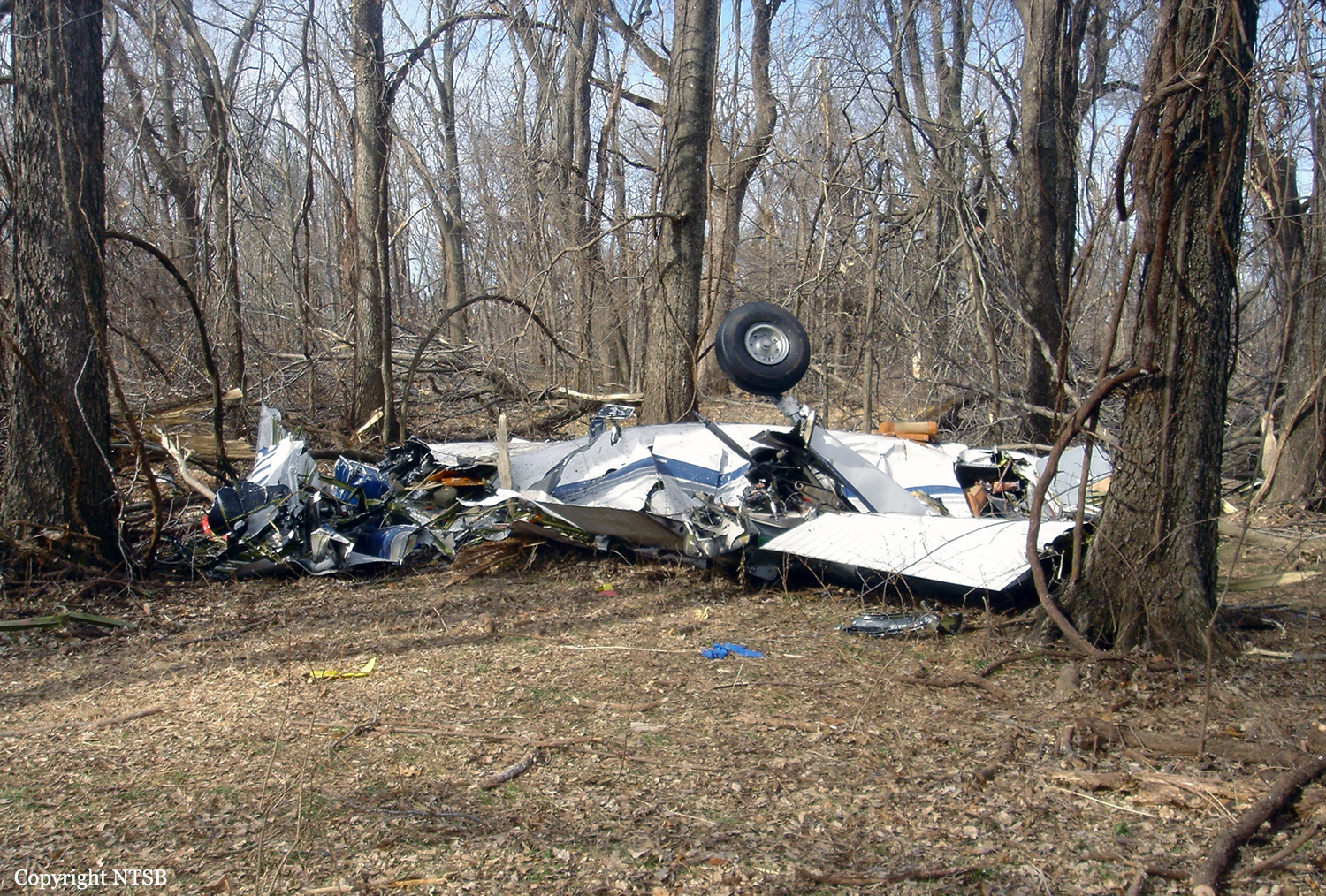
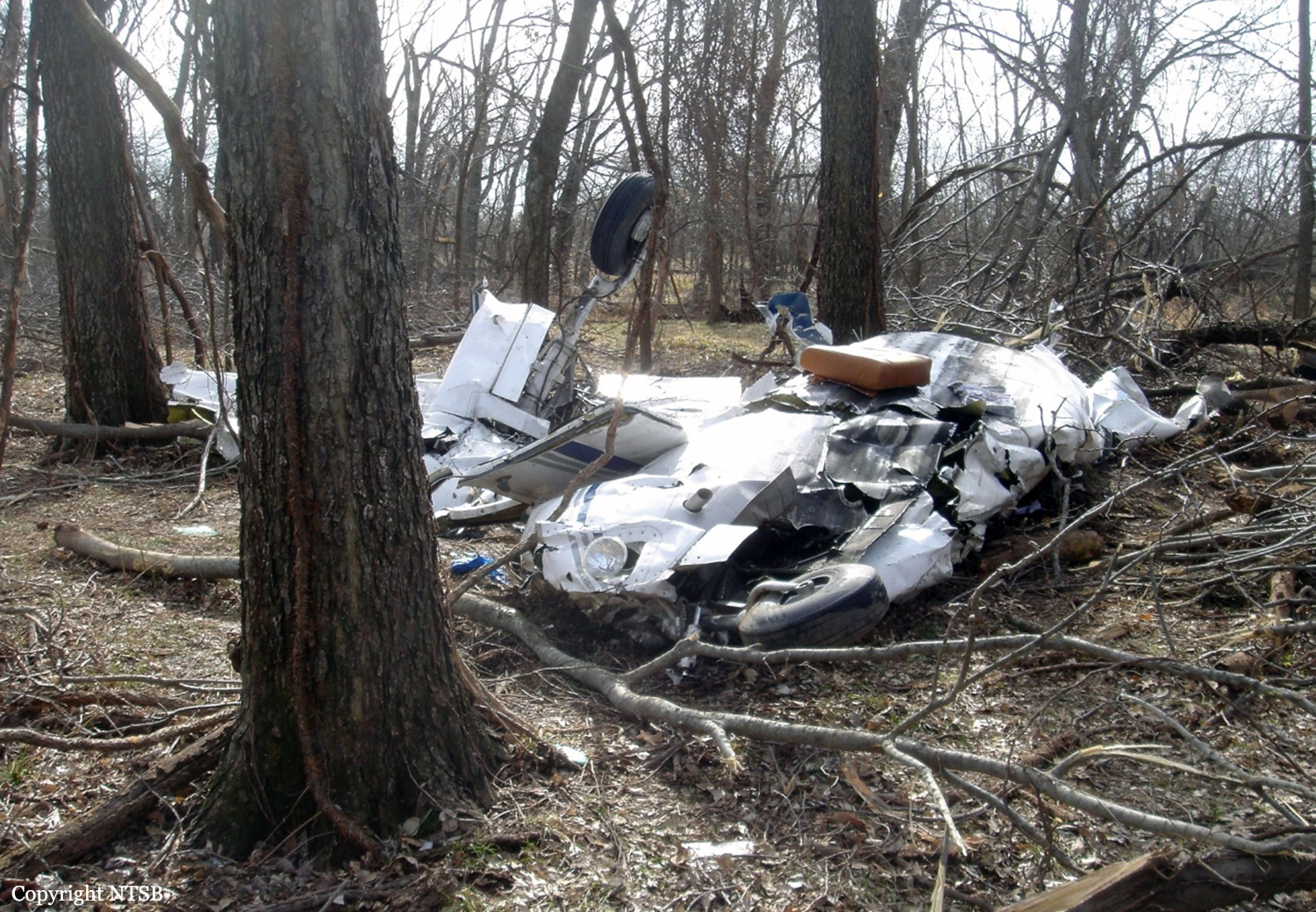
The instrument-rated private pilot departed on an instrument flight rules (IFR) cross-country flight plan in near-zero visibility with mist, light freezing rain, and moderate mixed and clear icing. After departure, and as the airplane entered a climbing right turn to a track of about 260 degrees, the pilot reported to air traffic control that she was at 1,000 feet, climbing to 10,000 feet. The flight remained on a track of about 260 degrees and continued to accelerate and climb for 38 seconds. The pilot then declared an emergency, stating that she had an attitude indicator failure. At that moment, radar data depicted the airplane at 3,500 feet and 267 knots. Thirteen seconds later, the pilot radioed she wasn't sure which way she was turning. The transmission ended abruptly. Radar data indicated that at the time the transmission ended the airplane was in a steep, rapidly descending left turn. The fragmented airplane wreckage, due to impact and subsequent explosive forces, was located in a wooded area about 6 miles south-southwest of the departure airport. Examination of the accident site revealed a near vertical high-speed impact consistent with an in-flight loss of control. The on-site examination of the airframe remnants did not show evidence of preimpact malfunction. Examination of recovered engine remnants revealed evidence that both engines were producing power at the time of impact and no preimpact malfunctions with the engines were noted. The failure, single or dual, of the attitude indicator is listed as an abnormal event in the manufacturer's Pilot's Abbreviated Emergency/Abnormal Procedures. The airplane was equipped with three different sources of attitude information: one incorporated in the primary flight display unit on the pilot's side, another single instrument on the copilot's side, and the standby attitude indicator. In the event of a dual failure, on both the pilot and copilot sides, aircraft control could be maintained by referencing to the standby attitude indicator, which is in plain view of the pilot. The indicators are powered by separate sources and, during the course of the investigation, no evidence was identified that indicated any systems, including those needed to maintain aircraft control, failed. The pilot called for a weather briefing while en route to the airport 30 minutes prior to departure and acknowledged the deteriorating weather during the briefing. Additionally, the pilot was eager to depart, as indicated by comments that she made before her departure that she was glad to be leaving and that she had to go. Witnesses indicated that as she was departing the airport she failed to activate taxi and runway lights, taxied on grass areas off taxiways, and announced incorrect taxi instructions and runways. Additionally, no Federal Aviation Administration authorization for the pilot to operate an aircraft between 29,000 feet and 41,000 feet could be found; the IFR flight plan was filed with an en route altitude of 38,000 feet. The fact that the airplane was operating at night in instrument meteorological conditions and the departure was an accelerating climbing turn, along with the pilot's demonstrated complacency, created an environment conducive to spatial disorientation. Given the altitude and speed of the airplane, the pilot would have only had seconds to identify, overcome, and respond to the effects of spatial disorientation.
Probable cause:
The pilot's spatial disorientation and subsequent failure to maintain airplane control.
Final Report:

Ground accident of a Rockwell Sabreliner 80 in Fort Lauderdale

Date & Time: Feb 1, 2008 at 1542 LT
Type of aircraft:
Operator:
Registration:
N3RP
Flight Phase:
Flight Type:
Survivors:
Yes
Schedule:
Fort Lauderdale - Brooksville
MSN:
380-42
YOM:
1976
Crew on board:
2
Crew fatalities:
Pax on board:
0
Pax fatalities:
Other fatalities:
Total fatalities:
0
Captain / Total flying hours:
8500
Captain / Total hours on type:
350.00
Copilot / Total flying hours:
14400
Copilot / Total hours on type:
360
Aircraft flight hours:
5825
Circumstances:
The Rockwell International Sabreliner had just been released from the repair station following several months of maintenance, primarily for structural corrosion control and repair. According to the pilots, they began to taxi away from the repair station. Initially, the brakes and steering were satisfactory, but then failed. The airplane then contacted several other airplanes and a tug with an airplane in tow, before coming to a stop. The airplane incurred substantial damage as a result of the multiple collisions. Neither crewmember heard or saw any annunciations to alert them to a hydraulic system problem. Postaccident examination revealed that there was no pressure in the normal hydraulic system, as expected, and that the auxiliary system pressure was adequate to facilitate emergency braking. Additional examination and testing revealed that the aural warning for low hydraulic system pressure was inoperative, but all other hydraulic, steering, and braking systems functioned properly. Both the pilot and copilot were type-rated in the Sabreliner, and each had approximately 350 hours of flight time in type. Neither crewmember had any time in Sabreliners in the 90 days prior to the accident. Operation of the emergency braking system in the airplane required switching the system on, waiting for system pressure to decrease to 1,700 pounds per square inch (psi), pulling the "T" handle, and then pumping the brake pedals 3 to 5 times. In addition, the system will not function if both the pilot's and copilot's brake pedals are depressed simultaneously. The investigation did not uncover any evidence to suggest the crew turned on the auxiliary hydraulic system, or waited for the system pressure to decrease to 1,700 psi in their attempt to use the emergency braking system.
Probable cause:
The depletion of pressure in the normal hydraulic system for an undetermined reason, and the pilots' failure to properly operate the emergency braking system. Contributing to the accident was an inoperative hydraulic system aural warning.
Final Report:

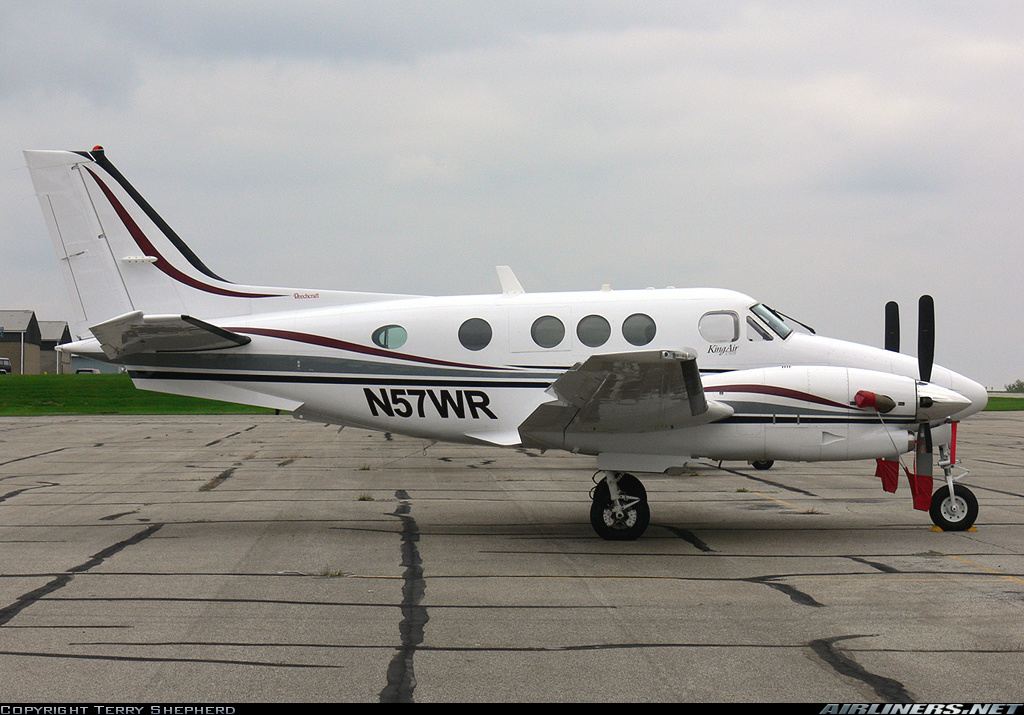
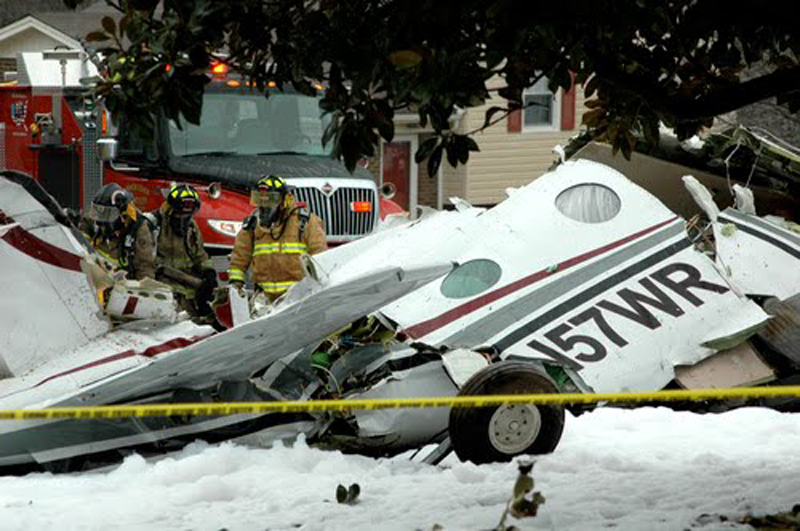
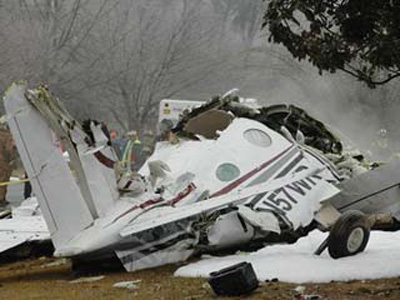
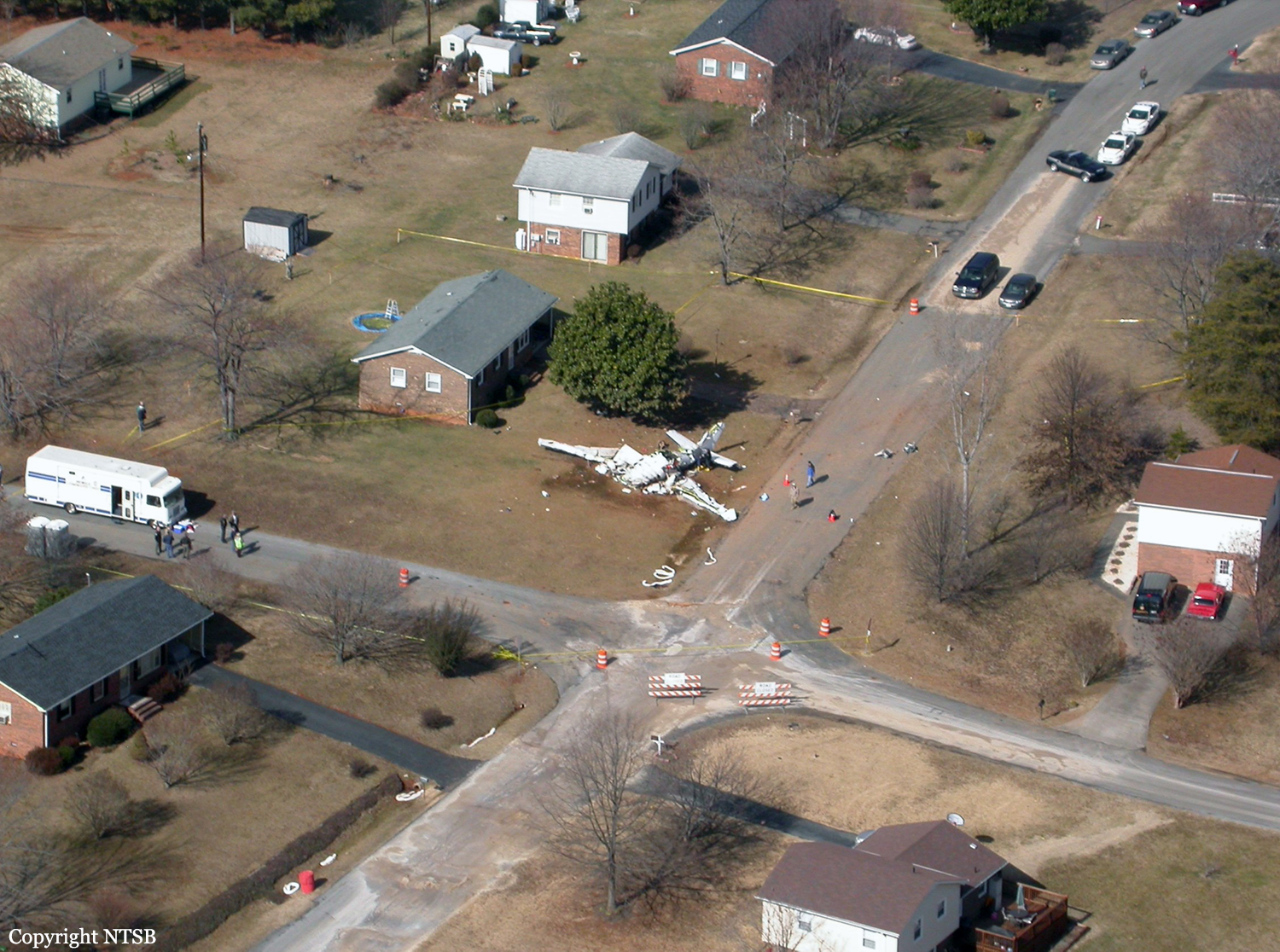
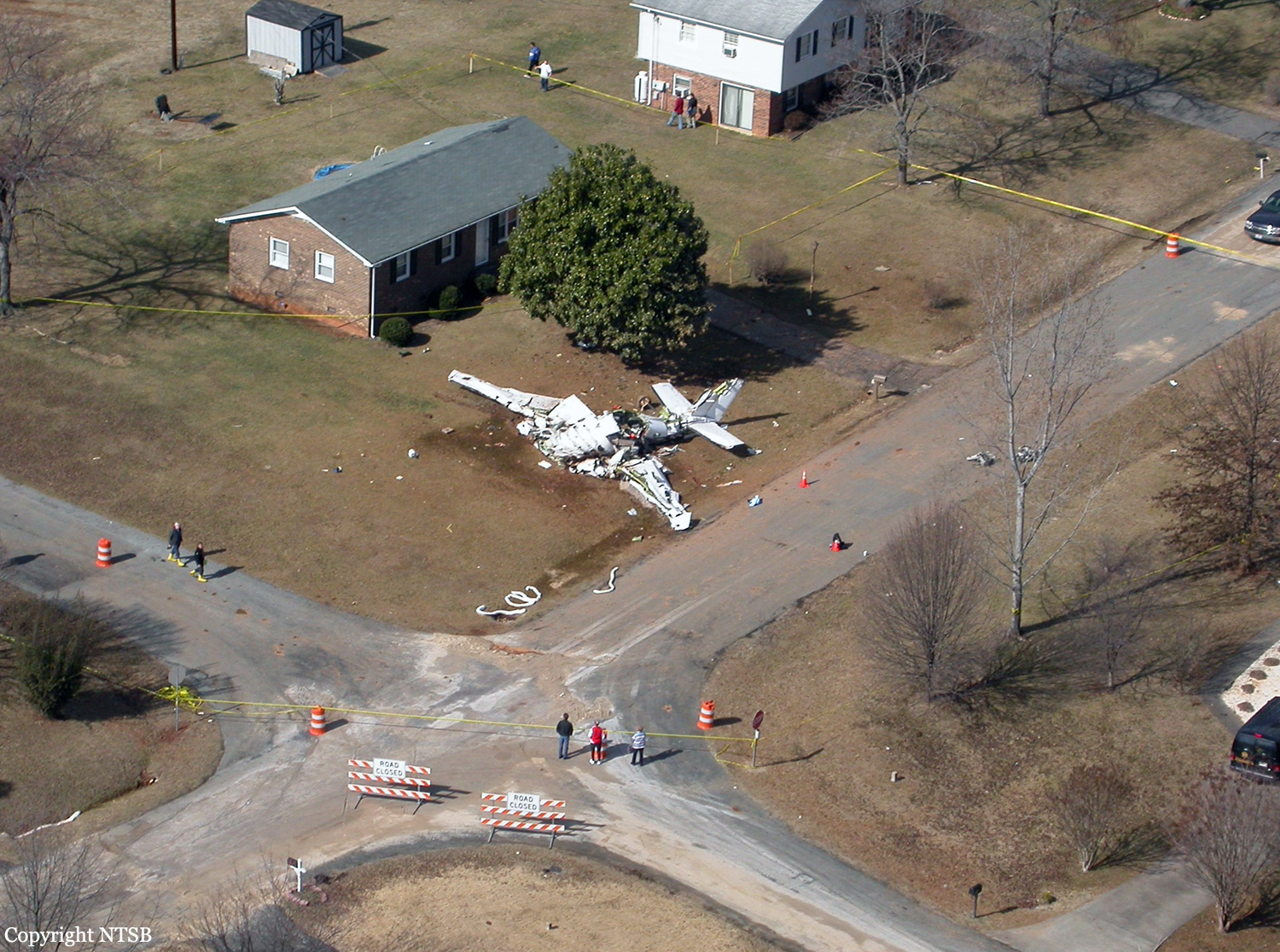
Crash of a Beechcraft C90A King Air in Mount Airy: 6 killed

Date & Time: Feb 1, 2008 at 1128 LT
Type of aircraft:
Registration:
N57WR
Flight Type:
Survivors:
No
Schedule:
Cedartown - Mount Airy
MSN:
LJ-1678
YOM:
2003
Crew on board:
1
Crew fatalities:
Pax on board:
5
Pax fatalities:
Other fatalities:
Total fatalities:
6
Captain / Total flying hours:
780
Aircraft flight hours:
800
Circumstances:
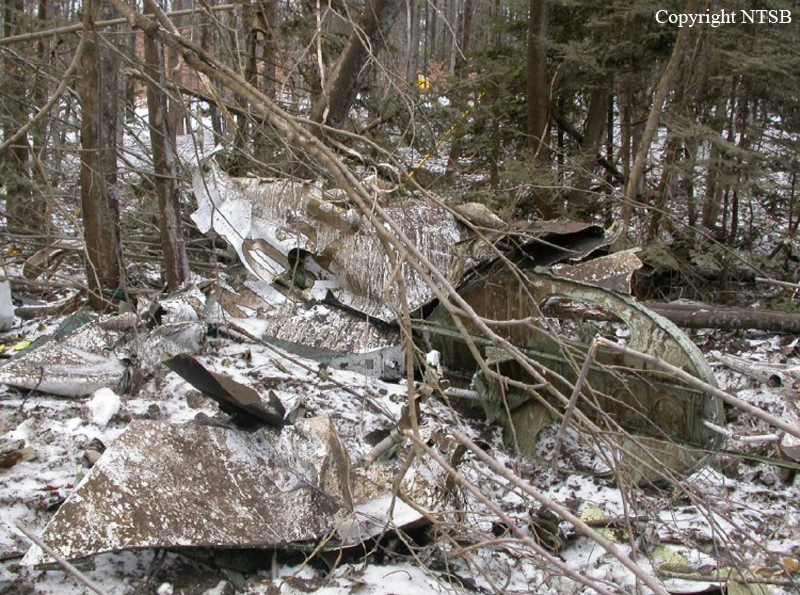
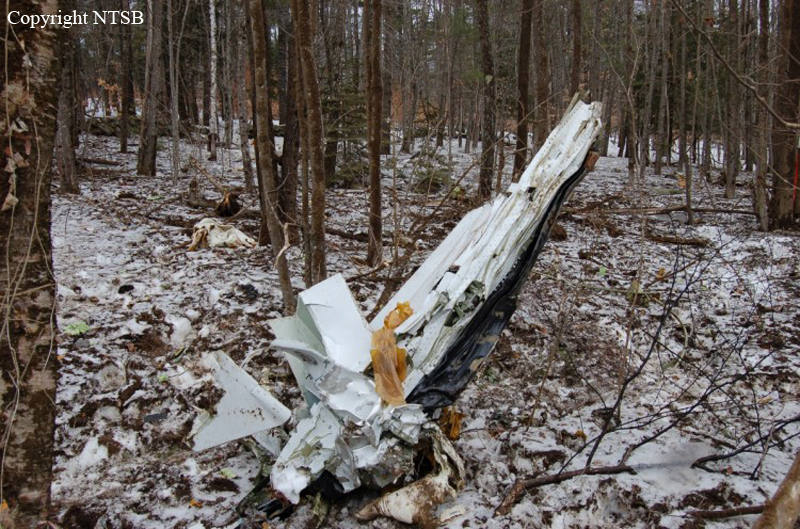
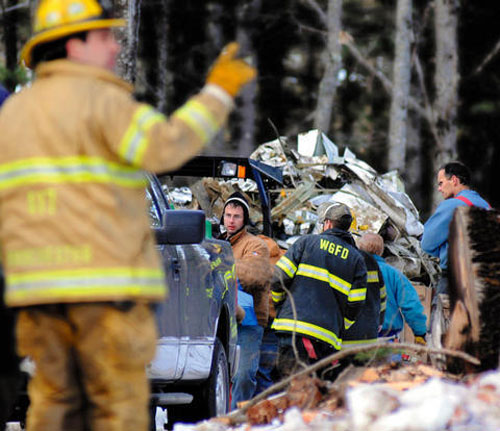
While flying a non precision approach, the pilot deliberately descended below the minimum descent altitude (MDA) and attempted to execute a circle to land below the published circling minimums instead of executing the published missed approach procedure. During the circle to land, visual contact with the airport environment was lost and engine power was never increased after the airplane had leveled off. The airplane decelerated and entered an aerodynamic stall, followed by an uncontrolled descent which continued until ground impact. Weather at the time consisted of rain, with ceilings ranging from 300 to 600 feet, and visibility remaining relatively constant at 2.5 miles in fog. Review of the cockpit voice recorder (CVR) audio revealed that the pilot had displayed some non professional behavior prior to initiating the approach. Also contained on the CVR were comments by the pilot indicating he planned to descend below the MDA prior to acquiring the airport visually, and would have to execute a circling approach. Moments after stating a circling approach would be needed, the pilot received a sink rate aural warning from the enhanced ground proximity warning system (EGPWS). After several seconds, a series of stall warnings was recorded prior to the airplane impacting terrain. EGPWS data revealed, the airplane had decelerated approximately 75 knots in the last 20 seconds of the flight. Examination of the wreckage did not reveal any preimpact failures or malfunctions with the airplane or any of its systems. Toxicology testing detected sertraline in the pilot’s kidney and liver. Sertraline is a prescription antidepressant medication used for anxiety, obsessive-compulsive disorder, panic disorder, posttraumatic stress disorder, and social phobia. The pilot’s personal medical records indicated that he had been treated previously with two other antidepressant medications for “anxiety and depression” and a history of “impatience” and “compulsiveness.” The records also documented a diagnosis of diabetes without any indication of medications for the condition, and further noted three episodes of kidney stones, most recently experiencing “severe and profound discomfort” from a kidney stone while flying in 2005. None of these conditions or medications had been noted by the pilot on prior applications for an airman medical certificate. It is not clear whether any of the pilot’s medical conditions could account for his behavior or may have contributed to the accident.
Probable cause:
The pilot's failure to maintain control of the airplane in instrument meteorological conditions. Contributing to the accident were the pilot's improper decision to descend below the minimum descent altitude, and failure to follow the published missed approach procedure.
Final Report:
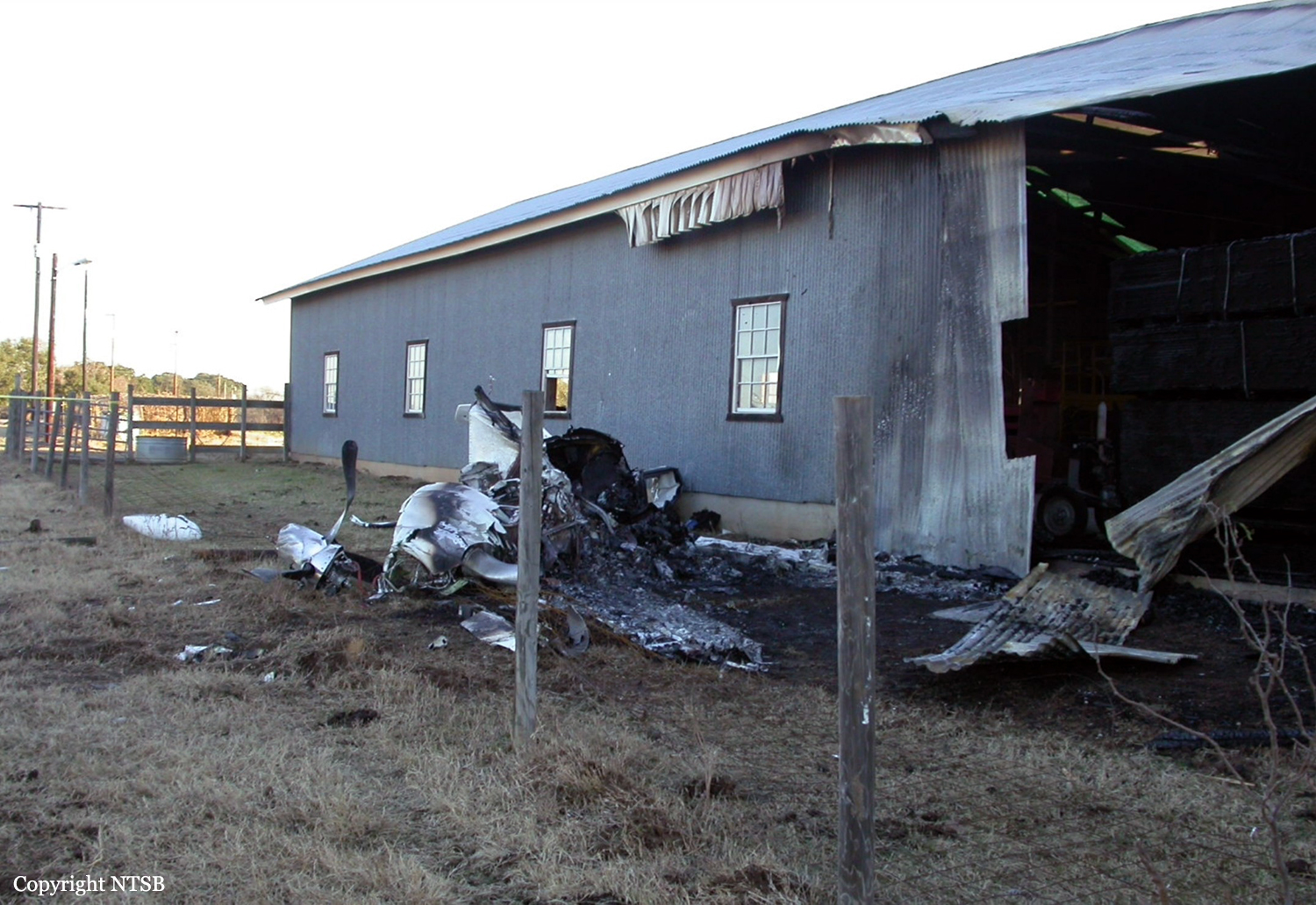
Crash of a Grumman G-21A Goose off Marathon

Date & Time: Jan 29, 2008 at 1723 LT
Type of aircraft:
Registration:
N21A
Flight Type:
Survivors:
Yes
Schedule:
Marathon - Marathon
MSN:
B129
YOM:
1946
Crew on board:
1
Crew fatalities:
Pax on board:
1
Pax fatalities:
Other fatalities:
Total fatalities:
0
Captain / Total flying hours:
16000
Captain / Total hours on type:
100.00
Aircraft flight hours:
24456
Circumstances:
On January 29, 2008, about 1723 eastern standard time, a Grumman G-21A, amphibian airplane N21A, impacted the ocean during landing near Marathon, Florida. The certificated airline transport pilot and passenger received serious injuries and the airplane sustained substantial damage. The flight was operated as a personal flight under the provisions of 14 Code of Federal Regulations (CFR) Part 91, and no flight plan was filed. Visual meteorological conditions prevailed at the time of the accident. The flight departed from the Florida Keys Marathon Airport (MTH) in Marathon, Florida, on January 29, 2008, about 1615. According to the pilot he departed MTH and after take off and the checklist accomplished he proceeded in a westerly direction to inspect a water-work area. The pilot stated that other then that, he had no further recollection of the flight. According to the Federal Aviation Administration (FAA) the passenger stated that the pilot was practicing takeoffs and landings. During a water landing, the left wing contacted the water and the airplane water looped. A Good Samaritan rescued them from the water in his boat and brought them ashore where rescue personal were waiting. Examination of the airplane by the FAA revealed no mechanical malfunctions or failures of the airplane or engine, and none were reported by the pilot or passenger.
Probable cause:
The pilot’s failure to maintain control of the airplane during a water landing.
Final Report:

Crash of a Piper PA-46-500TP Malibu Meridian in San Antonio: 1 killed

Date & Time: Jan 18, 2008 at 1230 LT
Registration:
N169CA
Flight Type:
Survivors:
No
Schedule:
Waco – San Antonio
MSN:
46-97300
YOM:
2007
Crew on board:
1
Crew fatalities:
Pax on board:
0
Pax fatalities:
Other fatalities:
Total fatalities:
1
Captain / Total flying hours:
1049
Captain / Total hours on type:
58.00
Aircraft flight hours:
111
Circumstances:
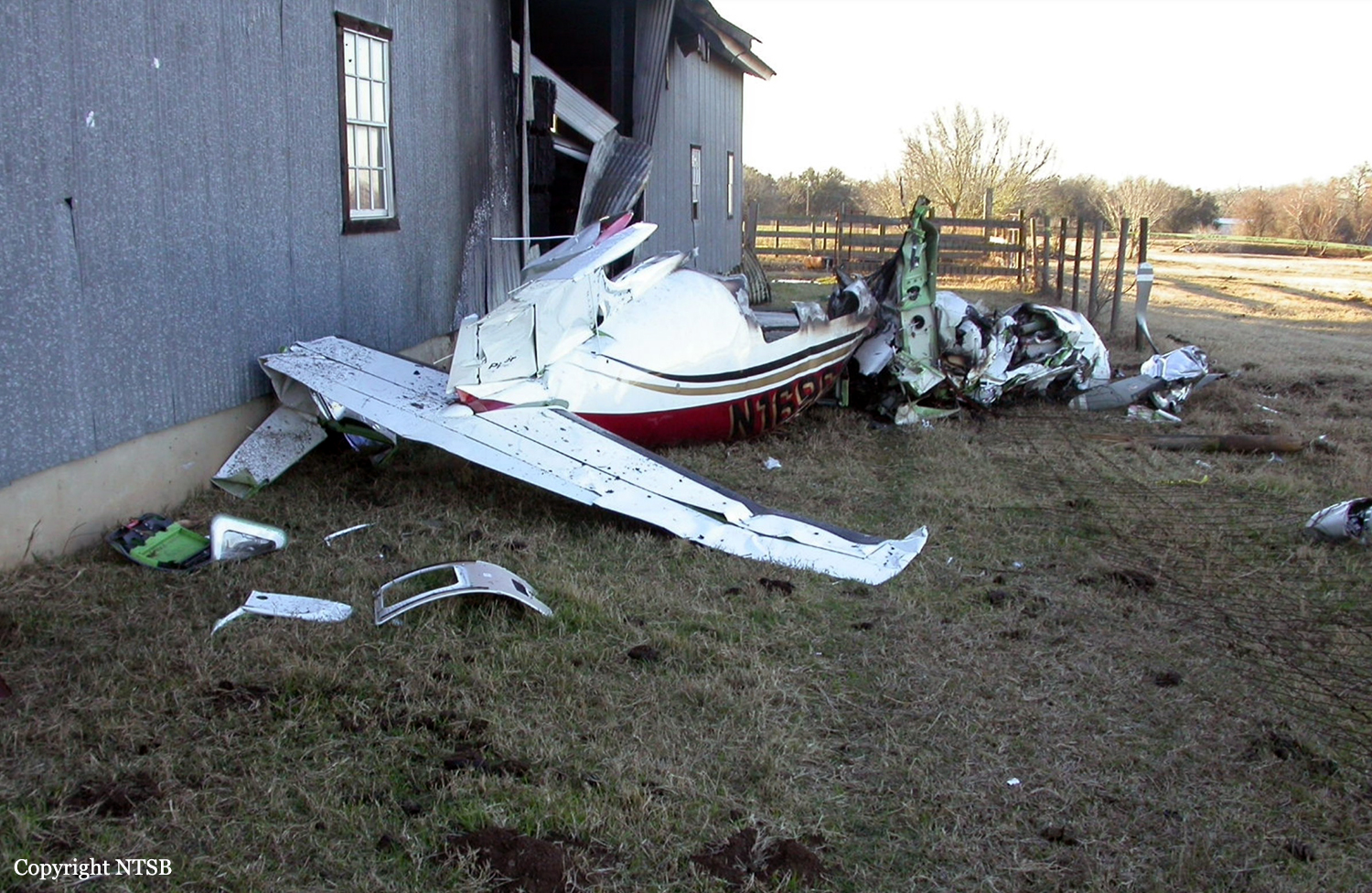
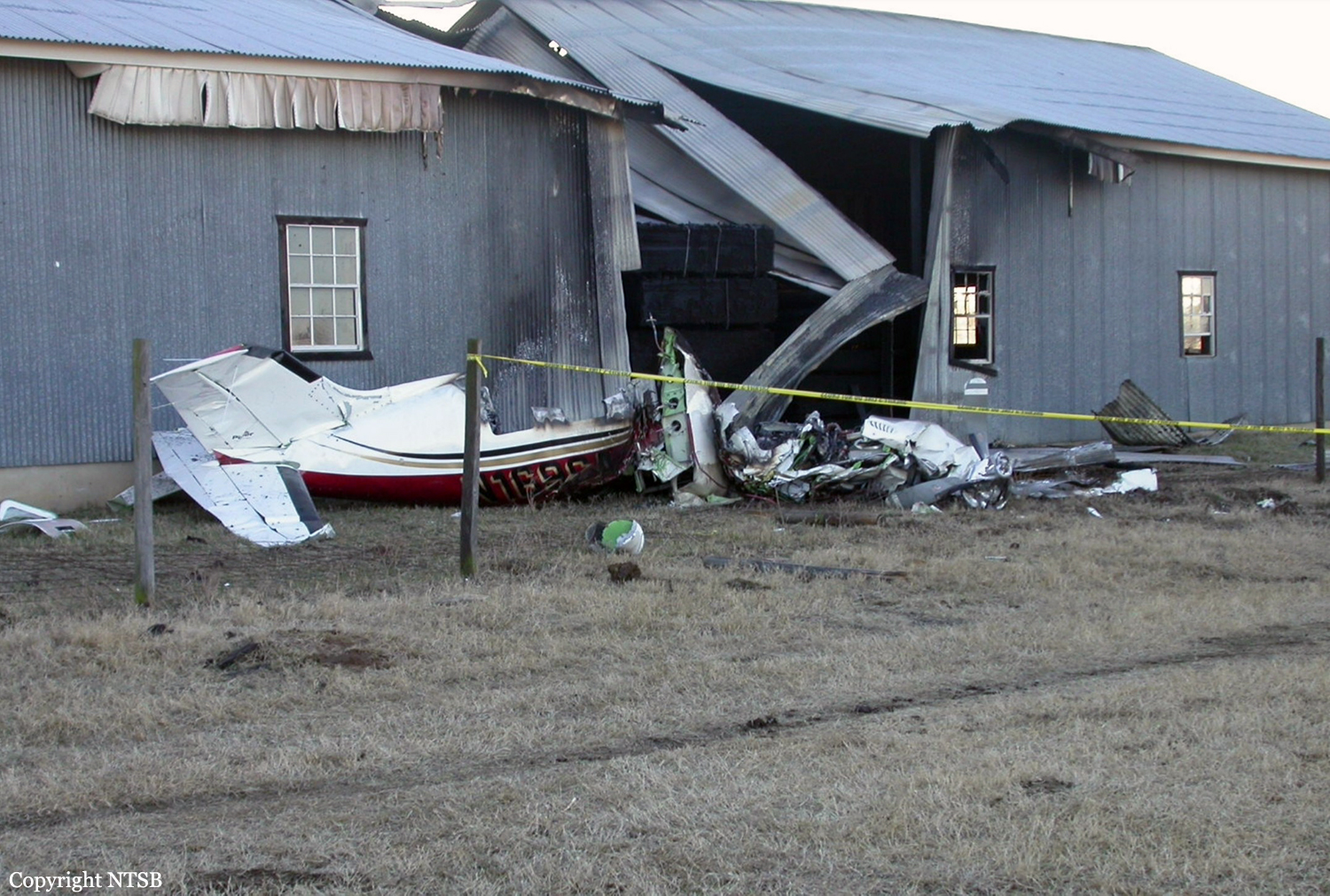
The pilot attempted to intercept an instrument landing system localizer three times without success. The pilot told Air Traffic Approach Control that he was having trouble performing a "coupled" approach and that he was trying to "get control" of the airplane. The airplane disappeared from radar, subsequently impacting a field and then a barn. The airplane came to rest in an upright position and a post crash fire ensued. A review of radar and voice data for the flight revealed that during the three approach attempts the pilot was able to turn to headings and climb to altitudes when assigned by air traffic control. Postmortem toxicology results were consistent with the regular use of a prescription antidepressant, and the recent use of a larger-than-maximal dose of an over-the-counter antihistamine known to cause impairment. There were no preimpact anomalies observed during the airframe and engine examinations that would have prevented normal operation.
Probable cause:
The pilot's failure to execute an instrument approach. Contributing to the accident was the pilot's impairment due to recent use of over-the-counter medication.
Final Report:

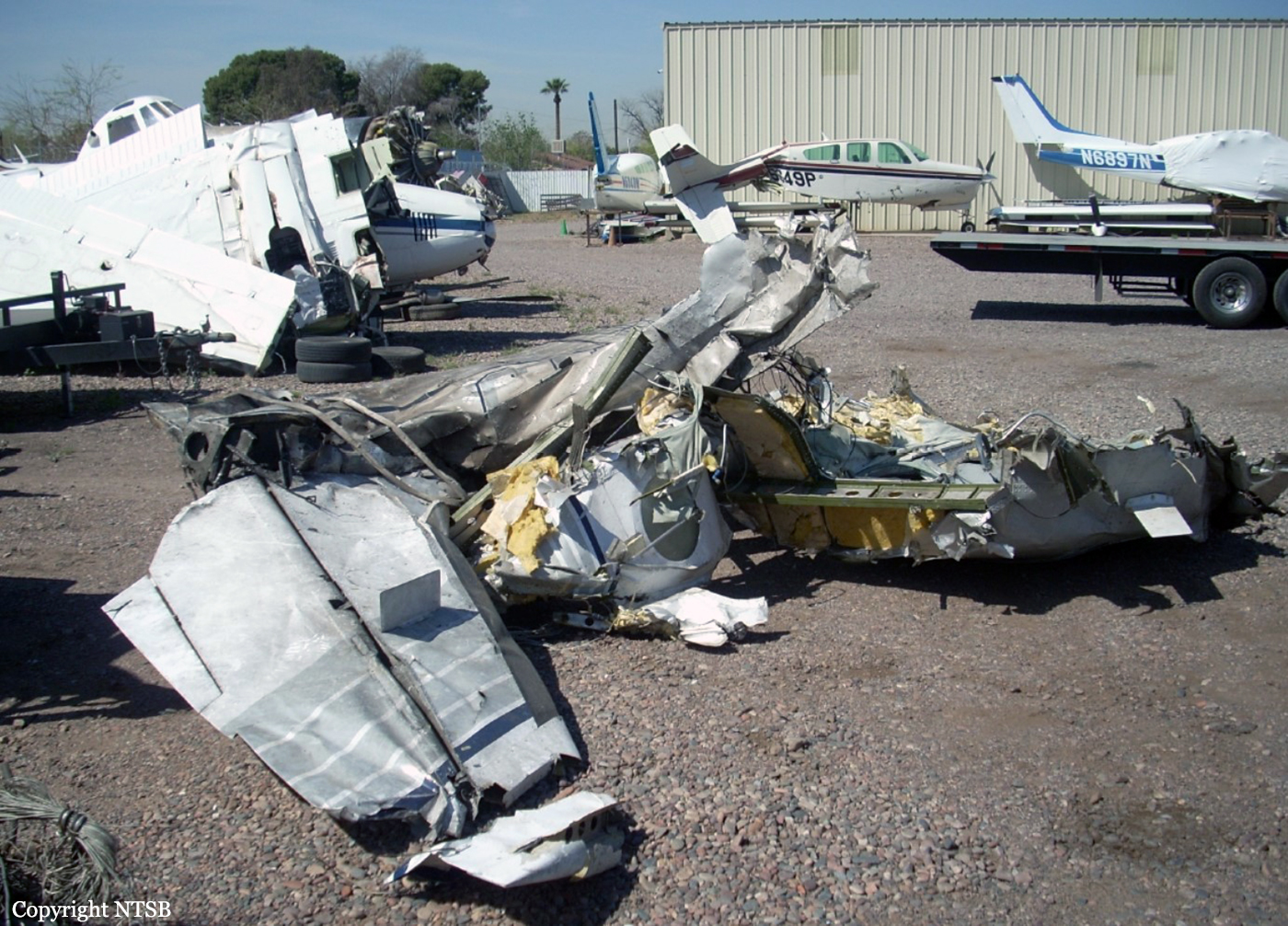
Crash of a Rockwell Aero Commander 500B in Tulsa: 1 killed

Date & Time: Jan 16, 2008 at 2243 LT
Operator:
Registration:
N712AT
Flight Phase:
Flight Type:
Survivors:
No
Schedule:
Tulsa - Oklahoma City
MSN:
500-1118-68
YOM:
1961
Location:
Crew on board:
1
Crew fatalities:
Pax on board:
0
Pax fatalities:
Other fatalities:
Total fatalities:
1
Captain / Total flying hours:
4373
Captain / Total hours on type:
695.00
Aircraft flight hours:
17888
Circumstances:
The commercial pilot departed on a night instrument flight rules flight in actual instrument meteorological in-flight conditions. Less than 2 minutes after the airplane departed the airport, the controller observed the airplane in a right turn and instructed the pilot to report his altitude. The pilot responded he thought he was at 3,500 feet and he thought he had lost the gyros. The pilot said he was trying to level out, and when the controller informed the pilot he observed the airplane on radar making a 360-degree right turn , the pilot said "roger." Three minutes and 23 seconds after departure the pilot said "yeah, I'm having some trouble right now" and there were no further radio communications from the flight. The on scene investigation disclosed that both wings and the tail section had separated from the airframe. All fractures of the wing and wing skin were typical of ductile overload with no evidence of preexisting failures such as fatigue or stress-corrosion. The deformation of the wings indicated an upward failure due to positive loading. No anomalies were noted with the gyro instruments, engine assembly or accessories
Probable cause:
The pilot's loss of control due to spatial disorientation and the pilot exceeding the design/stress limits of the aircraft. Factors contributing to the accident were the pilot's reported gyro problem, the dark night conditions , and prevailing instrument meteorological conditions.
Final Report: