Country
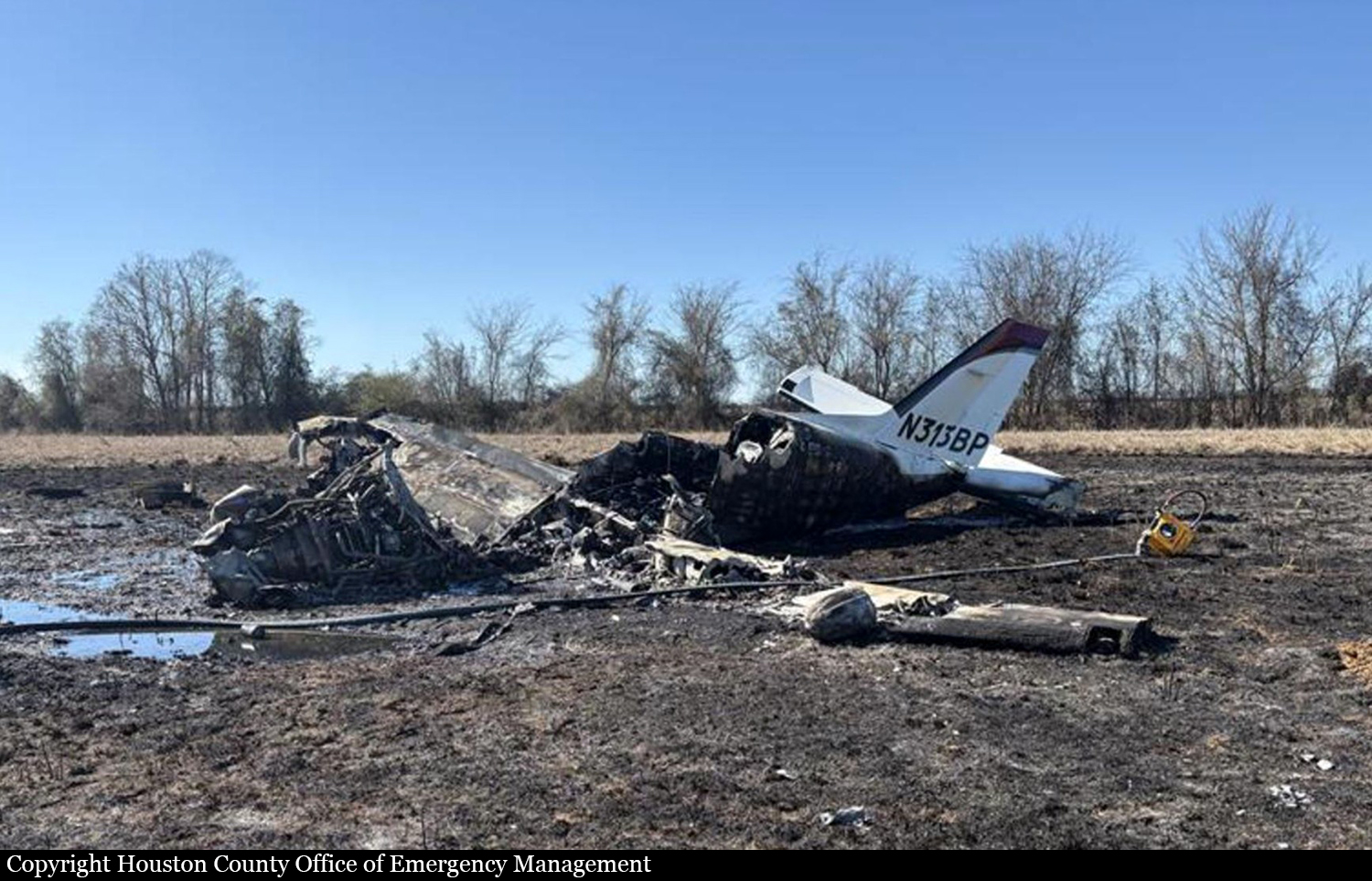
Crash of a Socata TBM-850 in Crockett
Date & Time:
Feb 5, 2026 at 1240 LT
Registration:
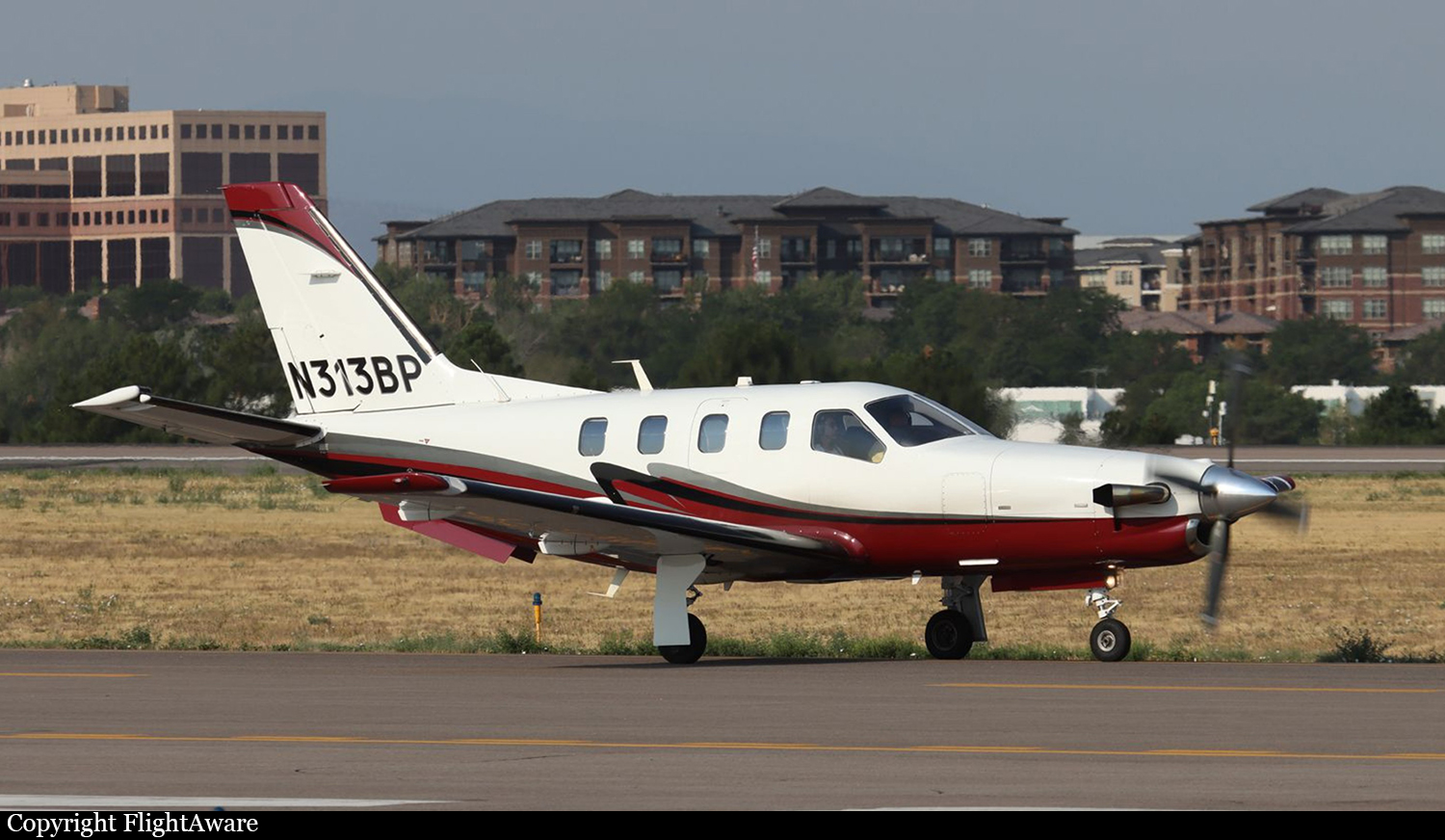
N313BP
Survivors:
Yes
Schedule:
Houston - Crockett
MSN:
434
YOM:
2008
Crew on board:
1
Crew fatalities:
Pax on board:
0
Pax fatalities:
Other fatalities:
Total fatalities:
0
Circumstances:
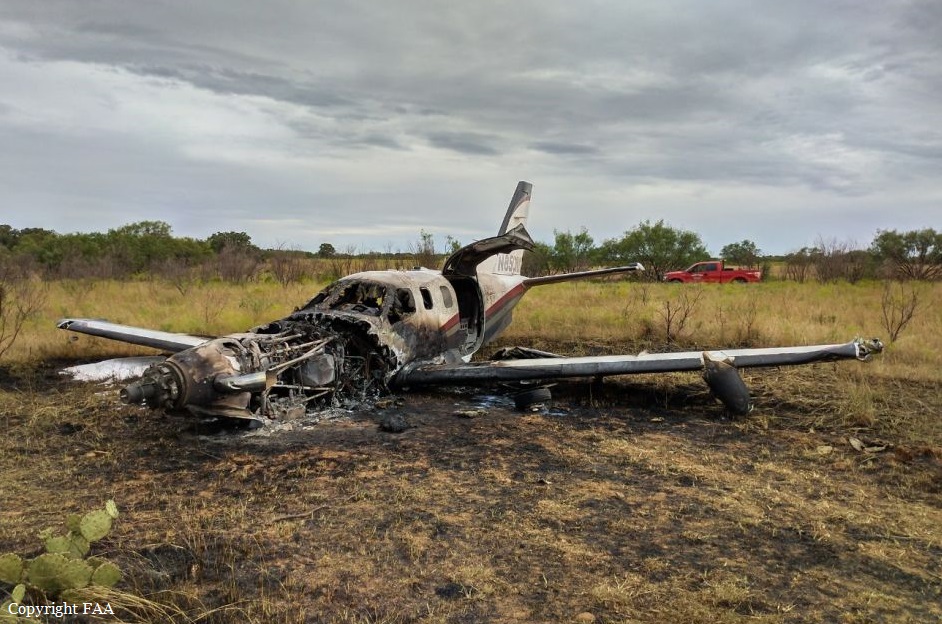
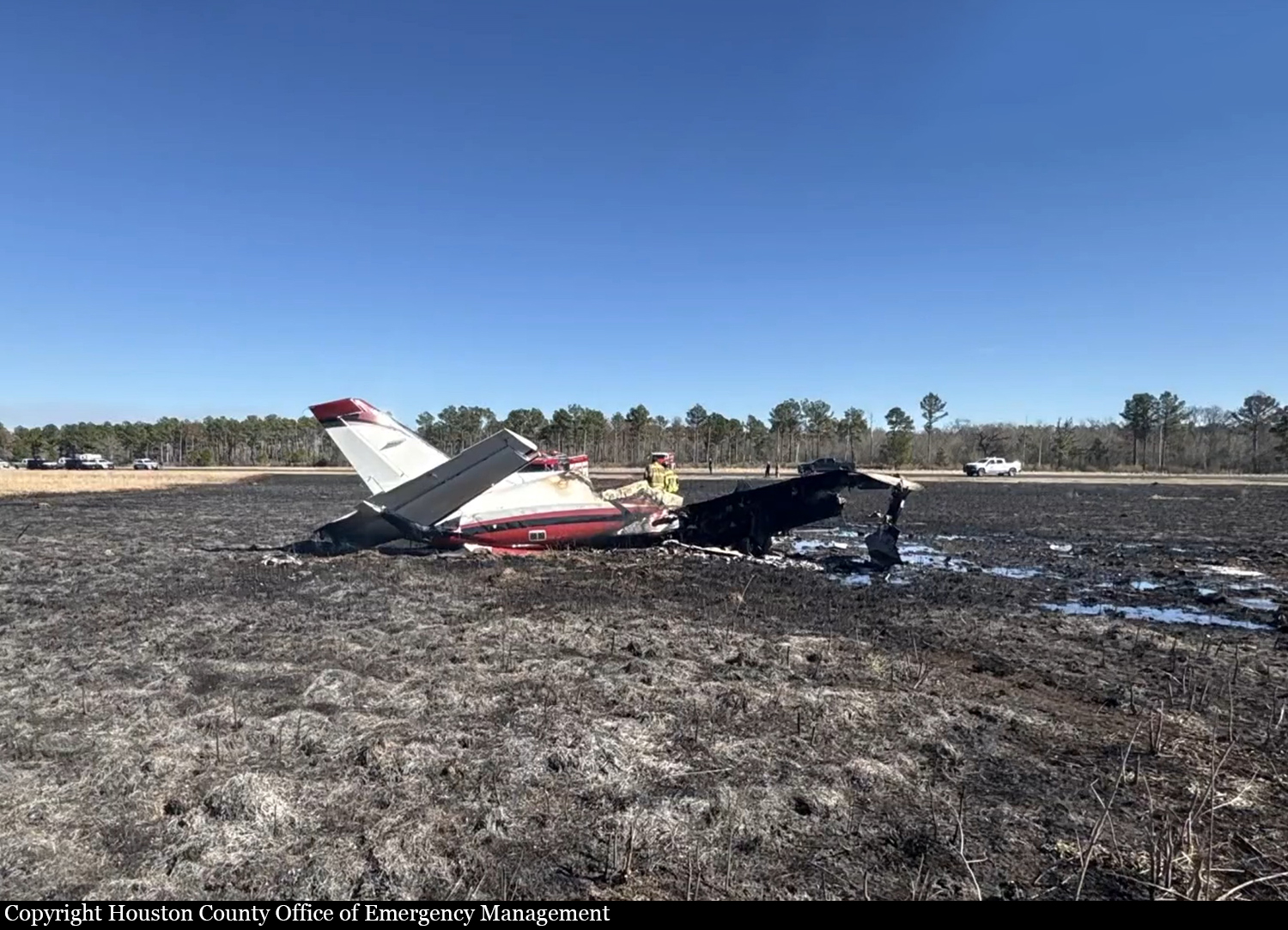
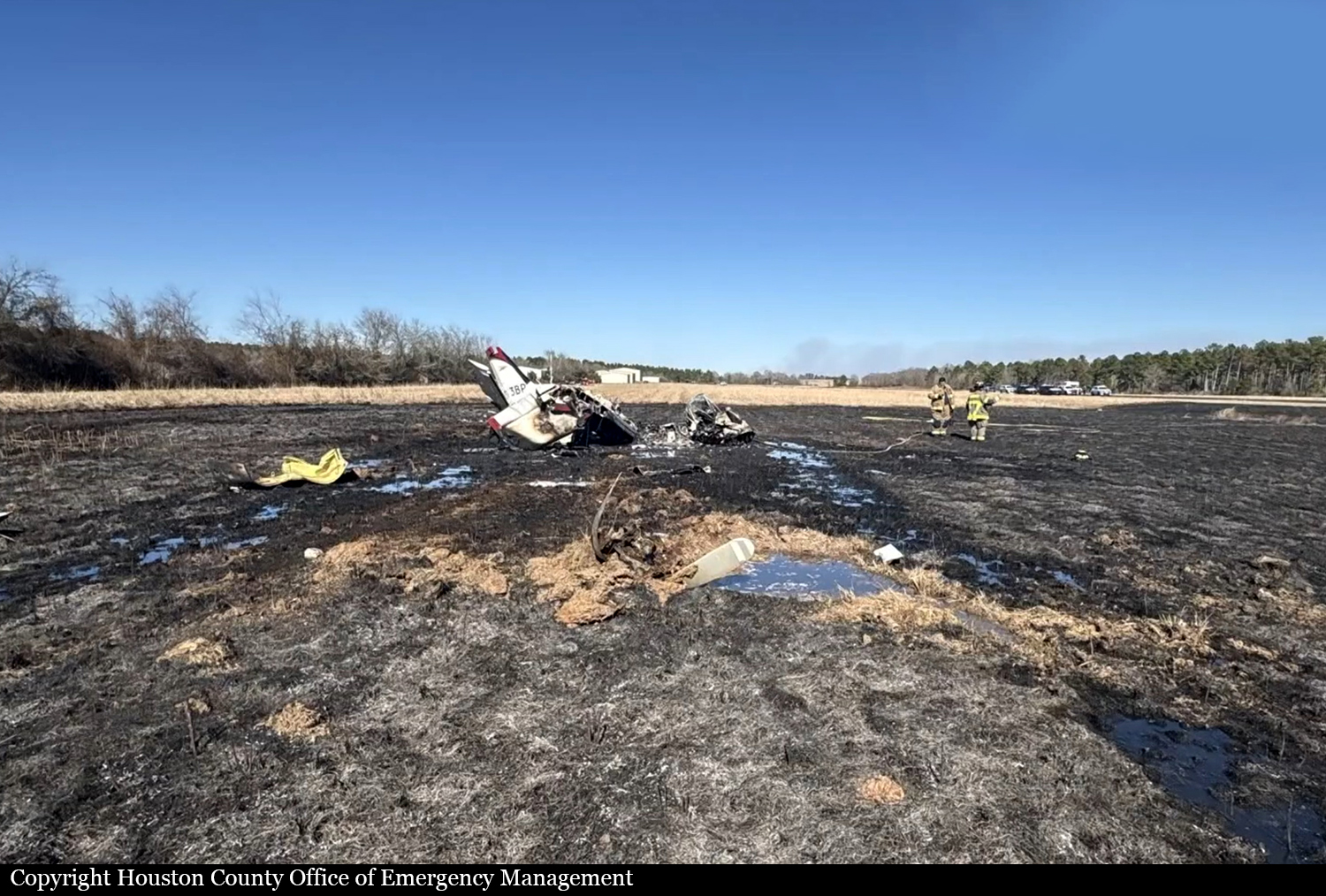
The single engine airplane departed Houston Executive Airport Runway 36 at 1210LT, bound to the northeast, and continued at an altitude of 5,000 feet. Following a normal approach, it landed on runway 02 at Crockett-Houston County Airport at 1240LT. After touchdown, the pilot started the braking procedure when the airplane deviated to the left. It veered off runway at a speed of about 61 knots, lost its undercarriage and came to rest, bursting into flames. The pilot was injured and the airplane was destroyed by fire.
Crash of a Socata TBM-850 in Kalispell
Date & Time:
Aug 11, 2025 at 1407 LT
Registration:
N860CA
Survivors:
Yes
Schedule:
Pullman - Kalispell
MSN:
596
YOM:
2011
Crew on board:
1
Crew fatalities:
Pax on board:
3
Pax fatalities:
Other fatalities:
Total fatalities:
0
Captain / Total hours on type:
1244.00
Aircraft flight hours:
3312
Circumstances:
The pilot of the airplane reported that the airplane was too high during approach to the airport, and he responded by reducing the engine power to idle. When the airplane was about 40 ft above the runway, the “airspeed” aural caution sounded, and the pilot added engine power; however, the airspeed continued to decay, and the “stall” aural warning sounded. The airplane subsequently rolled left, impacted terrain alongside the left side of the runway, caught fire, and slid into the airport apron. The pilot and passengers were able to exit the airplane through the main cabin door before the airplane was destroyed by postaccident fire. The pilot reported there were no preaccident mechanical failures or malfunctions with the airplane that would have precluded normal operation.
Probable cause:
The pilot’s unstable approach to the runway, which resulted in an aerodynamic stall at low altitude and impact with terrain.
Final Report:


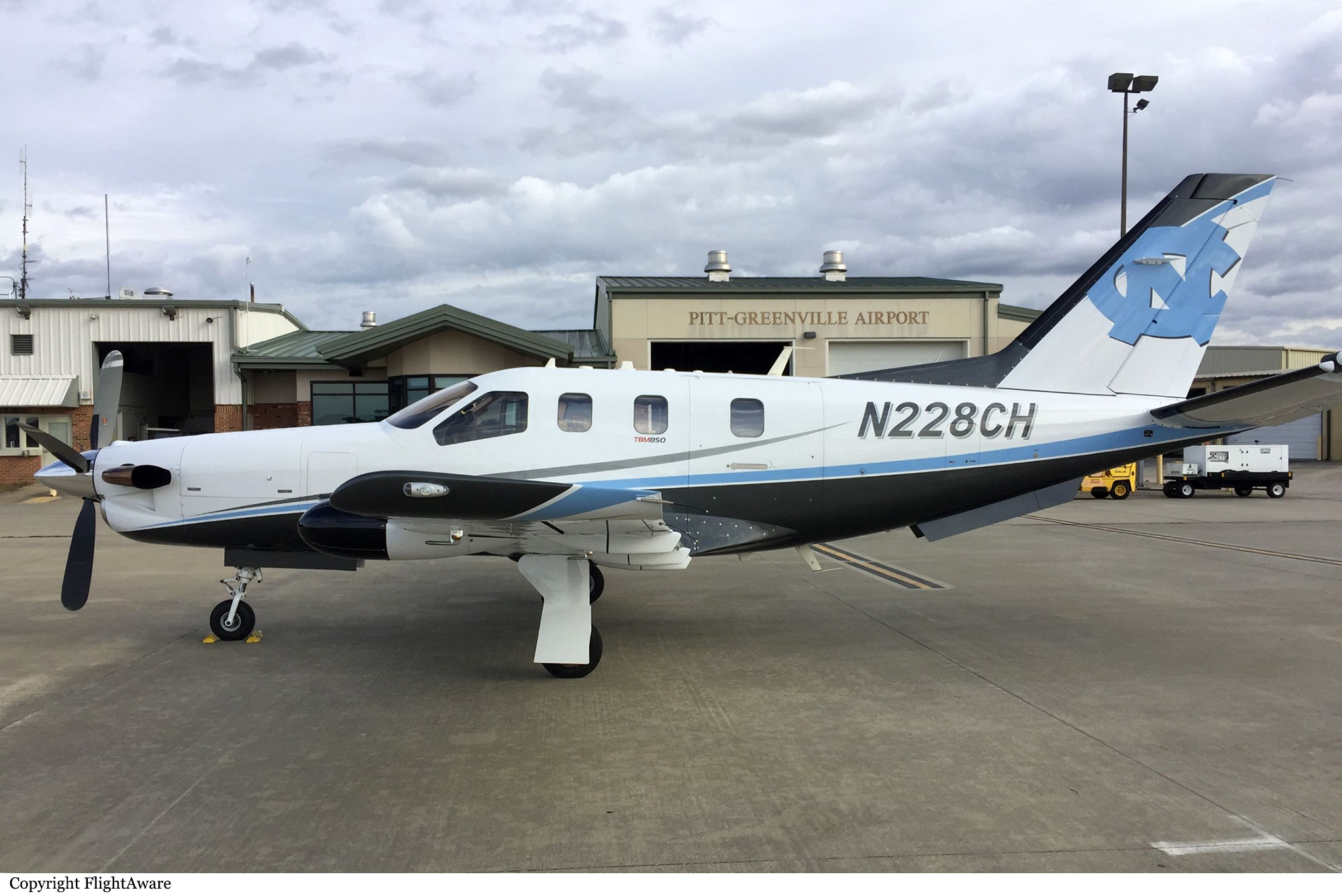
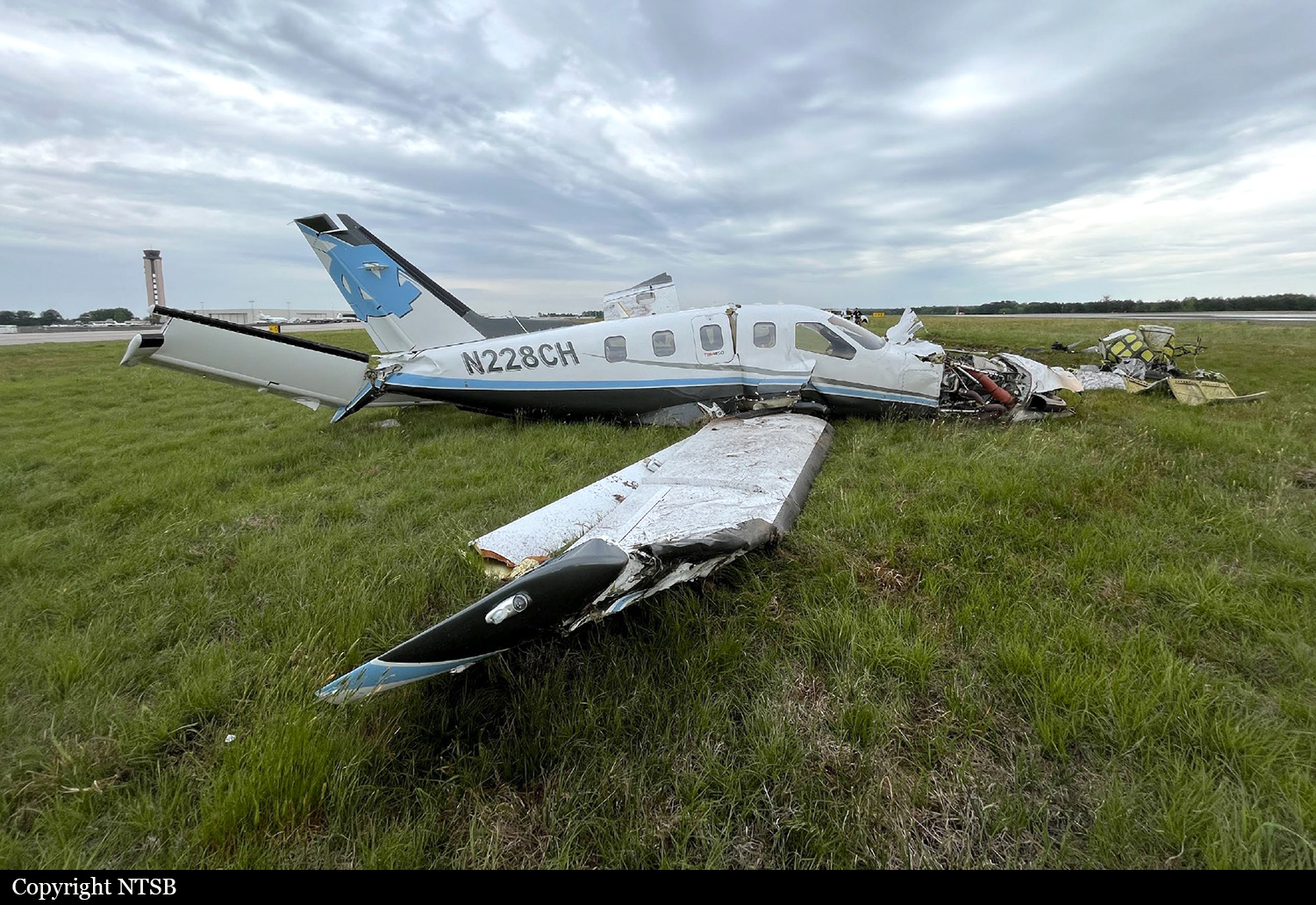
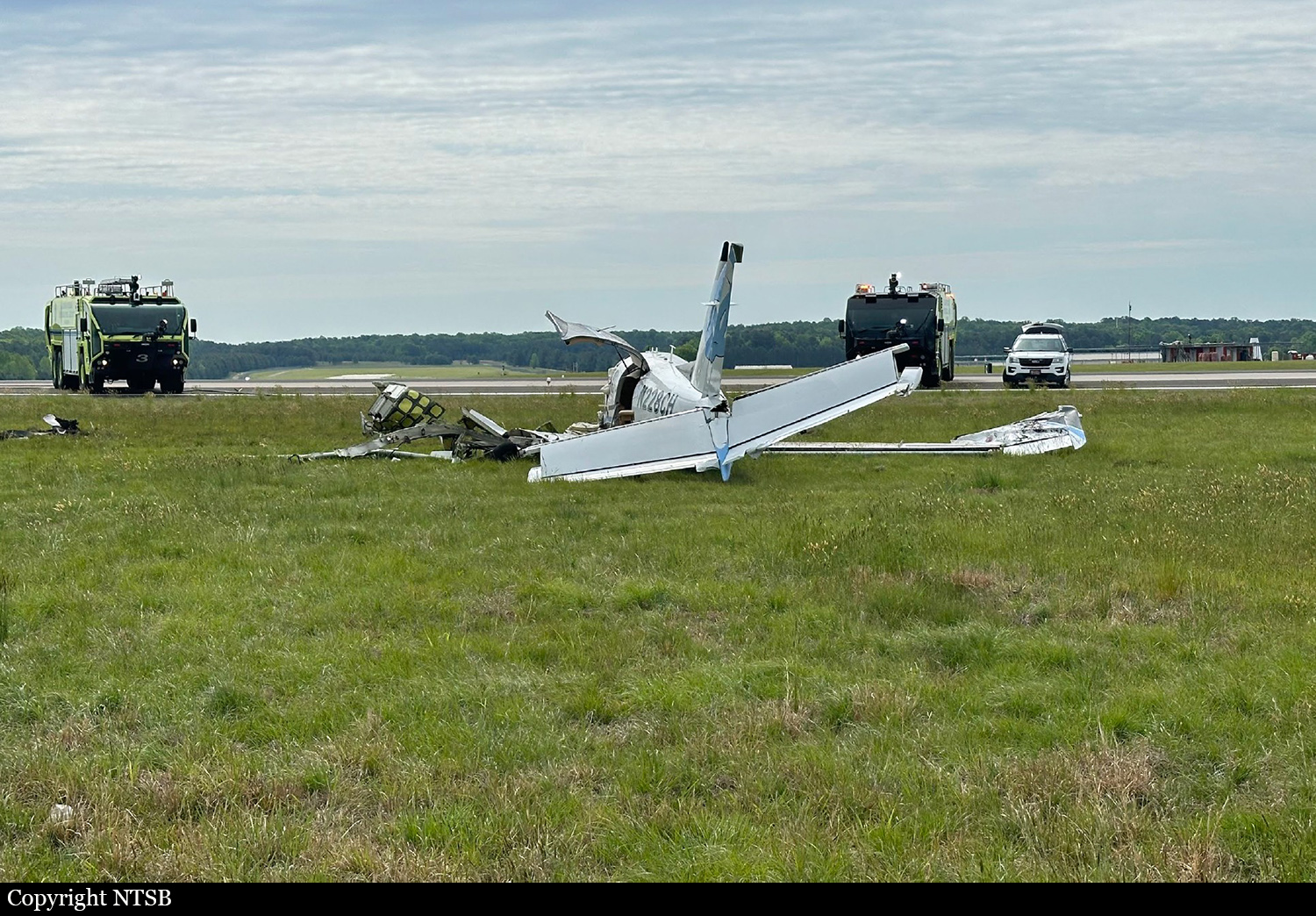
Crash of a Socata TBM-850 in Raleigh
Date & Time:
Apr 24, 2024 at 1010 LT
Registration:
N228CH
Survivors:
Yes
Schedule:
Wilmington - Raleigh
MSN:
356
YOM:
2006
Crew on board:
1
Crew fatalities:
Pax on board:
1
Pax fatalities:
Other fatalities:
Total fatalities:
0
Captain / Total hours on type:
2500.00
Aircraft flight hours:
4523
Circumstances:
The pilot executed an approach that, based on the passenger’s description, was not stabilized, and the airplane touched down twice during landing. The propeller blades made contact with the runway, and the pilot decided to abort the landing because he did not think he could stop the airplane on the runway. During the subsequent takeoff and initial climb, the pilot made a tight left turn about 100 ft above ground level to avoid traffic on an intersecting runway, and the airplane entered an aerodynamic stall and impacted the ground. Postaccident examination of the airplane revealed no preimpact malfunction or deficiency that would have precluded normal operation. Although the right main landing gear was found in the stowed position and its wheel axle and gear door showed scraping marks, an airport surveillance video showed that all three landing gear appeared to be in the down position during the airplane’s takeoff after the aborted landing.
Probable cause:
The pilot’s decision to continue an unstabilized approach, which resulted in a bounced landing, and his failure to maintain proper airspeed and climb attitude after aborting the landing, which led to the airplane exceeding its critical angle of attack and resulting in an aerodynamic stall.
Final Report:
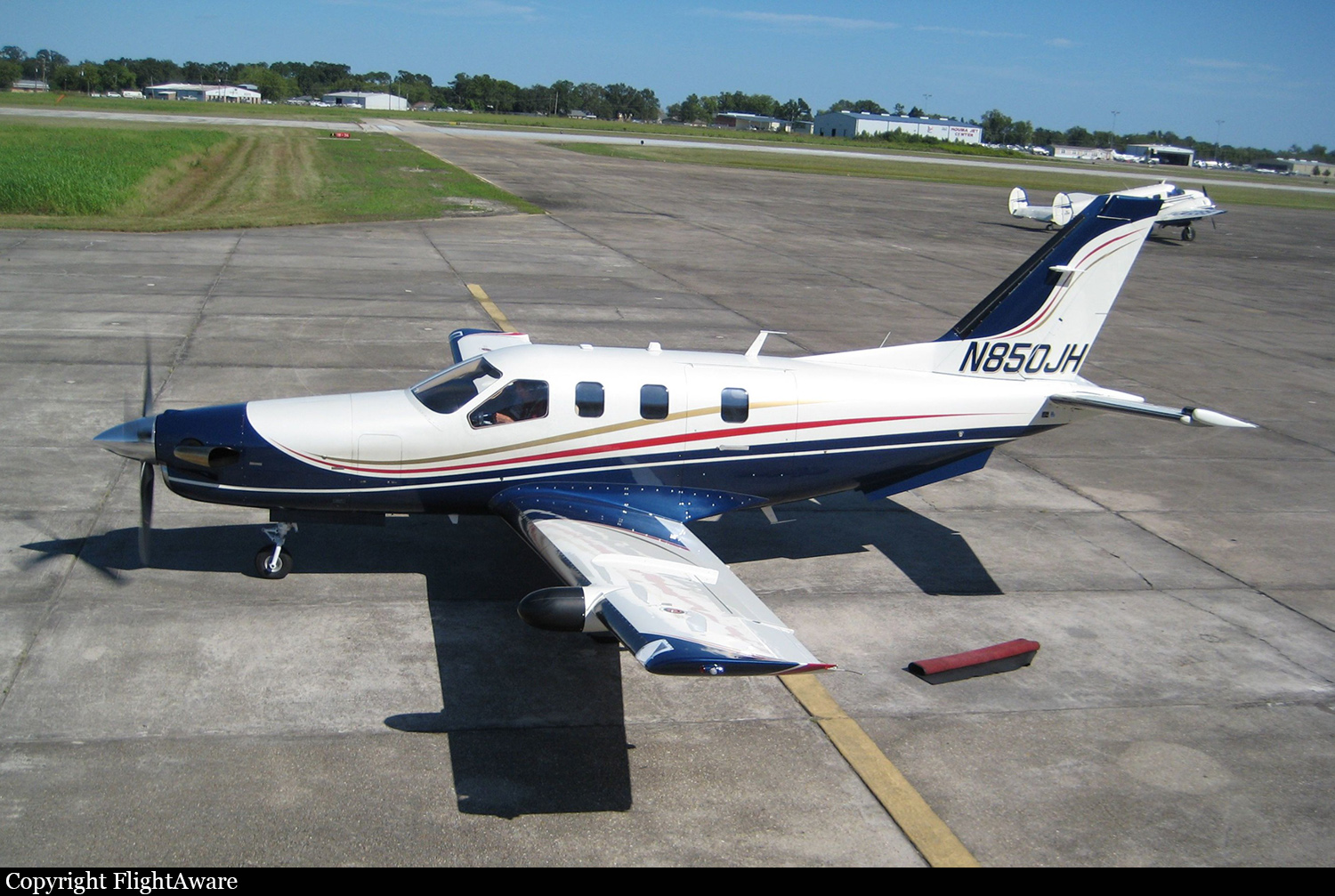
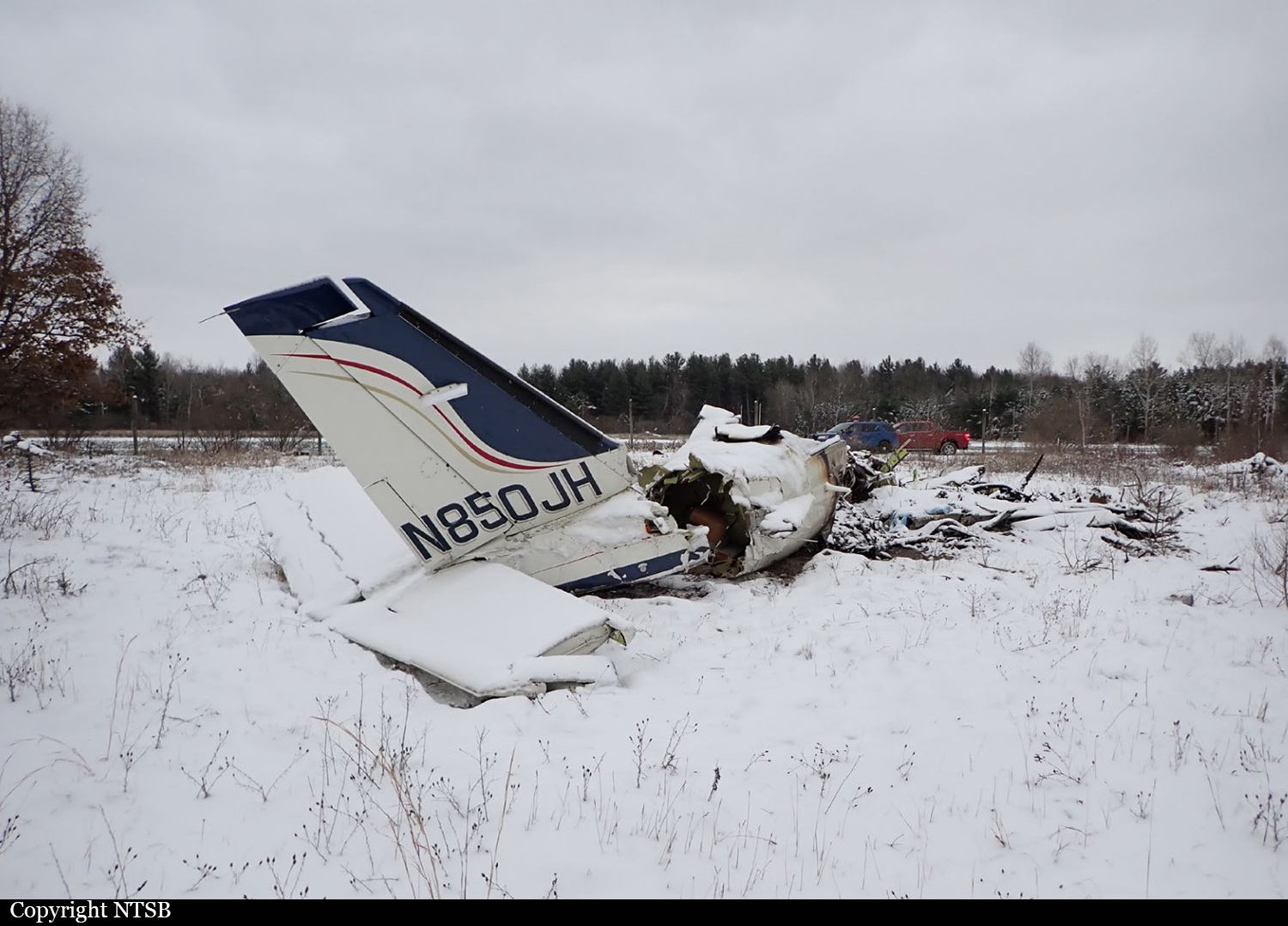
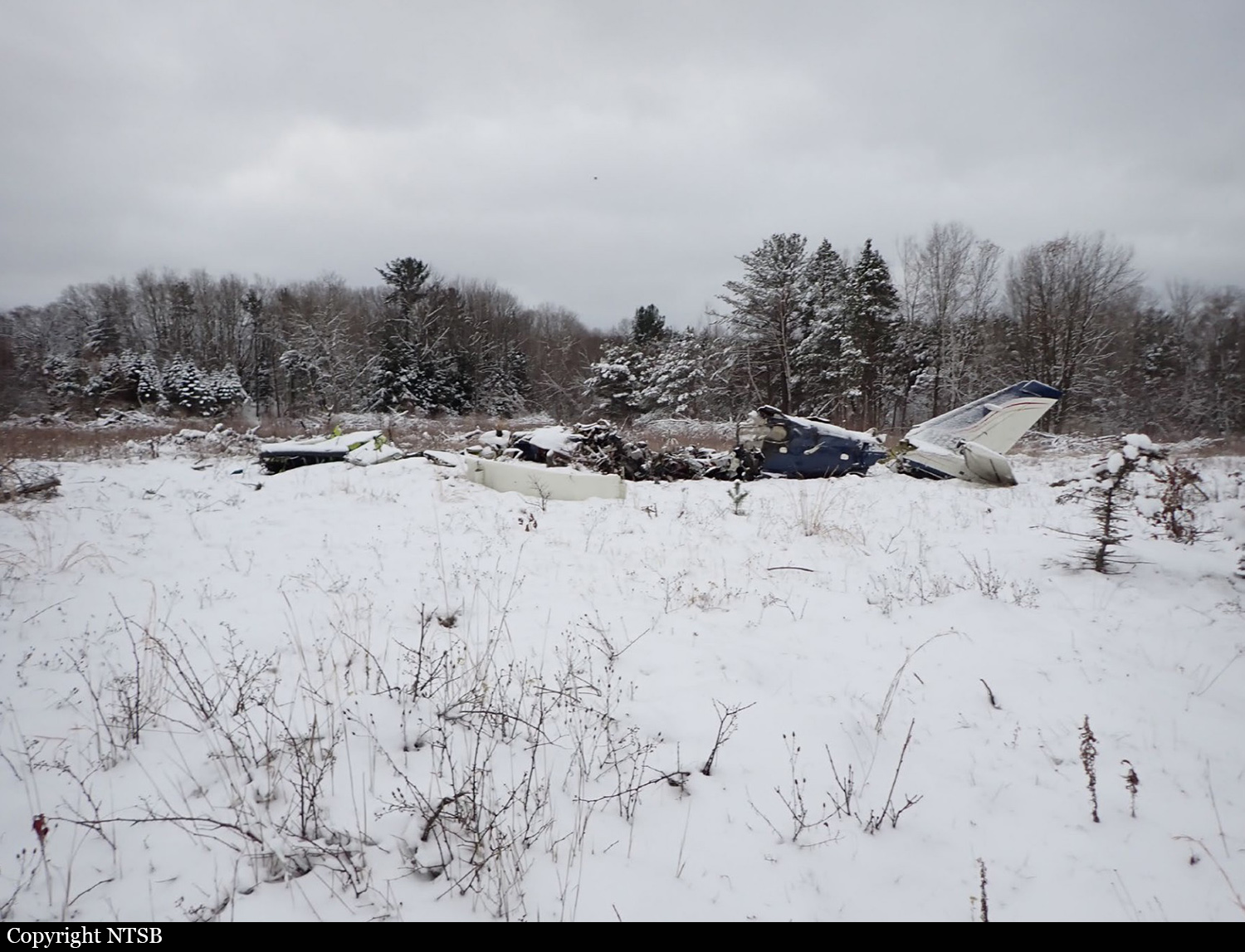
Crash of a Socata TBM-850 in Ludington: 2 killed
Date & Time:
Nov 26, 2023 at 1000 LT
Registration:
N850JH
Survivors:
No
Schedule:
Ludington - Angola
MSN:
448
YOM:
2008
Crew on board:
1
Crew fatalities:
Pax on board:
1
Pax fatalities:
Other fatalities:
Total fatalities:
2
Aircraft flight hours:
1660
Circumstances:
The airplane was removed from an unheated hangar during a period of moderate snowfall. About 15 minutes later, the instrument-rated pilot taxied the airplane to the runway for departure, with visible snow accumulation on the ground and on the airplane wings, and horizontal stabilizer. The airplane was equipped with wing surface deice boots; however, deice boots are used to dislodge ice that may accumulate while in flight. According to the airplane’s pilot operating handbook, all snow, frost, and ice must be removed from all wing and control surfaces during the preflight inspection. On icy or snow-covered runways, anti-icing fluid must be sprayed on the wings, control surfaces and in landing gear wells, shortly before take-off. The risks of snow and ice accumulation on control surfaces were further outlined in a 2018 service letter (SL) from the airplane manufacturer, which stated that takeoffs with snow or ice adhering to the wings should not be attempted because this could drastically affect performance due to the reduced aerodynamic lift and increased drag resulting from disturbed airflow. The SL further provided the appropriate recommendations to assist the operator in checking proper implementation of on ground de-icing or anti-icing procedures. The departure airport did not offer de-icing or anti-icing services. The airport manager, who watched the airplane take off, said the departure appeared to be normal until the left wing dropped shortly after rotation. Another witness said that the airplane was loud and low. She said the airplane was in a left-wing-low attitude before it cleared a line of trees and then impacted the ground. The airplane was destroyed by impact forces and a postimpact fire. The impact and fire damage precluded functional testing of the flight controls, and related systems. Signatures on the engine and propeller were consistent with power and rotation at the time of the accident. Examination of the wreckage did not reveal preimpact anomalies that would have precluded normal operations. The left wing dropping during the climb was likely the result of snow accumulation on the airplane surfaces; the reduced aerodynamic lift and increased drag resulted in an aerodynamic stall and loss of control during the attempted climb after takeoff.
Probable cause:
The pilot’s decision to take off with ice/snow contamination on the airplane’s wings, which resulted in an aerodynamic stall and impact with terrain.
Final Report:
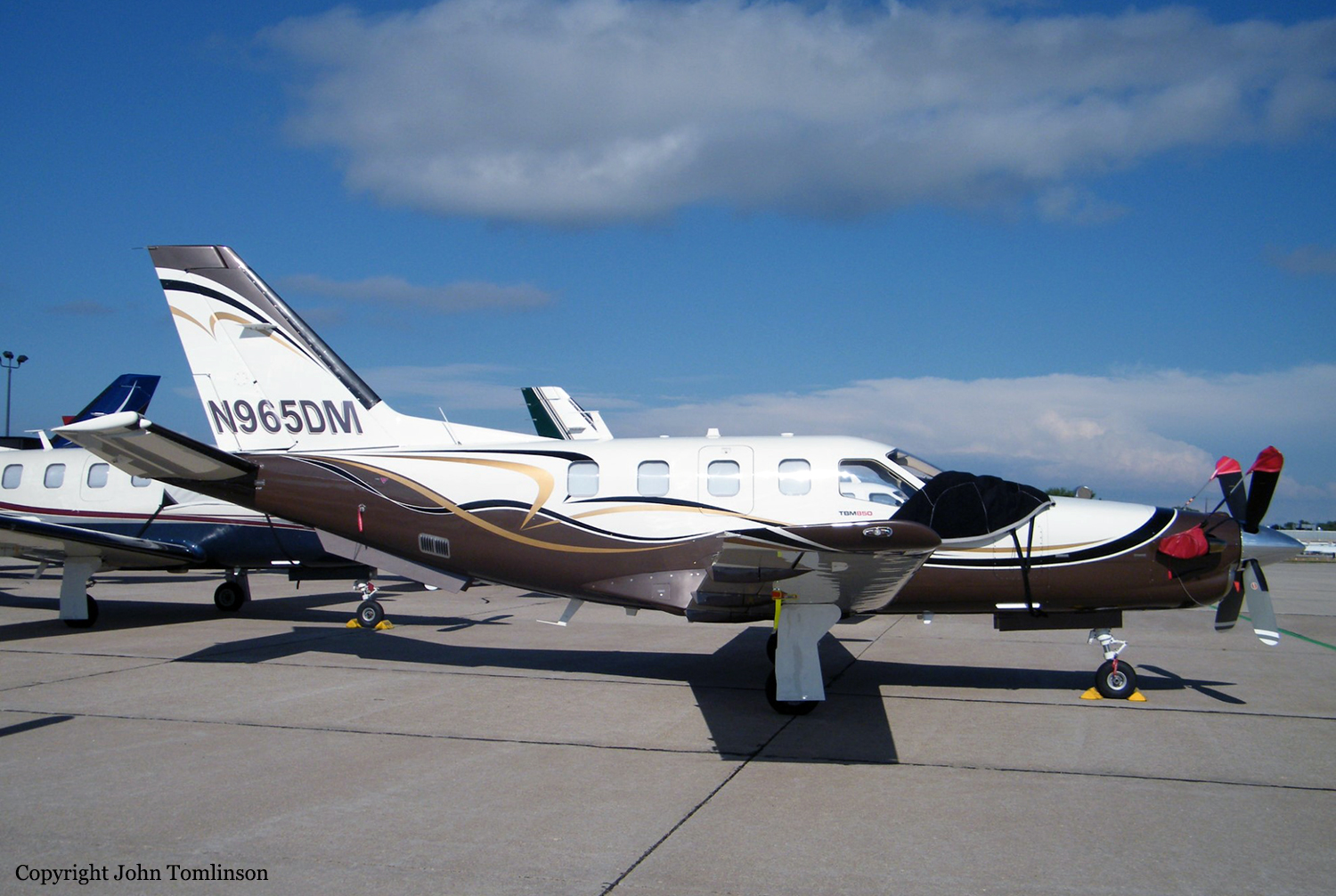
Crash of a Socata TBM-850 in Corfu: 2 killed
Date & Time:
Oct 2, 2020 at 1144 LT
Registration:
N965DM
Survivors:
No
Schedule:
Manchester - Buffalo
MSN:
527
YOM:
2009
Crew on board:
1
Crew fatalities:
Pax on board:
1
Pax fatalities:
Other fatalities:
Total fatalities:
2
Captain / Total hours on type:
239.00
Aircraft flight hours:
1181
Circumstances:
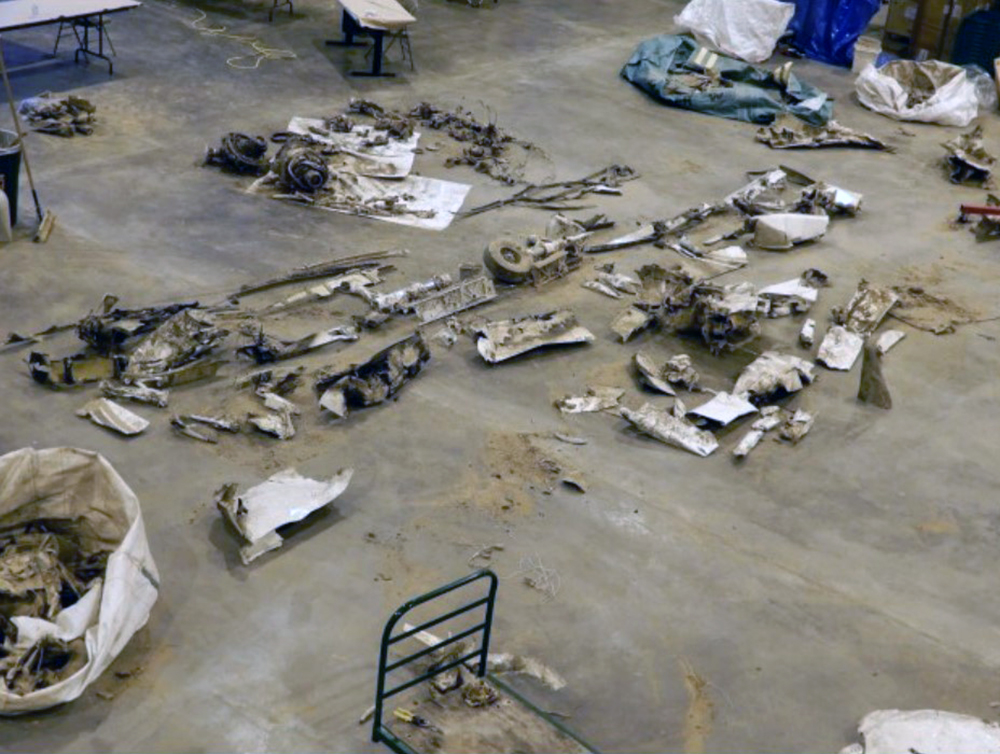
The airplane was in cruise flight at FL280 when the instrument-rated pilot failed to contact air traffic control (ATC) following a frequency change assignment. After about 25 minutes, and when 30 miles east of the destination airport, the pilot contacted ATC on a frequency other than the one that was assigned. He requested the instrument landing system (ILS) approach at his intended destination, and the controller instructed the pilot to descend to 8,000 ft and to expect vectors for the ILS approach at the destination airport. The controller asked the pilot if everything was “okay,” to which the pilot replied, “yes sir, everything is fine.” The controller then observed the airplane initiate a descent. About 2 minutes later, the controller asked the pilot where he was headed, and the pilot provided a garbled response. The controller instructed the pilot to stop his descent at 10,000 ft, followed by an instruction to stop the descent at any altitude. The pilot did not respond, and additional attempts to contact the pilot were unsuccessful. The airplane impacted terrain in a heavily wooded area 17 miles from the destination airport. Rhe aircraft disintegrated on impact and both occupants were fatally injured.
Probable cause:
The pilot’s failure to maintain control of the airplane for undetermined reasons during the descent to the destination airport.
Final Report:
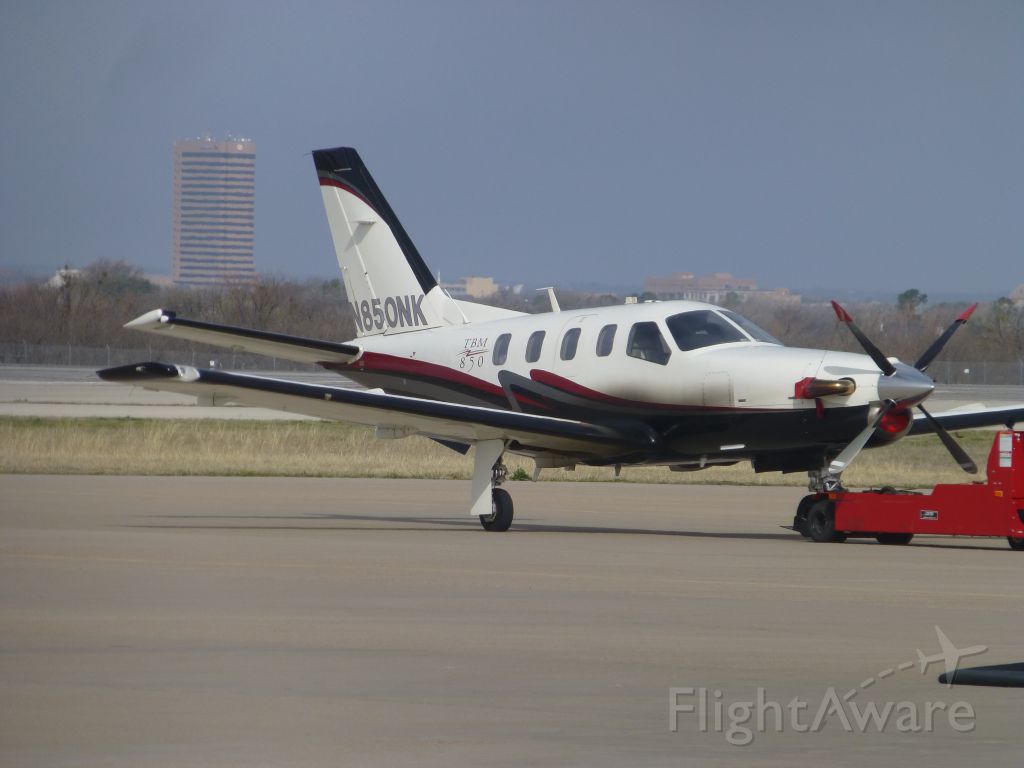
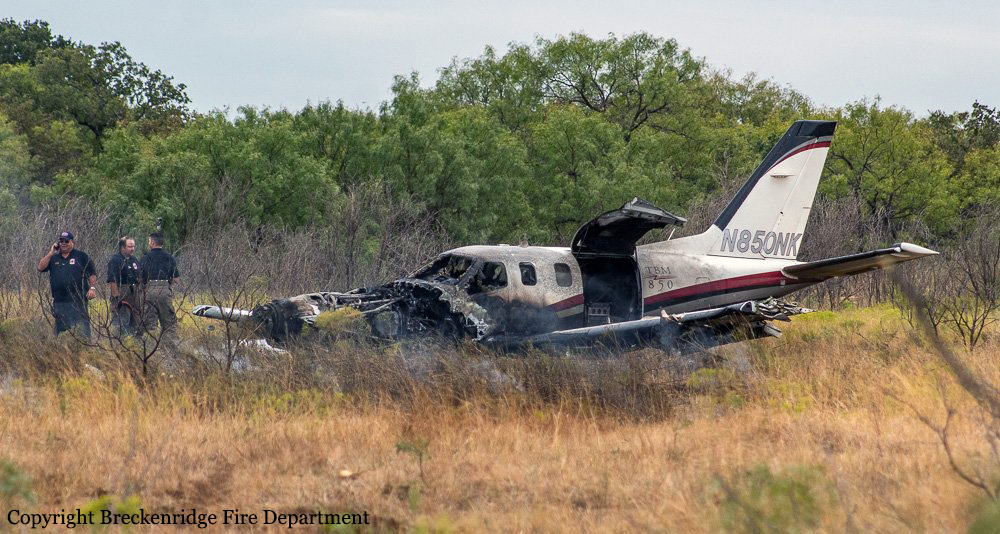
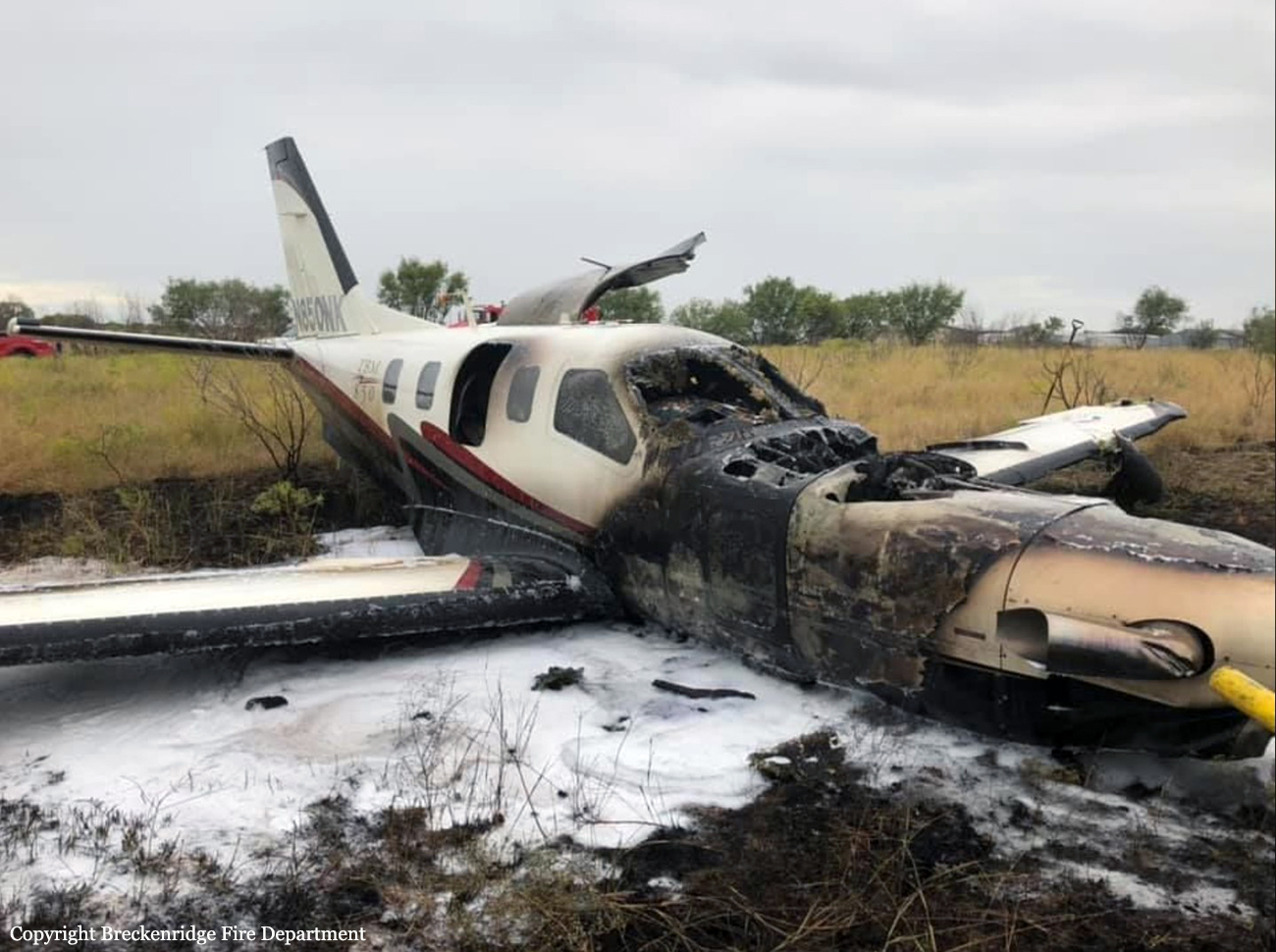
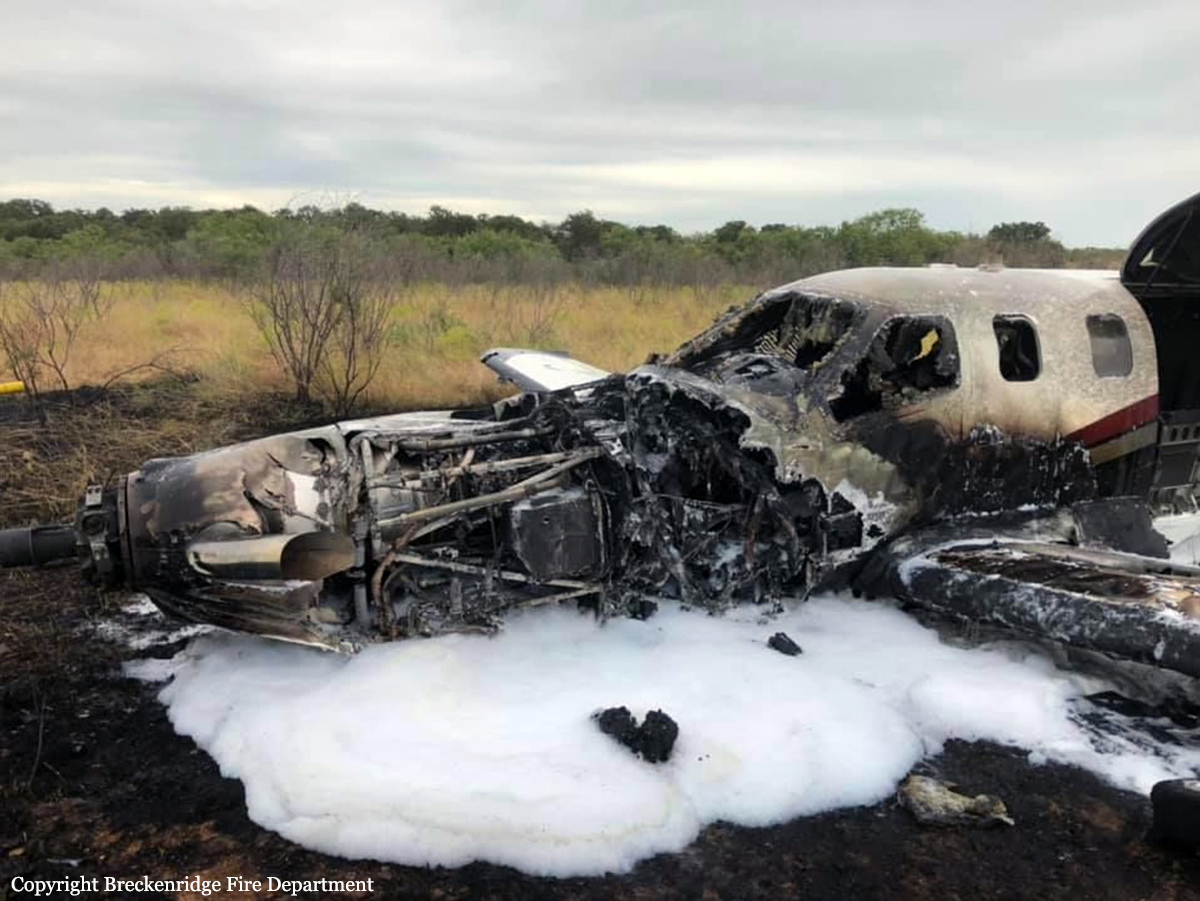
Crash of a Socata TBM-850 in Breckenridge
Date & Time:
Oct 14, 2019 at 1245 LT
Registration:
N850NK
Survivors:
Yes
Schedule:
San Angelo - Breckenridge
MSN:
432
YOM:
2007
Crew on board:
1
Crew fatalities:
Pax on board:
1
Pax fatalities:
Other fatalities:
Total fatalities:
0
Captain / Total hours on type:
6.00
Aircraft flight hours:
2878
Circumstances:
The pilot reported that, during the approach and while the airplane was about 500 ft above ground level and 81 knots, he "felt the descent rate increase significantly." The pilot increased engine power, but "the high rate of descent continued," and he then increased the engine power further. A slow left roll developed, and he applied full right aileron and full right rudder to arrest the left roll. He also reduced the engine power, and the left roll stopped. The pilot regained control of the airplane, but the airplane's heading was 45° left of the runway heading, and the airplane impacted trees and then terrain. The airplane caught fire, and the pilot and passenger exited through the emergency exit. The airplane sustained substantial damage to the windscreens and fuselage. The pilot reported that there were no preaccident mechanical failures or malfunctions with the airplane that would have precluded normal operation.
Probable cause:
The pilot's failure to maintain bank control and adequate altitude during the approach, which resulted in his failure to maintain the runway heading and a subsequent collision with trees and terrain.
Final Report: