code

MI

Crash of a Hawker 800XP near Bath: 3 killed

Date & Time: Oct 16, 2025 at 1727 LT
Type of aircraft:
Registration:
XA-JMR
Flight Phase:
Flight Type:
Survivors:
No
Schedule:
Battle Creek - Battle Creek
MSN:
258530
YOM:
2001
Location:
Crew on board:
3
Crew fatalities:
Pax on board:
0
Pax fatalities:
Other fatalities:
Total fatalities:
3
Circumstances:
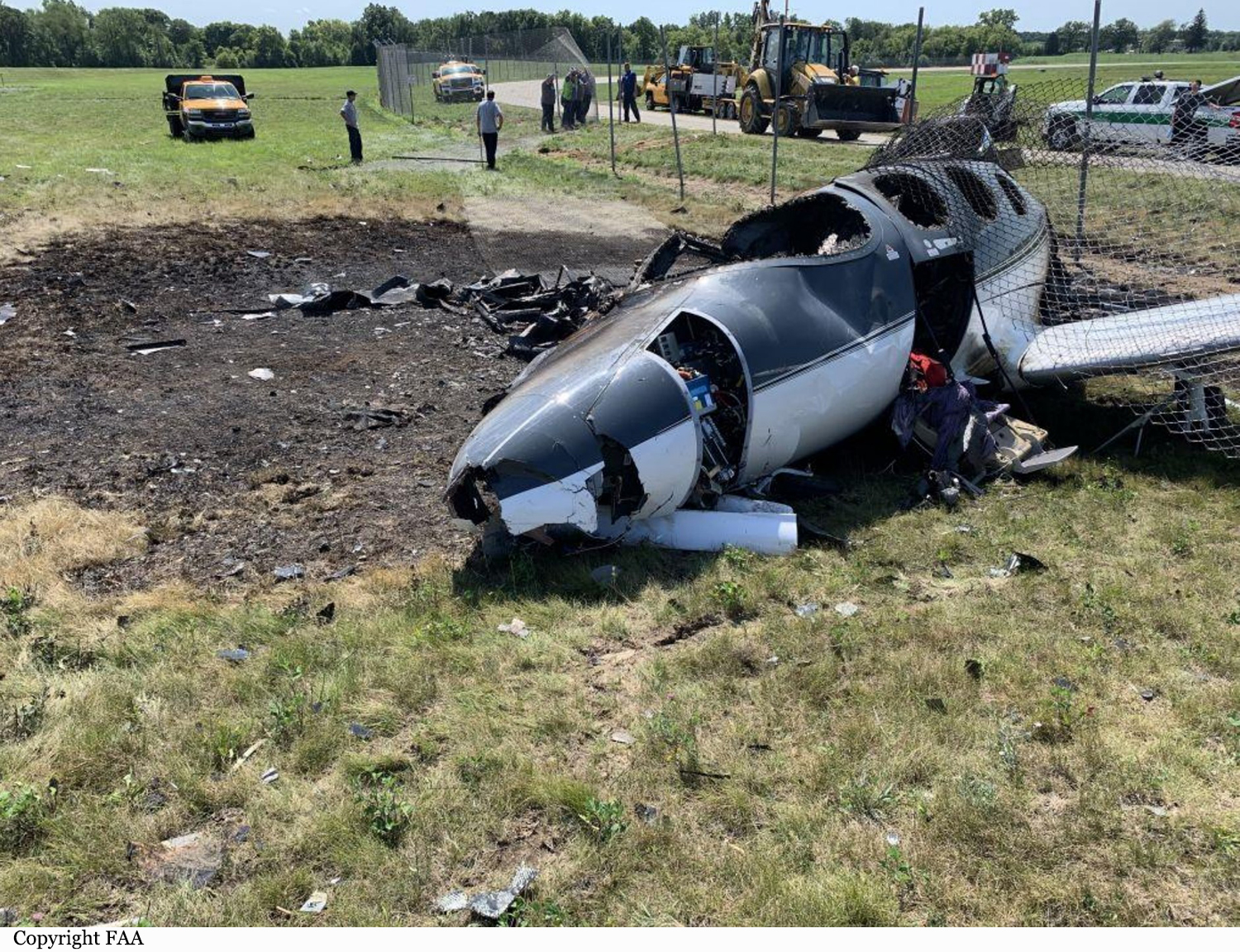
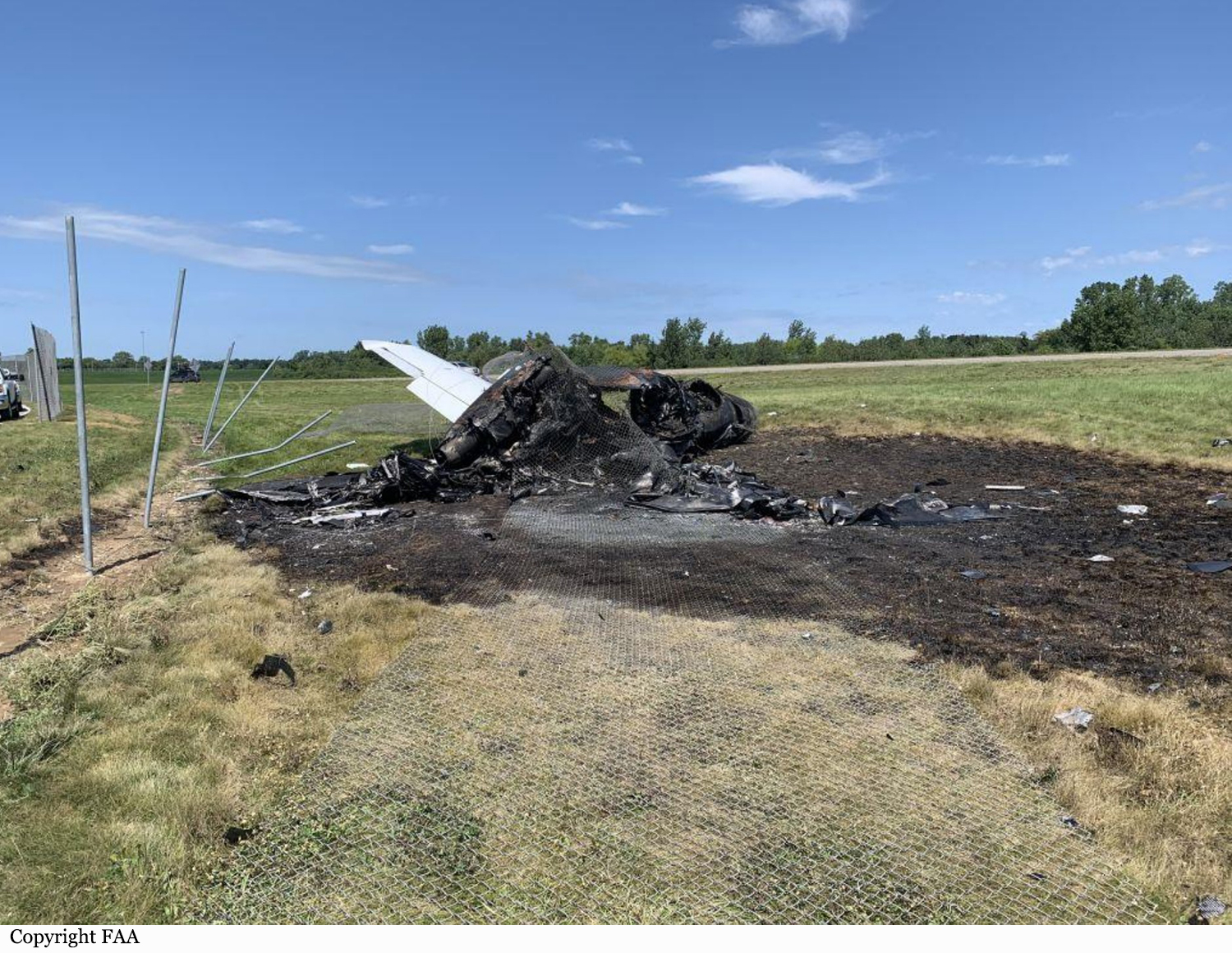
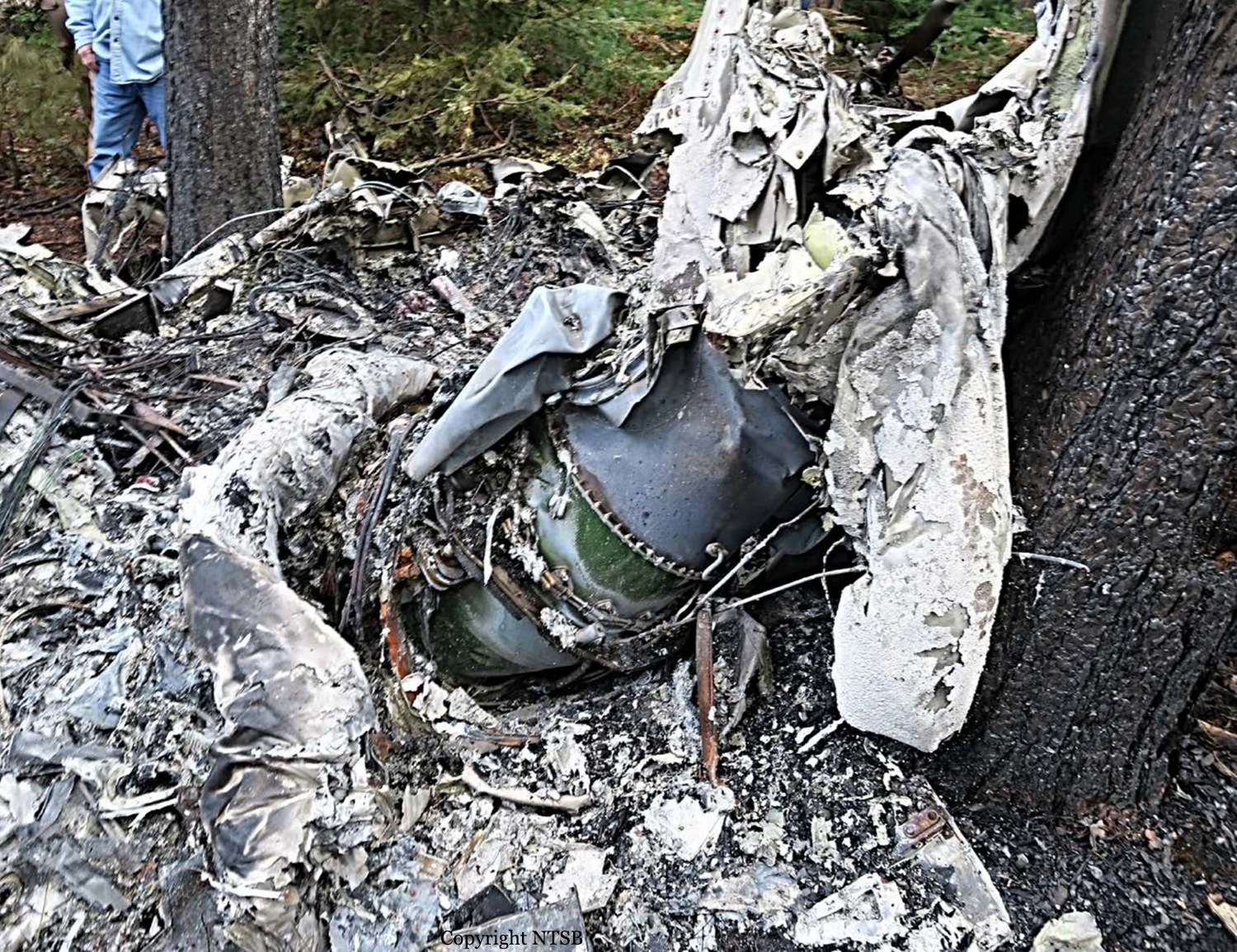
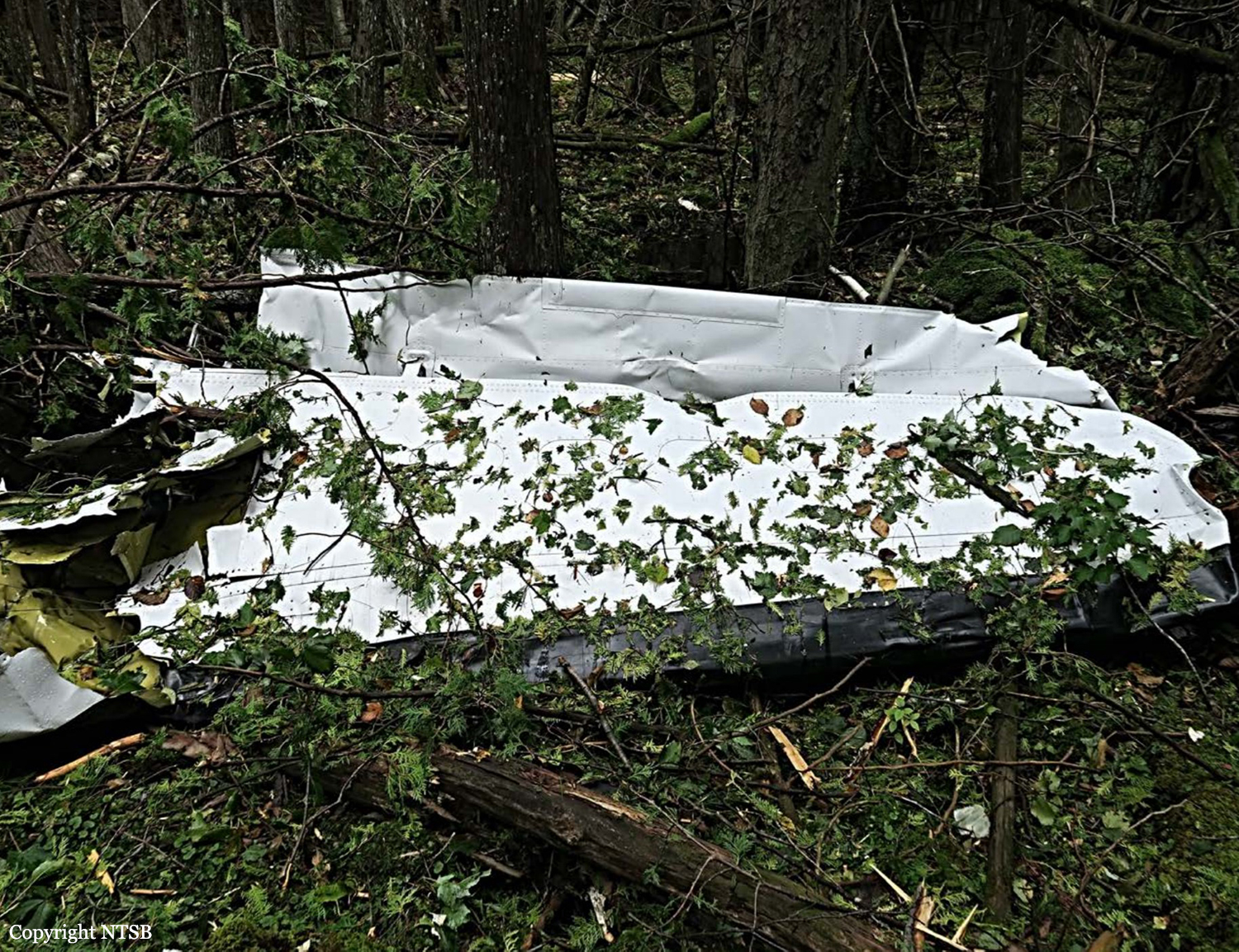
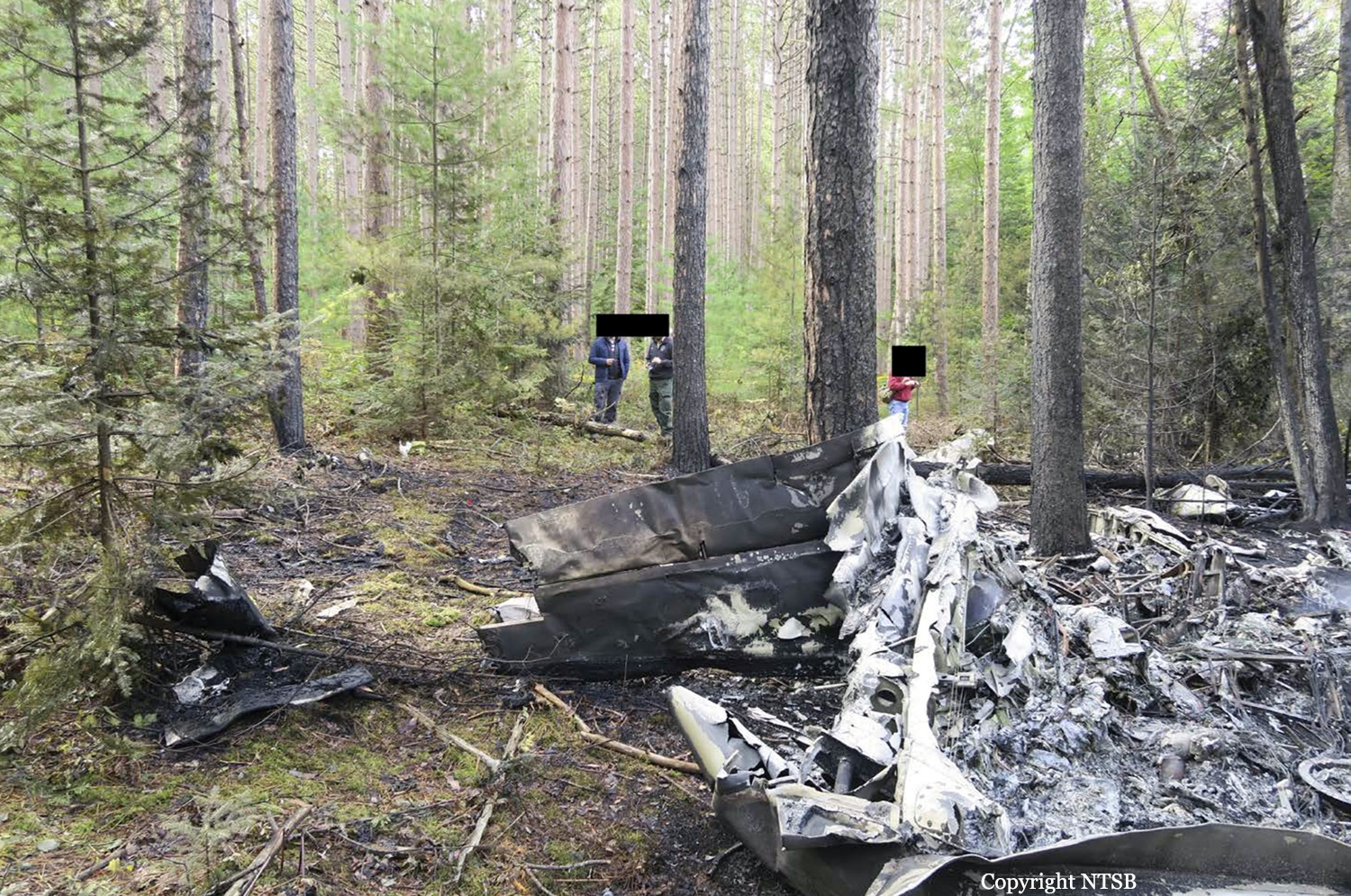
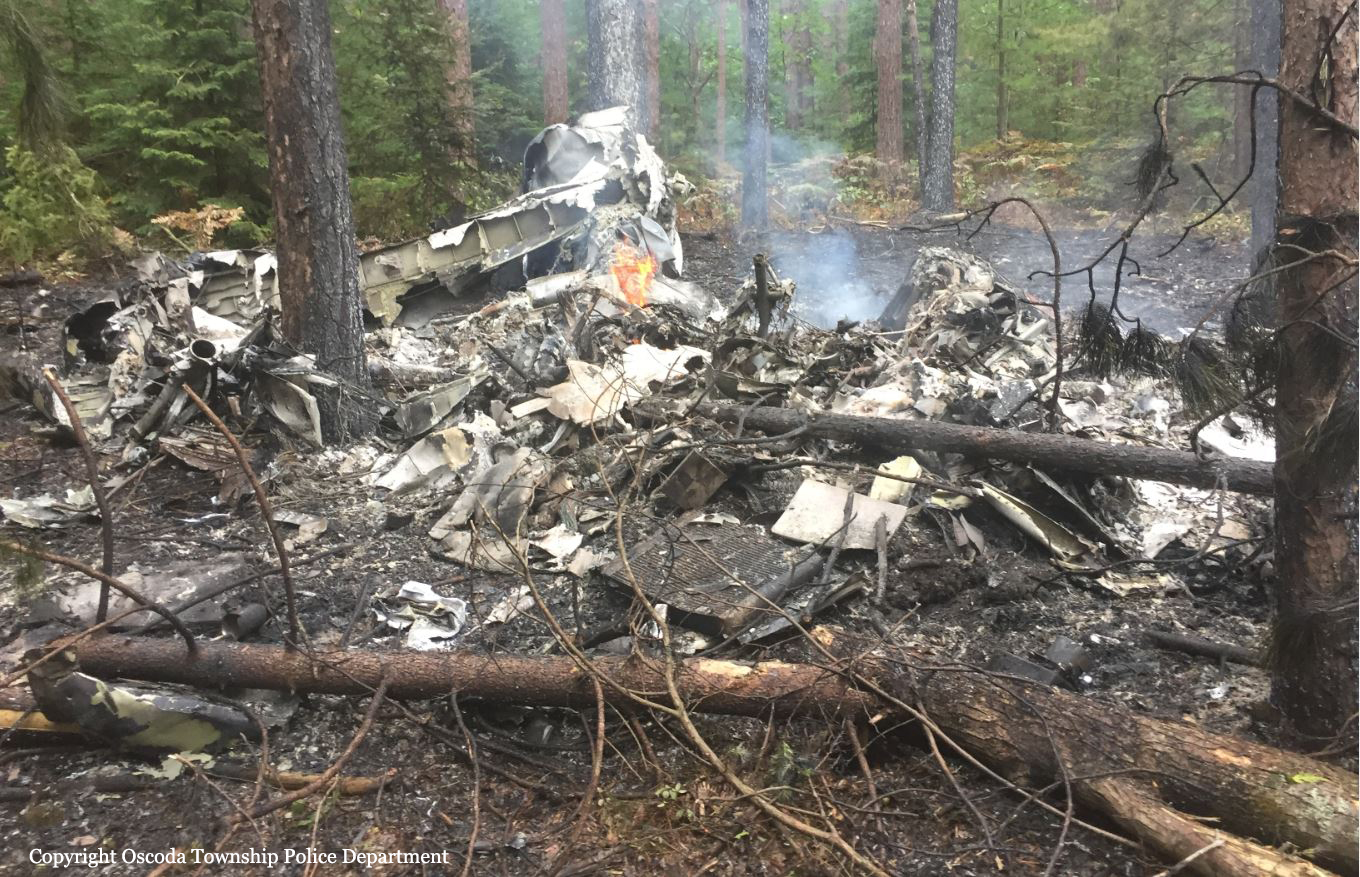
The airplane departed Battle Creek-Kellogg Field-Executive Airport Runway 23R at 1708LT on a post maintenance test flight, carrying three crew members. After takeoff, the airplane bounded to the northeast then reached the assigned altitude of 15,000 feet before proceeding over Lansing. Apparently while performing stall maneuvers, the crew lost control of the airplane that entered a spin and crashed about a minute later in a field located near Bath. The airplane exploded on ground and was totally destroyed. All three occupants were killed. It was reported that the airplane arrived at Battle Creek Airport on 25 March 2025 and the present flight was the first since this date.

Crash of a Socata TBM-850 in Ludington: 2 killed

Date & Time: Nov 26, 2023 at 1000 LT
Type of aircraft:
Operator:
Registration:
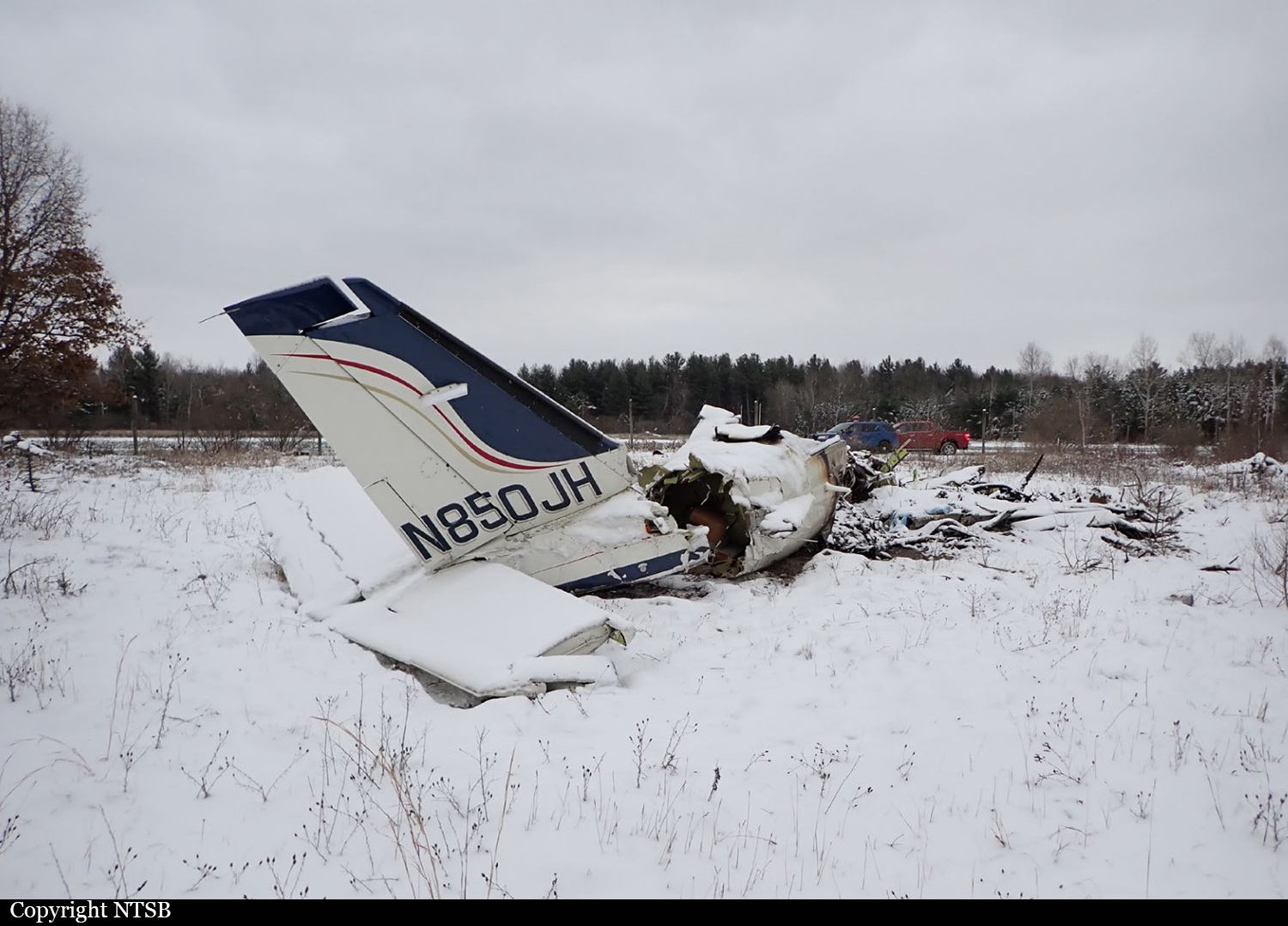
N850JH
Flight Phase:
Flight Type:
Survivors:
No
Schedule:
Ludington - Angola
MSN:
448
YOM:
2008
Crew on board:
1
Crew fatalities:
Pax on board:
1
Pax fatalities:
Other fatalities:
Total fatalities:
2
Circumstances:
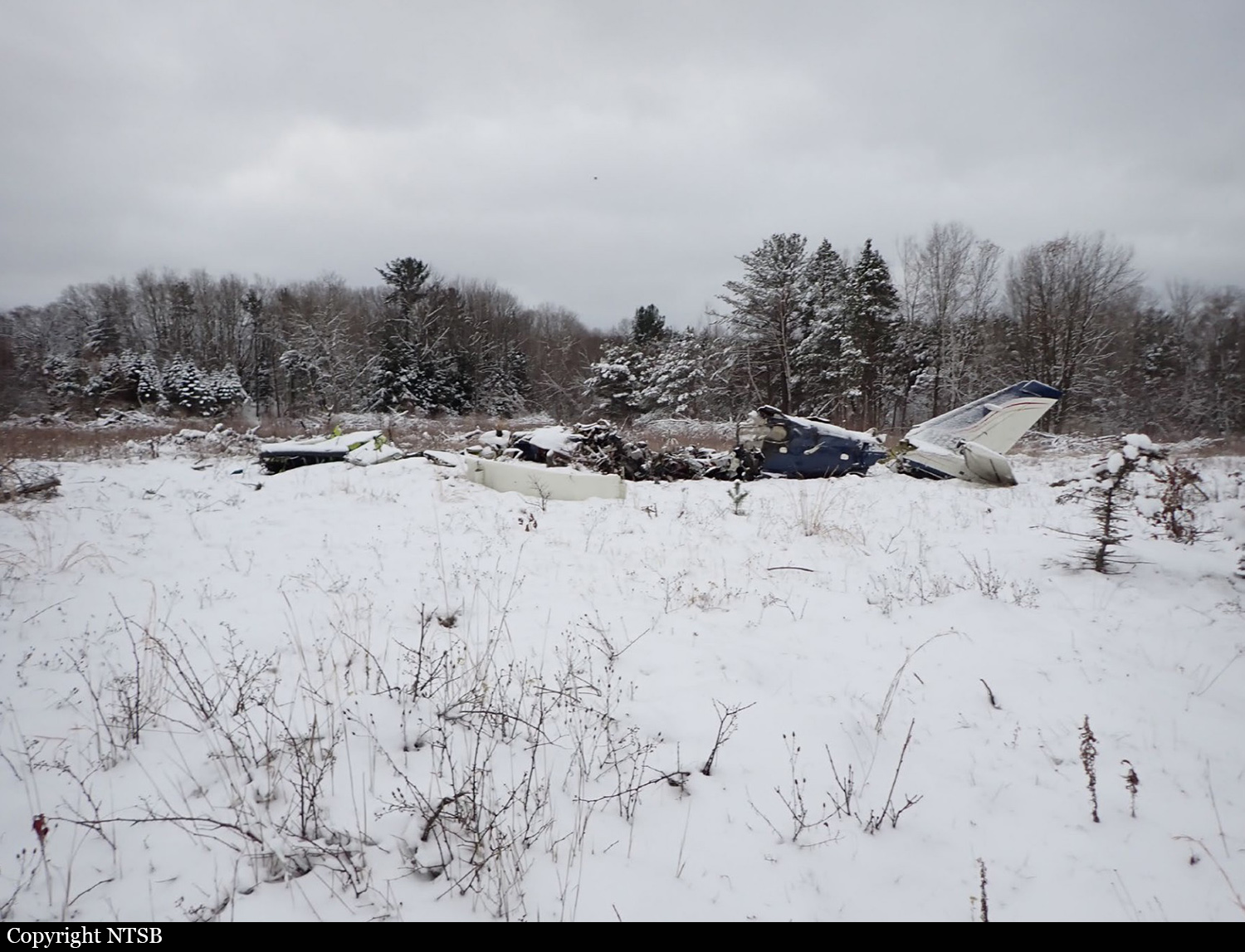
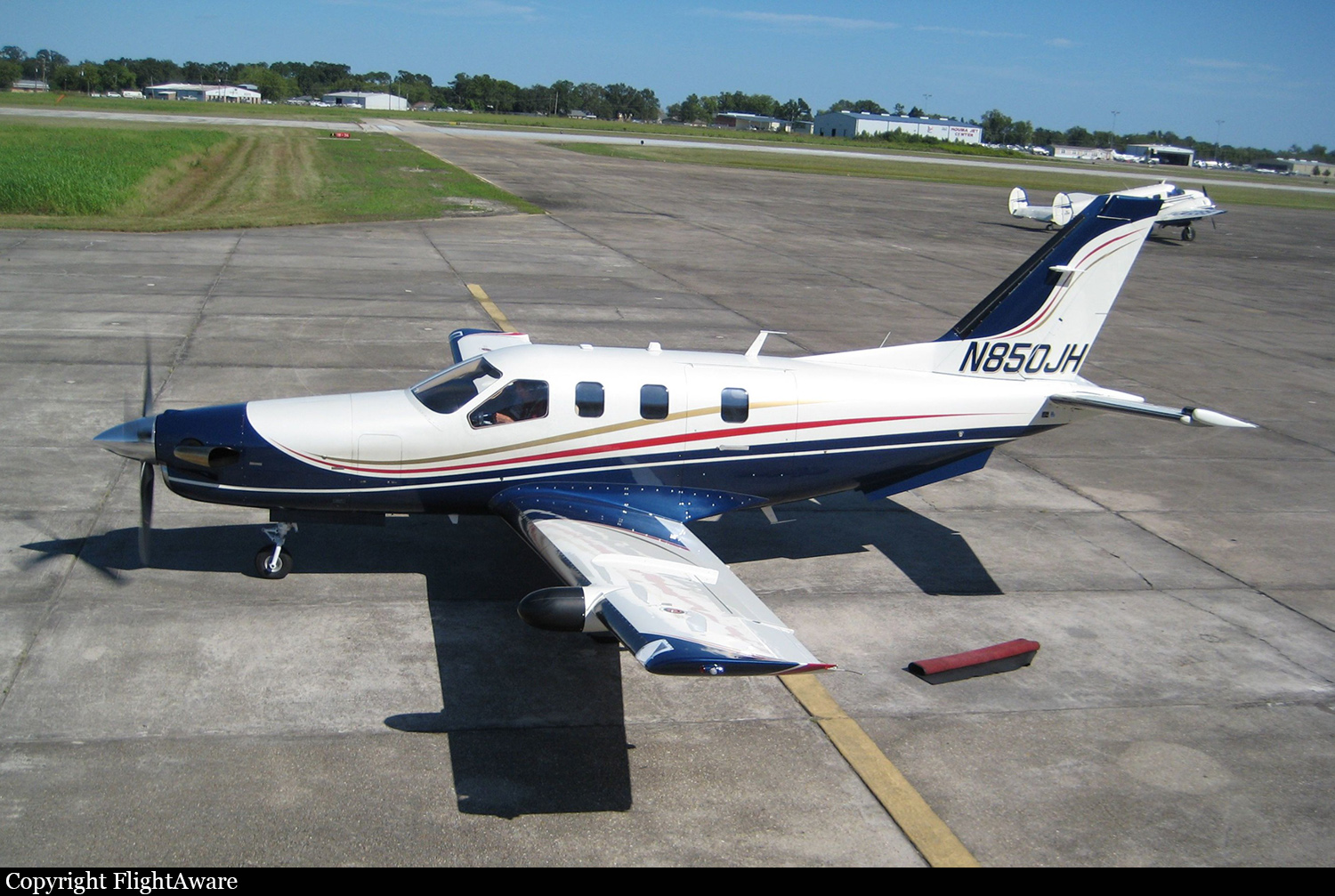
The airplane departed Ludington-Mason County Airport on a private flight to Angola-Tri State Steuben County Airport, Indiana. Two people leaving in Angola were on board with their two dogs. After takeoff from runway 08, while in initial climb, the twin engine airplane went out of control and crashed nearby a forest. The airplane was destroyed and both occupants were killed. The visibility at the time of the accident was limited due to snow falls.

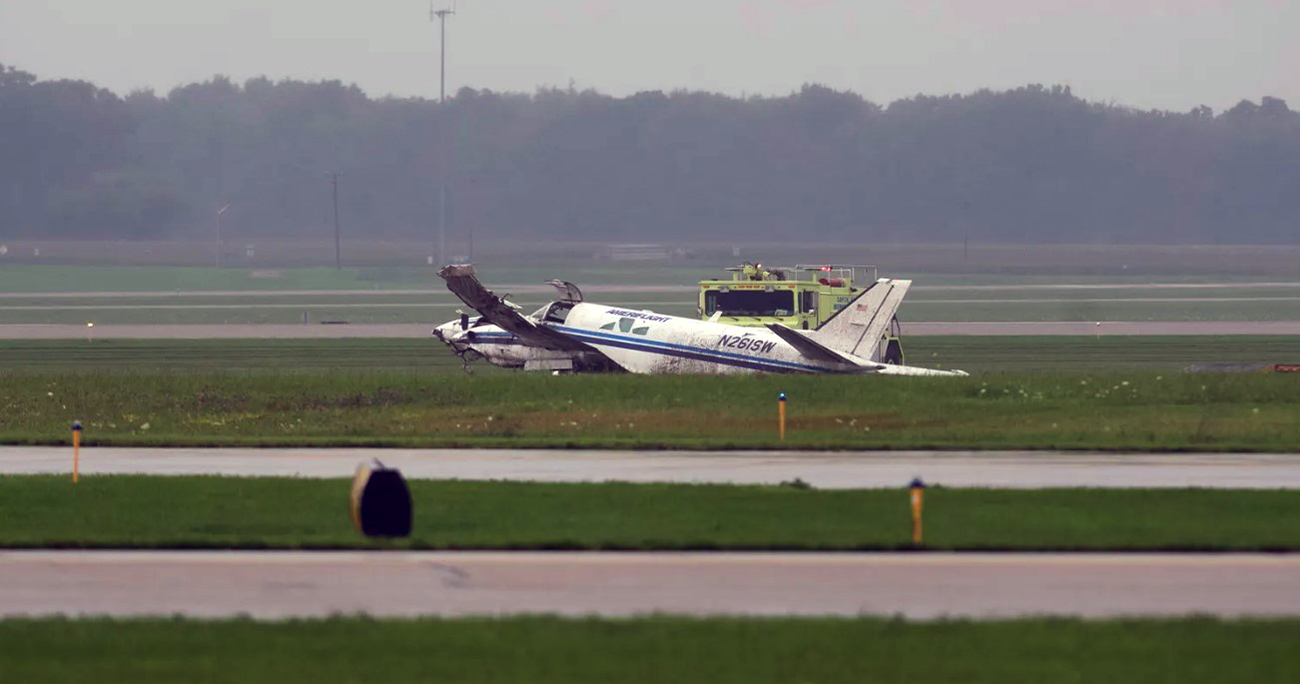
Crash of a Beechcraft C99 Airliner in Lansing

Date & Time: Aug 15, 2023 at 0805 LT
Type of aircraft:
Operator:
Registration:
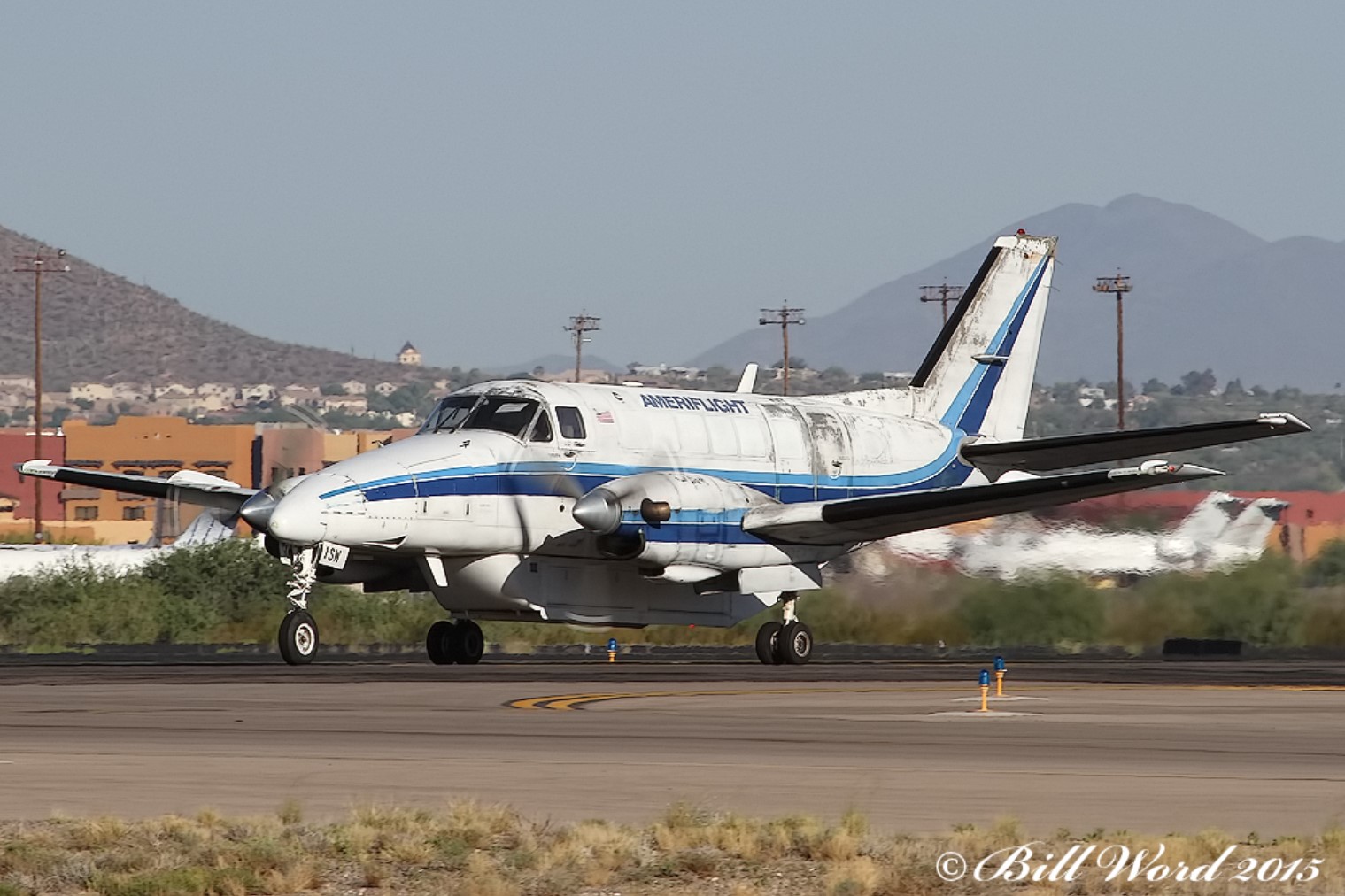
N261SW
Flight Phase:
Flight Type:
Survivors:
Yes
Schedule:
Lansing – Pellston
MSN:
U-202
YOM:
1983
Flight number:
AMF1304
Crew on board:
1
Crew fatalities:
Pax on board:
0
Pax fatalities:
Other fatalities:
Total fatalities:
0
Captain / Total flying hours:
1218
Captain / Total hours on type:
26.00
Aircraft flight hours:
27642
Circumstances:
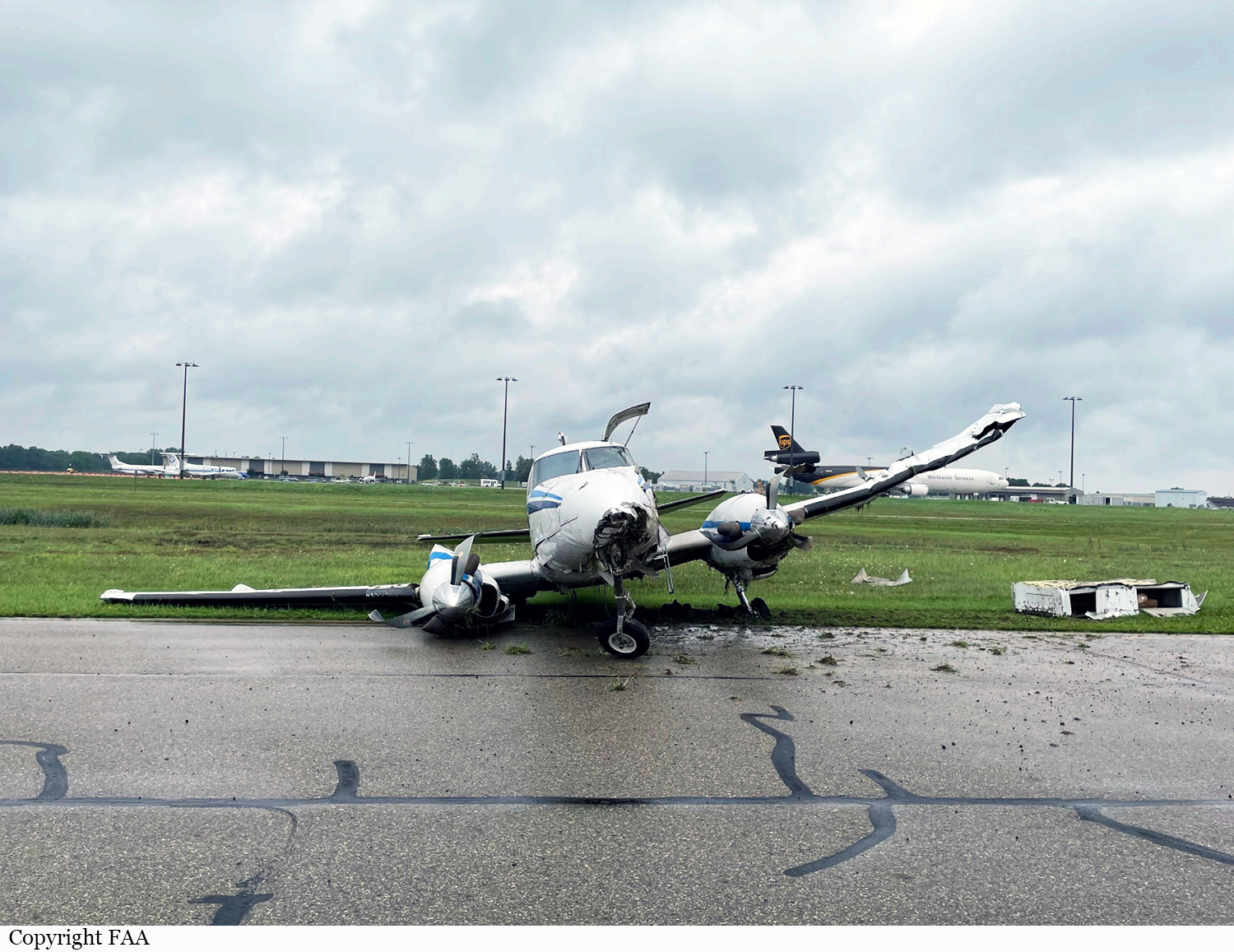
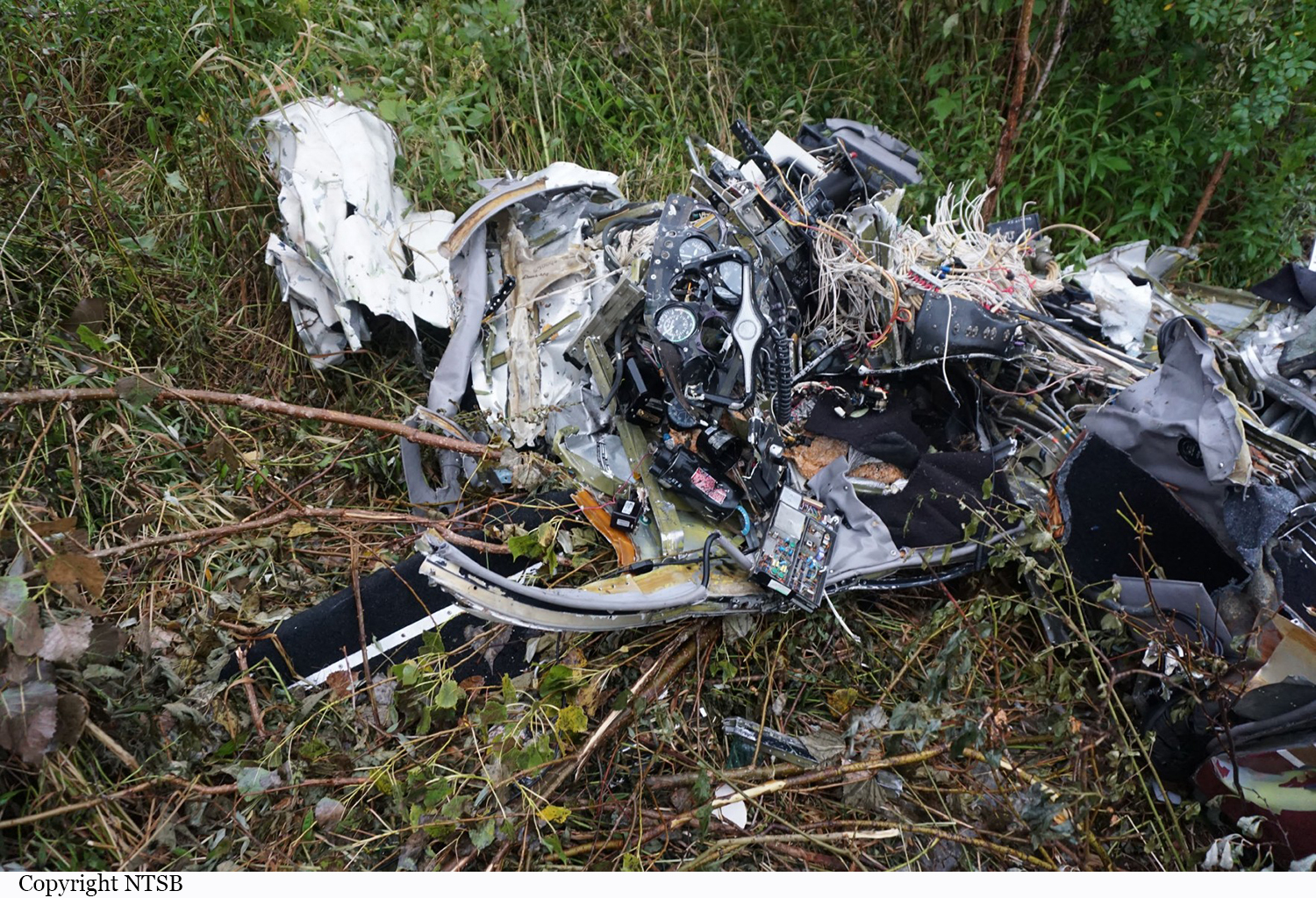
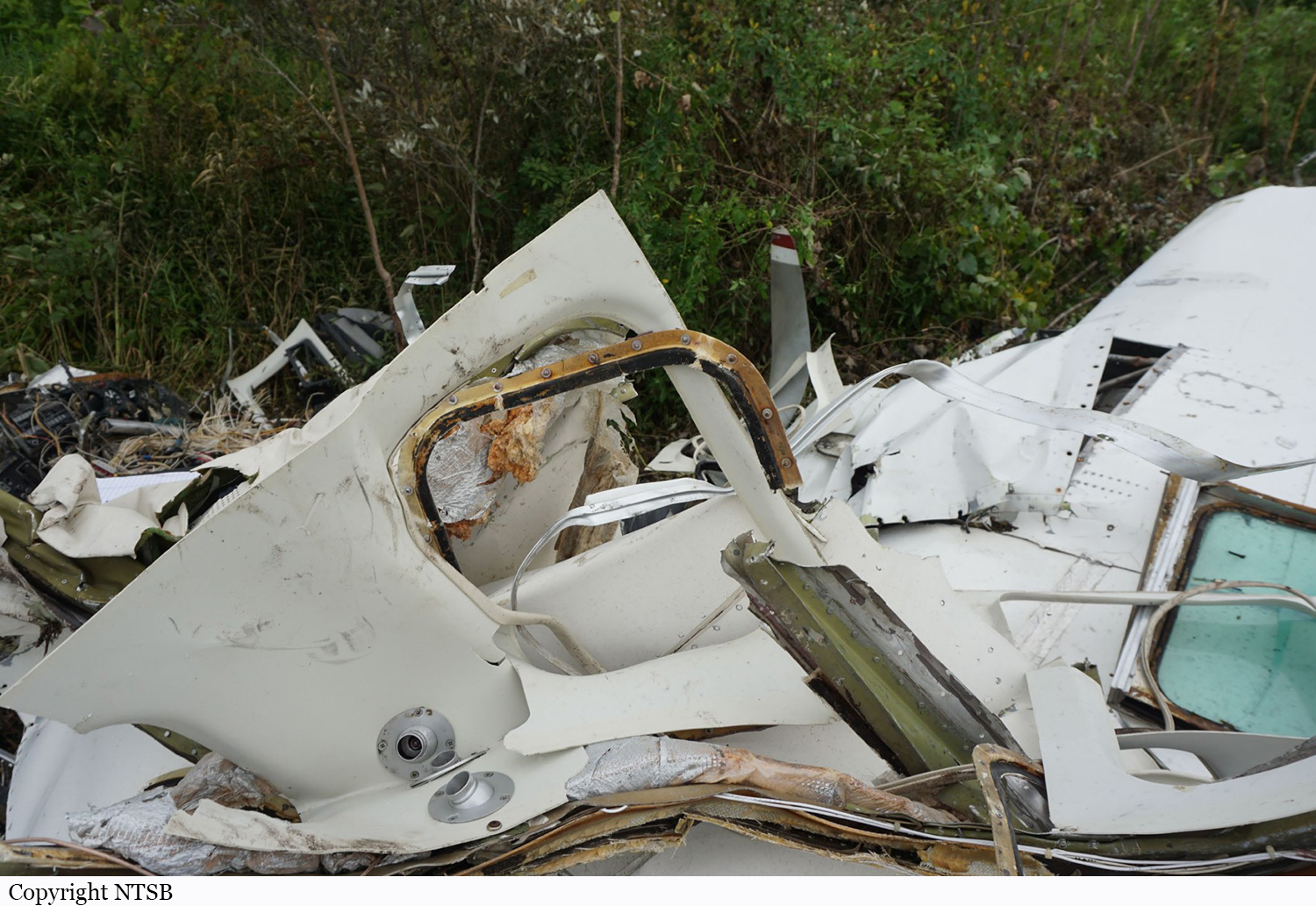
The pilot reported that after a normal start and taxi, the airplane was cleared for takeoff. During the takeoff roll, the airplane drifted right and the pilot corrected with the left rudder. When the airplane reached 100 knots, he rotated the airplane, and about 30 feet in altitude, the airplane experienced a roll to the right. The pilot tried to correct the roll with left rudder but was unable to provide sufficient left rudder. At this point, the airplane had drifted to the right of the runway and over the adjacent parallel taxiway. He was able to regain partial control by reducing engine power and banking the airplane to the left. The pilot attempted to land on the taxiway but was unable to judge his height above ground due to the low visibility, and subsequently impacted terrain to the right of the taxiway. Both wings and the fuselage sustained substantial damage. Prior to exiting the airplane, the pilot noted that the rudder trim was set to the full nose-right position. The pilot reported no preaccident mechanical malfunctions or failures with the airplane that would have precluded normal operation. Prior to the accident, maintenance was completed that consisted of an “Event II & Routine” inspection. The inspection procedure required the rudder trim system to be lubricated, a trim tab free play inspection, and an operational check prior to returning the airplane to service. Review of the maintenance procedures revealed there was no guidance on returning the rudder trim control system back to a neutral position at completion of the inspection.

Probable cause:
The pilot’s failure to properly set the rudder trim position which resulted in a loss of directional control during takeoff. Contributing was the pilot’s inadequate checklist procedures prior to takeoff.
Final Report:

Crash of a Piper PA-60 Aerostar (Ted Smith 600) in South Haven: 2 killed

Date & Time: Aug 2, 2022 at 1030 LT
Registration:
N9784Q
Flight Phase:
Flight Type:
Survivors:
No
Schedule:
South Haven - South Haven
MSN:
60-0416-143
YOM:
1977
Crew on board:
2
Crew fatalities:
Pax on board:
0
Pax fatalities:
Other fatalities:
Total fatalities:
2
Captain / Total flying hours:
3250
Copilot / Total flying hours:
28500
Copilot / Total hours on type:
0
Aircraft flight hours:
11197
Circumstances:
A friend of the copilot reported this was the multiengine airplane’s first flight since the (single engine-rated) copilot purchased it five years before the accident. He stated that the purpose of the flight was to conduct touch-and-go landings. Another (multiengine-rated) pilot was flying in the left seat, with the copilot flying in the right seat. On the day of the accident, when the friend arrived at the airport, he noticed that the airplane was not in the traffic pattern. After a few hours, he became concerned and reported the airplane missing to local authorities, and it was found the next morning in a heavily wooded area about one mile away from the airport. There were no witnesses to the accident. Post accident examination of the wreckage revealed that the airplane’s left propeller displayed signatures indicative of low rotational speed at impact, suggesting that the airplane’s left engine may have lost at least partial power. The right propeller showed signatures consistent with high rotational speed/power settings at the time of impact. Examination of the left engine’s fuel servo revealed that it was heavily contaminated with sediment and that the fuel pump had weak suction and compression. Either or both of these conditions could have reduced the left engine’s performance during the flight. Additionally, the airplane was found with its wing flaps extended, the landing gear not retracted, and the left engine’s propeller was not feathered. A representative from the airplane’s type certificate holder stated that, depending on the airplane’s takeoff weight, it generally could not maintain level flight during an engine-out condition unless the flaps and landing gear were up and the failed engine’s propeller was feathered. While there were no witnesses to the accident or other recorded data to suggest what flight regime the airplane was in when the loss of engine power occurred, given the stated purpose of the flight and the findings of the post accident examination of the wreckage, it is likely that, while maneuvering the airplane in the airport traffic pattern, the airplane’s left engine lost power and the airplane subsequently impacted trees and terrain. Given the configuration of the wing flaps and landing gear and the unfeathered position of the left propeller, it is likely that the airplane’s single-engine performance was degraded.
Probable cause:
A loss of power to the left engine due to contamination of the fuel system. Contributing to the accident was the pilots’ failure to properly configure the airplane for flight with one engine inoperative.
Final Report:

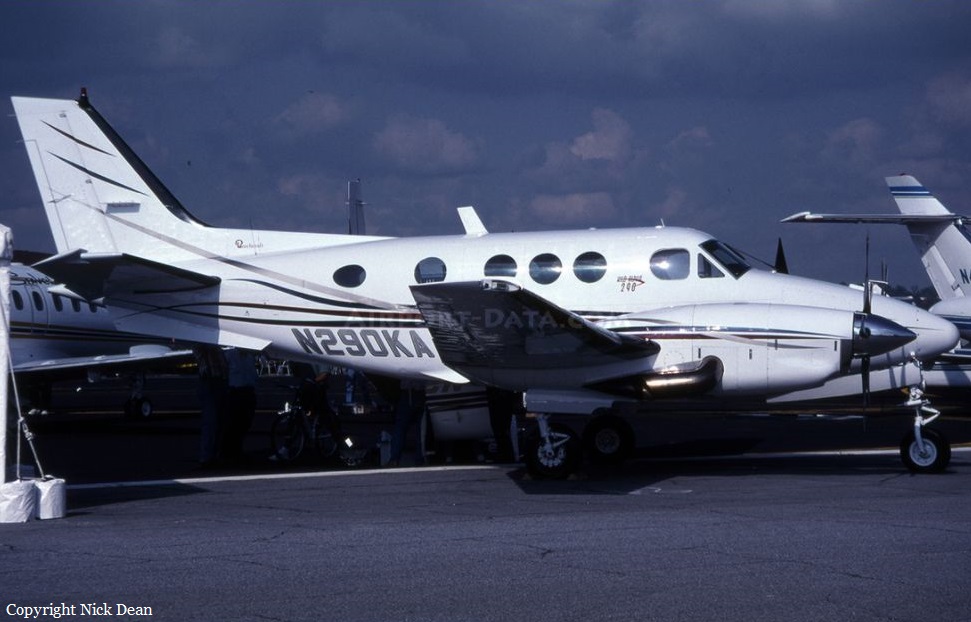
Crash of a Beechcraft E90 King Air in Boyne City: 2 killed

Date & Time: Nov 15, 2021 at 1245 LT
Type of aircraft:
Operator:
Registration:
N290KA
Flight Type:
Survivors:
No
Schedule:
Pontiac - Boyne City
MSN:
LW-59
YOM:
1973
Crew on board:
1
Crew fatalities:
Pax on board:
1
Pax fatalities:
Other fatalities:
Total fatalities:
2
Captain / Total flying hours:
13000
Captain / Total hours on type:
700.00
Aircraft flight hours:
10491
Circumstances:
While on final approach, the airplane gradually slowed to near its stall speed. About 600 ft beyond the last recorded data, the airplane impacted the ground in a nose-down attitude that was consistent with a stall. Postaccident examination revealed no preaccident mechanical failures or malfunctions that would have contributed to the accident. Witnesses near the accident site reported very heavy sleet with low visibility conditions, whereas a witness located near the final approach flightpath, about 2 miles before the accident site observed the airplane fly by below an overcast cloud layer with no precipitation present. Based on the witness accounts and weather data, the airplane likely entered a lake effect band of heavy sleet during the final portion of the flight. The airplane was modified with 5-bladed propellers, and other pilots reported it would decelerate rapidly, especially when the speed/propeller levers were moved to the high rpm (forward) position. The pilot usually flew a larger corporate jet and had not flown the accident airplane for 8 months. The passenger was a student pilot with an interest in becoming a professional pilot. The pilot’s poor airspeed control on final approach was likely influenced by a lack of recency in the turboprop airplane. The workload of inflight deicing tasks may have also contributed to the poor airspeed control. The aerodynamic effects of the heavy sleet that was encountered near the accident site likely contributed to the stall to some degree.
Probable cause:
The pilot’s failure to maintain sufficient airspeed and his exceedance of the airplane’s critical angle of attack while in icing conditions, which resulted in an aerodynamic stall and subsequent ground impact.
Final Report:

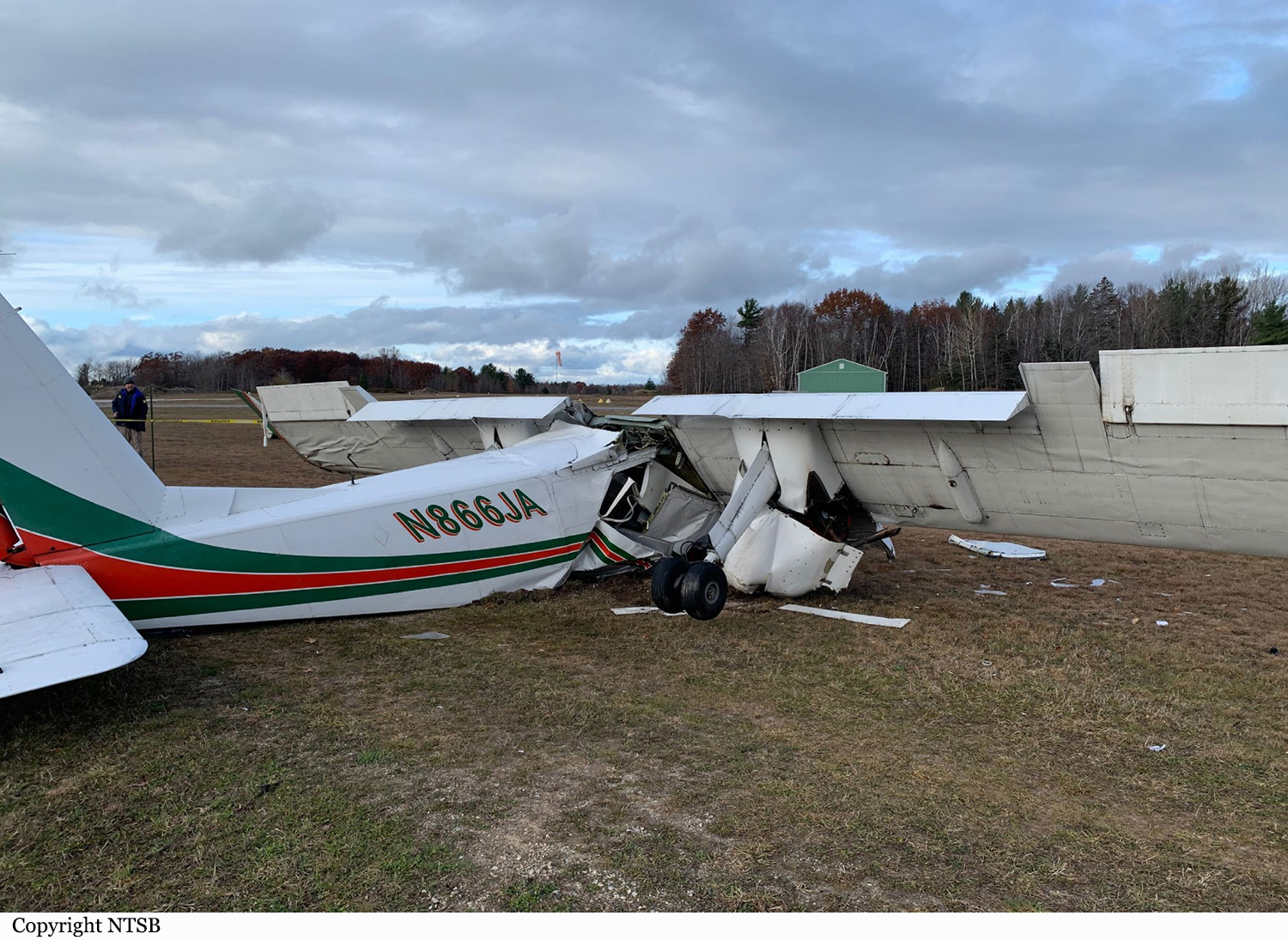
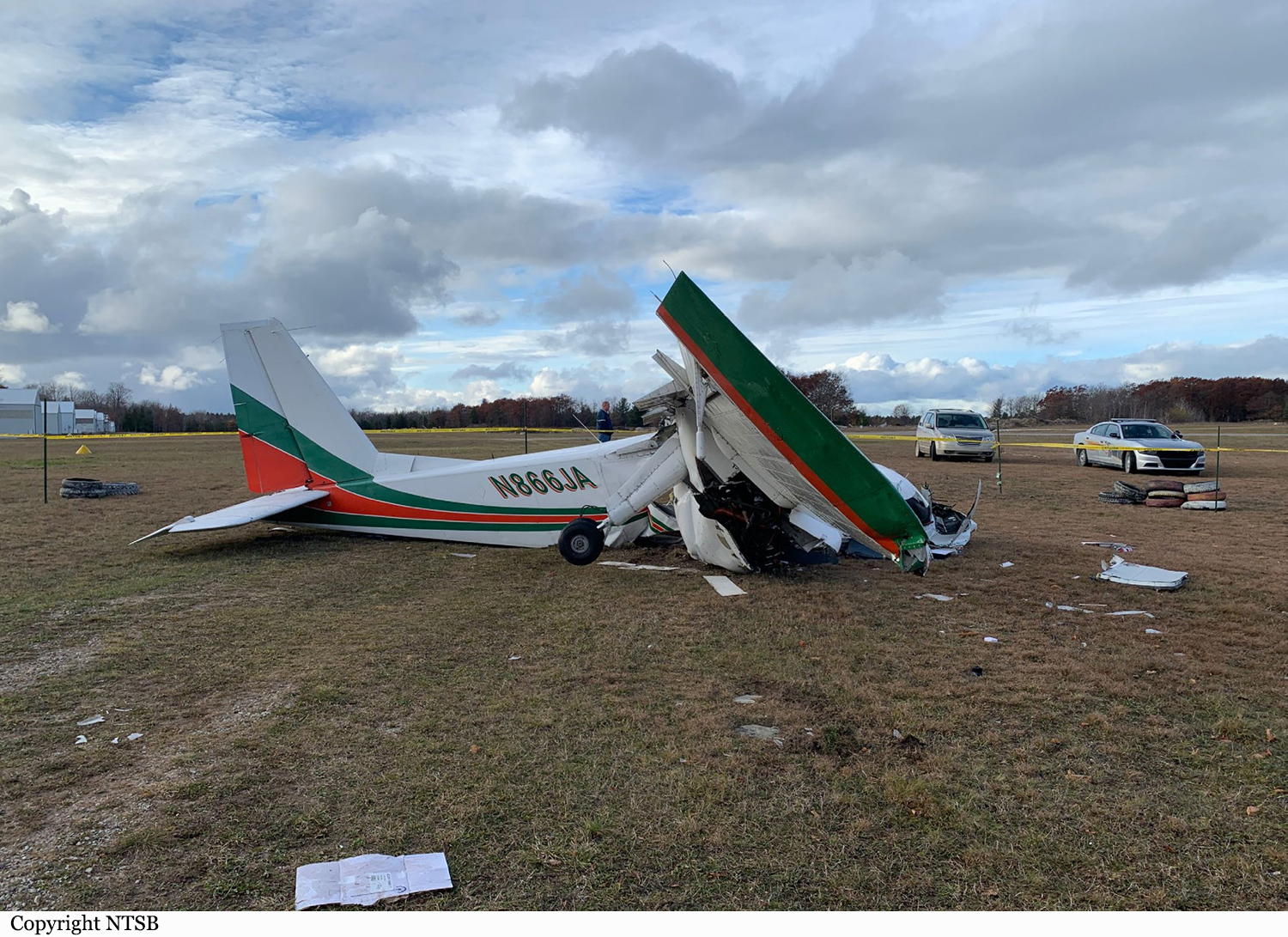
Crash of a Britten Norman BN-2A-6 Islander in Beaver Island: 4 killed

Date & Time: Nov 13, 2021 at 1349 LT
Type of aircraft:
Operator:
Registration:
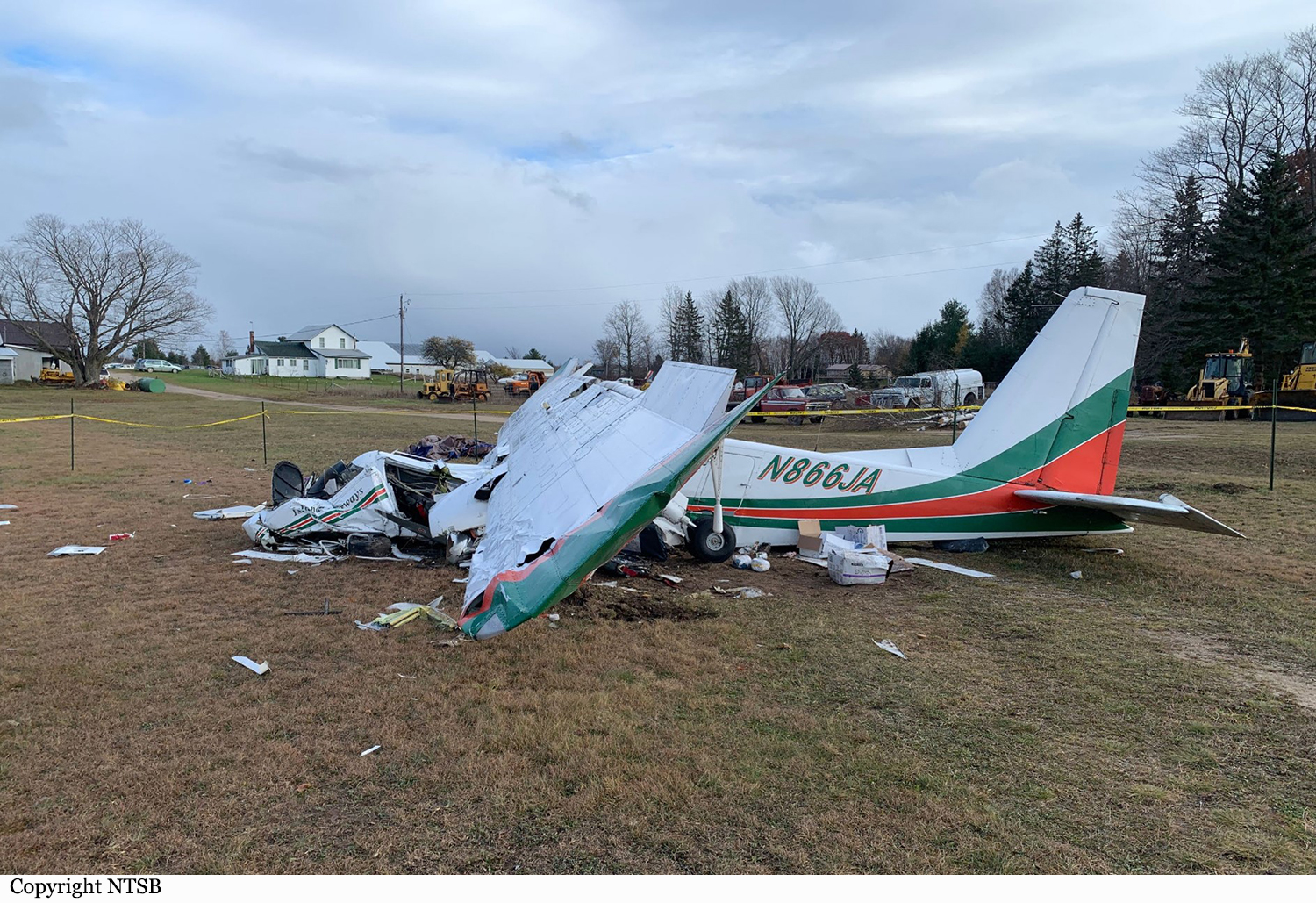
N866JA
Survivors:
Yes
Schedule:
Charlevoix – Beaver Island
MSN:
185
YOM:
1970
Crew on board:
1
Crew fatalities:
Pax on board:
4
Pax fatalities:
Other fatalities:
Total fatalities:
4
Captain / Total flying hours:
2949
Captain / Total hours on type:
136.00
Aircraft flight hours:
20784
Circumstances:
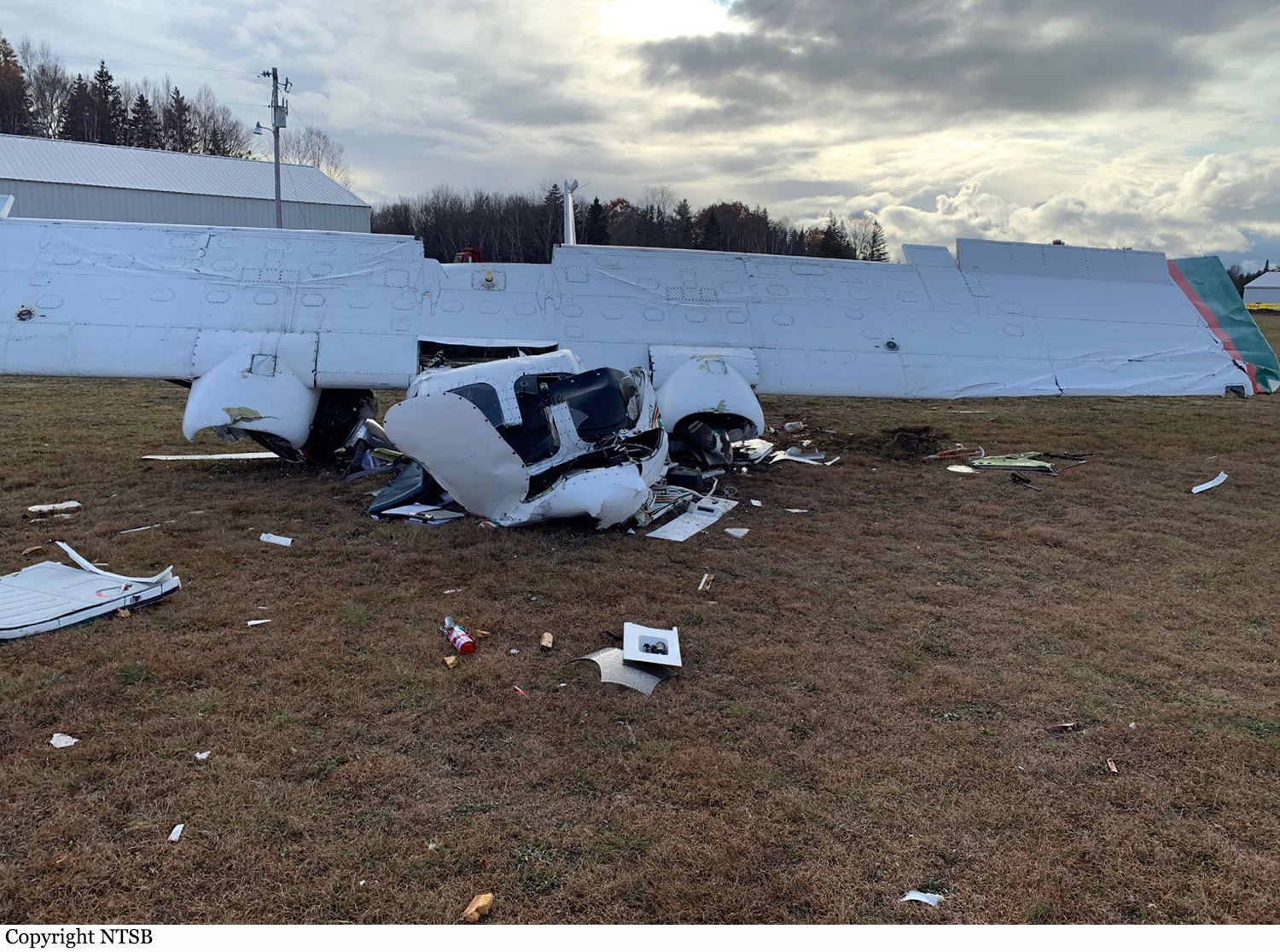
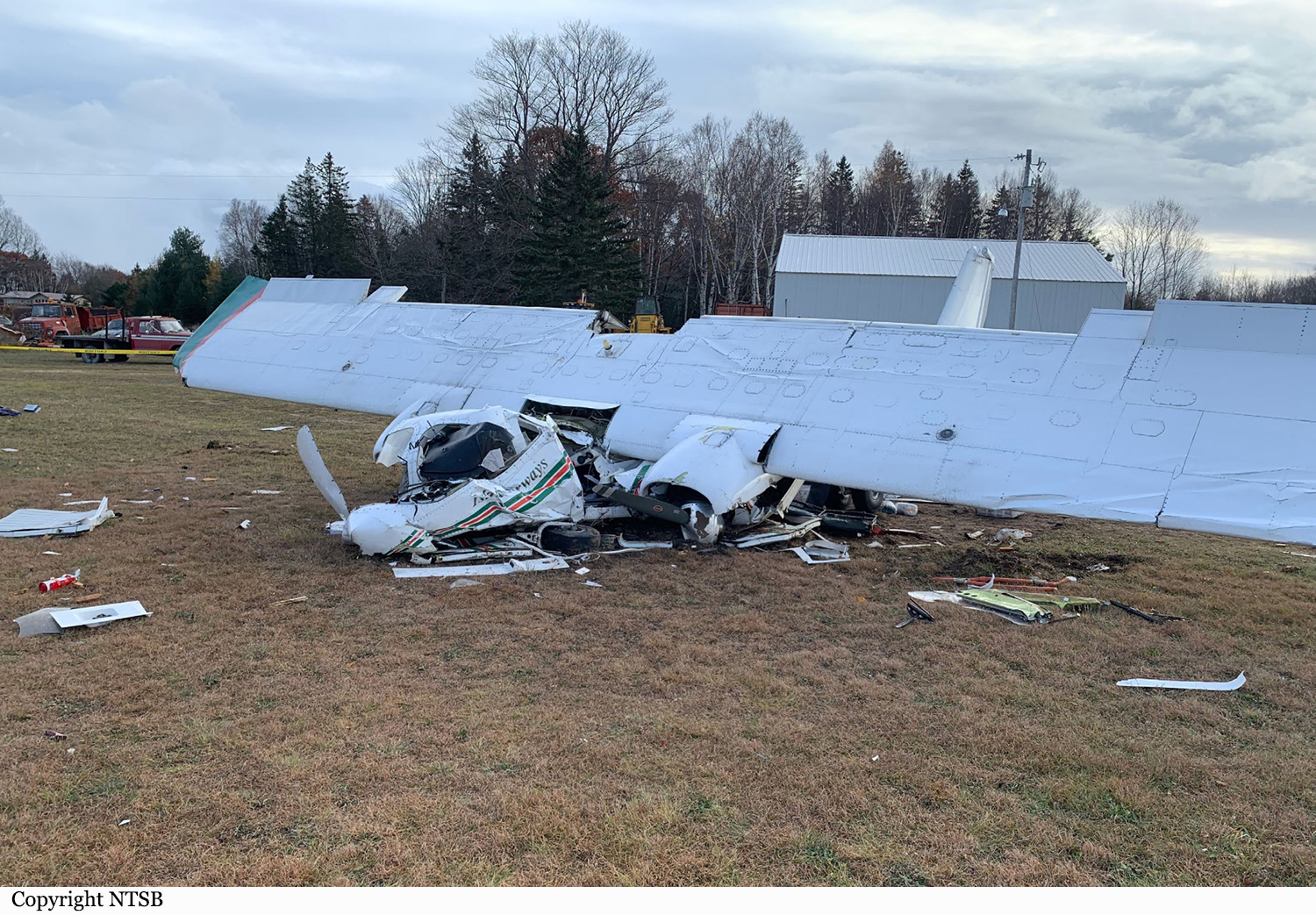
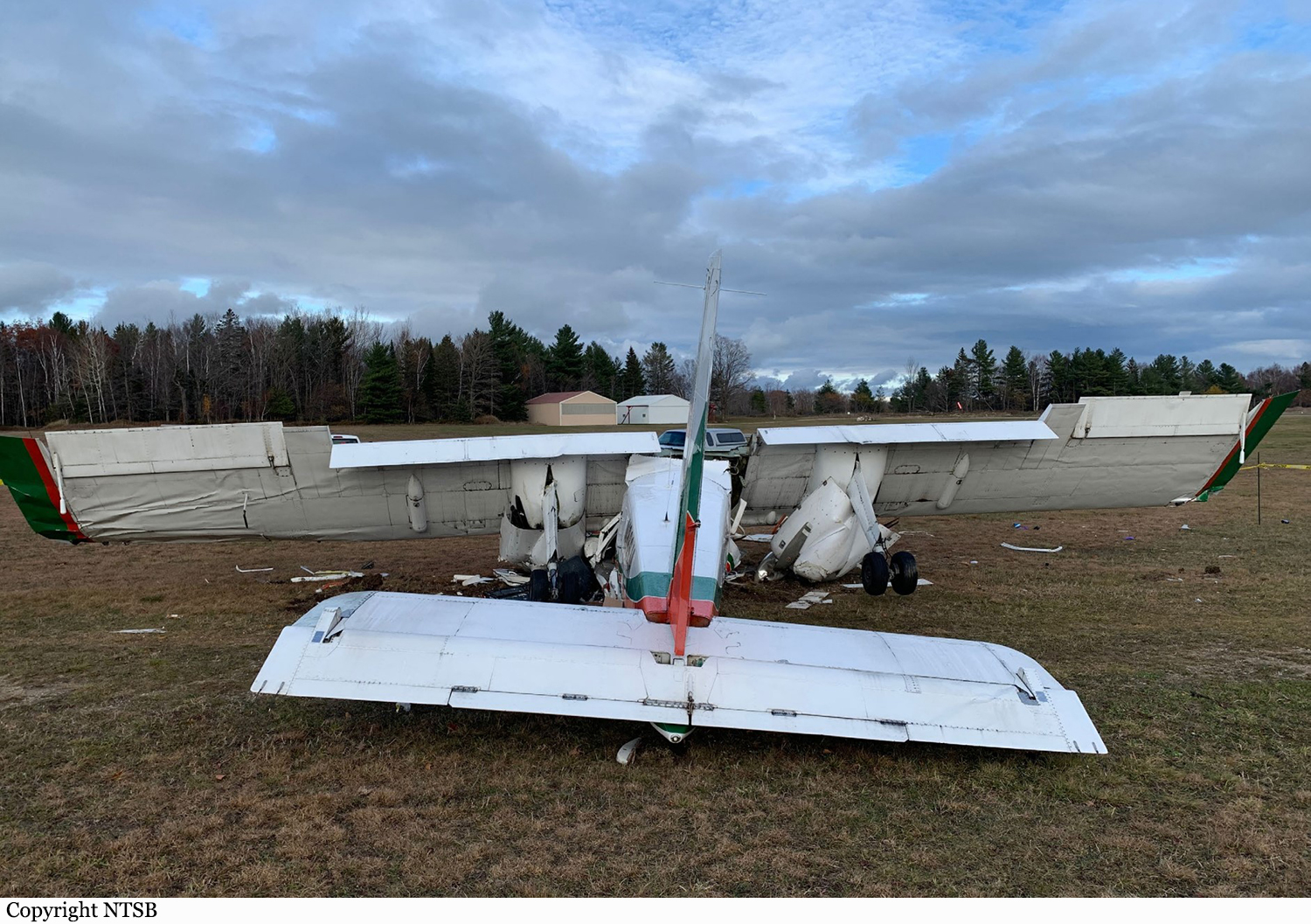
A pilot-rated witness observed the airplane during the final approach to the destination airport and stated that the airplane was flying slowly, with a high pitch attitude, and was “wallowing” as if nobody was flying. The airplane stalled and impacted the ground about 300 ft from the runway. GPS and automatic dependent surveillance-broadcast (ADS-B) data captured the accident flight, but the ADS-B data ended about 0.24 miles before the accident. GPS data showed that the airplane’s speed was at or near the published stall speed for the airplane’s given loading condition. The airplane sustained substantial damage to the fuselage and both wings. Examination of the airplane verified flight and engine control continuity. No preimpact anomalies were found with respect to the airplane, engines, or systems. The pilot allowed the airspeed to decrease during the approach, increased pitch attitude, and exceeded critical angle of attack, which resulted in an aerodynamic stall and spin into terrain.
Probable cause:
The pilot's exceedance of the airplane's critical angle of attack during final approach, which resulted in an aerodynamic stall and loss of control at an altitude too low to recover.
Final Report:

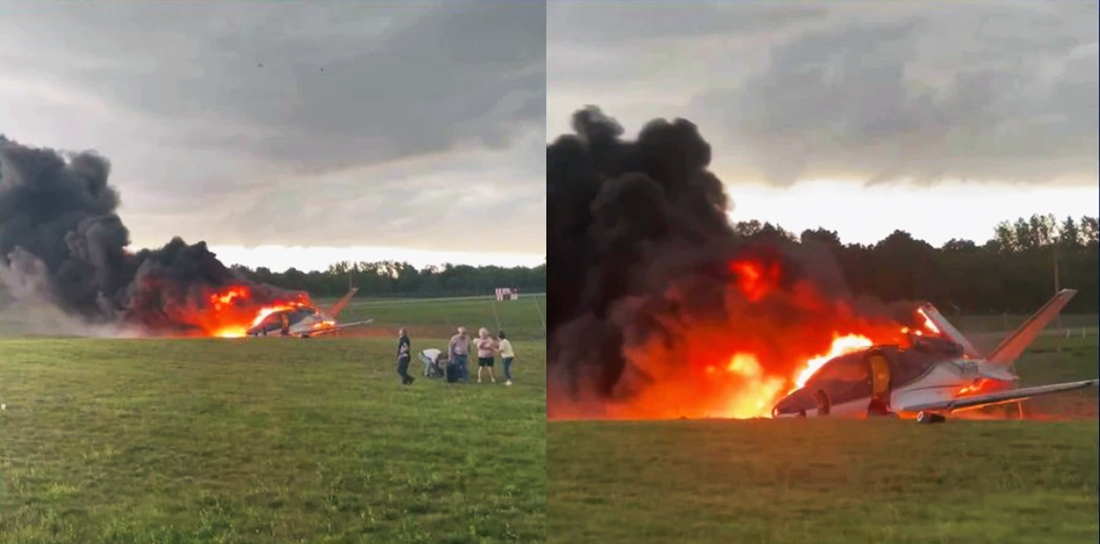
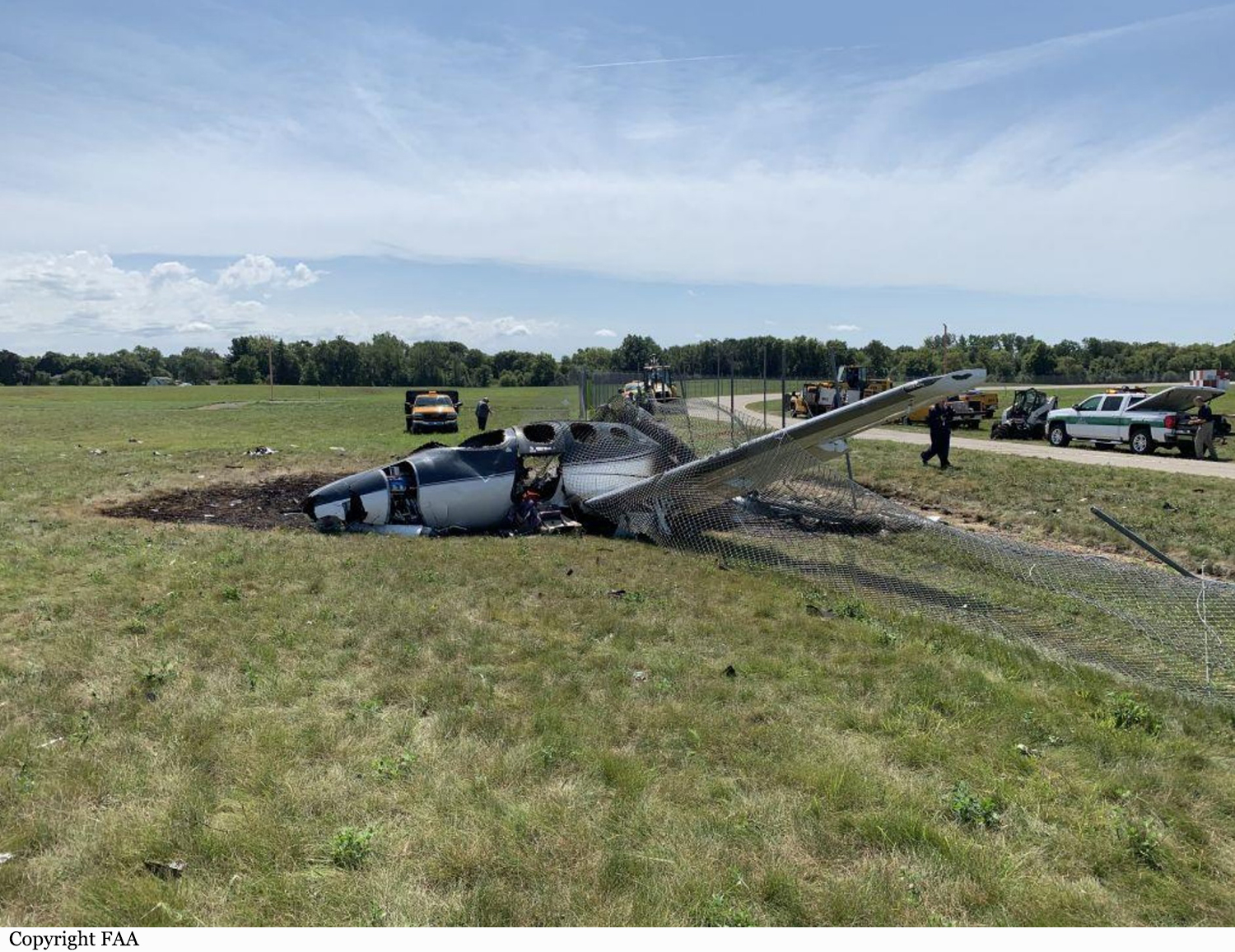
Crash of a Cirrus Vision SF50 in Lansing

Date & Time: Aug 24, 2021 at 1858 LT
Type of aircraft:
Operator:
Registration:
N1GG
Flight Phase:
Flight Type:
Survivors:
Yes
Schedule:
Lansing – Melbourne
MSN:
0202
YOM:
2020
Crew on board:
1
Crew fatalities:
Pax on board:
3
Pax fatalities:
Other fatalities:
Total fatalities:
0
Captain / Total flying hours:
2000
Captain / Total hours on type:
600.00
Aircraft flight hours:
293
Circumstances:
The airport tower controller initially assigned the pilot to take off from runway 28L, which presented a 7-knot headwind. Shortly afterward, the controller informed the pilot of “a storm rolling in . . . from west to east,” and offered runway 10R. The pilot accepted the opposite direction runway for departure and added, “we’re ready to go when we get to the end . . . before the storm comes.” About 4 seconds after the airplane began accelerating during takeoff, the controller advised the pilot of a wind shear alert of plus 20 knots (kts) at a 1-mile final for runway 28L, and the pilot acknowledged the alert. In a postaccident statement, the pilot stated that departing with a 7-kt tailwind was within the operating and performance limitations of the airplane. The pilot reported that after a takeoff ground roll of about 4,000 ft “the left rudder didn’t seem to be functioning properly” and he decided to reject the takeoff. However, when he applied full braking, the airplane tended to turn to the right. He used minimal braking consistent with maintaining directional control of the airplane. The airplane ultimately overran the runway, impacted the airport perimeter fence, and encountered a ditch before it came to a rest. A postimpact fire ensued and consumed a majority of the fuselage. All four occupants evacuated safely.
Probable cause:
The pilot’s decision to depart with a tailwind as a thunderstorm approached, which resulted in a loss of airplane performance due to an encounter with a significant tailwind gust and a subsequent runway excursion.
Final Report:

Crash of a Embraer EMB-120ER Brasília in Detroit

Date & Time: Mar 7, 2021 at 0008 LT
Type of aircraft:
Operator:
Registration:
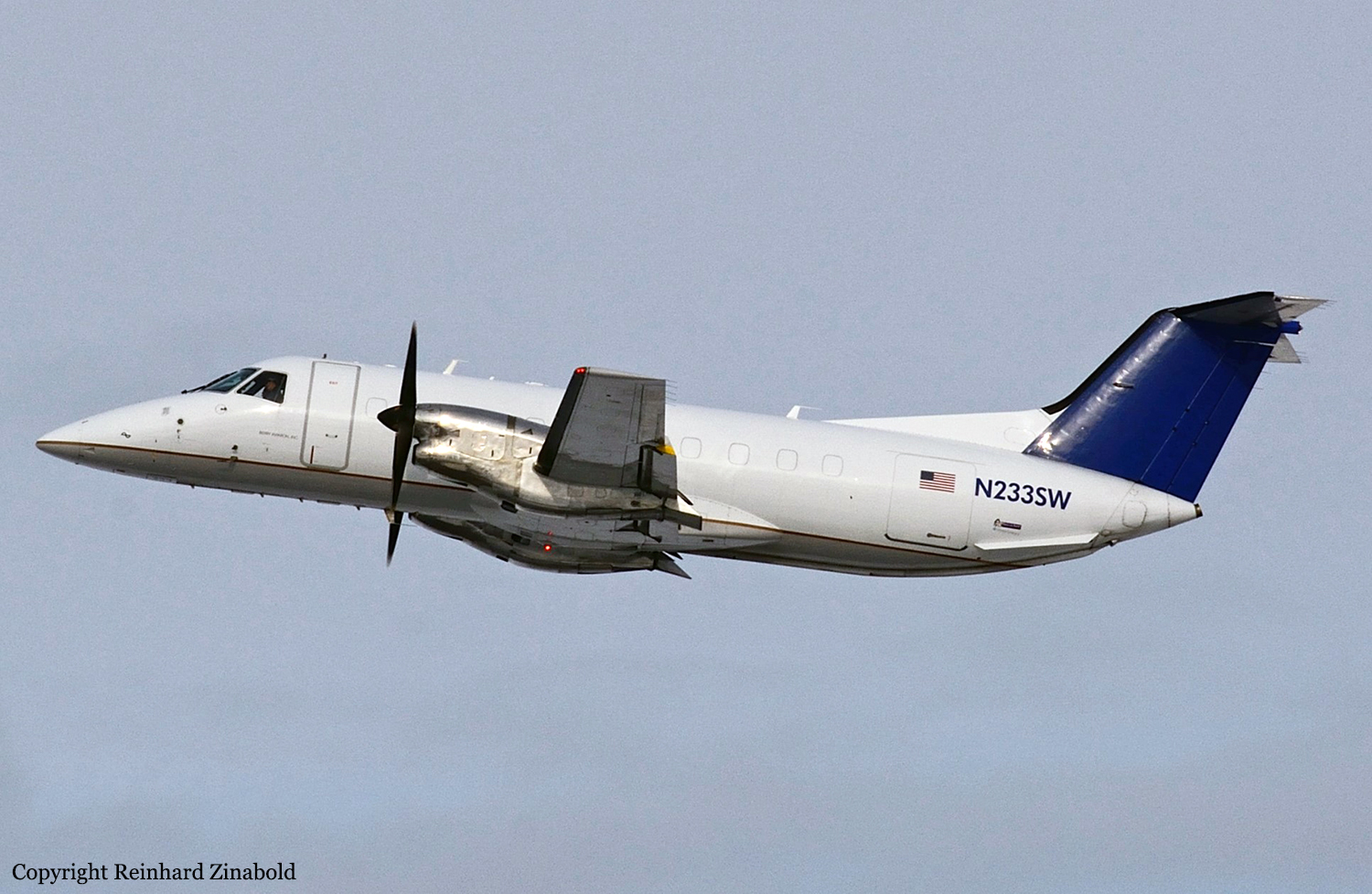
N233SW
Flight Type:
Survivors:
Yes
Schedule:
Detroit - Akron
MSN:
120-307
YOM:
1995
Flight number:
BYA233
Crew on board:
2
Crew fatalities:
Pax on board:
0
Pax fatalities:
Other fatalities:
Total fatalities:
0
Circumstances:
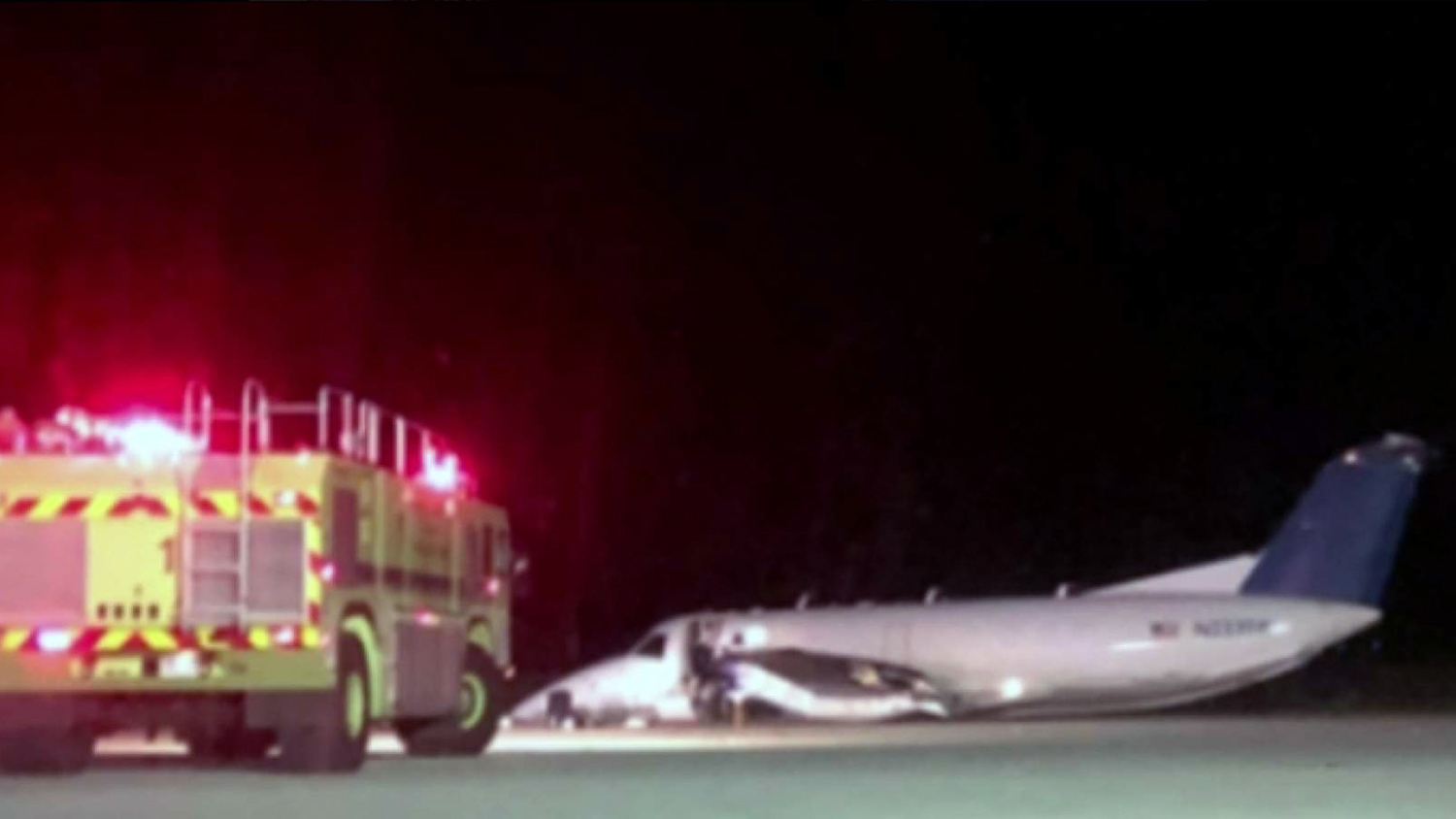
The twin engine airplane departed Detroit-Willow Run (Ypsilanti) Airport at 2337LT on March 6 on a cargo service to Akron-Canton Airport, carrying two pilots and a load of various goods. After takeoff, the crew encountered technical problems and declared an emergency. He completed two low passes in front of the tower, apparently due to gear problems. Eventually, the aircraft belly landed at 0008LT and came to rest on runway 05R. Both pilots evacuated safely and the aircraft was damaged beyond repair.

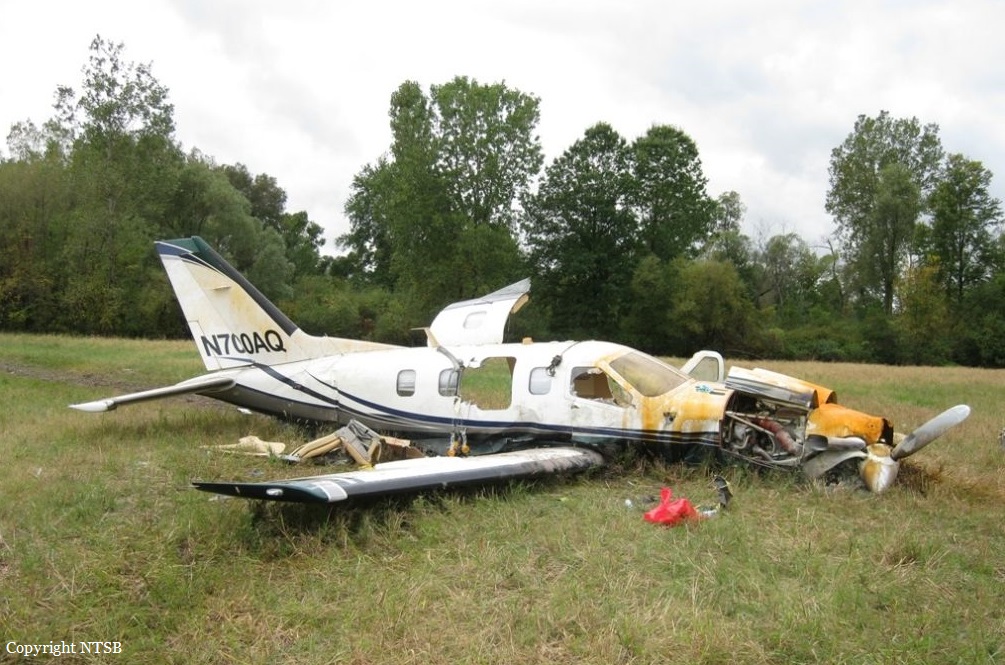
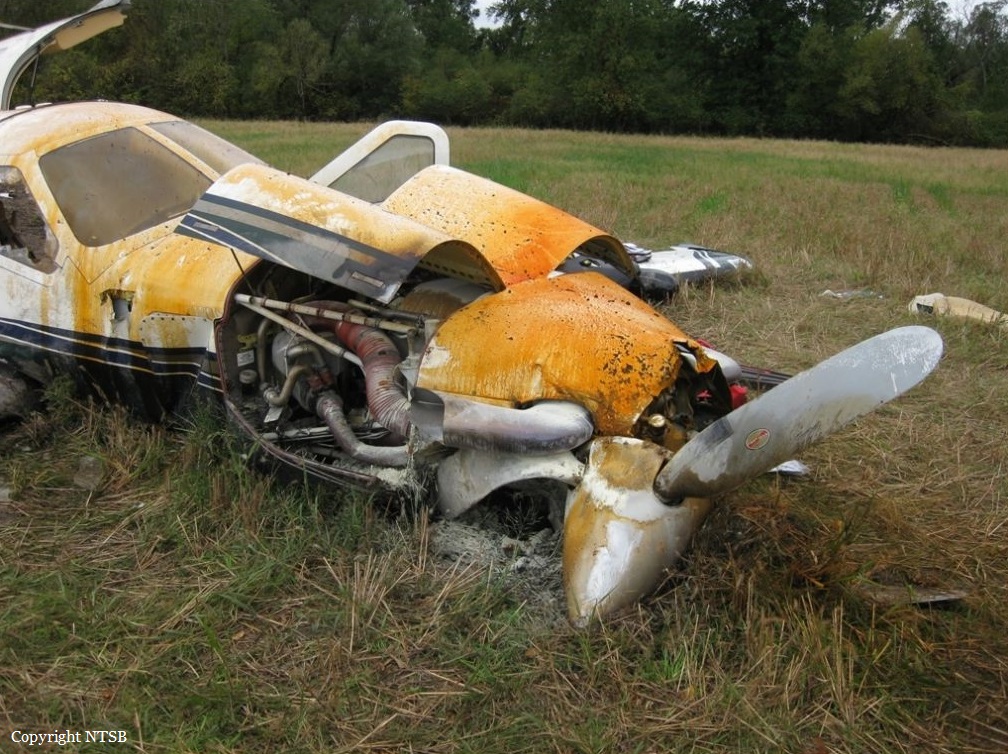
Crash of a Socata TBM-700 in Lansing: 5 killed

Date & Time: Oct 3, 2019 at 0858 LT
Type of aircraft:
Operator:
Registration:
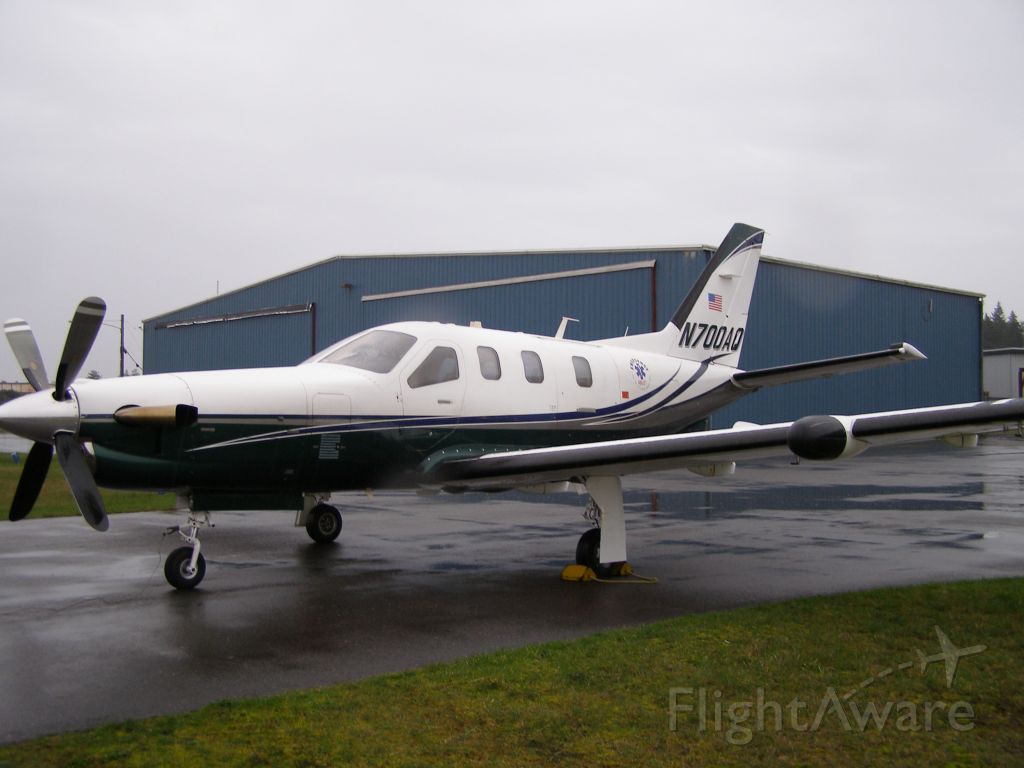
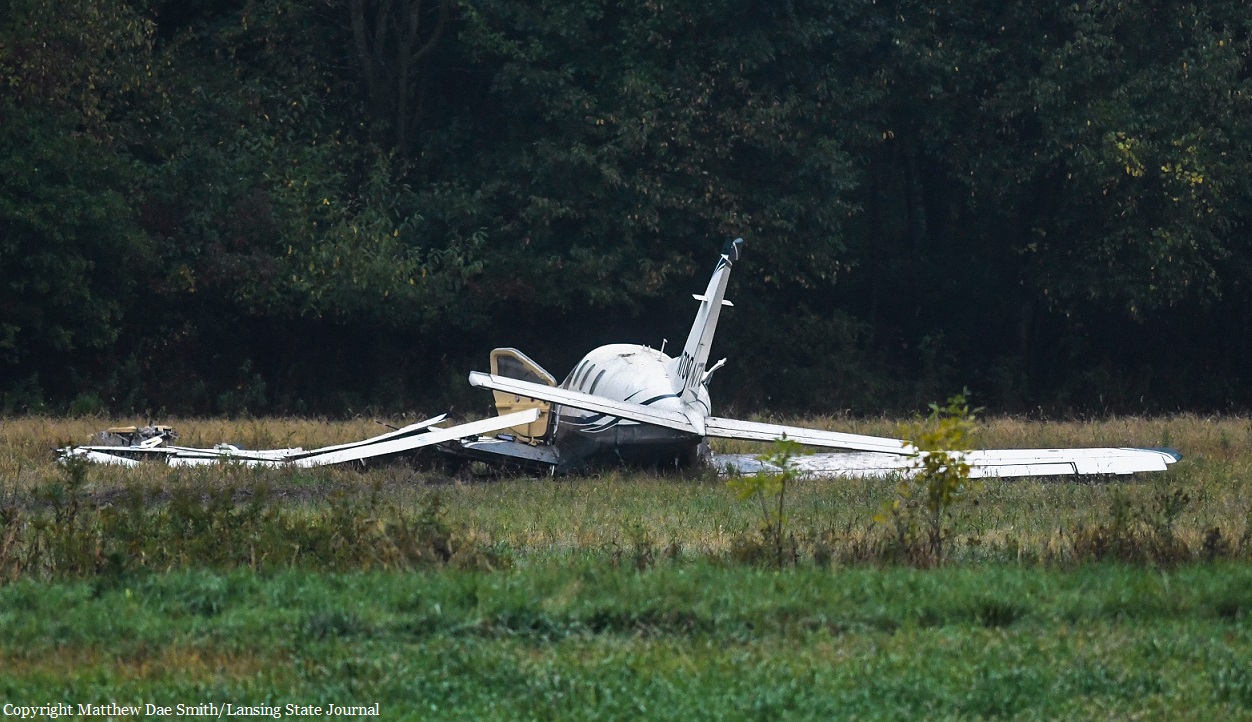
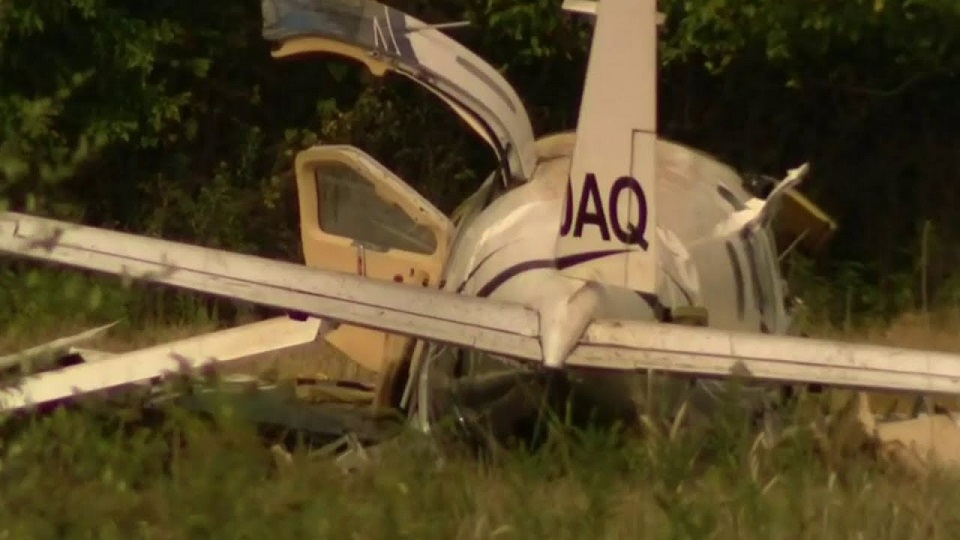
N700AQ
Flight Type:
Survivors:
Yes
Schedule:
Indianapolis - Lansing
MSN:
252
YOM:
2003
Crew on board:
1
Crew fatalities:
Pax on board:
5
Pax fatalities:
Other fatalities:
Total fatalities:
5
Captain / Total flying hours:
1404
Captain / Total hours on type:
76.00
Aircraft flight hours:
3550
Circumstances:
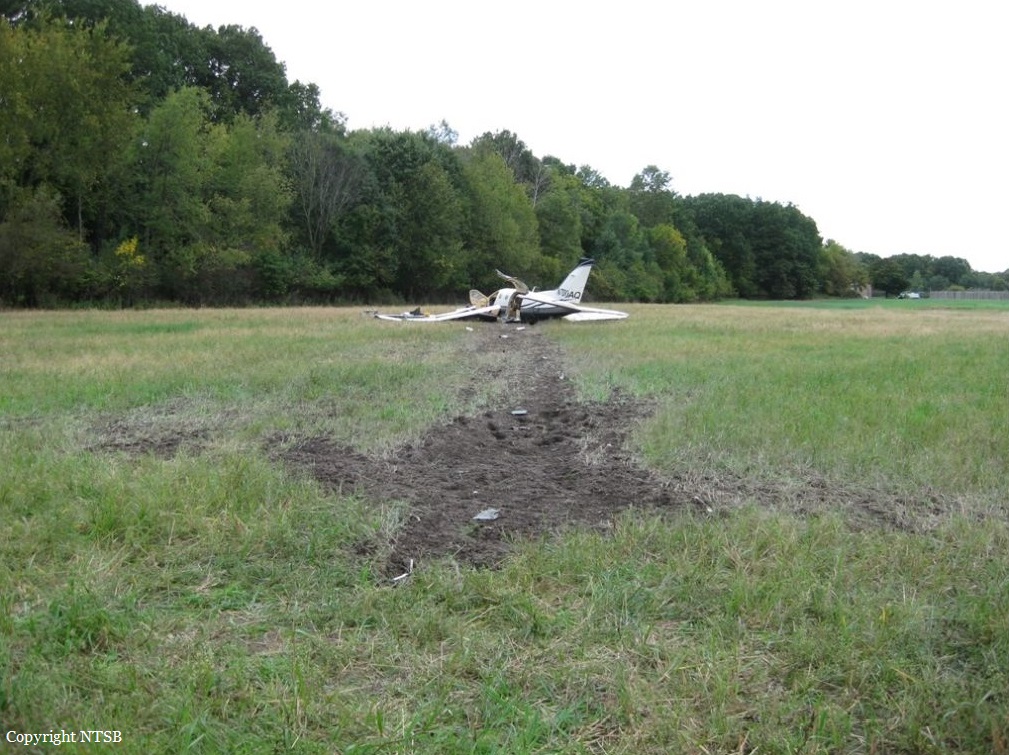
The pilot was conducting an instrument approach at the conclusion of a cross-country flight when the airplane entered a shallow climb and left turn away from the runway heading about 0.5-mile from the intended runway. According to airspeeds calculated from automatic dependent surveillance-broadcast position data, the airplane’s calibrated airspeed was 166 knots when it crossed over the final approach fix inbound toward the runway and was about 84 knots when it was on a 0.5-mile final approach. The airplane continued to decelerate to 74 knots while it was in a shallow climb and left turn away from the runway heading. At no point during the approach did the pilot maintain the airframe manufacturer’s specified approach speed of 85 knots. The airplane impacted the ground in an open grass field located to the left of the extended runway centerline. The airplane was substantially damaged when it impacted terrain in a wings level attitude. The postaccident examination did not reveal any anomalies that would have precluded normal operation of the airplane. The altitude and airspeed trends during the final moments of the flight were consistent with the airplane entering an aerodynamic stall at a low altitude. Based on the configuration of the airplane at the accident site, the pilot likely was retracting the landing gear and flaps for a go around when the airplane entered the aerodynamic stall. The airplane was operating above the maximum landing weight, and past the aft center-of-gravity limit at the time of the accident which can render the airplane unstable and difficult to recover from an aerodynamic stall. Additionally, without a timely corrective rudder input, the airplane tends to roll left after a rapid application of thrust at airspeeds less than 70 knots, including during aerodynamic stalls. Although an increase in thrust is required for a go around, the investigation was unable to determine how rapidly the pilot increased thrust, or if a torque-roll occurred during the aerodynamic stall.
Probable cause:
The pilot’s failure to maintain airspeed during final approach, which resulted in a loss of control and an aerodynamic stall at a low altitude, and his decision to operate the airplane outside of the approved weight and balance envelope.
Final Report:

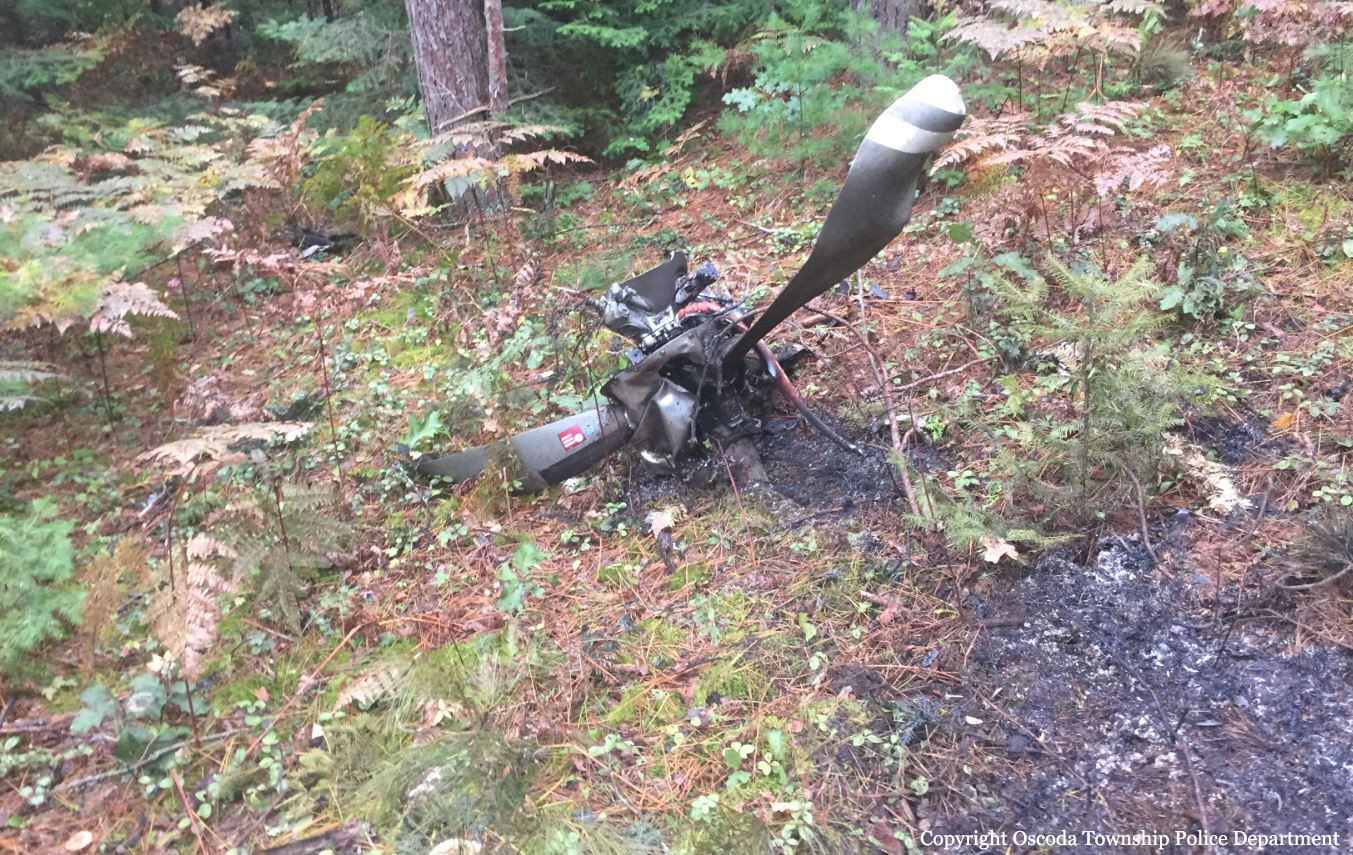
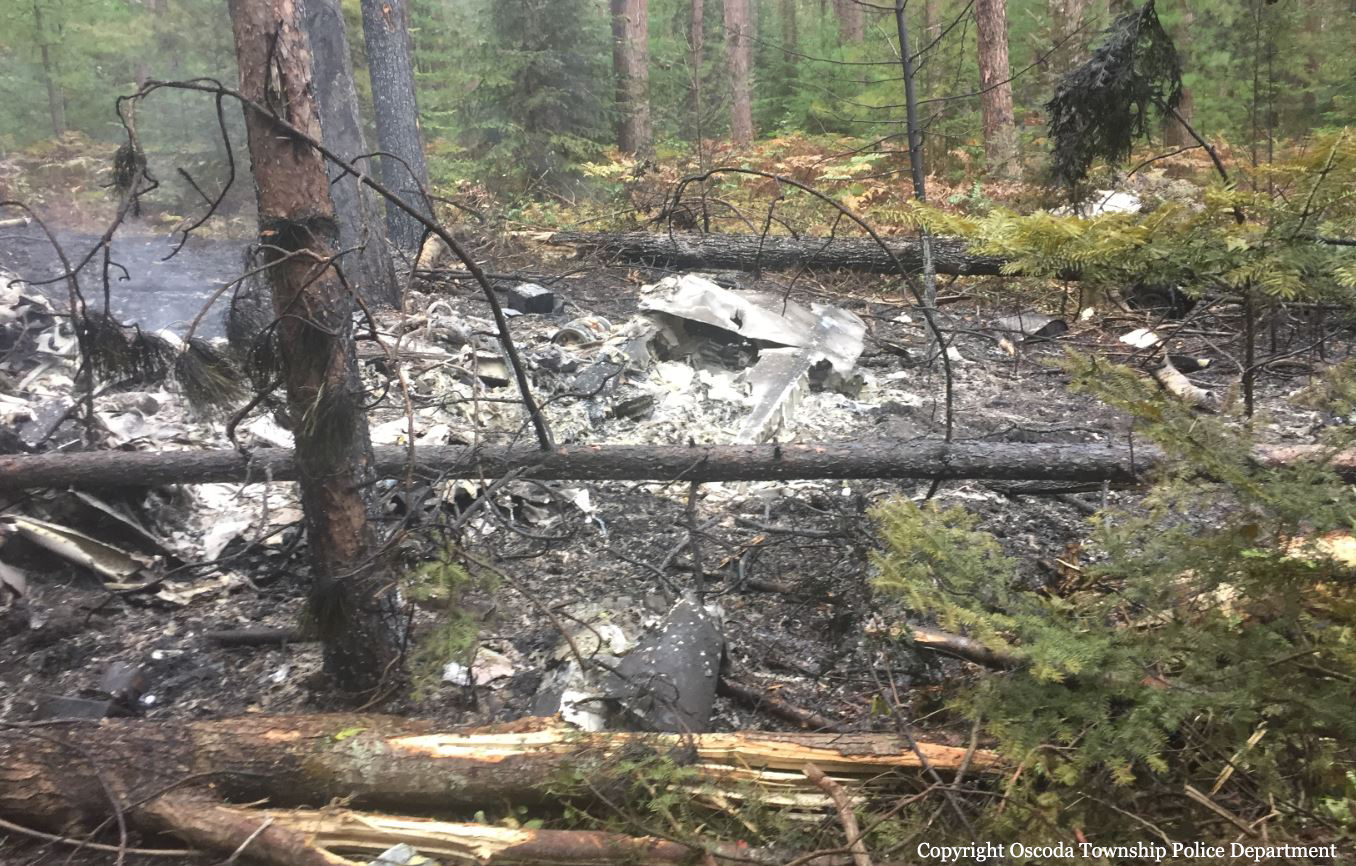
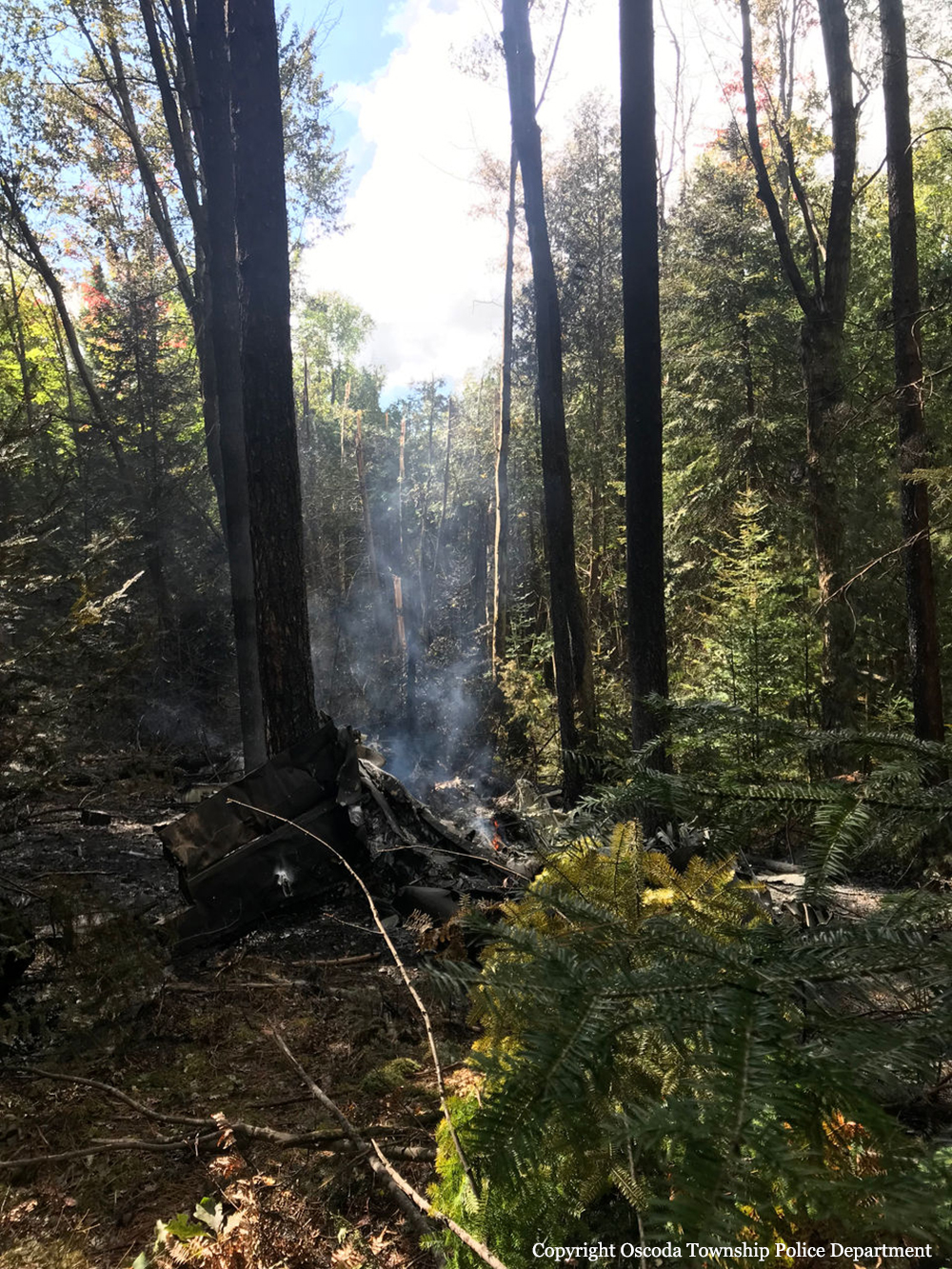
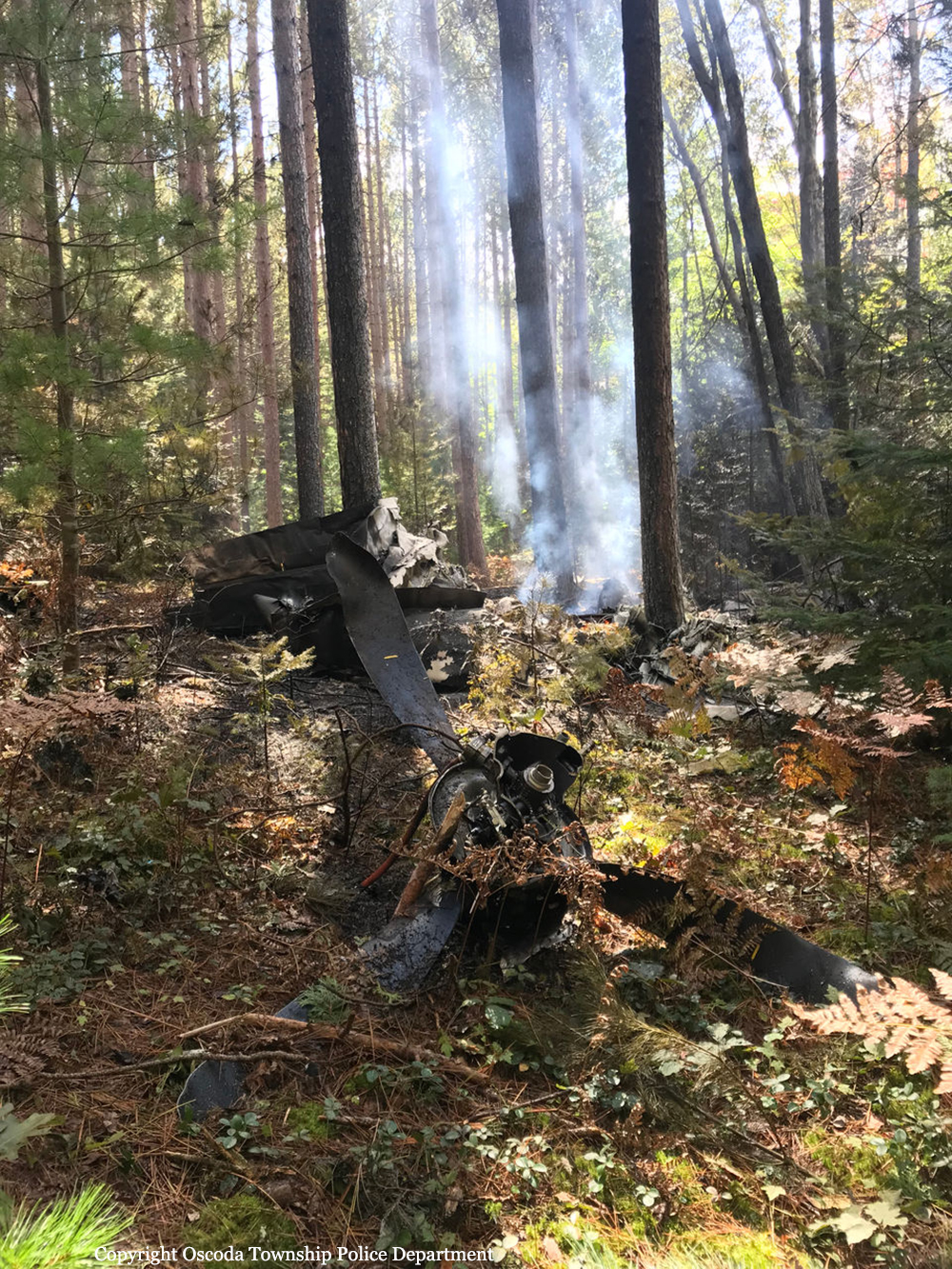
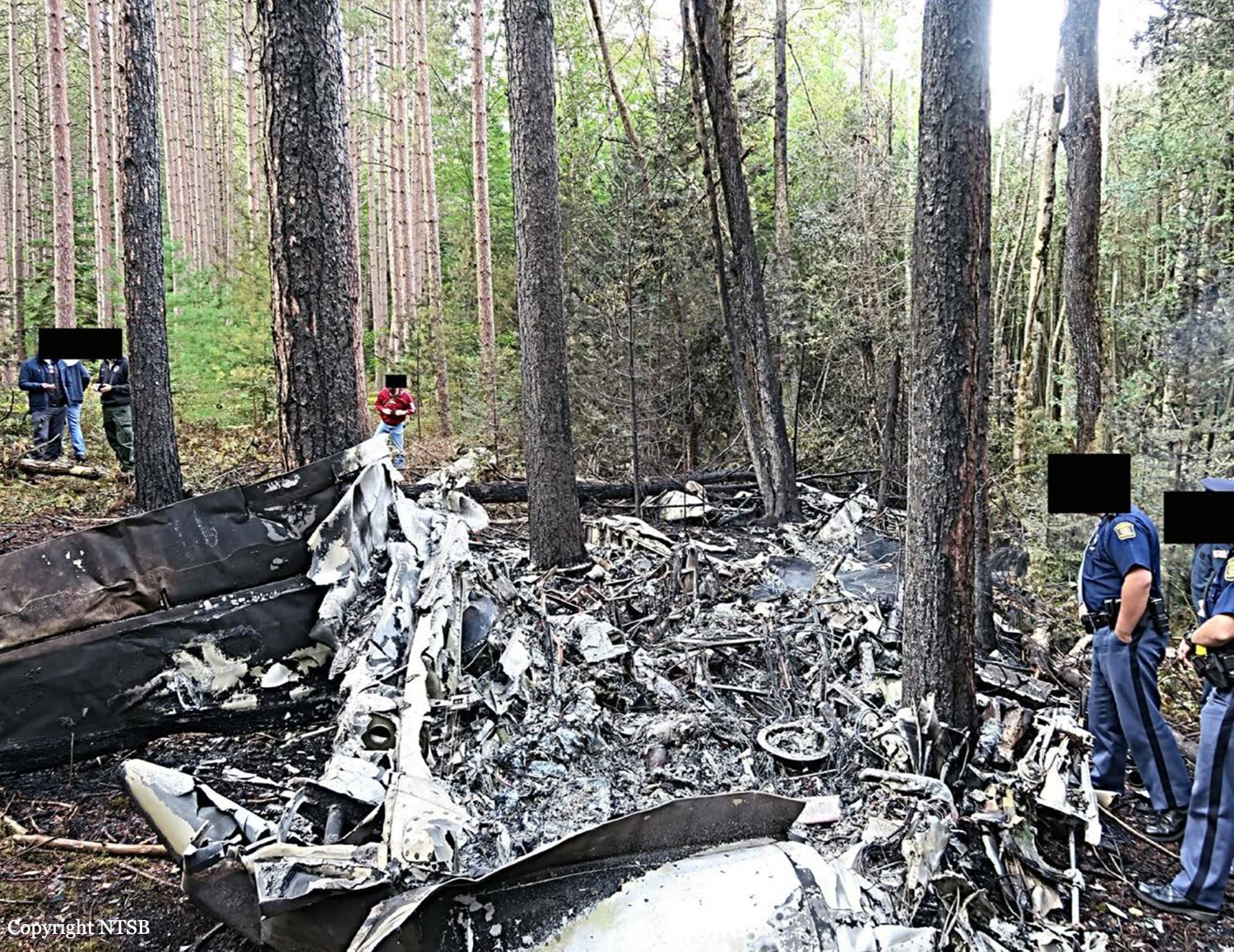
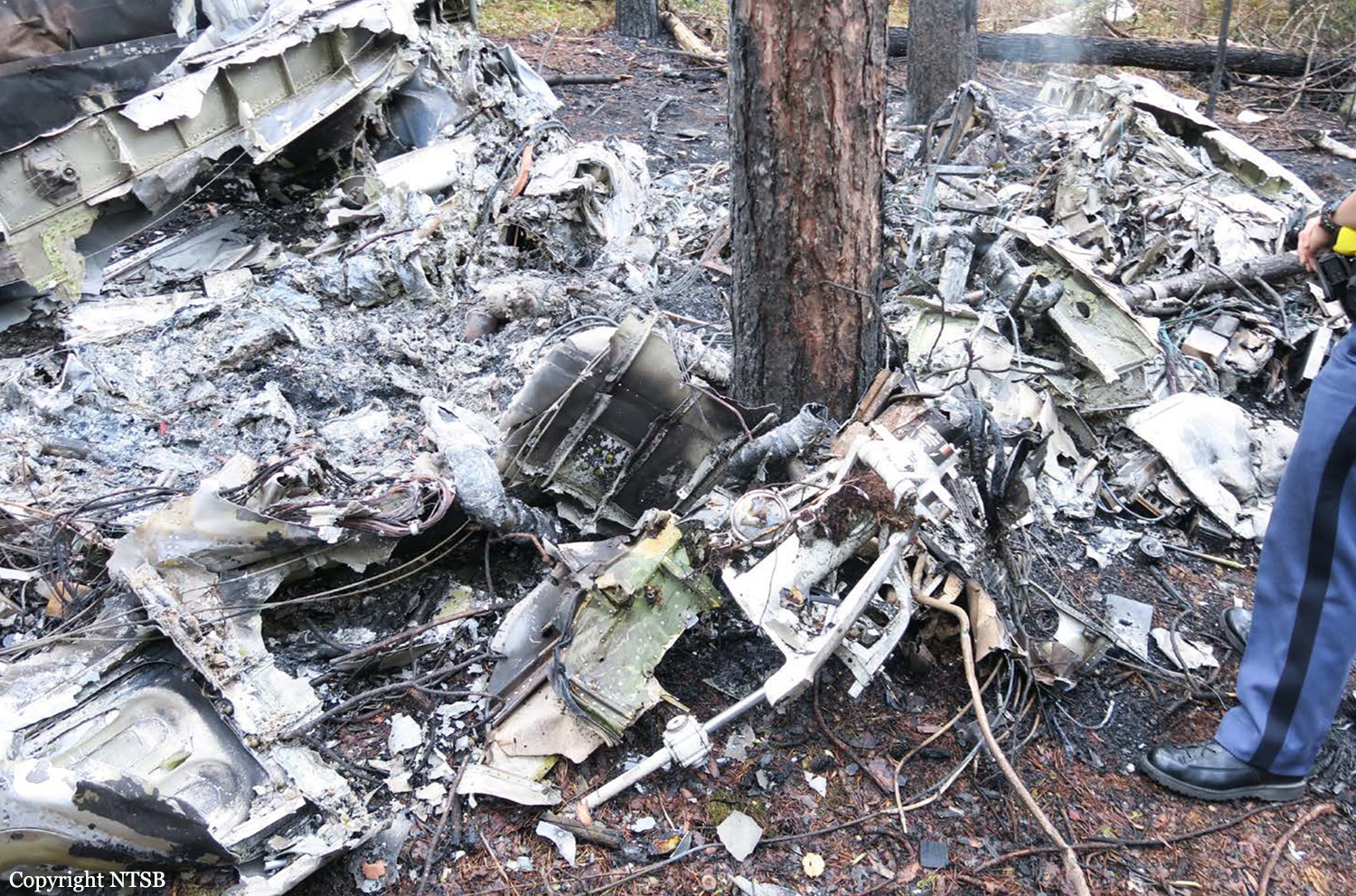
Crash of a Beechcraft 200 Super King Air in Oscoda: 1 killed

Date & Time: Sep 25, 2018 at 0613 LT
Operator:
Registration:
N241CK
Flight Type:
Survivors:
No
Schedule:
Detroit - Oscoda
MSN:
BB-272
YOM:
1977
Flight number:
K985
Crew on board:
1
Crew fatalities:
Pax on board:
0
Pax fatalities:
Other fatalities:
Total fatalities:
1
Captain / Total flying hours:
3806
Captain / Total hours on type:
201.00
Aircraft flight hours:
13933
Circumstances:
The airline transport pilot of the multiengine airplane was cleared for the VOR approach. The weather at the airport was reported as 400 ft overcast with 4 miles visibility in drizzle. When the airplane failed to arrive at the airport as scheduled, a search was initiated, and the wreckage was located soon thereafter. Radar data indicated that the pilot was provided vectors to intercept the final approach course. The last radar return indicated that the airplane was at 2,200 ft and 8.1 miles from the runway threshold. It impacted terrain 3.5 miles from the runway threshold and left of the final approach course. According to the published approach procedure, the minimum descent altitude was 1,100 feet, which was 466 ft above airport elevation. Examination of the wreckage revealed that the airplane had impacted the tops of trees and descended at a 45° angle to ground contact; the airplane was destroyed by a postcrash fire, thus limiting the examination; however, no anomalies were observed that would have precluded normal operation. The landing gear was extended, and approach flaps had been set. Impact and fire damage precluded an examination of the flight and navigation instruments. Autopsy and toxicology of the pilot were not performed; therefore, whether a physiological issue may have contributed to the accident could not be determined. The location of the wreckage indicates that the pilot descended below the minimum descent altitude (MDA) for the approach; however, the reason for the pilot's descent below MDA could not be determined based on the available information.
Probable cause:
The pilot's descent below minimum descent altitude during the non precision instrument approach for reasons that could not be determined based on the available information.
Final Report: