Crash of a Piper PA-31-350 Navajo Chieftain in Cobán

Date & Time: Apr 3, 2022
Operator:
Registration:
PT-ECU
Flight Type:
Survivors:
Yes
Country:
Crew on board:
0
Crew fatalities:
Pax on board:
0
Pax fatalities:
Other fatalities:
Total fatalities:
0
Circumstances:
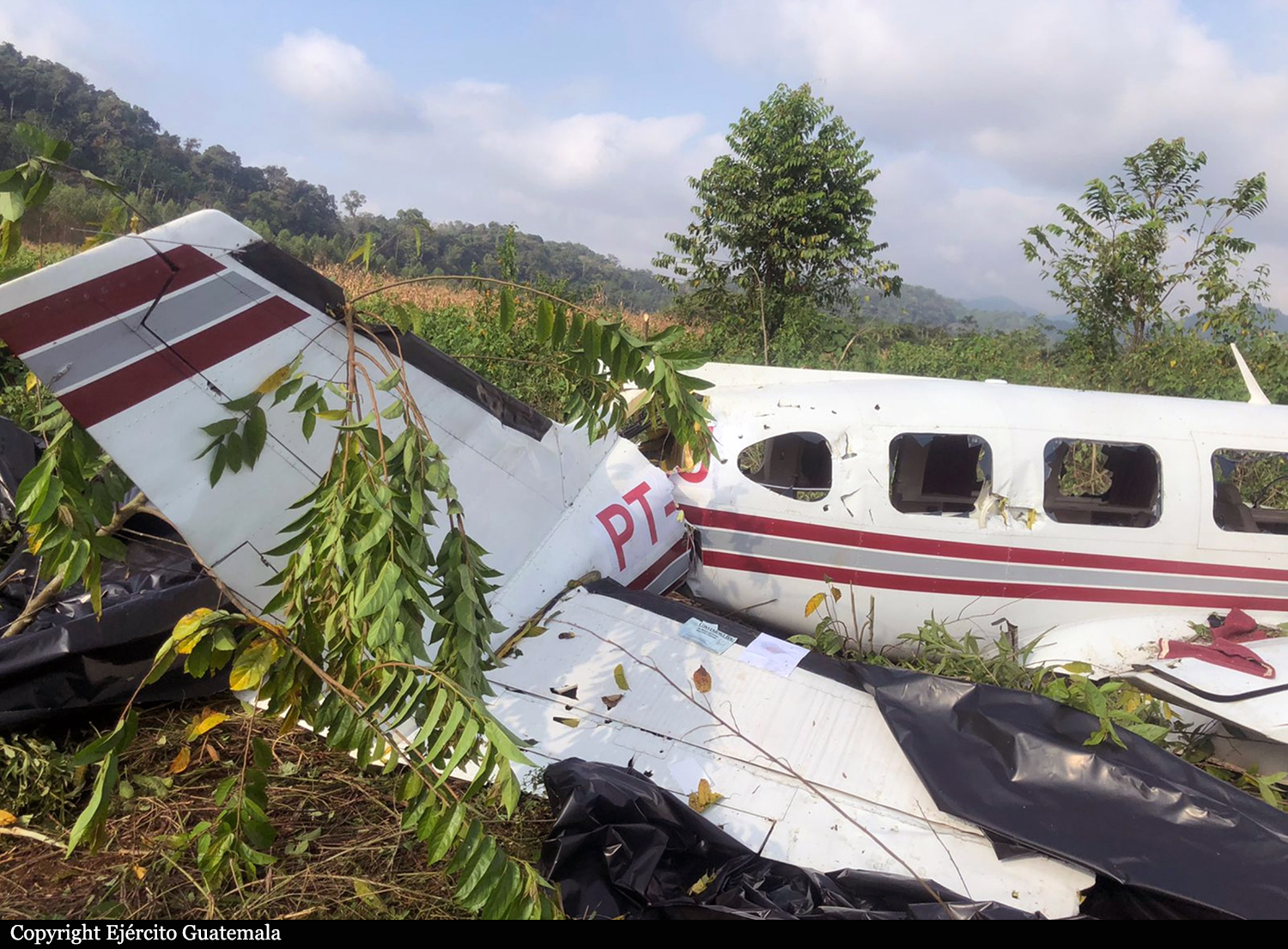
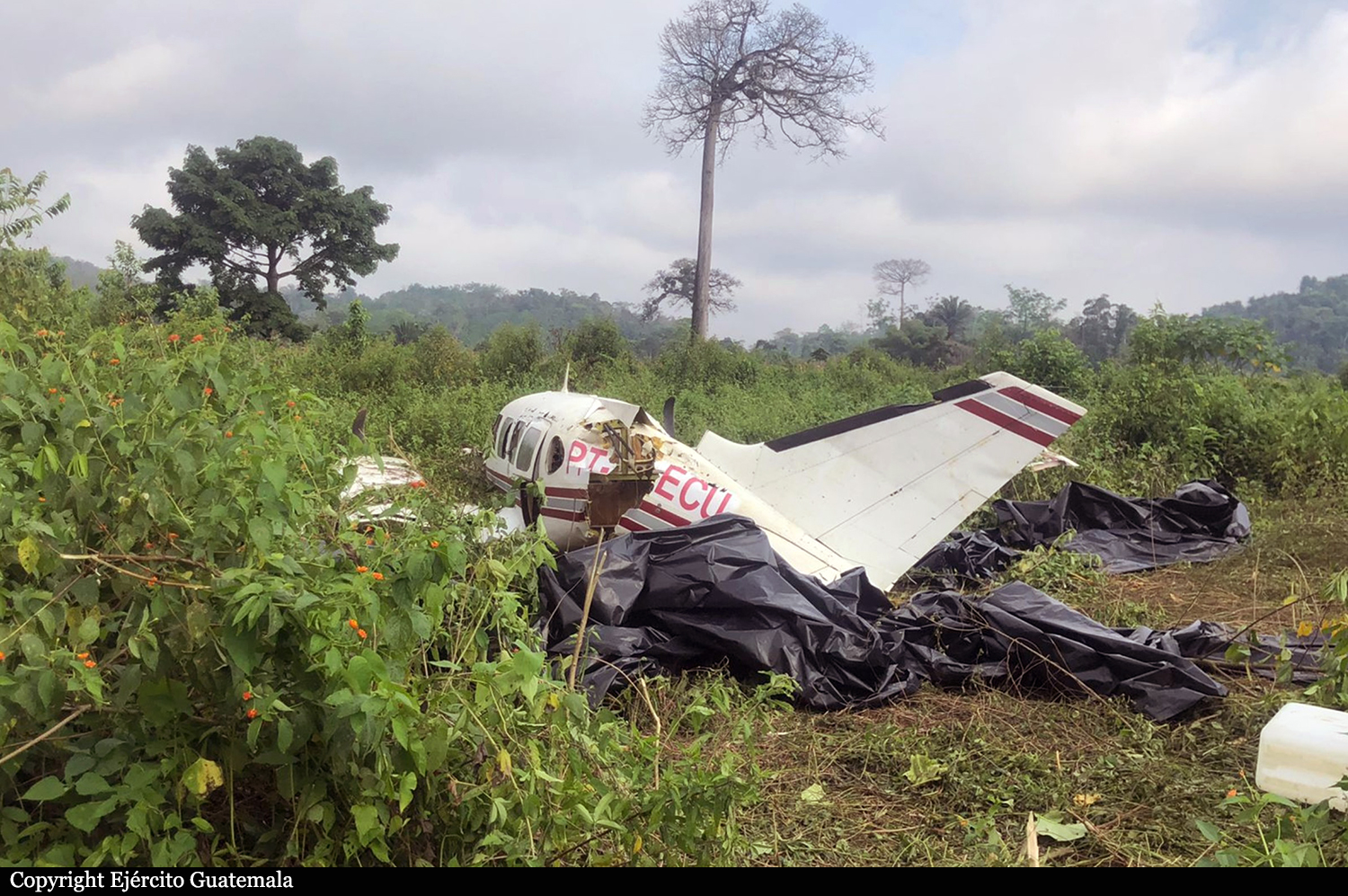
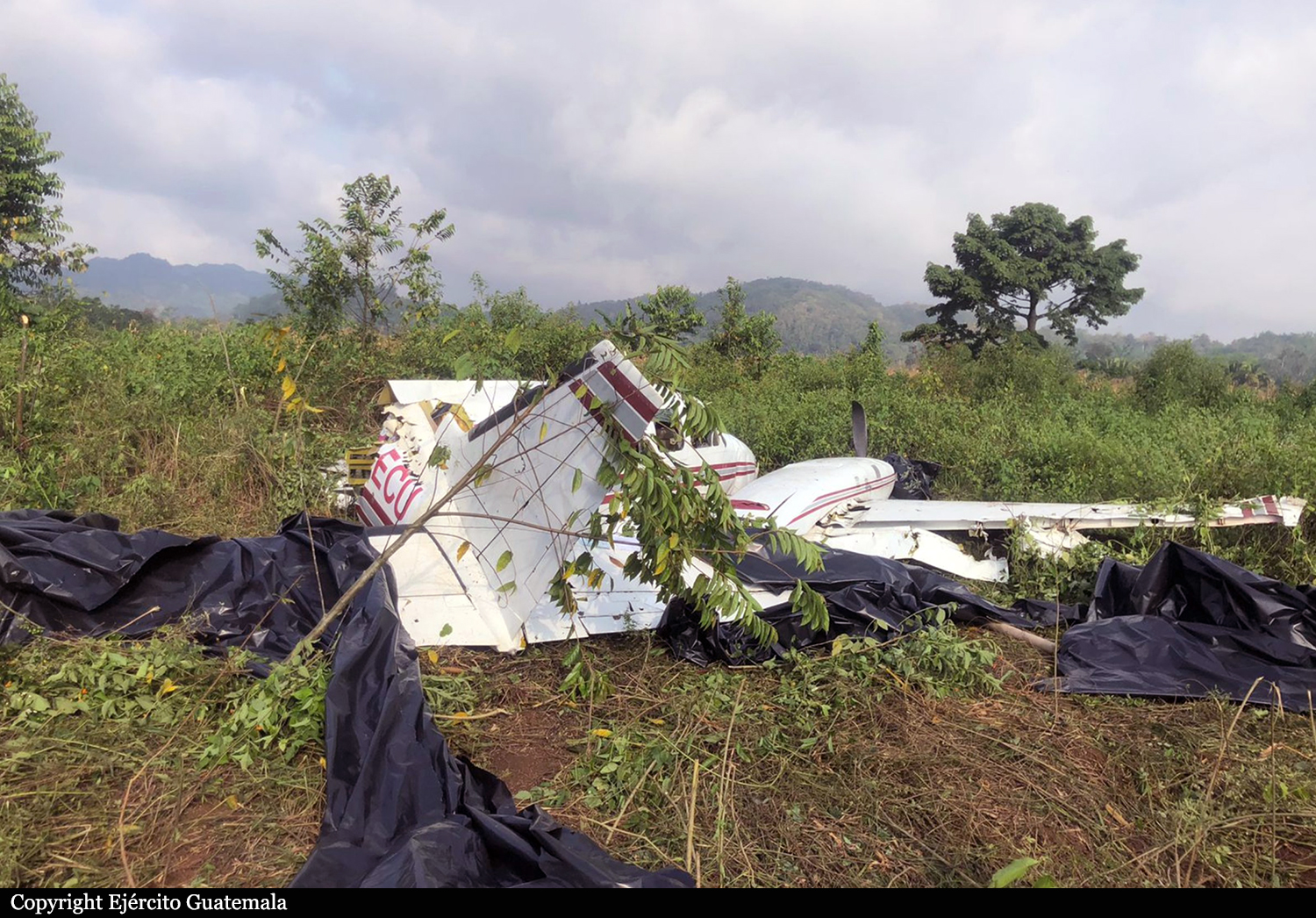
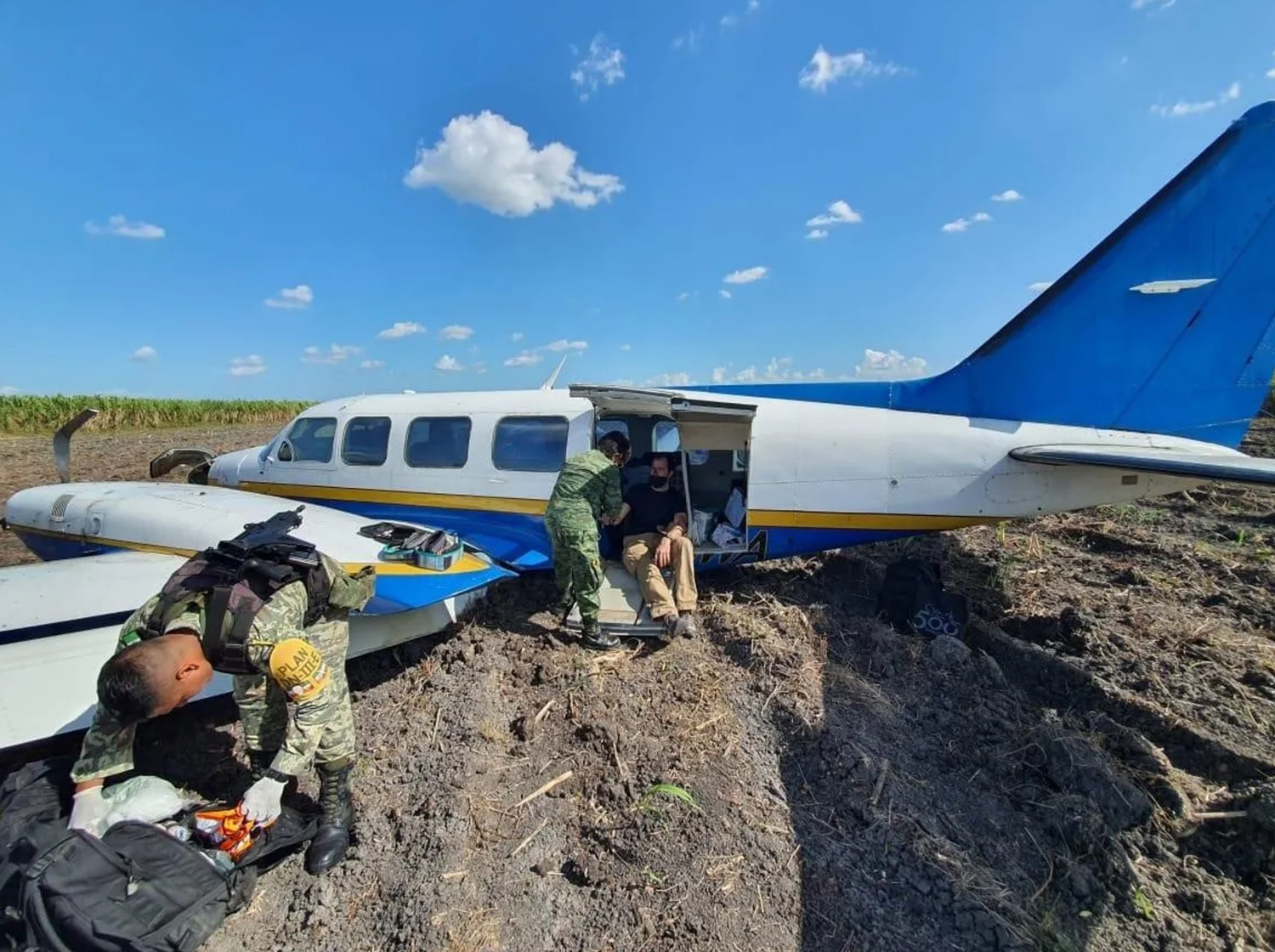
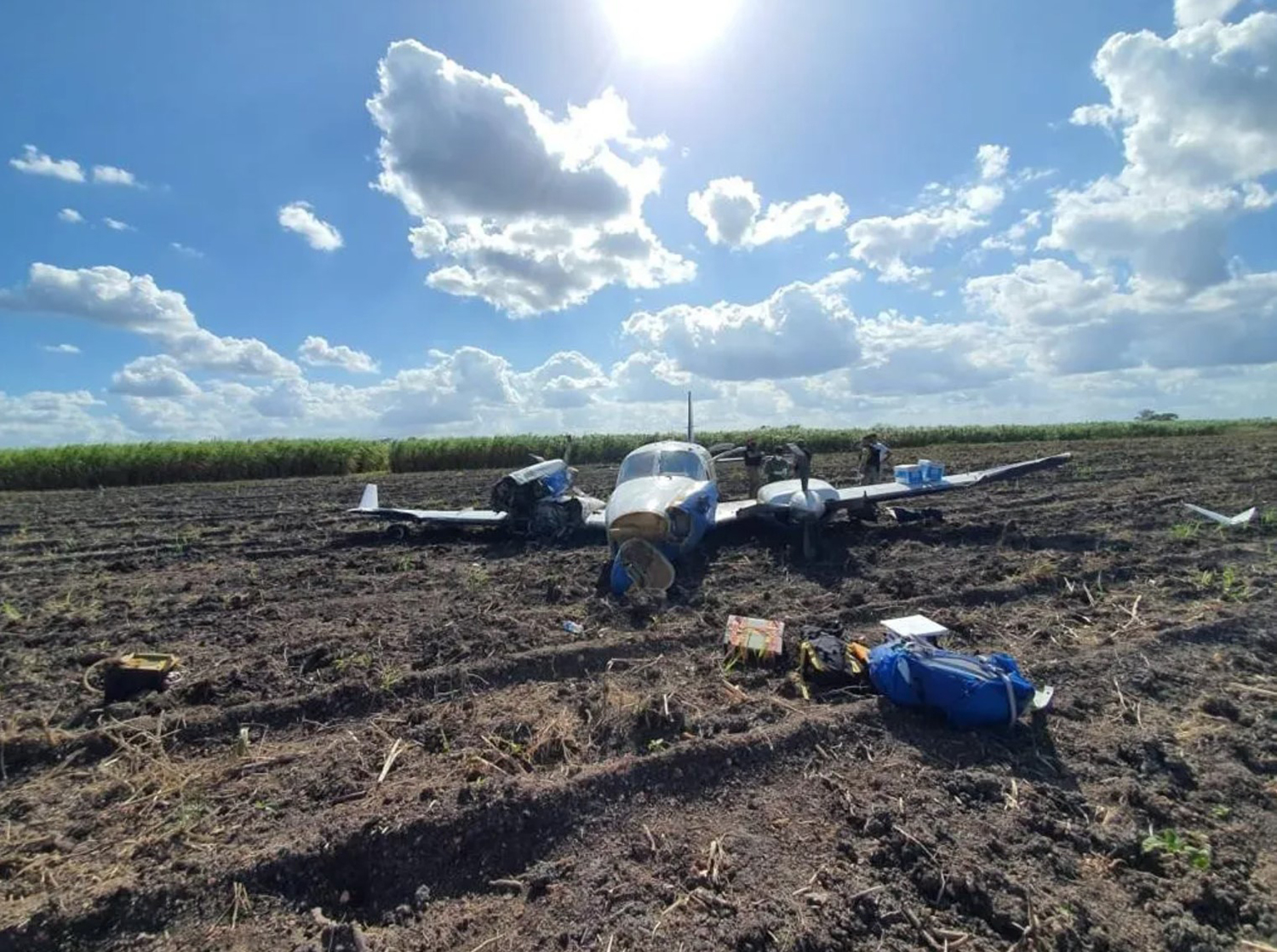
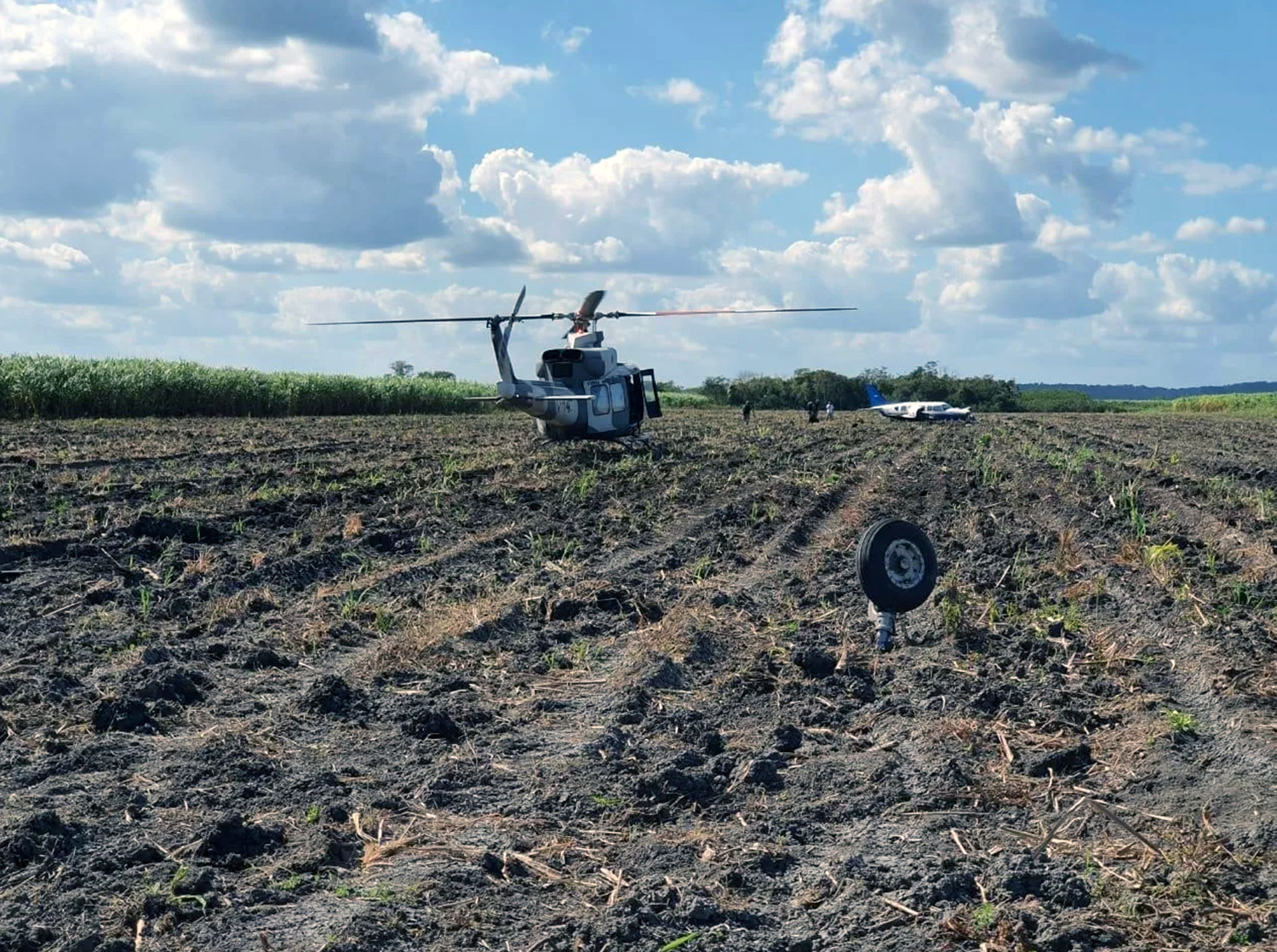
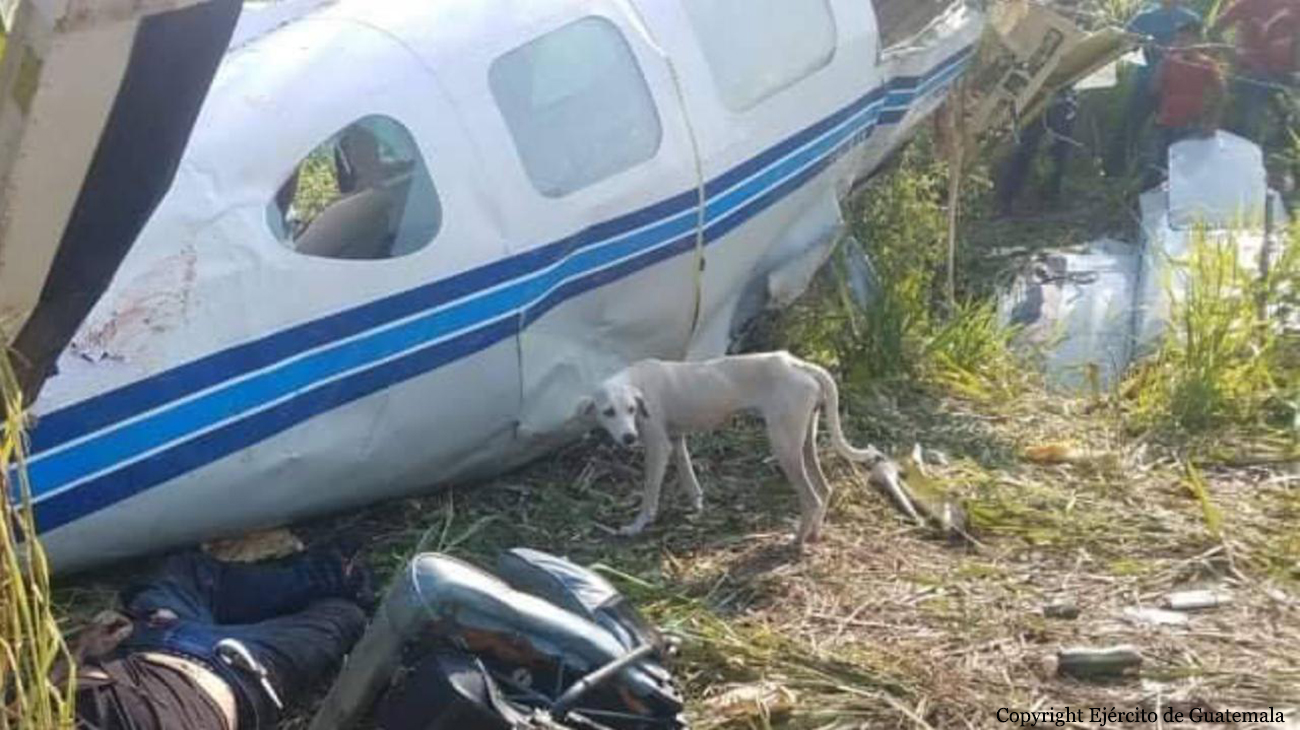
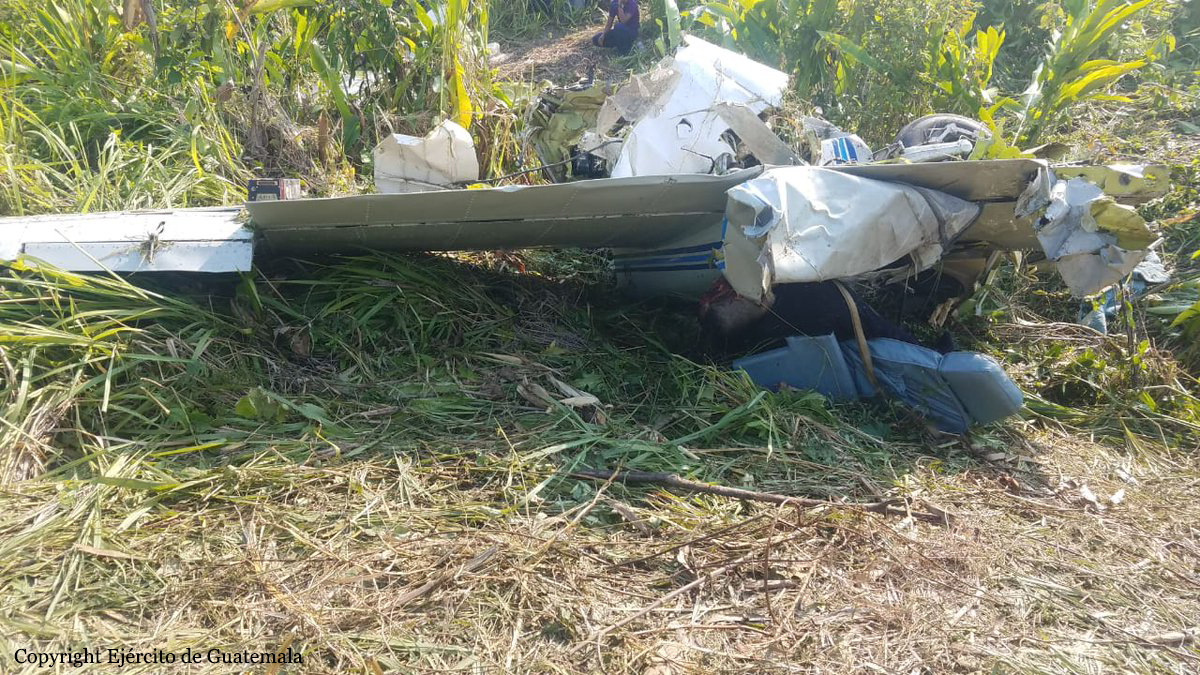
Crashed in unknown circumstances in bushes near Cobán, Guatemala, while engaged in an illegal flight. The aircraft was damaged beyond repair and no one was found on the scene. The registration seems to be false.

Crash of a Piper PA-31-350 Navajo Chiefain in Medford: 1 killed

Date & Time: Dec 5, 2021 at 1652 LT
Registration:
N64BR
Flight Phase:
Flight Type:
Survivors:
No
Schedule:
Medford - Fallon
MSN:
31-7752124
YOM:
1977
Crew on board:
1
Crew fatalities:
Pax on board:
0
Pax fatalities:
Other fatalities:
Total fatalities:
1
Captain / Total flying hours:
2167
Captain / Total hours on type:
1520.00
Aircraft flight hours:
8809
Circumstances:
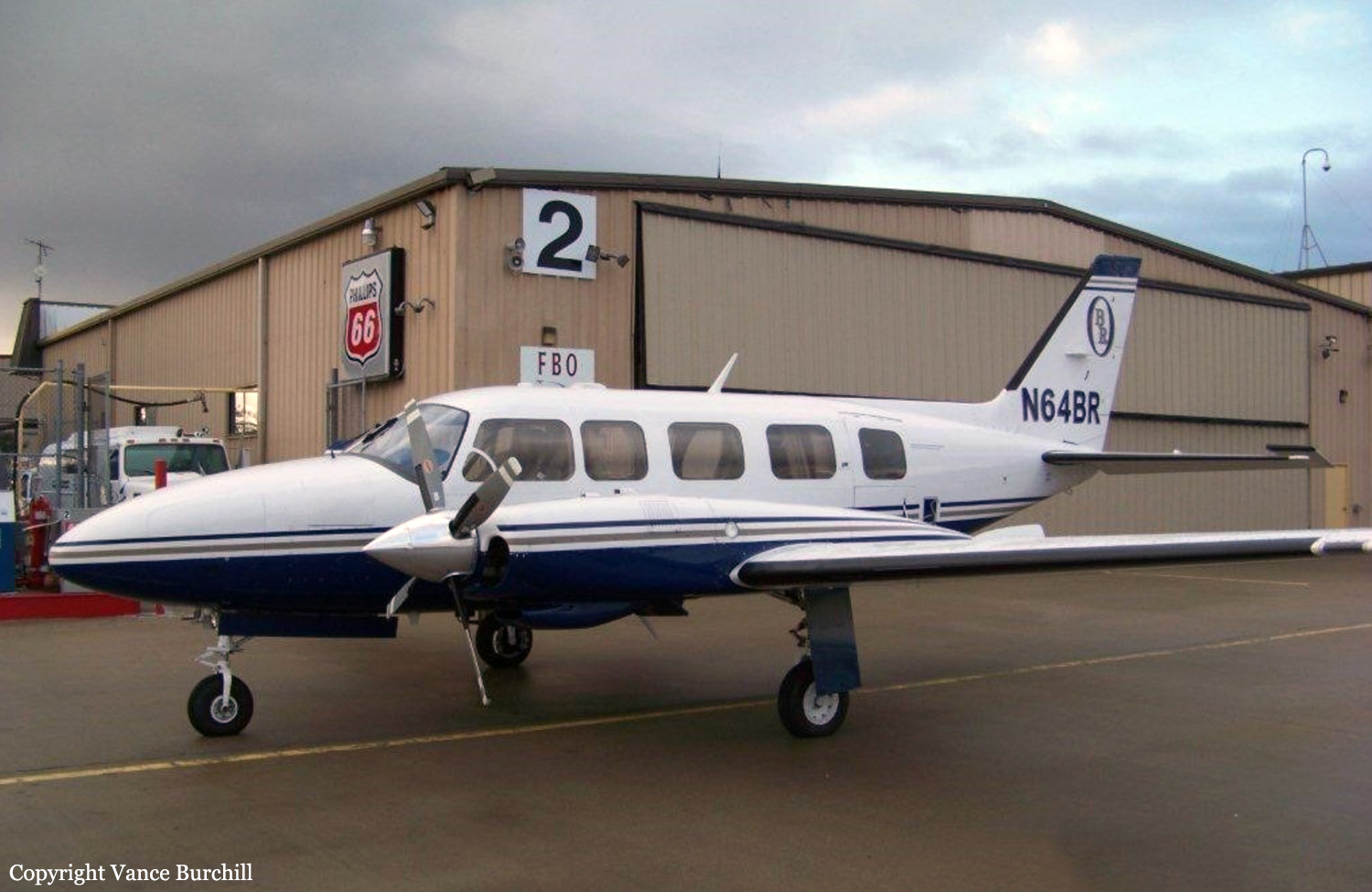
The airplane was departing into instrument meteorological conditions using a standard instrument departure. The takeoff instructions consisted of making a climbing right turn direct to a nondirectional beacon. After departing, the pilot made a radio communication to an air traffic controller asking if he will tell him when to turn. The controller replied that he would not be calling his turn and that the pilot should fly the departure as published making a climbing right turn to overfly the approach end of the runway. The pilot acknowledged the communication, which was his last transmission. The airplane made a 360° turn and descended below the cloud layer. The airplane then climbed back into the cloud layer and made an inverted loop, descending into the ground in a near-vertical attitude. A postaccident examination of the airplane revealed no evidence of preimpact mechanical malfunctions or failures. Recorded audio of the airplane before the accident was consistent with the engines operating. The signatures on both propellers were consistent with one another and consistent with the engines operating at a similar rpm. The pilot was qualified and recently underwent recurrent training. The reasons the pilot became spatially disoriented could not definitely determined. The pilot left the anti-collision lights on while in the clouds, which may have resulted in him having flicker vertigo.
Probable cause:
The pilot’s failure to maintain aircraft control during the initial climb into clouds due to spatial disorientation, which resulted in an uncontrolled descent and collision with terrain.
Final Report:

Crash of a Piper PA-31-350 Navajo Chieftain off South Bimini: 1 killed

Date & Time: Apr 16, 2021 at 2142 LT
Operator:
Registration:
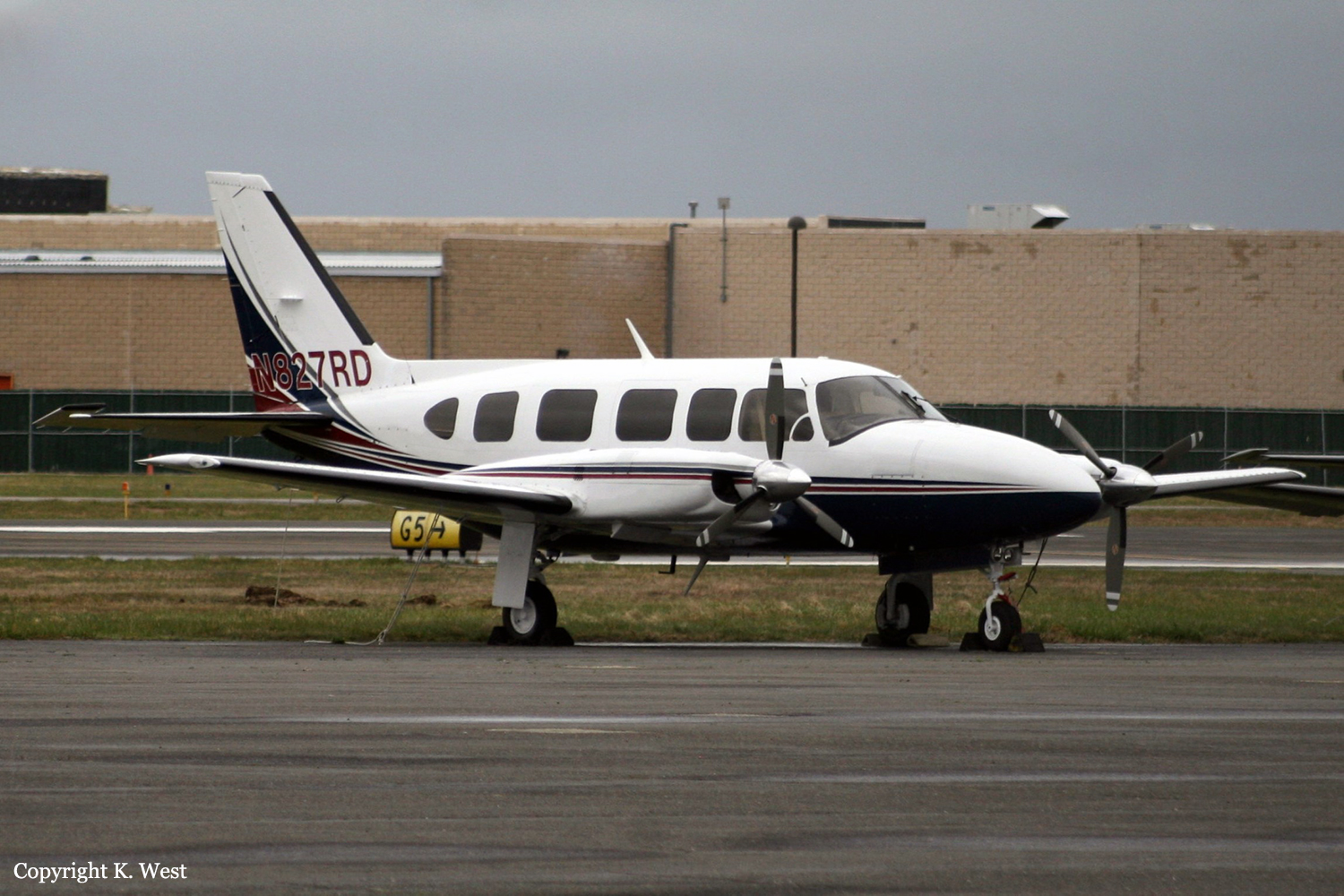
N827RD
Flight Phase:
Flight Type:
Survivors:
Yes
Schedule:
South Bimini – Miami-Opa Locka
MSN:
31-7652094
YOM:
1976
Country:
Crew on board:
1
Crew fatalities:
Pax on board:
1
Pax fatalities:
Other fatalities:
Total fatalities:
1
Captain / Total flying hours:
2085
Aircraft flight hours:
7102
Circumstances:
The airplane crashed moments after takeoff from the South Bimini Int’l Airport (MYBS), Bimini, Bahamas. The private flight departed MYBS with intended final destination of Opa Locka Airport (KOPF), Opa Locka, Florida, USA. The pilot sustained serious injuries and after being seen by medical personnel in South Bimini, was flown to Nassau, Bahamas for further medical attention. The passenger who occupied the right seat of the aircraft, succumbed to injuries he sustained as a result of the initial impact and subsequent crash sequence and subsequent submersion in the waters at the end of the runway environment. The pilot was a US certified commercial pilot with ratings for airplane land, single and multi-engine as well as an instrument airplane rating. The pilot’s medical certificate was valid at the time of the accident. The passenger (pilot’s son) also held a valid US certified private pilot – single engine land – airplane certificate. It is unknown what role (if any) the passenger (son) played during the takeoff to crash sequence. The weather conditions at the time of the accident was night (instrument meteorological conditions). A weak high pressure ridging was forecasted to continue to dominate the weather over the Bahamas throughout the night. However, no significant weather was anticipated.
Probable cause:
The AAIA has determined the probable cause of this accident to be loss of control inflight (LOC-I), resulting in uncontrolled flight into terrain (ocean). The cause of this loss of control could not be determined.
Final Report:

Crash of a Piper PA-31-350 Navajo Chieftain in Salitre: 6 killed

Date & Time: Apr 7, 2021 at 1200 LT
Operator:
Registration:
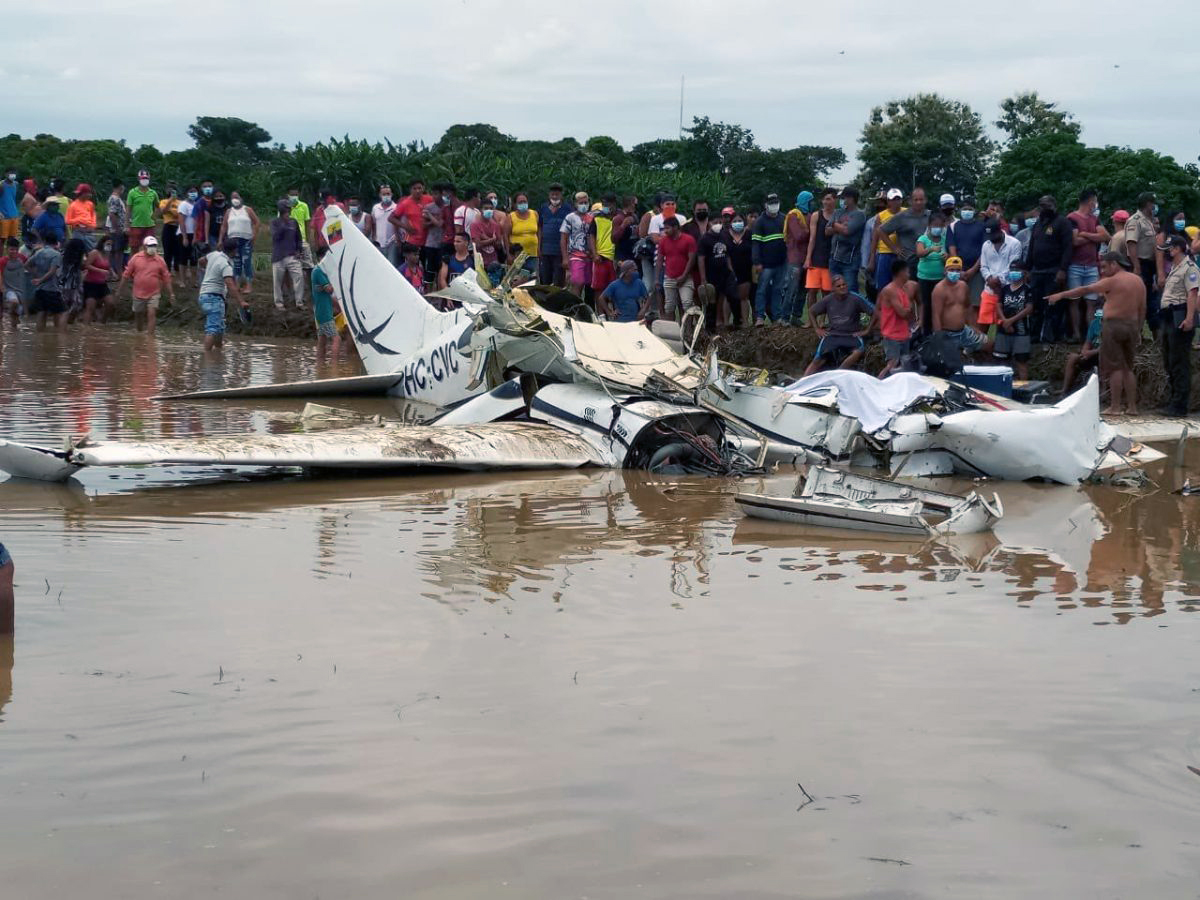
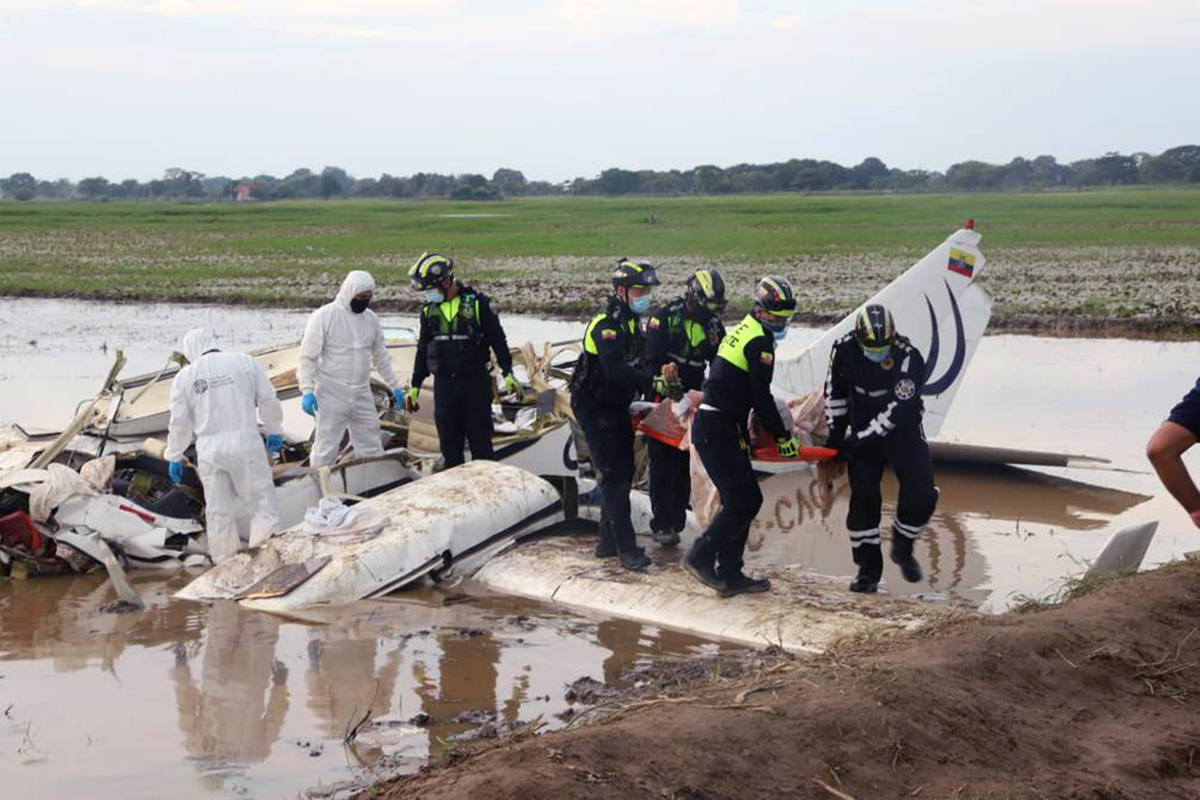
HC-CVC
Flight Phase:
Flight Type:
Survivors:
No
Schedule:
Nueva Loja – Guayaquil
Location:
Country:
Crew on board:
2
Crew fatalities:
Pax on board:
4
Pax fatalities:
Other fatalities:
Total fatalities:
6
Circumstances:
The twin engine airplane (a PA-31 Panther II variant) departed Nueva Loja-Lago Agrio Airport at 1023LT on an ambulance flight to Guayaquil, carrying one patient, one nurse, two doctors and two pilots. The descent to Guayaquil-José Joaquín de Olmedo Airport was started when the aircraft crashed in unknown circumstances in the Río Salitre, near Salitre, about 35 km north of Guayaquil Airport. The aircraft was destroyed and all six occupants were killed.
Crew:
Gabriel Guapáz, pilot,
Edwin Velásquez, copilot.
Passengers:
Jaime Muñoz,
Elvis Trujillo,
Silvia Orellana,
Julio Jaramillo.

Crash of a Piper PA-31-350 Navajo Chieftain in Sergio Butrón Casas

Date & Time: Mar 3, 2021 at 1447 LT
Operator:
Registration:
N640WA
Flight Phase:
Survivors:
Yes
Schedule:
Morelia - Chetumal
MSN:
31-8252065
YOM:
1982
Country:
Crew on board:
1
Crew fatalities:
Pax on board:
1
Pax fatalities:
Other fatalities:
Total fatalities:
0
Circumstances:
The pilot was approaching Chetumal Airport when he reported engine problems. He elected to make an amergency landing when the aircraft crash landed in an open field located in Sergio Butrón Casas, about 25 km west of Chetumal Airport. Both occupants were slightly injured and the aircraft was damaged beyond repair.

Crash of a Piper PA-31-350 Navajo Chieftain near Cooper Landing: 3 killed

Date & Time: Nov 29, 2019 at 1911 LT
Operator:
Registration:
N4087G
Flight Phase:
Flight Type:
Survivors:
No
Site:
Schedule:
Anchorage – Seward
MSN:
31-8152127
YOM:
1981
Flight number:
SVX36
Crew on board:
1
Crew fatalities:
Pax on board:
2
Pax fatalities:
Other fatalities:
Total fatalities:
3
Captain / Total flying hours:
35000
Captain / Total hours on type:
1200.00
Aircraft flight hours:
5502
Circumstances:
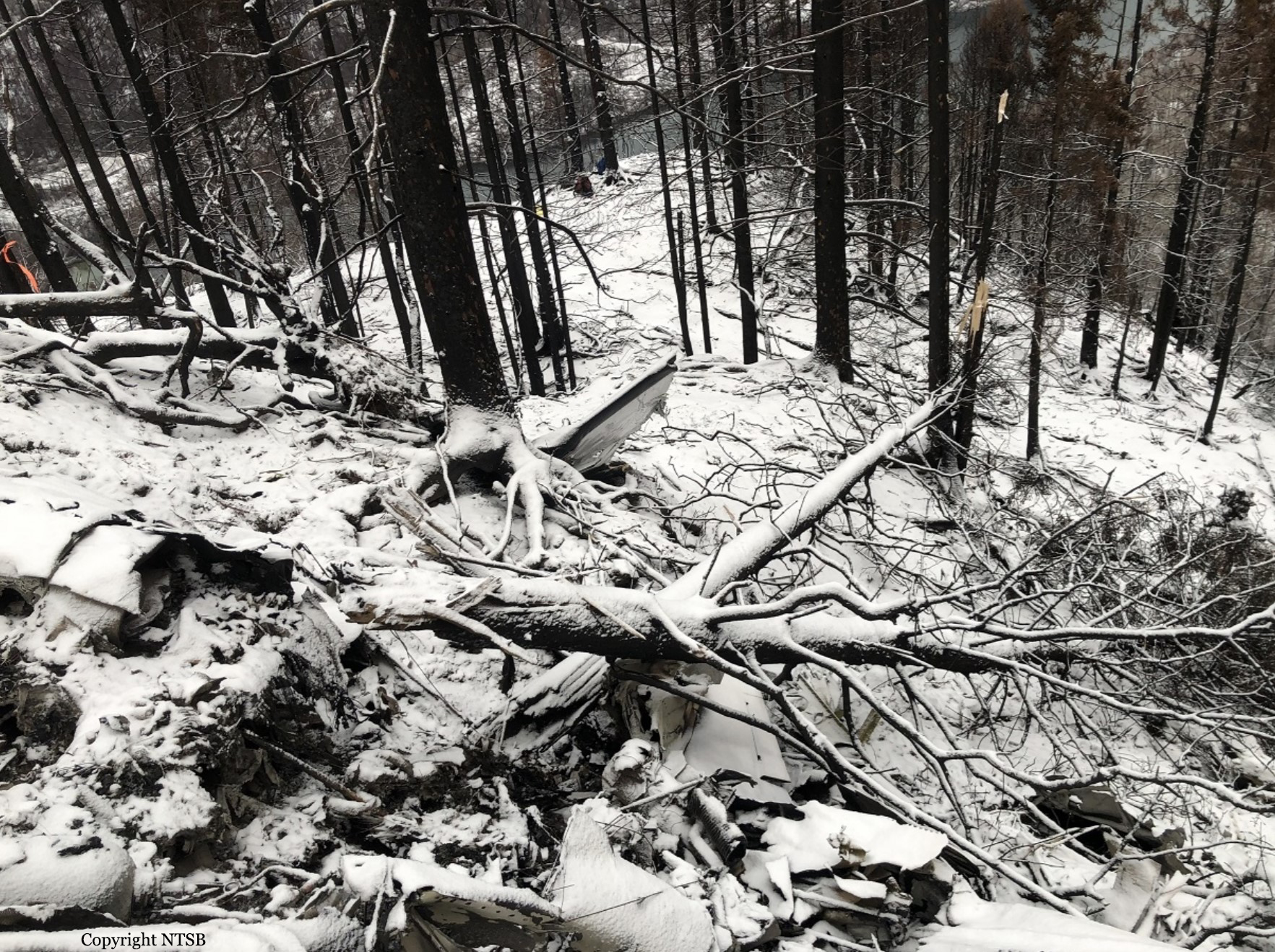
On November 29, 2019, about 1911 Alaska standard time, a Piper PA-31-350 airplane, N4087G, was destroyed by impact and postcrash fire when it collided with mountainous terrain about 15 miles west of Cooper Landing, Alaska. The three occupants; the airline transport pilot, a flight nurse, and the flight paramedic were fatally injured. The airplane was operated by Fly 4 You Inc., doing business as Security Aviation, as a Title 14 Code of Federal Regulations Part 135 visual flight rules air ambulance flight. Dark night visual meteorological conditions existed at the departure and destination locations and company flight following procedures were in effect. The flight departed Ted Stevens International Airport (PANC), Anchorage, Alaska, about 1848, destined for Seward Airport (PAWD), Seward, Alaska. Dispatch records indicated that, on November 29, Providence Seward Medical Center emergency clinic personnel contacted multiple air ambulance companies with a "weather check" for possible air ambulance transportation of a patient from Seward to Anchorage. The first company contacted was Guardian Flight, who declined the flight at 1624 due to limited daylight hours. The second company, LifeMed Alaska, declined the flight at 1637 due to weather. The third and final company contacted for the flight was Medevac Alaska. Their dispatch officer was not notified of the previous declined flight requests and forwarded the request to Security Aviation, who is their sole air charter provider. At 1731 Security Aviation accepted the flight, and Medevac Alaska flight SVX36 was staffed with a nurse and paramedic. A preliminary review of archived Federal Aviation Administration (FAA) radar and automatic dependent surveillance (ADS-B) data revealed that the accident airplane departed PANC and flew south about 3,000 ft mean sea level (msl) toward the Sterling Highway. The airplane was then observed descending to 2,200 ft msl while flying a right racetrack pattern before flying into the valley toward Cooper Landing. The last data point indicated that at 1911:14 the airplane was over the west end of Jean Lake at 2,100 ft msl, on a 127° course, and 122 kts groundspeed. Ground witnesses who were in vehicles on the Sterling Highway near milepost 63, reported that they saw the lights of the airplane flying over the highway that night. One witness stated that he saw the airplane west of the mountains turn in a circle as it descended and then entered the valley. He observed the wings rocking back and forth and while he was looking elsewhere, he heard an explosion and observed a large fire on the mountainside. Another witness reported seeing the airplane flying low and explode when it impacted the mountain. Witnesses to the fire called 911 and observed the wreckage high on the mountainside burning for a long time after impact. The airplane was reported overdue by the chief pilot for Security Aviation and the FAA issued an alert notice (ALNOT) at 2031. The Alaska Rescue Coordination Center dispatched an MH-60 helicopter to the last known position and located the burning wreckage that was inaccessible due to high winds in the area. On December 1, 2019, the Alaska State Troopers coordinated a mountain recovery mission with Alaska Mountain Rescue Group. The wreckage was observed on the mountain at an elevation of about 1,425 ft msl in an area of steep, heavily tree-covered terrain near the southeast end of Jean Lake in the Kenai National Wildlife Refuge. The airplane was highly fragmented and burned, however all major airplane components were accounted for. Multiple large trees around the wreckage were fractured and indicated an easterly heading prior to the initial impact.


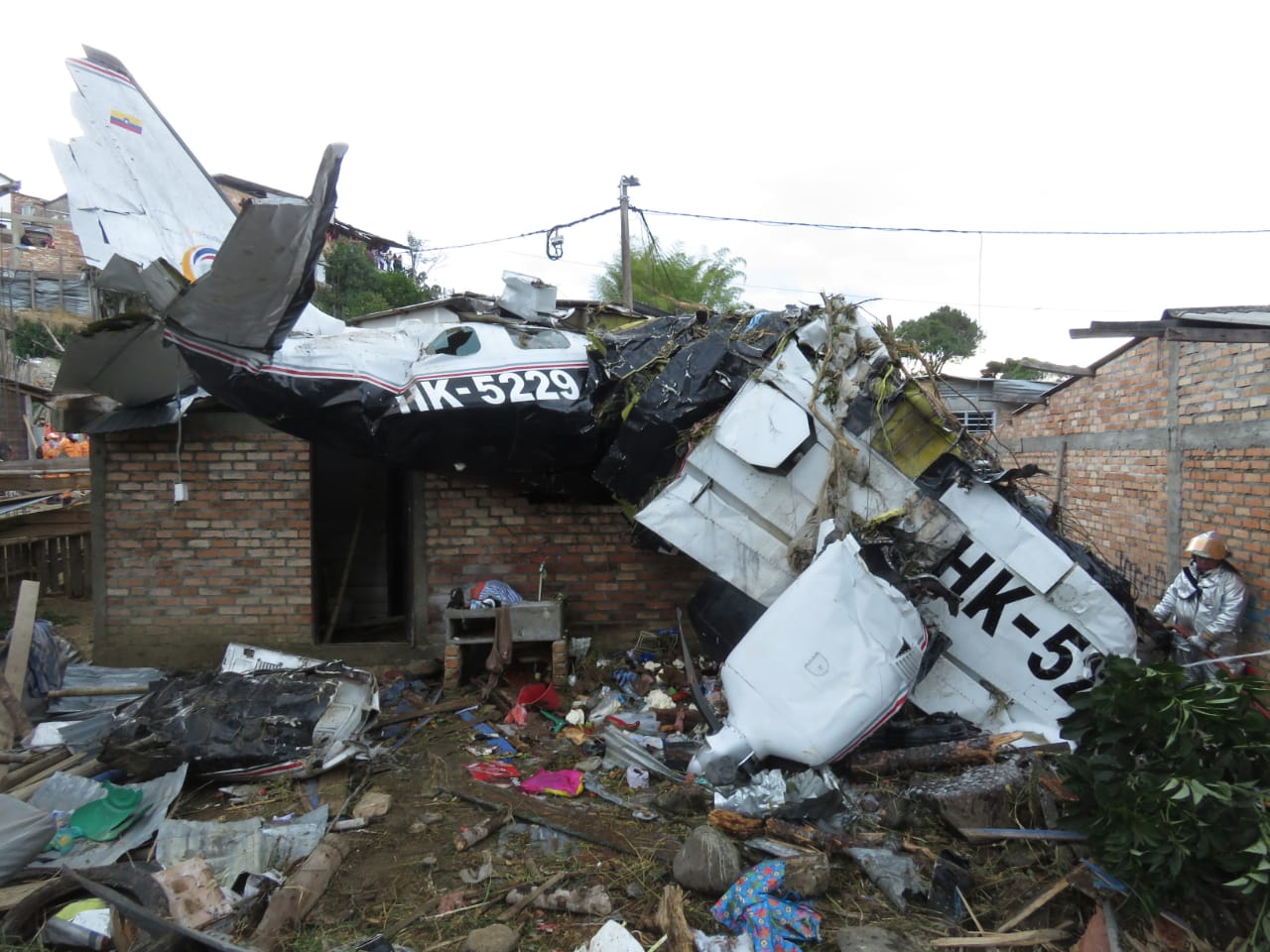
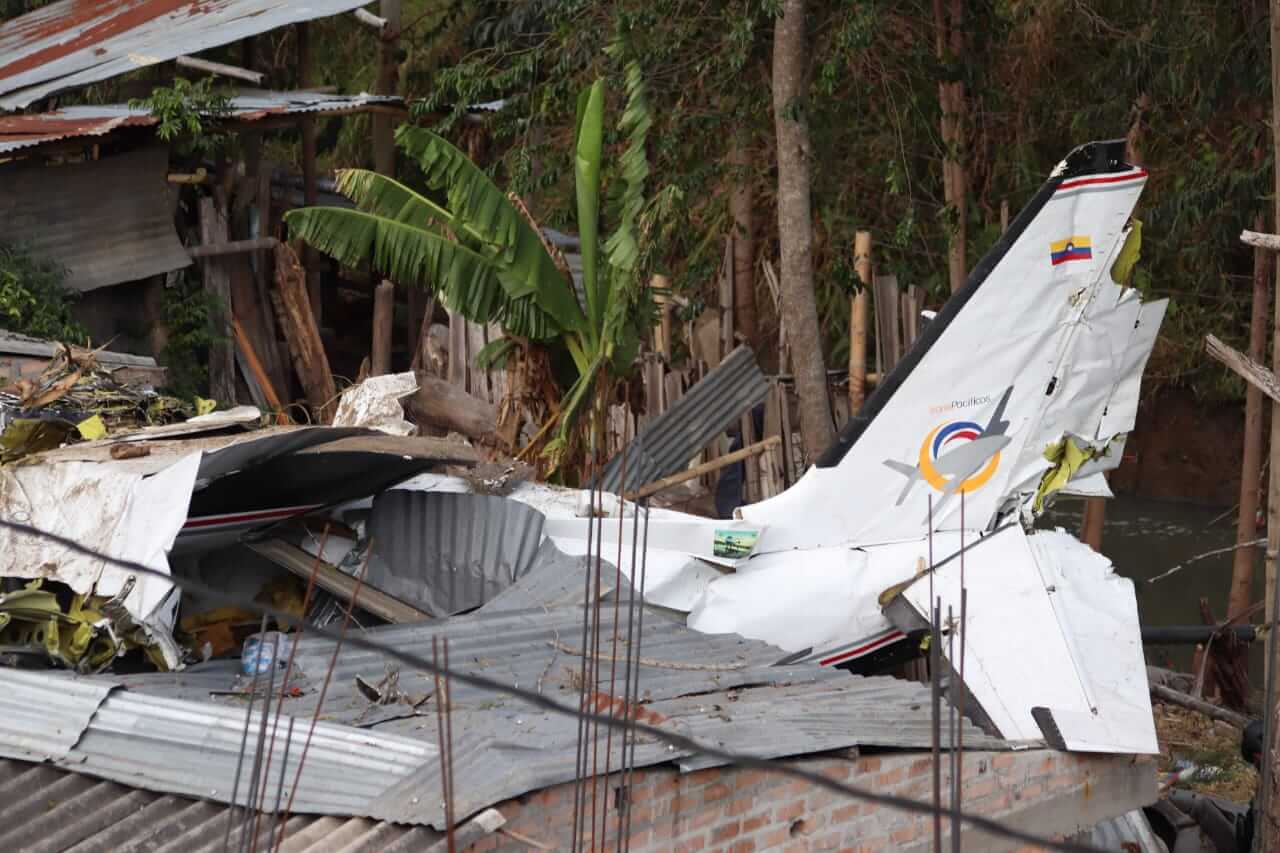
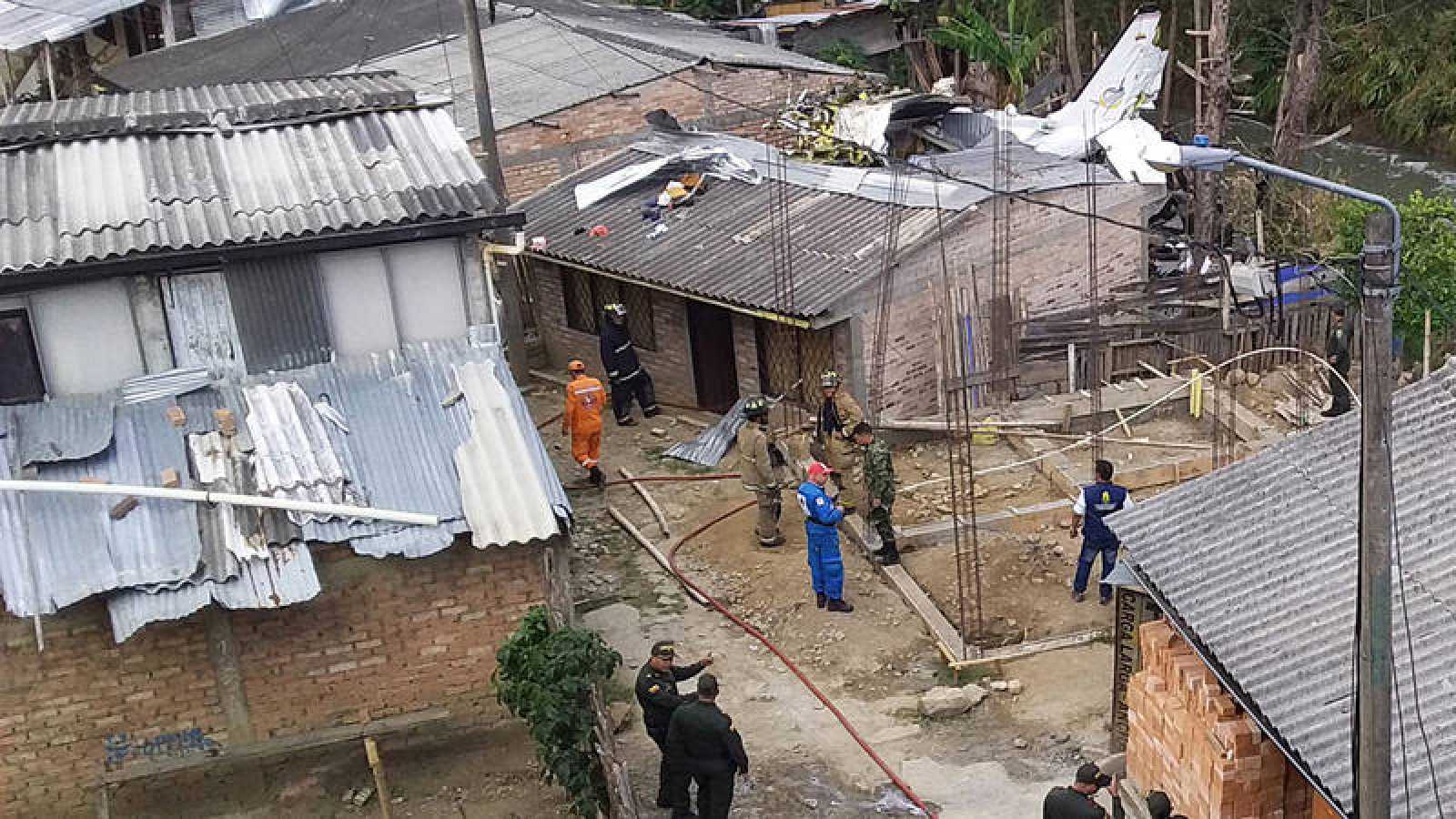
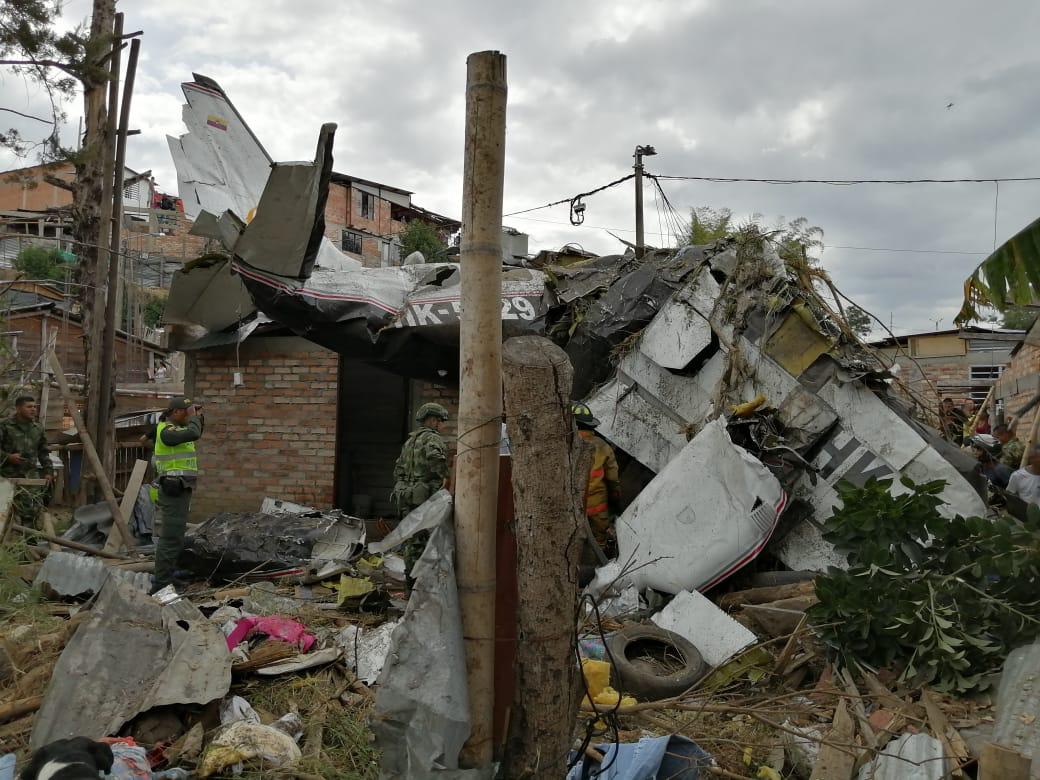
Crash of a Piper PA-31-350 Navajo Chieftain in Popayán: 7 killed

Date & Time: Sep 15, 2019 at 1406 LT
Operator:
Registration:
HK-5229
Flight Phase:
Survivors:
Yes
Site:
Schedule:
Popayán - López de Micay
MSN:
31-7405212
YOM:
1974
Country:
Crew on board:
2
Crew fatalities:
Pax on board:
7
Pax fatalities:
Other fatalities:
Total fatalities:
7
Captain / Total flying hours:
3291
Captain / Total hours on type:
991.00
Copilot / Total flying hours:
300
Copilot / Total hours on type:
55
Aircraft flight hours:
12304
Circumstances:
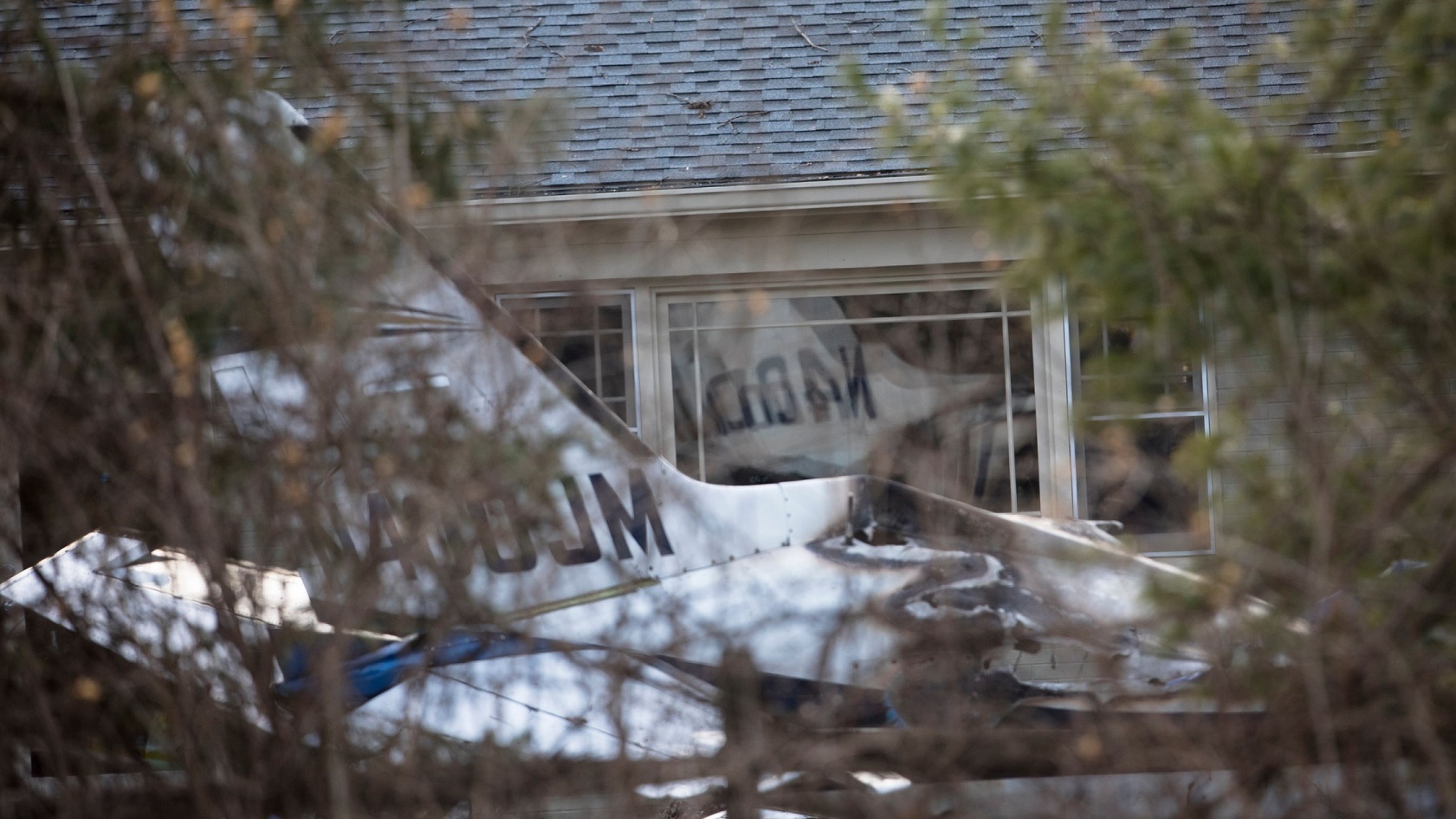
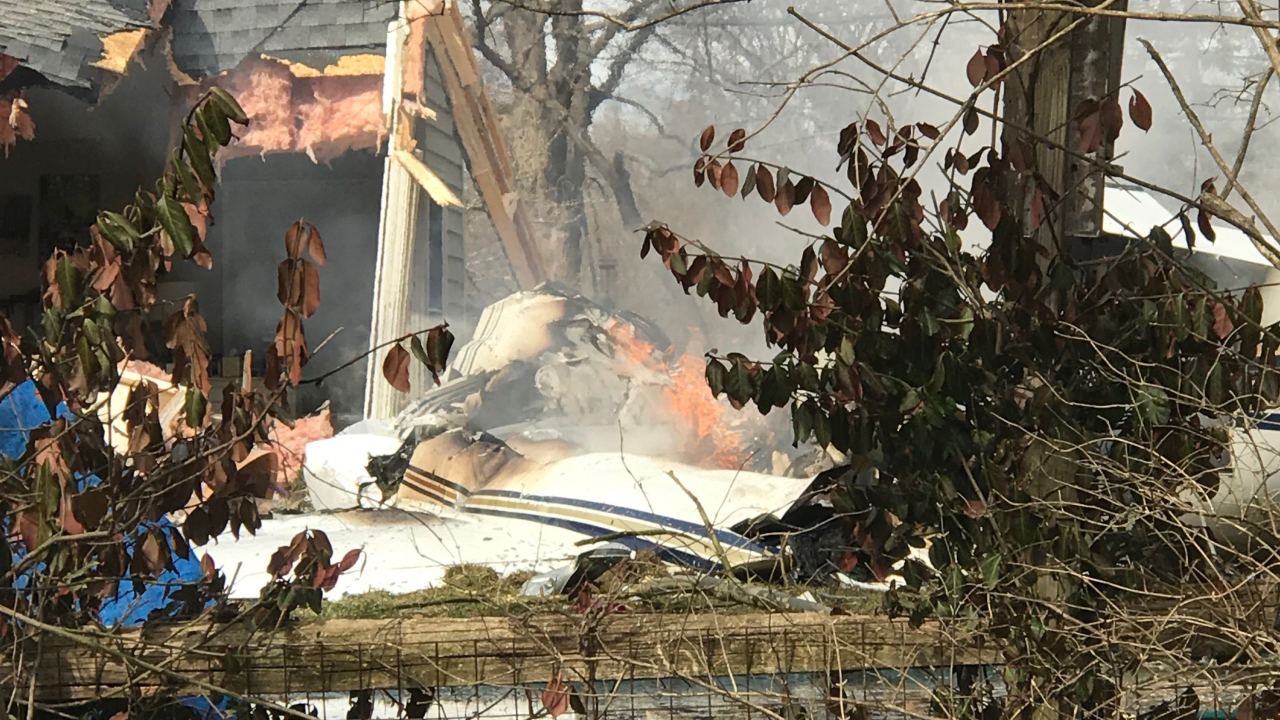
The twin engine airplane departed Popayán-Guillermo León Valencia Airport runway 26 at 14:06:06. The aircraft encountered difficulties to gain sufficient height. About 20 seconds after liftoff, at a speed of 82 knots, the aircraft rolled to the right then entered an uncontrolled descent and crashed onto two houses located 530 metres past the runway end. Two passengers were seriously injured and seven other occupants were killed.
Probable cause:
A loss of in-flight control of the aircraft due to possible excess weight. The aircraft probably managed to take off due to "ground effect", but, once in the air and out of ground effect, it was not able to obtain the speed that would allow it to safely accomplish the climb.
Contributing Factors:
- Absence of Dispatch procedures of the operator to perform a correct Weight and Balance of the aircraft, and the effective control of the boarded cargo.
- Incorrect calculation of the weight and balance of the aircraft by the crew, by not considering all the cargo that was loaded, causing the aircraft to take off with a possible excess weight.
- Weak operational safety management processes of the operator by not considering the operating characteristics of airfields such as Popayán (high altitude, high ambient temperature) that significantly limit the operation.
Final Report:

Crash of a Piper PA-31-350 Navajo Chieftain in Sayaxché: 2 killed

Date & Time: Apr 13, 2019
Operator:
Registration:
N2613
Flight Phase:
Flight Type:
Survivors:
No
Country:
Crew on board:
2
Crew fatalities:
Pax on board:
0
Pax fatalities:
Other fatalities:
Total fatalities:
2
Circumstances:
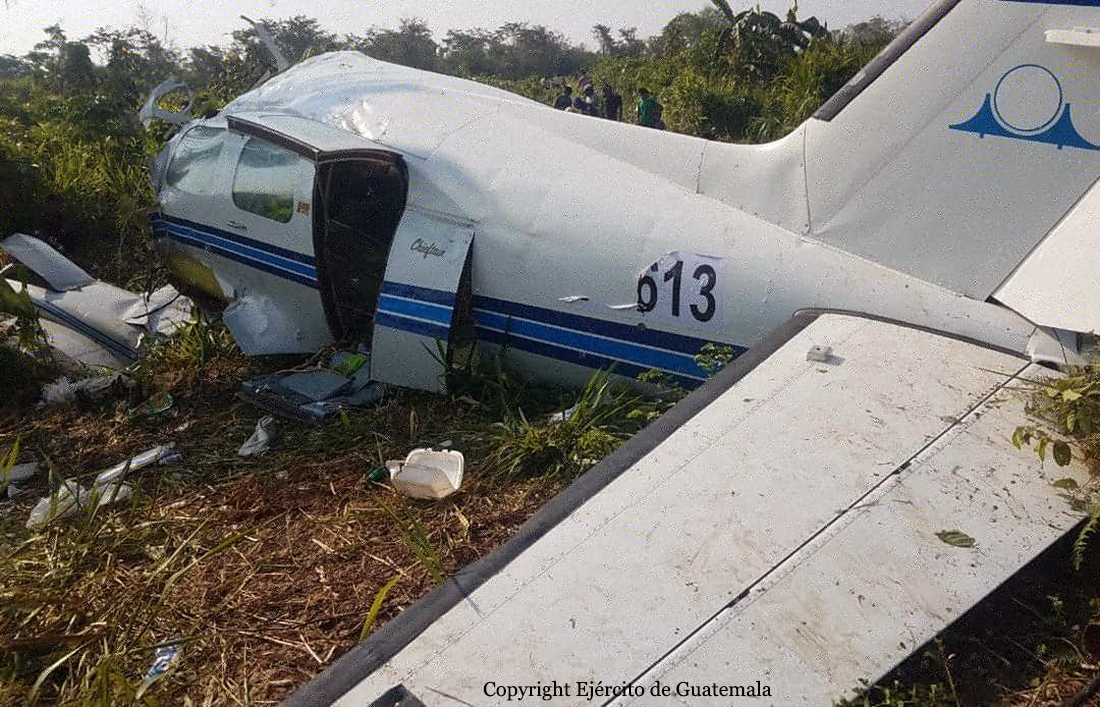
In the morning, the Guatemala Army Forces were informed by ATC that a PA-31 entered the Guatemala Airspace without prior permission. The twin engine airplane crashed in a wooded area located near the farm of Sepens located in the region of Sayaxché, Petén. The aircraft was partially destroyed by impact forces and both occupants were killed. A sticker was set on the fuselage with the registration N2613 which is wrong.

Crash of a Piper PA-31-350 Navajo Chieftain near San Rafael de Yuma

Date & Time: Apr 5, 2019 at 2228 LT
Operator:
Registration:
YV312
Flight Phase:
Flight Type:
Survivors:
Yes
Crew on board:
0
Crew fatalities:
Pax on board:
0
Pax fatalities:
Other fatalities:
Total fatalities:
0
Circumstances:
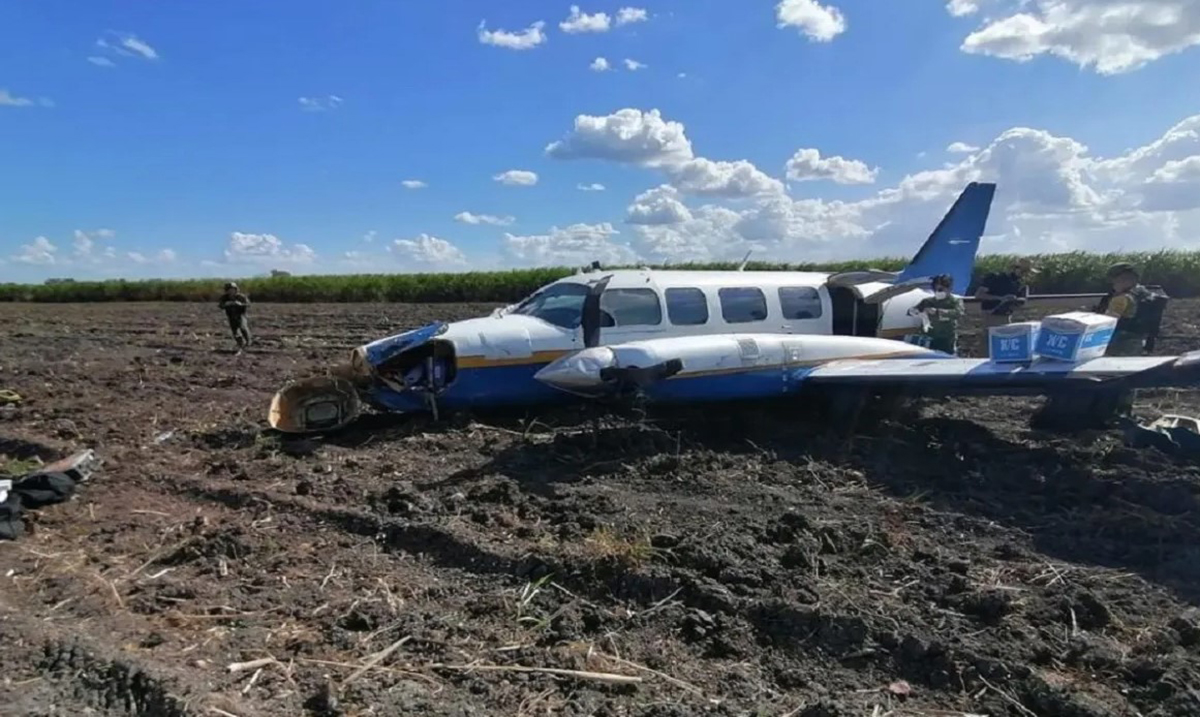
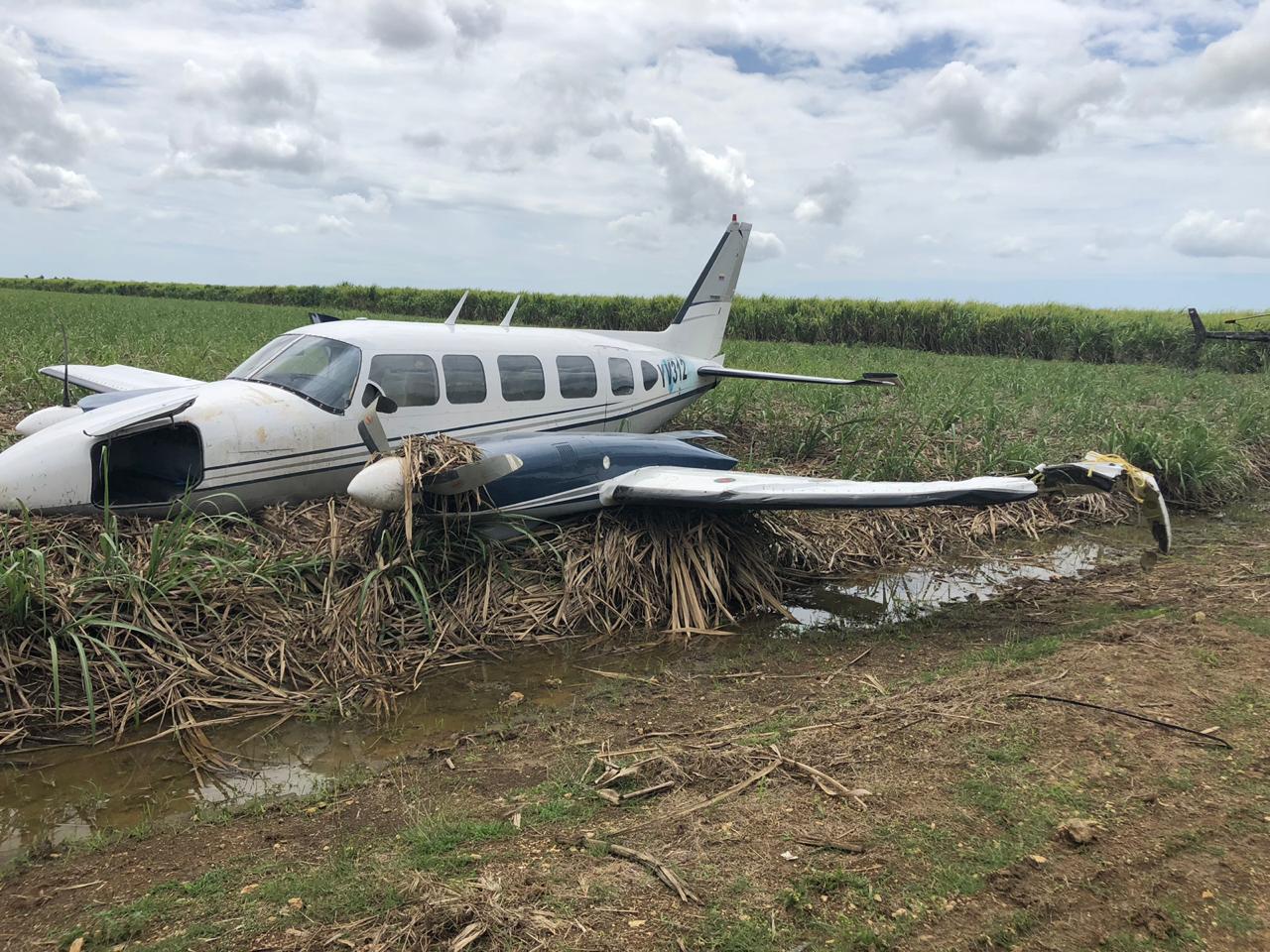
The twin engine airplane departed Venezuela in the evening on a probable drug smuggling flight with an unknown destination. At 2226LT, after it entered the Dominican Airspace, a crew of the Dominican Air Force was dispatched with an Embraer EMB-314 Super Tucano but the PA-31 disappeared from radar screens at 2228LT after crashing in a sugar cane field located in the region of San Rafael de Yuma, between La Romana and Punta Cana. Due to limited visibility caused by night and poor weather conditions, SAR operations were suspended shortly after midnight. The wreckage was found in the next early morning. Nobody was found on site and the aircraft is probably written off. The registration YV312 may be a wrong one.

Crash of a Piper PA-31-350 Navajo Chieftain in Madeira: 1 killed

Date & Time: Mar 12, 2019 at 1516 LT
Operator:
Registration:
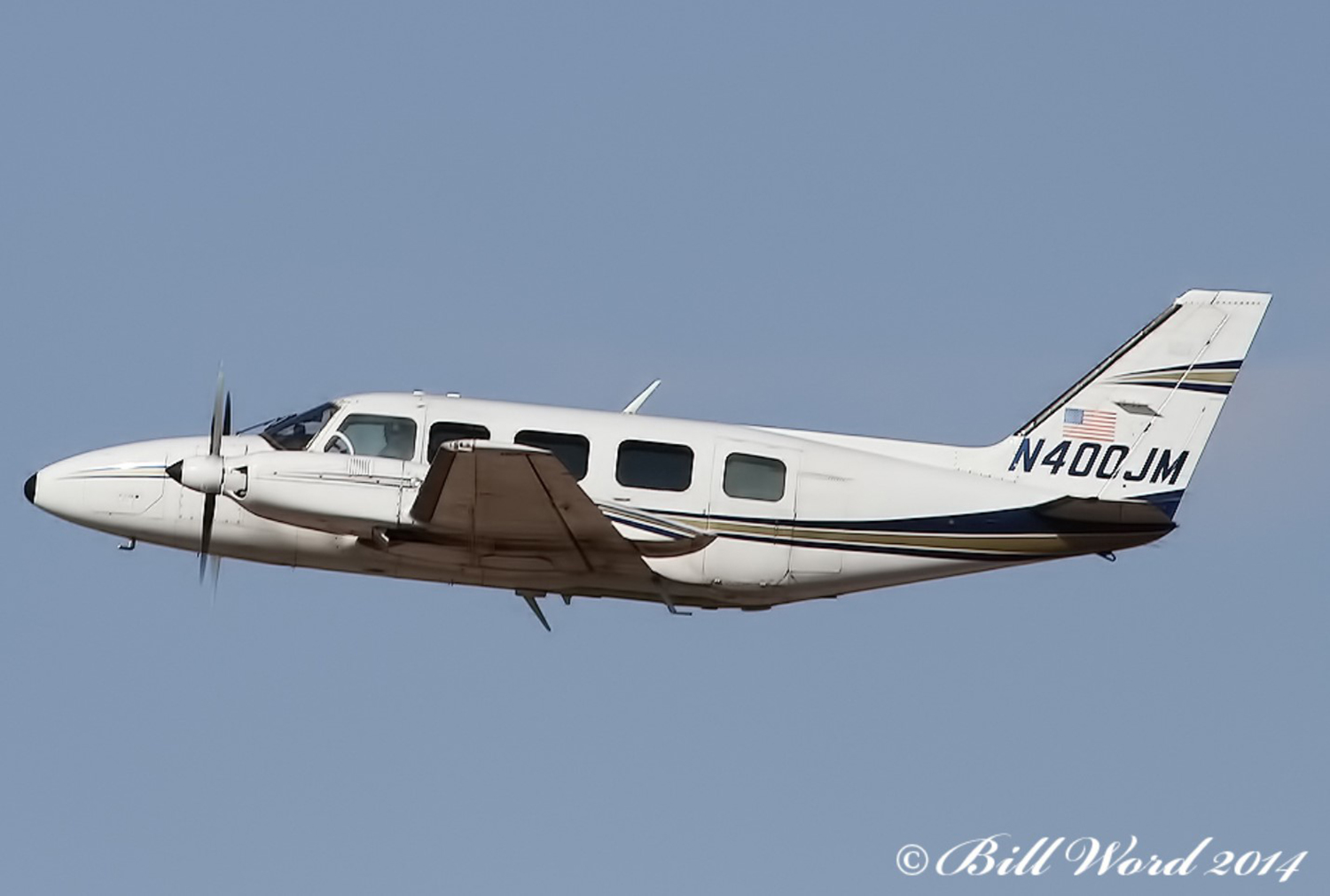
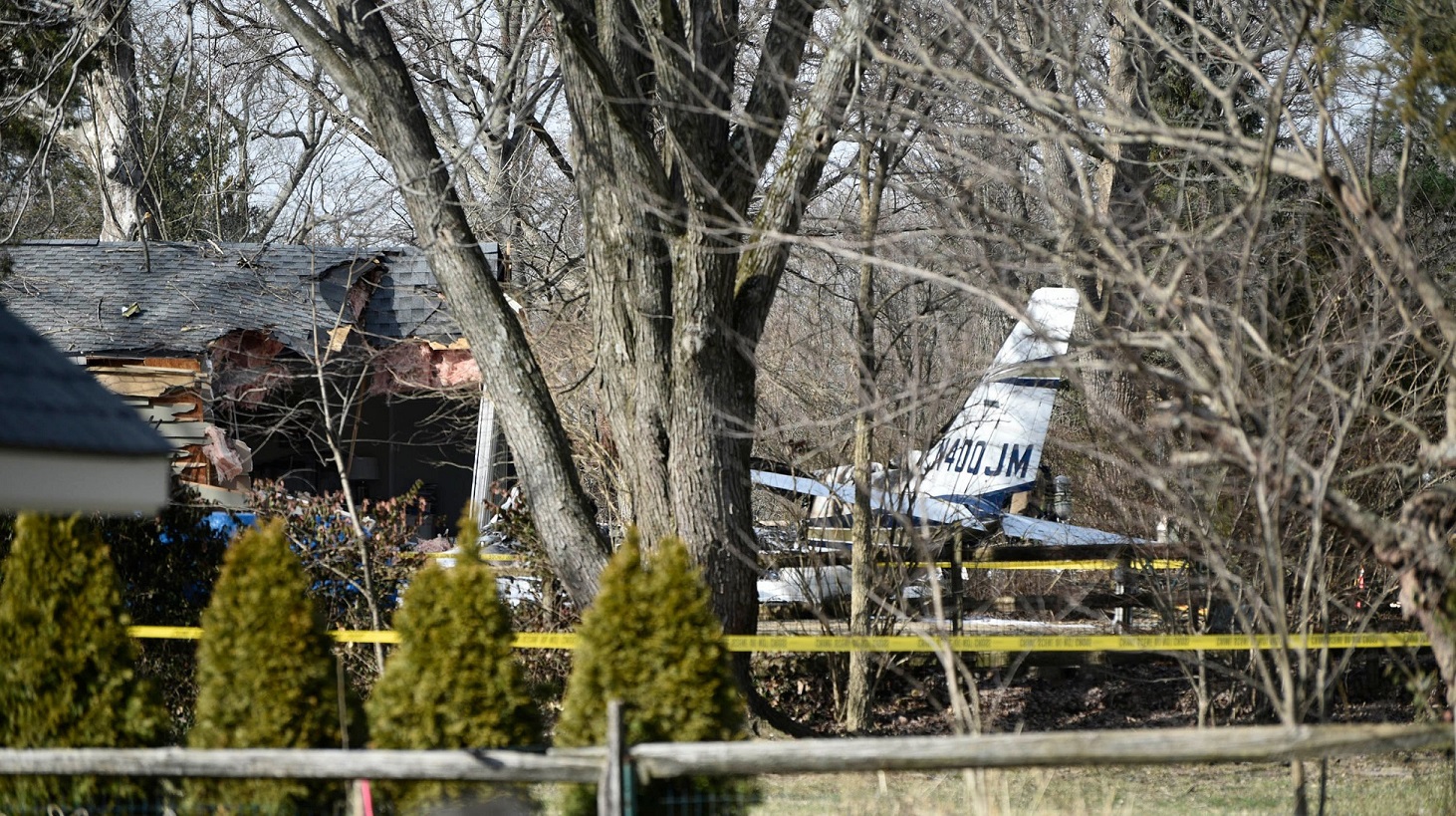
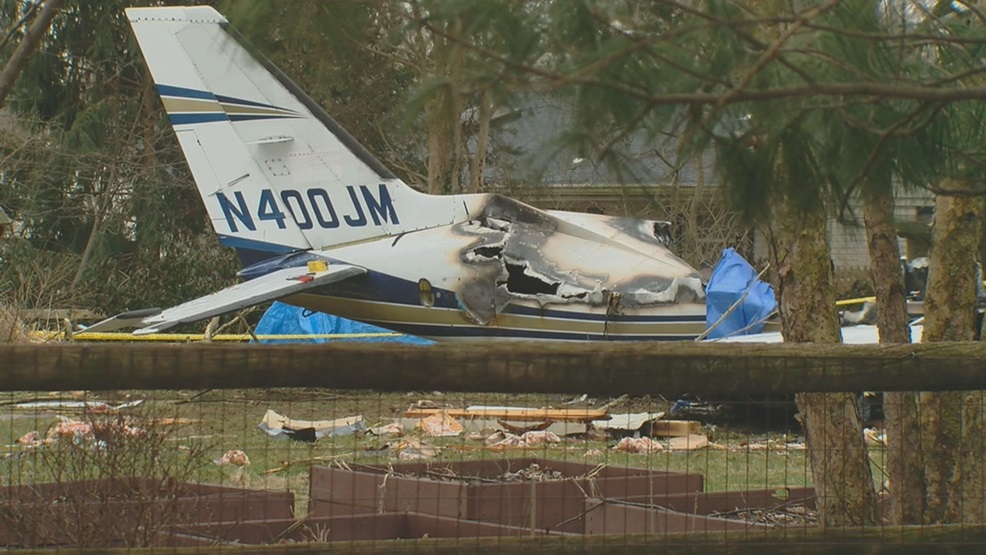
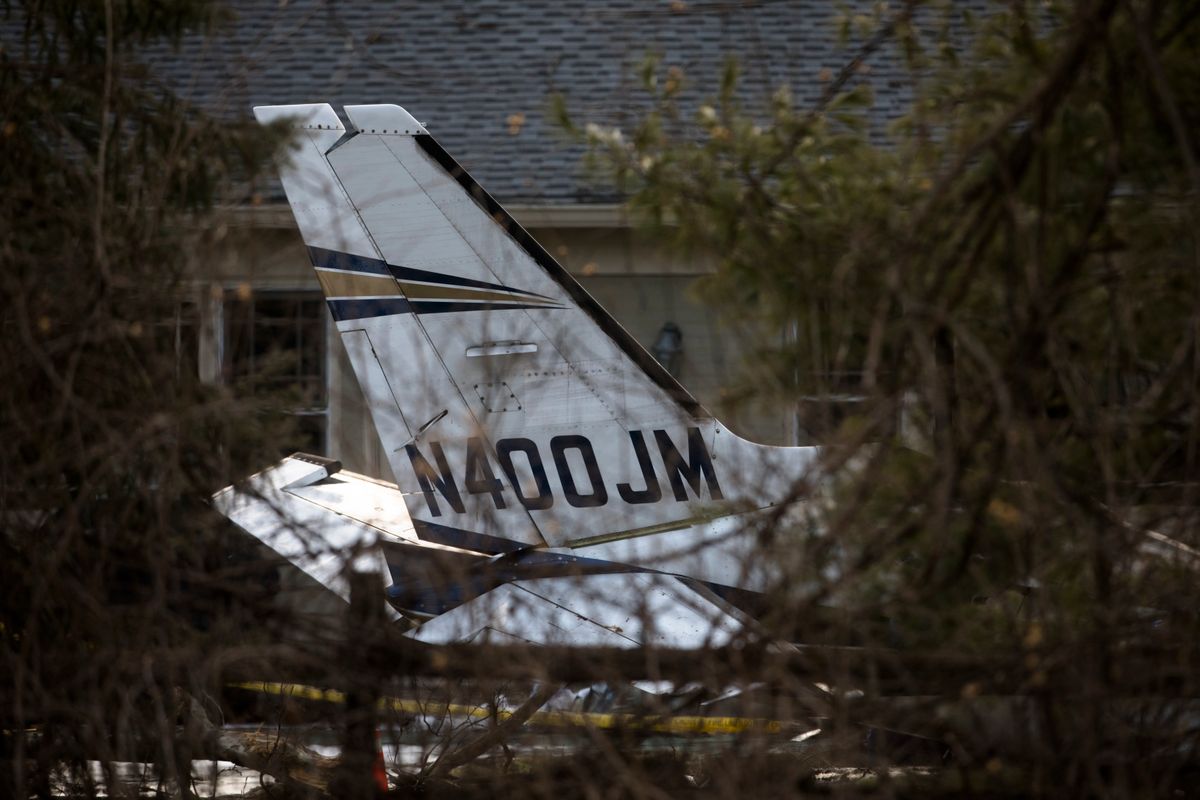
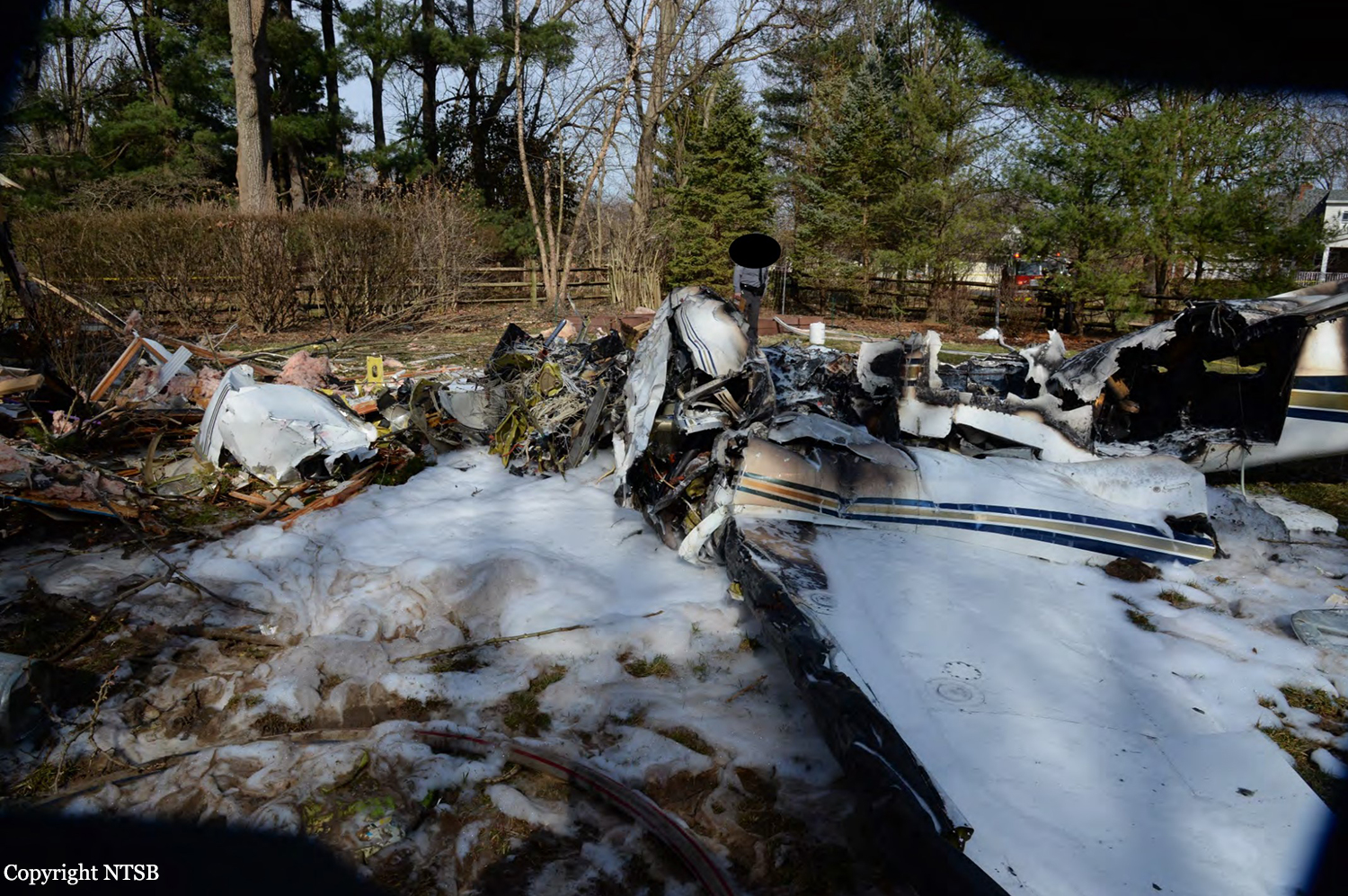
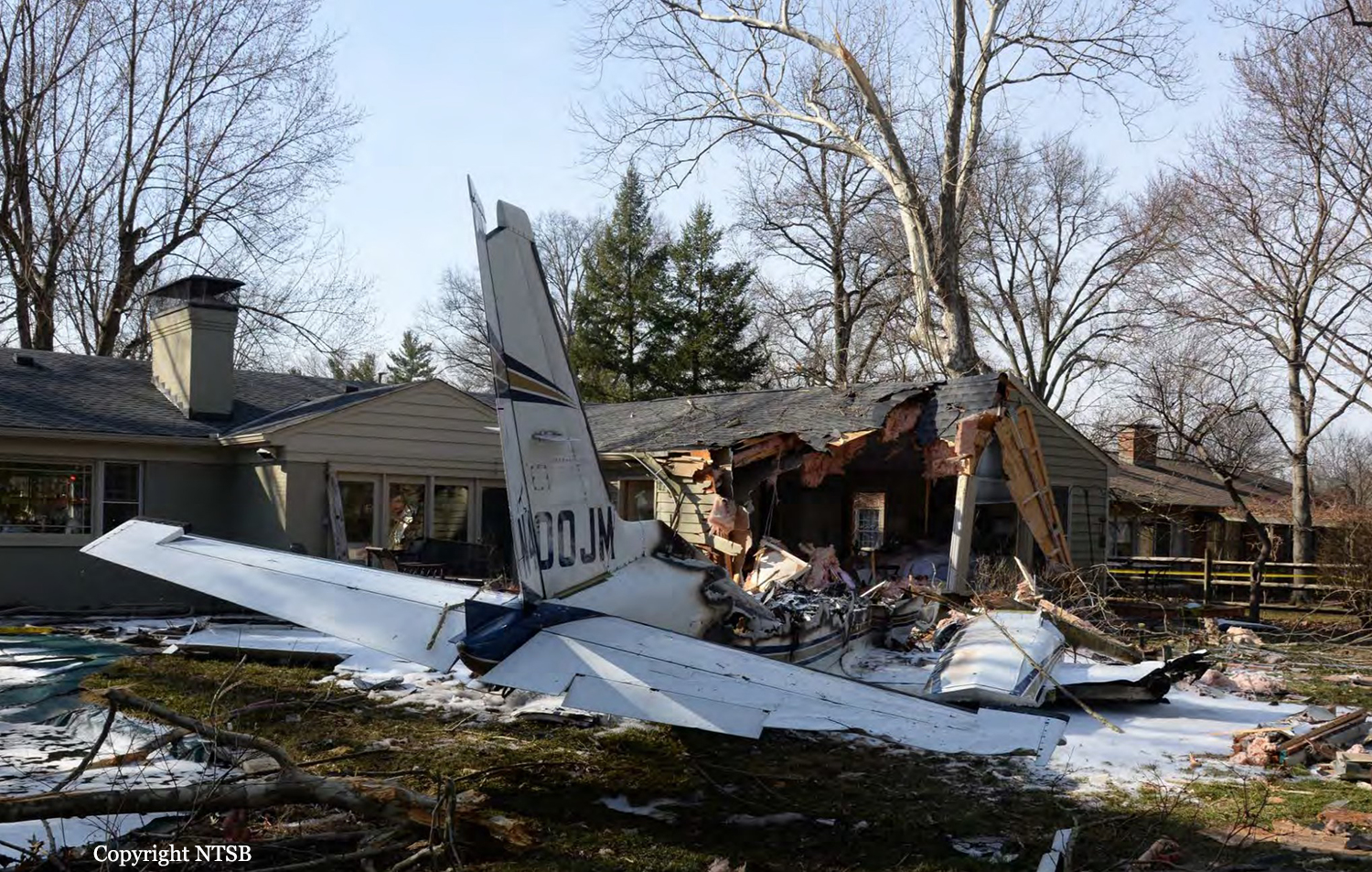
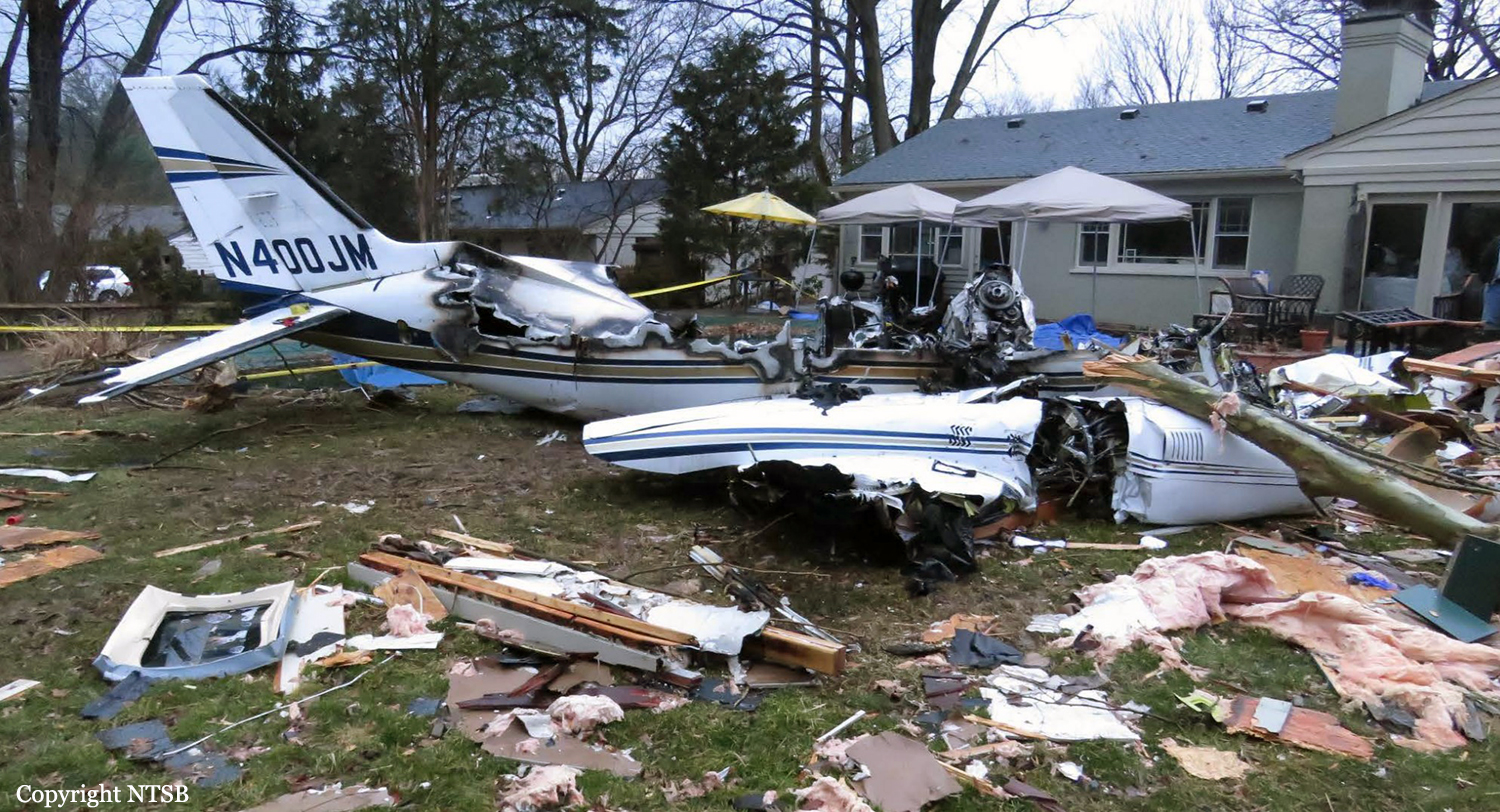
N400JM
Flight Phase:
Survivors:
No
Site:
Schedule:
Cincinnati - Cincinnati
MSN:
31-8152002
YOM:
1981
Location:
Crew on board:
1
Crew fatalities:
Pax on board:
0
Pax fatalities:
Other fatalities:
Total fatalities:
1
Captain / Total flying hours:
6421
Captain / Total hours on type:
1364.00
Aircraft flight hours:
19094
Circumstances:
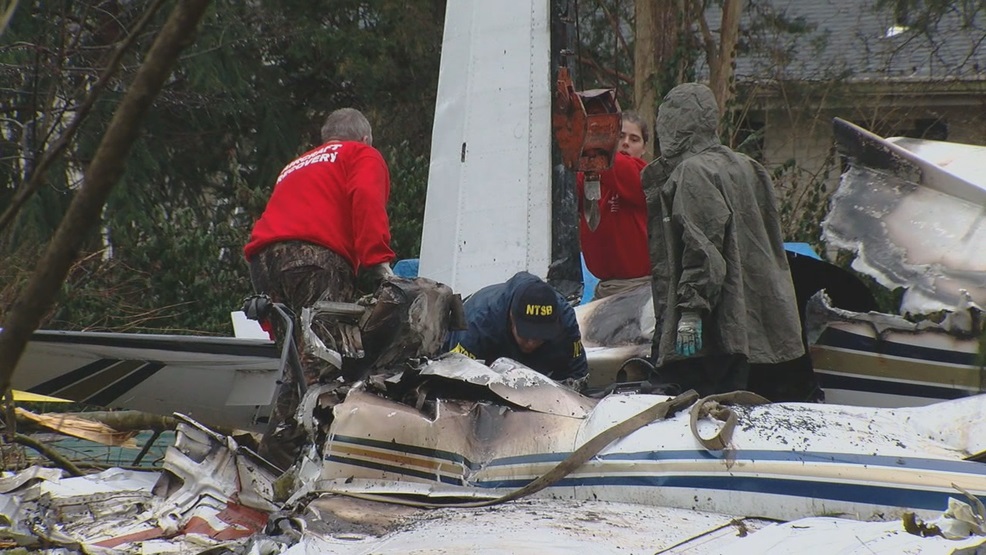
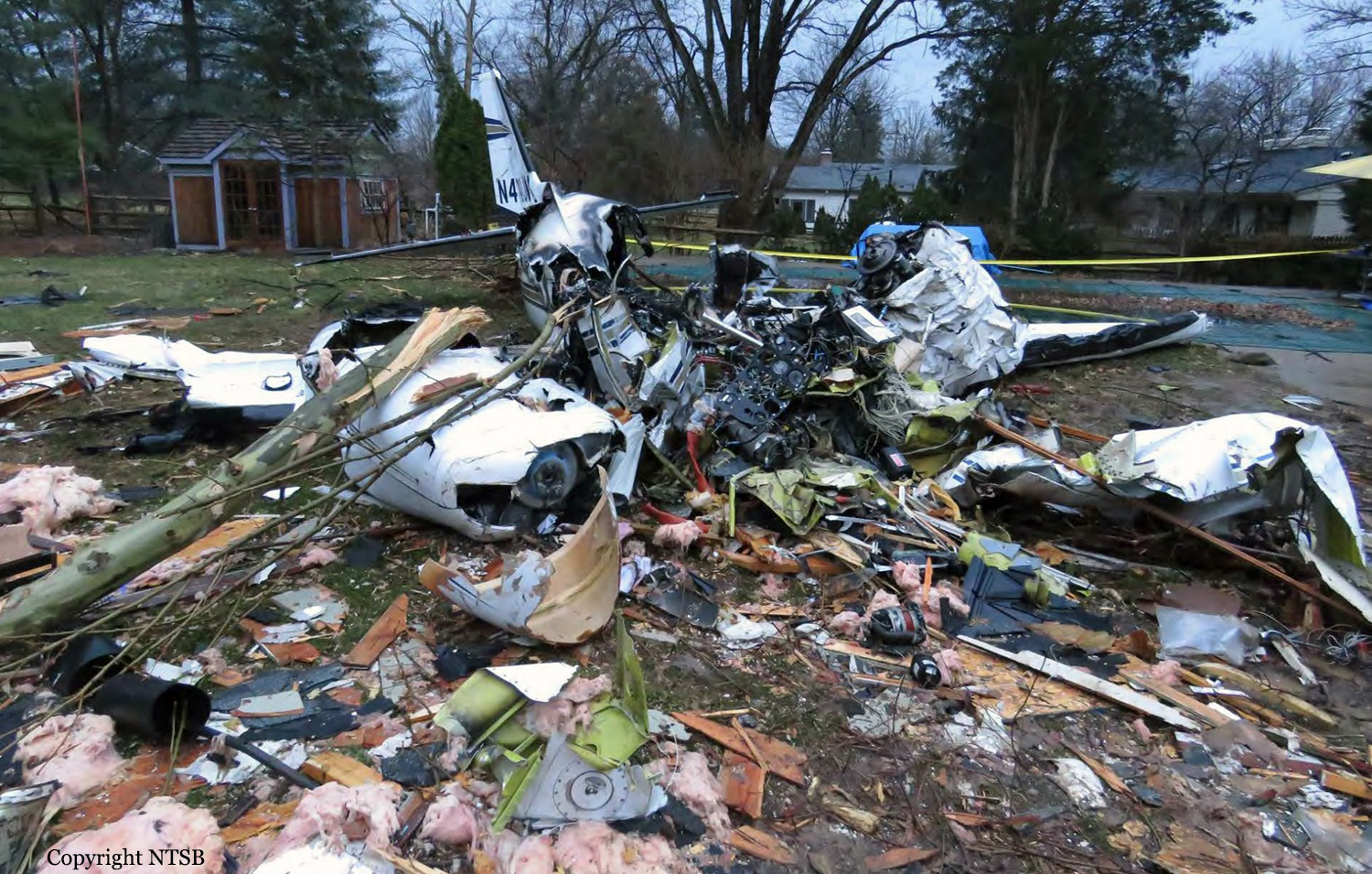
The commercial pilot was conducting an aerial observation (surveying) flight in a piston engineequipped multiengine airplane. Several hours into the flight, the pilot advised air traffic control (ATC) that the airplane had a fuel problem and that he needed to return to the departure airport. When the airplane was 8 miles from the airport, and after passing several other airports, the pilot informed ATC that he was unsure if the airplane could reach the airport. The final minutes of radar data depicted the airplane in a descent and tracking toward a golf fairway as the airplane's groundspeed decreased to a speed near the single engine minimum control airspeed. According to witnesses, they heard an engine sputter before making two loud "back-fire" sounds. One witness reported that, after the engine sputtered, the airplane "was on its left side flying crooked." Additional witnesses reported that the airplane turned to the left before it "nose-dived" into a neighborhood, impacting a tree and private residence before coming to rest in the backyard of the residence. A witness approached the wreckage immediately after the accident and observed a small flame rising from the area of the left engine. Video recorded on the witness' mobile phone several minutes later showed the airplane engulfed in flames. Examination of the wreckage revealed no evidence of any preimpact mechanical malfunctions or failures of either engine. The fuel systems feeding both engines were damaged by impact forces but the examined components generally displayed that only trace amounts of fuel remained; with the exception of the left engine nacelle fuel tank. Given the extent of the fire damage to this area of the wreckage, and the witness report that the post impact fire originated in this area, it is likely that this tank contained fuel. By design, this fuel in this tank was not able to supply fuel directly to either engine, but instead relied on an electric pump to transfer fuel into the left main fuel tank. Fire damage precluded a detailed postaccident examination or functional testing of the left nacelle fuel transfer pump. Other pilots who flew similar airplanes for the operator, along with a review of maintenance records for those airplanes, revealed at least three instances of these pumps failing in the months surrounding the accident. The other pilots also reported varying methods of utilizing fuel and monitoring fuel transfers of fuel from the nacelle fuel tanks, since there was no direct indication of the quantity of fuel available in the tank. These methods were not standardized between pilots within the company and relied on their monitoring the quantity of fuel in the main fuel tanks in order to ensure that the fuel transfer was occurring. Had the pilot not activated this pump, or had this pump failed during the flight, it would have rendered the fuel in the tank inaccessible. Given this information it is likely that the fuel supply available to the airplane's left engine was exhausted, and that the engine subsequently lost power due to fuel starvation. The accident pilot, along with another company pilot, identified fuel leaking from the airplane's left wing, about a week before the accident. Maintenance records showed no actions had been completed to the address the fuel leak. Due to damage sustained during the accident, the origin of the fuel leak could not be determined, nor could it be determined whether the fuel leak contributed to the fuel starvation and eventual inflight loss of power to the left engine. Because the left engine stopped producing power, the pilot would have needed to configure the airplane for single-engine flight; however, examination of the left engine's propeller found that it was not feathered. With the propeller in this state, the pilot's ability to maintain control the airplane would have been reduced, and it is likely that the pilot allowed the airplane's airspeed to decrease below the singleengine minimum controllable airspeed, which resulted in a loss of control and led to the airplane's roll to the left and rapid descent toward the terrain. Toxicology results revealed that the pilot had taken doxylamine, an over-the-counter antihistamine that can decrease alertness and impair performance of potentially hazardous tasks. Although the toxicology results indicated that the amount of doxylamine in the pilot's cavity blood was within the lower therapeutic range, review of ATC records revealed that the pilot was alert and that he was making necessary decisions and following instructions. Thus, the pilot's use of doxylamine was not likely a factor in the accident.
Probable cause:
Fuel starvation to the left engine and the resulting loss of engine power to that engine, and a loss of airplane control due to the pilot's failure to maintain the minimum controllable airspeed.
Final Report: