Country
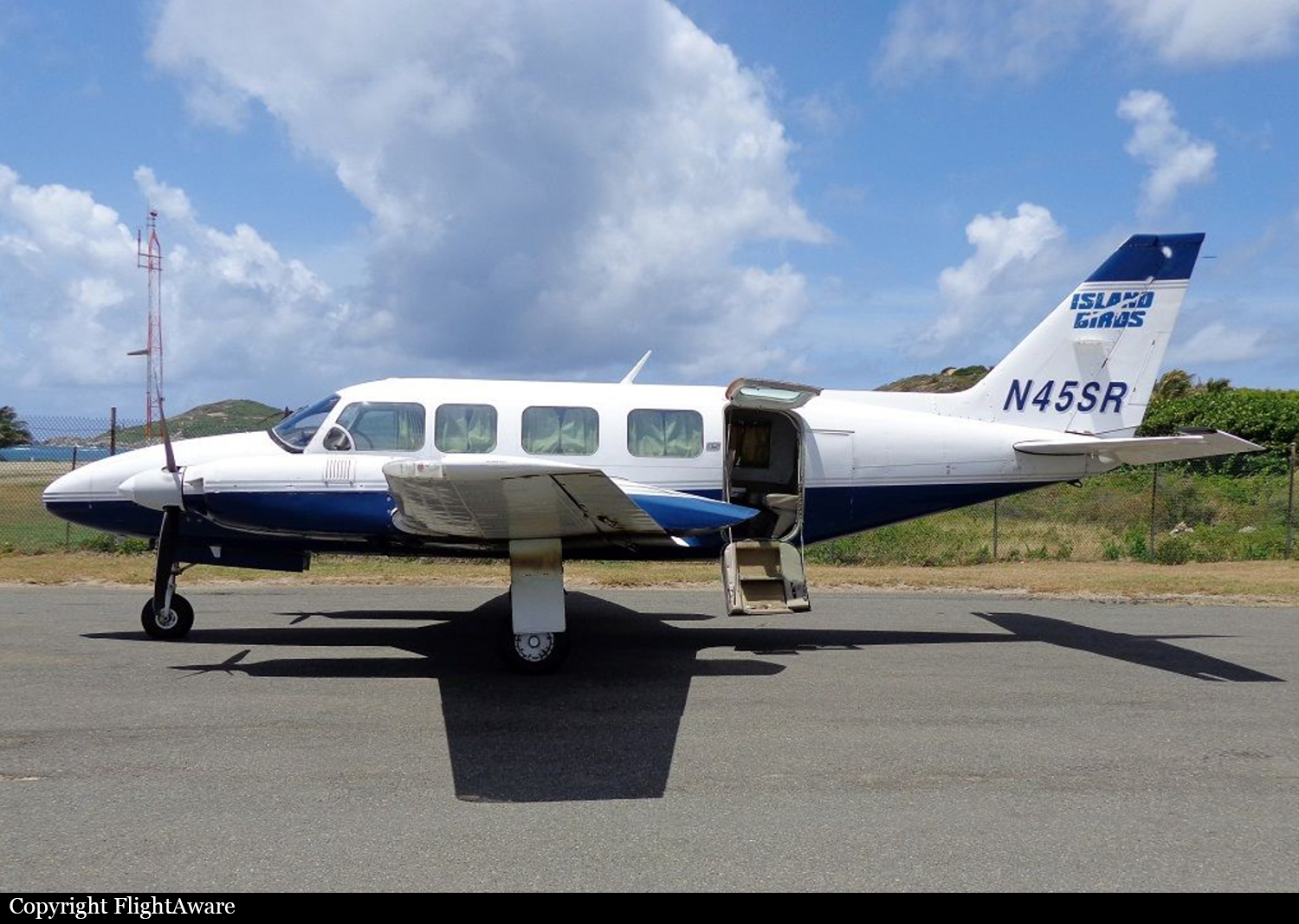
Crash of a Piper PA-31-350 Navajo Chieftain near Les Cayes
Date & Time:
Feb 3, 2026
Operator:

Registration:
N45SR
Survivors:
Yes
Schedule:
Port-au-Prince – Les Cayes
MSN:
31-7852141
YOM:
1978
Crew on board:
1
Crew fatalities:
Pax on board:
5
Pax fatalities:
Other fatalities:
Total fatalities:
0
Circumstances:
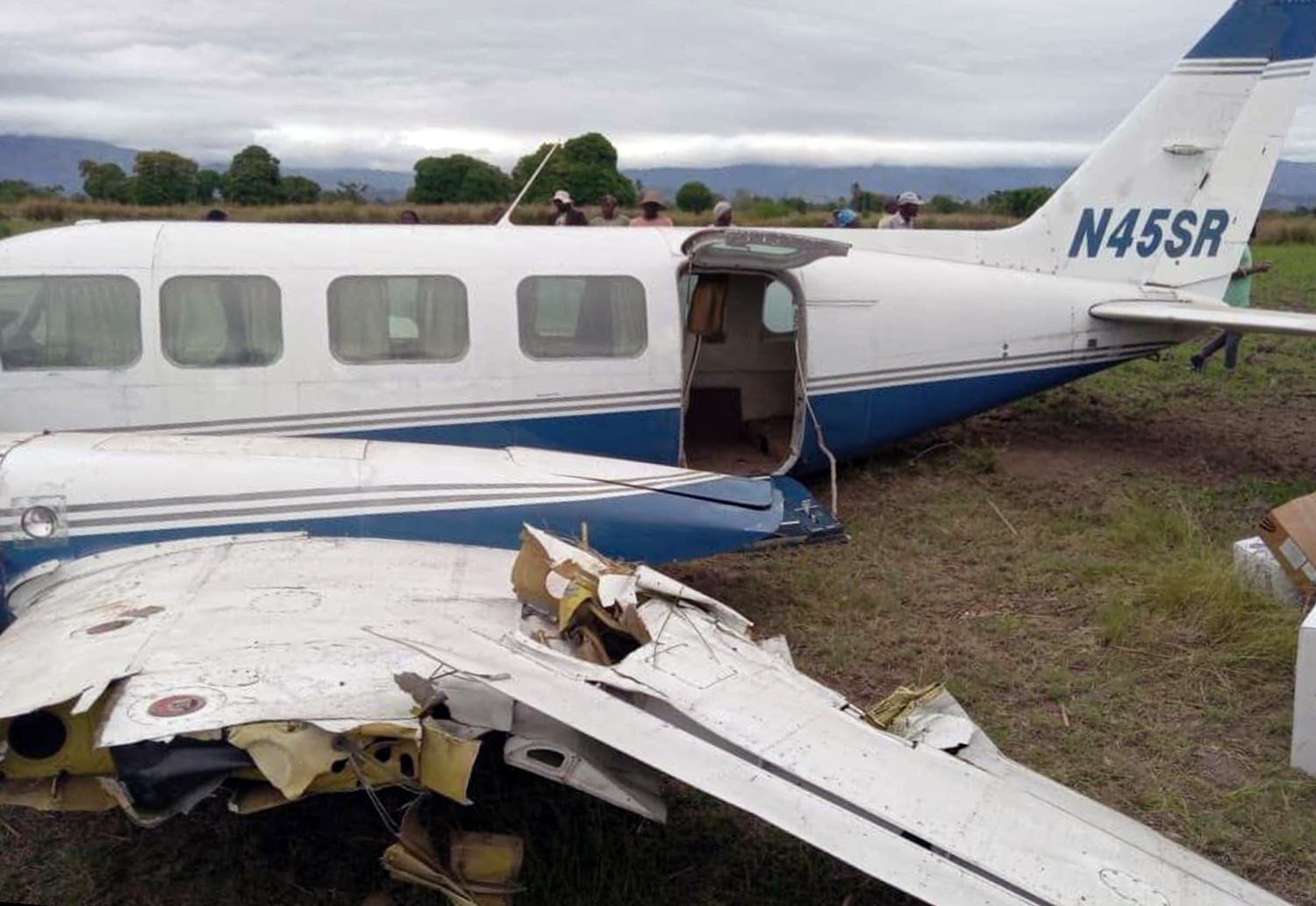
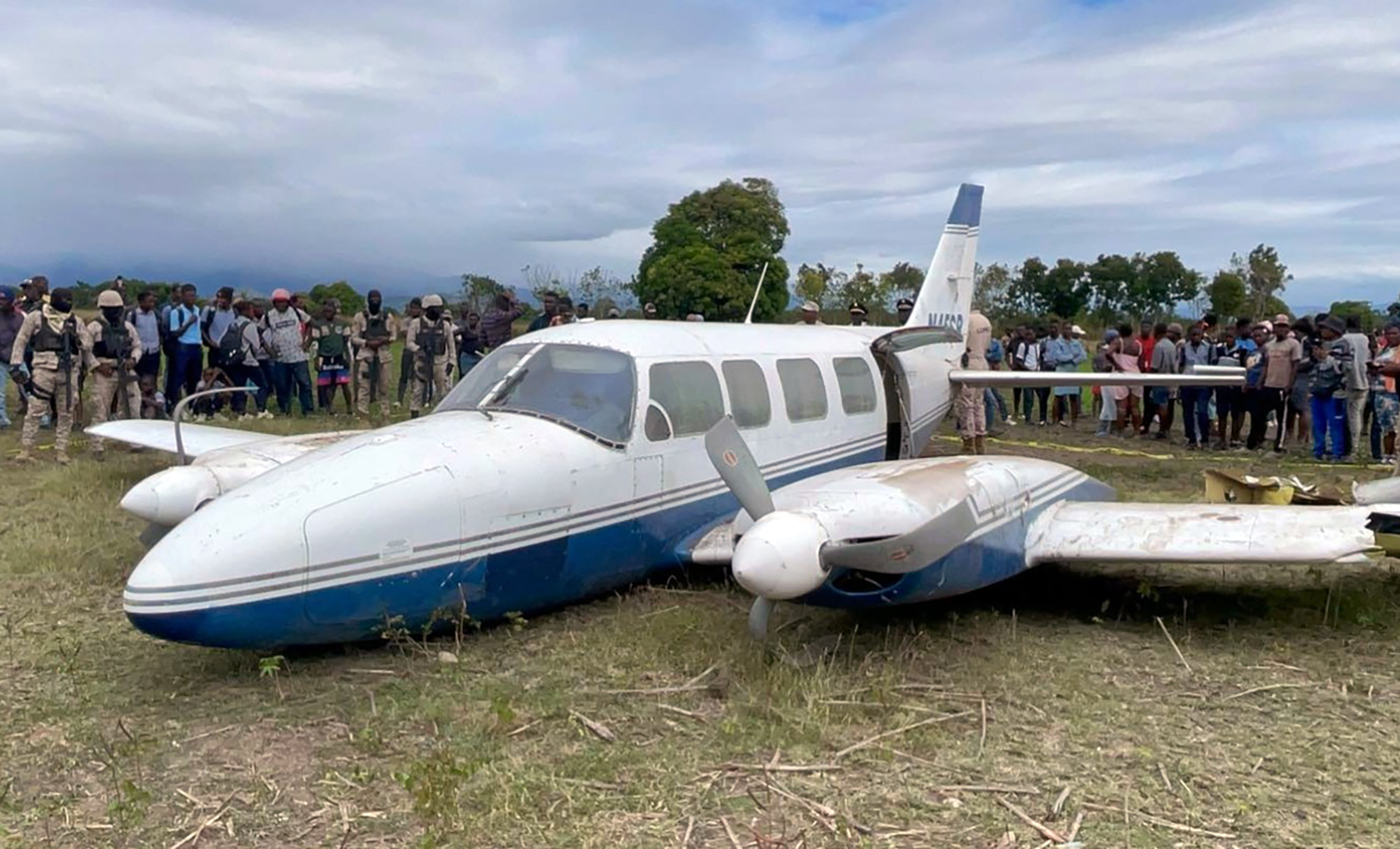
The twin engine airplane departed Port-au-Prince-Toussaint Louverture Airport on a charter flight to Les Cayes on behalf of BOLT. On final approach to Les Cayes-Antoine Simon Airfield, the airplane crash landed in an open field and was damaged beyond repair. All six occupants escaped unhurt.
Crash of a Piper PA-31-350 Navajo Chieftain in Victoria
Date & Time:
Dec 11, 2024 at 1500 LT
Operator:

Registration:
N818BR
Survivors:
Yes
Schedule:
Victoria - Victoria
MSN:
31-8152102
YOM:
1981
Crew on board:
1
Crew fatalities:
Pax on board:
0
Pax fatalities:
Other fatalities:
Total fatalities:
0
Captain / Total hours on type:
3000.00
Aircraft flight hours:
20886
Circumstances:
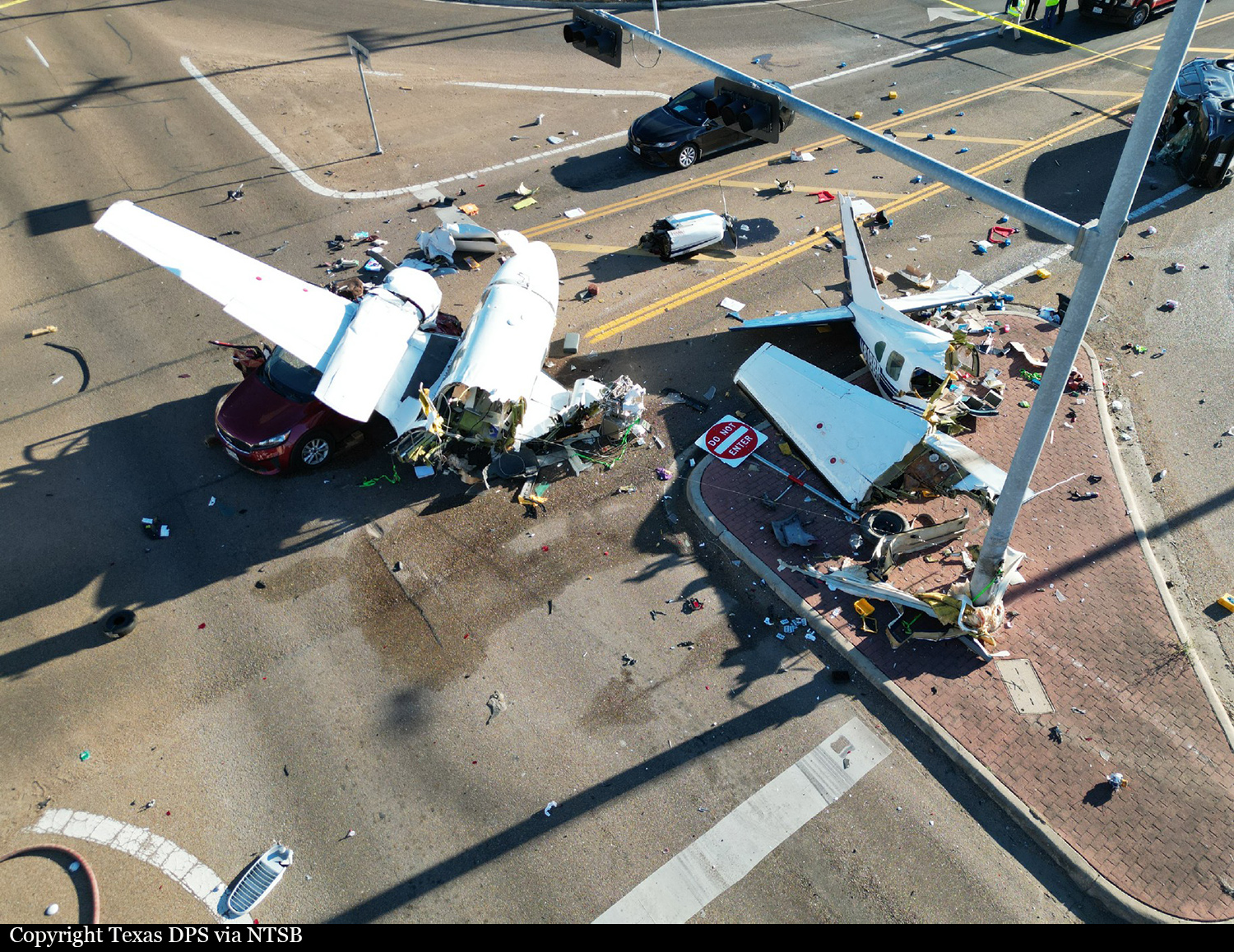
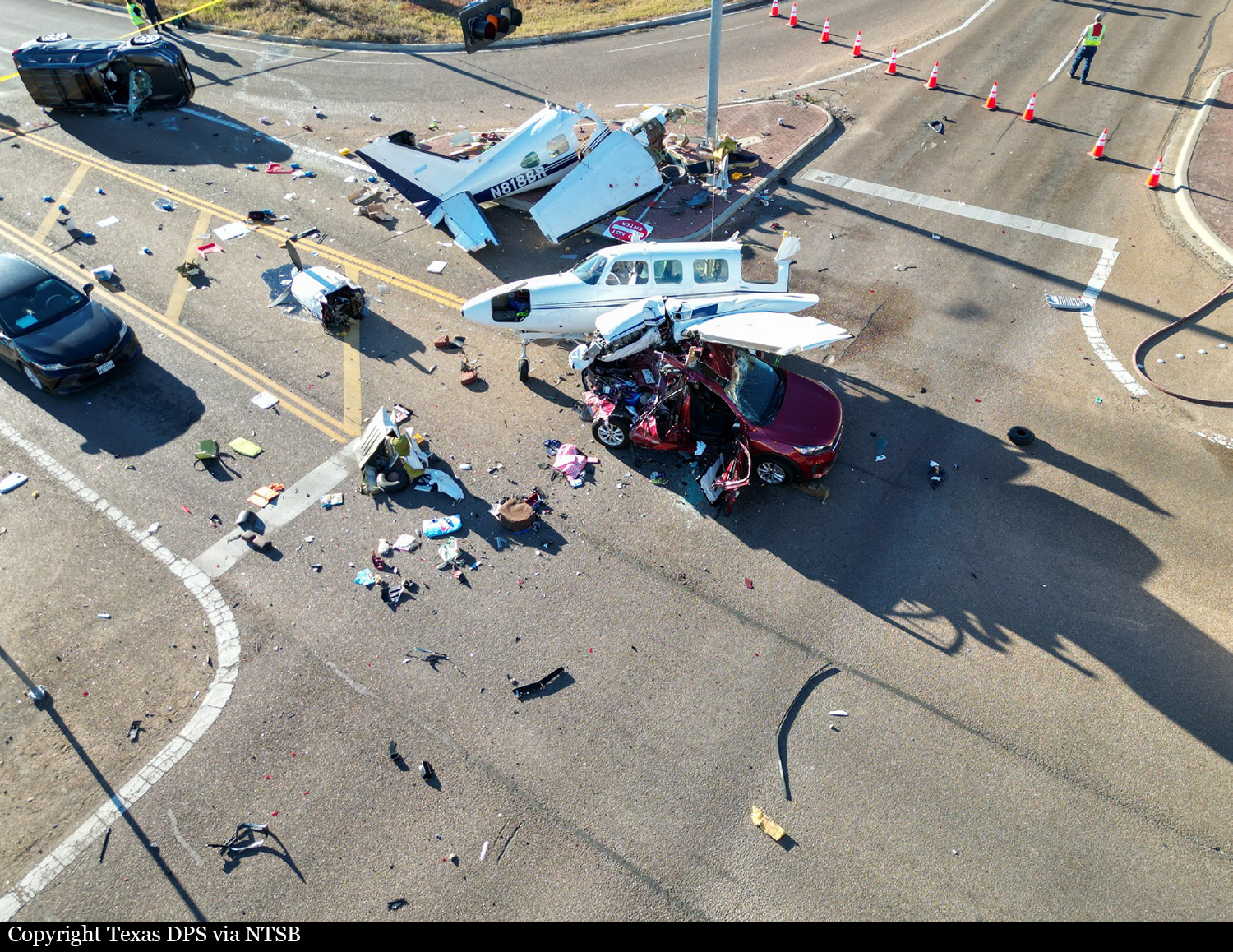
The pilot reported that before the flight the airplane was fueled with 142.4 gallons of 100 low-lead fuel and that the fuel tanks contained 236 total gallons of fuel before takeoff. The local aerial survey flight was flown at 16,500 ft mean sea level (msl) and lasted about 5 hours. At the end of the survey mission and about 10 miles from the destination airport, the pilot noticed low fuel indications, then both engines experienced a total loss of power. The pilot made a right 90° turn away from the airport and selected a service road for a forced landing. During the landing roll the airplane collided with three vehicles on the road. The airplane also collided with a metal traffic light pole, which resulted in a separation of the right wing and aft fuselage. After the accident the pilot stated that the loss of engine power was due to fuel exhaustion. During the airplane wreckage recovery, about 3 gallons of fuel were drained from the left wing tanks and the right wing tanks were empty. The pilot also stated that he did not complete a detailed fuel burn calculation or a weight and balance calculation for the flight. It is likely that the airplane did not contain 236 gallons of fuel before takeoff, and the pilot was unaware of the actual fuel onboard due to inadequate preflight planning and preflight inspection.
Probable cause:
The pilot’s inadequate preflight planning and preflight inspection, which resulted in a total loss of engine power due to fuel exhaustion.
Final Report:
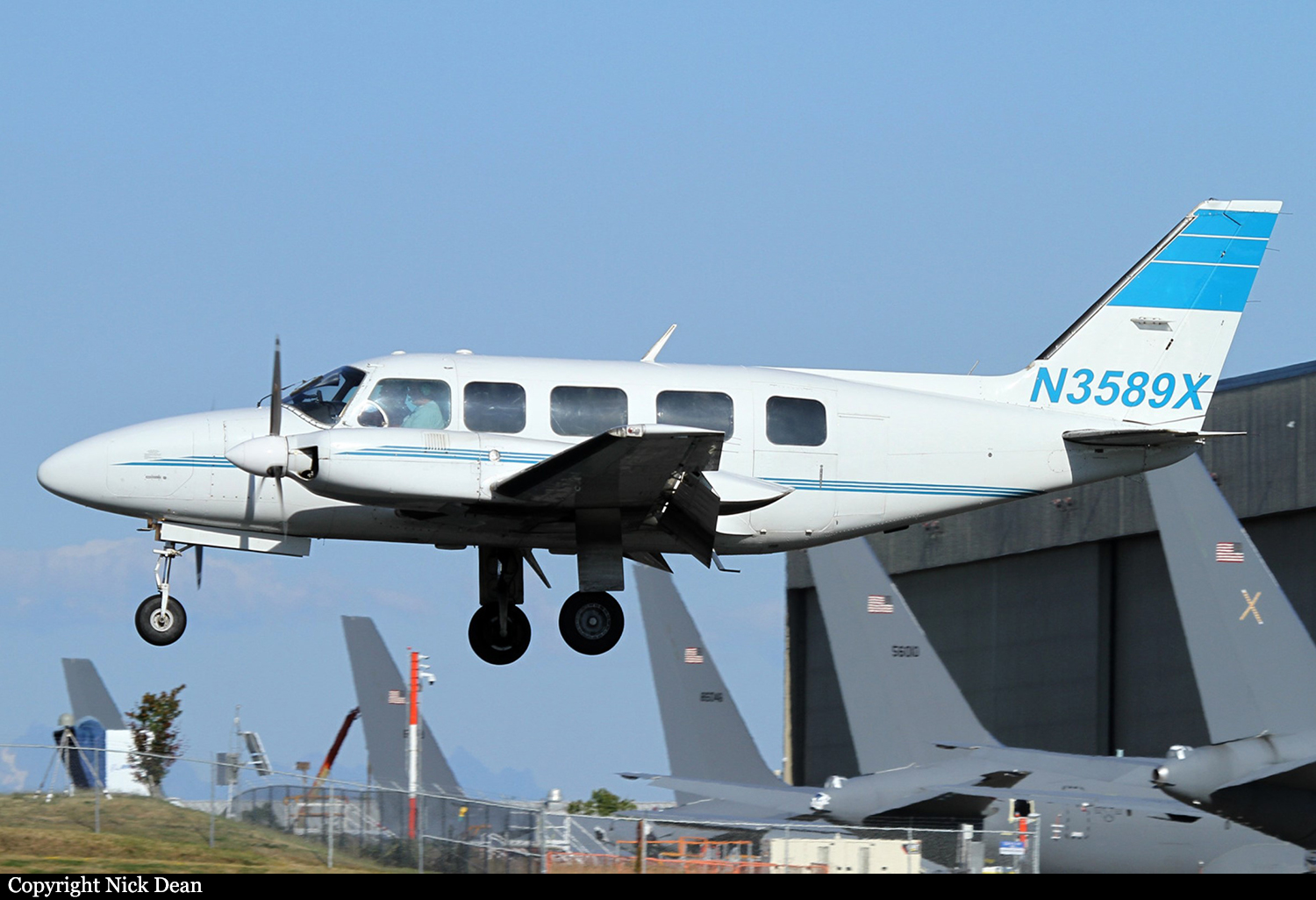
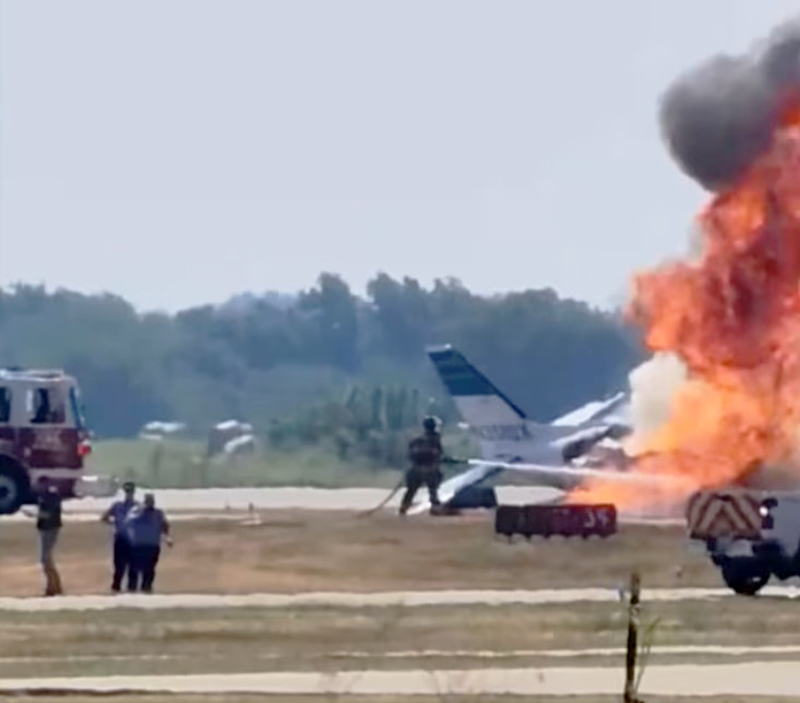
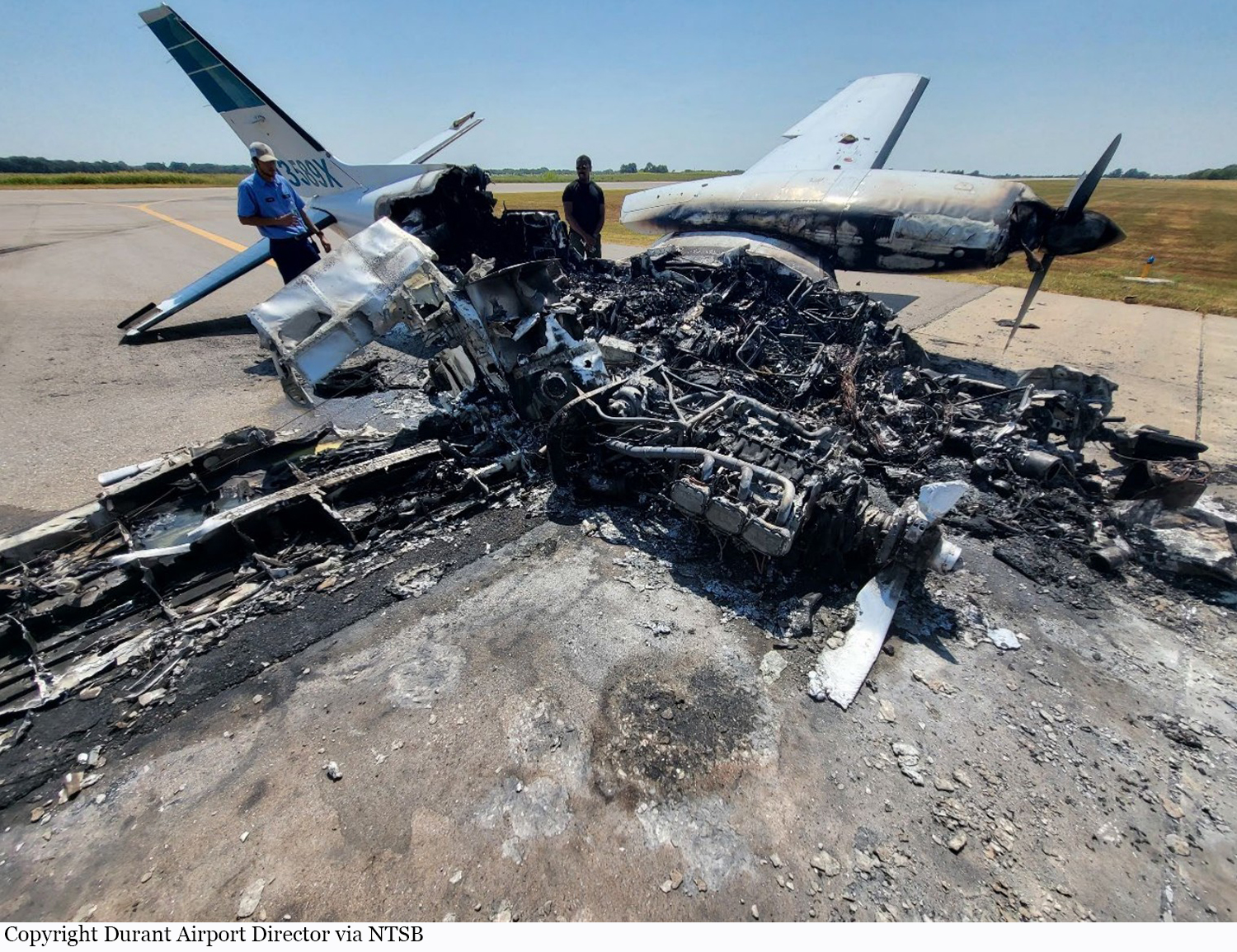
Crash of a Piper PA-31-350 Navajo Chieftain in Durant
Date & Time:
Aug 21, 2023 at 1048 LT
Operator:
Registration:
N3589X
Survivors:
Yes
Schedule:
Tulsa - Tulsa
MSN:
31-8052138
YOM:
1980
Crew on board:
1
Crew fatalities:
Pax on board:
0
Pax fatalities:
Other fatalities:
Total fatalities:
0
Captain / Total hours on type:
1400.00
Aircraft flight hours:
22698
Circumstances:
While in flight, the pilot heard and felt a bang from the right side of the airplane. He saw that the right engine nacelle had a hole in it and the engine was on fire. He secured the engine and diverted to a nearby airport. While on final approach for landing, the engine fire reignited. The pilot landed the airplane, taxied clear of the runway, shut down the left engine, and egressed. The engine fire continued to burn and consumed the right engine and a majority of the fuselage. Examination revealed that the right engine’s No. 2 cylinder was displaced from the engine case but remained attached via the injector manifold vent tube and injector lines. All eight of the No. 2 cylinder’s attach bolts were broken off at the case. The connecting rod cap was found lodged in the bottom of the piston. One connecting rod bolt was found broken off flush in the connecting rod; the top portion was not located. The other connecting rod bolt remained in the connecting rod cap with the nut also not located. One side of the lower connecting rod flange was bent back towards the piston, capturing the nut and remaining portion of the broken bolt. Neither bearing half could be identified in the remaining material. Numerous impact marks were noted on the piston, cylinder, and case. A review of maintenance records found that the engine was last overhauled about 4 ½ years before the accident and had accrued about 900 hours since the overhaul. Based on the available information, it is likely that the nut that secured one side of the connecting rod cap became loose, resulting the separation of the cap and subsequent damage to the No. 2 cylinder. Since the nut could not be located, the reason it did not remain secure could not be determined.
Probable cause:
The loosening of a connecting rod cap nut for reasons that could not be determined, which resulted in a mechanical failure of the engine and an in-flight fire.
Final Report:
Crash of a Piper PA-31-350 Navajo Chieftain in Hillcrest
Date & Time:
Apr 7, 2023 at 0605 LT
Operator:

Registration:
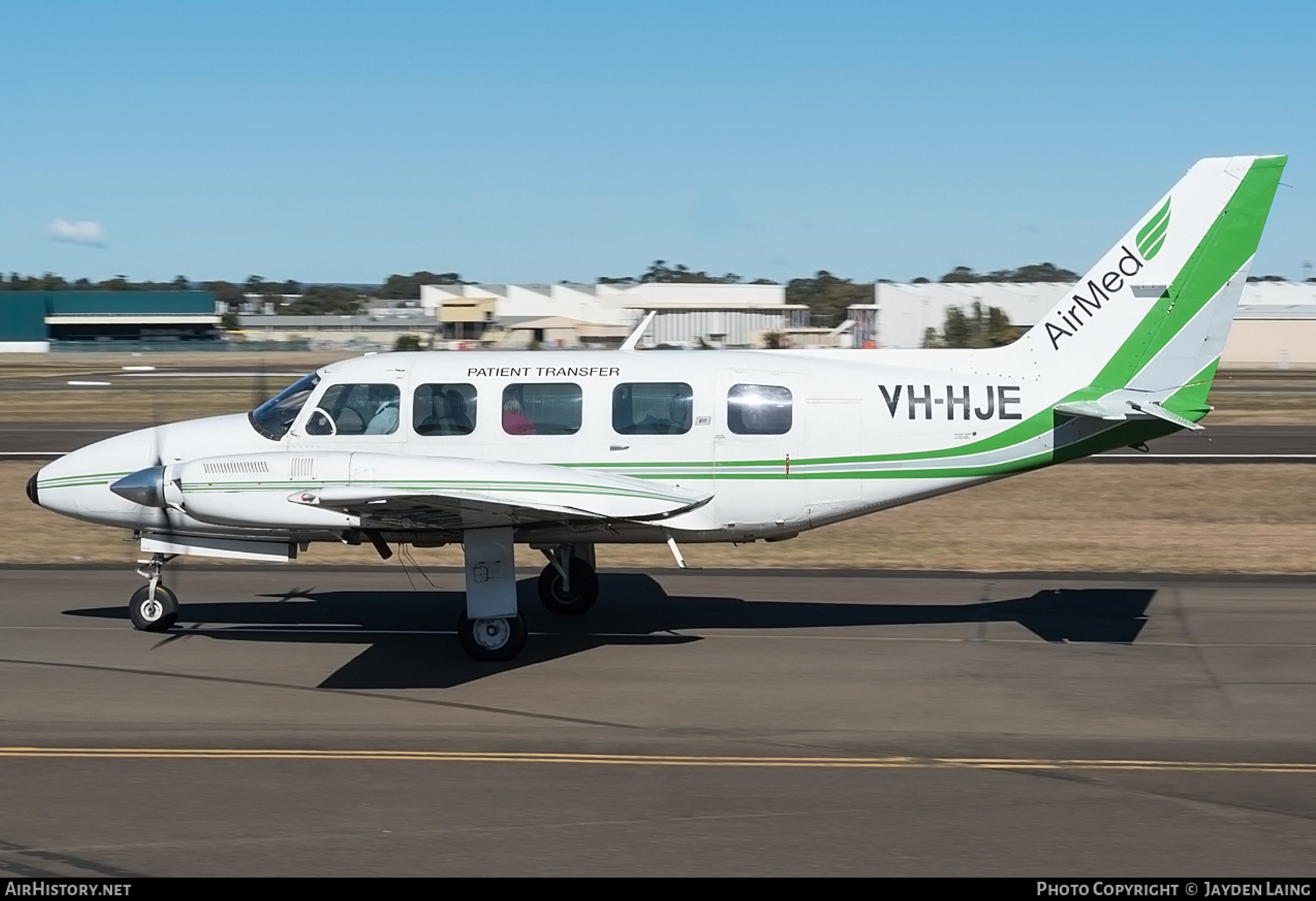
VH-HJE
Survivors:
Yes
Schedule:
Bankstown – Brisbane
MSN:
31-7852074
YOM:
1978
Crew on board:
1
Crew fatalities:
Pax on board:
0
Pax fatalities:
Other fatalities:
Total fatalities:
0
Captain / Total hours on type:
204.00
Circumstances:
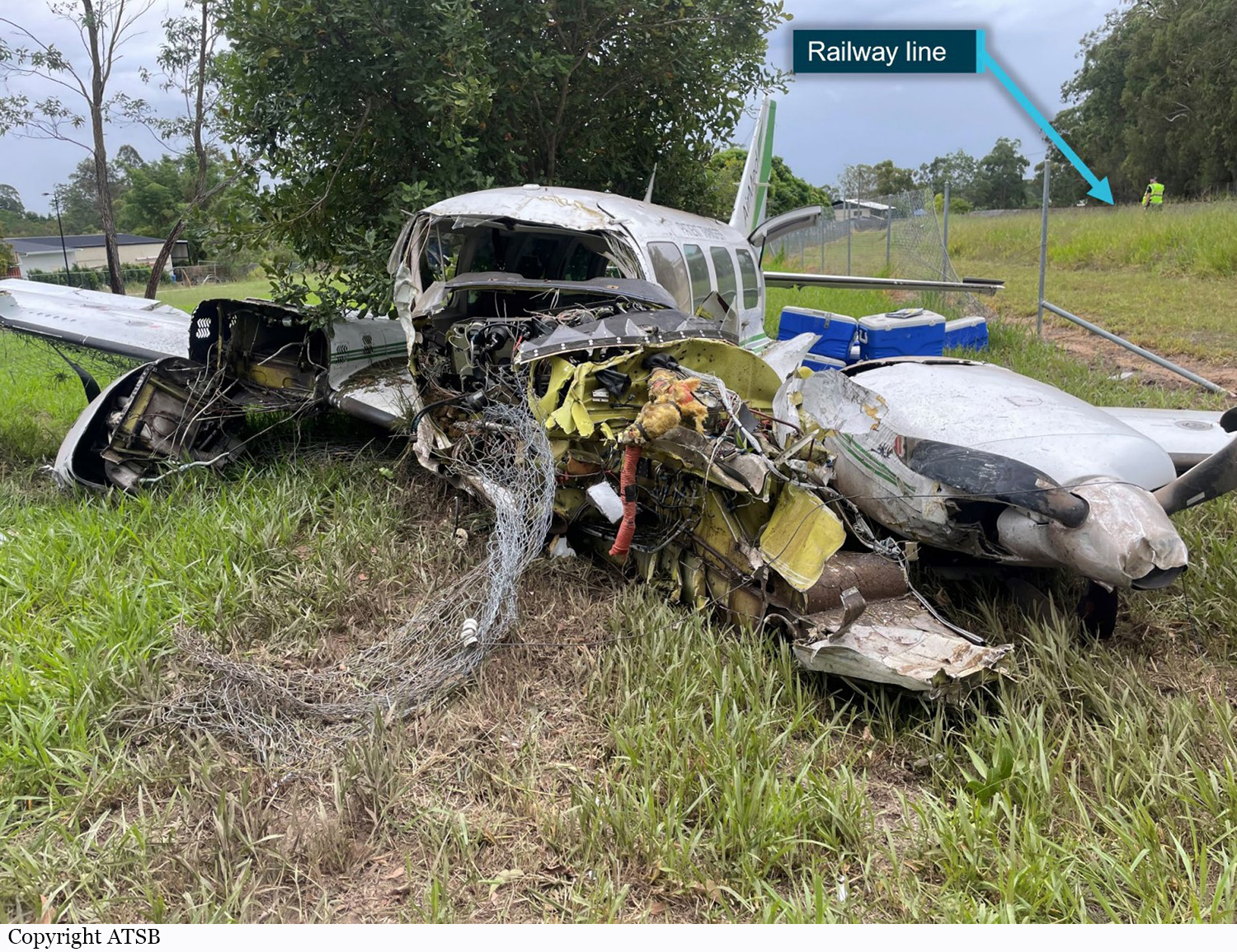
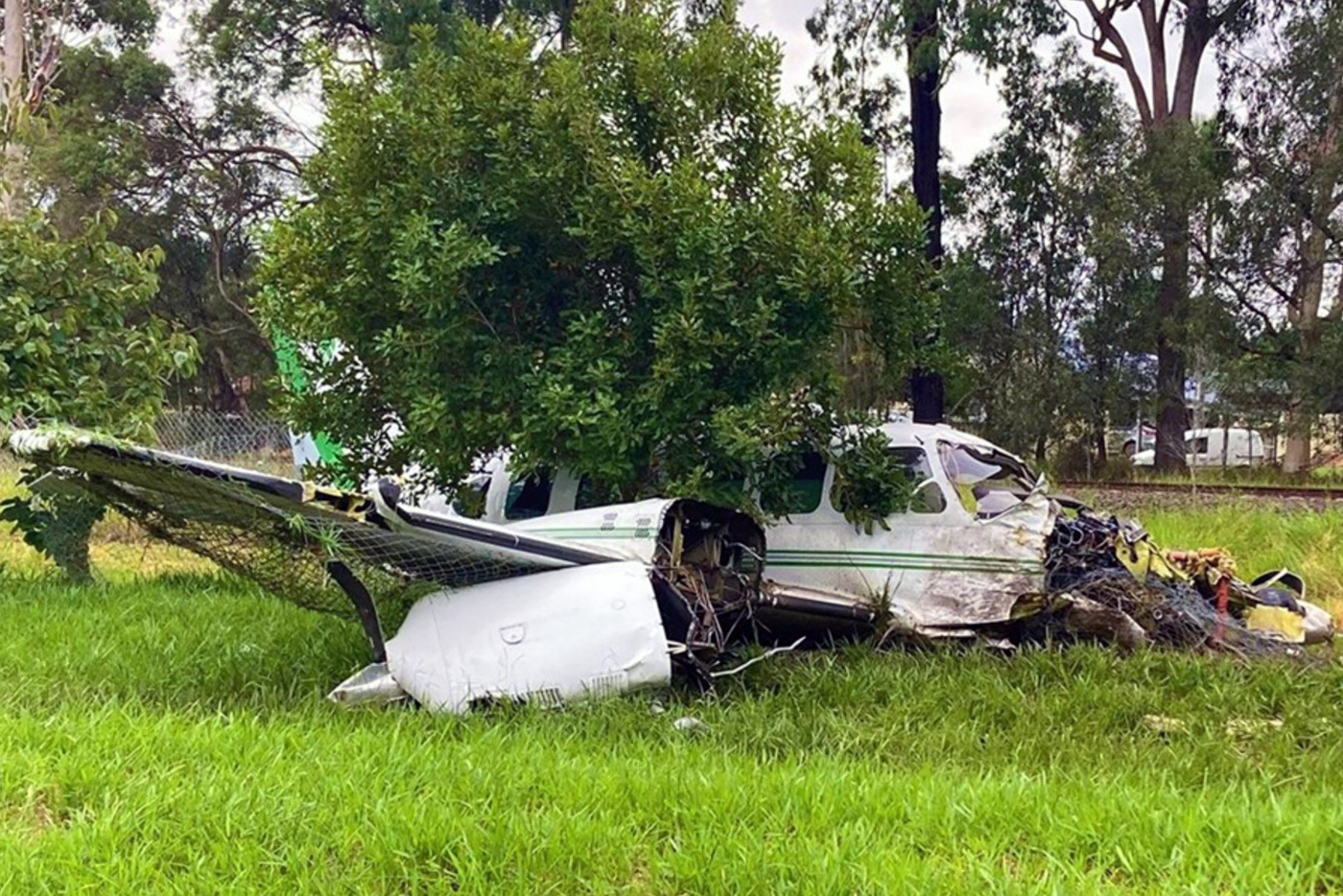
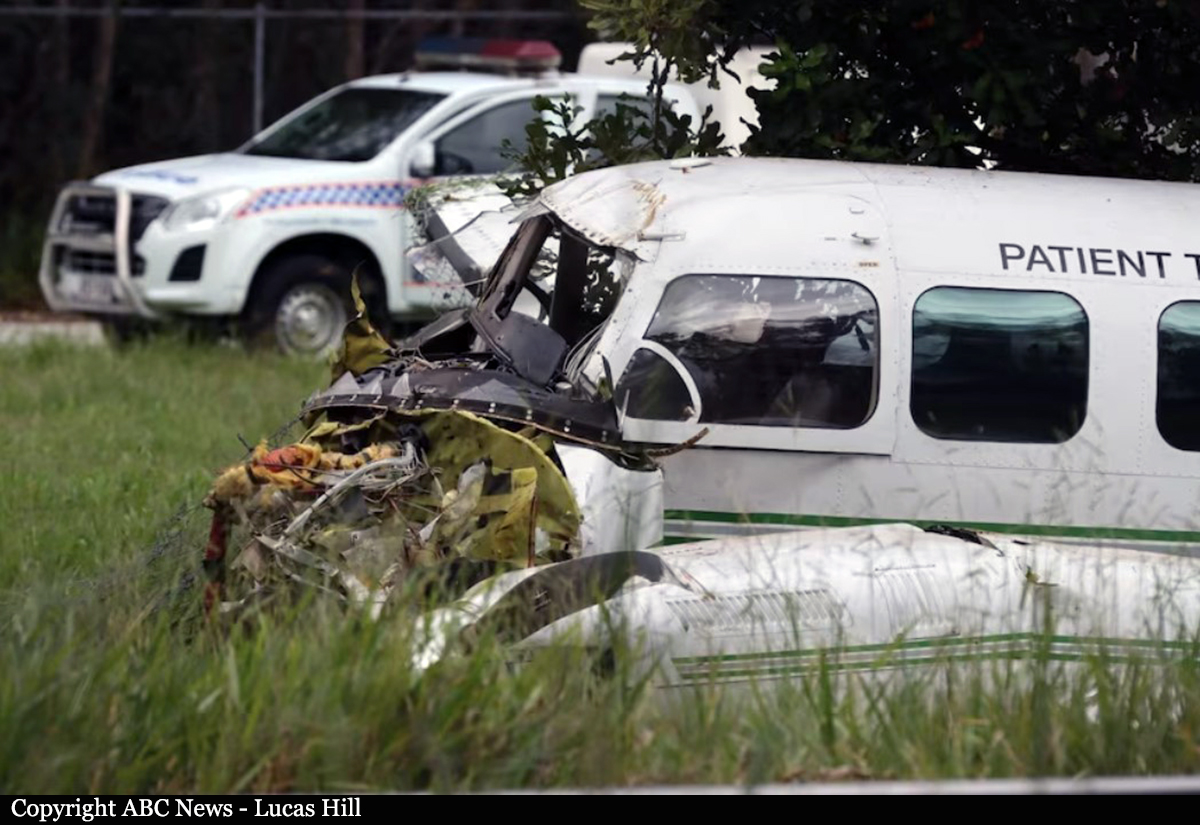
On 7 April 2023, the pilot of a Piper Aircraft Corporation PA-31-350 Chieftain (PA-31), registered VH-HJE and operated by Air Link, was conducting a freight charter flight from Archerfield, Queensland. The planned flight included one intermediate stop at Bankstown, New South Wales before returning to Archerfield, and was conducted under the instrument flight rules at night. The aircraft departed Archerfield at about 0024 local time and during the first leg to Bankstown, the pilot reported an intermittent fault with the autopilot, producing uncommanded pitch changes and associated rates of climb and descent of around 1,000 ft/min. As a result, much of the first leg was flown by hand. After landing at Bankstown at about 0248, a defect entry was made on the maintenance release; however, the pilot was confident that they would be able to hand fly the aircraft for the return leg and elected to continue with the planned flight. The aircraft was refueled to its maximum capacity for the return leg after which a small quantity of water was detected in the samples taken from both main fuel tanks. Additional fuel drains were conducted until the fuel sample was free of water. The manifested freight for the return leg was considered a light load and the aircraft was within weight and balance limitations. After taking off at 0351, the pilot climbed to the flight planned altitude of 9,000 ft. Once established in cruise, the pilot changed the left and right fuel selectors from the respective main tank to the auxiliary tank. The pilot advised that, during cruise, they engaged the autopilot and the uncommanded pitch events continued. Consequently, the pilot did not use the autopilot for part of the flight. Approaching top of descent, the pilot recalled conducting their normal flow checks by memory before referring to the checklist. During this time, the pilot completed a number of other tasks not related to the fuel system, such as changing the radio frequency, checking the weather at the destination and briefing themselves on the expected arrival into Archerfield. Shortly after, the pilot remembered changing from the auxiliary fuel tanks back to the main fuel tanks and using the fuel quantity gauges to confirm tank selection. The pilot calculated that 11 minutes of fuel remained in the auxiliary tanks (with an estimated 177 L in each main tank). Around eight minutes after commencing descent and 28 NM (52 km) south of Archerfield (at 0552), the pilot observed the right ‘low fuel flow’ warning light (or ‘low fuel pressure’) illuminate on the annunciator panel. This was followed soon after by a slight reduction in noise from the right engine. As the aircraft descended through approximately 4,700 ft, the ADS-B data showed a moderate deceleration with a gradual deviation right of track. While the power loss produced a minor yaw to the right, the pilot recalled that only a small amount of rudder input was required to counter the adverse yaw once the autopilot was disconnected. Without any sign of rough running or engine surging, they advised that had they not seen the annunciator light, they would not have thought there was a problem. Over the next few minutes, the pilot attempted to troubleshoot and diagnose the problem with the right engine. Immediately following power loss, the pilot reported they:
• switched on both emergency fuel boost pumps
• advanced both mixture levers to RICH
• cycled the throttle to full throttle and then returned it to its previous setting without fully closing the throttle
• moved the right fuel selector from main tank to auxiliary
• disconnected the autopilot and retrimmed the aircraft. This did not alter the abnormal operation of the right engine, and the pilot conducted the engine roughness checklist from the aircraft pilot’s operating handbook noting the following:
• oil temperature, oil pressure, and cylinder head temperature indicated normally
• manifold absolute pressure (MAP) had decreased from 31 in Hg to 27 inHg
• exhaust gas temperature (EGT) indicated in the green range
• fuel flow indicated zero.
With no indication of mechanical failure, the pilot advised they could not rule out the possibility of fuel contamination and chose not to reselect the main tank for the remainder of the flight. After considering the aircraft’s performance, handling characteristics and engine instrument indications, the pilot assessed that the right engine, while not able to generate normal power, was still producing some power and that this would assist in reaching Archerfield. Based on the partial power loss diagnosis, the pilot decided not to shut down and secure the engine which would have included feathering the propeller. At 0556, at about 20 NM south of Archerfield at approximately 3,300 ft, the pilot advised air traffic control (ATC) that they had experienced an engine malfunction and requested to maintain altitude. With maximum power being set on the fully operating left engine, the aircraft was unable to maintain height and was descending at about 100 ft/min. Even though the aircraft was unable to maintain height, the pilot calculated that the aircraft should have been able to make it to Archerfield and did not declare an emergency at that time. At 0602, about 12 minutes after the power loss on the right engine, the left engine began to run rough and the pilot observed the left low fuel flow warning light illuminate on the annunciator panel. This was followed by severe rough running and surging from the left engine which produced a series of pronounced yawing movements. The pilot did not run through the checklist a second time for the left engine, reporting that they completed the remaining item on the checklist for the left engine by switching the left engine’s fuel supply to the auxiliary tank. The pilot once again elected not to change tank selections back to mains. With both engines malfunctioning and both propellers unfeathered, the rate of descent increased to about 1,500 ft/min. The pilot advised that following the second power loss, it was clear that the aircraft would not be able to make it to Archerfield and their attention shifted from troubleshooting and performance management to finding somewhere to conduct a forced landing. ADS-B data showed the aircraft was at about 1,600 ft when the left engine malfunctioned. The pilot stated that they aimed to stay above the minimum control speed, which for VH-HJE was 72 kt. The aircraft was manoeuvred during the brief search), during which time the ground speed fluctuated from 110 kt to a low of 75 kt. It was calculated that in the prevailing wind, this would have provided an approximate indicated airspeed of 71 kt; equal to the aircraft’s clean configuration stall speed. The pilot declared an emergency and advised ATC that they were unable to make Archerfield Airport and would be conducting an off-airport forced landing. With very limited suitable landing areas available, the pilot elected to leave the flaps and gear retracted to minimize drag to ensure they would be able to make the selected landing area. At about 0605, the aircraft touched down in a rail corridor beside the railway line, and the aircraft’s left wing struck a wire fence. The aircraft hit several trees, sustaining substantial damage to the fuselage and wings. The pilot received only minor injuries in the accident and was able to exit through the rear door of the aircraft.
• switched on both emergency fuel boost pumps
• advanced both mixture levers to RICH
• cycled the throttle to full throttle and then returned it to its previous setting without fully closing the throttle
• moved the right fuel selector from main tank to auxiliary
• disconnected the autopilot and retrimmed the aircraft. This did not alter the abnormal operation of the right engine, and the pilot conducted the engine roughness checklist from the aircraft pilot’s operating handbook noting the following:
• oil temperature, oil pressure, and cylinder head temperature indicated normally
• manifold absolute pressure (MAP) had decreased from 31 in Hg to 27 inHg
• exhaust gas temperature (EGT) indicated in the green range
• fuel flow indicated zero.
With no indication of mechanical failure, the pilot advised they could not rule out the possibility of fuel contamination and chose not to reselect the main tank for the remainder of the flight. After considering the aircraft’s performance, handling characteristics and engine instrument indications, the pilot assessed that the right engine, while not able to generate normal power, was still producing some power and that this would assist in reaching Archerfield. Based on the partial power loss diagnosis, the pilot decided not to shut down and secure the engine which would have included feathering the propeller. At 0556, at about 20 NM south of Archerfield at approximately 3,300 ft, the pilot advised air traffic control (ATC) that they had experienced an engine malfunction and requested to maintain altitude. With maximum power being set on the fully operating left engine, the aircraft was unable to maintain height and was descending at about 100 ft/min. Even though the aircraft was unable to maintain height, the pilot calculated that the aircraft should have been able to make it to Archerfield and did not declare an emergency at that time. At 0602, about 12 minutes after the power loss on the right engine, the left engine began to run rough and the pilot observed the left low fuel flow warning light illuminate on the annunciator panel. This was followed by severe rough running and surging from the left engine which produced a series of pronounced yawing movements. The pilot did not run through the checklist a second time for the left engine, reporting that they completed the remaining item on the checklist for the left engine by switching the left engine’s fuel supply to the auxiliary tank. The pilot once again elected not to change tank selections back to mains. With both engines malfunctioning and both propellers unfeathered, the rate of descent increased to about 1,500 ft/min. The pilot advised that following the second power loss, it was clear that the aircraft would not be able to make it to Archerfield and their attention shifted from troubleshooting and performance management to finding somewhere to conduct a forced landing. ADS-B data showed the aircraft was at about 1,600 ft when the left engine malfunctioned. The pilot stated that they aimed to stay above the minimum control speed, which for VH-HJE was 72 kt. The aircraft was manoeuvred during the brief search), during which time the ground speed fluctuated from 110 kt to a low of 75 kt. It was calculated that in the prevailing wind, this would have provided an approximate indicated airspeed of 71 kt; equal to the aircraft’s clean configuration stall speed. The pilot declared an emergency and advised ATC that they were unable to make Archerfield Airport and would be conducting an off-airport forced landing. With very limited suitable landing areas available, the pilot elected to leave the flaps and gear retracted to minimize drag to ensure they would be able to make the selected landing area. At about 0605, the aircraft touched down in a rail corridor beside the railway line, and the aircraft’s left wing struck a wire fence. The aircraft hit several trees, sustaining substantial damage to the fuselage and wings. The pilot received only minor injuries in the accident and was able to exit through the rear door of the aircraft.
Probable cause:
The following contributing factors were identified:
- It is likely that the pilot did not action the checklist items relating to the selection of main fuel tanks for descent. The fuel supply in the auxiliary tanks was subsequently consumed resulting in fuel starvation and loss of power from the right then left engine.
- Following the loss of power to the right engine, the pilot misinterpreted the engine instrument indications as a partial power loss and carried out the rough running checklist but did not select the main tanks that contained substantial fuel to restore engine power, or feather the propeller. This reduced the available performance resulting in the aircraft being unable to maintain altitude.
- When the left engine started to surge and run rough, the pilot did not switch to the main tank that contained substantial fuel, necessitating an off‑airport forced landing.
- It is likely that the pilot was experiencing a level of fatigue shown to have an effect on performance.
- As the pilot was maneuvering for the forced landing there was a significant reduction of airspeed. This reduced the margin over the stall speed and increased the risk of loss of control.
- Operator guidance material provided different fuel flow figures in the fuel policy and flight crew operating manual for the PA-31 aircraft type.
- The operator’s fuel monitoring practices did not detect higher fuel burns than what was specified in fuel planning data.
- The forced landing site selected minimized the risk of damage and injury to those on the ground and the controlled touchdown maximized the chances of survivability.
- It is likely that the pilot did not action the checklist items relating to the selection of main fuel tanks for descent. The fuel supply in the auxiliary tanks was subsequently consumed resulting in fuel starvation and loss of power from the right then left engine.
- Following the loss of power to the right engine, the pilot misinterpreted the engine instrument indications as a partial power loss and carried out the rough running checklist but did not select the main tanks that contained substantial fuel to restore engine power, or feather the propeller. This reduced the available performance resulting in the aircraft being unable to maintain altitude.
- When the left engine started to surge and run rough, the pilot did not switch to the main tank that contained substantial fuel, necessitating an off‑airport forced landing.
- It is likely that the pilot was experiencing a level of fatigue shown to have an effect on performance.
- As the pilot was maneuvering for the forced landing there was a significant reduction of airspeed. This reduced the margin over the stall speed and increased the risk of loss of control.
- Operator guidance material provided different fuel flow figures in the fuel policy and flight crew operating manual for the PA-31 aircraft type.
- The operator’s fuel monitoring practices did not detect higher fuel burns than what was specified in fuel planning data.
- The forced landing site selected minimized the risk of damage and injury to those on the ground and the controlled touchdown maximized the chances of survivability.
Final Report:

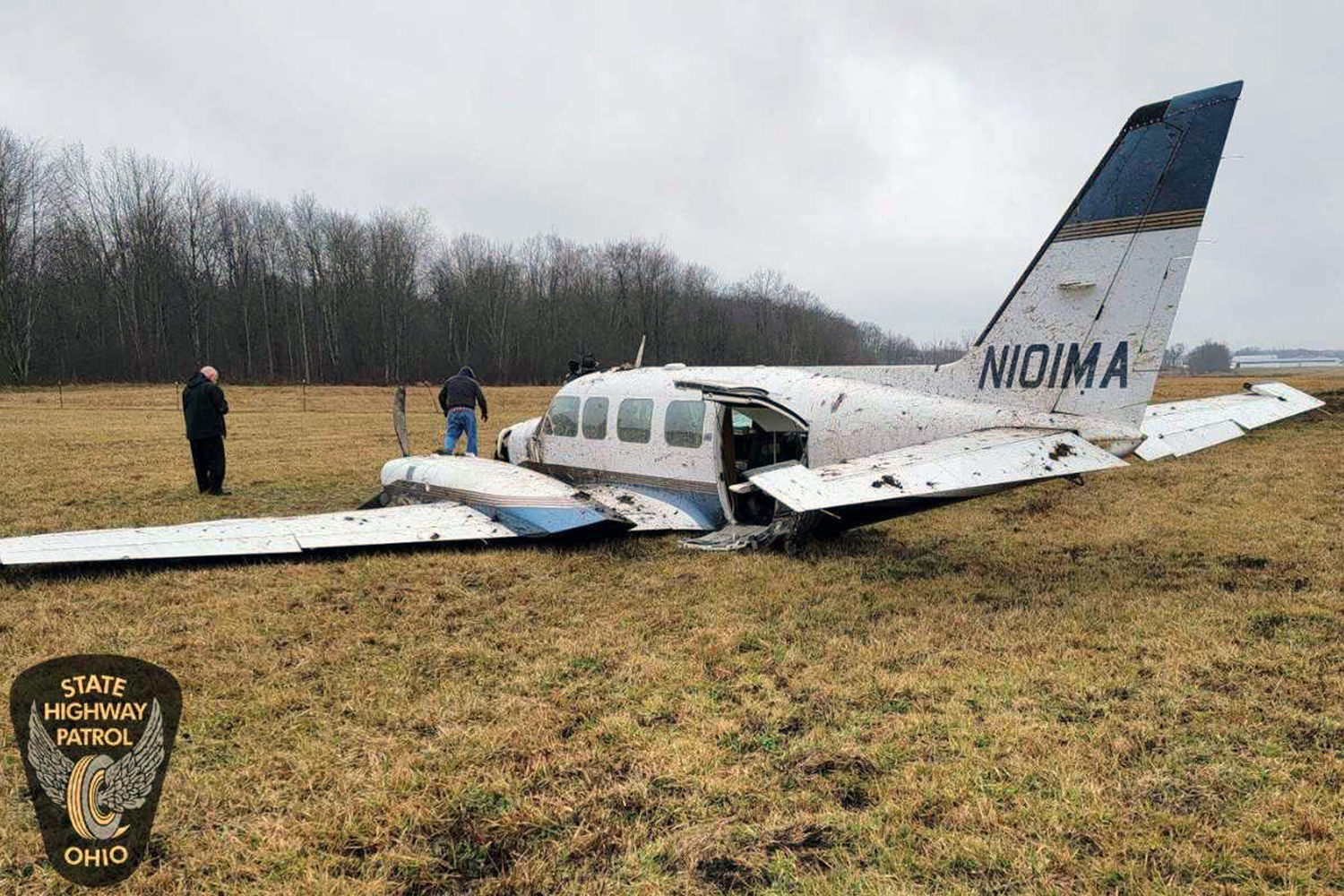
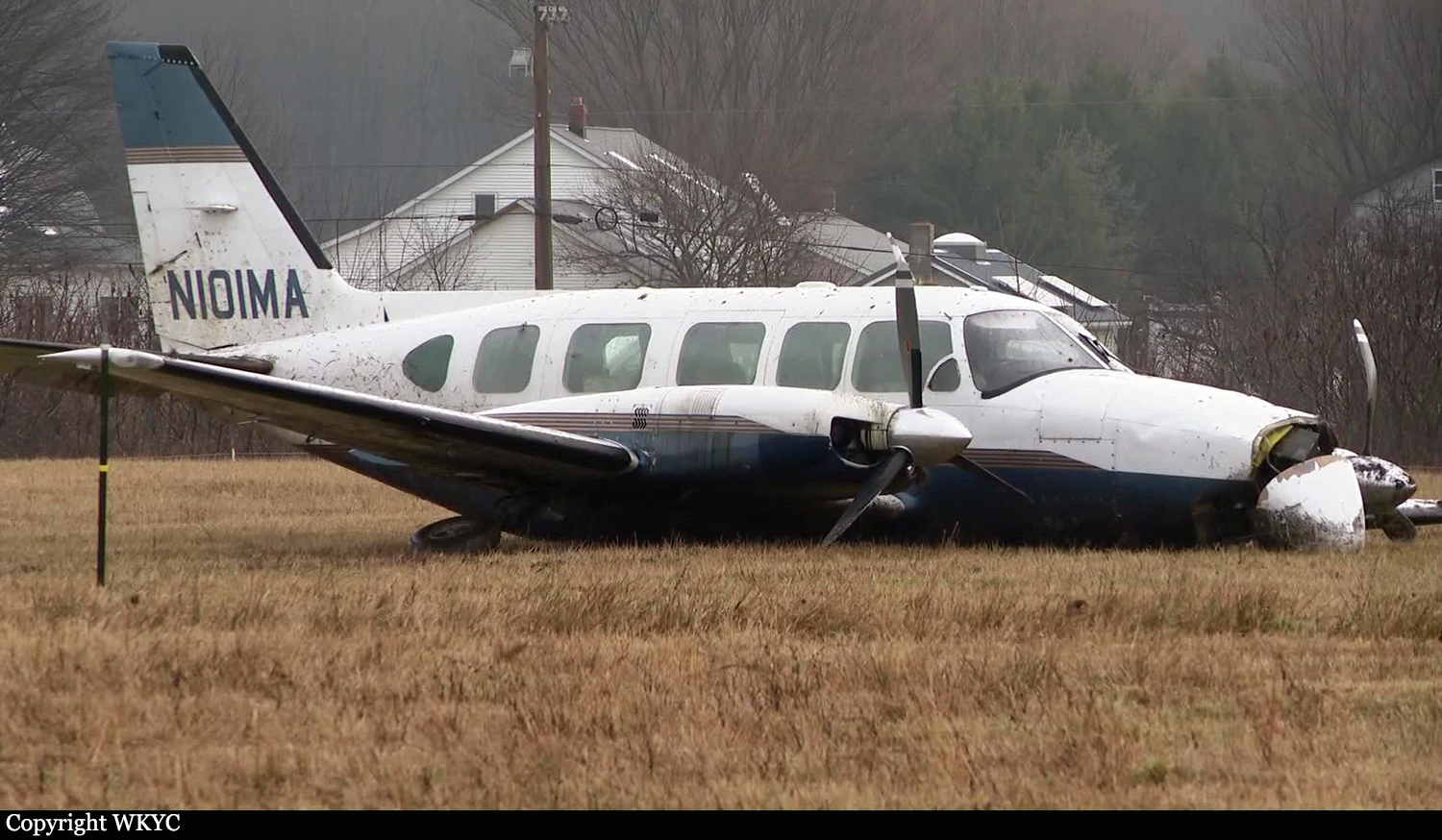
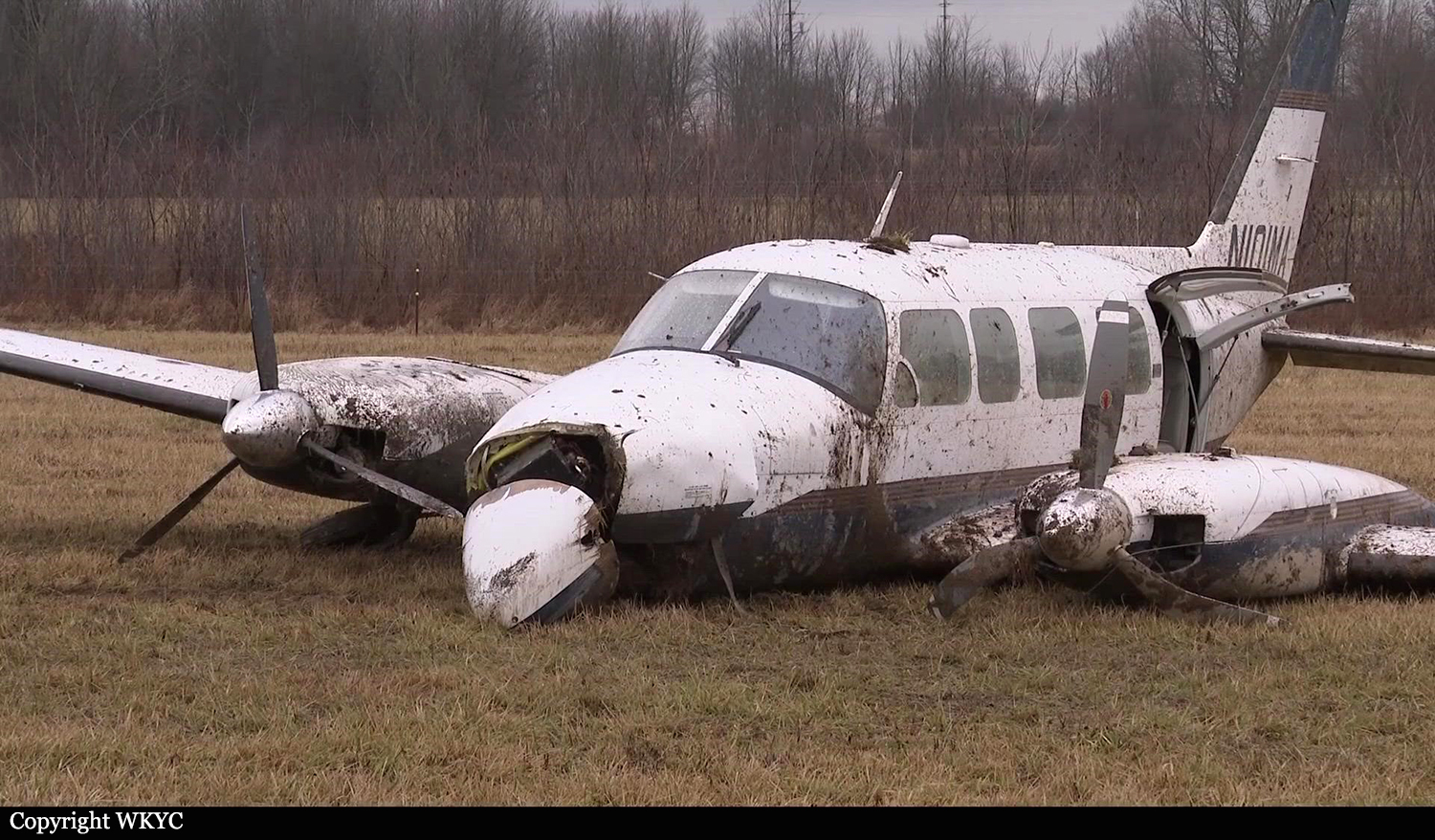
Crash of a Piper PA-31-350 Navajo Chieftain in Middlefield
Date & Time:
Jan 18, 2023 at 0903 LT
Registration:
N101MA
Survivors:
Yes
Schedule:
Youngstown – Detroit – Minneapolis
MSN:
31-7752186
YOM:
1977
Crew on board:
1
Crew fatalities:
Pax on board:
5
Pax fatalities:
Other fatalities:
Total fatalities:
0
Captain / Total hours on type:
750.00
Aircraft flight hours:
17154
Circumstances:
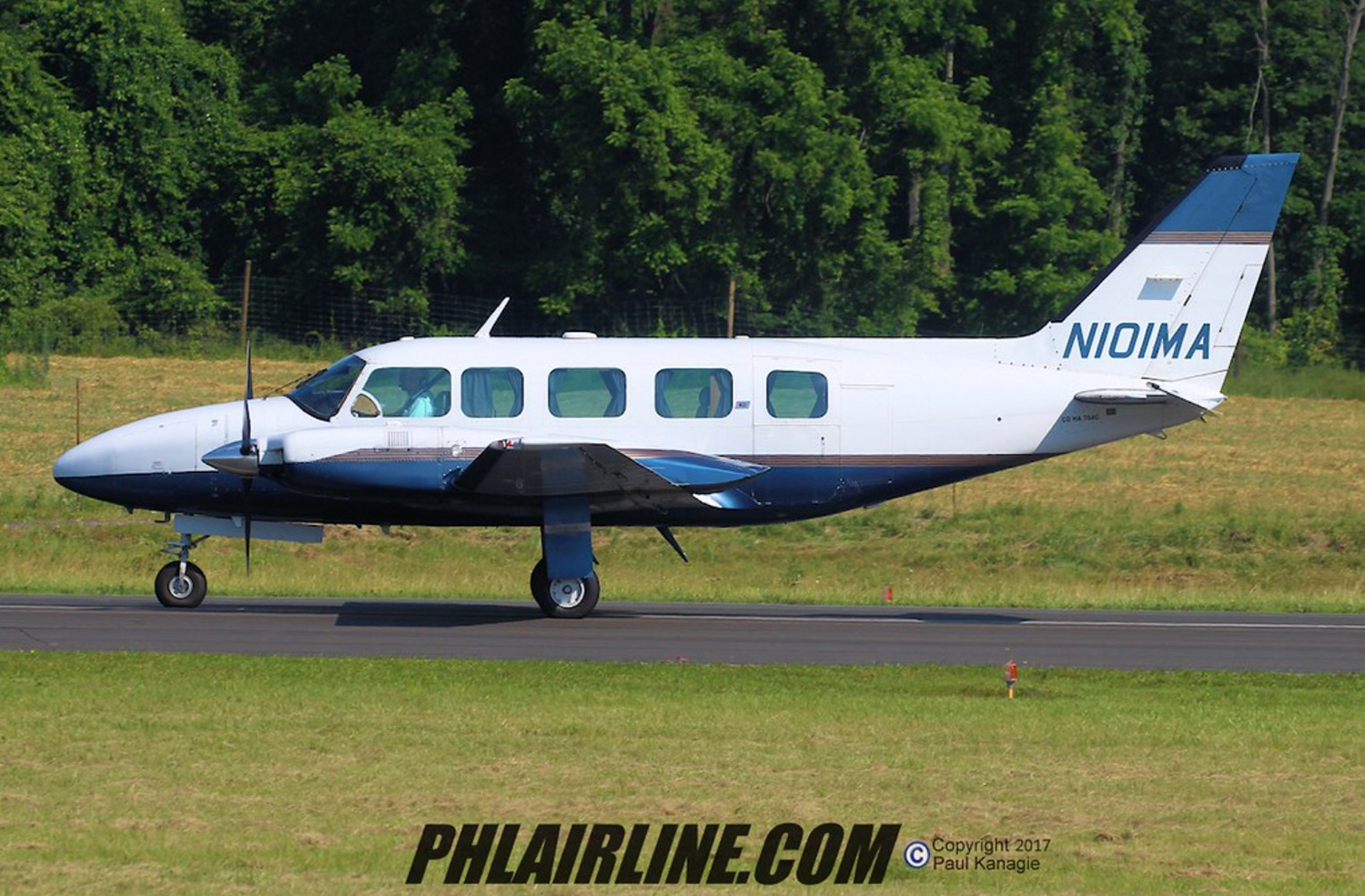
While enroute in instrument meteorological (IMC) conditions, the pilot of the twin-engine, piston-powered airplane declared an emergency following a loss of power to the right engine. The pilot secured the engine and was provided vectors by air traffic control for an instrument approach procedure at the nearest airport, which he successfully completed. The pilot reported that he flew the approach and landing with the wing flaps retracted and visually acquired the runway about 500 ft above the ground. The airplane touched down on the first third of the runway at 120 knots. The pilot knew he would not be able to stop the airplane on the 3,500-ft long runway but committed to the landing rather than risking a single-engine go-around in IMC. After landing, the airplane continued beyond the departure end of the runway and impacted a berm, collapsing the landing gear and resulting in substantial damage to the airplane. Examination of the engine revealed catastrophic damage consistent with detonation and oil starvation. The damage to the No. 5 cylinder was consistent with a subsequent over pressurization of the crankcase, which likely expelled the crankshaft nose seal and the oil supply. Detonation of the cylinder(s) can create excessive crankcase pressures capable of expelling the crankshaft nose seal. The crankshaft nose seal displacement likely created a rapid loss of oil and the resulting oil starvation of the engine. The fractured connecting rod and high-temperature signatures were consistent with oil starvation. No source or anomaly that would result in engine detonation was identified. According to the Pilot’s Operating Handbook (POH) for the accident airplane, during a single engine inoperative approach, the pilot should maintain an airspeed of 116 kts indicated (KIAS) or above until landing is assured. Once landing is assured, the pilot should extend the gear and flaps, slowly retard the power on the operative engine, and land normally. The airplane’s best single-engine rate of climb speed (blue line) was 106 KIAS, and its minimum controllable airspeed with one engine inoperative (Vmca) was 76 KIAS. The maximum speed for full flap extension (40°) was 132 KIAS. The POH also stated that a single-engine go-around should be avoided if at all possible. The pilot’s decision to commit to the landing was reasonable given the circumstances and the guidance provided by the POH; however, it is likely that his decision to conduct the landing without flaps and the airplane’s excessive airspeed at touchdown resulted in the runway overrun.
Probable cause:
A runway overrun during a precautionary landing following a total loss of right engine power due to detonation and subsequent oil starvation. Contributing was the pilot’s failure to lower the flaps and the excessive airspeed at touchdown.
Final Report:
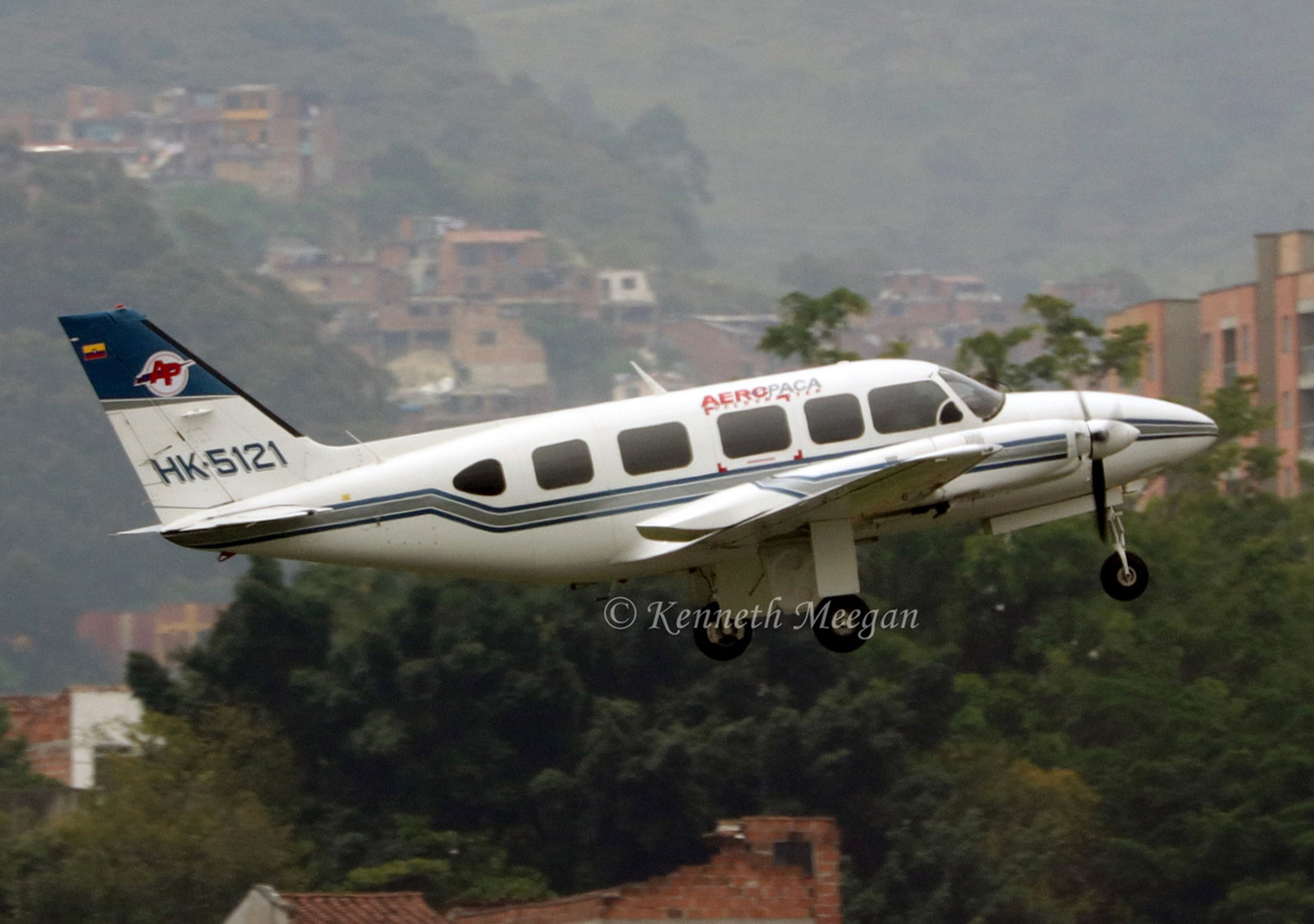
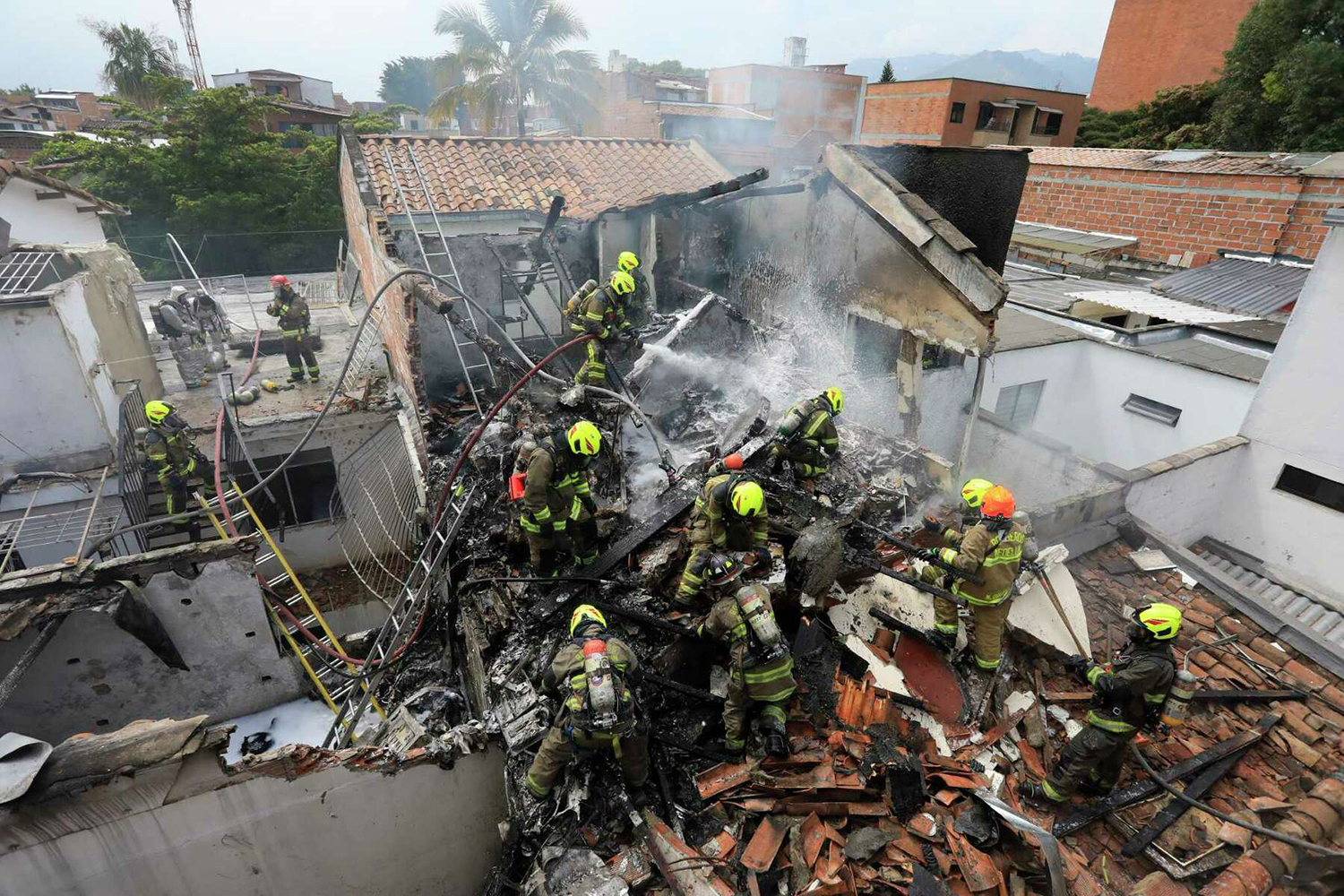
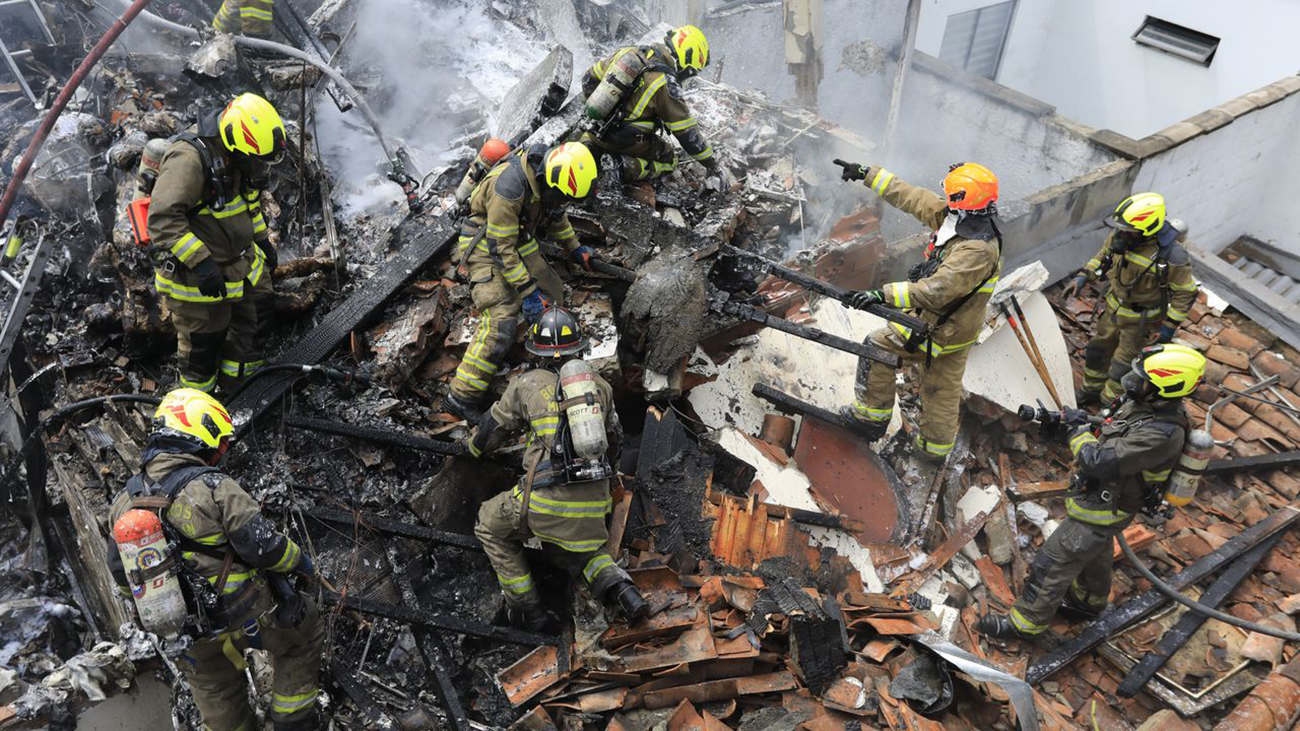
Crash of a Piper PA-31-350 Navajo Chieftain in Medellín: 8 killed
Date & Time:
Nov 21, 2022 at 1014 LT
Operator:

Registration:
HK-5121
Survivors:
No
Schedule:
Medellín – Pizarro
MSN:
31-7652004
YOM:
1976
Crew on board:
2
Crew fatalities:
Pax on board:
6
Pax fatalities:
Other fatalities:
Total fatalities:
8
Captain / Total hours on type:
407.00
Copilot / Total hours on type:
402
Aircraft flight hours:
19790
Circumstances:
The twin engine airplane was chartered by the Grupo San Germán Express to carry a team of six people from Medellín to Pizarro, Chocó. Shortly after takeoff from Medellín-Enrique Olaya Herrera Airport Runway 02, while in initial climb, the crew declared an emergency and informed ATC about an engine failure. The airplane entered a left turn then lost altitude and crashed onto a house located in the district of Belén Rosales, 523 metres west or runway 20 threshold and 2,325 metres from the departure point, bursting into flames. The house and the aircraft were destroyed and all 8 occupants were killed.
Crew:
Julián Aladino, pilot,
Sergio Guevara Delgado, copilot.
Passengers:
Jorge Cantillo Martínez,
Dubán Ovalle Quintero,
Anthony Mosquera Blanquiceth,
Pedro Pablo Serna,
Melissa Pérez Cuadros,
Nicolás Jiménez.
Crew:
Julián Aladino, pilot,
Sergio Guevara Delgado, copilot.
Passengers:
Jorge Cantillo Martínez,
Dubán Ovalle Quintero,
Anthony Mosquera Blanquiceth,
Pedro Pablo Serna,
Melissa Pérez Cuadros,
Nicolás Jiménez.
Probable cause:
The accident was the consequence of the combination of the following factors:
- A loss of control in flight as a result of a decrease in minimum control speed and drag, caused by a loss of power on the left engine (n°1);
- A failure of the propeller feathering system on engine n°1, caused by an excessive amount of grease accumulated in the blade coupling section, which prevented the propeller from being feathered quickly (or feathering at all) when the crew attempted to do so. The uncontrolled rotation of the propeller (spinning) created significant drag and made it more difficult to control the aircraft.
- The confirmed loss of power on the left engine, of undetermined origin, was probably caused by a turbocharger malfunction;
- An excess aircraft weight (approximately 770 lb or 349 kg above the MTOW), contributed to the aircraft's inability to accelerate and climb.
The following contributing factors were identified:
- Deficient operator processes in the preventive maintenance of the propellers, failing to detect and allowing the accumulation of grease in the blade coupling section, a circumstance that delayed or prevented the propeller from feathering in a critical phase of flight.
- Failure by the operator to comply with the requirements established by Supplement Type STC SA00192SE in order to operate aircraft HK-5121 with an increased MTOW of 7,352 lb, consisting of:
• Incorporating an FMS (flight manual supplement) into the operation to ensure that no more than four vortex-generating flaps (or blades) were missing.
• Not extending the length of the aircraft's wings or installing winglets.
- Failure by the Operator to comply with the procedures for preparing the Weight and Balance form, by not recording the exact weight of each of the occupants and, instead, using average weights that led to a Takeoff Weight (TOW) lower than the actual weight.
- The operator's lack of knowledge of the impact on the aircraft's MTOW, the altitude of the aerodrome, and the ambient temperature, which at Olaya Herrera aerodrome is lower than the operating MTOW of 7,000 lb corresponding to operation in standard atmosphere.
- The operator did not have a risk analysis for each of the company's operating aerodromes, establishing weight limits for takeoff, taking into account the aircraft's performance charts, the specific operating conditions, and the possible failure of an engine during takeoff or initial climb.
- A loss of control in flight as a result of a decrease in minimum control speed and drag, caused by a loss of power on the left engine (n°1);
- A failure of the propeller feathering system on engine n°1, caused by an excessive amount of grease accumulated in the blade coupling section, which prevented the propeller from being feathered quickly (or feathering at all) when the crew attempted to do so. The uncontrolled rotation of the propeller (spinning) created significant drag and made it more difficult to control the aircraft.
- The confirmed loss of power on the left engine, of undetermined origin, was probably caused by a turbocharger malfunction;
- An excess aircraft weight (approximately 770 lb or 349 kg above the MTOW), contributed to the aircraft's inability to accelerate and climb.
The following contributing factors were identified:
- Deficient operator processes in the preventive maintenance of the propellers, failing to detect and allowing the accumulation of grease in the blade coupling section, a circumstance that delayed or prevented the propeller from feathering in a critical phase of flight.
- Failure by the operator to comply with the requirements established by Supplement Type STC SA00192SE in order to operate aircraft HK-5121 with an increased MTOW of 7,352 lb, consisting of:
• Incorporating an FMS (flight manual supplement) into the operation to ensure that no more than four vortex-generating flaps (or blades) were missing.
• Not extending the length of the aircraft's wings or installing winglets.
- Failure by the Operator to comply with the procedures for preparing the Weight and Balance form, by not recording the exact weight of each of the occupants and, instead, using average weights that led to a Takeoff Weight (TOW) lower than the actual weight.
- The operator's lack of knowledge of the impact on the aircraft's MTOW, the altitude of the aerodrome, and the ambient temperature, which at Olaya Herrera aerodrome is lower than the operating MTOW of 7,000 lb corresponding to operation in standard atmosphere.
- The operator did not have a risk analysis for each of the company's operating aerodromes, establishing weight limits for takeoff, taking into account the aircraft's performance charts, the specific operating conditions, and the possible failure of an engine during takeoff or initial climb.
Final Report: