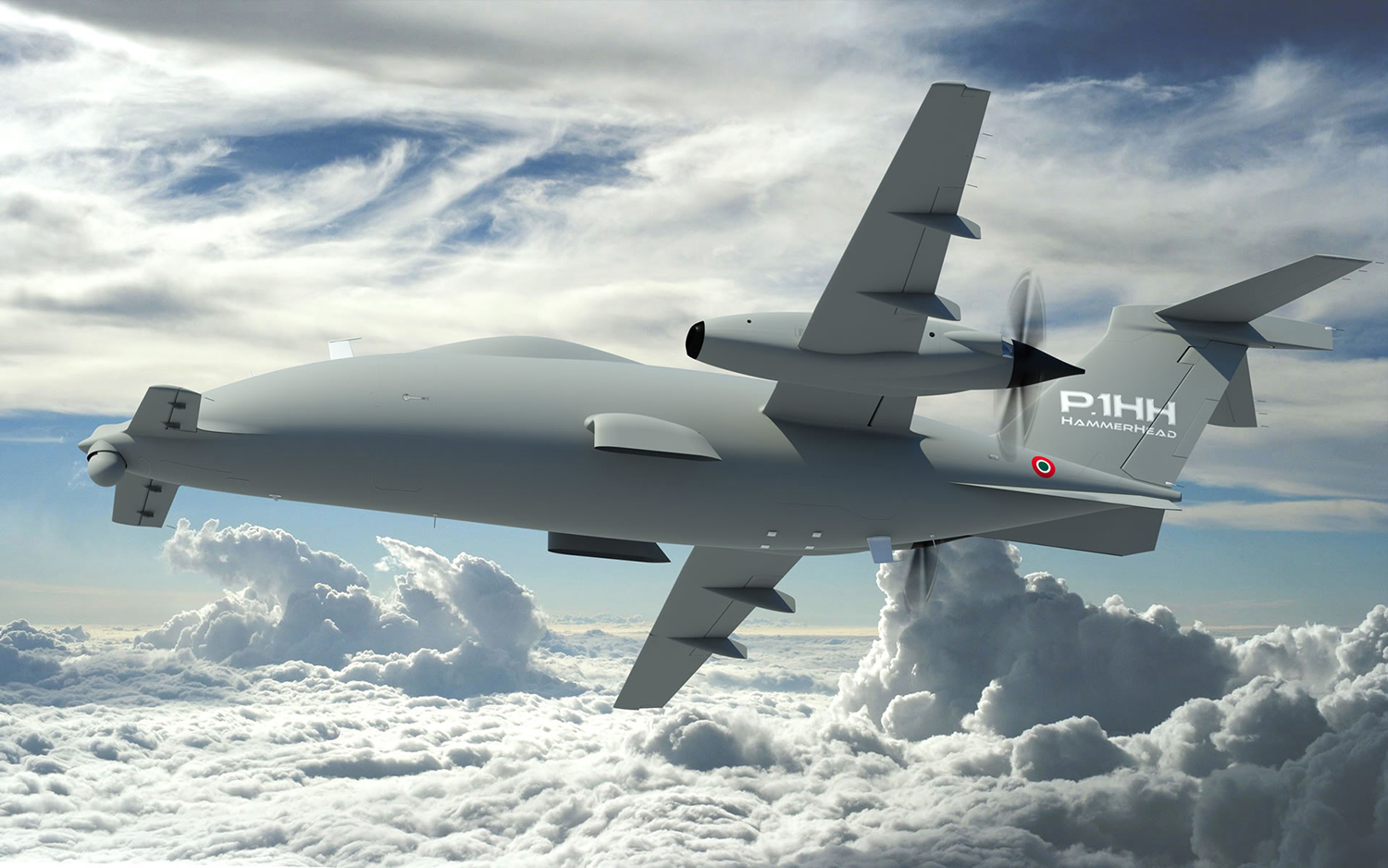
Crash of a Piaggio P1.HH HammerHead off Levanzo Island

Date & Time: May 31, 2016 at 1140 LT
Type of aircraft:
Operator:
Registration:
CPX621
Flight Phase:
Flight Type:
Schedule:
Trapani - Trapani
Location:
Country:
Region:
Crew on board:
0
Crew fatalities:
Pax on board:
0
Pax fatalities:
Other fatalities:
Total fatalities:
0
Circumstances:
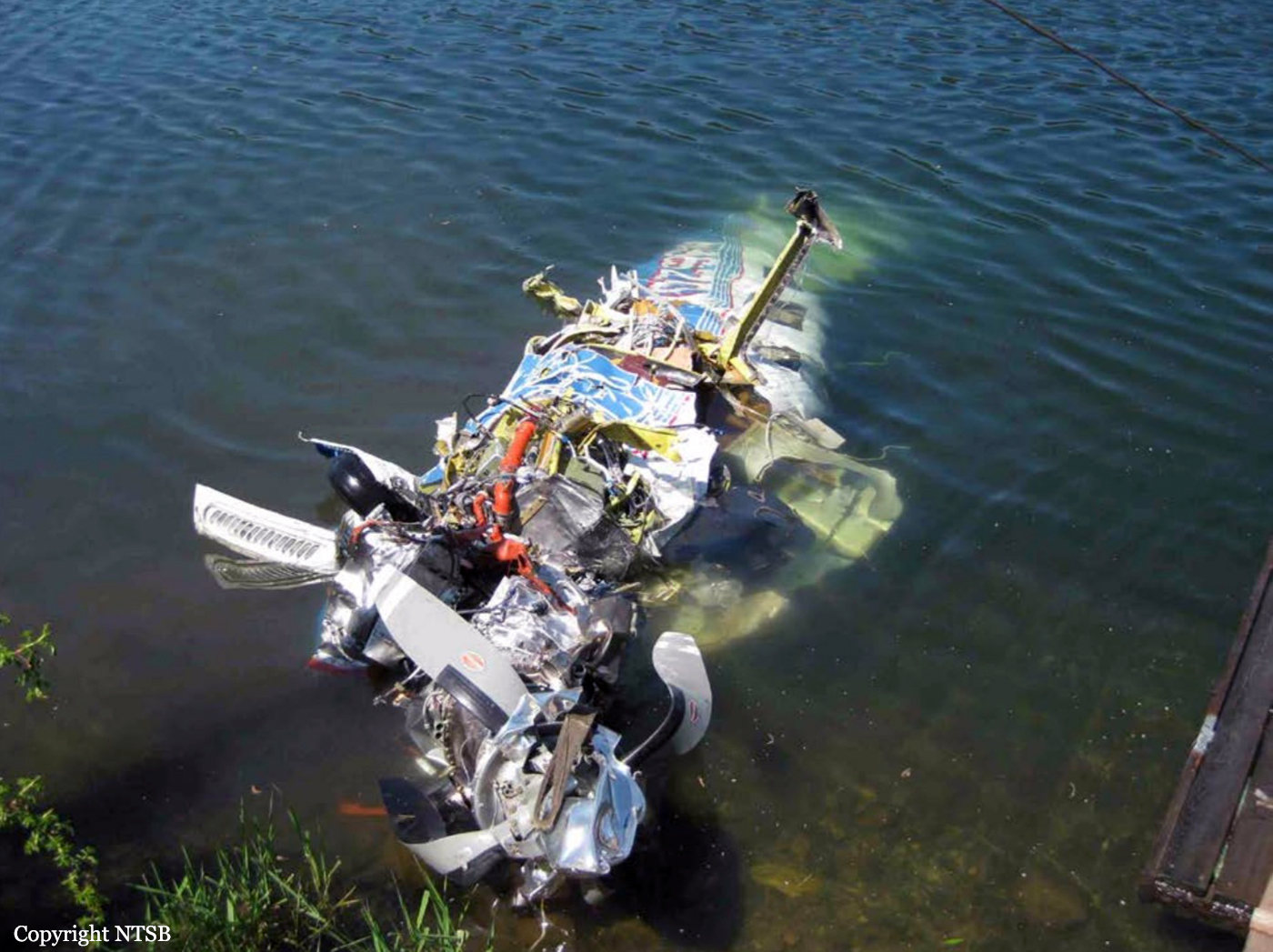
Based on a Piaggio P.180 Avanti, the Piaggio P.1HH HammerHead is a drone prototype. Engaged in a series of test as part of the certification program, the twin engine aircraft left Trapani-Vincenzo Florio Airport at 1120LT for a local test flight. About 20 minutes later, the contact was lost with the ground station and the aircraft crashed into the sea about 8 km north of the Levanzo Island. The aircraft was lost.

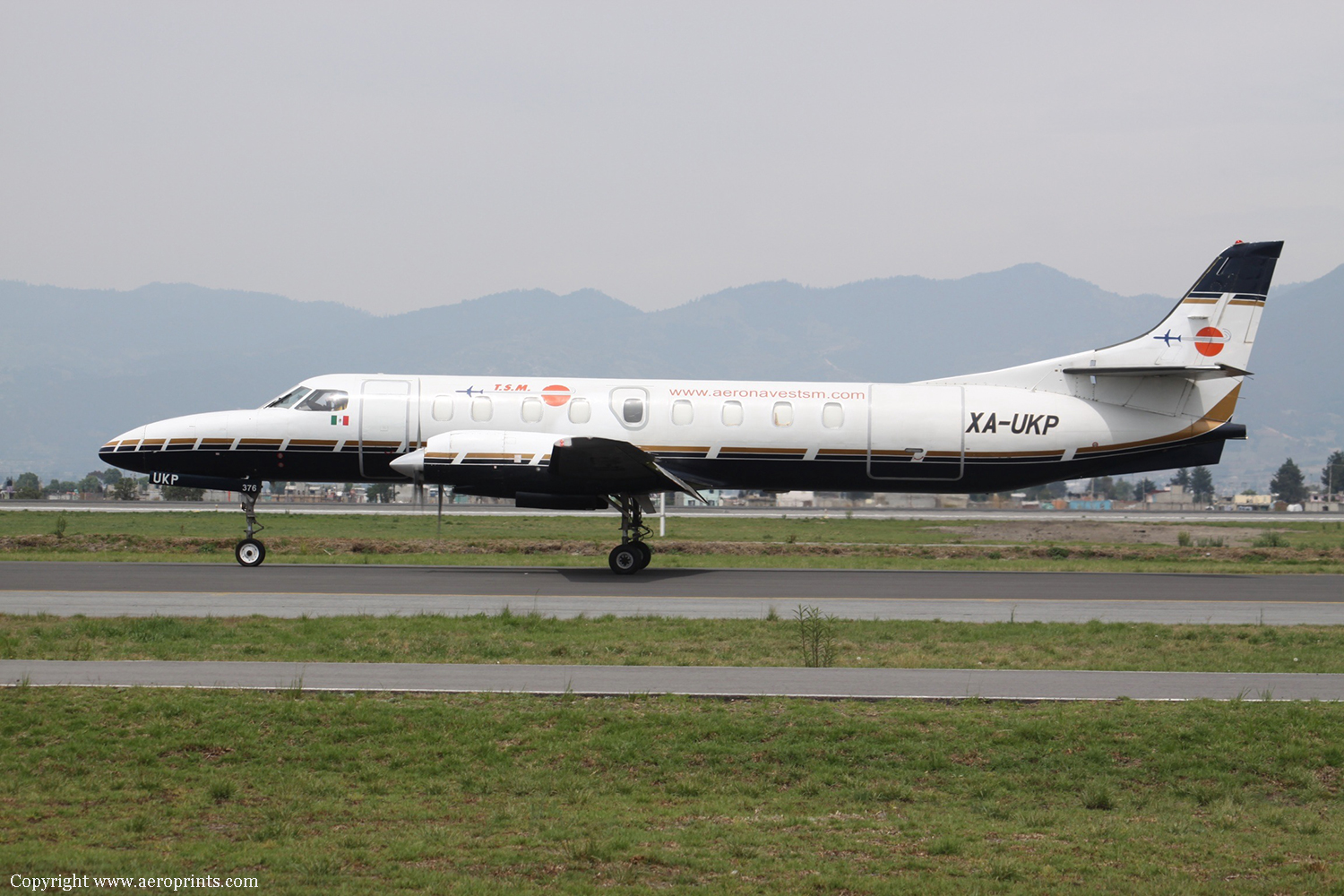
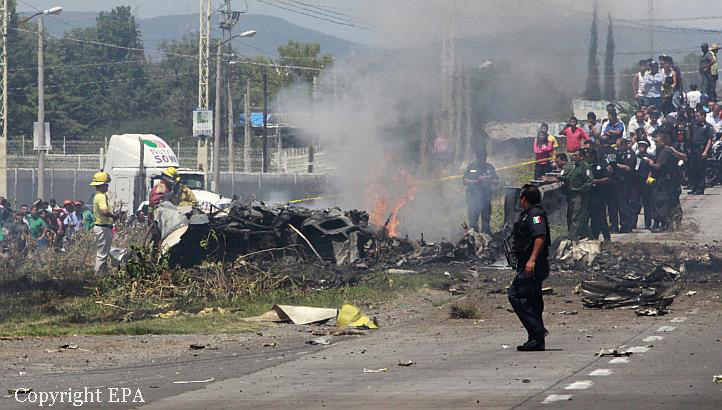
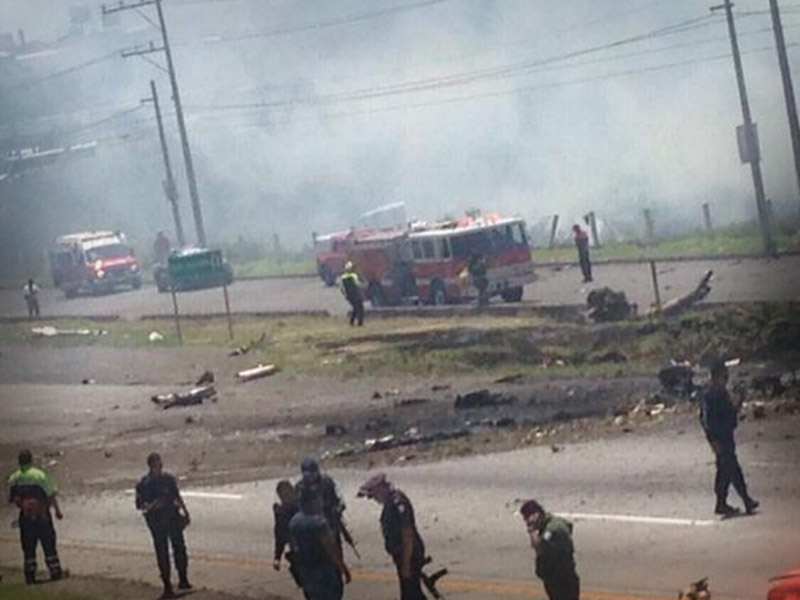
Crash of a Swearingen SA226TC Metro II in Querétaro: 5 killed

Date & Time: Jun 2, 2015 at 1425 LT
Type of aircraft:
Operator:
Registration:
XA-UKP
Flight Phase:
Flight Type:
Survivors:
No
Schedule:
Santiago de Querétaro - Santiago de Querétaro
MSN:
TC-376
YOM:
1980
Country:
Crew on board:
2
Crew fatalities:
Pax on board:
3
Pax fatalities:
Other fatalities:
Total fatalities:
5
Captain / Total flying hours:
19172
Captain / Total hours on type:
3731.00
Copilot / Total flying hours:
364
Copilot / Total hours on type:
117
Aircraft flight hours:
26985
Aircraft flight cycles:
37207
Circumstances:
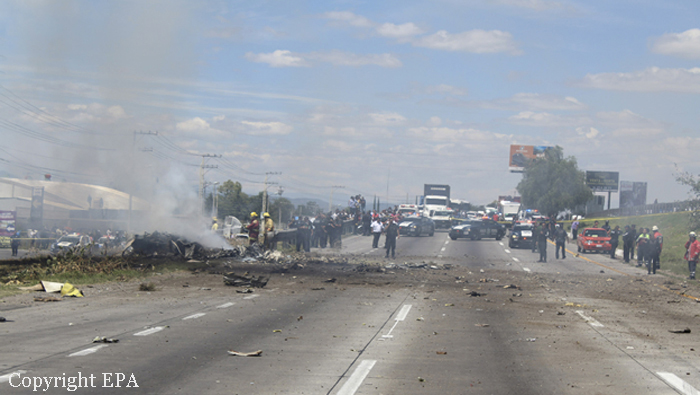
The twin engine aircraft was engaged in a post-maintenance test flight out from Santiago de Querétaro Airport, carrying three engineers and two pilots. It departed runway 09 at 1421LT and the crew was cleared to climb to FL125. While approaching the altitude of 12,000 feet, the aircraft entered an uncontrolled descent and crashed on a motorway located 11 km southwest of the airport, bursting into flames. The aircraft was totally destroyed by impact forces and a post crash fire and all five occupants were killed.
Probable cause:
Loss of control of the aircraft in flight for undetermined reasons. No mechanical failure was found on the aircraft and its components that could affect the normal operation of the airplane.
The following findings were identified:
- Lack of coordination and effective communication between ground staff and flight crew,
- Lack of adequate supervision of operations by the operator,
- Lack of a safety culture of the operator.
Final Report:

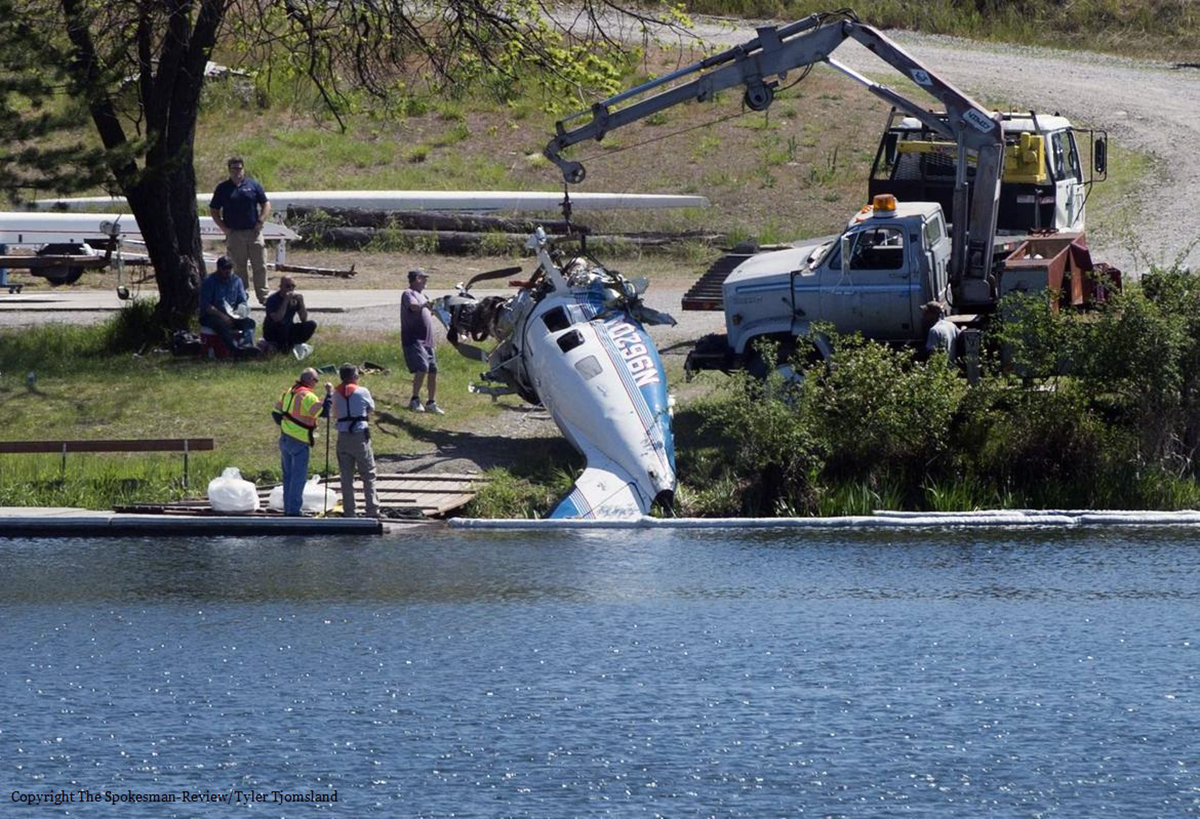
Crash of a Cessna 207 Skywagon near Bethel: 1 killed

Date & Time: May 30, 2015 at 1130 LT
Operator:

Registration:
N1653U
Flight Phase:
Flight Type:
Survivors:
No
Schedule:
Bethel - Bethel
MSN:
207-0253
YOM:
1974
Location:
Crew on board:
1
Crew fatalities:
Pax on board:
0
Pax fatalities:
Other fatalities:
Total fatalities:
1
Captain / Total flying hours:
7175
Captain / Total hours on type:
6600.00
Aircraft flight hours:
28211
Circumstances:
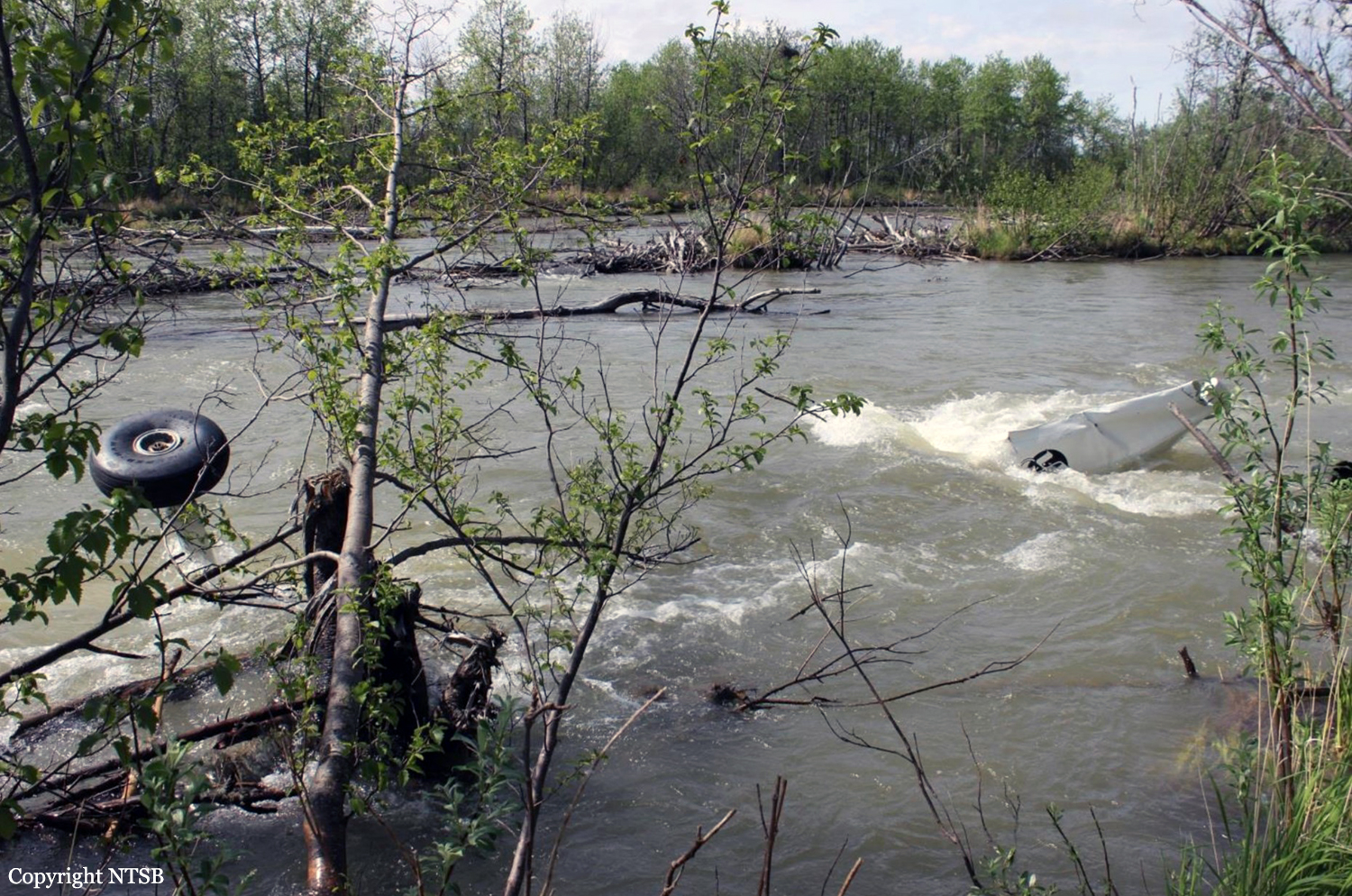
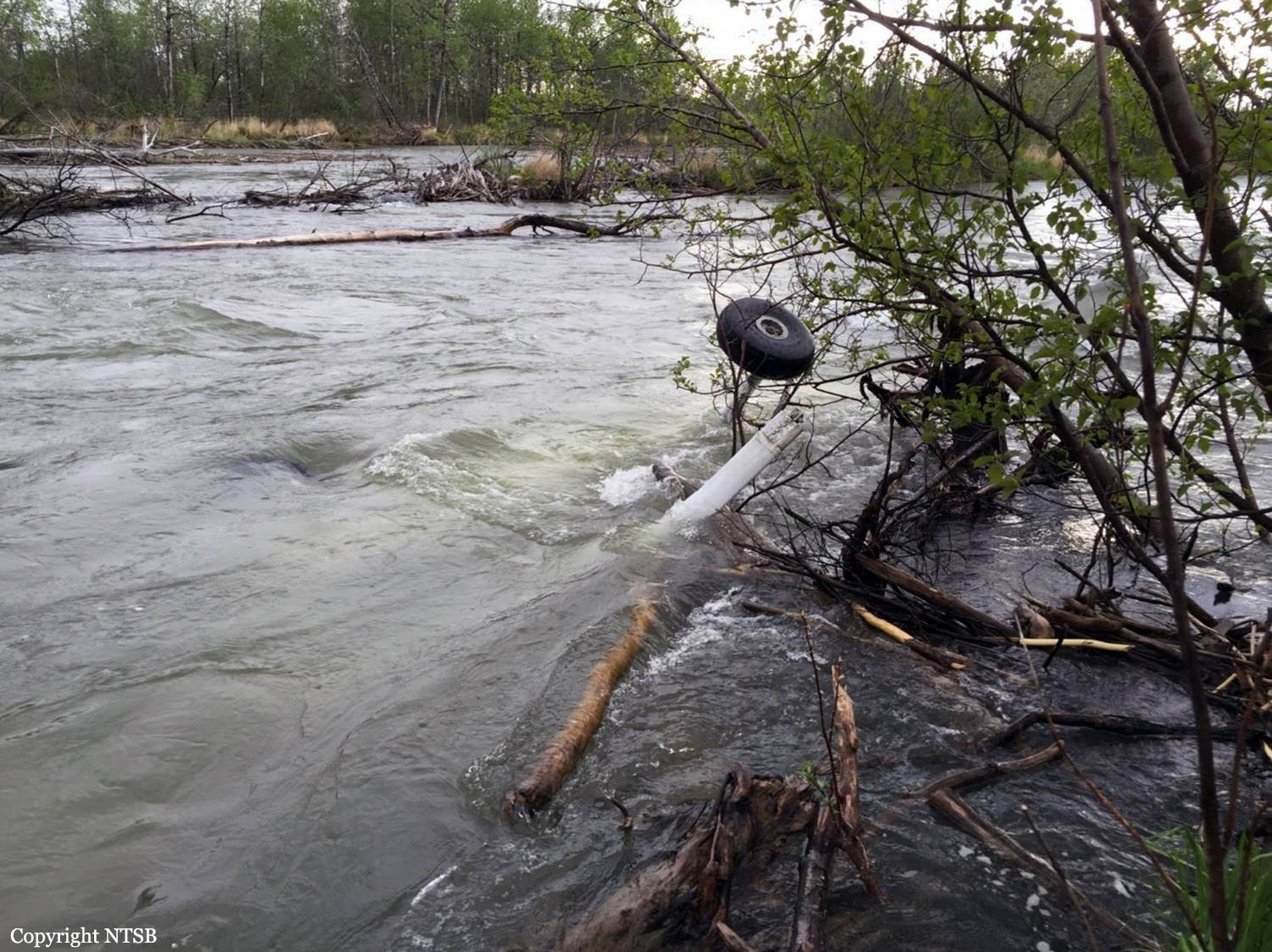
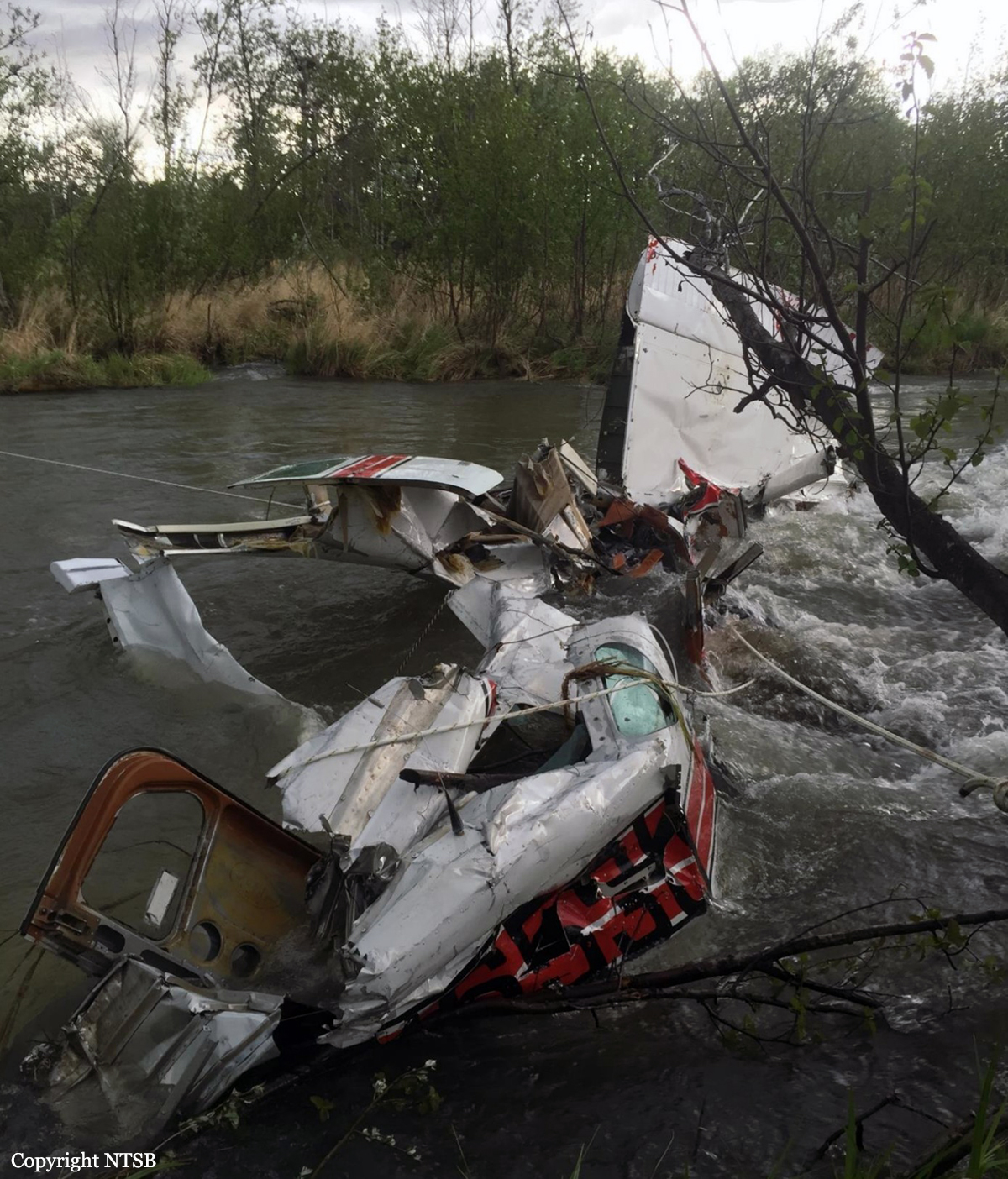
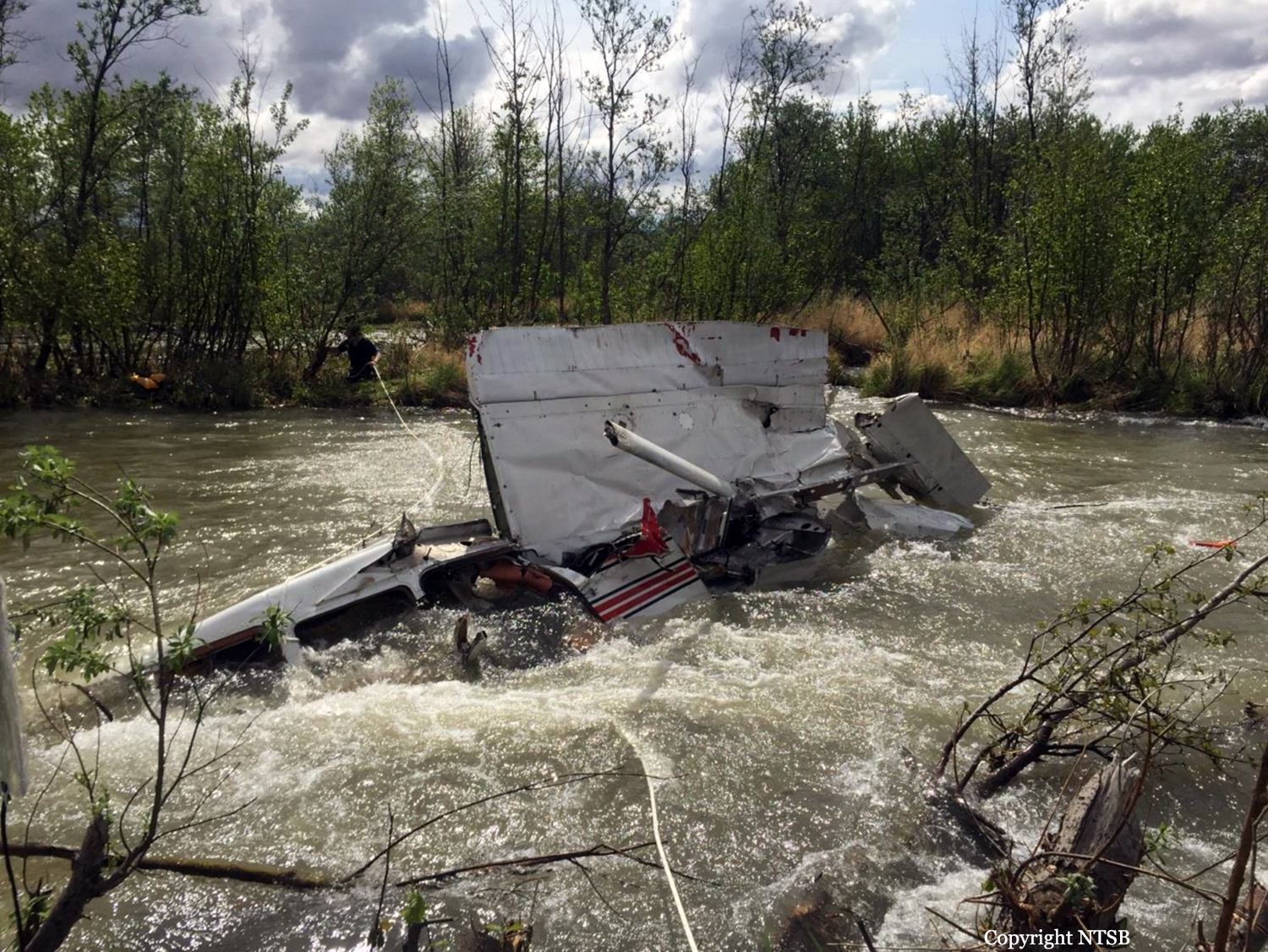
The pilot departed on a postmaintenance test flight during day visual meteorological conditions. According to the operator, the purpose of the flight was to break in six recently installed engine cylinders, and the flight was expected to last 3.5 hours. Recorded automatic dependent surveillance-broadcast data showed that the airplane was operating at altitudes of less than 500 ft mean sea level for the majority of the flight. The data ended about 3 hours after takeoff with the airplane located about 23 miles from the accident site. There were no witnesses to the accident, which occurred in a remote area. When the airplane did not return, the operator reported to the Federal Aviation Administration that the airplane was overdue. Searchers subsequently discovered the fragmented wreckage submerged in a swift moving river, about 40 miles southeast of the departure/destination airport. Postmortem toxicology tests identified 21% carboxyhemoglobin (carbon monoxide) in the pilot's blood. The pilot was a nonsmoker, and nonsmokers normally have no more than 3% carboxyhemoglobin. There was no evidence of postimpact fire; therefore, it is likely that the pilot's elevated carboxyhemoglobin level was from acute exposure to carbon monoxide during the 3 hours of flight time before the accident. As the pilot did not notify air traffic control or the operator's home base of any problems during the flight, it is unlikely that he was aware that there was carbon monoxide present. Early symptoms of carbon monoxide exposure may include headache, malaise, nausea, and dizziness. Carboxyhemoglobin levels between 10% and 20% can result in confusion, impaired judgment, and difficulty concentrating. While it is not possible to determine the exact symptoms the pilot experienced, it is likely that the pilot had symptoms that may have been distracting as well as some degree of impairment in his judgment and concentration. Given the low altitudes at which he was operating the airplane, he had little margin for error. Thus, it is likely that the carbon monoxide exposure adversely affected the pilot's performance and contributed to his failure to maintain clearance from the terrain. According to the operator, the airplane had a "winter heat kit" installed, which modified the airplane's original cabin heat system. The modification incorporated an additional exhaust/heat shroud system designed to provide increased cabin heat during wintertime operations. Review of maintenance records revealed that the modification had not been installed in accordance with Federal Aviation Administration field approval procedures. Examination of the recovered wreckage did not reveal evidence of any preexisting mechanical anomalies that would have precluded normal operation of the airplane. Examination of the airplane's right side exhaust/heat exchanger did not reveal any leaks or fractures that would have led to carbon monoxide in the cabin. Because the left side exhaust/heat exchanger was
not recovered, it was not possible to determine whether it was the source of the carbon monoxide.
Probable cause:
The pilot's failure to maintain altitude, which resulted in collision with the terrain. Contributing to the accident was the pilot's impairment from carbon monoxide exposure in flight. The source of the carbon monoxide could not be determined because the wreckage could not be completely recovered.
Final Report:


Crash of an Airbus A400M in Seville: 4 killed

Date & Time: May 9, 2015 at 1257 LT
Type of aircraft:
Operator:
Registration:
EC-403
Flight Phase:
Flight Type:
Survivors:
Yes
Schedule:
Seville - Seville
MSN:
023
YOM:
2015
Flight number:
Casa423
Country:
Region:
Crew on board:
6
Crew fatalities:
Pax on board:
0
Pax fatalities:
Other fatalities:
Total fatalities:
4
Aircraft flight hours:
0
Aircraft flight cycles:
0
Circumstances:
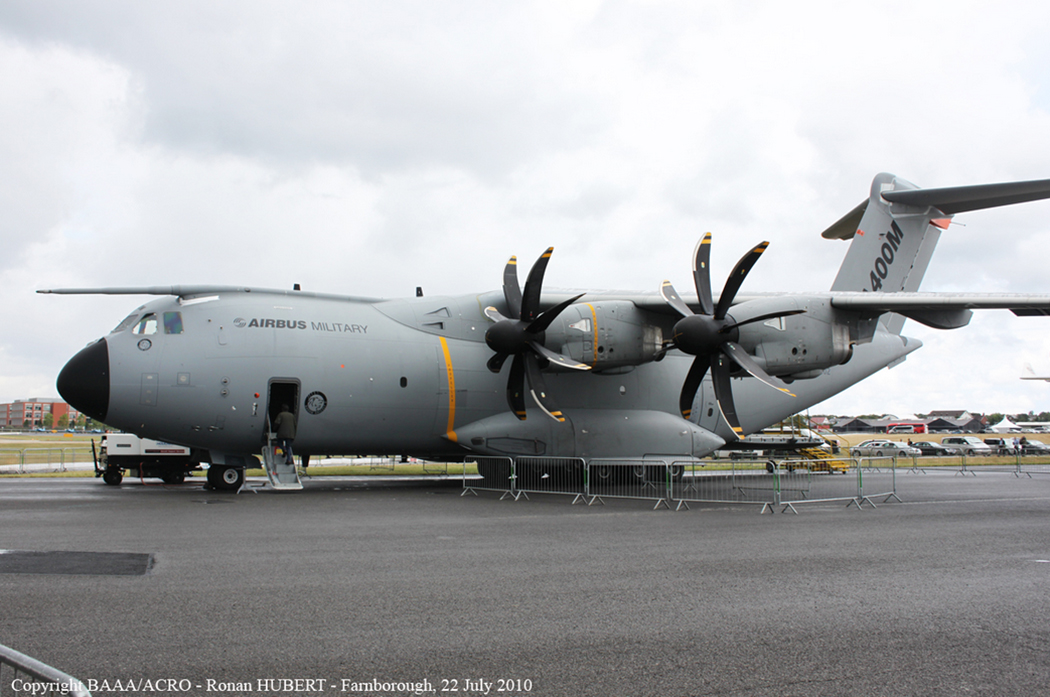
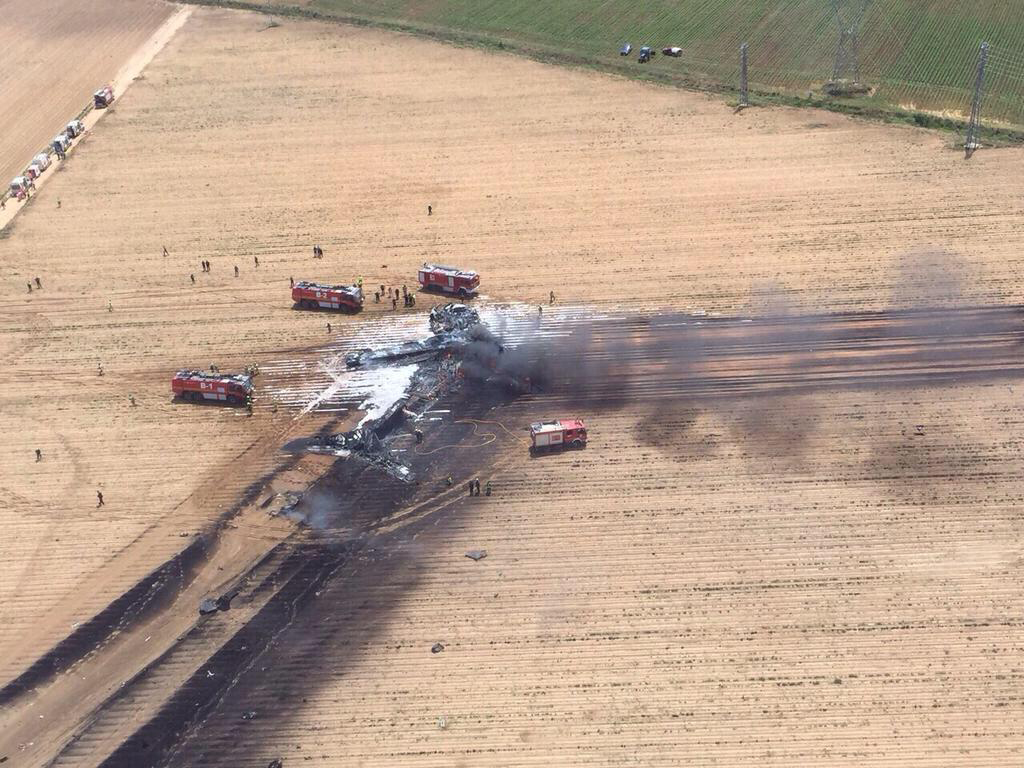
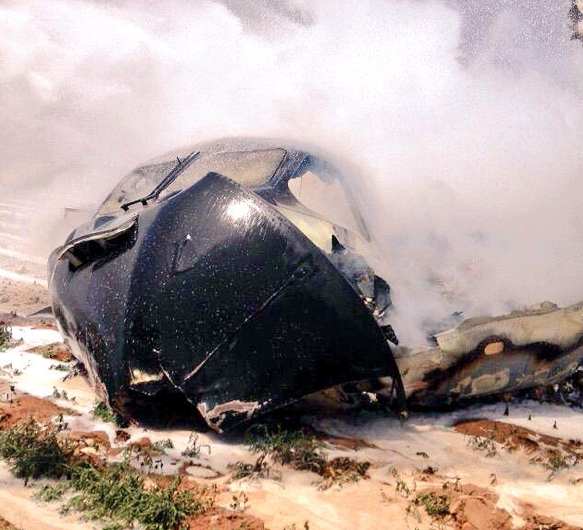
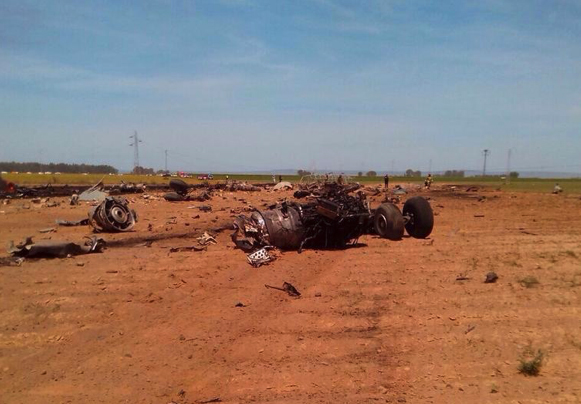
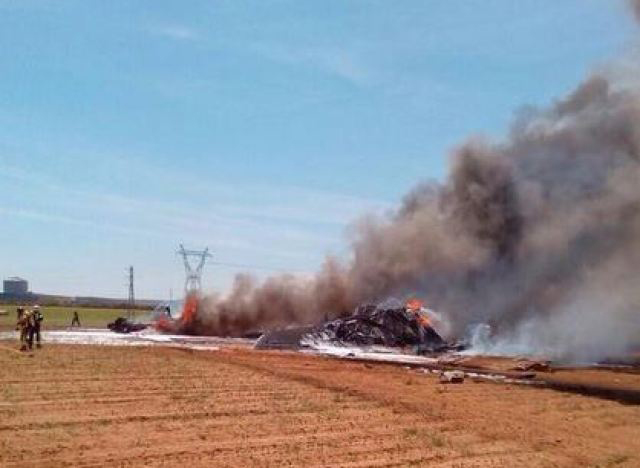
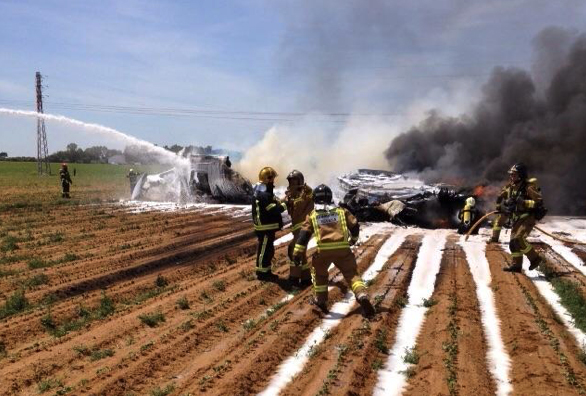
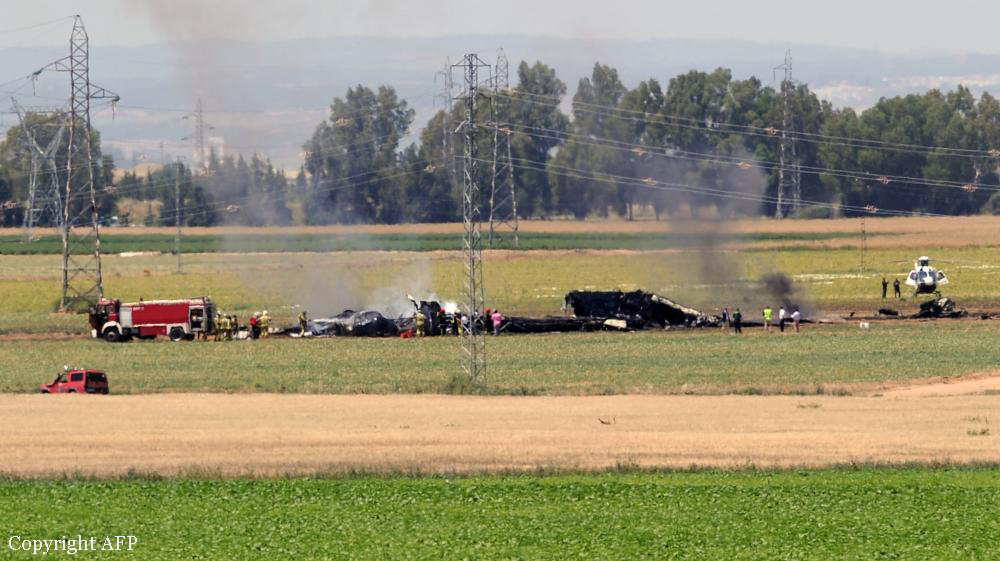
Brand new, the aircraft just came out from the manufacturer in Seville and was engaged in its first post assembly test flight. After take off from Seville-San Pablo Airport Runway 09 at 1254LT, the crew completed a 90° turn to the left bound to the north. Shortly later, three of the four engines (engines n°1, 2 and 3) got stuck at high power. The crew attempted to control the power setting to the normal mode but those three engines failed to respond. The crew reduced the engine power after selecting the thrust levers to idle. The regime of those three engines remained blocked in idle so the crew decided to return to the airport for an emergency landing. On approach, the aircraft collided with power lines, stalled and crashed in an open field located 1,6 km north of the airport, bursting into flames. Two crew members were rescued while four others were killed. The aircraft was totally destroyed by a post crash fire. The aircraft was following a test program prior to its delivery to the Turkish Air Force (Türk Hava Kuvvetleri).
Probable cause:
An Airbus official after the accident stated that engine control software was incorrectly installed during final assembly of the aircraft. This led to engine failure and the resulting crash.

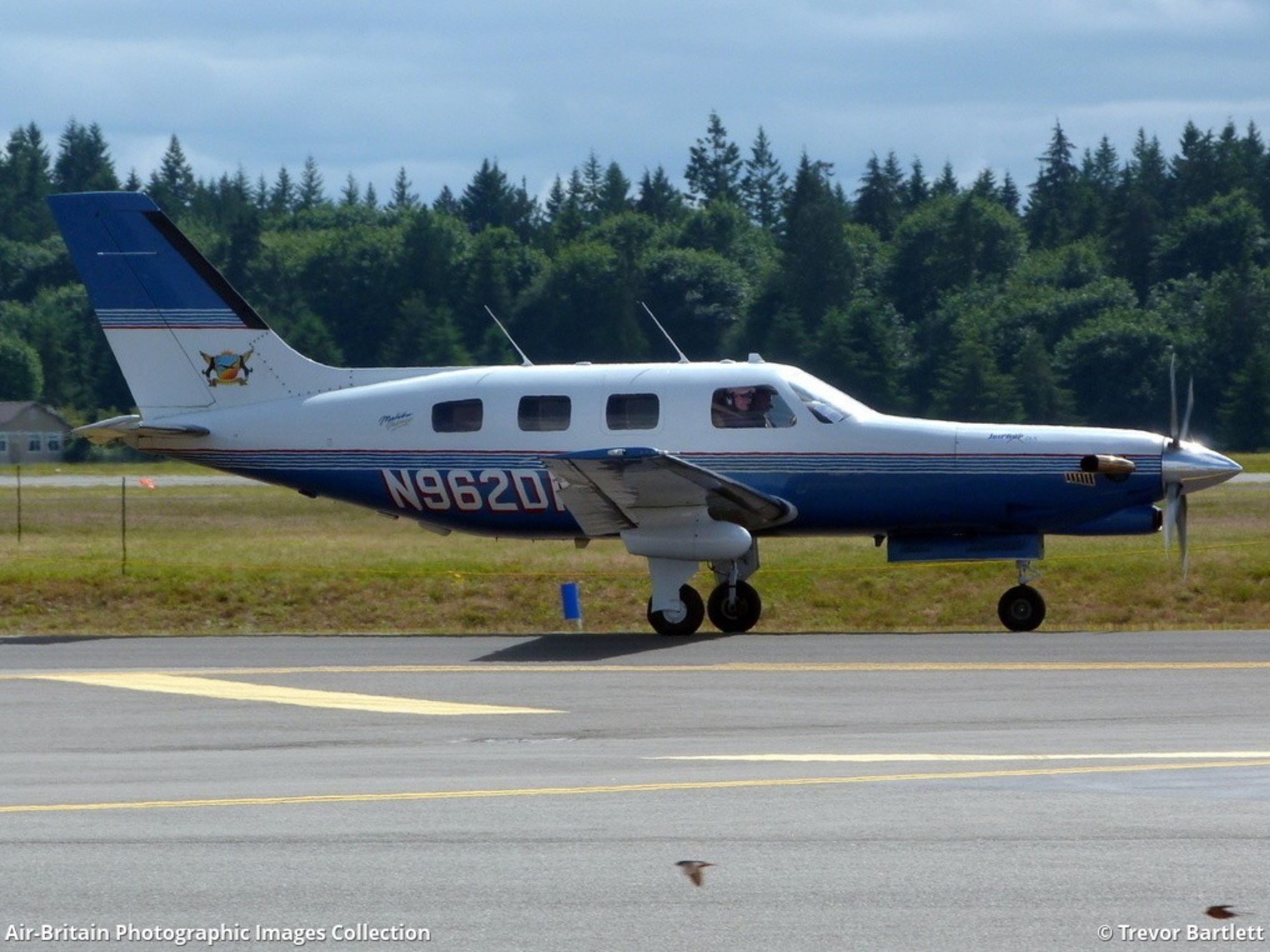
Crash of a Piper PA-46-350P Malibu Mirage in Spokane: 2 killed

Date & Time: May 7, 2015 at 1604 LT
Operator:
Registration:
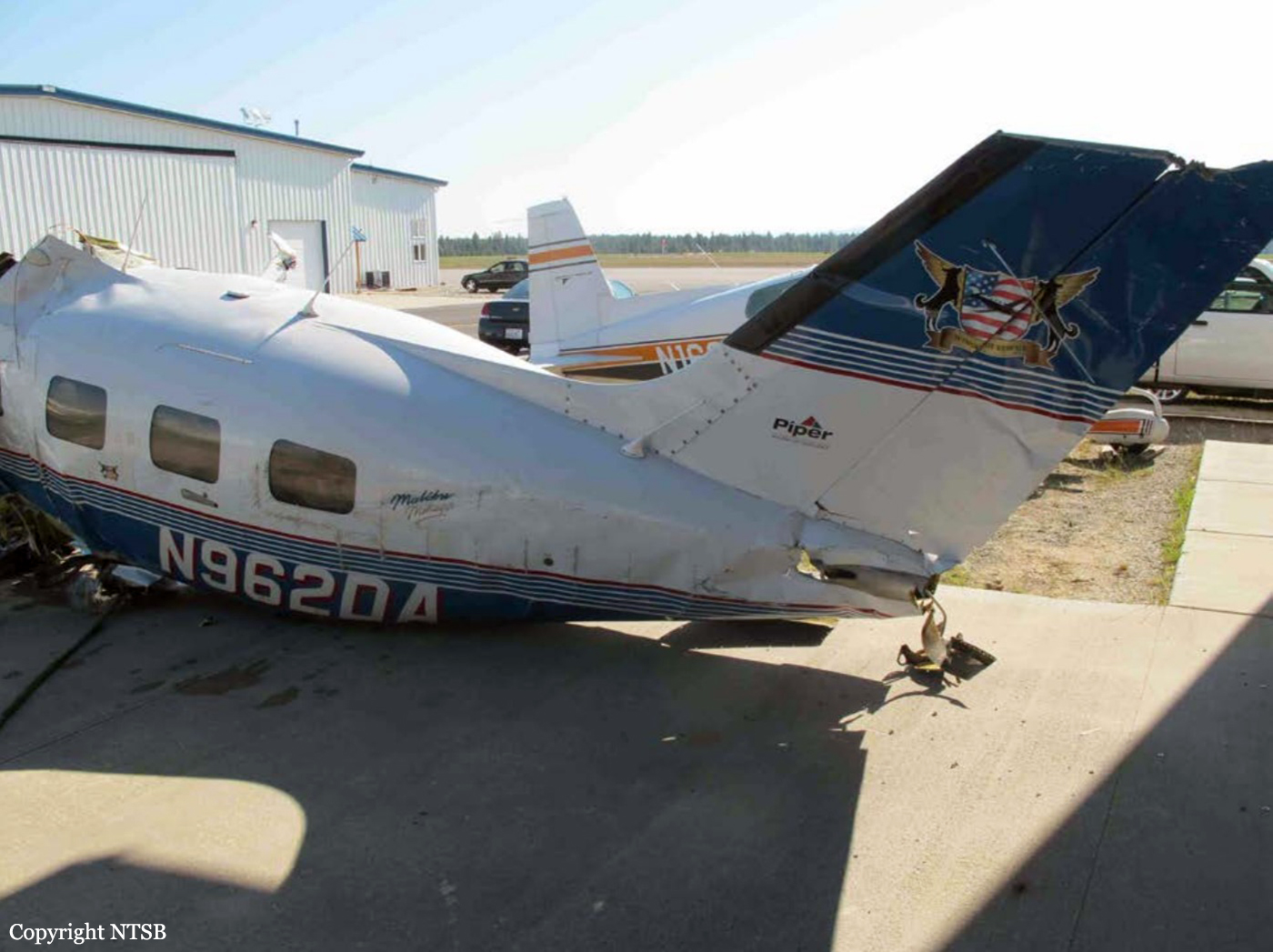
N962DA
Flight Phase:
Flight Type:
Survivors:
No
Schedule:
Spokane - Spokane
MSN:
46-36031
YOM:
1996
Crew on board:
1
Crew fatalities:
Pax on board:
1
Pax fatalities:
Other fatalities:
Total fatalities:
2
Captain / Total flying hours:
5800
Captain / Total hours on type:
950.00
Circumstances:
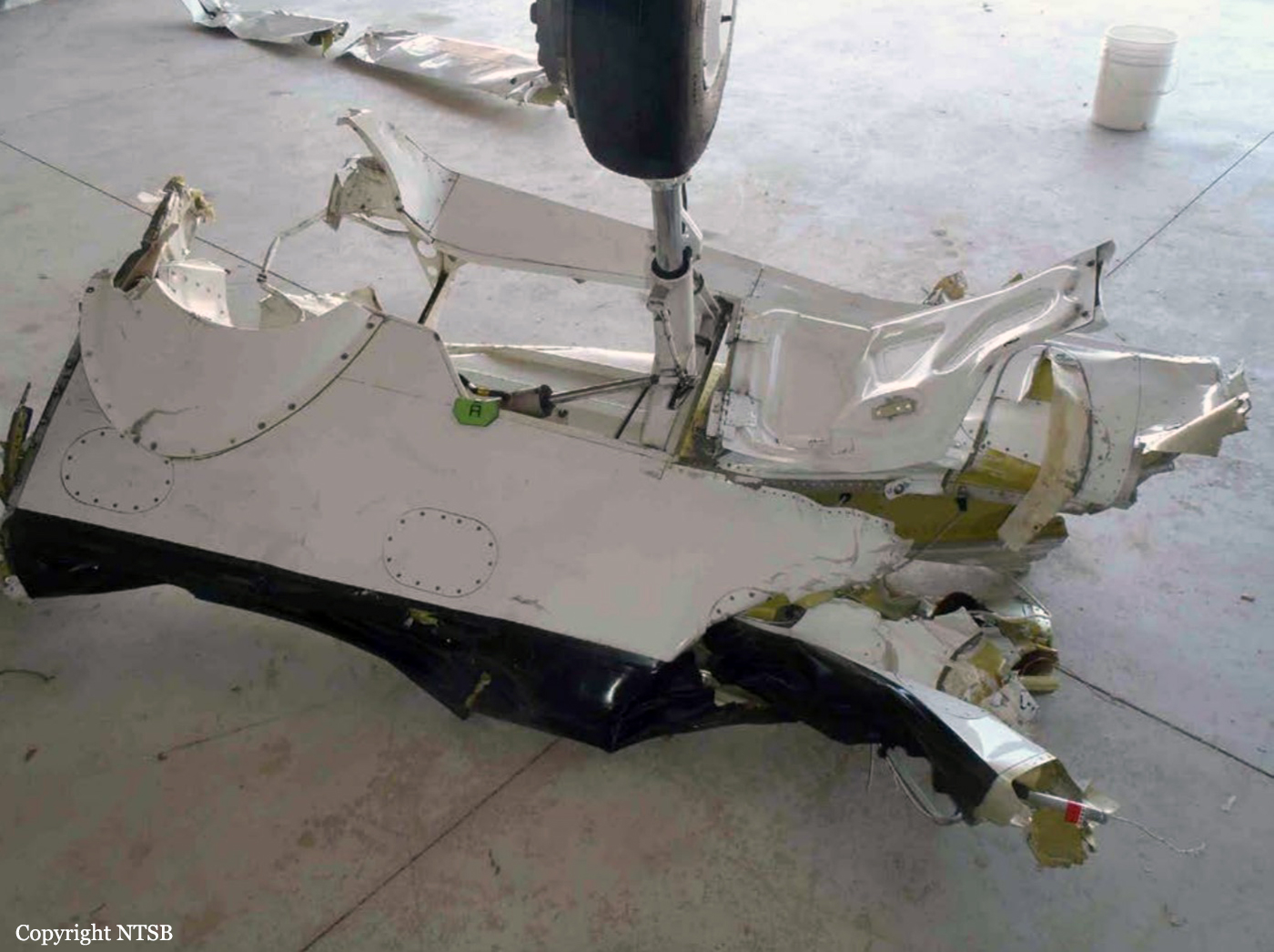
The commercial pilot was departing on a local post-maintenance test flight in the single-engine airplane; Four aileron cables had been replaced during the maintenance. Shortly after takeoff, the airplane began to roll right. As the climb progressed, the roll became more pronounced, and the airplane entered a spiraling dive. The pilot was able to maintain partial control after losing about 700 ft of altitude; he guided the airplane away from the airport and then gradually back for a landing approach. During this period, he reported to air traffic control personnel that the airplane had a "heavy right aileron." As the airplane passed over the runway threshold, it rolled right and crashed into a river adjacent to the runway. The aircraft was destroyed and both occupants were killed.
Probable cause:
The mechanic's incorrect installation of two aileron cables and the subsequent inadequate functional checks of the aileron system before flight by both the mechanic and the pilot, which prevented proper roll control from the cockpit, resulting in the pilot's subsequent loss of control during flight. Contributing to the accident was the mechanic's and the pilot's self-induced pressure to complete the work that day.
Final Report:
Crash of a Cessna 208B Grand Caravan in Verdigris

Date & Time: Mar 24, 2015 at 1507 LT
Type of aircraft:
Operator:
Registration:
N106BZ
Flight Phase:
Flight Type:
Survivors:
Yes
Schedule:
Tulsa - Tulsa
MSN:
208B-0106
YOM:
1988
Crew on board:
1
Crew fatalities:
Pax on board:
1
Pax fatalities:
Other fatalities:
Total fatalities:
0
Captain / Total flying hours:
6500
Captain / Total hours on type:
970.00
Aircraft flight hours:
11443
Circumstances:
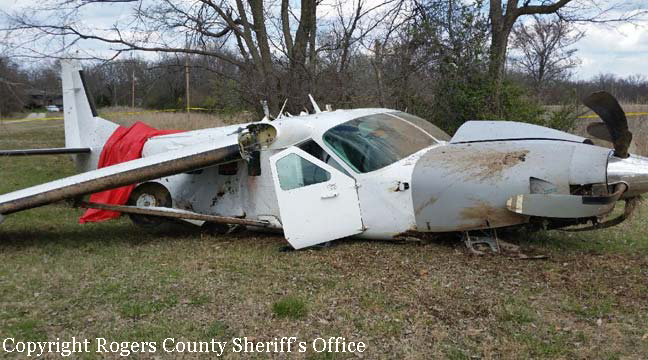
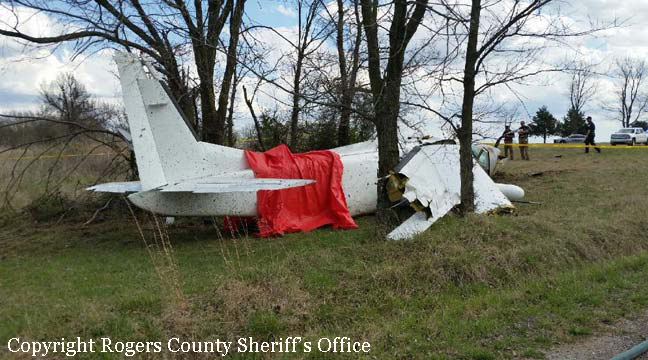
The pilot reported that, during the postmaintenance test flight, the turboprop engine lost power. The airplane was unable to maintain altitude, and the pilot conducted a forced landing, during which the airplane was substantially damaged. The engine had about 9 total flight hours at the time of the accident. A teardown of the fuel pump revealed that the high-pressure drive gear teeth exhibited wear and that material was missing from them, whereas the driven gear exhibited little to no visible wear. A metallurgical examination of the gears revealed that the damaged drive gear was made of a material similar to 300-series stainless steel instead of the harder specified M50 steel, whereas the driven gear was made of a material similar to the specified M50 steel. Subsequent to these findings, the airplane manufacturer determined that the gear manufacturer allowed three set-up gears made from 300-series stainless steel to become part of the production inventory during the manufacturing process. One of those gears was installed in the fuel pump on the accident airplane, and the location of the two other gears could not be determined. Based on the evidence, it is likely that the nonconforming gear installed in the fuel pump failed because it was manufactured from a softer material than specified, which resulted in a loss of fuel flow to the engine and the subsequent loss of engine power. The manufacturer subsequently inspected its stock of gears and issued notices to customers that had engines with fuel pumps installed with the same part number gear set as the one installed on the accident airplane. The manufacturer also issued a service information letter and service bulletins regarding the fuel pump gear set for engines used in civilian and military applications. As of the date of this report, the two remaining gears have not been located.
Probable cause:
The fuel pump gear manufacturer’s allowance of set-up gears made from a nonconforming material to be put in the production inventory system, the installation of a nonconforming gear in the accident airplane’s production fuel pump, and the gear’s failure, which resulted in a loss of fuel flow to the engine and the subsequent loss of engine power.
Final Report:
Ground accident of a Dornier DO328-110 in Hamburg

Date & Time: Jan 12, 2015
Type of aircraft:
Operator:
Registration:
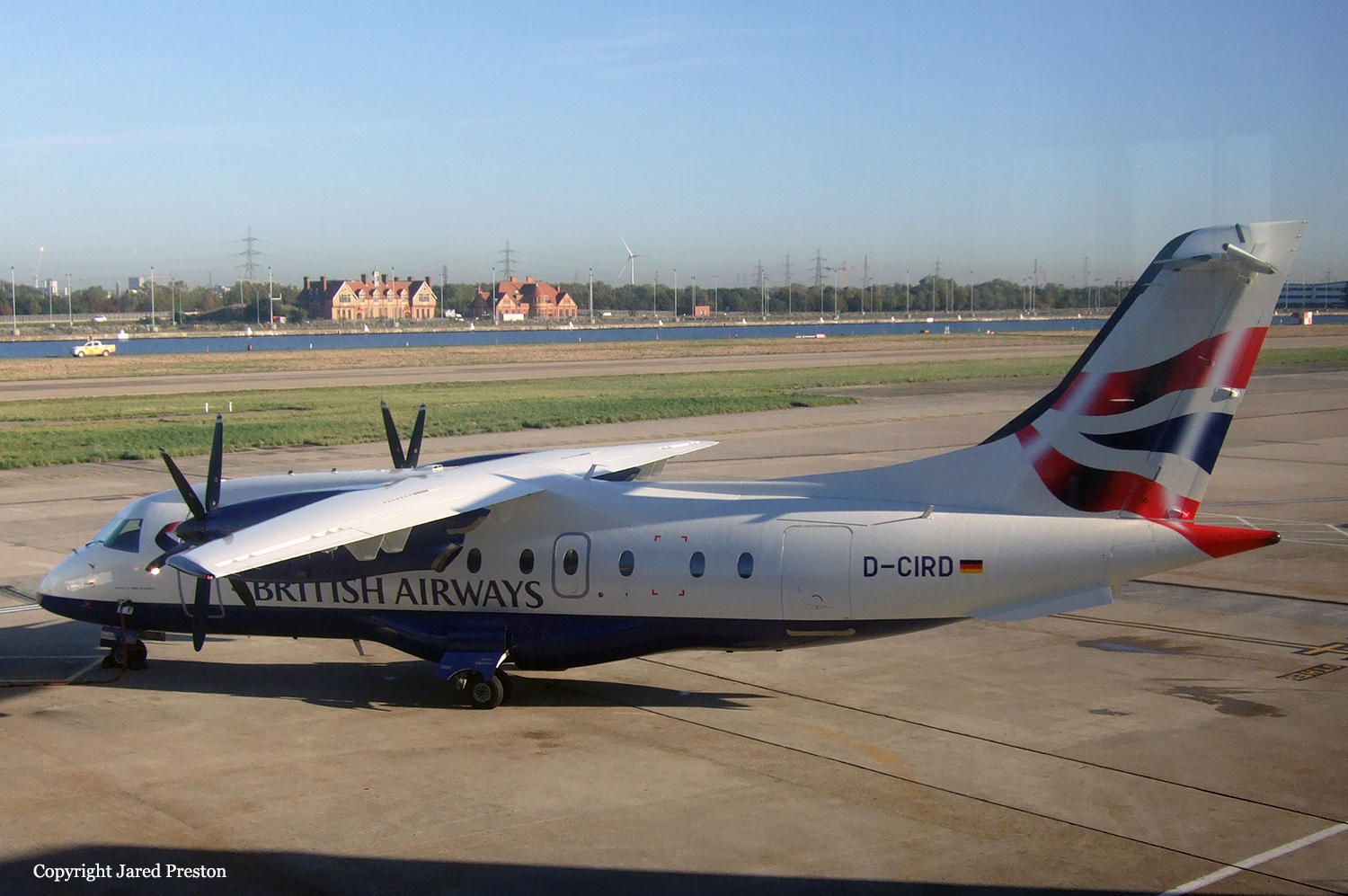
D-CIRD
Flight Phase:
Flight Type:
Survivors:
Yes
MSN:
3011
YOM:
1994
Country:
Region:
Crew on board:
2
Crew fatalities:
Pax on board:
0
Pax fatalities:
Other fatalities:
Total fatalities:
0
Circumstances:
The aircraft was parked on the ramp and subject to engine test run with one or two engineers on board. During the test, the aircraft jumped over the chocks then collided with obstacles and came to rest. There were no injuries while the aircraft was damaged beyond repair. It was operated by Sun-Air of Scandinavia on behalf of British Airways.

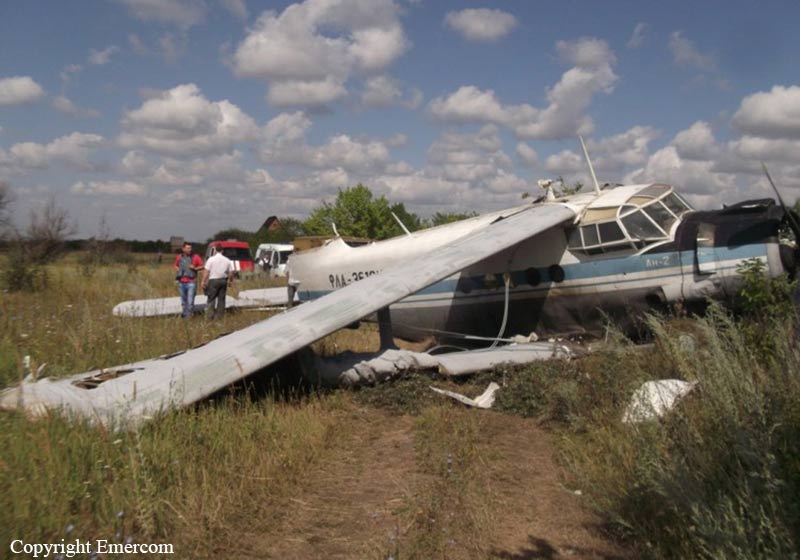
Crash of an Antonov AN-2 in Sevryukovo

Date & Time: Oct 6, 2013 at 1425 LT
Type of aircraft:
Operator:
Registration:
RA-31505
Flight Phase:
Flight Type:
Survivors:
Yes
Schedule:
Sevryukovo - Sevryukovo
Country:
Region:
Crew on board:
1
Crew fatalities:
Pax on board:
1
Pax fatalities:
Other fatalities:
Total fatalities:
0
Circumstances:
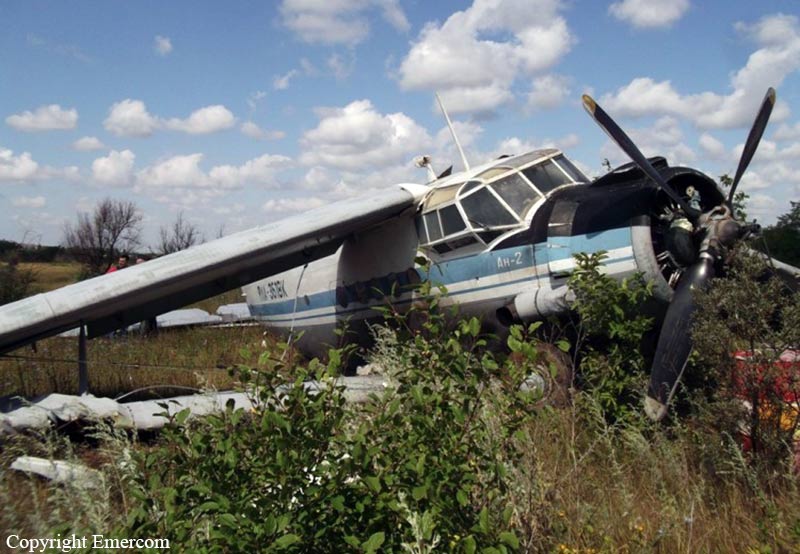
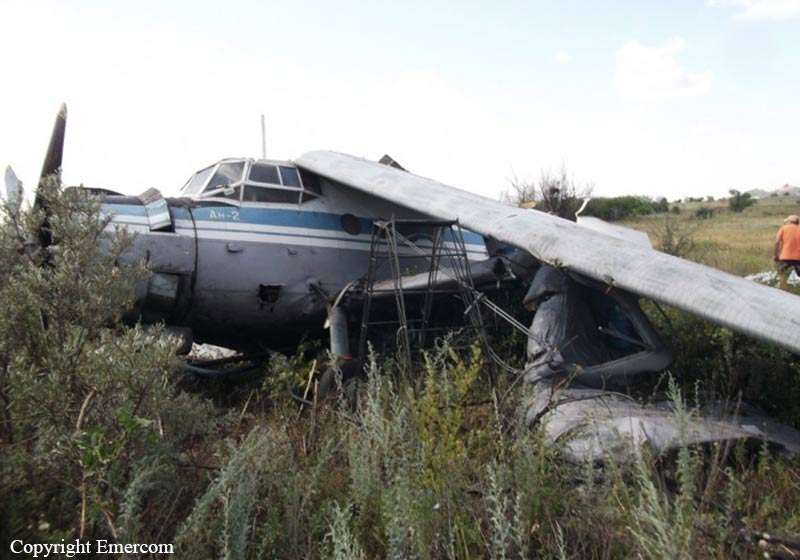
Bought in 2000 and stored since, the airplane was under restoration since August 2013. The crew (one pilot and one engineer), decided to perform a test flight in the region of Sevryukovo (Korocha District of the Belgorod region). En route, the engine failed, forcing the crew to attempt an emergency landing. The aircraft impacted ground and crashed, coming to rest upside down and bursting into flames. Both occupants escaped uninjured while the aircraft was partially destroyed by fire.
Probable cause:
An investigation by the Interstate Aviation Committee revealed that the airplane carried a false registration and was flown without a certificate of airworthiness. Since the airplane was not officially registered, the IAC terminated their investigation.

Crash of a PZL-Mielec AN-2P in Shakhty

Date & Time: Jul 28, 2013
Type of aircraft:
Operator:
Registration:
FLA-3618K
Flight Phase:
Flight Type:
Survivors:
Yes
Schedule:
Shakhty - Shakhty
MSN:
1G151-37
YOM:
1973
Country:
Region:
Crew on board:
1
Crew fatalities:
Pax on board:
0
Pax fatalities:
Other fatalities:
Total fatalities:
0
Circumstances:
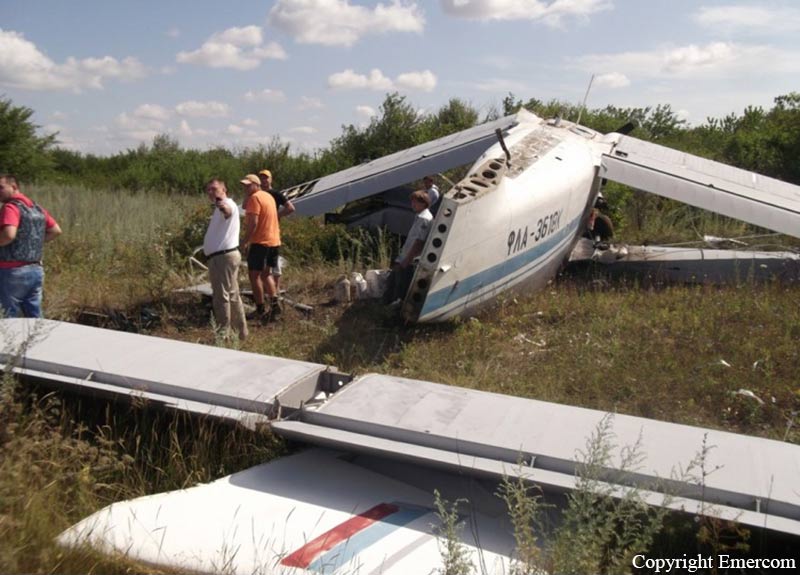
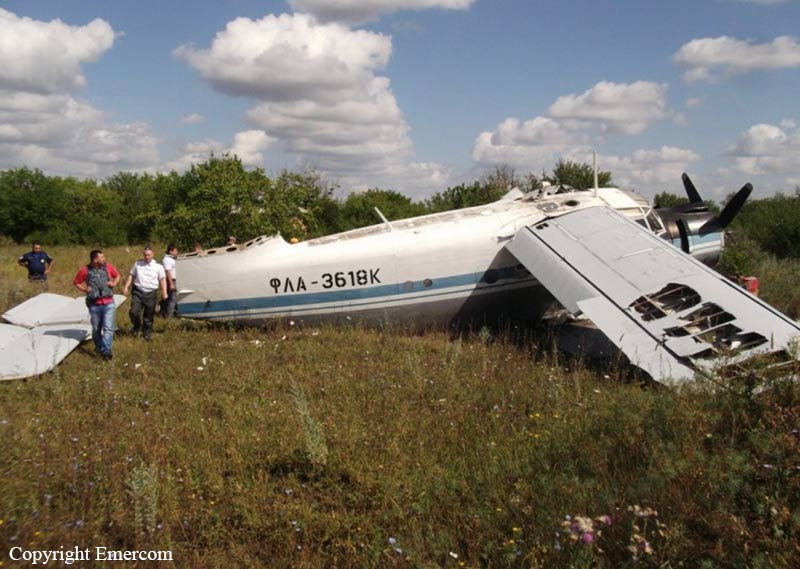
Shortly after takeoff from Shakhty Airport, Rostov oblast, the pilot encountered engine problem. He elected to make an emergency landing in an open field located 500 metres from the airport. On touchdown, the aircraft lost its undercarriage, wings and tail before coming to rest in bushes. The pilot, uninjured, fled the scene but was arrested by police few hours later. Technician by a Plant at the Shakhty Airport, he was the owner of this aircraft since seven months and was performing a local test flight despite he was not in possession of any valid pilot licence according to Russian authorities.

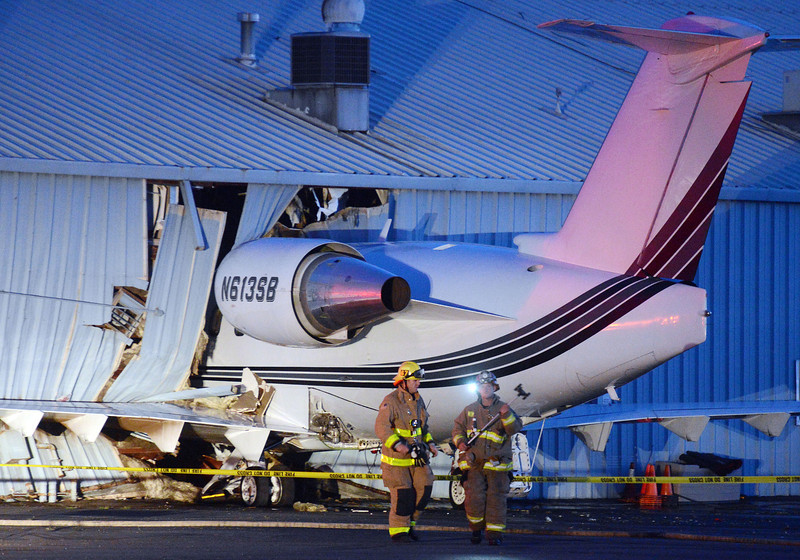
Crash of a Canadair CL-601-3A Challenger in Chino

Date & Time: Jun 13, 2013 at 1817 LT
Type of aircraft:
Registration:
N613SB
Flight Phase:
Flight Type:
Survivors:
Yes
MSN:
5088
YOM:
1991
Crew on board:
2
Crew fatalities:
Pax on board:
0
Pax fatalities:
Other fatalities:
Total fatalities:
0
Circumstances:
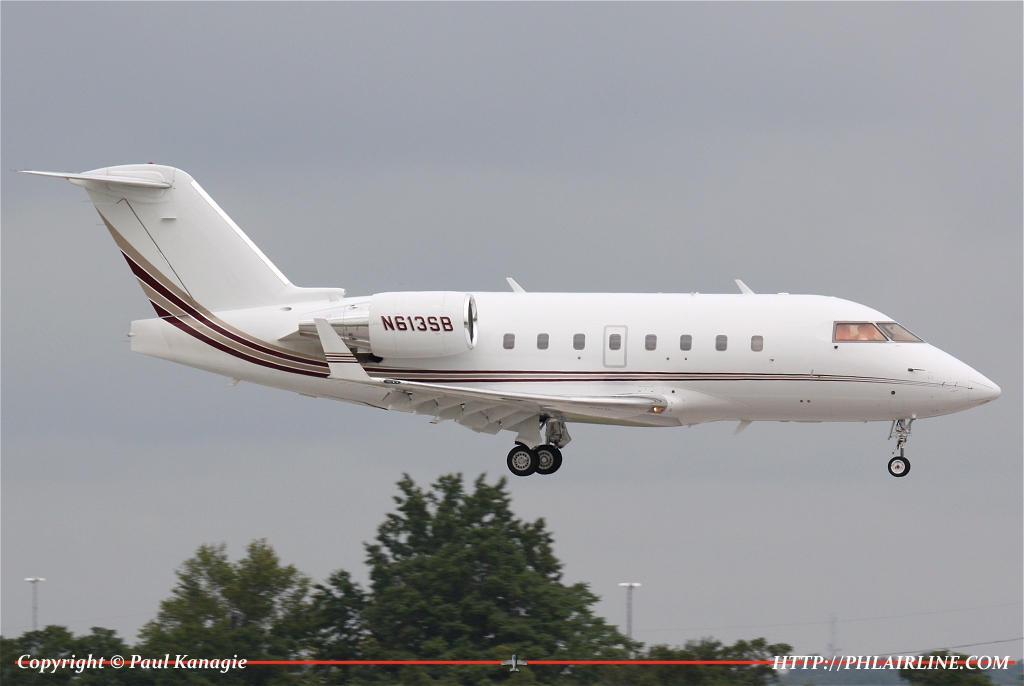
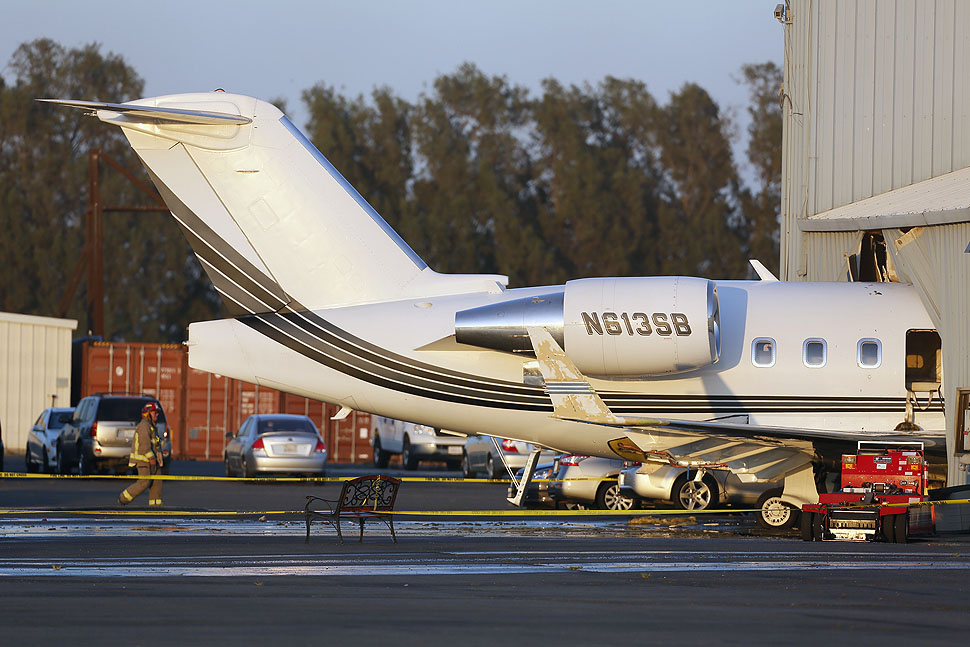
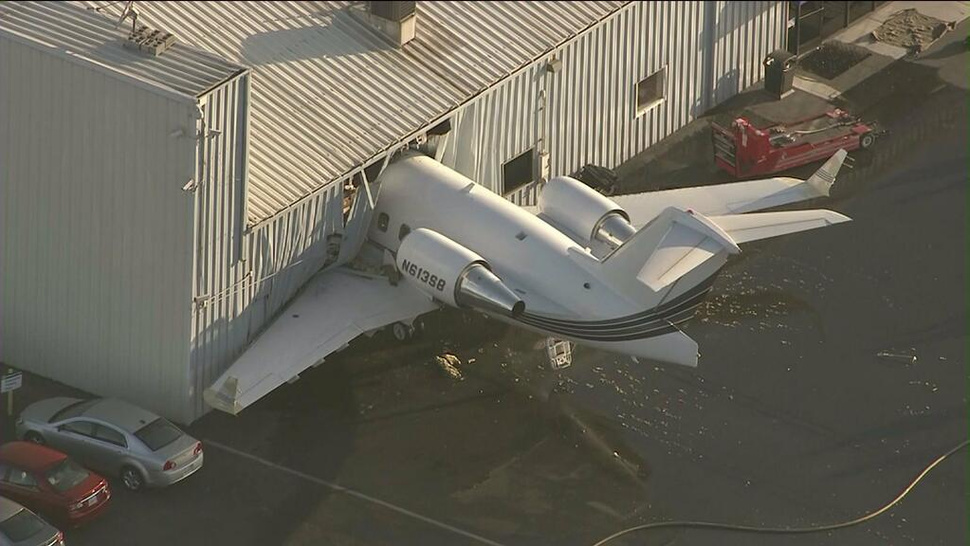
Two technicians were performing engine tests on apron at Chino Airport. While facing a hangar, the aircraft jumped over the chocks and collided with the metallic door of the hangar before coming to rest half inside. Both occupants escaped uninjured and the aircraft was damaged beyond repair.
Probable cause:
No investigation has been conducted by the NTSB about this event.